




Artwork by Belinda (Binny) Roberts. A Buandik woman living in Awabakal country.
The vibrant design represents the diversity and multicultural nature of the communities in the Anglican Diocese of Newcastle.
Each different element of the artwork represents each of the unique communities and countries that make up our First Nations community.
The central bucket represents the centre of the industries in the Hunter region, including coal mining and the former steelworks. There is a suggestion of a power station that represents the electrical industry.
The boomerang relates to the people who have gone but are now returning. The dots and pathways show the interconnectedness of our communities.
The plants, in white, represent the destruction of the forests in the valley. The blue swirls represent the dams.
Overall, it depicts the many parts that make up our diverse community.


The reality is, Australia still has a long way to go.
How can we look at our kids and not want more for them?
How can we accept a future where they may feel less than others because of who they are and the culture they carry?

Reconciliation isn’t just about acknowledging the past – it’s about actively working to create a better future. It’s about having the courage to look at our systems, our institutions, and ourselves, and asking, “Is this good enough for our children? Is this good enough for their children?” These can be difficult and unsettling thoughts, but they are ones that need to be had to support change. It’s important to stand up and question current processes and thoughts in everyday life.
Britta March 2025
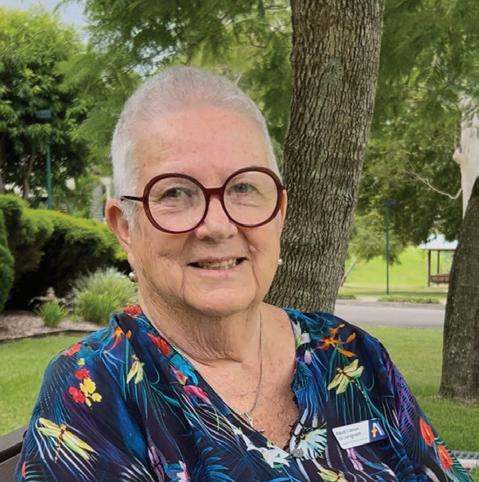
This RAP is like a mustard seed. It is a first step towards a long journey. It has taken 240 years for the country to get where it is in the treatment of our people.
This is not a three year plan and there are no shortcuts.
We have to plant the seeds. The RAP represents the seeds. Our people have survived! I know just like the sower and the seed there will be places where this will not be taken seriously. There will be places where it will be looked at in bits and pieces. I am hopeful that there will be places where this RAP will flourish and build sustainable partnerships that allow my children, my grandchildren and my future generations a place that gives them equal advantage and possibilities in the church I love.
Aunty Di March 2025

Our Diocesan work of truth-telling and reconciliation is deepening.
This Reconciliation Action Plan is a living document. It is vital storytelling and truth sharing continue to happen even when it is uncomfortable to hear.

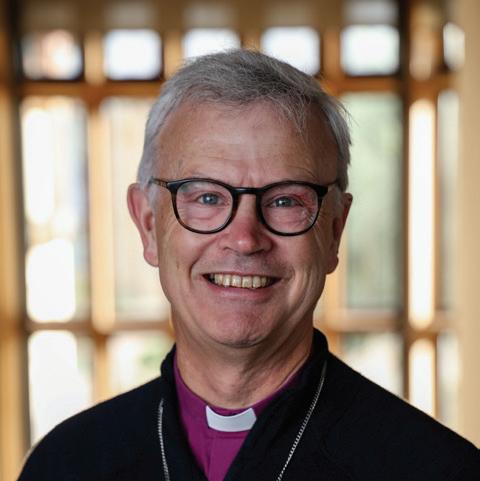
We are seeking to be reconciled to people, and to God, in and by truth.
There is a life-changing opportunity for all Australians to recognise the world’s oldest living culture is part of us and we can choose to be part of it.
I am deeply encouraged by the journey Newcastle Anglican clergy, parishioners, workers and supporters have engaged in so far. There is a commitment to the spirit and practice of reconciliation.
We have heard Aboriginal and Torres Strait Islander peoples invite all Australians into their continuing culture. We belong together.
We hope that this Reconciliation Action Plan is a meaningful and significant contribution to that journey.

Dr Peter Stuart Anglican Bishop of Newcastle
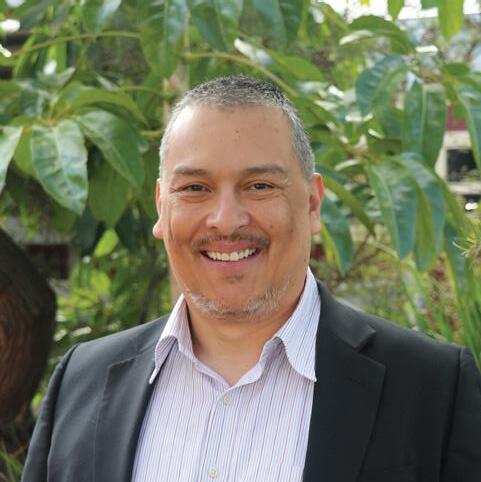


Newcastle Anglican is a large, dynamic, and respected organisation with a workforce of over 4,500 people, nearly half of whom are dedicated volunteers.
Through a shared vision, shared values, and a shared service philosophy our parishes, Anglican Care, Samaritans, and Newcastle Anglican Schools support the people of our Diocese on the traditional lands of our First Nations peoples.
We aspire to conduct our work in a culturally safe and appropriate manner, that respects and values First Nations staff, their cultural knowledge and lived experience.
We aspire to be a community of equals, where our different knowledge, experience and stories are shared and valued.
This RAP demonstrates Newcastle Anglican’s journey towards meaningful reconciliation for our staff and the people we support.
This RAP connects our aspirations to actions.
This is just the beginning.
John Barriga
John Barriga Chief Executive Officer

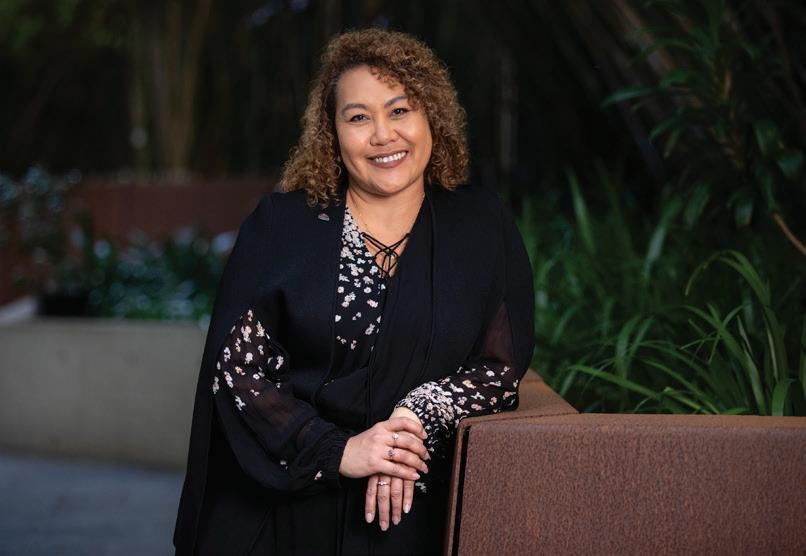
Statement from Karen Mundine Chief Executive Officer Reconciliation Australia
Reconciliation Australia welcomes Newcastle Anglican to the Reconciliation Action Plan (RAP) program with the formal endorsement of its inaugural Reflect RAP.
Newcastle Anglican joins a network of more than 3,000 corporate, government, and not-forprofit organisations that have made a formal commitment to reconciliation through the RAP program.
Since 2006, RAPs have provided a framework for organisations to leverage their structures and diverse spheres of influence to support the national reconciliation movement. The program’s potential for impact is greater than ever, with over 5.5 million people now working or studying in an organisation with a RAP.
The four RAP types — Reflect, Innovate, Stretch and Elevate — allow RAP partners to continuously develop and strengthen reconciliation commitments in new ways. This Reflect RAP will lay the foundations, priming the workplace for future RAPs and reconciliation initiatives.
The RAP program’s strength is its framework of relationships, respect, and opportunities, allowing an organisation to strategically set its reconciliation commitments in line with its own business objectives, for the most effective outcomes.
These outcomes contribute towards the five dimensions of reconciliation: race relations; equality and equity; institutional integrity; unity; and historical acceptance.
It is critical to not only uphold all five dimensions of reconciliation, but also increase awareness of Aboriginal and Torres Strait Islander cultures, histories, knowledge, and leadership across all sectors of Australian society.
This Reflect RAP enables Newcastle Anglican to deepen its understanding of its sphere of influence and the unique contribution it can make to lead progress across the five dimensions. Getting these first steps right will ensure the sustainability of future RAPs and reconciliation initiatives, and provide meaningful impact toward Australia’s reconciliation journey.
Congratulations Newcastle Anglican, welcome to the RAP program, and I look forward to following your reconciliation journey in the years to come.
impact of listening and learning

difficult confusion moving motivation difference possible confronting guilty heartfelt identity commitment overwhelmed pain confusing emotional honest generosity positive real respect action acknowledgement challenging acceptance reconciled inspirational empowering responsibility reconciliACTION thought provoking vulnerable intimidating sharing clarifying togetherness courage positive steps right thing to do connection walking into two worlds

Newcastle Anglican acknowledges the stories, hopes and dreams of Aboriginal and Torres Strait Islander peoples.
We acknowledge the sacred connection Aboriginal and Torres Strait Islander peoples have with the land, sea, sky and waterways. We recognise, support and advocate for the sovereign rights of these nations as they navigate through the various impacts of colonisation.
This acknowledgment is aligned with our church’s commitment to creating a diverse and inclusive community. We embrace the call to recognise and acknowledge the peoples, culture and history that make up our beloved shared community.
Our vision for reconciliation is to acknowledge the past, to accept the First Nations invitation to walk together on a journey of collective healing and to promote opportunities for all people to flourish.
Newcastle Anglican acknowledges the Aboriginal Custodians of the lands where our services operate and the regions where we work.


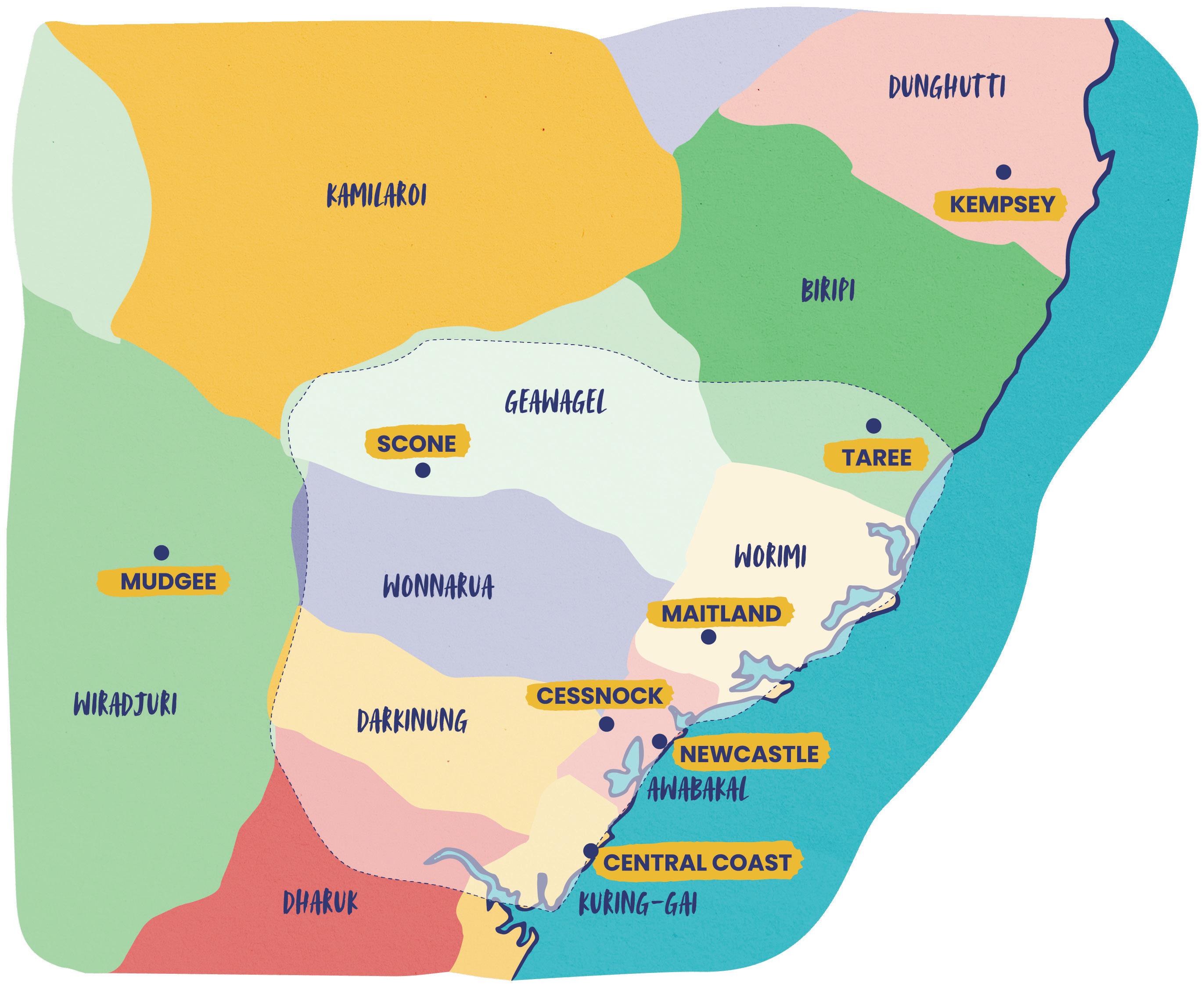
We know that we are the successors to the Church of England whose clergy and members arrived when the region was colonised. They led and participated in actions which have created multigenerational trauma among First Nations peoples.
We know that there are significant land and buildings that we still use which is on land first taken from Aboriginal peoples under Crown Grant.
We know that First Nations peoples have been disproportionately represented among our social service users.
Some experienced abuse in care.
It is with these truths in mind that we come to the work of reconciliation.
In our current expression we have parishes, agencies, schools, and corporate shared services.
We offer quality aged care services including home care, retirement living and residential aged care. We continue to provide social justice services which offer life changing support and advocacy to youth and those in need. We provide NDIS and disability support, tailored to individual needs. We have four schools and a partnership with a fifth school. Our focus is on a holistic approach to education for nearly 4,000 students.
Newcastle Anglican’s vision is for people to flourish because of what we do, inspired by the way of Jesus.
We have more than 2,500 employees and thousands of volunteers, offering ministry,
education, and support to thousands of people every week.
Currently, we are unaware of the total number of First Nations peoples working and volunteering in our services.
The experiences and voices of First Nations people is poorly understood in Newcastle Anglican and more broadly across the community.
Despite moments of enthusiasm, there has been a greater silence around truth telling. The experience of the Referendum on the Voice saw a movement away from reconciliation in some areas.
This does not represent the heart of the majority of clergy and parishioners, employees and volunteers, and the people we support. They are asking for a meaningful Reconciliation Action Plan in which Newcastle Anglican seeks to understand and respond to Aboriginal and Torres Strait Islander peoples’ aspirations and needs.
We are at the very beginning of our RAP journey, and we believe this process will truly help us achieve Newcastle Anglican’s vision of people flourishing, inspired by the way of Jesus.
There are five primary levels of Governance in Newcastle Anglican with shared and distinct responsibilities:
• The Bishop
• The Synod
• The Diocesan Council


• The Newcastle Anglican Corporation Board which is the Board for the agencies and schools
• Parish Councils
Executive Authority is held by:
• The Bishop (assisted by the Assistant Bishops) and the Chief Executive Officer
• The Executive Directors
Our Reconciliation Reference Group is known as Yalorta Group. Yalorta is a consultative group for the voice of Aboriginal and Torres Strait Islander peoples in the Diocese to raise relevant issues. Yalorta is dedicated to truth telling, deep listening and silence for reflection.
Our Reconciliation Working Group is a selected group of individuals across Newcastle Anglican, who are dedicated to reconciliation. The Chair of this group is our Director of Mission, Archdeacon Rod Bower.
The RAP Champion is responsible for driving and championing internal engagement and awareness. Our RAP Champion is Dr Peter Stuart, Anglican Bishop of Newcastle.

Newcastle Anglican is committed to building and maintaining relationships with Aboriginal and Torres Strait Islander peoples, communities and organisations.
To realise this goal, we know that we must begin with humility and create safe spaces for conversation. We recognise that it takes time to build rapport and form relationships with Aboriginal and Torres Strait Islander peoples and communities.
Importantly, we know that because of our practices, including in recent times, we cannot presume the desire for relationship. We will begin by getting ready through learning and listening.

Acknowledging Country is honouring the Indigenous peoples as the Traditional Custodians of the land. It is a cultural and social gesture that focuses on recognition, respect, and understanding, particularly in the context of Australian history and reconciliation.
Britta March 2025
Action
1. . Celebrate the existing relationship between Newcastle Anglican and local First Nations communities.
Deliverable
Undertake a comprehensive internal survey of existing relationships between Newcastle Anglican services and local First Nations communities.
Provide communication, marketing and events support, including promotional materials, to parishes, agencies and schools to celebrate existing relationships.
Timeline Responsibility
AprilSeptember 2026
Director People and Culture Operations.
September 2026 Director Brand, Marketing and Communication.
2. Establish mutually beneficial relationships with Aboriginal and Torres Strait Islander stakeholders and organisations.
Identify Aboriginal and Torres Strait Islander stakeholders and organisations within our local area or sphere of influence.
Research best practice and principles that support partnerships with Aboriginal and Torres Strait Islander stakeholders and organisations.
Initiate conversations with Aboriginal and Torres Strait Islander stakeholders.
Explore ways in which the Narragunnawali (Reconciliation in Education) framework may be introduced into our schools or learning platforms.
June 2026
Director of Mission.
September 2026
Director of Reconciliation.
Commence March 2027
Director of Mission working with Director of Reconciliation.
Commence March 2027
Executive Director Education.
3. Build relationships through celebrating National Reconciliation Week (NRW).
Circulate Reconciliation Australia’s NRW resources and reconciliation materials to our people and people we support.
RAP Working Group members to participate in an external NRW event.
Managers, Senior Leaders, and Senior Clergy to participate in at least one external event to recognise and celebrate NRW.
All schools engage with the local communities and celebrate NRW.
May each year
27 May - 3 June each year
27 May - 3 June each year
Director Brand, Marketing and Communications.
Chair of RAWG (Director of Mission).
The Bishop to lead.
May each year
Executive Director Education.
4. Promote reconciliation through our sphere of influence.
The Bishop, the Diocesan Council and the NAC Board to agree a statement on reconciliation that defines the Newcastle Anglican commitment to reconciliation.
Promote the Newcastle Anglican commitment to reconciliation regularly to our people and the people we support.
Seek First Nations perspectives in the work that we do.
Develop culturally appropriate and safe spaces for yarning circles.
Identify external stakeholders that our organisation can engage with on our reconciliation journey.
Amplify the voices of First Nations peoples within Newcastle Anglican, within internal and external communication channels, so that their voices influence policy and practice.
Consult with networks within NATSIAC and Anglican schools to identify other like-minded organisations that we could approach to collaborate with on our reconciliation journey.
September 2026 The Bishop.
Commence October 2026
Director of Brand, Marketing and Communication.
Commence April 2026
Coordinated by the Director of Reconciliation.
Commence September 2026
Coordinated by the Director of Reconciliation.
September 2026 The Bishop to lead.
Commence April 2026
Director Brand, Marketing and Communications.
September 2026 Director of Reconciliation
Executive Director Education.
5. Promote positive race relations through antidiscrimination strategies.
Ensure HREOC principles are included in Newcastle Anglican policies.
Equip our senior leaders on the most recent conversations and research surrounding the effects of racism.
Commence 1 The Bishop.
Commence 1 July 2026
Executive Director People and Culture
Newcastle Anglican is committed to valuing diversity and respecting all individuals that make up the rich fabric of our region.
Newcastle Anglican wants to ensure that its relationships and engagement with Aboriginal and Torres Strait Islander peoples, communities and organisations is based on equal partnership, trust, and mutual respect.
To achieve this, we will be honest about our history and be open to hear the history of Aboriginal and Torres Strait Islander peoples when they are ready to share it and as they choose to share it. Newcastle Anglican wants a fair and truthful relationship with the Aboriginal peoples of our region. We want justice for them. We wish to see these aspirations reflected in words and actions.
Action Deliverable
6. Promote the meaningful Acknowledgement of Country in parishes, agency and school services of worship and major meetings.
That Acknowledgement of Country is affirmed as a priority within Newcastle Anglican.
Increase staff’s understanding of the purpose and significance behind cultural protocols, including Acknowledgement of Country and Welcome to Country protocols.
Timeline Responsibility
April 2026 The Bishop.
Start 1 February 2027 Director of Reconciliation.
7. Increase understanding, value and recognition of Aboriginal and Torres Strait Islander cultures, histories, knowledge and rights through cultural learning.
Affirm by Synod, DC and NAC resolution the case for increasing understanding, value and recognition of Aboriginal and Torres Strait Islander cultures, histories, knowledge and rights within our organisation.
Conduct a review of cultural learning needs within our organisation.
Undertake cultural awareness training.
Dedicated celebration and recognition of First Nations dates of significance in the Newcastle Anglican Yearly Calendar of Events.
Synod June 2026 and other August 2026 The Bishop.
Commence July 2026
Commence September 2026
Calendar prepared for 2027 by 1 October 2026
Executive Director People and Culture.
Executive Director People and Culture.
Director of Reconciliation.
8. Demonstrate respect to Aboriginal and Torres Strait Islander peoples by observing cultural protocols.
Develop an understanding of the local cultural protocols Traditional Owners or Custodians of the lands and waters within our organisation’s operational area.
Ensure cultural awareness training is available in Newcastle Anglican in both e-learning sessions.
9. Raise awareness of Aboriginal and Torres Strait Islander histories during NAIDOC Week. Raise awareness and share information amongst our staff about the meaning of NAIDOC Week.
Promote in edition of Newcastle Anglican’s Encounter magazine.
Statement from Bishop Peter.
Support from ELT and senior leadership team members.
Introduce our staff to NAIDOC Week by promoting external events in our local area.
RAWG to participate in planning an external NAIDOC Week event.
Schools engage with their local communities and celebrate NAIDOC.
Commence September 2026
Director of Reconciliation.
Commence October 2026
Executive Director People and Culture.
July each year
Director Brand, Marketing and Communications.
June each year Director of Reconciliation.
First week in July each year Chair of RAWG.
July each year
Executive Director Education.
Newcastle Anglican will strive to create sustainable and meaningful opportunities and partnerships with and for Aboriginal and Torres Strait Islander staff, providers and companies.
We will identify and address barriers to increase Aboriginal and Torres Strait Islander peoples participation in our workforce, as well as through procurement and supplier diversity.
10. Improve employment outcomes by increasing Aboriginal and Torres Strait Islander recruitment, retention and professional development.
Build understanding of current Aboriginal and Torres Strait Islander staffing to inform future employment and professional development opportunities.
Develop a recruitment strategy for increasing Aboriginal and Torres Strait Islander employment in our organisation.
July 2026
Executive Director People and Culture.
July 2026
Executive Director People and Culture.
11. Increase Aboriginal and Torres Strait Islander supplier diversity to support improved economic and social outcomes.
Ensure incorporation of parameters for procurement using Aboriginal and Torres Strait Islander owned businesses.
Investigate Supply Nation membership.
October 2026
Executive Director Finance.
October 2026
Executive Director Finance.
True reconciliation relies on all those involved delivering on their goals and commitments. Newcastle Anglican is committed to achieving tangible and measurable outcomes for, and with, Aboriginal and Torres Strait Islander peoples and communities. We are committed to ensuring transparency and a removal of the biases of history and religion from the past.
We must actively track, monitor and report on our progress towards delivering our first RAP. This will enable us to identify what we have learned and highlight additional opportunities to pursue further reconciliation, as we work together to travel the path.
12. Establish and maintain an effective RAP governance structure for direction and implementation of the RAP.
Continue the RAWG to govern RAP implementation.
Draft a Terms of Reference for the RAWG.
Establish Aboriginal and Torres Strait Islander representation on the RAWG.
13. Provide appropriate support for effective implementation of RAP commitments. Define resource needs for RAP implementation.
Engage senior leaders in the delivery of RAP commitments.
Define appropriate systems and capability to track, measure and report on RAP commitments.
May 2026
The Bishop.
May 2026
The Bishop.
April 2026 The Bishop.
July 2026
July 2026
The Bishop.
The Bishop.
July 2026
Executive Director People and Culture.
14. Build accountability and transparency through reporting RAP achievements, challenges and learnings both internally and externally.
Contact Reconciliation Australia to verify that our primary and secondary contact details are up to date, to ensure we do not miss out on important RAP correspondence.
Contact Reconciliation Australia to request our unique link, to access the online RAP Impact Survey.
Complete and submit the annual RAP Impact Survey to Reconciliation Australia.
15. Continue our reconciliation journey by developing our next RAP. Register via Reconciliation Australia’s website to begin developing our next RAP.
16. Explore the development of a Truth and Reconciliation Commission to promote justice with First Nations people.
June, annually Corporate Secretary.
1 August, annually Corporate Secretary.
30 September, annually Corporate Secretary.
March 2028 The Bishop and CEO.
Explore best practices in truth telling. November 2026 The Bishop.
Submit a recommendation for the Commission to go to the meeting of Synod in 2027.
June 2027 The Bishop.