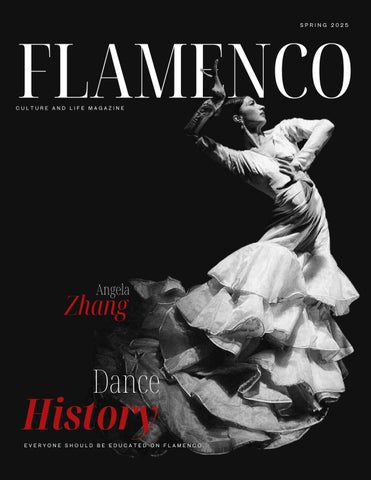
Dance History
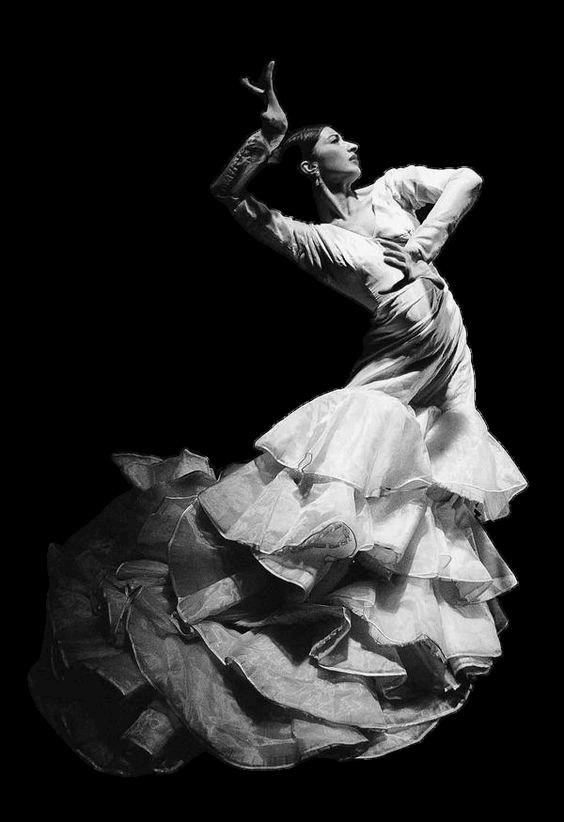
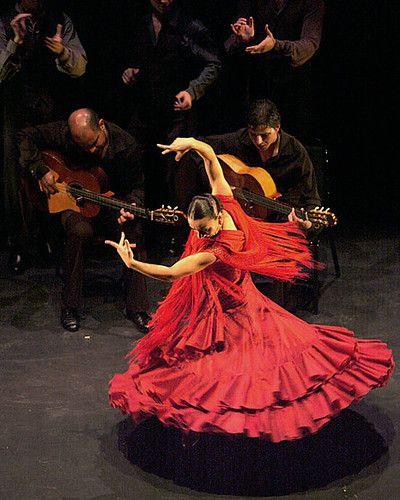
Flamencoisaformofsong,dance,andinstrumental musiccommonlyassociatedwiththeAndalusian RomaofsouthernSpain. FlamencoblendsinfluencesfromAndalusian,Moorish, Jewish,andRomanicultures,buttranscendsinto energy,spirit,andsoul.
Components:cante(song),baile(dance)
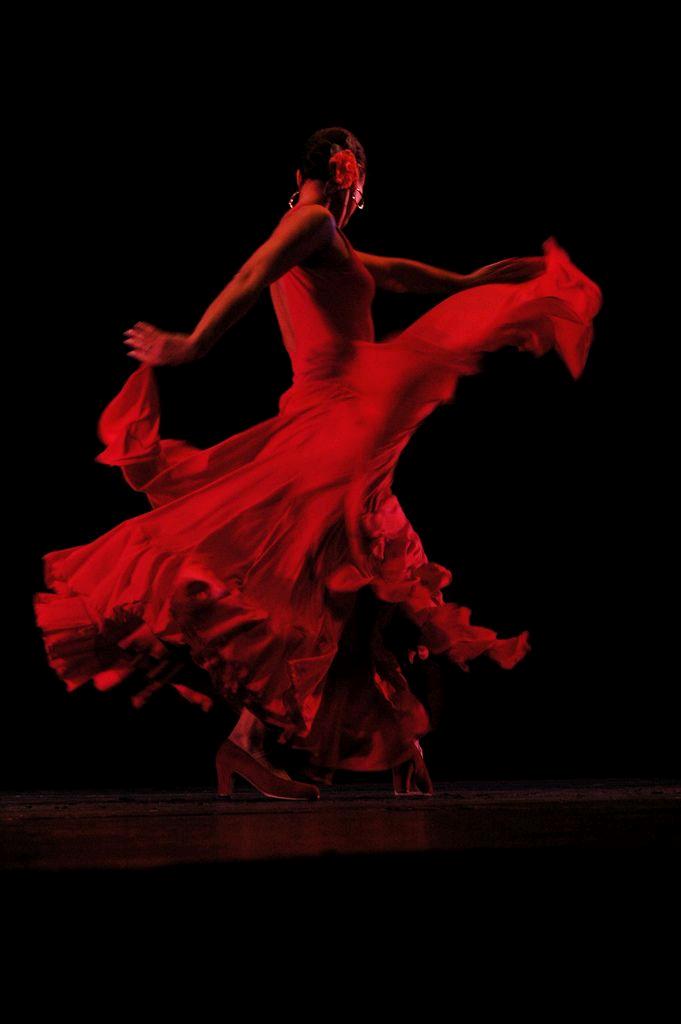
baile
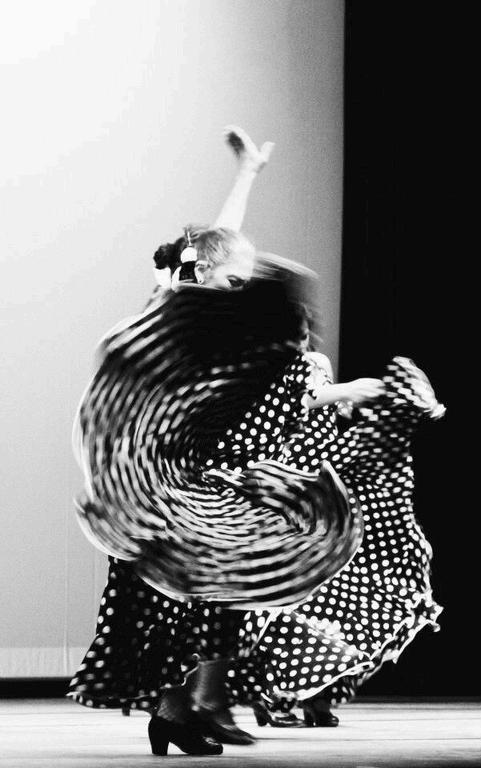
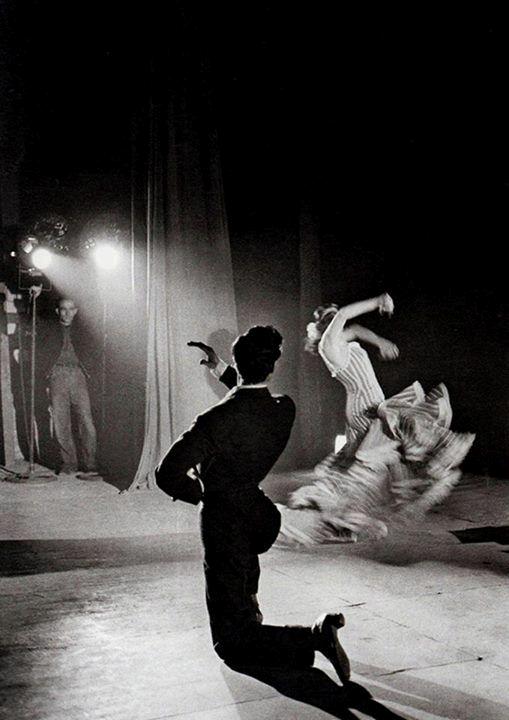
Afterthemid-19thcentury,flamencodancewasadded tothemusic.Usuallydancerswouldperformaseriesof choreographeddancestepsandimprovisedstyles.Since then,baile,ordance,hasbeenthedominantelementof flamenco.Abailaor(maledancer)orbailaora(female dancer)accompaniestheflamencosinger.Theyusually interpretthesong’sstorythroughtheirmovementsand improvisation.Dancingisuniquetoeachdancer,with differentstylesandemotionsbehindthemovement.
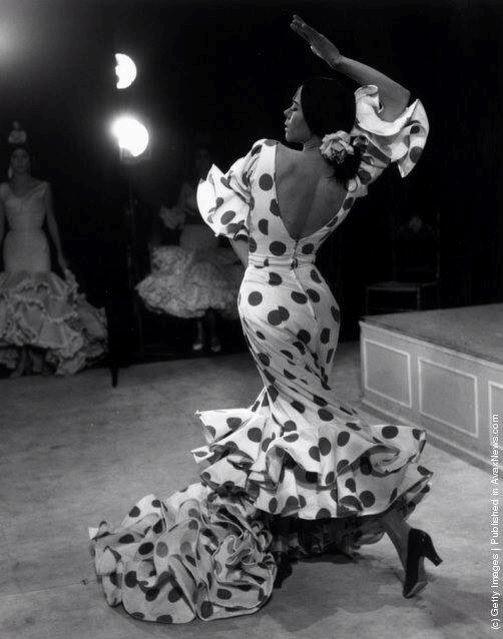
Baile,ordance,isthemost importantaspectof flamencodance,surpassing themusicitself.Itrepresents theconnectiontohumans andthepassionbehind improvisationand individualism.
duende
Duende,inSpain,isthisidea ofrawpassionandemotion thatcanbeevokedfrom dance,liftingflamencotoa higherlevel.Itcomesfrom within.Likeamagicalspirit, duendeissomethingonly talentedflamencoartists canconveytothepublic.
paseos
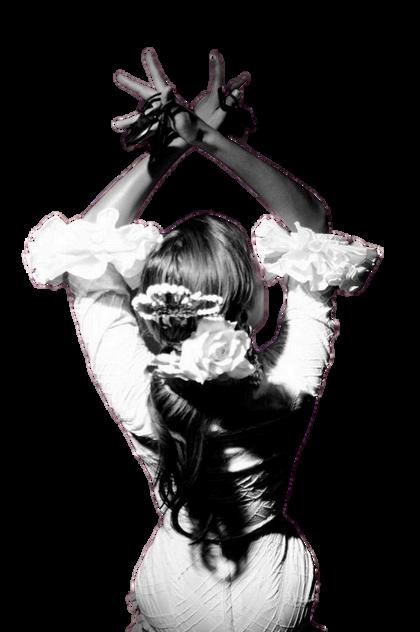
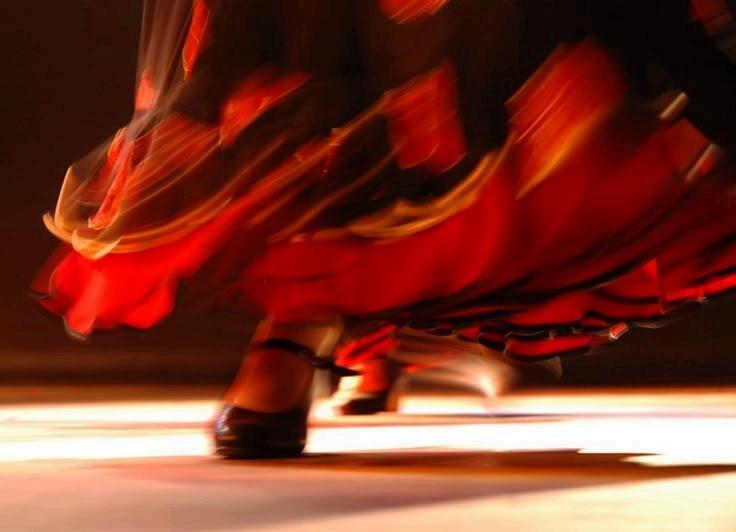
Paseosarestepsandstylesseeninflamencodance:
Braceo:armanduppertorsomovements.
Florea:theintricatehand,wrist,andfingerflourishes Zapateado:footwork
Taconeo:heelwork
Soleas:longpassagesoffootwork
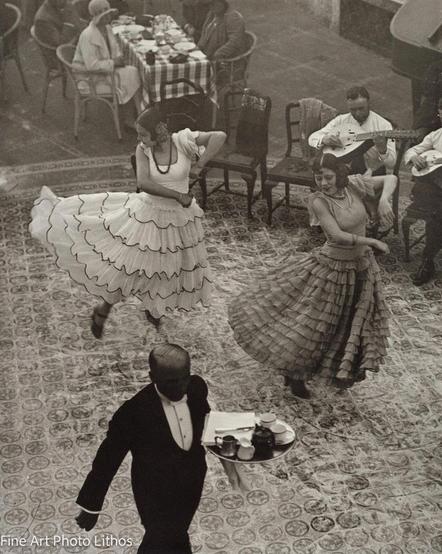
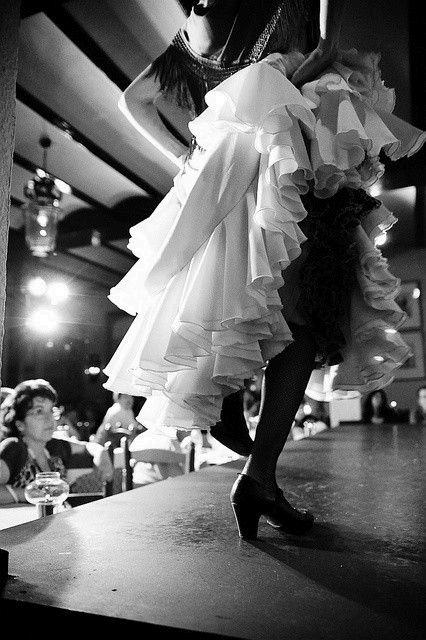
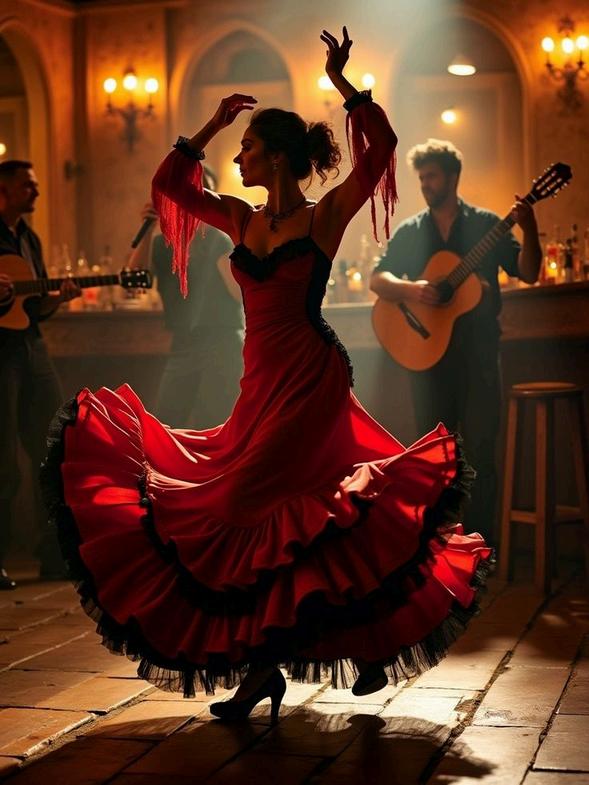
Traditionalflamenco featuresmenwith intricatefootworkwhile women,indramatic ruffleddresses,usetheir handsanduppertorso fordramaticemphasis. Performersreaching1520minutesare channelingtheirduende, combiningthemagicand spiritualityofthedance, story,andflamenco.
WHY FLAMENCO?
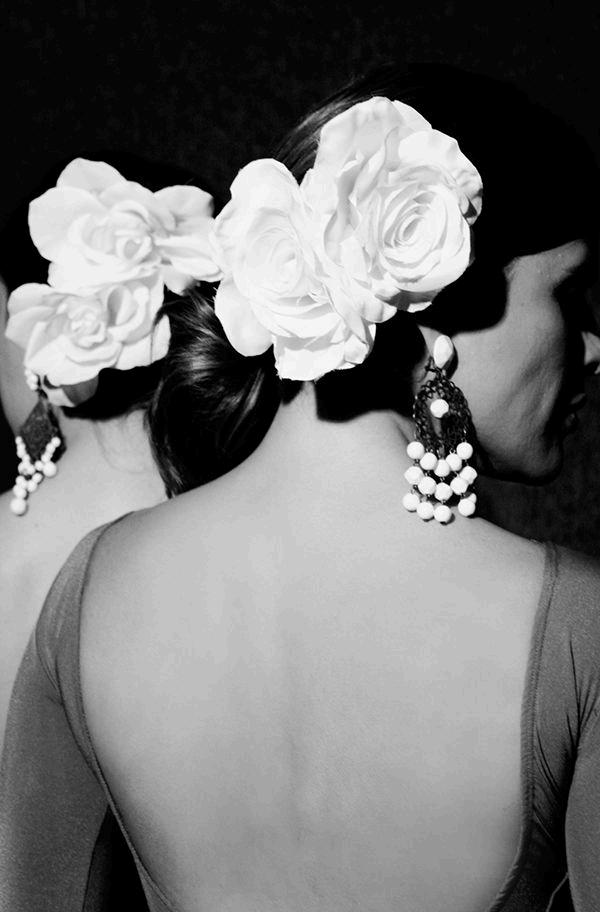
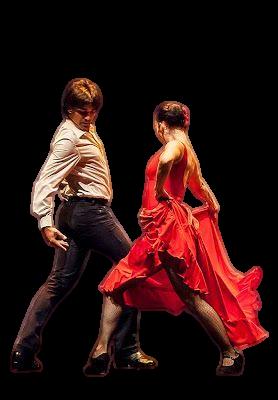
Flamencoisajourneyofgrowth. It’snotjustaboutdance technique,butpatience,discipline,andconfidence.This formofdancechallengesartiststobevulnerableand unique. Whenenjoyedtogether,flamencobringspeople togetherinpassionandenergy.
FLAMENCO DANC THROUGHOUT HISTORY
Flamencodanceusedtobea formofexpressionforthe Romanipeoplewhohadbeen persecutedbyChristianssince theirarrivalintheIberian Peninsulabutisnow consideredthequintessential Spanishartform.
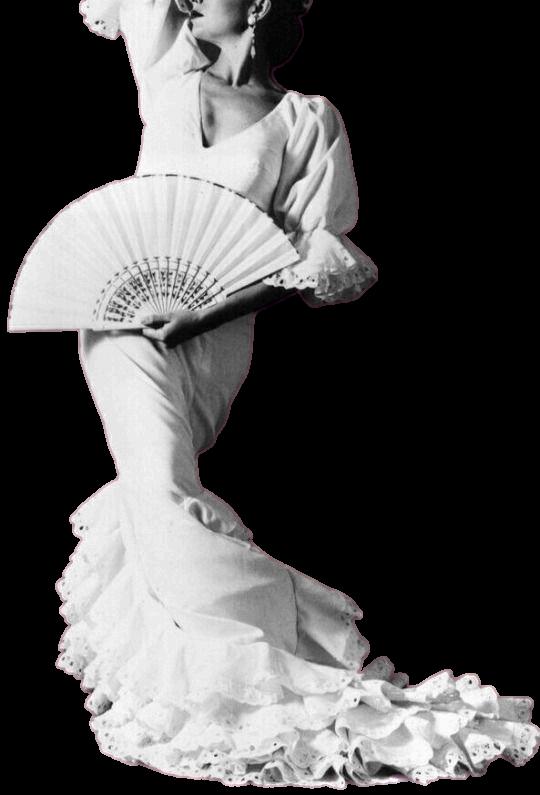
Asanartform,flamencobecame extremelypopularinthe19 century. However,italsobecamethecenterof debatebetweenvariouspoliticalfactionsin Spain. th
NationalistsandtheCatholicChurch arguedthatflamencowastoooutlandishto demonstrateSpanishidentity.Ontheother hand,progressivesbelievedflamencowas tooregressive,keepingSpainfrommoving forward.
WhenFranciscoFrancocametopoweras adictator,flamencowentfrombeinga symbolofnationalismtobecomingaform ofprotest. Itisimportanttolearnabout flamencointhecontextofSpanishhistory andnationalism.
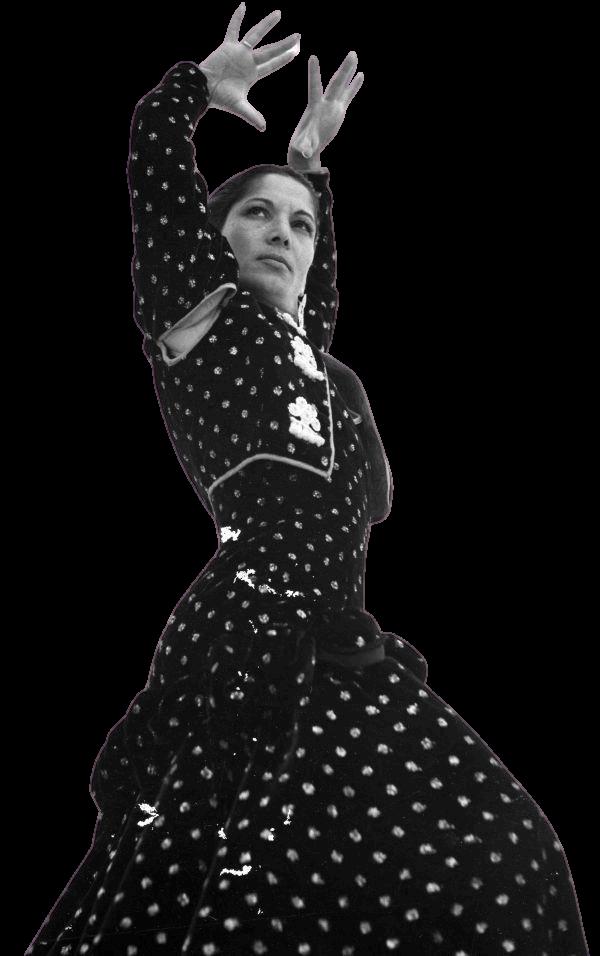
Carmen Amaya
(1913-1963),aGitanafrom Barcelonaoftencalled“TheQueen ofFlamenco”,ispossiblythemost famousflamencodancer.
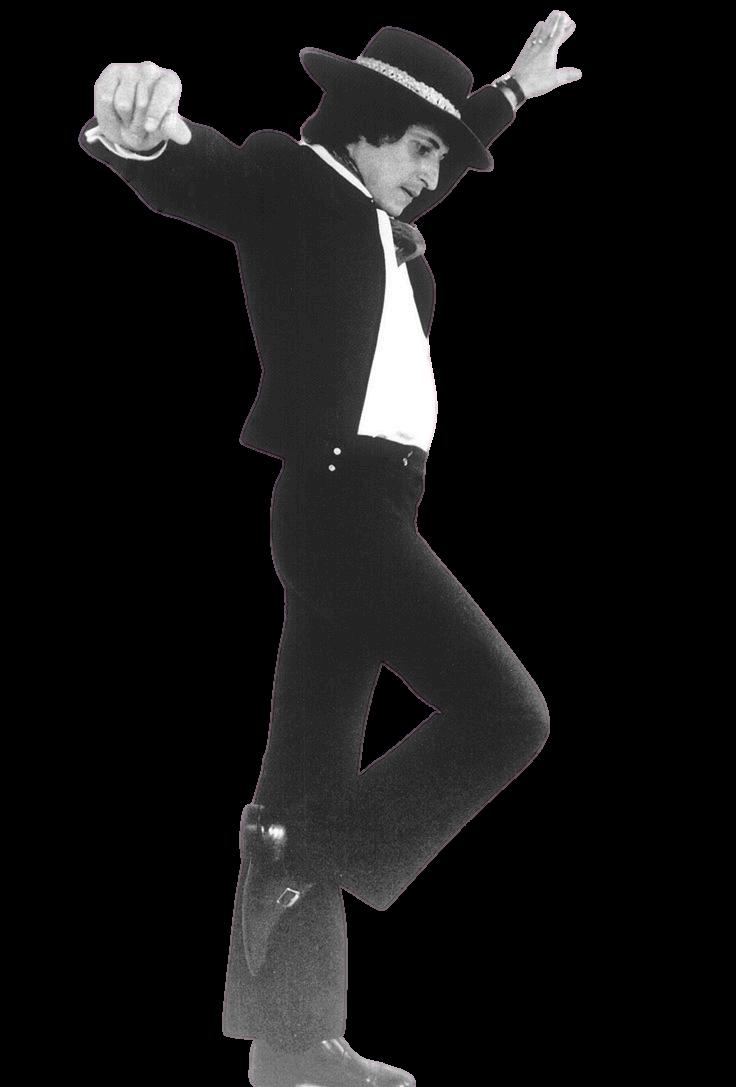
Antonio Gades
(1936-2004),aSpanishflamenco dancerandchoreographerwidely regardedasoneofthebest flamencodancersofalltime.
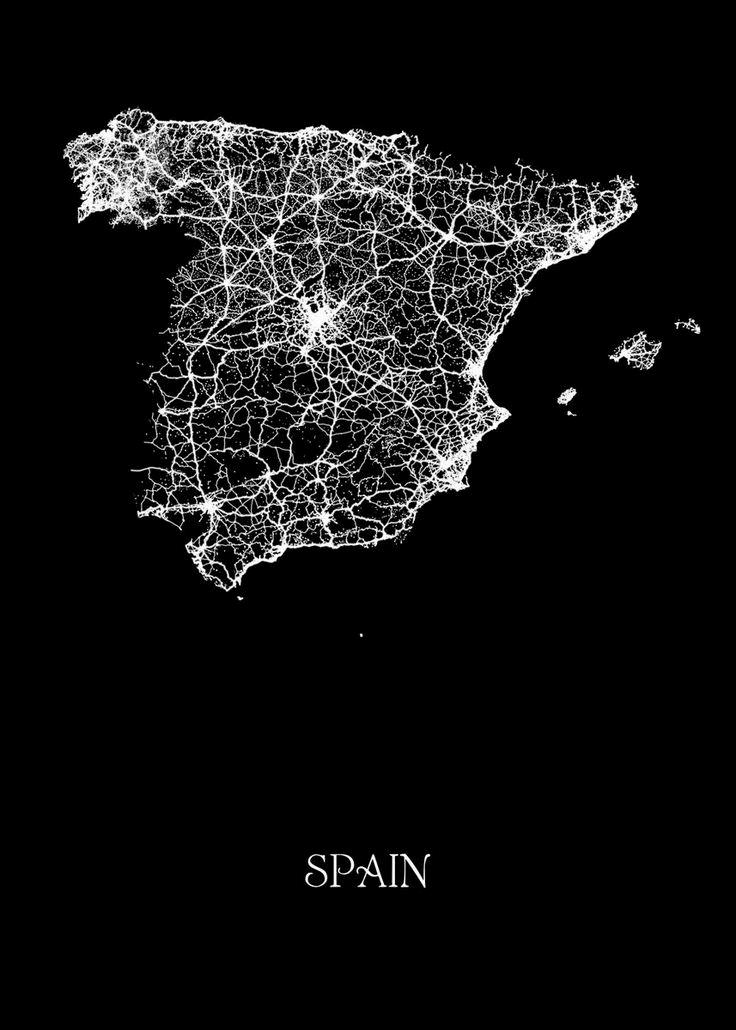
ExperienceflamencoyourselfinoneofthesefamousSpanishcities.
Granada:oneofflamenco’sbirthplaces.VentaelGallo,El TemplodelFlamenco,andLeChienAndalou.
Córdoba:famousforitsflamencodancers.TablaoEl Cardenal,LaTabernadobledeCepa,orElAlmíbaryEl RincóndelCante.
Seville:somuchtosee.LoNuestro,ElPalacioAndaluz, Triana,ElRejoneo,CasadelaMemoria,orTaberna Flamenca.
Madrid:notflamenco’sspiritualhomebutdoeshavemany flamencovenues.TabernaSanlúcarorO’Pulpo.
“Discovering the Icons: The Most Famous Flamenco Dancers in History.” Flamenco Show Madrid, 17 May 2023, www.flamencoshow.madrid/famous-flamenco-dancers/. Accessed 21 May 2025.
Flores, Eva Ordóñez “Dance Improvisation Rules and Practice in the Cuadro Flamenco.” The World of Music, vol. 50, no. 1, 2008, pp. 33–47. JSTOR, http://www.jstor.org/stable/41699807. Accessed 21 May 2025.
Holguín, Sandie. “Flamenco and Spanish National Identity.” Historias, June 2021, historiaspodcast.org/2021/06/01/flamenco-and-spanish-nationalidentity/. Accessed 21 May 2025.
Malefyt, Timothy Dewaal. “‘Inside’ and ‘Outside’ Spanish Flamenco: Gender Constructions in Andalusian Concepts of Flamenco Tradition.” Anthropological Quarterly, vol. 71, no. 2, 1998, pp. 63–73. JSTOR, https://doi org/10 2307/3317706 Accessed 15 May 2025
Simonari, Rosella. “Bringing ‘Carmen’ Back to Spain: Antonio Gades’s Flamenco Dance in Carlos Saura’s Choreofilm.” Dance Research: The Journal of the Society for Dance Research, vol. 26, no. 2, 2008, pp. 189–203. JSTOR, http://www.jstor.org/stable/40263999. Accessed 21 May 2025.
Solís, Jose. “Flamenco History.” Nycitycenter.org, 2024, www.nycitycenter.org/education/study-guides/flamenco-festival-studyguide/flamenco-history/. Accessed 21 May 2025.
Thomas, Katherine. “First Bi-Annual Flamenco History Conference.” Dance Research Journal, vol. 28, no. 2, 1996, pp. 110–13. JSTOR, http://www.jstor.org/stable/1478603. Accessed 16 May 2025.
Thomas, Katherine. “Flamenco and Spanish Dance.” Dance Research Journal, vol. 34, no. 1, 2002, pp. 98–102. JSTOR, https://doi org/10 2307/1478139 Accessed 15 May 2025