
Safeguarding & Child Protection policy
Definition
In accordance with the Children Act 1989 and 2004, a child is any person who has not yet reached their 18th birthday. For the purpose of these procedures the reference to children therefore means ‘children and young people’ throughout.
Introduction
At Switch Up, the board of directors and staff fully recognise the contribution the organisation makes to safeguarding children. We recognise that the safety and protection of all young people is of paramount importance and that all staff, including volunteers, have a full and active part to play in providing early help, protecting children from harm. We believe that Switch Up should provide a caring, positive, safe and stimulating environment which promotes all young peoples’ social, physical, emotional and moral development. In delivering this ambition we will adhere to the principles set out in Nottingham’s Family Support Strategy and Nottingham City Safeguarding Partners Policy, Procedures and Practice Guidance.
Ultimately, we believe that effective safeguarding of children can only be achieved by putting children at the centre of the system, and by every individual and agency playing their full part, working together to meet the needs of our most vulnerable children.
This policy document applies to all activities undertaken by Switch Up and Nottingham School of Boxing (referred to as ‘the organisation’). The policy reflects current legislation, accepted best practice and complies with the government guidance: Working Together to Safeguard Children 2023 and Keeping Children Safe in Education September 2024 which set outs what must be done to safeguard children by the organisation as an Alternative Education Provider. This policy recognises the responsibilities set out in the Keeping Children Safe in Education Guidance (September 2024) and ensures that the senior Designated Safeguarding Lead (DSL), and alternate complies with the requirement for the board of directors, and all staff/volunteers to have read the guidance in full, or at least Annex A, relevant to their role; it being the responsibility of the board to ensure that this has happened and is recorded.
Links:
• HM Working Together to Safeguard Children, published December 2023
Working together to safeguard children 2023: statutory guidance (publishing.service.gov.uk)
• DfE Keeping Children Safe in Education 2024 (KCSiE) in force from 1st September 2024 Keeping children safe in education 2024 (publishing.service.gov.uk)
Advice within this policy is in line with the advice provided by the Department for Education and covers children of all ages. It sets out how to manage risks, how to ensure statutory guidance is being followed, legal frameworks and best practice.
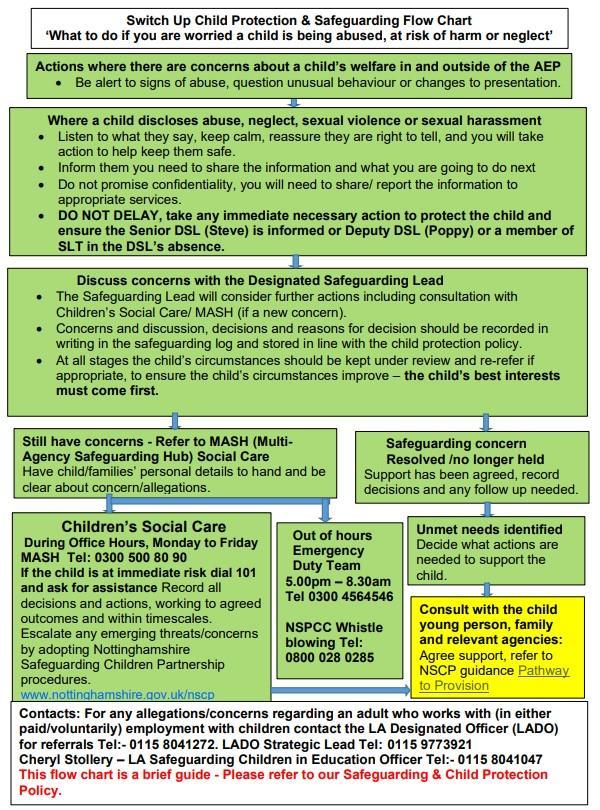
The organisation works with children and young people within Nottingham City and Nottinghamshire County, and as such procedures vary slightly between the two authorities. Appendix A referring to Nottingham City procedures and Appendix B referring to Nottinghamshire County procedures.
The organisation recognises its duty to safeguard and promote the welfare of their young people under section 175/157 of the Education Act 2002 and where appropriate under the Children Act 1989 by:
• creating and maintaining a safe learning environment for children and young people, and
• identifying where there are child welfare concerns and taking action to address them, in partnership with other organisations where appropriate.
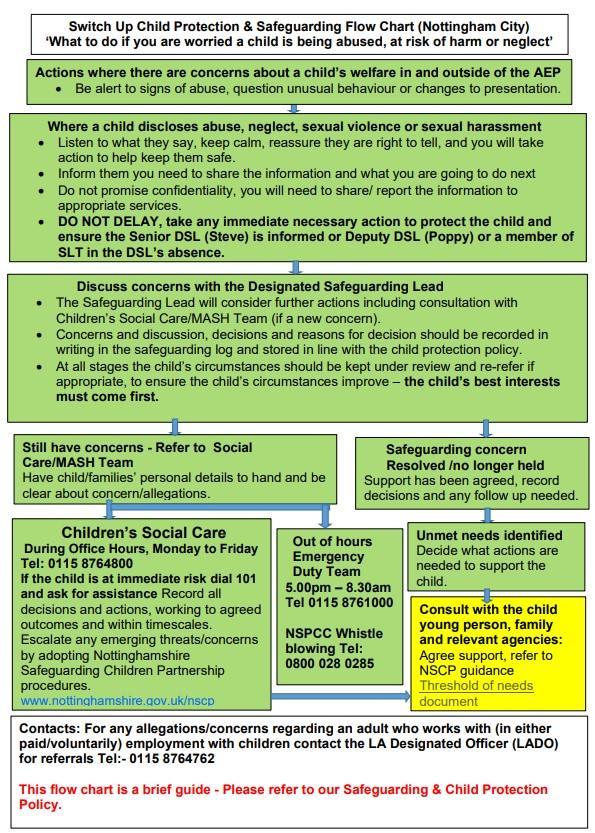
All team members are required to follow government guidance on what to do if they are concerned a child is being abused (2015):
What to do if you're worried a child is being abused
The board of directors and CEO also recognise their responsibility to review how children are taught about safeguarding, throughout the curriculum, inclusive of issues covered during Personal, Social, Health and Economic Education (PSHE), delivered either virtually or face to face.
Other policies and procedures that link to safeguarding issues, have been reviewed and updated to reflect change to Keeping Children Safe in Education (September 2024):
• Anti-bullying policy
• Child on Child Abuse policy
• PSHE curriculum
• Drugs & Substance misuse
• Confidentiality, data protection and information sharing
• Conduct & Behaviours policy
• Positive Handling Policy and touching
• AEP attendance policy
• Health and safety
• Special needs
• E-safety policy
• Management of allegations
• First Aid
• Whistleblowing
• Codes of conduct
• Visitors’ policy
• Looked after children
• Equality, diversity & dignity policy
• Data protection policy
Policy aims:
• Confirm that the pupils’ development is supported in ways that will foster security, confidence and independence,
• Raise the awareness of teaching staff, non-teaching staff and volunteers of the need to safeguard children and of their responsibilities in identifying and reporting possible cases of abuse,
• Confirm the structured procedures to be followed by all members of the Switch Up community in cases of suspected harm or abuse,
• Emphasise the need for good levels of communication between all members of staff and those with designated responsibility for child safeguarding, health and safety and other safeguarding responsibilities,
• Emphasise the importance of maintaining and implementing appropriate safeguarding policies, procedures and arrangements of those service providers who use the premises or provide any other activities, confirming the application of the organisation’s reporting procedures for allegations/concerns covers the activities of all external service providers using the facilities and premises of the organisation.
• Highlight the connection between the safeguarding policy and the organisations policy for safe recruitment of staff and volunteers, and for managing allegations,
• Confirm the working relationship with Multi-Agency Safeguarding Hub (MASH), Nottingham City Safeguarding Partners and other agencies and, where appropriate with similar services in neighbouring authorities.
Roles and Responsibilities Senior DSL & Deputy DSL
Safeguarding arrangements within the organisation are the responsibility of the Senior DSL: Steve.burch@switch-up.org.uk, and deputy DSL Poppy.flint@switch-up.org.uk, this arrangement spanning the full academic year including non-term time.
The role of the DSL is to support other members of staff, to recognise the needs of children, including recognising and responding to possible abuse or neglect.
DSLs are members of the senior leadership team, and their roles are explicitly defined in their job descriptions. They are given sufficient time, funding, supervision and support to fulfil their child welfare and safeguarding responsibilities effectively.
A clear line of accountability must exist for commissioning and/or provision of services designed to safeguard and promote the welfare of children – this is provided by the DSL.
DSLs manage all internal safeguarding processes, ensures they are up to date, compliant and fit for purpose, and that all staff are aware processes and procedures for reporting and recording safeguarding issues.
DSLs act as a point of contact for advice and guidance to staff and managers in relation to safeguarding concerns.
Referrals to Children’s Social Care or Multi-Agency Safeguarding Hub (MASH) teams can be made by any member of staff and should be reported to the DSL. Where a young person is already open to Social Care, the social worker will be contacted directly and the DSL informed, and in the event that the social worker cannot be contacted, then the MASH team should be contacted.
DSLs ensure that all staff have read appropriate documents including KCSiE 2024, are aware of all relevant policies and up to date with safeguarding training. They will ensure that all staff are able to discharge their responsibilities for children effectively by raising concerns with appropriate staff and/or the DSL to keep children safe. All staff are required to have an understanding of issues relating to physical and mental health and wellbeing, criminal child exploitation, gang and knife crime, serious youth violence, radicalisation, extremism, and child sexual exploitation.
DSLs ensure there are procedures in place to respond robustly to allegations, including those relating to alleged child on child abuse, or allegedly harming other children and allegations against staff and volunteers (Inclusive of staff and Volunteers of external organisations using the organisations facilities/premises).
All safeguarding concerns are reported to the DSL (or deputy in their absence). Staff are trained to be vigilant and to report and record all concerns and issues that indicate a young person may require help or where there may be a safeguarding issue. The DSL keeps comprehensive records of all safeguarding concerns and updates these as new information arises, maintaining a Safeguarding Log on a secured shared system. This log also details referrals to local MASH Teams or provides any reason why a referral has not been made.
Ensures all relevant staff have completed FGM training and will support in the reporting of any actual or suspected incidents on girls under 18.
The Senior DSL produces an annual report to the board of directors which details number and type of incidents, training acquired, policies reviewed and staff inductions in safeguarding. An update is produced by the DSL for the board, prior to their quarterly meetings.
CEO, ensures:
▪ That policies and procedures adopted by the board of directors are implemented and followed by all staff,
▪ This policy is updated annually, and be made available publicly via the website,
▪ DSLs review this policy when the Nottingham City Safeguarding Partners or
Nottinghamshire Safeguarding Partners update their policies and procedures, as well as in relation to any changes required by the annual review of Keeping Children Safe in Education Guidance,
▪ Sufficient resources and time are allocated to enable the DSLs and other staff to discharge their responsibilities including taking part in strategy discussions and other multiagency meetings, to contribute to the assessment and support of children and young people, and be appropriately trained,
▪ A culture of listening to children and young people exists within the organisation, taking account of their wishes and feelings and ensuring there are systems in place for children to express views and give feedback,
▪ A single central record (SCR) of all staff and volunteers, and their safeguarding training dates is maintained and that this list confirms that all staff and those volunteers who meet the specified criteria have had a DBS check, when this check was made and when it will be renewed,
o All staff (including supply staff) who work for Switch Up; this means those providing education to children,
o All others who work in regular contact with children or young people, including volunteers,
o All members of the board of directors and senior leadership team.
▪ All staff and volunteers feel able to raise their concerns about poor and unsafe practice in regard to young people, and that such concerns are addressed in a timely manner in accordance with agreed policies,
▪ Staff are sensitive to signs that may indicate possible safeguarding concerns. This could include, for example, poor or irregular attendance, persistent lateness, children missing from education, at risk of permanent exclusion, experiencing multiple exclusions, particularly where there are concerns regarding the potential for forced marriage or female genital mutilation,
▪ They undergo child safeguarding training, which is updated regularly, in line with advice from the Nottingham City Safeguarding Partners and Nottinghamshire Safeguarding Partners.
Recruitment & Staff Supervision
Safe recruitment practices have been established to ensure that all staff and volunteers whom the organisation permits to work regularly with children are in place, including policies on when to obtain a relevant Disclosure and Barring Scheme (DBS) check.
Safer recruitment is embedded in our culture, along with good induction processes and ongoing management support.
As part of our safe recruitment practices, all the staff employed in specified roles have had the appropriate checks and are suitable to do so. This includes checks to ensure that individuals
are not disqualified under the Childcare (Disqualification) Regulations 2018, compliant with DfE guidance for Schools, updated in August 2018, entitled Disqualification Under the Childcare Act 2006 of teachers and other school staff working in early or later years provision, or those who are directly concerned with the management of such provision.
The organisation ensures that all staff are competent to carry out their responsibilities for safeguarding and promoting the welfare of children and creates an environment where staff feel able to raise concerns and feel supported in their safeguarding role.
Staff are inducted into their roles, including familiarisation with safeguarding responsibilities and procedures to be followed if anyone has any concerns about a child’s safety or welfare, including familiarisation with all the policies and documents listed in the introduction section of this policy.
As part of their induction, staff are made aware of the organisational attitude that ‘it could happen here’ where safeguarding is concerned.
Staff will always act in the best interests of the child and receive regular updates from the DSL network meetings.
All staff within the organisation, including teaching staff, have regular reviews of their practice through supervision and caseload reviews, and receive update training on a regular basis.
Professional development
The board of directors recognise that all staff and volunteers who work with young people aged up to 18 years need to have appropriate and regularly updated child safeguarding training that equips them to recognise and respond to welfare concerns.
All staff receive a mandatory induction, which includes familiarisation with child safeguarding policies, part 1 of Keeping Children Safe in Education, and staff behaviour policy. The induction also includes a specific induction by the DSL into their responsibilities and procedures to be followed.
A further suite of training supplements the induction process, covering FGM, Prevent Duty, Domestic Abuse, Adverse Childhood Experiences (ACEs), Health & Safety and Data Protection (GDPR).
A report of the organisation’s training needs assessment is presented to the Board annually following the annual self-assessment of our education provision, so that they can ensure that training is appropriately provided for all staff. This report is also shared with staff to enable them to contribute to the development of safeguarding practice in the organisation.
A Single Central Record is maintained to indicate when staff and the board of directors have been trained and this in turn informs the annual report, and ensures compliance via regular updates:
• DSL Training – every two years (or maintained by regular attendance at DSL Network Meetings).
• Safeguarding Training (for all front-line staff as well as those working with children in education) – annually
• Safer Recruitment Training – a member of the staff trained in safer recruitment must always be in place and be part of any recruitment into education
Working in Partnership
The organisation is compliant with the requirements of the Nottingham and Nottinghamshire Safeguarding Partnerships and their processes, adhering to the principles set out in Nottingham’s Family Support Strategy and Nottingham City Safeguarding Partners Policy, Procedures and Practice Guidance, working together to meet the needs of our most vulnerable children, in line with Working Together 2023 and Keeping Children Safe in Education 2024.
The organisation contributes to inter-agency working in line with statutory guidance Working together to safeguard children 2023, involving providing a coordinated offer when early help with additional needs of children is identified and contributing to inter-agency plans to provide additional support to, for example, children subject to child protection plansand children looked after and previously looked after.
The organisation completes an annual safeguarding audit and engages in multi-agency processes and serious case reviews as and when necessary.
Policies are in line with those from safeguarding partners for dealing with allegations against people who work with children in a paid or voluntary capacity, allegations relating to a person who works with children who has:
• behaved in a way that has harmed a child or may have harmed a child.
• possibly committed an offence against or related to a child.
• behaved towards a child(ren) in a way that indicates he or she may pose a risk of harm to children,
• behaved or may have behaved in a way that indicates they may not be suitable to work with children.
The senior DSL will always be involved in the management and oversight of individual cases where an allegation has been made against a person working with children. They will provide advice and guidance, monitoring the progress of any cases to ensure they are dealt with quickly, consistently and fairly.
In some circumstances the Senior DSL will decide that it is necessary to involve the Local Authority Designated Officer (LADO) and the Police; the LADO providing advice and guidance to the Senior DSL, Management and the Board, liaising with the Police and other agencies in a thorough and fair process.
Any allegation should be reported immediately to the Operations Manager and CEO.
Where the allegation relates to the Operations Manager or CEO it should be reported to the Chair of the board of directors.
The Senior DSL should be informed within one working day of all allegations that come to an employee’s attention or that are made directly to the police. In those circumstances where it is decided that the LADO needs to be informed, then this notification should be made within one working day of the allegation coming to the attention of the Senior DSL.
If the organisation removes an individual (paid worker or volunteer) from work such as looking after children (or would have, had the person not left first) because of a concern that the person may pose a risk of harm to children, the organisation must make a referral to the Disclosure and Barring Service (It being an offence to fail to make a referral without good reason).
Visitors
The organisation has a visitor policy which emphasises the safeguarding of students and covers visiting professionals.
Mobile phone and camera use
Whilst appropriate use of mobile phones is essential at Switch Up, the use of mobile phones must not detract from the quality of supervision and care of children.
Staff are able to use their personal mobile phones during their break times, but during working hours they must be put away and kept out of the reach of children and parents.
All staff are made aware of their duty to follow this procedure which is set out in the Code of Conduct.
Work mobile phones should be kept accessible at all times and should be on silent when teaching. Calls or texts should not be made or responded to when working with a young person, except in an emergency situation.
We believe that photographs and video validate a young person’s experiences and achievements and are a valuable way of recording milestones in a young person’s life.
Parental permission for the different ways in which we use photographs and video is gained as part of the initial registration at Switch Up.
We take a mixture of photos and video that reflect both achievements and the Switch Up environment; sometimes this will be when young people are engrossed in an activity either on their own or with their peers.
Photos and video are used as a source of evidence for learning, and Children are encouraged to use the camera to take photos of their peers.
In order to safeguard children and adults, and to maintain privacy, cameras are not to be taken into the toilets by adults or children.
All adults whether teachers/mentors or volunteers at Switch Up understand the difference between appropriate and inappropriate sharing of images/messages/internet content.
All original images are kept securely in compliance with the Data Protection Act.
Online Safety
It is the approach at Switch Up that measures to safeguard young people extend into the virtual world online and these are explicitly set out in our E-Safety Policy
Dealing with allegations/disclosures Reporting concerns
All concerns, decisions, actions, outcomes are recorded as per Switch Up procedures. It must be acknowledged by all staff who suspect or have concerns that abuse may have occurred that the young person may not be able or ready to disclose abuse, nor be able to recognise abuse.
Immediate response to the young person:
It is vital that our actions do not harm the young person further or prejudice further enquiries, for example:
• Listen to the young person, if you are shocked by what is being said, try not to show it,
• It is okay to observe bruises but not to ask a young person to remove their clothing to observe them,
• If a disclosure is made, accept what the young person says and stay calm, the pace should be dictated by the young person without them being pressed for detail by asking leading questions such as “what did s/he do next?”,
• It is your role to listen - not to investigate. Use open questions such as “is there anything else you want to tell me?” or “yes?” or “and?”,
• Be careful not to burden the young person with guilt by asking questions like “why didn’t you tell me before?”,
• Acknowledge how hard it was for the young person to tell you,
• Do not criticise the perpetrator, the young person might have a relationship with them,
• Do not promise confidentiality, reassure the young person that they have done the right thing, explain whom you will have to tell (the designated lead) and why; and, depending on the young person’s age, what the next stage will be,
• It is important that you avoid making promises that you cannot keep such as “I’ll stay with you all the time” or “it will be all right now”.
Recording information
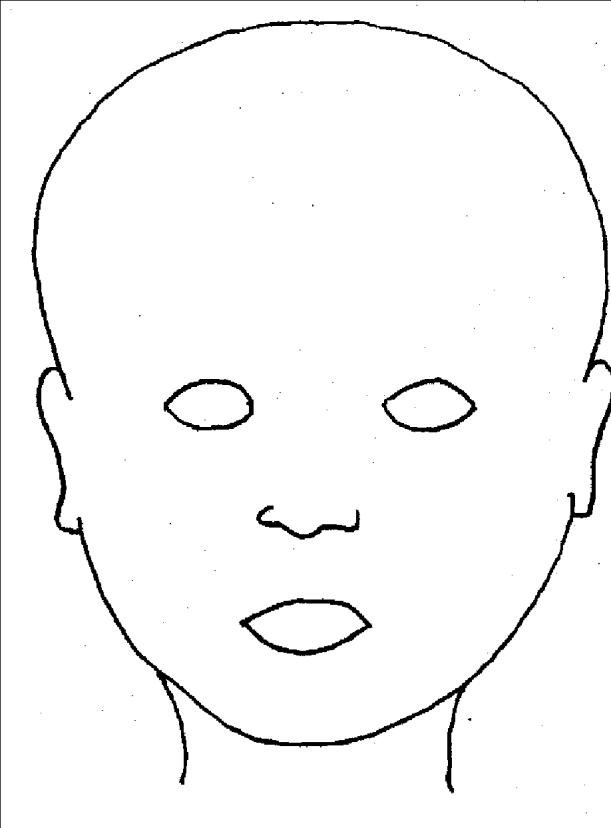
• Make some brief notes at the time or immediately afterwards; record the date, time, place and context of disclosure or concern, facts and not assumption or interpretation. Your name and role should be included. • If it is observation of bruising or an injury try to record detail, e.g., “right arm above elbow”. Do not take photographs. If appropriate, consider the use of Body Maps, following the guidance set out in Appendix C.
• Note the non-verbal behaviour and the key words in the language used by the young person (try not to translate into ‘proper terms’).
• It is important to keep these original notes and pass them on to the designated member of staff who may ask you to write a referral.
• All verbal conversations should be promptly recorded using the recording system.
• Where children have a social worker or social care involvement, this will be recorded in Hanlon (CRM).
Supporting pupils
• The staff should recognise that a child or young person who is abused or witnesses’ violence may find it difficult to develop and maintain a sense of self-worth. They should recognise that in these circumstances young people might feel helpless and humiliated, and that they might feel self-blame.
• It should be recognised that the organisation might provide the only stability in the lives of young people who have been abused or who are at risk of harm.
• We accept that research shows that the behaviour of a young person in these circumstances might range from that which is perceived to be normal to aggressive or withdrawn.
• Staff have an understanding that young people with SEND can be more vulnerable to abuse and neglect. SEND pupils will receive support from the Inclusion Lead (SENCo) and relevant outside agencies e.g., Learning support or Education and Health Care Plan (Keeping Children Safe in Education 2024).
• Staff also have an appreciation that young people that identify as/or from LGBTQ+ backgrounds or questioning their gender, may be particularly vulnerable to abuse and will receive appropriate support.
Staff being aware of the need to promote the opportunities for accessing clinical advice to Parents/Carers in relation to young people questioning their gender.
• Staff have an understanding that some young people and their siblings will be subject to Child in Need (CIN) Plans and also may be subject to Child Protection Conferences (CPC), linked to Section 47 activities. In these cases, the organisation will support all pupils by discussing child in need (CIN), and child protection (CPC) cases with due regard to safeguarding the young person and their family; supporting individuals who are, or are thought to be, in need or at risk in line with Nottingham City and Nottinghamshire Safeguarding Partners procedures; encouraging self-esteem and self-assertiveness;
challenging and not condoning aggression, bullying or discriminatory behaviour; promoting a caring, safe and positive environment.
• We recognise that the provision of the right help at the right time is a key element of our wider safeguarding responsibilities. This includes the provision of Early Help either directly through Switch Up or by signposting to other local services. Where a child is receiving early help support, we will continue to monitor this to make sure it is having the required impact. Where there is no evidence of this impact we will consider other alternatives, which may include seeking specialist support.
Low Level Concerns
Defined as a concern that an adult has acted in a way that is inconsistent with staff codes of conduct or is inappropriate in or outside of work, but which does not meet the threshold of harm or be considered serious enough to be referred to the local authority.
Part of a spectrum of behaviour in can include inadvertent or thoughtless behaviour, that which may be considered inappropriate in the context of circumstances and behaviour intended to enable abuse.
Examples may include:
• Having favourites, being over-friendly with children, crossing the professional boundaries in relationships.
• Taking photographs of children on mobile phones without consent and in an inappropriate manner or context.
• Use of inappropriate, sexualised, intimidating of offensive language.
All low-level concerns should be reported to the DSL and line management and will be managed through staff supervisions and our disciplinary process, all staff being provided with access to our Conduct & Behaviours Policy.
It is expected that all concerns will be investigated and reviewed with similar vigour and attention to detail.
Confidentiality
▪ The personal information about all young peoples’ families is regarded by those who work in this organisation as confidential. All staff and volunteers need to be aware of the confidential nature of personal information and will aim to maintain this confidentiality.
▪ Staff understand that they need know only enough to prepare them to act with sensitivity to a young person and to refer concerns appropriately. The designated leads will disclose information about a student to other members of staff on a need-to-know basis only. It is inappropriate to provide all staff with detailed information about the student, incidents, the family and the consequent actions.
▪ Staff cannot promise a young person complete confidentiality – instead they must explain that they may need to pass information to other professionals to help keep them or other young people safe
▪ Where there are concerns about a young person’s welfare, relevant agencies need to be involved at an early stage. If a member of staff or a volunteer has concerns about a young person’s welfare, or if a young person discloses that s/he is suffering abuse or reveals information that gives grounds for concern, the member of staff must speak to the DSL with a view to passing on the information.
Our Environment
As part of our broad and balanced curriculum, young people are taught about safeguarding so that they feel free to talk about any concerns they have and see Switch Up as a safe place.
Our ethos encourages all young people to share their concerns and to feel confident that they will be listened to. Staff should always respond appropriately to any concerns raised.
Young people are involved in decision making that affects them and are consulted in relation to their learning needs.
Clear standards of behaviour are communicated to all young people through our codes of conduct, and young people are made aware of who to speak to should they have any concerns.
Positive and safe behaviour is encouraged amongst young people and staff are alerted to changes in behaviour which could cause concern.
Effective relationships are built with parents and carers, and partner agencies, and an awareness of family and other personal circumstances is encouraged within the organisation.
Where we use premises belonging to another agency for the delivery of our work with young people, a risk assessment will be carried out.
Where another agency is responsible for the delivery of services to our young people, we carry out checks to ensure that appropriate safeguarding standards are met within that other agency.
Reporting of Allegations relating to use of premises by External Parties
All external parties using the premises, will receive information that confirms that all allegations relating to children in their care will be dealt with by the organisations procedures as well as those of the external parties, inclusive of reporting to the Local Area Designated Officer (LADO).
Safeguarding as part of the Curriculum
Through PSHE, ICT and other curriculum opportunities, young people are helped to talk about their feelings, know about their rights and responsibilities, understand and respond to risks, to deal assertively with pressures and know who they can turn to for advice and help both in and out of Switch Up and how to make a complaint.
The following areas are addressed within PHSE, ICT and in the wider curriculum:
• Bullying, including cyber-bullying,
• Child on Child abuse and up skirting
• E safety
• Road, fire and water safety
• Inter-personal relationships and domestic violence
• Child sexual exploitation (CSE), online and offline
• Honour based violence and forced marriage
• Female genital mutilation (FGM)
• Radicalisation and extremism (Educate Against Hate)
This may include covering relevant issues through Relationships Education and Relationships and Sex Education and/or through Personal, Social, Health and Economic (PSHE) education, which Switch Up complying with government mandates on the delivery of these subjects.
When young people use the organisations laptop computers to access the internet, they are protected from inappropriate content by our filtering and monitoring system. However, young people are able to access the internet using their own data plans and equipment.
Working with parents/carers
Switch Up recognise that parents and carers play an important role in protecting their children from harm.
▪ In most cases, the organisation will discuss concerns about a pupil with the family and, where appropriate, seek their agreement to making referrals to MASH teams (Nottingham City Council – Multi-Agency Safeguarding Hub (MASH), Nottinghamshire County Council – Children’s Social Care)
▪ Where there are any doubts, the DSL should clarify with the MASH teams whether, and if so when and by whom, the parents should be told about the referral.
Alternatively, they could ring the relevant authorities Children’s Services Professional Consultation Lines:
Nottingham City Council - 0115 876 4800
Nottingham County Council - 0300 500 80 90
▪ The young person’s views will be considered in deciding whether to inform the family, particularly where the young person is sufficiently mature to make informed judgments about the issues, and about consenting to that.
The organisation will ensure that it provides:
• Vigilance: to have adults notice when things are troubling them,
• Understanding and action: to understand what is happening; to be heard and understood; and to have that understanding acted upon,
• Stability: to be able to develop an ongoing stable relationship of trust with those helping them,
• Respect: to be treated with the expectation that they are competent rather than not,
• Information and engagement: to be informed about and involved in procedures, decisions, concerns and plans,
• Explanation: to be informed of the outcome of assessments and decisions and reasons when their views have not met with a positive response,
• Support: to be provided with support in their own right as well as a member of their family, • Advocacy: to be provided with advocacy to assist them in putting forward their views,
• Protection: to be protected against all forms of abuse and discrimination and the right to special protection and help if a refugee,
▪ The organisation aims to help parents understand that Switch Up has a duty to safeguard and promote the welfare of all young people. We may need to share information and work in partnership with other agencies when there are concerns about a young person’s welfare.
Children in Care (LAC), Children Previously in Care (PLAC) & private fostering arrangements
Supporting children in care and children who have been in care is a key priority for our organisation and we recognise that the needs of this group of young people can only be effectively met when all agencies work together. Our DSLs ensure we have a coordinated approach to meeting the needs of children in care who attend our AEP.
Where it becomes clear that a private fostering arrangement is in place, the organisation has a duty to inform the local authority (something the private foster carers are legally obliged to do). Children in private foster care are a potentially vulnerable group and should be monitored for signs of abuse, neglect, or be involved in trafficking, modern day slavery or child sexual exploitation.
Prevention in the curriculum
The organisation recognises that some children and young people may be particularly vulnerable to abuse and harm, including privately fostered children, children with a disability, children with communication needs, and that certain forms of behaviour can also increase the vulnerability of a young person such as drug or alcohol misuse.
We also recognise that additional barriers may exist for recognising abuse or neglect for children with SEND who can be more vulnerable to group isolation, bullying including prejudicial bullying and other safeguarding risks, communication issues presenting additional barriers.
• Being groomed or abused via the internet and mobile technology and,
• Having unexplained contact with hotels, taxi companies, and fast-food outlets.
Gang Activity
Children and young people who become involved in gangs are at risk of violent crime, and because of this involvement are deemed vulnerable.
Agencies and professionals have a responsibility to safeguard these children and young people, and to prevent further harm both to the young person and other potential victims.
Risks associated with gang activity include access to weapons (including firearms), retaliatory violence and territorial violence with other gangs.
Other risks include increased likelihood of involvement in knife crime, sexual violence, and substance misuse.
The guidance Safeguarding Children and Young People Who May Be Affected by Gang Activity, 2010(b), advises that agencies should follow the referral process in Working Together to Safeguard Children, 2023, when they have concerns about a child’s safety and welfare.
In relation to those children and young people who may be affected by gang activity, concerns may be raised that a child or young person is:
• Not involved in gangs but vulnerable to, or at risk of, becoming involved in a gang,
• Non-gang-involved and at risk of harm from gang members
• Gang-involved and at risk of harm through their own gang-related activities (HM Government, 2010(b): page 22, paragraph 68)
Child Criminal Exploitation (CCE) / County Lines / Involvement in Youth Violence
This is where an individual or group takes advantage of an imbalance of power to coerce, control, manipulate or deceive a child or young person under the age of 18 into any criminal activity
a) in exchange for something the victim needs or wants and/or
b)the financial or other advantage of the perpetrator and facilitator and/or
c) through violence or the threat of violence.
The victim may have been criminally exploited even if the activity appears consensual. Child criminal exploitation does not always involve physical contact; it can also occur through the use of technology.
All staff should be aware of indicators, which may signal that young people are at risk from or are involved with serious violent crime. These may include:
• Unexplainable and/or persistent absences from school,
• A change in friendships or relationships with older individuals or groups,
• A significant decline in performance,
• Signs of self-harm or a significant change in wellbeing,
• Signs of assault or unexplained injuries,
• Significant unexplained travel out of their home areas,
• Concerns about “Debt”.
Unexplained gifts or new possessions could also indicate that children have been approached by, or are involved with, individuals associated with criminal networks or gangs.
County Lines involves young people being coerced by criminal networks to transport money and illegal substances between towns and cities – the gangs often arranging for the young people to be robbed of what they are carrying, to create a “Debt” that is then repaid by further travel and activities.
Any concerns of this nature must be reported to the DSLand external agencies as appropriate. All staff should be aware of the associated risks and understand the measures in place to manage these. Advice for schools and colleges is provided in the Home Office’s Preventing youth violence and gang involvement and its Criminal exploitation of children and vulnerable adults: county lines guidance 11.
Radicalisation
Preventing violent extremism by countering the ideology of extremism and by identifying those who are being drawn into radicalism, is part of our approach. The Counter Terrorism and Security Act 2015 now imposes a duty on schools to respond when they are concerned a young person is being or at risk or being radicalised.
This organisation aligns with this approach, and all staff receive ‘Prevent’ training which focusses on recognising the signs:
• Isolation from friends and family,
• Talking as if from a scripted speech,
• Unwillingness or inability to discuss their views,
• A sudden disrespectful attitude towards others,
• Increased levels of anger,
• Increased secretiveness especially around internet use.
Young people at risk of being radicalised may have low self-esteem or be victims of bullying or other forms of abuse.
Any concerns will be reported through the prevent@nottinghamshire.pnn.police.uk
Honour based violence and Female Genital Mutilation
So-called ‘honour-based’ violence (HBV) encompasses crimes which have been committed to protect or defend the honour of the family and/or the community, including Female Genital Mutilation (FGM), forced marriage, and practices such as breast ironing.
All forms of so-called HBV are abuse (regardless of the motivation) and should be handled and escalated as such. If in any doubts staff should speak to the DSL. FGM is against the law, yet for some communities it is considered a religious act and cultural requirement. It is illegal for someone to arrange for a child to go abroad with the intention of performing FGM.
Risk factors for FGM:
• Low level of integration into UK society,
• Mother or a sister who has undergone FGM,
• Girls who are withdrawn from PSHE,
• Visiting female elder from the country of origin,
• Being taken on a long holiday to the country of origin,
• Talk about a ‘special’ procedure to become a woman,
• Symptoms of FGM
Potential indications that FGM may have already taken place may include:
• Difficulty walking, sitting or standing and may even look uncomfortable.
• Spending longer than normal in the bathroom or toilet due to difficulties urinating.
• Spending long periods of time away from a classroom during the day with bladder or menstrual problems.
• Frequent urinary, menstrual or stomach problems.
Child on Child Abuse
Young people are vulnerable to and capable of abusing other young people, including verbal as well as physical abuse, which may involve the use of technology and communication devices/media.
All young people have a right to attend education in a safe environment, and staff should be aware that safeguarding issues can manifest as peer-on-peer abuse.
Some students will sometimes negatively affect the learning and wellbeing of others, and their behaviour will be dealt with under the behaviour policy.
Abuse will not be tolerated as “Banter” or part of “Growing up”, child on child abuse can manifest in many ways such as:
• Child Sexual Exploitation
• Sexting or youth produced digital imagery
• Up skirting
• Bullying
• Radicalisation
• Abuse in intimate relationships
• Children who display sexually harmful behaviour
• Gang association and serious Youth violence (County Lines)
• Technology can be used for bullying and other abusive behaviour
• Sexual Violence and Sexual Harassment
Further information on child-on-child abuse, including definitions can be found in our Child-on Child Abuse Policy.
Substance Misuse
The potential for a child to be harmed because of the excessive use of alcohol, illegal and controlled drugs, solvents or related substances, may occur during a young person’s life.
The use of drugs or other substances by parents or carers does not in itself indicate child neglect or abuse, and there is no assumption that a child living in such circumstances will automatically be considered under the child protection procedures.
It is important to assess how parental substance use impacts upon the children or young people in the family.
Mental Health
Mental illness in a parent or carer does not necessarily have an adverse effect on the child or young person but it is important to assess its implications for any children involved in the family.
The adverse effects of parental mental illness on the child are less likely when parental problems are mild, last for a short period of time, are not associated with family disharmony, and where there is another parent or family member who can respond to the child’s needs and offer protection. Where mental illness is accompanied by drug or alcohol abuse, domestic violence, or associated with poverty and social isolation, children are particularly vulnerable.
The potential impact of a parental mental illness and the child’s ability to cope with it is related to age, gender, and individual
Domestic Violence
The Home Office (2009) defines domestic violence as “Any incident of threatening behaviour, violence or abuse (psychological, physical, sexual, financial or emotional) between adults who are or have been intimate partners or family members, regardless of gender or sexuality” (HM Government, 2010: page 262, paragraph 9.17).
Domestic violence affects both adults and children in the family. Children and young people can suffer directly and indirectly if they live in a household where there is domestic violence. It is likely to have a damaging effect on the health and development of children.
The amendment made in Section 120 of the Adoption and Children Act, 2002, to the Children Act, 1989, clarifies the meaning of harm to include, for example, impairment suffered from seeing or hearing the ill-treatment of another. This can include children witnessing violence in the home.
Domestic violence has an impact in several ways:
• It can pose a threat to the physical well-being of an unborn child, if a mother is kicked or punched.
• Children may suffer injuries because of being caught up in violent episodes.
• Children become distressed by witnessing the physical and emotional suffering of a parent.
• Children may be impacted upon their well-being, health and ability to learn by witnessing, or experiencing domestic abuse.
• The physical and psychological abuse suffered by the adult victim can have a negative impact upon their ability to look after their children.
• The impact of domestic violence is exacerbated when the violence is combined with problematic alcohol or drug use.
• People working with children should also be alert to the frequent interrelationship between domestic violence and the abuse and neglect of children.
Bullying
This can be defined as deliberately hurtful behaviour, usually repeated over a period of time, where it is difficult for those bullied to defend themselves.
It can take many forms, but the three main types are:
• Physical (e.g., hitting, kicking, theft).
• Verbal (e.g., racist, or homophobic remarks, threats, name calling).
• Emotional (e.g., isolating an individual from activities and social acceptance of their peer group).
The damage inflicted by bullying (including bullying via the internet) can frequently be underestimated.
Bullying can be through the use of electronic communication, e.g., text or social network sites, and is currently referred to as Online Bullying (January 2016).
Bullying can cause considerable distress, to the extent that it can affect health and development and at the extreme significant harm.
All settings in which children are provided with services or are living away from home should have in place rigorously enforced anti-bullying strategies.
Contextual safeguarding
The organisation and particularly the DSLs examine each incident and or behaviour against a wide backdrop of factors that can occur with and between young people outside of Switch Up’s remit and environment.
This simply means assessments of children in such cases consider whether wider environmental factors are present in a child’s life that are a threat to their safety and/or welfare. Children’s social care assessments should consider such factors and so, it is important that as much information as possible is provided as part of the referral process.
This will allow any assessment to consider all the evidence and the full context of any abuse.
Confidentiality, sharing information and record keeping
All information will be shared in line with GDPR, and wherever possible, consent will be sought to share information. However, where there are safeguarding concerns about a child, information will be shared with the appropriate organisations.
In most cases concerns will be discussed with parents and carers prior to the referral taking place unless doing so would increase risk.
Switch Up’s policy on confidentiality and information-sharing is available to parents/carers and young people on request.
Further guidance
To support the work around child protection and safeguarding, links to statutory, national and local guidance are below:
Keeping Children Safe in Education
Keeping children safe in education 2024 (publishing.service.gov.uk)
Threshold of Needs Guidance nottingham-city-threshold-of-needs-2022.pdf (nottinghamcity.gov.uk)
Child Sexual Exploitation www.gov.uk/government/publications/child-sexualexploitationdefinition-andhttp://www.gov.uk/government/publications/child-sexual-exploitationdefinitionand-guidance-for-practitionersguidance-for-practitioners
Female Genital Mutilation (FGM) www.gov.uk/government/publications/multiagencystatutory-guidance-on-femalehttp://www.gov.uk/government/publications/multiagencystatutory-guidance-on-female-genital-mutilationgenital-mutilation
Forced Marriage The right to choose: government guidance on forced marriage - GOV.UK (www.gov.uk)
Children who may have been trafficked https://www.gov.uk/government/publications/safeguarding-children-whomayhavehttps://www.gov.uk/government/publications/safeguarding-children-who-mayhavebeen- trafficked-practice-guidance
Criminal Exploitation www.gov.uk/government/publications/criminal-exploitation-of-childrenandhttp://www.gov.uk/government/publications/criminal-exploitation-of-childrenandvulnerable-adults-county-linesvulnerable-adults-county-lines
Multi-agency Practice Principles for responding to child exploitation and extra-familial harm (researchinpractice.org.uk)
Supporting young people in the Court System
ywp-5-11-eng.pdf (publishing.service.gov.uk)
ywp-12-17-eng.pdf (publishing.service.gov.uk)
Behaviour and Discipline https://www.gov.uk/government/publications/behaviouranddiscipline-in-schools
Attendance
https://www.gov.uk/government/publications/school-attendance
Keeping children safe during community activities, after-school clubs and tuition: nonstatutory guidance for providers running out-of-school settings - GOV.UK (www.gov.uk)
Exclusions
https://www.gov.uk/government/publications/school-exclusion
Bullying
https://www.gov.uk/government/publications/preventing-and-tackling-bullying
Nottingham City Safeguarding Partners (formerly NCSCB) Guidance Children Missing from Home and Care Joint Procedures
Online safety
Appropriate Filtering and Monitoring - UK Safer Internet Centre
Meeting digital and technology standards in schools and colleges - Filtering and monitoring standards for schools and colleges - Guidance - GOV.UK (www.gov.uk)
Sexting in Schools and Colleges Sexting in Schools and Colleges, responding to incidents and safeguarding young people – UKCCIS (2017)
http://www.gov.uk/government/publications/disqualification-under-the-childcare-act-2006 (updated 2018)
Safeguarding SEND Children
Children with special educational needs and disabilities (SEND) | NSPCC Learning
Safeguarding d/Deaf and disabled children and young people | NSPCC Learning
Author Steve Burch
Date September 2024
Board approved date
Review due September 2025
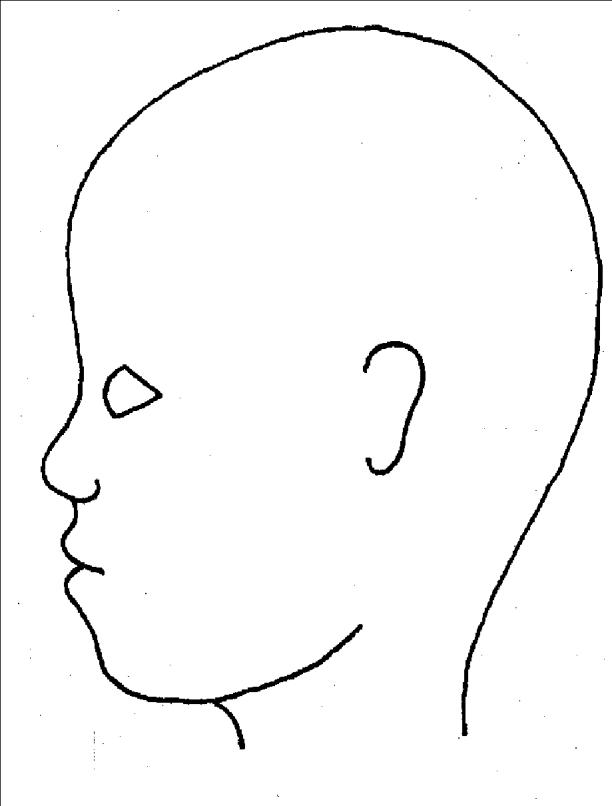
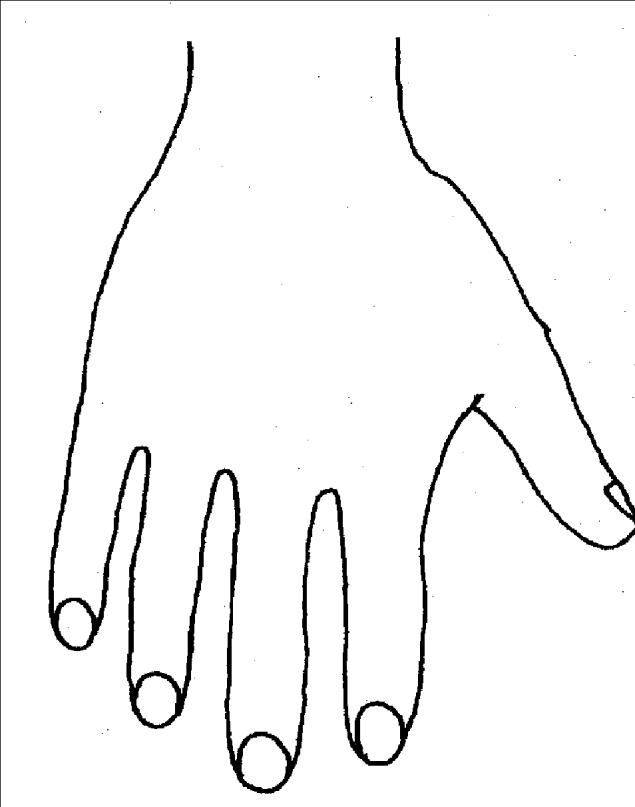
Body Maps and Guidance Body Map Guidance Medical assistance should be sought where appropriate.
Body Maps should be used to document and illustrate visible signs of harm and physical injuries.
Always use a black pen (never a pencil) and do not use correction fluid or any other eraser.
Do not remove clothing for the purpose of the examination unless the injury site is freely available because of treatment.
*At no time should an individual member of staff be asked to or consider taking photographic evidence of any injuries or marks to a child’s person, this type of behaviour could lead to the staff member being taken into managing allegations procedures, the body map below should be used in accordance with recording guidance. Any concerns should be reported and recorded without delay to the appropriate safeguarding services,
e.g., MASH or the child’s social worker if already an open case to social care.
When you notice an injury to a child, try to record the following information in respect of each mark identified e.g. red areas, swelling, bruising, cuts, lacerations and wounds, scalds and burns:
• Exact site of injury on the body, e.g., upper outer arm/left cheek.
• Size of injury - in appropriate centimetres or inches.
• Approximate shape of injury, e.g. round/square or straight line.
• Colour of injury - if more than one colour, say so.
• Is the skin broken?
• Is there any swelling at the site of the injury, or elsewhere?
• Is there a scab/any blistering/any bleeding?
• Is the injury clean or is there grit/fluff etc.?
• Is mobility restricted as a result of the injury?
• Does the site of the injury feel hot?
• Does the child feel hot?
• Does the child feel pain?
• Has the child’s body shape changed/are they holding themselves differently?
Importantly the date and time of the recording must be stated as well as the name and designation of the person making the record. Add any further comments as required.
Ensure First Aid is provided where required and record
BODYMAP
(This must be completed at time of observation)
Names for Date of Child: Birth:
Agency:
Name of Worker:
Date and time of observation:


Name of Child:

Date of observation:








Name of Child:


Date of observation:










Name of Child:




Date of observation:


R L INNER

R L OUTER


Printed Name and Date:
Signature of worker:
Role of Worker
Other information:
Time: