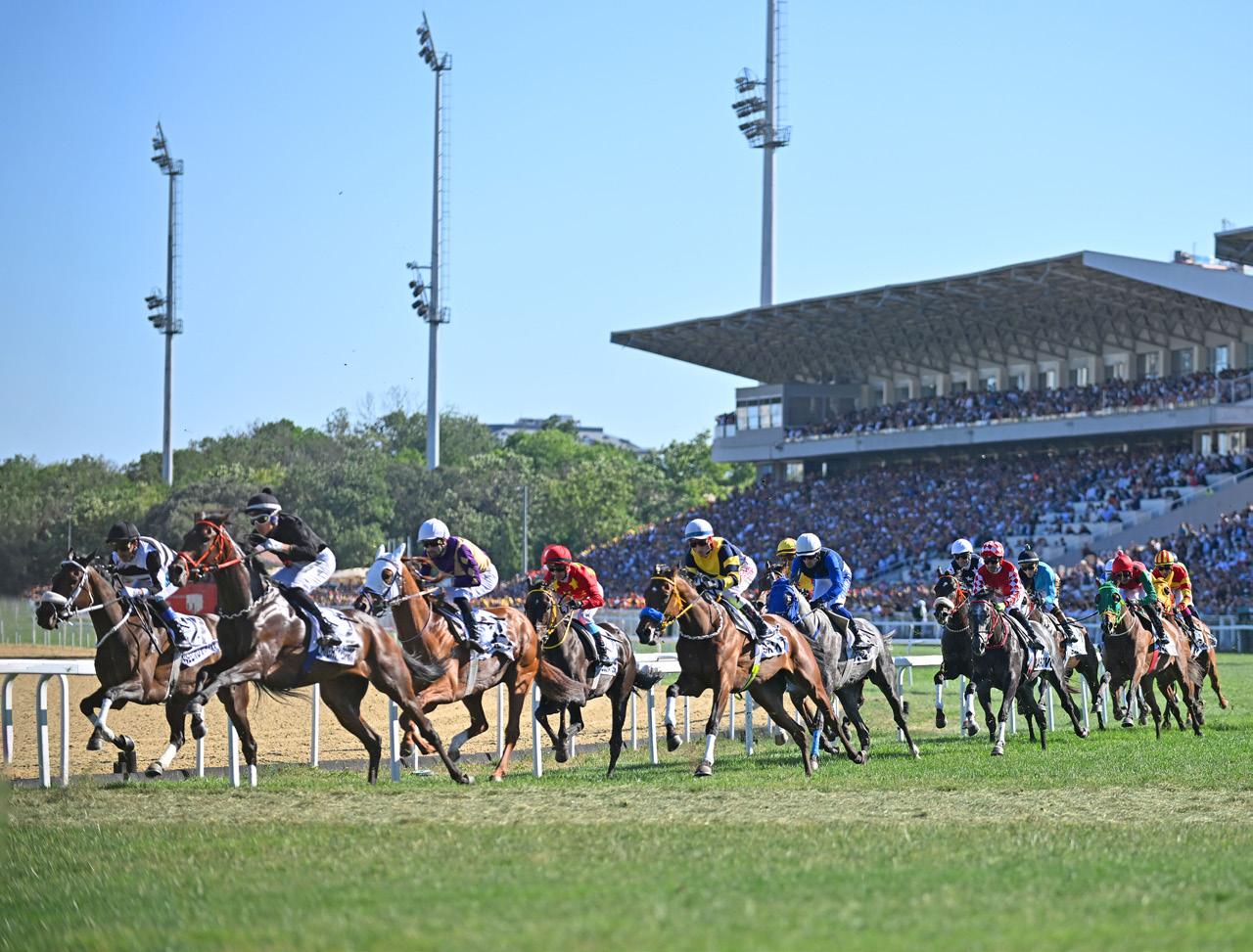

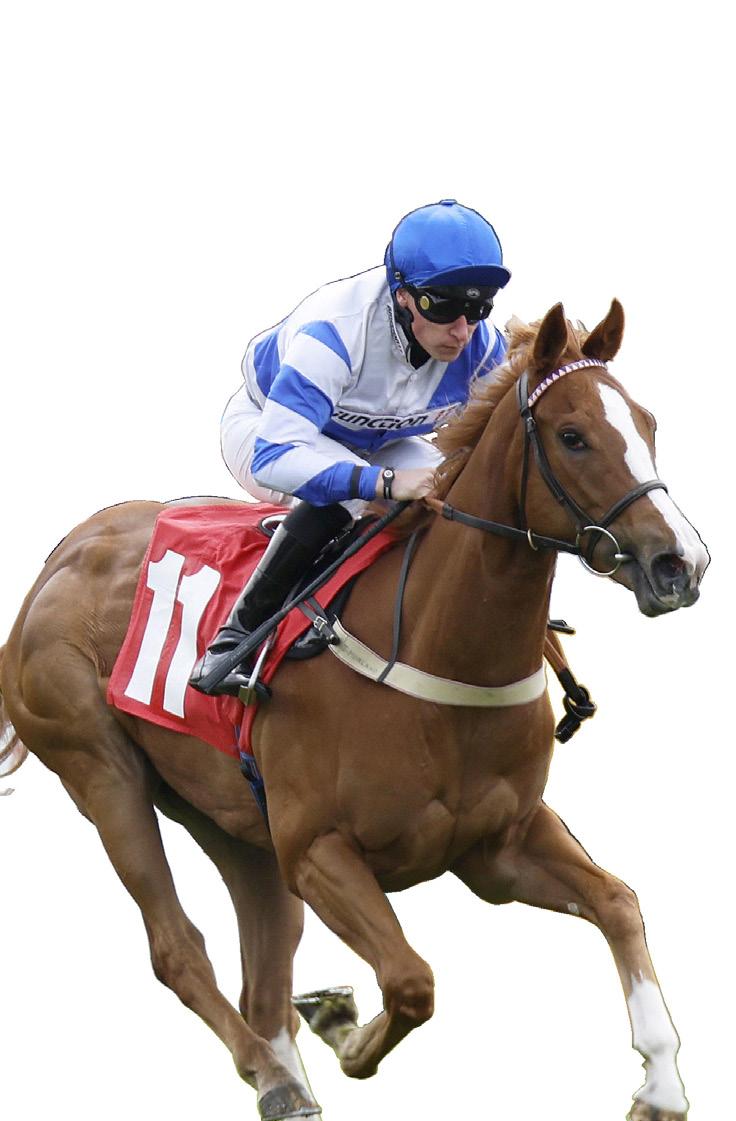
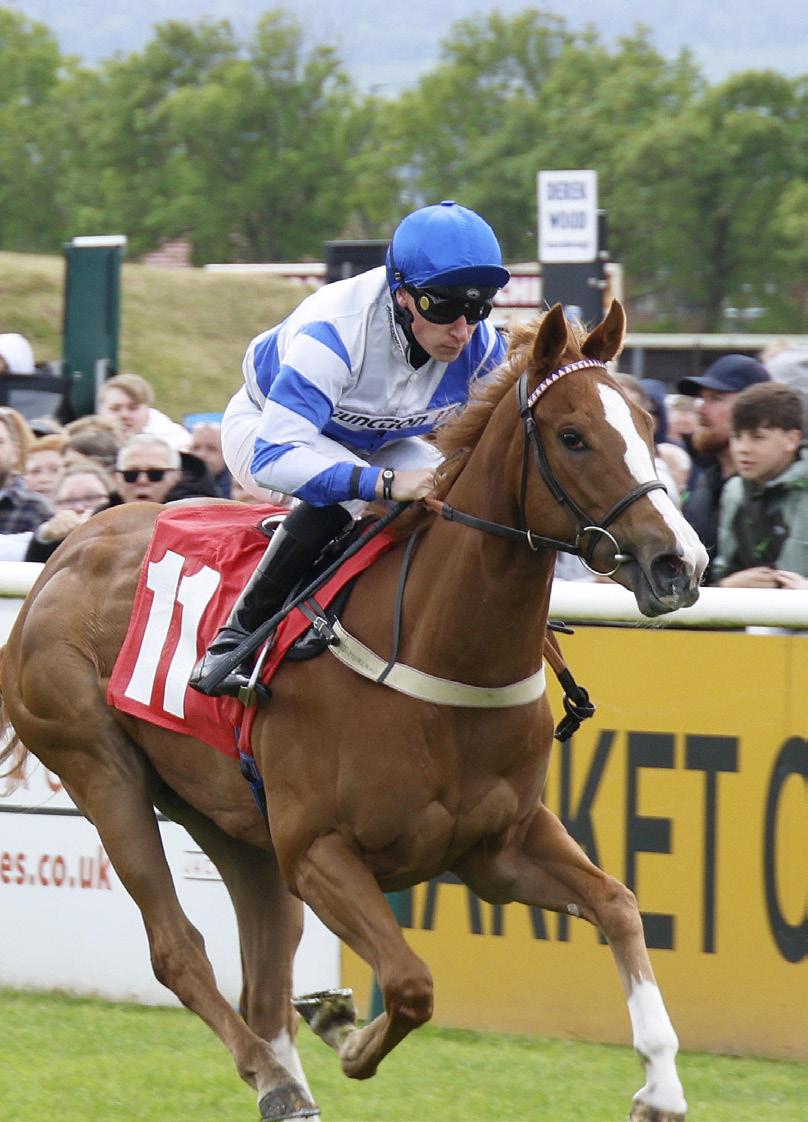



Suddenly we’re half way through 2026 and this year is proving to be a banner year for the Kilkenny based dual-purpose trainer, Joseph O’Brien. Every month so far this year, O’Brien has trained a graded stakes winner. Home By The Lee has been the flag bearer over jumps, with two Gr.1 victories. On the flat, Thundering On gave O’Brien his first British Classic winner at Epsom in The Oaks.
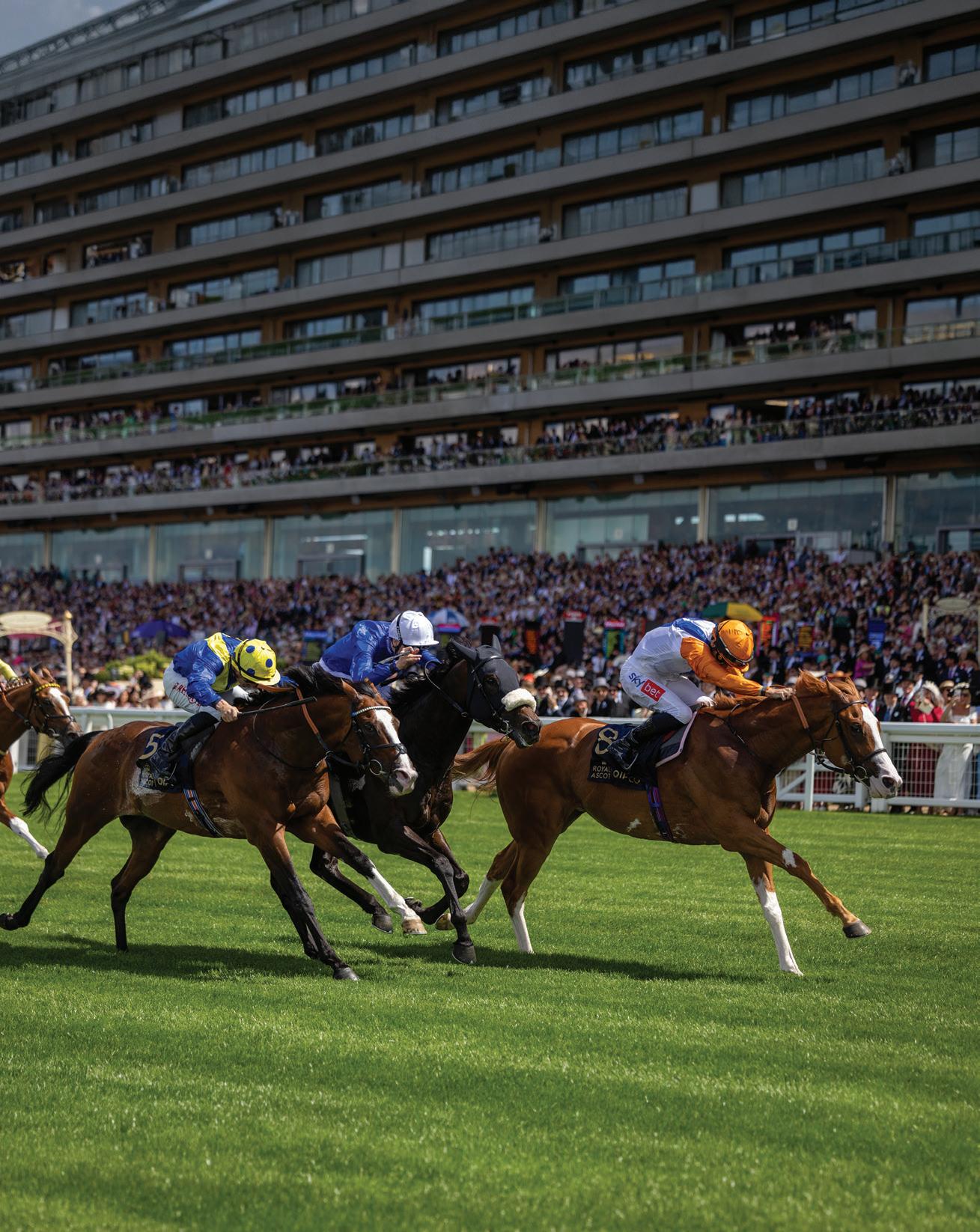
The O’Brien bandwagon continued at Royal Ascot and by the end of the week, he sat second in the leading trainers table – behind his father (Aidan) with five winners.
It’s hard to believe that it’s now ten years since O’Brien first took out his training licence and over the last decade has already trained in excess of 100 individual graded stakes winners under both codes and over 1500 winners in total.
He’s certainly a worthy recipient of our Cavalor Trainer of the Quarter accolade.
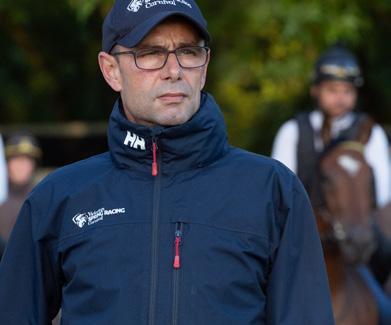
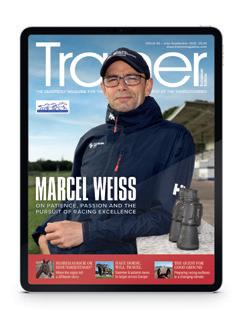
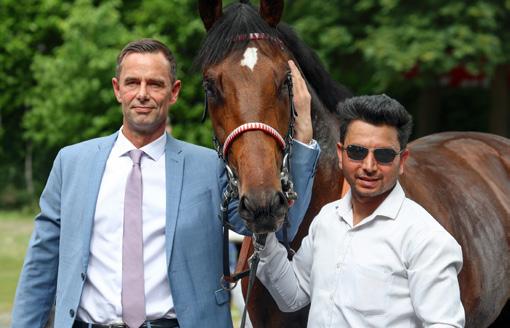
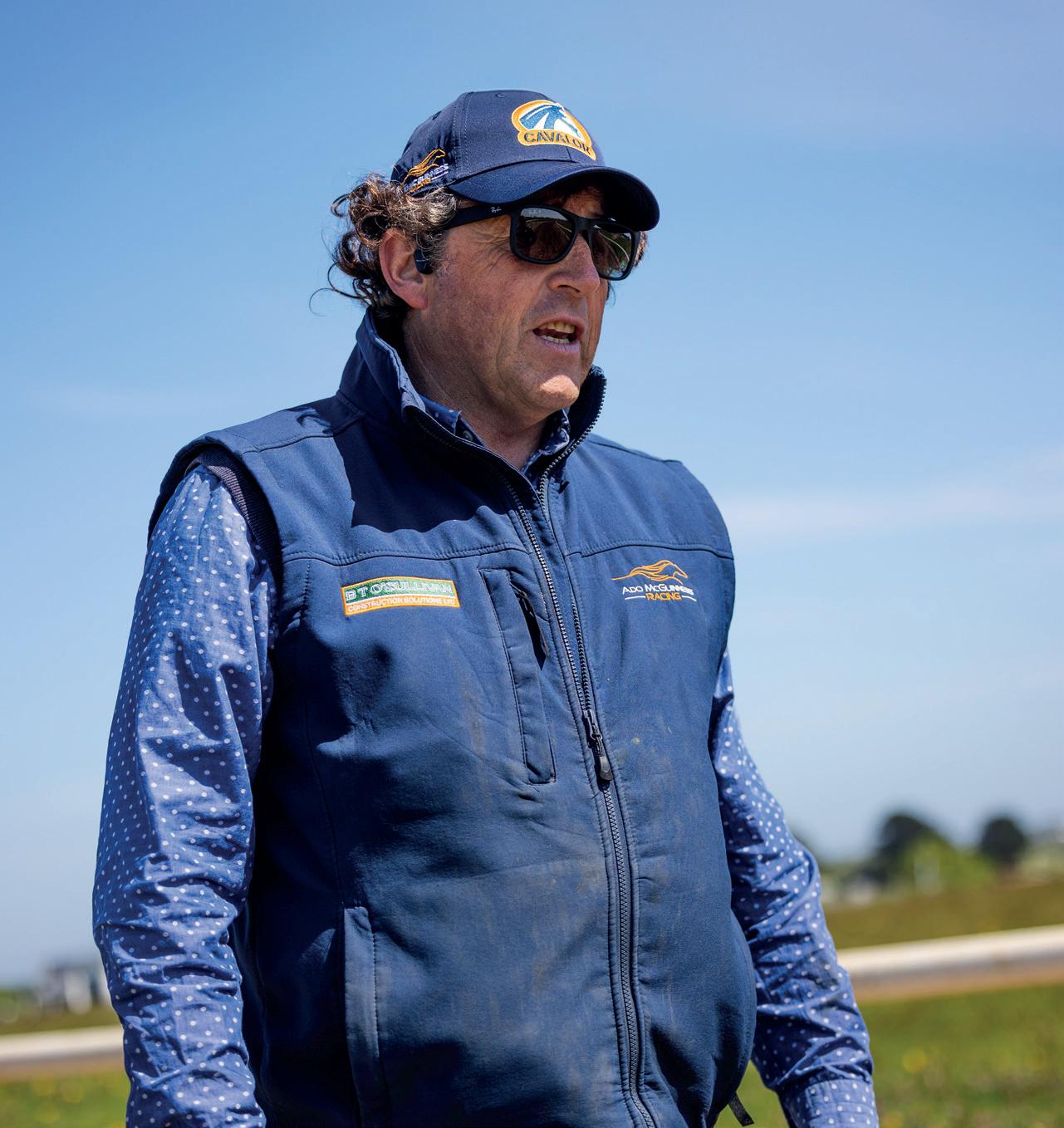
Our cover profile trainer for this issue is Marcel Weiss. He’s a leading German trainer based at the historic Mülheim

racecourse, known for his patience, composure, and deep passion for the horse. Originally from East Germany, Weiss learned his craft through an “old school” apprenticeship under Martin Rölke before spending 14 years as the right-hand man to legendary trainer Uwe Ostmann.
His training philosophy places the horse at the centre of everything, treating every animal as an individual regardless of their rating. This patient approach is reflected in his success with older horses; his stable currently houses elite performers like the five-year-old Alleno and the seven-year-old Lordano, whom he describes as his “heart horse”.
Weiss’s career reached international heights with the extraordinary Torquator Tasso, whom he guided from a modest €24,000 purchase to a historic victory in the 2021 Prix de l’Arc de Triomphe. Weiss maintains a high strike rate in major races, having secured 26 Group victories to date. His dedication to excellence and refusal to “plot handicap routes” ensures his yard remains a premier destination for major owner-breeders.
The second half of the year is packed with some of the world’s most prestigious races and festivals. In this issue we’ve pulled together a selection of international targets and opportunities for European trainers.
We’ve also taken the international theme further, pulling together opinions on the state of the worldwide racing industry from five individuals who offer thought provoking ideas for the future direction of the sport.
Our major veterinary features in this issue focus on both heart monitoring in training and racing as well as understanding exercise-associated sudden death and the research being undertaken for future prevention strategies.
Wherever your racing takes you this summer – good luck!


06 Cavalor Trainer of the Quarter
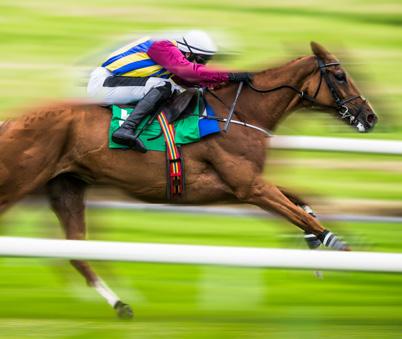
Lissa Oliver profiles Joseph O’Brien, whose exceptional season featured major wins at Cheltenham, Epsom and Royal Ascot.
08 Cover profile: Marcel Weiss
Catrin Nack profiles German trainer
Marcel Weiss, whose patient, horse-first approach and achievements with horses such as Torquator Tasso have established him among Germany’s top trainers.
20 Producing the future racehorse
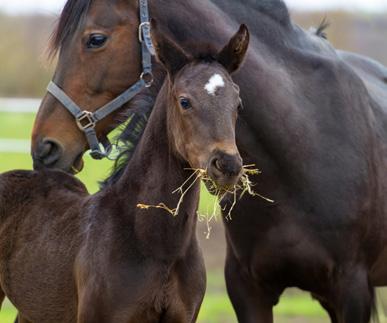
Dr. Katie Williams explores how nutrition and early management influence the future athletic potential of racehorses.
26 Feeding strategies to energise the racehorse
Dr. Marga Mas explains how nutrition, conditioning and hydration improve energy efficiency, delay fatigue and optimise racehorse performance.
34 Misbehaviour, instinct… or pain?
Laura Steley considers how behavioural science helps interpret equine behaviour, highlighting the importance of recognising pain, stress and welfare factors affecting performance and training.
42 Have horse, will travel
Lissa Oliver highlights international racing opportunities for the second half of the season, including major fixtures, entry deadlines and travel incentives across Europe, the Middle East and North America.
52 Good ground
Mark Rowntree investigates how climate change is reshaping racecourse management across Europe, from water shortages to maintaining safe, consistent racing surfaces.
61 Can a heartbeat predict performance?
Emmanuelle van Erck-Westergren explores wearable ECG monitoring, giving trainers a practical way to detect cardiac rhythm disturbances during training.
66 Exercise-associated sudden death
Celia Marr outlines how advances in post-mortem investigations and international collaboration are improving understanding and informing future prevention strategies.
70 #OPINIONS
Katherine Ford brings together insights from five international racing leaders on the sport’s key challenges and opportunities. Covering ownership, prize money, welfare, betting and racing’s future, the feature highlights the importance of innovation, collaboration and sustainable growth.
76 Training and re-training
Paull Khan explores the partnership between trainers and retrainers in supporting successful second careers for retired racehorses. Drawing on insights from leading trainers and welfare experts, he highlights best practice, aftercare initiatives and the importance of collaboration.
BRITISH CHAMPIONS

GROUP 1 ENTRIES
CLOSE 12PM TUESDAY 4TH AUGUST PRIZE MONEY £4.35M
Editorial Director/Publisher
Giles Anderson
Sub-Editor
Virginia Lisco
Design/Production
Damian Browning
Advert Production
Nico Jeeves
Circulation/Website
Nico Jeeves / Virginia Lisco
Advertising Sales
Giles Anderson
Cover Photograph
Frank Sorge / Galoppfoto.de
Trainer magazine is published by Anderson & Co Publishing Ltd.
This magazine is distributed for free to all ETF members. Editorial views expressed are not necessarily those of the ETF. Additional copies can be purchased for £8.95 (ex P&P). No part of this publication may be reproduced in any format without the prior written permission of the publisher.
Printed in the European Union
For all editorial and advertising queries please contact:
Anderson & Co. Publishing
Tel: +44 (0) 1380 816777
Fax: +44 (0) 1380 816778
email: info@trainermagazine.com www.trainermagazine.com
Issue 94
Katherine Ford grew up in Yorkshire immersed in horses, hunting and point-to-pointing. After studying languages and completing the BHA Graduate Development Programme, she moved to France with the International Racing Bureau before joining Equidia’s international department, travelling to racecourses from Brazil to Japan and California to Cape Town. She now splits her time between Equidia, Sky Sports Racing, freelance writing and translating, while pursuing success with the progeny of her two broodmares.
Paull Khan, PhD is an international horseracing consultant, Chief Executive Officer of the European and Mediterranean Horseracing Federation and a member of the Executive Council of the International Federation of Horseracing Authorities. Previously Racing Director and Banking Director at Weatherbys, he also advises the British Horseracing Authority. His extensive experience spans racing governance, regulation, finance and international collaboration across the Thoroughbred industry.
Celia Marr is an RCVS Recognised Specialist in Equine Internal Medicine. She works independently and with Rossdales Equine Hospital and Diagnostic Centre, Newmarket. She has extensive experience in both clinical aspects and research of cardiovascular disorders of the horse.
Dr Marga Mas DVM PGDip CertAVP MBA MRCVS is D&H’s Head of Veterinary, Equine Health & Performance. After graduating in 2015, she practised in Belgium and the UK before becoming a veterinary technical adviser for an international pharmaceutical company. She joined D&H in 2023 and is now undertaking a PhD exploring how nutrition and management influence digestive and metabolic health in Iberian horses across different countries.
Catrin Nack has been involved in racing since 1978 as an owner, breeder, syndicate manager and journalist. She writes for Germany’s Turf-Times and continues to breed Thoroughbreds in partnership. Her lifelong enthusiasm for racing is complemented by decades of practical experience across ownership, breeding and syndicate management, bringing a unique perspective to the international Thoroughbred industry.
Lissa Oliver lives in Co. Kildare, Ireland and is a regular contributor to The Irish Field and the Australian magazine, Racetrack. Lissa is also the author of several collections of short stories and two novels.
Mark Rowntree is a Northumberland-based freelance sports journalist specialising in horse racing. With a lifelong pride and passion for racing across the North of England, Rowntree contributes regularly to the Racing Post (Spotlights, Comments and Analysis), also working closely with Racing TV to promote Tote World Pool to a global audience.
Laura Steley is Pedigree & Nominations Associate at Shadwell Stud in Newmarket and a regular contributor to the Equine Health Update section of Owner Breeder magazine. With a background in equine sports science, pre-training, rehabilitation and international racing data analysis, she is passionate about applying scientific research to improve equine health, welfare and performance throughout the Thoroughbred industry.
Emmanuelle van Erck-Westergren DVM, PhD, ECEIM, ECVSMR graduated from the École Nationale Vétérinaire d’Alfort in France in 1996. She has authored more than 40 scientific papers, lectures internationally, serves on the boards of leading veterinary organisations and continues to contribute to applied research, veterinary education, clinical training and both scientific and equestrian publications.
Dr Katie Williams MSc (Dist) PhD RNutr has worked as an equine nutritionist for more than 25 years. Following completion of her PhD in Veterinary Medicine Research at the University of Glasgow, she now leads the development of an accreditation scheme for equine nutritionists under the British Equestrian Trade Association while continuing research into veterinary nutrition, peri-operative nutrition and fibre as an energy source for athletic horses.

AIMS and OBJECTIVES of the ETF:
AIMS andOBJECTIVES of theETF:
a) To represent theinterests of allmembertrainers’ associationsinEurope.
a) To represent the interests of all member trainers’ associations in Europe.
b) To liaise with political and administrative bodies on behalf of European trainers.
b) To liaise with politicaland administrative bodies on behalf of European trainers.
c) To exchange information betweenmembers forthe benefitofEuropeantrainers.
c) To exchange information between members for the benefit of European trainers.
d) To provide anetwork of contacts to assist each member to developits policyand services to member trainers.
d) To provide a network of contacts to assist each member to develop its policy and services to member trainers.

Chairmanship:
GuyHeymans (B elgium)
CHAIRMANSHIP: Gavin Hernon (France)
Tel:+32(0)495389140
tel: +33 (0)7 87 16 02 48 email: contact@aedg.fr
Email: heymans1@telenet.be

Vice Chairmanship:
NicolasClément(France)
Tel:+33(0)344572539
Fax:+33(0)344575885
Email:entraineurs.de.galop@wanadoo.fr
VICE CHAIRMANSHIP: Paul Johnson (United Kingdom)
tel: +44 (0) 1488 71719 email: p.johnson@racehorsetrainers.org
Mrs Živa Prunk
Tel: +38640669918
Email: ziva.prunk@gmail.com

Joseph Vana
ITALY
Tel:+42(0)602429629
Ottavio Di Paolo
Email: horova@velka-chuchle.cz
tel: +39 328 355 95 81 email: ottaviodipaolo@gmail.com
Aggeliki Amitsis
Tel:302299081332+
Email: angieamitsis@yahoo.com

SWEDEN
GERMANY
Jessica Long
ErikaMäder
email: jplong@live.se
Tel:+49(0)2151594911
Fax:+49(0)2151590542
Email: trainer-und-jockeys@netcologne.de

Vice Chairmanship:
Christianvon derRecke (Germany)
Tel:+49(02254)845314
Fax:+49(02254)845315
Email: recke@t-online.de
VICE CHAIRMANSHIP: Christian von der Recke (Germany)
tel: +49 171 542 5050 email: recke@t-online.de
Mr Botond Kovács
Email: botond.kovacs@kincsempark.hu

BELGIUM
Agostino Affe
Email: affegaloppo@gmail.com
tel: +32 (0) 495389140 email: heymans1@telenet.be
Geert van Kempen
Mobile: +31 (0)6 204 02 830
Email: renstalvankempen@hotmail.com
GERMANY
Erika Mäder
Are Hyldmo
Mobile: +47 984 16 712
tel: +49 (0) 2151594911
Email: arehyldmo@hotmail.com
www.trainersfederation.eu

Treasu ship:
MichaelGrassick(Ireland)
TREASURERSHIP:
Tel:+353(0)45522981
Mobile:+353(0)872588770
Fax:+353(0)45522982
Feidhlim Cunningham (Ireland)
Email:office@irta.ie
tel: +353 (0) 45522981 email: office@irta.ie
Rupert Arnold
Tel:+44(0)148871719
Fax:+44(0)148873005
Email: r.arnold@racehorsetrainers.org

RUSSIA
Olga Polushkina
Email:p120186@yandex.ru
Birkje Hoorens Van Heyningen
tel: +31 (0) 250 930 016
email: birkjehvh@gmail.com
Jaroslav Brecka
Email: jaroslav.brecka@gmail.com

NORWAY
Tom Lühnenschloss
SWEDEN CarolineMalmborg
mobile: +47 (0) 46445345
Email: caroline@stallmalmborg.se
email: lynet3108@yahoo.no
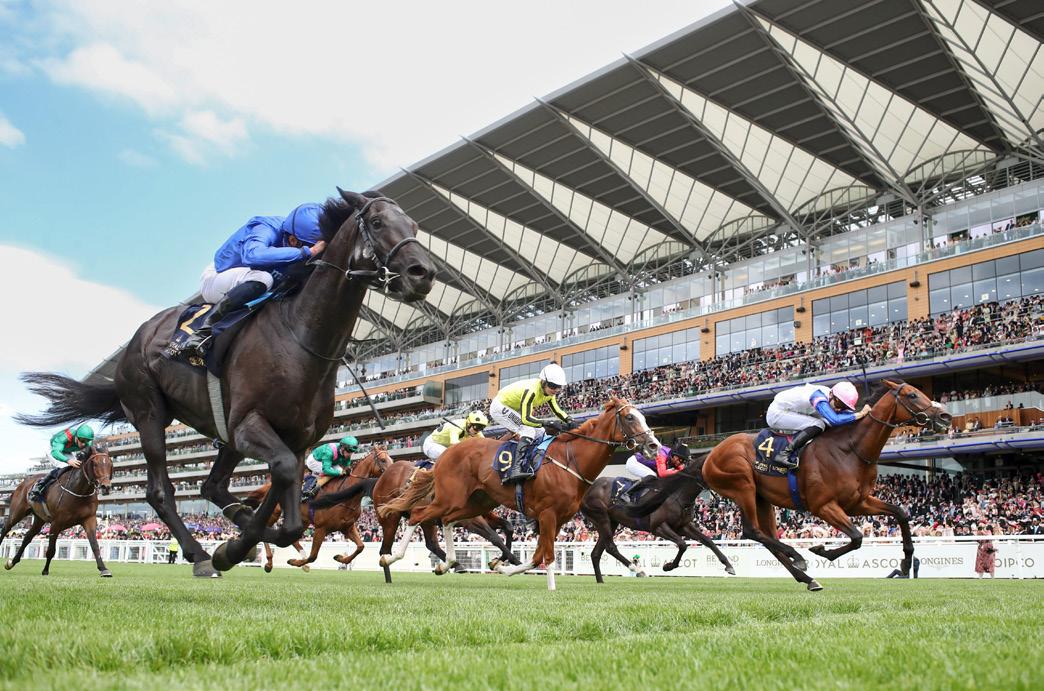
The Cavalor Trainer of the Quarter award has been won by Joseph O’Brien. O’Brien and his team will receive a Cavalor voucher of €1,000 for Cavalor supplements and care products as well as a consultation with one of their senior product specialists.
WORDS: LISSA OLIVER PHOTOGRAPHY: GALOPPFOTO.DE
ur Cavalor Trainer of the Quarter is Joseph O’Brien, who has enjoyed remarkable contrasting successes so far this year, his hurdler Home By The Sea winning the Gr.1 Stayers Hurdle at Cheltenham back in March, the filly Thundering On landing the Gp.1 Oaks at Epsom, followed by five winners at Royal Ascot to see O’Brien challenging his father Aidan for the meeting’s coveted Leading Trainer award.
OO’Brien’s stable Carriganóg is set within the picturesque Owning Hill near Piltown in County Kilkenny and is steeped in family history. His grandfather Joe Crowley was the first to train there, and parents Annemarie and Aidan both won Irish Champion National Hunt Trainer titles from there, while O’Brien’s aunt, Frances Crowley, added to the list of winners sent out from the renowned yard.
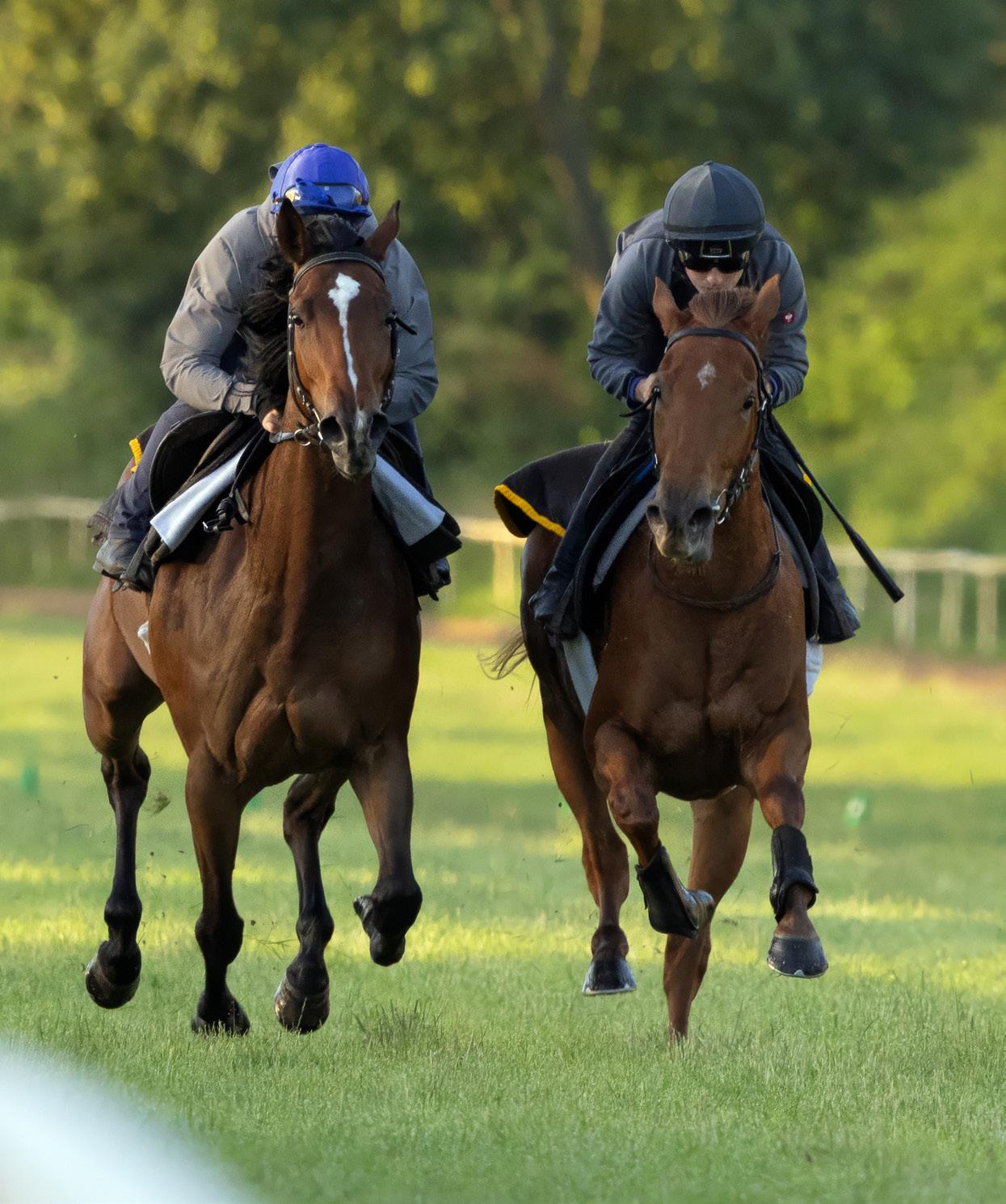
Carriganóg is famed for its uphill gallop, a 1400m (7f) woodchip gallop, six metres wide and rising over 80 metres from start to finish, the effects of which are seen to good effect
within the impressive physique of O’Brien’s runners. But other substantial improvements have made Carriganóg a world-class training facility, with extensive grass and all-weather schooling facilities for Flat and National Hunt horses including racecoursestandard hurdles and fences. The horses also enjoy occasional away trips to school and gallop at racecourses.
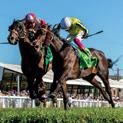
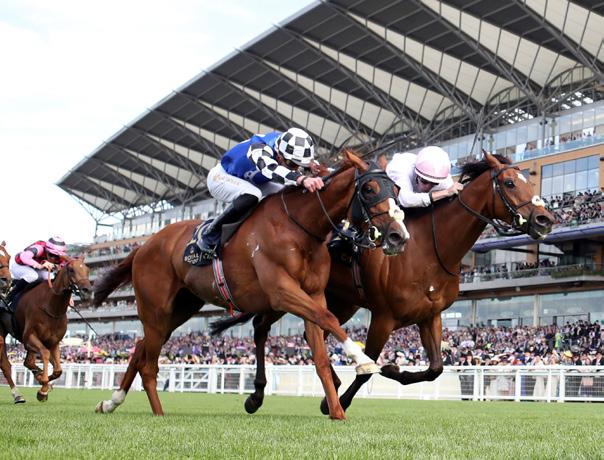
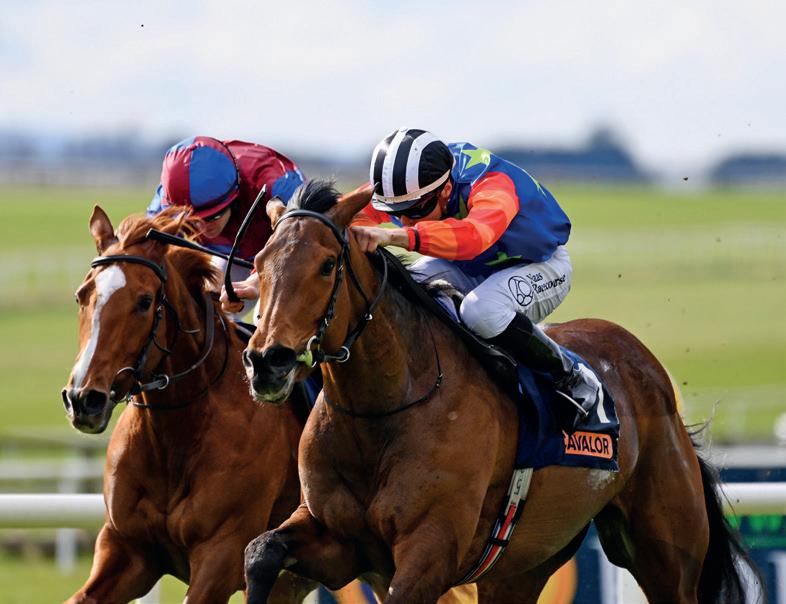
Green Carrera (Sandringham Stakes Handicap), Enceladus (King George V Stakes Heritage Handicap), King Of Cloughan (Windsor Castle Stakes), Limestone (Queen’s Vase) and Kizlyar leading home Defiantly in a stable one-two (Ascot Stakes Heritage Handicap), not to mention Johanna Walsh’s narrow defeat in the Ribblesdale Stakes, is an illustration of the depth of O’Brien’s team.
“We’re lucky in having the support of really good owners, and we have a very good team of people on the track as well as at home,” reflects O’Brien, who didn’t go into the meeting as a military campaign, but instead treats each horse as an individual and plans their programme accordingly.
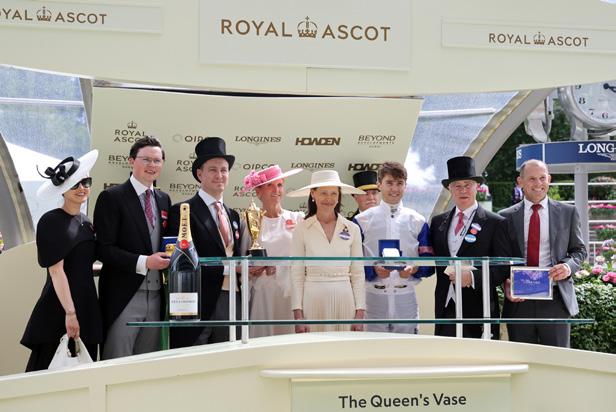
“They’ve all had a normal preparation, my job is to maximise a horse’s potential and tailor their race programme for their owner’s needs and ambitions. Some owners might want to have a runner on the big day, or at their local track, others might like to travel, but firstly it’s the horse. We look at the horse’s needs first and then the ownership, and my job is to plan and execute.”
Running a dual-purpose yard doesn’t mean O’Brien takes a different approach to any other leading trainer. “Every horse is
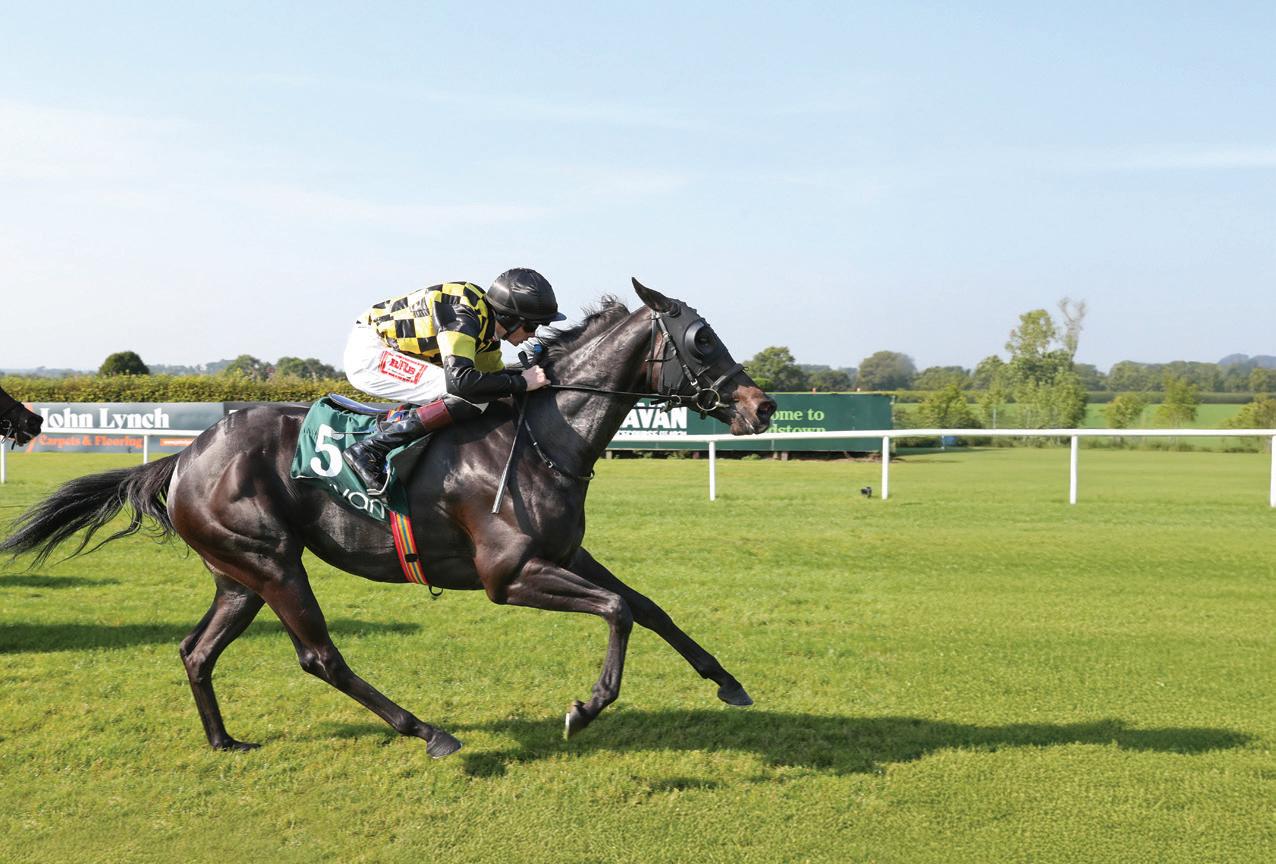
Kizlyar (farside) leads home Defiantly in a stable one-two in the 2026 Ascot Stakes Heritage Handicap.
treated individually,” he points out. “The National Hunt horses have slightly different training programmes to the Flat horses, but every horse is an individual and treated differently; figuring out what’s suitable for each horse is key to getting the best out of them.”
In a year that has already secured a Grade One Cheltenham Festival winner, an Epsom Classic winner and now five Royal Ascot winners, there is no doubt that O’Brien has that key well figured out.




CAVALOR FREEBUTE & CAVALOR LACTATEC
Cavalor FreeBute supports muscles and joints for improved mobility. FreeBute will offer relief from discomfort in the recovery process after heavy effort.
Cavalor LactaTec is a complete supplement that supports muscle activity, stimulates muscle recovery and prevents stiffness, damage, and fatigue in a variety of ways.
WORDS: CATRIN NACK PHOTOGRAPHY: GALOPPFOTO.DE
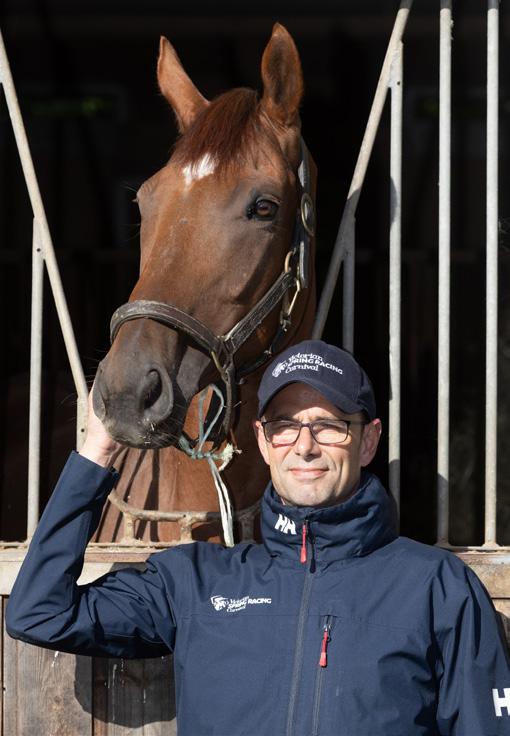
t took one horse – compact in stature but big, big in character – to catapult Weiss into the top trainer ranks. His career had been steady up to that point, and he did display the one virtue essential to his training approach: patience. Now firmly established as one of the go-to German handlers, his composed demeanour hides fierce competition and a deep passion.
IA lot meets the eye when it comes to Marcel Weiss – he was in fact nicknamed ‘the Englishman’ due to his flat cap and his smart riding attire – but that tells only half the story.
England is well known for its north-south divide, and it is an open secret that Germany is still very much divided into east and west. Society may be a step ahead, but things take a bit longer in racing – a lot of things move very slowly in German racing – and certain tracks are still referred to as ‘east’.
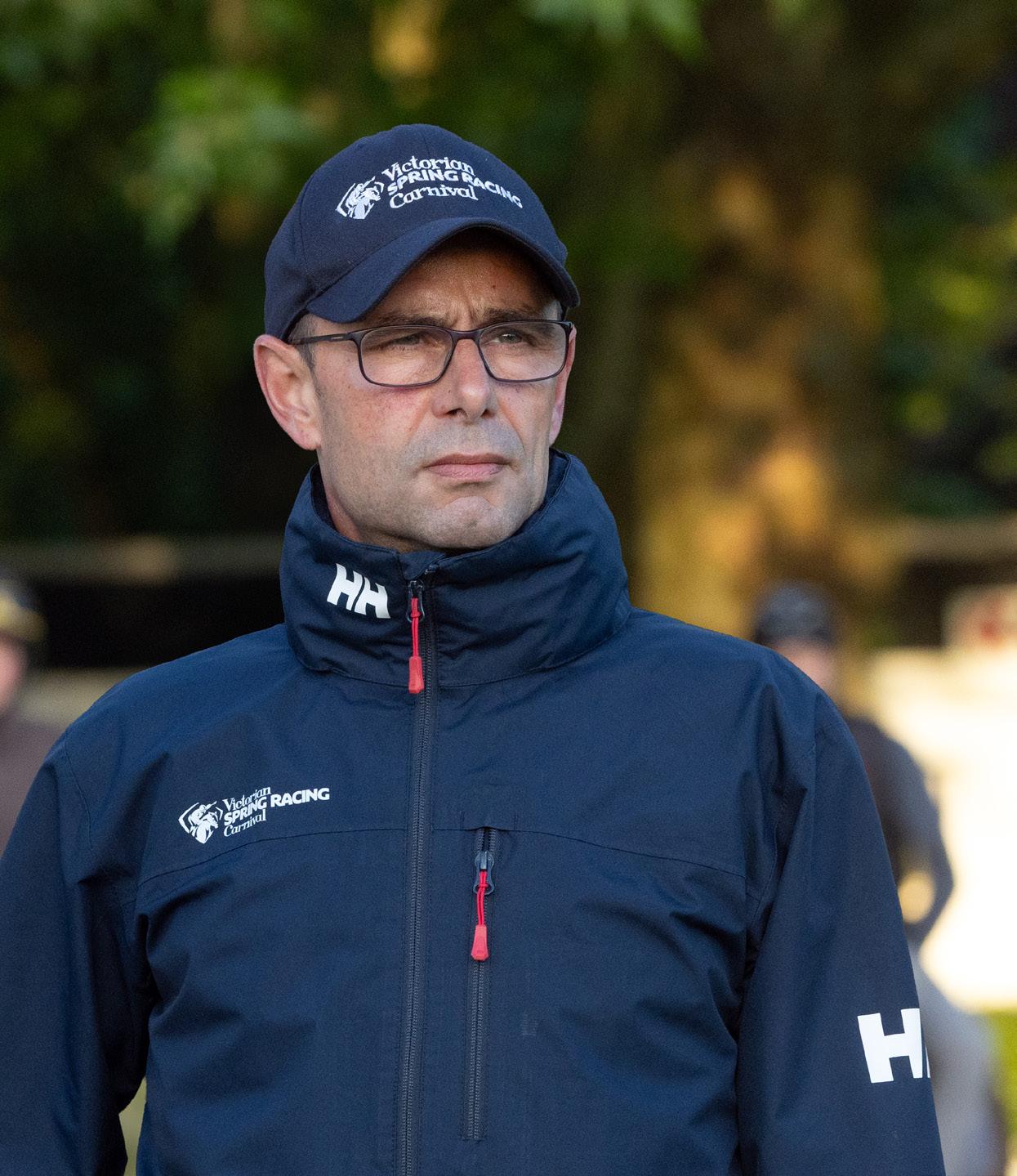
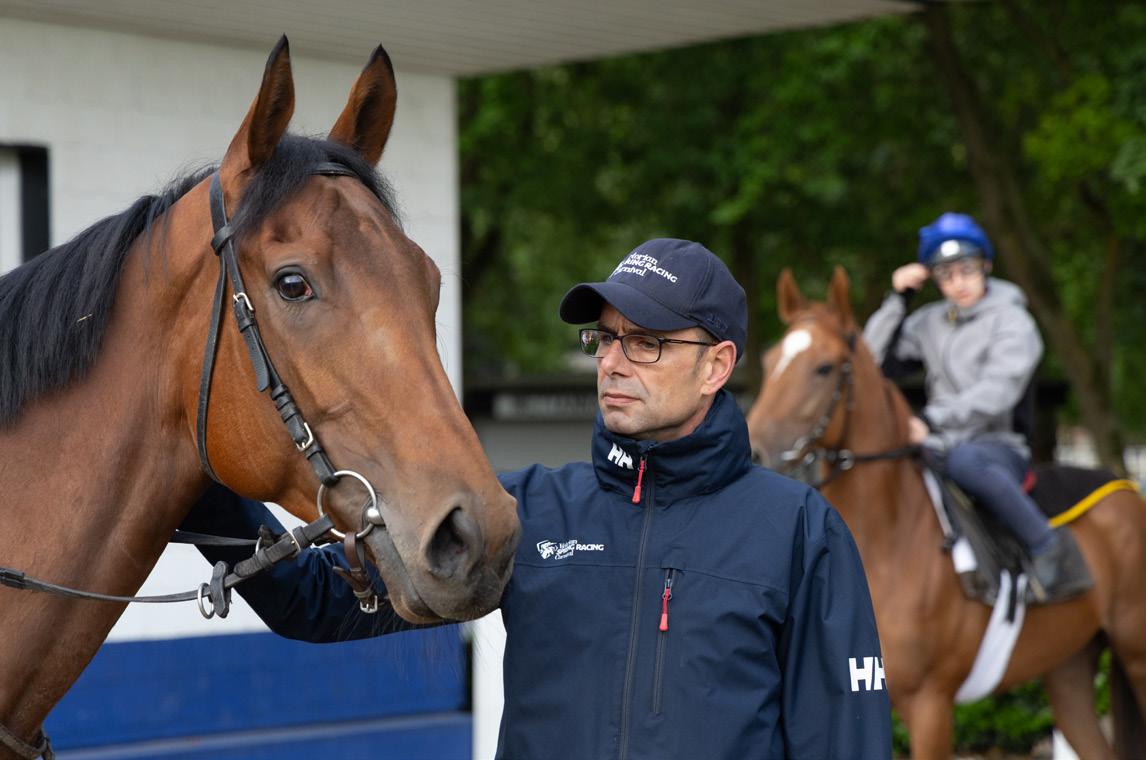
It was in Berlin, East Germany proper, where Marcel Weiss was born on the 2nd of November 1976, to a non-racing family. Ponies satisfied an early hunger for the beast, but things changed quickly when a friend took young Marcel – he must have been about 13 at the time – to a day at the races at Berlin Hoppegarten.
Hoppegarten has been a mecca for horse racing for centuries, so there couldn’t have been a more apt place to ignite a passion for the game. Ponies – and school – went out of the window quickly, and Weiss started trotting – galloping – on the path that would define his career, his life.
Racing in the German Democratic Republic (GDR) was of course vastly different – as was life – so only a few trainers continued with decent success once the wall came down and the system crumbled.
Martin Rölke was one such trainer and took Weiss under his wing. It was here that Weiss started his apprenticeship, and after passing all his qualifications he stayed on for another three years, making it six years under Rölke’s watchful eye in total.
The German database tells you that Weiss tried his hand as a jockey, but at 187cm (about 6 ft 1in) he weighed just 60 kilograms – 9st6lbs – at that point. So, there was never much of a future in that sphere.
Weiss rode in a couple of jumps races – but a career as a trainer soon became inevitable. “They were good years with Martin, and that’s where I learned training and breaking-in the ‘old school’ way, something that’s still with me.”
Formative years were spent with Rölke but the offer came to move on. It may have been a small step at the time, but eventually it turned into maybe the most important decision Weiss took – professionally at least – when he hooked up with trainer Werner Haustein.
This was a first tie with Klaus-Dieter Ellerbracke and Peter Michael Endres who race horses under the Auenquelle banner.
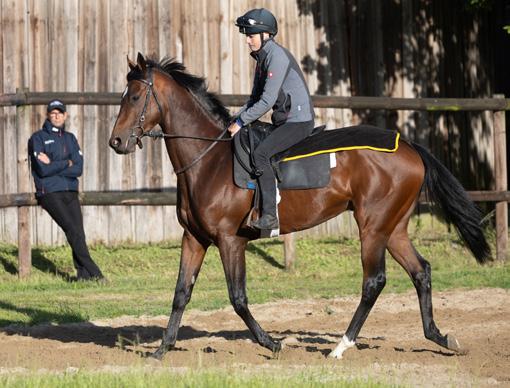

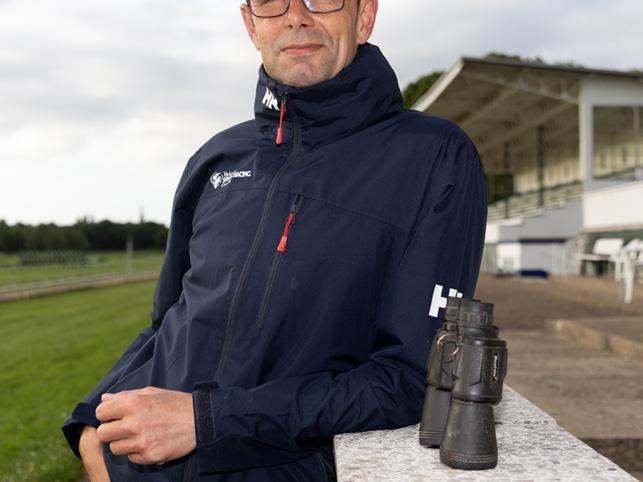
The year was about 1997; “that’s when I came on their payroll … and I have been on it ever since“ says Weiss with a chuckle.
From these early seeds a mighty partnership has grown.
When Weiss finally did ‘go west’ it was as assistant to Uwe Ostmann at the ‘Diana’ stable at Mülheim racecourse, that the aforementioned yard Ellerbracke and Endres had established.
Uwe Ostmann became their first salaried trainer. Ostmann, a legendary German handler nick-named ‘the gentleman’, is credited by Weiss as “the man who taught me everything. For two years he basically took me by the hand and I followed him everywhere.”
He had a particular knack for training 2-yearolds and was instrumental in establishing Auenquelle’s then-new sire Big Shuffle, whose progeny was especially precocious by German standards and who nearly single-handedly threw Auenquelle and its black-red-gold racing colours (taken from the German flag of course) into the big league.
It was under Ostmann’s watchful eye that Weiss developed and observed. Ostmann handled a host of top-class horses, mainly for Auenquelle, and Weiss displayed considerable patience in the 14 years he worked as his assistant and right-hand man.
He felt ready to take over once Ostmann retired due to old age in 2012, but his patience was tested more and more. An ultimately fruitless attempt to bring legendary German trainer Heinz Jentzsch (then well in his 80’s) back into the game, was described by Weiss as being “formative and so educational.”
This was followed by the appointment of Jens Hirschberger – fresh from losing his job as private trainer at the powerful Schlenderhan yard. What no doubt must have been felt as a kick in the teeth at the time is brushed over by Weiss today.
“He [Jens Hirschberger] was an established big name, so I could understand their way of thinking. Mind you, it was interesting to see yet another approach to training and I did take something from his way of handling too.”
Weiss refuses to be pressed into any sort of mould. “I wouldn’t say I copied anybody, but I watched, took in and kept the bits I liked, and that felt important.”
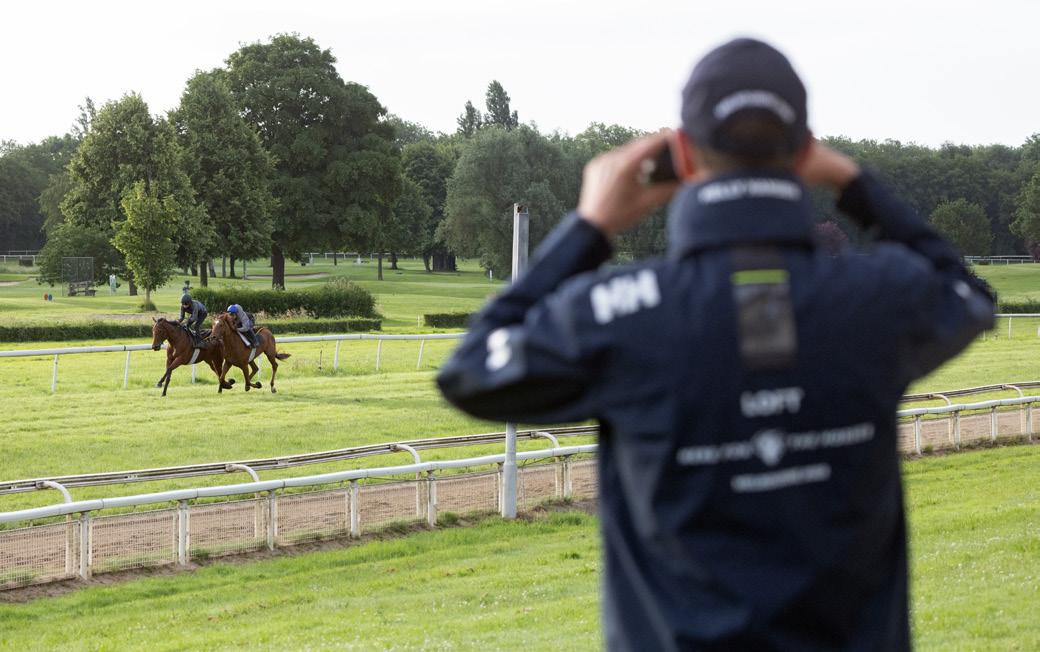
The horse is at the centre of everything Weiss does. “and they are all treated the same.”
Nobody would credit Weiss to be a trainer of 2-year-olds, something Germany isn’t known for in any case; and it certainly isn’t a coincidence that in Weiss’ stable, one not only finds two of the three highest rated horses in Germany (in Alleno and Lordano), but they are five and seven years old respectively.
At the end of May, of his six horses rated 90 and higher on the German scale, only one is a three-year old. But by the middle of June we can count two. The twice-raced and so aptly-named Englishman did not read the script. He made a mockery of his inexperience when winning Germany’s principal Derby-Trial, the Union-Rennen (Gr.2, 2200m) in very taking fashion.
Stable jockey Sibylle Vogt had chosen the wrong starter, so young Enzo Crublet was able to celebrate the biggest win of his career
The year was 2019 – finally it was Marcel Weiss’ time to take the reins. A couple of lean years at the helm of the Diana stable, on the heels of the disappointment of the Schlenderhan job, drove Hirschberger out of racing for good. Patience was finally rewarded. Fate stepped in too.
The database will list 2020 as Weiss’ first full year as a trainer. A salaried trainer, but in command.
This of course changed Weiss’ life, but the world also changed in 2020. And little did Weiss know that among the horses he inherited from Hirschberger was a young chestnut colt ready to

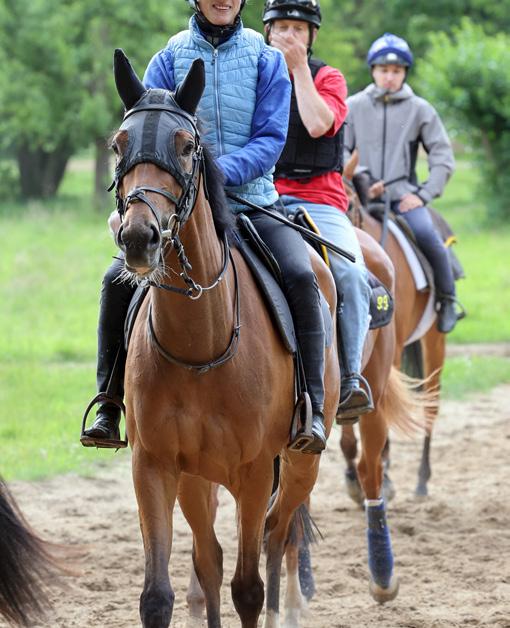
change Weiss’ life even more. His name, of course, was Torquator Tasso. His rise through the ranks and his exemplary handling by Weiss, was the perfect start to the rookie trainer’s career.
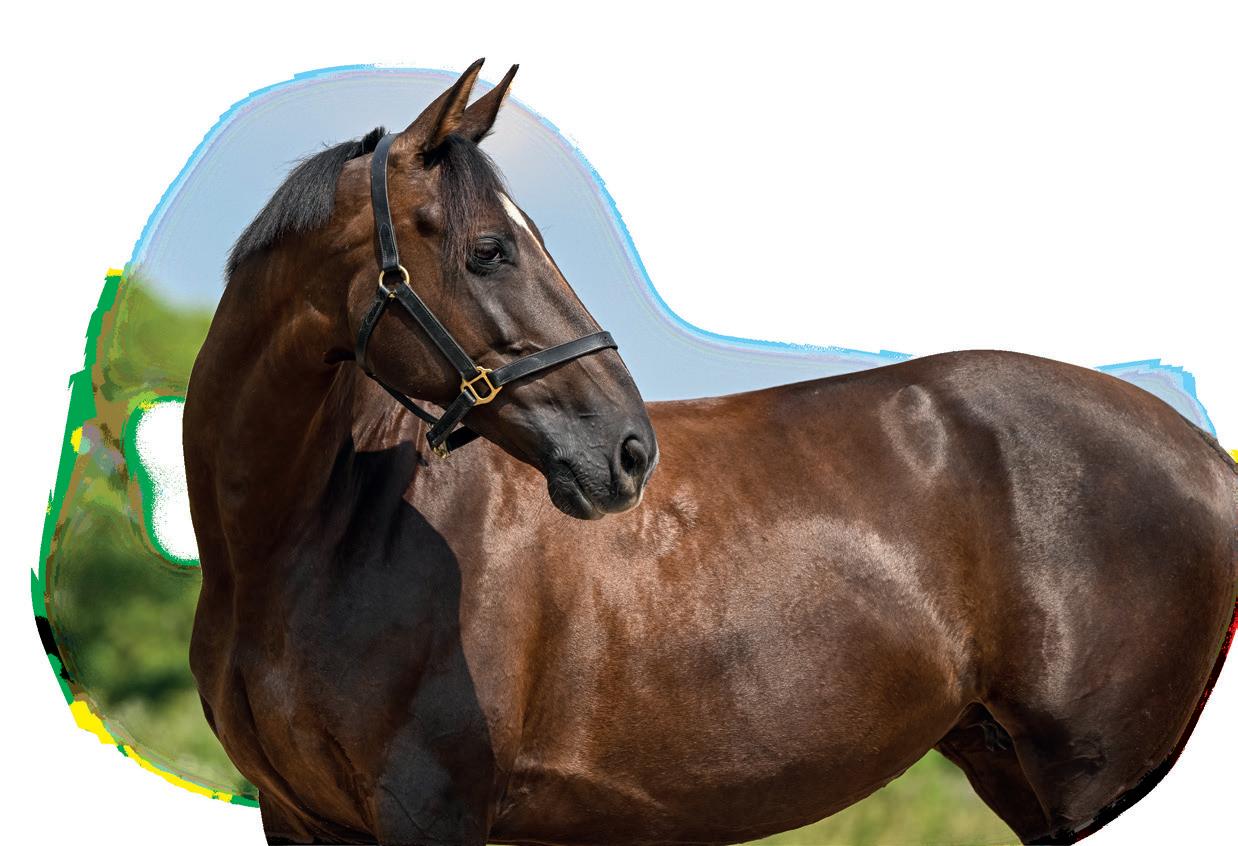
In October 2018, Torquator Tasso was put up for auction at the BBAG Mixed Sale. Consigned by Gestut Erftmuhle, he was purchased by Gestut Auenquelle for a mere €24,000. Bred by small owner-breeder Paul Vandeberg, out of his Toylsome-mare Tijuana, the son of Adlerflug was reluctant to reveal his talent though, testing the patience.



Ow ner:
St all Bergholz
Breeder: Barbara Holubova
Trainer:
Andreas W öhler
Cons igned by:
Ges t üt Auenquelle (Agent )
Purchas ed by:
St all Bergholz

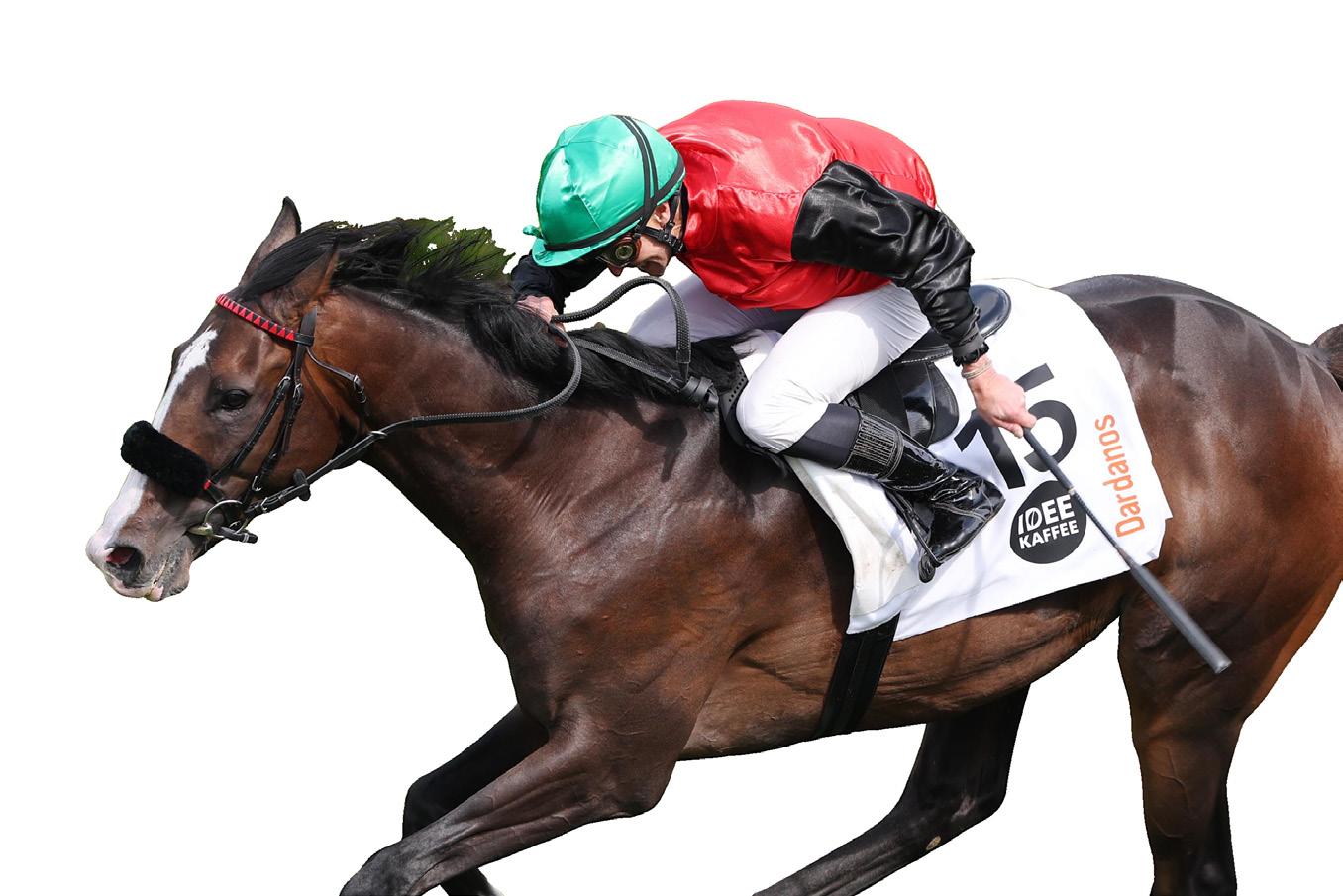


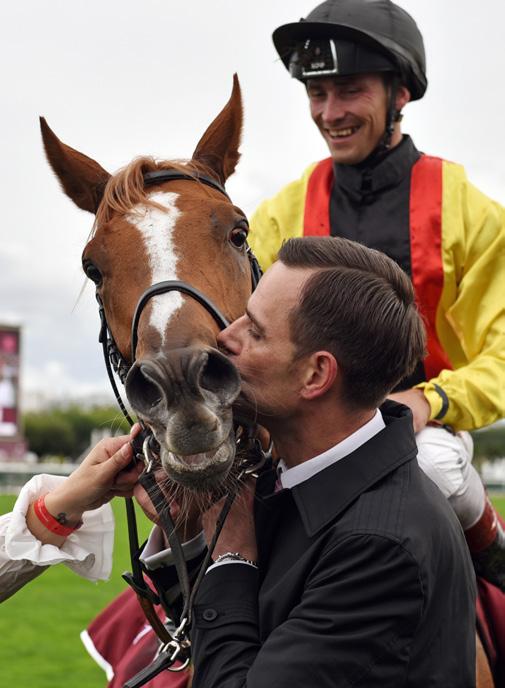
“We had tried him earlier as a 2-year-old but things simply didn’t click. He thrived over winter and suddenly the penny dropped. His first race was a bit sobering, but I knew he was much better than that.” Weiss recalls. He most certainly was.
A Derby runner alone, but a horse placed in the Derby, is more than any trainer can hope for in his first year with a licence – yet it was only the beginning. As well as patience, Weiss displayed considerable confidence in placing the horse. Covid may have played a part, but on only his third lifetime start Torquator Tasso lined up in the German Derby and was rewarded with a cracking 2nd place (behind In Swoop, who went on to be placed in the Arc that very season).
Better was to come when Torquator Tasso, now four, stormed home on that first Sunday in October to win a third Prix de l’Arc de Triomphe for Germany, at odds 69-1 no less. As a 5-year-old, Weiss sent out Torquator Tasso to finish 2nd in the King George VI and Queen Elizabeth Qipco Stakes at Ascot and 3rd in yet another Arc, under Frankie Dettori – who in fact had brushed up his knowledge of German geography when traveling over to ride his mount work at Mülheim.
“It was a dream, really, and it’s hard to choose one highlight. Mind you, I did love running him first time out [soundly beaten in each of his three seasons in training ]. Everyone told me he hadn’t trained on, but that was just him, he needed one run to get into racing mode” Weiss reveals some sort of English humour.
Now in his sixth full year with a licence Weiss is fully established as one of the top trainers in German racing. His Diana stable at Mülheim racecourse has room for 65 horses, 58 of his boxes are full at time of writing. His ownership structure has changed over the years, but his patient approach and high strike rate in big races has caught the eye of major owner-breeders, of which Germany still has a few. “Half of my horses used to be owned by Auenquelle, nowadays more than three quarters of my yard is filled with horses from other major stud farms.”
“I would like to state that the training facilities at Mülheim are brilliant, I cannot think of anything better” says Weiss, who is also a member of the Mülheim Racing Club, who operate the racecourse and its training centre.













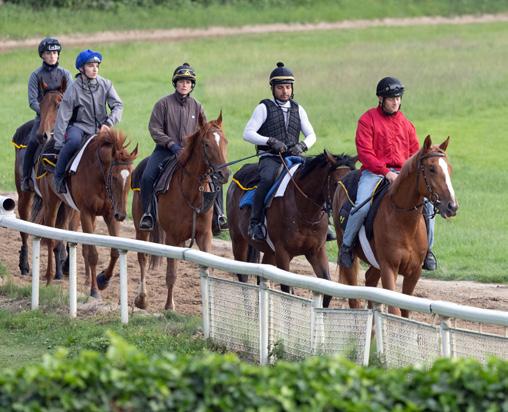
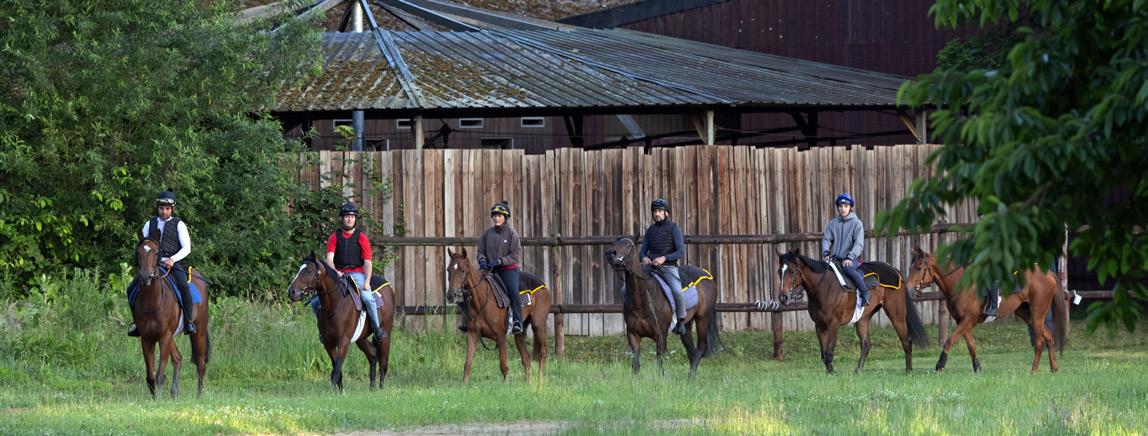
As is very much custom in Germany, with only a few exceptions training yards nestle next to a racecourse. Mülheim racecourse is home to six public trainers. Yasmin Almenräder trained her Hochkönig to win last year’s German Derby from these grounds, and Weiss is effusive in his praise.
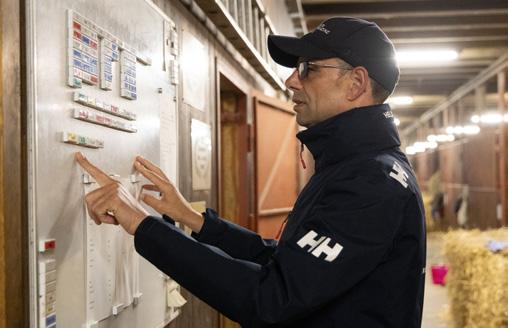
“We really have everything we need.” He has a walker, paddocks, a covered ring and a trotting ring, a solarium and scales. “Every horse starts with roughly 45 minutes in the walker and will then be ridden for that amount of time as well.”
A 2000m training dirt track is accompanied by a turf track – the very one Mülheim staged its races on. “Well, we haven’t got that many race days here, so may as well make good use of the turf.”
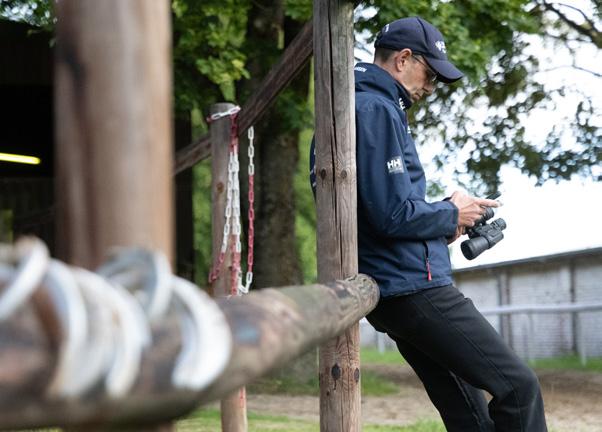
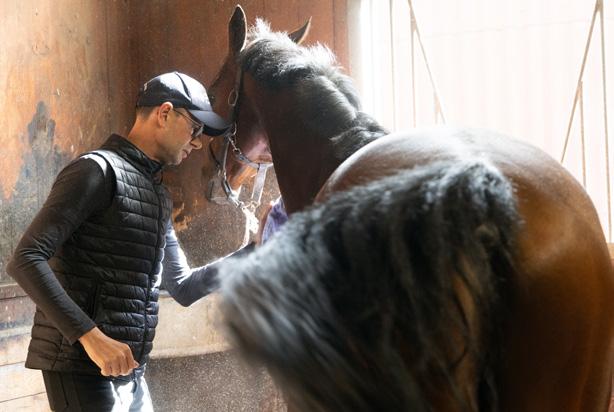
Weighing the horses is important to him, to back up what his eye is telling him. Very generous bedding and good feeding – which he usually does himself – are further keys to the way Weiss handles his horses. While he regularly rode out when assistant ( he did ride Torquator Tasso as a 2yo) Weiss hasn’t been in the saddle since he took over training responsibilities.
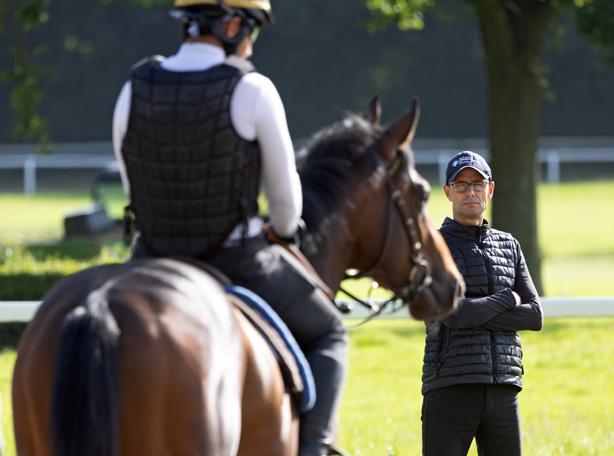
“I need to see the horses and simply cannot do this when I am on a horse.” In the saddle he has, since 2026, had the aid of Sibylle Vogt, easily Germany’s best female jockey, and young talent Enzo Crublet, from France.
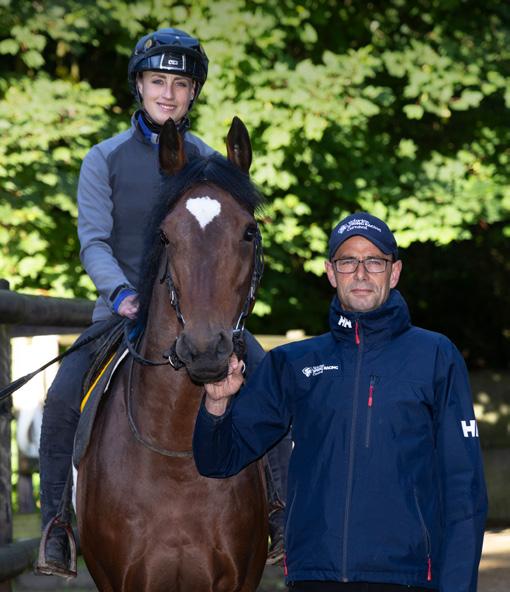
“Working with Sibylle in particular is such a joy, she is so professional and implements my orders to the T.”
Her input no doubt added to a storming start to the 2026 season, with 10 winners already (at time of writing – nine ridden by Vogt incl. Alleno) and a very healthy 32% strike rate.
“All I want is to win Black Type races, I really have no interest in plotting a handicap route.” states Weiss, something his statistics back up as well. He has relatively few runners to horses under his care and not the best winner-to-runner ratio either.
But his horses last, and the only parameter he is interested in is doing right by the horse. He has won 26 Group races so far, the latest with the aforementioned Alleno at Baden-Baden’s spring meeting.
While all horses are equal under Weiss’s tutelage, one horse has crept under his skin a bit more. Weiss will forever be the man who trained Torquator Tasso, but we shall remember him as the guy who trained Lordano as well.
The 7-year-old gelding of Adlerflug is the apple of his trainer’s eye, his ‘heart horse’, and the “most faithful soul we have in the yard.” With Weiss since 2020, the strapping chestnut has won 12 of his 21 starts to date [again: figures that are exemplary to his trainer’s patient approach], over distances ranging from 1m5f to 2 miles, up to Gp. 2 level. Unbeaten in two starts this term, Lordano met with a small setback but will be ready to add to his tally from midseason onwards.




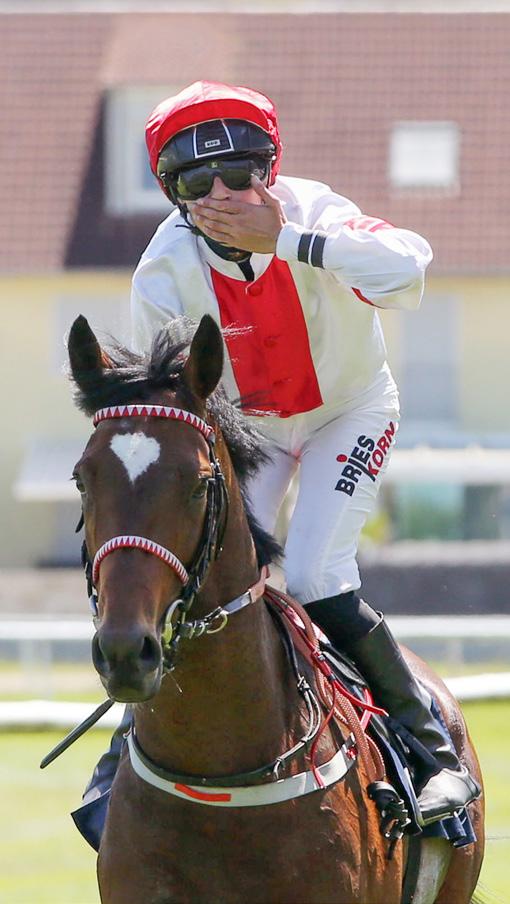
Weiss has about 18 staff members, alongside his wife Jasmin, who is as passionate about racing as Weiss is, and whom he met in a racing yard when he was still an assistant trainer.
Mind you, Weiss shows patience here as well, “it took five years before we started dating.” Weiss offers a rare glimpse into his private life. Two children, a daughter and a son, haven’t really caught their parents’ passion yet. Family life takes a back seat to the demands of running a racing stable, but next to keeping fit, “I have a private fitness centre in my garage.” Weiss’ other hobby, passion really, is cooking, and “[while] I do not have other chores in the house no one bar me is allowed in the kitchen and I make sure we have a proper meal as a family every evening.”
German racing has not been in the best of health for some time now, with declining foal crops and falling numbers in all parameters. Weiss is under no illusion. “It frightens me, of course it does. I do not know where I see racing in 10 years, let alone where I see myself in 10 years.” But he sees a glimmer of hope.
“We need to attract a new audience and new owners; we need syndicates too. Recent attendance figures are really encouraging I think, and there is a new website to be introduced as well.”
Weiss is referring to a website called ‘Turf-Match’ designed to link potential new customers (= owners) and trainers, as well as advocating syndicates. Weiss is far from being all gloomy.
“I still love the sport and my passion for horses is as deep as ever. I love what I do, and it still excites me no end.” He has unfinished business with Ascot’s King George and the Melbourne Cup, races he dreams about winning, and closer to home still has two chances in the German Derby.
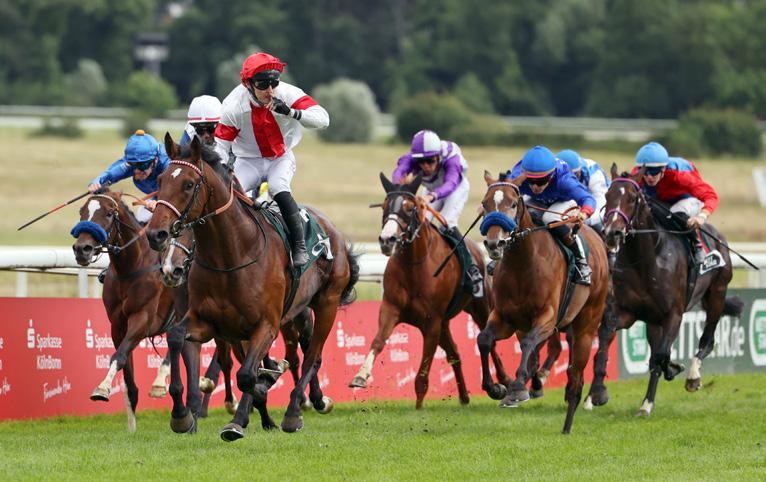
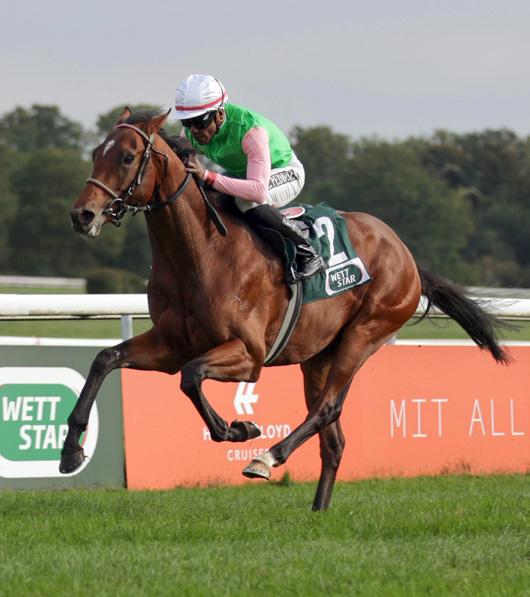
LEFT: Sibylle Vogt guided Alleno to victory in the 2026 Tattersalls Grand Prix, defeating Derby winner Hochkönig at Baden-Baden racecourse.
BELOW: Stingray, with Sibylle Vogt up, won the 2026 Merkur Spielbanken Cup at Cologne racecourse, the first black-type victory of his career.
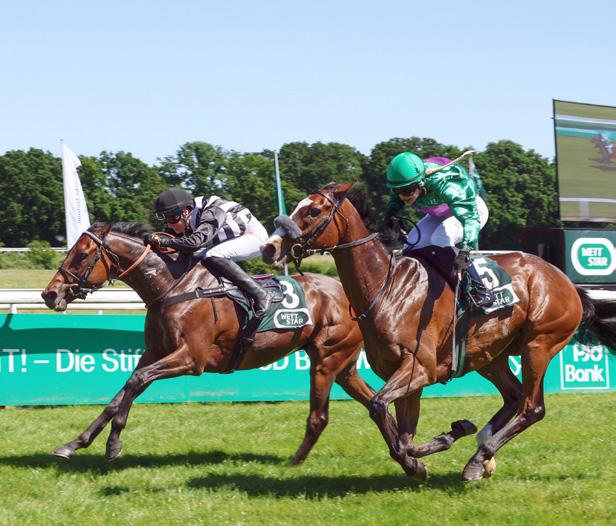
With the older brigade – Lordano and Petit Marin (7) and the 5-year-olds New Emerald, Alleno and Stingray – waiting in the wings, alongside a host of ‘baby’ 4-year-olds, not to mention the Classic crop, 2026 looks set for more excitement.
As for Torquator Tasso: his oldest offspring are 2-year-olds now, and eight of them are in Weiss’ care.


WORDS: DR KATIE WILLIAMS, PHD, MSC (DIST), RNUTR

The sub-2 hour marathon recorded for the first time in 2026 was, not that long ago, said to be unachievable by some eminent scientists. This incredible achievement shows how our understanding of the science of exercise is improving rapidly. Whilst there is arguably greater scope for ‘science’ to impact performance in endurance events like marathons, should we expect a sub 2 minute 30 seconds (Epsom) Derby any time soon?
Of course there are many variables that come into play but one of the areas that equine science has started to explore is reducing the risk of losing a recordbreaking performance before the horse even gets to the racetrack.
Whilst some studies have recorded the numbers of horses lost from training due to injury, we can never really know how good those horses would have been. Rather excitingly though, we are starting to see how the way horses are managed as youngstock, can have an impact on their health, performance and future success.
A study that received a lot of attention recently and was even picked up by mainstream media, showed that the composition of bacteria in faecal samples from Thoroughbred foals at just one month of age provided a predictor of their future athletic performance. The researcher’s statement “we have found that gut health, in particular the health of gut bacterial communities very early in life, exerts a profound and enduring impact on racehorse health and performance” highlights why we really should be focussing on what we can do to optimise gut health for both the mare and youngstock.
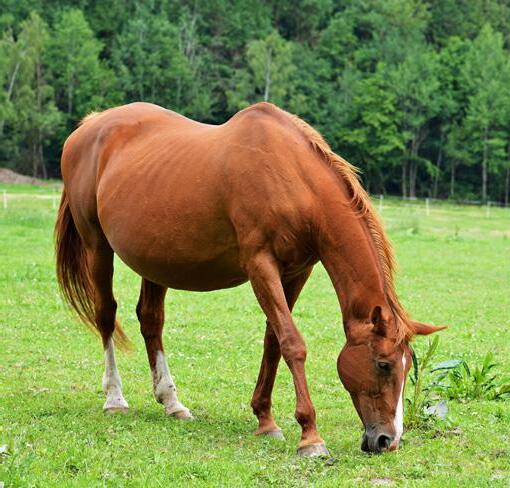
Clearly the mare’s diet is critical – if she isn’t receiving the right nutrients, she can’t pass them on. Other factors can affect the transfer of nutrients across the placenta to the foetus; older mares and those with placentitis, which can be caused by bacterial infection, are often less efficient.
A mare with a robust immune system is better able to fight off infections and a good, balanced diet with optimal levels of trace minerals such as selenium is key. Trace minerals are insufficient in many pastures and if little or no supplementary feed is offered throughout pregnancy, even in the early stages, it could compromise the effectiveness of the immune system leaving the mare more vulnerable to infection. The long dry spells that are affecting Europe more frequently, are also impacting what pasture is contributing to the mare’s diet. Supplementary feed is just as likely to be needed in the summer as the winter now if we want to maintain a consistent supply of nutrition.
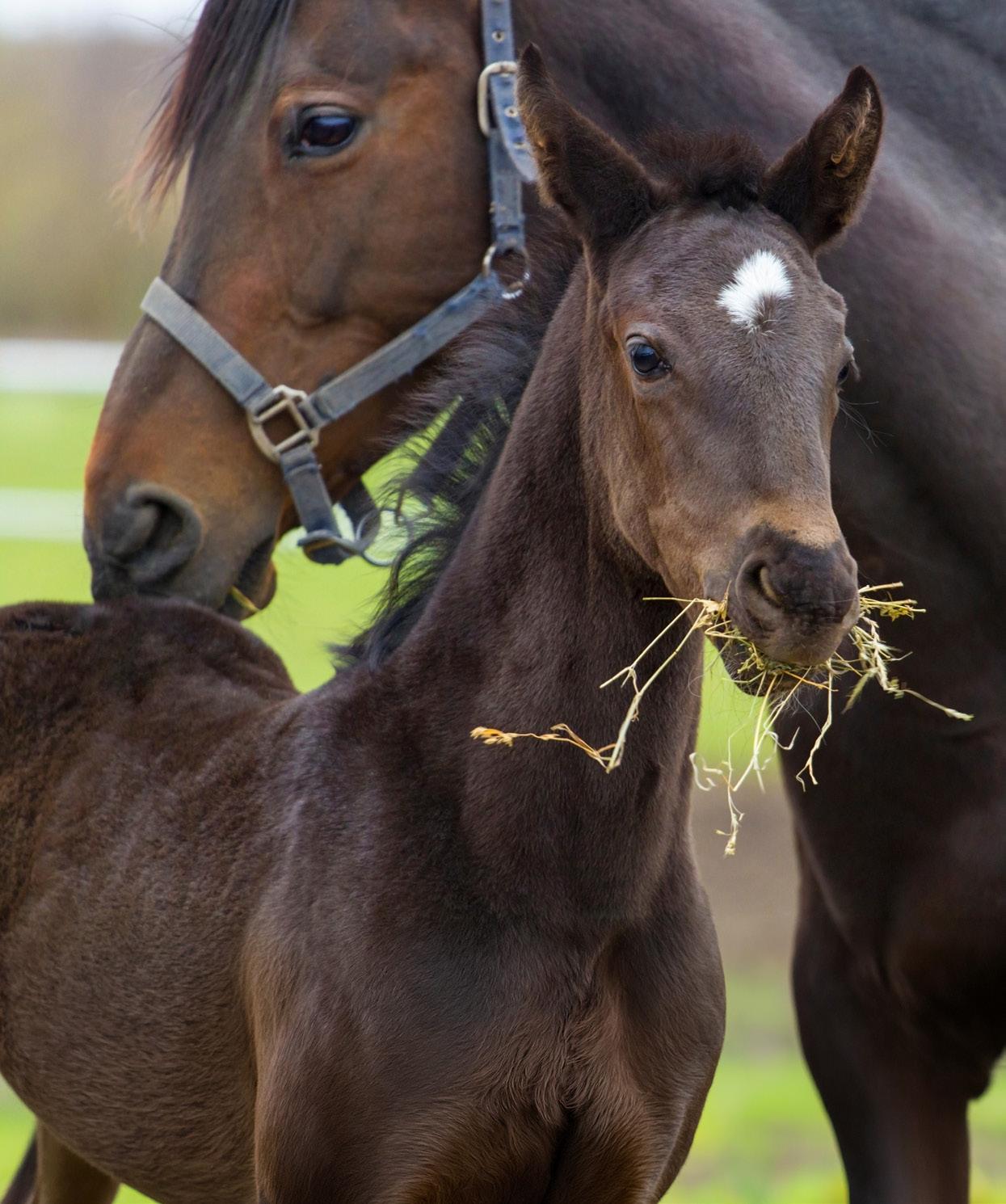
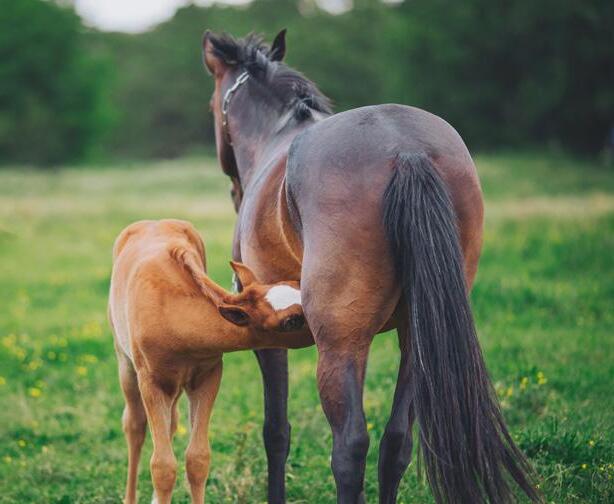
Whilst it might make us a bit queasy to see a puppy or foal eating faecal matter, it is nature’s way of establishing a microbial population in the gut. Thinking about where the mares in a group have been recently, what bugs they might have picked up and what medications they have been given, gives us some insight to what the foal might be consuming along with the bacteria in the pooh. And we shouldn’t forget about worms; a PhD project found no association between higher faecal egg counts on a foal’s bodyweight and wither height but did find an association with poorer early racing performances.
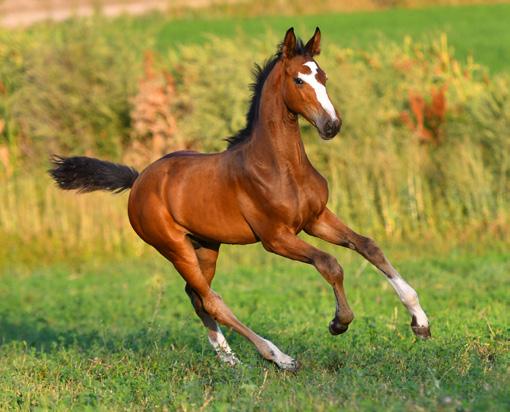
We also shouldn’t forget the effect the mare’s hormones can have on the foetus. A study carried out in Germany monitored body mass index (BMI) and insulin resistance in 232 children and found that maternal obesity was the strongest predictor of overweight risk in the child at 2, 8 and 11 years of age.
This has been corroborated with trials in rats; offspring from obese dams gained much more weight and accumulated a higher percentage of body fat. In the horse, obesity has been shown to increase low-grade inflammation in both mares and foals and increase the risk of foals developing osteochondrosis at 12 months of age.
An early foal is considered desirable for achieving a better sales price but does this translate into racing success? Studies have found that mares foaling in January and February typically produced smaller foals at birth that grew slower initially but by day 150, were the same size as later born foals.
The early foals caught up with a period of very rapid growth around 90 days of age, which was most likely associated with the availability of good quality grass at this time. This period of slow and then rapid compensatory growth is not ideal as a number of studies have linked rapid growth rates with an increased incidence of Developmental Orthopaedic Disease (DOD).
The researchers at Kentucky Equine Research wanted to explore this potential discrepancy by analyzing the growth and racing performance records of over 4,000 American Thoroughbreds to determine if certain growth characteristics affect the odds of success as a racehorse. These horses had been routinely weighed and measured as foals and yearlings while being raised on farms in Kentucky and Virginia.
The results may surprise some in that smaller horses were more likely to run early, NOT the bigger ones. Furthermore, smaller horses had more career starts, suggesting that smaller horses are sounder. However, more prestigious races were won by horses that were heavier and taller than average as yearlings but their career was likely to be shorter and there is a greater risk of them not starting at all.

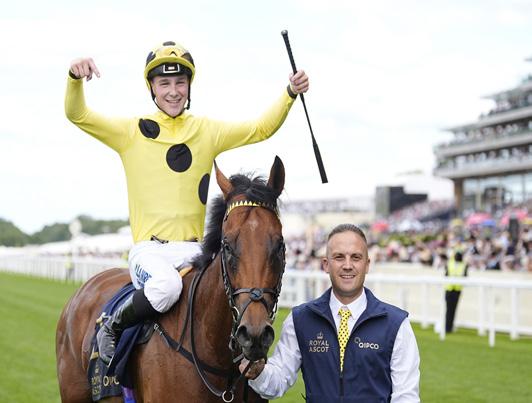
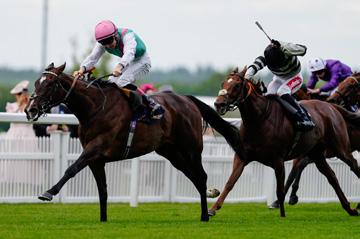
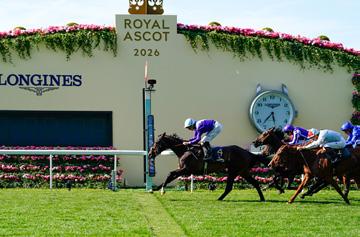
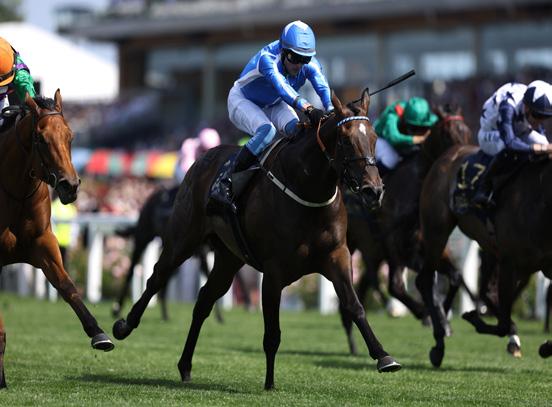
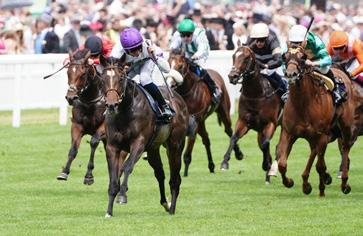
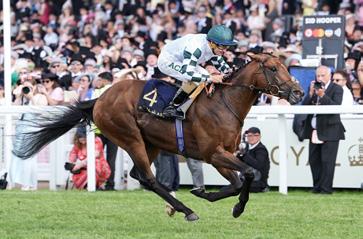
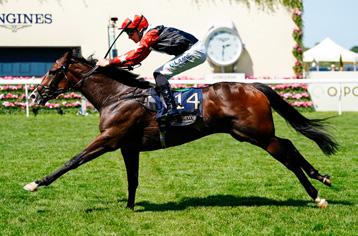
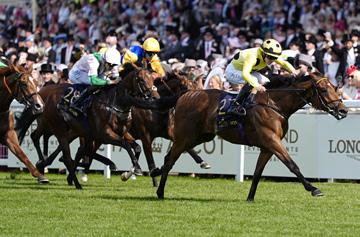
Congratulations to George Boughey and Karl Burke and all connections involved on their recent Group 1 success. Congratulations also goes to all the other SPILLERS™ fed winners during Royal Ascot.
George
and owned by Exors of the Late Sheikh Mohammed Obaid Al Maktoum winning the St James’s Palace Stakes






This brings us to whether there is more we can do to support foals who are bigger and taller but more vulnerable to injury so we don’t lose them before they get to the racetrack.
Research supports the idea that bone morphology and mechanical and chemical properties can be affected by exercise, or the lack of it, from birth throughout the life of the horse. Significantly lower bone densities have been found in five month old foals who were stabled compared to those who were turned out.
Rebecca Mouncey is a researcher exploring risk factors for injury in Thoroughbred studs and found that compared with 24/7 turnout, average daily turn out times of between 9 and 23 hours over a 7-day period were associated with a 4.6-fold increase in musculoskeletal injury rate (adjusting for farm and paddock area).
Each 1-acre increase in the average daily turnout area during the 4th month of life reduced the rate of musculoskeletal disease and injury between 6 and 18 months of age by 24%. Therefore, turning out in larger paddocks, particularly before weaning, may help reduce musculoskeletal disease and injury.
Unlike birds who can increase their muscle without moving, not even one wing beat, horses require training to build muscle and other tissues. The mechanisms responsible for adaptations that occur in equine skeletal muscle after training are poorly understood but a recent fascinating study has explored the impact of the different phases of race training on the horse’s body.
The study revealed that the first training session elicited a rapid response triggering changes to the horse’s immunity, energy metabolism and musculoskeletal system. Continued early training resulted in a broad stress response suggesting that antioxidant provision in the diet is really key at this time if we want to support the horse fully at this key time in their development as an athlete.
Trace minerals such as selenium, manganese, copper, and zinc, are cofactors of antioxidant enzymes and are known to be important components of a horse’s immune system but this recent study highlighted they may also contribute specifically to mitochondrial health by reducing oxidative stress. As mitochondria are the ‘powerhouses’ in cells, their health is crucial to performance.
Measuring a horse’s health and performance is key to determining whether management and dietary strategies are working and taking us towards an improvement in performance. Historically, studies explored the metabolic effects of exercise using blood-related measures.
Measuring’ the digestive system when the horse is moving is particularly tricky and Aarts et al. (2025), who reviewed the technologies available for monitoring equine performance in field conditions, didn’t include the digestive system at all! Rather than being disappointed, we should be excited by the fact there is still scope to learn so much more about how we can influence performance and take that next leap forward to achieving record-breaking times
PHOTOGRAPHY: GALOPPFOTO.DE, SHUTTERSTOCK
References:
• Aarts et al (2025) Technologies for equine welfare and performance monitoring under field conditions – Where do we stand? Equine Vet Journal.
• Denham et al (2025) Epigenetic control of exercise adaptations in the equine athlete: Current evidence and future directions. Equine Vet Journal.
• Grzędzicka et al (2025) Exercise-specific plasma proteomic signatures in racehorses: Candidates for training adaptation and peak load monitoring. Equine Vet Journal.
• Klein et al (2020) Metabolomics in equine sport and exercise. J Anim Physiol Anim Nutr.
• Robles et al (2021) Nutrition of Broodmares. Vet Clin North Am Equine Pract.
• Mouncey et al (2025) Born to run? Associations between gestational and early-life exposures and later-life performance outcomes in Thoroughbreds. Equine Vet Journal.
• Sasso et al (2019) The lipidome of Thoroughbred racehorses before and after supramaximal exercise. Equine Vet Journal.
• Townsend, K.S. (2024) Pulmonary haemorrhage in athletes: Equine and beyond. Equine Veterinary Education.
All my horses are on NUTRI-GARD, I think it’s a great product. I have found that it helps to keep my horses relaxed, which is so important for the sprinters. NUTRI-GARD helps to keep the weight on them, their stomachs are settled, and their minds are good.
DANNY MURPHY

NUTRI-GARD is a scientifically advanced gut supplement formulated to support stomach and hindgut health. Containing 12 key ingredients including prebiotics, postbiotics, and B-vitamins, it is designed to support the entire digestive tract.
Also features:
• Prebiotics
• B-vitamins
• Pectin
• L-Threonine
• DL-Methionine
• Oat fibre
FOR Digestive health





In this article we explore the latest science on combining nutritional and training strategies to promote metabolic adaptation and energy efficiency, as well as the key elements for delaying the onset of fatigue and promoting recovery in racing Thoroughbreds.
WORDS:
Because of the nature of the physical effort, the primary cause of fatigue in racehorses is depletion of muscle glycogen stores, which correlates with the accumulation of lactate in the muscles as a by-product of anaerobic energy production (Demirtas et al. 2016). Equine muscle uses a combination of energy substrates supplied in the diet: carbohydrates (fibre, starches, sugars) and fats (vegetable oils and fats) and as such, the balance of energy sources can be manipulated to optimise both energy availability and utilisation during effort as well as in recovery. Dietary starch and sugar are easily absorbed and stored in the form of glycogen in the muscles and liver, to be utilised as primary fuel for high intensity work. Both dietary oils and products of fibre digestion are absorbed as fatty acids and can be used to fuel muscle contraction at lower intensity.
The key to maximising fuel supply to the muscles during exercise involves combining dietary energy sources according to the horse’s fitness and level of effort: glycogen stores must be replenished through adequate, timed and measured intake of starch and sugar in the diet. This combined with digestible fibres and oils also supports a gradual adaptation (over 6-12 weeks) of the racehorse to preferentially use fatty acids as an energy source rather
than glycogen. When the correct balance of energy sources is coupled with appropriate conditioning training, that enables the horse to spare the use of glycogen and delays the onset of lactate accumulation (Kronfeld et al. 1997).
• Balanced energy sources to support metabolic adaptations to training
Research has shown that horses can become metabolically adapted to a diet higher in fibre and fat, becoming less reliant on cereal starch. This is enhanced by the horses being in training with progressive overload (i.e. incremental duration and intensity of training). Racehorses can fully restore their muscle glycogen stores on a high-fibre, moderate-starch diet just as well as they do on a highstarch diet – the process being slightly faster in the latter situation, but the end result is the same. Nutritional strategies aimed at maximising glycogen availability, sparing glycogen use during exercise and delaying the onset of lactate accumulation ultimately result in a positive delay of the onset of fatigue and better performance: up to 2 g of starch per kg of body weight per day (1000g a day for a 500-kg horse) can effectively support glycogen repletion without compromising digestive and muscle health, and energy production can be further supported by the addition of high-quality oils to the diet (up to 20% of the total daily calories consumed by the horse).
THIS ARTICLE HAS BEEN PRODUCED IN COLLABORATION WITH
Fit racehorses have a superior capacity to oxidise fatty acids to fuel muscle contraction: using fibre and oils to supply these fatty acids offers a metabolic advantage as glycogen will only be used when the intensity of effort surpasses the capacity to produce energy through oxidation. Feeding high quality oils and other digestible fats for horses enhances both the transport of fatty acids through the mitochondrial inner membrane (the muscle cell’s ‘energy powerhouse’) and the oxidative capacity in highly aerobic muscles, helping to:
• Reduce the reliance on cereal starch to maintain energy intake: the horse can retain a healthy fibre intake despite a high energy requirement. From a dietary management perspective, horses prone to gastric ulcers as well as those with a tendency to tying up should be fed a starch-controlled diet (<1 g of starch per kg of body weight per feed and <2 g of starch per kg of body weight per day in total), which can be achieved by breaking down the hard feed into more feeds (McKenzie et al. 2003).
• Increase the energy density of a feed even if appetite decreases: this can be especially relevant for racehorses that go off their feed, or have difficulty in consuming their usual recommended feeding rate during times of high stress and physical demand. Whilst it is generally recommended not to exceed a meal size of 2 kg of hard feed (cubes or muesli) for a 500-kg horse, using oils and concentrated vegetable fat sources can be a helpful asset in supplying performancelevels of dietary energy without increasing meal size.
• Decrease heat load: fat is more efficiently converted to mechanical energy than fibre or starch (advantages in hot and humid conditions). A fit racehorse will have developed better metabolic flexibility, thereby allowing them to use fatty acids as a source of energy for muscle contraction (as explained above) for a longer period of time under effort. This highlights the importance of a correct balance of energy sources in the horse’s diet to support adequate stamina.
• Increase mobilization and uptake of free fatty acids into the muscle, leading to a glycogen sparing effect to delay fatigue and improve performance (high intensity exercise tolerance).
Substrate Phosphocreatine (PCr)
Efficiency
Immediate energy, very low capacity as it runs out of energy substrate relatively quickly
Function Fuels the first 10 seconds of maximal effort.
Optimisation through training
Muscle fibre type
Short, high-intensity sprints with full recovery periods in between.
Type I (slow-twitch, aerobic) and IIA (fast-twitch, mixed)
In horses prone to exertional rhabdomyolysis, using fibre and oils as energy sources to promote metabolic flexibility is even more important, and should always be paired with superior levels of antioxidants – particularly vitamin E (2500-5000 mg a day for a 500-kg racehorse) and amino acids precursors of cysteine, namely methionine (Valberg et al. 2006).
• Training strategies to delay the onset of fatigue Understanding energy systems is the basis to optimise training, nutrition and recovery in equine athletes. A key goal of performance nutrition for racehorses is to optimise and facilitate the use of energy sources by the horse, at the time when it is required (see table below).
Muscle glycogen and blood glucose
Fast energy production: 3 ATP molecules per glycogen molecule with lactate as byproduct (which lowers muscle pH: - acidosis contributes to the onset of fatigue).
Fatty acids, glucose, amino acids
Slow energy production, high capacity: 39 ATP molecules per unit of energy substrate (i.e. per glucose or fatty acid)
Fuels maximal effort when PCr is depleted. Fuels sustained, sub-maximal effort.
Interval training near anaerobic threshold (150-180 bpm) to increase lactate threshold.
Type II-B (fast-twitch, anaerobic)
Long, low-intensity training to increase VO2 max through improving mitochondrial density and capillary growth (‘metabolic fat adaptation’).
Type I (slow-twitch fibres)
Equine muscles have high storage but slow replenishment (up to 48–72 hours): repeated daily high-intensity work can lead to chronic glycogen depletion. As described in the attached table, the speed and intensity of effort primarily dictate which type of muscle fibres are activated:
• Type I fibres are known as slow-twitch and have an oxidative metabolism, becoming activated during lower intensity, longer duration effort.
• Type II fibres are fast-twitch and can be classified into fast oxidative fibres (II-A, activated during high intensity, longer duration effort) and glycolytic fibres (II-B, activated during high intensity, short duration effort).
Different types of fibres can be activated at once, with different types of energy metabolism taking place depending on the horse’s fitness levels:
• The aerobic pathway: the muscle uses oxygen to break down fatty acids into energy (a process called oxidation, which creates minimal heat) to contract and power the horse’s strides. This pathway is slow to set up, so it is not usually activated during sudden, high-speed exercise (i.e. the flight response when a horse is scared). Additionally, the supply of oxygen in the bloodstream is a limiting factor, so fitter horses with better respiratory and cardiovascular capacity will be more efficient at this pathway as they have better lung capacity and maximum heart rate, facilitating oxygenation of the muscle at higher speeds.
• The anaerobic non-lactic pathway: this energy pathway does not require oxygen and does not produce lactate. It uses the ATP (adenosine triphosphate) contained in the muscle to produce energy. However, the supply is limited: this pathway is exhausted very quickly: this is the easiest pathway for a horse to start a race, but not to carry it through.
• The anaerobic lactic pathway: the muscle breaks down blood glucose or glycogen (chains of glucose stored within the muscle itself) without using oxygen to produce energy for contraction. Glycogen, unlike fat, is in limited quantity in the body, and it is broken down quickly into energy, which can be useful for short, intense exercise. However, glycogen degradation produces heat and lactate accumulation, leading to fatigue and muscle pain.
Ideally, a fit racehorse should be able to use the anaerobic nonlactic pathway (at the start of the race) whilst the aerobic pathway is activated (to carry on through the finish line), whilst delaying the onset of the anaerobic lactic pathway as much as possible: this helps prevent the lactate-associated fatigue. This outcome can be possible through a combination of:
1 Interval training: as explained above, increasing the capacity of the horse’s lungs and cardiovascular system to bring enough oxygen to the muscles, therefore not limiting the availability of oxygen for the aerobic pathway of energy production.
2 Balanced energy sources: as explained above, incorporating a higher proportion of fibre and oils in the diet supplies fatty acids used in aerobic energy production. Racehorses still need a certain proportion of cereal starch in their total diet (ideally 1-2 g per kg of body weight per day) to replenish glycogen used to power the anaerobic pathway during training and racing (especially over jumps).
Interval training aims to improve athletic performance by challenging and conditioning the racehorse’s cardiovascular system. High intensity bouts of exercise are followed by a short recovery interval that allows the horse’s heart rate to return to just above resting, and the respiratory and cardiocirculatory systems to adapt by increasing oxygenated blood supply to the muscles. The horse’s aerobic capacity improves and allows the muscles to use energy in the presence of sufficient oxygen (aerobic pathway) for a longer period of time during effort. This delays the onset of the anaerobic pathway, when lactate is produced as a byproduct. In addition, interval training in Thoroughbreds helps to:
• Increase VO2max: the maximum rate at which heart, lungs and muscles use oxygen effectively during exercise (aerobic capacity).
• Increase lactate threshold: the exertion level above which lactate accumulates, leading to fatigue and reduced ability to maintain performance.
• Increase resilience to increasing speed demand: the ability to withstand higher exercise speeds without reaching fatigue.
• Reduce galloping strides over a standard test length: the horse can cover the same distance with fewer galloping strides (which are coupled to the horse’s breathing pattern, making both respiration and motion more efficient).
All of the above physiological adaptations to interval training should be supported through a balance of energy sources in the horse’s diet. Indeed, a fit racehorse should be able to use the anaerobic non-lactic pathway (at the start of the race) whilst the aerobic pathway is activated (to carry on through the finish line), whilst delaying the onset of the anaerobic lactic pathway as much as possible: this helps prevent the lactate-associated fatigue.
Water is essential for maintaining normal physiological functions, and in racehorses even minor dehydration (equivalent to losing 2-5% of the normal water mass in the horse’s body) can have a significant impact on performance and recovery. Besides glycogen depletion, dehydration is a major cause of early fatigue. In addition to sweat, fluid and electrolytes are also used in essential processes such as respiration, digestion, thermoregulation and muscle contraction. Because racehorses rely heavily on sweating as a primary heat dissipation mechanism during exercise, sweat losses become a major contributor to potential electrolyte imbalances. Levels of sodium, potassium, chloride, calcium and magnesium in bodily fluids must be within a tight range to support correct neuromuscular function and to prevent exerciserelated disturbances and illnesses.
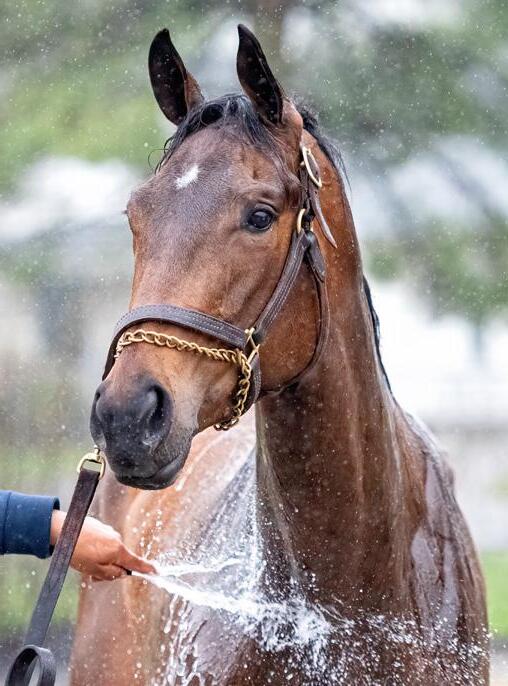
Sodium has a direct effect on the brain’s regulatory centres for thirst, stimulating water intake when those centres detect high blood sodium and low blood volume – i.e. when fluid and electrolyte losses become acute after training or racing. In addition to seeking water intake, the horse’s body responds by shifting sodium from extracellular fluid into the plasma. Because of this key role of sodium as a major electrolyte, supplementation with electrolytes before and after exercise is recommended. Fluid and electrolyte losses increase proportionately to the length of effort, environmental temperature and humidity in which the horses exercise, and it is important to acknowledge that transport lasting >1 hour will incur significant dehydration for the horse (Lindinger, 2022): to that end, the stomach and small intestine can act as a reservoir of water and electrolytes that are consumed in the two hours leading up to exercise and transport, emphasizing the great benefit of feeding a small fibrous, preferably soaked meal which includes electrolytes before loading horses up to a race. An electrolyte supplement should always be fed after exercise, to replenish losses associated with sweat and muscle contraction and help maintain correct levels within the body. Whilst electrolytes in paste format offer convenience and a controlled dosing, they may cause gastric upset if the horse does not consume adequate levels of water immediately upon administration of the paste - especially in horses with pre-existing gastric ulcer lesions. As such, it is often safer to use a powder or liquid version which can be added to feeds or to the water bucket (in which case the horses might need to be trained to drink the solution voluntarily, although it is often not a problem if they have it on training days as well as race days).
The horse’s hindgut can act as a major reservoir for water and electrolytes (Lindinger, 2022) which can be used during exercise: as such, measured modification of forage intake can support effective hydration by favouring the storage and release of water and electrolytes from the hindgut whilst avoiding excessive fluid weight associated with the presence of fibre in the hindgut.
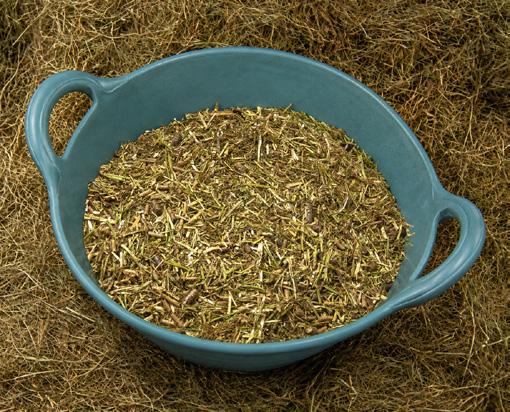
Chopped alfalfa can be more effective at holding fluid and electrolytes than mature grass and hay, without adding significant weight, and can be safely offered all the way up to the start of a race for further benefits on gastric health and digestion, as chopped fibre will cause a lesser shift of fluid and electrolytes away from the muscles and towards the horse’s digestive tract – which is a reason to avoid feeding concentrate feeds within 3 hours of exercise (Pagan and Harris, 1999).
PHOTOGRAPHY: GALOPPFOTO.DE, LAURA PALAZZOLO, SHUTTERSTOCK
References:
• Demirtas et al. (2016) ‘Exercise-induced physiological fatigue in horses: a review’. Turkiye Klinikleri J Vet Sci Vol. 6(2), pp. 60-66.
• Kronfeld et al. (1997) ‘Fat adaptation and exercise: blood acid-base and lactate responses to sprinting’. AAEP Proceedings Vol. 43, pp. 352-353
• Lindinger M.I. (2022) ‘Oral electrolyte and water supplementation in horses’. Vet Sci Vol. 9, pp. 626.
• McKenzie EC et al. (2003) ‘Effect of Dietary Starch, Fat, and Bicarbonate Content on Exercise Responses and Serum Creatine Kinase Activity in Equine Recurrent Exertional Rhabdomyolysis’. Journal of Veterinary Internal Medicine No. 17, pp. 693–701.
• Pagan J.D., Harris P.A. (1999) ‘The effects of timing and amount of forage and grain on exercise response in Thoroughbred horses’. Equine Veterinary Journal Vol. 30, pp. 451-457.
• Reed SM, Bayly WM, Sellon DC(2017) ‘Chapter 10. Disorders of the musculoskeletal system’ Equine Internal Medicine ©ELSEVIER, Fourth Edition. ISBN: 978-0-323-44329-6.
• Valberg SJ. (2006) ‘Exertional Rhabdomyolysis’. In-Depth: Muscle Disorders in AAEP PROCEEDINGS Vol. 52, pp. 365-372.




In a performance-driven environment such as racing, unwanted behaviour is rarely viewed in isolation. A horse that becomes difficult to tack up, reluctant to enter the stalls, defensive around handling, unusually reactive during routine exercise or inconsistent in its work is often assessed through a familiar framework: temperament, training, attitude, experience or management. Sometimes that assessment is entirely correct. Some horses are naturally sharper than others, some are immature, and some simply take longer to learn what is being asked of them.
However, behavioural science and emerging equine welfare research increasingly challenge the assumption that problematic behaviour should primarily be interpreted through a training or temperament lens. In some cases, behaviours labelled as disobedience, stubbornness, sharpness or poor attitude may instead represent expressions of discomfort, fear, accumulated stress or attempts to cope with environmental pressures.
“Unwanted behaviour is often communication, not simply misbehaviour.”
This distinction sits at the heart of an increasingly important conversation within racing. Because whilst behaviour may sometimes reflect responses to inadvertently poor training or temperament (which can link into genetics), it may equally represent the horse attempting to communicate something physically or emotionally significant.
The difficulty is that these categories are rarely easily separated in the horse. Pain can alter behaviour. Fear can resemble resistance. Chronic stress can manifest as irritability, withdrawal or explosive reactivity. Learned behaviour can persist long after the original trigger has disappeared. Normal equine instincts, when expressed within highly controlled human systems, can be mistaken for poor behaviour. Distinguishing between these possibilities is one of the most challenging and arguably most important aspects of managing and training racehorses.
At the centre of this discussion lies a deceptively simple question repeatedly raised throughout recent behavioural research:
“What
That question is not always comfortably received within high-performance settings where time pressures, commercial realities and competitive demands require rapid decisions and practical solutions. Yet behaviour remains one of the horse’s primary communication tools, particularly when subtle physical or emotional changes precede overt clinical signs.
One of the clearest themes emerging from recent equine welfare and behavioural research is that many behaviours traditionally labelled as “difficult”, “fresh”, “naughty” or “temperamental” may actually sit much closer to the horse’s underlying behavioural and physiological needs than we have historically acknowledged.
This is particularly relevant within our industry, where horses are expected to function within structured systems that often diverge considerably from their evolutionary biology. The horse remains, fundamentally, a highly social grazing prey animal. Survival historically depended upon environmental awareness, rapid threat detection, freedom of movement and social cohesion. Predictability, companionship and the ability to exercise some degree of control over their environment remain deeply important to how horses process challenge and uncertainty.
Thoroughbred racehorses, meanwhile, operate within highly managed environments. They are stabled for prolonged periods, exercised according to strict schedules, transported regularly, exposed to noise and new experiences, managed with restrictive equipment and expected to perform under substantial physical and psychological pressure. Most adapt remarkably well. Some do not. Others cope effectively until an additional physical, emotional or environmental pressure tips the balance.
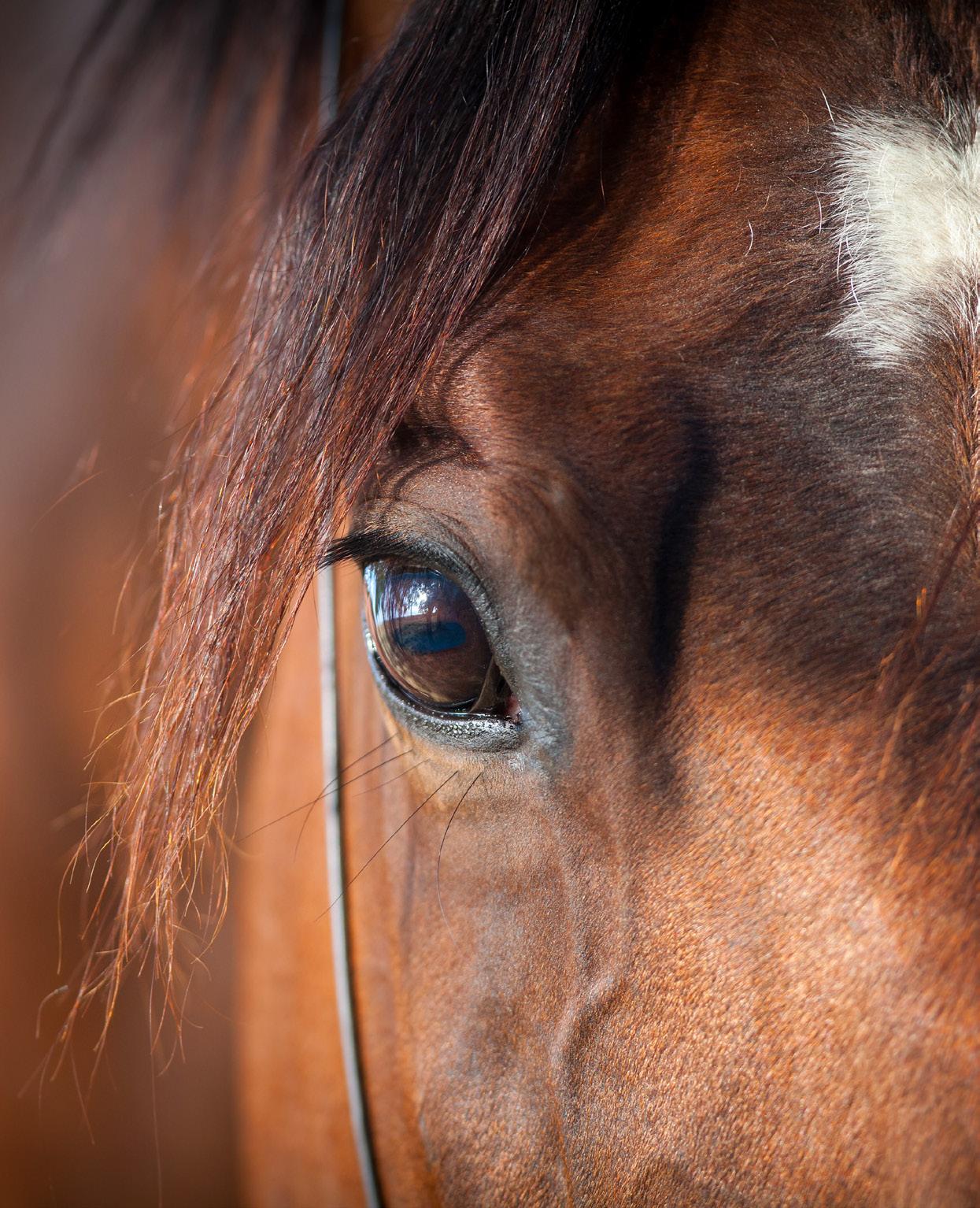
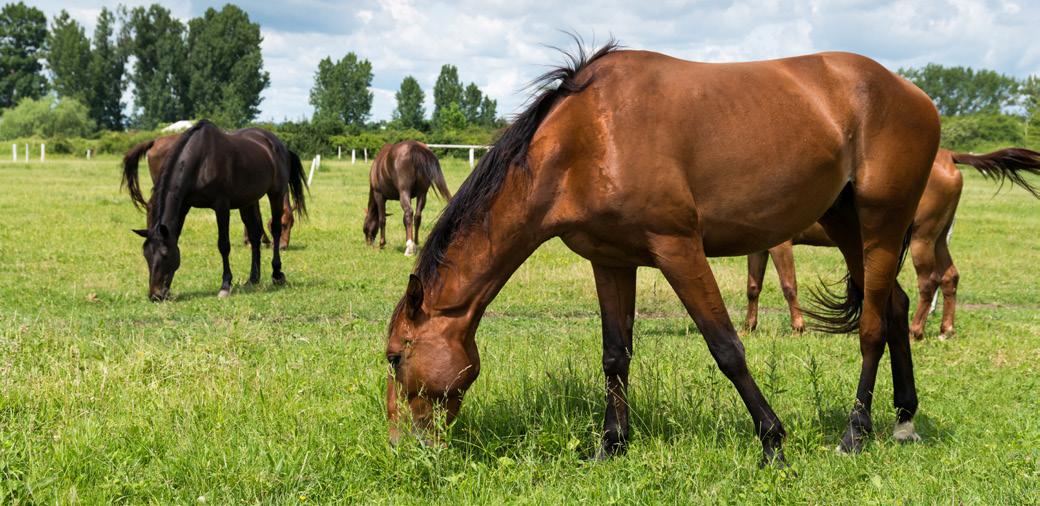
ABOVE: Turnout, forage and social contact allow horses to express natural behaviours and are increasingly recognised as supporting welfare and performance.
Perhaps one of the most interesting findings from the European Thoroughbred Racehorse Practices Survey (published in European Trainer October 2025) was the extent to which modern trainers already recognise the relationship between management and behaviour. Across nine European countries, the overwhelming majority of respondents provided daily turnout, access to adequate forage and visual contact with other horses, with many actively modifying facilities to improve opportunities for movement, social interaction and environmental enrichment. Trainers consistently described turnout as helping horses “ switch off”, become mentally relaxed and return calmer and easier to manage.
Equally reassuring but not surprising was the widespread acknowledgement that horses are individuals, with many respondents adapting turnout routines, social groupings and stable design according to the needs of specific horses rather than applying a single management system to all.
These findings are particularly relevant when considering unwanted behaviour. If horses are highly social animals with a strong behavioural need for movement, forage and interaction, then behaviours such as agitation, box walking, weaving, hypervigilance, resistance under saddle or reactivity around handling cannot automatically be viewed as training problems.
The survey repeatedly highlights the possibility that behaviours perceived as difficult may instead reflect how successfully, or unsuccessfully, an individual horse is coping with its environment. Importantly, the authors conclude that welfare extends beyond simply preventing injury or disease and must also include opportunities for positive experiences and the expression of normal behaviour.
For an industry increasingly focused on both welfare and performance, this serves as an important reminder that behaviour should not simply be categorised as compliant or noncompliant, but interpreted within the wider context of physical comfort, emotional state, management and individual need.
The challenge is that fear, pain, frustration and learned responses often present in remarkably similar ways.
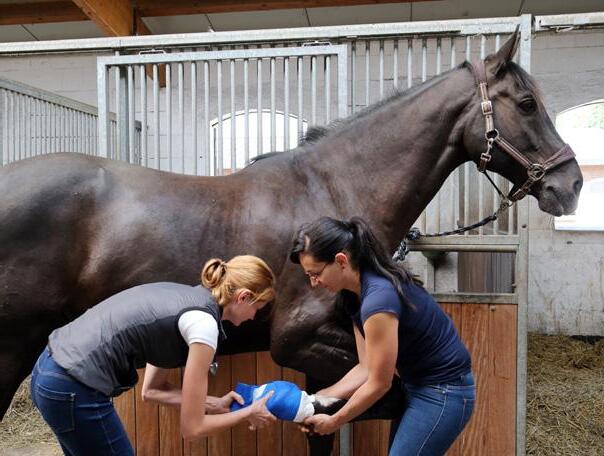
Pain itself presents a particularly difficult diagnostic challenge because horses are evolutionarily adapted to mask vulnerability. The traditional expectation that painful horses will display obvious lameness, dramatic resistance or clear physical signs is increasingly recognised as overly simplistic, particularly within elite performance populations.
Low-grade orthopaedic discomfort, muscular soreness, gastric irritation, tack-related pain, respiratory compromise or chronic stress may initially manifest only through subtle behavioural changes long before overt veterinary pathology becomes evident. The horse that suddenly becomes defensive during saddling.
The individual grows reluctant in its work without a clear physical explanation. The horse becomes unusually reactive in routine situations or simply appears less comfortable. These changes may reflect discomfort but equally they may reflect stress, fear, previous learning history or environmental pressure.
Distinguishing between those possibilities is difficult precisely because the outward behaviours overlap.
According to the recent international consensus report from the Havemeyer Working Group on Equine Pain Assessment, pain recognition remains one of the greatest ongoing challenges within equine practice. Unlike human patients, horses cannot self-report. There is no direct equivalent of asking where it hurts or how severe the discomfort is. Instead, trainers, riders, vets and stable staff are required to interpret a constellation of indirect signals, such as behavioural change, posture, locomotion, facial expression, physiological indicators and alterations in routine behaviour.
Pain assessment combines behavioural observation with physical examination, as no single sign or test fully explains a horse’s discomfort.
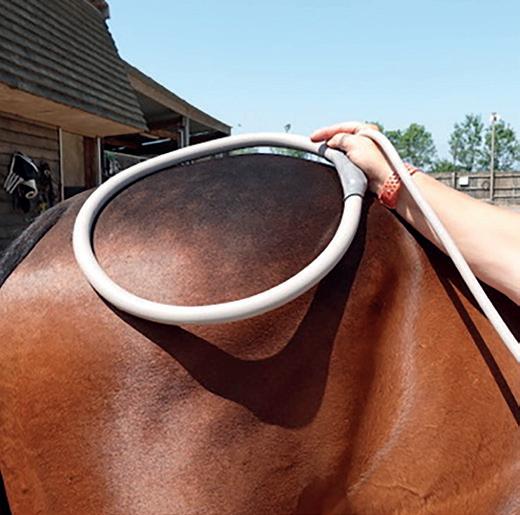
new targeted PEMF
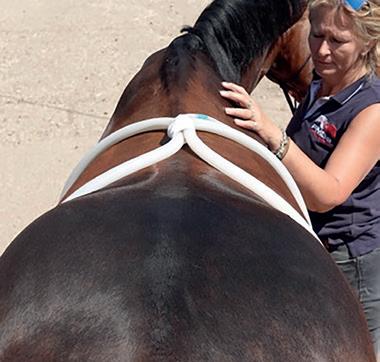
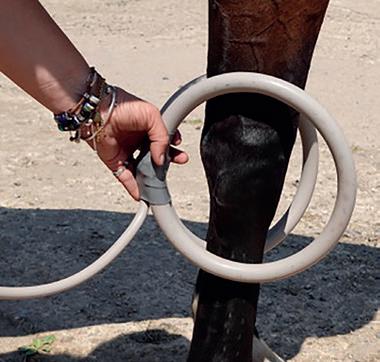
Accelerate recovery. Optimise performance. Support your horse’s natural healing—before, after, and beyond the track.
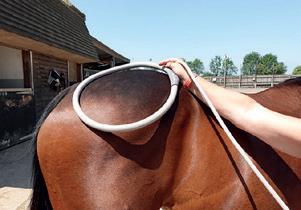
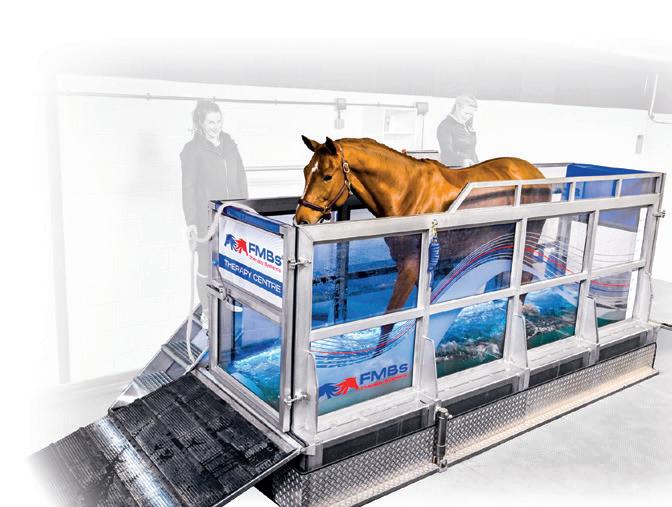
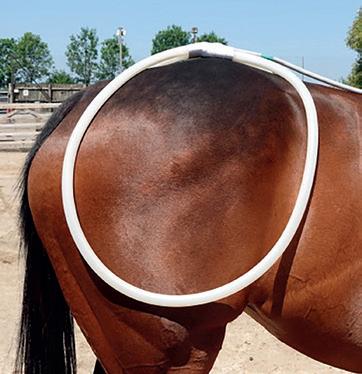
The FMB s POWERMAG , utilises pulsed electromagnetic fields to interact with cells and tissues in the horse’s body. These electromagnetic pulses stimulate cellular activity and can enhance the natural healing process post training, race or injury and for general wellness and performance.
The PowerMag is the first system of it’s kind to offer:
• Dual signals meaning both high intensity PEMF and lower intensity Schumann resonance at the same time
• Easily portable – battery operated so you can walk around the horse with the complete system as you apply the therapy
• Separate devices available for qualified physios / vets and trainers /owners
• Try before you buy available
• Trained and supported by industry qualified equine professionals i.e. vets, physiotherapists, chiropractors and osteopaths.
In theory, that sounds straightforward. In practice, it is anything but. The Working Group concluded that no single assessment method adequately captures the multidimensional nature of equine pain. That finding feels particularly relevant within racing because it reflects a reality familiar to most experienced horsemen:
“Pain rarely presents neatly.”
Acute injury may produce obvious behavioural change, but chronic or low-grade discomfort can be far more subtle. Rather than dramatic resistance, chronically uncomfortable horses may simply become different versions of themselves; quieter, duller, more irritable, less expressive, inconsistent in their work or behaviourally altered in ways easily attributed to temperament, age or training.
Research examining human ability to read equine emotional states also suggests we may not be nearly as skilled at recognising subtle behavioural indicators as we believe.
Studies referenced within learning theory and welfare research found humans correctly identified equine emotional state only around half the time. Obvious distress is comparatively easy to recognise. Nuanced changes are not.
Small alterations in ear position, eye tension, nostril shape, facial musculature, posture or movement quality may communicate valuable information about the horse’s internal state, yet these signs are often missed or normalised within busy management environments.
This overlap between discomfort and behaviour becomes especially apparent in high-pressure situations. The reality is that pain, fear, stress and frustration often produce remarkably similar behavioural responses.
A horse becoming reluctant to go forward, resistant to handling, reactive during routine procedures or inconsistent in its work may be physically uncomfortable. Equally, it may be anxious, confused, environmentally overwhelmed or responding to previous experiences.
The challenge is that the horse does not present us with a diagnosis. It presents us with behaviour.
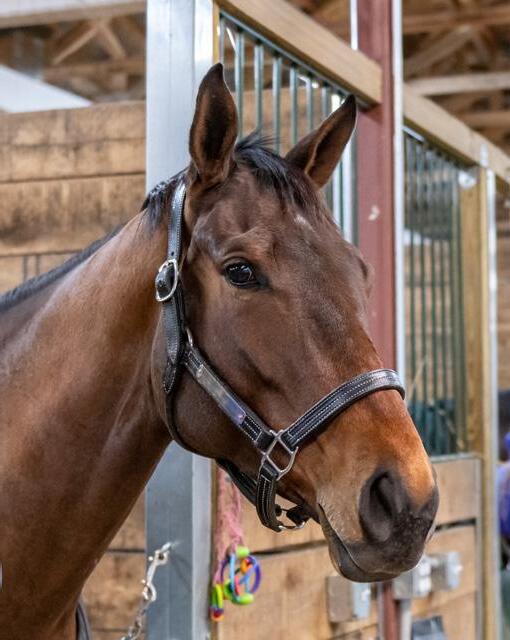
LEFT: Subtle changes in facial expression can provide important clues to a horse’s physical comfort and emotional state, although behaviour must always be interpreted within its wider context.
This is where interpretation becomes difficult. The same outward response may arise from entirely different underlying causes. A horse may nap because it is uncomfortable. Another may nap because it is uncertain. A third may do so because it has been accidentally reinforced for the wrong behavioural response.
The danger comes when we assume we already know the answer.
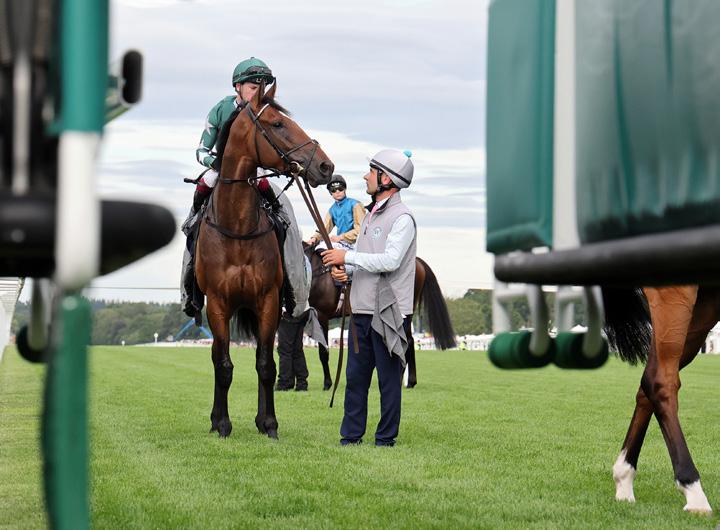
Few situations place a horse under greater psychological pressure than pre-race handling and loading into the stalls. Behaviours such as swaying, weaving, rocking, head shaking, resistance to the bit and tail swishing are familiar sights on racecourses and have traditionally been viewed as signs of freshness, excitement or nervous energy.
However, behavioural research suggests the picture may be considerably more complicated.
Studies examining pre-race behaviour in thoroughbreds have shown associations between elevated head, neck and tail carriage and increased arousal, with less relaxed tail carriage linked to poorer performance outcomes.
Tail swishing has attracted increasing research attention. In several studies, excessive tail swishing has been described as a “conflict behaviour,” associated with discomfort, confusion, resistance or difficulty coping with physical or mental stressors. Conflict behaviours may represent attempts by the horse to communicate discomfort or cope with pressure.
Recent work by O’Connell, Dyson, McLean and McGreevy challenges many of the traditional labels historically applied to unwanted behaviour. Their paper argues that terms such as “evasion”, “resistance” and “disobedience” often place responsibility on the horse whilst overlooking the complex interaction between pain, confusion, fear, frustration, training history and environmental pressures that may be driving the response.
The authors propose that conflict behaviours should instead be viewed as expressions of competing motivations within the horse, ranging from subtle signs through to more overt behavioural reactions. From a practical perspective, this reinforces the importance of asking why a behaviour is occurring before deciding how it should be corrected.
Sid Gustafson, an experienced racetrack veterinarian, described tail swishing in the stalls as often reflecting a horse being “uncomfortable or unsettled”, particularly because so many other forms of communication become restricted once the horse is confined within the starting gates.
Yet he also cautioned against oversimplification:
“Not all tail swishing is problematic, nor is all tail swishing reflective of discontentment or pain.”
Widely reported false-start incidents, when a horse rears during the starting process before running loose, serve as useful reminders of how difficult behavioural interpretation can be in practice. Whilst no one can know precisely what the horse was experiencing at that moment, situations such as these illustrate the complexity of behavioural responses in highly stimulating environments. That nuance is critical because behavioural interpretation is rarely absolute. Some horses are naturally more expressive or reactive than others, and behaviour exists on a spectrum influenced by temperament, sensitivity and previous learning.
When learning muddies the waters
This is where an understanding of learning theory becomes particularly important. Learning theory is the scientific study of how animals acquire, modify and maintain behaviour through their interactions with the environment. In horses, it provides a framework for understanding why a behaviour occurs and how previous experiences influence future responses. Several key processes underpin learning. Habituation describes the reduction in response following repeated exposure to a stimulus, classical conditioning occurs when a horse learns to associate one stimulus with another, and operant conditioning describes how behaviour is influenced by its consequences.
Horses learn from the outcomes of their behaviour. Responses that result in relief, reward or the removal of pressure are more likely to be repeated, whilst those associated with unpleasant outcomes may become less frequent. Importantly, learning theory encourages us to view behaviour as a product of experience, motivation and emotional state rather than personality traits such as stubbornness or disobedience.
Behaviour does not occur randomly; it is shaped by consequences. Horses learn rapidly from experiences that reduce pressure, avoid discomfort or create relief. As a result, behaviours initially emerging from fear, pain or uncertainty may become reinforced over time and continue long after the original trigger has altered or disappeared.
A horse reluctant to enter the stalls because of a previous frightening experience may subsequently develop learned avoidance behaviours. Another horse experiencing discomfort during a particular aspect of training may begin anticipating that discomfort before it occurs, producing defensive behaviour in advance of the original physical trigger.
This creates one of the greatest challenges within behavioural interpretation because unwanted behaviour may simultaneously involve instinctive responses, emotional stress, physical discomfort and learned coping strategies.
A horse refusing to move forward may be fearful, uncomfortable, confused, overwhelmed, resistant, physically sore or responding according to previous reinforcement history. Sometimes several of those factors coexist at the same time.
LEFT: Behaviour observed during stall handling reflects more than temperament alone. Previous learning, physical comfort and emotional state may all influence how a horse responds, making careful interpretation essential.
Recent events have highlighted how difficult these distinctions can become. In the UK, prior to the 2025 Grand National, a horse (Mr Incredible) was prevented from running following concerns regarding a series of racecourse incidents in which he either refused to race or failed to complete.
Official reports described the horse as unruly, whilst those working closely with him believed he had shown meaningful behavioural improvement away from the racecourse.
Regardless of one’s view of the decision itself, the case provides an interesting illustration of the challenges surrounding behavioural interpretation. The behaviour itself was obvious. The motivation behind it was far less certain.
This complexity partly explains why simplistic behavioural labels can become problematic.
Increasingly, welfare science encourages a shift away from asking “How do we stop this behaviour?” and towards asking “What function might this behaviour be serving?”
That distinction is critically important because suppressing behaviour is not the same as understanding behaviour.
One of the strongest recurring themes throughout modern learning theory research is the danger of prioritising behavioural suppression before investigating potential causes. Punishment, escalating pressure, intimidation or force may temporarily stop outward behavioural expression, but they do not necessarily resolve the underlying issue.
“Punishment can silence symptoms, not solve causes.”
A horse can become outwardly compliant without becoming comfortable. This is particularly relevant where pain or emotional overload are involved. If discomfort-related behaviour is punished or overridden, the underlying issue remains unresolved whilst the horse may become increasingly stressed, defensive or behaviourally shut down.
An expert in the field, Camie Heleski, Ph.D. University of Kentucky reiterates “Good welfare science asks us to treat behaviour as communication rather than disobedience. When we rush to eliminate a behaviour before understanding its cause, we may make the horse easier to manage, but we do not necessarily make the horse better off”.
The concept of flooding provides a useful example. Flooding occurs when a horse is exposed to an overwhelming stimulus without control or escape. Initially the horse may appear compliant or still, but internally stress continues to accumulate until behavioural eruption or shutdown occurs.
This distinction matters because stillness is not always relaxation, and compliance is not always welfare. Quiet does not necessarily mean comfortable.
Repeated exposure to overwhelming situations can produce horses that outwardly appear compliant whilst internally coping poorly through resignation, emotional suppression or learned helplessness.
Research suggests that opportunities for visual and physical interaction can positively influence emotional state and behavioural welfare.
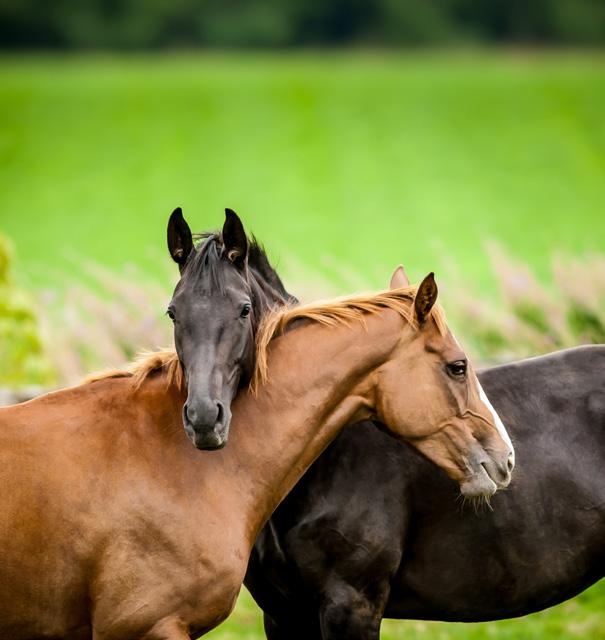
The racing industry understandably requires horses that function safely, efficiently and consistently within demanding operational systems. However, recognising the possible relationship between behaviour and discomfort does not undermine professional training standards. If anything, it strengthens them.
Better behavioural observation is not about making excuses for poor behaviour or anthropomorphising horses. It is about improving diagnostic accuracy.
Many experienced trainers already operate instinctively according to this principle. Horses that change behaviour are investigated. Management routines are adjusted. Turnout patterns are altered. Tack is reassessed. Workloads are modified. Veterinary input is sought. Subtle behavioural shifts are noticed long before overt pathology appears.
Recent research continues to strengthen this evidence base. A large-scale welfare assessment of 737 racehorses in training across Great Britain found that almost half of horses had physical social contact whilst stabled, but seven percent had neither visual nor physical contact with another horse. The study also reported stereotypic behaviour in seven percent of horses during assessment and identified considerable variation between training yards in management practices associated with welfare outcomes. The authors concluded that routine welfare monitoring can help identify areas where management adaptations may improve both welfare and behavioural resilience.
Importantly, stereotypies are no longer viewed simply as stable vices or management inconveniences. They are increasingly interpreted as indicators that the horse may be struggling to cope with aspects of its environment.
Lack of movement, reduced forage availability and limited social interaction are all proposed contributors.
Supporting this, recent behavioural research has demonstrated that social contact can positively influence emotional state, reduce stereotypic behaviours and lower vigilance in stabled horses. Even relatively modest opportunities for social interaction appear capable of improving behavioural indicators associated with welfare.
Whilst racing yards inevitably operate within practical constraints, these findings further support the growing view that management factors should be considered alongside training, veterinary and behavioural explanations whenever unwanted behaviour emerges.
Horses require substantial movement alongside regular social contact and forage access to maintain both physical and behavioural health.
Again, this does not mean every behavioural issue stems from poor welfare or pain. Some horses remain more difficult to train than others. Some behaviours can be motivated through inconsistent handling. Some individuals are naturally more reactive or sensitive than others.
However, the central issue is not whether all behaviour reflects discomfort. It is whether discomfort is considered early enough within the conversation.
That distinction feels increasingly important in an industry where performance margins are small and where subtle physical or emotional changes may precede more obvious decline. Behavioural alteration may be the first available data point indicating that something within the horse’s internal state has shifted.
Interestingly, the industry’s own regulatory framework increasingly reflects the importance of behavioural and environmental factors. Recent rule changes have expanded the circumstances in which horses can be declared non-runners if they have been denied a fair start, recognising that events occurring before a race has properly begun can materially affect both welfare and performance.
Whilst primarily introduced for fairness and integrity reasons, the changes acknowledge an important principle: context matters. What happens during loading, at the start or in the moments immediately beforehand can significantly influence a horse’s subsequent behaviour and performance.
The implications extend beyond welfare alone. Behaviour, stress and discomfort influence learning, movement quality, recovery, consistency and ultimately performance itself.
Perhaps most importantly, this evolving understanding encourages greater curiosity within horsemanship.
Evidence from racehorse-specific welfare studies suggests that behavioural measures, resting behaviour and grimace scores can change across a training season. Horses with greater opportunities for social contact and environmental engagement generally demonstrate more favourable welfare indicators, reinforcing the close relationship between welfare, behaviour and performance.
Rather than immediately categorising behaviour as good or bad, compliant or difficult, the more useful questions become: What is the horse communicating? Has something changed physically or environmentally? Is the horse fearful, confused or overwhelmed? Could management be contributing? Is this instinctive behaviour expressed under pressure? Has previous learning shaped this response?
“These questions do not weaken professional training practice. They strengthen it.”
In an industry built upon observation, detail and marginal gains, behavioural interpretation deserves the same level of nuance as any other aspect of performance management. Because sometimes behaviour reflects poor training. Sometimes it reflects temperament. Sometimes it reflects ordinary equine instinct meeting extraordinary management demands.
And sometimes the horse is communicating that something is wrong long before clinical signs emerge, diagnostics provide answers or performance figures begin to decline.
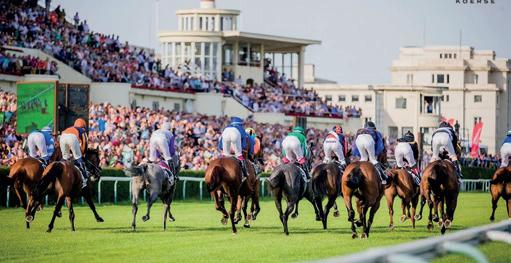
This year, Oostende Koerse is organising nine race meetings from the 06th of July until the 24th of August.
Four of these meetings are so-called Premium Races, supported by France Galop and the French PMU. These races are broadcast on the French Equidia channel.
During these Premium Race days, the guaranteed prize money varies from €10,000 for the highlight of the day to €3,200 for allowance races.
The race conditions are published on the Federation’s website (www.bgalopf.be). They are available in French and Flemish, but we can provide an English translation or any other required information.
Horses trained outside Belgium do not have to qualify for handicaps if they already have a handicap rating in their home country. These ratings will be converted to a Belgian rating.
The showpiece of the meeting, the Prince Rose, on 20th of July, is a National Listed Race with prize money of €16,000 (the winner will receive €10,000).



Resilient,
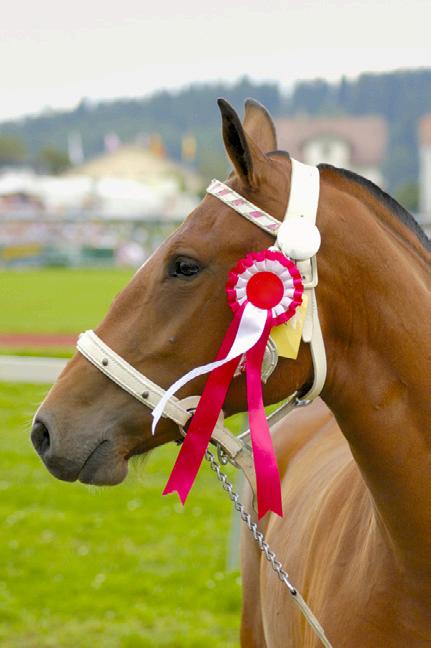

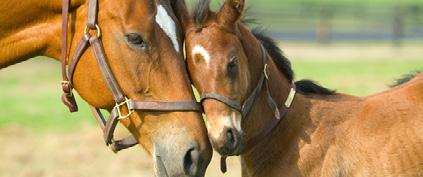

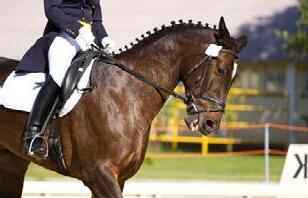
A reminder: Ostend is only 100 km from Calais and, since the Chunnel is open to livestock transport, less than two hours from Folkestone. The racing surface is turf, right-handed, and a watering system guarantees perfect going.
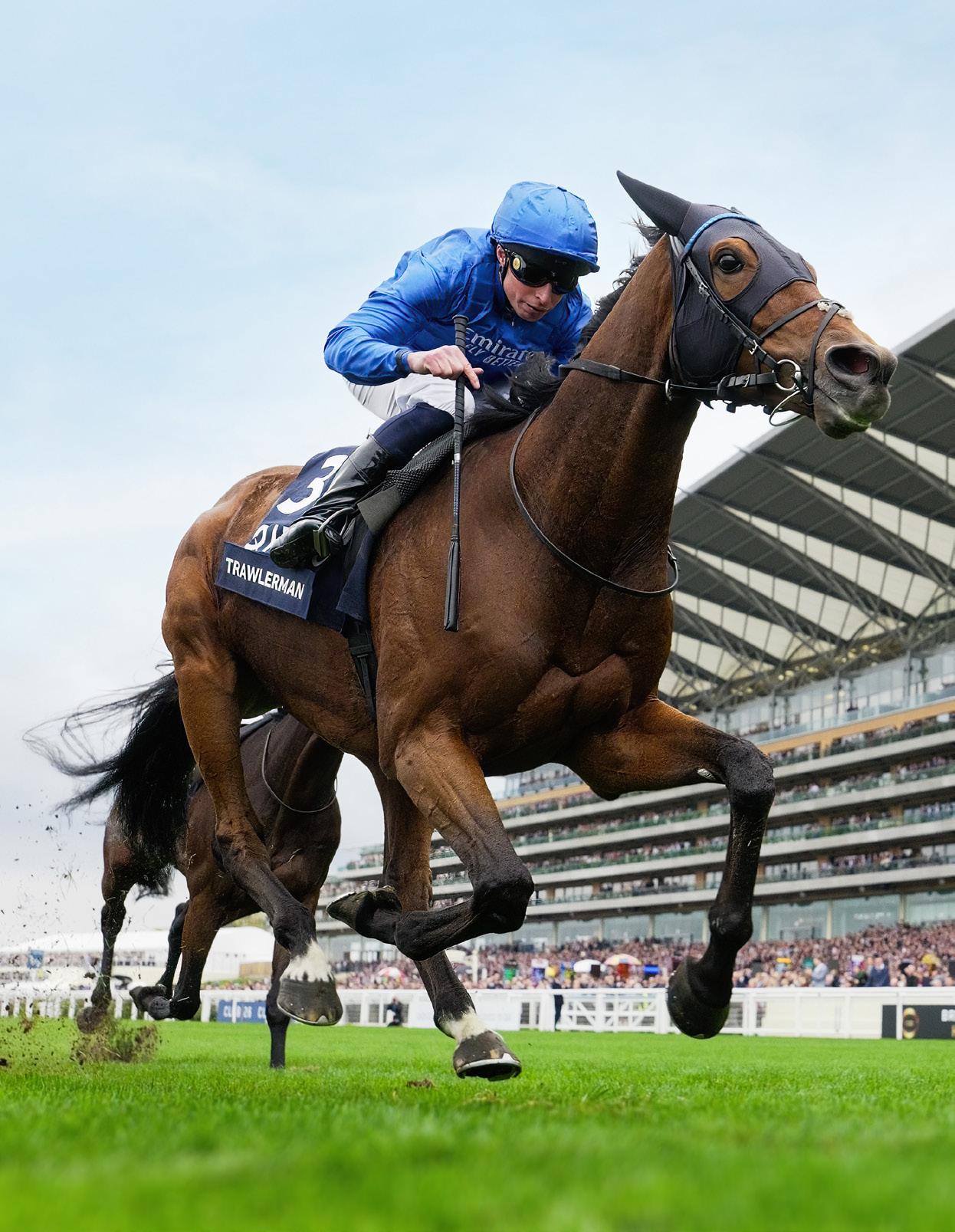


Ascot Racecourse hosts Britain’s richest raceday Saturday 17th October, with €5m/£4.35m in total prize money. The day features the Gp.1 British Champions Long Distance Cup (€590,000/£500,000), the Gp.1 British Champions Sprint Stakes (€590,000/£500,000), the Gp.1 British Champions Fillies and Mares Stakes (€590,000/£500,000), the Gp.1 Queen Elizabeth II Stakes (€1.26m/£1.1m), the Gp.1 Champion Stakes (€1.53m/£1.3m) and the 1600m (8f) Balmoral Handicap (€230,000/£200,000). Introduced in 2025, the 1200m/6f conditions race for two-year-olds is worth £250,000, for which entries close 13th October, fee €1,442/£1,250. All other British Champions Day races close 4th August.

The Irish Champions Festival takes place at Leopardstown and the Curragh 12th and 13th September respectively. On the opening day at Leopardstown, the nine-race card features five Group races, including the €1.25m (£1.05m) Gp.1 Irish Champion Stakes 2000m (10f), the €400,000 (£335,900) Gp.1 Matron Stakes, the €200,000 (£168,000) Gp.2 Solonaway Stakes, the €150,000 (£126,000) Gp.2 Juvenile Stakes, the €100,000 (£84,000) Gp.3 Tonybet Stakes, the Listed €100,000 (£84,000) Ingabelle Stakes and two
Premier Handicaps each carrying €150,000 (£126,000). On the Sunday, the Curragh boasts the richest day of its year, with a card worth over €2.5m (£2.10m) in total. The highlights are the €600,000 (£503,865) Gp.1 Irish St Leger for three-year-olds and up, the Gp.1 Moyglare Stud Stakes and Gp.1 Vincent O’Brien National Stakes for juveniles and Gp.1 sprint The Flying Five Stakes, each worth €400,000 (£335,900). The €200,000 (£168,000) Gp.2 Blandford Stakes, the €250,000 (£210,000) Tattersalls Ireland Super Auction Sale Stakes and two Premier Handicaps each worth €150,000 (£126,000) complete the card. With the exception of the Irish St Leger which closed in May, entries for the Irish Champions Festival races close 24th June.
The Curragh has a designated Owners and Trainers Club, on Level 2 of the grandstand, where each owner and three guests may enjoy complimentary dining together, a bar, and a viewing terrace with designated seating for all owners with runners. In addition to the Irish Champions Festival, the Autumn Racing Weekend will be held at the Curragh 26th and 27th September, and includes the 1400m (7f) €1m (£850,000) Goffs Million, the richest race for two-year-olds in Europe, as well as the richest handicap in Europe the 3200m (16f) Irish Cesarewitch, worth €500,000 (£425,000). The meeting will also include the Gp.2 Beresford Stakes (€120,000/£101,700) 1600m (8f) for juveniles, the 1200m (6f) Gp.3 Renaissance Stakes (€60,000/£50,800), and 1400m (7f) Gp.3 Weld Park Stakes (€60,000/£50,800), the earliest closing for which being 19th August.

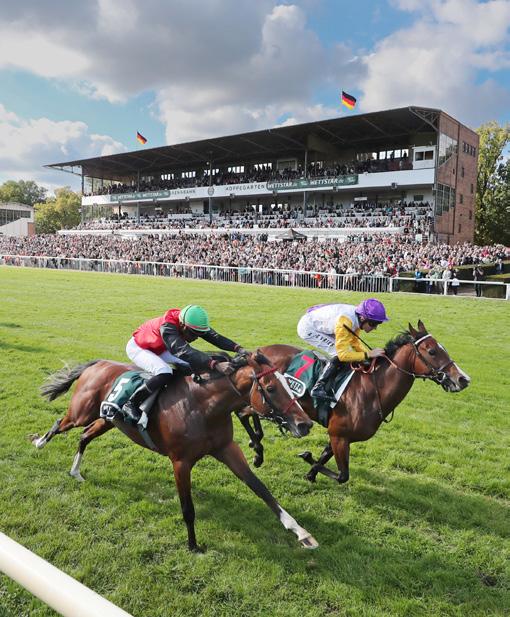
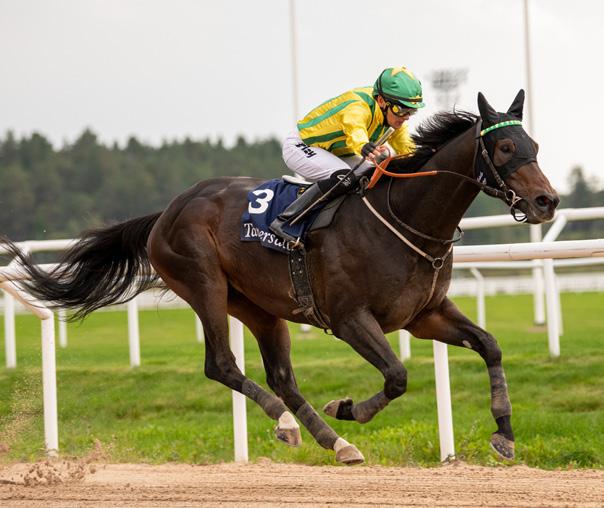

The Gp.1 Qatar Prix de l’Arc de Triomphe is the final of the Arc Races, a series that started with the Qatar Prix du Jockey Club in May and continues with the Prix de Diane, 14th June, Chantilly, the Grand Prix de Saint-Cloud 5th July Saint-Cloud, the Grand Prix de Paris 14th July ParisLongchamp, the Prix Jean Romanet 23rd August Deauville, and the three recognised Arc Trials in September. Any winners of the eight major races that are not yet entered in the Qatar Prix de l’Arc de Triomphe will receive a free Wild Card entry, while winners already entered will be refunded their entry fees (€8,300 / £7,200) by France Galop.
If more than the maximum 24 runners are declared for the Prix de l’Arc de Triomphe, Arc Races winners will be given priority and will not be included in the elimination procedure. For horses who haven’t earned a Wild Card by September, the Qatar Arc Trials Sunday 6th September offer a Wild Card to the winners of the Prix Vermeille, Prix Niel and Prix Foy. Supplementary entry stage is15 days after the official closing date at a cost of €120,000 (£104,000).

At the Baden-Baden Festival in September, the traditional Wednesday meeting has been moved to an evening meeting on Tuesday 30th September, with nine races scheduled. Hoppegarten Sunday 19th July sees a day in celebration of all sport and the feature race is the 2400m (12f) Gp.3 BBF Grand Prix Fürstenberg worth €55,000 (£47,565), for three-year-olds up. The highlight of the Berlin season is Sunday 9th August and the Gp.1 2400m (12f) Grand Prix de Berlin worth €155,000 (£134,047). The supporting programme includes three Listed races, the 1200m (6f) Fliegerpreis, the 1800m (9f) Mare’s Prize and the 2800m (14f) Steherpreis. Concluding the season at Hoppegarten is the most popular day’s racing in Germany, the Day of German Unity Saturday 3rd October, with its highlight the 1800m (9f) Gp.2 Preis der Deutschen Einheit, marking the fall of the Berlin Wall.

An approaching highlight is the 2400m (12f) Swedish Oaks Sunday 2nd August, while on Sunday 20th September the Stockholm Cup International meeting is held at Bro Park, the season’s grand finale. Scandinavian elite and international challengers meet in the year’s finest race for older horses and the card includes four black type races. The Gp.3 Stockholm Cup International 2400m (12f) for three-year-olds and up is worth SEK 1,000,000 (€90,159 / £77,490), and the three Listed races on the support card are each worth SEK 550,000 (€49,587 / £42,600) and open to three-year-olds and up, the Bro Park Sprint Championship 1200m (6f), the Tattersalls Nickes Minneslöpning 1600m (8f) and the Lanwades Stud Stakes for fillies 1600m (8f). Later Listed opportunities for three-year-olds up, each worth SEK 400,000 (€36,050 / £31,000), are the 2400m (12f) Skånska Fältrittklubbens Jubileumslöpning and the Peas and Carrots Mile over 1600m (8f) at Jägersro Galopp 6th October, and the 2100m (10.5f) Songline Classic at Bro Park 27th October.
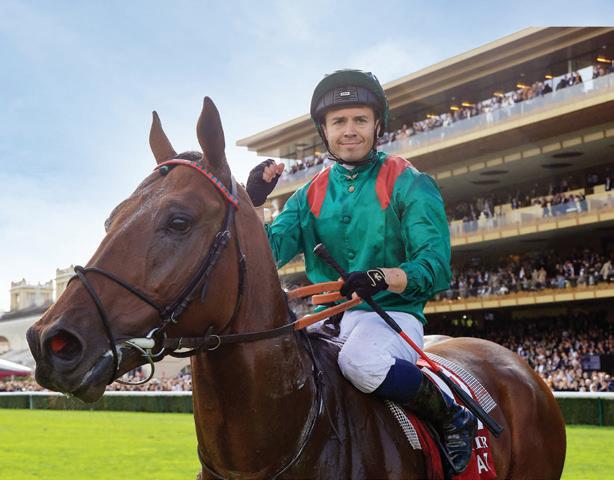
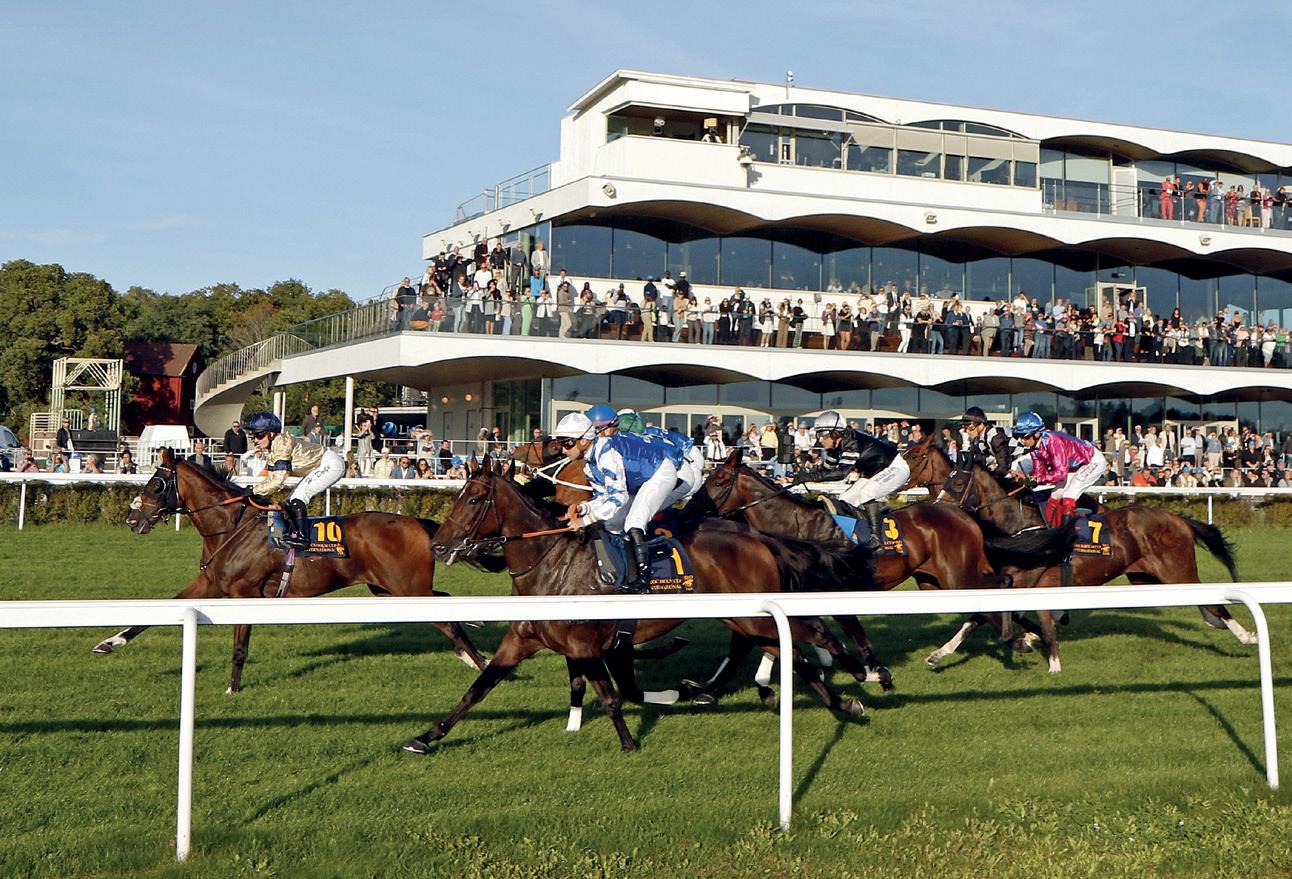
Join us for premier racing at Stockholm Cup International Day
Date: 20 September
Location: Bro Park, Stockholm, Sweden
Entries close: 3 August
Experience the excitement of Scandinavian racing at Bro Park, located near the scenic city of Stockholm.
The day features four black type races, highlighted by the Group 3 Stockholm Cup International.
Prepare for a thrilling day with top turf and dirt races. Seize the opportunity to compete on an international stage, enjoying generous purses and excellent facilities.
For international competitors, travel incentives are available. Please contact Svensk Galopp or IRB for assistance with travel arrangements and entry details.
We look forward to seeing you in Sweden!
Feature races:
€90,159 Stockholm Cup International (Gr. 3) 3yo+, 2400 m (Turf)
€49,587 Bro Park Sprint Championship (L) 3yo+, 1200 m (Turf)
€49,587 Tattersalls Nickes Minneslöpning (L) 3yo+, 1600 m (Dirt)
€49,587 Lanwades Stud Stakes (L)
€36,063 Appel Au Maitre Svealandlöpning 2yo, 1400m (Turf)
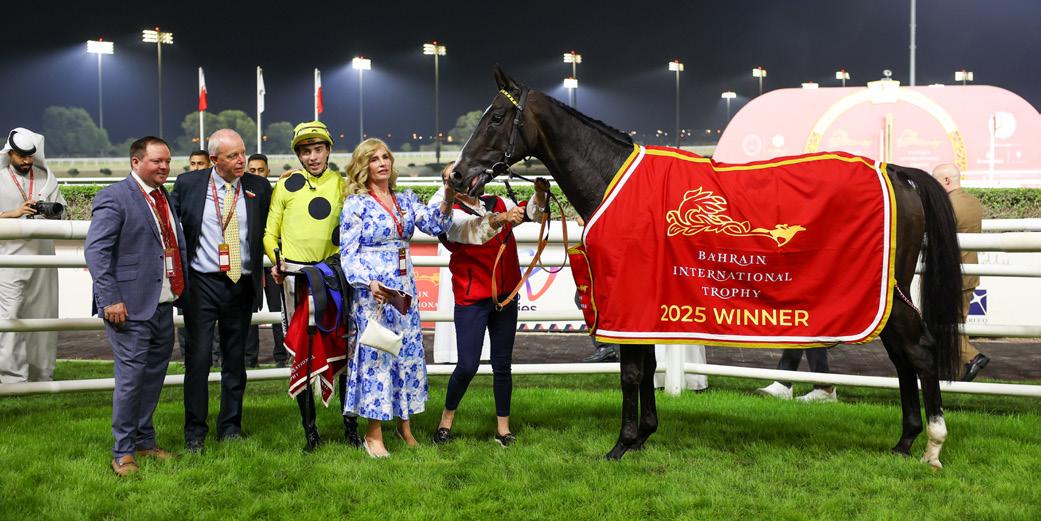

The Jockey Club of Türkiye hosts seven international races in Istanbul at the Veliefendi Racecourse, as part of the International Racing Festival run on the first weekend in September. The highlights are the €130,000 (£112,000) 2000m (10f) Gp.2 Anatolia Trophy for three-year-olds up, the €245,000 (£210,000) Gp.2 1600m (8f) Topkapi Trophy for three-yearolds up. The Gp.3 2400m (12f) Bosphorus Cup is run for threeyear-olds up and worth €196,500 (£168,000) and finally, the Gp.3 1600m (8f) Istanbul Trophy which runs for €163,000 (£140,000). Entries for all races close on 7th August. There is a generous transport subsidy for the international races$18,000 for round-trip per horse arriving from the continents of America (North and South), Oceania, Africa and Far East countries, €12,000 (£10,400) for round-trip per horse arriving from Europe or the United Arab Emirates. Any horses scratched from races after arrival by veterinary report will still receive transportation subsidy.

For the first time the 2000m (10f) Bahrain International Trophy will be a Gp.1 race this year with a prize fund of $1.5m (€1.31m), following an upgrade in the race’s status and an increase in prize money, making it the most valuable race in Bahrain. The showpiece will be run on Friday 13th November at the Rashid Equestrian & Horseracing Club and becomes the first Group 1 race to be staged in the country. Entries for the 2026 renewal of the Bahrain International Trophy close on Wednesday 30th September. Full race conditions can be found on the Bahrain Turf Club website: bahrainturfclub.com
His Highness Shaikh Isa bin Salman bin Hamad Al Khalifa, Chairman of the Bahrain Turf Club, says, “This is a proud moment for The Kingdom of Bahrain. When we established the Bahrain International Trophy in 2019 it was always our ambition and belief that the race would grow to become our first Group 1 race. To have achieved that after only seven years is fantastic. Bahrain’s vision for horseracing is rooted in international collaboration, long-term development and a clear ambition to continue elevating the country’s status within the global racing landscape. I would like to thank all those who have supported the race in the past and we are looking forward to welcoming more visitors and more world-class horses for the 2026 Bahrain International Trophy.”
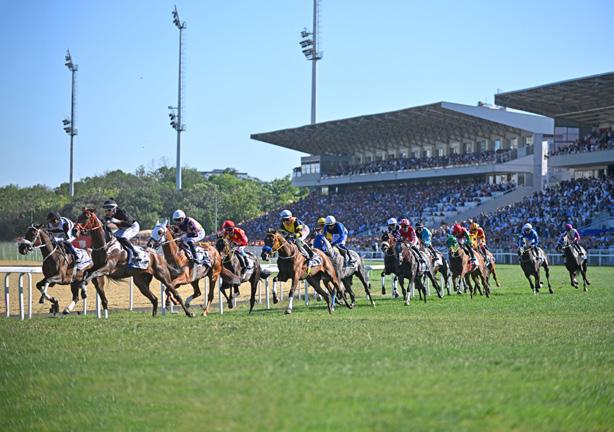
Yusuf Buheji, CEO of the Bahrain Turf Club, adds, “As well as the Bahrain International Trophy, the rest of our programme of premier races continues to grow, further increasing opportunities for international horses to compete throughout the season.”
The Bahrain International Trophy, for three-year-olds up and run on turf, includes prize money down to fifth place (€52,400) and is worth $900,000 (€786,000) to the winning horse. Two of the 14 places in the race will be reserved for domesticallytrained horses. There is no entry fee and no declaration fee. Supplementary entry stage for horses trained outside of The Kingdom of Bahrain is Tuesday 20th October at a fee of $25,000 (€22,000) and will only be charged subject to the horse declaring. Final declaration noon (Bahrain time) Monday 10th November. Declarations to be made to: racing@rehc.gov.bh
Three “Win and You’re In” races will grant automatic invitations to the Bahrain International Trophy to the winners of Japan’s Gp.2 Sapporo Kinen and in Europe the Gp.3 Strensall Stakes at York in August and the Gp.1 Kingdom of Bahrain Irish Champions Stakes in September. The second and third home in the Kingdom of Bahrain Irish Champion Stakes will also receive automatic invitations. Acceptances from winners of those races must be confirmed within 14 days of the entry. The Bahrain Turf Club will provide air tickets to Bahrain for overseas connections and hotel accommodation on a room-only basis. The shipment of invited horses will be arranged and paid for by the Bahrain Turf Club.

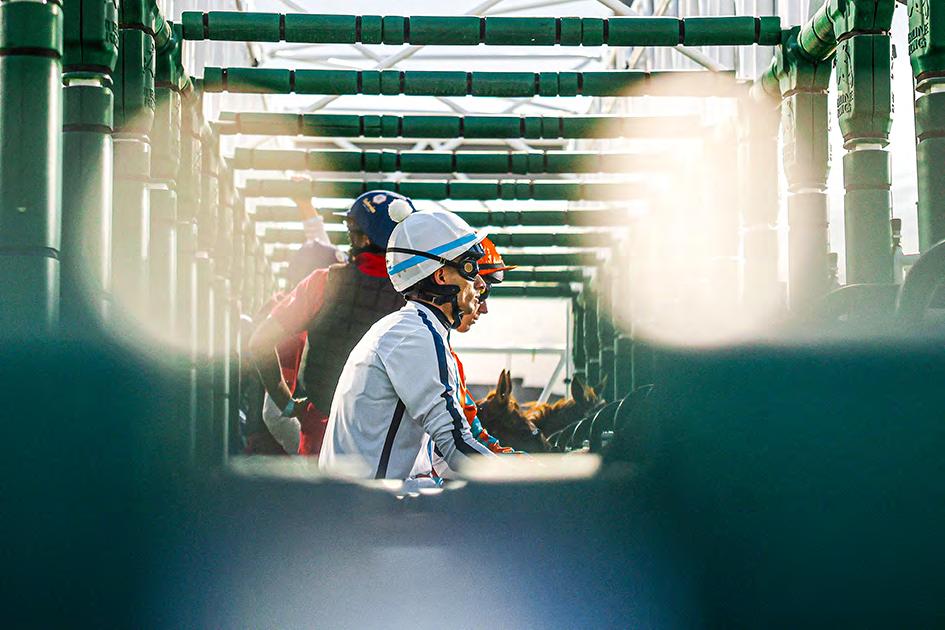
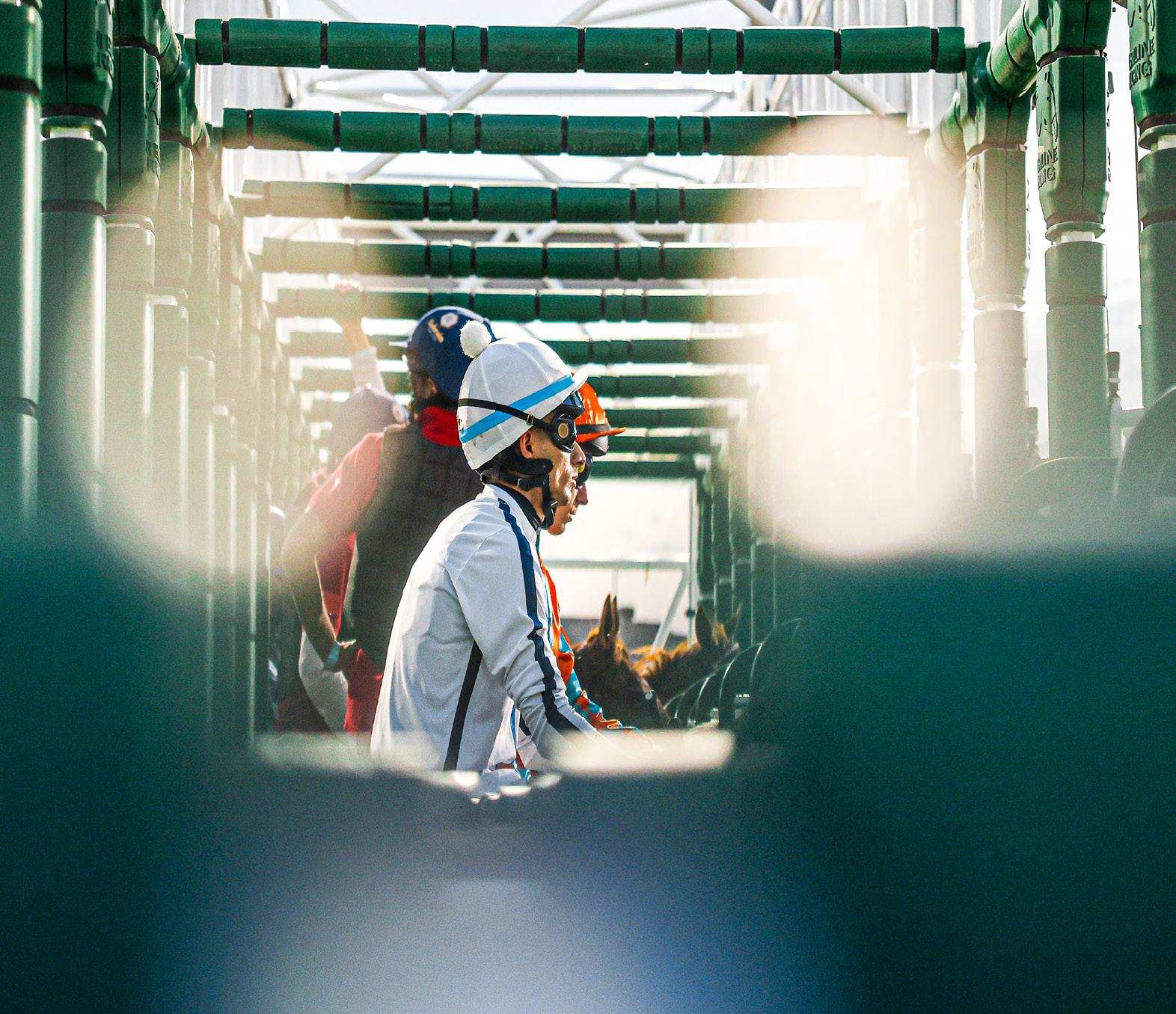
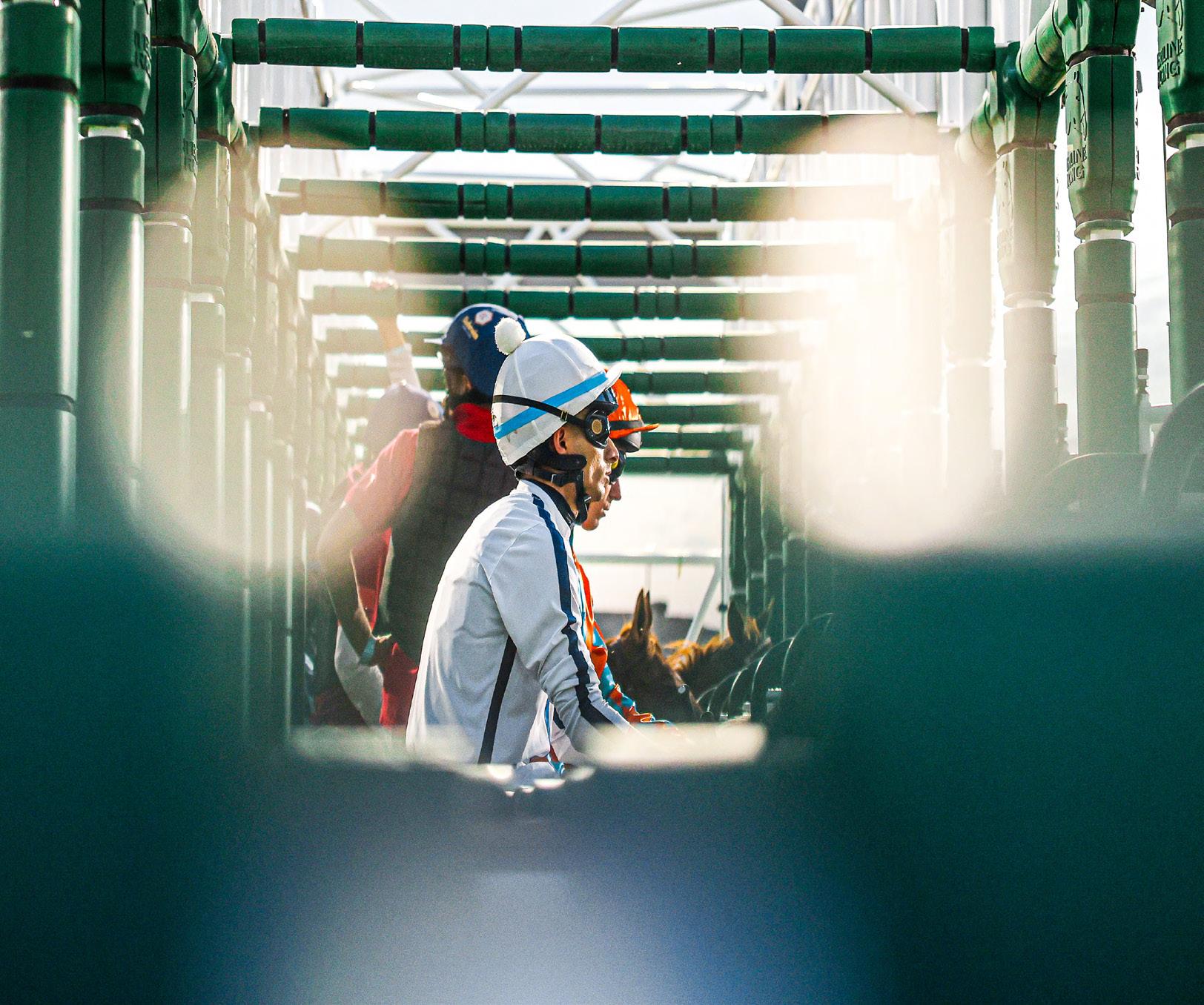
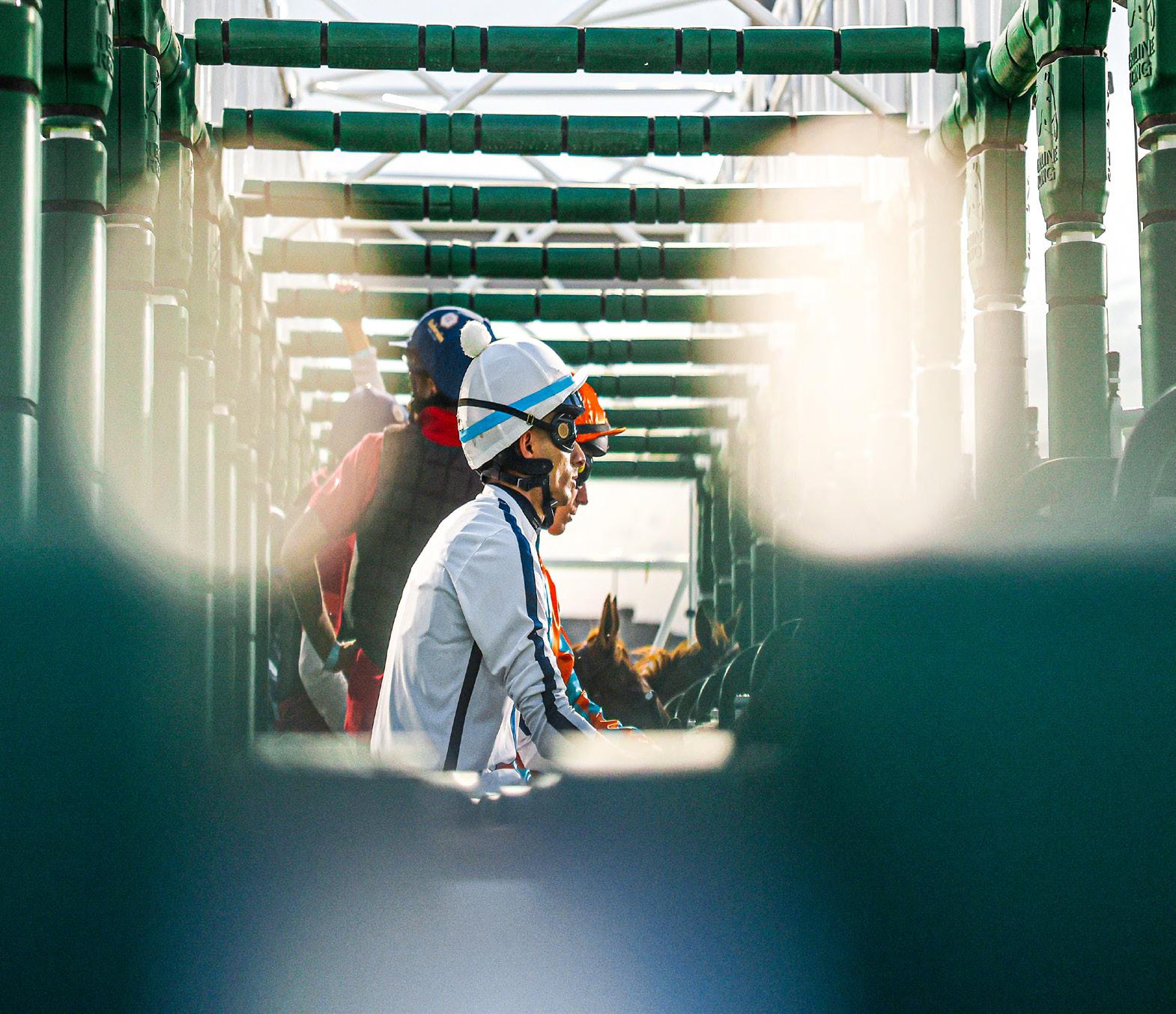
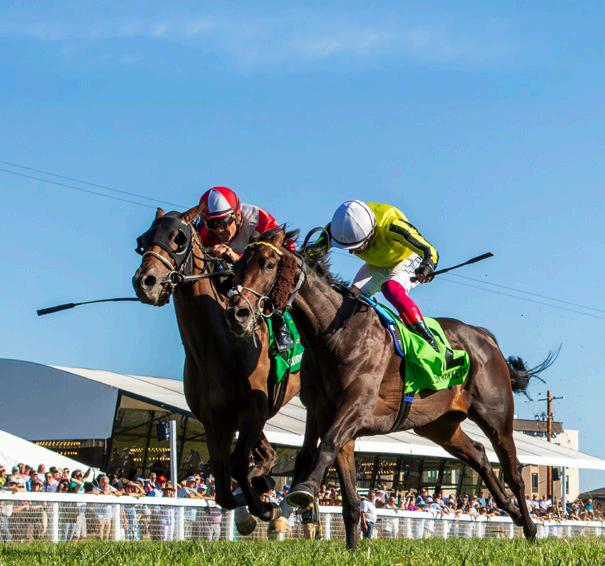

Kentucky Downs is home to America’s only European-style 2000m (10f) all turf racecourse, as well as being America’s most lucrative racemeeting, racing exclusively on 29th and 30th August and 3rd, 5th, 6th, 7th and 9th September. Entries close from 17th August, when emailed expressions of interest must also have arrived for the invitationals. For all invitational races send a request for consideration to: stakeinvites@kentuckydowns.com by the closing date.
The meet features over $40 million in total purses, including funds from the Kentucky Thoroughbred Development Fund (KTDF). Notable purse highlights include maiden races worth $170,000 and allowance races valued at up to $250,000.
Remember that only Kentucky-bred horses can run for the full purse but all races are open to horses born outside of the Bluegrass State.
The 2026 stakes schedule consists of 19 total stakes races, all held on turf, with 11 of these being graded stakes. A record 11 stakes offer purses of at least $1 million. The premier event is the Grade 3 Nashville Derby Invitational, which carries a $3 million total purse.
Other significant races include the Kentucky Downs Turf Cupa $2 million Invitational race held on September 5th. The Mint Millions Invitational – a $2 million race scheduled for September 7th and the Dueling Grounds Oaks Invitational – a $2 million race taking place on September 9th.
The Gun Runner – a $1.75 million race goes on September 7th and the Bowling Green Gold Cup Invitational – worth $1.75 million race runs on September 3rd.
Two races on the September 5th card, the Music City Stakes and the Kentucky Downs Turf Sprint, are designated as Breeders’ Cup “Win and You’re In” events.
The total stakes purses for the meet amount to $25.75 million, including $12.5 million from the KTDF for Kentucky-bred horses.
Belmont Park re-opens 18th September with an abundance of new bonuses, increases in prize money averaging 15% and additional incentives to be launched by NYRA. $455m (€397m) has been used to redesign and rebuild the campus and construct a smaller modern grandstand and clubhouse, while an additional $100m (€873m) was invested by NYRA in revamping the two turf courses, the main track and also adding a fourth all-weather Tapeta surface.
The $1m (€857,700 / £743,400) Gr.1 Jockey Club Gold Cup over 2000m (10f) for three-year-olds and up will be the opening day’s feature. Of particular interest is the Belmont Big Apple Bonus, a new initiative created to reward owners and trainers for participating in the fall meet at the new Belmont Park, from 18th September through to 30th April 2027. Scheduled to launch with the opening of the fall meet 18th September, the Big Apple Bonus will provide up to $8,500 (€7,290 / £6,320) in awards per horse shipping or relocating to Belmont Park from other racing jurisdictions.
The cost of shipping from Europe could be recovered after three starts thanks to the bonuses. Structured into two levels,
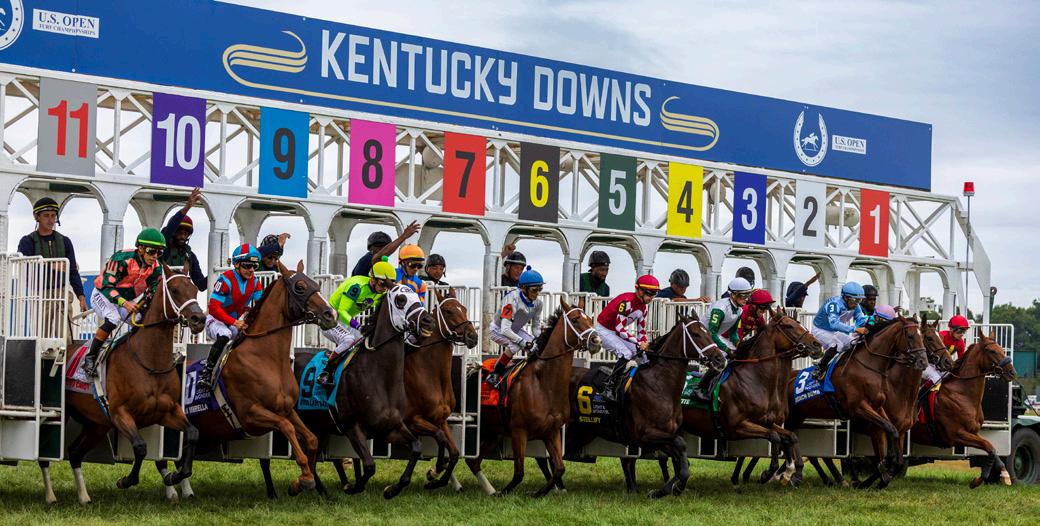
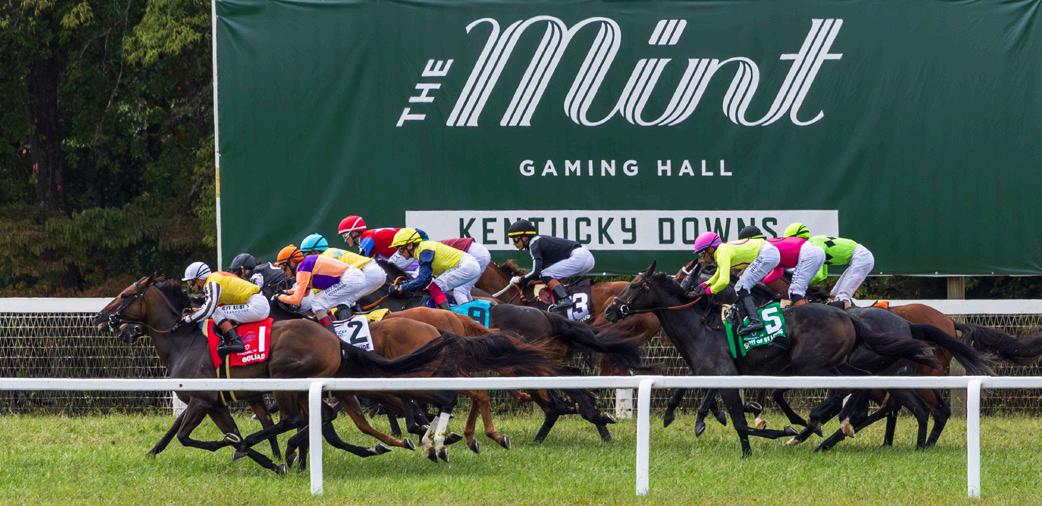
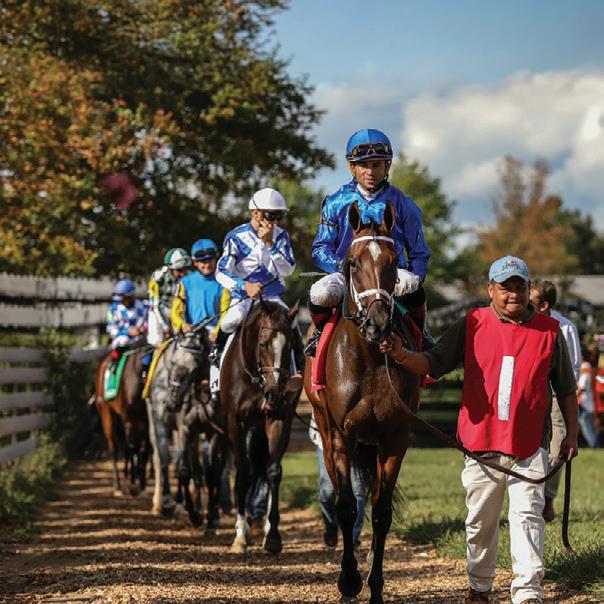


More than $40 million (includes KTDF), in purses, over seven race days including the world’s richest maiden races at $170,000 (includes KTDF). Allowance races worth up to $250,000 (includes KTDF).
Home of a record 11 stakes worth at least $1 million (includes KTDF), led by the $3 million Nashville Derby (G3). 19 stakes overall, 11 graded.


Tier A covers horses relocating from less than 400 miles, while Tier B applies to horses relocating from further than 400 miles with a $6,000 (€5,100 / £4,400) bonus paid upon the horse’s first Belmont Park start ($4,000 to the owner, $2,000 to the trainer). Owners and trainers currently based at NYRA are fully eligible for these bonuses, which complement the record overnight purses to be offered during the fall meet. Any horse that qualifies under Tier A or Tier B is eligible for the Third Consecutive Start Bonus. Upon a horse’s third consecutive start at NYRA following a Tier A or Tier B bonus, a Third Consecutive Start Bonus of $2,500 (€2,144 / £1,860) will be paid in full to the owner that earned the original bonus. Any horse that runs at a non-NYRA track after qualifying for a Tier A or Tier B bonus will forfeit their eligibility for the Third Consecutive Start Bonus.
Andrew Offerman, SVP, Racing & Operations, NYRA, clarifies, “The bonus would apply to Europeans, but it should be noted that Graded stakes are excluded from this programme as they are guided by a separate shipping program. Our international stakes shipping programme is managed in coordination with the International Racing Bureau (IRB) and all details of shipping should be checked with the IRB.”
First-time starters are ineligible and horses making their first start at NYRA for less than $20,000 claiming are only eligible for 50% of the respective bonus, however, horses that qualify via this bonus will receive the Third Consecutive Start bonus in full. The Tier A bonus is limited to the first 250 horses and the Tier B bonus is limited to the first 350 horses. In the event the total horse cap is reached, all horses entered and listed on an overnight and that run will be paid out. The Third Start bonus will continue to be paid after the cap. Horses running at NYRA tracks in Graded Stakes are eligible for NYRA’s shipping incentive programme but are not eligible for this bonus.
Horse Racing Ireland (HRI) has confirmed the series of Academy Hurdles introduced between October and December 2025 will resume in October 2026 through to the spring of 2027, with more opportunities for horses in this category, fitting neatly with the National Hunt store sales. Last year HRI added seven Academy Hurdles to its programme restricted to three-year-olds to encourage an earlier start to hurdling in Ireland. 40% of runners were fillies and an ITBA Mares Bonus of €5,000 goes to any filly registered for the scheme winning an Academy Hurdle. Sales vouchers are also available for horses finishing the in the first three. The programme of races for the latter part of this year will be released in the middle of July as part of the Provisional Summary for September to December 2026.
Last October HRI also announced revised conditions that will broaden the reach of the Connolly’s RED MILLS Irish EBF Auction and Median Maiden/Novice Hurdles over the NH season ahead. These will begin in September and, having previously been targeted towards store horses, they will include foals and yearlings that sold for €15,000 or less. They also include a median auction element to assist owner-breeders of a horse with a sire where the median auction value is below €15,000 that did not go through a sale.
The Gp.2 Mill Reef Stakes, Newbury 19th September, closes 28th July. The Doncaster St Leger meeting Group races, including the St Leger, close Tuesday 4th August, as does Newmarket’s Gp.1 Sun Chariot Stakes run on 3rd October. Also closing 4th August, October’s QIPCO British Champions Day races. The following Tuesday 11th August, entries close for September’s Ayr Gold Cup, and Newmarket’s Rockfel Stakes, Cambridgeshire Handicap, Middle Park Stakes, Cheveley Park Stakes and Royal Lodge Stakes.
PHOTOGRAPHY: ASCOT, BAHRAIN TURF CLUB, ECLIPSE SPORTSWIRE, ELINA BJORKLUND/SVENSK





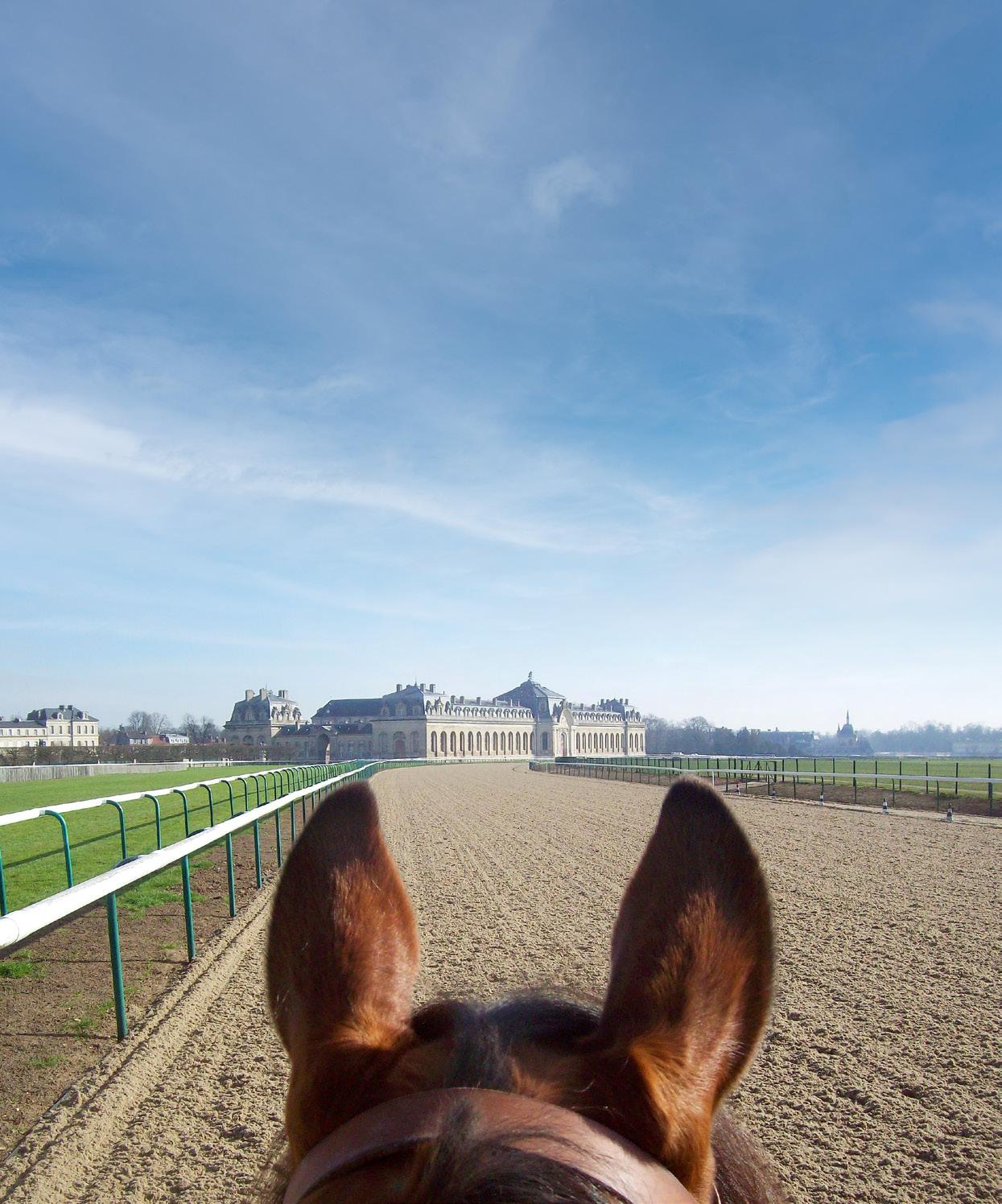
Most will recognize the impact that Climate Change is having on their everyday lives but how is Climate Change impacting on the horse racing industry, notably in the preparation of European racing surfaces? It is clear that times are changing, and racecourse officials and trainers are having to adapt.
Marin Le Cour Grandmaison of France Galop is not only responsible for Chantilly Racecourse but also oversees the management of the Centre d’Entrainement de Chantilly which covers a 2000-hectare site featuring over 120km of training tracks, accommodating over 2500 horses daily.
One of the main challenges in France, particularly within the Chantilly area, is access to water, as Marin explains, “The thing is in our job; we are very weather dependent because at Chantilly Racecourse we have one turf track and one all-weather track. On turf, for the safety of the horse, we don’t want to provide too firm a track. In Chantilly, the profile of the track is completely natural, it’s not an artificial turf track. So, if we don’t have rain, we need to irrigate.”
“The (access to) water is very controlled in France. We can’t pump and then use whatever volume we want. Every year, we have a notice of authorization to pump water directly from the ground; we are not allowed to pump from rivers in France. We have Government authorization for the volume. Sometimes it is easy because we have a lot of rain but sometimes it’s more difficult because it is a very dry year.”
“What we try to do to reduce irrigation but still provide safe conditions for the 14 hectares of Chantilly Racecourse turf is that we use different tracks. We have the straight track, we have the Jockey Club track, the round track, and the new track, and we organize the racing program so that we don’t need to irrigate all the tracks for every race day.”
“In the spring, we use mainly the straight track, and the Jockey Club track but, in the autumn, and the winter we use the round track and the new track. We have breaks for each track.”
“Previously, to irrigate with the same amount of water everywhere, we had to irrigate in 300m-by-300m sections. With the new watering system, we can water sprinkler by sprinkler. We have control and, because it is always on the outside where the track dries faster, we now have smaller sprinklers close to the rail, so if we like, we can just irrigate there to make those areas more consistent with other places. The system is a very modern one, but we still require a lot of pumping to access the water, and we also use machinery to alleviate soil compaction.
“We want more roots, and for those roots to grow deeper, find water, and to grow stronger. Of course, we irrigate only by night. Putting on about 10mm of water in the past took about 12 hours but now, with the new system, it takes around 4 hours.”
Forecasting can offer an indicative guide to weather but predicting the weather isn’t an exact science; this is a challenging issue that racecourses are dealing with on a daily, weekly, monthly, and yearly basis.
“It is difficult to know what weather patterns we will have year by year. That is why our job is to be outside every day. To understand our ground, we walk the track regularly and irrigate only if we need to irrigate. We don’t have soil moisture devices in Chantilly yet, but we intend to put these devices into the track to help us. It is a project that we are looking at.”
“Our site is very green. We used to irrigate the areas around the public Grandstands, but we don’t irrigate those areas anymore. The only other place where we irrigate is in the middle of the parade ring, which is visually important for our feature races. However, in very dry seasons, like two years ago, we stopped irrigating the parade ring and obviously, it was yellow in the middle. It is important to say that because, even though some people didn’t understand why I did that – owners and trainers weren’t happy – the younger generation understood the need to preserve water.”
“At Chantilly, the turf is always the most important thing to us, for the welfare of the horse. However, at a time when people were unable to water their garden, or clean their cars, it was important to show everybody, including the Government, that as a racecourse we were acting responsibly. We had to make sure in Chantilly; we were keeping the water for everybody.”
“The training centre is approximately 2,000 hectares. It’s huge. It’s mostly sand tracks, and these sand tracks need a lot of water to give them compaction. If we don’t irrigate, it is like the Sahara, very dry, and very dusty. We have turf tracks too and those turf tracks are irrigated. In Newmarket, if the turf is too firm, they close the gallop. Here in Chantilly, we keep them open, but it will be difficult to do so in the future if we have less water to irrigate.”
“I work a lot with the trainers, and now (mid-May), we have the water that we need but we don’t irrigate all the tracks. We try to keep our water for the canter track; other areas – like the walking area or the exit area – are not our priority. I prefer to have a safe track to gallop, it’s quite tough because of the size of our training centre.”
“I try to communicate as much as possible with the trainers and sometimes when it is very dry, I will invite them to group meetings to explain the situation. I’d like to (be able to) irrigate everything but it is important to consider the environment and only use the water that we need. If we don’t have enough water to irrigate, we risk not being able to train anymore. I make tough decisions daily.”
“Looking to the future, I have a project in mind. It’s my work and, if we have the money to do so, I hope to make progress. It is to seek to reuse treated/cleansed water from the exit of a wastewater treatment plant to boost our water supplies for irrigation. We have a wastewater treatment plant close to our training centre, which could offer a water supply to both the training centre and Chantilly racecourse. It isn’t an easy project, though.”
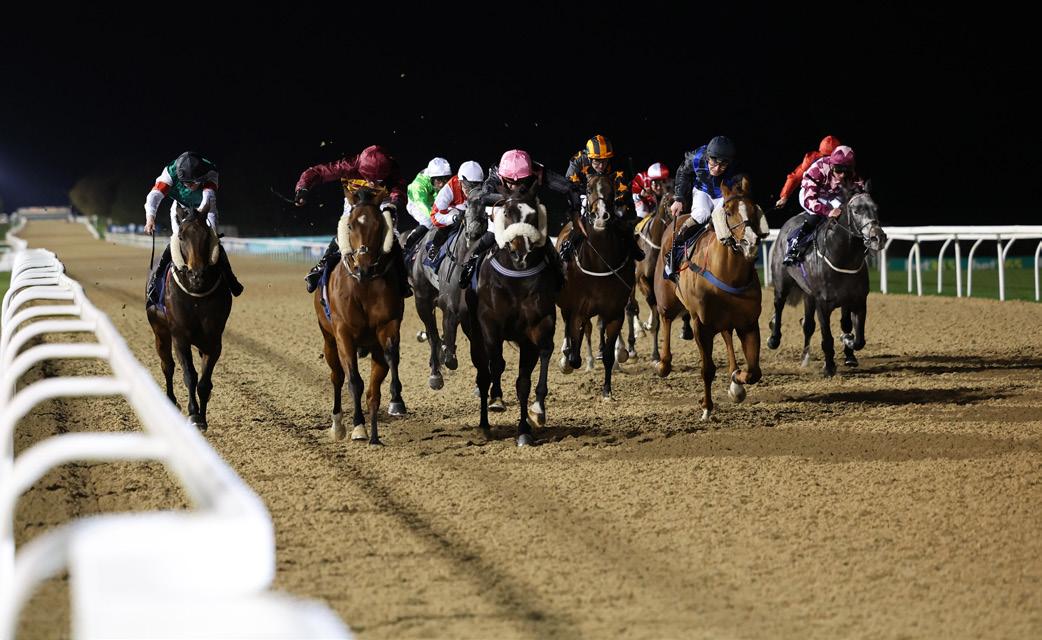
Newcastle stages one of Britain’s busiest all-weather programmes, with Clerk of the Course Joe Gibson using detailed weather forecasts and soil moisture data to help deliver safe, consistent racing throughout the year.
Joe Gibson is Clerk of The Course at Newcastle Racecourse, responsible for track preparation at the dual-purpose Arena Racing Company-owned venue. Newcastle’s Tapeta All-Weather Flat track stages 57 fixtures in 2026, with their turf National Hunt track staging a further 13 fixtures. At Newcastle, the weather is also key as Joe explains.
“For us, the weather is everything. Trying to forecast seems to have become more difficult. We’ve found over the last 8-9 months that the forecasts are that little bit more unpredictable, even unreliable. From a racecourse point of view, making decisions based on forecasts is increasingly difficult.”
“For All-Weather racing, the temperatures are key. The Tapeta track at Newcastle reacts very differently to slight changes in temperature, especially in those winter months, and getting an accurate guide on those temperatures is important.”
“When we go onto the grass for National Hunt racing, there’s a bit more to it in that we’re also monitoring rainfall, along with temperature variance, and the wind. We’re working with forecasts every day and the decisions that we make are dependent on those forecasts being accurate. It is a challenge, particularly over the winter to work with such forecasts.”
“While the weather, I think, is changeable, we are getting more prolonged periods of weather. We’ve just come out of a cool, dry spell for spring, which offers the worst possible growing conditions. When we get wet periods in winter, these seem to be prolonged, the cold periods likewise. I don’t know whether that is just a northern thing, but these prolonged periods of weather are causing us difficulties, especially for jump racing.”
Most turf racing (jumps) at Newcastle takes place during the winter and, helpfully, the racecourse has access to a steady, reliable source of water. However, the impact of climate change is still stark as Joe identifies.
“When we’re in a dry spell, we’re having to use an unbelievable amount of water, or having to water a lot more anyway. We mightn’t at times be putting masses of water on, but we’re having to routinely keep topping up.”
“There are various things that we would like to have available at Newcastle, but with 13 jumps fixtures the cost doesn’t necessarily justify the added benefit. We’re still able to facilitate fixtures safely, so is buying another machine to produce Good to Soft ground, rather than Good ground, justifiable?”
“We might be in a position in two years’ time where we need to make that investment or at least upgrade existing systems if we find we’re working to a different set of general instructions from the British Horseracing Authority. At present, as instructed, we aim to provide good ground.”
“The participants in the sport are likely to guide the way, and it’ll be interesting to see if any changes that do occur are applied for both Flat (turf) and National Hunt racing. However, the regulator (BHA) will need to be fully aware, which I think is the case, of the challenges that might bring. We don’t want to be making rash decisions.”
Newcastle has already adapted in recent years, with Joe Gibson, and his predecessors Jane Hedley and Eloise Quayle, studying examples of best practice elsewhere, also drawing direct benefit from broader Arena Racing Company investment. Joe explains.
“We’re using wetting agents much more than we ever have, and that’s just trying to get the most out of the water we’re putting on. These wetting agents have been used routinely on golf courses and football pitches. In Horse Racing, Flat tracks, I would say, have been using them for the last 5-6 years but, in the last couple of years, jump tracks (even in winter) are using them more frequently. From a turf management perspective, you must pick examples of good practice from other places. If it’s not to the detriment of the horse, or the rider, then we must be looking at other industries that might be ahead of our current position.”
“As an industry, we’ve been guilty in the past of thinking this is how we do it, or this is how we’ve always done it, and we have to be more aware of what is going on elsewhere, whether that be in a different sport, in an agricultural setting, or whatever. If those practices see benefits, we must at least try them. It has to be that way because if you don’t, you get stuck and left behind.”
“Soil Moisture measurement was a movement Arena Racing Company made last spring before being fully implemented through the summer. We’re in a fortunate position in that Arena Racing Company has fifteen other racecourses spread across the country with a mixture of Flat, National Hunt, and All-Weather fixtures, and, as clerks, we’re all effective at communicating with one another. When we implement new processes, we share knowledge. Being part of a wider group of racecourses is hugely beneficial.”
“I really like the Soil Moisture devices, I use the information all year round and, unlike some other devices, it takes user error out of the equation. It’s a simple probe that goes into the ground, you press read, and it gives you the moisture. It’s easy to use and, yes, it would be ideal if the process was a little quicker – you didn’t need to take 30-40 readings from around the track – but it’s massively helpful to have this information at our disposal.”
“We’ve had a dry winter here in Newcastle. March was a difficult month. We were treading quite a fine line for a few of the fixtures as to whether to water or not, and if we were watering, then how much are we putting on? Those decisions were made easier by having access to a moisture meter.”
“There are other under surface devices on the market, which are commonly used in golf and football, but in their current form, I couldn’t be totally confident to have horses running over them, but you never know what the future will bring.”
“Having a fallow period – no turf racing for six months – at Newcastle is important to us. Everyone assumes that Newcastle is a big, wide expansive galloping track, which it is, it’s a fabulous track, but in certain areas, the track isn’t that wide. Once we start getting into the thick of the jumps season, we quickly get short of room.”
“In the days before the All-Weather, we could stick a couple of outside hurdle panels on the Flat track which would offer another running line, but that option isn’t there now, so the recovery period over the summer is vital. We finish on Grand National Day (early April), fully aerate the track, and hope that coincides with a perfect growing period.”
“We routinely apply wetting agents and several types of fertilizer throughout the summer to ensure that the plant stays healthy and is in the best possible position to allow it to grow. We want our jumps track fully level, with good grass growth, and lots of moisture ready to go again at the backend of October.”
For Newcastle, it isn’t only rain, or a lack of it, which needs to be monitored, other weather-related patterns, namely wind, and cold temperatures, present their own challenges.
“The wind plays a key role at Newcastle. With the bulk of AllWeather races taking place on the straight, the runners are usually running into a headwind, or a cross wind. For jumping, the home straight is that little bit more exposed and can dry out phenomenally quick. We had a day in March where it was nice Good to Soft ground early morning (6.30am) but, after a warm, windy morning (much windier than forecast), by Noon, it was unbelievable how quickly the surface had dried out. It was scarily quick; it’s a difficult balance.”
“In the back straight, there is more shade from the trees, but the difference in temperatures there can be significant. We had a couple of days this year where it was over 3 degrees colder in the back straight than it was by the winning line. In winter that can make the difference between being able to race or not. You can forecast that it’s going to be cold, but you can’t forecast for those extremes.”
“Furthermore, the 2m4f start is in a narrow area, it sees lots of traffic, and is situated in the back straight, so very quickly you’ve got that dreaded treble! Trying to keep that area in a raceable condition throughout the real depths of winter in the North East of England is pretty difficult.”
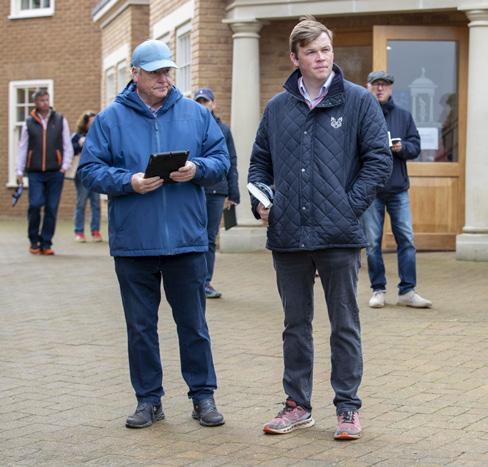
Gavin Hernon, offers his candid opinion on the current climate situation in Chantilly, he says,
“It’s not been easy, that’s for sure. We’re predominantly on natural sand gallops that require quite a bit of water and that used to be fine, but I can’t remember exactly when that went south, I think it was around Covid times, the authorities started getting heavy on the restriction of water usage. It hasn’t been straightforward for France Galop to maintain the gallops to the standard that everyone expects.”
“In April, through to early May, we had little rain, so it can get quite complicated with the gallops getting that little too deep. France Galop have had to prioritise watering the gallops, and because of that they don’t water the alleyways, and because the alleyways aren’t watered you get horses breathing in dust and things like that. It’s a fragile eco-system when it goes wrong, it’s a hard one to manage, but to be fair they’ve done a pretty good job with the hand they’ve been dealt.”
“Finding the balance and making sure that the surfaces are safe for horses to canter on every day isn’t easy. When you get a dry spring, you’ve got to be really careful as a trainer, it’s a case of finding that balance, and when you’re not happy with it, you just have to slow down the horses and wait for it to blow over.”
“The one thing that you must learn as a trainer is patience. If you’re sending your horses cantering up a gallop that isn’t level or is firm in one part and deep in another, then you are asking for problems. If you know that rain is coming, whether two or five days later, you sometimes have to err on the side of caution and play the patient game. You can’t afford to be brave because enough horses get problems when you make the right decisions to reduce the risk of injury or fatigue, so making bad decisions has worse consequences.”
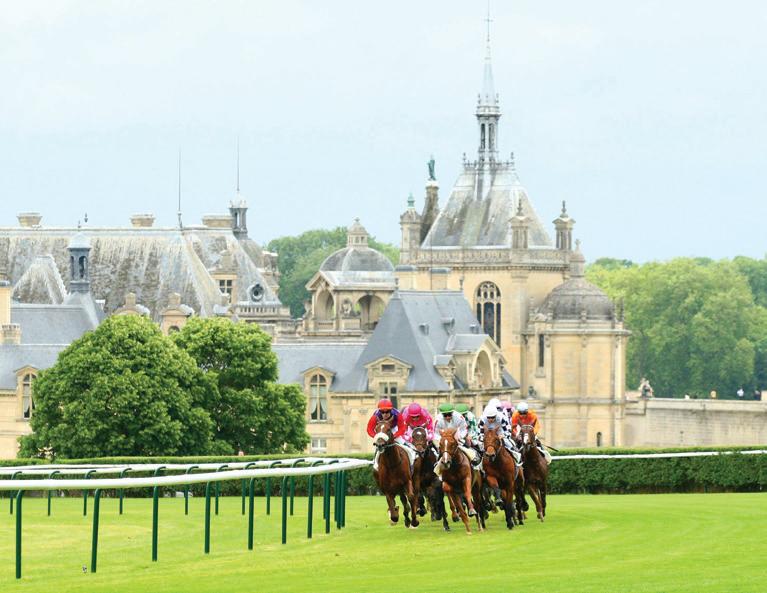
“We must be more climate conscious. From an animal welfare viewpoint, we’ve had situations where the people who oversee the decision-making processes switched fixtures from an afternoon when temperatures were forecast to be over 35 degrees. I’ve been involved in those situations where we’ve clearly made the right decision.”
“I recall once having a runner at 8.50am at Lyon-Parilly. That’s a hard decision for France Galop to make with the system that we have over here. Obviously, you won’t get as much into the Parimutuel (PMU) betting pool at that time of the day when you decide to do what’s right for the horses, but the horses must always come first.”
“We have two all-weather tracks at the training centre, and these get used a lot during the winter. We get cold harsh winters in Chantilly as well and there’s usually a two- or three-week period where the sand gallops are unusable, so we’re reliant on those all-weather surfaces. Operationally, during the winter, it’s normal to turn the water off at night and empty the taps to ensure that you don’t get burst pipes. Putting water out the following morning is just part of a normal working day.”
In many other countries across Europe, the length of the French turf season raises eyebrows, and this is something that Hernon is acutely aware of.
“I wouldn’t be surprised to see the length of the French turf season adjusted soon. There was a fairly bleak message sent out to trainers, owners, and jockeys in a letter from France Galop recently saying that we’re in a crisis period with the PMU and things like that, and we’re going to have to make economic decisions. I suspect that one of the things France Galop will be thinking about is shortening the turf season and running more on the All-Weather at Chantilly in the winter. I don’t see turf meetings continuing in November at Saint-Cloud.”
“Five or six years ago, France used to be a country that would overwater tracks, you’d expect Good to Soft, you hardly ever had Good to Firm. However, even over the past few weeks
it has been rattling fast at the likes of SaintCloud and Longchamp, probably because of water restrictions and things like that.”
“Alongside this, because of the importance of the number of runners for the PMU, sometimes we receive false going reports, with officials not wanting the conditions to appear to be too firm because of the risk of non-runners. The description is often given as Good to Soft/Soft, so when you arrive at a racecourse, you make your decisions (to run or not) from there.”
“I’m not sure what the lay of the land is with watering in the UK – but I do find this is a problem in France with regards to the water restrictions, and the volumes that you can use. As a result, many tracks are putting on a significant amount of water 24 to 48 hours prior to racing, whereas before they would have put on little and often from 10 days prior. That’s why we are seeing that phenomenon of horses slipping on bends. Too much water is put on in a tight timescale, and it doesn’t have the time to absorb into the surface.”
Travelling further afield to seek alternative opportunities is an option for any trainer, but the logistics of long-distance travel present other challenges as Gavin identifies.
“For England, we don’t like to go too far beyond London, simply because it is a long time for the horses in the lorry. When we go to Ireland, we take the long slow boat, and the horses tend to settle well in those bigger stalls.”
“The main reason why I could end up with runners in England in coming weeks is because of a problem with the race program in France. I had a horse (Tocoa) who was second on debut at Saint-Cloud to that very good Aga Khan Studs horse Erdenali. If he were to win a French maiden, I’d be looking at a rating of 9092 straight off the bat, and from there, the program is getting difficult for such an inexperienced horse. Therefore, I’d have to consider those high-value novice races recently introduced by the British Horse Racing Authority.”
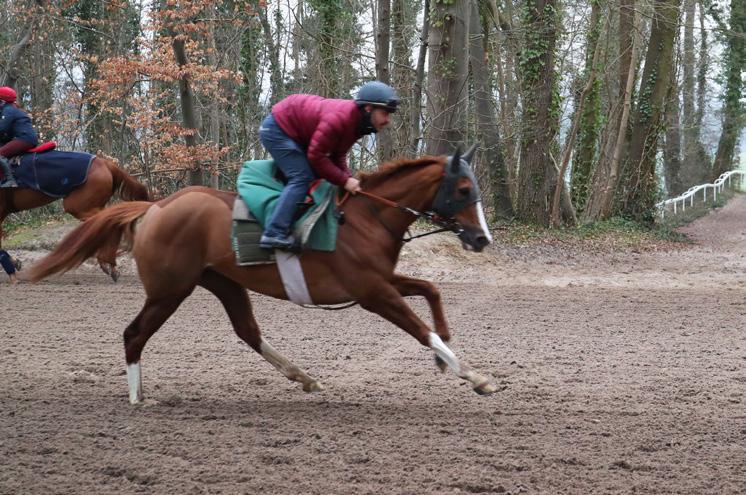
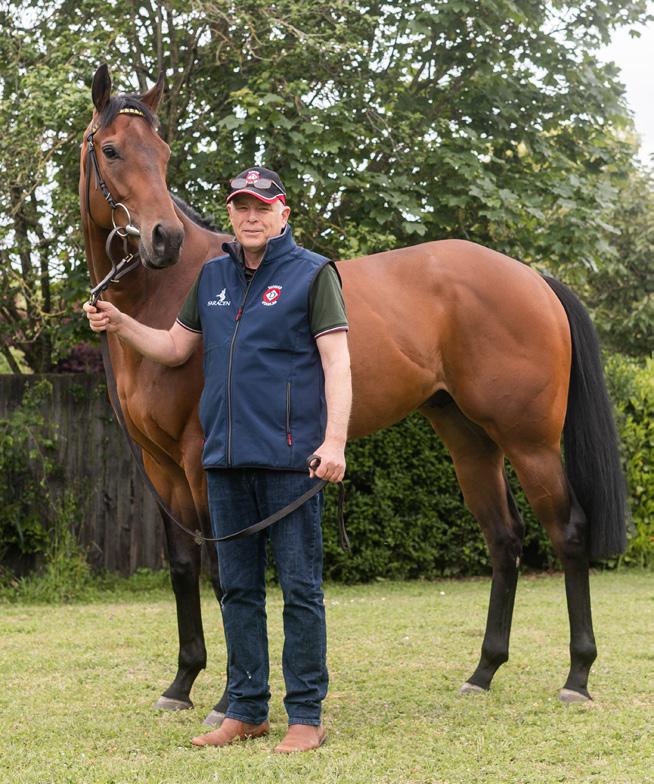
Stuart Williams, who has first-hand experience of working in Australia, France, and Norway, has held a British training licence since 1994, responsible for 70 UK Flat winners in 2025. Williams, based at Diomed Stables on Hamilton Road in Newmarket, recognizes that being a modern-day Flat trainer is an all-year round pursuit, and isn’t afraid to travel his horses.
Examples include Eton Rifles, a three-time winner of the Listed Prix Contessina at Fontainebleau, Short Final, winner of the Group 3 Grosser Prix der Landeshauptstadt at Dusseldorf, and the admirable Quinault, who landed a local Group 3 at Doha in February.
Quizzed on the benefits of training on artificial surfaces, Stuart explains, “We’re not having the harsh winters that we used to have, so that’s a benefit. We can train almost all year around now. Obviously, there’s All-Weather racing that we do in the winter, and the All-Weather gallops are open every day of the year here in Newmarket. Even if there’s a minus eight frost, we wouldn’t gallop or race, but we can still canter the horses easily.”
“The All-Weather surface has been revolutionary to the point where almost every person training a racehorse has an all-weather track/gallop to go on, where 30 years ago when I started training that wouldn’t have been the case.”
However, with nearby Chelmsford Racecourse currently in a state of limbo, the British Horseracing Authority revoked its operating licence after owners Great Leighs Estates Limited (GLEL) went into administration, there are certain frustrations for Williams from an All-Weather perspective.
“One of the broader issues for British AllWeather racing is that four of the other five All-Weather racecourses are controlled by Arena Racing Company, which gives them almost full control of the program through the winter, and frustratingly, the future for Chelmsford is unsettled.”
The wide-ranging impact of Climate Change on turf racecourses across the country, and indeed, at the fabric of British Flat racing Headquarters in Newmarket, coupled with a frantic, chaotic fixture list is obvious to Williams.
“The racecourses have become much more of a commercial animal and obviously their whole raison d’etre is Horse Racing, so they need to be able to race as much as possible. That then presents challenges to prepare a racing surface. I think some of the tracks have changed over the years because of that. Racecourses are having to repair with fast-growing grass seed to make the next meeting look good, and as a result the roots don’t grow right down and over a period of five to ten years, you end up changing the track completely to how the surface used to be.”
“When we get either a prolonged wet, windy period, or a dry, windy period that presents challenges for racecourses racing on turf. It’s the same with the gallops here. The whole point about training in Newmarket is to use the fantastic grass gallops that have been here for over 400 years. However, when we’re in a period of drought like we are now (late April) – we’ve had no rain since February – the ground is just too dry to work on turf. That’s the case for everyone, bar one or two gallops on the peat moss, or the round gallop on the Limekilns, which has been just about usable for the last couple of weeks.”
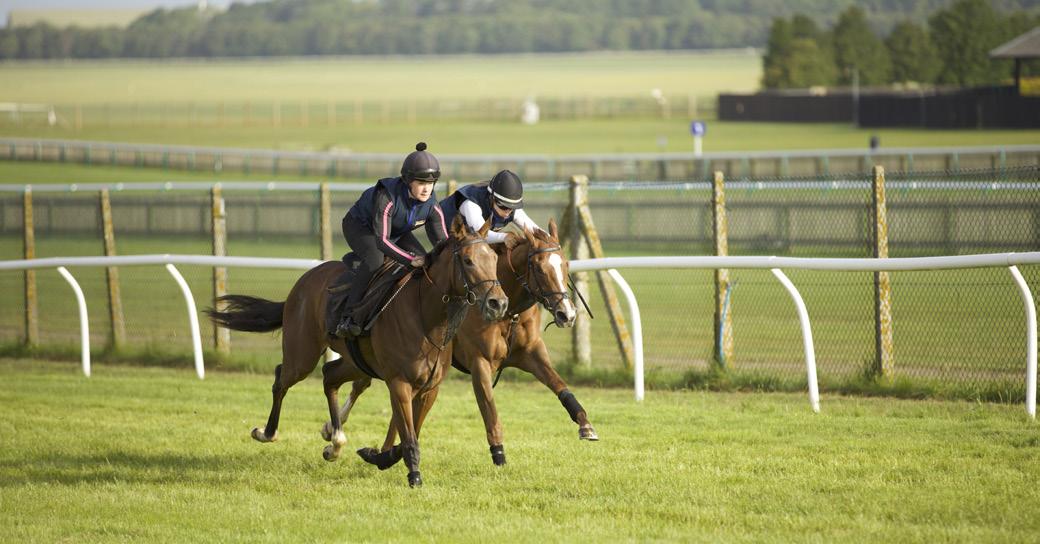
“It’s quite strange because in seven of the last ten years, the highest rainfall month in Newmarket has been August, which is hard to believe but it’s kind of where we are with the seasons changing completely. Usually, you’d have your spring horses who need cut in the ground ready to go early but this year, there just hasn’t been any soft ground. I’m now looking for AllWeather alternatives for them or just hoping that there is going to be rain at some stage to coincide with the races planned for them. That side of training is frustrating.”
“On the flip side, we’re already racing on turf at a time when it hasn’t been warm enough for the grass to grow, and that presents difficulties for the racecourses. We’re lucky in Newmarket in that when we’ve used the grass gallop for one day, it then gets moved and we don’t use it again for a year. Some gallops aren’t used for two years. Whereas on the racecourse, you must prepare the surface for the next meeting, which could be in two weeks’ time.”
“The racecourses are very adaptable, so we have to train horses to go on the surfaces that are being provided, but what worries me most is the watering of the tracks, and the reluctance of a number of trainers to run their horses when there is ‘Firm’ in the going description. The current British Horseracing Authority (BHA) directive is to produce Good to Firm ground for Flat racing.”
“Looking back, when Sir Mark Prescott first took over training at Heath House, Newmarket, from John ‘Jack’ Waugh in the 1970’s, he said that with 75% of the fixtures staged had ‘Hard’, ‘Firm’, or ‘Good to Firm’ in the title, so the first thing you’d look at when buying a horse was is it going to go on fast ground? If it isn’t, you can only run 25% of the year, so he didn’t want to buy that one.”
“Nowadays, there is a lot of pressure being put on clerks to produce Good ground, which can create issues. If a clerk has watered extensively, and there is 5mm of rain in a morning (which would only dampen the dust normally) you can end up with a much softer surface than ideal, and everyone complains that the ground isn’t what they said it was. I can sympathize with them; it is a difficult thing to achieve.”
“Communication is important, and that clerks tell you how it is, which, without singling anybody out, hasn’t always been the case. If you’re travelling horses a long distance, you want to get the ground that you expect, unless something dramatic happens on the day that has changed the conditions.”
Clearly, Williams doesn’t underestimate the scale of the challenge facing racecourse officials, or the governing body the British Horseracing Authority but, as a trainer, he seeks a
greater degree of clarity and certainty saying; “You can’t legislate for the issues some racecourses have faced recently but from a personal point of view, I think it is bad form to find out about these problems at declaration stage.”
“It couldn’t have just become a problem the day before declarations. It is frustrating when fixtures are abandoned. Moving the opening fixture back a week at Epsom was fine, we can work with that. However, we had targeted the sprint race there – we were working towards that race with a specific horse – and then suddenly we discovered the sprint race wasn’t going to be run. We weren’t even told directly.”
“It’s good that the British Horseracing Authority are thinking on their feet – ten years ago that Epsom fixture would’ve been lost – and that everybody is pulling together to get fixtures on, but frustrations still persist.”
“When specific races are lost – we’re not talking about the simple everyday fixtures – we need to be looking at providing alternatives. That Epsom race was one we were targeting at a specific/unique racecourse. The same thing happened on AllWeather Finals Day with Chelmsford. I understand that it was beyond the control of the British Horseracing Authority and accept the reasons for not letting that fixture go ahead, but to make the decision after final declarations leaves a sour taste. We had targeted two of those races pretty much all winter, so to pull the rug at the last minute was disappointing to say the least.”
So, what about the future? Only time will tell which path Climate Change takes the European Horse Racing industry down. However, collectively, Horse Racing does need to recognize the importance of evidence-based decision making and have a can-do attitude to embrace more creative solutions to the inevitable problems ahead. The final words are best left to the vastly experienced Stuart Williams,
“It’s interesting, because in some countries, like Australia and America, they view the racing surface as a disposable asset. There is the willingness to completely rip up a surface and replace it after a set period (often 10 years). Even the burning of grass surfaces, prior to reseeding, takes place.”
“It is more difficult in the United Kingdom, so I don’t see that happening here. In America, most races are on dirt, and even though they race every day, there’s only three or four races a week staged on turf to complement the program.”
“However, I don’t see why we shouldn’t be learning lessons from other sports. Many football pitches have grass fibres running through them and if we could work something out for racehorses – that’s a little while away – we could prolong the surfaces.”




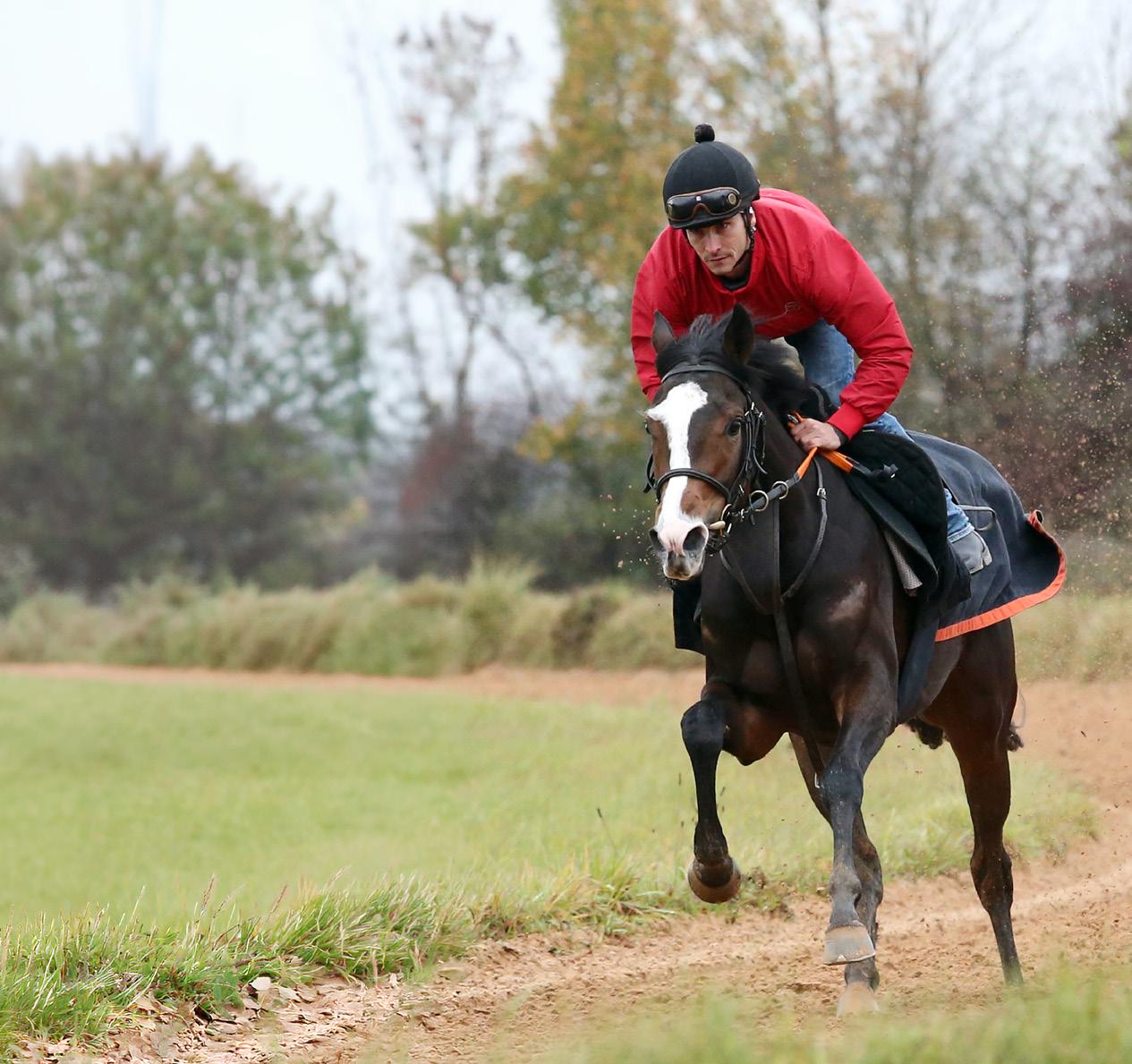

Few topics in racing concentrate stakeholder attention as sharply as the cardiac health of the Thoroughbred athlete. Sudden death on the racecourse is rare, but its impact — on owners, trainers, regulators, and on the public’s perception of the sport — is disproportionately large. Behind those visible events lies a much wider population of horses whose cardiac function during work may be signalling something, well before any catastrophic outcome.
This issue brings together two articles that look at this terrain from opposite ends.
First, Dr Emmanuelle van Erck-Westergren addresses the prospective end of the same problem. Her recently published research uses wearable ECG technology to record cardiac rhythm during routine training in more than 70 Thoroughbreds at the Hong Kong Jockey Club. The findings show that exerciseassociated arrhythmias are common, that their burden is meaningfully linked to subsequent race performance, and — crucially — that the most clinically informative window is the brief
period of peak effort during a training gallop. The implication is direct: a tool now exists to identify horses whose hearts are signalling something during work, before they reach the start gate.
Second, Dr Celia Marr reports on the work of the International Federation of Horseracing Authorities’ Fatality Taskforce and its dedicated group on exercise-associated sudden death. Her article sets out what is now understood about the pathology of EASD — the role of fatal pulmonary haemorrhage, the difficulty of attributing causes even with detailed post-mortem data, and the urgent need for higher and more consistent necropsy standards across jurisdictions. It is a forensic argument: better data after the fact, leading to better understanding and, in time, better prevention.
Read together, the two articles describe the same problem at different points in time: one looking back from the necropsy table, the other looking forward from the morning gallop. Both make the case that cardiac welfare in the racing Thoroughbred is now a domain in which active, evidence-based intervention is increasingly possible — and increasingly expected.
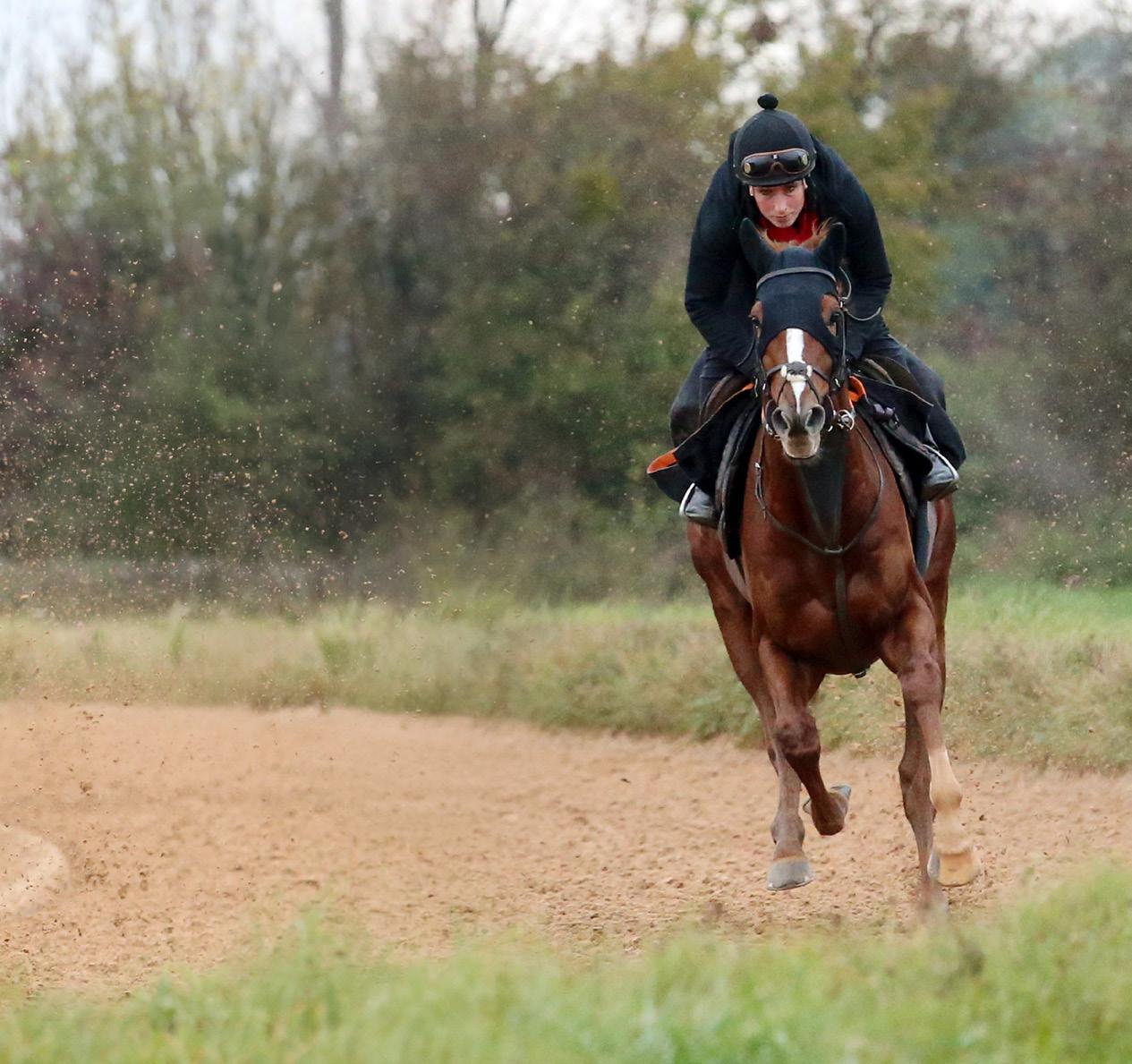
New research shows that cardiac electrical rhythm disturbances during training are far more common than previously recognised — and that they matter for race-day results.

There is a moment every trainer knows—a horse that has worked promisingly in training, eaten well, shown no lameness, yet finishes at the back of the field in a race that, on paper, it should have been competitive in. When the veterinary examination draws a blank, the question—what went wrong?—goes unanswered.
For some of those horses, the answer may lie not in the musculoskeletal system, not in the respiratory tract, but in the heart and in something that happens during the few minutes of peak exertion in a morning gallop.
The recent study published in the Journal of Veterinary Internal Medicine set out to investigate exactly this. Over two consecutive seasons in Hong Kong, a team of specialised veterinarians recorded electrocardiograms (ECGs) in Thoroughbred racehorses during their regular training sessions, using a wearable device fitted to the horse’s girth. The results were striking.
Arrhythmias were present in 73% of ECGs before good performances — and 81% before poor ones. The burden matters as much as the presence.
What is cardiac arrhythmia, and why does it matter?
The heart generates its own electrical impulse with each beat. When that impulse originates from somewhere other than the normal pacemaker site, or travels through the heart muscle in an abnormal way, the result is an ectopic beat — an extra, misplaced, or irregular contraction. An ectopic beat will directly affect the way the oxygen-carrying blood is distributed to the body and in particular to the muscles.
In horses at rest, occasional ectopic beats are common and generally considered benign. The question that has never been rigorously answered, until now, is what happens during high-intensity exercise: how often do arrhythmias occur, how complex or concentrated in time can they be, and do they actually affect the horse’s ability to perform?
The new research answers all three of those questions.

TIME (HOURS:MINUTES:SECONDS)

ABOVE: ECG trace of a horse sustaining a bout of 30 seconds of atrial fibrillation (AF) during the second half of his barrier trial, then returning to normal rhythm afterwards: the first box is the ECG, the second box is the heart rate tracing, the HR rises at 00:26:40on the recording as the horse accelerates and the AF starts at the indent and the trace becomes erratic as the HR becomes irregular. The horse recovers without further incident but finished his race placed last.
The research team monitored over 70 Thoroughbred racehorses competing in Hong Kong Jockey Club sanctioned races. Each horse was fitted with the Equimetre device (Arioneo, France) — a wearable sensor that records time, speed, stride characteristics, heart rate, and ECG data simultaneously during exercise sessions. A total of 405 recordings were collected and analysed.
For each recording, the exercise session was divided into four phases: warm-up, maximal exercise (the gallop itself), fast recovery, and slow recovery. Ectopic beats were identified and characterised by timing, frequency, and form. Looking into the following race, performance was defined as good if the horse finished on the podium top three, or poor, if finishing in the bottom three places. Researchers then asked: does the ECG pattern during a training session predict what happens at the racecourse a few days later?
The headline finding is this: arrhythmias in Thoroughbred racehorses during maximal exercise are common, but their frequency is meaningfully linked to race performance.
Across all recordings, 73% of ECGs preceding good performance race starts showed at least one detectable arrhythmia. That figure rose to 81% before poor performance [race] starts. But it is the detail that gives this finding its clinical relevance.
For each additional ectopic beat recorded during the maximal exercise phase, the odds of finishing in the bottom three increased by 15%. Horses with any ectopic beat during the gallop were nearly twice as likely to underperform compared to horses with none.
Wide morphology ectopic beats — those that suggest ventricular origin and have the most impact on the effective pumping of blood — were even more strongly associated with
poor performance. Paroxysmal atrial fibrillation, bouts of erratic irregular beats, though rare in absolute terms (detected in around 1–4% of ECGs), was overrepresented in horses that went on to perform poorly.
One of the most practically important findings concerns where in the session these arrhythmias occur. Ectopic beats were overwhelmingly concentrated during the maximal exercise phase — not during warm-up or recovery. Critically, the number of arrhythmias at peak effort could not be predicted from what was observed during warm-up or cool-down. This has direct implications for how monitoring should be designed.
The clinical implications of this research are both reassuring and thought-provoking. On one hand, the presence of occasional ectopic beats during a gallop does not necessarily mean something is wrong with a horse. The majority of horses — even those performing well — showed some arrhythmic activity. On the other hand, when the number and complexity of those beats increases, it is a signal worth taking seriously before the horse fails to perform, or worse.
Here is a practical way to think about it: the occasional ectopic beat is like a small fluctuation in a performance metric — within the range of normal variation. But a horse that is consistently generating five, ten, or more ectopic beats when it reaches high speed, or that shows wide-complex beats or short runs of abnormal rhythm, definitely warrants a closer look.
Several practical recommendations emerge directly from the study’s findings:
• Monitor during maximal exercise, not just at rest or in recovery. Resting ECGs and post-exercise checks will miss the arrhythmias most relevant to performance. The data are clear: peak effort is when clinically significant arrhythmias occur.
• Wearable ECG technology should be implemented as part of a horse’s regular training program. The device used in this study is commercially available and designed for field use. It requires no modification to the training routine and generates data that your veterinarian can review remotely or at the stable.
• Track changes over time, not just single recordings. The study found moderate clustering of arrhythmic patterns within individual horses — some horses consistently show more ectopic activity than others. A single ECG recording gives a snapshot; repeated recordings give a trend. A horse whose ectopic count has been low and suddenly rises merits investigation.
• Communicate findings with your veterinarian before a race, not after a disappointing result. If a training ECG shows an elevated ectopic burden or an unusual rhythm, that is the moment to discuss it — not after an unexplained poor finish.
• Do not over-interpret a single normal recording. Equally, the absence of arrhythmias on one day does not guarantee a clean cardiac bill of health. Longitudinal monitoring provides a far more reliable picture than any single measurement.
A horse generating ten or more ectopic beats at peak gallop warrants veterinary review before its next race start — not after a disappointing result.
The Equimetre device used in this study — and now available more widely — consists of a slim sensor unit fitted to the training girth, with electrodes in contact with the skin on either side of the chest. It records continuously throughout the session, capturing the ECG trace in parallel with GPS-derived speed and GPS track position. The data are transferred after each session and can be reviewed in dedicated software, which segments the recording into exercise phases and visualises the heart rate curve. Your
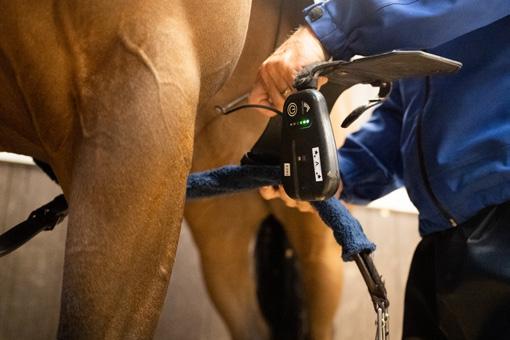
veterinarian can identify ectopic beats as outliers on the heart rate trace and review the underlying ECG waveform to characterise their morphology.
One of the strengths of this approach is that it imposes no additional burden on the horse or the training routine. The device is fitted at tacking up and removed afterwards. The horse performs exactly as it would on any other morning.
The study also confirmed that training gallops and barrier trials provide comparable data — reassuring for trainers whose horses may not race on a layout identical to their usual training circuit. Exercise-associated sudden cardiac death — discussed in detail by Celia Marr in her companion article, occurs more frequently during training than during racing, which further supports the use of training sessions as the primary monitoring window.
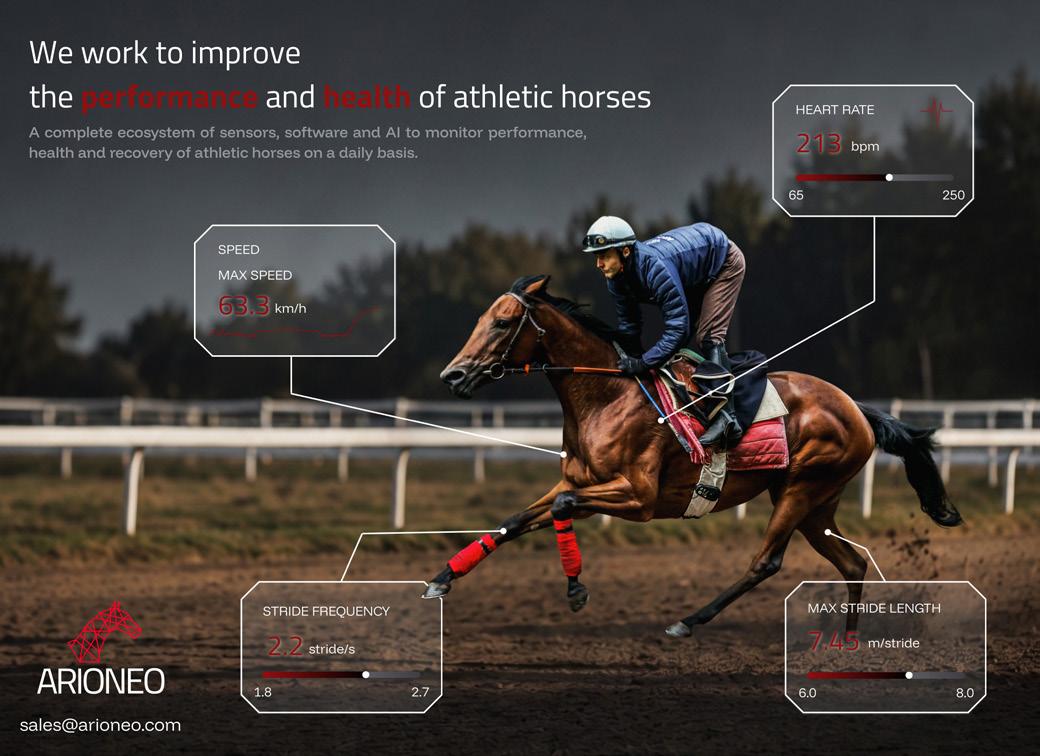
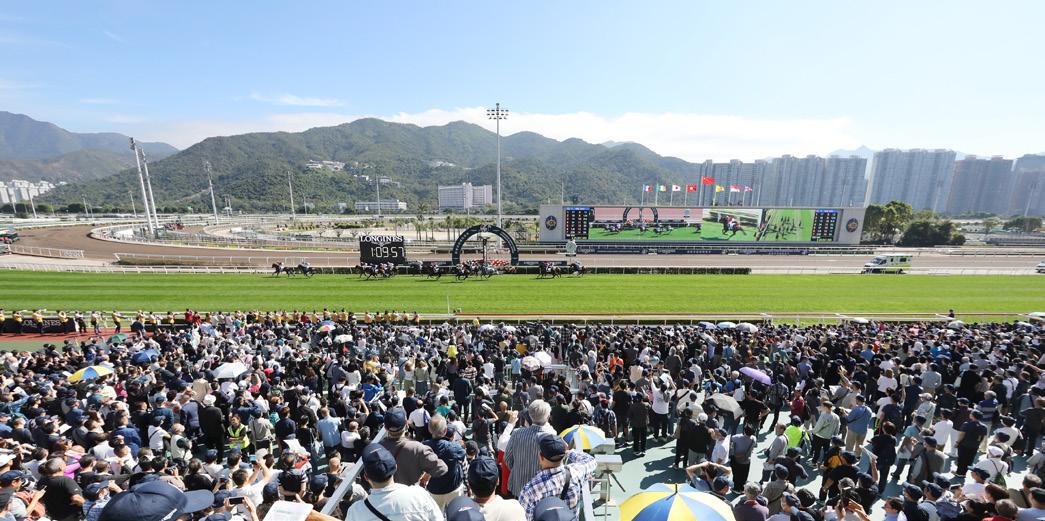

This is, ultimately, a clinical question — and one for your veterinarian. But the study provides a useful framework for thinking about it:
• A single ectopic beat, or a small number of narrow-complex beats in an otherwise normal recording, is unlikely to be of immediate concern. Note it, track it, and see whether it persists or escalates.
• An elevated count of ectopic beats during the maximal phase — particularly if rising compared to previous recordings — warrants a veterinary review before the next race start. This might include a cardiac auscultation, echocardiographic assessment, and potentially a repeat monitored exercise session.
• Wide-complex ectopic beats, runs of three or more consecutive ectopic beats (triplets or quadruplets), or any episode of paroxysmal atrial fibrillation should prompt discussion with your veterinarian and are likely to result in a recommendation to investigate further before racing.
• Unexplained poor performance, in a horse whose training ECGs have shown an elevated ectopic burden, should be reviewed with cardiac monitoring in mind as part of the postrace assessment.
The researchers are clear that causality has not been definitively established. It is possible that the same underlying factors — subclinical illness, pain, fatigue, or poor conditioning — drive both the arrhythmias and the poor performance, rather than one causing the other. But even as a marker, the ECG signal has meaningful predictive value. In the study population, a horse with six ectopic beats during its pre-race gallop had a predicted probability of finishing in the bottom three that was substantially higher than a horse with none.
ABOVE: Over 70 Thoroughbred racehorses competing in Hong Kong Jockey Club-sanctioned races were equipped with Arioneo’s Equimetre device, which continuously recorded time, speed, stride characteristics, heart rate, and ECG data. In total, 405 recordings were collected and analysed.
Racing has always demanded that trainers develop an intuition for when a horse is “right” and when something is off. Wearable monitoring technology — used well — extends that intuition with data. It does not replace clinical judgement, but it adds a dimension that was simply invisible before: what is happening inside the heart at the moment of maximum effort.
The Hong Kong study is the first large-scale longitudinal investigation to link exercise ECG findings in Thoroughbreds directly to race-day outcomes. Beyond its scientific importance, its practical implications are immediate.
The window into cardiac health that this technology opens is not just about identifying horses at risk of a catastrophic event — although that matters enormously. As Celia Marr describes in her article in this issue, there is mounting evidence that disrupted cardiac rhythm may precipitate the severe pulmonary haemorrhage that accounts for a substantial share of fatal cases. Prospective monitoring during training does not eliminate that risk, but for the first time it offers a routine way to identify horses whose hearts are signalling something before a catastrophic event occurs.
It is also about optimising the health and performance of every horse. Heart rhythm disturbances can be caused by other problems such as pain, airway disease or electrolyte disturbances: tracking ECGs allows us to understand which individuals are working strong and functional, and which might be held back, race after race, with something as invisible and as tractable as a rhythm disturbance during the gallop.
For the trainer prepared to look, the data are now there
This article is based on the following research:
• van Erck-Westergren E, O’Connor S, Stewart B, Dubois G, Morton J, Hinchcliff K, ter Woort F. Cardiac arrhythmias during intense exercise in Thoroughbred racehorses: frequency and association with subsequent race performance. Journal of Veterinary Internal Medicine. 2026.
• Electrocardiogram (ECG) data were recorded using the Equimetre wearable fitness tracker (Arioneo, Bordeaux, France). The study was conducted at the Hong Kong Jockey Club.
IMAGES: ARIONEO, EMMANUELLE VAN ERCK-WESTERGREN, GALOPPFOTO.DE


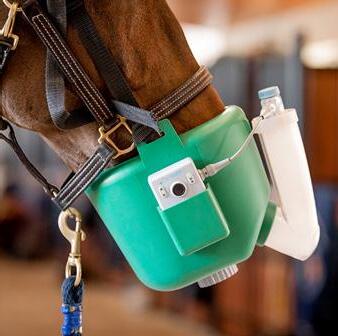
ne thoroughbred dies due to exercise-associated sudden death (EASD) in every 10,000 race starts. This represents about a quarter of all equine racecourse fatalities. EASD is defined as a fatal collapse in a closely monitored and previously presumed clinically healthy horse that occurs during exercise or within approximately one hour after exercise. Although these statistics show EASD is a rare event, it is essential that racing faces the challenge of reducing the death toll and, in recent years, progress towards this has been made in various jurisdictions, in part co-ordinated in part by the International Federation of Horseracing Authorities’ Fatality Taskforce. Within this group, the EASD team have focussed mainly on improving standards and availability of post-mortem examination, aiming to generate a better understanding of why EASD occurs and to support research towards this goal.
Because EASD is rare, progress on understanding its pathology has been slow and required considerable diligence and collaboration between jurisdictions. The largest international study of causes of EASD was published over 15 years ago. Dr Cat Lyle, then working in Prof Bruce McGorum’s group at the Royal (Dick) School of Veterinary Studies in University of Edinburgh and funded by the Horserace Betting Levy Board, was able to collate records of equine EASD necropsies from California and Pennsylvania in the US, Victoria and Sydney in Australia and from Hong Kong and Japan.
The study amassed necropsy reports from a total of 268 cases which has provided a key database on the causes of EASD. Major definitive causes of sudden death included cardiac and pulmonary failure, pulmonary haemorrhage, haemorrhage associated with pelvic fractures or with spontaneous blood vessel rupture, and spinal cord injury.
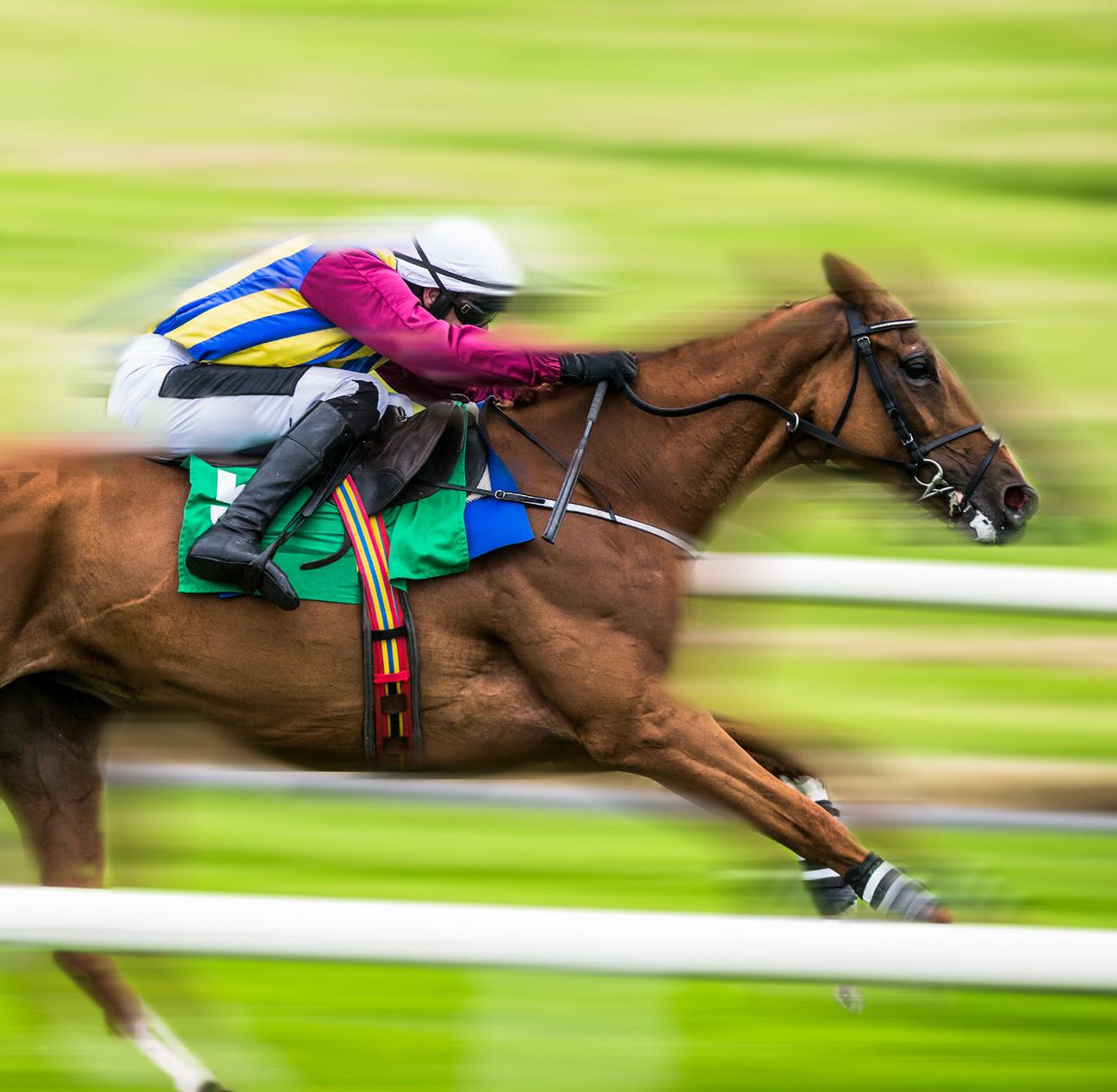
Importantly, the study highlighted how uncertain the diagnosis can be in individual horses, even when a detailed necropsy has been completed and death remained unexplained in 22% of cases. The findings are often not specific to one clear diagnosis and rely on the pathologist’s subjective interpretation. Dr Lyle also identified how much the necropsy diagnosis can be influenced by individual pathologists and showed that interpretations can vary from one jurisdiction to another.
Pulmonary haemorrhage is one of the most common necropsy findings in EASD cases. While to the casual observer, bleeding from the lungs might seem like a single condition with a spectrum of severity. It is now very clear that horses that die due to exerciseassociated fatal pulmonary haemorrhage – or EAFPH – are suffering from a very different condition from typical bleeders –or EIPH (exercise-induced pulmonary haemorrhage) cases.
EIPH is extremely common and these typical bleeders have damage to their lung capillaries which arises because of an anatomical weakness common to all equine athletes. In order to rapidly absorb oxygen from the air, the walls and blood vessels of the lung air sacs have to be extremely thin.
In order to rapidly pump blood through the lung, the equine cardiovascular system operates under very high pressures generated by the heart. These two critical physiological requirements are at odds with each other and the pressures inside the pulmonary vessels routinely reach or exceed the pressures the capillary walls can withstand.
Over time, a vicious cycle sets up and scars form around the blood vessels which further weakens them and this process can readily be identified during necropsy. Dr Guido Rocchigiani and a collaborative team based at the University of Liverpool, again with Horserace Betting Levy Board funding, have shown there is no direct link between EIPH and EAFPH (the fatal condition).

They compared 10 racing Thoroughbreds that died due to EAFPH with 10 racehorses with EIPH which had died for unrelated reasons and 5 horses with grossly normal lungs (two Thoroughbreds and the others non-racing breeds). The EAFPH horses had more severe haemorrhage particularly in the front part of their lungs, while the EIPH cases had more vascular remodelling and long-term pulmonary abnormalities. The key conclusion being EAFPH and EIPH are different conditions.
It remains unclear whether EAFPH originates with blood vessels bursting in the lungs or whether this process starts with cardiac arrest leading to a rise in back pressure into the lungs and triggering haemorrhage. Both pathways are plausible but there is mounting evidence that when the cardiac rhythm is disrupted, severe pulmonary haemorrhage follows – while this can be fatal, a milder version of the same process has also been linked to visible haemorrhage from the nose in horses which survive cardiac irregularities.
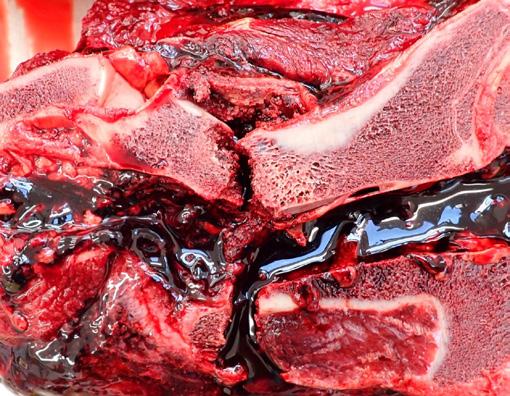
LEFT: The IFHA Fatality Taskforce’s EASD group has developed a standard protocol to apply in all EASD cases which identifies specific samples that should be examined in all cases. This diagram shows how to locate the cardiac pacemaker cells in the sinoatrial node.
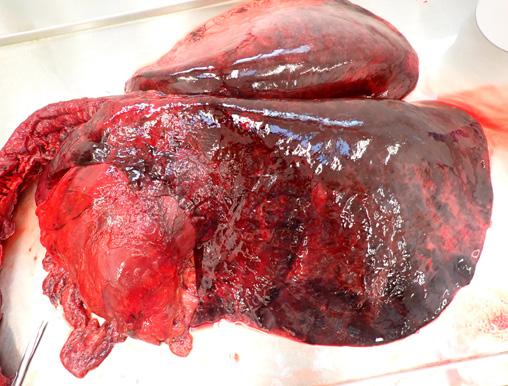
ABOVE: Exercise associated fatal pulmonary haemorrhage is a major cause of EASD – this condition is distinct from the more common EIPH and may be linked to cardiac arrests.
While cardiopulmonary conditions account for more than half of EASD cases, it is important not to overlook other causes. Spontaneous rupture of blood vessels in the abdominal cavity and spinal cord damage are often the culprit and regrettably, it is still very common to have no satisfactory explanation for around 1 in 5 cases. There has been less targeted research on these other cases to date and there is an urgent need to expand knowledge by performing more and higher quality necropsy exams when EASD does occur.
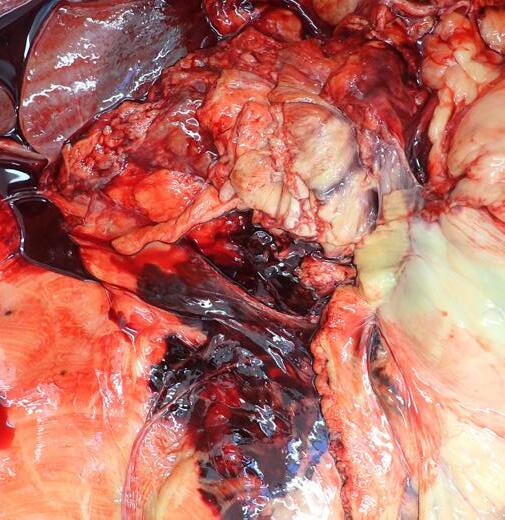
ABOVE: Spontaneous rupture of major vessels in the abdomen is a poorly understood condition – in this case, the aorta has burst near the pelvis. LEFT: Neck fracture can be associated with falling and the resulting damage to the spinal cord can be fatal.
Doing more might seem an easy solution – but easier said than done. Necropsy exams are time-consuming and expensive. There is a shortage of veterinary pathologists with equine and racehorse-specific experience. There are considerable logistical challenges to be overcome when moving horses from the track to a relatively few centres equipped to provide pathology services.
Recognising this need, the group of experts who were tasked by IFHA to look at means of reducing EASD have focussed on creating a detailed standardised protocol for cardiopulmonary necropsy. This aims to help those who are unfamiliar with racehorse EASD to complete the best necropsy exam that they can and sets out a series of specific tissues which should always be examined microscopically.
By encouraging a uniform approach from pathologists across all jurisdictions, it is hoped that more consistent auditing can be achieved. It will also help ensure that tissues are preserved for research from as many cases as possible and by sharing tissues with researchers best equipped to look at the genetic, molecular and cellular mechanisms which underpin EASD, practical solutions to the problem may soon be in reach.

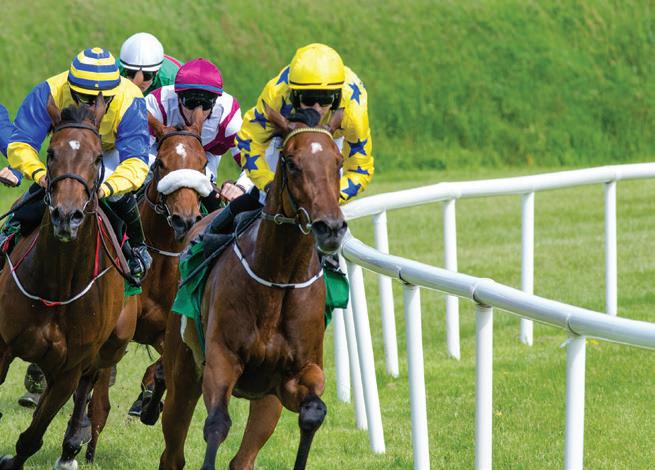




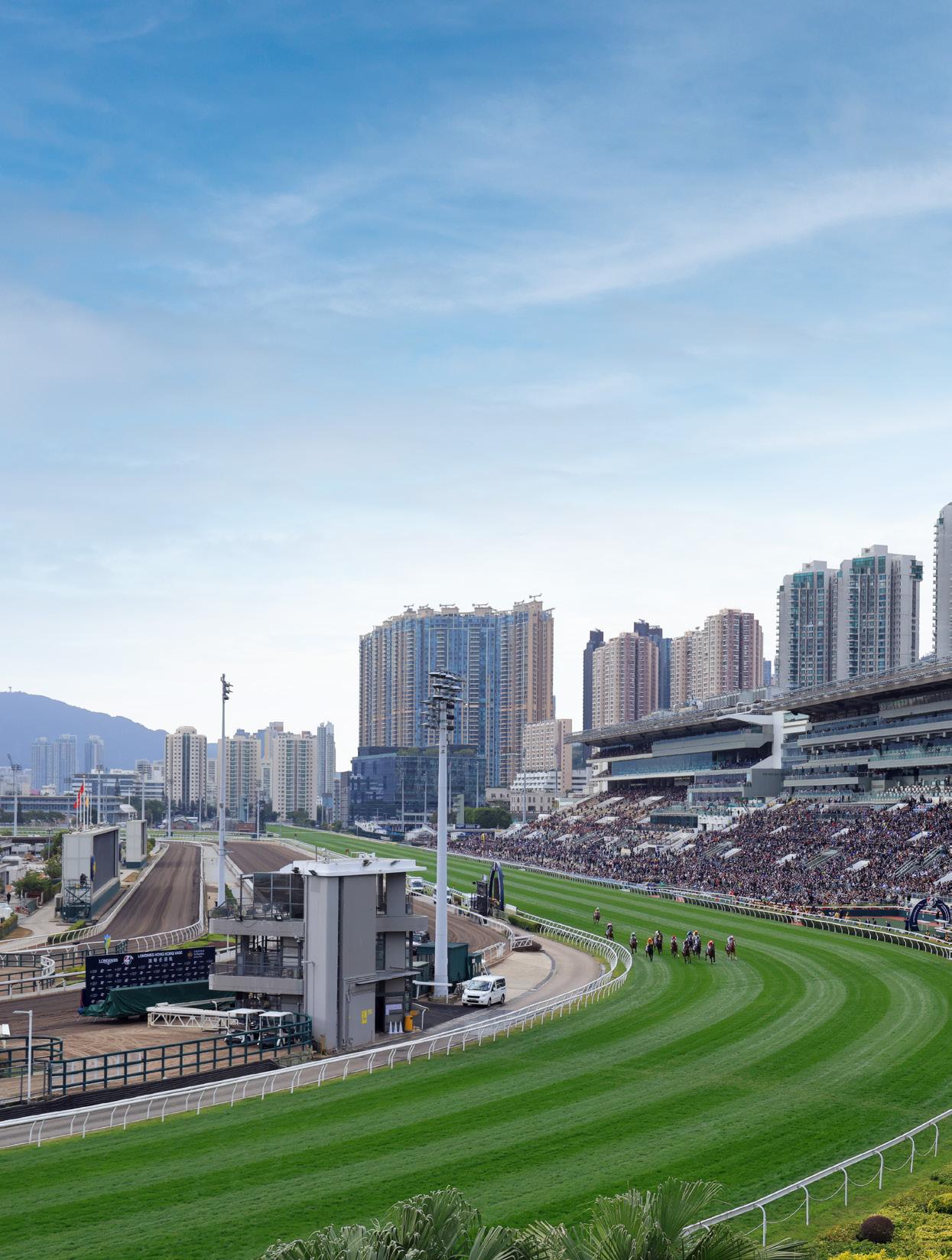
FIVE OF RACING’S MOST EXPERIENCED FIGURES SHARE THEIR PERSPECTIVES ON THE CHALLENGES & OPPORTUNITIES FACING THE GLOBAL INDUSTRY.
Winfried Engelbrecht-Bresges, CEO of the Hong Kong Jockey Club; John Messara, owner-breeder of Arrowfield Stud and a major figure in Australian racing; Frenchbased Group 1-winning trainer Nicolas Clément; Italian Valfredo Valiani, a former trainer turned bloodstock agent; and Damon Thayer, former Kentucky state senator and racing industry consultant, offer candid assessments of the issues affecting the sport of racing. While each individual speaks from their own standpoint, their views provide food for thought for the industry on a global level.
Q. What are your concerns for the racing industry?
Damon Thayer: In the States we have major issues right now. The declining foal crop, computer-assisted wagering conglomerates, HISA governance, regulatory vets — we are driving retail bettors away from our sport, and driving small to medium and even large owners out through increased costs. I think we are getting close to a tipping point: we are either going to rise to the occasion and continue to be a national sport, or not. The middle and lower ends of the industry are really being squeezed.
Nicolas Clément: My fear is that racing finances depend directly upon betting turnover in France, and as that is in decline budgets will become ever tighter. Owners become more tempted to sell their horses, field sizes fall, and a vicious circle ensues. Costs increase each year while prize money in France was actually reduced last year.
John Messara: In Australia, like in most racing centres across the world, a review of median prizemoney against the costs of ownership shows a growing disparity which is causing a reduction in demand for yearlings, which in turn is impacting the foal crop, with breeders also experiencing a significant rise in costs. Wagering is racing’s major source of revenue in Australia, where there is now growing competition from other sports, some of which have a wide following, such as football, adding further pressure on racing’s revenue line.
Q. How do we find a balance between the attractivity of top-level races and the viability of racing at the bottom end of the pyramid?
Winfried Engelbrecht-Bresges: The concept of a tiered structure is not new and in principle it reflects a broader truth: a healthy racing ecosystem requires both excellence at the top and depth beneath.
At the elite level, concentration of quality – horses, competition, prize money – can create globally compelling sporting moments. These are essential for attracting audiences, media attention and international investment. We see in many sports that a clearly defined “premium” product helps to build global interest.
However, the challenge is to ensure that the wider pyramid remains viable and meaningful. Lower-tier racing plays a critical role in ownership pathways, talent development and the overall sustainability of the sport. I would emphasise balance. The key is to ensure that any system – whether tiered or not – supports a sustainable ecosystem, where value is generated at the top but distributed in a way that maintains participation, integrity and long-term growth.
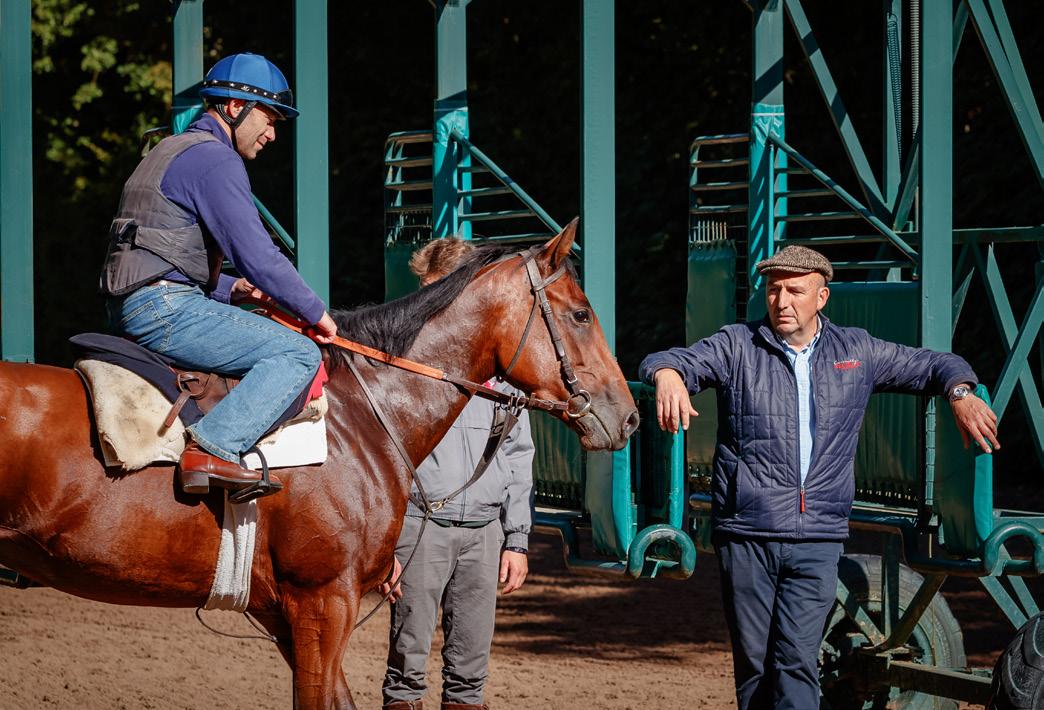
Damon Thayer: Not every horse is going to be a Group One, Two or Three runner, or even make it into the lucrative handicaps. That is a problem. If you have a horse handicapped in the sixties or seventies, they simply do not justify the cost of keeping them in training, and you end up looking to sell. In the States we have to run them in claiming races and you can lose a horse for much less than you paid for it. We do not have a good handicap system in the States, although a ratings system is being developed. Hopefully we can reach the point where these horses can run for decent purses in a proper handicap framework.
In Kentucky, we have the historical horse racing machines, and Kentucky-bred horses running in claiming races benefit from state-bred bonuses. A place like Prairie Meadows in Iowa offers maiden special weights worth $38,000. I have a filly in training in Illinois right now, and we are going to try to win one of those races this summer. She is not going to be competitive in Kentucky maidens worth $100,000, but I can pencil out a $38,000 race. That is what a functioning bottom of the pyramid looks like.

Nicolas Clément: We have five levels for racing in France, for the different ratings bands and right up to the top level of Stakes horses. Each category needs a programme to cater for the different profiles of horses, trainers and owners. The handicap system still offers the best solution we have found to balance the horses’ chances and provide competitive contests for a lot of lower-rated horses. To my mind it is the second tier — horses rated between 38 and 45 (84-100 in UK terms) — that has been forgotten. Their earning potential is identical to, or even less than, the band below them. A horse should be rewarded for merit. Should we focus more upon the programme for young horses? It is important to offer a relatively quick return upon investment but you can’t change nature, and not all horses are capable of racing on the flat at two or over jumps at three, and this can increase injury levels, so there is a balance to be found.
John Messara: In New South Wales and Victoria we operate a two-tier Metro and Country system. Prize money in Country and Provincial races runs at approximately 35 per cent of that in the Metropolitan area. Races like The Everest have created significant interest through their sheer prize money and promotional activity — the general view in Australia is that they have attracted younger audiences, which is genuinely positive. However, the very size of the prize money on offer is a matter of conjecture in these challenging times.
Valfredo Valiani: We need a good number of races in order to attract people, but those races need to be attractive. It is a matter of balancing the show you can offer and trying to offer it as many times as you can. Cheap races attract a lot of horses, but five bad horses do not attract anybody, whereas a race with five good horses can be an interesting race. We need to put more money into the good races. Good races have to carry big prize money, because they need to represent the dream — and the bigger the dream, the better the sport works. If you look after the top end, you are looking after the bottom end as well.
Q. How can racehorse ownership be encouraged?
Damon Thayer: I am a partner in a Thoroughbred partnership that buys ten to twelve yearlings every year and tries to turn them into graded stakes winners. I have been investing since 2019 and have yet to turn a profit in any given year. A lot of people invest in these partnerships for the experience, not just the returns. So the tracks have to make the on-track experience attractive. I have been to 23 European tracks, and every single one has an owners and trainers facility — a place to get a race card, a meal, a drink, and enjoy camaraderie. Not every American racetrack does that. The race-day experience has to be enjoyable and memorable at every level, whether for fractional owners, owner-breeders, or the kings of the sports. I bring family and friends with me to the races, and I want them to keep coming back.
I am a big believer in the big racing festivals. Every owner aspires to be part of one, and on those days we create new owners and new racing fans. But we also have to make the everyday experience worthwhile for the owner whose horse is running in a midweek handicap
John Messara: We need to do more work on the economics of racing — determining the most effective distribution formula for prize money and finding ways to contain or subsidise the costs of ownership. Owning a racehorse is a pastime for most, and most will accept some disparity between costs and returns. However, I fear we are approaching a level where this disparity is beginning to impact interest in ownership across most levels of the sport. Race clubs have a significant role to play in giving owners and racegoers the best possible experience at a manageable cost. There is also the matter of giving owners and racegoers the best experience possible at a manageable cost… here, race clubs have a significant role to play.
Valfredo Valiani: New owners do not come into racing thinking about making money. They come for the dream, and the dream is success. People always look for notoriety, and we have to put our owners more and more under the lights. The biggest owners — the ones the sport needs most — are those who are ready to lose money. The worst thing that can happen to a racing country is that trainers and stable staff become owners. Horses are for owners, not for trainers. If you save the owner, you save the industry.
Winfried Engelbrecht-Bresges: Ownership is fundamentally about emotional engagement. People do not become owners purely for financial incentives – they are attracted by the experience: the excitement of winning, the sense of achievement, and the opportunity to share the journey with friends and colleagues, alongside the storytelling and connection to the sport. Therefore, ownership must be made more rewarding, enjoyable, engaging and compelling. Trainers play a critical role in bringing this to life by delivering an outstanding ownership experience.
We need to lower barriers to entry, whether through syndication models or better communication, but equally we must elevate the ownership experience. Owners should feel part of a global sporting community, connected to elite competition and recognised for their role.
There is also a strong link to how racing is presented. If we position racing clearly as a world-class sport – with heroes, stories and global reach – ownership becomes more desirable.
Ultimately, ownership growth follows fan engagement. If we succeed in building a broader, emotionally connected audience, ownership will naturally expand.
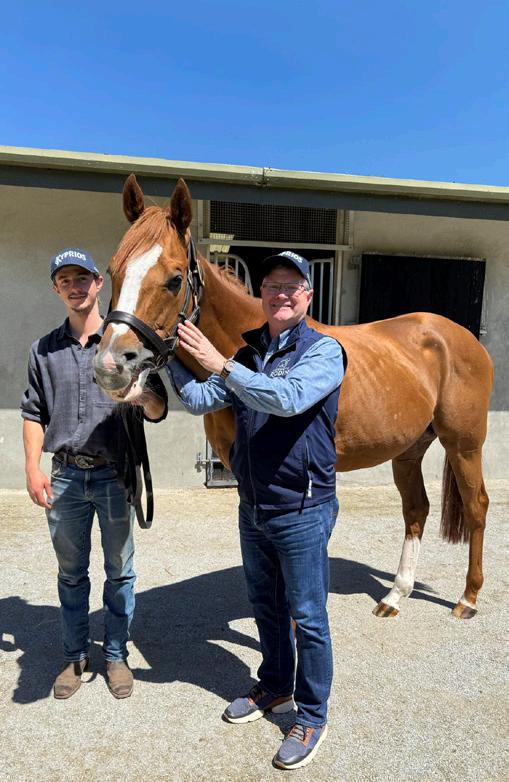
Nicolas Clément: We lack owners because we try to sell them a dream while the reality is that racing is a very expensive hobby. I remember a study which explained that spending in racing is essentially about the recycling of money: if an owner wins 100, he will reinvest four or five times that into the sport. But if prize money declines to 80 per cent of what it was, that reinvestment will logically decline by the same proportion. I would love to see more income from outside the sport — sponsorship, for example. In France we are a long way behind our British neighbours on this front. Every member of the institution must be aware that we have an attractivity problem, and everyone should play their part in bringing people to the races.
Winfried Engelbrecht-Bresges: The World Pool is, in my view, one of the most important structural developments for the globalisation of racing.
At its core, it helps address a fundamental issue in our sport: fragmentation. By combining liquidity across jurisdictions, we create deeper, more efficient betting markets, which are attractive to both recreational and professional customers. This enhances value for all participants and generates new, sustainable income streams for racing.
But the strategic significance goes beyond wagering. The World Pool is also a platform for global collaboration. It brings together leading racing nations around their highest-quality events and creates the foundation for something more –potentially a globally coordinated racing proposition.
The next phase is to build on this financial foundation and further develop racing as a truly global sport, with consistent data, presentation and storytelling. In that sense, the World Pool is both an economic engine and a strategic enabler for racing’s future.
John Messara: In Australia, wagering revenue is by far our major source of income. Anything that can give racing an edge against other sports is valuable. The Australian racing product is now receiving wider international attention and generating increased revenue via the World Pool.
Damon Thayer: The World Pool is a great innovation, though it has very little impact in America as yet. It would be wonderful if it could expand to cover American races — racing is a global sport, and I am sure European bettors would love more access to our programme. That is a positive step I would love to see happen.
John Messara: One has to be vigilant in this area, although I think Australia has various mechanisms to ensure that animal welfare remains fundamental to our sport. At the very base of our welfare structure is the concept of traceability. The industry has adapted to this and for most of us it does not represent an undue burden because we love our horses.
Winfried Engelbrecht-Bresges: Welfare is fundamental to the legitimacy of racing. Public expectations have evolved significantly, and rightly so. The industry must not only meet the highest welfare standards but demonstrate them transparently and consistently. Without public confidence in how horses are bred, trained and cared for, racing cannot sustain its social licence to operate. At the same time, we should recognise the significant progress being made across the global industry. Advances in science, data and veterinary research are enhancing our ability to understand and prevent serious injuries, and will become increasingly important going forward. The industry must remain proactive – not only in raising standards, but also in communicating clearly and consistently the progress being achieved, so as to shape the image of racing rather than responding only when incidents occur.
Damon Thayer: This is an essential subject and in the USA we need a national funding model to support aftercare. We have an issue with HISA and the unilateral ability of a regulatory vet to scratch a horse that the trainer’s owners and practicing vets believe is sound, which needs to be addressed.
Valfredo Valiani: With growing opposition from animalist movements, we must do anything in our power to address concerns before they come along uninvited. We have to give our horses a second life after racing, and we have to make sure people know we are doing it.
I am also convinced that the use of the whip is stopping youngsters from coming to the races. The images are not good — a jockey raising the whip near the finish line looks bad to anyone who does not know our sport. I am not an advocate for abolishing the whip altogether, but we have to reach the point where the jockey can use it while keeping both hands on the reins. Not many people get close to horses and we should do something to change that, starting from schools. Our biggest selling point should be the horse itself — the beauty of the animal.
Nicolas Clément: Horse welfare is a major subject and during the recent heatwave we were able to adapt race times and introduce rulings to forbid racing when temperatures reach a certain level. We need to be very aware of public opinion.
Q. Does the globally falling foal crop represent a danger for racing going forward?
John Messara: Yes, it certainly does. In Australia our foal crop has fallen 13 per cent in the last decade. New Zealand has suffered a significant decline too. This trend is symptomatic of the economics of breeding and ownership at this time. Continually rising costs will need to be arrested, or more structural changes will have to be contemplated.
Damon Thayer: The foal crop is a huge issue. Kentucky continues to gain market share, but we all want state and regional breeding programmes to thrive. Taylor Made Farm is
offering free breedings to some of its best stallions for mares certified in certain important racing states. Mike Repole, one of our top owners, is talking about moving one of his good stallions from Kentucky to New York to support that programme. But many mares have been taken out of production because their owners have simply calculated that it is not financially worthwhile. It is a very labour-intensive business with a long time horizon. You have to make it worthwhile to keep middlemarket mares in production — which brings us back, once again, to prize money and a viable funding model.
We have another significant problem in America: Flutter, which owns FanDuel, is phasing out its horse racing television coverage. I believe FanDuel TV has been our best fan and new owner creation tool over the past 25 years. I hope some entity in racing finds a way to acquire those assets and rehabilitate what was originally known as TVG. It is a big challenge and the last chapter has not yet been written.
Nicolas Clément: The more foals that are born, the more chance you have of raising a champion and remaining a leading racing nation. The logic is straightforward, but reversing the trend requires addressing the fundamental economics of ownership first.
Winfried Engelbrecht-Bresges: The declining foal crop is a concern and should be taken seriously, as it affects the long-term sustainability of the racing ecosystem.
However, it is not simply a question of volume – it is also about the structure and diversity of the breeding population. The potential narrowing of the gene pool is an issue the global industry will increasingly need to consider, alongside broader economic factors. Ownership, breeding economics and confidence in the future of the sport are all interconnected.
To address this, the industry needs to focus on strengthening demand. This includes improving the ownership proposition, enhancing prize money structures where possible, and ensuring that racing remains relevant and attractive as a sport.
It also reinforces the importance of international collaboration. Many of these challenges are global in nature and require coordinated thinking rather than isolated solutions. So while the trend presents risks, it also highlights the need for greater strategic alignment across the industry.
Damon Thayer: I am hopeful that in the next 18 to 24 months we will start making serious progress on some of these challenges. There are genuine positives. In Kentucky, we continue to go from strength to strength. The Kentucky Derby, Preakness and Belmont all put up strong numbers in both betting and viewership, and we are getting new facilities at Pimlico and Belmont.
I am now devoting my professional career to improving the economics of racing across multiple states. I have serious skin in the game. So I have to be optimistic — and fortunately, I genuinely am.
Nicolas Clément: I am optimistic because I believe that we are resilient. The racing industry is composed of people who are passionate about what they do, and we have a great sport that has existed for centuries. We need to sell ourselves better — but the raw material is extraordinary.

We need to explain our sport to the public and to politicians so they understand its economic importance. The racing industry contributes almost a billion euros in taxes to the French economy each year. We represent a vital source of income for the government, and that argument needs to be made much more loudly.
John Messara: As is the case for most owners and breeders, I have an enduring loyalty to racing and remain hopeful of the future. I think there are many who enjoy racing as a hobby only who are highly successful in their own fields of endeavour and who could contribute to an in-depth review of our sport. Such an initiative needs to be driven by racing industry leaders and could generate ideas outside the square that might well make a difference.
Valfredo Valiani: It is my nature to be optimistic. As a trainer I have known so many people who were hard in their professional lives, and yet they would come to the races and cry because a horse of theirs had won. That tells you something. Racing goes straight to the heart. It is a kind of love, and love is never-ending, is it?
Winfried Engelbrecht-Bresges: I am optimistic – but only on the condition that we take a holistic approach to addressing the issues holding us back. Racing faces structural challenges: changing consumer behaviour, increasing competition, evolving societal expectations, and the need to tackle issues such as illegal betting. These are real and cannot be ignored.
However, the sport also has extraordinary strengths. It combines elite athletic performance, in a unique combination of human beings partnering in perfect harmony with our beautiful horses, which creates an emotional appeal embedded in a rich cultural heritage. Few sports can offer this combination.
If we can overcome our fragmentation, strengthen our global collaboration, embrace technology, sharpen our focus on fan engagement, and maintain the highest standards of integrity and welfare, and work together to address challenges such as illegal betting – I believe racing can not only remain relevant but grow.
The future will belong to those jurisdictions and organisations that are prepared to evolve. Racing does not have a guaranteed future, but it has a very strong one if we make the right choices.
There is little doubt that, in the discourse on aftercare, the volume is, slowly but surely, being turned up.
The International Forum for the Aftercare of Racehorses (IFAR), an organisation of just 10 years’ standing, whose mission it is to advocate for lifetime care for retired racehorses, and to raise awareness of and encourage best practice in their aftercare, recently introduced a membership and supporter scheme. Already, its website boasts no fewer than 42 member organisations and 50 supporters worldwide in a list that is ever growing. In May, in Newmarket, the Jockey Club hosted a seminar focussing on preparing racehorses for retirement and retraining. If this is evidence that the racing industry is alive to the importance of the issue, and of the place it holds in the public’s consciousness, that is indeed no bad thing. The fate of our horses, when we are through with them, (although not as central in the minds of the man in the street as the issue of racecourse fatalities), is one of the key areas of concern. One only has to look at the fate of greyhound racing in America to see how aftercare failures can prove existential to sports involving animals.
What is the role of the trainer and that of the retrainer in addressing racehorses’ post-retirement needs? How do they dovetail currently and what could we collectively do better?
For Willie Mullins, prolific Irish champion jumps trainer and two-time champion in Britain, aftercare is a key consideration: “We’ve always taken a good positive view with our horses – we want to see where they end up. When a horse retires from jumping at say 10 to 12 years of age, in human terms that’s maybe only 35. They’ve still got a lot of life and a lot of competition left in them.”
“We’ve retired so many horses that have gone on to show jumping or three-day eventing, team chasing – all sorts of competition. And even the ones that retire with a bit of an injury - given enough time, they recuperate. And I’m always amazed at how well they adapt to other equine pursuits. Even difficult horses, that I thought might be hard to rehome because they’re strong and keen while they’re racing. I find, six months or a year away from racehorse training, they can adapt.”
Of course, there is another actor in this play and one with an even bigger part, if one considers the issue of responsibility for the horse in the eyes of the law: the owner. In practice, how is responsibility apportioned between trainer and owner?
Epsom trainer Jim Boyle and his wife, Pippa, have carved out a well-earned reputation for rehoming their charges and for them, the fact that the trainer will play a central role in making arrangements for the horse at the time of its retirement is core to the yard ethos. The typical scenario is that the owner will forego whatever residual value the horse may have and leave it to the Boyles to act as intermediary in finding a suitable home for it. “We’ve had owners give away horses that have had quite decent residual values for racing, because they think it’s the right thing to do. We don’t really sell any at all any more. They all go on a special arrangement. Because we keep tabs on them, we know where they all are and what’s going on with them all. It’s part of the agreement that, for subsequent sales, we ask that we be kept abreast and told where they go.
Most people are really honest and sensible about it. We know where they all are and we’re following them all.”
LEFT: Lou Robson on Saint Gregoire (affectionately known as “Greg”), a graduate of the
It’s a scenario that has close echoes in the Mullins yard. “We had one or two cases in the early days where we found our horses were offered for re-sale – for point-to-pointing or racing. And we were surprised and we just took them back and rehomed them. We don’t like selling them because we always like to keep an eye on where they are. The people who take our horses usually give us updates, be it yearly or six-monthly or whatever. Now when someone we don’t know comes for a horse, we go through the scenarios. And we say ‘if you take the horse and it doesn’t suit you, call us back. We’ll try and find something else, and maybe someone else will suit that horse’. So, it’s a very loose understanding.”
How, in Mullins’s view, have attitudes changed? “Owners are becoming more aware of (aftercare) and I find very little pushback. Whereas maybe 25 years ago people wouldn’t have cared, and there wouldn’t have been as much regard for it, nowadays we’re living in a different world and people accept that we have to do something about it. And that’s good: it’s encouraging and heartening”.
Doubtless, exposure to reputational risk is a factor influencing and incentivising trainers to take a hands-on role in rehoming. It is the trainer who is most likely to come into the firing line, should tragedy or misfortune befall the horse, even many years and several changes of hands after the animal has left that trainer’s care. A Thoroughbred will always be known for its racing exploits and the name of its trainer is in the public domain and a matter of simple discovery. Setting horses off on the right path not only gives them a better retirement, but also affords the trainer some level of protection against such criticism.
And what is the role of the professional retrainer? How can they assist in the process? “If they’re good at what they do, then a big role”, replies Pippa Boyle. “I’d love to be able to send everything straight out of the yard to a professional retrainer, have them assess where they thought (the horse) wanted to go and follow it on forever afterwards. But it’s a matter of economics and the availability of retrainers – there aren’t that many good ones around.”
Certainly, there are differing viewpoints as to the proportion of retiring racehorses that need retraining. Some trainers will assert that most racehorses leave racing not requiring any formal retraining – perhaps merely some time off in the field - because they have been well looked after by the trainers in an environment that allows them to express themselves and be natural. They would claim that the vast majority of retraining is done by the trainers themselves who have, by and large, done a pretty good job.
This is doubtless true, but few would dispute that this is not always the case and that some retirees require a considerable period of ‘decompression’ or mental ‘letting down’ and benefit from the expertise of a specialist retrainer who can assess the horse and identify for it the best onward path. And the scarcity of retrainers is a point of fact.
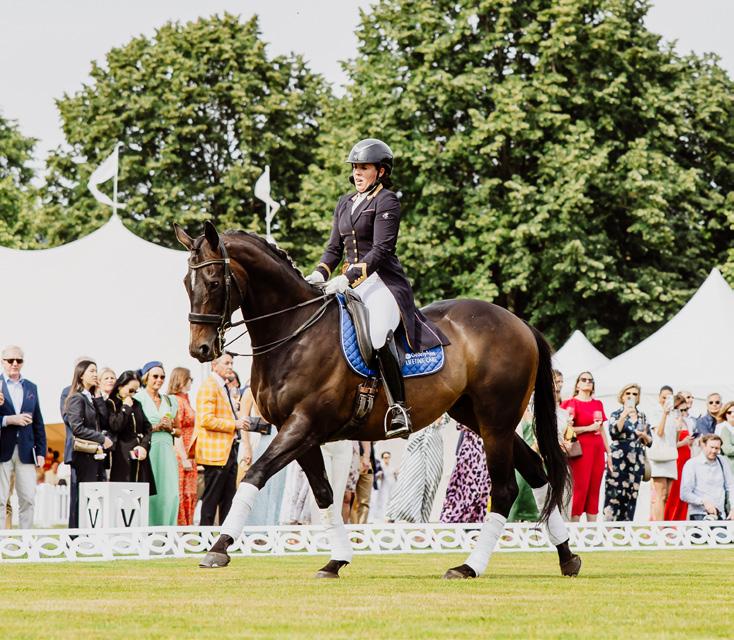
Lou Robson is one such highly-regarded professional retrainer. Operating from her Buckinghamshire base, she is a passionate and articulate champion for her profession. Her view is that ex-racehorses often need a full year to 18 months “before you truly know what you have”. This allows for physical change (loss of race fitness, muscle redistribution and/or, in the case of some sprinters, growth), mental change (adjusting from a highly structured high-adrenalin life to a slower, more varied one) and behavioural stabilisation.
“Some horses come out wired and settle; others come out quiet and then ‘wake up’ when rested; some stay the same – you don’t know until the retraining process starts”. She observes that horses which are retired due to injury can paradoxically prove less problematic, by dint of the fact that owners are forced to give them the long break they need, whereas horses retiring sound can, on occasion, be ridden too soon, simply because “you can get on them”.
For Robson, the initial transition is the most important factor in long-term success. The first home can allow the horse to decompress, but it is also vital from the point of view of the initial assessment stage, in determining what the horse in question would enjoy, and where they would be best suited. And identifying which horses are suited to which prospective new owners is core to her work.
“Horses passed quickly between inexperienced homes can develop behavioural issues that can either be due to physical, or mental problems, where the initial assessment from leaving racing has not been done, or understood to the best of their knowledge. It does not mean that a racehorse cannot go to an inexperienced home: we need to make sure that there are clear pathways of support and advice to those new owners, if and when they require it so they get the best advice for them and their horse.”
Robson has identified a growing trend for trainers to bring in eventers or dressage riders to improve jumping technique, strengthen horses ‘over the back’, reduce fatigue by developing different muscle groups and improve balance. She believes this can benefit not only future retrainability, but racing performance also.
LEFT: Lou Robson and 15-year-old Saint Gregoire (ex-Godolphin) enjoying the spotlight at June’s Goffs London Sale. A wonderful ambassador for life after racing.
Willie Mullins is an advocate for this practice. “If you’re lucky enough to come across riders who have that ability, it’s always good. They can do a lot more with your horse than an ordinary work rider would, say. I find those riders have a better standard of riding and a better understanding of horses.”
The job description of the retrainer is still illdefined. There is no professional association to which retrainers may belong. It is a niche skill set which is largely developed in isolation. Robson rues the absence, heretofore, of any system of accreditation. However, moves are afoot to address just this issue. Retraining of Racehorses (RoR) the British charity providing retraining and rehoming support, welfare programmes and education, has just begun a programme of retrainer approval, a decision made despite a keen awareness of the risks inherent in such schemes.
One bad apple, amidst a group of people or organisations which are in any way ‘approved’ or ‘recognised’ or ‘accredited’, can prompt a backlash against the responsible body. David Catlow, RoR’s Managing Director, explains that the plan is to utilise the expertise of BHA stable inspectors to carry out the onsite visits. A target of 40 such inspections has been set for the current year. Successful retrainers will be listed on the RoR website. They will be obliged to upload to RoR details of the horses that pass into their care – noting the date of admission, how the horse was assessed, how it was rehomed, etc.
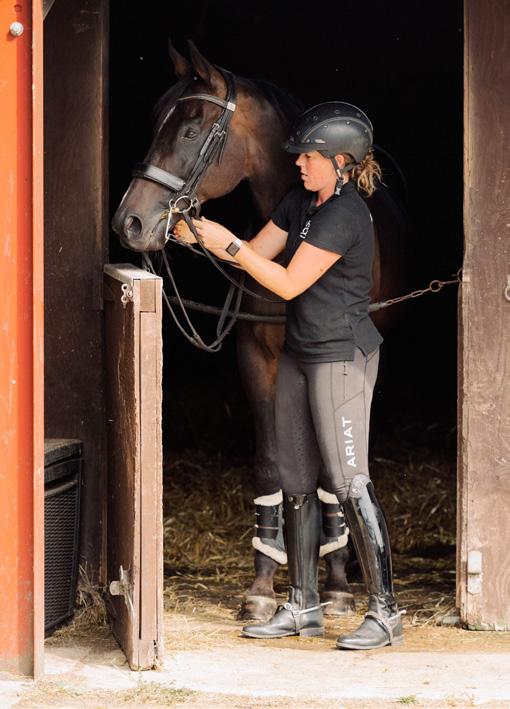
There will then be an ongoing re-assessment protocol, to ensure that the list remains current. Catlow likens the process to the assignation of the term ‘reserva’ to Rioja wine. “All you’re doing is assuring a process. So, you’re more likely to get a good outcome, but it doesn’t guarantee it. The intention is to build a minimum viable product, then test, learn and continually improve the model”.
Welcome and promising though the approval protocol may be, there will remain the problem of scale. The combined capacity of retrainers and, indeed, that of RoR, is but a drop in the ocean when set against the number of racehorses which retire annually.
Catlow recognises this: ‘Clearly, we can’t retrain or rehome 2,500 horses every year. What we do has to coexist with the owner’s responsibility to rehome their horse in a responsible manner.’
There is a need to find a way to leverage the retrainers’ expertise. A small number of specialist retrainers holds a depth of practical knowledge about transition, decompression, biomechanics, behaviour, and second-career suitability that the wider industry should have access to. At present, that expertise sits in isolated pockets — valuable, but siloed.
Perhaps a new initiative will offer a realistic mechanism for dispersing that knowledge. The Horse Welfare Board in Britain is developing a pilot Welfare Champions scheme, working closely with Trainers to craft a programme to aid the sharing of welfare knowledge across yards. James Given, Director of Equine Regulation, Safety and Welfare at the British Horseracing Authority, and a former trainer, explains that the idea is to encourage and support the appointment, by trainers, of a Welfare Champion from amongst their staff.
Several benefits are envisaged as the pilot project develops. There would be a strong element of continuous professional development, with Welfare Champions having the opportunity to undertake educational modules. Whilst this project is in its very early stages, there is strong potential for growth and support of the training community.
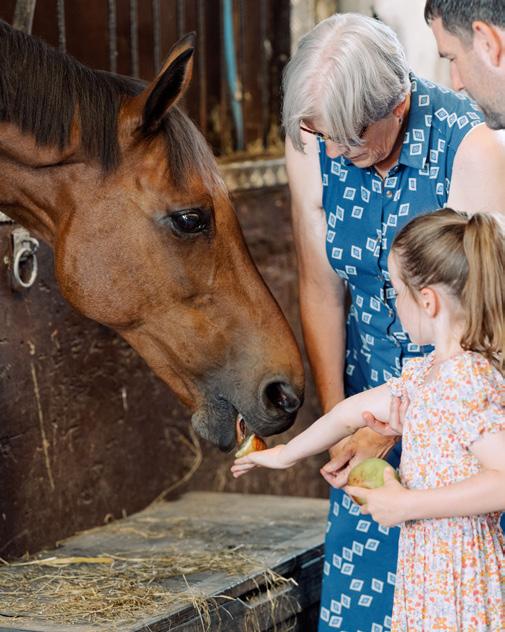
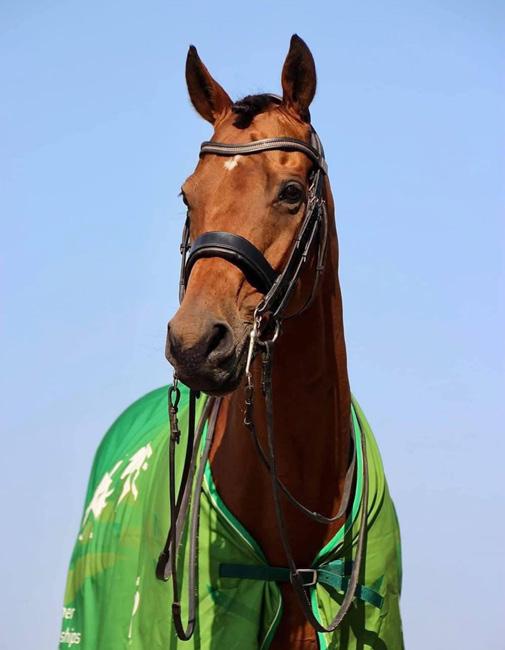
If approved retrainers were embedded into the CPD modules taken by welfare champions, the insights currently held by a handful of experts could be translated into everyday practice in yards across the country. And the flow of knowledge should run both ways: welfare champions and stable staff see horses every day in the racing environment, and their observations should feed back into the BHA to refine and evolve the CPD syllabus.
In time, this would also allow cross-fertilisation between retrainers themselves, who often work alone and rarely have structured opportunities to share methods, challenges, or innovations. The result would be a genuinely two-way learning system: retrainers informing trainers, trainers informing the regulator, and the regulator curating a national knowledge base that grows richer over time, thus optimising the way in which racehorses transition to the next phase of their lives.
While in this brave new world, let us stray briefly into the subject of transparent and comprehensive veterinary records of racehorses. The belief that racehorse welfare could be greatly aided by a system akin to a car’s log book, where details of all the horse’s veterinary interventions, throughout its lifetime, would be centrally stored and available to those responsible for the horse and to regulators, is one that is gaining traction.
This aspiration was recently espoused by the European Horserace Scientific Liaison Committee and the subject is being ventilated in various global racing forums. Should such a system come to pass, it would surely make sense for approved retrainers to be among those afforded access to the records.
The degree to which racing satisfactorily addresses the issue of the life of racehorses post-retirement – and is seen by the public to be doing so - is critical to the sport’s prospects of retaining its social licence. It is through a greater sharing of knowledge that we stand the best chance of making real strides in this endeavour.
PHOTOGRAPHY: CHANTAL WOOTON, GOFFS, LOU ROBSON, LOUISE O’BRIEN PHOTOGRAPHY, RETRAINING OF RACEHORSES