
Impact Review 2025
Together, we’re doubling our impact in a third of the time.
| CAREOFWILDLIFE | CARE OF PEOPLE
LAND
times more impact times more quickly C A R E OF
Our 34-year runway of learnings, victories, challenges and collaborations in the pursuit of delivering economic benefits for all stakeholders of conservation areas have redoubled our commitment to scaling our impact in partnership with Wild Impact (formerly Africa Foundation).
Vision 2030
Vision 2030
SCALING OUR IMPACT THROUGH CO-CREATION
DOUBLING DOWN
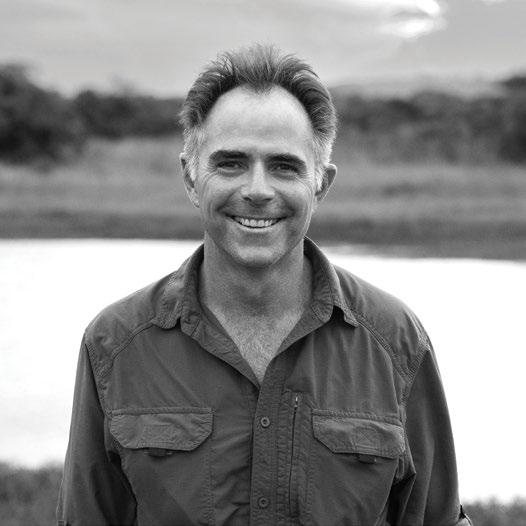
In the 34 years that &Beyond and Wild Impact have been operating, the planet has lost a further 10% of its wild areas, while its population has grown by 44%. Our role as an agent of change is now more important than ever. Our Vision 2030 business strategy is to double our impact in a third of the time through the relentless pursuit of the delivery of guest experiences that go beyond the expected – a strategy that has cemented our need to partner more intentionally and align our vision. This commitment is anchored in a considered process that holds the promise of impact outcomes long after 2030 has passed.
Joss Kent &BEYOND EXECUTIVE CHAIRMAN AND CEO
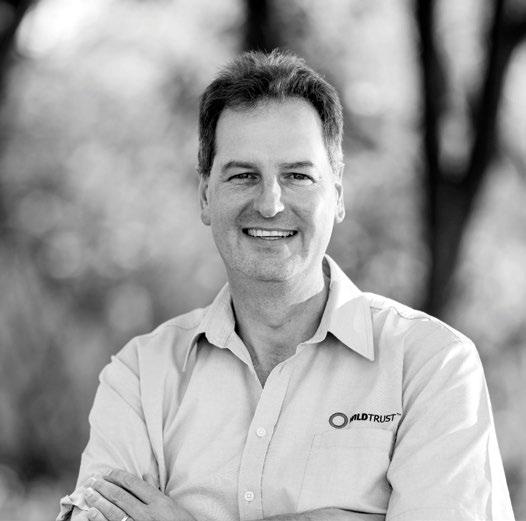
COLLECTIVE JOURNEY

Our aligned independence model is essentially a ‘for profit’ and ‘non-profit’ organisation working together towards the same outcome; a partnership anchored in the landscapes across Africa, Asia and South America in which Wild Impact operates alongside &Beyond. In looking to Vision 2030, our trusted methodology of respectful engagement with our Partner Communities and stakeholders will continue to underpin our work and inform all our activities. The ultimate outcome of our collective journey will be a future that finds our wild spaces resilient, vibrant and healthy, and custodian communities actively advocating for their conservation and protection for generations to come.
Dr Andrew Venter WILD IMPACT CEO
The world of & Beyond
Across the globe, &Beyond journeys take our guests deep into places so rare, so beautifully balanced, they feel almost sacred. These are not just landscapes. They are strongholds of biodiversity. Cultural sanctuaries. Cradles of life. And they are irreplaceable. We believe travel should do more than bear witness. It should be part of the story.
Lodges and camps Expedition yachts
Landscapes and seascapes Guides
Cultures represented through our 2 500+ &Beyonders
South
India
Sri Lanka
Botswana
Mozambique Kenya
Seychelles Rwanda
Zimbabwe
Mauritius
Zanzibar
Maldives
Galapagos Islands
Bhutan
KEY ENABLER
CHALLENGES
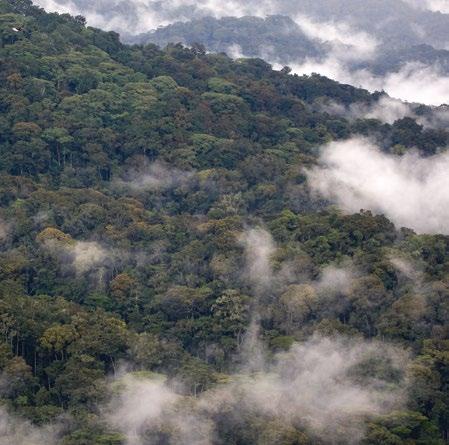
While 2021 marked our first 30 years of operation, in this time, 10% of wilderness areas around the world have been lost, with world populations almost doubling
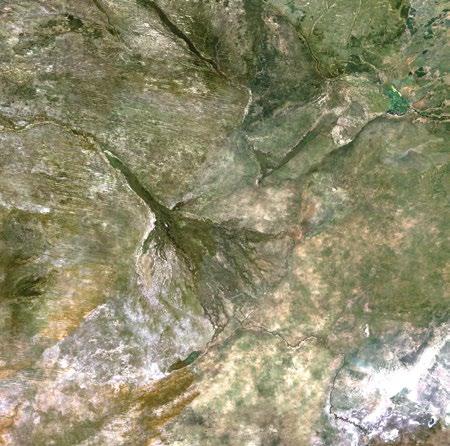
RESPONSES
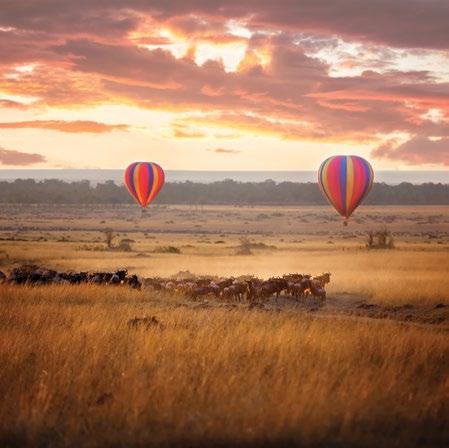
Re-clarify the landscape and seascape underpinning each &Beyond lodge to determine our level of control and influence
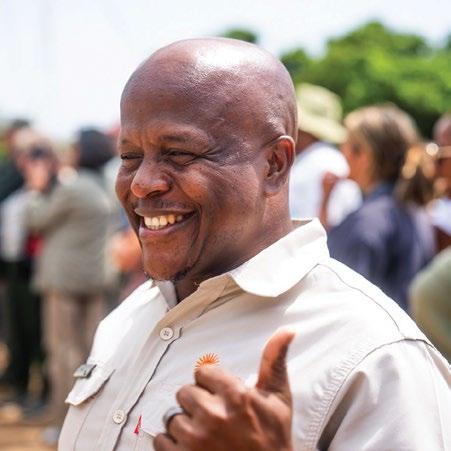
14 LANDSCAPES AND SEASCAPES
&BEYOND LODGE OPERATIONS
The powerful ‘30 x 30’ global movement to conserve 30% of the world’s terrestrial, inland water and marine habitat by 2030, has demanded an escalated response

Scaling our collective strategy to double our impact in a third of the time has required a considered process of re-clarification, assessment and engagement
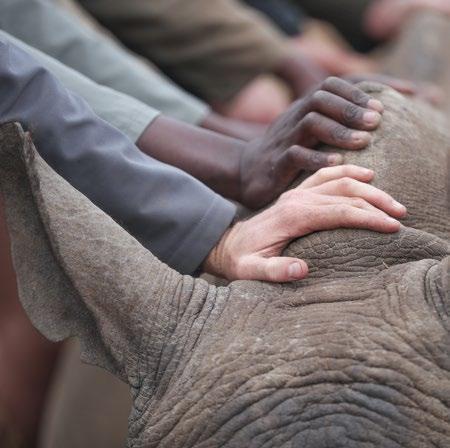
For successful conservation, land under wildlife must hold inherent value as an asset, and stimulate economic value for communities, government and stakeholders
Identify / reconfirm the rural communities living adjacent to the conservation areas in which we operate
The ultimate outcome will find these spaces resilient, and our Partner Communities thriving; active advocates for their conservation and protection for generations to come.
DR ANDREW VENTER, WILD IMPACT CEO
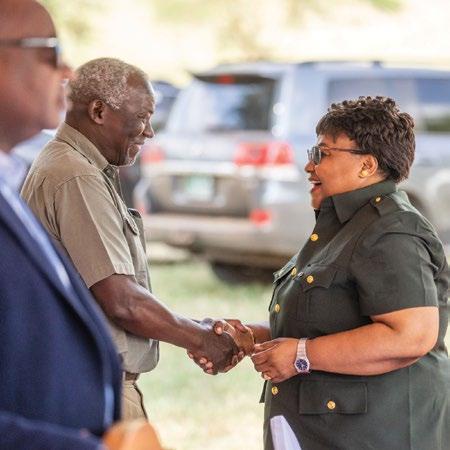
Identify and engage with park management authorities, other landowners and stakeholders connected to these landscapes
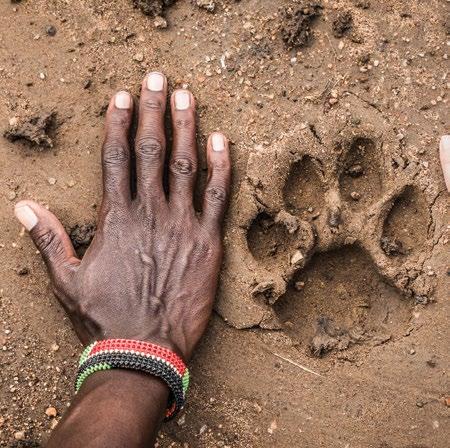
Assess each landscape’s potential to influence and support the management of biodiversity acres and Partner Community development
Our wild landscapes
ACRES OF CONSERVATION AND COMMUNITY POTENTIAL
From our first 32 311 acres (13 076 hectares) in 1991 to over 30 million acres (12 million hectares) of primary and secondary conservation areas; each with the potential to influence and support the management of these regions of biodiversity, and the development of our Partner Communities within these landscapes and seascapes.
FY25 CUMULATION
The accompanying graph visualises the accumulation of the associated biodiversity acres through our &Beyond lodge operation that currently spans 14 landscapes across three continents and touches the lives of more than 300 000 Partner Community residents.
TERMS & DEFINITIONS
Primary Conservation Area | Land on which we operate that we directly control through ownership or long-term lease
Secondary Conservation Area | Associated biodiversity acres; land adjacent to our owned or leased concession areas; larger ecosystems that we contribute to through park entry or traverse fees, and influence through collaboration
Isimangaliso Serengeti
Greater Kruger
Okavango Delta
Sossusvlei
Chobe Bazaruto Archipelago Araucania
Ngorongoro Crater
Mnemba Island Masai Mara Lake Manyara
Jigme Dorji
Laikipia Galapagos
Scaling our impact
RAISING OUR IMPACT BAR TWICE THE HEIGHT DEMANDS A STRATEGIC FRAMEWORK
Given the rich diversity of programme activities in each landscape and seascape, an investment metric allows us to measure the combined funds that &Beyond has invested, those enabled from its guests, and the donations leveraged through Wild Impact donors. This financial metric will quantify our integrated efforts and endeavours in making progress towards the envisioned outcomes in each region.
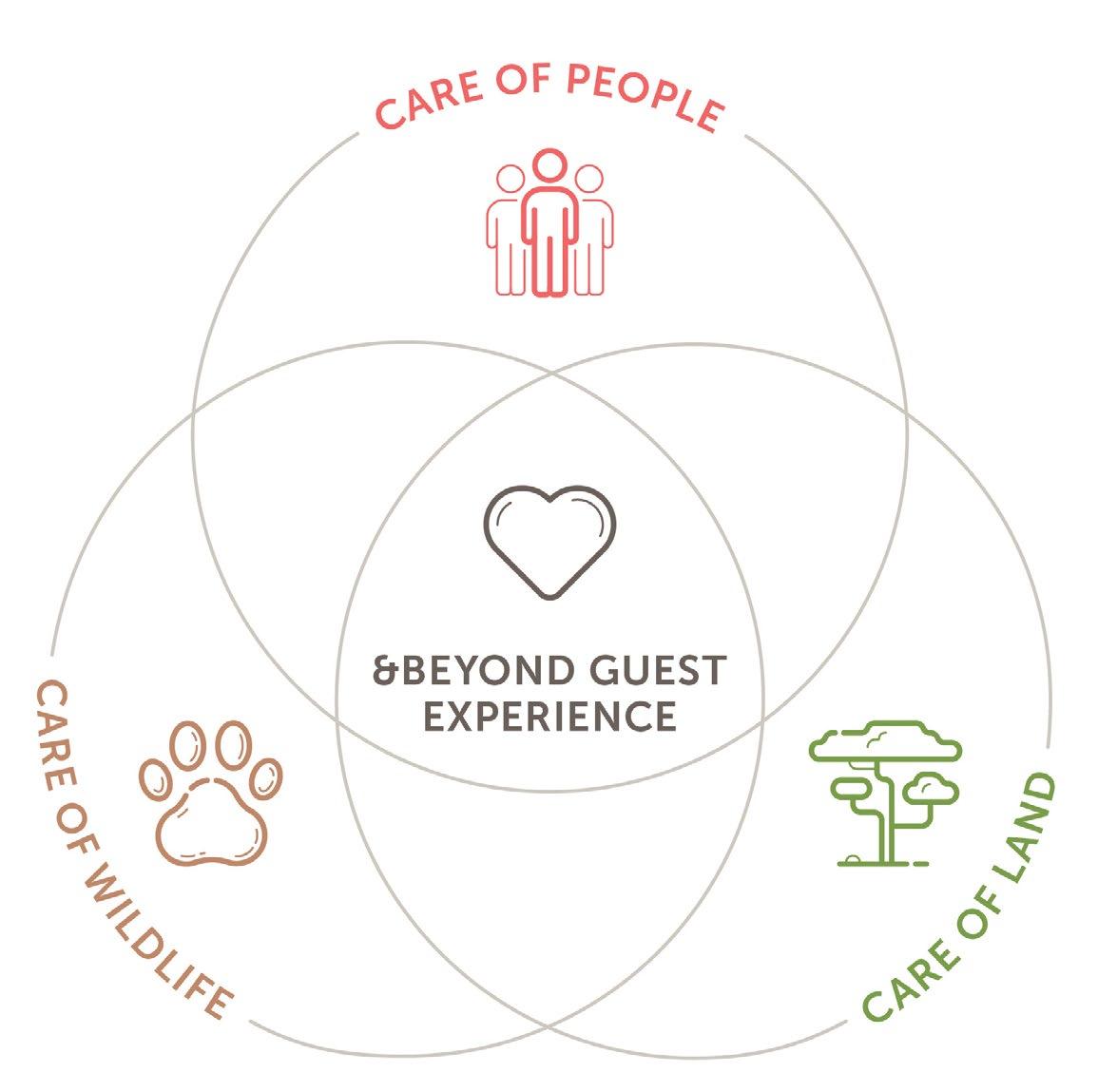
CARE OF LAND | NET ZERO CARBON EMISSIONS*
Continue to minimise the negative impact that our operations have on land and ocean environments through the achievement of a Net Zero-aligned, short-term target of reducing our carbon emissions by 50%.
*O ur Vision 2030 goal is specific to Scope 1 and 2 carbon emissions
CARE OF WILDLIFE | DOUBLED INVESTMENT IN CONSERVATION AREAS
Expand our footprint to positively impact more of the earth’s wild places; our aspiration is to increase our associated biodiversity acres by 33% to 40 million acres and double our effort to support, influence and improve its management.
CARE OF PEOPLE | DOUBLED INVESTMENT IN PARTNER COMMUNITIES
Reach a greater percentage of our current Partner Communities’ residents through considered programme outcomes; develop new Partner Communities through our landscape and seascape expansion.
Guest support is the heart of our impact model
Our Vision 2030 roadmap
RAISING OUR IMPACT BAR TWICE THE HEIGHT DEMANDS A STRATEGIC FRAMEWORK
Where land and vision meet; a multifaceted strategy in partnership with Wild Impact (formerly Africa Foundation) enabled by our &Beyond lodge operations in Africa, Asia and South America. This dynamic framework extends from our Vision 2030 pillars, through focus areas that encompass a range of outcome-based programmes.
CARE OF LAND
Net Zero carbon emissions
The &Beyond impact model has drawn investment into precious wilderness areas, catalysing the conservation of these regions for the benefit of land, wildlife and communities.
DR ANDREW VENTER, WILD IMPACT CEO
&BEYOND LODGE OPERATIONS
Footprint reduction
14 LANDSCAPES AND SEASCAPES
&BEYOND LODGE OPERATIONS
Carbon reduction
Water reduction
Waste recycling and reduction
CARE OF WILDLIFE
Doubled investment in conservation areas
CONSERVING ECOSYSTEMS
Supporting resilient, biodiverse landscapes and seascapes
CARE OF PEOPLE
Doubled investment in Partner Communities
ALIGNED FOCUS AREAS
FUTURE FOUNDATIONS
Developing community education and healthcare
infrastructure
Protected Area
Conservation
Community-based
Conservation
Healthcare
Early Childhood Development (ECD)
Primary and secondary education
TOMORROW’S LEADERS
Unlocking new-generation talent, influence, and potential of young leaders
CLEF tertiary education &Beyond Academy
Echo Environmental Education
THRIVING COMMUNITIES
Nurturing climate resilience and sustainable livelihoods
Stars-in-Training
Climate Resilient Communities
Hustle Economy
Local procurement and employment
OUR VISION 2030 COLLECTIVE OUTCOMES
Our four collective focus areas anchor an aligned outcomes framework.
This structure supports the conservation of our landscapes and seascapes, and the sustainable development of the communities that live in and around these regions; each focus area with a supporting set of programmes, and for every programme, an envisioned outcome.
TOMORROW’S LEADERS
FUTURE FOUNDATIONS
Developing community education and healthcare infrastructure
CONSERVING ECOSYSTEMS
Supporting resilient, biodiverse landscapes and seascapes
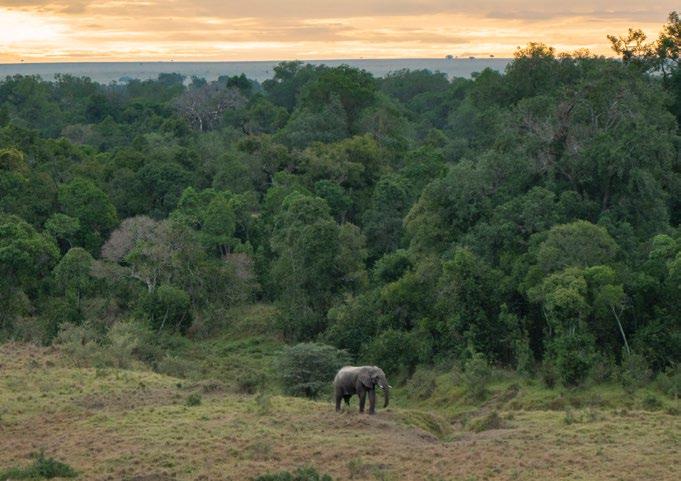
PROTECTED AREA
CONSERVATION
100% of our Primary and Secondary Conservation Areas achieve a METT score >70%
COMMUNITY-BASED CONSERVATION
40% of our Partner Community residents support the conservation of the area they are associated with

HEALTHCARE
80% of our Partner Community residents have access to quality primary healthcare
SECONDARY SCHOOL EDUCATION
Every child between 13 and 20 can access a quality secondary school education with 50% of final year scholars achieving an average >60%
EARLY CHILDHOOD DEVELOPMENT
(ECD)
80% of our Partner Community children under the age of 7 have access to a quality ECD facility, and 80% of ECD leavers achieve the regionally relevant Early Learning Outcomes Measure
PRIMARY SCHOOL
EDUCATION
Every child between 7 and 13 can access a quality primary school education with 60% of final year scholars achieving an average >60%
Unlocking new-generation talent, influence, and potential of young leaders

CLEF TERTIARY EDUCATION
The equivalent of 5% of school leavers receive tertiary support, with 80% finding employment within 3 years
ECHO ENVIRONMENTAL EDUCATION
60% of Grade 7 and 11 scholars in Partner Communities support local conservation efforts and understand climate change
&BEYOND ACADEMY
100% of &Beyond staff and Stars-in-Training are supported
50% of in-lodge &Beyond staff achieve certification
THRIVING COMMUNITIES
Nurturing climate resilience and sustainable livelihoods
STARS-IN-TRAINING
Provide workplace financial and mentoring support for the equivalent of 10% of school leavers annually in our Partner Communities with 60% finding employment within 3 years
HUSTLE ECONOMY
Provide enterprise development financial and mentoring support for the equivalent of 10% of school leavers annually in our Partner Communities, doubling their yearly profit
CLIMATE RESILIENT COMMUNITIES
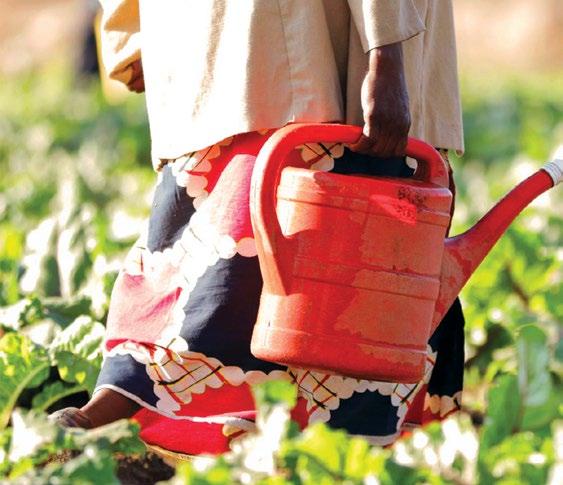
100% of partner ECDs and schools have food gardens; 80% of RSA ECD scholars and Southern and East African Grade R scholars receive a nutritionally certified meal each day
100% of partner ECDs and schools have comprehensive water batteries and are fully water secure
LOCAL PROCUREMENT AND EMPLOYMENT
Increase local procurement and employment opportunities for Partner Communities
Impact Investment
Investment for Land, Wildlife & People
How do we measure our aspiration to double our impact? A financial metric allows us to measure the combined efforts of &Beyond and Wild Impact across our landscapes and seascapes.
Total impact investment USD
TERMS & DEFINITIONS
In the accompanying graph, our impact investment is made up of three contribution streams:
Direct | Business operational costs paid to conservation and Partner Communities; these may include embedded costs such as the payment of lease or land fees and land management costs; salaries paid to Partner Community employees or additional impact levy funding made available to further our Vision 2030 impact agenda
Indirect | Costs facilitated by &Beyond or associated with our guests; one example would be park fees that are excluded from our lodge rates
Donor Guest donations leveraged through our lodge operations and Wild Impact donors to support impact projects within our landscapes and seascapes
2
Investment per landscape
Total impact investment per landscape, FY25
&
Partner Communities investment | Investment differs across landscapes as those with larger or more densely populated surrounding communities require deeper support
Conserving Ecosystems investment | Some conservation areas present greater opportunities for &Beyond and Wild Impact to catalyse improved management and long-term conservation impact
Procurement
Our Group operational footprint drives shared value opportunities for our Partner Communities and local economies. The significant emphasis on procurement within a close radius of our lodges is a win-win for community and conservation; not only does it build community relationships, but also reduces transportation costs, minimising environmental impact.
REGION SPECIFIC
Following our decision to scale our impact, we will be reflecting our procurement and employment measures against region-specific criteria, with a strong emphasis on Partner Communities and those suppliers within a 50 km (31 mi.) radius of the lodge.
Procurement by source %

TERMS & DEFINITIONS
With reference to the accompanying graphs:
Partner Communities | Community populations living in and around our conservation landscapes and seascapes with whom we currently collaborate through engagement with community leaders
While towns closest to our operations (e.g. Hluhluwe, Hoedspruit, Maun and Arusha) have been included as procurement and employment Partner Communities for investment purposes, their residents are not included in our community resident count.
Local | Within a 50 km (31 mi.) radius of the lodge
Regional | Within the same province or district
National | Within the same country
International | Outside the country
Employment
The employment opportunities supported by our Group operational footprint are intrinsic to our commitment to reach a greater percentage of our Partner Communities through quality outcomes.
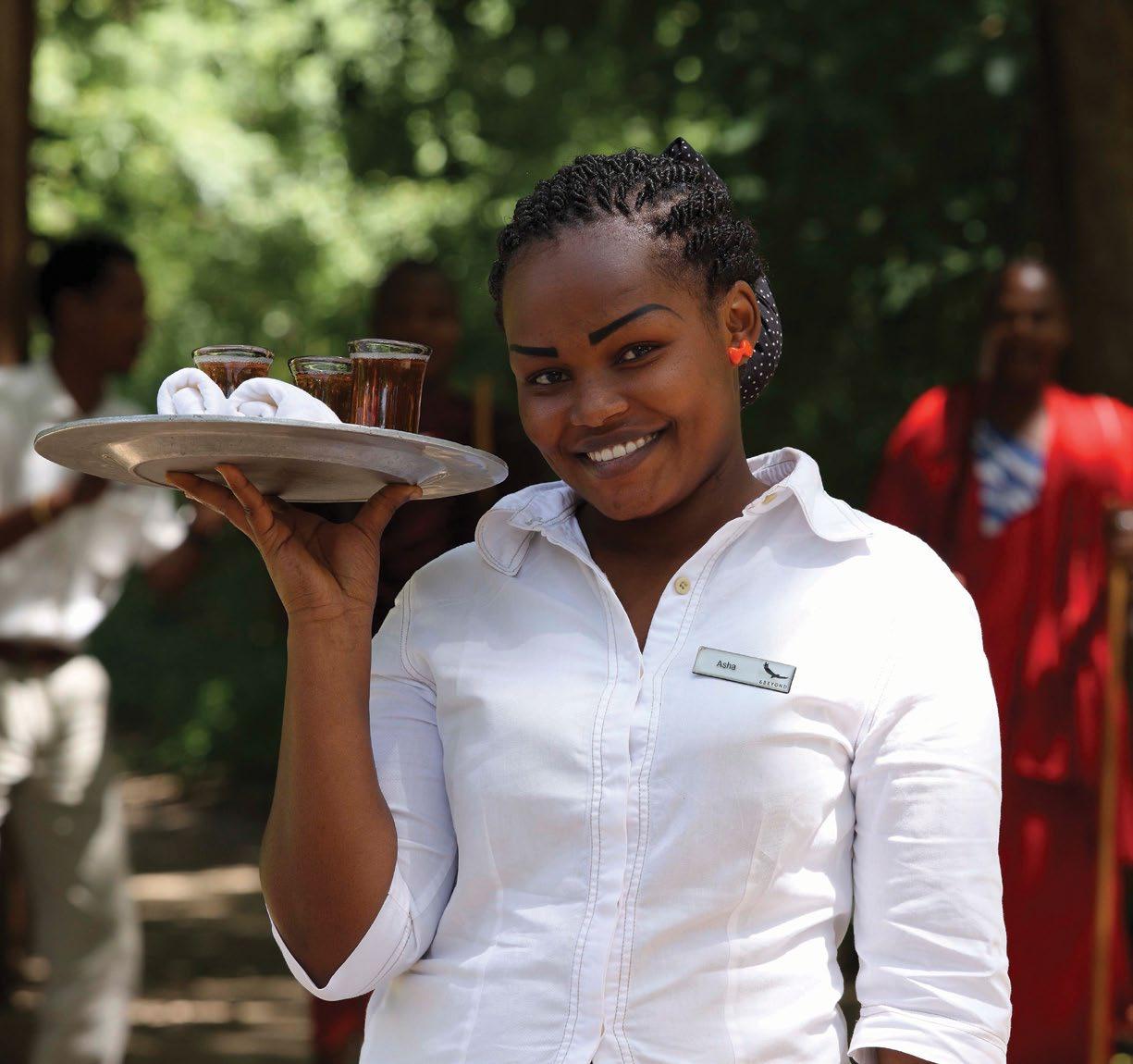
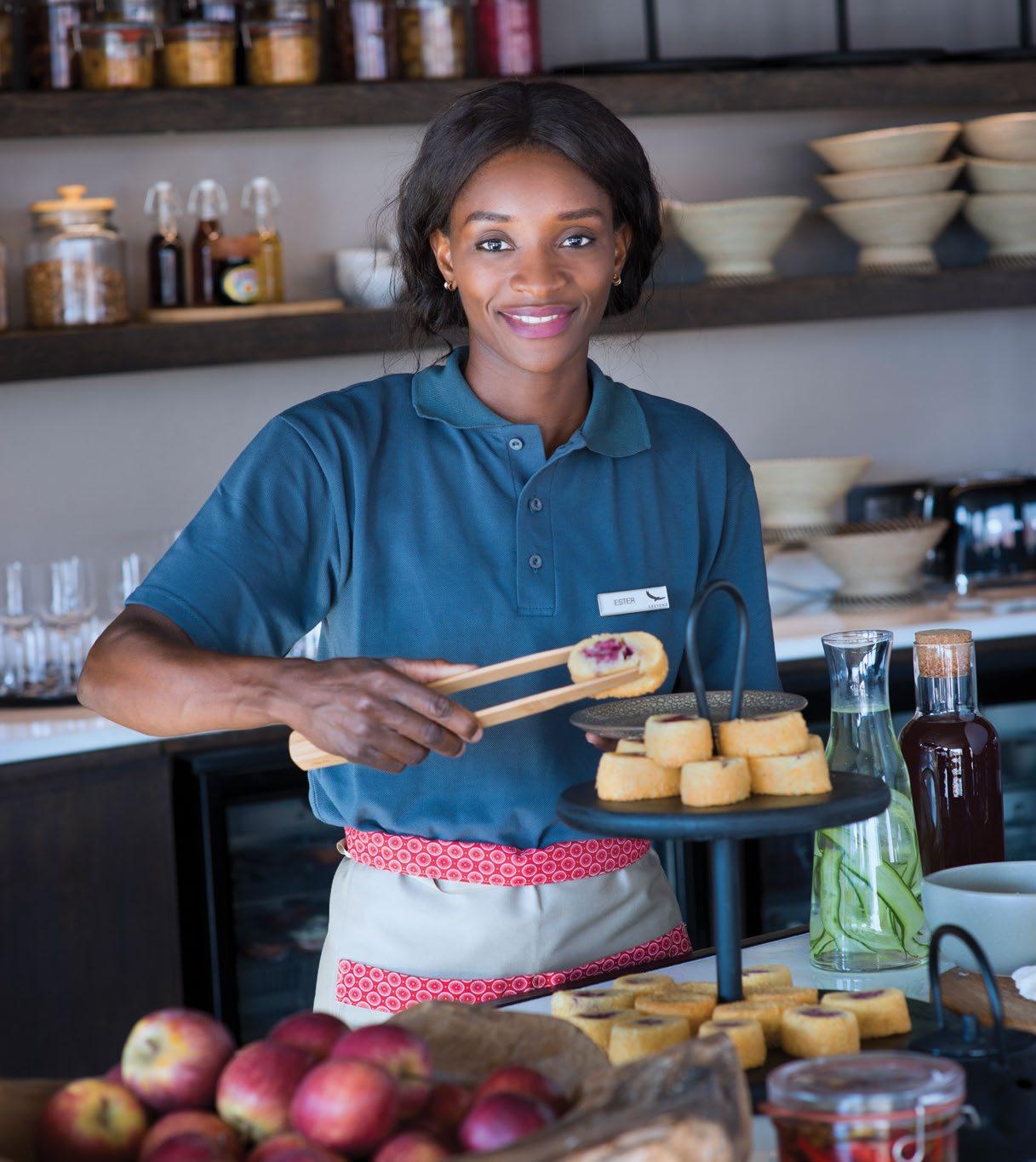
Employing locally enriches our communities, deepens our talent, and strengthens the conservation areas that sustain us.
JOSS KENT &BEYOND EXECUTIVE CHAIRMAN AND CEO
With reference to the accompanying graph:
Partner Communities | Community populations living in and around our conservation landscapes and seascapes with whom we currently collaborate through engagement with community leaders
While towns closest to our operations (e.g. Hluhluwe, Hoedspruit, Maun and Arusha) have been included as procurement and employment Partner Communities for investment purposes, their residents are not included in our community resident count Local
Vision 2030 Progress
Outcomes potential FY 30
CONSERVING ECOSYSTEMS
A METT score of >70% is achieved across our 1 Million acres of Primary Conservation Area, with 132 600 Partner Community residents supporting the conservation of the areas they are associated with
FUTURE FOUNDATIONS
270 000 Residents with access to quality primary healthcare
36 500 Early Childhood Development leavers achieve regionally relevant
Early Learning Outcomes Measure (ELOM)
TOMORROW’S LEADERS THRIVING COMMUNITIES
116 000 Scholars support local conservation efforts and understand climate change
450 School leavers receive tertiary support
1 800 Young entrepreneurs receive financial and mentoring support, doubling their annual profit
900 Youth receive internship work placements
331 546 Partner Community residents
73 000 Primary school final year scholars achieve an average >60%
43 000 Secondary school final year scholars achieve an average >60%
Outcomes status FY 25
FUTURE FOUNDATIONS
PRIMARY EDUCATION
SECONDARY EDUCATION QUANTITY
METT scores for each of our landscapes are being collected through partnership and external collaboration
A community survey across all landscapes has been commissioned for FY26
TOMORROW’S LEADERS
Outcomes progress FY 25
TOMORROW’S LEADERS
| Unlocking new-generation talent, influence, and potential of young leaders
ECOSYSTEMS
FUTURE FOUNDATIONS
THRIVING COMMUNITIES
| Nurturing
Care of Land
Continue to minimise the negative impact that our operations have on land and ocean environments through the achievement of a Net Zero-aligned, short-term target of reducing our carbon emissions by 50%.
- CARBON REDUCTION
- WATER AND WASTE MANAGEMENT
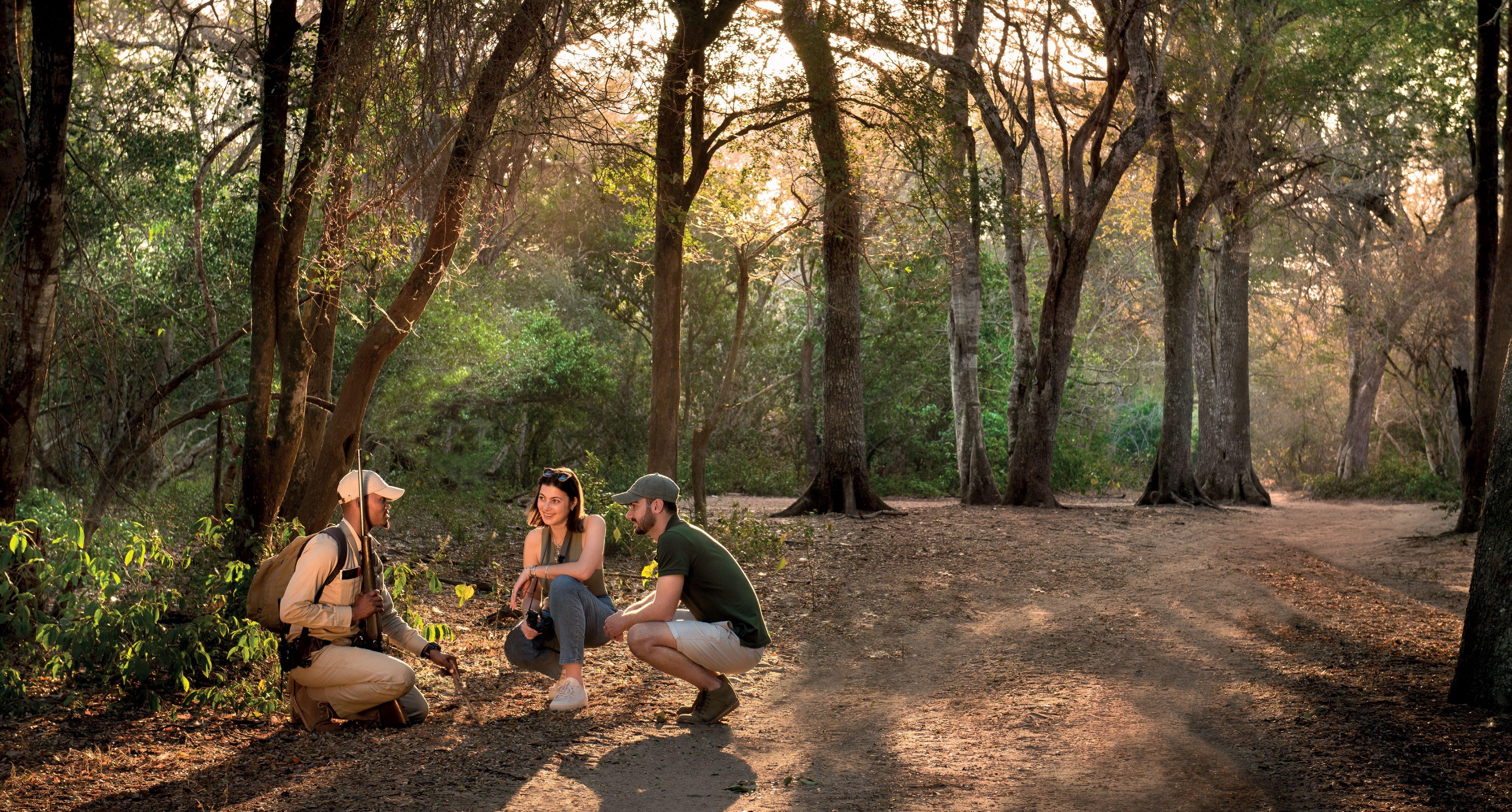
OUR 2030 VISION Net Zero carbon emissions
Carbon reduction
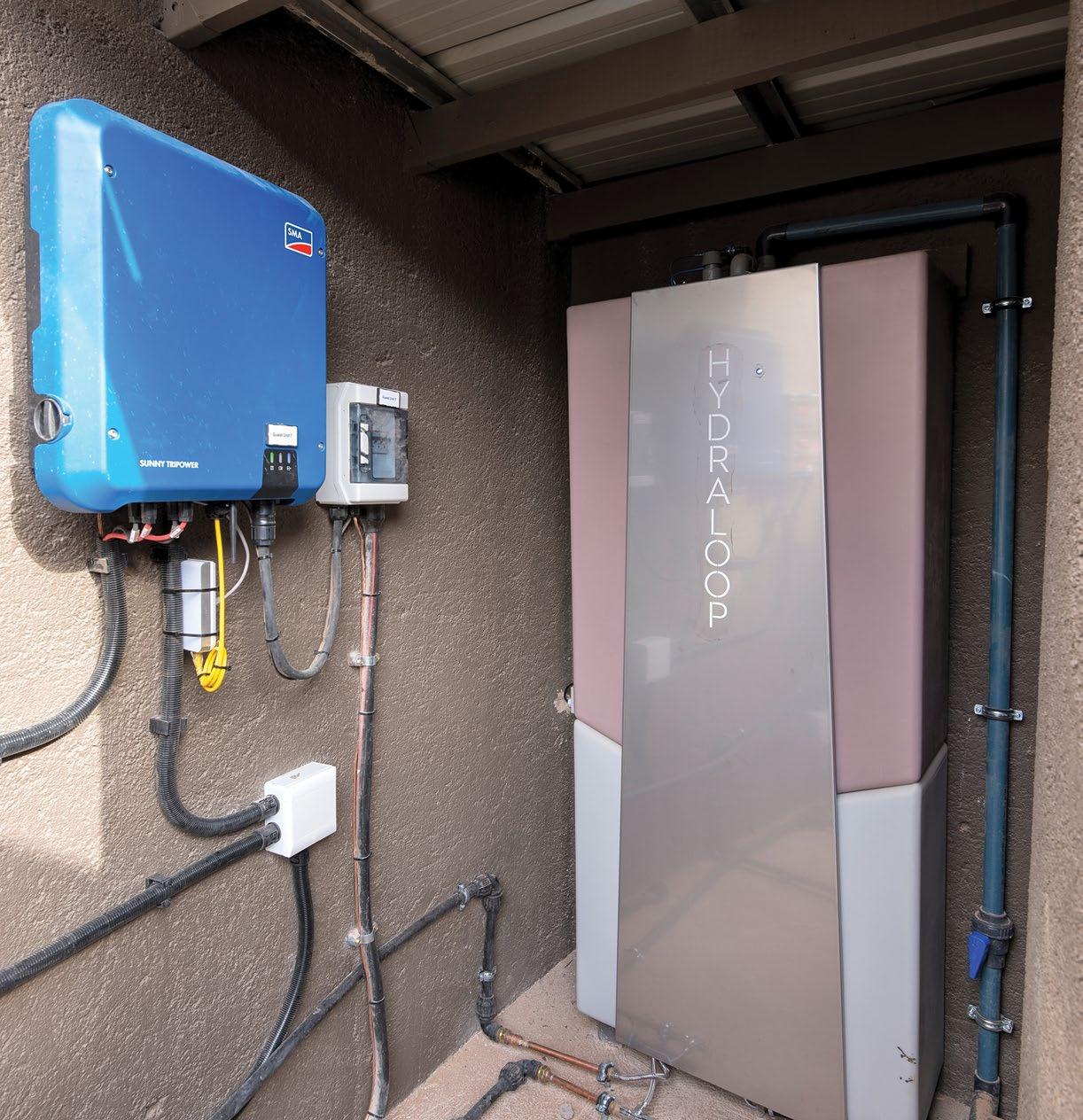
SOLAR SOLUTIONS TO NET ZERO-ALIGNED TARGET
THE CARBON WE CONTROL
In assessing our Scope 1 (Direct) and 2 (Indirect) carbon emissions, i.e. those energy sources linked to our daily lodge and office operations, solar solutions have been identified as key to our envisioned 50% Group reduction of these emissions by 2030.
TERMS & DEFINITIONS
The calculated supporting investment to achieve our 50% reduction is estimated at USD 12 million over seven years and assumes 80% of renewable energy-sourced power across our operational footprint.
TONY ADAMS, CONSERVATION & COMMUNITY IMPACT DIRECTOR
Scope 1 (Direct) and 2 (Indirect) carbon emissions | Those emissions generated by our operation that we have immediate control and management over; Scope 1 (Direct) emissions are specific to any energy we ‘burn’ to support our daily operations e.g., the fuel used for safari vehicles; Scope 2 (Indirect) relates to energy ‘bought’ such as grid electricity
Scope 3 | Those emissions that are outside our control e.g. within our supplier chain or third-party services
Carbon, Net Zero | A process or reduction and offset of Scope 1, 2 and 3 carbon emissions, utilising an accredited carbon offset programme
Carbon, Net Zero-aligned | Our 2030 aspiration is to actively reduce and offset our Scope 1 and 2 carbon emissions supported by a shift from non-renewable to renewable energy sources. An assessment of our Scope 3 emissions will happen concurrently
LEADING WITH ACCREDITATION
Travel as a force for good
In early 2024, 23 &Beyond properties joined Beyond Green, a global portfolio of independently audited sustainable hotels, lodges, and resorts. Each property is assessed against over 50 rigorous sustainability indicators aligned with the Global Sustainable Tourism Council (GSTC) and the UN Sustainable Development Goals. These indicators include the full elimination of single-use plastic water bottles.
GSTC certification affirms compliance with the highest social and environmental standards in tourism. As of April 2024, over half of &Beyond’s properties have been successfully assessed, with the remainder scheduled for evaluation.
CARBON EMISSIONS
FY24
INSIGHTS & LEARNINGS
Group carbon | Calculated using a per-guest head denominator. This data will be influenced by periods of low occupancy or lodge closures for rebuilding or refurbishment
Marine gas | Following the purchase and launch of our Galapagos Explorer expedition yacht, we have started reflecting marine gas (boat engine fuel); the current data is based on assumptions, pending formalised data detail
At a landscape level, the effect of key lodge developments on the carbon metric that uses a per-guest denominator can be clearly seen in the accompanying graph
| Bazaruto Archipelago | &Beyond Benguerra Island Lodge phased room refurbishment
Africa | Greater Kruger | &Beyond Ngala Tented Camp rebuild
South Africa | iSimangaliso | &Beyond Forest Lodge rebuild
Mozambique
South
Zanzibar | Mnemba Island | &Beyond Mnemba Island Lodge rebuild
| Ngorongoro Crater Lodge | Closed January 2025 for two-year rebuild
Water and waste management
ACTIVELY REUSE, RECYCLE, REDUCE
Water and waste monitoring, management and reduction are key to our commitment to minimise the negative impact that our operations have on the land and ocean environments in which we operate.
REGIONAL STRATEGY
• Water and waste
Reduction goals that are region-specific
• Water
Extended implementation of grey wastewater treatment plants and systems across our lodge operation to support water reuse
• Waste FY26 introduction of a measurement-by-wastetype system, together with the recording of the amount recycled for each category:
- Wet waste - Plastic
- Glass - Metal
- Paper - Hazardous
TERMS & DEFINITIONS Grey wastewater | All used water generated from sinks, showers, baths, washing machines or dishwashers; excludes wastewater from toilets
INSIGHTS & LEARNINGS
Water litres per guest This metric, calculated using the number of guests as a denominator, is skewed during lodge rebuild periods when there is no guest occupancy
WATER CONSUMPTION
Average water consumption per guest by landscape
Bazaruto Archipelago
Chobe-Savute Greater Kruger iSimangaliso Jigme Dorji Lake Manyara
Masai Mara Mnemba Island Ngorongoro Crater Northern Serengeti
Okavango Delta Sossusvlei West and Central Serengeti
INSIGHTS & LEARNINGS
Water litres per guest | This metric, calculated using the number of guests as a denominator, is skewed during lodge rebuild periods when there is no guest occupancy, or during periods of lower guest count
Bazaruto Landscape | Mozambique | The first set of data was collated in FY25
Lake Manyara Landscape | Tanzania | FY23 detail has been affected by water meter issues
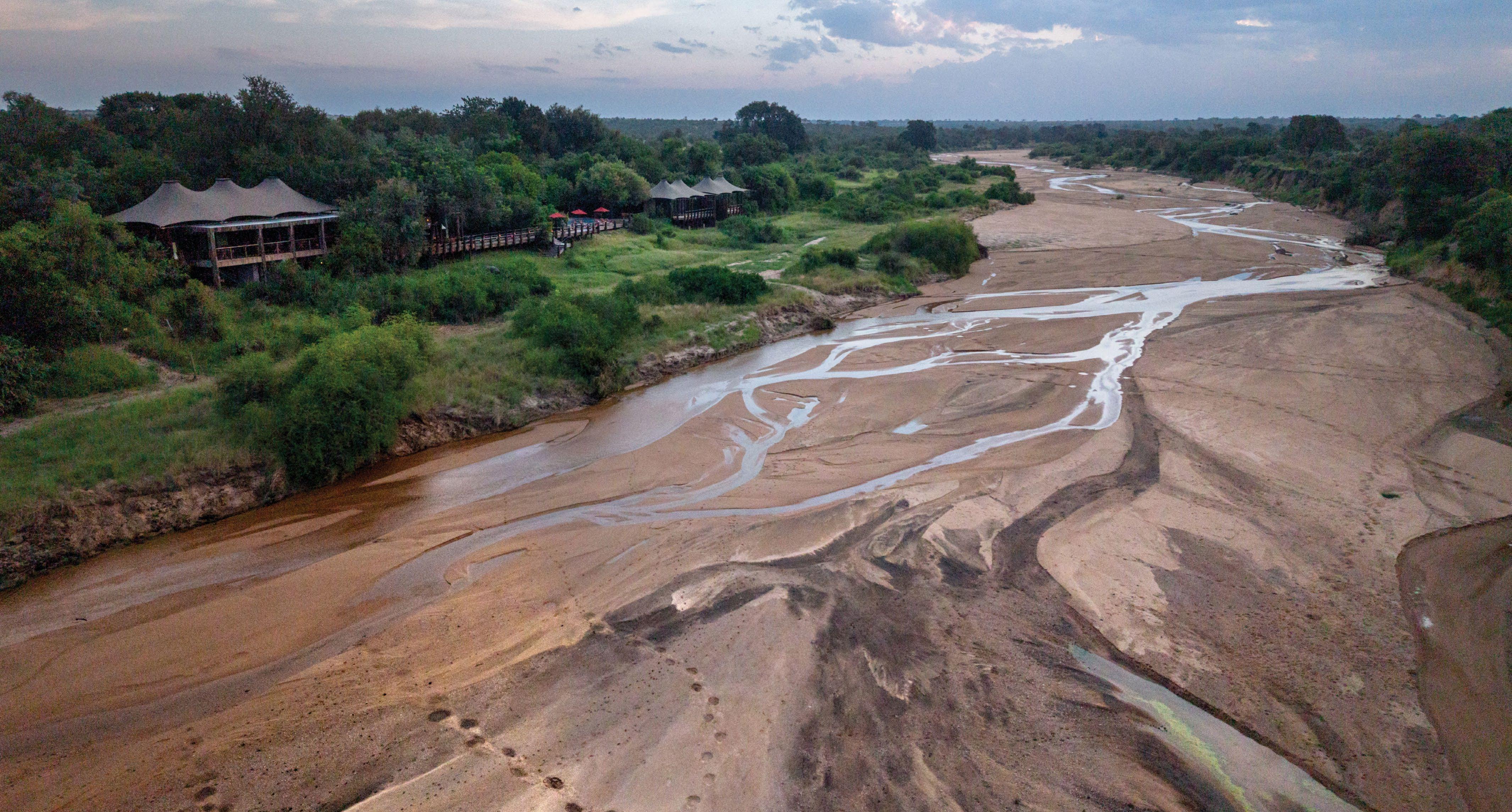
Okavango Delta Landscape | Botswana | Drought conditions prompted elephants to drain all the lodge pools and damage water pipes in their search for water
West and Central Serengeti | Tanzania | While there was a reduction in water usage for FY25, lower guest occupancy has driven a variance in this data
Care of Wildlife
Expand our footprint to positively impact more of the earth’s wild places; our aspiration is to increase our associated biodiversity acres by 33% to 40 million acres and double our effort to support, influence and improve its management.
- CONSERVING ECOSYSTEMS
OUR 2030 VISION
Doubled investment in conservation areas
Conserving Ecosystems
EVERYTHING STARTS WITH THE LAND
Wild, irreplaceable landscapes and seascapes; the key enablers of our business model that holds the delivery of extraordinary guest experiences at its heart and drives our collective vision to underwrite the long-term conservation of these precious places through best business and not-for-profit practices.
Conserving Ecosystems USD investment per source
Wild, irreplaceable landscapes are our reason for being.
DR ANDREW VENTER, WILD IMPACT CEO
TERMS & DEFINITIONS
Direct | Business operational costs paid to conservation and Partner Communities; these may include embedded costs such as the payment of lease or land fees and land management costs; salaries paid to Partner Community employees or additional impact levy funding made available to further our Vision 2030 impact agenda
Donor | Guest donations leveraged through our lodge operations and Wild Impact donors to support impact projects within our landscapes and seascapes
Indirect | Costs facilitated by &Beyond or associated with our guests; one example would be park fees that are excluded from our lodge rates
METT Score | The result of an assessment using an area-specific Management Effectiveness Tracking Tool to monitor conservation area management progress
Primary Conservation Area | Land on which we operate that we directly control through ownership or long-term lease
Secondary Conservation Area | Associated biodiversity acres; land adjacent to our owned or leased concession areas; larger ecosystems that we contribute to through park entry or traverse fees, and influence through collaboration
INVESTMENT PER LANDSCAPE
Conserving Ecosystems investment per landscape USD
INSIGHTS & LEARNINGS
Mnemba Island | The FY24 spike reflects the significant investment in the creation of the sandbag erosion wall along Mnemba Island’s eastern side; a complex, nine-month project, preceded by 11 months of specialist research
ChobeSavute Greater Kruger iSimangaliso Lake Manyara Masai Mara Mnemba Island Ngorongoro Crater Northern Serengeti Okavango Delta Sossusvlei West and Central Serengeti
Bazaruto Archipelago
CONSERVATION STRATEGY
Powerful global movements, like the ‘30×30’ commitment to conserve 30% of the world’s terrestrial, inland water, and marine habitats by 2030, call for focused and collaborative action.
Our Vision 2030 goal of resilient and biodiverse landscapes and seascapes is advanced through deep collaboration with Partner Communities, local governments, and regional stakeholders, and supported by two strategies:
PROTECTED AREA CONSERVATION
The improved management of the areas in which we operate in partnership with Wild Impact encompasses a range of projects across our Group operation to support habitat restoration, habitat and wildlife management, and efforts to safeguard IUCN Red List species.
COMMUNITY-BASED CONSERVATION
The support and advocacy of our Partner Communities are fundamental to protecting, restoring, and sustaining these critical ecosystems. A broad spectrum of community-led projects underscores the essential role these areas play in driving meaningful community development.
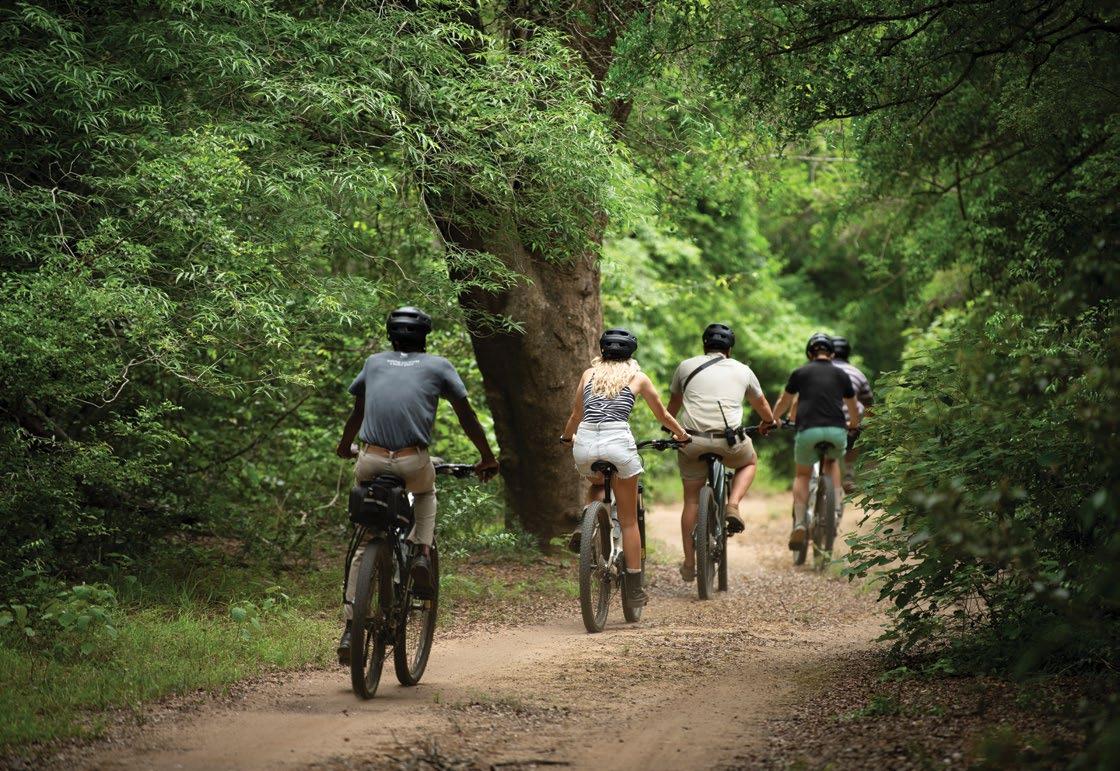
E-BIKE GUEST EXPERIENCE
Where guests, conservation and community meet
Phinda’s new e-bike trail through the rare Sand Forest offers an immersive nature experience while advancing our integrated strategy. Co-developed in partnership with the Mnqobokazi and Makhasa Community Trusts, this initiative supports local livelihoods, protects threatened habitats, and demonstrates how a guest experience can deliver measurable impact.
Economic benefits to Partner Communities
INSIGHTS & LEARNINGS
The communities’ investment delivers a risk-adjusted return of >20% per annum, outperforming every major alternative available to rural households, including savings groups, government bonds, cattle herds, micro-enterprises, and even taxi ownership. Importantly, this return is delivered with substantially lower risk and with capital protection built into the model, making it one of the strongest financial instruments accessible to a community trust in this region
Ecosystems
THE POWER OF ONE LANDSCAPE
THE MUNYWANA CONSERVANCY
Deeply rooted; on 05 September 2019, the Munywana Conservancy was officially gazetted as a protected nature reserve, marking a pivotal moment for this reserve that began with the 1991 founding of &Beyond Phinda Private Game Reserve.
Community support was showcased in 2007, when our Makhasa and Mnqobokazi Partner Communities requested that the 22 318 acres (9 032 hectares) returned to them in a historic land claim settlement, continue to be used for conservation purposes.
Partner Communities
PHINDA PROPERTIES 1991
EXPANDED BIODIVERSITY
What started as the 32 311-acre (13 076-hectare) &Beyond Phinda Private Game Reserve in 1991, has evolved into the 73 800-acre (29 866-hectare) Munywana Conservancy, an association of four primary members: &Beyond Phinda Private Game Reserve, Zuka Private Game Reserve, and the Makhasa and Mnqobokazi Community Trusts.
Community residents Community owned; leased back to &Beyond Phinda &Beyond Phinda owned land Munywana member land
ENDANGERED WILDLIFE MILESTONES
White rhino | 202 translocated to establish founder populations across Africa
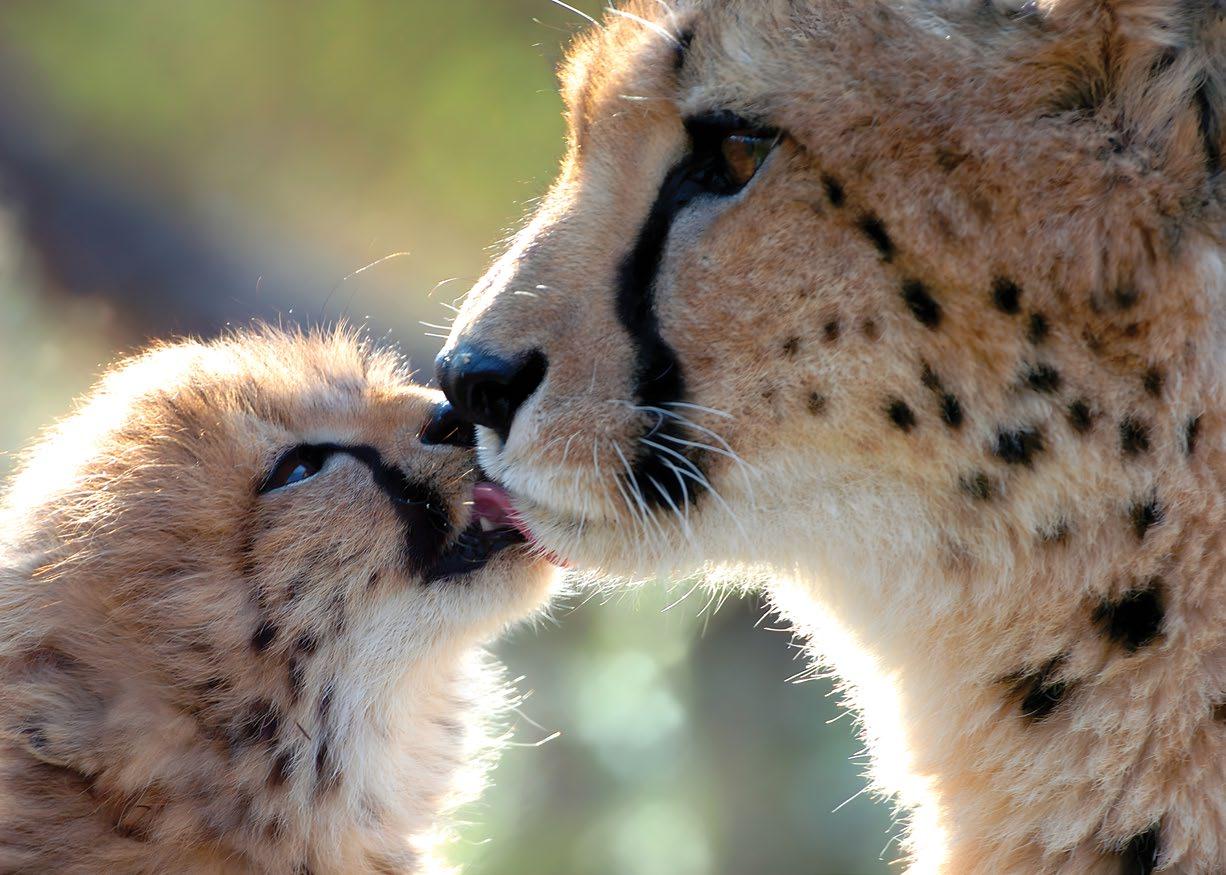
Cheetah | 63 translocated to ensure critical genetic diversity across Southern Africa metapopulation
Pangolin | Viable population established in a region where the Temminck’s ground pangolin was considered locally extinct
Black rhino | 18 translocated to support black rhino range expansion across Southern Africa
IUCN Red List ‘Near Threatened’
IUCN Red List ‘Vulnerable’
IUCN Red List ‘Critically Endangered’
PROPERTIES 2021
MUNYWANA
WILDLIFE TRANSLOCATIONS
ROUTES OF RENEWAL
What began with the reintroduction of wildlife populations for the creation of Phinda Private Game Reserve – and later, the Munywana Conservancy – has grown into a living legacy of translocations spanning three continents. Each move tells a story of restoration, conservation, and deep collaboration.
THE POWER OF ONE SEASCAPE
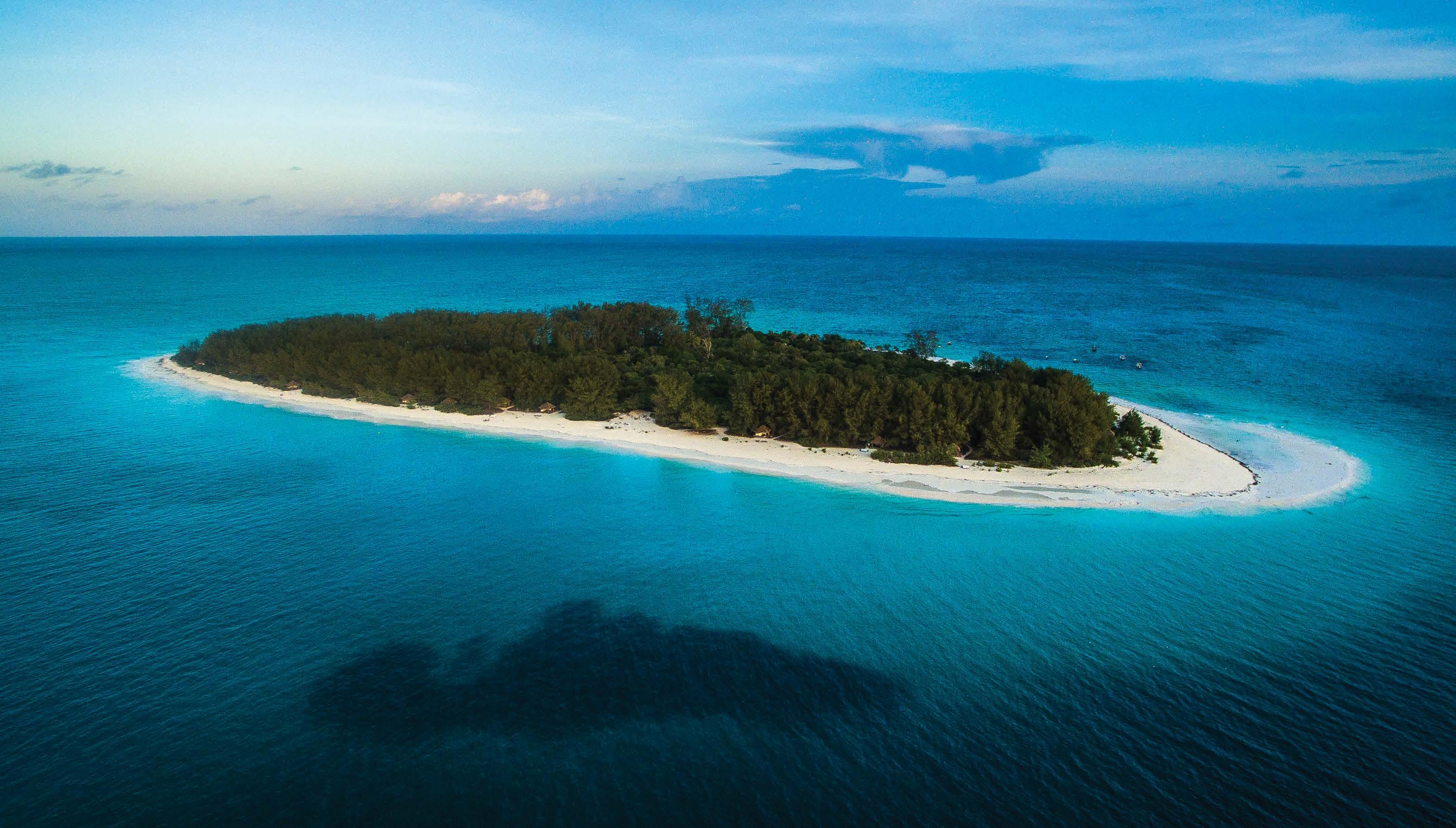
MNEMBA ISLAND
This seascape anchors not one but two Marine Protected Areas (MPAs), with &Beyond Mnemba Island Lodge at the heart of a marine ecosystem sustaining both people and marine life.
MIMCA
| MNEMBA ISLAND MARINE CONSERVATION AREA
83 256 ACRES | 33 700 HECTARES
Established in 2002, this area is jointly managed by the government in partnership with local communities and other stakeholders. It protects vital coral reefs, seagrass beds and marine life, supporting key biodiversity and local livelihoods.
MIMSA
| MNEMBA ISLAND MARINE SPECIAL AREA
629 ACRES | 255 HECTARES
In June 2023, this restricted radius of additional protection around Mnemba Island was created within the Mnemba Island Marine Conservation Area, marking a groundbreaking public-private partnership between Zanzibar’s Ministry of Blue Economy and Fisheries, &Beyond MIMCA and community stakeholders. This is where the endangered green sea turtle comes ashore to rest, where dolphins and whale sharks pass through, and where reefs are carefully monitored and restored.
MPA benefits to Zanzibar’s Blue Economy
- Recovery in reef health, fish and habitat biodiversity
- Success of our coral reef restoration initiatives
- Enhanced guest experience and tourism value
- Significant increase in Partner Community revenue
- Greater food security and local livelihood opportunities
INDIAN OCEAN
Kjambabarazia Reef
Kichwani
Rifu
CAMERAS FOR CONSERVATION
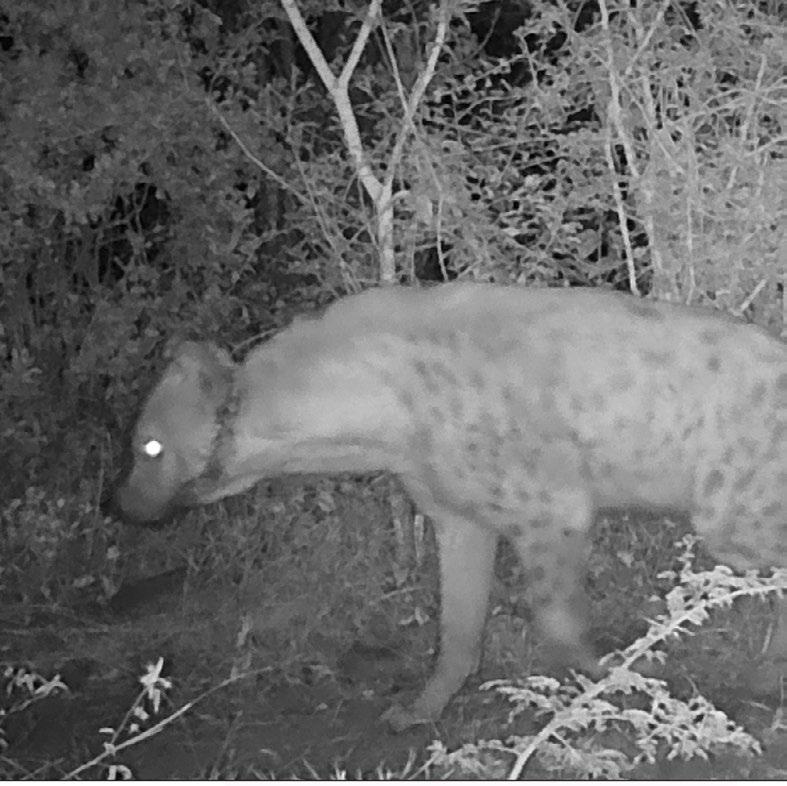
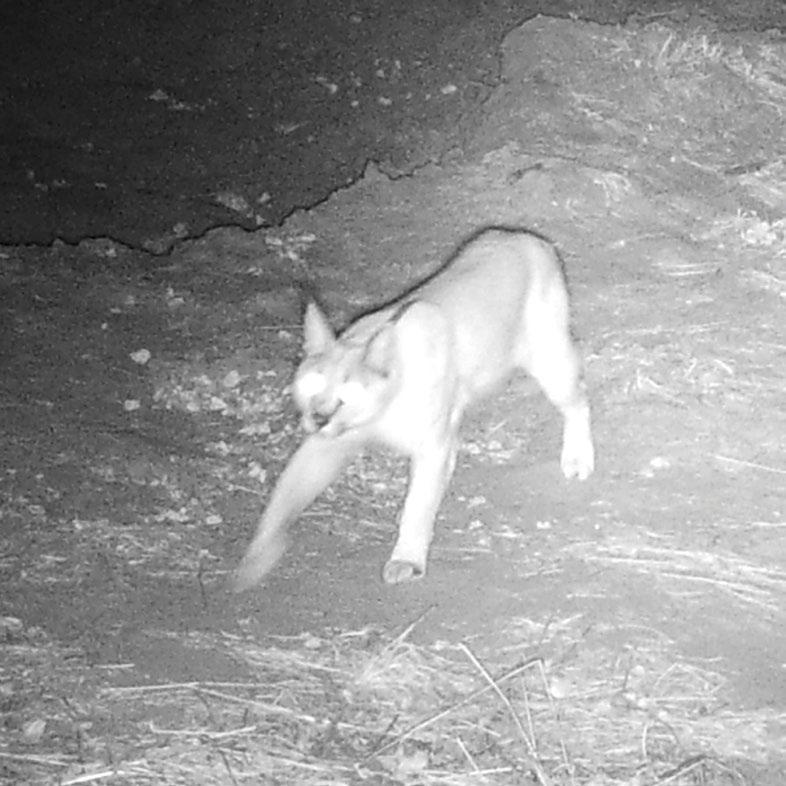
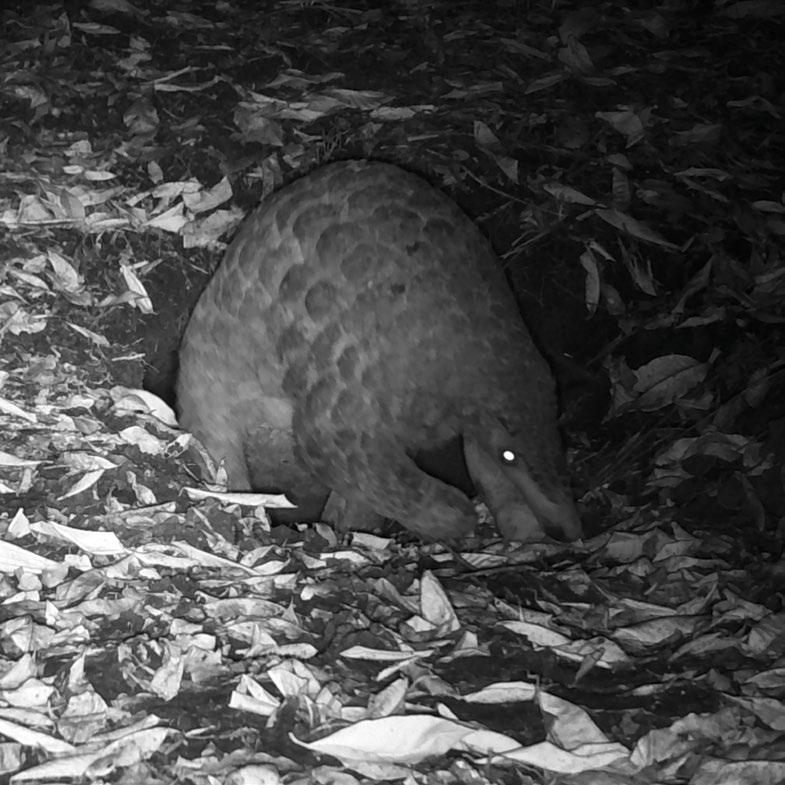
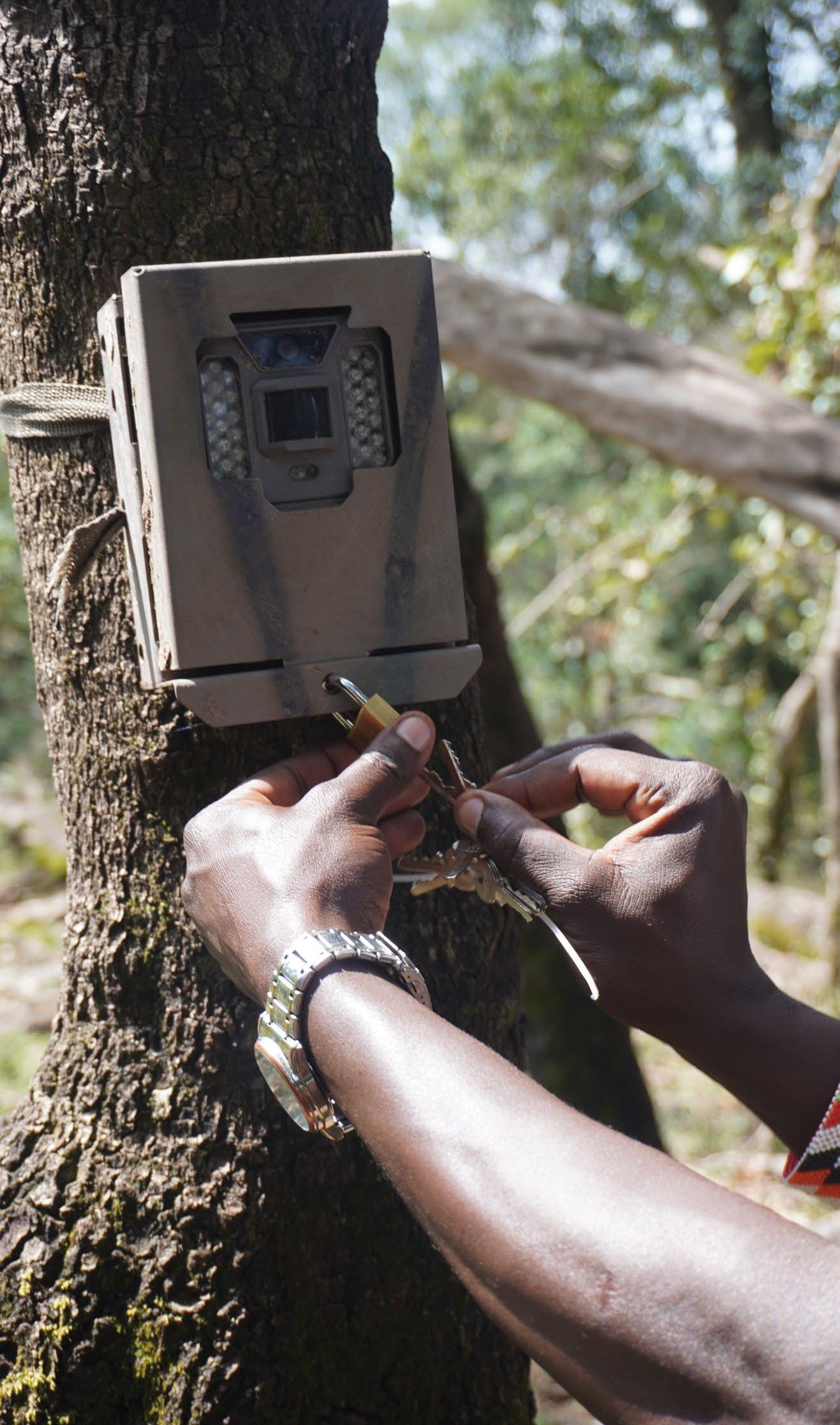
Monitoring from a distance; non-invasive trail cameras offer a reliable way to monitor wildlife corridors and high-interest areas, including zones of human-wildlife interaction. Wild Impact’s Cameras for Conservation initiative is generating a substantial body of image-based research, informing practical solutions that support both conservation and community well-being.
TRAPTAGGER
TrapTagger is a web-based image analysis platform that supports the classification, counting, and identification of species. It uses stringent security protocols and technological safeguards to ensure all uploaded images remain encrypted and secure.
ISIMANGALISO
Mitigate human-wildlife interaction; a network of 25 cameras set up around our KwaNgwenya Partner Community to monitor wildlife movement from surrounding reserves and support best practice strategies and solutions.
OKAVANGO DELTA
Mitigate livestock predation, property damage and crop destruction; working in partnership with the University of Botswana and government authorities to develop an effective response protocol and inform best practices.
NYEKWERI FOREST
Mitigate biodiversity strategies; over 390 000 wildlife-movement images have been captured within the forest. It is a known refuge for the endangered giant ground pangolin, and birth sanctuary for local elephant.
Care of People
Reach a greater percentage of our current Partner Communities’ residents through considered programme outcomes; develop new Partner Communities through our landscape and seascape expansion.
- FUTURE FOUNDATIONS - TOMORROW’S LEADERS - THRIVING COMMUNITIES
OUR 2030 VISION Doubled investment in Partner Communities
Partner Communities
FUTURE CUSTODIANS AND ADVOCATES
While our high rate-low volume business model underpins our light footprint across our area of operation, it also limits the number of formal employment opportunities; however, through our partnership with Wild Impact, we are able to unlock a larger entrepreneurial economy that increases the relevance and resilience of the conservation area.
VISION 2030
Double the investment in Partner Communities
TERMS & DEFINITIONS
Direct | Business operational costs paid to conservation and Partner Communities; these may include embedded costs such as the payment of lease or land fees and land management costs; salaries paid to Partner Community employees or additional impact levy funding made available to further our Vision 2030 impact agenda
Donor | Guest donations leveraged through our lodge operations and Wild Impact donors to support impact projects within our landscapes and seascapes
Community Support | Community engagement initiatives supporting new investment opportunities
INVESTMENT PER LANDSCAPE
Partner Communities USD investment by landscape
INSIGHTS & LEARNINGS
Greater Kruger and iSimangaliso | These landscapes carry the highest investment because they are home to our largest Partner Community populations and the highest concentration of schools, ECD centres, and clinics, requiring deeper, long-term resourcing to meet baseline service needs and deliver meaningful programme reach
Through the Jobs Fund and YES partnerships, we’ve been able to scale trained youth capacity across these landscapes, allowing us to expand delivery, strengthen environmental awareness and education support, and channel investment where it can influence the greatest number of residents
ChobeSavute
Community Partnerships at scale

Future Foundations
Developing community education and healthcare infrastructure
- HEALTHCARE
- EDUCATION
Future Foundations
BRICKS AND MORTAR ARE JUST THE START
What does deep impact look like? A 30-year legacy of healthcare and education structural development with our Partner Communities; supported by a methodology of respectful engagement with community leadership, local government and stakeholders. Our envisioned programme outcomes will find 80% of Partner Community residents with access to quality primary healthcare and education.
We are anchored in the landscapes in which we operate alongside &Beyond by infrastructure - bricks and mortar in some shape or form, such as a school or a clinic, that is bonded with our long-term financial commitment to develop these sites. This approach is a key differentiator.
DR ANDREW VENTER, WILD IMPACT CEO
Accessible and affordable primary healthcare is a life-changing priority and challenge for our Partner Communities across Africa. In collaboration with community leadership, local health departments and government organisations, donor and investment funding is driving our accelerated programme of clinic and healthcare facility development, alongside accommodation for medical staff at these sites.
TRANSFORMING HEALTHCARE
Emurutoto Health Centre, Masai Mara, Kenya
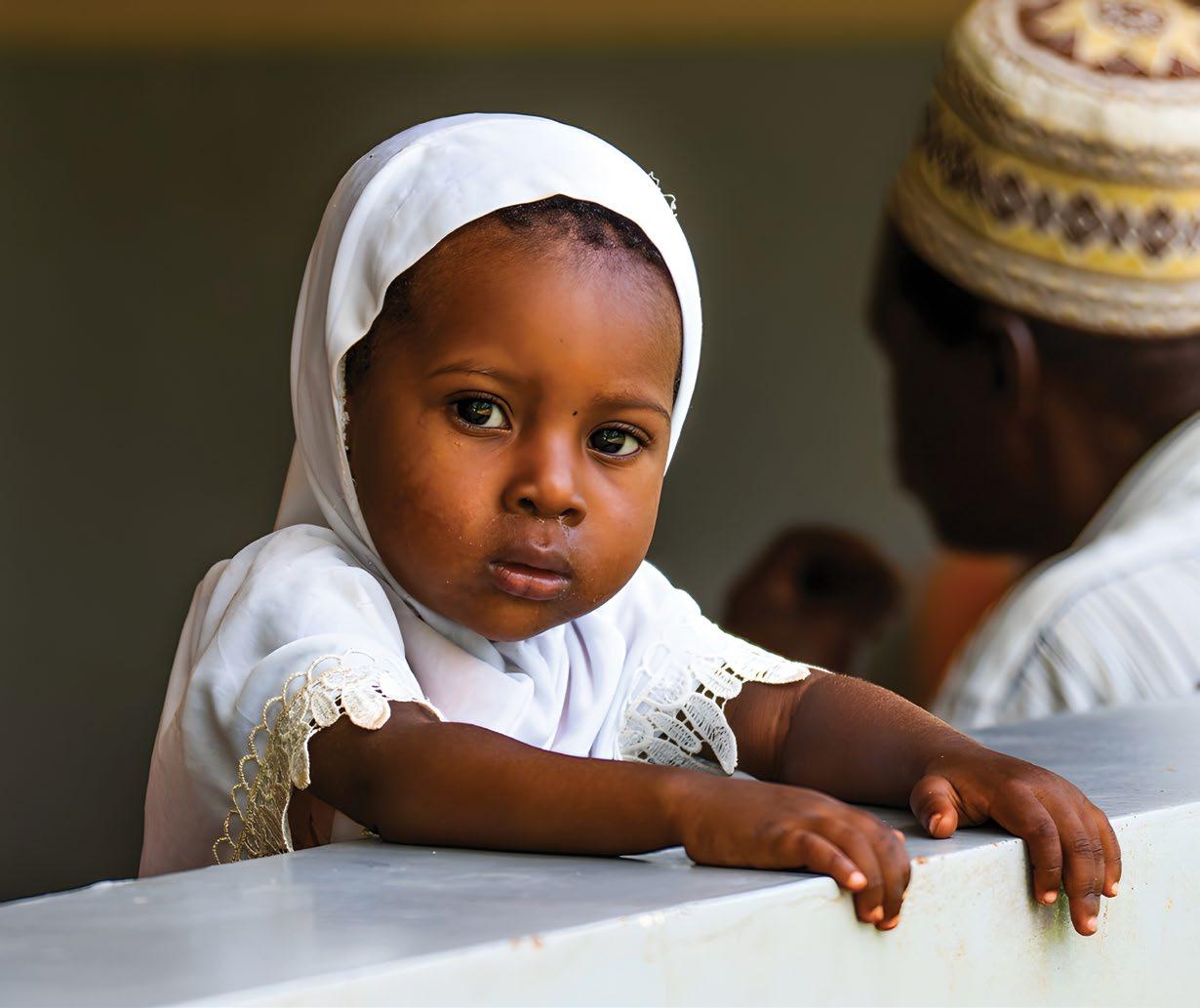
Transforming healthcare; before the establishment of the Emurutoto Health Centre in 2019, rural healthcare options for residents in five neighbouring Masai Mara communities were limited to a weekly mobile clinic service, or often a six-hour walk to the nearest medical clinic 25 km (15.5 mi.) away.
Built on a tract of land donated by the community, this centre provides accessible and affordable primary healthcare to an estimated 400 patients per month. In addition to treating common ailments, the clinic also runs a vaccination programme for children and offers fundamental pre-and postnatal care.
August 2024 marked the completion of a fully equipped dedicated maternity ward; another successful chapter in the legacy of this health centre. Elkana Saruni, a member of the health centre committee explains, “It was even coincidental that just after the installation of the equipment, a mother was able to deliver a baby on the 2nd of August 2024.”
EDUCATION
Early Childhood Development (ECD)
Every rural preschool and crèche within our ECD programme has the potential to redefine futures. In Tanzania, the goal is for young pupils to start formal schooling by the age of seven – depending on their school readiness. For young children in South Africa to receive formal Early Childhood Development education, a robust infrastructure needs to be in place.
ECD facilities and USD investment
Number of ECD facilities
Impacted ECD scholars
Sum of USD FY23 - FY25
FOUNDATIONAL LEARNINGS
Moya Primary School, Lake Manyara, Tanzania
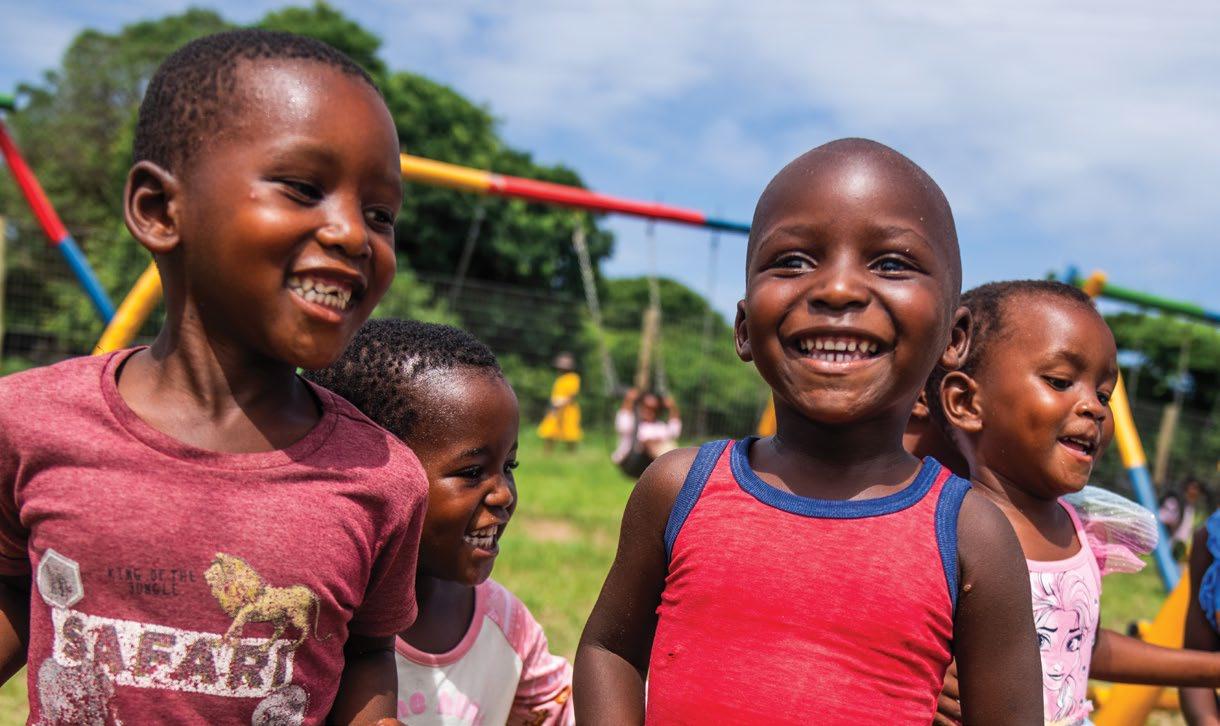
In Tanzania, the goal is for young pupils to start formal schooling by the age of seven; depending on their school readiness, children could require one or two years of foundational preschool preparation.
In 2015, the Tanzanian Government made it mandatory for all primary schools to offer preschool education, with the onus on each school to create the building infrastructure to accommodate this additional facility.
Moya Primary School is the only primary school serving the Moya community: a rural population of approximately 2 600 people, who are predominantly livestock farmers. Community members contributed to the development of the preschool block by laying foundations and commencing the construction of the walls, before approaching Wild Impact (then Africa Foundation) and &Beyond for assistance.
Over and above the completed building with two classrooms, 72 desks and 144 uniforms that this project has enabled, it is underpinning all the learning advantages of early childhood development.
Establishing baseline criteria
EDUCATION
Primary School education
Compromised learning outcomes due to overcrowded classrooms and inadequate facilities are a recurring factor in primary schools across our Partner Communities. Our dedicated education programme will significantly improve school conditions for young learners and support our envisioned outcome.

BUILDING FUTURES
Sexaxa Primary School, Botswana
Sexaxa Primary School in Botswana showcases the long-term impact approach that defines the way in which Wild Impact and &Beyond work with Partner Communities and stakeholders. Our collaboration on the development of the school began in 2012 and continues to date.
Number of Schools Sum of USD FY23 - FY25
The multi-phased building projects supported and facilitated over this time span have seen the school expand from the construction of the first two classrooms, to a fully-fledged primary school – with a kitchen, ablutions, playground and water supply system – currently supporting 223 young learners. Further development will be needed to meet growing enrolment numbers.
More than bricks and mortar; the school pays tribute to what sustained collaboration can achieve. From staff fundraising for playground equipment, to generous donor support to partnership with local authorities, every growth phase reflects the fully invested, deep impact commitment behind a project like this.
Secondary School education
A significant shortage of accessible and affordable secondary schools within our Partner Communities often results in learners ending their education after primary school. The addition of boarding facilities for learners and staff accommodation are redefining opportunities for all these learners and shaping a future in which every secondary school scholar could potentially achieve a pass average of over 60%.
OPENING DOORS
Inkosi Zwelakhe Ngwane Secondary School, Isimangaliso, South Africa
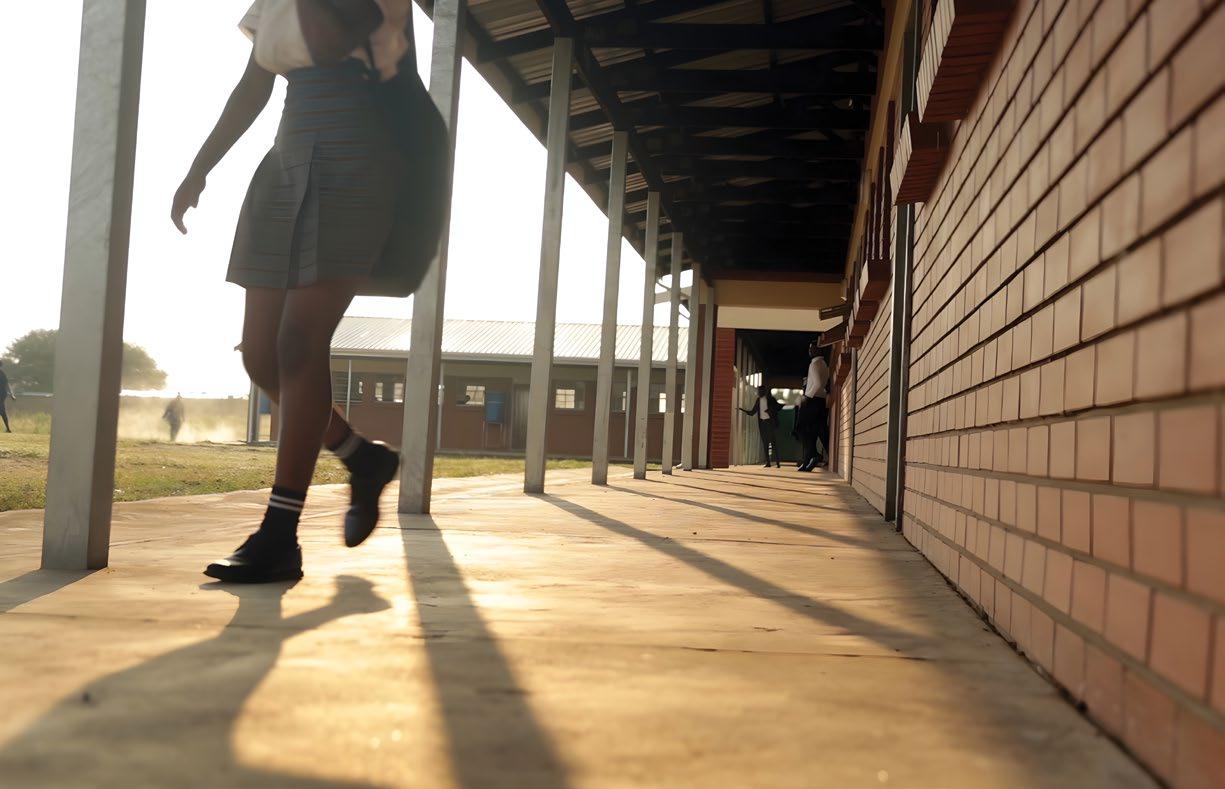
Positioning learners for success; from the outset, the Inkosi Zwelakhe Ngwane Secondary School in KwaZulu-Natal was set for excellence. The KwaMnqobokazi community vision for this much-needed second high school was to create a science focused avenue of opportunity; mathematics and physical science are gateway subjects to a range of tertiary studies and career possibilities.
Number of schools*
Beneficiaries
*We have included facilities where we have been active since 2020 given our long-term approach to relationships and programmes. Sum
Following the start of construction in 2019, the high school has taken shape and blossomed. 2024 marked the first group of successful matriculants with a stellar 100% pass rate; this includes Nhlalo Msweli, who will study chemical engineering, and Sanele Nsele who achieved eight distinctions, and will be studying to be a surgeon.
Looking ahead, a second science classroom has been earmarked for funding, taking the school from strength to strength. As school principal Mrs Dlamini explains, “If you have education in your hands, you’ll be able to knock on any door and it will be opened to you.”
Greater Kruger iSimangaliso Masai Mara Ngorongoro Crater
Lake Manyara Mnemba Island Serengeti

Tomorrow’s Leaders
Unlocking new-generation talent, influence and potential of young leaders
- CLEF
- ECHO ENVIRONMENTAL EDUCATION
- &BEYOND ACADEMY
Tomorrow’s Leaders
LOOKING TO THE FUTURE
Within the focus area of Tomorrow’s Leaders, a set of three empowering programmes support this new generation of talent, influence and potential: the Community Leaders Education Fund (CLEF) higher education bursary programme; Echo Environmental Education’s set of curriculum-aligned lessons and practical workshops to inspire environmental stewardship, and the skills-building of our evolving &Beyond Academy.
Investment by programme
FY25 OUTCOMES
52 745
Echo Environmental Education lessons delivered
1 165 CLEF tertiary education bursaries granted, 1996 – 2025
ENVISIONED OUTCOMES
TOMORROW’S LEADERS
Unlocking new-generation talent, influence, and potential of young leaders
- CLEF tertiary education
- Echo Environmental Education
- &Beyond Academy
1 454 &Beyond Academy training modules completed
68 562 Scholars, Grade R to Grade 11 positively impacted by our environmental education lessons
Today’s
youth are tomorrow’s custodians and advocates of the world’s wild spaces.
DR ANDREW VENTER, WILD IMPACT CEO
COMMUNITY LEADERS EDUCATION FUND (CLEF)
Now including vocational training bursaries alongside higher education funding, CLEF empowers young adults to acquire education and skills that would otherwise be outside their reach. A mandatory ‘buyisela’ (community service) period replaces financial repayment, connecting gratitude with generosity, from one generation of leaders to the next.

LEBOGANG MATLAKALA
Tomorrow’s Leaders Programme Manager
Lebogang Matlakala’s story of personal growth foreshadowed her transformational role as Wild Impact Programme Manager. From South Africa’s arid interior to the underwater endeavours that earned her the nickname “the one who swims with sharks”, her journey is defined by the magic that happens when boundless curiosity meets opportunity.
Her Tomorrow’s Leaders programme portfolio includes the CLEF (Community Leaders Education Fund) tertiary bursary programme. Lebo has a personal understanding of what this funding support can enable. Looking back, she reflects, “I probably wouldn’t have a tertiary degree if it wasn’t for scholarships.”
Lebo’s also responsible for the experiential and interactive Echo Environmental Education school programme. The importance of communication and connection strikes a deep chord for her. “You can tell someone something, or you can show them – and then they’ll feel it.”
Lebogang Matlakala is a powerful advocate and mentor for the young lives she touches every day.
ECHO ENVIRONMENTAL EDUCATION
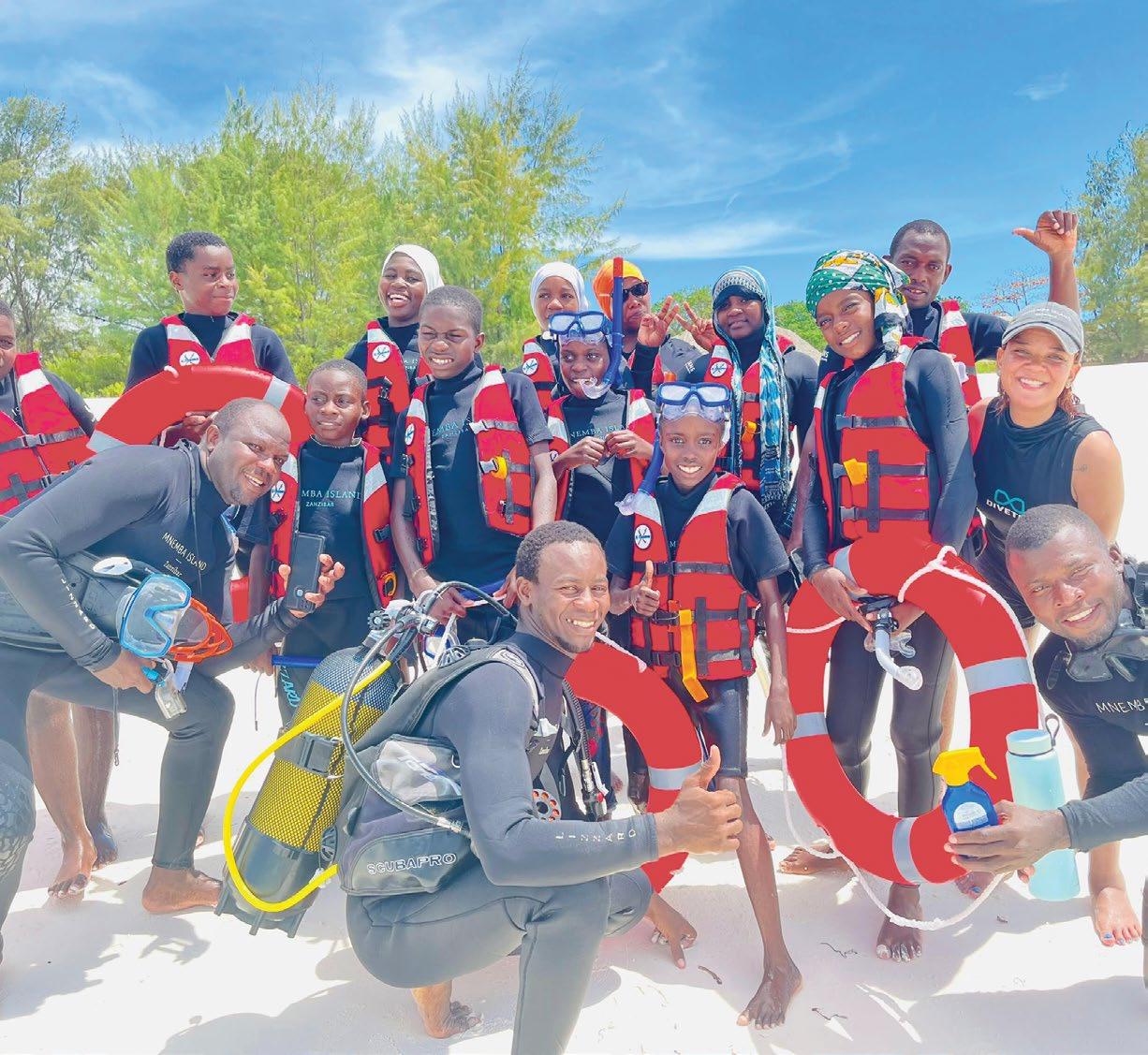
Designed to inspire the next generation of conservationists, this programme engages our Partner Community scholars through interactive lessons and experiential safaris or marine excursions. By integrating local content with the school curriculum, we aim to cultivate conservation advocates equipped with a deeper understanding of climate change.
FY25 OUTCOMES PROGRESS
INSPIRING ENGAGEMENT
Echo programme booms in Zanzibar
This educational programme was developed in collaboration with Zanzibar’s Ministry of Blue Economy and Fisheries, and includes curated local content, integrated with the school curriculum, and experiential marine excursions.
There was a sevenfold increase in the school conservation lessons delivered in 2025.
This remarkable growth was supported by more than tripling the number of Echo Steward internships between 2024 and 2025.
&BEYOND ACADEMY
The creation of our &Beyond Academy was years in the making, providing staff and interns with the opportunity to hone their skills through a comprehensive in-house programme. This includes a wide range of training opportunities, both internal and external, to ensure continuous professional growth and development.
TRAINING PILLARS
Our &Beyond Academy encompasses three pillars of training:
- Pillar 1 | Ongoing | On-the-ground skills training for employees and interns
- Pillar 2 | Formalised | &Beyond Academy certification / qualification opportunities - Pillar 3 | External | External partner accreditation possibilities
FY25 OUTCOMES PROGRESS
&BEYOND ACADEMY | 100% of &Beyonders and Stars-in-Training supported
&BEYOND ACADEMY | 50% of in-lodge &Beyonders receive certification
1 387 &Beyonders trained in
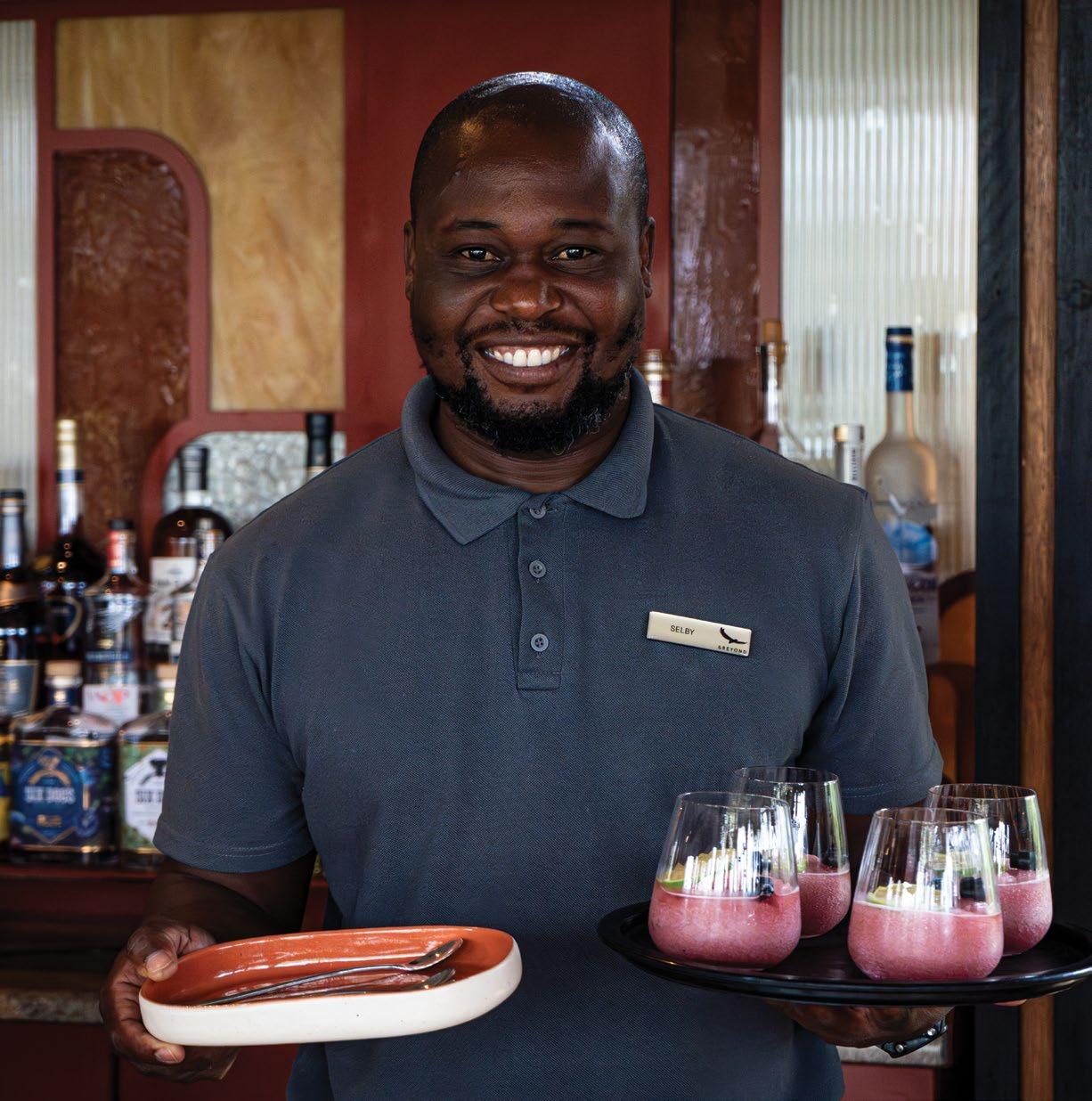
The ‘Lodge Faculty’ is one of five specialised faculties (disciplines) of formalised training within our &Beyond Academy, and includes our kitchen, housekeeping, bar and butler departments.
Our fully-fledged kitchen and housekeeping structured training framework offers a progressive set of Level 1 (Basic competence), Level 2 (Functional expert) and Level 3 (Fully qualified) certifications, with each level supported by a group of learning modules.
6 900 Sessions FY25 CLICK TO LEARN MORE &BEYOND ACADEMY
The equivalent journey of opportunity for our bar and butler teams has started, and Level 1 is now in place.
Thriving Communities
Nurturing climate resilience and sustainable livelihoods
- STARS-IN-TRAINING
- CLIMATE RESILIENT COMMUNITIES (CRC)
- HUSTLE ECONOMY
Thriving Communities
TURNING CHALLENGES INTO OPPORTUNITIES
Nurturing climate resilience and sustainable livelihoods, this set of fast-paced programmes responds to several critical challenges, including food and water security, and unemployment, with a particular focus on vulnerable groups such as youth and women.
- Stars-in-Training
1
245
Stars-in-Training internships supported
- Climate Resilient Communities (CRC) - Hustle Economy FY25 OUTCOMES
138 Food gardens in partner educational facilities
304 Micro-entrepreneurs supported by our Hustle Economy programme
Employment | Includes employment from both our Local
Stars-in-Training | The notable growth in this programme can be attributed to our Wild Impact | &Beyond partnership with YES (Youth Employment Services): a joint private sector and South African government initiative dedicated to upskilling youth with hands-on work experience
STARS-IN-TRAINING
What started as a legacy &Beyond lodge internship opportunity is now a fully-fledged collective endeavour, providing hands-on work experience for community youth. The reach of this programme has been amplified through our partnership with the public-private Youth Employment Services (YES) model, redefining employment potential for young people in our neighbouring communities.
OUTCOMES PROGRESS
Stars-in-Training internships supported in FY25
VUSI MTSHALI
Stars-in-Training programme, South Africa
Stars-in-Training programme operates in partnership with YES (Youth Employment Services), a joint private sector and government initiative and business model dedicated to upskilling South Africa’s youth with hands-on work experience.
This programme has provided 12-month internship opportunities (with a monthly stipend) for over 3 000 young people between the ages of 18 and 27 from our Partner Communities, with 12% post-internship formal employment.
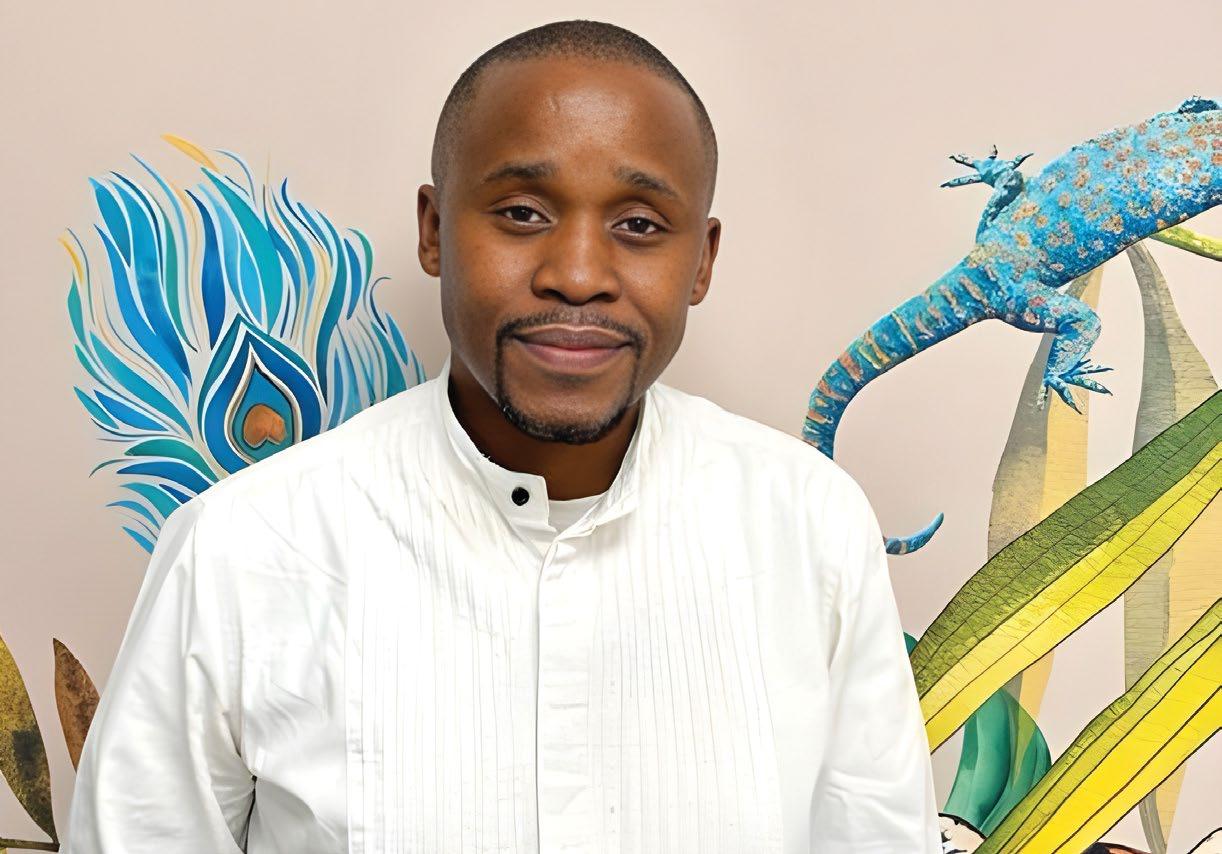
Operations Manager Vusumuzi (Vusi) Mtshali, has been involved with this programme from the outset. He is all too familiar with these real-world job challenges; his own career journey is a story of perseverance against what seemed, at times, overwhelming odds.
In a resounding “Yes” to everything this programme represents, Vusi reflects that: “It builds your humanity. Caring is part of the job – loving the youth that you work with. Feeling like a parent to them all and waking up at night wondering if you’ve done enough.”
CLIMATE RESILIENT COMMUNITIES
17
Scholars
Building on our legacy of supporting small-scale agriculture, this programme explores how localised, climate-wise farming and water harvesting can unlock long-term resilience for our Partner Communities.
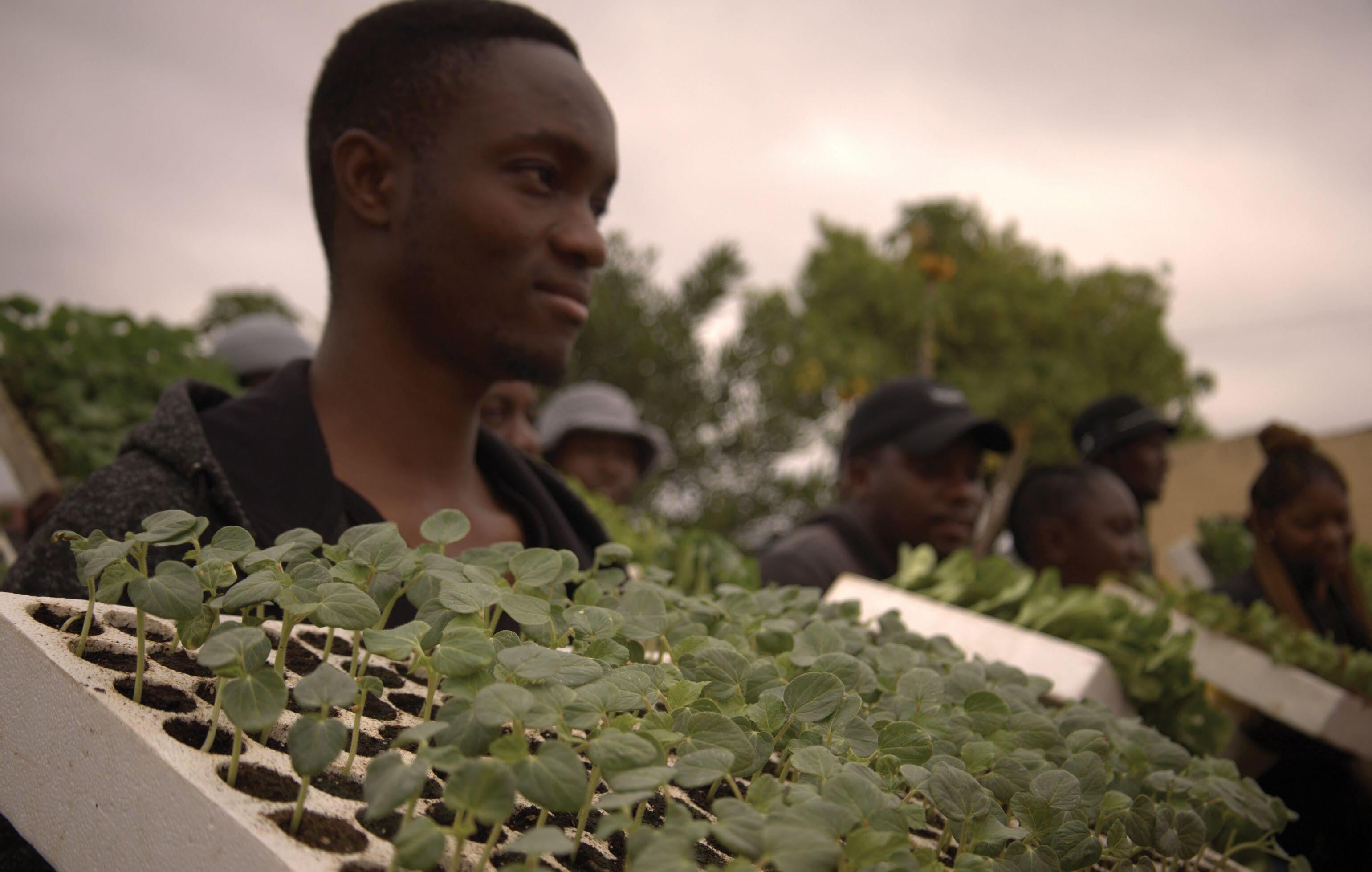
Early cornerstones include the establishment of irrigated food gardens and reliable access to clean water, supporting an outcome that will see 100% of our Partner Community educational facilities with food gardens and access to nutritionally certified meals.
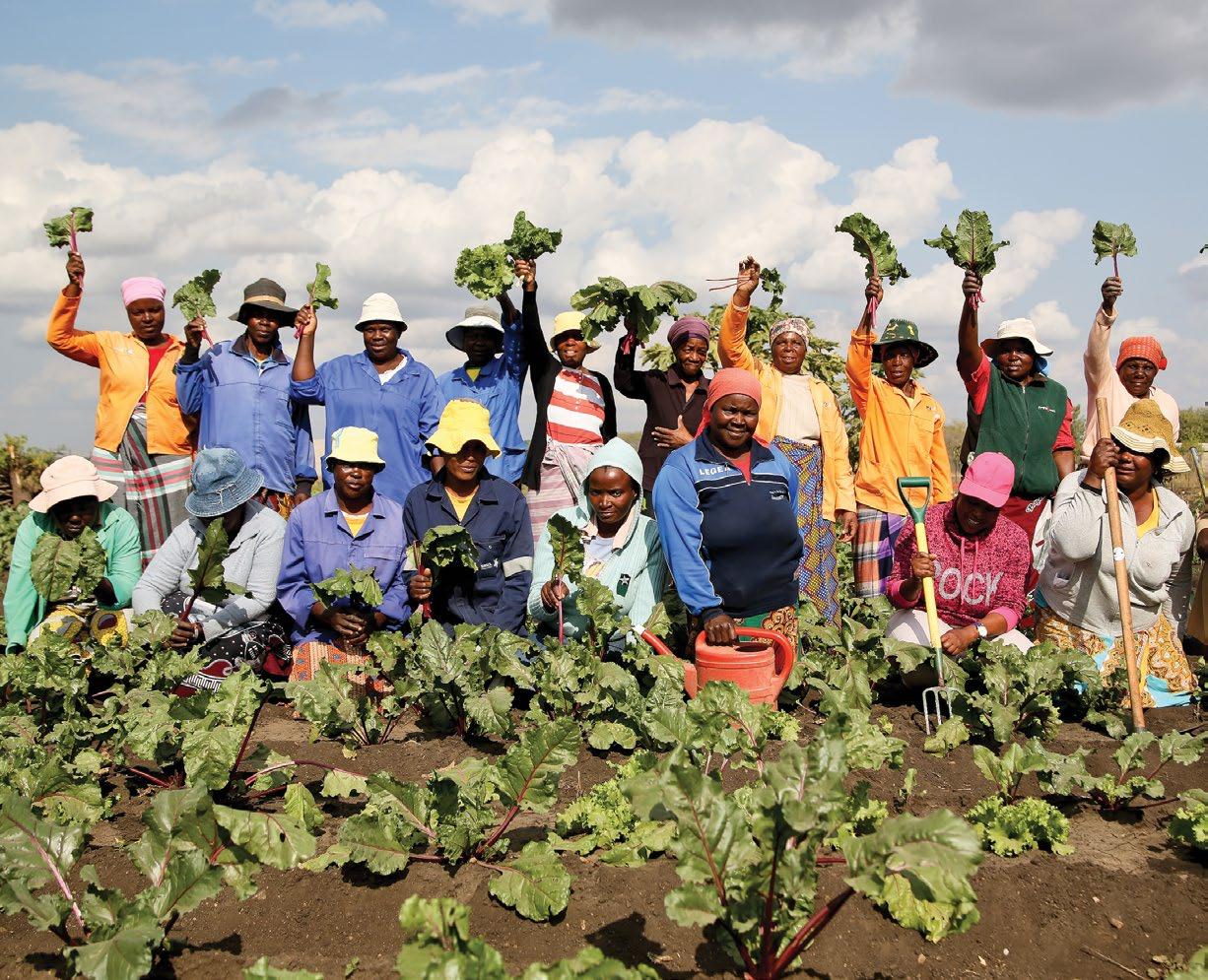
SUPPORTING CLIMATE RESILIENCE
Welverdiend Food Security Project, South Africa
The reach of this sponsored project extends beyond the three shade houses and supporting irrigation for seeding cultivation at our community hub points of Bohlabela Craft Market, Gottenburg and Islington Home Based Care Centres.
Between July and October 2024, it supported the propagation and distribution of 42 528 seedlings to 89 food gardens at crèche, preschool and primary schools within our Partner Communities. Seedlings and vegetables have also assisted 74 vulnerable community members in the Welverdiend community, with 96% being female-headed households. The sale of vegetables from two of the hubs in October marked a key step in economic empowerment.
Across the project’s 11 beneficiary sites, established food gardens are thriving, with yields reaching up to 30 kg per week. Harvested vegetables have already realised savings of ZAR 96 596. With beneficiaries participating in harvesting, watering and transplanting seedlings in their school gardens, the long-term sustainability of this project is ensured.
HUSTLE ECONOMY
This programme recognises that 70% of Southern and East Africa’s school leavers will work within the informal or ‘hustle’ economy sector. This is especially relevant in rural areas where formal employment opportunities are limited. It is currently being implemented in South Africa, Botswana and Kenya, with the intention to expand it across our footprint in Africa.
PROFILE SHIFT
With targeted mentorship and the application of new financial disciplines, Phase 2 of our Hustle Economy programme reflected a powerful profile shift: a decisive move beyond poverty line earnings, collectively generating more than USD 5 Million in new annual profit across FY24 and FY25.
FY25 OUTCOMES PROGRESS
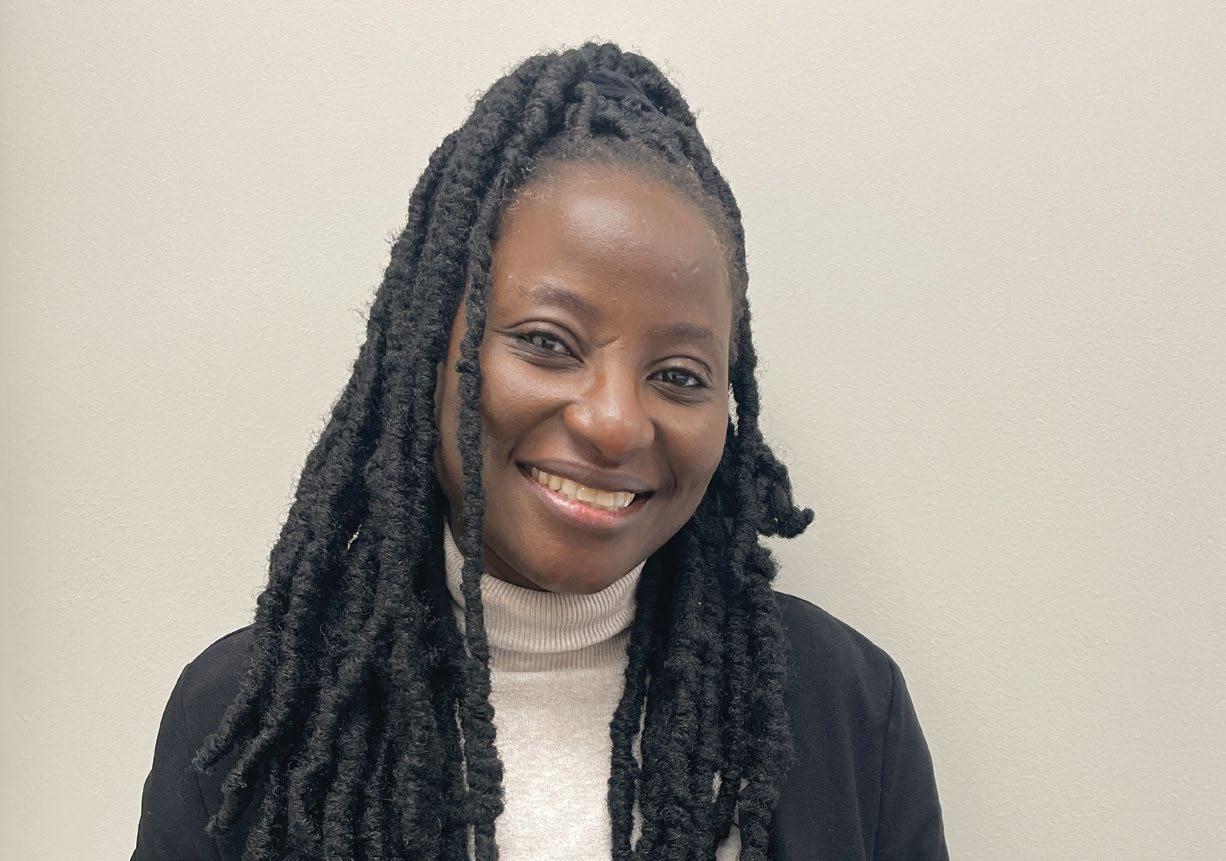
LINDIWE MOYO
Hustle Economy South Africa Programme Manager
Flourishing informal enterprises and the Hustle Economy go hand in hand. Wild Impact Programme Manager, Lindiwe Moyo, heads up a dedicated team and leads from the heart. She has seen futures transformed by this programme; in rural environments where formal job opportunities are limited and unemployment a hard reality. Youth and women are especially vulnerable sectors.
Lindiwe explains that this is about changing the narrative. For those emerging micro-entrepreneurs selected, a 12-month journey of mentorship, business development skills with a key focus on financial disciplines, and peer-to-peer group support awaits. Full participation and business growth unlock investment grants.
In the last three years, over 1 500 hustle-preneurs from our Partner Communities in South Africa have been supported. Does this programme have relevance to other countries in which we operate? Lindiwe’s response is an unqualified yes. “There are so many lives still to touch – it needs to go on forever and ever.”
Vision 2030 Partnerships
Conservation partnerships
COLLABORATING TO PRESERVE OUR LANDSCAPES AND SEASCAPES TOGETHER
African Leadership University
African Pangolin Working Group
African Conservation Experience
African Parks
ANAC Administração Nacional das Áreas de Conservação
BMZ, Baraza la Mitihani Zanzibar
Connect Trust
Department of Wildlife & National Parks (DWNP), Botswana
Department of Forestry, Fisheries and the Environment, South Africa
Esri
Ezemvelo KZN Wildlife
iSimangaliso Wetland Park
Laikipia Conservancy
Manyoni Private Game Reserve
Mara Conservancy
Mara Elephant Project
Mara Raptor Project
Ministry of Natural Resources and Tourism (MNRT) Tanzania
Mpumalanga Tourism and Parks Agency
Munywana Conservancy
Ngorongoro Conservation Area Authority (NCAA)
Project Rhino
Sabi Sand Nature Reserve
South African National Parks
Space for Giants
Suyian Conservancy
Tanzania National Parks Authority (TANAPA)
Tanzania Wildlife Management Authority (TAWA)
The Pangolin Project UNISA
World Wide Fund for Nature (WWF)
#Note: The partnerships featured on this page are representative of ongoing efforts and initiatives and do not encompass the full range of collaborations.

Sustainable development partnerships
SHAPING A FUTURE OF RESILIENT SPACES AND THRIVING COMMUNITIES TOGETHER
African Parks
Allan & Nesta Ferguson Settlement
All Seasons Capital Management
Babati District Council
Capital Group
CORDAP
Datadrive
Department of Education, KwaZulu-Natal Province, R.S.A.
Department of Health, KwaZulu-Natal Province, R.S.A.
Department of Education, Mpumalanga Province, R.S.A.
Department of Health, Mpumalanga Province, R.S.A.
District Municipality of Laikipia
EOCA European Outdoor
Conservation Association
Ernest and Brendalyn
Stempel Foundation
Game Rangers Association of Africa
Global Nature Fund
Harambee Youth Employment Accelerator
Hardap Regional Council
Hollard
IDEA International Dialogue for Environmental Action
IMBE Enterprise Incubator
Jet Educational Services
Nedbank
Niarra Travel
North West District Council
OFF Ocean Family Foundation
Relate Bracelets
Republic of Botswana
Republic of Mozambique
#Note: The partnerships featured on this page are representative of ongoing efforts and initiatives and do not encompass the full range of collaborations.
Royal African Foundation
Sabi Sand Pfunanani Trust
Singita Lowveld Trust
Tanzania Ministry of Education
Tanzania Ministry of Health
Tara Getty Foundation
Timbavati Foundation
Travel Elevates
TUSK
Yellowwoods
YES Youth Employment Services
Zanzibar Ministry of Education
Zanzibar Ministry of Health
Zanzibar Ministry of Blue Economy and Fisheries
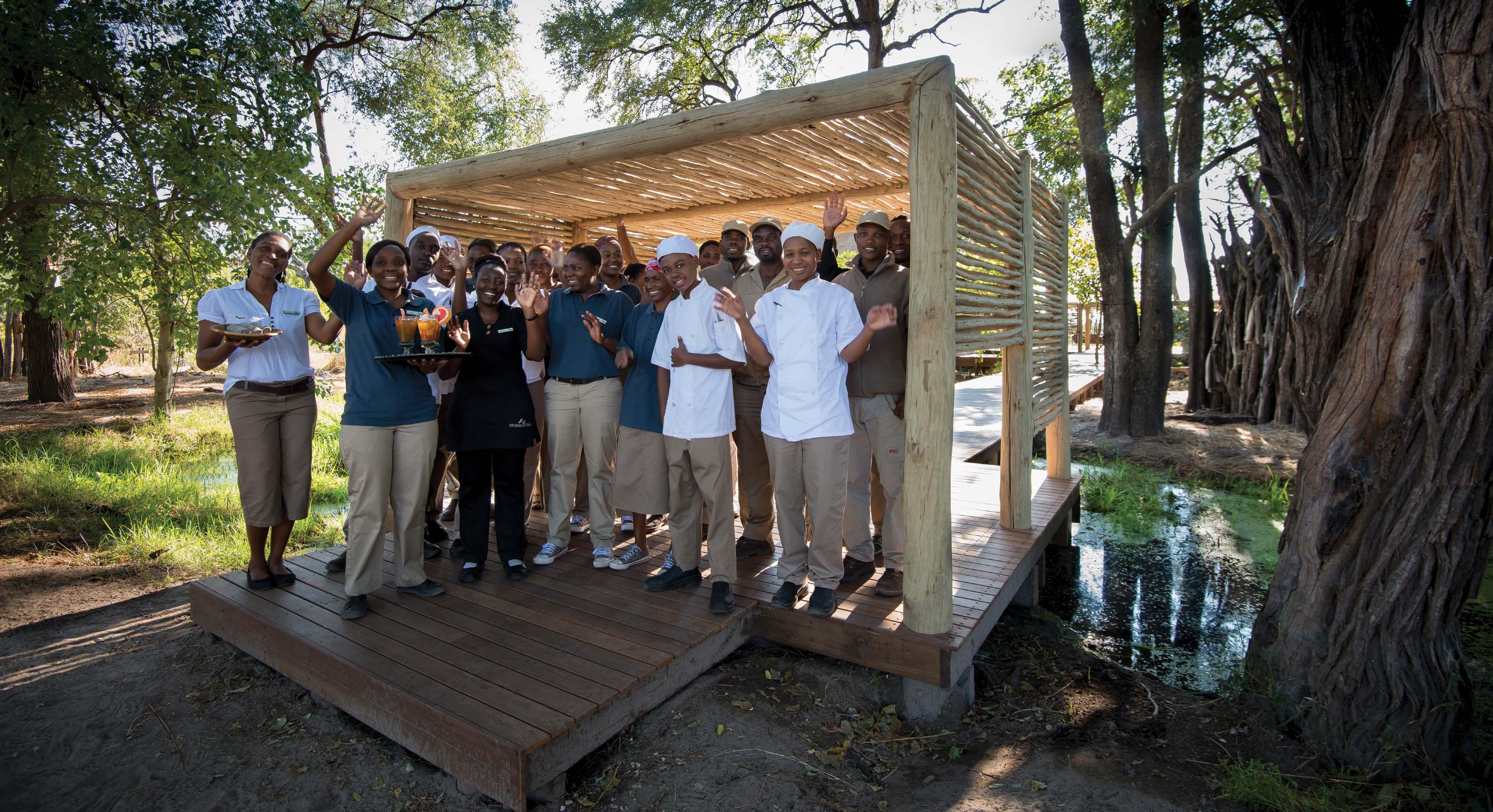
The core DNA of &Beyond is shaped by the passion, investment and commitment of the &Beyond teams and individuals.
JOSS KENT &BEYOND EXECUTIVE CHAIRMAN AND CEO

#seewhatliesbeyond