SEASON’S GREETINGS TO ALL MEMBERS
AND FRIENDS
OF Ananda Mandir


Anandalipi
A Magazine Published Annually by
ANANDA MANDIR
A Tax-Exempt, Non-Profit Organization
269 Cedar Grove Lane; Somerset, NJ 08873
Tel: 732.873.9821
Website: www.anandamandir.org
PUBLICATIONS COMMITTEE
Chairperson:
Debajyoti Chatterji, debsmee572@gmail.com
Assistant Chairperson: Subrata Bhaumik, bhaumik.subrata@gmail.com
Editor-in-Chief:
Amitabha Bagchi,amitabhanj@gmail.com
Executive Editor, Anandalipi: Subhodev Das, subhodev.das@gmail.com
Executive Editor, Ananda Sangbad: Debajyoti Chatterji, debsmee572@gmail.com (Acting)
Editors:
Subrata Bhaumik, bhaumik.subrata@gmail.com
Sushmita Dutta,sushmitadutt2@gmail.com
Amrita Kangle, amritakangle@hotmail.com
Nupur Lahiri,nupurlahiri@aol.com
Sophia Mitra, sophiamit@yahoo.com
Rahul Ray, bapi@bu.edu
Associate Editors: Ruby Banerjea, r_banerjea@yahoo.com
Advisor: Ashok Rakhit, ashokrakhit@gmail.com

About the cover:
AI-imagined ‘Rupang Dehi’ sloka of Argala Stotram
Cover Design: Sushmita Dutta
Technical Assistant and Layout: Nirmalya Prachanda
Compose: Mita Bhattacharya
Ananda Mandir’s Board of Trustees and Committees (2023-2024)
Officers
(Members of the Executive Committee are identified with asterisks against their names)
President: Anjan Lahiri (*)
Vice Presidents: Debajyoti Chatterji (*), Ashok Rakhit (*) and Jai Prakash Biswas(*)
General Secretary: Arun Bhowmik (*)
Treasurer: Sanchoy Das (*)
Assistant Treasurer: Pradip Majumdar
Other BOT Members:
Chhanda Aditya, Jayadratha Bhowmick (*), Prabir Biswas, Chanu Das, Sumit Ganguli, Nimai Ghose, Sajal Mukherjee (*), Biswajyoti Nayak, Nilotpal Paul, Mitra Purkayastha, Anup Rakhit, Uma Roychowdhury, Dipak Sarkar, Shyamal Sarkar, Rik Sen, Utpal Sengupta, Mita Sinha (*
Priest: Biswajyoti Nayak
Tagore Hall Manager: Kirit Dalal
Other Committees and Subcommittees
Award & Recognition
Ashok Rakhit (Co-Chair
Debajyoti Chatterji (Co-Chair)
Subrata Bhaumik
Susmita Biswas
Amitabha Bagchi
Dipak Sarkar
Jerry GaMarsh (Adjunct)
Maintenance
Arun Bhowmik (Co-Chair)
Chanu Das(Co-Chair)
Prabir Biswas
Pradip Majumdar
Communication
Jayadratha Bhowmick (Co-Chair)
Nilotpal Paul (Co-Chair)
Community Relations
Utpal Sengupta (Co-Chair)
Prabir Biswas
Constitution, Policies & Procedures
Dipak Sarkar (Chair)
Kamalesh Sirkar
Debajyoti Chatterji
Ashok Rakhit
Jai Prakash Biswas
Anjan Lahiri
Construction
Ashok Rakhit (Chair)
Prabir Biswas (Asst Chair)
Arun Bhowmik
Pradip Majumdar
Cultural Activities
Sajal Mukherjee (Chair)
Satyajit Bhattacharya
Arun Bhowmik
Suranjan Bhanja Choudhury
Mitra Purkayastha
Utpal Sengupta
Major Events Coordination
Jai Prakash Biswas(Co-Chair)
Anjan Lahiri (Co-Chair)
Subhrojit Dutta(Asst Chair)
Chanu Das
Joy Bhowmick
Nilotpal Paul
Soumen Deb
F inancial Analysis & Budget Management
Jai Prakash Biswas(Co-Chair)
Anjan Lahiri (Co-Chair)
Chanu Das (Asst Chair)
Sanchoy Das
Pradip Majumdar
Arun Sakar, CPA
Audit Committee
Anjan Lahiri (Co-Chair)
Suman Banerjee(Co-Chair)
Arun Sarkar, CPA
Food Arrangement
Jai Prakash Biswas(Chair)
Ruby Sarkar (Asst Chair)
Uma Roychowdhuri (Asst Chair)
Suman Banerjee
Tapati Bandopadhyay
Suparna Biswas
Shom Chatterjee
Sanchoy Das
Nemai Ghosh
Pradip Majumdar
Debasish Mukherjee
Santosh Mukherjee
Anupom Saha
Ujjal Sanyal
Subhrojit Dutta
Soumen Deb
Swati Deb
Fund-Raising
Debajyoti Chatterji (Co-Chair)
Dipak Sarkar (Co-Chair)
Jai Prakash Biswas
Krishna Bhattacharya
Surya Dutta
Krishna Dutta Roy
Biswajyoti Nayak
Ashok Rakhit
Nilotpal Paul
Anjan Lahiri
Humanitarian Activities
Utpal Sengupta(Chair)
Literary Discussion
Subrata Bhaumik (Chair)
Amitabha Bagchi
Membership Information
Jayadratha Bhowmick (CoChair)
Nilotpal Paul (Co-Chair)
Donation Collection
Bandana Rakhit (Chair)
Suparna Biswas (Asst Chair)
Kalyan Basu
Bimal Biswas
Sikha Chatterjee
Purba Lahiri
Mitra Purkayastha
Anup Rakhit
Dipak Sen
Supriya Sen
Tandra Bhowmick
Subhechha Paul
Puja & Religious Services
Biswajyoti Nayak (Co-Chair)
Mita Sinha (Co-Chair)
Rik Sen (Asst-Chair)
Chhanda Aditya
Rita Bhowmik
Susmita Biswas
Lopa Das
Soma Dutta
Sharbani Mukherjee
Soma Rakhit
Ranjana Sanyal
Publication
Debajyoti Chatterji (Chair)
Subrata Bhaumik (Asst Chair)
Amitabha Bagchi
Subhodev Das
Sushmita Dutta
Amrita Kangle
Nupur Lahiri
Ruby Banerjea
Sophia Mitra
Rahul Ray
Strategic Planning
Ashok Rakhit (Chair)
Joy Bhowmick
Jai Prakash Biswas
Debajyoti Chatterji
Sumit Ganguli
Anjan Lahiri
Sajal Mukherjee
Nilotpal Paul
Dipak Sarkar
Kamalesh Sirkar
Youth Activities — K isholoy
Dipak Sarkar (Chair)
Youth Activities – New Programs
Sudipta Bhanja Choudhury (Chair)
Evergreen Club
Prabir Biswas (Chair)
Susmita Biswas (Asst Chair)
Debajyoti Chatterji
Sikha Chatterji
Writers Club
Debajyoti Chatterji (Chair)
Amitabha Bagchi (Asst Chair)
K itchen Maintenance & Food Safety
Tapati Bandopadhyay (Chair)
Sipra Bhol
Kirit Dalal
Uma Roychodhury
Ujjal Sanyal
Swati Deb
Soumen Deb
Office Adminstration
Sanchoy Das (Co-Chair)
Rama Haldar (Co-Chair)
Anup Rakhit
Kirit Dalal
Editorial
Dear Readers of Anandalipi
On behalf of the editorial board, I extend our heartiest Sharodiya greetings to you.
We are happy to bring forth Anandalipi, Ananda Mandir’s flagship literary publication, both in printed and electronic forms. In this issue, we’ve compiled a diverse and appealing collection of essays, short stories, poems, and life experiences written in Bengali and English. Several of these articles reflect prevailing views on global affairs in a number of ways. Additionally, the magazine features contributions from our community’s second generation in a separate Youth Section. We sincerely hope that reading the magazine will be as enjoyable for you as it was for us to put together.
Ananda Mandir continues to serve as a beacon of aspiration for the immigrant Bengali community in North America through its support of religious and cultural endeavors. Ananda Mandir’s temple is used for both public and private religious ceremonies (annaprashan, marriage, etc.) throughout the year. While cultural events (music, drama, dance, etc.) are held at the Tagore Hall. In addition to these, Ananda Mandir facilitates the annual Gayatri GaMarsh Memorial Award for Literary Excellence as well as its various publications and regular discussion group meetings (Sahitya O Alochana).
I conclude with a fond remembrance of our very own Guru Chakraborty who was a regular contributor to this magazine and also stewarded our sister publication Ananda Sangbad for many years. We had worked closely on the editorial board where he pursued his visions about our community and humanity. We will continue his efforts through our publications.
Wish you a safe and happy year ahead.
Subhodev Das Executive Editor
Season’s Greetings
Sincere Thanks and Compliments to the readers, authors and editors of
and to
Ananda Mandir
for years of continued and critical support of our literary efforts!

President’s Message
In life people first seek ‘Financial Stability’, then they want ‘Recognition’ and then they seek ‘Belonging’. This is a modification of the famous ‘Maslow’s Hierarchy of Needs’ modified for the Digital Age. Over the last several years, through the Covid Pandemic and beyond, Ananda Mandir has today established itself as a fulcrum of social connections for the community bringing to us tremendous belonging. We are collectively grateful for that.
Including the regular monthly Puja’s there are nearly 55 events organized on a yearly basis at Ananda Mandir. In addition, our Temple Priest, Bishwabhai, conducts almost 15 private pujas a month. This requires a tremendous amount of community involvement, volunteer efforts and of course funds. Thanks to o ur regular puja donations and the dedication of our donors through the Annual Fund Raising efforts, today Ananda Mandir has been able to pay back nearly 50% of the total loans that it had taken to build the Temple and the Tagore Hall complex.
In the years ahead we look forward to continuing to serve the community and for the community to become more closely associated with the various activities at Ananda Mandir. In addition to the various activities around Puja’s, we have Cultural events, Publications, the Ananda Mandir School of Arts, the Literary Club, the Evergreen Club etc. The full list of committees is available in the previous pages and on our website.
We look forward to everyone’s participation in continuing to strengthen Ananda Mandir as an institution and we thank you for your support and engagement over the years.
Anjan Lahiri President
Prose
Founder of Azad Hind Fauz - The Other Bose Asok Baral 117
Encountering Tibetan Refugees Bakul Banerjee
122 An Arranged Marriage Basab Dasgupta
126 A Principled and Conscientious Lawyer Binoy Samanta
131 A Dozen Roses Debajyoti Chatterji
137 How the Steel was Tempered Debasish Roy Chowdhury
141 Green Bangles Sophia Mitra
148 God’s Way of Being Anonymous Vishnupriya
Poem
Dear Dad
Mandira Chattopadhyay
155
The Story of Immortal Love
Bharati Chowdhury
157
Youth Corner
Bubble Girl - Art
Raima Bhattacharjee 161
How it REALLY Should Have Ended
Aryan Mukherjee 162
Escape of the Eraser
Ashmita Ghosh
165
Chaudhuri
xyÎ˚ Ó,!‹T ˆéÑ˛ˆÏ˛õ
(The practice of fertility cult in rural Bengal) x!ò!ï˛ ˆây£Ï ò!hflÏòyÓ˚ñ ˛!öí˛z çy!§≈
≤Ãyã˛#ö •Ó˚Øy §û˛ƒï˛y ˆÌˆÏܲ
˛õyÄÎ˚y ~ܲ!ê˛ !§°ˆÏüy•ˆÏÓ˚
ˆòáy ÎyÎ˚ñ öyÓ˚#Ó˚ çööyD
ˆÌˆÏܲ xy!Óû≈)˛ï˛ •ˆÏÎ˚ˆÏåÈ ~ܲ!ê˛ °ï˛y–
ï˛y ˆÌˆÏܲ ˆÓyé˛y ÎyÎ˚ñ
≤Ãyã˛#ö üyö%£Ï !ÓŸªy§ ܲÓ˚ï˛
ˆÎ öyÓ˚#ˆÏò• ˆÌˆÏܲ•z ≤ÃÌü
¢ˆÏ§ƒÓ˚ ú˛°ö– ï˛y•z xy!òü
üyï,˛ï˛y!sfܲ §üyˆÏç
üyö%ˆÏ£ÏÓ˚ û˛yÓöyÎ˚ öyÓ˚# xyÓ˚
ç!ü !åÈ° §üyÌ≈ܲ– ò%•z•z í˛zÓ≈Ó˚ñ ≤Ãçöö«˛ü–
ö,ï˛_¥!ÓòˆÏòÓ˚ üˆÏï˛
öyÓ˚#•z xy!Ó‹ÒyÓ˚ ܲˆÏÓ˚!åÈ°
Ü,˛!£ÏܲyÎ≈– ˛õ%Ó˚&£ÏÓ˚y Îáö
˛õ÷!¢Ü˛yˆÏÓ˚ ˆÓ!Ó˚ˆÏÎ˚ ˆÎï˛ñ
ˆ§•z §üÎ˚ à,•fliy!°Ó˚
ܲyˆÏçÓ˚ ú˛ÑyˆÏܲ ܲáö ˆÎö
öyÓ˚#Ó˚ öçˆÏÓ˚ ˛õˆÏí˛¸ ˆà!åÈ°
Ó#ç ˆÌˆÏܲ xB%˛ˆÏÓ˚yÂàü–
ˆ§•z ˆÌˆÏܲ•z ÷Ó˚& •° xyˆÏhflÏ xyˆÏhflÏ ã˛y£ÏÓy§–
xy!òüܲyˆÏ° Ü,˛!£ÏܲyˆÏÎ≈ öyÓ˚#Ó˚ û)˛!üܲy ˆàyê˛y ˛õ,!ÌÓ# ç%ˆÏí˛¸•z
ˆöÄÎ˚y •ï˛– ï˛y•z Ó˚Óyê≈˛ !Ó ú˛ˆÏŒê˛Ó˚ üˆÏï˛ñ “The art of cultivation has developed exclusively in the hands of woman”.
§üyç
çˆÏöƒ òÓ˚ܲyÓ˚ Ó,!‹T– ï˛y•z Ó£Ï≈yôyÓ˚yÓ˚ ܲyüöy xy!◊ï˛
xˆÏß∫£ÏˆÏîÓ˚ ˆã˛‹Ty ܲÓ˚y •ˆÏFåÈ–
ÓƒyˆÏäÓ˚ !ÓˆÏÎ˚≠
ÓƒyˆÏäÓ˚ í˛yˆÏܲÓ˚ §ˆÏD Ó,!‹TÓ˚ ˆÜ˛yˆÏöy §¡õÜ≈˛ xyˆÏåÈ
~ê˛y !ÓK˛yö üyˆÏö öy– !ܲv Ó£Ï≈yܲyˆÏ° áy° !Ó°
!ü°ö xyܲyCyÎ˚ ˛õ%Ó˚&£Ï Óƒyä §!Dö#ˆÏܲ ˆáÑyˆÏç âö âö í˛yܲ !òˆÏÎ˚– ï˛y•z Ó£Ï≈y xyÓ˚ ÓƒyˆÏäÓ˚ í˛yˆÏܲÓ˚
§üy˛õï˛ö âˆÏê˛– !ܲv ≤Ãyã˛#öܲy° ˆÌˆÏܲ ~ ôyÓ˚îy•z •ˆÏÎ˚ xy§ˆÏåÈ ˆÎ Óƒyä í˛yܲˆÏ°•z Ó,!‹T •Î˚–
ܲyˆÏåÈ ç°û˛Ó˚y ˆüˆÏâÓ˚ xyˆÏÓòö–
ˆüâ öyüy•zÎ˚y ˆò–
ÓyÇ°yˆÏòˆÏ¢Ó˚ Ó˚yç¢y•# ˆç°yÎ˚ xyÓyÓ˚ ò%ˆÏê˛y ˆÜ˛y°y
ÓƒyäˆÏܲ öyˆÏܲ ˆöy°Ü˛ ˛õ!Ó˚ˆÏÎ˚ §yçyˆÏöy •Î˚– §ˆÏ¶˛ •ˆÏ°
@ˇÃyˆÏüÓ˚ ˆüˆÏÎ˚Ó˚y ܲ°!§ˆÏï˛ ç° û˛!ï≈˛ ܲˆÏÓ˚ üyˆÏë˛ ÎyÎ˚–
ï˛yÓ˚˛õÓ˚ üy!ê˛ˆÏï˛ Ü˛°!§Ó˚ ç° ˆì˛ˆÏ° !òˆÏÎ˚ üy!ê˛
û˛yí˛#Ó˚ ˆò¢x ˆüâ öy•z
ˆàyåÈ° ܲÓ˚ÓyÓ˚ ˛õy!ö öy•z
Óy§ö ô%•zÓyÓ˚ ˛õy!ö öy•z
ˆÓyÓ˚ ˆ«˛ˆÏï˛Ó˚ xy¢y öy•z
˛õ%ï˛°yˆÏÓ˚ Îy•zˆÏÓ ˛õˆÏÓ˚Ó˚ âÓ˚–
Óòöy !ÓÎ˚y≠
ú˛!Ó˚ò˛õ%ˆÏÓ˚Ó˚ xyã˛yÓ˚– Óòöy üyˆÏö â!ê˛– ˜ã˛e ˜Ó¢yˆÏáÓ˚
≤ÃÓ° áÓ˚yÎ˚ üy!ê˛ Îáö ú%˛!ê˛ú˛yê˛y •ˆÏÎ˚ ÎyÎ˚ ï˛áö @ˇÃyˆÏüÓ˚
Ó,!‹TÓ˚ xy¢yÎ˚ Óòöy
ã˛R@ˇÃyˆÏüÓ˚ Ó,!‹T xyÓy•ˆÏöÓ˚ xyã˛yÓ˚≠
ã˛R@ˇÃyˆÏü ≤Ãã˛!°ï˛ xyã˛yÓ˚!ê˛ ˛õy°ö ܲˆÏÓ˚ ~ܲ!ê˛ Óy!°Ü˛y–
ò#â≈!òö Ó,!‹T öy •ÓyÓ˚ ú˛ˆÏ° áÓ˚y •ÓyÓ˚ í˛z˛õe´ü •ˆÏ°
Óy!°Ü˛y!ê˛
Óy!í˛¸ üyàˆÏö ˆÓˆÏÓ˚yÎ˚– Ü%˛ˆÏ°yÎ˚ ÌyˆÏܲ xyˆÏüÓ˚ ˛õÕ‘Ó
Ó§yˆÏöy ç°û˛Ó˚y !˛õï˛ˆÏ°Ó˚ â!ê˛– åÈí˛¸y
Óy!°Ü˛y!ê˛ à,•ˆÏfliÓ˚ Óy!í˛¸ˆÏï˛ í˛z˛õ!fliï˛ •ˆÏ° Óy!í˛¸Ó˚ ˆüˆÏÎ˚Ó˚y
ï˛yÓ˚ üyÌyÎ˚ ç° ˆì˛ˆÏ° ˆòÎ˚– ç° Ü%˛ˆÏ°y ˆÌˆÏܲ à!í˛¸ˆÏÎ˚
üy!ê˛ˆÏï˛ ˛õˆÏí˛¸– ˆòˆÏá üˆÏö •Î˚ ˆÎö Ó,!‹T ˛õí˛¸ˆÏåÈ–
ܲyˆÏ°y ˆüây öyˆÏüy öyˆÏüy ú%˛° ˆï˛y°y ˆüâ öyˆÏüy ô%°ê˛ ˆüây ï%˛°ê˛ ˆüây ˆï˛yüÓ˚y §Óy•z öyˆÏüy
ܲyˆÏ°y ˆüây öyˆÏüy öyˆÏüy ˆã˛yˆÏá ܲyç° !òÎ˚y
ˆï˛yüyÓ˚ û˛yˆÏ° !ê˛˛õ xÑy!Ü˛Ó ˆüyˆÏòÓ˚ •ˆÏ° !ÓÎ˚y
xy!í˛¸Î˚y ˆüây •y!Ó˚Î˚y ˆüây Ü%˛!í˛¸Î˚y ˆüâyÓ˚ öy!ï˛
öyˆÏܲÓ˚ ˆöy°Ü˛ ˆÓ!ã˛Î˚y !òÓ ˆï˛yüyÓ˚ üyÌyÎ˚ åÈy!ï˛
ˆÜ˛Ôê˛û˛Ó˚y !§Ñò%Ó˚ !òÓñ !§Ñò%Ó˚ ˆüâyÓ˚ àyÎ˚ñ
ˆÎö ˆòÎ˚yÓ˚ í˛yˆÏܲ üyë˛ í%˛!ÓÎ˚y ÎyÎ˚–
Ó˚yç¢y•# ˆç°yÎ˚ ˆüâyÓ˚y!öÓ˚ ÓòˆÏ°
öyü!ê˛ ˆÓ!¢ ≤Ãã˛!°ï˛–
~ܲ Ó,!‹T xyÓy•ˆÏöÓ˚ öyü ˆüâyÓ˚y!ö ˆÎáyˆÏö
§Ω˛y£Ïî
åÈí˛¸y xyÓ,!_ ܲˆÏÓ˚–
§yüyöƒ ˛õyÌ≈ܲƒ
xyã˛yÓ˚ xyˆÏåÈñ öyü ܲyòyüy!ê˛ ˆá°y– ï˛ˆÏÓ ~ˆÏï˛
Óy!í˛¸ â%ˆÏÓ˚ â%ˆÏÓ˚ åÈí˛¸y
~ˆÏòÓ˚ ܲyˆÏåÈ Ü%˛ˆÏ°y Óy âê˛ !ܲå%È ÌyˆÏܲ öy– à,•fli
ˆüˆÏâÓ˚ ܲyˆÏåÈ ~•zû˛yˆÏÓ xyˆÏÓòˆÏöÓ˚ üyôƒˆÏü ˛õ!Ó˚‹ÒyÓ˚
ˆÓyé˛y ÎyÎ˚ @ˇÃyüÓyÇ°yÓ˚ Ü,˛!£Ïܲyç ˆÏï˛y ÓˆÏê˛•z ˜òö!®ö
âˆÏÓ˚yÎ˚y ܲyçܲü≈Ä Ó,!‹TÓ˚ çˆÏ°Ó˚ IJõÓ˚ ܲï˛ê˛y !öû≈˛Ó˚¢#°–ˆüâyÓ˚y!ö xyã˛yÓ˚ ~ˆÏܲÓyˆÏÓ˚•z ˆüˆÏâÓ˚ ܲyˆÏåÈ xy!¢§ Óy!Ó˚
Îyã˛yÓ˚ xö%¤˛yö–
Ó§%ôyÓ˚y≠
@ˇÃyˆÏüÓ˚ !•®% öyÓ˚#Ó˚y âˆÏÓ˚ âˆÏÓ˚ ˛õy°ö ܲˆÏÓ˚–
˜çƒ¤˛ üyˆÏ§ öò# öy°y áy° !ӈϰ Îáö ~ܲê%˛Ä ç° ÌyˆÏܲ öy ï˛áö Ó,!‹TÓ˚ ܲyüöyÎ˚ Óy!í˛¸Ó˚ ˆüˆÏÎ˚Ó˚y í˛zˆÏë˛yˆÏöÓ˚ ~ܲ
àyˆÏåÈÓ˚ í˛yˆÏ°
xyã˛yˆÏÓ˚Ó˚ !òܲ ˆÌˆÏܲ ˆüâyÓ˚y!öˆÏï˛ ˆüâ ˆòÓï˛yÓ˚ ܲyˆÏåÈ
Ó,!‹TÓ˚ ܲyüöy xyÓ˚ Ó§%ôyÓ˚y Ó ˆÏï˛ ô!Ó˚e#ˆÏܲ !§_´ ܲÓ˚yÓ˚
Óy§öyÎ˚ ü)°ï˛ ˆÜ˛yö ˛õyÌ≈ܲƒ ˆö•z–
ò%•z•z ú˛§° ú˛°yÓyÓ˚ xyˆÏà ç!üˆÏܲ Óy!Ó˚!§_´ ܲÓ˚yÓ˚
xyÜ%˛° xy@ˇÃˆÏ• ˛õy°ö ܲÓ˚y •Î˚–
‡ò%üy ˆòÄÎ˚y≠
Ó˚Dzõ%Ó˚ ˆç°yÎ˚ Ú‡ò%üyÛ ˆüˆÏâÓ˚ ˆòÓï˛y– ˜ã˛e ˜Ó¢yá
üyˆÏ§ Ó,!‹TÓ˚ xû˛yˆÏÓ üy!ê˛
!•°!•°y•zˆÏåÈ Ü˛üÓ˚ê˛y ˆüyÓ˚
!¢Ó˚!¢Ó˚yÎ˚ˆÏåÈ àyÄ
ˆÜ˛yöˆÏë˛ !ܲöy ˆà•zˆÏ° ~°y
‡ò%ˆÏüÓ˚ òƒyáy ˛õyÄ––
˛õyê˛y§# áyö ˛õˆÏí˛¸ˆÏåÈ á!§Î˚y
xy•zˆÏ§Ü˛ ˆÓ˚ ‡ò%ü ˆòÄÎ˚y
ˆï˛yÓ˚ ÓyˆÏò ü%•z xyåÈ Ó!§Î˚y––
xöyÓ,!‹T ò)Ó˚ ܲÓ˚yÓ˚ çˆÏöƒ ‡ò%ü ˆòĈÏܲ á%!¢ ܲÓ˚yÓ˚
çˆÏöƒ öyã˛ àyˆÏöÓ˚ Ó˚#!ï˛ í˛z_Ó˚ ÓˆÏDÓ˚ ˆÜ˛yã˛ í˛z˛õçy!ï˛Ó˚
xyÕ‘y ˆüâ ˆò ˛õy!ö ˆò
åÈyÎ˚y ˆò ˆÓ˚ ï%˛•z
xyÕ‘y ˆüâ ˆò
Ó,!‹T ˆòÓï˛yÓ˚ ܲyˆÏåÈ üsf˛õyë˛ xyÓ˚ xyÕ‘y•ÈÙÈÓ˚ í˛zˆÏjˆÏ¢ƒ
öyüyç˛õyë˛ §yüy!çܲ xyÓ˚ ôü≈#Î˚ ≤ÃܲyÓ˚ˆÏû˛ò üyeñ ü)°
°«˛ƒ x!û˛ß¨ ÈÙÙÙÈ xyÓ˚yôƒˆÏܲ ï%˛‹T ܲˆÏÓ˚ Ó,!‹T ܲyüöy ܲÓ˚y–Ó,!‹T xy•ùyÎ˚ܲ üsf §Ó˚y§!Ó˚ Îyò% !ÓŸªy§ ≤ç)ï˛–
üyö!§Ü˛ ܲyüöy Óy§öyÓ˚ öܲ°•z ˛õ!Ó˚°!«˛ï˛ •Î˚ ˆ°yܲç
xyã˛yˆÏÓ˚– ö@¿ Óy!°Ü˛yˆÏܲ çˆÏ° !û˛!çˆÏÎ˚ Óy ˆåÈyê˛
ܲyòyÎ˚ àí˛¸yà!í˛¸ áy•zˆÏÎ˚ Óy üy!ê˛ˆÏܲ Óy ô!Ó˚e#ˆÏܲ ç°!§_´ ܲÓ˚y §Ó•z Ó,!‹TôyÓ˚y !§_´ !òö=!°Ó˚ ≤Ã!ï˛!°!˛õ ˆÎö– ˆàyê˛y ÓyÇ°yÓ˚ Ó,!‹T xyÓy•ö xyã˛yˆÏÓ˚
•z!u˛Î˚yö
ܲ°Ü˛yï˛yñ 1972
Briffault Robert. The Mothers: The Matriarchal Theory of Social Origins. The Macmillan Company: New York1931
Shar
Shar Shar Shar Sharodiya Gr odiya Gr odiya Gr odiya Gr odiya Greetings eetings eetings eetings eetings
To the readers, contributors, and patrons of Anandalipi and to
Ananda Mandir
Your encouragement and support over the years have been key to our literary efforts!

Subhodev Das Executive Editor
§)Î≈ñ ã˛wñ ÓyÎ˚%ˆÏܲ í˛z˛õy§öy ܲÓ˚yÓ˚ ã˛° !åÈ° §Ó
≤Ãyã˛#ö çöˆÏày¤˛#Ó˚ üˆÏôƒ•z– ≤Ãyã˛#ö ÓyÇ°yÎ˚ ~Ó˚
xöƒÌy •Î˚!ö– ≤ÃáÓ˚ @ˇÃ#ˆÏ‹øñ Îáö üy!ê˛ ˆú˛ˆÏê˛
ˆã˛Ô!ã˛Ó˚ñ ï˛áö çˆÏ°Ó˚ ≤Ãï˛ƒy¢yÎ˚ ÓyÇ°yÓ˚ âˆÏÓ˚ âˆÏÓ˚
Ó§%ôyÓ˚y Ó ˆÏï˛Ó˚ ã˛° !åÈ°– üy!ê˛Ó˚ ܲ°§ ú%˛ˆÏê˛y ܲˆÏÓ˚
àyˆÏåÈÓ˚ üyÌyÎ˚ e´üyàï˛ ç° ˆì˛ˆÏ° •*òˆÏÎ˚Ó˚ ܲyüöy
çyöyˆÏöy •ï˛ Ó§%ôyÓ˚y Ó ï˛ ˛õy°ö ܲˆÏÓ˚– §ˆÏDÓ˚
åÈí˛¸y!ê˛ !åÈ°ñ
ÚàDyñ àDyñ •zwñ ã˛wñ Óy§%ܲ#
˛õˆÏí˛¸ ï%˛°§# üˆÏMÈ˛Ó˚ ˛õyˆÏ¢ ~ܲ •yï˛
Ä ˆ§•z
ã˛Äí˛¸y ~ܲ!ê˛ àï≈˛ ܲˆÏÓ˚ñ ï˛yˆÏï˛ ï%˛°§#ã˛yÓ˚y ˆ˛õÑyï˛y •ï˛– ˆåȈϰÓ˚yÄ ˆÎ ˆÎyà !òï˛ öy ï˛y öÎ˚– Óí˛¸ ˆüˆÏÎ˚Ó˚y
¢Ñyá ÓyçyˆÏï˛yñ ˆÜ˛í˛z Óy üy°y ˆàшÏÌ ˆú˛°ˆÏï˛y ~ÓÇ ˆåÈyê˛Ó˚y
ܲ!í˛¸ !òˆÏÎ˚ §y!çˆÏÎ˚ ˆú˛°ï˛ ˆ§•z ˆá°yÓ˚ ˛õ%Ü%˛Ó˚ ˛õyí˛¸–
˛õ%çyÓ˚# Ó y·˛îñ ç!ê˛° ï˛sf üsfñ ¢_´ !öÎ˚ü ܲyö%ö !ܲå%È•z
Ó ï˛ Ü˛Ó˚ˆÏï˛y ˆ§Ü˛yˆÏ°– ï˛ˆÏÓ Ó ï˛
§hsˇyˆÏöÓ˚ üyï˛y ~ÓÇ ô!Ó˚e#Ó˚ üï˛ §•ö¢!_´ ˛õyÄÎ˚yÓ˚ ܲÌy ÌyܲˆÏï˛yñ Ó ˆÏï˛Ó˚ üsf=!°ˆÏï˛–
öyöy }ï%˛ˆÏï˛ñ öyöy §ü§ƒyÎ˚ üyö%£Ï ˜òˆÏÓÓ˚ û˛Ó˚§yÎ˚
!¢ˆÏÓÓ˚ üï˛ ÓÓ˚ ˛õyÄÎ˚yÓ˚ çöƒ ~•z Ó ï˛ Ó˚yˆÏá– ◊yÓî ˆ˛õ!Ó˚ˆÏÎ˚ ÎÌy!öÎ˚ˆÏü xyˆÏ§ û˛yo üy§– ~•z §üÎ˚ ܲÓ˚y
ˆ˛õÑã˛yˆÏ˛õÑ!ã˛ Ó ï˛– Ó°y •Î˚ ˆÜ˛yö öyÓ˚# ~•z üyˆÏ§ñ
Ó,•flõ!ï˛ÓyÓ˚ ~•z Ó ï˛ Ü˛Ó˚ˆÏ° âˆÏÓ˚
ï˛áö ï˛yˆÏ°Ó˚ üÓ˚÷üñ xï˛~Ó Ó ˆÏï˛Ó˚ üˆÏôƒÄ
ï˛yÓ˚ ≤Ã!ï˛ú˛°ö– ï˛y° öÓü# ˛õy°ö ܲÓ˚ˆÏï˛ö §ôÓy
öyÓ˚#Ó˚y– öÛÓåÈÓ˚ ~•z Ó ï˛ ˛õy°ˆÏöÓ˚ !Óôyö ÈÙÙÙÈ í˛zˆÏj¢ƒ
fl∫yü# §hsˇyˆÏöÓ˚ üD° Ä ôö §¡õ!_ °yû˛– ~Ó˚˛õÓ˚ xy!Ÿªö
üyˆÏ§ üy ò%à≈y ˜Ü˛°y§ ˆÌˆÏܲ ÓyˆÏ˛õÓ˚ Óy!í˛¸ xyˆÏ§ö– xy!Ÿªö
§Çe´y!hsˇÓ˚ !òö ܲyܲ ˆû˛yˆÏÓ˚ ˛õyê˛Ü˛y!ë˛ˆÏï˛ xy=ö ˆçμˆÏ°
Ó°y ˆ•yï˛ñ Úxy!Ÿªö ÎyÎ˚ñ ܲy!ï≈˛Ü˛ xyˆÏ§ñ üy °-# âˆÏÓ˚
xyˆÏ§Û !Ó!û˛ß¨ ôÓ˚ˆÏöÓ˚ û˛yçy ¢yܲñ !öÓ˚y!ü£Ï û˛«˛î ܲÓ˚yÓ˚
!öÎ˚ü– ܲ#ê˛˛õï˛D Ä öyöy ˆÓ˚yà Óƒy!ô !öÓ˚yüˆÏÎ˚Ó˚ çöƒ
ˆ§Ü˛yˆÏ° !åÈ° àyÓ˚§# Ó ï˛–
ˆÜ˛yçyàÓ˚# °-#˛õ%ˆÏçyÓ˚– öyÓ˚# ˛õ%Ó˚&£Ï §Ü˛ˆÏ°•z xÇ¢
ˆÜ˛í˛z ˆÜ˛í˛z
ôö •Î˚ñ !öï˛ƒ ÓyˆÏí˛¸ §%á–Û
xyˆÏåÈ öyÓ˚#Ó˚ !öï˛ƒ üyD!°Ü˛ xyã˛yÓ˚
!ӣψÏÎ˚ öyöy !•ˆÏï˛y˛õˆÏò¢– ≤ÃܲyˆÏ¢ƒ í˛zFå¥Èy§ñ

òy!Ó Ü˛Ó˚ˆÏï˛ ˛õyˆÏÓ˚–~áyˆÏö 52 !ê˛ âÓ˚ ܲyê˛y •ï˛ñ xy°˛õöyÓ˚ åȈÏܲ–
xÑyܲy ˛õy!áñ ˛õ÷ñ !öï˛ƒ ÓƒÓ•*ï˛ à,• §yü@ˇÃ#
§Ó•z Ó !ï˛ö#Ó˚
xyÓ˚Ä ~ܲ!ê˛ Ü%˛üyÓ˚# Ó ï˛ !åÈ°ñ ˆÎê˛y xyˆÏçy xˆÏöˆÏܲ•z
ë˛yÜ%˛üyÈÙÈ!˛õ!§üyÓ˚ §ˆÏD ܲˆÏÓ˚ˆÏåÈö ~ÓÇ üˆÏö ܲÓ˚ˆÏï˛ ˛õyˆÏÓ˚ö–ˆ§•z •zï%˛Ó˚ âˆÏê˛ !§Ñò%Ó˚ !òˆÏÎ˚ ˛õ%ï%˛° xÑyܲy Ä âˆÏê˛Ó˚ ܲyöyÎ˚
ܲ!Õ√ ÷¢!öÓ˚ ò° òyü– ˛õÑyã˛Ü˛°y•z åÈí˛¸yˆÏöy xB%˛Ó˚ñ
üy!ê˛Ó˚
ˆú˛°yÓ˚ x˛õÓ˚yˆÏô ~ˆÏòÓ˚ •ï˛ò!Ó˚o !˛õï˛y Ó˚yà ܲˆÏÓ˚ à•#ö ÓˆÏö ˆÓ˚ˆÏá xyˆÏ§ö– ~•z ˛õˆÏÓ≈
Óyôƒ– ~Ó˚y ò%•z ˆÓyö !Ó¢y° Ó,ˆÏ«˛Ó˚ ˆÜ˛yê˛ˆÏÓ˚ xy◊Î˚ ˆöÎ˚
ÓˆÏöÓ˚ ˛õÌ ôˆÏÓ˚ ã˛°ˆÏï˛
÷Ó˚& ܲˆÏÓ˚– ~ܲ çyÎ˚àyÎ˚ ï˛yÓ˚y ˆòˆÏá üy!ê˛Ó˚
§y!çˆÏÎ˚ ˆüˆÏÎ˚Ó˚y ˛õ%ˆÏçy ܲÓ˚ˆÏåÈ ~ÓÇ
@ˇÃyüyMÈ˛ˆÏ°– ¢#ˆÏï˛ Óí˛¸ xyòˆÏÓ˚Ó˚ ~•z !˛õˆÏë˛ áyÄÎ˚yÓ˚ üy§– üyâ üyˆÏ§ üyâ
ü[˛°ñ ú˛yıˆÏö xyü°Ü˛# ~ܲyò¢# Ä ˜ã˛ˆÏe •Î˚ ö#ˆÏ°Ó˚ £Ï¤˛#Ó˚ Ó ï˛– x@ˇÃ•yÎ˚î üyˆÏ§Ó˚ §Çe´y!hsˇ ˆÌˆÏܲ ˆ˛õԈϣÏÓ˚ üܲÓ˚ §Çe´y!hsˇ ˛õÎ≈hsˇ ï%˛£ÏÈÙÈï%˛£Ïy°# Ó ï˛
~•z í˛z˛õÓy§ ܲÓ˚ˆÏï˛öñ ÎyÓ˚ öyü ˛õyu˛Óy !öç≈°y
~ˆÏï˛ Óyܲ# §Ó ~ܲyò¢#Ó˚ ˛õ%îƒ •Î˚– !öÎ˚üñ
§ÇÎü Ä ˆò•ˆÏܲ í˛z˛õÓyˆÏ§ ÷k˛ ܲÓ˚y•z ~•z §Ó Ó ˆÏï˛Ó˚ °«˛ƒ– ï˛ˆÏÓ ˆ§Ü˛yˆÏ° ˛õÑyã˛ ÓͧˆÏÓ˚Ó˚
Wishing ANANDA MANDIR
a huge success as a center for Bengali culture and heritage!
“I shut my eyes and all the world drops dead; I lift my lids and all is born again. (I think I made you up inside my head)” - Sylvia Plath
öÎ˚ñ
§Óy•z Ó˚_´üyLjϧ àí˛¸y üyöÓ#– ÷ô% ~ܲê%˛ xyí˛¸y° Ó˚«˛yÓ˚
çöƒ ~ˆÏòÓ˚ öyˆÏüÓ˚ xò°Óò° âˆÏê˛ˆÏåÈ– ~ˆÏòÓ˚ !òö!°!˛õÓ˚
ˆÌˆÏܲ•z
ܲ#
ï˛y•z •Î˚ˆÏï˛y Ä ~ˆÏï˛y û˛yˆÏ°y !°áˆÏï˛ ˛õyˆÏÓ˚– !ܲhsˇ ~«˛%!ö
ĈÏܲ §üÌ≈ö ܲÓ˚ˆÏï˛ ˛õyÓ˚ˆÏ°y öy ˆ§– üˆÏÓ˚ ÎyˆÏÓñ ~Ó˚
üˆÏôƒ⁄ ˆ§ !ܲ⁄ §yüˆÏö•z ˆ§ˆÏçy üyüyÓ˚ !ÓˆÏÎ˚ñ òyÓ˚&ö
ˆüö%ñ üyˆÏÎ˚Ó˚ üÎ˚)Ó˚ö#° ܲyO#û˛Ó˚üê˛y Ó%ܲ ܲˆÏÓ˚ˆÏåÈñ Ü%˛ü%
˛õÓ˚ˆÏÓ– !ÓˆÏò¢ ˆÌˆÏܲ ܲy!çöÓ˚y xy§ˆÏåÈñ ܲ_ üçy •ˆÏÓ
ӈϰñ xyÓ˚ ~§Ó ܲ# Ó°ˆÏåÈ Ü˛ü!°Ü˛y⁄ Ü%˛ü%!òö# !ܲFå%È
Ó°ˆÏ°y öy– !ܲv üˆÏö üˆÏö ¢∑ê˛y ˆáˆÏ° ˆÓí˛¸yˆÏ°y ˆÓ¢
!ܲå%È!òöñ !Ó!û˛ß¨ §ÆˆÏܲ ÈÙÙÙÈ í˛zòyÓ˚yñ ü%òyÓ˚yñ ï˛yÓ˚yÎ˚–
•ƒy°%!§ˆÏö¢öñ •ƒy°%!§ˆÏö¢yöööööööñ •ƒy°% ... !§ ... ˆö ¢yö ... ï˛Ó% xydfli ܲÓ˚y ˆà° öy !ܲå%ȈÏï˛•z– ï˛yÓ˚˛õÓ˚
!ÓåÈyöyÎ˚ ˆê˛ˆÏö!åȈϰ– ˆï˛yüyˆÏܲ xy§ˆÏ° !öˆÏçÓ˚ üˆÏï˛y ܲˆÏÓ˚ñ
ܲü ÎyÎ˚ñ ˆ§•z §Ó x!°à!° ôˆÏÓ˚
•Ñyê˛ˆÏï˛ •Ñyê˛ˆÏï˛ ... ÄÓ˚ ܲÌy í˛zë˛ˆÏ°
~áˆÏöy ˆã˛yá !û˛ˆÏç ĈÏë˛ ˆÜ˛ö Ü%˛ü%Ó˚–
Ü%˛ü%!òö# öyüܲ ˆ§•z ˛õMÈ˛ò¢#Ó˚
§)Î≈ˆÏòÓï˛y ~áö üôƒ ààˆÏö– xyÓ˚
ï˛áö•zñ ˆ§ xyÓyÓ˚ ÷öˆÏ°yñ ˆ§•z
¢∑!ê˛– ~ÓyˆÏÓ˚ ï˛yÓ˚ ÓƒOöy Óí˛¸
ï˛#Ó – x°ÇܲyÓ˚ Óí˛¸ í˛zjyü–
ˆÓ¢ ã˛°!åÈ° ç#Óöê˛y– ~ܲê˛y
§•ç §Ó˚° ˆ≤Ãüñ ~ܲê˛y ~ܲ°y
ˆüˆÏÎ˚Ó˚ é˛í˛¸é˛y˛õ%ˆÏê˛ §Ñy鲧ܲy°ñ
ˆÓшÏã˛ ÌyܲyÓ˚ ï˛y!àˆÏò ~ܲê˛y
ˆï˛yüyÓ˚ ˆfl¨•ã%˛¡∫ö û%˛ˆÏ° ˆÎÄ– û%˛ˆÏ° ˆÎÄ ˆ§•z Ü,˛£è
xÑy!áñ ˆ§ Ó˚y•z xD– ˆ§ ¢ƒyü xˆÏDÓ˚ Ó˚y•z xˆÏDÓ˚
ܲyöyܲy!öñ üyöyüy!ö– ˆ§•z º& üˆÏôƒÓ˚ ˆåÈÑyÎ˚yñ ˆ§•z ~ܲê%˛ ~ܲê%˛ ܲˆÏÓ˚ ˆï˛yüyÓ˚ •ˆÏÎ˚ Äë˛y xöhsˇÜ˛y° ˛õˆÏÓ˚ñ ˆ§•z
çy!ï˛fløÓ˚ܲÌy üˆÏö üˆÏö xyˆÏ°yã˛öyñ ˆ§•z !ÌÓ˚ !Óç%!Ó˚
ã%˛¡∫öñ ˆ§•z º& üôƒ °y° !ê˛ˆÏ˛õ xÑyܲy !ÓÓ˚•# ˛õy°yàyöñ
§Ó û%˛ˆÏ°•z ˆÎÄ xˆÏÜœ˛ˆÏ¢–xyçܲy° ò%Éá=ˆÏ°y xyÓ#ˆÏÓ˚ xÑy!ܲ xy!üñ flø,!ï˛Ó˚ =°yˆÏ° ï˛yˆÏܲ Ó˚yäy•z– ï˛Ó% çy!öñ §Óê˛y•z ºüñ §Óê˛y•z
•ƒy°%!§ˆÏö¢ö– ~§Ó ˆÜ˛yˆÏöy!òö §!ï˛ƒ !åÈ° öy–
û˛yˆÏ°yÓy§yñ ˆ≤Ãü ~Ó˚ üˆÏï˛y ÓˆÏí˛¸y !Óºü Ó%!é˛ xyÓ˚ ˆö•z–
~•z ≤Ã˛õMÈ˛üÎ˚ ˛õ,!ÌÓ#ˆÏï˛ ˆÜ˛ ܲyÓ˚⁄ ˛õ°Ü˛ ˆú˛!°ˆÏï˛ §Óy•z
~ܲyܲyÓ˚ ˆÎáyˆÏöñ ˆ§áyˆÏö §Óê˛y•z ˆÎ üyÎ˚y– ˆ¢£ÏˆÏü¢
~ܲ!ê˛ ã%˛˛õܲÌy– ï˛Ó% ˆ§!òö üˆÏö •Î˚!öñ xyç üˆÏö •Î˚ñ
•ƒy°%!§ˆÏö¢ˆÏöÓ˚ üyˆÏöê˛y !ë˛Ü˛ ܲ#ñ ˆ§!òö ܲü!°Ü˛yÓ˚ ˆÌˆÏܲ û˛yˆÏ°y ܲˆÏÓ˚ !¢ˆÏá !öˆÏÎ˚ ˛õÓ˚á ܲˆÏÓ˚ ˆòáˆÏ°•z ˆÓ¢ •ˆÏï˛y
Ü%˛ü%Ó˚–ܲyÓ˚&Óy!ܲÓ˚ ܲÌy ܲÛ!òö ôˆÏÓ˚•z
!öˆÏÎ˚ ï˛y!ܲˆÏÎ˚ ˆÌˆÏܲˆÏåÈ– xyˆÏÓ˚yÄ ˆòñ xyˆÏÓ˚yÄ áyˆÏÓy– ˆüˆÏÎ˚Ó˚y ܲáˆÏöy §áˆÏöy ÓˆÏí˛¸y ˆÓ!¢ üy •ˆÏÎ˚ ÎyÎ˚
!ܲöy– xyÓ˚ ï˛áö Ó%!é˛ !ܲFå%È Ü˛Ó˚yÓ˚ ÌyˆÏܲ öy– ≤ÈÏÎ˚yçˆÏöÓ˚ çöƒ xy!üÄ ï˛y•z •ˆÏÎ˚!åÈ– xy!ü ÄÓ˚ çˆÏöƒ §Ó •ˆÏï˛ ˛õy!Ó˚ñ üyñ ˆÓyöñ !ò!òñ Ó¶%˛ ... !ܲv Ó˚yôy •ˆÏï˛ ˛õy!Ó˚öy–Ó˚yôy •ÄÎ˚y !öÓ˚hsˇÓ˚ ï%˛ˆÏ° Ó˚y!á Ä•z Óyí˛zu%˛ˆÏ° ˛õ%Ó˚&£Ïê˛yÓ˚
Ä•z öFåÈyí˛¸ê˛yÓ˚ çöƒ ˆÎ ˆÜ˛Ó!° xˆÏöƒÓ˚ •ˆÏÎ˚
ô%ˆÏÎ˚ ĈÏܲ @ˇÃy§ ï%˛ˆÏ° !òˆÏÎ˚!åÈ ü%ˆÏá ü%ˆÏá– Ä xyüyÓ˚ à°yÎ˚ ˛õ!Ó˚ˆÏÎ˚ !òˆÏÎ˚ˆÏåÈ ˆ≤ÈÏüÓ˚ Ó˚b•yÓ˚– Ó#îyÎ˚ öï%˛ö ï˛yö ˆ°ˆÏàˆÏåÈ
àû˛#ˆÏÓ˚ ˆày˛õˆÏö– ã˛yÓ˚ ˆòÎ˚yˆÏ°Ó˚ üˆÏôƒ öÓ˚ öyÓ˚#Ó˚
Season’s Greetings!
Compliments and Best Wishes from Parthasarathi & Papiya Bhattacharya
åÈê˛yÓ˚ ˆê˛Δö
!ã˛ey üu˛°ñ !öí˛z çy!§≈˛
Ó˚!ÓÓyÓ˚ ˛õ%ˆÏçyÓ˚ £Ï¤˛#Ó˚ !òˆÏö §Ü˛yˆÏ°
â%üê˛y û˛yäˆÏ°y ê%˛˛õê%˛˛õ Ó,!‹TÓ˚ ¢ˆÏ∑
xyÓ˚ åÈê˛yÓ˚ ˆê˛ΔˆÏöÓ˚ í˛yˆÏܲ– ˛õò≈y á%ˆÏ°
Óy•zˆÏÓ˚ ï˛yܲyˆÏï˛•z üˆÏö ˛õˆÏí˛¸ ˆàˆÏ°y
Ó‡!òö xyˆÏàÓ˚ ܲÌy ÈÙÙÙÈ ~üö•z ~ܲ
Ó,!‹Tû˛Ó˚y £Ï¤˛#Ó˚ !òˆÏö Ó˚üyöyÌ Ü˛yÜ%˛
ÄöyÓ˚ ç#ÓˆÏöÓ˚ à“ ÓˆÏ°!åȈϰö–
ü%?˛ •ˆÏÎ˚ ÷ˆÏö!åÈ°yü ˆfiê˛¢ö üyfiê˛yÓ˚
Ó˚üyöyÌ ˆây£ÏyˆÏ°Ó˚ ܲÌy– xyüÓ˚y
ï˛áö òüòü ˆfiê˛¢ˆÏöÓ˚ ܲyˆÏåÈ ÄöyÓ˚
ï˛°yÓ˚ úœ˛ƒyê˛!ê˛ˆÏï˛ Ìyܲï˛yü– ܲyÜ%˛Ó˚ üˆÏï˛y xyüyÓ˚Ä §Ü˛y° åÈê˛yÓ˚ ˆê˛ΔˆÏöÓ˚ ÓÑy!¢Ó˚ xyÄÎ˚yçê˛y
~Ó˚ !•˛õˆÏöy!ê˛Ü˛ xyÄÎ˚yç xyüyÎ˚ ~áöÄ ã%˛¡∫ˆÏܲÓ˚ üˆÏï˛y ˆê˛ˆÏö !öˆÏÎ˚ ÎyÎ˚ ~áyˆÏö ÄáyˆÏö– xyÓ˚
ˆ˛õÑÔˆÏåÈ ˆòÎ˚ í˛z_Ó˚ÓˆÏDÓ˚ ~ܲ!ê˛ ˆåÈyR !•° ˆfiê˛¢ˆÏö–
•y!Ó˚ˆÏÎ˚ Îy•z ܲyÜ%˛Ó˚ ܲyåÈ ˆÌˆÏܲ ˆ¢yöy ~ܲ ˆfiê˛¢ö
üyfiê˛yˆÏÓ˚Ó˚ ç#ÓˆÏöÓ˚ àˆÏ“–
Ó˚üyöyÌ ˆây£Ïy° !åȈϰö ~ܲ ˆåÈyR ˛õy•y!í˛¸ ~°yܲyÓ˚
üyfiê˛yÓ˚– !òˆÏö =ˆÏö !ï˛ö!ê˛ ˆê˛Δö !öã˛ ˆÌˆÏܲ í˛zˆÏë˛ xy§ˆÏï˛y ï˛yÓ˚˛õÓ˚ !ú˛ˆÏÓ˚ ˆÎï˛– ~ê˛y•z !åÈ° ˆ¢£Ï ˆfiê˛¢ö–
ê˛ΔƒyˆÏܲÓ˚ ˆüÓ˚yü!ï˛Ó˚ ܲyˆÏç §y•y΃
Ü%˛§!Ó ~ܲày° ˆ•ˆÏ§ Ó°ˆÏï˛y ÈÙÙÙÈ ÚÚˆüyÓ˚ °y!à xˆÏê˛y
û˛y!Ó§ ˆÜ˛ˆÏö⁄ xy!ü ˛õy•yÓ˚#Î˚y üyö%•‰˛ñ xyüyÓ˚ !ܲå%È öy
•Óñ ï%˛ !üåÈy û˛Î˚ ˛õyåÈ !ò!òÛÛ– §Ó˚üy Ü%˛§!ÓÓ˚ •y§Ü%˛ˆÏê˛
ü%ˆÏáÓ˚ !òˆÏܲ ï˛y!ܲˆÏÎ˚ xÓyܲ •ˆÏÎ˚ ˆÎï˛– ˆüˆÏÎ˚!ê˛Ó˚ û˛Î˚í˛Ó˚
ӈϰ !ܲå%È ˆö•z– üyˆÏé˛üˆÏôƒ xyÓyÓ˚ Ü%˛§!Ó ~ê˛yÄ Ó°ˆÏï˛yñ
ÚÚxӈϢƒ Î!ò xyüܲ‰˛ °ˆÏà ˆåÈyê˛ ˆê˛Δ•zöáö Óöy•z!òÎ˚ ü%•z
û˛yˆÏ°•z •Ó ... òyòy ˜° ܲÄܲ öy ˆüyÓ˚ ܲÌy–ÛÛ §Ó˚üy û˛yˆÏÓ ü® ӈϰ!ö ˆï˛y Ü%˛§!Óñ ~ˆÏòÓ˚
Îyï˛yÎ˚yˆÏï˛Ó˚ çöƒ Î!ò !ܲå%È ÓƒÓfliy ܲÓ˚y ÎyÎ˚ ï˛y•ˆÏ° ˆï˛y
ˆ§y§y•z!ê˛Ó˚ §yˆÏÌ Ä Î%_´ !åȈϰy– ≤Ã!ï˛
ÓåÈÓ˚ Ó˚Ñy!ã˛ˆÏï˛ ~ܲ!ê˛ xy!òÓy§# Óy!îçƒ ˆü°yˆÏï˛
˛õƒyˆÏö!°fiê˛ !•ˆÏ§ˆÏÓ xy!òÓy§#ˆÏòÓ˚ ç#ÓˆÏöÓ˚ ã˛ƒyˆÏ°O !öˆÏÎ˚
xˆÏöܲ xyˆÏ°yã˛öy ܲÓ˚ˆÏï˛y– ï˛yÓ˚ òy!Î˚c !åÈ° @ˇÃyü#î ï˛Ó˚&î
xy!òÓy§# ü!•°yˆÏòÓ˚ ˆü°yÓ˚ fiê˛ˆÏ° •yˆÏï˛Ó˚ ˜ï˛!Ó˚
Ü%˛!ê˛Ó˚!¢ˆÏ“Ó˚ ≤Ãò¢≈ö ܲÓ˚yˆÏöy ~ÓÇ ï˛yÓ˚ ˆÌˆÏܲ !ܲ ܲˆÏÓ˚
í˛z˛õyç≈ö ܲˆÏÓ˚ fl∫yÓ°¡∫#
í˛z˛õÓ˚ ܲƒy!¡õLjÏÎ˚Ó˚ çöƒ ˆÎˆÏï˛ xyÓ˚Ω˛ ܲÓ˚ˆÏ°y ÈÙÙÙÈ ï˛yˆÏï˛ !ܲå%È ÓÎ˚flÒ xy!òÓy§#Ó˚y x§v‹T
~ˆÏï˛ ï˛yˆÏòÓ˚ ¢y!hsˇ ö‹T •ˆÏFåÈ ~•z ӈϰ ˆåÈyê˛áyˆÏê˛y
§Ó x!û˛ˆÏÎyà xyö!åÈ° §ï˛#ˆÏ¢Ó˚ ܲyˆÏåÈ– §ï˛#¢ üôƒfliï˛y
ܲˆÏÓ˚ §ü§ƒy=ˆÏ°y !ü!ê˛ˆÏÎ˚ !òˆÏï˛y fliyö#Î˚ ˆåȈϰˆÏòÓ˚
ˆåÈyê˛ÈÙÈÓí˛¸
~шÏܲÈÙȈÓшÏܲ í˛z_Ó˚ ˆÌˆÏܲ ò!«˛ˆÏî üsiÓ˚ à!ï˛ˆÏï˛
xƒyê˛°ƒy!rê˛Ü˛ §ü%ˆÏo !àˆÏÎ˚ ˛õˆÏí˛¸ˆÏåÈ– ˛≤Ã!ï˛ ÓåÈÓ˚ ~!≤ð
üyˆÏ§Ó˚ ≤Ã̈Ïü Ó§ˆÏhsˇÓ˚ ÷Ó˚&ˆÏï˛ ~•z öò#Ó˚ ò%ÈÙÈÜ%˛° í˛z˛õˆÏã˛
˛õˆÏí˛¸ ¢#ˆÏï˛Ó˚ çˆÏü Ìyܲy ÓÓ˚ú˛ÈÙÈà°y çˆÏ°– öò# åÈyí˛¸yÄ
ˆåÈyê˛ Óí˛¸ •…òñ ç°yç!üñ ˆí˛yÓy •zï˛ƒy!òÓ˚Ä ˆÜ˛yö
xû˛yÓ ˆö•z– xyܲy¢ ˛õ!Ó˚‹ÒyÓ˚ ÌyܲˆÏ° ï˛yˆÏòÓ˚
Óyòy!üñ Ó˚ˆÏäÈÙÈÓ˚ˆÏä ˆ§ˆÏçñ §Óy•zˆÏÎ˚Ó˚ ˆã˛yá ôÑy!ôˆÏÎ˚
é˛Ó˚ÈÙÈé˛Ó˚
ë˛y[˛yÓ˚ ≤ÈÏܲy˛õ
Óyí˛¸ˆÏï˛ Óyí˛¸ˆÏï˛ ÷Ó˚& •Î˚ ÚÄ”˛ üƒyöí˛z•zrê˛yÓ˚ÛÈÙÈ~Ó˚ òy˛õyòy!˛õ–
ܲyàˆÏçÓ˚ !û˛ï˛ˆÏÓ˚Ó˚ ˛õyï˛yÎ˚ !Ó¢òû˛yˆÏÓ á%ˆÏöÓ˚ Óî≈öyÓ˚ §ˆÏD
ü,ï˛ ˆüˆÏÎ˚!ê˛Ó˚ Ä x!û˛Î%_´ ˆåȈϰ!ê˛Ó˚ åÈ!Ó–
~ê˛y ~ˆÏܲÓyˆÏÓ˚ !öÑá%ï˛ !ã˛Ó˚ܲy°#ö ˆ≤Ãüñ û˛y°Óy§yñ
§ˆÏ®• xyÓ˚ ˆ§•z §ˆÏ®ˆÏ•Ó˚ ú˛° !•§yˆÏÓ á%ˆÏöÓ˚ à“– ˆÎö
ˆ§•z í˛z•z!°Î˚yü ˆ¢:˛õ#Î˚yÓ˚ÈÙÈ~Ó˚ ˆ°áyÓ˚ ˛õyï˛y ˆÌˆÏܲ í˛zˆÏë˛
xy§y üôƒÎ%à#Î˚ ˆû˛!öˆÏ§ ĈÏ̈ϰy òƒ ü%Ó˚ÈÙÈ~Ó˚ •yˆÏï˛ ï˛yÓ˚ ˆ≤Ã!üܲy ˆí˛§!í˛ˆÏüyöyÓ˚ á%ö •ÄÎ˚yÓ˚ ܲy!•ö#– fliyö#Î˚ •y•z
!öˆÏÎ˚ xyˆÏ§– ˆ§!òö Ó˚yˆÏï˛ ç%!°
Óy!í˛¸ !ú˛ˆÏÓ˚ öy xy§yÎ˚ ï˛yÓ˚ í˛z!m@¿ üyÈÙÈÓyÓy ˛õ%!°ˆÏ¢ áÓÓ˚
ˆòÎ˚– xyÓ˚ ˛õ%!°ˆÏ¢Ó˚ ˆ°yܲ ¢#à!àÓ˚•z •y!çÓ˚ •Î˚
xƒyí˛yˆÏüÓ˚ òÓ˚çyÎ˚– ï˛yˆÏòÓ˚ á%Ó ˆÓ!¢ ܲ‹T ܲÓ˚ˆÏï˛ •Î˚!ö
xƒyí˛yˆÏüÓ˚ ˆ˛õê˛ ˆÌˆÏܲ §Ó áÓÓ˚ ÓyÓ˚ ܲÓ˚ˆÏï˛–
§y¡±!ï˛Ü˛Ü˛yˆÏ° §Óy•zˆÏÎ˚Ó˚ xˆÏàyã˛ˆÏÓ˚ xƒyí˛yü xyÓ˚
ç%!°Ó˚ üˆÏôƒ ¢_´ ÓÑyôöê˛y ˆÓ¢ !ì˛ˆÏ° •ˆÏï˛ ÷Ó˚&
x!Ó◊yü ~ܲˆÏâˆÏÎ˚ xyÄÎ˚yç Ó˚yˆÏï˛Ó˚
!öhflÏ∏˛ï˛yˆÏܲ ˆÎö û˛Î˚yÓ• ܲˆÏÓ˚ ï%˛ˆÏ°ˆÏåÈ– x“ !ܲå%È«˛î
~!òܲÈÙȈ§!òܲ ˆâyÓ˚yÓ˚ ˛õÓ˚ xƒyí˛yü öò#Ó˚ ôyˆÏÓ˚ ~ܲ !öç≈ö
çyÎ˚àyÎ˚ ày!í˛¸ Ìy!üˆÏÎ˚ ˆ•í˛ÈÙÈ°y•zê˛ !ö!û˛ˆÏÎ˚ !òˆÏï˛•z ~ܲê˛y
ܲyˆÏ°y x¶˛Ü˛yÓ˚ §yÓ˚y çyÎ˚àyê˛y !àˆÏ° ˆú˛°°– xƒyí˛yˆÏüÓ˚
ÓƒÓ•yˆÏÓ˚ xyÿ˛Î≈ •ˆÏÎ˚ ç%!° ˛õƒyˆÏ§OyÓ˚ òÓ˚çy á%ˆÏ°
xy§ˆÏï˛•z xƒyí˛yü í»˛y•zû˛yˆÏÓ˚Ó˚ òÓ˚çy á%ˆÏ°
ˆÓ!Ó˚ˆÏÎ˚ ~°ñ xyÓ˚ o&ï˛ ã˛y°ˆÏܲÓ˚ §#ˆÏê˛Ó˚ ï˛°yÎ˚
ˆÜ˛í˛z
!öhflÏÓ˚D ç#ÓˆÏö ï%˛ü%° ï%˛ú˛yö ï%˛°°– ˛≤Ã!ï˛ˆÏÓ¢#ˆÏòÓ˚ üˆÏôƒ xyˆÏ°yã˛öy åÈyí˛¸yÄ
§üˆÏÎ˚Ó˚ •yï˛ ôˆÏÓ˚ ~•zÓyÓ˚ •zrê˛yÓ˚ˆÏöˆÏê˛Ó˚ ˆ§y¢ƒy° !ü!í˛Î˚yÎ˚
x!ÓÓ˚ï˛ Ü˛ÌyÓ˚ xyòyöÈÙÈ≤Ãòyö !ê˛ÈÙÈ!û˛ xyÓ˚ áÓˆÏÓ˚Ó˚
ܲyàçˆÏܲ åÈy!˛õˆÏÎ˚ ˆà°– ï˛ˆÏÓ ~ÓyÓ˚ Óy!í˛¸ ˆÌˆÏܲ
˛õy°yˆÏöy Óy Ó˚yöÈÙÈxƒyĈÏÎ˚ ˆåȈϰÈÙȈüˆÏÎ˚ˆÏòÓ˚ çöƒ í˛zˆÏmà
xyüyˆÏòÓ˚ xyˆÏ°yã˛öyÓ˚ ~ܲê˛y xöƒï˛ü xD •ˆÏÎ˚ òÑyí˛¸y°–
ˆÜ˛yö ܲyÓ˚ˆÏî ˆòˆÏ¢ Ó˚yöÈÙÈxƒyĈÏÎ˚ ˆåȈϰÈÙȈüˆÏÎ˚Ó˚
öÎ˚– xyüyˆÏòÓ˚
Ó˚yöÈÙÈxƒyĈÏÎ˚–
ï˛ú˛yÍ– ˆ¢ˆÏ£ÏÓ˚ ˆüˆÏÎ˚ ò%!ê˛ Ó˚yöÈÙÈxƒyĈÏÎ˚– xÌ≈yÍ
á%!ö ˆÎ•z ˆ•yܲ ˆ§ á%шÏç á%шÏç Óy!í˛¸ ˆÌˆÏܲ ˛õy°yˆÏöy
ˆüˆÏÎ˚ˆÏòÓ˚•z ˆ¢£Ï ܲÓ˚ˆÏåÈ– !ܲv ç%!°ˆÏï˛y Ó˚yöÈÙÈxƒyĈÏÎ˚
ܲ!˛õÈÙÈܲƒyê˛yÓ˚Û ôÓ˚y ˛õˆÏí˛¸–ï˛y•ˆÏ° ˆï˛y xƒyí˛yˆÏüÓ˚ ç%!°ˆÏܲ á%ö ˆÜ˛yö ܲ!˛õÈÙÈܲƒyê˛ á%ö#Ó˚ üyÌy â%!Ó˚ˆÏÎ˚ !òˆÏï˛ ˛õyˆÏÓ˚–
°yÓí%˛Ó ˆÎö xyöüöy x!òü ˆÜ˛yö xŸªöyˆÏ°Ó˚ ¢∑–
ÈÙÙÙÈ üö û˛y° xyˆÏåÈ ˆï˛y⁄ ĈÏܲ üö áyÓ˚yˆÏ˛õ ˆí˛yÓyÄ!ö
ˆï˛y xyç⁄
à°yÓ˚ xyÄÎ˚yçê˛y ˆÎö öÓ˚ü ~ܲ xyòˆÏÓ˚Ó˚
ܲÌyï˛ç≈!öÊ ˛õ%ˆÏÓ˚yˆÏöy ÓƒyÌy å%ÈшÏÎ˚ û˛y°Óy§yÓ˚ xy°ˆÏï˛y
˛õy°Ü˛ Ó%!°ˆÏÎ˚ !ò° •züˆÏöÓ˚ üˆÏö–
ÈÙÙÙÈ çyö !üï˛Ê ܲy!ê˛ˆÏÎ˚ ˆòÄÎ˚y ÎyÎ˚ ~ܲê˛y ç#Óöñ ÷ô% ò%ˆÏê˛y !ö‹Ò°%£Ï
ˆÎ ˆï˛yüyÓ˚ ˆú˛yˆÏö
ü!•°yÓ˚ §yˆÏÌ xyüyÓ˚ ~ܲê˛y ú˛ˆÏê˛y ˆï˛y°yÓ˚ §y•§ ˛õÎ≈hsˇ ˆï˛yüyÓ˚ •Î˚ öyÊ ˆÜ˛ö !üï˛⁄
ÈÙÙÙÈ ï%˛!ü ܲ# §!ï˛ƒ•z ˆÓyé˛öy üö⁄
ÈÙÙÙÈ öy Ó%!é˛ öyÊ xyÓ˚ Ó%é˛ˆÏï˛ ã˛y•zÄöyÊ ÓU˛ Üœ˛yhsˇ
°yˆÏà xyçܲy°ñ çyˆÏöyÊ
ÈÙÙÙÈ é˛àí˛¸y ܲÓ˚ˆÏÓ ÓˆÏ°•z ܲ# ˆú˛yö ܲˆÏÓ˚ˆÏåÈy⁄ ÈÙÙÙÈ öy•Ê xyçÄ !ë˛Ü˛ë˛yܲ °yMÈ˛ ÓyöyˆÏöy •° öyñ
üˆÏï˛y !ܲå%È•z öÎ˚ñ
¢y!¢≈ˆÏï˛ §Ü˛y° ˆ˛õ!Ó˚ˆÏÎ˚ ≤ÃyÎ˚ ò%˛õ%Ó˚ñ xƒy§ú˛Œê˛ Ó˚&ˆÏú˛Ó˚
ˆì˛í˛z å%ÈшÏÎ˚ ~!°ˆÏÎ˚ xyˆÏåÈ é˛Ü˛é˛ˆÏܲ ˆÓ˚yj%Ó˚–•züˆÏöÓ˚ üˆÏö ˛õ%ˆÏÓ˚yˆÏöy !Ó£Ï]ï˛yÓ˚ ˆ°¢üye ˆö•zñ Ä ˆÎö !ú˛ˆÏÓ˚ ˆàˆÏåÈ ≤Ãy!hsˇÜ˛ ¢•ˆÏÓ˚Ó˚ ˆ§•z !ï˛öï˛°yÓ˚
ˆ§•z ò% !Óö%!öÓ˚ ã˛¢üy ˛õÓ˚y ˆüˆÏÎ˚ê˛yñ
ò%çˆÏö Ü˛ï˛ xÓyܲ ܲÓ˚y xy°yòyñ ï˛áöܲyÓ˚
ˆû˛ˆÏÓ
ˆ˛õåȈÏöÓ˚ !ܲˆÏã˛ö àyˆÏí≈˛ˆÏö ì%˛Ü˛° •züö– §y°§yÓ˚ çöƒ
ê˛ˆÏüˆÏê˛y !åÈÑí˛¸ˆÏï˛ !åÈÑí˛¸ˆÏï˛ û˛yӈϰy ÄÓ˚ §yüyˆÏÓ˚Ó˚ å%È!ê˛ê˛y
xy!üÊ ò%çˆÏö•z ÓƒhflÏ !öˆÏçˆÏòÓ˚ Îy˛õˆÏö ï˛yÓ˚•z üyˆÏé˛ xy!ü û˛yÓ!åÈ ˆï˛yüyÓ˚ ܲÌy •Î˚ï˛ Ü˛yˆÏçÓ˚ ú˛ÑyˆÏܲ ˆï˛yüyÓ˚ üˆÏöÓ˚ ˆày˛õö ˆÜ˛yö ˆÜ˛yˆÏîÄ û˛y§ˆÏåÈ xyüyÓ˚•z xyÓåÈy
xÓÎ˚ÓÊ ~•z ˆÓ¢ xy!åÈ ï˛y•z öyÊ Ü˛yˆÏåÈ ~ˆÏ° Î!ò
x!ï˛§yôyÓ˚î •züöÛˆÜ˛ ˆï˛yüyÓ˚ û˛yˆÏ°y öy
ÈÙÙÙÈ ‡üÊ ~ï˛ û˛Î˚Ê Ü˛yˆÏåÈ xyÓ˚ xy§ˆÏï˛ !òˆÏ° ܲ•z⁄
ò)ˆÏÓ˚•z ˆï˛y §!Ó˚ˆÏÎ˚ Ó˚yáˆÏ°Ê
ˆÌˆÏÜ˛Ä xy!ü xyÓ˚ ≤ç)ö ˆÜ˛üö §•flÀ ˆÎyçö
ò)ˆÏÓ˚ !åÈ°yüÊ ˛õ%ˆÏ˛õê˛y•z ~ܲüye ܲyˆÏåÈÓ˚ !åÈ° xyç ˆ§Ä
ܲï˛ò)ˆÏÓ˚Ó˚ ܲˆÏ°ˆÏç xyÓ˚ ˛õyӈϰy Îï˛ Óí˛¸ •ˆÏFåÈ ï˛ï˛ ò)ˆÏÓ˚
§ˆÏÓ˚ ÎyˆÏFåÈñ ˆÜ˛üö ˆÎö ÓyÓyÓ˚ üï˛•z xyd§%á !öü@¿–
ˆú˛yö xyÓ˚ !öˆÏçÓ˚ û˛yã≈%˛Î˚y° çàï˛– ˆ§áyˆÏö xyüyÓ˚Ä
≤ÈÏÓ¢ !ö!£Ïk˛ñ ĈÏܲ !öˆÏÎ˚ ÓU˛ !ã˛hsˇy •Î˚ çyˆÏöyÊ
ÈÙÙÙÈ ~û˛yˆÏÓ ˆû˛Óöy üöñ Ä ~áöÄ ˆåÈyê˛ !ê˛ö~çyÓ˚ñ ˛õ%ˆÏ˛õÓ˚ üï˛ ˆï˛üö ܲˆÏÓ˚ ˆï˛yüyÓ˚ åÈyÎ˚yÎ˚ ÌyˆÏܲ!ö
!°áˆÏÓ ÓˆÏ°•z ˆï˛y xyüÓ˚y ~ï˛Ü˛y° xˆÏ˛õ«˛y ܲÓ˚!åÈÊ
ˆÜ˛ö⁄ xyüyÓ˚ ˆ≤ÈÏüÓ˚ ܲ!Óï˛yÎ˚ û˛y°Óy§y •ˆÏÎ˚ñ
xˆÏ≤ÈÏü xyd•ï˛ƒy •ˆÏÎ˚ñ !ú˛Ü˛¢yö öö!ú˛Ü˛¢yˆÏö
üöhflÏy!_¥Ü˛ ç!ê˛°ï˛yÎ˚ åÈyÎ˚y •ˆÏÎ˚ xçflÀÓyÓ˚ ~ˆÏ§ˆÏåÈy
ˆï˛yüÓ˚yñ ܲáöÄ •zˆÏàyÈÙÈxŒê˛yÓ˚•zˆÏày •ˆÏÎ˚ ܲáˆÏöy Óy
xçyˆÏhsˇ xyˆÏ§y!ö⁄
ܲ#ˆÏÓyˆÏí≈˛ ü§,î ã˛°ˆÏï˛ ÌyˆÏܲ •züˆÏöÓ˚ xyä%°ñ üyÌyÓ˚
ˆû˛ï˛Ó˚ àˆÏ“Ó˚ Ó%ööó
«˛!ï˛@ˇÃfli ü!•°y xyÓ˚ ÓyFã˛yˆÏòÓ˚ çöƒ ˛õyê≈˛ê˛y•zü ˆ§ƒy§y° ÄÎ˚yÜ≈˛yˆÏÓ˚Ó˚ ܲyçÄ Ü˛ˆÏÓ˚–
xyÓyÓ˚ ˆú˛yö ˆÓˆÏç ĈÏë˛ñ !ë˛Ü˛
•yÓ˚yˆÏöyÓ˚Ä û˛Î˚ ˆö•zÊ ~ˆÏï˛•z ¢y!hsˇÊ
û˛Î˚ ˆö•zñ
ÈÙÙÙÈ ¢y!hsˇ xyÓ˚ §D ܲ# ~ܲ§yˆÏÌ ˛õyÄÎ˚y ÎyÎ˚ öy
üyÎ˚yò˛õ≈ö
xyˆÏ°y!°Ü˛y ü%ˆÏáy˛õyôƒyÎ˚ñ !öí˛z çy!§
˛õ%ˆÏÓ˚yˆÏöy xƒy°ÓyˆÏüÓ˚ ô%§Ó˚ !ÓÓî≈ åÈ!Ó xyÓ˚
Ó‡ ÓåȈÏÓ˚Ó˚ ~•z ˆê˛!°ˆÏú˛yö ö¡∫Ó˚ åÈyí˛¸y ÄÓ˚
§ˆÏD §¡õÜ≈˛ Ó°ˆÏï˛ !ܲå%È ˆö•z– åÈ!Ó=ˆÏ°y
ˆòáyÄ •Î˚ öy– ~•z xö%§D xyçÄ
xÓˆÏã˛ï˛ˆÏö ÷ô% û˛Î˚ xyÓ˚ xܲyÓ˚î
!öÎ≈yï˛ˆÏöÓ˚ ˜¢¢Ó flø,!ï˛ !öˆÏÎ˚ !ú˛ˆÏÓ˚
xyˆÏ§– ï˛Ó% !ܲå%È •yÓ˚yˆÏöy xy˛õöçˆÏöÓ˚
åÈ!Ó xyˆÏåÈ ÓˆÏ° §%ˆÏò£èy xƒy°Óyüê˛y ˆÓ˚ˆÏá
!òˆÏÎ˚ˆÏåÈ–
ˆ¢£ÏÓyÓ˚ ÄÓ˚ ܲyˆÏåÈ ˆú˛yö ~ˆÏ§!åÈ°
üyé˛Ó˚yï˛ ˛õyÓ˚ ܲˆÏÓ˚– ï˛áö ˆ§•z û˛Î˚ÇܲÓ˚
ܲy°ˆÏÓ°y– •ë˛yÍ ˆò¢ ˆÌˆÏܲ ˆú˛yö ~ˆÏ°
xyï˛ˆÏB˛
ܲÌy Ó°yÓ˚ ü%•)ˆÏï≈˛ ÷öˆÏ°y ÈÙÙÙÈ ÚÚ!ܲ
ˆÓ˚⁄ ˆï˛yÓ˚ Óy!í˛¸âÓ˚ öy!ܲ ˛õ%ˆÏí˛¸ ˆàˆÏåÈ⁄
!ê˛!û˛ˆÏï˛ ˆòá!åÈ á%Ó xy=ö çμ°ˆÏåÈ...–ÛÛ
§%ˆÏò£èy !öˆÏçˆÏܲ §ÇÎï˛ Ó˚yáyÓ˚ ˆã˛‹Ty
ܲÓ˚ˆÏ°y ÈÙÙÙÈ ÚÚˆ§ê˛y çyöyÓ˚ çöƒ ï%˛•z ˆú˛yö
ܲÓ˚!åȧ⁄ ~áyˆÏö ~áö ܲˆÏï˛y˛ Ó˚yï˛ çy!ö§⁄ÛÛ ˆú˛yˆÏöÓ˚ Ä≤ÃyˆÏhsˇ xq$ï˛ •y!§Ó˚ ¢∑– ÈÙÙÙÈ ÚÚçyöˆÏÓy
öy ˆÜ˛ö⁄ ï%˛•z !ܲ ~ܲy•z xyˆÏü!Ó˚ܲyÎ˚ Ìy!ܲ§ öy!ܲ⁄
xyüyÓ˚ ~ܲê˛y Ó¶%˛Ä ÌyˆÏܲñ ܲƒy!°ˆÏú˛y!ö≈Î˚yÎ˚– §Ó ˆï˛y
˛õ%ˆÏí˛¸ ÎyˆÏFåÈ– ~áyˆÏöÄ
!öˆÏçÓ˚ ÓyÓy üyˆÏܲ !ܲå%È Ó°ˆÏï˛ öy ˆÜ˛ö⁄
ˆï˛yüyˆÏòÓ˚ çˆÏÎ˚rê˛ ú˛ƒy!ü!°ˆÏï˛ ˆÜ˛yˆÏöy ã˛y•z”˛ ˆ≤ÃyˆÏê˛Ü‰˛¢ö
!åÈ° öy⁄ ~•z ˆÎ ӈϰyñ ë˛yÜ%˛üyñ ˆç!ë˛üyñ ܲyܲyñ ܲyܲ#üy
ÈÙÙÙÈ ï˛yÓ˚y !ܲ ܲÓ˚ˆÏï˛ö⁄ÛÛ §%ˆÏò£èy ӈϰ!åÈ° ÈÙÙÙÈ ÚÚˆåÈyí˛¸!ò Îáö ~ܲ ÓåȈÏÓ˚Ó˚ñ
xyüyÓ˚ çƒyë˛yü¢y•z üyÓ˚y !àˆÏÎ˚!åȈϰö– ˆç!ë˛üy û˛yˆÏ°y
˛õÓ˚ ˆåÈyí˛¸!òˆÏܲ ôüܲ ôyüܲ !òˆÏï˛
ˆ•yˆÏü ÎyÄÎ˚y ÓyÓ˚î– ˆ§!òö !öˆÏçÓ˚ Óy!í˛¸ˆÏï˛ xy˛õyï˛
!öÓ˚y˛õ_yÓ˚ Ó°ˆÏÎ˚ ӈϧ ˆÌˆÏܲ §%ˆÏò£èyÓ˚ Ó‡!òö xyˆÏà
ˆ°áy ÈÙÈ Ü˛!Óï˛y !§ÇˆÏ•Ó˚ ò%ˆÏê˛y °y•zö üˆÏö ˛õí˛¸!åÈ° ÈÙÙÙÈ
ÚÚüyö%£Ï Îáö °ˆÏí˛¸ñ ï˛áö §Óy•z !üˆÏ° °ˆÏí˛¸– üyö%£Ï Îáö
üˆÏÓ˚ñ ï˛áö ~ܲy ......–ÛÛ ÄÓ˚ ܲï˛!òˆÏöÓ˚ Ó¶%˛ ˛õ°y
•y§˛õyï˛yˆÏ°Ó˚ üˆÏà≈ ˛õˆÏí˛¸ xyˆÏåÈ– ~ çˆÏß√Ó˚ üˆÏï˛y §Ó
ˆòáyˆÏ¢yöy ˆ¢£Ï–
ˆò¢ ˆÌˆÏܲ ˆÜ˛yˆÏöy û˛yˆÏ°y áÓÓ˚ xyˆÏ§ öy– xyd#Î˚
fl∫çöñ Ó¶%˛Óy¶˛Ó •ë˛yÍ •ë˛yÍ ~ܲê˛y áyÓ˚y˛õ áÓÓ˚ ˆòÎ˚–
ü,ï%˛ƒû˛Î˚ !öˆÏÎ˚ ˆÓшÏã˛ Ìyܲyñ fl∫çö •yÓ˚yˆÏöyÓ˚ í˛zÍܲt˛y !öˆÏÎ˚
à,•Ó®# üyö%£Ï=ˆÏ°yÓ˚ üˆÏï˛y §%ˆÏò£èyÓ˚Ä üö
•zöˆÏú˛Ü‰˛¢ö ˆ•yˆÏÎ˚ çμÓ˚ ˆ•y!ãFåÈ°–~ܲÓ˚yˆÏï˛ çμˆÏÓ˚Ó˚ ˆâyˆÏÓ˚ §%ˆÏò£èy ˆÎö ÷öˆÏï˛ ˆ˛õˆÏ°y
x§#ü ܲyÓ˚ §ˆÏD ˆçyˆÏÓ˚ ˆçyˆÏÓ˚ ܲÌy Ó°ˆÏåÈ– •Î˚ï˛
ˆÜ˛y°Ü˛yï˛yÓ˚ ˆú˛yö– ÄÓ˚ x§%á ÷ˆÏö §Ü˛y° † !ÓˆÏܲ°
ˆú˛yö xy§ˆÏåÈ–
˛õÓ˚!òö §Ü˛yˆÏ° ã˛y !öˆÏÎ˚ ~ˆÏ§ x§#ü !çˆÏK˛§ ܲÓ˚ˆÏ°y
ÈÙÙÙÈ ÚÚˆÓ Ü‰˛ú˛yˆÏfiê˛ !ܲ áyˆÏÓ⁄ ˆê˛yˆÏfiê˛Ó˚ §ˆÏD xüˆÏ°ê˛
ÓyöyˆÏÓy⁄ÛÛ
ÚÚöyÉñ
ÈÙÙÙÈ ÚÚxyüyÓ˚ çμÓ˚çy!Ó˚Ó˚ áÓÓ˚
ˆÜ˛üö xyˆÏåÈ ÄÓ˚y⁄ û˛ƒy܉˛!§ˆÏöÓ˚ ˆ§ˆÏܲu˛
ܲyfiê˛!í˛ˆÏï˛
≤ÃÌü ˛õÓ≈
!Ì!§§ ˆ°áy ˆ¢£Ï xï˛~Ó ˆfl¨ˆÏܲÓ˚ ú˛y•zû˛
ˆ°à§Ê ~•z xyÓ˚ ò% §Æy• ˆàˆÏ°•z
öyˆÏüÓ˚ xyˆÏà í˛É ӈϧ ÎyˆÏÓÊ
û˛yÓˆÏï˛ û˛yÓˆÏï˛ í˛zͧy!•ï˛ •ˆÏÎ˚•z
ˆÓyô•Î˚ ˜Óë˛yê˛y í˛yö!òˆÏܲ
!ï˛öÓyÓ˚ ã˛y!°ˆÏÎ˚ !òˆÏÎ˚!åÈÊ
Ó%é˛ˆÏï˛ ˛õyÓ˚°yüñ xyüyÓ˚
ܲyÎ˚yܲ ~ܲê˛y !ܲå%ȈÏï˛
xyê˛ˆÏܲˆÏåÈ– ܲyÎ˚y!Ü˛Ç •ˆÏ°y ~ܲòü !öí˛zˆÏê˛y!öÎ˚yö
!ú˛!ç:ñ xyÓ˚ ˜Óë˛y Óy ˛õƒyí˛°
•ˆÏ°y ~ܲê˛y !°û˛yÓ˚–
Ú!ú˛!ç:•z ˆï˛yñ ˆ§ xyÓ˚ ܲï˛
ܲ!ë˛ö •ˆÏï˛ ˛õyˆÏÓ˚ÊÛ ÈÙÙÙÈ ˆû˛ˆÏÓ
xï%˛° §y•§ Ä ≤ÃÓ° í˛zͧyˆÏ•
~ܲ°y ܲyÎ˚yˆÏܲ ã˛ˆÏí˛¸ ã˛y°yˆÏöy ÷Ó˚& ܲˆÏÓ˚!åÈ°yüÊ ˆ§yçyñ í˛yö!òܲ
Óy ÓÑy!òˆÏܲÓ˚ ÓÑyܲ Ó%ˆÏé˛ •yˆÏï˛Ó˚ xÓfliyö
ˆòáˆÏï˛ •Î˚ñ •yˆÏï˛Ó˚ xÓfliyö xö%ÎyÎ˚#
!°û˛yˆÏÓ˚Ó˚ ˆ◊î# Óy ܲƒyˆÏê˛à!Ó˚ ÓòˆÏ° ÎyÎ˚– ˆÓyˆÏí≈˛

~§Ó xB˛ Ü˛ï˛ Ü˛!Ó˚ˆÏÎ˚!åÈ ~•z xy!üÈÙÈ•zñ Ü˛ï˛ ÓyFåÈyˆÏܲ
~§Ó ˆ¢áy°yüñ Ü˛ï˛ ˆ°yܲˆÏܲ ܲ_ ö¡∫Ó˚ !ò°yü xyÓ˚
û%˛° xˆÏB˛ ö¡∫Ó˚ ܲyê˛°yü ~•z xy!üÈÙÈ•zñ xyÓ˚ ˆ§•z xy!ü
ˆÜ˛yö!òܲ ˆÎˆÏï˛ ˆÜ˛yö!òˆÏܲ òÑyí˛¸ê˛yöy ÈÙÙÙÈ üyé˛öò#ˆÏï˛
ܲyÎ˚yˆÏܲ ӈϧ ~§Ó !§k˛yhsˇ !öˆÏï˛ ˛õyÓ˚ˆÏÓy öy⁄ ~ xyÓ˚
~üö !ܲ⁄ ï˛ˆÏÓ Ü˛yÎ˚yܲê˛y áy!öܲ ~ˆÏàyˆÏï˛•z Ó%é˛ˆÏï˛
xy§ˆÏï˛ Ó°ˆÏ°ö– xy§ˆÏ° öÎ˚ÈÙÈöÎ˚ ܲˆÏÓ˚
ܲ!Ó˚ öyñ ÚÓyÓyÈÙÈÓyåÈyÛ ÓˆÏ° ܲyç ܲÓ˚yˆÏï˛ •Î˚ñ öy•ˆÏ° °ƒyˆÏÓ
Ü%˛Ó˚&ˆÏ«˛e ÓÑyˆÏôÊ ˆï˛y Ú~ˆÏܲ üy üö§yñ ï˛yÎ˚ ô%ˆÏöyÓ˚ à¶˛ÛÓ˚
üï˛ö xyüyÎ˚ !ܲöy ˆÓ ܲ !öˆÏï˛ Ó°yÊ ˆÜ˛yö ܲÌy öy
Óy!í˛¸ˆÏÎ˚ °ƒyˆÏÓ ÓˆÏ§•z úœ˛y•zê˛ Ó%ܲ ܲÓ˚°yü– !fl±Ç ˆÓ ܲ ˛õˆÏí˛¸ ÎyÄÎ˚yˆÏï˛ ò%!öÎ˚yÓ˚ ˆ°yܲ ˛õ%ˆÏÎ˚ˆÏê≈˛y !Ó˚ˆÏܲy å%Èê˛ˆÏåÈ
öy!ܲ⁄ ˆ¢Ó˚yê˛ö ˆ•yˆÏê˛ˆÏ° Ó˚&ü ˆ˛õ°yü üye ~ܲ!òˆÏöÓ˚
çöƒñ Óy!ܲ ò%!òö Ó%ܲ ܲÓ˚°yü Ä”˛ §yö ç%Î˚yˆÏöÓ˚
Sí˛zFã˛yÓ˚î •yˆÏÓ §yö ‡Î˚yöV ˆú˛yˆÏê≈˛° ˆ•yˆÏfiê˛°– ~ܲ!òö
xyˆÏà Ó%ܲ ܲÓ˚yˆÏï˛ ˆ•yˆÏfiê˛ˆÏ° §hflÏy ˆï˛y !ܲå%È•z •° öyñ
í˛zˆÏŒê˛ Ó˚&ü ˆ¢Î˚yÓ˚ ܲÓ˚ˆÏï˛ •ˆÏÓ xyˆÏÓ˚y !ï˛öçö
˛õí˛¸ˆÏåÈ– ~ܲ°y ˆ•yܲ Óy @ˇÃ&ˆÏ˛õñ ˆÎˆÏܲyˆÏöy çyÎ˚àyÎ˚
ˆÓí˛¸yˆÏöyÓ˚ çöƒ ≤ÃÌü ˆÎ ò%ˆÏê˛y !ç!öˆÏ§ üö !òˆÏï˛ •Î˚ ï˛y •° ÓyˆÏçê˛ xyÓ˚ °yˆÏàç– ~ܲê˛y ê˛ΔyˆÏû˛°ÈÙÈ≤’ƒyö ˆÎˆÏ•ï%˛ xˆÏöܲ!òö xyˆÏà ˆÌˆÏܲ•z ˜ï˛Ó˚# !åÈ° ï˛y•z ~ÓyÓ˚ Ó§°yü
ÓyˆÏçê˛ xyÓ˚ °yˆÏàˆÏçÓ˚ !°fiê˛ !öˆÏÎ˚–
ˆàˆÏåÈ á%Ó fl∫yû˛y!Óܲû˛yˆÏÓ•z–ÓyˆÏçˆÏê˛Ó˚
ˆåÈyê˛ ˆåÈyê˛ ê˛ˆÏÓÓ˚ ú%˛°àyåÈ §yçyˆÏöy ˆá°öyÓ˚ ÓyÓ˚y®yÓ˚ üˆÏï˛y– ï˛yÓ˚ Ó•Ó˚ ˆåÈyê˛ñ ï˛yˆÏï˛ üyö%£ÏˆÏܲ òÑy!í˛¸ˆÏÎ˚ ÌyܲˆÏï˛ ˆò!á!ö– ~ܲ!ê˛ §òÓ˚ Ó˚yhflÏyÓ˚ §yüyöƒ ¢yáy≤âyáy
åÈ!í˛¸ˆÏÎ˚ñ ~ܲüye ˆ§ Ó˚yhflÏy xyô%!öܲ
‡Î˚yˆÏöÓ˚ ~ܲòü üôƒü!îñ §Ó ܲê˛y ê%˛ƒ!Ó˚fiê˛flõê˛ ˆÌˆÏܲ•z
á%Ó Ü˛yˆÏåÈ– xyüyÓ˚ âÓ˚ xyˆÏÓ˚y !ï˛öçˆÏöÓ˚ §yˆÏÌ ˆ¢Î˚yÓ˚
ܲÓ˚yñ ÓyÓ˚y®yÓ˚ IJõyˆÏÓ˚ xyˆÏåÈ ÓyÌÓ˚&üñ !ܲˆÏã˛öñ !°!û˛ÇÓ˚&ü–
≤Ã̈Ïü•z xyüyÓ˚ °Ü˛yˆÏÓ˚ °ƒy˛õê˛˛õê˛y ˆÓ˚ˆÏá ï˛y°yÓ¶˛ ܲˆÏÓ˚
!ò°yü–
§yôyÓ˚îï˛É ˆ•yˆÏfiê˛ˆÏ°Ä xy!ü Ó˚yߨy ܲ!Ó˚ öyñ ˆ°yܲy°
üyö%£ÏˆÏòÓ˚ •yˆÏï˛Ó˚ Ó˚yߨy ï%˛°öyÎ˚ ˆåÈyê˛ xÌã˛ ˛õ!Ó˚‹ÒyÓ˚
!Ó !ê˛¢ ï˛Ìy xöƒyöƒ Ó!•Ó˚yàï˛
ˆàˆÏåÈñ ˆÜ˛yö ˆò¢•z Óy ˆ˛õˆÏÓ˚ˆÏåÈÊVñ ï˛Ó% ~ܲçö
û˛yÓ˚ï˛#Î˚ !•ˆÏ§ˆÏÓ §•üü≈# •ˆÏÎ˚ ò%ˆÏà≈Ó˚ ≤Ã!ï˛Ó˚«˛y ÓƒÓfliy
xyÓ˚ ~ܲçö ≤ÃÜ,˛!ï˛ˆÏ≤Ãü# !•ˆÏ§ˆÏÓ ò%ˆÏà≈Ó˚ åÈyò ˆÌˆÏܲ
ê˛yˆÏÜ≈˛yˆÏÎ˚çÓ˚äy ܲƒy!Ó˚!ÓÎ˚yö §yàˆÏÓ˚Ó˚ ç° ˆòˆÏá ü%?˛
•°yüÊ åÈyˆÏò Ó˚yáy ܲyüyˆÏöÓ˚ §yˆÏÌ åÈ!ÓÄ !ö°yü ˆÓ¢
ܲˆÏÎ˚ܲê˛y– û˛yÓ˚# û˛o ~ܲçö Ó y!ç!°Î˚yö ê%˛!Ó˚ˆÏfiê˛Ó˚ §yˆÏÌ
xy°y˛õ •ˆÏ°y ˆ§!òö ÈÙÙÙÈ !ï˛!öÄ ~ܲ°y ºüî ܲÓ˚!åȈϰö–
!ï˛!ö xyüyÓ˚ ˆú˛yˆÏö xyüyÓ˚ åÈ!Ó ï%˛ˆÏ° !òˆÏ°öñ xy!üÄ
ï˛ÑyÓ˚ ܲƒyˆÏüÓ˚yÎ˚ ïÑ˛yÓ˚ åÈ!Ó ï%˛ˆÏ° !ò°yü–
çyÎ˚ày–û˛yˆÏ°yÓ˚ܲü §ï˛Ü≈˛ï˛y öy ÌyܲˆÏ° ü•y!Ó˛õò– !ܲå%È ÓåÈÓ˚ û˛y!àƒ§ ˆ°yܲy° ˆê˛ΔˆÏö Îyï˛yÎ˚yï˛ Ü˛ˆÏÓ˚ Óƒyà §yü°yˆÏöyÓ˚ xû˛ƒy§ ˜ï˛Ó˚# ܲˆÏÓ˚!åÈ°yüÊ ˆÜ˛yöê˛y ˆÎ ˆÜ˛yÌyÎ˚ ܲyˆÏç
âÓ˚Óy!í˛¸Ó˚
ˆòÎ˚y°ÈÙÈxy“öyÎ˚ñ
ÚÚÓyÓyÛÛ xyÓ˚ ÚÚüyÛÛ öyˆÏüÓ˚ ò%ˆÏê˛y ÓyFã˛y xyˆÏåÈ xyüyÓ˚– ܲï˛
ÓyFã˛yˆÏòÓ˚ çöƒ Îï˛ !û˛!í˛ÄÊ ~!òˆÏܲ
!û˛!í˛Ä ܲÓ˚y
ã˛°ˆÏï˛•z ˆò!á ~ܲ ˆ§yöy°# üyç≈yÓ˚ö# ï˛yÓ˚ ˆú˛y°y
°ƒyç ò%!°ˆÏÎ˚ xyüyÓ˚ xyˆÏ¢˛õyˆÏ¢ ˆáˆÏ° ˆÓí˛¸yˆÏFåÈÊ !ܲ
çy!ö !ܲ ܲˆÏÓ˚ ˆê˛Ó˚ ˛õyÎ˚ ˆÎ xy!ü ç#Óçv û˛yˆÏ°yÓy!§Ê
ÓyÇ°yÎ˚ ï˛yÓ˚ §yˆÏÌ áy!öܲ xyU˛y !ò°yü– ˆ§Ä áy!öܲ
üƒyÄû˛y£ÏyÎ˚ í˛z_Ó˚ !òˆÏ°y–§)Î≈ í%˛ˆÏÓ ˆÎˆÏï˛•z ¢•Ó˚ê˛y ˆÎö ~ܲê˛y 鲰üˆÏ° Ó˚!äö
!üí˛z!çܲ Ó: •ˆÏÎ˚ í˛zë˛ˆÏ°y– Ó®Ó˚ ˛õyŸª≈Óï≈˛# Ó˚yhflÏy ôˆÏÓ˚ •Ñyê˛ˆÏï˛ •Ñyê˛ˆÏï˛ ˆåÈyˆÏê˛yÓˆÏí˛¸y ˆ•yˆÏê˛°ñ ˆáy°y Ó˚yhflÏyÎ˚ !Ó!e´
¢•Ó˚ê˛y xyˆÏÓ˚y ≤Ãyî ˆ˛õˆÏ°y– xy!üÄ
ò%˛õ%ˆÏÓ˚Ó˚
°yMÈ˛ê˛y ˆÓ¢ û˛yÓ˚# !åÈ°ñ xyÓ˚ §yˆÏÌ ˆÎˆÏ•ï%˛
!˛õ!öÎ˚yˆÏܲy°yí˛y ˆáˆÏÎ˚ ˆú˛ˆÏ°!åÈñ ï˛y•z ~ ˆÓ°y ˆüyˆÏê˛•z
üòƒ˛õyö ܲÓ˚ˆÏÓy öy– !ܲv °y•zû˛ !üí˛z!çˆÏܲÓ˚ •yï˛åÈy!ö !ܲ ~í˛¸yˆÏöy ÎyÎ˚⁄ §yö ‡Î˚yˆÏöÓ˚ §%!Óáƒyï˛ ÓyÓ˚ Ú°y
ú˛ƒyˆÏQy!Ó˚Î˚yÛˆï˛ ì%˛ˆÏܲ ˛õí˛¸°yüñ xí≈˛yÓ˚
ˆÜ˛y®yˆÏòy Ó#ã˛– ê˛yˆÏÜ≈˛yˆÏÎ˚çÓ˚äy §ü%ˆÏo
Îáö
ܲyåÈyܲy!åÈ çˆÏ°Ó˚ òyà ˆÓ˚ˆÏá ÎyÎ˚Û– !öˆÏçÓ˚ üˆÏï˛y ˛õ%ˆÏÓ˚y
öyã˛ê˛y ˆ¢£Ï •ÄÎ˚yÓ˚ xyˆÏà•z ~ܲçö ò%çö ܲˆÏÓ˚ üyö%£Ï
xy§ˆÏï˛ °yàˆÏ°y– ˆÜ˛í˛z ≤âǧyÎ˚ñ ˆÜ˛í˛z !ÓfløˆÏÎ˚ñ ˆÜ˛í˛z
Óy xÓK˛yÎ˚ ˆòáˆÏ°y xyüyÓ˚ ÚÎyÎ˚ xyˆÏ§ öyÛ í˛zß√yòöy–
xyÓ˚ xy!ü⁄ xyüyÓ˚ ˆï˛y §!ï˛ƒÈÙÈ•z ÎyÎ˚ xyˆÏ§ öy–§)ˆÏÎ≈yòˆÏÎ˚Ó˚ ˛õˆÏÓ˚ !öܲê˛Ó_≈# fiê˛yÓ˚ÓyˆÏ: ˆÓ ܲú˛yfiê˛ Ü˛ˆÏÓ˚ fl%ÒÓyÓ˚ í˛zˆÏjˆÏ¢ƒ Ó˚Äöy •°yü– ï˛yí˛¸yÄ xyˆÏåÈñ ï˛yåÈyí˛¸y
¢Ó˚#ˆÏÓ˚ !§!°Ü˛ö
!°˛õ §yç≈y!Ó˚ñ Ó!í˛ !˛õÎ˚y!§≈Ç ~ÓÇ Ó˚ܲüyÓ˚# Ó˚!äö ê˛ƒyê%˛ ~ˆÏòÓ˚ ˆüy•üÎ˚# Ó˚*˛õˆÏܲ xyˆÏÓ˚y xööƒï˛y ˆòÎ˚–
xy!°¢yÓ˚ ¢Ó˚#ˆÏÓ˚ §yç≈y!Ó˚ Óy •zü≤’yˆÏrê˛Ó˚ xÓòyö xyˆÏåÈ
!ܲöy çy!ööyñ ï˛ˆÏÓ ï˛Ó˚ü%ç Ó˚äy !Ó!ܲ!ö ˛õ!Ó˚!•ï˛ ï˛yÓ˚
§%ë˛yü í˛zÓ˚&ˆÏï˛ñ §%à!ë˛ï˛ ÜÑ˛yˆÏôñ öy!û˛Ó˚ ˛õyÌÓ˚ Ó§yˆÏöy
àÎ˚öyê˛yÓ˚ xyˆÏ¢˛õyˆÏ¢Ó˚ ü§,î cˆÏܲñ !öá%Ñï˛ ˆÜ˛yüˆÏÓ˚ §)ˆÏÎ≈Ó˚
xyˆÏ°y ˆÎö !˛õåȈϰ ÎyˆÏFåÈ– •y°Ü˛y ö#°ˆÏã˛ Ó˚äy §yö@’y§
˛õÓ˚y Óyòyü# ày°ò%ˆÏê˛yÓ˚ ~ܲê˛yÎ˚ •y°Ü˛y ˆê˛y° ˆú˛ˆÏ°
xyüyÓ˚ @ˇÃ&˛õê˛y á%шÏç ˆ˛õˆÏÎ˚ ˆ§!òˆÏܲ §Ñyï˛yÓ˚ !ò°yü–xy!°¢yÓ˚ ï˛ç≈ö# ˆòˆÏá ˆã˛yá ˆâyÓ˚yˆÏï˛•z ~ܲˆÏçyí˛¸y
ܲFåÈ˛õˆÏܲ §Ñyï˛yÓ˚ ܲyê˛ˆÏï˛ ˆòˆÏá üöê˛y ˆöˆÏã˛ í˛zë˛ˆÏ°y– !ܲ x˛õ)Ó≈Ê ã˛y!Ó˚!òˆÏܲ üyåÈ á%ÑçˆÏï˛ °yà°yü– á%Ó ~ܲê˛y üyˆÏåÈÓ˚ éÑ˛yܲ ˆòáˆÏï˛ ˆ˛õ°yü öyñ ï˛ˆÏÓ xˆÏöܲ=ˆÏ°y !§ÈÙÈx!ã≈˛ö ˆòáˆÏï˛ ˆ˛õ°yü–
xyÓyÓ˚ Ó%鲰yü ܲyçê˛y ܲï˛ê˛y xöƒyÎ˚Ê çˆÏ°Ó˚ ï˛°yÎ˚ ˆfl¨yˆÏÜ≈˛!°ÇˆÏÎ˚Ó˚ !àÎ˚yÓ˚ ÌyÜ%˛Ü˛ñ Óy öy ÌyÜ%˛Ü˛ñ
ˆáˆÏÎ˚ !ö°yü í˛zˆÏÓˆÏÓ˚•z– üye ˛õÑ!ã˛¢ !ü!öˆÏê˛Ó˚ ˆåÈyR
úœ˛y•zê˛ ˆã˛ˆÏ˛õ !àˆÏÎ˚ öyü°yü !û˛ˆÏÎ˚ܲ§ ӈϰ §ü%o ï˛#Ó˚Ó_≈#
fl∫ˆÏ≤¿Ó˚ üï˛ üú˛Éfl∫ˆÏ°–
ÓyˆÏÎ˚y°%!üˆÏöˆÏ§™–
xÌ≈yÍ xy¢y ܲÓ˚°yü xyüyˆÏܲ ày•zˆÏí˛Ó˚
ܲyÎ˚yˆÏܲ•z ˆï˛y°y •ˆÏÓ– ˆÎáyö ˆÌˆÏܲ ܲyÎ˚yܲ
ӈϧ!åÈ°yü– ç#Óçàï˛ˆÏܲ ˆÓшÏã˛ ÌyܲˆÏï˛ áyÓyÓ˚ ˆáˆÏï˛
~ÓÇ Ÿªy§ !öˆÏï˛ •Î˚– Îáö•z ~ܲê˛y áyÓyˆÏÓ˚Ó˚ ܲîyÄ
•çü •Î˚ñ Óy ~ܲê˛y !öÉŸªy§Ä ¢Ó˚#Ó˚ ˆÌˆÏܲ ˆÓˆÏÓ˚yÎ˚ñ
ï˛áö•z ç#Ó ˆÜ˛yöÈÙÈöyÈÙÈˆÜ˛yöû˛yˆÏÓ ¢!_´ ˜ï˛Ó˚# ܲˆÏÓ˚ñ ˆ§•z
ˆåÈyê˛ˆÏÓ°yÎ˚ °y•zú˛ §yˆÏÎ˚ˆÏ™ xyüÓ˚y ˆÎû˛yˆÏÓ ATP
í˛zͲõyòö ˛õˆÏí˛¸!åÈ°yüñ ˆ§û˛yˆÏÓ•z– Îï˛Óí˛¸ ç#Ó ï˛yÓ˚ ï˛ï˛
ç!ê˛° ¢yÓ˚#Ó˚Ó,_#Î˚ !e´Î˚yñ !ë˛Ü˛ ˆï˛ü!ö Îï˛ §Ó˚° ç#Óñ
ï˛yÓ˚ xyܲyÓ˚ ï˛ï˛•z ˆåÈyê˛– !ܲå%È !ܲå%È x!ï˛«˛%o ≤Ãyî#Ó˚ ¢Ó˚#ˆÏÓ˚Ó˚
!öˆÏÎ˚ ~ܲÈÙÈò%ÓyÓ˚ åÈyí˛¸y xyˆÏà ç#ÓˆÏö ܲáˆÏöy ܲyÎ˚yܲ ã˛y°y•z!ö– !öܲ£ÏܲyˆÏ°y xüyÓ§ƒyÓ˚ Ó˚yˆÏï˛ xyˆÏü!Ó˚ܲyö ˛õyö!§ˆÏï˛ üƒyöˆÏ@ˇÃyû˛ xÓ˚ˆÏîƒÓ˚ üyˆÏé˛Ó˚ xàû˛#Ó˚ öò#ˆÏï˛ ~üö Ú~ܲ°y ï˛Ó˚# ÓyÄÎ˚yÛ xyˆÏà ܲáˆÏöy •Î˚!ö– ày•zˆÏí˛Ó˚ ܲyÎ˚yܲ
Ó˚yáy !e˛õ°=ˆÏ°y á%ˆÏ°
ÎyˆÏï˛ xyܲyˆÏ¢Ó˚ §yüyöƒï˛ü xyˆÏ°yÄ ˆã˛yˆÏá öy xyˆÏ§–
ܲyÎ˚y!ܲÇñ ï˛ˆÏÓ ò%ˆÏã˛yá û˛ˆÏÓ˚ Îy ˆòˆÏá ~°yü ï˛y
˛õÓ≈
ܲÓ˚yÓ˚ xyˆÏà•z °!ÓˆÏï˛ ÓˆÏ§•z °ƒy˛õê˛˛õ á%ˆÏ° ç%ˆÏü
ӈϧ ˆà°yü ÈÙÙÙÈ xyç xyüyÓ˚ ~ܲ x!ï˛ â!ö¤˛ Ó¶%˛ ï˛Ìy
°ƒyÓˆÏüê˛ !ö¢yö#Ó˚ !˛õ~•zã˛!í˛ !í˛ˆÏú˛™– xyÓ˚ !ë˛Ü˛ ò%Û§Æy• ˛õˆÏÓ˚•z xyüyÓ˚ !í˛ˆÏú˛™ ÈÙÙÙÈ ˆû˛ˆÏÓ
ï˛yˆÏï˛ òÓ˚ò!Ó˚ˆÏÎ˚ ˆâˆÏü !í˛•y•zˆÏí»˛¢ö •ÄÎ˚yÓ˚
ˆÜ˛yÌyÄ ˛õy !˛õåÈ°yˆÏï˛ !˛õåÈ°yˆÏï˛ §yüˆÏ° !öˆÏÎ˚ñ ˆÜ˛yÌyÄ Óy ˛õÿÏÓ˚Ó˚ IJõÓ˚
§%•z!üDzõ%ˆÏ° í˛y•zû˛
ܲÓ˚ˆÏï˛ xyüyÓ˚ ˆÓ¢ û˛Î˚
!ܲv àDyˆÏï˛•z
!¢ˆÏá!åÈ ÓˆÏ° xyüyÓ˚
ÚÚÓyÓ%!çñ
•zÎ˚y•yö
xy§ˆÏÓ– òyòyû˛y•z ӈϰ í˛z벰 ÚÚ§ò≈yÓ˚ç#ñ ˆê˛Δ!öÇ üï˛°Ó
ܲƒy ç#–ÛÛ §ò≈yÓ˚ç# ˆ•y ˆ•y ܲˆÏÓ˚ ˆ•ˆÏ§ ˆ˛õåȈÏö ï˛y!ܲˆÏÎ˚
ӈϰ ÚÚxyˆÏÓ˚ í˛Ó˚ˆÏö ܲy öy!•öñ üçyܲ ܲyÓ˚ Ó˚y•y ‡ö–ÛÛ
òyòyû˛y•z ӈϰ ĈÏë˛ñ ÚÚxy˛õ !û˛ §ò≈yÓ˚ç#– !ܲˆÏÓ˚ û˛y•zñ
û˛Î˚
ˆåȈϰ– Ä xyüyÓ˚ ˆÌˆÏܲ
~ܲ ÓåȈÏÓ˚Ó˚ ÓˆÏí˛¸y– xy!ü !mï˛#Î˚ Ó£Ï≈ xyÓ˚ òyòyû˛y•z ï,˛ï˛#Î˚
Ó£Ï≈– ܲÌyÎ˚ xyˆÏåÈ öy ÚÚí˛z벰 Óy•z ܲê˛Ü˛ Îy•z–ÛÛ ~ˆÏòÓ˚ •ˆÏFåÈ ˆ§•z xÓfliy– ~ܲüye xy!ü åÈyí˛¸y ˆòá°yü §Óy•z
xyüyˆÏòÓ˚ ˆê˛Δö ~ˆÏ§ ˆà° ≤’yê˛ú˛ˆÏü≈– ••z ••z ܲˆÏÓ˚ xyüÓ˚y í˛zˆÏë˛ ˛õí˛¸°yü– Ó˚yï˛ ~àyˆÏÓ˚yê˛yÎ˚ ˆê˛Δö åÈyí˛¸°– xyÓ˚ åÈyí˛¸ˆÏï˛•z xyüÓ˚y !ï˛öçö ˆê˛!öòyÓ˚ üˆÏï˛y ˆãÑ˛!ã˛ˆÏÎ˚ Ó°°yüñ
ÚÚ!í˛ °y @ˇÃƒy!u˛ ˆü!ú˛hflÏ!ú˛!°§ •zÎ˚yܲ •zÎ˚yܲ–ÛÛ ◊#öàˆÏÓ˚ í˛y° ˆ°Ü˛ñ !¢Ü˛yÓ˚yñ ˆ¢yöüyà≈ñ =°üyà≈ â%ˆÏÓ˚
xyüÓ˚y ˛õˆÏ•°àÑyÄ ˆ˛õÑÔåÈy°yü–
ò%˛õ%ˆÏÓ˚ •yÕÒy áyÓyÓ˚ ˆáˆÏÎ˚ xyüÓ˚y ˆ°yܲy° §y•zê˛!§ö ܲÓ˚ˆÏï˛ ˆÓˆÏÓ˚y°yü–
òyòyû˛y•z ~!àˆÏÎ˚ ã˛ˆÏ°– xyüyˆÏòÓ˚ ˆ˛õåȈÏö ˆòˆÏá xyÓyÓ˚ ӈϰ ÚÚxyÎ˚ ˆÏÓ˚ ˆï˛yÓ˚yÛÛ– xy!ü ӈϰ
K˛yö
•yÓ˚yö– xyüÓ˚y ˆòÔˆÏí˛¸ ˆ˛õÑÔåÈyˆÏöyÓ˚ xyˆÏà•z ~ܲçö fliyö#Î˚
§ò≈yÓ˚ç# ÄáyˆÏö !àˆÏÎ˚ ÄöyÓ˚ ày!í˛¸ˆÏï˛ !˛õˆÏ§ü¢y•zˆÏܲ !öˆÏÎ˚
˛õy•yˆÏí˛¸Ó˚ !öˆÏã˛Ó˚ •y§˛õyï˛yˆÏ°Ó˚ !òˆÏܲ Ó˚Äöy ˆòö–
xyüÓ˚yÄ §yˆÏÌ §yˆÏÌ ày!í˛¸ !öˆÏÎ˚ å%È!ê˛–ârê˛y ò%•z ˛õÓ˚ !˛õˆÏ§ü¢y•zÈÙÈ~Ó˚ K˛yö ˆú˛ˆÏÓ˚– í˛y_´yÓ˚ÓyÓ% Ó°ˆÏ°öñ ÚÚ!ã˛hsˇyÓ˚ !ܲå%È ˆö•z– ¢Ü˛ ˆÌˆÏܲ K˛yö
•y!Ó˚ˆÏÎ˚!åȈϰö–
˛õy Óyí˛¸yˆÏï˛•z xyÓ#Ó˚ xyüyÓ˚ •yï˛ê˛y ˆê˛ˆÏö ôˆÏÓ˚ Ó°°ñ
xyÓ˚ ~!òˆÏܲ xyüÓ˚y û˛ˆÏÎ˚ òÑy!í˛¸ˆÏÎ˚ Ó˚ˆÏÎ˚!åÈ– ã˛yÓ˚!òܲê˛y
~ï˛ê˛y ¢yhsˇñ ˆÎ òyòyû˛y•zÈÙÈ~Ó˚ à°y flõ‹T ÷öˆÏï˛ ˛õyÓ˚!åÈ–
!ܲv !ܲ •ˆÏFåÈ Ó%é˛ˆÏï˛ ˛õyÓ˚!åÈ öy–
xyÓ˚Ä 15 !ü!öê˛ ˆÜ˛ˆÏê˛ ˆàˆÏ°y– ˆòá°yü §ò≈yÓ˚ç#
!ú˛Ó˚ˆÏåÈ òyòyû˛y•zˆÏܲ !öˆÏÎ˚– ÄÓ˚y ܲyˆÏåÈ xy§ˆÏï˛•z ˆã˛yˆÏáÓ˚
ܲyˆÏ°y ã˛¢üyê˛y á%ˆÏ° §ò≈yÓ˚ç# xyüyˆÏܲ ӈϰñ ÚÚã˛ˆÏ°y
§Óy•z ã˛ˆÏ°yñ xyç áyöy ˆáˆÏÎ˚ ÎyˆÏÓ–ÛÛ xyüyÓ˚
xfl∫!hflÏ •!FåÈ° ˆÜ˛ö çy!ö öy– §ò≈yÓ˚ç#Ó˚
˛õ%ˆÏÓ˚y xöƒÓ˚ܲü ï˛áö–
ÎyˆÏFåÈ öy Ä•z!òˆÏܲ– xy!ü
Ó°°yü ÚÚöy öy xyüyˆÏòÓ˚ ~ÓyÓ˚
ÚÚöy ÓyÓ%Ó˚y xyç ˆï˛yüyˆÏòÓ˚ ˆú˛Ó˚y •ˆÏÓ öy–ÛÛ
ӈϰ
•y!§– ˆ§ •y!§Ó˚ ܲÌy
üˆÏö ˛õí˛¸ˆÏ° xyüyÓ˚ §yÓ˚y ¢Ó˚#ˆÏÓ˚ !¢•Ó˚ö

ÎyÎ˚– í˛zˆÏë˛yˆÏöÓ˚ Äáyö ˆÌˆÏܲ ò%çö xyüyˆÏòÓ˚ !òˆÏܲ
ï˛áö ~!àˆÏÎ˚ xy§ˆÏåÈ– !ܲå%È Ó%ˆÏé˛ Äë˛yÓ˚ xyˆÏà•z xyÓ#Ó˚
ˆãÑ˛!ã˛ˆÏÎ˚ ĈÏë˛ ÚÚ˛õy°yñ û˛yàÛÛ xy!ü ˆòá°yü xyÓ#Ó˚ xyüyÓ˚
•yï˛ê˛y ôˆÏÓ˚ ê˛yö !òˆÏÎ˚ˆÏåÈ– òyòyû˛y•z ˆåÈyê˛y ÷Ó˚& ܲˆÏÓ˚ˆÏåÈñ
xyÓ#Ó˚ xyÓ˚ xy!ü ˆ˛õåȈÏö å%Èê˛!åÈ– xyüyˆÏòÓ˚ ˆ˛õåȈÏö
Best Wishes Best Wishes Best Wishes Best Wishes Best Wishes
T T T T To All Members and F o All Members and F o All Members and F o All Members and F o All Members and Friends riends riends riends riends
of Ananda Mandir
Tandra Bhowmick
xy!ü
xyˆÏhflÏ xyˆÏhflÏ ~ˆÏ§ ÄáyˆÏö Ó!§ xyÓ˚ ˜öÉ¢∑ƒ í˛z˛õˆÏû˛yà
ܲ!Ó˚– ˜öÉ¢∑ƒ üyˆÏö üyö%ˆÏ£ÏÓ˚ ܲ°Ó˚ÓÈÙÈÓ!ç≈ï˛ ~ܲ ≤Ãàyì˛¸
˜ö§!à≈ܲ ≤ây!hsˇñ ÎyÓ˚ !öçfl∫ §Çà#ï˛ÈÙÈü)FåÈ≈öy xyˆÏåÈ ÈÙÙÙÈ
xyˆÏåÈ x˛õÓ˚*˛õ ˛õÿ˛yò˛õê˛– !hflÏ!üï˛ •ˆÏÎ˚ xy§y xyˆÏ°yÎ˚
ã˛yÓ˚˛õyˆÏ¢Ó˚ ˆÓ˚í˛ ˛õy•zöñ Óyã≈˛ñ ê˛ƒyüyÓ˚yܲ xyÓ˚ !§í˛yÓ˚
àyåÈ=ˆÏ°y ï˛yˆÏòÓ˚
Óܲ°§ ÓÑyôy ò%ˆÏê˛y Ü%˛Ü%˛Ó˚ ôüܲ ˆáˆÏÎ˚ ˆâí˛z ˆâí˛z
§yüˆÏöÓ˚ ÓÑy ˛õy ˆáÑyí˛¸yñ xöƒê˛yÓ˚
!˛õåȈÏöÓ˚ í˛yö ˛õy xyˆÏòÔ ˆö•z– ò%çˆÏö•z !ò!Óƒ !ï˛ö ˛õyˆÏÎ˚
•Ñyê˛ˆÏåÈñ ܲ‹T ܲˆÏÓ˚ ã˛°yˆÏú˛Ó˚y öÎ˚ ܲyˆÏÓ˚yÓ˚•z–ÚÚxyÓ˚ í˛z•z ĈÏܲ üƒyö⁄ •ƒyû˛ ê%˛ !Ó ˆÜ˛Î˚yÓ˚ú%˛° •zö
!òç í˛zí˛§–ÛÛ
xyüyˆÏܲ
ã˛y°yö ܲˆÏÓ˚ xyüyÓ˚ !òˆÏܲ Óy!í˛¸ˆÏÎ˚ !òˆÏ°ö í˛yö
çyöy°yüñ öyñ ≤ÃyÎ˚ ò%ÈÙÈÓåÈÓ˚ •ˆÏÎ˚ ˆà° ~•z
¢•ˆÏÓ˚– ~•z ˛õyˆÏÜ≈˛ !öÎ˚!üï˛ xy!§ñ ï˛y•z xyˆÏàÄ Ó‡ÓyÓ˚
ˆòˆÏá!åÈ ò)Ó˚ ˆÌˆÏܲ–
ÈÙÙÙÈ ÚÚï˛y•z öy!ܲ⁄ xy!ü ˆï˛y ˆò!á!ö– xy§ˆÏ° ~•z
~Ó˚y §ˆÏD ÌyܲˆÏ° xöƒ ˆÜ˛yˆÏöy!òˆÏܲ ˆáÎ˚y° Ó˚yáy
ü%¢!ܲ°–ÛÛ
ÈÙÙÙÈ ÚÚï˛y ÓˆÏê˛– xyFåÈyñ ܲ# çyˆÏï˛Ó˚ Ü%˛Ü%˛Ó˚ ~ ò%ˆÏê˛y⁄ÛÛ
ÈÙÙÙÈ ÚÚ~ê˛y °ƒyÓ yí˛Ó˚ñ Äê˛y ˆàyˆÏ”˛ö!Ó˚!ê˛Δû˛yÓ˚ ÈÙÙÙÈÛÛÈ
ÈÙÙÙÈ ÚÚÓyÉñ ò%ˆÏê˛yˆÏܲ•z á%Ó §%®Ó˚ ˆòáˆÏï˛–ÛÛ
ÈÙÙÙÈ ÚÚ§!ï˛ƒ Ó°åÈ⁄ÛÛ
çμˆÏ° í˛zˆÏë˛ˆÏåÈ xyˆÏ°y– ˆ§!òˆÏܲ
ˆ˛õy£Ïƒ !ܲ ˆÜ˛yˆÏöy!òö ˆÜ˛yö ò%â≈ê˛öyÎ˚
~ܲê˛y °y°ñ ~ܲê˛y •°%ò– ˆú˛çƒyrê˛ çyˆÏöy ˆï˛y⁄ÛÛ
ÈÙÙÙÈ Úڕуy •Ñƒyñ òyÓ˚&î ˆòáˆÏï˛ •Î˚ ˛õyá#=ˆÏ°y– xy˛õöyÓ˚
˛õyá#Ó˚Ä ¢á xyˆÏåÈ Ó%!é˛⁄ÛÛ
ÈÙÙÙÈ ÚÚ¢á üyˆÏöñ Ä•z xyÓ˚!ܲñ xy!ü ˆï˛y ˆúœ˛y!Ó˚í˛yÎ˚
Óí˛¸ •ˆÏÎ˚!åÈ– ÄáyˆÏö xyüyˆÏòÓ˚ Óyí˛¸#Ó˚ ÓyàyˆÏö xyÓ˚
xyˆÏ¢˛õyˆÏ¢Ó˚ ÓˆÏö üÎ˚)Ó˚ÈÙÈê˛Î˚)Ó˚ â%ˆÏÓ˚ ˆÓí˛¸yï˛– ï˛áö ˆÌˆÏܲ•z
û˛yˆÏ°y °yˆÏà– Îy•z ˆ•yܲñ ~ܲ!òö ˆò!á !ܲ ÈÙÙÙÈ °y°
ˆú˛çƒyrê˛ê˛y ˆö•zñ ã˛yÓ˚˛õyˆÏ¢ ï˛yÓ˚ ˆåÈÑí˛¸y ˛õy°Ü˛ÈÙÈê˛y°Ü˛
åÈ!í˛¸ˆÏÎ˚ xyˆÏåÈñ xyÓ˚ áÑyã˛yÓ˚ ï˛yˆÏÓ˚Ó˚ ~ܲê˛y !òܲ ~_áy!ö
ú˛Ñyܲ ܲÓ˚y– Ó%鲰yü ~ê˛y ˆÓ˚Ü%˛ˆÏöÓ˚ ܲyç ÈÙÙÙÈ Ó˚yˆÏï˛Ó˚
x¶˛Ü˛yˆÏÓ˚ ~ˆÏ§ ܲˆÏ¡øy ˆ§ˆÏÓ˚ˆÏåÈ– xy!ü ã˛ê˛ ܲˆÏÓ˚ ˆÜ˛yˆÏöy
Óƒy˛õyˆÏÓ˚ Ó˚y!à öy !ܲv ˆ§!òö ~ˆÏï˛y Ó˚yà •ˆÏ°y ˆÎ û˛yÓ°yü xyç Ó˚yˆÏï˛•z ú˛Ñyò ˆ˛õˆÏï˛ ôˆÏÓ˚
ܲÓ˚Ó
˛õyï˛°yü ú˛Ñyò– ˛õÓ˚!òö §Ü˛yˆÏ° ˆò!á
öÎ˚ñ ˛õ%ˆÏÓ˚y ˆÓ˚Ü%˛ö ˛õ!Ó˚ÓyÓ˚ xyê˛Ü˛y ˛õˆÏí˛¸ˆÏåÈ
xy!§ñ ~Ó˚˛õÓ˚ Îy ܲÓ˚yÓ˚ ÄáyöܲyÓ˚ ˆ°yܲçö ܲÓ˚ˆÏÓ–
xyüyÓ˚ ~ܲ Ó¶%˛Ó˚ Óí˛¸§í˛¸ !˛õܲÈÙÈxy˛õ ê˛ΔyˆÏܲ ã˛y!˛õˆÏÎ˚ ĈÏòÓ˚
ÄáyˆÏö !òˆÏï˛ ˆà!åÈñ ܲyàç˛õe §•z ܲÓ˚!åÈñ ˆò!á !•Î˚yÄÎ˚yÌy öƒy¢öy° ˛õyˆÏÜ≈˛Ó˚ ~ܲ ˛õyÜ≈˛ ˆÓ˚OyÓ˚ •hsˇòhsˇ
•ˆÏÎ˚ ~ˆÏ§ ì%˛Ü˛°– Ó°° ~«˛%!î ~ܲçö ˆû˛ê˛y!Ó˚öy!Ó˚
í˛y_´yÓ˚ °yàˆÏÓñ ܲyÓ˚î Óy•zˆÏÓ˚ òÑyí˛¸ ܲÓ˚yˆÏöy !çˆÏ˛õ ˆÎ
xyˆÏåÈ ï˛yÓ˚ xÓfliy û˛y° öÎ˚– ÷ˆÏö ˆÜ˛Ôï)˛•ˆÏ°
ˆày”˛Ó˚yˆÏ¢Ó˚ üyÌyê˛y éÑ˛y!ܲˆÏÎ˚ xyòÓ˚ ܲÓ˚ˆÏ°ö– xyÓ˚ xy!ü àˆÏ“ üˆÏç !àˆÏÎ˚ §üˆÏÎ˚Ó˚ ˆá•z •y!Ó˚ˆÏÎ˚ çyöˆÏï˛ ã˛y•z°yüñ
ÚÚ!≤ÈϙÓ˚Ä !ܲ ~Ó˚ܲü ˆÜ˛yˆÏöy ܲy!•ö# xyˆÏåÈ⁄ÛÛ
ÈÙÙÙÈ ÚÚ!≤Ù⁄ÛÛ ÓˆÏ° ~ܲê%˛ ˆÎö ÌüܲyˆÏ°ö í˛z!ö–
ï˛yÓ˚˛õÓ˚ xyüyÓ˚ ˆã˛yˆÏáÓ˚ !òˆÏܲ ï˛y!ܲˆÏÎ˚ Ó°ˆÏ°öñ ÚÚ÷öˆÏï˛ ã˛yÄ⁄ §üÎ˚ xyˆÏåÈ⁄ÛÛ Ó˚yˆÏï˛Ó˚ x¶˛Ü˛yÓ˚ âö •ˆÏFåÈ ã˛y!Ó˚!òˆÏܲ– xyÓ˚Ä
!åÈ° öy ÈÙÙÙÈ §Ó≈e Óí˛¸ Óí˛¸ ܲˆÏÓ˚ áÓÓ˚ñ !üˆÏöˆÏ§yê˛yÓ˚ í%˛°%ˆÏÌ ò%°≈û˛ ≤Ãçy!ï˛Ó˚ Óöƒ≤Ãyî# ˆÓxy•zö#û˛yˆÏÓ ˛õyã˛yˆÏÓ˚Ó˚ x˛õÓ˚yˆÏô ˆ@ˇÃú˛ï˛yÓ˚ •ˆÏÎ˚ˆÏåÈ ~ܲê˛y ˆ°yܲ– ≤Ã̈Ïü ˆï˛üö xyü° !ò•z !öñ ܲyÓ˚î ܲyöyí˛y xyÓ˚ ˆü!:ˆÏܲy §#üyˆÏhsˇ •z!üˆÏ@ˇÃ¢ö òƈÏÓ˚ ܲyç ܲÓ˚yÓ˚ §üÎ˚ ˆÓxy•zö# ˛õyã˛yÓ˚ܲyÓ˚#
xˆÏöܲ ˆòˆÏá!åÈ– !ܲv ï˛yÓ˚˛õÓ˚ Îy ܲyˆÏö ~°ñ ï˛yˆÏï˛
˛õ!Ó˚‹ÒyÓ˚ Ó%鲰yü ~ ˆüyˆÏê˛•z §yôyÓ˚î ˆÜ˛§ öÎ˚– !ë˛Èܲ
ܲÓ˚°yü !öˆÏç ÎyÓ ~ܲÓyÓ˚– !àˆÏÎ˚ Îy ˆòá°yüñ ï˛y xyüyÓ˚
ܲ“öyÓ˚ Óy•zˆÏÓ˚– üyö%£Ï Óí˛¸ !Ó!ã˛e ç#Óñ Ó%é˛ˆÏ°⁄ xöƒ
üyö%£ÏˆÏܲ ܲ‹T !òˆÏÎ˚ ˆÎ ˆÜ˛í˛z ˆÜ˛í˛z ~ܲ ôÓ˚ˆÏîÓ˚ ˜˛õ¢y!ã˛Ü˛
xyö® ˛õyÎ˚ ï˛yÓ˚ xˆÏöܲ í˛zòy•Ó˚î ˆï˛y Ó˚ˆÏÎ˚•zˆÏåÈ– !ܲv !ÓŸªy§ ܲÓ˚ñ !öÓ˚#• ˛õ÷˛õyá#ˆÏòÓ˚ Îsfîy
xy!ü ç#ÓˆÏö xyÓ˚ ò%ˆÏê˛y ˆò!á!ö– ÷ô% ï˛y•z
öÎ˚ñ ˆ°yܲê˛y ~§Ó ˆò!áˆÏÎ˚ ˛õÎ˚§y !öˆÏï˛yñ çyˆÏöy⁄ Ó°ˆÏï˛
xyçÄ xyüyÓ˚ Ó˚_´ àÓ˚ü •ˆÏÎ˚ ĈÏë˛ñ üyÌy !ë˛Ü˛
Ó˚yáˆÏï˛ ˛õy!Ó˚öy– çDˆÏ° !àˆÏÎ˚ !¢Ü˛yÓ˚ ܲÓ˚y ~ܲ !ç!ö§ ÈÙÙÙÈ xyÓ˚ ~ˆÏï˛y ~ˆÏܲÓyˆÏÓ˚ ÈÙÙÙÈÛÛ
!òöñ Ìyܲ Ä§Ó Ü˛Ìy–ÛÛ
ÚÚöy öyñ ˛õ%ˆÏÓ˚yê˛y öy Ó°ˆÏ°Ä xhsˇï˛É !≤ÈϙÓ˚ à“ê˛y ˆ¢yöy•z– í%˛°%ˆÏÌÓ˚ ¢•Ó˚ï˛°# åÈy!í˛¸ˆÏÎ˚ xyÓ˚Ä áy!öܲê˛y
ò)ˆÏÓ˚ ˆ§•z !Ó¢y° áyüyÓ˚ Óyí˛¸#ˆÏï˛ ì%˛Ü˛ˆÏ° ≤Ã̈Ïü ˆÓyé˛y
ÎyˆÏÓ öy ܲ# öyÓ˚ܲ#Î˚ ܲy[˛Ü˛yÓ˚áyöy ã˛°ï˛ ˆ§áyˆÏö– Óyí˛¸#Ó˚
~ܲê˛y ç°yÓ˚ ôyˆÏÓ˚ í˛zÖã%˛ ˛õÑy!ã˛° !òˆÏÎ˚ ˆâÓ˚y
çyÎ˚àyê˛yÎ˚ áÑyã˛yÓ˚ ˛õÓ˚ áÑyã˛y– ˆÎö ~ܲê˛y ˆåÈyê˛áyˆÏê˛y !ã˛!í˛¸Î˚yáyöy– ï˛yÓ˚ ~ܲôyˆÏÓ˚ xyÓyÓ˚ ܲyˆÏë˛Ó˚ àƒy°yÓ˚#–
fliyö#Î˚ ˛õ%!°ˆÏ¢Ó˚ ܲyˆÏåÈ ÷ö°yü ÄáyˆÏö ӈϧ•z ˆ°yˆÏܲ
ˆÜ˛ˆÏê˛ ˆòáï˛ í˛yöy ܲyê˛yñ í˛zí˛¸ˆÏï˛ öy ˛õyÓ˚y xy!ú ˛Ü˛yö ˆ@ˇÃ˛õƒyÓ˚ê˛ áÑyã˛yÓ˚ üˆÏôƒ åÈê˛ú˛ê˛ ܲÓ˚ˆÏåÈ «˛%ôyï≈˛ !§ˆÏû˛ê˛ ܲƒyˆÏê˛Ó˚ @ˇÃy§ ˆÌˆÏܲ ÓÑyã˛yÓ˚ çöƒ– xÌÓy ~ܲ•z
~öˆÏÜœ˛yçyˆÏÓ˚Ó˚ üˆÏôƒ Ó®# ò%•z ˛õ%%Ó˚&£Ï !ã˛ï˛y ÓyˆÏâÓ˚ üÓ˚î ÓÑyã˛ö °í˛¸y•z ÈÙÙÙÈ °í˛¸ˆÏï˛
üˆÏö •ˆÏFåÈ– ï˛ˆÏÓ !≤Ù í˛z˛õyáƒyö Îy ÷ö°yüñ ï˛yˆÏï˛ xy˛õöyÓ˚ ˆÜ˛yˆÏ°Ó˚!ê˛Ó˚ñ üyˆÏö ¢ƒyrê˛yˆÏ°Ó˚
!çˆÏK˛§ ܲÓ˚ˆÏï˛ xyÓ˚ §y•§ •ˆÏFåÈ öy–ÛÛ
à“ ï%˛°öyÎ˚ ˆ§yçy§y≤Wzy– ˆê˛:yˆÏ§Ó˚
Ó yí˛z™!û˛ˆÏ°Ó˚ ܲyˆÏåÈ ˆü!:ˆÏܲy §#üyˆÏhsˇ Îáö Óí≈˛yÓ˚
•zˆÏFåÈ Ü˛Ó˚ˆÏåÈ ÈÙÙÙÈ Î!ò !ܲå%È üˆÏö öy ܲˆÏÓ˚ö ÈÙÙÙÈÛÛ
ÈÙÙÙÈ ÚÚˆ°ê˛ ü# !•Î˚yÓ˚ •zê˛–ÛÛ ÈÙÙÙÈ ÚÚxy˛õ!ö ~§Ó ܲˆÏÓ˚ö ÷ô%•z !ܲ ~ܲçö öÓ˚ü
üˆÏöÓ˚ §ÇˆÏÓòö¢#° üyö%£Ï !•ˆÏ§ˆÏÓñ öy!ܲ ~Ó˚ !˛õåȈÏö
xöƒ ˆÜ˛yˆÏöy ˆ≤ÃÓ˚îyÄ ÈÙÙÙÈÛÛ
û˛oˆÏ°yܲ ≤ß¿ê˛y ÷ˆÏö í˛zë˛ˆÏï˛ !àˆÏÎ˚Ä xyÓyÓ˚ ӈϧ ˛õí˛¸ˆÏ°ö ˆÓˆÏMÈ˛– xyüyÓ˚ ˆã˛yˆÏáÓ˚
ò%ˆÏê˛y !ܲ !ï˛öˆÏê˛ ¢∑ Ó°ˆÏï˛ ˛õyˆÏÓ˚–
ˆû˛ˆÏä– òyÈÙÈjyñ ÓyÈÙÈxyÈÙÈÓyñ üyÈÙÈ¡øy–
ÚÓ°ñ Ó°ñ ë˛y!ü ...
ë˛y!¡ø ... ë˛y¡øy ... ë˛yüy ... Ó° öy ˆ§yöy ...
ˆòˆÏáåÈ ˆï˛yüÓ˚y⁄
§yÓ˚y!òö xyüyÓ˚
ܲyˆÏåÈ ÌyˆÏܲñ xyÓ˚
xyüyˆÏܲ•z í˛yܲˆÏï˛ !¢á° öyÛ ...
üçy•z °yˆÏà !Ó˚Î˚yÓ˚–
xy•y– ˆåȈϰÈÙÈÓí˛z ã˛yܲ!Ó˚
ܲˆÏÓ˚ñ §yÓ˚y!òö öy!ï˛
üyˆÏÎ˚Ó˚ çöƒ
xˆÏöܲáy!ö §•yö%û)˛!ï˛ çüy
xyˆÏåÈ– §•yö%û)˛!ï˛ Ü˛Ìyê˛y
§•ÈÙÈxö%û)˛!ï˛ •ˆÏÓ ~üö ¢y÷!í˛¸ xyçܲy°
ܲü– Óí˛z ˆï˛y ˛õˆÏÓ˚Ó˚ âˆÏÓ˚Ó˚ ˆüˆÏÎ˚ñ !öˆÏçÓ˚
ˆüˆÏÎ˚Ó˚ §hsˇyö §yü°yˆÏöy !öˆÏÎ˚Ä xyçܲy°
xy˛õ!_– Îï˛•z ÓyçyˆÏÓ˚ xyçܲy°Ü˛yÓ˚ ˆåȈϰˆÏüˆÏÎ˚ˆÏòÓ˚ §¡∫ˆÏ¶˛ fl∫yÌ≈˛õÓ˚ï˛yÓ˚ x!û˛ˆÏÎyà ÌyÜ%˛Ü˛
öy ˆÜ˛ö–
!Ó˚Î˚yÓ˚ !öˆÏçÓ˚ üyÈÙÈ•z ˆï˛y Óyò¢yˆÏܲ Ó˚yáˆÏï˛ ã˛yÎ˚ !ö–
x!ú˛ˆÏ§Ó˚ ܲyˆÏåÈ üyˆÏÎ˚Ó˚ Óy!í˛¸– üyˆÏÎ˚Ó˚•z Óy!í˛¸– ~áö xyÓ˚ ÄÓy!í˛¸ê˛y !öˆÏçÓ˚ Óy!í˛¸ û˛yÓˆÏï˛ ˛õyˆÏÓ˚ öy !Ó˚Î˚y–
~ܲ§ˆÏD– xyÓ˚ !öˆÏçÓ˚ öy!ï˛ÓyÓ%ˆÏܲ ˆòáˆÏï˛ ˛õyÓ˚Ó öy⁄
ü%öy•zˆÏï˛y ~ܲê˛y Ó˚yߨyÓ˚ ˆ°yÜ˛Ä ˆÓ˚ˆÏá !òˆÏÎ˚ˆÏåÈ
ï%˛!ü ~ܲòü ˆû˛ˆÏÓy öy ˆÓÔüy–Û
•ÓyÓ˚ ˛õÓ˚ ã˛yܲ!Ó˚ ˆåȈÏí˛¸ !òˆÏï˛
öy xÓ¢ƒ– ÚÄÓ˚y Î!ò !òÕ‘#ˆÏï˛ öy Ìyܲï˛ñ
xy!ü•z üyö%£Ï ܲÓ˚ï˛yüñ ¢!ü≈ˆÏܲ ã˛yܲ!Ó˚ åÈyí˛¸ˆÏï˛
•ï˛ öyñÛ üy öy!ܲ ӈϰ!åȈϰö ˆüˆÏçyܲy!ܲüyˆÏܲ– ÚüyˆÏÎ˚Ó˚
ˆã˛ˆÏÎ˚ òÓ˚ò ˆÓ!¢ñ ï˛yˆÏܲ ӈϰ ......Û ˆüçܲy!ܲüyÄ Ü˛Ìy
÷!öˆÏÎ˚ˆÏåÈö– ˆ§•z ˆÌˆÏܲ ˆüçܲy!ܲüyÓ˚ §ˆÏD
!üë˛y•zÈÙÈ!üë˛y•zˆÏÎ˚Ó˚ Óí˛z !öˆÏÎ˚ üyˆÏÎ˚Ó˚ xyí˛¸yxy!í˛¸ §¡õÜ≈˛–
~ Óy!í˛¸Ó˚ ÓyÓy §!ï˛ƒ•z x§%fliñ Ä Óy!í˛¸Ó˚ ÓyÓyÓ˚ üˆÏï˛y •y•z˛õyÓ˚ÈÙȈê˛ö¢ö Óy ÓyˆÏï˛Ó˚ ÓƒÌy
x§%á– ÓyÓy xÓ¢ƒ ˆÓ¢ !fliÓ˚ ÌyˆÏܲöñ ÚxyˆÏÓ˚yàƒê˛y ò)Ó˚ ÓˆÏê˛ñ ï˛ˆÏÓ ¢Ó˚#Ó˚
ÓyÓy ˆÓ!¢ ܲÌy ӈϰö öy– üyˆÏö Ó°ˆÏï˛ ˛õyˆÏÓ˚ö öy–
à°yÎ˚ ܲ‹T •Î˚– òyò% ܲÌy Ó°ˆÏï˛ ˛õyˆÏÓ˚ö öyñ !ܲv ë˛y!¡ø
ˆï˛y ~ܲy•z ~ܲ¢Û– §yÓ˚y!òö Ú=Ó°%ˆÏ§yöyÛñ Ú=Ó°%ÓyÓyÛ–
ï˛y•ˆÏ° ˆÜ˛ö Óyò¢y ... ˆÜ˛ö xyí˛¸y•z ÓåÈÓ˚ ÓÎ˚ˆÏ§Ä ܲÌy
!¢á° öy⁄ ˆÜ˛ö ~üö âyí˛¸ =шÏç ӈϧ Ìyܲy xˆÏû˛ƒ§ •°⁄ ï˛y•ˆÏ° !ܲ x!ê˛!fiê˛Ü˛⁄ Ä•z Úï˛yˆÏÓ˚ ç!üö ˛õÓ˚Û
ü%!û˛Ó˚ ˆåȈϰê˛yÓ˚ üï˛⁄
ˆÎ Ó!°§ ˆï˛yÓ˚y⁄ x!ê˛!fiê˛Ü˛ •ˆÏÓ ˆÜ˛ö–Û
ˆû˛ˆÏ°yÓ˚ •y§˛õyï˛yˆÏ° •y§˛õyï˛yˆÏ° â%ˆÏÓ˚ xy§y •ˆÏÎ˚ˆÏåÈ–
ÓƒyDyˆÏ°yˆÏÓ˚Ó˚ !öü•ƒyˆÏ™Ó˚ í˛QÓ˚ û˛y!à≈§ ӈϰˆÏåÈöñ Úx!ê˛çˆÏüÓ˚ xˆÏöܲ Ó˚ܲü xyˆÏåÈ– ˆfl‘yÈÙÈ°y!ö≈Ç ï˛yÓ˚ üˆÏôƒ ~ܲ!ê˛– x“fl∫“ xfl∫yû˛y!Óܲï˛y §Ó üyö%ˆÏ£ÏÓ˚ üˆÏôƒ•z
!§!Ó˚Î˚y° ã˛y!°ˆÏÎ˚ Ó˚yáåÈ öy !ê˛!û˛ˆÏï˛⁄ xyüyÓ˚ ˆåȈϰê˛y
Ü˛ï˛«˛î ܲyˆÏåÈ ˛õyÎ˚ ˆï˛yüyÎ˚⁄Û
~üö
§Ó˚y§!Ó˚ x!û˛ˆÏÎyˆÏà Ó˚yà •ˆÏÓ öy⁄ ~ï˛ ˆÓ•züyö
•Î˚ üyö%£Ï⁄ öy!ï˛ˆÏܲ §yÓ˚y!òö xyòÓ˚ ΈÏb Ó˚yáyÓ˚ ~•z
˛õ!Ó˚îyü⁄ Óyòyö%Óyòñ ÓyܲÈÙÈ!Óï˛[˛y ˆ°ˆÏà•z xyˆÏåÈ–
÷û˛y!¢§ ӈϰñ Úç#Óöê˛y åÈyÓ˚áyÓ˚ •ˆÏÎ˚ ˆà°– §Ç§yÓ˚
ˆï˛y öÎ˚ñ çμy°y xyÓ˚ Îsfîy– ã˛yܲ!Ó˚ §yü°yÓñ öy!ܲ âˆÏÓ˚Ó˚
~•z x¢y!hsˇ⁄Û
Úã˛yܲ!Ó˚ ÷ô% ˆï˛yüyˆÏܲ•z §yü°yˆÏï˛ •Î˚⁄Û !Ó˚Î˚y éÑ˛y!é˛ˆÏÎ˚
í˛zˆÏë˛ˆÏåÈ–
Ú!ÓˆÏÎ˚ ܲÓ˚yÓ˚ xyˆÏà ˆ§ê˛y û˛yÓy í˛z!ã˛ï˛ !åÈ°Ûñ ÷û˛y!¢§ ӈϰˆÏåÈñ Úˆï˛yüyÓ˚ ܲƒy˛õy!§!ê˛ ˆö•z §Ç§yÓ˚ xyÓ˚ ã˛yܲ!Ó˚
~ܲ§ˆÏD §yü°yˆÏöyÓ˚– ï˛Ó% ˆï˛y xyüyÓ˚ üyÈÙÈ•z xyüyÓ˚
§yü°yˆÏFåÈ–Û Ú~§Ó !ܲ ÷Ó˚& ܲÓ˚!° Ó° ˆï˛y⁄Û ~ Óy!í˛¸Ó˚ ÓyÓy
ܲ°Ü˛yܲ!° ˆö•z– àû˛#Ó˚ x!û˛üyˆÏö !öÉ¢∑
•ˆÏÎ˚ˆÏåÈ !Ó˚Î˚yÄ–Óyò¢y !ܲ çí˛¸Ó%!k˛⁄ x!ú˛ˆÏ§ ˆ§!òö ӈϰˆÏåÈ x!ò!ï˛ñ
ˆÜ˛yö ~ܲ ܲy!çˆÏöÓ˚ ˆåȈϰÓ˚ ܲÌy Ó°ˆÏï˛ !àˆÏÎ˚ñ Úˆfl‘y
ˆ@ˇÃyÌ Óy !ӈϕ!û˛ÄÓ˚y° ≤Ãӈϰü ã˛ê˛ ܲˆÏÓ˚ ˆÓyé˛y ÎyÎ˚ öy–
ĈÏòÓ˚ çˆÏöƒ xy°yòy fl%Ò° xyˆÏåÈñ ˆ•yü xyˆÏåÈ– áÓÓ˚
öyÄ !Ó˚Î˚y–Û
÷û˛y!¢§ áÓÓ˚ ~ˆÏöˆÏåÈñ Úü%áy!ç≈òyÓ˚ û˛y•zˆÏ˛õy xyˆÏåÈ
xüö ˆ•yˆÏüñ áÓÓ˚ ˆöÓ⁄ §Óy•z Ó°ˆÏåÈñ ~§Ó ÓyFã˛y
ÓÑyˆÏã˛ öy–
öyñ Óyò¢y ĈÏòÓ˚ ܲyˆÏÓ˚y üï˛•z öÎ˚–
xÓ¢ƒ í˛y_´yÓ˚ ӈϰˆÏåÈöñ Úx!ê˛çˆÏüÓ˚ xˆÏöܲ Ó˚ܲü xyˆÏåÈ–Û !ܲv Îy•z ˆ•yܲñ ˆê˛Δ•zöí˛ ˆ°yܲ !ܲ Óy!í˛¸Ó˚ xyòÓ˚ÈÙÈÎb û˛yˆÏ°yÓy§y §D !òˆÏï˛ ˛õyÓ˚ˆÏÓ⁄ xy• Óyò¢yÊ ÄÓ˚ ˆï˛y ˆÜ˛yö ˆòy£Ï ˆö•z– ˆåÈyR
ò%ɈÏá ÎyÓ˚ üö ܲÑyˆÏò– !ü◊ á¡∫yçñ ~ܲê%˛ !éÑ˛ˆÏé˛y!ê˛ñ
ˆò¢ñ !ï˛°Ç– üÕ‘yˆÏÓ˚Ó˚ û˛yÓÄ xyˆÏåÈ– ~ àyöê˛y =Ó°%ÓyÓ%
á%Ó üö !òˆÏÎ˚ ˆ¢yˆÏöñ çyˆÏöy ˆÓÔüy⁄Û
!ÓˆÏÎ˚Ó˚ xyˆÏà àyö !¢ˆÏá!åȈϰö üyñ à“ê˛y çyöy
!Ó˚Î˚yÓ˚– xˆÏöܲÓyÓ˚ ˆ¢yöy û˛çö– Ó˚yàÓ˚y!àî#Ó˚
ˆê˛Ü˛!öܲy° ܲã˛Ü˛!ã˛ öy çyöˆÏ°Ä àyöê˛y xˆÏöܲÓyÓ˚
÷ˆÏöˆÏåÈ–
Úxy!ü °«˛ƒ ܲˆÏÓ˚!åÈñ ~•z àyöê˛y ÷öˆÏ°•z Ä !ܲå%È
Ó°ˆÏï˛ ã˛yÎ˚– ~•z àyöê˛yñ xyˆÏÓ˚y ~ܲê˛y àyö xyˆÏåÈ– xy!ü
ˆáÎ˚y° ܲˆÏÓ˚!åÈñ !ï˛°Ç ÄˆÏܲ
àyö
ÚxyüyÓ˚ ܲÌy ˆï˛y =Ó˚&c òyÄ öy ˆÜ˛í˛zñ !ܲv xy!ü
Ó°!åÈ ˆÓÔüy =Ó°% ˆÓyܲyÈÙÈÓ%!k˛ öÎ˚– x!ê˛çü ÄÓ˚ §ü§ƒy
öÎ˚– ĈÏܲ !öˆÏÎ˚ ~ï˛ û˛yÓyÓ˚ !ܲå%È ˆö•z– Ä àyö ÷öˆÏ°
ï˛ú˛yï˛ Ü˛Ó˚ˆÏï˛ ˛õyˆÏÓ˚– ˆòáˆÏÓ⁄Û
üy ày•zˆÏ°öñ ÚxO!° °ˆÏ•y ˆüyÓ˚ §D#ˆÏï˛ ...Û
Äüyñ ï˛y•z ˆï˛y– ˆ§yçy •ˆÏÎ˚ ӈϧ çyö°y !òˆÏÎ˚ Óy•zˆÏÓ˚
ï˛y!ܲˆÏÎ˚ˆÏåÈ ˆåȈϰ– x“ x“ ò%°ˆÏåÈ–
ÚˆòáˆÏ°⁄ !ï˛°Ç– ~•z Ó˚yˆÏàÓ˚ àyö ày•zˆÏ° Ä xyüyÓ˚
ü%ˆÏáÓ˚ !òˆÏܲ ï˛y!ܲˆÏÎ˚ ÌyˆÏܲ– §àü˛õö§≈ ... §≈î˛õüñ
àüৠ... !ï˛°Ç Ó˚yà– í˛zë˛ˆÏåÈ Îáöñ fl∫yû˛y!Óܲ
ÚxyüyÓ˚ §ˆÏD í˛QÓ˚ ¢ü≈yÓ˚
ÎyˆÏÓñ ӈϰy ~ê˛y–Û
ˆüyÓy•z°ÈÙȈö¢yÎ˚ âyí˛¸ =шÏç ˆú˛°ˆÏåÈ– xyÓ˚ ˆ§
•ˆÏÎ˚ˆÏåÈ !Ó˚Î˚yÓ˚ ˆòyˆÏ£Ï•z–
Óyò¢yñ ï˛áö ˆï˛y
!Ó˚Î˚yñ ÓyÓyÈÙÈüy
÷ô%
Ó°yÓ˚ §ü§ƒy öÎ˚– §ü§ƒy xˆÏöܲ=ˆÏ°y– ê˛yöy !fl;ˆÏöÓ˚ !òˆÏܲ ï˛y!ܲˆÏÎ˚ ÌyܲyÎ˚ ˆã˛yˆÏáÓ˚ ˆÎ §ü§ƒyñ ï˛yˆÏܲ í˛y_´yÓ˚# ˛õ!Ó˚û˛y£ÏyÎ˚
üyˆÏö
xy•yñ üÓ˚&û)˛!üˆÏï˛ §D# xyˆÏÓ˚y Îye# xyˆÏåÈ– •Ñƒyñ
üÓ˚&üyö%ˆÏ£ÏÓ˚ Ó%ˆÏܲÓ˚ üyˆÏ鲕z ÌyˆÏܲ ~ܲ !ã˛°ˆÏï˛ üÓ˚&òƒyö–
ã˛yÓ˚
ú%˛ˆÏ°Ó˚ ~ܲê˛y öܲ¢y– üyé˛áyˆÏö •°%ò ã˛wü!Õ‘Ü˛yñ
°y° °y° çÓy ˆày° ܲˆÏÓ˚ xy“öyÓ˚ üˆÏï˛y !âˆÏÓ˚ ˆÓ˚ˆÏáˆÏåÈ–
é%˛ˆÏÓ˚y é%˛ˆÏÓ˚y °y° ö#° •°%ò ú%˛ˆÏ°Ó˚ ˛õy˛õ!í˛¸ˆÏï˛ xy“öyÓ˚
çƒy!ü!ï˛Ü˛ˆÏÓ˚áy– !ü!ü xyÓ˚ ê%˛Ü˛y•z– ~ܲüˆÏö ú%˛ˆÏ°Ó˚
§yˆÏç ÓƒhflÏ– ~˛õyˆÏ¢Ó˚ ÓyÓ˚y®yÎ˚ üyˆÏé˛ •°%ò ˆày°y˛õñ
ã˛yÓ˚˛õyˆÏ¢ ö#° x˛õÓ˚y!çï˛y– ˆåÈyR }û%˛ ~ܲüˆÏö
§yçyˆÏFåÈ– !ç£%è ì%˛Ü˛°ñ •yˆÏï˛ ã˛yÓ˚ Ó˚ˆÏäÓ˚ !ç!öÎ˚y–
xÑyܲyÓ˚ Üœ˛y§ ÷Ó˚& •ˆÏÓ– ~áö ú%˛° !òˆÏÎ˚ xy“öy ˆ¢áy
ˆÜ˛í˛z ӈϰ xÑyܲyÈÙÈòyò%Ó˚ Üœ˛y§âÓ˚Û– ~Óy!í˛¸Ó˚ ÓyÓy ˆÎ ~ܲ§üÎ˚ åÈ!Ó xÑyܲˆÏï˛ û˛yˆÏ°yÓy§ˆÏï˛öñ ï˛y •ë˛yÍ üˆÏö
ˆà!åÈ° ~ܲ!òö–üy ï˛áö ˆÓ˚yç•z !ï˛°Ç ˆ¢yöyˆÏFåÈö öy!ï˛ÓyÓ%ˆÏܲ–í˛QÓ˚Ä ÓˆÏ°ˆÏåÈöñ ÚÄ Îáö !üí˛z!çˆÏܲ ˆÓ˚§˛õ[˛ ܲˆÏÓ˚ñ ˆÓ˚yç àyö ˆ¢yöyˆÏÓö– ày•zˆÏï˛ ˆ¢áyˆÏÓö– öyöyÓ˚ܲü !üí˛z!çܲy° •z™ê˛Δ$ˆÏürê˛ ˆ¢yöyö– ˆ§ï˛yÓ˚ !àê˛yÓ˚ ÓÑy!¢
ÓyÓy ÷Ó˚& ܲˆÏÓ˚!åȈϰö
§Ó˚& çyÎ˚àyê˛yÎ˚ §!∂Ó˚
~ܲü%á •y!§ !öˆÏÎ˚ ò%Û•yï˛
Óy!í˛¸ˆÏÎ˚ å%ȈÏê˛ ~°ñ Úxy!ü ˆàê˛ ˛õÎ≈hsˇ !àˆÏÎ˚ ê˛yÈÙÈê˛y ܲÓ˚Ó–Û
Ú˛õÎ≈hsˇÈÛÙÈê˛y Ó°ˆÏï˛ ˛õyˆÏÓ˚ öyñ í˛zFã˛yÓ˚î ˆ¢yöyˆÏ°y Úˆ˛õy°ˆÏhsˇyÛ– Úˆàê˛ ˆ˛õy°ˆÏhsˇy ÎyÓ ...Û
xyˆÏhflÏ xyˆÏhflÏ ˛õ!Ó˚‹ÒyÓ˚ •ˆÏFåÈ Ü˛Ìy–鲰üˆÏ° ˆ§yöy ˆÓ˚yj%ˆÏÓ˚ •y§ˆÏåÈ ã˛yÓ˚!òܲ– xyܲy¢
âö ö#°– §Ü˛yˆÏ°Ó˚ ˆÓ˚yò ˛õˆÏí˛¸ ˛õyï˛y=ˆÏ°y ˆÌˆÏܲ §Ó%ç
xyˆÏ°y– xyÓ˚ ˆ§•z §Ó%ˆÏç Ó˚äÈÙȈÓÓ˚ˆÏäÓ˚ ˆày°y˛õñ üÓ˚÷ü# ú%˛°
Ú~ܲê˛y ˆürê˛y° ~:yÓ˚§y•zˆÏçÓ˚
üˆÏï˛y– xy!ü û˛yÓ!åÈ°yü ˆÜ˛üöñ çyˆÏöy⁄ =Ó°% ˆÎö ˆÓyˆÏé˛ñ ÄÓ˚Ä !ܲå%È òy!Î˚c xyˆÏåÈ– ~áö ˆÎö §Ó òy!Î˚c
Óy!í˛¸Ó˚ Óí˛¸ˆÏòÓ˚– ~ܲy ܲˆÏÎ˚ܲê˛y !ü!öê˛ Ü˛yê˛yˆÏöyÓ˚ òy!Î˚cÄ ˆö•z ÄÓ˚– ˆüyÓy•z° !ê˛!û˛ åÈyí˛¸y ~ܲy ÌyܲyÓ˚ ~ܲê˛y òy!Î˚c
!öܲ Ä !öˆÏç•z– ö•zˆÏ° ~•z òyÎ˚•#öï˛y ĈÏܲ e´ü¢ xyˆÏÓ˚y ~ܲyñ x§!•£%èñ x§yüy!çܲñ xüˆÏöyˆÏÎyà# ܲˆÏÓ˚ ï%˛°ˆÏÓ–Û
•ë˛yÍ •yï˛ Óy!í˛¸ˆÏÎ˚ üyˆÏÎ˚Ó˚ àyˆÏ°Ó˚ IJõÓ˚ ~ˆÏ§ ˛õí˛¸y
ç°ê%˛Ü%˛ ü%ˆÏåÈ !ò° Óyò¢y– Ä ˆåÈˆÏ°Ê üy ÜÑ˛yòˆÏ° Ó%!é˛
ܲ‹T •Î˚ ˆï˛yÓ˚Ê ˆã˛yá ï%˛ˆÏ° üyˆÏÎ˚Ó˚ !òˆÏܲ ï˛yܲyˆÏöy !¢ˆÏá
ˆú˛ˆÏ°!åȧ ï%˛•z⁄ !ܲå%È Ó°yÓ˚ xyˆÏà•z üy ˆ•ˆÏ§ ï˛yܲyˆÏ°öñ Úxy!ü ~ܲê˛y
ܲÌy ˆû˛ˆÏÓ!åÈñ Ó°Ó⁄Û ˛õÑyã˛ Ú˛õyÓ˚ˆÏÓ ï%˛!ü⁄Û ÷û˛y!¢§ Ó˚y!ç •Î˚ !öñ ÚÓU˛ ôܲ°–
Óyò¢yˆÏܲ !öˆÏÎ˚•z ~ï˛ ˛õ!Ó˚◊ü– xyÓyÓ˚ ...Û
Ú˛õyÓ˚Ó–Û üyˆÏÎ˚Ó˚ ˛õyˆÏ¢ ~ˆÏ§ ӈϧ!åÈ° !Ó˚Î˚yñ ÚÓyò¢yÓ˚
çöƒ•z ˆï˛y §Ó– xyüyˆÏòÓ˚ ˆï˛y û˛yàƒ û˛yˆÏ°yñ ÓyÓyÈÙÈüy
xyˆÏåÈö– üy !öˆÏç Îáö ~•z ≤ÃhflÏyÓ !òˆÏÎ˚ˆÏåÈöñ ï˛áö
Ó°!åÈ°ñ ÚçyˆÏöy !Ó˚Î˚yñ ܲö§y°ê˛ƒyrê˛ !ܲ
!¢÷Ó˚ ˆã˛yˆÏáÓ˚ !òˆÏܲ ï˛y!ܲˆÏÎ˚ ܲÌy Ó°y á%Ó
çÓ˚&Ó˚#– üçyÓ˚ üçyÓ˚ ܲÌy Ó°yñ üçyÓ˚ xyã˛Ó˚î ܲÓ˚ˆÏ°
•y§y ... ˆåÈyê˛ ˆåÈyê˛ xƒy!Q!û˛!ê˛– xyüÓ˚y ˆû˛ˆÏÓ ˆòá°yüñ
§!ï˛ƒ §!ï˛ƒ•z xyüÓ˚y ~=ˆÏ°y ܲ!Ó˚ öy– ~ï˛ ÓƒhflÏ §Ó!ܲå%È
§yüy° !òˆÏï˛ ...Û
ï˛y•z ˆï˛y– ê˛yöy xyôârê˛y ܲÌy Ó°y •Î˚ Óyò¢yÓ˚ §ˆÏD⁄ ÄÓ˚ ˆã˛yˆÏáÓ˚ !òˆÏܲ ï˛y!ܲˆÏÎ˚⁄ ˆåÈyê˛ˆÏÓ°yÎ˚ ÓyÓyÓ˚ !˛õˆÏë˛
ˆâyí˛¸yÈÙȈâyí˛¸y ˆá°yÓ˚ ܲÌy üˆÏö ˛õˆÏí˛¸ !àˆÏ!åÈ° !Ó˚Î˚yÓ˚– •Ñyê%˛ ü%ˆÏí˛¸ ˆåÈyR !Ó˚Î˚yÓ˚
!ܲ ܲÓ˚ˆÏÓö⁄ ~ܲê˛y §üyˆÏçÓ˚ x§%á !ܲ xyÓ˚ !ã˛!ܲͧyÎ˚ §yˆÏÓ˚⁄ ~áö §Óy•z !üˆÏ° •yˆÏï˛ •yˆÏï˛ =!åȈÏÎ˚ ˆöÄÎ˚y ã˛°ˆÏåÈ ü§,îû˛yˆÏÓ– ˆÓшÏã˛ ÌyܲyÓ˚ üçy•z xy°yòy– !öˆÏçÓ˚ xyöˆÏ® ˆÓшÏã˛ ÌyܲyÓ˚ üçy– ~ܲê˛y Úë˛y!¡øÈÙÈÓy!í˛¸ÛÈÙÈÓ˚ ܲ°Ü˛yܲ!° ÓòˆÏ° !òˆÏÎ˚ˆÏåÈ Îy˛õö– û˛y!àƒ§ üy !åȈϰöÊ û˛y!àƒ§ ~•zû˛yˆÏÓ !üˆÏ°!üˆÏ¢ ˆÓшÏô ˆÓшÏô ÌyܲyÓ˚ •zˆÏFåÈê˛y •°Ê ~•zçˆÏöƒ•z ˆï˛y ܲ!üí˛zö ˜ï˛Ó˚# ܲˆÏÓ˚!åÈ°
ÚÚˆ§yüÓyÓ˚ ˆû˛yˆÏÓ˚ ≤Ãáƒyï˛ Ó˚Ó#w§Çà#ï˛
ày!Î˚ܲy xÓhsˇ# ü%áyç≈#Ó˚ !öÌÓ˚ ˆò•
˛õˆÏí˛¸ ÌyܲˆÏï˛ ˆòáy ÎyÎ˚
¢y!hsˇ!öˆÏÜ˛ï˛ˆÏöÓ˚ xy¡ÀÜ%˛ˆÏOÓ˚ !ë˛Ü˛
ò!«˛ˆÏî ˆò•°#Ó˚ ˛õyˆÏ¢–˛õ%!°¢ á!ï˛ˆÏÎ˚ ˆòáˆÏåÈ ˛õ%ˆÏÓ˚y âê˛öy– §ˆÏ®ˆÏ•Ó˚ ˛õyÓ˚ò ˆÓˆÏí˛¸ˆÏåÈ
˛õˆÏí˛¸ Ìyܲy ~ܲ!ê˛ xq$ï˛
Ó°y ÎyÎ˚–ÛÛ
Ó˚Oy ÓyÓ˚ÓyÓ˚ !ã˛Ó˚Ü%˛ˆÏê˛Ó˚ åÈ!Óê˛y ˆòáˆÏï˛ ÌyˆÏܲ–
ˆÜ˛Ô!¢Ü˛òyÓ˚ xí≈˛yÓ˚
•ˆÏÓ– xy!ü ã˛y•z ~üö !ܲå%È ï˛Ìƒ Îy xyÓ˚ ˆÜ˛í˛z
çyˆÏööy– •zê˛§ !ü§ˆÏê˛!Ó˚Î˚y§–ÛÛ
Ó°ˆÏï˛ ~ܲçö•z– Ó˚OyˆÏòÓ˚ ≤ÈÏú˛¢ˆÏö ~ˆÏòÓ˚ •yˆÏï˛ Ó˚yáyê˛y §Ó ˆÌˆÏܲ Óí˛¸ ܲyç–x®Ó˚ü•ˆÏ°Ó˚ áÓÓ˚ ~ˆÏòÓ˚ ˆÌˆÏܲ û˛y° ˆÜ˛í˛z çyˆÏö öy–Ó˚OyÄ ï˛y•z ܲˆÏÓ˚!åÈ° !ܲv xÓhsˇ#Ó˚ §yˆÏÌ §yÓ˚yÓ˚yï˛ ÌyܲyÓ˚
ˆ≤Ãü
xyˆÏàÄ ˆÎ !öˆÏç ~ˆÏ§!åÈ° Ó˚OyˆÏܲ âˆÏÓ˚ !öˆÏÎ˚ ˆÎˆÏï˛
xyç ˆ§ ü,ï˛– ì%˛Ü˛ˆÏï˛ !àˆÏÎ˚•z Ó˚Oy ˆÓyˆÏé˛ !ܲû˛yˆÏÓ !ü!í˛Î˚y ~•z Óy!í˛¸!ê˛Ó˚ IJõÓ˚ •yü°y ã˛y!°ˆÏÎ˚ˆÏåÈ– ˛õÑy!ã˛ˆÏ°Ó˚ ˛õyˆÏ¢
!¢í˛z!°àyåÈ çyüÓ˚&°àyåÈ §Ó û˛yDy–
ÚÚ~•z àyåÈ=ˆÏ°yÎ˚ Ü˛ï˛ ˛õy!á xyˆÏ§ ˆÓ˚yç– xyüyÎ˚ àyö ˆ¢áyÎ˚–ÛÛ ÓˆÏ°!åÈ° xÓhsˇ#– !§ˆÏöüyÎ˚ àyö ày•zˆÏï˛ •Î˚ ˛õÎ˚§yÓ˚ çöƒ !ܲv û˛y° °yˆÏà öy– ÄÓ˚y Ó˚Ó#wöÿÏܲ
!ܲv û˛y°ÓyˆÏ§ öyÛÛñ ˆ§•z xÓhsˇ# ˆÜ˛ö •ë˛yÍ
ܲˆÏÎ˚ܲ!òö xyˆÏà Ó˚Ó#wöyˆÏÌÓ˚ àyö åÈyí˛¸yÄ xöƒ àyö
ühsˇyç ˆ§ö– ܲ°Ü˛yï˛yÓ˚ öyüܲÓ˚y •zˆÏû˛rê˛ üƒyˆÏöçyÓ˚ñ
≤ÃyÎ˚ ò¢ ÓåÈÓ˚ ôˆÏÓ˚ ~ܲê˛y•z üyö%£Ï xyˆÏåÈ ~•z Óy!í˛¸ˆÏï˛– Óy!í˛¸Ó˚ ˆòáû˛y° ˆÌˆÏܲ Ó˚yߨy §Ó!ܲå%ÈÓ˚
òy!Î˚ˆÏc ~ܲy í˛z!ö– ÚÚ§%Ó˚ ã˛ˆÏ° ˆà° Ó˚Oy!ò!òÛÛ– ~•z
öyˆÏü•z xÓhsˇ#ˆÏܲ í˛yÜ˛ï˛ ï˛yÓ˚ xy˛õöçˆÏöÓ˚y–
Ó˚Oy ˆû˛ï˛ˆÏÓ˚ ì%˛ˆÏܲ ˆòˆÏá §Ó!ܲå%È ~ܲ•zÓ˚ܲü xyˆÏåÈ–
ˆàyåÈyˆÏöy– ë˛yÜ%˛ˆÏÓ˚Ó˚ !Ó¢y° Óí˛¸ åÈ!Óê˛yÓ˚
•y•yܲyÓ˚– ~ Ä §Ω˛ÓÊ ~ï˛!òö Îy âˆÏê˛!ö
ï˛y•z •° ˆ§!òö xyÓ˚ §yï˛˛õyˆÏܲÓ˚ ˛õyܲy ܲÌyÎ˚ ˆ§!òö•z
ˆû˛ˆÏD ˆà° xÓhsˇ# ühsˇyˆÏçÓ˚ öyü•#ö §¡õÜ≈˛Ê
!ÓˆÏÎ˚ •ˆÏÎ˚ xÓhsˇ# ã˛ˆÏ° ÎyÎ˚ xyˆÏü!Ó˚ܲy– ˆÎ §¡õÜ≈˛
öyü•#ö ï˛y §Ó§üÎ˚ xŸ’#°– ï˛yö˛õ%Ó˚yñ à#ï˛!Óï˛yö §Ó
ÌyˆÏܲ ¢y!hsˇ!öˆÏÜ˛ï˛ˆÏö– Ó¶˛
í˛z•zˆÏfiê˛!Ó˚Î˚yÓ˚ xyˆÏÓ¢ xyÓ˚ x!öÓ≈yˆÏöÓ˚ xy!°DˆÏö xÓhsˇ#
ï˛áö ÚÚˆï˛yüyˆÏÓ˚•z ܲ!Ó˚Î˚y!åÈ ç#ÓˆÏöÓ˚ ô &Óï˛yÓ˚y–ÛÛ !ü!°ï˛
•Î˚ ¢Ó˚#Ó˚– û˛y°Óy§yÓ˚ ¢y!hsˇ!öˆÏܲï˛ö ˜ï˛!Ó˚ •Î˚ !ÓˆÏòˆÏ¢Ó˚
Ó˚yäyüy!ê˛ˆÏï˛– û˛y° ÌyˆÏܲ xÓhsˇ#Ó˚ à#ï˛!Óï˛yö– û˛y°•z
ܲyê˛!åÈ° ˛õ°y¢ ˛õ°y¢ Ó˚çö#à¶˛y– xyÓ˚ !ë˛Ü˛ ï˛yÓ˚˛õˆÏÓ˚•z
xyˆÏ§ ˆ§•z xöyܲy!Cï˛ ò%˛õ%Ó˚– §òƒ fl¨yö ˆ§ˆÏÓ˚ ˆÓ˚ÄÎ˚yˆÏç
ӈϧ!åÈ° xÓhsˇ#– òÓ˚çyÎ˚ ˆÓ° ˆòÎ˚ ˆÜ˛í˛z– òÓ˚çy
á%°ˆÏï˛•z ˛õ,!ÌÓ# Ä°ê˛ ˛õy°ê˛ •ˆÏÎ˚ ÎyÎ˚ xÓhsˇ#Ó˚– §yüˆÏö
ühsˇyçÊ
ÚÚˆÜ˛üö xy!åȧ §%Ó˚⁄ Ä• !çK˛y§y•z Óy ܲÓ˚!åÈ ˆÜ˛ö⁄ÛÛ òÓ˚çy ˆÌˆÏܲ•z xÓhsˇ#ˆÏܲ ç!í˛¸ˆÏÎ˚ ôˆÏÓ˚ ühsˇyç– ˆë˛ˆÏ°
x@ˇÃy•ƒ ܲÓ˚yÓ˚– !ܲv ÚÚ!Ó!ôÓ˚ ÓÑyôö
ܲyê˛ˆÏÓ ï%˛!ü ~üö ¢!_´üyö⁄ÛÛ ühsˇyˆÏçÓ˚ ˛õÌ xyê˛Ü˛yÎ˚
xÓhsˇ#– §Ó˚ˆÏò ˆÓˆÏç ĈÏë˛ ˆüâyÓ°#ñ •zü!ö !Ó°yÓ°ñ
ˆÓ°yÓ°#Ó˚ §%Ó˚ é˛ÇܲyÓ˚– !•ˆÏ®y° ĈÏë˛ ≤ÃyˆÏî– !§_´ •Î˚
ò%•z xÓÎ˚Ó– ˜ï˛Ó˚# •Î˚ ˜fl∫!Ó˚î#– x°«˛ƒ ˆ§y•yˆÏàÓ˚
ˆö¢yÎ˚ñ ˛õ!Ó˚ܲ“öyüy!ú˛Ü˛ §Ó ˆåȈÏí˛¸ ÎyÎ˚ xÓhsˇ#–
ˆüˆÏÎ˚ê˛yˆÏܲ
üIy–ÛÛ !ܲv Ó˚OyˆÏܲ ˆòáyÓ˚ ˛õÓ˚ ˆÌˆÏܲ x§•ö#Î˚ •ˆÏÎ˚ ĈÏë˛ ~•z !öÎ≈yï˛ö– üyï,˛fl∫_yÓ˚ §yˆÏÌ ˆçˆÏà
ĈÏë˛ §Ó •yÓ˚yˆÏöyÓ˚ ܲ‹T–
Ó˚OyˆÏܲ ˆÜ˛yö x!ôܲyˆÏÓ˚ ÌyܲˆÏï˛ Ó°ˆÏÓ xÓhsˇ#⁄ ÷ô%
üö û˛ˆÏÓ˚ ˆòˆÏá!åÈ° ˆ§ !ܲv
öy!ܲ üyˆÏÎ˚Ó˚ Óî≈öyÎ˚ xÓhsˇ# ò%ÿ˛!Ó˚ey ӈϰ⁄ ˆÜ˛yöê˛y
ú˛!í˛¸Ç xyÓ˚ Ó˚yç•Ñy§– xÓhsˇ# ï˛yö˛õ%Ó˚yê˛yÓ˚
ÌyˆÏܲ xˆÏöܲ«˛î– Ó˚Oy ã˛ˆÏ° ˆàˆÏåÈ ˆû˛yÓ˚ˆÏÓ°yÎ˚–
§Ó!ܲå%È ~ܲ•zÓ˚ܲü xyˆÏåÈ !ܲv ˆüˆÏÎ˚ê˛y xyÓ˚ !ú˛ˆÏÓ˚
xyˆÏ§öy– ÓÜ%˛°ú%˛°ñ Ü,˛£èã)˛í˛¸y ˆòyˆÏ° ò!áö •yÄÎ˚yÎ˚–
ˆüˆÏâÓ˚ àç≈öñ §)ˆÏÎ≈Ó˚ °%ˆÏܲyã%˛!Ó˚– xyç ˆÓyô•Î˚
ܲy°˜ÏÓ¢yá# •ˆÏÓ–
xyˆÏí˛¸ °•!Ó˚Ó˚ ò° ˆöˆÏã˛ ÄˆÏë˛ ˆ§yöy°# !ÓˆÏܲˆÏ°– ê%˛˛õ ܲˆÏÓ˚ üyåÈÓ˚yäy ôˆÏÓ˚ ~ܲê˛y üyåÈ–
xyç ˆÌˆÏܲ ò%üy§ xyˆÏà ~•z §üÎ˚ ˆò¢ ˆÌˆÏܲ !ÓˆÏòˆÏ¢ ˛õy!í˛¸
˛õy!í˛¸ ˆòÓyÓ˚ üˆÏï˛y üü≈y!hsˇÜ˛Ê ï˛áö Óy!í˛¸Ó˚ §Ó
xy˛õöçöˆÏܲ ˆåȈÏí˛¸ ã˛ˆÏ° xy§yÓ˚ §üÎ˚ xyÜ%˛° •ˆÏÎ˚
ˆÜÑ˛ˆÏò!åÈ°yüÊ xyüyˆÏòÓ˚ åÈyí˛¸ˆÏï˛ ~Î˚yÓ˚ˆÏ˛õyˆÏê≈˛ ≤ÃyÎ˚ 50
çö ܲyˆÏåÈÓ˚ üyö%£Ïñ ï˛yˆÏòÓ˚Ä ˆã˛yˆÏá ç°Ê ~ï˛çö ܲyˆÏåÈÓ˚
üyö%£ÏˆÏܲ ˆåȈÏí˛¸ ~ܲçˆÏöÓ˚ •yï˛ ôˆÏÓ˚ ò)Ó˚yˆÏhsˇ ˛õy!í˛¸
!åÈшÏí˛¸ !öˆÏÎ˚ ÎyÓyÓ˚ §üÎ˚ ˆ•y°Ê ~ Óí˛¸ üü≈y!hsˇÜ˛Ê !öˆÏçˆÏܲ•z !öˆÏç §ygsˇˇöy !ò°yüñ ÓyhflψÏÓ ˆ¢Ü˛í˛¸ !åÈшÏí˛¸
ˆòÄÎ˚yÓ˚ ÓƒÌy ܲü !åȈϰy öyÊ ï˛ˆÏÓ ï˛yÓ˚ üˆÏôƒÄ !ܲå%È §ygsˇöyñ
ï˛yÓ˚y ˆï˛y xyüyÓ˚•z xyˆÏåÈñ ܲyˆÏåÈ
Îy!FåÈ
Ó%!é˛ˆÏÎ˚ xˆÏöܲ §ygsˇöy !òˆÏÎ˚ ï˛ˆÏÓ
ˆòˆÏ¢ ÎyÓyÓ˚ ≤Û!ï˛ Ü˛ˆÏÓ˚!åÈ°yüÊ
~Î˚yÓ˚ˆÏ˛õyˆÏê≈˛ ˆöˆÏü•z üˆÏö
~ܲ ôyE˛y ˆã˛yˆÏá ~ܲ 鲰ܲ
ç°Ê ü#üyÓ˚ í˛zͧ%ܲ ˆã˛yá xyÓ˚
xyüyÎ˚ á%шÏç ˆÓí˛¸yˆÏFåÈ öyÊ
xyüyˆÏòÓ˚ §ÓyÓ˚ ˆåÈyê˛ ˆÓyöñ
é%˛üyñ ˆ§ ~ˆÏ§ˆÏåÈ ~ܲyÊ •y!§û˛Ó˚y ˛õyˆÏ¢Ó˚ ü%áê˛y åÈ!Ó
ˆàˆÏåÈÊ ˆÜ˛y!û˛í˛ ï˛yÓ˚
ï˛yˆÏܲ é%˛üyÓ˚ ܲyåÈ
òÑyí˛¸y°yü xyüyÓ˚ ˆ§•z °y° Sxyܲy!Cï˛V Óy!í˛¸Ó˚ §yüˆÏöÊ ~ Óy!í˛¸ xyüyÓ˚ û˛yˆÏ°yÓy§yÈÙÈÓ˚ Óy!í˛¸ñ ~•z Óy!í˛¸ˆÏï˛ xyüyÓ˚
çß√ñ Óí˛¸ •ÄÎ˚yñ ~Ó˚ üˆÏôƒ xyüyÓ˚ ˆ¢Ü˛í˛¸ñ xyüyÓ˚
•y!§ÈÙÈܲyߨyñ xyüyÓ˚ §Ó ܲyˆÏåÈÓ˚ üyö%ˆÏ£ÏÓ˚ ˛õÓ˚¢ñ §Ó §Ó
!ü!¢ˆÏÎ˚ xyˆÏåÈÊ
≤ÃÌü xyâyï˛ñ Óy!í˛¸Ó˚ Óy•zˆÏÓ˚Ó˚ ˆàˆÏê˛ ï˛y°yÊ ˆÎ Óy!í˛¸ ˆÌˆÏܲ xyüyÓ˚ !¢«˛yñ ÚÚò%Î˚yÓ˚ ˆüyÓ˚ ˛õÌ˛õyˆÏ¢
§òy•z ï˛yˆÏÓ˚ á%ˆÏ° Ó˚y!á ÈÙÙÙÈÛÛñ ˆ§ Óy!í˛¸Ó˚ ò%Î˚yÓ˚ xyç Ó¶˛Ê
ˆÓyö ~ˆÏ§ ˆàê˛ á%ˆÏ° !ò°ñ Óy•zˆÏÓ˚Ó˚ òÓ˚çyÎ˚ ï˛y°yÊ ~ˆÏï˛y=ˆÏ°y çyö°y !ܲv ˆÜ˛yˆÏöy ü%á xô#Ó˚ xy@ˇÃˆÏ•
xyüyÓ˚ !òˆÏܲ ï˛y!ܲˆÏÎ˚ ˆö•zÊ ˛õy xyÓ˚
ˆü¢yˆÏöy xˆÏöܲ à“Ê !ܲv xyç §Ó §%á
åÈy!˛õˆÏÎ˚ ÷ô% ò%ÉáÈÙȈÓòöyÓ˚ ܲÌy üöˆÏܲ xyFåÈߨ ܲˆÏÓ˚ Ó˚yˆÏáñ ˆã˛yˆÏá ç° xyˆÏöñ !öˆÏçˆÏܲ !öÉfl∫ üˆÏö •Î˚Ê Ó˚!Óë˛yÜ%˛ˆÏÓ˚Ó˚ ~ܲ!ê˛ àyö xyüyÓ˚ üöˆÏܲ öyí˛¸y ˆòÎ˚ÈÙÙÙÈ
xy!ü ÷ô%•z Ó˚•zö% Óy!ܲ...
çÎ˚hsˇ öyàñ ܲyˆÏö!ê˛Ü˛yê˛
üˆÏï˛y
xyܲy¢– ~áö !ë˛Ü˛ ܲ# ܲÓ˚ˆÏÓ ï˛y Ó%é˛ˆÏï˛ ˛õyÓ˚ˆÏåÈ öy–
~Ó˚ܲü •Î˚ ˆÜ˛yˆÏöy ˆÜ˛yˆÏöy !òö– ~ܲôÓ˚ˆÏîÓ˚ xܲyÓ˚î
x!fliÓ˚ï˛y ˆÜ˛yˆÏöy xçyöy ܲyÓ˚ˆÏî– üˆÏöÓ˚ ~Ó˚ܲü ~ܲê˛y
xÓfliyÎ˚ •ë˛yÍ xyܲyˆÏ¢Ó˚ ˆã˛yá ˛õí˛¸° âˆÏÓ˚Ó˚ ˛õyï˛yÓy•yÓ˚
àyåÈ!ê˛Ó˚ !òˆÏܲ– üˆÏö ˛õˆÏí˛¸ ˆà° xˆÏöܲ ܲÌy– ~•z àyåÈ!ê˛
xyܲÓ˚yüÈÙÈxü°yÓ˚y– Ü%˛!í˛¸ÈÙÈÓy•z¢ ÓåÈÓ˚ xyˆÏàÓ˚ ܲÌy– xyüyˆÏòÓ˚ Óy!í˛¸ˆÏï˛
ܲÓ˚Ó#ñ ܲ°yàyˆÏåÈÓ˚ §Ç!«˛Æ §ÇflÒÓ˚îñ ܲƒyܲê˛y§ñ üy!ö≤’yöê˛ Ä x!Ü≈˛í˛§• xyÓ˚Ä !ܲå%È !ÓˆÏò!¢ àyåÈ– ~ÓÇ
˛õyï˛yÓy•yˆÏÓ˚Ó˚ àyåÈ!ê˛– ˛õyï˛yÓy•yˆÏÓ˚Ó˚ xyÎ˚% ܲï˛!òˆÏöÓ˚
çyöy ˆö•z– ï˛Ó%Ä Ü%˛!í˛¸†Óy•z¢ ÓåÈÓ˚ ˛õÓ˚Ä ÎˆÏÌ‹T
xö%û˛ˆÏÓ ôÓ˚y ˛õˆÏí˛¸!ö ï˛áö– •Î˚ˆÏï˛y ~Ó˚ܲü xyÿ˛Î≈ §Ó
ü%•)ˆÏï≈˛Ó˚ üˆÏôƒ•z °%!ܲˆÏÎ˚ ÌyˆÏܲ ç#ÓˆÏöÓ˚ §%áñ ç#ÓˆÏöÓ˚
xyö® Óy xöƒÓ˚ܲˆÏüÓ˚ ˆÜ˛yö û˛yˆÏ°y°yày– Îy xyüÓ˚y
ˆòáˆÏï˛ ˛õy•zöyñ ôÓ˚ˆÏï˛ ˛õy!Ó˚öy §üÎ˚üˆÏï˛y–
xyܲÓ˚yüÈÙÈxü°yÓ˚ §ˆÏD ˆÎ xyܲy¢ÈÙÈ≤Ãyã˛#ˆÏòÓ˚ á%Ó àû˛#Ó˚
§¡õÜ≈˛ !åÈ° ï˛y Ó°y ÎyˆÏÓ öy– ï˛ˆÏÓ §yüy!çܲû˛yˆÏÓ
ˆòáy •ˆÏ° ĈÏòÓ˚ˆÏܲ û˛yˆÏ°y °yàï˛– xyܲÓ˚yˆÏüÓ˚ Óí˛¸
û˛y•z xy!üöˆÏܲ xyܲy¢ !ÓŸª!Óòƒy°Î˚ ç#Óö ˆÌˆÏܲ•z
!ã˛öˆÏï˛y– xyܲyˆÏ¢Ó˚ ܲÛÓåȈÏÓ˚Ó˚ !§!öÎ˚Ó˚ !åȈϰö– ï˛ˆÏÓ
~ܲ•z åÈye Ó˚yçö#!ï˛ Ü˛Ó˚yÎ˚ ĈÏòÓ˚ xˆÏöܲÓyÓ˚ ܲÌy
•ˆÏÎ˚ˆÏåÈñ ˆòáy •ˆÏÎ˚ˆÏåÈ– xyܲyˆÏ¢Ó˚ !ÓŸª!Óòƒy°Î˚ ç#ÓˆÏöÓ˚
xƒy°Óyü âÑyê˛ˆÏ° •Î˚ï˛ ÄÑÓ˚ åÈ!ÓÄ ˛õyÄÎ˚y ˆÎˆÏï˛ ˛õyˆÏÓ˚–xy!üˆÏöÓ˚ xyˆÏÓ˚ܲ!ê˛ ˛õ!Ó˚ã˛Î˚
!ܲå%È Ü˛Ó˚yÓ˚ ܲÌy û˛yÓˆÏï˛Ä üö §yÎ˚ ˆòÎ˚ öy
xyÓ˚– ï˛ˆÏÓ xyç !ܲå%ȈÏï˛•z üöê˛yˆÏܲ xyܲÓ˚yüÈÙÈxü°yˆÏòÓ˚ ˆÌˆÏܲ §Ó˚yˆÏï˛ ˛õyÓ˚ˆÏåÈ öy– üyˆÏé˛ xˆÏöܲ!òö xü°yˆÏòÓ˚ §ˆÏD ˆÎyàyˆÏÎyà !åÈ° öy xyܲy¢ˆÏòÓ˚ !Ó!û˛ß¨ ÓƒhflÏï˛yÎ˚–
ܲˆÏÓ˚ ~ܲ xö%¤˛yˆÏö xü°yÓ˚ §ˆÏD ˆòáy– ĈÏܲ
xü°y ˆÎˆÏ•ï%˛ !•®% ˆüˆÏÎ˚ ï˛y•z ~•z §¡õˆÏÜ≈˛Ó˚ üˆÏôƒ
~ܲê%˛ ç!ê˛°ï˛y ˆòáy ˆòÎ˚– ˆÜ˛ööy •z§°yü üˆÏï˛ ÄÓ˚y
!ÓˆÏÎ˚ ܲÓ˚ˆÏï˛ ã˛y•zˆÏ° xü°yˆÏܲ ôü≈yhsˇ!Ó˚ï˛ •ˆÏÎ˚ •z§°yü
ôü≈ @ˇÃ•î ܲÓ˚ˆÏï˛ •ˆÏÓ– !ܲv ˆ§ê˛y xü°yÄ ã˛yÎ˚!öñ
xyܲÓ˚yüÄ ã˛yÎ˚!ö– ï˛y•z ÄÓ˚y ò%çˆÏö•z Ó y·˛ôü≈ @ˇÃ•î ܲˆÏÓ˚ ~ÓÇ Ó y·˛ôü≈ üˆÏï˛ !ÓˆÏÎ˚ ܲˆÏÓ˚!åÈ°– xyÓ˚ çÎ˚ •ˆÏÎ˚!åÈ°
û˛yˆÏ°yÓy§yÓ˚– Óyäy!° §üyˆÏç ~Ó˚ܲü §y•§# âê˛öyÓ˚
ܲÌy xyˆÏà ܲáöÄ ÷ˆÏöˆÏåÈ ÓˆÏ° üˆÏö ˛õˆÏí˛¸
ˆö•z–
üyö%£Ï çyˆÏööy ~Ó˚ ˆ¢£Ï ˆÜ˛yÌyÎ˚– ~§Ó ܲÌy üˆÏö
ܲyˆÏ°y xyÎ˚öy ܲyˆÏ°y ü%á ˛ˆ¢áÓ˚ üç%üòyÓ˚ñ ˛õ!ÿ˛üÓD
[
≤ÃÌü ˛õÓ≈†ãÑ˛yòñ ï˛yÓ˚y ˆçyöy!ܲÓ˚ §y«˛ƒ ˆÌˆÏܲ]
ã˛yÓ˚!ê˛ ˆày°yܲyÓ˚ Ó› ˛õy¢y˛õy!¢ üy!ê˛ˆÏï˛ §yçyˆÏöy– ˆ§
≤Ã̈Ïü §ÓˆÏ̈Ïܲ ˆåÈyê˛!ê˛ å%шÏí˛¸ üyÓ˚° §yüˆÏöÓ˚ !òˆÏܲ– é%˛˛õ
ܲˆÏÓ˚ xflõ‹T ¢∑ •°– ˆÎáyˆÏö ˛õí˛¸°ñ ˆ§áyˆÏö §yüyöƒ
Ó˚Ç ÓòˆÏ° ˆà°– ï˛ï˛«˛ˆÏî
ï%˛Ó‰ ܲˆÏÓ˚ xyÄÎ˚yç ï%˛ˆÏ° çyÎ˚àyÓ˚ ú˛Ñyܲ
!àˆÏÎ˚ ˛õí˛¸°– àyì˛¸ Ó˚ˆÏäÓ˚
=FåÈ ˆçyöy!ܲÓ˚ ò°–~ÓyÓ˚ áy!öܲê˛y fl∫!hflÏ ˆÓyô
§üyôy ܲˆÏÓ˚ ˆú˛ˆÏ°ˆÏåÈ– xyÓ˚ x“ Óy!ܲ– ˆ§ê%˛Ü%˛
ârê˛y xyˆÏàÓ˚ xyÓ˚ ~ܲê˛y âê˛öyÓ˚ xq$ï˛ §yò,ˆÏ¢ƒÓ˚ ܲÌy ˆ§ üˆÏö öy ܲˆÏÓ˚ ˛õyÓ˚° öy– òÓ˚çy x“ ú˛Ñyܲ ܲˆÏÓ˚ ˆ§
ï˛yÓ˚yÓ˚y í˛zÖ!ܲ üyÓ˚!åÈ°– xyÓ˚ ܲÛê˛y ˆçyöy!Ü˛Ä â%Ó˚â%Ó˚
ܲÓ˚!åÈ°– §yüˆÏöÓ˚ ¢y°àyåÈê˛y ˆÌˆÏܲ ~ܲê˛y !éÑ˛!éÑ˛ˆÏ˛õyܲy
~ܲê˛yöy ˆí˛ˆÏܲ•z ã˛ˆÏ°!åÈ°–xû˛ƒhflÏ ˛õyˆÏÎ˚ ˆ§ §%•zã˛ˆÏÓyˆÏí˛≈Ó˚ ܲyˆÏåÈ ˆà° Ä §%•zã˛
xö ܲÓ˚°– xyˆÏ°y çμ°ˆÏ°y öy– û˛#£Ïî !ÓÓ˚_´ •ˆÏÎ˚ ˆ§ !Óò%ƒÍ §Ó˚ÓÓ˚y• !Óû˛yàˆÏܲ ~ܲê˛y xŸ’#° ày°yày° !ò°–
çyöy°yÓ˚ ï˛yÓ˚yˆÏòÓ˚ °«˛ƒ ܲˆÏÓ˚ ˆ§ ~=ÓyÓ˚ ˆã˛‹Ty ܲÓ˚°–
Ó˚yáy !åÈ° ò%à≈ ≤Ãyã˛#ˆÏÓ˚Ó˚ xyܲyˆÏÓ˚– ˆ§ ~ÓyÓ˚
ü%ˆÏí˛¸ ӈϧ ï˛yÓ˚ IJõÓ˚ ~ܲê˛y •yï˛ Ó˚yá°– ˆüyüÓy!ï˛Ó˚ ܲ¡õüyö
x°§ û˛!DˆÏï˛
fl∫yò í˛z˛õˆÏû˛yà ܲÓ˚ˆÏï˛ Ü˛Ó˚ˆÏï˛ x!hsˇüò¢yÎ˚ ˆüyüÓy!ï˛Ó˚ àˆÏ° ˛õí˛¸y xÓyܲ ˆã˛yˆÏá ˆòáˆÏï˛ ˆòáˆÏï˛ ü%?˛
•ˆÏÎ˚ ˆà°–
ˆï˛y û˛ˆÏÎ˚ ü!Ó˚– xyFåÈyñ ~§üÎ˚ ˆÓyô•Î˚ §yÓôyˆÏö ÌyܲˆÏï˛ •Î˚ñ ï˛y•z öy⁄ ÈÙÙÙÈ Ü˛# Ó°åÈ ï%˛!ü⁄ ܲ# •ˆÏÎ˚ˆÏåÈ ˆï˛yüyÓ˚⁄
ÈÙÙÙÈ xy•yñ ï%˛!ü ˆÎö !ܲå%È•z ˆÓyé˛ öy–
ÈÙÙÙÈ üyˆÏö ˆï˛yüyÓ˚ ...... í˛zÉ–
ÈÙÙÙÈ Ä!ܲñ ï%˛!ü ˆÎ ~ˆÏܲÓyˆÏÓ˚ ã˛üˆÏܲ í˛zë˛ˆÏ°– û˛Î˚
öy!ܲ⁄ xyˆÏÓ˚ñ
ˆ§ –– ~•z ˆÎ !öö– öüflÒyÓ˚–
í˛y_´yÓ˚ –– ÄáyˆÏö Ó˚yá%ö–
[ã˛ï%˛Ì≈ ˛õÓ≈†§y¡±!ï˛Ü˛Ü˛yˆÏ° ˆÜ˛yö ~ܲ !ÓˆÏܲˆÏ° ç˜Ïöܲ
òyˆÏÓ˚yàyÓ¶%˛ Ä ˆ§–]
ÚÚxyFåÈyñ òyˆÏÓ˚yàyÓyÓ%ñ xy˛õöyˆÏòÓ˚ ≤Ãôyö ܲyç ˆï˛y
xy•zöÈÙÈ¢,C°y Ó˚«˛y ܲÓ˚y– xyÓ˚ ~ê˛y Ó˚yˆÏçƒÓ˚ òy!Î˚c–~áö xy•zöÈÙÈ¢,C°y !ë˛Ü˛ Ó˚yáˆÏï˛ •ˆÏ° xy˛õöyÓ˚y xyòˆÏï˛
ܲ# ܲˆÏÓ˚ö⁄ ÛÛ ˆ§ ≤ß¿ ܲˆÏÓ˚–
òyˆÏÓ˚yàyÓyÓ% Ó°ˆÏ°öñ ÚÚˆ§ÈÙÈ§Ó !ܲ ~ï˛ §•ˆÏç Ó°y
ÎyÎ˚⁄ xy§ˆÏ° üyö%ˆÏ£ÏÓ˚ üˆÏôƒ ˛õy˛õÈÙÈ≤ÃÓîï˛y çß√ §)ˆÏe ˆÌˆÏܲ ÎyÎ˚– §üyˆÏç ˛õy˛õ#ÈÙÈï˛y!˛õ

ܲyçê˛y•z §ÓˆÏã˛ˆÏÎ˚ Óí˛¸ ˛õ%ÛÛ ˆ§ ӈϰñ ÚÚüˆÏö ܲÓ˚&ö ~ܲçö üyö%£Ï á%ö ܲÓ˚ˆÏ°
xy˛õöyÓ˚y ܲ# û˛yˆÏÓ á%!öˆÏܲ ôˆÏÓ˚ö⁄ÛÛ
ÚÚ~Ó˚ ˆÜ˛yö ôÓ˚yÓÑyôy !öÎ˚ü ˆö•z– ˆÎüöñ ôÓ˚&öñ ˆÜ˛yö
§üÎ˚ á%!ö á%ö ܲÓ˚yÓ˚ ˛õÓ˚ xö%ˆÏ¢yã˛öyÎ˚ ò?˛ •ˆÏÎ˚ !öˆÏç•z
ÌyöyÎ˚ ~ˆÏ§ §yˆÏÓ˚u˛yÓ˚ ܲˆÏÓ˚– ï˛y•ˆÏ° xyüyˆÏòÓ˚ ܲyçê˛y á%Ó §•ç •ˆÏÎ˚ ÎyÎ˚– ö•zˆÏ° xyüÓ˚y xyüyˆÏòÓ˚ ˆüÌí˛ xö%ÎyÎ˚# ï˛òhsˇ ܲˆÏÓ˚

≤Ãã˛u˛
ˆú˛ˆÏ°ˆÏåÈ– ܲˆÏ°ˆÏç Ó˚*ˆÏ˛õˆÏ¢Ó˚ ˆòÄÎ˚y ï˛yˆÏòÓ˚
!ã˛•´ ˆú˛°yÓ˚ ˛õÓ˚ ï˛yÓ˚

û˛ˆÏÓ˚ !àˆÏÎ˚!åÈ° Ó§ö– Ó˚*ˆÏ˛õˆÏ¢Ó˚ ˆã˛yá !ܲv xöƒ ܲÌy
Ó°!åÈ°ñ xˆÏã˛öy ܲÌyñ ï˛Ó%Ä !öˆÏçÓ˚ ˆã˛yáˆÏܲ !ÓŸªy§
ܲˆÏÓ˚!öñ !à!° üˆÏöÓ˚ ܲÌy ÷ˆÏö!åÈ°– !öˆÏçÓ˚ •yˆÏï˛ Ó˚yߨy
ܲˆÏÓ˚ñ ÄÎ˚y•zˆÏöÓ˚ @’y§ •yˆÏï˛ !í˛öyÓ˚ ˆê˛!ӈϰ ӈϧ Îáö
ˆ§ Ó˚*ˆÏ˛õˆÏ¢Ó˚ ü%ˆÏáÓ˚ !òˆÏܲ ï˛yܲyˆÏ°yñ ï˛áö ï˛yÓ˚ üyÌy
§çyà •ˆÏ°yñ üö °%ˆÏܲyˆÏï˛ ã˛y•zˆÏ°yñ ˆ§ ÷öˆÏÓ öyñ ˆÜ˛yö
ܲÌy ÷öˆÏÓ öy– !ܲv Ó˚*ˆÏ˛õ¢ Ó°°ñ ˆòy°y ~ˆÏ§ˆÏåÈ ï˛yÓ˚
ç#ÓˆÏöñ ˆ§ê˛y•z Ó°ˆÏï˛ ˆ§ ~ˆÏ§ˆÏåÈ– ˆ§ ~•z ˛õy•yˆÏí˛¸
öy– ÷ô% ˛õy•yˆÏí˛¸ ˆÜ˛öñ xy§ˆÏÓöy
To All Members and Friends

Ananda Mandir

Îy!Ó⁄ÛÛ ï˛y!ܲˆÏÎ˚
ÓÎ˚§# ~ܲçö ˆ°yܲ xyüyÓ˚ !òˆÏܲ ˆã˛ˆÏÎ˚ !ü!ê˛!ü!ê˛
˛õyÓ˚!åÈ öy– ˆ°yܲ!ê˛ Ó°°ñ
~ܲê%˛ â%ˆÏÓ˚
!öˆÏã˛ Îy ˆòá!åȧ ï˛y •° |ö!ÓÇ¢ ¢ï˛y∑#Ó˚
ˆ¢£Ï˛õyˆÏòÓ˚ ܲ°Ü˛yï˛y–ï˛y!ܲˆÏÎ˚ ˆòá°yü Îsf!ê˛Ó˚ §)ã˛Ü˛ 130ÈÙÈ140 ~Ó˚ üï˛
çyÎ˚àyÎ˚ fliy˛õö ܲÓ˚y •ˆÏÎ˚ˆÏåÈ– Óy!í˛¸ âÓ˚ ˆï˛y ˛õyˆÏŒê˛ˆÏåÈ•zñ
ÎyöÓy•öÄ §Ó ˛õyˆÏŒê˛ ˆàˆÏåÈ– ˆüyê˛Ó˚ày!í˛¸ñ Óy§ !ܲå%È•z
ˆã˛yˆÏá ˛õí˛¸ˆÏåÈ öy– Ó˚yhflÏy §ã˛° ˆÓ˚ˆÏáˆÏåÈ ˆâyí˛¸yÓ˚ ày!í˛¸ñ
àÓ˚&Ó˚ ày!í˛¸ xyÓ˚ ˛õy°!ܲÓ˚ üï˛ !ܲå%È Îyö– Ó˚yhflÏyâyê˛
üï˛ ã˛MÈ˛° öÎ˚– Ó˚yhflÏyÓ˚ üyé˛ ÓÓ˚yÓÓ˚ ò%ˆÏê˛y °y•zö
ܲÓ˚ˆÏï˛ ÎyÓñ ~üö §üÎ˚ ˆò!á ò%ˆÏê˛y ˆâyí˛¸yÎ˚ ~ܲê˛y ày!í˛¸
Ä•z °y•zö ÓÓ˚yÓÓ˚ å%Èê˛ˆÏåÈ– Ó%é˛ˆÏï˛
ܲyåÈ ˆÌˆÏܲ ˆòáyÓ˚– Óy§öyÓ˚ ܲÌy çyöyˆÏï˛
§üÎ˚ ˆ§•z °y•zˆÏ§™ à°yÎ˚ é%˛!°ˆÏÎ˚ Ó˚yáˆÏï˛ •ˆÏÓ– ~•z !öˆÏò≈!¢Ü˛y ˛õy°!ܲ ˆÓ•yÓ˚yˆÏòÓ˚ ~ܲòü
˛õåÈ® •Î˚!ö– ~ˆÏòÓ˚ˆÏܲ §AâÓk˛ ܲÓ˚ˆÏ°ö ˛õÑyã%˛ §%Ó˚ öyˆÏü
~ܲ Óyäy!°– üÎ˚òyˆÏö §û˛y •°ñ ˛õ%!°ˆÏ¢Ó˚ ܲyˆÏåÈ
ˆí˛˛õ%ˆÏê˛¢ö ˆòÄÎ˚y •°– xy¢yö%Ó˚*˛õ ú˛° öy ˆü°yÎ˚ ï˛yÓ˚y
ܲyˆÏç xy§y Ó¶˛ ܲˆÏÓ˚ !ò°– ˆÜ˛y°Ü˛yï˛y ¢•ˆÏÓ˚ ~ê˛y•z
!åÈ° ≤ÃÌü ôü≈âê˛– ¢•ˆÏÓ˚Ó˚ ˆ°yܲçö ˛õí˛¸° §ü§ƒyÎ˚–
ܲyçܲü≈ Óƒy•ï˛ •°– Ä!í˛¸Î˚y ˆÓ•yÓ˚yˆÏòÓ˚ ܲü≈!ÓÓ˚!ï˛Ó˚ §%ˆÏÎyˆÏà éÑ˛yˆÏܲ éÑ˛yˆÏܲ !•®%hflÏy!ö Ó˚yí˛z!ö ˆÓ•yÓ˚y
ÄáyˆÏö
ú˛Ñy!§Ó˚ üMÈ˛– §yüyöƒ x˛õÓ˚yˆÏôñ ܲáöÄ Óy !Óöy
ì˛Ñƒyí˛¸y !˛õ!ê˛ˆÏÎ˚ ˆ°yܲ çí˛¸ ܲˆÏÓ˚ ú˛Ñy!§ˆÏï˛ é%˛!°ˆÏÎ˚ ˆòÄÎ˚y •Î˚ à!Ó˚Ó ˆö!ê˛û˛ˆÏòÓ˚– 1800 §yˆÏ° ç˜Ïöܲ Ó ç!ܲˆÏ¢yˆÏÓ˚Ó˚
Óy!í˛¸ˆÏÎ˚
ˆÓ!¢ §üÎ˚ ˆö•zñ !ܲå%È«˛ˆÏîÓ˚ üˆÏôƒ x¶˛Ü˛yÓ˚ ˆöˆÏü xy§ˆÏÓ– ï˛yÓ˚
xyüyˆÏòÓ˚ x!ï˛e´ü ܲÓ˚ˆÏï˛ •ˆÏÓ xyˆÏÓ˚y ˆÓ¢ !ܲå%Èê˛y §üˆÏÎ˚Ó˚ ˛õÌ–
üß∫hsˇÓ˚–ÈÙÙÙÈ ~ ò,¢ƒ ˆòáy ÎyÎ˚ öyñ xöƒ §üˆÏÎ˚ ã˛°–xyüyÓ˚ xö%ˆÏÓ˚yˆÏô Îyey ÷Ó˚& •ˆÏ°Ä x“ §üˆÏÎ˚Ó˚ üˆÏôƒ•z xyÓyÓ˚ •Œê˛– !öˆÏã˛ ¢•Ó˚ xyˆÏÓ˚y ˛õyˆÏŒê˛
fliyö#Î˚ ôö#ÓyÓ%ˆÏòÓ˚ Óy!í˛¸– ˛õˆÏÓ˚ ˆÎáyˆÏö ÓD#Î˚ §y!•ï˛ƒ
˛õ!Ó˚£ÏˆÏòÓ˚ Óy!í˛¸ •ˆÏÎ˚ˆÏåÈñ ˆ§•z •y°!§ ÓyàyˆÏö ˛õy¢y˛õy!¢
˙ Óí˛¸ Óy!í˛¸ ò%ˆÏê˛y •° í˛z!üãÑ˛yò xyÓ˚ ˆày!Ó® !üˆÏeÓ˚ Óy!í˛¸–
xyÓ˚ Ü%˛üyÓ˚ê%˛!° xMÈ˛ˆÏ° Ä•z ˆÎ !Ó¢y° Óy!í˛¸ê˛yñ Äê˛y •° Óöüy!° §Ó˚ܲyˆÏÓ˚Ó˚ Óy!í˛¸– xyˆÏ¢˛õyˆÏ¢Ó˚ xRy!°Ü˛y=ˆÏ°y
•° ˆàyÜ%˛°ã˛w !üeñ ö®Ó˚yü ˆ§ö xyÓ˚ ˜Ó£èÓã˛Ó˚î ˆ¢ˆÏë˛ˆÏòÓ˚ üï˛ ôö# üyö%£ÏˆÏòÓ˚ Óy!í˛¸– xyüÓ˚y Ó˚ˆÏÎ˚!åÈ
1742 §yˆÏ°– ÓyÇ°yÎ˚ ~áö Óí˛¸ ò%ɧüÎ˚– üyÓ˚yë˛y
Ó!à≈ˆÏòÓ˚ xï˛ƒyã˛yˆÏÓ˚ ã˛y!Ó˚!òˆÏܲ ˆåȈÏÎ˚ Ó˚ˆÏÎ˚ˆÏåÈ xyï˛ˆÏB˛Ó˚
˛õ!Ó˚ˆÏÓ¢– xï˛ƒyã˛yÓ˚ñ °%ë˛ï˛Ó˚yçñ á%öñ ~=ˆÏ°y ~áö Ó˚yì˛¸
ÓyÇ°yÎ˚ !öï˛ƒÜ˛yÓ˚ âê˛öy– ~•z ܲÛ!òö xyˆÏà•z Ó!à≈Ó˚y
ü%!¢≈òyÓyˆÏò çàÍ ˆ¢ˆÏë˛Ó˚ ≤Ãã%˛Ó˚ ôö§¡õ!_ °%ë˛ Ü˛ˆÏÓ˚ !öˆÏÎ˚
ˆàˆÏåÈ– ˆÜ˛y°Ü˛yï˛yÓ˚ üyö%£Ïñ !ӈϢ£Ï ܲˆÏÓ˚ !Ó_ÓyˆÏöÓ˚yñ
á%Ó•z
°¡∫y ~ܲê˛y áyò ܲyê˛y •ˆÏÓ– åÈ üyˆÏ§ !ï˛ö üy•z° áyò
ܲyê˛yÓyÓ˚ ˛õÓ˚ ܲyç Ó¶˛ ܲˆÏÓ˚ ˆòÄÎ˚y •°– ܲyÓ˚îñ ï˛ï˛!òˆÏö
Ó!à≈ˆÏòÓ˚ xy§yÓ˚ §Ω˛yÓöy !ܲå%Èê˛y ܲˆÏü ˆàˆÏåÈ– xy§ˆÏ°
Ó!à≈Ó˚y §Ü˛ˆÏ° xŸªyˆÏÓ˚y•# ˆ§öy ӈϰ àDyÓ˚ ~˛õyˆÏÓ˚ ˆï˛üö
xyˆÏ§!ö– àDy•z ÓÑy!ã˛ˆÏÎ˚ !òˆÏÎ˚ˆÏåÈ ˆÜ˛y°Ü˛yï˛yˆÏܲ–
ˆòáñ §yüˆÏö öyܲ ÓÓ˚yÓÓ˚ ˆÎê˛y ˆòá!åȧñ ˆ§ê˛y•z ˙
áyò– ˆ°yˆÏܲ ӈϰ üyÓ˚yë˛y !í˛ã˛– xˆÏöܲܲy° ˙û˛yˆÏÓ
˛õˆÏí˛¸ Ó˚•z°– 1799 §yˆÏ° Äê˛y û˛Ó˚yê˛ •ˆÏÎ˚ ˜ï˛!Ó˚ •°
ˆÜ˛y°Ü˛yï˛yÓ˚ ≤ÃÌü ˆáyÎ˚y ÓyôÑyö Óí˛¸ Ó˚yhflÏyñ
xyˆÏåÈ– Äê˛yˆÏܲ ~áö ê˛ƒyB˛ ˆflÒyÎ˚yÓ˚ ӈϰ–
ˆÓ!¢– ~•z û˛Î˚yöܲ xÓfliy
ü%!_´ ˆ˛õˆÏï˛ ˆÜ˛y°Ü˛yï˛yÓ˚ Ó,!ê˛¢ ˜§!öܲ ~ÓÇ
§!¡ø!°ï˛û˛yˆÏÓ •zfiê˛ •z!u˛Î˚y ˆÜ˛y¡õy!öÓ˚ ܲyˆÏåÈ ~ܲê˛y •y§˛õyï˛y° ≤Ã!ï˛¤˛yÓ˚ çöƒ xyˆÏÓòö ܲˆÏÓ˚–ˆÜ˛y¡õy!öÓ˚ í˛y_´yˆÏÓ˚Ó˚yÄ Ä•z xyˆÏÓòöˆÏܲ §üÌ≈ö ܲˆÏÓ˚–˛õ!Ó˚!fli!ï˛Ó˚ =Ó˚&c í˛z˛õ°!∏˛ ܲˆÏÓ˚ñ àï˛ÓåÈÓ˚ xÌ≈yÍ 1707 §yˆÏ°ñ ˆÜ˛y¡õy!ö ~ܲê˛y •y§˛õyï˛y° ˜ï˛!Ó˚Ó˚ í˛zˆÏòƒyà ˆöÎ˚–xyüyˆÏòÓ˚ ˛õ!Ó˚!ã˛ï˛ ày!fiê≈˛ö ˆ≤’§
ã˛°ñ ~ÓyÓ˚ xyüyˆÏòÓ˚ ÎyeyÓ˚ ˆ¢£Ï«˛ˆÏîÓ˚ !òˆÏܲ ÎyÄÎ˚y
Îyܲ–
!ܲå%È §üÎ˚˛˛õˆÏÓ˚ Îyö Ìyü°– !öˆÏã˛ xˆÏöܲê˛y çyÎ˚ày
ç%ˆÏí˛¸ âö xÓ˚öƒ–
!çˆÏK˛§ ܲÓ˚°yü ÈÙÙÙÈ ~ ˆÜ˛yö çDˆÏ° ï%˛!ü !öˆÏÎ˚ ~ˆÏ°⁄
ÈÙÙÙÈ ~ ˆï˛yÓ˚ x!ï˛ ˆã˛öy çyÎ˚ày ˆÓ˚ ˛õyà°–!ܲå%È•z Ó%ˆÏé˛ í˛zë˛ˆÏï˛ ˛õyÓ˚!åÈ öyñ •Ñy ܲˆÏÓ˚ ÄÓ˚ !òˆÏܲ
ï˛y!ܲˆÏÎ˚ Ó˚•z°yü–
ÈÙÙÙÈ ~ •° àˆÏí˛¸Ó˚ üyë˛ñ ˆã˛ÔÓ˚D# xyÓ˚ ï˛yÓ˚ xy¢˛õyˆÏ¢Ó˚ ~°yܲy– ~áö xyüÓ˚y Ó˚ˆÏÎ˚!åÈ §Æò¢ ¢ï˛y∑#Ó˚ ˛õMÈ˛yˆÏ¢Ó˚
ò¢ˆÏܲ– çDˆÏ°Ó˚ üˆÏôƒ ˙ ˆÎ ~ܲê˛y §Ó˚& Ó˚yhflÏy ˆòáy
ÎyˆÏFåÈñ Äê˛y í˛z_ˆÏÓ˚ !ã˛e˛õ%Ó˚ ˆÌˆÏܲ xyÓ˚Ω˛
üy ܲy°#Ó˚ ü!®Ó˚ ˛õÎ≈hsˇ– ï˛#Ì≈Îye#Ó˚y çv çyˆÏöyÎ˚yÓ˚
ˆã˛yˆÏá ˛õí˛¸°–
ܲÓ˚°yü ÈÙÙÙÈ Äê˛y !ܲ ¢ƒyˆÏüÓ˚
çD° §yú˛ ܲˆÏÓ˚ ~•z ˆày!Ó®˛õ%ˆÏÓ˚ Óy§y ˆÓˆÏôшÏåÈ–
çyÎ˚àyê˛yÎ˚ xˆÏöܲ âÓ˚Óy!í˛¸ Ó˚ˆÏÎ˚ˆÏåÈñ ï˛yÓ˚ öyü ˆÓï˛Ó˚–
Äê˛y ~•z xMÈ˛ˆÏ°Ó˚ öyü ܲÓ˚y Óy!î烈Ïܲw– ˆÓï˛ˆÏÓ˚Ó˚
xyܲ£Ï≈ˆÏî•z ˙ üyö%£Ï=ˆÏ°y ~áyˆÏö ~ˆÏ§ˆÏåÈ– üyˆÏÎ˚Ó˚ ü!®Ó˚
åÈy!í˛¸ˆÏÎ˚ xyˆÏÓ˚y ò!«˛ˆÏî ˙ ò)ˆÏÓ˚ Ó!í˛¸¢yÓ˚ Ó§!ï˛ ˆòáy
ÎyˆÏFåÈ– ÄáyˆÏö ÌyˆÏܲ ~•z xMȈϰÓ˚ ç!üòyÓ˚
Ó˚yÎ˚ˆÏã˛Ôô%Ó˚#ˆÏòÓ˚ ˛õ!Ó˚ÓyÓ˚– ~Ó˚y•z ˆÜ˛y°Ü˛yï˛yÓ˚ xy!ò
Óy!§®y– çÓ ã˛yî≈ˆÏܲÓ˚ ~•z ¢•ˆÏÓ˚ xy§ˆÏï˛ ~áöÄ
ܲˆÏÎ˚ܲò¢Ü˛ ˆòÓ˚# xyˆÏåÈ–!òˆÏöÓ˚ ˆ¢ˆÏ£Ï Üœ˛yhsˇ
Ä•z
ÓyçyˆÏÓ˚Ó˚ ܲyˆÏåÈ xyüyÓ˚ Óy!í˛¸ ˆòáy ÎyˆÏFåÈ– e´ü¢ xyüyÓ˚ Óy!í˛¸Ó˚ ܲyˆÏåÈ ã˛ˆÏ°
xy§!åÈ– xyüyˆÏܲ Ó˚#!ï˛üï˛ xyï˛!B˛ï˛ ܲˆÏÓ˚ xyüyÓ˚ Óy!í˛¸Ó˚ åÈyˆÏò xÓï˛Ó˚î ܲÓ˚° xyüyˆÏòÓ˚ §üÎ˚Îyö– öyñ Óy!í˛¸Ó˚ ˆÜ˛yö «˛!ï˛ •Î˚!ö– ~ÓyÓ˚ !ÓòyÎ˚ ˆöÓyÓ˚ ˛õy°y–
We salute
Ananda Mandir
Trustees & Volunteers
For another year of dedicated work!

Jai Prakash Biswas
Suparna Biswas
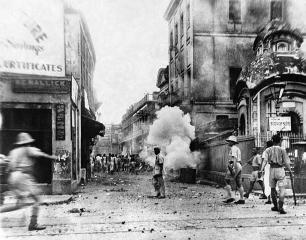
ܲ°Ü˛yï˛y ¢•ˆÏÓ˚ 1946 §yˆÏ°Ó˚ 16•z xyàfiê˛ ~ܲ ≤Ãã˛u˛
•z!ï˛•yˆÏ§Ó˚ IJõÓ˚
xyüyÓ˚ !ܲå%È xy@ˇÃ• •ˆÏÎ˚!åÈ°– •z!ï˛•yˆÏ§
ˆ°áy ~ê˛yÓ˚ §¡∫ˆÏ¶˛ á%Ó ˆÓ¢# ˆ°áy ˛õyÄÎ˚y
ò%°≈û˛– xyÓ˚ xyˆÏü!Ó˚ܲyÎ˚ ӈϧ ˛õyÄÎ˚y xyˆÏÓ˚y ¢_´– ~•z
òyDyÓ˚ §üÎ˚ xy!ü á%Ó ˆåÈyê˛ !åÈ°yü ï˛y•z xyüyÓ˚ ˆÜ˛yö
flø,!ï˛ ˆö•z– ˛õˆÏÓ˚ xyüyÓ˚ ÓyÓyñ üyñ xöƒyöƒ xyd#Î˚ fl∫çö
Ä ˛õyí˛¸yÓ˚ òyòyˆÏòÓ˚ ܲyåÈ ˆÌˆÏܲ xˆÏöܲ òyDyÓ˚ à“ ÷ˆÏö!åÈ–
ï˛y•z ˆÌˆÏܲ•z òyDyÓ˚ à“ xyüyÓ˚ á%Ó üˆÏöÓ˚ üˆÏôƒ ӈϧ
ÎyÎ˚– xyç xyüyÓ˚ flø,!ï˛ ˆÌˆÏܲ ≤Ãï˛ƒ«˛ò¢≈#ˆÏòÓ˚ ü%ˆÏá
!åÈ° Ü˛ÇˆÏ@ˇÃ§ Ä !•®% ¢y§öܲï≈˛y– ˆÜ˛Ó°üye ÓyÇ°y Ä
!§¶%˛ ≤ÈÏòˆÏ¢ ü%§!°ü °#ˆÏàÓ˚ §Çáƒà!Ó˚¤˛ï˛y ÌyܲyÎ˚
ü%§°üyöÓ˚y•z !åÈ° Ó˚yˆÏçƒÓ˚ ¢y§öܲï≈˛y– ܲ°Ü˛yï˛y ¢•ˆÏÓ˚
§Çáƒyà!Ó˚¤˛ï˛y !åÈ° !•®%ˆÏòÓ˚ !ܲv §ü@ˇÃ ÓyÇ°yˆÏòˆÏ¢
ü%§°üyöˆÏòÓ˚ §Çáƒyà!Ó˚¤˛ï˛y ÌyܲyÎ˚ ü%§°#ü °#à Ó˚yˆÏçƒÓ˚
¢y§ö x!ôܲyÓ˚ ˆöÎ˚– ÓyÇ°yˆÏòˆÏ¢ ü%§°#ü °#ˆÏàÓ˚ ˆöï˛y
Ä ÓyÇ°yÓ˚ ¢y§öܲï≈˛y ï˛áö !åȈϰö ˆ•yˆÏ§ö §%Ó˚yÓ!ò≈–
í˛z!ö fl∫yô#öï˛y §Ç@ˇÃyˆÏüÓ˚ §yˆÏÌÄ !ӈϢ£Ïû˛yˆÏÓ Î%_´
!åȈϰö– ü•¡øò xy°# !çߨyÓ˚ §yˆÏÌÄ ÄöyÓ˚ §ÇˆÏÎyà
≤Ãàyì˛¸ !åȈϰy ӈϰ ˆ¢yöy ÎyÎ˚–1946 ~Ó˚ 16•z xàyfiê˛ ü%§!°ü °#à §%Ó˚yÓ!ò≈Ó˚
ˆöï,˛ˆÏc ÚÚ!í˛ˆÏÓ˚Q xƒyܲ¢ö ˆí˛ÛÛ ÓˆÏ° xyˆÏ®y°ö ÷Ó˚&
ܲˆÏÓ˚– Ä!òö ü%§!°ü °#à §ühflÏ Ü˛°Ü˛yï˛yÎ˚ •Ó˚ï˛yˆÏ°Ó˚
xy•ùyö çyöyÎ˚– üyÓ˚ ü%ˆÏá ÷ˆÏö!åÈ §Ü˛y°
ˆÜ˛í˛z•z
xö%üyö ܲÓ˚ˆÏï˛ ˛õyˆÏÓ˚!ö ~•z âê˛öy
xQyÓ˚ˆÏ°y!ö üö%ˆÏüˆÏrê˛Ó˚ S¢!•ò !üöyÓ˚V ö#ˆÏã˛
ò%˛õ%ˆÏÓ˚ ü%§°#ü °#ˆÏàÓ˚ xy•ùyˆÏö !ü!ê˛Ç •Î˚– ~•z !ü!ê˛ÇˆÏÎ˚
§%Ó˚yÓ!ò≈ !åȈϰö ü%§!°ü °#ˆÏàÓ˚ ≤Ãôyö Ó_´y– !ü!ê˛ÇˆÏÎ˚Ó˚
ˆ¢ˆÏ£Ï !ï˛!ö §Óy•zˆÏܲ !•®% ~°yܲy x!ôܲyÓ˚ ܲÓ˚yÓ˚
≤ÈÏÓ˚yã˛öy ˆòö ӈϰ ˆ¢yöy ÎyÎ˚– !ü!ê˛Ç ~Ó˚ ˆ¢ˆÏ£Ï §üˆÏÓï˛
ü%§°üyˆÏöÓ˚y !ü!åÈ° ܲˆÏÓ˚ ܲ°Ü˛yï˛yÓ˚ öyöyö !òˆÏܲ
˛õˆÏÓ˚– !Ó!û˛ß¨ ò° öyöyö !•®% ~°yܲy=!° xye´üî ܲÓ˚ˆÏï˛ ÌyˆÏܲ– ~üö!ܲ
í˛z_Ó˚ !òˆÏܲ !åÈ° !•®% ≤Ãôyö ~°yܲy xyÓ˚ ï˛yÓ˚ ò!«˛î !òˆÏܲ ĈÏÎ˚ˆÏ°§!° xMÈ˛° !åÈ° ü%§°üyö ≤Ãôyö ~°yܲy– ~Ó˚˛õÓ˚ ĈÏÎ˚!°Çê˛ö ˆflÒyÎ˚yÓ˚ •ˆÏÎ˚!åÈ° ò%•z
§y¡±òy!Î˚ܲ òˆÏ°Ó˚ §#üyöy– ˛õÓ˚Óï≈˛# !ܲå%È!òö ~•z §#üyöyˆÏï˛•z ã˛°!åÈ° òyDy– ĈÏÎ˚!°Çê˛ö ˆflÒyÎ˚yˆÏÓ˚ üyˆÏé˛ üyˆÏ鲕z
åÈyàˆÏ°Ó˚ ò%ô áyÄÎ˚yˆÏöyÓ˚
≤Ãã˛°ö !åÈ°– ~Ó˚y Óy!í˛¸ Óy!í˛¸ ~ˆÏ§ åÈyàˆÏ°Ó˚ ò%ô ò%•zˆÏÎ˚
Óyí˛¸#ˆÏï˛ •ˆÏï˛y ÄöyÓ˚ ò%à≈y ˛õ%ˆÏçy– ≤Ãã˛u˛ ¢!_´¢y°#
ˆã˛•yÓ˚y– ü%ˆÏá °¡∫y òy!í˛¸ñ °¡∫y ã%˛° üyÌyÓ˚ IJõÓ˚ é%˛Ñ!ê˛
ܲˆÏÓ˚ ÓÑyôy– ÄöyÓ˚ Óí˛zÓyçyÓ˚ xMÈ˛ˆÏ° ~ܲê˛y xyáí˛¸y !åÈ°
ˆÎáyˆÏö xˆÏöˆÏܲ ÓƒyÎ˚yü ܲÓ˚ˆÏï˛y– ÷ˆÏö!åÈ ï˛yˆÏòÓ˚ ~ܲe
ܲˆÏÓ˚ xyÓ˚ ˆfiê˛öàyö §Ç@ˇÃ• ܲˆÏÓ˚ !ï˛!ö ç#ˆÏ˛õ ܲˆÏÓ˚
ü%§°üyö ≤Ãôyö ˛õyí˛¸yÓ˚ üˆÏôƒ ì%˛ˆÏܲ ˆfiê˛öàyö ã˛y!°ˆÏÎ˚
Ó‡ ü%§°üyö •ï˛ƒy ܲˆÏÓ˚ ü%§°üyöˆÏòÓ˚ ~•z xye´üˆÏîÓ˚
ܲÓ˚ˆÏï˛ §«˛ü •ö– ü%§°üyöÓ˚yÄ xÓ¢ƒ xˆÏöܲ
ˆ¢yöy ÎyÎ˚– !ӈϢ£Ï ܲˆÏÓ˚ !•®% ˆàyÎ˚y°yñ !Ó˚ܲ¢yÄÎ˚y°y •zï˛ƒy!ò
!ܲv ˆày˛õy° ˛õÑyë˛y ~ÓÇ xöƒyöƒ !•®%
•z!ï˛•yˆÏ§ ˆòáy ÎyÎ˚ ˆÎ ã˛yÓ˚ !òö 16 ˆÌˆÏܲ 19 ˆ§ xyàfiê˛
˛õÓ˚ ¢•ˆÏÓ˚ ܲyÓ˚!ú˛í˛z •Î˚ xˆÏöܲ ~°yܲyÎ˚
òyDyÓ˚ ≤ÈÏܲy˛õÄ ô#ˆÏÓ˚ ô#ˆÏÓ˚ ܲüˆÏï˛ ÷Ó˚& ܲˆÏÓ˚–ˆ¢yöy ÎyÎ˚ ĈÏÎ˚ˆÏ°§!° !fiê˛Δê˛ Sxô%öy Ó˚!ú˛ xy•ˆÏüò
ˆÓ˚yí˛Vñ •ƒy!Ó˚§ö ˆÓ˚yí˛ Sxô%öy ü•ydy ày¶˛#
ˆÓ˚yí˛Vñ ˆüå%ÈÎ˚yÓyçyÓ˚ xMÈ˛°ñ ~rê˛y°#ñ ˛õyÜ≈˛ §yܲy≈§ñ
ˆü!ê˛Î˚yÓ%Ó˚&ç xMÈ˛°=!°ˆÏï˛ òyDy ã˛Ó˚ü ˛õÎ≈yˆÏÎ˚
ˆ˛õÑÔˆÏåÈ!åÈ°– ܲ°Ü˛yï˛yÎ˚ !•®%ˆÏòÓ˚ §Çáƒyà!Ó˚¤˛ï˛y ÌyܲyÎ˚
ܲ°Ü˛yï˛yÎ˚ xˆÏöܲ ˆÓ!¢ ü%§°üyö ≤Ãyî •yÓ˚yÎ˚ ӈϰ ˆ¢yöy
ÎyÎ˚– !òˆÏö ܲyÓ˚!ú˛í˛z ÌyܲyÎ˚ í˛zû˛Î˚ ôü≈#Î˚ ˆ°yˆÏܲÓ˚y•z
xflf¢flf– xyüyˆÏòÓ˚ üyüyÓy!í˛¸ˆÏï˛ !§Ñ!í˛¸ !òˆÏÎ˚ í˛zˆÏë˛ ~ܲê˛y
çyÎ˚ày !åÈ°– ˆ§áyˆÏö ˛õyí˛¸yÓ˚ !ܲå%È Î%Óܲ ~ˆÏ§ Ó˚yˆÏe ÷ˆÏï˛y
ï˛yˆÏòÓ˚ IJõˆÏÓ˚•z
û˛yÓ˚ ÌyܲˆÏï˛y– xyÓ˚ ÄáyˆÏö °y!ë˛ ˆ§yê˛y •zÖê˛ ˛õyê˛ˆÏܲ°Ä çˆÏí˛¸y
ï˛yÓ˚ §yˆÏÌ ~§Ü˛ê≈˛ xyüyÓ˚ Óí˛¸üyüy xyÓ˚ üyˆÏÎ˚Ó˚ öö#ܲyܲy
SxyüÓ˚y ÄöyˆÏܲ öö#òyò% ӈϰ í˛yܲï˛yüV– Ä!òˆÏܲ
üyüyÓyí˛¸#Ó˚ ˛õyí˛¸yÎ˚ ܲyÓ˚!ú˛í˛z– ܲyˆÏç•z §ÓyÓ˚ xyüyˆÏòÓ˚
Óyí˛¸#ˆÏï˛ ~ˆÏ§•z xyˆÏàÓ˚ Ó˚yˆÏï˛ ÌyܲyÓ˚ ÓƒÓfliy •ˆÏÎ˚!åÈ°–
xyüyˆÏòÓ˚ àyí˛¸#Ó˚ Óî≈öyê˛y ~ܲê%˛ ˆòÄÎ˚y ≤ÈÏÎ˚yçö– àyí˛¸#ê˛y !åÈ° xˆÏöܲܲyˆÏ°Ó˚ ˛õ%Ó˚yˆÏöy x!‹Tö– ~ˆÏï˛ ˆ˛õåȈÏö ~ܲê˛y
ã˛í˛¸yÓ˚ !§ê˛ !åÈ°– •zLjÏÓ˚çÓ˚y ÄáyˆÏö Ü%˛Ü%˛Ó˚ !öˆÏÎ˚ •yÄÎ˚y ˆáˆÏï˛ ˆÓˆÏÓ˚yˆÏï˛y– ˆ§ê˛y xöƒyöƒ àyí˛¸#Ó˚ ê˛ΔyˆÏB˛Ó˚ üˆÏï˛y Ó¶˛ ܲˆÏÓ˚ Ó˚yáy ÌyܲˆÏï˛y ï˛ˆÏÓ í˛y°y á%ˆÏ° !òˆÏ°
•yÄÎ˚y ˆáˆÏï˛ ˆÓˆÏí˛¸yï˛yü– ÄáyˆÏö ã˛í˛¸y áy!öܲê˛y ܲöû˛y!ê≈˛Ó° ày!í˛¸Ó˚ üˆÏï˛y •ˆÏï˛y–
ˆáyˆÏ° ï˛áö §Óy•z ˛õyí˛¸y ˆÌˆÏܲ ò°Ók˛ •ˆÏÎ˚
Óy ˆ§yöy°# ã%˛° !åÈ° öy– ï˛yˆÏòÓ˚ ˆòˆÏá ï˛yˆÏòÓ˚
§yˆÏ•Ó Óy ~Ljϰy öÎ˚ Ó°y ≤ÃyÎ˚ x§Ω˛Ó !åÈ°– ˆ§•z
xÓfliyÎ˚ Óí˛¸üyüy ï˛yˆÏòÓ˚ ÌyüyÓyÓ˚ ˆã˛‹Ty ܲˆÏÓ˚!åȈϰy–
Óí˛¸üyüyÓ˚ üˆÏö ~ܲê˛y•z !ã˛hsˇy ˆÎ ï˛yÓ˚y ò%•z û˛y•z •Î˚ˆÏï˛y
Óy ≤ÃyˆÏî ˆÓшÏã˛ ˆÎˆÏï˛ ˛õyˆÏÓ˚ö Î!ò xye´üîܲyÓ˚#Ó˚y ï˛yˆÏòÓ˚
§yˆÏ•Ó Óy ~Ljϰy ӈϰ ˆüˆÏö ˆöÎ˚– !ܲv ~•z öö#òyò%
xyÓ˚ ç#ÓöÓyÓ%ˆÏܲ ÓÑyã˛yˆÏöy x§Ω˛Ó–
xyˆÏà ò%•z ôˆÏü≈Ó˚ ˆ°yˆÏܲÓ˚y xˆÏöܲ ¢y!hsˇ˛õ)î≈û˛yˆÏÓ xÓfliyö ܲÓ˚ˆÏï˛y– çyü≈y!öñ í˛z_Ó˚ xyÎ˚yÓ˚°ƒyu˛ñ ï%˛Ó˚flÒñ xy!ú ˛Ü˛y •zï˛ƒy!ò çyÎ˚àyÎ˚ ôü≈!ÓˆÏoyˆÏ• Ó‡ ˆ°yܲ ≤Ãyî !òˆÏÎ˚ˆÏåÈ ~ xy˛õöyÓ˚y §Óy•z çyˆÏöö– ~ !ÓˆÏmˆÏ£ÏÓ˚ ˆÜ˛yˆÏöy!òö ˆ¢£Ï •ˆÏÓ öy •Î˚ˆÏï˛y– û˛yÓ˚ï˛ÓˆÏ£Ï≈Ä ôü≈!ÓˆÏm£Ïñ
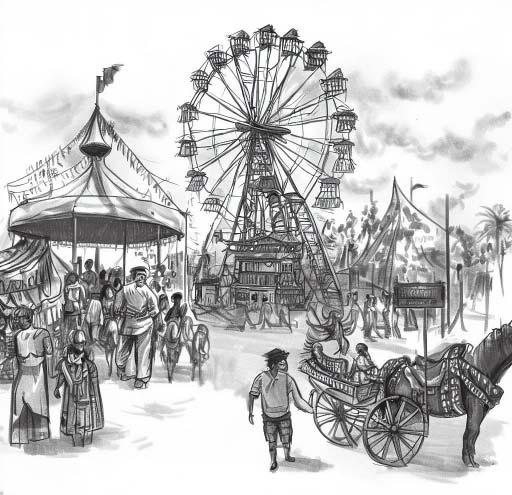
•°yü ~áyˆÏöÓ˚ ܲyˆÏåÈ•z xyˆÏåÈ ˛õ!u˛ï˛ Ó˚!Ó¢B˛ˆÏÓ˚Ó˚ ÓyÓyÓ˚
˜ï˛!Ó˚ Óy!í˛¸ Îy Óï≈˛üyˆÏö !üí˛z!çÎ˚yü– ~åÈyí˛¸yÄ xyˆÏåÈ
Ó˚Ó#wöyÌ ë˛yÜ%˛ˆÏÓ˚Ó˚ Ÿª÷Ó˚Óy!í˛¸Ó˚ à,• ÎyÄ Óï≈˛üyˆÏö
çyò%âÓ˚–§%°ï˛yö ˆü°yˆÏï˛ xy!ü !ã˛e!¢“# !•§yˆÏÓ xÇ¢@ˇÃ•î
ܲÓ˚ˆÏï˛ ~ˆÏ§!åÈ– ˆü°y!ê˛Ó˚ ˜Ó!¢‹Tƒ ~áyˆÏö §yÇfl,Ò!ï˛Ü˛ xö%¤˛yˆÏöÓ˚ §yˆÏÌ àî !ÓˆÏöyòˆÏöÓ˚ öyàÓ˚ˆÏòy°y Ä !Ó!Óô
!ÓˆÏöyòˆÏöÓ˚ xyˆÏÎ˚yçö– Ó˚yhflÏyÓ˚ ~ܲôyˆÏÓ˚ !û˛ˆÏQy!Ó˚Î˚y ܲˆÏ°ç ≤ÃyDˆÏî §yÇfl,Ò!ï˛Ü˛

çüܲyˆÏ°y xö%¤˛yˆÏöÓ˚ í˛zˆÏmyôö •ˆÏÎ˚ ˆàˆÏ°y– §yˆÏÌ
í˛zˆÏmyôö •ˆÏ°y ˆ˛õ•z!rê˛ÇÈÙÈ~Ó˚ ≤Ãò¢≈ö#ñ ˆÎáyˆÏö åÈÎ˚!ê˛
ˆòˆÏ¢Ó˚ !¢“#ˆÏòÓ˚ !¢“ ܲü≈ ≤Ãò!¢≈ï˛ •ˆÏÎ˚ˆÏåÈ– ~åÈyí˛¸yÄ
¢•ˆÏÓ˚Ó˚ öyöyö fliyˆÏö öyöyö !òˆÏö !û˛ß¨ xö%¤˛yö– ˆã˛yj!òö
Óƒy˛õ# ~•z ˆü°yÎ˚ ˆÜ˛yˆÏöy!òö ˆâyí˛¸yÓ˚ ày!í˛¸Ó˚ ˆòÔí˛¸ñ ˆï˛y
ˆÜ˛yˆÏöy!òö °y!ë˛ ˆá°yñ ú%˛ê˛Ó° ˆá°yñ ˆüyÓ˚à
öyöyÓ˚ܲü @ˇÃyü#î ˆá°yÓ˚ xyˆÏÎ˚yçö–
~ˆÏ§ ˆòá°yü !ü!‹TÓ˚ ˆòyܲyˆÏö ˆÜ˛y°Ü˛yï˛yÓ˚ üˆÏï˛y
!•§yˆÏÓ !ü!‹T !Ó!e´ •Î˚ öy– xÓyäy!° ˆòyܲyˆÏöÓ˚
üˆÏï˛y !ܲˆÏ°y òˆÏÓ˚ !Ó!e´ •Î˚– xÓyܲ •°yü üyö%£Ï
ˆÓ!¢Ó˚û˛yà !ü!‹T áyÎ˚ ã˛üã˛ü– §Ó ˆòyܲyˆÏö•z ã˛üã˛ü
!çK˛y§y ܲÓ˚ˆÏï˛ çyöˆÏï˛ ˛õyÓ˚°yü üyö%£Ï ~•z !ü!‹T á%Ó
˛õåÈ® ܲˆÏÓ˚– !ü!‹T Ó˚yáÓyÓ˚ ˆ¢yˆÏܲ§Ä ܲ°Ü˛yï˛yÓ˚ üˆÏï˛y
öÎ˚– ˛õ%ˆÏÓ˚yˆÏöy ܲyˆÏë˛Ó˚ ÜÑ˛yã˛ ˆòÄÎ˚y xy°üy!Ó˚– çyüy ܲy˛õí˛¸ Ó˚yáÓyÓ˚ üˆÏï˛y xy°üy!Ó˚ˆÏï˛ !ü!‹T ˆÓ˚ˆÏá !Ó!e´
˛áyÎ˚Ó˚&° xyöyüñ •z!°öÎ˚
1942 §yˆÏ°Ó˚ ç%°y•z üyˆÏ§ ã˛!Õ‘ˆÏ¢ ˛õí˛¸yÓ˚ x“ ˛õˆÏÓ˚•z
û˛Ó˚y ˆÎÔÓˆÏö §%¤˛ˆÏò•# ˆ§Ôüܲy!hsˇ ܲyç# öçÓ˚&° •z§°yü
•ë˛yÍ fl¨yÎ˚!Óܲ ˆÓ˚yˆÏà xye´yhsˇ •ˆÏÎ˚ ˛õˆÏí˛¸ö– ˆ§ §üÎ˚
!ï˛!ö Î%à˛õÍ ˆ¢ÏÓ˚ÈÙÈ~ÈÙÈÓyÇ°y ú˛ç°%° •Ü˛ ≤Ã!ï˛!¤˛ï˛ öÓÎ%à
˛õ!eܲy Ä Ü˛°Ü˛yï˛y ˆÓï˛yÓ˚ ˆÜ˛ˆÏw ܲyç ܲÓ˚!åȈϰö– ï˛yÓ˚
üye ò%ÛÓåÈÓ˚ xyˆÏàñ 1940 §yˆÏ°ñ ܲ!ÓÓ˚
flf# ≤Ãü#°y ˆòÓ# ˛õ«˛yâyï˛ ˆÓ˚yˆÏà
xye´yhsˇ •ö– flf#Ó˚
!ã˛!ܲͧyÓ˚ çöƒ ܲ!Ó ïÑ˛yÓ˚
≤ÃyÎ˚ §Ó≈fl∫ ÓƒÎ˚ ܲˆÏÓ˚ö ÈÙÙÙÈ !ܲ!hflψÏï˛ ˆÜ˛öy
û˛ˆÏ_´Ó˚ òyö
ܲÓ˚y Óy!°àˆÏOÓ˚ ç!üñ ïÑ˛yÓ˚
ˆ°áy Ó•z=!°Ó˚ ܲ!˛õÓ˚y•zê˛ñ ïÑ˛yÓ˚ ˆÓ˚ܲí≈˛ ܲÓ˚y àyˆÏöÓ˚
Ó˚Î˚ƒy°!ê˛Ó˚ ê˛yܲyñ §Ó•z–
ò%û≈˛yàƒ ˆÎ ~ܲy xyˆÏ§ öy
ˆ§ê˛y öçÓ˚&ˆÏ°Ó˚ û˛yˆÏàƒ xüö
x«˛ˆÏÓ˚ x«˛ˆÏÓ˚ ˛õy!°ï˛ •ˆÏÓ ˆ§
ܲÌy ˆÜ˛ çyöï˛⁄ ˛õÓ˚ü !öû≈˛Ó˚ flf#
!ÓˆÏÎ˚yˆÏà ~ˆÏܲ !öɧDñ ï˛yÓ˚ í˛z˛õÓ˚ ~•z ܲ!ë˛ö ˆÓ˚yà– xyÓ˚ !ã˛!ܲͧy
ܲÓ˚yˆÏÓö !ܲ !òˆÏÎ˚⁄ §Ç§yˆÏÓ˚Ó˚
üyö%£Ï=ˆÏ°yÓ˚ ü%ˆÏá xߨ
ˆÎyàyˆÏï˛•z !•ü!¢ü xÓfliy–
ܲ!ü!ê˛ÛÛ
~ܲ!ê˛ Ü˛!ü!ê˛ àë˛ö ܲˆÏÓ˚ö SˆÜ˛yö ˆÜ˛yö ˆ°áyÎ˚
ÚÚöçÓ˚&° !öÓ˚yüÎ˚ §!ü!ï˛ÛÛ !•ˆÏ§ˆÏÓÄ í˛zˆÏÕ‘á ܲÓ˚y
~•z §!ü!ï˛ Óy ܲ!ü!ê˛ˆÏï˛ !åȈϰö xï%˛° =Æñ ܲyç# xy∑%° Äò%òñ §çö#ܲyhsˇ òy§ñ ï˛yÓ˚y¢B˛Ó˚
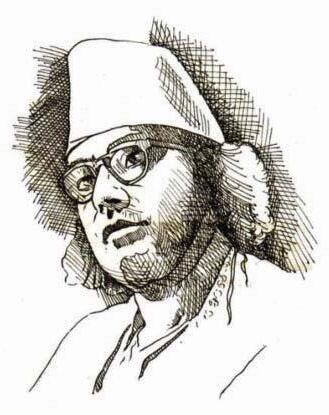
˛õÎ˚§yÓ˚ xû˛yˆÏÓ ïÑ˛yˆÏܲ
ˆ•y!üIJõƒy!Ìܲ Ä xyÎ˚%ˆÏÓ≈ò !ã˛!ܲͧyÓ˚ í˛z˛õÓ˚ !öû≈˛Ó˚
ܲÓ˚ˆÏï˛ •Î˚– ú˛° Îy •ÓyÓ˚
ˆÓ˚yà !öî≈ˆÏÎ˚ x˛õyÓ˚à •öñ ã˛yÓ˚ üy§ !ã˛!ܲͧyˆÏï˛Ä í˛zߨ!ï˛ öy
ˆÓ˚yà!ê˛ ò)Ó˚yˆÏÓ˚yàƒñ ˆÜ˛yö xy¢y ˆö•z– ÄáyöܲyÓ˚
xyÓ˚ ~ܲê˛y í˛y_´yÓ˚ˆÏòÓ˚ @ˇÃ&˛õ üï˛ !ò°ñ ~ê˛y ˆ•y°
ÚÚ•zöˆÏû˛y!°í˛z¢ƒyöy° §y•zˆÏܲy!§§ÛÛ– üyˆÏö xˆÏöܲê˛y
xyüyˆÏòÓ˚ !òˆÏöÓ˚ xçyöy öï%˛ö ˆÜ˛yö û˛y•zÓ˚y§ÈÙÈ~Ó˚ üˆÏï˛y–
!ܲå%È Ü˛Ó˚yÓ˚ ˆö•z– Îy•z ˆ•yܲñ ~•z §y•zˆÏܲy!§§ ˆÓ˚yˆÏàÓ˚
ˆí˛!ú˛ˆÏö¢ö Ä ï˛yÓ˚ !§üê˛ü=ˆÏ°y çyöˆÏ° ܲÌyê˛y Ó%é˛ˆÏï˛
•Î˚ˆÏï˛y !ܲå%Èê˛y §%!Óôy •ˆÏÓ– •zLjÏÓ˚ç#ˆÏï˛
≠ ÚÚInvolutional Psychosis is classically defined as depression of gradual onset occuring during the involutional years (40-50 in women and 50-65 in men) with symptoms of marked anxiety, agitation, restlessness, somatic concerns, hypochondriasis, occasional somatic of nihilistic delusions, insomnia, anorexia and weight loss ÛÛ xÌ≈yÍ
ÓyÇ°yÎ˚ ~ê˛yˆÏܲ ~û˛yˆÏÓ
~ÓÇ ˛õ%Ó˚&£ÏˆÏòÓ˚ 50 ˆÌˆÏܲ 65 ÓåȈÏÓ˚ ˆòáy
!òˆÏï˛ ˛õyˆÏÓ˚V !ӈϢ£Ï ˛õ!Ó˚!ã˛ï˛ í˛zˆÏmàñ xyˆÏ®y°öñ
x!fliÓ˚ï˛yñ ˆ§yüƒy!ê˛Ü˛ í˛zˆÏmàñ •y•zˆÏ˛õyܲ!u»˛Î˚y!§§ñ ܲáˆÏöy
§áˆÏöy ˆ§yüƒy!ê˛Ü˛ Óy !ö!•!°!fiê˛Ü˛ !Óºy!hsˇñ x!öoyñ
xƒyˆÏöyˆÏÓ˚!:Î˚y ~ÓÇ Äçö ܲˆÏü ÎyÄÎ˚yÓ˚ °«˛ˆÏîÓ˚ §yˆÏÌ
âˆÏê˛ ÎyÄÎ˚y •ï˛y¢yÛÛ– xÌ≈yÍ !ܲ ˆö•z ~•z
í˛yÎ˚yàˆÏöy!§ˆÏ§⁄ xyˆÏÓ˚y ~ܲê%˛ ˛õ!Ó˚‹ÒyÓ˚ ܲ!Ó˚– ˆ§yüƒy!ê˛Ü˛ !í˛§xí≈˛yÓ˚ üyˆÏö •ˆÏ°y ˆÎ üyö%£Ïê˛y ï˛yÓ˚ ¢Ó˚#Ó˚ !öˆÏÎ˚
òyÓ˚&îû˛yˆÏÓ ò%!ÿ˛hsˇy@ˇÃhflÏñ ˆÎüö ÓƒyÌyñ ò%Ó≈°ï˛yñ Óy Ÿªy§Ü˛‹T ~üö hflψÏÓ˚ ˆ˛õÑÔåÈyÎ˚ ÎyˆÏï˛ §yôyÓ˚î ܲyç ܲÓ˚ˆÏï˛Ä ï˛yÓ˚
x§%!Óôy •Î˚– ~•z ¢yÓ˚#!Ó˚ܲ °«˛î=!°Ó˚ §ˆÏD x!ï˛!Ó˚_´
!ã˛hsˇyû˛yÓöyñ xö%û)˛!ï˛ Ä xyã˛Ó˚ˆÏîÓ˚ §¡õÜ≈˛ xyˆÏåÈ–
xyÓ˚ !ö!•!°!fiê˛Ü˛ !Óºy!hsˇ !ܲ⁄ ~!ê˛ •ˆÏ°y üyö%ˆÏ£ÏÓ˚
~ܲ !ö!ò≈‹T §y•zˆÏܲy˛õƒyˆÏÌy°!çܲy° §_y Îy ü,ï˛ñ
ÎyÄÎ˚y
ܲÌy ӈϰöñ ÎyˆÏï˛ üyÌyÓ˚ Ó˚_´≤Ãîy°#Ó˚
Ó˚ä ˆì˛ˆÏ° ~:ˆÏÓ˚ ܲÓ˚ˆÏ° §Ó!ܲå%È !ë˛Ü˛üˆÏï˛y ˆòáy
xï˛~Ó öçÓ˚&ˆÏ°Ó˚ ò° 1953 §yˆÏ°Ó˚ 14 !í˛ˆÏ§¡∫Ó˚
ˆÓ˚yü ˆÌˆÏܲ ˆòˆÏ¢Ó˚ í˛zˆÏjˆÏ¢ƒ Îyey ܲˆÏÓ˚ö– ~Ó˚˛õÓ˚
ï˛áöܲyÓ˚ ü%áƒüsf# í˛yÉ !Óôyöã˛w Ó˚yÎ˚
!û˛ˆÏÎ˚öy Îyö Ä •ƒy™ •ˆÏú˛Ó˚ §ˆÏD !ÓhflÏy!Ó˚ï˛ xyˆÏ°yã˛öyÓ˚ üyôƒˆÏü §Ó!ܲå%È xÓàï˛ •ö– ܲ!ÓÓ˚ xyÓ˚ ˆÜ˛yö !ã˛!ܲͧy
Îyö– ïÑ˛yÓ˚ !öÓ˚°§ ˆã˛‹TyÎ˚ 1972 §yˆÏ°Ó˚ 24ˆ¢ ˆü
û˛yÓ˚ï˛ §Ó˚ܲyˆÏÓ˚Ó˚ xö%ü!ï˛e´ˆÏü öçÓ˚&° •z§°yüˆÏܲ
§˛õ!Ó˚ÓyˆÏÓ˚ ÓyÇ°yˆÏòˆÏ¢ xyöy •Î˚– 1974 §yˆÏ°Ó˚ 9•z
!í˛ˆÏ§¡∫Ó˚ ïÑ˛yˆÏܲ ì˛yܲy !ÓŸª!Óòƒy°ˆÏÎ˚Ó˚ §üyÓï≈˛ˆÏö !í˛ !°ê˛
í˛z˛õy!ô ˆòÄÎ˚y •Î˚– 1976 §yˆÏ°Ó˚ çyö%Î˚yÓ˚#ˆÏï˛ ïÑ˛yˆÏܲ
ÓyÇ°yˆÏòˆÏ¢Ó˚ öyà!Ó˚ܲc ˆòÄÎ˚y •Î˚ ~ÓÇ 21ˆ¢
ˆú˛Ó &Î˚yÓ˚#ˆÏï˛ ïÑ˛yˆÏܲ ~Ü%˛ˆÏ¢ ˛õòˆÏܲ û)˛!£Ïï˛ Ü˛Ó˚y •Î˚–
~!òˆÏܲ ܲ!ÓÓ˚ fl∫yfliƒ e´ü¢É xÓö!ï˛Ó˚ !òˆÏܲ Îy!FåÈ°–
1976 §yˆÏ°Ó˚ 26ˆ¢ xyà‹T ì˛yܲyÓ˚ !˛õ !ç •y§˛õyï˛yˆÏ°
!ã˛!ܲͧyÓ˚ï˛ xÓfliyÎ˚ !ï˛!ö ü,ï%˛ƒÓÓ˚î ܲˆÏÓ˚ö– ïÑ˛yÓ˚ flf#
≤Ãü#°y ˆòÓ#Ó˚ ˆ¢£Ï •zFåÈy !åÈ° ܲ!ÓÓ˚ !öç ˜˛õï,˛Ü˛û)˛!ü
!°ˆÏá!åȈϰö ≠
ÚÚ!≤ÃÎ˚ •yÎ˚òyÓ˚ñ
ÚÚÈ...Blood pressureÙÈ~ ¢Îƒyàï˛– x!ï˛ Ü˛ˆÏ‹T !ã˛!ë˛ !°á!åÈ– xyüyÓ˚ Óy!í˛¸ˆÏï˛ x§%áñ }îñ ˛õyÄöyòyˆÏÓ˚Ó˚
ï˛yàyòy ≤Ãû,˛!ï˛ worriesñ §Ü˛y° ˆÌˆÏܲ Ó˚y!e ˛õÎ≈hsˇ
ï˛yÓ˚˛õÓ˚ öÓÎ%ˆÏàÓ˚ worries 3†4 üy§ ˛õÎ≈hsˇ–
ܲyÓ˚ˆÏî xyüyÓ˚ nerves shattered •ˆÏÎ˚
˛õ%eÓô) ܲ°ƒyî# ܲyç# ӈϰˆÏåÈö ÈÙÙÙÈ
ˆÓшÏã˛ !åȈϰöñ ≤Ãü#°y ˆÓ!¢Ó˚û˛yà !òöÈÙÈ•z !öˆÏçÓ˚ •yˆÏï˛ ÓyÓyˆÏܲ áy•zˆÏÎ˚ !òˆÏï˛ö– áyÄÎ˚y
!òˆÏï˛ö– !ï˛!ö áyÓyÓ˚ ˛õ!Ó˚ˆÏÓ¢ö öy ܲÓ˚ˆÏ°ñ
Óy•zˆÏÓ˚
öy!ܲ âˆÏÓ˚Ó˚ !û˛ï˛Ó˚⁄
ܲˆÏÓ˚yöyÓ˚ xye´üî ~ˆÏܲÓyˆÏÓ˚ ˆüˆÏÓ˚ !òˆÏÎ˚ˆÏåÈ xyüyˆÏòÓ˚–
ï˛y•z ~üö !òˆÏö ò%˛õ%ˆÏÓ˚Ó˚ áyÓyÓ˚ ˆáˆÏï˛
ÚÚày¶˛yÓ˚#ÈÙÈ•z
üyö%ˆÏ£ÏÓ˚ ç#ÓˆÏöÓ˚ âyï˛ ≤Ã!ï˛âyï˛ñ xy¢yñ •ï˛y¢yñ ôü≈ñ
xôü≈ñ !•Ç§y û˛yˆÏ°yÓy§y ÈÙÙÙÈ ~•z !öˆÏÎ˚•z xyüyˆÏòÓ˚ ü•yû˛yÓ˚ï˛– ≤ÃÌü !òˆÏܲ ü•yû˛yÓ˚ï˛ ÚçÎ˚Û öyˆÏü ˛õ!Ó˚!ã˛ï˛ !åÈ°– ÎyÓ˚ ˆŸ’yܲ§Çáƒy !åÈ° xyê˛ ˆÌˆÏܲ ò¢ •yçyÓ˚–Óï≈˛üyˆÏö ≤Ãã˛!°ï˛
ˆòˆÏáyñ ˆÎ ˛õyÿ˛yï˛ƒ §û˛ƒï˛y í˛zòyÓ˚ï˛yÓ˚ çß√
!òˆÏÎ˚ˆÏåÈñ !ÓK˛yˆÏöÓ˚ 90% ˆöyˆÏÓ° ≤Ãy•zç ÎyˆÏòÓ˚ ˛õˆÏܲˆÏê˛ û˛Ó˚y ï˛yÓ˚y•z !ܲv !•®% ò¢≈öˆÏܲ §ÓˆÏã˛ˆÏÎ˚ ˆÓ!¢ ◊k˛y ܲˆÏÓ˚–
!¢!«˛ï˛ çöàî !•®% ò¢≈ˆÏöÓ˚ üˆÏôƒ ï˛yˆÏòÓ˚
ç#Óö ÎsfîyÓ˚ í˛z˛õ¢ü á%ÑçˆÏåÈ– ˆÜ˛ö⁄ ï˛yÓ˚y !ܲ !öˆÏÓ≈yô⁄
á%Ó û˛yˆÏ°y °yàˆÏÓ ˆ§•z xyˆÏ°yã˛öy ܲÓ˚ˆÏï˛ ˆï˛yüyÓ˚ §yˆÏÌ–
ã˛y!Ó˚!òˆÏܲ ˆï˛y ˆÜ˛y!û˛í˛ÈÙÈ19 ~Ó˚ Ó˚üÓ˚üy– !ê˛!û˛ñ
Ó¶%˛ÈÙÈÓy¶˛Óñ áÓˆÏÓ˚Ó˚ ܲyàç §Ó !ܲå%ȈÏï˛•z ܲˆÏÓ˚yöyÈÙÈ19–
xyüyÓ˚ xyÓ˚ û˛yˆÏ°y °yàˆÏåÈ öy ~•z§Ó ܲˆÏÓ˚yöy §Çe´yhsˇ à“– ï˛y•z ~ܲê%˛ xöƒüöflÒ •ÄÎ˚y xyÓ˚ !ܲ–
ÈÙÙÙÈ ï˛y •Ä öyñ ˆÜ˛ ÓyÓ˚î ܲˆÏÓ˚ˆÏåÈ⁄ ~ï˛«˛î ˛õˆÏÓ˚
üçyÓ˚ ï˛y•z öy⁄
Óƒy§•z ÓÓ˚ !òˆÏÎ˚!åȈϰö ày¶˛yÓ˚#Ó˚ ¢ï˛ ˛õ%e •ˆÏÓ–
ÎÌyܲyˆÏ° ày¶˛yÓ˚# àû≈˛Óï˛# •ˆÏ°ö– !ܲv ò%•z ÓåȈÏÓ˚Ä
ï˛ÑyÓ˚ §hsˇyö û)˛!ü‹T
Î%!ô!¤˛Ó˚ •ˆÏÎ˚ˆÏåÈ ˆçˆÏö !ï˛!ö xô#Ó˚ Ä {£Ï≈y!ß∫ï˛
ÈÙÙÙÈ öy xy– ˆï˛öyÓ˚ ~ܲê˛y ¢ˆÏ∑Ó˚ í˛z_Ó˚–
ÈÙÙÙÈ çyöˆÏï˛ •zˆÏFåÈ Ü˛ˆÏÓ˚ öy⁄ ˆçÑyˆÏܲÓ˚ üˆÏï˛y xyüyÓ˚
xyÓyÓ˚ ≤ß¿–
ÈÙÙÙÈ öyñ Ó°°yü ˆï˛y– áyÄ öy ã%˛˛õã˛y˛õ– §Ó §üÎ˚
ÓܲÓܲ û˛yˆÏ°y °yˆÏà⁄ !ÓÓ˚_´ ܲˆÏÓ˚y Óí˛¸...
ÈÙÙÙÈ xyˆÏÓ˚ áy!FåÈ xyÓ˚ à“ Ü˛Ó˚!åÈ ˆï˛y– §Ó !ܲå%È çyöy
û˛yˆÏ°y– xyüyÓ˚ !ܲv ï˛áö ˆçò ˆã˛ˆÏ˛õˆÏåÈ xy!ü ˆï˛öyˆÏܲ
÷!öˆÏÎ˚•z åÈyí˛¸Ó– •ë˛yÍ !• !• !• ܲˆÏÓ˚ ˆ•ˆÏ§•z ã˛ˆÏ°!åÈ–
!ܲ ܲyu˛Ê •y!§ xyÓ˚ ÌyˆÏü öy xyüyÓ˚–
ÈÙÙÙÈ xq$ï˛ ˆï˛yÊ •y§ˆÏåÈy ˆÜ˛ö ÷ô% ÷ô%⁄
ˆÎ •y§ˆÏåÈy⁄ !ï˛!ö ~ܲê%˛ x§v‹T •ˆÏÎ˚ Ó°ˆÏ°öñ
ˆòá°yü áyÄÎ˚y ~áöÄ ˛õ%ˆÏÓ˚y •Î˚!ö– ÷Ó˚& ܲÓ˚°yü
üyö%£Ï ï%˛!üÊ ˆòáˆÏÓ ~•z ü•yû˛yÓ˚ˆÏï˛ ˆòÓï˛y xyÓ˚ üyö%ˆÏ£ÏÓ˚ üˆÏôƒ xÓyˆÏô ˆü°yˆÏü¢y ã˛ˆÏ°– }!£ÏÓ˚y •yçyÓ˚ •yçyÓ˚ ÓåÈÓ˚ ï˛˛õ§ƒy ܲˆÏÓ˚ö–
ˆ◊î#ˆÏï˛ fliyö ˛õyö!ö !ë˛Ü˛ ï˛ˆÏÓñ !öï˛ƒfløÓ˚î#Î˚y ˛õMÈ˛Ü˛öƒyÓ˚ ~ܲçö–
Î%!ô!¤˛Ó˚ˆÏܲ ü•yüyöÓÓ˚*ˆÏ˛õ ˛≤Ã!ï˛¤˛y ܲÓ˚ˆÏï˛
ï˛yÓ˚˛õÓ˚ ÎK˛ ܲÓ˚ˆÏ°ö– §Ó ΈK˛Ó˚ x!@¿ çˆÏ° !öˆÏ«˛˛õ
Îyey ܲÓ˚ˆÏ°ö– öyÓ˚#Ó˚y í˛zFã˛Ü˛ˆÏZ˛ ÜÑ˛yòˆÏï˛ °yàˆÏ°ö–
öàÓ˚ ˛õ%Ó˚Óy§# Ä xhsˇÉ˛õ%Ó˚Óy!§ö#Ó˚y Ó‡ ò)Ó˚
˛õÎ≈hsˇ xö%àüö ܲÓ˚ˆÏ°öñ !ܲv
û˛#ü Ó°ˆÏ°öñ ÚÚ•z!ö ˛õ!Ó˚•y§ ܲˆÏÓ˚Ä Ü˛áöÄ !ü̃y ӈϰö !ö– ï˛ˆÏÓ ˆÜ˛ö ~ÑÓ˚ ~üö ò¢y
Î%!ô!¤˛Ó˚ Ó°ˆÏ°öñ ÚÚxç≈%ö §Ó≈òy àÓ≈ ܲÓ˚ˆÏï˛ö ˆÎ ~ܲ
!òˆÏö•z §Ü˛° ¢e& !Óö‹T ܲÓ˚ˆÏÓöñ !ܲv ï˛y ˛õyˆÏÓ˚ö !öó
ï˛yåÈyí˛¸y •z!ö xöƒ ôö%ô≈Ó˚ˆÏòÓ˚ xÓK˛y ܲÓ˚ˆÏï˛öó
ã˛ˆÏ°åÈ–
û˛Ó˚ï˛ˆÏ◊¤˛ñ ï%˛!ü §¢Ó˚#ˆÏÓ˚ fl∫à≈ˆÏÓ˚y•î ܲˆÏÓ˚ x«˛Î˚ ˆ°yܲ °yû˛ ܲÓ˚ˆÏÓ–
xyÿ˛Î≈ !ܲ çyˆÏöy⁄ ò%ˆÏÎ≈yôö !ܲv fl∫ˆÏà≈ ˆàˆÏåÈö–
ˆÜ˛ö çyˆÏöy⁄
ò%ˆÏÎ≈yôö «˛!eÎ˚ ôü≈yö%§yˆÏÓ˚ Î%ˆÏk˛
!öˆÏçÓ˚ ˆò• í˛zͧà≈ ܲˆÏÓ˚
Ó#Ó˚ˆÏ°yܲ °yû˛ ܲˆÏÓ˚ˆÏåÈö–ü•yû˛Î˚ í˛z˛õ!fliï˛ •ˆÏ°Ä ܲáöÄ
û˛Î˚ ˛õyö !ö–
ÈÙÙÙÈ xy!ü ˆï˛y
˛õˆÏí˛¸!åÈ°yü
§ï˛ƒÓyò# Î%!ô!¤˛Ó˚
!üˆÏ̃
ӈϰ!åȈϰö ˆÎñ
ÚÚxŸªayüy •ï˛
•z!ï˛ àçÛÛ–
xy!üÄ çy!ö
ÓyÓyÉ ï˛y•ˆÏ°
í˛z!ö !ܲ ܲˆÏÓ˚ fl∫ˆÏà≈
ˆàˆÏ°ö⁄ xy!ü
!ܲFå%È Ó%é˛ˆÏï˛ ˛õy!Ó˚
öy ü•yû˛yÓ˚ˆÏï˛Ó˚–
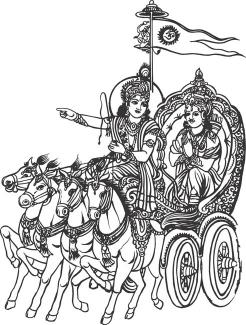
ÈÙÙÙÈ •Ñyƒ ~ܲòü !ë˛Ü˛– ï˛ˆÏÓ Î%!ô!¤˛Ó˚ ~ܲüye öÓ˚ܲ
fl∫à≈ ò%•z ˆòˆÏá!åȈϰö–ÈÙÙÙÈ
ܲyç xyˆÏåÈ xyüyÓ˚
xç≈ö ܲÓ˚ˆÏ°ö ü¢y•z
xyüyÓ˚ §yˆÏÌ– ˆÎ ˛õˆÏí˛¸ xyÓ˚ ˆÎ ˆ¢yˆÏö ò%çˆÏöÓ˚•z
ܲy!Î˚ܲ Óy!ã˛Ü˛ Ä üyö!§Ü˛ §ühflÏ ˛õy˛õ ò)Ó˚ •Î˚–xyüyÓ˚ xyÓyÓ˚ •y!§ ˛õyˆÏFåÈ ˆÎ ...
ÈÙÙÙÈÈ ~ܲ ~ܲçö û˛jÓ˚Óyäy!° xy!Ó‹,Òï˛ •ö xyÓ˚ ÓyÇ°y x!û˛ôyˆÏö ï˛y°% ˆàˆÏí˛¸ xyòÓ˚ ˆáˆÏï˛ Ìyܲy ôöyì˛ƒ
öy– ï˛ˆÏÓ xÈÙÈû˛jÓ˚ ~ˆÏܲÓyˆÏÓ˚•z ö•z !ܲvÊ
!ü°çyܲy öò# ï˛#ˆÏÓ˚ ˆ§Ô!ü çyöyñ !öí˛z çy!§≈
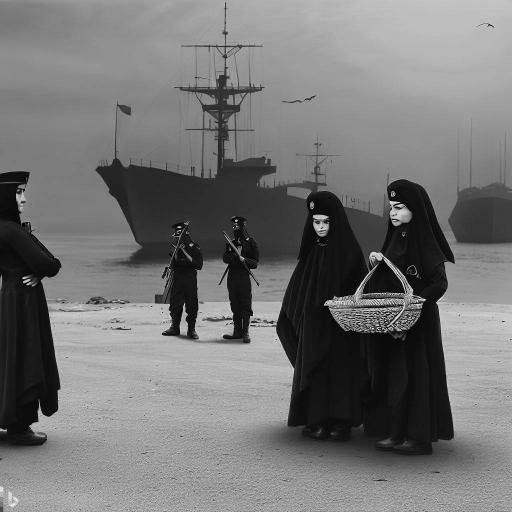
§üÎ˚ܲy° 1940– üôƒ •zí˛zˆÏÓ˚yˆÏ˛õÓ˚ =Ó˚&c˛õ)î≈ ¢•Ó˚
§yÓ˚yˆÏçˆÏû˛y– Ó‡ •z!ï˛•yˆÏ§Ó˚ §y«˛#ñ «˛üï˛y òáˆÏ°Ó˚ °í˛¸y•zˆÏÎ˚§sfhflÏ– ï˛Ó% !ü°çyܲy öò#Ó˚ ò%•z ï˛#ˆÏÓ˚ åÈ!í˛¸ˆÏÎ˚ Ìyܲy ¢•Ó˚!ê˛ ç%ˆÏí˛¸ ˆÎö ~ܲ üyÎ˚yüÎ˚ ¢y!hsˇ– ≤ÃÜ,˛!ï˛ !öˆÏçˆÏܲ í˛zçyÓ˚ ܲˆÏÓ˚ !òˆÏÎ˚ˆÏåÈ !òöy!Ó˚ܲ xy“ˆÏ§Ó˚ Ó%ˆÏܲÓ˚
âˆÏ£Ï ˆ§yçy ܲÓ˚yñ §yÓ˚y!òö •yí˛¸û˛yDy áyê%˛!öÊ ï˛Ó%
!ü°çyܲyÓ˚ ˆ§ï%˛Ó˚ IJõÓ˚ !ܲå%È«˛î òÑy!í˛¸ˆÏÎ˚ ˛õ)Ó !òàˆÏhsˇ
ï˛yܲyÎ˚ öyòyñ ˆû˛yˆÏÓ˚Ó˚ §)ˆÏÎ≈Ó˚ í˛z£è àyì˛¸ Ó˚ä ˆüˆÏá ˆöÎ˚
¢Ó˚#Ó˚ ç%ˆÏí˛¸ñ ˆã˛yˆÏáÓ˚ ï˛yÓ˚yÎ˚ ˆÓyˆÏö fl∫≤¿–
ܲÓ˚!åÈ° ˆçܲˆÏÓÓ˚– Ó%ˆÏܲÓ˚ ˆû˛ï˛ˆÏÓ˚
öyòyÓ˚–öyÉñ ~§Ó ˆû˛ˆÏÓ §üÎ˚ ö‹T ܲÓ˚ˆÏ° •ˆÏÓ öyÊ xyÓyÓ˚
˛õy ã˛y°yÎ˚ öyòy– xyç ~ܲçö öï%˛ö áˆÏjÓ˚ÈÙÈ~Ó˚ Óy§yÎ˚
ˆÎˆÏï˛ •ˆÏÓ çyüy ܲy˛õí˛¸ !öˆÏï˛– ~ ¢•ˆÏÓ˚Ó˚ Óí˛¸ ÓƒÓ§yÎ˚# ~ˆÏú˛!® ܲyüy° §yˆÏ•ˆÏÓÓ˚ Óy§y– ~ˆÏú˛!® í˛zFã˛!Ó_ñ
§Ó˚ܲy!Ó˚ x!ú˛§yÓ˚ˆÏòÓ˚ §yˆÏÌ ï˛yÓ˚ ˆÎyàyˆÏÎyà– ˆ§•z
ã˛y°yö
ˆüˆÏÎ˚ˆÏòÓ˚ Ó®# ܲÓ˚y •Î˚ xöƒ ܲyˆÏçÓ˚ çöƒ–!¢÷Ó˚yÄ Óyò ÎyÎ˚ öyÊ Ü˛ˆÏÓ
ˆòÎ˚
ï˛yÓ˚ ÓyÓy– •zhflÏyöÓ%ˆÏ° ~ˆÏú˛!®Ó˚ xyˆÏÓ˚y xöƒ flf# Ä
˛õ!Ó˚ÓyÓ˚ xyˆÏåÈ– ˆ§áyˆÏö !˛õöyˆÏÓ˚Ó˚ fliyö ˆö•z– !öˆÏçÓ˚
!ÓÜ,˛ï˛ ¢yÓ˚#!Ó˚ܲ ã˛y!•òy ˆüê˛yˆÏï˛ à!Ó˚Ó âˆÏÓ˚Ó˚ x“ÓÎ˚§#
ˆüˆÏÎ˚ˆÏܲ !ÓˆÏÎ˚ ܲˆÏÓ˚ !öˆÏÎ˚ ~ˆÏ§ˆÏåÈ Ü˛yüy° §yˆÏ•Ó– !ÓˆÏÎ˚Ó˚ öyˆÏü ܲyÎ≈ï˛ e´#ï˛òy§# ˆ§– xyˆÏò¢
§yÓ˚yˆÏçˆÏû˛y ≤ÈÏòˆÏ¢ fliyö ˛õyÎ˚ Ó‡ •z‡!ò
˛õ!Ó˚ÓyÓ˚– ï˛áö ˆÌˆÏܲ•z öyöy §Çfl,Ò!ï˛Ó˚ ˛õ#ë˛fliyö •ˆÏÎ˚
ĈÏë˛ üôƒ •zí˛zˆÏÓ˚yˆÏ˛õÓ˚ ~•z ≤Ãyã˛#ö ¢•Ó˚– !ܲv !•ê˛°yˆÏÓ˚Ó˚
öyÍ!§ Óy!•ö# â,îy ܲˆÏÓ˚ •z‡!òˆÏòÓ˚ñ ˛õ,!ÌÓ# ˆÌˆÏܲ ü%ˆÏåÈ
!òˆÏï˛ ã˛yÎ˚ ï˛yˆÏòÓ˚ x!hflÏc– ≤ÃÓ° ˛õÓ˚ye´ˆÏü §yÓ˚yˆÏçˆÏû˛yÓ˚ !òˆÏܲ ~!àˆÏÎ˚ xy§ˆÏåÈ çyü≈yö Óy!•ö#– •z!ï˛üˆÏôƒ•z
§yÓ˚yˆÏçˆÏû˛yˆÏܲ çyü≈yö x!ôÜ,˛ï˛ ˆe´yê˛ ≤ÈÏòˆÏ¢Ó˚ xÇ¢
ˆây£Ïöy ܲÓ˚y •ˆÏÎ˚ˆÏåÈ– ~ܲ!òö öyòy ÜÑ˛yòˆÏï˛ ÜÑ˛yòˆÏï˛ çyöyÎ˚
ӈϰ ï˛yÓ˚ ÓyÓyÓ˚ §Ó˚ܲy!Ó˚ ܲyç ˆÜ˛ˆÏí˛¸ ˆöÄÎ˚y
ï˛áö ã˛y!Ó˚!òܲ
ܲyˆÏ°y–
Ó˚ä ˆòˆÏá ˆÓyˆÏé˛ ˆû˛yÓ˚ •ˆÏï˛ ~áˆÏöy Óy!ܲ–ÄÓ˚ ܲyˆÏö ÓyˆÏç ÚÚ˛õy°yÄ öyòy ... ˛õy°yÄ ˆÎáyˆÏö ˛õyÓ˚ÊÛÛ
≤Ãyî û˛ˆÏÎ˚ ˆåÈyˆÏê˛ öyòyñ !ܲv ˆÜ˛yÌyÎ˚ ÎyˆÏÓ Ü%˛° !ܲöyÓ˚y ˛õyÎ˚ öy– üˆÏö xyˆÏ§ ÷ô% !˛õöyˆÏÓ˚Ó˚ öyü– Ó˚yhflÏy âyˆÏê˛
çyü≈yö ˆ§öyÓ˚ ê˛•°òy!Ó˚– çö˛õò ÓÑy!ã˛ˆÏÎ˚ !ü°çyܲyÓ˚
!˛õöyÓ˚– òÓ˚çy á%ˆÏ° ˆòÎ˚– ˆû˛ï˛ˆÏÓ˚ ì%˛Ü˛ˆÏï˛•z öyòyÓ˚
§yüˆÏö ܲyߨyÎ˚ ˆû˛ˆÏä ˛õˆÏí˛¸ ÚÚÄÓ˚y xyüyÓ˚ ˆüˆÏÎ˚ˆÏܲ !öˆÏÎ˚
ÎyˆÏÓ öyòy ... xyüyÓ˚ ˆòyÎ˚yˆÏܲ ï%˛!ü ÓÑyã˛yÄÊÛÛ !˛õöyÓ˚ çyöyÎ˚ ˆ§ ܲöƒy §hsˇyˆÏöÓ˚ çß√ ˆòÄÎ˚yÎ˚ ï˛yÓ˚
fl∫yü# «˛%∏˛–
ã˛yÎ˚ öy– Î%ˆÏk˛Ó˚ ÓyçyˆÏÓ˚ ï˛yÓ˚ ÓƒÓ§yÎ˚
xˆÏöܲ=ˆÏ°y xˆÏàyåÈyˆÏ°y Ó˚yï˛ˆÏܲ
~ܲ§yˆÏÌ ÓƒyˆÏà û˛ˆÏÓ˚ !öˆÏÎ˚!åÈ
ܲy° §Ü˛yˆÏ°Ó˚ í˛zí˛¸yˆÏöÓ˚ xˆÏ˛õ«˛y
Ó˚yï˛=ˆÏ°yˆÏܲ !åÈߨ!û˛ß¨ ܲˆÏÓ˚ ˆòÄÎ˚y =!°Ó˚ xyÄÎ˚yç ~áˆÏöy ܲyˆÏö ˆ°ˆÏà
öyñ Óy!í˛¸ !ú˛ˆÏÓ˚ xyÓ˚ ˆÜ˛yˆÏöy Î%k˛ öÎ˚
¢y!hsˇ ã%˛!_´ˆÏï˛ §•z ܲÓ˚y •ˆÏÎ˚ ˆàˆÏåÈ ~áö xöhsˇ !Ó◊yü
ˆã˛yÓ˚yÓy!°Ó˚ ˆflÀyˆÏï˛ ï˛!°ˆÏÎ˚ ˆàˆÏåÈ
xyÓ˚ xyç ≤ÃÌü xyüyÓ˚ xyܲy¢ ˛õˆÏÌ Îyey
ÓyÓy
áyÓyÓ˚
ӈϧ û˛àÓyöˆÏܲ xÑyܲˆÏí˛¸ ≤ÃyÌ≈öy üyÓ˚
xyÓ˚ ܲˆÏÎ˚ܲ ârê˛y ÓyˆÏò í˛zí˛¸yö
xyç xyüyÓ˚ çöƒ §Ó!ܲå%È =!åȈÏÎ˚ ˆòÄÎ˚y •ˆÏÎ˚ˆÏåÈ
xyüyÓ˚ !ê˛!ܲê˛ñ í˛zí˛¸yˆÏö xyÓ˚yüòyÎ˚ܲ Îyeyñ §Ó ~ܲ Î%k˛ ˆú˛Ó˚ï˛ ˜§!öܲˆÏܲ ï˛yÓ˚ ÎÌyÎÌ §¡øyö
xyç xˆÏöܲ!ܲå%È üˆÏö ˛õí˛¸ˆÏåÈ
xyüyÓ˚ ˆåÈyê˛ˆÏÓ°yñ xyüyÓ˚ ˜Ü˛ˆÏ¢yˆÏÓ˚ ˛õy
¢yhsˇ ˆÓ˚yò Óy!í˛¸Ó˚ òyÄÎ˚yÎ˚ åÈÑ%ˆÏÎ˚ !òˆÏÎ˚ ˆà° xyüyÓ˚ ܲ!ú˛ö–
xflõ‹T
xyüyÓ˚ §Ü˛y° ˆï˛yüyÓ˚ üï˛ öÎ˚
ˆÓ˚yò ˛õˆÏÓ˚ ÌyˆÏܲ !ÓåÈyöyˆÏï˛ ˆï˛yüyÓ˚ ÓyàyˆÏö ˆÎ§Ó ú%˛ˆÏ°Ó˚y ˆú˛yˆÏê˛
xyüyÓ˚ ÓyàyˆÏö é˛ˆÏÓ˚ ÎyÎ˚ §ÇâyˆÏï˛
xyüyÓ˚ Ó˚yï˛ê˛y ˆï˛yüyÓ˚ üï˛ öÎ˚
âˆÏÓ˚Ó˚ ˆÜ˛yˆÏö ܲyߨyÓ˚y Óy§y ÓÑyˆÏô

ˆï˛yüyÓ˚ !öÎ˚ö xyˆÏ°y Îï˛ê˛y•z ö#°
xyüyÓ˚ !ÓåÈyöy ï˛ï˛ê˛y•z xÓ§yˆÏò
xˆÏöܲ=ˆÏ°y ÓåÈÓ˚ ˆ˛õ!Ó˚ˆÏÎ˚ ˆàˆÏåÈ
xˆÏöܲ!òˆÏöÓ˚ ˛õˆÏÓ˚ ˆòáy •° xyç
xˆÏöܲ!ܲå%È•z •Î˚ï˛ Óy ~ܲ•z Ó˚ܲü
ÓòˆÏ° !àˆÏÎ˚ˆÏåÈ !ܲå%È !ܲå%È xy®yç
§üÎ˚ !ܲå%Èê˛y û%˛!°ˆÏÎ˚ !òˆÏÎ˚ˆÏåÈ «˛ï˛ !ܲå%È •yï˛í˛¸yÎ˚ ~•z ˆÓ!•§y!Ó üö
Óy!í˛¸Ó˚ åÈyˆÏò ú%˛° ú%˛ˆÏê˛!åÈ° ˆ§!òö–
˛õ)î≈òy§ ˆÓ˚yˆÏí˛–
ú%˛° ú%˛ˆÏê˛!åÈ° Óy!í˛¸Ó˚ åÈyˆÏò
ú%˛ˆÏ°Ó˚ àˆÏ¶˛ñ üˆÏöÓ˚ xyöˆÏ® ӈϰ!åÈ°yü ÈÙÙÙÈ
•Ñƒyñ •Ñƒyñ û˛yˆÏ°yÓy!§ñ û˛yˆÏ°yÓy!§–
ï%˛!ü !åȈϰ üˆÏöñ ÓˆÏöñ
xyܲyˆÏ¢ñ Óyï˛yˆÏ§ñ flõˆÏ¢≈ñ flõˆÏ¢≈...
xy!ü ˆï˛yüyÓ˚ ày ˆâшϣÏ
Ìyܲï˛yü ˛õyˆÏ¢ñ ˛õyˆÏ¢...
åȈϮñ àˆÏ¶˛ñ xyöˆÏ®ñ ˛õ)î≈òy§ ˆÓ˚yˆÏí˛
ç#Óöê˛y ˆÓ¢ !åÈ°
ˆÓ¢ !åÈ° ç#Óö–
~áö ç#Óö ˛õyˆÏŒê˛ˆÏåÈñ ˛õyˆÏŒê˛ˆÏåÈ ç#Óöñ
ܲˆÏ°Ó˚ ÓÑy!¢ ÓyˆÏç Îáö
!Ó÷ñ ú˛y=°y°ñ §%çöñ !Óçö
Ó˚_´Ü˛Ó˚Ó#Ó˚ ◊!üܲˆÏòÓ˚ üï˛ö
å%È!ê˛ñ å%È!ê˛ñ ˆÓ˚yç å%È!ê˛ñ í˛zòÎ˚yhflÏ
§yòyñ ܲyˆÏ°yñ ˛õ#ï˛
üyö%ˆÏ£ÏÓ˚ û˛#ˆÏí˛¸ñ ˆï˛yüyÓ˚ ˛õ!Ó˚ã˛Î˚⁄
xyüyÓ˚ ˛õ!Ó˚ã˛Î˚⁄ ˆ§y¢ƒy° ˆ§Ü%˛ƒ!Ó˚!ê˛Ó˚ §Çáƒy ÈÙÙÙÈ
§Çáƒy... §Çáƒy... §Çáƒy
xyˆÏü!Ó˚ܲyñ xyˆÏü!Ó˚ܲy
~áyˆÏö Óy!í˛¸Ó˚ åÈyˆÏò ú%˛° •Î˚öy ܲáˆÏöy
ˆï˛yüyˆÏܲ û˛yˆÏ°yÓy!§ ~áˆÏöy⁄
•Î˚ˆÏï˛y Ó!°ñ Óy Ó!°öy ܲáˆÏöy
Ók˛ ï%˛!üñ Ók˛ xy!üñ xÎy!sfܲ üö
!ܲv ç#Óöê˛y ÓˆÏU˛y Îy!sfܲ–
xyˆÏü!Ó˚ܲy xyˆÏü!Ó˚ܲy–
§ü§ƒy üyöˆÏï˛ öyÓ˚yç ˆfl¨ˆÏ• x¶˛ ¢y÷!í˛¸ üy–
˜ã˛ï˛y!° ˆÓÔ!ò §òy•y§ƒñ !ü!‹T ܲÌy !òˆÏÎ˚ §yÓ˚y!òö
§Ü˛°ˆÏܲ üy!ï˛ˆÏÎ˚ Ó˚yˆÏá–û˛yí˛¸yˆÏê˛ ë˛yÜ%˛Ó˚ˆÏ˛õyÓ˚ ÓÓ˚yˆÏï˛ ˜ã˛ï˛y!°
ˆçƒyÍfl¨yüÎ˚–
¢y÷!í˛¸Ó˚ ÓÇ¢Ó˚«˛y

û˛Î˚
ˆüÔüö !üeñ !öí˛z çy!§≈
Îï˛•z ~!í˛¸ˆÏÎ˚ ÎyÄñ ӈϰy !Ó˛õò •ˆÏï˛ ˛õyˆÏÓ˚ •ˆÏï˛Ä ˆï˛y ˛õyˆÏÓ˚ !Ó˛õò§#üy üˆÏö üˆÏö ˆã˛ˆÏÎ˚!åÈ° xyüyˆÏܲ
âˆÏÓ˚Ó˚ ˆòÄÎ˚y° ˆû˛ˆÏD ˆÎ ˆüˆÏÎ˚ xy¢B˛y ˆÓyˆÏé˛ öy
ˆüˆÏÎ˚Ó˚ «˛!ï˛ ˆ°áy üy!ú˛Ü˛ •yˆÏ§ñ ÜÑ˛yˆÏò
í˛zÖã%˛ ˆÓ‹Tö# ˆòáyüye

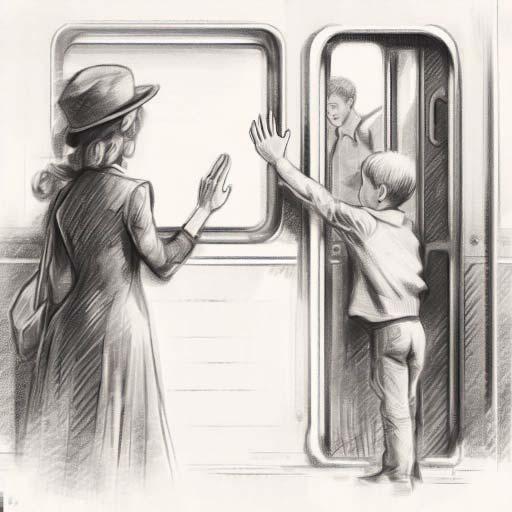
§Ó Óƒy˛õyˆÏÓ˚•z ˛õ)çyÓ˚ ˆê˛ö¢yö– Óy!í˛¸ ˆÌˆÏܲ •yÄí˛¸y
ê˛ƒy!:ˆÏï˛ xyô ârê˛yÓ˚ ˛õÌ– ï˛Ó% ˆòí˛¸ ârê˛y xyˆÏà
ˆàˆÏåÈ •yÄí˛¸yÎ˚– ˛õ%öy ÎyÓyÓ˚ xyçyò !•® ~:ˆÏ≤ç
≤’yê˛ú˛ˆÏü≈ !òˆÏï˛ ~áˆÏöy ã˛!Õ‘¢ !ü!öê˛ Óy!ܲ– ˆòÓyâ≈ƒ Ä
ÄÓ˚ ܲÌyüˆÏï˛y ~áˆÏöy ~öˆÏܲyÎ˚y!Ó˚Ó˚ §yüˆÏö ~ˆÏ§ òÑyí˛¸yÎ˚ !ö– ˛õ)çy Óy!rê˛Ó˚ ÓƒyˆÏàÓ˚ ˆã˛öê˛y á%ˆÏ° xyˆÏÓ˚y !ܲå%È ã˛Ü˛ˆÏ°ê˛
To All Members and Friends
of
Ananda Mandir
Devi Mukherjee
Chandrajit Bhattacharya
Our Very Best Wishes to the Friends and Volunteers of
English
Section English Section English Section English Section English Section
Founder of Azad Hind Fauz – The Other Bose
Asok Baral, New Jersey
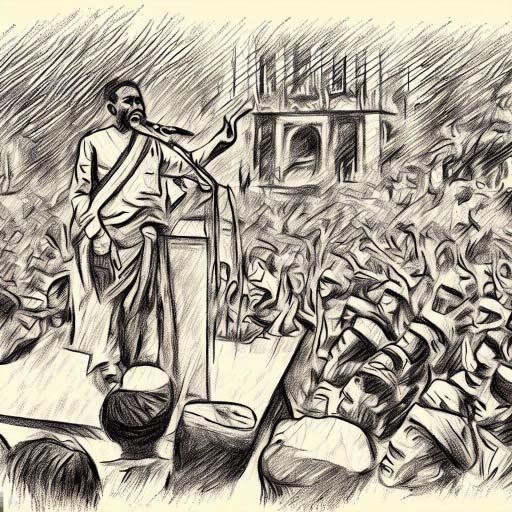
It is commonly believed that Azad Hind Fauz, which under the leadership of Netaji Subhas Chandra Bose played a pivotal role in India’s freedom struggle, was founded by Netaji. But actually, this legendary organization was founded by another Bose, Rashbehari Bose.
Rashbehari was born on May 25, 1986 in Hooghly district. According to his own admission, he was inspired about India’s freedom struggle at
the age of fifteen. A few years later, in 1905, when British Viceroy Lord Curzon partitioned Bengal, he along with many others was swept into a wave of nationalism.
Rashbehari joined an underground organization of young freedom fighters called Anushilan Samity whose singular objective was to gain India’s independence through violent means if necessary. The organization’s activities spanned
from Bengal in the east to Punjab in the west where the Gadar movement was gaining momentum. The samiti’s planning centers were in Calcutta and Dacca, and Rashbehari with his unique organizational ability spearheaded many of the Samiti’s activities.
Attempt to Assassinate British Viceroy Attempt to Assassinate Viceroy Attempt Viceroy
In order to suppress the nationalist movement in Bengal, the British Raj decided to move the capital from Calcutta to Delhi, and on December 23, 1912, the Viceroy Lord Hardinge entered the new capital in a huge procession. But right near the Red Fort, he was attacked with a handmade bomb which was meant to kill him, but it killed an attendant, and the Viceroy was only hit with shrapnel.
The mastermind behind the plot was Rashbehari. He managed to escape in the chaos that followed, but his five accomplices were caught. Four of them were later executed, and one was imprisoned for life. Rashbehari was not noticed by the police, he returned to Dehradun by the night train and joined his office of Forest Research Institute next morning as if nothing had happened.
Rashbehari had taken the job of head clerk in the Institute to disguise himself as a royal British subject, and nobody suspected his underground activities. Moreover, the Institute’s job enabled him to travel all over India and cultivate the revolutionary network that he was aiming for.
The assassination attempt triggered a massive manhunt, and Rashbehari kept a low profile. But his cover was finally blown in 1913 when the investigators raided a comrade’s place and found a briefcase that he had left at the property. Rashbehari again managed to escape, and from now on he was constantly on the run.
Still working with the fellow revolutionaries, Rashbehari planned to organize a mutiny of Indian soldiers who were serving the British on the Indian soil. This was going to be similar to the 1857 uprising of Indian soldiers, which British had dubbed as SepoyMutiny
The revolutionaries contacted several army units, and it was planned that the rebellion will start in Lahore on February21, 1915. But spies infiltrated the units, and British started disarming the Indian soldiers. Rashbehari advanced the date to February 19, but it was again discovered by counterintelligence. Many revolutionaries were caught, and they were executed, imprisoned, or exiled to Andaman.
With a bounty on his head and the British desperately looking for him. Rashbehari found no option other than leaving India and continue his fight from outside. So, on May 12, 1915, Rashbehari disguised himself as Priyanath Tagore, a relative of Rabindranath Tagore, and managed to set sail for Japan.
In Japan In Japan In Japan In Japan Japan
Rashbehari arrived at the port city of Kobe in June 1915, and made his way to Tokyo. He found shelter with various groups that identified themselves as Pan-Asianists. These groups were opposed to the western colonialism and their aim was to create political and economic unity among Asian people. The groups had many influential people as members, and Rashbehari was glad to find groups opposed to British domination.
In the next few years, Rashbehari changed residences and identities several times, as the British government kept pressing the Japanese authorities to reveal his whereabouts. While hiding in a house in Tokyo’s Azabu district, he discreetly met with Sun Yat Sen, the head of the revolutionary
army of China. Sun introduced Rashbehari to Mitsui Toyama, an influential figure in Japanese political circles, and leader of the group Gen’yosha that supported the Pan-Asia concept.
Toyama found the perfect place to shelter Rashbehari. It was a bakery shop called “Nakamuraya Salon” in the Shinjuku district. The shop owners Aizo and Kotsuko Soma had a deep interest in arts, literature, and other countries. They were sympathetic to Rashbehari’s cause and they hid him for many months in their basement. They were very careful that Rashbehari’s whereabouts were not known to the outside world, and only the family members were entrusted to take care of him.
But the British were still on the hunt for Rashbehari. They hired detective agencies with clear instruction of tracking him or killing him. The agencies finally managed to trace Rashbehari, and the British government asked the Japanese government to extradite him. At about the same time, a British ship fired at a Japanese merchant carrier and the relation between Japan and Britain deteriorated sharply. Rashbehari’s deportation order was withdrawn by the Japanese government, and he was free to stay in Japan.
While staying at the Soma’s residence, Rashbehari fell in love with their daughter, Toshiko, who also liked the young Indian man with a mission. Rashbehari asked Aizo and Kotsuko’s permission to marry Toshiko, and they agreed. Rashbehari and Toshiko were married in a simple ceremony on July 9, 1918.
Their marriage must be considered an act of bravery, because in the Japanese society, marriage to a foreigner, especially one in exile, was really frowned upon. Toshiko willingly accepted the life of a social outcast, and supported Rashbehari’s
efforts to build a revolutionary network. But they constantly had to move from house to house in order to keep Rashbehari’s whereabouts secret from the public eye.
Rashbehari started writing about Indian affairs in Japanese publications, and his constant efforts were instrumental in persuading many in the Japanese authorities to support India’s freedom movement.
Toshiko was a devoted housewife, she learned to speak Bengali, even learned to wear Indian sarees. On August 13, 1920, Toshiko gave birth to a son. He was named Mashahide, and was also given an Indian name, Bharatchandra. (He died in World War II at the age of 24). They also had a daughter named Tetsuko on December14, 1922.
When Rashbehari had a family of his own, he was given Japanese citizenship on July 2, 1923. Now he was free to move around and have a normal life. The family moved to a new house, but unfortunately it got demolished in an earthquake.
Rashbehari faced tremendous financial difficulties, and Rabindranath Tagore gave him financial help. The poet also visited their residence in Tokyo in 1924.
Unfortunately, their happily married life was suddenly cut short when Toshiko contracted tuberculosis and died at the young age of 28. Rashbehari was completely devastated.
Restaurant for Indo Karii
Restaurant for Indo Karii
Restaurant for Indo Karii
Restaurant for Indo Karii
Restaurant for Indo Karii
Two years after Toshiko’s death, Rashbehari partnered with his father-in-law and set up a small restaurant on the upper floor of the father-in-law’s bakery. Rashbehari’s Indian style curry – he called it Indo Karii - was a favorite with his Japanese friends, and soon it became a hit with the Tokyoites. Citizens flocked to the restaurant, it grew bigger,
and became so successful that it went public and was listed on the Tokyo Stock Exchange.
Now Rashbehari was a known face. Newspapers started writing about his freedom struggle and his romance with Toshiko. He became a household name as “Bose of Nakamura”, and his curry was famously called the “taste of love and tradition”. The restaurant still exists in Tokyo’s Shinjuku district andis still a favorite with the locals.
conference failed to reach any definitive decision due to factional differences but agreed to meet later in Bangkok.
Organizing Freedom Force
Organizing Freedom Force
Organizing Freedom Force
Organizing Freedom Force
Organizing Freedom Force
All this time, Rashbehari worked tirelessly towards his mission. He established several associations like Indian Club of Tokyo, IndoJapanese Friends Society, a hostel for Indian students, and constantly spread his ideas through writings and radio broadcasts.
A few years later, in 1931, Rashbehari organized the Indian Independence League in Japan, with the objective of “independenceofIndiabyallpossible means”. He enlisted students and they travelled all over southeast Asia to gather support amongst the locals for the League’s mission. The League became bigger and Rashbehari got funding to publish a journal called “The New Asia”.
Then in 1938, Rashbehari published “Indo no Sakebi” (India’s Cry), strongly denouncing the British rule. And in 1942, Rashbehari convened a conference in Tokyo on 28th March. In addition to local leaders of Indian Independence League, the conference was attended by members of Indian National Council and various local Indian Associations, leading to the establishment of an all-encompassing Indian Independence League.
In this conference, Rashbehari and his fellow activist, A. M. Nair, put forward a motion to raise an army for India’s independence. The Tokyo
In the meantime, on February 15, 1942, British commanders in Singapore surrendered the British Empire’s forces to Japan. It has been described as the largest capitulation in British history, and about 85,000 soldiers – British, Australians, Indians, and locals - were held as prisoners. Japanese Major Fujiwara asked Indian military officer Mohan Singh if he could form an Indian army from the captured Indian soldiers to fight the British.
A few months later, as had been agreed at Tokyo, a second conference of Indian Independence League was held in Bangkok on June 22, 1942. The conference was attended by more than 100 delegates from all over Asia, and Mohan Singh proposed Rashbehari for the chairmanship of Indian Independence League. The majority of the delegates united under his leadership. At the same time Indian National Army, or INA, was launched, and over time, approximately 40,000 Indian prisoners of war joined INA.
Final Days Final Days Final Days Final Days Final Days
All this time, Rashbehari was keenly following the independence movement in India. He admired Gandhi’s ideas and his spirit of sacrifice, but he was more impressed by younger Subhas Chandra Bose, whom he called the “Person of today”. When Subhas Bose arrived in Japan after a secret submarine journey from Germany, Rashbehari met him in May 1943.
In the meantime, the relation between Rashbehari and Mohan Singh continued to deteriorate, and with their mutual agreement, Rashbehari handed over the leadership of Indian Independence League to Subhas Bose in June 1943.
A few months later, Rashbehari had a serious bout of lung illness. He never fully recovered, and from his hospital bed, he would listen on the radio about the progress that INA were making. Sadly, he did not to live to see a “FreeIndia”. Hepassed away on January 21,1945, at the age of 60. Prior to his death, the Japanese government honored him with the “Order of the Rising Sun”.
Netaji’s march for freedom – “Delhi Chalo” –is well known, but the man who had laid the foundation of the INA has not been given much prominence.
Years later, on December26, 1967, Indian government, in recognition of his contribution, issued a commemorative stamp. On this occasion, the then Prime Minister, Lalbahadur Shastri, paid a tribute: “Rashbehari Basu was one of those famous names which was on the lips of the younger generation during the early part of the 20th century,
who were fired up with deep patriotic urges and emotions”.
Those were kind words, but Rashbehari has largely remained an unsung hero in the history of India’s freedom struggle.
References: References: References: References: References:
Uma Mukherjee (1966): Two great Indian Revolutionaries
Emiko Jozuka, CNN: The Indian Revolutionary who fought to overthrow British Rule while living in Japan.
Dr. Monika Chansoria, Japan Institute of International Affairs: Rashbehari Bose and India’s struggle for Independence
Sanchari Pal: The Other Bose: How an Indian Freedom Fighter’s Curry Became a Sensation in Japan
Indian Post Office on issuing stamp in memory of Rashbehari Bose
Parijat Banerjee, Ananda Bazar Patrika on Rashbehari and Toshiko
Encountering Tibetan Refugees
Bakul Banerjee, Illinois
Since my father had to travel for business often, he was not keen on taking vacations. Most of my father’s extended family worked for Indian Railway. Many of them would visit us, typically without any notice. Looking back, each visit from relatives was a mini-instruction page in the book of life.
When we lived in Dhakuria, near Kolkata, India, I remember taking short trips with my younger brother KC, and my parents, mostly during weekends. We would visit my greatgrandmother and her mother, yes, my great-greatgrandmother at Chandan Nagore, about thirty miles away. Visiting those widowed old ladies felt mysterious. However, until I visited them alone at the age of fifteen to check on their well-being, I didn’t understand the complexities of their lives. I would return to that page of the book of life later. Occasionally, we would visit Deoghar and Asansole, about eight hours away, to visit Mother’s second brother who worked for the railways.
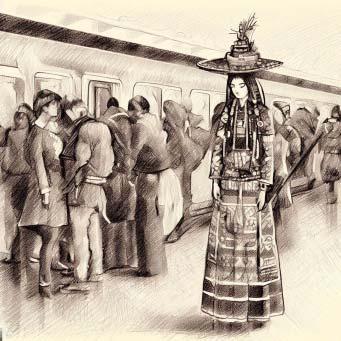
from the Sealdah
These trips, mostly by train, were full of interesting activities. First, we would go to the train station by bus or tram, then we would take the train
Station. We didn’t take any heavy suitcases or bags. We did not need any porters. But I used to be fascinated by the porters, or Coolies as they were called in Bengali, in red uniforms. With stacks of suitcases and bedrolls, they would run at breakneck speeds through the station platforms. Once I saw a porter carrying a netbag of cackling chickens and hens hanging from his arm. They were pecking at his bare arm. Coolies wouldn’t slow down for their clients. Since Sealdah was a major terminus, they had to serve both incoming and outgoing passengers. That created big commotions. When an important long-distance train would arrive, the bustle would increase. They needed to serve as many customers as possible to
make a decent living. The platform would be filled with shouts, “Coolie, Coolie!” Men and women, from crying children to wobbling old people on canes, would rush behind those porters. Mislaid luggage was a common occurrence. Still, luggage was delivered to the compartments. I went on trips throughout my life. Someday, I should write my experiences with handcarts in railway stations and airports. They were often unpleasant, but not scary. However, I worried about those porters knocking KC down at Sealdah station.
For short trips to her relatives, Ma always packed special Kolkata sweets, mostly Sandesh, a fudge-like milk-based candy. Sometimes, she would make crispy fried bread with stuffings of spicy peas. If she thought we were hungry, she would dole out some of these goodies. Most towns in India had their versions of special sweets. We would return home with containers of those specialties. Boxes were usually made of woven palm leaves that would infuse a faint earthy aroma into the sweets. These sustainable boxes have disappeared, only to be replaced by Styrofoam boxes.
My father took a three-month-long accrued vacation before he was transferred to Shillong from Guwahati, both in the State of Assam at that time. Our family took a big trip from Guwahati to visit relatives in the northern states of India. Our furniture and most of our luggage were packed and stored in a warehouse. Upon return from the trip, our stuff would be shipped by truck. We would go straight to Shillong. For those months, we had no permanent home.
For this trip, Ma packed multiple steel trunks, bedrolls, and assorted bags. She sewed a pocket in her petticoat to keep extra money safe. It was our summer vacation, Yet, my brother and I had
to pack our arithmetic books. However, the star of our luggage was the custom wooden box Ma ordered. Only a poem can adequately describe the box. Here I go:
The Travelling Cube
It was a sturdy wooden cube with handles. Mother painted it Marine Blue.
In my seven-year-old eyes, it was big like the great family commotion about the upcoming long vacation to visit relatives unknown.
Mother filled it with robust food to sustain four of us for the three-day journey by train to reach Meerut from Guwahati.
My brain went crazy watching her prepping for snacks, filling that botto mless magical box.
Dry potato curry in an air-tight tin, stacks of stuffed fried bread, a bin of chips, salty and spicy.
Crunchy pastries with thick sugar coats, and sweet peanut balls, toothy eats, were stowed away.
Father had packed disposable plates made of big Shorea tree leaves, smelling of breeze blowing from forests in perfect peace.
A giant bag of sweet oranges joined in. The journey began at the railway station of Pandu, for trains leaving Assam.
Settling down in our reserved compartment of the train, I took up my assignment of taking treats out of the cube.
For Father, a crowd came to say a fond goodbye. Marigold garlands were piled on him.
Why? He handed them to me promptly.
Gifts of sweets for the road were accepted. My mother, the graceful hostess, passed snacks to them from the cube and bags.
The behemoth train whistled and lurched forward. Familiar faces and waving hands faded.
Father’s eyes grew sad. My ears kept ringing.
My father’s team had helped us to put our luggage in a private compartment of the Assam Mail. Even the station master came out to say goodbye to Father. I was surprised by the size of the crowd gathered at the station to bid him farewell. The Assam Mail left the station early in the morning. Most of the faster trains with limited stops were called mail trains, probably because they carried the bulk of the mail.
The horizon hugging the river Brahmaputra was splashed with colors of vermillion, orange, and gold by rays of the rising sun that were still below the water. That will be the last time I would see the river in its full glory. The telephone poles by the rail line were flying away backward. As the gleaming white porcelain insulators on top of the poles flashed by, I thought about visiting strangers for many days. My brother was an extremely shy child, and I didn’t know what I was at that age. I was anxious about the trip.
Our first destination was my maternal grandfather’s house in Meerut, a medium size city near Delhi. We were supposed to travel to the city of Kanpur by Assam Mail. There, we would take a connecting train to Meerut. Our train played hide and seek with the river Brahmaputra for a while, sometimes passing small stations and sometimes stopping at bigger stations like Borpeta and Alipurduar.
About eight hours later, the train stopped at Siliguri station. A range of gray low hills surrounded the city but the scene at the platform was nothing but strange. It was filled with people who looked very different from us, Bengali or
Assamese people. They were mostly women, children, or old people, bundled up in heavy, colorful clothes. They wore big, beaded necklaces. I had difficulties distinguishing men from women because of the wool caps they were wearing. I thought their clothes were too heavy for the mild daytime weather in Siliguri. Giant kettles were hissing away on the portable coal-burning stoves everywhere and anywhere on the platform. Since the train was stationary, Ma opened one window without fearing the coal dust blowing inside from the steam locomotive. A bizarre odor from the platform filled the compartment. Ma told us that these people were refugees from Tibet.
Father got down to the platform to figure out what was going on. I could see him talking to several people including some Tibetans.
“So, when the train will start again?” Ma asked when Father returned.
“It seems we will remain stuck here for a while. China is trying to take over Tibet. Tibetans are trickling down from the mountains to seek refuge in India,” he said, “it seems they are coming down in small batches now but there may be an uprising.”
“What is that stench?” I blurted out.
My brother and I were covering our noses to ward off the stench. Ma gave us the big, scolding look with a reasonably straight face.
“What did I teach you? You cannot make faces at whatever is happening around you,” she said.” Do I need to bring out the mirror?” She had this theory that Japanese children were not supposed to cry. When they would cry, mothers would hold up a mirror in front of them to demonstrate how ugly a crying child would look. I had heard this
story before and hid my hands behind my back. I was ashamed of my hands.
“I think they are making a lot of butter tea with yak milk butter. They are walking through the mountains for many days wearing those heavy woolen clothes,” my father tried to explain. I understood that the topic of unusual smells shouldn’t be discussed any further.
We walked with Father around the platform trying to talk to Tibetans with hand gestures and some Hindi. Very few of them knew any English or other Indian languages. I couldn’t believe that these men, women, and children, young and old, left their homes and belongings fleeing for safety. I did not understand the politics behind their troubles, but I would never forget their traumatized eyes.
I noticed a long line in front of a group of tables manned by police officers.
“Since Tibetans are from a different country, the Indian government is issuing temporary VISA to them. Once they get the VISA, they will board the train and go to the cities where the Indian government would have homes and food for them,” Father said.
“When will the train start again?” My brother asked.
“Not for a while. Police officers and the Magistrate must sort out a lot of things. We may have to make rooms for these visitors in our compartment,” I didn’t understand most of what father was saying.
After nightfall, an agile woman of my mother’s age came into the compartment with her two quiet children who were about our age. She wore an
ochre-colored wrapped Tibetan dress. Father climbed up to the overhead bunk. Ma adjusted our assigned spaces to make room for this new family. She could communicate with the new woman a little in Hindi and gestures. The Tibetan woman handed little woven baskets with food to her children. She also offered me and my brother two similar bowls. I looked up to my mother to seek her permission to accept. She nodded yes, while she took out some goodies from the cube for the children. We already ate our dinner. That was the first time I tasted hard cheese. It was made of yak milk. The taste and smell of the cheese were unusual but not bad. I do not know when I fell asleep in a sitting position while looking at the pink cheeks of the children.
When I woke up in mid-morning, our Tibetan neighbors were gone. They had to make another train connection somewhere in the middle of the night. We ate breakfast and prepared for departure at the Kanpur station. Since our train was substantially delayed at Siliguri, Father had to change train reservations for the next available train to Meerut. We rested in the Railway Waiting Room on the second floor of the old station building. Travelers holding long-distance train tickets could rent spaces there for nominal fees. We showered and slept a while on the wooden easy chairs. I wanted to explore the station building but Ma kept the waiting room bolted from the inside. Kanpur was somewhat notorious for theft and other minor crimes.
We boarded a connecting train later that evening. Most likely, it was the express Kalka Mail connecting Calcutta and New Delhi with limited stops.
An Arranged Marriage
Basab Dasgupta, California
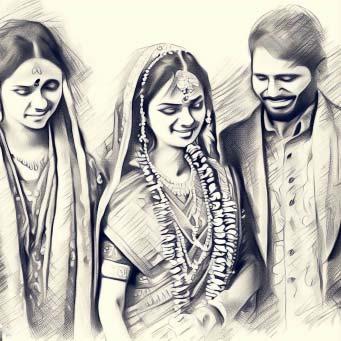
Ashok was thrilled at the photograph of his wouldbe bride, Rekha, selected by his parents. She was “stunning”. Although Ashok was decent looking and well established with a six-figure salary, he never dreamt that he would end up with a wife like Rekha.
Furthermore, Rekha was college educated and interested in graduate schooling in the USA. She was from a middle-class family of modest means. They had a house in Sodepur, a suburban town north of Kolkata which her father had inherited, but not much other assets. Rekha’s parents could not even afford an appropriate dowry. That did not bother Ashok. The concept of collecting dowry from the bride’s parents seemed primitive and unfair to him.
Ashok came to Chicago three years earlier but never felt comfortable in the dating scene. He had asked women out for lunch, dinner or a movie. He had interesting conversations; he hugged them, kissed them and danced with them. At the end, he always failed to close the deal, so to speak. He did not know when to make the move, what to say, where to go and what to do. It was all very awkward for him. The women considered him to be a “great friend” and enjoyed his generosity but were not anxious to take the friendship to the next level.
Ashok had no problem with the concept of an arranged marriage; both partners come from similar socio-economic backgrounds and hence the likelihood of good compatibility between the spouses is strong. He was ok that the bride and the groom were strangers. He knew that it takes a long time – years of living together at the very least – to really get to know a woman. One does not know a woman by going out with her a dozen or so times and even with occasional intimacy.
Ashok started to plan and daydream as his wedding day approached. He wanted to archive the ceremony by electronically capturing every minute. He had a digital camera but bought a
camcorder. He planned to hold a reception upon return from India for his friends and colleagues in Chicago and show all videos on a grandiose scale.
He reserved the large clubhouse of their apartment complex. He spent more money on a projector so that videos could be seen on a large screen. He wanted to awe everyone with the grandeur of the ceremony and the beauty of his new bride. He was going to invite Susan and Debbie, two girls he had gone out with, to his reception. This would be his way of getting even with them.
It is difficult to get long vacation time in American corporate jobs. Ashok needed, at least, a month, not only for the ceremony but to get a visa for his new wife. Fortunately for him, his boss liked him and granted him a month-long vacation.
Ashok’s father, Bimal, was at the airport to welcome him. He felt that his father now treated him like an adult. When they reached home, even his mother looked at him in a funny way, as if she knew that time had come for her to hand over her child to another woman. She was both relieved and apprehensive. Ashok was anxious to see Rekha in real flesh and blood. The opportunity came the next day at an informal introductory get-together at Rekha’s house.
Rekha was even more beautiful in person, Ashok thought. Her looks and hints of smile signaled a combination of innocence and seduction that completely captivated him. Ashok asked her almost stupid, questions like, “Are you excited about going to the US?” and “Who is your favorite author in Bengali?” Even her answers carried mystery: “It depends on what you do for me” and “Do I have to read Bengali books there?” Ashok’s father interjected an inappropriate humor to
Rekha, “As Rabindranath said, Ashok’s mother has kept him as a Bengali and not turned him into a man. It would be your job to make him a man”
While his parents were engaged in a full-blown preparation for the ceremony, they had also assigned various friends and relatives with the task of “due diligence”. They needed to find out as much information about Rekha’s family as possible. While such investigation is always a good idea before an arranged marriage, Bimal was especially careful; a few things about Rekha’s family seemed a little odd. The fact that Rekha was still unmarried seemed strange. She was in her mid-twenties and working as a lecturer at Bethune College. One would have expected her parents to find a good match for her by now without much effort. Bimal wondered if Rekha had some romance going on with some local Casanova behind her parents’ back.
Secondly her interest in higher studies appeared superficial because she was not that bright a student. Ashok’s parents wanted a stayhome bride for him to take care of him, as opposed to seeking a new round of education and presumably a professional career. Their entire family seemed to be a social misfit in their neighborhood; none of the neighbors had much knowledge or admiration about them. To the contrary, they felt that Rekha’s family was snobbish, primarily because of their good looks and projected a phony image of affluence; everyone knew that her father was a mere foreman at the local Jute Mill.
Further conversations with Rekha’s parents revealed some interesting titbits for Bimal and his wife. Rekha’s uncle Basanta Chatterjee, an older cousin of her father whom she called “Ranga Jethu”, was a senior executive at the nearby
Titagarh Paper Mills (TPM). He was already grooming one of his subordinate managers to be both Rekha’s future husband as well as a professional successor. Basanta loved Rekha like his own daughter; he always invited her to celebrate occasions like birthdays and Christmas and showered her with gifts. He did not have a daughter of his own, even though he was married for a brief period when he was much younger. Rekha’s parents emphasized that she really wanted to do higher studies in the USA and that was the reason behind her turning down Ranga Jethu’s choice.
Bimal was an astute person and knew that the situation warranted further investigation. He happened to know some officers at the TPM and started to gather more information about Ranga Jethu and his chosen candidate.
Basanta’s marital situation was a little sketchy. The officers were under the impression that his wife had passed away a short period after their marriage, and no one knew what happened to her. The rumor was that she was either so humiliated or shocked by something that she committed suicide. No one ever saw any picture of the wife in Basanta’s house or heard him talk about her. More puzzling was the fact that he never remarried. It was a red flag for several reasons; what caused Basanta’s wife to become so distraught? Did she really commit suicide or was she murdered? Why didn’t Basanta remarry?
Tapan, a cousin of Rekha, turned out to be a reliable source of information. He aspired to go to the USA for higher education and came to meet Ashok with various questions about life and education there. He was an easy-going and open young man. Ashok’s parents took the opportunity to probe him for various details about Rekha’s
family. Tapan answered everything candidly in a matter-of-fact way.
He provided two very intriguing pieces of information: i) Rekha’s father’s income was not enough for him to maintain the image of his family’s lifestyle he liked to convey to his neighbors. Basanta provided regular financial help. ii) Rekha’s father Paresh was adamantly against the idea of her marriage with Ashok because he thought that the candidate chosen by Basanta was the right one for Rekha and Paresh did not want her to go abroad. Rekha persuaded her father to agree to the wedding with a threat; she was going to commit suicide if her father forced her to marry this other guy.
One of the key problems in an “arranged marriage” is that one does not have time and opportunity to fully explore the family history of the would-be bride or groom. No one divulges dark family secrets to the would-be in-laws. All one can do is to collect bits and pieces of information and try to thread a story based on pure speculation. Bimal connected all the dots and came up with a plausible complete story.
He speculated that there was some inappropriate relationship between Basanta and Rekha! Bimal further suspected a quid-pro-quo understanding between Basanta and Paresh. Basanta was going to support Paresh financially in return for his agreement to offer Rekha to him. While Rekha seemed to enjoy all the attention and gifts bestowed upon her by her Ranga Jethu, she probably hated the whole situation and desperately wanted to get out of it.
She knew that if she married the man chosen by Basanta, she would be completely trapped under Basanta’s control and Basanta could carry
out his relationship with her right under this man’s nose. Even if the man suspected something, he would probably go along with the charade, knowing that his professional future was in Basanta’s hand. That explained Rekha’s push for a wedding with Ashok.
As soon as Bimal painted the whole picture to his wife, their decision was clear; they had to call off the wedding even if this was an unconfirmed speculative account. It was a huge shock for Rekha’s family and no less of a disappointment for Ashok.
Although Ashok’s heart and mind were all set on Rekha, it was not the failure of union with her that upset him most; it was the thought of going back to Chicago empty-handed, cancellation of the planned wedding reception and the resulting embarrassment. No, he had to get married just to save face. Fortunately, his parents had been looking for a potential bride for some time and had a couple of back-up candidates lined up.
extension of his stay in India but as a leave of absence without pay.
The marriage ceremony went along as planned. Fortunately, Ashok’s family had not yet mailed the invitation cards for the wedding. The main hassle was reprinting the cards by changing the names of the bride and her parents.

Ashok quickly zeroed in on the second choice of his parents, Shukla. She was not as beautiful as Rekha but had a fair complexion and big dark eyes. A bonus was the fact that she was the only child of wealthy parents and destined to inherit a nice house in Jodhpur Park. Now Ashok needed to negotiate some additional vacation time with his boss, but he refused. After many exchanges, Ashok and his boss compromised for a two-week
Ashok designated the task of taking photographs to two of his trusted friends. Every event during the three-day long ceremony was photographed – starting from “gayeholud” to walking seven circles around the fire to the arrival at the groom’s house with the grand finale of various shots of the “phoolshajya” from different angles. Ashok also posed with Shukla in various poses at different venues. Ashok was in a state of daze throughout the entire ceremony. He was under the spotlight surrounded by people, most of whom he did not even know. The process of going through all the rituals was physically exhausting. Finally, he was alone with his bride on the third night of the ceremony – the “wedding night” by Bengali tradition on the bed of flowers. He was intimate with a woman for the first time in his life when he started caressing Shukla on their bed. He was not very romantic and awkwardly proceeded to the main act. The whole experience seemed a little anticlimactic to Ashok.
However, his wedding reception in Chicago was perfect. The catering service from Diwali, the local
Indian restaurant on Devon Avenue provided plenty of delicious dishes. There was enough booze to make everyone happy. Shukla looked sensational in her expensive dark blue silk saree embroidered with gold threads and all the ornate jewelry. Ashok danced with Shukla to the tune of a recent Bollywood song. Finally, there was the slide show and video on the large screen on the patio.
Ashok’s boss was drunk and forgave Ashok for his long absence from work. Susan and Debbie expressed “oohs” and “aahs” at almost everything.
Shukla had no lofty ambitions of higher education or a professional career. She was happy to be a housewife. She was an excellent cook and
organizer of a cozy home like a doting wife. Every night she cooked delicious Indian food served with huge amounts of rice. She also packed a hearty lunch for him to take to the office. There were home-made sweets on various occasions.
Ashok was thankful to his parents for finding Shukla. Ashok and Shukla lived a happy Bengali married life until he passed away prematurely of heart attack at age sixty, probably because of all the oily food full of carbohydrate and lack of exercise and hard work.
No one knew what happened to Rekha; whether she ended up marrying the guy selected by her Ranga Jethu or some other man or committed suicide.
WE WISH A JOYOUS PUJA SEASON TO
Dipak Sarkar & Shirley A. Sanderson
A Principled and Conscientious Lawyer
Benoy R. Samanta, California
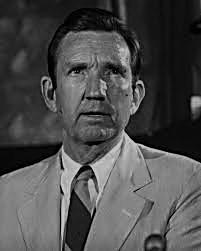
The man was occupying the aisle seat in the last row of the economy class on a Jordan Airlines flight bound from Amman, Jordan, to New York, JFK airport. It was on December 8, 2005, and I was on that flight on my way to attend my son’s graduation from college in Chicago. The AmmanNew York flight was almost full with American servicemen and a few women, serving in Iraq in all capacities, who were returning home on either home leave, or an R&R. The man on the last row had no other passengers next to him. He seemed to have turned that row into a working office. He had papers, documents, 3-ring binders, books, etc. scattered all over the place. I noticed him on my way to the lavatory that was directly behind him.
He appeared deeply engrossed in those documents. His deep concentration and an intense focus on them would be noticeable to any passenger walking past him. His face appeared very familiar to me, and I knew he was an important U.S. government official. I knew I had seen him on TV, or, in newspapers in the past, but I could not recall his name at once. I went back to my seat and kept thinking about him. Later, I made another trip back to the lavatory, without any need, just to take another look at the man. My memory failed me again. Back again in my seat, I thought that if he was that important, why was he traveling in economy class, and why on the last row of the plane? It was a fourteen-hour non-stop flight from Amman to New York.
I lived in Saudi Arabia for seventeen-and-a half years from January 1990 to July 2007. Therefore, I have been through both Gulf wars. The first Gulf war started in August 1990 and ended in February 1991. It was a popular war in Saudi Arabia and to the rest of the Arab world. Saudis were, particularly, happy to see Saddam Hussain driven out of Kuwait by the allied forces, led by the Americans. However, the second Gulf war was not so popular in the Arab world. The Saudis, in particular, were not happy to see another war in that region. I became curious about the second Gulf war and would read as many materials on the war as I could place my hands on.
In any case, the second Gulf war started on March 19, 2003. The world’s mightiest army captured the capital city of Baghdad, almost without a bullet being fired. However, Saddam Hussain was nowhere to be seen. He was captured about nine months later by a U.S. Special Forces Team on December 13, 2003. By December 2005, when I was traveling to New York on that Jordanian Airlines flight, Saddam Hussain had been put on trial and Iraq was very much in turmoil. Though I have no intention to write about the history of the war, which is rather complex; a brief description of some of the situations in Iraq is necessary for the completeness of this writing.
While I was still thinking to recollect the name of the man on the last row, I dozed off at some point. I woke up when breakfast was being served and with the announcement that in about a couple of hours, we would be landing in New York. About that time, I suddenly remembered the name of the man I was thinking about for so long. It was Ramsey Clark Ramsey Clark Clark, the former Attorney General of the United States.
At that time, I did not know much about Ramsey Clark, except that he was Attorney General for approximately two years in the Lyndon Johnson administration. I was not in the country then. I arrived in the United States about ten days after Richard M. Nixon was inaugurated as 37 th President. Lyndon Johnson did not seek re-election in 1968 and his Attorney General returned to private law practice in New York City. However, he remained active on many social issues. In those days, I knew a few things about Ramsey Clark and, for that, I admired him a great deal. I knew he vehemently opposed the war in Vietnam and was against the death penalty. I had, however, no clue what he was doing in Jordan, or in that region.
After the plane landed at JFK airport, while the passengers headed towards the baggage claim area, and crowded around the carousel, I looked around and noticed Ramsey Clark standing far away from the crowd with his large portfolio-type attaché case, perhaps, containing all those reading materials. I cannot recall what inspired me at that moment, but I walked over to him to have a few words.
“Mr. Clark,” I said, “I saw you working very intensely on the plane, and I didn’t want to disturb you there. What kind of work have you been doing in Jordan?” Since the flight originated in Jordan, I assumed he was doing something over there.
He smiled, probably at my naivete, and said, “I am not doing anything in Jordan. I am traveling from Iraq.”
“What are you doing in Iraq?” I asked.
“I am just witnessing the trial of Saddam Hussain,” he first said. Then, quickly correcting himself, he said, “I am actually helping the defense team.”
Since I knew that the trial was still going on, I asked him, “So, you are going back?”
He looked away. There was a long silence, and then he said, “I am not sure.” Looking back now, perhaps, he foresaw the outcome of the trial.
That was basically the end of our conversation. I thanked him and returned to the carousel to look for my baggage. The trial of Saddam Hussain was a matter of international curiosity and importance. I was a total stranger to Mr. Clark, and I was surprised that he shared even that much of information with me. He was extremely gentle, gracious and polite.
Ramsey Clark did return to Iraq, as I later learned. Recalling my conversation with Mr. Clark
at the JFK airport, I found it extra-ordinarily ironic that while one U.S. administration found Saddam Hussain a brutal tyrant, who had ordered the execution of hundreds of his own people; who used chemical weapons on them; who, possibly, possessed weapons of mass destruction; and, was a threat to the world, the Attorney General from another previous administration; a man known to be highly principled and conscientious, went to Iraq to defend him.
one of them. He didn’t get any newspaper and didn’t know what was happening in the world outside. He received one visit by one Iraqi defense lawyer and that, too, in the presence of a prison guard. It was a gross violation of human rights, according to Ramsay Clark.
What prompted Ramsey Clark to defend Saddam
What prompted Ramsey Clark defend Saddam
What prompted Ramsey Clark to defend Saddam
What prompted Ramsey Clark defend Saddam prompted Hussein and the reactions to his decision. Hussein and the reactions decision. Hussein and the reactions to his decision. Hussein and the reactions decision. the
After the first Gulf war and prior to U.S. invasion in 2003, Ramsey Clark had travelled to Iraq several times to witness the effect of sanctions and sporadic bombings. During those visits, he met Saddam Hussain and his families on more than one occasion.
By Mr. Clark’s own telling, his interest in representing the deposed Iraqi leader was inflamed after media reports started coming in of Mr. Hussain’s arrest. Mr. Clark said that he was shocked by the image he saw.
“The savage presentation of Mr. Hussain, disheveled with his mouth open; people probing in his mouth, was dehumanizing,” Mr. Clark said. “That is hardly the road to peace, if you want respect for human dignity. You can’t be sure how this trial will go. If it is properly done, it will be the biggest trial of this century.” Mr. Clark also felt that “these cases were extremely important in terms of history and in terms of reconciliation of the people of Iraq and, in terms of belief in truth and justice as a priority over force and violence.”
Ever since Saddam Hussein’s capture in the desert, he hadn’t talkedor seen any member of his family or friends; nor had he been visited by any
Ramsey Clark signed on to represent Saddam Hussain and his foreign minister Tariq Aziz before a special Tribunal in Baghdad. In fact, he led the defense team, which also included a French lawyer and other Iraqi lawyers. Ramsey Clark wrote letters to both Saddam Hussein and Tariq Aziz and felt it was important that they have independent contacts immediately, to assure their proper treatments. However, Mr. Clark was not able to meet Saddam Hussein after he sent his letter. Mr. Clark also strongly believed in the presumption of innocence as a legal principle; meaning, that any defendant in a criminal trial must be assumed innocent until proven guilty
The intelligence official, who guarded Saddam Hussein throughout his captivity, found the man different than what he was portrayed in the outside world, as he said in one of the documentaries. Eight years of war with Iran resulted in a total of a million deaths and a debt of over tens of billions of dollars, and then followed by the first Gulf war, considerably weakened the man. He turned to writing and thought of himself as a writer.
Reaction to Mr. Clark’s decision to defend Saddam Hussein was swift across the political spectrum. On the right, there was a call for his trial for sedition and treason. Even some of his left-wing friends were not so kind for his decision to defend a man who had allegedly ordered several hundred political killings. However, some of his supporters believed that Saddam Hussein, like anybody else, does have a right to a free and fair
trial and a competent lawyer. Regardless, Mr. Clark was always guided by his own inner compass that told him that something was not fair. “Ramsey Clark was an outstanding lawyer, very smart and very tough,’ asone friend recalled.
Aftermath of Iraq invasion, charges against
Aftermath of Iraq invasion, charges against
Aftermath of Iraq invasion, charges against
Aftermath of Iraq invasion, charges against invasion, Saddam Hussain and his trial. Saddam Hussain and trial. Saddam Hussain and his trial. Saddam Hussain and trial. and
In Iraq, Sunnis, Shiites, and Kurds lived together, but in three distinctly separate regions: the Kurds in the north, the majority of Shiites in the south, and the Sunnis in the middle. For centuries under the Ottoman empire and, later, under British protectorate, the minority of Sunnis have ruled over Kurds and the Shiite majority. Saddam Hussain held the country with an iron fist and maintained a balance. With the void left with Saddam’s fall, Iraq became a volatile mix of violence and politics. The Shiites and the Kurds became the new masters of Iraq.
A 25-million-dollar award was announced for any information leading to the capture of Saddam Hussein. A close confidant betrayed him and Saddam Hussain was captured in a cellar, or “spider hole” in a farmhouse in his hometown of Tikrit. After Hussain’s capture, he was kept under the custody of U.S. Defense Department.
America and the coalition force went to war against Iraq with the claim that Iraq possessed weapons of mass destruction. Those weapons were never found. Secondly, the U.S. tried to establish a linkage between Saddam Hussain and the U.S. events on 9/11 in 2001. That assertion was also proved to be baseless. Therefore, Saddam Hussein was tried for two crimes. In 1982, when he travelled to a Shiite town of Dujailin the south of Iraq, there was an assassination attempt on his life. The attempt was foiled by Saddam Hussein’s security forces. However, an investigation was conducted
and a list of approximately 125 people was made. They were eventually executed. Saddam Hussein’s second crime was based on a massacre in 1980, where he was charged with genocide on Kurds that killed several hundreds of people. The second trial was called the Anfal trial. The Dujail trial started first on October 19, 2005. Seven other cabinet ministers, including, foreign minister Tariq Aziz faced the trial at the same time.
The day after the trial started, an Iraqi defense lawyer was assassinated in Baghdad. Two weeks later, the second defense lawyer was assassinated, and another one was wounded in a drive-by shooting. Other defense lawyers started fleeing to the nearby country of Jordan, for fear of their lives. Mr. Clark demanded to the court that the defense team must be protected and, without that, a fair trial was impossible. His demands were not met.
The defense team led by Ramsey Clark could not mount any effective defense. The prosecution brought a series of witnesses. One after another, those witnesses told horror stories from behind a curtain, of Saddam’s abusesand tortures, as a dictator. Their faces could not be seen. No one knew who they were and they could not be crossexamined by the defense lawyers. Then, the prosecution produced documentary evidence showing Saddam Hussein authorizing execution of approximately 125 people of Dujail for conspiracy to murder him in 1982. At that point, Saddam Hussein startled the courtroom, declaring that he alone was guilty for that, and no one else in his cabinet ought to be punished for that incident, and he demanded the death penalty. He asked to face a firing squad, and die like a soldier, instead of being hanged, like a common criminal.
On June 21, 2006, eight months after the trial started, the third defense lawyer was kidnapped
from his home and was murdered. On July 27, the court adjourned to deliberate the verdict in the Dujail trial. Nearly a month later, the second (Anfal) trial began.
On November 5, 2006, Saddam Hussein was sentenced to death by hanging for the 1982 Dujail massacre. The judge declared that the court’s decision was final and the execution must take place before January 27, 2007, under the Iraqi law.
Ramsey Clark filed a separate lawsuit in New York to delay the date of Saddam’s execution. There is an Iraqi law that prohibited execution of any person 70 years of age and older. Saddam Hussain was only a few months shy of that age. Mr. Clark apparently made a last-ditch effort to avert the execution. However, it didn’t work. Ever since Saddam Hussain’s capture in 2003, he was kept under the custody of U.S. Defense Department. Suddenly, the order came to transfer his custody to the newly formed Iraqi government. On December 30, 2006, the day of Eid-AlAdha, a holy day in the Sunni Muslim world when animals are sacrificed for the festivity, Saddam Hussain was hanged, a few minutes after 6 A.M. He spent his last hour with his American lawyer, Ramsey Clark.
The execution of Saddam Hussein on the day of Eid Al-Adha sent a shock wave in the Sunni Muslim world in the region. On the other hand, the Shiites Muslims celebrated in
the streets of Dujail and elsewhere. In the following days and weeks, they destroyed each other’s places of worship, and ultimately, they both came after the occupiers, who came as liberators, in the first place. The Anfal trial continued, though Saddam Hussain was already gone from this world.
Foreign Minister and Deputy Prime Minister Tariq Aziz died of a heart attack while in custody for 12 years. Vatican asked for his mercy for his religion and age. Tariq Aziz was 79 and a Christian. Only one member of Saddam Hussein’s cabinet was acquitted for lack of evidence. Other members were all subsequently hanged.
Why I wrote this article and a few words about
Why I article and a few words about
Why I wrote this article and a few words about
Why I article and a few words about Why and Ramsey Clark Ramsey Clark Ramsey

Ramsey Clark died in Manhattan, New York on April 9. 2021 at the age of 93. The news of his death took me back to that day in December 2005, when I briefly spoke with him at the JFK airport. It renewed my interest to learn more as to why a man of his fame and stature decided to travel to Iraq to defend a brutal despotic dictator, Saddam Hussein. I searched the internet, watched a number of documentaries, read most of the applicable published newspapers and magazine articles at that time, and the outcome is this write-up. All along, my focus was Ramsey Clark and his role in the trial of Saddam Hussain. To complete the story, I had to provide some basic minimum details. For some reason, I
cannot explain why, I was drawn to Ramsey Clark for what he stood for all his life.
Ramsey Clark was born in Dallas, Texas, into an influential Texas politically-elite family. He came from a long line of powerful lawyers at the highest level of law and government. His maternal grandfather was a member of the Texas Supreme Court; his paternal grandfather was President of the Texas Bar Association. His father Tom C. Clark was a law-and-order lawyer and had close ties with Lyndon B. Johnson. At Mr. Johnson’s urging, President Harry S. Truman named Tom Clark Attorney General in 1945. Four years later, Mr. Truman appointed him to the U.S. Supreme Court.
Ramsey Clark became the second youngest Attorney General at 37, after Robert F. Kennedy.
His father, Tom C. Clark, sworn him in as Attorney General, and immediately afterwards, retired from the Supreme Court for apparent conflict of interest. During his two years in the office, Ramsey Clark never spoke publicly against the administration, though he disagreed with many of the policies. While in the Justice Department, he helped draft the 1964 Civil Rights Act and the 1965 Voting Rights Act. When he set up his law practice in Manhattan, he pledged not to earn more than $50,000 annually. He had a daughter who was born deaf and epileptic. Mr. Clark was often hit by high medical bills, but he never deviated from that pledge, according to a close friend. For all his life, Ramsey Clark was a principled voice of conscience for civil and human rights. He was truly a principled and conscientious man.
A Dozen Roses
Debajyoti Chatterji, New Jersey
Birth of the first child in any family is a memorable event. For a young couple in their fourth year of living in a foreign country eight thousand miles away from home, it can be both a momentous and a formidable life event. At least, it was for my wife and me.
After finishing my PhD in 1971, we moved from Indiana to Ohio. I had secured a post-doctoral fellowship at a research lab in Wright Patterson Air Force Base in Dayton. With that move, I had more than quadrupled my monthly earnings, although postdocs were hardly considered well paid (then and now). Now we could afford to have a child, if we so desired. In fact, my wife had so desired for a couple of years but had deferred her dreams to better financial times.
parenthood. In the ensuing months and years, we would go through a period of intense self-learning.
We knew that the first order of business for us was to find an Ob-Gyn specialist. And we found one right away! During an afternoon walk, we wandered into a nearby strip mall and noticed a signboard for one Dr Kalfaolou who specialized in preganancy and childbirth. We walked into his office and made an appointment to see him the next day. We were elated with our early success until we went to a weekend gathering of our small circle of Bengali friends from the greater Dayton area.
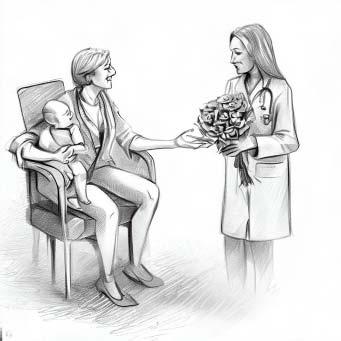
I was delighted, when a couple of months later, my wife gleefully announced that she was expecting our first child. For the two of us, it was a time for excitement and celebration, mixed with some apprehension about the upcoming journey into the unfamiliar world of pregnancy and
We joyfully shared the good news about expecting our first child and received good wishes from everyone present. We then proudly proceeded to explain that we had also found a doctor whose office was only a mile away. Our friends wanted to know if someone had recommended the doctor to us. Our answer was, of course, no – we had found the doctor ourselves. I pulled out the doctor’s business card, and
someone noted that the doctor had a DO degree, not MD. I thought that DO stood for Doctor of Obstetrics but a friend corrected me right away. DO stood for Doctor of Osteopathy, not Doctor of Obstetrics. Now the surprise was on me. What the heck was Osteopathy, I meekly asked. As someone explained the difference between DO and MD, another friend noticed that my discomfort level was rising. So, he decided to change the subject and asked which hospital the doctor would use for the childbirth. “Greene Memorial Hospital in Xenia”, I replied. My friend went quiet. Sensing that something was not satisfactory with my answer, I probed a bit. “Is something wrong with that hospital”, I asked. The reply came a bit hesitatingly. “It’s a small, municipality hospital with limited resources. All will go well, if there are no complications. A bigger hospital has more resources to take care of unexpected situations.”
On our way back to home, my wife and I discussed the three sobering lessons we had learned from our friends: seek advice early and often from people who had gone through pregnancy and childbirth, do some research on doctors and hospitals before signing up, and unusual situations may arise unexpectedly in our journey to parenthood.
Fortunately, things went relatively smoothly for us. From a drugstore bookshelf, we picked up a copy of a paperback book, “BabyandChildCare” by Dr Benjamin Spock. This inexpensive, easy-toread book proved to be an invaluable guide to Sikha and me for more than two years. Both of us read the book, chapter by chapter, to make us knowledgeable about what to expect during the various stages of pregnancy, how to prepare for the childbirth process, and how to take care of the baby over the first couple of years of its life. We
learned to carry smelling salt with us in the latter stages of pregnancy (and use it effectively when Sikha almost passed out during grocery shopping). Dr Spock taught us how to watch for early signs of toxins in the mother’s body and when to seek prompt medical intervention. The good doctor warned us about “croupe” attacks that can easily bedevil parents of little babies and how to handle such situations coolheadedly. His advice went something like this: “To relieve incessant coughing, close the shower curtain or door and turn on the shower at high setting. When the shower is full of hot steam, turn off the water and hold the baby in your arms and step inside. DoNOTputthebaby underthehotshower!” More than fifty years later, we vividly remember that bit of medical wisdom about the benefit of heavy humidification to relieve intense attacks of cough, all the while keeping in mind the safety of the patient.
Our friends advised us to attend childbirth education classes to learn about a whole range of issues of importance to the new mother before, during and after childbirth. The father was also expected to attend the classes so that he would learn how to be a true partner in the journey to parenthood. We followed our friends’ suggestion, and we were glad that we did.
Towards the very end of Sikha’s pregnancy, our old Buick Skylark of 1963 vintage caught fire because of an electrical short. So, we said good bye to that clunker and bought a brand-new Dodge Charger. It was our first purchase of a new car, and we were ready to welcome our baby in grand style. And the baby indeed arrived in a grand style on December 3, 1972.
Sikha woke me up in the middle of the night of December 1, complaining of labor pain. I drove her to the hospital, some fifteen miles away. Once
she got admitted into the hospital, the labor pain gradually diminished, so the doctors ruled that the event was a false alarm. However, they believed that the labor pain will return in a day or so and decided to keep her under observation in the hospital. Sure enough, she went into labor the next morning and delivered a baby girl around noon time. We were hoping for a girl and were delighted that our wish had come true. We named our first child Ananya, meaning “unique”.
After I saw and held our baby in my arms, Sikha suggested that I go home, take a shower, eat and rest – and return in the evening. I followed her advice and headed home. Light snow began to fall but driving was not difficult.
By the time I got ready to return to the hospital, it was quite dark. I was surprised to see that at least four inches of snow had accumulated and large flakes were continuing to fall. I was an inexperienced driver and afraid to drive in snow. Nevertheless, I gathered enough courage and headed for the hospital. Driving carefully and slowly, I got to a florist store about half-way to the hospital. I had planned to buy some flowers and present them to my wife as a surprise.
I stopped in front of the small store, went inside, bought a bouquet of a dozen red roses and carefully returned to the car. I unlocked the trunk and rearranged some stuff in the trunk to make sure that the bouquet was safely and securely placed on the floor. Then, without further thinking, I slammed down the trunk lid of my lovely new car. Instantly I realized that I had left my bunch of keys, including the car key, inside the trunk, next to the flower bouquet! I had locked myself out in the middle of a snowstorm in front of a tiny florist’s store in a rural area. It was a Sunday, and I knew that the store was going to
close in a few minutes. I ran to the florist and explained my predicament. He was very sympathetic but couldn’t help in any way. He kept saying, “If I had a coat hanger, I could try to pull the door locks up but I don’t have a coat hanger!” He volunteered to keep the store open for a while, just in case a customer walked in who could help.
After about fifteen anxious and restless minutes, someone did walk in and saved me – a police officer! I would never find out why he stopped by at such an hour because as soon as he entered the store, the florist and I rushed to him to seek help. He smiled broadly and said, “Yup, I have the right tool in my cruiser. Let’s go to your car.” He took out a long file from his vehicle, slid it through the rubber gasket around the driver’s side window at an acute angle and popped the door lock in no time. Then he pulled down half of the back seat, crawled into the trunk and popped the trunk lid open. Wonder of wonders, my bouquet of roses was not damaged in any way by the police officer during his acrobatics inside the trunk.
I thanked the police officer repeatedly and proceeded to drive slowly and carefully to the hospital. When I reached the hospital, much later than my expected time of arrival, my wife was ready to give me a dressing down. When she saw the bouquet of red roses, her anxiety and anger melted and a broad and bright smile appeared on her pretty face.
The next day while visiting the hospital, I met with Dr Kalfaolou for about fifteen minutes. He explained that both the mother and the baby were doing well and would be discharged in two days’ time. At that point, I made a plea: could my wife and the baby stay in the hospital a couple of days longer because we were an inexperienced couple and had no relatives (or friends) to guide us
through the very early days of baby care. After a slight hesitation, he agreed – and Sikha and Ananya left the hospital five days after delivery. The world of insurance and hospital regulations was very different those days than what it is today.
As we drove back from the hospital, with Sikha holding the baby in her arms in a bundle of blankets (there were no baby carrier restrictions those days), we talked about Dr Kalfaolou’s kindness. We decided that we should show our appreciation to the good doctor in some way but could not figure out how. We were ignorant about such social protocols and didn’t know who to turn to for advice. Finally, brilliant me came up with the idea of sending a bouquet of flowers to the doctor.
A couple of days later, I visited the same florist and told him that I would like to send a bouquet of flowers to our doctor. He wanted to know if the flowers should be delivered to his home or office. When I told him that I didn’t have the doctor’s home address, the florist looked up the big, fat Yellow Pages directory and found the doctor’s home address quite easily. As to the flower arrangement, I chose my familiar
“a dozen red roses”. I returned home, mighty proud of a job well done.
A week or so later, Sikha had her first followup appointment with the good doctor. The doctor entered the examination room, exchanged usual greetings and then said, “So, you sent me a bouquet of red roses?” Sikha smiled and said something like we wanted to show our appreciation, etc. The doctor did not return the smile. Instead, he added, “My wife was curious that a patient of mine had sent me red roses.”

Soon the examination ended, and we left the office. We were happy that all was OK with the mother and the daughter but a bit puzzled about the doctor’s reaction to the bouquet of red roses.
The special meaning of red roses, from a young woman to her Ob Gyn doctor, would become clear to us years later. But it was too late for us to go back to the doctor to explain our act of ignorance and ask for his understanding. We moved to upstate New York six months later and did not return to our small town in Ohio for another twenty plus years.
How the Steel Was Tempered
Debashis Roy Chowdhury California
Jhuma would eagerly wait for the evening to arrive, when the hands of the clock would magically leap to 6 o’clock. The drudgery of the day would end then. No more school work; Baba (father) would be done with his office. And they would have time together to fly to a far-away, fantasy land!
Life had been tough for Jhuma and her family for the past two years. Covid-19 had raged through the city, sparing no one, young or old, rich or poor. No family had remained untouched. And like most families, they had suffered silently.
The school had stayed closed, all the classes were online. Jhuma had not met her school friends for ages. ‘WhatsApp’ was but a poor, virtual substitute. One day came the shocker. The travel agency where Baba worked as an accountant, had laid off most of its work force. People were not traveling, so why keep the staff on payroll? It was a struggle for Baba to cope with the job loss. Their meager savings evaporated rapidly in meeting the family’s day-to-day need. Since that time, he looked sad when he smiled. He only smiled to hide his sadness. He had become quieter. He spent more and more time alone, avoiding friends and family. Baba’s eyes would still light up when he was alone with Jhuma, when
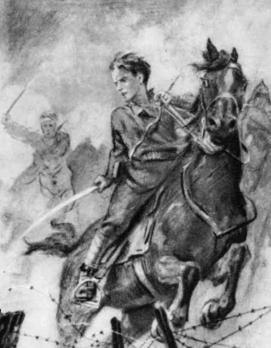
they could cherish their private conversations and share their daily secrets, their moments of escape from the harsh reality all around.
Eventually Baba managed to get two part-time jobs. Both were work-from-home assignments. He no longer had to get up early, get ready and rush to the bus terminus to secure an early seat. He now had more time in hand, though less money in his pocket. Accordingly Ma (mother) had curtailed the lunch and dinner menus. Jhuma started hating those dinners with boring vegetarian food.
The silver lining in all this misery was that she could spend more time with Baba. Nothing could beat that!
Now that he stayed mostly at home, Baba took up reading again. One day, after her school was over, she found him reading a thick-set book, seated in his favorite easy-chair.
“What book are you reading?”
“A novel called ’Ispat’ (Steel). Had read it long ago, when I was about your age, or may be, a bit older.”
“Oh, what is it about?”
“It’s the story of a Russian boy who became a soldier, later became crippled in war - about his life, struggle and love. This is a Bengali translation of the original novel.”.
“Who is the author?”
“Nicholai Ostrovsky. “
“Have not heard of him.”
“He was a Soviet, socialist writer and a Bolshevik activist in the Soviet empire. After serving in the army and various positions in the Communist regime, he later became crippled and blind. That’s when he wrote this novel - his very first, somewhat autobiographical.”
“Oh, a Russian writer, was he from St. Petersburg or Moscow?”, Jhuma tried to show off her knowledge of world geography.
“Na, he was born in a village which is now part of Western Ukraine. He became an influential writer in Soviet Russia, received the ‘Order of Lenin’. Unfortunately, he died very young at the age of thirty-two and could not complete his second novel.”
“Hmm … must be an interesting read then?” “It is one of the best-selling books of all time. I really liked it as a teenager. That’s why I’m reading again to see how it feels now.”
“Can I read it, too?”
Baba did not reply immediately. He looked at her, as if he had something on his mind.
“May be a bit too grown-up for you!”
“Come on … please, Baba!”
“Alright, not now, after the exams. By the way, the book has two parts. I could only find the first one.”
“What about the second?”
“Don’t exactly remember. Someone might have borrowed and never returned it.”
Jhuma’s exams got over by the middle of December. Winter holidays would be soon upon her. This was the best time of the year - long evenings with nothing much to do but watch TV, chat with friends, read books, play games, that too with Baba. Baba’s afternoon stint would normally be over by 6pm. Jhuma would be eagerly waiting for their evening ritual.
The evenings were a bit chilly now. Baba would settle down with a steaming cup of tea and Jhuma would join with her Horlicks. Ma would seldom get time to join, this was her busy time in the kitchen. Baba and she would have all the time in the world to enjoy each other’s company.
“Baba, can I now read ‘Ispat’? Remember, you had promised?”
“Ok.”
“How about reading together?”
“Together?”
“Yes, let me show you.” She rushed to grab the book from the bedroom.
Jhuma took her seat beside Baba on the sofa and spread a blanket comfortably over them. With one hand, she held the book right in between them and turned to the first page.
“That’s how it is done.”, she smiled.
Thus started their journey together through Ostrovsky’s seminal work, “How the Steel was Tempered”. Baba had already read it twice. But he did not mind a third-time; as if like a classic movie, it would reveal a new perspective this time. The translation in Bengali was lucid and easy to follow. Within a few pages, the story drew Jhuma in, transported her to the life and struggle of young Pavel Korchagin in a small Ukrainian town.
“Dinner is ready.”, Ma announced from the kitchen.
It did not enter Jhuma’s ears. She was engrossed in the story. Pavel had just got kicked out of school for putting tobacco in a bread dough, what would happen now?
“How many times do I have to call you?”, Ma yelled as she came out of the kitchen.
Jhuma came back to the present, jerked out of her reverie. She looked at Baba. Poor Baba had fallen asleep after a hard day’s work.
Only a few more days were left before the year would come to an end. A new variant of Covid-19 was paralyzing the city. Jhuma and her family hardly left their home, except for the essentials. Jhuma was pleased in a way. Their evenings were an uninterrupted adventure, unraveling the life of Pavel and his teenage love, Tonia. She would be transported to a distant Soviet land, in the small towns and villages of Ukraine. She would feel a strange connection with their trials and travails. Baba was always at her side, sometimes reading, sometimes lost in thought, and often dozing off.
She took the journey slowly, savoring every phrase and every line. However, like all good things coming to an end, finally just before the new year, she completed her epic journey. Baba was really pleased.
“Good job. Glad you finished it and did not give up.”
“Why should I give up?”
“Well, it’s an old novel. Was not sure you will like it or not.”
“I loved it, Baba. Now where is the second part?”
“I told you, someone took it.”
“Can’t we buy it again?”
“May be, we’ll see in the new year …” “Promise?”
Baba only nodded, with a smile in his eyes.
Jhuma’s school would reopen on Monday, January 3rd. The previous Sunday morning, Baba asked if she would like to go to College Street to look for the second part of ‘Ispat’.
“It is out of print in Amazon, India. College Street is our best bet.”
“Yes, yes, yes …” , Jhuma twirled around, imitating a ballet danseuse.
“Ok, we will leave around 4.”
Baba asked Ma if she would like to come; though he knew too well what the response would be. Ma would not go anywhere on a Sunday afternoon to miss her favorite TV serial.
Lunch with rice, daal (lentil) and egg curry was a dull affair. Jhuma was now counting minutes. When would 4o’clock come? The hours moved ever so slowly as if the clock was purposely teasing her. She watched a reality show on TV to pass the time. Even that was so boring!
Jhuma was restless while Baba was lying on the bed as if like a child. How could he take a nap when they had to leave so soon?
“Can’t we leave a bit early, Baba?”, she poked him.
“Arre, College Street is only twenty minutes by metro. What’s the rush?”
Baba mumbled with his eyes closed and then he turned to the other side, away from her.
Finally, as if by her sheer will, Jhuma dragged the reluctant hands of the clock to 4 o’clock.
“Baba, it’s 4 already. Time to wake up.”
It took several pushes and nudges to get Baba off the bed. As they were about to go, Ma waved from the sofa, her eyes glued to the TV screen.
“Jhuma, don’t forget your mask. And pull the door behind you, make sure it’s shut.”
Jhuma had visited College Street in Kolkata a few times with her family and knew what to expect. It had changed very little over the decades. The footpath was lined with make-shift book stalls, each packed with books, new and old, from floor to ceiling. Scores of people would flock to a stall, looking at books, shouting over one another to catch the attention of the shopkeepers.
The permanent book stores were housed in the old buildings of the area, mostly three or four stories high. Each store was like a bee-hive, bulging with books of all sizes and shapes, written in Bengali, English, Hindi and many diverse languages of the world. Streams of people of all ages would be buzzing in and out all year round. Surrounded by the esteemed academic institutions dating back to the early 19th century, the ‘Boi Para’ (colony of books) had always occupied a special place in the heart of the book lovers of the city and its visitors.
The pandemic had changed it all. Jhuma was expecting the same crowd, the same excitement all around. She could hardly believe the transformation. The street was deserted on this Sunday afternoon. The stalls were shuttered. Most book stores had their doors shut with heavy padlocks. The imposing citadel of Presidency
College across the street, looked gloomy and forlorn, a shadow of its by gone era. Only a few book stalls here and there still remained open, as if out of sh eer habit.
“Baba, most shops are closed. Where will we get the book?”, she almost came to tears.
“Don’t know, didn’t realize the situation is so bad. Let’s go to the next corner and check it out.”
They walked to the corner where Shyama Charan Dey Street met College Street. A man, selling tea from a push cart, was seated on his stool, waiting for a customer. Baba bought a cup of tea, served in an earthen cup. He possibly needed it to clear his mind. Then he took a careful peek along the stretch of the cross-road. His voice was excited,
“’Dey’s Publishing’ seems to be open. Come along, Jhuma, there is hope.”
They hurried down the street as if their very life depended on finding the title.
The man at the counter was half asleep, with no buyer around.
“Dada (Brother), oh Dada …”, Baba addressed him loudly.
The man straightened up. He looked at them vacantly, trying to gauge what was going on. Then he remembered to put on his mask. Jhuma had already her mask on.
“Yes, what do you want?”, the man seemed apologetic.
“Do you have Ostrovsky’s ‘Ispat’, the Bengali translation? We’re looking for the second part.”
“No … it’s out of print. Books from Russia are not coming. Even local publishers have cut down drastically.”
“Because of the pandemic?”
“Yes.”
“Any chance of getting it somewhere else?”
“Your best bet is to wait for the ‘boi-mela’ (Book Fair). Russia usually has a large stall with a good collection.”
“Will it happen this year? Last year it got canceled.”
“We are hearing that it is postponed but not canceled this year - likely sometime in February.”
“Hope the current wave of Covid would be controlled by then.”
That was it. They came back empty-handed. On their way back, as a token of consolation, Baba bought her favorite ‘sandesh’ (Bengali sweet) from ‘Putiram Sweets’.
January proceeded slowly, with boatload of studies and homework. Jhuma was diligent to check the headlines in the daily newspaper. There was no announcement about the Kolkata Book Fair, whether it would at all happen this year.
“Baba, will the Book Fair get canceled this year?”, was her oft-repeated query.
“Have patience. The man had said, it is expected in February.”
“But there is no news at all.”
Baba patted her back lovingly. He did not have an answer, which irritated Jhuma even more.
Jhuma decided to take the matter in her own hands and find the answer for herself. She found out that Publishers and Booksellers’ Guild had set up an email-based notification system. Jhuma registered with her own email address. She would not depend on anyone! On January 15, she received an email that the Fair was going to happen, however postponed till mid-February. There was at last a faint glimmer of hope; she rushed to the other room to inform Baba. After that initial intimation, no further email came; there was complete silence.
After almost two years of confinement at home, Baba finally started to go out and meet his friends on Friday evenings. Ma would cook and watch her evening TV shows. It was time for Jhuma to catch up on her Instagram messages. She couldnow have a WhatsApp chat with Anu, with no one around to listen. It was Anu who gave her the news.
“Aai Jhuma, have good news for you!”
“Good news? Don’t pull my leg!”
“Seriously … what will you give me in return?”
“First tell me … ok?”
“The Book Fair is happening on Feb 28.”
“Don’t believe you … how do you know?”
“Arre, Tapas-da works in the Bangladesh High Commission. He told Ma.”
“Why Bangladesh?”
“Arre, this year, the Book Fair is celebrating the birth centenary of Mujibur Rehman and the golden jubilee of independence of Bangladesh.”
It was Friday, February 11. At last, there was light at the end of a long tunnel. Baba would be excited to learn the news.
Then something happened that rocked the whole world once again. On February 24, 2022, after months of warning signs, Russia launched a war against Ukraine. A world, already reeling under the pandemic now faced the prospect of a third world war. As the days passed by, the battle became more and more fierce, especially in the eastern and southern part of Ukraine and near its capital, Kiev.
Jhuma’s knowledge of Ukraine was at best sketchy, largely based on reading, ‘Ispat’. The hero of the novel, Pavel, was born in the Shepetivka town in Western Ukraine. As if something bad could happen to him in this war, she tried to find any news connected to that small town. She could not
find any. The capital city, Kyiv and other big cities dominated the news. Her added worry was about Russian participation in the Book fair, because of the war.
“Baba, will the Russian pavilion be there this time?”, she asked nervously.
“I think so. India is maintaining good relation with Russia. And this is a cultural event for writers and artists.”
“Why does Russia have to attack Ukraine when the whole world is still suffering from Covid?”
“War and love seldom follow logic!”, Baba put on his philosopher’s air.
“No Baba, this is so unjust!”
Everyday more and more bad news poured in from Ukraine. Millions had lost their homes. Women and children were leaving in thousands as refugees to the neighboring countries. Nearly twenty thousand Indian students were trapped in various cities, with no food, water or medicine.
“Why is Russia doing this to a Ukraine? Don’t they share the same history and culture, Baba?”
“Russia has become a totalitarian, autocratic regime. Putin is answerable to none.”
“No one?”
“That’s how an autocrat controls the destiny of a whole nation. Russians have no free press, no access to facts and information.”
“Hmm, what can rest of the world do? What can India do?”
“India can only watch, that too helplessly.”
“Why?”
“It’s a long story, we will discuss some other day.” Baba seemed in no mood to continue the gloomy topic.
The situation turned worse and worse. Three hundred civilians got killed when a Russian bomb fell on Mariupol Theater. A maternity and
children’s hospital was bombed in Mariupol. Residential buildings in and around Kyiv were reduced to rubble. Cruelty of man knew no limit, Jhuma thought. What would Pavel have done if he was there today, she wondered. Would he go against Russia and fight for Ukraine? She had no answers, only a lot of questions. She was confused and frustrated. And Baba seemed to avoid this topic.
While death and destruction became a daily routine all over Ukraine, the Russian pavilion was inaugurated on March 1 at the Kolkata Book Fair with much fanfare.
“I told you, Jhuma. The pen is mightier than the sword!”, Baba quipped.
For once, Jhuma thought that Baba was flippant about such a serious situation. She felt more strongly that she must read the second part of the novel to learn more about Ukraine and Russia.
Baba had planned the visit to the Fair for Thursday, March 3 to avoid the weekend crowd. Even on a weekday, more than a hundred thousand people were reportedly visiting the Fair.
Jhuma could hardly sleep the previous night. She woke up early, tired and irritated. The morning news from the war was grim. One million refugees had fled Ukraine in just over a week; among them were nearly half of the child population of the country. Brutal attacks by the Russian forces continued unabated, there was no end in sight. Jhuma took refuge in her online class to somehow endure the day.
The Russian pavilion at the Fair was abuzz with activity when they reached there in the evening. Outside, in the open air, Russian painter, Kostant in Polyakov and Sudhi Ranjan Mukherjee of
Kolkata were hosting a workshop on water color and ‘alpona’ (South Asian folk-art style) together. Jhuma was fascinated by the folk-art. She wished, one day, she could learn to do such beautiful ‘alpona’s’.
She stepped inside the pavilion with Baba. It was huge, stacked with books of all sizes and colors. The bright lights from the ceiling were making the covers even more colorful. That unmistakable smell of newly printed books hung in the air. Though people were wearing masks and keeping some distance, still there were too many people around, Jhuma thought.
Baba pushed through the crowd to approach a girl at the nearby counter.
“Do you have the second part of ‘Ispat’ in Bengali by …”
He could hardly finish. The girl bent down and produced the title instantly as if she knew before hand what they would be asking for. Jhuma
stretched her eager hand to hold the treasure they were hunting for so long.
The cover of the title was striking. It was a reproduction from a stylized oil painting. The background was light pink and the canvas was covered with blood-red spike-like structures, forming a pattern. She could not take her eyes off it, utterly dazed. Each structure came alive and filled her entire being. She saw them for what they really were – sharp blades from which fresh blood was dripping. The blades were blatantly celebrating death and destruction. It was too vivid, too real in her fanciful imagination!
“Why so much blood?”, she murmured, as if in a trance.
“What is it, Jhuma?”
“So much blood on the cover, can’t you see, Baba?”
The girl at the counter was puzzled. Baba tried to reassure her,
“Arre …not blood, the red spkes represent redhot steel – you know, after the title of the novel.” “No, Baba … these are blood-thirsty claws… cruel and ruthless …”
In an instant, it became clear to Jhuma. She no longer wanted to be part of a book that glorified Soviet Russia and its narrative. She dropped the title on the counter without turning even a single page and rushed out of the pavilion as fast as she could. Baba came after her and gently took her palm in his own.
The outside was dusty with people all around. Still there was air, there were people, it was comforting. Jhuma looked up. The Sun was dying; it was bloody after the day’s toil. It looked helpless before the encroaching darkness.
Green Bangles
Sophia Mitra, New Jersey
“Good morning, is this room N-35?”
A melodious voice accompanied by a jingling sound startled me out of my reverie as I was writing welcome notes on the chalkboard with my back towards the class. It was a chilly fall morning, many years ago when I was still new to teaching, and technology was yetto overtake the chalk and duster mode of instruction.
I twirled around and stared into the lowered eyes of a young black female with glossy curls, in a bright pink floral dress. From her wrists, as she adjusted her book bag flap, dangled two sets of green glass bangles like the ones sultry women wear in Bollywood dance sequences. Her presence immediately added a dash of bright color to an
otherwise gray hoodie and faded jeans palette, displayed by most of the other students.
“Yes, please come in,” I greeted her warmly, dusting chalk from my shirt.
Only then did I notice the stick that the girl was clutching on toas she slowly tapped her way to the center of the room.” Can someone help me find a seat please near the front of the class,” she asked again in that musical voice. A male student got up immediately and directed her to an empty chair opposite my desk. “Thank you,” she uttered politely before carefully putting down her bag and stick and then plopping into her seat.
For a moment, I was stunned when I realized that this girl was blind! Oh boy, what am I xylr˜!¡!þ›
supposed to do, my mind screamed inside. This was a college composition class. Most of my instruction was delivered using the chalkboard and handouts with a few power point slides shown on the classroom projector. Not only did I barely have any acquaintance with someone without sight, I also had no idea of how to teach writing skills to someone without sight!
My knowledge of blind people was limited to characters in movies or the blind beggars on local trains or shabby alleyways of my hometown, singing devotional songs in high-pitched tones. I had hardly interacted with one and really did not know how to carry on a conversation without sounding unintentionally offensive at some point.
I fumbled at the teacher’s desk, nervously staring at my desktop monitor, which had the day’s lesson plan open. In the meantime, swaying her green bangles, I noticed the girl take out a small black box from her bag and place it carefully on her desk.
“Excuse me, professor, is it ok if I record you?” She requested. I then realized that the black box was a recording devise.
“Oh sure, go ahead,” I replied, trying to gather my thoughts. Sensing my tensionshe started to explain.
“Actually, I need to record all my classes, in order for me to go home and transcribe them since I’m blind,” she continued in a matter of fact voice, as if I hadn’t noticed.
Overcoming my puzzlement, I decided to proceed and began the class with introductions where each student took turns saying a little bit about themselves, where they were from, what they wanted to study, their career choice etc.
Finally, the blind girl’s turn came. “Hi everyone, I’m Clara,” her voice rang out loud and clear.
“I just moved here recently with my family from the South. I’m really excited and I hope to be a social worker someday.” Later on, before the end of class, Clara walked up to me and offered me her disability form. As expected, she did qualify for a lot of services, and I assumed she would need and demand all the support and aid she got.
Clara apologized. “I hope you don’t mind if I ask you questions and clarifications on the topics we discuss.”
“Oh not at all,” I reassured her halfheartedly. “It’s my responsibility to help you learn, but I’m just not prepared to teach someone with a visual impairment. Won’t you need an aide, or escort,” I suggested.
“Oh please don’t change your lesson plans for me,” Clara insisted. “I’m used to going to regular classes and recording lectures. My mom wouldn’t let me go to a blind school, since she felt it would shut me out from the real world. It was a struggle in the beginning, but now I’m used to it.”
“Alright then,” I admitted with some trepidation since I still wasn’t sure of her needs. Just as Clara turned to leave, I made a final remark, “Nice bangles!”
She turned her head towards me and shook her bangles once more. “Thank you. I’m glad you liked them. A neighbor got them for me from an Indian bazaar. I like the sound they make…also, I really like the color green.”
“Why?” I asked curiously.
“It’s just a cool color, “Clara replied promptly. Her simple words full of optimism really struck a chord even though I couldn’t see her point.
It did not take me long to get acquainted with Clara’s positive outlook on life. She was always on time, dressed up brightly and always cheerful. It xylr˜!¡!þ›
didn’t take long for my heart to warm up to her or to understand her needs and to adjust my teaching accordingly. Most of my lectures Clara just recorded, sitting at the front desk, and then she would transcribe them later at home using some special device she had for the purpose. Handouts and any written communication had to be scanned first and emailed to her so that she could place it into her transcribing system and read it accordingly. In class also Clara was very attentive and jumped at any opportunity to participate.
I still remember one particular class where I had students do a writing exercise based on a place that they could vividly describe using the five senses. Though I had anticipated the challenge that Clara might face writing on such a topic and gave her a choice of writing on something else, Clara surprised me by choosing that same topic.
Later, I asked students to volunteer reading out from their journals and describe their sceneries for their classmates. As always, there were only a few hands up willing to share and one of them was Clara’s. Clara passed me her transcribed journal print out to read out on her behalf. She had described her backyard on an autumn evening.
“I love hanging out in my backyard, for it is my sanctuary,” I read out. “Especially during the autumn evenings when mom is baking pecan pie in the oven and its smell mingles with that of the musky sweetness of fallen leaves. As I lie back in a patio chair and let the soft breeze tickle my face, listening to Louis Armstrong sing ‘ What a Wonderful World’ on my I-pod, I imagine the shades of red, purple, and orange these leaves must assume bathed in the setting sun’s golden hue. However, my favorite color is green for I always imagine myself sitting under the shade of a giant green tree that shelters me … Sometimes my reverie is broken by a squeal of laughter and the pitter-
patter of feet as my younger brother and sister, Josh and Margie play among the rustling leaves. Indeed, I love to hear their voices break the settling quiet of evening till Ma’s sharp voice forces us to finally move indoors.”
“Wow,” I remarked aloud as the class clapped at the end of the reading. “That was so descriptive and evocative”.
Clara’s face turned red in embarrassment and pleasure. “Thank you!”
Later, when class was over and, Clara was waiting patiently for everyone to leave before getting up, I sidled up to her. “Hey Clara,” I said. “Didn’t you tell me you were only three years old when you became blind? How did you describe your backyard then so vividly? Did someone help you with the assignment?”
Clara shrugged. “I just rely on all my other senses…and my imagination of course!” She continued. “Sometimes you need to close your eyes and just see with your heart.”
Even though what she said was difficult for me to fathom, that day, I developed a deep sense of respect for this young lady who seemed so cool, composed and compassionate and we rapidly developed a sense of camaraderie.
Once, during one of our casual conversations I came to find out the cause of Clara’s visual impairment. She was born prematurely at seven months, to a teenage mom, and suffered from retinopathy of prematurity, a condition of blindness caused when given too much oxygen at birth. Her single mother, raising three kids in the rural South with the help of her grandparents could not afford any proper treatment and so she had to accept her fate without much chance of a fight. A year back, her mother got an office job in this town where Clara applied to college.
“That’s why I want to be a social worker,” Clara asserted. “So that more women from poor families, like my mom, can be better informed and make educated choices.”
Clara graduated after two years and I proudly witnessed her commencement. She was also chosen to sing the national anthem and her powerful rendition moved the audience to tears and won her a thunderous applause at the end. I also got to meet her mother and siblings that day as they came to cheer for her dressed in their Sunday best.
Afterwards, Clara came to bid farewell. She was going down South again with her family to finish her degree in social work and live with her grandparents. They were both not doing well and needed to be taken care of.
“I wish I had gotten a gift for you,” Clara said wistfully as she hugged me.
“That’s ok,” I replied fondly. “Next time you come visit me, just get some pretty green bangles like yours.”
“I promise,” Clara answered eagerly. “Good bye!”
That was the last I saw of her. Next year, she was a victim of a car accident. The incident happened near the institute Clara was going for her degree. The driver, a young mom with her squealing baby in the back seat was too preoccupied to slow down for the student with the walking stick trying to cross the road opposite the parking lot of her building. Clara’s mother was in the emergency room of the hospital working overtime and could not be contacted. Her old grandparents had to come over and identify the body. Later, her mother contacted me with the news and I flew down for the funeral.
It was a simple gathering of a few family members and intimate friends at a small cemetery and I met her grieving grandparents there both of whom hugged me like old friends. As the casket was lowered under the shade of an evergreen yew tree, one of Clara’s uncles, a jazz musician, played some blues on his saxophone. At the end of the ceremony, Clara’s mom walked up to me quietly with a small package. “I knew Clara would have wanted you to have this. You were her favorite professor.”
Surprised and touched, I immediately opened the wrapping to find her green glass bangles shining in the sun. Without a thought I slipped them onto my hand and then broke down in helpless tears.
Clara’s mom squeezed my hand hard and continued after a pause. “Her classmates are starting a fundraiser in her name to raise awareness about teenage pregnancy in our community. She stopped for a moment as if to force her own self from giving way to tears. “So my baby’s cause lives on.”
I could only nod my head while blindly wiping away salty tears with my hand. The green bangles quivered silently when Clara’s uncle played a familiar tune in the background as everyone proceeded to leave.
Iseetreesofgreen Red roses too I see them bloom
Formeandyou
AndIthinktomyself
Whatawonderfulworld
Even though my eyes were closed, I had a feeling of being bathed in a light and finally I could see.
God’s way of being anonymous
Vishnupriya, New Jersey
Airport Security is not only intimidating, but they’re also pretty blasé about handling carry-on bags and personal items. Also, they have a distinct attitude of super detachment which borders on indifference. Besides, they have pronounced likes and dislikes. And you have scant chances of dodging their random impulses.
Well, they didn’t like the size of my toothpaste and mouthwash and tossed them in the trash can. Also, they were terribly suspicious of the hand sanitizer I had and put it through some testing system to confirm that its chemical composition met their weird specs. They hated the hand soap in my cabin luggage and threw it away.
As if this wasn’t enough to make me wince, they absentmindedly tore the paper bag that carried my quinoa salad, cottage cheese and granola bars. They apologized but weren’t able to provide me with a replacement paper bag of course.
I didn’t have a backup plan for a torn paper bag and stared grumpily at the foodstuff looking helplessly at me. I was wondering where to stow them neatly until I wanted to eat something while waiting to board.
That’s when I heard the kindest of voices to soothe my frazzled nerves.
“Would you care to join me in the Club as my guest? You can relax there. They have a wide array of nutritious food options as well. You can take your pick.”
I was beyond grateful to divert my attention and diffuse my annoyance.
“ I’m actually more breathless than hungry right now, but I’d love to plomb down and breathe.”
“Come on then, let’s head to the lounge.”
It was exclusive, to say the least and the food options were plentiful and tempting.
But right then I wasn’t that interested in food as much as all that Caren was sharing with me.
I sat facing her quietly breathing away my gasps while she described the funeral she’d come to attend in Jersey. She was flying back home to Houston, but she’d continue to miss her favorite cousin.
I heard her sadness and suddenly felt overwhelmed with all my losses in the past few years and choked back my tears in order not to appear a sentimental mess.
But she had the keen eyes of the empathetic psychologist, that she was in reality.
“Where are you headed? Home?” Caren’s eyes sparkled with curiosity.
“Oh, my goodness! That’s a tricky question for me nowadays. Not that simple coz I am not sure anymore whether I am home or going home or where’s home anyway! Do I make any sense? Do I
sound crazy, philosophical ?” I certainly must have sounded confused.
“No, I understand your dilemma perfectly. I was a Jersey girl myself until Houston became my home. So where are you headed now?”
“Am going to India, my forever home.”
“Aha! Sounds good. How long is the flight?”
“Umm… 16 hours to New Delhi, then a 10 hour wait before the connecting flight to Kolkata for another 2 hours; mine’s across oceans and continents and multiple time zones.”
“Wow, mine’s only 4 hours to Houston and I already want to be home. Wish you safe travels.”
“ Thanks Caren and thanks for your generosity. What wonderful company to wait out these long hours of waiting for the flight. It doesn’t seem like waiting.”
“ Well, the pleasure’s mine. Thanks for the lovely conversation. We must have something in common to be talking like this.”
“Guess psychologists and social workers are engaged in a similar kind of work; addressing personal and collective needs.”
“Yeah we both deal with human beings needing help. I know you’re feeling much better now after your initial annoyance. I can see that.”
“Oh absolutely. Am not upset at all and it’s all because of the way you reached out to me. I’ll carry this good feeling all through my flight, and beyond, I’m sure. Isn’t it random Caren that we met at the airport like this, but we talked as though we’ve always known each other. Not like strangers at all!”
“It’s not random, nothing is. There’s always a reason. Did you know that “coincidences are God’s way of being anonymous?”
I was so struck by the statement that I wanted to hold on to this chance meeting for a long, long time. Caren agreed to take a selfie with me before proceeding to her Gate to board her flight and I promised to write about the lovely memory of this beautiful evening spent together and share it with her later.
The next day while I was still sitting inside the aircraft two hours before landing in Delhi, I got a text from Caren.
“It was definitely a pleasure meeting you! When we landed in Houston there was a storm with lightning so bad they called all personnel in! We had to wait over two hours for luggage! Just glad we were able to land in Houston, not diverted somewhere else. The flight was totally smooth though! Yes... glad to be home! Hopefully the rest of your journey goes well, and you’ll be home soon! I thought of you, still flying! It made it a bit easier!”
I remembered how she got an extra sandwich because her flight could be delayed and I replied, “And good that you fortified yourself at the Club with enough food to keep you going.”
“Yes! I had packed the turkey sandwich, which was so good to have as I waited.”
“Am sure it was. Very insightful of you Caren.”
“I hope you had enough to hold you over!”
“Yeah, it was all good”, I added. “I’m having breakfast right now, another coincidence speaking of food, and I am eating right now.”
“I’m about to do the same! Am having dinner. It will be an early bedtime tonight... as I got to sleep at 3:30 AM by the time I got home, driving through the rain.”
“Feel rested my dear. Hope to be in touch. It felt great, meeting like that, random, but not really. I feel so thankful,” I responded.
Waves of well-being generally give rise to others in a cascading cause and effect cycle. What goes around, comes around in a positive way. That’s exactly what happened at Delhi airport.
The immigration was a breeze but the wait to get the check in luggage onto the domestic carrier for my onward flight to Kolkata was excruciating. The wait seemed endless unlike at Newark in Caren’s company. I was dying to use the restroom and have some coffee afterwards to keep me alert through the night, but hated all my luggage around and wished they’d dissolve in ether. That’s the worst part of traveling alone. No respite from keeping your eyes peeled.
But once the two bags to be checked in were taken care of, I headed to the coffee shop. What a relief! There were just a couple of people, so it wouldn’t be a long wait, I figured. I was proved wrong of course.
The vendor was a young fellow who spoke only Hindi and the elderly petite lady (seemed Caucasian to me) who wanted two Lattes spoke only halting English. She looked helplessly puzzled at the bunch of Indian currency notes in her wallet not able to recognize one from the other. Both of them were tentatively waiting to be delivered.
My social worker instinct kicked in instantly smelling a “situation”. I became the bridge, conversing with the vendor in Hindi and the lady in English punctuated with a lot of hand gestures, emoting kind credibility with eye contact and a smiley face. It worked. She allowed me to dig into her wallet and count the exact amount and hand it over to the beverage vendor while she looked hugely grateful. I have scarcely seen a happier face than hers with the two Lattes in her hands.
Okay, now’s my turn, I thought. But situations can sniff me, like a trained police canine sleuth, from miles away.
I hadn’t noticed earlier but before I could place my order of a regular medium coffee, a lanky nonIndian youth sprung from nowhere explaining to the vendor that he needed food and coffee. He was pointing to the two items on display and offered a $10 bill for them. And right then another situation started unfolding.
The vendor wouldn’t accept US dollars, the youth wouldn’t exchange the dollars for INR because in a few hours he was traveling to Phuket in Thailand with his girlfriend and didn’t need INR’s there. He wasn’t interested in using his credit card either, since it was Russian and had lost credibility since the War. It wasn’t accepted globally anymore, he said. He described it as useless. But he was hungry, no dismissing that! And all he had with him were those 10 US dollars!! He craved the sandwich and refused to budge without it and the Latte. The vendor looked straight at me, either wanting to ignore him and serve me, or asking me to intervene, I wasn’t sure which.
God bless this poor guy and this standoff, was what crossed my mind. I needed my coffee desperately. So, I jumped in to rescue the situation. I dug into my wallet and counted 640 Indian Rupees for his food and drink and paid the vendor. Poor guy was hungry. How could I have my coffee while he starved?
I have never seen such a medley of emotions on a face: a combo of surprise, incredibility and thankfulness all at once. He gaped at me disbelieving that a total stranger could pay for his meal. But when he knew for sure that it was for real, he grabbed the sandwich and the drink gratefully and offered the $10 to me. I refused, embarrassed. This tiny gesture didn’t need to be repaid but he was insistent.
“You gave me food tonight”, he said with feeling. “ I was so hungry, and you saved me, like a blessing. You have to accept the dollars.”
“But it isn’t worth $10, actually around $7. I know the exchange rate,” I blurted. “Please don’t bother, it’s nothing.”
But he wouldn’t listen to any explanation. What a coincidence, I was his godsend and he had to show his gratitude. He thrust the bill in my hand and joined his girlfriend who was munching some chocolate.
I remembered Caren. “Coincidences are God’s way of being anonymous.” Couldn’t be truer at that moment.
Sometimes your whole being is filled with an inexplicable sense of well-being that remains with you for a long time. Suddenly the remaining 6 hours of the wait before boarding my morning flight to Kolkata became greatly manageable.
There was always so much to look forward to. No journey ever ends. It’s a gateway to many others inviting you to surf the waters and arrive at your own true North.
Thank you Caren for the amazing lesson you taught me that evening at Newark airport. The brevity of the meeting didn’t matter, it was its quality. It has left ripples for me.

Dear Dad
Mandira Chattopadhyay, Ohio
Every year Father’s Day steps into the calendar,
It comes and goes without beating drums, This year it is racing fast as a melody with a long slur.
It is like handing over the prestigious family key to me,
And you are getting ready to teach at The American University in Cairo
Suddenly I felt your soft shoulder shivering with fear.
I asked you if I could continue the legacy of our clan.
My great grandfather blessed you with his shaking hand,
When you came to this land where I was born.
I wish I could tell you “O fearless father, Your fathomless love put me on the right track,”
In the words of Tagore, “I won’t let you go!”
I know you’d answer in your honey covered voice,
“But son, I surely have to go!”
Soon I’d see you packing your luggage, Off to a distant land.
What about my ride on your shoulder
As we walked around the mall?
What about our trip to the zoo
To see the monkeys jumping around?
What about our weekly trips to my violin lessons?
Who will wipe my face as I get out of the pool, And hand the ribbons on the wall after every swim meet?
Who’ll pat my back after every tiring tennis match?
Who’ll be going over the presentation slides, On the eve of the science fairs?
Remember, the cellophane wrappings,
Of the test samples of acid rain. You clapped as I stepped on the podium, To receive my science fair award.
Whom will you chase with your video camera, As I take my bow after my solo violin play?
Who’s going to make the spicy chicken curry?
Who’ll bless me as I dash out of the house?
Who’ll knot my tie before the science competition?
Who’ll talk about the sagging transmission wires, Along the highway as we ride in the car, And watch the setting sun?
Time will come soon,
When you’d shake your callused hand, A few teardrops will gather in your eyes.
Dad, bless me as King Dasharatha blessed his son Rama. Soon I’ll be marching along the hall of robots in my college, And you’ll chant your mantras: Om! Om! Om!
And say, “Pardon me son for dragging you around the world, As the world moves around the sun, And gathers its strength.
The activities across the world have enriched you, Rafting with Native Americans in Idaho, Playing violin in Vienna, competing math in Damascus, Going on field trips to the Pyramids In quest for science, As a professor’s son who moved from land to land.”
The Story Of An Immortal Love
Bharati Chowdhury, England
The episode dates back to over hundred years
A gigantic ship sailed from Southampton
“Titanic” was the name of the carrier
Destined to New York it was crossing the Atlantic Ocean.
Most modern in architectural design
The vessel was so strong and stubborn
People of that time made a boastful announcement
The Titanic would never drown.
The dining area was highly decorated
Special band of orchestra entertained the passengers
The first class cabin was crowded with posh aristocrats
It was a smooth sail with pomposity and grandeur.
Jack and Rose were among the swarm of tourists
Tied up deeply in romantic relation
Standing on the upper deck they observed sunset
Its glorious hues and transfusion.
Dancing, singing and reciting amatory poetry
As boarders of Titanic their bosom glowed withjoy and pride
Night fell and the starry sky above observed their mirth and gay
The efficient captain of Titanic was their strong guide.
After a smooth sail of four hours
A demonic iceberg hit that proud Titanic ship
The passengers suffered a tremendous shake
They sensed a bad omen in their lucky trip.
The helpless captain could not for see the danger
Later on he realized it as a grave mistake
Within two hours the ship was wrecked asunder
The whole inside cabin turned into a ice cold water lake.
Rescue boat picked up women and children
Rose got a place in that lucky group
She struggled not to leave her Jack behind
Stretched her hand to Jack to give a stoop.
But Jack pushed her hard inside to save life
The boat started sailing in night
Jack slowly vanished in the deep Atlantic ocean
Like many expert swimmers he was defeated in his fight.
Rose was screaming to Jack from distance
‘I love you above the world besides Take my life and give back my Jack
I am ready to put up with whatever the Providence provides.’
Rose was forced to accept a dreary life
She could bear it well for Jack
A true lover who implored her to sustain precious life
That was his last shout and wish to save her from death attack.
Titanic will leave a legend in naval history
That great massacre left a big wonder
However diabolical was the ship wreckage
It could not tear their immortal love asunder.
Human life never stops but rolls on
Perhaps Rose was married and formed a family
Although a woman’s heart is as deep as the ocean
Never forgot that Jack came in her prime which she treasured in her heart deeply.
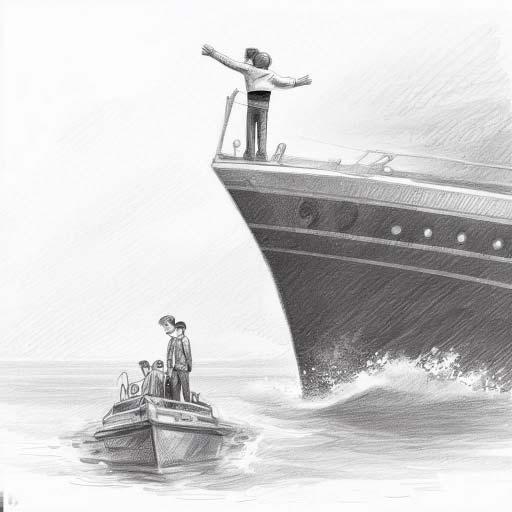
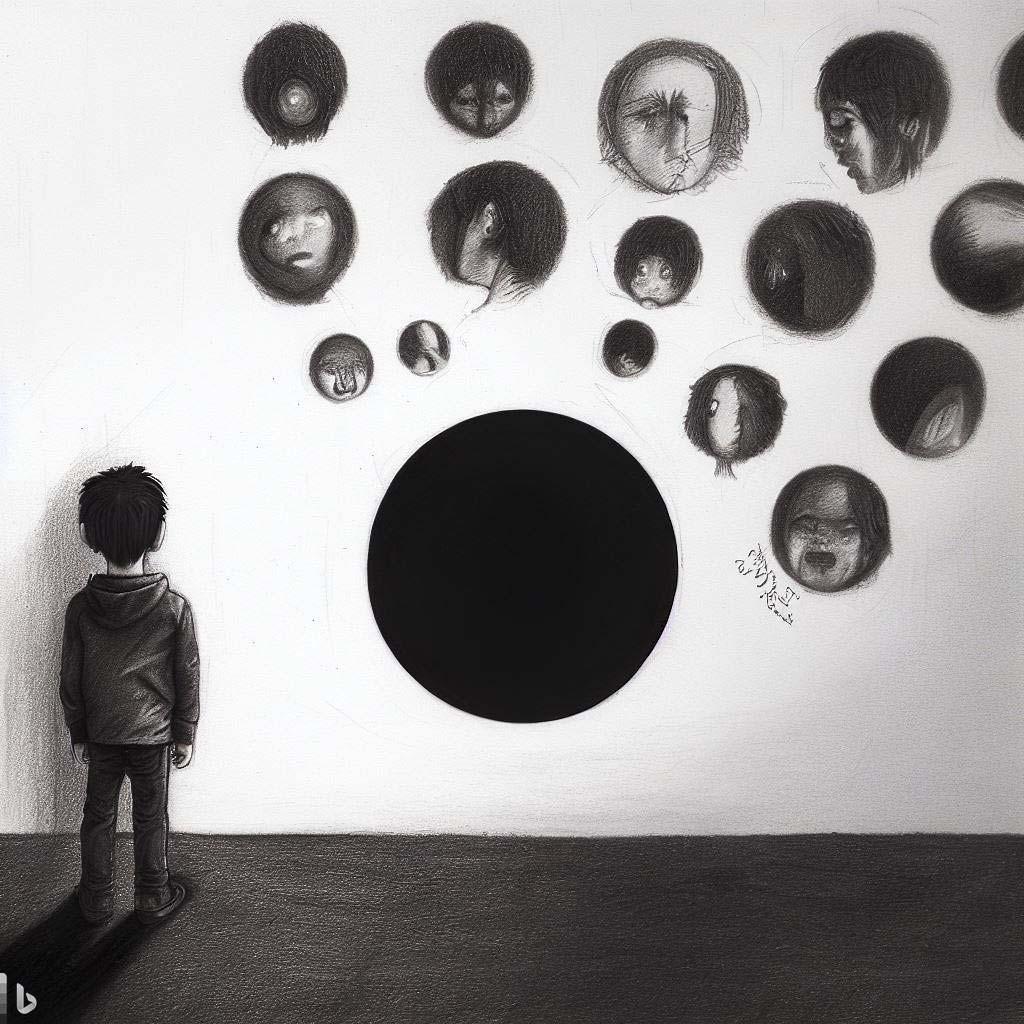
Youth Corner Youth Corner Youth Corner Youth Corner Youth Corner
Bubble Girl - Art
Raima Bhattacharya (Age 12), New Jersey
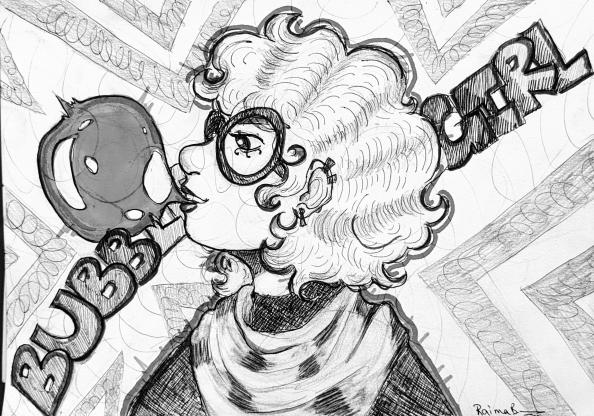
How It REALLY Should Have Ended: Life of Pi
Aryan Mukherjee (Age 15), California
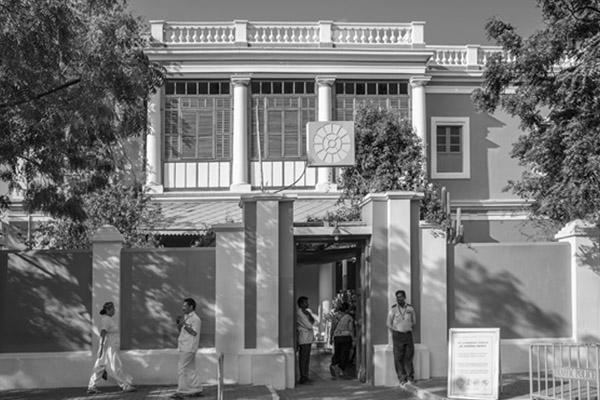
Following the last afternoon of chai and biscuits that Mr. Patel and I engaged in after his story, I proceeded to find myself in a hefty amount of busywork. I suppose, after having let my mind drift aboard a 30 foot long lifeboat for 277 days with a plenitude of unorthodox occurrences accompanying me along the way, the withdrawal to reality and finishing my story hit me like an onslaught of flying fish, so to speak.
And what struck me as even more fascinating, I suppose, than the mundane scrabble to usher money into my pockets was the manner in which I proceeded with my religious life from that day
forth. I used to sparsely find myself akin to Mr. Patel in his devout nature, yet by some mysterious, superstitious phenomena, I felt myself being ploddingly dragged towards many a religious affair. From the weekly sermon at my church to an accompaniment of Mr. Patel to his mosque, it was as though a sweet, saccharine aura gushed out from his pores and lured me over to all of his religious affinities like a puppy tempted by a bone.
Maybe it was true. This was a story to make me believe in God, and it seemed as though I too, had finally found my way into His hands.
Yet there were so many haunting details, so many oracular elements to his journey that lay buried beneath the surface of a cool vein of water. And for every instance in which I endeavored to outreach through that vein, to lunge forth and retrieve the pulp from the lassi, a ripple would munch upon my arm like that hellish carnivorous sanctuary of a floating island, and the truth would burst into an intangible frenzy.
That was, of course, until one fateful Monday morning, July 2, 1979, when Mr. Patel invited me and my family over to his house for Bonalu celebrations in worship of the Goddess Mahakali. It was not this festivity that struck me as particularly atypical for the day, as Mr. Patel habitually hosts many resplendent pious gatherings such as this one. What led me to uncover a fascinating new component came from the density of the gathering, as over 200 guests and individuals all claiming to be distant relatives of Mr. Patel’s ex-lawyer or babysitters for his uncle’s second nephew-in-law stuffed the house to its gills.
While the bustling crowd retracted me back through the house like a horizontal escalator, a faint growling glistened through my ears like a wisp of faint perfume striking the nose. My cheeks instantly mantled, and I meekly admonished my stomach to hush up, yet it impetuously denied any guilt. My suspicions on the rise, I corked my ears and perked them up like the bats Mr. Patel was so fond of back in Pondicherry, and the low frequency growl rumbled once more. It was too dauntless of a cacophony, I concluded, to arise from the confines of my own body.
As I scoured around, a glimpse of a sleek golden doorknob with the words “Private: Please Keep Out of Basement” imprinted on it struck my curiosity index, and I lurched towards it. I had
hardly paid any attention to this sign in my past ventures through the house, as a respect to privacy was the least I could have given Mr. Patel following his warm and hospitable nature towards me.
But now, reaching the zenith of my incessant boredom, I was sure I could pass the event off as an honest mistake, an aberrant excavation to navigate a new domain in the household. And besides, I was sure Mr. Patel wouldn’t really mind, right?
Opening the door, an obstreperous, rusty creek jingled through the air and my teeth gritted in trepidation. My eyebrows furrowed, warped around, and scanned the perimeter, while my extremities worked to tacitly close the door behind me. As I descended the stairs, it felt as though a militia of eyeballs all had their sniper rifles tilted perfectly in line with my head, and a single mistimed shudder or uncalled twinge of my shoulder would send this silent equilibrium into its own miniature warfare.
Sliding down the stairs like melted butter, I thought I heard the door unlatch behind me, but my mind was too solely concentrated on uncovering the secrets of this uncouth basement to be stimulated elsewhere. Like the three-toed sloth that Mr. Patel had so emphatically introduced me to in his zoological studies, I felt out of place, mismatched in a foreign realm where only the miracle of God was holding me in conjunction.
Then it hit me. Not an astounding new realization or fanciful chimera to humor me as I peeked behind the black sulfuric stairwell. No, something physically physically physically physically physically hit me.
A large wooden club with the engravings “Mrityu” bludgeoned my right temple as my reflexes spasmed into recoil from failure of
operation. I collapsed to the ground in a pathetic heap of silky black cloth and fabric, while thin wooden splinters swam like dorados in a storm down the gentle ocean of blood gushing out from my forehead. I had always been told that there would be a flash of light before darkness consumed someone, and that this surge of light was the only fashion of clinging to life, of holding on to the hope that one day, this darkness would pass over and a new dawn would reign on.
Oh how ironic that the very person who introduced this concept to me was the one looming over me, with nothing but a dark, shadowy cascade entrenching his chipped, murky face, and his image fixated in place as the final conception my mind would every fathom before plummeting down to nothingness.
“You know what they say Mr. Caesar, don’t you?” Piscine Molitor Patel chortled out between raspy grunts. “Curiosity killed the cat. Now it’s time that the cat seeks out his revenge, like every wholesome end to a perfect story, no?”
The faint growl from earlier heightened in capacity by mega decibels, and the blurry sclera of my eye caught a glimpse of 450 pounds of voluminous, orange, and black terror tumbling forwards, slobber oozing from its mouth as sweat does from a novice sprinter on any day past 40 degrees Celsius.
“Hush now, Richard Parker, there’s my beta. Appa promised you a 4 course meal of chapatis and paneer in the afternoon, but he was caught up in some unconventional affairs, so to say. So how about something better, wouldn’t you like
that? You haven’t tasted human in a very long time, have you, my dear feline friend?” Mr. Patel’s once emaciated grin now lashed out like the ends of a banana being compressed horizontally.
“My dear Little Caesar, oh how daft of you it was to believe that after all this time, a perfect end to a blemished journey could simply conclude without my goodbyes. No, I had rigorously trained Richard Parker, and his hapless, imbecilic brain could not bear witness to seeing me leave without a farewell. So, he stayed with me, under the infirmary cot on that day in the hospital and embedded into the shadows of my life from that moment forth. The Canadians don’t take well to such eldritch creatures residing anywhere near their city, so I hid him here, stowed away but possessed by my potency and all assembled together into the finest of mechanisms for my disposal, like my dear son Nikhil would do to his little lego soldiers.”
A mixing pot of emotions struck me once more in the temple, and the Angel of Death was drawing in on me, its spiny fingers tickling the corner of my consciousness. Pain drowned out horror, horror combated with anxiety, and anxiety took fear by the neck and launched him off a ten-story building. In the end, I chose the finer option: tranquility. A death by choice triumphs over that by an adult Bengal tiger any day, and I went the way of all flesh in a manner of self-suffocation.
So, what was to come of all this? This book was born as I was hungry, but it ends at the very pit of Richard Parker’s stomach, the truth of his continual dwelling terminated by a single, hardly audible, GROWL.
Escape of the Eraser
Ashmita Ghosh (Age 8), New Jersey
It was a sunny morning, exactly three days to summer break. Lily was sleeping in her room “Lily, wake up and come down for breakfast!” Lily jumped at the voice of her mom waking her up. When she realized it was her mom, she quickly calmed down and got ready to start the day. After finishing her toast, she hurried over to Mary’s house to walk to school together. She was ready for a normal and fun-filled day.
By the time they reached the school, they had already discussed the sleepover they were going to have over the weekend and what they might do at school. They walked to their seats and sat down. They began with math class where they learnt multiplication. Then they had science where they discussed weather. But they still had ten minutes left before recess, so they played three games of hangman before the class ended. In the first two rounds, a girl named Bella won. The last round of the game, a boy named Tom won.
Right before the recess, their teacher, Mrs. Topaz, said “Students, before you go outside, I need to tell you something. Since it’s almost the end of the year, it’s time to give out goodie bags.”
The students all cheered “Hooray,” they yelled!
“Each bag contains an animal eraser and a mystery book. For example, Bella has a brown rabbit eraser and a Nancy Drew mystery book.”
Bella smiled from ear to ear, and everyone knew why. She loved rabbits, especially brown ones. She thought they were adorable.
“Bella is so lucky,” Becca whispered. Becca was Bella’s sister and also loved brown rabbits.
“She’ll probably share with you,” Lily said.
“Nah,” Becca whispered back before their teacher told them to be quiet.
“She never shares anything she loves, “she whispered super quietly.
“Okay you may go out to recess now,” Mrs. Topaz told the class. As the class started to leave the classroom, Lily could see Bella and Becca bickering. Ihopethissettlesdown, Lily thought to herself. When the class finally left the school for recess, Lily and Mary played hopscotch with Bella and Becca. They could still see the sisters were giving each other the evil eye. When the recess was over, the entire class headed back to their room. Bella was pretty happy because she was excited to use her eraser. Becca looked happy too, which confused Lily. When they reached their classroom, Bella frantically looked all over her desk, looked up at the class, and yelled “It’s gone!!”
“What’s gone,” Lily asked.
“My brown rabbit eraser,” Bella cried.
“Everyone let’s look around for it ,” Lily said to her classmates. The class began looking around the room but could not find it. Bella then ran to Lily and Mary.
“Can you please help me find who did this!! Please!, Bella begged. The two friends looked at each other and smiled.
“We’ll take your mystery,” Lily answered. As they promised, the girls began looking for clues. Mary finally found something under Bella’s desk.
“Good eye,” Lily praised her as she brought it over. It was a long red strand of hair.
“I can think of a good suspect that has red hair,” Mary said thinking.
“ I can think of two but let’s discuss more at my house after school!” The girls could not wait for school to be over so they could work on their new mystery. After school at 6:00 sharp, Mary headed to Lily’s house to work on the case. When she reached the house, she knocked on the door and Lily’s mom answered.
“Lily is in her room,” her mom said, “She’s been waiting for you for like an hour.” Mary dashed to Lily’s room, where she was reading in her bed.
“I’m here,” Mary sang out.
“Took you long enough,” Lily exclaimed.
“Let’s get started on our case now.”
“So, for our first suspect, I was thinking it could be Tom because you know he’s always doing pranks to get himself in trouble,” Mary suggested.
“I was thinking that too,” Lily said, “But I have another suspect in mind.”
“Who is it,” Mary asked.
“It could also be Becca,” Lily proposed.
“Earlier in class, Becca kept on whispering to me about how lucky Bella was. She also told me how Bella never really shared things she liked. Also, Becca had red hair and also loved rabbits.”
Mary thought of more subjects while Lily wrote down all the things they had just talked about.
“Maybe that girl, Sophia, in our class could also be someone who could do this because she had to go to the bathroom during recess,” Mary thought.
“But she doesn’t have a motive,” Lily mentioned. “But don’t you remember Sofia being in the bathroom for a long time? So, I say we should put her on the suspects list,” Mary requested. “All right if you insist but I still do not think it’s her, “Lily agreed reluctantly. Before Mary left, they decided to look for more clues together after school.
At school, Lily and Mary planned to interview their suspects during recess. They also decided to let Sophia go because she still didn’t have a motive and she liked the eraser that she got.
They waited while their teacher did morning announcements, math, and science.. Finally, it was time for recess. Mary and Lily raced to Becca as soon as the recess bell rang. “Hey Becca, can we ask you a few questions,” Lily requested. “What for,” Bella asked skeptically.
“We need to wrap up this mystery,” Lily said, quoting from her favorite Nancy Drew book.
“Well, for your information I did not steal it because Bella promised that she would share this time,” Becca answered. “Okay, well thanks,” Lily said as she and Mary walked away.
As they walked, Mary whispered to Lily, “Do you think she’s telling the truth?”
“I actually do because I recall yesterday Becca walking in with a smile,” Lily remembered.
“If you say so. Anyways, Tom is our last person to interrogate so I hope he gives us good information,” Mary said. “Me too,” Lily replied.
When they reached Tom, he was playing basketball with his friends. The moment he saw them he shouted, “What’s up” and threw the ball high in the air toward them. As Lily caught the xylr˜!¡!þ›
ball, she rolled her eyes and told Tom to follow them.
As soon as they reached the huge tree, Mary asked “We have only one question. Did you take Bella’s rabbit eraser?”
“Maybe I did, maybe I didn’t. What will you do about it?” Tom replied in his usual naughty tone. “Please Tom, tell us the truth. We don’t want you to be in trouble,” Lily begged.
“Fine, I swear I didn’t take anything, and I am not interested in that eraser.” Tom promised as the bell rang for lunch.
They came back to their cafeteriain disappointment, as they went back to square one. Both of them seemed to be distracted from the world while having lunch, when suddenly, Lily thought of interrogating Sophia one more time as she felt she was in the restroom more than normal time. “That’s a great idea,” Mary quietly shrieked. After lunch, they went straight to Sophia and asked her directly. Sophia got confused and yelled at them “That’s none of your business.” She got a glare from her teacher followed by their friends. “We didn’t mean to be nosy. We only need a small favor from you,” Lily told her gently. Sofia calmed down and started telling them exactly what happened during that time.
On the way back from the restroom, Sophia noticed that their classroom door was open. She became curious as Mrs. Topaz always used to keep their door closed. So, she peeked through the door and found Ms. Carza, the school janitor in their classroom. Sophia started talking with her and came to know that due to some emergency she couldn’t clean all the rooms last evening. Before she left she noticed Ms. Carza was leaning toward Bella’s desk.
Mary was looking straight into Sophia’s eyes while Lily was jotting down all the points. After
Sophia left, Mary and Lily looked at each other and recalled their first clue and it’s true that Ms. Carza has red hair. “Could she be a suspect,” they both wondered at the same time. They both started laughing their hearts out. After school, they talked more about the mystery and wondered why Ms. Carza would steal an eraser. “Maybe it’s for her daughter or son” Mary added. But Lily rejected saying Ms. Carza was too young to have kids. “Or maybe for her niece and nephew or for her friend’s child.” “She is an adult, and she has been at our school for a long time. Why would she steal such an inexpensive item?” Lily disagreed with Mary’s point of view.
Next morning, Lily jumped out of bed in excitement as she had a vital question to ask Bella that might solve the mystery. On the walk to school, Lily asked Bella excitedly, “Did you take the eraser with you at recess, or did you keep it on the table?” Bella showed her the exact edge where she kept the eraser before going on recess. After the last bell rang, both Lily and Mary pulled Bella across the school.
“What’s happening,” Bella asked curiously. “We may have solved your mystery,” Lily replied excitedly. When they reached the lost and found box they grabbed things out of it one by one until they got a hold of the eraser.

Bella hugged her friends tightly and thanked them for solving the mystery of her favorite eraser. Lily and Mary high fived each other and secretly patted each other’s back. On the way back home, though it was scorching hot, Lily felt satisfied inside and couldn’t wait for her next case.