BRIAN ALFRED
BRIAN ALFRED ESCAPE PLAN
UNCANNY ABSENCES
By Stephen Westfall
Brian Alfred’s paintings and videos are seemingly serene explorations of a pictorial tradition of flatness (in the portrayal of landscape and city life from the street)—a tradition that extends back to Ukiyo-e prints and the resulting Japonisme movement in nineteenth-century France, and forward through such contemporary iterations as the paintings of Allan D’Arcangelo and Alex Katz.
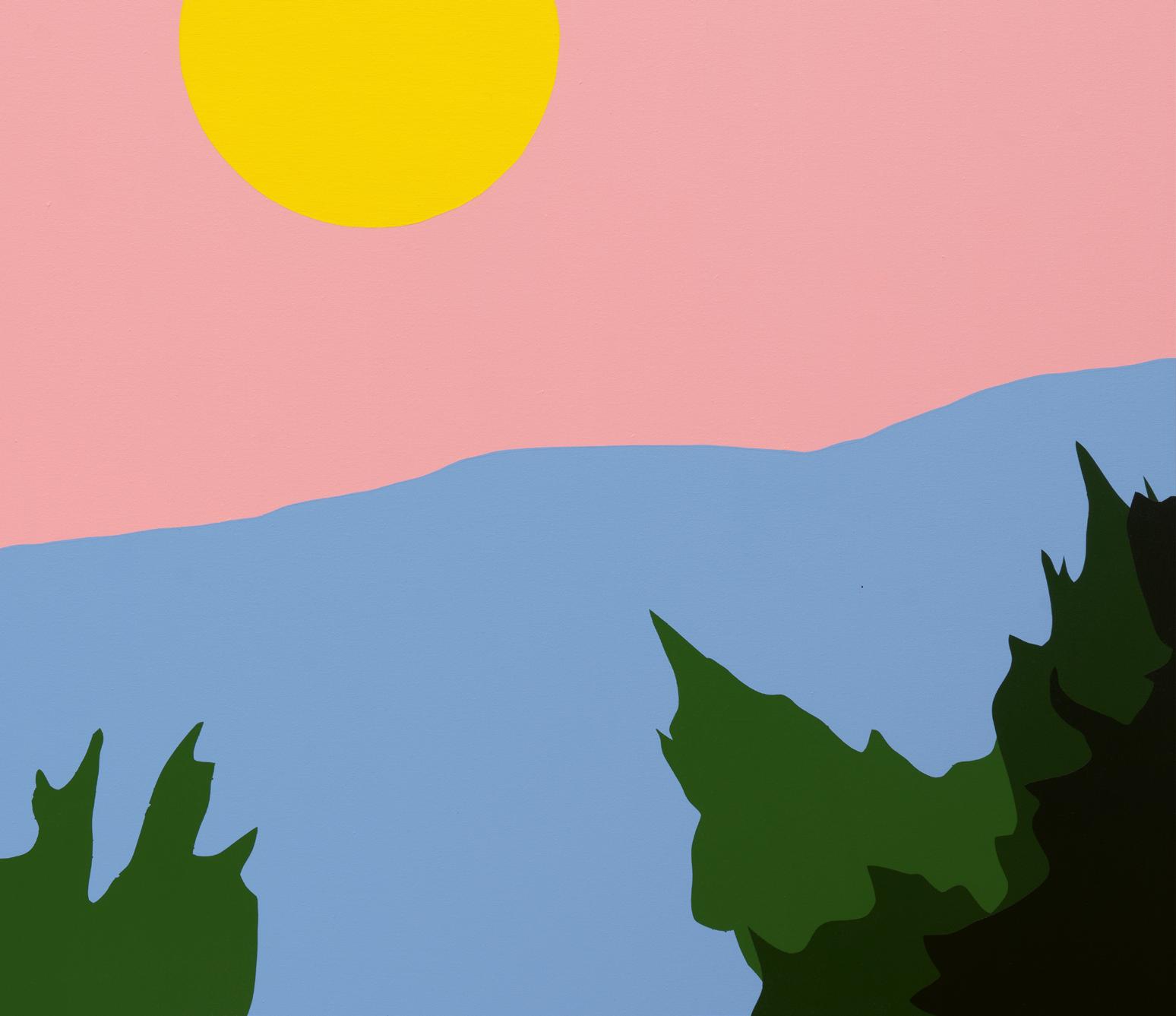
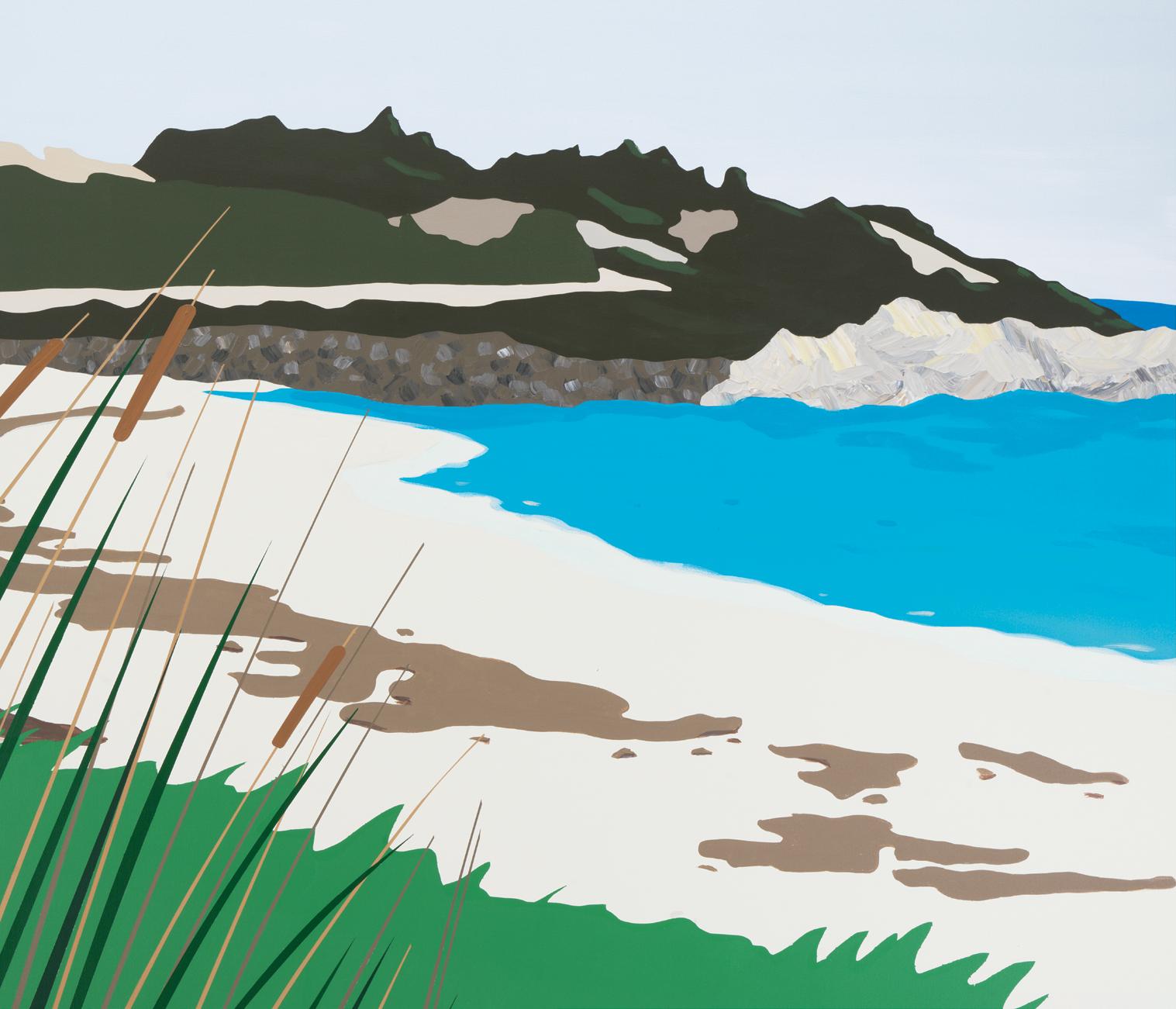
I say “seemingly” because part of their frisson arises from an anxiety—a shadow of doubt deftly imbedded in Alfred’s compositions that insinuates all is not quite in order, or even present. We can attribute this unease to the whisper of abandonment that attends the world as Alfred presents it. But “frisson” implies an ambiguity generating a peculiar pleasure, and pleasure indeed delays and ameliorates the slowly ratcheting discomposure that a viewer might feel over the absence of human or animal figures. The pleasure arises from the satisfying solidity and stretch of the artist’s craft, as is evident in the surfaces and joinery of Alfred’s shapes and colors; in the color itself, quiet but pitch perfect in invoking light and space; and also in the memory of the burnished shorthand of iconic graphic design, particularly those silkscreens of national and state parks that establish a flat shadowed foreground of trees and rocks with equally flat backgrounds of crepuscular peaches and blues to indicate contemplative sunsets. The evenness establishes a reassuring solidity in the face of solitude, and there is the sense that the silhouetted shadow contains volumes.
Working primarily in acrylic, Alfred uses tape to mask off his often intricate areas of color, but he will occasionally confound expectations of a flat chromatic consistency in his paint surfaces by
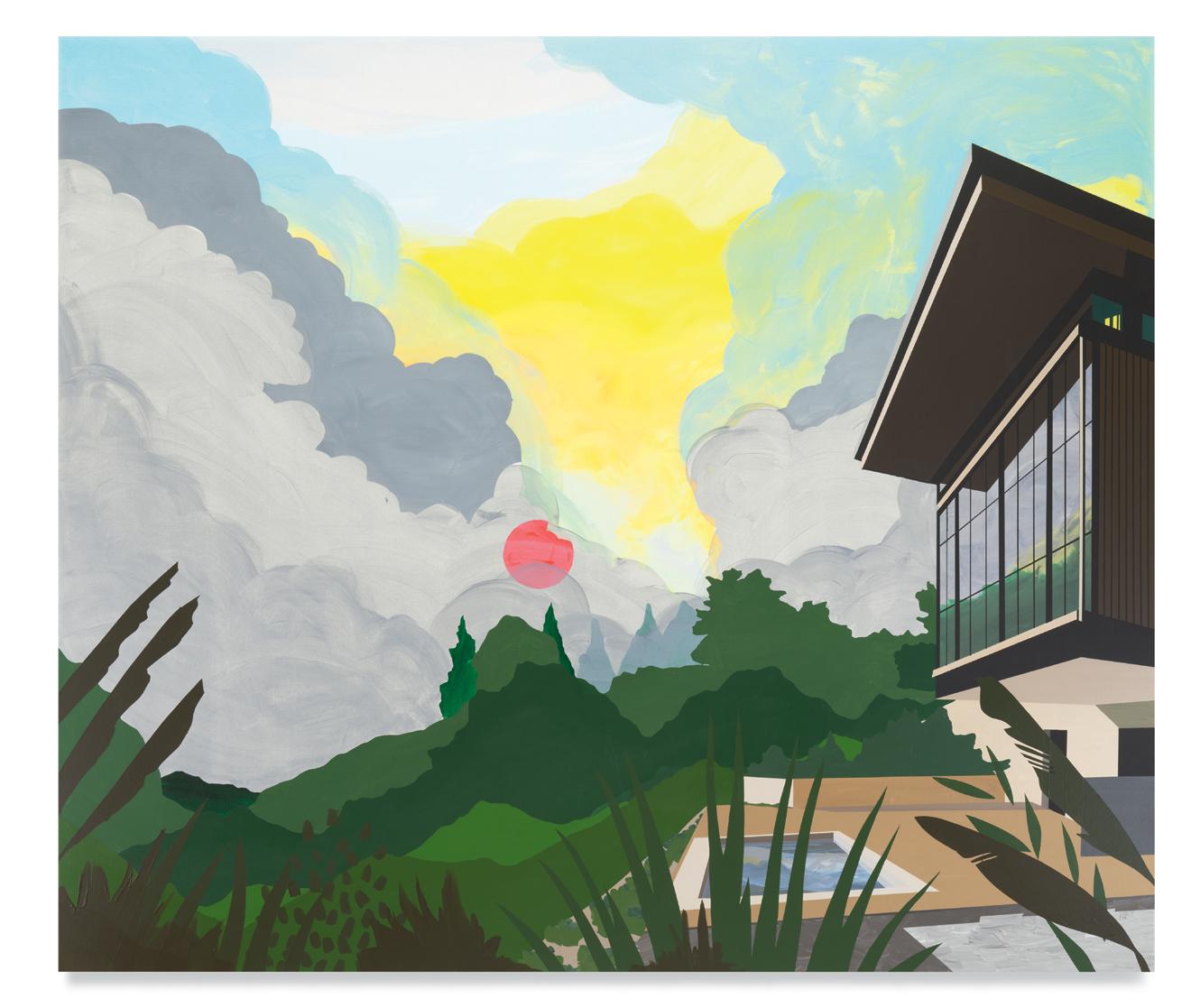
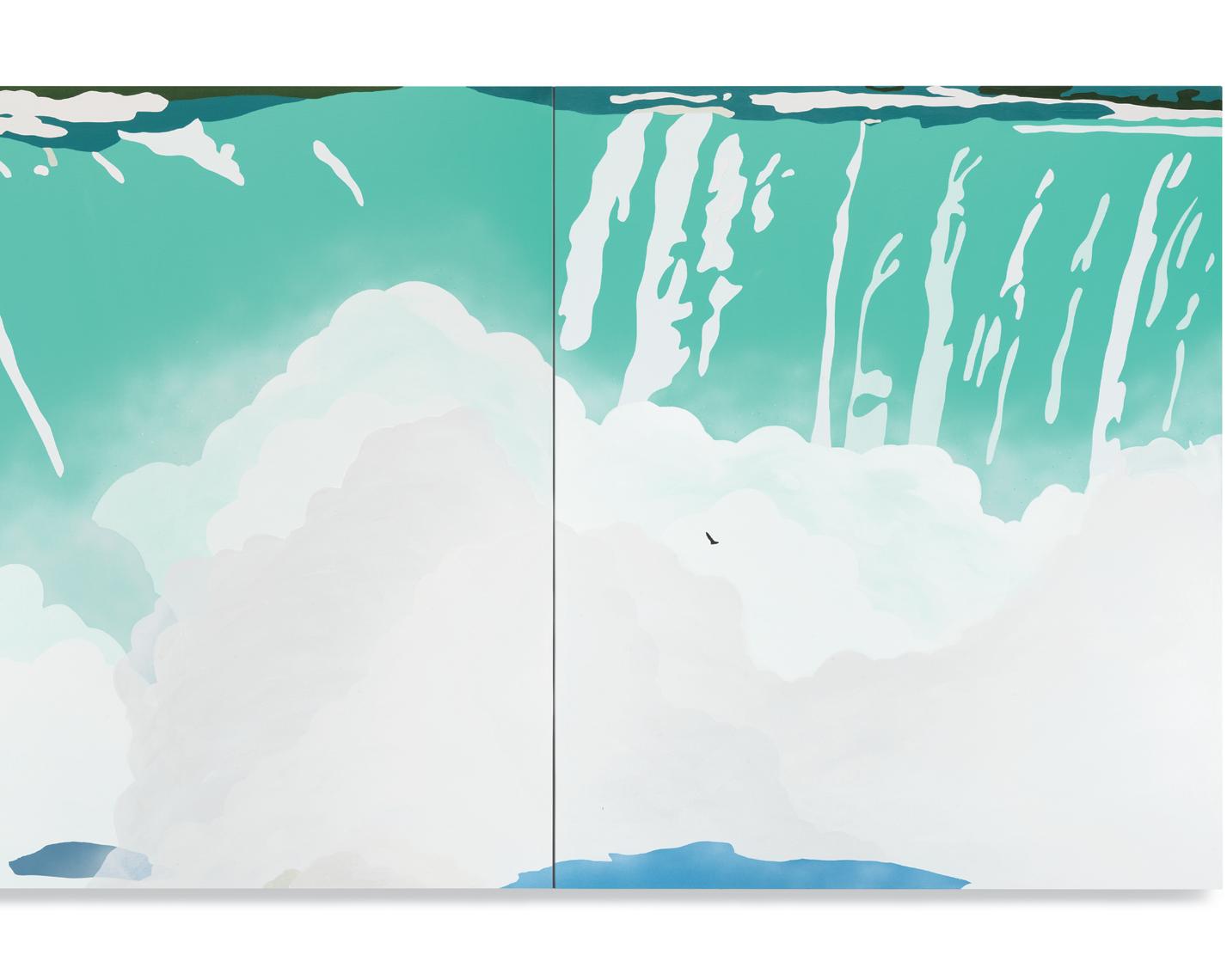
wielding a spray gun to create cloudy effects or softer emanations of light. This happens in the grand-scaled triptych The Great Falls (2021), where mist, literally “spray,” rises above the foam and floats a luminescent veil between the foam and rock outcropping in the foreground and the wall of water and darker plateau behind. In Fire Sky (2021), the vapors are smoke rather than mist and are created in washes guided by a foam brush. These clouds stem from an ominously illuminated central vanishing point to the right of the red sun that billows into the foreground space of advancing, still-forested ridges and the dark mass of a modernist house with long, blacked-out, but reflective picture windows, which is at an oblique perspectival angle to the picture plane. The blankness of the house and windows imply that its owners have either evacuated the area or are otherwise absent as smoke fills the vale. The empty lap pool heightens the sense of geometric intrusion into a natural landscape.
These two paintings are exemplary of the artist’s awareness of his role as a historical actor. The Great Falls invokes mid-nineteenth-century sublimity fused with the nearly simultaneous impulse toward decorative sophistication that was to arrive soon after in the wake of Japonisme, Nabis prints, Art Nouveau, and the Vienna/Munich Jugendstil movement. A century later, Alex Katz and Neil Welliver would monumentalize this canny fusion of romantic landscape and decorative flatness into paintings that would rival in scale not only the panoramic vistas of Frederic Church, whose paintings of Niagara Falls are evidently on Alfred’s mind, but also the enveloping fields of Jackson Pollock (which Welliver so admired). Alfred is playing with memory and phenomenological effect with The Great Falls, a painting that exists as both homage and contemporary measure. Fire Sky has its own antecedent in J.M.W. Turner, but it is clearly in the here and now of our unfolding climate crisis, which has been exacerbated by overdevelopment in the western United States. The graphically stylized stillness of both Fire Sky and the small Campfire Escape (2021) also invokes the pop surrealism of Roger Brown’s burning buildings, but the potentially timeless images of forest fires in Alfred’s 2021 paintings are loaded with contemporary relevance.
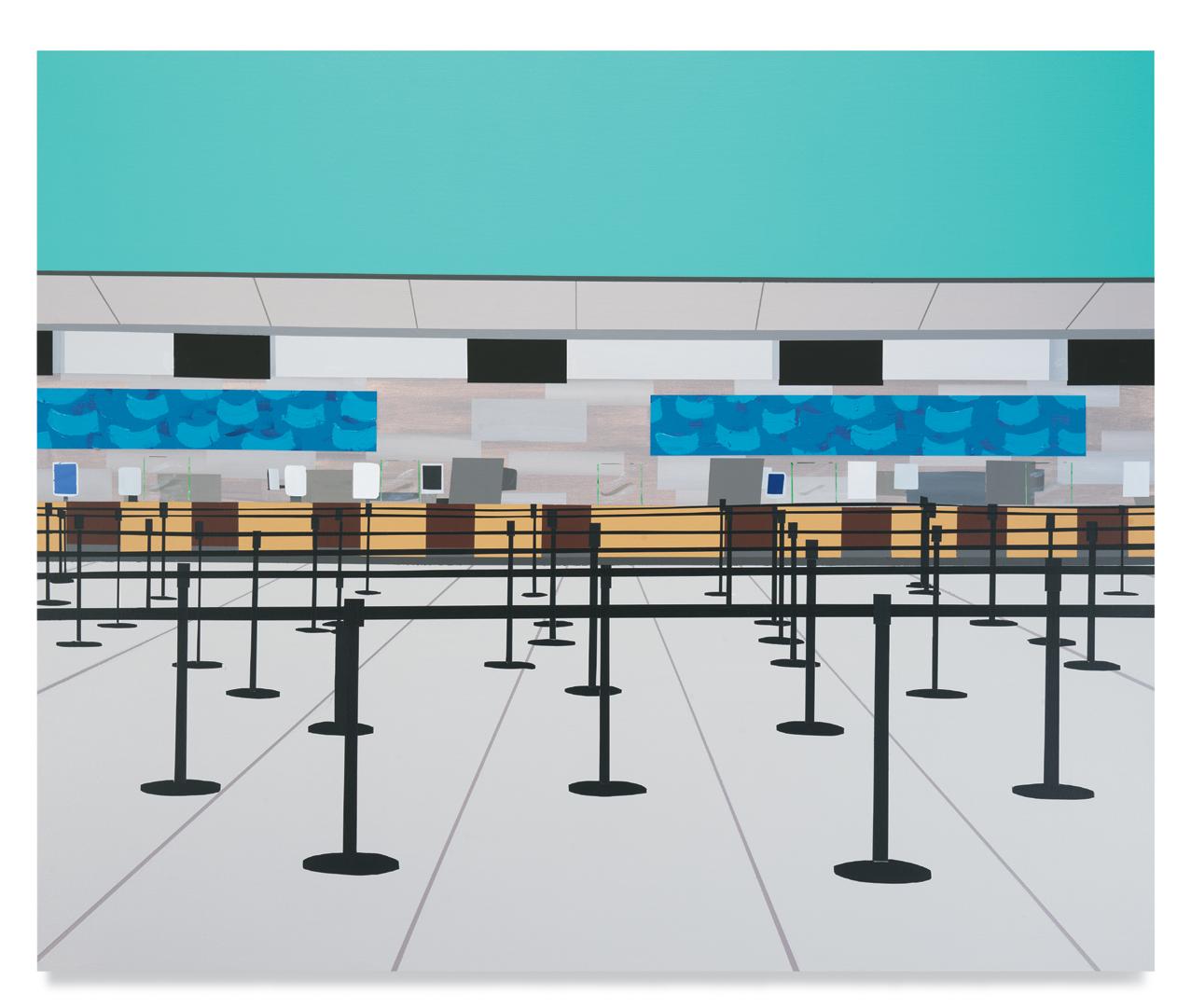
Brown begins with a world of his own making in mind: the same billows of smoke and cloud; the same buildings; the symbolic, symmetrical composition. Alfred begins with “the world,” in the more limitless sense of the observer confronting an exteriority. The uncanny is imbedded in Alfred’s imagery as a stillness that is related to Brown’s, but Alfred’s is more deadpan and it is crystalized by a type of realism in the photographic perspective in which architecture is in play. Scenes featuring the luminous red traffic cones in Test Site (2021) and the black portable queue pylons in Empty Airport (2021) seem caught in mid-pan, the frame frozen as the field of markers overlap each other in a spatial bunch and spread. And that brings up another analogous body of work, this time from photography: Thomas Demand’s photographs of rooms and furniture made from laminated paper. Demand’s mise-en-scènes are similarly depopulated, and his surfaces double as surrogates for the world, inhabiting the outlines of an otherwise quotidian realism but deriving their own uncanniness from their displacement of the real. Alfred deals in paint and can therefore display even more intricacy than Demand in his mapping of surfaces and spatial intervals, but a sense of displacement similarly attends his art.
This apprehension of displacement doesn’t just undermine faith in the real; it has a more constructive aspect. It asserts that a picture is inherently a deconstructing construction, a material event in a material world. It isn’t just that a picture implies an absence, but that it also immediately fills that absence with its own material presence: not of the missing scene (a window framing a landscape is referring to some place other than where the painting resides), but of the painting itself. A binary there/not there is constantly toggling back and forth at the speed of perception, faster than thought, all the while illuminating reflections on style and the social moment.
In this way, the picture plane of a painting is more of an arrival, something that comes into the room, than a departure, a window to an elsewhere. Alfred’s paintings bring the staged planes describing other spaces into the room we’re in with an obdurate materiality. I suppose all paintings do something similar, but few painters let us in on the secret. Alfred does just that, exchanging
sentimental attachment to illusion for the wit of disclosure. All the surfaces of his paintings are readable in their location of sequence of application; you can follow the taped-off and cut edges and peer through the veils. Step back, and the image clicks together, then the planes start to move like rows of targets in a carnival shooting gallery.
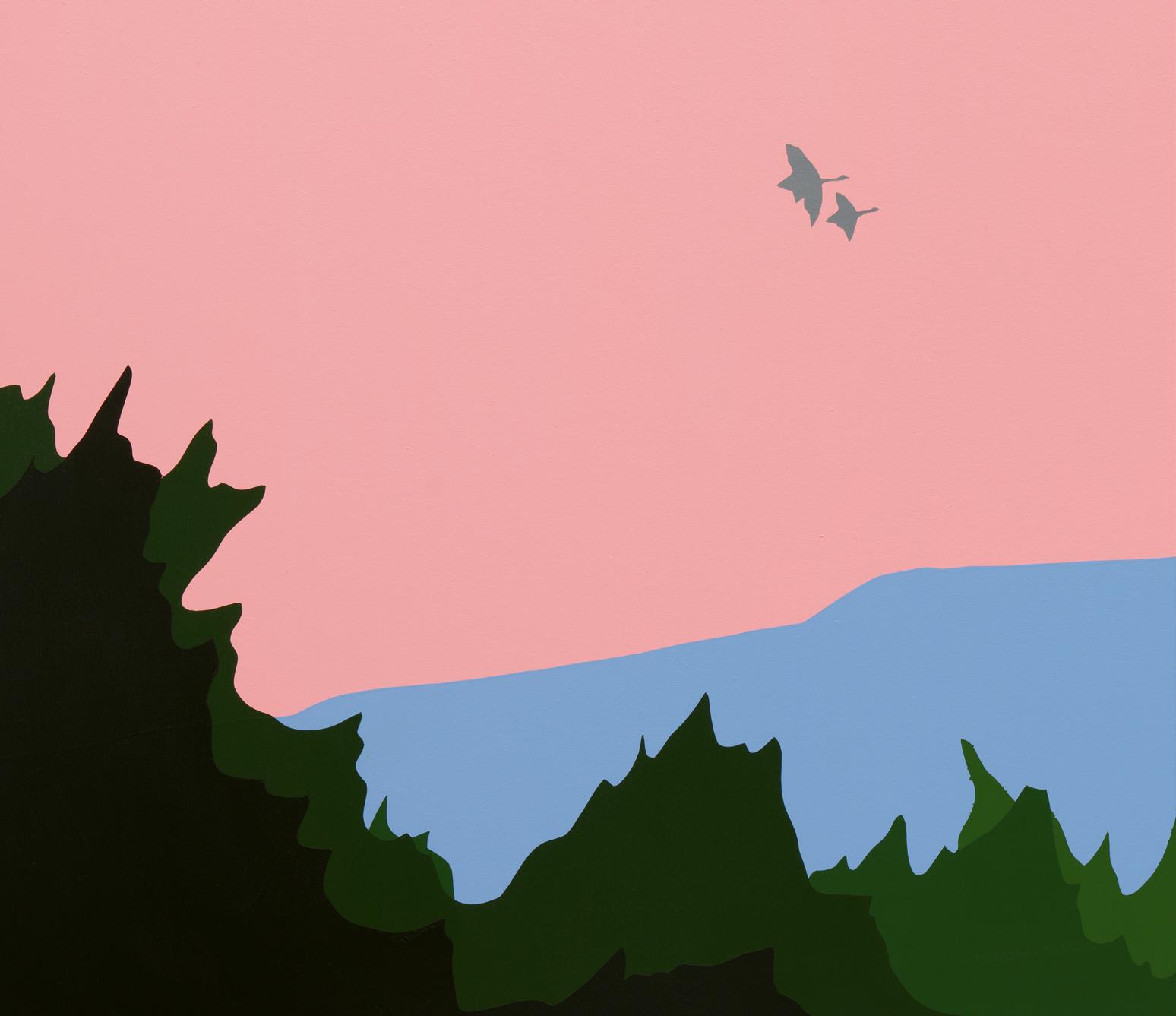
Some of Alfred’s paintings let go of conventionally illusionistic spatiality altogether and instead embrace a rhythmic decorative simplicity where the sky’s color will be brought forward from a backdrop into a wallpaper flatness. In Meditation Field (2021) and Little Red Ridge (2021), the yellow and red skies, respectively, make an enfolding color statement that draws clouds and sun into the pattern. The foreground flowers in Meditation Field induce an animated motion through gracefully undulating stem lines, while the flying pair of ducks in silhouette, heading stage left, establish a perpendicular gesture above the vertically reaching foreground tree line. The painter John Walker once said that landscape paintings often have some indication of a source of sound that provides both a sense of space and scale. Alfred’s paintings are more likely to have an implied gesture of movement: the wheeling pan described by Test Site and Empty Airport, or the linear undulations and angles of Meditation Field and Little Red Ridge. These conceits are space-giving, in an illusionistic sense, but they are also life-giving in that they suggest some animating agency in these otherwise abandoned scenes wherein the even flatness squeezes and locks out the unruly corporal figure(s).
Alfred’s short animation LA Trance puts these suggestions of movement into real time. In fact, Test Site is a still. Accompanied by a lovely ambient track synched to the cuts, each scene in LA Trance is an abbreviated pan (sometimes vertical) of Los Angeles architecture: exteriors cutting into sky and reflected in pools, or interior spaces disclosing themselves. As in his paintings, the tension in these scenes arises from the absence of any apparent animal or human life, the exceptions being three shots of an overhead jet. The shelves in the aisle of one store interior are empty, but there doesn’t appear to have been any conflict or struggle. A scrupulously lamplit parking lot is bereft
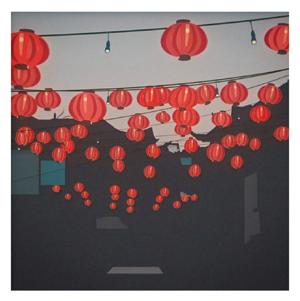
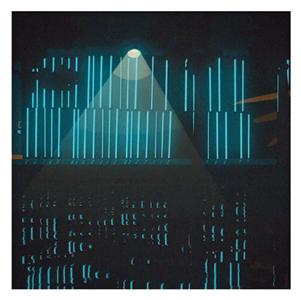
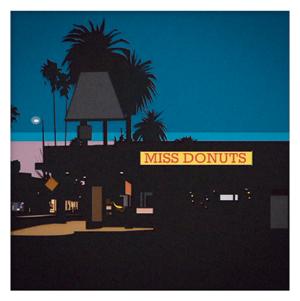
of cars. Yet flora persists, as we see palm trees and the silhouettes of roadside shrubs. Another hint of human presence, just out of sight, appears in the headlights emerging from a bend in a road that could be in Malibu and might be Mulholland Highway. That’s all we get; the expanding glow cuts to the next scene. People are nowhere to be seen as a tiny bubble of red and yellow light-halos wink on and off behind a distant out-building at the back edge of another more dimly lit parking lot. Given the persistent sense of pristine absence, we can imagine a near future shock, where self-driving cars and planes continue their appointed rounds while next-generation Roombas combat dust in building interiors. But Alfred is there, taking it down, exercising the painter’s audacious prerogative to leave stuff out and present us with interpretive ambiguities that sustain our attention.
Stephen Westfall is an artist, writer and Professor of Visual Art at Mason Gross School of the Arts, Rutgers University, New Brunswick, NJ.
Film Stills from LA Trance, Artwork
By Brian Alfred, Photography & Motion by Benjamin Radatz, Music by Four Tet
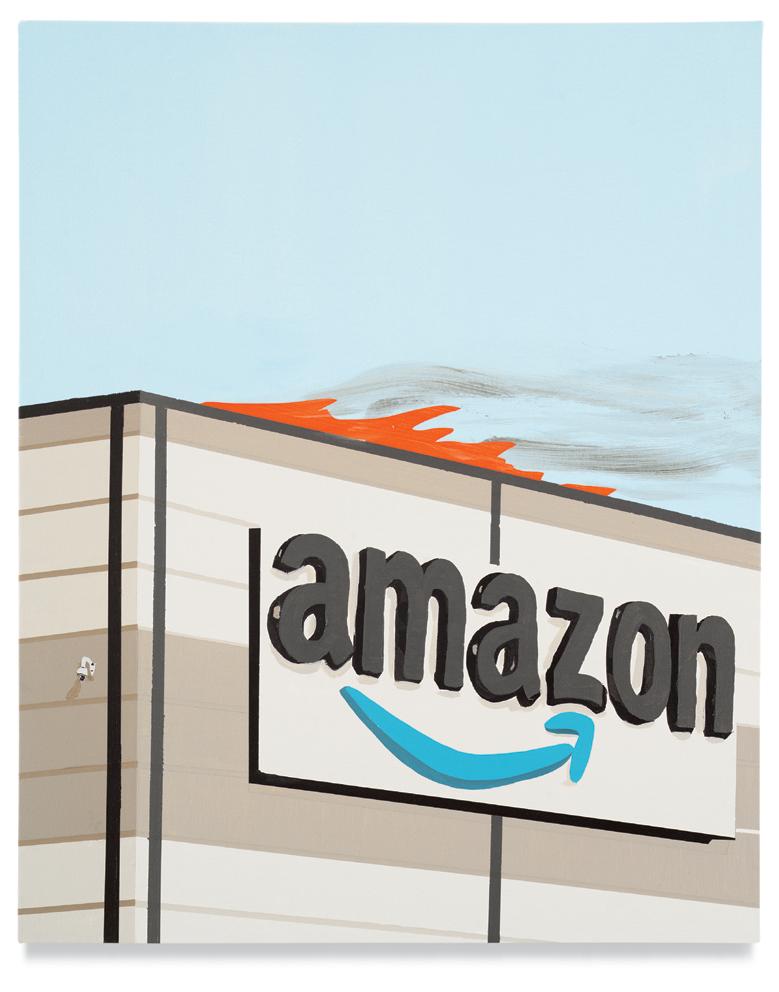
Amazon, 2021
Acrylic on canvas
30 x 24 inches
76.2 x 61 cm
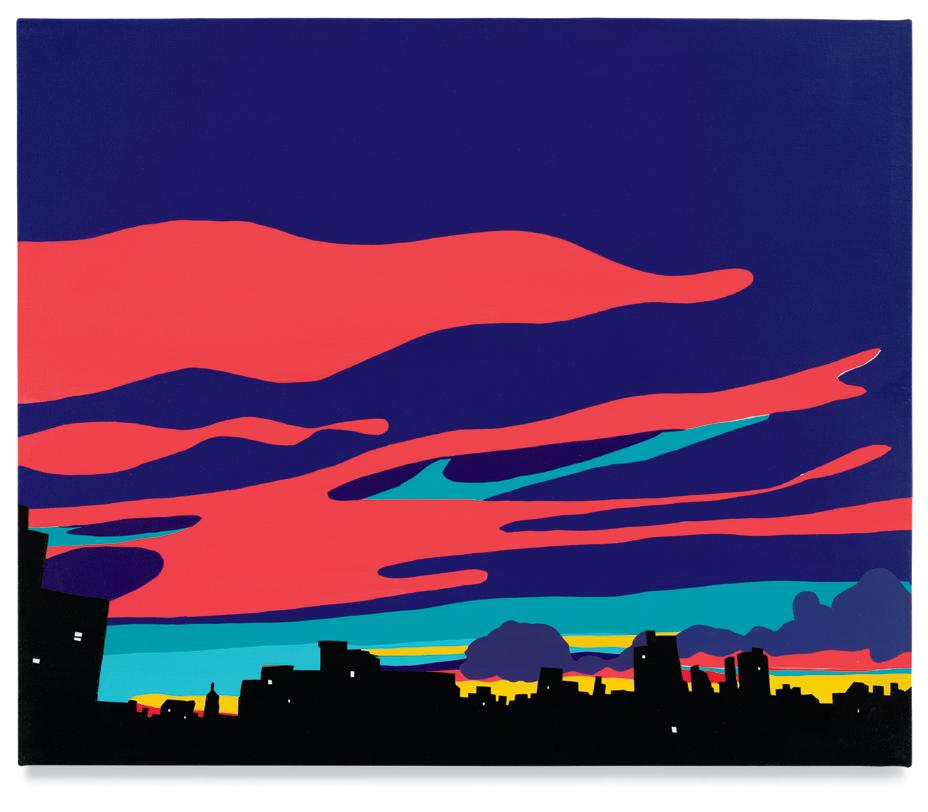
City Lights Sunset Sky, 2021
Acrylic on canvas
20 x 24 inches
50.8 x 61 cm
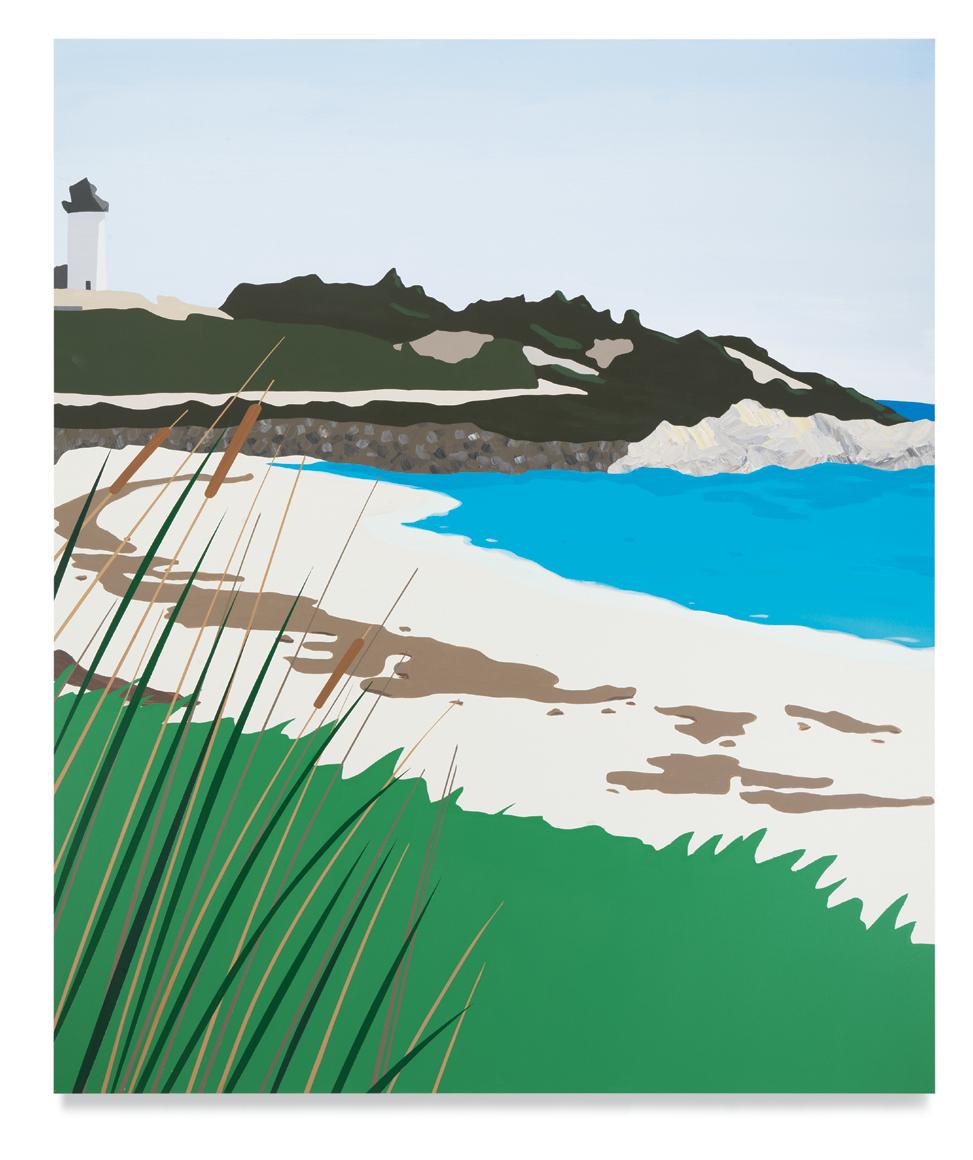
Coastal Escape, 2021
Acrylic on canvas
74 x 62 inches
188 x 157.5 cm
Empty Airport, 2021
Acrylic on canvas
50 x 60 inches
127 x 152.4 cm
Fire Sky, 2021
Acrylic on canvas
62 x 72 inches
157.5 x 182.9 cm
Meditation Field, 2021
Acrylic on canvas
50 x 60 inches
127 x 152.4 cm
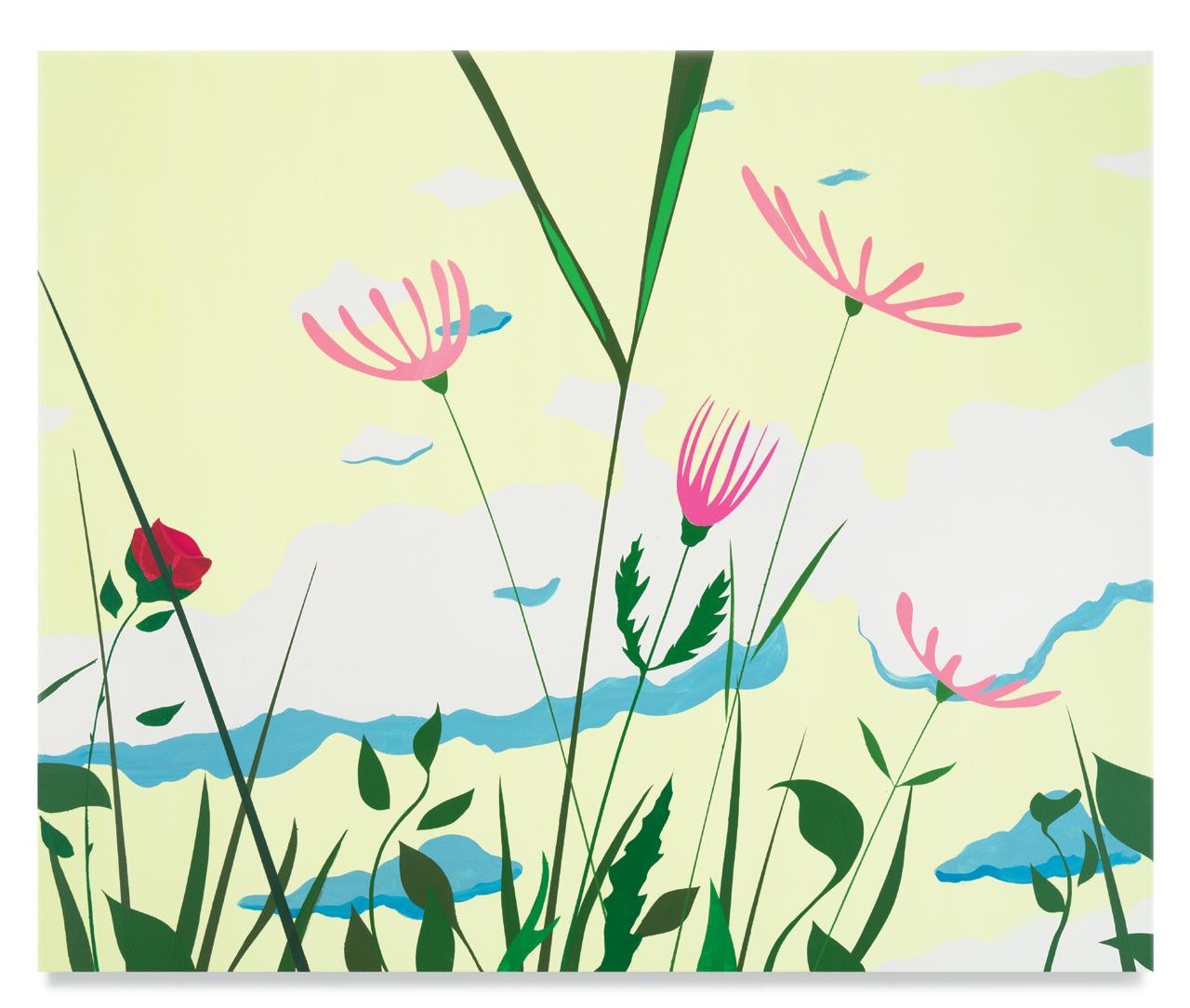
Moderna, 2021
Acrylic on canvas
72 1/2 x 60 inches
184.2 x 152.4 cm
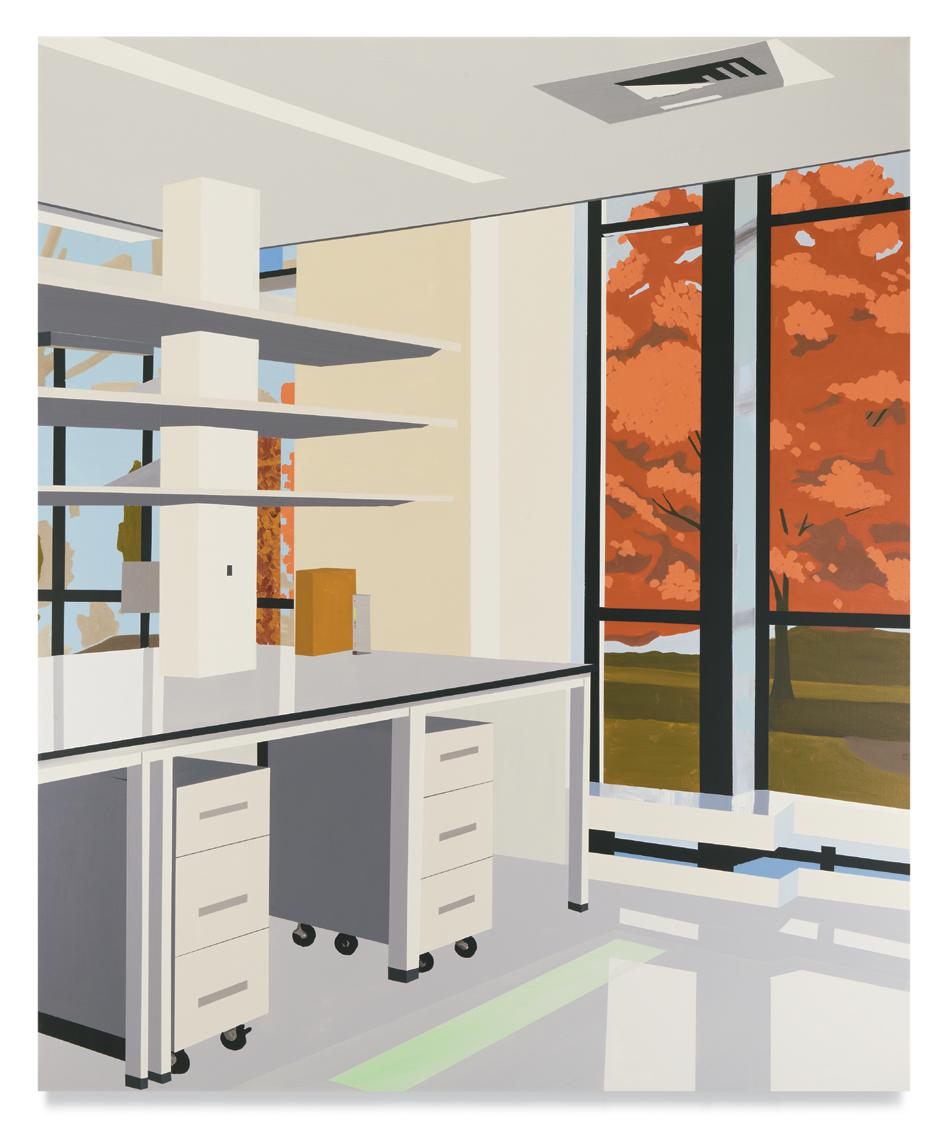
Pfizer, 2021
Acrylic on canvas
70 x 60 inches
177.8 x 152.4 cm
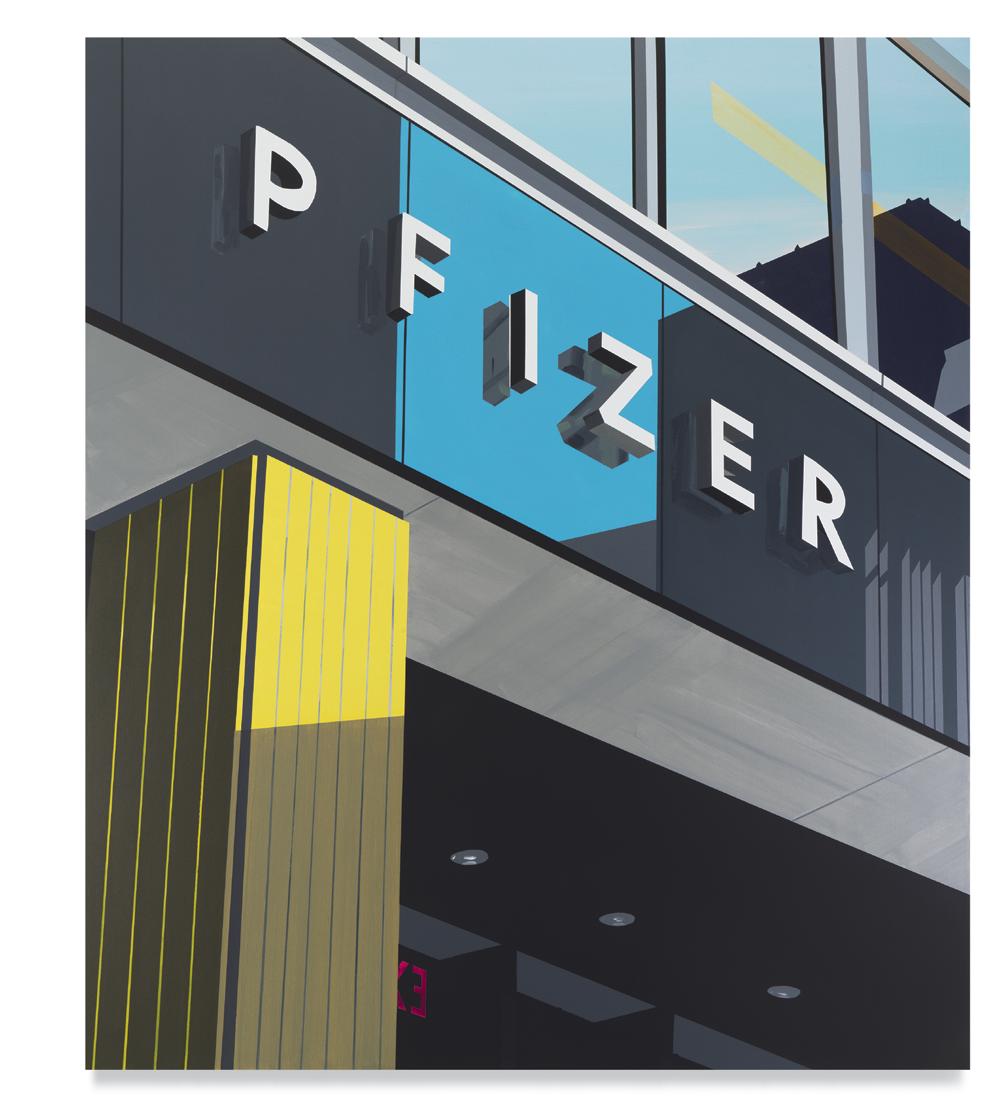
Red Ridge, 2021
Acrylic on canvas
70 x 80 inches
177.8 x 203.2 cm
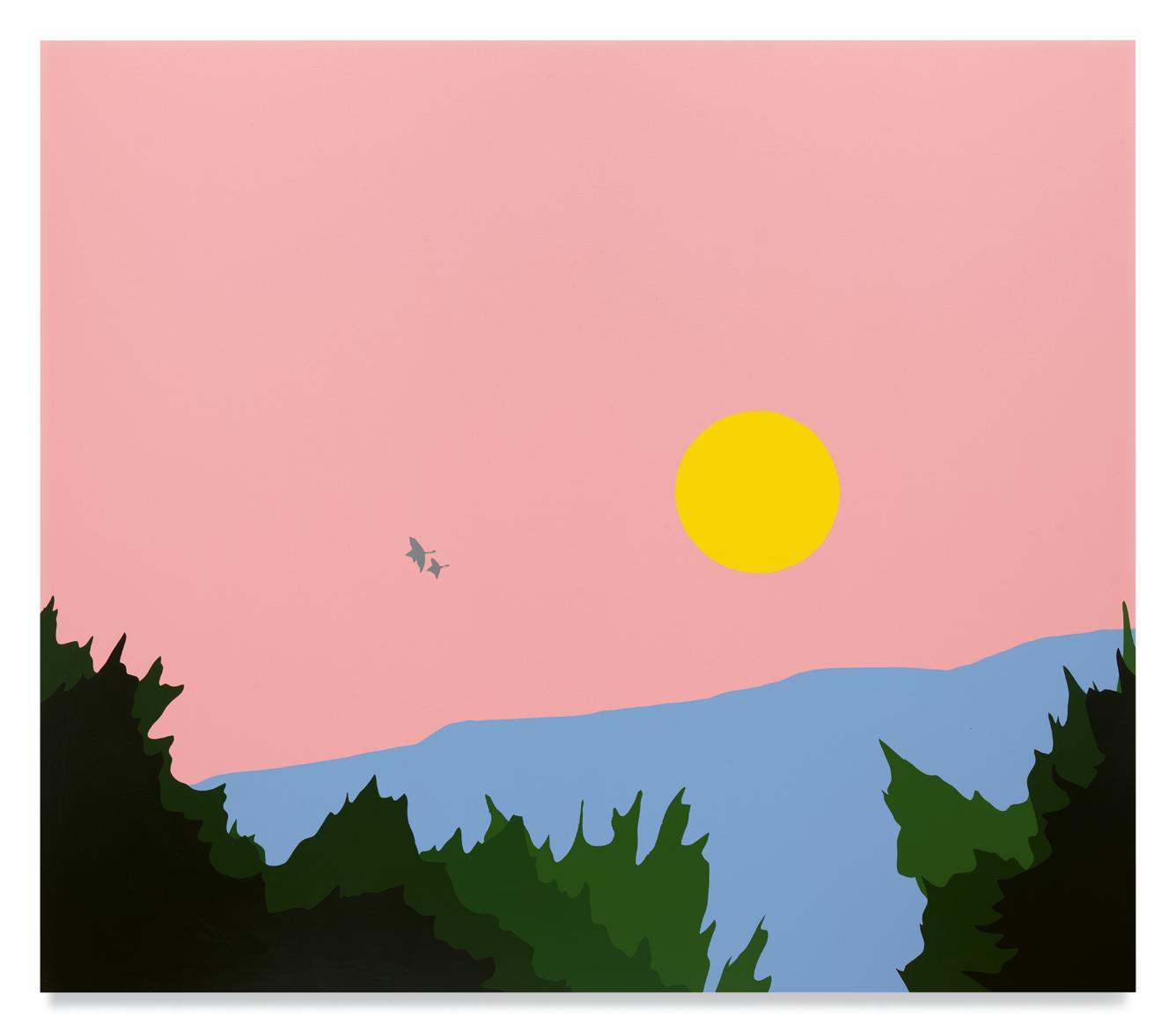
Rodeo, 2021
Acrylic on canvas
50 x 60 inches
127 x 152.4 cm
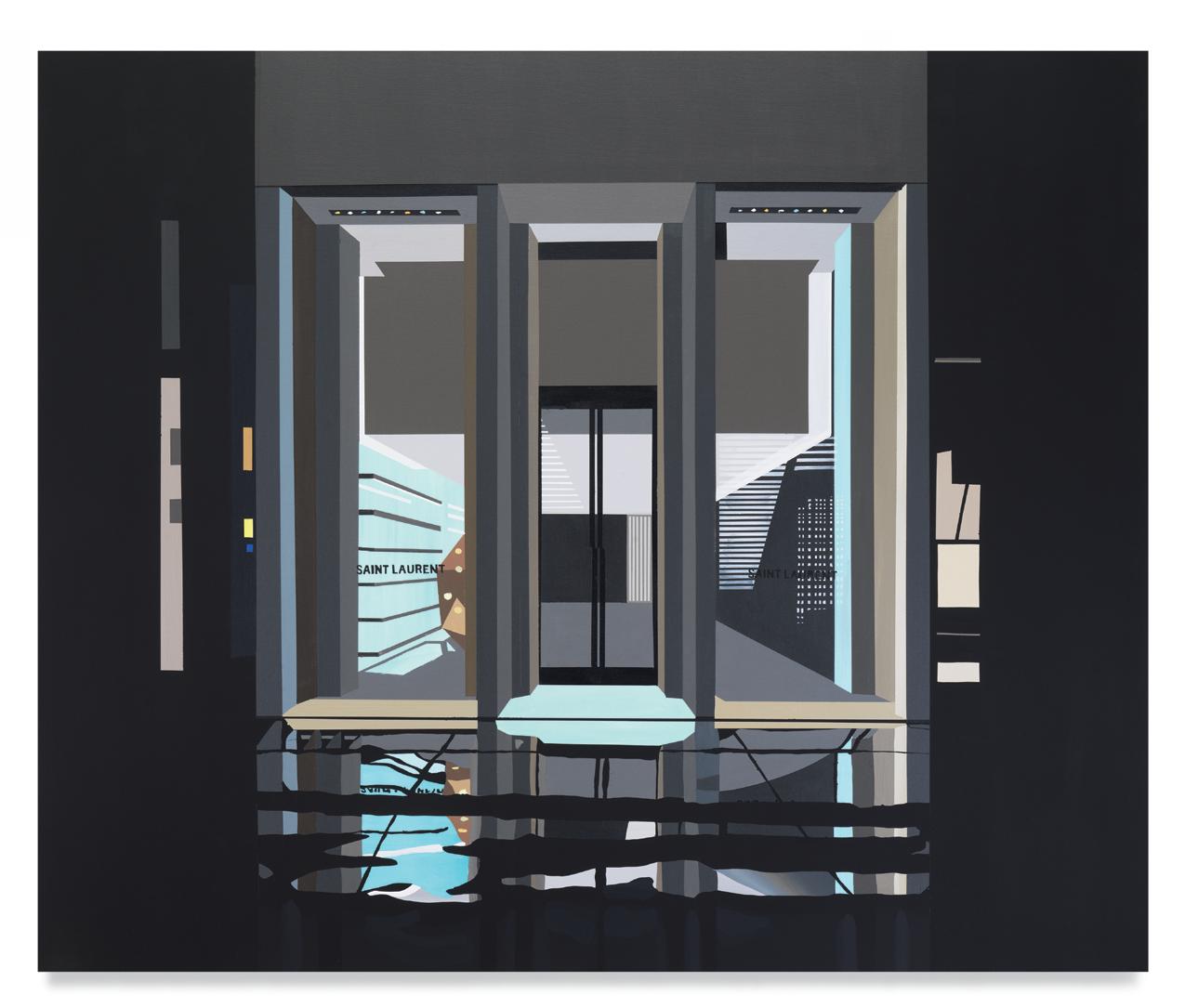
Snowy View, 2021
Acrylic on canvas
40 x 30 inches
101.6 x 76.2 cm
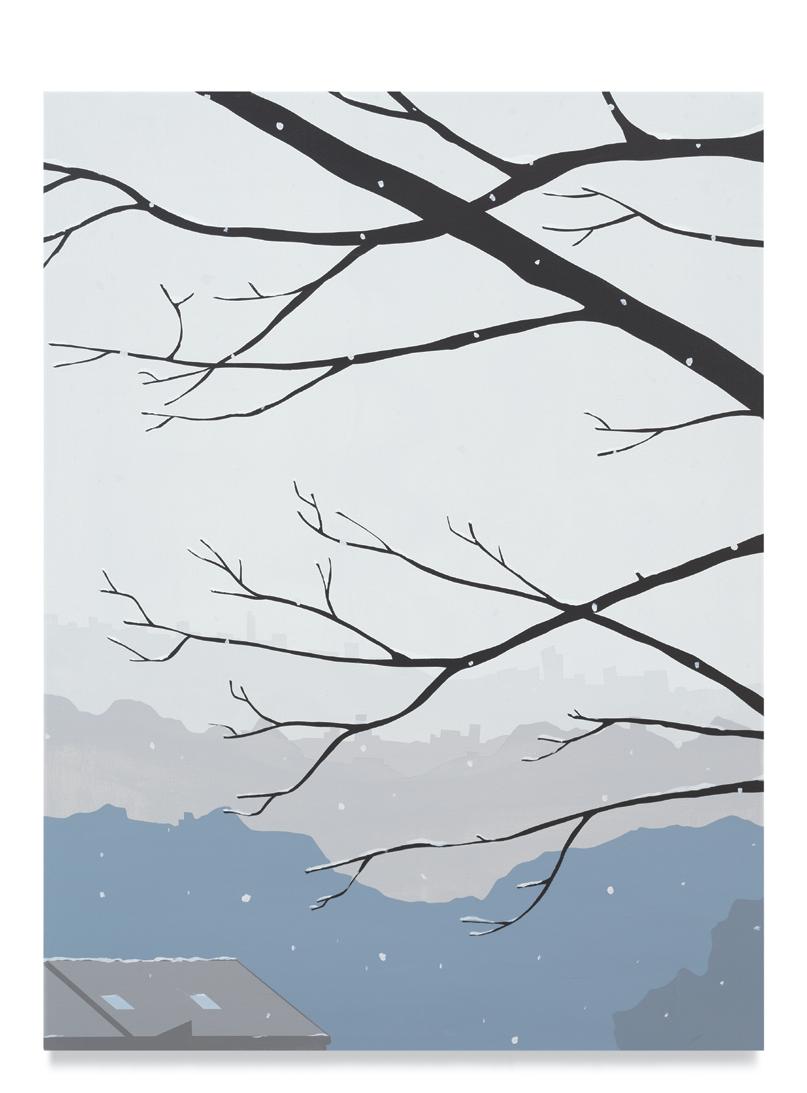
Test Site, 2021
Acrylic on canvas
50 x 60 inches
127 x 152.4 cm
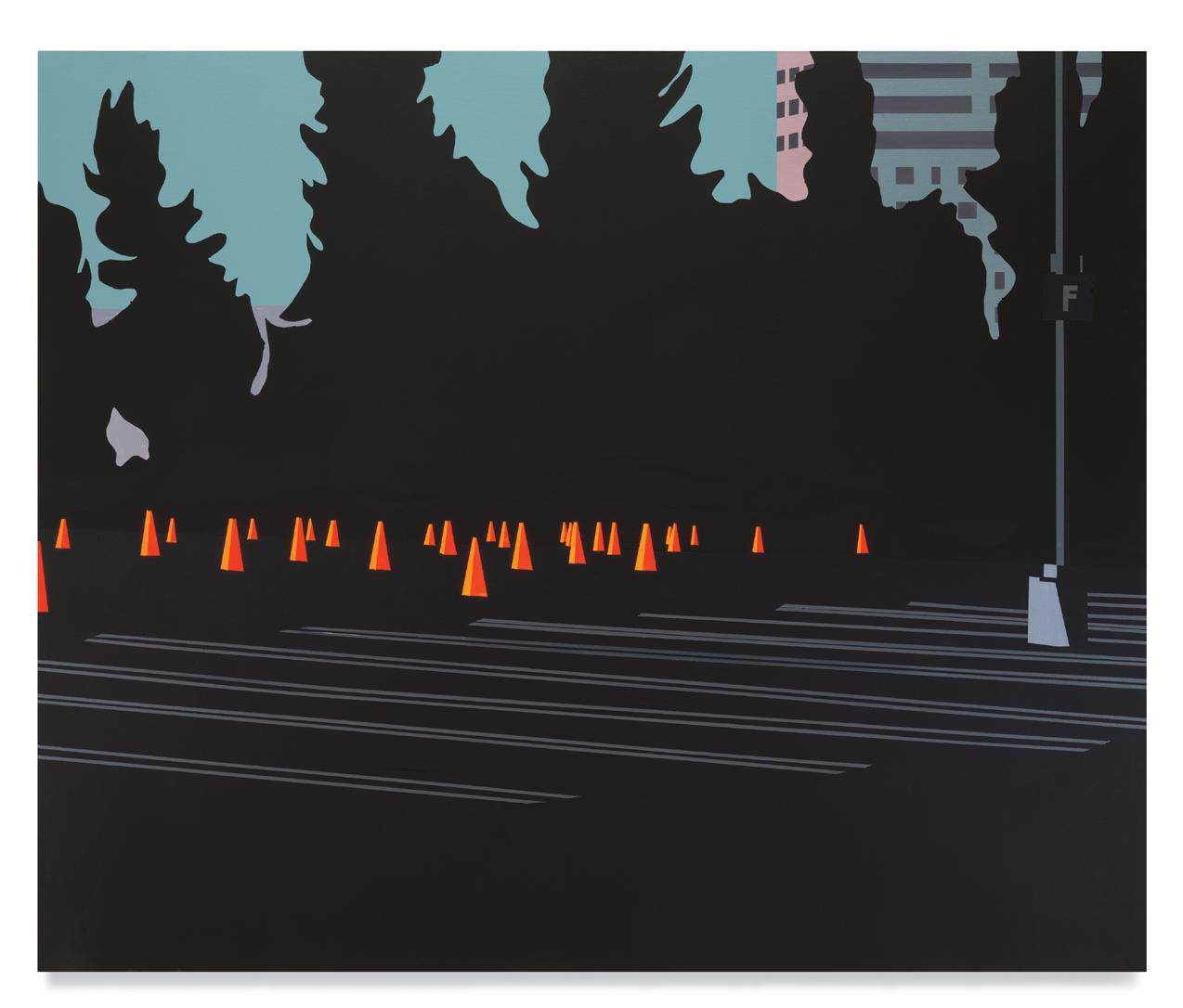
The Field Code, 2021
Acrylic on canvas
70 x 80 inches
177.8 x 203.2 cm
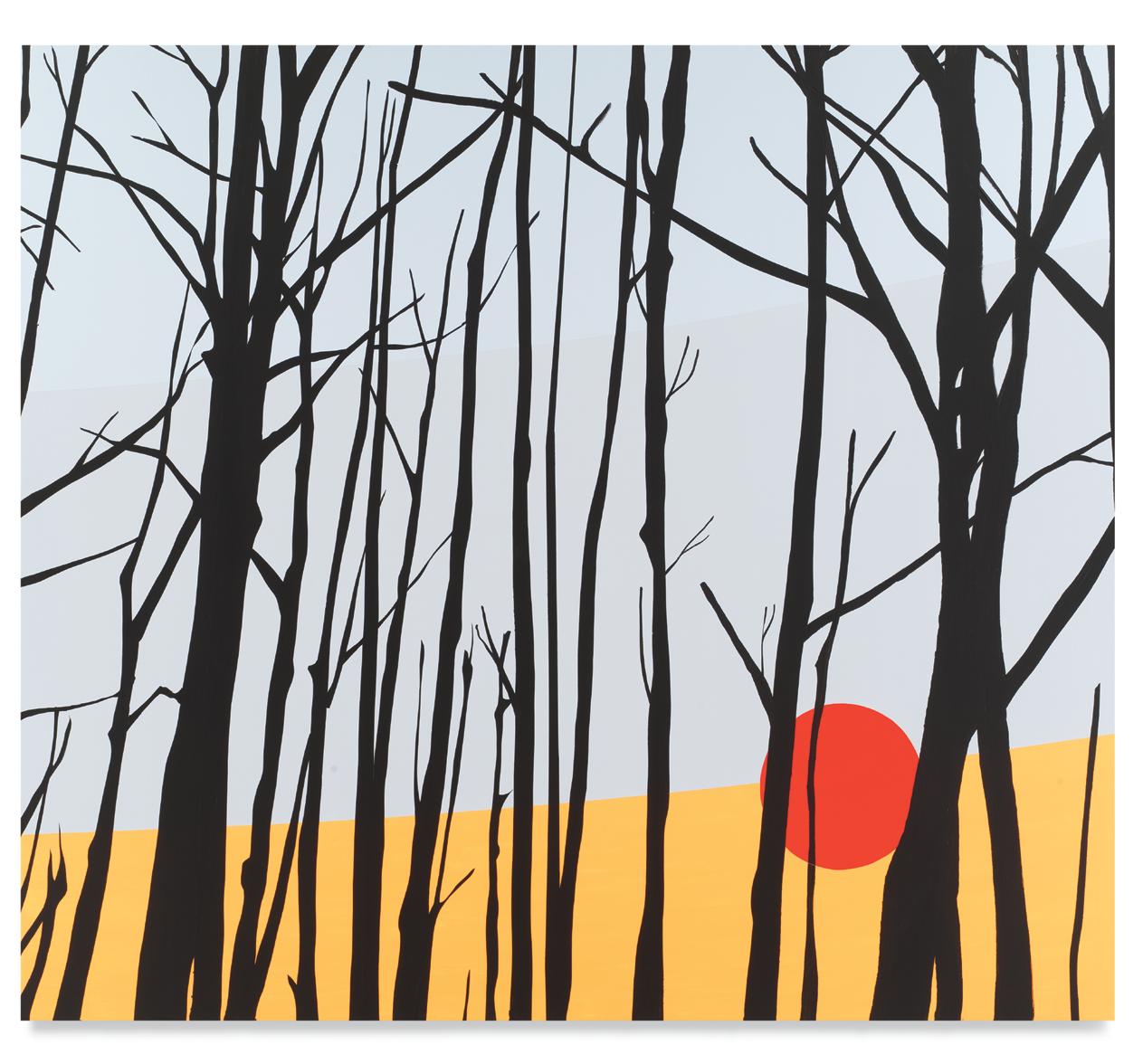
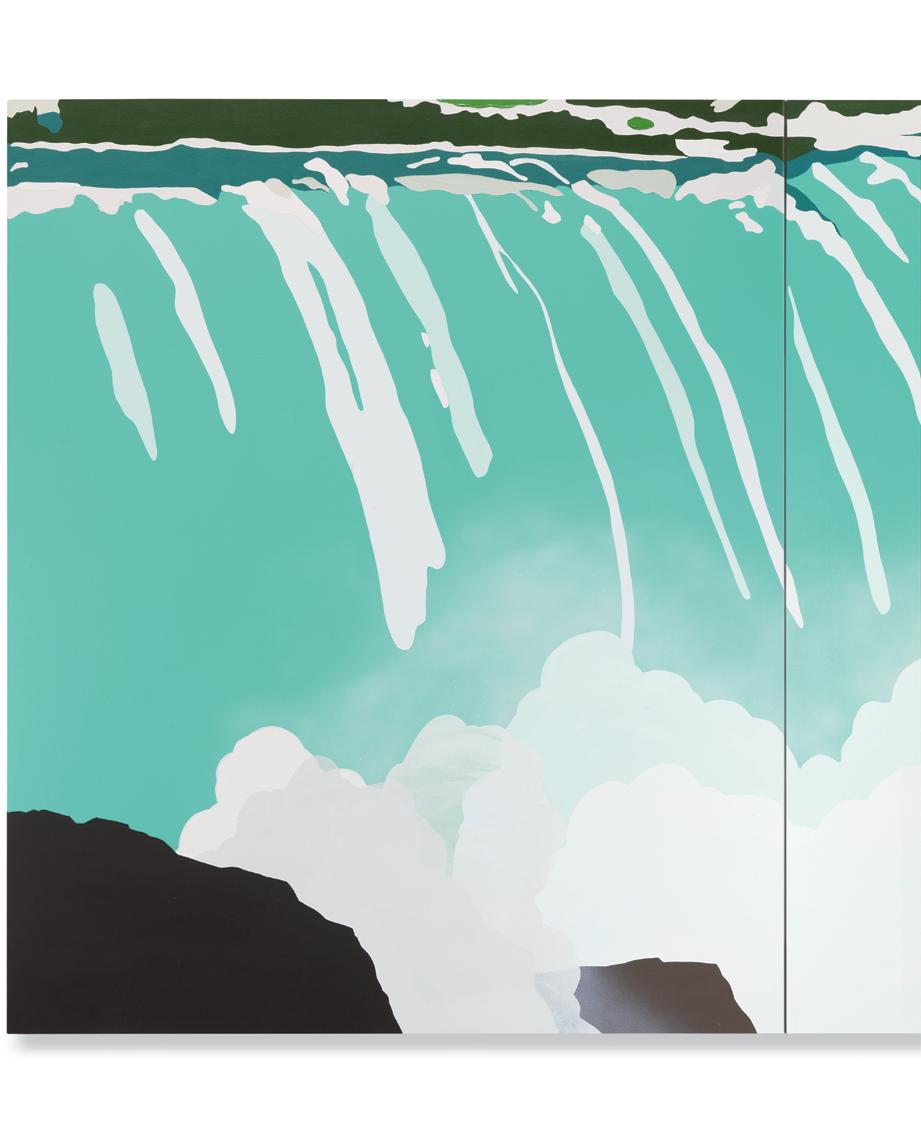
The Great Falls, 2021
Acrylic on canvas
72 x 180 inches
182.9 x 457.2 cm
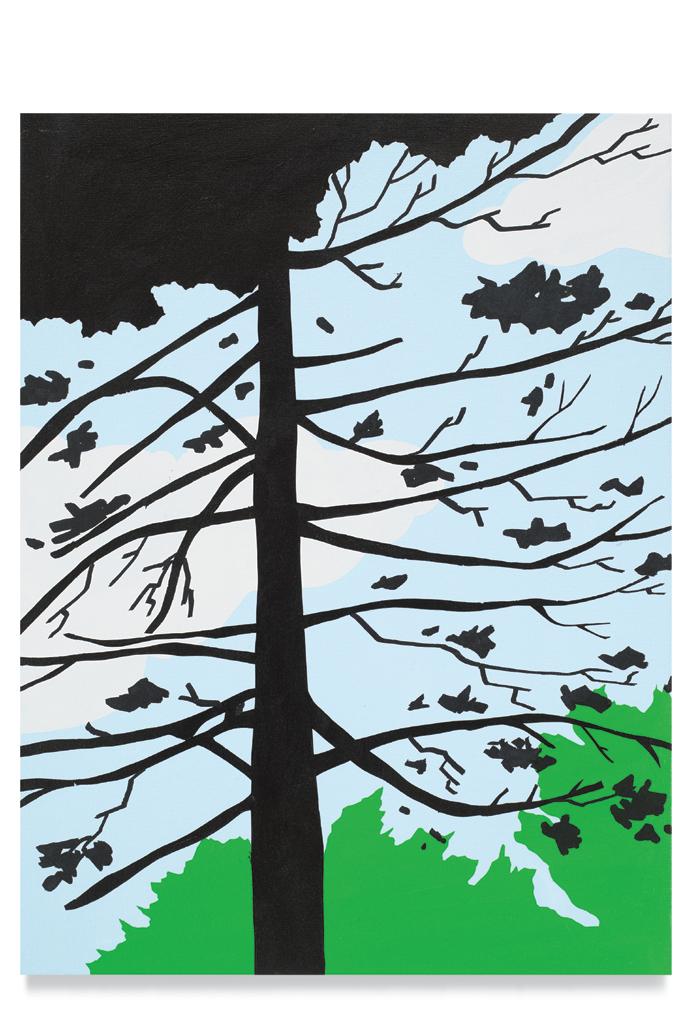
The Park, 2021
Acrylic on canvas
24 x 20 inches
61 x 50.8 cm
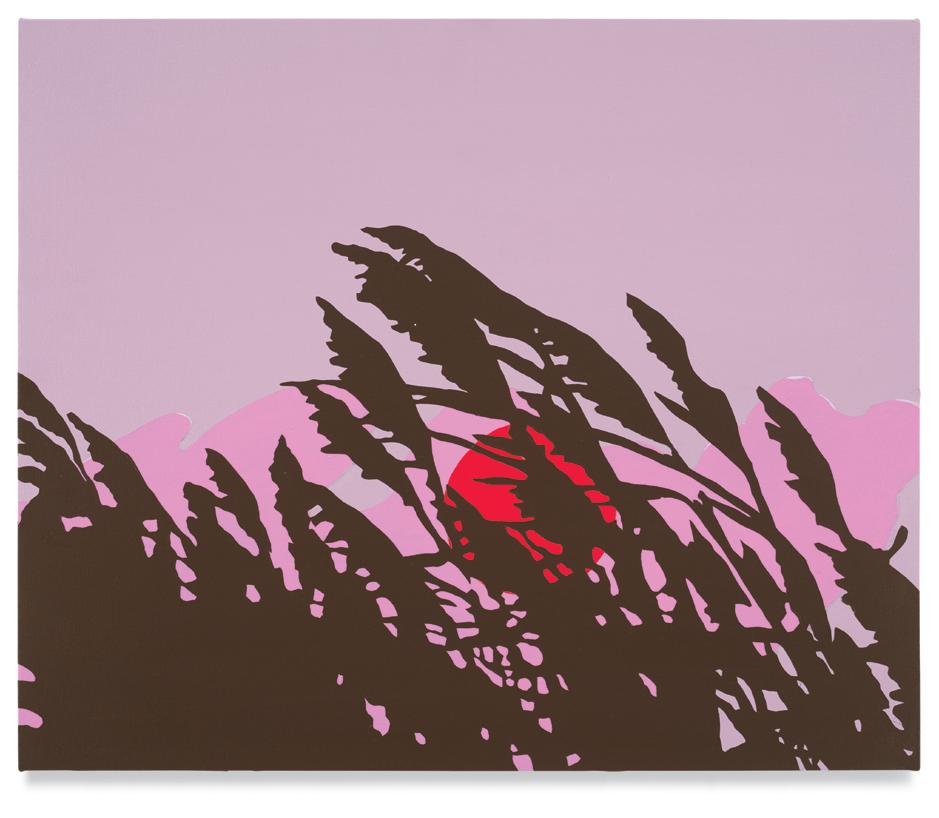
Wheat & Sun, 2021
Acrylic on canvas
20 x 24 inches
50.8 x 61 cm
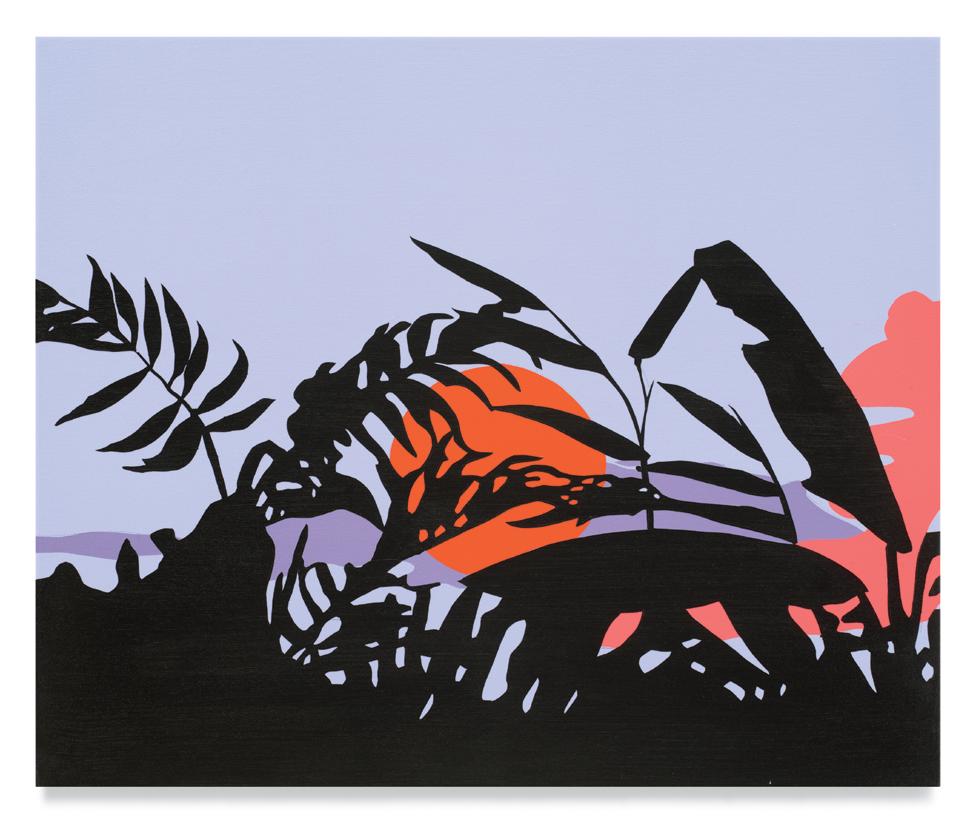
Land(e)scape, 2021
Acrylic on canvas
20 x 24 inches
50.8 x 61 cm
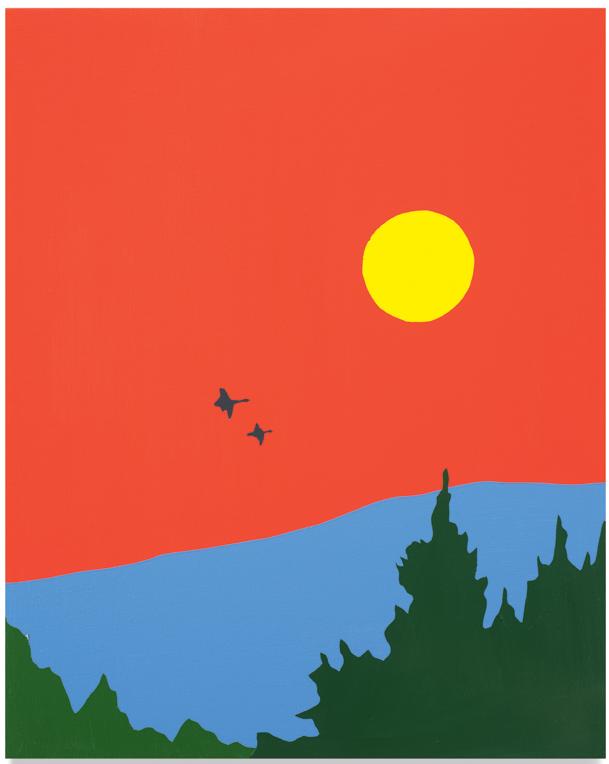
Little Red Ridge, 2021
Acrylic on canvas
20 x 16 inches
50.8 x 40.6 cm
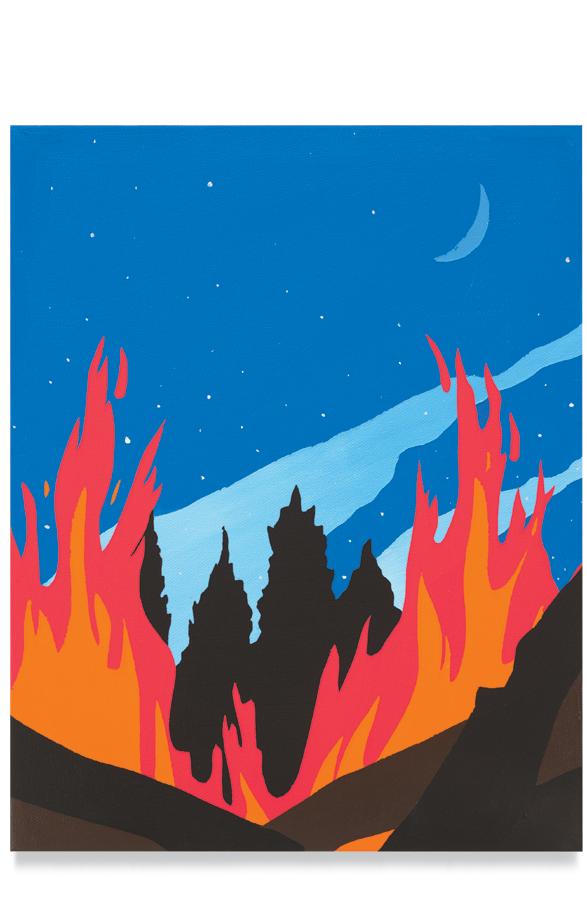
Campfire Escape, 2021
Acrylic on canvas
14 x 11 inches
35.6 x 27.9 cm
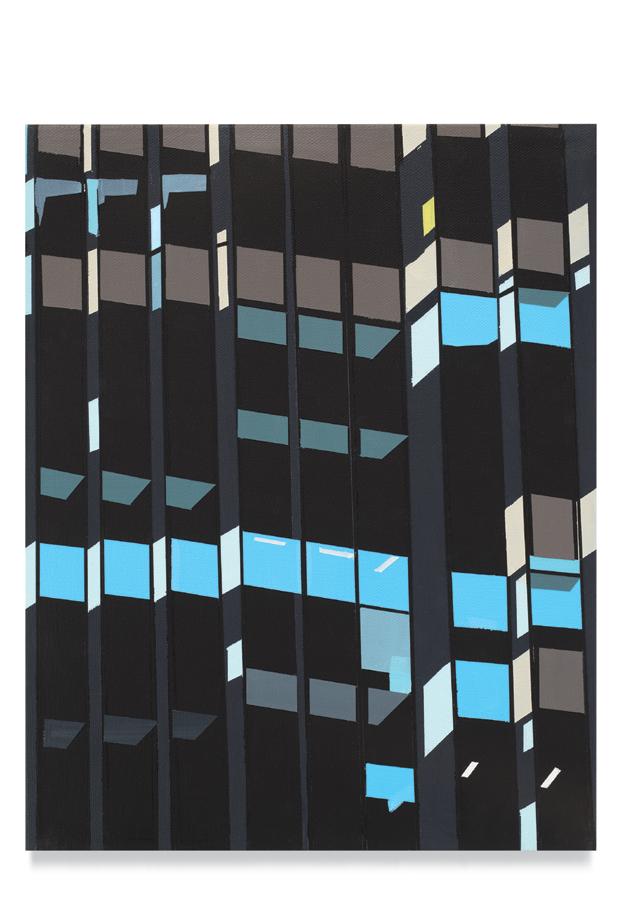
Empty Office, 2021
Acrylic on canvas
14 x 11 inches
35.6 x 27.9 cm
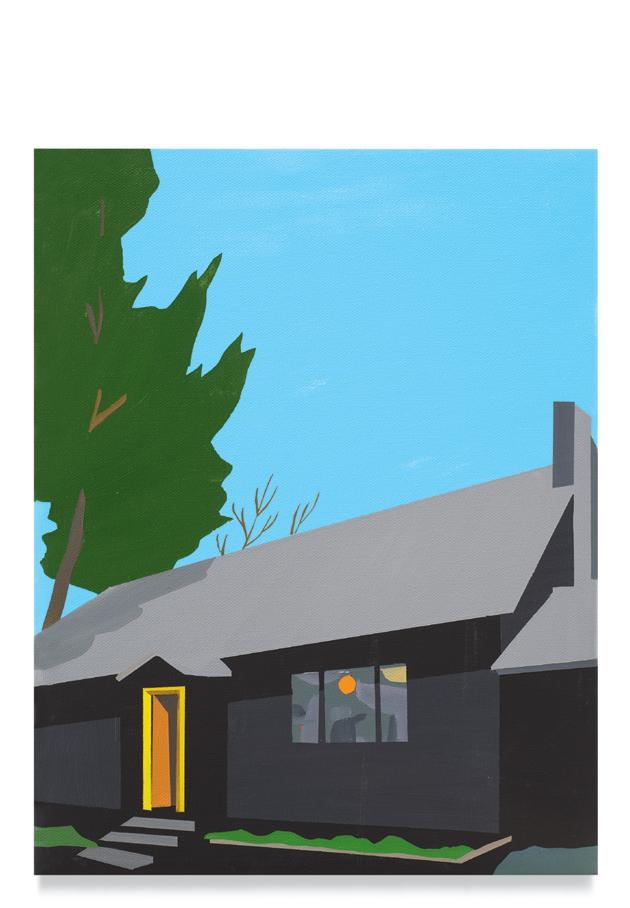
Upstate, 2021
Acrylic on canvas
14 x 11 inches
35.6 x 27.9 cm
BRIAN
ALFRED
Born in Pittsburgh, PA in 1974
Lives and works in Brooklyn, NY
EDUCATION
1999
MFA, Yale University, New Haven, CT
Skowhegan School of Painting and Sculpture, Madison, ME
1997
BFA, Pennsylvania State University, University Park, PA
SOLO EXHIBITIONS
2022
“Escape Plan,” Miles McEnery Gallery, New York, NY
2019
“High Rises and Double Vision: Images of New York,” Miles McEnery Gallery, New York, NY
2018
“Future Shock,” Miles McEnery Gallery, New York, NY
2017
“Techno Garden,” Maho Kubota Gallery, Tokyo, Japan
2016
“In Praise of Shadows,” Ameringer | McEnery | Yohe, New York, NY
2015
“It Takes A Million Years To Become Diamonds So Let’s Just Burn Like Coal Until The Sky Is Black,” Ameringer | McEnery | Yohe, New York, NY
2014
“New Animations,” Hezi Cohen Gallery, Tel Aviv, Israel
“Beauty in Danger,” Salon 94 Video Wall, New York, NY
2013
“Storms and Stress,” Hezi Cohen Gallery, Tel Aviv, Israel
2012
“It’s Already the End of the World,” Frist Center for Visual Art, Nashville, TN
2011
“Co-op,” Giraud Pissarro Ségalot, New York, NY
“Rise Above,” Haunch of Venison, London, United Kingdom
2010
“It’s Already the End of the World,” Haunch of Venison, New York, NY
2009
“Majic Window,” Studio La Città, Verona, Italy
2008
“Millions Now Living Will Never Die!!!,” Haunch of Venison, Berlin, Germany
2007
“Global Warning,” SCAI the Bathhouse, Tokyo, Japan
2006
“Surveillance,” Haunch of Venison, Zürich, Switzerland
“Space is the Place!,” Mary Boone Gallery, New York, NY
2005
“Paper and Pixels,” Mary Boone Gallery, New York, NY
“Conspiracy?,” Haunch of Venison, London, United Kingdom
2004
“The Future is Now!,” Phoenix Art Museum, Phoenix, AZ
“Overload,” Max Protetch Gallery, New York, NY
“Fallout,” Samek Art Gallery, Bucknell University, Lewisburg, PA
2003
“New Work,” Sandroni Rey Gallery, Los Angeles, CA
2002
Max Protetch Gallery, New York, NY
2000
Max Protetch Gallery, New York, NY
GROUP EXHIBITIONS
2020
“Do You Think It Needs a Cloud?,” Miles McEnery Gallery, New York, NY
2019
“Fixed Contained,” Kotaro Nukaga Gallery, Tokyo, Japan
“Alex Katz, Brian Alfred, Guy Yanai, Laurel Nakadate, Taro Komiya, Ryunosuke Yasui: Door Into Summer / M’s collection +,” Maho Kubota Gallery, Tokyo, Japan
“Rag & Bone Mural,” Houston Street, New York, NY
“Art on Link,” Art on LINK/NYC Kiosks, New York, NY
2018
“Belief in Giants,” Miles McEnery Gallery, New York, NY
2017
“The Frame,” Samsung Art TV, Samsung, USA
“Like Oxygen,” Mountain Gallery, Brooklyn, NY
2016
“Room with a View,” EDDYSROOM, Brooklyn, NY
“Art Film,” Art Basel Miami Beach, Miami, FL
“Tokyo / London / New York,” Maho Kubota Gallery, Tokyo, Japan
“Audacious: Contemporary Artists Speak Out,” Denver Art Museum, Denver, CO
“Genbi Shinkansen,” Echigo Yuzawa, Niigata Prefecture, Japan
“In an Illusion Village: Our Form Connected by Media Art,” Aomori Museum of Art, Aomori, Japan
“Extended Practice,” Palmer Museum of Art, Pennsylvania State University, University Park, PA
“Animated! Explorations into Moving Pictures,” Palmer Museum of Art, Pennsylvania State University, University Park, PA
2015
“BLACK | WHITE” (curated by Brian Alfred), Ameringer | McEnery | Yohe, New York, NY
“The Search For The Real” (curated by Brian Alfred), DeBuck Gallery, New York, NY
“Villissima,” Hôtel Des Arts, Toulon, France
“The Everywhere Exotic,” Culturadora, Art Miami New York, New York, NY
2014
“BLACK | WHITE” (curated by Brian Alfred), LaMontagne Gallery, Boston, MA
“Art Film,” Art Basel Hong Kong, Hong Kong
“100 Works for 100 Years: A Centennial Celebration,” Montclair Art Museum, Montclair, NJ
“Mercury Retrograde: Animated Realities,” Williams Center Gallery, Lafayette College, Easton, PA
“Film Cologne,” Art Cologne, Cologne, Germany
2013
“Uncanny Congruencies,” Palmer Museum of Art, Pennsylvania State University, University Park, PA
“Art Film,” Art Basel Miami Beach, Miami, FL
“Mercury Retrograde: Animated Realities,” Stephen Stoyanov Gallery, New York, NY
“Epic Fail,” Storefront Ten Eyck, Brooklyn, NY
2012
“exURBAN SCREENS,” Frankston Arts Centre/Cube 37, Melbourne, Australia
15th Japan Media Arts Festival, Tokyo, Japan
“Sourced,” Steven Vail Fine Arts, Des Moines, IA
2011
“Beyond,” SCAI the Bathhouse, Tokyo, Japan
“Videosphere: A New Generation,” Albright-Knox Art Gallery, Buffalo, NY
“Animations,” The Big Screen Project, Big Screen Plaza, New York, NY
“Printer’s Proof,” Bertrand Delacroix Gallery, New York, NY
2010
“12th International Cairo Biennale,” Cairo, Egypt
“The Big Screen Project,” Big Screen Plaza, New York, NY
“Me, Undoubtedly. 1309 Faces,” Kunstmuseum Wolfsburg, Wolfsburg, Germany
“Aichi Triennale,” Aichi Prefectural Museum of Art, Nagoya, Japan
“Surface Tension,” South Bend Museum of Art, South Bend, IN
“onedotzero,” The Curtis R. Priem Experimental Media and Performing Arts Center (EMPAC) at Rensselaer Polytechnic Institute, Troy, NY
“New Art For A New Century: Contemporary Acquisitions 2000 – 2010,” Orange County Museum of Art, Newport Beach, CA
2009
“Mercury Retrograde: Animated Realities,” Big Medium Gallery, Austin, TX
“The Figure and Dr. Freud,” Haunch of Venison, New York, NY
2008
“Uncoordinated: Mapping Cartography in Contemporary Art,” Contemporary Arts Center, Cincinnati, OH
“Ru Ru Ru Landscape: How I see the World Around Me,” Shizuoka
Prefectural Museum of Art, Shizuoka, Japan
“Teaching An Old Dog New Tricks,” Den Frie Udstilling, Copenhagen, Denmark
2007
“The Shapes of Space,” Solomon R. Guggenheim Museum, New York, NY
“System Error: War Is A Force That Gives Us Meaning,” Palazzo delle
Papesse, Siena, Italy
“Art Fair Tokyo,” Tokyo, Japan
“Art Film,” Art Basel, Basel, Switzerland
2006
“The 59th Minute, Times Square Panasonic Astrovision Screen,” Creative Time, New York, NY
“American Academy of Arts and Letters Invitational Exhibition,” American Academy of Arts and Letters, New York, NY
“Radar: Selections from the Kent and Vicki Logan Collection,” Denver Art Museum, Denver, CO
“New Code,” Studio La Città, Verona, Italy
“Signal Channel: Contemporary Video Art,” Bemis Center for Contemporary Arts, Omaha, NE
2005
“Produced at Eyebeam,” Eyebeam, New York, NY
“Surface,” Lucas Schoormans Gallery, New York, NY
“ART!+*><WORK,” Ignivomous, New York, NY
2004
“Metropolis,” National Gallery of Victoria, Melbourne, Australia
“Art and Architecture 1900 – 2000,” Palazzo Ducale, Genoa, Italy
“Inaugural Show,” Sandroni Rey Gallery, Los Angeles, CA
“Trouble in Paradise,” Van Brunt Gallery, New York, NY
“Happy Ending,” Kingfisher Projects, Queens, NY
2003
“Toxic,” Max Protetch Gallery, New York, NY
“Digital Showcase,” Austin Museum of Digital Art, Austin, TX
1999
“Group Show,” Max Protetch Gallery, New York, NY
“MFA Thesis Exhibition,” Yale School of Art Gallery, New Haven, CT
SOUND & VISION PODCAST
Brian Alfred is the host of the podcast of conversations with contemporary artists about the creative process. Selected artists include Danny Ferrell, Chloe Wise, Ryan McGinness, Tom Sachs, Svenja Deininger, Fred Tomaselli, Sarah Cain, Inka Essenhigh, Sean Landers, Bo Bartlett, Daniel Heidkamp, Shara Hughes, amongst others.
AWARDS
2018
College of Art & Architecture Faculty Research Grant, Pennsylvania State University, University Park, PA
2016
College of Art & Architecture Faculty Research Grant, Pennsylvania State University, University Park, PA
2015
Institute for the Arts and Humanities Individual Faculty Grant, Pennsylvania State University, University Park, PA
Jerome Foundation Grant, St. Paul, MN
2013
Carriage House Arts Residency, Islip, NY
Pollock-Krasner Foundation Grant, New York, NY
2011
Excellence Award, Japan Media Arts Festival, Tokyo, Japan
2008
Pennsylvania State University Alumni Award, University Park, PA
2006
Joan Mitchell Foundation Award, New York, NY
American Academy of Arts and Letters Purchase Award, New York, NY
Pennsylvania State University Alumni Award, University Park, PA
2005
New York Foundation of the Arts Inspiration Award, New York, NY
2003
Pollock-Krasner Foundation Grant, New York, NY
1999
Phelps Berdan Memorial Award, Yale University, New Haven, CT
Skowhegan Match Scholarship, Skowhegan School of Painting and Sculpture, Madison, ME
1997
Edwin W. Zoller Scholarship, Penn State School of Visual Arts, University Park, PA
SELECT COLLECTIONS
Albright-Knox Art Gallery, Buffalo, NY
Cleveland Clinic Art Program, Lyndhurst, OH
Denver Art Museum, Denver, CO
Everson Museum of Art, Syracuse, NY
Museum of Fine Arts Houston, Houston, TX
Montclair Art Museum, Montclair, NJ
National Gallery of Victoria, Melbourne, Australia
New Britain Museum of American Art, New Britain, CT
Orange County Museum of Art, Newport Beach, CA
Phoenix Museum of Art, Phoenix, AZ
San Francisco Museum of Modern Art, San Francisco, CA
Solomon R. Guggenheim Museum, New York, NY
University Museum of Contemporary Art, University of Massachusetts at Amherst, Amherst, MA
Wellmark Blue Cross Blue Shield Corporate Art Collection, Des Moines, IA
Whitney Museum of American Art, New York, NY
Published on the occasion of the
BRIAN ALFRED
17 March – 23 April 2022
Miles McEnery Gallery
511 West 22nd Street
New York NY 10011
tel +1 212 445 0051
www.milesmcenery.com
Publication © 2022 Miles McEnery Gallery
All rights reserved
Essay © 2021 Stephen Westfall
Director of Publications
Anastasija Jevtovic, New York, NY
Photography by Christopher Burke Studio, New York, NY
Color separations by Echelon, Santa Monica, CA
Catalogue designed by McCall Associates, New York, NY
ISBN: 978-1-949327-70-0
Cover: Red Ridge, (detail), 2021