Ayurveda is the traditional organic healing system aimed at preserving health and wellness.
All rights reserved. No part of this book may be reproduced, stored in a retrieval system, or transmitted in any form or by any means, electronic, mechanical, photocopying, recording, scanning, or otherwise, without the prior written permission of the publisher Ayurveda Anytime.
DISCLAIMER
All the material contained in this book is provided for educational and informational purposes only. The author takes no responsibility for any negative results or outcomes resulting from the use of this material.
While every attempt has been made to provide information that is both accurate and effective, the author does not assume any responsibility for the accuracy or use/misuse of this information.
Welcome! To our guide for Ayurvedic Smoothies
Sometime ago I was asked if we use smoothies in Ayurveda My reply was 'Yes' we do but you need to make the necessary considerations for each dosha and avoid over loading digestion with the number of ingredients you use to make a smoothie. This got me creating a list of my favourite smoothies and how to adjust them to balance each dosha.
Ayurveda is an ancient knowledge which follows a balanced diet and seasonal eating for good digestion and longevity Ayurvedic wisdom shares its knowledge of food combinations to improved digestion to avoid undigested food And strongly advises that modest amounts taken over longer periods is the best way to reduce the accumulation of toxins in the body.
When we have fewer toxins in the body we function at our optimal and balance the Vata, Pitta and Kapha in the body
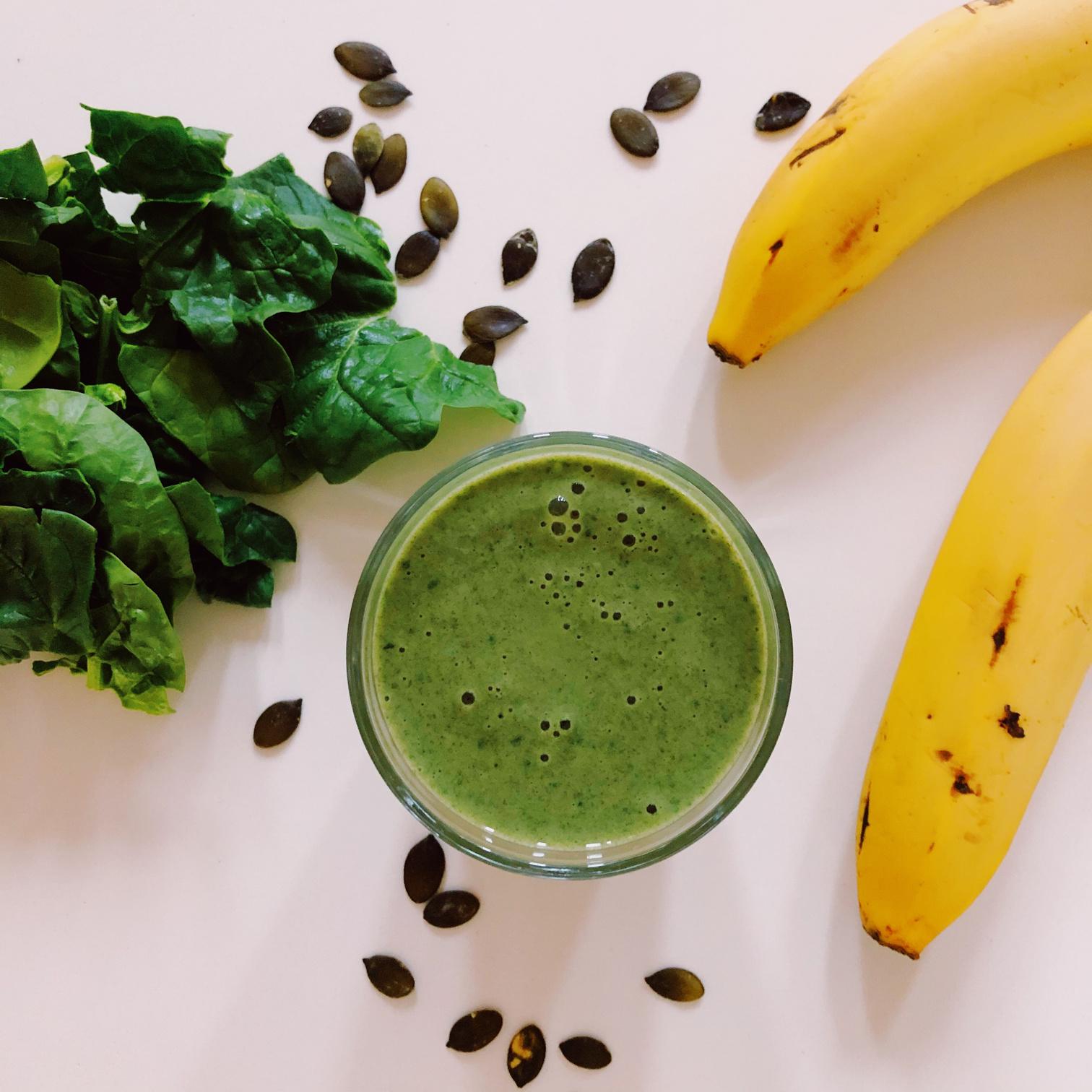
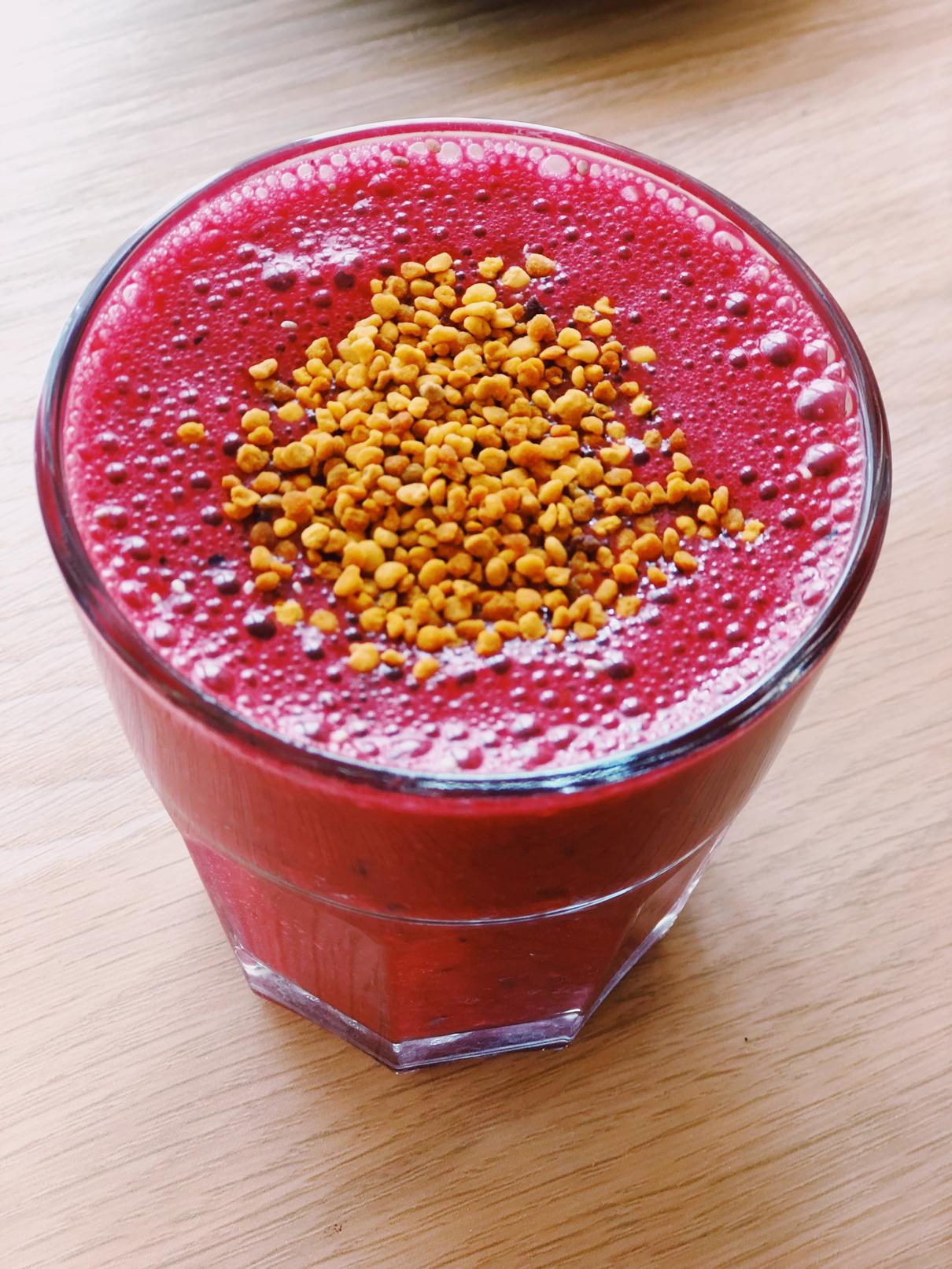
Ayurvedic Smoothies are a combination of fewer than five ingredients of seasonal fruits, steamed or cooked vegetables, soaked dried fruits, herbs and spices. After grinding it all gives a smooth textured nutritious drink. Smoothies are getting enormously popular because of their many health benefits, made into a quick nourishing beverage This can even be a good replacement for a meal if there is a need to eat without having time to prepare a whole meal Liquid meals are advised in Ayurveda and they hydrate the body at the same time as providing nutrients
Smoothie
Blood
Reawaken Replenishing Smoothie
Tableof Contents
Memory Tonic
Date Night Tonic
Red Velvet Tonic
Cooling Rose Tulsi Tonic
Turmeric Tonic
Bedtime Tonic
Moringa Matcha Tonic
Amrita-prash Tonic
Mango Coco Power Tonic
Brahmi Tea
Understanding your individual digestive fire
Ayurveda holds digestion above all else as the most important part of diets. If you are not able to digest your food it doesn't matter how good it is for you. Taking large amounts of food is a good way to congest the body and cause disease by overloading digestion.
When we have strong agni – digestive fire, it is said we have a lustre for life in the whole body It provides bright healthy eyesight and skin, good body temperature, vitality and energy. Agni brings courage cheerfulness and lucidity, optimism, enthusiasm and intelligence. So if Agni is low or blocked in any way those articles will be diminished. Agni is said to be warm, bright and has similar qualities as the sun. Agni’s light can also be sharp and penetrating which is also quite devastating.
Our food contains life energy which can only be used when it passes through digestion to be transformed and utilized by the tissues. As unique humans, we have the digestive fire of varying degrees for each constitution in which we cook our food, and get our energy from Some foods are already more easily digested and readily available to the body
Understanding which type of agni you have will tell you which types of food you should eat more of and which you should eat less.
Balanced, Varied, Sharp or Slow
Visamagni means the fire is changeable, rough, dry, irregular, erratic, sometimes too high or sometimes too low, and moving around. Someone who has this type of digestion often has food sensitivities, anxiety, a lack of focus, alternating high and low appetites, along with gas bloating and alternating constipation and diarrhoea
Different Types Of Agni
Samagni (sama + agni) – Balanced agni
Vishamagni (vishama + agni) –Variable fire
Tiksnagni (tikshna + agni) –Sharpe fire
Mandagni (manda + agni) – Slow fire
Understanding your individual digestive fire
Tiksnagni means sharp, hot, hyperfunctioning, redness (in face, eyes, etc.), inflammation, burning sensation in the digestive tract. Often associated with pitta types this type of agni burns through food and burns without assimilation leaving food undigested. This type of person with this type of agni cannot skip a meal and may eat more often than needed in a day. They often have the qualities of pitta, are highly driven and may suffer from anger, indigestion, burping frequently and loose or frequent bowel movements which contain visible undigested food particles.
The mind of the person with this agni is highly reactive, they may have sleep issues with waking up at night, dreams are often intense and destructive.
Mandagni means slow and is often the type of digestion Kapha types are used too. It is said to be hypofunctioning, milky dull, dense and heavy. They often are not aware of what hunger feels like and are not sure if they are hungry The person with mandagni may feel fatigued, their appetite and thirst is low. They may eat once a day as they have no appetite.
The mind of a person with this agni is slow, dull, and may lack motivation, feel bored or lethargic. They may feel sleepy after eating, or not want to wake in the morning or enjoy naps during the day too often.
Balanced digestive fire
Samagni is a balanced healthy agni. The person who has balanced agni will not have any illnesses and will have a balanced normal state. The appetite will be normal, not voracious or diminished and so will be their digestion.
They would not crave unhealthy substances or have any sensations of discomfort or lethargy after eating. The assimilation and digestion of nutrients from the food is healthy and you can tell this by a once a day bowel movement, first thing in the day is regulated. They have a normal immunity to colds and flu, with no nasty food reactions. They will have a steady weight for their body type. A calm and clear perception and state of mind, abundance relative to their karma.
Someone with sama agni will be able to engage in spiritual life in a natural and healthy way, able to discern behaviour and modify with awareness.
All doshas can get better digestions by following some simple guidelines by Ayurveda.
Follow the sun, by eating the largest meal at lunchtime Meal times eaten at the same time of the day. Avoid processed food in the diet. Avoid overeating foods which are not correct for your dosha. Avoiding poor food combinations Eating only when there is hunger.
Best Time for Smoothies
Making your smoothies in the morning as a meal replacement or as a way to get nutrients in fast works for all doshas. I say fast but there is a saying in Ayurveda to drink your meals and eat your drinks. This means slow down your drinking and keep hydrating your digestive system!
Summer is the best time to have smoothies. But it's fair to say if you have strong digestion you can drink them all year round. Better still, try the Spiced Pumpkin Milk p19 which is an easierto-digest smoothie for the colder months. It's made with cooked pumpkin and is surprisingly pleasing.
Morning time is the best time to have a nutrient-dense smoothie to help balance your energy levels. They also make a delicious mid-morning snack, a post-workout recovery drink or at any time when you don't feel like eating a full meal but want to satiate your appetite without feeling overloaded. It goes without saying that it is also a good time when the digestive fire is at its peak and you have hunger.
Drink your smoothies soon after they are made so they don't oxidize, leaving them in the fridge overnight is not ideal. If you want all those nutrients and vitamins best to drink your smoothies within 20 minutes of making them.
The most important way to keep your smoothies digestible is to drink them at room temperature. This way you avoid overloading your fire in your tummy!
What makes a smoothie nonAyurvedic?
So Ayurvedic smoothies above everything else must be easy to digest. Here are things you should be considering whilst you make your smoothie.
Compatible ingredients - using the opposite combination ingredients are harmful to health.
As per Ayurveda milk and yoghurt should not be combined together. Milk should not be mix with fruits as it produces toxins in our body. Also, yoghurt should not be mixed with fruits
Oils, nut butter, unsoaked dry fruits, artificial sweeteners, protein powders are all heavy ingredients. Try to use less than 5 ingredients, or only one from the list above if you have low agni, less is more.
Raw vegetable ingredients don't combine with fruits as they take a longer time to digest. Nuts also take longer to digest than fruits, so if you have a modest digestive fire I suggest only to use coconut milk or plant-based milk that you find easy to digest, in combination with a single fruit.
The best Ayurvedic smoothies use seasonal ripe fruits.
Ayurvedic smoothies are a balanced combination of flavours or rasa. Try to include the six tastes of sweet, sour, salty, bitter, astringent and pungency to aid in digestion and satisfaction.
Cold, icy juices in smoothies increase mucus and toxins.
THE DOSHAS Your constition &
current condition
YOUR NATURE
Prakriti is the Sanskrit word used for 'nature' or 'constitution' If everybody was familiar with the predominant dosha we would all know our unique strengths present in each type of body shape
Your Prakriti, i e your nature, assigned to you through your parents at the moment of conception, rarely changes Your nature determines your individual way to know what to eat, the appropriate exercise, the kind of lifestyle that is healthy, and the way you can understand the mind and how to bring them back into balance,
Vata, Pitta and Kapha are present everywhere in the body and they regulate homeostasis in the body They protect the body from the various environmental changes that happen throughout the day, season and place we live in
Wellbeing is a state of balance between the doshas corresponding to one’s individual nature i e prakriti 'Dosha' is the term given to the bio-element which is predominant in expression Doshas themselves are not a problem until they go out of balance and hang around the body, disrupting the body's natural rhythm
YOUR QUALITIES
You may have ten different types of Vata person in front of you but each will express differently because of the varying amount of qualities that an individual can express.
For that reason, the three doshas and their qualities never look the same for two people. It is therefore important to get an assessment consultant.
VATA TYPE Space & Air Dosha VATA LOCATION
The qualities of space and air manifest as cold, light, dry, rough, mobile, erratic, quick, and clear Vata fills the cavities of the body, yet its seat is the lower section of the GI tract, pelvis, thighs In the ears, hair and skin the (organ of touch) and the bones.
Vata is most predominant in Fall & Winter and between 2 till 6 hours of the day
BALANCED VATA
When Vata is in balance you will feel flowing and flexible, enthusiastic and creative. Vatas are expansive and love to flow with life. They are alert, sensitive, spontaneous. They love warm weather and hot drinks. Vata feels best when they practice moderation in all lifestyle habits.
EXCESS VATA
When there is excess Vata you will experience these signs and symptoms: Constipation, shakiness, gas, fatigue, overwhelmed, fear, distraction and fatigue on an emotional level
APPLYING AYURVEDA TO VATA
When considering Vata doshas light, dry, rough, cold, and changeable qualities we need the opposite to balance. The body will function better when warm, contained, moistened, slow, and steady.
Especially at Vata times of the day and season. And at the Vata time of life in the years over 60. Vata time of day is 2-6 am/pm, Vata season is in fall and early winter.
VATA LIFESTYLE
Faulty lifestyle, such as night outs, exposure to the cold breeze, loud or irritating sounds,—all of these contribute to the increase in Vata dosha.
Vata's will feel best keeping themselves wrapped up with a hat and layers.
DIET
An intake of hot and cold food items at the same time, irregular eating hours, drinking cold water or aerated drinks aggravated Vata dosha in the body is bound to cause diseases.
Consume warming and cooked foods that are oily With tastes that are sweet, salty, and sour greatly balance Vata.
PITTA TYPE
Fire & Water Dosha PITTA LOCATION
Fire in your belly! As the saying goes is very telling of the main seat of pitta. Pitta is in the skin, eyes, blood, and stomach. People who have high pitta are hot, oily, sharp, moist, fluid, and sour. Mental processing of experiencing is also ruled by pitta.
BALANCED PITTA
When Pitta is in balance you will be intelligent, ambitious, confident and have a lustre in your eyes. They have a sense of justice and strong will. They feel sensitive to hot weather as their body reacts and gets easily sunburned.
EXCESS PITTA
When there is excess pitta you will experience these signs and symptoms: Irritation, temper, inflammation, diarrhea, burning sensation, loneliness, cramps with menstrual bleeding, and hypersensitivity.
APPLYING AYURVEDA TO PITTA
Pitta dosha is hot, oily, sharp, moist, spreading, light, and liquid. To balance out these qualities we need the opposite to balance The body will function better when cool, softness, calm, and sweetness are applied.
Especially at Pitta times of the day and season. And at the pitta time of life which is adulthood. Pitta time of day is 10 - 2 am/pm, Pitta season is in summer.
PITTA LIFESTYLE
The best way for Pitta to spend their time is outside in nature, exposed to the cold air and green lakes and stream. Be careful to not overdo sunlight and hot sun and hot tubs are especially irritating for pitta. Aromatherapy and incense with sandalwood, vetivert, rose, jasmine
DIET
An intake of cold foods may help to cool down pitta in summer. At the same time, irregular eating hours, drinking cold water whilst eating or icy drinks disturb Agni and add toxins to the body
Try to drink room temperature drinks and eat with a hunger to avoid this. Get the tastes that are sweet, bitter and astringent.
KAPHA TYPE
Earth & Water Dosha KAPHA LOCATION
Kapha is cold, heavy and liquid is made of water and earth elements Kapha molecules make up the body structure and tissues, organs, and systems The white matter of the brain, tongue, plasma, lymph, synovial fluids is all Kapha. The seat of kapha is the lungs and upper stomach.
BALANCED KAPHA
When Kapha is in balance you will feel great strength and endurance in the body. Kaphas are very fertile and sensual, steady, and dependable. They love the hot weather and are jolly people. Kaphas are very loveable, wise friends, that make great supports for vata and pitta friends and partners.
EXCESS KAPHA
If there is excess Kapha the body tends to form tumors and compact masses, creating tumors, things stick to easily together and accumulate. There is excessive mucus, trouble with sugar metabolism and congestion. There is dullness and lethargy, attachment, depression and greed
APPLYING AYURVEDA TO KAPHA
Kapha dosha is heavy, cold, stable, moist, sticky, dull, and smooth. To balance out these qualities we need the opposite to balance The body will function better when warm, mobile, lightened, and invigorated activities are applied.
Especially at Kapha times of the day and season. And at the Kapha time of life which is infanthood. Kapha time of day is 6 - 10 am/pm, Kapha season is at the end of Winter & Spring.
KAPHA LIFESTYLE
The best way for Kapha to spend their time is outside in nature, exposed to fresh air and sunbathing. Sunlight, steambaths, heat, and strong aerobic exercise are important daily. Aromatherapy and incense with camphor, cinnamon, eucalyptus, fennel, orange, and nutmeg
DIET
Kapha does best to eat the main meal in the middle of the day and reduce the amount in the early morning and evenings. It is especially important that they fast till 10 am and only eat with a hunger to avoid disturbing Agni
Get the tastes that are pungent, bitter, and astringent.
THE RECIPES To Reduce Imbalances
HOW TO MAKE YOUR SMOOTHIES
An Ayurvedic smoothie, in a nutshell, is the most digestible way for you to get the goodness from a one-meal drink and increase hydration. Your health will increase and so will your digestion as you pack nutrients in. You can use them to help with weight loss or to increase minerals in your diet.
If you need to maintain weight or increase your weight include them an hour before meals, not as a meal replacement.
WHAT GOES INTO THEM
I have to say these tasty smoothies are delicious and nutrient-rich to me but you may prefer another ingredient. At the beginning of each section, you have a full list of food items that are dosha-friendly which you can swap in place of any ingredient you desire and still keep balancing your dosha. There is also a section on each recipe where I have suggested swaps for each dosha.
EQUIPMENT
INGREDIENTS
I am a fan of fresh organic ingredients and most recipes have fewer than 5 ingredients so you can taste each flavor. You are advised to enjoy the ingredients and recipes you like not because it's healthy but because it tastes so good to you. It's best not to overuse the spices and herbs either, you will end up confusing your stomach rather than pleasing it.
Smoothies are essentially juices with fiber and this roughage is what keeps a person from getting constipated The high-speed blender (check my website for options) is the best fit for the job. Typically the more horsepower, the creamier the smoothie. Yet when you step into higher horsepower models, the price goes up. High-powered blenders make green smoothies in half the time.
Chewing your smoothies will help you get the best digestive effect As the digestive system requires around 20 - 50 chews per bite to get the digestive juices flowing and the production of enzymes. Poor chewing leads to reduced absorption of nutrients. Drinking slowly is another option, so small sips drunk over a 15-30 minute time any longer can also be taxing on digestion.
beets, carrots, cucumber, kale, sweet potatoes, pumpkin, zucchini, and parsnips.
SPICES
Anise, black pepper, cardamom, clove, coriander, cumin, fennel, fenugreek, ginger, lemongrass, licorice, peppermint, pippali, poppy seed, neem, nutmeg, mineral salt, spearmint, star anise, turmeric, vanilla, wintergreen. Spices that should be avoided are aloe vera, chili, peppermint, sage. Go easy on turmeric, cayenne, and nutmeg.
HERBS
Most herbs such as basil, cinnamon, ginseng, hibiscus, jasmine, lavender, lemon balm, mint, nettle, parsley, sage, spearmint.
All nuts are great for Vata dosha. Rice and oats are beneficial, Oat milk is building. Goats milk is also a good option for vata.
Eating to many raw foods and prolonged fasting is not balancing for Vata dosha. You can increase the amount of protein in nut butter and heavy fruits or steamed veggies in smoothies to help that.
Increasing the oily qualities of your smoothies with cocoa butter or coconut oil and making them with seeds like pumpkin and sunflower seeds or chia seeds instead.
Spi Pumpk
Ingre
1/2 cup coo
1 cu 1/2 tsp 1/2 tsp c
Pinch of b Honey for 2 cup of a 1/4 tsp ground pu
Proc
Cook pumpkin in minutes or until tend other ingredients sm
Adaptions
Pitta: Use 1/2 tsp liquorice powder
Kapha: increase 1/4 tsp black pepper or 1/2 tsp ginger. Leave out oats.
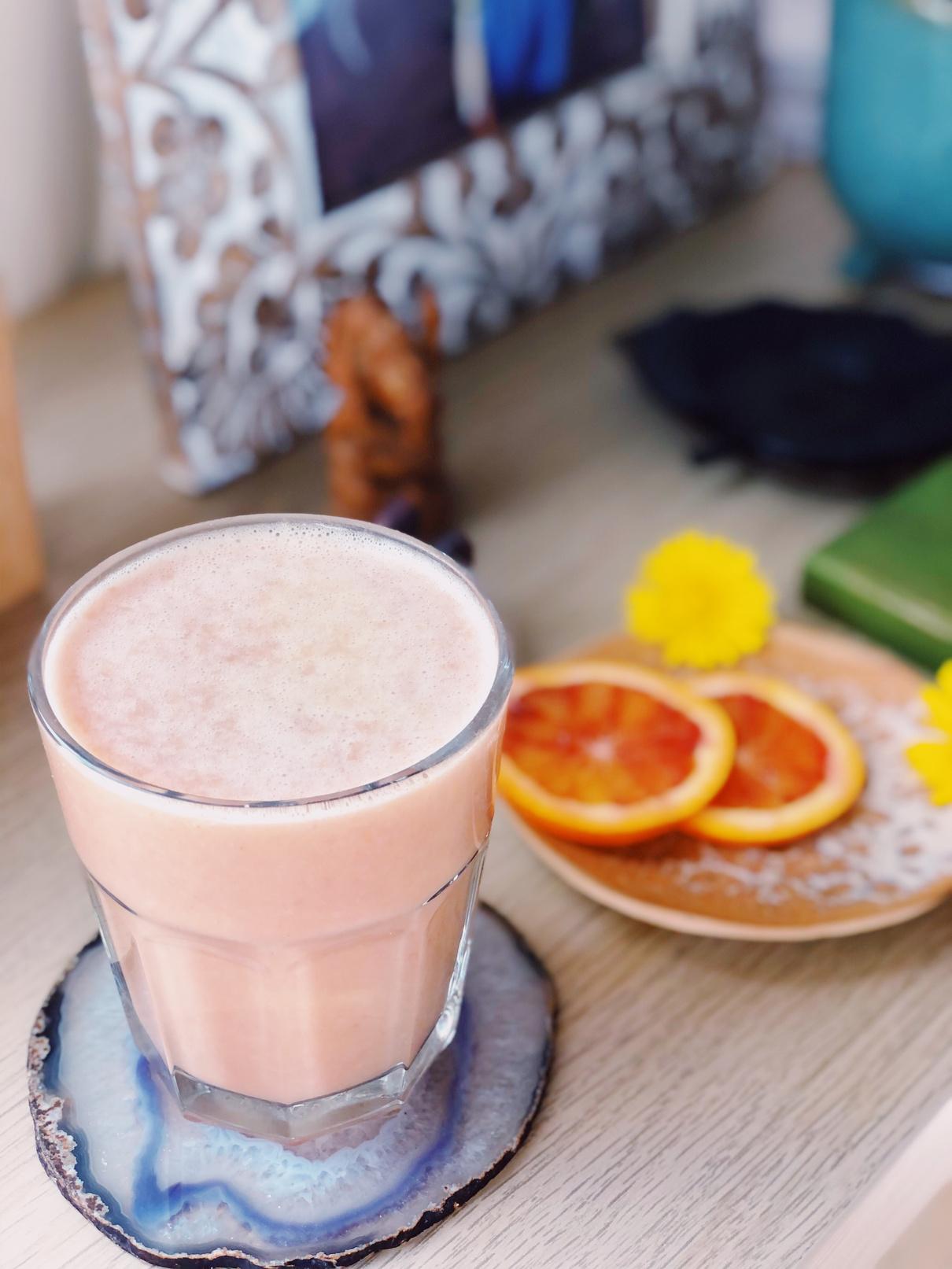
Blood Oran Maca Smoothi
S E R V E S 2
Ingredients
1 sweet blood orange
1 ripe banana
2 cups tulsi tea coole
1 tsp maca powder
1/4 tsp fennel powde
Procedure
Add 1 tbsp tulsi leaf to boiling steep for 8 minutes and allow preferred) Blend until desired t drink room temp.
Adaptions
Pitta: add a few peppermint leave Kapha: Add in 1/4 tsp saffron or 1/2 tsp ginger
Ca Sm S
Ing
2 Tbs 1/4 to 1/2 tsp 1/ 1 tbsp 1/4 tsp
Pr
Blend it all to g
Adaptions
Vata: add 1 tsp almond butter
Kapha: reduce dates and banana by half, and replace nut butter with flax seeds
Pitta: reduce cinnamon and replace nut butter with sunflower seeds
Almo Breakf Shiva Sh
S E R V E S
Ingredi
3 dates
1 banana
2 cups Almon
1 tsp Cinnamon
1/2 tsp Cardamo
Proced
Blend it all to get Vata ba
Adaptions
Vata: Add ashwagandha powder
Kapha: Add in 1/4 tsp Ajwain Seeds or 1/2 tsp ginger
Oat milk is building, coconut milk, rice milk, soy milk, sunflower or pumpkin seed milks.
Eating to many foods with light qualities over a prolonged time and prolonged fasting is not balancing for pitta dosha. You can increase the amount of protein in smoothies to help that.
Avoid increasing the oily qualities of your smoothies as this disturbs Agni and creates nausea, diarrhea, and indigestion. So remove nuts and nut butter and replace them with seeds like pumpkin and sunflower seeds or chia seeds instead.
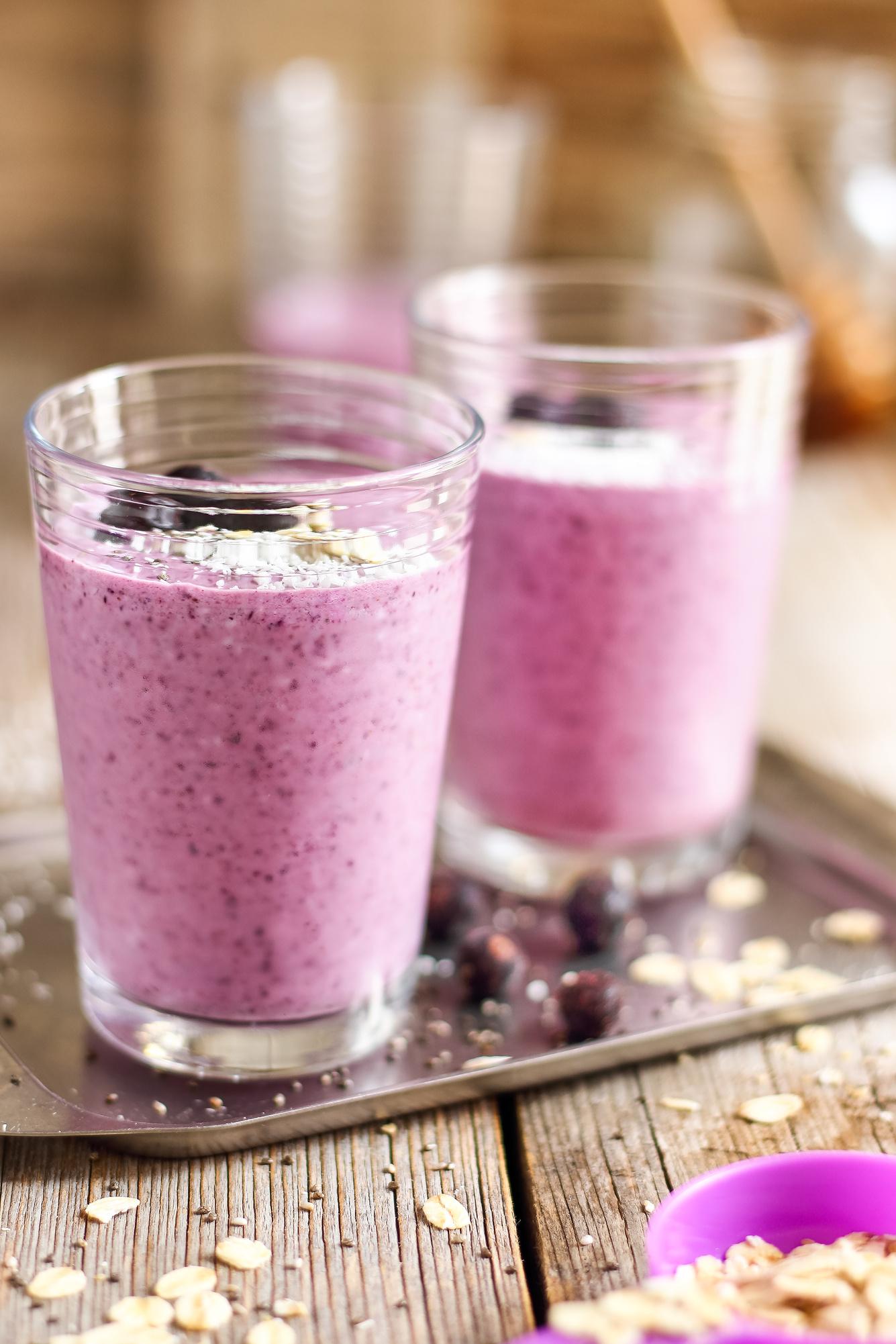
Pitt Balanc Smoot
S E R V E S
Ingredi
1 cup bluebe
1 banan
1 cup of oat
1/2 tsp fennel
½ tsp chia s
1/4 tsp coconut flak
Proced
Blend it all to get pitta ba
Adaptions
Vata: Add ashwagandha powder
Kapha: use tulsi tea in place of coconut milk and add moringa powder.
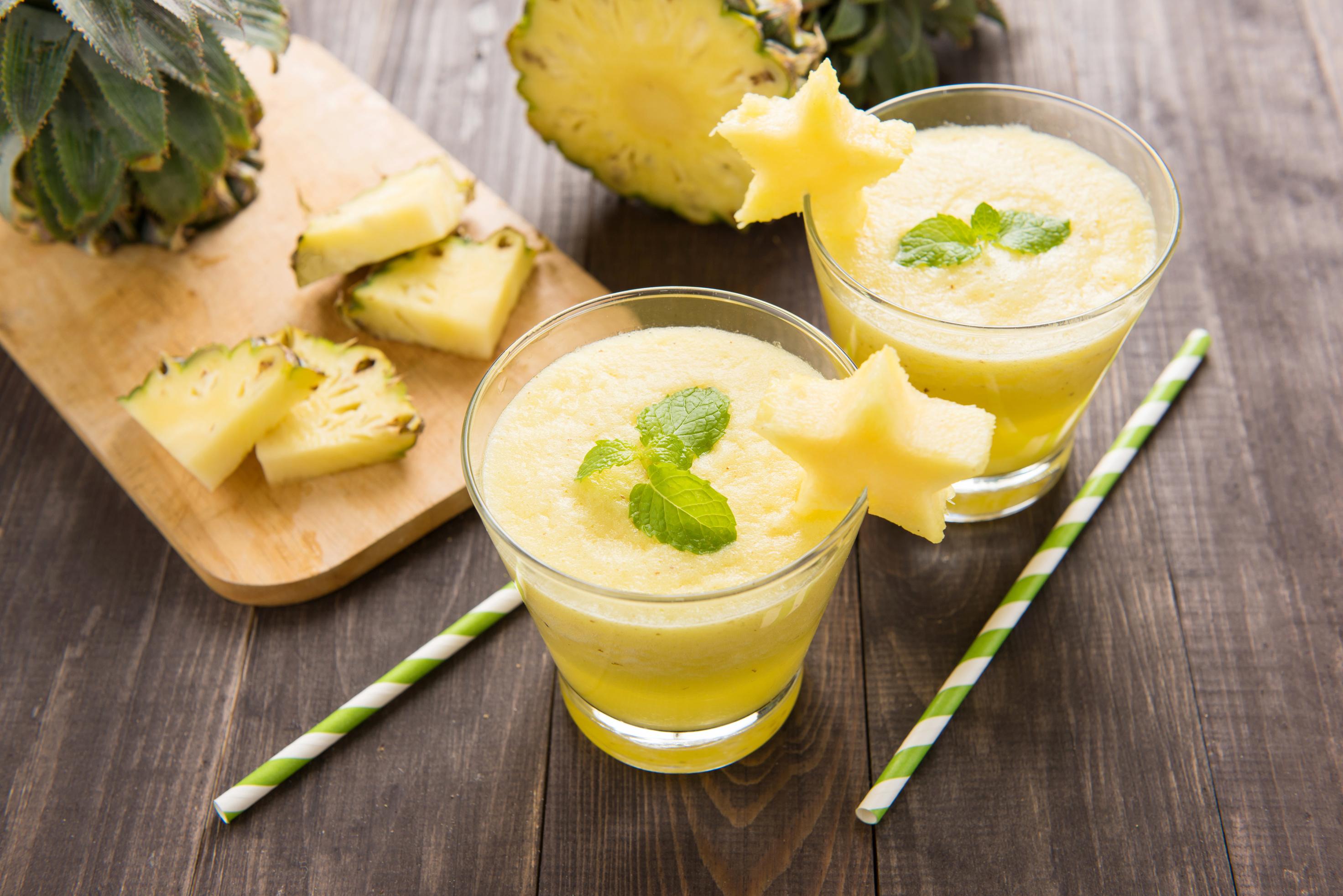
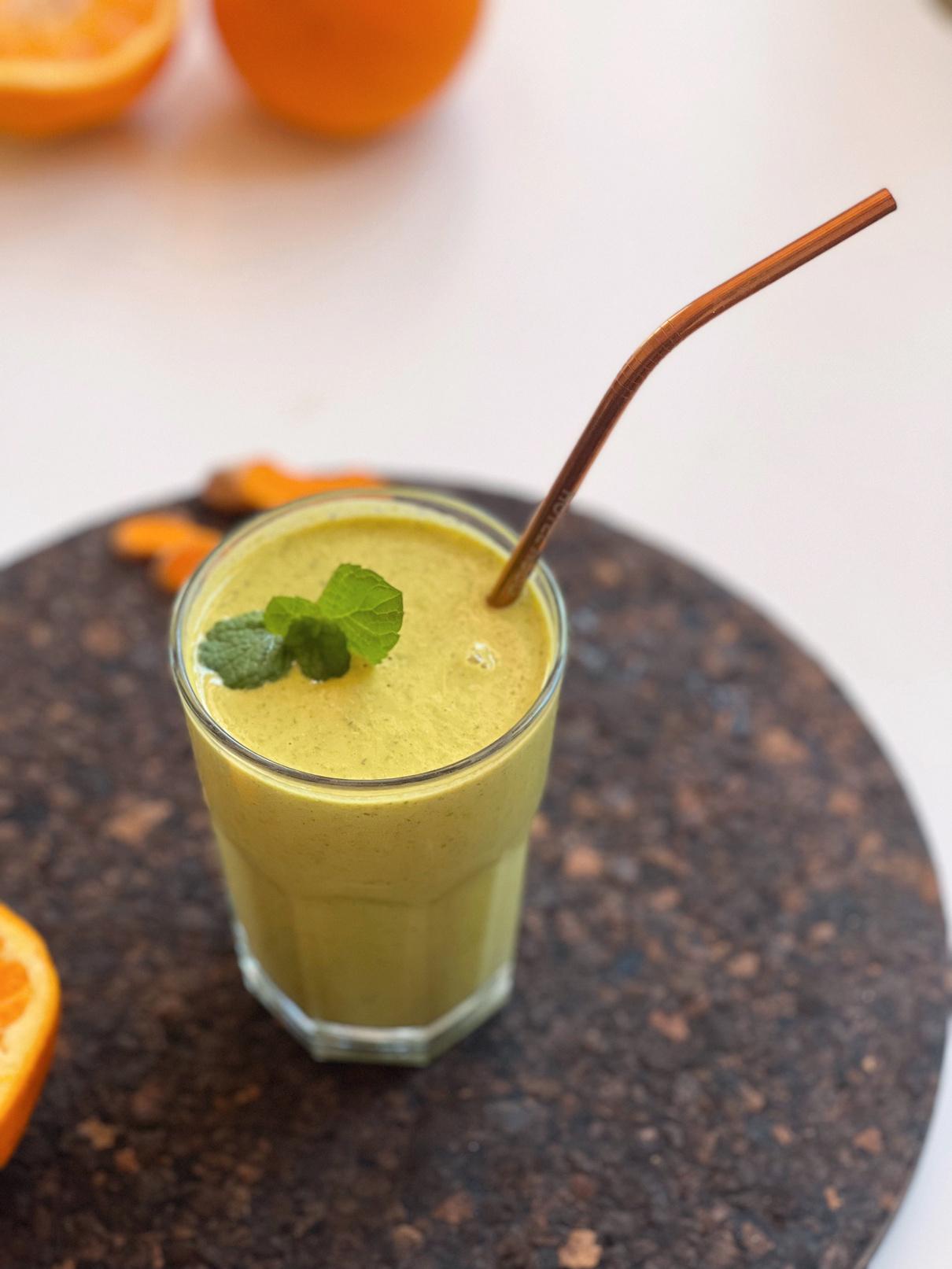
Pineapple Moringa Smoothie
S E R V E S 2
Ingredients
500 ml coconut water
1 cup pineapple
1 tsp Moringa powder
1 tsp mint
1 Tbsp aloe vera leaf
Garnish with mint leaf
Procedure
Blend until desired texture and drink room temp.
Adaptions
Vata: Avoid aloe vera add ginger, add a pinch of mineral salt
Kapha: Add in 1/4 tsp Ajwain seeds & 1/2 tsp ginger and use Gotu kola tea in place of coconut milk
Kapha: Use 2 Tbsp fresh ginger & 1/2 tsp black pepper
Kapha sMoothies
Use pungent, bitter, astringent ingredients in taste.
FRUITS
Apple, apricots, berries, cranberries, cherries, grapefruit, lemon, limes, papaya, mangos, peaches, pears, pomegranates, dried fruits, and plums. Fruit juices of the like are also suitable.
VEGETABLES
Spicy and bitter red beets, carrots, celery, garlic, lettuce, parsley, radish, spinach, fennel.
HERBS
Most herbs such as basil, cinnamon, ginseng, hibiscus, jasmine, lavender, lemon balm, mint, nettle, parsley, sage, spearmint.
Avoid increasing the oily qualities of your smoothies as this disturbs Agni and creates nausea, diarrhea and indigestion. Choose warming pungent spices like ginger and all others listed here to help when digestion feels sluggish.
Kapha Balancing Smoothie
S E R V E S 2
A handful of greens (either spinach, cilantro, parsley and basil leaf)
1 green tart apple
1 tsp honey
1 tsp goji berries soaked
1 cup warm water
½ tsp black pepper ½ knob ginger
1/4 tsp chia seed to garnish
Ingredients Procedure
Soak the goji berries for 30 minutes in the warm water. Blend until desired texture and drink room temp
Adaptions
Vata: Add in more basil leaves with greens
Pitta: reduce black pepper and honey or avoid both together
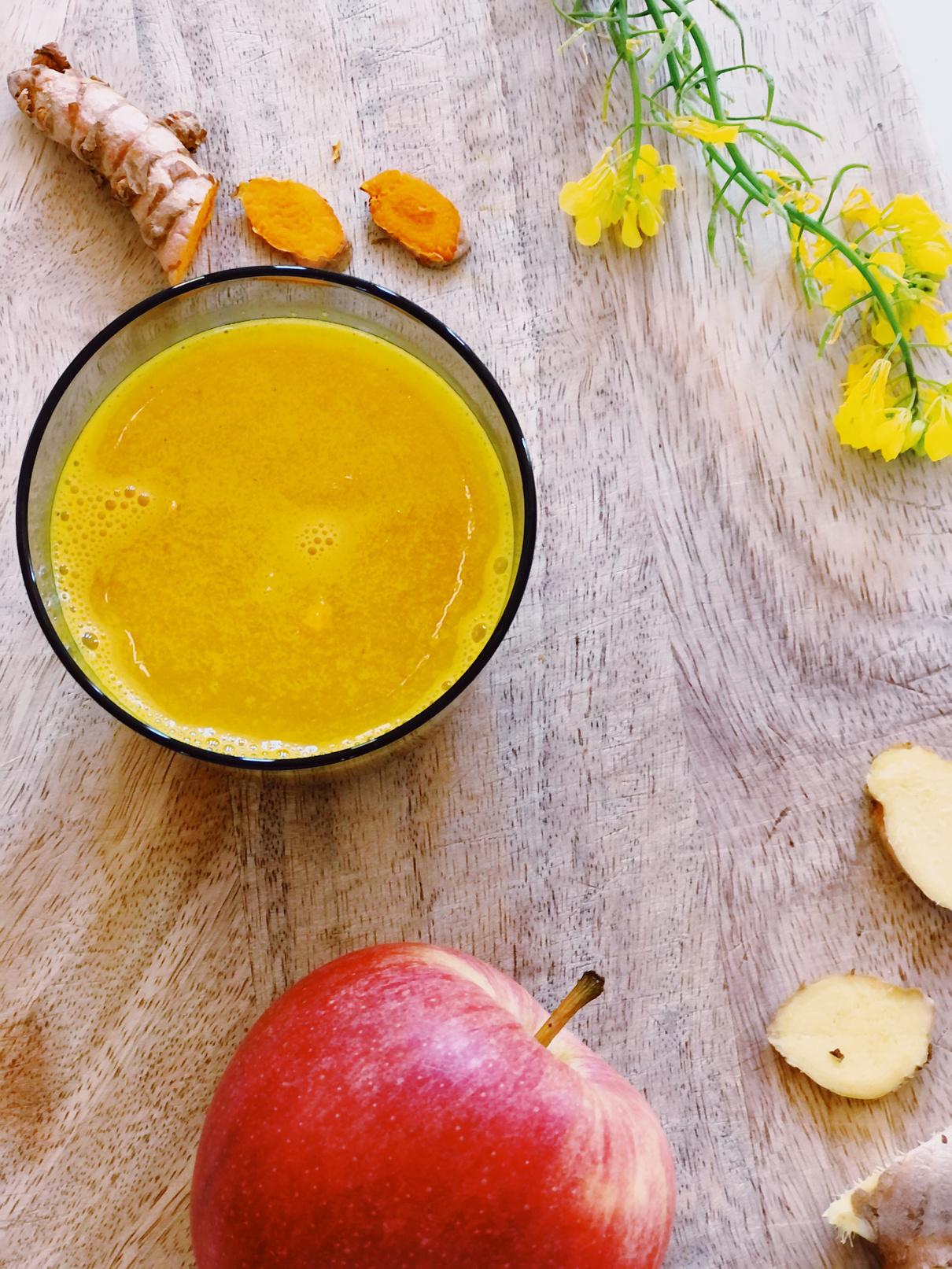
Turmeric Apple and Ginger Zinger
S E R V E S 2
Ingredients
1 inch fresh turmeric
1 inch ginger root
1 apple
2 cup hot water
1/2 tsp red maca root powder
Procedure
Blend until desired texture and drink room temp.
Adaptions
Vata: Add 1/4 tsp liquorice powder
Pitta: Reduce ginger and turmeric by half and Add 1/4 tsp liquorice powder
Bitter Sweet Green Smoothie
E R V E S 2
Ingredients
1/2 cup pumpkin seed
1 cup pineapple
1 cup orange juice
1 Tbsp aloe vera flesh
1/2 tbsp turmeric root garnish with mint
Procedure
Blend until desired texture and drink room temp.
Adaptions
Vata: increase orange juice add ginger
Pitta: Add in 1 tsp Shatavari, replace orange juice with water.
Happy Hormone Smoothie
S E R V E S 2
Ingredients
1 cup berries of choice
1 cup cherry juice or water
1/2 cup dandelion greens
1/2 tbsp turmeric root
1 cup hibiscus tea
mint leaf to garnish
Procedure
Make a hibiscus tea and leave to cool to room temp
Blend all ingredients until desired texture and drink
Adaptions
Vata: Add 1/2 tsp licorice, add cinnamon and 1 banana
Pitta: Add 1 banana
revive Smoothie
S
E R V E S 2
Ingredients
2 Tbsp goji berry, soaked
1 cup fresh berries
1 cup pomegranate juice
2 Tbsp aloe vera flesh or 1/2 cup aloe water
1 tbsp ginger root
1 cup water
Procedure
Soak the goji berries in 1 cup of water for 30 minutes or more. Add the rest of the ingredients plus goji berries in water to bleander. Blend until desired texture and drink room temp.
Adaptions
Vata: Avoid aloe vera, add ginger, add tonic herb
Pitta: Reduce ginger by half
Mellow Me Smoothie
S E R V E S 2
Ingredients
1/2 cup pumpkin seed
1 cup green mango
1 cup greens
1 cup oat milk
1 tsp cardamom powder
1/2 tbsp psyllium
1/2 tsp clove
2 Tbsp honey
1 cup water room temp or warm
Procedure
Blend until desired texture and drink room temp.
Adaptions
Vata: Add tonic herb
Pitta: reduce clove and honey or avoid
Fall Sweet Green Smoothie
E R V E S 2
Ingredients
2 apples
1 pear
1 cup pomegranate juice
1 Tbsp beet powder
2 prunes, soaked
1 tsp fennel powder
1 cup water
1/4 tsp bee pollen to garnish
Procedure
Blend until desired texture and drink room temp.
Adaptions
Vata: Add in a banana, add almond oil or sesame oil
Pitta: reduce beet powder. Avoid bee pollen
Notes
E v e r y d a y
Tonic Herbs
Additionally, you may want to add Ayurvedic tonic herbs to your smoothies. Tonics herbs have a food-like, non-toxic quality to them which just about anybody can take young or old for living an optimal juicy life.
These plants are high in polysaccharides and saponins. They also improve lipid metabolism and may help prevent and treat obesity, they are called “medicines for healthy people”. You don’t have to wait till you get symptoms to take these herbs, they can be used as ongoing maintenance to stop yourself from being busted. Try the herbs in small doses for up to 90 days at a time. Don't forget plants are like a good friends, you don't expect a friend to give, give, give they become less effective. It's a relationship where the plants we should not rely unconsciously.
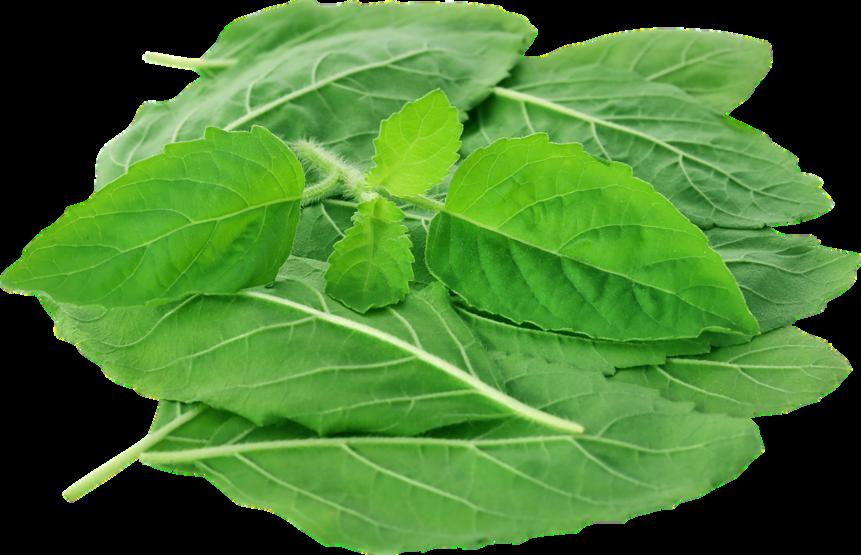
Rasa/taste: Bitter, pungent
Energetic: Heating
Post digestive effect: Pungent. Best for Dosha: Kapha and vata. Uses: A calmative antibacterial plant that clears Kapha mucus in the lungs Encourages sweating which brings the heat down Clears toxic ama and vata in the intestines. Calms gas, and stimulates digestion.
Contraindications: High pitta conditions are not good with tulsi. Along with taking tulsi in summertime
Rasa/Taste: Astringent, bitter, sweet
Energetic: Heating and cooling
Post digestive effect:
Best For Dosha: Kapha and Pitta. Uses: Used to treat Spondylitis, sprains, backache joint pain, muscle pain, etc. Contraindications: Caution high Vata and Pitta Turmeric stimulates blood flow so caution using high doses during pregnancy or those trying to conceive. Avoid if you have blood issues like jaundice and hepatitis.
E v e r y d a y
Tonic Herbs
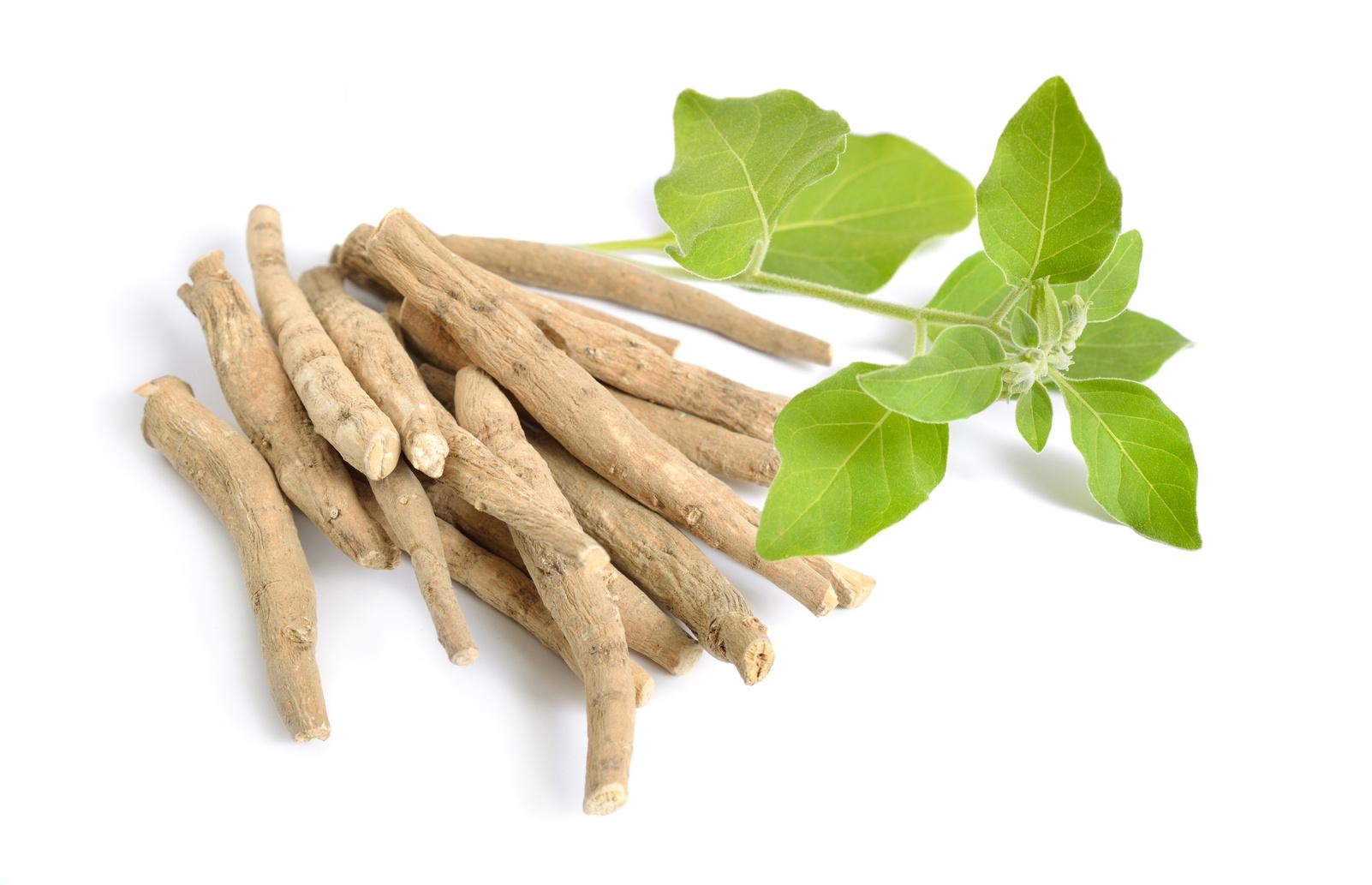
A s h w a g a n d h a
Rasa/taste: Bitter, astringent & sweet.
Energetic: Heating
Post digestive effect: Pungent.
Best For Dosha: Reduces Vata, Kapha
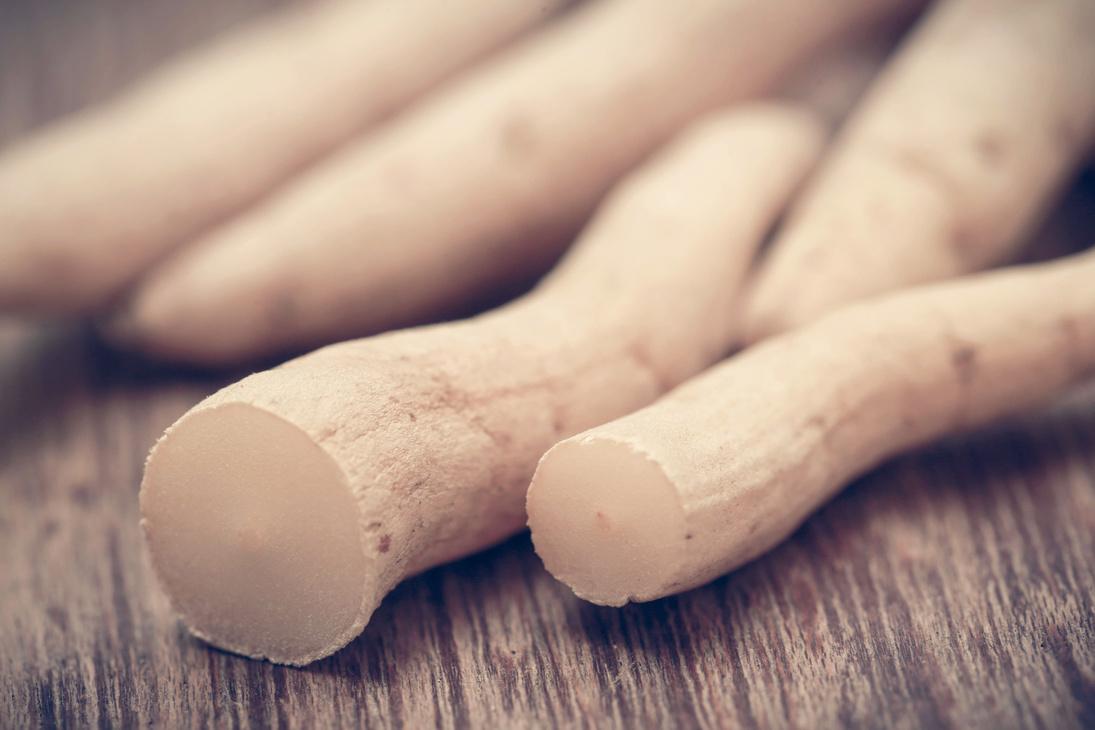
Uses: Used as a remedy for treating umpteenth health problems including infertility, boosting libido in both men and women, reducing anxiety, and increasing endurance
Balancing for hormones, immuneboosting, arthritis, depression, insomnia, mental disorders, and mental clarity.
B r a h m i
Rasa/taste: Bitter and sweet taste.
Energetic: Cooling
Post digestive effect: Sweet
Best for Dosha: Vata, Pitta, Kapha.
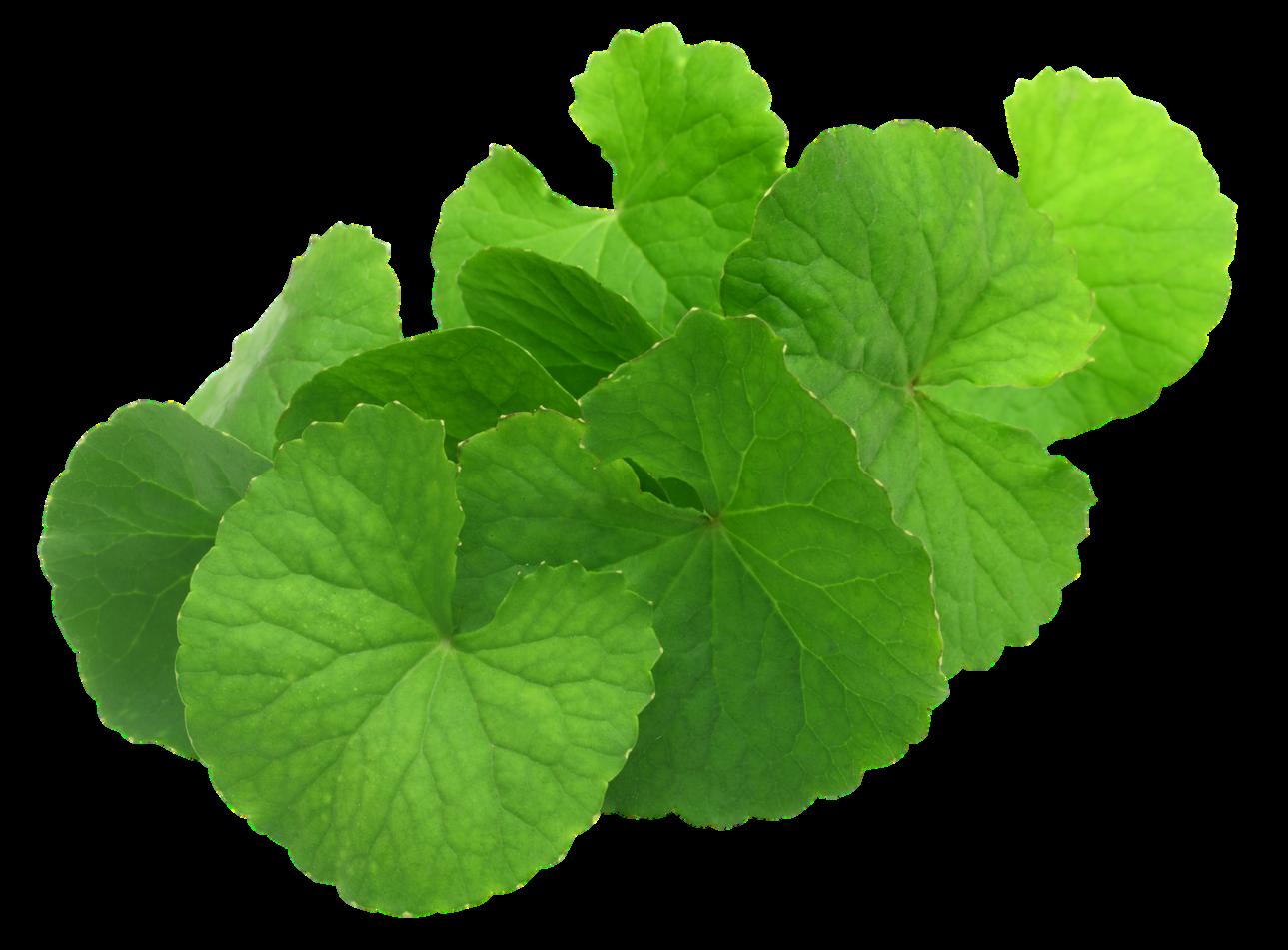
Uses: It serves as a brain tonic that enhances memory, intelligence and concentration power. Moreover, it also boosts the proper function of the nervous system Enhances the mind and nervous system, both soothing and clarifying. Use as a tea or take capsules to assist mental coherence and brain cognition.
Uses: Used as a remedy for increasing resistance to health problems including infertility, boosting libido, reducing weakness, and increasing endurance Alleviates colds and supports the lungs, sinuses, and immune boosts. Great to take morning and evening to reduce ama and increase digestive fire. Often used in winter.
Rasa/taste: Sweet taste.
Energetic: Cooling.
Post digestive effect: Sweet.
Best for Dosha: Vata, Pitta, increases ama, and Kapha
Uses: This herb increases Ojas, promotes energy, and enhances memory, intelligence, and sexual potency. Moreover, it pacifies a Vata, nervous system disorders Use as a tea or take capsules to assist mental coherence and brain cognition. Contraindications: High toxins and high kapha. C
v e r y d a y
Tonic Herbs
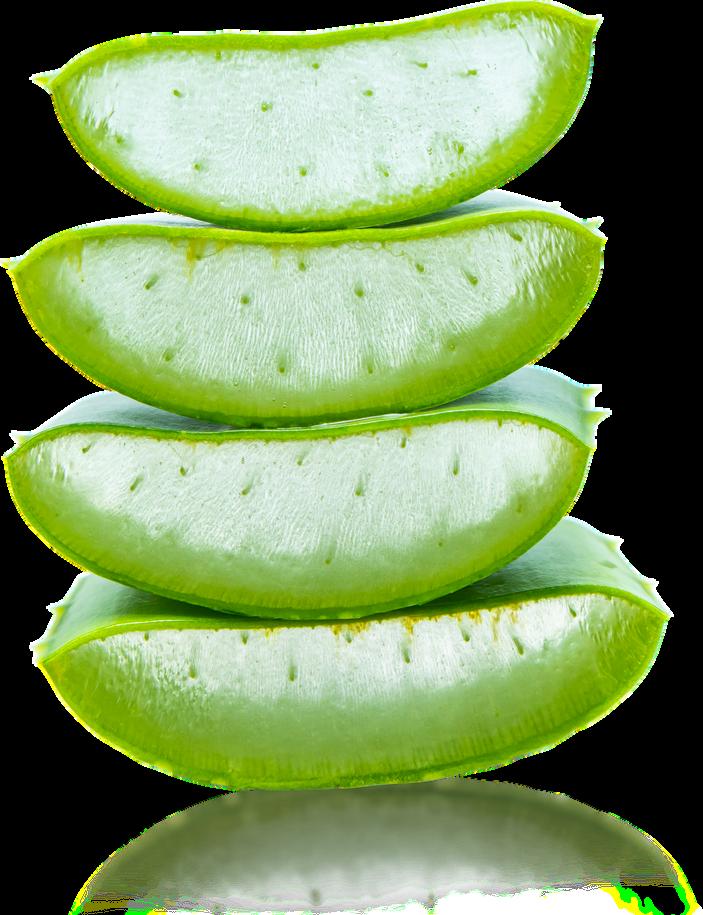
S h a t a v a r i a l o e v e r a
Rasa/taste: Bitter and sweet.
Energetic: Cooling.
Post digestive effect: Pungent.
Best For Dosha: Pitta and Vata.
Uses: Used to boost the female reproductive system and the digestive system a renowned tonic for the female reproductive system and super antiinflammatory Removes excess heat and strengthens the uterus
Contraindications: Avoid taking Shatavari when you have high estrogen, high Kapha and low digestive fire
Rasa/taste: Bitter, sweet & astringent.
Energetic: Cooling
Post digestive effect: Sweet.
Best For Dosha: Kapha and Pitta.
Uses: Kumari the plant's Sanskrit name is known to cool, calm and make beautiful those who ingest it Considered blood and liver purifier It clears the liver and flow of pitta when excess bleeding or clots are present A wonderful tonic herb for the female reproductive system and menopause when dry and hot symptoms are felt It is mildly laxative as it works on the downward movement, it can help regulate blood sugar Moreover, due to its pitta reducing demulcent qualities it can help aid ulcers and any bleeding from the intestines along with Candida in the gut,
E v e r y d a y
Tonic Herbs
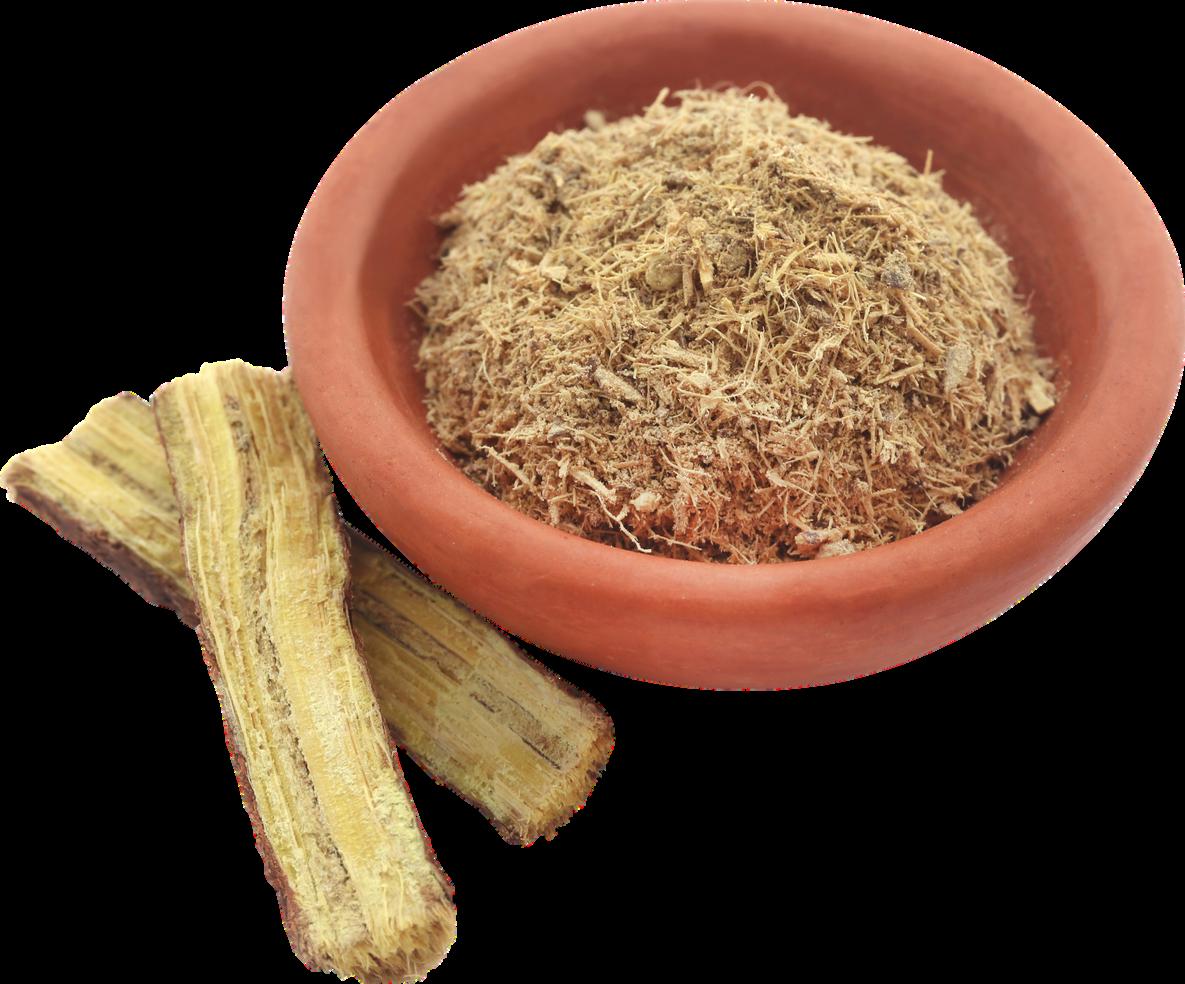
L i q u o r i c e o r
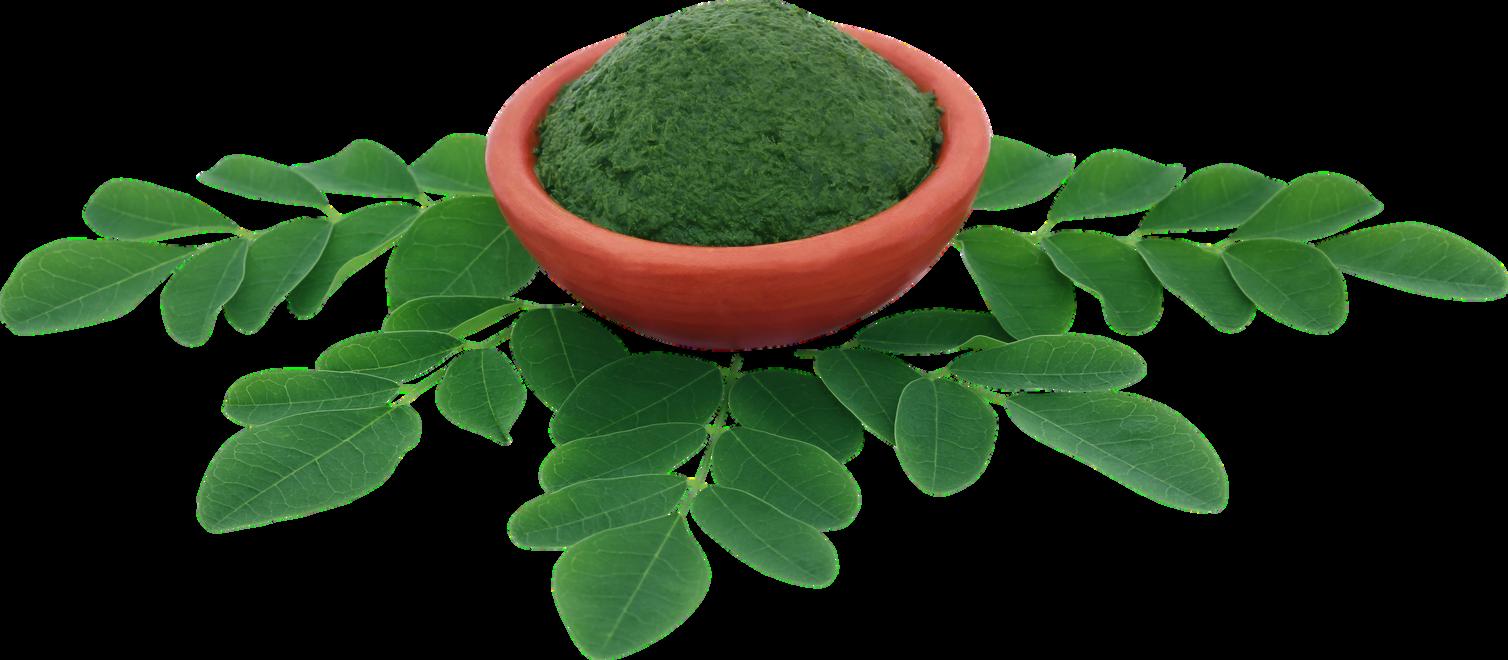
M o r i n g a
Rasa/taste: Bitter and sweet.
Energetic: Cooling.
Post digestive effect: Pungent.
Best For Dosha: Pitta and Vata.
Uses: Used to boost the female reproductive system and the digestive system a renowned tonic for the female reproductive system and super antiinflammatory Removes excess heat and strengthens the uterus
Contraindications: Avoid taking Shatavari when you have high estrogen, high Kapha and low digestive fire
l i c o r i c e
Rasa/taste: Bitter, sweet & astringent.
Energetic: Cooling
Post digestive effect: Sweet.
Best For Dosha: Kapha and Pitta.
Uses: Kumari the plant's Sanskrit name is known to cool, calm and make beautiful those who ingest it Considered blood and liver purifier It clears the liver and flow of pitta when excess bleeding or clots are present A wonderful tonic herb for the female reproductive system and menopause when dry and hot symptoms are felt It is mildly laxative as it works on the downward movement, it can help regulate blood sugar Moreover, due to its pitta reducing demulcent qualities it can help aid ulcers and any bleeding from the intestines along with Candida in the gut,
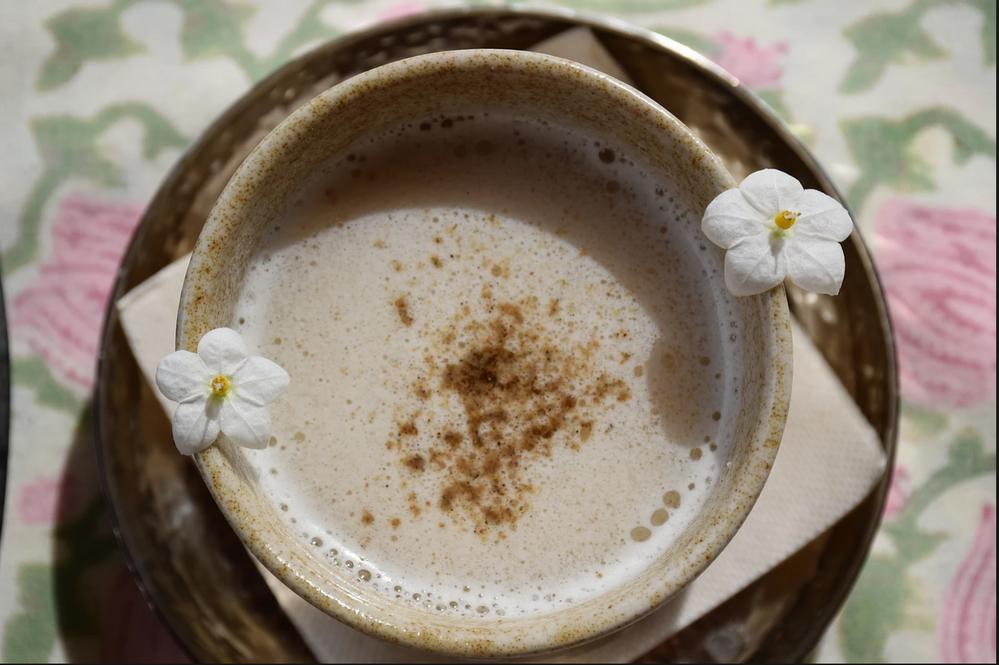
Memory Tonic
S E R V E S 2
Ingredients
1 cup hot water
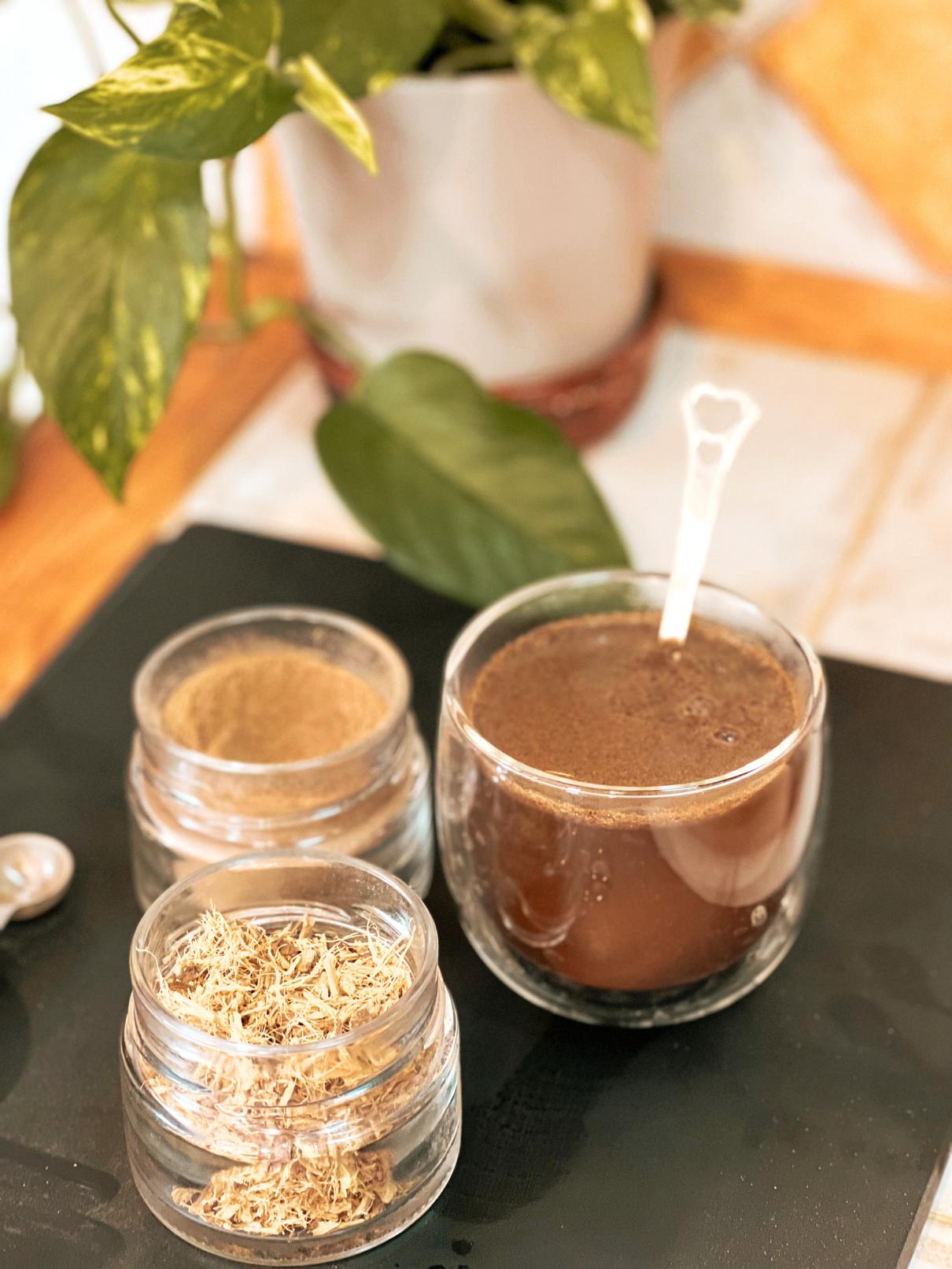
1 tbsp licorice root
1/2 tsp Brahmi powder
1 cup hot almond milk
Procedure
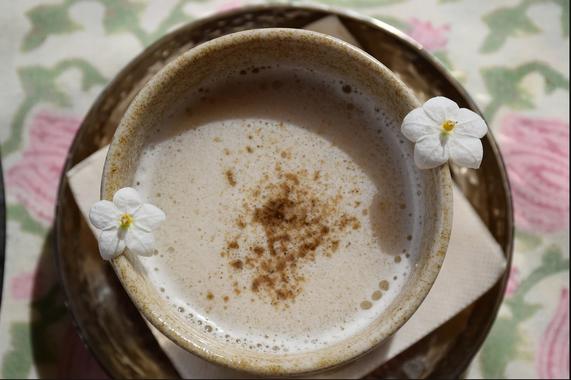
Place the licorice in a saucepan along with the brahmi powder and milk. Pour over hot water simmer on a gentle heat for about 8 minutes Strain and pour into a cup, either drink straight away or wait until it’s cooled. You can also add to a thermos and drink warm
Adaptions
Vata: Add in a 1/2 tsp almond oil or sesame oil
Kapha: avoid licorice powder Instead use ginger or tulsi
Date-Night Tonic
S E R V E S 2
Ingredients
2 cup almond milk
1 tsp ginger root
1 tsp sesame seed
1 tsp ghee
1/4 tsp clove
1/2 tsp cinnamon
1/2 tsp honey to taste
Procedure
Warm the milk to 70 degrees, a comfortable temperature to drink Blend the ingredients until smooth and frothy and drink
Adaptions
Vata: Add in a tsp ashwagandha or bala add 1 date
Pitta: reduce sesame seeds and cinnamon by half and swap in a date to sweeten
Kapha: Add 1 tsp turmeric powder
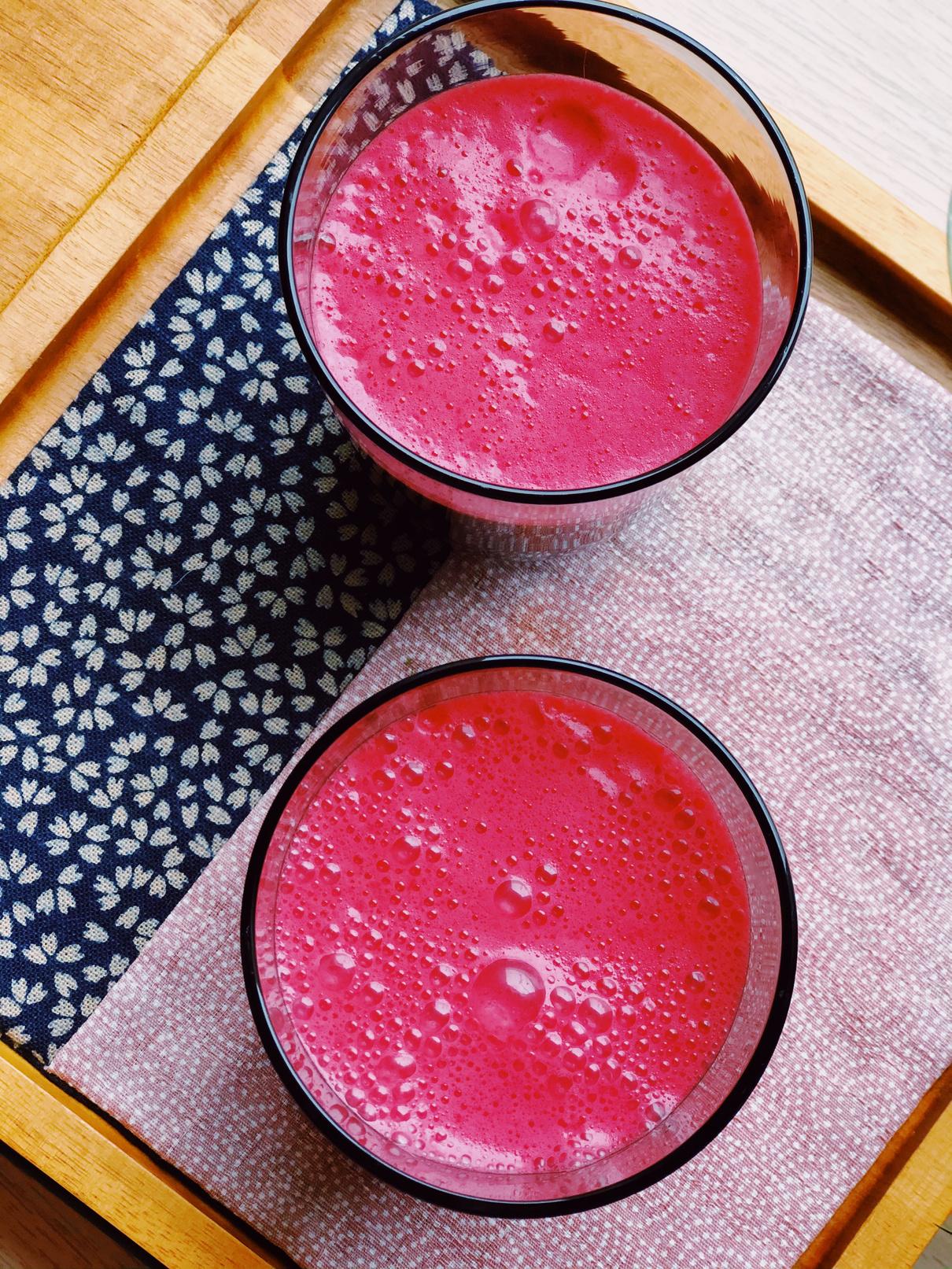
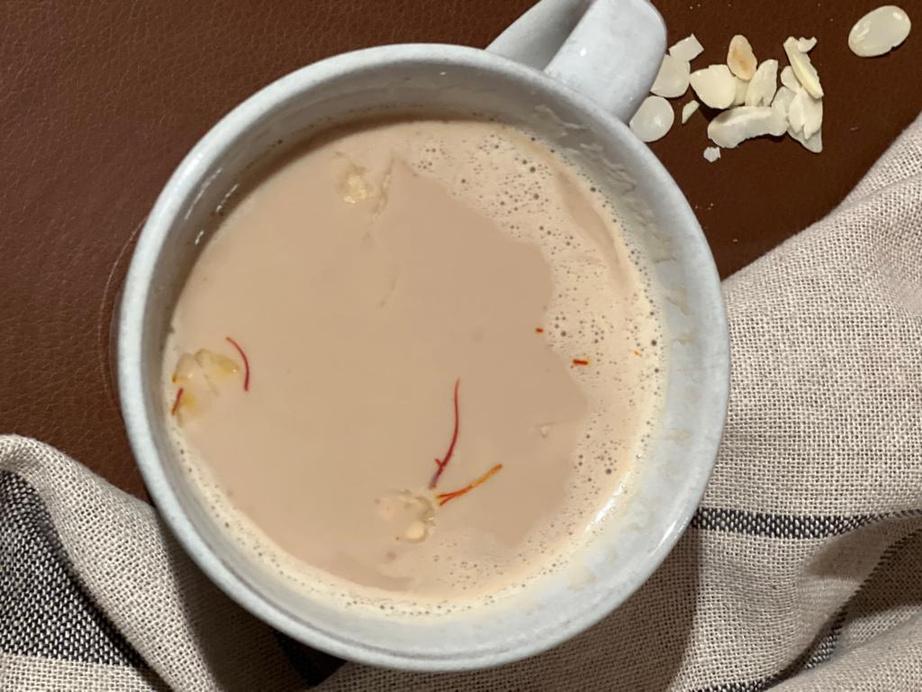
ReD Velvet Tonic
S E R V E S 2
Ingredients
2 cup hot almond milk
1 tsp cocoa powder
1 Tbsp beet powder or 2 tbsp grated beet
1 tsp Shatavari powder pinch of saffron
1 Tbsp maple syrup
Procedure
Warm the milk to a gentle simmer add in the cocoa, Shatavari, saffron and beet powder and stir Boil for another 3 minutes and turn off the heat. Wait till it temperature cools enough and drink
Adaptions
Vata: Add in a tsp of slivered almonds
Pitta: reduce beet powder by half
Kahpa: avoid Shatavari, & maple syrup, swap in honey
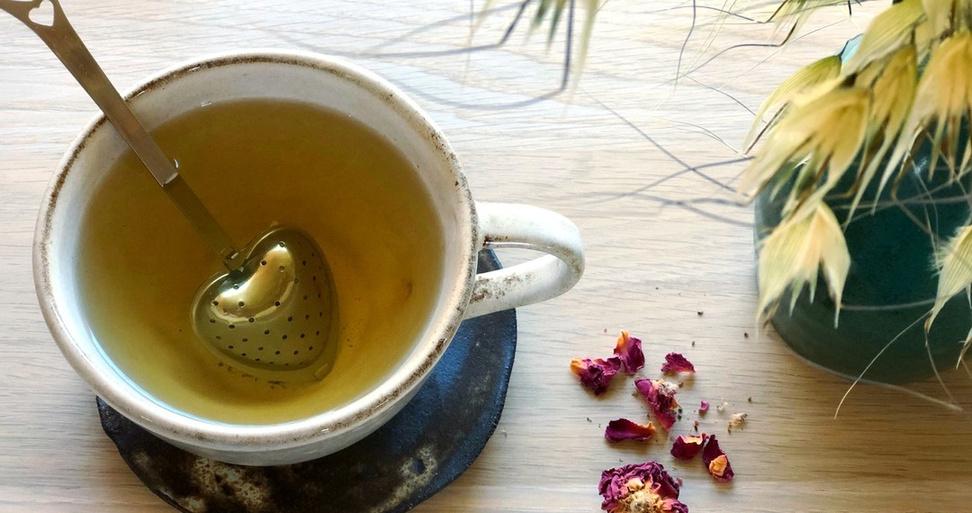
Cooling Rose Hibiscus Tonic
Procedure
Place the rose petals, milky oats and hibiscus into a glass jug Pour 80 degrees water ontop and add the sweetener in. Steep for 7 mins. Pour through a strainer into your cups
Ingredients
2 cup hot water
1 tsp rose petals
1 Tbsp hibiscus flowers
1 Tbsp milky oats
1 Tbsp maple syrup
Adaptions
Vata: Add fennel seeds
Kapha: Add star anise and fennel
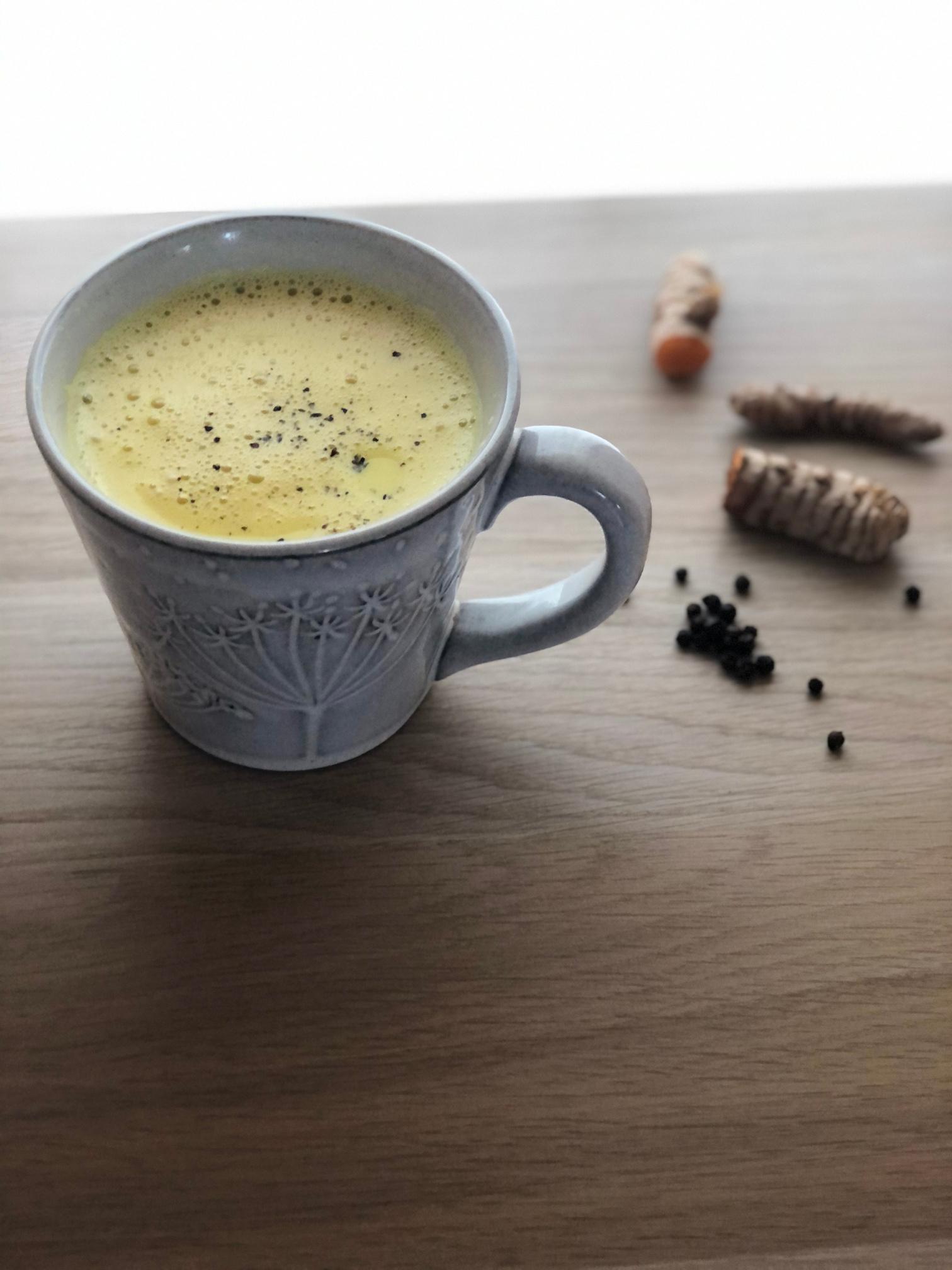
Turmeric Tonic
S E R V E S 2
Ingredients
2 cup hot almond milk
1 tsp cocoa powder
1/2 inch piece of fresh root or 1 tsp powder turmeric
1 tsp Shatavari powder pinch of saffron
1 Tbsp maple syrup
Procedure
Warm the milk with spices and shatavari for 8 minutes simmering. Whisk in the matcha and sweeten Serve warm
Adaptions
Vata: Add in a tsp of slivered almonds Pitta:drink cooled
Kahpa: avoid maple syrup, swap in honey.
Bedtime Tonic
S E R V E S 2
Ingredients
2 cups Almond milk or goats milk
1 pinch nutmeg
1/2 tsp fennel seed powder
1 pinch cardamom powder
1/2 tsp turmeric powder
1/2 tsp coconut oil
1 tsp maple syrup
pinch of black pepper
Procedure
Warm the milk with spices for 8 minutes simmering. Pour liquid into the blender and add maple syrup or date
Blend until smooth and well mixed. Then add the cup and place the teaspoon of coconut oil and black pepper on top
Serve warm.
Adaptions
Vata: Add in a date & 1 tsp of slivered almonds
Pitta: use a date to sweeten, drink cooled.
Kahpa: avoid maple syrup, swap in honey
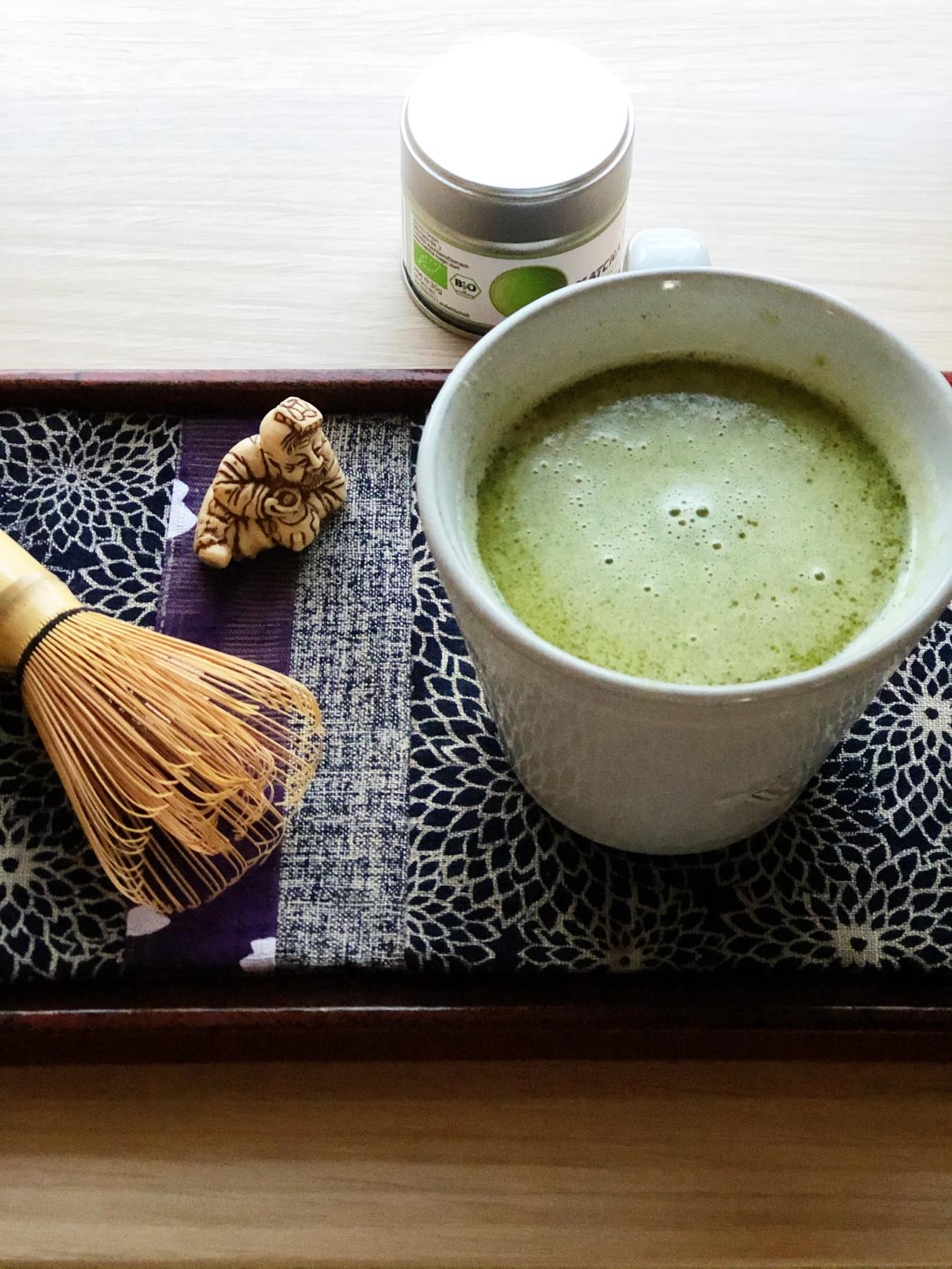
Moringa Matcha Tonic
Ingredients
S E R V E S 2
2 cups hot almond milk
1 tsp matcha powder
1 tsp cocoa butter
1/2 tsp morninga powder
1 /8 tsp vanilla
1/2 tsp cardamom
1/8 tsp ginger powder
1 Tbsp maple syrup
Procedure
Warm the milk with spices for 8 minutes simmering. Whisk in the matcha and sweeten. Serve warm.
Adaptions
Vata: Reduce matcha powder
Kapha: use honey to sweeten Reduce milk by 1 cup and use 1 cup water.
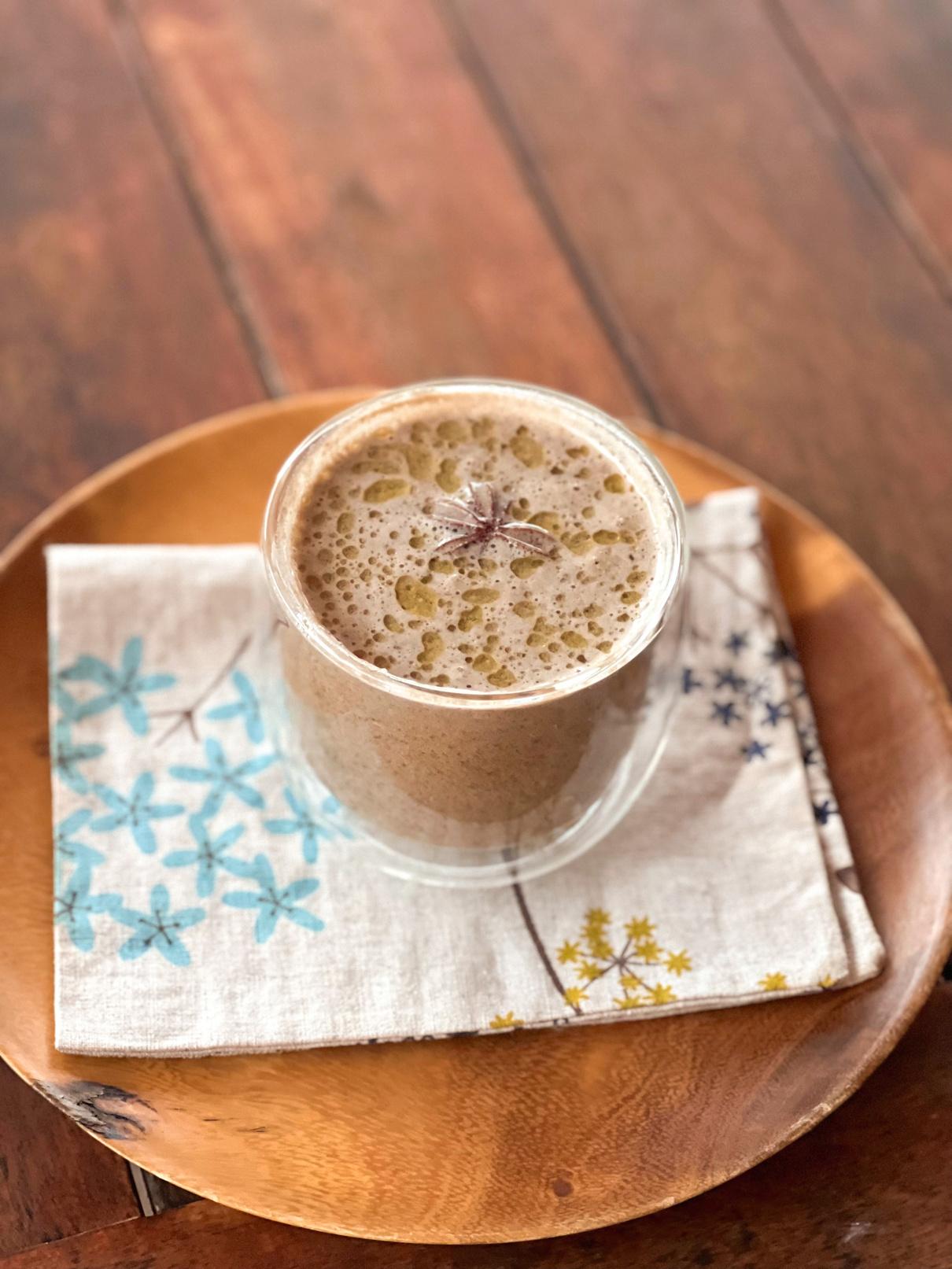
Amrita-Prash Tonic
S E R V E S 2
Ingredients
2 cups hot rice milk
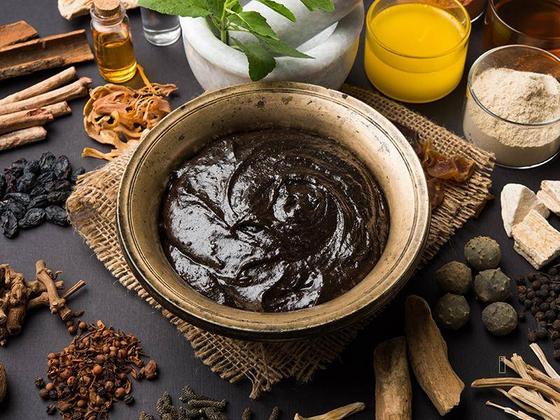
1 tsp Chyawanprash
1 tsp raisins
1 /8 tsp rock salt
1/2 tsp cardamom
1/8 tsp ginger powder
1 star anise
Procedure
Warm the milk with chyawanprash, spices and raisins for 5 minutes simmering. Remove from the heat and allow the decoction to sit till it reaches a comfortable temperature to drink Stir and serve.
Adaptions
Vata: Add in a date & 1 tsp of slivered almonds.
Pitta: leave out the ginger powder Kapha: use honey to sweeten. Reduce milk by 1 cup and use 1 cup water.
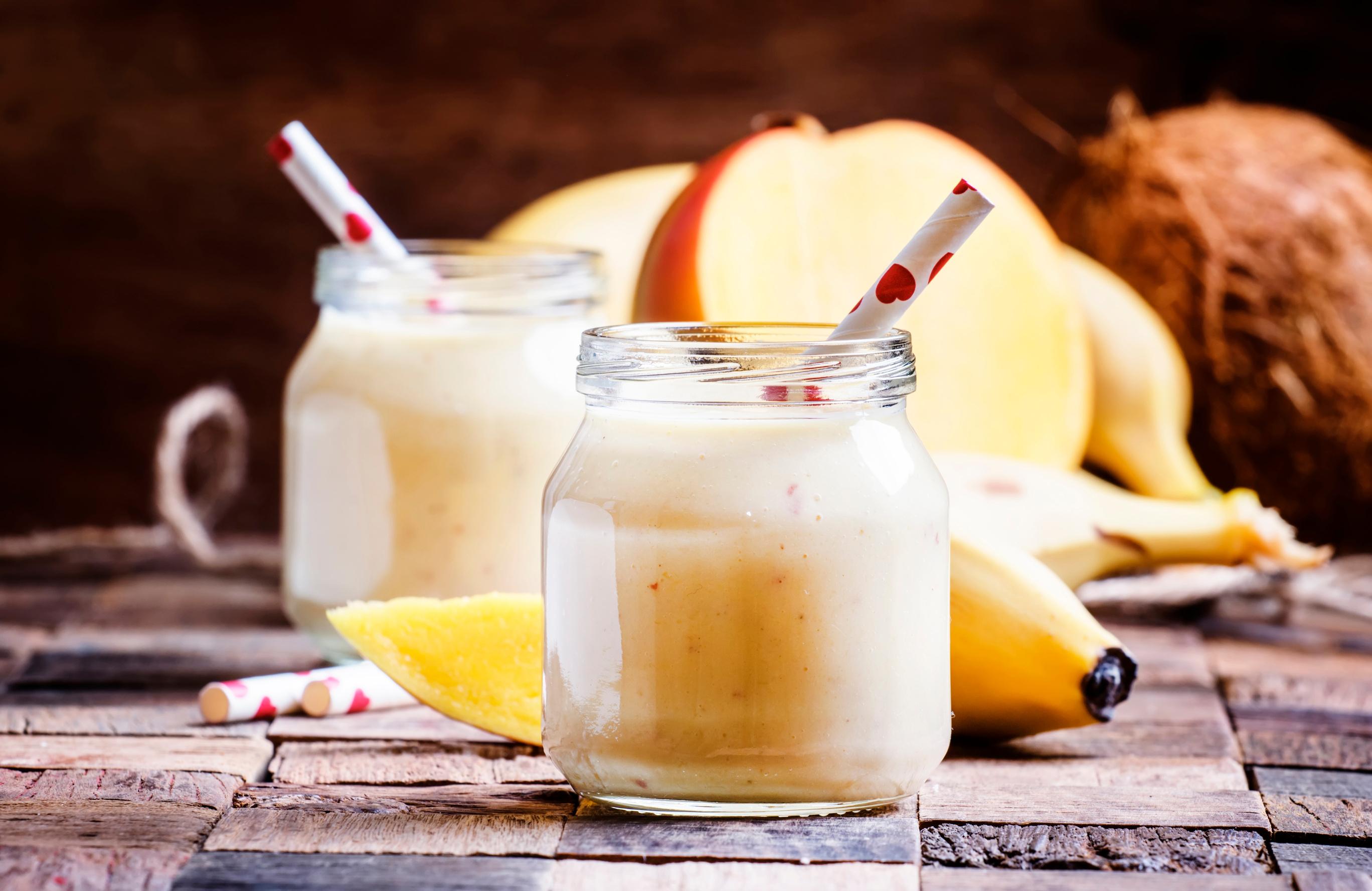
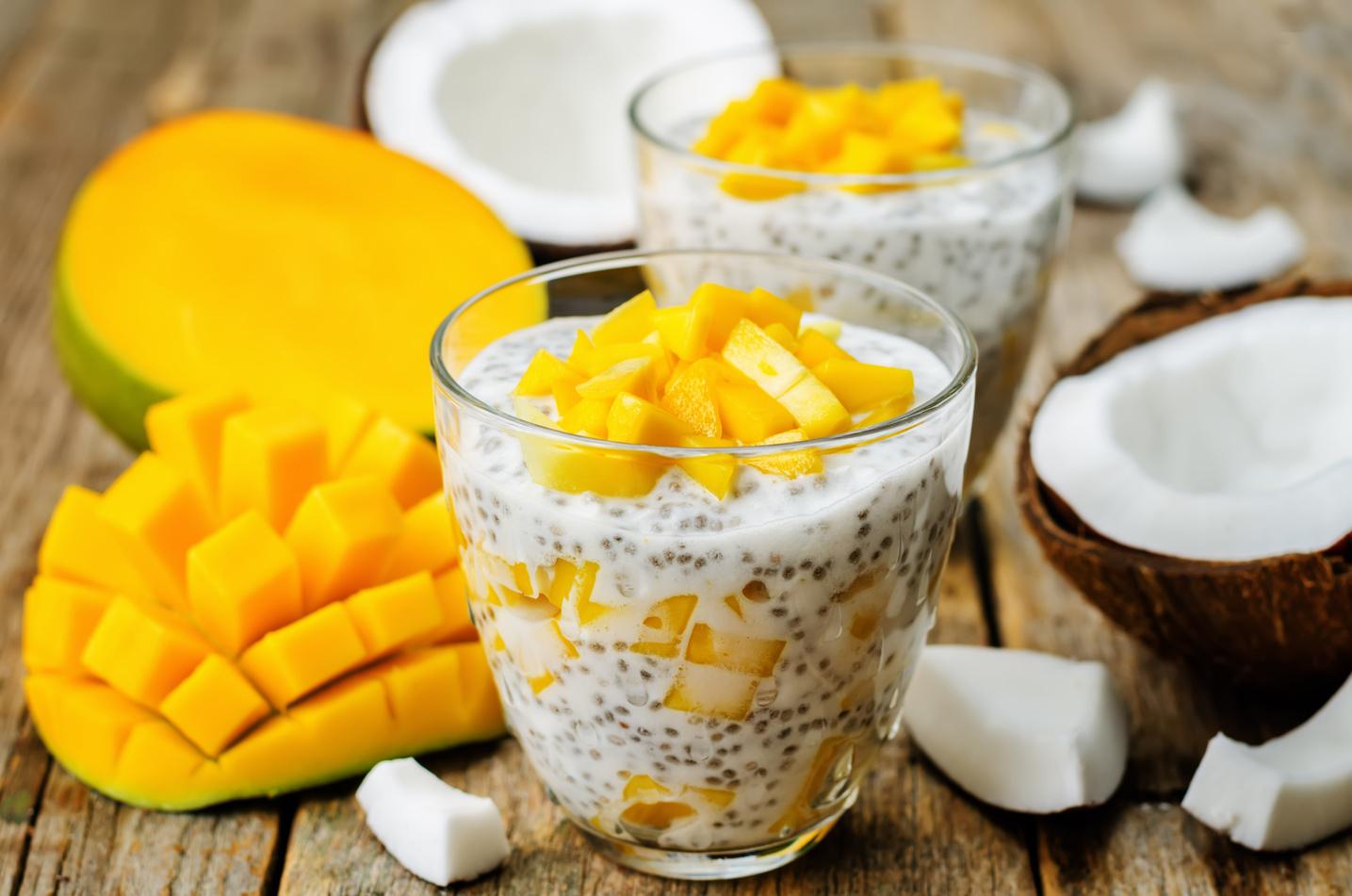
Mango Coco Power Tonic
S E R V E S 2
Ingredients Procedure
2 cups coconut milk
1 cup mango, diced
1 date
1 tsp ashwagandha powder
1/3 cup chia seeds
1 /8 tsp cardamom powder
1/2 tsp cardamom
8 fresh mint leaves
1 tsp maple syrup
Soak the chia seeds overnight or for 15 minutes in water Place all ingrediants in the blender and serve.
Adaptions
Vata: Add in 1 tsp of coconut flakes ontop
Pitta: Add in bala powder.
Kapha: use honey to sweeten. Reduce milk by 1 cup and use 1 cup water
Brahmi Tea
S E R V E S 2
Ingredients
1 5 cups hot water
1/2 cup hot almond milk
1 tsp gotu kola or Brahmi
1 tsp coconut sugar
Procedure
Place the gotu kola leaf or brahmi powder into a teaport with a fine seive on the spout. Pour boiling water onto the herb then let it brew for 8 minutes Add in warmed almond milk and add the sugar before pouring into a cup for drinking
Adaptions
Vata: Add in a pinch of cinnamom. Kapha: use honey to sweeten.
You did it! DO YOU agree Ayurvedic Smoothies have never been so yum!
Want to try other Ayurvedic recipes ? Try our seven-day Ayurvedic Breakfasts challenge
When you make any of these recipes, let us know! Leave a comment, rate it, and don’t forget to tag a photo #cookingblisseatinbliss on Instagram. Cheers, blissful being!
I hope you find some "aha" moments in learning about these smoothie recipes so that you can begin working with them And if you feel called to dive deeper into ancient wisdom practices for selfnourishment and digestive healing habits Learn more about the Ayurvedic way to cook and eat or how you can nurture your nature further Then you are welcome to join my 6-week course where we explore tastes, herbs, daily rhythms, superfoods, and everything else you need to learn about thriving on a whole food diet Find out more at Ayurveda Anytime to get information on the next group program Nourish Your Nature.
We would love to assist you to thrive and bloom & to hear from you. When you are ready for great selfhealing & Well Being!
If you need support to integrate healthier habits an Ayurvedic Practitioner aka Amrita Ma's Kitchen Devi My role is to assist you to manage your health so that you live optimally & can live the best life yet. By implementing, demonstrating, instructing, and guiding you to the time-tested wisdom of Ayurveda. These paths of practice are the healing process based on the Ayurvedic Prakrti/Vikrti paradigm. The Ayurvedic definition of health encourages us to notice consciousness and potential energy The Ayurvedic Health Coach's philosophy is that preventive healthcare is manageable Promoting health by using diet and lifestyle, panchakarma, pranayama, and herbs Connecting more, listening, and developing a deep sense of balance within the body and mind