
18 The Best of the Best Dave Surgenor Honored For Training Riders
22 Living It The Triumph Rocket III Lives Up To Its Name 26 Connections A Father-Son Ride
30 Adrenaline Miles Thornton Earns The AMA Road Race Horizon Award
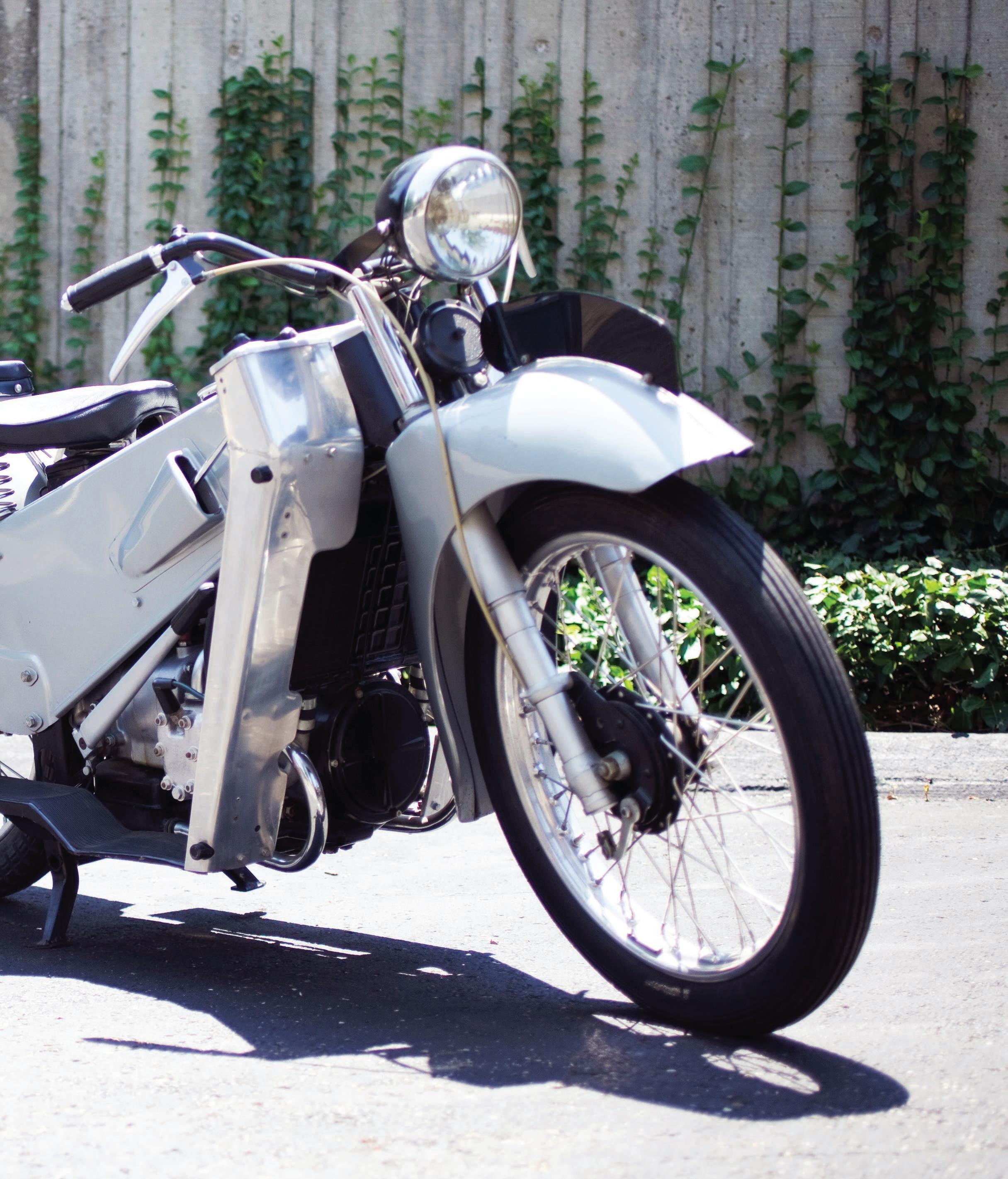
34 Heritage The Unsinkable Velocette LE
50 Go Ride What To Do, Where To Go
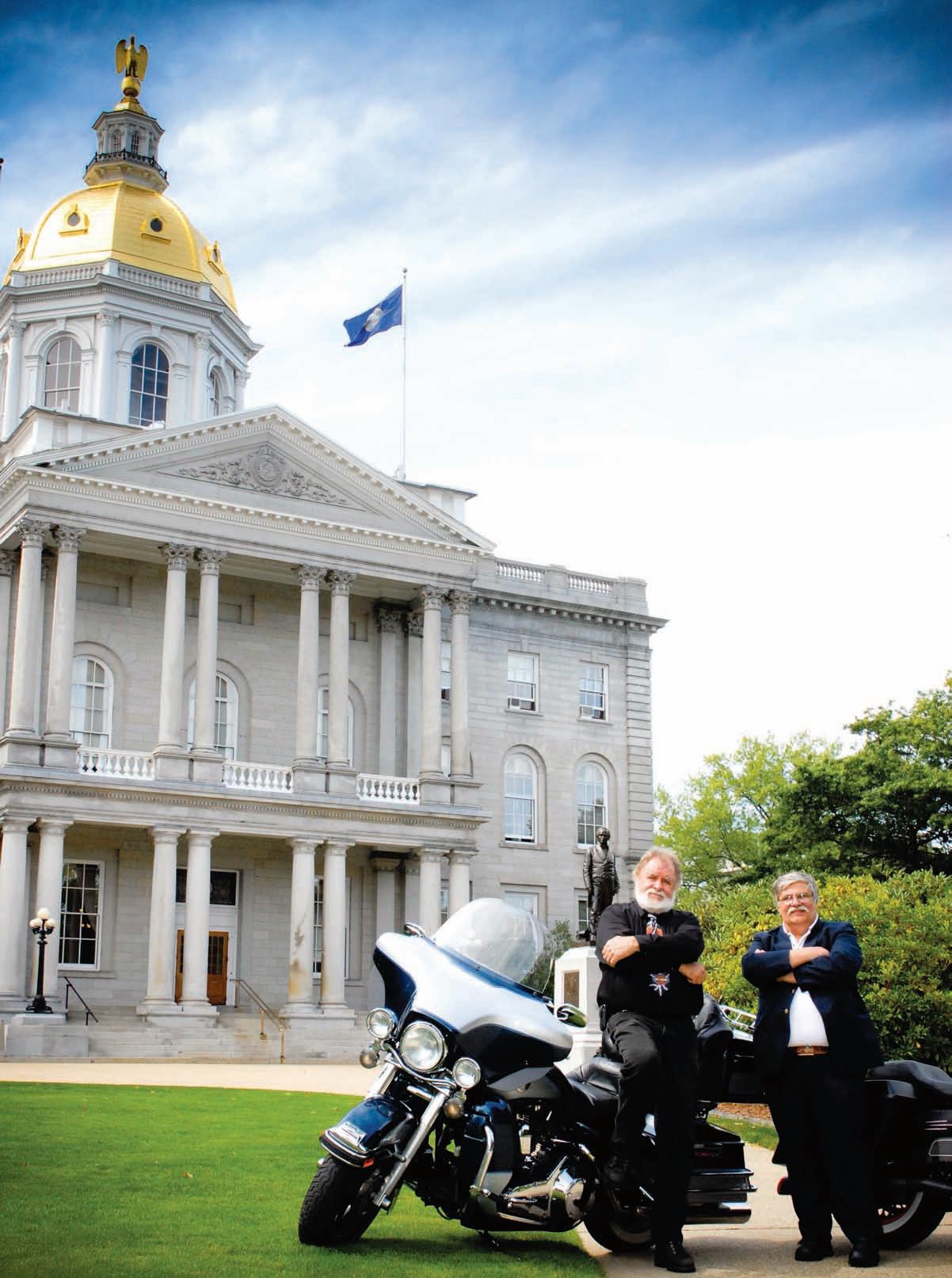
36 On The Inside Motorcyclist Legislators Sherm Packard And Bob Letourneau Have A Lock On The New Hampshire Capitol
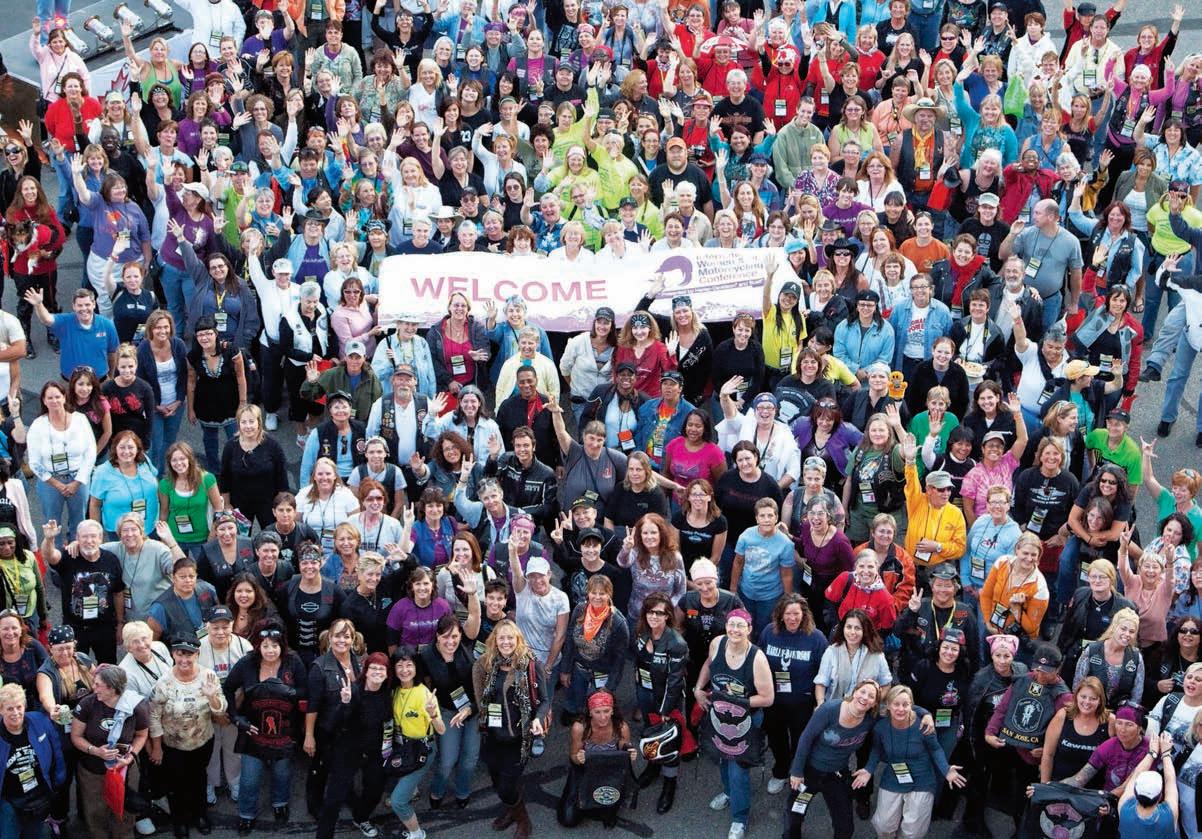
42 Power & Passion The Best From The AMA International Women & Motorcycling Conference November 2009 Volume 63, Number 11 Published by the
13515 Yarmouth Dr. Pickerington, OH 43147 (800) AMA-JOIN AmericanMotorcyclist.com American Motorcyclist magazine (ISSN 0277-9358)
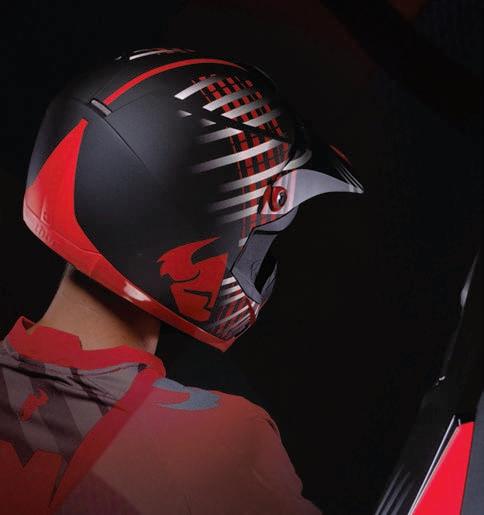
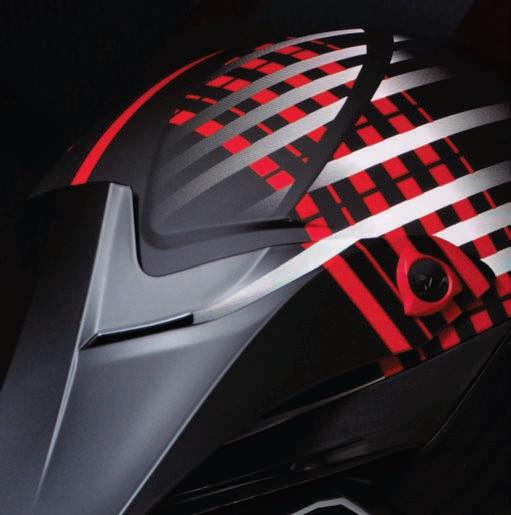
Anyway you look at it, the all new Quadrant helmet is simply amazing. Offering increased performance, reduced weight, and innovative styling, the Quadrant is raising the bar for performance and value. Designed to exceed DOT and ECE 22.05 standards, the Quadrant is truly a world-class helmet loaded with features normally found only on more expensive models.

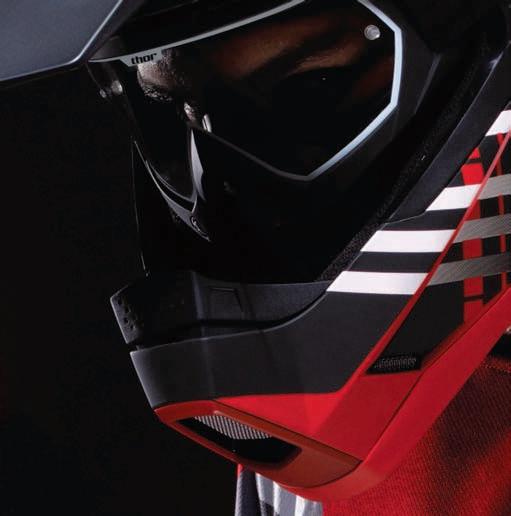
From the dual-density EPS liner, to the extensive venting, molded roost guard, plush removable comfort liner, and integrated rear goggle strap holder, the Quadrant is designed for riders that demand performance and comfort in a well-balanced helmet.
The all new Quadrant... simply amazing.



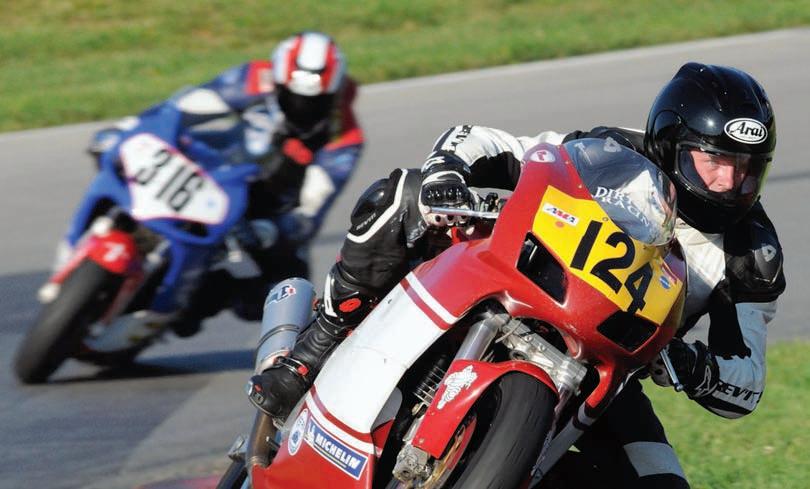
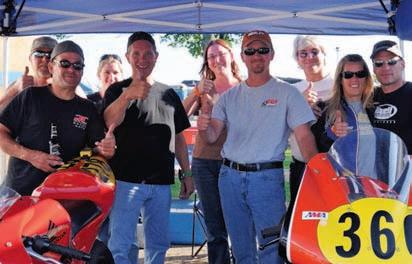
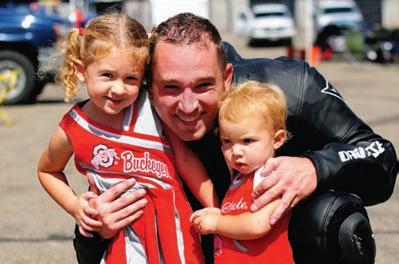
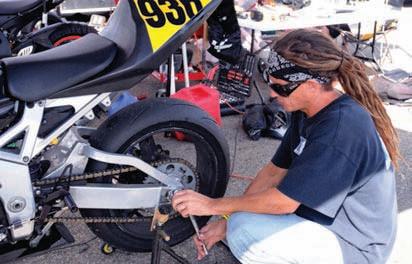
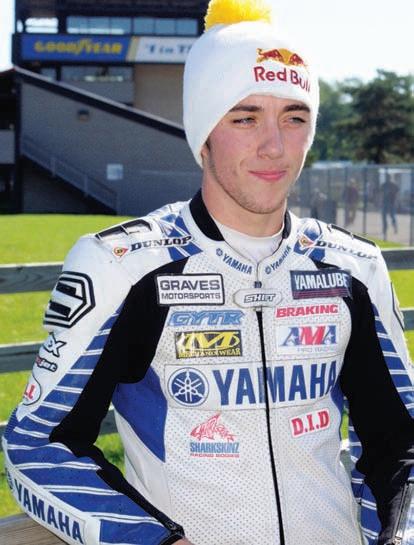
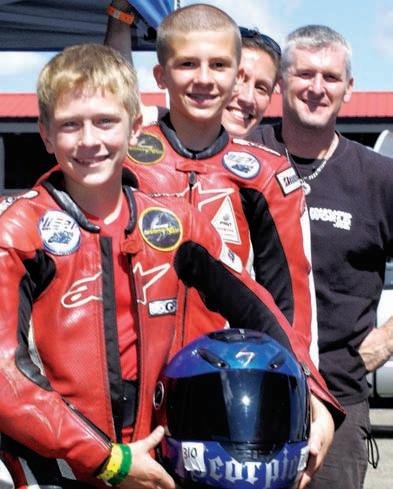
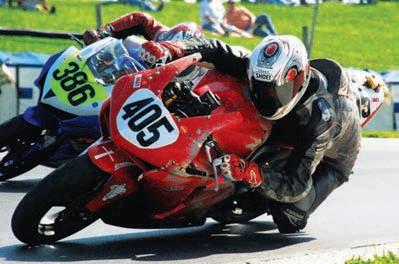
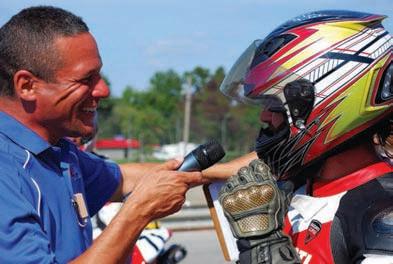
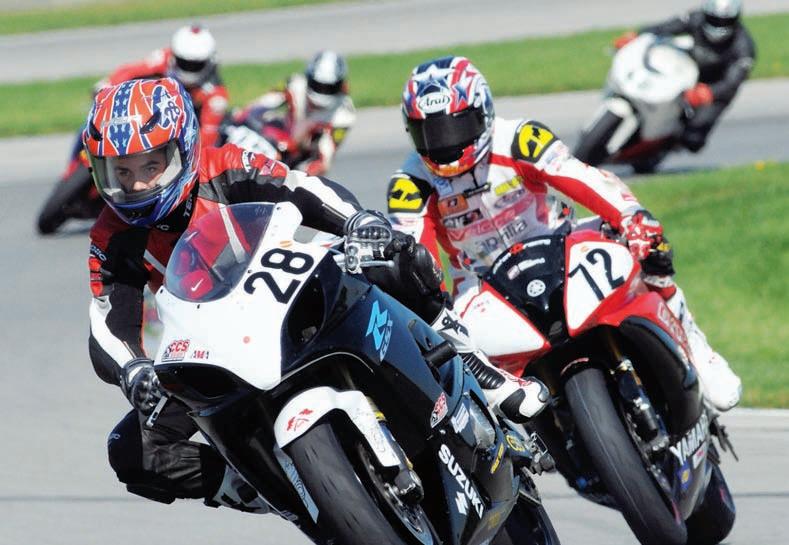
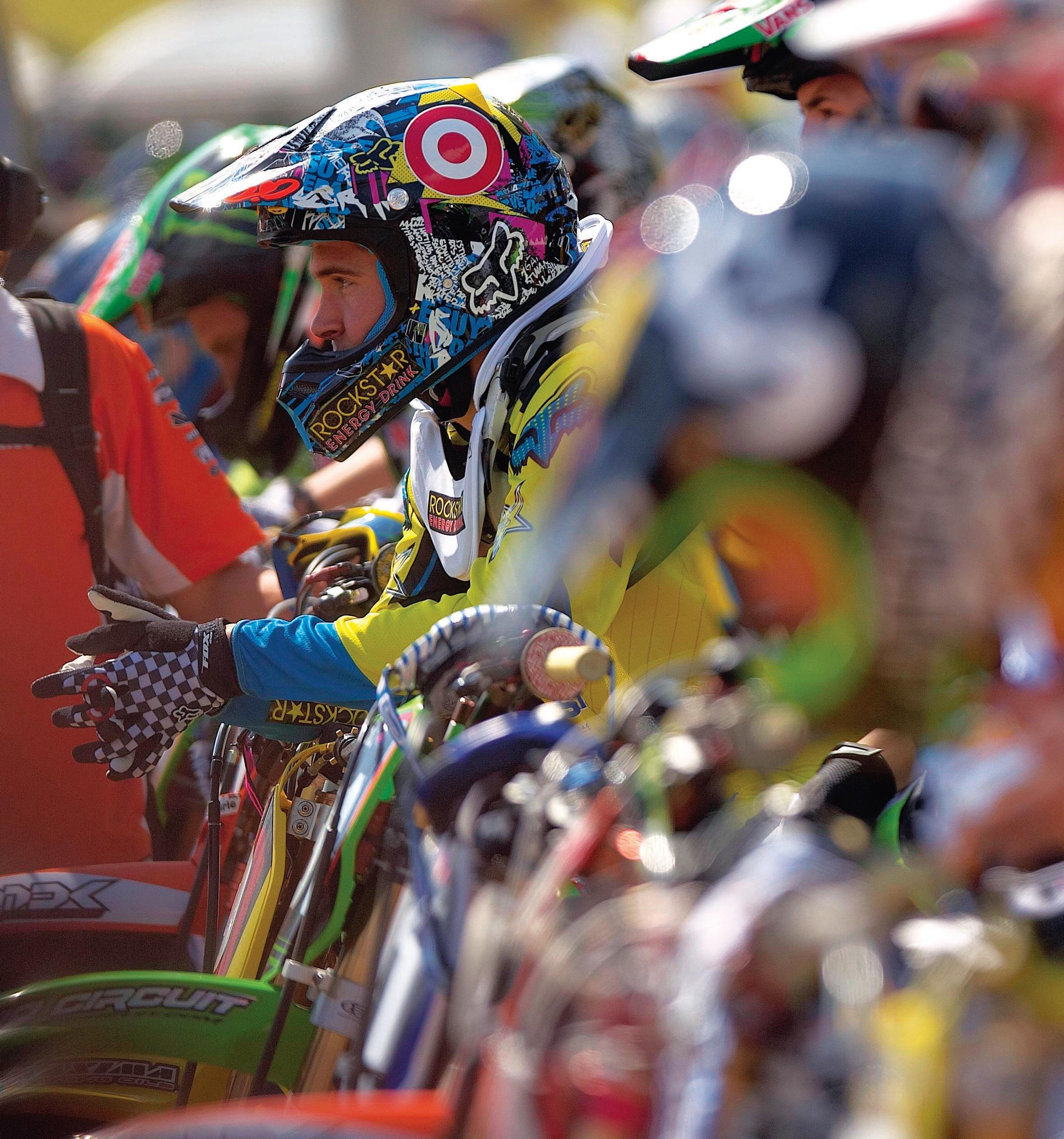
The AMA Racing Road Race Grand Championships proved to be a great time for racers, families and spectators Sept. 12-13 at the Mid-Ohio Sports Car Course in Lexington, Ohio. Racer Joseph Dempsey (124, above) is all concentration as he negotiates the track. The Gerloff family (above right: Grayson, Garrett, Lisa and Mark) enjoy some quality time together. Pro Racer Josh Herrin (bottom left in hat) cut some fast laps, and Miles Thornton (72, bottom right) won the prestigious AMA Road Race Horizon Award. See more Grand Championship photos by searching for “American Motorcyclist Association” at Flickr.com.

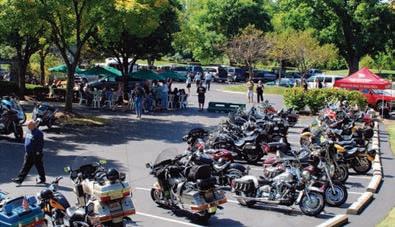
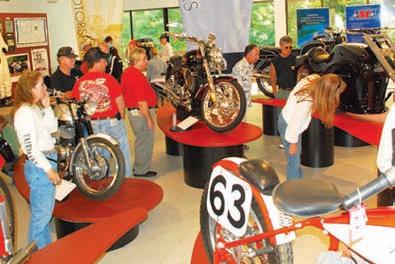
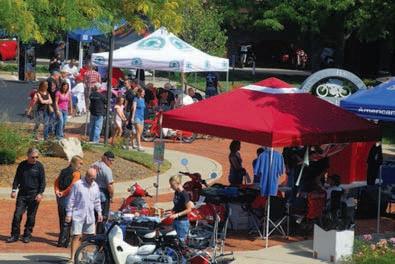
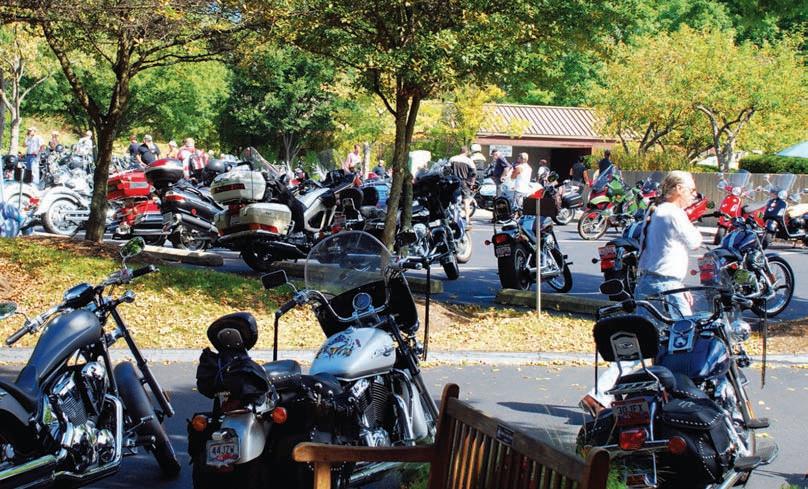
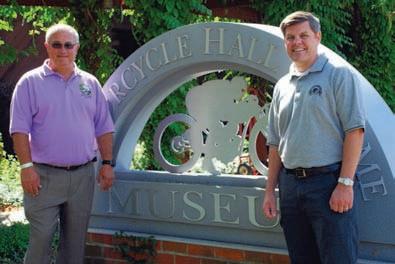
The AMA Motorcycle Hall of Fame Museum held an open house Sept. 12 that drew more than 1,200 enthusiasts to the home of the AMA in Pickerington, Ohio. Among those who showed up to check out the supercool bikes, memorabilia, and Rush drummer Neil Peart’s BMW GS1100 and drum set in the Hall of Fame was Pickerington
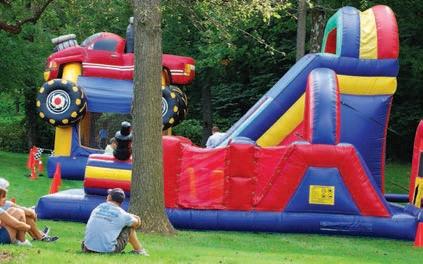
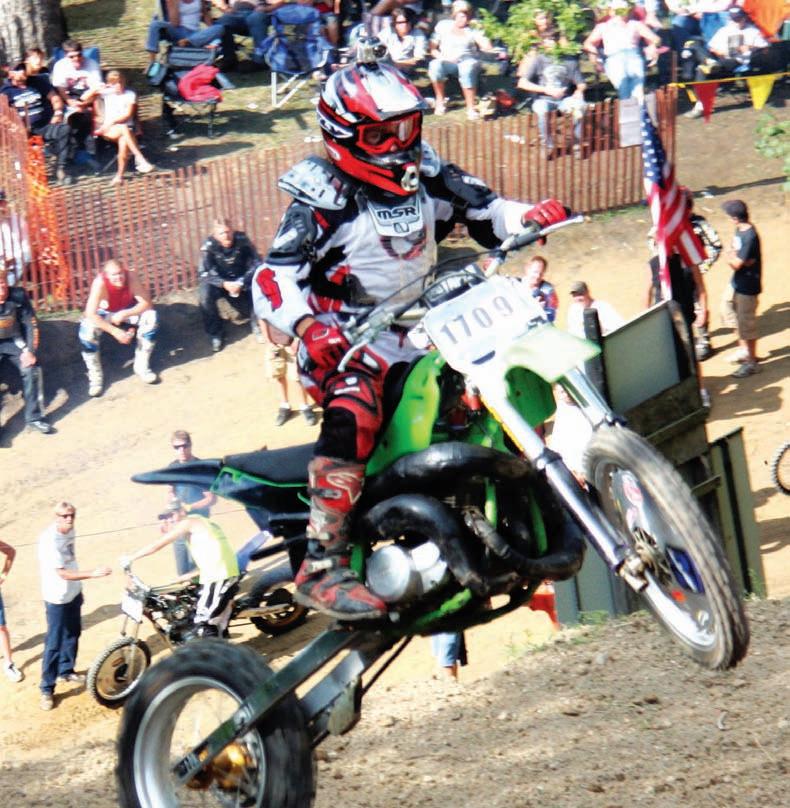
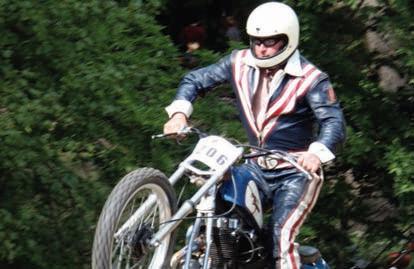
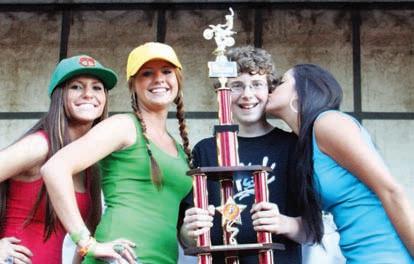
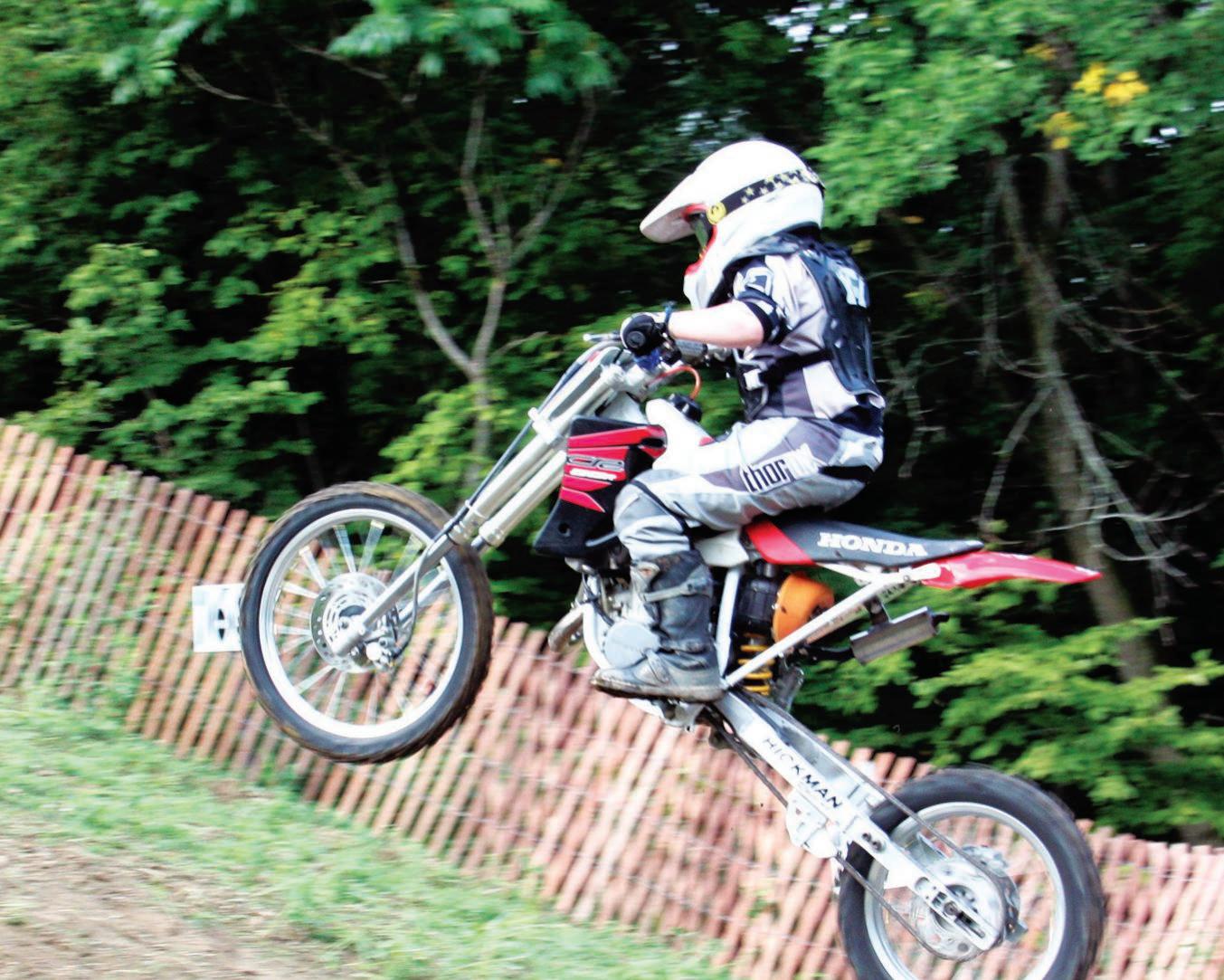
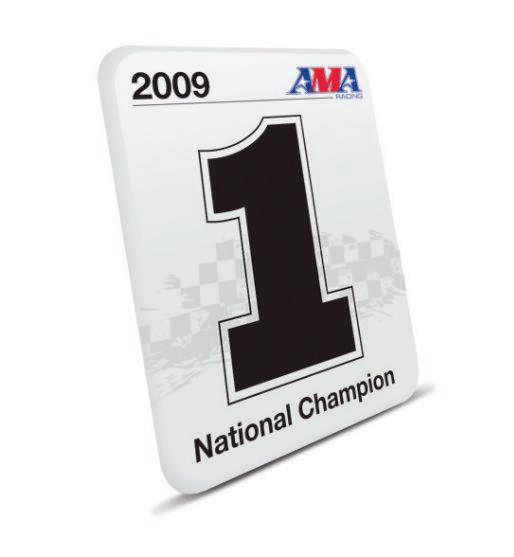
Mayor Mitch O’Brien (above, left), who posed with AMA President and CEO Rob Dingman. Pictured below are scenes from the AMA Racing Hillclimb Grand Championships held in New Ulm, Minn., Aug. 15-16. The gofast crowd tackled a steep hill for national No. 1 plates and, in some cases, for trophies as tall as they are.
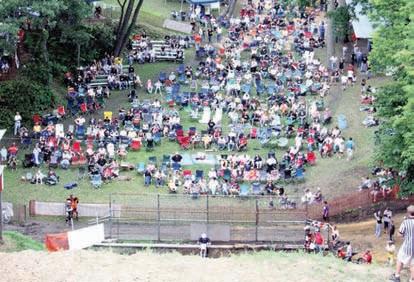
Congratulations, Stephen. You’re the winner this month!
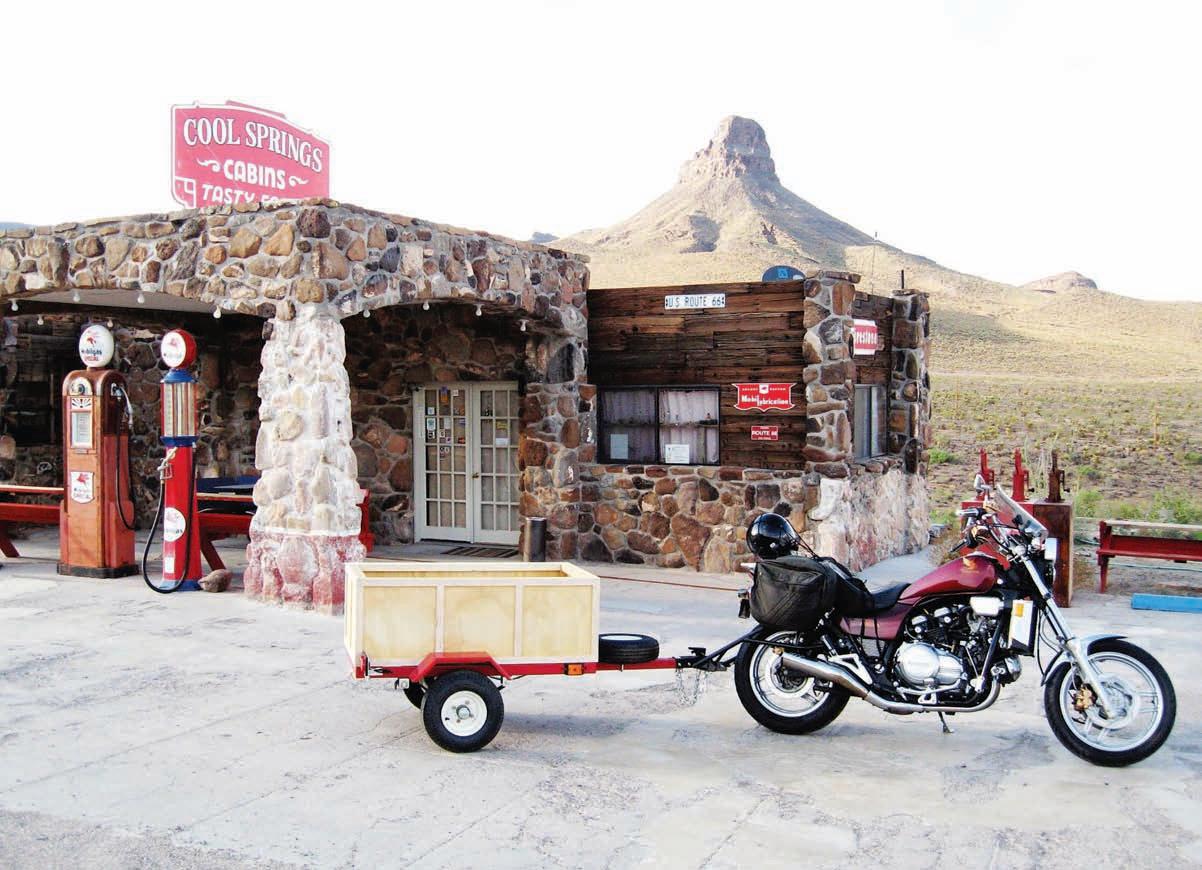
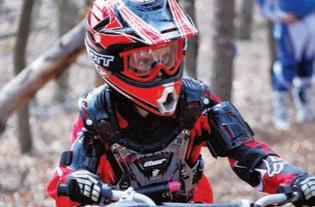
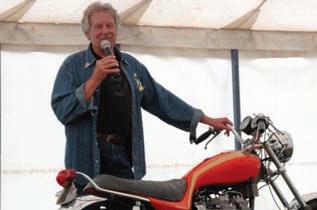
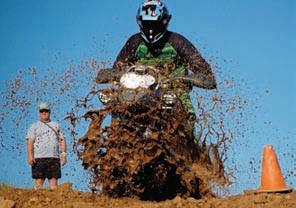
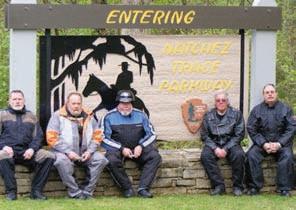
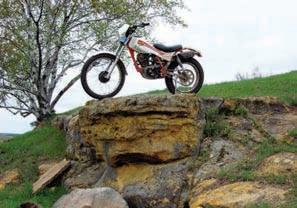
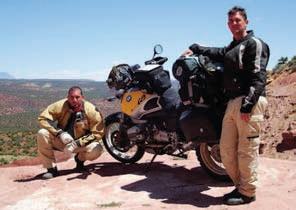
Get a SPOT satellite messenger Got an image that captures what’s cool about motorcycling? Send it to American Motorcyclist. Send your high-resolution photos and mailing address to: submissions@ama-cycle.org. We’ll even pick one standout photo next month, and send the photographer a free SPOT satellite messenger. Editors decisions are final. No purchase necessary. SPOT device includes one year of tracking and service.
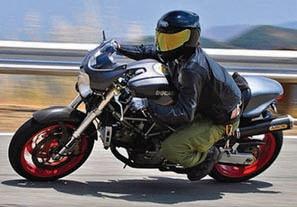
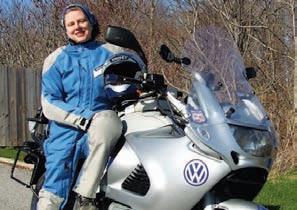

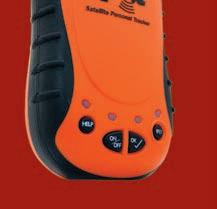
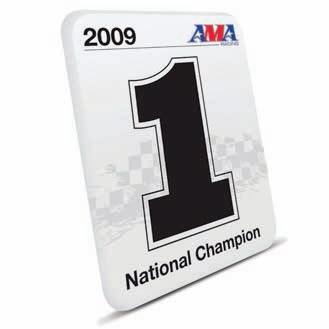
AMA Racing Awards Banquet Friday, December 4
Induction Ceremony Saturday, December 5








American Motorcyclist 13515 Yarmouth Drive Pickerington, OH 43147 (614) 856-1900 submissions@ama-cycle.org
Grant Parsons, Managing Editor
James Holter, Associate Editor
Bill Kresnak, Government Affairs Editor
Mitch Boehm, Contributing Editor
Mark Lapid, Creative Director
Nora McDonald, Production Coordinator
Jen Muecke, Designer
Ray Monroe, Advertising Manager (815) 885-4445, rmonroe@ama-cycle.org
Misty Walker, Advertising Assistant (614) 856-1900, ext. 1267, mwalker@ama-cycle.org
All trademarks used herein (unless otherwise noted) are owned by the AMA and may only be used with the express, written permission of the AMA.
American Motorcyclist is the monthly publication of the American Motorcyclist Association, which represents motorcyclists nationwide. For information on AMA membership benefits, call (800) AMA-JOIN or visit AmericanMotorcyclist.com. Manuscripts, photos, drawings and other editorial contributions must be accompanied by return postage. No responsibility is assumed for loss or damage to unsolicited material. Copyright© American Motorcyclist Association, 2009.
City, only a few hours from the
Tom had never made it to the AMA International Speed Trials by BUB until this year, and now he’s hooked.
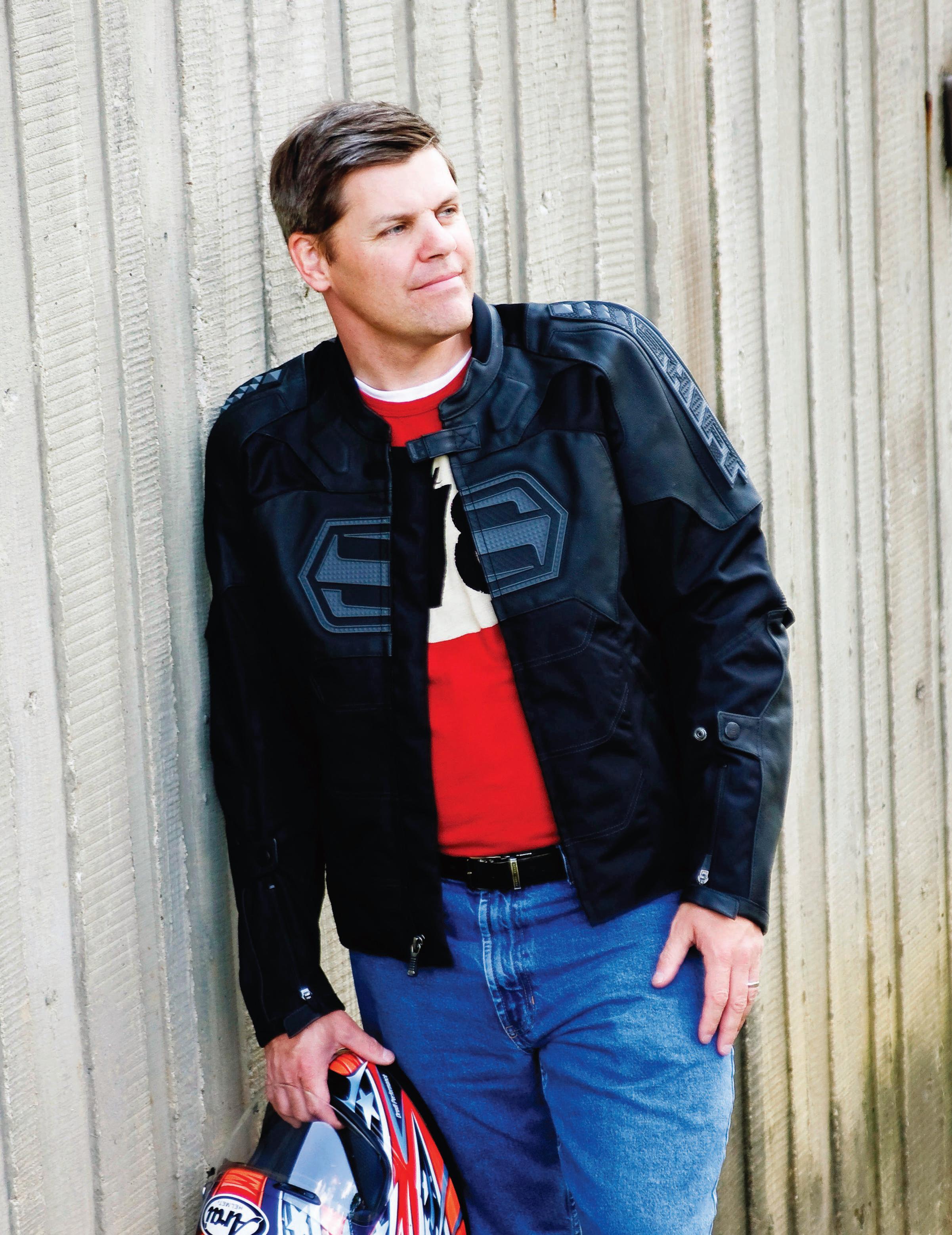
KERRY MATTSON, Photographer Kerry and Seth Mattson are the creative team behind Mattson Photography and did some excellent work for us in the N.H. Capitol this issue. See more of their style at MattsonPhoto.com.
JIM MOORE, Contributor Jim may be the AMA’s director of business development, but he’s also a serious motorhead who’s not bad when he sits down to write an impression of a Triumph Rocket III, as he did for this issue.
NORA McDONALD, Production Coordinator Still on her first-bike buying high, Nora has already learned how to remove and clean the carbs on her 1974 CB360, discovering that spray carb cleaner doesn’t work nearly as well as the dip-bucket stuff, both for cleaning tiny jets and giving you one whopper of a headache if used in unventilated areas.
BILL KRESNAK, Government Affairs Editor Sometimes brilliant, sometimes wacky, always entertaining. His latest proposal for a racing class? Two-up.
GRANT PARSONS, Managing Editor Grant thinks few events are more perfect for his KLR650 than an AMA BMW
AMA BOARD OF DIRECTORS
Stan Simpson, Chairman P.O. Box 1028, Cibolo, TX 78108
Jon-Erik Burleson, Assistant Treasurer 38429 Innovation Ct., Murrietta, CA 92563
Jim Williams, Assistant Secretary 9950 Jeronimo Rd., Irvine, CA 92618-2084
Erik Buell
2799 Buell Dr., East Troy, WI 53120
Andy Goldfine 8 S. 18th Ave., West, Duluth, MN 55806
Charles Goman PO Box 81, Winder, GA 30680
Perry King c/o AMA, 13515 Yarmouth Dr., Pickerington, OH 43147
Michael Lock 10443 Bandley Dr., Cupertino, CA 95014
Maggie McNally 114 Kent St., Albany, NY 12206
Arthur More 16153 Starlight Dr., Surprise, AZ 85374
John Ulrich 581-C Birch St., Lake Elsinore, CA 92530
Bill Werner 18405 Davidson Dr., Brookfield, WI 53045
(800) AMA-JOIN AmericanMotorcyclist.com

National Adventure Ride—and look, there’s one coming up about 40 miles away in just two weeks. Now all he has to do is find his tent in the basement.
MARK LAPID, Creative Director Ever the designer, Mark surprised himself with the fact that when it comes to the idea of road racing, going fast is more important than looking good. Which is why, instead, he’s happily planning more track days—supermotos on the local kart track, anyone?
JEN MUECKE, Designer No one is more surprised than Jen that she emerged from the AMA Road Race Grand Championships with a national championship in the Femmoto Middleweight class. And though she keeps talking about how great it will be to grow the class, everyone else in the office remains way jealous of that coolio No. 1 plate.
JAMES HOLTER, Associate Editor The Holter Institute for Motorcycle Outreach continues its mission, with James bringing neighbor kids along when he takes his own brood woods riding. However, scientists worry that he’s nearing critical mass with all the helmets, gear, tools and Happy Meal bags that wind up in the back of the Jeep Cherokee every Sunday night.
Other contributors include: Dan Focht, Shan Moore, Lauren Bachur, Matt Polito, Brian J. Nelson, Mike Nelson, Grogan Studios, Jeff Kardas, David Smith, Jim Bowie, Striking Photography, Open Image Studio and Erin Lassahn.









flat out pushes land speed limits.
makes sure a flat won’t slow her down.
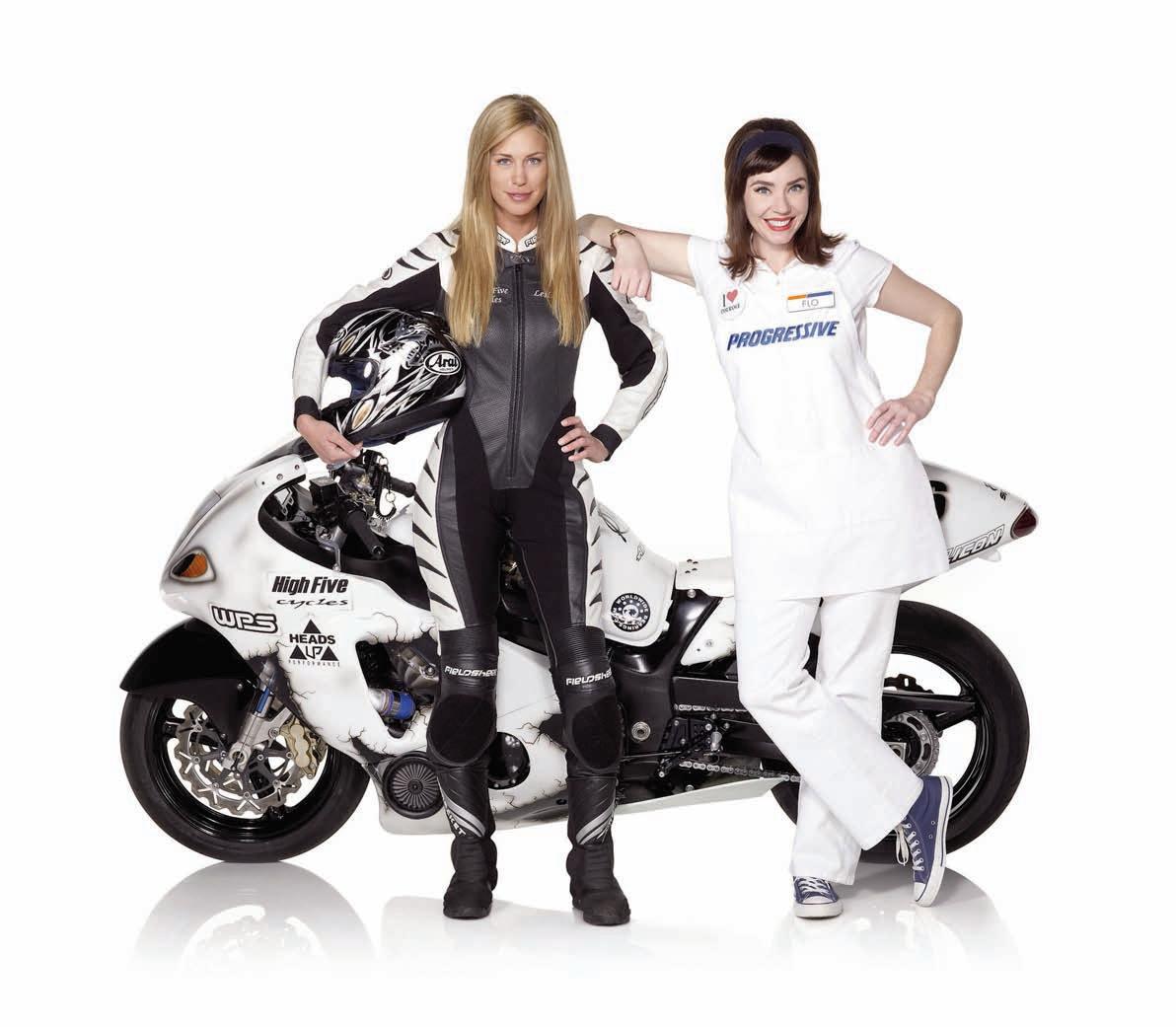
24/7 ROADSIDE ASSISTANCE. After traveling at a record speed of 232 mph, if there’s one thing Leslie Porterfield dreads it’s being stranded with a flat. So for less than a buck a month, help from Progressive Roadside Assistance is never too far away. Protect yourself today at 1-800-PROGRESSIVE or call an independent agent.

Words By Grant Parsons
Photos By Mattson Photography

here are two paths to creating change: You can ask others to do it for you, or you can be in a position to make the change happen yourself. Guess which one is more effective?
When it comes to looking out for the interests of motorcyclists in New Hampshire, few people have been more effective at stopping bad laws and championing good ones than Sherm Packard and Bob Letourneau. Their secret?
They’re on the inside—as active and respected members of the New Hampshire legislature.
Packard, a representative for 19 years, and Letourneau, a representative and senator for 13 years, are well known among their peers for being responsible legislators who work for the common good. But they’re also committed motorcyclists who got involved in politics expressly for the sake of motorcycling.
As Packard says it: “I had done everything I could on the outside.”
Over the years, they’ve done much for their state’s motorcyclists, from creating a comprehensive motorcycle rider education program to improving road safety to working against and defeating anti-motorcycling laws. At one point, they chaired the transportation committees in the House and Senate at the same time, which allowed them to keep unprecedented tabs on motorcycling legislation.
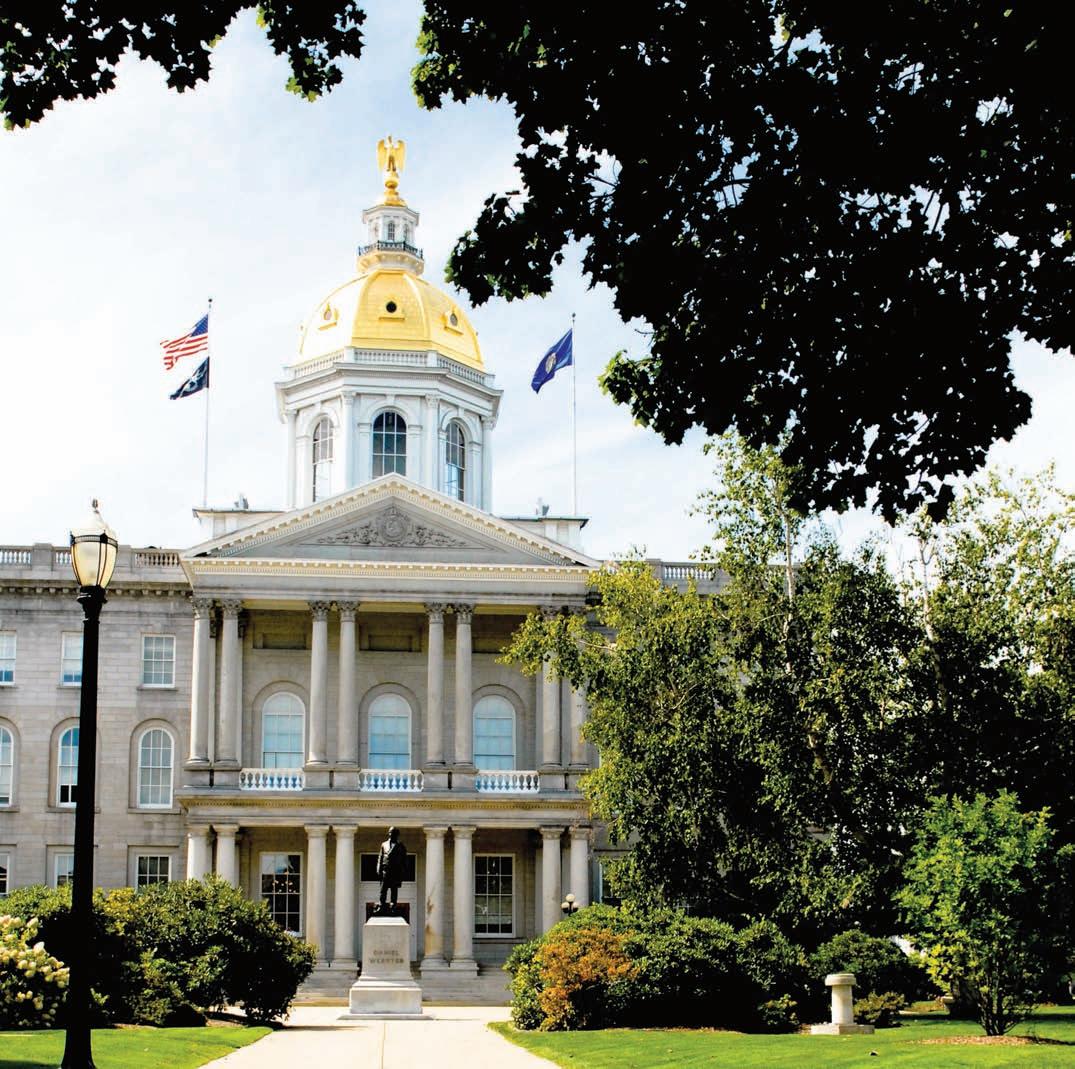
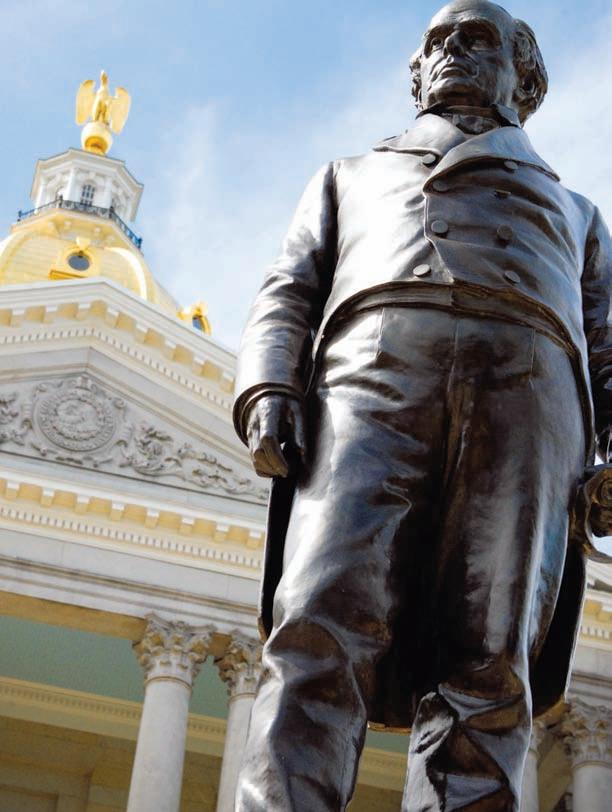
We sat down with Packard and Letourneau at the New Hampshire statehouse to talk motorcycles, politics and the art of blending the two. Here’s what they had to say.

Sherm Packard: My first experiences were through my father’s business. We sold Benelli motorcycles for three or four years, back when they weren’t too spiffy. They were only 200cc and 250cc bikes back then.
I first started riding my own bike in 1968. Some friends of mine had bikes, and it was something I had wanted to do. I went out and bought a 1954 (Harley-Davidson) Panhead. I paid $175 for it, and I got ripped off. It was a basketcase, all apart. I rebuilt it over the course of 1968, and in 1969 I came out with that Harley, and I’ve been riding ever since.


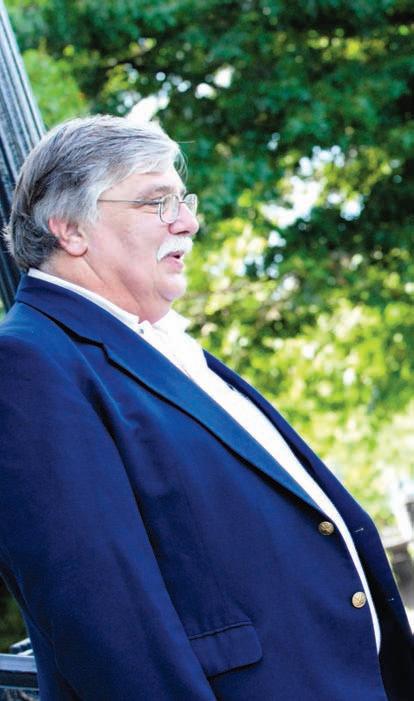
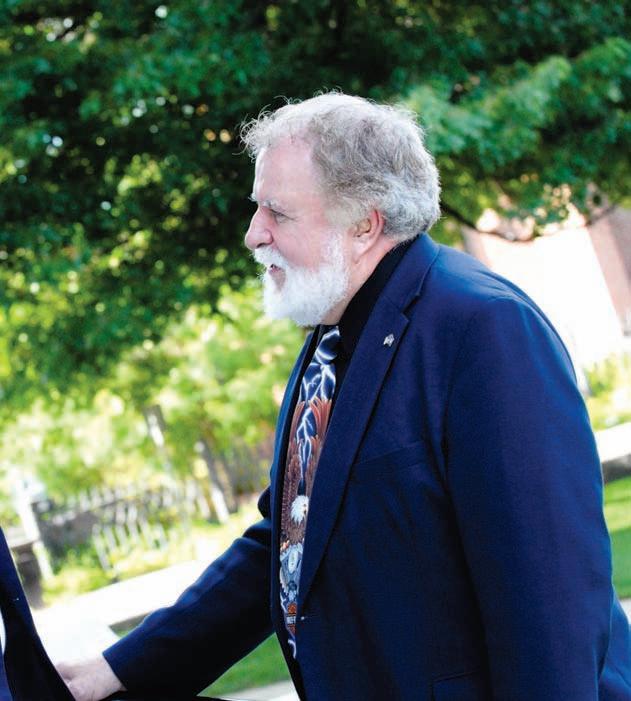
Motorcyclist Legislators Bob Letourneau (Left) And Sherm Packard Have A Lock On The New Hampshire Capitol, And They’re Making Their State A Much Better Place For Riders.

I was somewhat mechanically inclined. Of course, they were pretty simple back then and it didn’t take much to tear them apart and put them back together. I was 21, 22, something like that. Once I started riding, I was hooked. I had the Panhead for six or seven years, and in ’76, I bought a ’67 FLH. I still have it, in fact. I put probably 150,000 on the ’67, and it kind of gave out on me. I rode it exclusively for 10 or 12 years. These days I have a ’96 Ultra Glide.
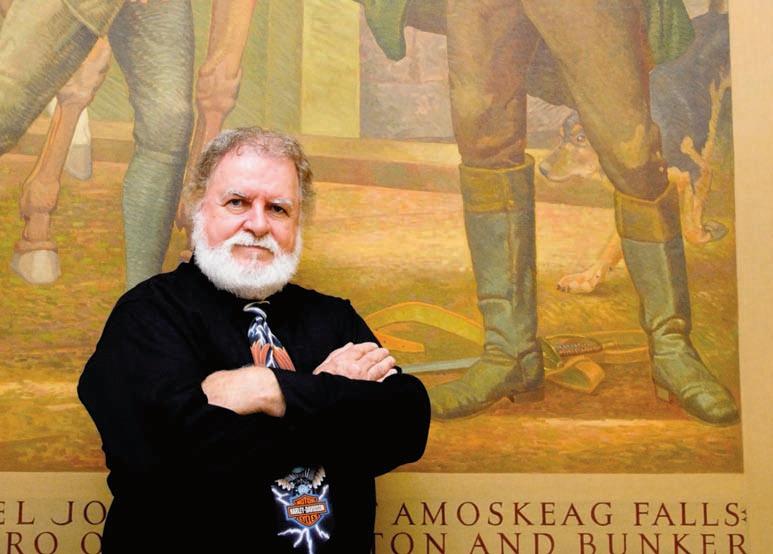
Bob Letourneau: My dad hated

motorcycles, and he forbade me from ever getting near one or being around one. I could race stock cars, though—for some reason that was OK. One of his close friends had been killed on a bike, and he didn’t want me to have anything to do with them. When I was a teenager, I hitchhiked a lot of places, and I got a ride from a guy on a Harley, and I just loved the feel of riding. That was when I was a teenager, and it kind of went away, because there were no bikes around.
Then the kids I went to school with started coming back from Vietnam and buying motorcycles. One of my friends let me take his bike for a ride. There was snow on the ground, and he said, “Go ahead and take it.” I didn’t come back for three hours. He thought I had crashed and died somewhere. As cold as it was, he couldn’t believe I was gone so long. I just fell in love with riding.


That winter I bought a 1969 Triumph TR6 basketcase and spent the whole winter putting it back together. That’s how you did it in those days. There weren’t that many dealerships around. I rode the Triumph for a while and sold it and bought a Harley Sportster and hated it. So I bought a brand-new Norton and rode that for 10 years. Then I bought a Panhead and put that together, and had the Panhead and the Norton together. Then I got a Kawasaki 900, and then a Yamaha. None of my friends wanted to ride with me because I had a Japanese bike. They couldn’t keep up with
Bob Letourneau
me anyway.
Letourneau: Sherm and I became very close friends in the 1970s, when we were involved in motorcycle activism. Sherm was a leader in the movement, and he and several other guys put together the New Hampshire Motorcycle Rights Organization. My membership number is 8, so I go back to the very beginning. I remember coming to the statehouse for the rides and the protests and whatever.
Packard: We met through the NHMRO. The movement was fast and swift, and we became very good friends through that.
The NHMRO started in 1974. Some friends of mine came to me. We had a mandatory headlight bill that had been proposed. A lot of bikes back then had generators, and they couldn’t handle that, so we were looking for a way to defeat it. My friends knew my father was in politics— he was speaker of the Senate for a while, even—and they came to me to see if I could help them.
I made some calls, and someone—it may have even been the AMA—got me hooked up with Jed Tranquill in New York. He was head of a motorcycle rights organization there, and he suggested I start one in New Hampshire. I thought that sounded like a good idea, so we made a bunch of phone calls and when the headlight bill came out to a vote it was defeated 22 to 1.
Right after that, I basically started the NHMRO. I called up three or four people and said: “You’re the president, and you’re the vice-president, and I’ll be the secretary-treasurer.” We incorporated in 1975, and that’s when stuff was going on in Washington over the blackmail bill.
Congress was saying that if states didn’t require all kinds of things like seatbelts and helmets and other things, that the states would be sanctioned. We started fighting that, going to Washington, D.C., with (the AMA’s then-Legislative Department Associate Director) Rob Rasor and others. I remember before the bill passed, they were bringing in California officials for hearings to decide how to sanction them. The bill passed in 1976, but the helmet part was taken out for riders 18 and older.
Packard: I had been involved in politics my entire life. I had helped out in campaigns, and I was basically the lobbyist for NHMRO for years. But it got to the point that I couldn’t do anything more from the outside. I had gone as far as I could. I couldn’t do anything more. So I figured I’d run for office and see what I could do on the inside.
The first time I ran, I lost in the primary. It was a crowded field, and a lot of people pegged me as a one-issue candidate. My dad had died by that point, so I couldn’t go to him for advice, and I kind of fumbled around. I was still kind of new to the political scene. For the next two years I got heavily involved in the Republican County Committee—basically I started running for two years. Then I ran the second time, and was elected.
Letourneau: I had been very much involved in the NHMRO, and held pretty much every office. I was president at the time, and I always told Sherm, “I’d like to join you up there at the statehouse sometime.” One day he called and said, “This is your year. You have to do it.” So I threw my hat in the ring. I was involved in a small business here in town, and I had been practically in everyone’s house, so for me, name recognition wasn’t an issue. I was driven by motorcycles, but I was also driven by politics and the way things were wrong.
When my father grew up, he didn’t have to get involved in politics to enjoy the freedoms of liberty. But as I was growing up, I was watching those liberties going away one by one, incrementally. What’s the quote? Something like, “All you have to do to lose freedom is stand by and do nothing.” If you want to keep it, you have to do something about it.
With motorcycles our rights were being taken away. And the only way to stop it was to get inside politics and gain respect. You can’t be a one-issue candidate. You have to make people realize that you’re not some kook—that you really care about what you’re doing. Sherm and I, other people in the legislature recognize that we educate them on issues like motorcycling. And if you’re not in the building, you’re not part of the system. When I came in, Sherm taught me the ins and outs of this building. ON THE DIFFERENCE IT MAKES TO BE A
Packard: I was always on the transportation committee. And being on the inside made all the difference in the world. I’ll give you one example. I was in my first or second term, and at the time we had the Division of Motor Vehicles keeping statistics on motorcycle fatalities. One of the people who was lobbying for the NHMRO had been trying to get those statistics for two months. One day we were having a hearing with the folks from the DMV, and I called them up to testify and said that I’d like that information. And they said, “Would you like an officer to deliver it to your house tonight?” I said, “No, just have it ready, and I’ll stop by tomorrow.” It was on my desk when I came in the next day.
“While Sherm and Bob have gone above and beyond in overall service to the community, at heart they’re still the same guys they were 20 years ago—a couple of passionate motorcyclist rights advocates who will never, ever quit fighting the good fight. We’re lucky to have them.”
Mark
Buckner, former president of the Motorcycle Riders Foundation
That’s the difference between being on the inside and being on the outside. I had to go through the revolving door and become a player—not just a member, but a player. Being a member, in most cases you won’t get any advancement, or leadership positions. Being a player means you get to be a chairman or vice chairman, or a whip or something. But with it comes the work.
Letourneau: What a lot of people don’t realize is that New Hampshire has more motorcyclists per capita than any other state. There are 1.2 million people, and almost 100,000 motorcyclists. I think one of the reasons is all the freedoms that motorcyclists have. It’s not a mandatory health insurance state, and it’s not a mandatory helmet state. Several times, there had been bills that would allow you to ride without a helmet if you had insurance, and we successfully fought off four efforts in a row to do that.
But there’s a lot we’ve done on the proactive side, too. For one session, he was chairman of the House Transportation Committee, and I was chairman of the Senate Transportation Committee.
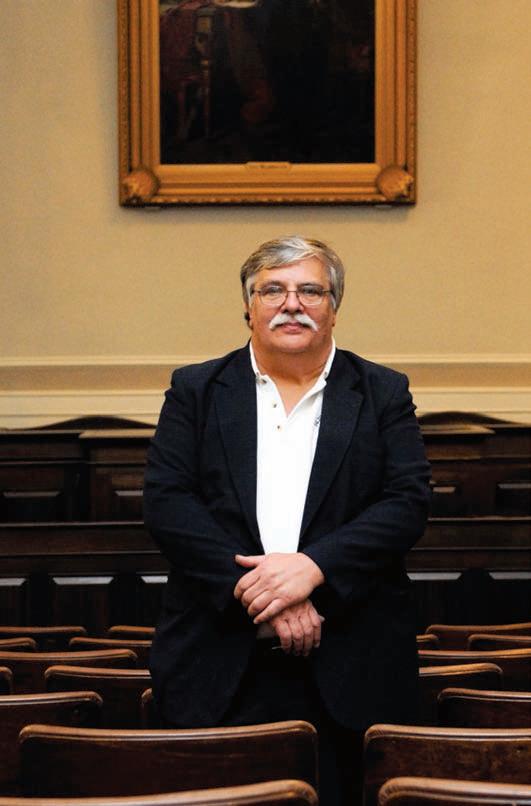
Packard: It doesn’t get any better than that. That’s as good as it gets. You name me any other state where the chairmen
“Both are very well respected. Sherm is the type of guy who doesn’t open his mouth unless he really has something to say. When he talks, people listen. Bob’s a phenomenal guy. When Bob stands up to speak everyone wants to hear what he has to say because not everyone comes from a tough background, a poor background, and they want to hear what he has to say.”
Bob Clegg, former four-term New Hampshire state senator
of the transportation committees of both bodies were motorcyclists. We passed several pieces of legislation to improve the safety of motorcycling. We passed a bill that changed the height law for handlebars. We managed to get the curriculum changed in all the state’s drivers’ education classes focusing on watching for motorcycles. I’m talking in drivers’ education—not motorcycles. Meaning for everyone. And we did that because we knew that 75 percent of the accidents that involve a car and a motorcycle result because the car violates the motorcyclist’s right of way.
The same year we passed legislation that required new people coming in for a motorcycle permit to pass a test that proved they at least understood what motorcycles were about. And we got it so that if you failed the motorcycle test twice, you had to take the motorcycle education course. We couldn’t make it mandatory for everyone because there’s no way we could fund that across the state. So we not only killed bad bills, we put in good stuff, too.
Packard: In 1979, there was a bill for rider education. That failed because there was not enough money out there. We worked on that on and off for 10 years, and in 1989 we got a motorcycle education bill passed. The original bill was written horribly and wouldn’t have worked because there wasn’t enough money to fund it. We got the majority leader in the House to amend the bill to add $5 to every license renewal and $1 for every registration to make it self-funding. But we still needed the money to get it started.
We made a deal that if they passed it, the NHMRO would come up with the money to get it started. And we funded the whole start-up. It was close to $30,000. We paid for the course and the instructors for two years. We put our money where our mouths were. We won numerous awards for our program, and we gained a lot of respect in the legislature.
Letourneau: When we celebrated the first 15 years of the motorcycle rider education program, from 1990 to 2005, we realized we trained something on the order of 23,000 or 25,000 motorcyclists during that time. What’s amazing is that during that timeframe, for those who took the course, there was only one fatality. Now, that’s an unusual piece of data because it doesn’t reflect the reality of motorcycle crashes across the country. But it’s true. We know it because, with Sherm and I here, we were able to work with the DMV and track information from every crash— whether or not they took the course, or had an endorsement.
Packard: That has to be the crowning achievement of everything we’ve done. That’s some kind of impact.
Packard: Another thing we did: The original motorcycle test was a joke. You just drove around a couple of pylons and that was it. I remember going to the director of motor vehicles and saying, “We have to make the test harder,” back in the mid-70s. We set up a course here. We came up on our bikes, and we spent the whole day up here with the new course. After that, they instituted the new test. We were responsible for putting that in place. We didn’t have to do it through legislation. We were able to do it administratively, through a rules change. It worked well. One of the things we do is work quietly behind the scenes. Respect is key for that.
Letourneau: It’s not just motorcycling. We’re involved in budgets. We’re involved in policy-making decisions that are important to the state as a whole. The motorcycling part is something we’re
passionate about, but we work for all of it. We’re not just here as motorcyclists.
Packard: We’ve been successful twice defeating an anti-tampering bill (requiring that exhaust pipes display an EPA stamp for sound-level compliance, which most aftermarket pipes, even compliant ones, don’t have – Ed.). There are those out there who insist on making a racket, and they’re hurting all of us. We believe in enforcing the existing sound laws. You can get pipes that pass the tests. My pipes aren’t the quietest, but they pass the test.
The point is that you can have aftermarket pipes that sound good without
breaking windows. We have people come before us who are as angry as wet hens, people who are upset over the noise. It’s a real sticking point, this loud exhaust. You have to respect people’s privacy.
It’s something that motorcyclists are going to have to solve themselves. You can’t make 98 percent of the people mad and not expect to get some reaction. And motorcyclists have to learn one thing: If they don’t fix the problem of these loud bikes, government is going to step in—and you are not going to like the consequences.
This last bill—an anti-tampering bill— would have taken literally 80 percent of the motorcycles out there off the road. It was just a bad law. The answer is to enforce the laws we have.

Letourneau: The people in New Hampshire recognize the freedom issue of the helmet law. But there’s no way you can convince a legislator to vote for noise. People tell me all the time that we have to do something about it.
Letourneau: I don’t know that there have been any. I’ve been pretty happy here as a motorcyclist.
Packard: Once I came up here and people realized we could sit down and talk about dozens of issues, there were no issues (with other lawmakers working with us). When Bob and I were together in the House, we passed numerous pieces of
legislation on things like child seatbelts and graduated drivers licenses and more.
Once people realized that we could understand, we could comprehend, and we could put forth good legislation and talk about it and make people understand, it wasn’t a factor anymore. Nobody looks at Bob and me and says, “Oh, those are the two helmet guys.”
THE
Packard: The key has been working quietly behind the scenes to get things done, and that’s how we wind up in the positions we’re in. We work quietly and convince people that these are the right things to do.






Packard and Letourneau share what they’ve learned...
Passing good motorcycling laws—and defeating bad ones—doesn’t just happen. You have to work for it. And you have to work to defeat bad laws. That means making your feelings known. Sherm Packard and Bob Letourneau offer up these tips for working with legislators:


SUPPORT THOSE WORKING FOR YOUR RIGHTS:
“If you don’t have the time, but do care and are interested in helping the issues, support your organizations. Nationally, support the AMA and the Motorcycle Riders Foundation, and support your state organizations. They will work for you.”— Letourneau
GET INVOLVED ON THE CAMPAIGN LEVEL: “If a legislator earnestly supports you, support them. Put up signs, make a donation, whatever. Once you have that intimate connection with your legislator, it makes things easier.”—Packard
THINK GRASSROOTS: “Motorcyclists are a minority. Take all the flavors of national issues, cars, planes, whatever. We are the smallest segment, but we have been successful because we have banded together.”— Letourneau
CONTACT YOUR LEGISLATOR ON THE ISSUES:
“E-mail is the standard today. And an individual letter— not a form letter—will get the most attention. Follow up after a bit of time with a phone call. Depending on the locality, you may talk to a staffer or you may talk to a legislator, but politely make your position known.”—
Packard
SHOW UP WHEN YOU NEED TO: “Legislators are impressed when something like 400 or 500 people turn out on an issue. If you’re on the e-mail lists of your motorcycling organizations, you can be there when something comes up. The vast majority of people are in a position where they can show up when they need to. If you care, be there.”—Packard
DRESS THE PART: It’s important to wear the right clothes when you go before the your legislators. It shows respect for the institution. When in Rome, do as the Romans do and dress the part.”—Letourneau
BE POLITE: “Be civil. Have respect.”—Letourneau





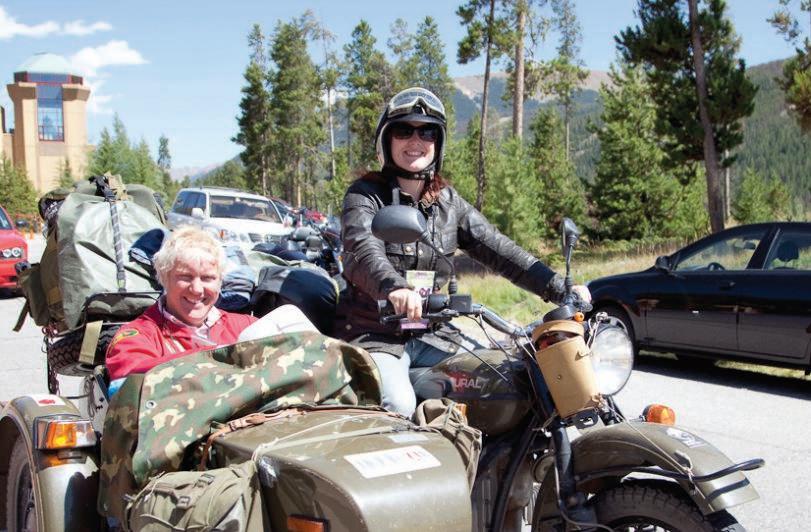
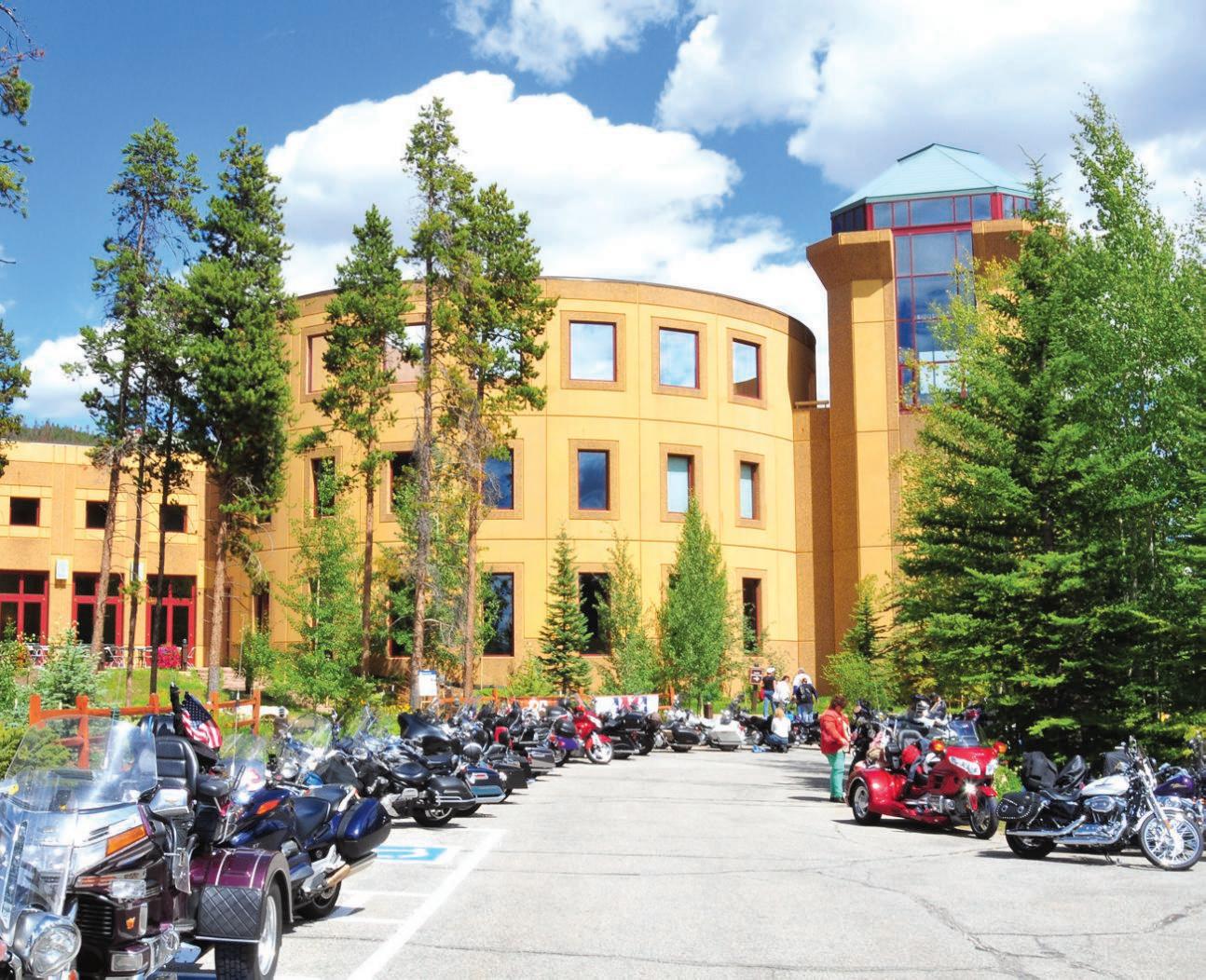


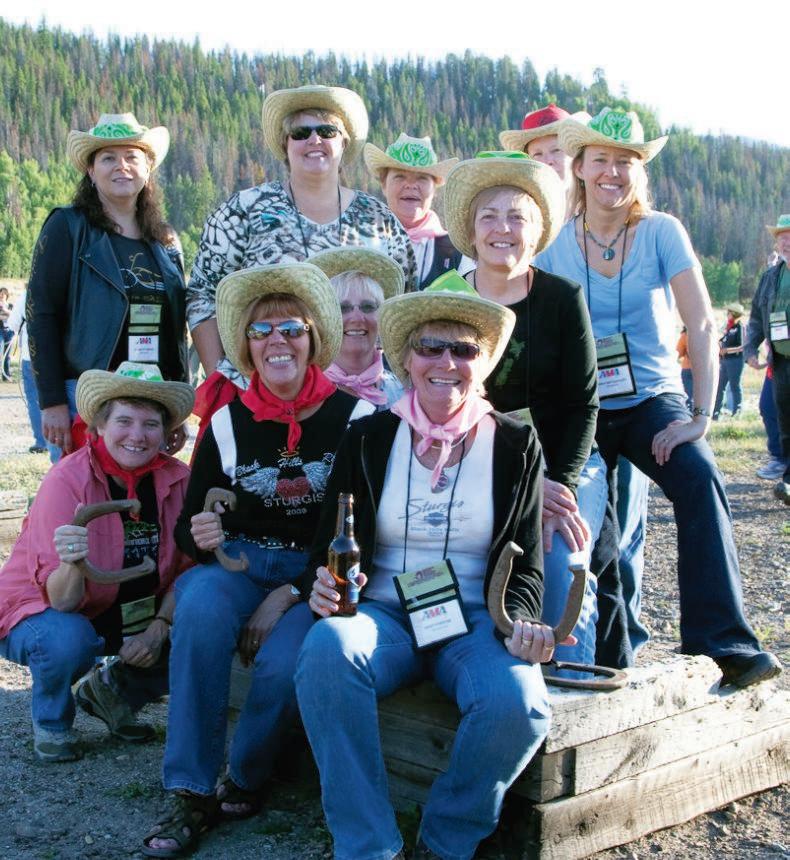

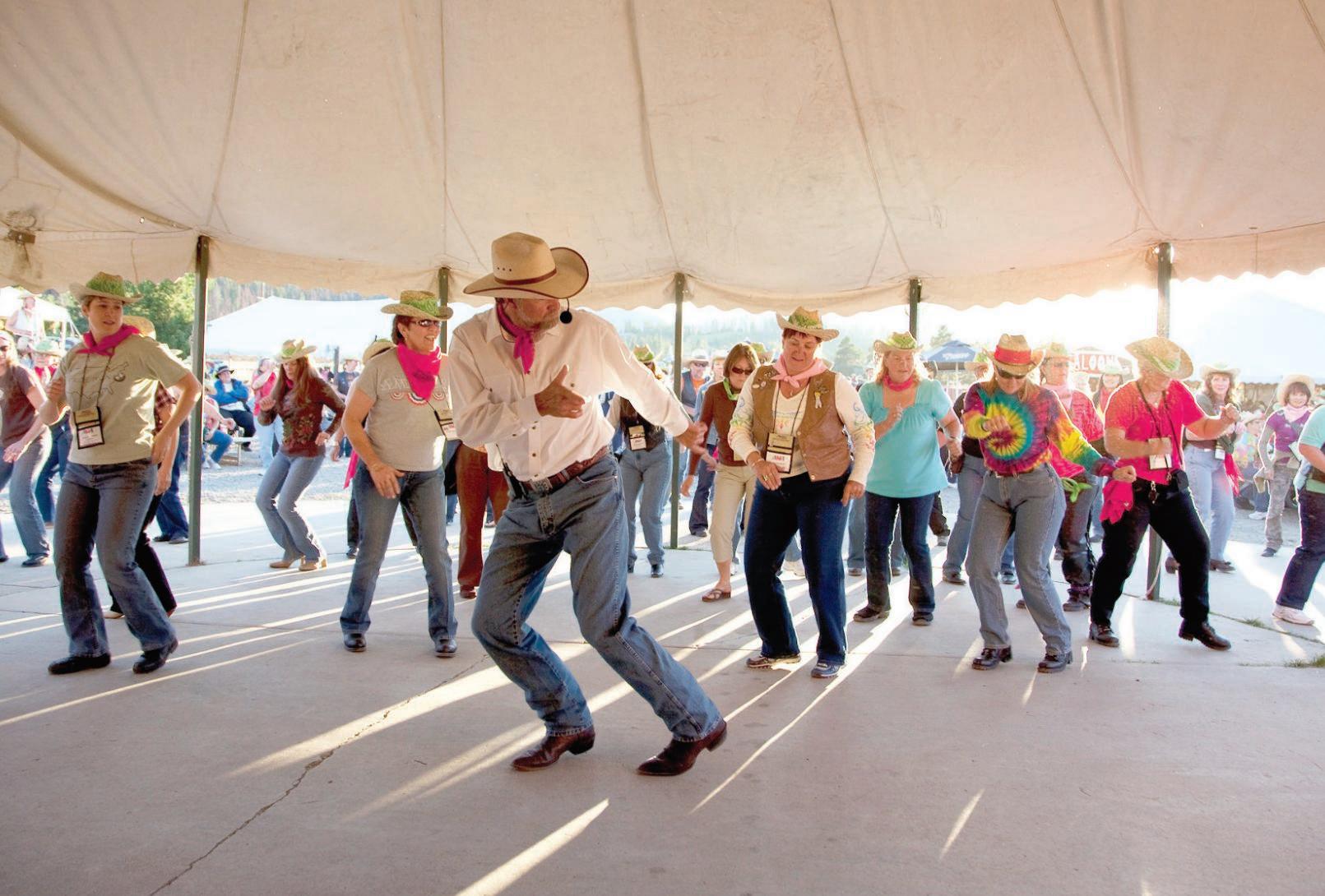
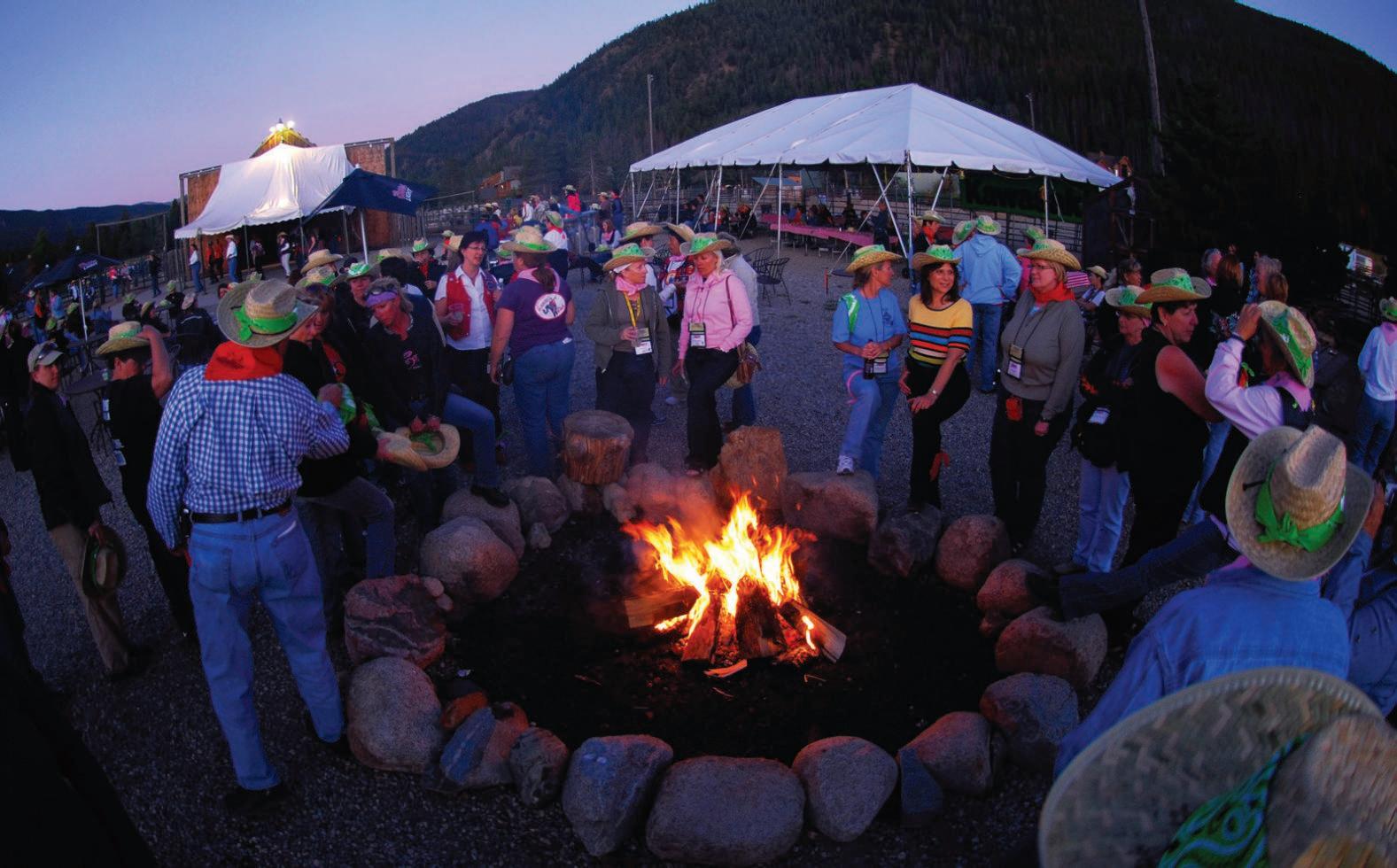
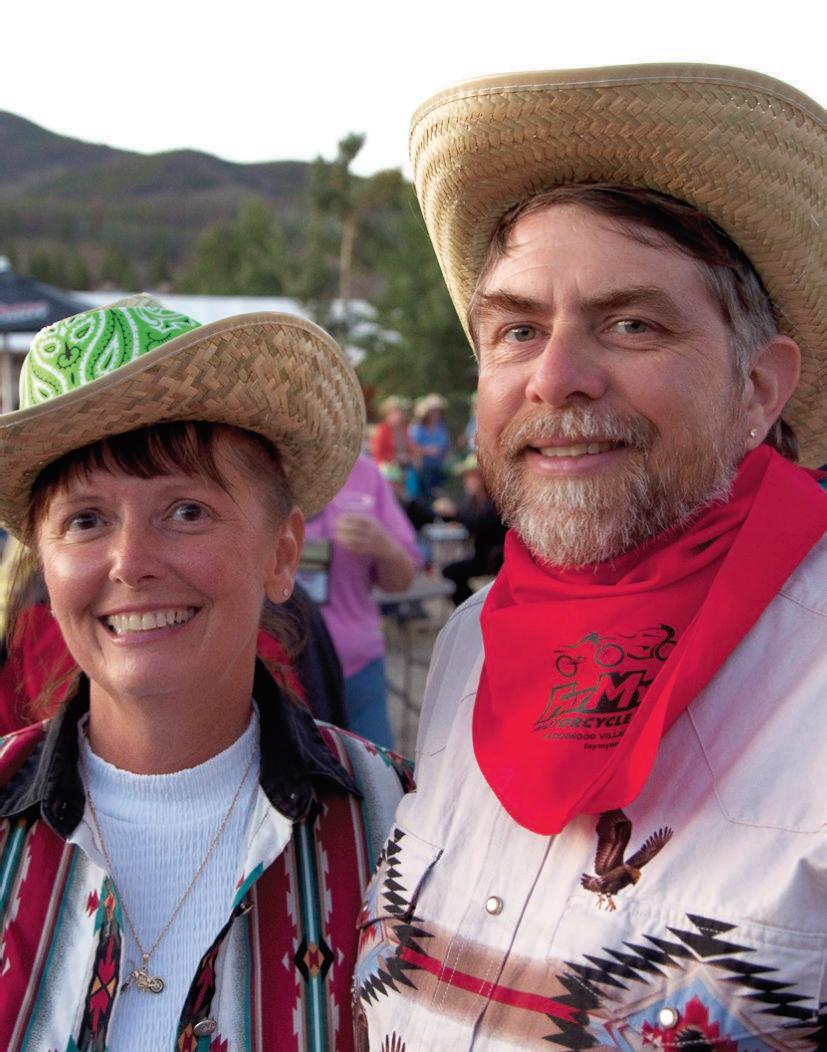

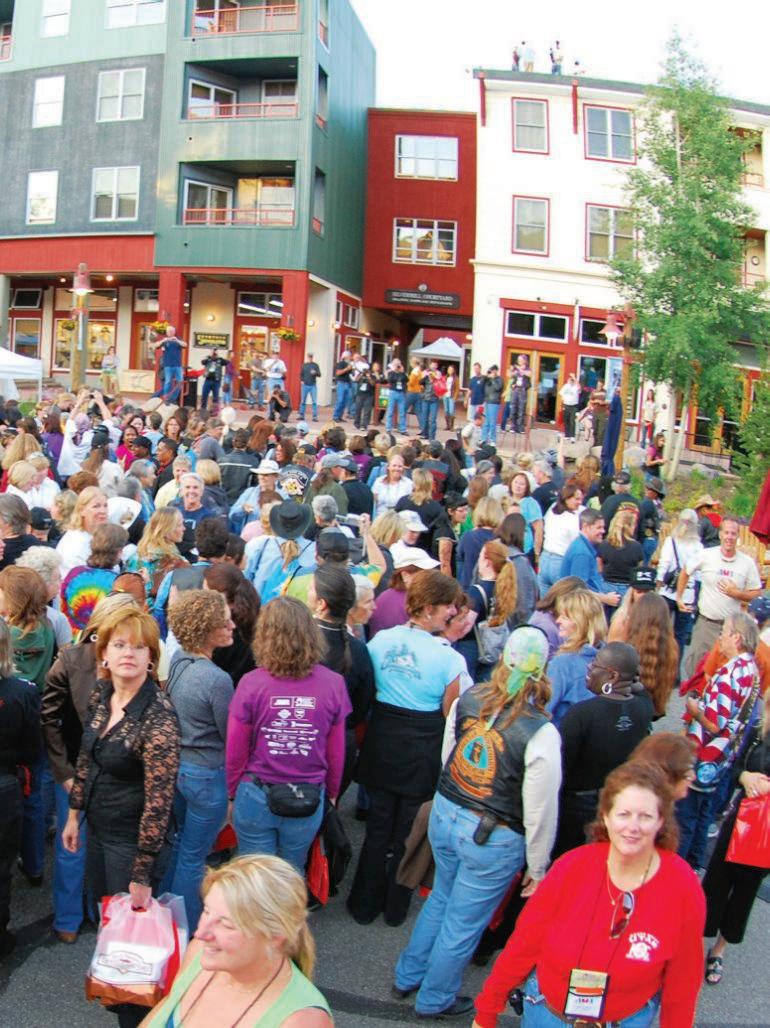
“What’s different at an event for women? The underlying


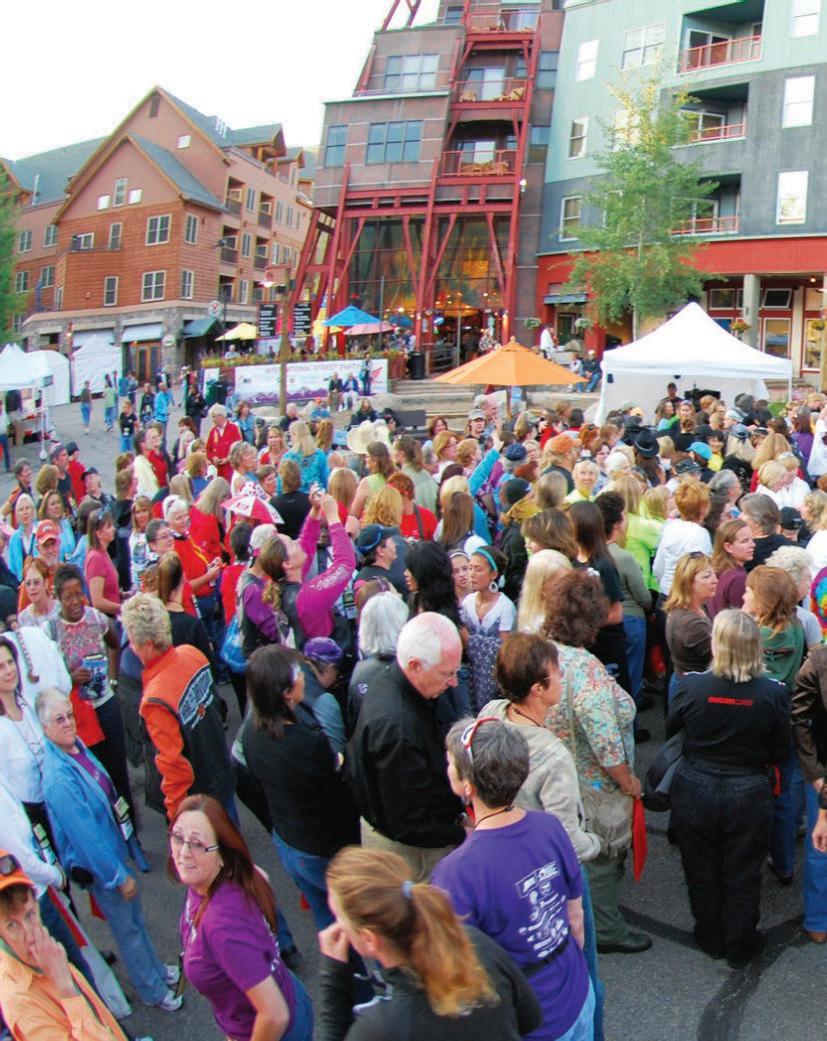
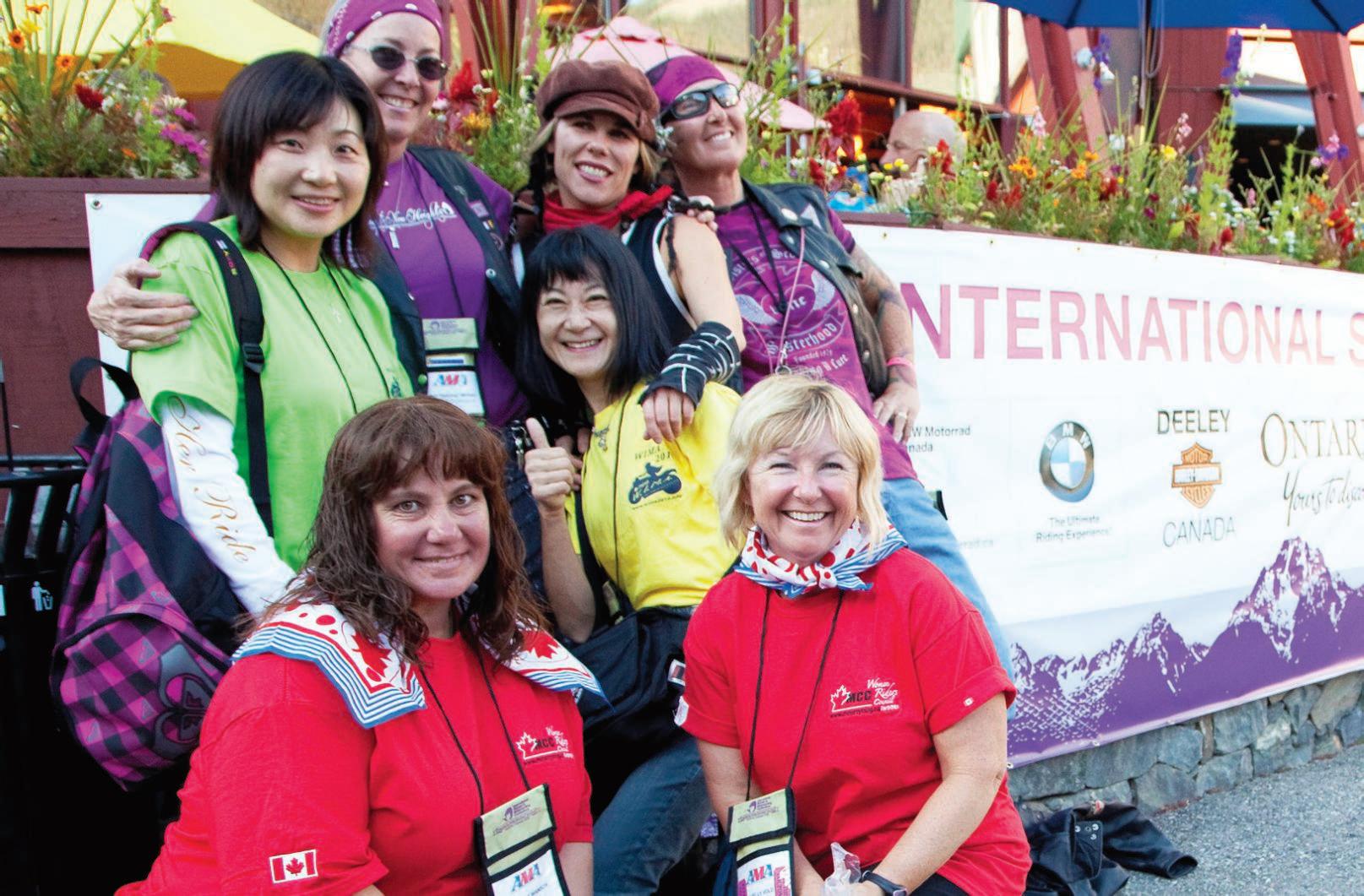
factors include empowerment, inspiration,
















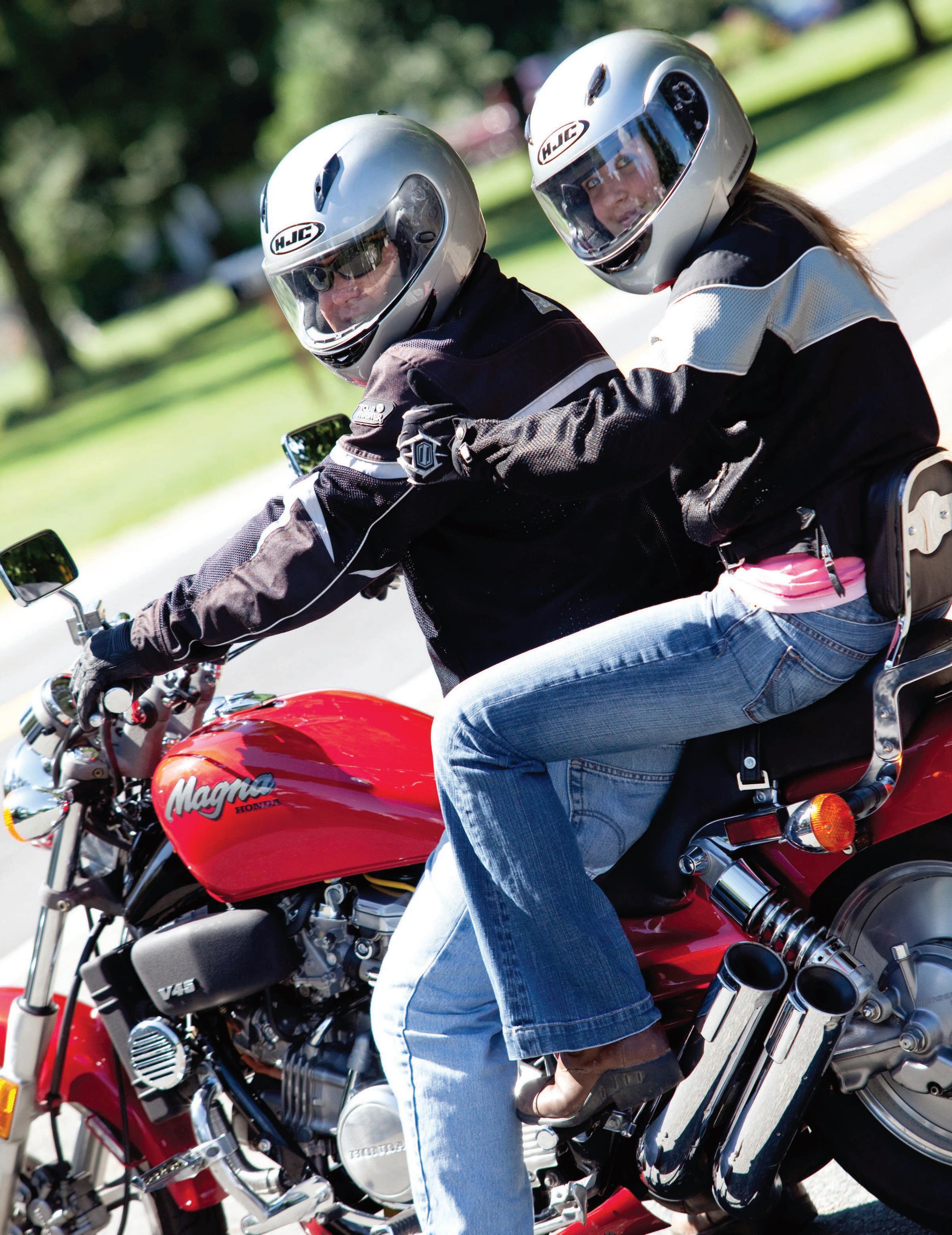

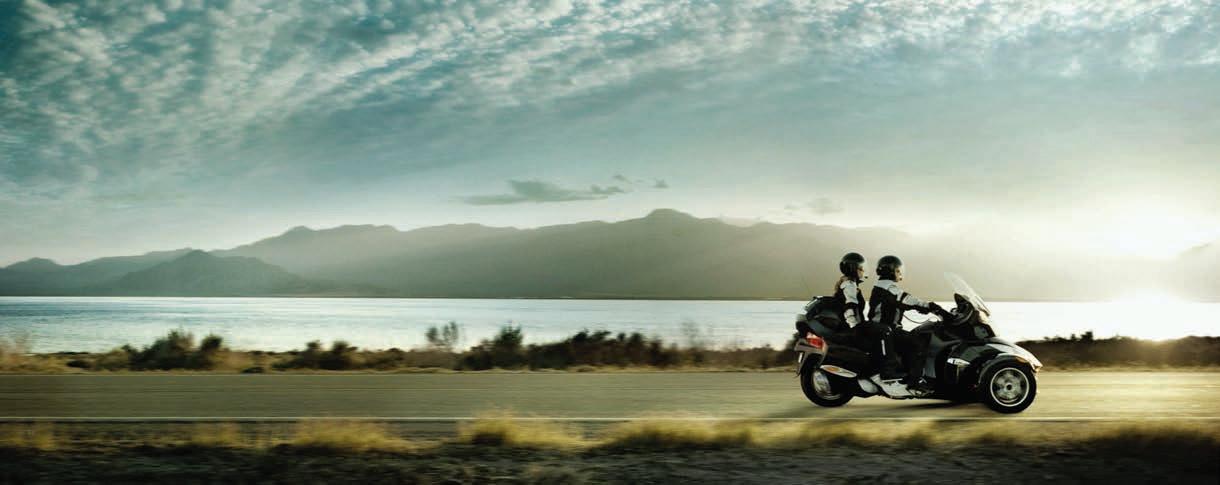
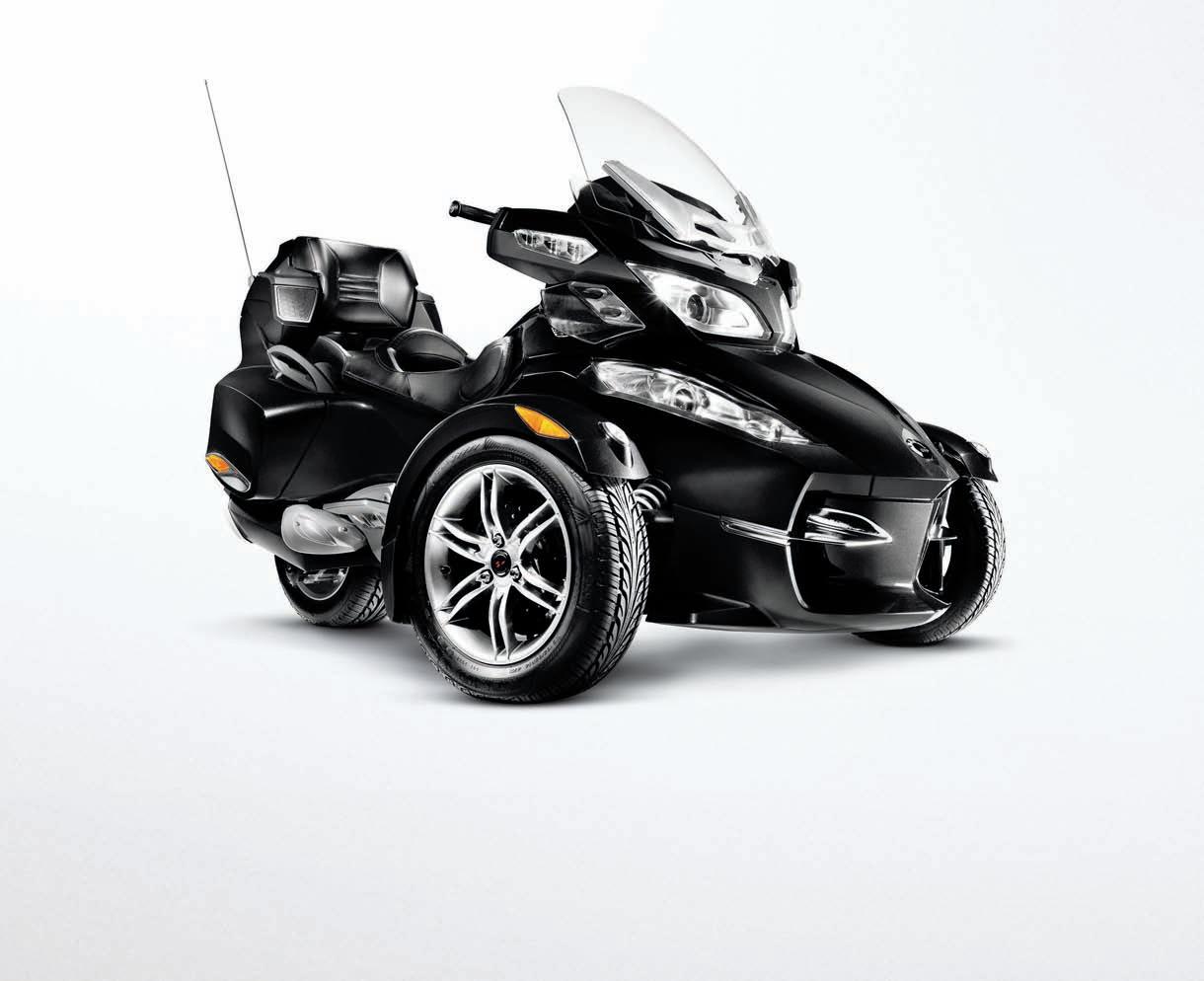
BE THE FIRST TO OWN THE NEW SPYDER RT. RIDING REINVENTED.
Introducing the Can-Am™ Spyder® RT– the rst three-wheeled roadster designed for touring. Equipped with an advanced Vehicle Stability System, 41 gal. (155L) of storage and a full-color, electronic interface that displays vehicle information at a glance. And a striking, Y-shaped design that ensures you’ll never blend into the landscape. Learn more at spyder.brp.com. ENJOY THE