WINNER: Best American Expat Support Media Platform 2025
WINNER: Excellence in Transatlantic Community Engagement 2025
FEATURES INCLUDE: American Expatriate Clubs’ News • Eating Out
Education • Hotel Review • Legal Matters • Take Five • Taxing Issues
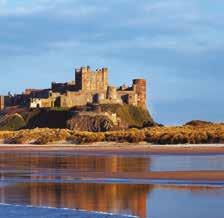
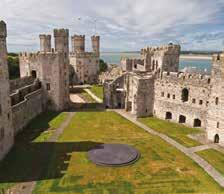
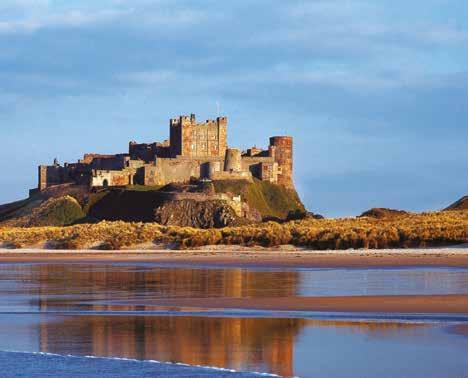
The 10 Best Castles In The UK • Theatre • Travel • Wealth Management
ADVISORY PANEL
AMERICAN IN BRITAIN
We would like to invite you to our free
AMERICAN FINANCE & NETWORKING EVENT
on Monday 27th April, 2026 at The Royal Automobile Club, Pall Mall, London
From 12pm - 3.30pm
Join us for us for an informative afternoon of financial advice and networking opportunities.
THE TOPICS THAT WILL BE COVERED ARE:
Cross-Border Tax Compliance And Planning Implications For Americans In The UK
Roland Sabates from Expat Legal Services Group will discuss cross-border tax compliance and planning implications for Americans in the UK in consideration of the evolving tax landscape in both countries. The presentation will offer an overview of the general tax guidelines that are important for both new arrivals and long-term expats to understand, and go on to cover tax obligations and opportunities relevant to small business owners, international families, and anyone saving for retirement.
An Update On The Global Investment Landscape And How To Structure Your Investments As Americans Living In Britain
Presented by Jonathan Gold, W1M Wealth & Investment Management Ltd
This seminar will include a macroeconomic update, and will also cover the difficulties Americans in Britain face for managing their global investment portfolios and provide suggestions for how to structure these effectively.
Smart, Tax-Effective Giving For Dual US And UK Taxpayers
Joe Crome, Head of CAF American Donor Fund, will share insight on the best ways to give to charities in the UK, US and around the world, how to maximise the tax relief available to you, making use of the UK’s Gift Aid scheme and flexible solutions to plan your charitable giving over the longer-term.
This event is free of charge and is for Americans only. Readers must pre-register for this event, so please email the names of those who would like to attend to helen@theamericanhour.com
Many restaurants would consider it a major achievement to still be open after 10 years, indeed, in the current environment surviving 1 year could be considered an achievement, but what would you say if I told you that Veeraswamy has been serving some of the best Indian fare for 100 years? Yes, March 18th, 2026, marked its opening a century ago, and when you visit, it is obvious why it has lasted so long, and continues to go from strength to strength, as it does the basics perfectly, and the more complicated things even better still, and all seemingly effortlessly.
The restaurant was established by Edward Palmer in 1926, where he hoped to share his love and recipes of exotic Indian cuisines with his fellow Londoners. The restaurant was then sold to William Steward, MP for Woolwich, in 1935, and for the next 30 years its reputation of being the place to go to developed. It was the favoured destination of Royalty, and the rich and famous, and it was at Veeraswamy that the tried and tested combination of beer and curry originated, when the King of Denmark decided to ship out a cask of Carlsberg beer to the restaurant to be served to him when he visited!
Veeraswamy’s ownership has finally moved to join AMAYA and Chutney Mary’s owners to create a powerhouse of curry houses, but even though it is now the grand old age of 100 (I wonder if the King sent a telegram congratulating it like he does to people), it has moved with the changing times, whilst still maintaining that ambience and elegance from its heritage.
The entrance is from a small door on Swallow Street, where the elevator takes you up to the first floor and you are greeted by a fusion of luxurious décor that is a throwback to the opulence of a 1920s Maharaja Palace and the glamour of art déco England. There are artifacts from India’s ruling elite, and sumptuous art and textiles, and diners are seated between the art décor bar on one side and the large windows giving bird’s eye views of Regent’s Street.
Having been drawn into the opulence that is Veeraswamy’s décor, we turned our attention to the menu whilst sipping one of their Indian influenced cocktails - think a porn star martini combined with chilli and you won’t be far off the mark! - and a mixture of popadums with a trio of pickles. The tables are well spaced and covered by crisp white tablecloths with a few red rose petals, and full of diners having the same agonising choices as we were, as to what to order, as everything sounded mouthwatering.
For our starters, we opted of the Crisped Spinach Leaf Chaat (£16), the Tandoori Chicken Momos (£18) and the Gilafi Lamb Seekh Kebab (£17). The lamb kebab was so delicate and packed with flavour and accompanied by a mint and coriander sauce that added that extra zing. Chicken Momos originated in Tibet/Nepal, but have travelled across the globe and are now popular everywhere. They are similar to samosas, but as they are steamed they are much less calorific, and in the skilled hands of the chefs at Veeraswamy were shell shaped parcels of joy just bursting with flavour and served with a cold tomato chilli that was spectacular. Good as they were, these two starters had to play second fiddle to the Chaat, as the combination of flavour you got from it was almost beyond words. The special combination of spices and ingredients along with the crispy spinach leaves and the sweet
pop from the pomegranate seeds made this street food at its finest.
Indian restaurants are wonderful places for vegetarians as they provide an extensive selection of dishes and all packed with flavour, and Veeraswamy is no exception, with Nizami Vegetable Biryani and Vegetarian Silver Crescent the standout options. I, however, am a confirmed carnivore, and I selected the Travancore Prawn Curry (£33) and the Roasted Coconut Chicken Curry (£29) from the classic section, and then something really special from the Indian Royal recipes section, the Patiala Shahi Raan Encroute (£39.5). The meaty prawns bathed in a sweet coconut sauce had just enough spice to give my mouth a contented hum, and the chicken was beyond succulent and came in a vibrant sauce. In each case, the combination of spices brought the dishes to life, and this enabled the quality of the ingredients to shine through. The Patiala Shahi Raan Encroute is a rare dish that goes back to the legendary kitchens of the Nizam of Hyderabad, which inspired Edward Palmer all those years ago, and consists of a slow cooked lamb shank surrounded by delicate and puffy pastry and the taste and textures would inspire me to open a restaurant as well!
To accompany our mains, we had a crispy butter naan and some lovely rice both of which enabled us to mop up the wonderful sauces, and for our drinks, despite the history and there being beer on offer, we opted for a lovely rose wine from an extensive and well-crafted wine list.
The dessert selection is also full of classic dishes from the ages, and I selected the Chocolate Rhum Jaam (£11) which is best described as an Indian Rum Baba and was a wonderful end to a wonderful meal.
When you are going out to eat, your evening is crafted by a number of things, the décor, the service, and the ambience, as well as the all-important food, and Veeraswamy delivers at every turn. The décor is understated class, the service is impeccable, with very knowledgeable staff who are there when you want them and absent when you don’t, and the ambience is one of welcoming sophistication.
The real star however, is the food. Superlatives are often wrongly used to describe dishes, but with Veeraswamy those superlatives are actually not enough, as the skill and combination of spices that make up the dishes is so good words are almost insufficient, and it is unsurprising that it has held a Michelin star since 2016.
www.veeraswamy.com
Cent Anni
21 Loudoun Rd, St John’s Wood, London, NW8 0NB
When you think of classy and sophisticated boroughs of London, the name St John’s Wood is usually one that comes to mind, as it was among the first London Borough’s with lower density villa housing, frequent avenues and leafy roads, giving it a relaxed feel making it a lovely place to live, especially in Spring when the blossom is on the trees.
On the corner of two of these lovely avenues proudly sits the new Cent Anni (the other is in Wimbledon), a modern neighbourhood Italian restaurant which is a welcome addition to the well-developed St John’s food scene. Many people think that it is easy to cook Italian food, and I often hear people saying “well pasta is pasta isn’t it?”, but that is just so wrong. Cooking pasta well is an ‘art’, and is often not done well, but at Cent Anni they must be ‘artists’ as the pasta is cooked to perfection (as is everything else we tried).
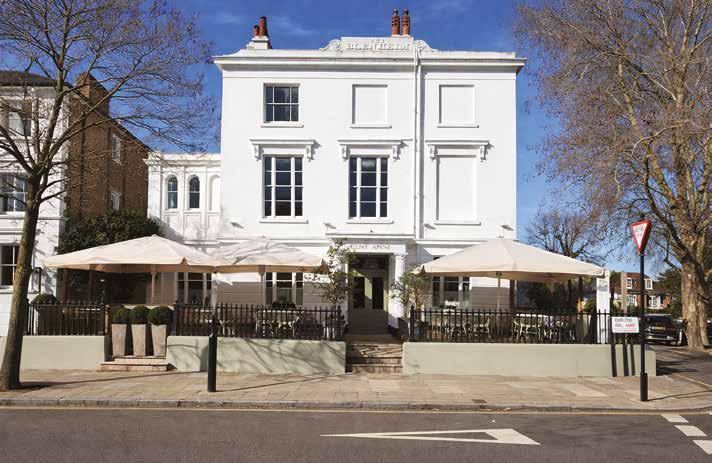
The restaurant is in a residential area and was clearly an imposing house before its transformation, and boasts an outside terrace with comfy chairs which, when the Summer eventually comes, will be a wonderful space for dining or just having a drink. Inside, the ground floor oozes a calm relaxed elegance with wooden floors and tables and a roaring fire at one end. The light olive-green walls provide a very relaxed mediterranean vibe, and the gentle lighting enhances this welcoming feel.
To start our Italian culinary journey, my wife selected the house cocktail eponymously named, which combined prosecco, elderflower cordial and mint, creating a long and refreshing tipple. I chose a crisp glass of Cotes De Provence, Domaine de la Grande Bauquiere French rose, which I highly recommend.
We resisted some Zucchini Fritti with lemon mayonnaise (£7) and Homemade Rosemary Focaccia (£5), as we wanted to ensure we didn’t spoil our appetite, and went straight into a Burrata with Sicilian datterini tomatoes (£12), and the Risotto of mascarpone, broad bean, pea and mint (£18). Sicilian datterini tomatoes are well known for their exceptional flavour, and provided that little bit of sweetness they are renown for, alongside the rich creaminess of the burrata. The risotto was warming and had the depth and creaminess you would expect from a dish containing mascarpone, and it was taken to that extra level by the crunch of the pea and broad beans along with a subtle hint of mint.
For our mains, I decided on 200g Rib Eye Steak with fresh cut fries (£30) accompanied with a peppercorn sauce (£2) and my wife the Chicken Milanese, linguini, cherry tomatoes and spring onions (£20). Rib eye steaks are famed for their rich juiciness, due to their increased marbling, and my steak didn’t disappoint, as it was packed with flavour and served with a pinky middle and a lovely charred outer layer. The generous bowl of fries was light and crispy and the peppercorn
sauce was creamy with hints of pepper, a classic combination which will never fail to delight. Chicken Milanese is also a beloved dish with its roots, not surprisingly, from Milan, which epitomises the Italian culinary philosophy of using simple, high-quality ingredients. At Cent Anni a generously sized, golden-crumbed cutlet arrives crisp on the outside (from a combination of breadcrumbs and parmesan cheese), and juicy within, topped with a fresh, peppery rocket salad and a squeeze of lemon that cuts through the richness beautifully. The linguini is equally satisfying, perfectly al denté and coated in a silky, flavourful sauce of cherry tomatoes and spring onions that feels indulgent without being heavy.
Desserts also include a number of classics including a Tiramisu and an Affogato, but I am a real fan of Lemon Tart, and the Amalfi one on offer here was a fitting end to the meal, as the combination of the slightly doughy pastry and the delicate tartness of the lemon delivered another classic perfectly.
Cent Anni is a stylish neighbourhood Italian restaurant, that blends classic comfort with contemporary polish. The dining room feels warm and elegant, with soft lighting, leather seating and a relaxed buzz that suits both date nights and family dinners. The menu focuses on wellexecuted Italian staples and the portions are hearty, and overall it’s a reliable, crowdpleasing spot for refined yet approachable Italian dining in St John’s Wood. www.centanni.co.uk
Kitchen W8
11-13
Abingdon Rd, London, W8 6AH
High Street Kensington has always had a little bit of glitz about it, and that glitz and glamour was best demonstrated by being the home of Terry Venables’s private members club, Scribe’s West, where this larger than life English Football Manager rubbed shoulders with an array of ‘colourful’ characters in the early 1990s. You might think that a top quality Michelin starred restaurant in the close vicinity would also continue this glitzy theme, but you would be wrong, as at Kitchen W8 there is no pomp or bluster, just an understated class and quality where the food is the star of the show. Don’t get me wrong the décor is equally timeless and elegant, with crisp white tablecloths, wooden floors and tweed banquettes that oozes class and sophistication, but it is also cosy enough to make you feel that you are at home rather than in a restaurant, be that a home with a master of his craft cooking for you.
Head Chef, Mark Kempson, is that master, and under his guidance the restaurant has held a Michelin star since 2011, along with a number of other awards, all of which are totally deserved.
Our evening started with a moreish Amuse Bouche of Squash Humus, celeriac and rice crackers. The squash had a slight gentle sweetness and combined with the earthy and nutty flavours of the celeriac, made a creamy humus that we gleefully scooped up with the crackers.
The menu is compact and fits on to one sheet, but is packed with delights, and changes regularly depending on what is fresh
and in season. For my starter, I selected the Scorched Cornish Mackerel, smoked eel, golden beets and sweet mustard dressing (£23) and my wife the Carpaccio of Orkney Scallops, crisp oyster, hot honey pickled pumpkin and clementine (£27.5). I was advised by the waiter that the mackerel has been on the menu since the restaurant opened as it is so popular, and it isn’t hard to see why. As mackerel is oily, the fish’s flesh has a chewy and firm texture and a bold flavour, but it is also tender, and when served with a lightly chard skin, is delicious. Added to this, is a burst of colour and texture from the beets, and with a subtle hint of mustard in the dressing and with the addition of the smoky eel, you can see immediately why this dish has lasted the test of time and remains on the menu to this day. Orkney Scallops are considered amongst the best in the world due to their sweet delicate flavour and firm texture, created by the clean fresh and extremely cold waters around the Orkneys, and when combined with a crisp oyster and the heady mixture of sweet and sour hints from the honey and clementine, is a dish to be reckoned with.
My wife chose another starter for her main course, as the Hand Rolled Linguine, new season’s Perigord Truffle and La Villa Parmesan (£30) was tempting her too much, whilst I went for the Roast Saddle of Venison, glazed faggot, ancient grains, creamed cabbage and quince (£44). Freshly made pasta is always a joy, and when combined with mushrooms, hints of truffle and a generous sprinkling of parmesan, was a wonderful plate of food. Chef Mark, is currently the holder of the Game Chef of the Year Award, and his venison dish
shows all the skills that won him this award. Venison loin is very low in fat (around 3%) and so if not cooked perfectly will dry out quickly, but here the meat was pink and succulent, almost melting away from my knife, and bursting with a rich gamey kick. In addition, I ordered a portion of Perigord Truffle creamed potato (£12), which is for the whole table, and was one of the creamiest, indulgent potato dishes I have had.
Despite such previous delights, I couldn’t wait to try a few of the desserts as they also sounded delicious. We selected the Valrhona Chocolate Pavé, salted caramel ice cream, peanut and lime (£13.50), and the Madagascan Vanilla Custard, sherrysoaked prunes and marcona almond (£13.00). Valrhona chocolate is the ‘premier cru’ of chocolate and gave the pave a really luxurious and intense chocolate hit. The salted caramel ice cream flavour matched that intensity making a perfect foil and end to the meal. The custard was equally flavoursome and was wonderfully light and creamy, ably supported by the plump and syrupy prunes.
What sets Kitchen W8 apart from other restaurants is its unique laid back and understated attitude. Everyone is uber professional (the waiters are exceptional and extremely knowledgeable), but at the same time everything appears serene, which gives Kitchen W8 a home from home feel. Summing it up, Kitchen W8 is fine dining meets friendly neighbourhood bistro, where the food does the talking with ultra fresh ingredients lovingly combined to create dishes that will delight your eyes as much as your taste buds. www.kitchenw8.com
The Brush East London Grand Café
84-86 Great Eastern St, London, EC2A 3JL
The Brush East London Grand Cafe is set on the ground floor of art’otel Hoxton, which is an imposing round tower building, comprised mainly of curved steel and glass walls. By the entrance to The Brush is a fabulously large bronze paintbrush sculpture, and when entering the building, the art theme continues with a magnificent graffiti mural covering the whole of the interior wall of this circular designed café. The vibe is contemporary and stylish, but the atmosphere was both relaxed and comfortable. The windows are floor to ceiling, enabling you to look out to the world passing by and allowing light to flood into the restaurant, even on a dull day in January.
To start we were offered a selection of warm cocktails. However, as tempting as they all were, we choose cocktails from the alternative drinks menu of the day, that included the Sakura Highball, made up with whisky, vermouth and sherry, and as hoped for, it was both refreshing yet sweet.
Executive chef Ryan Matheson delivers a modern European menu with a bold, contemporary edge, and dotted throughout the menu are dishes which celebrate East London’s rich culinary history and culture. Enjoy plates such as the Salt Beef Scotch Egg with truffle parmesan; and Butternut Squash Curry, which are nods to the neighbouring Brick Lane bagel shops and curry houses; the Atlantic Halibut and Frites, inspired by Bow’s first fish and chip shop in the 1860s; and the Full English Salad honouring the area’s historic caffs. Other options on the menu focus on classic European dishes with a twist, including Beef Tartare on sourdough topped with confit egg; Moules-Frites doused in chilli, lemon and thyme; and Weiner schnitzel accompanied with a cucumber and dill salad and parsley potatoes.
However, my choice of starter was one of the Loaded Flatbread’s with Gruyère, Bacon and Caramelised Onions. The flatbread was cooked to perfection with crispy edges, although the bacon was actually lardons and not necessarily what I would have chosen as these are generally quite fatty, and my friend chose the French Onion Soup, with gruyere and croutons. This proved a very comforting dish on a winter’s day, with the cheese slowly melting into the sweetness of the croutons and onions beneath.
There is a good choice for the main course, and after much deliberation, I ordered the Chicken Schnitzel, accompanied by heirloom tomatoes, shallots and mustard dressing, that when served was a very generous portion that covered the entire plate! With the delicious accompaniment of Mac & Cheese, and Fries, it proved a very enjoyable main course that I would highly recommend for those with big appetites. My friend chose The Brush Burger, Bacon, Cheddar Cheese, Bone Marrow Relish, Frites, that was also very generous in size!
When the dessert menu was presented, the Basque Cheesecake with raspberry compote looked very tempting, and amazingly I found just enough room to enjoy this dessert. The texture was creamy, almost custard like, and went perfectly with the raspberry compote. My friend enjoyed their Sticky Toffee Pudding, Vanilla Ice Cream, both were priced at £6, which is my opinion is great value for money.
Shaking up Saturdays and Sundays in Shoreditch, The Brush invites guests to enjoy its Saturday DJ Brunch, with a menu of classic and creative brunch dishes including Coconut & Berry Pancakes; Goldstein Salmon and Scrambled Eggs and Bratwurst served with mustard, pickle, chilli jam and fried egg, best enjoyed against a backdrop of laidback beats. For a brunch bargain, guests can opt for the Brunch Set Menu, available every Saturday between 12pm - 4pm, with two courses and a cocktail for £25.
Come Sunday, The Brush serves the ultimate Sunday lunch with dedicated Bloody Mary menu from 12pm – 4pm – expect the likes of Roast Striploin of Beef and Half Roast Corn-Fed Chicken, all served with trimmings of Yorkshire pudding, crispy roast potatoes, cauliflower cheese and roast carrots.
The Brush Lounge and Cocktail Bar is where daytime meetings morph into lively evening affairs. Boasting a bold cocktail menu created by Group Bar Manager, Alessandro Mannello, guests can experience a cocktail tailored to every taste – whether it be the zingy and floral A Sour, Please, with Plymouth Gin, assam tea, bergamot and citrus; the clear and smooth E2 Punch of Macerated Hoxton Banana Rum, toasted oat, orgeat and Cointreau; or the sweet and nutty Bourbon & Croissant with Bulleit Bourbon, hazelnut, cocoa, croissant and aromatic bitters.
Non-alcoholic options are as prolific as their counterparts; enjoy the Dirty D, with Feragaia, spiced ginger, orgeat, lemon verbena and pink peppercorn; and the sweet and sour Citrus Touch featuring Pentire Coastal Spritz, citrus sherbet, peach and topped with lemon sorbet foam.
A carefully curated wine list featuring still and sparkling wines from across the globe is also available to enjoy, alongside an extensive range of beers, spirits and soft drinks.
Beyond the restaurant and bar, The Brush is a one-stop destination for food, art and culture lovers. A 60-seat private auditorium plays host to film screenings, artist talks and immersive dining experiences. The adjacent rotating art gallery ensures there’s always something new to discover. Whether you’re here for a morning espresso, a long lunch, an evening negroni, or a film night with a menu to match.
The Brush East London Grand Café is where food, drink, and culture collide, and it is nice to see a restaurant that offers a good selection of dishes for all tastes and is good value for money.
www.thebrushhoxton.co.uk
2026 Guide contains content covering:
The Guide has been published for over 20 years, and has had over 1.5 million views over the past year on our
Please share our website with your UK-bound expatriate colleagues, www.expatsguidetotheuk.com which is the digital platform for the Guide.
HOTEL REVIEW The Chancery Rosewood, Grosvenor Square, London
Over the past 30 years, many readers will have attended the events I have organised at the US Embassy in Grosvenor Square, London, and I have so many special and happy memories of these events, the people I met and those at the Embassy who helped me with the logistics for these events. Many of you will have stood in line with your passports in hand to get through security, relinquished your mobile phones for the duration of the event, and been given a visitor’s badge, and I am now delighted to let you know that if you visit the same building, there is no security to get through, no long queues, just a lovely, large, welcoming reception area that is in what is now, The Chancery Rosewood Hotel.
The transformation of this building, from an ageing, dated building, to an ultra-luxury 5 star hotel is incredible, and I actually felt very emotional when entering.
Gone is the security desk as you entered the building itself, and gone are the offices that have now been transformed in to comfortable bedrooms.
The visa area that was situated on the ground floor is now a restaurant called Jacqueline’s, where, instead of being issued a visa, from 12pm - 6pm you can now enjoy wonderful cakes and Afternoon Tea, where you can select from over 100 different teas.
This area also houses the Japanese restaurant Tobi Masa, where we were lucky enough to dine.
There used to be a few ‘water troughs’ in the ground in the area of the lobby, but these have all gone, as have the portraits of past Ambassadors, but I am pleased to say that the bronze eagle that adorns the top of the building is still in place and is incorporated into one of the trendiest new bars in London, with magical views over
Grosvenor Square and beyond. The Eagle Bar has an indoor and outdoor sitting area, with outdoor fires and blankets to keep you warm in cooler months.
The old Embassy elicited mixed reactions, as the iconic 1960s building was either loved or hated, but whatever your view of the old building, it is impossible not to love the new one, that has been lovingly created with 144 bedrooms, 5 restaurants, a spa and a ballroom, with a significant budget of over £1.3bn having been spent on the refurbishment, which is just breath-taking.
The old wall to floor windows have been kept, allowing enormous amounts of natural light to flood the restaurants and bedrooms, and wherever you look you are greeted by spectacular flower arrangements and opulence. There are luxury hotels and then there is The Chancery Rosewood, as I have been lucky enough to have visited a number
of very special hotels, and few can match the attention to detail and level of luxury you experience here.
Check-in is quick and efficient, and you are escorted to your room, which are all suites, signature suites or what are called houses, ranging from 570 ft up to an eye watering 4,337ft. Regardless of what room you stay in, class and quality just ooze from every square foot, providing every guest moments of quiet indulgence in plush surroundings.
All the bedrooms boast Emperor beds covered in crisp cotton sheets and the softest duvets you can imagine, ensuring the best nights sleep ever. The signature suites are larger and just packed with objet d’art, and the houses are truly places where you would happily live for the rest of your life, and include a grand piano and spectacular skyline views as they are on the newly created 7th floor.
As well as wonderful bedrooms, the refurbishment has created a serene underground sanctuary providing
treatments to calm the mind as well as the body, but the Asaya Spa doesn’t just offer treatments, it boasts a state-of-the art gym featuring the new Artis Luxury equipment range exclusive to its fitness centre, and a 25-metre swimming pool surrounded by luxurious and almost obscenely padded beds and perfectly rolled towels. There is also a sauna, steam room, plunge pool, and thermal beds to give those staying the most relaxing experience, and as with the rest of the hotel, with no expense spared.
As well as the luxurious surroundings, The Chancery Rosewood also provides a wide range of restaurants for their residents.
Along with Jacqueline’s, there is a Japanese restaurant, Tobi Masa, with its number of open cooking stations dotted around the restaurant, and a Southern Mediterranean restaurant, Serra, which provides the highest quality ingredients from local farmers, and is where we enjoyed a delicious breakfast.
Before visiting one of these restaurants,
you must take a drink at the Eagle Bar perched on the rooftop. The inside is chic and atmospheric and this is juxtaposed by the light and expansive roof terrace with modern chairs and tables all under the wingspan of the iconic eagle retained from the old American Embassy, giving wonderful views over Grosvenor Square and Hyde Park.
Everything about The Chancery Rosewood shouts quality and opulence, the service is impeccable, the décor rich and classy, and there is an obvious exceptional attention to detail which creates a very special place to stay in the very crowded London Market. The owners have spared no expense, and this is clear throughout the hotel, and ensures its guests are treated like royalty throughout their stay.
The Chancery Rosewood, Grosvenor Square, London, W1K www.rosewoodhotels.com/en/thechancery-rosewood
for The American Hour’s Monthly Email Newsletters and invitations to the American Finance & Networking Events for Americans Living in the UK.
If you don’t already receive these newsletters or invitations, please email helen@theamericanhour.com and put Newsletter Request in the subject.
Don’t miss out on news, advice and invitations to events that are free to attend.
TAXING ISSUES
Introducing The 530A Account – A New US Retirement Account For Children And The UK’s 2025 Pension Pivot
Empowering The Next Generation’s Financial Literacy
From 2026, American families gained a new way to support their children’s financial futures: the 530A account. This tax-advantaged individual retirement account (IRA) is designed specifically for children. By late February 2026, it was estimated that more than three million children had already been enrolled.
US Treasury Secretary Scott Bessent noted on 28 January 2026 that approximately twothirds of Generation Z Americans struggle with basic financial literacy, answering fewer than half the questions on the Nation’s Personal Finance Index. He highlighted that 530A accounts offer a unique opportunity to teach financial skills in a way that schools and textbooks cannot.
What Is The 530A Account, And Who Is Eligible?
530A accounts, often referred to as “Trump Accounts”, are long-term savings vehicles created specifically for children and function in many respects like an IRA. Funds grow on a tax-deferred basis and are not taxed until withdrawn later in life. These accounts were introduced as part of the Working Families Tax Cuts.
To open a 530A account, a child must be a US citizen with a Social Security number and be under age 18 at the end of the year in which the account is opened. Each child may have only one 530A account, helping to keep administration relatively straightforward.
One of the most significant features is the USD 1,000 contribution provided by the US Treasury for every child born between 1 January 2025 and 31 December 2028. These funds are invested immediately in an index fund, and Treasury estimates suggest thatassuming long-term market growth in line with historical averages - that single contribution could grow to approximately USD 500,000 by the time the child reaches retirement age.
Although the USD 1,000 seed deposit applies only to newborns, any American under age 18 may open a 530A account and begin saving. Contributions are not limited to parents. Family members, friends, employers, states, and even philanthropic organisations may fund the account. The underlying policy objective is to help children establish a strong financial foundation early in life.
How Do You Open A 530A Account?
Opening a 530A account is relatively straightforward. A legal guardian, parent, adult sibling, or grandparent - in that order of priority - may establish the account when filing their US income tax return by completing Form 4547. This form authorises the IRS, the US Treasury, and their authorised agents to create and maintain the account for the child or children listed.
If Form 4547 is not filed at tax time, the account may still be opened subsequently through the government’s online portal at https://trumpaccounts.gov/form.
After Form 4547 is submitted, the Treasury Department or its agent will set up the account and provide confirmation. Once the system is fully operational, the account may be monitored and managed through the online portal. The individual who filed Form 4547 remains responsible for managing the account until the child reaches age 18.
What Are The Contribution Limits For A 530A Account?
Certain contributions can begin only after 4 July 2026, including the USD 1,000 government seed deposit. Contributions from family members, employers, or nonprofits will follow timelines and rules issued by the Treasury.
530A accounts do not require the child to have earned income. However, all investment choices must meet criteria set by the US Treasury Department and are expected to consist primarily of low-cost stock index mutual funds or exchange-traded funds composed largely of US based companies.
Individuals - including parents, family members, friends, and the child - may contribute up to USD 5,000 per year until the child reaches age 18. Up to USD 2,500 of that amount may be contributed by the child’s or parent’s employer. Additional contributions from government programmes or charitable organisations - such as the USD 1,000 federal seed deposit - may be made in addition to the USD 5,000 annual family limit and do not count towards it.
Given that multiple parties may wish to contribute, coordination is important. If aggregate family contributions exceed the USD 5,000 annual limit, corrective action will be required. Once the child turns 18, the account
transitions to the standard contribution limits and rules applicable to Traditional IRAs.
A particularly valuable feature of the 530A account is that contributions do not affect a child’s ability to save in other IRAs. A teenager with earned income may still make a full contribution to a Traditional or Roth IRA, allowing access to multiple tax-advantaged savings opportunities.
Withdrawal Rules And Taxation
Withdrawals are not permitted while the account is in its growth phase, which continues until the year the child turns 18. Thereafter, standard IRA contribution and withdrawal rules apply.
Importantly, the 530A account is maintained separately from other IRAs. It is not aggregated with other retirement accounts when calculating taxes or penalties on withdrawals, providing useful planning flexibility when deciding which accounts to draw upon or whether to pursue Roth IRA conversions.
Contributions from individuals - such as parents, family members, friends, or the child - are made on an aftertax basis. As a result, only the earnings on these contributions are subject to income tax and potential penalties upon withdrawal.
Contributions from other sources, including government programmes, employers, or charitable organisations, are made on a pretax basis. Both the contributed amounts and any associated earnings are therefore subject to income tax and potential penalties when withdrawn.
All investments grow on a tax-deferred basis, with no US tax due until funds are distributed.
Local Tax Implications For UK Residents
While 530A accounts benefit from favourable US tax treatment, their treatment under UK tax law is less certain - particularly in light of HMRC’s recent shift in interpretation of the UK–US Double Taxation Convention (the “Treaty”). The implications of this position are considered below.
The UK’s Pension Pivot: 2025 Changes And Their Impact On US Retirement Planning
For many years, US citizens resident in the
UK relied on a widely accepted interpretation of Article 17(2) of the Treaty: lump-sum distributions from a US pension scheme were taxable only in the United States.
In 2025, HMRC clarified its position. By invoking the Treaty’s “Saving Clause” (Article 1(4)), HMRC now asserts that the UK may tax lump-sum distributions received by UK residents from US retirement accounts, including 401(k)s and Traditional IRAs. In practical terms, where the recipient is UK-resident, those distributions are now subject to UK income tax.
This clarification, combined with the introduction of the UK’s new Foreign Income and Gains (FIG) regime from 6 April 2025, materially alters crossborder retirement planning for US citizens living in - or relocating to - the UK.
Understanding The “Saving Clause”
Article 17(2) of the Treaty provides that certain lumpsum pension payments “shall be taxable only” in the state of source. Historically, this was understood to grant the United States exclusive taxing rights over lump-sum distributions from US retirement accounts.
Article 1(4), the Saving Clause, preserves each country’s right to tax its own residents and citizens as though the Treaty had not entered into force, subject to limited exceptions. HMRC’s clarified position is that Article 17(2) is not excluded from the Saving Clause.
Accordingly, where the recipient of a pension distribution is UK-resident, the UK may tax the payment under its domestic income tax rules, notwithstanding the wording of Article 17(2).
HMRC has characterised this as a clarification rather than a policy change. As a result, it applies to distributions reported on 2024–25 returns and all future years, with no transitional relief or grandfathering.
Foreign Tax Credits And The “Uplift” Effect
Although double taxation is mitigated through foreign tax credits, the overall tax burden may increase (often described as an “uplift”). Under Treaty principles, the country of residence generally provides relief.
For a UK-resident US citizen receiving a lumpsum distribution from a US pension:
• The UK taxes the distribution as income (up to 45%, or 48% in Scotland)
• The United States taxes the same distribution under citizenship-based taxation
• Foreign tax credits are claimed to mitigate double taxation.
Because UK marginal rates are frequently higher than US federal rates - often in the 10–24% range for retirees - the effective global tax rate typically rises to the higher UK level.
For example, where a taxpayer is subject to 24% US federal tax and 45% UK income
tax, the US tax may be credited against the UK liability, but the differential remains payable to HMRC. In practice, this can result in an additional 8–11% tax cost compared with the previous interpretation under which only the United States exercised taxing rights over the lump sum.
In this framework, the UK becomes the primary taxing jurisdiction by virtue of residence, while the US liability functions as a secondary tax offset through foreign tax credits. For retirees making substantial withdrawals, this materially affects longterm withdrawal modelling and planning.
The FIG Regime: A Temporary Planning Window
From 6 April 2025, the UK replaced the remittance basis with the Foreign Income and Gains (FIG) regime. Individuals who were non-UK resident for ten consecutive tax years prior to arrival may qualify for full relief on foreign income and gains during their first four UK tax years of residence.
Key features include:
• Relief applies regardless of whether income is remitted to the UK
• The claim must be made annually through Self Assessment
• Claimants forfeit the UK Personal Allowance and the Capital Gains Annual Exempt Amount for the relevant tax year. For qualifying new residents, foreign income arising during the FIG window is exempt from UK income tax. This creates a notable interaction with US retirement planning.
Roth Conversions During FIG: A Strategic Opportunity
For US tax purposes, a Roth conversion is treated as a taxable distribution from a Traditional IRA followed by a rollover into a Roth IRA. The converted amount is included in US gross income.
From a UK perspective, that deemed distribution would ordinarily be treated as foreign pension income and taxed at UK marginal rates. However, where an individual qualifies for FIG relief and properly claims it, that foreign income is exempt from UK taxation during the fouryear FIG period.
In theory, the outcome is straightforward:
• The conversion is taxed only in the United States
• No UK “uplift” applies
• The balance is converted into a Roth IRA. Future qualified Roth distributions are treated as tax-free under the Treaty, provided US requirements - including the five year rule and the age 59½ threshold - are met and no contributions are made while UK resident.
In effect, FIG may create a time-limited taxplanning opportunity. Rather than converting
at combined UK–US marginal rates of up to 45–48%, some taxpayers may convert at US marginal rates alone, potentially reducing lifetime global tax exposure.
Legal And Practical Considerations
This planning area remains relatively new and has not yet been widely tested in practice. Several points warrant caution:
• HMRC has not issued detailed public guidance confirming the treatment of Roth conversions within the FIG framework
• A conversion differs economically from a cash withdrawal, and its classification for UK tax purposes may be subject to scrutiny
• The interaction between Article 17 Treaty protections and domestic FIG provisions has not been litigated
• General antiavoidance rules could apply where transactions are undertaken solely to exploit taxrate differentials
• The loss of the Personal Allowance during FIG years may reduce the net benefit, depending on overall income levels. These factors do not invalidate the strategy but underscore that it represents an emerging planning area rather than settled law. Coordinated US–UK advice and careful modelling are essential before proceeding.
A Changed Landscape
The combined effect of HMRC’s reliance on the Saving Clause, the resulting UK tax-rate uplift, and the temporary four-year FIG exemption window has fundamentally reshaped retirement planning for US citizens in the UK.
What was once a relatively straightforward Treaty-driven outcome now requires proactive planning around residence, marginal tax rates, and the timing of withdrawals. For some individuals, Roth conversions during the FIG window may be advantageous; for others, prearrival restructuring may be more appropriate. For long-term UK residents outside the FIG window, higher effective tax rates on pension lump sums may now be an expected feature of retirement planning. At the same time, new opportunities are emerging, such as the 530A account. This tax-advantaged retirement account for children allows families to build long-term savings that can complement broader crossborder planning strategies. By making use of accounts like the 530A, families can establish a financial foundation for the next generation while navigating an increasingly complex US–UK tax environment.
Written by Kyle Smith-Murray who serves as a Tax Advisor at H&R Block Expat Tax, specialising in US tax compliance for Americans living abroad.
Learn more at www.hrblock.com/ expat-tax-preparation/ or contact us at expattax@hrblock.com.
WEALTH MANAGEMENT
How Can 529 Plan Savings Be Used –What UK Residents Should Know
One of the most common ways Americans in the US save for their children’s future is through 529 plans – a US tax-advantaged investment vehicle operated by a state or educational institution to encourage saving for the future higher education expenses of a beneficiary. These plans allow for tax-free growth and distributions in the US provided funds are used for qualified expenses. Generally, any US citizen or resident alien is eligible to participate in a 529 and plans are commonly established by parents or grandparents.
Given the material tax benefits on offer from a US perspective, many families have found 529 plans a part of their strategic savings plan long before arriving in the UK. But, as with most things from a cross-border perspective, the way 529 plans are viewed outside of the US is not straightforward and brings along complexities that require managing. From a UK perspective, a 529 plan is generally considered a foreign trust and given the US-UK tax treaty has not been revised since 529 plans have become commonplace, it does not feature in the treaty to potentially give rise to any sort of reciprocal treatment.
The taxation of a 529 plan in the UK, along with any registration reporting requirements, can depend on whether a UK resident is considered to be the settlor, beneficiary or both and whether the 529 plan was funded pre or post becoming UK resident. While 529 plans do not enjoy the same tax-exempt status in the UK as it does in the US (unless we see an update to the treaty in the future), generally, the most favourable scenario arises when the plan is owned by a US resident family member. Given the UK tax complexities surrounding foreign trusts, it is, as always, important to speak to a tax advisor about your particular circumstances to understand any exposure to and timing of UK taxation related to 529 plans.
With that in mind, for those with existing 529 educational plan savings, it can be beneficial to review how funds can be used.
As noted earlier, distributions from 529 plans used for qualified higher education purposes are exempt from US federal income tax. Qualified expenses include tuition and fees, books, supplies, and equipment like computers required for study at a qualified institution. Additionally, room and board is considered a qualified expense as long as a student is enrolled at least half-time.
If a student lives off-campus, expenses cannot exceed the relevant school’s official cost of attendance allowance.
From a university perspective, a qualified institution is one that is listed on the Federal School Code List for Federal Student Aid. The latest list published in November 2025 includes 331 foreign universities across the world with 217 of those universities located in the United Kingdom.(1)
From a university perspective, a qualified institution is one that is listed on the Federal School Code List for Federal Student Aid
In addition to university expenses, US regulations have in recent years been expanded to also include a wide range of expenses associated with private K-12 education. As private secondary schools do not feature on the Federal Aid website, there is no definitive source to verify if qualifying secondary schools extend to any located outside of the US. The conservative approach would be to assume that distributions to non-US secondary schools would not be considered qualified for US purposes.
Qualified expenses also now include those associated with obtaining and maintaining post-secondary credentials, including certifications and licenses from industry-recognised organisations, accredited programmes and registered apprenticeship programmes. Generally, with respect to expenses associated with obtaining and maintaining professional licenses and credentials, it is thought
that as long as it meets US Department of Education standards, the expenditure should qualify. So, even if funds are not entirely used to fund university education, it is possible that further amounts could be used to fund either postgraduate education or professional certifications.
Despite a distribution being considered qualified from a US perspective and thereby avoiding any US federal income tax, to the extent that a UK resident beneficiary receives a distribution (whether qualified or non-qualified) from a 529 plan, for UK tax purposes, it is generally akin to that individual receiving a trust distribution and will be taxed accordingly.
In the event that a distribution is made for a non-qualified expense, then the distribution is subject to US federal income tax and an additional 10% penalty is assessed on any gains earned above the original contributions unless an exception applies. In certain instances, any state income tax deductions taken on contributions can be recaptured as well. So, ideally families want to avoid taking nonqualified distributions to the extent possible.
What Are Ways To Avoid Non-Qualified Distributions?
First and foremost, should there be excess funds in a 529 plan, amounts are allowed to be transferred without tax or penalty to other qualified members of the beneficiary’s family without incurring any tax penalty. Eligible family members include spouses, children, siblings, parents, nieces and nephews, aunts and uncles, first cousins, in-laws and the beneficiary’s own spouse.
If the beneficiary took out any student loans during their time in university, there is a $10,000 lifetime, tax free withdrawal per borrower to repay the principal and interest on qualified student loans. The beneficiary and their siblings are eligible borrowers and each can benefit from their own lifetime amount. The provision does not directly apply to loans taken out by parents on behalf of the child. However, if a parent took out a Direct PLUS loan to pay for university education, it would allow the parent their own $10,000 lifetime, tax-free withdrawal to put towards student loan debt repayment.
Separate from the above, since the start of 2024, beneficiaries are also now allowed to rollover up to $35,000 over the course of their lifetime from any 529 account in their name to a Roth IRA account in their name without tax and penalty. Beneficiaries are allowed to take advantage of this option if the 529 meets the following criteria:
• The 529 plan has been in place to benefit that beneficiary for 15 years or more
• Contributions or earnings from the past 5 years are excluded
• Annual conversion amounts cannot exceed the annual cap for Roth IRA contributions in any one year (i.e. the 2026 Roth IRA contribution limit is $7.500)
• The beneficiary must have earned income in the year of conversion.
Once any funds are rolled over to a Roth IRA, they are considered under the same rules as any other Roth IRA conversions that take place from Traditional IRAs to Roth IRAs.
From a UK standpoint, this is likely viewed as a trust distribution (and subsequent pension contribution) as opposed to a tax-deferred rollover from a qualified pension plan due to the fact that 529 plans are not specifically addressed in the US-UK tax treaty and are not qualified pensions. Therefore, it will be important to speak to your tax advisor to understand the impact before pursuing this option.
That being said, any opportunities to build a balance in a Roth IRA plan and allocate funds for retirement is likely beneficial for a UK resident individual as Roth IRAs enjoy tax exempt status in both the US and UK under the terms of the US-UK tax treaty and there are very few savings vehicles that do that.
While a UK resident may not end up enjoying the full extent of the tax exempt benefits of a 529 plan that can be on offer to an individual that is living in the US, maintaining a US resident owner and limiting the full reach in the UK until a UK resident beneficiary takes a distribution can still generally result in the 529 plan being a useful savings vehicle for education costs. It is important to speak with a dual qualified tax advisor and wealth manager to consider your personal circumstances to fully understand the nuances and ensure you make any use of the funds as efficiently as possible given the cross-border complexities.
Further information please contact Andrea Solana: andrea.solana@masecopw.com
THE LEGAL STUFF
• This document is intended for the recipient only
• The information contained herein is subject to copyright with all rights reserved. The document may not be copied, forwarded or otherwise distributed, in whole or in part, to any other party without our written consent
• Nothing in this document constitutes investment, tax or any other type of advice and should not be construed as such
• MASECO is not a tax specialist and we recommend that anyone considering investing seeks their own tax advice
• The views expressed in this article do not necessarily reflect the views of MASECO as a whole or any part thereof
• This document is provided for information purposes only and is not intended to be relied upon as a forecast, research or investment advice
• This document does not constitute a recommendation, offer or solicitation to buy or sell any products or to adopt an investment strategy.
Risk Warnings:
• All investments involve risk and may lose value. The value of your investment can go down depending upon market conditions and you may not get back the original amount invested
• Your capital is always at risk
• Fluctuation in currency exchange rates may cause the value of an investment and/or a portfolio to go up or down
• Alternative strategies involve higher risks than traditional investments, such as speculative investment techniques, which can magnify the potential for investment loss or gain
• Any impact from the actual or speculative tax changes contained in this document will depend on the individual
circumstances of each client and may be subject to change in the future
• Information about potential tax benefits is based on our understanding of current tax law and practice and may be subject to change. The levels and bases of, and reliefs from, taxation is subject to change. The tax treatment depends on the individual circumstances of each individual and may be subject to change in the future
• Certain products which may be used within a portfolio in order to give exposure to particular investment strategies may not be regulated in the UK and therefore will not have the benefit of the protections afforded by the UK regulatory regime.
Performance:
• Past performance is not a reliable indicator of future results
• No assurance or guarantee can be given that any target return will be achieved
• Illustrations of potential risk or return are illustrative only and do not necessarily reflect possible actual maximum loss or gain.
MASECO LLP (trading as MASECO Private Wealth and MASECO Institutional) is established as a limited liability partnership under the laws of England and Wales (Companies House No. OC337650) and has its registered office at The Kodak Building, 11 Keeley Street, London, WC2B 4BA. For your protection and for training and monitoring purposes, calls are usually recorded.
MASECO LLP is authorised and regulated by the Financial Conduct Authority for the conduct of investment business in the UK and is registered with the US Securities and Exchange Commission as a Registered Investment Advisor.
LEGAL MATTERS
What Americans Need To Know About The UK’s Autumn Budget
The Autumn Budget is the UK government’s main annual fiscal plan, similar to the US federal budget update, but focused on taxation and spending plans for the next several years. The Chancellor Rachel Reeves delivered the most recent budget to Parliament in November 2025 setting out taxation and spending measures against the backdrop of soft economic growth and ongoing inflation pressures. Whilst the freezing of income tax thresholds has attracted much media coverage, in this article, private client experts at law firm Russell-Cooke have highlighted some of the notable impacts for business owners, farmers, landlords and savers. The overriding message is the UK is entering a period of higher taxation compared to previous years, through subtle mechanisms rather than simply tax rate hikes.
Freezing Income Tax Thresholds
Most importantly for working professionals is the continued freeze of income tax and National Insurance thresholds until 2031. This follows the Chancellor’s pledge last year to unfreeze these thresholds from 2028. Whilst there are no explicit increases in tax rates, the freezing of thresholds results in bringing an increased number of taxpayers into higher and additional rate tax bands, meaning more tax.
High Value Council Tax Surcharge (HVCTS) (The ‘Mansion Tax’)
Following significant press speculation, it came as little surprise that the Government will be introducing a new surcharge for certain high-value properties in England (not in Wales, Scotland, or Northern Ireland).
From 1 April 2028, those owning residential properties worth £2 million or more, in council tax bands F to H, will be subject to an annual surcharge of between £2,500 to £7,500. This will be capped at £7,500 for properties valued at more than £5m. It is the responsibility of legal owners rather than the occupiers (a notable difference from Council Tax), to pay this. In short, it achieves the Government’s aim of taxing the property wealth rather than occupancy.
The HVCTS will follow the above structure to homeowners.
Property Threshold Surcharge
£2,000,000-£2,500,000
£2,500,000-£3,500,000
£3,000,000-£5,000,000
£2,500
£3,500
£5,000
£5,000,000 + £7,500
In short, it achieves the Government’s aim of taxing the property wealth rather than occupancy
Income Tax On Dividends, Property And Savings
The Chancellor announced an increase in the rate of income tax by:
• 2% for dividend income from 6 April 2026; and
• 2% for property and savings income from 6 April 2027.
For example, this results in the basic rate for savings income to be 22%, the higher rate for savings income to be 42%, and the additional rate for savings income to be 47%.
From April 2026, tax on dividend income will increase. The basic rate and the higher rate will each increase by 2% thereby bringing them to 10.75% and 35.75% respectively. The additional rate will remain at 39.35%. Specifically, the Government will abolish the dividend tax credit for non-UK residents with UK dividend income, in order to align the tax treatment of non-UK residents with UK residents.
The Government’s announced changes to income tax presents a change of pace with an increase in rates towards income produced by assets rather than income received as a result of work from employment.
Business Property Relief (BPR)
Currently, BPR is a useful UK inheritance tax relief that can reduce the taxable value of qualifying business assets by 50% or 100% when someone dies.
Under changes announced in the November 2025 Autumn Budget, BPR will be severely capped from 6 April 2026 so that only the first £2.5 million of qualifying business and agricultural assets per person can receive total relief at 100%, with any qualifying business assets above this attracting r relief at the reduced rate of 50% instead, (effectively creating a 20% IHT charge on value above the threshold rather than full exemption).
Previously, BPR could apply at 100% with no upper limit, allowing very large trading businesses to pass free of IHT. The new £2.5 million allowance is transferable between spouses or civil partners, meaning a couple can potentially shield up to £5 million at full relief. The changes are designed to preserve meaningful protection for genuine family businesses while limiting the use of unlimited relief to eliminate inheritance tax on very large estates; however, business assets above the cap will now face partial taxation, making the structuring of family business succession planning and ownership structuring significantly more important, especially for larger business owners exceeding the thresholds.
If you are fully within the UK IHT scope, your American company shares could be:
• 100% relieved under BPR (if qualifying), or
• partially relieved at 50%, or
• fully taxable at 40% if relief is restricted under new rules.
Alternatively, consider an American who has lived in the UK for eight years and owns 100% of a UK-based trading company worth £6 million. If they are within the UK IHT net (for example, because they become longterm resident under the new residence-based rules), the first £2.5 million of the business could qualify for 100% BPR, but the remaining £3.5 million would receive only 50% reliefleaving £1.75 million exposed to IHT at 40%, potentially creating a £700,000 tax liability. Under the old unlimited 100% BPR rules, there would have been no IHT on the business at all. Careful consideration therefore needs to be put into how any such inheritance tax would be financed and the options available for this to be done in the most tax efficient way.
Pensions Changes And Inheritance Tax
In an attempt to increase Inheritance Tax receipts, last year the Government announced that from 6 April 2027 unused pension funds will be included in the Inheritance Tax net. From an executor’s perspective, with a duty to report the value of the estate to HMRC this could prove practically difficult and is of concern as the executor may not be the Scheme Trustee of the Pension but still be responsible for reporting details of the pension and arranging the payment of IHT. Now, the Government has announced that executors will be able to instruct Pension Scheme Trustees to withhold 50% of taxable benefits for up to 15 months and pay Inheritance tax in certain circumstances, how this will work in practice will be will remain to be seen.
A further concern for executors is the prospect having to track down a number of different pension pots that the deceased may have accumulated over a lifetime of work and there being a risk that a pension fund is discovered in the deceased’s name long after the administration has ended. To provide executors with some assurance, the Government confirmed that executors will be discharged from liability to pay Inheritance tax on pensions discovered after they have received Clearance from HMRC.
The biggest adjustment for Americans is not just the tax rates, it’s managing two very different tax systems at once. The 2025 Budget increases the importance of structured financial planning, especially around investments, pensions, and property. The incoming changes do no present a dramatic overhaul instead, it is a steady squeeze achieved by frozen thresholds, reduced allowances and exemptions, and certain taxes that are nudged upward.
This reinforces the importance of taking estate planning advice and why cross-border tax planning from a professional is essential to avoid double taxation surprises or falling foul of HMRC.
The biggest adjustment for Americans is not just the tax rates, it’s managing two very different tax systems at once
Julie Man, Partner Full Member of Society of Trusts and Estates Practitioners (STEP) Committee Member on the STEP Administration of Cross-border Estates Special Interest Group +44 (0)20 8541 2040
Julie.Man@russell-cooke.co.uk
Aidan Tynan, Associate STEP, Affiliate Member +44 (0)20 3826 7321
Aidan.Tynan@russell-cooke.co.uk
THEATRE
Marie & Rosetta by Tim Baros
It’s quite a religious experience watching ‘Marie & Rosetta’, which is now being performed at the Soho Place Theatre.
Performed is the word, because even though this show is a play/musical about the true story of the relationship between Sister Rosetta Tharpe (Beverly Knight) - the ‘godmother of rock n roll’ who influenced Elvis Presley and Johnny Cash - and her singing partner, Marie Knight (Ntombizodwa Ndlovu), - this two hour production showcases Knight’s and Ndlovu’s spiritual voices and the beautiful songs they sing.
Taking place in a church in America’s Deep South in 1946 (where racial discrimination was normal), Marie and
Rosetta discuss their lives, relationships, and some gossip on the stage in the round where a very large lit up cross hangs over nearby (watch the swear words!). There’s a coffin at the opposite side of the stage - a presence that’s always there and explained near the end - as we are treated to beautiful uplifting songs and voices.
Newcomer, Ndlovu, matches the oh so powerful Knight, note by note (when Ndlovu sings ‘Were you there’, it’s moving and powerful). Knights’ powerful vocal skills are on show at full force and she almost completely takes over the 2nd half - plus her rendition of ‘I Looked Down the Line’ will have you on your knees in a prayerful
position. And it’s lovely to see the Olivier award winning Knight on stage - she always has a holier than though presence and look (which she probably acquired from her time on ‘Sister Act’).
‘Marie & Rosetta’ is all about Knight and Ndlovu and really showcases their talents. While Ndlovu is one to watch, the show does what it says on the tin - it raises the roof! And after the show you’ll feel just like you do after Sunday mass; uplifted, spiritual, happy and time well spent.
Now playing until April 11, 2026.
https://sohoplace.org/shows/marie-androsetta/
Photo by Johan Persson
TRAVEL Hidden Gems Of Tenerife: The Island’s Best Lesser-Known Places to Visit
Nestled in the Atlantic Ocean off the coast of Africa, Tenerife - the largest of Spain’s Canary Islands - is often synonymous with year-round sunshine, lively beaches, and the imposing Mount Teide. While its resorts like Playa de las Américas and Costa Adeje attract millions of visitors every year, there’s much more to this island than its welltrodden tourist paths. Beyond the bustling promenades lies an entirely different Tenerife: a place of mysterious ravines, forgotten hamlets, volcanic caves, ancient forests, and hidden black-sand coves waiting to be discovered, and in this article, I hope to give you a few less well-known places to visit.
But, before giving you a flavour of the less-known sights, there are two more well known attractions that I must mention and recommend.
Siam Park
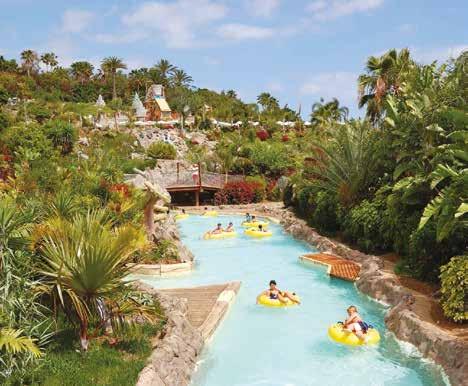
Siam Park is a water park near to Los Christianos in the South of Tenerife, which has been voted the number one water park in the world for the 10th year in a row (and that is impressive when you think that they are up against the likes of Disney and other large organisations), and it is not hard to see why, as this Thai-themed park is packed with rides that cater for all the family, and
levels of bravery, from the fearless to the not so!! Every ride has a rating and is listed under three categories: Relax, Family and Adrenaline, and includes a racing slide where you slide down head first on a mat, and rapids where you sit in inflatables (either singular, in pairs, or in fours), shooting down tunnels and swirling around large bowls at various paces.
The jewels of the relaxing attractions are the Mai Thai River and Siam Beach. The Mai Thai River is a 1km lazy river that wends its way through the park with some slow and some faster sections and is a piece of tranquillity in this action-packed park. The other jewel is the Siam Beach, which is a white sandy beach where you can relax between rides, as well as enjoying periodic waves from the giant wave machine. This beach is wonderful for just relaxing and enjoying some of Tenerife’s famous sun, and does become very busy, so you either need to come straight here on entry and secure your sun lounger, or make your way over to the far side of the beach (on the right) where there are more free sunbeds. Alternatively, you can hire a VIP Cabana or join the Champagne Club and secure special beds by this spacious pool.
The family rides are rated as being less scary, and include a number of gentler rides,
as well as some water playgrounds and slides for the younger members of the family, and will keep any family busy for most of the day.
The last section is for the true water park devotees who love speed and being scared a little, or a lot, and there are 8, yes 8, to choose from. I will not spoil the experience and surprise by giving away what each does, but suffice to say they all involve water, going fast and screaming! The centre piece of these rides is the Tower of Power, which is a 28 meter-high slide where you can reach speeds of up to 80 kph.
Top Tip: Siam Park is rightly popular and so can get very busy, and the queues for the rides can be long, so before you go you should go onto the website and plan what rides you want to go on and how to move your way around the park. You should also get to the park 30 minutes before it opens and buy your tickets beforehand. I would also suggest that buying a fast pass, which will enable you to go in the fast pass queue for 10 of the rides, is a must, and will enable you to enjoy all of the rides without queuing for ages.
Loro Parque
Loro Parque is rated as one of the best zoo’s in the world and has been in place for over 50 years. It is situated in the cooler northern side of the island and so it does provide buses that
will bring visitors from the warmer southern side of the island to enjoy all it has to offer. I am usually not an enormous fan of zoo’s, as I much prefer to see animals in the wild, but Loro Parque is much more than a zoo, it is what they call an Animal Embassy, as it provides support for animal conservation and protects endangered species.
A full day at Loro Parque turned out to be one of my highlights of my trip to Tenerife. The park is beautifully maintained, with lush greenery and spotless pathways that make wandering between areas genuinely enjoyable. Every enclosure feels thoughtfully designed, and the variety of animals is far wider than I expected for an island in the middle of the Atlantic - from parrots and penguins to gorillas, big cats, and marine life. Rather than bars, the animals are behind glass, which enables you to feel closer to the animals as well as giving you many more photo opportunities!
The shows are clearly a big part of the experience. Whether you enjoy them will depend on how you feel about animal performances, but they are well organised and draw big crowds. The sea lion show is more personal, as it is in a smaller theatre, whereas the orca show is in a very large arena and can appear cruel, until you hear the story of the orcas, where, without the zoo, they would have died in the wild. I personally found the penguin habitat and the aquarium to be the standout areas - both are immersive, calming, and impressively built. For a zoo on a small island the variety of the animals on view is impressive and we spent a very enjoyable five hours viewing everything we wanted to see.
Top Tip: Buy a combined entrance and bus ticket if you are staying in the south of the island so all of your travel to the zoo is dealt with. Also plan your visit around the shows you would like to see as they are popular and you do need to get into the arena early to ensure you get good seats. Finally, don’t miss the Red Pandas they are just like living teddy bears and are exceptionally cute.
As promised, along with these better-known sights for curious travellers seeking authentic experiences, here are some of the most underrated and lesser-known places in Tenerife that quietly capture the island’s true soul.
1. Masca Village: A Hidden Hamlet In The Mountains
Perched dramatically between steep ravines in the Teno Mountains, Masca Village feels like something out of a cinematic fantasy. Once considered one of the most isolated settlements on the island, Masca remained accessible only by a narrow, winding road that snakes through the rugged landscape. It wasn’t until the late 20th century that tourism discovered its charm.
Masca itself is a cluster of stone houses clinging to cliffs surrounded by palm trees, cacti, and terraced farmland. From the village, you can embark on the Masca Gorge hike,
which winds through dramatic canyons down to a secluded black-sand beach. Though it’s now more popular than it used to be, it still retains its remote allure, especially if you visit early in the morning or during the shoulder seasons. Standing at the edge of the gorge, you’ll understand why locals once referred to it as the “Macchu Picchu of Tenerife”.
2. Güímar Malpaís: The Volcanic Desert By The Sea
While the nearby Güímar Pyramids often attract curious visitors, few venture to the Malpaís de Güímar, a protected natural reserve just a few minutes away. This stark volcanic badland (its name means “bad land” in Spanish) is a surreal wilderness sculpted by lava flows from ancient eruptions.
Walking the circular trail through the malpaís is like stepping onto another planet. The terrain is dotted with rare coastal vegetation, lava tubes, and small caves, with the Atlantic Ocean constantly shimmering on the horizon. You’ll likely encounter few people here, just the occasional lizard basking in the sun or kestrels gliding overhead.
This quiet, wind-swept landscape offers peace and solitude, reminding you that Tenerife’s volcanic heart still beats close beneath its surface.
3. Los Silos And Its Natural Rock Pools
On the northwestern coast, tucked between the more famous areas of Garachico and Buenavista del Norte, lies the small town of Los Silos - a coastal gem largely overlooked by mainstream travellers. Its centrepiece is the old town square lined with colonial-era houses and a charming church. But the real treasures are found along its rugged shoreline.
Here, the ocean carves natural rock pools out of ancient lava flows. Unlike the busier natural pools of Garachico, Los Silos’ pools are quieter, with turquoise water perfect for swimming on calm days. For a stunning walk, follow the coastal path from Los Silos to Buenavista del Norte. You’ll pass banana plantations, basalt cliffs, and a landscape that shifts from green farmland to volcanic coastal wilderness. Please do take notice of the weather and sea conditions and take advice from the locals, as you should never swim in these pools when the sea is choppy as there is a very real risk of you been swept out to sea.
Stop by one of the small seaside cafés afterward for a plate of papas arrugadas (wrinkled potatoes) with Mojo sauce - and savour the sense of discovering a little corner of Tenerife untouched by mass tourism.
4. The Abandoned Village Of San José De Los Llanos
Deep in the rugged highlands between El Tanque and Santiago del Teide lies a whisper of Tenerife’s past: San José de Los Llanos, an old settlement partially reclaimed by nature. Once a thriving agricultural community, it was gradually abandoned as residents moved to the coast in search of better opportunities. Today, wandering its empty lanes and ivycovered walls feels like travelling back in time. Stone houses crumble under pine trees, and the silence is broken only by birdsong and the rustle of wind through needles. The area around the village is ideal for hiking, with trails leading into dense pine forests and viewpoints overlooking the volcanic slopes of Teide National Park.
Visit this spot if you crave something mysterious yet peaceful - a reminder that even Tenerife’s forgotten places have stories buried in their stones.
5. Barranco Del Infierno: The Canyon Of Hell (But Really, Paradise)
Despite its menacing name, Barranco del Infierno - “Hell’s Gorge” - is one of the most beautiful natural wonders on the island. Located near Adeje, it’s a deep ravine carved by centuries of erosion, filled with lush vegetation and clear streams - a surprising oasis amid Tenerife’s arid south.
Only a limited number of visitors are allowed daily, which helps preserve the area’s fragile ecosystem. The trail (about 6.5km round trip) is a moderate hike leading through winding cliffs and ending at a hidden waterfall - one of Tenerife’s few permanent ones. The contrast between the barren rock formations and the vibrant greenery underlines the island’s astonishing diversity.
It’s not quite “hidden” in a geographic sense, but the strict entry limit and natural seclusion ensure that it remains one of Tenerife’s quieter treasures.
6. Taganana: The Village At The Edge Of The World
If you venture into the remote Anaga Mountains, the rugged northeastern corner
of Tenerife, you’ll eventually wind your way to Taganana - a timeless hamlet perched above the Atlantic. Getting there means driving along serpentine roads that twist through misty laurel forests, revealing glimpses of dramatic cliffs and emerald valleys.
Taganana feels like it belongs to another century. Whitewashed houses tumble down the hillside, and nearby beaches like Almáciga and Benijo are framed by jagged sea stacks and wild waves - a haven for photographers and adventurous surfers alike. Especially at sunset, when golden light spills over the cliffs, the scenery feels almost otherworldly.
For those who appreciate remote beauty and authenticity, Taganana represents Tenerife as it was before mass tourism - raw, wild, and soul-stirring.
7. El Drago Milenario And Icod’s Hidden Corners
The Drago Milenario (Millennial Dragon Tree) in Icod de los Vinos is well-known, but few visitors linger to explore beyond the famous tree. They should - because Icod hides some captivating secrets.
Venture down cobbled streets to find small artisan workshops, quiet courtyards filled with bougainvillea, and traditional guachinches (family-run taverns) serving hearty local food and homemade wine. Beneath the town lies Cueva del Viento, one of the longest volcanic tubes in the world. Guided tours take you through parts of this enormous labyrinth where cooling lava once flowed, forming surreal shapes and underground chambers.
Icod is an excellent example of how even in slightly touristic towns, the real magic lies in exploring slowly and stepping off the beaten path.
8. Chinamada: Cave Houses In The Anaga Mountains
Another wonder hidden within the Anaga massif is Chinamada, a tiny hamlet unlike any other. Here, a handful of families still live in cave houses carved directly into the volcanic rock. These unique dwellings, naturally insulated from both heat and cold, represent one of the most ancient forms of human habitation on the island.
From Chinamada, a scenic hiking trail winds toward Punta del Hidalgo, revealing sweeping views over ravines and cliffs draped in laurel forest. Standing here, surrounded by prehistoric vegetation and Atlantic mist, it feels as though you’ve wandered into a forgotten paradise.
There are few places where Tenerife’s primeval nature and human adaptability coexist so gracefully.
9. Playa De Antequera: The Secret Beach Only Reachable By Foot Or Boat
Tenerife has no shortage of beaches, but few are as remote or pristine as Playa de Antequera on the island’s northeastern tip. Hidden beneath steep cliffs of the Anaga
massif, this crescent-shaped bay of grey volcanic sand can be reached only by a demanding three-hour hike or by boat from Santa Cruz or San Andrés.
It’s precisely this isolation that keeps Antequera so special. There are no facilities - just sparkling water, rugged cliffs, and absolute tranquillity. If you visit, bring plenty of water, sunscreen, and a sense of adventure. When you finally reach the shore and dive into the cool waters after your hike, you’ll understand why locals describe it as Tenerife’s last true wild beach.
10. Vilaflor: The Highest Village in Spain Perched 1,400 meters above sea level, Vilaflor holds the title of Spain’s highest village. While most visitors simply pass through on their way to Mount Teide National Park, the village itself is worth a stop. The air here is crisp and pine-scented, and the surrounding landscape is dotted with almond groves and terraced vineyards.
Vilaflor offers some of the best hiking trails on the island, including routes that lead to volcanic rock formations like Paisaje Lunar, an otherworldly landscape of pale, conical spires sculpted by erosion. Visiting in spring, when the almond trees blossom, adds a touch of magic - the entire valley covered in fragrant white and pink petals.
For those chasing serenity, Vilaflor offers contemplative beauty high above the island’s heat.
11. Arico: A Paradise For Rock Climbers And Rustic Soul Seekers
In the island’s southeast, the rural region of Arico is a playground for outdoor enthusiasts. Its canyons and volcanic walls make it one of Europe’s best spots for rock climbing, yet it remains relatively unknown outside the climbing community. Villages like Arico Nuevo and Arico Viejo preserve the essence of old Tenerife - rustic stone houses, cobbled streets, and time that seems to move slower.
Beyond climbing, the area boasts scenic trails weaving through orchards, ravines, and abandoned terraces reclaimed by wildflowers. For food lovers, small taverns serve farm-totable dishes and local goat cheese - a perfect reward after a day of exploration.
12. Cuevas Negras Trail: Tracing The Steps Of History
One of Tenerife’s most atmospheric hikes is the Cuevas Negras trail, which links the coastal town of Los Silos with the highland village of Erjos. The path crosses through the Teno Mountains, passing old terraces, cobblestone paths, and mysterious black caves that gave the route its name.
These caves once sheltered shepherds and travellers centuries ago. Along the way, you’ll cross ecological zones that shift from semi-tropical greenery to pine forests as the altitude changes. It’s a journey not only
through space but through time - a reminder of the deep connection between Tenerife’s landscape and its history.
13. La Laguna’s Hidden Patios And Secret Museums
While San Cristóbal de La Laguna is a UNESCO World Heritage Site often admired for its colonial architecture, most visitors stroll only along its main streets. But behind many of its colourful facades lie hidden patios, peaceful inner courtyards brimming with tropical plants, fountains, and old-world charm.
Seek out the Museo de la Ciencia y el Cosmos, a lesser-known gem blending science, astronomy, and interactive exhibitsperfect if you want to understand the cosmos above Teide’s summit. Or simply wander down quiet side alleys and peek into courtyards where bougainvillea climbs centuries-old walls. In these tranquil nooks, La Laguna reveals its intimate, romantic side.
14. Roque De Taborno: The “Matterhorn Of Tenerife”
Dubbed the “Matterhorn of Tenerife,” Roque de Taborno rises as a sharp volcanic pinnacle in the heart of the Anaga Mountains. The circular trail around the rock provides breathtaking views of both the Atlantic coast and deep ravines covered in green.
The nearby village of Taborno is one of the smallest and most picturesque on the island, almost untouched by modern tourism. Hike in the late afternoon when the light turns golden and the mist rolls in from the sea - it’s one of the most transcendent experiences Tenerife has to offer.
Conclusion:
Discovering Tenerife Beyond the Guidebooks
Tenerife boosts year round sunshine and some of the world’s best attractions and they are definitely worth visiting , but if you combine these with some of my suggestions above you will discover its essence also lies in the quiet places.
To truly know Tenerife is to stray from the crowds, to take the narrow roads and humble trails that lead to its hidden heart. Because beyond the postcards and resorts, the real magic of Tenerife still lives - quietly, beautifully, and waiting for those willing to seek it.
La Villa Helene
CALLAO SALVAJE, TENERIFE
Welcome to La Villa Helene! A beautiful, serene and spacious 4 bedroom villa in Callao Salvaje, Tenerife.
We invite you to relax and unwind on the huge sun terrace, set within vibrant tropical gardens and majestic palm trees, a truly calm and peaceful setting. Fancy a dip? At the centre of the outdoor space is a large private heated pool, perfect and large enough for those who love swimming or relaxing pool-side on a sun lounger. The terrace also benefits from being gated for extra child security. While in Tenerife, making the most of the outdoors and being able to dine outside is a priority. Here, you can enjoy alfresco dining under a shaded pergola with a purpose-built BBQ area - ideal for sunny evenings and spending quality time with your loved ones. Partial mountain views in the background will help you to indulge in the tranquillity.
The interior includes a spacious open plan living and dining area with patio doors leading out to the terrace. Kick back and chill on the comfortable corner suite sofa and watch your favourite TV shows including UK & US channels. Our kitchen is fully equipped including modern appliances ready for home cooked meals. The villa holds 4 bedrooms where guests can sink into comfort and a total of 4 bathrooms (3 en-suite) which equals a bathroom per bedroom.
LOCATION
Located in the popular resort of Callao Salvaje in the Costa Adeje area, on the south coast of Tenerife (only 25 km from Tenerife South airport). Callao Salvaje has everything to provide pleasure, relaxation and most importantly convenience with an excellent selection of amenities that is within walking distance. Also, not forgetting the reasonably priced accommodation and lots of sunshine which are more reasons tourists love Callao.
This accommodation is 100 meters from the centre of the resort, where you will find many restaurants, cafes, bars, supermarkets and the beach. There are some admirable restaurants to suit all tastes, plus some late night bars with entertainment and a beautiful man -made black sand beach that was completed in 2012. The resort holds a taxi rank and good transport links to anywhere on the island via several bus stops with regular service. Therefore, car hire is not required.
Callao Salvaje is a 10 minute drive or approximately 20 euros in a taxi to the busier areas such as Los Cristianos and Las Americas. The wonderful golf courses in Costa Adeje and in the Abama are also nearby.
Escape the hustle, soothe your senses and find peace at La Villa Helene. For further information, prices and availability, please email:
helen@theamericanhour.com
THE 10 BEST CASTLES IN THE UK
The United Kingdom is unusually blessed with castles. Some countries have a handful of medieval fortresses; the UK has thousands, scattered across cliffs, moors, cities, and islands. They range from romantic ruins to fully furnished royal residences, and each one tells a story about power, conflict, and the people who shaped the islands. After exploring many of them over the years, I’ve narrowed the list to ten that stand out not just for their architecture, but for the way they make you feel when you walk through their gates. These are the castles that stay with you long after you’ve left.
1. Windsor CastleEngland
Windsor Castle is the UK’s most famous working royal residence, and it feels every bit as grand as its reputation suggests. The moment you approach the Round Tower, you sense the weight of nearly a thousand years of history. Inside, the State Apartments are dazzling - ornate ceilings, glittering chandeliers, and walls lined with masterpieces. St George’s Chapel is equally breathtaking, a masterpiece of Gothic architecture and the resting place of monarchs. What makes Windsor special
is the contrast between its ceremonial splendour and the very real sense that this is still a living, functioning palace. It’s polished, immaculate, and deeply atmospheric.
2. Edinburgh CastleScotland
Edinburgh Castle dominates the skyline like a stone crown perched on an ancient volcanic rock. It’s impossible to visit the city without feeling its presence. Once inside, the scale becomes clear: this is less a single castle and more a fortified village. The Crown Jewels of Scotland, the Stone of Destiny, and the Great Hall all compete for attention, but the real magic is the view. Standing on the battlements, looking out over the city’s rooftops and the distant Firth of Forth, you understand why this site was so strategically important. Edinburgh Castle is dramatic, rugged, and unapologetically Scottish.
3. Caernarfon CastleWales
Caernarfon is the kind of castle that looks like it was designed for a film set - massive polygonal towers, thick walls, and a commanding position on the River Seiont.
Built by Edward I as part of his “iron ring” of fortresses to control Wales, it’s both imposing and beautiful. Walking along the battlements feels like stepping into a medieval power play. The Eagle Tower, with its symbolic carvings, is particularly impressive. Caernarfon doesn’t just tell a story of conquest; it tells a story of identity, resistance, and the complicated relationship between Wales and England. It’s one of the most complete and visually striking castles in Europe.
4. Warwick CastleEngland
Warwick Castle is the UK’s most theatrical castle - and that’s not a criticism. Owned by the Tussauds group for years, it leans into entertainment with gusto: jousting shows, falconry displays, costumed actors, and waxwork tableaux. But beneath the spectacle lies a genuinely impressive medieval fortress with a rich history. The Great Hall is magnificent, the towers offer sweeping views of the River Avon, and the dungeons are suitably eerie. Warwick is perfect for families, but even history purists can appreciate the scale and preservation of the site. It’s a castle that knows how to put on a show.
Windsor Castle, Berkshire, England
Caernafon Castle, North Wales
Warwick Castle, England
5. Dover CastleEngland
Dover Castle is often called the “Key to England,” and once you see its position high above the White Cliffs, you understand why. This is a fortress that has been active for nearly 900 years, from medieval sieges to World War II operations. The Great Tower, restored to its 12th century glory, is a highlight - colourful, immersive, and surprisingly cosy. But the real treasure lies underground: the wartime tunnels where Operation Dynamo, the Dunkirk evacuation, was coordinated. Few castles offer such a layered experience. Dover is not just a medieval monument; it’s a living timeline of British defence.
6. Stirling CastleScotland
If Edinburgh Castle is dramatic, Stirling Castle is elegant. Perched on a crag overlooking the battlefield of Bannockburn, it was once the favoured residence of Scottish Kings and Queens. The Renaissance Palace is beautifully restored, with vibrant colours and intricate carvings that bring the 16th century to life. The Great Hall, one of the largest in Scotland, glows with golden harling. Stirling feels more like a royal home than a fortress, though its strategic importance was immense. It’s a place where politics, art, and warfare intersected, and the result is a castle full of personality and charm.
7. Bamburgh CastleEngland
Few castles can match Bamburgh for sheer cinematic beauty. Rising above a sweeping Northumberland beach, it looks
like something from Arthurian legend. The interior is surprisingly refined, with Victorian-era rooms filled with artefacts, but it’s the exterior that steals the show. The sea crashes below, seabirds wheel overhead, and the wind whips across the dunes. Bamburgh feels wild and romantic, a place where history and landscape merge. It’s easy to imagine ancient kings, Viking raiders, and medieval knights all passing through this dramatic setting. If you want a castle that makes your heart beat faster, Bamburgh is the one.
8. Cardiff Castle - Wales
Cardiff Castle is a delightful surprise. From the outside, it looks like a typical Norman fortress, complete with a motte-andbailey keep. But step inside the Victorian apartments and you’re transported into a fantasy world. The 3rd Marquess of Bute and architect William Burges created interiors that are lavish, whimsical, and utterly unique - gold leaf, zodiac symbols, stained glass, and intricate woodwork. It’s part medieval, part Gothic revival, part fever dream. The contrast between the ancient keep and the ornate 19thcentury rooms makes Cardiff Castle one of the most eclectic and memorable in the UK.
9. Alnwick CastleEngland
Alnwick Castle is best known today as a filming location for Harry Potter, but it deserves recognition far beyond its cinematic fame. The Percy family has lived here for over 700 years, and the castle feels both historic and lived in. The Italianate gardens are stunning, the State Rooms are filled with art and antiques, and the exterior
is wonderfully photogenic. There’s a warmth to Alnwick that many castles lack; it feels like a home as much as a fortress. And yes, if you’re a Harry Potter fan, broomstickflying lessons on the lawn are a fun bonus.
10. Dunluce CastleNorthern Ireland
Dunluce Castle is a ruin, but what a ruin it is. Perched on a cliff edge on the Antrim coast, it looks like it grew out of the rock itself. The sea roars below, waves crash into caves, and the wind whistles through the broken walls. It’s haunting, atmospheric, and incredibly photogenic. Dunluce has a tragic historypart of the kitchen once collapsed into the sea - but that only adds to its mystique. This is a castle for dreamers, photographers, and anyone who loves a good legend. It’s less polished than others on this list, but perhaps the most evocative.
Final Thoughts
Choosing the “best” castles in the UK is a bit like choosing the best chapters in a very long, very dramatic book. Each one offers something different: royal splendour, military might, romantic decay, or architectural fantasy. What unites the ten on this list is their ability to transport you - into the past, into a story, or into a landscape that feels bigger than life. Whether you’re drawn to the grandeur of Windsor, the rugged drama of Edinburgh, or the windswept magic of Dunluce, the UK’s castles offer endless opportunities for exploration. They’re reminders of the country’s turbulent history, but also of its creativity, resilience, and imagination. And the best part? There’s always another castle waiting just over the horizon.
Stirling Castle, Scotland
Dover Castle, England
Bamburgh Castle, England
EDUCATION UK Schools – More Questions Than Answers –At Least To Start With…
Having worked in Notting Hill for a substantial period of my career, I’ve supported my fair share of American families who are on their own “Julia Roberts” journeys across the pond, and seen many fall head over heels in love with our charming corner of West London!
However, the reality isn’t always as straightforward as certain films would have you believe, especially when one isn’t a Hollywood star bumbling around bookshops on the Portobello Road, and has one’s children’s education to prioritise.
Over the next four issues, I’ll be aiming to provide some perspective and top tips for American families who are making the jump to the UK education system, whether in London or across the country. In this article, our focus will be on the conversations you might like to have between making the decision to move, and stepping on the plane.
How Are We Going To Say Goodbye?
At Notting Hill Prep, we are lucky enough to work frequently with Elizabeth Gillies, an expert on successful student transitions and recognise that they are a “Time to Thrive” (the name of her must-listen podcast). Elizabeth works with families to help them recognise that a huge component of starting well, is leaving well!
Whether your child is five or fifteen, their friends and teachers in their current setting will doubtless have a significant impact on their young lives. It can be very tempting for us as adults to minimise their feelings at this stage (“don’t worry darling, you’ll stay in touch and you can make new friends!”) –but it is vitally important that we recognise and give them space to sit with the emotions they will feel when the realisation comes that they will need to say goodbye. We can sometimes feel conflicted and prone to glossing over these feelings, especially when we’re juggling our own emotions about a big move, and perhaps even feeling a little guilty about the upheaval to come.
Our goodbyes aren’t just to individuals, but to whole groups of people and places that we will be leaving behind. We can model saying goodbye – or see you again soon – as adults, by sharing the things that we will miss, and that it is ok to feel sadness as well as excitement when a fresh start beckons.
What Makes You Happy And Comfortable Where You Are Now?
Once you’ve acknowledged what you’ll all miss, you may realise you’ve also inadvertently created a helpful list of the key things that make your children feel anchored, happy, and settled! It may be a sports team or special interest in school, or even just a regular visit to a favourite restaurant or park, but recognising the impact of these pillars of support and security can be a helpful checklist when you’re beginning the search for the right educational fit for your child and your family.
Often children of all ages will reference their close friends as big supporters, and they can be dreadfully hard to bring with you! Think about how you can help them discuss the ways they can maintain friendships, while recognising that they will be ready to branch out too. Be explicit with your children about this – let them know that you are there to help them find the things that make them feel happy and settled, including new friends, when they arrive in their new home.
What
Exciting Opportunities Do You Think We Might Find In The UK?
While it is important to spend some time looking back and not to brush over what is being left behind, framing the path ahead as an exciting opportunity for new experiences is vitally important for any family making a big move. This will come naturally for some children, while others may need a little more encouragement to embrace an adventurous mindset!
There are plenty of features of many UK schools which are often an easy win. Certainly, many American families I have worked with have been thrilled to discover that their new school has a House competition (yes, like Harry Potter, but real!) and love the traditions and quirks which are part and parcel of British school life. From school plays and sports days to charity events and clubs your child may never have encountered before, there is often something wonderfully different to look forward to.
Giving your children agency at this stage will help them feel in control. This can be as simple as having a role in picking the décor for their new room, or making a checklist of their top five firsts for their new life – first new snack, first school club, first castle visited. These small, measurable milestones can help you move the conversation from “what we’re leaving” to “what we’re about to discover”.
A gentle environment?
What Is Important To Us As A Family?
Parents can understandably enter into discussions about their children’s schooling with a long list of worries about curriculum continuity and whether their child will “fall behind” at the top of their agenda.
UK schools, especially in London, welcome children from all over the world. They’re used to smoothing transitions, filling gaps, and stretching strengths. Your child won’t be the first, or indeed the last, to arrive with a different educational background.
With this in mind, a transatlantic move can be a great chance to pause and ask: What do we value most? Community? Academic stretch? Creativity? A gentle environment?
With these questions answered as a family, you’re already well on your way to identifying the kind of school that will suit you best in the UK!
What’s Next
Now you’ve completed your own familybased market research - in the next issue, we’ll explore finding the right schools to speak to, and the right questions to ask when you have the chance.
A move abroad can feel enormous, but your child’s sense of safety and success comes far more from you than from any curriculum. If they feel supported, listened to, and excited about the adventure, the rest will follow.
Pete Whitmell is the Deputy Head (Pastoral) and DSL at Notting Hill Preparatory School in London. He is known for his work on child digital safety and wellbeing, particularly focusing on smartphone use in schools.
AMERICAN CLUBS’ NEWS
CAWC International
CAWC International (Chilterns American Women’s Club) is a social and charitable club for international and local women living in the Chilterns area of Buckinghamshire. Founded in 1987, the organisation brings together women from many nationalities to build friendships, support newcomers settling into the area, and participate in social, cultural, and sporting activities. The club hosts regular meetings, outings, and events, and raises funds for local charities through initiatives such as its annual Christmas Charity Bazaar.
The club also plays a philanthropic role in the community, having raised hundreds of thousands of pounds for charities across Buckinghamshire and the wider Chilterns region through fundraising events and community projects.
Anyone interested in learning more about the club’s membership is invited to join the upcoming next General Meeting on Thursday, 12 March 2026 at Harewood Downs Golf Club, Cokes Lane, Chalfont St Giles, HP8 4TA at 9:30am or email on cawcmembershipuk@gmail.com. https://cawc.co.uk/ https://www.instagram.com/cawc_ international/ https://www.instagram.com/cawcbazaar/
AWC London
AWC London prides itself on the variety of activities it offers its members each month.
There is so much on offer this Spring, we are spoilt for choice.
If you prefer smaller groups and an intimate setting we have coffee mornings, book clubs and regular park walks. For the more gregarious we have hikes, quiz nights, fun & games and pub meetups. There are monthly and one off volunteer opportunities with our charity partners. April will see some adventurous members head to the East Peloponnese for a cycling trip.
If you are looking for new adventures and friendly faces check out AWC London. We will be ready to welcome you.
Website: www.awclondon.org
ARTS & ANTIQUES
What To Look For To Avoid Buying Fake Antiques
Buying antiques can be exciting, whether you are decorating your home, investing in collectible items, or building a personal collection. Genuine antiques carry historical value, craftsmanship, and unique character that modern reproductions often cannot replicate. However, the antique market also contains reproductions, altered pieces, and outright fakes, without the right knowledge, buyers can easily pay high prices for items that are not truly antique. Learning what to look for before making a purchase can help protect you from costly mistakes.
Understand What Qualifies As An Antique
The first step in avoiding fake antiques is understanding what actually qualifies as one. In most markets, an item is considered an antique if it is at least 100 years old. Anything newer is typically categorised as vintage or collectible rather than antique.
However, age alone does not guarantee authenticity or value. Some pieces may be made to look older than they are through artificial ageing techniques. For example, modern furniture may be distressed with chemicals, scratches, or stains to imitate the wear of time. Knowing that “old-looking” does not necessarily mean “old” is essential when evaluating potential purchases.
Study The Construction And Materials
Authentic antiques were built using the materials and techniques available during the time they were made. Examining how an item was constructed can provide valuable clues about its authenticity.
For example, antique furniture often features hand-cut joinery such as dovetail joints that may appear slightly uneven because they were crafted by hand. In contrast, modern reproductions usually have perfectly uniform joints produced by machines. Similarly, screws used before the 20th century often have irregular shapes and off-centre slots, while modern screws are more standardised.
The materials used in antiques can also help identify genuine pieces. Older furniture may be made from solid woods such as oak, walnut, or mahogany, while modern reproductions may use plywood or particleboard with veneers. If a piece that supposedly dates back two centuries contains modern synthetic materials, it is likely not authentic.
Look For Signs Of Natural Wear
Real antiques usually show consistent wear that reflects decades or even centuries of use. This wear typically appears in logical places, such as drawer handles, chair arms, or table edges - areas where hands and movement frequently occur.
Fake antiques may attempt to imitate wear, but the ageing often looks unnatural. For instance, scratches may appear randomly across the surface rather than in areas of regular contact. Artificial distressing might also look too uniform or exaggerated.
Another common sign of natural ageing is patina. Patina is the subtle sheen and colour change that develops over time due to exposure to air, light, and handling. Genuine patina develops gradually and evenly, while artificially aged surfaces may look uneven, dull, or chemically treated.
Check For Labels, Marks, And Signatures
Many antique items include maker’s marks, stamps, or signatures that help identify the manufacturer, artist, or workshop that produced them. These markings can provide valuable evidence of authenticity.
However, labels alone should not be taken as proof. Fake antiques sometimes include copied or forged marks. A helpful approach is to research the marking and compare it with verified examples. Differences in font, placement, or style may indicate that the mark was added later.
Additionally, labels that appear too new or recently attached should raise suspicion. Adhesives, paper condition, and printing methods can reveal whether a label is consistent with the claimed age of the item.
Research The Item’s Style And Period
Every historical period has distinctive design styles, materials, and decorative features. For example, Victorian furniture often includes elaborate carvings and dark wood finishes, while mid-century modern pieces emphasise simple lines and minimal ornamentation.
Before purchasing an antique, it is helpful to research the style associated with the item’s supposed time period. If a piece combines elements from different eras that were never historically used together, it may be a reproduction.
Books, museum collections, and reputable online databases can provide
useful reference images and descriptions. Comparing a potential purchase with documented examples helps you identify inconsistencies that may indicate a fake.
Be Wary Of Prices That Seem Too Good To Be True
Authentic antiques often command higher prices due to their rarity, craftsmanship, and historical value. While bargains do occasionally appear, unusually low prices should prompt careful scrutiny.
Sellers offering “rare antiques” at dramatically reduced prices may be dealing in reproductions or misleading buyers about the age of the item. If the price seems far below market value, take time to research similar items and confirm whether the deal makes sense.
Consulting auction records or antique dealer catalogs can help establish typical price ranges. Understanding market value provides an important reference point when evaluating potential purchases.
Ask About Provenance
Provenance refers to the documented history of an item’s ownership. For valuable antiques, provenance can significantly increase both credibility and value. Records such as receipts, estate documents, or previous auction listings can help verify an object’s authenticity.
While not every antique comes with detailed documentation, sellers should be able to explain where the item came from and how they acquired it. Vague or inconsistent stories may indicate that the seller lacks reliable information about the piece.
If provenance is available, examine the documents carefully to ensure they appear authentic and consistent with the item itself.
Conclusion
Buying antiques can be rewarding, offering the chance to own pieces of history that add beauty and character to any collection or home. However, the presence of reproductions and fakes in the market makes careful evaluation essential.
By understanding how antiques are constructed, examining natural wear and materials, researching historical styles, and buying from reputable sources, collectors can significantly reduce the risk of purchasing counterfeit items. Taking the time to learn about antiques and asking the right questions will help ensure that your purchase is both authentic and worthwhile.
USEFUL CONTACTS
CHARITABLE GIVING
CAF AMERICAN DONOR FUND
10 St Bride Street, London, EC4A 4AD
Contact: Joe Crome, Senior Manager, CAF American Donor Fund
Telephone: +44 (0) 3000 123 150
(Telephone lines are open Monday to Friday, 9am to 5pm excluding UK bank holidays).
Email: cadf@cafonline.org
Website www.cafonline.org/cadf
With over 20 years’ experience, we are the smart, tax-effective way for dual UK and US taxpayers to achieve greater impact with their charitable giving.
The CAF American Donor Fund is a dual qualified Donor Advised Fund which can help you maximise the value of your gifts to charitable organisations. If you pay tax in the UK and the US, the CAF American Donor Fund enables you to claim eligible UK and US tax relief on your global giving, including adding 25% through UK Gift Aid where applicable.
We have a range of flexible products available, starting at one-off giving through to long-term invested funds. We accept donations of cash (any major currency); stocks and shares as well as non-cash gifts.
Whatever stage you’re at with your philanthropy journey, we can help. Our specialist team of Relationship Managers will be with you every step of the way to guide you quickly and efficiently throughout the management and administration of your giving, using our established and trusted service.
LEGAL
RUSSELL-COOKE LLP
8 Bedford Row London WC1R 4BX 2 Putney Hill, London, SW15 6AB Riverview House, 20 Old Bridge Street, Hampton Wick, Kingston upon Thames, KT1 4BU
Telephone: +44 (0)20 3826 7550
Email: USenquiries@russell-cooke.co.uk
Website: russell-cooke.co.uk
Russell-Cooke is a UK top 100, award-winning London law firm advising private individuals, businesses and charities with US-UK cross-border matters.
Whether you are relocating to the UK and need coordinated legal guidance on immigration, estate planning or trust arrangements across both jurisdictions; considering your residency, family or property issues; starting, investing in, or looking to acquire a business in the UK; overseeing international structures through a Family Office; expanding a US s501(c)(3) charity into the UK; or facing a dispute or investigation with transatlantic elements – our lawyers provide thoughtful, practical advice tailored to your circumstances.
With a trusted network of advisers in the United States, we work seamlessly across both
countries to deliver clear, joined-up support for American citizens, expatriates and organisations navigating UK legal requirements.
Harrison Swift is a specialist firm providing expert US and UK tax advisory and compliance services to private clients, with a particular focus on expatriates, high-networth individuals, and those with complex cross-border tax requirements.
The firm combines deep technical knowledge with a highly personalised service, offering tailored solutions for intricate tax matters that include US and UK income tax filings, cross-border investment taxation, trusts, partnerships, and voluntary disclosures for historical non-compliance.
With a boutique structure, Harrison Swift delivers direct guidance from dual-qualified advisors who bring Big Four experience and an entrepreneurial approach to every client engagement, ensuring clarity and confidence in navigating the complexities of transatlantic taxation.
USTAXFS
Staple Court, 11 Staple Inn, London, WC1Y 7QH
Telephone: +44 20 7357 8220
Contact: Joni Trulock
Email: j.trulock@ustaxfs.com
Website: ustaxfs.com
Twitter: @ustaxfs
We are the largest boutique tax accounting firm in the UK & Europe specializing in US and US/UK tax. Established over 35 years ago, we have offices in London, Zurich and Geneva with expertise in US tax advice, planning, and compliance for individuals, funds, trusts and corporations affected by the US tax system, wherever they may live or operate in the world.
WEALTH MANAGEMENT
LGT WEALTH MANAGEMENT US LIMITE 14, Cornhill, London, EC3V 3NR
Telephone: +44 20 3207 8000
Contact: Paul Nixon, CEO
Email: info-us@lgt.com
Website: www.lgtwm-us.com
LGT Wealth Management US is a specialist wealth manager dedicated to supporting US connected families both domestically and in the UK. We understand the unique challenges of managing wealth across two tax, legal and regulatory systems, and provide fully integrated
investment and planning solutions that are recognised on both sides of the Atlantic.
As part of LGT, one of the world’s leading private banks owned by the Princely Family of Liechtenstein for more than 90 years, we draw on a heritage of stability, responsibility and longterm thinking. These values guide everything we do - from building lasting partnerships founded on trust and transparency, to ensuring our clients’ wealth is managed in a way that is both resilient and forward-looking.
LGT US is authorised and regulated by the FCA in the UK and a Registered Investment Adviser with the SEC in the US. This unique position makes us one of a select group of firms with dual regulated status, enabling us to provide seamless cross border advice and peace of mind to our US connected families.
Authorised and regulated by the Financial Conduct Authority in the UK and is a Registered Investment Adviser with the US Securities & Exchange Commission (“SEC”).
MASECO LLP
The Kodak, 11 Keeley Street, London, WC2B 4BA
Telephone: +44 (0)20 7043 0455
Email: enquiries@masecopw.com
Website: www.masecoprivatewealth.com
MASECO Private Wealth gives peace of mind by providing expert guidance to US families on how to simplify their cross-border wealth management needs. We serve and care for Americans living at home or abroad through the planning and implementation of rational, practical and tax efficient wealth management strategies.
RATHBONES
30 Gresham Street, London, EC2V 7QN
Telephone: +44 (0) 330 390 9191
Website: www.rathbones.com/contact-us Navigating US tax laws and securities rules as an American in the UK is complex, but it doesn’t need to be. Rathbones delivers expert investment management and tax reporting tailored to your unique circumstances. We create portfolios that optimise tax efficiency and provide clear, accurate reports for both US and UK accountants, to help you stay compliant and confident. Protect your wealth with our dedicated support.
Rathbones does not provide tax advice.
To discuss advertising or annual print & digital promotional packages in American in Britain magazine and www.theamericanhour.com, please email Helen at helen@theamericanhour.com