


Young plant production keeps it human in an increasingly digital field.
Young plant production has always required precision, timing, and an eye for detail. But today’s plug and cutting producers are increasingly relying on something beyond traditional greenhouse operations and intuition. They are dependent on data.
At two stops on the 2026 Plug & Cutting Conference Experiential Production Tours, Lucas Greenhouses in Monroeville, New Jersey, and North Creek Nurseries in Landenberg, Pennsylvania, technology and information management are becoming just as critical as mist systems and propagation benches. And despite the increasing roles that software and analytics play in reshaping young plant production, a collaborative culture remains just as important.
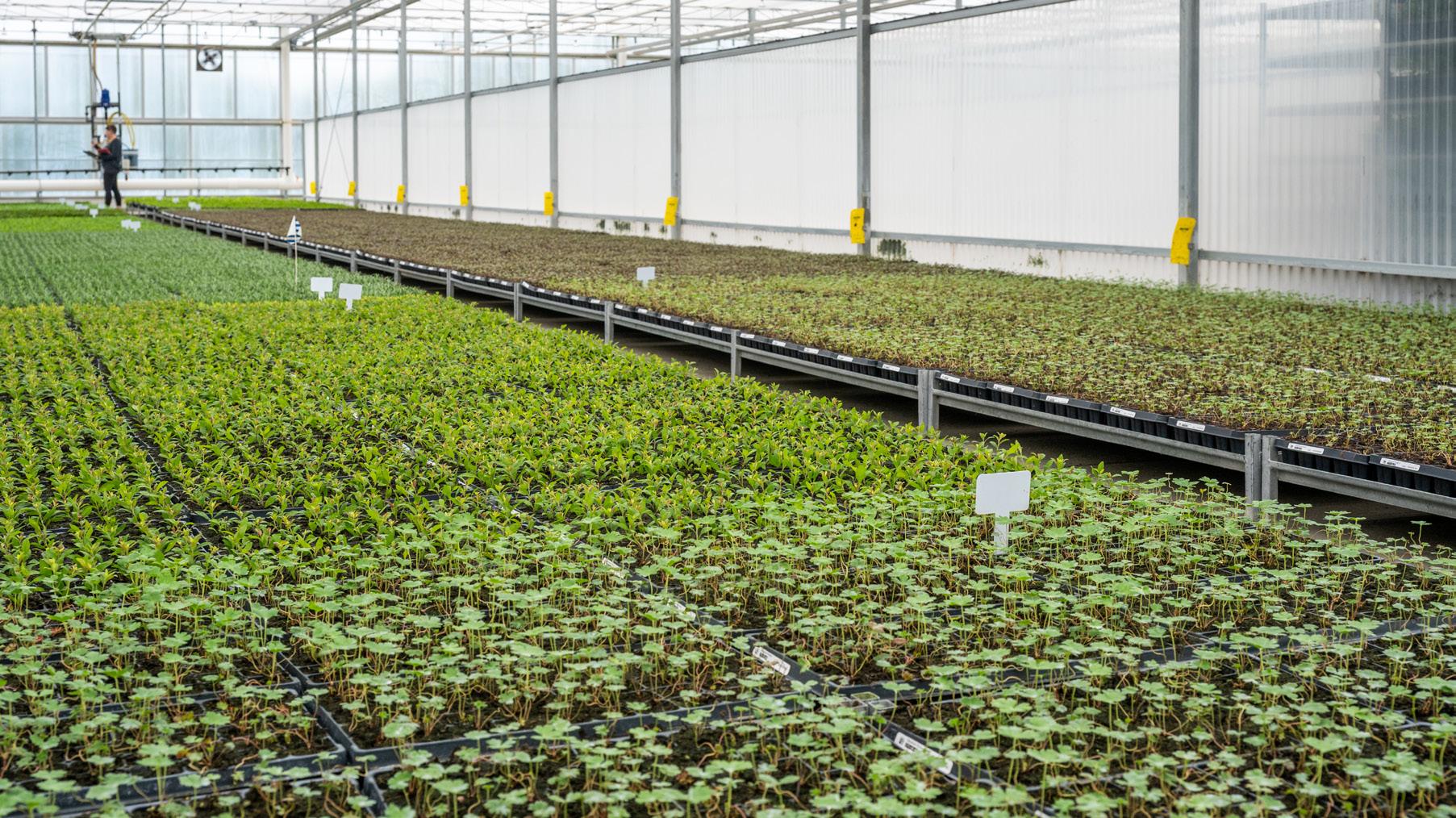
For young plant producers, consistency is key. Growers must deliver uniform plugs and liners on tight schedules, while accounting for differences in variety genetics, climate and labor. That’s where software tools are increasingly making a difference.
According to Tim McGinty, General Manager/COO for North Creek, the company recently implemented GrowMentum, a labor-tracking platform designed to monitor production efficiency in detail. The company uses GrowMentum to track labor inputs across propagation methods.
“We started with our existing time studies,” said McGinty. “How much time does it take to stick X amount of plugs or cuttings?”
The results were eye-opening. “We’re about 25-30% off globally,” McGinty said of previous estimates. “GrowMentum is a great tool, and you can visually see what’s going on.”
Detailed tracking now allows the nursery to compare estimated labor requirements with actual production times and adjust scheduling accordingly. The system also connects growing notes and crop-specific records to individual schedules, helping growers identify what worked and what didn’t throughout the season.
“If we know what needs to go into a certain crop,” said North Creek’s Propagation Manager Courtney Knight, “we can track all of that and make it more replicable each year, so our quality can stay high.”
The emphasis on predictability echoes comments from Lucas’s young plant production team. “The aim is to produce a predictable and consistent young plant, week in and week out,” said Josiah Raymer, Production Manager for Lucas. That consistency affects the entire supply chain.
“The aim is to produce a predictable and consistent young plant, week in and week out,” said Josiah Raymer, Production Manager for Lucas.
Propagation companies are also using software to uncover patterns hidden inside years of production records. At North Creek, scouting reports once ended up filed away after weekly reviews. But by mining historical IPM records through Microsoft PowerPivot—and later through Power BI— the company began identifying long-term insect pressure trends.
“It mined those scouting reports and basically spit out a graph,” McGinty explained. Analysis of the graph allowed the nursery to map pest pressure over time, compare it to crop schedules and proactively order beneficial insects for biological control programs. “That was a big game changer for us.”
The company now relies heavily on data dashboards to guide operational decisions. “You’re flying blind without that information, truly,” said Amanda Balasus, Seed Propagation Manager for North Creek, “whether you're trying something new or growing the same crop over and over again each season.
Lucas Greenhouses uses PICUS software to manage everything from orders to sticking reports and beyond. “PICUS is what we focus on to help us in the production of millions of cuttings every year. All those functions help us produce a predictable quality cutting for the customer when they
The education component of the Plug & Cutting Conference includes peer-led discussions and grower-led panels. To support Spanish speaking attendees, one education track will be available in Spanish. Registrants also receive access to on-demand tracks. Topics include:
• Production & Growing Practices
• Plant Health & Diagnostics
• Research & Applied Science
• Technology, Automation & AI
• Resource Management
• Business Finance & Operations
Plug & Cutting Event Badge/Lanyard Sponsored By

want it,” said Lucas’s production manager Pete Van Grouw. “It helps us fill orders on time, in full.”
Artificial intelligence is beginning to enter the picture as well. While growers remain cautious about overreliance on AI, they increasingly see it as a valuable support tool.
Continue on Page 5…
“It is a true honor to be selected to lead AmericanHort at such a pivotal time for the green industry,”

AmericanHort has named Lionel van der Walt its next president and CEO, effective June 2, 2026. Chosen by the Board of Directors after a national search, van der Walt steps into the role with more than two decades of executive experience spanning technology, transportation, association management, and member-focused organizations. The move positions the association to build on a strong foundation while continuing to serve businesses across the green industry.
Van der Walt’s background is unusually broad for a horticulture trade association leader. Before joining AmericanHort, he served as chief commercial officer at Nallian, a company focused on data-sharing solutions for the global air cargo industry. His earlier leadership roles included CEO and executive vice president of the International Institute of Building Enclosure Consultants and president of Cargo Network Services, a subsidiary of the International Air Transport Association. Together, those roles gave him experience in strategy, operations, and delivering value in complex member- and partner-driven environments.
His résumé also reflects a strong record of service and leadership development.
Van der Walt has served on industry and community boards, earned an MBA from Milpark Business School in South Africa, completed the American Society of Association Executives’ Certificate Program
in Association Management, and served as an officer in the South African Air Force. He has lived and worked in South Africa, Spain, the United Kingdom, and the United States—an international perspective that could prove valuable as the horticulture sector continues to navigate change, growth, and global connections.
Van der Walt has also spoken about the personal connection he feels to agriculture, noting that he grew up in South African farming communities where his family still operates farms. That background, combined with his emphasis on innovation, collaboration, and high-performing teams, gives his appointment a sense of both continuity and fresh perspective.
“It is a true honor to be selected to lead AmericanHort at such a pivotal time for the green industry,” he said, adding that he looks forward to listening to members and building on the association’s legacy of advocacy and growth.
Van der Walt succeeds Ken Fisher, who announced last fall that he would depart in May 2026 after 10 years with the organization. His arrival marks a significant transition for AmericanHort, as the association looks to carry forward its work in advocacy, education, and industry connection under new leadership.


“It’s inevitable that AI will eventually be integrated into all aspects of the business,” said Raymer. “The AI that’s currently available is not completely cohesive when it comes to horticultural production.” He added that AI is helpful in identifying pest issues and troubleshooting. “Right now, it is not an independent entity that can do it on its own.”
“From a reporting analysis area, we do use it quite a bit,” Van Grouw added. “To help look at our data and trends, help choose varieties to add to the program.”
At North Creek, AI may eventually help preserve institutional knowledge as experienced growers like McGinty prepare for retirement. “Ask Claude is going to become Ask Tim,” joked Knight.
Despite the increasing role of technology, both companies emphasized that propagation remains deeply cooperative, dependent on people and shared knowledge.
“Talk to your friends in the industry to learn how to do better every year,” Raymer said from experience.
Van Grouw believes it's important to communicate, especially for growers. “Ask your colleagues at your competitors how each other can get better and learn from each other. We're a small industry, and we get along for the most part.”
At North Creek, employee education and professional development are built into the nursery’s culture. “You can’t have continuous improvement without continuous education,” McGinty said, whether that is passing along industry articles, going to trade shows and conferences or just speaking with one another.
“Most of my information gathering is just asking people what they are seeing and comparing that to what I'm seeing, especially with my team,” said Balasus. “We learn as a group, come to the same conclusions, and hopefully the same solutions to our problems.”
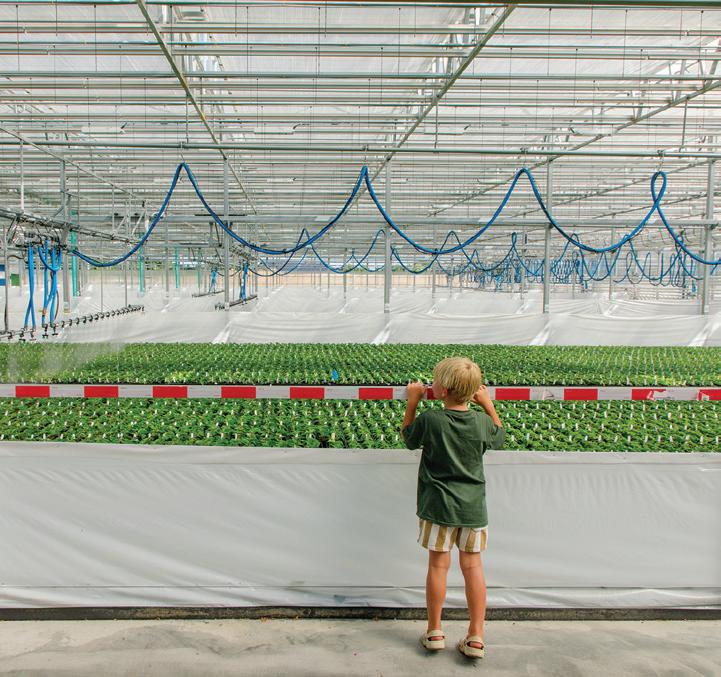

That collaborative mindset extends to industry events such as the Plug & Cutting Conference, where growers gather to exchange ideas and identify ways to improve. Sometimes those ideas involve major operational changes. Other are simply small adjustments that improve efficiency or crop quality. Either way, growers say the value lies in continuing to learn.
Technology may be transforming propagation, but experienced growers know software alone cannot grow a crop.
“Plants don’t read books,” Knight said. “They’ll still surprise you.”
Learn more about the 2026 Plug & Cutting Conference, held Sept. 14-16, in Philadelphia, PA, and optional Experiential Production Tours, at AmericanHort.org/Plug or scan the QR code.
Policies and regulations shape the horticulture industry, but real progress happens when our voices are heard. Through coordinated advocacy and active member engagement, AmericanHort turns policy challenges into meaningful outcomes.
Advocacy success can be subtle. Sometimes success means that a problematic proposal is improved, delayed, or rewritten. Other times, it’s a targeted regulatory adjustment that prevents costly, unintended consequences for growers, landscapers, and retailers. Together, these changes safeguard your business and help ensure the horticulture industry can operate effectively.
• Helping achieve changes to the Department of Labor’s AEWR Interim Final Rule, which is projected to save the industry approximately $17 billion over 10 years by reducing the impact of dramatic labor cost increases on growers and other horticulture businesses.
• The House Farm Bill included major victories for horticulture and specialty crop research, including a proposed increase of nearly $100 million annually for specialty crop research and new investments in automation, mechanization, pest management, crop insurance, disaster relief, and innovation programs directly supporting growers and green industry businesses nationwide.
• Successfully advocated for the exemption of peat moss from proposed tariffs, saving the horticulture industry an estimated $100 million and preventing significant cost increases
for greenhouse growers and nursery operations nationwide.
• Working with federal policymakers to address the Nicaragua trade disruption, an issue that represented an estimated $1.6 billion impact to growers, including approximately $50 million affecting an AmericanHort member company.
• Our advocacy efforts tied to HR1 (The One Big Beautiful Bill), and broader tax policy priorities helped preserve important business deductions, investment incentives, and pro-growth policies critical to family-owned horticulture businesses and the broader green industry economy.
Beyond high-profile issues, advocacy also includes ongoing monitoring, expert input, and member engagement that shapes policies before they reach the final vote. These efforts may not always make the news, but they directly influence outcomes that matter to your operations.
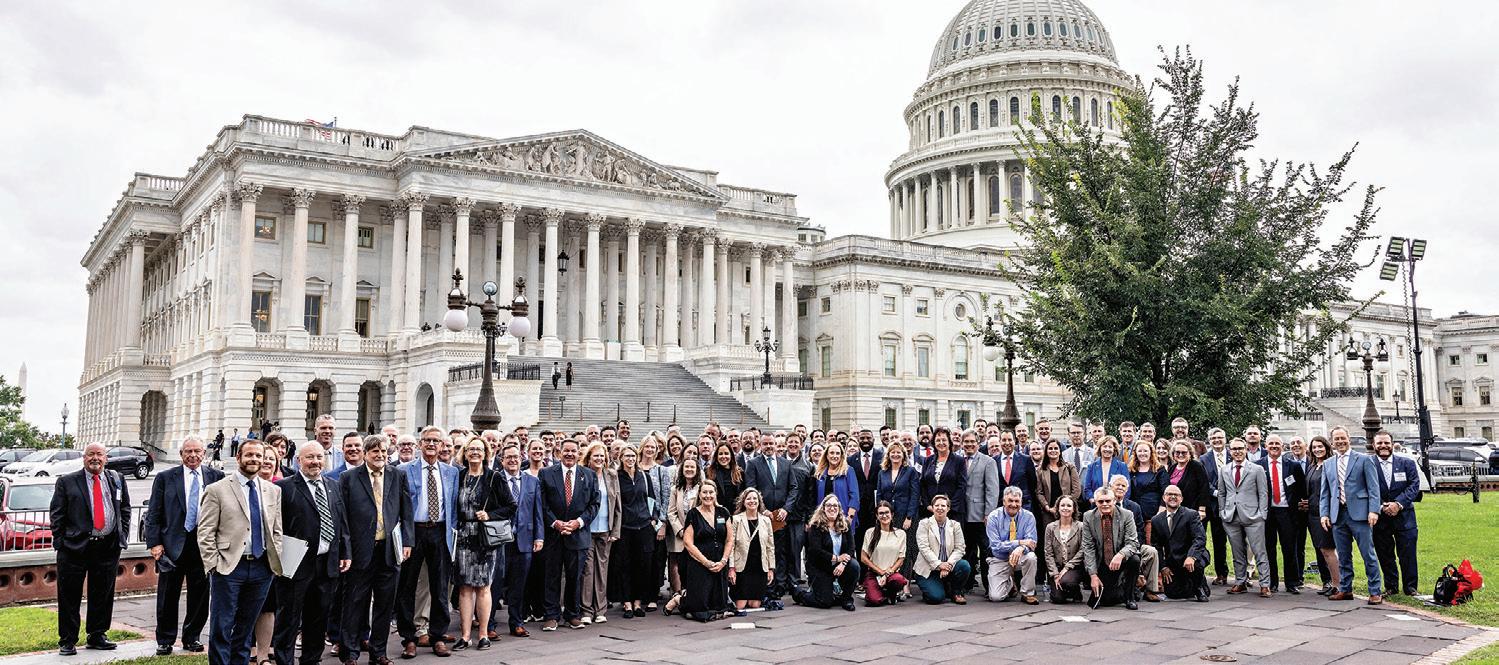
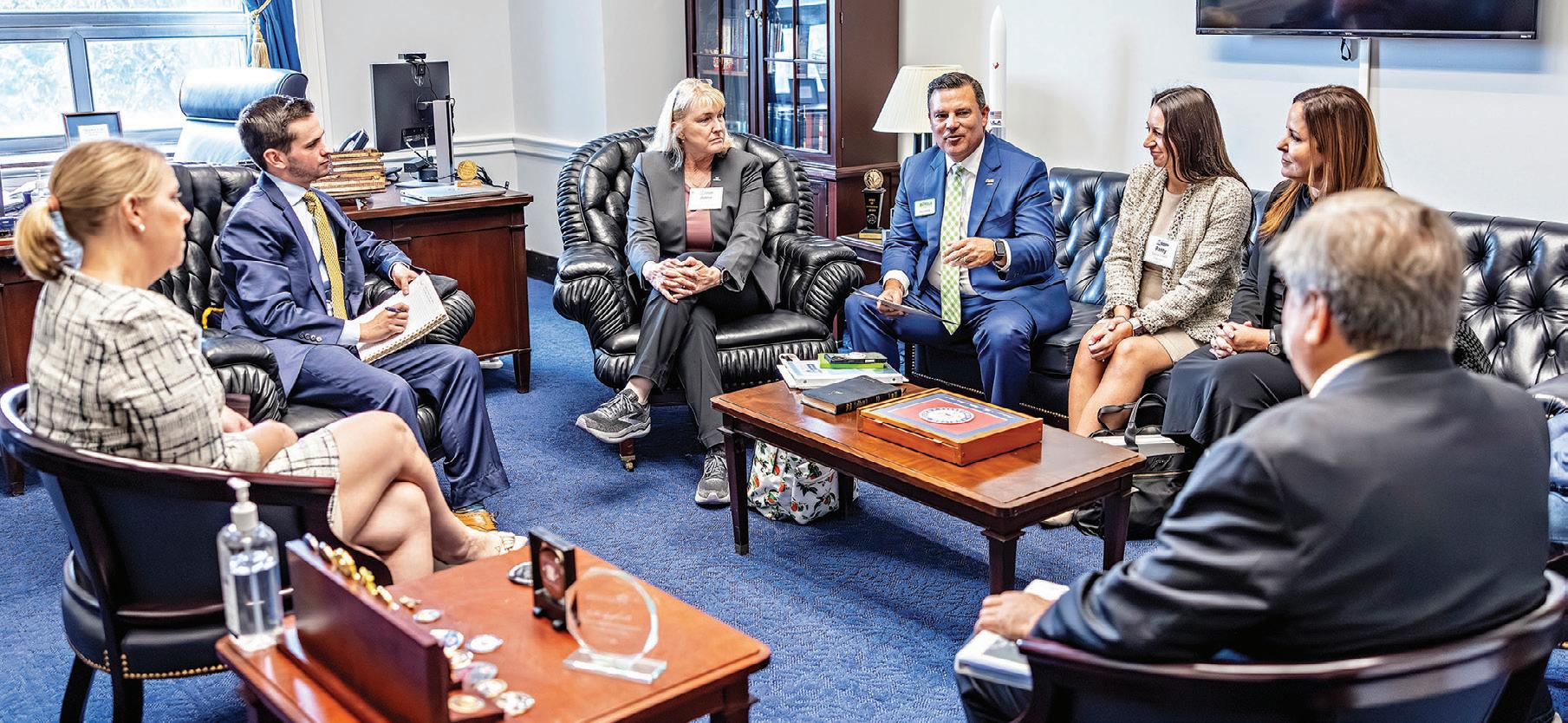
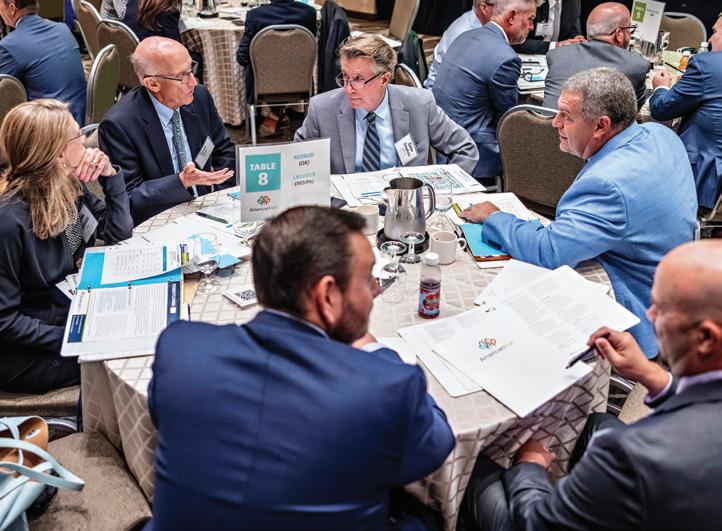
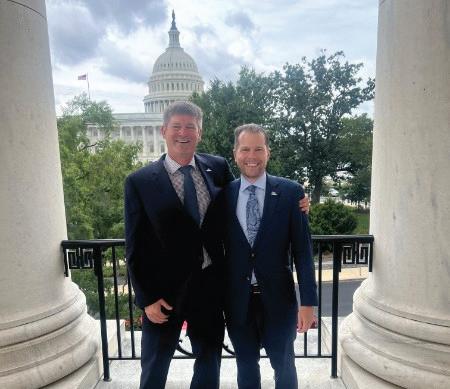
Our members are critical partners in advocacy. Sharing real-world stories, providing data, or participating in fly-ins gives policymakers valuable perspective on the industry. These first-hand insights are often what tip the scale in negotiations or committee discussions.
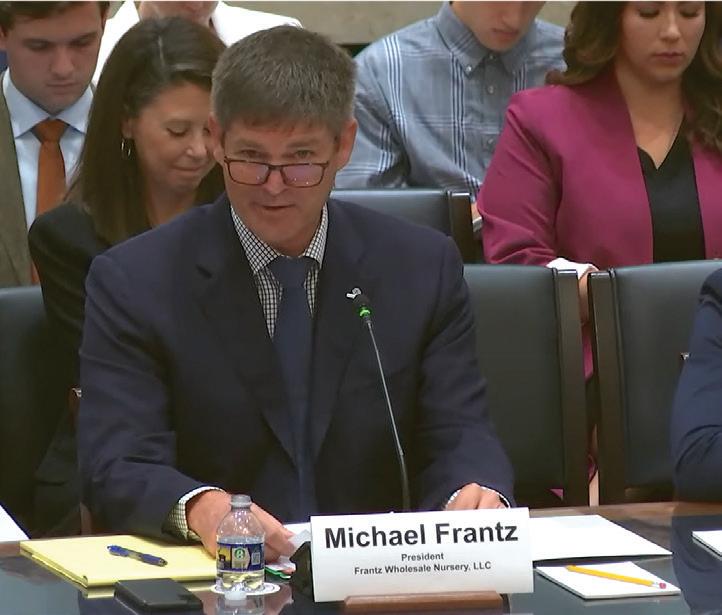
Last fall, AmericanHort member Michael Franz, president of Frantz Wholesale Nursery Company LLC, testified before the U.S. House Committee on Agriculture to represent specialty crop growers and advocate for a new Farm Bill. AmericanHort was one of only four organizations invited to testify, which highlights the association’s trusted voice in federal policy discussions.
Every action counts. Responding to alerts, attending meetings, or submitting public comments ensures that your business perspective is considered. Advocacy isn’t just measured by big wins; it is driven by the everyday interventions that shape policy and protect your business in practical ways. AmericanHort coordinates these efforts, providing guidance, resources, and opportunities for members to participate. Together, we turn engagement into tangible results that protect and advance horticulture.
Learn more about the AmericanHort Advocacy & Government Relations efforts at AmericanHort.org/Advocacy or scan the QR code.
AmericanHort prepares for the future with a 2026–2027 leadership slate that reflects the scope of the horticulture industry and the priorities shaping its future. The association’s newly elected officers and board directors bring experience in greenhouse production, nursery operations, business strategy, and workforce development.

Derek Clark Metrolina Greenhouses

Vice Chairman of the Board
Emily Showalter Willoway Nurseries, Inc
Derek Clark of Metrolina Greenhouses will serve as incoming chair, while Emily Showalter of Willoway Nurseries, Inc. steps into the vice chair role. Kent Fullmer of Fullmer’s Landscaping, Inc. becomes immediate past chair, and J. Harvey Cotton will continue as treasurer. Together, the officer team represents a mix of operational expertise and long-term industry involvement, offering AmericanHort a leadership group grounded in both business performance and association service.
Clark, director of sales at Metrolina Greenhouses, has worked in horticulture since 2005 and brings deep experience in greenhouse sales and business growth, including prior leadership with South Central Growers. Showalter, chief human resources officer at Willoway Nurseries, combines a background in family business, workforce development, and industry advocacy, including past service as president of the Ohio Green Industry Association.
Also joining the board as newly elected directors are Genevieve Reiner Mills of Oakland Nursery, Inc. and Robert Saunders of Saunders Brothers. Reiner Mills serves as chief operating officer and in-house counsel for Oakland Nursery and also leads Oakland Green Interiors, bringing experience across retail, production, and interiors. Saunders,

Board Member
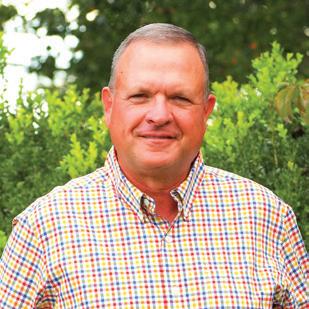
Board Member Robert Saunders Saunders Brothers
CEO of Saunders Brothers in Virginia, represents a multigenerational agricultural business with operations spanning nursery production, orchards, and retail.
They will join current board members Joe Allio, Ken Altman, Patricia Dean, Tom Fessler, Christine Fortman, Scott Valentiune, and Bradd Yoder, continuing a board structure that draws from a wide range of businesses and specialties across the green industry.
AmericanHort also recognized outgoing board chair Ed Overdevest of Overdevest Nurseries LP and outgoing director Brian Lloyd of Olson’s Greenhouse for their service and contributions during their time on the board. Their work helped guide the association through another year of industry engagement and organizational leadership.
The new board will be installed in July during the annual AmericanHort business meeting at Cultivate’26.
Making confident business decisions starts with knowing where you stand— and AmericanHort makes that possible with two powerful benchmarking studies in 2026.
Together, they give you a complete picture of your business: how your financials compare to industry peers and whether your compensation and benefits packages are competitive in today’s workforce environment.
The 2026 Financial Benchmarking Study runs June 3 through July 31 and is available exclusively to AmericanHort members. When you complete your submission, you will receive a comprehensive industry report covering margins, labor, overhead, COGS, and more in September—giving you the benchmarks to pressure-test your financials and plan with confidence.
The 2026 Salary & Benefits Benchmarking Study runs August 3 through September 30. Participants who submit data will receive a detailed analysis in December that focuses on compensation and benefits trends across 34 green industry job titles—the industry-specific data you need to develop competitive pay structures, strengthen your benefits offerings, and build the hiring and retention strategies that keep great people on your team.

Both reports are delivered at no charge exclusively to those who complete their submission. Industry Insights, a leading independent research firm specializing in operating surveys, administers both studies. All data is collected confidentially and reported in the aggregate.
Learn more about benchmarking at AmericanHort.org/Benchmarking
AmericanHort Members!
We extend a warm welcome to the new members who joined in April and May. See who joined at AmericanHort.org/NewMembers or scan the QR code.
By Tommy Irvine, lead agriculture advisor, Pinion
The horticulture industry is approaching a major wave of generational turnover. Many business owners today are Baby Boomers in their 60s and 70s, meaning a significant number are expected to retire within this decade.
When veteran owners step away without a transition strategy, key decisions stall, institutional knowledge disappears, and businesses can quickly lose direction. Without a clear successor in place, continuity suffers—and in some cases, the business itself may not survive the transition. Unfortunately, roughly half of business exits we see are unplanned, often triggered by unexpected events such as illness or personal emergencies.
Even in family-run operations, the desire to keep the business in the family does not guarantee a successful handoff. A study published by Farm Progress notes that while more than 80% of growers hope to pass their operation on to their children, fewer than 1 in 5 have a formal succession strategy in place.
The lesson we witness time and time again is clear: delaying succession planning only increases risk, while proactive preparation helps protect the future of the business you’ve worked years to build.
So how do you get started without feeling overwhelmed? Pinion's succession and estate advisors recommend taking these five little, but significant, steps. And remember, you don't need to have all of the answers for the future right now — considering questions, exploring options, and finding answers is part of the process.
First, define where you want your business to go and how you see your role evolving. A clear end-goal or vision for the company’s future will guide all other succession decisions.
Succession planning isn’t a one-time event—it’s an ongoing process. Revisit your plan regularly as circumstances and people change. Don’t focus only on replacing the top job; nurture a pipeline of talent for multiple key positions over time.
“Succession planning shouldn’t stop at the owner’s job. Every key role will eventually change hands, so think about who can step up across the business,” says Nick Sinclair, Pinion specialty crops advisor.
“A good succession plan doesn’t happen in a silo,” states Sinclair. Bring in trusted managers, advisors, and even potential successors early. Diverse perspectives help you identify blind spots and build buy-in. Encourage open dialogue with family and non-family stakeholders alike, so everyone knows the plan and their role.
Leadership roles should be earned by competence, not just inheritance. Many horticulture businesses are family-owned, but choosing who’s best-equipped to lead, whether a family member or an outside expert, is critical. Develop successors based on skills and commitment, not just who expects to take over.
“My advice to clients is simple: don’t wait for the perfect answer before you begin,” advises Sinclair. “The longer succession planning gets pushed aside, the more difficult it becomes. Start where you are and work through what a transition needs to look like for each role.”
Don’t wait for a health scare or market downturn to kick-start planning. It can take years to execute a smooth transition. By starting now, you retain far more control over timing and outcomes. You’ll have time to mentor your successor, transfer client relationships, and exit on your own terms rather than scrambling under pressure.
Succession planning isn’t just a paperwork exercise—it’s essential risk management and strategic development for your business. If you can’t quickly answer who would take over if you stepped aside tomorrow, it’s time to put a plan in place. Starting today ensures your horticulture business continues to thrive under the next generation of leadership.
Premium members receive a complimentary phone consultation with Pinion experts. Other services can be arranged at a negotiated rate. To get started, contact AmericanHort at 614-487-1117, or scan the QR code for more information.

The Horticultural Research Institute (HRI) helps you tHRIve with a new web-based series featuring key research findings.
Here’s what’s coming up:
A Biological Plot Twist: Can an Adventive Parasitoid Protect Boxwood?
August 3, 1:00 PM ET
The Centre for Agriculture and Biosciences International (CABI) and the USDA’s Animal and Plant Health Inspection Service (APHIS) are collaborating on the biological control of the box tree moth using parasitoids from Asia. Speaker Dr. Marc Kenis, an entomologist at CABI, will discuss a parasitoid now helping manage box tree moth in Europe and share ongoing efforts to evaluate this and other species as potential biological control agents in North America.
Trees (and Shrubs) for Bees
October 7, 1:00 PM ET
Urban landscapes can be important refuges for native bees and other pollinators. Speaker Daniel Potter, Professor Emeritus in the Dept of Entomology at the University of Kentucky, will explain the importance of bees in biodiversity, causes of decline, and how gardeners can help by using woody plants that provide nectar, pollen, and nesting. Attendees will receive information to help teach others about the best trees and shrubs for bee conservation.
Visit HRIResearch.org/Thrive to register or scan the QR code.
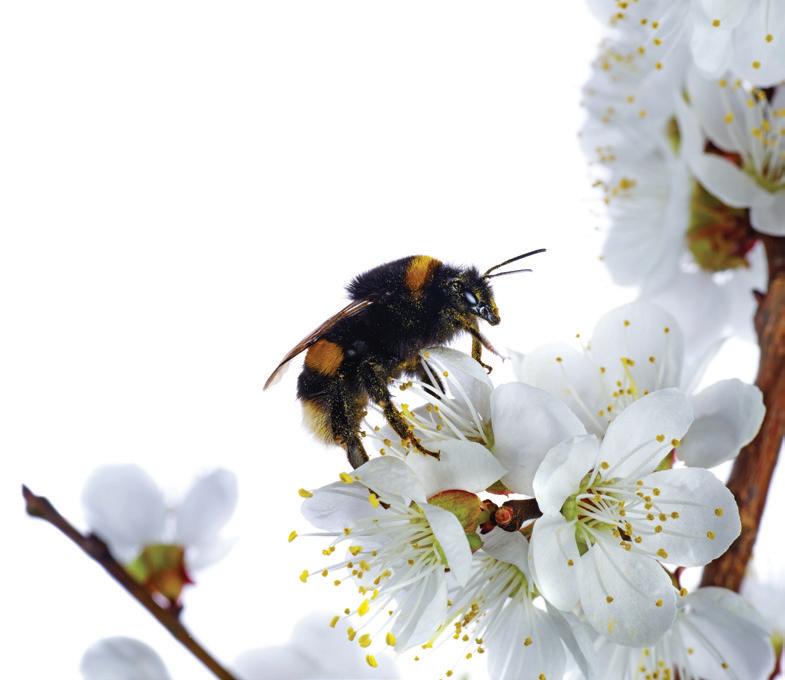
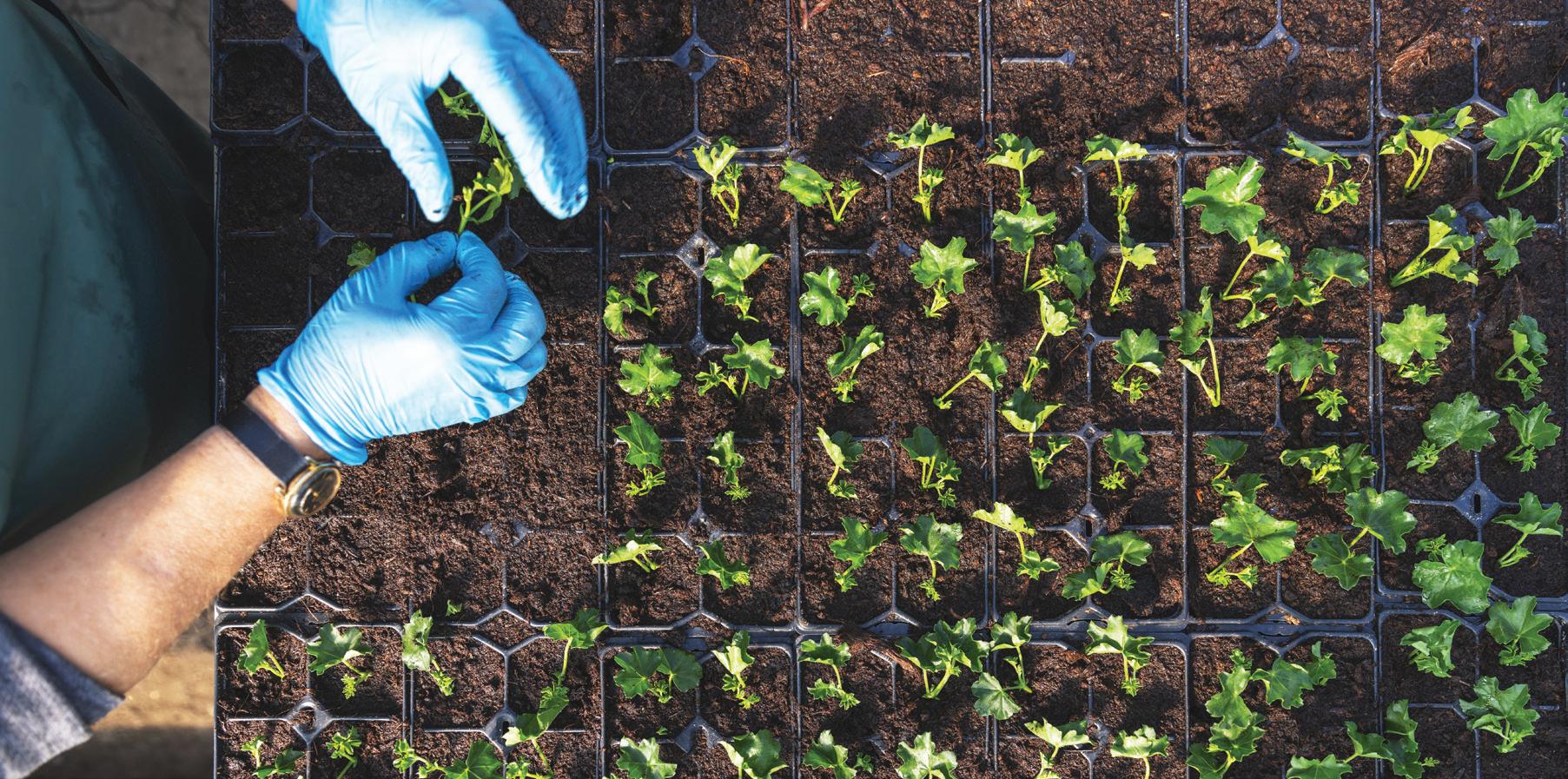
The Plug & Cutting Conference’s Experiential Production Tours are a deep dive into both production and operations management.
Young plant growers from across North America will gather in Philadelphia, Pennsylvania, for the 2026 Plug & Cutting Conference, hosted by AmericanHort. Scheduled for September 14-16, the biennial event is designed specifically for professionals specializing in plugs, liners, and cuttings. On tap are educational offerings focused on improving production quality, operational efficiency, and business performance.
While classroom sessions are central to the conference, one of the event’s muchanticipated features is the Experiential Production Tours held on September 14. These optional day-long tours give attendees a rare opportunity to step inside leading production facilities and see firsthand how successful operations manage propagation, automation, environmental control, plant health, labor tracking, and new product development.
For many professionals attending the tours, the value lies in seeing systems in action. Rather than simply hearing about production strategies during presentations, growers can walk through greenhouses, production facilities, and trial areas while asking questions directly with the teams managing them every day.
The stops on the 2026 tour include Lucas Greenhouses, North Creek Nurseries, Star Roses & Plants, and one of the nation’s premier horticultural institutions, Longwood Gardens.
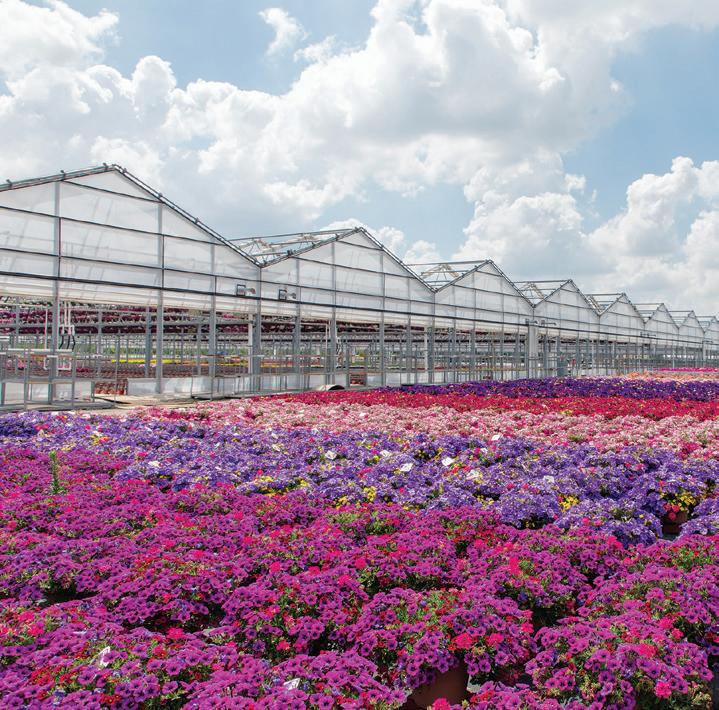
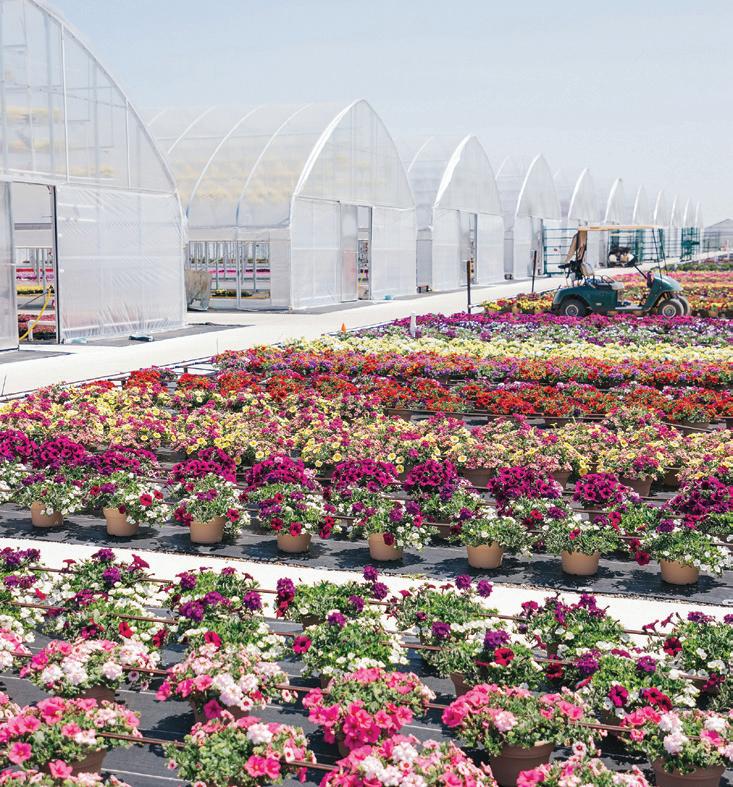
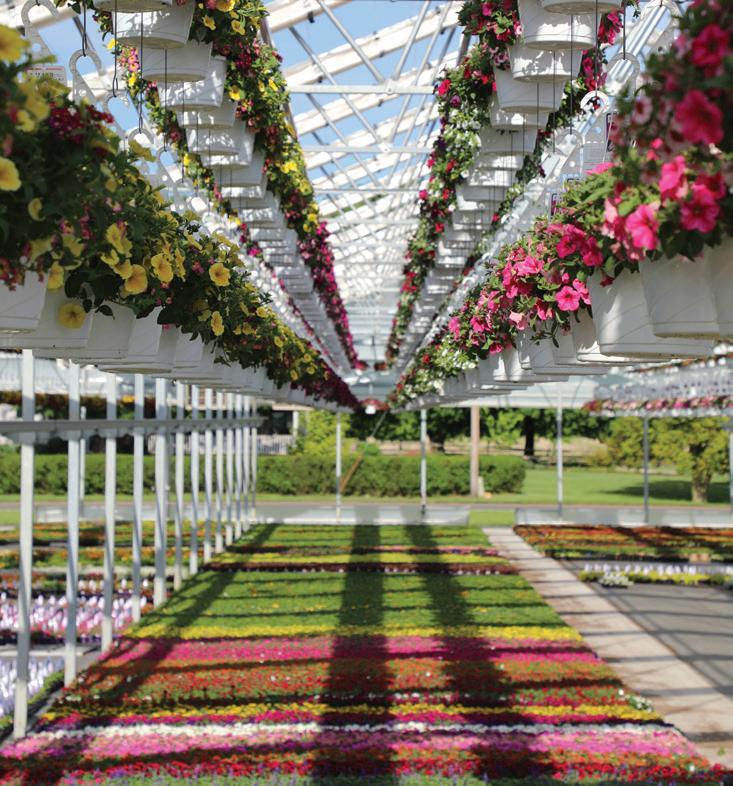
Lucas Greenhouses in southern New Jersey is a large-scale young plant producer specializing in annuals, perennials, garden mums, and poinsettias. The operation encompasses 2.2 million square feet of environmentally controlled greenhouse production in addition to 40 acres of outdoor growing space. Environmental management is key for young plant producers. Lucas
Greenhouses’ climate control systems regulate temperature, humidity, and light throughout the production cycle, while automated irrigation, fertility monitoring, and ventilation systems support consistent crop quality and plant health.
During the tour, attendees will move through several areas of the operation to see these systems integrated into day-today production. One highlight is the Trial Garden, where the team evaluates genetics to identify top-performing varieties for both the company and its customers. Guests will also visit field production areas and the soil mixing barn, where they prepare customized growing media.
Inside the production barn, attendees will observe the TTA transplant machine and the URC sticking line in operation, along with cooler storage used for unrooted cuttings. The greenhouse tour will showcase irrigation systems, flood floor and boom technology, ventilation strategies, sanitation protocols including an ozone system, and poinsettia production.
The stop at Lucas Greenhouses offers attendees an opportunity to see how automation, sanitation, and environmental controls work together in a large-scale propagation environment focused on efficiency and uniformity.
The tour package is $225 per person and includes transportation between stops as well as lunch during the day. Add the tour when you register for the conference.
Learn more at AmericanHort.org/Plug or scan the QR code.
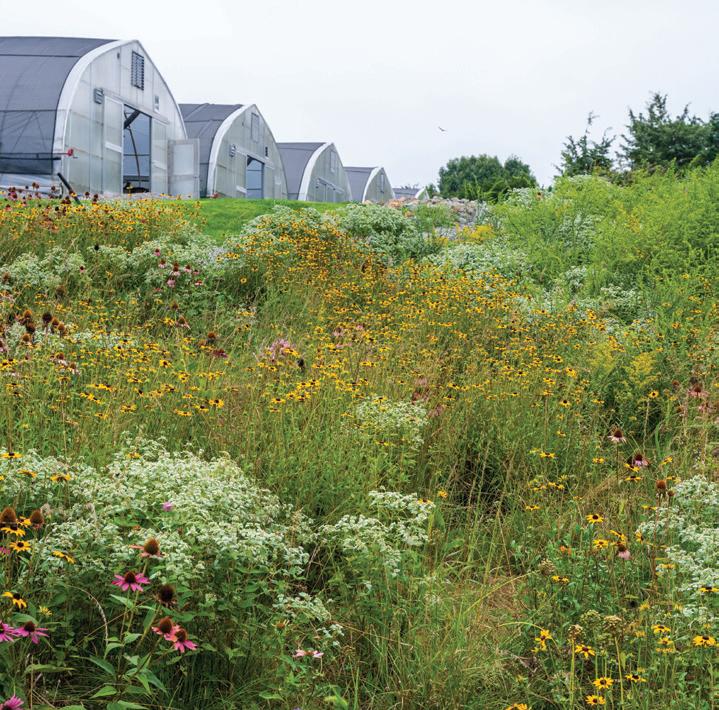

North Creek Nurseries, a wholesale propagation nursery known for its extensive perennial, ornamental grass, and fern offerings, puts an emphasis on Eastern U.S. native plants. The company supplies starter plugs to retail and wholesale nurseries, garden centers, landscape professionals, and mail-order operations. North Creek’s mix of new introductions and proven cultivars reflects the increasing demand for native plants and ecologically focused landscape solutions.
Rather than focusing solely on equipment or automation, this tour stop highlights how data and production management tools can improve workflow visibility and operational efficiency while supporting crop quality. North Creek utilizes systems such as Limble for greenhouse management and Growmentum for labor tracking and production flow. Staff will also demonstrate how Power BI supports planning, forecasting, and operational decisionmaking.
The North Creek stop offers attendees a practical look at how propagation operations can balance plant production with increasingly sophisticated management systems.
Continue on Page 14…
Plug & Cutting Tours Sponsored By



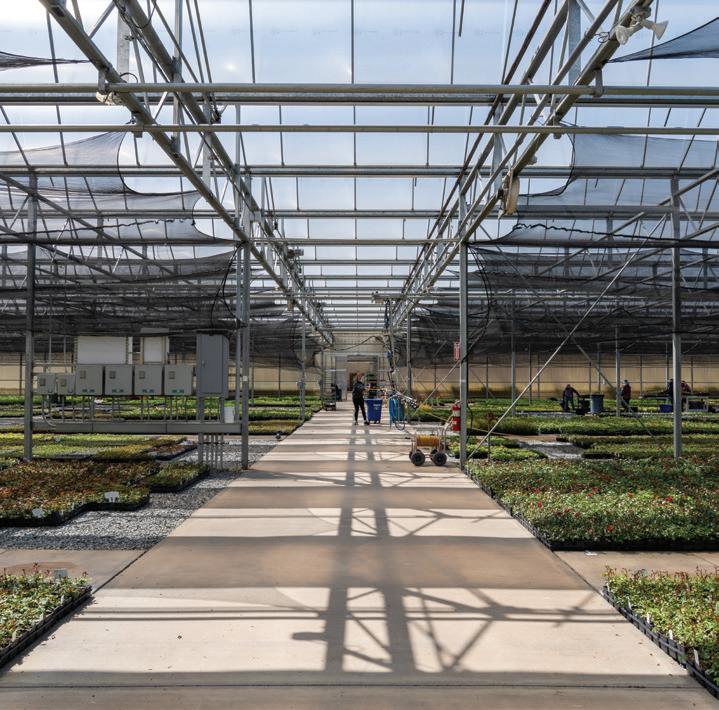
Founded in 1897, Star Roses & Plants is widely recognized for its breeding, licensing, and distribution programs spanning roses, woody ornamentals, edibles, perennials, and trees. The company owns several highly recognizable consumer brands, including The Knock Out® Family of Roses, Drift® Roses, Bushel and Berry®, and Bloomables®
The West Grove facility plays a major role in both commercial production and new product development. In 2025 alone, the site produced 750,000 wholesale plants, 30,000 potential introduction plants, 100,000 breeding seed transplants, and 40,000 new product development units.
The tour will focus on how Star Roses & Plants supports both grower demand and future breeding initiatives through liner production and propagation systems. Attendees will see the production team in action while learning how the company builds inventory for both established products and future introductions, including Darwin Perennials, roses, and woody ornamentals. The stop provides a closer look at how breeding, propagation, and commercialization work together within a large-scale ornamental plant company.
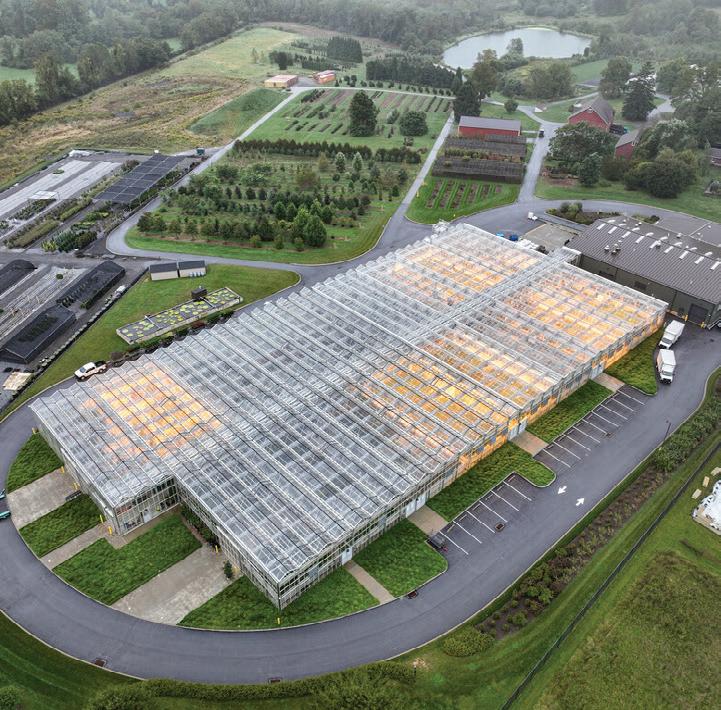
The tour concludes at Longwood Gardens, a leader in display horticulture, conservation, and education. Spanning more than 1,600 acres, Longwood produces more than 100,000 plants annually across approximately 1,300 taxa within 105,000 square feet of controlled greenhouse environments. Their production facilities integrate plugs, cuttings, seed, and inhouse stock with precision environmental control, mist propagation, and tissue culture to ensure the exceptional quality and consistency for which Longwood is known. While biosecurity restrictions limit access to behind-the-scenes production areas, the guided tour will feature five curated stops throughout the gardens led by members of Longwood’s production team. One stop will include an overview of the organization’s greenhouse production systems and environmental management strategies. Attendees will see how propagation quality and crop management directly influence the scale, consistency, and visual impact of Longwood’s displays.
The Longwood stop also includes time for attendees to explore the gardens before returning to Philadelphia, offering a fitting conclusion to a day exploring innovation, production excellence, and the future of young plant production.
The AmericanHort Nursery Industry
Tour is your chance to get out of the office and into the field. This tour gives you rare, on-site access to ten of Oregon’s most innovative and respective nurseries in North America.
You’ll get a front row seat to see how today’s modern nursery operations solve challenges, deliver high-quality plants, and serve their customers.
Whether you’re focused on improving efficiency, adopting new technologies, enhancing branded offerings, or building a stronger operation, this tour delivers practical insights you can implement immediately to help enhance your business’s bottom line.
Sponsored By
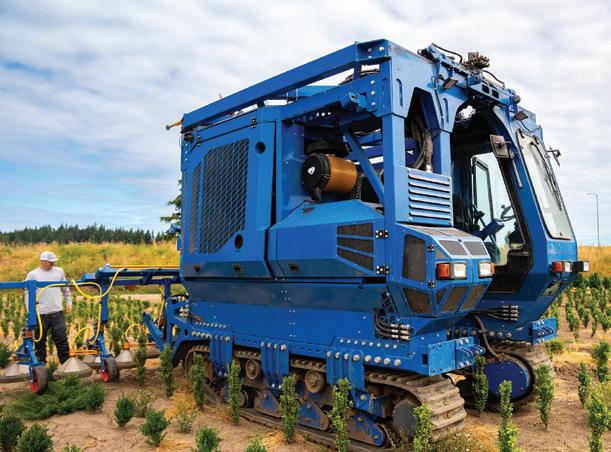
You’ll tour:
• Bailey Nurseries
• Bountiful Farms
• Hans Nelson & Sons Nursery, Inc
• Iseli Nursery
• J. Frank Schmidt & Son Co.
• Microplant Nurseries
• Monrovia
• Oregon Perennial Company
• Robinson Nursery
• Woodburn Nursery & Azaleas Spots are limited. Save your seat at:

David McKinney is Curator of Collections and Grounds at Iowa Arboretum and Gardens, where he blends formal horticulture, prairie restoration, and native woodland management across 170 acres. Since participating in the AmericanHort HortScholar virtual program in 2020, David has become a leading voice in conversations around ecological gardening, native plants, and the intersection of horticulture and natural resource management. And he’s been loving every single minute of it.
Describe your current role and the work you’re most passionate about in horticulture.
“I am responsible for managing 40 acres of cultivated space, so trees planted into collections and formal gardens, designed gardens,” David says. “And then the rest of the 130 acres that I manage are prairie restorations and intact native woodland.
He sees his role as “marrying those two concepts together,” combining formal horticulture with ecological restoration practices. “How do I take what I've learned from managing large acreage in natural resource spaces and translate that into horticultural spaces?” he says. “How do we pull clues from where these plants naturally come from?”
Five questions with a 2020 HortScholar
How did your early experiences shape your career path?
“It was never really much of a choice,” David says. “I was the kid that confused the heck out of his parents digging up dandelions from the lawn and trying to keep them alive in a paper cup on the windowsill.”
While many people assume his passion began outdoors, David says his first love was actually houseplants.
“Growing up in Colorado, going outside for any length of time just equaled sunburns,” he jokes. “So I stayed inside and worked with houseplants.” A historical greenhouse in his neighborhood, Southwest Gardens, stoked that childhood interest in plants.
How did participating in the virtual HortScholar program impact your professional growth?
“I’ve never had something that just exploded my network like the AmericanHort Scholar Program,” David says.
He credits the experience with helping him build industry relationships beyond the university setting.
“The HortScholar program catapulted me into the national and international industry,” he says. “It gave me recognition and allowed me to meet virtually with these people that I normally wouldn’t have had the chance to interact with.”
His HortScholar experience has morphed into a Cultivate volunteer experience, which David finds to be just as enriching. “I love the fact that Cultivate is a huge gathering of people that I get to volunteer alongside, get
to know them really well, and forces you out that hotel room talk to people, which is so valuable as a social skill.”
What keeps you inspired today?
“I’m inspired by the way our industry has been adapting and changing to the challenges of the present, as seen in how our industry changed and exploded through the pandemic. People problem solved and came up with new ways to do things that are now standard in the industry.”
Today, he stays inspired by the way the horticulture industry continues adapting to environmental and social challenges.
“I love that the trend has been going towards more ecologically minded gardening,” he says. “The industry has embraced that. There’s a lot to love about how our industry is flexible and changes over time.”
What’s a surprising hobby or interest that people might not know about you?
“As much as I love plants, I also love animals,” David says. Insects, specifically. Alongside an extensive succulent collection, David keeps insects at home, including colorful species of wood lice.
“I have wood lice in a rainbow of colors,” he says. “There’s even some that are spotted like dairy cows, and some that have been bred to look like baby ducks.”
And with 450 varieties of haworthias in his basement, his plant collection is equally impressive.





•
•
• Discover best practices,
• Learn from industry leaders & subject matter experts
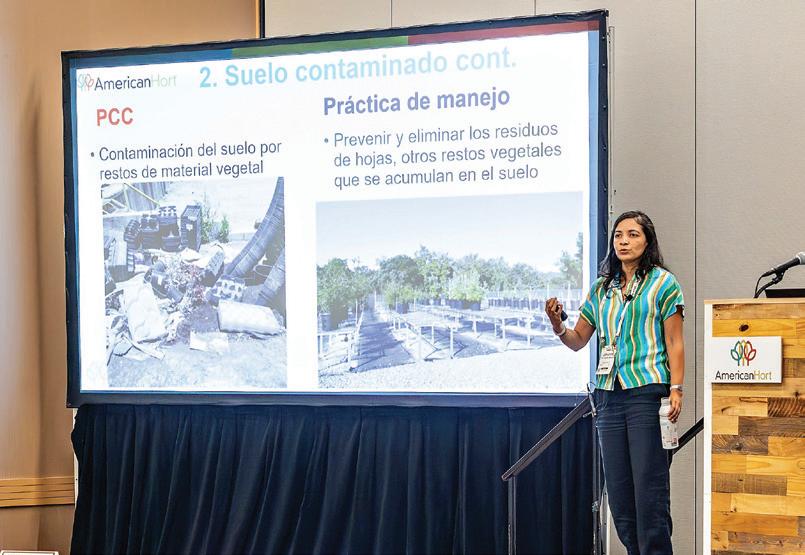
¡Todas las charlas en español presentadas durante Cultivate están incluidas en el paquete On-Demand! Plus, all Spanish education presented at Cultivate is included in the On-Demand package!
July 11–14, 2026 | Columbus, OH AmericanHort.org/Cultivate
September 14–16, 2026 | Philadelphia, PA AmericanHort.org/Plug
September 29–30, 2026 | Willamette Valley Oregon AmericanHort.org/NurseryTour
WITH US
Follow us on social media for the latest news, events, and more.
@AmericanHort @youramericanhort @AmericanHort
@American_Hort
About AmericanHort
AmericanHort is the national association of horticulture businesses and professionals across the spectrum of the industry. Perform better, grow stronger and prepare for the future as a member of AmericanHort, the green industry’s leading association.
AmericanHort.org

@AmericanHort
AmericanHort Connect 2026: July
Publisher: Mary Beth Cowardin, Vice President, Marketing & Member Engagement
Editor: Cindy Whitt, Marketing Communications Manager Hello@AmericanHort.org 2130 Stella Court Columbus, OH 43215-1033 USA (614) 487-1117
©2026 AmericanHort. All rights reserved. This material may contain confidential information, and it is for the sole use of AmericanHort members. The information contained herein is for general guidance and not for the purpose of providing legal advice. It cannot be distributed, reprinted, retransmitted, or otherwise made public without prior written permission by AmericanHort. Please contact the editor at (614) 884-1147 for permission with acknowledgment.