
CAPITAL PUNISHMENT
INDUSTRY PUSHES BACK ON CGT CHANGES
NATIONAL
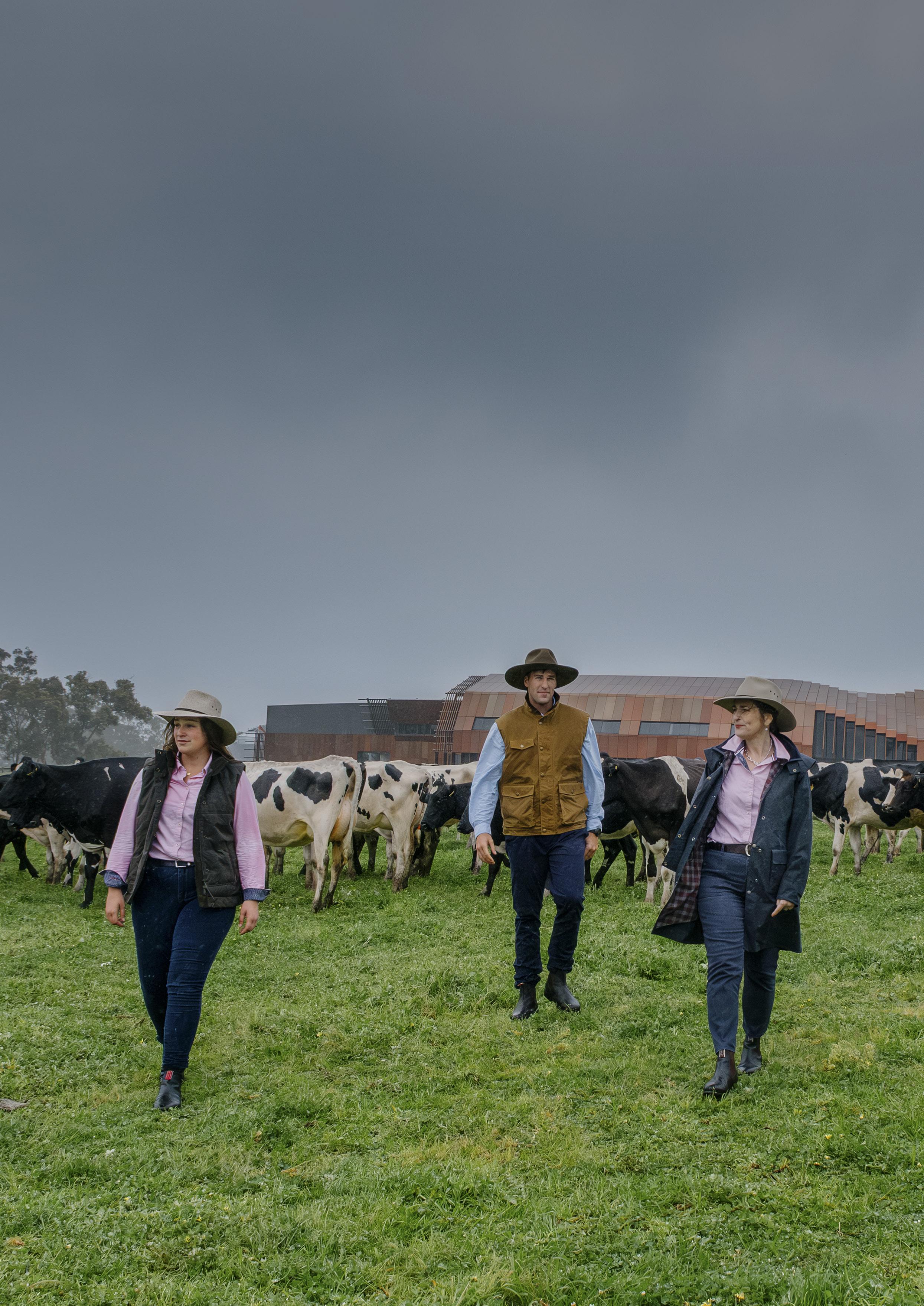
Member companies BDO and Argonaut provide analysis of Federal Budget changes to the sector
SPECIAL REPORT
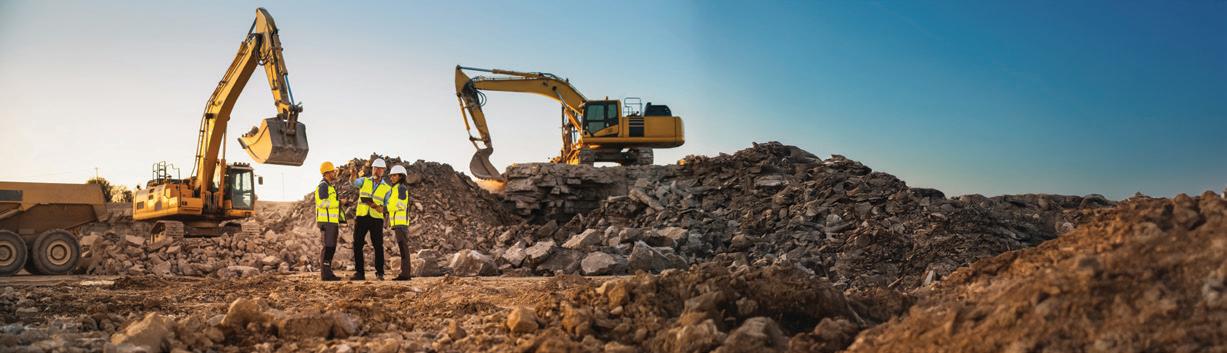
AMEC releases comprehensive Aboriginal Cultural Heritage survey, urging the WA Government to take action
GUEST CONTRIBUTOR
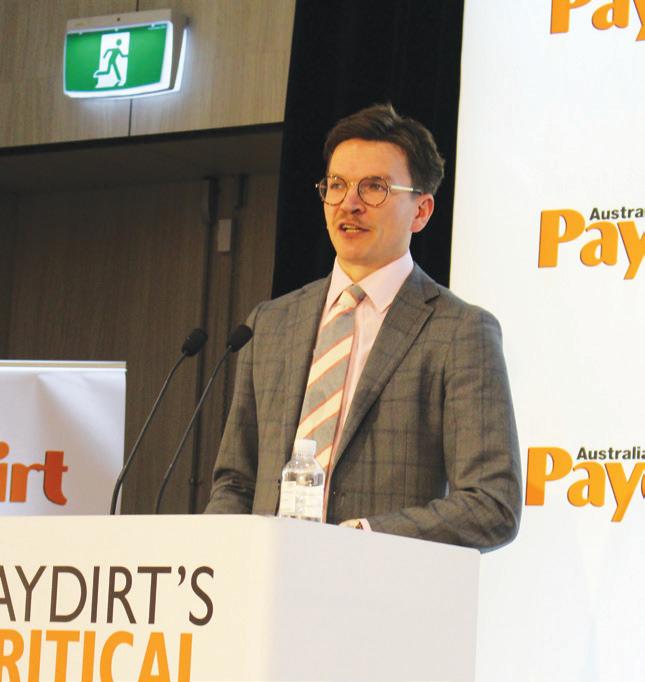
Minister Tim Ayres details work being done on Australia’s Critical Minerals future
PARTNER FOCUS
New leadership at Gallagher outlines challenges facing the industry and plans for the short to medium term
FEATURE
WA Magistrate of the Wardens Court shares his perspective on decision making and the philosophy guiding the resolution of mining tenure disputes
AMEC GALLERY
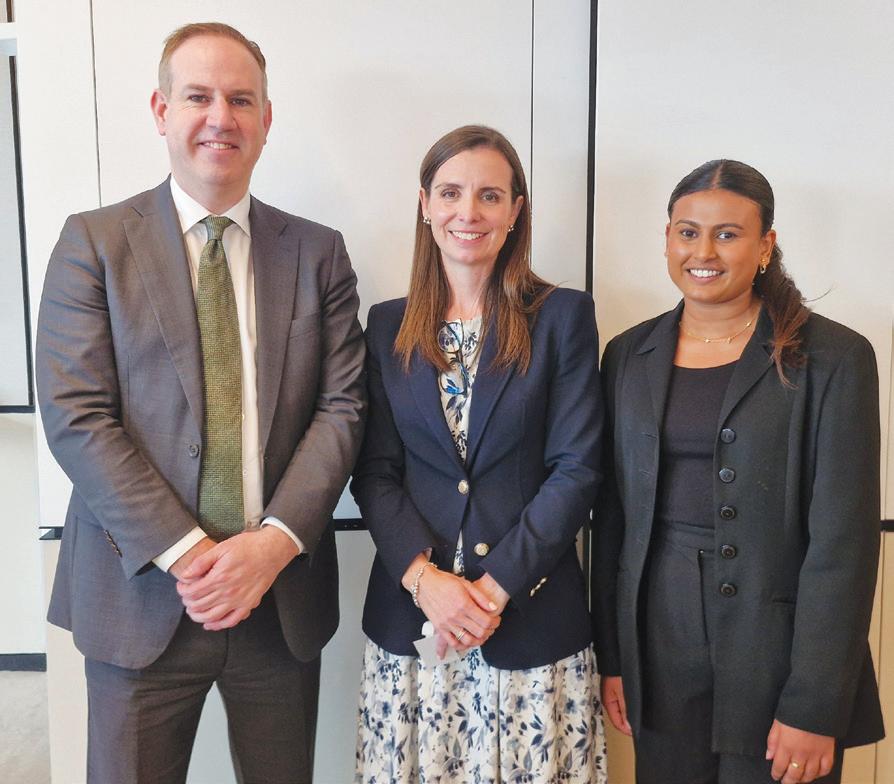
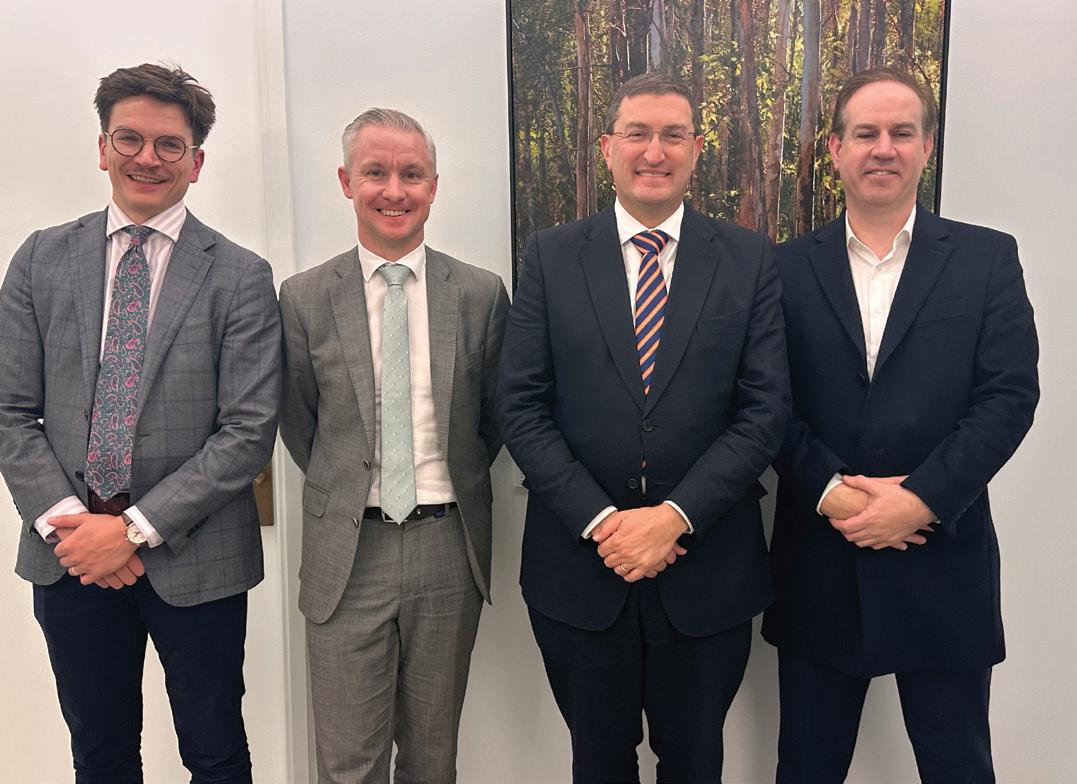
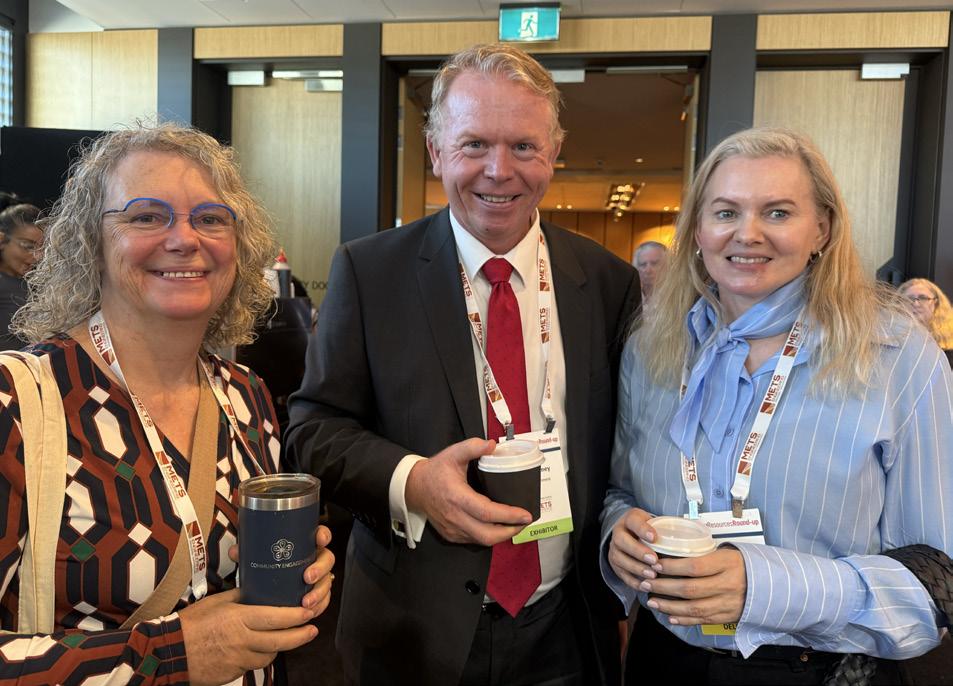
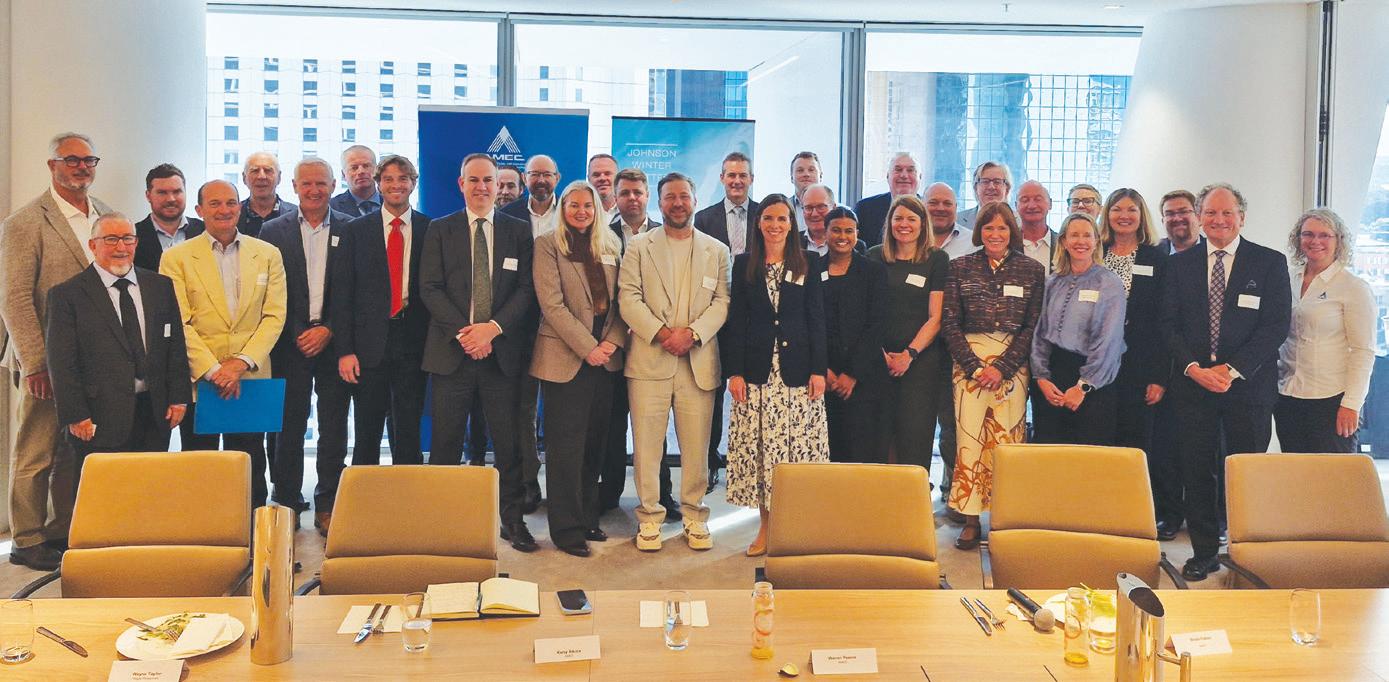
From boardroom lunches to networking sundowners and industry conferences. See who’s been out and about







Ryan Rampling: P: 1300 738 184
E: ryan.rampling@amec.org.au
DESIGN & PRODUCTION
Gabrielle Lebeck
E: gabby.lebeck@amec.org.au





AMEC CEO

WARREN PEARC E Chief Executive Officer
As we move deeper into 2026, there is no doubt Australia’s exploration and mining sector continues to navigate a period of significant change and uncertainty.
From global market volatility and ongoing geopolitical tensions, through to domestic policy reform and cost pressures, the operating environment remains challenging. Yet despite these headwinds, the Australian resources industry continues to deliver.
The recent Federal Budget has thrown down the latest challenge and the AMEC team has wasted no time in advocating on members behalf.
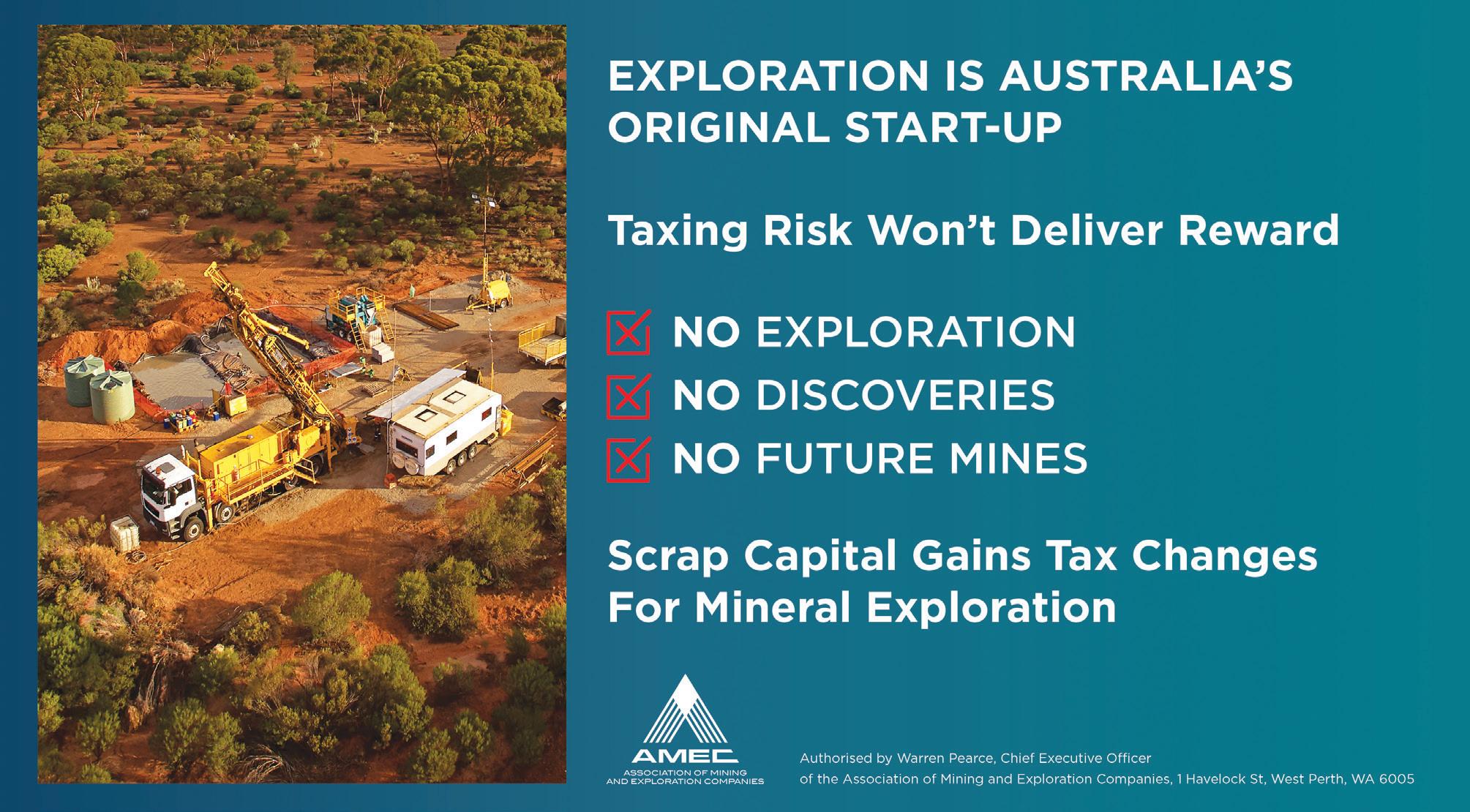
The most pressing issue from the budget is change to the Capital Gains Tax for investors in mineral exploration companies. This could have serious consequences for investment in mineral exploration companies, often relying on this pool of retail investors for financial support and in difficult times, survival.


Clearly demonstrating why targeted support mechanisms are essential to unlocking globally significant projects
We understand that encouraging investment in mineral exploration is challenging enough, without removing what little support exists for investors. Nothing is set in stone, myself and my team are working hard to secure an exemption for the exploration sector. This is an uphill battle, but one our industry must take on and win.
Read more with commentary from BDO tax specialist David Ocello on page 8 and Argonaut market analyst Pina Donovan on page 18
Meanwhile in Western Australia, there is mounting pressure surrounding Aboriginal Cultural Heritage (ACH) processes, which continue to be front of mind for many members.
Industry wants respectful engagement and strong outcomes for Traditional Owners. But as we know, the current system is creating increasing delays, rising costs and growing uncertainty for exploration and project development.
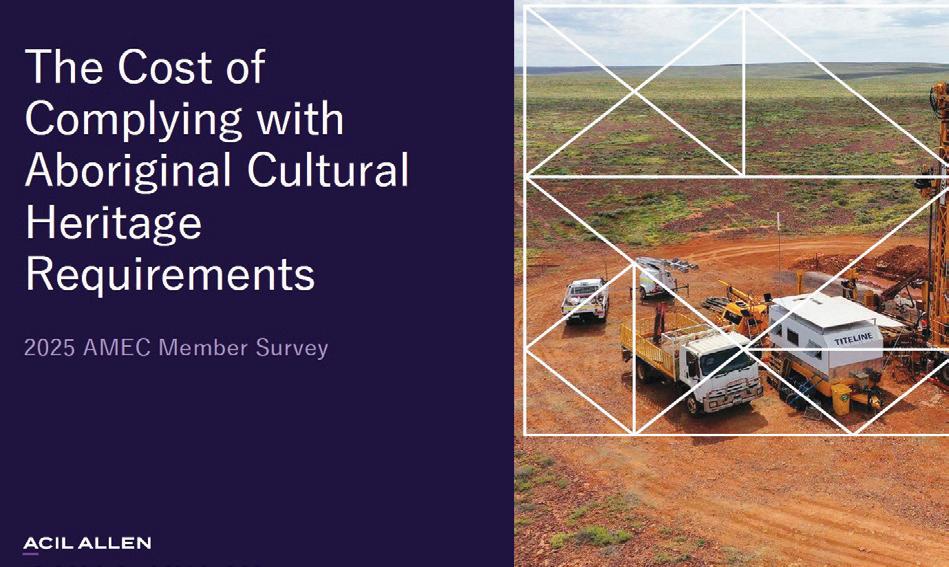
As part of our continued push for change with the government, we have released our ‘The Cost of Complying with Aboriginal Cultural Heritage Requirements’, Report compiled by Acil Allen on the back of a survey of AMEC members last year.
I encourage you to read our article on page 14 to view the report, with a link on page 15 and also available via the AMEC website
Our ‘Cultural Heritage to Native Title Forum’ on June 18 will explore this topic further, with Glen Kelly one of our confirmed speakers. I recommend you register now if you haven’t already.
Operationally, fuel security concerns earlier this year highlighted how vulnerable parts of regional and remote Australia can be to supply disruptions. We welcomed the actions taken to improve transparency and supply certainty, particularly for smaller operators who were significantly impacted.
This remains a watch for the coming months and we will continue to provide updates via the Resource Hub of our website.
It was also pleasing to see the $10 billion commitment in the Federal Budget towards bolstering our fuel supplies.
Despite these challenges, there continues to be plenty of optimism across the sector. Seen most recently with Arafura announcing their Final Investment Decision for their Nolans Project in the NT.
It represents a defining moment for Australia’s Critical Minerals Strategic Reserve (CMSR), clearly demonstrating why targeted support mechanisms are essential to unlocking globally significant projects.
Recent conferences and industry events around the country have once again demonstrated the interest in Australia’s exploration and mining community.
It has been fantastic to see so many members get along to events across the country to date, including RIU Sydney, Breaking Ground Forum Perth, Investor
Pitch Battle Adelaide and our Austex lunches and Townsville workshop in Queensland.
These conversations consistently reinforce the same message, that our industry remains one of the nation’s greatest economic strengths.
As always, AMEC will continue ensuring the voice of explorers and emerging miners is heard loudly and push for the support that our industry deserves.
Warren Pearce E: warren.pearce@amec.org.au
Commonwealth news

'
Sash PaviC Director - Commonwealth
EPBC Act reforms - implementation
The Government has commenced its consultation for the development of national environment standards. At time of writing, two out of five standards have been released for consultation - Matters of National Environmental Significance (MNES) and Offsets. AMEC has engaged members via its Environment and Water Committee to collect feedback. The Government is aiming to finalise all five standards by July.
The Government has also announced $45 million to incentivise states and territories to prioritise signing new assessment and approval bilateral agreements with the Commonwealth. A bilateral agreement means projects only go through one regulatory process rather than two.
Additionally, draft regulations have also been released for comment on the establishment of the National Environment Protection Agency and Environment Information Australia. All EPBC Act reforms will formally commence in December this year.
AMEC will continue to closely consult members and government to ensure reforms are fit-for-purpose.
Critical Minerals Strategic Reserve
In April, Parliament passed the Export Finance and Insurance Corporation Amendment (Strategic Reserve) Bill 2026. The Bill identifies Export Finance Australia (EFA) as the delivery agency for the CMSR.
All EPBC Act reforms will formally commence in December this year
The Bill identified the financial tools that EFA would be empowered to use under the CMSR as:
• Offtake agre ements with fixed / floating prices
• Trade in forward offtake
• Volume purcha se guarantees and production volum e guarantees
• Physical o r virtual stockpiling (if required)
• Contracts-fo r-difference (price floors a nd ce ilings) and
• Revenue und er write and sharing agreements.
While the government has not yet enacted any of these tools, on 21 May a non-binding Letter of Support for up to 500tpa of NdPr Oxide (under the CMSR) from EFA was provided to Arafura to make a Final Investment Decision on the Nolans project.
AMEC will continue its important work on the CMSR and supporting companies as Australia continues to secure a rare earths processing industry.
Sash Pavic
E: Sash.Pavic@amec.org.au
M: 0400 108 518
FEDERAL SUBMISSIONS
Policy setting of Nature Repair Market
Social licence and economic outcomes in Australian critical minerals projects
Australia’s aviation sector and services for rural and remote communities
Commonwealth news - GUEST Contributor


FSenator the Hon. Tim Ayres Minister for Industry and Innovation, Minister for Science
or 12 months, I’ve been working with colleagues to deliver on the promise of a Future Made in Australia. Australia’s abundance of strategic materials and critical minerals sits at the heart of that agenda.
The Prime Minister often remarks that Australians are lucky to have nearly the entire periodic table of elements beneath our feet. He’s right. Australia’s economic and strategic resilience depends on harnessing our extraordinary mineral wealth, not just as the world’s quarry, but as the bedrock of an onshore critical minerals processing and refining sector powering Australian manufacturing.
That ambition animates so much of the industrial policy that I have the privilege of delivering for Australia. Commonwealth and State investments at existing industrial facilities, like at Nyrstar’s lead smelter at Port Pirie, South Australia and Zinc Works in Hobart, secures existing capability so that we can pave a clear pathway to critical minerals production at those facilities.
I was delighted to see the first shipment of antimony, a crucial hardening alloy used in a range of electronic and defensive technologies, despatched from the pilot plant at Port Pirie earlier this year.
I was delighted to see the first shipment of antimony, a crucial hardening alloy used in a range of electronic and defensive technologies
That capability could, in time, make Australia the supplier of choice for 15 per cent of the world’s demand for antimony. The Albanese Government’s $15 billion National Reconstruction Fund is also hard at work, investing in Australian firms that will lift our critical mineral and metal processing capacity, and crowding in private capital for projects of national strategic significance.
The Fund’s $75 million investment in Alpha HPA, helped crowd in a further $150 million in private capital to create what will be the world’s largest High-Purity Alumina processing plant. That will put Gladstone in Central Queensland right on the map of global HPA production, vital for advanced technologies and battery manufacturing.
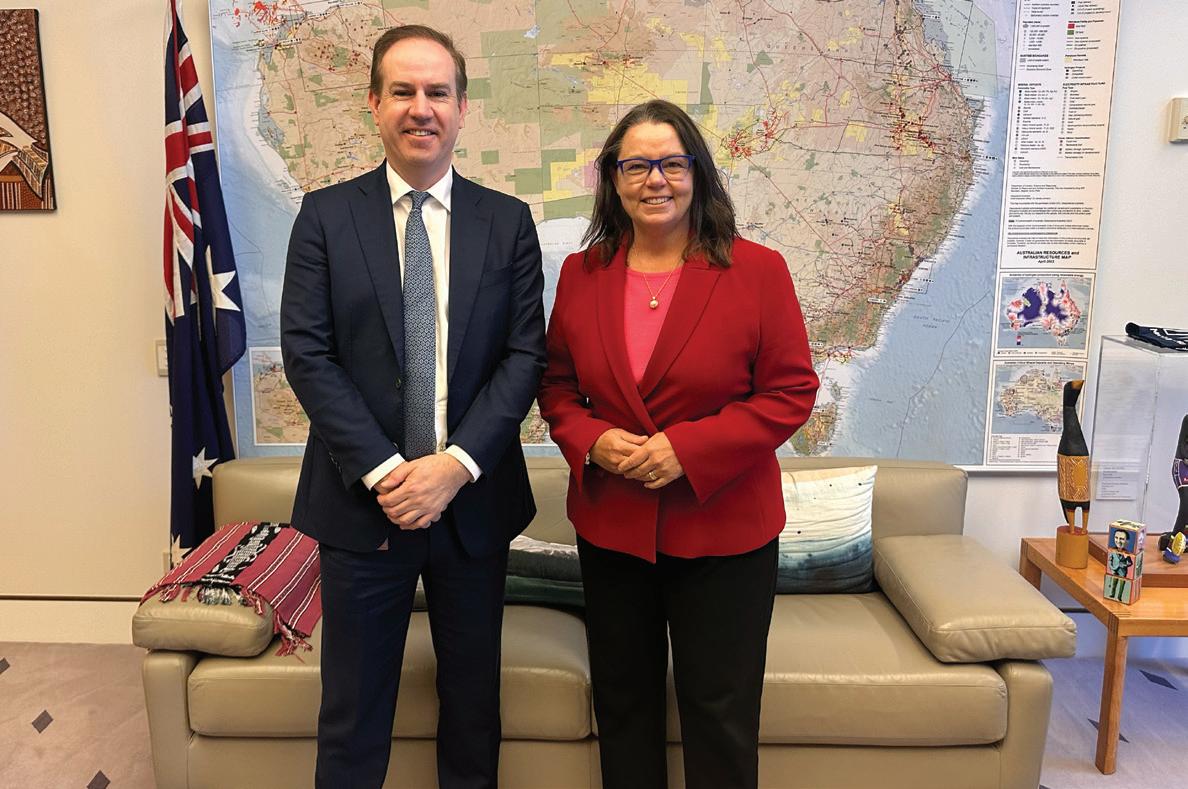
Processing and refining critical metals can be energy and resource intensive. Australian research and development will help make those processes more efficient and sustainable. That’s why I was delighted to join Resources Minister Madeleine King for the launch of the Critical Metals for Critical Industries Cooperative Research Centre. That $238 million investment, including $53 million from the Albanese Government, will discover breakthrough processing technologies and sustainable refining methods.
This is industrial and research policy unlocking new jobs and export opportunities for a stronger, more resilient Australia.
FEDERAL BUDGET ANALYSIS - BDO

David Ocello Partner, Tax Corporate and International Tax

TAXING GROWTH: WHAT THE 2026 FEDERAL BUDGET CGT MEASURES MEAN FOR MINING INVESTMENT
The Federal Budget’s proposed changes to capital gains tax (CGT) have prompted a strong response, particularly from equity investors concerned about the removal of the 50 per cent CGT discount. This concern is especially pronounced in a sector that relies heavily on risk capital to fund earlystage exploration.
From 1 July 2027, the Government proposes replacing the CGT discount with a cost base indexation approach, alongside a 30 per cent minimum tax rate on capital gains.
For affected investors, which are expected to largely comprise ‘Mum and Dad’ and ‘young’ investors that hold their shares on ‘capital’ account as individuals or through trusts, this represents a material shift in how after-tax returns are calculated.
However, transitional arrangements will apply. For assets held before 1 July 2027 but sold after that date, the 50 per cent discount continues to apply to capital gains accrued between the asset’s original tax cost base and its value at 1 July 2027.
Gains accruing after that date will instead be subject to indexation and the minimum tax, with its value at 1 July 2027 forming the new tax cost base going forward.
Taxpayers can determine this value by seeking a valuation or applying an ATOsupported apportionment formula over
the holding period based on a yet to be confirmed allocation basis.
For affected investors, the immediate impact is a reduction in the relative attractiveness of capital gains as a source of return. While indexation recognises inflation, the removal of the discount and introduction of a minimum tax rate are likely to compress after-tax outcomes, particularly for long-term high-risk investments.
This concern has been echoed by industry. Recent comments from Liontown founder, Tim Goyder, highlighting the central role that capital gains play in attracting risk capital to exploration, while AMEC has emphasised that mineral exploration functions much like a start-up, dependent on investors willing to fund high-risk opportunities in anticipation of long-term capital growth.
If that incentive is diluted, capital allocation decisions may shift. Affected investors may place greater emphasis on income-generating opportunities, such as dividend-paying equities or yield-based structures, since capital gains will now be taxed on a similar basis.
In a capital-constrained environment, this change could reduce the pool of capital that traditionally supports earlystage exploration and impact IPOs where the required ‘spread’ that is made up
from such investors cannot be achieved, thereby potentially affecting the pipeline of future discoveries, an issue that industry bodies have highlighted in the context of Australia’s ambitions in critical minerals and resource development.
Over time, this dynamic may require Government intervention and incentives to remedy, such as the Junior Minerals Exploration Incentive (JMEI) which was recently discontinued. Since the Government is currently considering carveouts for tech start-ups, they are implored to seriously consider the inclusion of mineral exploration in the carve-outs to avoid these adverse outcomes.
As a final observation, the discussion above assumes shareholdings are held on capital account.
Mineral exploration functions much like a start-up, dependent on investors willing to fund high-risk opportunities in anticipation of long-term capital growth
In practice, some holdings, particularly those of employees receiving equity as part of remuneration or investors pursuing more active or structured strategies, may be characterised on ‘revenue’ account.
In these cases, gains are taxed as ordinary income and CGT concessions (past or future) are generally not available. Furthermore, corporate and superfund investors should not be impacted by these changes. For these taxpayers, the direct impact of these reforms may be more limited, although broader market effects will still be relevant.
WA news

NEIL VAN DRUNEN Head of National Policy
Land access is the number one issue for AMEC in Western Australia. Foremost is the need to form an outcome from the Native Title and Cultural Heritage Processes Review announced by Premier Cook in May 2025, following sustained AMEC advocacy, and led by Native Title Tribunal Commissioner, Mr Glen Kelly.
AMEC put real member experience before the review: cost, case studies, a trio of forums, and multiple meetings with the Minister, Premier’s staff and Mr Kelly.
Our member survey brought real numbers to the discussion: heritage surveys conservatively estimated at an average of $23,000 a day, 50% of agreements not being honoured, and for each $100 spent on a survey a shocking $4 to the pockets of Traditional Owners.
There must be a better way to bring money to communities, not consultants, respecting heritage while balancing commerciality.
The Kelly Review report now sits with Government and will shortly be released. AMEC reiterates an expectation for action to reduce timeframes and cost. Report page 15.
Stopping the rating of miscellaneous licences by Local Government, is a multiyear advocacy effort. The Local Government Amendment Bill 2025 returns for debate in the coming parliamentary sittings. Its passage will reaffirm the practice that miscellaneous licences are not rateable, despite recent reinterpretation of an ambiguous subclause of the Act.
Our member survey brought real numbers to the discussion
AMEC continues to push for the Mining Amendment Bill 2025 to pass Parliament. This fixes practical problems in exploration licensing, including excisions, Section 58 statements and Section 19 instruments.
More than minor matters of filing paper, this reform will bring greater clarity to how ground can be applied for, granted and worked.
Neil van Drunen
E: Neil.vandrunen@amec.org.au
M: 0407 057 443
WA SUBMISSIONS
Pilbara Environmental Offsets Fund Strategic Intent Plan
Review of Compliance and Enforcement Policy
Freedom of Information
Draft Coordinator General Guidelines
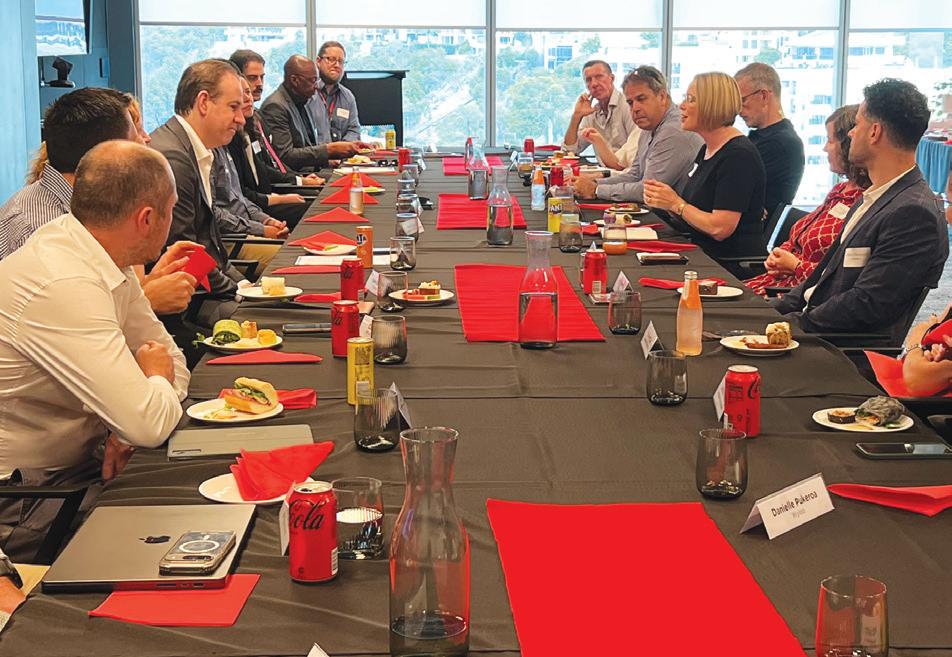
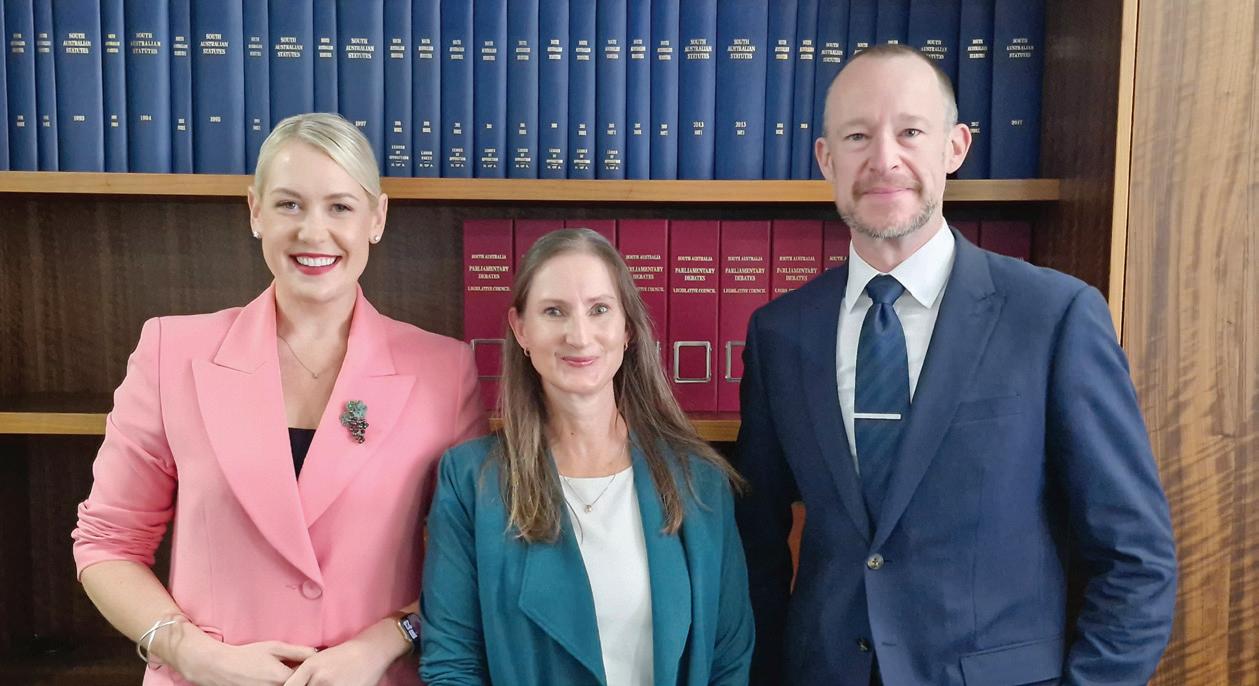
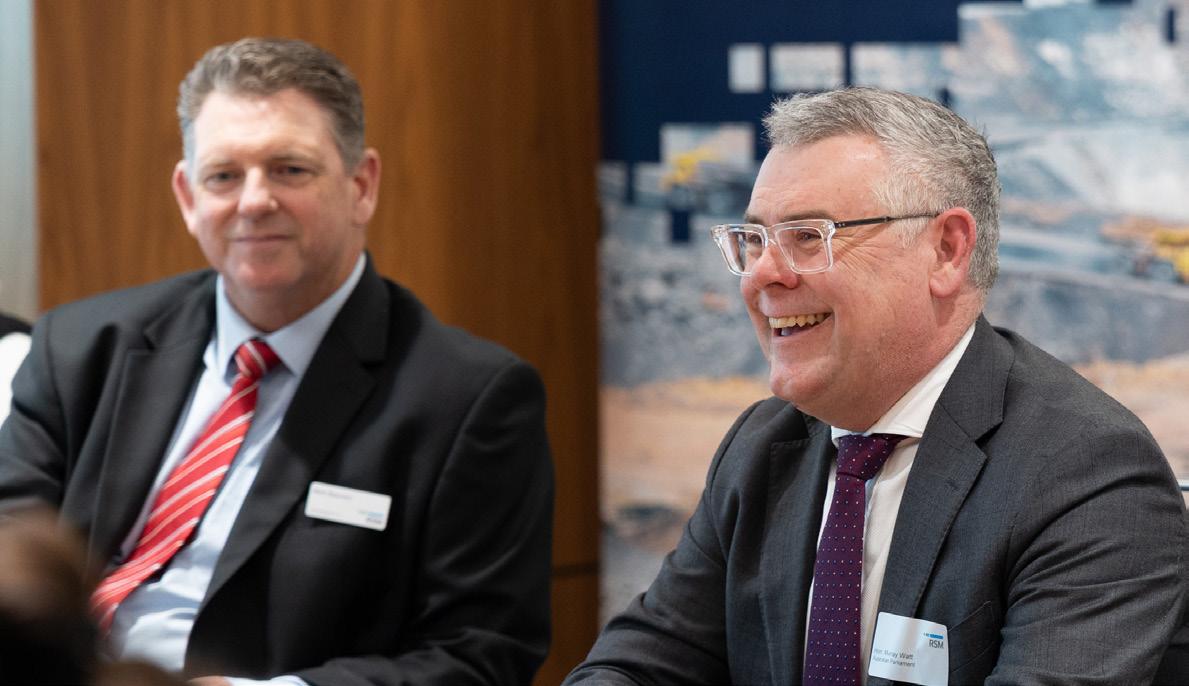
Sally North - Safety Comissioner meeting with AMEC Members Boardroom Lunch
WA news - GUEST Contributor

EThe
Hon Rita Saffioti,
MLA Deputy Premier; Treasurer; Minister for Transport; Sport and Recreation
arlier this month I handed down the 2026-27 State Budget.
As always, there’s a lot to unpack, but here’s the short version – this State Budget is about keeping our economy the strongest in the nation.
I have long been a proponent that if your starting point is a strong economy, it makes it far easier to deliver in other critical areas. For our Government, those priority areas are housing, health and job creation.
Working alongside our key industries, our Government has worked incredibly hard to create the right conditions that encourage private sector investment, grow the economy and create jobs.
We’ve had great success. Private sector investment in Western Australia remains the strongest in the nation, accounting for 85 per cent of growth in our domestic economy in 2025.
Since 2017 we’ve created in excess of 380,000 new jobs, with more than 1.6 million West Australians now in work, including more than 40,000 jobs in the mining sector.
It’s an outcome we can all be proud of – and I am acutely aware of how important the resources sector has been to that success,
The resources sector is the heart of our economy, particularly smaller exploration companies seeking to grow and expand
particularly the entrepreneurial spirit of smaller and emerging resource companies. But if we want to stay at the front of the pack, we need to keep moving forward.
That’s why our Government has moved to implement one of the biggest shake ups to approvals laws our state has ever seen.
This includes our overhaul of environmental approvals laws, and our landmark changes to the State Development Act.
These changes don’t minimise the rigor of our environmental, social and cultural assessments of projects, but they are helping speed up the process.
It sends a clear message to those seeking to grow their businesses in Western Australia that our Government supports your endeavours and stand ready to tear down the red tape that might otherwise discourage investment.
The resources sector is the heart of our economy, particularly smaller exploration companies seeking to grow and expand.
We will continue to do everything we can to ensure our resources sector continues to thrive and create great jobs for Western Australians.
QLD news


KATE DICKSON
Head of National Operations
There’s been plenty happening across Queensland’s resources policy space, with a mix of progress and ongoing challenges.
Starting with the Resources Safety and Health Queensland and Other Legislation Amendment Bill 2026, it’s pleasing to see that several of AMEC’s recommended changes made it through.
These are outlined in the Committee Report and reflect the value of strong, practical industry input during the consultation process.
The Department of Environment, Tourism, Science and Innovation (DETSI) held the inaugural Regulator Roadshow in Brisbane recently.
Thanks to all the AMEC members who attended and participated. The attendance and feedback will help ensure these events continue to happen.
The Financial Provisioning Scheme (FPS) continues to be a sticking point. Members have raised concerns since its inception, and while recent tweaks around risk ratings were expected to improve outcomes, the issues persist.
We’ll be taking this directly to government later this month, with briefings scheduled with Ministers. If you have experience to share on this topic (and you haven’t already), please get in touch.
We’ll be taking this (FPS) directly to government later this month, with briefings scheduled with Ministers
Unfortunately, it’s looking unlikely that the upcoming Queensland Budget will not include support for mineral exploration. Current messaging suggests Round 10 of the Collaborative Exploration Initiative (CEI) is the last. With more than two-thirds of recipients being AMEC members, we will continue to work with government on ways to reestablish this important work.
Finally, there’s a positive development in the draft revised EIS Trigger Guideline. Specifically, proposed changes for brownfield expansions, shifting to annual rather than cumulative extraction rates, are a sensible step forward.
The draft also outlines clear triggers for when an EIS may be required, including large-scale greenfield projects, significant expansions, novel technologies, and impacts on sensitive environmental areas.
As always, we’ll keep working closely with members and government to ensure these changes support a sustainable and competitive resources sector in Queensland.
Kate Dickson
E: kate.dickson@amec.org.au M: 0407 004 885
QLD SUBMISSIONS
Resources Safety and Health Queensland and Other Legislation Amendment Bill 2026
QLD news - GUEST Contributor

Unlock
Peta MacRae Mayor City of Mount Isa
the North West's Uranium Potential: End the Moratorium Now!
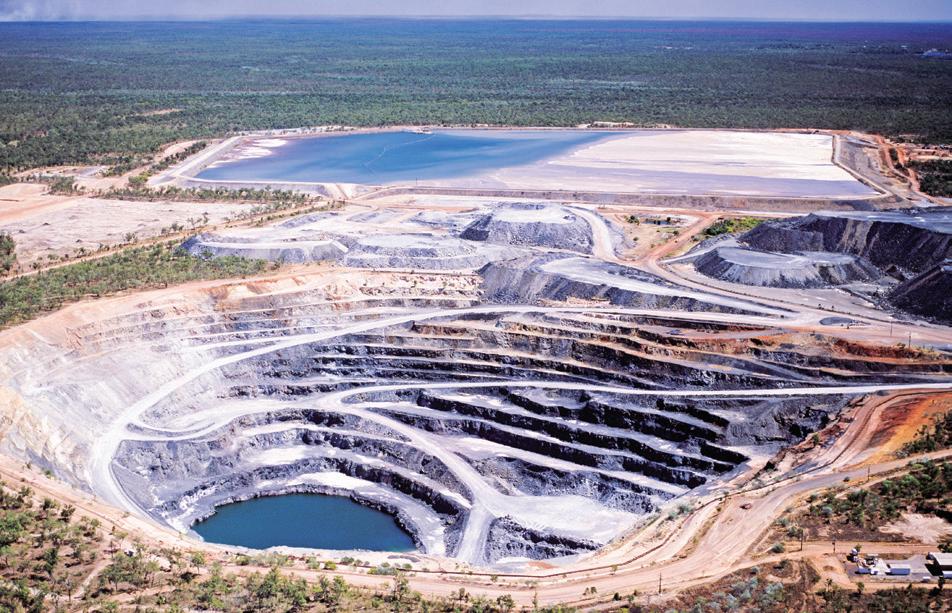
Mount Isa sits at the heart of one of the world’s most mineral-rich regions, the Queensland North West Minerals Province. Beneath our red earth lies one of the largest uranium resource bases on the planet, holding deposits valued at over US$10 billion. Yet Queensland’s blanket moratorium on uranium mining means this extraordinary asset delivers nothing for our community, state, or nation. That must end.
As Mayor of Mount Isa, I see the potential of this region and the cost of policies that deny it. Our city has built its identity on resource extraction done right. We have the workforce, infrastructure, supply chains, and the expertise to lead Australia’s uranium future. The government simply needs to get out of the way.
The economic opportunity is immense, generating thousands of jobs across the North West and delivering significant royalty streams to Queensland Treasury. It would inject sustained investment into Mount Isa and surrounding communities, a region where economic diversification is critical. It could also help pay for the Brisbane 2032 Summer Olympic Games.
Uranium represents a generational opportunity we cannot afford to squander.
Uranium represents a generational opportunity we cannot afford to squander
The global context makes inaction increasingly unconscionable. Australia holds around one-third of all known uranium resources on earth. We are the most uranium-rich nation on the planet, yet we rank only fourth in global production behind Kazakhstan, Canada and Namibia. Uranium demand is surging off the back of nations worldwide accelerating nuclear energy programs as the centrepiece of serious decarbonisation strategies. It’s a clean-energy fuel the world desperately needs.
Queensland’s position is particularly absurd when South Australia and the Northern Territory face no such prohibition. The case is further strengthened once the CopperString project is finally delivered, connecting the North West to the national energy grid. It will deliver lower energy costs and create an industrial foundation to make uranium mining, and every Future Made in Australia initiative, genuinely competitive and globally attractive.
I am calling on the Queensland Government to designate the North West Minerals Province as the trial site for lifting the uranium moratorium. Let the science speak. Let modern methods demonstrate their safety. Let’s show Queensland and Australia what responsible uranium extraction looks like. We will bust the myths, right here in our own backyard.
The moratorium belongs in the past. Mount Isa’s economic future depends on getting this right.
ABORIGINAL CULTURAL HERITAGE - MEMBER SURVEY

Ryan Rampling
National Manager – Media & Communications
ABORIGINAL CULTURAL HERITAGE REPORT HIGHLIGHTS NEED FOR PRACTICAL REFORM
Respecting and protecting Aboriginal cultural heritage is fundamental to responsible mineral exploration and mining in Western Australia.
It is also clear from new analysis commissioned by AMEC that the current system is not delivering the certainty, efficiency or community benefit it should.
AMEC engaged independent economics and policy advisory firm ACIL Allen to better understand the time and financial cost of managing and complying with Aboriginal cultural heritage requirements across Western Australia’s minerals industry. The survey was completed by 59 AMEC member organisations, representing 40 per cent of AMEC’s Western Australian membership base, and included 85 Aboriginal cultural heritage activities across exploration and mining projects.
The report provides one of the clearest pictures yet of how the current system is being experienced by industry, particularly small explorers. It does not question the importance of cultural heritage protection. Rather, it highlights a system that has become increasingly costly, slow, inconsistent and difficult to navigate.
The survey found four out of five organisations viewed Aboriginal cultural heritage processes as more onerous than the risks they were designed to address.
Nearly two-thirds reported that the process took longer or much longer than expected. On a per activity basis, organisations spent an average of 552 days managing and complying with Aboriginal cultural heritage requirements. The median was 260 days. The average financial cost was $513,864, with a median cost of $213,384.
AMEC Chief Executive Officer Warren Pearce said the report confirmed what members had been raising for some time.
“This is not about walking away from cultural heritage obligations. It is about making sure the system works as intended,” Mr Pearce said.
“Explorers are willing to invest in meaningful cultural heritage outcomes, but they need confidence that the money they are paying is supporting Traditional Owners and communities on the ground.”

The report found agreement-making takes the most time, with an average of 333 days per activity. Cultural heritage surveys account for the largest share of financial costs, averaging almost $370,000 per activity.
For surveys completed within 10 days or less, the average cost was $23,817 per day.
The report also found the median perday cost of undertaking cultural heritage surveys increased by 47 per cent when comparing activities initiated between 2018 and 2022 with those initiated between 2023 and 2025.
Another key finding was where payments ultimately flow. The report estimated that Native Title Groups and representative bodies receive approximately 40 cents in every external dollar paid through the system. The remaining 60 cents flows to external consultants and legal advisers.
Mr Pearce said that outcome should concern everyone involved.
“The intent of the framework is not in question. The execution is.
“A system that absorbs significant cost through lawyers, consultants and duplicated processes is not delivering the best outcome for Traditional Owners or industry,” Mr Pearce added.
This is not about walking away from cultural heritage obligations. It is about making sure the system works as intended
Chalice Mining Managing Director and CEO Alex Dorsch said the findings reflected the practical challenges facing companies trying to advance projects responsibly.
“Companies want to do the right thing and work constructively with Traditional Owners, but the current system creates uncertainty, duplication and cost that can delay activity before it even starts,” Mr Dorsch said.
“This is particularly challenging for exploration and early-stage project development, where timelines and capital are critical.”
The report also found 76 per cent of organisations believe insufficient information is made available about previous cultural heritage surveys, while around half had been asked to re-survey areas where they were aware previous work had already been undertaken.
For AMEC, the findings point to a clear need for reform. That means a simpler, more transparent and better coordinated system. One that protects Aboriginal cultural heritage, ensures Traditional Owners are the primary beneficiaries, reduces unnecessary duplication, and gives industry the confidence to invest.
The completed WA Government Review into Native Title and Aboriginal Cultural Heritage processes provides an opportunity to reset.
As Mr Pearce noted: “Change is not just necessary. It is overdue.”
NSW news

Kerry Atkin s Director - New South Wales
The NSW planning reform agenda continues to evolve, with several significant changes now moving into implementation phase under the Planning System Reforms Act 2025. AMEC has been actively engaging throughout these reforms to ensure the exploration and mining industry has a strong voice in shaping a more efficient, coordinated and practical approvals framework.
One of the key reforms is the establishment of the Development Coordination Authority (DCA), due to commence from 1 July 2026. The DCA is intended to centralise coordination across state agencies involved in major project approvals, helping to reduce duplication, conflicting advice and delays caused by repeated information requests.
The reforms also aim to improve postconsent coordination and provide earlier identification of issues that may otherwise emerge later in the approvals process.
For members, this has the potential to deliver a more predictable and streamlined approvals pathway, improved certainty around timelines and a more practical interface with government agencies.
While the intent of the reforms is positive, AMEC will continue to monitor how the DCA operates in practice and advocate to ensure the system delivers meaningful improvements for industry.
Another important reform now embedded under Part 5 of the Environmental Planning and Assessment Act is the shift to a
For members, this has the potential to deliver a more predictable and streamlined approvals pathway
proportionate, risk-based environmental assessment framework. Decision-makers are now required to assess impacts commensurate with the scale, nature and risk profile of an activity, rather than applying a “fullest extent possible” approach in all circumstances.
This is a welcome step for the mining and exploration sector and should assist in reducing unnecessary regulatory burden for low-impact activities, while supporting more streamlined Review of Environmental Factors (REF) processes and greater certainty in approvals.
AMEC encourages members to remain engaged as implementation progresses.
We also encourage participation in the NSW Resources 2026 Exploration Forum, expected to be held in Orange in September 2026, which will provide valuable updates on the evolving regulatory framework and an opportunity to engage directly with government and industry stakeholders.
Kerry Atkins
E: kerry.atkins@amec.org.au
M: 0403 468 994
NSW SUBMISSIONS
Review of prices for Water NSW’s Murray River to Broken Hill Pipeline Great Koala National Park Sterilising Mineral Deposits
Improving the Effectiveness of the NSW Planning System for Mining Projects
A New Approach to Strategic Planning –Discussion Paper
NSW news - GUEST Contributor

EThe Hon. Courtney Houssos, MLC NSW Minister for Natural Resources
xploration is the key to the future of the resources sector. The Minns Labor Government is focused on making it easier to get projects off the ground and deliver new discoveries.
We are taking practical steps to back exploration, lower costs and support more activity across the State.
It’s encouraging to see a strong response to the Critical Minerals Exploration Program, with 29 projects funded in the first round. Four projects have already been completed and a further 23 are underway.
We are also continuing to make highquality geoscience data available to industry. Investments in technologies like seismic imaging and the HyLogger 4 are helping build a clearer picture of what lies beneath the surface.
Early results from recent surveys suggest rock formations known to host copper and gold may be closer to the surface across parts of the central Lachlan region, helping identify areas with strong potential.
For the first time, the Geological Survey of NSW has released a Petrophysical Atlas, built from more than 1,200 core samples. This provides detailed information on rock properties such as magnetics, density and conductivity.
A competitive application process is now underway to help build a clearer picture of future supply opportunities
Making this data publicly available reduces duplication, lowers upfront costs and gives explorers greater confidence to invest.
These initiatives are part of the NSW Critical Minerals and High-Tech Metals Strategy 2024–35, which is focused on attracting investment and supporting new projects.
Our nation-leading Royalty Deferral Scheme will defer up to $250 million in royalties to support new critical minerals projects in their early years, helping improve project viability and bring more investment into NSW.
We are also supporting future energy supply, with two areas of the State’s Far West opened for gas exploration. A competitive application process is now underway to help build a clearer picture of future supply opportunities.
Together, these actions send a clear message: NSW is open for exploration and ready to back new investment.
Mining has a long history in NSW and it will continue to play an important role in our economy into the future.
Federal BUDGET ANALYSIS - ARGONAUT

Pia Donovan Analyst, Research
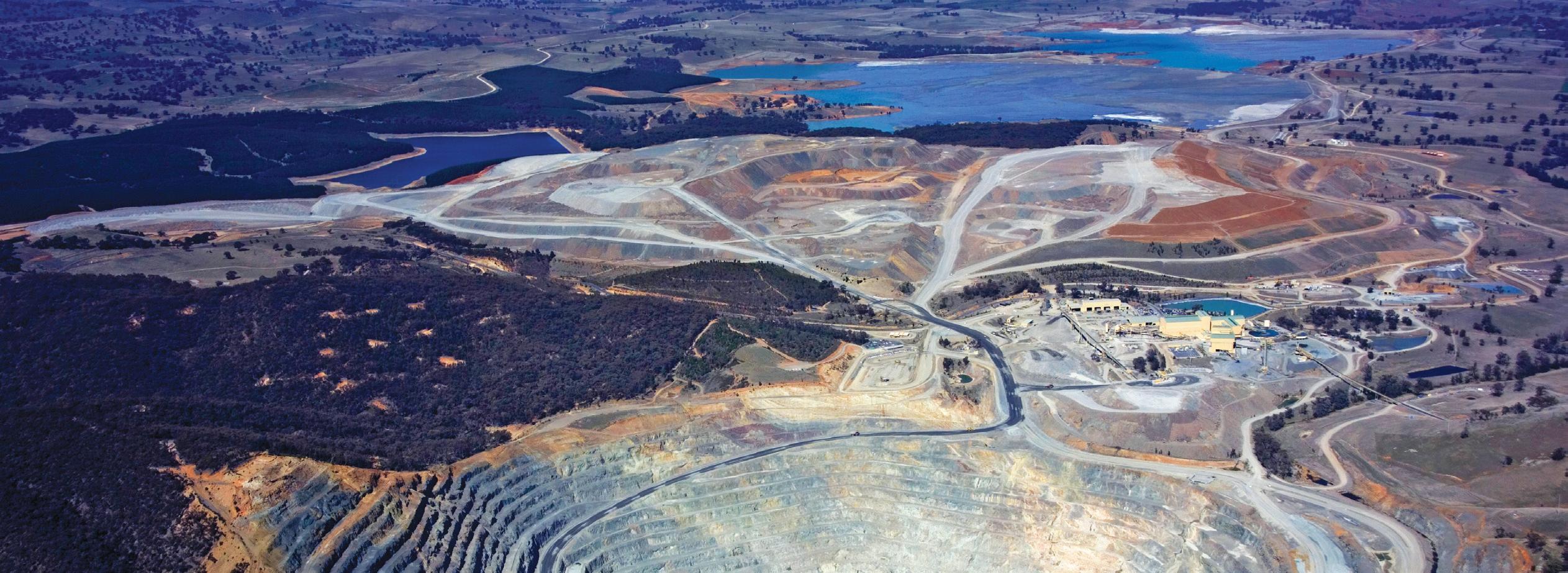
THE MINING WINNERS AND LOSERS IN THE 2026 FEDERAL BUDGET
The release of the 2026-27 Federal Budget has introduced significant changes with the mining sector set to benefit from fuel and critical minerals reserves and streamlined project approvals. The backdrop of tensions in the Middle East is causing concerns on inflation pressure in the near-term.
winners
The effort by the Australian Government to provide quicker timelines for environmental approvals is a big win for the mining sector in the current budget.
The budget commits $70 million to fasttrack approvals with states and territories including the establishment of bilateral agreements. Alongside this, $105.9 million has been committed to faster approval times under the EPBC Act using AI.
Mining developers are positioned to benefit from a quicker approvals process which no longer will require dual approvals at a state and federal level.
The Government has announced a $14.8 billion Fuel Resilience Package which is set to strengthen Australia’s fuel supply. $3.2 billion of this funding is set to establish a government-owned Fuel Security Reserve, with the big winners to be infrastructure contractors with capabilities in fuel storage.
Through the lift in fuel reserves and securing of additional energy, the mining sector is shielded against major global oil shocks with the Government ensuring fuel availability is not a future issue.
The risk profile for junior exploration companies has been lowered due to the established Critical Minerals Strategic Reserve.
The Reserve is set to become operational and draw on $1 billion from the Critical Minerals Facility for investment in 2026-27.
Initially the reserve will focus on antimony, gallium and rare earth elements with exploration companies that have a focus on these elements set to be the big winners

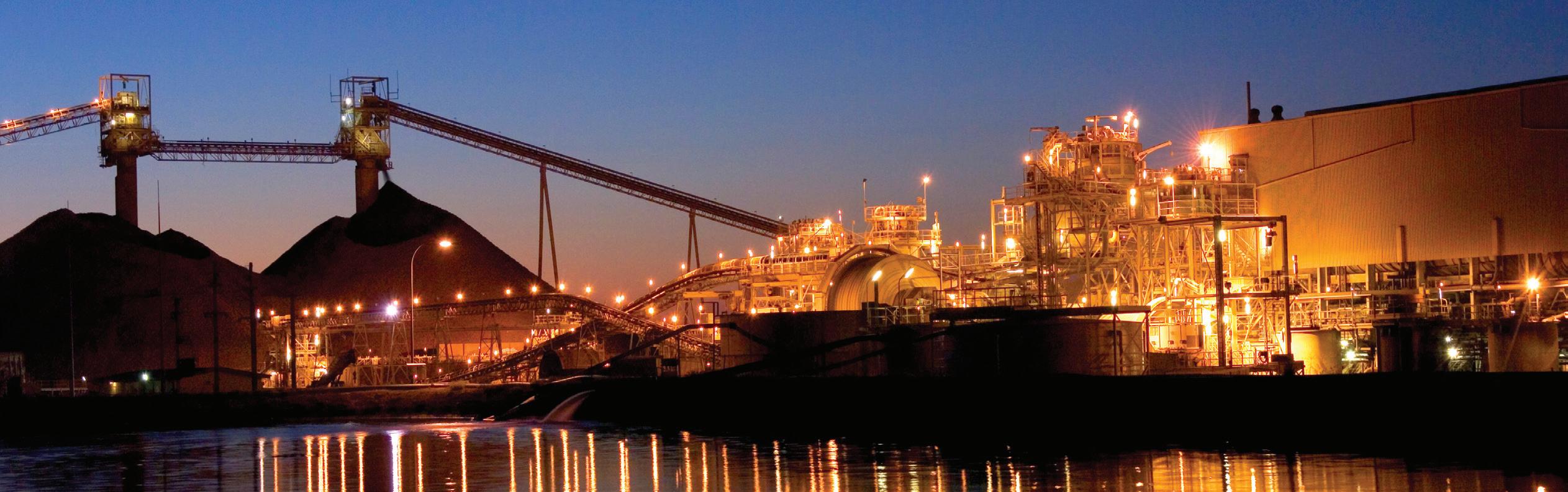
Losers
The ongoing war in the Middle East is a central focus of the Federal Budget with concerns around increased inflation and slower economic growth highlighted. The conflict is putting pressure on costs and straining supply chains which will impact the majority of sectors and businesses.
In the near term, the Government has forecast headline inflation to reach 5 per cent, resulting in a slowing of the economy from 2.25 per cent in 2025-26 to 1.75 per cent in 2026-27.
Inflation pressures and increasing fuel costs will continue to put ongoing pressure on prices and supply chains. Initial cost impacts from fuel supply will lead to a negative impact on transport costs, pushing up prices of other equipment and parts.
It is expected that we will start to see an increase in costs for all companies in the mining sector as global tensions remain unsolved.

The risk profile for junior exploration companies has been lowered due to the established Critical Minerals Strategic Reserve
Investment opportunity
Australia has a solid resource base with the federal government continuing to rely on mining sector revenues for spend and opted out of imposing additional mining taxes.
It appears that the market is highlighting concerns around uncertainties in pricing and fuel supply, however, has not taken into account the impact of the resources sector on Australia’s economy and the Government’s reliance on the sector.
The longer-term outlook for resources companies outweighs the near-term cost impacts, as the Government will ensure the resources sector remains secure and major mining companies are willing to pay for higher cost fuel.
Overall, the mining industry has welcomed the proposed 2026-27 Federal Budget and as we wait to see the full impact of the Middle East conflict, mining remains the backbone of Australia’s economy.
SA news

PETa ABBO T Director - South Australia
Mining Act Amendments back in Parliament
South Australia’s mineral explorers are waiting with anticipation as Government moves ahead to deliver on election promises to boost the sector.
The Treasurer has delivered on AMEC’s top election priority, reintroducing the Statutes Amendment (Energy and Mining Reforms) Bill to Parliament on 6 May. The Bill is unchanged from the version tabled last year and now sits with the House of Assembly (HoA) for debate.
While Labor has the numbers for this to pass in the HoA, the Bill will still require support in the Legislative Council, where two additional votes will be needed.
AMEC has intensified its advocacy to secure the Bill’s passage, engaging with members across both Houses, including the Opposition, One Nation and independent representatives.
PACE budget to be locked in
A MEC has strongly advocated for the reinstatement of Plan for Accelerating Exploration (PACE) and Government is expected to confirm its $12 million, fouryear commitment in the 4 June State Budget.
AMEC and industry have had the opportunity to provide feedback on the Investment Guidelines.
The Bill is unchanged from the version tabled last year and now sits with the House of Assembly (HoA) for debate
It is anticipated that explorers will be invited to submit proposals early in the new financial year, providing a welcome boost to explorers working across the State.
GOVERNMENT RESPONDS TO WPA REVIEW
The Australian Government released its response to the Review of the Woomera ProhibitedArea(WPA)coexistenceframework and has accepted all recommendations. Defence will have greater operational flexibility while committing to measures that reduce impacts on other users. AMEC welcomes several outcomes we advocated for, including a gridded green zone system, a digital permit platform and mineral resource studies.
Concerns remain about the effects of increased Defence days and reduced notification periods on explorers and miners operating in the WPA. The WPA Rule will be remade by 1 October 2026, with zoning changes to commence from 1 January 2027. Defence will engage with AMEC and industry closely between now and then to ensure industry is supported with the transition.
Peta Abbot
E: peta.abbot@amec.org.au
M: 00475 834 554
SA SUBMISSIONS
Budget Submission 2026/27
Mine Closure and Rehabilitation
SA news - GUEST Contributor

Suzanne Hunt (DEM), Director, Geological Survey of South Australia
A New Chapter for South Australia's Subsurface
Stepping into the role of Director of the Geological Survey of South Australia (GSSA), I have been struck by both the organisation’s deep capability and the scale of geological opportunity across the state.
South Australia has a long-standing reputation for geoscience leadership, built on high-quality data, strategic investment, and strong government–industry collaboration.
Today, we are at an inflection point, where growing demand for critical minerals, the global energy transition, and digital innovation together create a generational opportunity to unlock the value of our subsurface.
South Australia remains one of the world’s most prospective yet underexplored regions. Its diverse geological systems, spanning mineral-rich cratons, sedimentary basins, and emerging opportunities in hydrogen, geothermal energy, and carbon storage—offer significant potential. GSSA plays a central role in realising this by delivering high-quality data, interpretation, and prospectivity insights that support industry investment and enable confident exploration decisions.
South Australia remains one of the world’s most prospective yet underexplored regions
A key strength of GSSA is its integration with the broader investment and regulatory environment.
By linking geoscience with licensing, acreage releases, and strategic advice, we help reduce uncertainty and support projects from early exploration through to development. Programs such as PACE (Plan for Accelerating Exploration) further stimulate activity by reducing early-stage risk, encouraging co-investment, and promoting innovation, particularly through data science and modern exploration techniques.
Looking ahead, a priority is to evolve GSSA into a digitally enabled, future-focused organisation. This includes improving data accessibility, applying advanced analytics and AI, and building toward a comprehensive 3D understanding of the state’s subsurface, while strengthening collaboration with industry and research partners.
South Australia is well positioned to meet global resource needs sustainably. With exceptional geology and geoscientists, world-class data, and strong systems supporting investment, we are ready to drive the next wave of exploration success through innovation, partnership, and continued investment in geoscience.

Nicolas Parry Senior Policy Adviser Northern Territory
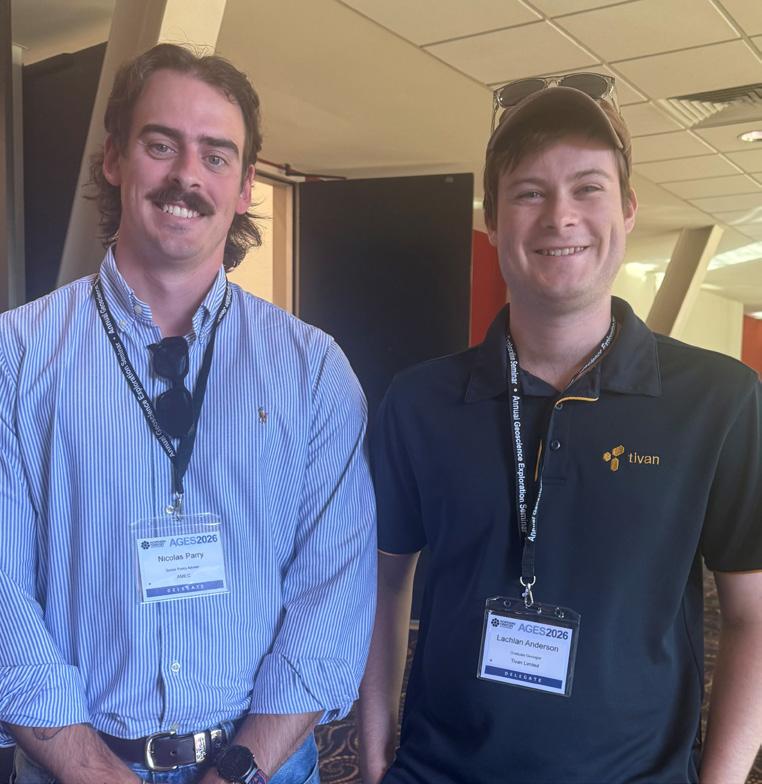
Alot has been going on in the Northern Territory since our last Explorer Magazine edition. The Territory Budget was handed down. The Annual Geological and Exploration Seminar (AGES) Conference has come and gone for another year, and consultation on the Mineral Titles Amendment Bill and Heritage Amendment Bill flew by with only five days of public comment.
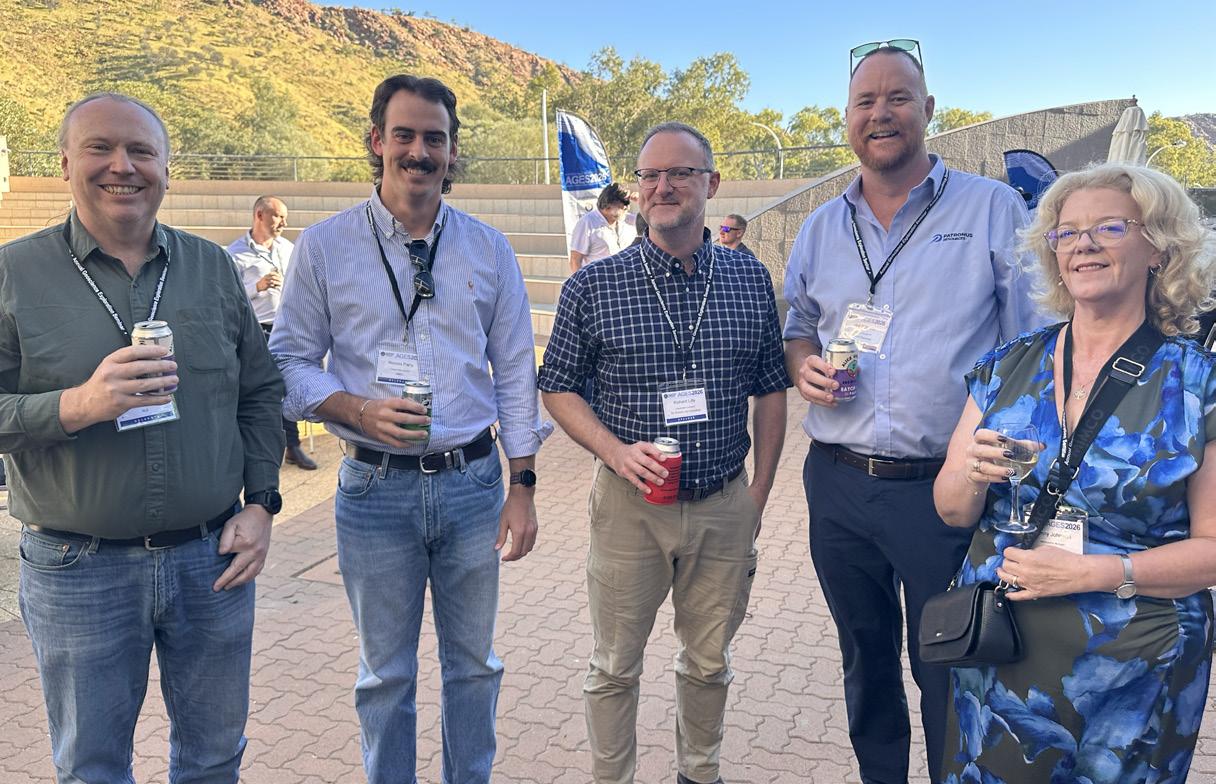
AGES again this year didn’t disappoint, with the AMEC team taking the opportunity to meet with the Deputy Chief Minister alongside a whole host of AMEC members to discuss pressing issues facing the Northern Territory. This has given clear direction to possible legislative improvements and policy reforms that AMEC continues to actively pursue.
The Mineral Titles Amendment Bill has introduced some long-needed administrative changes to the overall working of the Act. Following 15 years of consideration, we are pleased to finally see drafting and implementation begin. AMEC will be keeping a close eye on how these progress over the coming months.
Despite 2026 being dubbed the year of growth for the Northern Territory Government, with certainty and security to rebuild the Top End’s economy front of
The Northern Territory cannot become complacent
mind, very little was announced for mining and exploration.
The Northern Territory cannot become complacent about the substantial contribution that the resources sector brings to the Top End.
More needs to be done to incentivise early stage exploration to ensure a strong pipeline of projects being turned into mines.
Nicolas Parry E: nicolas.parry@amec.org.au
M: 0447 202 015
NT news - GUEST Contributor

MMark Edwards Managing Director, Prodigy Gold
ining in the Tanami Region of the NT is looking at an exciting future. Companies are aiming to restart old mining operations, such as the recently announced exploration decline at the Groundrush deposit, part of the Central Tanami Project Joint Venture between Tanami Gold and MGX Resources.
The Northern Territory Government has openly communicated that rebuilding the economy is one of its main priorities for 2026 and mining is a key element of this process.
Prodigy Gold has been an active explorer in the NT for nearly 20 years focusing on gold exploration in the Tanami Region. This exploration has now started to deliver with the development of the Hyperion Gold deposit manifesting as an exciting growth project.
Prodigy Gold is actively looking at opportunities to further develop Hyperion, being one of the larger un-mined deposits in
The NT Government has openly communicated that rebuilding the economy is one of its main priorities for 2026 and mining is a key element of this process
the Tanami Region, progressing the project towards an approved mineral lease.
In the current high gold price environment Prodigy Gold’s historic Twin Bonanza operation is being re-considered for a mining decision. When mining occurred at the project around 10 years ago, the gold price was just below $1,600/oz, with the price now consistently over $6,000/oz, the potential profitability has significantly improved.
Restarting mining at Twin Bonanza would use on-site processing utilising a modern gravity plant. The permitting process is well underway for the company working towards obtaining the required regulatory approvals.
The future for mining in the Northern Territory is looking bright and Prodigy Gold is excited to be a part of this progress.
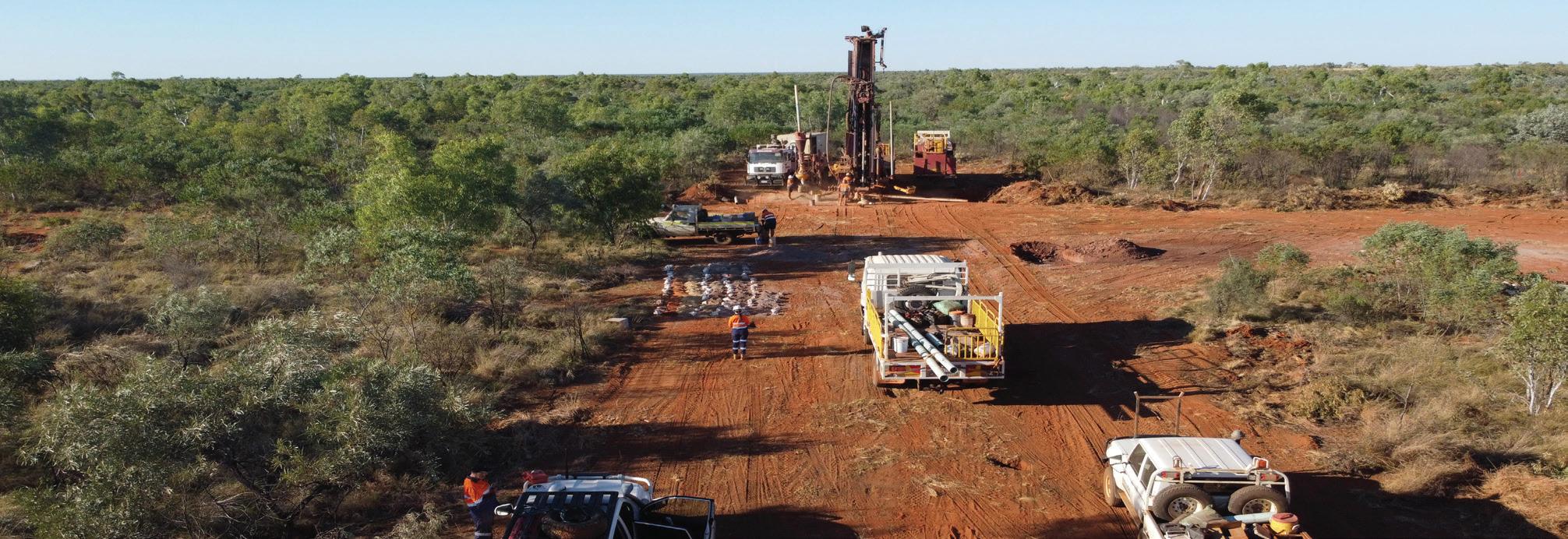
FEATURE

Magistrate Thomas M c Phee
Wardens Court – Western Australia
WORKFLOW MANAGEMENT AND INCREASED EFFICIENCIES
1)The most important thing about a decision is that it is made; and, 2)Leave a place in better condition than you found it; and 3)Apply the bus rule to the practice of the Court.
Those aphorisms came to me as wisdom from my (deeply missed) late father, also a legal practitioner of long standing in this State, and in an interesting piece of trivia, formally the part owner of a gold mining venture in Queensland.
I mention them in this context as I have been asked to provide a short article for the AMEC Explorer magazine.
I previously made some remarks to AMEC referring to a statistical analysis flowing from the recent work undertaken in the Wardens Court. In my respectful view, that statistical analysis tells of a successful exercise in workflow management and increased efficiency.
Some of the philosophy behind that effort are found in the words I have described above.
Wardens sit at the bottom of a long chain of decision makers and appellate rights. It is therefore beholden on us to make decisions efficiently and decisively, which is assisted by consistency of approach and of principle.
The decisions also need to be as correct as we can reasonably make them.
We should make objectively correct decisions most of the time. A way to ensure that occurs is the adoption of processes and procedures which are transparent, consistent and predictable.
That has perhaps not always been the case in the Court, given what I have described on other occasions as it existing as a diffuse jurisdiction of decision makers with limited interaction.
The bus rule is a rule of legal practice whereby a file should be up to date and sufficiently well organised, such that if you are hit by a bus on the way to work, another will be able have a pretty good understanding of what is going on and what should happen next, from the file. The heart of it is utilitarian; neither the client nor the court should suffer from your unfortunate demise.
It seems to me that the processes of the Court are no different.
In the Wardens Court, we are trying to achieve a state of practice where the fact of individual Wardens coming and going does not result in any kind of negative impact upon the work of the Court.

The final point to make is to emphasise why it is necessary to undertake that (gruesomely boring) procedural work.
Mining tenure is crucial to the economic prosperity of the State. Disputes will always occur in respect of mining tenure, because the fiscal rewards flowing from the control of such tenure are extremely significant.
Given the commercial value involved, clever lawyers will always be looking for any argument to be had.
The truth of the matter though is that the distance between success and failure in a disputed tenure holding (and the ownership of possible riches flowing from it), is fine indeed and quite often, literally, turns on the placement of grains of sand. Such arguments are not purely technical irritations.
The heart of it is utilitarian; neither the client nor the court should suffer from your unfortunate demise
They are an inherent part of coherently (and fairly) managing control of the State’s incredibly valuable natural resources.
The value of those resources to the State and its people must be reflected in the manner in which tenure disputes are conducted.
The rules of the game must be obeyed or the result is the inherent loss of consistency, transparency and stability in decision making, resulting in risks which discourage investment. That outcome is not objectively beneficial to the State and should be avoided if possible.
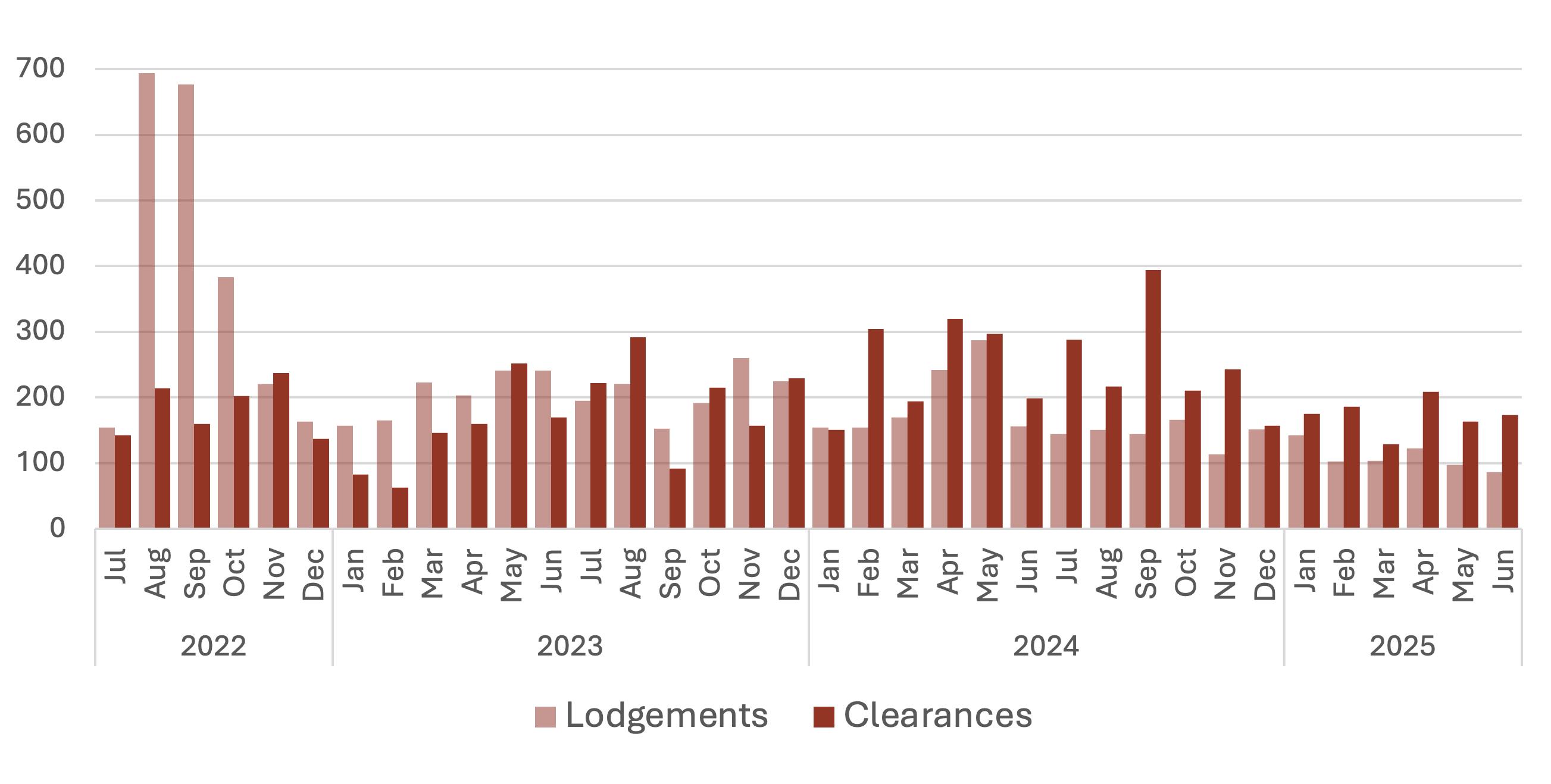
Wardens Court Clearance Rates 2022 – June 2025
VIC & TAS news

Stuart Glazebroo k Director - Victoria & Tasmania
In May, the Victorian Government unveiled its 2026–27 Budget, offering a mixed outlook for the state’s resources sector. Forecasts indicate a decline in resource output through FY2027, alongside a relatively modest $2.1 million allocation to advance Victoria’s emerging critical minerals industry.
For AMEC and its members, the figures underscored a broader concern: that without expanded, targeted support, Victoria risks losing ground on projects capable of delivering significant economic and regional benefits. In particular, industry continues to call for streamlined approvals and a more consistent policy framework to sustain long-term investment confidence.
These concerns were clearly articulated in AMEC’s pre-budget submission, delivered in March and informed by member feedback on key challenges facing the sector in an election year.
Encouragingly, the Government earlier announced a $1 million “Advancing Antimony” grants program to support development of a local processing facility. With central Victoria hosting Australia’s largest antimony deposits - including the Costerfield operation - this initiative signals recognition of the state’s strategic mineral potential.
Meanwhile, the appointment of Karen Streckfuss as Victoria’s first female mining warden marked a significant milestone.
Industry continues to call for streamlined approvals and a more consistent policy framework to sustain long-term investment confidence
As AMEC now shapes its 2026 election policy platform, its focus remains firmly on investment attraction, regulatory reform and community engagement.
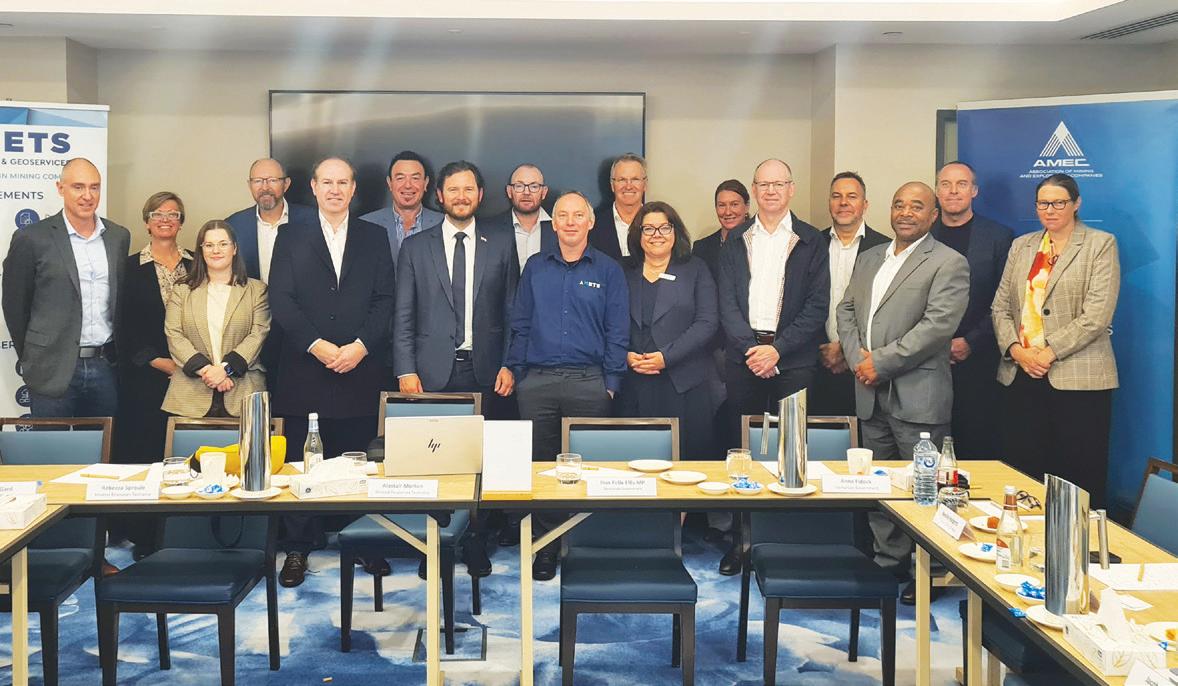
In April, AMEC convened its inaugural Tasmania Minerals Roundtable in Hobart with Resources Minister Felix Ellis, highlighting the state’s strong ambition to better understand and responsibly develop its mineral endowment.
Discussions balanced environmental considerations with growth, alongside expanded exploration support through an enhanced EDGI program and a renewed focus on critical minerals, including downstream processing opportunities at Bell Bay.
At the same time, regulatory reform remains in focus, with consultation underway on the Mineral Resources Development Act. Industry continues to emphasise resolving land-use conflicts and strengthening legislative and governance frameworks to unlock exploration, including more effective use of Strategic Prospect Zones.
Stuart Glazebrook
E: stuart.glazebrook@amec.org.au M: 0402 216 835
VIC & TAS news - GUEST Contributor
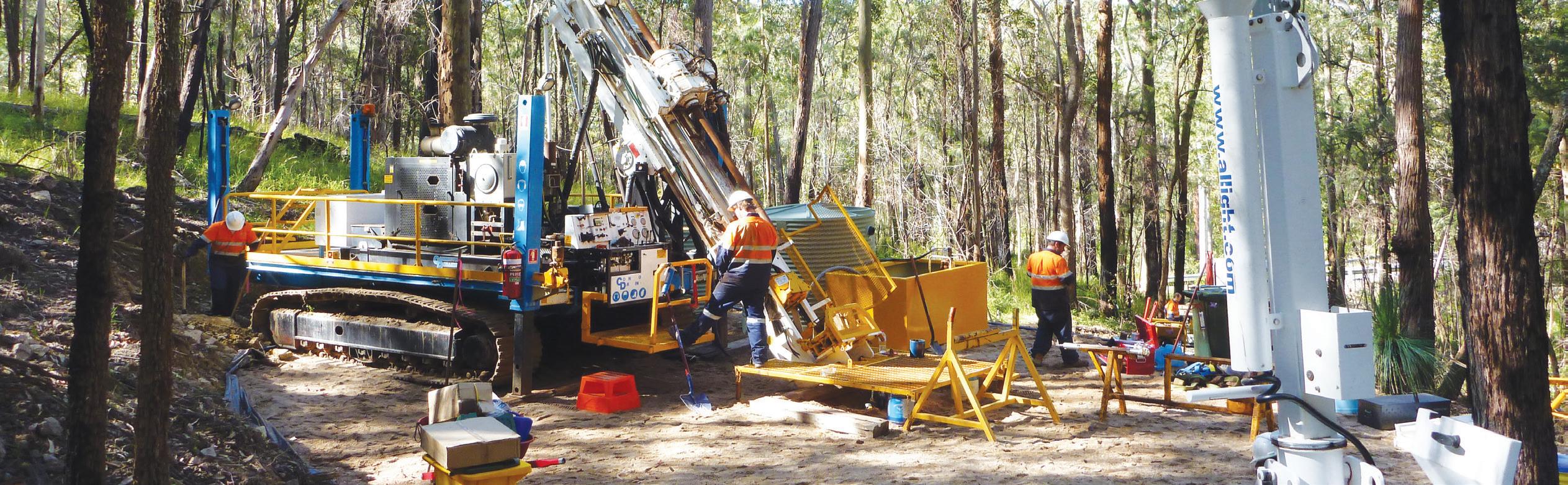

Matt Vincent CEO of Resources Victoria
Victoria's minerals opportunity: turning endowment into advantage
Victoria is entering a pivotal stage in developing minerals critical to the energy transition. With strong geological resources and a long mining history, the state is well placed to meet growing demand for materials used in clean energy, advanced manufacturing, technology and defence. The challenge is to convert exploration success into productive projects that strengthen supply chains, support regional economies and build investor confidence.
Near-term opportunities are substantial. Victoria hosts mineral sands rich in titanium, zirconium and rare earths, alongside nationally significant antimony resources, including the country’s only operating antimony mine at Costerfield. These materials are essential for infrastructure, resilient industries, and technologies that enhance health and security. Managed effectively, they can drive regional employment, support local businesses and attract further investment.
Resources Victoria is preparing the sector for growth by strengthening geoscience data, modernising regulation and supporting safe, compliant operations. Recent reforms, including the Mineral Resources (Sustainable Development) Amendment Act 2023, introduce a general duty model that clarifies obligations while improving flexibility and efficiency without
Resources Victoria is preparing the sector for growth by strengthening geoscience data
compromising environmental standards. There is also a focus on downstream processing to capture more value within the state.
At Four Eagles near Mitiamo, approval of Catalyst Metals’ Boyd’s Dam exploration decline demonstrates support for innovative exploration. The project builds on the original discovery, underpinned by collaborative work by the Geological Survey of Victoria and uses a leading approach to accessing concealed deposits, reduces technical uncertainty and accelerates deeper geological understanding. It highlights how strong geoscience and effective regulation can advance projects from discovery to confidence.
But the future of this sector will not be secured by geoscience alone.
Responsible development depends on earning and maintaining social licence. This requires transparent communication, genuine community engagement, shared benefits, and robust environmental oversight, including strong rehabilitation standards. Resources Victoria is supporting this through compliance tools to minimise impacts. We are also strengthening rehabilitation expectations so land can be returned to a safe, productive use.
Victoria is historically known for gold, but its critical minerals sector is expanding globally. The path forward combines leading geoscience, investor confidence, responsible development and a minerals sector that contributes to Victoria’s and the world’s future prosperity.
PARTNER FOCUS - GALLAGHER



SPECIALIST EXPERTISE IN inSURANCE
With an increasingly complex risk environment in Australia’s mining and exploration industry, the partnership between AMEC and Gallagher is delivering practical value to members across the country.
Built on a shared commitment to supporting explorers and emerging miners, the partnership combines AMEC’s strong industry advocacy with Gallagher’s specialist expertise in insurance, risk management and global mining markets.
For over 20 years, the pair have developed tailored solutions designed specifically for the unique challenges faced by member companies.
One of the key initiatives is the AMEC Mineral Exploration Insurance Facility (MEIF), an exclusive offering that provides AMEC members with access to specialised cover and discounted premiums, including directors & officers liability insurance.
Gallagher’s mining specialists work closely with companies to develop fit-for-
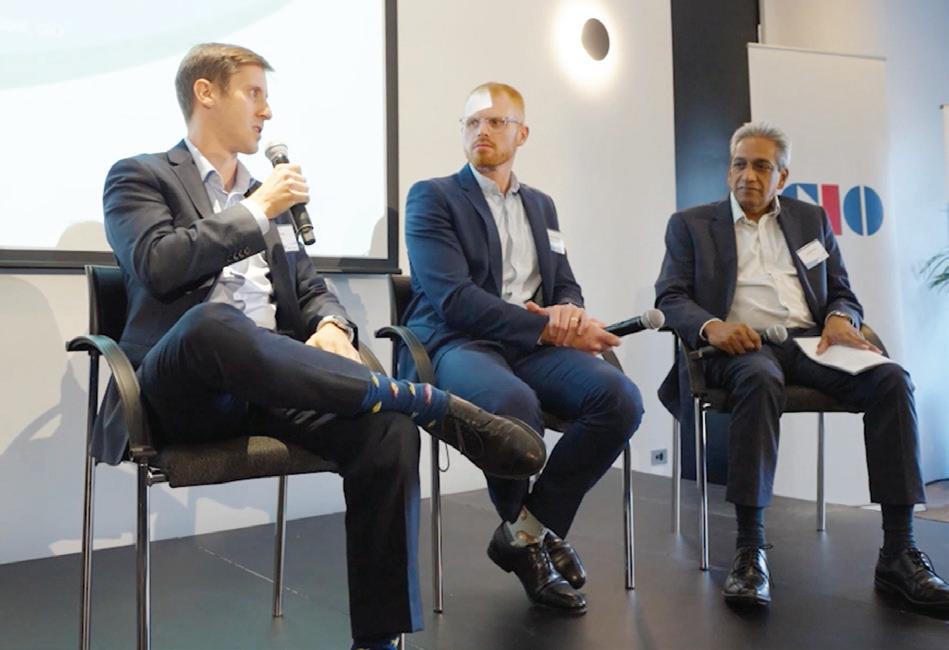
purpose insurance strategies that support businesses as they respond to emerging risks.
To find out more about the MEIF and the 20 per cent discount for members visit Gallagher Member to Member Offer.
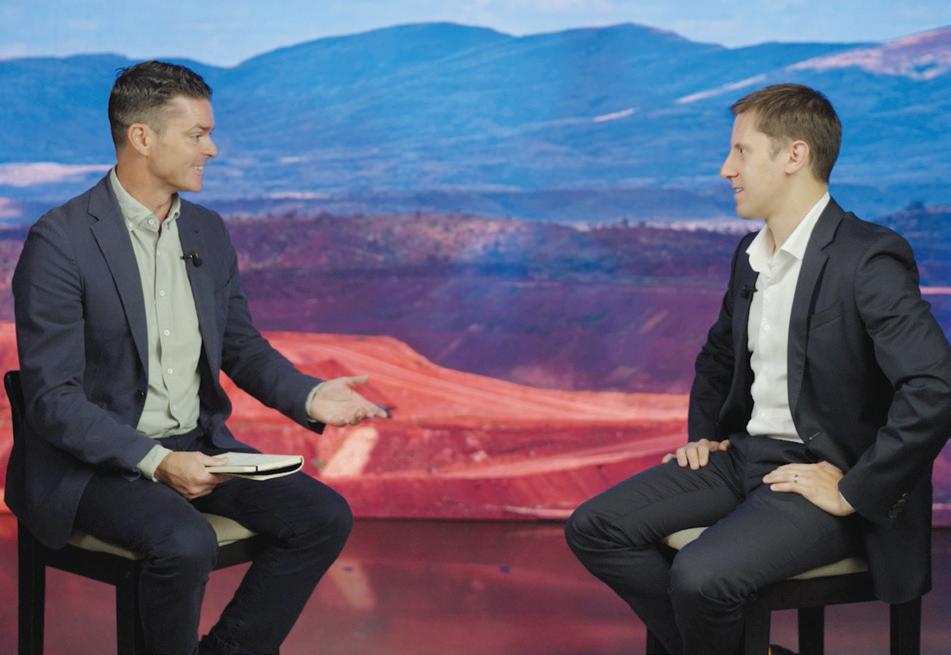
In this edition of Explorer magazine, we sit down with Gallagher’s new Head of Corporate and Natural Resources, Mr Ken Wise. Based in Western Australia, Ken has worked on some of the industry’s most complex projects, helping organisations align risk strategy with operational priorities and evolving market conditions.
His extensive experience across exploration, developing and producing miners, places him in a strong position, and one that brings a fresh perspective to the sector at the same time.
Watch this video interview, as Ken shares his thoughts on the changing insurance landscape, emerging challenges for explorers, and the importance of strong partnerships in building a strong resources industry.

AMEC events

Gary Lo w National Events Manager
The resources industry has never had more ways to communicate. Announcements hit the market instantly, webinars are constant, inboxes are full, and LinkedIn feeds never stop moving. Yet people still make the effort to travel and be in the room when the conversations matter. That has been clear across recent AMEC events nationally.
Whether it was RIU Sydney week, networking events around the country, investorfocused sessions like Pitch ‘N’ Pizza and Pitch Battle, or Boardroom Lunches with Ministers and Director Generals, one thing stands out, people are looking for relevant conversations and genuine connections, not just more information.
That is also shaping how we think about events. Attention is valuable, so formats need to be clear, purposeful, and worth attending.
Members want to quickly understand where opportunities are emerging, investors want concise updates, and people still value the conversations that happen before and after the formal program.
It is also why event sponsorship continues to deliver strong value. When the right people are in the room, sponsors are positioning themselves directly within relevant industry conversations and building relationships with the people they want to reach.
Attention is valuable, so formats need to be clear, purposeful, and worth attending
For AMEC, that national connection matters. Our members operate across state borders, attend conferences around the country, and increasingly build relationships nationally, not just locally.
Events continue to play an important role in bringing those conversations together.
Gary Low E: gary.low@amec.org.au
M: 0403 044 303
REGISTER HERE >
upcoming AMEC eventS- HIGHLIGHTS




MEMBERship & SPONSORSHIP


Manager – Membership & Sponsorship Western Australia, South Australia & Northern Territory
AMEC membership isn’t just a badge, it’s your gateway to the beating heart of Australia’s resources future.
Whether you’re a bold explorer, a growing company, or an industry heavyweight, joining AMEC plugs you directly into a national network that’s shaping policy, unlocking opportunity, and driving the next wave of resource development.
As a member, you gain powerful advocacy at state and federal levels, ensuring your voice influences the decisions that matter. You’re backed by a team that works tirelessly to cut red tape, champion investment, and create the conditions for your projects to thrive.
Add to that exclusive briefings, industry intelligence, and access to AMEC’s high - impact events, and you’ve got a competitive edge that’s hard to beat. Membership is only the beginning. AMEC’s sponsorship opportunities take your visibility to the next level.
From headline national events to targeted regional forums, sponsorship puts your brand in front of the people who move the industry forward, decision - makers, investors, innovators and emerging leaders.
It’s a chance to showcase your expertise, elevate your profile, and align your organisation with the most trusted voice in Australia’s mineral exploration and mining sector.
Whether you’re looking to expand your network, influence policy, or amplify your brand, AMEC offers a platform built for impact. This is your moment to step up, stand out, and be part of the momentum driving Australia’s resource future.
Jenny Johnson E: jenny.johnson@amec.org.au M: 0426 970 904
JENNY JOHNSON
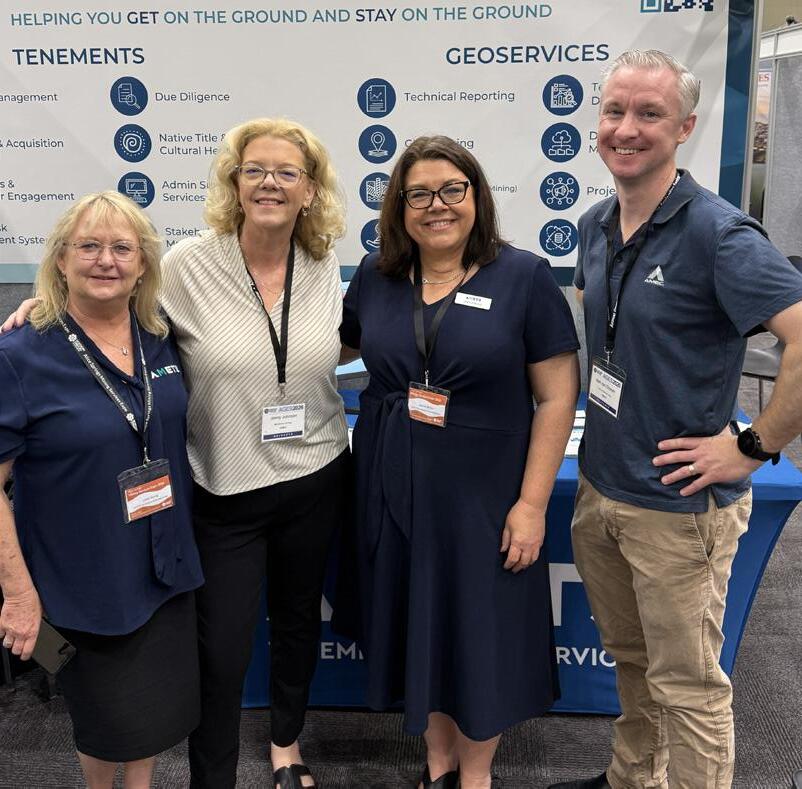
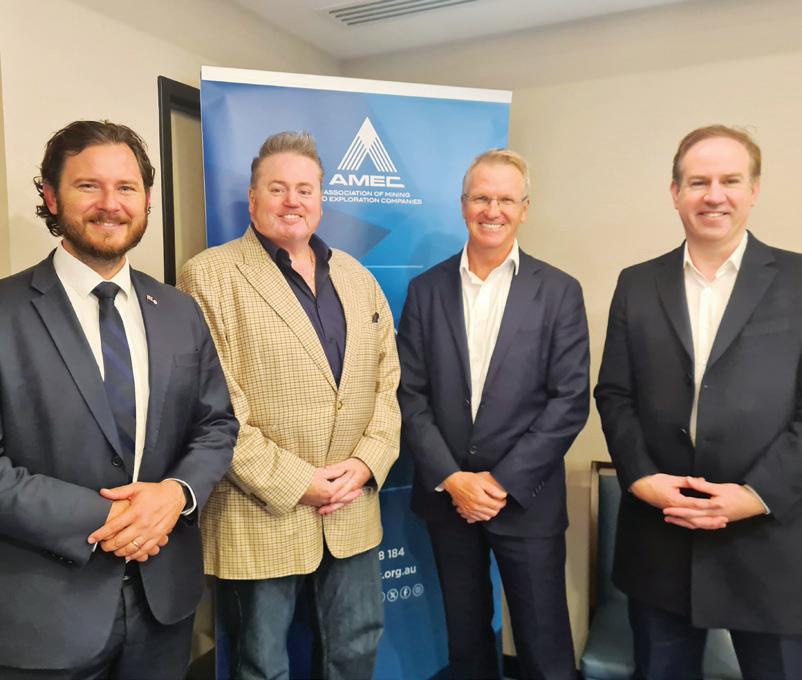
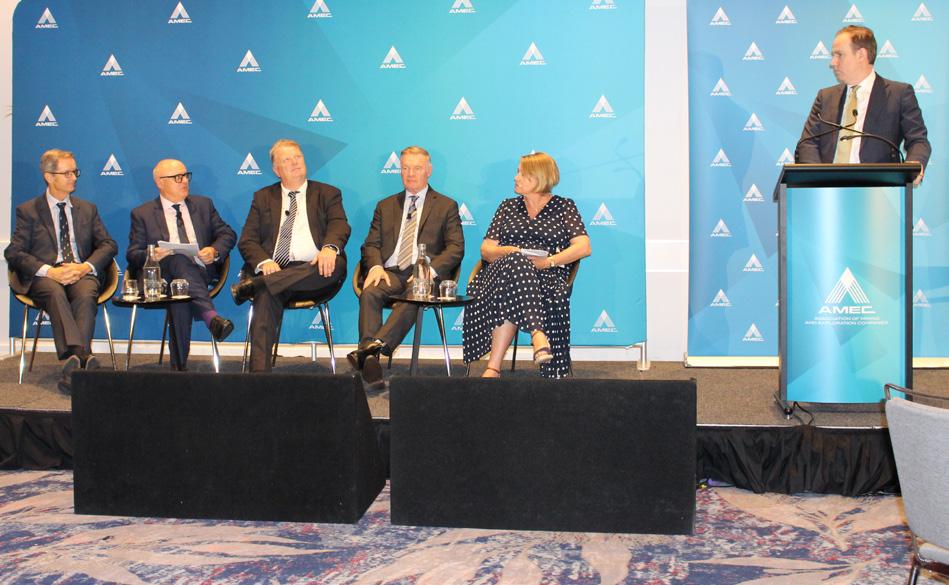
AMEC’s WA Breaking Ground Forum. Designed to give our members direct insight into regulatory priorities
NEW full MEMBERS
A huge welcome to all our new Full Members. AMEC looks forward to working with your team on the many issues, policy proposals, and legislative and regulatory changes that impact you directly and our industry as a whole. With each new member we become stronger as an association, with a louder voice to represent the concerns of the mining and exploration sector. See the full list here.

AIM MINING CORPORATION
AIM is a reliable mid tier gold producer focused on growth, efficiency and responsible mining, balancing profitability with strong environmental and social performance. aimmining.com.au
GBM RESOURCES LTD
GBM Explores Queensland’s underexplored Drummond Basin, holding 1.8Moz in resources and actively expanding mineralisation through ongoing discovery-focused programs. gbmr.com.au
LAVA BLUE
Lava Blue develops mid-stream processing methods for critical minerals and material and licences them to Australian mineral projects.
lavablue.com.au

LODE RESOURCES
Lode Resources explores for high grade critical minerals in NSW and Tasmania, advancing its Montezuma Silver Antimony Project within West Coast Tasmania. loderesources.com

ODYSSEY GOLD
Odyssey Gold is advancing the Tuckanarra Project in WA’s Murchison, targeting growth on its 407koz resource from historically high-grade production.
odysseygold.com.au

EVERGOLD MINERALS LIMITED
Evergold Minerals (ASX: EG1) is an Australian exploration company primarily focused on the discovery and development of high-potential gold assets within WA’s premier goldfields. evergold.au

HILLTOPS GOLD PTY LTD
Hill Tops Gold located in Central NSW. Resource expansion and development of three gold projects in the Lachlan Fold Belt.
hilltopsgold.com.au

LINQ MINERALS LTD
Gilmore hosts 3.7Moz gold and 1.2Mt copper across 597km², with 20+ prospects and 6 deposits, offering major copper gold growth potential.
linqminerals.com

MOONLIGHT RESOURCES LTD
Moonlight Resources targets undervalued assets through aggressive exploration, pursuing gold and REE uranium discoveries essential to modern economic and technological demand. ml8.com.au

VISTA GOLD AUSTRALIA PTY LTD
Mt Todd advances toward near-term, lower-cost gold development, with new 15,000 - tpd study showing improved economics and reduced project risk.
vistagold.com
NEW ASSOCIATE MEMBERS
A huge welcome to all our new Associate Members. AMEC looks forward to working with your team to highlight the important services and products you provide to the mining and exploration industry. With each new member the Association grows its support base and gains a louder voice, resulting in greater representation for the essential work of the resources industry. See the full list here.
ANCHORAGE PROJECT PARTNERS
Anchorage Project Partners are advisors and project managers. They support owners to plan, deliver and operate complex resources projects.
anchorageprojectpartners.com

Managing end-to-end compliance for ores and minerals, linking site and port to ensure safe, internationally compliant product transport.
davorenenvironmental.com.au

GENERAL PETROLEUM MANAGED SERVICES
GP delivers customised, innovative resourcesector solutions, leveraging 25 years’ experience, strong values and global supplier networks to provide high quality, client-focused products.
gpot.com.au

MINERAL MINING SERVICES
Mineral Mining Services: Your trusted partner for contract mining, joint ventures and asset acquisitions. They unlock value and deliver results.
mineralminingservices.com.au

PERIGON ONE
Perigon One provides managed IT, cybersecurity and IT governance support, helping businesses stay secure, reliable and AI-ready.
perigonone.com.au

AUSTRALIA XINHAI MINING SERVICES
Xinhai Mining Group delivers global, end to end mining solutions through its dual strategy and EPC+M+O model to maximize resource value.
xinhaiaustralia.com

DRILLWEST
Drillwest supplies advanced rigs and tailored support equipment, delivering high quality exploration drilling backed by decades of experience and strong industry demand.
drillwest.com.au

GRAVITAS PR
Gravitas blends strategic PR, government, investor and stakeholder engagement to shape decisions, strengthen reputations and turn insight-driven strategy into impact.
gravitaspr.com.au

MPI RECRUITMENT
Most delayed projects share a common problem: Skills shortages. For 30+ years, MPI has helped mining companies fill critical roles.
mpirecruitment.au

SOIL MECHANICS PTY LTD
Soil Mechanics delivers super low impact, high quality diamond drilling across Australia, backed by experienced teams prioritising safety and quality.
soilmechanics.com.au


SPONSORSHIP OPPORTUNITIES
Sponsorship opportunities are available at AMEC events to help businesses boost visibility and reach a targeted, relevant audience. Contact our Sponsorship Team by email: jenny.johnson@amec.org.au and Sponsor Events here.
ADVERTISE IN EXPLORER
Like what you see in Explorer Magazine? Want to reach an engaged and curious audience? Get in touch with our team today to explore advertising opportunities that will showcase your brand to thousands of loyal readers.
Requests for advertising emails: kate.dickson@amec.org.au or ryan.rampling@amec.org.au
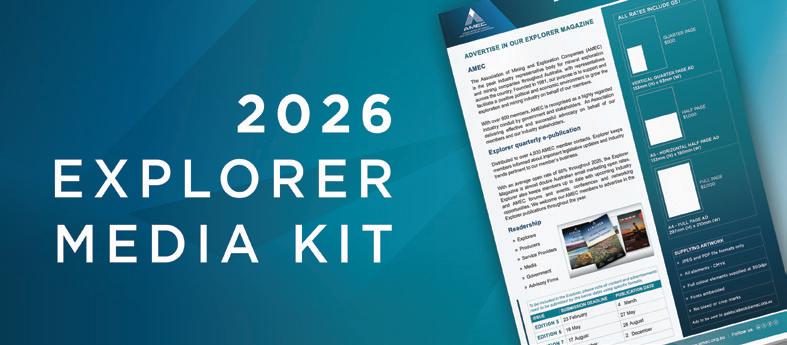
EXPLORER MEDIA KIT
From full page ads to half and quarter page ads, everything you need to know about specifications and costs are inside the Explorer Media Kit here.
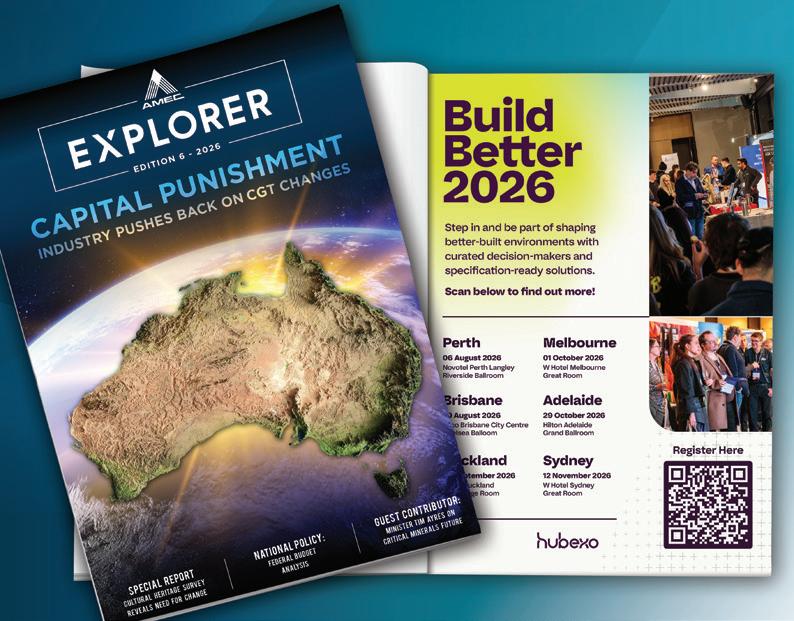
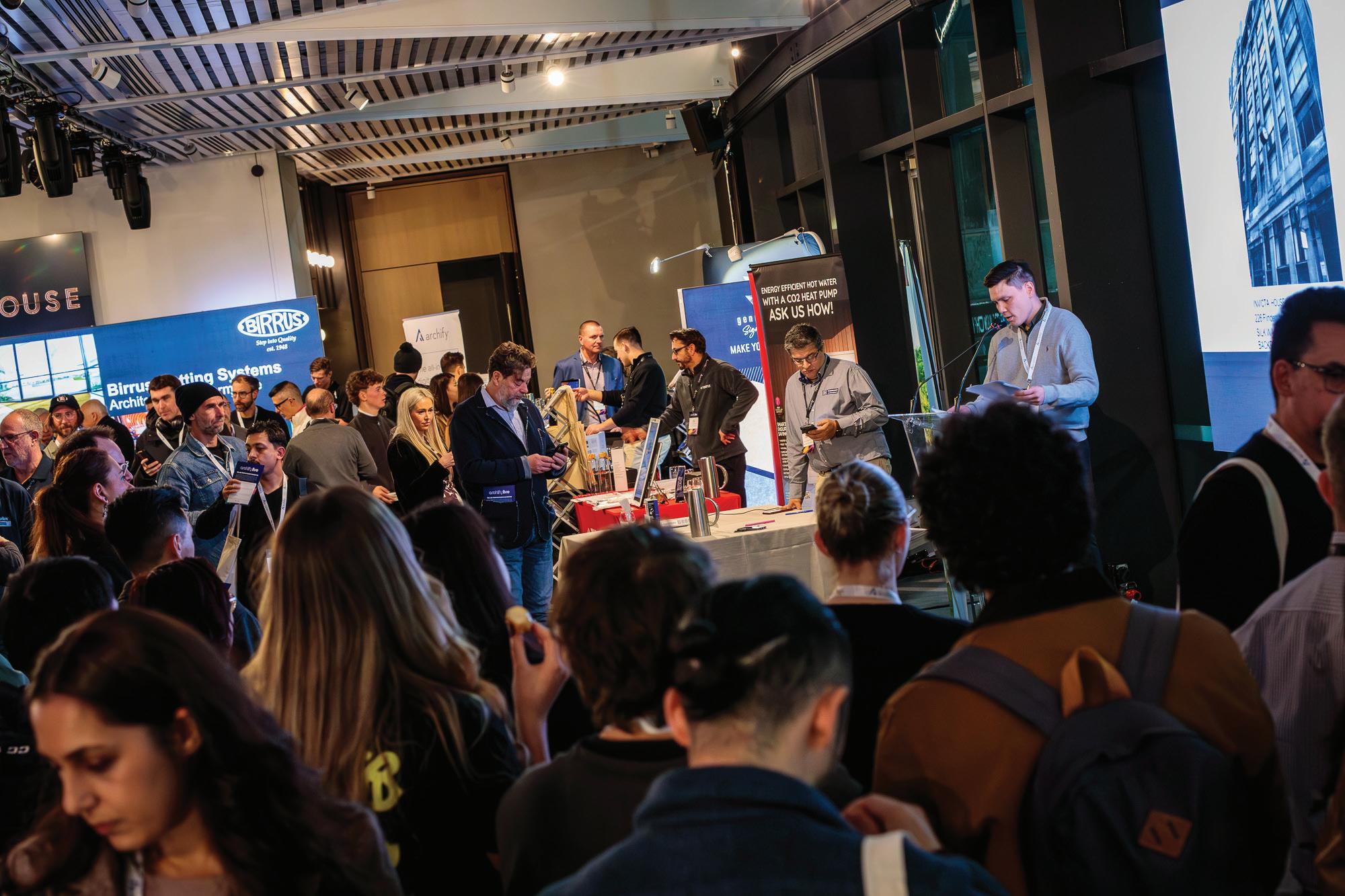
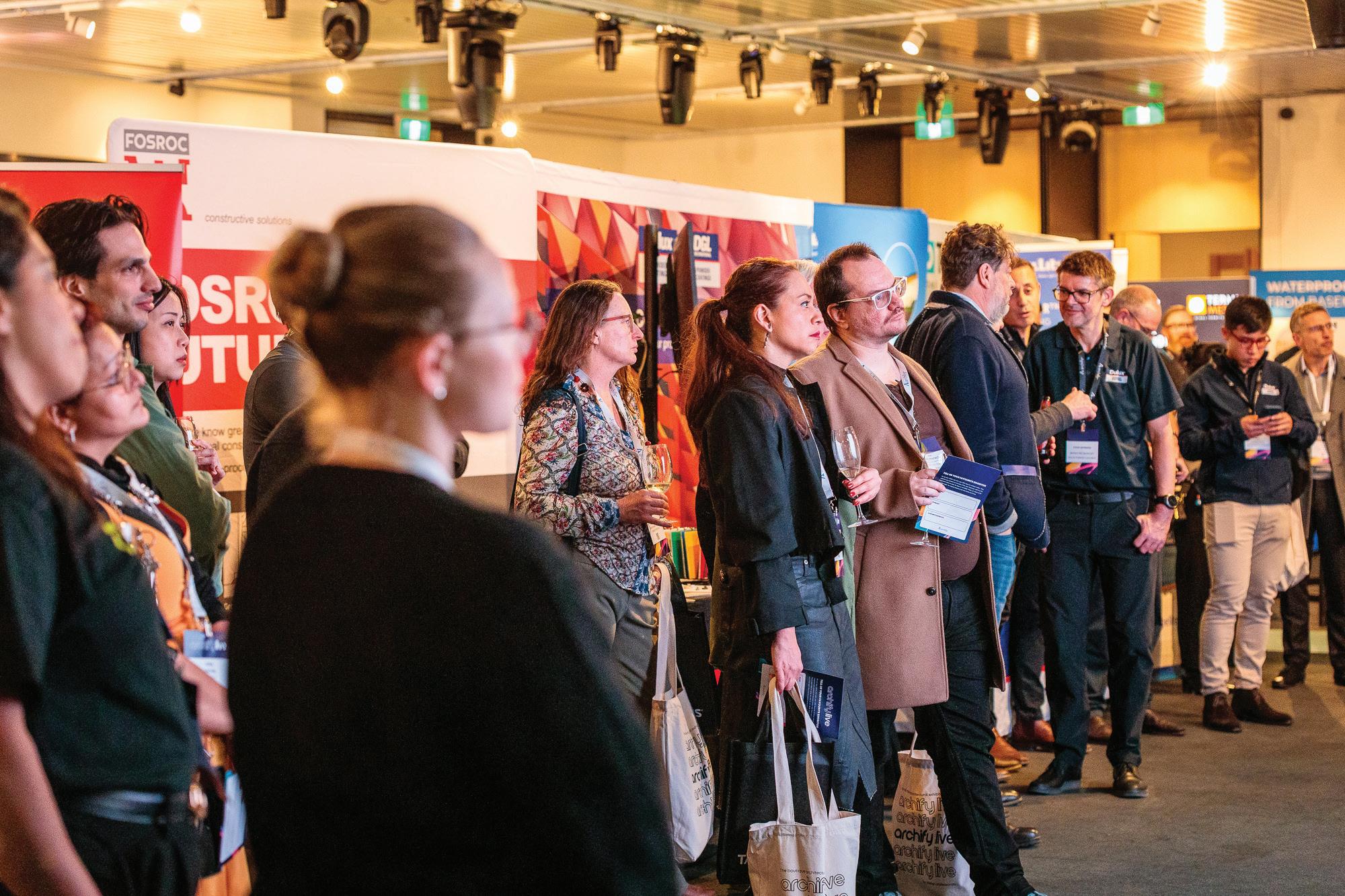
Step in and be part of shaping be er-built environments with curated decision-makers and specifica on-ready solu ons.
Scan below to find out more!
Perth
06 August 2026
Novotel Perth Langley
Riverside Ballroom
20 August 2026
voco Brisbane City Centre
Chelsea Balloom Brisbane
Auckland
24 September 2026
Hilton Auckland
Anchorage Room
12 November 2026
W Hotel Sydney Great Room