ANNUAL REPORT 2025
WELCOME TO THE ANNUAL REPORT 2025
The Association of Mining and Exploration Companies (AMEC) proudly represents more than 560 member companies across Australia, spanning explorers, emerging miners, producers and the many businesses and service providers that support the sector. This diversity is the strength of the Association and underpins the role as a trusted voice for the resources industry.
Over the past year, AMEC has continued to focus on what matters most to our members: reducing the cost of doing business, cutting through regulatory barriers and championing policies that enable exploration, discovery and project development.
In an increasingly complex operating environment, AMEC’s advocacy has remained targeted, practical and outcomes-driven.
With the largest and most diverse membership base in the resource industry, AMEC continues to bring credibility, influence and a united industry voice to the national conversation. Through policy work, events and media exposure, AMEC’s constructive work with governments, regulators and stakeholders ensures the sector remains competitive and well-positioned for continued future growth.
This Annual Report reflects the progress made and AMEC’s ongoing commitment to delivering meaningful outcomes for members and the broader industry.
A National Association with a Local Focus
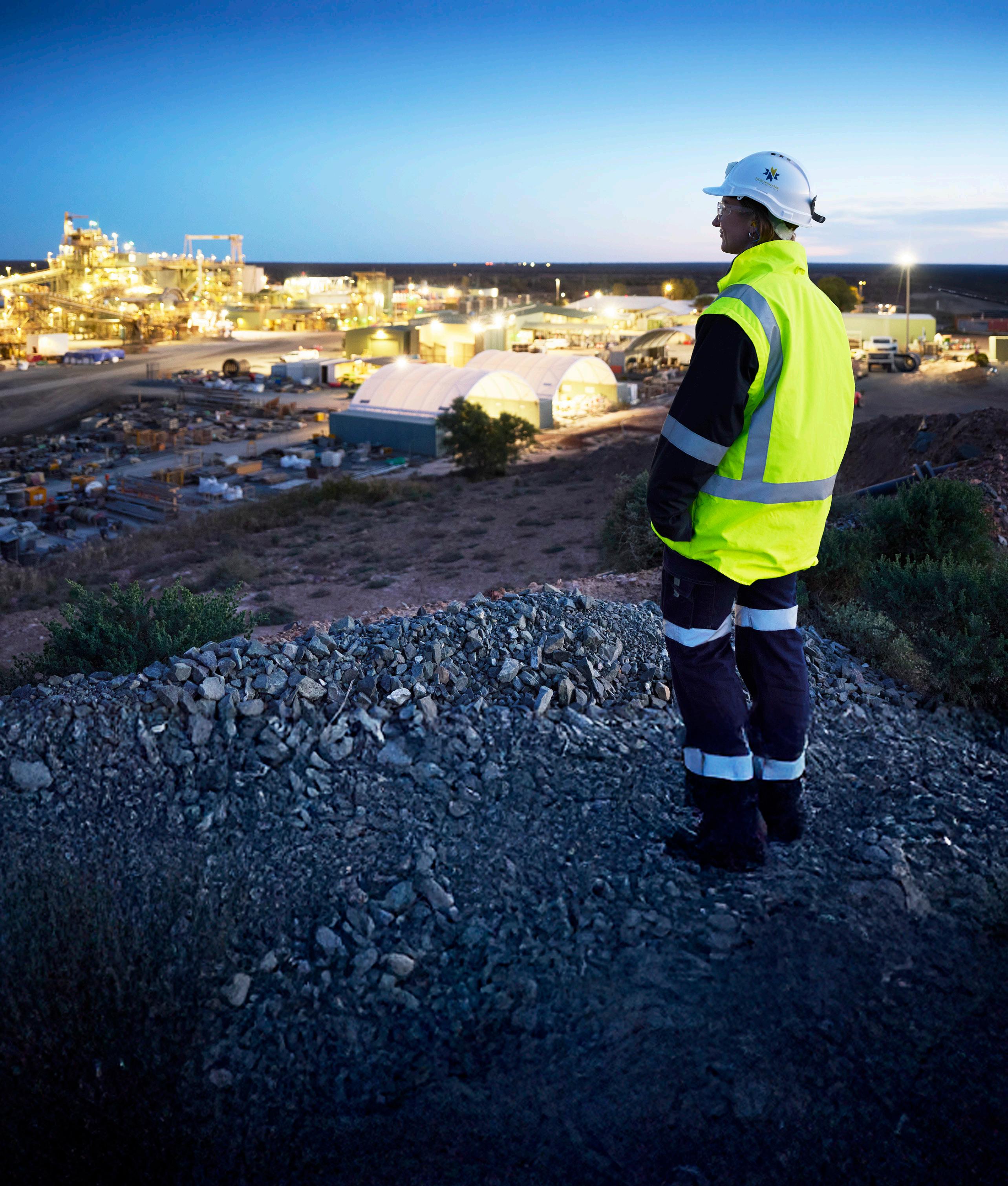
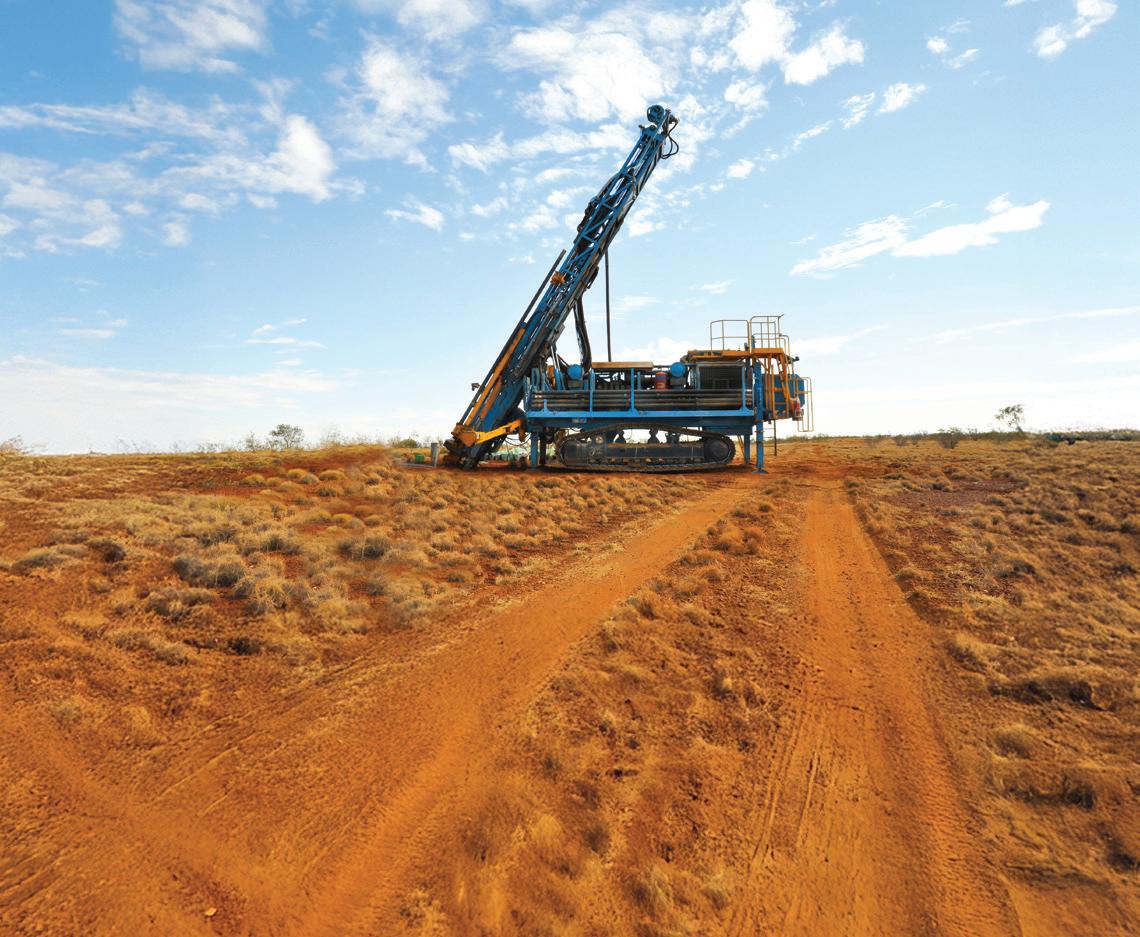
Cover image credit: Northern Star Resources, image by Stef King Photography
PRESIDENT’S REPORT
2025 was the year many in our industry had been hoping for, surging precious metals prices that buoyed the mining industry, rewarded investors and finally delivered significant capital back into mineral exploration, setting up our country for future success.
The importance of our industry to the strength of our national economy has never been clearer. On the financial and economic front, we have lived through an extraordinary year.
And as is always the case, in such buoyant times, there are many who think they should share in that success, no matter how little they have contributed to it.
Local Governments have sought to get an increasing share through rating, with little recognition that many of their towns were founded and built by our industry.
Governments around the country continue to reap the rewards through increasing taxation and royalties, yet have achieved little in improving our country’s attractiveness for investment, or in simplifying costly and time intensive approvals processes.
The much-hyped productivity roundtable has so far produced little in productivity initiatives or gains, and there remains significant reform needed for Australia to improve our global competitiveness.
Despite this, industry’s contribution to our community and economy continues to grow, and your Association has been front and centre advocating for improvements.
I’m proud of the proactive role of the Association. Our constructive approach with Government and all political parties continues to pay dividends and ensures we are part of continued policy development that affects our members.
AMEC has continued to show leadership on Australia’s critical minerals opportunity, developing an innovative model for the Critical Minerals Strategic Reserve to support the development of rare earths and critical minerals projects.
Much like our advocacy for a Production Tax Incentive for value adding to critical minerals, AMEC is once again leading the way.

The Association has also continued to highlight emerging land access challenges and the importance of coexistence across competing land uses. As demand for land intensifies, it is vital that Australia adopts a coordinated and balanced approach that enables exploration and development to proceed alongside agriculture, renewables and community priorities.
Encouragingly, our members continue to demonstrate their ability to innovate and lead. This was clearly reflected at the 2025 AMEC Awards, where companies and individuals were recognised for excellence in environmental performance, community engagement, diversity, discovery and overall contribution to our industry.
These achievements reinforce the modern story of our industry, one defined not only by economic contribution, but by a commitment to responsible and sustainable development.
With recent global events, uncertainty is a key theme. If Australia is to be best positioned to endure in these times, we need a strong economy and that’s what a strong mining industry can help deliver. To have a strong mining industry we need efficient and effective access to land for exploration and a sensible and timely approvals process to get our discoveries into production. This is the key focus of your Association.
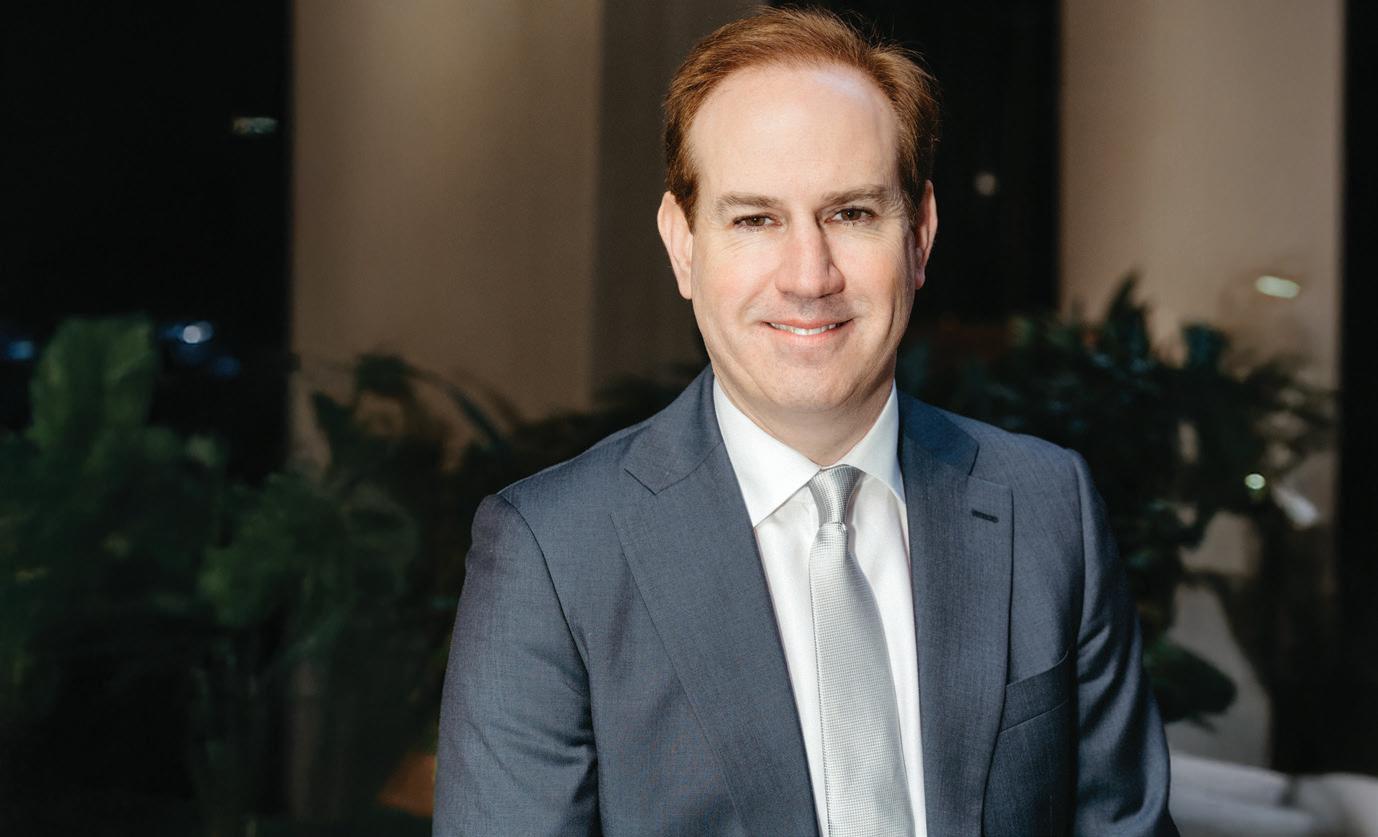
Under Warren Pearce’s leadership, the Association continues to grow our reputation as a strong and powerful advocate for our members, and a reliable partner for Governments. The efforts will of course continue, and for this I offer my sincere thanks to Warren and the whole team at AMEC, my colleagues on Council, and our Committee and Working Group members, all who give their time to help build a stronger mining and exploration industry.
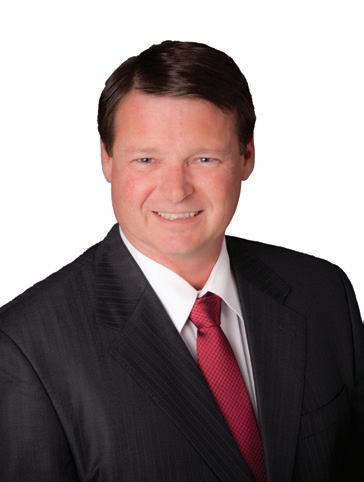
AMEC - President Jim Beyer
AMEC COUNCIL
AMEC Council consists of 17 industry leaders elected from our membership. Council elections are held annually and Councillors are drawn from all facets of the mineral exploration and mining industry around Australia.

















2025 COUNCIL MEETING ATTENDANCE TOTALS
Campbell Baird
Bruce Fulton
Chris Cairns
Vincent Algar
André Fuller
Steve Jukes
Jim Beyer
Kristy Sell
Alex Mukherji
Sharon Goddard
Keren Paterson Matt Briggs
Josh Thurlow
Grant Wallis
Warren Fish
ShannonMcMahon
Rupert Verco
Sarah James
CEO MESSAGE
The year provided significant momentum and opportunity for the exploration and mining industry, as the Association continued its advocacy for a policy and regulatory environment that supports investment, discovery and development.
Against a backdrop of geopolitical uncertainty and shifting global supply chains, the importance of Australia’s resource sector has never been more evident. Especially the growing global focus on critical minerals.
As we know, Australia is uniquely placed to play a leading role in supplying the materials essential for the energy transition and so many different industries.
Through our work with government and industry, AMEC has helped shape practical solutions that enhance Australia’s competitiveness and long-term strategic position.
At the same time, the operating environment for explorers remains complex. Regulatory duplication, land access challenges and increasing costs continue to impact the ability of companies to get projects off the ground.
Throughout the year, AMEC has maintained a strong presence in every Australian State and Territory, with our team spread across Queensland, New South Wales, Victoria, South Australia and Western Australia, and now in Canberra.
Australia must act decisively to secure its position as a reliable supplier of critical minerals and resources more broadly.

We are engaging directly with Ministers, departments and parliamentary processes to ensure the voice of our members is clearly heard and acted upon.
Engagement across the sector has remained strong throughout the year. From record attendance at key industry events to the continued growth of our national membership.

AMEC’s role as a trusted and influential voice has been further strengthened. Our Explorer magazine has continued to provide timely insights into policy developments, industry trends and the work of our members, keeping stakeholders informed and connected.
Looking ahead, it’s clear to see that the pace of global change shows no signs of slowing. Australia must act decisively to secure its position as a reliable supplier of critical minerals and resources more broadly.
This will require continued collaboration between industry and government, as well as a focus on reducing barriers to investment and accelerating project development.
Across the country, AMEC has strong and positive policy agenda’s to prosecute. With a strong AMEC team assembled, our representation will continue to deliver, and we stand ready to lead the conversation on behalf of industry.
All of this would not be possible, without the support of so many across the Association. I need to especially acknowledge and thank our team, for the incredible work on behalf of members as well as our President Jim Beyer, for his and the AMEC Council’s ongoing support, guidance and trust throughout the year.
Plus, all our members, partners and stakeholders for their support throughout 2025.
It is a special privilege to represent such an important industry, and I look forward to working with you all again next year and together driving positive outcomes for our industry and the broader Australian economy.
AMEC - Chief Executive Officer Warren Pearce
ABOUT
AMEC
A national association representing over 560 members across Australia, including explorers, emerging miners, producers and industry service providers.
We advocate to all levels of government, deliver value to our members and build community support for the industry.
VISION
To be recognised as the leading voice for Australia’s mineral exploration and mining industry..
PURPOSE
To ensure that the interests of Australia’s mineral exploration and mining industry are a top priority for governments and are supported and valued by the community.
VALUES
4 We are courageous and honest in our advocacy
4 We communicate openly and effectively
4 We achieve results through ingenuity and perseverance
4 We act with integrity
4 We work together
ADVOCACY FOCUS
4 Increasing exploration and mining activity in Australia
4 Reducing the cost of doing business
4 Streamlining approvals and removing red tape
2025 AMEC TEAM
The AMEC team is spread across Australia and provides contact points for member companies to ensure they remain represented, informed and connected.
In 2025, this included the addition of the Association’s first person based in Canberra. Sash Pavic` is the Commonwealth Director, joining AMEC after a decade of experience working in the Federal Government, most recently as a Senior Adviser to the Commonwealth Minister for Resources.
On top of this, 2025 saw strong retention of staff, assisting in the ability to build meaningful relationships with various Government Ministers, senior department officials, stakeholders, and members.
The entire team, from CEO, policy directors and membership managers, to media, communications, events and administration staff, are passionate and committed about representing AMEC members and maximising the growth of the exploration and mining industry.

CORPORATE PARTNERS
With grateful thanks to our corporate partners, sponsors and supporters over the past year.


ADVOCACY AND ACHIEVEMENTS
COMMONWEALTH
Environment Protection and Biodiversity Conservation Act 1999 (EPBC Act) reforms
AMEC has been driving engagement with Ministers, the Opposition and government agencies on the EPBC Act reforms. AMEC appeared before the Senate Inquiry and provided a submission representing member views and arguing for key refinements to ensure the reforms are fit-for-purpose. AMEC has been intimately engaged in negotiations on the Bill, and the Bill now passed has considerable benefits for member companies and the minerals industry, promising Bilateral Agreements with the States and Territories, and significant time and cost savings in the approvals process for proponents.
Critical Minerals Production Tax Incentive (CMPTI)
AMEC achieved significant advocacy success with a $7 billion Critical Minerals Production Tax Incentive announced in the Federal Budget. The proposal was developed by AMEC with member companies, and through extensive advocacy turned into a major plank of the Government’s Future Made in Australia platform. The CMPTI has now been legislated and will commence on 1 July 2027, providing a 10 per cent tax credit to companies undertaking downstream processing. Since its legislation, AMEC has led engagement with Treasury to identify which refining and processing activities should be considered eligible for the CMPTI.
Critical Minerals Strategic Reserve
AMEC has drawn together the Australian rare earths industry to develop a proposal to the Commonwealth Government on potential financial mechanisms for the Critical Minerals Strategic Reserve.
billion commitment.
Junior Minerals Exploration Incentive (JMEI)
AMEC advocacy drove the establishment of the JMEI in 2017 with $200 million in tax credits provided over the next 8 years. To date, this program has not been further extended and AMEC is pushing hard for its renewal. This year AMEC commissioned BDO to model the JMEI and found, for every $1 of JMEI credits allocated an additional $6.38 was estimated to be invested into the exploration industry. This stimulated $2.41 of exploration activity. A total of $1,163 million in additional capital raising was estimated to occur, stimulating $404 million of additional exploration activity, that would not otherwise have occurred. Its extension is AMEC’s highest advocacy priority.
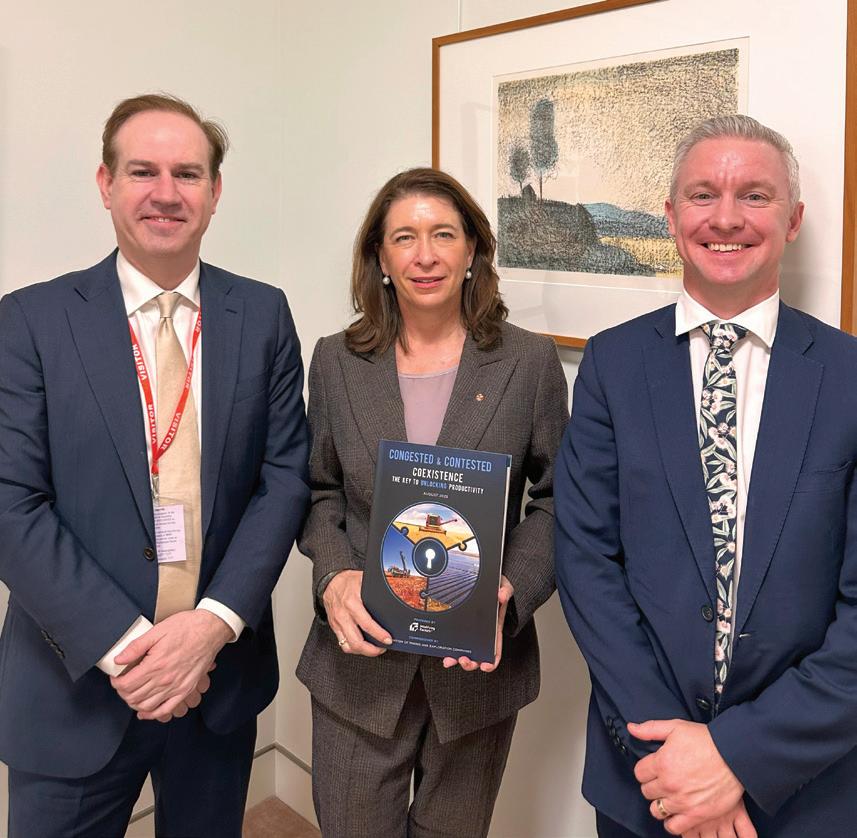
Congested and Contested: Coexistence Report
With increasing land conflict occurring between the established industries of mining, exploration and agriculture with new industries such as renewables, AMEC has released a report quantifying the increasing severity of the problem. The report recommends actions that State and Commonwealth Government must take to address these issues, that risk sterilising resources and creating community opposition.
JORC Consultation
AMEC is actively engaged in the JORC code update, hosting events, drafting a submission and sitting on the JORC drafting committee as the representative of the mineral exploration industry. AMEC maintains strong opposition to the inclusion of new disclosures in public reports that significantly increase the costs to business, specifically new ESG and risk metrics that sit outside the expertise of the nominated Competent Person.
Diesel Fuel Tax Credit
AMEC advocacy continues to ensure the retention of the Diesel Fuel Tax Credit, which is vitally important to the mining and exploration industry. AMEC will resist any changes to the scheme.
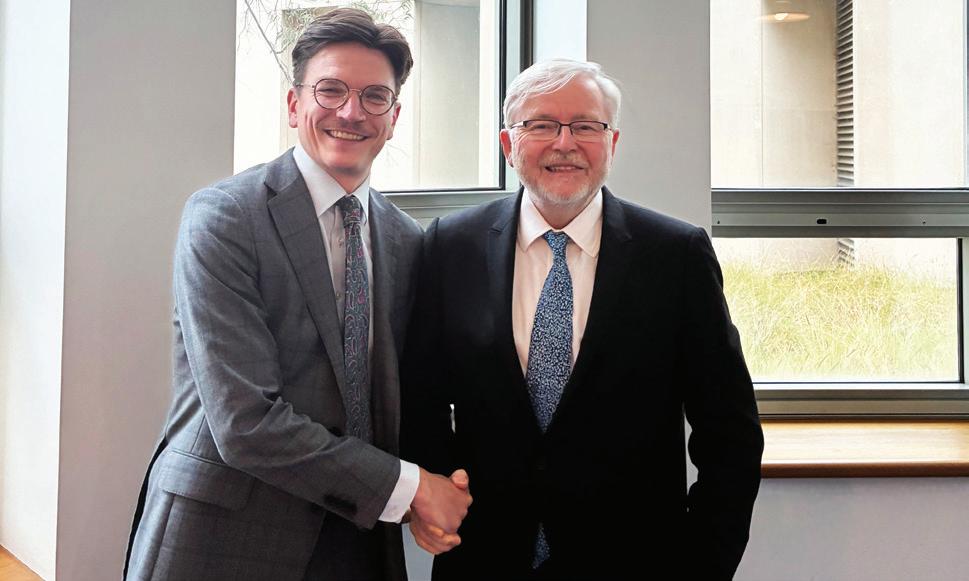
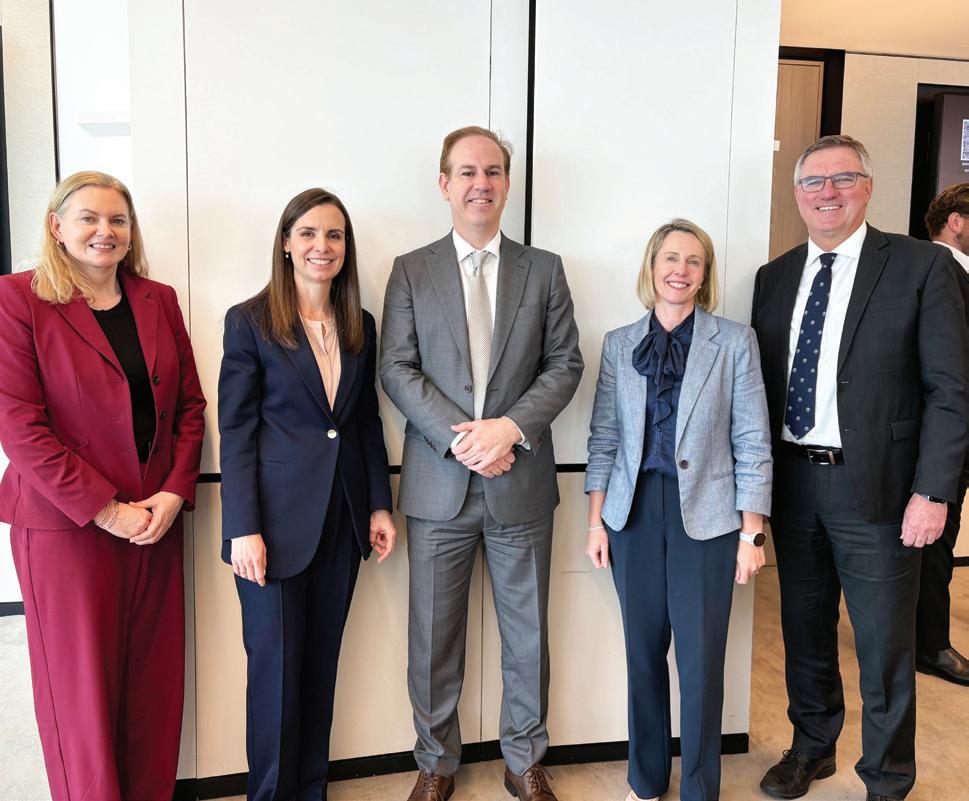
Commonwealth Director Sash Pavic` meeting with US Ambassador Kevin Rudd
ADVOCACY AND ACHIEVEMENTS
WESTERN AUSTRALIA
Local Government prohibition on rating Miscellaneous Licences
AMEC’s intervention into two specific local government issues results in potential savings to industry of $50 million per annum in new costs and up to $250 million in backdated rates. This is off the back of the Shire of Mount Magnet trying to exploit a legal loophole to rate miscellaneous licences. Plus, the attempt from the Shire of Coolgardie to hike rates 120 per cent was also blocked by advocacy from AMEC. Prompt action by AMEC ensured this did not occur, saving the industry millions and preventing a dangerous precedent for every jurisdiction.
Eligible Mining Activities
AMEC has been lobbying Government to introduce Eligible Mining Activities (EMAs) as a part of their Resources Online platform. The EMAs will allow mining tenement holders to receive instantaneous authorisation to undertake certain eligible exploration activities, including drilling in specified nonenvironmentally sensitive areas according to strict conditions. This has delivered a major time saving for explorers and for Department officers.
Review of costs of cultural heritage protection
In response to ongoing advocacy from AMEC, the WA Government began a review of the costs and delays faced by mineral exploration companies and the wider community when seeking to adhere to the Aboriginal Cultural Heritage regulatory framework.
Mr Glen Kelly will close out this review in December this year, with action expected in 2026 to improve the processes for land access.
AMEC has undertaken a comprehensive survey of members on costs and experience with the current heritage processes, and will be fighting for significant change in 2026.
Removal of Western Australia assessment of carbon emissions
As called for by AMEC, the WA Government revised the policy on greenhouse gas emissions for major projects that are assessed by the Environmental Protection Authority, to align nationally and be appropriately managed through Commonwealth Government’s Safeguard Mechanism.
Fixing the Mining Tenure system
AMEC pursued and secured legislative change to rectify concerning elements of the tenure application processes and associated requirements. This will ensure the security of tenure for prospective applications following the 2017 High Court decision Forrest & Forrest v Wilson, and the Blue Ribbon and True Fella court decisions. AMEC also worked with Government to resolve an ongoing issue with the geodatum shifting relevant to the Western Australian land mass.
Royalty Reductions
On behalf of lithium, vanadium, potash, and diamond members, AMEC has successfully advocated for the modernisation and meaningful reductions in the Western Australian royalty rate structure to reflect modern market dynamics. These reforms have balanced the need for competitiveness with a return to the community for the minerals in the ground.
Mining Warden
AMEC successfully advocated for an additional Mining Warden to expand judicial capacity to meet burgeoning demand for hearings, which at the peak extended listing dates out a full year.
Gold Royalty, fees and charges
Premier Cook announced at the AMEC Awards Dinner 2024, ahead of the 2025 State Election, a commitment not to increase in the gold royalty, and no new fees, charges or royalty increases.
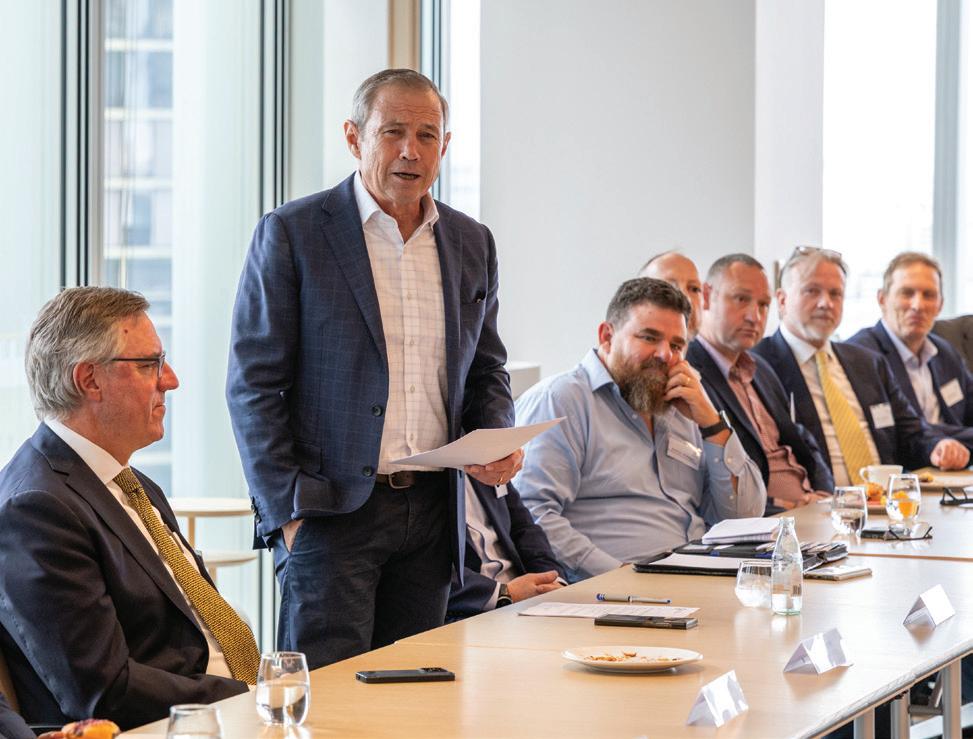
WA Premier Roger Cook addresses AMEC members at a Boardroom Lunch in Perth
ADVOCACY AND ACHIEVEMENTS
QUEENSLAND
EPM Rent Waiver
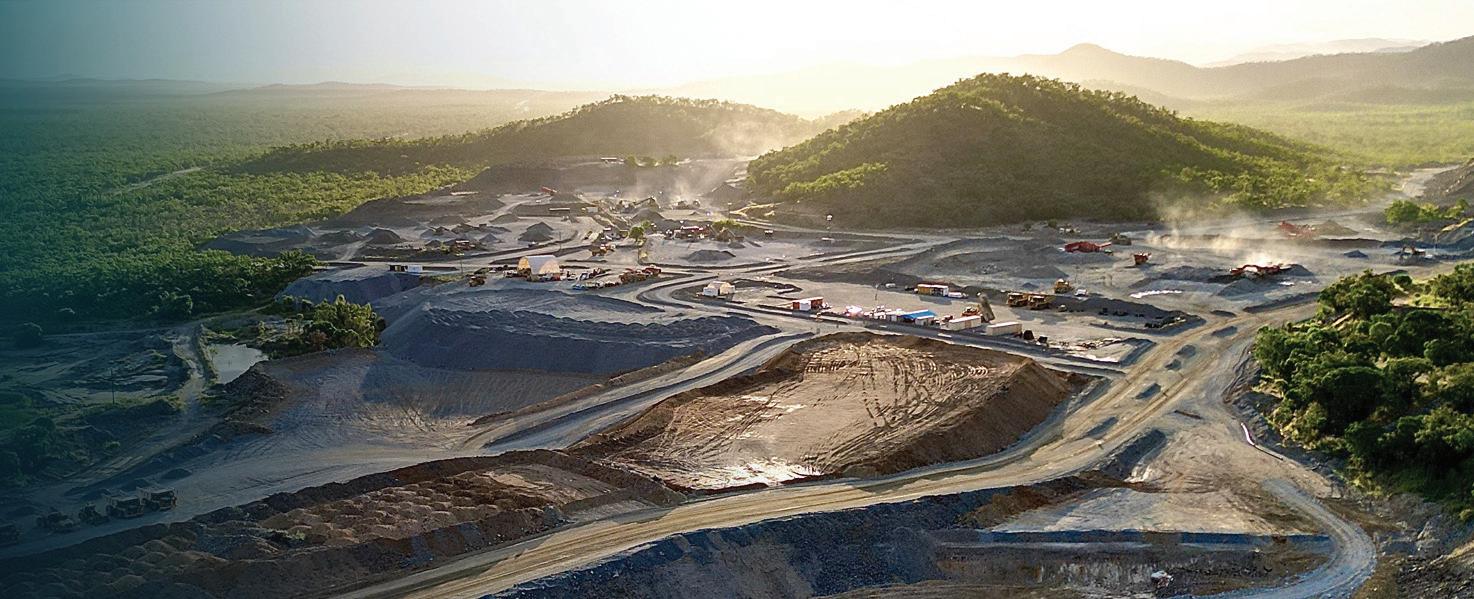
This key advocacy win for AMEC continues to deliver value for members. In 2023, the QLD Critical Minerals Strategy committed to waive exploration permit for minerals (EPM) rents for five years. AMEC estimates this has saved $15 million for companies; money that is not tied up in government coffers but getting drilled into the ground. AMEC is advocating for its extension beyond 2027.
Environment Protection Act improvements
The timeframes and complexity required for environmental approvals in Queensland have hampered exploration, development and good postmining land use opportunities. To strongly illustrate the case, AMEC took the Minister for Environment to the Cattana Wetlands in Cairns, to demonstrate a post-mining land use that would not be possible under the current legislation. Throughout 2025, Department of the Environment, Tourism, Science and Innovation have engaged with industry to draft significant EP Act amendments. The powerful case study examples shared by AMEC have helped shape the reforms and will lead to improved operating conditions overall.
Acid Supply Study
It was advocacy from AMEC that pushed the Department of State Development to release the Acid Supply Study. AMEC was able to clearly articulate the impact the lack of transparency was generating, with an impacted member experience. This triggered the department to host an industry briefing and release the study, albeit heavily redacted. Following this, AMEC hosted a member workshop to develop key recommendations from members and to prosecute these actions with government going forward.
Low risk activity outcomes
AMEC’s advocacy led to the abolishment of Annual Returns for lower-risk activities, such as exploration, reducing the administrative burden on explorers. The new legislation will take this one step further, with financial assurance for Standard EAs being eliminated and refunds of existing financial assurances to be issued after legislation is passed.
Impacts of Renewable energy infrastructure
After multiple submissions from AMEC and meetings with both the Deputy Premier, Minister for State Development, Infrastructure and Planning, and the Minister for Industrial Relations, wind farms are now “impact assessable”, meaning there is a mandatory public notification process. Further progress followed later in the year with legislation to ensure consistent development assessment rules across the state and to mandate public notification for both large-scale solar and wind farms.
Safety recognition
Working with Resources Safety and Health Queensland, AMEC has been highlighting the difference between exploration safety and how it differs from an actual mining operation. Part of the solution is the development of an exploration guidance note. The draft guidance note was available at the end of 2025. AMEC advocacy on this matter will continue.
Water Planning
The ongoing crisis to access water is something AMEC members are acutely aware of. Despite a number of changes within the the Department, the Association remains committed to pressing them for solutions. Our advocacy to ensure future projects and new entrants are not disadvantaged against existing water users is ongoing. AMEC advocacy has ensured that water allocations can still be given, while the Regional Water Plans are underway.
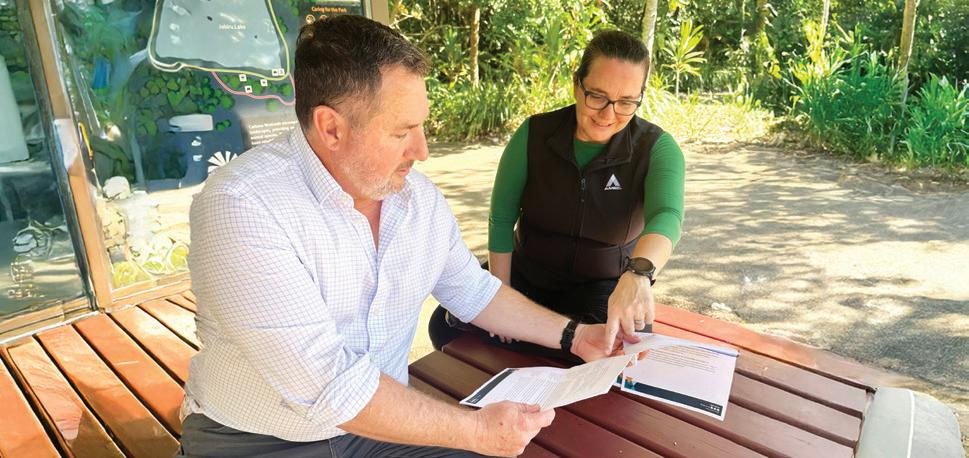
Environment Minister Andrew Powell discussing mine rehabilitation with QLD Director Kate Dickson
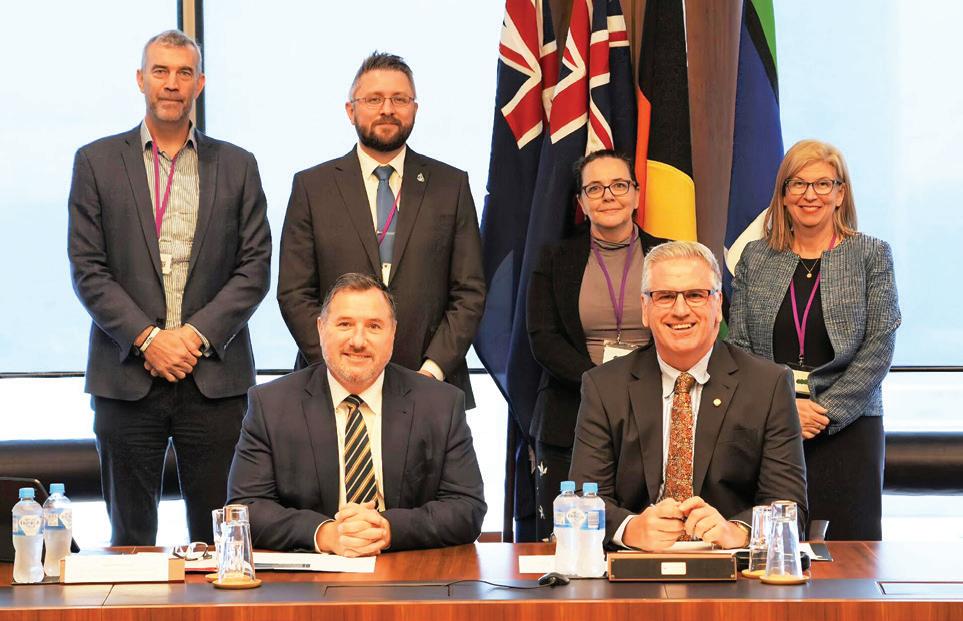
AMEC’S QLD Director Kate Dickson attending the first Resources Cabinet Committee with Ministers Powell & Last
ADVOCACY AND ACHIEVEMENTS
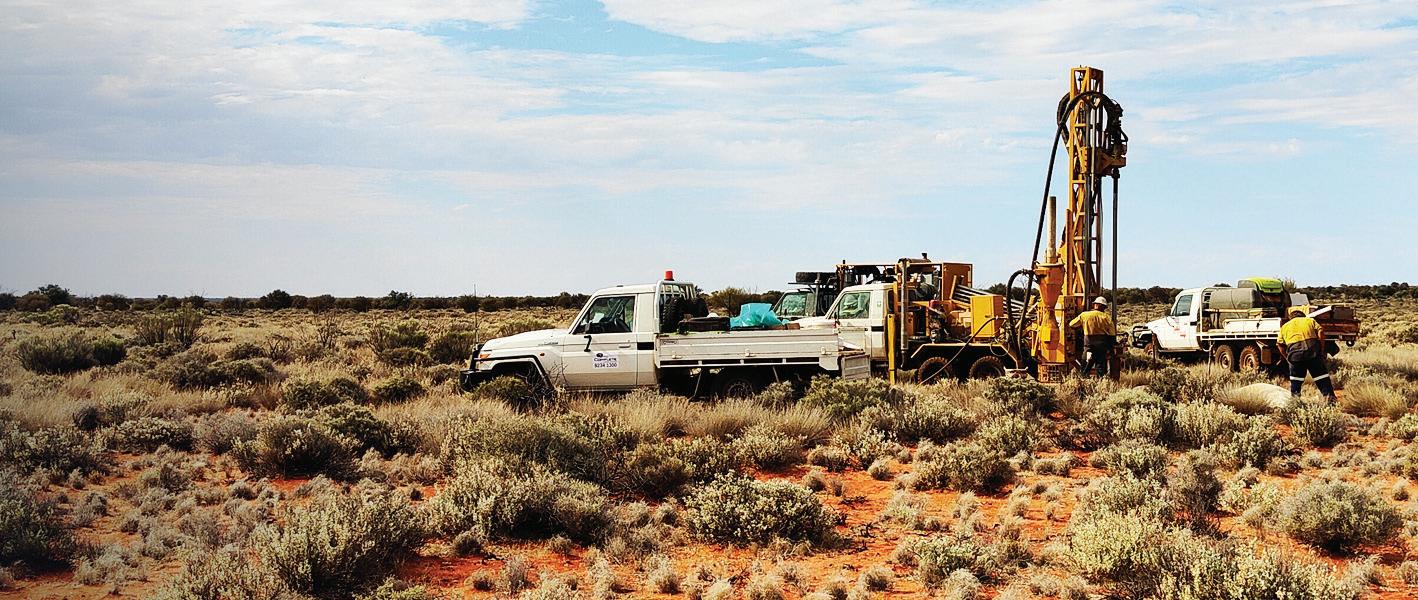
SOUTH AUSTRALIA
Mining Act Amendments
AMEC persuaded the State Government to introduce amendments to the Mining Act, to address a range of critical issues, including the 18 year relinquishment provisions, a shift from Right to Negotiate procedures and the introduction of a Mining Rehabilitation Fund. All would have significant benefit for members. Regrettably the Bill was blocked by the Opposition and Cross Bench in the final week of Parliament. AMEC will continue to work for the passage of these amendments, and have already received a commitment from SA Labor to re-introduce and pass the Bill if re-elected.
Biodiversity Act
AMEC successfully influenced key elements of the Biodiversity Act 2025, including the removal of Conservation Agreements, the introduction of Environment, Resources and Development (ERD) Court appeal rights for native vegetation clearance refusals, and narrowing the definition of native plants to those designated by Ministerial decision. AMEC also secured a seat on the stakeholder reference group to continue advocating for mining industry interests as regulations evolve, including the review of the Significant Environmental Benefit and offsets scheme slated for 2026-27.
Regional Plans
AMEC championed the inclusion of mining priorities in South Australia’s Regional Plans through submissions to the State Planning Commission. Advocating for updated mining project data, strategic infrastructure planning, and proactive community education to support exploration and mine development across regional economies.
Water
Working with Resources Safety, AMEC advocated strongly against provisions to introduce a ‘future use’ environmental value for water without clear evidence based justification, during the Water Quality Policy review.
With the policy yet to be released, we also backed the move to ANZG 2018 industry standards, and have supported industry to retain allocations and licences.
Green Iron and Steel
AMEC advanced industry engagement and commercial growth by contributing policy advice to the Green Iron and Steel EOI process.
We are working with members on recognition of high purity iron as a critical or strategic mineral.
We supported a process to promote projects to potential buyers of the Whyalla Steelworks and Port and continue to advocate for third-party port access at commercially viable rates.
Critical Minerals Strategy
AMEC is leading efforts to push for the release of South Australia’s first Critical Minerals Strategy, addressing the gap as the only Australian jurisdiction without one despite its rich resource base.
This is a key priority in our 2026 advocacy agenda.
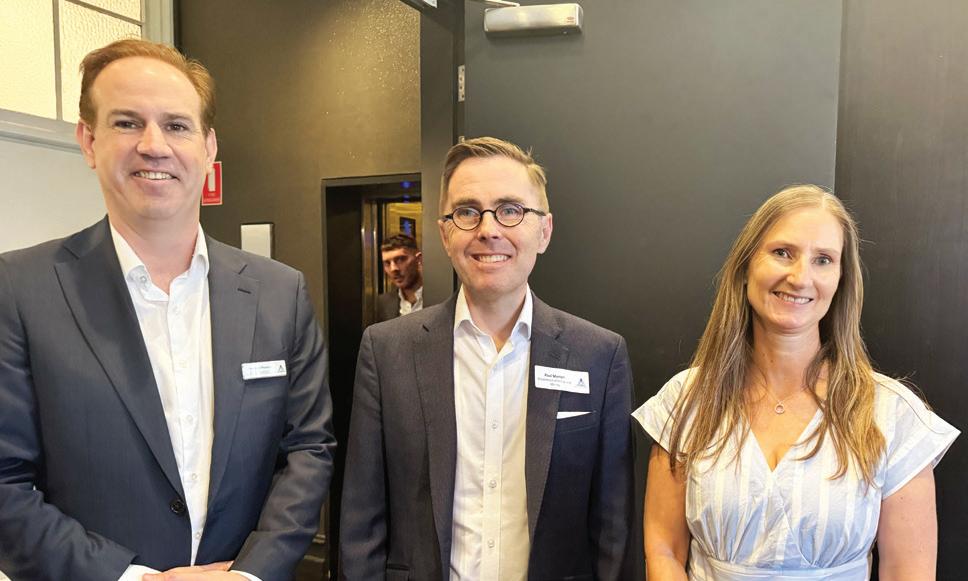
AMEC CEO Warren Pearce, DEM CEO Paul Martyn and SA Director Peta Abbot
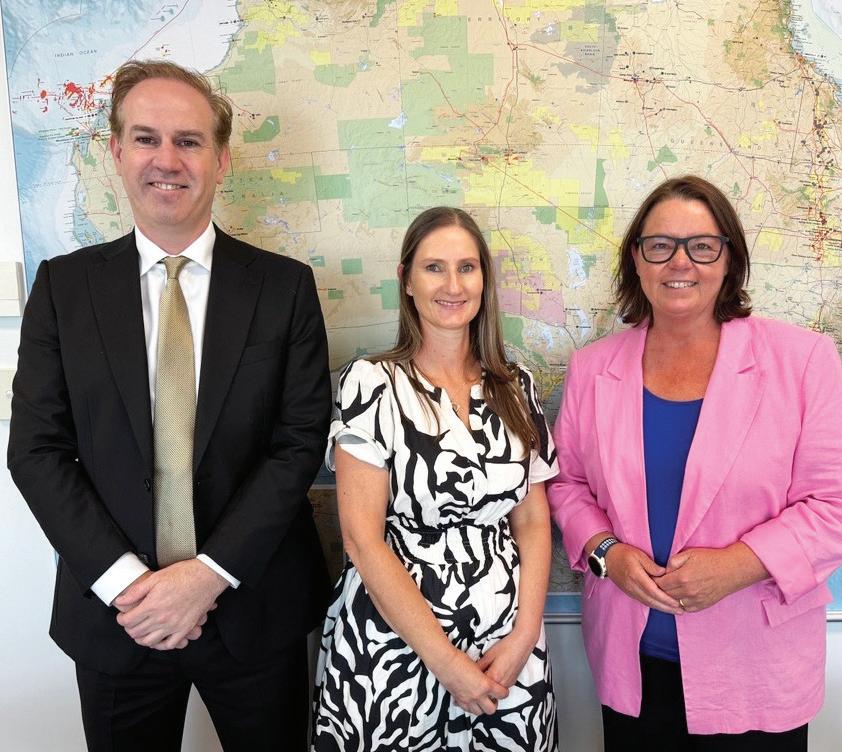
AMEC CEO Warren Pearce, SA Director Peta Abbot and Federal Resources Minister Madeleine King
ADVOCACY AND ACHIEVEMENTS
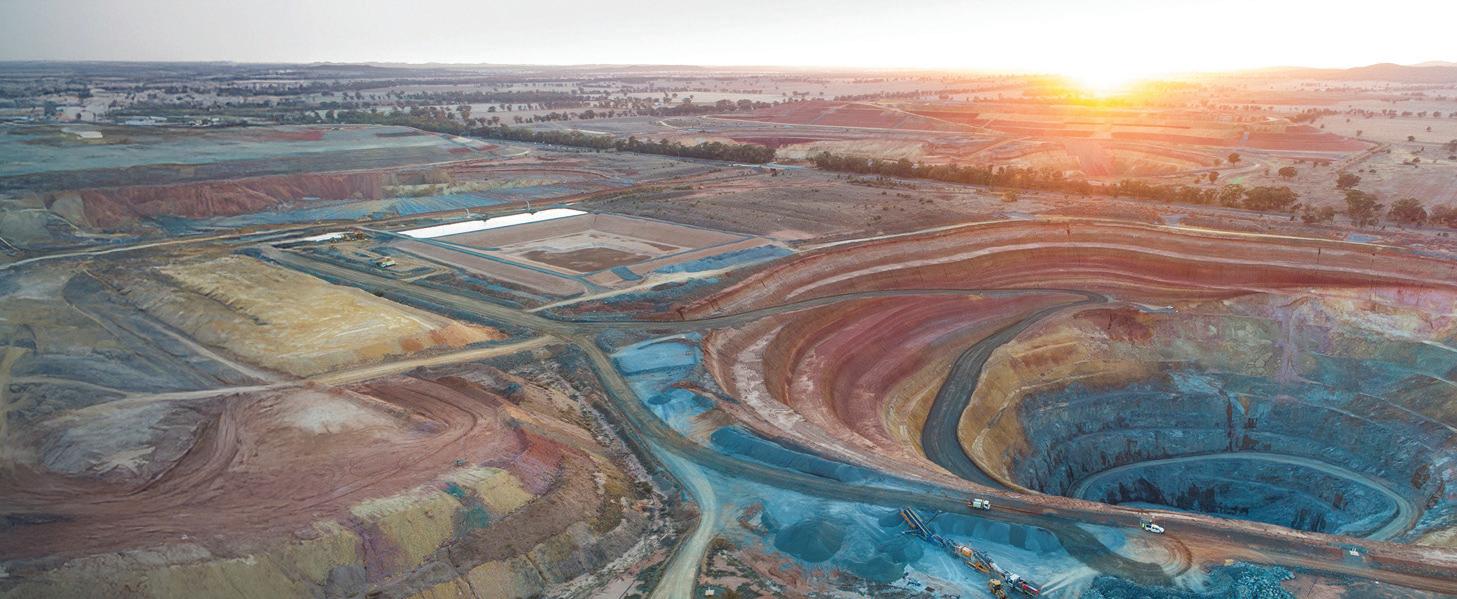
NEW SOUTH WALES
Reform of NSW Land Access Process
Following continued advocacy from AMEC, the NSW Resources Minister has agreed to implement changes to the process, with legislation currently being drafted. These reforms aim to streamline negotiations, reduce delays, and provide greater certainty for both explorers and landholders. The changes are expected to be legislated in Q1 2026.
Review of NSW Planning System
Following continued advocacy from AMEC, the NSW AMEC members actively participated in the review of the NSW planning system, ensuring the voice of the exploration and mining industry was represented throughout the process. The outcomes of this review have informed the development of the proposed draft legislation, Environmental Planning and Assessment Amendment (Planning System Reforms) Bill 2025 (NSW), which will deliver a more efficient and transparent approvals system for industry.
Royalty Deferral Scheme Commences
The New South Wales Government’s Royalty Deferral Scheme commenced on 1 July 2025, providing up to $250 million in royalty deferrals for a period of up to five years, following calls from AMEC for greater industry support. This initiative will support the resources sector by improving cash flow and assisting projects through periods of development and transition, AMEC helped inform the parameters of the scheme.
Exploration Safety Checklist Released
In response to industry requests, particularly from explorers operating across multiple jurisdictions, AMEC developed an Exploration Safety Checklist to assist companies in meeting their obligations and maintaining consistent safety standards. The checklist was launched at the Exploration Safety Conference in March and is now available on the AMEC website.
Co-Funded Drilling Program Reinstated
Following AMEC’s sustained advocacy, the NSW Government has reinstated the Co-Funded Drilling Program to support greenfield exploration across the state. The $2.5 million towards funding and implementing this program will provide critical support to early-stage exploration companies and strengthen the pipeline of future mineral discoveries in New South Wales.
Critical Minerals Ministerial Advisory Committee
AMEC advocated for the establishment of a committee with regular meetings, with the opportunity to raise issues and propose solutions directly to the NSW Resources Minister. The meetings commenced in Q3 2025 and provide an invaluable opportunity to advocate for members.

Natural Resources Minister Courtney Houssos at Critical Minerals Roundtable that AMEC attended
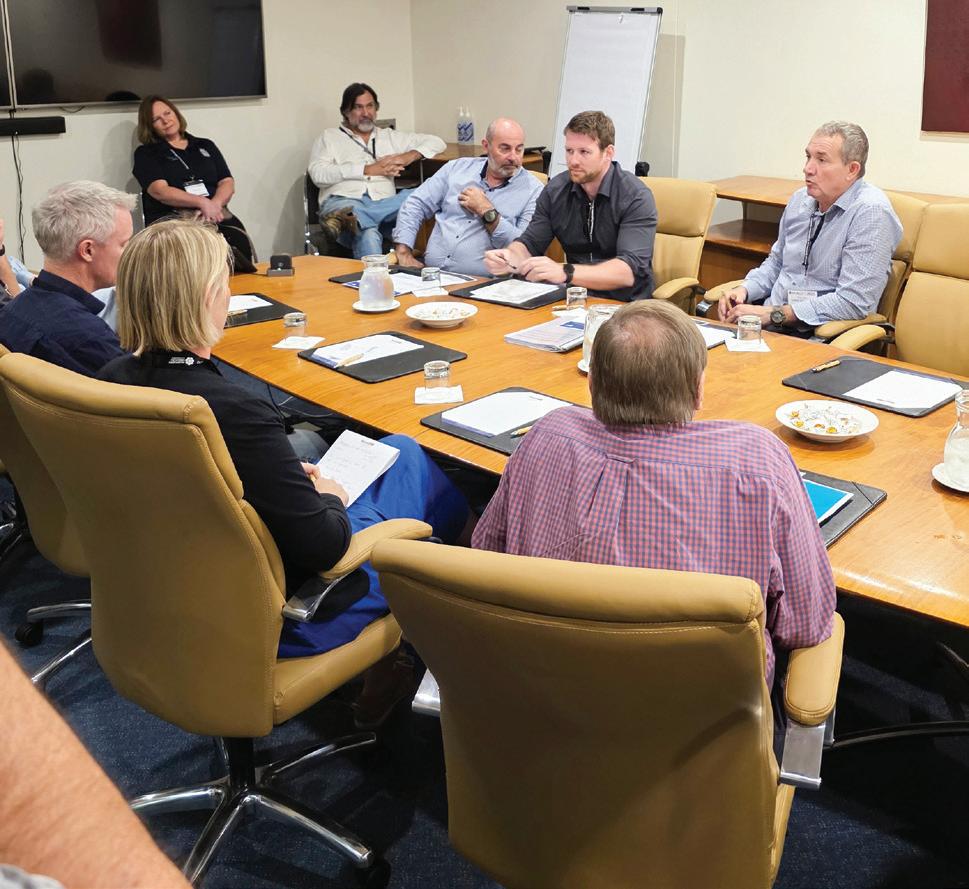
NSW Director Kerry Atkins, Natural Resources Minister Courtney Houssos, CEO Warren Pearce, Deputy Secretary NSW Resources Georgina Beattie and AMEC President Jim Beyer at NSW Boardroom Lunch
ADVOCACY AND ACHIEVEMENTS
VICTORIA
Consultation continues on push for effective legislation and regulation
AMEC continues to engage strongly and effectively with government and Resources Victoria on behalf of its members, participating as a charter member in ongoing Industry Reference Group consultations on a number of official Regulatory Impact Statements (RIS), policy initiatives, and legislative proposals. This includes the seminal Mineral Resources (Sustainable Development) Amendment Act 2023 as the current act transitions to a duties-based model to be in place by 30 June 2027.
Critical Minerals Roadmap
AMEC continues to actively participate in the design framework and implementation of the Victorian Critical Minerals Roadmap with Resources Victoria leadership team. AMEC was instrumental in providing important member feedback on the initial roadmap design and supporting documentation and maintains a solid working relationship with key stakeholders as the next generation of the roadmap is developed and released.
Resources & Renewables Coexistence Framework
AMEC is also closely aligned with ensuring the effective interoperability between the local resources industry and the Victorian government’s renewable energy generation, storage and transmission plans and its proponents, along with other land user stakeholder groups, through their relevant statutory authorities and representative bodies and continues to keep its members informed of any likely impacts and developments.
TASMANIA
Exploration Drilling Grants
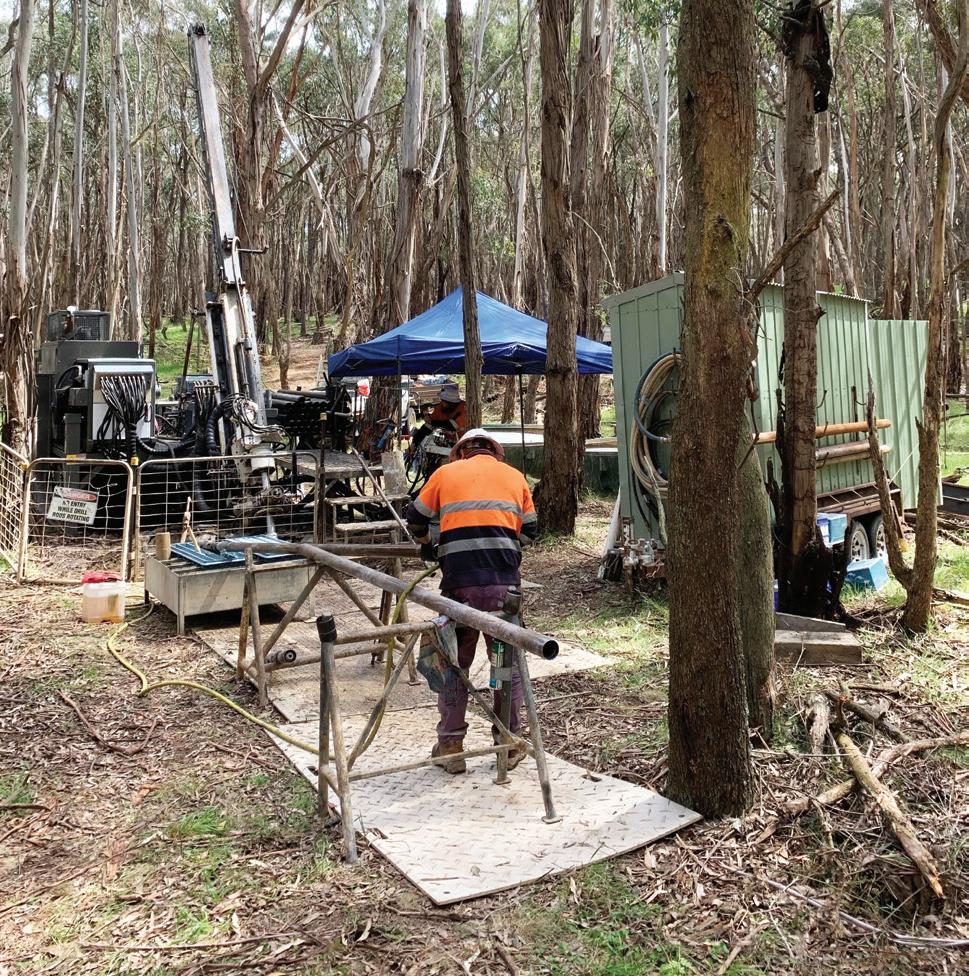
AMEC continues to advocate strongly for the continuation of the Tasmanian government’s important Exploration Drilling Grants Initiative (EDGI) which has now reached 11 rounds with around $2.5 million awarded to date across 103 eligible recipients. The program has been operating since 2018 and is administered by Mineral Resources Tasmania (MRT) with current commitments totalling $5 million through to 2028.
Engagement with Tasmanian Minister
AMEC maintains a strong and open dialogue with the Tasmanian Minister for Resources, Felix Ellis MP. AMEC has provided detailed information on the status of the industry and key issues to the Minister through its role as an inaugural member of his Minerals Industry Roundtable, with a focus on making Tasmania more cost competitive and attractive for investment.
Critical Minerals Strategy
AMEC is a strong supporter of the Tasmanian Government’s Critical Minerals Strategy and its $3 million investment to accelerate its implementation. Work now begins with the government and our local members to realise the benefits of this important initiative and industry.
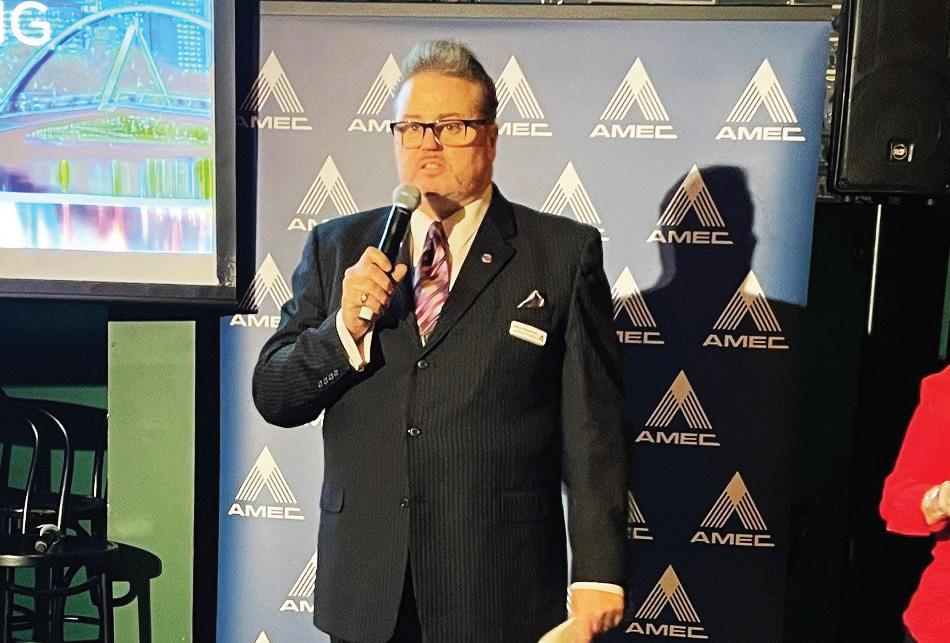
AMEC VIC/TAS Director Stuart Glazebrook hosting Pitch N Pinot Melbourne
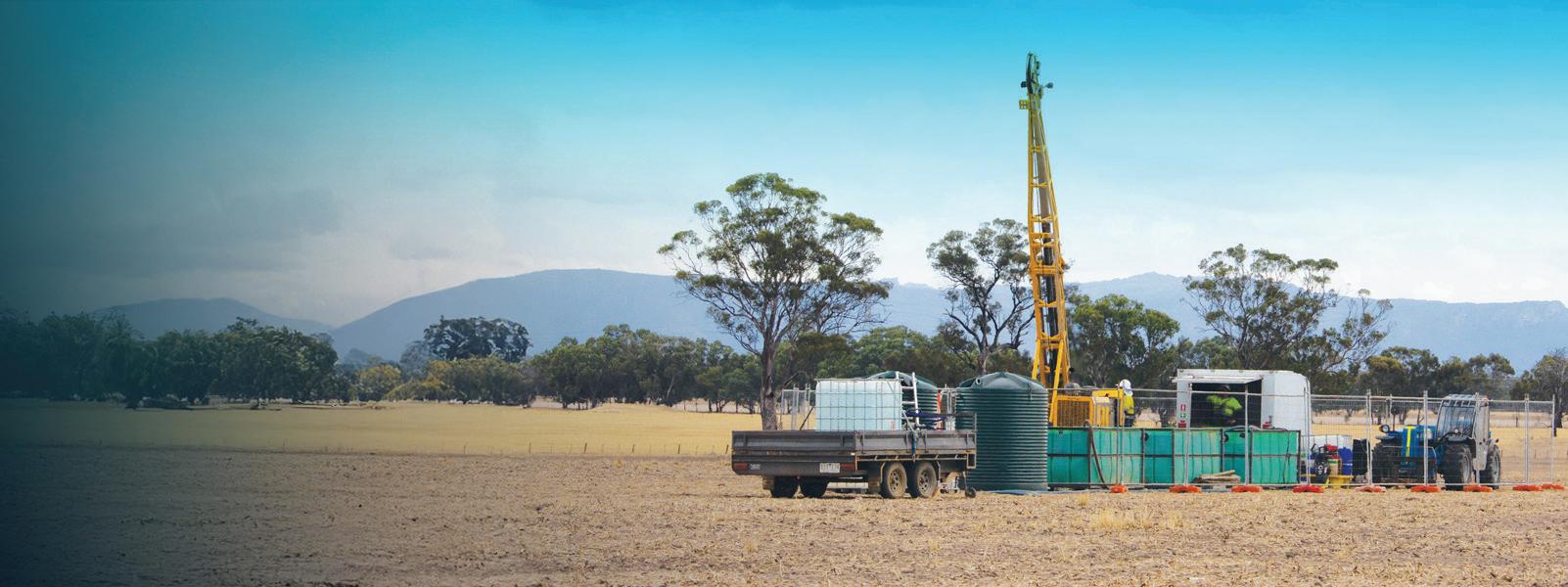
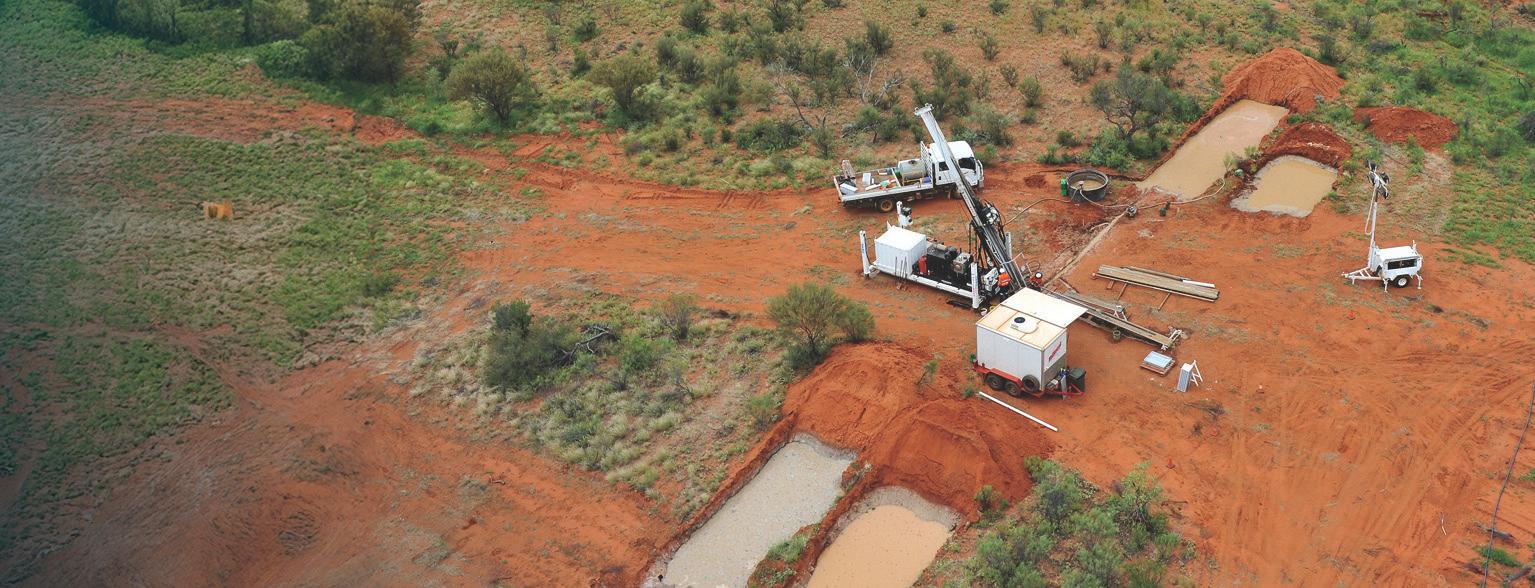
Diamond Drilling at Goldie North- Mt Piper, central Victoria (Pic Courtesy: Kalamazoo Resources)
ADVOCACY AND ACHIEVEMENTS
NORTHERN TERRITORY
Environmental (Mining) Licence: Risk Criteria and Standard Conditions
In 2024, the Northern Territory Government introduced the environmental (mining) licence following advocacy from AMEC. The risk-based model adopts core elements of Western Australia’s Eligible Mining Activities framework, establishing a tiered licensing system for environmental approvals. However, the framework had several transitional issues once implemented. In 2025, AMEC worked closely with the Department of Lands, Planning, and Environment to introduce amendments to the risk criteria and standard conditions.
Aboriginal Sacred Sites Act
AMEC advocated for several recommendations to the Aboriginal Sacred Sites Act during a 2016 review. With the change in the Northern Territory Government, AMEC is pleased to have revived these recommendations, and seen them finally come to fruition. Before the Bill was enacted, the legislation did not permit the transfer of Certificates, which were tied to the original applicant and specific works. If a development changed ownership, the new proponent had to seek a new Certificate, even when the work remained unchanged.
This reform enhances efficiency by reducing duplication in long-term projects that involve multiple stakeholders over time.
No Access, No Rent
AMEC proposed to the Government a plan to introduce a reduced tenement rental fee scheme. This initiative aims to provide relief for mining and exploration companies, ensuring that rental obligations align more fairly with operational realities.
By implementing a fairer fee structure, we can foster a more resilient industry while promoting responsible resource development. This work continues.
Mineral Royalty Reform
After years of advocacy by AMEC, the Northern Territory Government has adopted a more streamlined and competitive royalty framework, aligning it with other Australian jurisdictions, and ditched their hybrid royalty, easily the highest in the country. Responding to feedback from AMEC, the Government enacted the Mineral Royalty Act 2024, replacing the profit-based model with an ad valorem scheme inspired by systems used nationwide.
This reform marks a significant milestone for AMEC and the broader resources sector, delivering meaningful royalty reductions across all minerals. It enhances the Northern Territory’s appeal as a competitive and attractive destination for mining and exploration investment.
AMEC meeting with NT Deputy Chief Minister Gerard Maley and Treasurer Bill Yan on the sidelines of AGES Conference
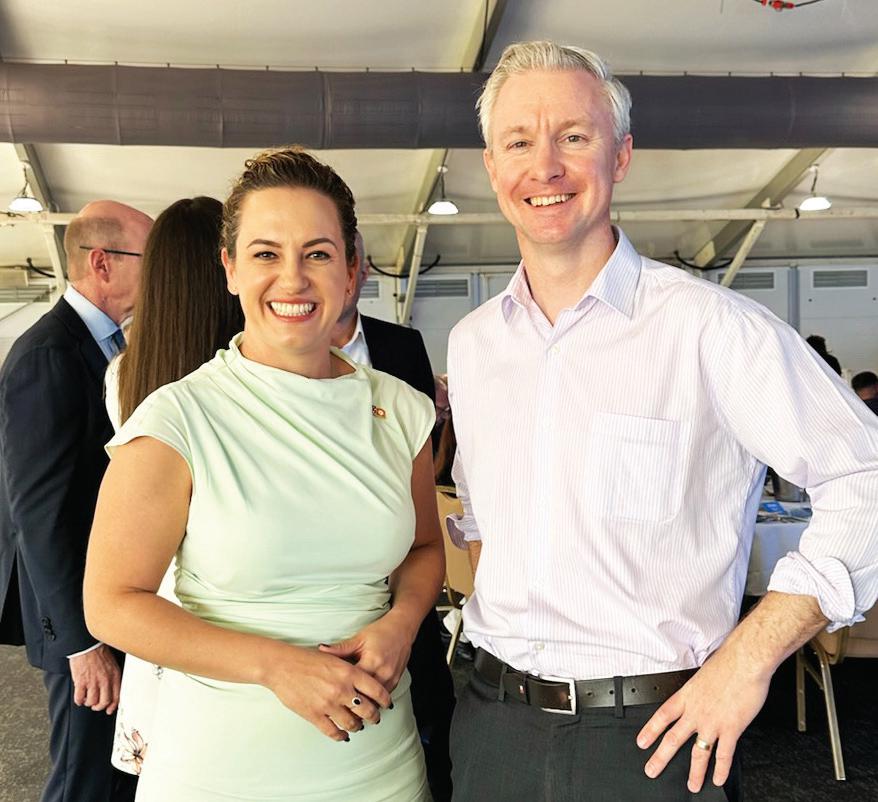
NT Chief Minister Lia Finocchiaro and Head of National Policy Neil van Drunen
EPBC REFORM PASSES
EPBC REFORM
EPBC reform was an advocacy priority for AMEC in 2025, culminating in the passage of legislation through both houses of Federal Parliament in the final sitting period of the year. Representing a membership deeply impacted by environmental approvals, AMEC played an active and constructive role throughout the reform process to ensure the needs of explorers and emerging miners were reflected.
Across the year, AMEC engaged extensively with the Australian Government. Following the 3 May Federal Election, a regular cadence of meetings with Minister for the Environment and Water, Murray Watt, and senior departmental officials. These discussions focused on reducing duplication between state and federal processes, improving clarity around approval requirements, and ensuring timelines are practical and achievable for industry. AMEC consistently reinforced the urgent need to both maintaining strong environmental standards, while also cutting timeframes and predictable approvals system.
As the legislation passed the Parliament, AMEC also participated in multiple Senate inquiries examining the proposed reforms. This provided a platform to place on record the consequences of regulatory complexity for exploration and development timelines. Drawing on member experiences from across Australia, AMEC highlighted the impact that delays, costs and uncertainty caused by overlapping approvals and inconsistent application of requirements mean for our industry. This evidence helped inform the broader policy debate and ensured the voice of the exploration sector was clearly heard.
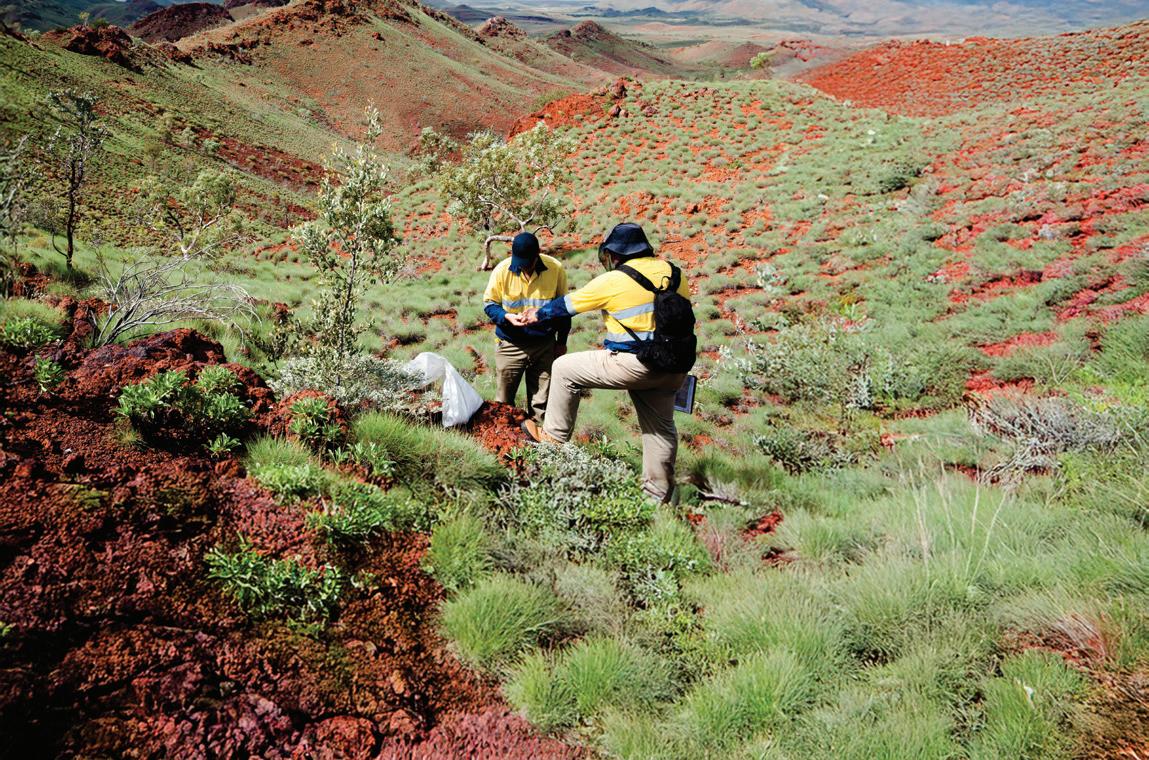
AMEC worked hard to ensure members were kept informed and engaged throughout the process. In the lead up to legislative change, AMEC facilitated exclusive briefings and presentations from relevant government departments, providing members with early insights into proposed changes and practical implications.
The Environment and Water Advisory Committee drove the shaping of AMEC’s written submissions and key messaging.
This two-way engagement enabled AMEC to refine its advocacy positions based on direct member feedback, while also preparing companies for the evolving regulatory landscape.
The passage of the EPBC reforms represents an important step forward in addressing long-standing concerns around environmental approvals in Australia. While there is more work to be done to ensure the reforms deliver on their intent, AMEC’s involvement throughout 2025 ensured that the perspectives of the exploration and mining sector were strongly represented at every stage.
AMEC continues to work closely with government in 2026 to ensure the effective and efficient implementation of the next phase of the reforms. AMEC remains focussed on achieving a system that is efficient, transparent and capable of supporting future investment in Australia’s resources sector.
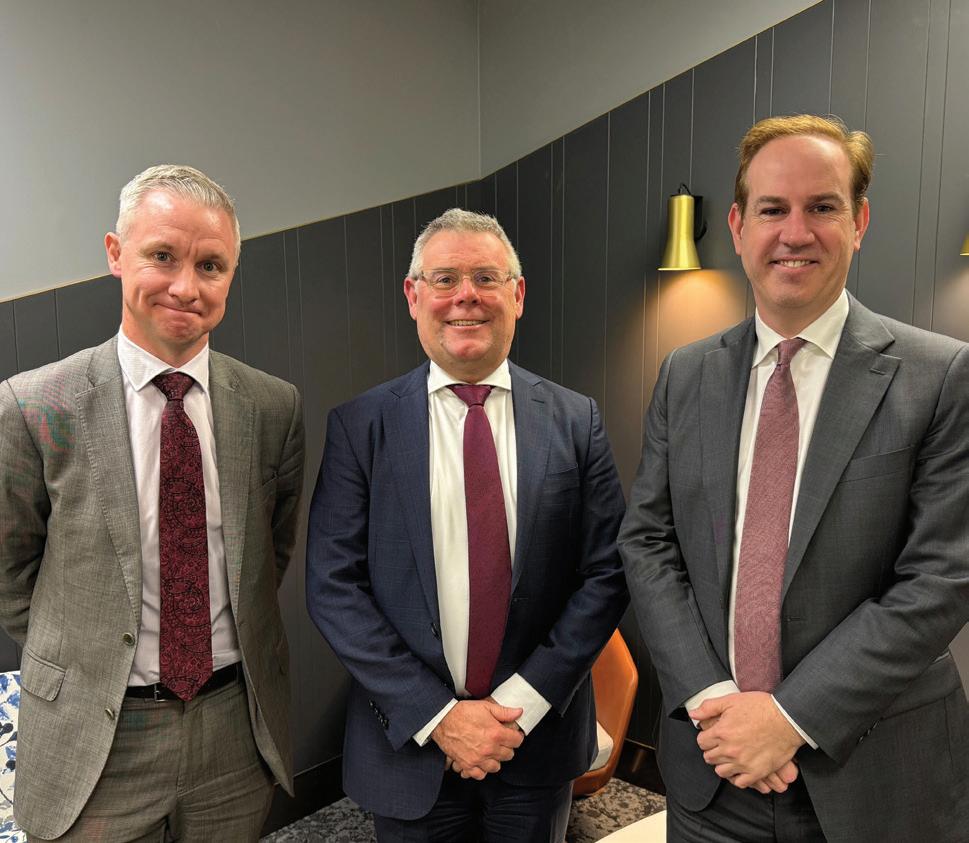
Head of National Policy Neil van Drunen, Environment Minister Murray Watt MP and CEO Warren Pearce
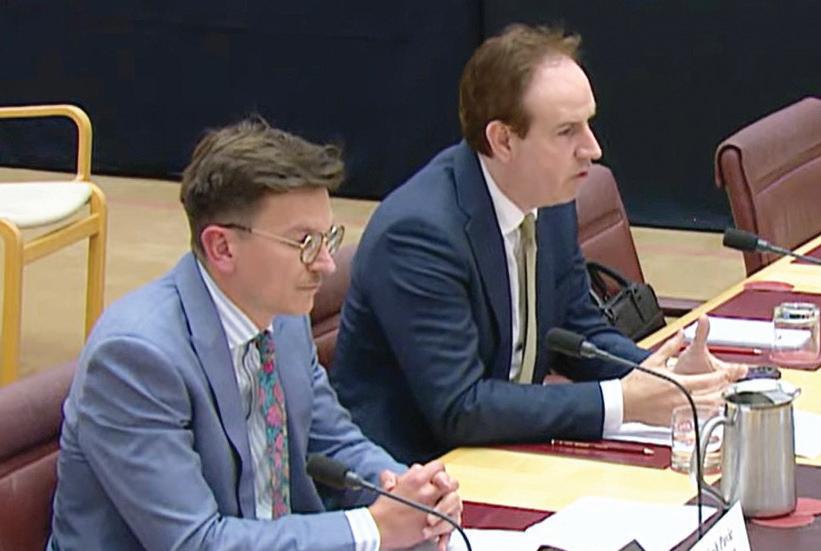
Commonwealth Director Sash Pavic`and AMEC CEO Warren Pearce and at Senate Hearing in Canberra
CRITICAL MINERALS STRATEGIC RESERVE
In 2025, the Australian Government committed to establishing a Critical Minerals Strategic Reserve (CMSR).
Following this announcement, AMEC brought together 10 rare earth developers and commissioned Mandala Partners to work with them to develop a model for the CMSR to assist the government in developing an approach which provides adequate support for rare earths projects in Australia, minimises risks to taxpayers and aligns with the Australian Government’s policy objectives. This was provided to the government in late 2025.
The model, proposed by AMEC is called the Rare Earths Production Scheme (REPS) and is based on a Contract for Difference (CfD) with a collar structure. The REPS recommends providing targeted support to both heavy and light rare earth projects, while minimising downside risk for taxpayers. When prices fall below an agreed floor, support is provided and when prices exceed a ceiling, the government shares the upside.
The REPS model is similar to the Capacity Investment Scheme which is also based on a CfD model and which clearly demonstrates Australian capability to design and operate CfD-like mechanisms.
The REPS also includes a competitive reverse auction, designed to support a price discovery process (a vital missing ingredient in rare earths markets) and will help bid down the level of support required, limiting fiscal impact for government.






Price discovery can ultimately assist in developing a market that can stand on its own and which provides the government with an offramp over the medium to long-term.
Ultimately the major advantage of the model is that it ensures the government does not over-subsidise uneconomic projects and protects taxpayer interests while ensuring the best projects can be progressed.
Getting the design right will determine whether it becomes a catalyst for new supply chains and regional investment or a missed opportunity.
The model has overwhelming support from the 10 rare earth developers directly involved in the design of the REPS but importantly, has also garnered support from the broader sector, including one of the world’s largest rare earth producers, Lynas Rare Earths.
AMEC continues to engage with the Australian Government as it considers the design of the CMSR which is due to be operationalised by the second half of 2026.
This ongoing engagement has included direct briefings with key departments and Ministers, ensuring industry expertise is embedded in the policy process and that the final design remains practical, investable and globally competitive.
▶ Click here for the full report
Source: Geoscience Australia


AMEC AWARDS
AMEC AWARDS 2025
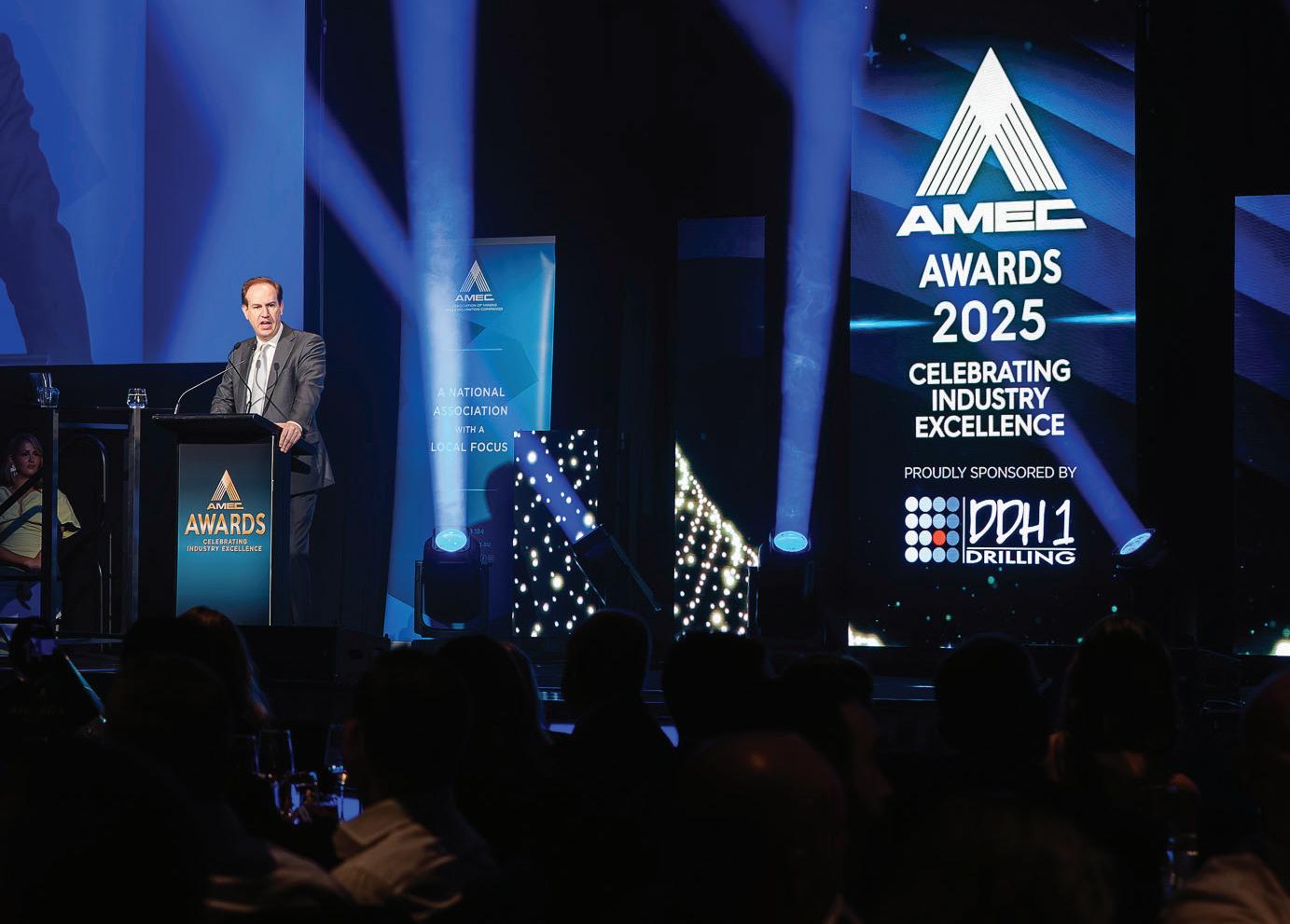
Held at Crown Perth, The AMEC Awards dinner brought together leaders from across Australia’s exploration and mining industry to recognise the people and organisations making significant contributions to our sector.
This year’s award winners reflected the depth of excellence across the industry, spanning innovation, environmental leadership, community impact, diversity and inclusion, and media contribution. The prestigious Prospector Award was awarded to the Encounter Resources exploration team for the Aileron Discovery in Western Australia’s West Arunta region, recognising a significant mineral discovery built on more than two decades of persistence and technical expertise.
Winners across all categories demonstrated a commitment to responsible development with meaningful community engagement. From Bellevue Gold achieving net zero emissions ahead of schedule, to programs supporting Aboriginal entrepreneurship and regional education outcomes, the awards highlighted the positive impact of the resources sector beyond project delivery.
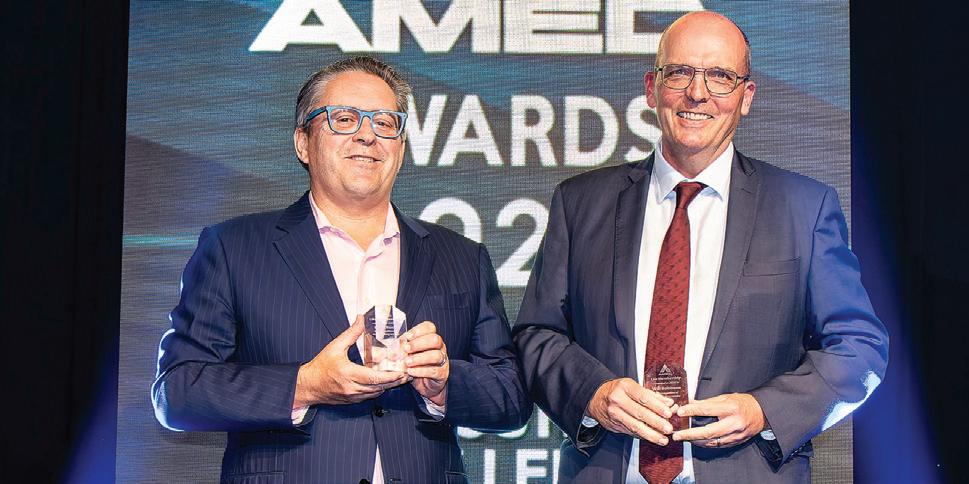
The event also recognised two new AMEC Life Members in Will Robinson and Chris Reed, for their outstanding contributions to the Association and their role in shaping AMEC into a national industry advocate.
The AMEC Awards continue to be a cornerstone event, celebrating the achievements that strengthen both industry and the broader Australian community.

AMEC Prospector Award Winner
Peter Bewick, Mark Brodie, Dr Jon Hronsky OAM, Sarah James, Will Robinson & Kate Vinnicombe for the Aileron Discovery - Encounter Resources
Sponsored by DDH1 Drilling
AMEC Community Contribution Award Winner
Metro Mining Ltd - Johnathan Thurston Academy
Sponsored by Parabellum International
AMEC Environment Award Winner
Bellevue Gold - Net Zero Emissions in 2025
Sponsored by Hetherington
AMEC Media Award Winner
Adrian Rauso from The West Australian - “Shire’s Mining Rate Hike Killed Off”
Sponsored by Corporate Traveller
AMEC Aboriginal and Torres Strait Islander Empowerment Award Winner
Greatland Resources - Martu Business Development Program
Sponsored by Agreement Hub
AMEC Diversity and Inclusion Award Winner
Hancock Iron Ore - Vacation Care Program
Sponsored by UTM Global
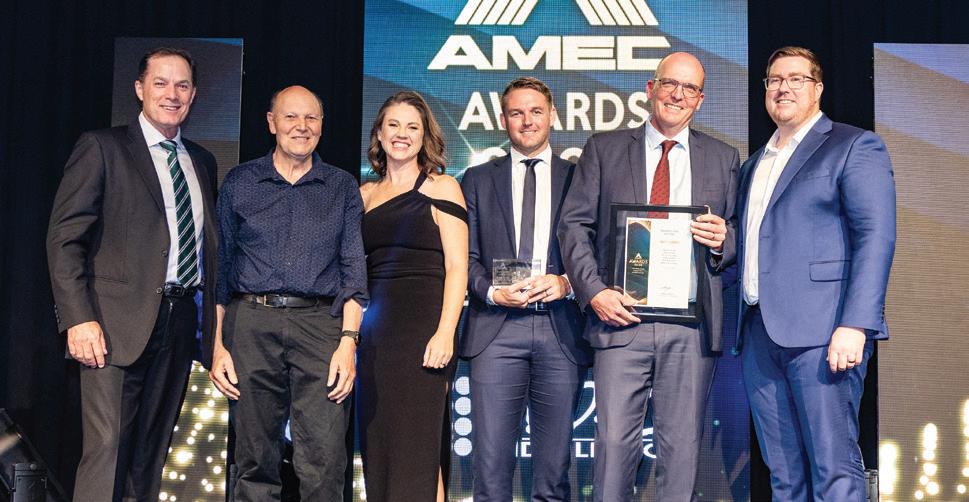
AMEC CEO Warren Pearce speaking at AMEC Awards 2025
AMEC Life Members Chris Reed and Will Robinson
Peter Bewick, Terry Hoschke, Sarah James, Mark Brodie, Will Robinson and Peter Crennan
OUT AND ABOUT
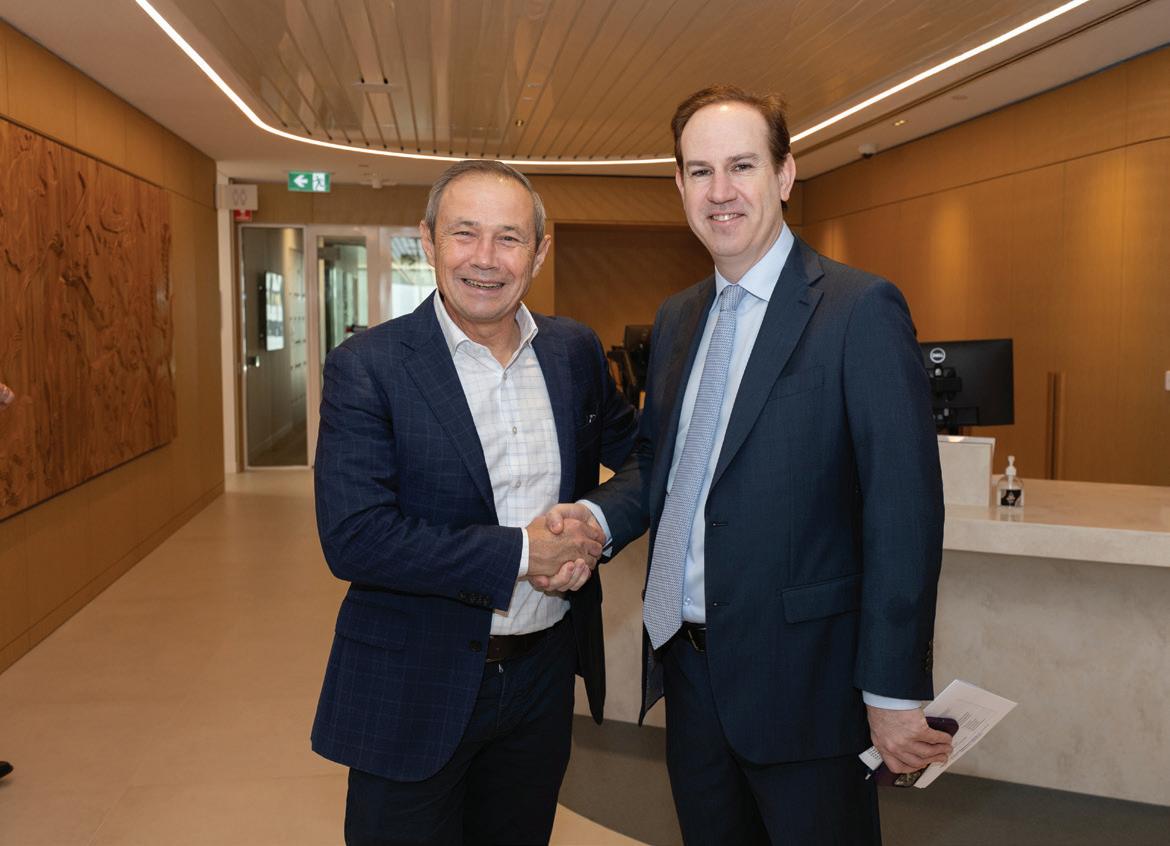

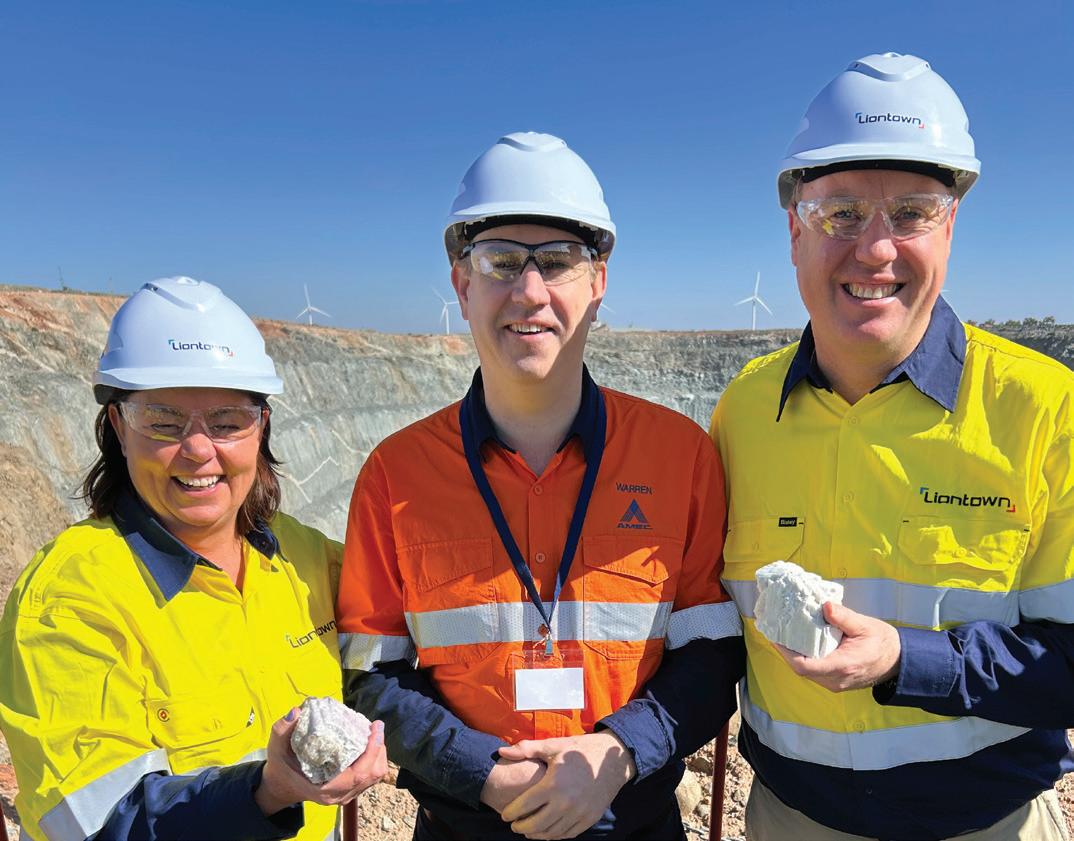
Federal Resources Minister Madeline King, CEO Warren Pearce and WA Mines Minister David Michael at Liontown site visit
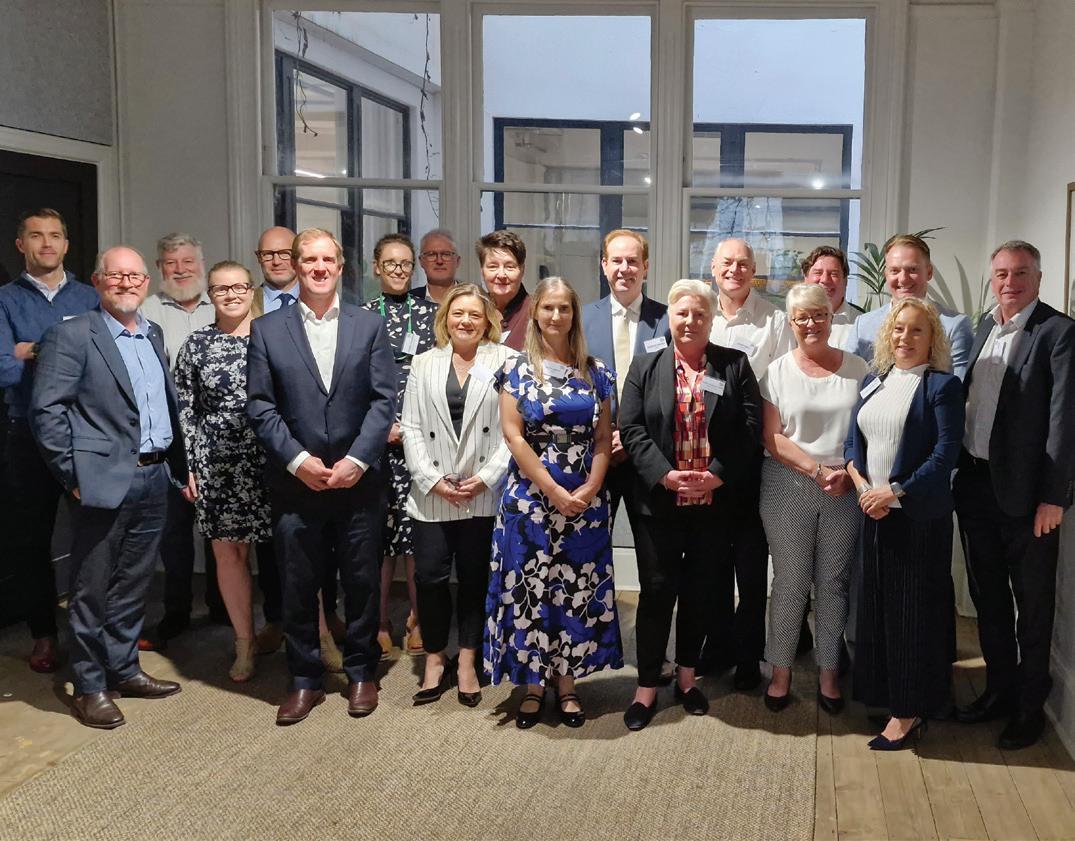
SA Director Peta Abbot and CEO/MD Dr. Andrea Marsland-Smith at SA Boardroom Lunch
WA, SA & NT Membership & Sponsorship Manager Jenny Johnson and Linda Young at Mining the Territory Darwin
CEO Warren Pearce, Senator Susan McDonald, Head of National Policy Neil van Drunen discussing Congested & Contested Coexistence Report
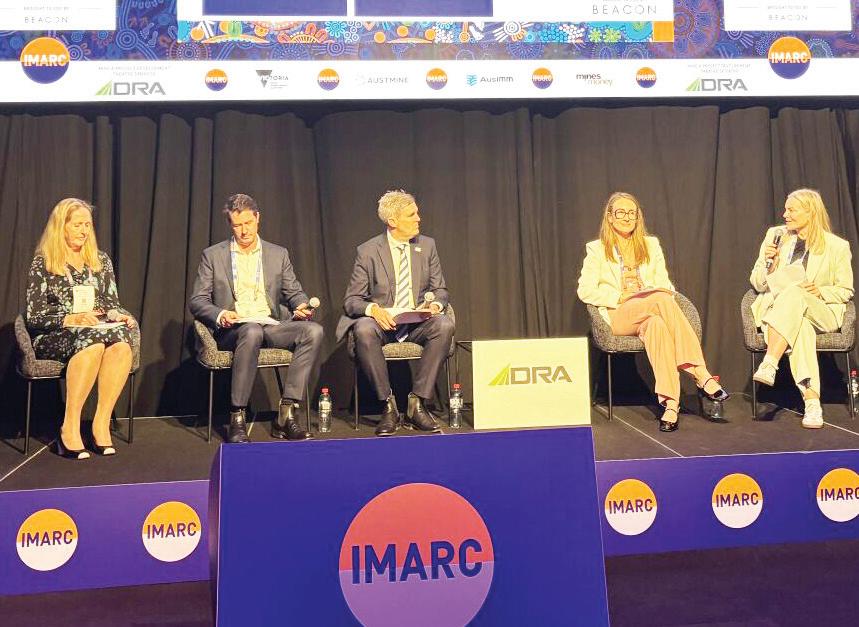
NSW Director Kerry Atkins hosting a Government Investment panel at IMARC in Sydney
Head of National Policy Neil van Drunen, NT Senior Policy Advisor Nicolas Parry and NT Treasurer Bill Yan
OUT AND ABOUT

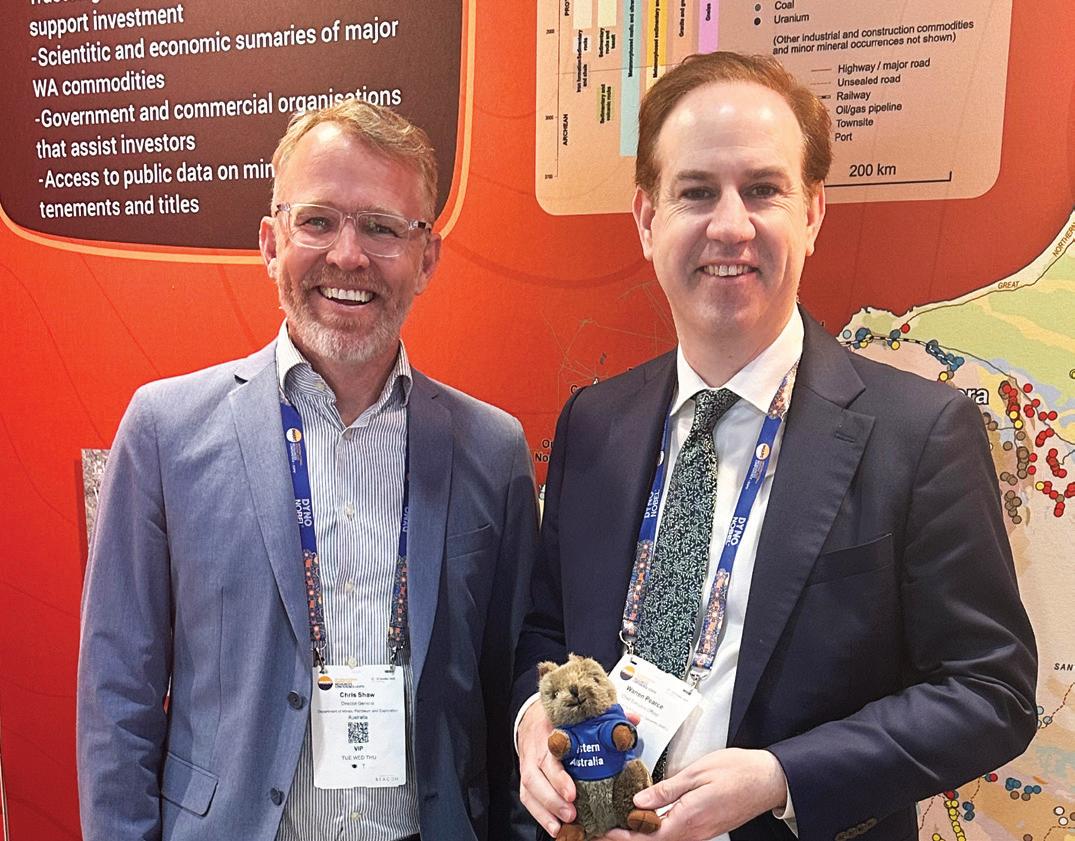
Director General for DMPE Chris Shaw with CEO Warren Pearce at IMARC Sydney
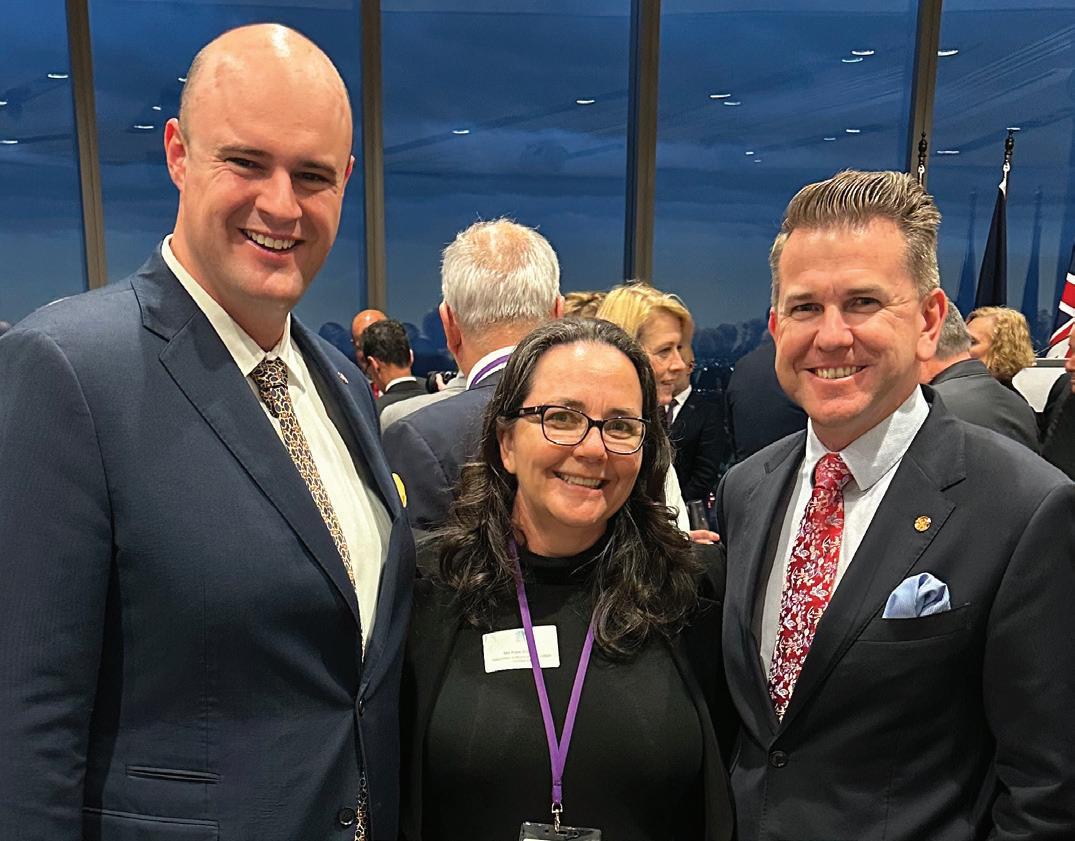
Assistant Minister for RDRM Bryson Head, QLD Director Kate Dickson and Deputy Premier, Minister SDIPl & IR Jarrod Bleijie at Official visit of the QLD European Union
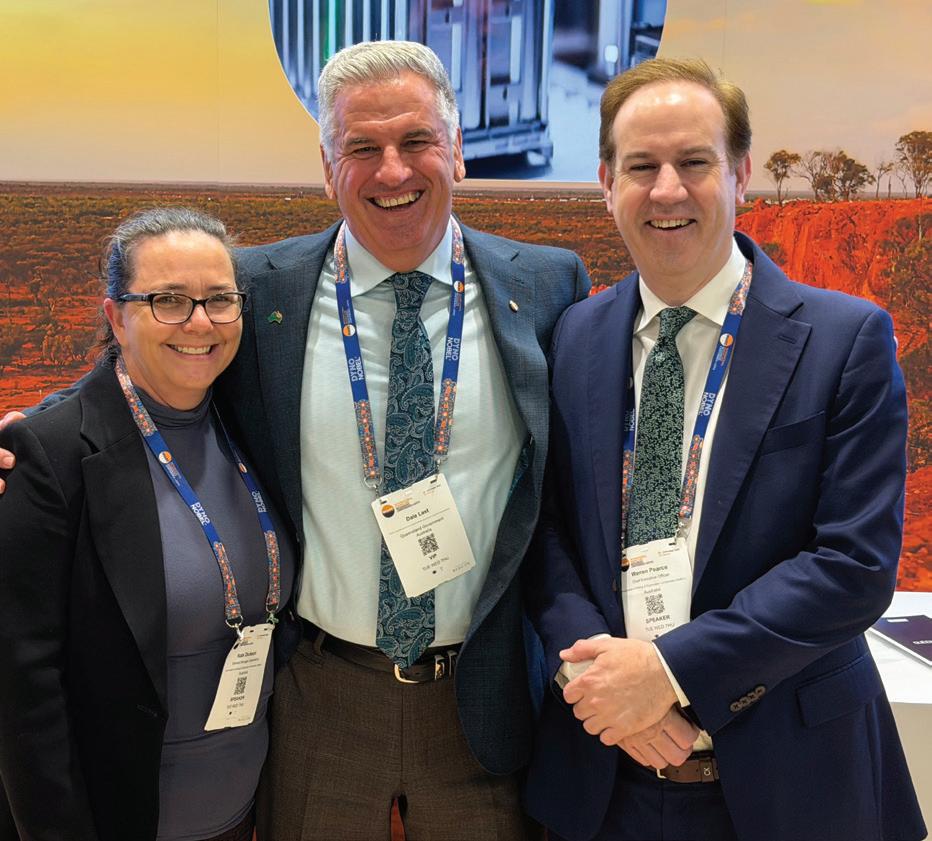
QLD Director Kate Dickson, Natural Resources and Mines Minister Dale Last, CEO Warren Pearce at IMARC Sydney
QLD, NSW & VIC Membership and Sponsorship Manager Jane Noble, Luke Allshorn and Hugh Oswald at NSW Networking Event
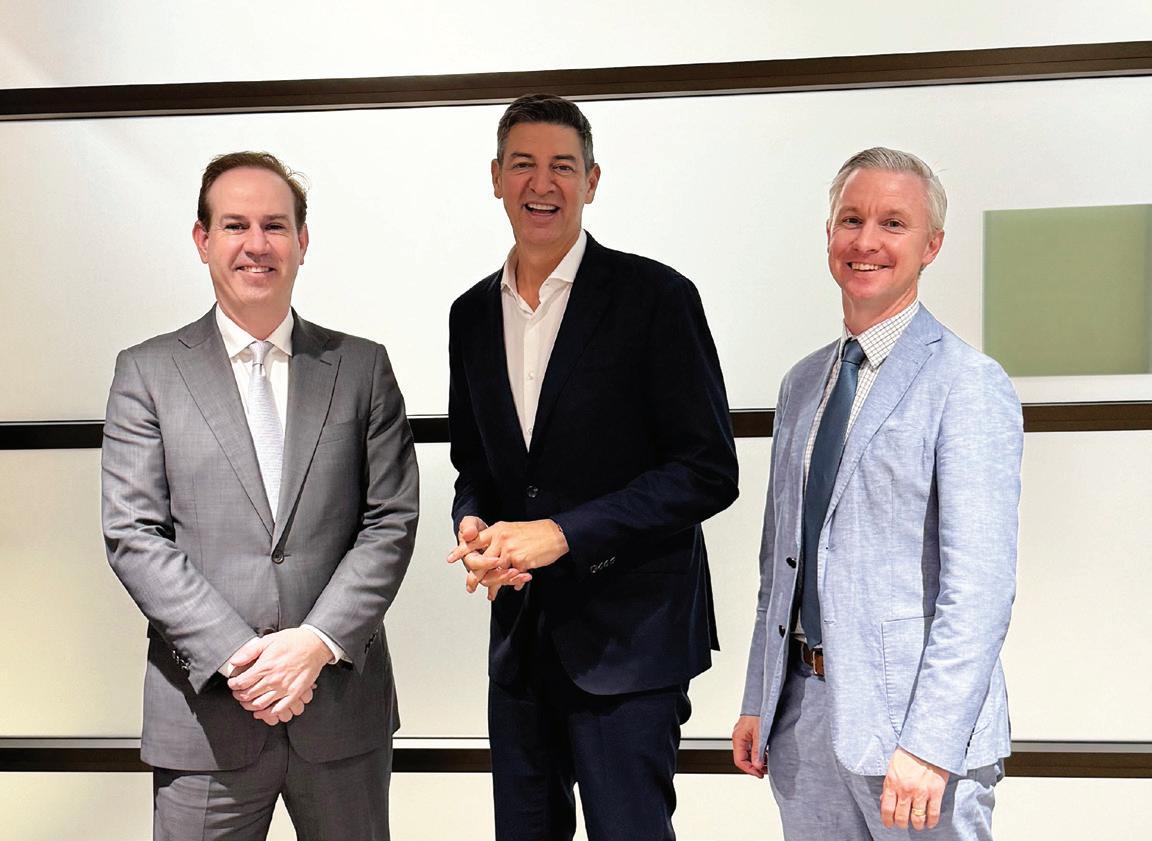
CEO Warren Pearce, WA Opposition Leader Basil Zempilas and Head of National Policy Neil van Drunen
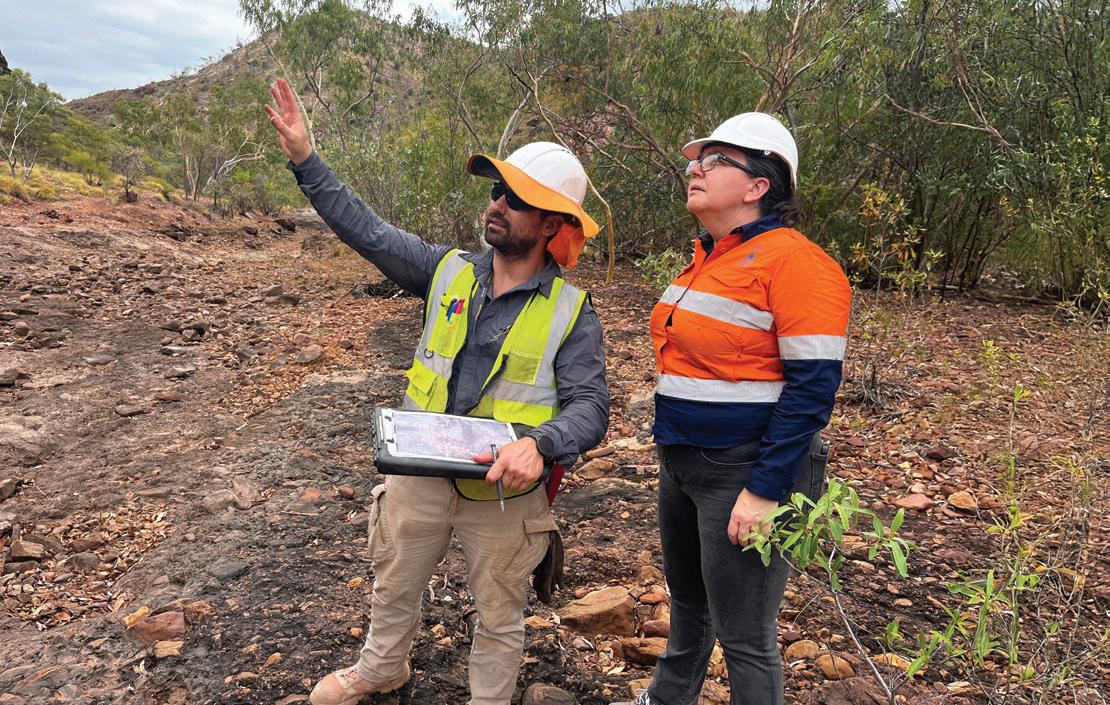
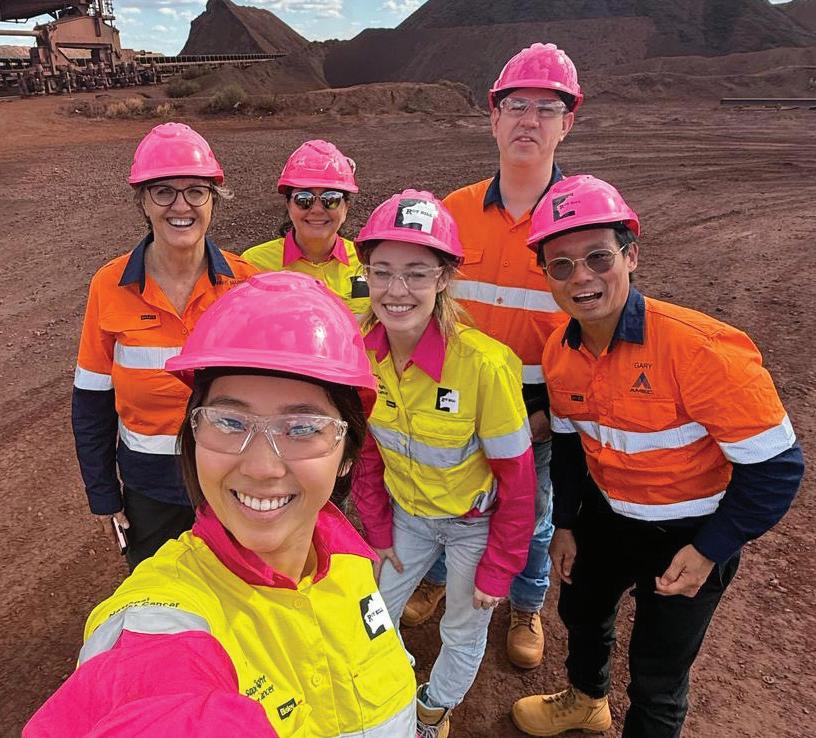
AMEC staff visit member company Hancock Iron Ore in the Pilbara
MEMBER TO MEMBER OFFERS
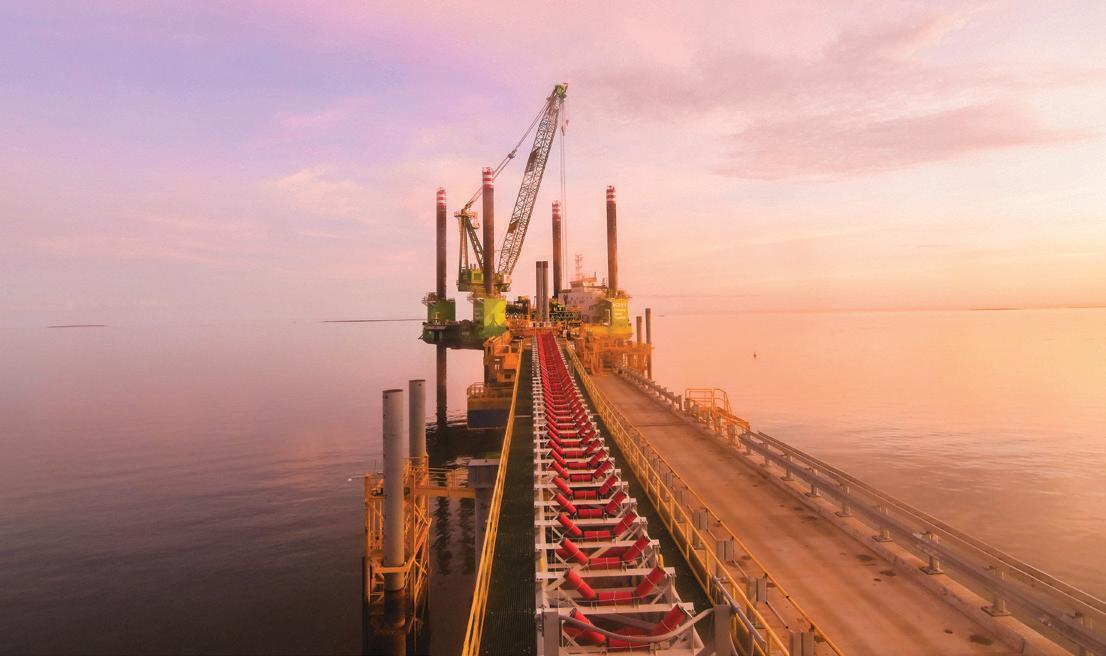
Member to Member Offers is exclusive to AMEC Members and in 2025 grew with some exciting offers from companies. They are designed to deliver practical and commercial value to members by connecting them with trusted providers who understand the exploration and mining industry. There were also some great opportunities for members to save significant money. ▶ Click here to access Offers.


EVENTS
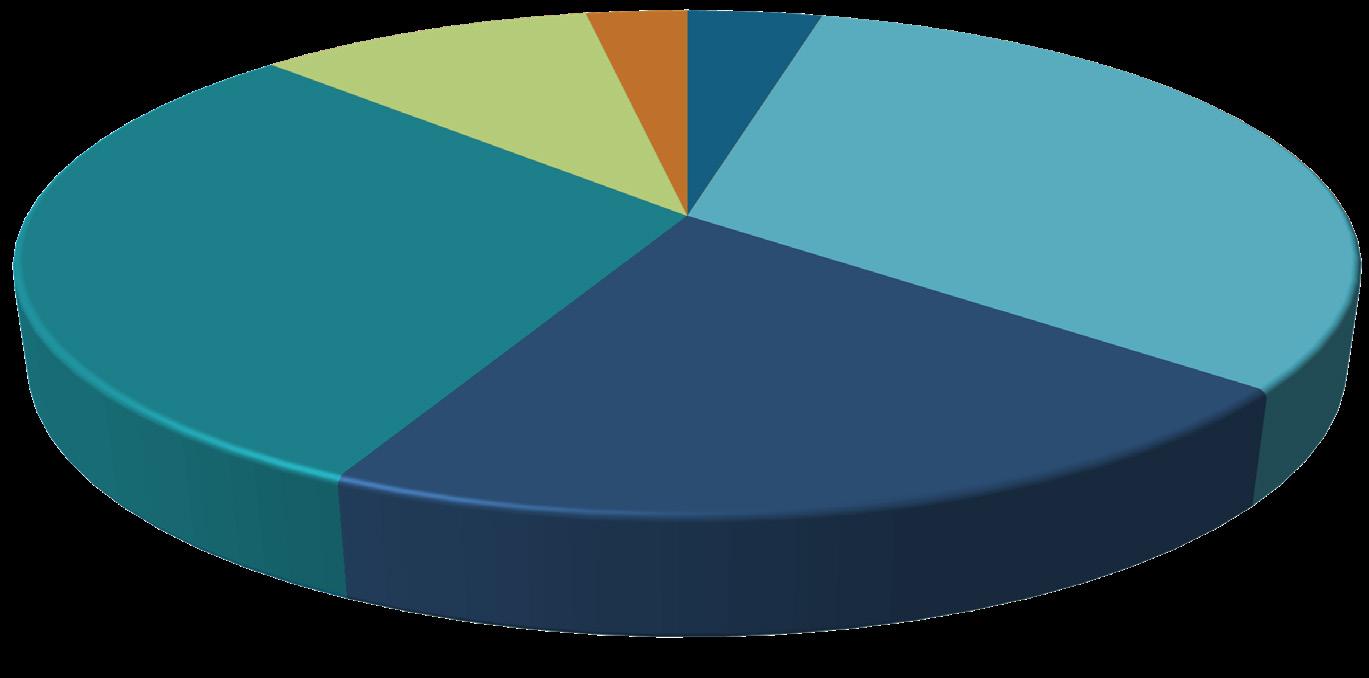
In 2025, AMEC delivered a nationally connected events program that strengthened member engagement, supported policy advocacy and enhanced access to capital. More than 9,500 registrations were recorded across the year, demonstrating sustained demand for opportunities that connect companies with peers, government and investors.
Networking events remained the primary driver of engagement, accounting for almost half of all registrations and continuing to play a critical role in fostering industry connections and strengthening AMEC’s member community.

Policy seminars and forums were a central feature of the calendar, particularly in Western Australia, where strong participation highlighted the value of timely regulatory insights and direct engagement with senior decision makers. These events reinforced AMEC’s reputation as a trusted convener on issues impacting approvals, environmental reform and land access.
AMEC also strengthened its nationally recognised investor briefing series, expanding opportunities in Adelaide and Melbourne. With more than 2,200 registrations nationally, the program created greater opportunities for member companies to showcase projects, build investor confidence and support capital raising outcomes.
Boardroom lunches, webinars and national forums further complemented a strategically aligned events portfolio.
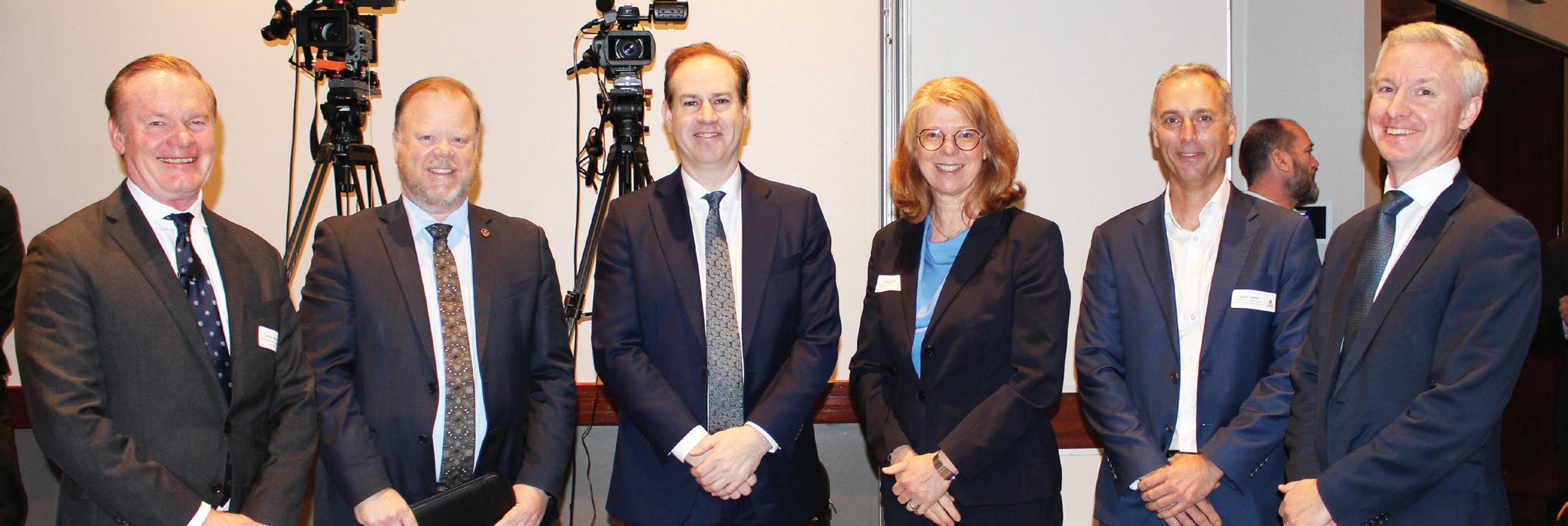
EPA Chair Darren Walsh, WA Environment Minister Matthew Swinburne, CEO Warren Pearce, Deputy Secretary DITRDCSA Rachel Parry, A/Deputy Secretary DCCEEW Shane Gaddes and Head of National Policy Neil van Drunen
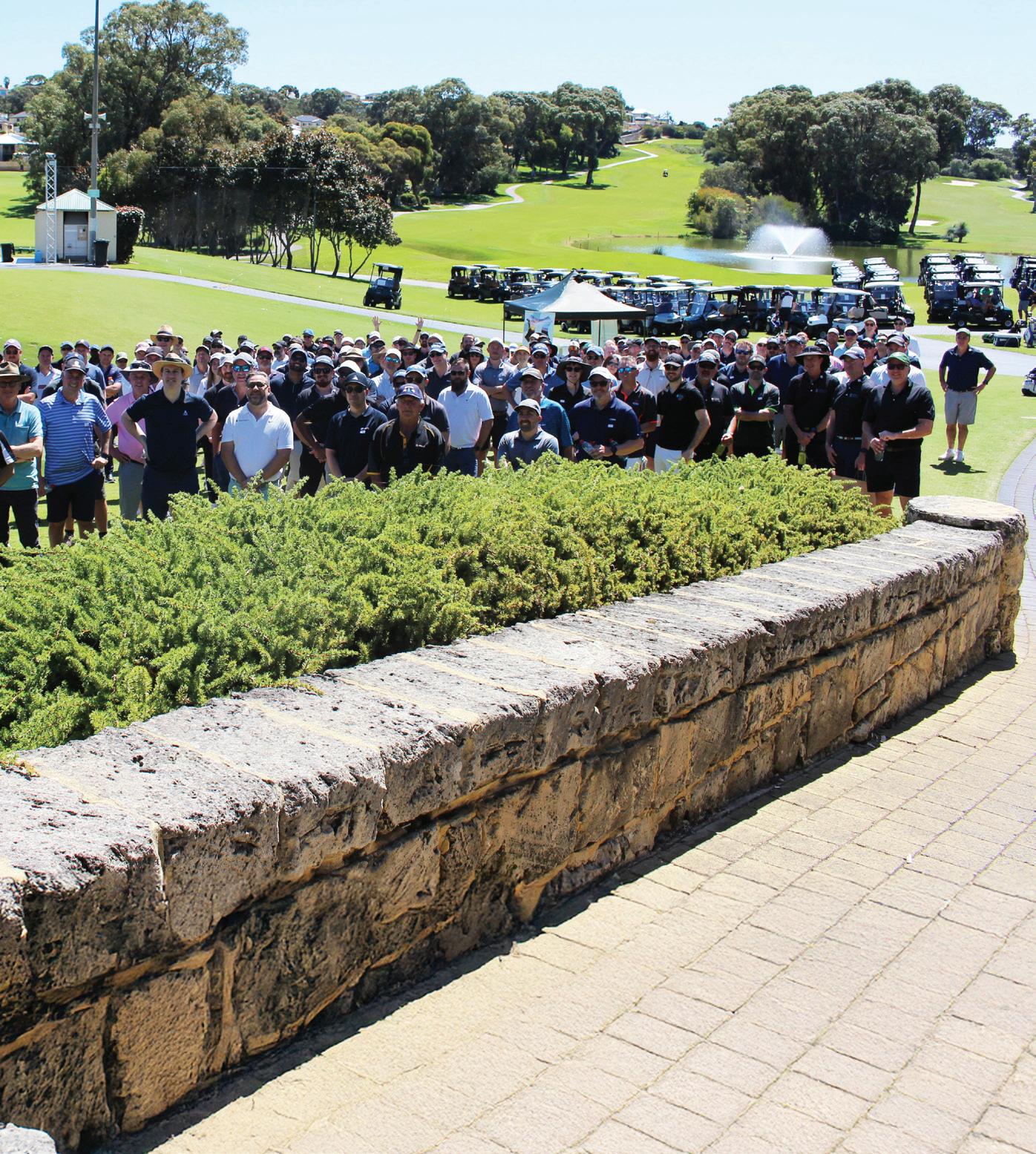
AMEC Golf Day at Joondalup Resort Golf Course
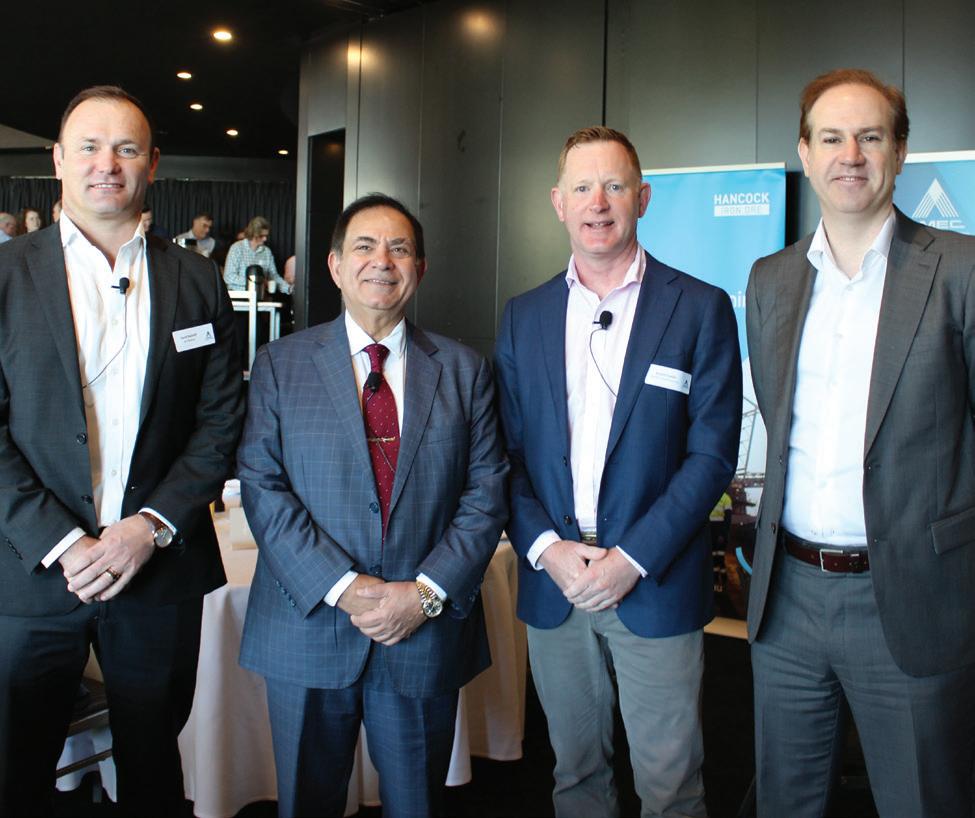
BCI Minerals David Boshoff, Hancock Prospecting Sanjiv Manchanda, Northern Star Stuart Tonkin and CEO Warren Pearce
EVENT REGISTRATIONS

OPERATIONAL AND FINANCIAL REPORT
The net assets and net (loss)/ profit after income tax for the 2025 financial year are:

Principal Activity
The Association of Mining and Exploration Companies Inc. (AMEC or the Association) is a national industry body that represents and provides services to corporate and individual members with direct or indirect interests in the Australian resources sector.
Significant Changes in the State of Affairs
No significant change in the nature of these activities occurred during the financial year
Significant Events after Balance Date
No matters or circumstances have arisen since the end of the financial year which significantly affect the operations of the Association, the results of those operations or the state of affairs of the Association in future financial years.
Environmental Regulation and Performance
The Association’s operations are not regulated by any environmental regulation under a law of the Commonwealth or of a State or Territory.
Councillors’ Remuneration Report
Councillors receive no remuneration or other benefits as the positions are honorary in nature.
Indemnification and Insurance of Councillors and Officers
During the financial year, the Association paid an insurance premium of $4,000 to indemnify Councillors and Officers against all loss and/or defence costs for which they become legally obligated to pay, through their position with the Association, and on account of any claim first made against them during the period of insurance cover where such claim is brought:
• Pursuant to the Trade Practices Act 1974, Fair Trading or similar legislation of any State or Territory, and/or pursuant to any other consumer protection legislation.
• In respect of a breach or alleged breach of contract, libel, or slander.
• In respect of infringement of copyright, trademarks, registered designs or patents, or any plagiarism, or breach of confidentiality.
Provided that any liability does not arise directly or indirectly in relation to dishonest, fraudulent, criminal, or malicious act. No person has applied for leave of Court to bring proceedings on behalf of the Association or intervene in any proceedings to which the Association is a party for the purpose of taking responsibility on behalf of the Association for all or part of those proceedings. The Association was not a party to any such proceedings during the year.
Non-Audit Services
The Association’s auditor, Moore Australia Audit (WA), provided no non-audit services during the year ended 31 December 2025.
Signed on 26 February 2026 in accordance with a resolution of Councillors on 26 February 2026.
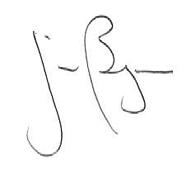
AMEC President Jim Beyer |
OPERATIONAL AND FINANCIAL REPORT

AUDITOR’S INDEPENDENCE DECLARATION UNDER PART 5 DIVISION 5 OF SECTION 80 OF THE ASSOCIATION INCORPORATION ACT 2015 (WA)

Moore Australia Audit (WA)
Level 15, Exchange Tower, 2 The Esplanade, Perth, WA 6000 PO Box 5785, St Georges Terrace WA 6831
T +61 8 9225 5355
F +61 8 9225 6181
www.moore-australia.com.au
Moore Australia Audit (WA)
Level 15, Exchange Tower, 2 The Esplanade, Perth, WA 6000 PO Box 5785, St Georges Terrace, WA 6831
T +61 8 9225 5355 F +61 8 9225 6181
To the Councillors of the Association of Mining and Exploration Companies Inc (AMEC)
www.moore-australia.com.au
I declare that, to the best of my knowledge and belief, in relation to the audit of the Association of Mining and Exploration Companies Inc for the financial year ended 31 December 2025, there have been:
AUDITOR’S INDEPENDENCE DECLARATION
UNDER PART 5 DIVISION 5 OF SECTION 80 OF THE ASSOCIATION INCORPORATION ACT 2015 (WA)
i. No contraventions of the auditor independence requirements as set out in the Accounting Professional and Ethical Standards Board’s APES 110 Code of Ethics for Professional Accountants (including Independence Standards) (the Code) in relation to the audit; and
To the Councillors of the Association of Mining and Exploration Companies Inc (AMEC)
ii. No contraventions of any applicable code of professional conduct in relation to the audit.
I declare that, to the best of my knowledge and belief, in relation to the audit of the Association of Mining and Exploration Companies Inc for the financial year ended 31 December 2025, there have been:
SL TAN MOORE AUSTRALIA AUDIT (WA) PARTNER CHARTERED ACCOUNTANTS
i. No contraventions of the auditor independence requirements as set out in the Accounting Professional and Ethical Standards Board’s APES 110 Code of Ethics for Professional Accountants (including Independence Standards) (the Code) in relation to the audit; and
Signed at Perth this 27th day of February 2026
ii. No contraventions of any applicable code of professional conduct in relation to the audit.
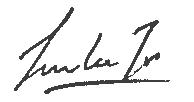
SL TAN
MOORE AUSTRALIA AUDIT (WA) PARTNER CHARTERED ACCOUNTANTS
Signed at Perth this 27th day of February 2026
Moore Australia Audit (WA) –
STATEMENT OF PROFIT AND LOSS
AND OTHER COMPREHENSIVE INCOME
COUNCILLORS’ DECLARATION
The Councillors have determined that the Association is a reporting entity and that this general-purpose financial report should be prepared in accordance with the accounting policies as set out in Note 2 to the financial statements.
1. In the opinion of the Councillors:

(a) the financial statements including the statement of profit or loss and other comprehensive income, statement of financial position, statement of cash flows, statement of changes in equity and notes to the accounts:
(i) give a true and fair view, in all material respects, the financial position of the Association of Mining and Exploration Companies Inc. as at 31 December 2025 and of its performance for the year ended on that date; and
(ii) at the date of this statement, there are reasonable grounds to believe that the Association of Mining and Exploration Companies Inc. will be able to pay its debts as and when they fall due.
2. This declaration hasbeen madein accordance with a resolutionof the Council on 26February 2026 and is signed on 26 February 2026.

Treasurer Campbell Baird |
STATEMENT OF CASH FLOWS

FOR THE YEAR ENDED - 31 DECEMBER 2025
OPERATIONAL AND FINANCIAL REPORT
(NOTES TO AND FORMING PART OF THE ACCOUNTS)
OPERATIONAL AND FINANCIAL REPORT
(NOTES TO AND FORMING PART OF THE ACCOUNTS)
1. CORPORATE INFORMATION
The financial report of the Association of Mining and Exploration Companies Inc. for the year ended 31 December 2025 was authorised for issue in accordance with a resolution by the Council members dated 26 February 2026.
The entity is an association incorporated under the Associations Incorporation Act 2015.
The entity is a not-for-profit entity and was established for the purpose of representing and providing services to its membership.
2. SUMMARY OF SIGNIFICANT ACCOUNTING POLICIES
Basis of preparation
The Councillors have determined that the accounting policies and standards adopted for the preparation of this report are appropriate to meet the needs of the members. In the opinion of the directors, the Association is not publicly accountable.
The financial statements have been prepared in accordance with Australian Accounting Standards - Simplified Disclosures Framework made by the Australian Accounting Standards Board (AASB) adopted by the Australian Accounting Standards Board (AASB) and Associations Incorporation Act 2015 (WA).
The financial report has been prepared on a Going Concern basis which assumes continuity of normal business activities and the realisation of assets and liabilities in the ordinary course of business.
The financial report has been prepared on an accrual’s basis and in accordance with the historical cost convention. All amounts are presented in Australian dollars, unless otherwise noted.
Judgments made by management in the application of Australian Accounting Standards that have significant effects on the financial statements and estimates with a significant risk of material adjustments in the next year are disclosed, where applicable, in the relevant notes to the financial statements.
Accounting policies are selected and applied in a manner which ensures that the resulting financial information satisfies the concepts of relevance and reliability, thereby ensuring that the substance of the underlying transactions or other events is reported.
The accounting policies set out below have been applied in preparing the financial statements and are consistent with those applied in previous years.
Revenue Recognition
Revenue is recognised over time as the services are provided to members. The following specific recognition criteria must also be met before revenue is recognised:
i. Subscriptions
Membership subscriptions are recognised as revenue in the year to which they relate.
ii. Revenue from operations
Revenue earnt from events and sponsorship is recognised in the year in which it occurs.
OPERATIONAL AND FINANCIAL REPORT
(NOTES TO AND FORMING PART OF THE ACCOUNTS)
iii.Government grant
The Company recognises a government grant in the profit or loss as other income when the grant becomes receivable. Other government grants are initially recognised as deferred income at fair value when there is reasonable assurance that they will be received and that the Company will comply with the conditions associated with the grant.
Grants that compensate the Company for expenses incurred are recognised in profit or loss on a systematic basis in the periods in which the expenses are recognised.
Cash
Cash and cash equivalents in the balance sheet comprise cash at bank and in hand.
Term deposits
Term deposits have a term of > 3 months. These deposits do not relate to short term operational funds and are disclosed as term deposits.
Trade and other receivables
Trade receivables, which generally have 30-60 day terms, are initially recognised when they are originated. Trade and other receivables that have fixed or determinable payments that are not quoted in an active market are classified as “receivables”. They are recognised at cost and subsequently measured at fair value, less an allowance for any uncollectible amounts.
Collectability of trade receivables is reviewed on an ongoing basis at an operating unit level. Individual debts that are known to be uncollectible are written off when identified. An impairment provision is recognised when there is objective evidence that the Association will not be able to collect the receivable.
Financial difficulties of the debtor, default payments or debts more than 60 days overdue are considered objective evidence of impairment. The amount of the impairment loss is the receivable carrying amount compared to the present value of estimated future cash flows, discounted at the original effective interest rate.
Income tax and other taxes
The Association is exempt from Income Tax under Section 50-40 of the Income Tax Assessment Act 1997.
Revenues, expenses, and assets are recognised net of GST except:
• when the GST incurred on purchase of goods and services is not recoverable from the taxation authority, in which case the GST is recognised as part of the cost of acquiring an asset or as part of an expense item as applicable; and
• receivables and payables, which are stated with the amount of GST included.
The net amount of GST recoverable from, or payable to, the taxation authority is included as part of receivables or payables in the balance sheet.
Cash flows are included in the Cash Flow Statement on a net basis and the GST component of cash flows arising from investing and financing activities, which is recoverable from, or payable to, the taxation authority are classified as operating cash flows.
Property Plant & Equipment
Plant and equipment is stated at cost less accumulated depreciation and any accumulated impairment losses. The assets residual values, useful lives and amortisation methods are reviewed, and adjusted if appropriate, at each financial year end.
OPERATIONAL AND FINANCIAL REPORT
(NOTES TO AND FORMING PART OF THE ACCOUNTS)
Depreciation is calculated on a straight-line basis over estimated useful life of the asset. The depreciation rate used for plant and equipment is 7.5% - 33% pa.
Impairment
Carrying values of plant and equipment are reviewed for impairment at each reporting date, with recoverable amount being estimated when events or circumstances indicate that the carrying value may be impaired.
The recoverable amount of plant and equipment is the higher of fair value less costs to sell and value in use. In assessing value in use, the estimated future cash flows are discounted to their present value using a pre-tax discount rate that reflects current market assessments of the time value of money and the risks specific to the asset.
For an asset that does not generate largely independent cash flows, recoverable amount is determined for the cash-generating unit to which the asset belongs, unless the asset’s value in use can be estimated to be close to its fair value.
Impairment exists when the carrying value of an asset or cash-generating units exceeds its estimated recoverable amount. The asset or cash-generating unit is then written down to its recoverable amount.
Trade and other payables
Trade payables and other payables are carried at amortised cost due to their short-term nature and they are not discounted. They represent liabilities for goods and services provided to the entity prior to the end of the financial year that are unpaid and arise when the Association becomes obliged to make future payments in respect of the purchase of these goods and services. The amounts are unsecured and are usually paid within 30 days of recognition.
Employee leave entitlements
Liabilities for wages and salaries, including non-monetary benefits, annual and long service leave and accumulating sick leave expected to be settled within 12 months of the reporting date are recognised in other payables in respect of employee’s services up to the reporting date. They are measured at the amounts expected to be paid when the liabilities are settled. Liabilities for non-accumulating sick leave are recognised when the leave is taken and are measured at the rates paid or payable.
Long service leave
The liability for long service leave is recognised in the provision for employee benefits and measured as the present value of expected future payments to be made in respect of services provided by employees up to the reporting date using the projected unit credit method. Consideration is given to expected future wage and salary levels, experience of employee departures, and periods of service.
Leases
The determination of whether an arrangement is or contains a lease is based in the substance of the arrangement and requires an assessment of whether the fulfilment of the arrangement is dependent on the use of a specific asset or assets and the arrangement conveys a right to use the asset.
Changes in material accounting policies
Several new standards are effective for annual periods beginning after 1 January 2025, but they do not have a material effect on the Association.
New Standards and Interpretations yet to be adopted
Standards applicable for future financial years are not anticipated to have a material effect on the Association.
OPERATIONAL AND FINANCIAL REPORT
(NOTES TO AND FORMING PART OF THE ACCOUNTS)
Cash at bank earns interest at floating rates based on daily bank deposit rates. Short-term deposits are made for varying periods of up to twelve months, depending on the immediate cash requirements of the Association, and earn interest at the respective short-term deposit rates.
OPERATIONAL AND FINANCIAL REPORT
(NOTES TO AND FORMING PART OF THE ACCOUNTS)
11. CASH FLOW STATEMENT
of net profit to net cash flow from operations
12. COUNCILLOR DISCLOSURES
Details of Key Governance Personnel - The following were Councillors of the Association during the period:
Jim Beyer (President)
Bruce Fulton (Vice President)
Sharon Goddard (Vice President)
Steve Jukes Nicole Galloway Warland (resigned April 2025)
Kristy Sell Alex Mukherji
Matt Briggs Grant Wallis
Keren Paterson (Treasurer) (resigned January 2026) Vincent Algar Warren Fish (elected April 2025)
Shannon McMahon
Campbell Baird
Darren Walker (resigned April 2025)
Chris Cairns Andre Fuller (seconded April 2025)
Rob Bills (resigned April 2025) Rupert Verco (elected April 2025)
Joshua Thurlow Sarah James (elected April 2025)
Compensation of Key Management Personnel
Warren Pearce, Chief Executive Officer, is the sole Key Management Personnel as defined by accounting standards. The key management personnel compensation for this one executive position was $375,775 (2024: $361,556) for the year ended 31 December 2025.
Other Transactions with Key Governance Personnel
The Councillors have not entered into any transactions with the Association that was not at arm’s length on normal trading terms available to other members of the Association.
13. EVENTS AFTER THE BALANCE SHEET DATE
There have been no material post balance date events or transactions which could affect the financial position or performance of the Association.
OPERATIONAL AND FINANCIAL REPORT
(NOTES TO AND FORMING PART OF THE ACCOUNTS)
14. AUDITOR RENUMERATION
The auditor of the Association of Mining and Exploration Companies Inc for the years ended 31 December 2025 and 2024 is Moore Australia Audit (WA).
15. FINANCIAL RISK MANAGEMENT AND FINANCIAL INSTRUMENTS
Overview
The Association has exposure to the following risks arising from financial instruments:
(a) Credit Risk
(b) Market Risk
(c) Liquidity Risk
This note presents information about the Association’s exposure to each of the above risks and the Association’s objectives, policies and processes for measuring and managing risk. Further quantitative disclosures are included throughout these financial statements.
The Association’s Council Members have overall responsibility for the establishment and oversight of the Association’s risk management framework. Risk management policies and systems are monitored regularly by the Council to reflect changes in market conditions and the Association’s activities.
(a) Credit Risk
Credit risk is the risk of financial loss to the Association if a customer or counterparty to a financial instrument fails to meet its contractual obligations and arises principally from the Association’s receivables from customers and cash deposits.
Trade and other receivables
The Association’s exposure to credit risk is influenced mainly by the individual characteristics of each customer.
New customers are generally analysed individually for creditworthiness before credit is offered.
The Association establishes an allowance for impairment that represents its estimate of incurred losses in respect of trade and other receivables. The main components of this allowance are a specific loss component that relates to individually significant exposures, and a collective loss component established for groups of similar assets in respect of losses that have been incurred but not yet identified. The collective loss allowance is determined based on historical data of payment statistics for similar financial assets.
The ageing of trade receivables at the reporting date was:
OPERATIONAL AND FINANCIAL REPORT
(NOTES TO AND FORMING PART OF THE ACCOUNTS)
In accordance with the process described above, the Association concluded a collective loss allowance (expected credit loss) is not required as at 31 December 2025.
(b) Market Risk
Market risk is the risk that changes in market prices – such as foreign exchange rates, interest rates and equity prices – will affect the Association’s income or the value of its holdings of financial instruments. The objective of market risk management is to manage and control market risk exposures within acceptable parameters, while optimising the return.
Interest Rate Risk
Interest rate risks are limited to the impact of changes in interest rates on income earned on cash and term deposits. Interest rate risk represents the only significant market risk of the Association.
At the reporting date the interest rate profile of the Association’s interest-bearing financial instruments was:
With respect to cash at bank, a change of 100 basis points in interest rates would increase or decrease the profit and loss by $14,899 (2024: $13,120). The fair value of financial assets and liabilities approximate their carrying value at year-end.
(c) Liquidity Risk
Liquidity risk is the risk that the Association will encounter difficulty in meeting the obligations associated with its financial liabilities that are settled by delivering cash or another financial asset. The Association’s approach to managing liquidity is to ensure, as far as possible, that it will have sufficient liquidity to meet its liabilities when they are due, under both normal and stressed conditions, without incurring unacceptable losses or risking damage to the Association’s reputation.
The following are the contractual maturities of financial liabilities being trade payables at the reporting date.
16. ENTITY DETAILS
The registered office and principal place of business of the Association is:
Level 2, 1 Havelock Street West Perth, WA 6005
Australia
INDEPENDENT AUDITORS REPORT

Moore Australia Audit (WA)
Level 15, Exchange Tower, 2 The Esplanade, Perth, WA 6000 PO Box5785, St Georges Terrace, WA 6831
T +61 8 9225 5355
F +61 8 9225 6181
www.moore-australia.com.au
AUDITOR’S INDEPENDENCE DECLARATION UNDER PART 5 DIVISION 5 OF SECTION 80OFTHE ASSOCIATION INCORPORATION ACT 2015 (WA)
Moore Australia Audit (WA)
Level 15, Exchange Tower, 2 The Esplanade, Perth, WA 6000 PO Box 5785, St Georges Terrace, WA 6831
T +61 8 9225 5355
F +61 8 9225 6181
To the Councillors of theAssociation of Mining and Exploration Companies Inc (AMEC)
www.moore-australia.com.au
INDEPENDENT AUDITOR’S REPORT TO THE MEMBERS OF THE ASSOCIATION OF MINING AND EXPLORATION COMPANIES INC.
Audit Opinion
I declare that, to the best ofmy knowledge and belief,in relation to the audit of the Association of Mining and Exploration Companies Inc for the financial year ended 31 December 2025, there have been:
We have audited the Financial Report of the Association of Mining and Exploration Companies Inc (“the Association”) which comprises the statement of financial position as at 31 December 2025, statement of comprehensive income and statement of cash flows for the year ended 31 December 2025, notes comprising a summary of material accounting policies and other selected explanatory information and the Councillors’ Declaration
i. No contraventionsofthe auditorindependence requirementsassetoutin the Accounting Professional and Ethical Standards Board’s APES 110 Code ofEthics for Professional Accountants (including Independence Standards) (the Code)in relation to the audit; and
In our opinion, the accompanying Financial Report of the Association gives a true and fair view, in all material respects, the financial position of the Association as at 31 December 2025, and of its financial performance and its cash flows for the year then ended, in accordance with Australian Accounting Standard AASB 1060 General Purpose Financial Statements - Simplified Disclosures for For-Profit and Not-for-Profit Tier 2 Entities and the Association Incorporation Act 2015 (WA)
ii. No contraventions of any applicable code of professional conductin relation to the audit.
Basis for Opinion
SL TAN MOORE AUSTRALIA AUDIT(WA) PARTNER CHARTERED ACCOUNTANTS
Signed atPerth this 27th day ofFebruary 2026
We conducted our audit in accordance with Australian Auditing Standards. Our responsibilities under those standards are further described in the Auditor’s Responsibilities for the Audit of the Financial Report section of our report. We are independent of the Association in accordance with the ethical requirements of the Accounting Professional and Ethical Standards Board’s APES 110 Code of Ethics for Professional Accountants (the Code) that are relevant to our audit of the financial report in Australia. We have also fulfilled our other ethical responsibilities in accordance with the Code.
We believe that the audit evidence we have obtained is sufficient and appropriate to provide a basis for our opinion.
Restriction on use and distribution
The financial report has been prepared to assist the Council of the Association in complying with the financial reporting requirements of Section 74 of the Associations Incorporation Act 2015 (WA)
As a result, the Financial Report and this Auditor’s Report may not be suitable for another purpose. Our opinion is not modified in respect of this matter.
Our report is intended solely for the members of the Association and should not be used by parties other than the members of the Association. We disclaim any assumption of responsibility for any reliance on this report, or on the financial report to which it relates, to any person other than the members of the Association or for any other purpose than that for which it was prepared.
Other Information
Other information is financial and non-financial information in the Association’s annual reporting which is provided in addition to the financial statementsand the Auditor’s Report.
Ouropinion on the FinancialReportdoesnotoverthe otherinformation and,accordingly,we do not express an audit opinion or any form ofassurance conclusion thereon.
In connection with our audit of the FinancialReport,our responsibilityis to read the other information. In doing so, we considerwhether the other information is materiallyinconsistent with the Financial Report or our knowledge obtained in the audit, or otherwise appears to be materiallymisstated.
Moore Australia Audit (WA) – ABN 16 874 357 907.
An independent member of Moore Global Network Limited - members in principal cities throughout the world. Liability limited by a scheme approved under Professional Standards Legislation.
We are required to reportif we conclude thatthere isa materialmisstatementofthis otherinformation and based on the work we have performed on the other information that we obtained prior to the date of this Auditor’s Report,we have nothing to report
Basis for Opinion
We conducted ourauditin accordance withAustralianAuditingStandards.Ourresponsibilitiesunder those standards are further described in the Auditor’s Responsibilitiesfor the Auditof the Financial Reportsection of ourreport.We are independent of the Association in accordance with the ethical requirements of the Accounting Professional and Ethical Standards Board’s APES 110 Code ofEthics for Professional Accountants (the Code) that are relevant to our audit of the financial report in Australia. We have also fulfilled ourother ethical responsibilities in accordance with the Code.
We believe that the auditevidence we have obtained is sufficient and appropriate to provide a basis for our opinion.
INDEPENDENT AUDITORS REPORT
Restriction on useand distribution
The financialreporthasbeen preparedto assisttheCouncilofthe Association in complying with the financial reporting requirements ofSection 74 of the Associations Incorporation Act 2015 (WA)
As a result, theFinancial Reportand thisAuditor’s Report may notbe suitable for another purpose. Our opinion isnotmodified in respect of this matter.
Our report is intended solely for the members of the Association and should not be used by parties other than the members of the Association. We disclaim any assumption of responsibility for any reliance on thisreport,oron the financialreportto whichitrelates,to anyperson otherthan the membersofthe Association or for any other purpose than that for which itwas prepared.
INDEPENDENT AUDITOR’S REPORT TO THE MEMBERS OF THE ASSOCIATION OF MINING AND EXPLORATION COMPANIES INC. (CONTINUED)
Other Information
Responsibilities of the Councillors of theAssociationfor the Financial Report
Other information is financial and non-financial information in the Association’s annual reporting which is provided in addition to the financial statements and the Auditor’s Report.
Our opinion on the Financial Report does not over the other information and, accordingly, we do not express an audit opinion or any form of assurance conclusion thereon.
INDEPENDENT AUDITOR’S REPORT TO THE MEMBERS OF THE ASSOCIATIONOF MINING AND EXPLORATION COMPANIES INC. (CONTINUED)
In connection with our audit of the Financial Report, our responsibility is to read the other information. In doing so, we consider whether the other information is materially inconsistent with the Financial Report or our knowledge obtained in the audit, or otherwise appears to be materially misstated.
The Councillors are responsible for the preparation of the Financial Reportthat gives a true and fair view and have determined that the basis of preparation described in Note 2 to the Financial Report is appropriate to meet the financial reporting requirements of the Associations Incorporation Act 2015 (WA), its constitution and isappropriate to meetthe needsofthe members.Their responsibilityalso includes such internal control as the Association determine is necessary to enable the preparation ofa Financial Report that gives a true and fair view and is free from material misstatement, whether due to fraud orerror.
INDEPENDENT AUDITOR’S REPORT TO THE MEMBERS OF THE ASSOCIATIONOF MINING AND EXPLORATION COMPANIES INC. (CONTINUED)
Responsibilities of the Councillors of theAssociationfor the Financial Report
INDEPENDENT AUDITOR’S REPORT TO THE MEMBERS OF THE ASSOCIATIONOF MINING AND EXPLORATION COMPANIES INC. (CONTINUED)
We are required to report if we conclude that there is a material misstatement of this other information and based on the work we have performed on the other information that we obtained prior to the date of this Auditor’s Report, we have nothing to report
Responsibilities of the Councillors of theAssociationfor the Financial Report
In preparing the Financial Report, theCouncillors are responsible for assessing the Association’s ability to continue asa going concern,disclosing,asapplicable,mattersrelating to going concern and using the goingconcern basisofaccountingunlessthe Councillors either intend to liquidate the Association or to cease operations, orhave no realistic alternative but to do so.
Responsibilities of the Councillors of the Association for the Financial Report
Auditor’s Responsibilities for the Audit of the Financial Report
Moore Australia Audit (WA) – ABN 16 874 357 907.
An independentmember ofMoore Global NetworkLimited - membersinprincipal cities throughout the world. Liability limited by a scheme approved under Professional StandardsLegislation.
The Councillors are responsible for the preparation of the Financial Reportthat gives a true and fair view and have determined that the basis of preparation described in Note 2 to the Financial Report is appropriate to meet the financial reporting requirements of the Associations Incorporation Act 2015 (WA), its constitution and isappropriate to meetthe needsofthe members.Their responsibilityalso includes such internal control as the Association determine is necessary to enable the preparation ofa Financial Report that gives a true and fair view and is free from material misstatement, whether due to fraud orerror.
The Councillors are responsible for the preparation of the Financial Reportthat gives a true and fair view and have determined that the basis of preparation described in Note 2 to the Financial Report is appropriate to meet the financial reporting requirements of the Associations Incorporation Act 2015 (WA), its constitution and isappropriate to meetthe needsofthe members.Their responsibilityalso includes such internal control as the Association determine is necessary to enable the preparation ofa Financial Report that gives a true and fair view and is free from material misstatement, whether due to fraud orerror.
The Councillors are responsible for the preparation of the Financial Report that gives a true and fair view and have determined that the basis of preparation described in Note 2 to the Financial Report is appropriate to meet the financial reporting requirements of the Associations Incorporation Act 2015 (WA), its constitution and is appropriate to meet the needs of the members. Their responsibility also includes such internal control as the Association determine is necessary to enable the preparation of a Financial Report that gives a true and fair view and is free from material misstatement, whether due to fraud or error.
In preparing the Financial Report, theCouncillors are responsible for assessing the Association’s ability to continue asa going concern,disclosing,asapplicable,mattersrelating to going concern and using the goingconcern basisofaccountingunlessthe Councillors either intend to liquidate the Association or to cease operations, orhave no realistic alternative but to do so.
Ourobjectivesare toobtain reasonable assurance aboutwhetherthe Financial Reportasawholeis free from materialmisstatement,whetherdue to fraudorerror,and to issue an Auditor’s Reportthat includesouropinion.Reasonableassuranceisa highlevelofassurance,butisnota guaranteethat an audit conducted in accordance with the Australian Auditing Standards will always detect a material misstatement when itexists. Misstatements can arise from fraud or error and are considered materialif, individually or in the aggregate,they could reasonablybe expected to influence the economic decisions of users taken on the basisof the Financial Report.
In preparing the Financial Report, theCouncillors are responsible for assessing the Association’s ability to continue asa going concern,disclosing,asapplicable,mattersrelating to going concern and using the goingconcern basisofaccountingunlessthe Councillors either intend to liquidate the Association or to cease operations, orhave no realistic alternative but to do so.
In preparing the Financial Report, the Councillors are responsible for assessing the Association’s ability to continue as a going concern, disclosing, as applicable, matters relating to going concern and using the going concern basis of accounting unless the Councillors either intend to liquidate the Association or to cease operations, or have no realistic alternative but to do so.
Auditor’s Responsibilities for the Audit of the Financial Report
A further description of ourresponsibilities for the audit of the financial report islocated atthe Auditing and Assurance Standard Board website at http://www.auasb.gov.au/auditors_responsibilities/ar4.pdf This description formspartof our Auditor’s Report.
Auditor’s Responsibilities for the Audit of the Financial Report
Auditor’s Responsibilities for the Audit of the Financial Report
Ourobjectivesare toobtain reasonable assurance aboutwhetherthe Financial Reportasawholeis free from materialmisstatement,whetherdue to fraudorerror,and to issue an Auditor’s Reportthat includesouropinion.Reasonableassuranceisa highlevelofassurance,butisnota guaranteethat an audit conducted in accordance with the Australian Auditing Standards will always detect a material misstatement when itexists. Misstatements can arise from fraud or error and are considered materialif, individually or in the aggregate,they could reasonablybe expected to influence the economic decisions of users taken on the basisof the Financial Report.
Our objectives are to obtain reasonable assurance about whether the Financial Report as a whole is free from material misstatement, whether due to fraud or error, and to issue an Auditor’s Report that includes our opinion. Reasonable assurance is a high level of assurance, but is not a guarantee that an audit conducted in accordance with the Australian Auditing Standards will always detect a material misstatement when it exists. Misstatements can arise from fraud or error and are considered material if, individually or in the aggregate, they could reasonably be expected to influence the economic decisions of users taken on the basis of the Financial Report.
Ourobjectivesare toobtain reasonable assurance aboutwhetherthe Financial Reportasawholeis free from materialmisstatement,whetherdue to fraudorerror,and to issue an Auditor’s Reportthat includesouropinion.Reasonableassuranceisa highlevelofassurance,butisnota guaranteethat an audit conducted in accordance with the Australian Auditing Standards will always detect a material misstatement when itexists. Misstatements can arise from fraud or error and are considered materialif, individually or in the aggregate,they could reasonablybe expected to influence the economic decisions of users taken on the basisof the Financial Report.
Signed atPerth this 27th day of February 2026.
A further description of ourresponsibilities for the audit of the financial report islocated atthe Auditing and Assurance Standard Board website at http://www.auasb.gov.au/auditors_responsibilities/ar4.pdf This description formspartof our Auditor’s Report.
A further description of our responsibilities for the audit of the financial report is located at the Auditing and Assurance Standard Board website at http://www.auasb.gov.au/auditors_responsibilities/ar4.pdf This description forms part of our Auditor’s Report.
A further description of ourresponsibilities for the audit of the financial report islocated atthe Auditing and Assurance Standard Board website at http://www.auasb.gov.au/auditors_responsibilities/ar4.pdf This description formspartof our Auditor’s Report.
ACCOUNTANTS
SL TAN MOORE AUSTRALIA AUDIT(WA) PARTNER CHARTERED ACCOUNTANTS
Signed at Perth this 27th day of February 2026.
atPerth this 27th day of February 2026.
SL TAN
MOORE AUSTRALIA AUDIT(WA) PARTNER CHARTERED ACCOUNTANTS
SL TAN MOORE AUSTRALIA AUDIT (WA) PARTNER CHARTERED