General Conference D
Chart of general authorities and officers What is a solemn assembly?
NEW APOSTLES
7 publications that celebrate women’s history
7 publications that celebrate women’s history
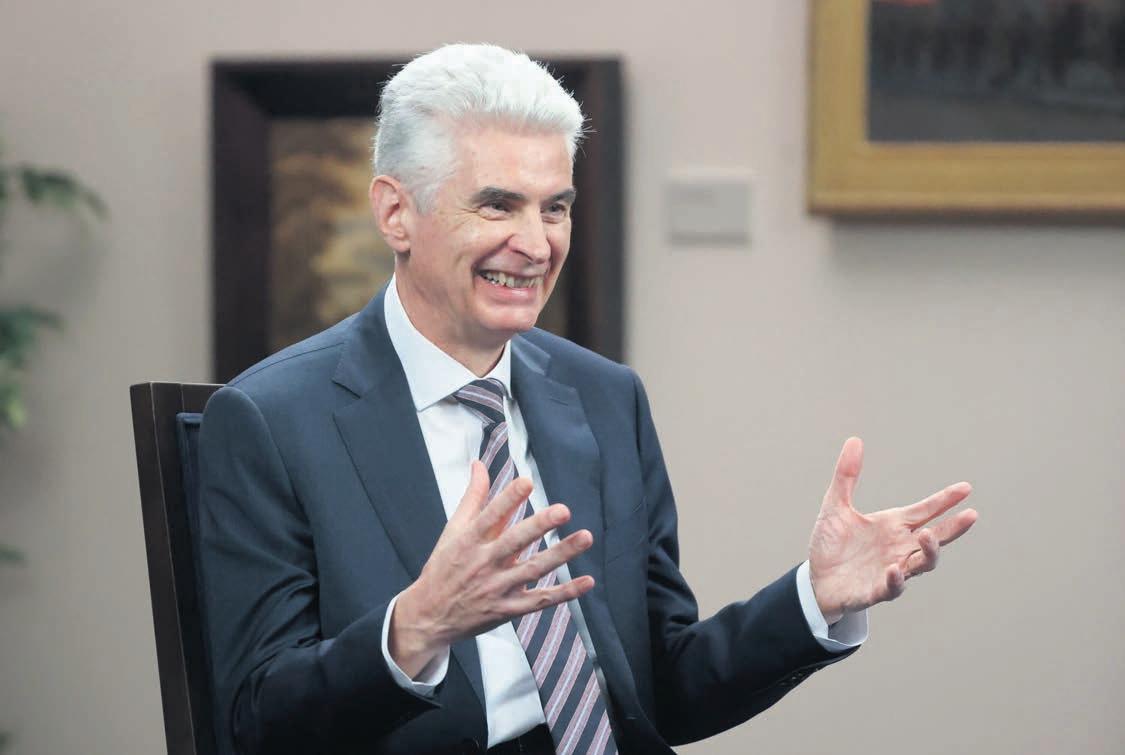
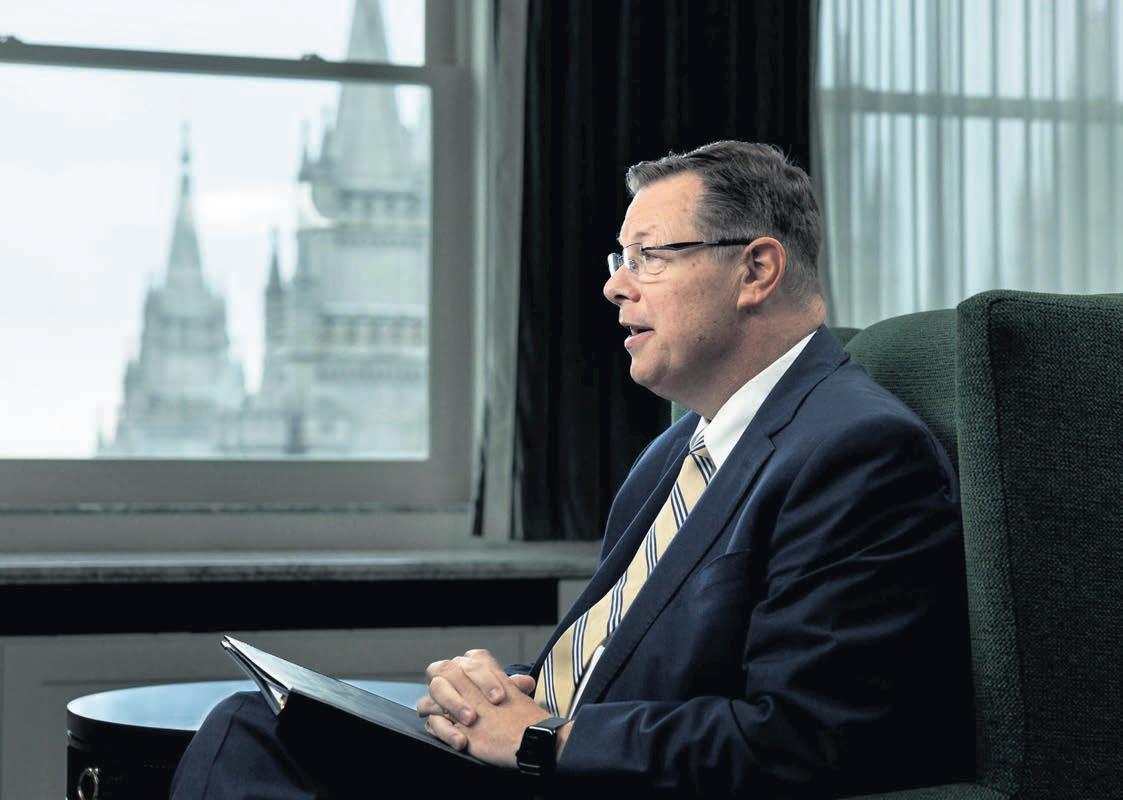
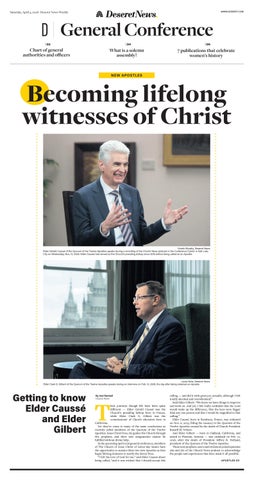
By Joel Randall Church News
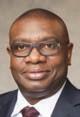
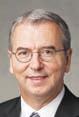
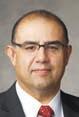
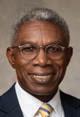
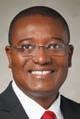
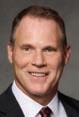
Their journeys though life have been quite different — Elder Gérald Caussé was the Church’s presiding bishop born in France, while Elder Clark G. Gilbert was the commissioner of Church education born in California.
Yet they’ve come to many of the same conclusions as recently called members of the Quorum of the Twelve Apostles: Jesus Christ lives, He guides His Church through His prophets, and their new assignments cannot be fulfilled without divine help.
In the upcoming April 2026 general conference, members of The Church of Jesus Christ of Latter-day Saints have the opportunity to sustain these two new Apostles as they begin lifelong missions to testify the Savior lives.
“I felt the love of God for me,” said Elder Caussé about being called, “and it was evident that I should accept this
calling — and did it with great joy, actually, although I felt totally shocked and overwhelmed.”
Said Elder Gilbert: “We know we have things to improve and work on. And yet, I felt really confident that the Lord would make up the difference, that the keys were bigger than any one person and that I would be magnified in that calling.”
Elder Caussé, born in Bordeaux, France, was ordained on Nov. 6, 2025, filling the vacancy in the Quorum of the Twelve Apostles created by the death of Church President Russell M. Nelson. And Elder Gilbert — born in Oakland, California, and raised in Phoenix, Arizona — was ordained on Feb. 12, 2026, after the death of President Jeffrey R. Holland, president of the Quorum of the Twelve Apostles. These new prophets, seers and revelators joined episodes 269 and 282 of the Church News podcast to acknowledge the people and experiences that have made it all possible.
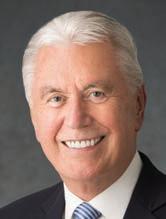
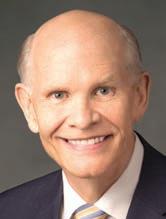
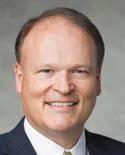
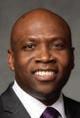
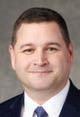
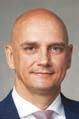
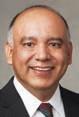
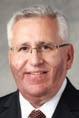


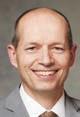
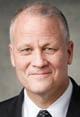
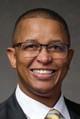
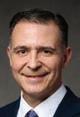
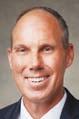
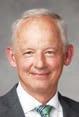
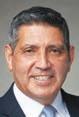
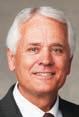
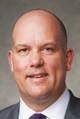

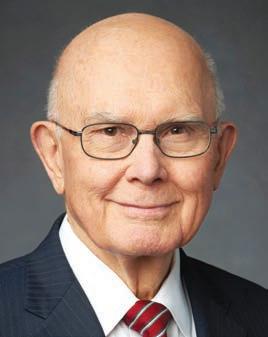
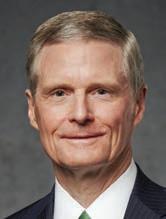
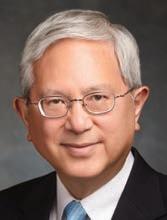
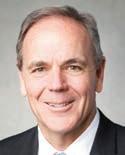
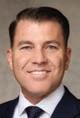
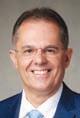
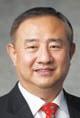

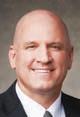

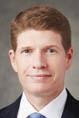
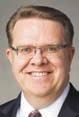
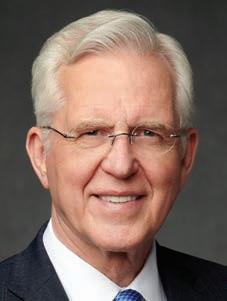
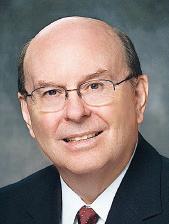
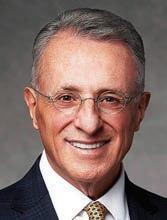
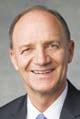

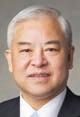
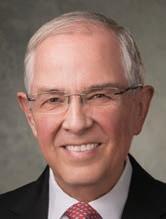
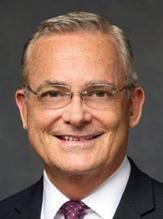
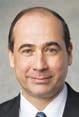
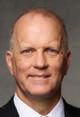
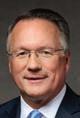

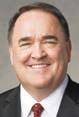
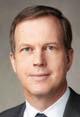
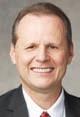
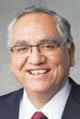

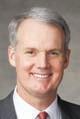
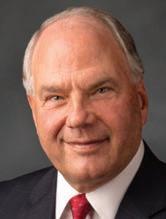
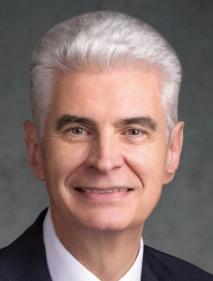
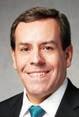
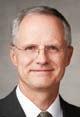
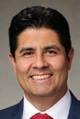

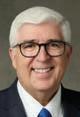
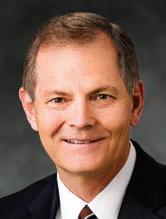
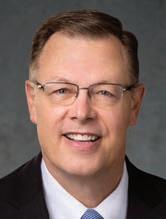
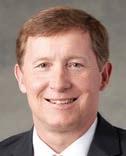
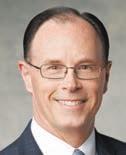
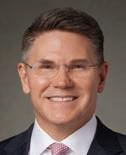




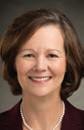
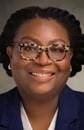
Within minutes of being asked by Church President Dallin H. Oaks to serve as an Apostle, Elder Caussé remembered Doctrine and Covenants 68:5-6:
“Behold, this is the promise of the Lord unto you, O ye my servants. Wherefore, be of good cheer, and do not fear, for I the Lord am with you, and will stand by you; and ye shall bear record of me, even Jesus Christ, that I am the Son of the living God, that I was, that I am, and that I am to come.”
As he bears witness of the Savior, Elder Caussé knows the Lord will stand by him in this calling, he said. “This is all the comfort I needed.”
Elder Gilbert also perceives this bigger picture, recognizing that “in the end, there is only one responsibility — and that is to testify, witness to the name of Jesus Christ in all the world.”
He quoted Doctrine and Covenants 107:23, which charges Apostles to be “special witnesses of the name of Christ in all the world.”
Since being called to the Twelve, Elder Caussé has felt an outpouring of love from the members of the Church, he said. Now he looks forward to spreading that love with even more.
“If I can share only part of the immense and infinite love of the Savior for people, if I can be that ambassador of love, I hope I can do that.”
‘Orchestrated in heaven’
As a missionary in the Japan Kobe Mission, a young-adult Clark Gilbert struggled at first to learn Japanese. “I realized, ‘This language is hard, but I am pretty sure the Lord wants me to learn it, or He would not have called me here,’ ” he recounted.
So he went to work studying hard, keeping track of vocabulary, improving his grammar and practicing his Japanese enunciation. He made the Lord his partner in learning Japanese, he said.
“I realized as a missionary, if the Lord wants you to do it, if He has called you to do it, He will magnify and make up the difference.”
Elder Gilbert and his wife, Sister Christine Gilbert, have kept that attitude through his various assignments — from 16th president of BYU–Idaho and first president of BYU–Pathway Worldwide to General Authority Seventy — and now while he serves as an Apostle.
When Elder Caussé looks back at his life, “it feels like a few things were orchestrated in heaven,” he said. This particularly became evident when he became a member of the Presiding Bishopric, which has responsibility for the temporal affairs of the Church.
Having studied business in college, Elder Caussé worked a number of years in strategy consulting and food distribution, which exposed him to the concept of leading a big organization.
“Managing people is very close to ministering to people,” he said. “And so I have applied in management a lot of things that I experience in church.” And it goes both ways: “Church service helped me more in my career than career helped me in Church service.” ‘Outpouring of love’ from other Apostles
The first night after being called, Elder and Sister Gilbert stayed up late reflecting on how they’ve seen each member of the Quorum of the Twelve Apostles witness of Christ.
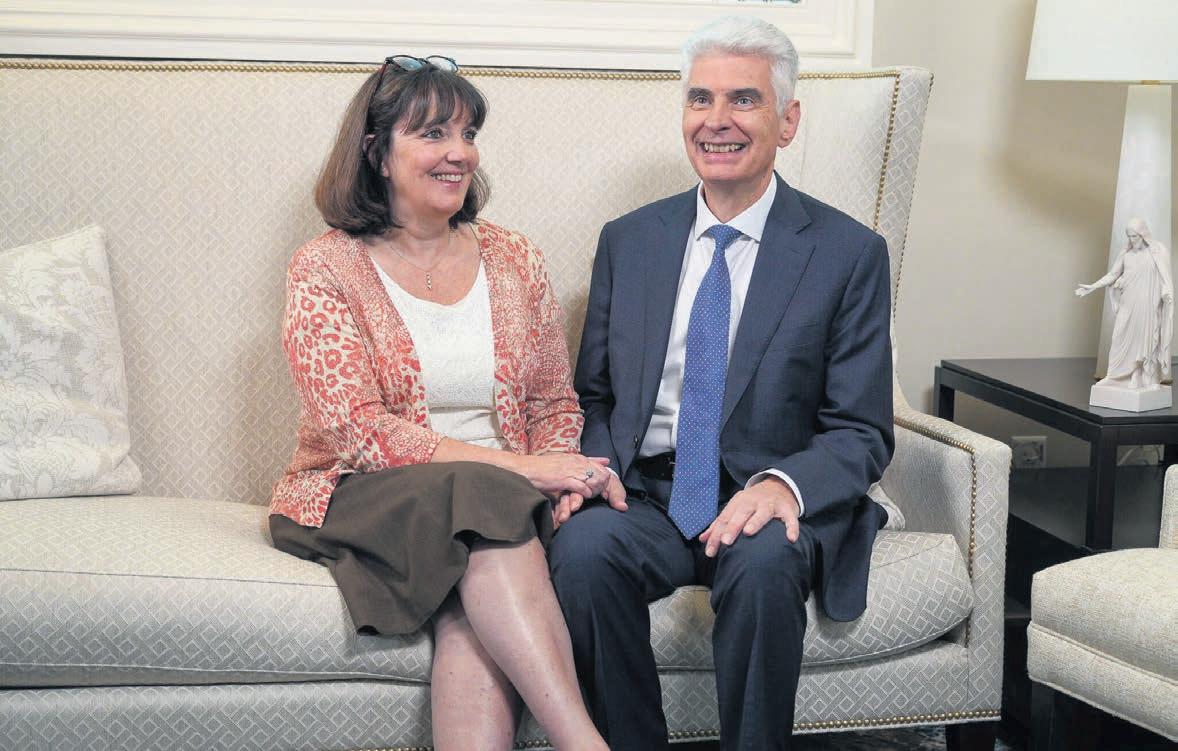
“There had been a moment where I had heard them bear witness to the name of Jesus Christ,” said Elder Gilbert. “Not only where I heard it, but where I had a witness of their calling. And that has been a strength to me.”
Shortly after being called as an Apostle, Elder Caussé was invited by President Oaks to a room with members of the Quorum of the Twelve Apostles and First Presidency to receive their congratulations one by one.
“That outpouring of love from the Twelve was something that gave me a lot of courage,” he said.
Gospel strength in consecrated families
Elder Caussé’s pioneer heritage begins with his parents, the first members of the Church in their family. They were baptized in less than three months of meeting with the missionaries. “They were brave to embrace this religion they did not know a lot about based on their feelings and the inspiration of the Spirit.”
His dad went on to serve as a branch president five times. Elder Caussé carried on his parents’ valiance from a young age, as a Primary pianist at 12 and Sunday School president at 16.
Today, “joy in our home is felt whenever there is something about the gospel,” he said. The Caussés adore what he characterizes as their “consecrated family.”
When asked what qualities he sees in his wife, Sister Valérie Caussé, Elder Caussé responded, “How many hours do you have?” She is genuine, authentic, sincere and full of faith, he continued, and she shows her love for others in a very warm and natural way.
Together they raised five children, two of them living in the United States. “They never complained,” no matter where the family went. “We know we can count on them.”
Similarly, wherever Elder Gilbert had to move his family throughout his life — for
career changes or Church assignments — he knew he could count on the support of his wife.
“Part of what was amazing about her is she would be willing to go anywhere, especially if it was something the Lord asked of us.”
He added, “It made it easy for me, when there were hard decisions, to know my wife had confidence that if the Lord had called us to do something, He would honor it.”
What gives them the strength to serve, even in the face of adversity? “All of that is grounded in the covenants we made early on in the temple and in our temple sealing, and we have never looked back and always wanted to do what the Lord wanted us to do.”
They’ve also appreciated the encouragement of their eight children in Elder Gilbert’s apostolic assignment. “This will affect all of them,” he said. “And yet, every one of them in their own unique ways was willing to support this and support their parents.”
Witnessing the mantle of the Prophet
As President of the Church, President Oaks “does not teach what he was prepared to do or what his background would suggest,” said Elder Gilbert, “but he teaches what the Lord tells him to speak.”
Elder Gilbert saw this personally when President Oaks addressed BYU students in a Feb. 10 devotional. The substance of the talk was amazing, said Elder Gilbert, but even more profound was the witness he received of the Prophet’s calling.
As commissioner of Church education, Elder Gilbert had conducted research for President Oaks’ remarks. “He was excited to give that message.” Yet taking on the prophetic mantle called for a change of plans.
“He said, ‘Clark, when we were first working on this, I was not yet the Prophet. And now that I am the Prophet, He is giving
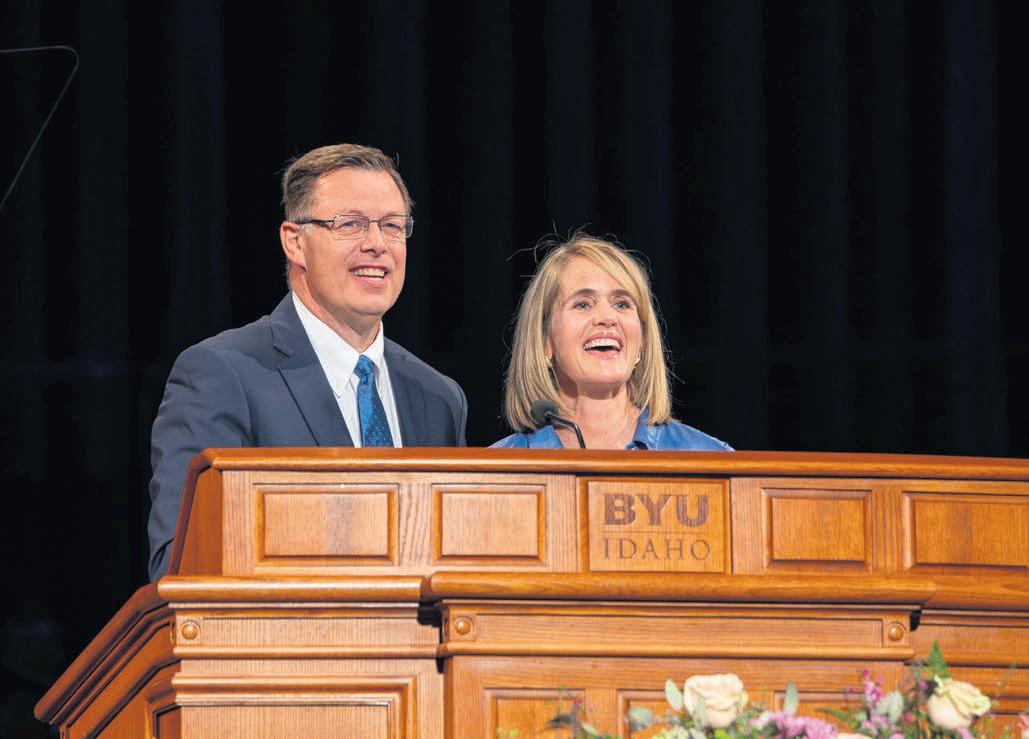
me a message that I need to give.’ ”
While in the Presiding Bishopric, Elder Caussé also saw the prophetic mantle when he reported directly to the First Presidency weekly for 13 years.
In that time, he came to love the late President Nelson’s forward-looking optimism, aptitude for connection and ability to teach the gospel simply. Even at the onset of the COVID-19 pandemic, President Nelson looked to the future with faith and hope, said Elder Caussé.
“Whenever I felt a little down or tired, I always thought of President Nelson, and that always gave me some boost, and I smiled whenever I thought about him.”
Having also worked closely with President Oaks, Elder Caussé said he admires the Prophet’s courage, resilience, humility and understanding of the complexities of the world.
“His mind is very bright,” he said, “and whenever there is a meeting and there is a good question that needs to be asked, that is President Oaks asking it.”
‘He is the Savior of the world’
As newly called Apostles soon to be sustained in conference, Elder Caussé and Elder Gilbert relish their lifelong mission to testify that Jesus Christ lives.
“We can overcome death because of the Savior,” said Elder Gilbert. “We can be forgiven of our sins because of Jesus Christ. He will succor us in our infirmities and heal us when life is not fair. He is the Savior of the world. And I know that is true.”
Said Elder Caussé: “Jesus is the Christ. His Church is again upon the earth. It is where everyone can find the love of the Savior in the ordinances of salvation and exaltation, help that is needed through brothers and sisters that are unified together, living the gospel in a way that is blessing their lives forever.”
“If I can share only part of the immense and infinite love of the Savior for people, if I can be that ambassador of love, I hope I can do that.”
— Elder Gérald Caussé, Quorum of the Twelve Apostles
What is a solemn assembly?
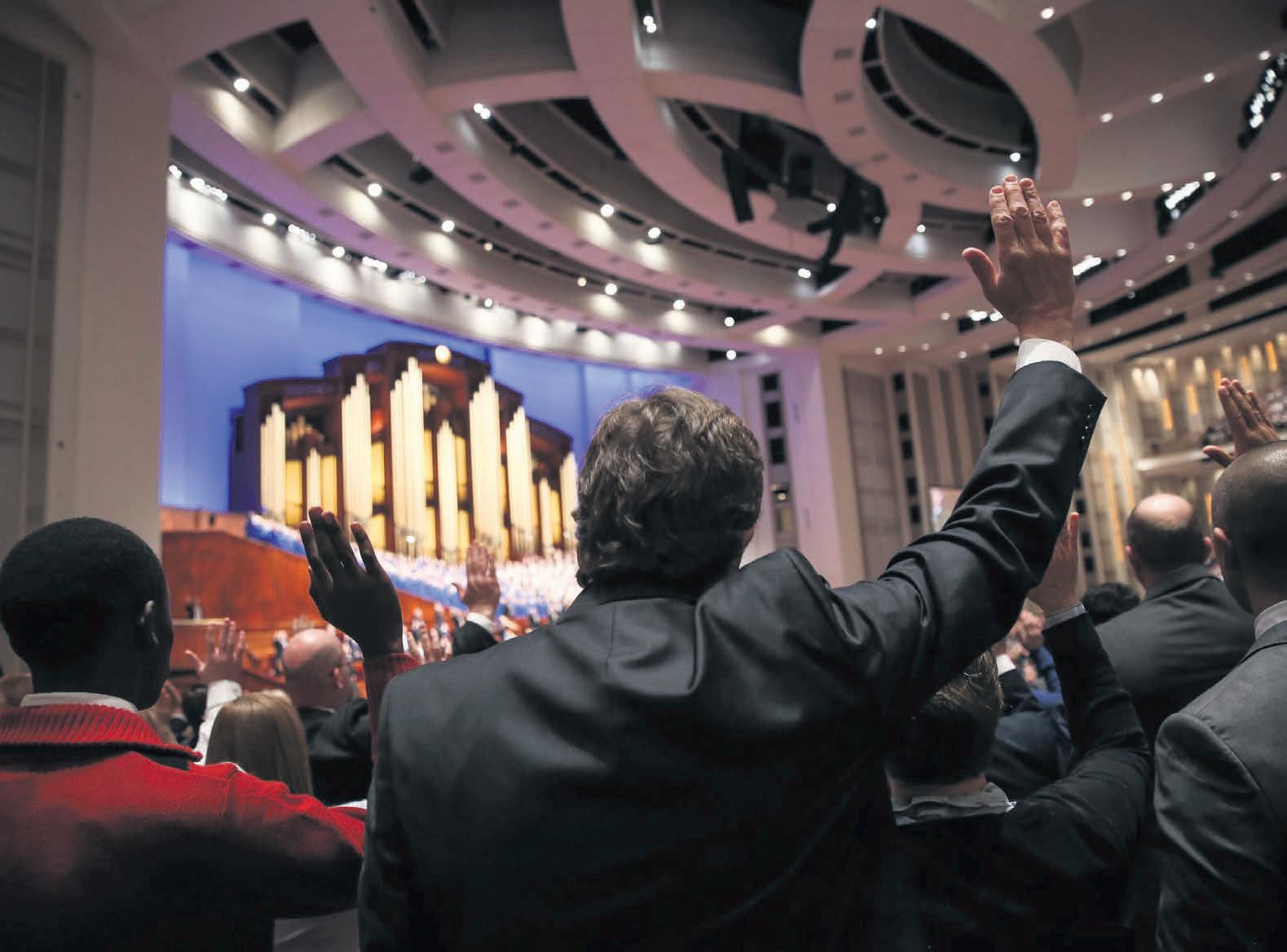
Solemn assemblies were held anciently and in the early days of the Church; today they occur with a new Church president
By Sydney Walker Church News
Members of The Church of Jesus Christ of Latter-day Saints will soon have an opportunity to participate in a solemn assembly to sustain a new Church president and First Presidency.
A solemn assembly will be held during the Saturday morning session of April 2026 general conference, according to a news release on ChurchofJesusChrist.org.
President Dallin H. Oaks was announced as the Church’s new President on Oct. 14, 2025, following the death of President Russell M. Nelson on Sept. 27, 2025. President Henry B. Eyring and President D. Todd Christofferson were announced as the two First Presidency counselors. The solemn assembly on April 4 will be the first time these new leaders will be sustained in a general conference setting.
In a revelation given through the Prophet Joseph Smith in December 1832 and January 1833, the Lord commanded Latter-day Saints to “sanctify yourselves … and call a solemn assembly” (Doctrine and Covenants 88:6870).
“Therefore, verily I say unto you, my friends, call your solemn assembly, as I have commanded you,” the Lord reiterated (Doctrine and Covenants 88:117).
The Lord’s command to “call a solemn assembly” is also found in the Old Testament. “Sanctify ye a fast, call a solemn assembly, gather the elders and all the inhabitants of
the land into the house of the Lord your God, and cry unto the Lord” (Joel 1:14).
What is a solemn assembly, why were solemn assemblies held anciently, and what do solemn assemblies look like in The Church of Jesus Christ of Latter-day Saints today?
What is a solemn assembly?
“Solemn assemblies are special, sacred meetings held for a variety of holy purposes,” according to an article on ChurchofJesusChrist.org. “They require Latter-day Saints to bring an elevated sense of spirituality with them into the meeting.”
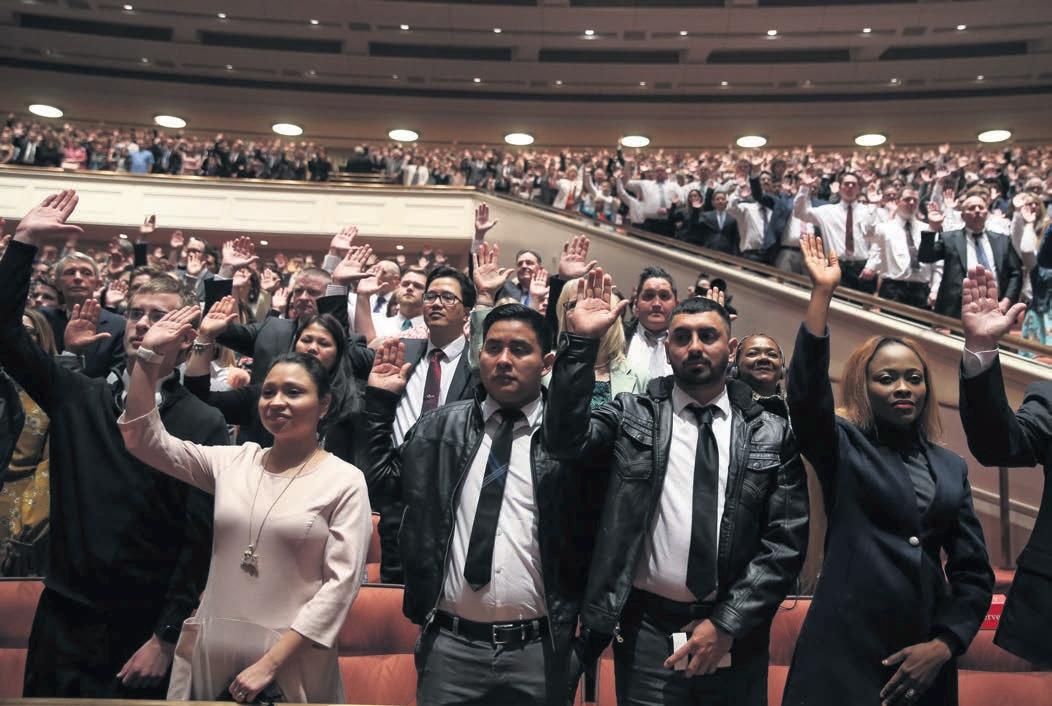
These “holy purposes” have included the sustaining of a new Church president, the dedication of a temple or other significant building (such as the Conference Center in 2000), the introduction of new scripture and the instruction of priesthood leaders. Some solemn assemblies include the Hosanna Shout, a symbolic act with New Testament roots honoring God and Jesus Christ. The April 4 solemn assembly will not include the Hosanna Shout.
Elder David B. Haight, a member of the Quorum of the Twelve Apostles who died in 2004, taught during the October 1994 general conference: “A solemn assembly, as the name implies, denotes a sacred, sober and reverent occasion when the Saints assemble under the direction of the First Presidency.”
During that general conference in 1994, a solemn assembly was held to sustain President Howard W. Hunter for the first
time as “prophet, seer and revelator and President of The Church of Jesus Christ of Latter-day Saints.” President Hunter had become the 14th President of the Church following the death of President Ezra Taft Benson.
Said Elder Haight in his conference address: “Today we are witnesses to and participants in a most sacred occasion — a solemn assembly to act upon heavenly things. As in olden times, there has been much fasting and prayer offered by the Saints throughout the world that they may receive an outpouring of the Spirit of the Lord, which is so much in evidence here on this occasion this morning.”
Solemn assemblies in biblical times
Solemn assemblies “have their origins in the antiquity of God’s dealings with His covenant people,” explains a Church News article published prior to President Thomas S. Monson being sustained as 16th President of the Church in a solemn assembly during April 2008 general conference.
In the Old Testament, solemn assemblies were held on the seventh day of the Feast of the Passover (see Deuteronomy 16:8) and the eighth day of the Feast of Tabernacles (see Leviticus 23:33-36; Nehemiah 8:18).
The late President M. Russell Ballard, then acting president of the Quorum of the Twelve Apostles, taught that a solemn assembly was a practice when “ancient Israel gathered to feel the Lord’s presence
and celebrate His blessings.”
Solemn assemblies also have an ancient connection with temple dedications. Solomon’s temple, the first temple in Jerusalem, was dedicated in a solemn assembly during the Feast of Tabernacles (see 2 Chronicles 7:9).
Through the Prophet Joseph Smith, solemn assemblies were restored in this dispensation as a part of the “restitution of all things, which God hath spoken by the mouth of all his holy prophets since the world began” (Acts 3:21), according to a Church magazine article.
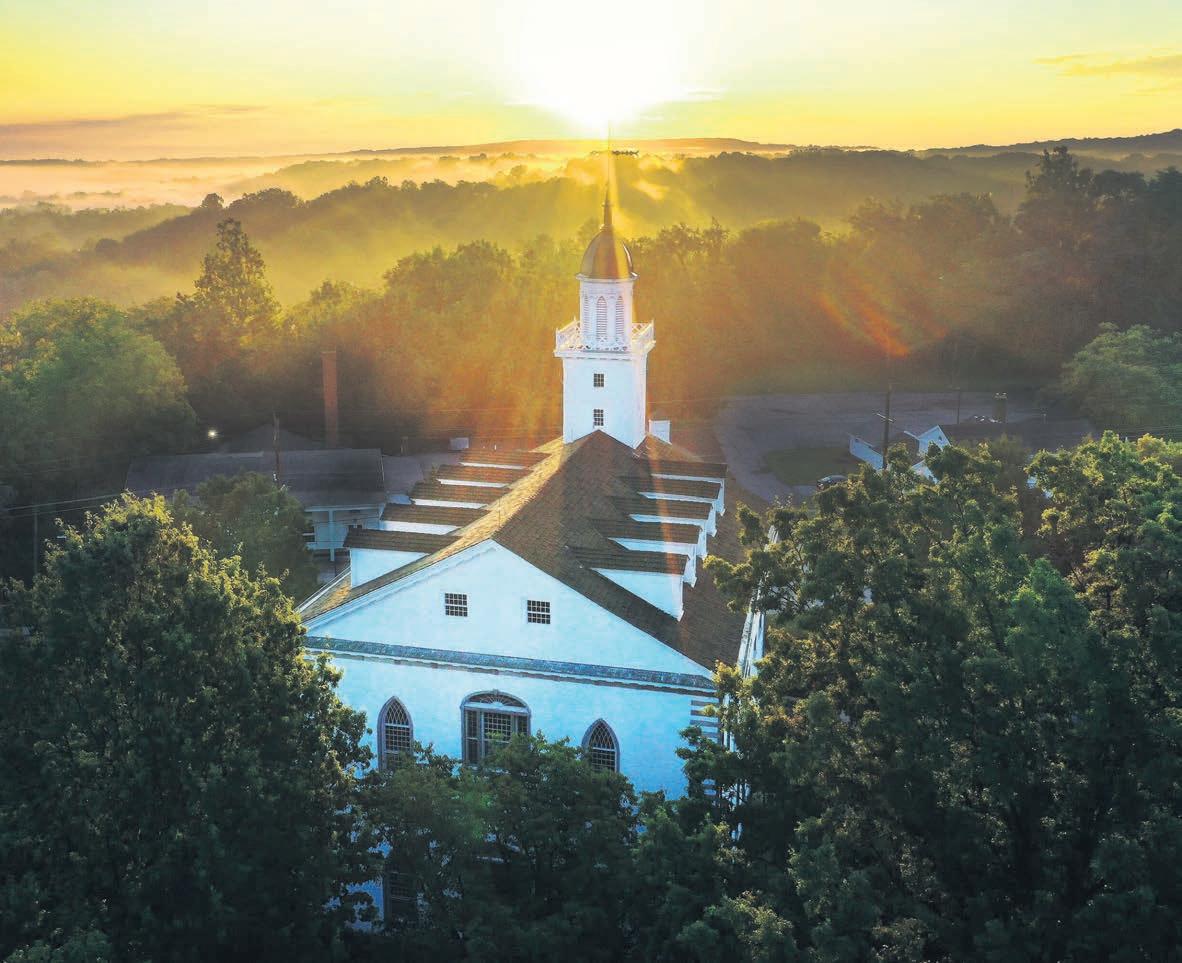
Solemn assembly at Kirtland Temple dedication
On March 27, 1836, the Prophet Joseph Smith heeded the Lord’s repeated command to “call a solemn assembly.” The occasion was the dedication of the Kirtland Temple, and the proceedings would set a precedent for later solemn assemblies.
A Church History Topic titled “Solemn Assemblies” explains that during this solemn assembly, priesthood quorums and the general Church membership in turn sustained the leadership of the Church. Joseph then offered the dedicatory prayer of the temple.
Joseph recorded that President Sidney Rigdon, first counselor in the First Presidency, “called upon the several
“ The procedure of sustaining is much more than a ritualistic raising of the hand. It is a commitment to uphold, to support, to assist those who have been selected.”
quorums, commencing with the Presidency, to manifest, by rising, their willingness to acknowledge me as Prophet and Seer and uphold me as such, by their prayers of faith.
“All the quorums, in turn, cheerfully complied with this request. He then called upon all the congregation of the Saints also to give their assent by rising on their feet, which they did unanimously” (History of the Church, 2:416).
The Prophet also recorded: “I prophesied to all that inasmuch as they would uphold these men in their several stations, … the Lord would bless them; … in the name of [Jesus] Christ, the blessings of heaven should be theirs” (History of the Church, 2:418).
In the temple’s dedicatory prayer, Joseph acknowledged that the Saints had convened a solemn assembly and asked the Lord to let His glory rest down upon them as a blessing for their obedience (Doctrine and Covenants 109:6, 10-12). The Saints who attended this solemn assembly experienced an outpouring of spiritual manifestations. Solemn assemblies for sustaining Church leaders
Elder Haight explained more about the precedent set by the Prophet Joseph Smith during the solemn assembly at the Kirtland Temple dedication. “There is a pattern to solemn assemblies that distinguishes them from other general Church meetings where we sustain officers of the Church,” he said in his general conference talk on solemn assemblies.
“That pattern, which was established by the Prophet Joseph Smith, is that the priesthood quorums, commencing with the First Presidency, stand and manifest by the uplifted right hand their willingness to sustain the President of the Church as a prophet, seer and revelator and uphold him by their confidence, faith and prayers,” Elder Haight said.
“The priesthood quorums of the Church so manifest by their vote. Then the general body of all the Saints stand and signify their willingness to do the same. The other leaders of the Church are similarly sustained in their offices and callings.”
This pattern of voting by quorums and groups has continued each time a new Church president is sustained for the first time in a solemn assembly.
For example, during the Saturday morning session of April 2018 general conference, Church members gathered in a solemn assembly to sustain President Russell M. Nelson. President Nelson had become 17th President of the Church, succeeding President Thomas S. Monson.
President Henry B. Eyring, then second
counselor in the First Presidency, said while handling the business of the solemn assembly that day: “This is an occasion of great significance for members of The Church of Jesus Christ of Latter-day Saints throughout the world.
“Dating from Oct. 10, 1880, when John Taylor was sustained to succeed Brigham Young as prophet, seer and revelator and President of The Church of Jesus Christ of Latter-day Saints, each of these occasions has been designated as a formal solemn assembly of the body of the Church to express the voice of the Church.”
President Eyring invited quorums and groups to stand one at a time to sustain President Nelson, the First Presidency and the Quorum of the Twelve Apostles.
“Wherever you are, you are invited to stand only when requested and express by your uplifted hand that you choose to sustain
those whose names will be presented,”
President Eyring said.
Voting began with the First Presidency, followed by the Quorum of the Twelve Apostles; General Authority Seventies and members of the Presiding Bishopric; Area Seventies, ordained patriarchs, high priests and elders; members of the Relief Society; those holding only the Aaronic Priesthood; young women; and the entire Church membership.
What it means to ‘sustain’ in a solemn assembly
During April 1995 general conference, President Gordon B. Hinckley, 15th President of the Church, described a solemn assembly as “a gathering of the membership where every individual stands equal with every other in exercising with soberness and in solemnity his or her right to sustain or not
to sustain those who, under the procedures that arise out of the revelations, have been chosen to lead.
“The procedure of sustaining is much more than a ritualistic raising of the hand,” said President Hinckley, who had been sustained as President of the Church in a solemn assembly earlier that conference. “It is a commitment to uphold, to support, to assist those who have been selected.”
In his 1994 talk, Elder Haight also taught what it means to sustain the President of the Church in a solemn assembly: “When we sustain the President of the Church by our uplifted hand, it not only signifies that we acknowledge before God that He is the rightful possessor of all the priesthood keys; it also means that we covenant with God that we will abide by the direction and the counsel that come through His prophet.
“It is a solemn covenant,” he said.







By Trent Toone Church News
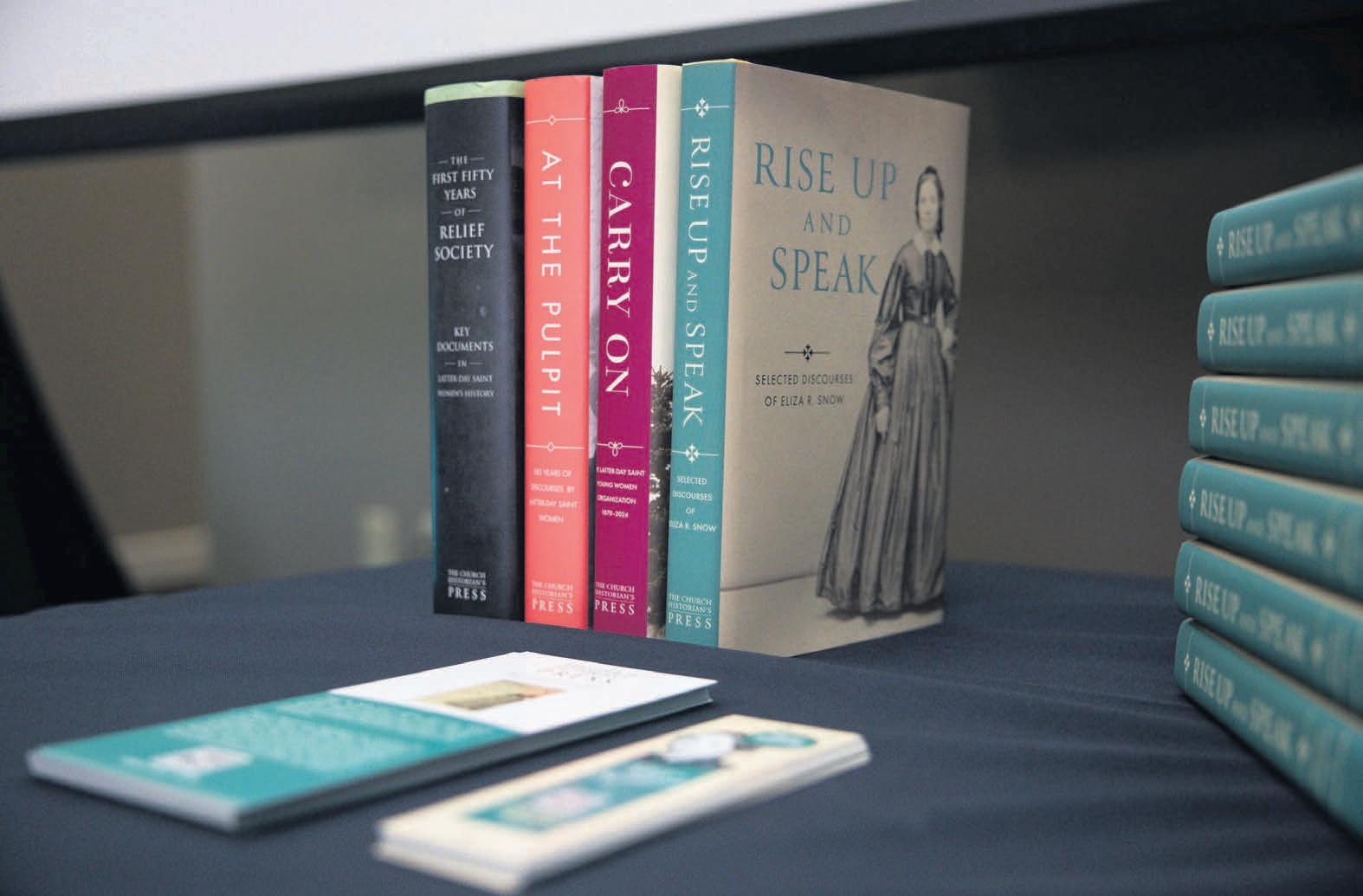
On March 3, The Church of Jesus Christ of Latter-day Saints announced the publication of “Rise Up and Speak,” a new volume featuring 52 select discourses of Eliza R. Snow, the Church’s second Relief Society general president and a key female figure in early Church history.
Sister Kristin M. Yee, second counselor in the Relief Society general presidency, expressed gratitude to the editors and others for their work to bring forth Sister Snow’s words, which have “power and strength” and point to the Savior, Jesus Christ.
“She spoke as a devoted disciple of the Savior. She spoke by the Spirit and encouraged all women to do the same,” Sister Yee said. “The works that Eliza talked about are the works that we do today as sisters in Relief Society. It tells me this work is eternally relevant ... and it carries on today. Their stories are our stories.”
“Rise Up and Speak” is the latest in a series of publications that highlight Latter-day Saint women’s history. Since 2016, historians, scholars and editors in the Church History Department have demonstrated an ongoing commitment to women’s history, producing the following
works, three of which are available only in digital format at ChurchHistoriansPress.org:
1.“The First Fifty Years of Relief Society: Key Documents in Latter-day Saint Women’s History”
2.“At the Pulpit: 185 Years of Discourses by Latter-day Saint Women”
3.“The Diaries of Emmeline B. Wells” (digital only)
4.“The Prison Journal of Belle Harris” (digital only)
5.“Journals of Early Sister Missionaries” (digital only)
6.“Carry On: The Latter-day Saint Young Women Organization, 1870–2024”
7. “Rise Up and Speak: Selected Discourses of Eliza R. Snow”
Sister Yee said it’s a blessing to have these publications. Learning about and understanding the past can help Latter-day Saints prepare for the future and what the Lord has in store, she told the Church News.
“It’s such a gift that we have this history. Their experiences are our experiences. You begin to see yourself in the same places they have been in and how they did it,” she said.
“It’s powerful, and it inspires me to keep going. They did it, and so can I. They had great purpose and faith, and so can I, if I choose to follow Christ.”
Sister Snow’s discourses will fit nicely
with the growing collection of works showcasing Latter-day Saint women’s history, said Jennifer Reeder, a women’s history specialist for the Church History Department.
“This is one more [volume] of hopefully many to come,” she said.
Here is a look back at each publication.
‘The First Fifty Years of Relief Society’
“The First Fifty Years of Relief Society: Key Documents in Latter-day Saint Women’s History” was the first volume published by the Church Historian’s Press that wasn’t part of the Joseph Smith Papers series.
The nearly 800-page book features 78 documents, including meeting minutes, sermons from women and men, newspaper articles and editorials, political speeches, poetry, letters and journal entries. The volume also contains six sermons by the Prophet Joseph Smith.
The collection of documents, including the original minute book, chronicles the founding of the Relief Society in 1842 in Nauvoo, Illinois. It explains why Brigham Young chose to disband the women’s organization following Joseph Smith’s death and how it was reestablished after the Latter-day Saints resettled in Utah.
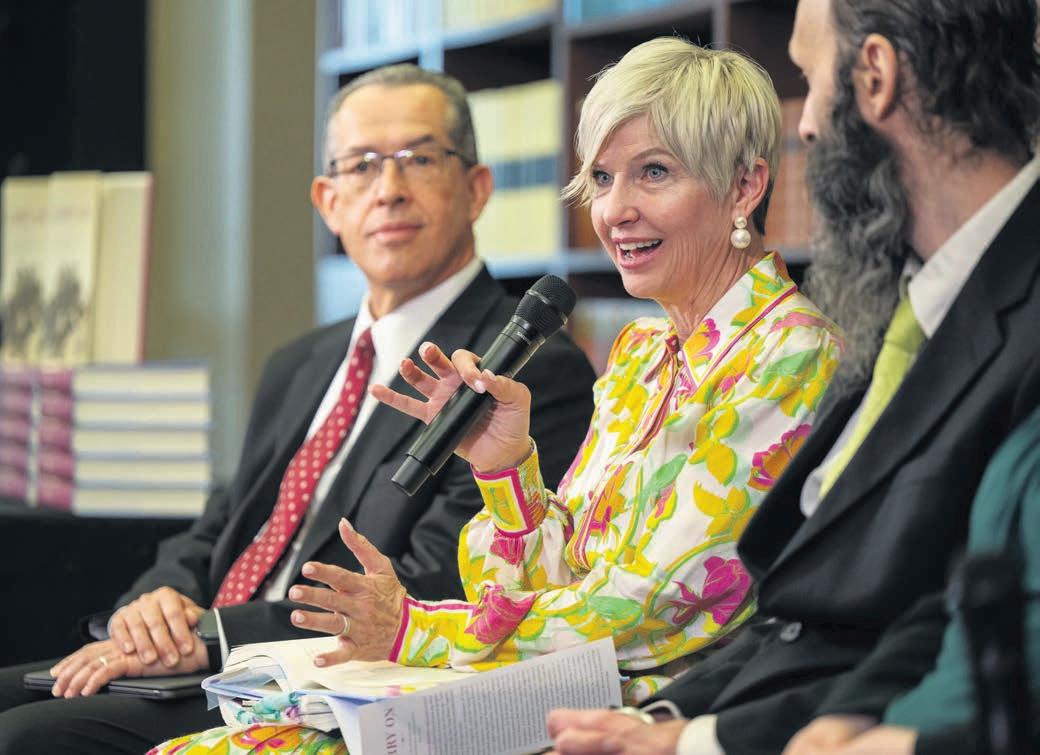
“One of my favorite parts of the book has just been seeing ordinary women, Church members, called to a specific calling and seeing all of the ways that they sacrifice, pray and work to do the good of that calling,” said the late Kate Holbrook, one of the volume editors, when the book was released in 2016. Holbrook died in 2022.
‘At the Pulpit’
In 2017, the Church Historian’s Press published a book highlighting 54 discourses of women in the Church from 1831 to 2016 titled “At the Pulpit: 185 Years of Discourses by Latter-day Saint Women.” Many of the speeches had never before been published or accessible.
Holbrook, who co-edited the volume with Reeder, said the title was carefully chosen.
“We think the ‘At’ is important,” she said in a Church News interview, explaining that it at once conveys the immediacy of the women expressing themselves in front of congregations.
Holbrook said the topics reflect a broad diversity, all pertaining to the gospel of Jesus Christ. The discourses were uncovered in old minute books, newspapers and online recordings. Editors selected those they
“It’s such a gift that we have this history. Their experiences are our experiences. You begin to see yourself in the same places they have been in and how they did it.”
— Sister
M. Yee, second counselor,
Society general presidency
considered most “powerful, with strong theological analysis,” that left readers with the desire to share a quote on social media or discuss it with family.
Reeder added, “We also wanted to represent women throughout the history of the Church, so we tried to choose a couple from every decade.”
Emmeline B. Wells’ 47 diaries
In October 2022, the Church Historian’s Press celebrated the completion of a project decades in the making.
Nearly 20 years earlier, historians and editors Cherry Bushman Silver and Sheree Maxwell Bench began transcribing and annotating the diaries of Emmeline B. Wells.
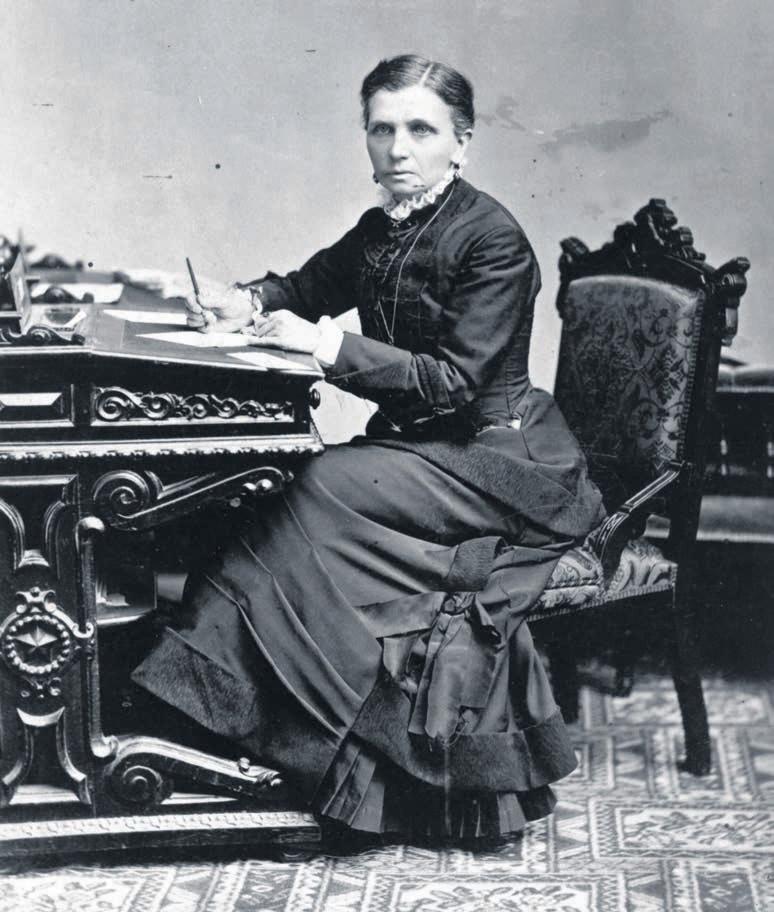
Sister Wells (1828-1921) was a writer, editor, public speaker and nationally recognized champion of women’s rights. She served as the Church’s fifth Relief Society general president.
In 2017, the Church History Department arranged to support completion and publication of the diaries. The Church Historian’s Press created a website that features Wells’ 47 diary volumes that span 1844-1920, historical introductions, chronology entries, photographs and biographical information about the people mentioned in the diaries.
The monumental project was completed and celebrated in October 2022. On that occasion, Lisa Olsen Tait, a historian and editor, described the diaries as an “invaluable collection of records.”
“We believe that Church members will find wonderful stories and details about the leading sisters in a dynamic period of women’s activism and leadership in the Church, alongside many powerful personal expressions of faith from Emmeline herself,” Tait said in 2022.
Eliza R. Snow’s discourses
More than 1,200 discourses of Eliza R. Snow from 1840 to 1887 were also published online by October 2022.
Editors and historians selected 52 discourses that they felt demonstrated Sister Snow’s service and leadership in the
early Church, culminating in the publication of “Rise Up and Speak” in March 2026.
Sister Snow (1804-1887), sister of the Church’s fifth President, President Lorenzo Snow, was a prolific poet, writer, teacher and historian.
Reeder, lead editor and historian on the project, said it was a “privilege to come to know Eliza R. Snow” through her discourses.
“One of the things I love about this project is feeling like I belong to this heritage and legacy of women,” she said. “When I read her words and see how diligent and urgent she is about this responsibility as a woman of God, to be a part of that, I think that’s so important, and I love that.”
Prison journal of Belle Harris
In February 2023, the Church Historian’s Press published online a transcript of “The Prison Journal of Belle Harris.”
Harris was a 23-year-old Latter-day Saint woman who refused to answer questions regarding her plural marriage to a former husband before a grand jury at a courthouse in Beaver, Utah, in 1883.
As a result, the young mother and her baby were imprisoned at the Utah Territorial Penitentiary for more than three months. While behind bars, Harris wrote about her experience in a journal. Hers is the only known record of a woman who was imprisoned on charges related to polygamy.
“It’s powerful to read and hear her words, the way she thought about her experience, the way she stood up for something that was a deeply felt religious belief,” said Matthew McBride, director of publications for the Church History Department.
Journals of early sister missionaries
In March 2024, the Church published the journals of two of the first young women to serve as full-time sister missionaries, Eliza Chipman and Josephine Booth.
The journals, only available online, feature the day-to-day missionary experiences of Sister Booth and Sister Chipman, who both served in the United Kingdom from 1898 to 1901, and as companions in Scotland from 1899 to 1900.
Along with the journals, the website features images, biographical information
Our Business is Dentistry, Our Business is Dentistry,
for many of the people mentioned in the journals, maps that show where they served and traveled, and other related sources.
Because tens of thousands of Latter-day Saints have served missions, missionary journals are an important part of Latter-day Saint literature, McBride said in 2024.
“Missionary journals in general are an important source for understanding the Church and how it has changed over time. They are also important for understanding the experience of young adults in the Church,” he said. “These are two of the earliest women to serve in this capacity, and their experience tells us a lot.”
‘Carry On’
One year later, in March 2025, the Church published the first scholarly history of the Young Women organization with “Carry
On: The Latter-day Saint Young Women Organization, 1870–2024.”
The landmark publication was the first to address and contextualize the place of young women within the Church, tracing the organization’s growth from a small group of Brigham Young’s daughters into today’s global organization.
The volume chronicles the lives and contributions of past Young Women general presidents such as Ruth May Fox and Ardeth G. Kapp, in addition to featuring personal stories from individual young women around the globe.
“This is an organization for young women all over the world, between the ages of 11 and 18, to come together to strengthen belief, to find belonging and to discover who they can become,” Young Women General President Emily Belle Freeman said in 2025.
In the quiet of this sacred season, we are reminded, light returns, hearts soften, and through Him, all things are made new.
For over 20 years, Grandpa’s Dental has had the privilege of serving this community; caring for families, building relationships, and being part of the lives that make this place feel like home.
And we are grateful. Grateful for the trust of this community, for the connections we share, and for the opportunity to serve.
He is Risen! .

our Legacy is You



“Come unto me, all ye that labour and are heavy laden, and I will give you rest.”– Matthew 11:28








With love, Your friends at Grandpa’s Dental Celebrating 20 years of caring for our community


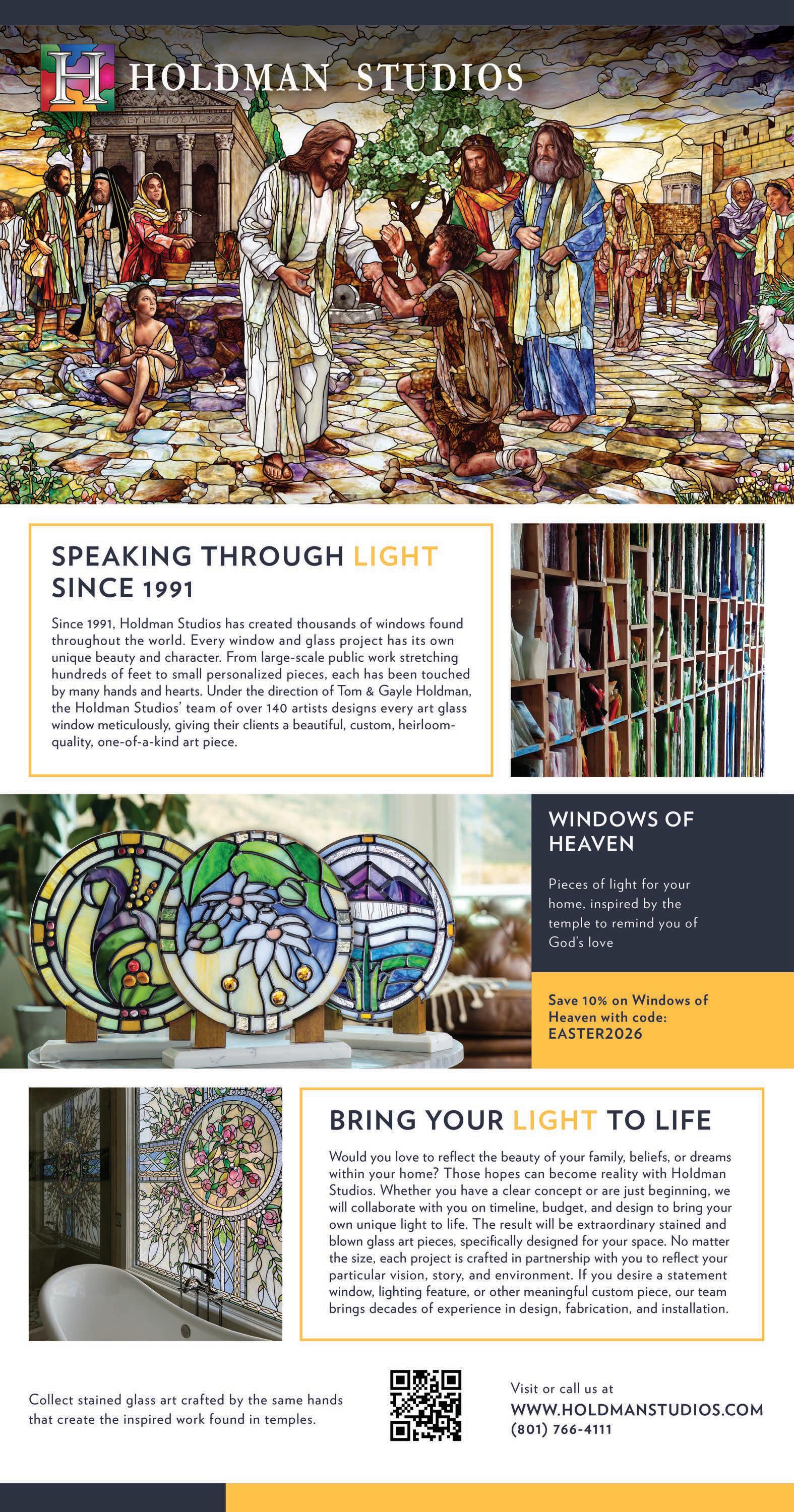
Quintuplets will serve in 5 missions, speaking 5 languages 55 new missions increase total to 506 worldwide
What 18 presidents of the Church have said about education
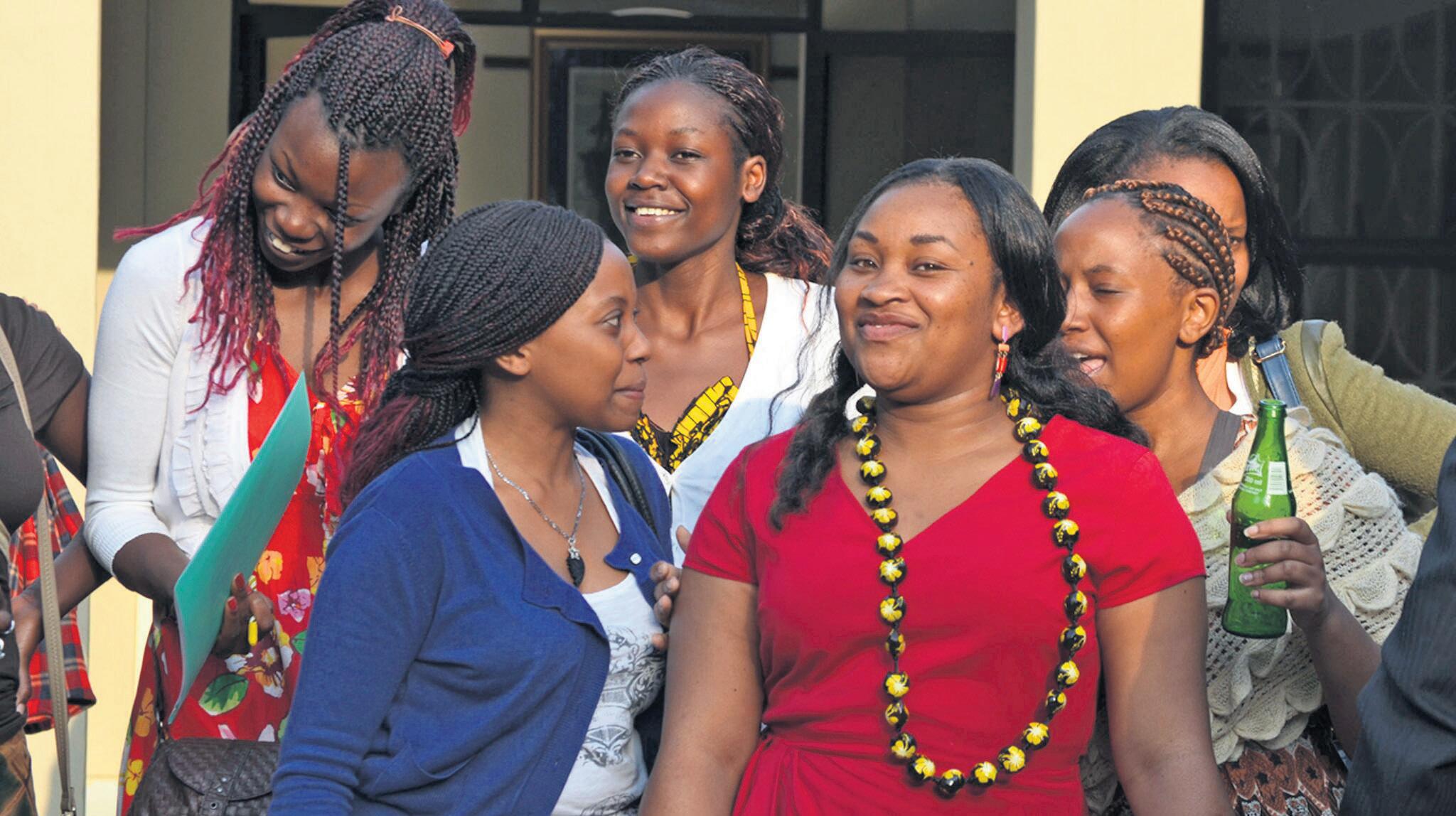
‘The hand of the Lord [is] hastening the work among this generation right now,’ says administrator of Seminaries and Institutes of Religion
By Rachel Sterzer Gibson Church News
In time to correspond with its 100th anniversary, the institutes of religion program for The Church of Jesus Christ of Latter-day Saints announced a major milestone. For the first time in its long history, the Seminaries and Institutes of Religion worldwide reached a combined enrollment of more than 1 million students.
What began as a small class of 25 students in a small town in Idaho in 1926 has grown to include more than 2,700 locations in more than 170 countries in 39 languages.
A brief look at the history of institute
In 1926, Church President Heber J. Grant sent J. Wyley Sessions to Moscow, Idaho — a small town on the border of Washington state on the Idaho Panhandle — to start “collegiate seminaries.” The first institute of religion classes were held near the campus of the University of Idaho, with just 25 students.
Two years later, a building was dedicated, with Sessions appointed as the first institute director and teacher.
By 1946, there were 17 established institute of religion programs — all adjacent to junior colleges and universities. By 1950‚ as Church membership
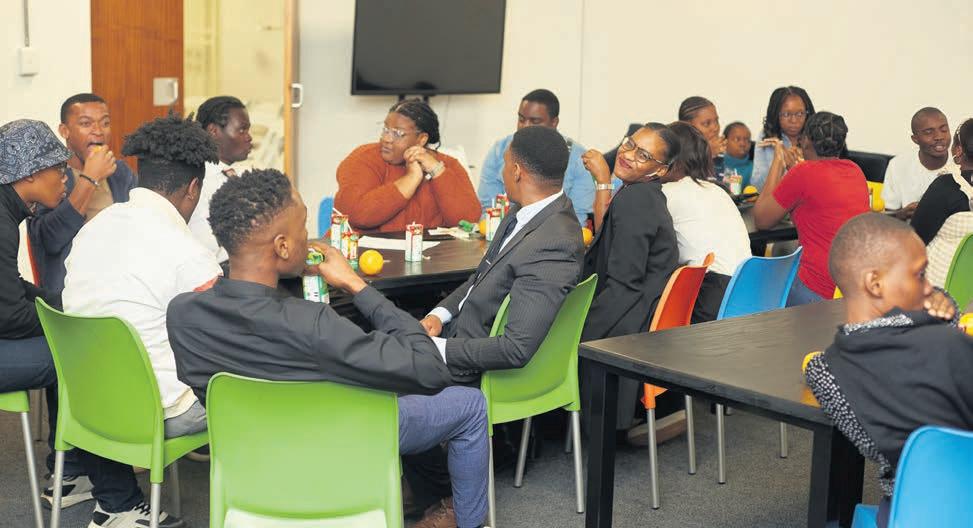
surpassed 1 million members, institute enrollment reached 4,309.
As the gospel of Jesus Christ spread and the Church’s branches continued to sprout, so did institute. In 1975, institute enrollment grew to more than 88,000; in the year 2000, it hit close to 350,000 worldwide, with the numbers continuing to climb.
The COVID-19 pandemic and other factors, however, stunted the program’s growth for a time.
In a training broadcast in 2021, Brother Chad H Webb, administrator for Seminaries and Institutes of Religion, reported their concern that worldwide enrollments in seminary and institute programs were decreasing.
The Church surveyed thousands of young adults around the globe and asked them what they thought institute should be and how it could best serve them.
“They talked about wanting to feel Heavenly Father’s love and deepening their faith in the Savior,” Brother Webb, also a member of the Sunday School general presidency, said of the surveyed young adults. “They talked about wanting a place where they had people who would help them with their goals in life and how to stay on the covenant path. They talked about relevance and finding answers to questions.”
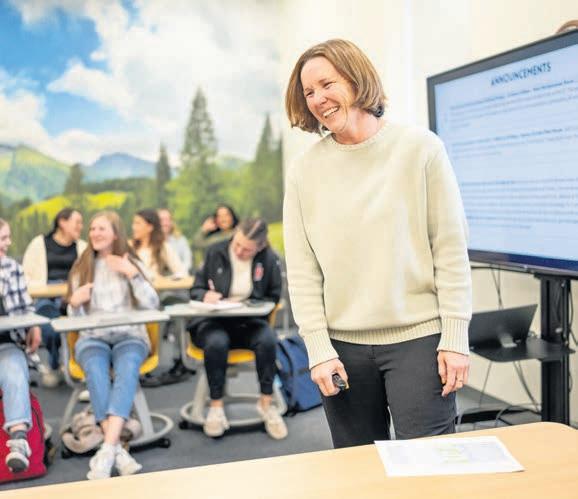
The result was the creation of several initiatives, known as Innovate Institute, to meet those needs. At the same time, the pandemic spurred the program’s digital transformation.
During the Religious Educators Conference in 2024, Brother Webb reported: “After five years of decline, we have added 57,000 additional students in the past two years. That is a 20% increase — and we know there are also a large number of students attending that do not officially enroll. It is the largest number in eight years, and we are thrilled to see back-to-back years of growth.”
Included in that growth was an increase of 14,000 online enrollments.
In a recent interview for the Church News podcast, Brother Webb reported that in the last two years, institute has grown by more than 100,000 students.
The extent of the growth is “absolutely remarkable,” he said, adding that it can be attributed to a number of factors.
A Prophet’s invitation
In a video message in 2023, President Russell M. Nelson issued a special invitation to all young adults throughout the Church: Attend institute.
Those who participate in institute will experience a sense of belonging, increased faith in Jesus Christ and guidance from the Holy Ghost, President Nelson said.
Earlier this year, President Dallin H. Oaks promised a new series of special blessings for the next generation of young adults.
Calling institute “one of the greatest opportunities to learn, gather and lift others,” President Oaks noted that “we live in a day when noise and confusion are common.” He added that those who attend institute consistently, however, will be able to:
• Learn to distinguish truth from error.
• Build their relationship with Heavenly Father and His Son, Jesus Christ.
• Find direction and discover answers to life’s questions.
• Meet others to help them along the covenant path.
• Meet people to date and marry.
• Prepare to love and lead like the Savior.
The Prophet then encouraged young adults to invite their friends to enjoy these same blessings.
“I promise that your time in institute will bring the Savior’s peace, joy and divine love,” President Oaks declared.
In the podcast interview, Brother Webb expressed his gratitude for the Prophet’s invitation and promised blessings. “It’s a wonderful opportunity to think about how institute can bless us, or if we’re trying to invite a child or a friend, ... it’s a great way to invite them by sharing those promises.”
‘Marvelous teachers’
Brother Webb noted that the program’s tens of thousands of teachers have caught a vision of the gathering of this generation.
Seminary and institute teachers are “working really hard extending invitations and welcoming people. They’re trying hard to do more than just teach lessons but to build relationships and answer questions and meet needs. They’re creating a sense of community, a sense of belonging in these institute buildings and classes. That’s going a long ways. They’re really striving to help institute become relevant in addressing the specific needs of the people that they’re teaching,” Brother Webb said.
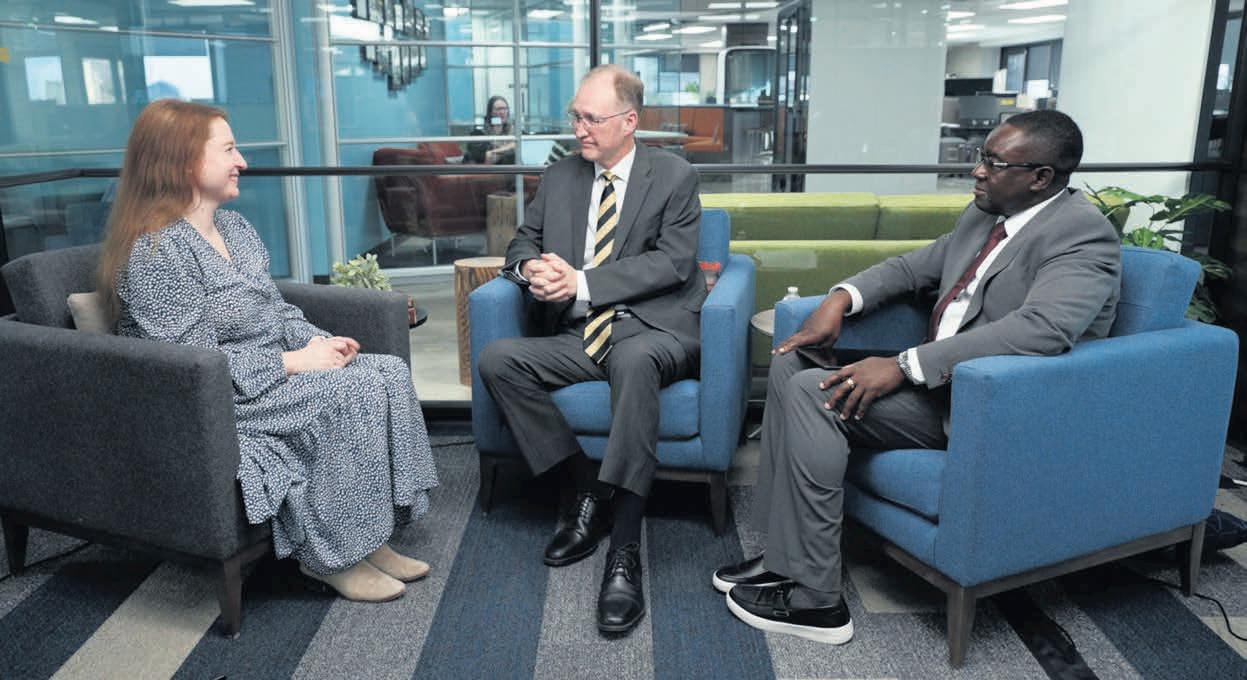
In the same Church News podcast episode, Yaw Danso, associate administrator of Seminaries and Institutes of Religion, also spoke of the “wonderful men and women” who work in seminaries and institutes.
“We have examples of coordinators who are leaving their offices and literally going to homes and inviting young single adults to come to institute,” Danso said.
An institute director in Cape Coast, Ghana, for example, went to young adults who were not attending and asked, “What do you need?” Based on the young adults’ feedback, their institute created new, specific courses, and that institute saw a 75% increase in enrollment.
Teachers are doing a better job of not just covering material but addressing the needs of students, said Brother Webb.
In speaking to Church religious educators last June, President D. Todd Christofferson, then a member of the Quorum of the
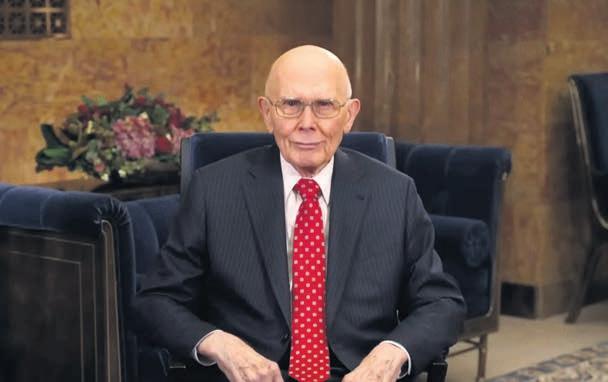
Twelve Apostles, taught that teachers should help activate students’ agency to take personal ownership in learning.
“It is in so doing that they can become active and lifelong disciples of Jesus Christ,” said President Christofferson, who is now the second counselor in the First Presidency.
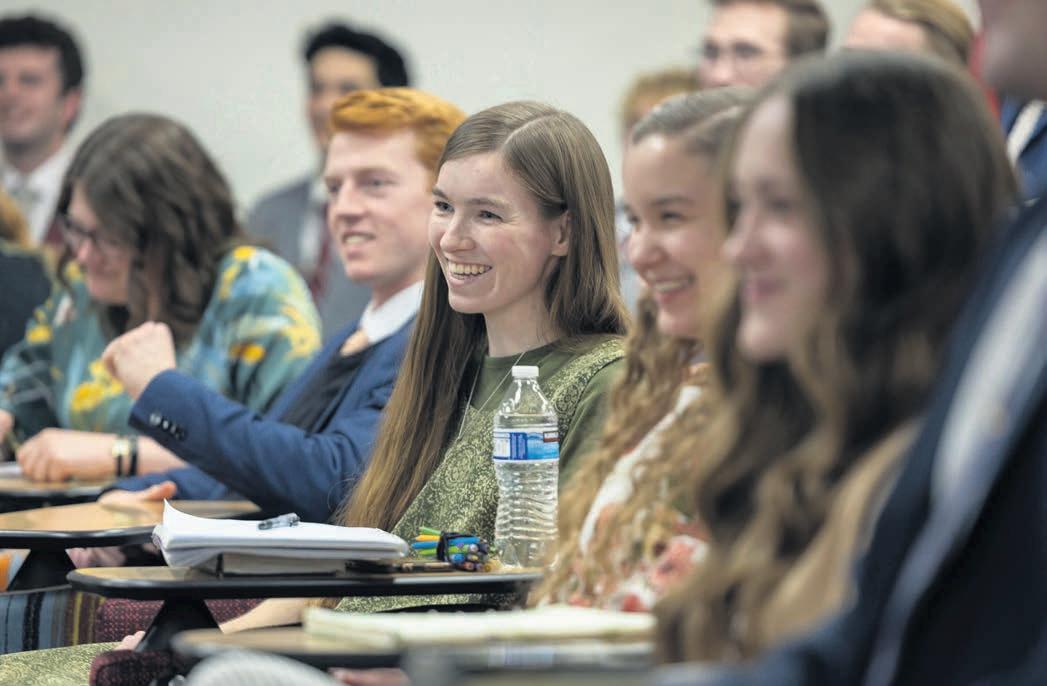
Seminary and institute teachers are finding ways to invite that kind of diligent learning, said Brother Webb. “While [students] are in class, it’s not just a teacher speaking at them, giving a lecture, but they’re engaged in learning. They’re exercising their own agency. They’re asking questions. They’re finding answers. And they’re sharing what they’re learning with each other. ...
“We’ve been really blessed to have teachers all over the world that are marvelous teachers,” he said.
Inviting friends
In the spring of 2025, seminaries and institutes — in collaboration
with the Missionary Department — began an “Invite a Friend” initiative, encouraging students to invite others to attend class with them.
“When a young person personally invites a friend to join an institute class or activity, it carries special power,” Brother Webb said during the 2026 annual training for seminary and institute teachers.
“Their authentic testimonies and friendships are essential in welcoming all to attend.”
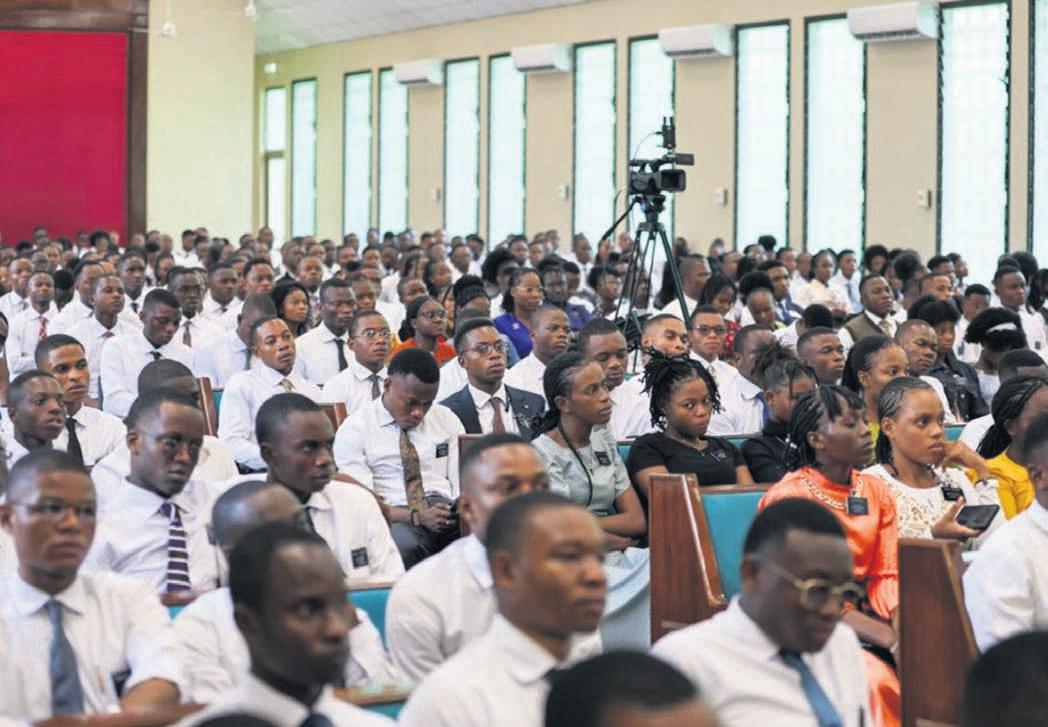
Danso shared how in Brazzaville, Congo, “we have an institute building that has about 3,000 students that come there every week. More than half of them are friends of the Church, and they come to institute, they feel the Spirit, they learn about Jesus Christ, and they continue coming.
So it’s just been an incredible thing to see peers inviting peers, and they come.”
And these simple invitations are working, Brother Webb noted. Last year, roughly 75,000 friends of the
Church enrolled in seminary and institute courses worldwide.
During the Worldwide Devotional for Young Adults earlier this year, Brother Webb issued his own invitation as he noted the approaching enrollment milestone. “Every one of you who attends institute this year will literally be one in a million — an important part of a historic year known and numbered by our Father in Heaven. We invite you all, no matter what your stage in life or circumstance, to come and be one in a million.”
Searching for faith in Jesus Christ
As hard as people are working and as much as seminary and institute administrators are trying to implement new ways of blessing the young adults of the Church, “I’m still amazed at what’s happening,” Brother Webb said.
While he might be surprised by the extent of the growth, Brother Webb said he knows “it is the hand of the Lord in hastening the work among this generation right now.”
The young people of the Church are looking for faith and to have a relationship with Heavenly Father and His Son, Jesus Christ. “And they know that seminary and institute can help them with that,” said Brother Webb. Throughout this year and around the world, local institutes are invited to host activities to commemorate the 100th anniversary. There will also be a devotional later this year in Moscow, Idaho, to commemorate where it all began. To learn more or register for a class, visit MyInstitute.ChurchofJesusChrist .org.
“I promise that your time in institute will bring the Savior’s peace, joy and divine love.”
— President Dallin H. Oaks, President of The Church of Jesus Christ of Latter-day Saints
Which countries, U.S. states and Canadian province will have a new mission in 2026?
3 African countries, Greece, 2 U.S. states and other entities will host Latter-day Saint mission headquarters for the first time in their regions
By Trent Toone and Scott Taylor Church News
In July 2026, The Church of Jesus Christ of Latter-day Saints is creating 55 new missions, increasing the total to 506 worldwide.



This expansion will lead to the establishment of mission headquarters in several countries, two U.S. states and one Canadian province for the first time.
First mission in country
• Malawi Lilongwe Mission: In the Church’s Africa South

$1,000
Area, the two stakes in Malawi were previously associated with the Zambia Lusaka Mission.
• Senegal Dakar Mission: In the Africa West Area, the district in Dakar was previously associated with the Cote d’Ivoire Abidjan West Mission.
• Togo Lomé Mission: Also in the Africa West Area, Togo’s three stakes have been part of the Benin Cotonou Mission.
• Solomon Islands Honiara Mission: In the Pacific Area, the Honiara Solomon Islands District has been under the Vanuatu Port Vila Mission.
• Greece Athens Mission: In the Europe Central Area, Greece’s two branches — Halandri and Thessaloniki — have been among four branches served most recently by the Bulgaria/Greece Mission, headquartered in Sofia, Bulgaria. New mission in province
• Nova Scotia: The new Canada Halifax Mission draws its city name from the capital and most populous municipality of the Canadian province of Nova Scotia. The eastern province is both the second-most densely populated in Canada and the second-smallest by area. The Dartmouth Nova Scotia Stake has been associated with the Canada Montreal Mission. Several years ago there was a mission headquartered in Nova Scotia, but it was absorbed into a neighboring mission.
First mission in state
• Mississippi Jackson Mission: In the Church’s United States Southeast Area, the Jackson Mississippi Stake has been associated with the Louisiana Baton Rouge Mission. Several years ago, there was a mission headquartered in Jackson, but it was absorbed into a neighboring mission.
• Wyoming Cheyenne Mission: In the United States Central Area, Cheyenne stakes have been associated with the Colorado Fort Collins Mission, which has extended into east and central Wyoming.
Mission growth in countries
Several countries and two states are receiving two or more new missions.
• The Philippines will have five new missions, raising the total number of missions in the country to 29.
• Brazil will receive three new missions, increasing to 40 throughout the country.
• The Democratic Republic of the Congo will be assigned two new missions, increasing its total to nine missions.
• Côte d’Ivoire will have two new missions, bringing its total to six missions.
• Ghana will have two new missions for a total of eight missions.
• Canada will receive two new missions for a total of eight missions.
• Two new missions in Papua New Guinea will give the country a total of four missions.
• Peru will have two new missions added, giving the country a total of 17 missions.
In the United States, Texas and California will each have three new missions added, for a total of 15 missions in Texas and 19 missions in California.










The 18-year-old
Wilkinson
quintuplets have been called to serve in missions around the world, each speaking a different language
When Rachelle Wilkinson of the Cedar Park Texas Stake found out she was having quintuplets nearly 20 years ago, she said it felt like an “out-of-body experience.”
“ ‘This doesn’t happen to real people. How is this happening to me?’ ” she recalled thinking.
After an ultrasound revealed she would be having five babies, her doctor immediately began talking about reducing the pregnancy.
Bombarded with information and statistics about the likelihood of her babies surviving if she carried them all, she felt the gravity of what decision to make pressed heavily on her.
Wilkinson and her husband, Jayson Wilkinson, sought desperately for guidance.
“We prayed, we had gone to our bishop, we had gone to the temple, I had read every conference talk I could find on answers to prayers and receiving personal revelation,” she said. “We wanted to do whatever the Lord wanted us to do, but we didn’t know what that was.”
It wasn’t until more than two weeks later, during a meeting with her stake president, that she experienced a defining moment that answered her prayer.
Wilkinson said the moment wasn’t prompted by anything her stake president said or did, but she recalled “the strongest feeling” coming over her.
“It was the strongest, most powerful answer to [my] prayer that I had ever received,” she said. “In that moment, I just knew that Heavenly Father had sent those babies here for a reason, and I knew that
I was supposed to do whatever I could to get them here as safely as possible.”
On July 31, 2007, Rachelle Wilkinson delivered five healthy babies, breaking the national record in the United States for the collective birth weight of quintuplets at 21 pounds, 7.2 ounces.
Today, the Wilkinson quintuplets are 18 years old — and each of them has chosen to serve missions for The Church of Jesus Christ of Latter-day Saints. A sibling bond that keeps growing
Three of the five quintuplets have already begun their missions, with the other two set to begin in the summer.
Ryder Wilkinson was assigned to the California San Jose Mission and began his Spanish-speaking service on Sept. 1, 2025. Rustin Wilkinson started his mission in the Côte d’Ivoire Abidjan West Mission, on Sept. 23, 2025, learning French, while Kyndall Wilkinson began serving in the Nevada Las Vegas West Mission on Feb. 9, 2026.
Kaydence Wilkinson is preparing to serve in the Korea Seoul Mission on May 6, 2026. Kassidy Wilkinson will follow shortly after, beginning her mission in the Italy Milan Mission on June 3, 2026.
For Kassidy Wilkinson, the decision to serve came last spring, while visiting her grandparents serving in the Italy Rome Mission.
Seeing how the Church impacted people’s lives in Italy inspired her to share the gospel like her grandparents were. While visiting, she also had the opportunity to go to Rome and had the feeling she would return one day.
Upon learning she would be serving in the Italy Milan Mission, Kassidy Wilkinson said she “couldn’t stop smiling.”
“I don’t know if I’ve felt that much joy suddenly,

all at the same time, as I did when I opened my mission call,” she said.
High school graduation gave rise to many changes for the quintuplets. They would split up for college and go on missions — a milestone Kassidy Wilkinson was nervous for.
“We’re going to come back and be total strangers with each other,” she remembered thinking.
However, she discovered the outcome was the opposite of what she expected.
“Honestly, I feel like we’ve grown closer,” she said. “I feel like because they have such a strong relationship with God, it affects all their other relationships, too.”
Kaydence Wilkinson noticed a difference in her relationships with her siblings too.
“I think I talk to them more now that they’re on a mission,” Kaydence Wilkinson said. “I email them every week, and I can call them every week.”
Though Kaydence Wilkinson acknowledged that it is hard to be apart from her siblings, she said she knows “they’re doing a good thing.”
“The work that they’re doing is so important, and it’s way more important than wanting to see them,” she said.
Kassidy Wilkinson said hearing and reading
her siblings’ inspiring stories and emails their mission experiences has enhanced understanding of the impact they have on
“Something I get to experience as a with all my siblings serving missions is the missionary work,” she said. “I can see that is a very powerful experience for the person is going on a mission and who they’re touching the mission — who they’re finding and teaching bringing to the Church.”
A transformative experience P-days for Rachelle Wilkinson is affair.” It’s on the missionaries’ preparation or P-day, when they can call home. With three quintuplets already serving, juggles their various time zones to be with all of them.
“I just set aside my Mondays for that,” “My kids are going to be all over the world, is really crazy.”
Rachelle Wilkinson said she loves youth are choosing to serve missions, has noticed the “positive change” within children who have chosen to serve.
“It’s really helped them to strengthen

emails about enhanced her on others. quintuplet the power of that it really person that touching on teaching and an “all-day preparation day, serving, she able to talk that,” she said. world, which how many adding she within her own strengthen their
testimony, but also to build confidence in themselves and their abilities,” she said.
She has seen how her two sons’ relationship has grown because of their shared experiences as missionaries.
“I feel like they really appreciate each other a lot more now that they’re doing this hard thing together,” she said.
Kaydence Wilkinson didn’t expect she and her siblings would have vastly different experiences on their missions, she said, but she thinks “it will transform us in the way that we need to be changed.”
“It’s such a blessing to be able to go and serve Heavenly Father and be a representative of Jesus Christ every day. You get to do that every day,” she said.
Kassidy Wilkinson shared a quote from Brigham Young University President C. Shane Reese, given during his speech to students, faculty and staff at a BYU devotional on Tuesday, Sept. 16, 2025: “Alone, your light cannot be hid; together, your light floods the earth.”
“That’s what I feel like it is as a quintuplet. I feel like I just see the light flooding the earth from my family,” she said.
in words, service missionary
By Carly Ludlow Church News
Each Wednesday at 9 a.m., Elder Nathan Welch arrives at the Facing Hunger Foodbank in Huntington, West Virginia. Some days, he shows up wearing a cape, but every day he comes with love and joy.
“His gift is love,” said Darrell Welch, Elder Welch’s father. “He encourages others, shows love quickly and openly to all around him. He doesn’t need public accolades to motivate him; it’s just an everyday use of the gift he was born with.”
Elder Welch, from the Huntington 1st Ward in the Huntington West Virginia Stake, has Down syndrome. As the youngest of six children and having watched four siblings serve missions, he always desired to serve his own mission. His parents never thought it possible.
“Our current stake president came to us with the possibility of a service mission, and all three of us were instantly excited,” said Darrell Welch of himself, his son and his wife, Melissa Welch.
With his family’s help, Elder Welch started his two-year service mission in June 2024. His parents assist him by driving him to service locations, serving alongside him, helping maintain his schedule and accompanying him to interviews, meetings and transfers.
“We didn’t realize then how much of a commitment it would be for the whole family,” Darrell Welch said. “I love to stand back and watch him go. It is amazing to see his complete love for all the missionaries.”
Elder Welch has verbal communication challenges that limit his ability to preach the gospel vocally, so he shares his testimony through love and actions.
Darrell Welch said that at each missionary meeting, he has watched his son become more outgoing, greeting all new missionaries with hugs, handshakes or fist bumps.
Sister Sharlet Bouchelle, Elder Welch’s service adviser, said: “He fist-bumps every new missionary as they come in. In the summertime, he has cold water for the new missionaries. They all know Elder Welch. They love Elder Welch.”
Sister Bouchelle and her husband, Elder Joe Bouchelle, have worked with Elder Welch for over a year. They serve alongside the service missionaries in the West Virginia Charleston Mission.
“It’s just a little slice of heaven to interact with these missionaries who are so pure and so wanting to serve,” said Elder Bouchelle. “They truly have a desire to serve all of God’s children.”
During one service project at the food bank, Elder and Sister Bouchelle had the opportunity to join. Elder Welch served men in a drug rehab program. Sister Bouchelle noted that they came from different backgrounds and their individual tough lives.
After an hour and a half of serving with these men, Elder Welch made an impression.
“They were all in love with him by the end of our hour and a half of service,” said Sister Bouchelle. “You could just see them soften just from being around him. That’s just his influence on people.”


His parents have seen his confidence and love for the people he is serving grow throughout his mission.
“We see our son sharing his love with everyone he works with,” Darrell Welch said. “He doesn’t see the people in addiction recovery any differently than he sees other volunteers. It’s the closest I’ve seen to someone seeing others as the Savior does.”
Sister Bouchelle reflected on whether the Savior served a teaching mission or a service mission, concluding that all missionaries represent the Savior’s love and personal mission.
“Every interaction we have with our missionaries strengthens our testimony of Heavenly Father and Jesus’ love for all [God’s] children. It is the essence of true religion,” she said, adding that Elder Welch “just teaches us how simple it can be to follow the Savior’s example.”
Elder Welch will conclude his missionary service this summer. Until then, he will continue serving in the Savior’s way and, as Elder Bouchelle emphasized, loving with “love unfeigned.”

Each of the Church’s 18 presidents has, at one time or another, remarked on the importance of gaining all kinds of knowledge
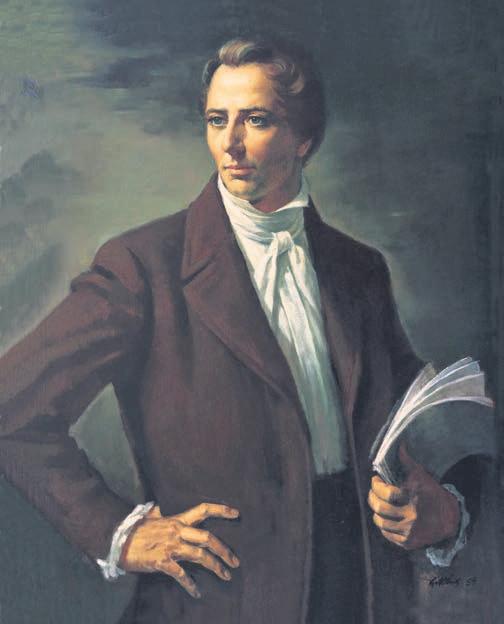
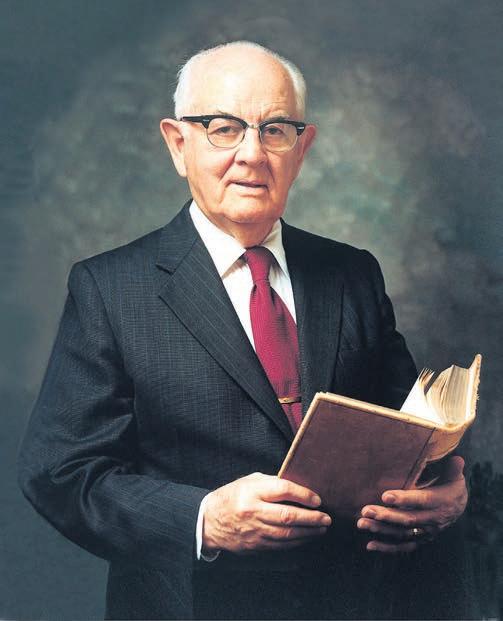
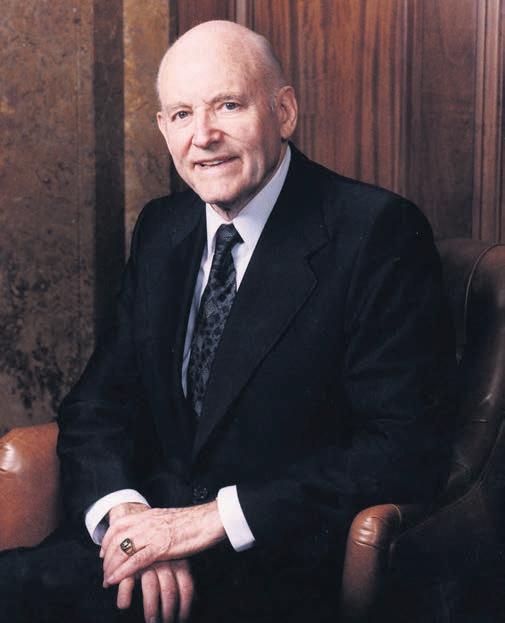
In the time since The Church of Jesus Christ of Latter-day Saints was organized on April 6, 1830, 18 men have carried the mantle of Prophet and President of the Church. The current prophet, President Dallin H. Oaks, began his service in October 2025. Each of the 18 has, at one time or another, remarked on the value of education, both secular and spiritual. Following is a selection of their teachings about education.
The date range beside each name indicates the time of each respective administration.
1. JOSEPH SMITH (APRIL 1830 — JUNE 1844)
“Whatever principle of intelligence we attain unto in this life, it will rise with us in the resurrection. And if a person gains more knowledge and intelligence in this life through his diligence and obedience than another, he will have so much the advantage in the world to come.”
— Instruction given by the Prophet Joseph Smith on April 2, 1843, in Ramus, Illinois, and recorded in Doctrine and Covenants 130:18-19
2. BRIGHAM YOUNG (DECEMBER 1847 — AUGUST 1877)
“We should be a people of profound learning pertaining to the things of the world. …
“How gladly would we understand every principle pertaining to science and art and become thoroughly acquainted with every intricate operation of nature and with all the chemical changes that are constantly going on around us. How delightful this would be, and what a boundless field of truth and power is open for us to explore. We are only just approaching the shores of the vast ocean of information that pertains to this physical world, to say nothing of that which pertains to the heavens, to angels and celestial beings, to the place of their habitation, to the manner of their life and their progress to still higher degrees of perfection.”
— President Brigham Young in “Discourses of Brigham Young,” selected by John A. Widtsoe, pages 254-255, as included in “Teachings of Presidents of the Church: Brigham Young”
3. JOHN TAYLOR (OCTOBER 1880 — JULY 1887)
“We ought to foster education and intelligence of every kind, cultivate literary tastes, and men of literary and scientific talent should improve that talent, and all should magnify the gifts which God has given unto them. Educate your children, and seek for those to teach them who have faith in God and in His promises as well as intelligence. … If there is anything good and praiseworthy in morals, religions, science or anything calculated to exalt and ennoble man, we are after it.”
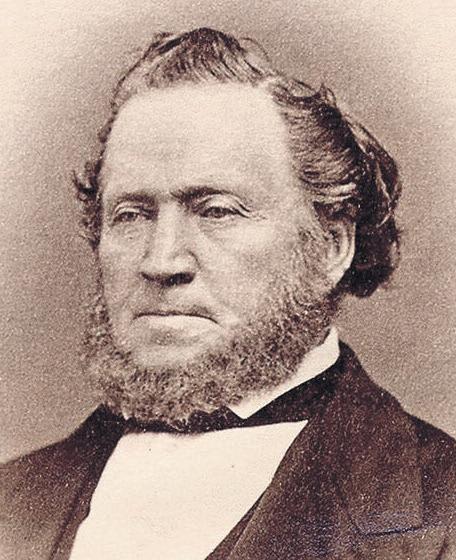
— President John Taylor, then the Church President, in the Deseret News: Semi-Weekly on Sept. 24, 1878, as included in “Teachings of Presidents of the Church: John Taylor”
4. WILFORD WOODRUFF (APRIL 1889 — SEPTEMBER 1898)
“Our children should not be neglected; they should receive a proper education in both spiritual and temporal things. That is the best legacy any parents can leave to their children.”
— President Wilford Woodruff in “The Discourses of Wilford Woodruff,” page 267, as included in “Teachings of Presidents of the Church: Wilford Woodruff”
5. LORENZO SNOW (SEPTEMBER 1898 — OCTOBER 1901)
“There must be a labor of mind, an exertion of those talents that God has given us; they must be put into exercise. Then, being enlightened by the gift and power of the Holy Ghost, we may get those ideas and that intelligence and those blessings that are necessary to prepare us for the future, for sceneries that are to come.”
— President Lorenzo Snow, then a member of the Quorum of the Twelve Apostles, in the Deseret News, Jan. 28, 1857, as included in “Teachings of Presidents of the Church: Lorenzo Snow”
6. JOSEPH F. SMITH (OCTOBER 1901 — NOVEMBER 1918)
“Search out the truth of the written word; listen for and receive the truth declared by living prophets and teachers; enrich your minds with the best of knowledge and facts. Of those who speak in His name, the Lord requires humility, not ignorance. Intelligence is the glory of God; and no man can be saved in ignorance (see Doctrine and Covenants 93:36; 131:6).”
— President Joseph F. Smith in “Gospel Doctrine,” page 206, as included in “Teachings of Presidents of the Church: Joseph F. Smith”
7. HEBER J. GRANT (NOVEMBER 1918 — MAY 1945)
“I realize that it will be necessary that our children be fitted, qualified and prepared by education, by study and also by faith in God, our Heavenly Father, and in His Son, Jesus Christ, if they successfully fulfill their destiny. That the Saints will fulfill their destiny, that they will accomplish all that God desires them to accomplish, I have no doubt.”
— President Heber J. Grant in “Gospel Standards,” pages 74-75, as included in “Teachings of Presidents of the Church: Heber J. Grant”
8. GEORGE ALBERT SMITH (MAY 1945 — APRIL 1951)
“Remember that it is the intelligence that you acquire that is
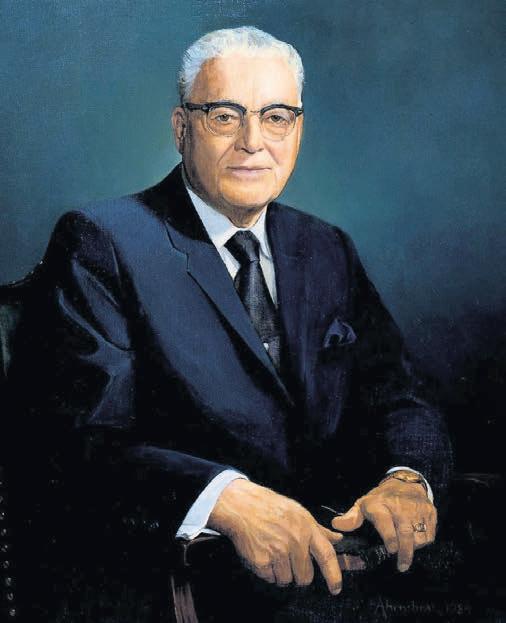
eternal, the truth which you learn here and apply in your lives, the knowledge and experience you gain and profit by — these you will take with you when you go home.”
— President George Albert Smith in “Mormon View of Life’s Mission,” page 2, as included in “Teachings of Presidents of the Church: George Albert Smith”
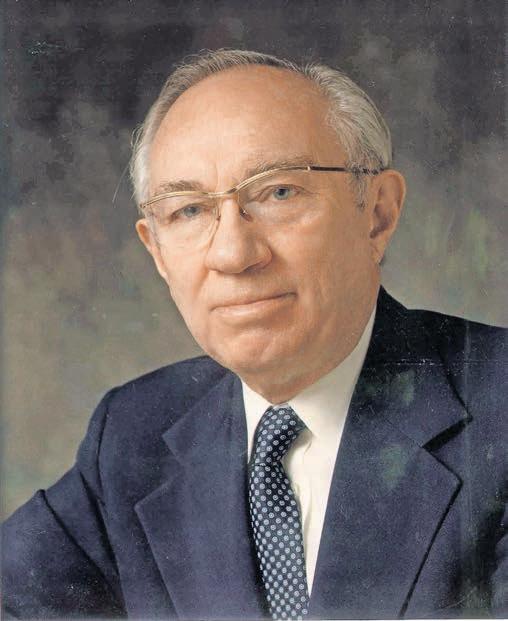
9. DAVID O. MCKAY (APRIL 1951 — JANUARY 1970)
“True education seeks to make men and women not only good mathematicians, proficient linguists, profound scientists or brilliant literary lights, but also honest men, with virtue, temperance and brotherly love. It seeks to make men and women who prize truth, justice, wisdom, benevolence and self-control as the choicest acquisitions of a successful life.”
— President David O. McKay in “Treasures of Life,” compiled by Clare Middlemiss, page 472, as included in “Teachings of Presidents of the Church: David O. McKay”
10. JOSEPH FIELDING SMITH (JANUARY 1970 — JULY 1972)
“We believe in education. As a people we have always sought learning in every field, and as a Church we have spent great sums and made considerable sacrifice to make education opportunities available to the Church members. And particularly in this day of scientific research and development, we think our young people should get as much education and technical training as in wisdom is necessary.”
— President Joseph Fielding Smith, then the Church President, in an address given at the Logan Utah Institute of Religion, Jan. 10, 1971, as included in “Teachings of Presidents of the Church: Joseph Fielding Smith”
11. HAROLD B. LEE (JULY 1972 — DECEMBER 1973)
“Some quit learning when they graduate from a school; some quit learning about the gospel when they have completed a mission for the Church; some quit learning when they become an executive or have a prominent position in or out of the Church.
“Remember, as George Moore said of Washington, ‘We can become educated persons, regardless of our stations in life, if we never quit learning.’ ”
— President Harold B. Lee, then the first counselor in the First Presidency, April 1971 general conference, “The Iron Rod”
12. SPENCER W. KIMBALL (DECEMBER 1973 — NOVEMBER 1985)
“The Church from the beginning has been committed to the principle that ‘the glory of God is intelligence’ (Doctrine and
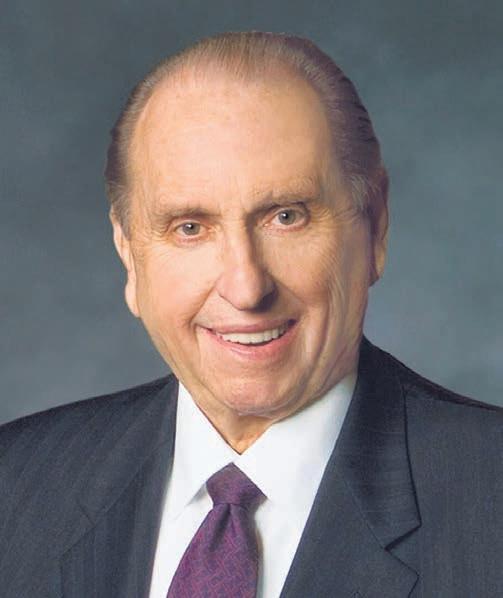
Covenants 93:36). We therefore encourage our people to study and prepare to render service with their minds and with their hands.
“Some are inclined toward formal university training, and some are inclined more toward the practical vocational training. We feel that our people should receive that kind of training which is most consistent with their interests and talents. Whether it be in the professions, the arts or the vocations; whether it be university or vocational training, we applaud and encourage it.”
— President Spencer W. Kimball, then the President of the Church, October 1977 general conference, “The Foundations of Righteousness”
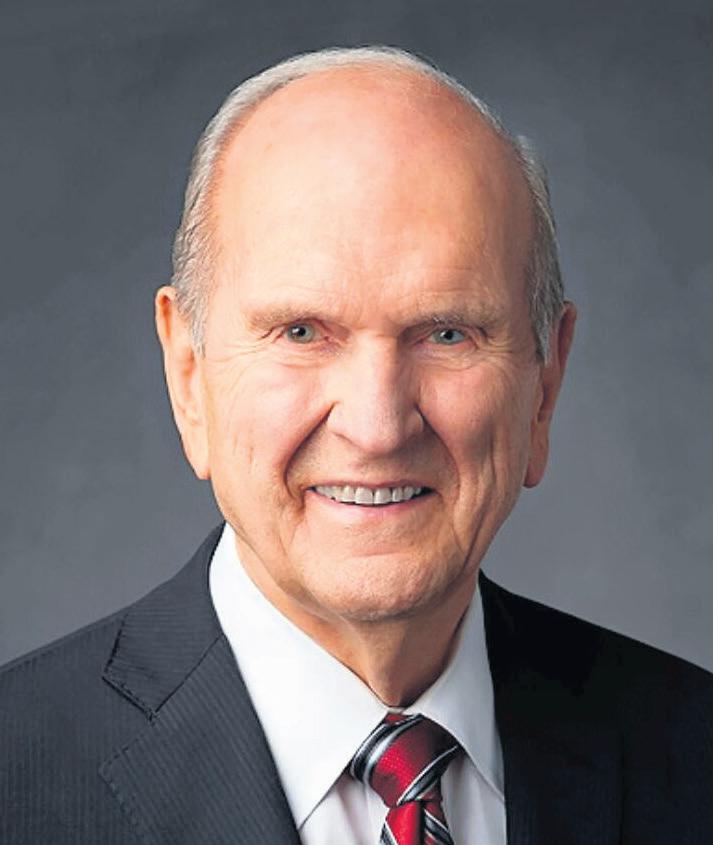
13. EZRA TAFT BENSON (NOVEMBER 1985 — MAY 1994)
“Every priesthood holder should make learning a lifetime pursuit. While any study of truth is of value, the truths of salvation are the most important truths any person can learn.
“Joining our spiritual education to our secular learning will help us keep focused on the things that matter most in this life. Though I am speaking to you priesthood holders, the same admonition applies to the women of the Church as well as to the men.”
— President Ezra Taft Benson, then the Church President, October 1986 general conference, “Godly Characteristics of the Master”
14. HOWARD W. HUNTER (JUNE 1994 — MARCH 1995)
“Man’s knowledge has rapidly increased and scientific research accelerated at proportions never known before in the history of the world. … The pursuit of knowledge of the laws
of the universe, which we know have always been in existence, has reached new heights, and investigation continues to increase in this search for truth. …
“With the advance of knowledge has come a reliance upon scientific principles of proof, and as a consequence, there are some who do not believe in God because His existence cannot be substantiated by such proof. In reality, scientific research is an endeavor to ascertain truth, and the same principles which are applied to that pursuit are used in the quest to establish the truth of religion as well.”
— President Howard W. Hunter, then a member of the Council of the Twelve, October 1974 general conference, “To Know God”
15. GORDON B. HINCKLEY (MARCH 1995 — JANUARY 2008)
“The learning process is an endless process. We must read, we must observe, we must assimilate, and we must ponder that to which we expose our minds. …
“Keep on growing, my brothers and sisters, whether you are 30 or whether you are 70. Your industry in so doing will cause the years to pass faster than you might wish, but they will be filled with a sweet and wonderful zest that will add flavor to your life and power to your teaching.”
— President Gordon B. Hinckley in “Teachings of Gordon B. Hinckley,” pages 298-299, as included in “Teachings of Presidents of the Church: Gordon B. Hinckley”
16. THOMAS S. MONSON (FEBRUARY 2008 — JANUARY 2018)
“Beyond our study of spiritual matters, secular learning is also essential. Often the future is unknown; therefore, it behooves us to prepare for uncertainties. … I urge you to pursue your education — if you are not already doing so or have not done so — that you might be prepared to provide if circumstances necessitate such.

“Your talents will expand as you study and learn. You will be able to better assist your families in their learning, and you will have peace of mind in knowing that you have prepared yourself for the eventualities that you may encounter in life.”
— President Thomas S. Monson, then the first counselor in the First Presidency, October 2007 general conference, “Three Goals To Guide You”
17. RUSSELL M. NELSON (JANUARY 2018 — SEPTEMBER 2025)
“Your mind is precious. It is sacred. Therefore, the education of one’s mind is also sacred. Indeed, education is a religious responsibility. Of course, our opportunities and abilities will vary a great deal. But, in the pursuit of one’s education, individual desire is more important than is the institution you choose; personal drive is more significant than is the faculty.”
— President Russell M. Nelson, then a member of the Quorum of the Twelve Apostles, during his January 2010 Brigham Young University devotional, “Education — A Religious Responsibility”
18. DALLIN H. OAKS (OCTOBER 2025 — PRESENT)
“The gaining of knowledge and skills is an incomplete view of the significance of education. Of even greater importance is the question of how those attainments are to be used. … “You should, of course, remember the needed fraction of all you have learned here. But even more important, you should remember that those whose sacrifices have supported your education expect you to use that education in the service of your fellowmen and in furtherance of your own becoming what God created you to become.”
— President Dallin H. Oaks, then a member of the Quorum of the Twelve Apostles, during his August 2015 commencement speech at Brigham Young University, “Joy at Graduation”

























































For 30 years, the number of Latter-day Saints in other countries has exceeded Church membership in the United States




























































By Mary Richards Church News
























He explained: “The Restoration of the gospel started in the U.S. as a land of promise from which all blessings of God would pour out to the rest of the world.”
hirty years ago, The Church of Jesus Christ of Latter-day Saints reached a significant milestone — on Feb. 28, 1996, there were officially more members of the Church living outside the United States than within.
That number has only continued to grow. And the Church has adjusted accordingly to meet the needs of members around the world.
The Deseret News Church Almanac reported that on Feb. 28, 1996, 4,720,000 members of the Church lived outside the U.S., compared to 4,719,000 within. On Dec. 31, 2024 — the most recent numbers available — there were 10.58 million living outside the U.S., compared to 6.93 million within.
Elder Hugo E. Martínez, General Authority Seventy, sees this as the fulfillment of Daniel’s prophecy in Daniel 2:44-45 of a worldwide kingdom that will stand for ever and never be destroyed and fulfillment of the Abrahamic covenant when God declared, “Thou shalt be a blessing: … and in thee shall all families of the earth be blessed” (Genesis 12:2-3).
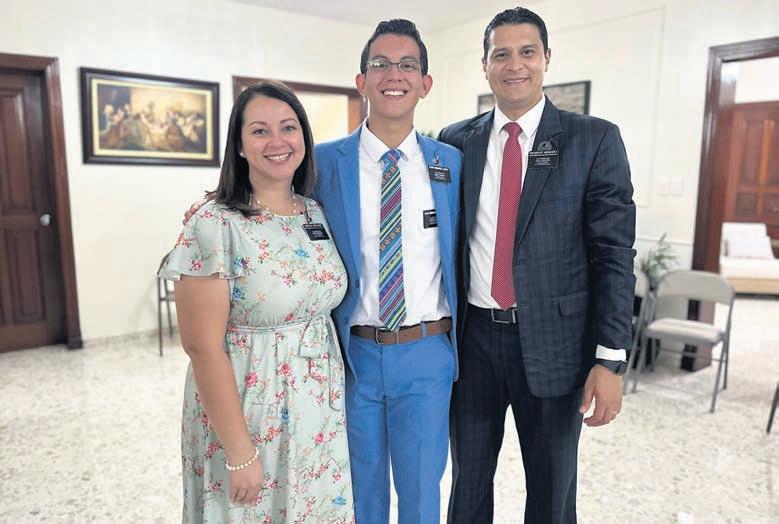
Elder Martínez said he and his wife, Sister Nuria Alvarez de Martínez, were blessed to be taught the restored gospel of Jesus Christ in 1982 and then to teach it to their children and grandchildren and others.
“To see the growth of the Church in our Caribbean area, in Central America and in West Africa as assigned is beyond anything we could have imagined,” he said. “All over the world, the Church is growing and blessing all that come unto Christ one by one and family by family.”
When President Hector David Hernandez and Sister Emma Hernandez, the mission leaders of the Dominican Republic Santo Domingo West Mission, were planning to get married 20 years ago, they had to take a 14-hour journey from their native Honduras to Guatemala to be sealed in the house of the Lord.
Now Honduras has two dedicated temples, and Guatemala has six that are dedicated, announced or under construction. “It is amazing to see the hand of the Lord,” Sister Hernandez told the Church News.
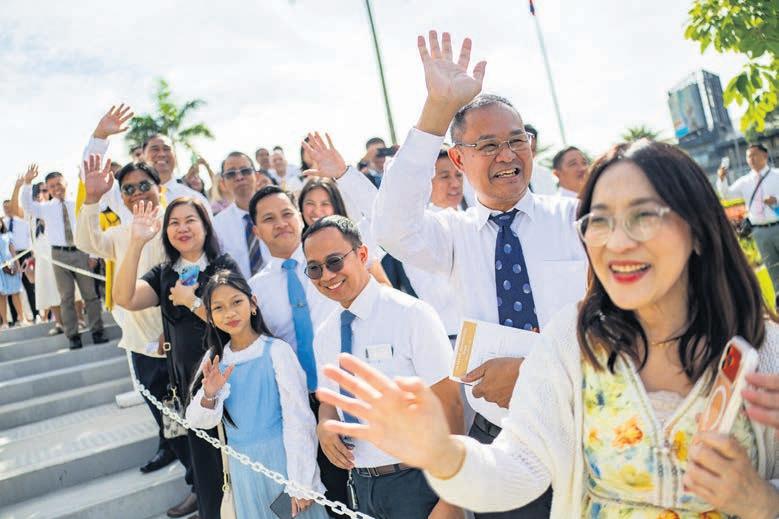
Temple building, educational initiatives and nurturing each other just some of the examples of the last 30 years
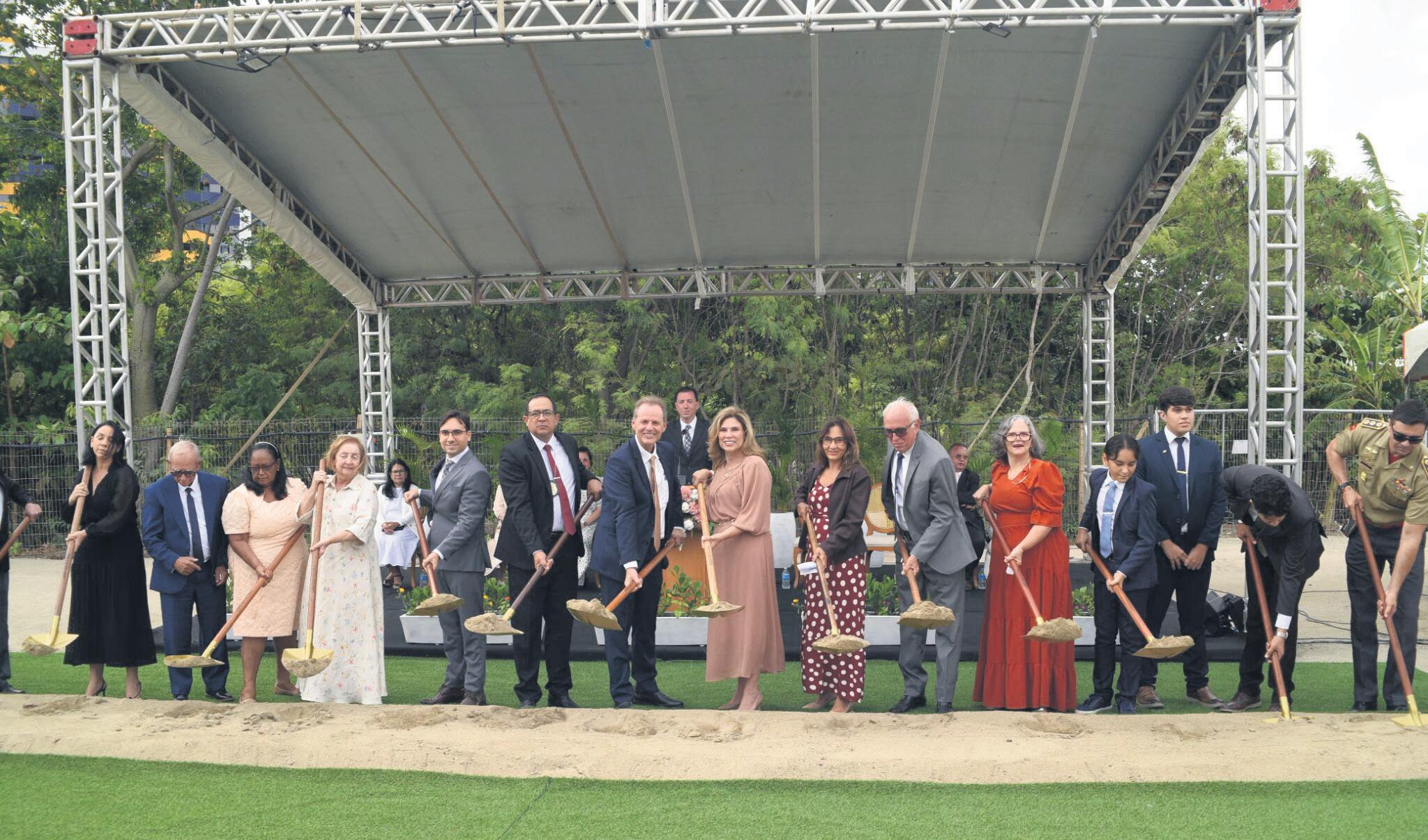
Besides more temples, they see the hastening of the work in their mission, which split in two recently and has seen even more missionaries serving and more people joining The Church of Jesus Christ of Latter-day Saints in the Dominican Republic. Said President Hernandez, “We have seen a special spirit of conversion.”
Temple building worldwide
One very visible aspect of the Church becoming a vibrant, growing and increasingly international faith is the number and spread of temples worldwide. What started from the four pioneer-era houses of the Lord in Salt Lake City and the present-day state of Utah at the end of the 19th century to an initial expansion across the United States and into western Canada then led to the start of temples being built in international locations in the 1950s.
By 1981, the Church had 20 dedicated and operating temples — nearly evenly spaced throughout Utah, in the United States and in international locations. The 20 included seven in Utah, seven elsewhere across the U.S. and six outside the U.S. — in Canada, Switzerland, New Zealand, England, Brazil and Japan. Over the next 15 years — leading to 1996, when the membership majority shifted from the U.S. to international — the Church added 27 more temples. The 17 new temples outside the United States included the first in Africa and the first two in Mexico and Central America, with houses of the Lord by 1996 across all the inhabited continents.
Following is a list of the first temples in intercontinental areas — with their current names — and their year of dedication and start of operations:
• Canada: Cardston Alberta Temple, 1923
• Europe: Bern Switzerland Temple, 1955
• Pacific: Hamilton New Zealand Temple, 1958
• South America: São Paulo Brazil Temple, 1978
• Asia: Tokyo Japan Temple, 1980
• Mexico / Central America: Mexico City Mexico Temple, 1983
• Africa: Johannesburg South Africa Temple, 1985
Of note: One could say that the Laie Hawaii Temple was the Church’s first Pacific-area temple, since its 1919 dedication date came four decades before the U.S. territory became a state in 1959. But for this accounting, it is considered today as a U.S. temple.
Of the 47 houses of the Lord in 1996, eight were in Utah and 16 in other states for a U.S. total of 24, with 23 outside the United States. And several times during that stretch between 1981 and 1996, international temples outnumbered temples in the United States — the first time happening in late 1985 and early 1986, when the dedication of the Seoul Korea, Lima Peru and Buenos Aires Argentina temples resulted in three more international temples than U.S. ones at that time.
At the start of 1996, when the Church’s membership majority had shifted from being U.S.-centric to international, the balance of temple totals was already following suit — first frequently teeter-tottering between more U.S. temples and more international temples from the 1980s well into the 2000s.
The Church experienced its last and likely final switch to a majority of international temples during the COVID-19 era — when dedications in 2019, 2020 and 2021 of the Fortaleza Brazil, Port-au-Prince Haiti, Lisbon Portugal, Arequipa Peru, Durban South Africa and Winnipeg Manitoba temples pushed the
count to plus-five in favor of international temples and a majority that hasn’t been relinquished since.
Currently, the Church of Jesus Christ has a total of 214 dedicated houses of the Lord — 103 in the United States and 111 in other countries and U.S. territories, with four more scheduled for dedication in the U.S. and three more internationally.
Looking to the future, the majority of international temples compared to those in the U.S. is projected to widen substantially. Of the 61 temples currently under construction or scheduled for groundbreaking, 42 — or 69% — are being built in countries and territories outside the United States.
As for the 105 additional announced temples that are in planning and design, 73 have been announced for international sites and 32 for the United States.
For the Church’s total of 383 houses of the Lord dedicated, under construction or announced and in planning, 158 are for temples in the United States, and 225 are temples in countries and territories outside the U.S.
‘The Lord knows how to run His kingdom’
“Saints, Vol. 4: Sounded in Every Ear” chronicles the history of the Church from 1955 to 2020 — not just the milestone in 1996 but what led up to it and what has come since then.
In 1955, most Latter-day Saint converts came from white, Anglo-European backgrounds. By 2020, most came from Latin America and Africa, said Jed Woodworth, the Church’s managing historian for “Saints.”
Temples are “coming to wherever the Saints are and meeting them on that ground, helping them to build Zion in whatever country they’re living in,” Woodworth said.
The growing work of the Church’s Correlation
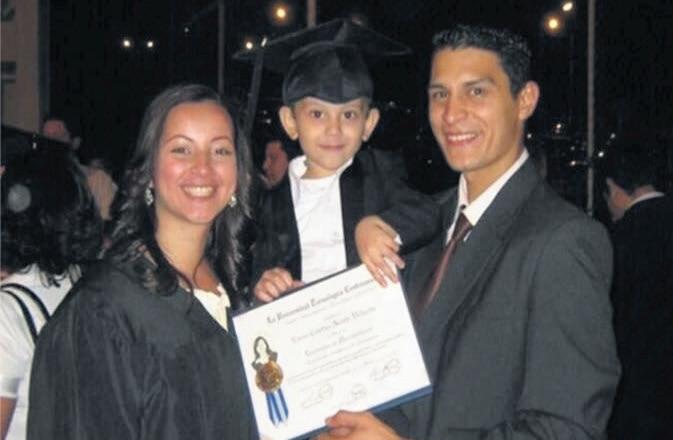
Department also is a major part of this growth, he said. Until the 1960s, Church curriculum had been written mostly by academics for a largely literate and even university-trained audience. But with the help of Correlation, the writing became more straightforward and defined the gospel more clearly around basic imperatives. And this accelerated in the 1990s, Woodworth said. “It performed the invaluable function of bringing knowledge and testimony to Saints across the world.”
Also in 1996, the Church went live with its first internet address, LDS.org, which later became ChurchofJesusChrist.org.
“The Lord knows how to run His kingdom, and so at the very moment that we pass this tipping point, we also are able to communicate on a grand scale,” Woodworth said.
The internationalization of Church membership “sharpened the Church’s sense of fairness,” he said. Better meetinghouses, increased translation efforts, employment centers, more local leaders and area authorities, the introduction of ministering and two-hour Sunday meeting blocks, increased humanitarian work and FamilySearch have all come about since 1996 as well.
Nurturing, strengthening and converting each other
President and Sister Hernandez are an example of two Latter-day Saints whose lives were changed by the Perpetual Education Fund, which turns 25 years old this year. Their story is told in “Saints, Vol. 4.”
Through the financial support of the Perpetual Education Fund, the young couple both had achieved their educational goals while building a family and always serving in the Church, Chapter 38 details.
“The larger we pan out, the more we see that Saints around the world have much in common.”
— Jed Woodworth, managing historian for the “Saints” series of books on Church history
Now they see their own missionaries’ lives being changed by EnglishConnect and BYU–Pathway.
In 2024, when Woodworth’s son, Benjamin Woodworth, was a freshman at Brigham Young University, he met another student who became a best friend — they lived just down the hall from each other, went to the same church meetings, shared a common passion for computer science and went on double dates together.
This friend was named Oscar Hernandez, from Honduras.
Jed Woodworth realized this was the son of Hector David and Emma Hernandez, whom he had been learning about and writing about for “Saints.” They had only ever been able to have one child and sent him to BYU.
The Woodworths started inviting Oscar to family dinner. Jed Woodworth said to him, “Oscar, I think that you were sent to meet our son so that we could care for you while you are far from your parents.”
But the Lord’s hand was even more involved than Woodworth first realized.
At that time, Benjamin, who had been raised in Utah by parents who loved the Church, had been apathetic about religion and did not want to talk about things like serving a mission.
Then Oscar was called to serve a mission in Nicaragua.
Observing Oscar’s excitement to serve inspired Benjamin. “Soon, our son comes to us and he says, ‘You know, Oscar is the most spiritual person I’ve ever met,’ ” Woodworth said.
Benjamin is now Elder Woodworth and


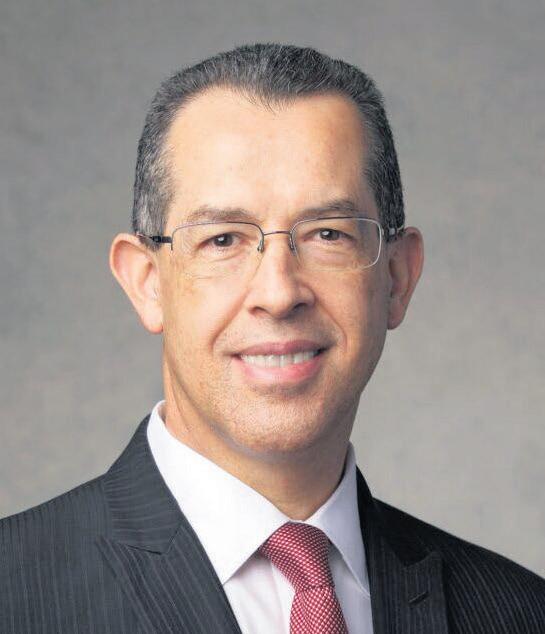
serving a full-time mission in Nevada.
While some people may think of the gospel growing outward from Church headquarters in Utah to convert others internationally, in this case, it was the opposite: A young man from Central America helped light a spark in a young Utahn’s life.
In the grand scheme of things and as seen through this story, Jed Woodworth knows that the Church is coming together more closely than ever before.
“The larger we pan out, the more we see that Saints around the world have much in common. The beliefs that unite us are far more strong and powerful than the beliefs that divide us,” he said. “This familiarity helps Saints all over the world nurture each other.”

Perhaps nowhere is the international Church seen so well as through the Church Educational System.
Roughly 60% of the 2025 Ensign College graduates were from outside the United States, representing 80 countries.
For decades, the school has attracted international students to its Salt Lake City campus. Now because of its partnership with BYU–Pathway Worldwide, Ensign College is serving thousands more.
At the April 2025 commencement, President Bruce C. Kusch remarked: “Each of you graduating today, whether you are from Roy or Rio de Janeiro; from Sandy or Seoul, you should feel a great sense of accomplishment and achievement. …
“In the midst of all of the differences, you have learned that we, as children of God, are much more alike than we are different. I hope you will never forget these character-forming experiences.”
About 50% of BYU–Hawaii’s winter 2025 graduates came from outside the U.S. Its website says the university “brings together countries and cultures in ways that no other university can.”
Isaiah Walker, the academic vice president at BYU–Hawaii, said the university’s 3,000 students represent 60 different countries — in a way they are a microcosm of the larger Church, and have a strong feeling of unity on the campus, “of being brothers and sisters in the gospel.”
Walker told the Church News that the story of Laie, Hawaii, where the university is located, is important to the entire Church because of



the experiences several early Church leaders had there.
For example, George Q. Cannon was a missionary in Hawaii in 1850, and a young Joseph F. Smith arrived a few years after that. Both were cared for by local families, learned the language and grew to love the people. The Laie Hawaii Temple, dedicated in 1919, was the first temple dedicated outside of the continental United States.
David O. McKay went to Hawaii in 1921 as a young apostle. Thirty-four years later, at the dedication of the Church College of Hawaii, now BYU–Hawaii, President McKay described what he saw at an elementary school that the Church owned in Laie.
“There we met as members of the Church of Jesus Christ — Hawaiians, Japanese, Chinese, Filipinos, all the races represented on this island. There we met as one, members of the Church, the restored Church of Christ,” he said.
President McKay is considered to be the prophet who really ushered in the internationalization of the Church by emphasizing building Zion where members were, rather than having them move to the Intermountain West.
Walker said that for these three Church leaders, “those experiences really catapulted their vision of seeing the world as a bigger place where the Church should expand.”
Pioneers
While the Church News has often sought stories of new pioneers in different countries, many people around the world are part of multigenerational families in the Church.














EVERY ACT OF GIVING has the power to transform lives, teach generosity and inspire gratitude. Deseret Trust Company offers a simple, powerful, and highly personal approach to giving. We can help you create lasting impact through a donor advised fund, charitable remainder trust, or gift annuity.




For more than 50 years, Deseret Trust Company has administered charitable gifts that help donors give in smart and efficient ways. We work in partnership with philanthropies to help you accomplish your philanthropic goals.



If you’d like to help accelerate the work of The Church of Jesus Christ of Latter-day Saints and its affiliated entities, including BYU, we are prepared to help you make the world a better place.










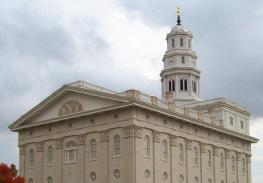





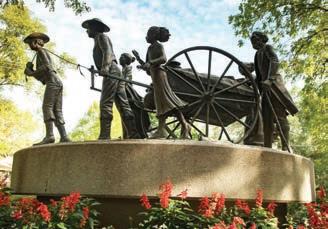
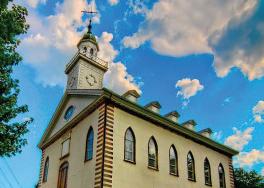





















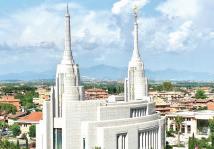





Temples announced
Under construction or scheduled for groundbreaking
or scheduled for dedication/rededication
Under renovation or scheduled for renovation

Missionaries first arrived in the British Isles in 1837, and in 1844, Addison Pratt arrived in what is now French Polynesia, explained Elder Quentin L. Cook of the Quorum of the Twelve Apostles in his April 2023 general conference talk, “Safely Gathered Home.”
“I once listened to a 17-year-old girl on a distant Tahitian island who was a seventh-generation member. She paid tribute to her ancestors who had been converted in 1845 on Tubuai, two years before early Church members arrived in the Salt Lake Valley,” Elder Cook said.
The doctrine that all are brothers and sisters and “all are alike unto God” underlies the work of the gathering of Israel, Elder Cook said. “Those who accept the gospel of Jesus Christ, regardless of lineage, become part of gathered Israel.”
Chapter 29 of “Saints. Vol. 4,” titled “One Great Family,” in particular mentions the 1996 milestone of more Church members living outside the United States and gives an example of Maridan Nava Sollesta in the Philippines, which grew by tens of thousands of members in the 1990s and now has the fourth-


largest population of Latter-day Saints in the world.
As a ward Relief Society president, Sollesta worked hard to minister to those around her and counsel with them in their native languages. Early in 1996, Sollesta and the other Filipino Saints had the chance to see President Gordon B. Hinckley, who just a few months before read in general conference “The Family: A Proclamation to the World.”
While speaking to a coliseum full of 35,000 Saints, President Hinckley noted that people sometimes asked him why the Church was growing so rapidly in the Philippines.
“The answer is simply this,” he said. “This Church stands as an anchor, a solid anchor of truth in a world of shifting values.”
‘The best is yet to come’
President and Sister Hernandez believe wholeheartedly in what President Russell M. Nelson taught in October 2024 general conference: “The best is yet to come.”
And while there are challenges today and will undoubtedly be more, both said they know the future will bring more miracles as well — because the Lord is the one directing the work.
The First Presidency message in “Preach My Gospel” in English talks about having a “new sense of commitment.” But in Spanish, the translation is that the Lord “wants us to reach a new level,” President Hernandez pointed out.
“With the help of the Lord, we can reach a new level,” he said. Elder Martínez said “the clear direction of Jesus Christ through the First Presidency and the Quorum of the Twelve Apostles that all members of all ages are to participate in the work of salvation and exaltation makes us joyfully participate in the growth.”
As more temples are being built and dedicated, more of the Lord’s covenant people are receiving promised blessings on both sides of the veil. “That is awe inspiring,” he said.
The rising generation is attending For the Strength of Youth conferences and enrolling in seminary and institute. More missionaries and Church members are spreading the gospel of Jesus Christ in person and through social media. This is leading to growth and retention, Elder Martínez said, “one by one, family by family.”
“We invite all to come unto Jesus Christ,” he said. — Scott Taylor of Church News contributed to this report.






































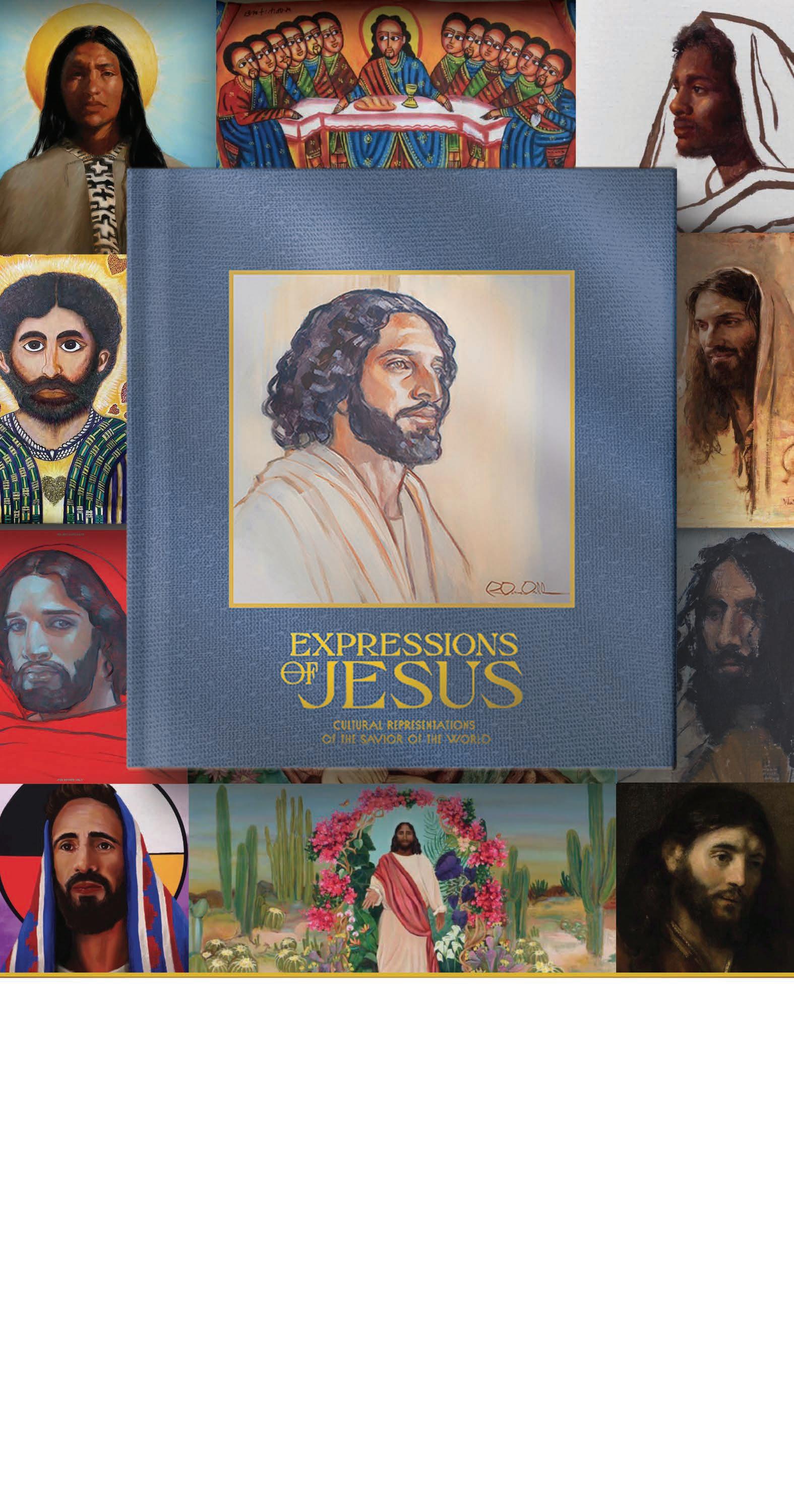

Activity page: Bingo, matching, maze, word search
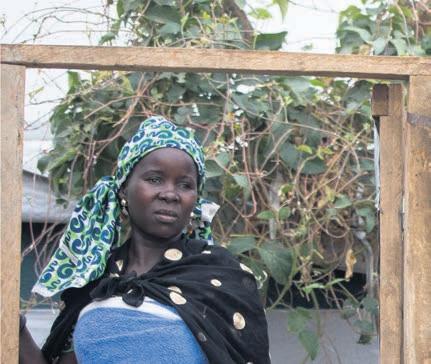
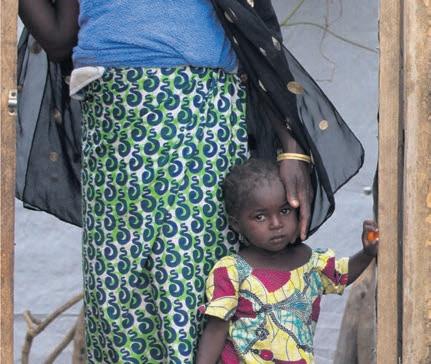
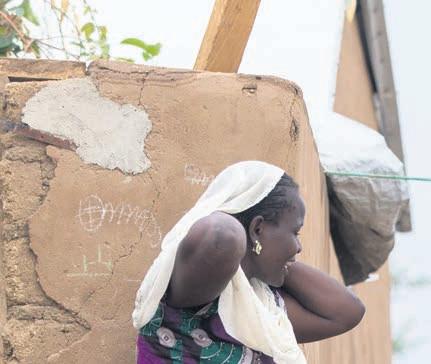

Church helps thousands in U.S. each year

How lives have been blessed by the Church’s efforts around the world
“ So if someone donates a dollar, and you add all those dollars together, it means there’s a meal, it means there’s the $50 box, it means there’s shelter, it means we’re eliminating certain diseases.”
— Presiding Bishop W. Christopher Waddell
By Aimee Cobabe Church News
For Ron Dalgliesh, chief development officer at Edesia, the efforts to help those in need starts with a strip of paper. That strip of paper is used to measure the width of a child’s upper arm to determine whether they are malnourished.
“This is the upper-arm circumference of a 3-yearold who has severe acute malnutrition,” Dalgliesh said while holding up the strip of paper rolled into a small circle. “That’s about the size of a quarter. … I think this just brings it home in terms of the urgency of need for children who are suffering from this.”
In contrast to the small circle representing the child’s arm, Dalgliesh holds up a small pack of food.
“This is the hope,” he said. “This little miracle called ‘Plumpy’Nut.’ … You take two to three packets of this for seven to eight weeks, you’ll transform a child.”
Dalgliesh said he’s seen children who were previously malnourished turn into healthy, happy children thanks to this food.
“It’s unbelievable. It’s remarkable. It’s a miracle.”
A full treatment — with several weeks’ worth of ‘Plumpy’Nut’ for a single child — costs about $50 according to Dalgliesh. And because of a collaboration with The Church of Jesus Christ of Latter-day Saints, Edesia is getting this food to more children in need.
The Church’s efforts to care for those in need
Dalgliesh spoke about the efforts Edesia is making to solve the problem of malnutrition around the world along with leaders of the Church on Tuesday, March 10, in Salt Lake City.
Edesia is a nonprofit organization that makes Plumpy’Nut and distributes it throughout the world to
mothers and children in need.
In 2025, the Church expended $1.58 billion in 196 countries and territories in efforts to care for those in need. The Church also donated 37,063,409 pounds of food through bishops’ storehouses and contributed to 569 emergency relief projects.
President Dallin H. Oaks and his counselors, President Henry B. Eyring and President D. Todd Christofferson, wrote that the Church seeks to follow Jesus Christ “by ministering to the sick, feeding the hungry and comforting the afflicted.”
“Every meal shared, every shelter built, every kindness offered becomes part of the Lord’s work. As we serve others, we are truly serving Him (see Matthew 25:40). In this way, each of us is answering His call to be a light to the world and to follow the Savior’s pattern of loving our neighbor.”
The Church works with other charitable organizations and nonprofits around the world to maximize the impact of these caring efforts. Edesia is one of these organizations, and Dalgliesh said he’s seen the real impact of the Church’s charitable donations in the lives of people in need.
Presiding Bishop W. Christopher Waddell said that when someone donates to the Church’s humanitarian fund, 100% of the money goes to humanitarian efforts.
“So if someone donates a dollar, and you add all those dollars together, it means there’s a meal, it means there’s the $50 box, it means there’s shelter, it means we’re eliminating certain diseases,” he said. Losing a home and finding a home
Kerri Murray, president of ShelterBox USA, said The Church of Jesus Christ of Latter-day Saints is “the most
‘Every meal shared, every shelter built, every kindness offered’ impacts individuals
important partner in humanitarian relief, period.”
“They do so much to help bring emergency shelter to people who’ve lost everything — their homes, their livelihoods — in an instant,” Murray said.
ShelterBox has a mission to make sure everyone around the world has a safe place to call home. They do this by providing emergency shelter, tools and household supplies to displaced families.
Although the scale of the issues ShelterBox is trying to confront is massive, Murray said “we actually can have an impact, and we have a massive impact around the world.”
“It really always comes down to that one family that we were able to get back on their feet again,” Murray said.
Murray said she is inspired by one woman in particular whose story is emblematic of so many others.
“Her name is Esther, and she was a teenager living in Nigeria when Boko Haram stormed her village,” Murray said. “And they brutally raped and murdered her mother, and they killed her father and brothers. And she was able to run in the middle of the night and make it to the border of Cameroon, where she has lived ever since.”
Murray said Esther experienced incredible trauma “like so many refugees and so many of them women and children.” But despite this, Esther was able to establish herself at the Minawao Refugee Camp, where ShelterBox was providing tents for new arrivals.
“She was able to take a sewing class, and she’s become the best seamstress in her block of the camp,” Murray said. “She’s now lived in that camp half her life. But she’s able to have a productive life as a seamstress. She’s able to get married, and she has two young children.”
Murray said the Church has provided support to enable Esther — and others like her — to be resilient.
“That is the reason why we do this work,” Murray said. “These problems often seem very far away, or they seem insurmountable, or you get fatigued because you’re hearing about them so much. But the reality is that we can actually make an impact in the lives of these families.”
Building self-reliance
In addition to working with collaborating organizations around the world to provide for those in need, the Church also offers free self-reliance courses to help people develop skills and build self-reliance through education, employment, finances and other topics.
Courses are completed individually or in small groups and focus on combining spiritual principles with practical skills. Job seekers, displaced persons and prospective students can all be blessed through these courses. Classes are Emotional Resilience, Personal Finances, Starting and Growing My Business, Education for Better Work, Find a Better Job and EnglishConnect.
Blaine Maxfield, managing director of the Church’s Welfare and Self-Reliance Services, said the Church tries to focus on giving people “a hand up rather than just a handout.”
From receivers to givers
Maxfield said during a recent Church News interview that he was also recently inspired by a woman in Honduras who received eggs as part of a poultry program from iDE —
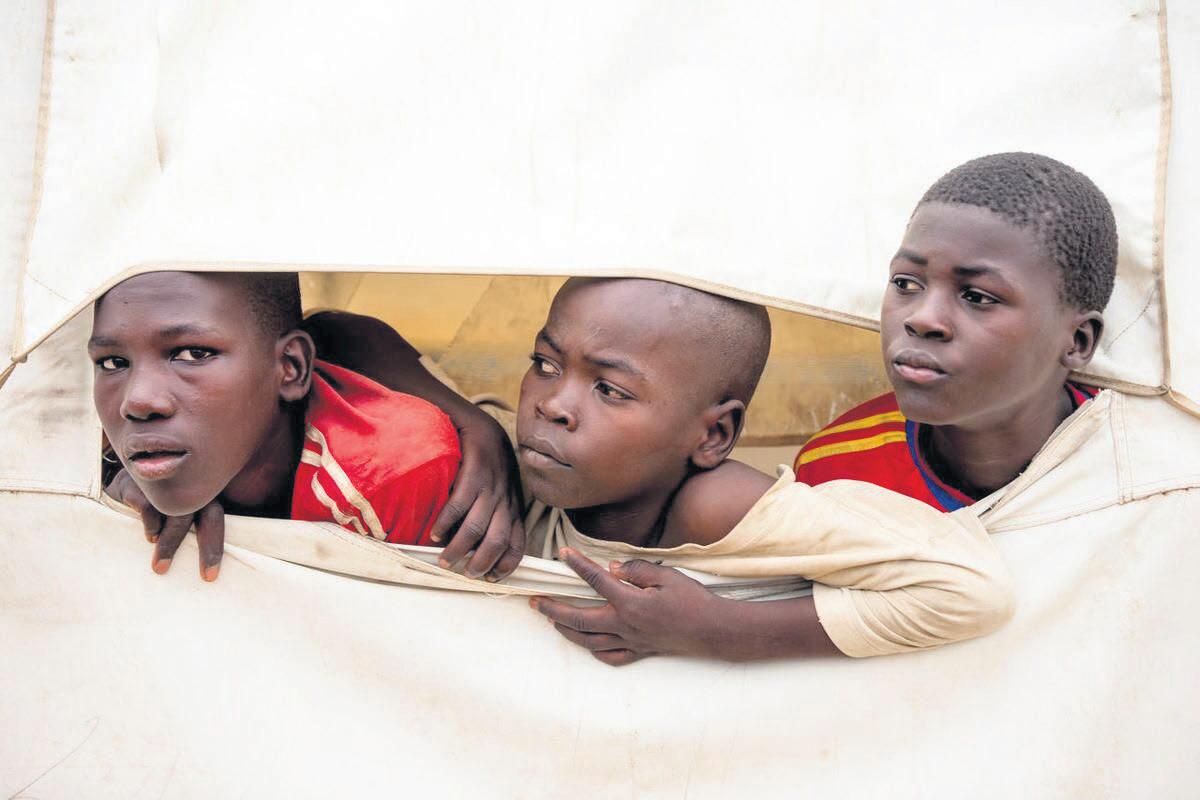
a nonprofit organization that empowers entrepreneurs to end poverty — with the support of the Church.
Berta Hernandez learned how to raise chickens in the program and quickly turned it into a productive business. Inspired by what she was able to accomplish, she created a group called Manos Unidas, or United Hands, in the remote Indigenous community of Monte de los Negros. She has become a pivotal figure in driving positive change in her community by taking the lead in the poultry program.
“As women in remote Indigenous communities, we often lack opportunities like this project provides,” Hernandez said. “I am proud to lead and bring positive change, showing that our efforts and sacrifices have a purpose.”
Another woman in the group, Yuri Guerra, is leading women in her own remote community of Sesesmil Primero.
For Guerra, the initiative was not just about raising chickens; it was a way to acquire more knowledge about poultry care and management.
“Knowledge is the basis of every human being, and so it is nice to have and to know how to handle the birds,” she said.
Guerra has gained more confidence to tackle challenges and grow in her personal and professional life. She also sees how her fellow community members have gained resilience.
“It has been a great opportunity for us,” Guerra said. “We are very motivated by the opportunity that was given to us.”
Guerra would like to see the initiative become a way to have a broader economic development. By expanding the group to include more participants, more women will have direct income opportunities, better employment and financial stability.
The collective effort of the women has led to success. With all the hens among
the women’s groups, 1,500 people in the community gained access to higher-quality eggs at more affordable prices.
Said Maxfield: “First they were receivers, and now they’re givers. Now they’re going out to bless others in remarkable ways.”
Feeding the hungry
In 2025, the Church donated 37,063,409 pounds of food through bishops’ storehouses, equating to more than 30 million meals for people around the world.
In one community, a donation of food came at just the right time to help fill an empty food bank.
When Cheryl Jackson, the owner of Minnie’s Food Pantry in Plano, Texas, opened her food bank, she promised God that as long as there was food, she would continue to serve those who are hungry.
But that became difficult in May 2025 when, she said, the number of families seeking assistance grew every week, food costs rose, and there was a sharp decline in donations.
Jackson posted about the bare shelves on May 16, 2025, and less than a week later, the Church responded with a truck from Salt Lake City with 20,000 pounds of food for Minnie’s Food Pantry and 10,000 pounds for another nearby food bank in need, the All Community Outreach.
After the donation, Jackson said “the need is great, but our God is so much greater that He touches your heart to say hunger is unacceptable in our community.”
Serving the one
In addition to the Church’s efforts to care for those in need worldwide, individual members of the Church offer up their own time and service to care for those in need in their own communities.
The Church teaches — and its members affirm through their actions — that selfless
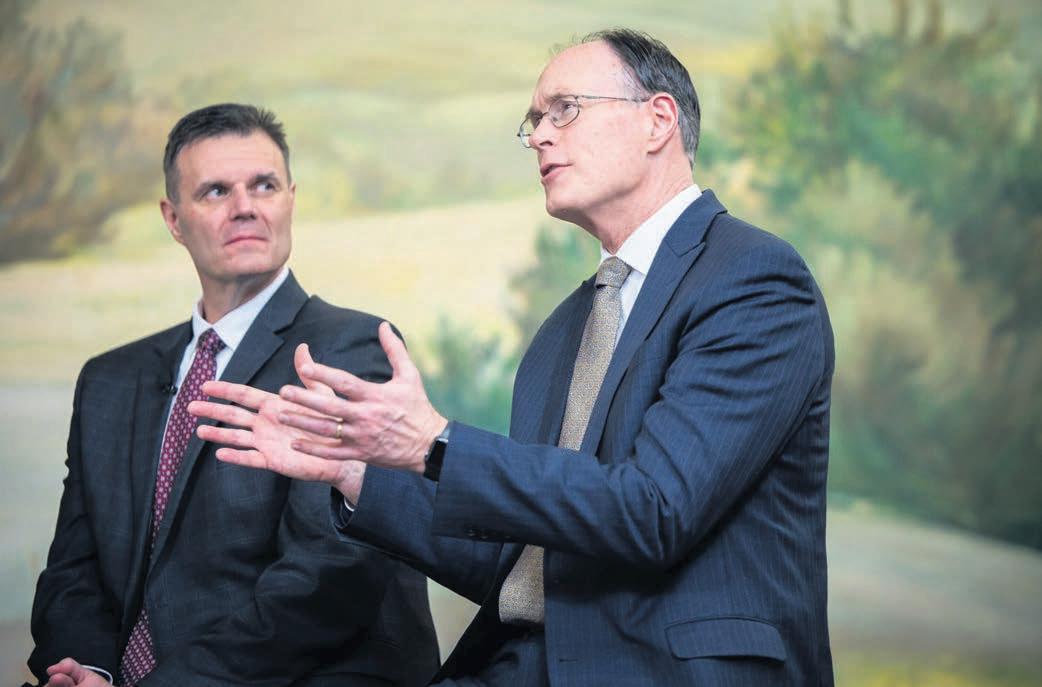
service is how one can follow the Savior’s two great commandments — to love God and love one another.
“Service is an imperative for those who worship Jesus Christ,” President Dallin H. Oaks said in the October 1984 general conference.
Ben Arkell and his family in Lehi, Utah, have been serving together for several years. Although they’ve taken part in many organized service projects, Arkell said they frequently visit the elderly in their community together.
“We have built so many incredible bonds through that habit,” Arkell said. “We have seven children, and I have always felt like they were our secret weapons, because people are always willing to have these cute little kids visit them.”
The Primary service initiative began in 2025, where all Primaries around the world were invited to organize an annual service activity. After the invitation was issued, Primary children around the world responded in many different ways to serve others.
Arkell said he has learned that as he works to take care of others, he feels Heavenly Father and Jesus Christ are taking care of him.
“I want to be God’s hands. It’s one of my purposes in life,” he said. Arkell has found fulfillment in serving others, especially in helping people know they are not forgotten.
He said during one activity with his family where they delivered special notes to old friends, one gentleman opened the door, chatted with the Arkell family and then said: “Thank you so much. It’s nice to know that I’m not forgotten.”
Said Arkell: “Those words have never left me. That was 10 years ago, but I still remember them and am so happy we made someone know that we care.”
“These problems often seem very far away, or they seem insurmountable … . But the reality is that we can actually make an impact in the lives of these families.”
— Kerri Murray, president of ShelterBox
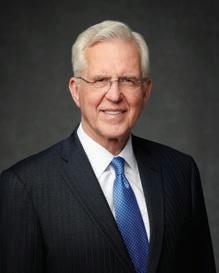
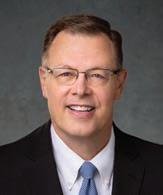
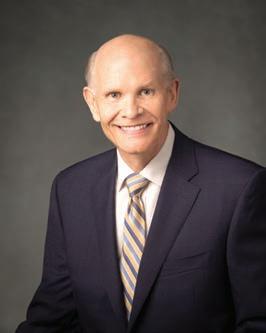
Dallin H. Oaks
Henry B. Eyring
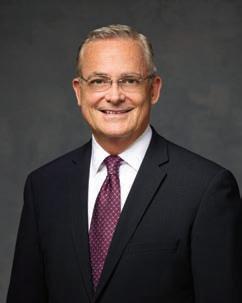
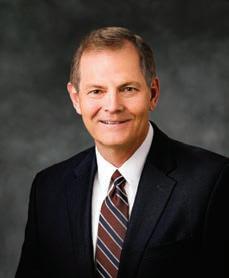
D. Todd Christo erson
Dieter F. Uchtdorf
David A. Bednar
Quentin L. Cook
Neil L. Andersen
Ronald A. Rasband
Gary E. Stevenson
Dale G. Renlund
Gerrit W. Gong
Ulisses Soares
Patrick Kearon
Gérald Caussé
Clark G. Gilbert





















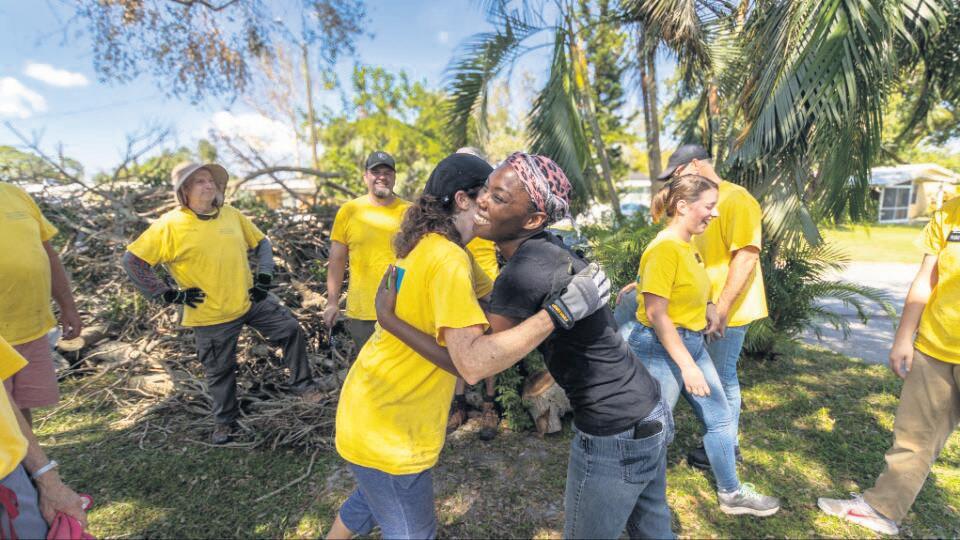
By Aimee Cobabe and Mary Richards Church News
Throughout the United States, millions of people have been fed, sheltered and cared for thanks to donations of time and resources from The Church of Jesus Christ of Latter-day Saints.
Worldwide, the Church spent $1.45 billion in 192 countries and territories in 2024. Through funding and commodities, the Church supports thousands of humanitarian projects around the world without regard to race, nationality or religious affiliation.
Millions of lives have also been blessed by the selfless service of the Church’s members.
The Church teaches — and its members affirm through their actions — that selfless service is how one can follow the Savior’s two great commandments — to love God and love one another.
“Service is an imperative for those who worship Jesus Christ,” President Dallin H. Oaks said in the October 1984 general conference.
President Oaks continued: “To followers who were vying for prominent positions in His kingdom, the Savior taught, ‘Whosoever will be chief among you, let him be your servant’ (Matthew 20:27). On a later occasion, He spoke of ministering to the needs of the hungry, the naked, the sick and the imprisoned. He concluded that teaching with these words: ‘Verily I say unto you, Inasmuch as ye have done it unto one of the least of these my brethren, ye have done it unto me’ (Matthew 25:40).”
The following stories highlight a small portion of the variety and impact this charitable giving and Christlike service for others has had around the United States.
Food donations
In 2024 alone, 24.15 million meals were donated by the Church to those in need in the United States. This added up to 789 truckloads of food donated to 938 locations.
The Church of Jesus Christ of Latter-day Saints donated 70,000 pounds of food — enough to fill two semitrucks full — to feed families who have food insecurity in Chicago, Illinois, in September 2025.
Volunteers from the Church and other organizations gathered Sept. 11-13 to organize the food into grocery bags and distribute the donations to more than 1,000 families.
Each family received two bags of dry goods and one bag of dairy products and frozen meat.
The service opportunity was held at Rainbow PUSH Coalition headquarters in Chicago.
The Rev. Jesse Jackson founded the coalition.
One mother who received food said it will be a bridge between grocery shopping and having to pay for other necessities.
“So I’m able to get other things instead of food with the money that I need,” said Shonnell Hampton. “It literally helps me put food on my table for my son.”
In 2024, the Church and World Food Programme celebrated 10 years of serving together with a gathering of Church and WFP leaders. Hundreds of young adults in Utah also assembled over 4,300 food boxes in one day for food pantries in the state.
Nearly 30,000 pounds of food arrived in Hightstown, New Jersey, on Aug. 25 as part of a donation from the Church to Rise, a nonprofit community service center.
The food — delivered on pallets from the Church’s Bishops’ Central Storehouse in Salt Lake City — stocked Rise’s food pantry, mobile markets and home delivery programs, directly benefiting the more than 700 families the organization serves weekly.
American Red Cross
Continuing a long-standing relationship, the Church announced a donation of $5.1 million to the American Red Cross on Aug. 7, 2025.
The donation was to support critical efforts, including equipment for new donor centers and programs supporting sickle cell disease treatment.
The Church’s donation supported Red Cross efforts and initiatives across the country, according to Heidi Ruster, CEO of the American Red Cross Utah/Nevada Region.
“But this collaboration goes far beyond funding,” she said. “It’s a testament to our shared dedication to serving and supporting those in need.”
A long-standing collaboration
On Thursday, March 21, 2024, Church leaders donated $7.35 million to the American Red Cross.
That day, during the meeting in the Church Office Building in Salt Lake City, leaders of both organizations also signed a new memorandum of understanding, further solidifying their longstanding collaboration.
This memorandum streamlines disaster response efforts by reducing service redundancies, designates Church buildings as potential shelters and enhances coordinated disaster planning through joint training and drills.
The Church has a long history of collaboration and donation with the American Red Cross, dating back to the late 1800s.
The Church is the largest single contributor to the American Red Cross blood drives. Annually, Latter-day Saints donate approximately 97,000 units of blood through thousands of drives. Over three decades, the American Red Cross has received more than 1 million units through some 37,000 drives hosted by the Church.
Other monetary donations have happened
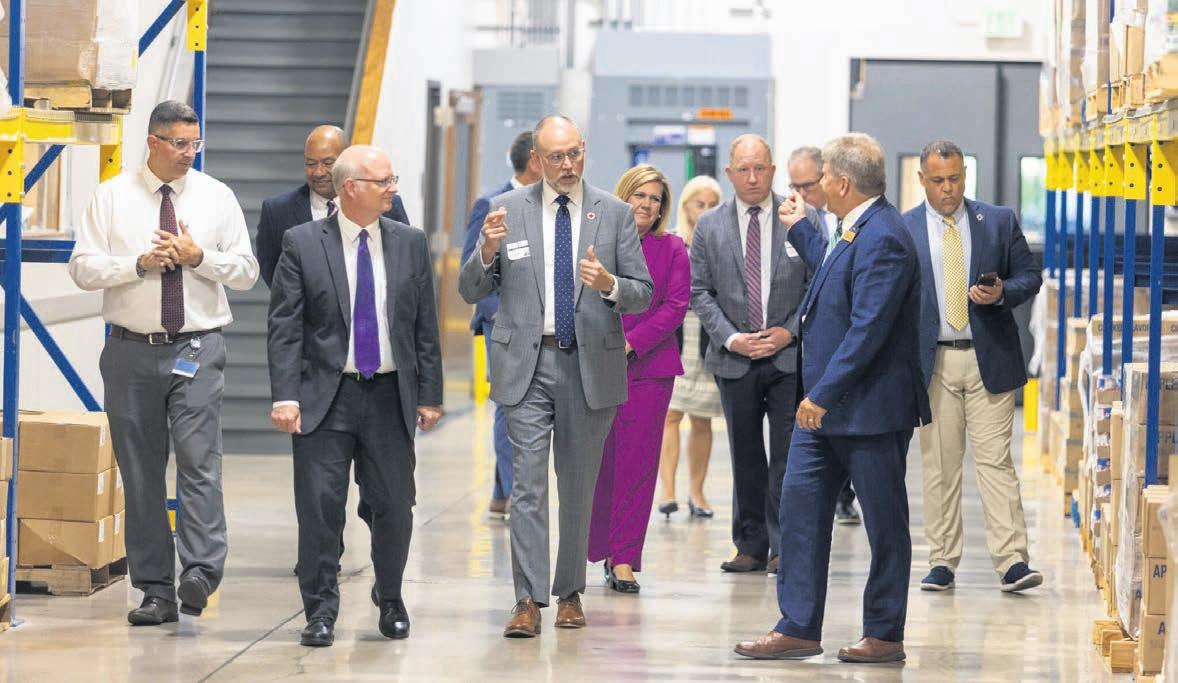
as well in the United States; for example, the Church gave $1 million to the American Red Cross to help after devastating wildfires on the Hawaiian island of Maui in 2023 and contributed $1.2 million to help the American Red Cross and other nonprofit organizations after the wildfires in Southern California in 2025.
MyBaby4Me initiative
The U.S. Department of Health and Human Services has recognized the role of The Church of Jesus Christ of Latter-day Saints for implementing a program that has reduced infant mortality rates in Black communities. The director of the department’s program designed to integrate faith-based organizations in health care recognized and praised the Church at a Washington, D.C., event on April 12, 2024.
The MyBaby4Me initiative was born in Memphis, Tennessee, after Church leaders met with leaders of the NAACP to brainstorm ways to address infant mortality rates that are significantly elevated in a specific geographic area.
The MyBaby4Me initiative is a collaborative effort between the Church and A Chance To Learn. It offers classes for new and expectant mothers on health, nutrition, mental health, education and governmental resources and, where funds are available, may assist with transportation and food.
Families in Memphis and Nashville, Tennessee; Little Rock, Arkansas; New Orleans, Louisiana; and Charlotte, North Carolina, communities can receive this help thanks to the generous support of many community organizations that offer space, time and other resources to help mothers be successful.
LaToyia Dennis, CEO of A Chance To Learn,
“[Christ] spoke of ministering to the needs of the hungry, the naked, the sick and the imprisoned. … ‘Inasmuch as ye have done it unto one of the least of these my brethren, ye have done it unto me.’ ”
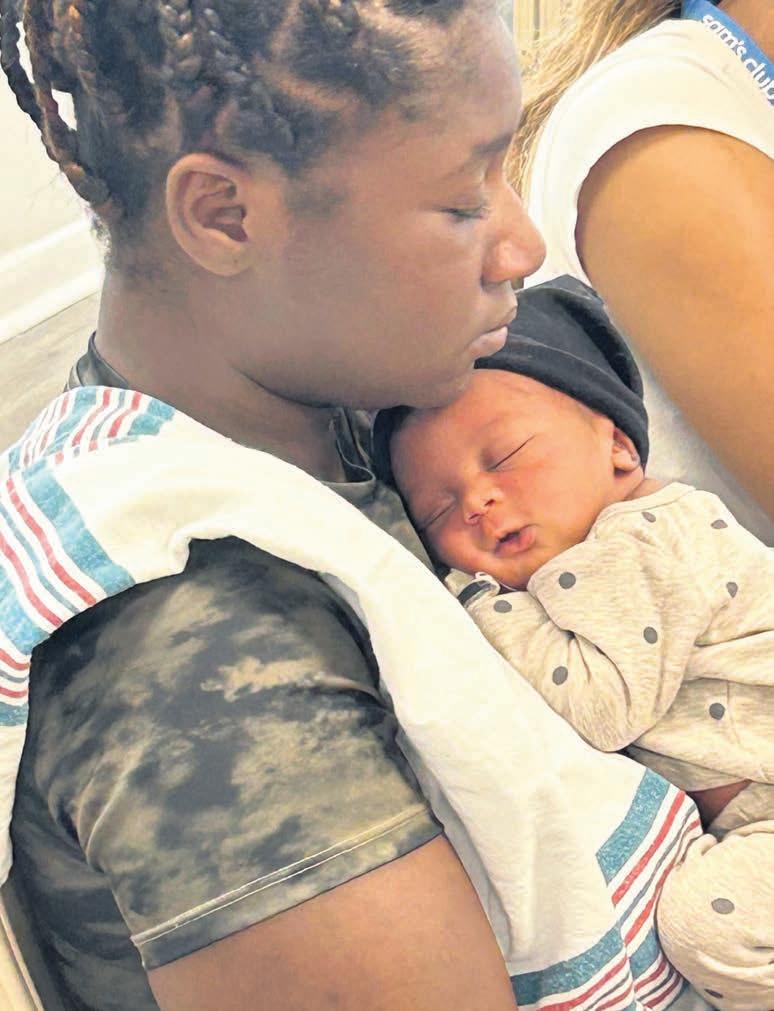
The Church of Jesus Christ of Latter-day Saints
A MyBaby4Me participant holds her newborn baby in Memphis, Tennessee. The program began in late 2022, with the first woman beginning the classes in January 2023.
said the MyBaby4Me program is a lifeline for expectant and new mothers.
“A Chance To Learn agreed to work with the Church to lead this initiative because we share a common mission: to walk alongside families during one of the most critical seasons of life,” Dennis said. “Together, we are reducing maternal and infant health disparities, offering hope and creating healthier beginnings for moms and babies in our community.”
Working with the NAACP
The Church and NAACP have worked together in recent years in other ways as well throughout the United States. One example is hosting a Freedom School in Plano, Texas, to
help middle schoolers learn about and connect with Black history. The Church provided one of its meetinghouses, meals and genealogy research help for students and their families.
Another example includes service in Cincinnati, Ohio, with the local chapter of the NAACP.
“When you see someone that is in need, when you see a community that is in need, we need to reach out,” said Matthew White, a member of the West Chester Ward in the Cincinnati Ohio North Stake. “As followers of Jesus Christ, we need to reach out, because that’s what He would do.”
In Atlanta, Georgia, service missionaries are leading a photo-archiving project at Morehouse College. And in 2024, the Black 14 in collaboration with the Church donated 40,000

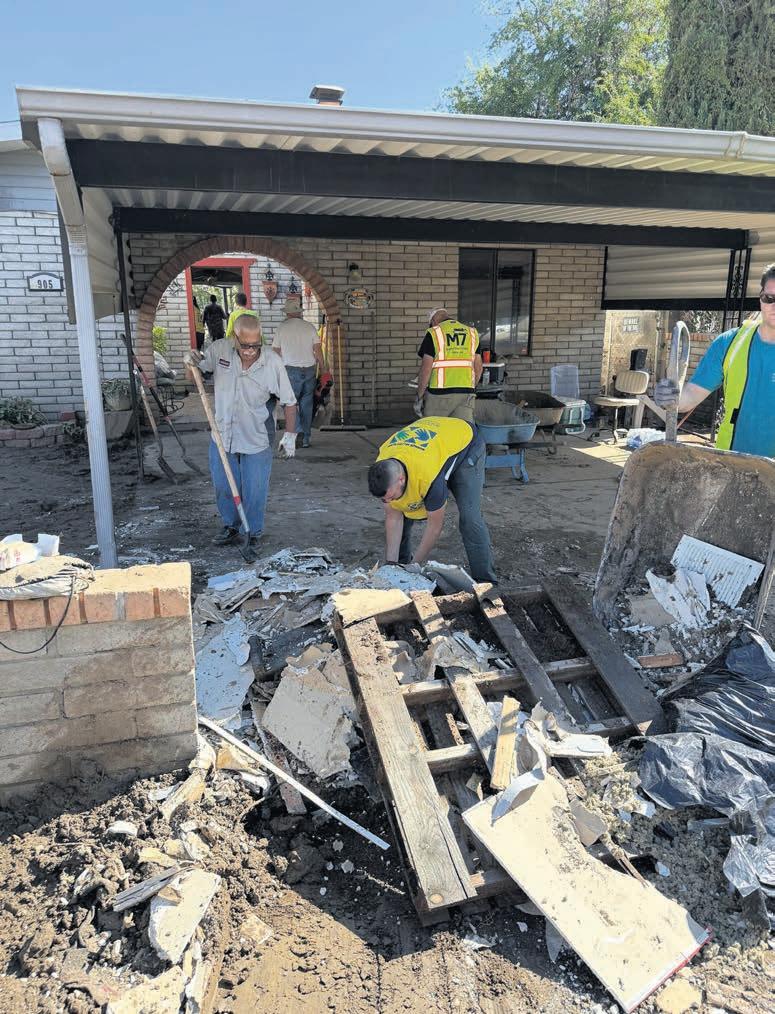
pounds of nonperishable food items to the Atlanta Community Food Bank.
Fostering self-reliance
Self-reliance allows people to better focus on the Savior’s two great commandments, to love God and to love one’s neighbor.
The Church of Jesus Christ of Latter-day Saints offers free self-reliance courses to help people develop skills and build self-reliance through education, employment, finances and other topics.
Courses are completed individually or in small groups and focus on combining spiritual principles with practical skills. Job seekers, displaced persons and prospective students can all be blessed through these courses. Classes are Emotional Resilience, Personal
Finances, Starting and Growing My Business, Education for Better Work, Find a Better Job and EnglishConnect.
How individuals and families have benefited
In New York, many people have seen their lives change through building their self-reliance. Juanita Matthis, of the Westchester New York Stake, lived on the streets of New York and in a women’s shelter. After joining the Church, she took the Education for Better Work class. Then she took Personal Finances and Emotional Resilience.
“My life has not been the same since I came to these classes,” Matthis said.
























When Sheyla Amador de Rivera came to the United States from the Dominican Republic at the age of 17, no one in her family could speak English. Now she teaches the EnglishConnect class in the Westchester stake.
Rivera said God’s power plays an important role as people find strength in the Spirit while learning.
“If I had a megaphone, I’d tell everybody about EnglishConnect,” she said.
Self-reliance classes are becoming a part of the culture of the Liberty Missouri Stake, explained Lorin Walker and Jo Anne Walker, who were called about a year earlier to form a stake self-reliance committee.
Said Lorin Walker: “It’s not, ‘Oh, this is a new program.’ It’s what we do around here.”
The emotional resilience course is by far the most popular, Jo Anne Walker said, and youth participants are leading the way in finishing.
In the West Jordan Utah Westland Stake, a group of women took the Emotional Resilience class together. Stake member Cary Johnson said many in the group had experienced grief, loss, health challenges and other issues but learned through the class how to rely on the Savior.
“Our Emotional Resilience experience became like the Waters of Mormon for each of us — ‘how beautiful are they to the eyes of them who there came to the knowledge of their Redeemer; yea, and how blessed are they, for they shall sing to his praise forever’ (Mosiah 18:30),” she said.
Disaster response
After the largest fire in Texas history burned over 1.5 million acres of hay and left farmers and ranchers devastated in 2024, the Church immediately committed to donating 640 tons of hay to ranchers in the Texas Panhandle — with transportation cost included.
The donated hay was shipped over a twomonth period, with the Church setting aside more hay stores in the Church’s Bishops’ Central Storehouse in case of additional need, according to ChurchofJesusChrist.org
After flooding in Kentucky and West Virginia at the start of 2025, the Church sent 235,000 pounds of food and supplies to organizations on the ground to distribute to those in need.
Pallets of hygiene kits, cleaning supplies, food and water were delivered to some of the hardesthit areas.
Service after disasters
Members of the Church donated their time to help with cleanup efforts in four cities after flooding in Kentucky and West Virginia in February 2025.
Huntington West Virginia Stake President James A. Wolfe said that as they worked through the challenges of another widespread flood event in the region, many of various faiths turned to God.
“For those that have lost loved ones, they seek comfort. For those that have had property damage, they ask for strength to move forward. For those that desire to help, they look for guidance on ways to assist. As Christians, we mourn with those that have been affected, and we strive to help as best we can,” he said.
‘Disaster relief work is truly the 99 seeking the one’
Other recent natural disasters in the United States have provided ample opportunity for members of the Church to show love for their neighbors.
More than 12,000 volunteers from the Church donated 170,000 hours to relief efforts at 5,700 homes impacted by hurricanes Helene and Milton in the southeastern United States in October 2024.
“Disaster relief work is truly the 99 seeking the one,” said Elder John D. Amos, a General Authority Seventy who was living in Orlando, Florida, at the time and served there as an Area Seventy in the Church’s North America Southeast Area. Elder Amos was a member of the area’s Disaster Response Committee when the hurricanes hit.
“We gather in groups by the hundreds, wearing yellow shirts and carrying chain saws, ready to help those in need,” he said. “But we are not just removing trees — we are restoring hope. We are not just mucking out homes — we are sharing His light. We are not just tarping a roof — we are bringing peace. In doing so, we are living the great commandments to love God and love our neighbors.” Service by Church members around the United States
One of the largest efforts in the United States to serve others each year is organized as part of the 9/11 National Day of Service. In 2025, members of stakes around the country shoveled, raked, weeded, painted, cleaned headstones, honored first responders and more.
Over the last two years, women have found ways in their own communities to take part in the Church’s global initiative for women and children, which is being led by the Relief Society.
Alaina Nickerl, a student at Georgia State University, focused her capstone project on kangaroo mother care, or skin-to-skin contact, because of the initiative’s focus on maternal and newborn care.
Relief Society sisters in the Champaign Illinois Stake took part in a one-day, threeshift service project at the Eastern Illinois Foodbank. Nearly 600 Relief Society sisters gathered in Manchester, New Hampshire, where they donated over 1,200 blankets and 700 care kits to those in need. And Latter-day Saints in Detroit, Michigan, have a growing collaboration with Zaman International, whose work focuses on single mothers, refugee families and others navigating crises.
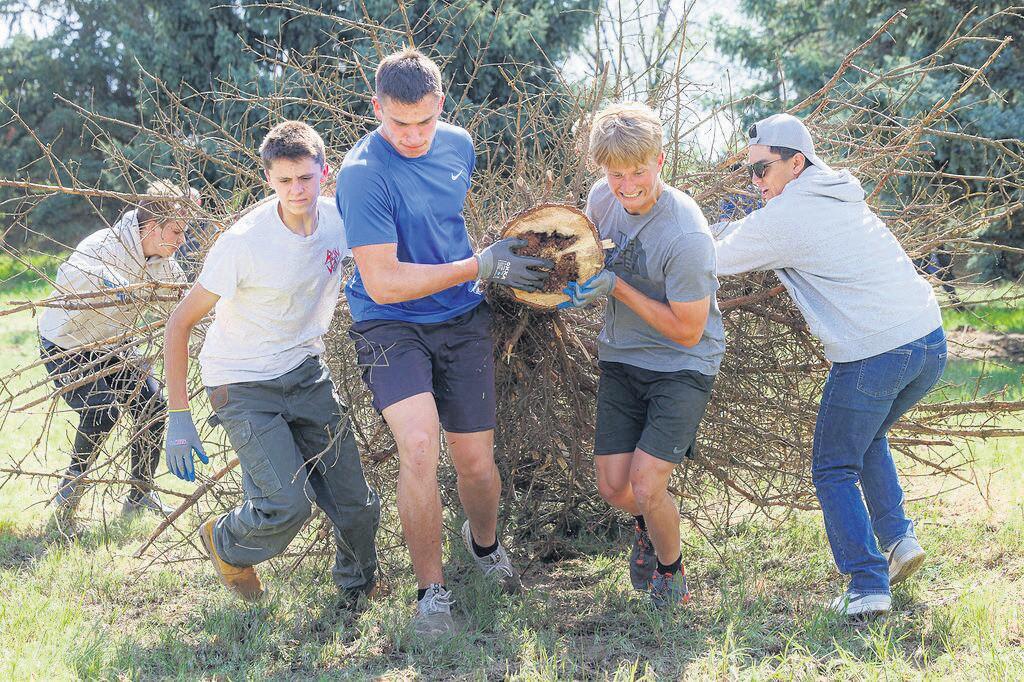

Youth and young adults are serving others in their communities — turning out in large numbers for Global Youth Service Day in April and for other opportunities to volunteer at other times during the year.
At the Church’s second annual Utah Area YSA Conference, in 2024, attendees contributed to several service projects between Logan and St. George throughout the three-day conference. They made blankets for people experiencing homelessness, packed emotional care kits, helped with local service projects and assembled meals to help children in need. Young adults gathered again in 2025 to participate in a similar service activity in Salt Lake City.
In Chandler, Arizona, what started as a simple activity where the youth from the stake could come and go ended as a day of service where families came and stayed. Youth and adults in the Cedar Mill Oregon Stake come together throughout the year for various service projects that benefit not only the unity of their stake but also those in their community. In Salt Lake City, young women have built a soccer team with their refugee neighbors.
Children serving
The Church’s youngest members are also serving. Primary children around the United States have answered the invitation by the Church’s Primary general presidency to hold a service activity in 2025.
Children in the San Rafael California Stake took the lead as they assembled backpacks, hygiene kits and more.
Two Primary children in Arizona collected 2,400 pairs of shoes for donation.
Primary children in the Garland Utah Stake collected donations for their own community and for children in Ghana.
In Texas, Primary children in the Alliance Texas Stake assembled and made Christmas ornaments, snack packs and other things for those in need.
And in Albuquerque, New Mexico, one family has worked on a goal to serve once a month with their Primary-age children.
Making comfort items and clothes
In Missouri, JustServe volunteers have created and donated hundreds of crocheted pickles for kids in foster care to enjoy.
Laura Gartin, program director of Live 2 Give Hope, said that kids will dig through a pickle barrel made by Latter-day Saint youth to find “their” pickle.
“The pickles give them comfort and joy,” she said. “When they are picking them out, they are so excited. It’s something unique and special that is just for them.”
In Oregon City, Oregon, on May 4, 2024, hundreds of women gathered to sew skirts for immigrants and refugees in their community, write Christmas cards for seniors, make
sandwiches for a local homeless shelter and half a dozen other projects through JustServe.
JustServe clubs
And in high schools across the country, youth are starting JustServe clubs, focused on joining arm-in-arm to serve their communities.
Maci Whitesides in Orange County, California, got the idea to start a high school club from a youth leader. Many of her friends joined the club, and they recruited others by calling out, “Do service. It’s cool” at school events.
“Service makes me so happy,” Maci said. “Once you do it, you get it. I wanted so badly to tell everyone at high school that doing service will make you so happy.” Clubs were started under the direction of Elder Mark A. Mortensen, an Area Seventy in the Church’s United States West Area, who saw the potential of service to transform youth.
“What they have done has created a movement,” said Elder Mortensen. “There has been a greater level of service, and it has given the youth a sense of belonging and purpose.”
Flooding cleanup
Monday, Sept. 29, 2025, started early for
thousands of Latter-day Saints in Mesa, Arizona. With little warning or time to prepare, they traveled more than 100 miles east to help neighbors in need. They showed up with shovels to Globe, Arizona, where flooding over the previous weekend claimed the lives of four people and left many homes destroyed or severely damaged.
Fred Ashby, a JustServe specialist in the Mesa Arizona Kimball East Stake, estimated that 4,000 people volunteered to help clean up after the storms and subsequent destruction.
“It was pretty remarkable,” Ashby said.
The volunteers organized into groups of about 300 people and went door-to-door, knocking and asking how they could help. They then spent the day shoveling mud out of people’s homes and offering comfort where they could.
“One woman had 4 feet of water and 2 feet of mud in her home,” Ashby said. “It was a disaster.”
Even with the large numbers who served to clean out many homes across the community, Ashby said the biggest impact was on the people’s hearts.
“We may not have done much. It was more for me — for us — than anyone else. It changed our hearts.”







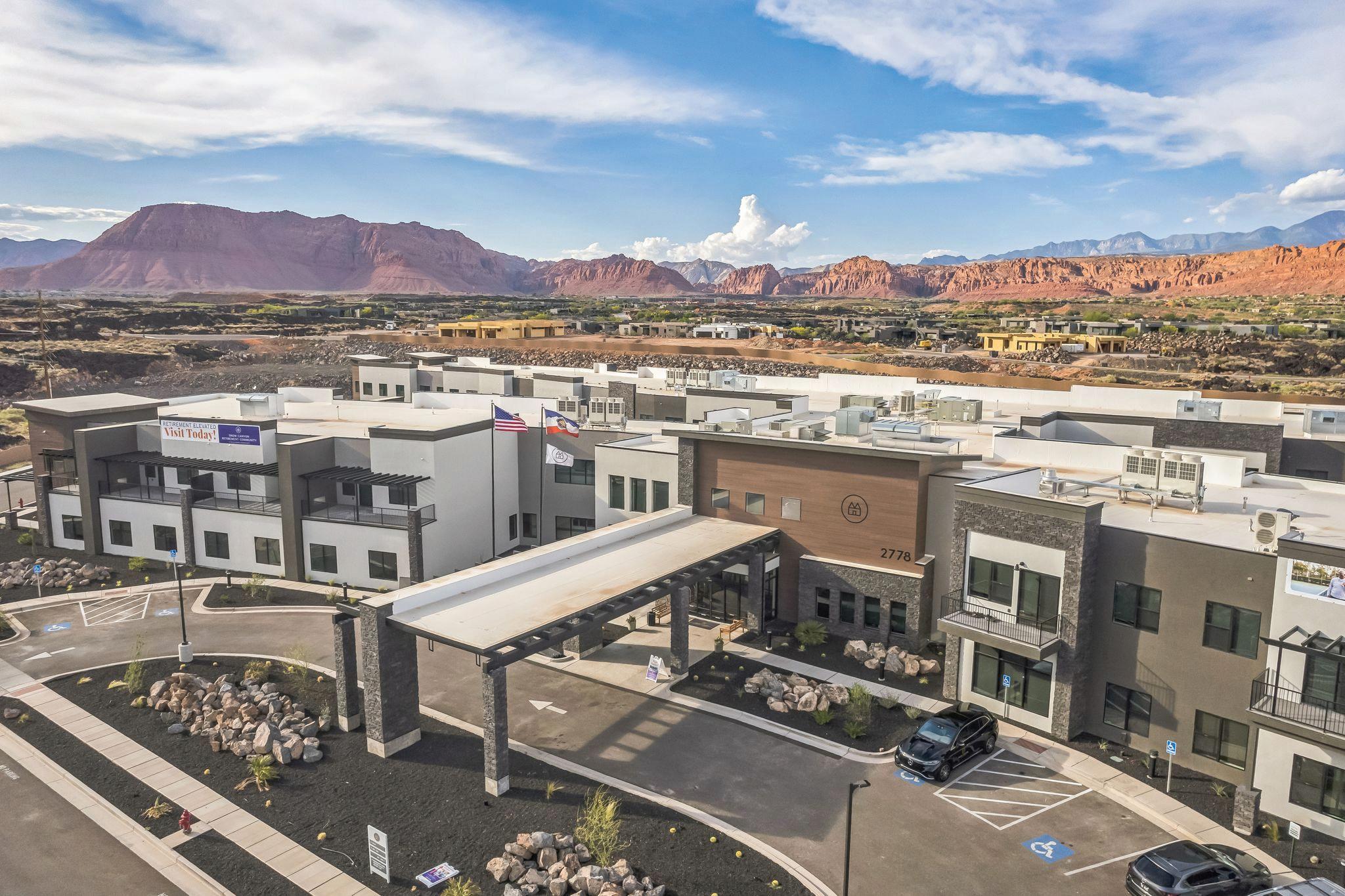


Surrounded by multiple state parks and nestled against the awe-inspiring red rocks and breathtaking scenery of Southwestern Utah, Snow Canyon Retirement Community is a brand-new luxury community. Enjoy resort-style living, from Privately Owned Homes to Independent Living Apartments and Villas, Assisted Living Apartments, and Specialized Memory Care.




Fitness center and personal trainers
Lounges
Heated pool and spa
Eighteen-hole championship putting course • State-of-the-art golf simulator
Bocce ball arena
Pickleball courts • Vibrant social calendar • Digby’s Convenience Market
• Concierge services
• Electric car charging stations
See all that Snow Canyon Retirement Community offers. Stop by, scan the QR code, or call (435) 272-2385 to schedule your personalized visit.