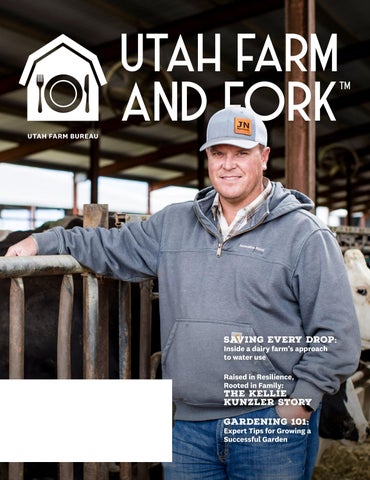
Saving every drop: Inside a dairy farm’s approach to water use
Raised in Resilience, Rooted in Family: The Kellie Kunzler Story
Gardening 101: Expert Tips for Growing a Successful Garden
on an Eligible New1 Ford Truck or Ford Blue Advantage™ Certified Used2 Vehicle.
1 Available on the purchase or lease of an eligible new 2025/2026/2027MY Ford Maverick, Ranger®, F-150®, Super Duty® or F-150 Lightning®. Not available on any other Ford or Lincoln vehicles, or F-150 Raptor®, F-150 Raptor R™, Ranger Raptor or F-650® and F-750® Super Duty. Vehicle eligibility may change at any time. Available to U.S. residents only. Place a new retail order or take new retail delivery from an authorized Ford Dealer’s stock by 1/04/27. Limit of five purchases/ leases per household during the program offer (PGM# 32900). Offer subject to dealer participation. May not be used/combined with most other Ford private offers. See an authorized Ford Dealer or go to https://www.fordrecognizesu.com, for complete details and eligibility (PGM# 32900).
2 Available on the purchase of an eligible certified used 2021-2027MY Ford Blue Advantage Gold, EV (F-150 Lightning only), or Blue Certified, Ford Maverick, Ranger, F-150, Super Duty or F-150 Lightning with under 80,000 miles. Not available on any other Ford or Lincoln vehicles, or F-150 Raptor, F-150 Raptor R, Ranger Raptor or F-650 and F-750 Super Duty. Vehicle eligibility may change at any time. Available to U.S. residents only. This offer is not eligible for customers purchasing a vehicle in the state of Arkansas, Hawaii, Idaho, Louisiana, Maryland, Mississippi, Oklahoma, and Texas. Take delivery from an authorized Ford Dealer’s stock by 1/4/2027. Limit of five purchases per household during the program offer (PGM# 32902). Offer subject to dealer participation. May not be used/ combined with most other Ford private offers. See an authorized Ford Dealer or go to https://www.fordrecognizesu.com, for complete details and eligibility (PGM# 32902). The Farm Bureau Exclusive Cash Reward1 is
Being Water Wise – We All Play a Role
BY VALJAY RIGBY, PRESI DENT, UTAH FARM BUREAU FEDER ATION
Hello Utah Farm Bureau members!
Having lived through our largely snowless winter and the volatile temperatures of spring, many Utahns have asked what the future is going to look like. Will there be water in our lakes and reservoirs for recreation? Will my lawn be brown? How is this going to impact my garden? Will there be any produce at the farmers markets?
Farmers and ranchers in Utah have been asking similar questions. How am I going to feed my livestock, given that I don’t have any hay or feed in grazing lands? What will I plant, given that water will be cut short this year? How will I provide for my family, and those of my employees, given that I have no or limited crops to harvest?
Hard times like these help clarify certain realities – water is needed to grow food; it is wise to have agriculture throughout our
communities and country to ensure against loss; and farmers are doing all they can to use their resources wisely and produce food for the rest of us.
As you look through this issue of our magazine, I hope you see examples of how farmers are looking to make the best use of the water they have, and how all Utahns can take steps to be better water users. You will also see examples of great food being grown that is the result of innovation and change.
Lastly, you will also see invitations to participate in a celebration of our nation that is 250 years in the making! I hope you can find ways to connect with agriculture in Utah and appreciate the many ways it impacts our lives. Thank you for being a Utah Farm Bureau member!
ValJay Rigby President, Utah Farm Bureau Federation
UTAH FARM BUREAU FEDERATION 9865 South State Street Sandy, UT 84070 801-233-3000 | utahfarmbureau.org
VALJAY RIGBY
President Utah Farm Bureau Federation
WADE ELIASON
Vice President Utah Farm Bureau Federation
SPENCER GIBBONS
Chief Executive Officer
Utah Farm Bureau Federation
MATT HARGREAVES Managing Editor Vice President of Communications
POSTMASTER: Please send address changes to the Utah Farm Bureau Federation, 9865 S. State Street, Sandy, UT 84070-3205.
DESERET NEWS | HOMETOWN MEDIA 55 North 300 West, Suite #500 Salt Lake City, UT 84101 801-204-6300 | deseret.com
UTAH FARM AND FORK (ISSN 1068-5960), Spring 2026, Vol. 72 No. 2. Published five times per year by Utah Farm Bureau Federation, 9865 S. State Street, Sandy, Utah 84070. Subscription price $10 a year. Periodicals Postage Paid at Sandy, Utah, 84070.
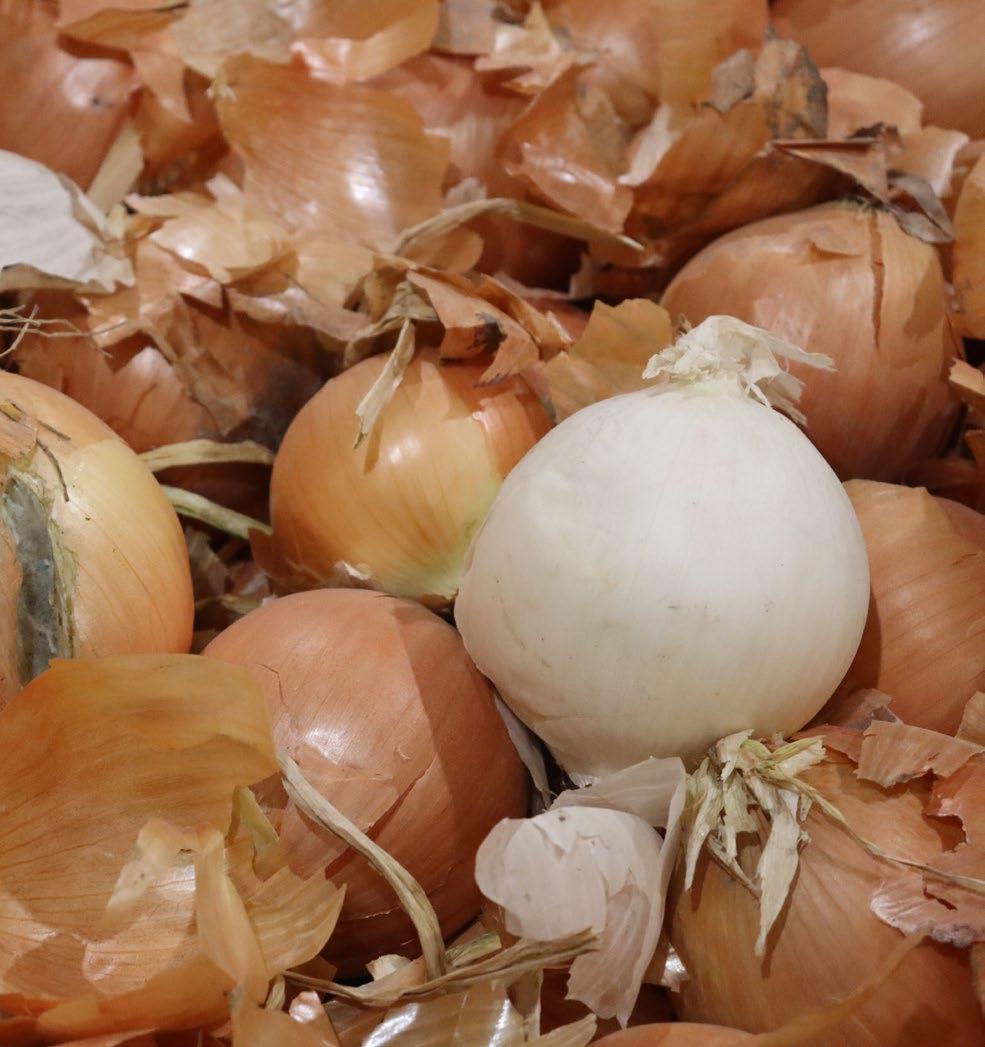
Smileys Onions Bringing Smiles to Cooks Everywhere with its Tearless Onions
BY MATT HARGREAVES, EDITOR, UTAH FARM & FORK MAG AZINE
CORINNE, Utah. –
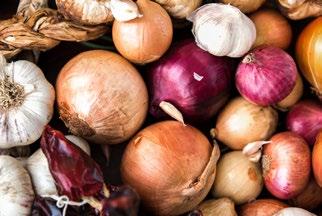
For decades, onions have been a musthave ingredient in kitchens everywhere. They bring flavor, depth, and sweetness to countless dishes, but they almost always come with one unavoidable side effect. An undetectable frontal attack from an invisible enemy that unless you were wearing contacts, hit you right in the face – painful onion tears. To say nothing of unsightly smeared makeup from those very same tears.
I speak only a little melodramatically from personal experience, having recently sliced open some onions for a family gathering. That’s why I was intrigued when I began seeing the bright pink billboards throughout
Utah advertising locally grown onions without the threat of tears.
If you haven’t gone down the rabbit hole of finding where the sting comes from, a short lesson in chemistry is in order. According to the American Chemical Society, “when you cut an onion, its cells are ruptured, releasing enzymes that break down amino acid sulfoxides into unstable sulfenic acids. These acids rapidly rearrange to form the volatile gas. The gas floats up and dissolves in the moisture of your eyes, reacting with water to form a mild, dilute solution of sulfuric acid. This acid irritates your eyes’ nerve endings, triggering glands to produce tears and flush out the irritant.”
That’s where Smileys come in. Grown by Onions 52 – a Utah-based
onion co-op that also has growers in Washington state – Smileys® are the result of more than 30 years of development, naturally created by repeatedly crossbreeding milder varieties of onions to deliver great flavor without the tears. With careful growing practices and patience, the program expanded year after year.
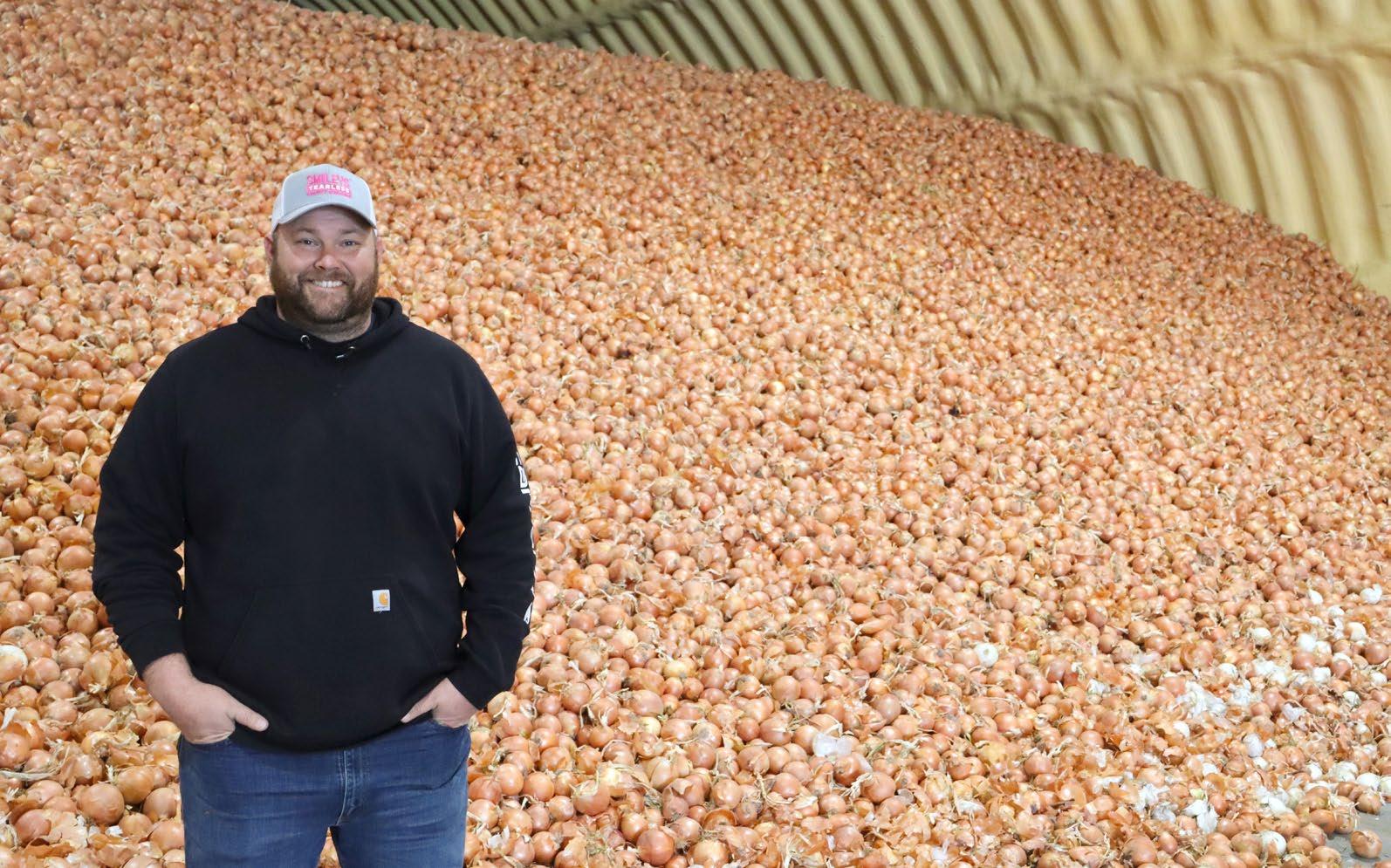
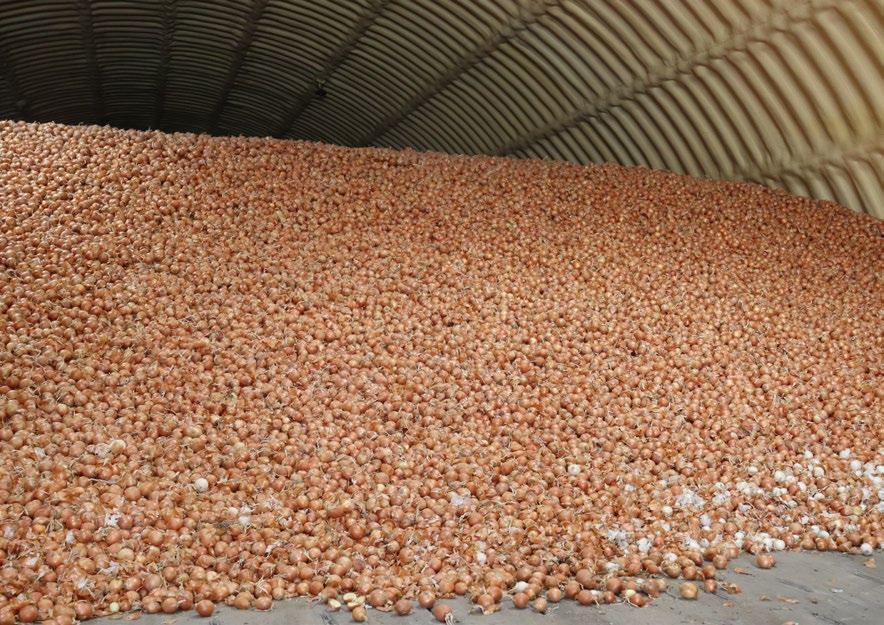
Today, that original test plot has grown into a nearly five-month sweet onion program, spanning from late October through mid-April, with Smileys® shipping to customers across the United States and Canada. Growing regions have also expanded into Northern Utah, where the program now partners with the Holmgren Family, bringing additional volume of the specialty onion and decades of growing expertise.
Riggin and Laura Holmgren grow Smileys onions on their farm in Box Elder County and love being able to grow a product for families that now has less downside.
“The onions store well and become milder over time,” Riggin said. “I’m glad that we can dedicate even more acres of our farm to growing these onions right here in Utah.”
The Holmgrens were the perfect addition to the Smileys program. With generations of farming experience, the Holmgrens bring dedication, care, and Utah-grown pride to the program. The partnership with the Holmgrens and other local growers, including Russ Fowers and K&B Farms, allows Smileys to reach more tables nationwide while continuing the legacy of sweet, tearless onions that consumers have come to love.
“With smileys I love the idea that families who have an aversion to cutting onions can now enjoy a tearfree onion experience,” Laura said. “As
a mom, I can see something simple like this influencing the dinner table. Smileys could mean more taco meat sautéed with onions or a Sunday roast in the crockpot accompanied by an onion. These kinds of food innovations break down barriers to consumption. As a Smiley grower and as someone with children, I really appreciate that!”
Both Washington and Utahgrown Smileys® sweet onions have connected with partners in their communities, with sponsorships of Gonzaga University, Brigham Young University, and Utah State University. At a basketball game this year in Logan, a student sank a full-court putt to win a semester of paid tuition courtesy of Smileys. They have also partnered with Utah PGA golfer Patrick Fisburn to promote the onions.
“Attending USU basketball games has always been a blast for our family, and so when Smileys started sponsoring scholarships through fun halftime contests, we were thrilled to see the company we grow for showing up
in the community that way,” Laura Holmgren said. “Smileys have become a topic of conversation at Utah’s only land-grant university, and we hope the message is clear – food production and food innovation are alive and well in Utah. It’s an industry I’d love to see the next generation pursue.”
Similar to using a traditional yellow onion, Smileys can be used fresh on sandwiches or in salads or cooked down for use in protein recipes or for an onion soup. They hold up well when cooking and can be stored for longer periods of time in the pantry, due to their lower water content compared with traditional sweet onions.
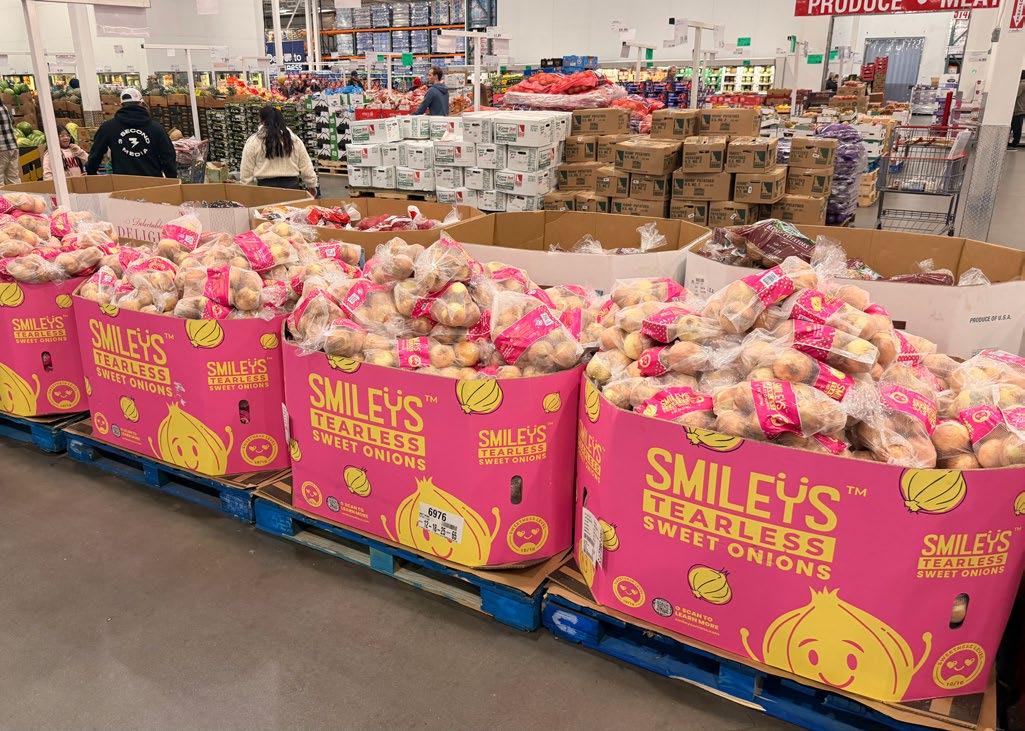
With the growing season underway, look for Smileys onions this fall at several retail locations in Utah, including Maceys, Lin’s, Ridley’s, Kent’s, Walmart and Costco. For more information, visit smileysonions.com
Smileys™ omelette
Serves 6 | prep time 15 min | coook time 20 min
INGREDIENTS:
• 8 Large eggs
• 1/3 cup grated parmesan cheese
• 2 tbsp milk
• 2 tbsp olive oil
• 1 Smileys choppen onion
• 8 ounces sliced mushrooms
• 2 garlic cloves
• Rinsed baby spinach
METHOD:
1. In medium bowl, add eggs, Parmesan cheese and milk. Whisk to combine and set aside.
2. In a large sauté pan, on medium high heat add olive oil. Heat one minute and add onions and mushrooms. Saute for 3-5 minutes or until onions are translucent. Add garlic and stir to combine. Turn heat to medium and add spinach. Stir to combine and cover. Cook for 1-2 minutes or until spinach is wilted. Season with salt and pepper. Spread mixture evenly on bottom of pan. Add prepared eggs, lower heat to medium low and cook for 10 minutes; lifting edges to let uncooked eggs run underneath. To finish cover for 2-3 minutes and omelette will get puffy.
3. Cut into wedges and serve warm. Great for breakfast, lunch or dinner.
ONION STORAGE TIPS:
• Keep whole onions in a cool, dark, dry, well-ventilated place like a pantry, closet or cold storage area.
• Sweet onions have a shorter shelf life so use the sweets sooner rather than later.
• Do not keep whole onions in the refrigerator.
• Do not keep onions in a plastic bag, lack of air movement reduces storage life.
• Sliced or chopped onions can be stored in the fridge, in a sealed container for up to seven days.
• Do not store your onions near your potatoes. Gases released by onions will hasten sprouting in potatoes.
IDEAL TRANSPORATION AND STORAGE TEMPERATURE: 45-55°F
Raised in Resilience, Rooted in Family: The Kellie Kunzler Story
BY SUSAN FURNER, VICE PRESIDENT — CONSUMER ENGAG EMENT
Women are, at their core, nurturers, cultivators, and growers — skilled at balancing many responsibilities — so it’s no surprise they make exceptional farmers and ranchers. In fact, one in three farmers in America is a woman. According to USDA Census of Agriculture data, women make up 36% of all U.S. farmers. In recognition of their vital contributions, the United Nations has designated 2026 as the International Year of the Woman Farmer.
This year, Utah Farm Bureau is proud to celebrate Utah’s women in agriculture—one story at a time. Throughout the year, we will
highlight women across the state and the essential roles they play not only in producing our food, but also in strengthening their farms, supporting their families, and enriching their communities.
MEET KELLIE KUNZLER
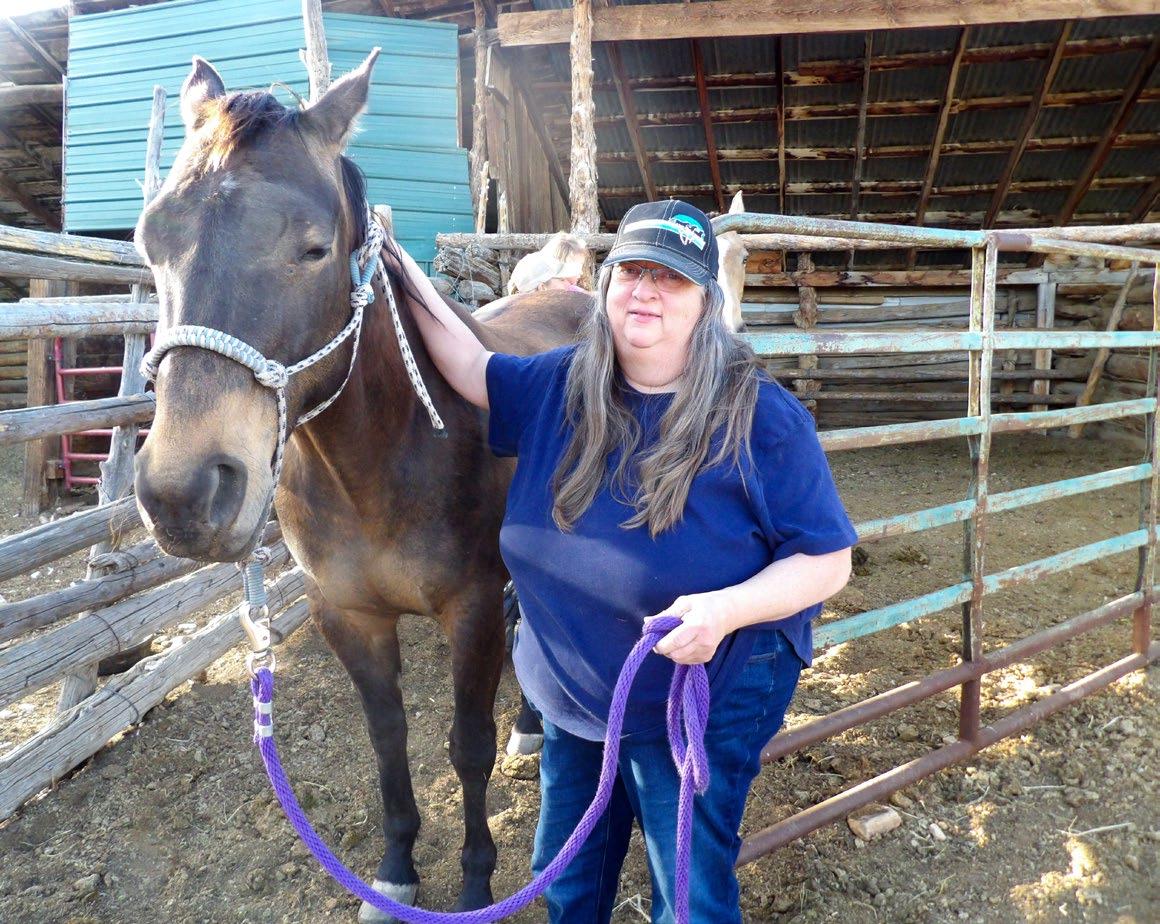
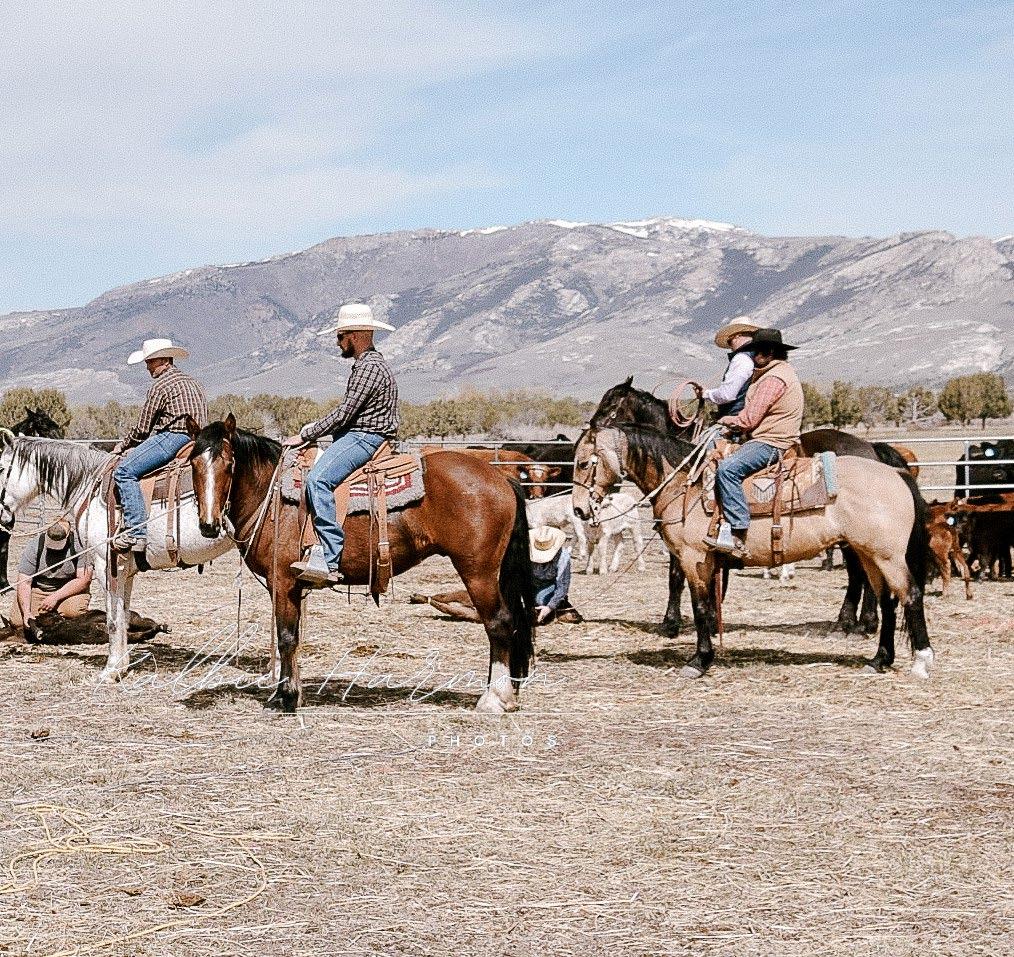
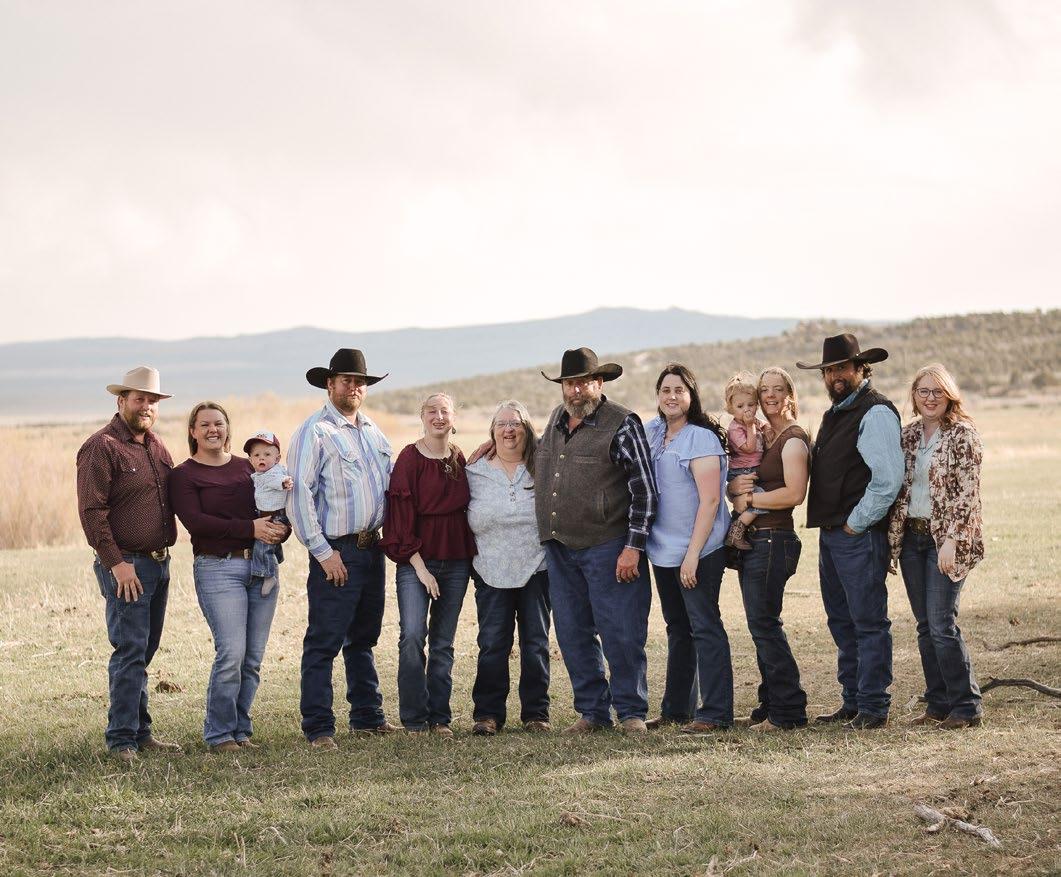
Kellie and Del Kunzler have six children and continue the tradition of raising cattle and horses on their sixth-generation, Kunzler & Sons Ranch. They run 500 head of Anguscross mother cows on 10,000 acres in Rosette, near Park Valley, in Box Elder County, Utah. The family also has horses, including a few broodmares (female horses kept specifically for breeding purposes, rather than for riding). Kellie has loved horses since she bought her
first horse with the money she saved from showing steers at the fair.
Kellie’s past holds the lessons, experiences, and decisions that have shaped her life.
THE FARMER’S DAUGHTER
The daughter of Clark and Vaudis Ward, Kellie was raised on a ranch in the little town of Almo in southern Idaho. Her parents had a small herd of Holstein milk cows for a few years, then switched to Hereford/Angus cross beef cattle. She grew up helping on the ranch and singing in her family’s Country Western dance band.
Kellie’s parents met in high school. One time, Clark invited Vaudis to a dance and then never picked her up.
Vaudis’ father was playing in the dance band, so she went along with her dad. When she got to the dance, there was Clark dancing with a brunette girl.
“Dad knew when the blonde girl showed up that he was in trouble,” Kellie reminisces. “I once found a stack of poems Dad wrote, and one of them was of that experience. My mom told me that all his poems were based on real experiences and that really stuck in my head.”
LOOKING ON THE BRIGHT SIDE
Maybe that’s what led Kellie to write books about her life experiences. Writing was never in her plans, but she began posting experiences and life lessons on Facebook to help people look on the bright side of things. She began to get positive feedback and encouragement from her friends to compile her stories into a book. This unexpected journey led her to write A Different Kind of Same: A Country Girl’s View of the World and Making a Difference: A Country Girl’s ViewTake Two. Kellie takes readers to an inspirational end, traveling through the experiences and lessons of her
life with a little cowboy wisdom sprinkled in for good measure.
Maybe Kellie didn’t plan on being a writer, but as early as she can remember, she planned on being a rancher.
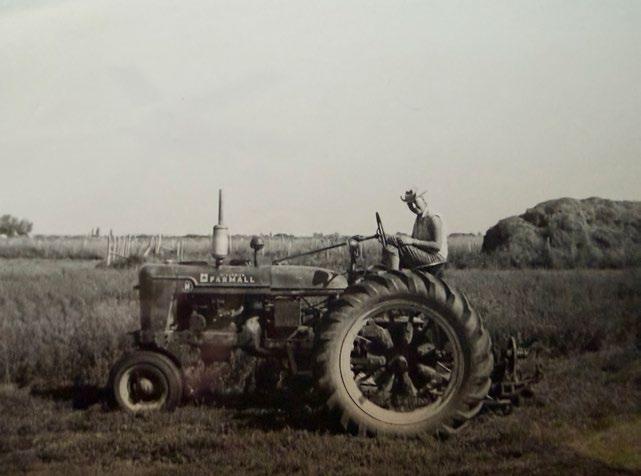
Kellie loved working on the farm alongside her family. From her early years sitting in the barn while her father milked, to later driving the swather, and moving cows, she loved being one of the few girls in her valley who helped on the ranch, and she loved living in the country.
Like many farm families, her mother and father also worked off the farm to make ends meet. Kellie’s mother drove a school bus, and her father was a deputy sheriff.
When Kellie was only 8 years old, her father passed away from cancer. Her older brother was 17, her older sister was 15, and her little sister was only 4. Kellie’s mother and father had
always worked together on the ranch. Her mother understood the business, but now the immense responsibility of keeping the farm going fell on her shoulders. Vaudis grew up being her dad’s “right-hand man,” so she sought counsel and advice from her father and a brother-in-law.
“Mom kept driving the school bus. She kept us together, served in the community, and made sure the bank had what it needed to keep us going. Mom kept us going, and together we kept the ranch going – we all pitched in. Mom just kept going and didn’t give up. She figured out how to make things work,” Kellie recalls.
Eleanor Roosevelt once said, “Women are like teabags. We don’t know our true strength until we are in hot water.” Vaudis Ward found her true strength in the “hot water” of running a ranch without her husband, and maybe without even knowing it, raising her family in resilience.
WOMEN WEAR A VARIETY OF HATS
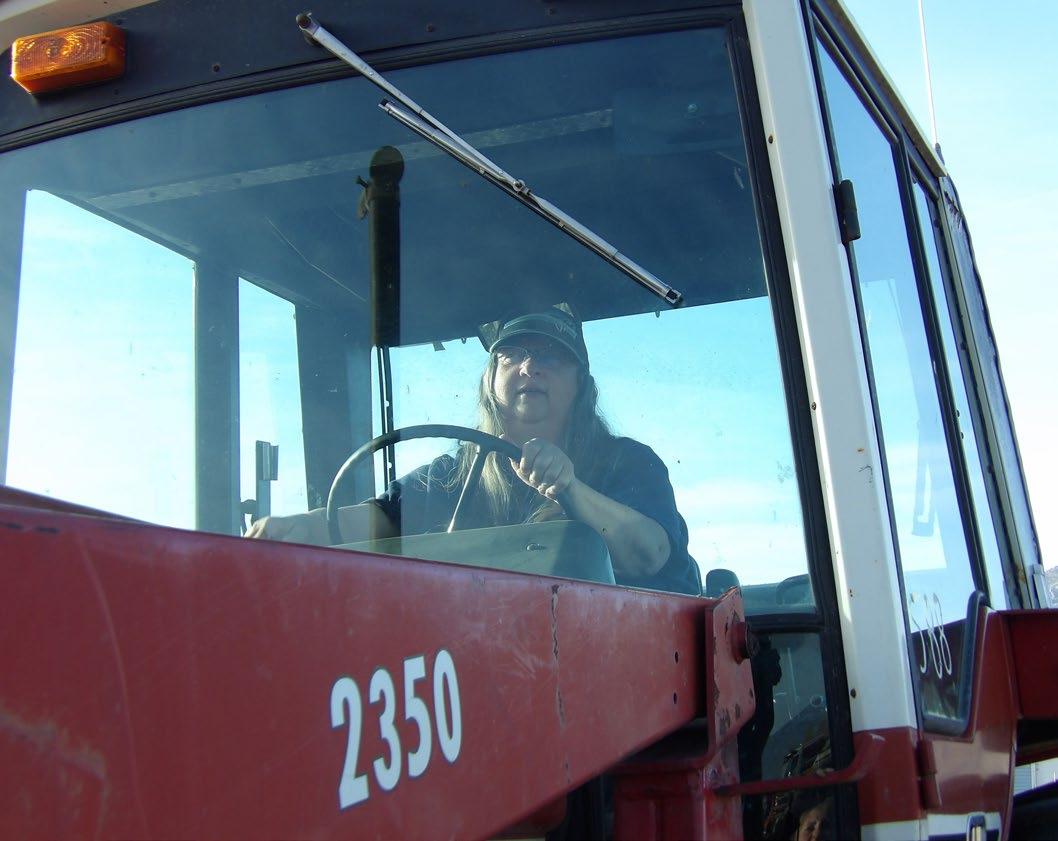
In addition to owning and operating a ranch, Kellie earned her bachelor’s degree in family history research, she’s an AEMT on the local ambulance service, a 4-H leader, an author, plays the organ at church, and, like her mother, drives a school bus for the local school in Park Valley.
“Women wear so many hats. We pitch in wherever we’re needed. We hold down the fort, we cook the meals, we raise kids, we keep the books, we work cattle and put up hay. We figure out how to get things done. Farm women are flexible, and we improvise really well,” Kellie said.
ROOTED IN FAMILY
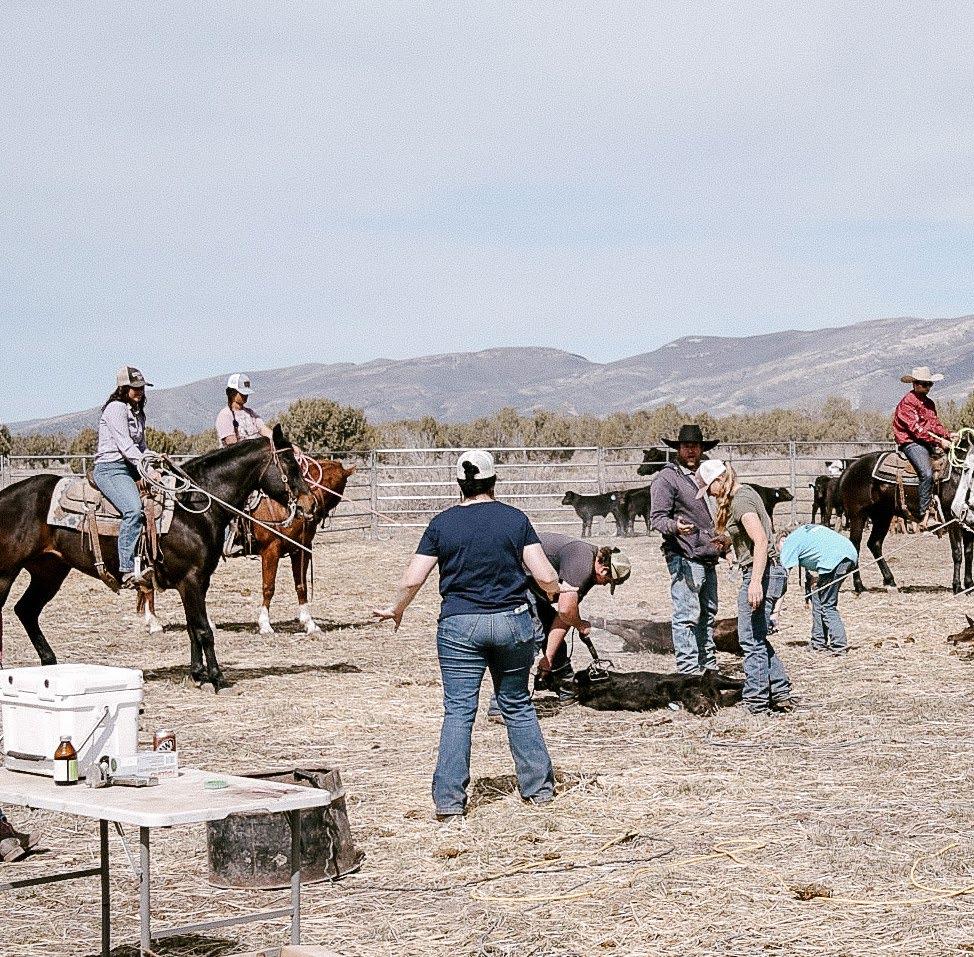
From her resilient farm roots, Kellie’s desire to be a rancher started to become a reality on a blind date with a cowboy named Del Kunzler. He took her to the Cassia County Fair and Rodeo in Burley, Idaho. When that went well, Del called Kellie on Monday to go to the Box Elder County Fair in Tremonton, Utah. As they walked the fairgrounds on Wednesday, holding hands, the younger kids from Del’s hometown who were showing their animals were thrilled to see that Del had a date! He asked Kellie out for team branding for that Saturday, and so began her ranching family dream.
Agriculture is not just for the present, but for the future. Kellie sees the future in her children and grandchildren.
The Kunzlers rely on their children to help. One of their sons remembers how his confidence grew as his grandfather and father gave him responsibilities and put their faith in him. He wanted to be someone they could always count on. That character-building block has made all the difference in his life.
Kellie believes, “There’s no better way of life. There’s so much good that comes from growing up on a farm or ranch, like learning responsibility, developing skills that can help people, developing a strong work ethic, working outside in the fresh air alongside your family, and feeling like you accomplished something at the end of the day.”
Are there family challenges that arise that test their patience? Of course.
Kellie has learned through experience that seeing things from another’s point of view and having patience help in the journey to understanding and resolving family conflicts.
“The bottom line is we are a family— we’re in this together. You can get mad at each other, but at the end of the night, we’re still a family. Whether moving cows or branding, everyone is pitching in and doing their part.”
WE ARE IN THIS TOGETHER
Kellie believes deeply in passing on a legacy of hard work and faith, teaching her children and grandchildren that what they do—and who they are— truly matters. She wants them to grow up knowing they are loved and that she is proud of the paths they are forging. More than anything, she hopes they become people of integrity—willing to step in, lend a hand, and be the helpers in a world that needs them. Because to Kellie, life is not meant to be faced alone; we are all in this together.
BANKING WITH STRONG ROOTS
With deep ties to the communities we serve, Cache Valley Bank is proud to support the farmers, ranchers, and families who help our communities grow. Find us a 24 branches from Preston, Idaho to St. George, UT
Helping your yard thrive, Even in a Drought
BY JULIA MISIEGO, FOOD AND FARM WRITER, UTAH FARM B UREAU
Anyone living in Utah has been aware of the pressure that years of relentless drought have put on our water systems. Lots of fingerpointing and public discourse are circulating (no pun intended) over water sustainability and solutions.
While Utah farmers are continually investing in efficient irrigation systems and other conservation methods, agriculture accounts for the largest share of diverted water use in Utah. Diverted water is water that is removed from the natural environment for human use.
According to the Utah Division of Water Resources, an average of 8890% of Utah’s water stays in the environment it falls into or flows downriver to fulfill obligations to
other states. Only an average of 8-10% is withdrawn from the system for other uses. Of that 8-10%, agriculture uses approximately 80%. However, the full story of water depletion is much broader.
According to the University of Utah, “Revised estimates reveal that Municipal and Industrial (M&I) depletions now account for approximately 26% of human-caused depletions, a significant increase from previous estimates. This updated data emphasizes that all sectors—urban, agricultural, and industrial—must contribute to conservation efforts.”
One way residents of Utah can help conserve water is by investing in water-wise landscaping around their homes, or as the team at Jordan Valley Water Conservancy calls it, ‘Localscaping’.
“For the average Utah family, about 60-65% of annual water use is their landscape,” said Cynthia Bee, Director of Engagement at Utah Water Ways. “When they localscape, they’re looking at saving anywhere from 60-80% of their household water use annually.”
So, what does water-wise or “localscaping” mean, and what does it look like?
“It’s all about what works in your local area,” Bee said. “St. George is going to have different landscaping needs than northern Utah, for example. But each can be just as strategic and smart about their water use.”
Bee also advises that Utah residents avoid extremes when planning their landscaping. “There can be a spectrum in Utah,
with one extreme being 100% lawn, and the other extreme being only rocks and zero plants,” Bee said. “Neither extreme is ideal; we want to choose an option in between.”
The essence of localscaping is to consider your outdoor space holistically and strategically, and to plan how you’ll use the space and how you can water it efficiently.
HOW TO PLAN
According to the Jordan Valley Water Conservancy District, there are five tenets to designing a localscaped environment:
1. A Central Open Shape
The first step is to designate a central open space, which is most commonly a lawn but can also be pavers or a low-growing ground cover. This open shape serves both recreational and design purposes. When adding color and texture to other places with plants and trees (see step #5), the large open shape gives the eye a place to rest.
A common misconception is that you need to rip out all grass, but localscaping doesn’t have to mean no lawn. Grass actually serves many beneficial purposes.
“Grass can be really effective at
cooling your home,” said Nancy Harris, co-owner of All American Sod Farms in Richfield. “When planted in large chunks around your house, it can actually lower the temperature in and around your house and save on energy costs.”
Grass is also great for recreating, as it’s a natural weed barrier and acts as a filter for blown-in dirt, food spills, and pet excrement.
“There is no other plant that can do what a lawn does, and we don’t want plastic either,” Bee said. “We don’t want to vilify lawn, but because it has the highest water needs in a landscape, it needs to be for active recreation,
not a default ground cover.”
The recommendation is to ideally have a shape with circular edges, because it is more efficient to water with an overhead sprinkler (which sprays in a circular pattern). Since there isn’t a good way to water grass with a drip system, an overhead sprinkler will be the best irrigation option.
“We need to design our landscapes to fit irrigation systems,” Bee said. “Not design our irrigation systems to fit landscapes.”
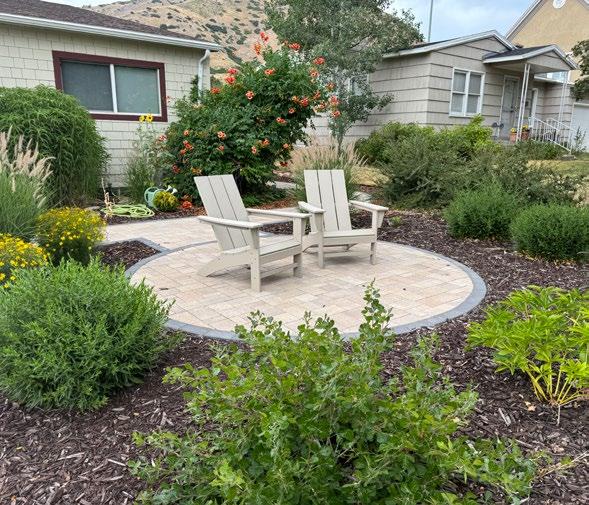
2. Gathering Areas and 3. Activity Zones
The next step is to place any gathering areas (like patios and decks) and activity zones (like
playsets, trampolines, or hot tubs) outside your lawn. Many people like to have them on top of grass, but placing them outside of it can save you time and maintenance from mowing and irrigating around them.
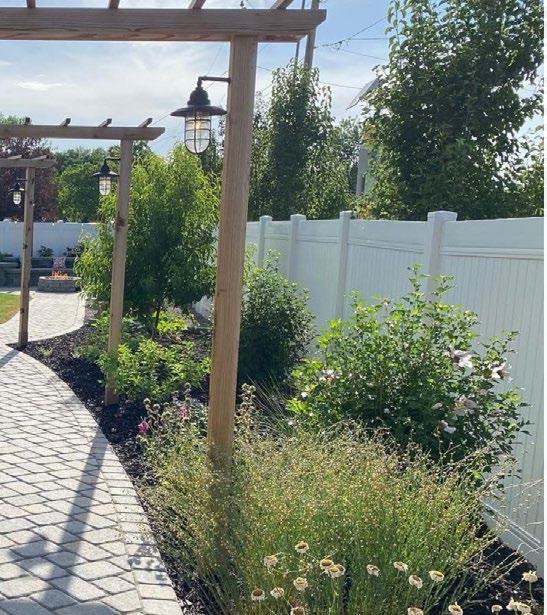
4. Paths
Many houses have small, narrow side yards on one or both sides that effectively serve only as pathways. They take effort to irrigate and maintain, but when switched to a designated pathway, they save water and improve the flow of foot traffic to other parts of your landscape.
5. Planting beds
Not to be confused with raised gardening beds, which would go in the “activity zone” category, planting beds refer to all the space that surrounds your hard surfaces (patios, walkways) and your central open shape. Utah-friendly trees, shrubs, and perennial plants are vital for providing shade, visual interest, and habitat for wildlife such as birds, bees, and butterflies. Watering these plants with a drip system is ideal.
WHERE TO START
Getting started can feel extremely daunting, especially if you have established landscaping and want to change things up. Bee encourages people to consider places where they don’t or can’t use grass effectively, like park strips (the area between the sidewalk and the road).
Park strips are typically the first project that homeowners are encouraged to tackle when approaching a localscaped design.
Both the Jordan Valley Conservation Park and the Localscapes website have multiple free park strip designs and resources to get started, including lists of waterwise, Utah-friendly plants. You can find their website by simply googling “localscape”.
You can also tour conservation gardens in person for inspiration. Since Utah’s geography and growing conditions vary greatly from Logan to St. George, the best plants for your area are going to be different from those in another. Residents of Southern Utah could visit the Red Hills Desert Garden in St. George, which features hundreds of plant species, native fish, and dinosaur tracks. Residents of central Utah could visit Sego Lilly Gardens in Sandy, a 2.5-acre water-wise garden funded and maintained by the Sandy City Public Utilities Department, or, of course, the Conservation Garden Park in West Jordan.
Local county conservation districts across the state can also provide resources and educational classes specific to your area. Simply Google “(Your County) Water Conservation District” to find the closest resources to your area. Local nurseries will also have great suggestions for plants that do well in your area and can help you pick out varieties that meet the needs of your landscape plan (shade vs. full sun, etc.)
Another barrier to localscaping is cost. Plants, irrigation systems, and other supplies are expensive. The Jordan Valley Conservation Park developed Utah Water Savers as a way for the
customers to apply for landscape incentives. They are also supported by the Utah State Legislature and other conservation districts in Utah and offer grants and compensation opportunities for waterwise planting, tree planting, and installing drip systems. You can check your eligibility to apply at utahwatersavers.com.
If this all still feels daunting, remember you don’t have to overhaul your entire landscape right now.
“Focus on a small, low-risk, attainable project to start,” Bee said. “It’s okay to go slow so you can have success.”
And remember the benefits of localscaping to stay motivated. Welldesigned and executed landscapes can give you and your family more enjoyment and usefulness in your space. It will also decrease your water bill and be more in line with our natural environment and climate. “At the end of the day, we all benefit from having an adequate water supply,” Bee said. “And [everybody benefits from] farmers having water to grow food.”
$19.35 Million Sharing Success in patronage returned to customers.
When you finance with Western AgCredit, you’re not just a customer, you’re a member-owner. That matters.
In 2025, we returned $19.35 million of net earnings back to customers. That means the success of our association stays where it belongs—supporting local farms, ranches and ag businesses.
Long-term financial strength and strong repayment performance combined with steady, responsible growth allows us to share that success year-after-year.
Here’s to growing stronger—together. Contact us today to experience the Western AgCredit difference!
The Dough Lady: Rolling in Sweet Success
BY AUBREE THOMAS, COMMUNICATIONS COORDINATOR
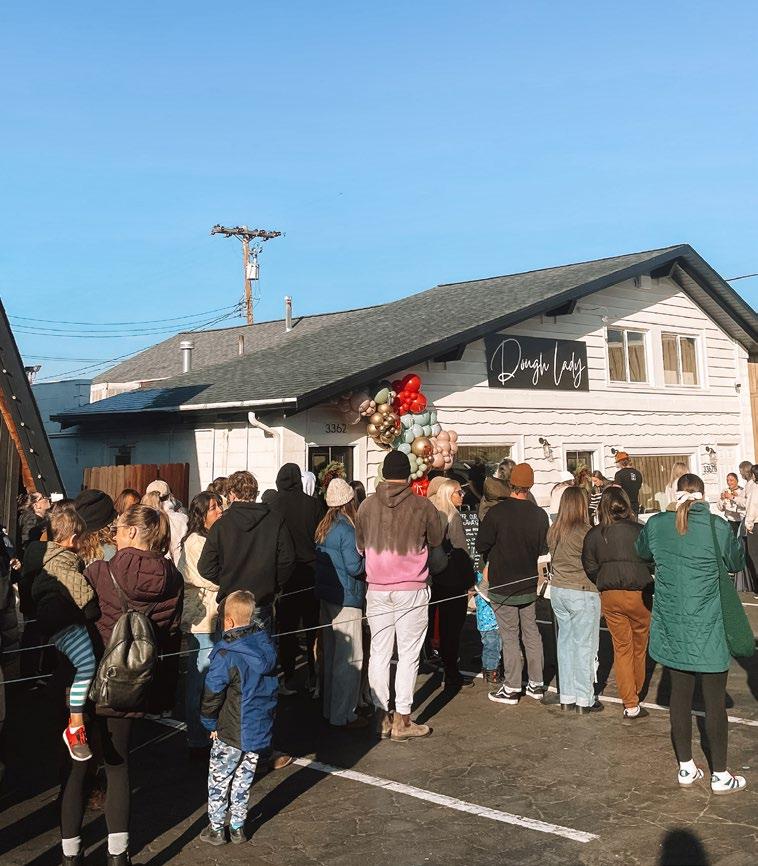
For The Dough Lady founder Amy Lund, the dream of starting her own bakery came true in 2020 when, much like the rest of the world, she and her husband found themselves with extra time and nothing to do but bake. Spotting a gap in the market for gourmet cinnamon rolls people could bake fresh at home, the couple set out with modest expectations, hoping to share their product with just a few friends and family. Instead, their small side hustle quickly grew into a line-out-the-door bakery with a devoted, almost cult-like following.
Here Lund shares more about the journey behind The Dough Lady and how she created “the gooiest cinnamon roll in Utah”.
HOW HAS YOUR BUSINESS GROWN OVER THE YEARS?
It’s honestly been a little wild. We went from porch pickups and parking
lot meetups, to farmers markets, to working out of a shared commercial kitchen for a few years. In December 2024, we opened our first brickand-mortar store, and now there are days where we generate more revenue in a single day than we did in our first two months combined. We’ve grown from just the two of us to a team of more than 20. What I’m most proud of is that we’ve scaled without losing the heart of it. The lines out the door are exciting — but the messages from customers about traditions, memories, and connections mean so much more to me.
WHEN/HOW
DID YOUR LOVE FOR BAKING BEGIN?
I don’t have a formal culinary background; it started the way it does for a lot of people, just baking at home and experimenting. I baked with my mom and sisters throughout my childhood — it’s something we always loved doing together. Baking, for me, is deeply nostalgic and tied to
so many happy memories. I love that people now get to create those same kinds of moments with the people they love through our frozen dough.
WHAT MAKES YOUR CINNAMON ROLLS STAND OUT FROM THE REST?
They’re packed with flavor and incredibly gooey. We don’t hold back on filling or frosting, and we’re constantly playing with new flavors, so there’s that classic comfort element, but also a sense of surprise and fun. Beyond the product, I think what really sets us apart is the experience and sense of connection behind it. We’ve used social media to tell our story for years, and we’ve built a genuinely kind and supportive community. Our greatest hope is that people feel loved and connected through what we make.
WHAT INSPIRES YOUR RECIPES?
WHAT IS YOUR PROCESS FOR RECIPE DEVELOPMENT?
A lot of our inspiration comes from seasons, nostalgia, and honestly, cravings. We’ll take something familiar, like a dessert or a specific flavor profile, and figure out how to translate that into a roll. It’s a mix of creativity and a lot of testing to get the texture and balance just right. We also host all-hands test days where employees bring flavor ideas. Each person fully owns the concept and build-out of their roll. Some are nailed on the first try, while others go through several iterations. Everyone gives feedback, and they’re honestly some of our favorite days. Anything that makes it onto the menu is something I have to be obsessed with, and many of our newer flavors are employee creations.
WHAT IS CURRENTLY YOUR FAVORITE RECIPE? WHICH IS YOUR BEST SELLER?
The classic cinnamon roll will always be our best seller – it’s what built
the business. But now we have over 60 rotating flavors of cinnamon rolls we cycle through. My personal favorite tends to rotate. It’s like picking a favorite child! Right now, I’m loving anything citrus – blueberry lemon will always have my heart –and I get especially excited when our Biscoff roll comes back.
WHAT IS YOUR FAVORITE PART OF BAKING?
Seeing people enjoying it and creating memories around it. I’ve always loved the act of baking, but the best part is watching someone take a bite and immediately light up or hearing how it became part of someone’s holiday or family tradition. That will never get old.
WHAT IS THE MOST MEMORABLE THING YOU HAVE EXPERIENCED IN YOUR CAREER SO FAR?
Opening our storefront with a new baby in tow. Looking out during those first few days and seeing a line down the block felt surreal, especially knowing it all started in
a tiny kitchen with no guarantee it would ever become anything. It was one of those moments where we thought, “We actually have something here”. It makes us emotional knowing our son will grow up around this. I still can’t believe people come into the bakery every day. It will always blow my mind that something that started as a hobby became something people love this much.
WHAT IS YOUR FAVORITE PART OF RUNNING YOUR BAKERY? LEAST FAVORITE?
Favorite: the people—both our team and our customers. Getting to build something alongside a group of kind, hardworking people is the honor of my life.
Least favorite: the mental load. There’s always something on your mind when you own a business – it doesn’t really turn off. But it’s also part of what makes it meaningful. I care deeply because it’s ours, and because there are so many people depending on us.
WHAT ARE YOUR FUTURE PLANS/LONG-TERM GOALS FOR THE DOUGH LADY?
We want to grow intentionally. We’re not in a rush to scale as quickly as possible. There’s something really special about being a homegrown bakery, and we don’t want to lose the quality or the heart behind it. We recently signed a lease for a second location in Lehi (coming fall 2026!), and expanding into new locations is definitely part of the vision. But more than anything, we want to keep creating spaces that feel welcoming and connected. We love that we get to employ and support incredible people, and we love being part of our community. So yes, the goal is more stores, but it’s also more connections.
DO YOU HAVE ANY TIPS FOR OTHERS WHO WANT TO BECOME BETTER OR MORE ADVENTUROUS COOKS/BAKERS?
Don’t overthink it - just try things. A lot of learning comes from doing, messing up, and trying again. And don’t be afraid to make things your own. Some of our best ideas have come from experimenting and even from mistakes. Our favorite phrase is “taste with vision - we always believe the best version could be just one iteration away.
WHAT ADVICE WOULD YOU GIVE TO SOMEONE WHO IS LOOKING TO START THEIR OWN BUSINESS?
You’re going to feel scared, but do it anyway. Starting the business felt
vulnerable, but continuing it has honestly been even scarier because the decisions carry more weight over time. I’m a bit of a delusional optimist at my core, so even when I don’t know what’s around the corner, I trust that it will work out. I definitely don’t have all the answers, but I think showing up each day with heart and kindness carries more weight than people realize.
Located in Millcreek, Utah, The Dough Lady is serving up cinnamon rolls that keep fans coming back for more.
For weekly menus, hours, and the latest sweet updates, visit doughladyslc.com or follow @doughladyslc on Instagram.
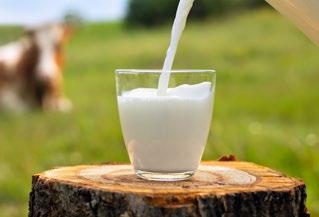
Saving every drop: Inside a dairy farm’s approach to water use
BY DAIRY WEST
Have you ever thought about how many times you use water in a day?
For most people, it’s easy to use water once — brushing our teeth, washing dishes, watering plants — and move on. People don’t often think about collecting their water and reusing it.
But on a farm, water is used very differently. It’s carefully captured, reused, and repurposed multiple times before it ever returns to the land.
Water is one of the most essential — and limited — resources in agriculture, especially across the Western U.S., where farmers depend on every drop.
For dairy farmers, managing water isn’t just part of the job — it’s a daily priority. Water plays a role in nearly
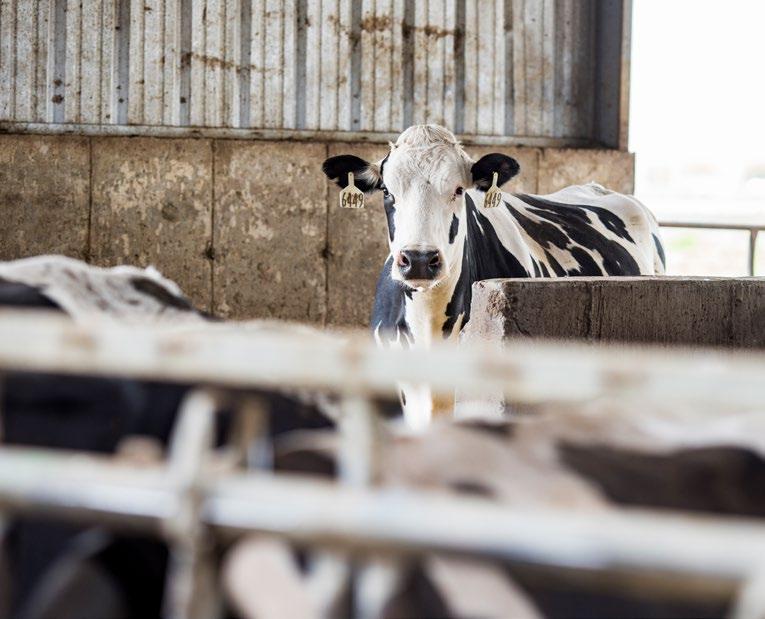
every part of their farm: Cows rely on it, it’s used to clean equipment and barns, cool milk, and irrigate the crops that feed the herd.
But it’s not simply used — it’s carefully managed and continuously optimized to make sure farmers are being the best caretakers of this resource.
DOING MORE WITH LESS WATER
Science is helping farms make significant strides in efficiency.
Today, it takes 31% less water, 21% less land, and 21% less manure to produce a gallon of milk than it did just a decade ago.
Part of this progress comes from improving how water is reused According to U.S. Dairy, many dairies reuse water multiple times, often with a final stop at the field, where it helps grow crops.
Farmers understand how critical water is — not just to their farms, but to the future of agriculture in the arid West. They are continually looking for new ways to conserve and manage it.
ONE LOCAL DAIRYMAN IS LEADING THE WAY
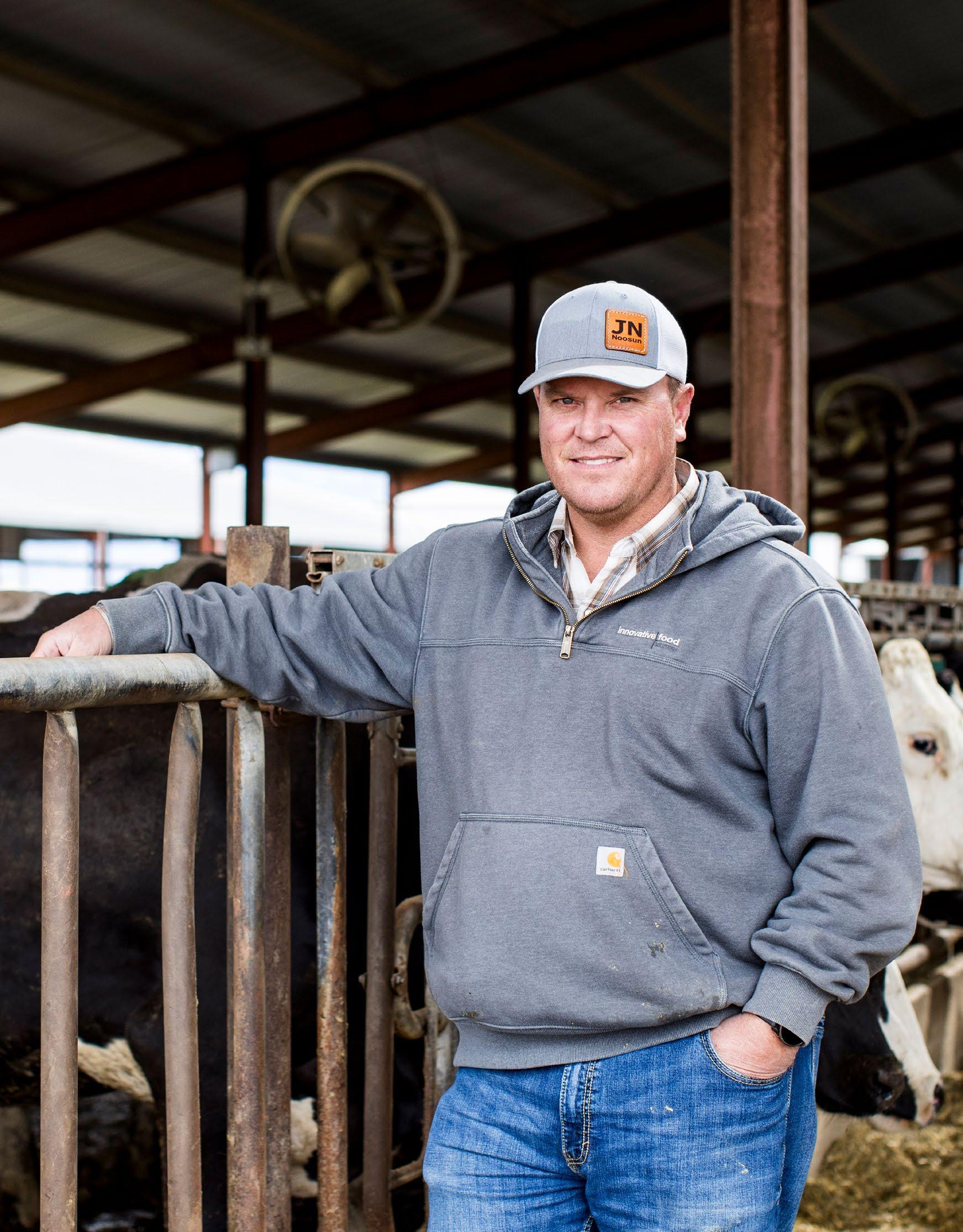
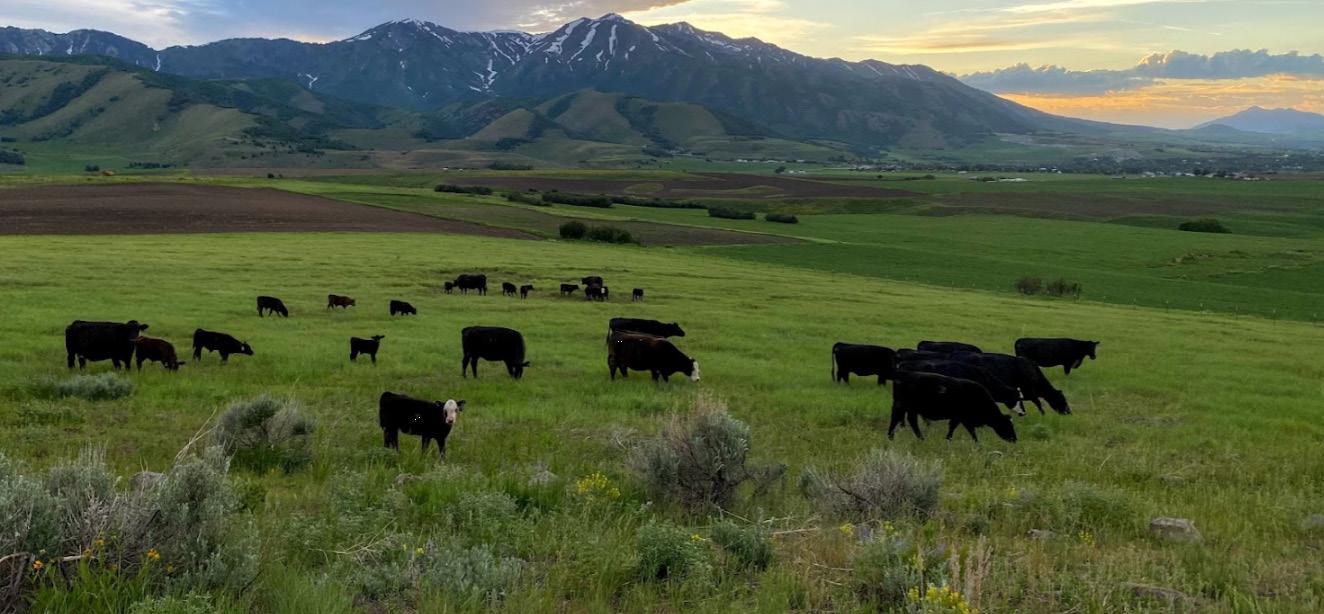
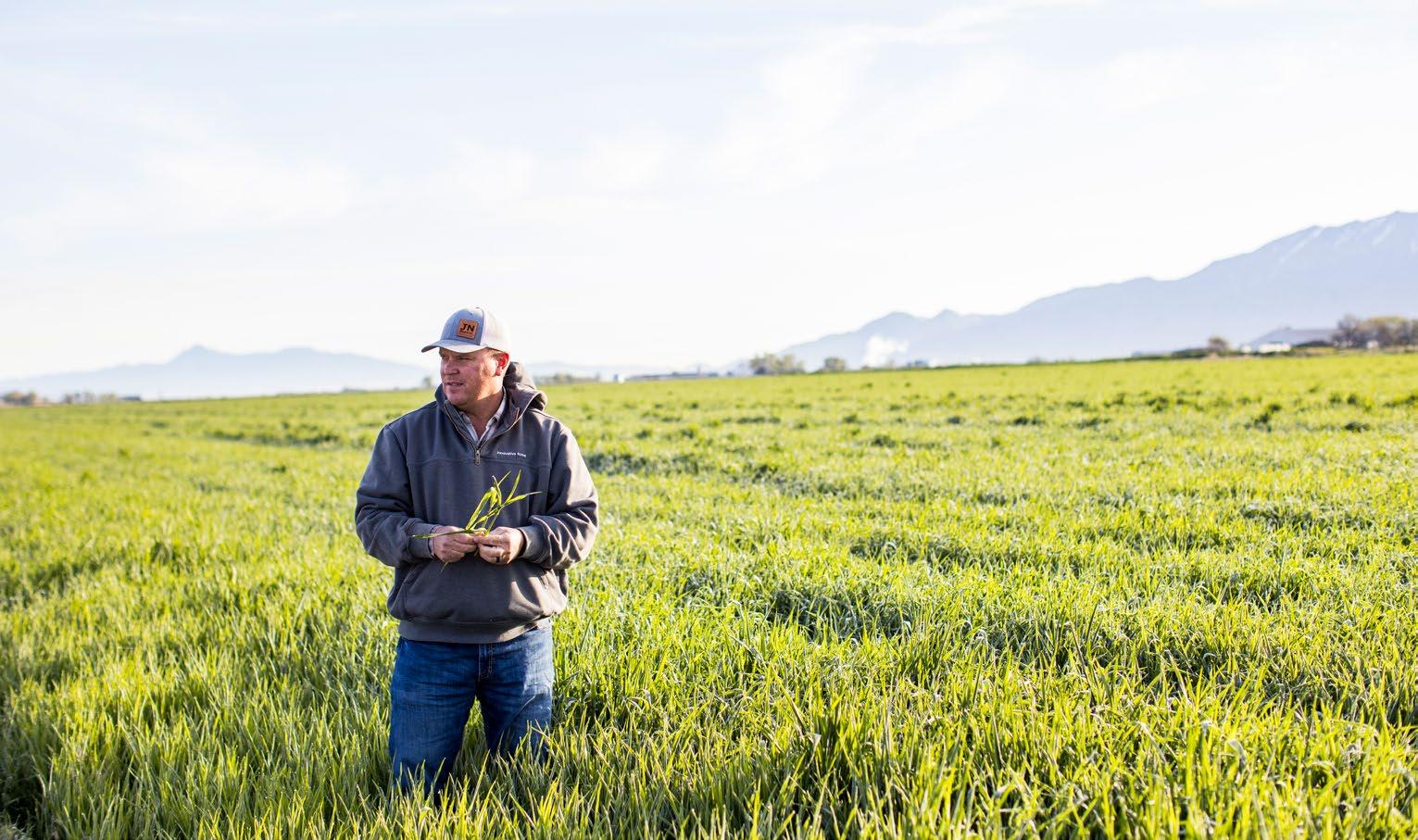
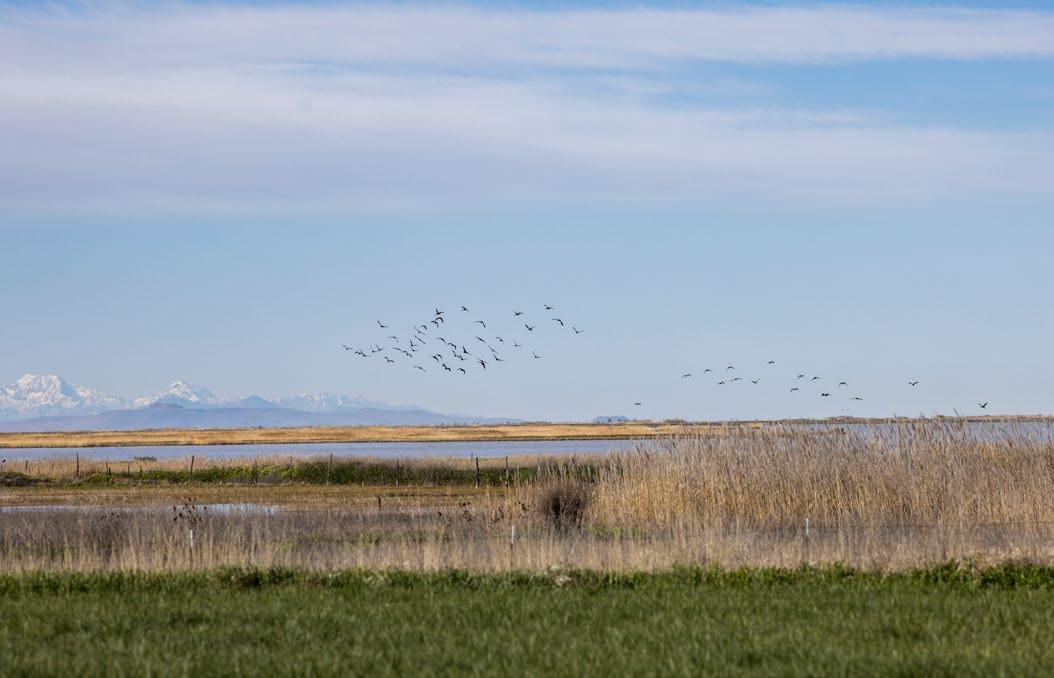
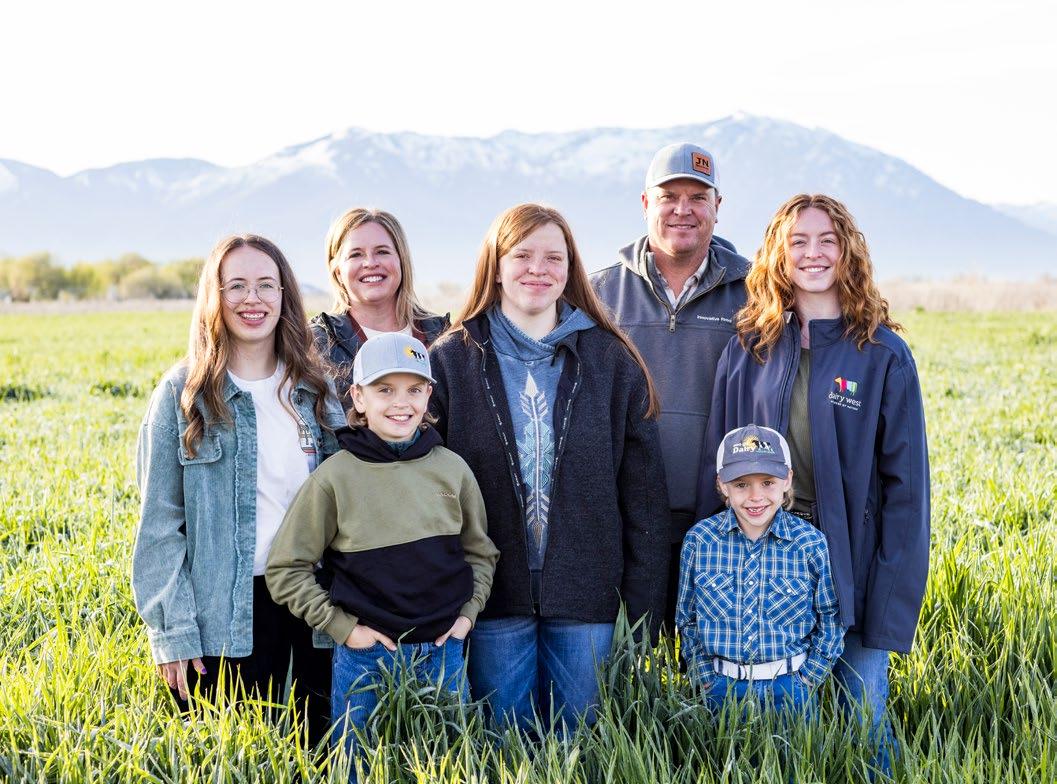
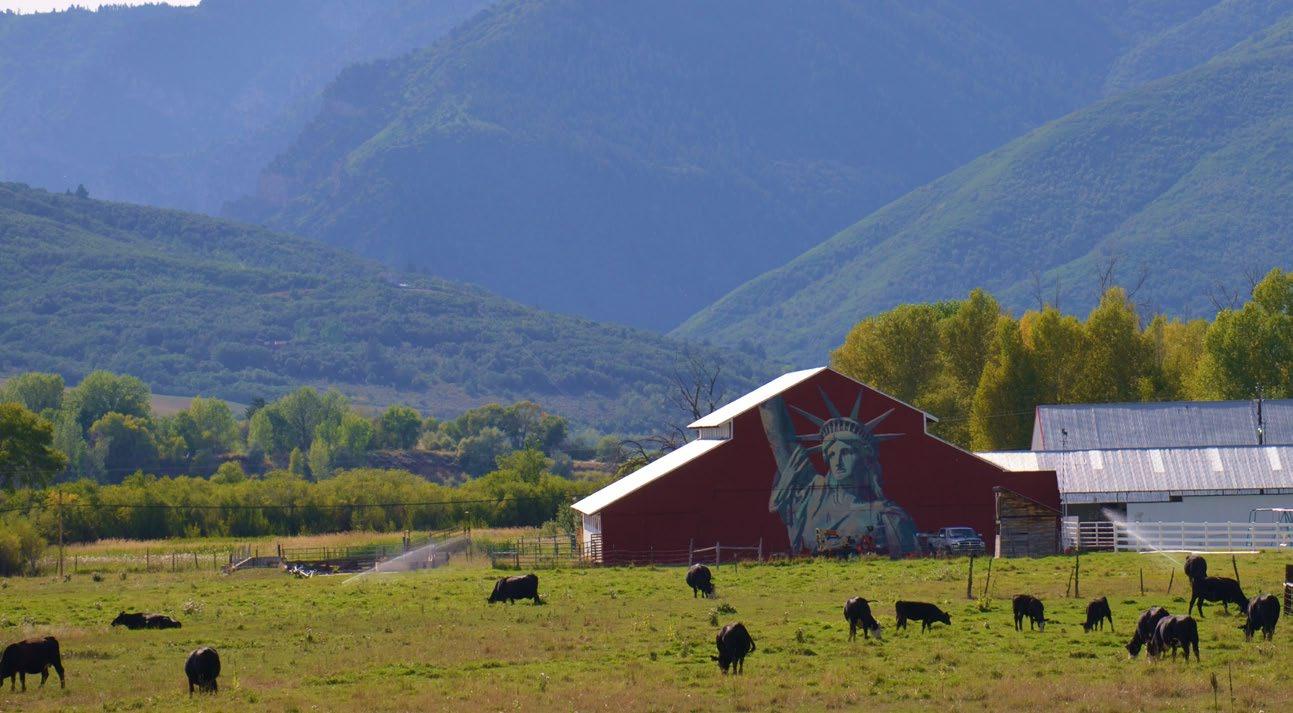
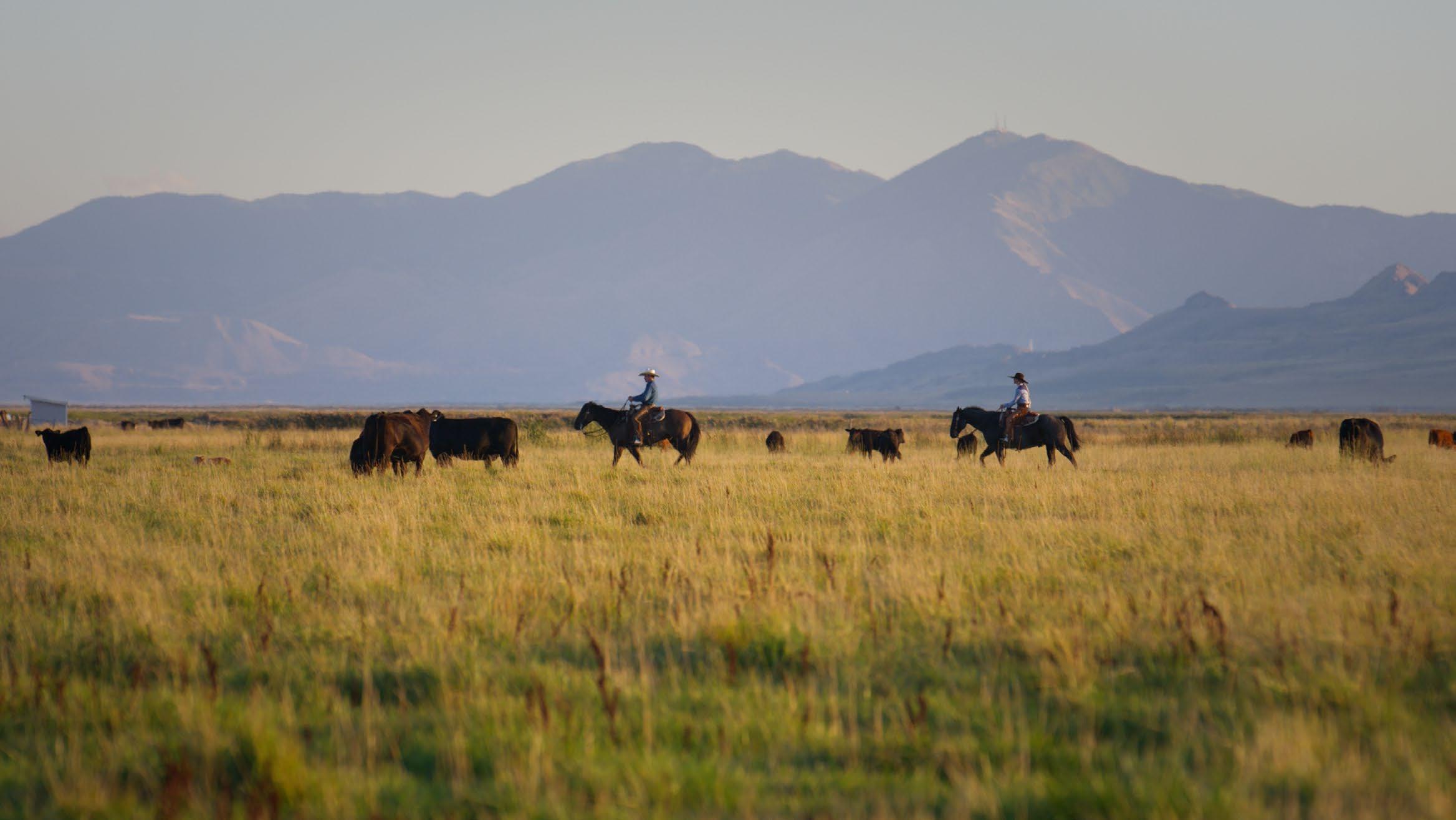
Mitch Hancock owns a secondgeneration family dairy in Corinne, Utah. With views of Box Elder Peak and the Wasatch Range to one side and the Great Salt Lake to the other, Hancock keeps his environment top of mind as he runs his farm each day. “Being close to the Great Salt Lake adds another level of responsibility,” Hancock says. “We see firsthand how important water is, and that drives us to keep improving how we use it.”
“Water on our farm doesn’t just get used once,” Hancock says. “For example, the same water that is used to cool milk immediately after
it leaves the cow is captured and repurposed to hydrate animals, clean equipment, and maintain facilities.”
From there, it can be reused again to flush pens before ultimately being stored and used as fertilizer to feed crops the cows will be eating.
In addition to reusing water multiple times, Hancock and his team are continuously working to improve efficiency across their operation.
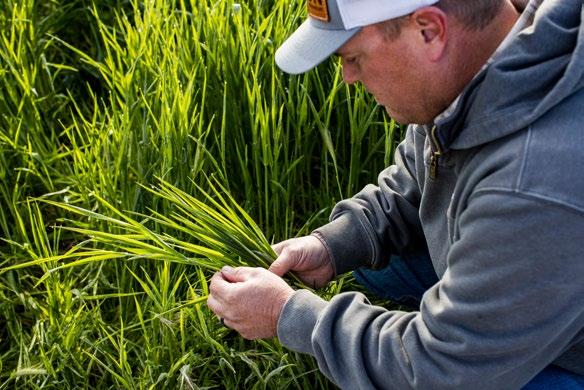
This includes upgrading infrastructure, improving irrigation systems, and partnering with researchers to refine irrigation practices. As a result, they’ve begun covering open ditches to reduce evaporation, monitoring water flow, and exploring new ways to store water.
STRIVING FOR GOOD STEWARDSHIP OF THE EARTH
Farming is constantly changing, and farmers must be strong problem-solvers.
In the West, where conditions can vary significantly from year to year, adaptability is essential.
New tools like data tracking, automated systems, and improved water-collection methods are helping dairy farmers produce more while using fewer resources.
Farmers like Hancock know that incorporating new technologies, using better data, and making smarter decisions over time can make a meaningful difference.
“We’re constantly looking for ways to improve the stewardship we’ve been given,” Hancock says. “That includes how we manage
our water, our soil, and how we care for our animals every day.”
NEVER STOP IMPROVING
There’s no finish line when it comes to water stewardship. Improving irrigation systems or expanding water storage requires investment, and environmental conditions don’t always cooperate. But dairy farmers remain committed to continuous improvement and finding ways to make every drop go further.
To learn more about sustainability and supporting your local dairy industry, visit dairywest.com/sustainability.
ABOUT DAIRY WEST
Dairy West represents dairy farm families in Idaho, Oregon, Utah, and Washington to promote the dairy industry and products locally, nationally, and globally.
Utahns Invited to Take Part in “America’s Potluck” in Celebrating America 250
BY MATT HARGREAVES, EDITOR, UTAH FARM & FORK MAG AZINE
As the United States approaches the 250th anniversary of the Declaration of Independence, the State of Utah is working with the America250 Utah Commission on programming to celebrate and commemorate the anniversary. Utahns and all Americans are invited to gather, share a meal, and take part in ‘America’s Potluck’ on July 5, 2026, a nationwide celebration of connection, culture, and community in honor of the United States’ 250th anniversary.
The idea is simple: bring a dish, pull up a chair, and gather with neighbors, friends or family. On the same day, across all 50 states and Puerto Rico, Americans will take part in a shared moment rooted in one of the country’s most enduring traditions – coming together around food.
“Food has always been a powerful way for families to share their stories and celebrate who we are, and especially for agricultural families in our state,” said ValJay Rigby, President of the Utah Farm Bureau. “For many families, the journey of becoming American is carried through food traditions, a simple, joyful way to honor the freedoms we enjoy. This potluck is a way for communities across Utah and our country to come together in a shared moment of unity.”
While the celebration will span the nation, Utah is helping lead the effort, working alongside states, territories, and more than 70 national partners to bring communities together.
“America’s Potluck is about something every Utahn understands: bringing people together,” said Utah Governor Spencer Cox. “In a time when connection matters more than ever,
this is a simple way to gather, reflect, and celebrate the freedoms we share. I hope Utahns across the state will pull up a chair and take part.”
Communities across Utah are already planning local gatherings, from parks and town squares to backyards and neighborhood streets, creating opportunities for people to connect in ways that feel natural and meaningful.
“Food has always been one of the most powerful ways we connect with each other,” said Utah Congresswoman Celeste Maloy. “America’s Potluck is an opportunity to celebrate not just our history, but the everyday traditions and conversations that bring people together.”
Local leaders are also embracing the effort as a way to strengthen ties within their communities.
“What better way to celebrate 250
years of American freedom and an industry that supports us all than by gathering at the same table?” said Dustin Cox, mayor of Alton, Utah, and a member of the Utah Farm Bureau Board of Directors. “In our small town, we’re excited to invite our neighbors to come celebrate and connect through food.”
Utah’s America250 Commission is coordinating the state’s participation and helping connect people with local events and resources.
“Utah is proud to help lead this effort alongside all 50 states and Puerto Rico,” said Nicole Handy, executive director of America250 Utah. “This is about creating a shared moment across the country, starting in our own neighborhoods. So, on July 4th, celebrate with your family, attend
parades, and light fireworks. Then the next day, on Sunday, July 5th, let’s unite with our neighbors, break bread, and build connections.”
Participating is easy. Utahns can host their own gathering, join a nearby event, or find resources to help plan at AmericasPotluck.org, which includes an interactive map, planning tools, and ideas for bringing people together.
“We encourage you to pin and share the potluck you are participating in –whether you are inviting others to join you or you can also keep it private,” Handy said. “There’s no one way to do it, and we look forward to seeing the variety of celebrations taking place.”
Visit AmericasPotluck.org for information on how to register your potluck, an interactive map to help
you find one, conversation starters, decorations, and more ideas on how to celebrate. You can also find recipes to try out, including several submitted by Utah Farm Bureau members.
America250 Utah, a commission appointed by Gov. Cox, is committed to commemorating the milestone anniversary of the signing of the Declaration of Independence, not just as a pivotal moment in American history but also through the unique and rich lens of Utah’s heritage. Learn more about all six Utah initiatives here: america250.utah.gov.
HERD THE NEWS?
15-year term expiring grazing permits, are currently posted at trustlands.utah.gov and will be offered for competitive bid.
This offering represents currently-held grazing permits, which are scheduled to expire June 30, 2026.
Competitive bids will be accepted April 1 - April 30th, 2026.
NOTE: 15-year term is not guaranteed and can be canceled at anytime for higher & be er land use.
Questions? Call us
(South) 801-583-5143 (North) or
Gardening 101: Expert Tips for Growing a Successful Garden
BY AUBREE THOMAS, COMMUNICATIONS COORDI NATOR
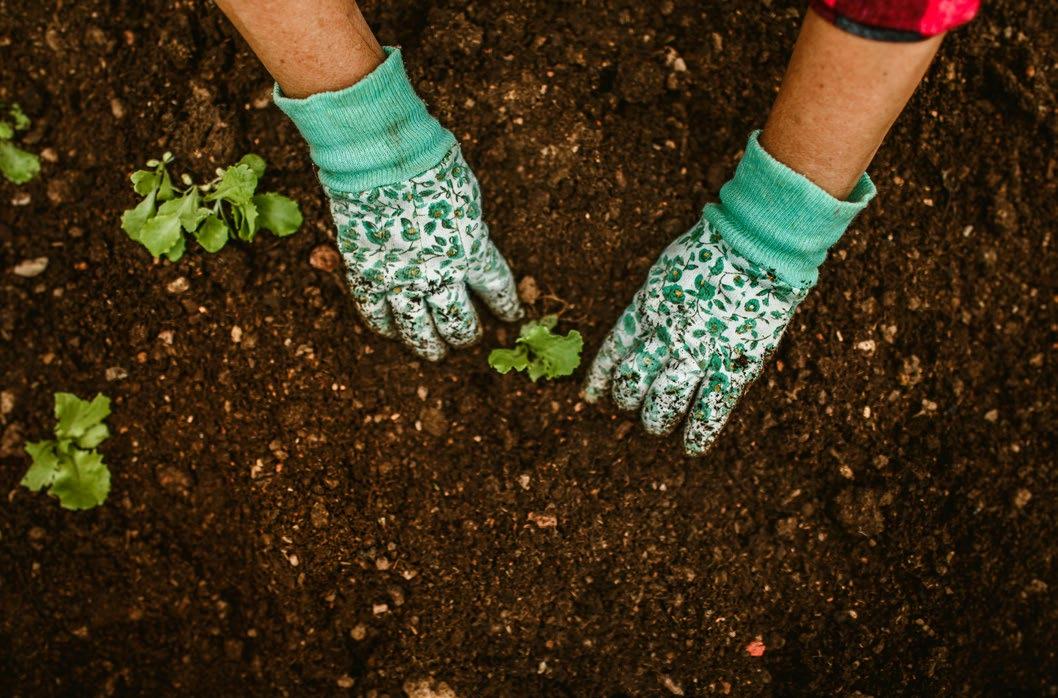
Spring has arrived in Utah, and with it comes the urge to get outside, dig into the soil, and start planting this season’s harvest. Whether you’re a seasoned gardener or trying your hand at growing for the very first time, getting started can feel both exciting and a little overwhelming. Taun Beddes, Utah State University (USU) Extension Associate Professor and host of the Greenhouse Show on KSL radio, shares simple tips to help gardeners start strong and enjoy the process.
START WITH THE BASICS
Getting your garden started all comes down to the basics.
“We are going back to elementary and junior high plant science. Plants need sunlight, soil, water, and nutrients, so if you can meet those needs, then
you are most likely going to be a successful gardener,” Beddes said.
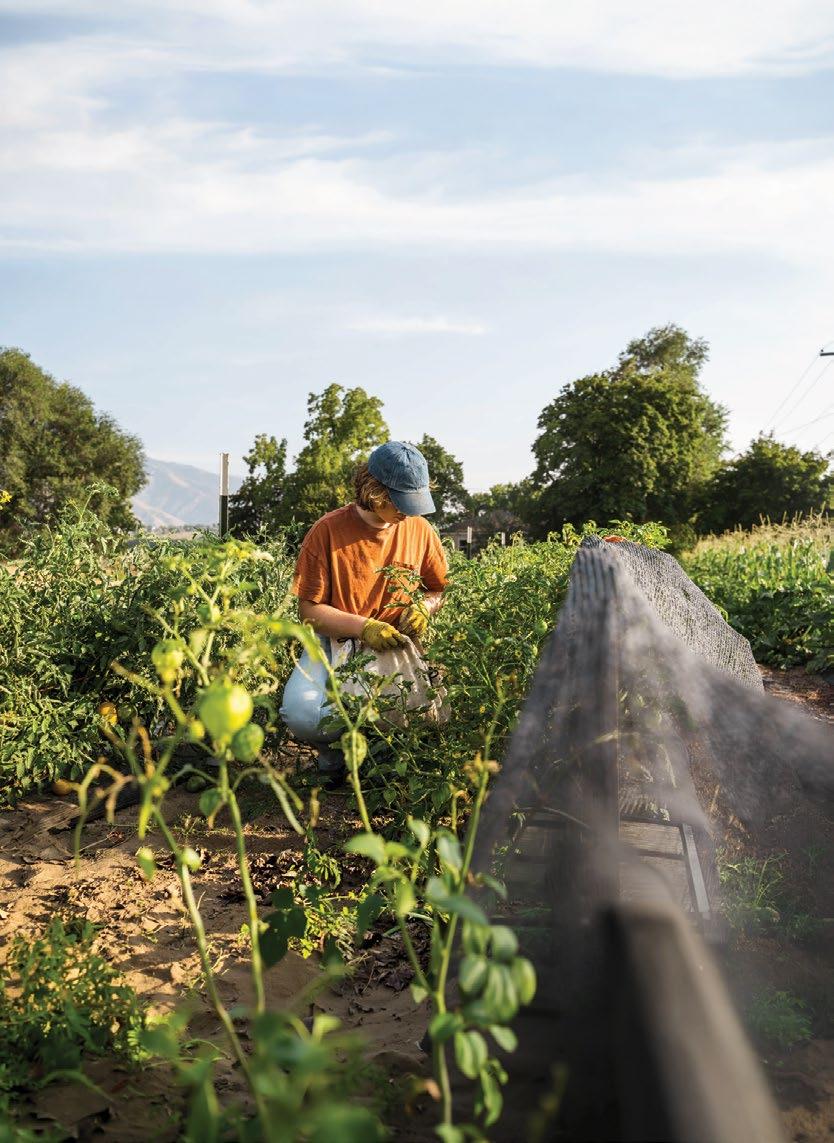
Those basic needs all begin with one key decision—finding the right place to plant. Whether you are planting in containers or directly in the ground, the location will play a crucial role in how much sunlight plants receive and how well they grow. Beddes advises planting in an area that receives at least six to eight hours of sunlight a day and is accessible to water. It’s also important to plant in an area protected from pests like deer, skunks, raccoons, and squirrels.
Understanding your soil is just as important as location. Regular soil testing can help determine what nutrients are present and which may be lacking. It also evaluates different factors like soil pH, salinity, and texture. If deficiencies are
identified, the test results will help recommend the proper nutrient levels needed to support plant growth. Soil samples can be sent to both USU (bit.ly/USUSoilTesting) and Brigham Young University (bit. ly/BYUSoilTesting) to be analyzed.
“If you are putting a garden in the ground, it is well worth the $35 or $40 it costs to get your soil tested before you put plants in the ground and invest hundreds of dollars in tools and equipment,” Beddes said.
CHOOSING THE RIGHT PLANTS
When it comes to choosing your plants and planting them in the ground, it’s best to start out small and focus on varieties that are easier to grow.
“A lot of times people imagine that they are going to be out gardening, growing their own food, and getting back to nature, but don’t take into account the number of weeds or the different needs of various crops, and then all of these problems arise,” Beddes said. “It’s good to take some time to get things in order. And it’s a lot easier to lose 50 radishes than it is 2,000-3,000 feet of crops if you have never gardened before.”
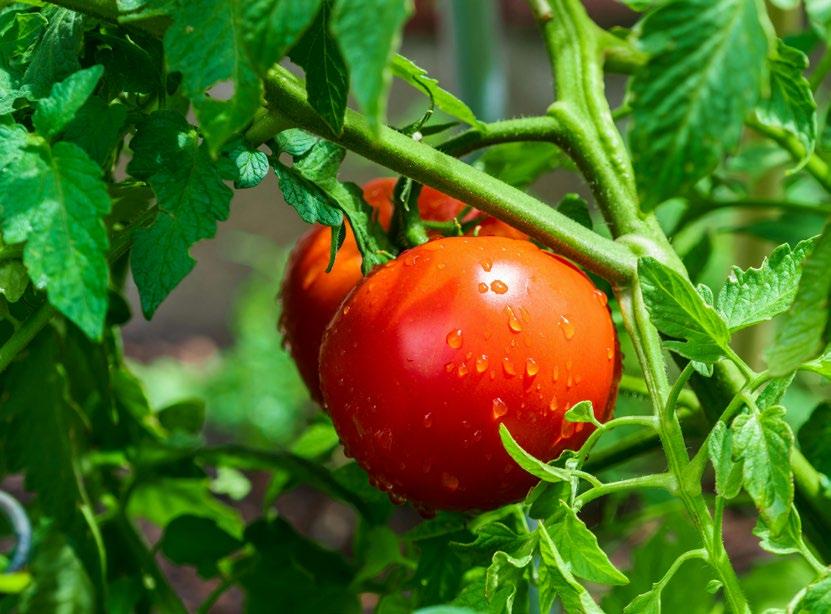
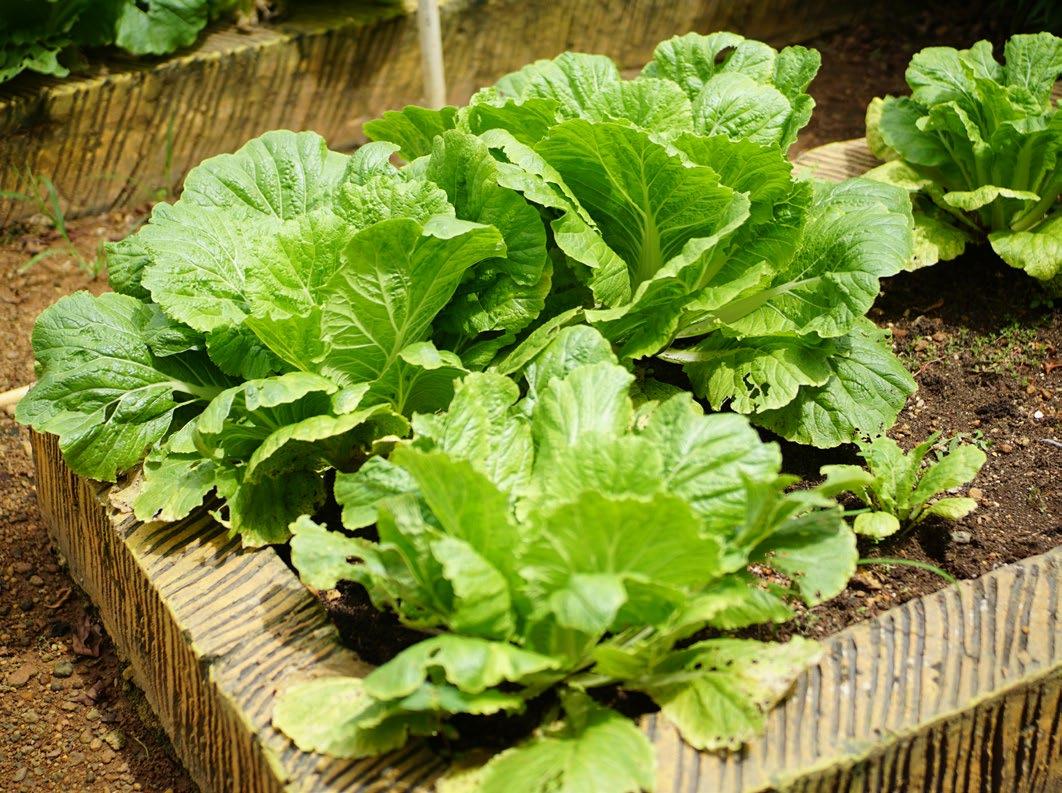
Some of the easiest crops for beginners to grow include radishes, lettuce, tomatoes, peppers, and corn. Beddes recommends steering clear of larger, more challenging crops, such as cantaloupe and watermelon, as well as root crops like potatoes. He also encourages gardeners to consider the cost and effort involved, noting that some crops may be more affordable to purchase at the grocery store or farmers market than to grow at home.
“The bang for your buck isn’t quite there sometimes for growing some crops like celery, especially when compared to tomatoes or peppers that are going to give you a lot of yield,” Beddes said.
When it comes to planting, timing is everything. It’s commonly said that warm-season crops should go in the ground around Mother’s Day. However, Beddes recommends using your area’s average last frost date as a guide, as it remains the most reliable reference point. Gardeners can check the Utah Climate Center (climate. usu.edu) for extensive information on last frost dates and growing season lengths across the state.
CONTAINER GARDENING
Not everyone has the backyard space to plant the garden of their dreams. However, with the right containers and a bit of planning, even the smallest patios can become productive growing spaces. Beddes said one of the biggest keys to success is starting with a container that is big enough to allow your plant to root properly. For example, a standard tomato plant requires 5 gallons of soil. It is also important
to choose a well-draining soil and keep up on soil nutrition with either a liquid or a slow-release fertilizer.
Beddes also recommends a gardening technique called succession planting. Succession planting is when you stagger plantings or plant multiple crops in the same area throughout the season. Each time a crop is finished, you pull it and plant a new one.
“This is just one way to maximize your small space and use it for as long as possible,” Beddes said. “You can actually grow a lot of vegetables in a small space with succession planning and get two or three different crops out of the same soil during the growing season.”
HELPFUL RESOURCES
As questions arise throughout the season, turning to reliable resources can make all the difference. As a land grant university, one of the missions of USU Extension is to get resourcebased information out to the public. “USU has fact sheets for almost every vegetable imaginable,” Beddes
said. “They have been created by keeping in mind that not everybody is a professional gardener. It gives you the information in very basic terms, with the least expensive way to do it. These are very helpful in helping new gardeners be successful.”
Gardeners can also turn to their local County Extension office, where horticulturists and agronomists are available to offer expert advice and support. Fact sheets and additional gardening tips from USU Extension experts can be found at gardening.usu.edu.
For those who may feel discouraged along the way, Beddes offers a reminder that gardening is a learning process.
“Don’t give up. If you failed, you’ve still learned something,” Beddes said. “You’ve learned about time management, weeding, and watering. Even if you didn’t get the crops you wanted, you were successful because you can apply what you learned to year two.”
USU Extension in Search of Utah’s Best Gardens
BY JULENE REESE, UTAH STATE UNIVERSITY EXTE NSION
Utah gardeners — polish your pruners and grab your gardening galoshes! Utah State University Extension is launching a statewide summer campaign in search of Utah’s best gardens. The contest runs from May 1 to August 30 and will allow gardeners to showcase their hard work, creativity, and growing success.
Whether tending a small patio space, a backyard landscape, or a garden that spills across the fence, there’s a classification for everyone. The contest includes five categories:
• Container/Patio Gardens
• Flower Gardens
• Vegetable Gardens
• Native Gardens
• Best Overall Garden
Participants can visit the Utah Garden Competition website (https://extension.usu.edu/ yardandgarden/best-garden) for entry information and to submit up to five photos of their garden. Participants can only enter one category, but all are eligible to win Best Overall Garden.
Winners will receive a yard sign announcing their win, USU gardening merchandise, a certificate for a free gardening course, an Olmsted Forge garden set, and will be featured in various USU and affiliate marketing publications, including the 2027 Extension calendar.
Extension offers free gardening tips at garden.usu.edu to help gardeners in their endeavors.
Une Petite Slice of France in Southern Utah
BY J’NEL W RIGHT
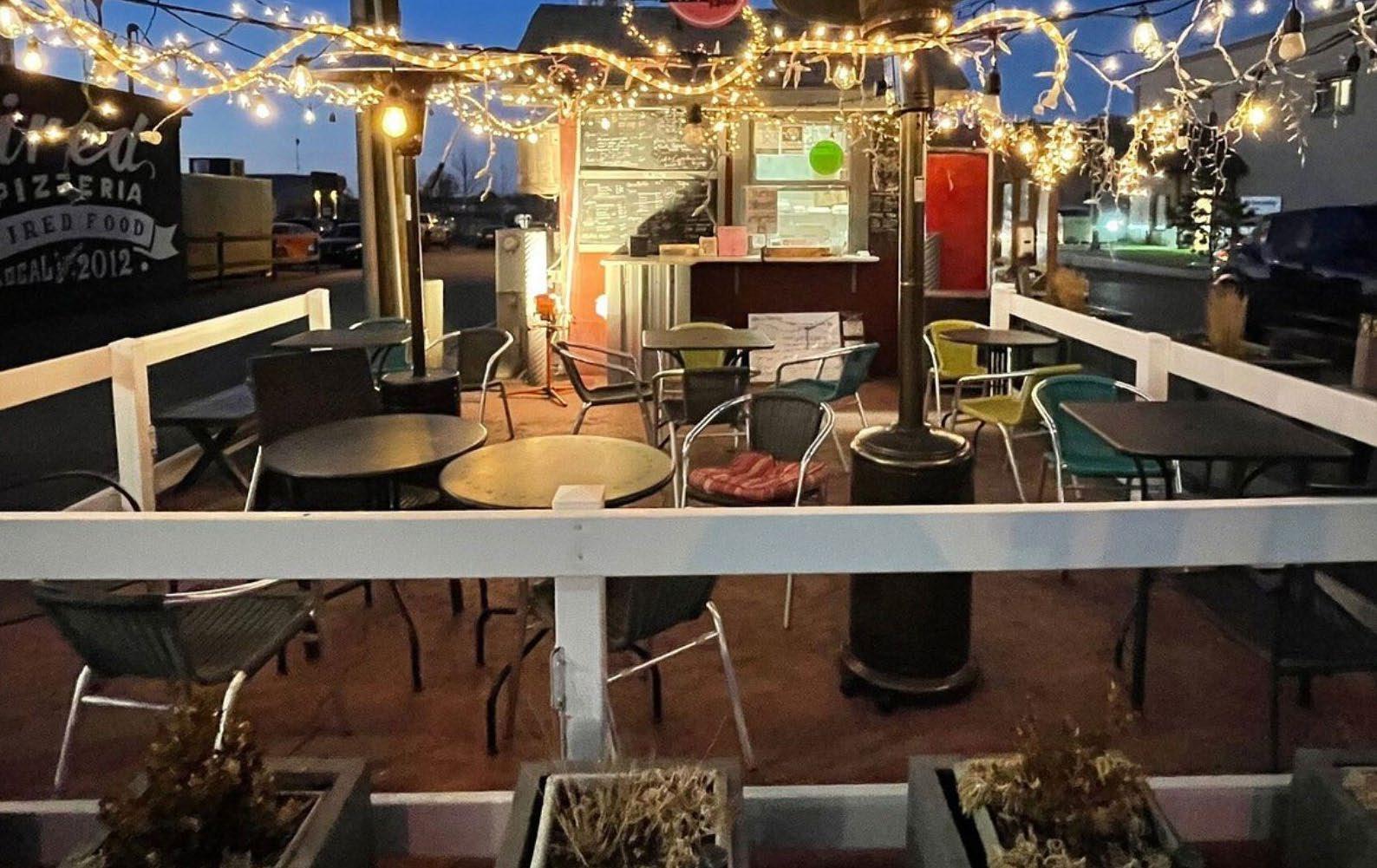
Travelers heading toward Utah’s national parks rarely expect a French café experience. Yet tucked on Main Street in Cedar City, a beloved local restaurant quietly brings authentic Parisian outdoor café culture and a fresh, farm-totable approach to rural dining.
At The French Spot, the approach to food is distinctly European. The menu relies on simple ingredients, seasonal inspiration, and a celebration of freshness over complexity.
Croissants flake perfectly, soulsoothing lattes, espressos, and rich hot chocolate flow steadily, and the menu celebrates a deeper culinary tradition rooted in perfect simplicity. That philosophy proves to be a natural fit in southern Utah.
The Attali family first flipped on the patio lights in 2015. And Cedar City’s love affair with Attali’s skilled touch with French food is “une union céleste.”
Originally from Lyon, Chef Michael Attali mastered his culinary skills under the guidance of legends such as Paul Bocuse and Gaston LeNotre, while also working in Michelinstarred kitchens and restaurants across Paris, Dubai, Geneva, and New York before moving to Utah.
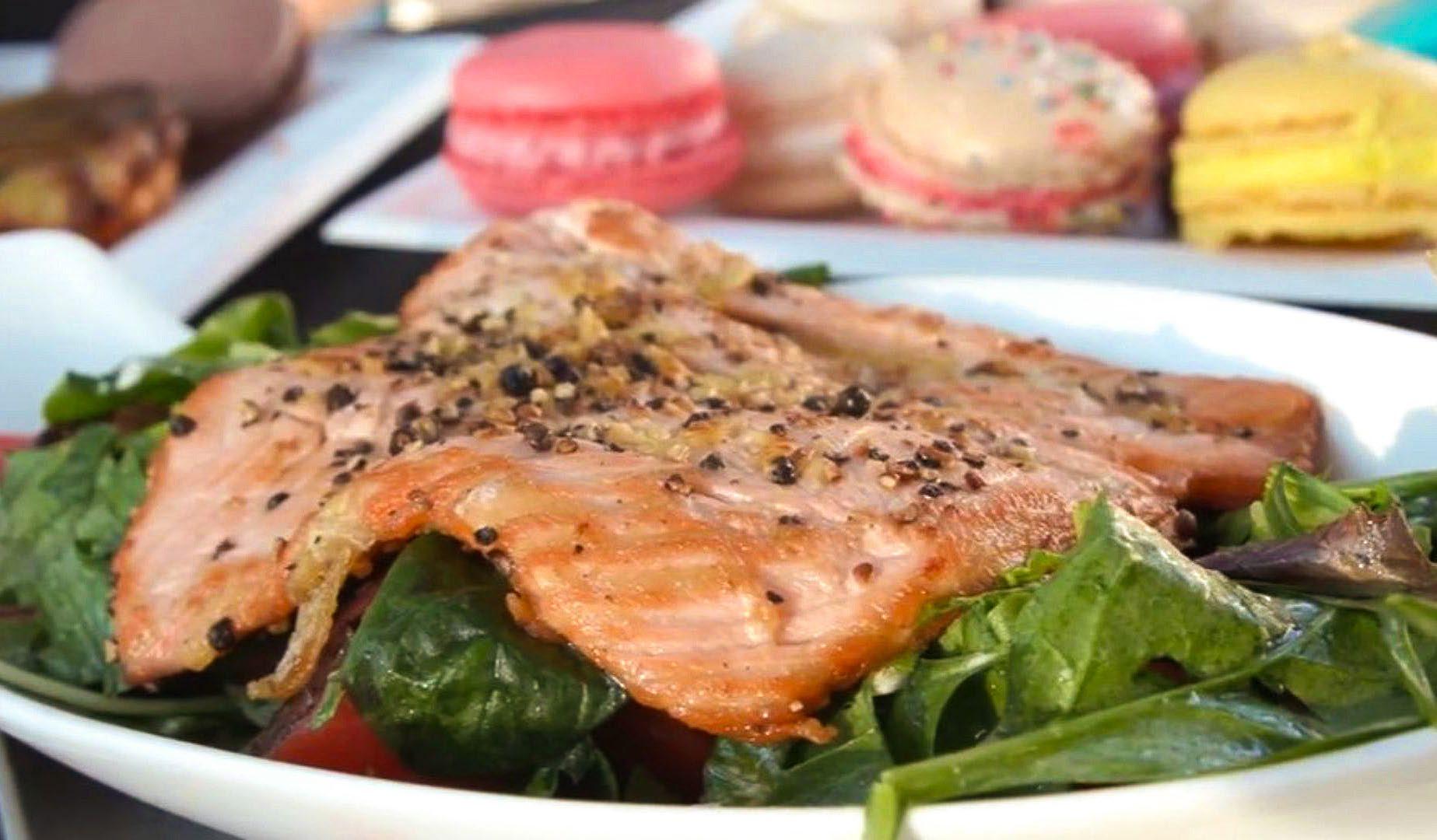
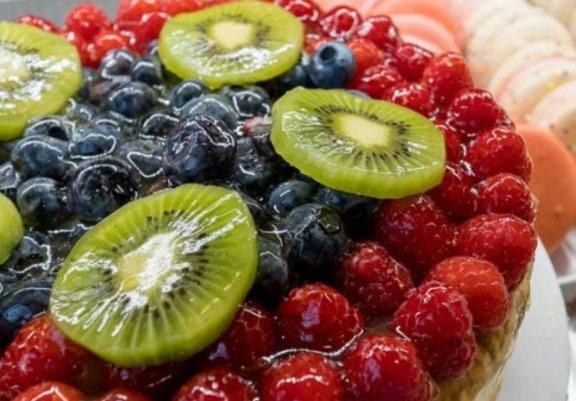
Customers can feel his love for French food with every sip and bite of classic menu items such as freshly-made crepes (both sweet and savory), buttery croissants, assorted pastries and macarons, flavorful quiche and tartes, croque monsieur (a baked ham and cheese sandwich), gratin dauphinois (a
creamy potato and cheese dish), homemade soups, and chef-prepared daily specials featuring dishes like fish, beef tenderloin, and chicken.
French cooking has a reputation for complexity, but as a family-owned business with a passion for creating delicious, comforting food, The French Spot proves otherwise.
There’s no substitute for technique. But ingredients matter too. When they are fresh and thoughtfully sourced, they contribute to the experience guests have when they walk into The French Spot. People enjoy a relaxed café atmosphere where the menu feels both elevated yet approachable.
In many ways, preparing simple yet elegantly delicious dishes mirrors the principles of the farm-to-table movement, which continues to
gain momentum across Utah. By celebrating fresh ingredients and thoughtful preparation, The French Spot gives diners something both authentic and approachable: a taste of French tradition rooted in Cedar City’s agricultural landscape.
UTAH’S GROWING FARMTO-TABLE LANDSCAPE
Across the state, chefs increasingly embrace regional agriculture. Farmers’ markets flourish. Restaurants highlight seasonal ingredients. Farms and kitchens continue to form new partnerships. While the Wasatch Front leads much of this movement, small towns play an important role, as well.
The French Spot shows how global culinary traditions blend with local agriculture. Classic French café dishes pair with ingredients inspired by the surrounding region, creating a casual, welcoming dining experience that feels both international and distinctly rooted in southern Utah.
A FRENCH PHILOSOPHY ROOTED IN THE LAND
Why Cedar City and Iron County? Southern Utah’s agricultural communities play an important role in supporting the farm-to-table movement. An article by Deseret News writer Eastin Hartzell highlighted the financial impact of Utah agriculture in the U.S. Department of Agriculture’s Census of Agriculture.
“Utah’s agriculture sector is a dynamic part of our state’s economy, particularly in rural areas, generating over $2 billion in sales annually,” Eric Albers, a senior natural resources analyst and the report’s lead author, said. According to this report, seven counties, including Iron, Beaver, Millard, Utah, Sanpete, Box Elder, and Cache, account for “70 percent of all agricultural product sales in 2022.”
Utahns love their upscale dining. But places like The French Spot offer something simpler yet equally appealing: a commitment to preparing a delicious meal with fresh ingredients in a welcoming environment that celebrates southern Utah and the people who love it.
FIVE THINGS TO TRY AT THE FRENCH SPOT
1. Fresh Croissants
Flaky, buttery, and baked daily. The patio is a wonderful location to enjoy a pastry or croissant with a steaming latte or hot chocolate. But these are equally delicious on the go.
2. Savory Crepes
Savory crepes come filled with fresh vegetables, a blend of cheese, or layers of ham, delivering a classic French café flavor in every bite.
3. Sweet Crepes
Chocolate, banana, fruit, and powdered sugar come together to create a simple yet indulgent dessert.
4. Quiche of the Day
Features locally sourced eggs, cheese, and seasonal vegetables, offering a rotating selection that highlights what’s freshest each day.
5. Gratin Dauphinois
Gruyère cheese, potato, crème fraîche. Très délicieux!
The French Spot is located at: 18 S Main St, Cedar City, Utah.
Hours: Monday - Saturday, 8 AM - 10 PM.
The space is small and cozy, with counter service and a mix of indoor and patio seating.
Check out the menu here: https://www.thefrenchspotcafe. com/menu.
Mama’s Lemon Bars
BY HANNAH HASLAM, FOOD WRITER, UTAH FARM & FORK
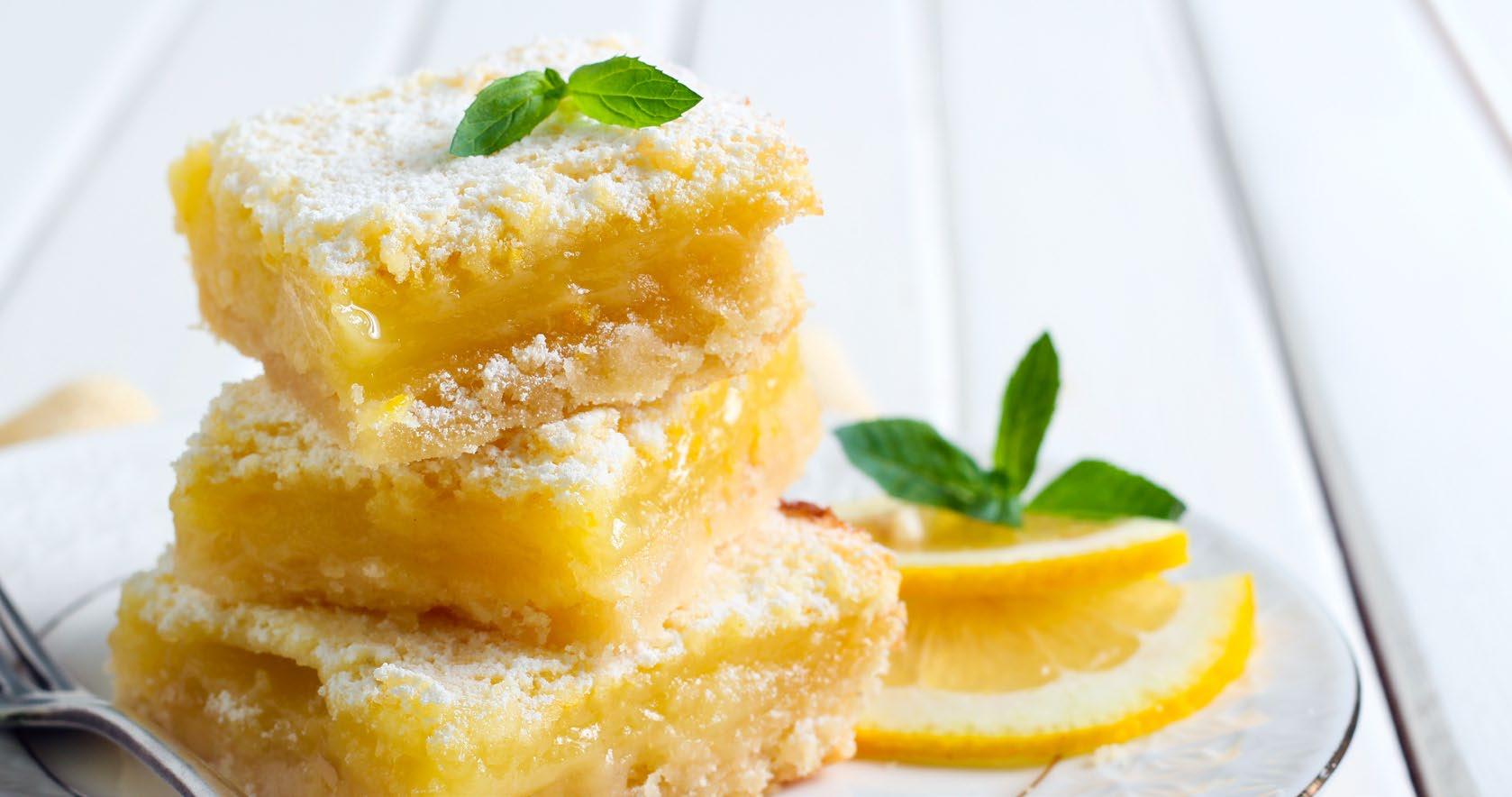
Lemon bars are generally pretty standard- you’ve got a buttery shortbread crust and a bright, lemony filling dusted in powdered sugar. My mom’s recipe has all those things, but her recipe is beloved in our family and community and a staple of family parties for the entirety of my life for a couple of reasons: she ups the filling in her recipe to 1.5, giving a higher filling-to-crust ratio, and she always serves her
CRUST INGREDIENTS:
• 2 sticks of softened butter
• ½ cup powdered sugar
• 2 cups of all-purpose flour
FILLING INGREDIENTS:
• 6 eggs
• 2 ½ cups sugar
• 9 tbsp lemon juice
• Zest of all the lemons used (about 3 tbsp)
• 2 tbsp flour
• ¼ tsp salt
METHOD:
lemon bars cold from the fridge. Let me tell you- you will never go back to room-temperature lemon bars after eating one cold! The texture of both the crust and the filling is vastly improved in a cold bar.
Give this recipe a try at your next gathering or potluck – maybe for America’s Potluck on July 5th – and be the star of the show!
1. Preheat the oven to 350 degrees
2. Blend all the crust ingredients together to form a crumbly dough- keep going until smooth, but not sticky. Press the dough into a 13x9 pan that has been sprayed with baking spray. Bake for 20 minutes, or until lightly golden brown.
3. While the crust is in the oven, whisk the sugar and eggs together, then add the lemon juice, zest, and salt. Stir until combined. Lastly, stir in the flour and then set aside while the crust finishes. Once the crust is done, and right before you pour the filling in, re-whisk the mixture for a minute. Pour the mixture over the crust and bake for 30 minutes or until the center is firm.
4. Cool completely on the counter and then cut into squares and dust with powdered sugar.
5. Chill in the fridge until thoroughly cold before serving.
Food Holidays
Apple Strudel Day
JUNE
Amann
Cookie Dough Day
Pralines Day JUNE
Onion
Chicken Wing Day JULY
Caesar Salad Day JULY
Graham Cracker Day
Pecan Pie
Looking for a way to save on your auto premium? Client/ Members in Utah save an average of $342 per vehicle with Driveology® 1. Savings start immediately after you enroll, earning a 10% discount just for signing up 2, and the safer you drive, the more you’ll save. Contact your Farm Bureau agent or scan this code to learn more about saving with Driveology.