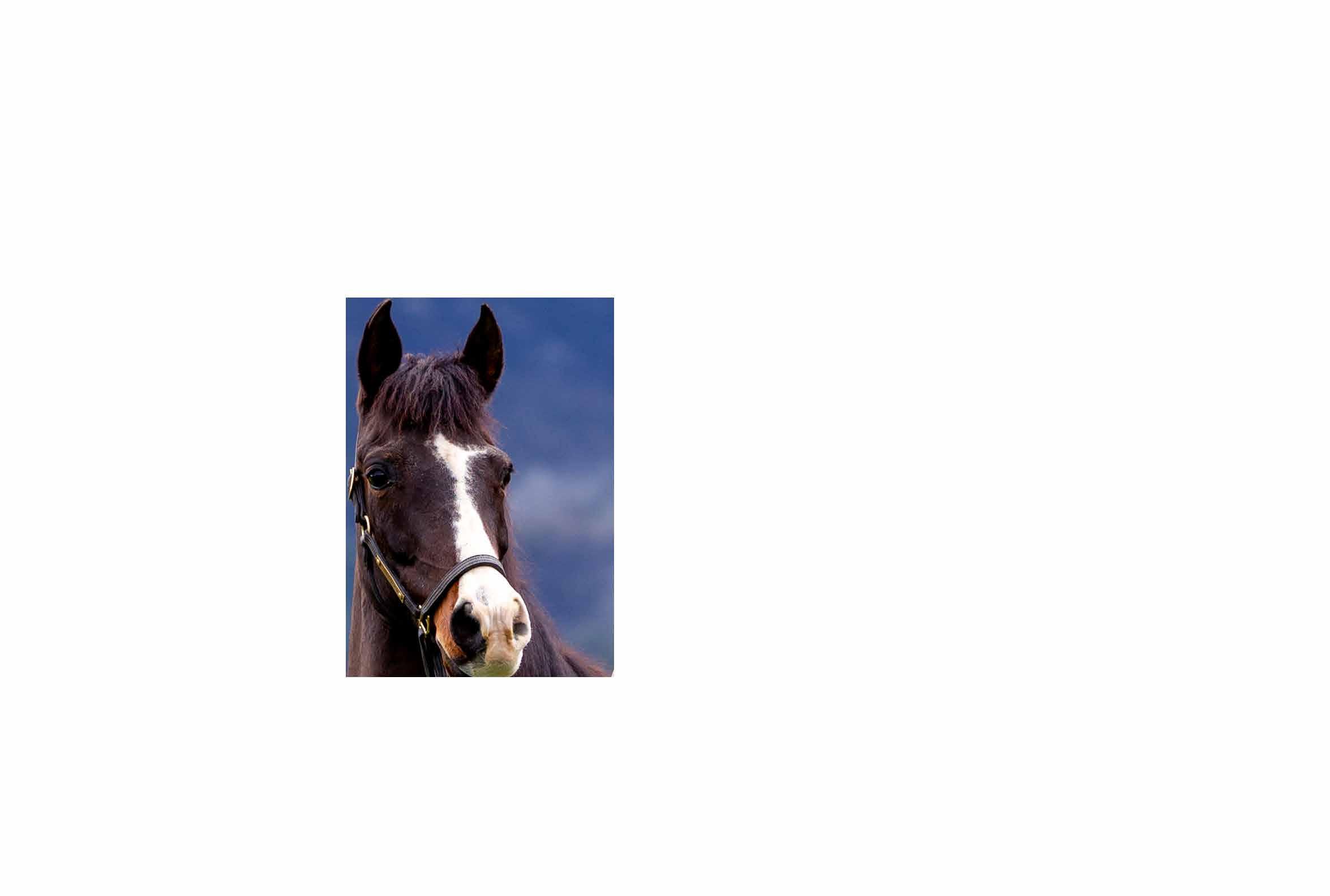
Bridle Up Hope: Transforming Lives Through Horses
It’s all in the name, or is it? Decoding Food Labels
Helping the Warriors Grow Hope & Heal Families
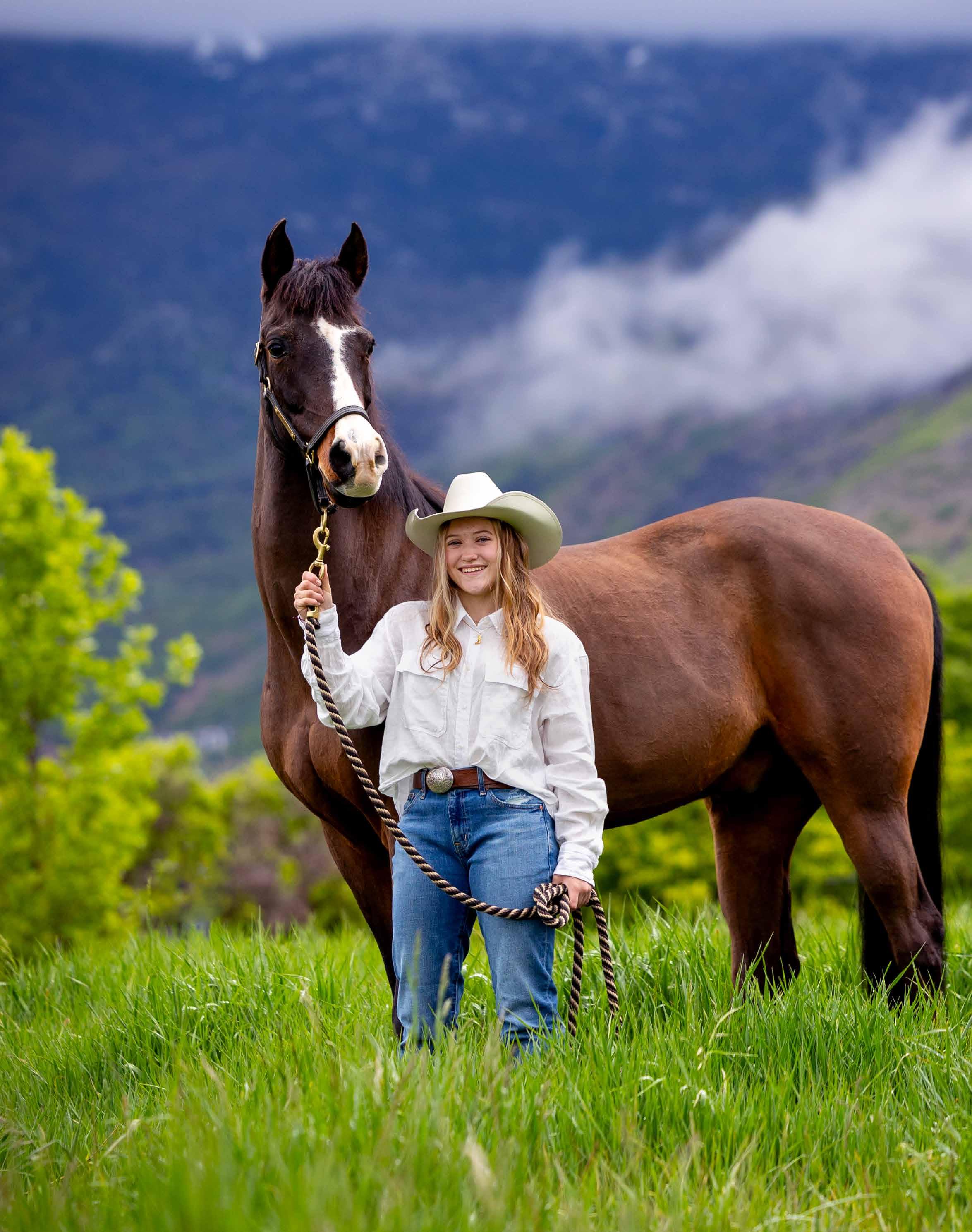

Bridle Up Hope: Transforming Lives Through Horses
It’s all in the name, or is it? Decoding Food Labels
Helping the Warriors Grow Hope & Heal Families
BY VALJAY RIGBY, PRESI DENT, UTAH FARM BUREAU FEDER ATION
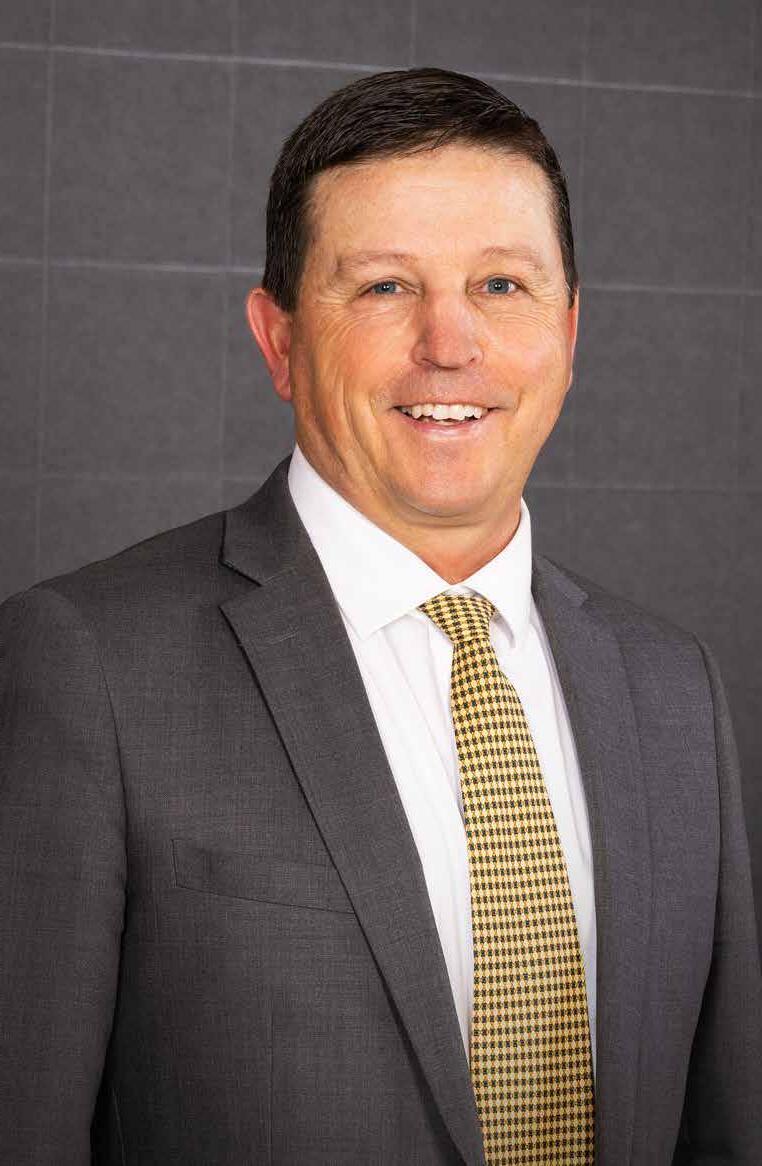
Hello Utah Farm Bureau members!
As we find ourselves in the middle of winter, it’s only natural to pause and think back on the year that was behind us. Maybe it’s looking back on milestones with family or how much you’ve learned and grown. Reflecting helps connect the dots between where we’ve been and where we’re headed, and it’s often surprising to see how much we’ve accomplished in a single year.
As you look through this issue of our magazine, I hope you see the many ways we are all connected through agriculture and the power of food to unite us. You’ll see examples from a world-class Olympic skier that may share the same favorite
meal as you do, or learn about what food labels really mean and how they can reflect your values. You can also see how the animals many ranchers work with can heal hearts and empower young people, or be inspired by organizations in our communities that are strengthening families in times of need.
You might even learn things that weren’t on your radar or be inspired to get more involved yourself. Most of all, I hope you finish reading with the confidence that your membership matters in keeping local agriculture thriving in our state. Thank you for being a Utah Farm Bureau member!
ValJay Rigby President Utah Farm Bureau Federation

UTAH FARM BUREAU FEDERATION
9865 South State Street Sandy, UT 84070-3205 801-233-3003 | utahfarmbureau.org
VALJAY RIGBY
President Utah Farm Bureau Federation
TYSON ROBERTS
Vice President
Utah Farm Bureau Federation
SPENCER GIBBONS
Chief Executive Officer
Utah Farm Bureau Federation
MATT HARGREAVES
Managing Editor
Vice President of Communications
POSTMASTER: Please send address changes to the Utah Farm Bureau Federation, 9865 S. State Street, Sandy, UT 84070-3205.
DESERET NEWS | HOME TOWN VALUES 55 North 300 West, Suite #400 Salt Lake City, UT 84101 801-204-6300 | deseret.com
MEGAN DONIO
Creative Director
SERINA NIELSON Art Director
ALLEN MUY Graphic Design
UTAH FARM AND FORK is the official publication of the Utah Farm Bureau Federation. ©2026 by the Utah Farm Bureau Federation.
UTAH FARM AND FORK (ISSN 1068-5960), January 2026, Vol. 72 No. 1. Published five times per year by Utah Farm Bureau Federation, 9865 S. State Street, Sandy, Utah 84070. Subscription price $10 a year. Periodicals Postage Paid at Sandy, Utah, 84070.



I’m not a farmer, but…
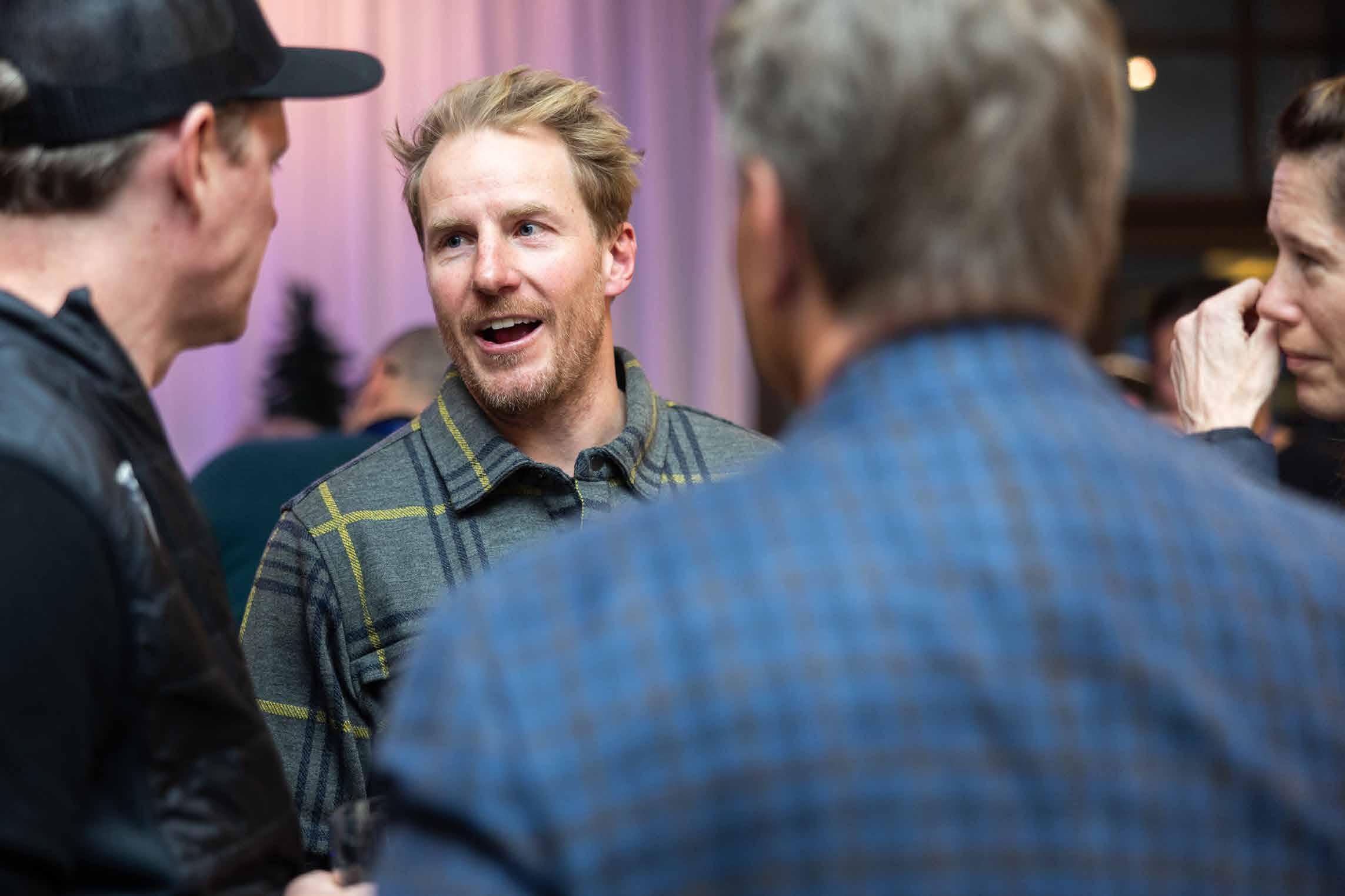
Utah Farm & Fork caught up with Olympic gold medalist Ted Ligety to talk about the upcoming Winter Olympics in Italy, along with his love of food and appreciation for a home-cooked meal. He is part of NBC’s broadcast team for the upcoming MilanCortina Olympic Winter Games and is also helping with several committees for the upcoming Utah 2034 games.
BY MATT HARGREAVES, EDITOR, UTAH FARM & FORK MAGAZINE
Ted Ligety was born and raised in Park City, Utah, and is a four-time Olympian and two-time Winter Olympic gold medalist. Ligety won the Alpine Combined at the 2006 Torino Winter Games and the Giant Slalom at the 2014 Sochi Winter Games. In addition, Ligety has won five World Championship gold medals.
TELL US ABOUT YOUR FAMILY AND YOUR TIME GROWING UP.
I was born in Salt Lake City and raised in Park City with my parents and my brother, Charly. I began
skiing at age 2, but the kids I hung out with the most were athletic kids who all wanted to be on the Park City High School ski team and race, and I was an athletic, competitive kid, so that’s the direction I took as well. [Ted began racing at age 11].
WAS SKI RACING WHAT YOU ALWAYS WANTED TO DO WHEN YOU GREW UP, OR DID YOU PLAY OTHER SPORTS?
I loved sports, playing some of the obvious common ones like soccer, flag football, basketball – I love the Utah Jazz – and baseball, but soccer is the one I did the longest, playing
into high school. I also did some mountain bike racing. Nowadays, I have eight-year-old and five-yearold twins, and they are now on their mountain bikes, skiing, and doing all the sports. We have so many great outdoor play areas in Utah.
DID YOU HAVE FAVORITE THINGS TO DO AS A CHILD?
A lot of our time was centered on athletics, but my parents worked long hours growing up, so the boys took over the cooking. They worked long hours, and their cooking skills were okay, so we took more of that on ourselves.


TELL US ABOUT THE ROLE THAT FOOD PLAYED IN YOUR TRAINING AND RACING. WAS THERE ANYTHING YOU LIKED TO EAT TO STAY IN THE BEST SHAPE?
Diet was very important. For downhill racing, you want to be on the bigger side of muscle mass. I would try to bulk up with lots of protein and veggies. We would have huge meals with steak and heavier on greens than is typical on a plate. Lots of eggs, too.
COULD YOU TELL IN YOUR PERFORMANCE WHEN YOU WERE DOING BETTER WITH EATING?

BEING ON THE ROAD AND LIVING IN EUROPE, WAS THERE ANY FOOD THERE THAT YOU LEARNED TO LOVE?
The tough part about ski racing, when it comes to your diet, is that you’re staying in hotels, so your control over your diet is pretty limited. But when we could control it more, it definitely made a difference. That’s a unique thing about our sport, in that you’re never really competing at home. You’re always on the road as the away team, so my level of control wasn’t always where I wanted it to be. Ski racing is the #1 sport in Austria and Switzerland, and there is a rich culture and history surrounding it. We used to have some races here, but the timing wasn’t great for when we had our best snow. But more are coming.
We spent most of our time in Central Europe – Austria, Switzerland, France, Italy, Germany, Slovenia, etc., and we would drive everywhere and stop at historic castles and eat some of the amazing food.
WAS THERE ANY FOOD THAT REMINDED YOU OF HOME OR GROWING UP (WHEN YOU WERE ON THE ROAD)? ANY FOOD THAT WAS A FAMILY FAVORITE?
I missed the process of cooking more than any particular meals, but some of his best and worst meals I ever had were over there.

We didn’t get to cook a lot, so I looked forward to that when we came home. There were a few places that could make a decent burger, but not Mexican food. I missed Mexican food the most.
WHAT WOULD YOU HAVE FOR YOUR LAST MEAL ON EARTH?
Prime rib for sure.
IF YOU ARE COOKING AND DON’T WANT TO COOK ANYTHING FANCY OR ELABORATE, WHAT IS THE BASIC COMFORT FOOD YOU LIKE TO EAT (NO SHAME!)?
I do like to bake, but my favorite meal is steak and potatoes with
green beans. I love a ribeye cut; that’s #1. It’s one of the simpler things to cook, but it never misses.
I also really like Asian-style fried rice, and bacon & egg sandwiches. We love breakfast for dinner, as long as there is lots of bacon. I’ve used a smoker a little but haven’t gone too deep into that.
WHAT’S THE BEST MEAL YOU’VE EVER HAD? AND WHY?
Some amazing places in Europe, an experiential restaurant in Auré, Sweden, that was on a Netflix show. It was more like consuming modern art than it was consuming food –and you were still hungry at the end
of it. It was a cool experience, but not something I’d like to eat every day. I also had some great prime rib with horseradish and green beans. And some great bread, like a Yorkshire pudding or popover.
HAVE YOU VISITED A FARM/ RANCH OR FARMERS MARKET IN UTAH (OR ELSEWHERE) BEFORE?
We might not be the first state people think of for agriculture, but we have some great things. My kids LOVE fruit, especially when the donut peaches come – they devour those things. We really like going to farmers markets and getting fresh produce. I also really like in-season corn and berries.

YOU ARE KNOWN FOR YOUR ENTREPRENEURIAL EFFORTS AND FOR PROMOTING ACCESS TO SKIING FOR MORE KIDS. CAN YOU TELL US ABOUT THAT?
I started a company called Shred Optics about 20 years ago, making goggles, helmets, and other protective equipment. I was always a tinkerer growing up, and so I wanted to see how I could give myself a competitive advantage. I also work with a company called DPS, which has a factory in downtown Salt Lake City and is one of the few ski manufacturers in the U.S.; we can have an idea on Monday and ski on them on Wednesday.
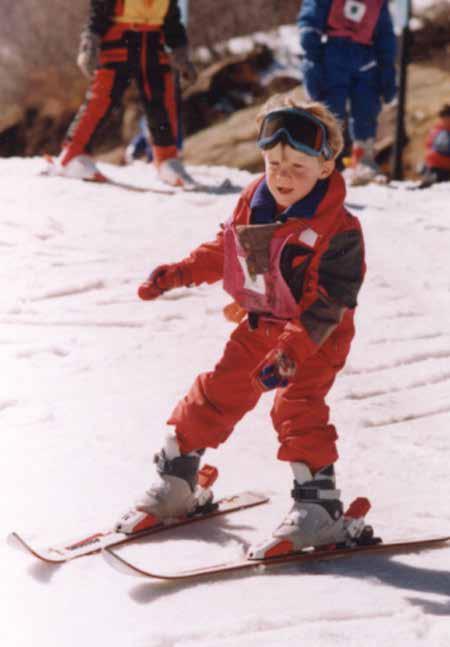

I’m also involved with a group called the Share Winter Foundation, which is a national organization that helps get kids out in the snow.
DO YOU THINK FOOD CAN HELP PEOPLE CONNECT WITH OTHERS IN A WAY SIMILAR TO HOW ATHLETICS DOES? IF SO, WHY?
Food is very culturally connecting. Of course, you eat with other people, but it is a distinctive part of your
heritage and of how you connect as a group. There are so many styles, and it helps bring people together. You share your history and where you come from, and it can teach you about other places and may even be more impactful than sports at bringing people together. I love sports, but it can be very much about one group against another – in groups and out groups, but food isn’t as much that way. It can open your eyes to new things.










































BY AUBREE THOMAS, COMMUNICATIONS COORDINATOR, UTAH FARM B UREAU
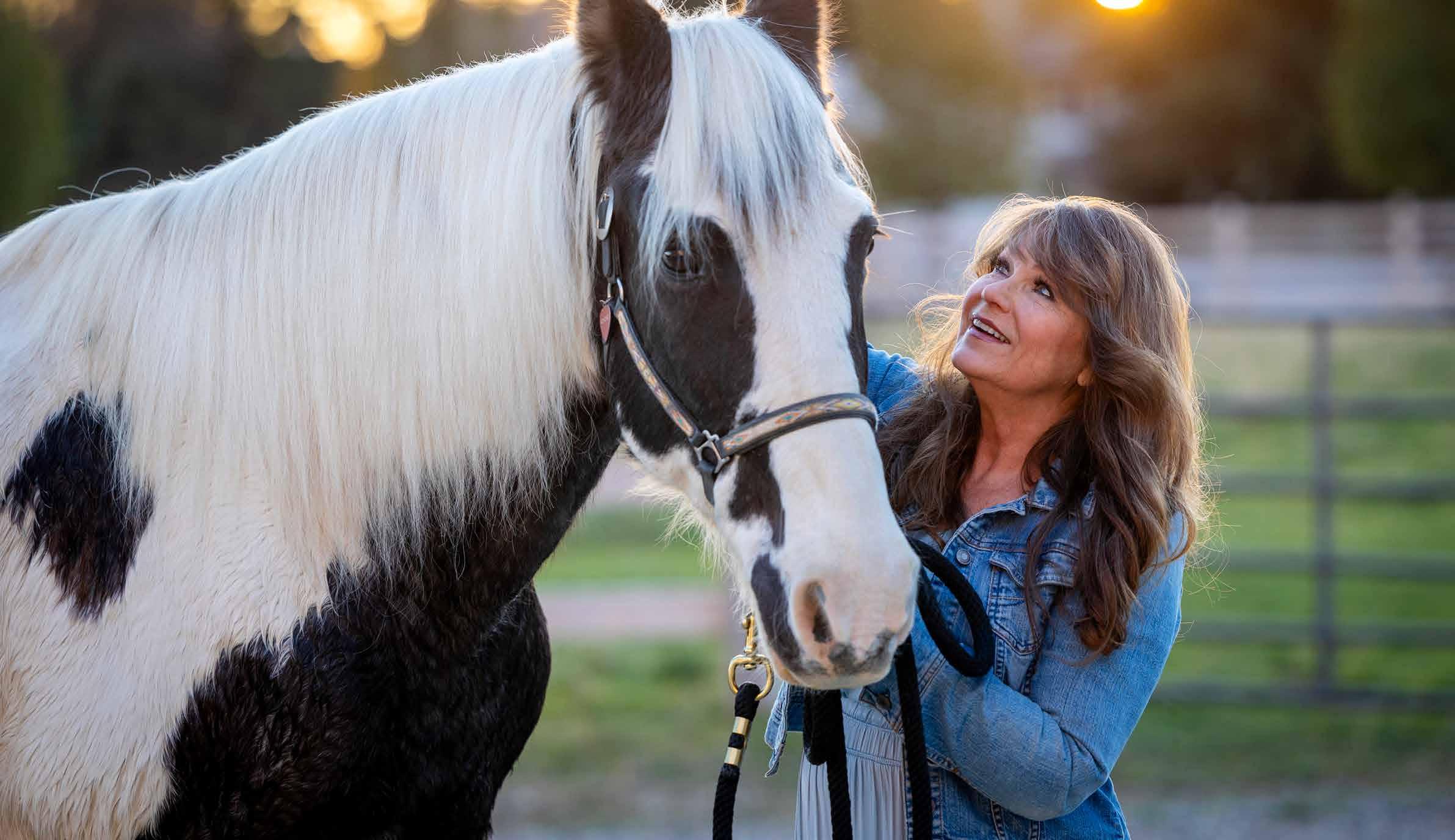
Tucked into the peaceful foothills of Alpine, Utah, Bridle Up Hope is more than a barn — it’s a place where horses and humans work together to build confidence, resilience, and hope. Here, girls and women discover that the quiet strength of a horse can teach lessons about life, courage, and self-worth that last far beyond the arena.
Bridle Up Hope was founded by Sean and Rebecca Covey after their daughter, Rachel, passed away due to the effects of depression. Determined to find something positive amid the tragedy, the Coveys reflected on what had brought their daughter peace.
Her family saw firsthand the healing bond between their daughter and her horses and recognized how that same bond could offer a sense of belonging and hope to other girls.
Bridle Up Hope offers a unique equine-assisted learning experience that combines riding lessons, life skills development, and service — all rooted in the principles of Stephen R. Covey’s The 7 Habits of Highly Effective People. Whether it is a girl in school trying to figure out where she belongs or a young mother navigating postpartum life, everyone is welcome at the barn.
“If you name a background, we’ve probably seen it,” said Nicole
Holgreen, executive director for Bridle Up Hope. “Sometimes we don’t know what struggle they’ve been going through until after the lessons are over. They’ll call and say, ‘You have no idea — I was going through this really terrible situation, and this program completely transformed my life.’ It’s really neat to see the impact this has had on so many girls and women.”
What started as a small neighborhood riding program quickly grew into something much larger. To date, more than 3,500 girls and women have graduated from the program. Bridle Up Hope has also expanded to 13 locations, which include four barns in Utah (Alpine, Kaysville,
Mapleton, and St. George) and global programs in Estonia, Ukraine, and Hungary. Each site carries the same mission while reflecting the unique communities it serves.
While Bridle Up Hope’s reach continues to grow, the organization remains focused on the individual experience for each girl and woman. At Bridle Up Hope Alpine, the organization’s headquarters, nearly 100 one-on-one lessons are held each week, and demand often results in a 30-60 day waitlist. Each lesson is structured around three core pillars: learning to ride horses, developing life skills, and serving others. The program is designed to meet participants where they are — offering a 14-week experience for girls ages 12–21, and a 7-week program for women ages 22 and up.
“Women have more life experiences and are generally more open to the 7 Habits side of it,” Holgreen explained. “Where I feel like the girls are generally coming for the horses. Of course, they are here for the life skills too, but for them it’s like a 1,000-pound object lesson that we sneakily weave the habits into.”
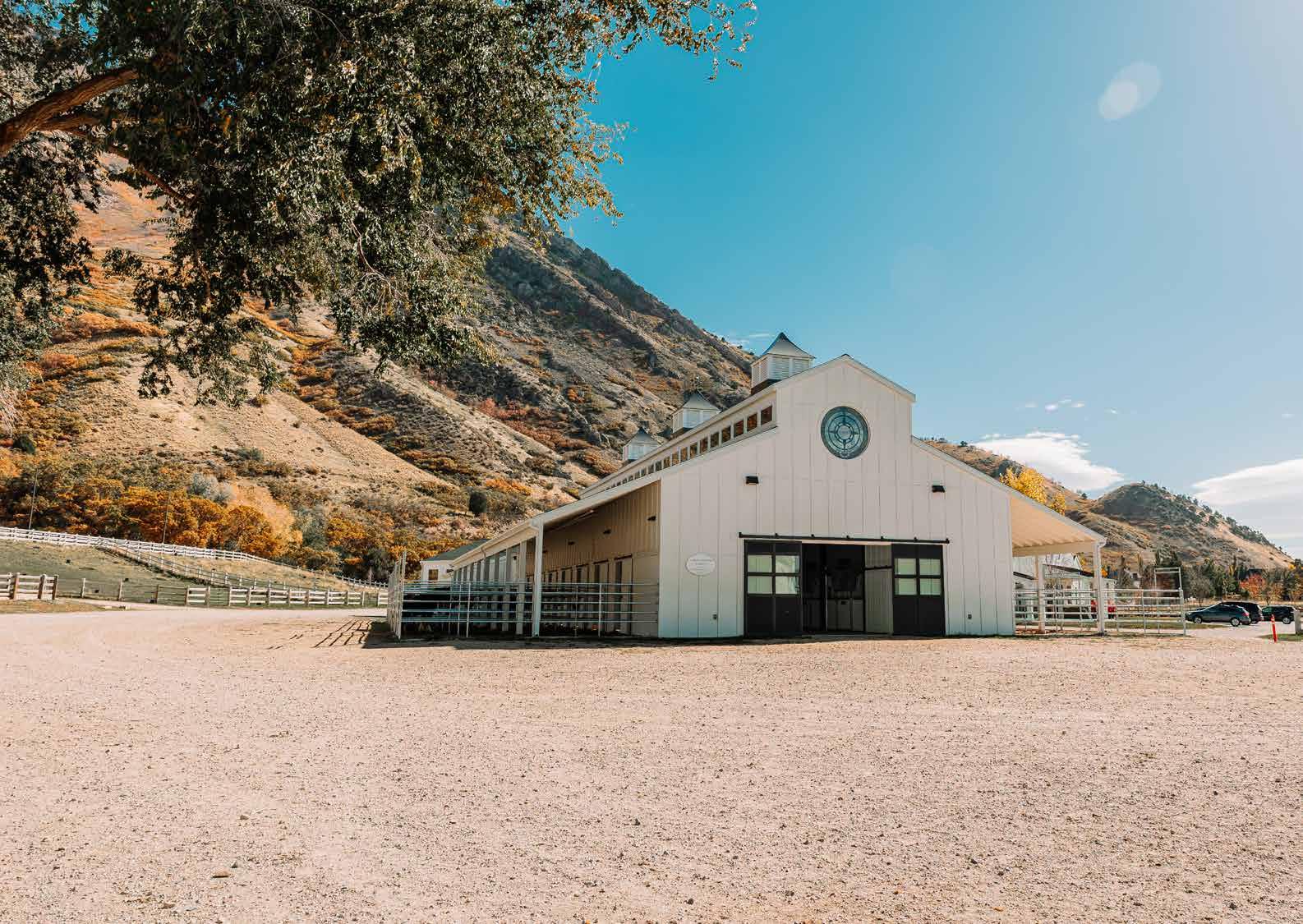
Each lesson at Bridle Up Hope begins with a 10-15 minute discussion focused on one of the 7 Habits, allowing participants to explore how those principles apply to their own lives and current challenges. From the very first lesson, girls and women move into hands-on work with the horses.
No two lessons will look the same. Instruction is all about meeting the participant where she is – both emotionally and in her level of horsemanship. Opportunities range from English and Western riding to driving, jumping, trail riding, and more, allowing participants to discover what resonates most with them.
“It’s about having options for them,” Holgreen said. “Sometimes our students will ride in an English saddle and think, ‘That’s not for me.’ They may find they’re happiest on a trail ride in the mountains with a horse. Or someone jumps for the first time and says, ‘Oh my gosh, this feels like I’m flying. Many of our students have never even touched a horse — and a few years later, they are working towards owning their own horse.”
Bridle Up Hope Alpine has 19 horses available for the girls and women during their lessons. According to Holgreen, horses are a unique and effective delivery tool for the 7 Habits.
“For many participants, just being near a horse is both intimidating and empowering. “Even for me, their size alone can feel overwhelming,” Holgreen said. “Our largest horse is a draft cross at 17.2 hands — just sitting on his back can feel empowering and a little scary at the same time.”
Beyond their size, the horses are incredibly intuitive. They sense emotions and respond in ways that help participants open up. Holgreen recalls seeing horses approach girls who are struggling, resting their heads on their shoulders to offer quiet companionship.
In lessons, horses often mirror behavior, giving teens immediate, honest feedback that encourages selfreflection. “They’re learning about themselves through these incredible animals,” Holgreen explained.
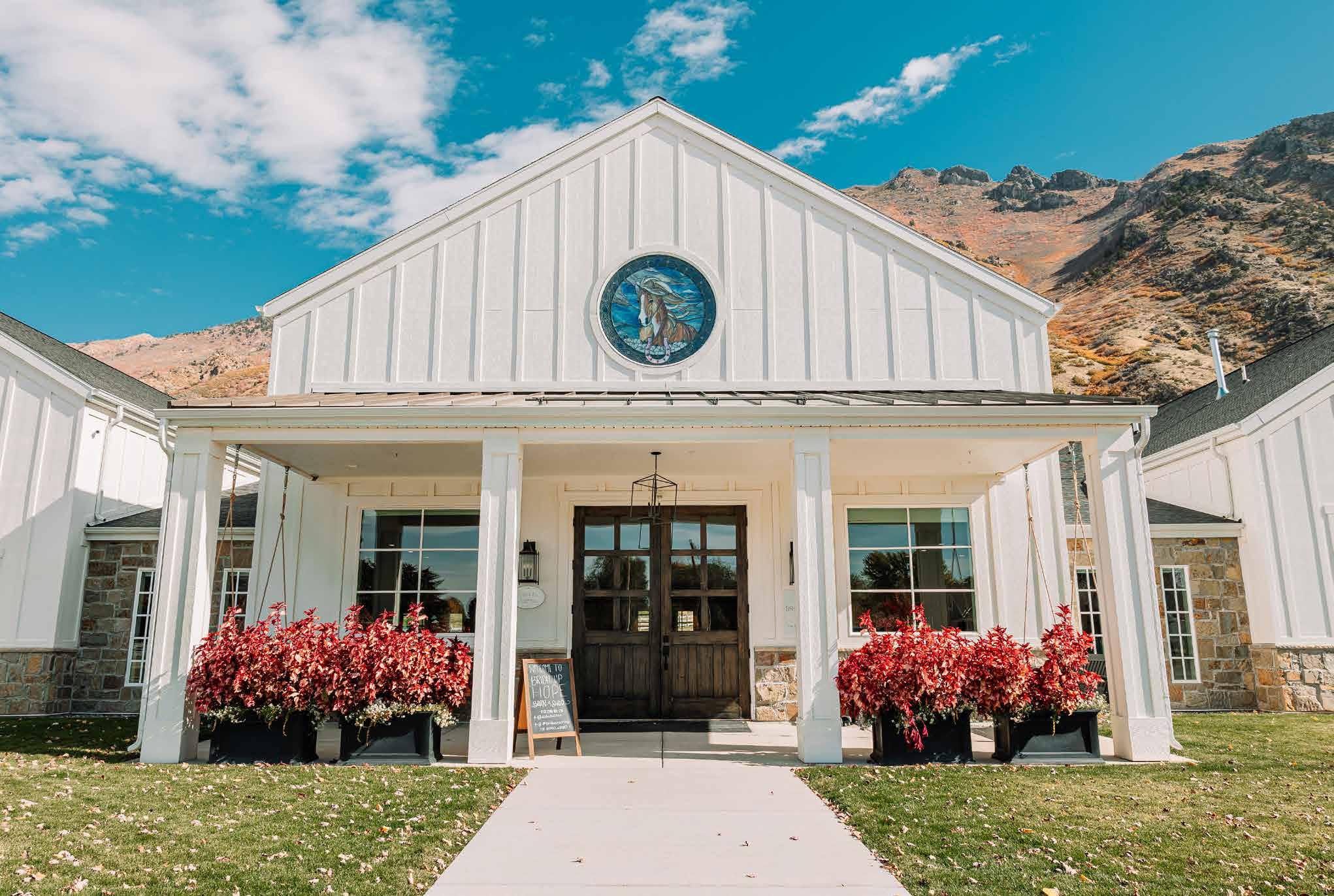
Once their lessons are complete, participants are encouraged to stay connected to the barn through service hours, offered at various times to accommodate different schedules. For every 10 hours of service, girls and women earn additional lessons, helping them remain engaged while giving back. These are called “Sharpen the Saw Classes,” inspired by the seventh habit, and include lessons on yoga, self-defense, art, and other activities designed to teach coping skills, confidence, and creativity.
“Keeping them engaged at the barn is all about giving them tools they can use as they go through the ups and downs of life,” Holgreen said.
For Holgreen, one of the most touching stories to come out of Bridle Up Hope involves a 12-yearold girl who came through a Catholic refugee foster program in Utah. She was an unaccompanied
minor who had crossed the border, spoke only Spanish, and was on the autism spectrum. When she first arrived at the barn, she was nearly nonverbal and so shy that she hid behind her foster mom.
Week by week, as she began her lessons, things started to change. About three weeks into her program, a donor came to tour the barn and asked her how the program had impacted her life. The instructor translated the question into Spanish, and the girl smiled and said, “It’s changed my life, because it’s helped me find my smile.”
By the time she graduated from the program, Holgreen said she was a completely different person. During the graduation ceremony, she stood before a room of more than 150 people and bowed to the audience. It was a full-circle moment for everyone who had witnessed her journey from a quiet,
frightened child to a girl who had found her voice and her confidence.
“I always remember that there are miracles, sometimes they just look different than what we envision. The Coveys never imagined losing their daughter, but to see them turn it into something beautiful and to have something positive come from that is just really beautiful to see,” Holgreen said.
What started as a local effort to honor one young woman’s love for horses and help other girls and women in need has become a worldwide movement of healing and empowerment. With each new enrollment, Bridle Up Hope continues to prove that even through tragedy, something good can grow.
Learn more about Bridle Up Hope at their website, bridleuphope. org, or by following them on social media - @BridleUpHope.



BY SUSAN FURNER, VP—CONSUMER ENGAGEMENT, UTAH FARM B UREAU
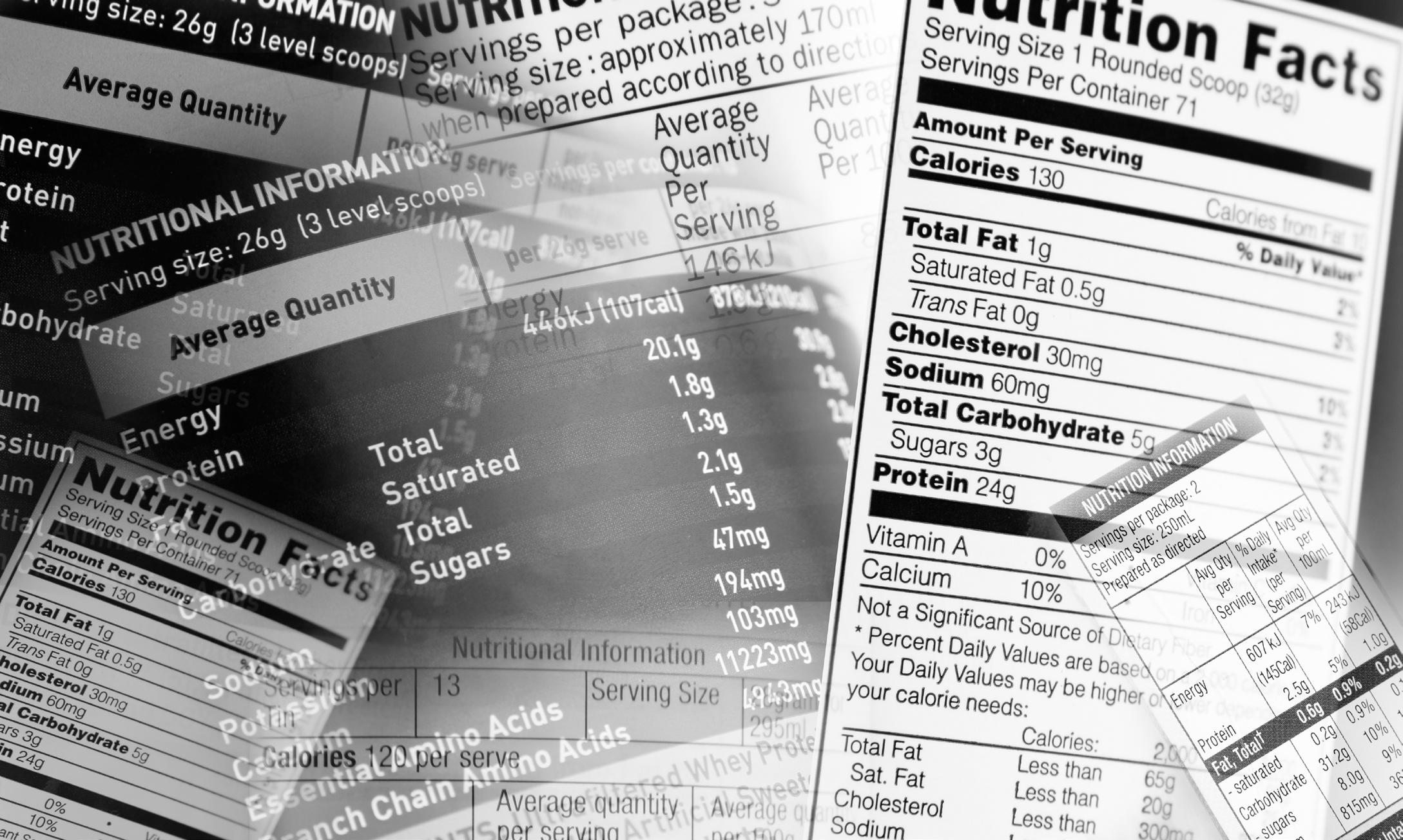
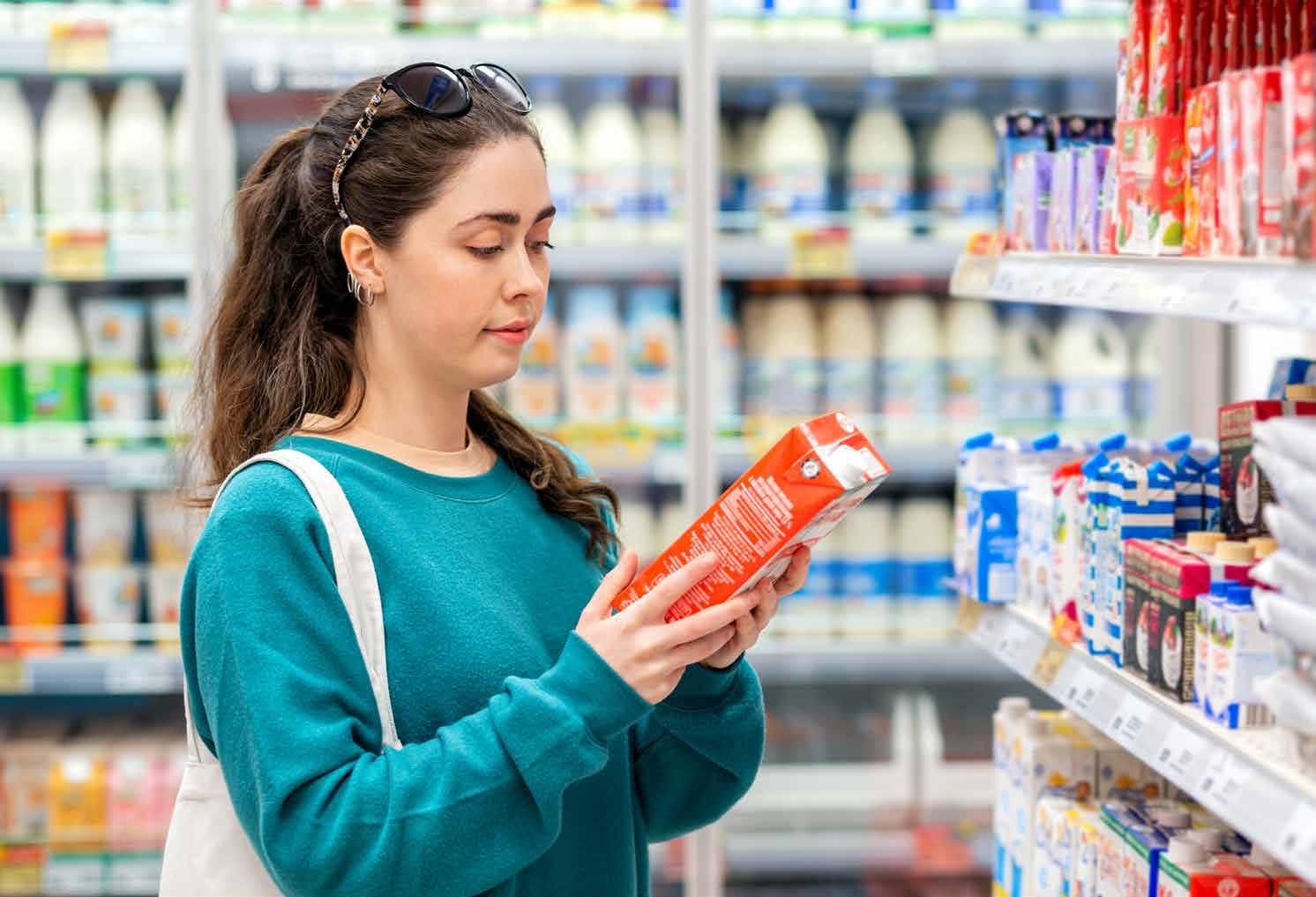
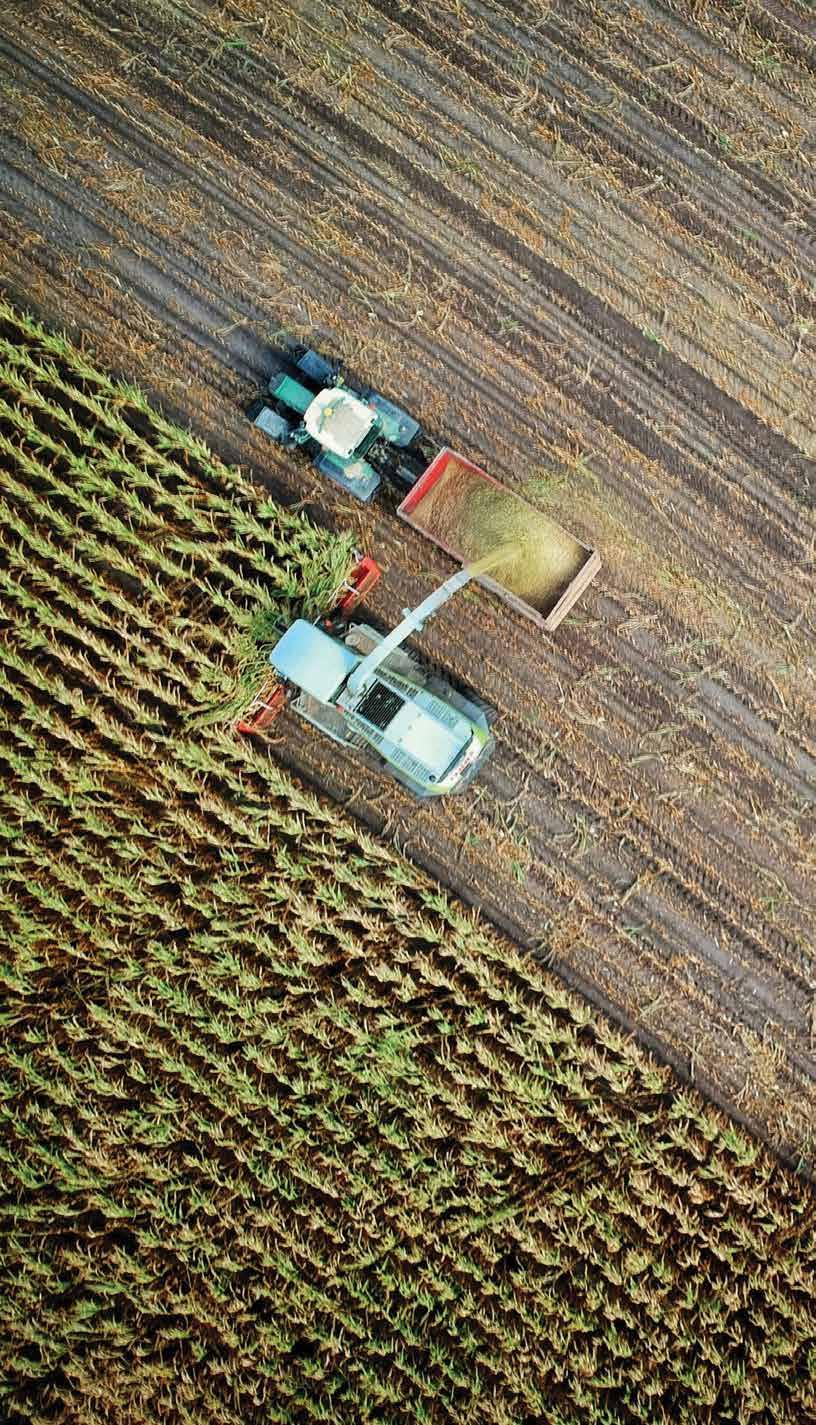
Americans enjoy a wide range of food choices, and consumer preferences and values are often reflected in their food purchases. Isn’t it amazing that we live in a place with almost limitless options to satisfy our preferences? And we have farmers and ranchers around the country to thank for the many options we have. While this industry is complex, the goal is simple – feed more people with less environmental impact, responsibly.
When out at the store or your local farmers market, shoppers can find products labeled as natural, organic,
and free-range. But what do all those labels really mean? Understanding food labels can help you make more informed food choices.
As required by the United States Department of Agriculture (USDA), meat, poultry, and egg products labeled as natural must be minimally processed and contain no artificial ingredients. The natural label doesn’t include any standards regarding farm practices and applies only to the processing of meat and egg products.
Food products other than meat, poultry, and processed eggs can also be
labeled natural, but from a food science perspective, it’s difficult to define a food product as natural, since it’s likely been processed and is no longer the product of the earth in its natural state.
The Food and Drug Administration (FDA) has not developed a definition for the use of the term natural, but the agency hasn’t objected to the use of the term if the food does not contain added color, artificial flavors, or synthetic substances.
Organic refers to food or other agricultural products that have been produced without synthetic
fertilizers, sewage sludge, irradiation, and genetic engineering. But whether it’s organic or conventional, it’s how the farmer treats the soil, the crops, and their community that makes it trustworthy.
Pesticides derived from natural sources, such as biological pesticides, may be used in the production of organically grown food.
The USDA regulates organic crops, livestock, and agricultural products by established standards through the National Organic Program certification. To sell, label, or represent products as organic, farmers must comply with all USDA organic regulations. If you see the USDA organic seal, the product is certified organic and has 95 percent or more organic content.
Why does organic food cost more?
The simple answer is that it costs more to farm organic food due to production costs, including lower crop yields, keeping organic crops separate from conventional crops, higher labor costs, and economies of scale.
Is organic food worth buying?
Organic foods are usually good for the environment, but can be more expensive. The USDA found that the costs of fruits and vegetables are typically about 20% higher than those of conventional produce, and sometimes higher.
Is organic food more nutritious than conventionally grown food?
According to a study at UC Davis, organic foods are not healthier, per se, in terms of nutrients. You
are still getting the same benefits in conventionally grown foods as you are in organic foods. 1
Organic and conventional systems can both meet rigorous safety and quality standards, and provide the safety and nutritional value we all need. You can feel confident that whether it’s organic or conventional, your food is safe and nutritious.
Free range, also known as free roaming, means that farmers need to demonstrate to the USDA that poultry have been allowed access to the outdoors.
Cage-free labels certify that the flock was able to freely roam in a building, room, or enclosed area with unlimited access to food and fresh water. There are no regulations with the cage-free certification for the flock to have outdoor access.
Some labeling programs claim that animals were treated humanely during the production cycle, but verification of these claims can differ. Humane labeling programs are not regulated.
The term “no antibiotics added” may be used on labels for meat or poultry products if required documentation is provided by the farmer to the USDA demonstrating that the animals were raised without antibiotics.
This label can be confusing. The important thing for consumers to know is that ALL poultry and meats in the grocery store DO NOT have antibiotics. There are no antibiotics in meat and poultry due to regulations in place.
Even if a farmer chooses to use antibiotics for the well-being of their animals (think of when your child is prescribed antibiotics by a doctor to treat strep throat), there is a waiting period before that animal can enter the market. Checks and balances are in place to test products like meat and milk to ensure there are no antibiotics in food that is being eaten. Because of concerns about antibiotic resistance, antibiotics used for growth promotion is no longer allowed in the United States.
Dr. Jeff Bener, DVM, MS, DACVPM from the University of Minnesota, gives this advice, “The food that we have in our grocery stores is good. It is inspected, and there are regulations in place to really eliminate the possibility that antibiotics are there. You should feel comfortable in consuming products that you buy at the grocery store.”
Modern agriculture responds to meet consumer demands. Understanding what’s in your food is important, and the labels used can help consumers make more informed choices that align with their values and preferences. Whatever your food preferences, hard-working farmers and ranchers are working day and night to care for their land and livestock to provide your family – and their own – with healthy food choices.
1ucdavis.edu, https://health.ucdavis. edu>bkic>good-food>2019/04
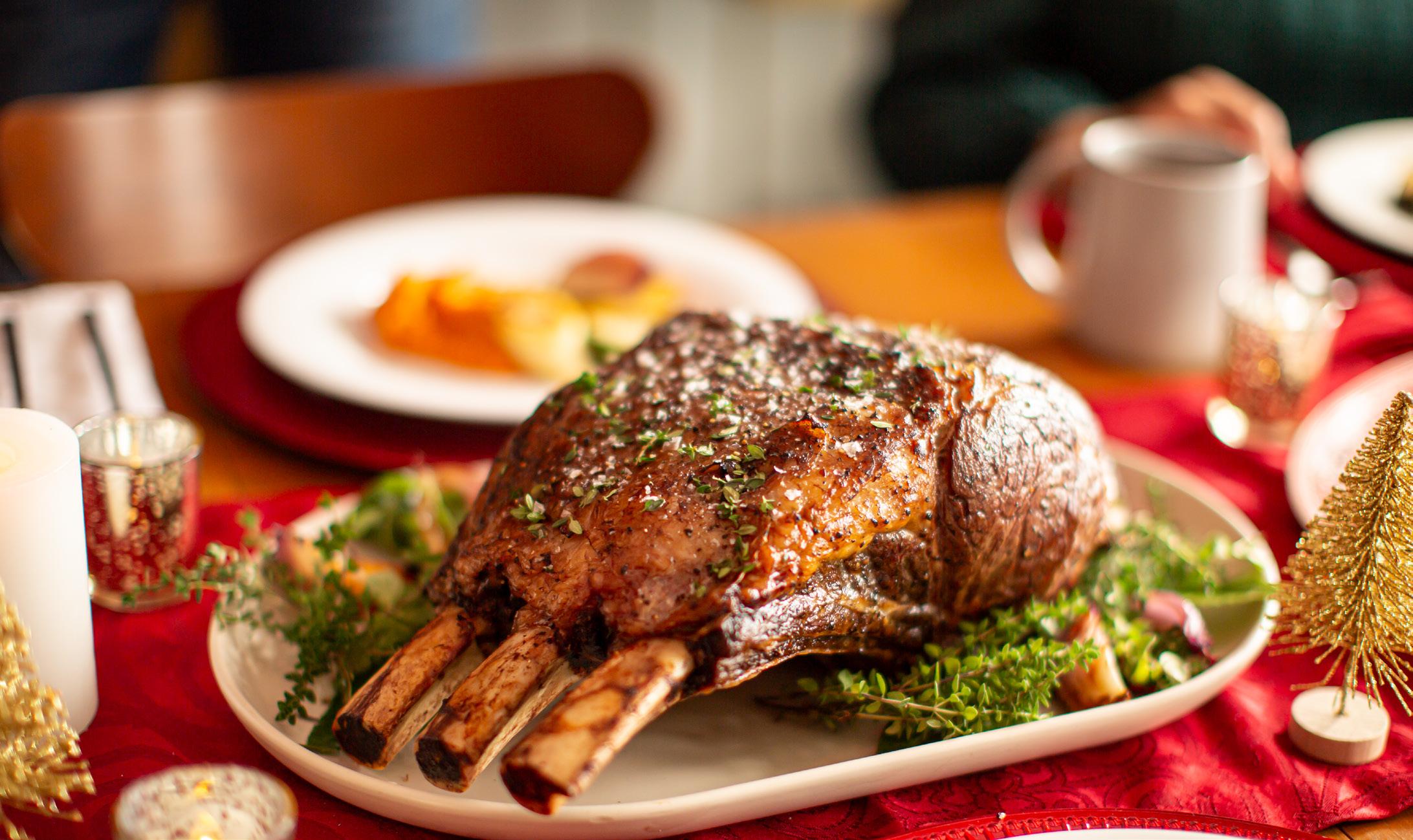
Whether hosting an intimate gathering or a family feast, beef makes every occasion special. Impress with a stunning Prime Rib or Beef Tenderloin, or go with slow-cooked Brisket or bite-sized Beef Wellington appetizers. However you serve it, beef brings warmth and flavor to every holiday table. www.beefitswhatsfordinner.com







BY JULIA MISIEGO, FOOD & FARM WRITER, UTAH FARM B UREAU
When you order food at McDonald’s, you might remember being asked if you want to round up your total to donate to the Ronald McDonald House Charities. Whether or not you choose to donate, the charity might seem abstract and disconnected from your daily life. Just another charity asking for money to do (hopefully) good things.
But what is the Ronald McDonald House? If you’re like me, you may have wondered why the signature clown mascot needed a house. As an adult, the Ronald McDonald House Charities has played a role in my personal life in a couple of different ways, both on the giving and the receiving end.
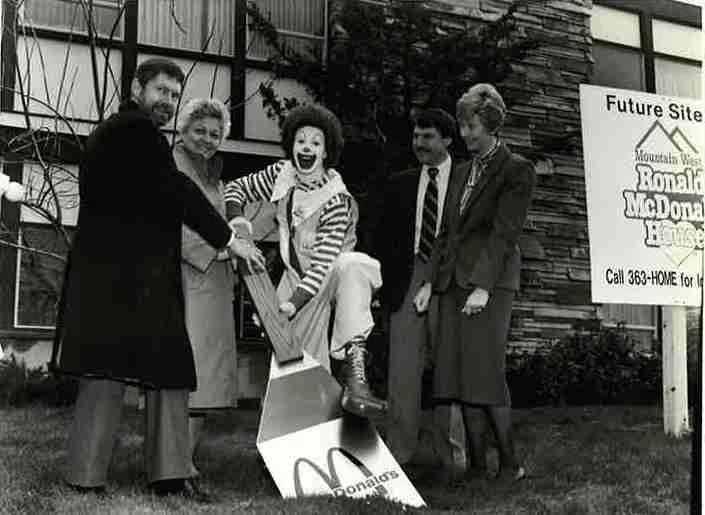
The Ronald McDonald House is a global charity with “chapters” across the United States and additional programs in 62 countries. It first started with a house in Philadelphia in the 1970s when the daughter of Fred Hill, a football player for the Philadelphia Eagles, was diagnosed with leukemia in 1974. His experience led him to advocate for a place to support families while their children received care at nearby hospitals. Fred collaborated with Dr. Audrey Evans, who co-founded the charity and brought this vision to life.
Salt Lake City has our very own Ronald McDonald House (RMH). It is essentially a hotel, but with a communal feel and focus. They
provide private rooms for families to stay in for free while their children receive care at nearby hospitals. RMH considers the needs of families who might be there long-term by providing entertainment rooms for siblings, a full-service kitchen, reflection/ worshiping rooms, and many additional programs and resources.
There are also Ronald McDonald rooms at Intermountain Primary Children’s hospitals and the University of Utah Newborn ICU, where families and patients can visit to relax, eat, and play while in the hospital.
I was first introduced to the Ronald McDonald House in Salt Lake City as an employee of Utah Farm Bureau,

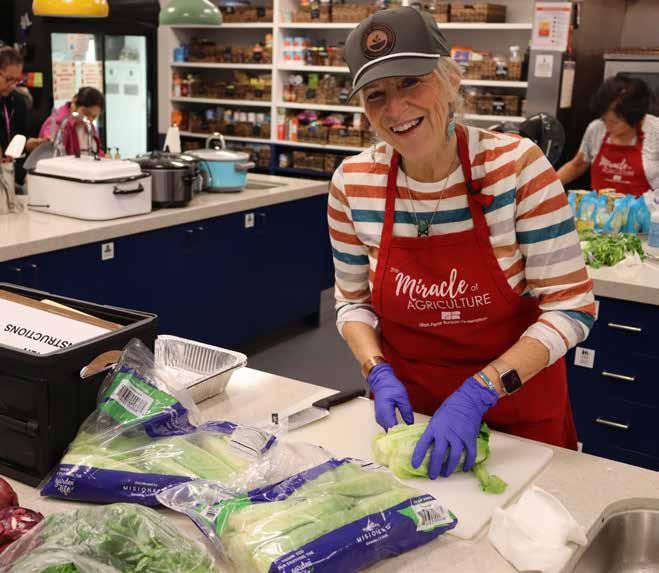
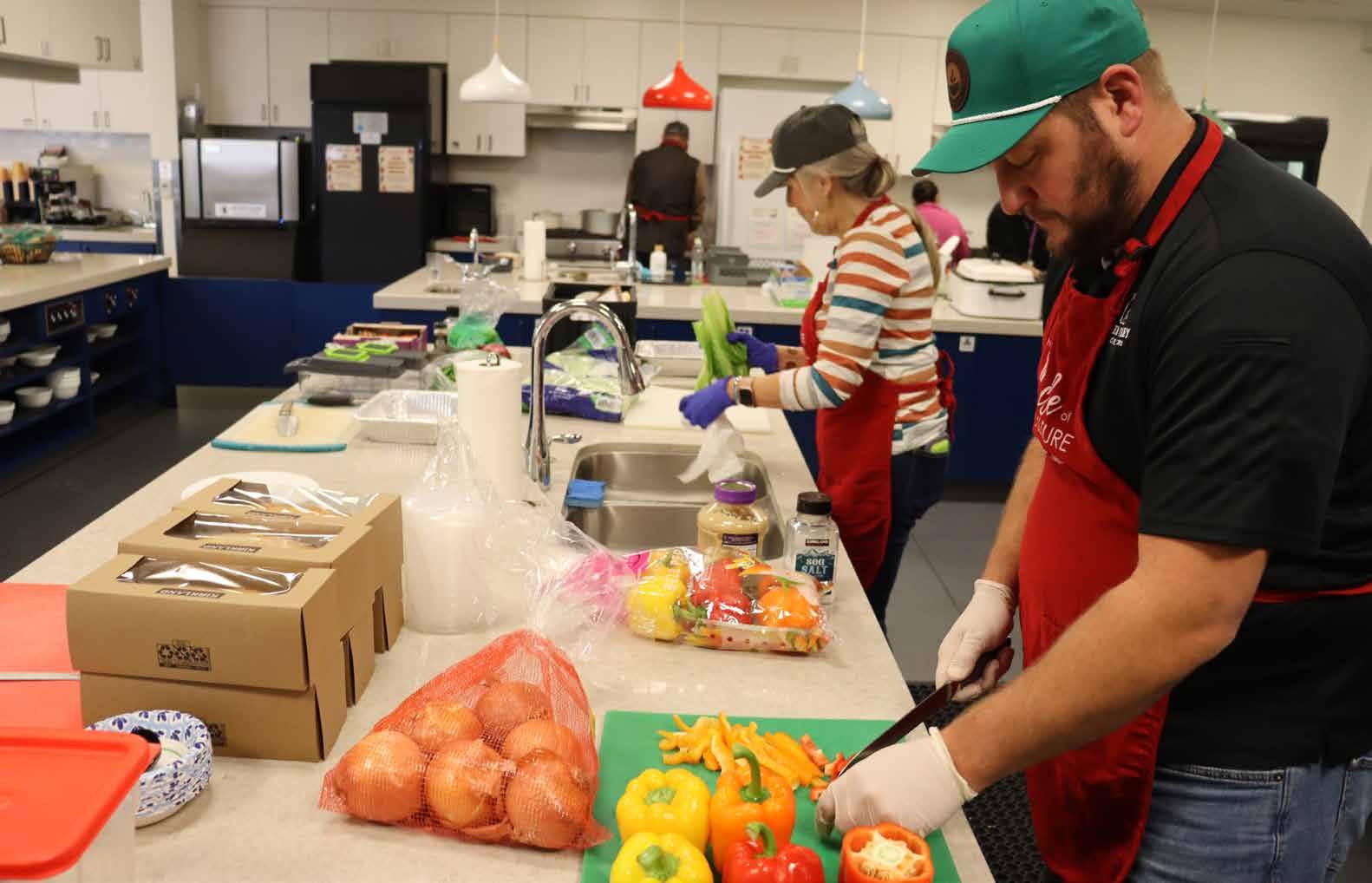
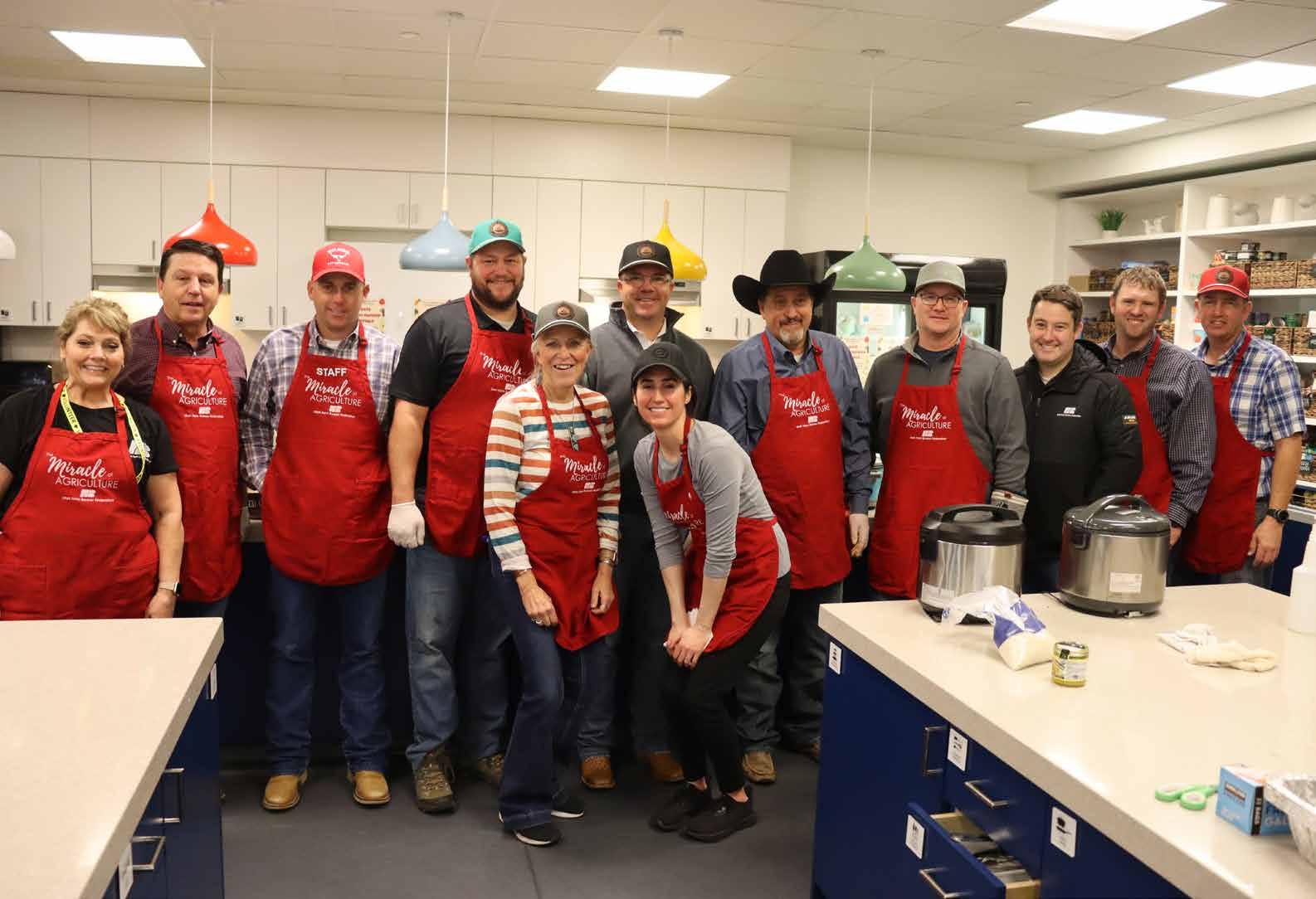
since they are one of our chosen charities. Groups or individuals can volunteer to provide a meal for the families staying in the house, and as a staff, we signed up to cook lunch. It was an extremely meaningful and fulfilling service activity. We could see how much the meal meant to families who were struggling with a sick or sometimes terminally ill child. Many families travel across the country and even across the world to receive care, and not having to worry about what they will eat each day lifts a huge burden from their shoulders. The Utah Farm Bureau Board of Directors has also volunteered to cook meals at the Ronald McDonald House, with our charitable arm – the Miracle of Agriculture Foundation – donating protein from Utah to RMH to use for future meals.
Being on the giving end was a special experience for me, but I didn’t fully grasp the impact of the charity’s work until I was on the receiving end. In May of this year, my 6-year-old son and I spent a week at Intermountain Primary Children’s Hospital in Salt Lake. The stay was unexpected and extremely emotionally and physically exhausting for my son
and me. On the first day we were there, we discovered the Ronald McDonald Room on our floor, and it quickly became a lifeline for us. It provided a space that didn’t feel like a hospital, where we could go to eat free meals, read books by the fireside, or play with toys. They were also able to provide some helpful supplies, like a phone charger, toiletries, and activity books.
Volunteers can also sign up to bring in meals just like at the Ronald McDonald House. I teared up every time I went through the line, because I knew what it was like to be on the side serving the food, and now I felt what it was like to be on the receiving end. I could not express enough how grateful I was for their generosity. They were not only sacrificing their time, but also provided all the food they served on their own dime. It seems like such a little thing, but being able to eat hot, homemade meals every day when I was so vulnerable and stressed is one of the most meaningful gifts I’ve ever received. And even when there isn’t a meal on the schedule, the Ronald McDonald Room staff keep the kitchen stocked with snacks and drinks.
Now, every time I eat at McDonald’s, I always round up my purchase to donate to the charity, as they are the Ronald McDonald House’s Mission Partner and largest corporate donor, but there are other ways to donate as well. If signing up to provide a meal isn’t feasible, they accept toiletries and household items, monetary donations, and even soda can tabs for recycling. The Utah Farm Bureau Women’s Leadership Committee collects these items for donation at local Farm Bureau events, so save your soda tabs and unused hotel toiletries! If you’re in Utah, you can find all the ways to give at www.rmhcslc.org.
Like many things in life, we often aren’t aware of something until it affects us. To quote the Ronald McDonald House in the Intermountain Area’s website, “Parents don’t know when their children will need medical help. But they should know they can always access the care they need. And with your help, we can support them all throughout their journey.”
Maybe you, like me, will become one of the 125,000 families they have helped so far. But even if not, you can still help make a difference to those who do need it.
BY MATT HARGREAVES, EDITOR, UTAH FARM & FORK MAG AZINE
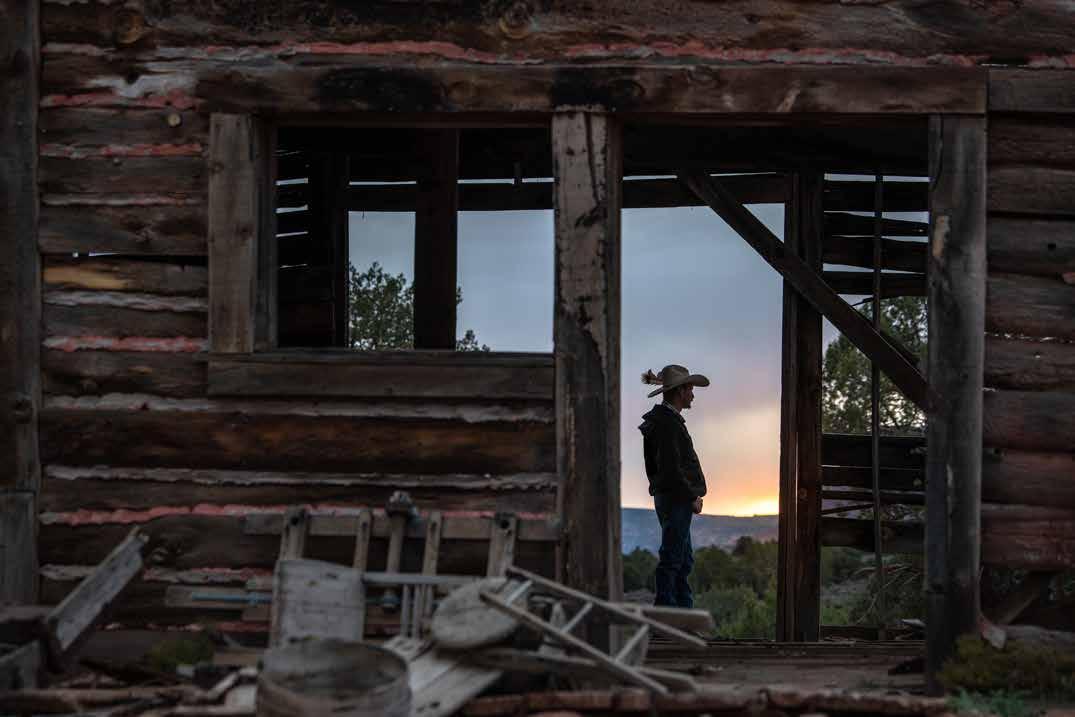
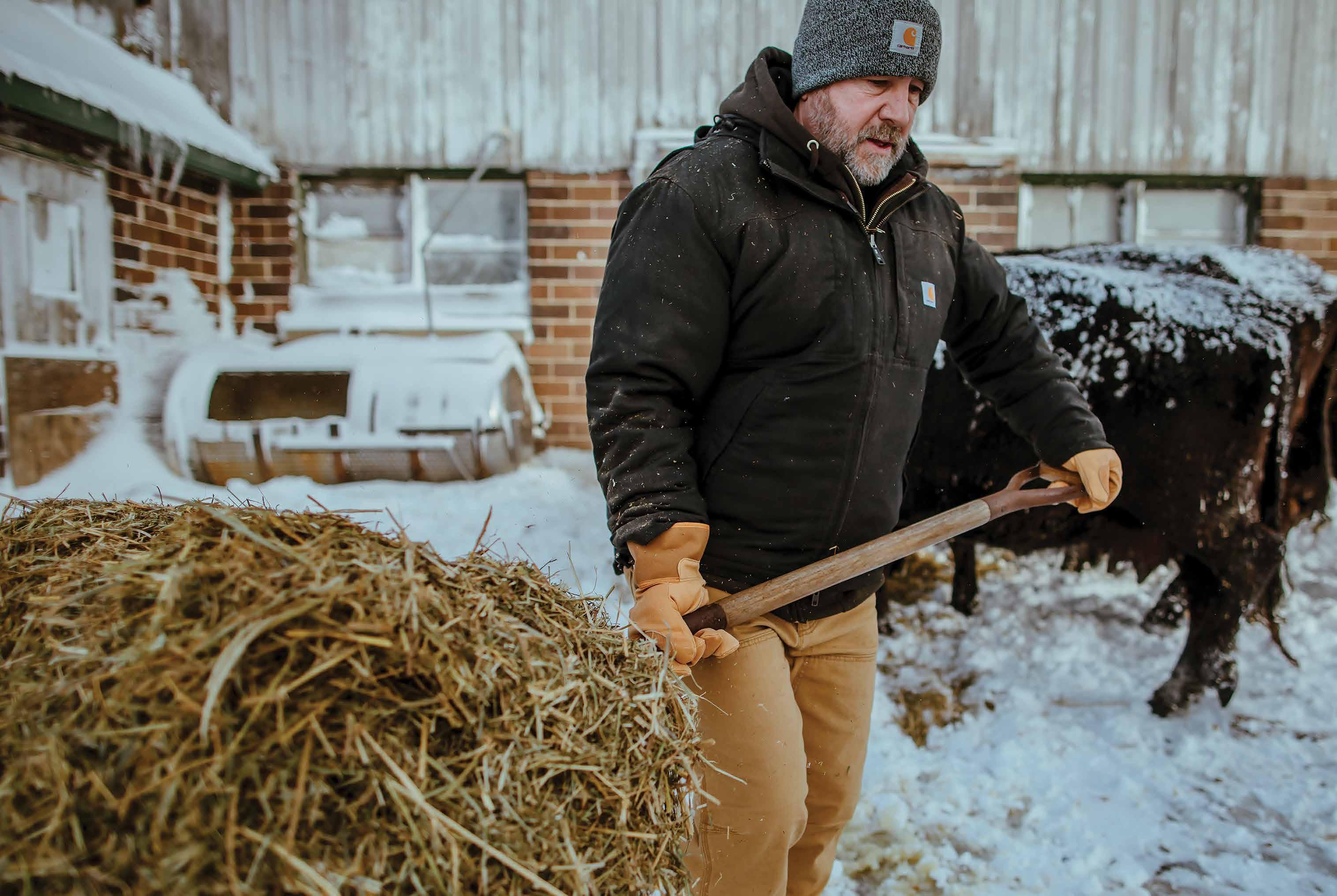
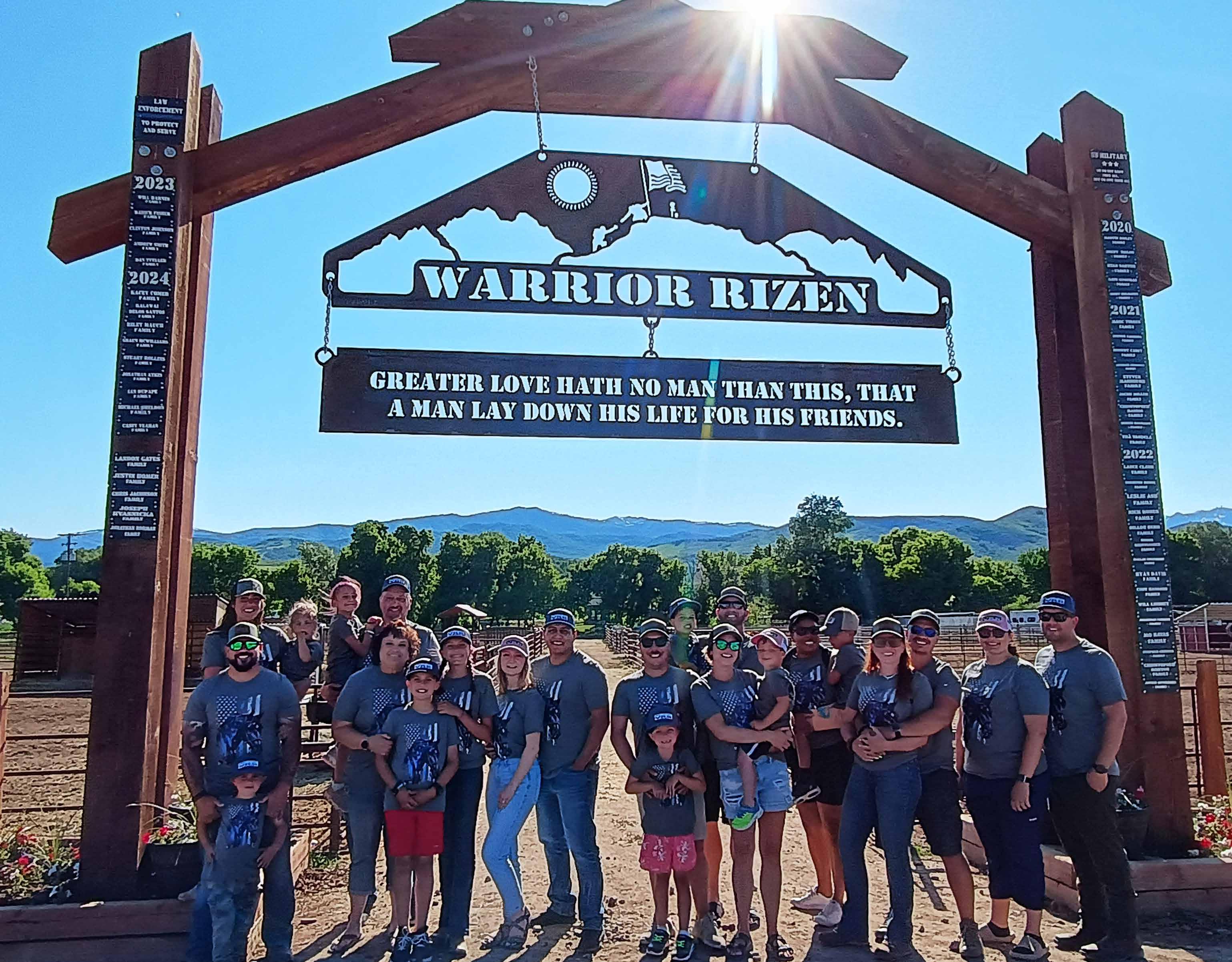
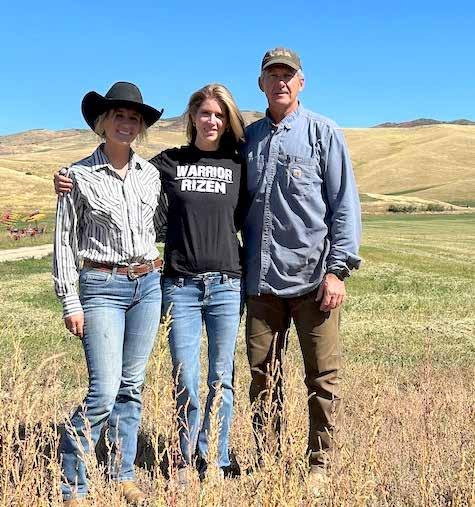
Cowboys and the western ranches they worked on often carry a sense of rugged individualism and a gruff exterior that seems to reject letting problems get to them. After all, the same isolation and rough conditions that turn fence posts into weathered imitations of their former selves can do the same thing to people. But at the Warrior Rizen Ranch in Morgan County, the ranch is being used to help people who have given so much to others to open up and process their challenges.
John and Barbara Schlichte operate the ranch with the involvement of their five sons and their families to give back to veterans and police officers and their families, who endure high levels of stress and traumatic experiences in service to others. Their family knows a lot about these situations. John Schlichte served in the military in the special forces in the 1980’s, and Barbara’s father served for more than 30 years. Going back further, their families have a legacy of military service, including an ancestor who even served in the U.S. Civil War. Based on that family history, three of the
Schlichte sons served in the military, and another served as a police officer.
In the early 1990’s, John and his family moved to Utah, where he managed a successful workers’ compensation insurance business. After selling the business in 2017, John faced decisions about his future.
“I didn’t just want to sit around and travel,” Schlichte said. “I wanted to help other people. We wanted to see how we could help not just veterans, but their families, deal with the issues they come home with.”

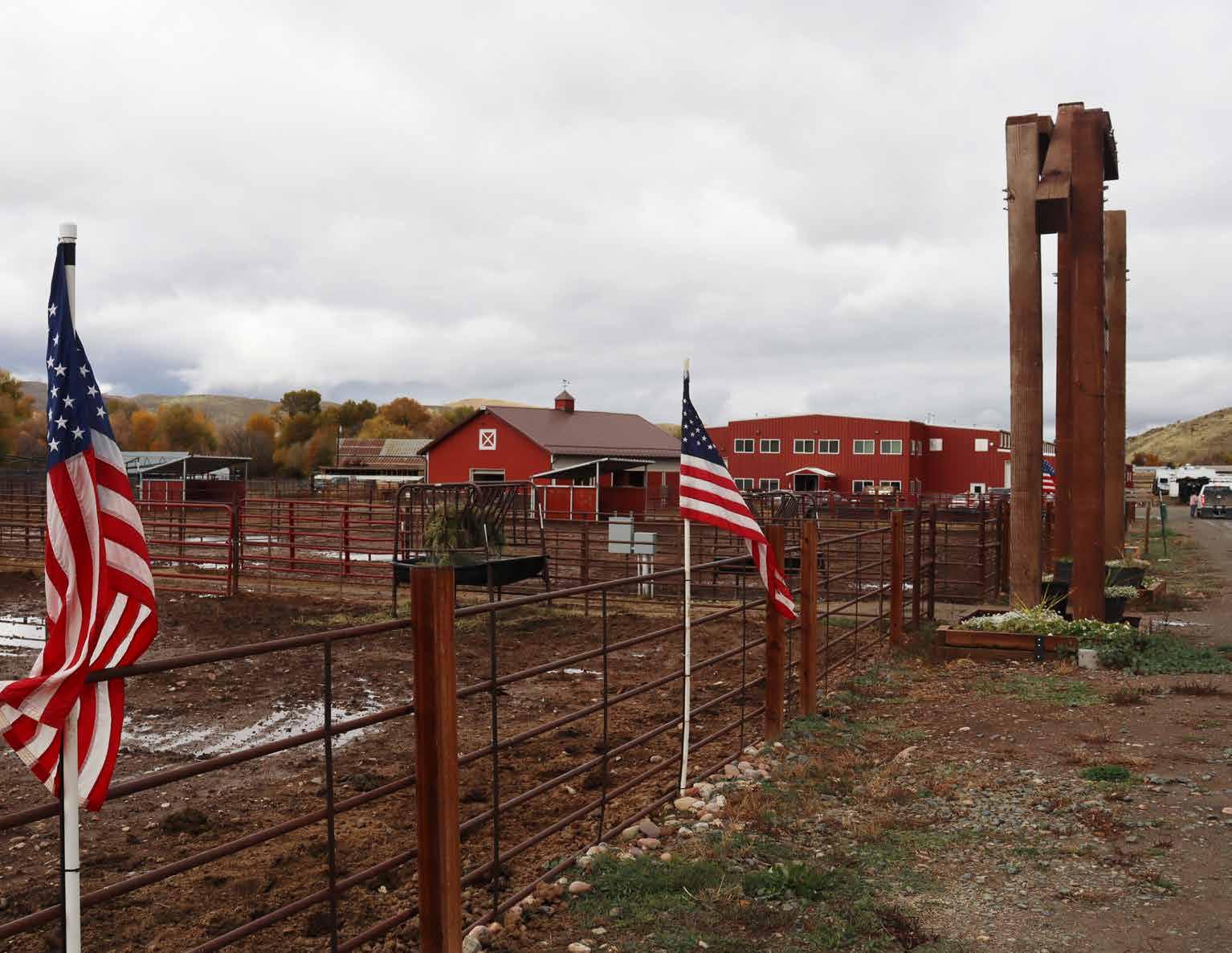
The way to help came through the purchase of farmland, starting with a 60-acre parcel, and, over the years, working with multiple owners to accumulate what is now a more than 6,500-acre ranch. The intent of the ranch is to provide activities and experiences tailored to the specific needs of military and law enforcement families, using agriculture as a classroom of sorts.
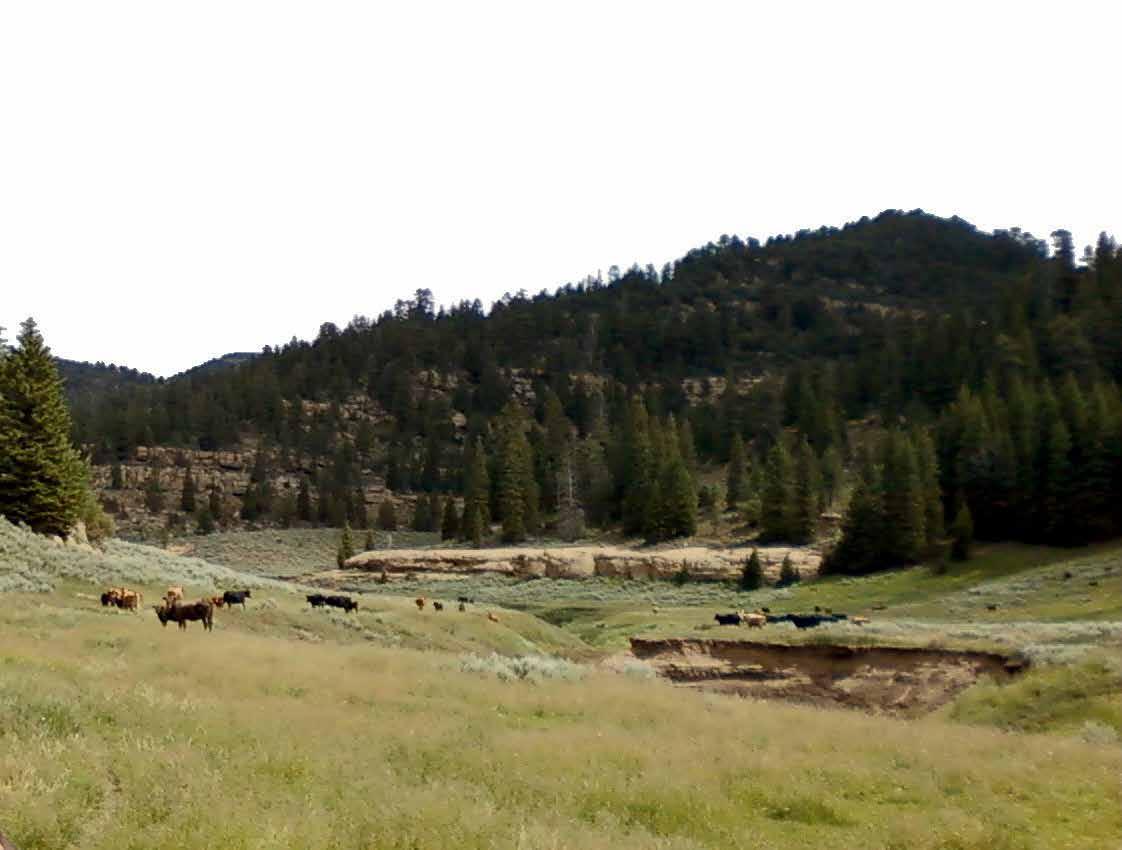
The Schlichte family operates the land as a working ranch yearround, including when guests are not visiting. This includes raising beef cattle and the growing of feed associated with that. The ranch also provides horse riding lessons, trail rides, and horse boarding, and offers its facilities for weddings, family reunions, and corporate retreats. But the focus is on helping military and law enforcement families heal and grow.
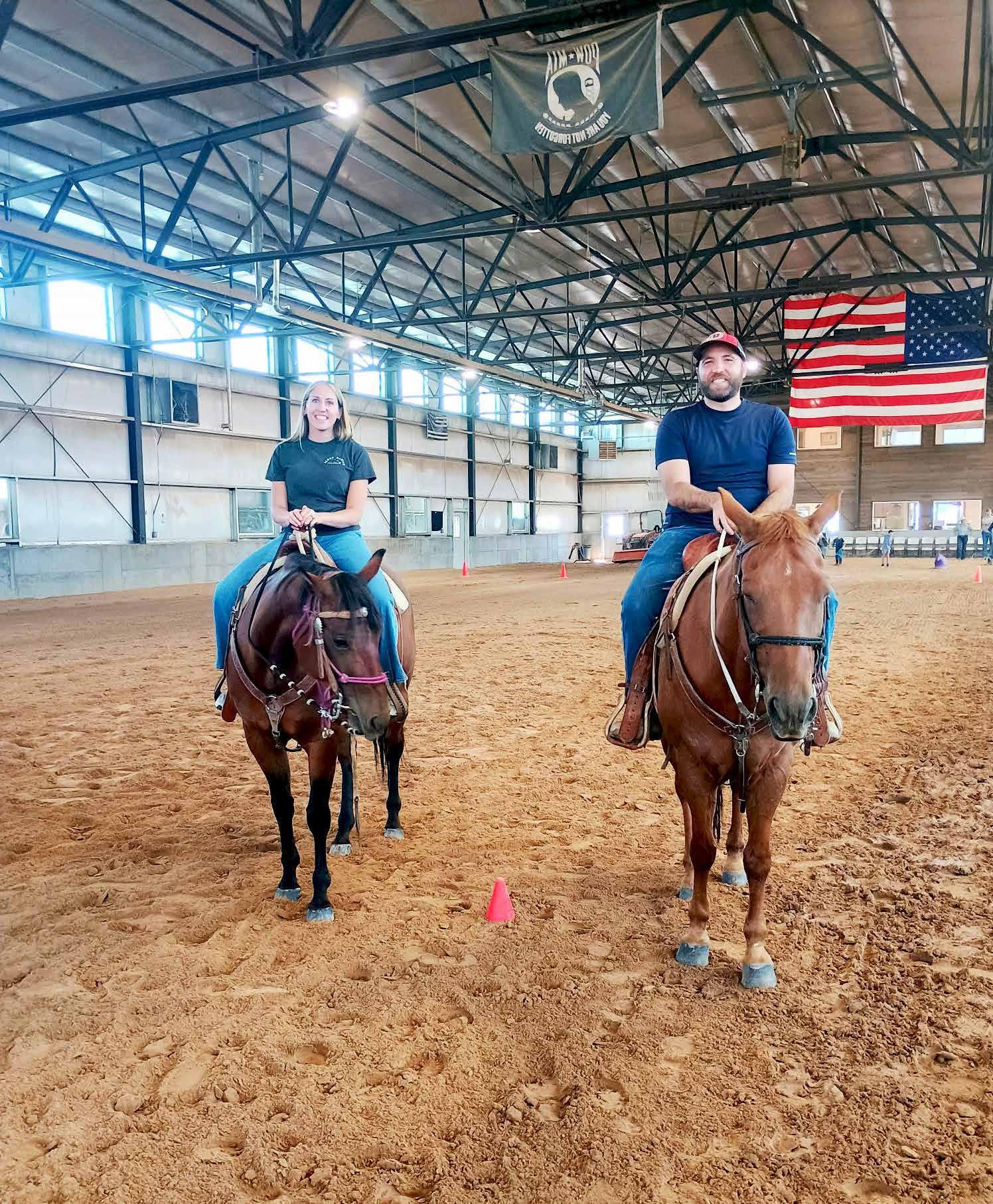
The ranch welcomes families to stay free of charge from Monday through Saturday during the summer months. Families will receive orientation and assignments of farm chores, including feeding horses and other livestock, harvesting produce, and more.
“We work with certified therapists to help these families, and we mostly get out of the way,” Schlichte said. “The therapists do great work, but there is also work done while doing the farm work, in the small discussions you have with the families. They pick the produce they will eat that day, gather eggs from our chickens, etc. We help them to see that the steak they are eating wasn’t born at [a grocery store].”
While at the ranch, military and police families enjoy farm-to-table meals prepared by professional chefs using ingredients from the farm, trail rides in the mountains, and service projects,
all in an environment that recognizes the sacrifices these families have made and is designed to provide time to slow down and allow healing to take place.
One guest who stayed at the ranch was Ji Fredricksen and her husband, who were from Virginia Beach. Both served in the Navy, with Ji recently retiring and her husband still on active duty. Their family came to the Warrior Rizen ranch to reconnect and receive therapy. In an interview with KSL television’s Mike Anderson, the Fredricksens shared part of what brought them to the ranch.
“We are in it for so long that, like sometimes you don’t realize how much you’re hurting and how much you’ve been avoiding things,” Ji Fredricksen said. “[This is] very much a maledominant career, and I was very much praised for being strong and stern and even-keeled, but yeah, I think everything catches up to you.”
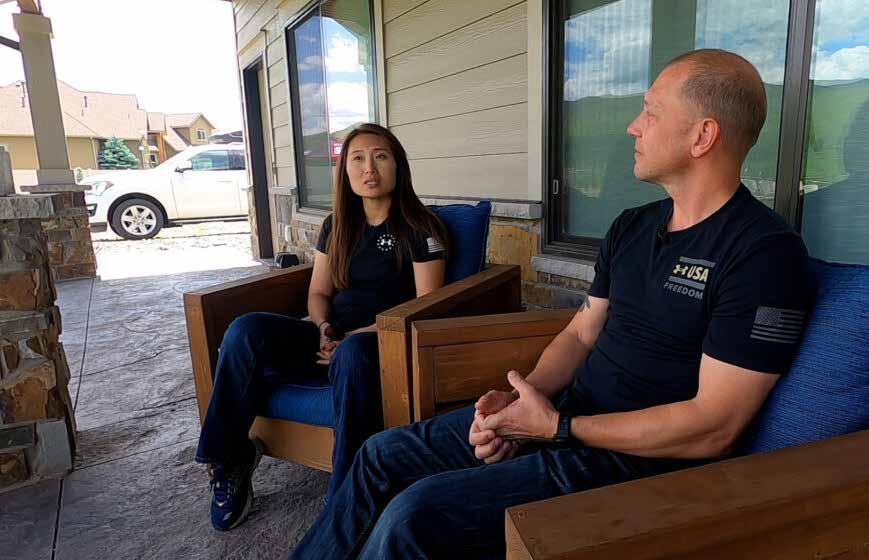
Ji’s husband, Robert, added, “I think far too many people just accept it and try to deal with it on their own.”
In addition to welcoming whole families that are working on being together after traumatic experiences, the ranch also dedicates two weeks to special guests. One week will focus on ‘Gold Star families’, which are families that have experienced the loss of an immediate family member who died as a result of active-duty military service. Another week is reserved for what are called ‘White Star families’, which refers to the family of a service member or first responder who died by suicide after returning home.
“These are the most challenging weeks, and where our therapists and volunteers really shine,” Schlichte said.
After supporting military veterans and their families at the ranch for several years, Schlichte recognized the need to open the ranch to families of police officers as well, who face similar yet distinct circumstances.
“Police officers share similar issues, but it’s held in a different way,” Schlichte said. While a military veteran and their family may reconnect ‘after’ their service, police officers carry the stresses and trauma home with them every day.”
Another group of individuals that are critical to the success of the ranch are the countless volunteers. In addition to individuals, Schlichte works with many service missionaries and focuses on helping them build confidence and resilience through farm work.
“They work throughout the year on the farm, helping with calving season, helping move cows on the mountain, how to weld, how to cut hay and bale it, etc.,” Schlichte said. “They hear me say all the time when they’re in an unfamiliar situation, that they need to IDS it.”
Schlichte explained that it stands for Identifying the real root of the problem; Discussing the problem openly without blame; and then determining the action needed to Solve the problem. Schlichte believes the volunteers benefit as much from many of the lessons learned as the families attending.
“Solving the problems you find every day on the ranch brings great satisfaction,” Schlichte said. “They’re building ponds, fixing broken excavation equipment, preg checking cows, moving hay, etc. We tell them often to ‘be comfortable being uncomfortable’, and working on a ranch is always uncomfortable.”
While providing great service to military and law enforcement families, Schlichte has gained a greater appreciation for the work of farm and ranch families across the country in providing the food we enjoy every day. Just as military families directly provide national security, Schlichte argues that farmers do a similar thing.
“In all the businesses I’ve had, this has been the most challenging. I am in awe of what our full-time farmers and ranchers can do. I don’t know how they can do it year after year and be profitable,” Schlichte said. “Food security is national security. I don’t just mean about the origin of our food, but more

that we have to be able to feed ourselves [to be a free people].”
In addition to serving military families and working with volunteers, Schlichte and his family have opened the ranch to the community, inviting them to participate in the ranch’s summer concert series, where musicians perform for families attending and the community.

“We want others to come and see how they can help a veteran or a missionary and to pay it forward,” Schlichte said. “Come and say hi and thank you to our military families.”
To learn more about the Warrior Rizen Ranch and ways to get involved, visit WarriorRizenRanch. com or its foundation site, WarriorRizenFoundation.org.

BY PALAK GUPTA, HUNGER SOLUTIONS SPECIALIST & MAKELL
CORY, HUNGER SOLUTIONS INTERN, UTAH STATE UNIVERSITY EXTE NSION
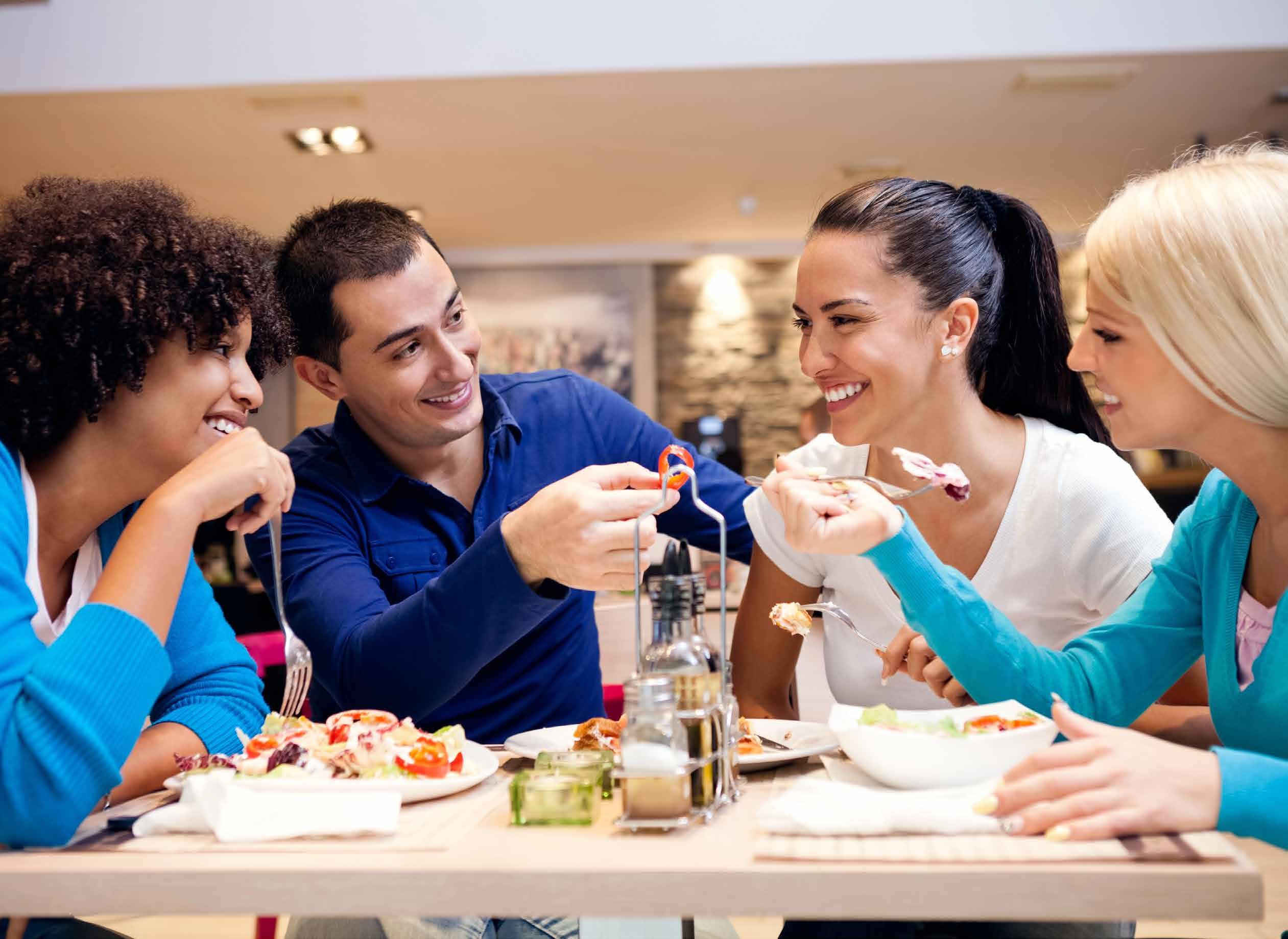
The average American eats out three times a month and orders takeout or delivery about 4.5 times a month, according to the Food Liability Insurance Program. This accounts for over 50% of all food spending. While dining out isn’t inherently bad, doing so mindfully and in moderation
is important. Mindful eating involves choosing foods your body needs, respecting fullness cues, and intentionally minimizing food waste.
A serving refers to the recommended portion size of food; however, studies have shown that restaurants often serve larger portions, promoting overconsumption as diners try to
maximize value for their money. This practice can result in consuming multiple servings in one sitting. The “clean the plate” mentality, stemming from a desire to avoid waste and ensure good nutrition, can also encourage overeating. Additionally, a phenomenon known as “consumption closure,” driven by the satisfaction of finishing a meal, can further exacerbate this issue.
Consider these tips to help you eat mindfully when dining out.
Research the restaurant: Check the menu before arriving to reduce stress and facilitate healthy choices. Once at the restaurant, it is easy to be swayed by tempting options. This can lead to over-ordering, resulting in excessive calorie intake and food waste.
Be aware of portion sizes: Reviewing the menu beforehand can also help you gauge portion sizes. Consider choosing meals with smaller portions and vegetables as a side or sharing a meal.
Make healthy choices: Consider starting with a salad as an appetizer and choosing dishes that align with a balanced diet, such as those
suggested by “MyPlate,” which includes lean proteins, whole grains, and plenty of vegetables.
Enjoy leftovers: One way to combat overconsumption is to box up uneaten food, which can satisfy the desire for “consumption closure” and help reduce food waste. Taking leftovers home saves money through reduced waste and allows you to enjoy the food when you are hungry again. To make leftovers more versatile, request sauces on the side so food doesn’t go soggy, or add meats, such as leftover chicken, to a salad or other dish.
Hydration: Staying well-hydrated is a key component of mindful eating. Often, our bodies can confuse thirst with hunger, leading us to consume

unnecessary calories. Drink water before and during meals to help differentiate these signals and ensure you eat only when you’re genuinely hungry. Starting a meal with a glass of water can also help promote a sense of fullness, reducing the likelihood of overeating.
Think of dining out as a special treat. While moderation is crucial, an occasion for allowance is also important. Avoid strict calorie counting to help maintain the enjoyable spirit of dining out. Practice moderation and mindfulness to benefit both your physical health and the environment. By being aware of hunger cues and making thoughtful choices, you can support a healthier lifestyle, reduce food waste, and still enjoy dining out.


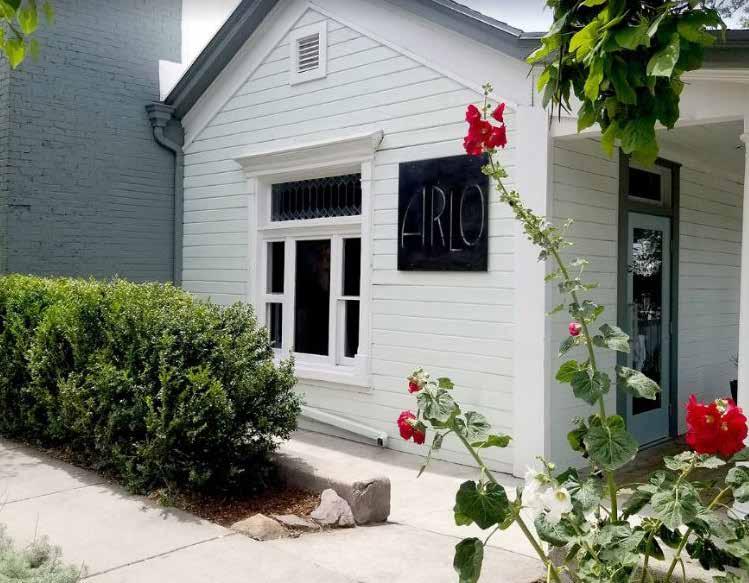
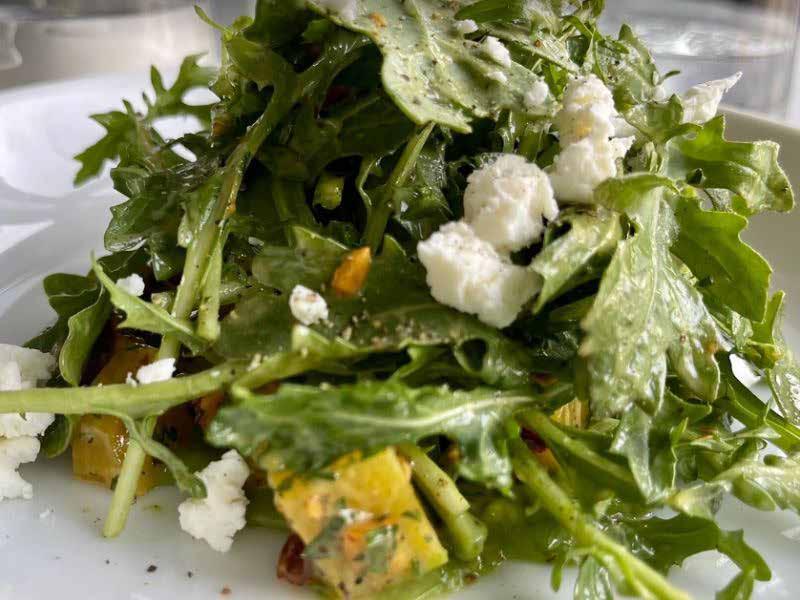
Tucked away just around the corner from Capitol Hill in Salt Lake City, Arlo Restaurant is an emerging dining destination for a growing fan base, and it’s a love letter to Utah’s farmers, foragers, and artisans.
With Chef Milo Carrier at the helm, every dish at Arlo celebrates the local landscape, telling a story of craft, care, and community.
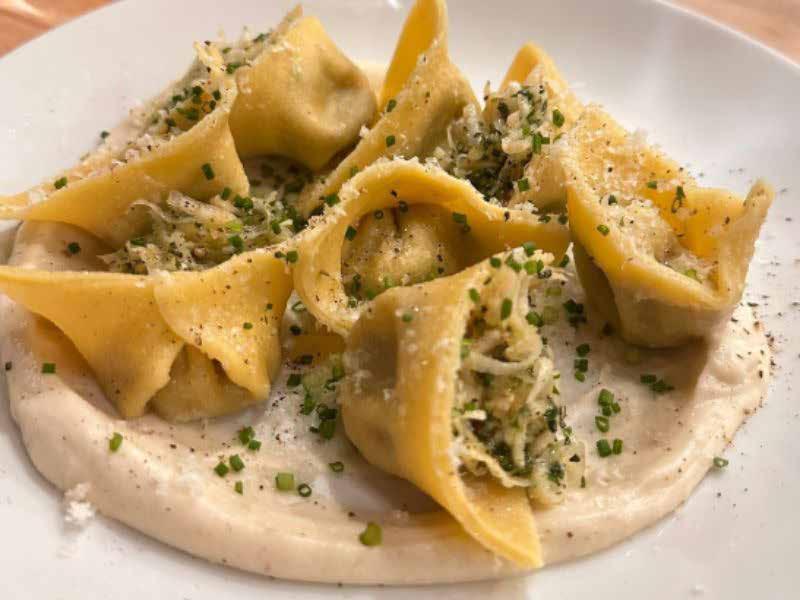
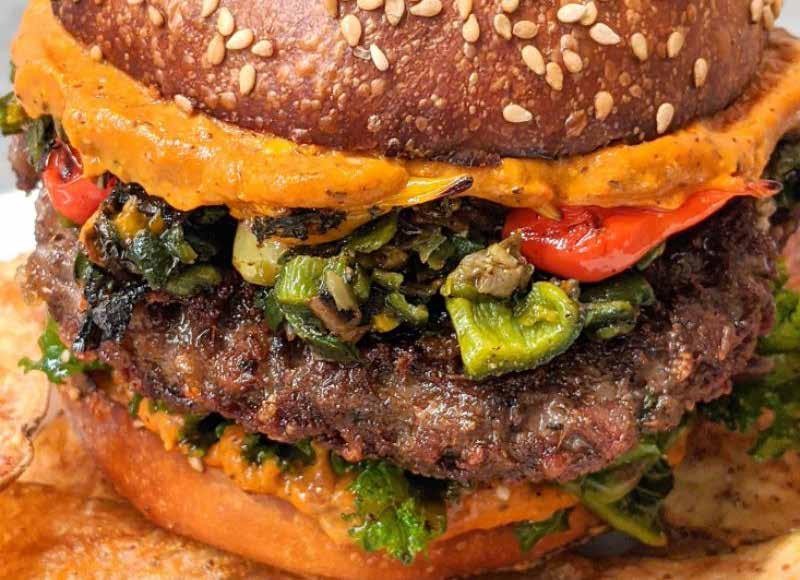
At Arlo, ingredients are cherished and celebrated. Chef Milo’s philosophy is built on sourcing thoughtfully, whether it’s goat cheese and beet ravioli paired with kale-sesame pesto, tomatoes served with neighborhood-harvested fig leaf ricotta, or rainbow trout from
BY J’NEL W RIGHT
a trusted producer in nearby Idaho. The goal is to create memorable flavors and ensure each plate carries a sense of place, rooted in Utah’s soil and shaped by its people.
“As much as we can use products that come from our area and our community, it weaves the whole experience together and makes it cohesive,” Milo said. This dedication even extends to the decision to stop serving wild-caught ocean fish, which was a shift driven by sustainability, availability, and a desire to serve food that truly reflects the community.
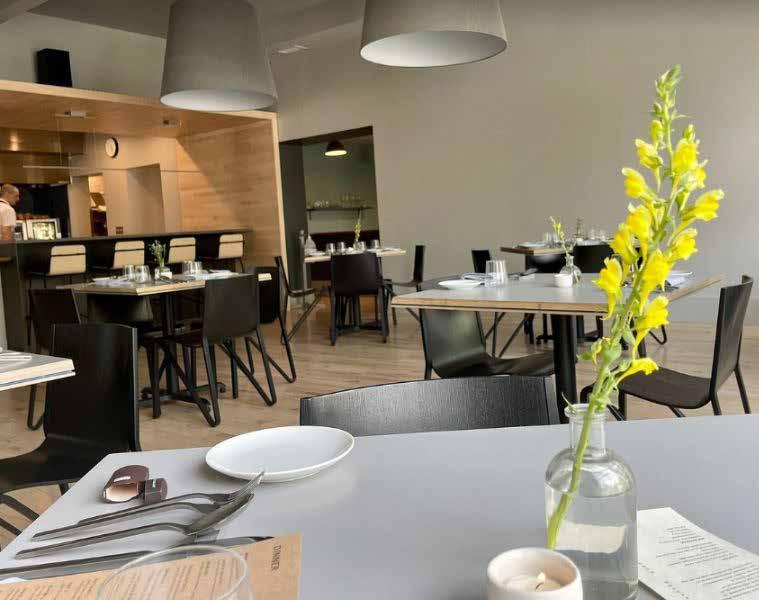
Step inside Arlo, and you’ll notice the walls are bare, with minimal
décor. That’s intentional. The artistry is showcased in the open kitchen, where guests can watch food transform from raw ingredients to artful plates. At Arlo, the focus is all about the connection between chef and guest, between food and place, and between community and craft.
“Almost everything on the plate was sourced from a local producer,” Milo notes proudly, emphasizing that the story of Arlo is really the story of the growers and makers behind the ingredients.
Arlo’s dedication to local sourcing also informs its beverage program. Rather than stocking a long list of
familiar labels, the wine selection highlights smaller producers, native grapes, and unique varietals. The cocktail menu leans on Amaro— herbaceous liqueurs steeped in tradition but often overlooked. Just as the food reflects intention and discovery, each sip offers guests something they may not have experienced before.
Since opening, Arlo has evolved into what Milo describes as a “living organism” that constantly adapts, reflects, and grows. The menu may shift, but one thing that won’t change is Arlo’s commitment to its founding principles of care and community.
Desserts, too, highlight this philosophy. A reimagined lemon meringue tart, for example, is dusted with rose petal powder harvested from neighborhood bushes. The magic is transforming something familiar into something wholly unique.
Dining at Arlo feels like coming home. Guests will immediately notice its intimate setting, then they will discover that every dish, every flavor, reflects the land, the people, and the stories of Utah. Chef Milo’s twenty years of experience, his curiosity for new techniques, and his unwavering love for the craft culminate in a restaurant that nourishes both body and spirit.
As Milo puts it: “Cooking is communication. It can be so profound and meaningful in what you put in front of somebody.”
And at Arlo, every plate speaks volumes.
Arlo Restaurant is located at 271 N Center St, Salt Lake City, UT 84103.
Wednesday 5:30–9 PM
Thursday 5:30–9 PM
Friday 5:30–9 PM
Saturday 5:30–9 PM
Sunday 10 AM–1:30 PM, 5:30–9 PM
Monday Closed Tuesday Closed


At the start of 2025, my doctor recommended that I begin a strict elimination diet to help identify the root cause of some ongoing health issues. For months, my meals were limited to little more than plain chicken and vegetables, and it was a tough stretch, to say the least! But after sticking with it, I finally got the green light to start slowly reintroducing foods.
The very first thing I added back? Dairy. And let me tell you — that first bite of cheese felt absolutely heavenly!
Another thing I’d been craving was a sweet treat. While cane sugar is still off-limits for me, I can use natural sweeteners like honey and maple syrup. So I decided to whip up my own ice cream using those. Both sweeteners have bold, unique flavors, so I was curious whether the final product would taste strongly of honey or maple.
INGREDIENTS:
• ½ cup maple syrup
• ¼ cup honey
• ¾ cup milk powder
• 1 & 2/3 cups heavy cream
• 1 & 2/3 cups half and half
• 6 egg yolks
• 1 tbsp vanilla (measure with your heart), as I probably add more!). I do a mix of vanilla bean paste, a whole vanilla bean scraped of its seed, and vanilla extract
• Salt to taste- I usually add a little under ½ tsp. I suggest starting with ¼ tsp and adding a little bit at a time until you reach the perfect flavor for you. If you brown the milk powder for the butter pecan variation, I feel that the ice cream can withstand a slightly heavier dosage of salt.
• ¼ tsp xanthan gum- this is very optional, but adding a small amount to ice cream thickens and stabilizes the mixture- not necessary (since you are already using milk powder) unless you have it on hand
To my surprise, the ice cream turned out beautifully — smooth, creamy, and tasting just like classic vanilla. You’d never guess it was made without traditional sugar!
What makes this recipe special is its generous use of milk powder. This ingredient plays a crucial role: it boosts the creaminess and texture by increasing milk solids and soaking up excess water. That helps prevent the formation of large ice crystals, giving you smoother, longer-lasting homemade ice cream.
For a fun twist, try toasting the milk powder over mediumlow heat until it turns golden brown (think browning butter—but without the butter). This simple step transforms the flavor, giving the ice cream a rich, buttery taste reminiscent of butterscotch or butter pecan. It’s a small change that makes a big impact.
1. In a heavy-bottomed saucepan, combine the honey, maple syrup, and milk powder. Stir until a smooth paste forms with no visible lumps of milk powder. Add the cream and half-and-half, then whisk until fully combined. For a local twist, use Utah-grown maple syrup, produced in Utah County.
2. Place the pan over medium heat and warm the mixture, stirring often, until it reaches 110°F. Remove the pan from the heat.
3. In a separate bowl, whisk the egg yolks. While whisking constantly, very slowly drizzle in about ½ cup of the warm cream mixture to temper the eggs—this prevents them from scrambling when added to the custard.
4. Once tempered, pour the egg mixture back into the saucepan with the rest of the cream mixture. Return the pan to medium heat and cook, stirring constantly, until the custard reaches 165°F. Be careful not to let it scorch. Once it reaches temperature, remove from the heat and stir in the vanilla.
5. If using xanthan gum, sprinkle ¼ teaspoon evenly over the surface of the custard and blend thoroughly using an immersion blender (or a regular blender) for about 2 minutes to ensure it’s fully hydrated.
6. Set a fine mesh sieve or colander over a clean bowl and strain the mixture through it. This step is optional but helps remove any stray lumps of milk powder or bits of cooked egg for an ultra-smooth texture. If you used a whole vanilla bean, you can add the empty pod back into the custard at this stage to infuse even more flavor.
7. Cover the custard with plastic wrap, pressing it directly against the surface to prevent a skin from forming. Chill in the refrigerator overnight or until completely cold.
8. When you’re ready to churn, remove the vanilla bean pod (if used) and pour the custard into your pre-frozen ice cream machine bowl. Churn until thick and creamy. Enjoy immediately as soft serve, or transfer to a container and freeze until firm.








asparagus

FIND YOUR SEASONAL UTAH-GROWN FRUITS AND VEGGIES
*for most Utah counties outside Southern Utah

apricots
















cherries





apples (storage to March 1)
arugula, collards, kale, lettuce (leaf, head, salad mix), mustard, turnips
canteloupe
carrots (storage to April)
chile
green
onions (to March 15, storage included































JANUARY 2
National Cream Puff Day

JANUARY 11 National Milk Day
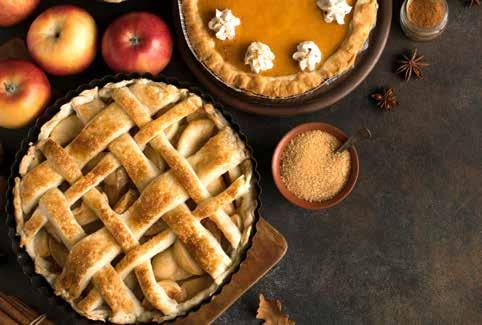
JANUARY 23 National Pie day
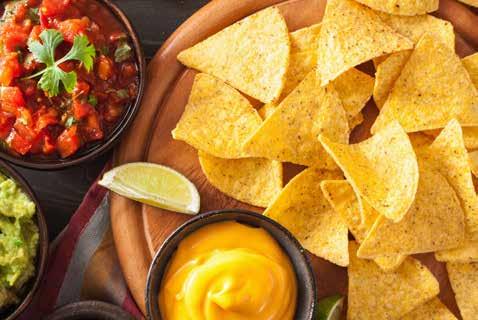
JANUARY 29 National Corn Chip Day
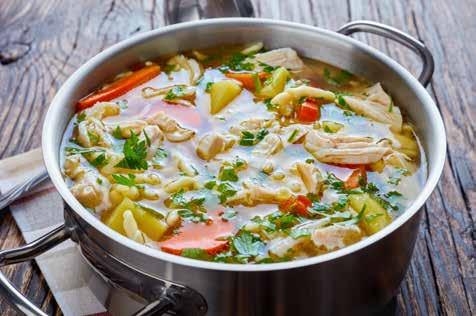
FEBRUARY 4 National Homemade Soup Day

JANUARY 3
National Chocolate Covered Cherry Day

JANUARY 14 National Hot Pastrami Sandwich Day
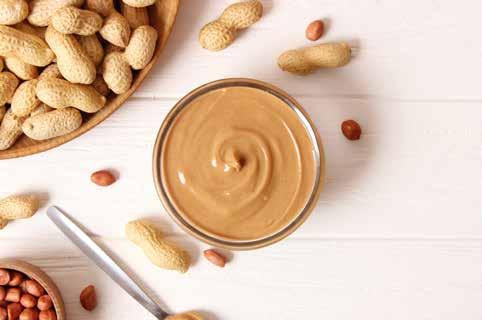
JANUARY 24 National Peanut Butter Day

JANUARY 30 National Croissant Day
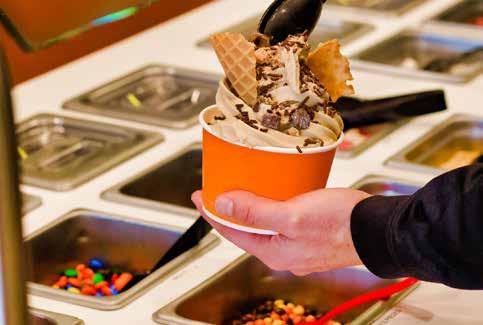
FEBRUARY 6 National Frozen Yogurt Day
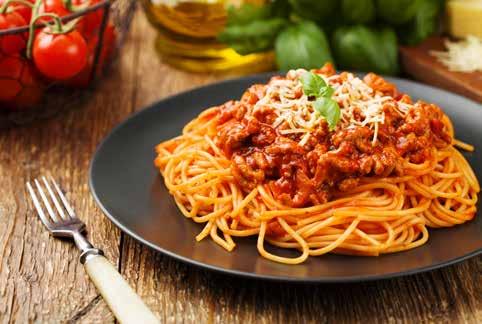
JANUARY 4 National Spaghetti Day

JANUARY 15
Bagel Day

JANUARY 27 National Chocolate Cake Day

FEBRUARY 1 National Baked Alaska Day
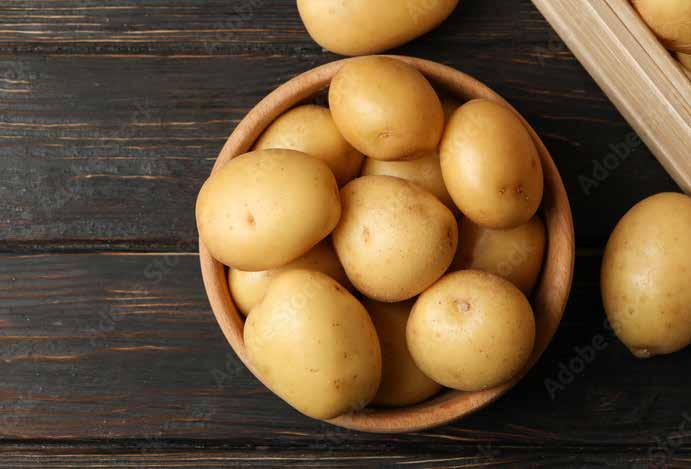
FEBRUARY 8 National Potato Lover’s Day
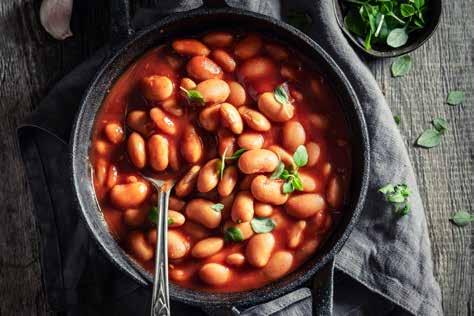
JANUARY 6 National Bean Day

JANUARY 19 National Popcorn Day

JANUARY 28 National Blueberry Pancake Day
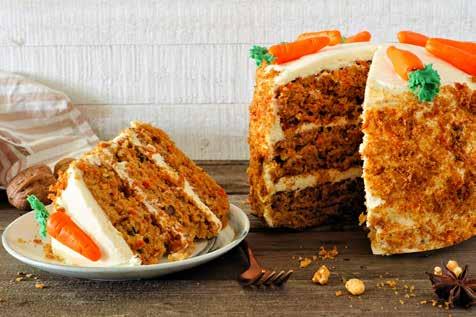
FEBRUARY 3 National Carrot Cake Day
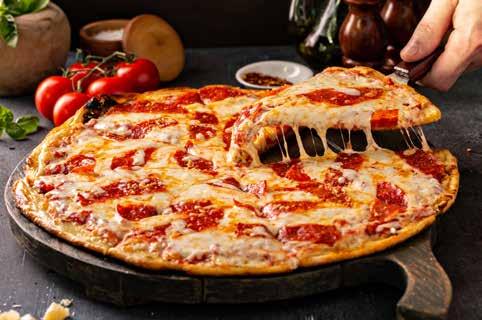
FEBRUARY 9 National Pizza Day

FEBRUARY 13
National Tortellini Day
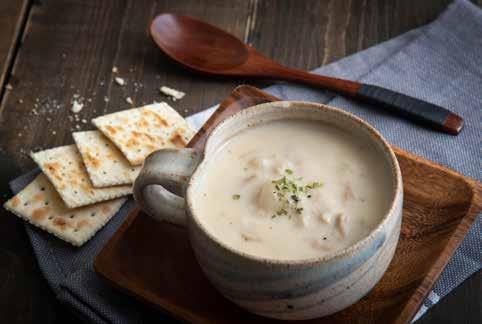
FEBRUARY 25
National Clam Chowder Day
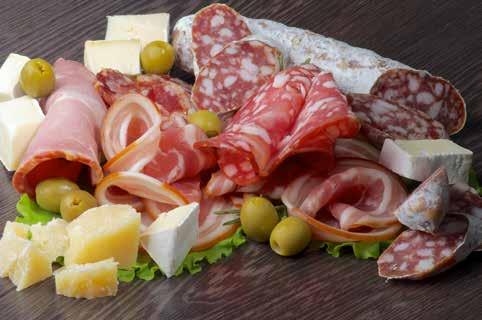
MARCH 3
National Cold Cuts Day
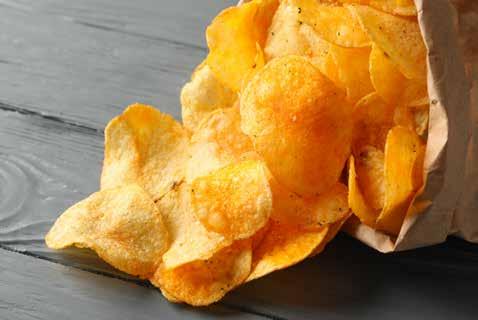
MARCH 14
National Potato Chip Day

MARCH 21
National Corndog Day
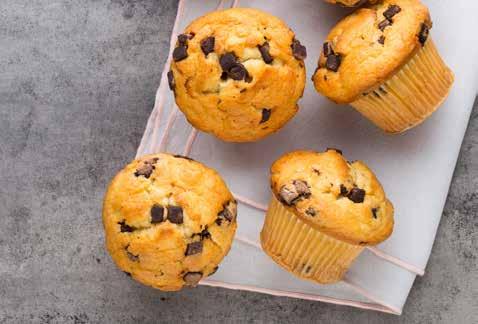
FEBRUARY 20
National Muffin Day

FEBRUARY 26
National Toast Day
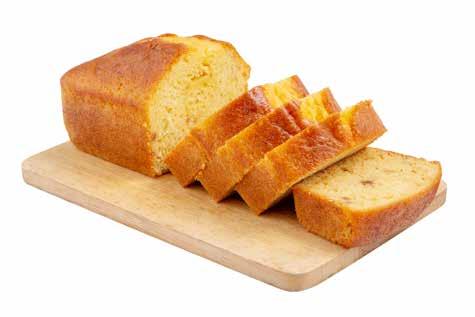
MARCH 4
National Pound Cake Day
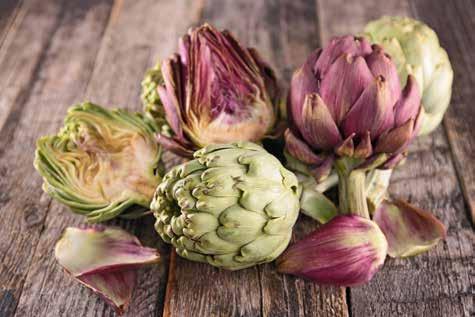
MARCH 16
National Artichoke Hearts Day

MARCH 24
National Chocolate Covered Raisin Day

FEBRUARY 21
National Sticky Bun Day
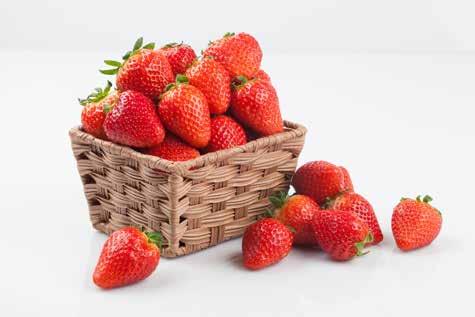
FEBRUARY 27
National Strawberry Day

MARCH 7
National Cereal Day

MARCH 18
National Sloppy Joe Day
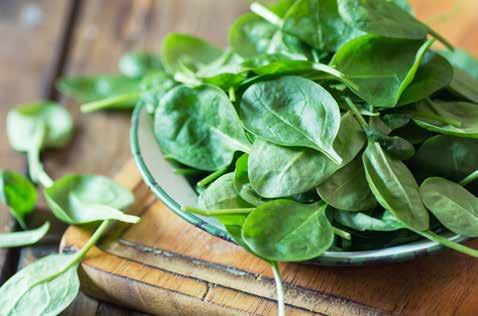
MARCH 26
National Spinach Day
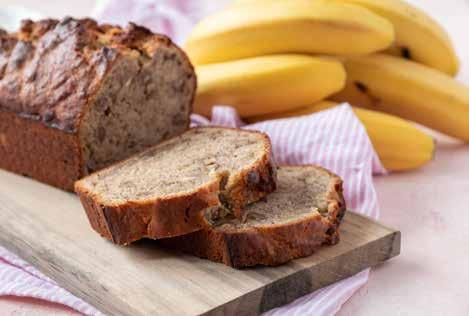
FEBRUARY 23
National Banana Bread Day

FEBRUARY 28
National Chocolate Souffle Day
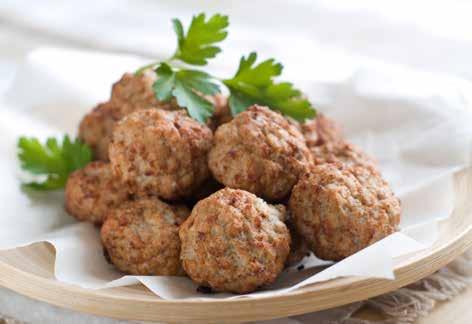
MARCH 9
National Meatball Day
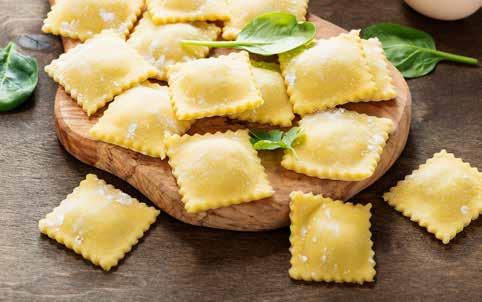
MARCH 20
National Ravioli Day
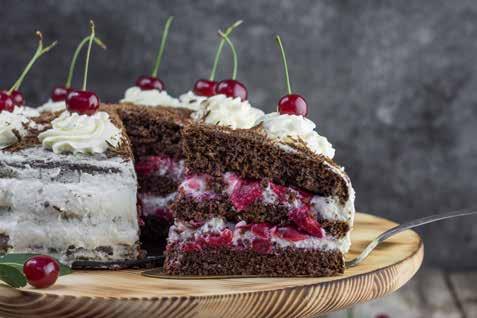
MARCH 28
National Black Forest Cake Day

Your future starts now. Working together, we can create a financial plan and investment strategy for your future so you can achieve your dreams tomorrow while you enjoy life as it comes.
Contact your Farm Bureau agent or advisor to get started.