Melbourne office: 171 Denton Ave, St. Albans, VIC 3021
Postal Address:
P.O.Box 5178, Cairnlea VIC 3023
Tel.: + 61 4 3020 4076
Sydney office:
10-28 Biloela St, Villawood NSW 2163
Tel.: + 61 4 9033 0623 Al Wasat Magazine
RACV DELIVERS SIGNIFICANT INVESTMENT TO HESTER HORNBROOK ACADEMY FOR CAMPUS LAND IN DANDENONG
OFFICIAL OPENING OF BENDIGO ISLAMIC COMMUNITY CENTRE MARKS NEW CHAPTER
UNDER 100 DAYS UNTIL THE 2026 CENSUS. GET THE FACTS
ICOM STUDENTS TAKE PART IN LITERACY & HUMANITIES
AUSTRALIAN SYRIAN CHAMBER OF COMMERCE LAUNCHES IN MELBOURNE WITH OFFICIAL, DIPLOMATIC AND ECONOMIC ATTENDANCE
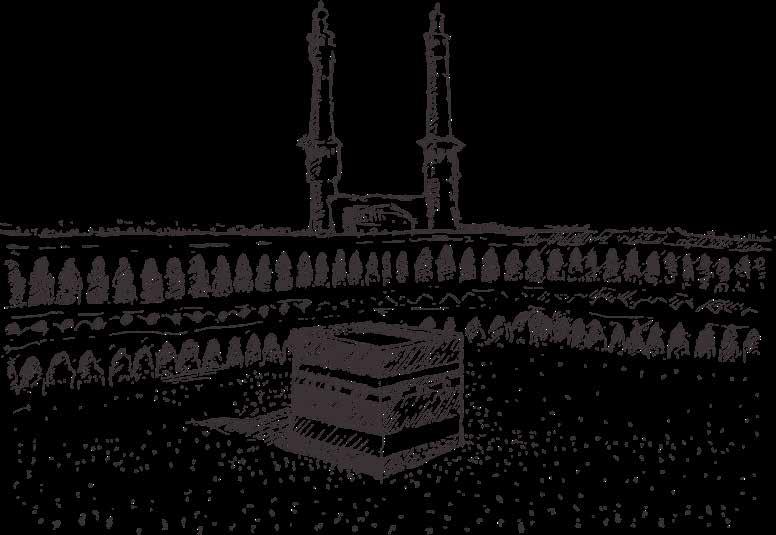
EID AL-ADHA: A SYMBOL OF OBEDIENCE 13 14 16 32 37 7 9 8 4
VICTORIA ANNOUNCES MAJOR PAY RISE FOR TEACHERS AND EDUCATION STAFF
KINDNESS COSTS LITTLE BUT GIVES MUCH
AWARDS NOW OPEN FOR VICTORIAN MULTICULTURAL CHAMPIONS
WHAT IS EID-UL-ADHA?
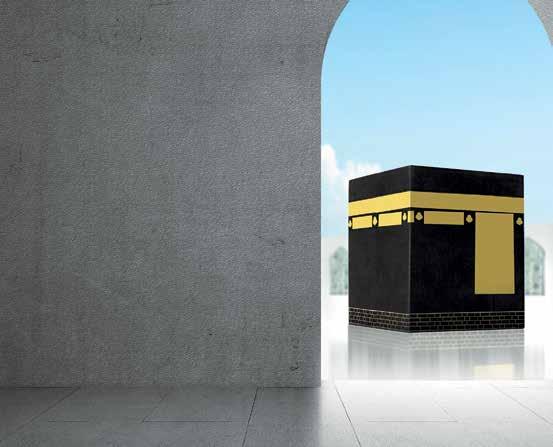
The day of Eid-ul-Adha falls on the tenth day in the final (twelfth) month of the Islamic Lunar Calendar; Dhual-Hijjah. The day that celebrations fall on is dependent on a legitimate sighting of the moon, following the completion of the annual Holy Pilgrimage of Hajj - which is an obligation for all Muslim’s who fit specific criteria, one of the important Five Pillars of Islam. The celebration of Eid-ul-Adha is to commemorate Prophet Ibrahim’s devotion to Allah SWT and his readiness to sacrifice his son, Ismail. At the very point of sacrifice, Allah SWT replaced Ismail with a ram, which was to be slaughtered in place of his son. This command from Allah SWT was a test of Prophet Ibrahim’s willingness and commitment to obey his Lord’s command, without question. Therefore, Eid-ul-Adha means the festival of sacrifice.
The act of Qurbani consists of slaughtering an animal as a sacrifice to mark this occasion in remembrance of Prophet Ibrahim’s sacrifice for Allah SWT. This is also known as Udhiya. The days of animal sacrifice total three days, from the 10th to the 12th of Dhu-alHijjah.
The sacrificial animal must be a sheep, lamb, goat, cow, bull or a camel; the sheep, lamb or goat consist of one Qurbani share, whereas a bull, cow or camel consist of seven shares per animal. The animal must be in good health and over a certain age in order to be slaughtered, in a “halal” friendly, Islamic way.
The Qurbani meat can then divided into three equal portions per share; one-third is for you and your family, one-third is for friends, and the final third is to be donated to those in need.
Traditionally, the day is spent celebrating with family, friends and loved ones, often wearing new or best attire and the giving of gifts.
Source: Muslim Aid
EID AL-ADHA: A SYMBOL OF OBEDIENCE
By Gyasi Abu Umar Mckinzie
`Eid Al-Adha is preceded by the glorious day of `Arafah and is one of the important days of Hajj. Among the main themes and messages of Hajj is submission and obedience to Allah. When we read about the remarkable stories of Prophet Ibrahim, Prophet Isma`il, and Hajar, we witness extraordinary examples of obedience and submission to Allah, which is the core meaning of Islam. Actually, submission is the very meaning of the word “Islam”. So the meaning and essence of Islam are manifested in Hajj, which reminds us of our mission and purpose in life.
`Eid Al-Adha is a symbol of obedience. It signifies submission to Allah. On this day, we commemorate together the acts of obedience and submission performed by Prophet Ibrahim and his family when he was commanded to take Hajar and their son Isma`il to an uninhabited, barren, distant land and leave them there alone. He submitted and obeyed. When Hajar realized what was happening, she cried out, “Ibrahim! Are you going to leave us in this valley where no people live?” She repeated the question yet she received no answer, so she
asked him, “Did Allah order you to do this?” He replied, “Yes.” So she said, “Then Allah will not let us perish.” Thus she submitted.
Furthermore, when his son Isma`il became older, Ibrahim received a command from his Lord to sacrifice him. He submitted and so did his son. The family of Ibrahim was a family of obedience and submission. They were tested and tried again and again, but the result was always submission and obedience.
Both `Eid Al-Adha and `Eid Al-Fitr come after performing a pillar of Islam and an act of obedience. Hence `Eid Al-Adha and `Eid Al-Fitr are annual reminders that this life is a test and we must be obedient if we wish to be successful. Once a year, Muslims of every ethnic group, social status, and culture are reminded and given the message: Surrender to Allah, submit to Allah. Are we hearing this message?
Just as Prophet Ibrahim was tested throughout his life to see if he would submit or not, so will we be tested to see whether we submit to Allah’s commands or refuse! Know that toils, struggles, and hardships will accompany our quest to obedience. But if we obey, we will be in the company of the likes
of Prophet Ibrahim and his family in Paradise, as Allah says: [All who obey Allah and the messenger shall dwell in the company of those whom Allah has favored with His Grace: the prophets, the sincere lovers of Truth, the martyrs, and the Righteous who do good. Ah! What a beautiful companionship!] (An-Nisaa’ 4:69)
`Eid contains many wonderful messages among which is that `Eid is an external expression of the testimony of faith “Muhammad is the Messenger of Allah,” which means to follow Muhammad in his commandments, abstain from all that he has forbidden, believe in all that he has informed us of, and worship Allah with only that which he has prescribed. Allah says: [Say: Obey Allah and obey the Messenger, but if you turn away, he is only responsible for the duty placed on him and you for that placed on you. If you obey him, you shall be on the right guidance. The Messenger’s duty is only to convey (the message) in a clear way.] (AnNur 24:54)
Dear Brothers and Sisters
Assalamu Alaikum Warahmatullah Wabarakatuh
With immense gratitude, we welcome the sacred month of Dhul-Hijjah for the year 1447 – the final month of the Islamic calendar and one that marks the virtues of pilgrimage and sacrifice.
As we prepare for the blessed Eid Al-Adha, we also make most of the special days that precede it.
Dhul-Hijjah is the month in which we honour and strive to emulate the obedience of Prophets Ibrahim (AS) and Ismail (AS). The first ten days in particular, carry weight unlike any other – with every sincere act of worship magnified. Your kindness, charity and even your pursuit for forgiveness; nothing goes unnoticed.
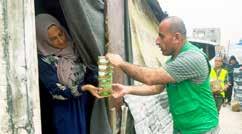
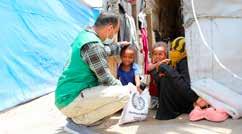
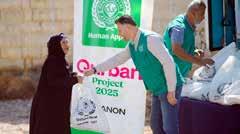
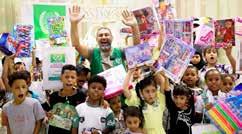
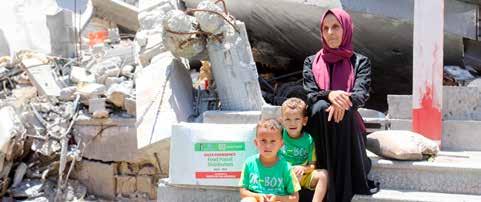
At the heart of it all is Qurban – a duty that reflects your piety, while bringing joy to communities in need around the world. For people in Gaza, Lebanon, Sudan, Yemen and beyond; Dhul-Hijjah is more than a religious occasion. It is the sustenance they have been waiting for.
Our active projects this month also include Orphan Sponsorship, building Artesian Water Wells in Gaza, providing Tents for refugees in Sudan and implementing Sustainable Income Projects for impoverished communities across 9 different locations
Let us take this opportunity to uplift our brothers and sisters in need, share the blessings of this sacred celebration and leave a greater impact on the world together.
On behalf of Human Appeal Australia, I wish you and your loved ones a blessed Dhul-Hijjah and a joyful Eid Al-Adha.
May this celebration bring peace, prosperity and blessings to all.
Your sincerely,
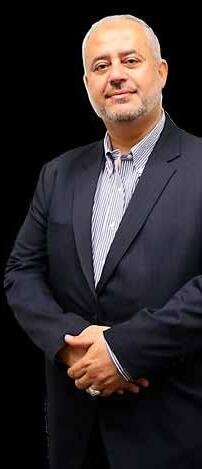
Bashar Al Jamal Director
Bashar Al-Jamal Director Human Appeal Australia
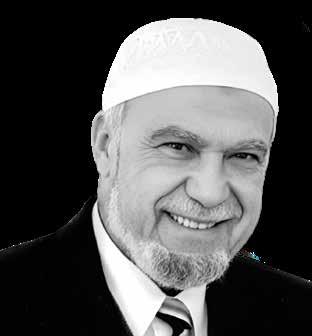
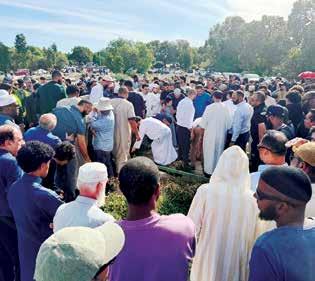
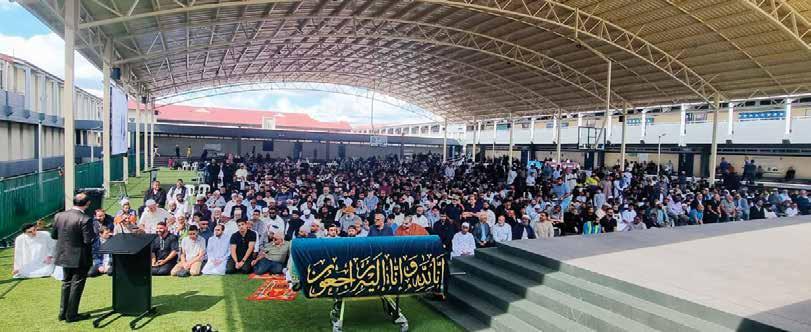
AUSTRALIAN ISLAMIC COLLEGE IN PERTH MOURNS FOUNDER HAJI ABDALLAH MAGAR, HONOURING HIS EDUCATIONAL AND COMMUNITY LEGACY
The Australian Islamic College in Perth has mourned the passing of its founder, Haji Abdallah Magar, reflecting on his remarkable life of service and his pioneering role in establishing one of the most prominent Islamic educational institutions in Western Australia, an institution that has left a lasting impact on both education and the wider community.
In an official statement, the College expressed deep sorrow at the loss of what it described as a “visionary figure,” noting that Haji Magar exemplified a profound commitment to education and the promotion of Islamic values. His efforts were instrumental in building an institution that successfully integrates academic excellence with moral and ethical development in a balanced educational environment.
The statement noted that Haji Magar “was a man of remarkable foresight and unwavering dedication to education, faith, and community service,”
adding that his vision to establish an institution that harmonises the demands of modern life with religious and cultural values formed the very foundation upon which the Australian Islamic College was built.
The College further highlighted that he devoted his life to creating a comprehensive educational environment focused on both intellectual and moral development. His contributions extended beyond establishing the institution’s physical and administrative structure; he played a central role in cultivating a culture grounded in integrity, discipline, and compassion, values that continue to shape the College’s identity and mission today.
It also pointed out that, through his leadership and perseverance, the Australian Islamic College has grown into a vibrant educational community, positively impacting thousands of students and families over the years.
His legacy, the statement noted, “lives on in
every classroom, every achievement, and every student whose future has been shaped by the institution,” reflecting the enduring influence of his work across generations.
The College further paid tribute to his personal qualities, remembering him as a man of humility, generosity, and sincere dedication to serving others. He was widely regarded as a source of inspiration within the community and a model of leadership defined by wisdom and compassion, leaving behind a human legacy that extends far beyond the institution he founded.
The statement concluded with prayers for mercy and forgiveness, asking that he be granted the highest ranks in Jannah and rewarded abundantly for his lifelong service. It affirmed that his impact will continue to live on through future generations, inspiring those committed to education, service, and community development
RACV DELIVERS SIGNIFICANT INVESTMENT TO HESTER HORNBROOK ACADEMY FOR CAMPUS LAND IN DANDENONG
RACV has delivered a significant investment to community partner Hester Hornbrook Academy as they settled on land for their new campus in Dandenong – one of Victoria’s most socioeconomically disadvantaged communities – providing a purpose-built learning environment for young people who have become disengaged from traditional school settings. The new campus is expected to open at the start of the 2028 school year, with RACV also providing ongoing financial and in-kind support over three years to help students access their senior secondary certificate, VETiS, and develop future positive pathways.
Hester Hornbrook Academy supports young people through its HOPE – Healing Oriented
Program of Education™ – that addresses both academic and holistic needs, combining classroom learning with wraparound wellbeing support.
RACV Managing Director and CEO Neil Taylor said the partnership builds on a longstanding relationship with the organisation.
“We have worked with Hester Hornbrook for a number of years now and we hope that this new partnership will further allow many more young people in the Greater Dandenong area to get a better start in life”, Mr Taylor said.
“RACV employs a significant number of people at our Noble Park site, and we hope that this new school will see us offer employment pathways to students.”
Creating inclusive employment pathways
Beyond the new campus, RACV will help expand student access to excursions, job fairs, industry placements, and structured workplace experiences designed to build confidence, skills, and long-term employability. The partnership will support the development of tailored vocational programs including Certificate II and III qualifications, apprenticeships, and short courses across industries such as hospitality, IT, and skilled trades – designed to meet students where they are and support their transition into work.
The investment has the potential to transform outcomes for young people in the region
previously Not in Education, Employment, or Training (NEET) – a cohort particularly concentrated in Greater Dandenong given the area’s socioeconomic profile.
Hester Hornbrook Academy’s Executive Principal Sally Lasslett said the partnership would deliver meaningful change for students and their communities.
“RACV is an organisation that shares our values and commitment to creating pathways for young people facing disengagement from education,” Ms Lasslett said.
“This partnership will make a tangible difference in the lives of our students and their communities.”
OFFICIAL OPENING OF BENDIGO ISLAMIC COMMUNITY CENTRE MARKS NEW CHAPTER
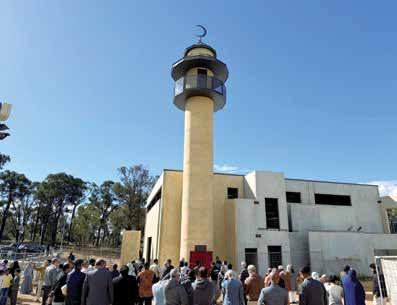
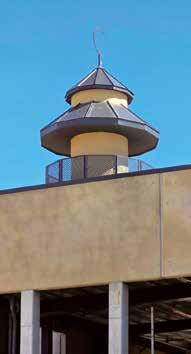
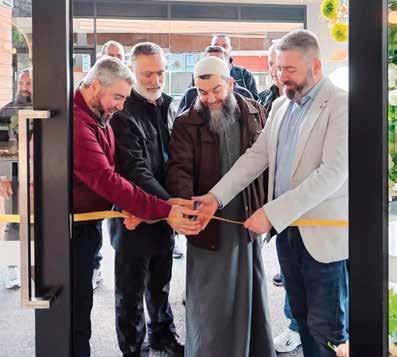
The Bendigo Islamic Community Centre was officially opened on Friday, 17 April 2026, in East Bendigo, marking a significant milestone for the region’s growing Muslim community and the broader multicultural fabric of the city.
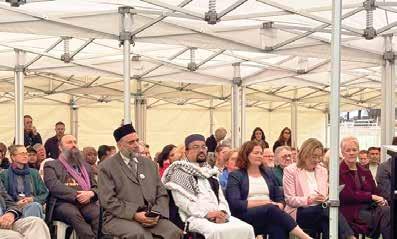
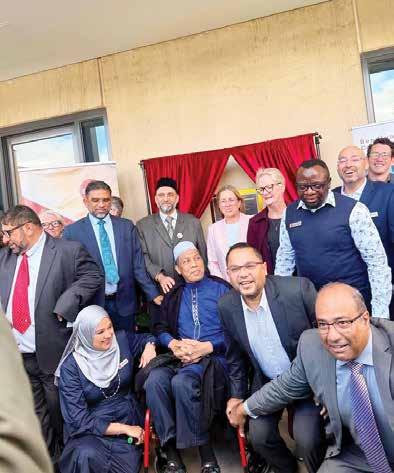
The opening ceremony celebrated the completion of Stages 1A and 1B of the multipurpose facility, with community leaders, residents, and dignitaries in attendance. The program featured a ribboncutting ceremony followed by official addresses, including a keynote speech by the Premier of Victoria, Jacinta Allan, and remarks from Federal Member for Bendigo, Lisa Chesters. The event was also attended by State Member for Bendigo West Maree Edwards, the Mayor of Bendigo, representatives of the Bendigo Interfaith Network, members of the Yellow Balloon Program, local police, and a number of Muslim community leaders from Melbourne, including representatives of the Islamic Council of Victoria and the Board of Imams Victoria. In addition to official speeches, remarks were delivered by representatives of the centre and community leaders, reflecting on the development of the project and its role within
the local community
The newly completed facility (covering Stages 1A and 1B) has been designed as both a place of worship and a community hub. The mosque is complemented by shared spaces including a community hall, library, café and outdoor courtyard.
Construction began in 2019 after years of planning and legal processes, with final approval secured in 2016. The project was led by the Bendigo Islamic
Association with support from the Australian Islamic Mission. The centre responds to the needs of a growing Muslim population in Bendigo, which now includes more than 250 families from diverse cultural backgrounds. For years, the community relied on limited shared spaces,
making the establishment of a permanent facility a significant development.
The opening reflects not only the completion of a long-awaited project, but also a broader commitment to inclusion, diversity and community connection across regional Victoria.
UNDER 100 DAYS UNTIL THE 2026 CENSUS. GET THE FACTS
In less than 100 days, everyone in Australia will have a role in shaping the future of our country. On Tuesday 11 August, the 2026 Census will
What is the Census?
The Australian Bureau of Statistics conducts a Census to count every person and household in Australia. It will ask a wide range of questions, including things about health, education, cultural background, work and living situation. By participating, we can provide an accurate picture of multicultural Australia, who we are, the languages we speak,
and how we live.
Why is it important?
Emily Walter, Census National Spokesperson, said the data that’s collected informs planning for schools, health care, transport and infrastructure. It helps organisations like not-for-profits, councils and businesses provide services for communities and neighbourhoods. That’s why every answer matters.
capture a comprehensive snapshot of Australia and how it has changed in the past five years. Here’s what you need to know.
Who needs to participate?
Unlike other countries, Australia’s Census is compulsory. Regardless of your visa status, everyone in Australia must take part in the Census. This includes everyone staying in your home on Census night, even visitors.
International tourists, temporary workers and students must also participate.
Is my information safe?
The information you provide in the Census is confidential. By law, your information must be kept secure, and it cannot be released in a way is likely to identify you, including to other government agencies.
How to complete the Census?
Most households will receive a letter in the mail with instructions
on how to complete the Census. You will be able to complete the Census online or using a paper form. There will be a range of support available for those who need it. This includes phone and online help, information hubs and translated material.
For more information in-language, go to census.abs.gov.au/ languages
your Piety, their Joy! Qurban
Do I have to sacrifice Qurban?
in the Islamic calendar is known as the season of pilgrimage and sacrifice – a time so significant that Allah the Almighty swears by (al Fajr 89:1–2). This verse refers to the first ten days of the month, which precede the Eid Al-Adha celebration.
Acts of worship during these days are magnified, as Muslims around the world strive to do more good deeds, seek forgiveness and elevate their is offered – a religious obligation to honour Prophets’ Ibrahim and Ismail (AS) firm act of obedience and faith towards Allah SWT. This is not only a reflection of one’s devotion but can also be a means of nutritional support for people in need.
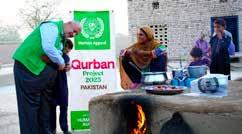
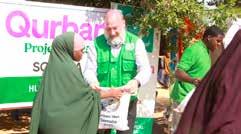
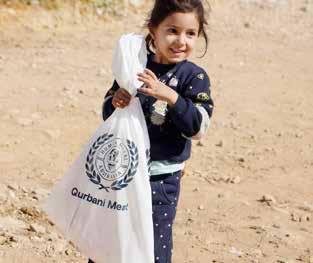
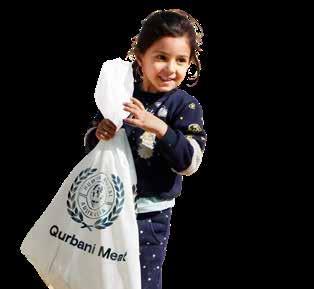
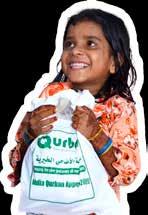
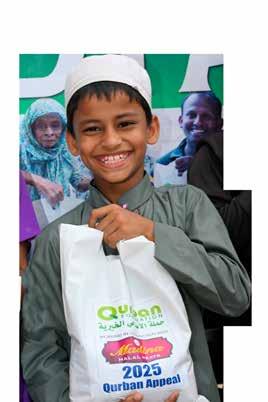
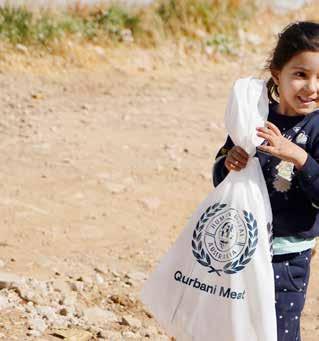
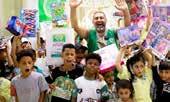
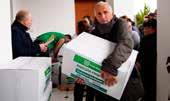
Human Appeal Australia has delivered your piety to millions of vulnerable people around the world. Recent crises abroad have led to widespread hunger and grave food insecurities, creating an urgent need for food relief and support. Last year, we delivered quality, nutritious meat to almost 1.5 million people across 33 destinations worldwide – made possible by our brothers and sisters right here in Australia.
This year, we have 34 destinations and YOU are the key to an even greater
the Messenger of Allah (PBUH) said; “Whoever can afford it, but does not offer a sacrifice, let him not come near our prayer place” (Ibn Majah).
Do I have to sacrifice the Qurban myself?
No. You may delegate it to an individual or organisation to sacrifice your Qurban on your behalf.
How many Qurbans should I do?
Each household must commit at least ONE Qurban, which will be sacrificed on the day of Eid al-Adha. The head of the family may offer the sacrifice on behalf of other members in the house.
Which animals are considered Qurban?
Qurban animals are sheep, goats, cows or camels.
The
Prophet ( ) said
“O people, it is compulsory for every household to make a sacrifice yearly”
Although it is best to do so as soon as possible – your Qurban should be fulfilled by the last day of Eid al-Adha. Human Appeal Australia processes Qurban donations for the entire 4 days of Eid, allowing you the chance to fulfil it on time.
The Prophet PBUH said: “Whoever slaughtered (the sacrifice) after the prayer, he slaughtered it at the right time and followed the Sunnah.” [Sahih al-Bukhari].
Yes. We currently only provide this service in two countries: Lebanon and Jordan. You will need to contact your local Human Appeal office to provide the beneficiary’s details such as name, number, city & suburb.
Canned Qurban is pre-cooked meat, prepared and ready for immediate consumption. It has a long shelf life which is strategic for regions where resources are limited and refrigeration is not possible, such as refugee camps.
These are animals that are cut into 6 pieces and individually wrapped. Each Qurban is then shipped in a separate carton to its intended destination via refrigerated containers.
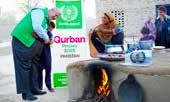
In many locations, livestock sacrificed within the destination country, allowing beneficiaries to receive fresh meat during Eid al-Adha.
In other locations where on-site sacrifice is not feasible, the Qurban is performed in Australia or other countries. The meat is then processed and distributed either canned or frozen, depending on the needs and conditions of the region.
Somalia, Ethiopia, Kenya, India, Sri Lanka & Nepal. $100
Qurban sacrificed locally in the following destinations:
Qurban sacrificed locally in the following destinations:
Sudan, Bangladesh, Afghanistan, Pakistan, Azad Kashmir, Indonesia, Eritrean Refugees, Zambia, Togo & Burmese Refugees.
Qurban shipped (frozen) or sacrificed locally in the following destinations: Lebanon, Syrian Refugees (Lebanon, Jordan), Yemen, Jordan, Iraq, Libya, Egypt, Bosnia, Albania, Kyrgyzstan, Tunisia, Fiji, Cambodia, Philippines & Ukraine.
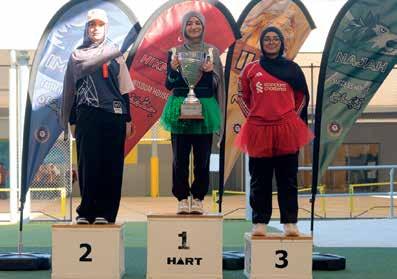
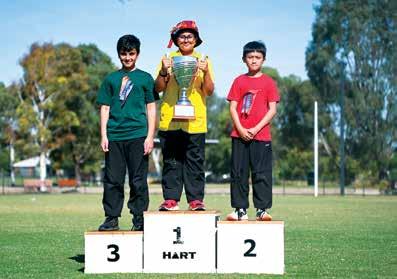
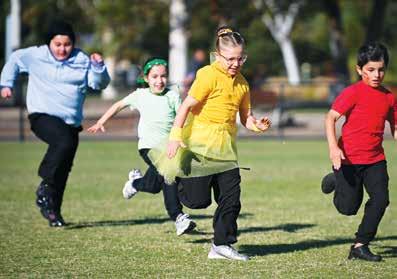
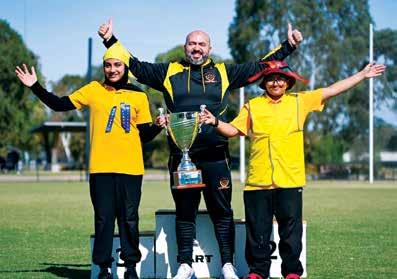
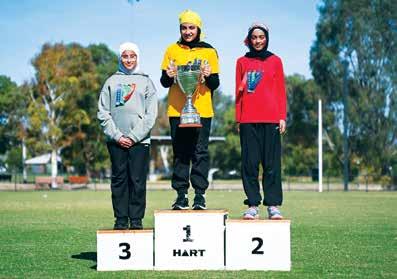
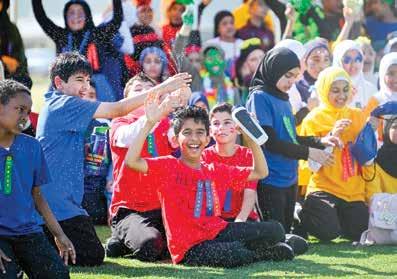
ICOM STUDENTS TAKE PART IN ATHLETICS CARNIVALS
Students from Islamic College of Melbourne recently participated in a series of athletics carnivals across Junior Primary, Senior Primary and Secondary levels.
The events featured a range of sporting and team activities aimed at encouraging physical activity, teamwork and sportsmanship in a positive atmosphere.
The Secondary carnival was held across two days, with students representing their House groups in various competitions. Najah House (Green) placed first overall, followed by Iman House (Blue) and Hikmah House (Red). The college thanked staff and students for their enthusiasm, participation and efforts throughout the events.
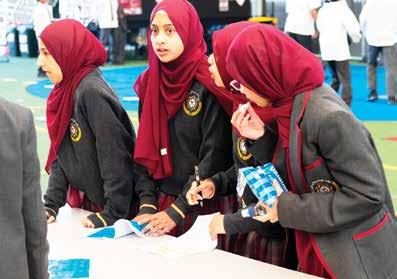
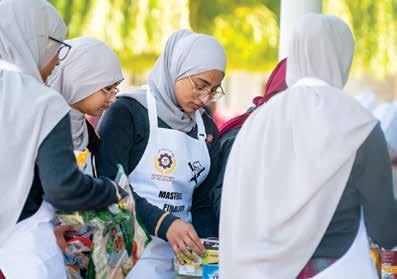
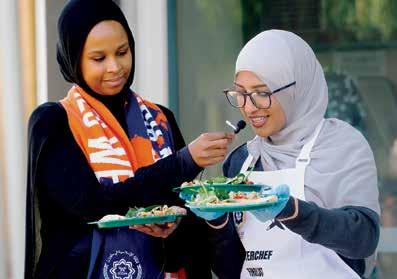
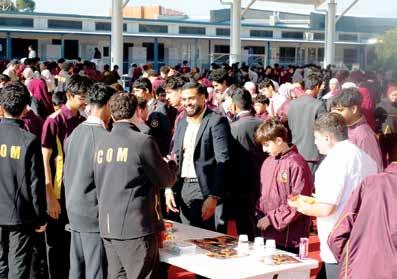
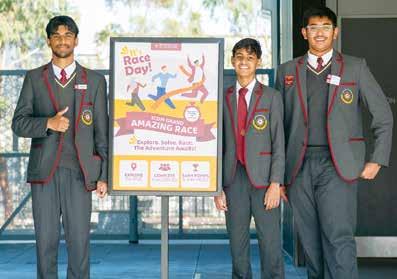
ICOM STUDENTS TAKE PART IN LITERACY & HUMANITIES WEEK ACTIVITIES
Students at Islamic College of Melbourne recently participated in a range of activities as part of Secondary Literacy & Humanities Week.
The program included the annual ICOM MasterChef competition, where students showcased their creativity and cooking skills through dessert and mystery box challenges, as well as an “Amazing Race” style scavenger hunt that encouraged
teamwork and communication.
Students also organised a market stall fundraiser in support of Gaza relief efforts, with more than 120 students involved in preparing and selling food, drinks and other items,
with proceeds donated to charity.
The college praised the enthusiasm, teamwork and creativity shown by students throughout the week.
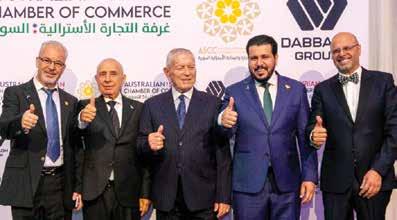
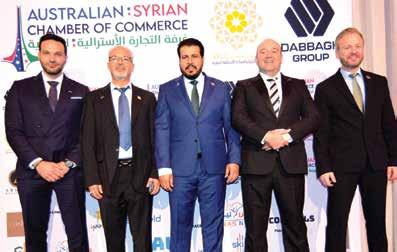
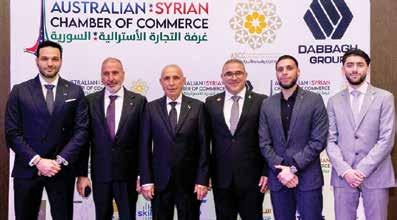
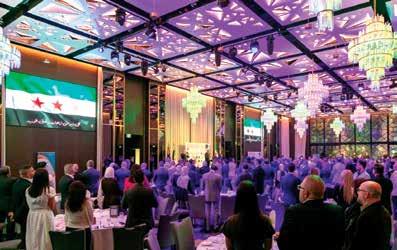
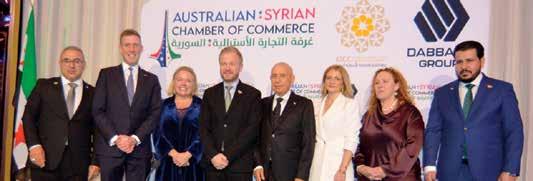
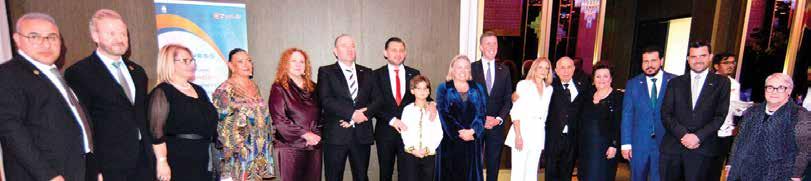
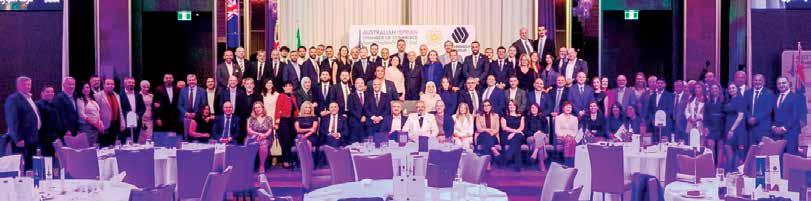
AUSTRALIAN SYRIAN CHAMBER OF COMMERCE LAUNCHES IN MELBOURNE WITH OFFICIAL, DIPLOMATIC AND ECONOMIC ATTENDANCE
The Australian Syrian Chamber of Commerce was officially launched in Melbourne, Australia, in the presence of government officials, diplomats, business leaders, and social figures, alongside representatives from commercial and investment institutions from both Syria and Australia. The event was opened by Chamber President and businessman Marwan Dabbagh, who spoke about the Chamber’s objectives and its role in strengthening economic and trade relations between businesspeople and institutions in Syria and Australia, as well as supporting investment opportunities and cooperation between both sides.
Adel Al Shammari, representative of the Syrian Ministry of Foreign Affairs and Head of the Investment Support Department within the Expatriates Directorate, delivered a speech highlighting the importance of strengthening economic relations between the two countries, noting the Syrian community’s presence in Australia and its contributions across economic, social, and cultural sectors.
Chairman of the Syrian Investment
Authority Talal Al Hilali also addressed the audience, speaking about investment opportunities available in Syria and encouraging businesspeople and investors to explore future economic and investment projects and areas of cooperation.
Yaser Marwan Dabbagh, General Manager of Dabbagh International Economic Group in Australia and a founding member of the Chamber, welcomed guests and spoke about the importance of establishing the Chamber as a platform to strengthen economic and trade relations and expand opportunities for cooperation and investment between Syria and Australia.
Victorian Government Minister for Ports and Freight Melissa Horne also spoke about the economic and trade relationship between the two countries, highlighting the contribution of the Syrian Australian community to business and Australian society.
The event also included remarks and discussions from several official and economic figures, focusing on the importance of building channels for economic and trade cooperation and encouraging initiatives that strengthen communication
between institutions and business communities in both countries.
Among the official and political attendees were Victorian Government Minister Melissa Horne, former minister Marlene Kairouz, Shadow Ministers Bev McArthur and Evan Mulholland, MPs Bronwyn Halfpenny, Iwan Walters and Kathleen MatthewsWard, in addition to Jim Edwards from Global Victoria, Bernadette Khoury, Liberal Candidate for the Northern Metropolitan Region, and Hobsons Bay Councillor Rayane Hawli.
Representatives from the diplomatic corps also attended, including Moroccan Ambassador Wassane Zailachi, Lebanese Consul-General Rami Hamidi, Mr Roland Jabbour OAM, Honorary Consul of Morocco, and Lebanon’s Honorary Consul in Tasmania Fadi Zouki.
Special guests at the event included Syrian Actors Syndicate President Mazen Al Natour and Syrian “Bondi Hero” Ahmad Al Ahmad
The event was also attended by prominent Australian Lebanese businessman, entrepreneur and investor Michael Dib, alongside
a distinguished group of Syrian businesspeople and commercial, social, academic and scientific figures.
The occasion also featured meetings and discussions between participants and attendees regarding economic and investment opportunities, and the role the Chamber could play in strengthening trade relations between Syria and Australia.
The Syrian government delegation, in cooperation with the Australian Syrian Chamber of Commerce led by Marwan Dabbagh, also conducted a tour across several Australian cities between 9 and 18 April 2026.
The delegation included Adel Al Shammari, Director of the Investment Department within the Syrian Ministry of Foreign Affairs’ Expatriates Directorate; Engineer Talal Al Hilali, Chairman of the Syrian Investment Authority; Syrian Actors Syndicate President Mazen Al Natour; as well as Jumana and Omar Muwaffaq Al-Qaddah, children of Syrian investor Muwaffaq Al-Qaddah.
Photography: Karim Abbouchi
arabic.euronews.com
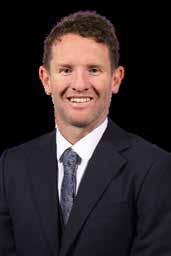
Dylan Wight MP Member for Tarneit
Email: dylan.wight@parliament.vic.gov.au
VICTORIA ANNOUNCES MAJOR PAY RISE FOR TEACHERS AND EDUCATION STAFF
The Victorian Government has announced a new agreement that will deliver significant pay rises for teachers, school leaders and education support staff across the state over the next four years. Under the agreement, teacher and principal salaries will increase by at least 28.3 per cent, beginning with a 12 per cent rise by October 2026. The government said more than 90,000 full-time teachers are expected to receive more than $1,000 extra per month by October this year, with increases projected to reach almost $3,000 per month by 2030. The agreement is expected to make Victorian teachers among the highest paid in Australia, with the government stating that both graduate and experienced teachers in Victoria will soon earn more than their
counterparts in New South Wales.
Education Support Staff will also receive comparable wage increases and allowances over the next four years. The agreement includes new qualification requirements for higher salary classifications, recognising the role and expertise of support staff in schools.
Changes have also been introduced to time-off-in-lieu arrangements for school camps, including overnight payments and increased allowances for specialist school staff.
The Victorian Government also announced a separate funding offer for kindergarten enterprise agreements, aimed at improving wages and conditions for early childhood educators and teachers.
Under the proposal, early
childhood teachers are expected to reach wage parity with Victorian Government school teachers for the first time, based on a 28.3 per cent increase over four years. Kindergarten educators are also set to receive an average pay increase of 39 per cent during the same period. Additional measures include the removal of some barriers to teacher wage progression, the introduction of new educational leader and service leader allowances, and updated leave provisions aligned with government schools.
Premier Jacinta Allan said the agreement delivers on the government’s commitment to nationally competitive wages and conditions for Victorian school staff.
“We’ve always said our public school educators deserve a pay rise – that is what we’re
delivering,” Allan said.
“Our teachers, school leaders and education support staff show up every day and this is about saying thank you.”
Deputy Premier and Minister for Education Ben Carroll said the agreement reflects the important role educators play in the community.
“Our children deserve the best teachers. Our society demands it,” Carroll said.
Minister for Children Lizzie Blandthorn said the reforms would provide significant improvements to wages and conditions in the early childhood sector.
“Early childhood teachers and educators are critical to our children’s learning and development,” Blandthorn said.
A report by the Commonwealth Ombudsman has found that the National Disability Insurance Agency (NDIA) has implemented 12 recommendations from a 2020 investigation into its handling of assistive technology requests. The original investigation followed complaints about
delays, poor communication and unclear processes affecting people with disability seeking assistive technology support.
Commonwealth Ombudsman Iain Anderson said assistive technology plays a vital role in helping people with disability participate more safely and independently in daily life.
The report found the NDIA has
improved internal processes, streamlined communication with participants and introduced a new customer record management system to improve responsiveness.
Mr Anderson said the NDIA should continue reviewing the effectiveness of these changes and make further improvements where needed.
The full report is available on the Commonwealth Ombudsman website.
Luba Grigorovitch MP Member for Kororoit Minister for Youth Minister for Carers & Volunteers
Ph: 03 8361 7133
W: lubagrigorovitch.com.au
E: luba.grigorovitch@parliament.vic.gov.au Shop 2, 11 Commercial Rd, Caroline Springs, 3023
The ever-growing and positively-evolving Australian Citizens Party, wishes the same for all who are celebrating Eid ul-Adha as a time of reflection (of social obligations), of gratitude (for blessings received), and of renewal (for a peaceful and positive future).
AUSTRALIAN CITIZENS PARTY
Big Fields
Gladstone Park
A: Gladstone Park Shopping Centre, Shop 170/8-34 Gladstone Park Dr, Gladstone Park VIC 3043
Ph: (03) 83838204
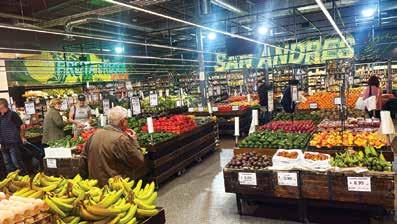
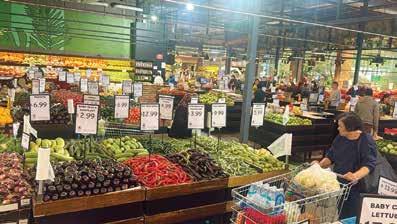
San Andres Fruit and Vegetables
A:Shop: Level Ground, Shop 185 Watergardens Town Centre, Melton HWY Taylors Lakes VIC 3088
Ph: (03) 93906013
HELP MAKE HOSPITAL A HAPPY PLACE THIS STARLIGHT DAY
Australia’s broadest-reaching children’s charity, Starlight Children’s Foundation (Starlight), is calling on Australians to help raise $1.95 million by 30 June to help make hospital a happy place for seriously ill children. The annual fundraising appeal launches on Starlight Day (Tuesday, 19 May), with every donation helping keep Starlight’s essential hospital programs running nationally.
Every minute of every day, a child is admitted to hospital in Australia. In that moment, their world can be turned upside down. Suddenly their smiles disappear and their lives are filled with doctors, needles, and fear. That’s why Starlight exists — to bring happiness to seriously ill children when it’s needed most.
Funds raised will help bring happiness to 50,000 seriously ill children across Australia by supporting Starlight’s essential hospital programs: Captain
Starlight, Starlight Express Rooms, and Planet Starlight, the live and interactive digital platform accessible to kids anywhere via an internet-connected device.
These programs work hand-in-hand with healthcare professionals to transform the healthcare experience and provide much needed social connection, entertainment and a sense of belonging for seriously ill children and their families.
In the year ahead, Starlight expects more than 400 daily visits to its Starlight Express Rooms and Captain Starlight will visit over 560 seriously ill children on hospital wards every day. Starlight will also create 190,000 Planet Starlight experiences for hospitalised children across Australia by the end of 2026.
“Starlight was the spark that kept us going” — Kalee, mum to Zai
Kalee Abdollahi experienced first-hand the impact of Starlight’s programs when her son Zai, then 7, was diagnosed with Stage 4
High Risk Neuroblastoma — a rare and aggressive childhood cancer. Biopsies revealed the cancer had spread throughout his body.
Zai endured 15 months of treatment, including eight rounds of high-dose chemotherapy, a stem cell transplant, multiple surgeries, radiation and immunotherapy.
“The treatment was one of the most gruelling a child can go through,” said Kalee. “Our whole family’s life was turned upside down. The saving grace was Starlight. As soon as Zai woke up, he asked for the Captain Starlights. Without that spark of fun, hospital would have felt empty and lonely. When you see Starlight in action, it’s truly amazing.”
Starlight CEO, Louise Baxter, said; “When a child is diagnosed with a serious illness, their world becomes filled with treatments, pain and long stays in hospital. They miss their friends, their routines, and the play essential for childhood. Starlight helps sick
kids just be kids again. Through distraction, entertainment, and connection, Starlight transforms healthcare experiences, and provide the social connection and sense of belonging so desperately needed by the child and the family.
Starlight relies on the community for funding to ensure this essential support continues. If you believe happiness in childhood matters, please donate this Starlight Day. Every donation big or small truly makes a difference.”
From 8–19 May, individual donations will be doubled thanks to the generosity of major matched giving partners, Spotlight, Starlight’s official creativity partner, and Northern Star. Shoppers can also donate locally in-store at Spotlight, Muffin Break, Jaycar, The Lott retailers and Caltex petrol stations. For more information on Starlight Day or to donate, please visit www. starlight.org.au.
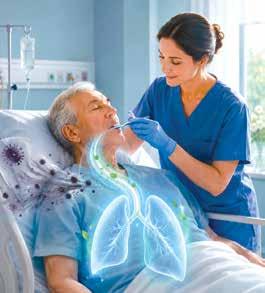
MAJOR AI BREAKTHROUGH CAN DETECT HEART DISEASE IN COMMON BONE SCANS
An Australian researcher and his global team have successfully shown that AI can detect a marker of heart disease from DEXA bone density machine scans, unlocking a cost-effective yet powerful way of preventing heart disease before it strikes.
The detection of abdominal aortic calcification (AAC) in DEXA lateral spine scans has until now only been limited to a specialist review – an expensive and timeconsuming process that can be cost prohibitive.
Yet, because AAC often appears earlier in the abdominal aorta than calcification in the heart’s arteries, it offers a critical window for early detection and prevention of a heart attack or stroke.
The major advancement by
Professor Joshua Lewis from Edith Cowan University and his global team of researchers which was recently published in the Journal of American College of Cardiology: Advances means around 700,000 people in Australia who undergo a DEXA bone scan each year could also learn about their heart health using the same machines once it is rolled out.
“Our approach is a state-ofthe-art, AI-powered solution that automatically detects and quantifies AAC on lateral spine images captured by the DEXA machines used to assess people’s bone health,” Prof. Lewis said.
“This technique means a widely used scans can now also assess blood vessel health in a matter of seconds.
“Without a doubt, this is a
significant advancement: it empowers individuals and clinicians to intervene earlier and help prevent serious cardiovascular events.”
As with any major discovery, the translation into every day practise can be a long and costly process.
Prof. Lewis and his team are not wasting any time, bringing the project to life through the Heart Foundation’s Catalyst Partnership program. In 2025, they received support from the Heart Foundation and are now seeking further backing from private and philanthropic funders to bring this groundbreaking intervention to patients sooner rather than later.
Heart Foundation Chief Medical Advisor Professor Garry Jennings
said the discovery was an exciting development in heart disease prevention and credited Heart Foundation donors, partners and supporters for making the innovating research possible.
“Australia is home to some of the leading minds in cardiovascular research and this work is one example of how Heart Foundation donors enable us to fund life-changing research that can have an impact in preventing heart disease for future generations,” Prof Jennings said.
SWEET INSPIRATIONS WEST CELEBRATES GRAND OPENING IN TRUGANINA
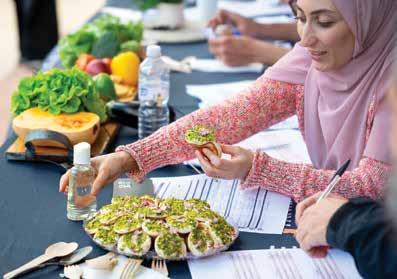
A new destination for Lebanese sweets and desserts officially opened its doors in Melbourne’s west on Monday, 11 May 2026, as Sweet Inspirations West celebrated its grand opening in Truganina.
Located at Shop 7 & 8, 50 Mainview Boulevard, Truganina, the new store welcomed guests, families, friends, and members of the local community for a warm and festive opening celebration.
The event featured a ribboncutting ceremony, beautifully prepared desserts, and a celebratory cake marking the occasion. Guests gathered to congratulate the team behind the new venture and enjoy an
atmosphere filled with joy, hospitality, and community spirit.
Known for its Lebanese and Middle Eastern sweets, Sweet Inspirations aims to bring traditional flavours and desserts to Melbourne’s growing western suburbs, while also creating a welcoming space for families and visitors to gather and enjoy sweet moments together.
The opening reflected the growing diversity and entrepreneurial spirit of Melbourne’s multicultural communities, with attendees expressing their support and excitement for the new business.
Sweet Inspirations West is now open and welcoming customers at its new Truganina location
ALCOHOL AD RULES FAILING AUSTRALIANS, AMA WARNS
With alcohol-induced deaths at their highest rates in more than 20 years, the Australian Medical Association has called for tougher regulation of alcohol advertising on television — saying current regulation has failed to protect the community. In a submission to the Australian Communications and Media Authority (ACMA) review into alcohol advertising restrictions in the Free TV Code, the AMA says current regulation hasn’t worked, calling on the authority to make a binding program standard; remove alcohol advertising exemptions for sport, and further restrict advertising hours.
AMA President Dr Danielle
McMullen said ACMA must step in and act to replace current weak regulations with a strong, enforceable program standard.
“Australia is experiencing the highest rates of alcohol-induced deaths in more than 20 years,” Dr McMullen said.
“Alcohol is a known carcinogen and a leading cause of injury, chronic disease, mental illness, alcohol-related brain injury and Fetal Alcohol Spectrum Disorder. It plays a very significant role in family, domestic and sexual violence. Yet people, including children, are subjected to relentless alcohol advertising, particularly through sport and weekend programming.
“We need stronger regulation
of alcohol advertising on our television screens. The evidence shows that exposure to alcohol advertising increases the likelihood of earlier initiation and harmful drinking later in life.”
Dr McMullen said the Free TV Code was failing, allowing alcohol advertising during sport from Friday evening to Sunday night — exactly when alcohol harms peak.
“Time-based restrictions are weak and inadequate for a product known to cause significant harm and past industry-led changes to the Code have expanded alcohol advertising, not reduced it.
“The research shows the
majority of Australians support less alcohol advertising on television, with three in four Australians supporting less alcohol advertising on television.”
The AMA is also calling on ACMA to ensure the standard captures sponsorships and zero-alcohol products and to apply rules consistently across free-to-air TV and broadcaster streaming services.
“The Code doesn’t regulate zero or low-alcohol products, despite their similar branding to alcohol,” Dr McMullen said. “But research shows high recall of zero-alcohol product advertising among teenagers, raising concerns about normalisation and gateway effects.
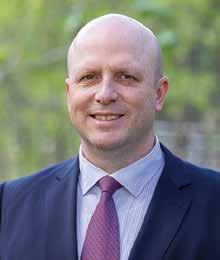
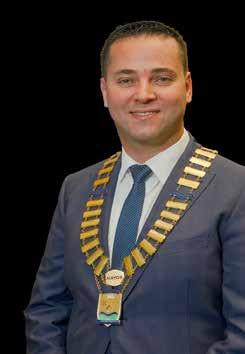
Clr Bilal El-Hayek MAYOR City of Canterbury Bankstown
KINDNESS COSTS LITTLE BUT GIVES MUCH
By Jamilah Samian www.coolmumsuperdad.com
We often think that making a difference in the world requires something big. Perhaps a lot of money, influence, talent, or power. But sometimes, the things that touch people most deeply are surprisingly simple. A warm smile. A kind word. A patient response. A small act of care.
That is the beautiful thing about kindness. It costs very little, but it gives much.
Most people today are carrying struggles we cannot see. The student sitting quietly in class may be dealing with anxiety. The mother replying calmly to messages may actually feel exhausted inside. The colleague who looks cheerful may be fighting disappointment or loneliness. We meet people every day without fully knowing the battles they are facing.
This is why kindness matters.
And kindness does not have to be dramatic. You do not need to rescue someone from a burning building to change a life. Sometimes, simply listening attentively can mean everything to a person who feels ignored. A teacher saying, “I believe in you,” may stay in a student’s heart for years. A father putting aside his phone to truly listen to his child sends a powerful message: You matter to me.
Even small moments can leave deep impressions.
Think about the times someone showed you unexpected kindness. Perhaps someone defended you
when others mocked you. Maybe a friend checked on you during a difficult season. Or maybe someone forgave your mistake instead of embarrassing you. We tend to remember those moments because kindness speaks directly to the human heart.
Unfortunately, kindness is sometimes misunderstood. Some people think being kind means being weak, soft, or easily taken advantage of. But real kindness actually requires strength. It is easy to be harsh when angry. It takes maturity to stay calm. It is easy to humiliate someone publicly. It takes wisdom to correct someone with dignity.
Kindness is not about letting people do whatever they want. Parents can be firm and still be kind. Teachers can correct students while preserving their self-respect. Leaders can make difficult decisions without becoming cruel. In fact, kindness and firmness often work best together.
Kindness also changes the atmosphere around us. A kind home feels emotionally safe. Children are more willing to talk openly when they know they will not constantly be shamed or shouted at. Workplaces become healthier when people feel respected instead of constantly
criticised. Even among friends, kindness builds trust.
And interestingly, kindness benefits the giver too.
Have you noticed that helping someone often makes you feel better as well? There is something deeply human about caring for others. Research even shows that acts of kindness can reduce stress and improve emotional wellbeing. Perhaps this is because we were never meant to live only for ourselves.
Today, kindness is especially important in the digital world. Social media sometimes encourages people to be sarcastic, judgmental, and unkind because they are hidden behind screens. Harsh comments can spread quickly, especially among teenagers who are already struggling with self-esteem and comparison. In a world filled with criticism, a kind voice stands out even more.
The good news is this: kindness is available to everyone.
You do not need wealth to practise it. You do not need
special qualifications. Anyone can choose patience over anger, encouragement over ridicule, or understanding over harsh judgment. A teenager can practise kindness. A busy parent can practise kindness. A stranger can practise kindness.
And the effects often travel farther than we realise.
A kind word may give someone strength to continue their day. A patient response may prevent an argument from becoming a broken relationship. A small act of compassion may restore hope in someone who was quietly struggling. At the end of the day, people may forget many things we said or did. But they rarely forget how we made them feel. That is why kindness, though small in cost, gives more than we can imagine.
Jamilah Samian is the author of “Raise Me Right”, “Cool Mum Super Dad”, “Leadership In Parenting”, “The Kindness Miracle”, “Parenting Generation Y & Z”, “Cool Boys Super Sons” and “77 Power Parent Tips”.
THE LONG SHADOW OF THE BEAR: HOW RUSSIA’S GRIP BROKE MUSLIM LANDS AND BLEEDING HEARTS
For centuries, the story of Russia’s expansion is not one of civilization-building, but of a slow, crushing occupation. From the snow-capped peaks of the Caucasus to the dusty deserts of Central Asia, and from the bazaars of Tashkent to the hills of Bosnia, one bitter truth echoes: when the bear comes, the people pay in blood. Muslims have borne the brunt of this imperial hunger. Their mosques were silenced, their children starved, their oil stolen, and their futures traded for rubles. This is not a history of distant battles. It is a living wound.
The Great Game: How Russia Devoured Central Asia
In the 19th century, Tsarist Russia looked south. One by one, the khanates of Khiva, Bukhara, and Kokand fell. By 1885, what is today Turkmenistan, Uzbekistan, Tajikistan, Kyrgyzstan, and Kazakhstan were chained to a foreign throne—not through love, but through the muzzle of a gun. The excuse was always the same: “order,” “protection,” or “civilization.” The reality was different.
In the 1930s, Stalin forced Central Asian farmers to abandon food crops for cotton, a white gold sent north to feed Russian mills. The result was a manmade famine. In Kazakhstan alone, an estimated 1.5 to 2.5 million people—mostly nomads— starved to death. Mothers watched their infants waste away while grain trains rolled past them toward Moscow. That is not economics. That is murder by policy.
The Stolen Riches of Azerbaijan, Chechnya, and Iran’s Frontier
Azerbaijan’s story is written in black gold. When the Red Army invaded Baku in 1920, they did not come to liberate; they
By Shams Alam
came to siphon. For seventy years, nearly three quarters of every barrel of oil pumped from Azerbaijani soil was shipped to the rest of the Soviet Union, leaving locals with dirty air and empty pockets.
Chechnya tasted the same bitterness—twice. After a brutal 19th century conquest, Stalin deported the entire Chechen and Ingush population to Central Asia in 1944. Half a million men, women, and children were packed into cattle trucks. A quarter of them died before reaching exile. Later, under Putin, the second war razed Grozny to rubble, turning a proud capital into a graveyard of concrete and tears.
Iran’s northern regions—once part of the Qajar realm—were carved away by Russian cannons in the Treaty of Turkmenchay (1828). The lands of today’s Azerbaijan (Republic) and parts of Iranian Azerbaijan were severed, leaving a scar that still aches.
The Bosnian Wound: Russia’s Finger on the Scales
When Bosnia burned in the 1990s, the world saw ethnic cleansing. Russia saw an opportunity. Instead of halting the bloodshed, Moscow shielded the Serb forces at the United Nations. They delayed sanctions. They watered down resolutions. And when pleas for help reached the Security Council, the Russian veto or its threat ensured that the killers of Srebrenica faced less pressure than they should have. Thousands of Bosnian Muslim men and boys were murdered while the Kremlin spoke of “historic Serbian rights.” That is not neutrality. That is complicity.
The Nuclear Heist from Kazakhstan
When the Soviet Union
collapsed, Kazakhstan unexpectedly possessed the world’s fourth largest nuclear arsenal. But true sovereignty meant giving them up. Under heavy pressure and with American help, Kazakhstan transferred all 1,410 warheads back to Russia. The enriched uranium—mined from the same Kazakh soil that had been poisoned by Soviet test sites like Semipalatinsk—was taken away. The cancer remained. The people remained sick. But the bomb fuel went north.
Deprived
of Faith,
Education, and Dignity
The Soviets did not merely steal resources. They tried to steal souls. By 1941, over 25,000 mosques in Central Asia had been reduced to fewer than 1,000. Religious schools were shut. Mullahs were shot. The Qur’an became contraband. Education was twisted into a tool of ideological control. Healthcare, where it existed, was designed to keep workers alive for the next shift, not to heal communities. The result? Generations who forgot their own names, who were taught to be ashamed of their prayers.
The Rotting Infrastructure and Broken Economy
Drive through parts of rural Uzbekistan or Tajikistan today, and you still see the rusted skeletons of Soviet factories— abandoned, looted, and toxic. The Aral Sea, once a vibrant body of water, is a desert because Moscow demanded cotton at any environmental cost. Roads were built to move resources out, not to connect people. When the USSR fell, it left behind a landscape of ecological ruins, dying children, and economies addicted to a central planner that had vanished.
The Uncounted Dead
Exact numbers are buried in
Soviet archives, but we know enough. In Chechnya, two wars claimed more than 100,000 lives. In Central Asia, the famines of 1918–1934 killed over 5 million. In Afghanistan, the Soviet invasion (1979–1989) killed more than a million Afghans. Bosnian Muslims lost over 8,000 in Srebrenica alone—a massacre that happened while Russia blocked stronger intervention. These are not statistics. They are fathers, mothers, infants, and scholars—all gone because a faraway empire wanted something they had.
The Liberation That Was Not Free
When the USSR dissolved in 1991, the Muslim republics finally raised their flags. But liberation did not bring justice. Russia kept its military bases, its spy networks, and its pipelines. In Chechnya, the “Kadyrov bargain” gives Moscow loyalty in exchange for turning a blind eye to brutal local rule—a peace built on fear, not freedom. In Central Asia, Russian influence still bends politics through cheap arms sales, migrant labor dependence, and the threat of intervention. The US and the West have largely looked away, prioritizing oil deals and counter-terrorism over human rights.
A Final Word to the Reader
We cannot heal what we refuse to see. Russia today speaks of a “multipolar world” and “traditional values.” But its traditional method is to invade, plunder, suppress, and then rewrite history. Whether it is the Chechen mother who lost her son in Grozny, the Kazakh grandfather who survived the famine, or the Bosnian widow who still visits a mass grave— their pain is real. It is not “antiRussian” to speak it. It is simply human.
AWARDS NOW OPEN FOR VICTORIAN MULTICULTURAL CHAMPIONS
The Allan Labor Government has announced that nominations are now open for the Victorian Multicultural Commission’s 2026 Victorian Multicultural Awards for Excellence.
Minister for Multicultural and Multifaith Victoria Ingrid Stitt said the annual awards recognise and celebrate outstanding individuals and organisations making significant contributions to strengthening multiculturalism in Victoria.
Now in its 25th year, the awards include 13 categories, including Arts and Culture, Business and Employment, the Multicultural Honour Roll and the Premier’s Award for Intercultural Connection.
Among last year’s recipients were:
• Dellaram Vreeland, who received the Media Award for her work in print and digital media.
• Greater Shepparton City Council, which received the Local Government Award for partnering with multicultural organisations to build community resilience.
• Yuwaluxshayan Kannan, recipient of the Refugee Young Leader Award for championing refugee youth empowerment through school
leadership, mentoring and advocacy.
• COOK4CALD, recipient of the Youth Leadership Award for addressing food insecurity in the south eastern suburbs through culturally inclusive meal programs.
Nominations for the awards will close at 11:59pm on 13 July 2026.
Award winners and inductees are expected to be recognised at a ceremony at Government House in October.
Minister Ingrid Stitt said Victoria’s diversity remains “one of our greatest strengths” and encouraged the community to nominate Victorians who have made meaningful contributions.
Victorian Multicultural Commission Chairperson Vivienne Nguyen AM said the work of organisations and individuals helping to create “an inclusive and prosperous Victoria” deserves recognition and celebration.
Further information on nominations is available through the Victorian Multicultural Commission website. multiculturalcommission.vic.gov.au
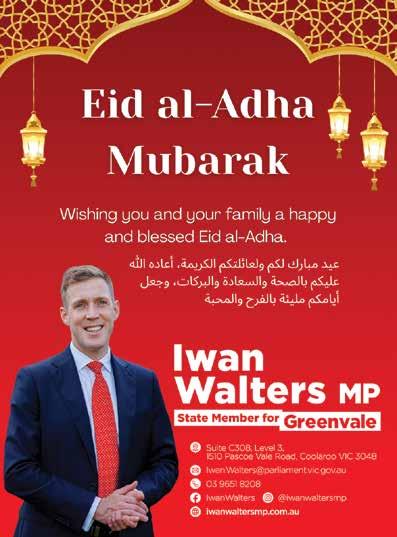
Wishing you and your family a joyful and blessed Eid al Adha. May the coming year ease your burdens, grant you good health, and fill your life with happiness, peace, and love. May comfort and relief reach all who are suffering around the world.
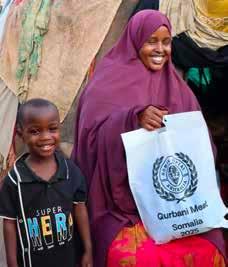
Qurban sacrificed locally in the following destinations: Somalia, Ethiopia, Kenya, India, Sri Lanka & Nepal.
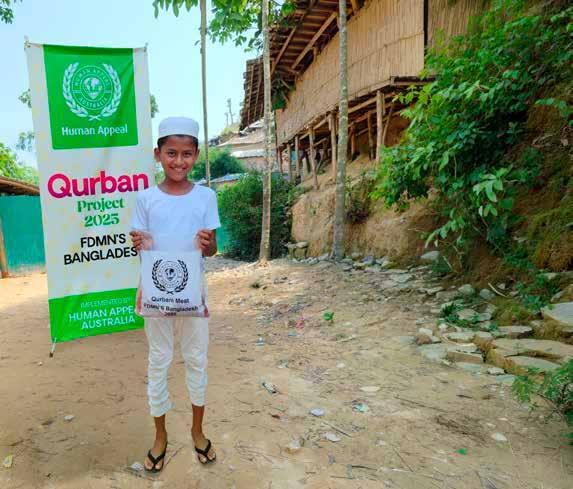
Qurban sacrificed locally in the following destinations: Sudan, Bangladesh, Afghanistan, Pakistan, Azad Kashmir, Indonesia, Eritrean Refugees, Zambia, Togo & Burmese Refugees.
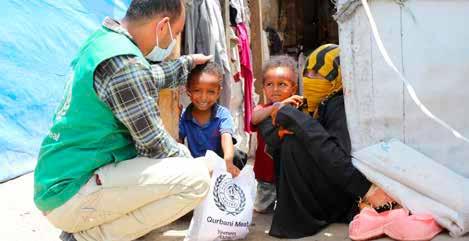
Qurban shipped (frozen) or sacrificed locally in the following destinations: Lebanon, Syrian Refugees (Lebanon, Jordan), Yemen, Jordan, Iraq, Libya, Egypt, Bosnia, Albania, Kyrgyzstan, Tunisia, Fiji, Cambodia, Philippines & Ukraine.
Qurban sacrificed, canned, shipped & distributed in the following destination: Gaza (Palestine) & Syria.