Melbourne office: 171 Denton Ave, St. Albans, VIC 3021
Postal Address:
P.O.Box 5178, Cairnlea VIC 3023
Tel.: + 61 4 3020 4076
Sydney office: 10-28 Biloela St, Villawood NSW 2163
Tel.: + 61 4 9033 0623
AGEISM AND THE WAY WE SEE OUR PARENTS
SOLIDARITY VISIT TO KILMORE CHURCH FOLLOWING A SUSPECTED DELIBERATE FIRE
20% REGO DISCOUNT TO EASE COST-OFLIVING PRESSURES IN VICTORIA 10 12 15 4 7 5 3
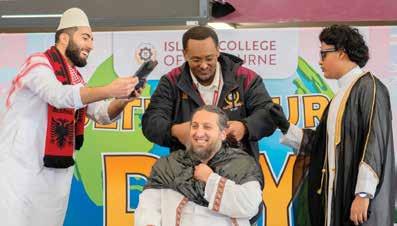
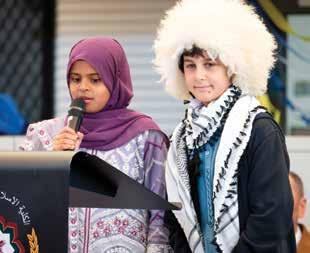
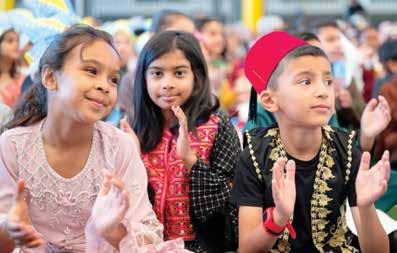
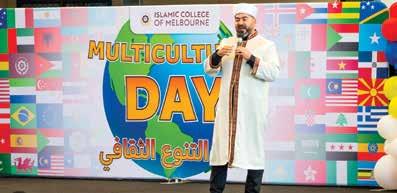
ISLAMIC COLLEGE OF MELBOURNE MARKS MULTICULTURAL WEEK WITH BALKAN-THEMED ACTIVITIES
MAJOR CONSTRUCTION BEGINS ON NEW MELTON HOSPITAL
ONE IN FIVE VICTORIANS DON’T FEEL SAFE AT HOME, NEW RACV RESEARCH SHOWS
SMALLER DEPOSITS FOR FIRST HOME BUYERS
3 5 9 16 11 19
20% REGO DISCOUNT TO EASE COST-OF-LIVING PRESSURES IN VICTORIA
Ongoing conflict in the Middle East continues to drive up fuel prices, placing increasing financial pressure on families. In response, the Victorian Government has announced new measures aimed at easing the cost of living, including reductions in both public transport fares and vehiclerelated expenses.
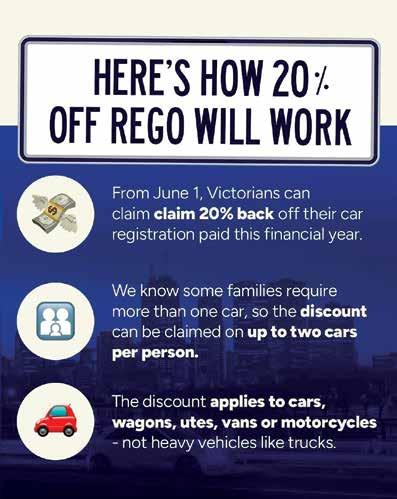
As part of the Victorian Budget 2026/27, the government will introduce a 20 per cent discount on vehicle registration (rego). This initiative builds on existing efforts that have already delivered free and discounted public transport for passengers. Currently, annual registration for light vehicles can cost up to $930.70 per car. Under the new measure, drivers with one vehicle may receive up to $186 back, while families with two vehicles could receive up to $372.
The policy is designed to return money to Victorians at a time when fuel costs remain high. The government estimates the measure will represent around $750 million in foregone revenue, describing it as targeted, one-off cost-of-living support while maintaining a budget surplus.
How 20% off rego works
From 1 June, eligible vehicle owners will be able to apply for the 20 per cent rebate through Service Victoria. Applications will remain open until 31 July, giving residents a two-month window to claim.
The rebate applies to 20 per cent of registration fees paid for the 2025/26 period. It is available to owners of light vehicles used for personal purposes, including cars, utes, and vehicles under 4.5 tonnes. Individuals can claim rebates for up to two vehicles registered in their name, regardless of the total number of vehicles within a household.
Premier Jacinta Allan said the initiative reflects the
government’s commitment to supporting Victorians facing financial pressure, noting that while the measure will not resolve all challenges, it provides immediate relief.
Minister for Government Services Ingrid Stitt highlighted that accessing the rebate will be straightforward through Service Victoria, ensuring a simple process for applicants.
Minister for Roads and Road Safety Ros Spence stated that the policy will help return money to households dealing with ongoing cost-of-living challenges.
Meanwhile, Minister for Cost of Living Paul Edbrooke emphasized that reducing fees and fares remains a key part of the government’s broader strategy to address economic pressures.
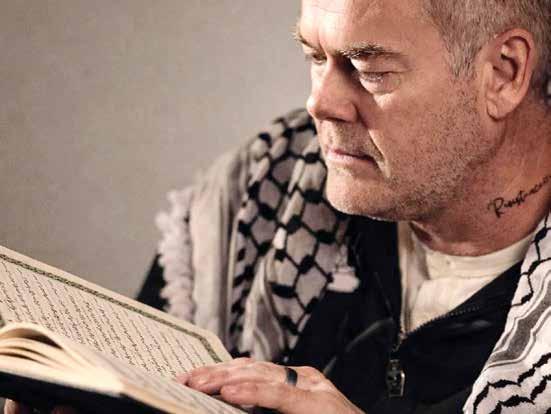
AGEISM AND THE WAY WE SEE OUR PARENTS
By Jamilah Samian www.coolmumsuperdad.com
In some societies, ageing is associated with decline, dependence, and the uncomfortable idea of becoming a burden. This negative perception has a name: ageism. It reflects a tendency to judge or devalue people simply
Ageism often appears in small, everyday moments where kindness is absent. A sigh when an elderly parent repeats a story. Decisions made for them instead of with them. The quiet assumption that they no longer have much to offer. When worth is measured by speed, productivity, and independence, ageing begins to feel like a loss of dignity. And when kindness is replaced with impatience, the gap between generations subtly widens.
Within an Islamic worldview, though, ageing carries a very different meaning. Growing old is something to honour, and it is sustained through kindness. With age comes hikmah, wisdom shaped by years of sacrifice, resilience, and lived experience. Our elders are not remnants of the past. They are anchors of the family, carrying lessons that younger generations have yet to earn. Ageing, in this sense, is not a decline in worth but an increase in value. Kindness allows us to recognise this value, even when the world around us does not. This is especially visible during
visits. No matter how independent we become, we return to our parents. We lower our voices, seek forgiveness, and ask for their blessings. It is a moment grounded in humility and kindness. Age does not distance us from them. It draws us closer. The older they are, the more we feel compelled to honour and cherish them.
In many Muslim families, this reverence is deeply lived. Parents are not burdens to be managed but blessings to be protected. Their presence brings continuity and barakah (blessing). When they fall ill, the family feels it. When they grow frail, the family adjusts. And when they pass on, the loss is profound.
I felt this when my mother passed away, years after my father. Her absence left a space that could not be filled. Only when I raised my own children did I begin to understand what my parents had endured. The sleepless nights, the quiet sacrifices, the constant worry. Even then, I know my experience is only a fraction of theirs, given the difficult circumstances they lived in. This realisation softens the heart.
because they are old. Parents, once strong and capable, are seen as slowly losing relevance. Conversations about ageing revolve around loss: strength, independence, value. It is no surprise that many grow up dreading old age.
It brings us back to kindness. It challenges the ageism we may carry without realising it. It replaces impatience with gratitude. It reminds us that those we may one day see as “dependent” were once the reason we survived.
That is why Islam places such emphasis on honouring parents.
Allah SWT says:
“Your Lord has decreed that you worship none but Him, and that you be kind to parents. Whether one or both reach old age with you, do not even say ‘uff’ to them, and do not repel them, but speak to them with noble words.”
(Surah Al-Isra, 17:23)
The verse calls not just for obedience, but for kindness in its most refined form, especially when parents grow older and more vulnerable.
The Prophet Muhammad peace be upon him said:
“Paradise lies at the feet of mothers.”
(Reported in Sunan an-Nasa’i)
This reframes everything. What we sometimes see as obligation
is, in truth, an opportunity to practise kindness at the highest level. Serving our parents is not a burden. It is a path to Jannah. When we see ageing through this lens, everything changes. Growing old is not something to fear but a stage of dignity. Caring for ageing parents becomes not just a duty but a privilege rooted in kindness. In a world that measures worth by productivity, Islam reminds us that worth is not diminished by age. It is elevated by a life of sacrifice, patience, and love. So while we still can, let us return to kindness. Listen more attentively. Respond more gently. Serve more willingly. Because one day, we may long for one more conversation, one more moment to show that kindness. Treasure your parents.
Jamilah Samian is the author of “Leadership In Parenting”, “Raise Me Right”, “Cool Mum Super Dad”, “Cool Boys Super Sons”, “The Kindness Miracle”, “Parenting Generation Y & Z”, and “77 Power Parent Tips”. For more resources, visit www.coolmumsuperdad.com
SOLIDARITY VISIT TO KILMORE CHURCH FOLLOWING A SUSPECTED DELIBERATE FIRE
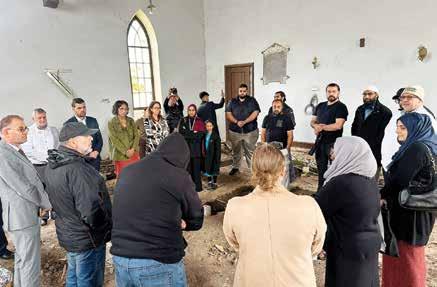
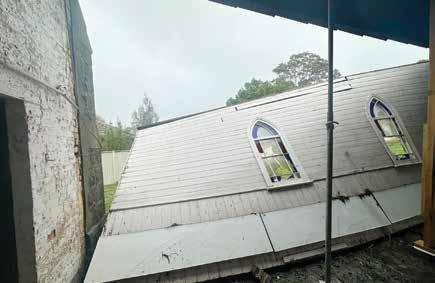
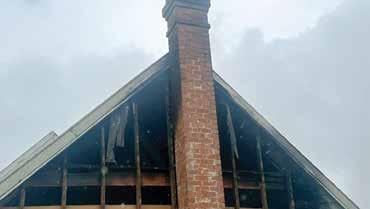
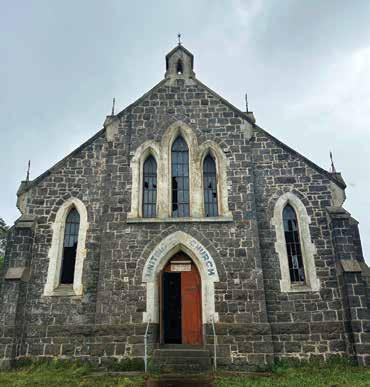
A group of Muslim community representatives and activists visited the heritagelisted church in Kilmore, north of Melbourne, in a gesture of solidarity following a fire believed to have been deliberately lit.
The visit aimed to express support for the local community and to firmly reject all forms of hate crime and hate speech, particularly when directed at places of worship.
The church, a historic building that was being converted into a mosque, sustained significant damage in the incident, which is currently under investigation.
The solidarity visit was attended by several political figures, including Jaclyn Symes, Treasurer of Victoria; Evan
Mulholland, Shadow Minister for Multicultural and Multifaith Affairs; and Anasina GrayBarberio, MLC for Northern Metropolitan Region and spokesperson for Anti-Racism and Multiculturalism, representing the Victorian Greens.
Participants emphasised that any attack on a place of worship is an attack on the entire community, stressing the importance of unity in the face of such incidents.
Representatives of the Muslim community noted that the visit sends a clear message that acts of hate will not divide communities, but rather strengthen solidarity and mutual respect.
Pictures: Almir Colan
ISLAMIC COLLEGE OF MELBOURNE LEADS AS AUSTRALIA’S ONLY SCHOOL WITH MULTIPLE DEDICATED ISLAMIC LANGUAGE ROOMS FOR PRIMARY STUDENTS
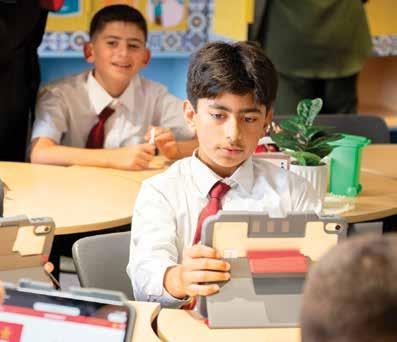
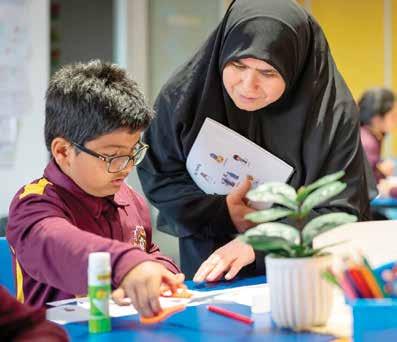
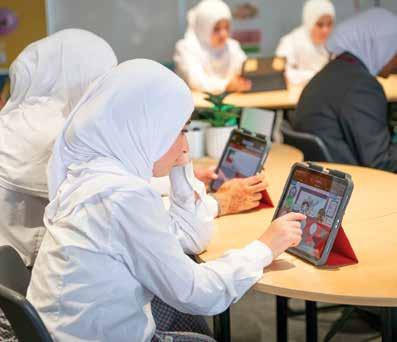
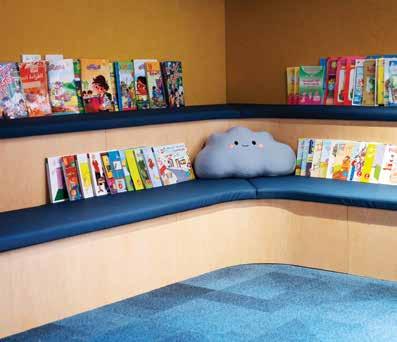
The Islamic College of Melbourne (ICOM) has highlighted its Arabic learning facilities for junior and senior primary students, describing them as spaces designed to support language development, curiosity, and communication.
According to the college, it is the only school in Australia offering multiple dedicated Islamic language rooms for primary students, with more than two specialised spaces. The rooms are located within the college’s three-storey Admin & Wellness Building and are equipped with iPads and interactive technology to support classroom learning. ICOM states that these environments aim to assist educators in developing students’ language skills and fostering an appreciation of Islamic culture.
ISLAMIC COLLEGE OF MELBOURNE MARKS MULTICULTURAL WEEK WITH BALKAN-THEMED ACTIVITIES
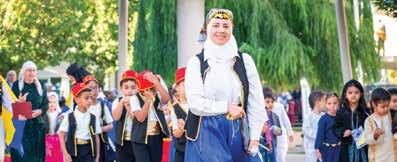
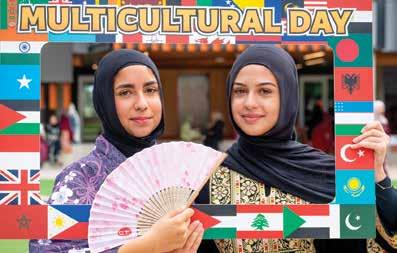
The Islamic College of Melbourne (ICOM) marked Multicultural Week with a series of activities involving both primary and secondary students, focusing on the cultures of Balkan Muslim communities, including Bosnia, Albania, and Kosovo, under the theme “Islam in Europe: Muslims of the Balkans.”
Students across year levels participated by wearing culturally inspired attire representing the selected regions, while classroom activities explored aspects of history, traditions, and cultural identity.
The week concluded with
a Multicultural Day, which coincided with the final day of term. The program included a school assembly featuring student-led performances, a tug-of-war, and presentations highlighting Balkan heritage. Staff also took part in a charity fundraising initiative through the “World’s Greatest Shave,” while students participated in a cooking competition, the “Cevapi Challenge,” where they prepared and presented dishes to a judging panel.
The event formed part of the college’s broader efforts to engage students in cultural learning and community participation.
MAJOR CONSTRUCTION BEGINS ON NEW MELTON HOSPITAL
Major Construction Begins on New Melton Hospital
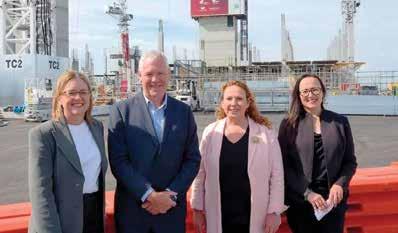
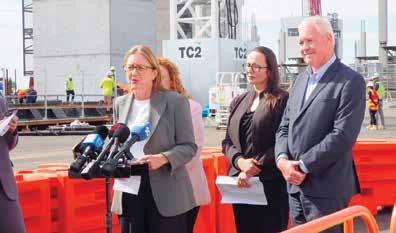
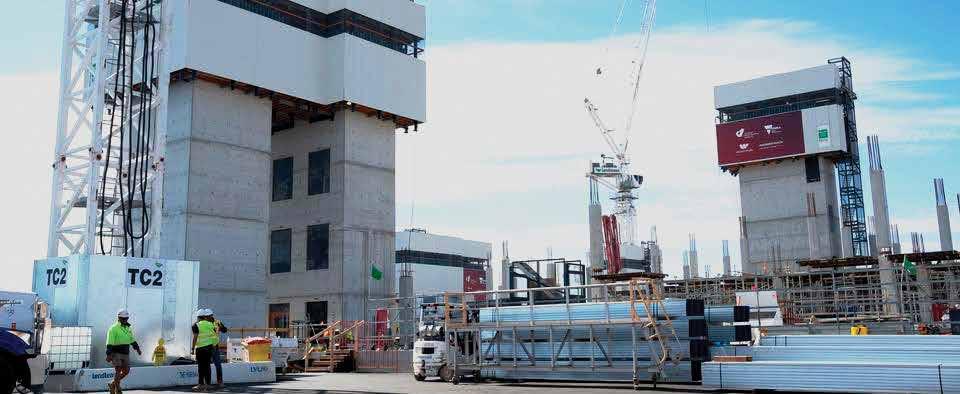
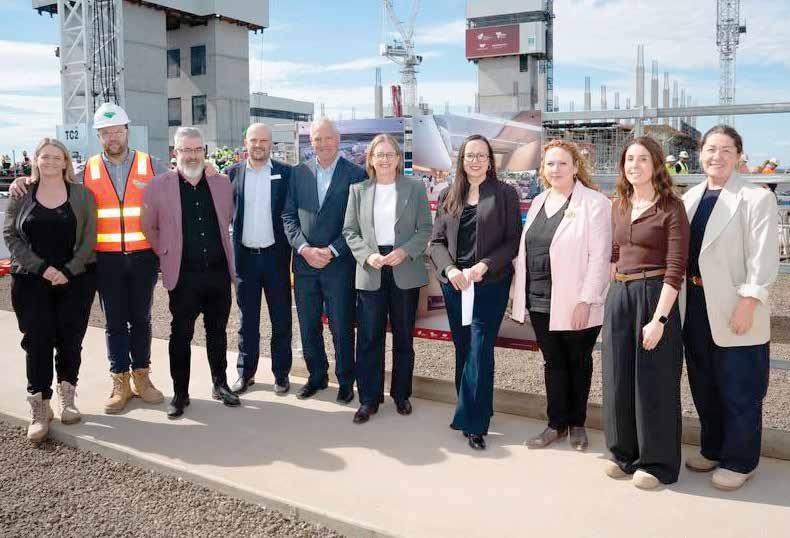
The Victorian Government has announced the start of major construction on the new Melton Hospital, marking a significant step in expanding healthcare access for Melbourne’s growing western suburbs.
Premier Jacinta Allan, Minister for Health Infrastructure
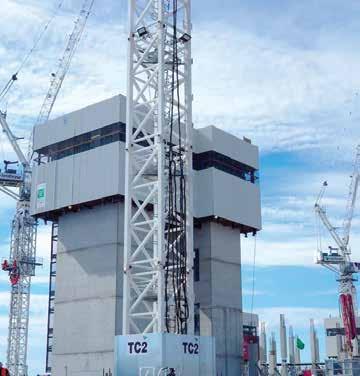
Melissa Horne and Minister for Health Harriet Shing confirmed that structural works are now underway, with the first concrete slabs poured and five of six tower cranes installed on site.
The $900 million hospital is expected to treat up to 130,000 patients annually, providing care closer to home for residents
in Caroline Springs, Gisborne, Rockbank, Melton and Bacchus Marsh.
The hospital will include:
• 274 beds
• a 24-hour emergency department
• an intensive care unit
• maternity, neonatal, mental health and radiology services
• ambulatory care
• teaching, training and research spaces
The emergency department alone is projected to handle more than 60,000 patients each year.
The hospital will be Victoria’s first fully electric hospital, operating on carbon-neutral power from its first day. It is
being built on a 68,000-squaremetre site on Ferris Road—more than three times the size of the Melbourne Cricket Ground.
The project is being delivered by the Victorian Health Building Authority in partnership with Western Health and Exemplar Health.
Construction activity has already supported thousands of jobs, with more than 273,000 hours worked on site to date.
Major construction is expected to be completed in 2029.
Premier Jacinta Allan said the project would bring healthcare closer to local families, noting that while the site is currently under construction, it will soon serve as a key health hub for the community.
Minister for Health Infrastructure Melissa Horne said the hospital is beginning to take shape following thousands of hours of work already completed on site.
Minister for Health Harriet Shing described the project as a significant investment in healthcare services for Melbourne’s rapidly growing west.
Minister for Mental Health Ingrid Stitt said the new facility will expand access to mental health services across the region.
Member for Melton Steve McGhie said the development would help meet increasing demand for health infrastructure as the local population continues to grow.
ديدجلا Melton ىفشتسمل
ONE IN FIVE VICTORIANS DON’T FEEL SAFE AT HOME, NEW RACV RESEARCH SHOWS
One in five Victorians say they don’t feel safe in their own home, while a third feel less safe than they did 12 months ago, according to new research from RACV’s Home Safety Pulse. The findings highlight a growing sense of unease among households across Victoria, driven largely by concerns about crime and what people are seeing and hearing in their local communities.
While most Victorians still report feeling safe at home, the research shows a material shift in perceptions, with a significant minority feeling increasingly unsettled.
RACV General Manager Corporate Affairs Liz Carey said feeling safe at home is fundamental to wellbeing and
quality of life.
“Home should be a place where people feel secure and at ease, but this research shows that for many Victorians, that sense of safety is being eroded,” Ms Carey said.
“Importantly, this isn’t just about personal experience. Perceptions of safety are shaped by what people see happening around them, what they hear from neighbours, and the broader public conversation about crime.”
Among Victorians who said they feel less safe at home compared to 12 months ago, the research found:
• 94 per cent attributed this to crime increasing
• 32 per cent said it was linked to a neighbour experiencing a
crime
• 14 per cent said it was due to their own personal experience of crime
“These findings show that even when people haven’t been directly affected, concerns about crime in their community can still have a powerful impact on how safe they feel at home,” Ms Carey said.
“Home burglary offences were down by 7 per cent in the latest crime rates from Victoria’s Crime Statistic Agency. However, it’s important to view the trend over a longer period. Home burglary rates are still higher than they were two years ago”.
The Home Safety Pulse also found that perceptions of safety vary across different household types and locations, reinforcing that safety is deeply personal
and influenced by context.
“People’s sense of safety goes beyond crime statistics. It’s about confidence in your home, trust in your community, and feeling supported by practical measures that help reduce risk,”
Ms Carey said.
“While we need to acknowledge these concerns, it’s also important to focus on what helps people feel safer –whether that’s practical home security, strong neighbourhood connections, or thoughtful policy that supports prevention.”
RACV will share the findings of the Home Safety Pulse with the Victorian Government and key stakeholders to inform ongoing advocacy for safer homes and stronger communities across the state.
THE SALVATION ARMY’S MULTICULTURAL EVENT UNITES COMMUNITIES IN SUPPORT OF THE 2026 RED SHIELD APPEAL
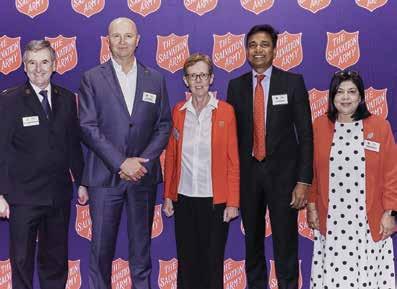
The Salvation Army’s national Multicultural Launch event, held as part of the annual Red Shield Appeal, took place on Thursday, 23 April 2026 at NSW Parliament House. The event was formally launched by distinguished leaders from government and business, including Dr. S. Janakiraman, Consul General of India in Sydney; Hon. Warren Kirby MP, NSW Parliament; and Marek Ristwej, Chair of Marque Capital and LBW Trust.
The event brought together business, community, and media leaders from 20+ community groups, raising awareness and supporting the work of The Salvation Army across Australia.
Now in it’s 62nd year, The Red Shield Appeal is The Salvation Army’s flagship fundraising appeal and Australia’s largest and longest running door knock appeal. This year, The Salvation Army are aiming to raise $41 million nationally to fund vital work around the country in areas such as homelessness, family and domestic violence, youth, financial hardship, drug and alcohol rehabilitation, as well as the key work of The Salvation Army within multicultural communities.
Commissioner Miriam Gluyas, Territorial Commander of The Salvation Army said, “The
Salvation Army have been committed to standing alongside and supporting those from culturally and linguistically diverse communities for over 140 years, and we continue to provide services and programs in communities that have a lasting impact.”
“The Salvation Army Multicultural launch provides The Salvos with an amazing opportunity to connect with multicultural community leaders who are passionate about supporting people within multicultural communities. We
are also extremely grateful to Multiconnexions, who have supported The Salvation Army for over 20 years.”
Warren Kirby MP, NSW Parliament, said: The Red Shield Appeal is one of Australia’s most powerful expressions of collective compassion, uniting communities to restore dignity, resilience, and hope for those facing hardship. I deeply commend The Salvation Army for leading this enduring national effort, and MultiConnexions for strengthening its impact through meaningful community
engagement.
Sheba Nandkeolyar, CEO of Multiconnexions and recipient of The Salvation Army’s Eva Burrows Award, said: “We are proud to continue hosting The Salvation Army’s Red Shield Appeal Multicultural Launch for over two decades. ‘Be Hope’ beautifully reflects the essence of multicultural Australia, where generosity transcends cultures, and giving becomes a shared responsibility that brings deeper meaning to our lives.”
Across Australia last year, through The Salvation Army’s network of over 400 centres and 2,000 services, the Salvos provided: *
-Assistance to one person every 17 seconds
- More than 1.74 million sessions of care to over 228,000 people in need
- Over 1 million nights of safe accommodation
- More than 1.4 million meals for those who accessed our homelessness services.
To be the hope by donating to The Salvation Army’s Red Shield Appeal, or if you need support from The Salvos, visit salvationarmy.org.au or call 13 SALVOS. You can also donate at any Salvos Store.
THE DELHI-TEL AVIV AXIS: A STRATEGIC RECKONING FOR THE ARAB WORLD
As India and Israel forge an unbreakable techno-security alliance, Arab nations must reassess partnerships with a power whose regional footprint now carries dual commitments— and potential dual loyalties.
A profound and deliberate realignment is underway in Asia, one that demands a cleareyed strategic reassessment from the Arab world. The deepening alliance between India and Israel is no longer merely a bilateral relationship— it is an integrated technostrategic axis with far-reaching implications for regional security architectures. Built on shared threat perceptions and cutting-edge innovation, this partnership promises to reshape capabilities in defense, surveillance, and cyber domains. Yet, for Arab nations, this evolution necessitates a posture of heightened vigilance and recalibrated engagement. The foundations of trust, once rooted in post-colonial solidarity and energy trade, must now be reevaluated against India’s unambiguous strategic marriage with a state long viewed by the Arab street as an occupying power.
The depth of the India-Israel partnership is both broad and deep. Israel stands as India’s foremost defense partner, supplying critical systems— from armed drones patrolling contested borders to integrated missile defense networks. This cooperation extends beyond procurement into joint research, development, and production, as seen in projects like the MR-SAM air defense system. In agriculture, water security, and cybersecurity, Israeli technology is being deeply embedded into India’s national infrastructure. High-level diplomatic exchanges have become routine, crowned by Prime Minister Modi’s landmark 2017 visit to Israel and the ongoing pursuit of a comprehensive free-trade agreement. This is a fusion
By: Shams Alam
of India’s scale with Israel’s innovation, creating a new pole of technological power.
However, for Arab national security establishments, this partnership cannot be viewed through a purely economic lens. It must be analyzed for its security externalities and strategic messaging.
First, the alliance directly enhances the military and intelligence capabilities of Israel, a nation with which several Arab states remain in a formal or tacit state of conflict. The co-developed technologies and combat-tested systems that India helps finance and perfect inevitably strengthen Israel’s qualitative military edge—an edge that has historically been deployed against Arab and Palestinian targets. Arab capitals must ask: does our engagement with India indirectly subsidize the very capabilities that could one day be used against our interests or our brethren?
Second, and more alarmingly, are the emerging patterns of regional activities that blur the lines between commercial enterprise and intelligence operations. Recent incidents have cast a troubling shadow. In Iran, security agencies have reported the detention of individuals linked to India’s operations at the Chabahar port—a strategic Indian investment—on charges of espionage for Israel. While details remain contested, such reports surface with concerning regularity. They fuel a persistent narrative that Indian-funded infrastructure and diplomatic presence in sensitive regions, from the Iranian coastline to the Arabian Peninsula, could potentially serve as vectors for broader intelligence networks aligned with Israeli interests. This creates an untenable position for Arab partners: how can critical infrastructure, economic, or energy partnerships with India
be pursued without an inherent risk of embedded strategic vulnerabilities?
Third, the domestic trajectory within India cannot be diplomatically ignored. The ideological consonance between the ruling establishment’s Hindu nationalist vision and Israel’s ethno-nationalist state model is evident. The treatment of India’s own substantial Muslim minority—marked by rising majoritarian rhetoric, controversial citizenship laws, and communal tensions—stands in stark contrast to the historical Arab perception of India as a secular bastion. This domestic shift aligns India more closely with Israel’s own internal debates about identity and statehood, further eroding the foundational principles that once anchored India-Arab solidarity on the Palestine question.
Therefore, the Arab world must adopt a new paradigm: principled pragmatism with verified safeguards.
Engagement with India remains essential. It is an economic powerhouse, a source of skilled labor, and a major energy importer. Disengagement is neither feasible nor desirable. However, the terms of engagement must evolve.
1. Security Diligence: Any significant technology transfer, critical infrastructure project, or defense dialogue with India must now include rigorous, transparent safeguards against third-party access or dual-use applications. Cybersecurity cooperation must come with watertight data sovereignty agreements.
2. Intelligence Scrutiny: Arab security services must accord India the same level of counter-intelligence scrutiny appropriate for any close partner of a
rival state. Commercial projects, especially in ports, telecommunications, and energy, require enhanced vetting and monitoring protocols to ensure they are not leveraged for intelligence gathering.
3. Conditional Diplomacy: Arab diplomacy must consistently and publicly tie the depth of strategic cooperation with India to its stance on Palestine. India’s traditional UN votes in favor of Palestine are no longer sufficient. Arab states should demand tangible diplomatic pressure from Delhi on halting settlements and supporting a viable two-state solution as a quid pro quo for deeper strategic access.
4. Diversification: Over-reliance on any single major power is a strategic risk. The Arab world must actively diversify its technological and defense partnerships, investing in indigenous capabilities and strengthening ties with other Asian and European powers to maintain a balanced portfolio.
The India-Israel axis is a formidable reality. Its achievements are a testament to focused national strategy. For the Arab world, however, it represents a complex challenge wrapped in an economic opportunity. The path forward is not rupture, but rigorous, unsentimental recalibration. Trust must be continually earned and verified, not assumed from a fading historical legacy. Arab national security and strategic autonomy depend on recognizing this new reality and acting with corresponding caution, ensuring that cooperation with Delhi does not come at the cost of their own sovereignty, security, or regional moral standing. The era of taking strategic partnerships on faith is over; the era of vigilant, safeguarded engagement has begun.
AHMED IGAMBERDI: AN UYGHUR ICON
Kuranda Seyit
On 20th April 2026 the world lost another great champion of human rights.
In 1992 the Eastern Turkestan Association was founded in Australia. The founding president was Mr Ahmed Igamdberdi. Igamberdi was an Uyghur, indigenous to the area known as Eastern Turkestan, now under occupation by China who have renamed it Xinjiang, on the other side of the Tengri Mountain range is Western Turkestan where their ethnic cousins, the Uzbeks are located, in what is, today known as Uzbekistan. The Uyghurs and the Uzbeks are a Turkic people.
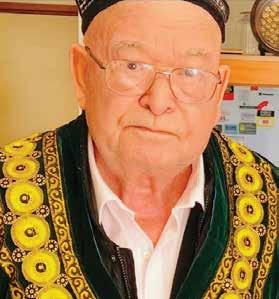
Ahmed Igamberdi was born on 4 April 1937 in Beshbaliq (now Jimsar), East Turkistan. He could be described as a dissident writer and prominent representative of the Uyghur people in Australia. He spent 10 years in a Chinese prison in the 1970s under suspicion of being part of an underground Uyghur resistance movement. He published several books in Turkiye and Kazakhstan, including a book of poetry written during his time in prison. He was elected as the President of the East Turkestan Government in Exile, based in
Washington D.C.
I recall the early days in the late 90’s Ahmed Igamberdi called me to his small apartment in Sydney, initially he asked me to translate letters for him. We used to sit together sipping our green tea served in small quaint, hand painted ceramic bowls, while he typed up letters to MPs and other figures trying to raise awareness of the plight of his people.
I was drawn to him, his quiet nature, a small man, with a kind face, he spoke gently and with confidence. He was a creative thinker and a poet, many of his poems written while he sat in a Chinese prison. Eventually, he came to Australia, having little choice to but to leave his beloved homeland.
Amongst the Uyghurs worldwide he was a giant and a leader, he led through quiet defiance of oppression and resisted the occupation which incidentally is as long as the Palestinian occupation now in its 69th year. While much attention has gone to the Palestinian cause, the Uyghurs have been largely neglected because of China’s far-reaching economic influence in virtually every Muslim country that matters.
In the past 15 years, China has embarked on a campaign of cultural genocide, breaching every international covenant on human rights, depriving the Uyghurs
of their freedom of movement, freedom of religion, freedom of conscience, freedom to practice their culture, freedom of speech and so on. They have been rounded up, tortured and many have been killed or gone missing, others have died in custody living in atrocious conditions, while the world has been unable to stop this genocide.
On top of this, the Uyghurs have been forced into labour camps, making parts for cars or sports brands, so next time you decide to buy a BYD or a Nike pair of shoes, its likely it was made with forced labour. Uyghur women have been forced into slavery and many have been forced to marry Chinese men, who abuse them.
Ahmed Igamberdi was one of the last of a handful of great Uyghur leaders. The great struggle for freedom has been handed down to a new generation, who are dumbfounded and fettered by the lack of support and determination to free the Uyghurs, while they also argue amongst themselves, their brethren languish in concentration camps. Egos clash. Mr Ahmed Igamberdi in his final years was confined to his house and had little involvement in international affairs, but he will be sorely missed. We must continue fighting for a free East Turkestan and carry on his legacy.
SMALLER DEPOSITS FOR FIRST HOME BUYERS
How the Australian Government 5% Deposit Scheme is supporting first home buyers buy a home and build community
The concept of “home” can mean different things to different people. For some, it can mean security, for others it’s safety, and for many, “home” means belonging. When you buy a home, it’s more than the physical bricks and mortar. You’re creating a place for yourself and your family within the community.
The process can often seem like a long-term goal, but thanks to the Australian Government’s expanded 5% Deposit Scheme, more people are making their dream of buying their first home a reality.
“For newly arrived families, housing is not just shelter but is the very foundation for stability, participation and long-term belonging in Australia,” says Maria Dimopoulos, Chief Executive Officer of the Settlement Council of Australia (SCOA).
“Across our national network, we see the strong aspirations of migrant and refugee families to build secure futures and contribute to their communities. Initiatives like the Australian Government 5% Deposit Scheme can support these aspirations
by opening pathways to home ownership.
When families are able to put down roots, it strengthens social cohesion and reflects the best of modern Australia.”
The recently expanded 5% Deposit Scheme removes many of the upfront costs and barriers that can make buying a home seem unachievable.
It’s bringing more people into more homes sooner, and is open to both Australian citizens and permanent residents.
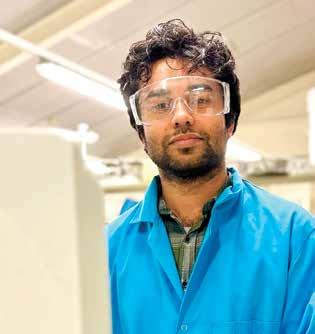
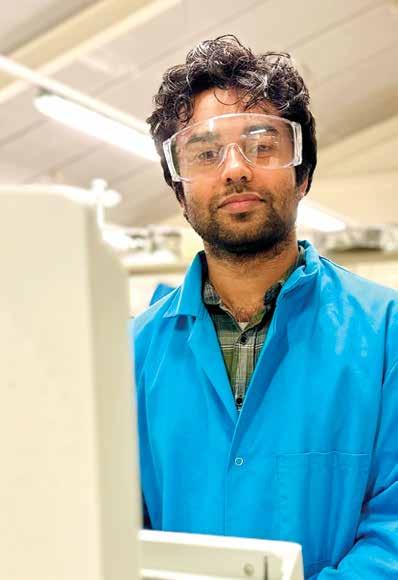
Many are already participating in the scheme, including Shemil, a post-doctoral researcher originally from Sri Lanka.
Shemil expressed his gratitude for how the scheme helped him speed up his journey to home ownership, and helped him to feel more settled in his community.
When asked what it felt like to get the keys to his new home, he had this to say:
“My first thought was “Wow, I’ve done it!” I felt a sense of pride –because it’s something I’ve been able to work for and earn by myself.”
“To be honest, I never thought owning a home
Shemil
would be possible for me. It was a dream that I thought needed a stroke of luck to come true, and with the help of the 5% Deposit Scheme, now it has.”
“I didn’t know about the Australian Government schemes until my colleague told me. I think a lot of people may be eligible but don’t even realise they are, or they don’t know that the 5% Deposit Scheme is available to permanent residents, not just Australian citizens.”
Like Shemil, people
across the country are discovering just how accessible the scheme is.
To use it, you will need to:
• have saved a minimum deposit of 5% of the property value or 2% for single parents or legal guardians
• have not owned a property or land in Australia in the last 10 years, and
• plan to live in the home you buy.
The 5% Deposit Scheme also expanded in October 2025 to make it easier
for more people to buy a home sooner. Key changes include:
• Income caps removed: There are no longer income restrictions, which means all first home buyers, no matter what they earn are now eligible
• No cap on scheme places: The previous cap on the number of scheme places has been lifted, meaning eligible home buyers can apply at a time that is right for them
• Property price caps increased: This change allows buyers to consider a wider range of homes, including in areas where property values have risen in recent years
More people in Australia now have access to schemes that help them buy a home.
Building a life in Australia helps people feel more settled and secure.
Unlock the door to your first home sooner with the Australian Government 5% Deposit Scheme.
To check your eligibility or to explore other government housing schemes, visit firsthomebuyers.gov.au
LEBANESE CONSUL GENERAL IN MELBOURNE HOSTS LEBANON’S AMBASSADOR IN AN OFFICIAL AND COMMUNITY GATHERING
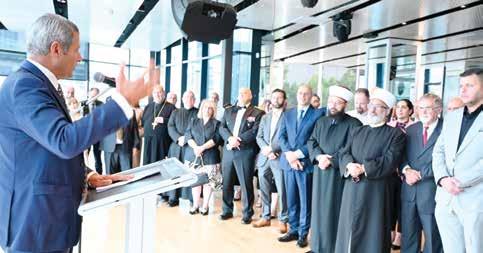
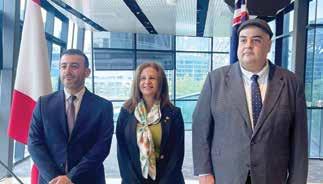
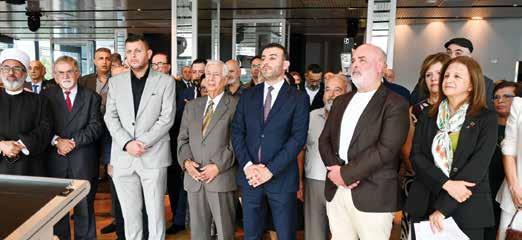
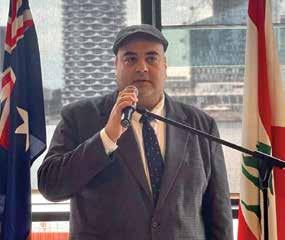
At the invitation of Mr. Rami Hamdi, ConsulGeneral of Lebanon in Victoria, a formal reception was held in honour of H.E. Ambassador Mrs. Mirna Khawly during her visit to Melbourne, in the presence of a distinguished official and community audience.
The event was also attended by Mr. Tannous Kabiity, the incoming Consul-General of Lebanon, who will succeed Mr. Hamdi.
The reception saw wide participation from various segments of the Lebanese community in Australia. Among the attendees was former Premier of Victoria Steve Bracks, alongside representatives of the Liberal and Labor parties
and former Minister Marlene Kairouz, as well as local council members, religious leaders from different faiths, representatives of Lebanese political parties, and a range of political, social, cultural, and media figures.
The program included official speeches by Mr. Rami Hamdi and H.E. Ambassador Mrs. Mirna Khawly, in addition to remarks by party representatives and poetry recitals that added a cultural dimension to the occasion.
The event concluded with a cocktail reception held at Al Saniour Restaurant in Docklands.