










CHARLIE PAUL LIV LOVE

Alt Life Magazine was created with a simple but powerful belief: that our stories matter, even when the world tells us to keep them hidden. From the very beginning, this magazine was never about us—it was about you, the readers, contributors, and quiet voices who needed a place to feel seen without fear of judgment. Over the years, we’ve witnessed firsthand how sharing authentic experiences can replace stigma with understanding and isolation with connection. Every article read in private, every message that says “I finally feel understood,” and every volunteer who gives their time to help shine a little more light reminds us why this work matters. As we continue this journey together, our hope remains the same—to create a sanctuary where truth is celebrated, courage is nurtured, and our community no longer has to live in the shadows, but can stand proudly in the glow of shared humanity.





There’s something really powerful about watching people finally become comfortable enough to live as their authentic selves.
Over the years, being part of this community has shown us that the lifestyle is about so much more than sex. It’s about honesty. Vulnerability. Growth. Connection. And having the courage to step outside the boxes society tries to place us in.
We’ve met people from all walks of life who are learning to embrace parts of themselves they hid for years — and there is nothing more beautiful than seeing someone finally feel free. Free to love openly. Free to communicate honestly. Free to explore who they are without shame.
One thing we especially love seeing is more men in the lifestyle becoming comfortable owning their bisexuality and curiosity. That takes a level of bravery that deserves respect. For a long time, there has been so much pressure placed on men about what masculinity is supposed to look like, and we think it’s incredible watching people break those stereotypes and choose authenticity instead. Everyone deserves the chance to explore their sexuality in a safe, consensual, and judgment-free environment.
At the end of the day, we believe happiness looks different for everyone. There is no “right” way to love, connect, or build relationships — as long as it’s honest, consensual, and rooted in respect.
We’re incredibly proud of this community for continuing to create spaces where people feel seen, accepted, and celebrated for exactly who they are.
Thank you for allowing us to be part of your journeys, your stories, and your lives. The support, friendships, and love we’ve found through this community have changed us forever, and we’ll never stop advocating for people living boldly, openly, and unapologetically as themselves.







For me, it’s less about chasing For me, it’s less about chasing For me, specific desires and more specific desires and more desires about the overall experience. I about the overall experience. I about overall genuinely enjoy watching genuinely enjoy watching genuinely watching others grow—spiritually, others grow—spiritually, grow—spiritually, mentally, and physically— mentally, and physically— mentally, through their own exploration. through their own exploration. exploration.
I think that’s a big part of why I I think that’s a big part of why I think that’s big part love hosting parties so much, love hosting so much, love much, especially within our niche especially within our niche especially community. community. community.

ARE THERE ANY BOUNDARIES OR AGREEMENTS THAT ARE ESPECIALLY IMPORTANT IN

WHAT FIRST DREW YOU INTO THE ALTERNATIVE LIFESTYLE COMMUNITY?


WHEN AND WHY DID YOU DECIDE TO START SHARING YOUR JOURNEY PUBLICLY ONLINE?




HOW DO YOU HANDLE CRITICISM, JUDGMENT, OR MISUNDERSTANDINGS ON SOCIAL MEDIA?

WHAT’S THE MOST REWARDING PART OF LIVING AN ETHICALLY NON-MONOGAMOUS LIFE?


I hope to see changes go beyond I hope to see changes go beyond I hope to see changes go just the alternative lifestyle just alternative lifestyle just community. What I really want is community. What I really want community. What really want for people everywhere to feel free for people everywhere to feel free to to be who they are—without fear to be who they fear to be of judgment from others, whether of judgment from others, whether from others, whether they’re part of the lifestyle or not. they’re part of the lifestyle or not. of not.
The lifestyle itself is always The lifestyle itself is always The itself always evolving, just like people are. It’s evolving, just like people are. It’s evolving, people an ongoing process of growth, an ongoing process of growth, process growth, understanding, and acceptance. understanding, and and
More than anything, I hope to see
More than anything, I hope to see I a world where authenticity is a world where authenticity is a embraced—where people feel safe embraced—where people feel safe embraced—where people exploring who they are, making exploring who they are, making their own choices, and living their their own choices, and living their own choices, and their lives without shame or fear. lives without shame or fear. lives without or fear.
WHAT ADVICE WOULD YOU GIVE TO SOMEONE CURIOUS ABOUT EXPLORING ENM BUT UNSURE WHERE TO START?

HOW DO YOU SEE YOUR ROLE IN HELPING NORMALIZE CONVERSATIONS ABOUT NON-MONOGAMY AND ALTERNATIVE RELATIONSHIPS?


By: Fairy Pussy Mother By: Fairy Pussy Mother

One of the most beautiful parts of the lifestyle is how openthecommunityis.
We have a massive lgbtq+ community and I know sometimes those people can feel lost in the shuffle.SowithitbeingPrideMonth I would like to offer up some self lovetips.
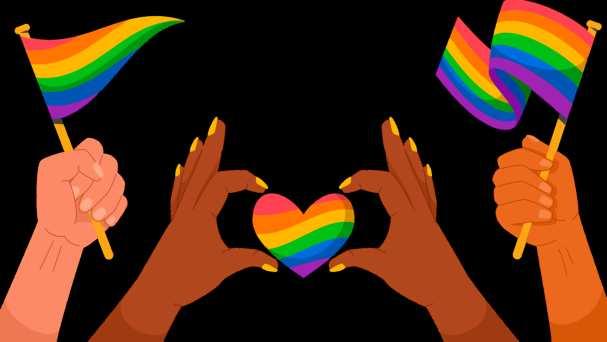
“PRIDE
IS SELF-LOVE, HARD-EARNED, & FIERCELY PROTECTED”
Pride Month is often seen in bright colors, loud parades, and unapologetic celebration but at its core, Pride is something quieter, deeper, and more personal. It is the act of choosing yourself in a world that may have once told you not to. It is self-love, hard-earned and fiercely protected.
“IT’S NOT ABOUT PERFECTION...IT’S ABOUT HONESTY
Self-love during Pride Month is not about perfection. It’s not about always feeling confident or having everything figured out. It’s about honesty. It’s about looking at yourself, your story, youridentity,anddecidingthatyouare worthy anyway. Worthy of respect, of joy, of love that doesn’t require you to shrinkorexplainyourself.
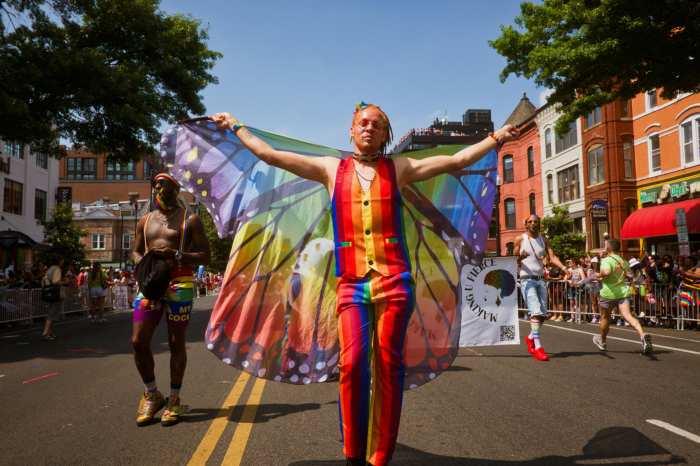
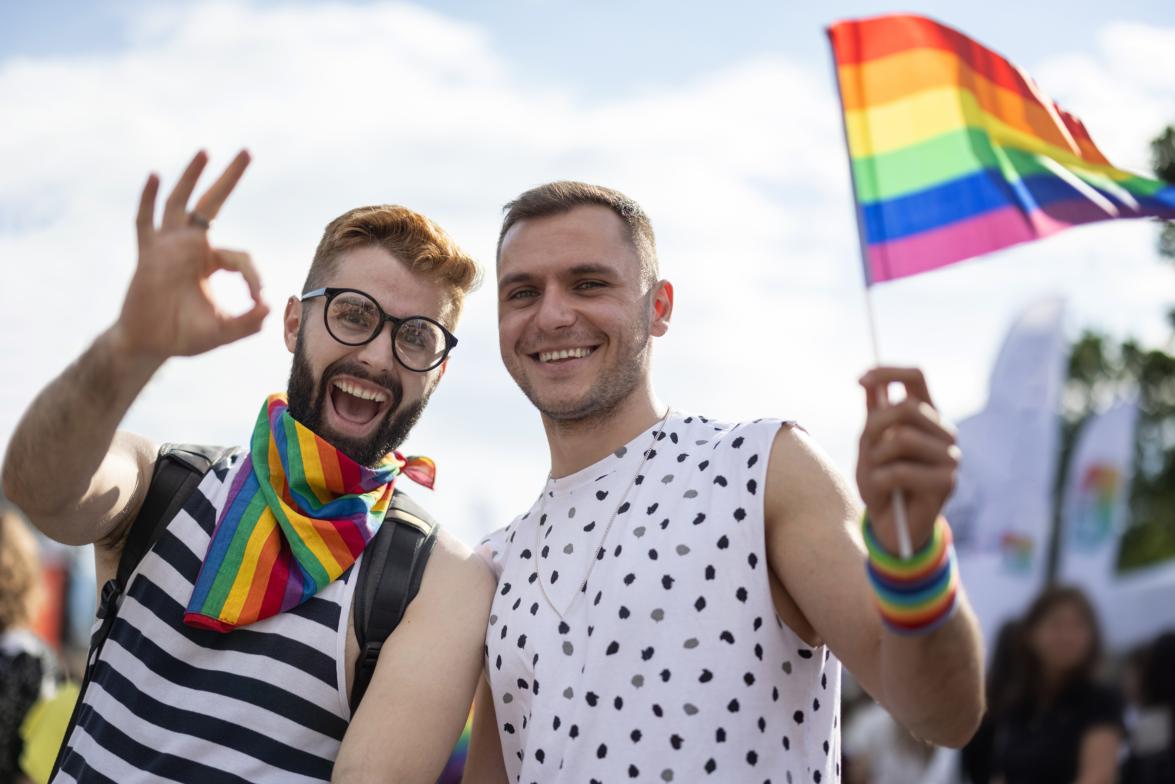
There’s also power in recognizing that self-love isn’t always loud. Sometimes it looks like setting boundaries. Sometimes it’s walking away from spaces that don’t respect you. Sometimes it’s resting, healing, or giving yourself permission to exist without apology. These acts may seem small,buttheyarethefoundationofrealpride.
This Pride Month, self-love doesn’t have to mean bold declarationsorgrandgestures.It can be as simple as this: choosing not to be ashamed. Choosing to speak to yourself with kindness. Choosing to believe that your identity is not something to fix, but something tohonor.
“PRIDE IS A COMMITMENT TO LOVING WHO YOU ARE”
Pride is not just a celebration of who you are it’s a commitment to loving that person fully. And that is something worth celebrating,everysingleday.
By: Mrs. Savage Swinger
By: Mrs. Savage Swinger
If there’s one emotion that sneaks up on people in the lifestyle — especially early on — it’s that quiet, unexpected sting of “wait … was that a rejection?”
Here’s the truth most experienced swingers eventually learn: a lot of what feels like rejection in the moment … actually isn’t.
The lifestyle is a unique social environment. There are more moving parts, more personalities, and more unspoken variables than a typical night out. That means situations can get misread quickly — especially when attraction, nerves, and expectations are all in play.
Let’s break down a few common moments that can feel like rejection, but usually have a completely different story behind them.

One of the biggest culprits? The conversation that just … fizzles. You’re talking to another couple. It starts off strong — laughing, flirting, maybe even a little spark. Then suddenly, the energy shifts. They get distracted, excuse themselves, or the conversation just dies out. It’s easy to immediately think, “Okay … they’re not into us.” But in reality? That shift could mean anything. Maybe they’re new and feeling overwhelmed. Maybe they’re trying to find their friends. Maybe one partner isn’t feeling social anymore. Or maybe they just hit their social battery limit (which happens way more than people admit).
One couple shared that during their first few events, they accidentally walked away from great conversations — not because they weren’t interested, but because they were so nervous they didn’t know how to keep things going. From the outside, it probably looked like disinterest. From the inside, it was pure anxiety.

Another common moment: the “we’ll let you know” response
You meet a couple, things seem promising, numbers get exchanged or a social follow happens … and then? Silence. Cue the overthinking. Did we say something wrong? Were they just being polite? Did we misread everything?
Maybe. But also … maybe not.
People in the lifestyle are juggling multiple connections, schedules, comfort levels, and relationship dynamics. Sometimes they circle back. Sometimes they don’t. And often, it has more to do with timing than attraction.
The lifestyle isn’t always about instant follow-through. It’s more like a series of overlapping social circles where not every connection turns into something — and that’s normal.
Then there’s the moment where someone chooses to play … just not with you.
This one can hit a little deeper if you’re not prepared for it. You’re at an event, you see a couple you connected with earlier, and later notice they’ve paired off with someone else. It’s easy for your brain to go straight to comparison mode. What did they have that we didn’t?
But here’s the reality: attraction in the lifestyle isn’t a ranking system. It’s a mix of timing, energy, comfort, mood, and sometimes just pure randomness. Four attractive, interesting people can absolutely connect — and still not have the right chemistry for that moment. That doesn’t mean anyone did anything wrong. It just means it wasn’t the right fit that night.
Another situation that gets misread all the time is when someone slows things down or changes direction.
You’re vibing, things are building, and then suddenly they say something like, “Hey, we’re just keeping it social tonight.”
It can feel like a soft rejection, especially if things seemed to be heading somewhere more. But often, that decision has nothing to do with you.

And finally, let’s talk about the quiet exits.
No big goodbye, no dramatic ending — just … gone. If you’ve been in the lifestyle long enough, you’ve experienced it. You go to find a couple you were talking to, and they’ve already left. It’s easy to take that personally. But more often than not, it’s simple. People get tired. Energy dips. Plans change. Or sometimes they just decide, “That was a great night — we’re ending on a high note.”


The lifestyle moves fast, socially speaking. And not every interaction is meant to be wrapped up neatly.

lifestylelabels:lifestylelabels: morethanjust“ morethanjust “bi bi” ”
By:
Spend enough time in the lifestyle and you’ll hear a lot of labels tossed around.

Bi-curious heteroflexible pansexual soft swap full bi same-room only
For newcomers, it can feel like learning a completely different language. And honestly? Even seasoned swingers sometimes misunderstand what these labels actually mean.

Sexuality isn’t always black and white

Let’s Break Down Some Common Lifestyle Labels

bi-curious

heteroflexible pansexual





Another major distinction in the lifestyle is whether couples prefer experiences together or independently. same room separate room




It’s okay if your labels change




By: Naughty News By: Naughty News
Let’s be honest.
Most people didn’t learn about non-monogamy from a book. They didn’t hear about it in school. They definitely didn’t hear about it from their parents.
They saw it on TV.
Not all at once. Not in some big, obvious moment.
But slowly… casually… wrapped in humor, drama, and “just one more episode.”
Before we were ready for it in real life, we were already watching it.
The First Time It Made You Look Twice
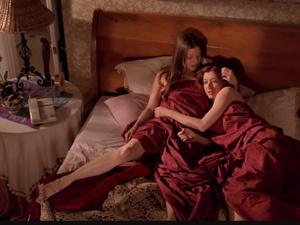

For a lot of people, that moment was Wild Things.
Two women kissing on screen. At the time? Scandalous. People talked about it like it crossed a line. Now? That same scene barely raises an eyebrow.
That’s how normalization works. What shocks you today becomes background noise tomorrow.
Before non-monogamy could ever feel “okay,” TV had to break a bigger rule first: Noteveryoneisstraight.
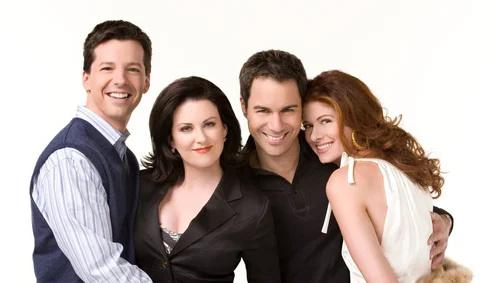
Shows like Ellen and Will & Grace didn’t just entertain people—they reprogrammedcomfortzones.
Thencamemomentslike:
Dawson's Creek → one of the first real male-male kisses on network TV

Buffy the Vampire Slayer → a real, emotional lesbian relationship that lasted Atfirst,peoplesaid: “That’sdifferent.”
Then: “That’sfine.”
Then: “That’snormal.” And once that wall came down… everythingelsegotaloteasier.


Then there’s Friends.

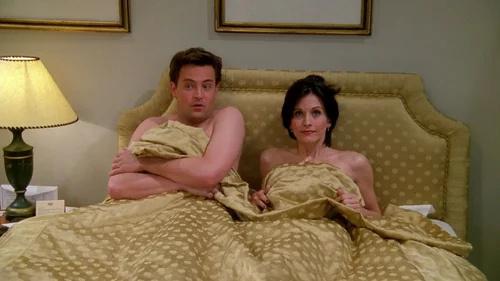
This is where it gets interesting.
Because Friends never said it was about non-monogamy.
But look closer: They dated each other Slept with each other Broke up, circled back, and did it again Stayed friends through all of it
No one got permanently exiled. No one was “ruined.”
No one said, “You broke the rules, you’re out.”
Instead, it was funny. Light. Normal. Sex between friends wasn’t dangerous—it was expected. Overlapping relationships weren’t scandals—they were storylines.
Friends didn’t teach polyamory. It did something more powerful: It made messy intimacy feel safe.
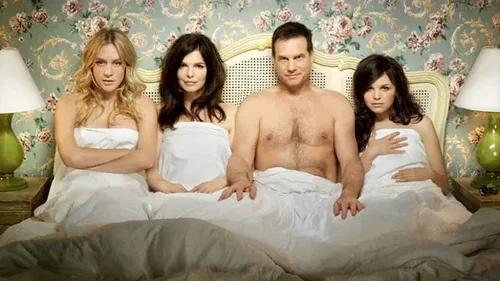
Once audiences were comfortable, TV and movies stopped hinting— and started showing.
Eyes Wide Shut → secret sexual worlds hiding in plain sight
Vicky Cristina Barcelona → fluid attraction, multiple partners, no apologies
Big Love → multiple partners under one roof
And then came the one that went all in: Swingtown
This wasn’t flirting with the idea. This was full-on, consensual, negotiated non-monogamy. Different couples. Different boundaries. Different reactions. And it was good. Too good, maybe. Because it didn’t last. Not because it failed—but because audiences weren’t fully ready to admit they were already halfway there.
Here’s the real twist:
Non-monogamy didn’t go mainstream because of one bold show. It slipped in through side plots.
Sex and the City → multiple partners, zero shame
Shameless → chaotic, fluid, anything-but-traditional relationships
House of Cards → power couple with unspoken openness
Easy → open marriages treated like adult conversations
Nobody stood up and said: “This is non-monogamy.” They just… lived it. And that’s what made it stick.
By the time we get to:
You Me Her Sense8
Elite
… it’s not coded anymore. It’s not a secret. It’s not a twist. It’s just another way people connect.
Let’s not pretend everyone’s living in a polycule. But also… let’s not pretend it’s fringe anymore.
What’s changed:
People know what it is
People know someone doing it
People have at least thought about it
And that shift didn’t come from nowhere. It came from years of watching: relationships overlap boundaries blur attraction exists outside “the one.”
1. TV Made It Familiar
The more you see something, the less threatening it feels.
2. Apps Made It Accessible Platforms like Feeld didn’t invent non-monogamy—but they made it easier to explore.
3. Culture Stopped Pretending
Younger generations aren’t asking, “What’s allowed?” They’re asking, “What works for us?”
Nobody sat you down and said: “Hey, maybe relationships don’t have to follow one script.” But TV did. Quietly. Repeatedly. Over decades. It started with shock. Then humor. Then acceptance. Then curiosity. And now?
It’s just part of the conversation.
Because at the end of the day…
It wasn’t the bold, controversial shows that changed everything. It was the ones that made it feel easy. Familiar. Fun. A little messy… but totally okay. And that’s exactly how cultural change works. Read
events.com/naughty-news
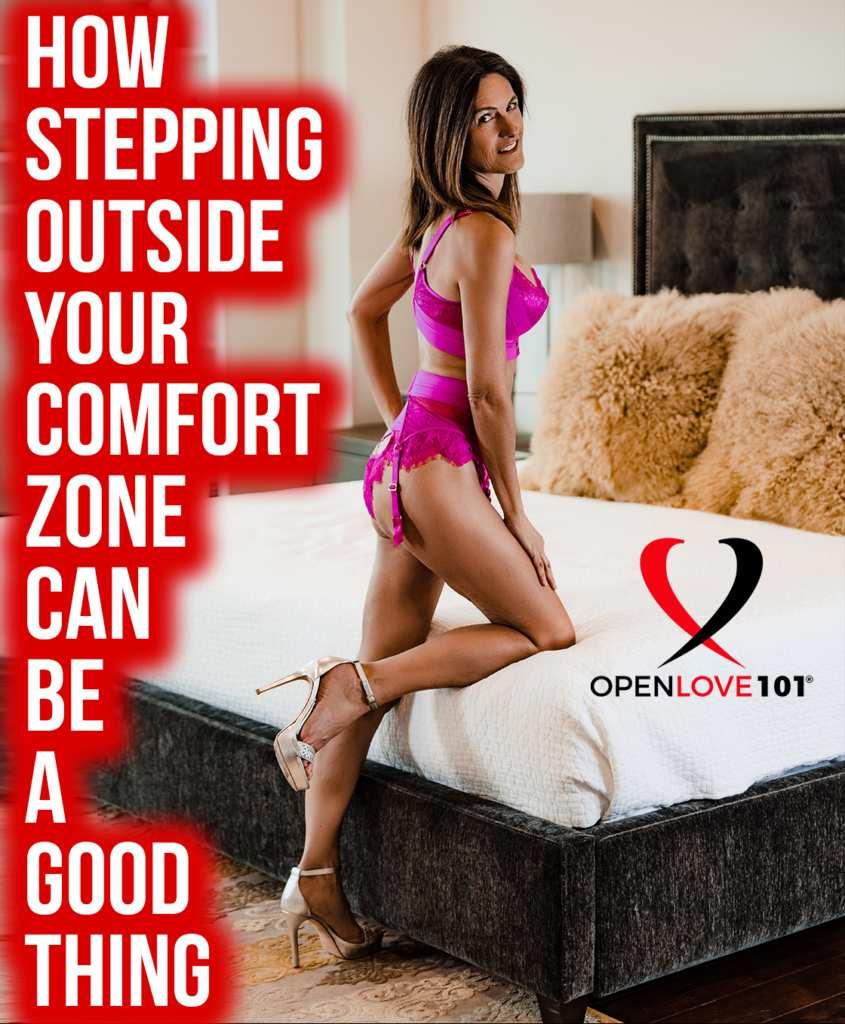
A few weeks ago, John and I had a gathering at our home. We love entertaining and getting to spend time with longtime friends as well as those, “we just met” friends. During the get together a couple asked if they could use our home as a backdrop for some magazine photos. We were like, “sure!”
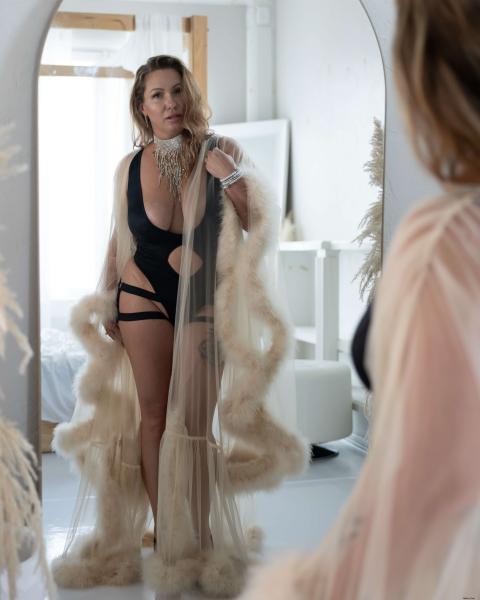
When the crew showed up with cameras, lighting, makeup, hair, and outfit changes I was intrigued. I don’t think I’d ever seen so much lingerie in one place at one time before. The outfits were absolutely beautiful and the selection spilling out of the suitcase offered every color imaginable. As the women donned lingerie set after lingerie set, I stood back in the wings watching. Oh, to have the confidence and no holds barred courage to dress up in such stunning pieces and gaze into the camera.

John kept asking if I was going to have any photos taken. I was WAY too nervous about being in front of the camera, especially in the context of “sexy” pictures. I’m not a “work the camera” kind of person. I’m much more reserved in a public setting. Getting up in front of the photographer and all the other people was just not something I could ever imagine being able to do without passing out from anxiety. To John’s credit, he knew enough to know that if he asked me to do it, I would find it far too easy to decline. So, he had the photographer come into my office and say, “okay…your turn, let’s go.”
One of the women let me climb into one of the dozens of beautiful lace covered lingerie outfits all the while telling me I was going to do great. “You’ll enjoy it, just wait and see.” Walking out in the outfit was one of the most vulnerable moments for me. All eyes were on me and all I could think of was what hole I could crawl inside. These other women were so beautiful and sexy, who did I think I was thinking I could be all sultry and alluring for a camera. Ugh! At first John was standing off to the side watching. Nope. “You can’t watch…you have to leave.” If I had any hope of pulling this off I had to do this on my own without the gaze of my husband. It took me a minute but with the help and reassurance from the photographer I began to set aside my fears.
My entire view of what was happening changed once the photographer showed me one of the pictures he’d taken. “Get outta here,” I said in amazement. Seeing the photo altered how I saw myself. Gosh darn it, but I looked pretty good. Maybe stepping outside my comfort zone was a good thing. Maybe, just maybe it was okay to be self full. Notice I didn’t say full of self, but instead gave myself permission to be proud of who I was.

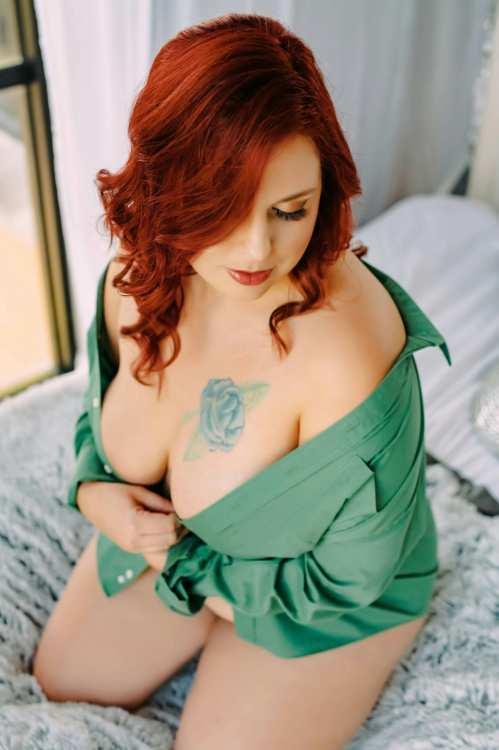



I still battle with the lessons growing up about not being haughty or conceited. How basking too much in self was a negative. Today I learned how to loosen my grip on the negative message to make room for self love. I wasn’t “showing off,” but was in fact showing myself some love and appreciation. I learned it’s necessary to love and be proud of your body. It’s okay to be like, “hey, I don’t look too bad.” I realized the public acknowledgement did create a sexy feeling about self. I’d keep that side of myself close to the cuff, being able to let loose a little bit was surprisingly energizing. I’d turned my hesitancy, my fear, into excitement. I let go of self consciousness long enough to embrace those few moments in front of the lens. It was a confidence booster for sure. I was given the opportunity to see myself in a different light. To let go of the self imposed restrictions in order to expand my universe.
I’d never done a photo shoot like this before. Had always been way too self conscious. Today, I put down those thoughts in exchange for a lighter, less serious self. I gave myself permission to just have fun. I put down any self judgment and instead picked up my smile.
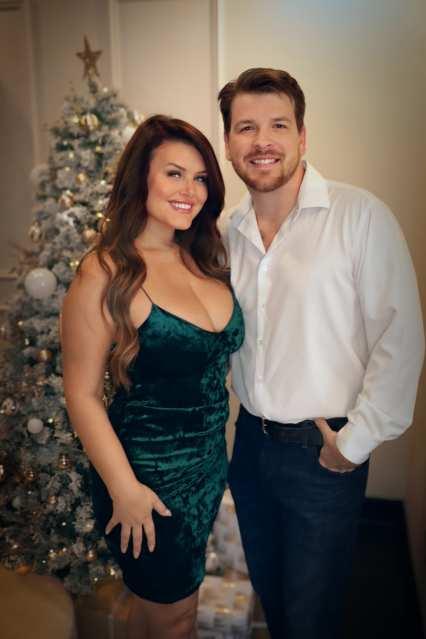
To make the photo shoot even more fun, I finally conceded and allowed John to join in the fun. The results were a photo of the two of us I absolutely adore! For me, the photo of us represents a physical display of the emotional bond and connection between each other. I’d spent years avoiding these kinds of photos, but today I learned something. Sometimes we need to show ourselves love through a different lens.
T TH HE E C CO OU UR RA AG GE E T TO O


The guilt and shame that followed were so immediate they gave me emotional whiplash.
It took me weeks to let myself revisit that thought. Weeks of tears. Weeks of shame. Weeks of wrestling with something that felt deeply and undeniably like me. I’ve learned that, given enough time, I can convince myself that the world’s definition of perfection should be my definition too. That if I am loved, accepted, and outwardly happy, I should stop asking questions.
But should I?
How many of us build our identities around obligation? Around what is expected of us? Around what is easiest for everyone else to understand? How many of us become so practiced at fitting neatly into the lives we were handed that we stop asking whether they fit us at all?
For much of my life, I believed attraction to women was something to explain away. A passing thought. An appreciation. Anything but what it actually was. Because naming it felt dangerous. Naming it meant confronting the possibility that I was not exactly who I had always believed myself to be. And yet, once I allowed myself to say the word bisexual, I felt something I had not expected. Relief.
Not because everything suddenly became simple, but because I was no longer arguing with myself. I was no longer trying to force my truth into a shape that made other people more comfortable. I was simply being honest.
This Pride Month, in a season dedicated to authenticity and courage, I want to offer you the same question I had to ask myself:
If I fully accept who I am, whose world does that actually disrupt? And if the answer is that it only challenges the expectations others placed on me, is that truly a loss? There is a profound freedom in choosing your own truth over someone else’s idea of who you should be.
There is peace in realizing that self-acceptance is not selfish.
And there is power in understanding that you do not owe anyone a version of yourself that costs you your authenticity.
For me, embracing my bisexuality did not change who I am. It revealed who I had been all along.
And for the first time, I feel whole.
An intimate letter from a wife’s persp

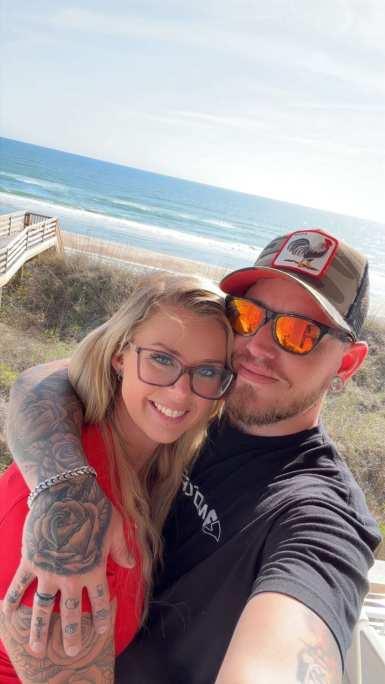
By: NC Hotwife By: NC Hotwife
Let’s see… where do I even begin?
Our lifestyle journey started when Kyle told me he wanted to see me with another man. He brought the idea up about three years into our marriage after watching porn and thinking, “Man, it would be hot to see someone enjoy my wife the way that I do.”
At the time, I never connected that fantasy to him possibly being bisexual.
For context, Kyle and I are high school sweethearts. Before entering the lifestyle, neither of us had ever been with anyone else. So when he later admitted he might want to experiment with another man himself, I was completely caught off guard.
Myfirstthoughtswere: Am I okay with this?
What if he enjoys it more than being with me? And honestly, part of me initially thought it simply wasn’t acceptable.
I grew up Southern Baptist in a very traditional household where marriage was viewed as strictly between one man and one woman. I was raised believing that being gay or bisexual was wrong. Those beliefs were deeply ingrained in me, and I had to confront them head-on.
But after sitting with those emotions, I realized something important: Kyle and I had only ever experienced each other. I loved him deeply, and I didn’t want my own fears or upbringing to stop him from exploring a side of himself he was finally opening up about.
Communication had always been one of the strongest parts of our relationship. I trusted that if we explored this together and I became uncomfortable, we would talk about it honestly.
Our first experience is something I will never forget. Kyle found a bisexual guy on Doublelist — basically the Craigslist hookup scene at the time. The three of us arranged to meet at a commercial building my husband was renting right off the highway.
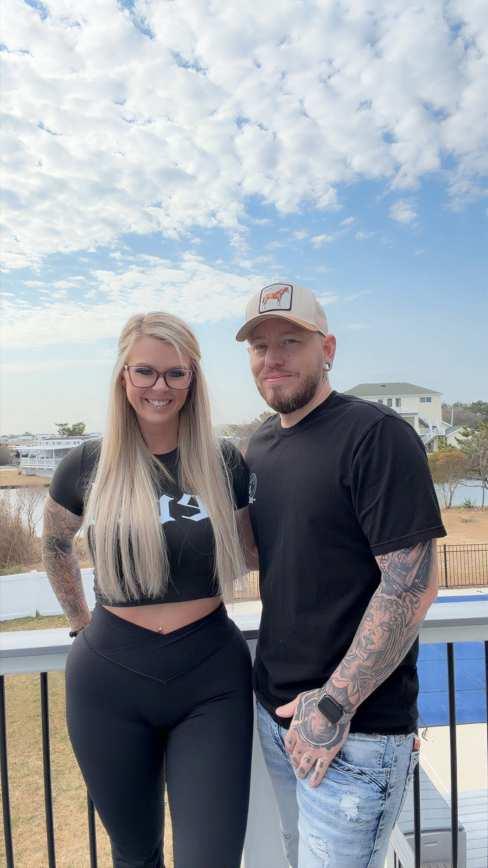
And that trust changed everything.

Now, let me paint the picture properly: it was July in North Carolina, brutally hot, and there was absolutely no air conditioning in the building. The only private place without windows or garage doors was the bathroom.
It was miserable — and somehow incredibly hot at the same time. There was a giant fan blowing in our direction while we all tried not to get caught, completely fueled by adrenaline and excitement. The experience itself felt intense, raw, and wildly exciting. I remember thinking, “This is insane… and also incredibly hot.”
I was watching my husband suck someone off! I did it with him. It was so sexy and liberating all at one time.
But afterward, once reality settled back in, I still wasn’t fully sure how I felt about Kyle being bisexual. Looking back, a lot of that hesitation came from how I had been raised and from the idea that it somehow wasn’t “normal.”
Fast forward six or seven years, and now seeing Kyle with another man — especially when we share that experience together — has become one of the biggest turn-ons for me. Without question, it’s our favorite dynamic within the lifestyle.
Not once have I ever viewed Kyle as less masculine because he’s bisexual. In fact, I’m probably more attracted to him now than ever before. Watching him fully embrace who he is, confidently and unapologetically, is incredibly sexy to me.
We even joke that we have the exact same taste in men. He knows what I like, and I know what he likes. When we’re out together, we openly point out attractive men and women to each other, and I absolutely love that level of openness in our relationship.
The hardest part hasn’t been his bisexuality — it’s been other people’s judgment.
The constant comments:
“Men can’t really be bisexual.”
“If a guy likes men, he’s just gay.”
Meanwhile, female bisexuality is often celebrated or fetishized.
So why can women be bisexual without question, but men can’t?
That double standard is something Kyle and I actively speak out against.
Men can absolutely be bisexual, and that deserves to be normalized.
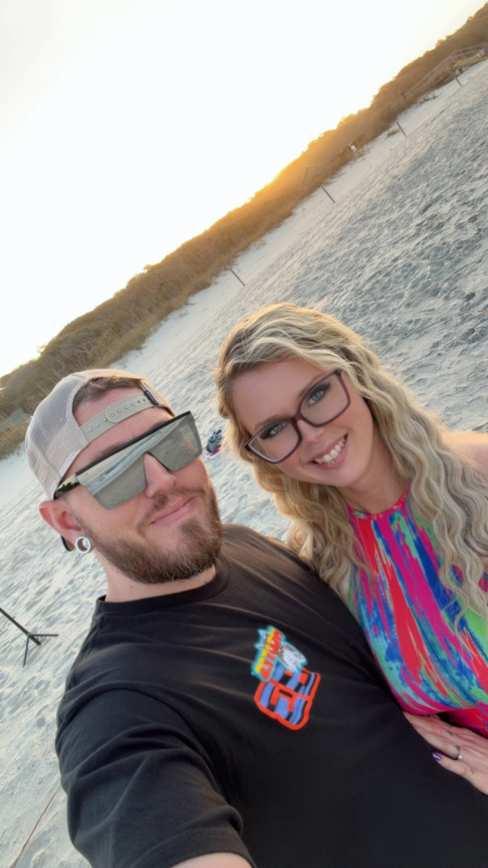
When Kyle became more open about being bisexual, our experiences within the ENM and lifestyle communities definitely changed. Some friendships faded — both vanilla and lifestyle. While many people were supportive, others distanced themselves from us once they learned Kyle was bi. Some couples would still socialize with us but no longer wanted to play together.
What hurt most was the assumption that because Kyle was bisexual, he would automatically disrespect boundaries with straight men. That has never been the case. We have always respected people’s comfort levels, boundaries, and rules.
Ironically, while we did experience judgment, we also had countless men privately reach out to Kyle for advice. Many admitted they were bisexual or curious but terrified to tell their wives or the lifestyle community because of the stigma surrounding male bisexuality.
Even today, we know couples who openly tell us in person that the husband is bisexual or interested in exploring that side of himself — yet they refuse to acknowledge it publicly for fear of judgment. That says a lot.

One question I get asked often is whether I feel jealous when Kyle is with another man. Honestly? Never.
If I’m going to feel jealousy, it would be over another woman — not another man. I simply don’t view men as competition in the same way.
As for boundaries, ours evolved over time just like most couples in the lifestyle. Originally, our rules were:
Group chats only (same-sex chats were okay)
Everyone had to be fully tested
Everything happened in the same room
Over the years, some of those boundaries naturally shifted. The biggest change was the “same room” rule. Today, I’m completely comfortable with Kyle having separate experiences with another man.
Interestingly, that comfort doesn’t extend to separate experiences with women or couples. And honestly? I never thought I would be okay with that dynamic — but now I find it incredibly hot.
If you suspect your husband may be bisexual, talk to him about it. You should be his safe space just as much as he is yours.
Marriage should be built on honesty, trust, and freedom from judgment. If there’s one thing I wish someone had told me before Kyle opened up to me, it’s this:
Being a man and being bisexual is completelynormal.
Just because you were raised with certain beliefs does not mean you are required to hold onto them forever. People grow. Relationships grow. Understanding grows.
Support your partner. Communicate openly.
And most importantly, allow each other the

Admittedly it’s work. But oh my god is it worth it. Although receiving is also delicious—watching breastsbounce and a woman’s mouth agape while she watches me in pleasure, feeling her body against mine, soft and supple—here, I’m talking about being the one wearing the strap-on.
I was always a humper. I love to hump, and I did a lot of masturbating that way. I don’t think I have penis envy per se, but I was always really curious what it felt like to be able to penetrate a woman, what it must feel like to be inside of someone else. Sure, my fingers can feel, but we don’t have nearly as many nerve endings there as our genitals. Yes, my tongue can also feel, but it’s not the same as being inside someone and looking in their eyes.
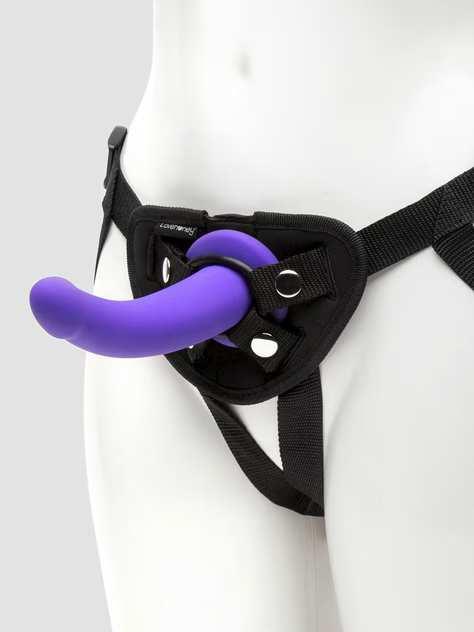


My first time was tricky, I had a hard time getting the angle right. Skip that one.
The second time I entered her missionary, and it blew my mind. I felt like I could feel her. I mentioned this on my episode of the Girls Gone Deep podcast (118): even though I know it’s a dildo, not me, inside of her, I felt so connected to her it felt like it was my own body inside of her. It reminds me of how people with prosthetic limbs report being able to feel sensations in the prosthetic, and new science indicates the brain does remap its body schema around the extension. As she pulsed, I felt it. When she squeezed, I felt it. And of course, as she got wetter, and eventually convulsed, I felt that too.
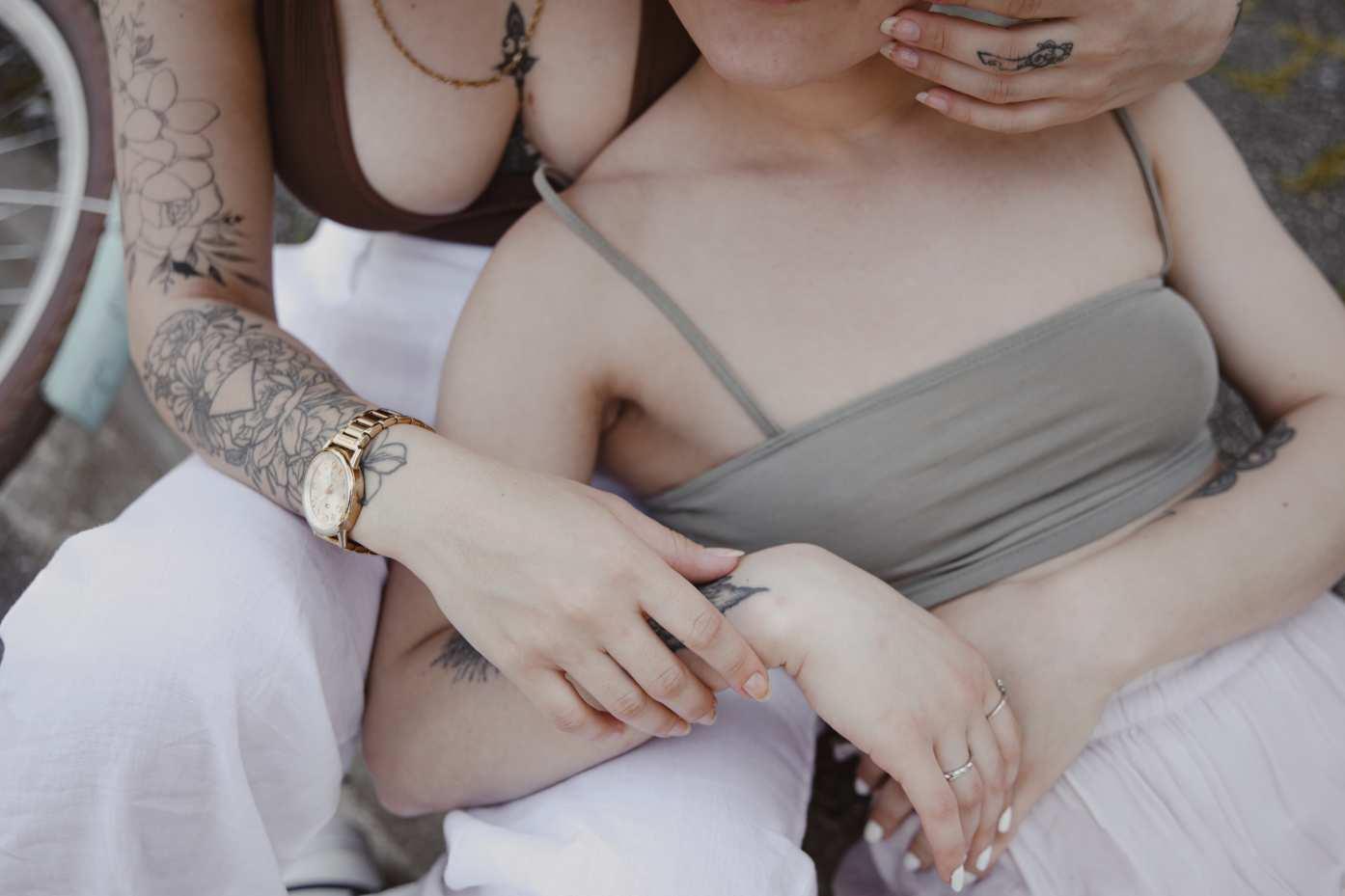
It was also shockingly intimate. Being able to look into her eyes and kiss her while fucking her made me feel so much more connected to and invested in her pleasure. Feeling her breasts against mine only aroused me further, and being able to act on that arousal by pulling her hair or pulling her in deeper to me made it harder and harder for me not to come. When I’m eating a woman out, I am in-tune with the woman, but also keenly aware of the precision and timing of my (micro)movements. Since the movements with a strap-on are bigger, it’s a little bit more forgiving and therefore freeing. I just love it.
One night, I fucked three women with a strap-on (with protection and cleaning it thoroughly between each), and it was fun to experience how different women fuck. One wanted to ride me, one wanted missionary, and another wanted me to take her from behind. In each position I got to know each woman differently, grabbing them and feeling their orgasms from different angles. The next day my core hurt so bad I could barely get out of bed. But obviously I’d live that night a million times over.
My favorite moment is when a woman goes from yelling and praising to when she can barely breathe or express anything. When her mouth drops open and her eyes roll back. I love the feat of endurance it takes to keep going, and it always makes me come too. In this way, strap-on play reminds me how much of my own orgasm is caused by forces beyond the stimulation happening down below--the sounds, the sights, how her skin feels, it all does work to tip me over the top.
We give men a lot of shit for only lasting two minutes, but now I get it. We also give men shit for being obsessed with penetration, but I now have more compassion for that too. Women are beautiful to behold and almost nothing arouses me more than bringing a woman pleasure through penetration. Getting to watch and feel at the same time is unlike any other sexual act. Even scissoring, which is the closest, isn’t the same because it requires both women to have stamina. With a strap-on, I feel powerful in allowing her to relax while I do what she’s begging me to do.
With the strap-on, I feel intertwined with her pleasure, in sync with each breath. And these moments have produced some of the hottest memories of my life.
So, I take my hip thrusts at the gym very seriously.
Much love to all the women who’ve let me fuck them, and to the many more who will,