ALPHA- -TO-ONE
Practical advice, personal experiences and pertinent news for people touched by ALPHA-1
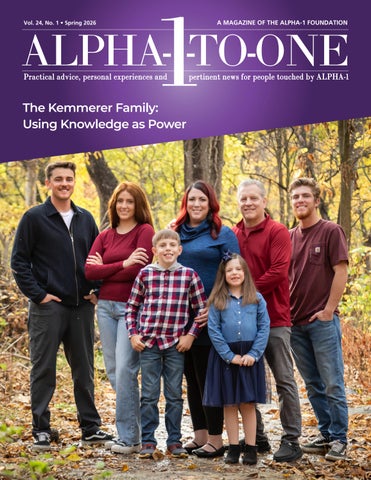
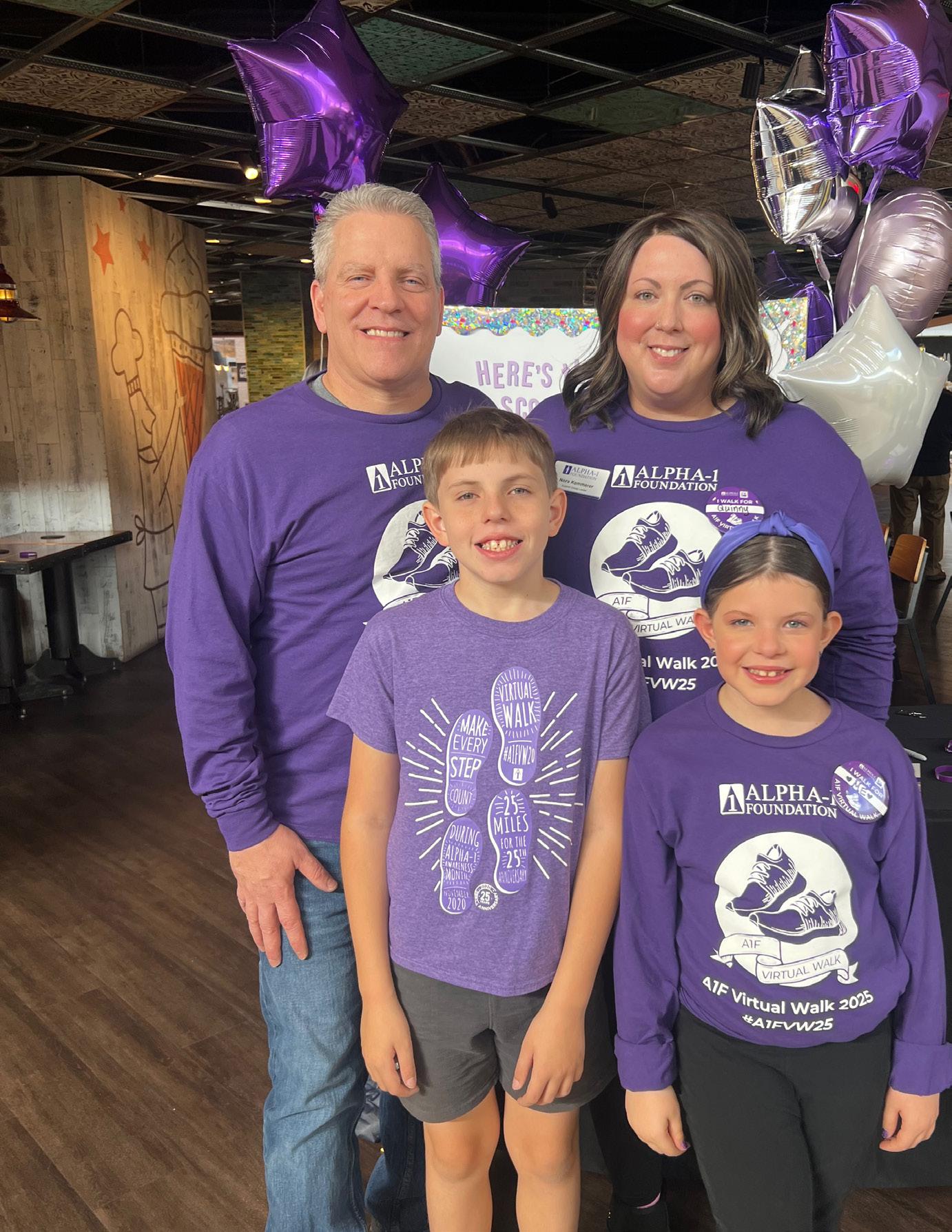
The Kemmerer Family: Using Knowledge as Power
Practical advice, personal experiences and pertinent news for people touched by ALPHA-1
The Alpha-1 Foundation (A1F) has entered an important chapter in Alpha-1 history, as we continue working toward meaningful progress through innovation and collaboration with patients, families, caregivers, coalitions, government officials, and industry partners.
There is tremendous excitement, energy, and hopefulness surrounding Alpha-1 research and clinical trials. This next phase is critical to shaping the future of Alpha-1 research and care and will enhance how Alpha-1 is detected, diagnosed, and treated. These advances bring great hope to the Alpha-1 community that treatments are within reach and could fundamentally alter the course of the condition, improve outcomes, and quality of life for patients. Your participation is critical in making this vision a reality. Learn more about participating in the Alpha-1 Research Registry on page 12 and about Clinical Trials on page 26.
In this issue of the Alpha-1-To-One magazine, you will be informed by published work of our esteemed physicians, as well as inspired by the dedication of
our research and medical key opinion leaders. We are grateful for their unwavering commitment to the Alpha-1 community.
We are excited to host the 2026 A1F National Conference on the west coast in San Diego, California this June. As the largest annual gathering of the Alpha-1 community, this annual event brings together patients, families, caregivers, clinicians, researchers, and industry partners for several days of learning, connection, and collaboration. The event, hosted both in-person and online, allows Alphas from around the world to hear from leading Alpha-1 experts, meet fellow Alphas, and learn about A1F programs and resources that can inspire you each day, and hopefully, you will be motivated to get involved! The virtual platform remains open through July 5th and then will be available on the Alpha-1 Foundation website, alpha1.org
We encourage you to get involved this summer and fall in A1F fundraising campaigns, including Ice Cream for Alpha-1 (Page 14), A1F Riding for a Reason (Page 30), and A1F Virtual Walk (Page 19). We are here to
support you in your awareness and fundraising efforts, while making an impact in a fun and meaningful way!
The Alpha-1 patient is the focus of everything we do, the reason we do it, and the reason we keep pushing toward that cure and working harder every day. We have a clear understanding of what needs to be done to advance our shared mission, and we’re committed to moving forward together.
Sincerely,

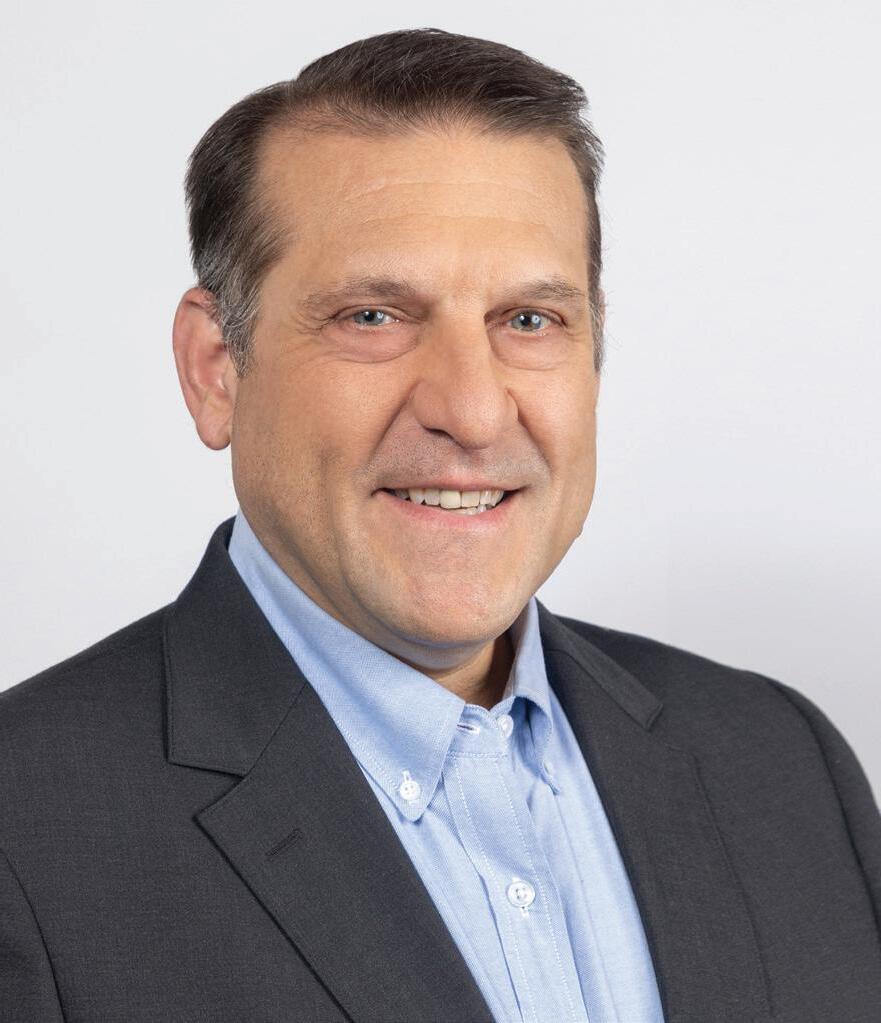
Scott Santarella President & CEO Alpha-1 Foundation
Practical advice, personal experiences, and pertinent news for people touched by Alpha-1, their families, and friends.
VOL. 24, NO. 1 (Spring 2026)
Published by the Alpha-1 Foundation
3300 Ponce de Leon Blvd., Coral Gables, FL 33134
(877) 2 CURE A1 (228-7321)
ALPHA1.ORG
Alpha-1 Foundation Board of Directors
Executive Committee
Jon Hagstrom *, Chair
Peg Iverson*, Vice Chair
Catherine Vernon*, Secretary
Kenneth Irvine+, Treasurer
Virginia Clark, MD, Physician Director
Members
Mark L. Brantly, MD
Erin Carr+
Jennifer Jopp*
Ann Knebel, PhD, RN
Darrell N. Kotton, MD
Tammy McGuinness*
James K. Stoller, MD, MS
Alice Turner, MBChB, PhD
Martin R. Zamora, MD, Director Emeritus
Alpha-1 Foundation Executive Staff
Scott Santarella, President & Chief Executive Officer
Andrew A. Wilson, MD, Scientific Director
Robert A. Sandhaus, MD, PhD, FCCP, Clinical Director
Jeanine D’Armiento, MD, PhD, Medical Liaison
Alpha-1-To-One Editorial Board
Erin Carr+; Catriona Garry*; Jon Hagstrom*; Andrew A. Wilson, MD; William J. Martin II, MD; Robert A. Sandhaus, MD, PhD, FCCP; Patricia Tew*; Bruce Trapnell, MS, MD
Managing Editor
Jeanne Kushner
Contributing Editors
Gennesis Corado; Cathey Henderson; Angela McBride; Shakira Molet; Miriam O’Day; Alexis Artiles Ojeda; Randel Plant; Linda Rodriguez; Scott Santarella; Chloe Stemerman
Alpha-1-To-One is published by the Alpha-1 Foundation with the support of its advertisers. No part may be reproduced in any form by any means without prior written permission of A1F. The contents are not intended to provide medical advice, which should be obtained directly from a physician. A1F is not responsible for the accuracy of information expressed in advertisements in this publication.
Advertising: For advertising inquiries, please contact Angela McBride, Senior Director of Corporate Relations & Strategic Alliances at (877) 228-7321 ext. 233 or amcbride@alpha1.org
Letters to the Editor: Please send letters to the editor to Jeanne Kushner, Senior Director of Communications & Policy at jkushner@alpha1.org
The Alpha-1 Foundation is committed to finding a cure for Alpha-1 Antitrypsin Deficiency (Alpha-1) and to improving the lives of people affected by Alpha-1 worldwide. *Diagnosed with Alpha-1 Antitrypsin Deficiency. +Diagnosed family member.


JOURNEYS FRONTIERS RESOURCES
Debbi Webb-Howells Shares Her Alpha-1 Journey
The Celtic Connection 2026

The Kemmerer Family: Using Knowledge as Power 29th Gordon L. Snider Critical Issues Workshop: “Alpha-1 Foundation Research
Ask the Alpha Doc: A1F Clinical Resource Centers
Clinical Trials 101
Calendar of Events 2026



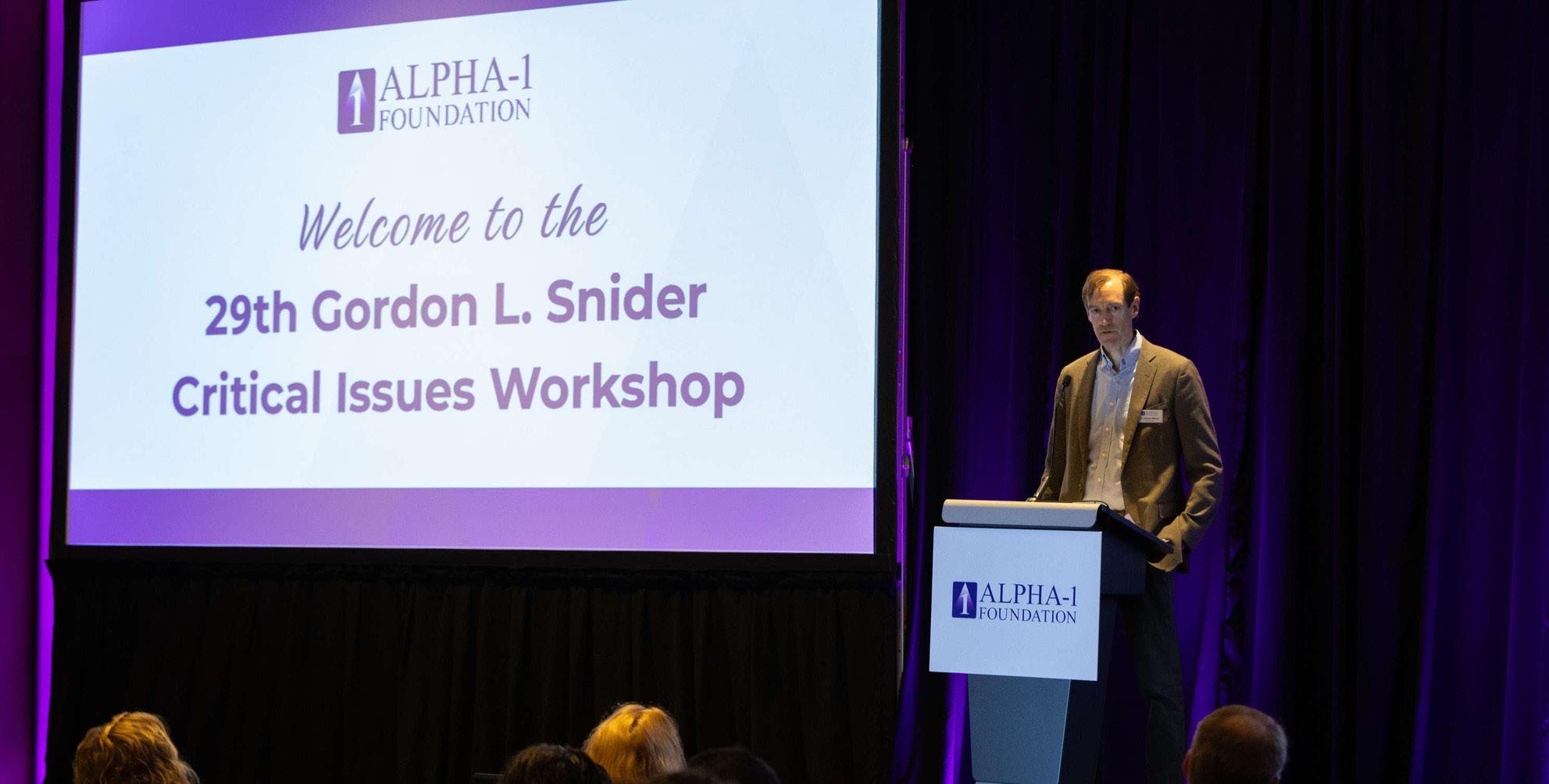
On Friday, April 17, 2026, the Alpha-1 Foundation (A1F) hosted the 29th Gordon L. Snider Critical Issues (GLS) Workshop: “Alpha-1 Foundation Research Infrastructure: Building for the Future”. GLS topical workshops are designed to provide new information that speeds the journey to a cure for Alpha-1 Antitrypsin Deficiency (Alpha-1). The purpose of this GLS Workshop was to carefully consider questions on the research infrastructure to build for the future with input from key stakeholders, identify other critical questions that stand in the way of research progress, and determine what resources might be needed to address them. The information gathered from the workshop will help guide A1F efforts and future investment to develop the resources needed to facilitate success.
The workshop was co-chaired by Dr. Andrew Wilson, Dr. Virginia Clark, and Dr. Mike Wells and consisted of three sessions of presentations and open discussions. Speakers included:
• Mark Brantly, MD (University of Florida)
• Matt Moll, MD (Harvard Medical School)
• Ed Silverman, MD, PhD (Harvard Medical School)
• Maria Basil, MD, PhD (University of Pennsylvania)
• Jacob McCauley, PhD (University of Miami)
• Jeanine D’Armiento, MD, PhD (Columbia University)
• Charlie Strange, MD (Medical University of South Carolina)
• Gery McElvaney, MD, PhD (Royal College of Surgeons in Ireland)
• Jeff Teckman, MD (Saint Louis University School of Medicine)
• Monica Goldklang, MD (Columbia University)
• George Washko, MD (Harvard Medical School)
We are fortunate to be entering a period in which multiple distinct therapeutic approaches are being developed and tested in patients with Alpha-1 for the first time. These advances bring great hope to the Alpha-1 community that treatments are within reach that could fundamentally alter the course of the condition, improve outcomes and quality of life for patients.
—Dr. Andrew Wilson
A1F
Scientific Director
The 29th Gordon L. Snider Critical Issues Workshop brought together leaders in Alpha-1 research to identify clinical data and biological resources, both already existing and needed, to advance new therapies and potential cures. Experts reviewed the evolution of “omics” technologies and how their analysis, in combination with clinical data repositories, can be applied to better predict disease outcomes and identify therapeutic targets. Other sessions highlighted the logistical complexities and immense value of acquiring fresh lung and liver tissues as well as serum samples to bridge the gap between population-level data and basic cellular
biology. Representatives from major cohort studies of Alpha-1 lung and liver disease shared longitudinal findings on disease progression, the proven benefits of augmentation therapy, and risks faced by specific heterozygote populations. The workshop concluded with a strategic call for A1F to establish working groups to consider next steps, potentially including the collection, harmonizing, and mining of existing data; the establishment of cores to house biosamples and/or imaging data; and the creation of incentives to encourage the use of such resources by investigators applying for A1F grant support. A special thanks to GLS Critical Issues Workshop sponsors: AlphaNet, Beam Therapeutics, CSL, Grifols, and Takeda.
A1F is committed to assisting in the development of resources, potentially including datasets and cohorts, which can help meet the needs of industry partners to accomplish this goal. The patient is always at the center of everything that we do at the Foundation, and we are focused on finding a cure.
Santarella
Alpha-1 Antitrypsin Deficiency (Alpha-1) is a common inherited condition that continues to be widely underrecognized, even more than 60 years after it was first described. The condition can lead to serious lung disease, including chronic obstructive pulmonary disease (COPD) and emphysema, as well as liver disease ranging from chronic hepatitis to cirrhosis and liver cancer. Despite clear diagnostic criteria and long-standing clinical guidelines that suggest testing, most individuals with Alpha-1 remain undiagnosed for years.
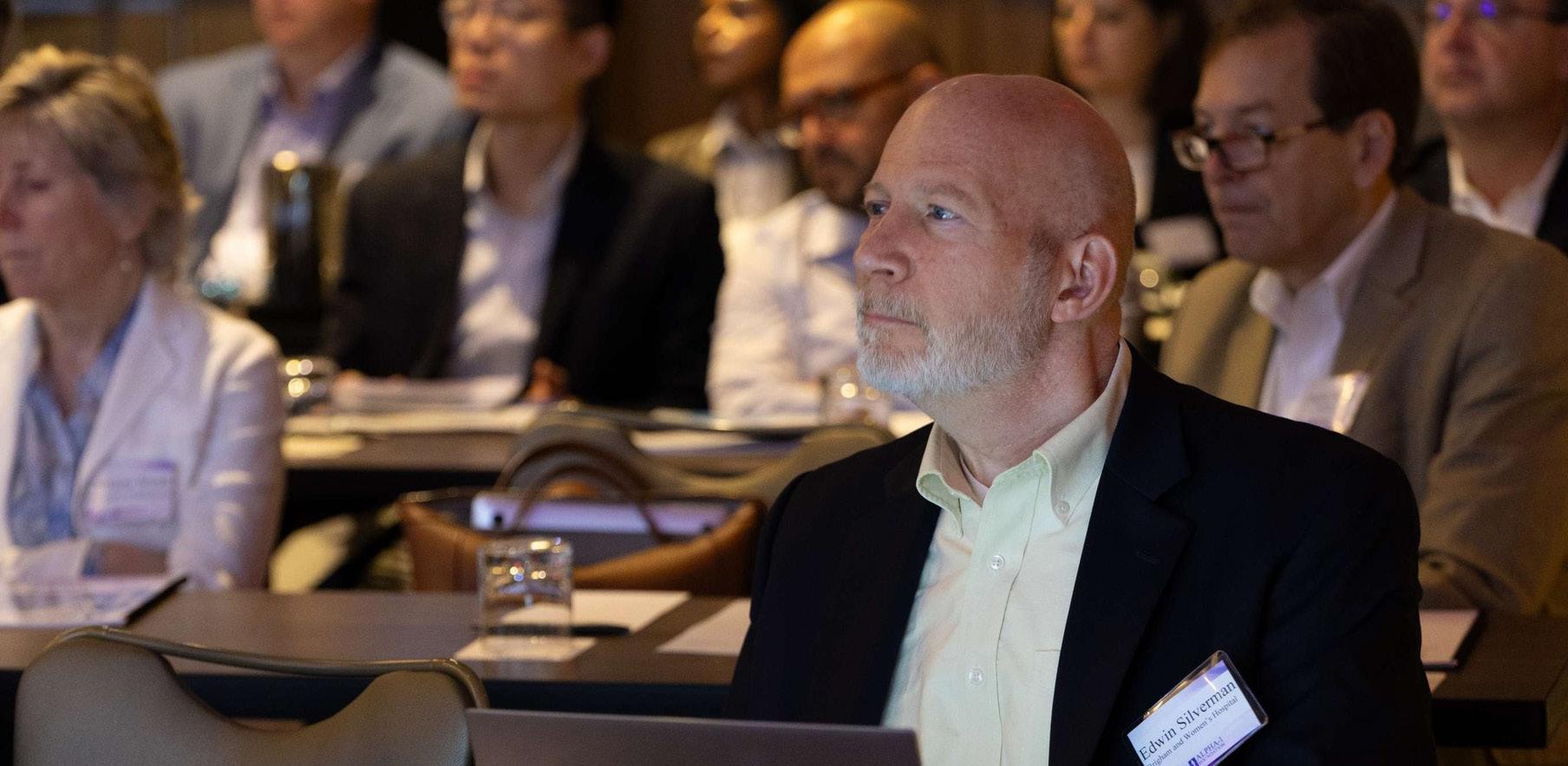
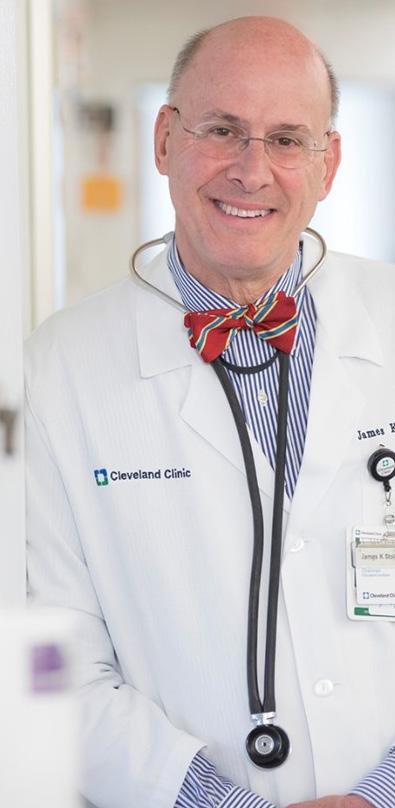
In the recent commentary, Alpha-1 Antitrypsin Deficiency: A Persistently Underrecognized Condition,” published in the March 2026 Cleveland Clinic Journal of Medicine, Alpha-1 Foundation (A1F) Board Member and AlphaDetect Board Chair, Dr. James K. Stoller examines why Alpha-1 is still so frequently misdiagnosed and why delayed diagnosis carries real consequences for patients and families. Drawing on decades of research and clinical experience, Dr. Stoller highlights that fewer than 15 percent of individuals with the severe form of Alpha-1 in the United States have been properly identified.
Studies consistently show that people with Alpha-1 may experience diagnostic delays averaging five to eight years from the onset of symptoms. During this time, individuals often see multiple clinicians and may receive alternative diagnoses such as asthma or “typical” COPD, while the underlying genetic cause goes unrecognized. These delays are not harmless. Research shows that later diagnosis is associated with more advanced lung disease, poorer quality of life, and reduced survival.
Alpha-1 affects the lungs and liver through different mechanisms. In the lungs, insufficient alpha-1 antitrypsin protein allows unchecked inflammation that gradually destroys lung tissue, leading to emphysema and airflow obstruction. In the liver, abnormal alpha-1 protein can accumulate inside liver cells, resulting in scarring and progressive liver disease. Because both organs may be affected over time, early identification is critical to guide optimal treatment and long-term monitoring.
Another key issue highlighted in Dr. Stoller’s work is the impact of underdiagnosis in families. Alpha-1 is a genetic condition, meaning that once one individual
is identified, testing can help detect affected relatives before serious disease develops. Early awareness allows family members to take preventive steps such as avoiding smoking, minimizing exposure to harmful substances, and undergoing regular lung and liver evaluations.
“This publication in the Cleveland Clinic Journal of Medicine highlights both the urgency and the clear roadmap needed to advance Alpha-1 detection. Under Dr. Stoller’s leadership, as Chairman of the Education Institute at Cleveland Clinic and Board Chair of AlphaDetect, the need for a more effective and sustainable detection approach has come into sharp focus. The Alpha-1 Foundation is dedicated to supporting the Alphas who are unaware and remain undiagnosed. Through AlphaDetect, we are building a centralized detection cooperative that unites patients, providers, and partners in a coordinated, transformative effort to identify those at genetic risk for Alpha-1,” said Scott Santarella, A1F President & CEO.
Testing guidelines for Alpha-1 are well established. Medical societies recommend that all individuals with COPD or persistent airflow obstruction be tested, regardless of age or smoking history. Testing is also recommended for people with unexplained liver disease, bronchiectasis, certain skin conditions (panniculitis), and for close relatives (especially siblings, parents, and children) of individuals diagnosed with Alpha-1. Despite clear recommendations, testing for Alpha-1 remains inconsistent, particularly in primary care settings where the majority of patients with COPD receive ongoing care.
“It is through the unwavering commitment of physicians like Dr. Stoller that we move our mission forward. Publications like this raise awareness and provide critical guidance to improve Alpha-1 Antitrypsin Deficiency recognition and testing. Too often patients seek answers for years before receiving a diagnosis. As an Alpha-1 patient who was not diagnosed until my lung function had declined to 29%, I don’t want to see others endure the same long journey. Now is the time to strengthen Alpha-1 awareness, detection guidelines, and access to testing so that earlier diagnosis becomes the standard, not the exception.” said Jon Hagstrom, A1F Chair of the Board of Directors.
Dr. Stoller’s article also addresses common misconceptions that contribute to oversight, including the belief that there is no effective treatment for Alpha-1. While current therapy does not reverse disease, augmentation therapy can slow the progression of Alpha-1-related lung disease. Additionally, new treatments, particularly for liver disease associated with Alpha-1, are actively being developed and studied.
Looking forward, Dr. Stoller describes emerging strategies aimed at improving detection, including the use of artificial intelligence (AI) tools embedded in electronic health records to identify individuals at increased risk. In addition, initiatives supported by A1F are working to reduce barriers to testing by offering free, accessible diagnostic testing and genetic counseling.
“The strategies described by Dr. Stoller directly align with AlphaDetect’s approach to achieving earlier detection,” said Julie Murray, CEO of AlphaDetect, a nonprofit organization powered by the Alpha-1 Foundation. “We are committed to making it easier to detect Alpha-1 so that every individual at risk for this rare genetic lung and liver condition is identified earlier. By expanding provider education, partnering on innovative detection strategies, and offering free genetic testing, we can reduce barriers and make Alpha-1 testing a routine part of care. Together, we can ensure that individuals with Alpha-1, and those who care for them, have the timely answers they need.”
The message of Dr. Stoller’s work is clear: Alpha-1 remains underrecognized; diagnostic delays cause harm, and earlier detection can improve outcomes for both patients and their families. Increasing awareness, improving adherence to testing guidelines, and expanding access to testing are essential steps toward closing the diagnosis gap. The full publication “Alpha-1 Antitrypsin Deficiency: A Persistently Underrecognized Condition,” is available on the Alpha-1 Foundation website at alpha1.org. 1 ALPHA-1 FOU NDATION
A new multinational expert panel has released updated guidance to help clinicians better detect and manage liver disease in people with Alpha-1 Antitrypsin Deficiency (Alpha-1). Despite years of awareness efforts, liver involvement in those with the PiZZ genotype remains significantly underdiagnosed. The new consensus document aims to change that by giving providers clearer definitions and more consistent diagnostic criteria.
A multinational, multidisciplinary group of experts has created a consensus document to guide diagnosis, staging, and management of adults with Alpha-1-associated liver disease, as well as advance research efforts.
Paul Kwo, MD, FAASLD, director of hepatology and professor of medicine at Stanford University, was part of the panel that convened under the auspices of AGA in collaboration with American Association for the Study of Liver Diseases, European Association for the Study of the Liver and Alpha-1 Foundation. The document was published in Gastroenterology.
The Alpha-1 Foundation (A1F) emphasizes that early detection is essential for improving outcomes. A1F is expanding its efforts, including offering free FibroScan screenings at the 2026 A1F Education Days and National Conference. Providing clinicians with stronger guidance is an important step toward finding liver-affected individuals earlier in their journey.
“The continuation of achieving our goals hinges on detecting, testing, finding, and helping every Alpha. We have increased our efforts to detect Alphas with liver disease by adding a pilot program to screen for liver disease at the 2026 A1F Education Days and National Conference. Early detection is necessary for better outcomes, and part of our mission is to improve the lives of those affected by Alpha-1. In order to achieve this, papers like this are so important to provide recommendations to aid clinicians in finding Alphas, testing and diagnosing them early in their journey. There is much hope on the horizon with potential therapies in the pipeline for liver-affected Alphas. A1F is working and collaborating to expedite
discovery and the approval of new therapies and treatments through our Alpha-1 Research Registry and with focused programs,” said Scott Santarella, A1F President & CEO.
Although the PiZZ genotype is well known within the Alpha-1 community, the scale of underdiagnosis remains striking. There are an estimated 250,000 people with this genotype worldwide and up to 100,000 in the United States. As many as 95 percent remain undiagnosed. Between 20 and 33 percent of individuals develop significant fibrosis over time, and about 10 percent progress to cirrhosis or hepatocellular carcinoma.
“It is our goal at A1F to make Alphas aware of their risk and provide access to free screening and follow-up protocols. Through our Alpha-1 Research Registry, Alphas can learn about clinical trials in Alpha-1 liver disease and the many novel therapies and therapeutic approaches that are in development,” said Jon Hagstrom, Chair of A1F Board of Directors.
One major barrier has been the inconsistent terminology and testing practices utilized. The new recommendations address this by clearly defining Alpha-1-associated liver disease and outlining a standardized approach to diagnosis. The panel recommends that anyone being evaluated for chronic liver disease have their alpha-1 antitrypsin level checked, followed by genotyping. They also emphasize the use of noninvasive tools such as liver stiffness measurements and blood-based fibrosis tests, and reserving biopsy for select cases.
For individuals who develop complications such as ascites, variceal bleeding, or hepatic encephalopathy, the guidance encourages early referral to transplant centers with expertise in Alpha-1. Regular liver cancer screening every six months is also recommended for those with cirrhosis.
The panel addressed clinical trials as well. Several investigational therapies are in development, and the experts recommend including PiZZ individuals with significant fibrosis. Lung function should be
monitored closely, since pulmonary involvement remains central to the condition.
Dr. Virginia Clark of the University of Florida noted that these guidelines are especially important as there are currently no approved therapies for Alpha-1-related liver disease. Transplantation remains the only option for advanced cases, but emerging treatments may eventually change the course of the condition by reducing the toxic burden of misfolded protein in the liver.
“This paper, which redefines rare liver disease and establishes updated nomenclature and diagnostic criteria, is a crucial step toward improving outcomes for Alpha-1 patients. The fact that Alpha-1 is frequently overlooked and underdiagnosed highlights the critical importance of identifying fibrosis or cirrhosis to guide the next steps in disease management. In the absence of an approved therapeutic option for the treatment of AATDassociated liver disease, transplantation is the only choice for patients who develop more severe complications. There is promise of investigational agents in clinical trials, these new therapeutic agents may have the potential to reduce the toxic burden of the alpha-1 protein within the liver, and that may change the trajectory of what their disease does over
time,” stated Dr. Virginia Clark, professor of medicine and program director of gastroenterology fellowship in the division of gastroenterology, hepatology and nutrition at the University of Florida and A1F Board Physician/Director.
Dr. Paul Kwo of Stanford stressed that the biggest challenge continues to be identifying the people who need help. He emphasized that clinicians should be vigilant when they see abnormal liver tests and routinely consider Alpha-1 as a possible cause. He noted that the majority of individuals with the PiZZ genotype remain undiagnosed, and that finding them is essential as new therapies move forward.
With clearer definitions, improved screening strategies, and multiple therapies in the pipeline, these recommendations represent an important step toward better outcomes for people living with Alpha-1-related liver disease.
Visit www.alpha1.org for full publication and findings. 1 ALPHA-1 FOU NDATION
Source: Loomba R, et al. Gastroenterology. 2025;doi:10.1053/j.gastro.2025.12.012
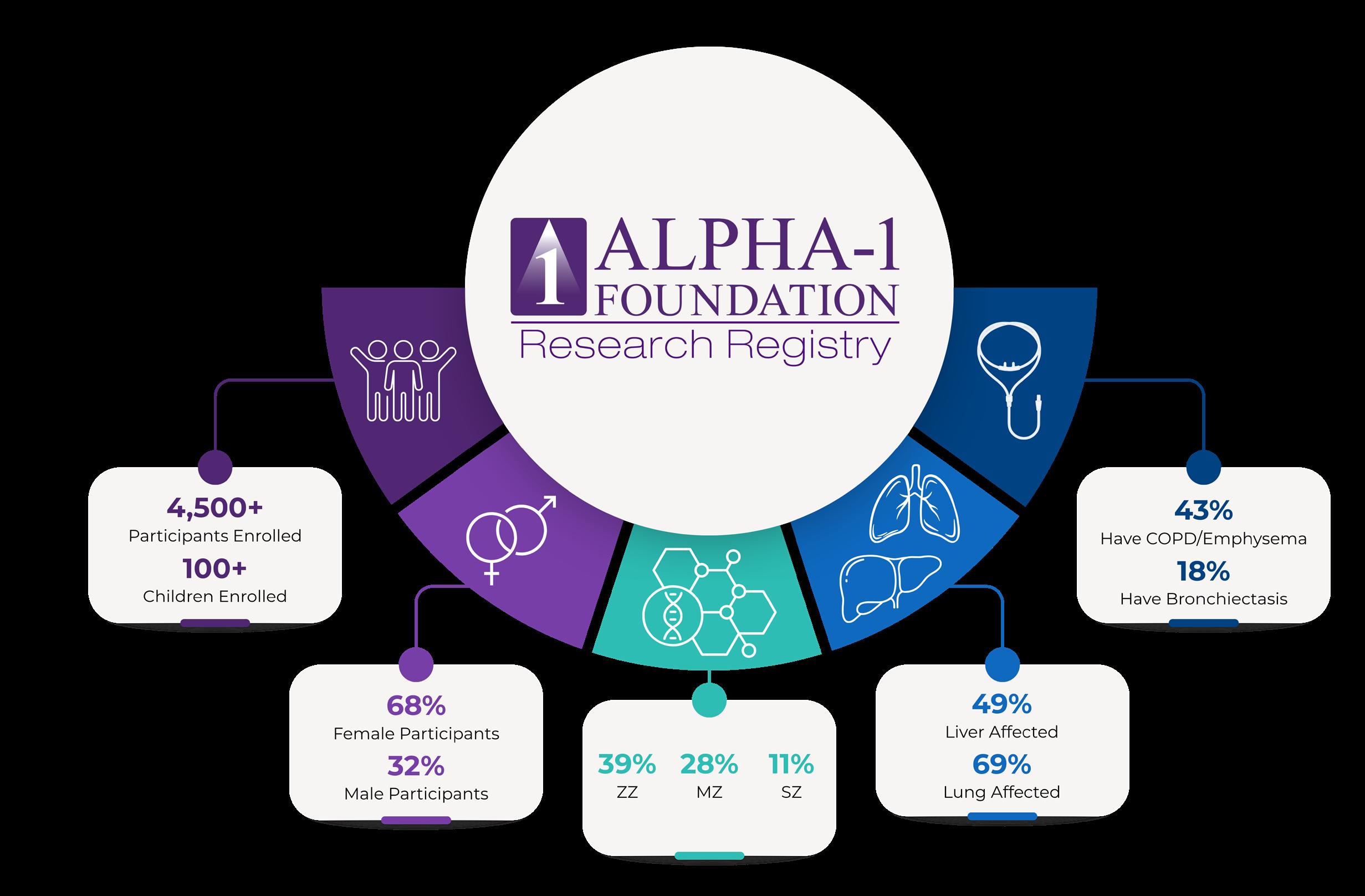
Knowledge fuels discovery, and every Alpha-1 patient matters. The Alpha-1 Research Registry continues to expand as a critical resource for advancing research and improving understanding of Alpha-1 Antitrypsin Deficiency (Alpha-1). With more than 4,500 participants now enrolled, including over 100 children representation from all 50 states, and more than 20 documented genotypes the Alpha-1 Research Registry reflects the extent of the Alpha-1 community and the shared commitment to shaping a better future.
Originally established in the mid 1990s and reinvigorated in 2019 as an in-house Alpha-1 Foundation (A1F) program, the Alpha-1 Research Registry is a confidential, comprehensive database designed to transform patient experiences into meaningful research data.
Every participant contributes valuable information that helps researchers better understand how Alpha-1 affects individuals across their lifespan and informs the development of improved treatments and care strategies.
Alpha-1 Research Registry data reveals important insights into diagnosis, health outcomes, and experience. Many participants report being tested due to lung symptoms or a family history of Alpha-1, underlining the ongoing need for awareness, education, and early detection. The Alpha-1 Research Registry also highlights the diverse ways Alpha-1 can affect lung and liver health, as well as the resilience of the community, with many participants reporting good or very good overall health. Together, these data points help define the real-world impact of Alpha-1 and guide research priorities.
Beyond data collection, the Alpha-1 Research Registry plays an essential role in supporting research efforts by connecting willing participants with appropriate studies. Participation is always voluntary, and individuals maintain full control over their involvement, with the ability to accept or decline any research invitation. This approach addresses one of the greatest challenges in rare disease research: recruiting enough participants while carefully considering and respecting their needs, preferences, and individual circumstances.
Joining the Alpha-1 Research Registry is simple and very accessible. Individuals of any age who have been diagnosed with Alpha-1, regardless of genotype, and who reside in the United States are eligible to participate. Enrollment is completed
online through the Alpha-1 Research Registry Portal and involves completing a registration form, reviewing, and signing an informed consent form, completing a health questionnaire, and optionally uploading medical records. Each step is designed to ensure confidentiality while maximizing the impact of the data shared.
Your journey matters. By joining the Alpha-1 Research Registry, individuals can play an active role in advancing discovery, supporting research, and helping bring the Alpha-1 community closer to better treatments and a cure.
If you have any questions, please email us at alpha1registry@alpha1.org or call 1-877-228-7321 ext. ext.252, 245, or 236. 1 ALPHA-1 FOU NDATION
We are recruiting for Alpha-1 related studies and need your participation!
We encourage you and your family members to join the Alpha-1 Research Registry to help advance Alpha-1 research, diagnosis, and treatment
Anyone diagnosed with Alpha-1 can join the Registry in three steps:
1. Complete a Registration Form
2 Sign the Informed Consent
3. Complete the Questionnaire
To enroll or for more information:



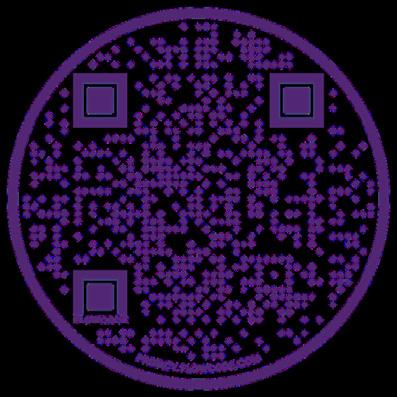
alpha1.org/join-the-alpha-1-research-registry

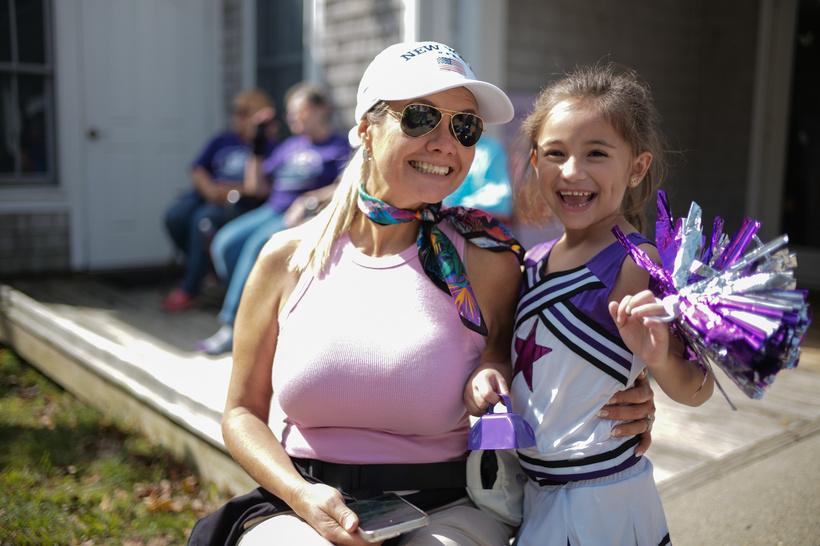
Looking to make a difference in a fun, familyfriendly way to support the Alpha-1 Foundation (A1F)? We ve got a sweet idea for you!
Make a Difference
By hosting an Ice Cream for Alpha-1 fundraiser, you will raise funds and awareness for Alpha-1 research and related programs. It's a sweet way to give back to the Alpha-1 community while enjoying a delicious treat!
No need for fancy planning. We’ve made it super simple! Gather some ice cream, toppings, and a group of friends A1F will provide the tools for making your event a success such as:
Fundraising materials – flyers, social media templates
Ice cream donation tips to ask local partners to help lower your costs
Help with creating your online fundraising page
Flexibility & Creativity
You can host your Ice Cream for Alpha-1 fundraiser at home, work, school, or even a local park. Keep it small or go big with games, raffles, and entertainment.
When you host an Ice Cream for Alpha-1 fundraiser, you can win amazing rewards including:
Giveaways based on different fundraising levels
Exclusive Ice Cream for Alpha-1 Starter Kit
Recognition as a top fundraiser in the Alpha-1 community
Ready to scoop up some fun and make a difference?
Sign up today to host your Ice Cream for Alpha-1 fundraiser and earn those sweet rewards!
Contact Angela McBride at amcbride@alpha1.org
For more information, visit: https://secure.alpha1.org/icecreamforalpha12026
Host an Ice Cream for Alpha-1 fundraiser! Bring your family friends and neighbors together to enjoy delicious treats while raising awareness and funds for Alpha-1 research toward a cure Plan your local Ice Cream Ice Cream fundraiser today!
offers the most infusion setting options, including at-home infusion, so you and your doctor can choose what’s best for you.

to learn about
GLASSIA is a medicine containing human Alpha₁-Proteinase
Effects of GLASSIA on worsening lung function and emphysema progression have not been proven in clinical trials. Long-term effects of Alpha₁ replacement and maintenance therapy have
IMPORTANT SAFETY INFORMATION (continued)
What are the possible or reasonably likely side effects of GLASSIA?
If any of the following problems occur contact your healthcare provider (HCP) or call emergency services right away:
• Worsening or flare-up of your chronic obstructive pulmonary disease (COPD)
• Hives, swelling in the mouth or throat, itching, chest tightness, trouble breathing, wheezing, fainting or dizziness. These could be signs of a serious allergic reaction.
The most common side effects that may occur are headache and upper respiratory tract infections.
Other possible side effects of GLASSIA include:
• Cough
• Sinus infection
• Chest discomfort
• Increased liver enzymes
• Dizziness
If you will be taking GLASSIA outside a healthcare setting,

Have immunoglobulin A (IgA) deficiency with antibodies to IgA Have a severe allergic reaction to human Alpha₁-PI products.
• Nausea
• Fatigue
• Shortness of breath
These are not all the possible side effects. Tell your HCP about any side effect that bothers you or that does not go away. You are encouraged to report negative side effects of prescription drugs to the FDA. Visit www.fda.gov/medwatch, or call 1-800-FDA-1088.
Please see the Important Facts About GLASSIA on the next page.
Patient Information
GLASSIA®
(Alpha1-Proteinase Inhibitor (Human)) Injection, For Intravenous Use
The following summarizes important information about GLASSIA (pronounced glass-see-ă). Please read it carefully before using this medicine. This information does not take the place of talking with your healthcare professional, and it does not include all of the important information about GLASSIA. If you have any questions after reading this, ask your healthcare professional.
What is GLASSIA?
GLASSIA is a liquid medicine containing human Alpha1Proteinase Inhibitor (Alpha1-PI) also known as alpha1antitrypsin (AAT), which is purified from human blood. The main purpose of infusing GLASSIA is to increase the levels of the AAT protein in your blood and lungs. AAT protein protects the lung tissue by blocking certain enzyme-caused damage. Such damage can lead to severe lung disease, such as emphysema.
Limitations of Use:
• The effects of increasing the AAT protein levels with GLASSIA or any other Alpha1-PI product on worsening pulmonary function and progression of emphysema have not been proven in clinical trials.
• The long-term effects of AAT replacement and maintenance therapy with GLASSIA have not been studied.
• GLASSIA is not intended as a therapy in individuals with lung disease other than severe Alpha1-PI deficiency.
Who should not take GLASSIA?
You should not use GLASSIA if you:
• Have immunoglobulin A (IgA) deficiency with antibodies to IgA
• Have had a severe allergic reaction to human Alpha1-PI products
What is the most important information that I should know about GLASSIA?
Severe allergic reactions can occur with GLASSIA. Your doctor will inform you about signs of allergic reactions which include hives, swelling in the mouth or throat, itching, tightness in the chest, trouble breathing, wheezing, faintness, low blood pressure, or serious allergic reaction. If you have any of these reactions, discontinue use of the product and contact your physician and/or seek immediate emergency care, depending on the severity of the reaction. If you or your caregiver will be administering GLASSIA outside a healthcare setting, ask your doctor about an epinephrine pen and/or other supportive care for certain severe allergic reactions. Ask your doctor to make sure you receive training on how and when to use any prescribed supportive care medicine and keep it close at hand when administering GLASSIA.
How should I take GLASSIA?
• GLASSIA is given directly into the bloodstream.
• You can get GLASSIA at your healthcare professional’s office, clinic, hospital, or delivered directly to your home by a healthcare professional from a limited network of specialty pharmacy providers.
• Your healthcare professional will decide if self-infusion in your home is right for you. You should be trained on how to do infusions by your healthcare professional.
What should I tell my healthcare professional before I start using GLASSIA?
Before starting GLASSIA, tell your healthcare professional if you:
• Have IgA deficiency with antibodies to IgA.
• Have a history of severe allergic reactions to Alpha1-PI products.
What are the possible or reasonably likely side effects of GLASSIA?
• A possible side effect to GLASSIA is worsening or flare-up of your chronic obstructive pulmonary disease (COPD) in which your breathing gets worse than usual.
• Call your healthcare professional or go to your emergency department right away if you get: Hives, swelling in the mouth or throat, itching, chest tightness, trouble breathing, wheezing, fainting or dizziness. These could be signs of a serious allergic reaction.
• The most common side effects are headache and upper respiratory tract infections. Other possible side effects of GLASSIA include: cough, sinus infection, chest discomfort, dizziness, increased liver enzymes, shortness of breath, nausea, and fatigue. These are not all of the possible side effects for GLASSIA. You can ask your healthcare professional for information that is provided to healthcare professionals. Talk to your healthcare professional about any side effects that bother you or that don’t go away.
How do I store GLASSIA?
Store GLASSIA refrigerated or at room temperature.
• You can store GLASSIA in the refrigerator (36°F to 46°F [2°C to 8°C]). Do not freeze.
• You can store GLASSIA at room temperature (up to 77°F [25°C]) for up to one month. You must use GLASSIA within one month once you remove it from the refrigerator. Do not re-refrigerate GLASSIA once the product has been stored at room temperature.
• Keep the GLASSIA vial in the box until you are ready to administer the product.
Check the expiration date on the carton and vial label. Do not use GLASSIA after the expiration date.
Manufactured by:
Takeda Pharmaceuticals U.S.A., Inc. Cambridge, MA 02142 USA
U.S. License No. 1898
GLASSIA® is a registered trademark of Kamada Ltd., used under license. Takeda and are registered trademarks of Takeda Pharmaceutical Company Limited. ©2025 Takeda Pharmaceutical Company Limited. All

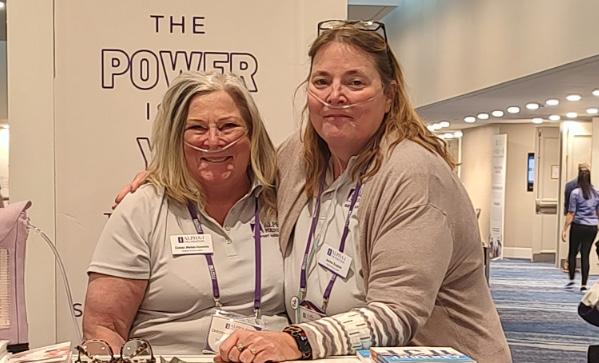
If you’ve ever attended an Alpha-1 Foundation (A1F) National Conference for the first time, feeling unsure of what to expect—filled with questions, fears, or even a sense of relief—you’re not alone. Debbi Webb-Howells remembers that feeling well. What she couldn’t have imagined then was that years later, she would be the one welcoming other Alphas, helping them find their footing, and reminding them they don’t have to walk this journey alone.
Debbi was diagnosed with Alpha-1 Antitrypsin Deficiency (Alpha-1) in 2007 after years of frequent illness and recurring bronchitis. Her pulmonologist, new to the practice and intent on ruling everything out, ordered a test he expected to be negative. Instead, it confirmed that Debbi was an SZ Alpha— the first known Alpha in her family, navigating a condition unfamiliar to everyone around her.
Like many Alphas, Debbi took time to understand her diagnosis and what it meant for her future. She didn’t rush into treatment right away. Years later, while attending a work conference far from home, she experienced worsening shortness of breath that made everyday activities difficult. When she returned home, she contacted her pulmonologist and decided it was time to move forward with treatment. Within months, she began weekly augmentation therapy and later added treatments for sleep apnea and supplemental oxygen, steps that helped her better manage her health and daily life.
As family members were tested, Alpha-1 became something they faced together: sisters, children, and grandchildren learning their genetic status and what it could mean for their future. What once felt isolating became shared, and over time, more manageable.
In 2014, Debbi attended her first A1F Support Group meeting, simply looking for information. What she found instead was connection. “I realized very quickly these weren’t just meetings,” she says. “They were friendships.”
By 2017, Debbi stepped into a co-leadership role as the A1F Support Group Leader with the Norfolk–Hampton Roads A1F Support Group, and later accepted leadership responsibilities in Richmond, Virginia as well. After COVID disrupted in-person gatherings, she focused on rebuilding the Richmond A1F Support Group, intentionally and patiently. Today, the group is small but steady, built on consistency, trust, and genuine care for one another.
“We don’t sit around feeling sorry for ourselves,” she says. “We learn from each other, encourage each other, and remind one another that life is still meant to be lived fully.”
That perspective shapes her leadership. Debbi encourages members on augmentation therapy to educate themselves, ask questions, and work closely with their care teams to make informed decisions and learn how to advocate for themselves.
Over time, leadership became a family affair. Debbi’s sister and daughter now serve in A1F Support Group Leader roles as well. “We didn’t start as experts,” Debbi says, “we started as people who cared.”
Some of Debbi’s most meaningful moments happen quietly: sitting with a newly diagnosed Alpha, helping ease fears, and reminding them that Alpha-1 does not define their limits. “If I can help someone feel less afraid and more prepared,” she says, “then I know I’m doing something right.”
Through social media, local events, awareness walks, and everyday conversations, Debbi continues to advocate, often behind the scenes, always with intention. She credits A1F for providing education, resources, and ongoing support for Alphas everywhere. “This community gave me direction,” she says. “And A1F gave me the tools.”
If you’ve ever wondered whether you could give back, by leading, co-leading, volunteering, or simply showing up, Debbi hopes you’ll consider taking that step. “You don’t have to do everything,” she says. “You just have to do something.” 1 ALPHA-1
A 1 F E d u c a t i o n D a y January 28, 2026 Virtual

February 20-21, 2026
y
C e l t i c C o n n e c t i o n
0 2 6 M a j o r
e e t i n g s & E v e n t s

The 8th Global Research Conference and 11th Patient Congress will be held in Madrid, Spain, from April 1 -3, 2027 Alpha-1 Global
March 7, 2026
Boston, MA
2
To learn more about 2026 A1F events, including vir tual events and initiatives, visit: alpha1.org/calendar
Austin, TX A
April 10-11, 2026
Fort Lee, NJ
April 17, 2026
Miami, FL B
May 13, 2026
Greenwich CT
May 18, 2026
San Diego, CA A
A 1 F E d u c a t i o n D a y August 29-30, 2026
Boise, ID
Orlando, FL A
June 4-7, 2026
September 25-27 2026
Cape Cod, MA
A 1 F L e a d e r s h i p & S c i e n t i f i c S u m m i t
October 1-4, 2026
Miami, FL
A
November 6-7, 2026
Kansas City, MO
y December 4-5, 2026
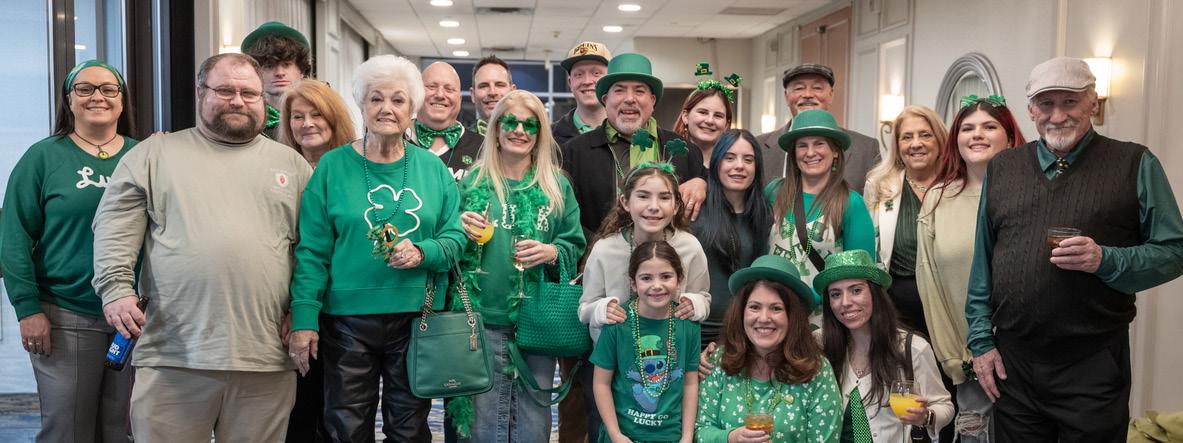
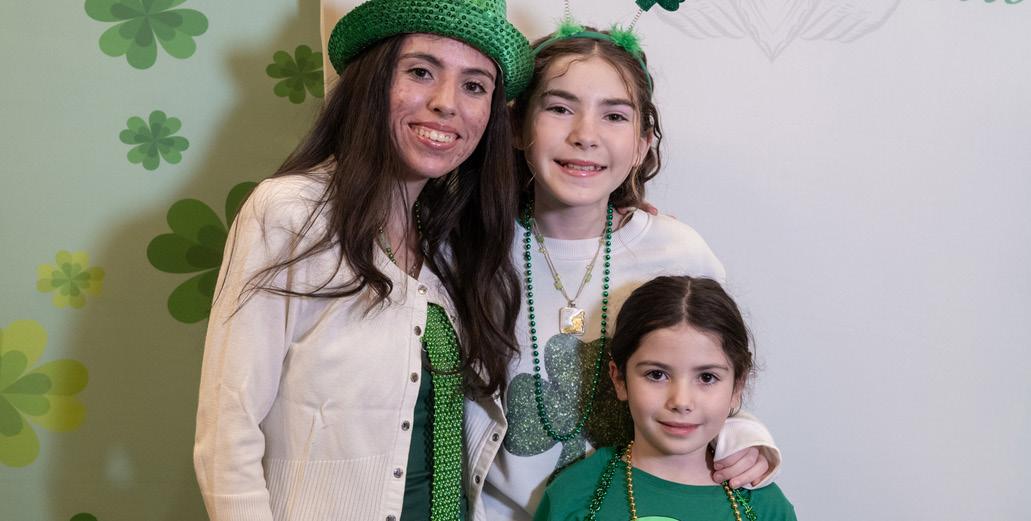
Each spring, the Alpha-1 community comes together to celebrate tradition, connection, and the power of community at the Celtic Connection. Over 300 guests joined together at the 18th Annual Celtic Connection on Saturday, March 7, 2026, at the Newton Marriott in Boston, Massachusetts. This year, the dedicated event committee came together once again to organize an exceptional Building Friends for a Cure (BFC) community fundraiser honoring Irish heritage. The event raised an outstanding $200,000 for A1F towards Alpha-1 research and related programs.
Celtic Connection has become the largest BFC event through the outstanding support of sponsors and the dedication and motivation of the longstanding committee, including Bob Healy, Chair, Mike & Diane Allen, Mary Beth Byrnes, Irene Calderon, Aleigha Campbell, Dan & Kathi Coffin, Shirley Dennis, Oliver & Joan Garry, Dan Grimm, Peg Iverson, Siobhan Lestina, Richard Lovrich, Joe & Patsy Masterson, Angela McBride, Dave & Lori Mitcheroney, Patricia Murphy, Ingrid Nunes, Diana Patterson, Michael & Karin Pittsley, Rachel Sprunger, and the Walsh Family. We extend our sincere appreciation to the Celtic Connection committee leadership for their continued dedication and commitment to making this event a success each year.
“The Celtic Connection is our favorite Alpha-1 Foundation event and a wonderful way to celebrate being part of the Alpha-1 community. It’s a special opportunity to reconnect with old friends, meet new ones, share stories and laughter with people who truly understand the Alpha-1 journey. Seeing patients, families, doctors, researchers, sponsors, and supporters come together each year to make the night incredibly meaningful while raising critical funds to support Alpha-1 research and bring
us closer to a cure is truly inspiring,” said Patsy and Joe Masterson, longstanding members of the Celtic Connection Committee.
At this year’s event, members of the committee joined Emcee, Richard Lovrich on stage to share their “luck” with guests. There is a fine tradition attached to the phrase “The Luck of the Irish” and that good Irish luck has followed this group from Ireland.
The Celtic Connection event brings long held and cherished Irish traditions. The highlight each year is the presentation of the Shillelagh Award. The Shillelagh is a traditional Celtic weapon associated with Ireland, and the award symbolizes the battle that Alpha-1 doctors, researchers, and leadership wage against Alpha-1.
This year’s recipient reflects the scientific leadership driving Alpha-1 research forward. The 2026 Shillelagh Award was presented to Dr. J. Michael Wells.
Dr. Wells is an Associate Professor of Medicine in Pulmonary, Allergy, and Critical Care Medicine at the University of Alabama at Birmingham. His research focuses on COPD and Alpha-1 and its associated pulmonary vascular disease. He completed his Internal Medicine and Pulmonary/ Critical Care training at UAB, where he also served as Chief Medical Resident. Dr. Wells is a key investigator in the Alpha-1 Biomarker Consortium (A1BC) Study that follows patients enrolled in the Alpha-1 Research Registry to identify biomarkers that can be used to advance Alpha-1 clinical trials. His outstanding commitment to the Alpha-1 community is evident in his clinical and research work. His recognition at this year’s event highlighted not only his achievements but also the lasting impact of the work being done across the Alpha-1 research community.
I’m deeply honored and genuinely humbled to receive the Shillelagh Award from the Alpha-1 patient community and the Foundation. Of all the acknowledgments a clinician or researcher might receive, this one is especially meaningful because it comes from the very people whose lives inspire the work we do. Alpha-1 is more than a diagnosis or a research topic. It is a lived experience for individuals, families, and entire communities who face uncertainty with remarkable courage. Being recognized by that community is something I do not take lightly. When people think about scientific progress, they often picture laboratories, microscopes, complex data sets, or investigational
drugs. And those things are certainly part of the story. But the real force in Alpha-1 research has always been people. Patients who volunteer their time, families who share their experiences, advocates who organize, educate, and support one another, and individuals who step forward to participate in research. Science often moves slower than any of us would like. Progress can feel incremental. But when we look back, we see that perseverance and sustained effort over time change what is possible. The symbol of the shillelagh is appropriate in this context. A shillelagh, as a walking stick, acts as a support for the long road ahead.
Dr. Mike Wells
2026 Shillelagh Award recipient
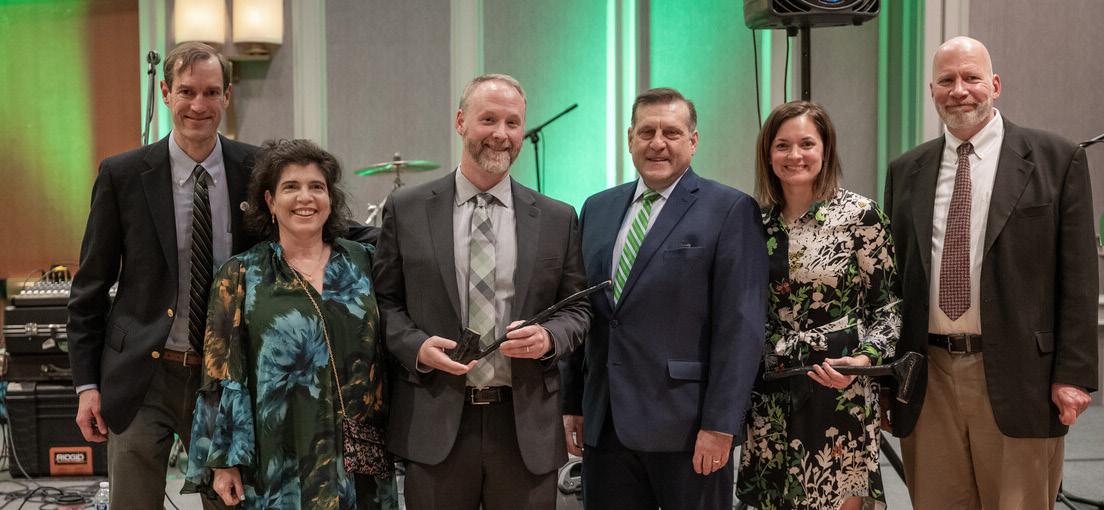

Past Shillelagh recipients include The Alpha-1 Community in honor of Fred C. Walsh (2025), Dr. Monica Goldklang (2024), Dr. James K. Stoller (2023), COVID-19 Frontline Workers (2021 & 2022), Dr. Virginia Clark (2020), Dr. Charlie Strange (2019), Dr. Jeanine M. D’Armiento (2018), AlphaNet, Inc. (2017), Dr. Chris Mueller and Dr. Scott E. Kopec (2016), Dr. Bartolome R. Celli and John W. Walsh and Fred C. Walsh (2015), Dr. Gerald Turino and Dr. Andrew Wilson (2014), Dr. Robert Sandhaus and Dr. Edwin K. Silverman (2013), Dr. Noel G. McElvaney (2012), Dr. Mark Brantly (2012), Dr. Gordon L. Snider (2011), and Dr. Terrence Flotte and Dr. Darrell N. Kotton (2010).
The Celtic Connection event included live music performed by Devri. The singing of the Irish National Anthem by Angela McBride and the American National Anthem by Kailey Walsh. The talented, award-winning, youth dancers from a local Irish dance studio, Harney Crawford Academy of Irish Dance, located in Walpole, Massachusetts performed for the crowd. The jovial Irish music filled the room as guest clapped along with the flawless performances. These traditions continue to make the event a joyful and meaningful celebration for attendees year after year.
Scott Santarella, A1F President & CEO concluded the evening with his remarks recognizing the members of the Fred C. Walsh Speaker Bureau that were in attendance and sharing Fred’s legacy towards patient empowerment.

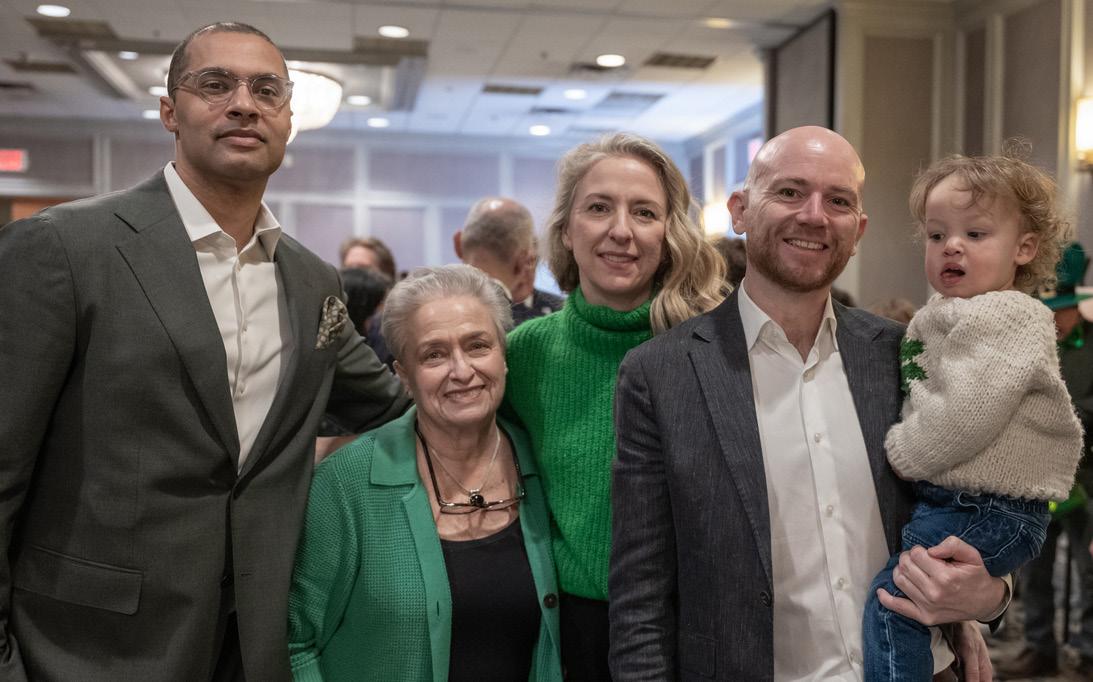
“Our extended family enjoyed the opportunity to attend the Celtic Connection and celebrate with the Alpha-1 community, both in memory of Fred and for the many others who continue to help fund research for a cure. We miss Jack, Fred, and John Walsh, and celebrate with all the others who have made this such a successful event for the past 18 years. That said, it was Fred’s favorite Alpha-1 gathering and we felt his presence in the room,” said Pam Walsh.
Thank you to the generous 2026 Celtic Connection Individual sponsors that made the event possible: Julie Berry, Ruth Cadwgan, Oliver and Joan Garry, Bob Healy, Pete and Peg M. Iverson, The Reidy Family, Patty L. Tew, and The Walsh Family.
Thank you to the generous 2026 Celtic Connection Event Sponsors: Airna, AlphaNet, American Lung Association, Beam Therapeutics, Brigham and Women’s Hospital Lung Center, CReM of Boston University and Boston Medical Center, CSL, Grifols, Petrie’s Flower Shoppe, Prime Medicine, Sanofi, Steve Ward “Cape Cod Dairy Group”, Takeda, VitalCare Cambridge, and Wave Life Sciences.
A1F’s Building Friends for a Cure program brings communities together to promote awareness, raise funds, and advocate for a better future for people living with Alpha-1. Thank you to the Building Friends for a Cure program Sponsor: AlphaNet, CSL, Grifols, Sanofi, and Takeda. 1 ALPHA-1 FOU NDATION

The Alpha-1 Foundation (A1F) is advancing research, funding critical programs, and driving progress to improve the lives of those affected by Alpha-1.
Learn more about how these effor ts are making an impact across the Alpha-1 community and moving us closer to better treatments and a cure for Alpha-1.

Visit ALPHA1.ORG/ABOUTA1F or scan here to read the latest A1F Reports.
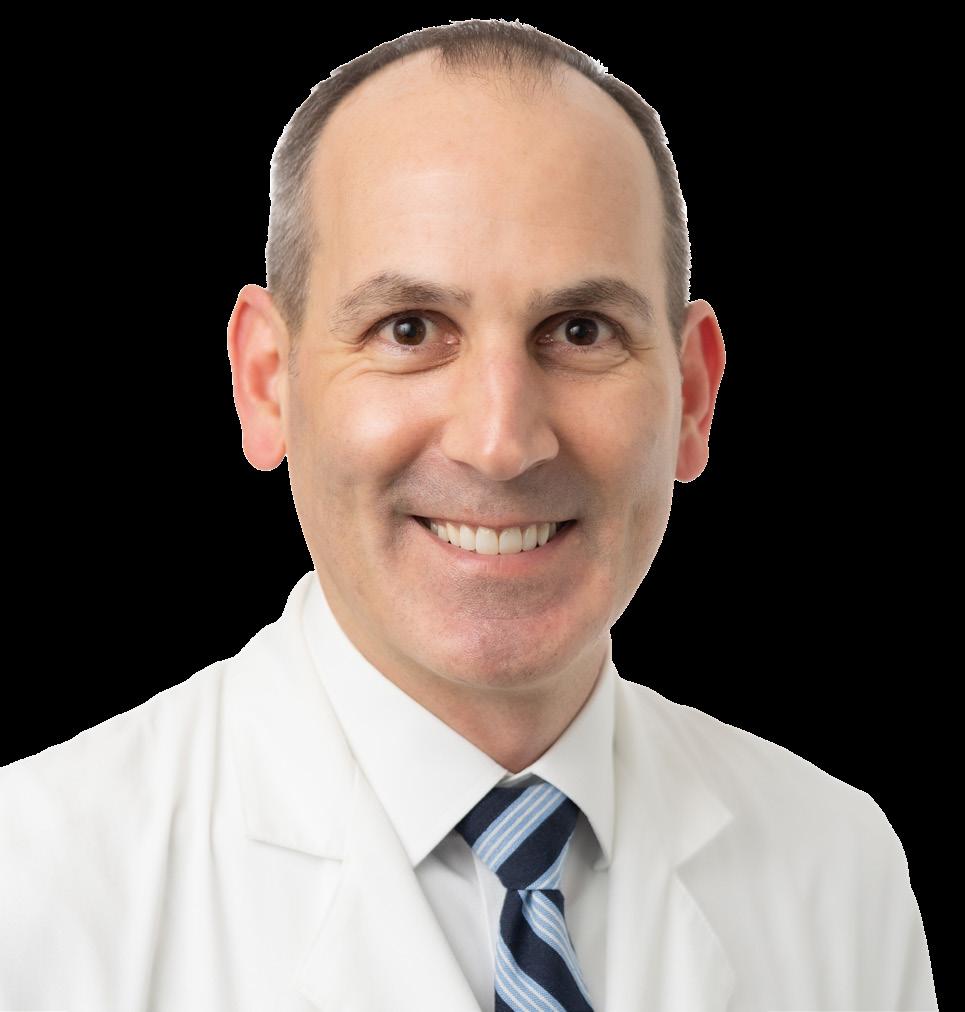

Can you introduce yourself and your role in Alpha-1 care?
My name is Brad Drummond, and I’m an adult pulmonologist at the University of North Carolina in Chapel Hill. I’m the Director of the UNC Clinical Resource Center, and I also help co-lead the Alpha-1 Foundation’s Clinical Resource Center program. I provide care for patients with Alpha-1 antitrypsin deficiency (Alpha-1) and work closely with the Alpha-1 Foundation to help new Alpha-1 Clinical Resource Centers get started.
What exactly is a Clinical Resource Center (CRC)?
A Clinical Resource Center (CRC) is a unified clinical space where patients can receive expert care for Alpha-1 from a group of providers with different perspectives. These centers have to meet certain criteria set by the Alpha-1 Foundation, which is why it’s important for patients to try to engage with a CRC.
Why is it important that CRCs meet Alpha-1 Foundation criteria?
CRCs have had to meet specific requirements to earn that designation. They specialize in patient care, patient education, and are actively involved in research for individuals with Alpha-1. That level of standardization helps ensure high-quality care.
What types of providers and services are typically part of a CRC?
Most CRCs include a multidisciplinary team. That often includes a pulmonologist like myself, as well as a liver specialist since Alpha-1 can affect the lungs and the liver. Many also have transplant specialists for lung and liver, specialized nurses, respiratory therapists, pulmonary rehabilitation services, and patient support groups. While every piece doesn’t have to be in place for a CRC to be a success, we ask our CRCs to help establish these types of resources for the Alpha-1 patients they treat.
How does the UNC Clinical Resource Center approach patient care?
At UNC, we’re proud of how integrated our care is. We have both a lung clinic and a liver clinic, and we’re able to do breathing tests, liver and lung imaging, and blood work all in one place. While every CRC has its own approach, having as many components of Alpha-1 care accessible is important.
Why is collaboration between lung and liver doctors so important?
Alpha-1 patients can come to a diagnosis through different paths, lung issues, liver workups, or genetic testing. The CRC allows patients to enter specialty care in one place. I work very closely with our hepatologist, and we’ve standardized our approaches, so referrals are efficient and coordinated. That leads to higher-quality care.
What does a typical CRC visit look like for a patient?
At a typical visit, we’ll confirm your genotype testing, either through previous records or by doing the testing if needed. We’ll do breathing tests, liver imaging like a FibroScan, and blood work. Most of the visit is spent talking with a physician about your history and symptoms, and answering questions about Alpha-1.
How do CRCs support research in Alpha-1?
Research is essential in Alpha-1 because our mission is to cure the disease. Having lung and liver specialists working together means we hear about and collaborate on studies across specialties. The CRCs work closely with the Alpha-1 Foundation to be aware of upcoming research opportunities that they can relay to patients. That helps foster relationships with patients and supports research that moves the field forward.
Why is patient education such an important part of CRC care?
Many CRCs have created patient education materials, which we often call an “Alpha packet”, that patients can take home. I know from experience that when you go to the doctor, you don’t always remember everything that was discussed, so having that information to refer back to is really helpful. Education is powerful, and we want patients to be empowered. Understanding your disease is the best way to communicate needs to your providers.
How do CRCs serve as a hub for patients with Alpha-1?
CRCs become a central hub for excellent care, education, research opportunities, and community. There’s a lot of collaboration that happens, and patients can stay informed about what’s happening in Alpha-1 care and research through that network.
What advice do you have for patients who are not currently seen at a CRC?
If you don’t have access to a CRC, I’d encourage you to visit the Alpha-1 Foundation website at alpha1.org to find one. If you’re seeing a lung doctor, it’s important to ask whether they work with a liver specialist. Alpha-1 patients should be evaluated by a hepatologist at least once to determine what monitoring or long-term care might be needed. 1 ALPHA-1 FOU NDATION
A clinical trial is a research study in which one or more human subjects are prospectively assigned to one or more interventions to evaluate the effects on healthrelated biomedical or behavioral outcomes. When you volunteer to take part in clinical research, you help physicians and researchers learn more about Alpha-1 Antitrypsin Deficiency (Alpha-1) and look at new ways to prevent, detect, treat and improve health care to improve outcomes for Alphas in the future.
Clinical trials often study treatments, such as new drugs, new surgical procedures, or new ways to use existing treatments. They can also study other aspects of care, such as improving quality of life for people with chronic illnesses like Alpha-1.
The Alpha-1 Research Registry is a confidential database made up of individuals diagnosed with Alpha-1 which includes all genotypes. The Alpha-1 Foundation (A1F) created the Alpha-1 Research Registry to advance Alpha-1 research, including research into new treatments and therapies, and ultimately, a cure for the condition. Individuals enrolled in the Alpha-1 Research Registry have the ongoing opportunity to stay informed and participate directly in clinical trials of new therapeutic approaches in addition to other research opportunities.
Informed consent is a process in which potential clinical trial participants are given information, including potential risks and benefits, of being part of a clinical trial. A clinical trial will always start with an informed consent so that you can ask the study team any questions you may have regarding the clinical trial. Once the participants agree to take part in the clinical trial, the informed consent must be signed by both the participant and a member of the study team (physician, nurse practitioner, research nurse, or clinical research coordinator). The informed consent will include details about the clinical trial, such as its purpose, how long it’s expected to last, tests or procedures that will be done as part of the research, and who to contact for future information. A copy of the informed consent will be provided for your records. Participants are also given any new information that might affect their decision to stay in the clinical trial. Taking part in a clinical trial is voluntary, and you can leave the study at any time.
Eligibility criteria are the reasons that determine who can or cannot participate in a clinical trial. Not all trials are right for all people. Each clinical trial has specific requirements that must be followed to help ensure participant safety and ensure that the study is conducted in the appropriate population. These are created by the clinical trial sponsor (often in consultation with medical experts and regulatory agencies) for safety purposes to protect participants from harm.
Eligibility criteria include information about a person’s condition, overall health, and other characteristics, such as age. Some exclusion criteria include significant health concerns other than Alpha-1, and whether a person has had a lung or liver transplant.
1. The sponsor develops a new therapy in their laboratory, and the therapy is first tested on animals for toxicity.
2. Once the sponsor has gathered sufficient data, an application for an Investigational New Drug Application is submitted to the Food and Drug Administration (FDA).
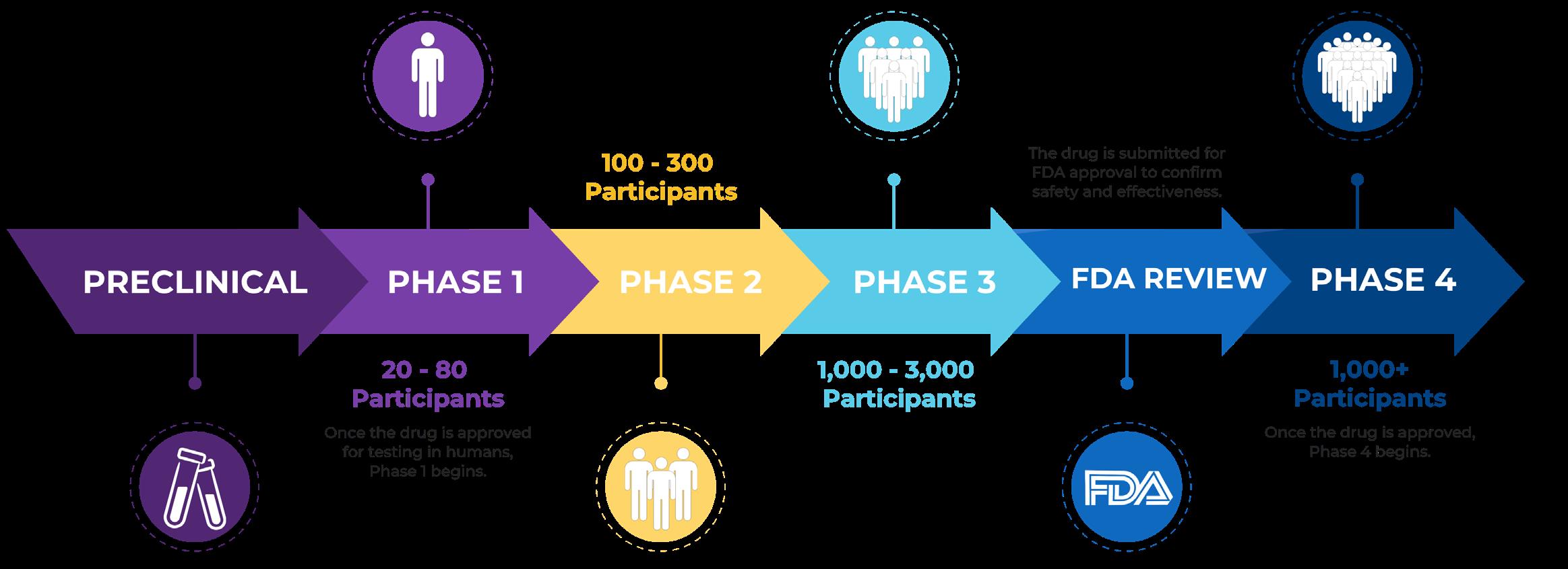
3. When the application is approved, the therapy will undergo four (4) phases where they will evaluate safety, dosage limit, and effectiveness.
4. Once the sponsor has determined the criteria, they will submit a New Drug Application to the FDA for approval.
5. The FDA will inspect all the facilities where the therapy will be manufactured. The sponsor will report to the FDA every 3 months with a safety report after the therapy is approved.
Clinical trials are performed in 4 different phases to make sure that the drug or treatment is safe and effective.
• Phase 1 trials test if a new treatment is safe and look for the best way to give the treatment. Researchers also look for signs that the new treatment is working to treat the condition. Phase I of clinical trials are conducted in humans for the first time, usually in healthy participants and in a small number of participants (between 20-80). The purpose of this phase is to evaluate drug safety and identify any side effects.
• Phase 2 trials test if the new treatment improves the condition. Phase 2 clinical trials are conducted once the sponsor or principal investigator determines the treatment is reasonably safe and/or benefit or provide the response they are looking for. The treatment is given to between 100-300 participants, and safety continues to be evaluated along with monitoring short-term side effects.
• Phase 3 trials test if a new treatment is better than a standard treatment. This phase will compare the safety and effectiveness against the current standard treatment and will be administered to a larger group.
• Phase 4 trials find more information about longterm benefits and side effects of a new treatment. These are often called “real world study”. These trials are performed after the drug is released and after a wider acceptance withing the medical community is prescribing these therapies. Phase 4 aims to further prove drug safety, efficacy, optimal use, and these reports are presented to the FDA every 3 months.
People who have joined the Alpha-1 Research Registry, a confidential database of Alphas and carriers, are notified when an Alpha-1 clinical trial that they may be eligible for is enrolling. Join the Alpha-1 Research Registry today to participate in Alpha-1 clinical trials that may be right for you or your family.
Thank you to all Alphas who participate in research studies that bring us closer to finding a cure. Patients are crucial for clinical trials as their participation helps researchers evaluate the safety and efficacy of new treatments leading to advancements in medical science and potentially breakthroughs in disease management for Alpha-1.
ARE YOU ON A JOURNEY WITH ALPHA-1 LIVER DISEASE?

The Redwood Study is looking for adults 18 to 75 years of age who have a confirmed or suspected diagnosis of Alpha-1 Liver Disease with PiZZ genotype. There is currently no approved treatment available for Alpha-1 Liver Disease. The investigational study drug aims to reduce the production of the abnormal Z-AAT protein and its buildup in the liver. To learn more and see if you may qualify, talk to your doctor and visit Alpha1.org/Redwood-Study-Prescreening today.
ESCAPE TO THE CAPE
September 25 - 27, 2026
Join Team Alpha-1 for a one, two, or three-day Escape to the Cape bike trek in Cape Cod, Massachusetts. We are recruiting riders for the weekend to help us cross the finish line! Riders will enjoy a bike ride along the picturesque coast of the Cape. This is a fun-filled weekend with the Alpha-1 community cheering each other on and raising funds and awareness for Alpha-1
October 17, 2026
Join Team Alpha-1 in person for the 3rd Annual Gulf Coast Bike Trek in Dunedin, Florida. Choose your adventure from a seasoned cyclist’s 62-mile loop, an adventure seeker’s 40-mile loop, or family-friendly treks with 25-mile and 10-mile route options. We’re recruiting riders and volunteers for the weekend to help us cross the finish line together and raise funds and awareness for Alpha-1.
September - All month long Participate
We are asking the Alpha-1 community to bike, foot pedal, or e-bike towards their personal goals during the month of September to help raise funds and awareness for Alpha-1 Antitrypsin Deficiency (Alpha-1). We will stay connected on weekly Zoom calls and by using #A1FRidingforaReason on social media!
Get your bikes in gear and ride as many miles as you can to help bring us closer to our mission of finding a cure for Alpha-1. Whether you are riding for yourself or in honor of a loved one, this is a great way to make a difference!
These events are open to the public and are in partnership with the American Lung Association (ALA). Register today: https://secure.alpha1.org/a1fridingforareason2026
Fundraising has never been so easy and as much fun!
For more information, please contact Angela McBride at amcbride@alpha1.org





You are encouraged to report negative side effects of prescription drugs to the FDA. Visit www.fda.gov/medwatch, or call
You can also report side effects to CSL Behring’s Pharmacovigilance Department
ZEMAIRA®, Alpha1-Proteinase Inhibitor (Human) lyophilized powder for reconstitution for intravenous use
Initial U.S. Approval: 2003
BRIEF SUMMARY OF PRESCRIBING INFORMATION
These highlights do not include all the information needed to use ZEMAIRA safely and effectively. See full prescribing information for ZEMAIRA.
-----------------------------------INDICATIONS AND USAGE----------------------------------
• ZEMAIRA is an alpha1-proteinase inhibitor (A1-PI) indicated for chronic augmentation and maintenance therapy in adults with A -PI deficiency and clinical evidence of emphysema.
• The effect of augmentation therapy with ZEMAIRA or any A -PI product on pulmonary exacerbations and on the progression of emphysema in A1-PI deficiency has not been demonstrated in randomized, controlled clinical studies.
• ZEMAIRA is not indicated as therapy for lung disease patients in whom severe A -PI deficiency has not been established.
-------------------------------DOSAGE AND ADMINISTRATION-----------------------------For intravenous use after reconstitution only
• The recommended weekly dose of ZEMAIRA is 60 mg/kg body weight. Dose ranging studies using efficacy endpoints have not been performed with ZEMAIRA or any A1-PI product.
• Administer through a suitable 5 micron infusion filter (not supplied) at room temperature within 3 hours after reconstitution.
• Do not mix with other medicinal products. Administer through a separate dedicated infusion line.
• Administer at a rate of approximately 0.08 mL/kg/min as determined by the response and comfort of the patient.
• Monitor closely the infusion rate and the patient’s clinical state, including vital signs, throughout the infusion. Slow or stop the infusion if adverse reactions occur. If symptoms subside promptly, the infusion may be resumed at a lower rate that is comfortable for the patient.
--------------------------------DOSAGE FORMS AND STRENGTHS---------------------------
ZEMAIRA is supplied in a single-dose vial containing approximately 1000 mg, 4000 mg, or 5000 mg of functionally active A1-PI as a white to off-white lyophilized powder for reconstitution with 20 mL, 76 mL, or 95 mL of Sterile Water for Injection, USP. The amount of functional A1-PI is printed on the vial label and carton.
---------------------------------------CONTRAINDICATIONS -----------------------------------
• History of anaphylaxis or severe systemic reactions to ZEMAIRA or A1-PI protein.
• Immunoglobulin A (IgA)-deficient patients with antibodies against IgA, due to the risk of severe hypersensitivity.
-------------------------------WARNINGS AND PRECAUTIONS-------------------------------
• Observe any signs of hypersensitivity such as tachycardia, hypotension, confusion, syncope, oxygen consumption decrease, and pharyngeal edema when administering ZEMAIRA to patients with known hypersensitivity to an A1-PI product.
• Patients with selective or severe IgA deficiency can develop antibodies to IgA and, therefore, have a greater risk of developing potentially severe hypersensitivity and anaphylactic reactions. If anaphylactic or severe anaphylactoid reactions occur, discontinue the infusion immediately.
• Because ZEMAIRA is made from human blood, it may carry a risk of transmitting infectious agents, e.g., viruses, the variant Creutzfeldt-Jakob disease (vCJD) agent and, theoretically, the Creutzfeldt-Jakob disease (CJD) agent.
-------------------------------------ADVERSE REACTIONS--------------------------------------
• Serious adverse reactions reported following administration of ZEMAIRA in prelicensure clinical trials included one event each in separate subjects of bronchitis and dyspnea, and one event each in a single subject of chest pain, cerebral ischemia and convulsion.
• The most common adverse reactions occurring in at least 5% of subjects receiving ZEMAIRA in all pre-licensure clinical trials were headache, sinusitis, upper respiratory infection, bronchitis, asthenia, cough increased, fever, injection site hemorrhage, rhinitis, sore throat, and vasodilation.
To report SUSPECTED ADVERSE REACTIONS, contact CSL Behring Pharmacovigilance at 1-866-915-6958 or FDA at 1-800-FDA-1088 or www.fda.gov/medwatch.
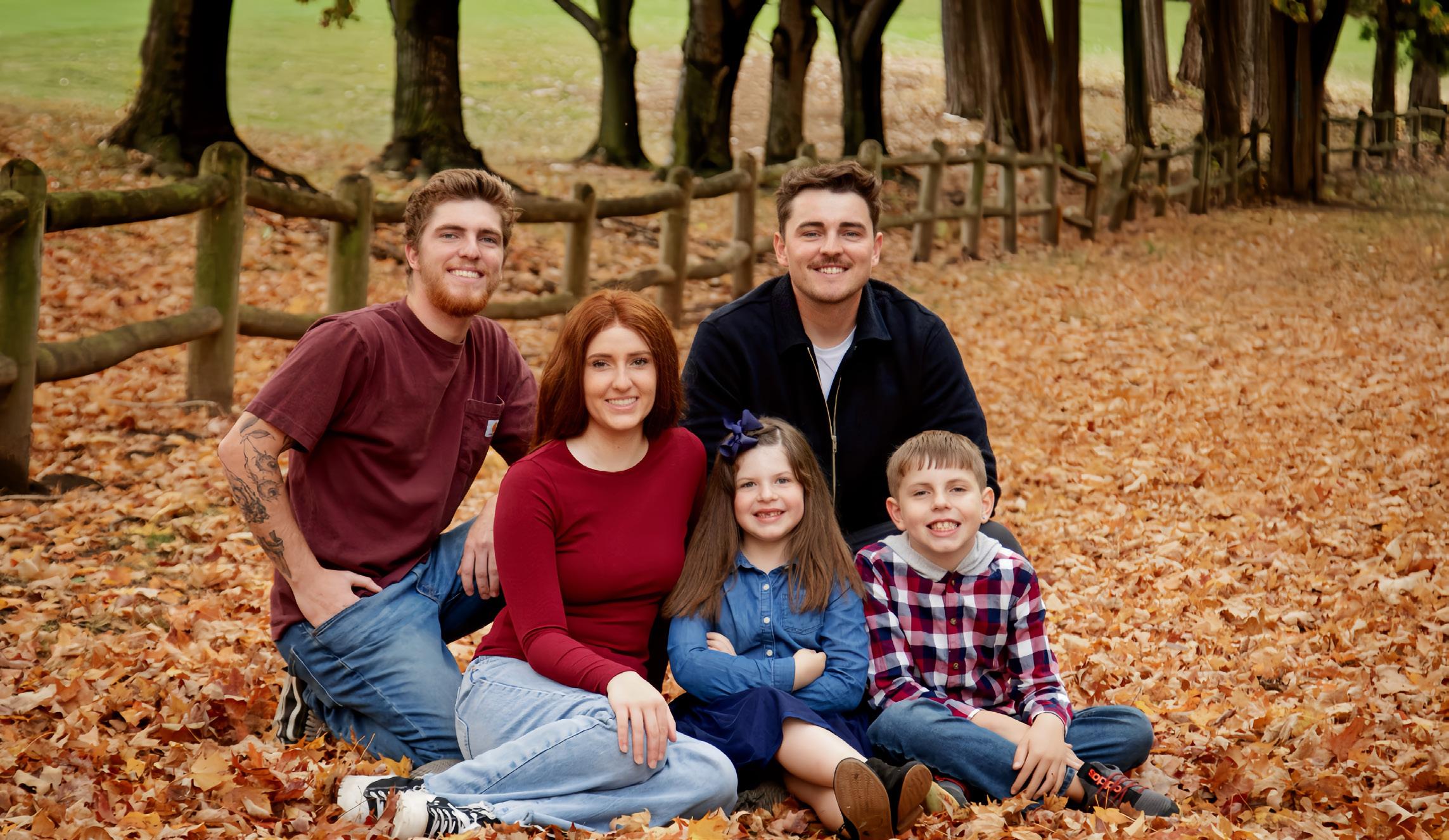
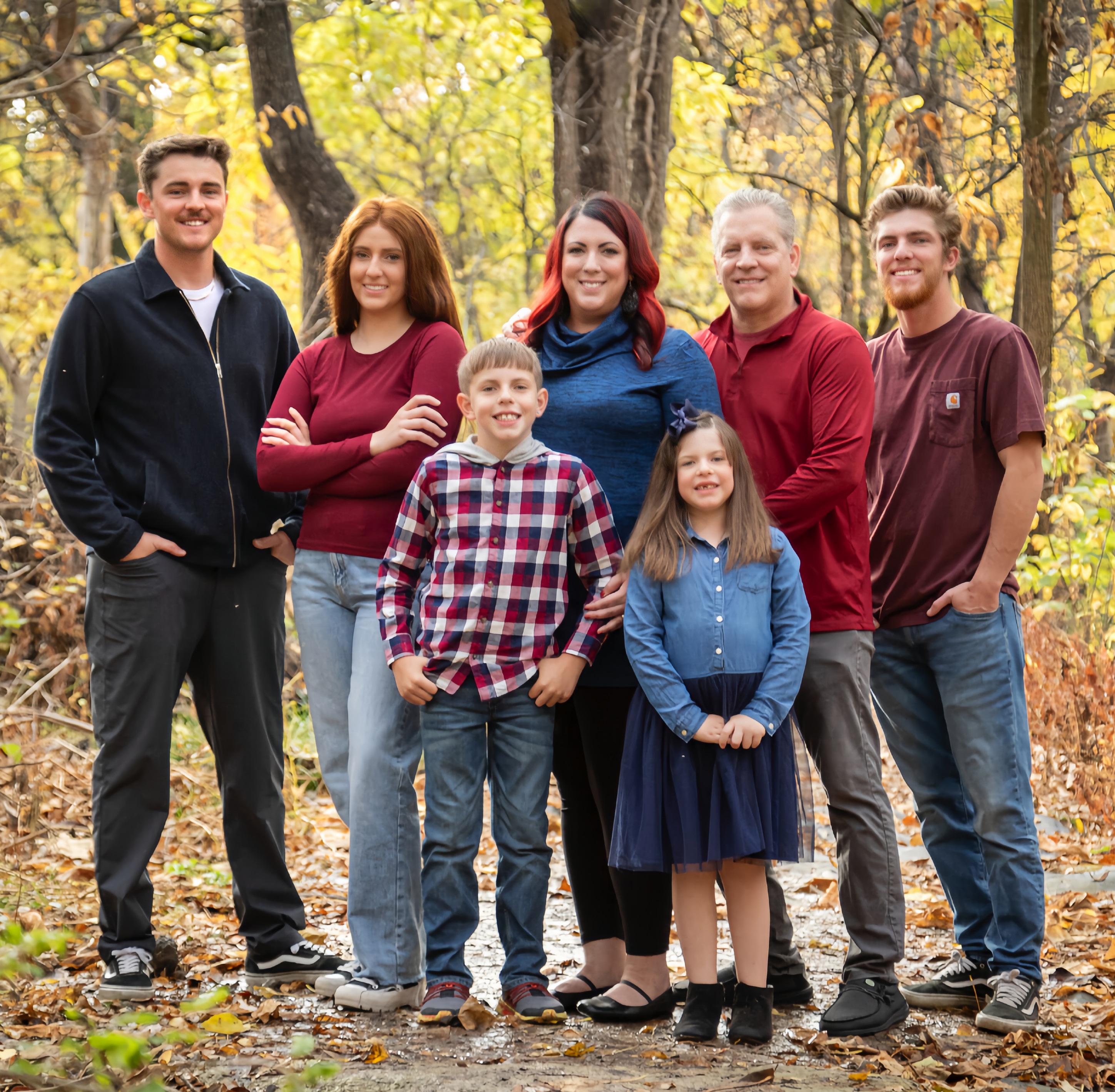
Nora Kemmerer, an Alpha-1 parent, from Omaha, Nebraska, shares her inspiring journey shaped by resilience, hope, and a deep connection to the Alpha-1 community.
were the people that I met.” Meeting other parents, caregivers, and Alphas, hearing their stories, their fears, their wins, made Alpha-1 feel less isolated and far more manageable.
Based on January 2024 revision
Like many parents, Nora’s journey began with questions, and a lot of them. After her child experienced ongoing health concerns, their pediatrician ran every test possible. When answers still felt out of reach, they were referred to a gastroenterologist at the Children’s Hospital in Omaha. That visit finally brought clarity, a diagnosis of Alpha-1 Antitrypsin Deficiency (Alpha-1).
“It was overwhelming at first,” Nora admits. “You don’t expect a genetic diagnosis, and you are definitely not prepared for it.” But instead of letting fear take over, Nora chose to face each challenge, one step at a time.
There was no known history of Alpha-1 in her family, although Nora often reflects on her grandfather, who battled emphysema. “I’ve wondered if he may have been a carrier,” she says. “It makes you think differently about past generations, and about how important awareness and detection really are.”
In 2019, Nora decided to attend her first Alpha-1 Foundation (A1F) National Education Conference in San Francisco, California. That experience changed everything. “The educational information was incredible,” she says, “but what really stuck with me
“The conference didn’t just give me knowledge; it gave me confidence.”
Today, the Alpha-1 community remains one of Nora’s greatest resources. She believes strongly in the power of connection and encourages other Alpha-1 parents to ask questions, lean on each other, and use A1F’s tools.
Knowledge is power. The more you understand Alpha-1, the less scary it feels, and the more confident you become advocating for your child.
—Nora Kemmerer
Looking ahead, Nora is hopeful. She has seen the conversation around Alpha-1 change dramatically
over the years, especially when it comes to research and clinical trials and movement towards a cure. Promising research, ongoing clinical trials, and A1F’s continued commitment have shifted the focus from managing today to believing in tomorrow.
For families attending their first A1F National Education Conference, Nora offers heartfelt advice: do not worry about absorbing everything at once. “It’s okay to feel overwhelmed,” she says. “Soak in what you can and remember that many sessions are available on demand online later.” Most importantly, she reminds first timers to connect. “Introduce yourself. Ask questions. The community is incredibly welcoming, it really does feel like one big family.”
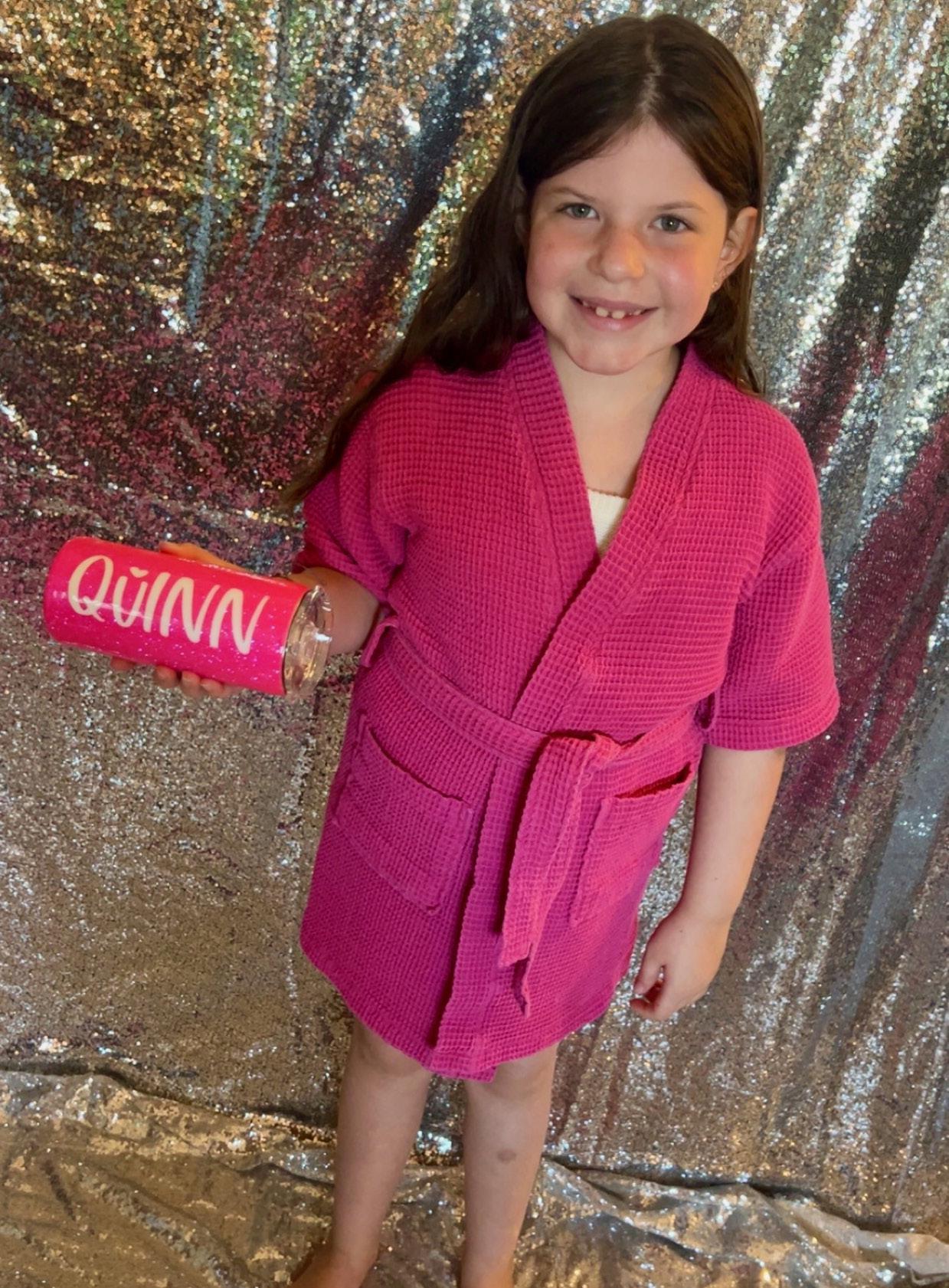
At the heart of everything Nora does is her daughter, Quinn. Her biggest wish is simple but powerful: a future where Alpha-1 no longer limits her daughter’s life. She hopes a cure is found, so she never has to worry about long-term complications, but she also hopes for something just as meaningful.
I want her to grow strong, confident, and proud of who she is. And maybe one day, she’ll use her experience to help someone else.
—Nora Kemmerer
And like many kids her age, Nora’s daughter already has big dreams. At just eight years old, she knows exactly what she wants to be when she grows up: a makeup artist. According to Nora, she is already impressively talented.
Through learning, community, and hope, families like Nora’s continue to move forward, raising strong Alpha kids who are full of dreams, determination, and joy. 1 ALPHA-1 FOU NDATION
Are you receiving our emails?
Do you receive the monthly e-newsletter “Community Currents”? This is a good time to check that you are on our e-mail list. Update your contact information by visiting alpha1.org.
For additional support group meetings, please check the calendar of events on alpha1.org/calendar
Please check the Alpha-1 website for upcoming support group meetings and to register to attend an upcoming meeting, please check the calendar of events on alpha1.org/calendar
August 29-30, 2026
Boise A1F Education Day Boise, ID
November 6-7, 2026
Kansas City A1F Education Day Kansas City, MO
June, July & August 2026
Ice Cream for Alpha-1 Nationwide
September 2026
A1F Riding for a Reason Nationwide
September 15, 2026
A1F Fall Lobby Day Washington, D.C.
October 17, 2026
A1F Gulf Coast Ride Dunedin, FL
December 4-5, 2026
Nashville A1F Education Day Nashville, TN
September 25-27, 2026
Escape to the Cape Cape Cod, MA
November 2026
Alpha-1 Awareness Month
A1F Virtual Walks
Nationwide


3300 Ponce de Leon Blvd , Coral Gables, FL 33134


The A1F Member Center is your personal Alpha-1 Foundation (A1F) hub designed to make it easier than ever to stay informed, involved, and connected to the Alpha-1 community In one secure place, you can: Login to your A1F Member Center por tal to update your information and stay connected with A1F today!