Safety Data Sheet
Section 1: Identification
Product Identifier
Product Name: • Terraplank™ Fiber Cement Siding
Synonyms • Fiber Cement; Fiber Cement Siding

Product Code Terraplank™ Lap, Terraplank™ Panel, Terraplank™ Shake
Relevant identified uses of the substance or mixture and uses advised against Recommended use • Fiber Cement products are intended for exterior cladding. Terraplank™ Fiber Cement Siding is available in traditional and contemporary aesthetics. It is suitable for residential and light commercial applications. These 100% asbestos free products offer a high degree of dimensional stability and impact resistance.
Details of the supplier of the safety data sheet
Manufacturer • Plycem USA LLC Corporate Headquarters 396 W Greens Rd. Suite 300 Houston, TX 77067 United States www.AlluraUSA.com
Telephone • (281) 742-7082
Emergency Telephone Number
Manufacturer • (281) 742-7082
Section 2: Hazard Identification
United States (US)
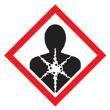
Hazard statements • May cause cancer. - H350 Causes damage to organs through prolonged or repeated exposure. - H372
Precautionary statements
Prevention:
• Obtain special instructions before use. - P201
• Do not handle until all safety precautions have been read and understood. - P202
• Do not breathe dust. - P260
• Wash thoroughly after handling. - P264
• Do not eat, drink or smoke when using this product. - P270
Response
Storage/Disposal
Other Hazards
• Wear protective gloves/protective clothing/eye protection/face protection. - P280
• User personal protective equipment as required. - P281
• If exposed or concerned: Get medical advice/attention. - P308+P313
• Get medical advice/attention if you feel unwell. - P314
• Dispose of content and/or container in accordance with local, regional, national, and/or international regulations. - P501
OSHA HCS 2012 • Under United States Regulations (29 CFR 1910.1200 - Hazard Communication Standard), this product is considered hazardous.
Canada • According to WHMIS
Classification of the substance or mixture
WHMIS
Label elements
WHMIS
Other Hazards
WHMIS
Other information
• Other Toxic Effects - D2A

• Other Toxic Effects - D2A
• In Canada, the product mentioned above is considered hazardous under the Workplace Hazardous Materials Information System (WHMIS).
• The potential for hazardous component release occurs during installation of the product and specifically during cutting, drilling, crushing, etc. activities that generate dust. Hazardous components are not expected to be released once the product is installed.
See Section 12 for Ecological Information
Section 3: Composition/Information on Ingredients
Substances
• Material does not meet the criteria of a substance. Mixtures
• Some products are coated with a water based primer and paint.
COMPOSITION
Portland Cement
65997-15-1
HCS 2012: Skin Corr. 1A; Eye Dam. 1 EC Number: 266-043-4 Cellulose Fiber
TO 9.5% OSHA HCS 2012: Comb. Dust.
Quartz CAS:14808-60-7 25% TO 55% OSHA HCS 2012: Carc. 1A
EC Number: 238-878-4
Aluminum hydroxide CAS: 21645-51-2 0% TO 6% OSHA HCS 2012: Not Classified
EC Number: 244-492-7
Bentonite CAS: 1302-78-9 0% TO 5% OSHA HCS 2012: Carc. 1A
EC Number: 215-108-5
See Section 11 for Toxicological Information.
Section 4: First-Aid Measures
Description of first aid measures
Inhalation
Eye
Ingestion
• Remove to fresh air, apply artificial respiration and/or oxygen if necessary and get medical attention.
• Remove contaminated clothing and wash exposed skin with soap and water. If irritation develops or persists, seek medical attention.
• Remove to fresh air, apply artificial respiration and/or oxygen if necessary and get medical attention.
Most important symptoms and effects, both acute and delayed
• Refer to Section 11 - Toxicological Information.
Indication of any immediate medical attention and special treatment needed
• OSHA HCS 2012 DANGER
Notes to Physician
• All treatments should be based on observed signs and symptoms of distress in the patient. Consideration should be given to the possibility that overexposure to materials other than this product may have occurred.
Extinguishing media
Suitable Extinguishing Media
Unsuitable Extinguishing Media
• Use any media suitable for the surrounding fires.
• N/A
Special hazards arising from the substance or mixture
Unusual Fire and Explosion Hazards
Hazardous Combustion Products
Advice for Fire-Fighters
• None known. This product is not considered combustible.
• This product is non-combustible.
• Fire fighters should use normal precautions and extinguishing methods suitable for surrounding materials.
Personal precautions, protective equipment and emergency procedures
Personal Precautions
Emergency Procedures
Environmental precautions
• Do not breathe dust. Wear a dust mask if generated above exposure limits. Wear appropriate protective equipment and clothing during clean-up.
• No emergency procedures are expected to be necessary if material is used under ordinary conditions as recommended.
• No special precautions necessary.
Methods and material for containment and cleaning up
• Do not dry sweep dust accumulation.
• Pick up large pieces.
• Collect dust or particulates using a vacuum cleaner with a HEPA filter.
• Avoid the generation of dusts during clean-up.
Section 7: Handling and Storage
Precautions for safe handling
Handling
• Avoid breathing dust generated when sawing, routing, drilling, and sanding this product.
• Wear personal protective equipment. Wash thoroughly after handling.
Conditions for safe storage, including any incompatibilities • Store in a dry place and under cover to protect product.
Section 8: Exposure Controls/Personal Protection
Control parameters
EXPOSURE LIMITS/GUIDELINES Result
(1309-48-4) (respirable dust and (fume, as Mg) fume, as Mg)
inhalable);
Mg) mg/m3 TWA (respirable dust and fume, as Mg)
(1305-78-8)
mg/m3 TWA (13463-67-7) dust); 3 mg/m3 TWA (respirable mass); 10 (respirable fraction) mg/m3 TWA (total mass)
Iron oxide STELs Not
STEL
(1309-37-1) (fume, as Fe)
10 mg/m3 TWA (total 5 mg/m3 TWA 5 mg/m3 TWA
mg/m3 TWA particulate matter (respirable fraction) (particulate (respirable mass); 10 containing no matter containing no mg/m3 TWA (total Asbestos and <1% Asbestos and <1% mass)
Crystalline silica, Crystalline silica, dust total particulate, and fume, as Fe); 10 listed under Rouge); 3 mg/m3 TWA mg/m3 TWA (particu- (regulated under late matter containing Rouge, particulate no Asbestos and <1% matter containing no Crystalline silica, Asbestos and <1% respirable particulate, Crystalline silica) listed under Rouge); 5 mg/m3 TWA (dust and fume, as Fe)
Aluminum oxide TWAs Not established
established
mg/m3 TWA 10 mg/m3 TWA; 5 (1344-28-1) (particulate matter mg/m3 TWA containing no (respirable mass);10 Asbestos and <1% mg/m3 TWA (total Crystalline silica) mass)
EXPOSURE LIMITS/GUIDELINES CONT’D
Silica, amorphous TWAs Not established Not established Not established Not established 2 mg/m3 TWA (7631-86-9) (respirable mass); 5 mg/m3 TWA (total mass); 0.05 mg/m3 TWA (regulated under Silica flour, respirable mass); 0.15 mg/m3 TWA (total mass, regulated under Silica flour)
Quartz TWAs 0.025 mg/m3 TWA 0.025 mg/m3 TWA 0.025 mg/m3 TWA 0.1 mg/m3 TWA 0.1 mg/m3 TWA (14808-60-7) (respirable fraction) (respirable) (respirable fraction) (respirable fraction) (respirable mass); 0.3 mg/m3 TWA (total mass)
Portland Cement TWAs 1 mg/m3 TWA 10 mg/m3 TWA (total 1 mg/m3 TWA 10 mg/m3 TWA 5 mg/m3 TWA (65997-15-1) (particulate matter particulate matter (particulate matter (particulate matter (respirable mass); 10 containing no containing no containing no containing no mg/m3 TWA (total asbestos and <1% Asbestos and <1% Asbestos and <1% Asbestos and <1% mass) crystalline silica, Crystalline silica, total Crystalline silica, Crystalline silica) respirable fraction) particulate); 3 mg/m3 respirable fraction) TWA (particulate matter containing no Asbestos and <1% Crystalline silica, respirable particulate)
(21645-51-2) (respirable fraction) (respirable)
(1309-48-4)
TWA (1305-78-8)
Titanium dioxide TWAs 10 mg/m3 TWA
STEL
mg/m3 TWA
TWA (total
mg/m3 TWAEV 30 mppcf TWA (as (13463-67-7) (respirable mass); 10 dust) (containing no Ti); 10 mg/m3 TWA mg/m3 TWA (total Asbestos and <1% (as Ti) mass) Crystalline silica, total dust)
STELs Not established Not established Not established Not established 20 mg/m3 STEL (as Ti) Iron oxide TWAs 5 mg/m3 TWA 5 mg/m3 TWA 5 mg/m3 TWA 5 mg/m3 TWAEV 5 mg/m3 TWA (fume, (1309-37-1) (respirable fraction) (respirable mass); 10 (respirable) (dust and fume, as as Fe2O3); 30 mppcf mg/m3 TWA (total Fe);10 mg/m3 TWA (regulated under mass) TWAEV (containing Rouge); 10 mg/m3 no Asbestos and TWA (regulated under <1% Crystalline Rouge) silica, regulated under Rouge, total dust)
STELs Not established Not established Not established Not established 10 mg/m3 STEL (fume); 20 mg/m3 STEL (regulated under Rouge)
Aluminum oxide STELs Not established 20 mg/m3 STEL
established Not established 20 mg/m3 STEL (1344-28-1) (Al2O3) TWAs Not established 10 mg/m3 TWA; 5 Not established 10 mg/m3 TWAEV 30 mppcf TWA mg/m3 TWA (containing no (Al2O3); 10 mg/m3 (respirable mass); 10 Asbestos and <1% TWA (Al2O3) mg/m3 TWA (total Crystalline silica, mass) total dust, as Al)
EXPOSURE LIMITS/GUIDELINES CONT’D
Silica, amorphous TWAs Not established 2 mg/m3 TWA Not established Not established 300 particle/mL TWA (7631-86-9) (respirable mass); 5 (as measured by mg/m3 TWA (total Konimeter mass); 0.05 mg/m3 instrumentation, listed TWA (regulated under Silica); 20 under Silica flour, mppcf TWA (as respirable mass); measured by Impinger 0.15 mg/m3 TWA instrumentation, listed (regulated under under Silica); 2 mg/m3 Silica flour, total mass) TWA (respirable mass, listed under Silica)
Quartz TWAs 0.025 mg/m3 TWA 0.1 mg/m3 TWA 0.10 mg/m3 TWA 0.1 mg/m3 TWAEV 300 particle/mL TWA (14808-60-7) (respirable fraction) (respirable mass); (designated (respirable dust) (listed under Silica) 0.3 mg/m3 TWA (total substance regulation, mass) respirable)
Portland Cement TWAs 1 mg/m3 TWA 5 mg/m3 TWA 10 mg/m3 TWA 10 mg/m3 TWAEV 30 mppcf TWA; 10 (65997-15-1) (particulate matter (respirable mass); 10 (containing no (containing no mg/m3 TWA containing no mg/m3 TWA (total Asbestos and <1% Asbestos and <1% Asbestos and <1% mass) Crystalline silica, total Crystalline silica, Crystalline silica, dust) total dust); 5 mg/m3 respirable fraction) TWAEV (containing no Asbestos and <1% Crystalline silica, respirable dust)
STELs Not established Not established Not established Not established 20 mg/m3 STEL
Aluminum hydroxide TWAs Not established Not established 1 mg/m3 TWA Not established Not established (21645-51-2) (respirable fraction)
Result NIOSH OSHA
Magnesium oxide (1309-48-4) TWAs Not established 15 mg/m3 TWA (fume, total particulate)
Calcium oxide (1305-78-8) TWAs 2 mg/m3 TWA 5 mg/m3 TWA
Titanium dioxide (13463-67-7) TWAs Not established 15 mg/m3 TWA (total dust)
Iron oxide (1309-37-1) TWAs 5 mg/m3 TWA (dust and fume, as Fe) 10 mg/m3 TWA (fume)
Aluminum oxide (1344-28-1) TWAs Not established 15 mg/m3 TWA (total dust); 5 mg/m3 TWA (respirable fraction)
Silica, amorphous (7631-86-9) TWAs 6 mg/m3 TWA Not established
Quartz (14808-60-7) TWAs 0.05 mg/m3 TWA (respirable dust) 0.05 mg/m3 TWA (respirable dust)
Portland Cement (65997-15-1) TWAs 10 mg/m3 TWA (total dust); 5 mg/m3 TWA 15 mg/m3 TWA (total dust); 5 mg/m3 TWA (respirable dust) (respirable fraction)
Exposure Controls - Engineering Measures/Controls
• Keep exposures to dust generated from cutting, drilling, routing, sawing or crushing, as low as possible.
• Perform cutting of boards in a well-ventilated area (outside) and use local exhaust ventilation to keep exposures below the recommended exposure limits.
• When using power saws, use blades designed for fiber cement siding.
• Use circular saws with a built-in dust collection container or shroud that functions as a hood, partially encloses the saw blade, that is connected to the local area ventilation system (such as shop vacuum)
• Use a shop vacuum having a filter with 99% or greater efficiency (HEPA recommended), with an air-flow rate as specified by the saw manufacturer.
• Use of high efficiency disposable filter bags is recommended as a pre-filter in the shop vacuum to capture most of the dust. This will prolong the life of the cartridge filter and contain the dust to reduce exposure during disposal.
Personal Protective Equipment
Respiratory
• If exposure controls listed above are not implemented, use NIOSH N-95 respirators when cutting, drilling, sanding, etc.
Eyes/Face/Hands • Safety glasses with side shields should be worn at a minimum.
Skin/Body
• Normal work clothing (long sleeved shirts and long pants) is recommended.
General Industrial Hygiene Considerations
• Keep formation of airborne dusts to a minimum. Use good industrial hygiene practices in handling this material.
• Use a shop vacuum with filter efficiency of at least 99% (HEPA filter recommended), or wet methods for dust cleanup. Do not dry sweep or use compressed air for cleanup of dust.
Environmental Exposure Controls
• Follow best practice for site management and disposal of waste.
ACGIH = American Conference of Governmental Industrial Hygiene
STEL = Short Term Exposure Limits are based on 15-minute exposures
LLV = Limit Level Value is the exposure limit for 8-hour work day.
STV = Short-term exposure limit based on 15-minute exposure
NIOSH = National Institute of Occupational Safety and Health
OEL = Occupational Exposure Limit
TWAEV = Time-Weighted Average Exposure Value
OSHA = Occupational Safety and Health Administration
TWA = Time-Weighted Averages are based on 8h/day, 40h/week exposures
PEL = Permissible Exposure Level determined by the Occupational Safety and
TLV = Threshold Limit Value determined by the American Conference of Governmental Industrial Hygienists (ACGIH) Health Administration (OSHA)
Section 9: Physical and Chemical Properties
Information on Physical and Chemical Properties
MATERIAL DESCRIPTION
Physical Form Solid
Appearance/Description Solid gray boards with varying dimensions according to product specifications. Some may be coated with an acrylic primer
Color Gray This product may also be Odor
None prefinished and sold under the ColorMax Brand.
Odor Threshold No Data Available
General Properties
Boiling Point No Data Available
Specific Gravity/ 1 to 1.1 Water=1
to 1.6 g/mL Relative Density
Water Solubility Insoluble 0.1 g/L Viscosity
Viscosity
Vapor Pressure No Data Available
Evaporation Rate No Data Available
Flammability
Flammability (solid, gas) Not Flammable
Environmental
Octanol/Water Partition No Data Available coefficient
Density
Section 10: Stability and Reactivity
Reactivity
Chemical Stability
Possibility of Hazardous reactions
Conditions to Avoid
Conditions to Avoid
Incompatible materials
Hazardous decomposition products
• No dangerous reaction known under conditions of normal use.
• Stable under normal conditions.
• Hazardous polymerization will not occur.
• No dangerous reaction known under conditions of normal use.
• No dangerous reaction known under conditions of normal use.
• None known.
• None known.
