Relevant identified uses of the substance or mixture and uses advised against
Recommended use Allura® Fiber Cement Siding is intended for exterior cladding and is available in traditional and contemporary aesthetics. It is suitable for residential and light commercial applications. These 100% asbestos free products offer a high degree of dimensional stability and impact resistance. Allura® Backer is used as cementitious backer units for floor underlayment in the interior of buildings and backer boards for wall, ceiling, and counter tile, in tub, shower, sink, kitchens, and other wet areas in the interior of buildings.
Details of the supplier of the safety data sheet
Manufacturer Plycem USA LLC
Corporate Headquarters 396 W Greens Rd. Suite 300 Houston, TX 77067
United States www.AlluraUSA.com
Telephone (844) 525-5872
Emergency Telephone Number
Manufacturer (844) 525-5872
Section 2: Hazard Identification
United States (US)
According to OSHA 29 CFR 1910.1200 HCS
Classification of the substance or mixture
OSHA HCS 2012 • Carcinogenicity 1A - H350
Specific Target Organ Toxicity Repeated Exposure 1 - H372
Label elements
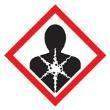
OSHA HCS 2012 DANGER
Hazard statements • May cause cancer. - H350
Causes damage to organs through prolonged or repeated exposure. - H372
Precautionary statements
Prevention:
• Obtain special instructions before use. -P201
• Do not handle until all safety precautions have been read and understood. - P202
• Do not breathe dust. -P260
• Wash thoroughly after handling. -P264
• Do not eat, drink or smoke when using this product. -P270
• User personal protective equipment as required. -P281
Response
Storage/Disposal
Other Hazards
OSHA HCS 2012
• If exposed or concerned: Get medical advice/attention. -P308+P313
• Get medical advice/attention if you feel unwell. -P314
• Dispose of content and/or container in accordance with local, regional, national, and/or international regulations. - P501
• Under United States Regulations (29 CFR 1910.1200 - Hazard Communication Standard), this product is considered hazardous.
Canada • According to WHMIS
Classification of the substance or mixture
WHMIS
Label elements
WHMIS
Other Hazards
WHMIS
Other information
• Other Toxic Effects - D2A
• Other Toxic Effects - D2A
• In Canada, the product mentioned above is considered hazardous under the Workplace Hazardous Materials Information System(WHMIS).
• The potential for hazardous component release occurs during installation of the product and specifically during cutting, drilling, crushing, etc. activities that generate dust. Hazardous components are not expected to be released once the product is installed.
See Section 12 for Ecological Information
Section 3: Composition/Information on Ingredients
Substances
• Material does not meet the criteria of asubstance. Mixtures
• Some products are coated with a water-based primer and paint.
The exact ratio of components will vary between specific products. Trace quantities of impurities are also likely.
Component
Calcium Silicate (Hydrate)
Cellulose Fiber
Crystalline Silica (Quartz)
CAS: 65997-15-1 25% TO 65%
EC Number: 266-043-4
CAS:14808-60-7
EC Number: 238-878-4 20% TO 60%
Calcium Aluminum Silicate (Hydrate) NA
See Section 11 for Toxicological Information.
Section 4: First-Aid Measures
Description of first aid measures
Inhalation
Eye
Ingestion
• Remove to fresh air, apply artificial respiration and/or oxygen if necessary and get medical attention.
• Remove contaminated clothing and wash exposed skin with soap and water. If irritation develops or persists, seek medical attention.
• Remove to fresh air, apply artificial respiration and/or oxygen if necessary and get medical attention.
Most important symptoms and effects, both acute and delayed
• Refer to Section 11 - Toxicological Information.
Indication of any immediate medical attention and special treatment needed
• OSHA HCS 2012 DANGER
Notes to Physician
• All treatments should be based on observed signs and symptoms of distress in the patient. Consideration should be given to the possibility that overexposure to materials other than this product may have occurred.
Section 5: Fire-Fighting Measures
Extinguishing media
Suitable Extinguishing Media
Unsuitable Extinguishing Media
• Use any media suitable for the surroundingfires.
• N/A
Special hazards arising from the substance or mixture
Unusual Fire and Explosion Hazards
Hazardous Combustion Products
Advice for Fire-Fighters
• None known. This product is not considered combustible.
• This product is non-combustible.
• Fire fighters should use normal precautions and extinguishing methods suitable for surrounding materials.
Section 6: Accidental Release Measures
Personal precautions, protective equipment and emergency procedures
Personal Precautions
Emergency Procedures
Environmental precautions
• Do not breathe dust. Wear a dust mask if generated above exposurelimits. Wear appropriate protective equipment and clothing during clean-up.
• No emergency procedures are expected to be necessary if materialis used under ordinary conditions as recommended.
• No special precautions necessary.
Methods and material for containment and cleaning up
• Do not dry sweep dust accumulation.
• Pick up large pieces.
• Collect dust or particulates using a vacuum cleaner with a HEPAfilter.
• Avoid the generation of dusts during clean-up.
Section 7: Handling and Storage
Precautions for safe handling
Handling
• Avoid breathing dust generated when sawing, routing, drilling, and sanding this product.
• Wear personal protective equipment. Wash thoroughly after handling.
Conditions for safe storage, including any incompatibilities • Store in a dry place and under cover to protectproduct.
Section 8: Exposure Controls/Personal Protection
Control parameters
mass) respirable)
Exposure Controls - Engineering Measures/Controls
• Keep exposures to dust generated from cutting, drilling, routing, sawing or crushing, as low as possible.
• Perform cutting of boards in a well-ventilated area (outside) and use local exhaust ventilation to keep exposures below the recommended exposure limits.
• When using power saws, use blades designed for fiber cement siding.
• Use circular saws with a built-in dust collection container or shroud that functions as a hood, partially encloses the saw blade, that is connected to the local area ventilation system (such as shop vacuum)
• Use a shop vacuum having a filter with 99% or greater efficiency (HEPA recommended), with an air-flow rate as specified by the saw manufacturer
• Use of high efficiency disposable filter bags is recommended as a pre-filter in the shop vacuum to capture most of the dust. This will prolong the life of the cartridge filter and contain the dust to reduce exposure during disposal.
Personal Protective Equipment
Respiratory • If exposure controls listed above are not implemented, use NIOSH N-95 respirators when cutting, drilling, sanding,etc.
Eyes/Face/Hands • Safety glasses with side shields should be worn at a minimum.
Skin/Body
General
• Normal work clothing (long sleeved shirts and long pants) is recommended.
Industrial Hygiene Considerations
• Keep formation of airborne dusts to a minimum. Use good industrial hygiene practices in handling this material.
• Use a shop vacuum with filter efficiency of at least 99% (HEPA filter recommended), or wet methods for dust cleanup. Do not dry sweep or use compressed air for cleanup of dust.
Environmental Exposure Controls
• Follow best practice for site management and disposal of waste.
ACGIH = American Conference of Governmental Industrial Hygiene
STEL = Short Term Exposure Limits are based on 15-minute exposures
LLV = Limit Level Value is the exposure limit for 8-hour work day.
STV = Short-term exposure limit based on 15-minute exposure
NIOSH = National Institute of Occupational Safety and Health
OEL = Occupational Exposure Limit
TWAEV = Time-Weighted Average Exposure Value
OSHA = Occupational Safety and Health Administration
TWA = Time-Weighted Averages are based on 8h/day, 40h/week exposures
Health Administration (OSHA)
PEL = Permissible Exposure Limit determined by the Occupational Safety and TLV = Threshold Limit Value determined by the American Conference of Governmental Industrial Hygienists (ACGIH)
Section 9: Physical and Chemical Properties
Information on Physical and Chemical Properties
MATERIAL DESCRIPTION
Physical Form Solid
Color Gray This product may also be
prefinished and sold under the ColorMax Brand.
Odor Threshold No Data Available
General Properties
Boiling
Decomposition
Appearance/Description
gray boards with varying dimensions according to product specifications. Some may be coated with an acrylic primer
Flammability (solid, gas)
Section 10: Stability and Reactivity
Conditions to Avoid
No dangerous reaction known under conditions of normal use.
Conditions to Avoid • No dangerous reaction known under conditions of normal use. Incompatible materials
Hazardous decomposition products
None known.
None known.
Section 11: Toxicological Information
Information on toxicological effects
Other Material Information
• The potential for hazardous component release occurs during installation of the product and specifically during cutting, drilling, crushing, etc. activities that generate dust. Hazardous components are not expected to be released once the product is installed.
Acute toxicity
Aspiration Hazard
Carcinogenicity
Germ Cell Mutagenicity
Skin corrosion/Irritation
Skin sensitization
STOT-RE
STOT-SE
Toxicity for Reproduction
Respiratory sensitization
Serious eye damage/Irritation
Target Organs
Route(s) of entry/exposure
Potential Health Effects
Inhalation Acute (Immediate)
Chronic (Delayed)
Skin Acute (Immediate)
Skin Chronic (Delayed)
Eye Acute (Immediate)
Eye Chronic (Delayed)
Ingestion Acute (Immediate)
Ingestion Chronic (Delayed)
Carcinogenic Effects
• Lungs, Kidneys
•Inhalation, Skin, Eye, Ingestion
OSHA HCS 2012 • No data available
OSHA HCS 2012 • No data available
OSHA HCS 2012 • Carcinogenicity 1A
OSHA HCS 2012 • No data available
OSHA HCS 2012 • No data available
OSHA HCS 2012 • No data available
OSHA HCS 2012 • Specific Target Organ Toxicity Repeated Exposure 1
OSHA HCS 2012 • No data available
OSHA HCS 2012 • No data available
OSHA HCS 2012 • No data available
OSHA HCS 2012 • No data available
• May cause coughing and/or sneezing. Temporary irritation of nose and throat may occur.
• Silicosis (pulmonary fibrosis or severe lung scarring) may occur if exposed to high levels or repeated encounters with dust. This product contains crystalline silica (quartz) which is listed by IARC as carcinogen and a known human carcinogen by NTP. Exposure to airborne particles that exceed the limits listed may cause lung cancer and kidney damage
• Dust or powder may result in mechanical irritation of the skin characterized by itchingor redness. Rubbing skin may increase irritation.
• No data available.
• Mechanical irritation of the eye may occur characterized by itching orredness. Rubbing may cause abrasion of cornea.
• No data available.
• Ingestion of this product unlikely. Ingestion of particles may cause gastrointestinal irritation
• No data available
• When used under normal conditions, this product is not considered a carcinogen. Thisproduct contains crystalline silica. IARC Monographs on Evaluation of Carcinogenic Risk of Chemicals to Humans (Monograph 68, 1997) concludes that there is sufficient evidence for the carcinogenicity of crystalline silica to humans, IARC (Group I). Crystalline Silica is classified as a known Carcinogen, according to the NTP. Bentonite contains small quantities of crystalline silica and should be factored when using the product.
Reproductive Effects
Other Information
Key to abbreviations
MLD = Mild
TC = Toxic Concentration
• None Known
• This product is not toxic in its intact form. Temporary irritation may be observed in the upper respiratory system, eyes, and skin. Inhalation of dusts/fumes from this product may cause a scratchy throat, congestion, and slight coughing.
Section 12: Ecological Information
Toxicity
Persistence and degradability
Bio accumulative potential
Mobility in Soil
Other adverse effects
Ecological Fate
Potential Environmental Effects
• Material data lacking.
• No information available for theproduct.
• No information available for theproduct.
• Material data lacking.
• The product is notbiodegradable
• Fiber Cement boards do not present an environmental risk in the intact (whole) state, i.e., when installed or in packaging.
Section 13: Disposal Conditions
Waste Treatment Methods
Product waste
Packaging waste
Waste Treatment Methods
Special precautions for user
Transport in bulk according
• This product, as supplied, is not regulated as a hazardous waste by the U.S. Environmental Protection Agency (EPA) under Resource Conservation and Recovery Act (RCRA) regulations. Comply with state and local regulations for disposal. If you are unsure of the regulations, contact your local public health department, or the local office of the EPA. Dispose of waste material according to Local, State, Federal, and Provincial Environmental Regulations.
• Dispose of content and/or container in accordance with local, regional, national,and/or international regulations.
• None known.
• Not relevant to Annex II of MARPOL 73/78 and the IBC Code
Section 15: Regulatory
STATE RIGHT TO KNOW
WARNING: This product can expose you to chemicals including silica, which is known to the State of California to cause cancer. For more information go to www.P65Warnings.ca.gov
Section 16: Other Information
Last Revision Date March 4, 2026
Preparation Date February 24, 2025
Disclaimer/Statement of Liability
Reasonable care has been taken in the preparation of this information, but the supplier gives no warranty of merchantability or of fitness for a particular purpose. Any product purchased is sold on the assumption the purchaser will make his own tests to determine the quality and suitability of the product. Supplier expressly disclaims any and all liability for incidental and/or consequential property damage arising out of the use of this product. No information provided shall be deemed to be a recommendation to use any product in conflict with any existing patent rights. Read the Safety Data Sheet before handling product.