
SECTION I. IDENTIFICATION
Product Identifier
Product Name:
Plycem Fiber Cement Reversible Trim
Other means of identification: Plycem Trim, Allura Trim
Relevant identified uses of the substance or mixture and uses advised against
Recommended use: Exterior Fiber Cement moulding forcorners, windows, columns, doors.
Details of the supplier of the safety data sheet
Manufacturer and Address:
Plycem Construsistemas Costa Rica S.A. 5 km al este de la Basílica deLos Angeles Carretera a Paraíso, Paraíso Cartago, Costa Rica
Plycem Construsistemas El Salvador S.A. de C.V. Km 12.5 Carretera Panamericana, Frente a desvío de Apulo Ilopango, San Salvador, El Salvador
Plycem Construsistemas Honduras S.A. de C.V. Km 23 Carretera a Tegucigalpa, Frente a Zip Buena Vista Villanueva, Cortés, Honduras.
Address URL: www.plycemtrim.com; www.plycem.com
Email: rthamez@elementia.com mabarca@elementia.com
Telephones:
Emergency Telephone Number
Manufacturer
Costa Rica (506)2575-4300
El Salvador(503)2251-9300
Honduras (504) 2670-0456
Costa Rica (506)2575-4300 ext: 6227
El Salvador(503)2251-9300
Honduras (504) 2670-0456
SECCIÓN II: HAZARD IDENTIFICATION
a. DANGER
b. Response
c. Disposal
c. Prevention
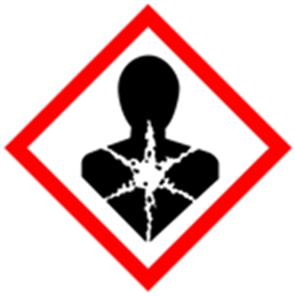
i. May cause cancerby inhalation.
ii. Causesdamagetolungsthroughprolongedorrepeatedexposurebyinhalation.
i. If exposed orconcerned: Get medical advice.
i. Dispose of contents/containers in accordance with local regulation.
ii. Obtain special instructions before use.
ii. Do not handle until all safety precautions have been read and understood.
iii. Do not breathe dust.
iv. Do not eat, drink orsmoke when using this product.
v. Wear protective gloves and safety glasses orgoggles.
vi. In case of inadequate ventilation wear respiratory protection.
SGA classification of the substance: Not subject to classification. It is not dangerous to transport by road.
Label SGA OTHER HAZARDS:
Potential Health Effects
Inhalation
Ingestion
The dust produced in the sanding process may cause irritation to the nose, throat and respiratoryairways.Theprolongedexposurecancausesilicosis(scarringofthelung)and increasetheriskoftuberculosis,bronchitis,lungcancer,kidneydiseaseandscleroderma. Furthermore, smoking along with repeated exposition to dust can increase the risk of developing lung diseases.
Acuteeffects. People exposed to large amounts of this powder will be forced to leave the area due to discomfort such as coughing, sneezing, and nasal irritation. After excessive inhalation, shortness of breath may occur. If respiratory symptoms persist, consult a physician.
Chroniceffects.
Breathable mineral powder (including calcium carbonate, calcium sulfate, aluminate and calcium silicate minerals): the exhibition by long-term to the respirable dust in the workplaceisassociated with the developmentof Pneumoconiosis (scarring of thelungs), increased risk of bronchitis and reduced life expectancy. Cellulose fiber:theresultsofanimalexperimentssuggestthatrepeatedexposuretolarge amounts of respirable cellulose can cause inflammation andscarring of the lungs.
It is unlikely to occur, however, it may cause irritation of the mouth, digestive system, vomit and diarrhea, abdominal pain and intestinal obstruction.
Eye Contact It may cause irritation, tearing and redness
Skin Contact
Carcinogenicity
Acuteeffects. Powder can cause irritation on the skin as a result of abrasion mechanical and alkaline (if there are hydroxide or calcium oxide present).
Chroniceffects. Very prolonged contact may cause dermatitis and dryness of the skin.
Crystalline Silica (Quartz)
IARC: Carcinogenic Group 1.
NTP: Known to be a human carcinogen
ACGIH A1 Known to be a human carcinogen
CAL-65 Chemicals known to the State of California to cause human cancer. Theweightpercentofcrystallinesilicagivenrepresentstotalquartzandnottherespirable fraction. The weight percent of respirable silica has not been measured in this product.
Mutagenicity
Teratogenicity
Neurotoxicity
ReproductiveSystem
TargetOrgans
SECTION III. COMPOSITION / INFORMATION ON INGREDIENTS
Substances Material does not meet the criteria of a substances
Mixtures Some presentations of the product can be impregnated on the surface with silicone non-hazardous materials. Some presentations of the product can have water base, acrylic type, coatings or paints. Composition
Portland Cement 45 -65 65997-15-1
Limestone (Calcium Carbonate) 20 - 40 1317-65-3
Cellulose
(Seenote1)
(Polyvinyl Alcohol)fiber (Seenote2)
(Polypropylene) fiber (Seenote2)
Crystalline silica (quartz) (Seenote3)
Other Non-Hazardous Ingredients (fillers and pigments) (Seenote4) <10 NA
Notes 1) Cellulosefiberintheproductcanbevirgincellulose(withoutorwithbleaching),recycledKraftcardboard orrecyclednewsprintorseveralofcombinationsofthesematerials.
2) Theproductmaycontainfibersofpolyvinylalcoholorfibersofpolypropyleneorbothornoneofthese.
3) This product has no formulated crystalline silica. However, small amounts of crystalline silica (quartz) maybepresentascontaminantsinPortlandcement,limestoneandmicrosilica.
4) Thisproductmaybecoatedwithasilane-siloxanebasedadmixtureforwaterrepellency. Also,itmaybecoated withanacrylicbasedadmixtureorwithanacrylic/silane-siloxanebasedadmixtureforwaterrepellency,sealingor priming. Finalsolidsfromanyoftheseadmixtureswillconstitutelessthan1%ofthetotalproductweight.
SECCIÓN IV: FIRST AID MEASURES
Inhalation
Removetofreshair,applyartificialrespirationand/oroxygenifnecessaryandgetmedical attention.
Ingestion It is unlikely to occur; however, if swallowed drink lots of water. Do not induce vomiting.
Eye contact If irritation or redness develops from exposure, flush eyes with clean water or saline solution forat least 15 minutes. If irritation or redness persist, seek medical attention.
Skin contact
Remove contaminated shoes and clothing and cleanse affected area(s) thoroughly by washing with mild soap and water. If irritation or redness develops and persists, seek medical attention.
Recommended Antidote ND
Information to doctor
MEDICAL CONDITIONSWHICH MAYBE AGGRAVATED: Pre-existing diseases of the lung and upper respiratory tract, such as bronchitis, emphysema and asthma, among others. Pre-existing skin diseases such as rashes and dermatitis, among others.
SECCIÓN V: FIRE-FIGHTING MEASURES
General Risk
The product is non-flammable neither presents an explosion hazard and no special precautions are required.
Flash Point ND
Flammability Limits ND
Extinguishing Agents CO2, foam and water
Protective equipment for fire fighting Use adequate personal protection equipment
Unusual Fire and Explosion Risks ND
Hazardous combustion products ND
SECCIÓN VI: ACCIDENTAL RELEASE MEASURES
Containment When handling this waste wear gloves and respiratory mask.
Individual precautions, protective equipment and emergency procedures
Disposal
The areas that have been contaminated with dust by cutting, drilling, sawing, crushing orgrindingoftheproductshouldbecleanedwithanindustrialvacuumcleanerequipped with high efficiency pads for removal of volatile particles. If there is no appropriate vacuum cleaner, MOP using water to prevent volatilization of particles or dust should sweep.
Disposalaccordinglocalregulations. Neverallowtheproducttogointobodiesofwater or the municipal sewage.
SECCIÓN VII: HANDLING AND STORAGE
Conditions of safe storage, including any of the incompatibilities.
Avoid wet conditions. Avoid the generation of volatile powder.
Precautions for safe handling ND.
Effects by sun light, heat and humidity ND
SECCIÓN VIII: EXPOSURE CONTROLS / PERSONAL PROTECTION
Control parameters
Exposure Limits
The product does not present health hazards. The dust created by cutting, drilling, sawing, crushing or grinding of the product may be harmful to the health. Any volatile dust exposure is potentially hazardous to the health, and measures should be taken to minimize exposure
Appropriate engineering controls
Operations with the product that might create dust should be in well ventilated areas, ideally outdoors.
The tools used to work with the product should be equipped with dust suppression systems. Vacuumextractionlinescanbeusedtoremoveandcollectanydustwhenworkingwithhighpower tools, but these are less effective in controlling the dust than the waterdust-suppression systems.
MEASURES OF INDIVIDUAL PROTECTION
Respiratory Protection
In the absence of appropriate dust suppression measures, adequate systems of personal respiratory protection must be used. This may be an appropriate disposable maks (dust mask) or a respirator, depending on the duration and intensity of exposure.
Care must be taken to ensure that respirators meet the appropriate local standards (standards of the United States or the EUare recommended) to provide protection with regard to the respirable dust (information about the selection of respirators can be found on the network of the NIOSH website: www.cdc.gov/niosh).
Respirators must fit correctly according to the manufacturer's instructions. Individuals with beard may have difficulty in achieving a satisfactory seal.
Propercleaninghabitsmustbeperformedtokeepworkareasfreeofdustdeposits.Dustopowder shouldberemovedusinganindustrialvacuumcleanerwithhighefficiencyfiltration.Ifyouneedto remove dust by sweeping, water should be added to preventvolatilization of dust.
Exposure to the dust adhered to the working clothing should be avoided while changing or removing the clothing. Work clothing should be washed regularly to prevent the accumulation of loose powder.
If the exposure while sanding or cutting material is prolonged or if it is greater than the recommended exposure limits (REL) in accordance with NIOSH in a weighted time of 10 hours, masks must be used and maintained in accordance with theANSI Z88.2 standard masks..
Eye Protection Wear safety glasses resistant to dust, recommended by OSHA and/or NIOSH, when cutting according to codes and applicable laws. To determine protective equipment more suitable to be used referto local regulations.
SECCIÓN IX: PHYSICAL AND CHEMICAL PROPERTIES
Odor and appearance
Physical state
Density
Solubility in water
Melting point
Boiling
Solid panel – pale graycolor Solid
0.9 – 1.30 g/cm3
SECCIÓN X: ESTABILITY AND REACTIVITY
Chemical Stability
Incompatible materials
Stable under normal environment and anticipated conditions of use
Avoid contact with strong oxidizing agents and strong acids
Hazardous decomposition products NA.
Polymerization Risk
Does not occur under normal conditions.
SECCIÓN XI: TOXICOLOGICAL INFORMATION
Calcium carbonate, calcium silicate, calcium sulfate, calcium aluminate
Calcium oxide, calcium hydroxide
Workers on epidemiological studies have shown that repeated exposure to high concentrations of respirable dust is associated with the development of pneumoconiosis (scarring of the lungs), decreased lung function and respiratory illnesses such as bronchitis and emphysema. No specific effects associated with some of these minerals of calcium have been reported. Experiments in animals have shown that exposure to high concentrations to a broad scope of powders of low-toxicity is associated with inflammation of the lung, and the final development of fibrosis (pneumoconiosis). The effects are not observed in humans for respirable dust concentrations equivalent to 3 mgm-3 exposure concentrations.
The adverse effects of the fraction coarser dust inhalation include irritation of the eyes, nose, and throat properly and use OSHA and/or NIOSH-approved dust mask. To determine the protective equipment more suitable to be used refer to current local standard.
These caustic materials are irritating the eyes, nose, respiratory system and skin having calcium oxide one effect greater than the hydroxide. The level reported with no irritant effect in workers exposed to calciumhydroxide is 9-10 mg/m3. Prolonged exposure can cause inflammation of the airways and ulceration and perforation of the nasal septum.
Cellulose fiber
Animal studies have shown that exposure to high concentrations of respirable Cellulose fiber can cause pulmonary inflammation that can lead to scarring of the lungs (in a similar way to the associated mineral powders).
SECCIÓN XII: ECOLOGICAL INFORMATION
This mixture contains material that is not toxic to the environment. Releases to the environment should be avoided
SECCIÓN XIII: DISPOSAL CONSIDERATIONS
It construction/demolition non-hazardous inert which can be recycled ordisposed of in a landfill. It must be disposed of according to local regulations.
SECCIÓN XIV: TRANSPORT INFORMATION
It does not require special labeling.
Dangerous product classification: NA
HazChem code: NA
Category of poison: NA
Packing group: NA
Tag: NA
No. a: NA
RID/ADR: Not subject to classification. It is not dangerous to transport by road.
IMDG / RID: Not subject to classification. It is not dangerous to transport by sea.
IATA / ICAO: Not subject to classification. It is not dangerous to transport by air.
SECCIÓN XV: REGULATORY INFORMATION
Dangerous product classification: No
Poster requirement: No, but there may be local regulations on visible notices.
Condition according to CERCLA as hazardous substances (40 CFR part 302)
Substance list and not listed: No
Features: NA
Reportable quantity: NA
Extremely hazardous substances: NA
Condition in accordance with SARA title III section 302 and 303 (40 CFR part 355 - planning and notification of emergencies)
Extremely hazardous substances No
SECCIÓN XV: REGULATORY INFORMATION (continued)
Condition in accordance with SARA title III section 311 and 312 (40 CFR part 370 - information on hazardous chemicals (right of the community to know).)
Acute: Yes
Chronic: Yes
Fire: No
Pressure: No
Reactivity: No
Condition in accordance with SARA title III section 313 (40 CFR part 372 - information on emission of hazardous chemicals (right of the community to know).)
RCRA Waste number NA
Toxic substances control Act (TSCA)
Inventory list: Yes
Section 12 (B) and 8 (d): No
SECCIÓN XVI: OTHER INFORMATION
Definition of abbreviations:
ACGIH: American Conference of government industrial hygienists
SARA: Amendment and special 1986 funds reauthorization
OSHA: Occupational health and Safety Administration
NIOSH: National occupational health and Safety Institute
CAS No: Chemical abstract services number
UN No.: United Nations number for the transportation of dangerous chemical substances.
EINECS No.: Inventory of existing commercial chemical substances-European
PEL: Limits of exposure
IDLH: Immediately dangerousto life and health
LD50: Median lethal dose 50
LC50: Median lethal concentration 50
ADR: European Agreement concerning hazardous road materials charge
RID: European Agreement concerning the burden of HAZMAT rail
IMO: International Maritime Organization
IATA: International air transport association
ICAO: International civil aviation organization
NA: Does not apply
ND: Not available
NE: Not specified
LEL: Lower explosive limit
UEL: Upper explosive limit
IARC: International Agency forresearch on Cancer
SECCIÓN XVI: OTHER INFORMATION (continued)
NTP: National Toxicology Program
EPA: Protection of the Environment Agency
TSCA: Toxic Substances Control Act
Definition of abbreviations:
ACGIH: American Conference of government industrial hygienists
SARA: Amendment and special 1986 funds reauthorization
OSHA: Occupational health and Safety Administration
NIOSH: National occupational health and Safety Institute
CAS No: Chemical abstract services number
UN No.: United Nations number for the transportation of dangerous chemical substances.
EINECS No.: Inventory of existing commercial chemical substances-European
PEL: Limits of exposure
IDLH: Immediately dangerousto life and health
LD50: Median lethal dose 50
LC50: Median lethal concentration 50
ADR: European Agreement concerning hazardous road materials charge
RID: European Agreement concerning the burden of HAZMAT rail
IMO: International Maritime Organization
IATA: International air transport association
ICAO: International civil aviation organization
NA: Does not apply
ND: Not available
NE: Not specified
LEL: Lower explosive limit
UEL: Upper explosive limit
IARC: International Agency forresearch on Cancer
SECCIÓN XVI: OTHER INFORMATION (continued)
NTP: National Toxicology Program
EPA: Protection of the Environment Agency
TSCA: Toxic Substances Control Act
Last Revision: May 23st 2017
Revised by:

Fernando González Chacón
Approved by:
Randall Garcia Gomez Chemical Regent, N.I. 1924 Chief of Industrial Safety and Occupational Health