› In Brief
› The Advantages
› The Applications
› The System
› Technology and Details
› Service
› In Brief
› The Advantages
› The Applications
› The System
› Technology and Details
› Service
LED Illuminators K/M - Bright. Longlife. Changeable at Your Choice.
Click
to
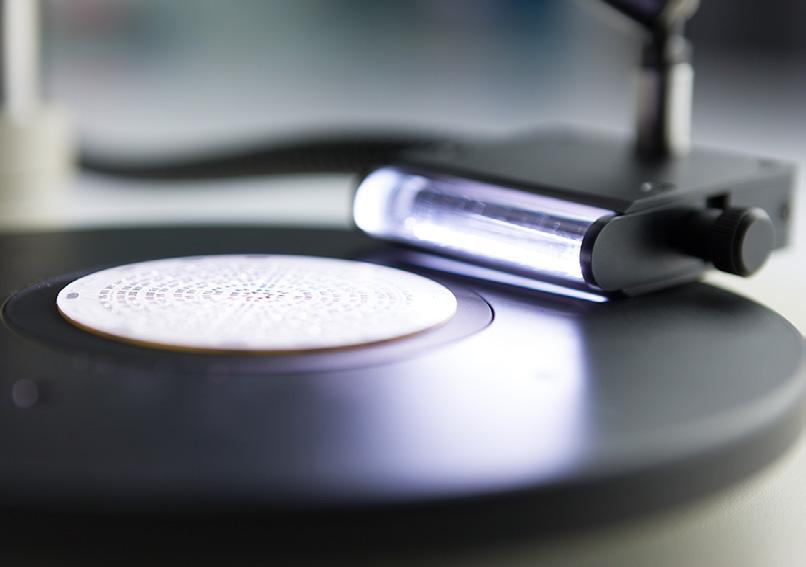
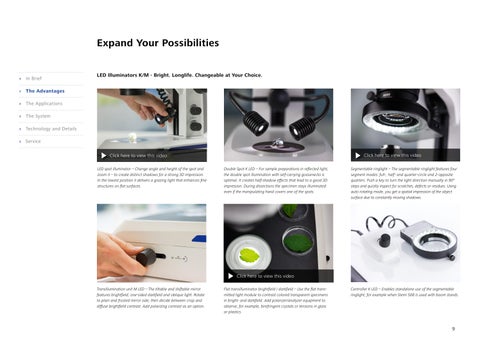
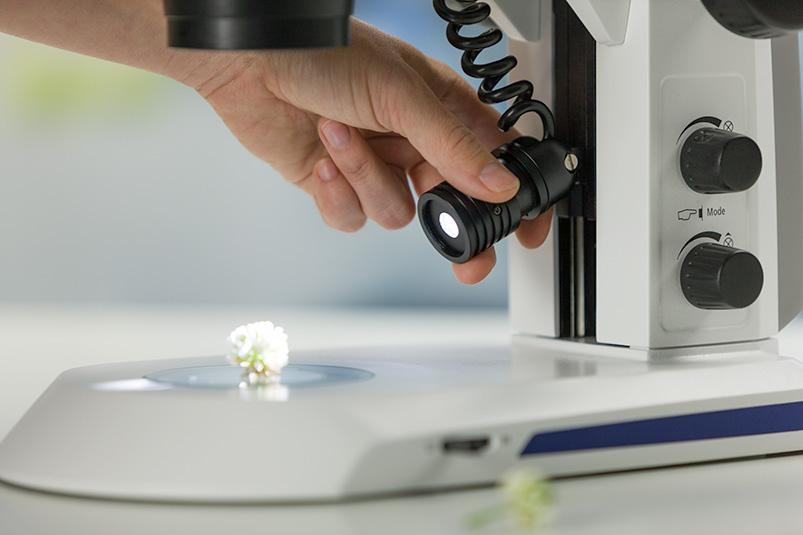
LED spot illuminator – Change angle and height of the spot and zoom it – to create distinct shadows for a strong 3D impression. In the lowest position it delivers a grazing light that enhances fine structures on flat surfaces.
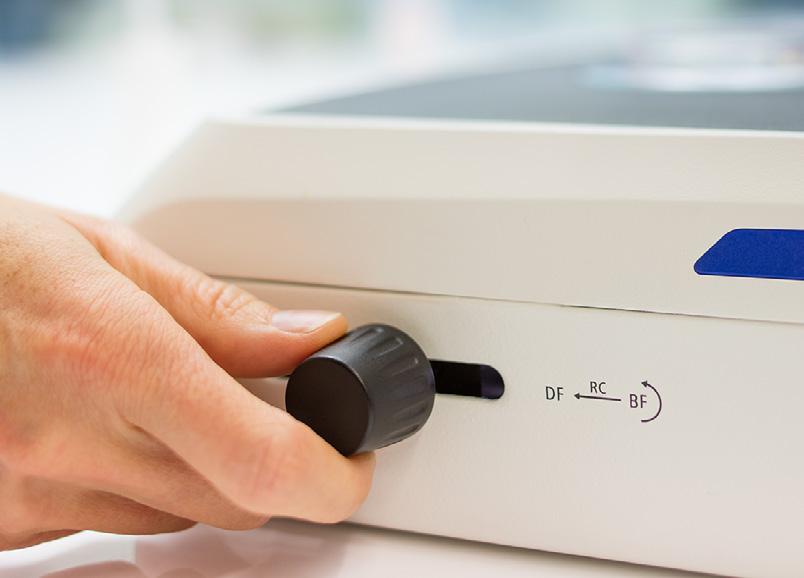
Transillumination unit M LED – The tiltable and shiftable mirror features brightfield, one-sided darkfield and oblique light. Rotate to plain and frosted mirror side, then decide between crisp and diffuse brightfield contrast. Add polarizing contrast as an option.
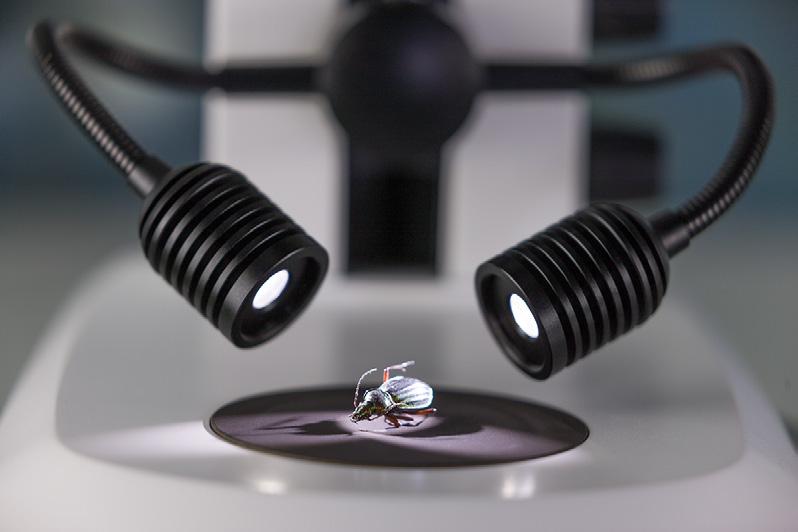
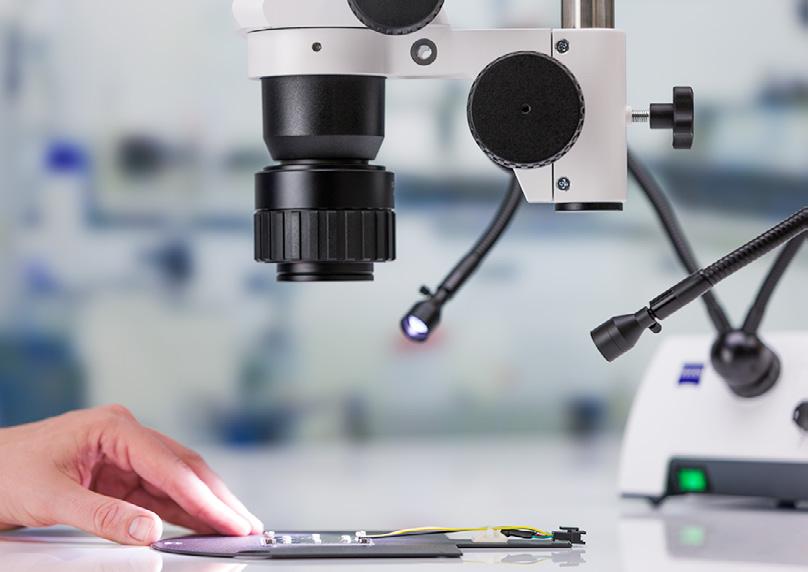
Double Spot K LED – For sample preparations in reflected light, the double spot illumination with self-carrying goosenecks is optimal. It creates half-shadow effects that lead to a good 3D impression. During dissections the specimen stays illuminated even if the manipulating hand covers one of the spots.
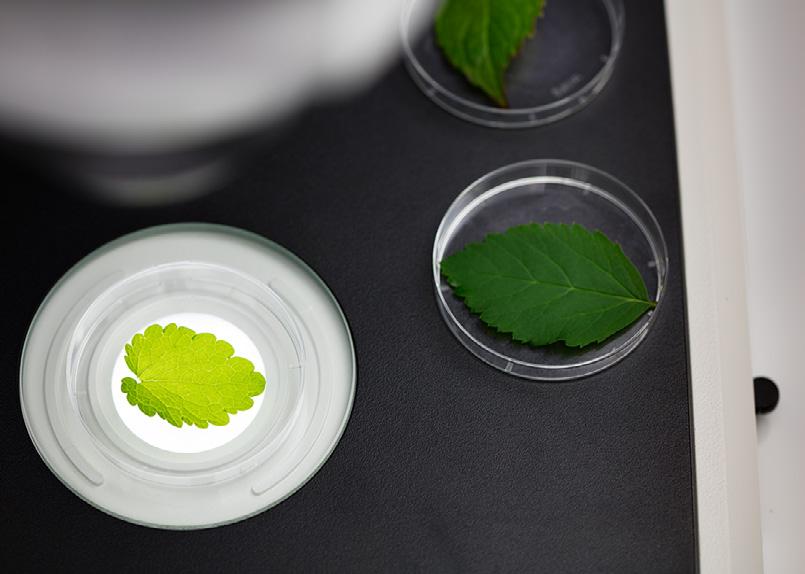
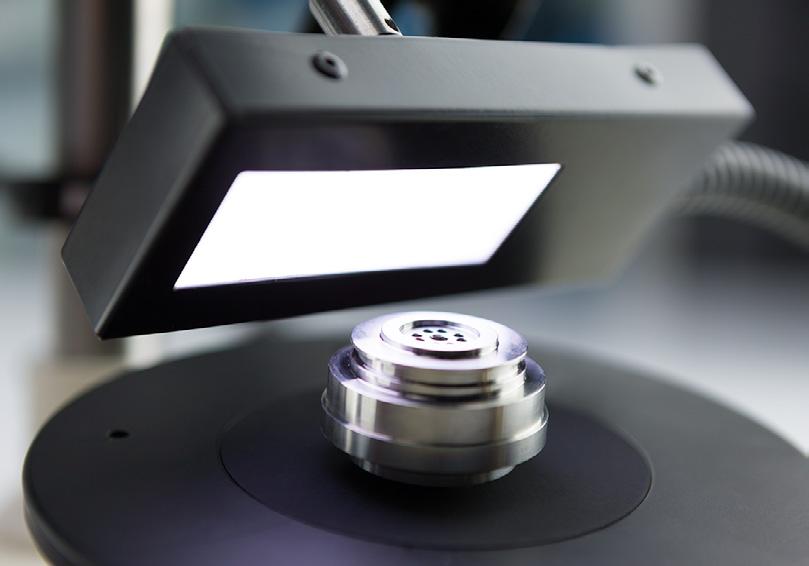
Flat transilluminator brightfield / darkfield – Use the flat transmitted light module to contrast colored transparent specimens in bright- and darkfield. Add polarizer/analyzer equipment to observe, for example, birefringent crystals or tensions in glass or plastics.
Click here to view this video
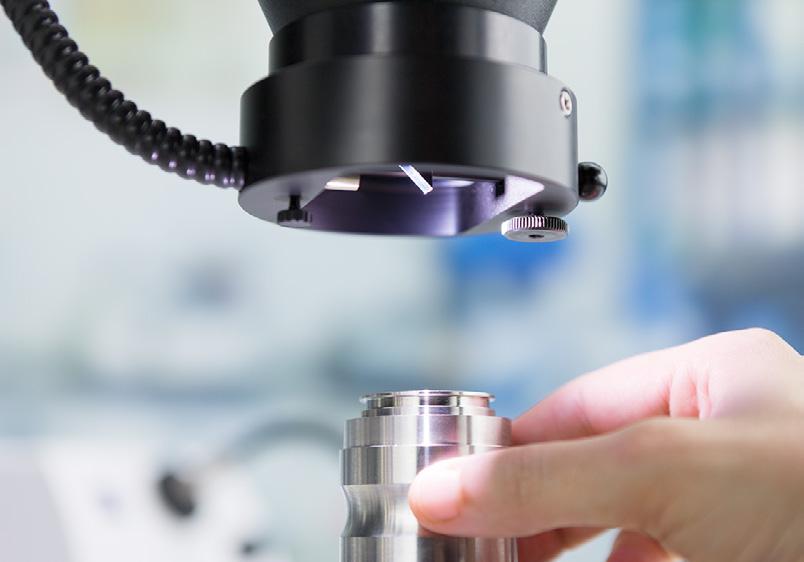
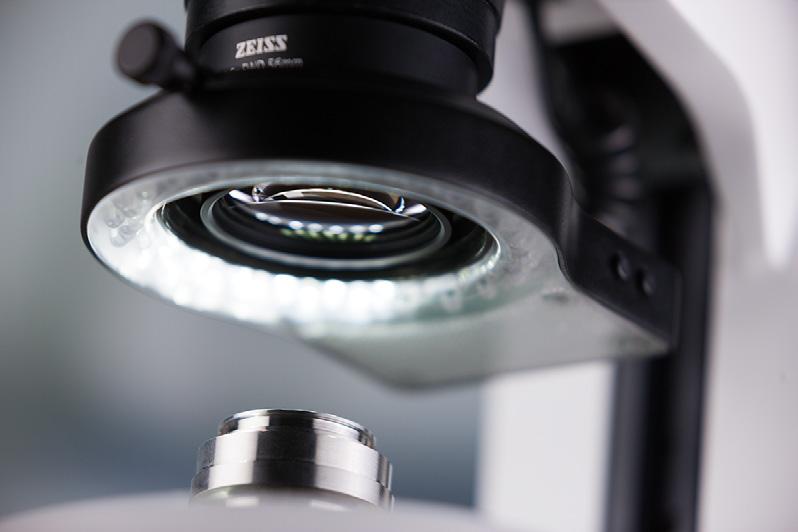
Segmentable ringlight – The segmentable ringlight features four segment modes: full-, half- and quarter-circle and 2-opposite quarters. Push a key to turn the light direction manually in 90° steps and quickly inspect for scratches, defects or residues. Using auto rotating mode, you get a spatial impression of the object surface due to constantly moving shadows.
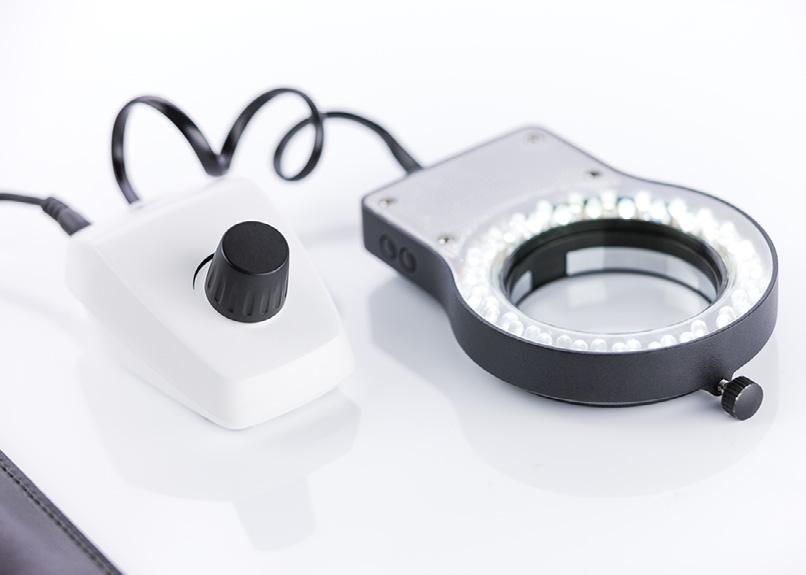
Controller K LED – Enables standalone use of the segmentable ringlight, for example when Stemi 508 is used with boom stands.
› In Brief
› The Advantages
› The Applications
› The System
› Technology and Details
› Service
Boom Stands – Stable. Flexible. With Large Operating Range.
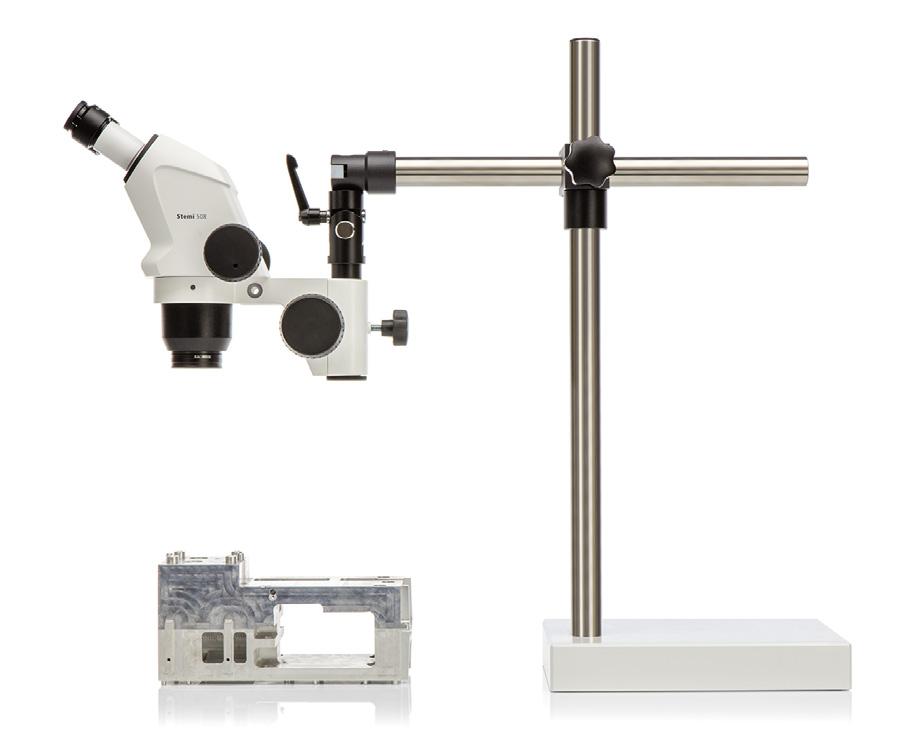
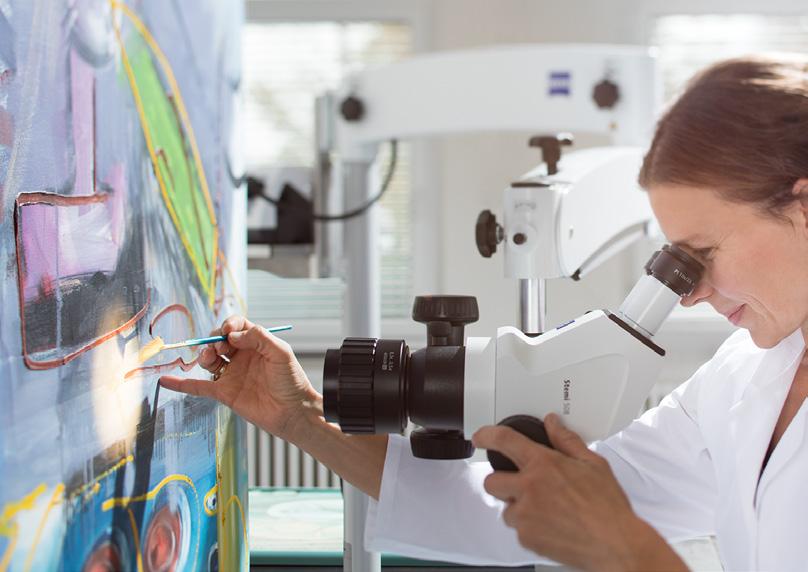
There are various types of 3D shaped objects in stereo microscopy, and the applications are yet more diverse, since different customers may ask for different object details, even when working with the same specimen: Your objects may be much larger than the footprint of any desktop stand. Or you may have to investigate small specimens in a very large area of interest. Or... you may be sharing your Stemi 508 with several colleagues and need to swing your microscope between their workplaces. You could be, for example, a veterinary surgeon, forensic specialist, restorer, archeologist or dental technician. Your applications will need a large boom stand! Big stands with extension arms make it easy to move your Stemi 508 to any point in a large operating range. It always remains stable enough to observe small object details in a smooth stereo image. Choose from the cost-effective boom stand B with a single extension arm, the stable and easy-to-move "double arm" boom stand SDA – or the large floor stand S! It's spring-balanced tilting arm, well balanced in height and most flexible, adjusts to each point in a large specimen volume! Since you will also need a large, free working distance, we recommend to add front optics 0.3×, 0.4× or variable front lens.
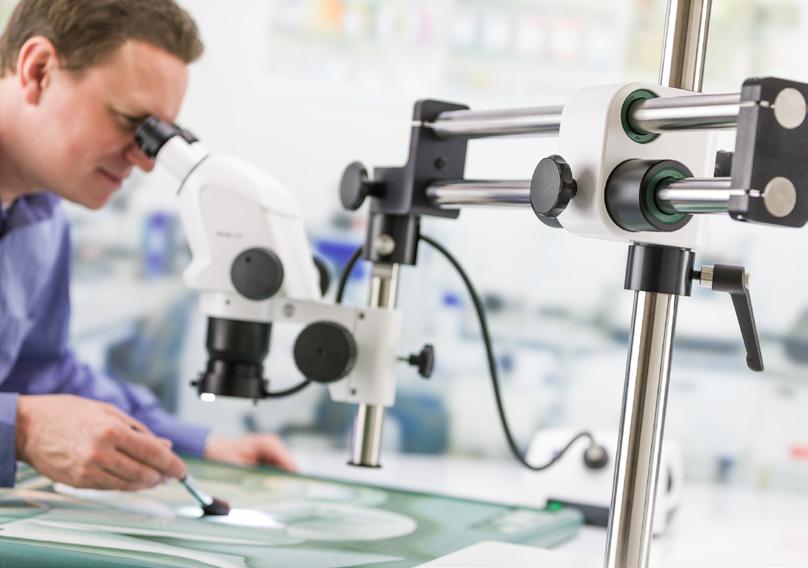
... will keep your actual viewing height constant! You profit from better ergonomics: Specimens with a maximum height difference of 143 mm can be focused without changing the viewing height of your Stemi 508!
Fiberoptic illuminators - Brightest Light. Special Contrasts. Highly Optimized.
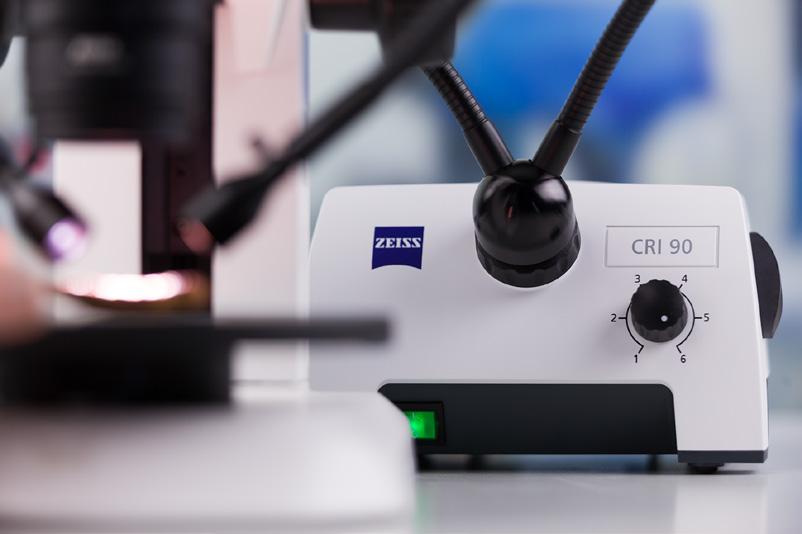
You might have to distinguish fine details of dark colored specimen, or to evenly illuminate surface structures of large flat objects. You might want to look inside deep holes, or to get rid of annoying hotspots when imaging your glary specimen! Whenever your application demands higher brightness or better contrasts, decide for fiberoptic lighting! Powerful external lightsources in combination with compact, highly specialized fiberoptic illuminators solve even most difficult illuminations tasks.
The CL6000 LED fiberoptic cold lightsource delivers intensive white light of daylight quality. It's high power LED engine reaches same brightness as a 150W halogen cold light source, and doesn't contain any infrared parts –for gentle specimen treatment. Take advantage of the large range of fiberoptic light guides: There are ring illuminators for shadow-free illumination in bright- or darkfield, high brightness spots to create deliberate shadow effects, line light S for grazing illumination as well as diffuse dome and diffuse face light to soften reflections. Add polarization equipment to eliminate glare.