
Weight Plates Explained: How to Choose the Right Plates for Strength, Safety, and Progress
Weight plates are one of the most fundamental pieces of gym equipment, yet they are often misunderstood or chosen poorly. Whether you are building a home gym in the UK or upgrading equipment for serious strength training, the type of weight plates you use can significantly affect performance, safety, and long-term results.
From cast iron classics to modern bumper plates, understanding how weight plates work—and which ones suit your training style—can save money, prevent injury, and improve workout efficiency.
Why Weight Plates Matter More Than Most People Think
Weight plates are not just added resistance; they directly influence lifting mechanics, bar balance, and floor protection. Poor-quality or mismatched plates can cause instability during lifts, excessive noise, and uneven loading, all of which limit progress.
For home gym users, especially in UK homes where space and flooring matter, choosing the right plates is essential. A well-matched set supports proper technique, protects equipment, and makes training more enjoyable.
Types of Weight Plates Commonly Used in the UK
Different plates serve different purposes, and knowing the distinctions helps you choose correctly.
Cast iron weight plates are the traditional option and remain popular for their durability and compact size. They are ideal for smaller home gyms where space is limited. However, they can be noisy and are less forgiving on floors.
Rubber-coated and tri-grip plates are a practical middle ground. The rubber coating reduces noise and protects flooring, while grip handles make plate changes easier and safer. These are commonly used in home gyms and light commercial environments.
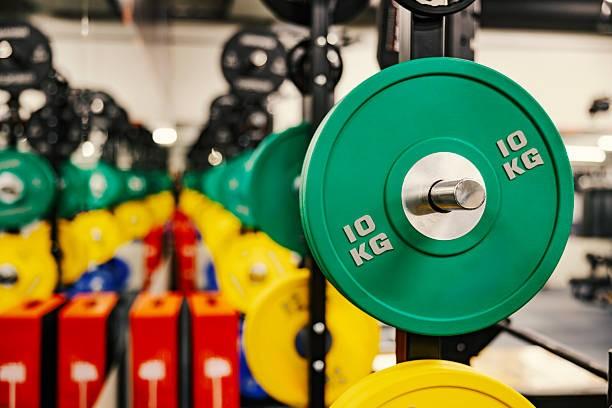
Bumper plates, including crumb rubber bumpers, are designed primarily for Olympic lifting and functional training. Their thicker profile absorbs impact, making them suitable for deadlifts and dynamic lifts where the bar is dropped. In the UK, bumper plates are increasingly popular in garage gyms due to their noise reduction and floor protection.
Urethane plates are considered premium. They offer excellent durability, minimal odour, and a sleek appearance, making them a common choice for high-end commercial gyms.
Olympic vs Standard Weight Plates
One of the most important distinctions is between standard and Olympic plates. Olympic plates have a 50mm centre hole and are designed to fit Olympic bars, which are stronger, more durable, and widely used in both home and commercial gyms across the UK.
Standard plates, typically with a smaller centre hole, are less versatile and increasingly uncommon. For most buyers, investing in Olympic-sized weight plates ensures compatibility with modern equipment and future upgrades.
Choosing Plates Based on Training Goals
Your training style should guide your choice of plates. Strength training and powerlifting typically benefit from thinner, heavier plates that allow more weight to be loaded onto the bar. Cast iron or calibrated plates work well here.
Functional fitness and CrossFit-style workouts often require bumper plates due to frequent bar drops and dynamic movements. The shock absorption improves safety and protects both equipment and flooring.
For general fitness, muscle toning, and home workouts, rubber-coated or tri-grip plates offer versatility, comfort, and convenience without excessive bulk.
Weight Accuracy and Load Consistency
Not all plates weigh exactly what they claim. Higher-quality plates offer tighter weight tolerances, which is particularly important for progressive overload and consistent strength gains.
Commercial-grade plates often undergo stricter quality control, making them a better long-term investment for serious lifters. For beginners, minor variations are less critical, but consistency becomes more important as loads increase.
Space, Storage, and Practical Considerations
UK home gyms often require smart space management. Bumper plates take up more room than cast iron plates, which may influence your decision if storage is limited.
Weight storage racks help keep plates organised, reduce clutter, and improve safety. Vertical plate trees or wall-mounted storage solutions are especially useful in compact spaces.
Flooring is another key consideration. Rubber gym flooring pairs well with heavier plates and protects both floors and equipment, especially in flats or shared buildings.
Safety and Longevity of Weight Plates
Quality weight plates are designed to last for years, if not decades. Plates with poor finishes may chip, rust, or degrade quickly, especially in humid garage environments common in the UK.
Rubber and urethane coatings help extend lifespan while improving user experience. Regular inspection for cracks, loose hubs, or uneven wear ensures continued safety.
Buying Weight Plates Online in the UK
Purchasing weight plates online has become standard, but buyers should look beyond price alone. Reputable UK fitness equipment suppliers provide clear specifications, accurate weights, warranties, and reliable delivery.
It is also worth checking compatibility with existing equipment, particularly barbell diameter and rack spacing, before purchasing.
Final Thoughts: Investing in the Right Weight Plates
Weight plates are the foundation of effective strength training. Choosing the right type based on your goals, space, and training style makes a measurable difference in progress and enjoyment.
Whether you are assembling a beginner home gym or refining a serious lifting setup, investing in durable, well-designed weight plates ensures safer workouts, smoother progression, and longterm value.
In strength training, consistency is everything—and the right weight plates support that consistency every time you load the bar.