Gators Share Inspiring Stories of Lasting Connections
Designing Lives of Purpose
Meaningful Lives and Careers Are Part of Our DNA

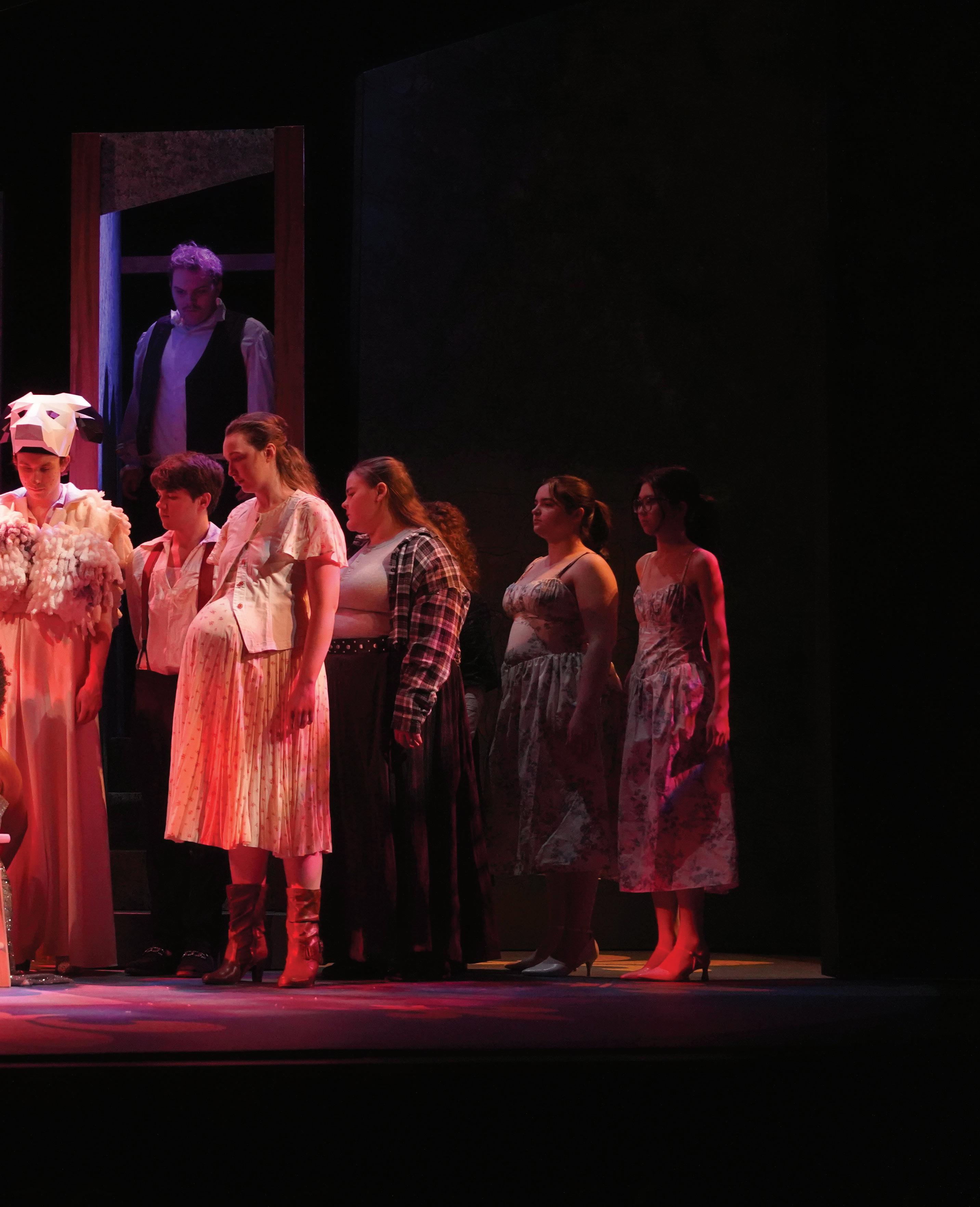
At the Gladys Mullenix Black Theatre, the large company from the Allegheny Playshop Theatre rehearses for David
featuring senior Niyah
’26 in the titular role. A nation’s aristocracy is under siege; the population is hungry; vanity and good looks only take you so far. Vive la révolution! 1




12
From deconstructing interests to mapping meaningful careers, we explore how Life Design is empowering the next generation of Gators to design lives of deep intention and lasting impact.
Across generations of Gators, we celebrate the lasting connections with faculty, staff, coaches, and alumni who shaped our college years and beyond.
16 Athletics
A
20 On the Campus
Celebrations, news, and updates from Allegheny.
22 Class Notes
News and events from alumni.
44 Meaningful Lives and Careers Are Part of Our DNA
Tracing our 210-year history through the archives reveals the enduring legacy of a liberal arts tradition dedicated to preparing students for a life of purpose.
CHAIR, BOARD OF TRUSTEES
Julie Grosjean Skattum ’85
PRESIDENT
Ronald B. Cole ’87, Ph.D.
VICE PRESIDENT FOR INSTITUTIONAL ADVANCEMENT
Matthew P. Stinson, Ph.D.
EDITOR
Heather Grubbs
DIRECTOR OF DESIGN AND PUBLICATIONS/LEAD
MAGAZINE DESIGNER
Brian Martone
CONTRIBUTORS
Christopher J. Anderson, Ph.D., MLIS
Katheryn Frazier
Travis Larner
Megan McCoy
Sara Pineo
Jessica Schindelar ’02
Richard Stanley
Cheryl Stopnick, Ivy Cohen Corporate Communications
Frank Tupta ’07
Bernadette Wilson
PHOTOGRAPHY
Derek Li
Ed Mailliard
Brian Martone
Corey Nolen
Bill Owen '74
Richard Sayer
ON THE COVER
The meaningful bonds forged at Allegheny last a lifetime.
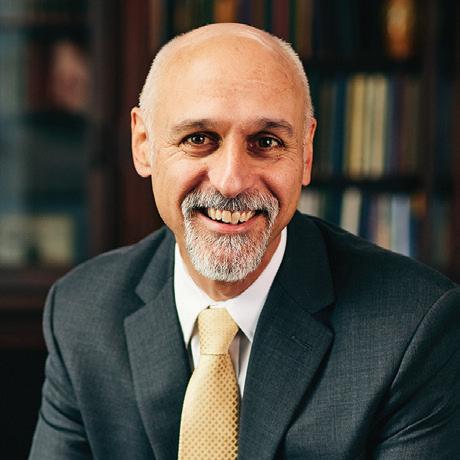
by President Ronald B. Cole ’87, Ph.D.
As students, faculty, and staff returned to campus for the spring 2026 semester, I found myself reflecting on a theme that surfaces again and again at Allegheny: a shared sense of purpose. In conversations across campus, I am reminded that Allegheny is, at its core, a community of learning, grounded in curiosity, connection, and a deep conviction that what we do here truly matters.
That conviction is reflected powerfully in this issue’s focus on Life Design. Life Design embodies a broader understanding of success, one that moves beyond a narrow emphasis on first jobs or immediate outcomes. While these outcomes are important, at Allegheny our aim is not simply to prepare students for employment — though our 98% placement rate for the two most recent graduating classes speaks for itself — but to prepare them for lives of meaning, contribution, and lifelong learning. Through Life Design, students are encouraged to discover who they are, clarify what they value, and consider how their talents and passions can be brought to bear on an everchanging world.
This approach affirms that a liberal arts education is not an escape from complexity, but a preparation for it. By learning to think critically with evidence, listen deeply, communicate clearly and with integrity, and value the experiences of others, students develop both the confidence and the capacity to engage thoughtfully with the world. Life Design gives structure and language to this developmental journey, inviting students to reflect, explore, and act with intention as they chart their paths forward.
Crucially, the Life Design sequence, under the leadership of Dean Heather Moore Roberson, Ph.D., does not stand alone. It will be integrated with our exploratory advising model and closely aligned with the Center for Career and Professional Development, ensuring that reflection is paired with action. Students are encouraged to combine majors and minors in ways that express their evolving interests and sense of purpose, while gaining practical experience and guidance that helps translate insight into opportunity.
Through Life Design, students are encouraged to discover who they are, clarify what they value, and consider how their talents and passions can be brought to bear on an ever-changing world.
Our Bonner Program (which places students within non-profits in the Meadville community) and the Community Impact Hub (a collaborative network of community partners, faculty, staff, and students that supports capacity building and community improvement efforts) exemplify how purpose-driven learning comes alive beyond the classroom. These experiences challenge students to work alongside communities, address real-world problems, and
grapple with the responsibilities that accompany education. Again and again, students tell us that these moments, often demanding and deeply human, are among the most formative of their Allegheny experience.
Our commitment to preparing students to make a difference is also recognized beyond campus. In 2025, Allegheny was ranked No. 5 nationally by The Princeton Review among its Top 20 colleges for Making an Impact, a distinction grounded in student engagement and sustained commitments to service and sustainability. It is a meaningful affirmation of our belief that purpose and impact are inseparable from academic excellence.
The influence of this work endures well beyond graduation. According to recent alumni surveys of one-, five-, and 10-year graduates, the Allegheny experience has had a lasting impact on graduates’ commitment to civic engagement. This sustained sense of responsibility, to community, to profession, and to the common good, is among the outcomes of which I am most proud.
As we move forward, we will continue to focus on the goals within our Strategic Pathway, one of which is Goal 2: building a vibrant, inclusive community committed to helping students discover their purpose and carry it into lives of meaning and impact. That work, which is quietly transformative and deeply consequential, remains, with academic excellence, at the heart of the Allegheny experience.
How Allegheny’s Community Approach Empowers Students to Embark on Lives With Intention, Integrity, and Impact
by Richard Stanley





LIFE DESIGN IN MY MIND IS REALLY A SPACE TO DECONSTRUCT WHO YOU ARE WHEN YOU COME TO COLLEGE, AND TO REALLY DEVELOP YOUR INTERESTS TO HELP LEAD YOU TO THE MAJORS, THE CAREERS, THE INTERNSHIPS THAT YOU CAN THEN PURSUE THAT CAN HELP YOU LATER ON.
Heather Moore Roberson, Ph.D. Dean of Student and Community Development
Allegheny alumni know this truth well: the most important thing the College gives them isn’t a job title. It’s a framework for navigating life, shaped with intention, curiosity, and a sense of purpose.
Today, Allegheny is doubling down on that legacy. Through a bold, integrated model that blends academic rigor with reflection, identity exploration, community engagement, and holistic wellbeing, the College is helping students design lives that feel grounded, connected, and genuinely meaningful.
What makes this approach distinct is that reflection is not separated from action. Students are encouraged to test ideas about purpose through lived experience, particularly through service and civic engagement.
Beginning in 2025, those efforts expanded dramatically with the introduction of an innovative Life Design sequence for students who benefit from structured support. It’s a shift that is reshaping the first-year experience, and, increasingly, the campus culture itself.
Life Design is an integral part of Allegheny’s evolving co-curricular ecosystem. It’s not just a course, a workshop, or a checklist. It’s a way of thinking.
Dean of Student and Community Development Heather Moore Roberson, Ph.D., offers her definition.
“Life Design in my mind is really a space to deconstruct who you are when you come to college, and to really develop your interests to help lead you to the majors, the careers, the internships that you can then pursue that can help you later on,” she says. “It’s about exploring your purpose, your interests, and the things that bring you enjoyment, rooted in understanding who you are as a human being.”
She adds that Life Design intentionally gives students room to ask questions they often haven’t had time or permission to pose before arriving at college.
The concept, originally built at Stanford University and adapted by hundreds of institutions, arrived at Allegheny during a major reorganization of student support offices. As Roberson and President Ron Cole ’87, Ph.D., examined the changing needs of students, a pattern emerged: Allegheny excelled at wraparound support, but students needed more encouragement to find themselves.
“They needed space to explore what they enjoy, what brings them fulfillment, and how they envision their future,” Roberson says. “Life Design became the natural home for that exploration.”
The Life Design sequence now includes six areas of focus, from developing a student’s core values to defining the purpose of a college education. Students opt into the experience through a threesession lunch series. Beginning in fall 2026, Life Design may become fully woven into the first-year experience through exploratory advising courses and a Weekend of Welcome.
“All first-year students may engage with the full Life Design sequence within their first year,” Roberson says. “It has the potential to be very transformative and very powerful.”
For many students, college begins with uncertainty, ranging from personal, academic, to emotional. That’s where Life Design comes in.
“A lot of students on campus are searching,” says Senior Associate Dean of Student and Community Development Dominique “Dom” Turner. “They’re trying to figure stuff out and they don’t always know how. Life Design gives them the opportunity to think about the experiences they’ve had so far, who they aspire to be, and to make intentional decisions that lead toward the life they want.”
Turner emphasizes that communitybased work often helps students clarify those decisions by showing them the real-world impact of their choices.
Director of Life Design Natalie BrownGregg sees this every day.
“We’re finding that about 40 percent of students are coming out of high school suffering from anxiety or depression,” she says. “So we slow them down. We help them think about where they come from, how those experiences shaped them, and how they show up now as young adults at Allegheny.”
That slowing down, she notes, is often what allows students to recognize strengths they already possess.
Reflection. Identity mapping. Journaling. Intentional dialogue. These tools help students make sense of their own lives.
“It’s not us telling students what’s right or wrong,” Brown-Gregg says. “It’s the students examining their own lives with the tools we give them.”
Saruni Lemargeroi, director of Spiritual, Religious, and Personal Wellbeing, sees Life Design as a chance to reclaim balance.
“It’s easy to go through life on autopilot,” he says. “We ask students: How do your daily actions align with your values? What does success look like for you? What is your purpose for existence?”
He also stresses that purpose is often discovered through relationships and service, not in isolation.
It is important to note that in many cases, Life Design work can be a precursor to the work that is done in the Center for Career & Professional Development (CCPD), which works with students, alumni, employers, faculty, and staff to promote career coaching and exploration, alumni and employer engagement, and career readiness.
NOT ALL STUDENTS ARE READY TO FOCUS ON A SPECIFIC CAREER OUTCOME WHEN THEY ARRIVE ... AND THAT’S NOT A FAILURE OF AMBITION; IT’S A NATURAL PART OF DEVELOPMENT. LIFE DESIGN MEETS STUDENTS WHERE THEY ARE, GIVING THEM A CHANCE TO PAUSE, REFLECT, AND BUILD CLARITY AND CONFIDENCE ABOUT THEIR FUTURE.
Matt Stinson, Ph.D. Vice President for Institutional Advancement and the CCPD
“Not all students are ready to focus on a specific career outcome when they arrive at Allegheny College, and that’s not a failure of ambition; it’s a natural part of development,” says Vice President for Institutional Advancement and the CCPD Matt Stinson, Ph.D. “Life Design meets students where they are, giving them a chance to pause, reflect, and build clarity and confidence about their future.”
For first-year student Z Harper ’29, Life Design wasn’t an optional enrichment. It was a lifeline.
Harper arrived from Syracuse, N.Y., with a plan to major in community and justice studies and women’s, gender, and sexuality studies, with a minor in Arabic. At the beginning of the fall semester, everything felt off.
“I was experiencing a minor crisis,” Harper says. “It was early on in the semester and I felt lost, so I went to the Life Design workshop to hopefully find some guidance.”
The timing mattered, Harper says, because it gave him permission to pause rather than push through uncertainty alone.
Harper didn’t have expectations, just a hope for something steady. “I was in search of any kind of guidance,” he says. “I was hoping to learn how to spend more time in the present instead of constantly focusing on the future.”
The workshop opened the door to new opportunities.
“There were moments where I confronted negative experiences in my past that I never really acknowledged before,” Harper says. “I had the opportunity to reflect on how those experiences have shaped my present and how it could influence my future. It was a great start to grounding myself in the present.”
One discussion Harper had with BrownGregg resulted in a breakthrough to seizing the moment.
“There was one conversation where I was talking about this feeling of being lost,” he says. “When I entered college, I had a rough outline of milestones, but once I actually got here, it was totally different.”
Brown-Gregg reframed the problem for him. “She said something along the lines of, you feel lost because you’re looking too far ahead instead of what’s right in front of you,” Harper recalls.
Then Brown-Gregg pointed him back to the life he was already building through the Bonner Program, the Black Student Union, and the Queer Student Union. “I took Natalie’s advice, and I feel much more confident now in my college journey.”
Life Design also reshaped how Harper imagines his future. “The one-on-one conversations helped me realize the value of the resources available on campus,” he says. “These resources help develop the skills I will need in my future career.”
Harper hopes to be a community organizer, or maybe pursue a career in politics, and sees Life Design as a foundation for that path.
“The guidance I received helped me develop the habit of focusing on the present,” he says. “That changed everything.”
Life Design reframes success as more than a résumé. “It’s about preparing students to live lives of purpose,” BrownGregg says, “and to approach challenges with a mindset of possibility.”
Turner emphasizes that the work begins with honoring who students already are. “We’re always intentional about not imposing ourselves on students,” he says. “They come from unique backgrounds and experiences. We want their lived experiences to inform how they show up as students.”
Roberson sees this shift as essential to how students navigate college.
Gators on Purpose is a podcast celebrating Allegheny alumni who embody the power of pairing passion with challenge. At Allegheny, being a Gator on Purpose means shaping your own extraordinary path – where unusual major and minor combinations lead to meaningful careers and lives grounded in purpose.
Host Briana Lewis, Ph.D, faculty liaison to the Center for Career & Professional Development (CCPD) and associate professor of French, talks with interesting and influential alumni about their extraordinary journeys, and how Allegheny set them on their unique path. Each guest brings their unique story of where these “unusual combinations” have taken them since graduation.

WE WANT STUDENTS TO KNOW THERE ARE DIFFERENT PERSPECTIVES AND DIFFERENT LIVED EXPERIENCES, AND THAT ALL OF THEM ADD VALUE TO OUR COMMUNITY.
Dominique “Dom” Turner Senior Associate Dean of Student and Community Development
“Many students talk about feeling overwhelmed,” she explains. “Or they come in with one linear path, like pre-med, and then discover an entirely different passion. Life Design helps them navigate those twists and turns.”
Life Design doesn’t operate in isolation. It sits within The Well, the College’s center for personal, spiritual, and emotional wellbeing. The Well includes Life Design, Achievement Initiatives, and Community Engagement, a constellation of programs that supports students as whole people.
Students find workshops, mindfulness sessions, spiritual life offerings, and peer-supported dialogues. They also find space, literal and figurative, to process their lives.
“Some students are so busy they don’t have 10 minutes for lunch,” Lemargeroi says. “But when they slow down, they feel less overwhelmed and more grounded.”
Regulating emotions. Managing conflict. Understanding identity. Seeing multiple perspectives. These are as essential to a meaningful life as academic success.
“Your mental wellbeing is very important to us,” Lemargeroi says. “Academic excellence matters, but so does being able to coexist with people who think differently.”
The Life Design Lab, located beside the Life Design Office in the Campus Center, gives this philosophy a physical home. Outfitted with comfortable seating, craft materials, and a warm, creative vibe, the Lab is where students gather to think, imagine, decompress, and build community.
“It’s really a place for creating,” Brown-Gregg says.
The Lab also houses the Mutual Aid Closet, which provides toiletries, winter gear, and basic essentials. It’s a simple but powerful idea.
“If your basic needs go unmet, it’s harder to be reflective,” Turner notes. “Something as simple as not having winter gloves becomes a barrier.”
In 2024, Allegheny launched the Reach, Inspire, Support, Engage (RISE) program – a selective, hands-on program for firstyear Allegheny students who may need support academically and socially to persist to graduation. About 60 percent of RISE students are male athletes, though the cohort includes non-athletes as well.
RISE students were the first to pilot Allegheny’s Life Design sequence. The students arrived two-and-a-half weeks before classes started in the fall, allowing them to become immersed in sessions on values, purpose, the function of college, and even practical knowledge like financial responsibility and cost-of-living scenarios. Their feedback has shaped the broader Life Design curriculum that may soon be required for all firstyear students.
Roberson values their insights deeply. “Our students often feel overwhelmed,” she says. “Life Design helps them ask: What do I actually want? What brings me joy?”
Allegheny’s culture is evolving as Life Design becomes more deeply woven into the overall student experience. The College is cultivating a community where students, and perhaps employees in the future, feel empowered to explore big questions.
“I wouldn’t be surprised if employees say, ‘Hey, we need Life Design, too,’” Roberson says. “It’s that impactful.”
Turner agrees. “We want students to know there are different perspectives and different lived experiences, and that all of them add value to our community.”
The College has also added the Life Design Speaker and Community Dialogue Series, funded by an anonymous source, which amplifies these conversations through nationally recognized voices.
The initiative features two keynote lectures each academic year, delivered by prominent scholars and practitioners whose work focuses on collective wellbeing, personal agency, and community engagement. Each keynote is paired with a shared book selection that provides context for the lecture and encourages campus-wide participation. By extending beyond a single event, the series creates structured opportunities for sustained engagement, reflection, and action.
In fall 2025, Allegheny welcomed Dr. Joe-Joe McManus, executive coach and scholar of race and equity, as the first keynote lecturer. To deepen the conversation, some members of the College’s campus community also read his book, “A Brother’s Insight.”
For Roberson, success will be measured in several ways. “We’ll know it works when more students have a better understanding of who they are and who they want to be,” she says.
She anticipates earlier conversations about careers, earlier declarations of majors, and eventually stronger first-destination outcomes. But she’s also watching for quieter signs such as students articulating their values, regulating their emotions, and feeling confident navigating uncertainty.
Allegheny’s approach is clear: prepare students not just for a job, but for lives of reflection, intention, and joy – lives shaped not by pressure, but by purpose. Lives they design for themselves.
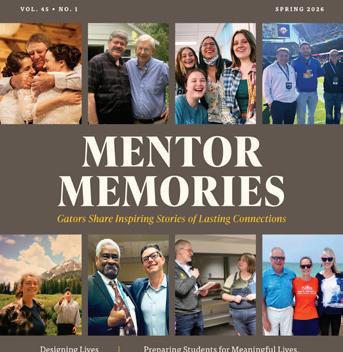
At Allegheny, faces may change from one generation to the next, but the relationships remain. Time and again, alumni tell us their most defining experiences were shaped by the faculty, staff, coaches, and alumni who encouraged, challenged, and believed in them.
Those bonds don’t end at graduation – they continue as lifelong connections, serving as a hallmark of the Allegheny experience.
Read about some of those moments below, and go to allegheny.edu/alumni/mentor-memories to see more inspiring connections Gators have made – and continued – through the decades.
Note: Some stories have been edited for grammar and length.
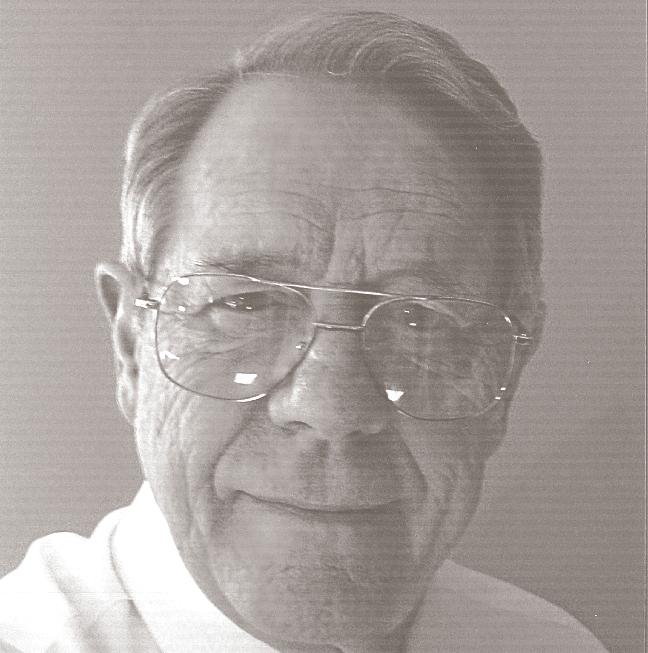
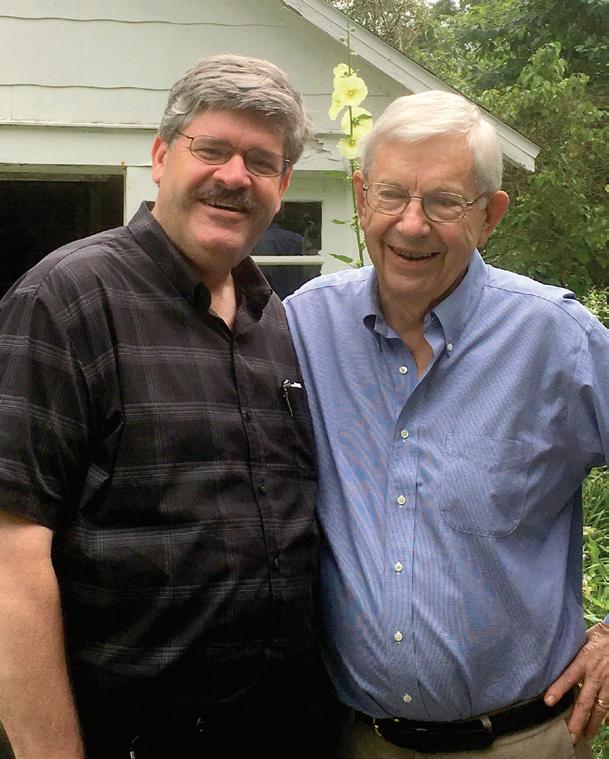
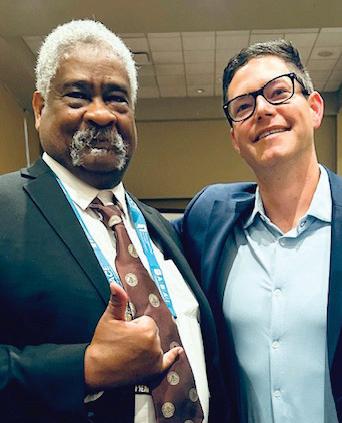
Chaplain Skinner was one of the greatest gifts that came from my time at Allegheny. I still regularly share with others wisdom that he imparted to me decades ago. And I continue to love receiving his Christmas cards or a brief email check-in. Now in his 90s, "Chappie," as we call him, is still one of the wisest, most insightful and inspirational people that I know. He looks for the gratitude and joy in every day. While we each have gone through trying circumstances he has shown the ability to persevere and appreciate the journey, even when it is hard. I remember once we were moving to a very rural area of PA and I was not terribly excited. He said, "My dear, we bloom where we are planted." I remembered that every day and lived
accordingly. I had a wonderful experience in this quiet little town. I befriended the Amish, took painting classes with a live rooster as a model, and learned to fully appreciate the spring smell of manure on the farm fields behind my house. He always helped me see that life was a gift worth living to the fullest.
Even today we share emails, phone calls, and an occasional visit at Chautauqua Institute or a meal at reunion. I know when I see him that he will be waiting with open arms to receive me, and it brings such peace and joy. We all (the Deacons) think of Chaplain Skinner as a person that had a tremendous impact on our lives.
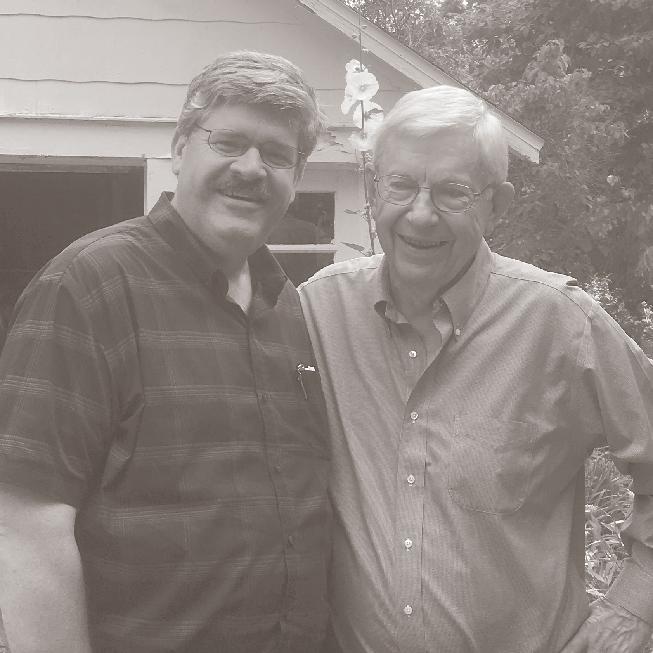
I first met Dr. Hogan at the beginning of my sophomore year in a Myths of Hesiod class. I took it as an elective because I thought it might be interesting. I never would have guessed on that first day of class that in three years I would have a minor in classics as well as a friendship that would last almost 40 years. When Dr. Hogan passed away I felt such loss as you would have for the loss of a close family member.
Dr. Hogan was always there for advice throughout my tenure at Allegheny as well as through life. He was the first educator
I ever met who was wholly focused on us learning and moving forward in life; grades were secondary. He had a wry sense of humor and as his obituary said, “The laughter of Zeus.” He smoked a pipe in class while he not only taught us Greek and Roman history but often life lessons as well. Whenever I smell pipe smoke I always think of him. He rewarded hard work and I never wanted to let him down, ever. Dr. Hogan was a rare jewel. I never met his equal at Allegheny and later in law school. “Ave et vale,” my friend. You are greatly missed.
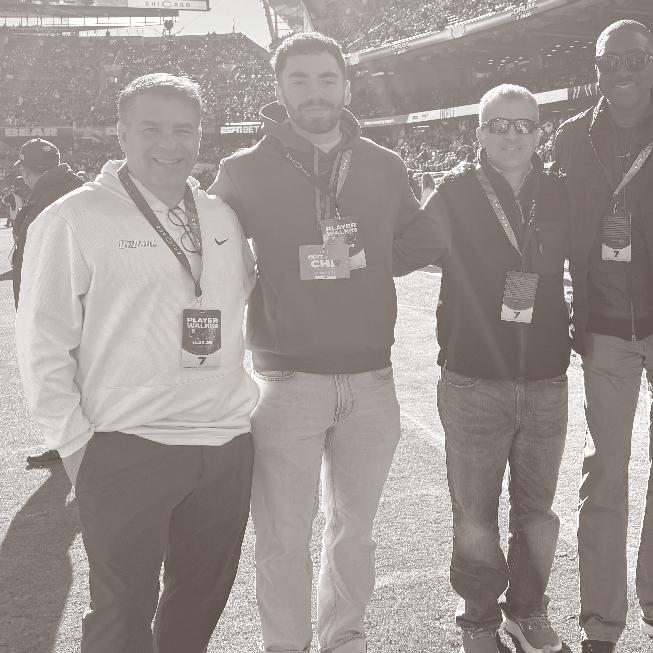
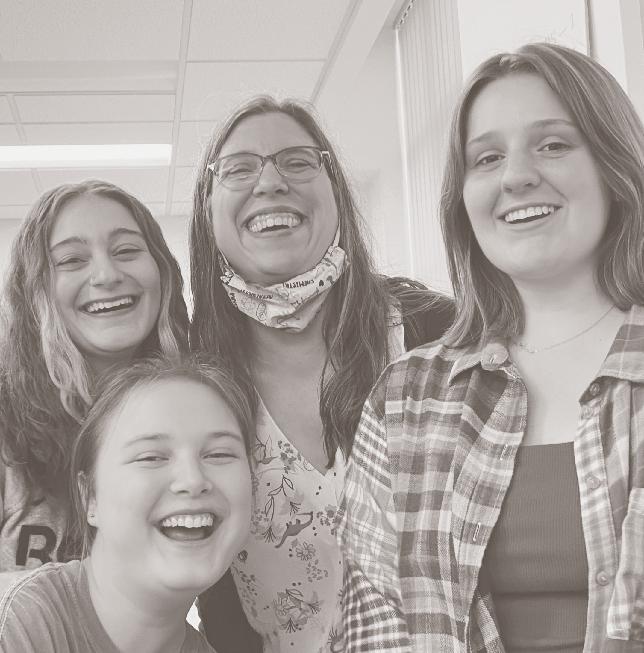
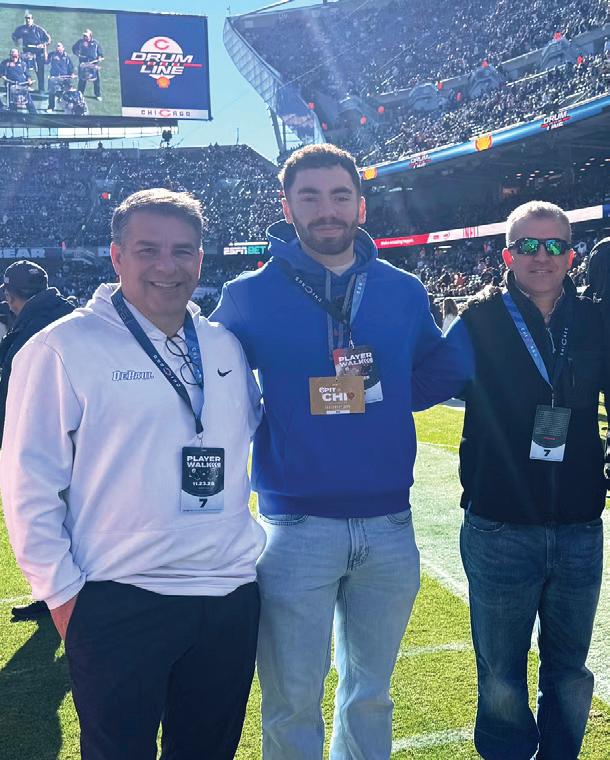
During my junior year at Allegheny, I applied to be part of an internship program to match me with an internship experience in New York City. I went with a group of Allegheny students to the city for the summer, and I was matched with Dr. Robert Manuel as my mentor. At the time, he was the dean at NYU. I learned a ton that summer in New York, both from the project I completed but also just watching his leadership style as a dean day in and day out. I am grateful for the internship program that Allegheny provided.
Over the years since then, we have stayed in contact. He has guided and helped
me professionally in my career as a K-12 educator. I also continued to do some consulting work for him when he made the move to Georgetown University. We even did a triathlon together when he was in Washington, D.C. Since Georgetown, he became the president of the University of Indianapolis and now is the president of DePaul University in Chicago. Just this past November, I flew out to visit him for the Bears-Steelers game. What made it come full circle was his connection to a former student/mentee of mine who is a senior at his university. All three of us were able to attend the game.
Dr. Whitenack was there for me as a professor and advisor in many capacities. Whether I had questions about class material, future career pathways, or college life – she was always happy to listen and answer. She never failed to make time for me even when I could tell she was stressed over a deadline. Truly, she was my first step towards finding my place in the Biology Department.
I’ve continued growing my love for marine biology and now work at the Cleveland Aquarium. I find myself still wanting to share big moments with Dr. Whitenack. She was one of the first people I told when I got my current job.
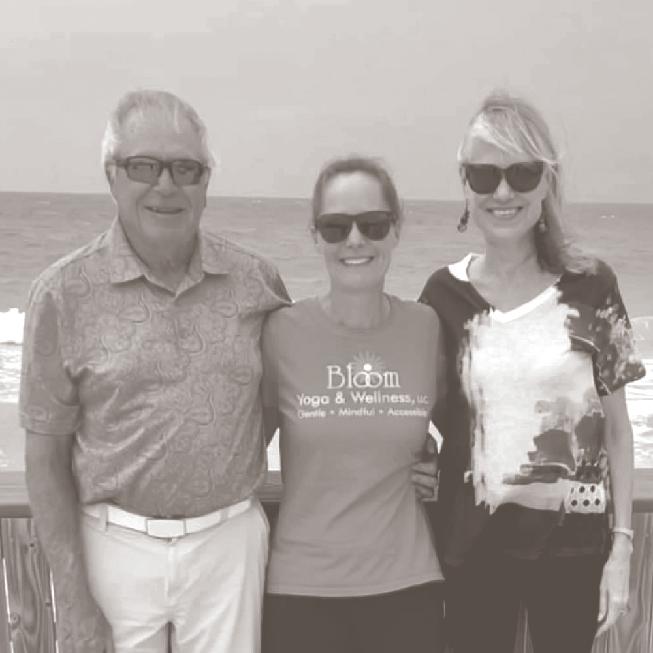
In the fall of 1997, I was a junior at Allegheny College, majoring in German and minoring in Sociology/Anthropology. Having recently returned from a sophomore semester abroad in Cologne, I was, on the one hand, eager to share my love of the language and culture and, on the other, struggling with the myriad emotions one faces when coming of age.
I signed up to be an upperclassman advisor for Prof. Linda DeMeritt’s freshman seminar. I don’t recall the title of the course, but I know it focused on post-WWII German literature. Advising incoming freshmen through this particular course felt like the perfect opportunity to weave together my deep connection to German culture with a desire to pay forward some of the wisdom I had gleaned abroad. And the course proved to be just that – a way to integrate my love of German literature into real life, while simultaneously and quite unexpectedly becoming the catalyst for one of my deepest and dearest lifelong friendships.
One day after class, likely sensing that I wasn’t feeling my best, Linda asked how
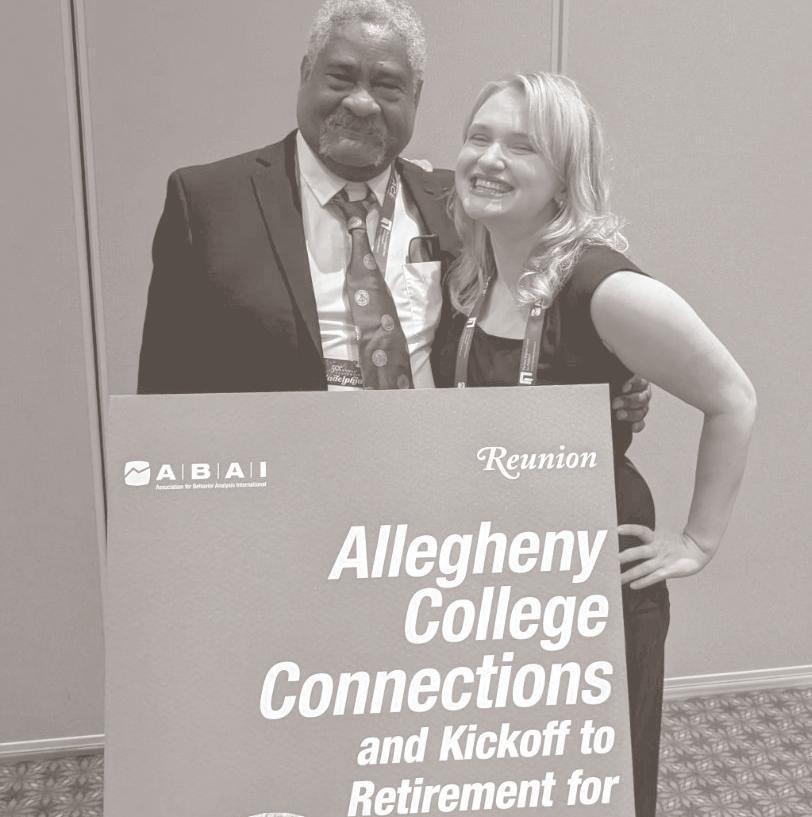
I was. I said something like, “I’m tired of this life.” She smiled gently and said, “How about a coffee?” She bought me a coffee and listened to my woes, and that was the beginning of our friendship. Throughout the remainder of the semester, we met regularly for coffee, lunch, or dinner. She gave me space to vent what was troubling me. She gave advice sometimes and, other times, simply listened with an open heart.
Linda has been a friend, a mentor, and an inspiration in my life for nearly 30 years. I have regarded her intellect, her integrity, her dedication, and her success as inspiration for what women can be and, more importantly, what humans can be. She is witty and driven, but most of all, she is guided by love: love for friends and family, love for learning, love for democracy, and a deep love for humanity. I don’t know how I got so lucky to be graced by that love, but I am surely grateful to be held within her generous heart.
Dr. Clark's mentorship came to me entirely by accident. When my freshman-year advisor announced her retirement, I found myself in need of another faculty member's support...and just so happened to be in the lab that semester with Dr. Clark. I reached out, and he was happy to bring me on...and what ensued was more than I ever could have hoped for.
Whether in taking more of Dr. Clark's courses, TA-ing for his intro class, or all those basement chats with him and my classmates, I not only found success as a student of the Psychology Department with Dr. Clark's support but discovered a new way of understanding human behavior. That exposure and guidance ultimately led me to a career in special education, one that I never imagined for myself but now cannot imagine my life without!
Dr. Clark and I have kept in touch since my graduation, and his support and mentorship are so special to me. From celebrating my first poster presentation (and 21st birthday, coincidentally!) together in Chicago, to honoring his legendary career in Philadelphia with so many of his former students and colleagues at his retirement party, to just grabbing tacos whenever we're both in town, our friendship made it out of Meadville and only continues to grow. I can always count on him for advice, a laugh, and to save the day when I can't find "that one article" I want to share with my grad students, and I am so grateful to have had and continue to have such a fantastic mentor in my life...THANK YOU, DR. CLARK!

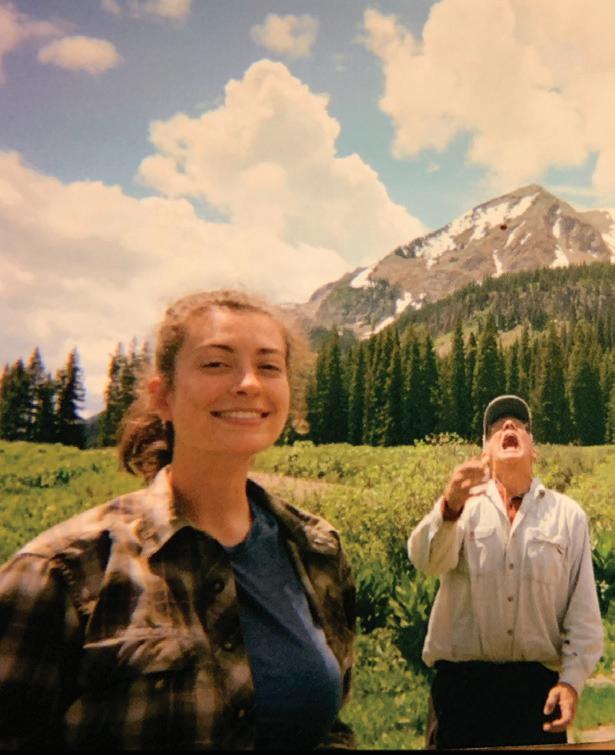
Bob was my professor and comp advisor when I was an undergrad, and he brought me out to western Montana for two summer field seasons looking at rocks and piecing together the history of the region. He is an amazing field geologist, taught me many skills and always took us for root beer floats at the end of long hot days. We took mid-field-season breaks to see folk music at the Montana folk festival and took long walks with the geology dog Trusty. Maybe most importantly he taught me to drink coffee – an essential life skill!! He would fill an open ceramic mug with black coffee and clutch it while driving over gravel roads, saying, "human shock absorber" every time we hit a bump and coffee would spill all over.
I loved it so much I went on to get a Ph.D. in geology and now I'm a geology professor at a liberal arts school, taking students in the field and trying to share some of that same joy.
Bob has been a friend through it all. We still get up to Meadville to visit Bob and his wonderful wife, Marie, at their beautiful farmhouse. He has given me career advice, we talk science, we talk family and music and whatever else. Bob changed my life and I'm forever grateful for his mentorship and friendship!
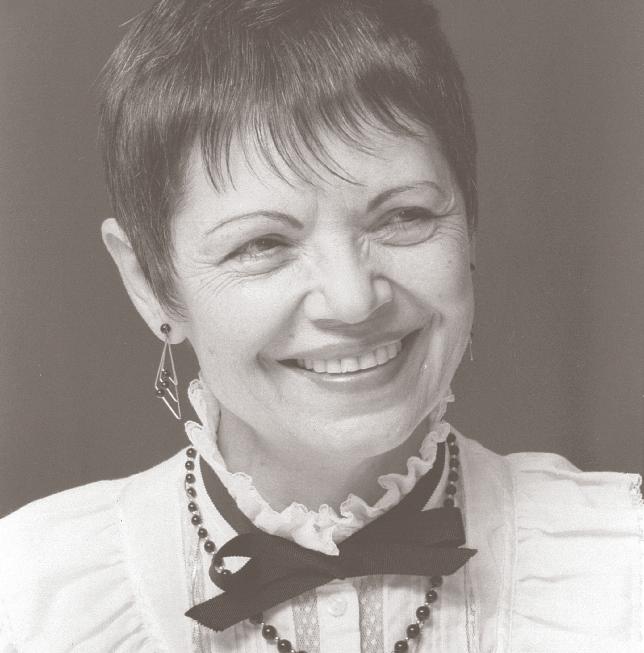
I first met Barbara Lotze as a freshman when I took my first physics course in fall 1967. She was a Hungarian refugee who completed her doctoral studies in Austria at Innsbruck University in mathematics and theoretical physics where she met her husband Dieter Lotze. They immigrated to the U.S. in 1961 and joined the faculty at Allegheny, Barbara in physics and Dieter in German. I remember her pride as she shared the news with our class that she had become a naturalized citizen in 1967.
Largely due to Barbara's influence, I became a dual major in mathematics and physics, and I also studied German with Dieter. As a senior, I remarked to Barbara that I was beginning to forget the German I had learned. Her response was to order a two-volume “Theorie der Elektrizität” as
the text that she used to teach me, the sole student in a senior mathematical physics course, simultaneously learning the science and improving my German.
Barbara and I remained in close touch for many years, though I saw her only infrequently as my graduate studies and faculty career took me some distance from western Pennsylvania. … I last saw Barbara in 2010 in Pittsburgh when she was my guest at the Association for Information Science and Technology Annual Meeting Awards Luncheon, where I was recognized with the association's Award of Merit.
The guidance that I received from Barbara Lotze while an undergraduate physics major has been key to my career success over decades as a faculty member at the University of Illinois Urbana-Champaign.
THE INSPIRING STORIES DIDN'T END THERE! Read the full list of submissions, including those featuring:
Jeanne Braham
Jim Bulman
Michael Cobb ’86
Richard "Dick" Devor
Fred Frank
Charles "Brownie" Ketcham
Alton "Captain" Kidd
Ken King
Dick Kleeman
Ruth Williams Knights
Paul "Skipper" Knights
Anthony Lo Bello
Morten Luvaas
Michael Mehler
Wayne Merrick
Christine Nebiolo
Mark Reader
Herbert Silas Rhinesmith
Dave Roncolato ’79
Bob Seddig
Frederick Seely
James Sheridan ’50
Bruce Smith
Harold State
Norm Sundstrom
Ryan Van Horn
Stan Wagner
William Walton
Scott Wissinger
Richard Wohler
Phillip Wolfe
Guo Wu
Evan Zuesse
Paul Zolbrod
by Frank Tupta ’07 photos Ed Mailliard
“TRADITION. Some talk about it, we live it.”
That was the slogan emblazoned across the front of the T-shirt I put in Ben Mourer’s casket as I said goodbye for the last time. I also stuffed a flask of apple pie moonshine in his pocket as the other throwers covered me from the crowd.
But we’ll just keep that between us.
Little did I know when I met that squirrelly little guy on the first floor of Baldwin Hall, he’d become a part of my family. People with whom you can pick up right where you leave off, no matter time, distance, or discord. People who stuck it out, earning the right to pick and poke. People who pulled when you were down and
pushed when you were up. This was the TRADITION in a time for all of us that ends up going by way too fast.
Okay, back to Ben.
Somebody very smart sprinkled cross country runners into Baldwin Hall that year. In the turbulent corridors of new people, insane situations, and constant trial and error, it was these little road warriors who were usually the voice of reason in tumultuous times. Most of the ACXC guys, including Ben, fit a mold upon meeting them. Reserved, intelligent, eloquent, almost bookish. The valedictorian, the head of the class, the teacher’s pet. They were calm, quiet, and consistent, that is, until someone pressed
them. Then the demon came out. The one that got them onto cold, icy roads or thick, steamy trails at the butt crack of dawn to fight a never-ending clock. These were the guys who would skirt through the underground tunnels of forgotten creeks beneath Meadville for funsies.
Ben Mourer ’07 was, pound for pound, one of the most fearless people I had ever met. He could give the biggest person in the room a hard time and have zero fear of reprisal. Soaking wet, he couldn’t have weighed much more than my fourthgrade son, but it never seemed to matter. His beard was ratty, his shorts were short, and he would take on all comers.
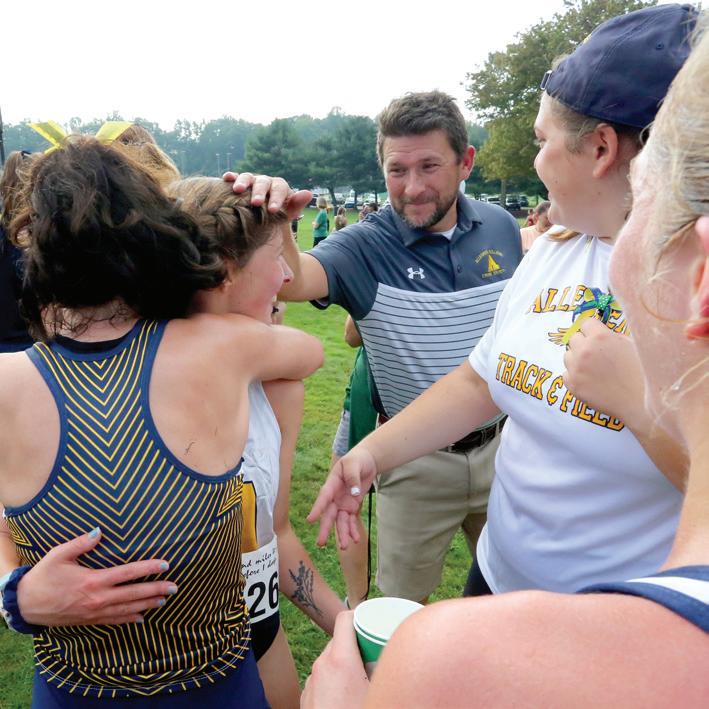
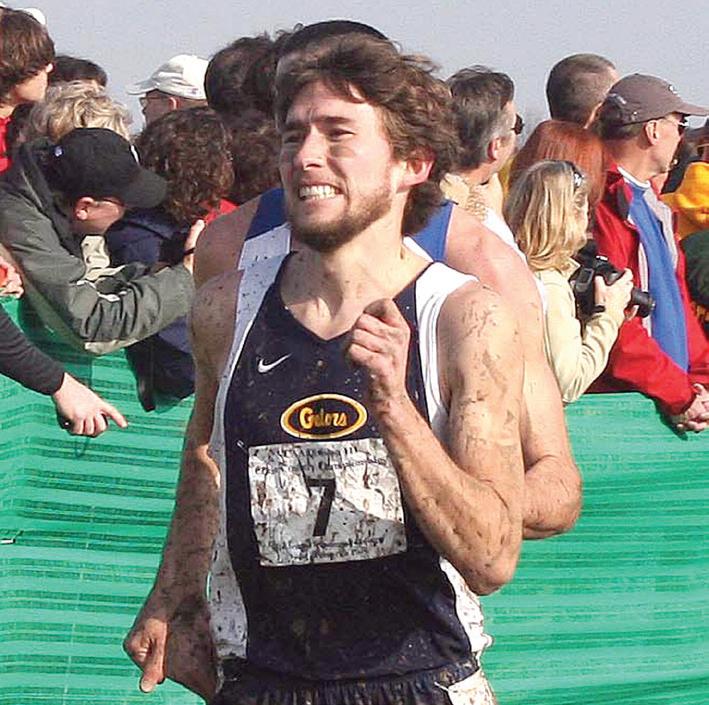

Ben saw the good and pushed for it. He also saw the pity party and crashed it. He didn’t quit on people. He would take care of anyone who needed it and talk to anyone who listened.
Whether you needed your hand held or your butt kicked, Ben could and would do it. He was a part of a tradition that combined camaraderie with hard work to produce success. People believed in Ben because he was selfless. What he did was never for him. The faith that it would all work out radiated into the lives surrounding him.
When Ben became a coach at Allegheny for both cross country and track and field, I knew if there was one person who could keep this tradition alive, it would be him. He was an encyclopedia of knowledge for anyone who tossed on a pair of super small shorts and pounded the pavement. When I called to congratulate him that day, he said he would do everything he could to keep those traditions alive. Over the next nearly 10 years, he did.
The athletes I encountered under Ben’s leadership knew the stories of longforgotten lore. They understood the legacy. They knew names, faces, times, distances. They knew the underground
tunnels in Meadville like the back of their hands. They knew the records and the record holders, and just like those who’d come before them, they were chasing down those dreams. It was like a scene out of “Mad Max Thunderdome” when all the kids living in the desert oasis with no parents could recall the stories they were too young to remember. Tales of people who had come and gone before their time. Ben had kept the legacy alive and well in up years and down. His kids were a part of that family we joined all those years ago. They were forging those same bonds we had known, carrying on what had been created in sweat and turmoil.
You don’t really understand why you are given certain people in your life. They may join your path for 50 feet or a 5K. When you’re young, and you stumble upon great things, you think you’ll always find more of them. But there are certain people who are special for a reason. The ones you train with, study with, and get stuffed inside a bus with. It’s all the time spent getting the best and the worst and everything in between. He didn’t realize it at the time, but Ben became a focal point for people who hadn’t seen or heard from one another in years. It was his invitation to the Gator Invite and subsequently the alumni golf outing that brought great
friends back into each other’s lives. People who had been so special but had been lost in the vacuum of those postcollegiate years.
It is now, in the aftermath of his death, that the family is coming back together. The faces of brothers and sisters changed by time rekindle timeless bonds forged in the fires of competition. And they were all brought back together by one person. Someone with such an impact in what seems like a fraction of time that was more significant than anyone could understand.
As the rain came down on me, waiting in line to see my friend one last time, I could see the number of lives Ben Mourer had impacted. Professors, coaches, athletes, students, and even the staff in the dining halls lined up to send off a friend of mine. Ben was in my path for what only felt like a few feet, but he will stay with me until that day my journey ends. So until that time, old friend, I just want to say, you are sorely missed by your family here.
We hope wherever you are, you will be watching – hopefully with Marty Goldberg ’62 – the Gator Invite and your memorial cross country classic next year.
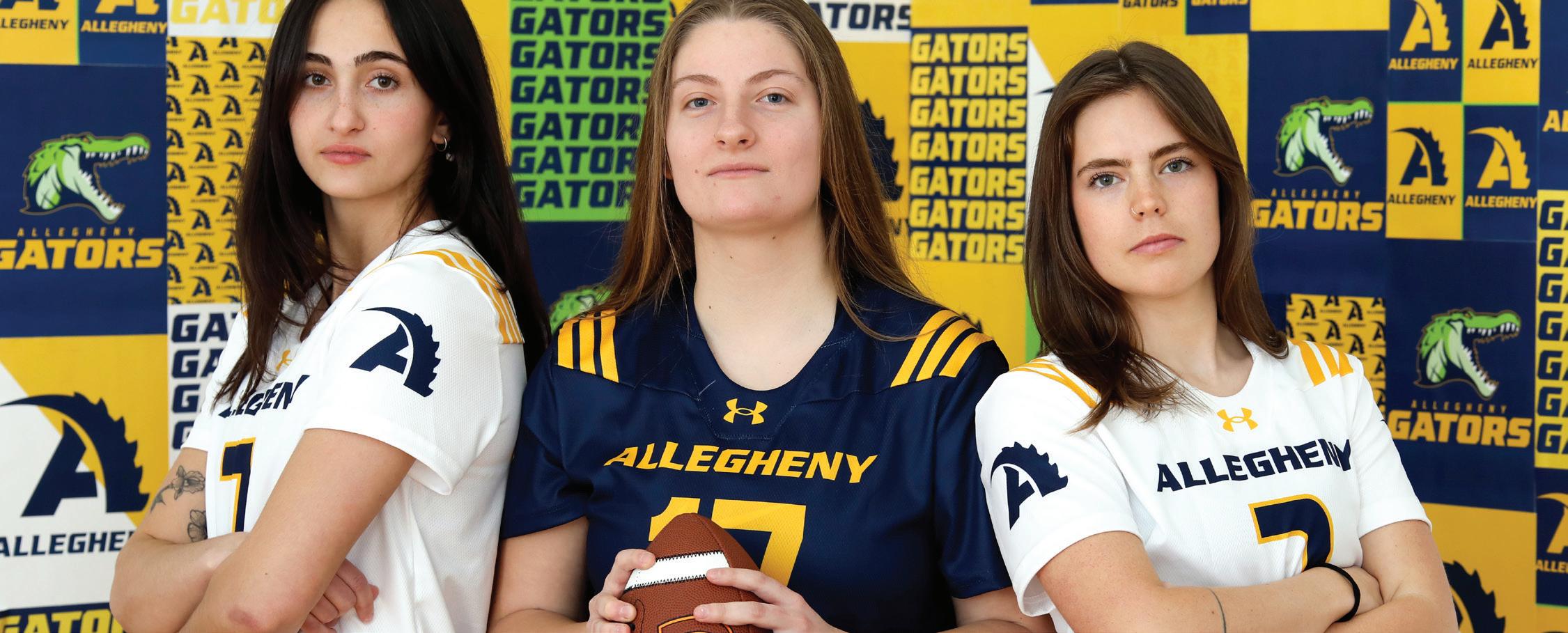
Momentum behind flag football continues to build ahead of its Olympic debut at the 2028 Los Angeles Games.
At the collegiate level, Allegheny College’s newest sport offering is developing rapidly and is one of the fastest-growing sports in the country.
In December 2025, the Eastern College Athletic Conference (ECAC) partnered with the New York Jets for a groundbreaking announcement. Thanks to a $1 million donation from the Betty Wold Johnson Foundation, a philanthropic organization named after the late mother of Jets chairman Woody Johnson, the ECAC and Jets created the largest collegiate women's flag football league in the nation. As one of 15 charter members, the Gators competed in the ECAC Women’s Flag Football League in their first season as a club team this spring.
“Allegheny College is truly at the forefront of this sport,” said Abigail Haynie, the team’s inaugural head coach. A former professional football player for the Pittsburgh Passion, Haynie hopes to
inspire the next generation of female athletes and future Olympians.
“These are things that, when I was a girl, I never thought were possible,” Haynie said. “All of these pathways for women now are just amazing.
“You’re investing in the future of women’s sports. The coolest thing about this is that you’re a pioneer; you’re paving the way.”
At the NCAA Convention in January, all three divisions overwhelmingly approved flag football for the Emerging Sports for Women program. Founded in 1994, the Emerging Sports for Women program provides a fast track for eligible women's sports to become full-fledged NCAA championship events. Since then, sports such as beach volleyball, bowling, ice hockey, rowing, water polo, and, most recently, wrestling have been approved for NCAA championship status.
Before the NCAA’s Committee on Women’s Athletics made its recommendation to move women’s wrestling to championship status, at least
40 schools had to sponsor the sport at the varsity level and meet other competition and participant requirements. Women’s wrestling became an emerging sport in 2020, eclipsed the sponsorship minimum during the 2022-23 academic year, and held its first NCAA championship in March 2026.
Women’s flag football is expected to advance through the process even faster to solidify a national championship and grow a talent pool for the U.S. national team ahead of the 2028 Olympics. Flag will need to surpass the same 40-school threshold for the NCAA Committee on Access, Opportunity, and Impact to recommend a National Collegiate Championship, which – like women’s wrestling in 2026 – would combine all three divisions into one for a national championship. However, data from the NCAA and sport leaders show that as many as 60 NCAA institutions planned on competing this spring, with many more expected to join in the near future.

Celia Cook-Huffman, Ph.D., a seasoned academic leader and nationally respected scholar-practitioner in peace and conflict studies, has been appointed the next provost and dean of the faculty. Dr. Cook-Huffman brings more than 35 years of experience in higher education, distinguished by her commitment to liberal arts learning, student success, faculty development, inclusive excellence, and the development of vibrant learning communities.
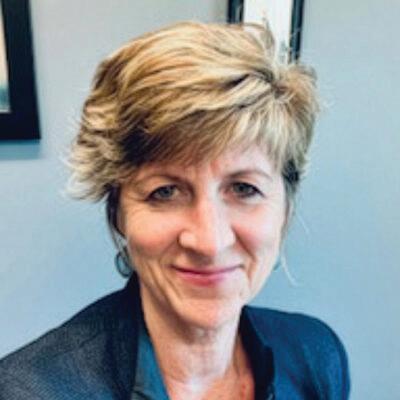
Commission and advanced several major academic initiatives. Prior to returning to Manchester, Dr. Cook-Huffman spent three decades on the faculty at Juniata College, where she also served as associate director of the Baker Institute for Peace and Conflict Studies. As assistant provost from 2015 to 2020, she guided multiple campus-wide efforts focused on student retention and success and the expansion of high-impact practices. She also directed QUEST, a partnership integrating academic affairs and student life to ensure every learner has the resources needed to thrive academically and personally.
The provost and dean of the faculty is the College’s chief academic officer. Dr. Cook-Huffman is an accomplished teacher, scholar, and administrator who will be a leader for faculty and a thought partner with the president and cabinet, the Board, and the entire campus.
Dr. Cook-Huffman most recently served as vice president for academic affairs at Manchester University, her alma mater, from 2020 to 2025. During her tenure, she led Manchester through a successful reaccreditation with the Higher Learning
Dr. Cook-Huffman earned her bachelor’s degree in peace studies and conflict resolution from Manchester College; a master’s in peace studies from the University of Notre Dame, where she was an International Scholars Program Fellow; and a Ph.D. from Syracuse University’s Maxwell School of Citizenship and Public Affairs.
Read more about Dr. Cook-Huffman
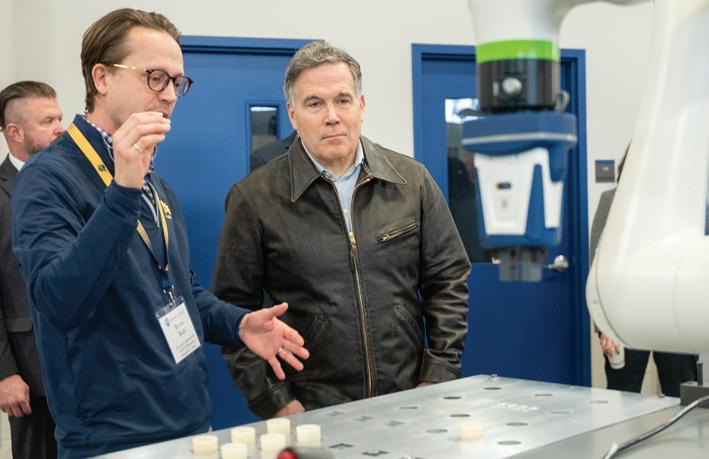
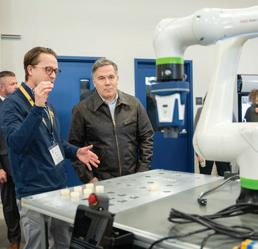
In December, Allegheny welcomed Sen. David McCormick to campus for a focused visit highlighting the College’s expanding role in regional workforce development, innovation, and industry partnership.
The visit began with a brief external tour of the Phil St. Moritz ’61 Center for Innovation at Reis Hall, the future oncampus home of the Allegheny Lab for Innovation and Creativity (ALIC). Although the facility remains under construction, the tour provided an overview of how the project – made possible, in part, through Redevelopment Assistance Capital Program (RACP) funding – will expand Allegheny’s capacity for hands-on
innovation, interdisciplinary learning, and applied research.
Following the campus tour, the group traveled approximately one mile to ALIC @ Bessemer, Allegheny’s state-of-theart, accredited branch campus. There, Sen. McCormick met with Allegheny faculty and staff, as well as leaders from regional manufacturing and industry partners. The visit highlighted how ALIC @ Bessemer is catalyzing regional workforce development, supporting advanced manufacturing, accelerating economic growth, and fostering meaningful collaborations between the College and the surrounding community.
Participants in the visit included Allegheny leadership and representatives from regional organizations and companies, including the Economic Progress Alliance of Crawford County, Acutec, Meadville Medical Center, Channellock, the National Tooling & Machining Association, Pennco Tool & Die, and other local industry and community partners.
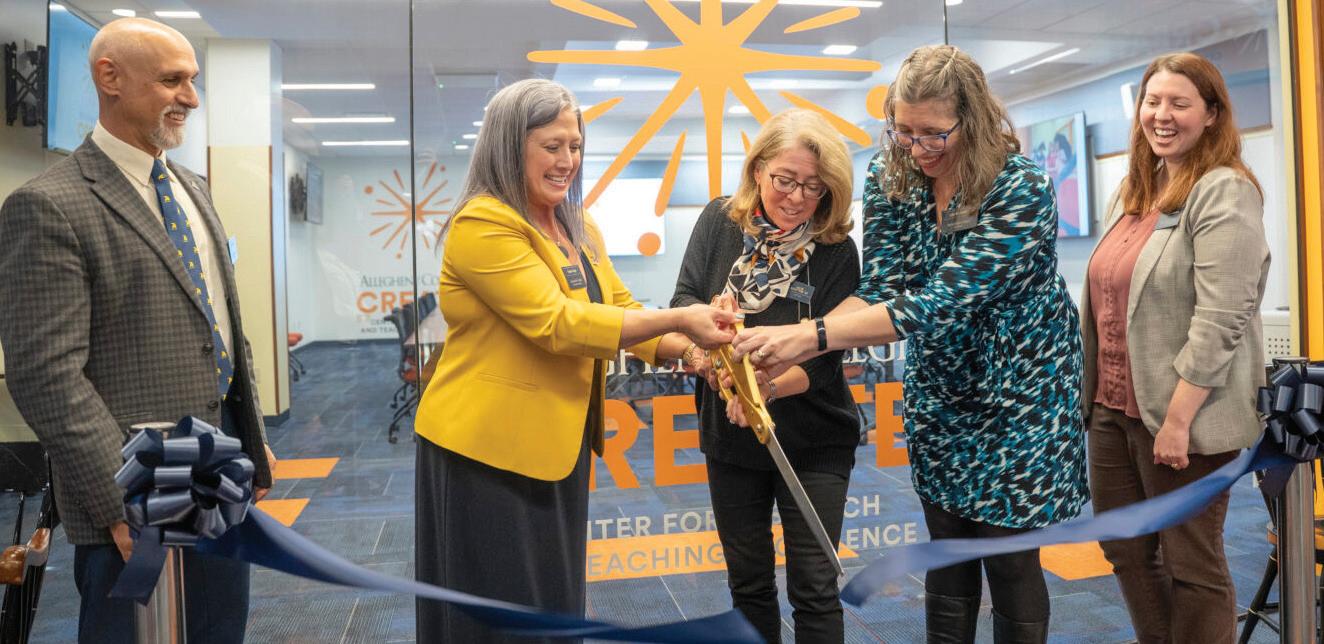
Allegheny celebrated the opening of the new Center for Research and Teaching Excellence (CREATE) with faculty, trustees, students, and staff during a ribbon-cutting ceremony in October. The CREATE lab –funded through a gift from Dag Skattum ’84 and Board of Trustees Chair Julie Grosjean Skattum ’85 – is a state-of-the-art presentation and research space designed to facilitate connections among faculty, librarians, and students.
Located in the Pelletier Library, CREATE contributes to Allegheny’s mission to create independent and creative thinkers who excel in a diverse and interconnected world by supporting our community of teacherscholars in their delivery of transformational teaching and the pursuit of scholarly and creative activities.
Interim Provost and Dean of the Faculty Jennifer Dearden, DMA, said, “CREATE represents a commitment to the heart of what we do at Allegheny: supporting faculty so that they, in turn, can support students in their discovery, learning, and creative work from its physical space to its programming.”
Through collaborative relationships involving faculty development, instructional design and support, research and scholarship, and educational technology and digital tools, CREATE will help sustain the educational and scholarly excellence that is unique to Allegheny’s vision of the liberal arts.
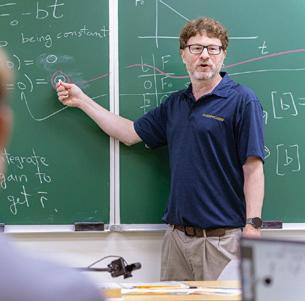
In September, Allegheny announced a new major in engineering physics. The interdisciplinary program merges the fundamental principles of physics with practical engineering applications and is ideal for students who want to delve into the scientific foundations of modern technology, while gaining hands-on experience in engineering design, analysis, and problem-solving. The major is a program in the Mathematics and Natural Sciences Division.
$400,000
U.S. National Science Foundation
Allegheny received a nearly $400,000 grant from the U.S. National Science Foundation through its Enabling Partnerships to Increase Innovation Capacity (EPIIC) program. The initiative is designed to broaden participation in the nation’s innovation ecosystems, particularly in advancing key technologies such as advanced manufacturing, artificial intelligence, biotechnology, quantum information science, semiconductors, and novel materials. Allegheny’s project is part of a collaborative proposal involving Xavier University of Louisiana and Southern Connecticut State University. The project will operate as a community of practice, bringing together primarily undergraduate institutions from across the Eastern United States to enhance partnerships with regional industries and businesses that provide applied research experiences for students and to develop institutional capacity to enhance each school’s research enterprise.
$400,000 Ainsworth Foundation, Lang Family Foundation, and RDL Family Foundation
The new major’s requirement of three semesters of work experience is unique for an undergraduate program, equipping students to navigate the complexities of
today’s technological landscape effectively. Those pursuing an engineering physics degree must complete a senior project with a local industry-community partner and an internship in their junior year, presenting graduates with the flexibility to explore a range of fields, pursue graduate study, or work in industry.
“Engineering ranks among the top five most requested majors by our applicants,” said Interim Provost and Dean of the Faculty Jennifer Dearden, DMA. “The new engineering physics major is a strong addition to Allegheny’s roster of more than 35 majors that fulfill our unique requirement of unusual major-minor combinations for graduation so our alumni can enter the workforce or graduate school as wellrounded engineers.”
Allegheny has received three grants totaling $400,000 from the Ainsworth Foundation, Lang Family Foundation, and RDL Family Foundation in support of a Co-Investment Retention Program at the Allegheny Lab for Innovation and Creativity (ALIC) at Bessemer. These funds will provide scholarships for low-wage earners seeking to pursue careers in advanced manufacturing, who require financial assistance to access ALIC coursework. The program is designed to deliver targeted workforce training that upskills incumbent workers while preparing new entrants for manufacturing roles that demand strong technical competencies.
News and Events from Alumni

Greta Samzelius McCrea wants to let her surviving contemporaries know that she’s thriving and enjoying life at the beautiful Pines at Davidson, North Carolina. “Anyone still traveling, please do stop by!” she says. Greta’s son, John McCrea ’87, lives in nearby Mooresville.
Trustee emeritus Herb Niles shared that Georgetown University’s School of Foreign Service (SFS) has established the Harry C. Blaney III (Allegheny College’59) Endowed Scholarship Fund. Georgetown estimates that the current fund will support half of one SFS student’s annual tuition. The first scholarship will be awarded in fall 2026 and every year thereafter.
Special recognition goes to Wendy M. Ellison ’62 and Elleanor Ives Goff ’67, who became members of the President’s Society. The President’s Society honors donors who have lifetime cash giving of $100,000 or more to Allegheny College.
Dr. Bettye J. Myer says hello from Titusville, Pennsylvania, to her class of 1960 friends.
Joan Jaeckel Corderman moved to Mandeville, Louisiana, to be near her son’s family after losing her husband. She summers in West Linn, Oregon, with her daughter’s family.
Jerry Weidner hosted his 80th birthday dinner on July 19, 2025, at the Tippie Alumni Center at Cochran Hall. Seventytwo guests were present including many family members, friends, and his partner, Diann Kuder, of Greenville, Pennsylvania. Also in attendance were fellow alumni Richard Stoneberg ’67, Martha Pence Stoneberg ’68, Lucy Flynn Schall ’68, and Michael Kuder ’97. Weidner lives in Meadville and retired from teaching
chemistry at Meadville Area Senior High after 36 years. He spends his winters in his southern home in Venice, Florida.
Judith L. Bowen ’75 and Susan E. Offut ’76 have joined the William Bentley Legacy Society, a recognition for those who have provided for Allegheny through wills, charitable gift annuities, and/or charitable remainder trusts, or have designated the College as a beneficiary of their life insurance or retirement assets.
Special recognition goes to Catherine Curry Smith ’78 and Gerald H. Smith ’78, who became members of the President’s Society. The President’s Society honors donors who have lifetime cash giving of $100,000 or more to Allegheny College.
Susanne Gaynor Barnet reports, “I’m gradually re-emerging into the real world after being a caregiver for my mother who lived to be 105! Now enjoying visiting my adult daughters who live in the United Kingdom, being Archie’s grandma, and indulging in my sewing/quilting obsession. Life is good!”
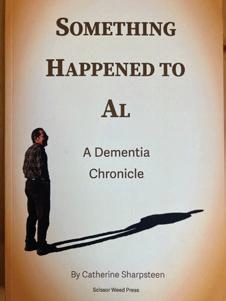
Catherine Sharpsteen published her memoir, "Something Happened to Al; A Dementia Chronicle." She hopes family caregivers will gain understanding and validation through reading about another family's experiences. A retired auditory-oral educator of the hearing impaired, she has found a welcoming, outdoors-oriented community in Salt Lake City, Utah.
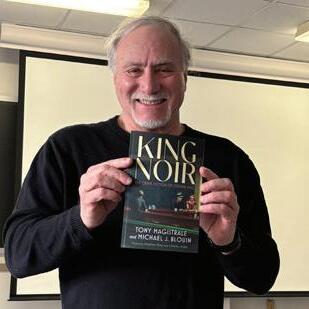
Anthony Magistrale’s new book on the detective fiction of Stephen King was published by Mississippi University Press (MUP) in 2025. It includes an opening chapter written by King himself. Copies are available to order from the MUP website.
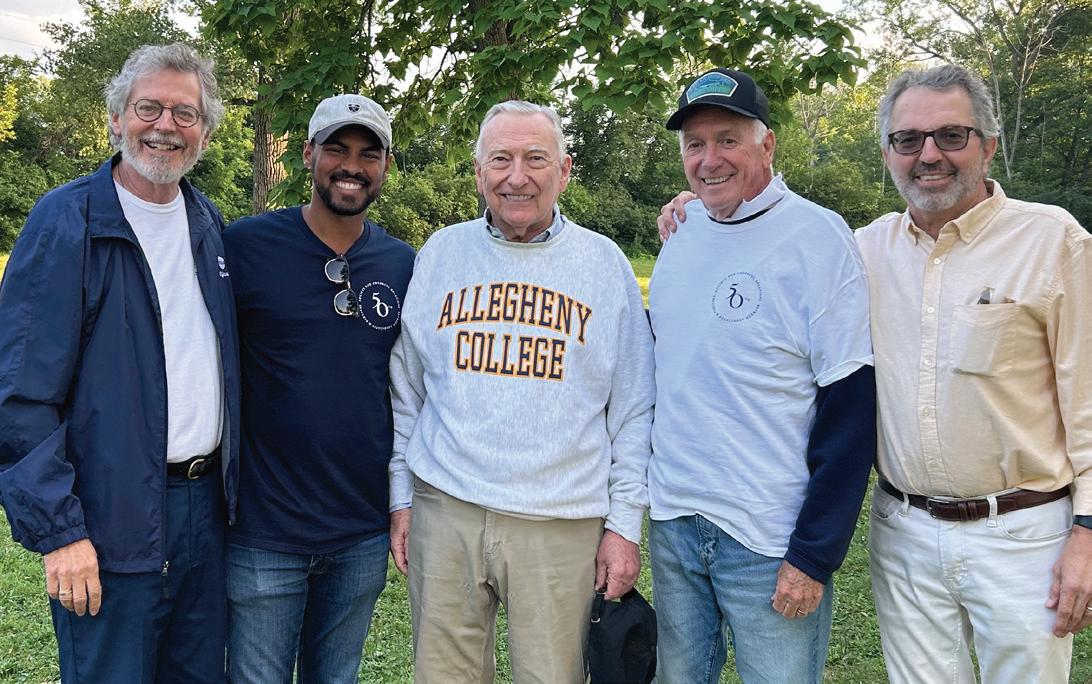
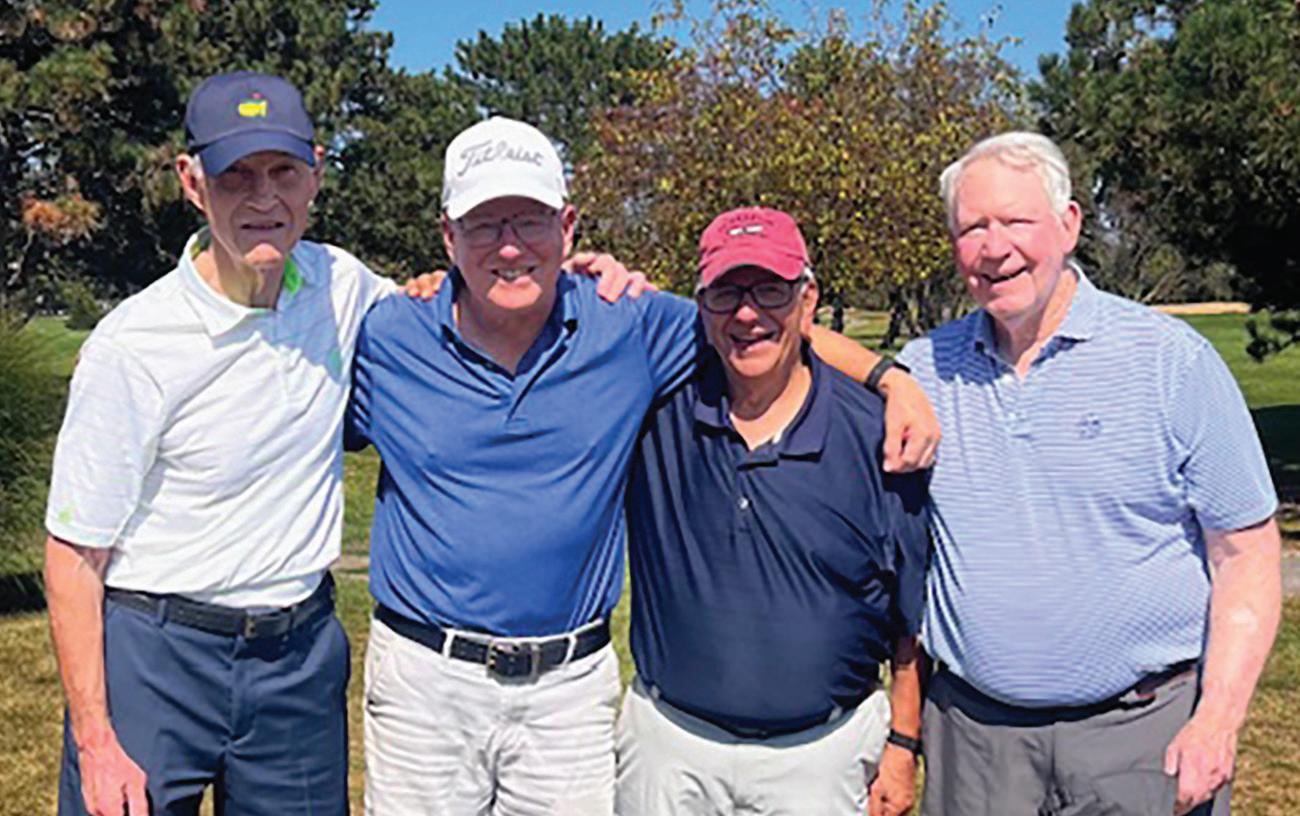
The law firm of Knox McLaughlin Gornall & Sennett held an annual summer picnic in Erie for its attorneys. A number of Gator alumni were present to enjoy the weather and camaraderie, and share stories about their years on campus. Left to right: Mark Wassell ’79, Antonio Frisina ’19, Ed McKean ’61, Jack Gornall ’67, and Guy Fustine ’79.
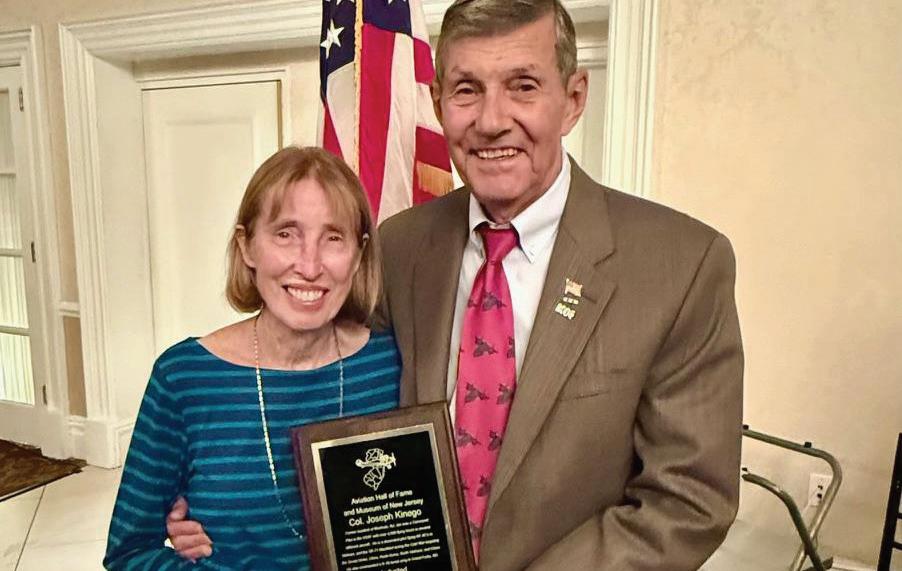
Col. Joe Kinego ’67, alongside his wife, Beverly Arrowsmith Kinego ’66, was inducted into the New Jersey Aviation Hall of Fame. During his 27-year Air Force career, Joe flew many aircraft, including the RF-4C where he flew 148 combat missions in Vietnam, and the SR-71 Blackbird where he flew over 100 Cold War reconnaissance missions. He was awarded the Distinguished Flying Cross and 14 Air Medals for his actions. Joe is a docent at the National Naval Aviation Museum in Pensacola, Florida.
Once again a few Phi Delt brothers gathered at the Sawmill Creek Resort outside of Sandusky, Ohio, for a few days of golf and sharing of memories of co-eds they claim to have dated. Pictured here are John Pinter ’71, Barry Dietsch ’71, Paul Klug ’72, and Dan Cacchione ’70. They are making plans for another reunion of former Gators in the summer of 2026!
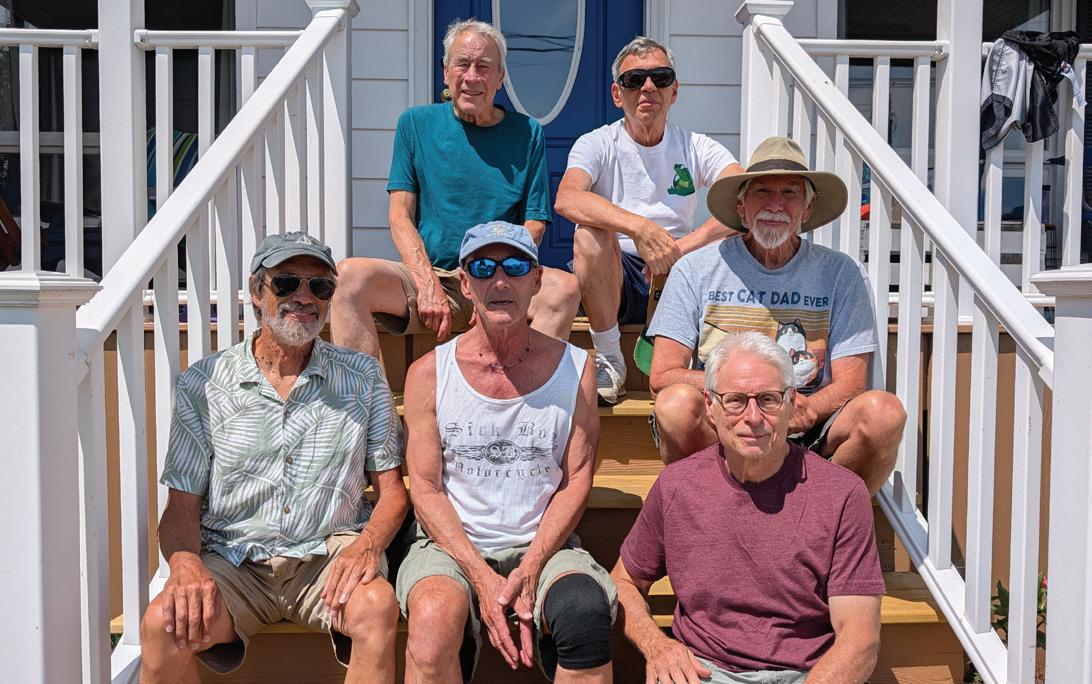
A group of Torchbearer Phi Psis got together for their annual reunion at the Abraham residence in the Finger Lakes. Pictured from top left are William Du Gar ’72, Larry Weiss ’74, Donald E. Chappell lll ’72, John David Maroline ’73, John "Abe" Abraham ’72, and Steven Armbruster ’72
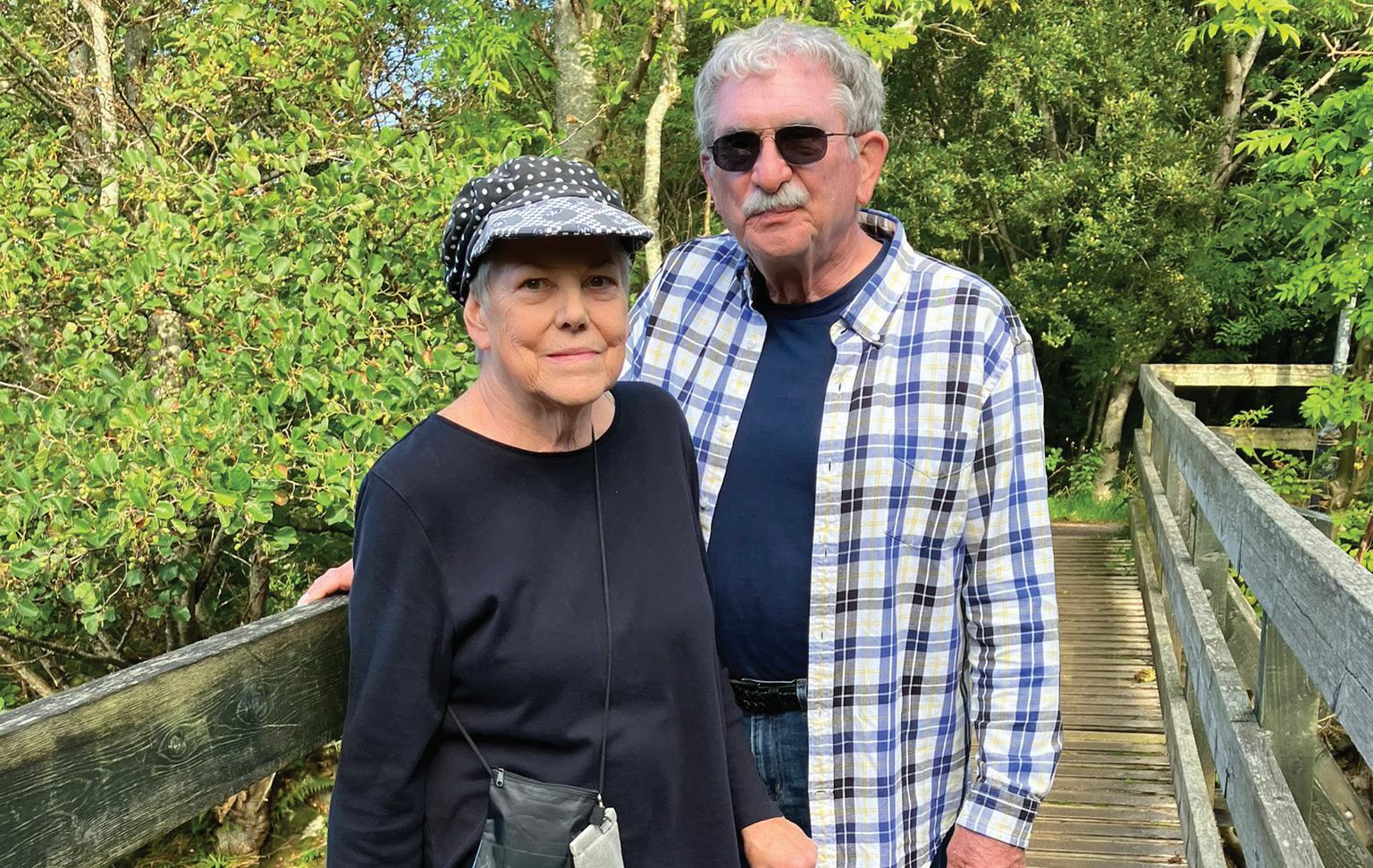
John Schumacher ’74 and Judy MacPherson Schumacher ’74 drove the Scottish North Coast 500, a more than 500-mile route of primarily single-track roads, beginning in Inverness and making a loop along the north coast of Scotland through the Scottish Highlands. Their vehicle of choice was a 1995 Mazda MX-5 Miata. They were invited to submit an article recounting their adventures by the British MX-5 owners' club for its magazine, SOFT TOP HARDTOP, and were published in the April 2025 issue. Judy and John have been Miata enthusiasts for more than 25 years. John is a past president of the Windy City Miata Club, one of the largest and most active MX-5 clubs in the United States.
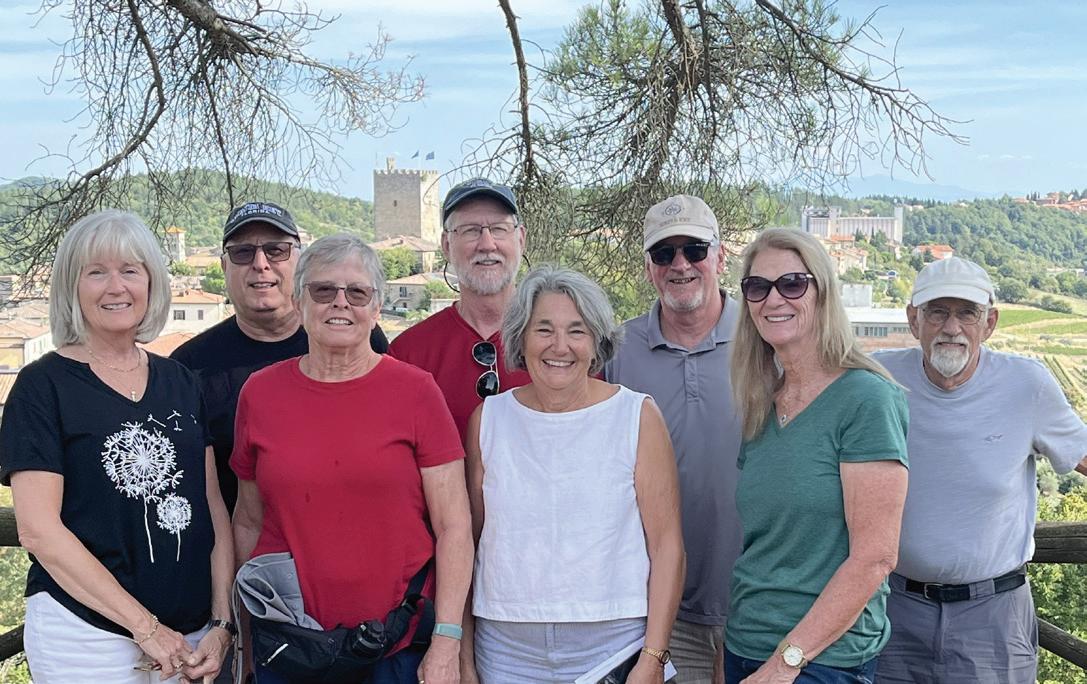
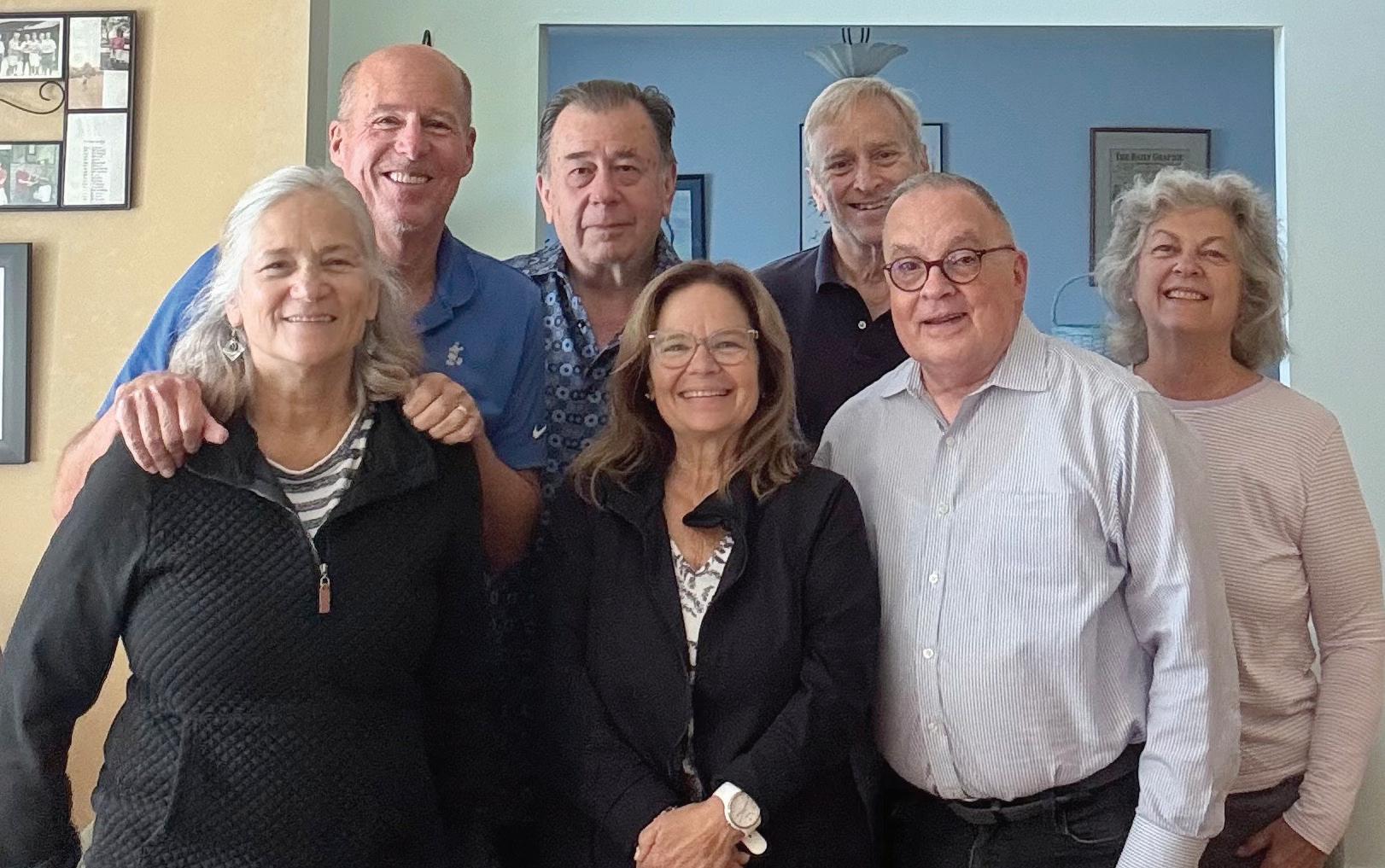
Allegheny alumni gathered in Castellina, Chianti, in September 2025. From left to right: Mary Lynn Ritchie Meyers ’77, Deborah Humbert ’78, Joyce Malmberg Miller ’77, Susan Covert Hein ’77, Allen Powell ’77, James Hein ’75, Kent Meyers ’76, and Dave Miller (honorary Gator).
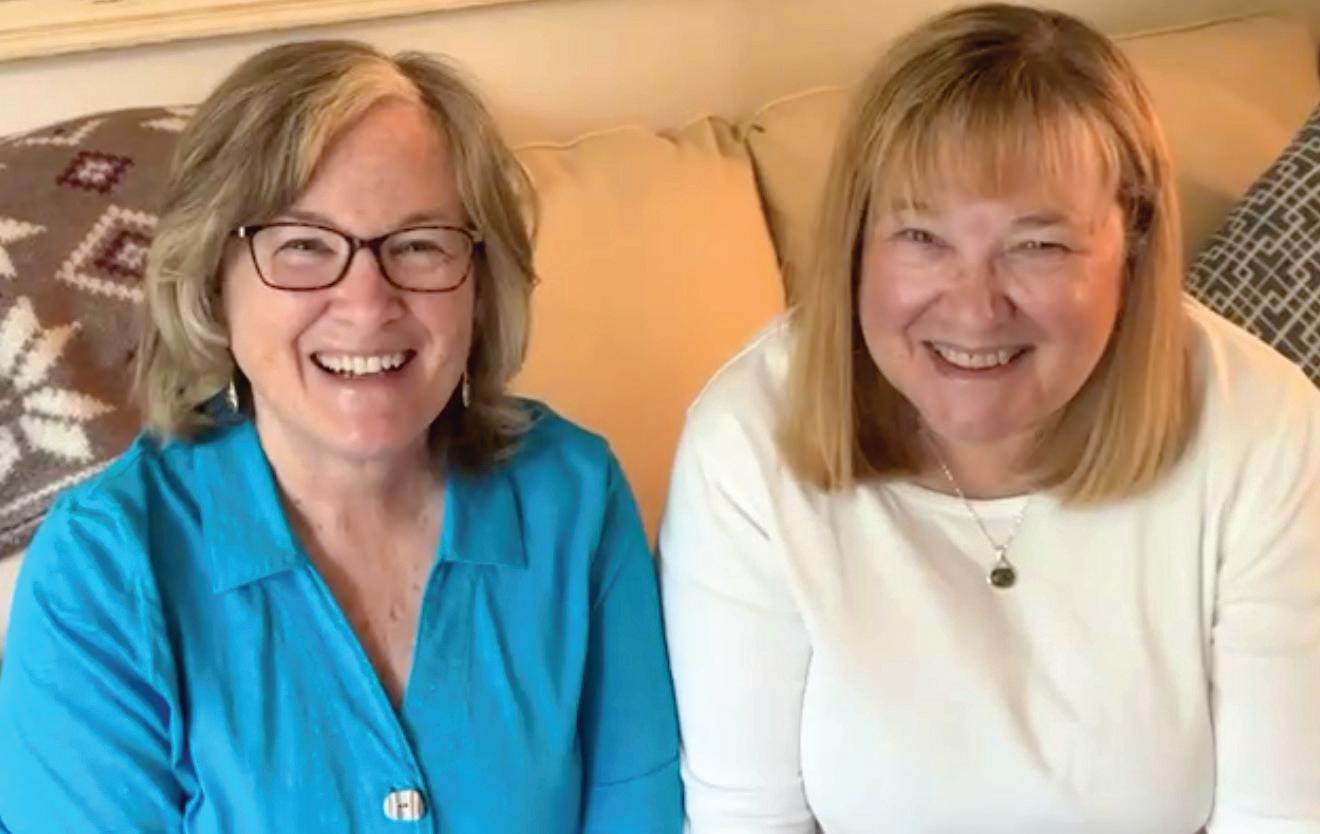
Dr. Kathryn Miller Rayner ’78 and Karen Stadelmyer Bliss ’78 got together in Detroit and wondered how 50 years have passed since they became friends sophomore year.
Allegheny friends for decades gathered in New Jersey in August 2025 for an annual get-together. From left to right: Martha “Marty” Homer ’78, Bruce Gunther ’78, Dave Umana, Lorraine Urogdy Eiler ’78, Dr. Robert Graziano ’78, Joseph Rosenthal ’78, and Sallie Spencer Graziano ’79
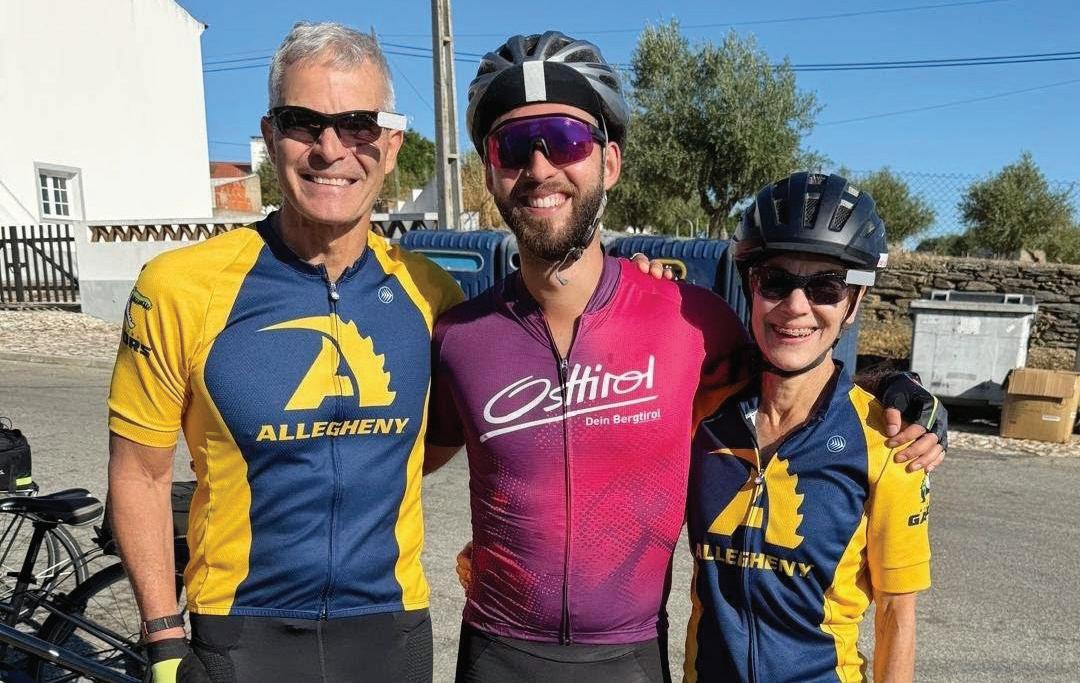
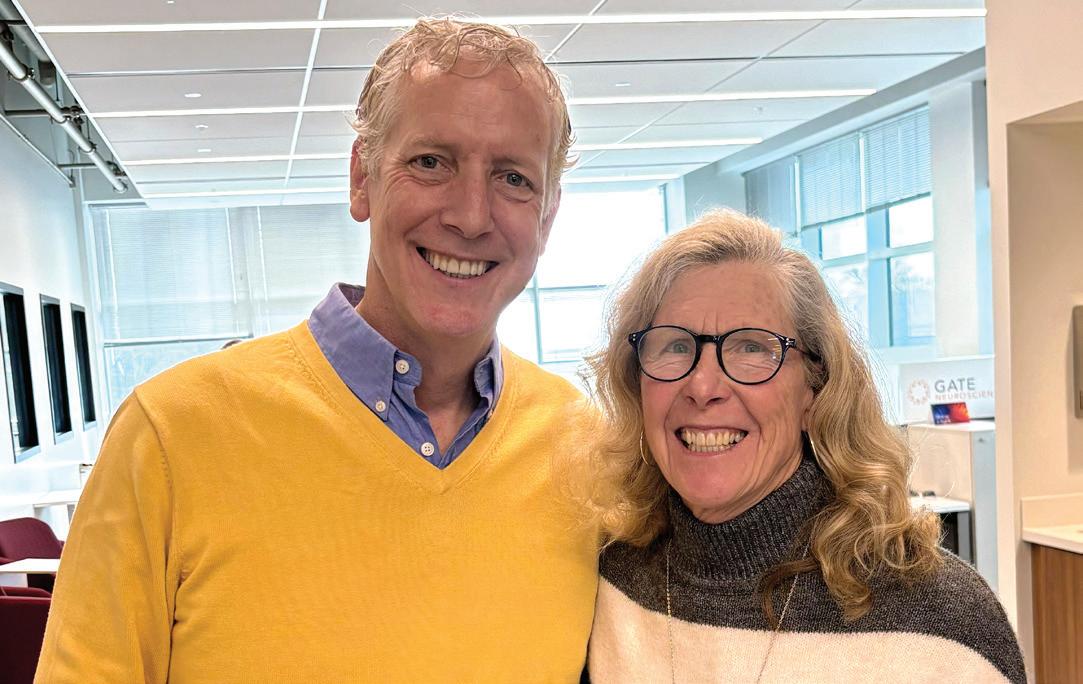
Kathleen Leonard ’79 and Medio Monti ’79 completed a 226mile bike tour of southern Portugal showing Allegheny pride along the way.
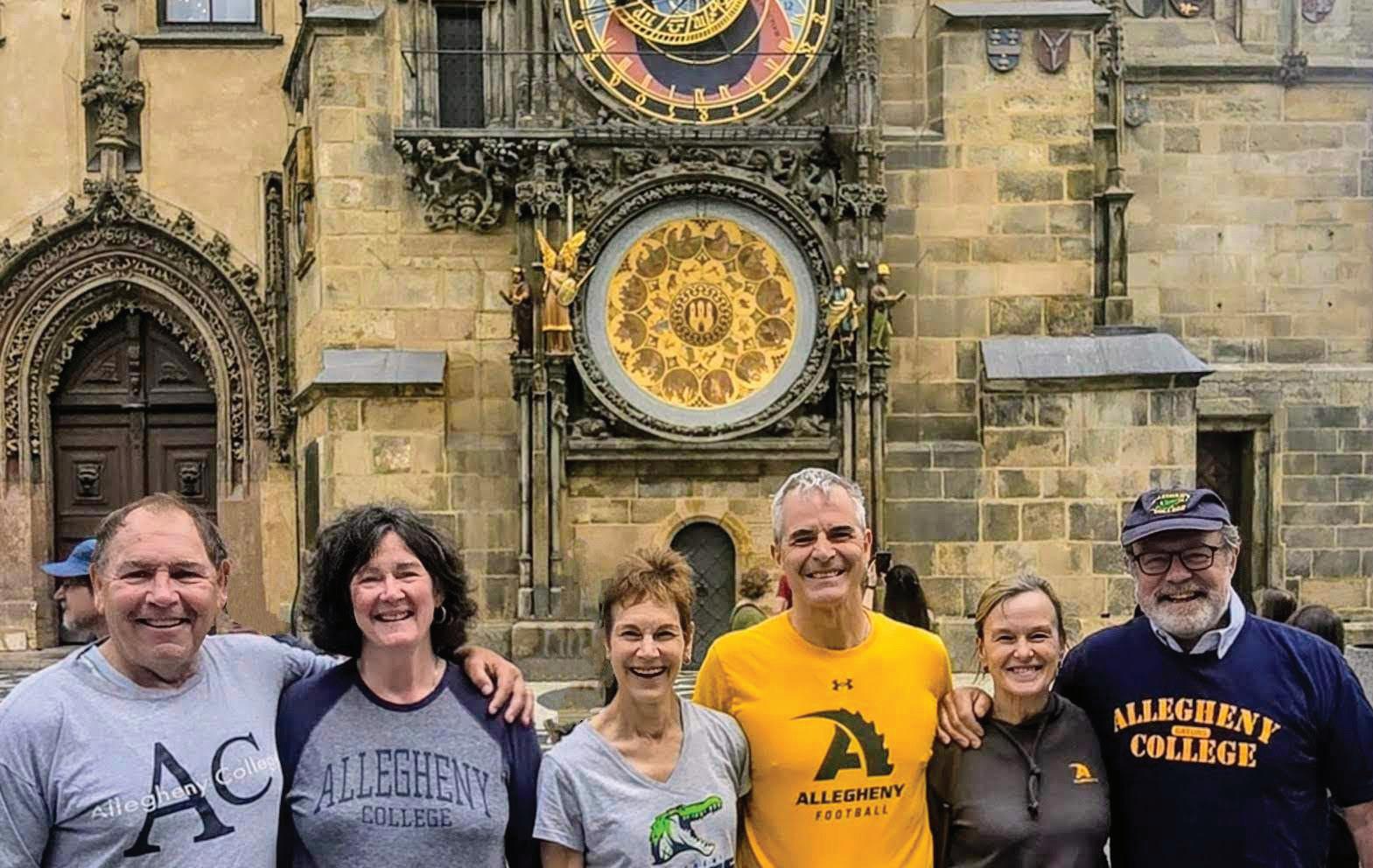
Allegheny alumni spent 14 days in Eastern Europe traveling from Budapest to Prague. Pictured with the world-famous Prague Astronomical Clock are Greg Georgic ’79, Jennifer Jenkins Georgic ’81, Kathleen Leonard ’79, Medio Monti ’79, Roz Zera, and Greg Underberg ’79.
Keith Johns ’86 and Karin Swanson Daun ’82 both retired from Eli Lilly & Company in Indianapolis, Indiana, and now work together at Adipo Therapeutics, a biotech startup, committed to advancing the treatment of obesity by increasing resting metabolism and energy expenditure through the power of brown fat metabolism. Adipo is raising Series A equity and plans to have their lead asset in the clinic in 2026.
Even an October 2025 nor'easter couldn't dampen the celebration of 46 years of friendship in Newport and Narragansett, Rhode Island. Clockwise from left: Rayanne Englert Coy ’83, Stephanie Pleva Chirigos ’83, Jamie Bosso ’83, Leslie Morschhauser Payne ’83, and Kathleen Marchi ’83
Dan Hucko was a winner of the 2025 Black & White Photo Contest from the reFocus Awards. He received the following honors: Bronze Minimalism - "In Those High Rolling Hills" and Honorable Mention People - "Early Morning Solitude." This year's contest received entries from 80 countries. The panel of judges included representatives from the BBC World Service, ABC News, Conde Nast Publications, Rizzoli, The Robb Report, and the National Geographic Society.

recognition for those who have provided for Allegheny through wills, charitable gift annuities, and/or charitable remainder trusts, or have designated the College as beneficiary of their life insurance or retirement assets.
Debbie White has been appointed to a four-year term on the University of South Florida St. Petersburg Campus Board. A longtime community leader in Tampa Bay, she is also chairman of the Board of Directors at Ruth Eckerd Hall and has held leadership roles with numerous organizations, including Leadership Pinellas, Morton Plant Mease Foundation, and the Safety Harbor Chamber of Commerce. White, who earned her degree in economics from Allegheny, previously worked for Dun & Bradstreet and later served as vice president of governmental affairs and economic development at the Clearwater Chamber of Commerce.
Jeffrey Dunn has published a new novel, "Whiskey Rebel.” He invites you to “go with two drifters into the untamed Columbia Basin and embark on a daring quest to return America to its Western Pennsylvania, tax-free whiskey roots. Garnering a Kirkus Reviews ‘Get It Award,’ ‘Whiskey Rebel’ is picaresque literary fiction that challenges societal norms, delves into the complexities of the American experiment, and introduces a cast of quirky characters all seeking their unique recipe for freedom."
Robert Glenn Locke ’81 and Sarah Thorne-Locke ’81 have joined the William Bentley Legacy Society, a
Robert A. Marchman, Allegheny College trustee emeritus and president of the Maplewood Memorial Library Board of Trustees, was honored by the Essex County Board of County Commissioners for his leadership and the library’s outstanding service to children and families. Under his guidance, the Maplewood Memorial Library in New Jersey continues to foster lifelong learning, cultural engagement, and community connection through inclusive programs and partnerships.
Dr. Pamela Eddy retired from her role as associate provost for faculty affairs and development at William & Mary in July 2025. She received the 2025 Outstanding Leadership Award from the American Council on Education (ACE) Women’s Network of Virginia at their annual conference. She remains a consultant on several leadership and faculty development projects.
was honored with Poets&Quants’ first Lifetime Achievement Award in Business School Admissions for her leadership, empathy, and innovation throughout her career.
Art Martinucci has joined Leech Tishman as a partner in the Labor & Employment, Litigation, and Corporate Practice Groups. He will divide his time between the firm’s Pittsburgh and Erie offices, focusing on labor and employment and commercial litigation matters.
Scott Young has been named executive vice president of growth and strategic alliances at Robots & Pencils, a digital innovation firm specializing in AI and cloud-native technologies. He brings more than 20 years of experience in consulting and revenue growth, with previous roles at Deloitte, EY, Publicis Sapient, and Zilker Technology. This marks a return to Robots & Pencils for Young, who previously served as SVP of business development. He has a bachelor’s degree in computer science from Allegheny and graduate degrees from the University of Pittsburgh.
Bill Spoehr relocated to Millwood, Virginia, in the Shenandoah Valley in May 2025 where he and his wife, Cheryl, co-own a 32 acre horse farm. He offers some unsolicited advice: “If you thought your children’s activities were expensive, don’t take up horse riding and eventing in your mid-’50s!”

Dawna Clarke has stepped down as senior assistant dean of admissions at the University of Virginia’s Darden School of Business after more than 40 years in MBA admissions, including 23 years at Darden. She will continue with the school in a part time role as special advisor to the dean and as an ambassador for Darden. Clarke
Lynn Stewart Kier, strategic communications executive, manufacturing industry, LSK Consulting, has been named to the 2025 Women in Manufacturing (WiM) Hall of Fame. Through this recognition, WiM acknowledges the significant contributions made by Hall of Fame inductees and showcases their success and impact on women in the industry. This award showcases inductees' remarkable careers, leadership, and dedication that have paved the way for future generations of women in the manufacturing industry.
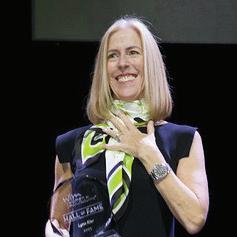
Jason New has been appointed to the Board of Directors of ETHZilla Corporation. He serves as vice chairman
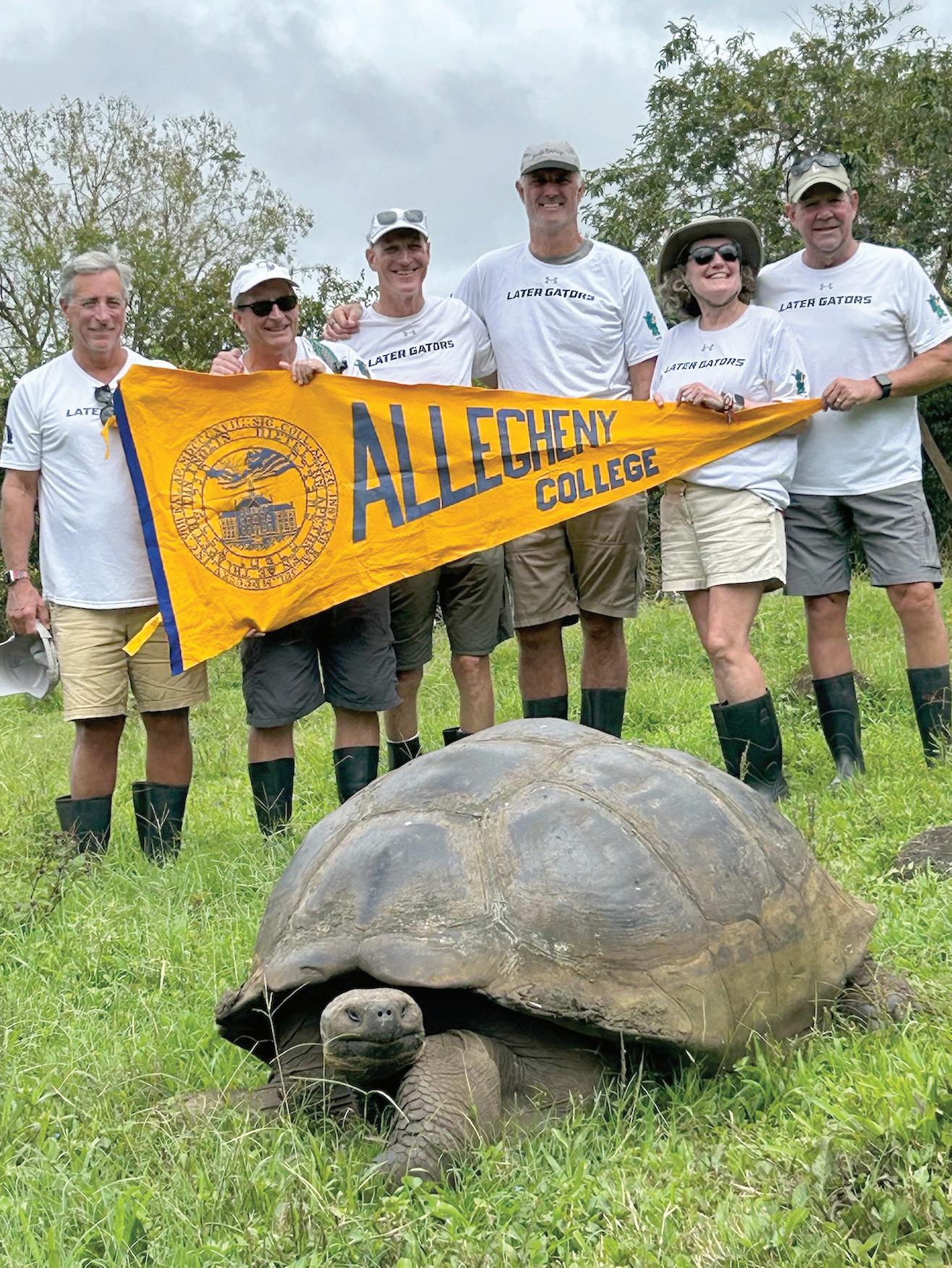
Longtime Allegheny friends Kevin McKenna ’83, Mimi Dunne Rog ’85, Dave Perry ’84, Joe Rog ’85, Tom Held ’83, and Bill Watson ’86 got together for an amazing trip to the Galapagos Islands. Joined by spouses and other good friends, the group shared great memories of the early ’80s (you should have heard the music!) as well as their lives beyond Allegheny. No gators were observed, but there were plenty of sea lions, turtles, bluefooted boobies, and tortoises (pictured).
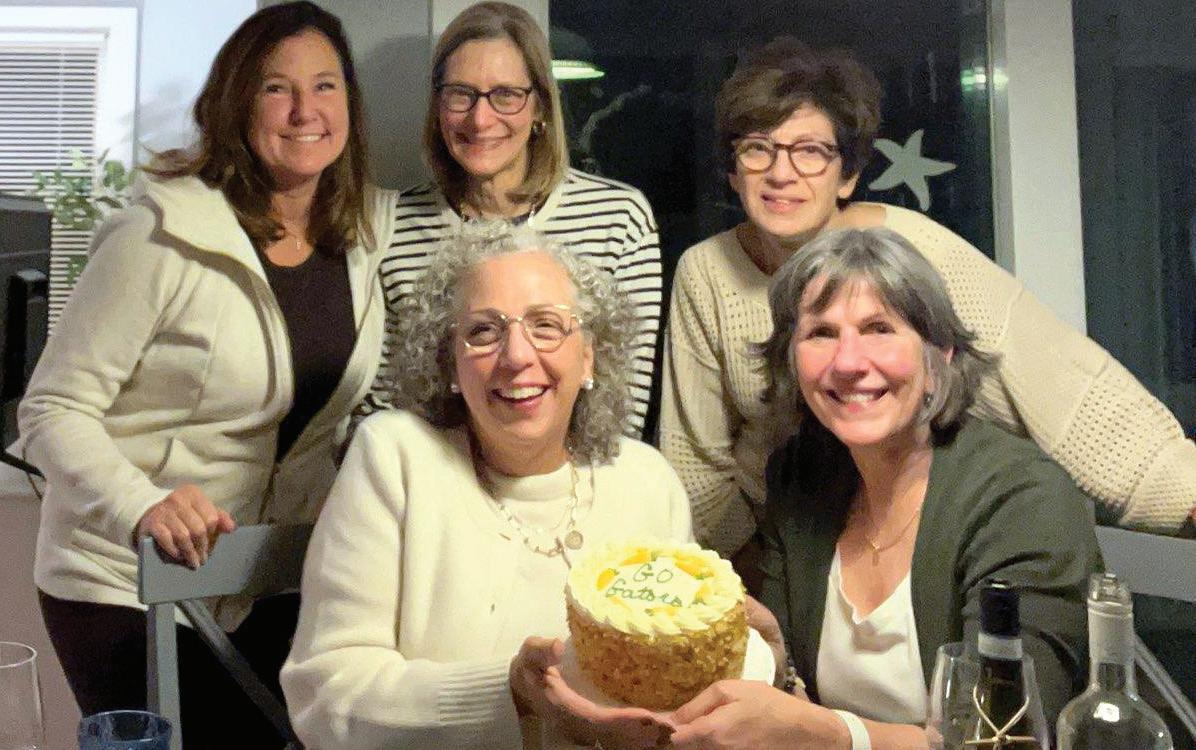
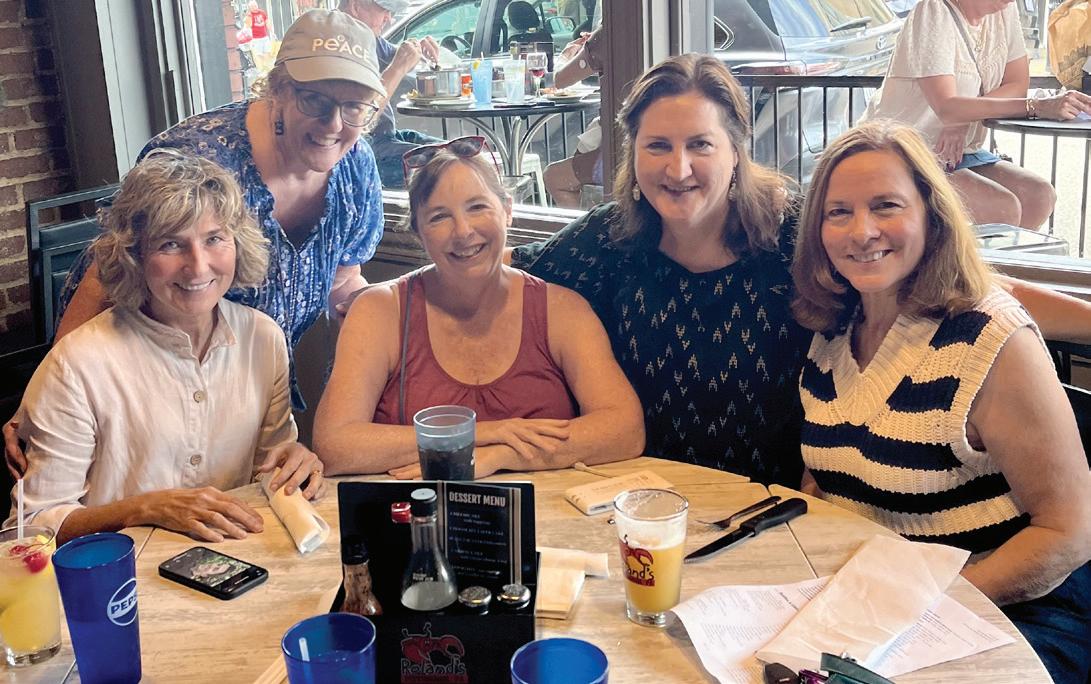
Five ladies from the class of 1985 had a weekend reunion in September 2025 in Pittsburgh, Pennsylvania. What’s 40 years? Pictured: Vickie Cantelupe Franchino, Kristin Fry, Cynthia Gerrie, Amy Zediker Potosnak, and Rebecca Dernberger Wood
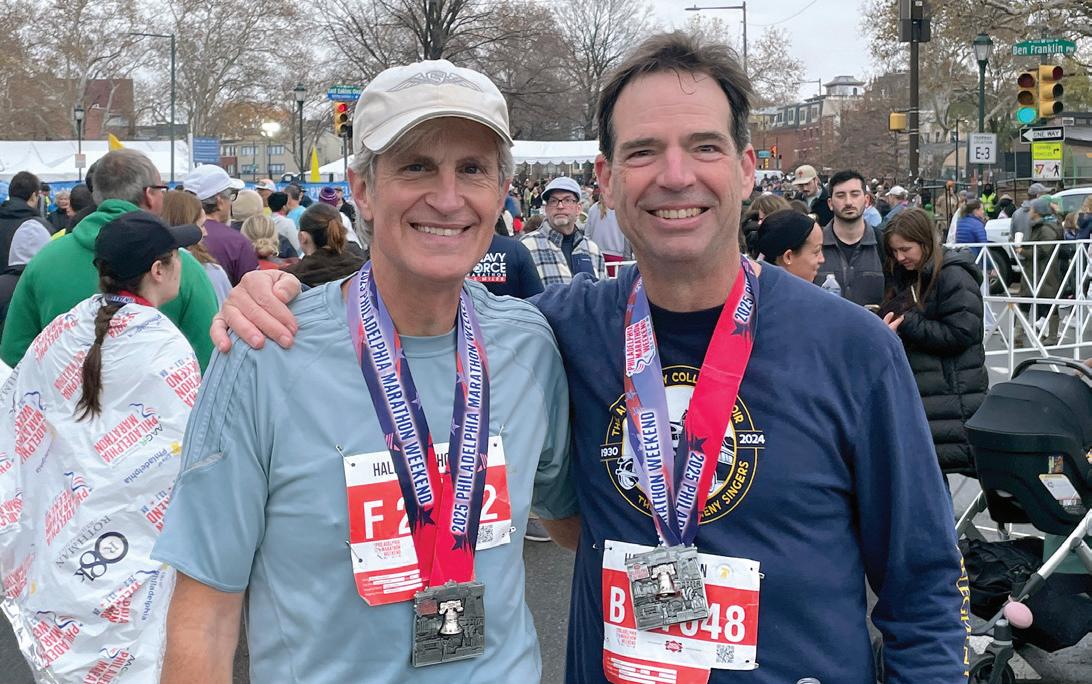
Dr. Bruce Rockwell '85 and David Barker '85 ran the Philadelphia Half-Marathon together on November 22, 2025.
of investment banking at Lazard and brings more than 25 years of experience in global credit, private equity, and alternative investments. New previously co-founded NovaWulf Management and held senior roles with Onex Credit Partners and Blackstone’s GSO Capital Partners. He also serves on the Duke University School of Law Board of Visitors.
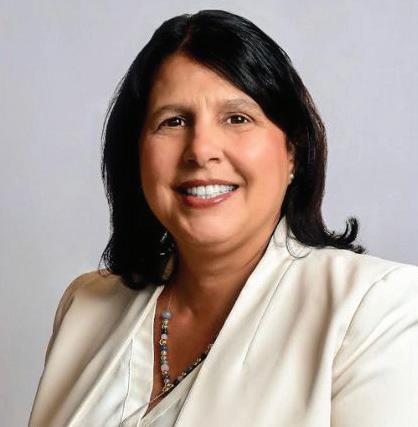
Mike Capsambelis retired from Google after a 30-year career as a product management executive at several tech companies. He continues to serve on several nonprofit boards and advise AI startups and small businesses. He plans to use his free time to travel, write, and pursue some new hobbies. He and his wife, Marla DeLuca Capsambelis ’93, who teaches pre-K, hosted a gathering of Pittsburgh alumni at their house in Allison Park, Pennsylvania. “It was great
by Katheryn Frazier
meeting new Gators and reconnecting with many old friends!”
Joe Gette has been appointed senior vice president, general counsel, and secretary of PPG, as of January 1, 2026. A PPG employee since 2005, Gette has held a variety of leadership roles in the company’s legal department, most recently serving as vice president, deputy general counsel, and secretary. He has a bachelor’s degree from Allegheny and law degree from Vanderbilt University.
Rachael Bash Borromeo, MS, RAC, is the senior director of regulatory at Krystal Biotech. As one of the first 30 employees, Borromeo has seen the development of Vyjuvek from the first clinical studies
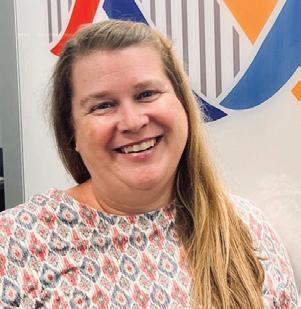
through marketing approvals in the United States (2023), Europe, and Japan (2025). After receiving her bachelor's degree from Allegheny, Borromeo began her career at the Harvard Gene Therapy Initiative under the direction of Richard C. Mulligan, Ph.D. Borromeo received a master's in regulatory affairs and quality assurance from Temple University in 2017.
McCrae Holliday Martino joined the Board of Directors at the Staunton Farm Foundation. Staunton Farm is dedicated to improving the lives of people who live with mental illness and/or substance use disorders. The foundation works to enhance behavioral health treatment and support by advancing best practices through grant making to nonprofit organizations in 10 southwestern Pennsylvania counties.
An estimated 15% to 20% of the population is affected by dyslexia. Maria Quinque Paluselli ’92 is committed to addressing that statistic by serving students with dyslexia and language-based difficulties from grades two through eight as Provident Charter School’s chief executive officer.
“We truly change trajectories,” says Paluselli. “We have students who come here from 45 different districts. It speaks to the need that exists.”
Paluselli’s commitment to education began while attending Allegheny. As a student, she had the opportunity to teach at First District Elementary School and gain field experience in other Crawford County school districts.
She notes that her time at Allegheny pushed her out of her comfort zone.
“I loved my experience at Allegheny,” reflects Paluselli. “Allegheny gave me confidence to take on things that seemed particularly challenging. Allegheny provided me opportunities to do difficult things that prepared me to be comfortable with challenges.”
After graduating with her bachelor’s degree in psychology, she conducted education research that focused on autism and reading comprehension at the Allegheny-Singer Research Institute.
Simultaneously, Paluselli received a master’s degree in special education from Duquesne University.
Returning to the classroom, Paluselli taught special education at North Allegheny until she accepted the opportunity to become the director of the Children’s Dyslexia Center in Ross Township.
Paluselli trained teachers in the Orton-Gillingham approach, coordinated a tutoring program, and consulted surrounding school districts for a decade in the role. She continued to advocate in the region by joining others to create the Pittsburgh Regional Group of the Pennsylvania Branch of the International Dyslexia Association. She has served as the chair of the group and in various roles since its inception.
At the Dyslexia Center, Paluselli was introduced to the idea of preparing a charter for a school to accommodate the dyslexic population. Approved in 2016, Provident Charter School now has over 300 enrolled students in its Troy Hill location, and a second school, Provident Charter School West, opened in Baden, Pennsylvania, in 2023.
It’s evident that Paluselli is a changemaker who deeply values her students and their lifelong development.
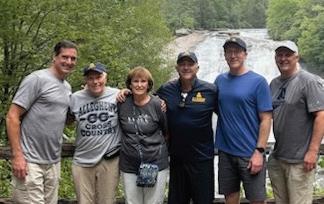
Some members of the Allegheny Gator cross country team got together in Asheville, North Carolina, in August 2025 with their coach. Pictured left to right: Jeff Stone ’91, Coach George Yuhasz, Susan Yuhasz, Jeff Lowenguth ’90, Tim Cardwell ’89, and Todd Milenius ’90.
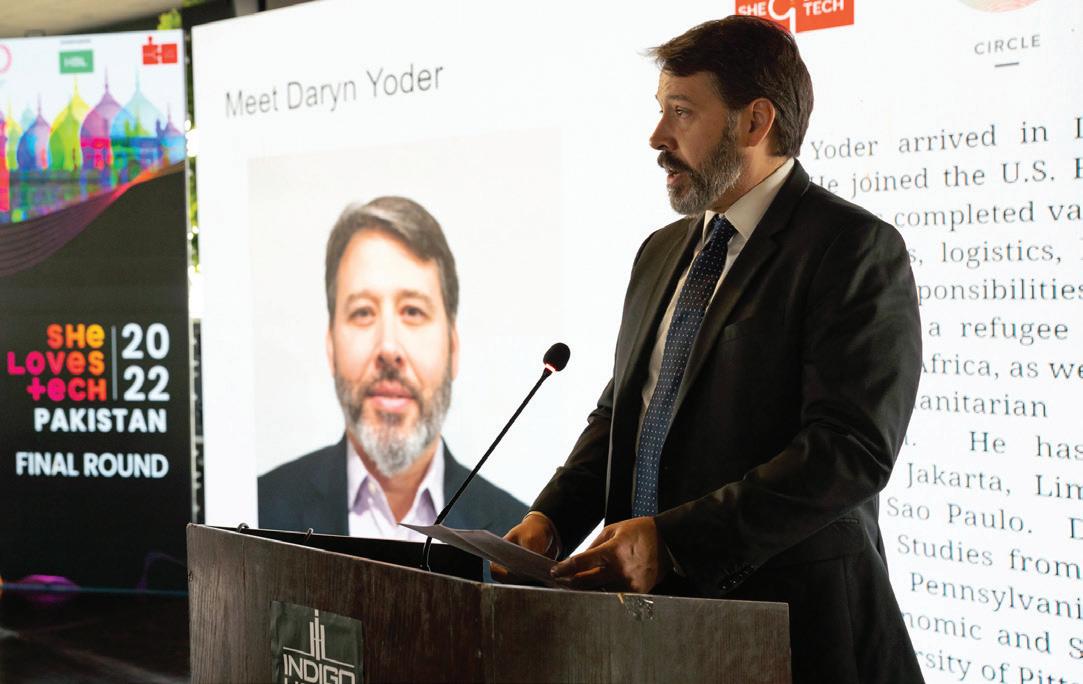
Daryn Yoder ’98 reports, “I have retired after 20 years as a foreign service officer with the U.S. Department of State (23 countries on a diplomatic passport, nine different assignments, eight Secretaries of State). I'll remain in Arlington, Virginia, with my family, helping my kids through school, hiking, and biking various corners of the mid-Atlantic region, and looking for new ways to serve.” Photo: Yoder, while acting consul general in Lahore, Pakistan, providing keynote remarks at a She Loves Tech event in November 2022.
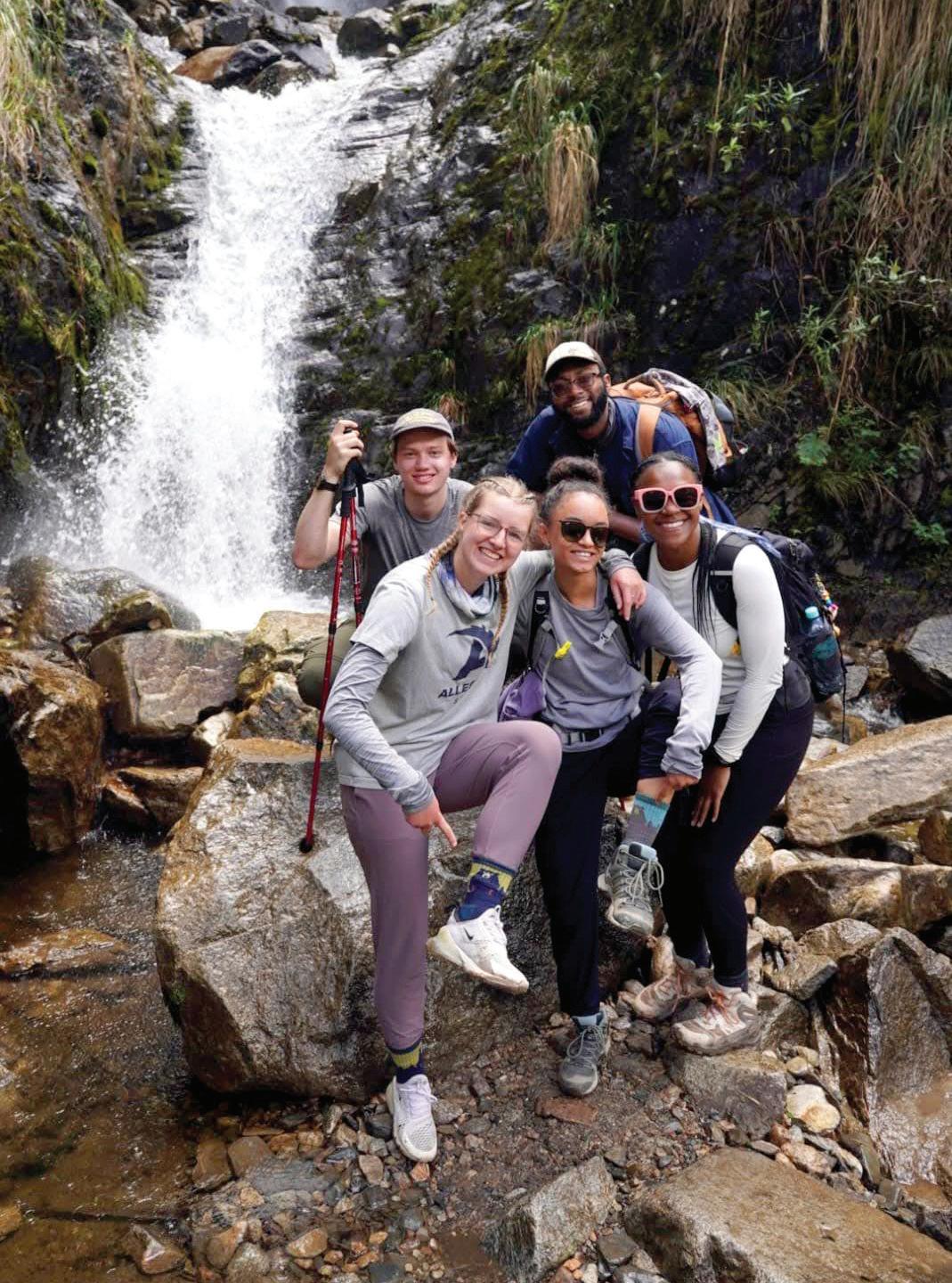
Several Allegheny alumni and students went on an experiential trip to Peru in May 2025. Steph Swaney Wessel ’98 was part of the planning team, Celeste Carl ’21 co-led the trip, and Asaad Bell ’25, Rebekah Rudd ’25, Eliana Brown ’27, and Ian Dombach ’27 were part of the team. They did service in a mountain village school for a week, trekked the Inca trail, and explored Machu Picchu, while they were challenged and grew in their Christian faith. The Experience Peru trip is a part of the ministry of the Coalition for Christian Outreach, a Christian ministry organization that equips college students with a vision for serving Jesus Christ with all of their life.
Andrew Pravlik is president of Pittsburgh Financial Group, where he leads with a client-first philosophy built on integrity, transparency, and long-term relationships. After beginning his career at Hefren-Tillotson, he founded his own firm following the 2008 financial crisis to provide independent, values-based financial advice. An economics, finance, and French graduate and former Gator football and lacrosse player, Pravlik continues to grow his firm’s presence in Pittsburgh and on the West Coast.
internationally identifiable, based on peer review by a Board of Directors.
Bethany Hamilton Sandvik released a new book, “Silly Stage Adventures: Ten Plays for Camps & Classes.” The book features a decade of original plays conceived by drama students and written by Sandvik. “The plays feature all kinds of silly scenarios including springtime on Mars, candy cane-obsessed Christmas zombies, and penguin detectives in search of missing unicorns.” It is available for purchase on Amazon.

Susan Stanier Healey has been appointed general counsel of Cherry Hill Mortgage Investment Corp., a publicly traded real estate investment trust. A graduate in economics from Allegheny, she previously served as deputy general counsel at NorthMark Strategies and brings extensive experience in real estate law to her new executive role. She lives in New York with her husband and two children.
Jill Abraham Hummer has published “Laura Bush: Texas Roots, Global Impact” with the University Press of Kansas. The book, part of the Modern First Ladies series, offers a balanced assessment of Laura Bush’s work as first lady, exploring how she combined traditional and modern elements of the role to become a global advocate. Hummer is also the author of “First Ladies and American Women: In Politics and at Home.”
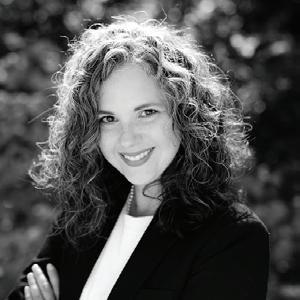
Rachel Wysocki Kent received the WNY Visionary Educator Award for pioneering AI-powered learning. She helped build technology giving instant AI feedback to over 11 million students and educators in 2024-2025. In 20252026, she returned to a Buffalo classroom to develop individualized AI-enabled learning and serves on the IF Kids Board, supporting indoor farming curriculum and youth development.
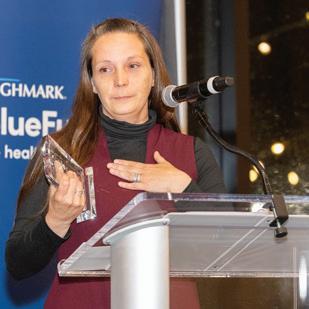
Shareef Abul-Ela has been promoted to news director at WCNC Charlotte, TEGNA’s NBC affiliate in North Carolina. Since joining the station in 2023 as assistant news director, he has led digital innovation efforts, including launching the market’s first live-streaming news channel and developing a new video podcast studio. Abul-Ela previously held senior leadership roles with LiveNOW from FOX, KTVU in San Francisco, and WVEC in Norfolk, among others.
Robert Ostrom released his fourth poetry collection in the spring of 2025, “The Bear Wrestler,” by Saturnalia Books. Blending fable, grief, and family lore, the book explores the blurred boundaries between truth and myth. Ostrom is a professor of English at The City University of New York’s City Tech and lives in Queens with his partner and their two children.

Jennifer Scheller Neumann joined Holland & Hart LLP as counsel in the firm’s Energy, Environment, and Natural Resources Group. She previously served in the U.S. Department of Justice's Environment and Natural Resources Division for 20 years, most recently as chief of the appellate section, litigating and managing complex appeals. At Holland & Hart, she is focusing on assisting clients with federal and state permitting and litigation.
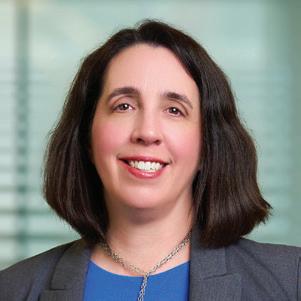
Joe Schaefer has been promoted to director – net lease & special projects at Continental Realty Corporation (CRC) in Baltimore, Maryland. He joined CRC in 2018 and now leads pad site parcelization and net lease dispositions, as well as special commercial projects. Schaefer has a bachelor’s degree in economics from Allegheny and a master’s in real estate development from Georgetown University.
Domenic Ionta has published two books: “From Children’s to the Capital: A Journey of Resilience, Survival, and Service,” a reflection on leadership, perseverance, and humor, and “Project Christmas,” a children’s book. Both titles are available in paperback, eBook, and audiobook formats through major retailers. Additional books are slated for release in 2026.
Anne Loccisano, Ph.D., DABT, a toxicologist with Exponent, was accepted as Fellow of the Academy of Toxicology Sciences (ATS) in June 2025. The ATS was established in 1981 to assure, through in-depth peer review of professional qualifications of toxicologists, highquality, objective, and unbiased understanding/interpretation of toxicity data developed for protection of public health. ATS certifies toxicologists who are
Andrew Peterson has been promoted to vice president of student affairs and dean of students at Presbyterian College (PC). In his 11 years at PC, Peterson has championed student engagement, inclusion, and leadership development, creating signature programs and fostering a strong sense of community. As a proud first-generation college graduate, he credits his Allegheny experience with inspiring his commitment to helping students find belonging and purpose.
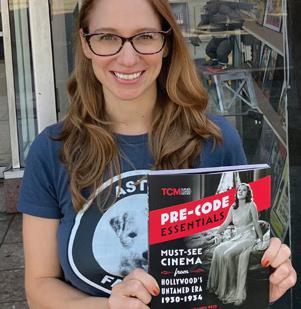
Kim Luperi co-wrote “Pre-Code Essentials: Must-See Cinema from Hollywood's Untamed Era, 1930-1934”
with Danny Reid, published in October 2025 by Running Press/TCM. She wrote her senior thesis at Allegheny on the 1933 film “Baby Face,” and the grants she received for archival research in 2007 took her to the Academy's Margaret Herrick Library in Los Angeles. There, she was first introduced to the Production Code Administration files, which played a vital part in the book.
Michael Tylka has been appointed as the township manager for Adams Township in Butler County, Pennsylvania.
Rachel Pileggi Lintelman has been named assistant principal at Plum Middle School in Pittsburgh, Pennsylvania. She joins from Elizabeth Forward Middle School. She earned her principal certificate from Point Park University and an advanced degree from the University of Pittsburgh.
2025 issue of Trailblazers in Healthcare. As a neuroscientist and business leader, his work has resulted in funding from the National Institutes of Health and inclusion in high-impact publications, and has supported the translation of 13 novel therapeutics to improve patient lives. He works with rare genetic conditions at Sanofi as division general manager, East, United States Medical Affairs.
Jude Shingle has been named executive director of the Erie Center for Arts and Technology. He joined the organization in 2021 as arts program director and later served as deputy and interim director. In his new role, he continues to oversee the arts and adult career training programs.
by Richard Stanley
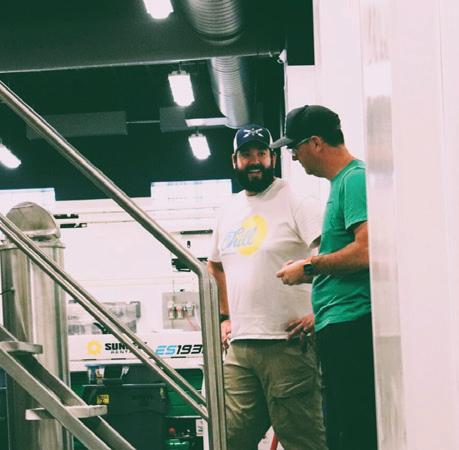
Chris Hansen Ph.D., MBA, brother of Sigma Alpha Epsilon, was recognized by City and State as one of the most influential healthcare leaders in Pennsylvania in the
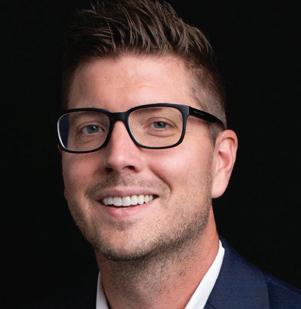
Steven Jones Osier was hired as the director of Willington Public Library, beginning in January 2025. He previously worked
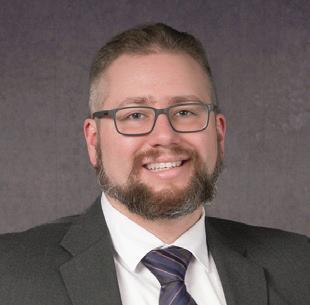
If you’ve spent any time in Oakmont, Pa. lately, chances are you’ve heard the buzz. There’s a new hangout on Allegheny Avenue that’s serving lagers, stouts, and stories in equal measure.
It’s called Local Remedy Brewing, and it’s the kind of place where the beer is cold, the tables have their own backstories, and the folks running the show all share one big thing in common: Allegheny College.
That’s right. Local Remedy is powered by six Gators. They include Dr. Matthew Synan ’03, a co-founder; Joe Vickless ’03, the brewer and co-founder with an English degree and a love of woodwork; and Maria Synan ‘04, taproom manager, marketing pro, and Matt’s partner in both life and business. The ownership team also includes Brian Stanley ’07, Liz Lemley Stanley ’05, and Mike McGrath ’03. Then there’s Steve Orkis ’08, of Orkis Woodworking, who helped craft the brewery’s ornate bar tops.
“Being a physician requires a balance of working with people and science,” says Matt Synan, who is a pulmonary and critical care physician at the University of Pittsburgh Medical Center (UPMC).
“Brewing is the same. At its core, it’s science, and I have fun using that background to brew the best beer possible. If I’ve learned
anything in medicine, it’s that you’re only as good as the team around you. And that’s what makes Local Remedy so special.”
The idea started the way many good things do; just friends brewing in a basement. “It wasn’t one big moment,” says Vickless, who had minors in psychology and classical studies.
“It was little sparks, winning awards, beerfests where people told us, ‘We’ve heard we have to try your beer.’ That’s when we realized this could be bigger.”
Then came the COVID pandemic, and for Matt Synan, who was a chemistry major and economics minor, it was a “now or never” wake-up call. Why not take the leap? Why not turn a fun hobby into a community hub? So the team did just that, opening the brewery in January 2025, leaning on the skill and friendships they’d been building since their Allegheny days.
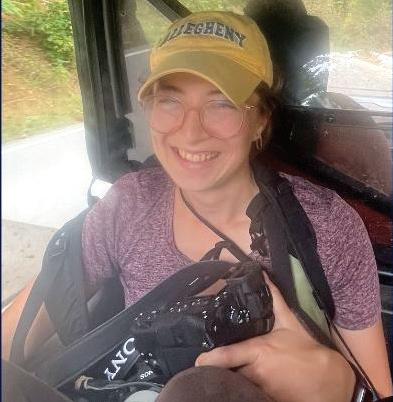
by Cheryl Stopnick, Ivy Cohen Corporate Communications
Storytelling in the 21st century takes many forms, and for Allegheny College alumna Caitie McMekin, it’s all about the images. For the last decade she’s been a visual journalist for the Knoxville News Sentinel, capturing heartbreak, celebration, and the people who live in East Tennessee.
“Taking photos of my friends in college was something I always enjoyed,” McMekin said. “I worked as a student assistant in the admissions office and started making videos for them. Other students working there also worked at The Campus and they encouraged me to join.”
One of McMekin’s first assignments was also one of her most memorable. “At Springfest 2012, I got to shoot the concert where [Pittsburgh-based rapper] Mac Miller was performing. Being in front of the crowd and right there with the artists was very exciting,” she recalled. “I think that was my first taste of being a photojournalist.”
In January 2013, she was part of The Campus team that traveled to Washington to cover President Barack Obama’s second inauguration. “Allegheny chartered a bus and the newspaper’s advisor, Visiting Assistant Professor Cheryl Hatch, pushed us to go. At the time, I don’t think we realized how historic that event would be,” McMekin said. “I took a lot of pictures of people in the crowd who stood for hours in the freezing cold because they felt it was important to be there.”
Just before graduation, McMekin and her advisor, Professor Michael Keeley, were awarded a grant to produce a documentary about the Conneaut Lake Area Historical Society, which preserves the area’s rich history. “It was nice for the museum volunteers to see that the work they do is valued,” she said.
McMekin double majored in neuroscience and communication arts and says that unusual combination has proven valuable. “Even though I didn’t go into a science career, having the science background and research skills have been beneficial. I learned how the brain works and how people think.”
McMekin used that knowledge at The Campus and still does today. “When I’m taking photos of people it’s important to know how to communicate with them and put them at ease,” she emphasized. Allegheny’s journalism workshops were equally important to launching her career by helping her realize she could make a living as a photojournalist. “The professionals and photojournalism students from other programs who spoke at the workshops showed me the path forward,” she said.
McMekin knows firsthand the impact that images can have in telling a story. “Visuals can feel more intimate than words and sometimes there’s a bit more meaning in a photo,” she noted.
“You’re there with people on their worst day, best day, or somewhere in between. It’s what I love about this job. It’s a privilege.”
This profile highlights the impact of The Campus, which is celebrating its 150th anniversary this year.
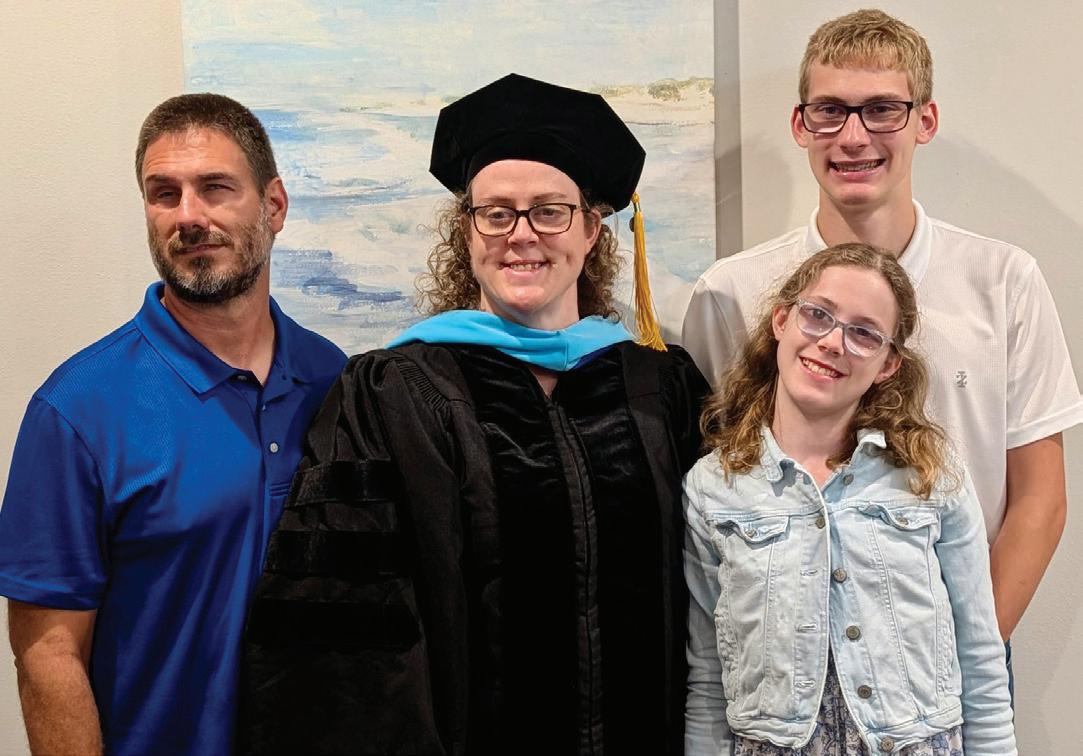
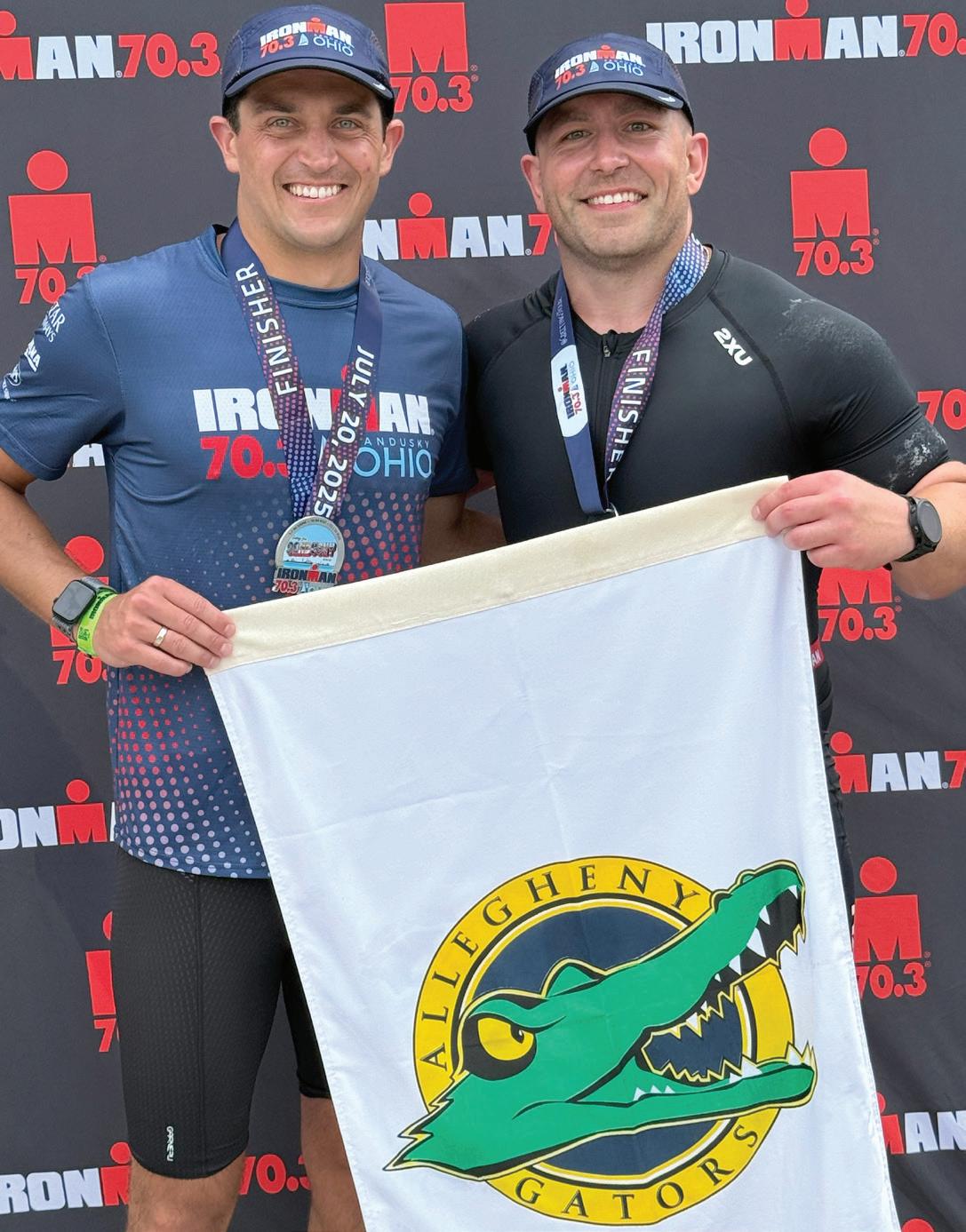
Dr. Mary Shreve von Merveldt ’04 graduated with a doctorate in education from the University of West Florida. This achievement reflects her strong commitment to advancing the field of nursing education and making significant contributions in the academic and healthcare communities. Her doctoral research explored the influence of adjunct nursing faculty on the development of sound clinical judgment in prelicensure nursing students. In addition to her doctoral research, Dr. von Merveldt has a marked interest in building resilience in the healthcare workforce through promoting holistic self-care practices. As she enters the next phase of her career, Dr. von Merveldt looks forward to continuing her work in healthcare education. She is eager to pursue opportunities that focus on curriculum development and mentoring healthcare education faculty and students.
Colin Hartford ’13 and Rudy DeStefano ’13, former football teammates, completed a Half Ironman together in Ohio on July 20, 2025. The idea was sparked by DeStefano in December 2024, and the two spent the following months training together on weekends through winter, spring, and summer. After crossing the finish line, they celebrated by snapping a photo with their Allegheny flag in hand.
Will Taylor ’17 has been appointed chief of staff for Pennsylvania State Rep. Lindsay Powell of the 21st legislative district in Pittsburgh.
part time for the library while earning his master's degree in library and information science and maintaining a full-time position in wholesale grocery buying. Osier oversees a staff of seven with a collection of over 45,000 unique materials serving over 5,500 residents.
Colleen Pegher Childs has been promoted to assistant principal at Plum High School in Pittsburgh, Pennsylvania. She brings years of experience in general and special education and is committed to fostering an inclusive, student-centered school community.
Dr. Robert Theiss has joined Iredell Pain Management in Statesville and Mooresville, North Carolina, as a physician with the Iredell Physician Network. A biology major at Allegheny, he went on to earn his medical degree from the University of Pittsburgh and completed residency training in Physical Medicine and Rehabilitation at Atrium Health Carolinas Rehabilitation, where he served as chief resident. He also finished a pain management fellowship at UPMC, where he was chief fellow.
Larry K. Hailsham, Jr., has been appointed executive director of the Pennsylvania Democratic Party. He will lead party operations heading into the 2026 election cycle, focusing on statewide engagement, voter outreach, and strengthening the party’s infrastructure across all 67 counties. He also serves as senior advisor for Shapiro Pennsylvania. Hailsham previously served as executive deputy chief of staff to Gov. Josh Shapiro and has held key roles on major statewide campaigns, including Bob Casey’s 2018 Senate race, Joe Biden’s 2020 presidential campaign, and Shapiro’s 2022 gubernatorial victory.
Robert “Robby” Pickett has been named head coach of the men’s golf team at Oakland University in Rochester, Michigan. He joins the Golden Grizzlies after two seasons as assistant coach at Abilene Christian University, where he
helped lead the Wildcats to multiple top finishes and their highest Division I ranking. Pickett has also coached at Thomas More University, Lake Erie College, Denison University, and Ohio Dominican University. As a studentathlete at Allegheny, he earned First-Team All-NCAC and Great Lakes All-Region honors, was named the 2016 Allegheny Male Athlete of the Year, and recorded one of the best single-season scoring averages in program history. He is joined on staff by former teammate Sam Palmer ’15, who serves as a part-time assistant supporting data analytics and student-athlete development.
Marley Parish, rural affairs reporter for Spotlight PA and former editor-in-chief of The Campus, was named a finalist in the Golden Quills awards from the Press Club of Western Pennsylvania. Her multi-part investigation, “Rocky Waters,” which uncovered how customers of a privately owned water company in rural Centre County were let down by the company, state regulators, and elected officials, was recognized in the enterprise/investigative category for large daily print publications.
Jacob Fleming has joined Knox McLaughlin Gornall & Sennett, P.C., in Erie, Pennsylvania, as an associate attorney. He focuses his practice on governmental law, representing school districts, municipalities, and public authorities across northwestern Pennsylvania. A summa cum laude graduate of Allegheny and Doane Scholar inducted into Phi Beta Kappa, Fleming earned his law degree cum laude from the University of Pittsburgh, where he served as senior managing editor of the University of Pittsburgh Law Review and as a teaching assistant for constitutional law and legal writing.

global health, and an international research team. The study found that the quality of household survey and public health data decline the farther a community is from a nearby town. This inconsistency in data collection creates additional challenges for people living in remote areas, where access to resources and support is already limited.
Roman Hladio, chief reporter at NEXTpittsburgh and former editorin-chief of The Campus, won a Golden Quill award at the Press Club of Western Pennsylvania’s annual award ceremony in May 2025. The recognition honors his story, “Market Square business owners worry that revitalization jeopardizes their future,” in the traditional feature category for local online outlets.
Sarah Pillittieri has been hired as the clinical services manager at The Resource Center in Jamestown, New York. She oversees occupational therapy, physical therapy, and speech/language services at the organization’s Diagnostic and Treatment Centers. Pillittieri earned her degree in business and economics and global health studies from Allegheny before completing her master of public health at the University at Buffalo. Her earlier internships with The Resource Center inspired her return to support its mission and clinical operations.
Abigail Smith Kosbie co-authored a paper published in Nature Communications, working alongside Amelia Finaret, associate professor of
Kent State University has named its women’s golf program the Dr. Paula Treckel, Ph.D. Women’s Golf Program in honor of Paula Treckel, Ph.D. (Kent State University Class of ’73), recognizing her leadership and philanthropy. A beloved Allegheny College history professor from 1981 to 2014, Treckel received the Julian Ross Award for Excellence in Teaching in 1996. Alongside her husband, fellow Kent State alumnus Herb Page, the Kent State University director of golf and head men’s golf coach for 42 years, she played a key role in building nationally recognized golf programs and helped launch a $3 million scholarship endowment. The naming marks a rare distinction, as few collegiate athletic programs are named for individual donors.
by Katheryn Frazier
Isabella Petitta ’21 earned a Master of Science in ecology from The Pennsylvania State University, where she attended the Graduate School summer commencement ceremony alongside fellow Gator Jessica Myschisin ’21. Myschisin received her Master of Education in education, development, and community engagement. The two were glad to celebrate graduation together once again.
Precious Taylor-Forde ’22 says that as a first-generation student, Allegheny’s interdisciplinary studies helped uncover her passion for public health. Little did she know that it would lead her to Yale University.
Taylor-Forde says that her experience volunteering in the Meadville community instilled in her a commitment to public health, especially after serving at the Center for Family Services and the Crawford County Mental Health Awareness Program.
As a student, she also had the opportunity to conduct research with Amelia Finaret, associate professor of global health, which deepened her interest in contributing to more equitable healthcare and supporting underserved populations.
“Professors actually get to know you; you’re not just a face in a classroom. I began working with Dr. Finaret as a first-year student and benefited greatly from her guidance in research and academic development,” says Taylor-Forde. “I was very fortunate to find mentors and advisors at Allegheny College who helped me build the confidence to pursue opportunities that once felt out of reach. Allegheny College gave me not only the tools for professional growth but also a deeper sense of self and purpose.”
After graduating with a major in psychology with a minor in global health, Taylor-Forde worked as a clinical research assistant at the Rhode Island Hospital, combining her passion for health and research. Taylor-Forde explored a range of topics, including at-risk adolescents, emergency medical services, and firearm injury prevention.
She says that she benefited from her unusual combination of psychology and global health as she conducted research.
“The interdisciplinary nature of my major and minor taught me to approach complex issues from multiple perspectives and engage effectively with people from diverse backgrounds, which I found to be incredibly helpful in my field of work,” remarks Taylor-Forde.
Taylor-Forde continued to collaborate with Dr. Finaret after leaving Allegheny. They had an open-access paper published through the journal Nutrition Reviews, examining health equity in children pertaining to nutrition and socioeconomic factors.
“Since graduating, Taylor-Forde has demonstrated dedication, rigor, and intellectual curiosity while working in both mental health research as well as in clinical settings, consistently applying her interdisciplinary training in public health to deliver meaningful, evidence-based contributions to improve mental health equity in her community and beyond,” says Dr. Finaret. “It has been so great to work with Taylor-Forde because she always came to conversations with great questions and an open mind.”
Taylor-Forde is now pursuing a master’s degree in public health at Yale University, remaining curious to learn more about the connection between the body and mind.
“I hope to continue challenging existing systems that impact health and to contribute to innovative research and interventions that truly support the communities I aim to serve,” reflects Taylor-Forde. “It may sound cliché, but the most fulfilling aspect of my career has been the people and communities I’ve had the opportunity to engage with. For me, watching them grow in confidence and improve in their mental and physical health over time has been incredibly rewarding.”
Bill Bly ’71 and Rebecca Hamilton ’74 were married in Nyack, New York, on March 1, 2025. Both drama majors who served as president of Allegheny's Student Experimental Theatre, they
first met at a summer theatre company in Conneaut Lake in 1973. They live in the colonial town of Pátzcuaro in the state of Michoacán, México.
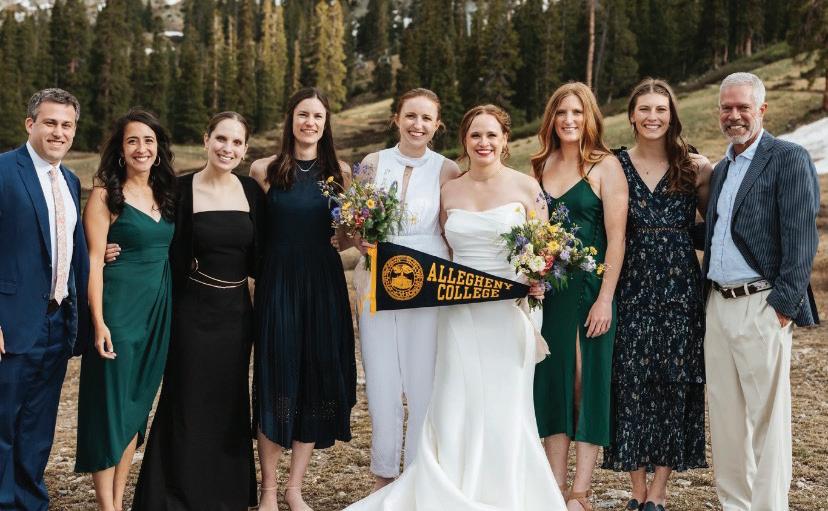
Fiona Hensley ’12 and William Drew ’12 were married in May 2022 in the company of fellow Gators Marc Ezra Kreidler ’11 (best person), Michele Desiree Evanson ’13 (bridesmaid), Ben Turin ’12 (groomsman), JeVon Hatcher ’11, and Heidi Keppen Palmer ’11
Kylie Mason ’14 married Emily Haanschoten 11,500 feet high at Arapahoe Basin Ski Area in Dillon, Colorado, on June 27, 2025. Allegheny alumni in attendance included Dan Marcus ’13, Bethany Chien Fields ’14, Leanne Balster ’14, Alison Buzzard ’14, Emily Byers ’14, Rachel Steiner ’18, and Dr. Gregg Mason ’80
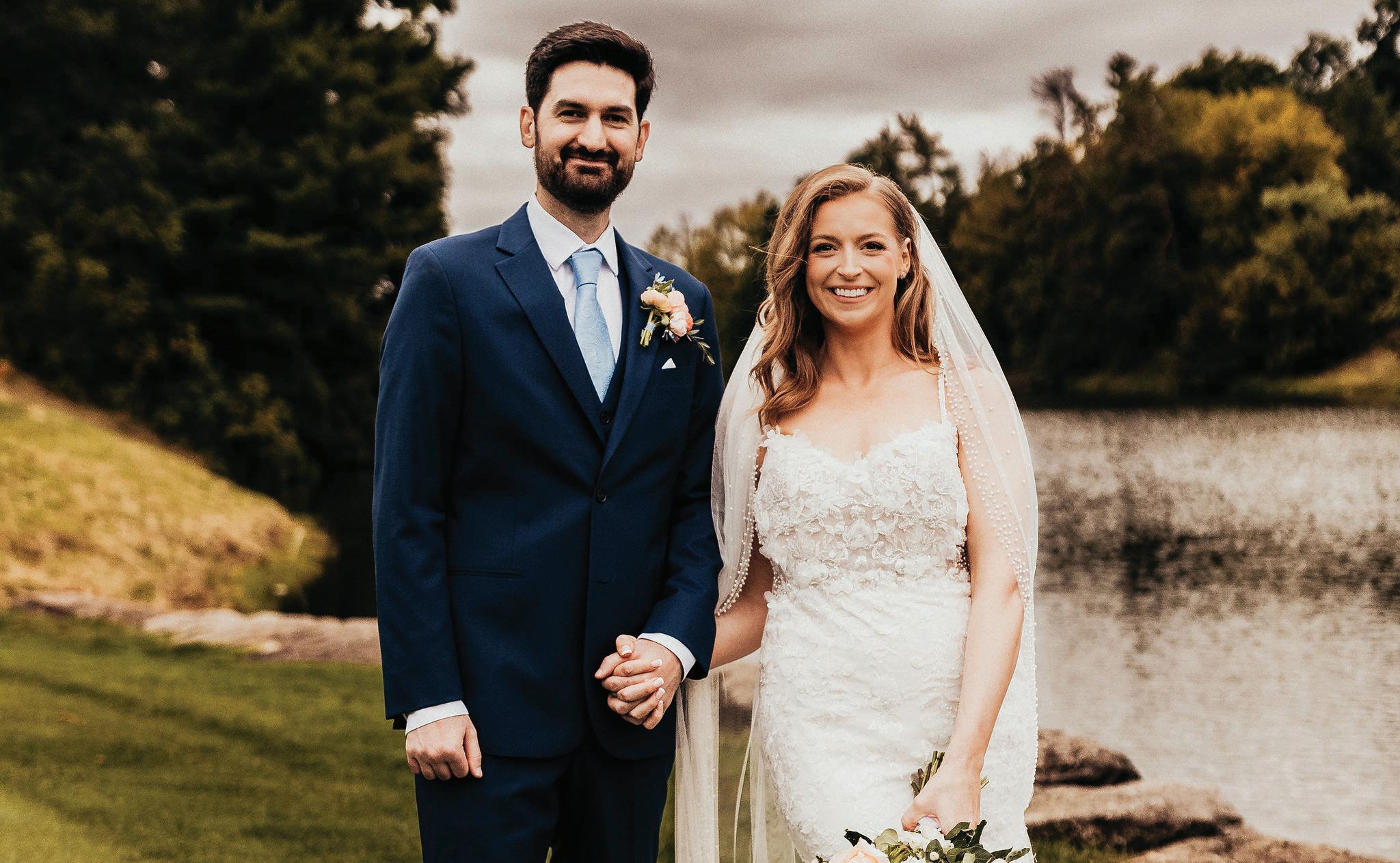
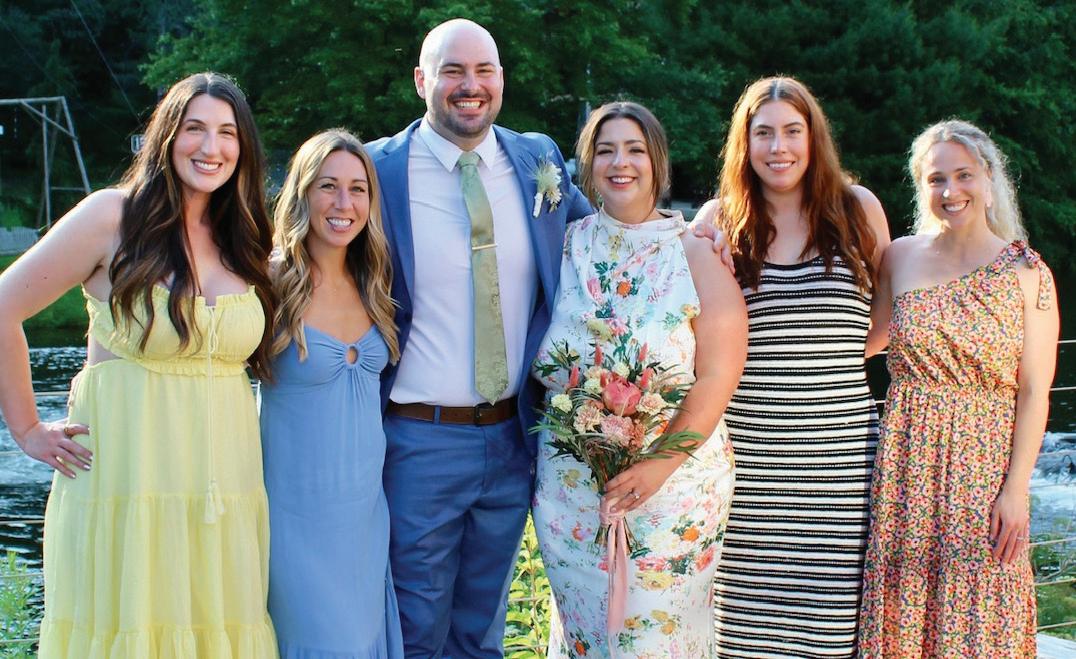
Jillian Lindberg ’15 married Derek Allman at Southpointe Golf Club on September 6, 2025. The ceremony was officiated by Austin Cosgrove ’15. Other alumni in attendance included Eric Lindberg ’80, Matt Myers ’12, Taisha Thomas ’13, Patrick Miley ’15, Carly Luitgaarden Schimanski ’15, Alyxandra Mance Enscoe ’16, Sam Talerico ’16, Elizabeth Sever Chiodo ’17, Madison Meehan ’17, and Sevren Rodriguez ’17
Maddie Monahan ’15 and Ryan Sherry ’15 got married in Pennsylvania on July 2, 2025. They were surrounded by best friends Andrea Ortiz ’15, Cassie Andreas ’15, Faith Robinson Hessler ’15, and Tori Delzer Wesolowski ’15
Mary Nagel ’15 married David Mazza in Nice, France, surrounded by her friends, family, and closest Gators!

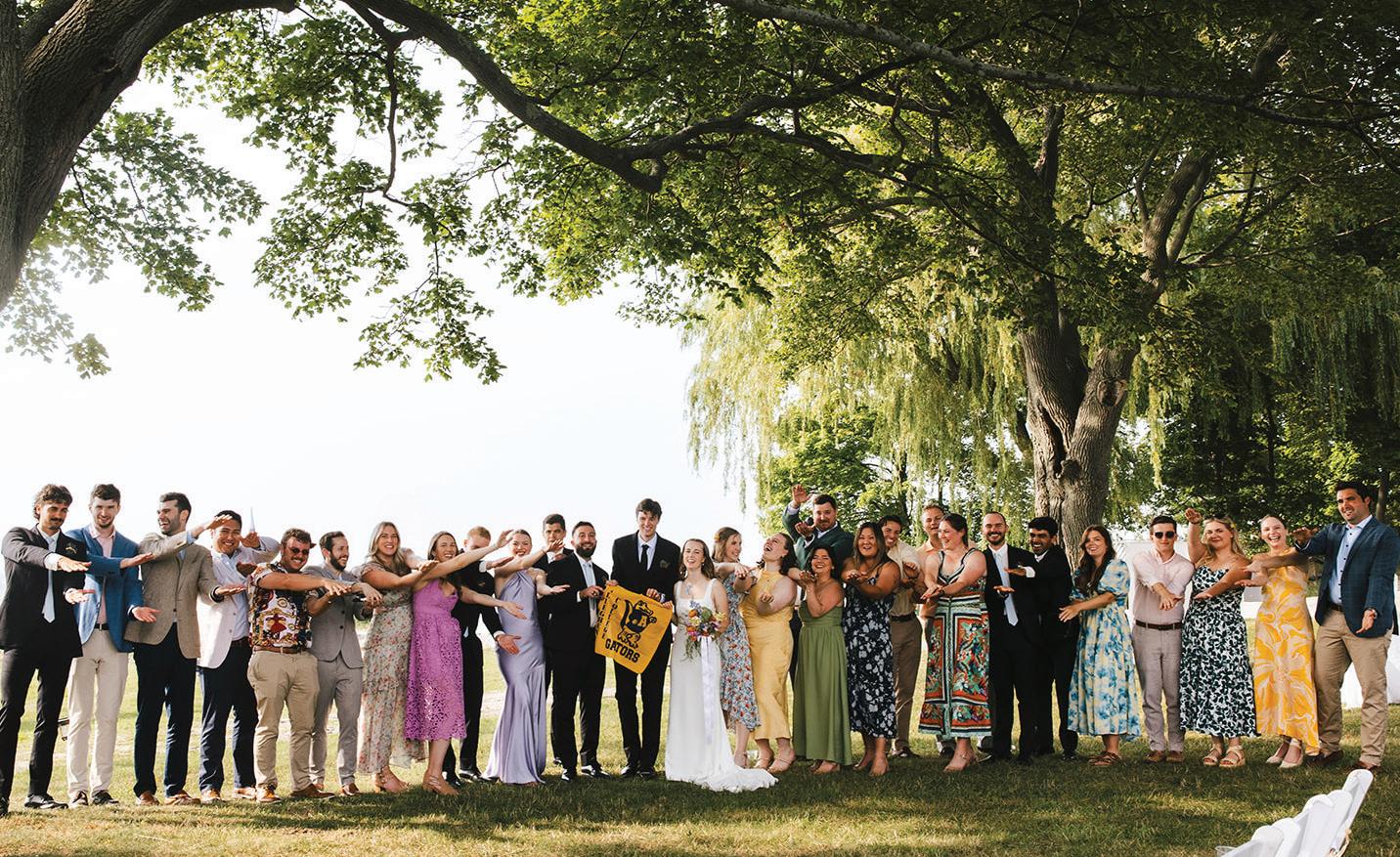
Jessica Stookey ’18 and Brett Albinson ’17 got married in Rochester, New York, in September 2025. Officiated by Benjamin Ziolkowski ’17, the wedding party also included John McFarland ’17, Eric Weyant ’15, Zachary Gray ’15, Courteney Bender ’18, and Isabella Martinez ’19, with many other Gators in attendance.
Holly Mangan ’19 and Liam McKersie ’19 were married on July 26, 2025, at Cathleen Stone Island Outward Bound School in Boston, Massachusetts. There to celebrate with them were 27 Allegheny alumni and dear friends.
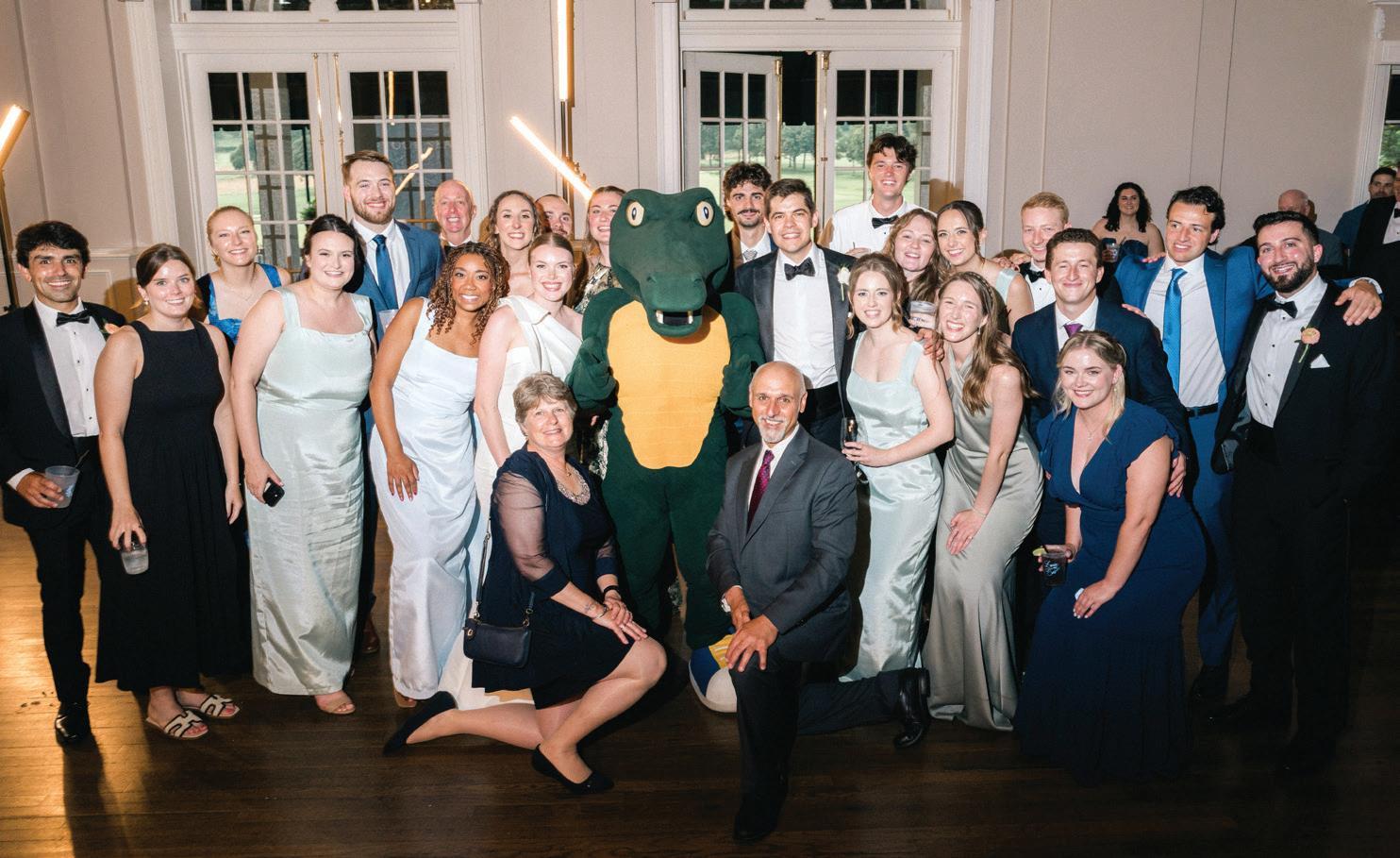
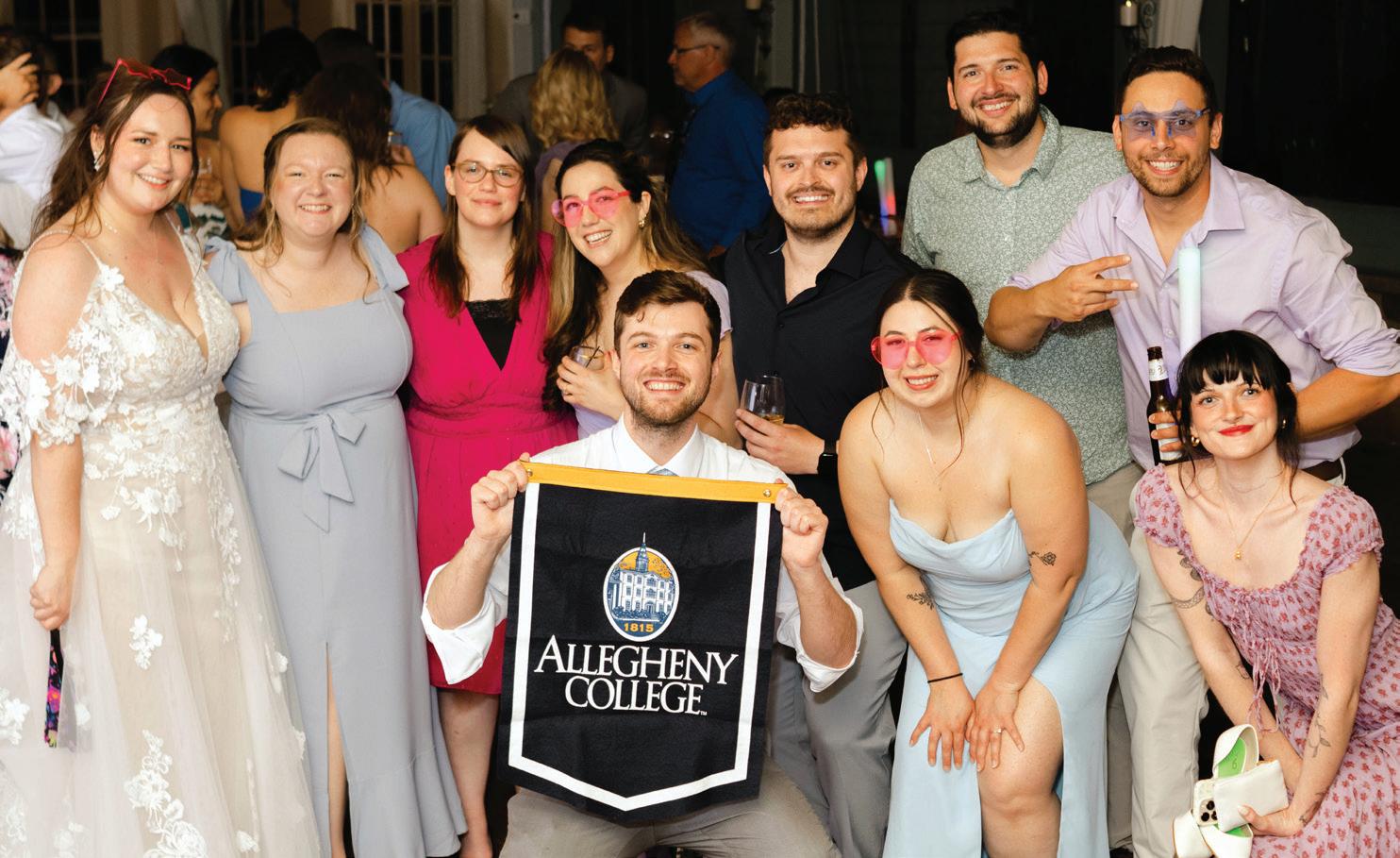
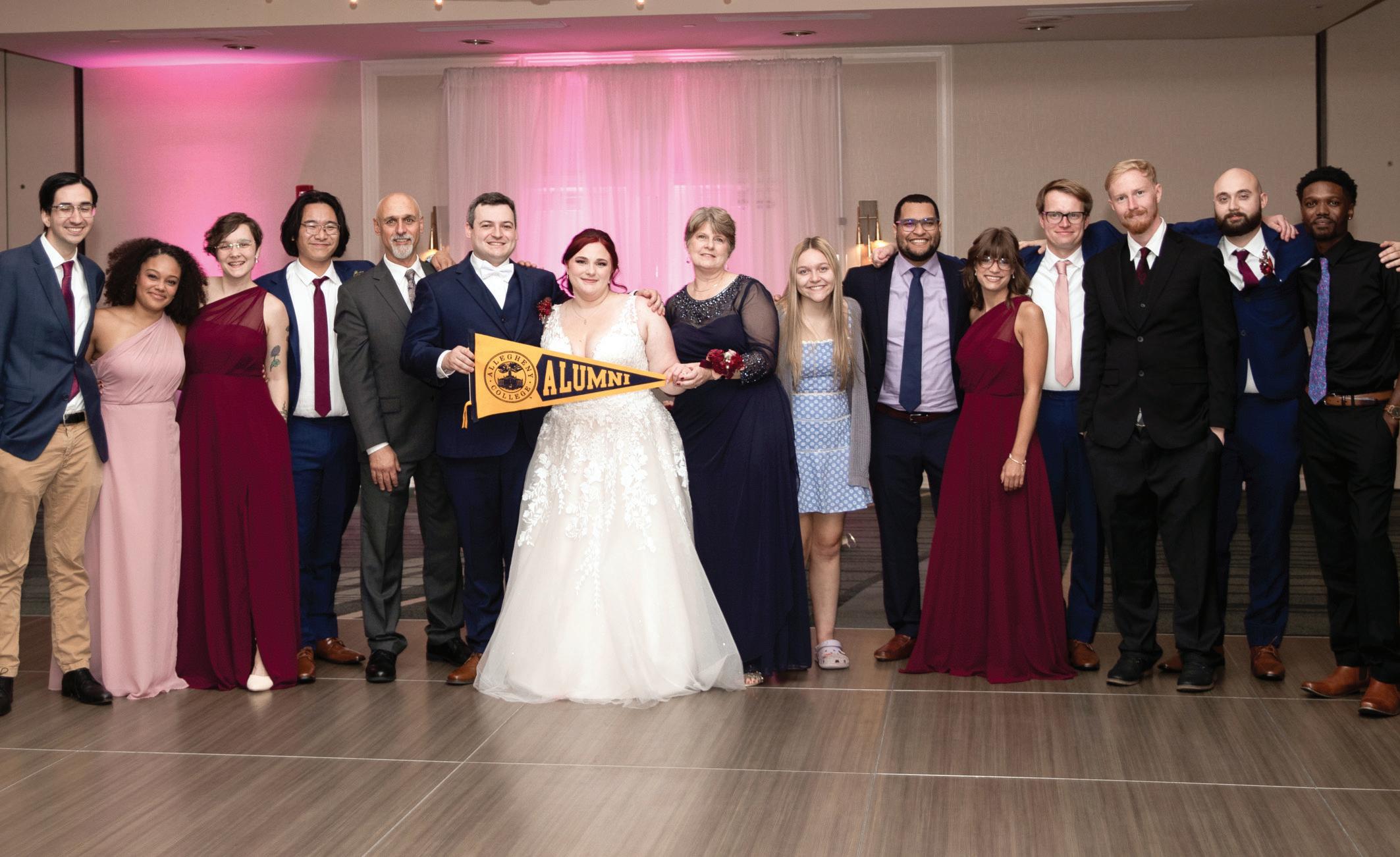
Laura Allston Pohlman ’19 and Carl Pohlman ’19 married in Pittsburgh, Pennsylvania, on June 28, 2025, surrounded by nearly 25 Gators including President Ron Cole ’87, Nancy Frambes ’87, Emily Watto ’18, Delaney Arbore ’19, Sarah Basden ’19, Hannah Smith Bashaw ’19, Autumn Clark ’19, Taylor Dias ’19, Rohan Doherty ’19, Holly Mangan McKersie ’19, Liam McKersie ’19, Johnathan Miller ’19, Erik Orta ’19, Alexia Porche ’19, Kelly Sherretts ’19, Jonathan Sion ’19, Griffin Sullivan ’19, Meghan Uht ’19, Matt Massucci ’20, Edward Opalko ’20, Dillon Thoma ’20, and Casey McIntosh ’21
Emily Scanlon ’19 and James Howard were married on May 3, 2025, in Havre de Grace, Maryland. Alumni in attendance (pictured left to right) included Sarah Young ’20, Hannah Hart ’19, Camila Gómez ’19, Jared McHale ’20, David Grace ’18, Kierra Price ’18, Anthony Franco ’18, Travis Turner ’19, and Emma Woodhead ’20
Bethany Pimental-Bowman Cole ’20 and Zachary Cole ’20 got married on October 13, 2024, at the Newport Marriott in Newport, Rhode Island. They were lucky enough to be surrounded by several Allegheny alumni as well as current students. Pictured left to right are Kai Van Rosendaal ’19, Emma Donley ’20, Courtney Schraeder ’20, Benjamin Myers ’19, President Ron Cole ’87, Nancy Frambes ’87, Brenna Palmiero ’27, Jefferson Mejia, Taylor Beckley ’20, Ross Carter ’20, Justin Schreck ’20, Darrin Smock ’20, and Damico Martin ’19
Caitlin Fearon ’11 and her wife, Michelle, welcomed their second daughter, Perry Kit Fearon, on November 30, 2024. She joins 4-year-old Lennon who is excited to be a big sister!
C. Taylor Katherman ’12 and Kaitlyn Huser Katherman ’11 of York, Pennsylvania, welcomed healthy twin girls, Carrie and Harper, on October 13, 2025. Taylor, Katie, and big sisters Kelsie and Sarah are in love with the newest additions to their family.
Carolyn Kiliany Haley ’11 and husband Michael welcomed their first child, Emma Marie, in March 2024. Carolyn is a physical therapist working at the Rehabilitation Institute at UPMC Mercy Hospital, specializing in neurologic physical therapy. Michael works in corporate accounting. They live in Pittsburgh, Pennsylvania.


Travis Charlton ’12 and Jillian Breit ’14 welcomed their second son, Caleb, in August 2024. They are pictured with big brother, Jonah, 4.
Alumni play a powerful role in guiding students toward the right college. If you work with high school or junior high students, let us know—we’d love to send you a Gator Spirit Kit to help share Allegheny’s story.
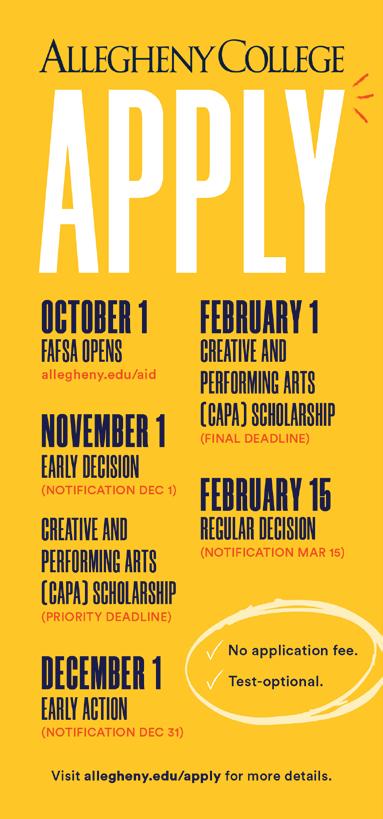
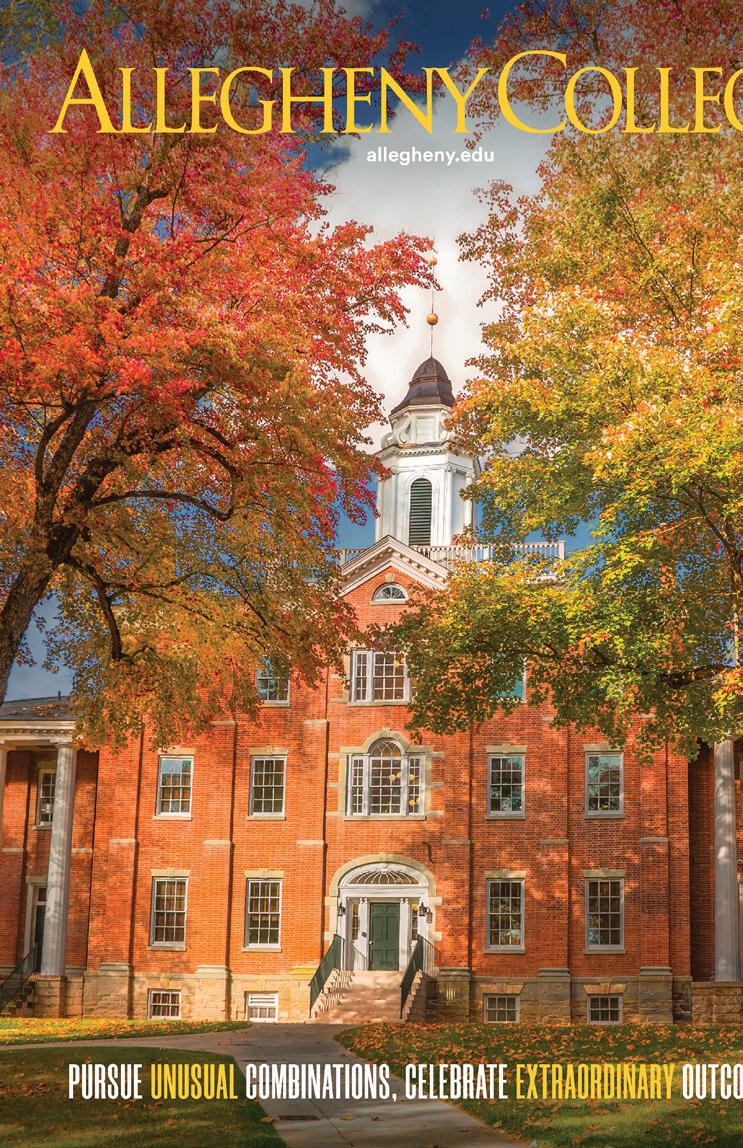


Find the full listing at allegheny.edu/magazine
These include death notices reported by December 1, 2025.
’47
William Zachary Taylor on June 5, 2025
’48
Jean Sayres Westsik on September 15, 2025
’51
Jeanne Newsom Challener on October 7, 2025
Patricia Hummer Geisendorfer on July 10, 2025
Barbara Woodward Vaughan on October 17, 2025
’52
James Boddorf on August 1, 2025
’53
Darrell Flint Duffield on August 17, 2025
Jean Freeman Gabrielse on September 3, 2025
Catherine “Be-Be” Dodworth Stroebel on August 10, 2025
’54
Virginia “Ginny” Tadross Warschauer on June 3, 2025
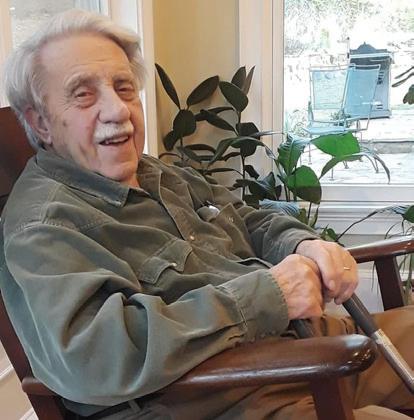
Susan Shields Reis on June 25, 2025
Carol Montana Tartaglione on June 18, 2025
Shirley Mertz Arther on July 23, 2025
Samuel Biondolillo on July 9, 2025
Richard “Dick” Burdsall on March 30, 2025
George Alfred Palmer lll on August 14, 2025
Dorothy Zittel on June 21, 2025
Joan Keller Adams on May 1, 2025
Douglas Bedell on July 8, 2025
Robert “Mike” Glenn on June 7, 2025
John Park on September 21, 2025
John Thompson on October 23, 2025
Mary Braglio Benson on October 19, 2025
Dr. James F. Bisset, Jr. on July 7, 2025
Philip Waddington on May 31, 2025
Marilyn “Sis” Cunningham Warren on July 9, 2025
Dr. James Zaccardi on July 6, 2025
Richard Burrows on October 23, 2025
Judith Waters Hartman on May 14, 2025
Dr. Kenneth George Ainsworth, professor emeritus of economics, passed away at 102 in his sleep on November 12, 2025, in Athens, Georgia.
Dr. Ainsworth, born July 13, 1923, the oldest of nine children, was born and raised on his parents’ dairy farm near Shawano, Wisconsin. After serving as a meteorologist in the Army Air Corps during World War II, he attended the University of WisconsinMadison (Bachelor of Arts in 1948 and master’s degree in 1949) and went on to earn a Ph.D. in economics from Brown University in 1957. While at Madison he met his future wife, Audrey Lacroix. They were married for 65 years until her passing in 2016.
Dr. Ainsworth taught economics at Bowdoin College for several years before joining the faculty at Allegheny, where he stayed for over 30 years. During his tenure he spent two years as an economist with the U.S. Congressional Committee on Judiciary analyzing tax law. He also consulted for Alaska, New York City, and the U.S. Advisory Commission on Intergovernmental Relations. Upon retiring from Allegheny, he and Audrey enjoyed a 25-year retirement on Cape Cod in Massachusetts. After his wife’s death, Dr. Ainsworth split his time between Athens, Georgia, and Cape Cod.
Allegheny colleague Jonathan Helmreich, retired professor emeritus of history who
became Dr. Ainsworth's dean, described him as "a loyal and trusted member of the Economics Department and overall faculty."
Dr. Ainsworth is survived by his children, Thomas Ainsworth (Paula Davidson) of Burke, Virginia; Leslie Dakik (Ali Dakik) of Beirut, Lebanon; and Scott Ainsworth (Susan Nees) of Athens, Georgia; nine grandchildren; five great-grandchildren; and numerous nieces and nephews. He is also survived by five siblings, Phyllis Ward, Crystal Sandmire, Peetie Buchner, John Ainsworth, and Pat (Tim) McGuire.
Susanne Graff Henderson on October 25, 2025
Sue Wolf Larimer on August 30, 2025
’60
Marjorie Laffer Cull on June 16, 2025
Dr. Robert Goodkin on November 22, 2025
Ronald Watson on June 17, 2025
Joel Wynne on June 5, 2025
’61
Harry Black on November 12, 2025
Dr. Edward David on September 2, 2025
William "Bill" M. Kennedy, Jr. on April 17, 2024
Anne Herzog LaMotte on June 9, 2025
Peter Ross on September 4, 2025
Nancy Gilardi Taylor on September 11, 2025
Nick Vukmer on September 14, 2025
Lynne Farr Wohleber on October 25, 2025
Eleanor Smith Montgomery on July 7, 2025
Barbara Beacham Anderson on November 9, 2025
Sue Greene Cowell on June 7, 2025
John “Jack” Davis on October 26, 2025
Kathryn Brown Duhrsen Jennett on September 24, 2025
Jerome “Jerry” Messina on November 9, 2025
John Stanford on October 3, 2025 ’64
Jill Guthrie Franks on November 16, 2025
Timothy Fulton on October 22, 2025
Warren Keck on September 29, 2025
Franklin McNulty on October 19, 2025
Ann Stoops Thomas on July 7, 2025
John Burdick on August 11, 2025
David Wuertzer on June 16, 2025
Sol Loeser on August 28, 2025
Michael Ranney on July 27, 2025
Dr. William G. Reeves on August 22, 2025 ’68
Mary “Kay” Goodwin on November 7, 2025
Paul Marmon on April 9, 2025
Donna Shimler Shockley on July 11, 2025 ’71
Kay Laube O’Connell on July 30, 2025
Nancy Riedel on June 12, 2025
Leah Taifer Brickner on June 6, 2025
John D. Brooks on August 28, 2025
Claire Hartwig Coppola on June 27, 2025
Dr. James Gallo on November 23, 2025
Thomas Mould on September 16, 2025
Susan Heidinger Colvin on July 3, 2025
Lynn Christennsen Allred on July 25, 2025
James Tierney on October 28, 2025
Patrick W. Martin, Esq. on October 26, 2025
Laura Scales Wallace on September 21, 2025
Mary-Susan Sullivan Ayre on July 18, 2025
’83
Mark Hanson on November 10, 2025
’86
Sandra Garbowicz David on July 15, 2025
Wilder Bancroft on September 26, 2025
Amy Ruff Mahen on October 3, 2025
Rebecca “Becky” Borthwick-Aiken on October 1, 2025
Dr. Jonathon J. May on December 9, 2025
Dorothy Lowe Nieweg on August 15, 2025
James Patterson on June 20, 2025
Karen Stone on October 8, 2025

by Christopher J. Anderson, Ph.D., MLIS Archives and Special Collections Librarian, Allegheny College Archivist
Collecting, preserving, and promoting the 210-year history of Allegheny College is a fascinating and fulfilling vocation. Each day at the Merrick Archives brings our staff into conversation with Allegheny’s past, whether through an interesting discovery in the archives or through the acquisition of a donation from a family connected to the College.
During the 2025 Reunion Weekend an Allegheny alumnus said to me, “You have the best job on campus because you get to work in Allegheny’s attic!” That comment has remained with me as we continue to provide the Allegheny community with a variety of programming including student internships and work study, historical exhibits, and our Out of the Vault archival showcases. I also host a weekly radio show on WARC where I share stories and tales from Allegheny’s history.
forecasting that future Allegheny students “will soon enjoy the desired advantages for acquiring such an education, as will enable them to become an honour to their country and a blessing to the world.” These words evidence the original educational intentions of the founders. The ideal of preparing students for meaningful lives and purposeful careers has been a component of Allegheny’s educational DNA from our founding.
Allegheny’s past intersects with our Strategic Pathway today by helping students gain knowledge, skills, and abilities that prepare them for meaningful lives and purposeful careers.
The opportunity of working in “Allegheny’s attic” places us in context with the College’s earliest documents, many written by former Allegheny presidents and faculty, as well as members of the Meadville community. These documents intersect in fascinating ways and – at times – foreshadowed Allegheny’s current Strategic Pathway. Goal 1 of the Pathway spotlights the College’s commitment to academic excellence and strong outcomes. The goal emphasizes that every Allegheny student will gain high-quality knowledge, skills, and abilities, rooted in the liberal arts, that prepare them for meaningful lives and purposeful careers in an interconnected world.
One early college record in the Merrick Archives is a community statement dated June 20, 1815. The manuscript is an agreement between the founders of a proposed educational institution and the Meadville community. The author of the document declared, “We indulge the expectation that our endeavors for the literary and scientifick, moral and religious benefit of the rising and future generations, will not be in vain” while
Goal 1 of the Strategic Pathway also emphasizes the importance of establishing a learning environment that produces high-quality knowledge, skills, and abilities. These competencies are found in another archived college document published in 1829. The “Prospectus of Alleghany College” is a historical blueprint of the expectations for Allegheny trustees and faculty who have been charged with “stimulating the youthful mind to action” and in “speeding the students’ progress in the path of useful knowledge.” Allegheny College students were expected to become "indispensable to success in any honourable calling in life.”
Since our founding in 1815, Allegheny has been committed to training students in the liberal arts. The language of these early college records might sound dated, but they resonate with us today. The words from the authors of these documents provide us with historical snapshots of the intentions of Allegheny’s founders and our earliest faculty, staff, and students.
Allegheny’s past intersects with our Strategic Pathway today by helping students gain knowledge, skills, and abilities that prepare them for meaningful lives and purposeful careers. This approach to training students has been part of the historical fabric of Allegheny, and our current Strategic Pathway helps guide us into the next century of education at Allegheny College.
A liberal arts college deals not only with education, but with the proper application of education. It is dedicated to the enrichment of young minds. Such a college develops the qualities of wisdom, good judgment, self-discipline, courage, and human sympathy. It sharpens the cultural appreciation of a student.

from Allegheny College publication “The Dimensions of Greatness” (1958)