ALLABOUTTWINS










Maranda Bower is the CEO and Founder of Postpartum University®, transforming postpartum care through her expertise in biology, nutrition, and perinatal mental health
As the bestselling author of Reclaiming Postpartum Wellness and creator of the Postpartum Nutrition Certification Program, she empowers mothers and professionals globally with groundbreaking research and practical support
As a twin mama, your days are packed with double the love and demands.
Website: www postpartum mykajabi com/minerals Instagram: @PostpartumUniversity Podcast: www PostpartumU com/Podcast
Between the late-night feedings, diaper changes, and juggling the endless needs of two little humans, it's easy to overlook your own health and well-being But caring for your body in the years after birth is not a luxury it's a necessity
Your body has been through an incredible transformation, and now it's in a phase of healing and rebuilding. With two little ones depending on you, prioritizing nourishment and healing is even more important When you eat well to support your body, the benefits ripple across every aspect of your life: more energy, better sleep, improved mood, hormone regulation, and a more resilient immune system. You'll feel more equipped to handle the chaos of twin motherhood with strength and presence
While "self-care" often gets reduced to bubble baths and pedicures, true self-care begins with how you fuel your body
Proper nutrition isn't just about weight management it's about giving your body the tools it needs to heal from childbirth, produce milk (if you're breastfeeding), and maintain the stamina required to care for twins.
Eating well supports your healing organs, regulates your hormones, and replenishes the nutrients lost during pregnancy and delivery It also helps you recover faster and boosts your emotional resilience during this high-demand phase of life
We know your schedule is already stretched thin, so here are some practical tips to nourish your body without adding stress to your day:
1. Batch Cooking and Freezer Meals
Dedicate a few hours on a weekend or during naptime to prepare meals in bulk Soups, stews, and nutrient-packed energy balls freeze well and can be reheated in minutes. Having healthy options ready to go will save you from grabbing processed or fast foods.

2. Keep Snacks Simple and Nutritious
Stock your pantry with easy-to-grab snacks like trail mix, roasted chickpeas, apples with nut butter. Fresh fruit, pre-chopped veggies with hummus, and hard-boiled eggs are also great options to fuel your body on the go.
3. Focus on Nutrient-Dense Foods
Aim for meals rich in protein, lots of healthy fats, and complex carbohydrates. Think bone broth-based soups, stews, and avocado toast with eggs, These foods support hormone regulation, energy levels, and healing
4 Stay Hydrated
Twin motherhood is demanding, and dehydration can add to fatigue Keep a water bottle handy and aim to drink consistently throughout the day Consider adding a splash of lemon, a dash of honey, and a pinch of salt for extra mineral repletion
5. Enlist Support
You don't have to do it all alone If friends or family offer to help, ask for nourishing meals or snacks instead of flowers If you can, hire postpartum support like a doula or meal prep service to ease the load
When you prioritize nourishing your body, you're not just caring for yourself you're also caring for your twins

More energy means quicker response times and a calmer presence for your little ones Better sleep and hormone balance mean fewer mood swings and more emotional stability It's a win-win for you and your growing family
Remember, taking care of yourself isn't selfish it's essential As a twin mama, you are the foundation of your family, and the stronger and healthier you feel, the better you can meet the beautiful chaos of twin motherhood head-on Make nourishing your body a daily act of love, for both you and your babies

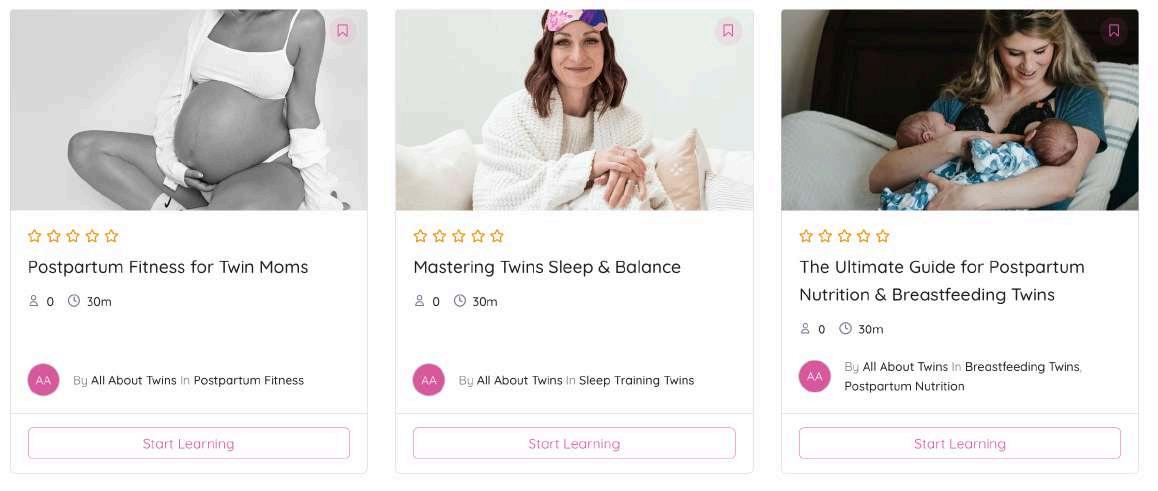
Are you ready to make twin parenting easier and more enjoyable? The NEW Twins Academy is here to empower you with:
Expert tips on sleep, breastfeeding, and schedules
Bite-sized videos packed with practical advice
Real solutions for the unique challenges of raising twins
Special Holiday Promo! This is your chance to gain confidence, save time, and feel supported on your twin parenting journey
Hurry! The offer ends soon. Don’t miss out on this incredible deal!
Transform your twin parenting experience today. Your family deserves it!


Caitlin and Chelsea are Registered Psychologists and the founders of Couples to Cradles After facing their own postpartum mental health struggles, birth trauma, and an extended NICU stay, they created the popular platform MamaPsychologists and authored the bestselling book Not Your Mother’s Postpartum Dedicated to supporting families, they now lead a team of skilled therapists providing exceptional care across Canada and the U.S.
Picture this: You're holding your newborn twins, surrounded by the pastel nursery, adorable swaddles, and the scent of baby lotion
Yet, instead of the bliss you imagined, your mind is spinning with terrifying "what ifs." What if I drop one of them? What if something happens while I sleep? What if I can't handle two babies at once?
If this feels familiar, you're not alone.
Postpartum anxiety and intrusive thoughts can hit unexpectedly, no matter how much you love your twins or how prepared you thought you were. Let’s be clear: Having these thoughts doesn’t make you a bad mom It makes you a mom who needs a little extra support.
Postpartum Anxiety: What It Is and How It Looks
While postpartum depression often gets the spotlight, postpartum anxiety is just as important to address, especially for twin moms navigating double the challenges. It’s not just about feeling "a little worried" or "overwhelmed "
Postpartum anxiety can feel like:
All About Twins magazine
Jan • 2025 / 6
Website: www couplestocradles com
Instagram: @mamapsychologists
Counselling Clinic: @couplestocradlescounselling
Racing thoughts you can’t turn off
Constantly checking on your twins (Are they breathing? Is everything sterilized?) Avoiding certain situations out of fear (Driving with twins? Hard pass ) A physical sense of dread, like your chest is a pressure cooker And then, there are intrusive thoughts
Intrusive Thoughts: The Uninvited Guests
Intrusive thoughts are like the scariest party crashers you never invited They come out of nowhere and don’t reflect your true intentions or desires. You might suddenly picture something terrible happening to your twins, or imagine doing something completely out of character, like yelling or causing harm.
Here’s the key: Intrusive thoughts aren’t you. They’re your brain’s misguided way of trying to keep you alert. For twin moms, already wired to be hyper-vigilant, these thoughts can feel like an overactive alarm system. While they don’t make you a bad parent, they can still be distressing.
Why Does This Happen?
Postpartum anxiety and intrusive thoughts are often fueled by a mix of biological and environmental factors, including:
Hormonal Shifts: After birth, your body is adjusting to significant changes in hormones, which can heighten your stress response.
Sleep Deprivation: Caring for twins means even less sleep, which affects your ability to regulate emotions and handle stress
The Pressure to Be “Perfect”: Social media often shows twin moms effortlessly managing it all These unrealistic standards can fuel self-doubt and comparison
Some level of worry is normal when caring for newborn twins But if your anxiety feels constant, or intrusive thoughts prevent you from bonding with your babies, it’s time to reach out for help Therapy, particularly Cognitive Behavioral Therapy (CBT), is highly effective for managing postpartum anxiety and reframing intrusive thoughts
Additional steps may include:
Talking to your doctor about medication, if necessary Practicing grounding techniques to calm your racing mind
Building a support system, because you don’t have to do it all alone
Start by naming it. Acknowledge your feelings with phrases like, “I’m having an anxious thought,” or, “This is just my anxiety showing up.” Naming it can take away some of its power.
Next, remind yourself that these thoughts are symptoms, not truths You wouldn’t judge someone for sneezing during allergy season, this is no different
Finally, know that you don’t have to tough it out alone
At Couples to Cradles Counselling, we understand the unique challenges of postpartum life, especially for twin moms Our therapists specialize in maternal mental health and offer tailored strategies to help you find relief
With free 20-minute consultations, you can explore whether we’re the right fit for your needs.
Take a deep breath, you’ve got this, and we’re here to help you get back to the moments that matter most








By Dr Carolyn Lister, Chair of the International Council of Multiple Birth Organisations
(ICOMBO) ICOMBO is a voluntary organisation that champions the rights of multiples. Passionate about ensuring the unique needs of multiple and their families are understood and met Visit ICOMBO org to learn more about their Declaration of Rights and global advocacy work.
The terminology associated with a multiple pregnancy can be confusing and overwhelming,
It is often a challenge enough coming to terms with expecting more than one! You might be told your twins are dizygotic or you are having MoMo twins But what do these actually mean and what is the significance? In this article, we will explain zygosity and chorionicity in more detail. Understanding these terms is important for a range of reasons including management of a multiple pregnancy as well as medical, personal, financial, scientific, legal and ethical considerations
Why It’s Important
ICOMBO recognises the importance of zygosity and chorionicity as stated in the Declaration of Rights and Statement of Needs of Twins and Higher Order Multiples It states that:
Parents have a right to expect accurate recording of placentation, determination of chorionicity and amnionicity via ultrasound, and the diagnosis of zygosity of same-sex multiples at birth; Older, same-sex multiples of undetermined zygosity have a right to testing to ascertain their zygosity; and Zygosity should be respected as any other human trait and deserves the same privacy rules.
Website: www.icombo.org
FB: @InternationalCouncilofMultipleBirthOrganisations
Linkedin: @icombo
Email: chair@icombo org
Sign up for our public newsletter: www.icombo.org/mailing-list
In addition, UNESCO’s Universal Declaration on the Human Genome and Human Rights supports the right to know one’s genetic identity/information. Respect for the individual recognises the importance of the concept of identity for a person, which is important for wellbeing and for avoiding harms, including those affecting human dignity, freedom and human rights, resulting from misinformation
Understanding Zygosity
For twins, zygosity refers to the degree of genetic similarity within each pair:
Dizygotic (di = two, zygote = egg) are commonly referred to as fraternal, or non-identical twins Monozygotic (mono = one, zygote = egg) are commonly referred to as identical twins It is estimated one third of all twins will be identical and two thirds non-identical
Dizygotic (DZ) twins occur when two eggs are released at a single ovulation and are fertilised by two different sperm. These two fertilised eggs then implant independently in the uterus DZ twins share around 50% of their genes, which is the same type of genetic relationship as non-twin siblings (hence the term fraternal)
Approximately half are the same sex and half are different sex.
Each has its placenta which is continuous with the chorion (outer membrane), with rare exceptions. Each is as genetically similar as any same-sex or different-sex siblings.
Monozygotic (MZ) twins develop when one egg is fertilised by a single sperm and during the first two weeks after conception, the developing embryo splits into two As a result, two genetically identical babies develop
Approximately one-third of MZ twins have separate placentas
Approximately two-thirds of MZ twins share a single placenta despite having their inner sac (amnion), umbilical cord, and share of the placental mass All MZ twins are the same sex with rare exceptions All are genetically identical, or almost identical as small changes in DNA do occur over time, and rarely there may be a more significant change so one twin may end up with a genetic condition that the other twin doesn’t have
Did you know? Triplets and other higher-order multiples can be categorised by their zygosity Most triplets are trizygotic, meaning that each forms from a separate zygote, or egg/sperm combination However, it is not uncommon for triplets to be dizygotic, which occurs when two eggs are fertilized by sperm, and one of the fertilized eggs splits into two
Essentially, two of the triplets are monozygotic (identical) twins, sharing the same general DNA characteristics, while a different egg/sperm combination produced the third multiple and has a unique genetic makeup, distinct from that of the other two triplets. Naturally with higher order multiples the possible permutations increase.
Curious about your twins? Try this online zygosity quiz or opt for a DNA test for accurate results.
Chorionicity refers to the number of placentas in a multiple gestation and does not directly reflect zygosity. Whereas dizygotic twins are always dichorionic, monozygotic twins may be monochorionic or dichorionic depending on when the zygote divides.
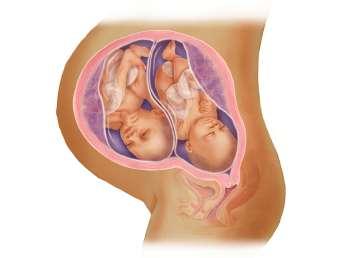
In the womb, a baby grows within its mother’s uterus attached via the placenta A baby sits in a fluid-filled sac surrounded by a thin membrane called the amnion, with a second membrane called the chorion surrounding it
The combinations of chorion and amnion possible in a twin pregnancy are:
DiDi or DCDA = dichorionic/diamniotic MoDi or MCDA = monochorionic/diamniotic MoMo or MCMA = monochorionic/monoamniotic.
Monochorionic twins are at greater risk of complications than dichorionic twins These complications include twin-to-twin transfusion syndrome (TTTS), twin anemia-polycythemia sequence (TAPS), selective fetal growth restriction (sFGR), and twin reverse arterial perfusion syndrome (TRAP) MoMo twins also carry the risk of cord entanglement/compression due to sharing the same sac For these reasons, the early determination of chorionicity is especially important to manage the pregnancy appropriately, e g more frequent, detailed scanning, testing and intervention if needed
Expert Voices on Why It’s Essential �� “Determining chorionicity early is vital to guide optimal care and ensure the best outcomes ” Professor Asma Khalil, Founder, Twins Trust Centre for Research and Clinical Excellence �� “Families and healthcare professionals need better education about zygosity and its implications ” Professor Jeff Craig, Twins Research Australia

ICOMBO’s Advocacy for Multiples
ICOMBO firmly believes:
Early and accurate determination of zygosity and chorionicity is a right, not a privilege. Twins and families deserve access to testing and education about their multiples' genetic identity.
Further Resources for Twin Parents
Twins Research Australia: Learn more about zygosity and testing
ICOMBO: Explore zygosity and chorionicity topics






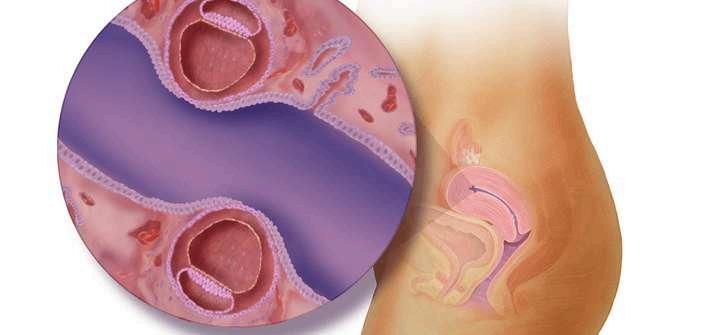
At around 6-7 weeks, an ultrasound can confirm if a woman is carrying twins
During pregnancy, twins are a unique and exciting experience for many parents-to-be. As with any pregnancy, the development of twins is measured week by week, and there are some differences and challenges that may arise with a twin pregnancy Here is an overview of what to expect during each week of twin pregnancy:
❥ Twin Pregnancy 1st Trimester (1-12 Weeks):
During the first trimester of a twin pregnancy, the embryo(s) will implant in the uterus and begin to develop Early on, it can be difficult to determine if a woman is carrying twins. As many of the early signs and symptoms of pregnancy are the same for a singleton pregnancy However, women who are pregnant with twins may experience more severe morning sickness, fatigue, and breast tenderness
At around 6-7 weeks, an ultrasound can confirm if a woman is carrying twins
During this time, the embryos will have developed into tiny fetuses with rapidly beating hearts. By the end of the first trimester, the twins will be around 2-3 inches long
Twin pregnancy week 1 – 4: At this stage, the fertilized egg(s) will implant in the uterine lining, and the placenta will begin to form If you are having twins This will be the stage where the eggs will have split to form two separate embryos.
Twin pregnancy week 5 – 8: During this period, the embryo(s) will continue to grow, and the heart will start to beat. The development of the brain, lungs, and digestive system will also begin at this time. With twins, the placentas will continue to develop. And there will be a separate amniotic sac for each fetus
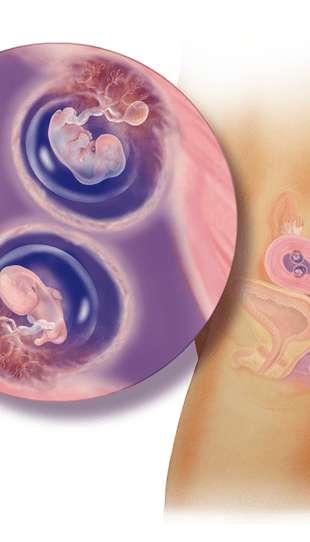
AT Weeks 29-32 The twins will start to settle into a head-down position, which is ideal for delivery. the mother may be at a higher risk for premature delivery
Twin pregnancy week 9 – 12: By week nine, the embryos will have developed into fetuses, and their organs will continue to grow and mature They will also begin to move around and may even be seen through an ultrasound With twins, each fetus will have its umbilical cord, which will be attached to its placenta
❥ Twin Pregnancy 2nd Trimester (13-26 Weeks):
Twin pregnancy week 13-16:
During this period, the fetus will begin to grow rapidly, and its skeleton will begin to harden The mother may start to feel movement from the babies, known as “quickening.” With twins, the mother’s uterus will also continue to grow at a faster rate, and the weight gain will be greater
Twin pregnancy week 17-20: By this stage, the babies will be fully formed, and their organs will continue to mature The mother’s body will also continue to adapt to the growing fetuses, and the babies’ movements may become more noticeable. With twins, the mother may experience more discomfort due to the extra weight and pressure on her body
Twin pregnancy week 21-24: During this period, the babies’ lungs will continue to develop, and they may start to open and close their eyes With twins, the mother may experience more frequent Braxton Hicks contractions, which are practice contractions that help prepare the uterus for labor
❥ Twin Pregnancy Third Trimester (Weeks 27-40):
Twin pregnancy week 25-28: At this stage, the babies will be gaining weight rapidly, and their lungs will continue to develop. They will also begin to sleep and wake in regular cycles. With twins, the mother’s uterus may be more stretched and uncomfortable, and she may experience more fatigue and shortness of breath.
Twin pregnancy weeks 29-32: During this period, the babies will continue to gain weight, and their body fat will increase. They will also start to settle into a headdown position, which is ideal for delivery. With twins, the mother may experience more Braxton Hicks contractions, and she may also be at a higher risk for premature delivery
Twin pregnancy weeks 33-36: By this stage, the babies will be almost fully developed, and their organs will be functioning well The babies will be around 18-19 inches long and weigh around 6-7 pounds each. Women may experience more physical discomfort and fatigue, and may need to start monitoring their blood pressure more closely for signs of preeclampsia. They may also need to start preparing for the possibility of a NICU stay for the babies if they are born premature
Twin pregnancy weeks 37-40: By weeks 37-40, the babies will be considered full-term and ready for delivery Women may experience more frequent contractions and may need to be monitored closely for signs of labor. They may also need to be prepared for the possibility of a Csection delivery if the babies are not in the optimal position for vaginal delivery
By Scarlet Matthews
The Early Days: Surviving and Thriving
Becoming a twin mom is no easy feat The first five months felt like pure survival mode, juggling constant feeds, diaper changes, and sleepless nights. But as the weeks turned into months, the chaos began to ease, and by six months, I found myself truly embracing the joys of twin motherhood.
A Bond Like No Other
At nine months old, my boys have become the best of friends, not just to each other but also to me Watching their relationship grow has been the most rewarding part of this journey Seeing their sweet moments, smiles, babbles, and even baby kisses, melts away the stress of the harder days. Their connection is a daily reminder of the beauty of raising twins
Routines: The Secret to Sanity
One of the biggest game-changers in our twin parenting journey was creating a routine Feeding them at the same time and attempting to coordinate naps made a world of difference

While perfect synchronization isn’t always possible, having some structure brought much-needed calm to our days
The Power of Community
Twin motherhood can feel isolating, but it doesn’t have to be. Joining online groups and connecting with other twin moms has been a lifesaver Sharing experiences, tips, and even just laughs with other moms navigating this unique path has brought invaluable support and reassurance
Advice for Twin Moms and Moms-to-Be
To all the twin mamas and those expecting twins: take one day at a time. Find small moments of joy amidst the chaos, and remember, the tough days don’t last forever. After birth, prioritize your own healing and well-being you can’t pour from an empty cup
Twin motherhood is a whirlwind of challenges, love, and unforgettable moments It’s not always easy, but it’s always worth it. You’re stronger than you know, and you’re not alone on this journey












Twin pregnancies are an exciting journey, but they come with unique challenges, such as monitoring HCG levels
These levels, produced by the placenta, are crucial for assessing fetal development and tracking pregnancy health
HCG (human chorionic gonadotropin) is a hormone produced during pregnancy. In twin pregnancies, HCG levels are typically higher than in singletons due to the increased placental tissue These levels generally double every 48–72 hours during early pregnancy, providing insights into how the pregnancy is progressing
Twin HCG Level Chart
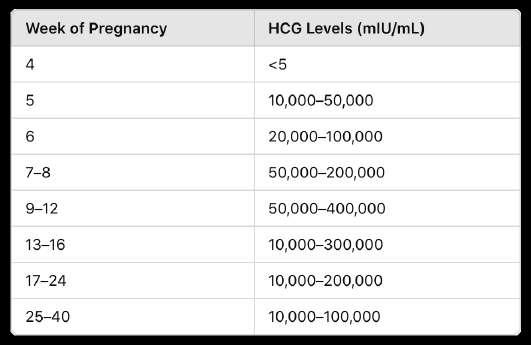
Note:Theserangesareguidelinesandcanvarywidelybetweenpregnancies
Several factors influence HCG levels in twin pregnancies:
Delayed Implantation: Slower rises in HCG Vanishing Twin Syndrome: Reduced or plateauing levels.
Ectopic or Molar Pregnancy: Abnormal levels requiring immediate attention.
Higher HCG levels may suggest twins, but ultrasound remains the most reliable confirmation method.
Your healthcare provider may recommend regular blood tests and ultrasounds to monitor HCG levels and fetal development.
HCG levels provide vital insights into twin pregnancies but vary widely. While they cannot definitively confirm twins, monitoring them alongside other tools ensures a healthy pregnancy Always consult your healthcare provider for personalized care


Being a twin mom is no ordinary feat, it's a journey of resilience, love, and unforgettable moments
Your presence in our twins' community is truly invaluable. ��
Your insights and dedication as a twin mom have touched and inspired so many moms, and we’re endlessly grateful for the love and support you bring. ��
Your stunning posts showcasing your beautiful twin girls have completely won us over! �� From tender moments to the joys and challenges of twin parenting, you light up every aspect of this journey You’re an absolute superstar! ✨
At All About Twins, we celebrate the superheroes of twin motherhood with our "Twin Mom of the Week" program.
Twin moms are more than multitaskers, they’re miracle workers, jugglers of joy, and conquerors of challenges Whether you're mastering the art of tandem feeding, finding creative ways to get through sleepless nights, or discovering hacks to keep up with two toddlers, your journey is unique and inspiring.
Each week, we honor a twin mom from our community who embodies the strength, love, and joy of raising twins This is your chance to:
Share your story with a supportive twin mom community
Be celebrated on our Instagram bio and enjoy a pinned feature on our feed
Have your content reshared with our entire audience to inspire others.
Do you want to be featured as our next “Twin Mom of the Week”? It’s easy! Simply share your story, tips, or a moment that reflects your twin mom journey
But hurry, we’re wrapping up our next magazine edition and are eager to include more amazing twin moms like you!
Celebrate the beautiful chaos of twin motherhood
Let’s share your journey with the world!
Submit Your Story
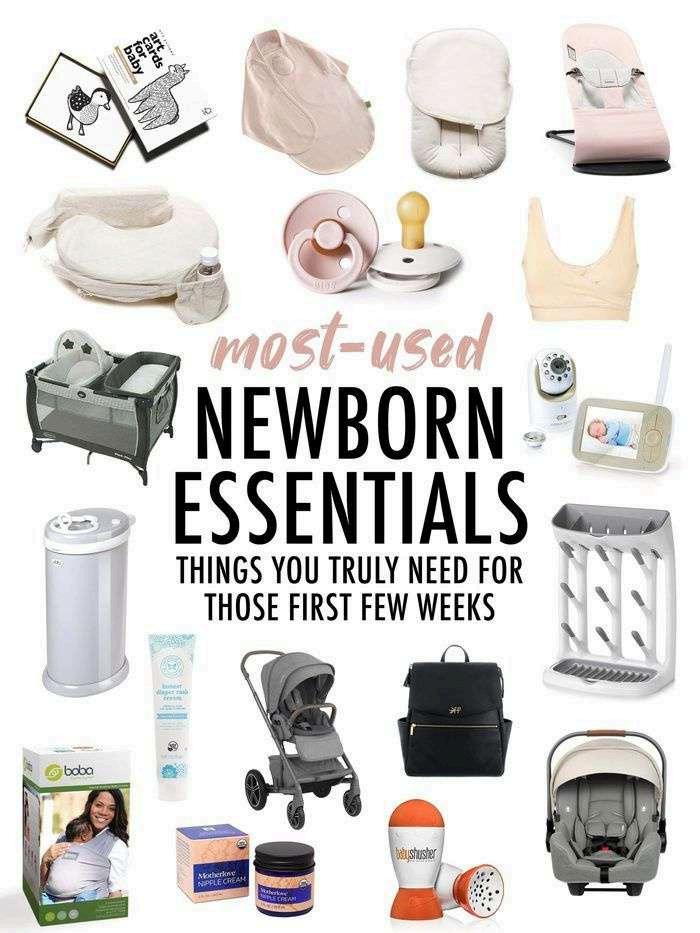
Which baby products are essential for the first year?
Here's a list of the main things you'll need to clothe, move, and feed your twins, as well as give them a safe place to sleep and explore.

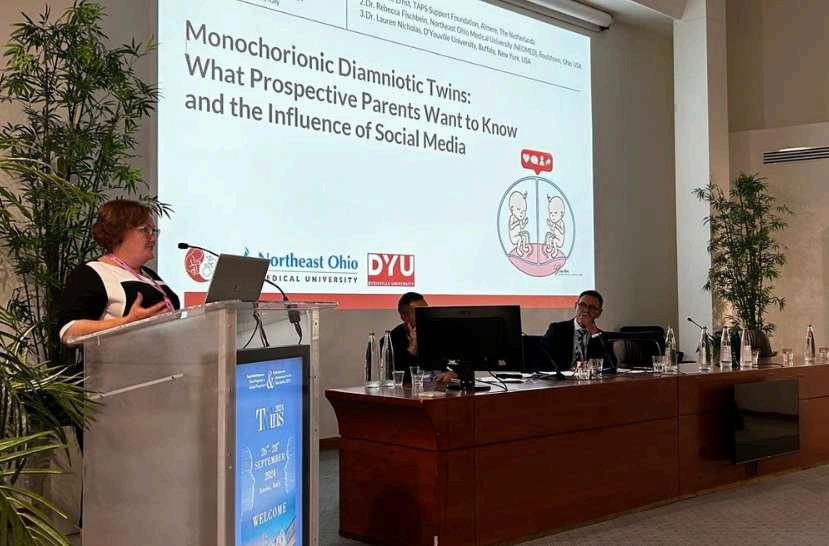
Stephanie Ernst, founder of the TAPS Support Foundation Dedicated to raising awareness and funding research for Twin Anemia Polycythemia Sequence (TAPS), a rare but serious condition that affects twins sharing a placenta. If you're a parent of twins, TAPS is something you need to know about
Going through a twin pregnancy can feel overwhelming.
There is so much to think about, from the unique risks to the practical challenges. Expectant parents often look for extra support and information beyond what their doctor provides The research that I conducted with Dr. Rebecca Fischbein and Dr. Lauren Nicholas, shows how social media and peer support networks can make a big difference Here’s why these resources matter We were fortunate to not only publish this, but also present our research to medical professionals at the recent Twins Congress in Italy.
Twin pregnancies, come with added risks
These pregnancies can involve twins sharing a placenta, leading to complications like TTTS, TAPS and SFGR, for all twin pregnancies, the increased risk of things like pre-eclampsia, gestational diabetes, and premature birth Doctors help with medical care, but many parents feel they need more emotional support and practical advice, especially when dealing with rare conditions
Stephanie Ernst website: www stephanieernst nl Instagram & Facebook: @stephanieernstwriter
TAPS website: www.tapssupport.com Instagram, Twitter, Facebook & Linkedin: @tapssupport
This is where peer support is so helpful. Hearing from others who have been through similar experiences can make parents feel less alone Social media and support groups give them a place to ask questions and share their worries with people who truly understand
To explore more about these findings, check out our research published in Midwifery here
Social media connects parents across the world It’s a place to find others with similar experiences, share stories, and learn practical tips In our study, more than two-thirds of parents with MCDA pregnancies used social media for support during their pregnancy Whether they needed advice or just someone who understood, these platforms became a lifeline
Parents told us they joined online groups for three main reasons:
Emotional support – A safe space to share feelings and find reassurance
Information – Learning about pregnancy risks, what to expect, and how to prepare Advocacy tips – Advice on working with healthcare providers and getting the right care
These groups often help parents speak up for themselves, like asking for more scans or getting a second opinion.
To learn more about shared decision-making in twin pregnancies, visit TAPS Support’s resource on shared decision-making.
Peer support adds to the help doctors provide It’s not a replacement for professional care, but it offers emotional and practical guidance. Members of support groups share real-life tips for dealing with the healthcare system, managing complications, and even coping with loss.
For example, in cases of TTTS, where quick decisions are needed, hearing from others who’ve faced similar choices can give parents confidence. It’s also comforting to hear stories from parents who’ve been through tough situations and come out the other side.
Parents who experience loss often find peer support especially valuable. Talking to others who truly understand helps them feel less alone.
For more details, read the position paper we published with Footprints Baby Loss on peer support in twin pregnancies here.
While social media and peer support are helpful, they aren’t perfect Sometimes misinformation spreads, or stories about complications can increase anxiety Some groups might even make parents feel judged However, many parents say the benefits are worth it, especially when groups focus on facts and encourage parents to work closely with their doctors
Healthcare providers can help by pointing families to trustworthy groups and discussing the information they find online
Social media doesn’t just provide emotional support it also helps parents make important decisions. Almost half of the parents in our study said social media affected how they managed their pregnancy. It influenced choices about care providers, tests, and treatments. Some even switched to specialists based on advice from online groups
For example, many parents learned to recognize symptoms of complications like TTTS by reading posts in these groups
With this knowledge, they knew when to seek immediate medical care
The journey through a twin pregnancy is rarely easy, but it doesn’t have to feel lonely Social media and peer support provide connection, information, and encouragement By using these tools, parents can face challenges with more confidence and hope
For doctors and healthcare providers, it’s clear that these resources are now a key part of pregnancy care Supporting families in finding the right groups can make all the difference
Twin pregnancies may bring extra challenges, but with peer support and the power of social media, we can make those challenges a little easier The research proves it!
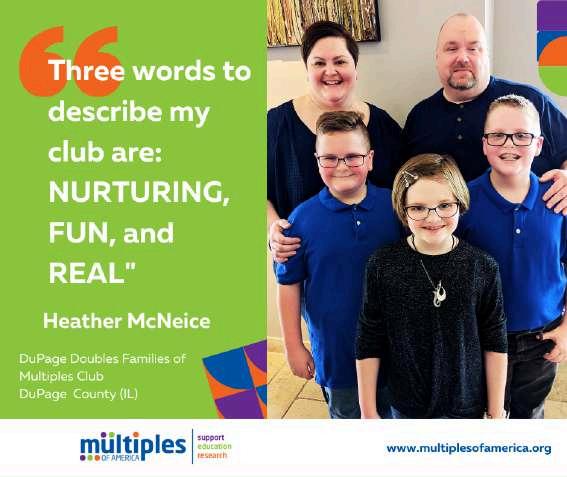
"Connecting with other families has been invaluable," shares Tricia Mroz, a twin mom from New Hampshire. For parents expecting multiples, the journey is a blend of joy and challenges. Alongside the anticipation of milestones comes the reality of high-risk pregnancies and the demands of carrying twins or more During these ups and downs, knowing you’re not alone can make all the difference.
Multiples of America bridges this gap by providing local clubs, online meet-ups, and practical resources From delivering meals to new parents to offering advice for managing newborns, the organization ensures no twin mom feels isolated “When two members showed up at my house with a meal, it was a lifesaver,” Tricia recalls
The support extends beyond the early weeks. Many clubs host monthly meetings, offer mentorship for new moms, and provide access to an Expecting Parents Toolkit The recently launched Great Expectations Seminar Series connects expectant parents and those with young multiples to twin specialists for personalized guidance.
For some, this support turns into lifelong relationships Carol Medina, a California member, shares, “With three kids under one, I was overwhelmed Joining the local club changed everything I’ve been a member for 33 years!”
Local in-person clubs offer unique benefits. "There’s nothing like being in a room full of parents of multiples," says Cara Kusnic from North Carolina. "You laugh, cry, and support one another through it all "
A position paper from the TAPS Support Foundation and Footprints Baby Loss underscores the importance of community Titled “The Role of Peer Support in Multiple Pregnancy Complications and Loss,” it highlights how connecting with others who’ve faced similar challenges provides emotional and practical benefits
Multiples of America is more than a support network it’s a lifeline. Linda Carter, a member from California, shares, “Being part of this community has been a game changer. It’s comforting to connect with people who truly understand the journey ”
Discover how you can join a Multiples of America club and register for the new Great Expectations seminar series: www multiplesofamerica org




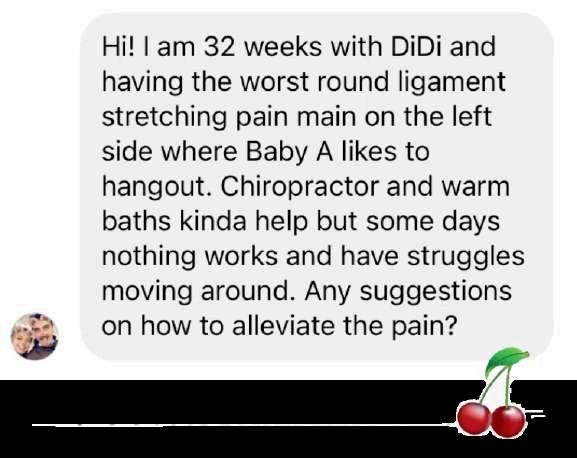
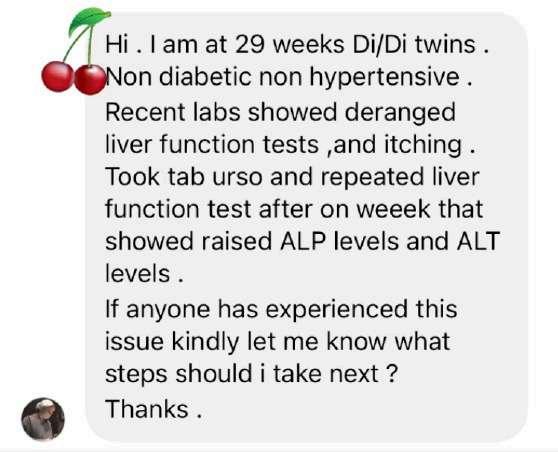
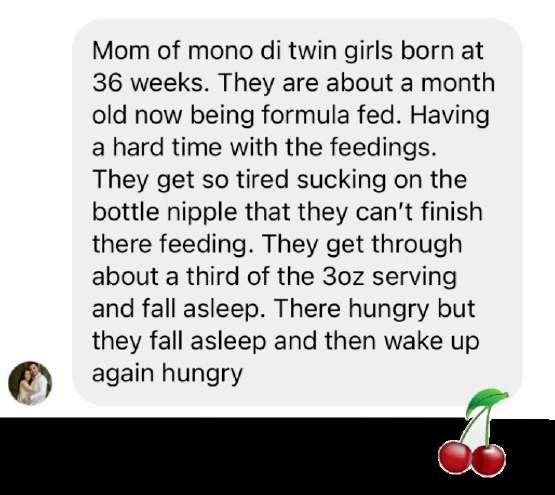
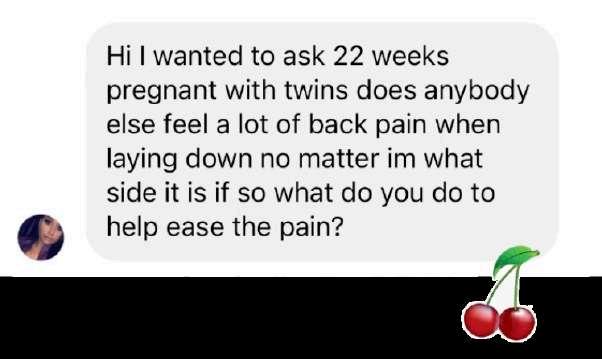
All your frequently asked questions are being answered
Click to read the answers
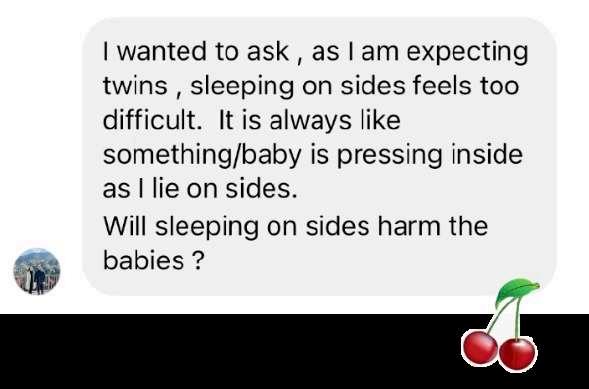

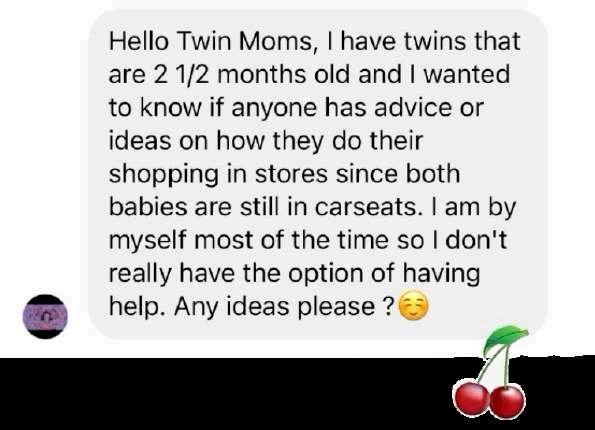

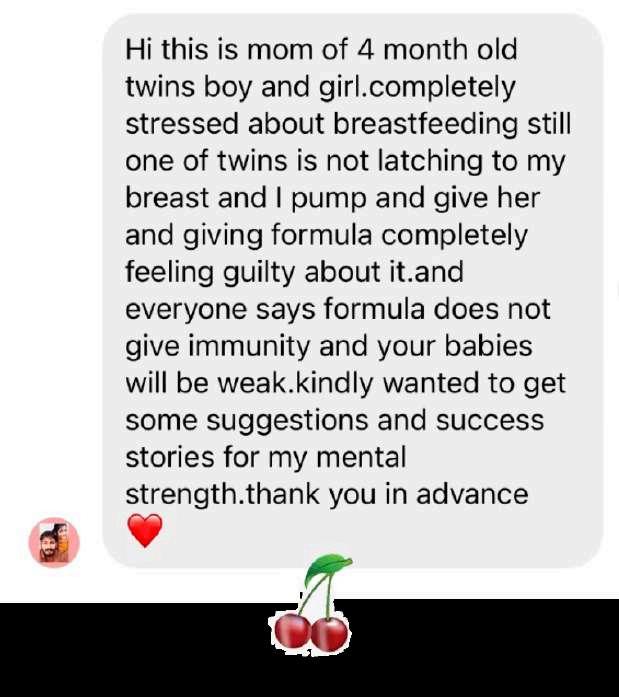
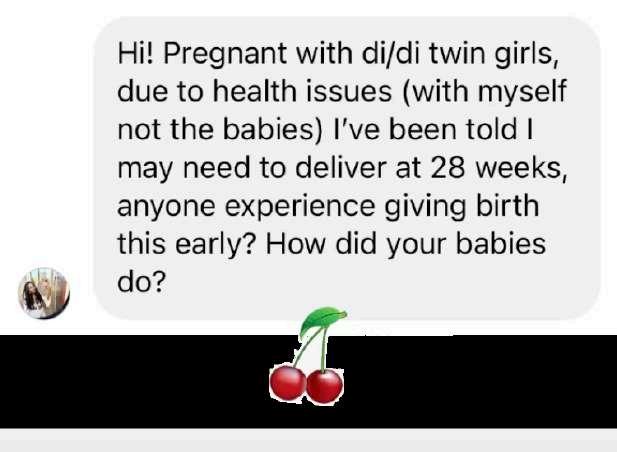
Send us your twins question