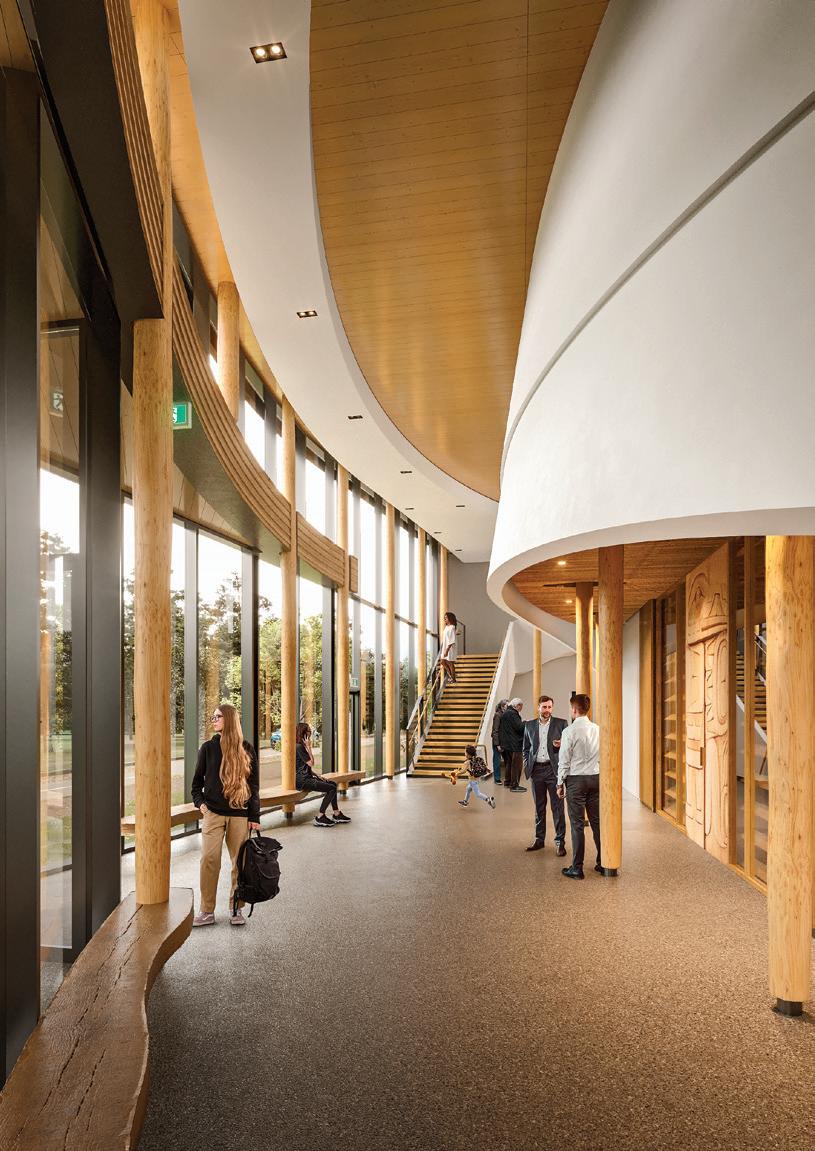
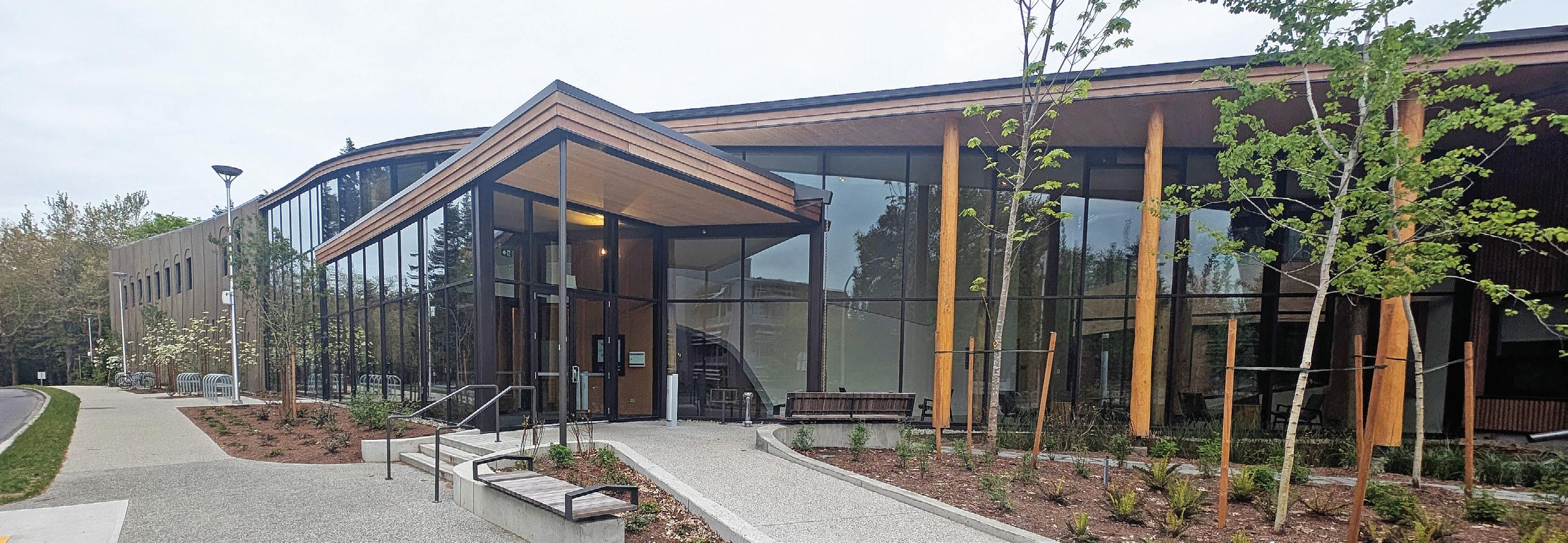
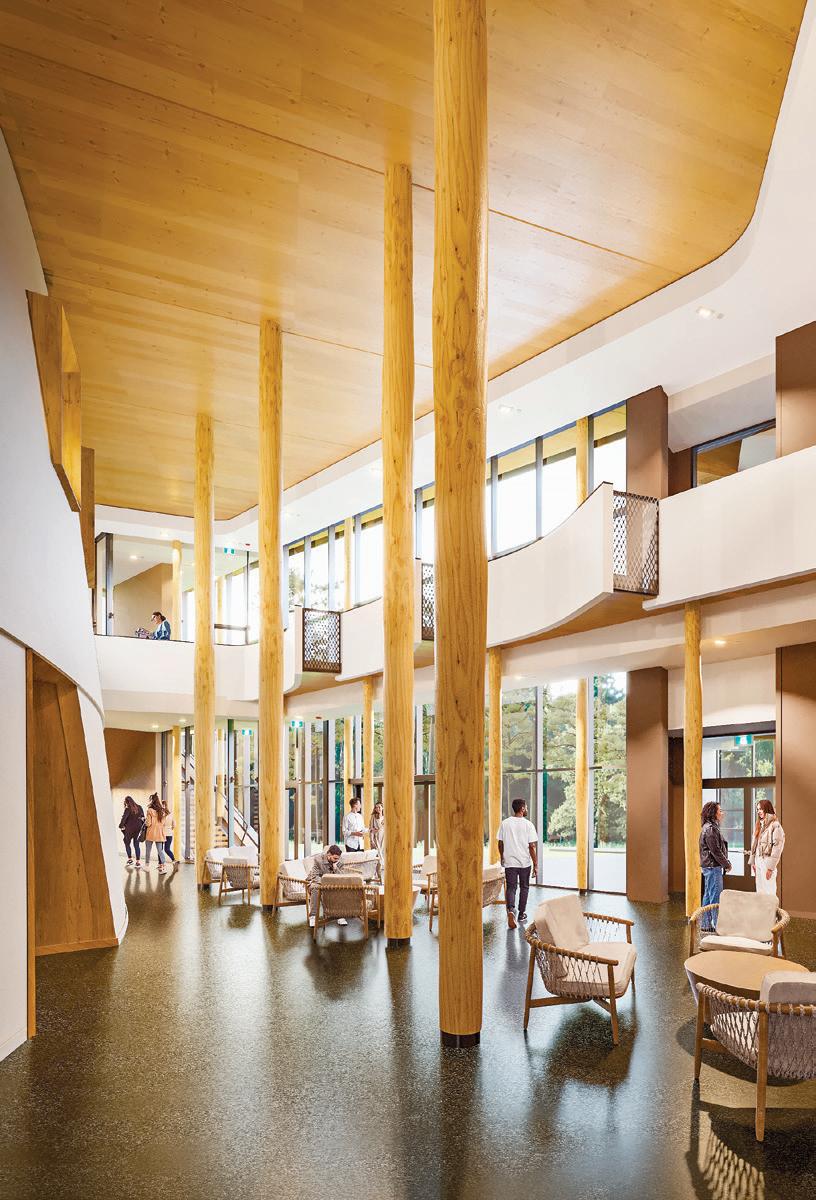
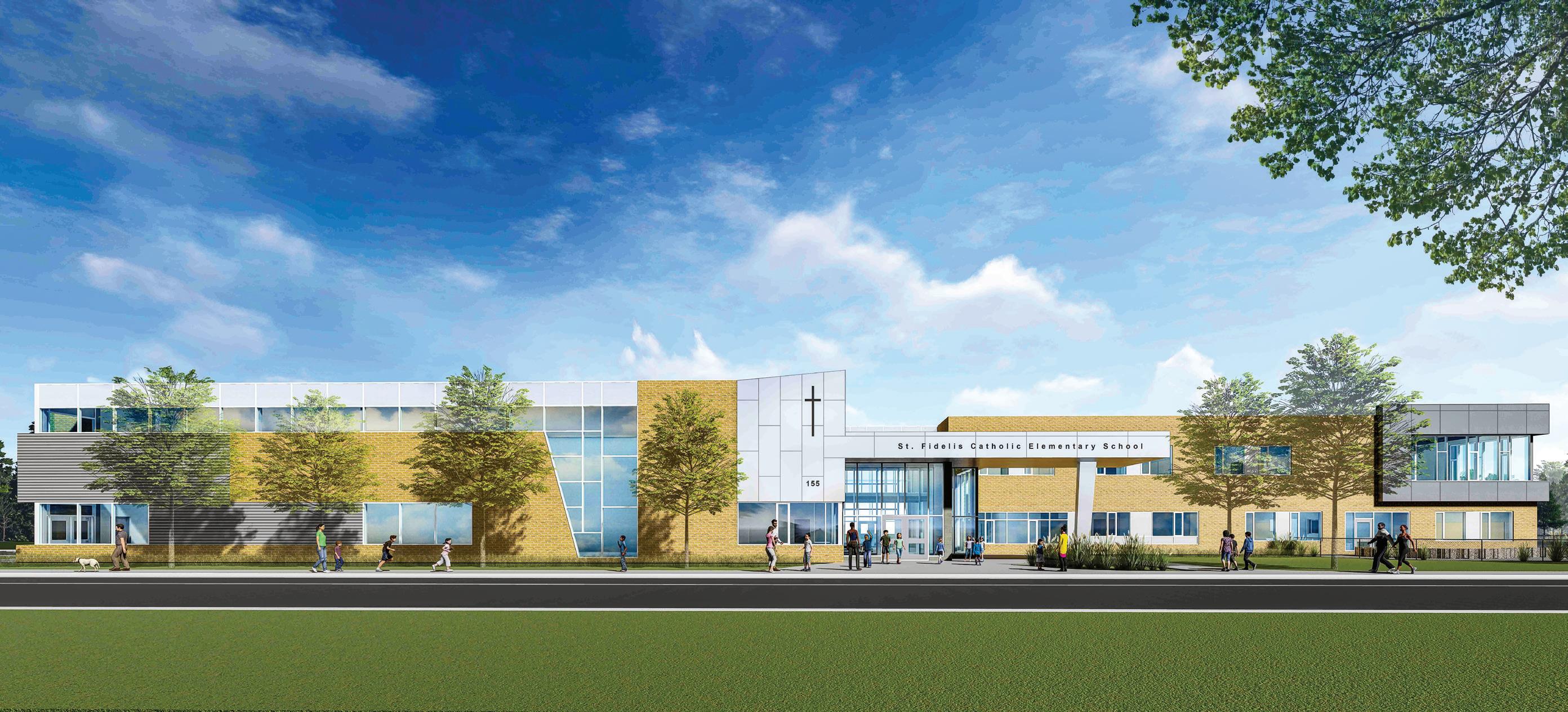
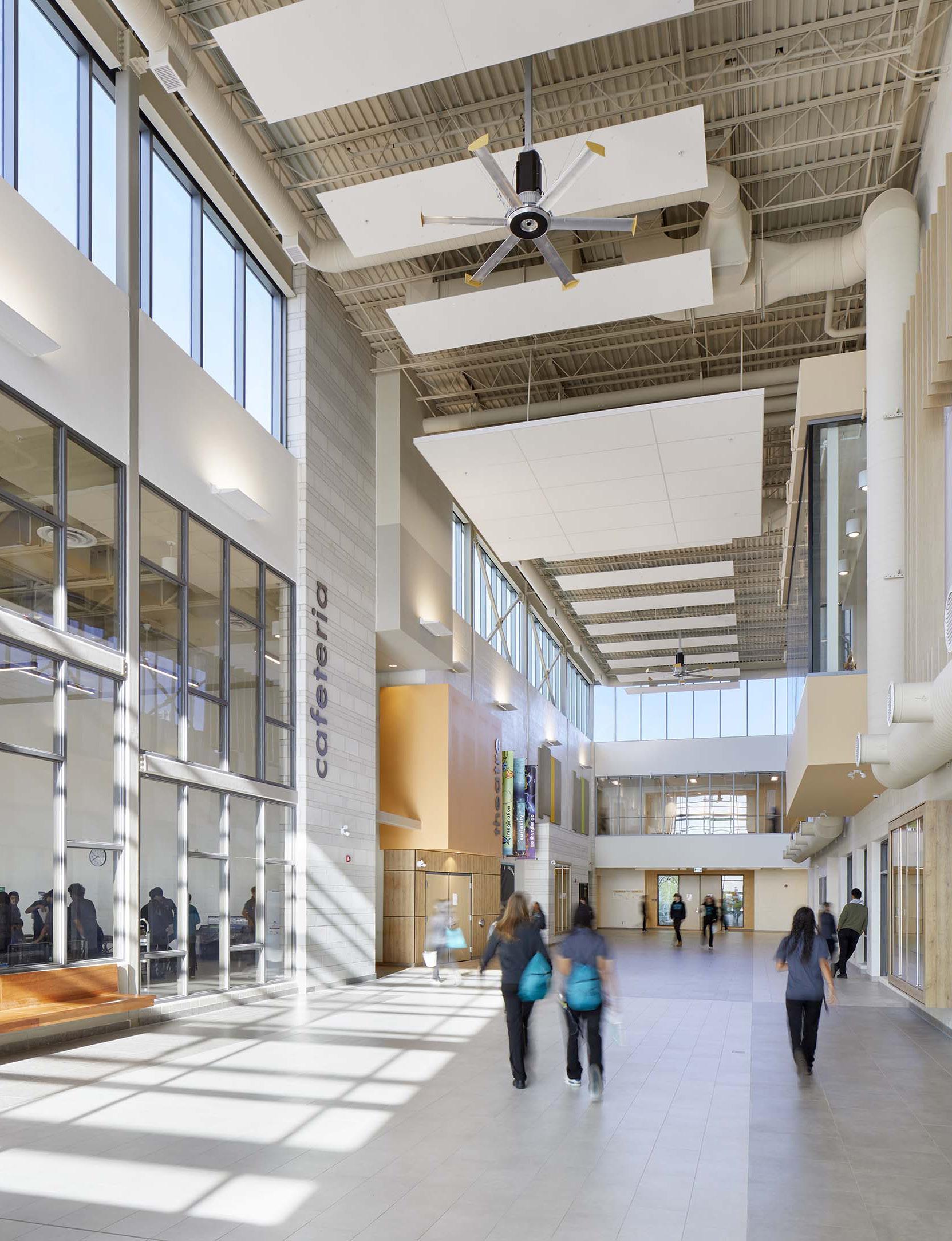
Dialog tackles today’s challenges in ways others can’t.
STAR CAST
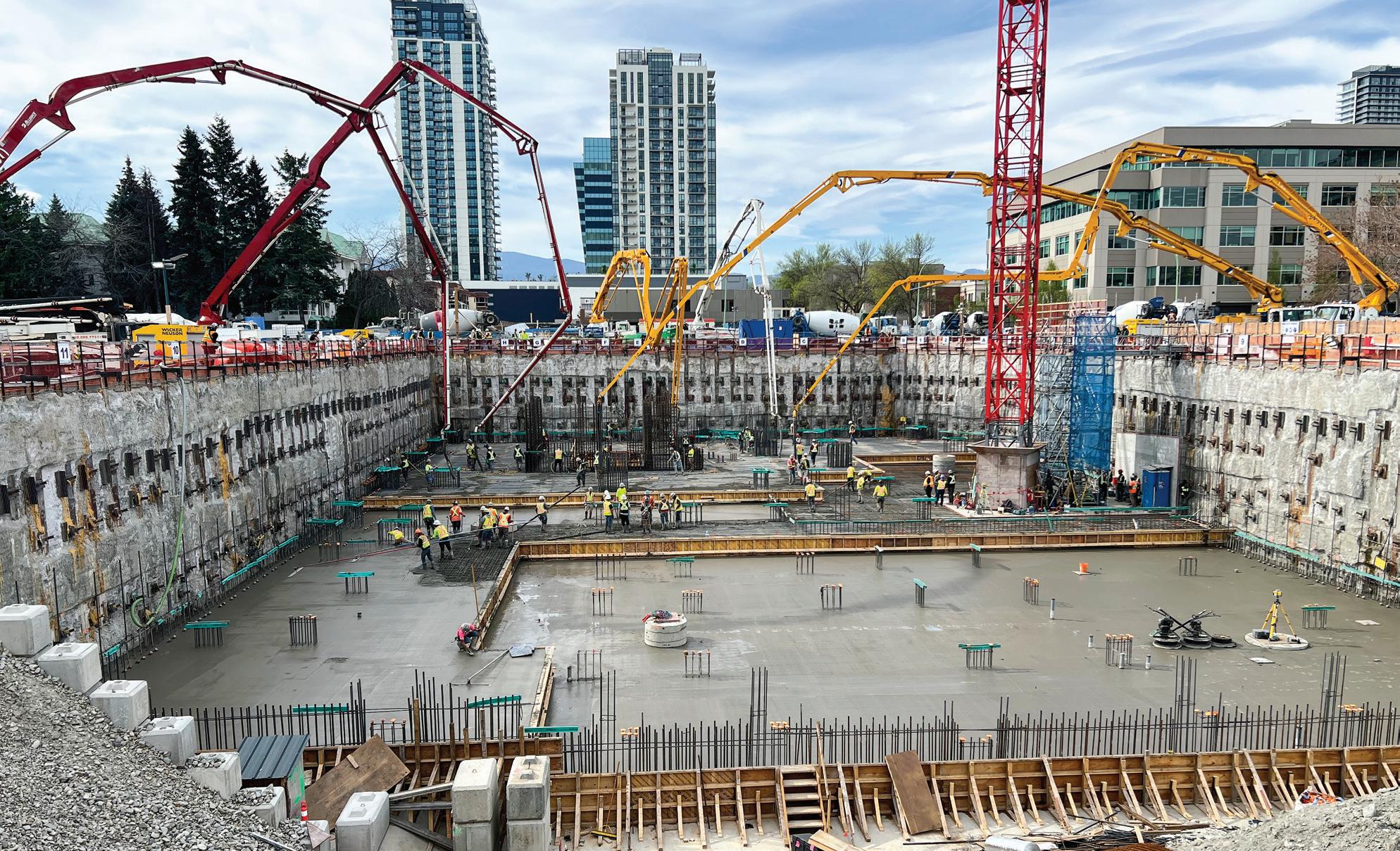
Precast concrete cuts schedules and costs, not corners.
SYSTEMS GO
Sustainable design is refocusing on high-impact decisions made early through collaboration.
BEARING THE LOAD
Engineered wood products are driving Canada’s mid- and high-rise boom, backed by real-world data.
POINT OF ENTRY
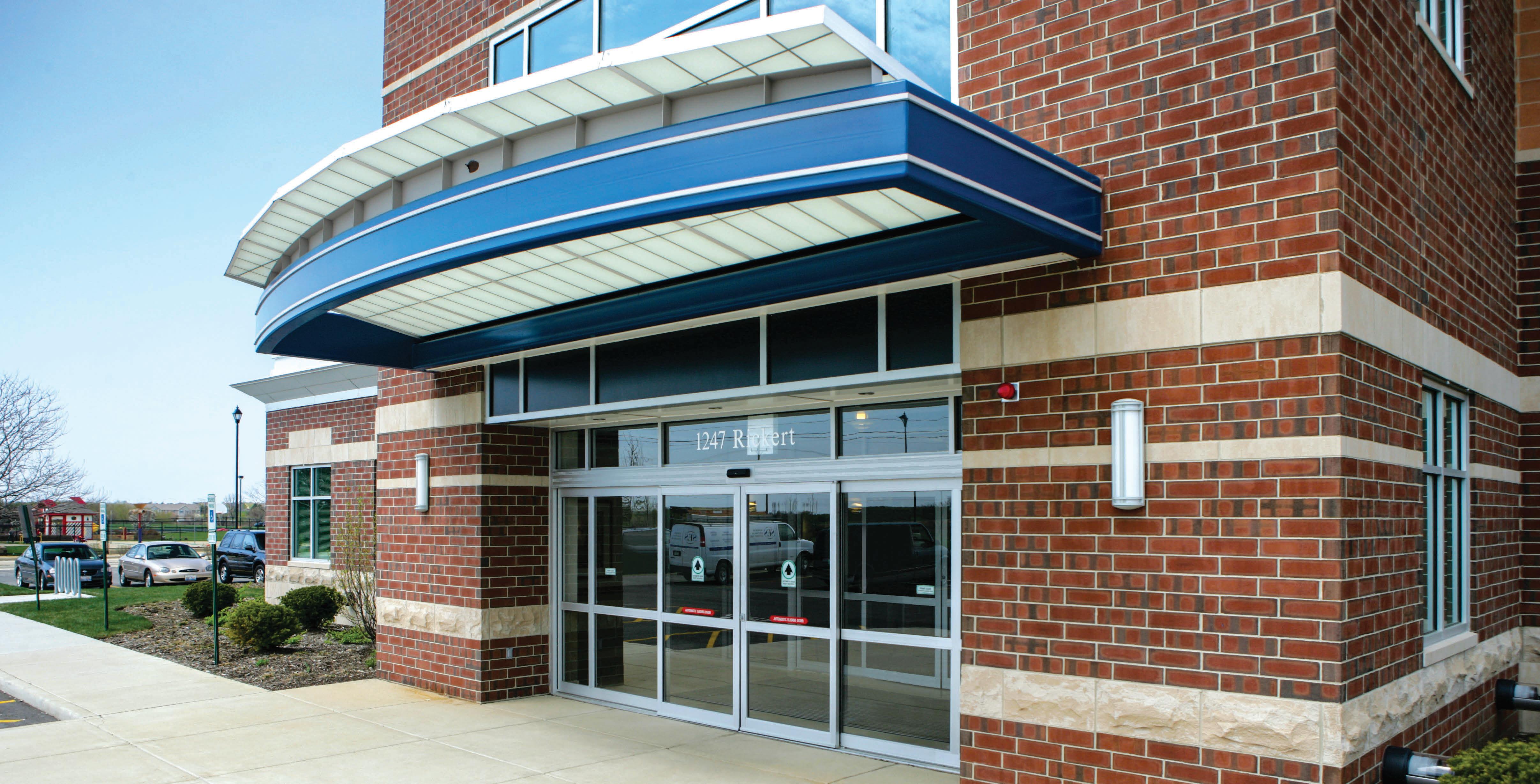
Modern entry systems integrate durability, design, technology, and accessibility.
FLUE SEASON
Mechanical and HVAC demand isn’t cooling, even in uncertain times.
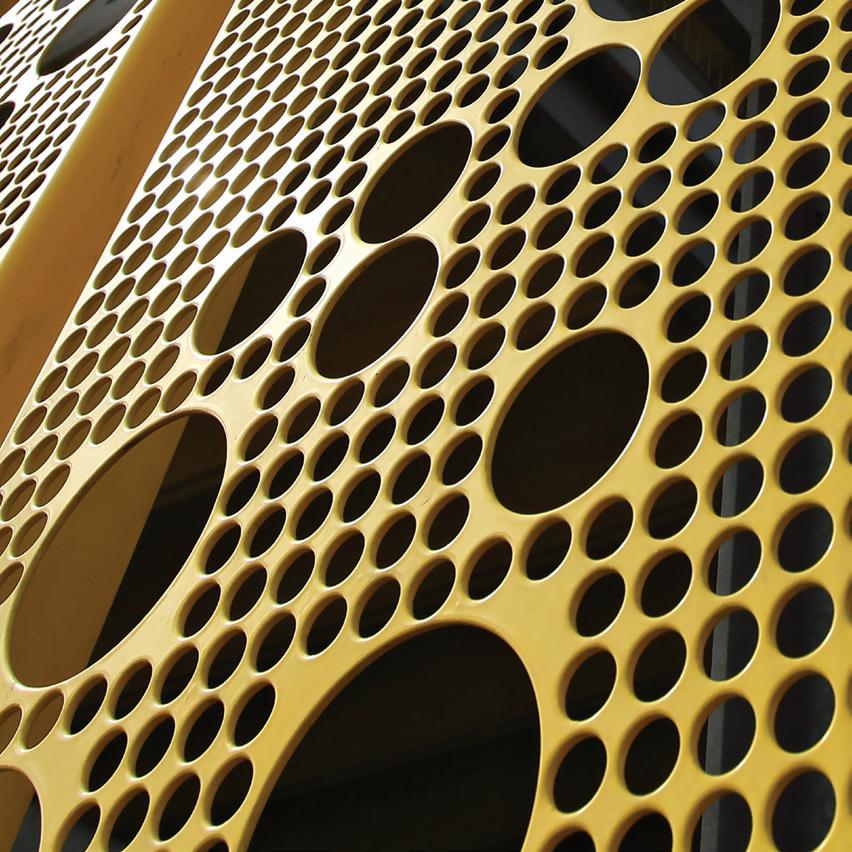
Experts are rethinking landscaping products for Canada’s unique climate.
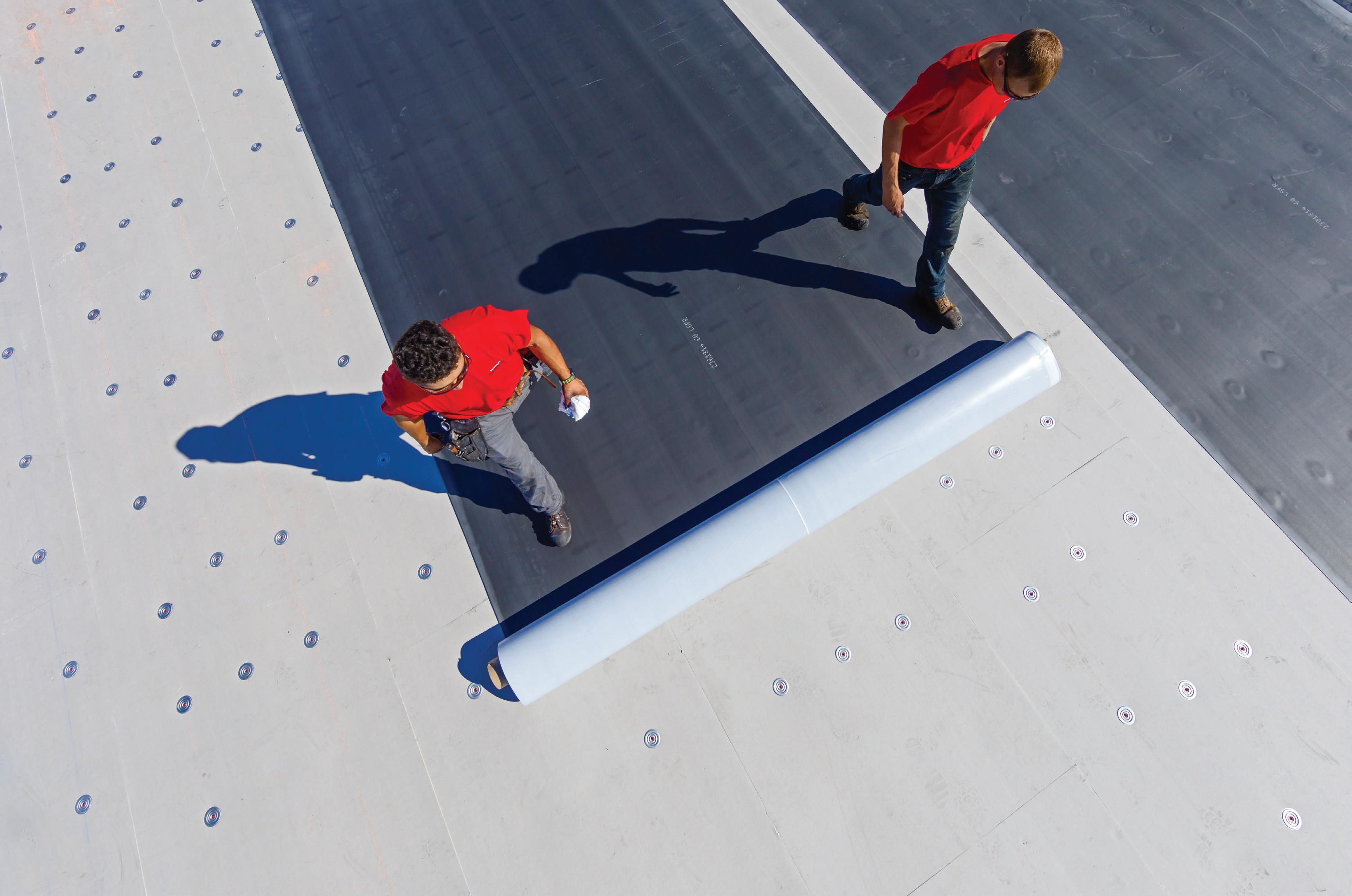
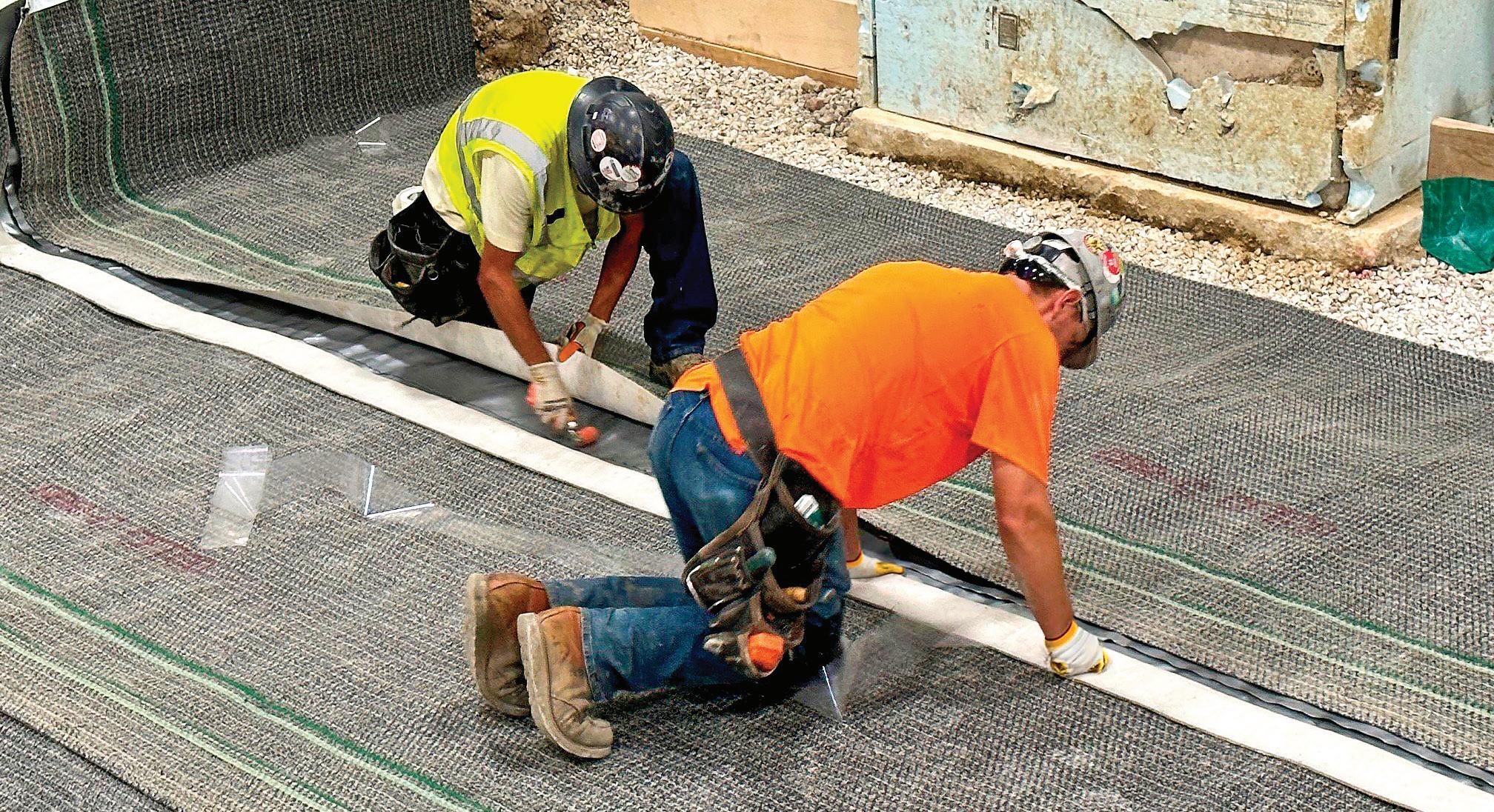
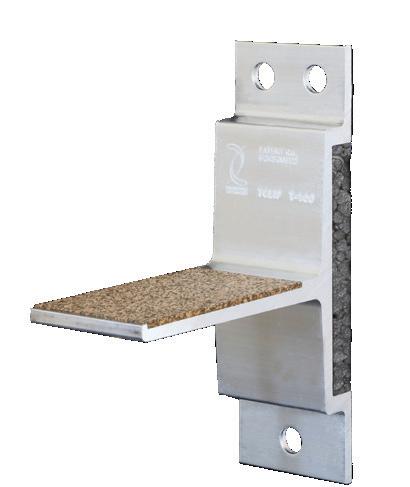
Waterproofing products master the art of impossible conditions.
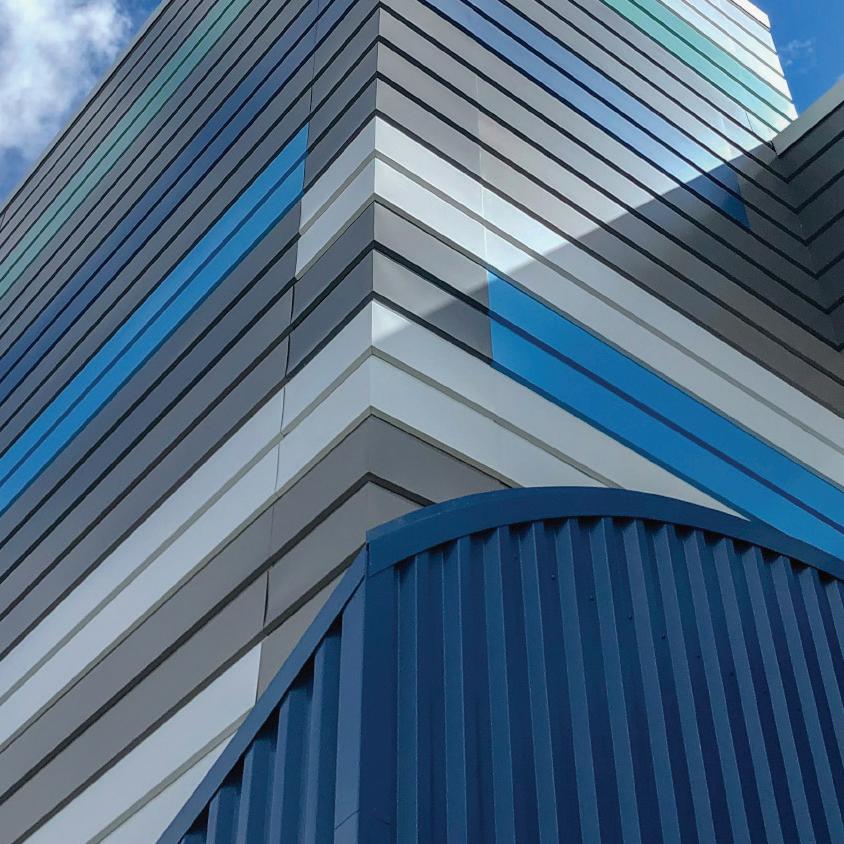
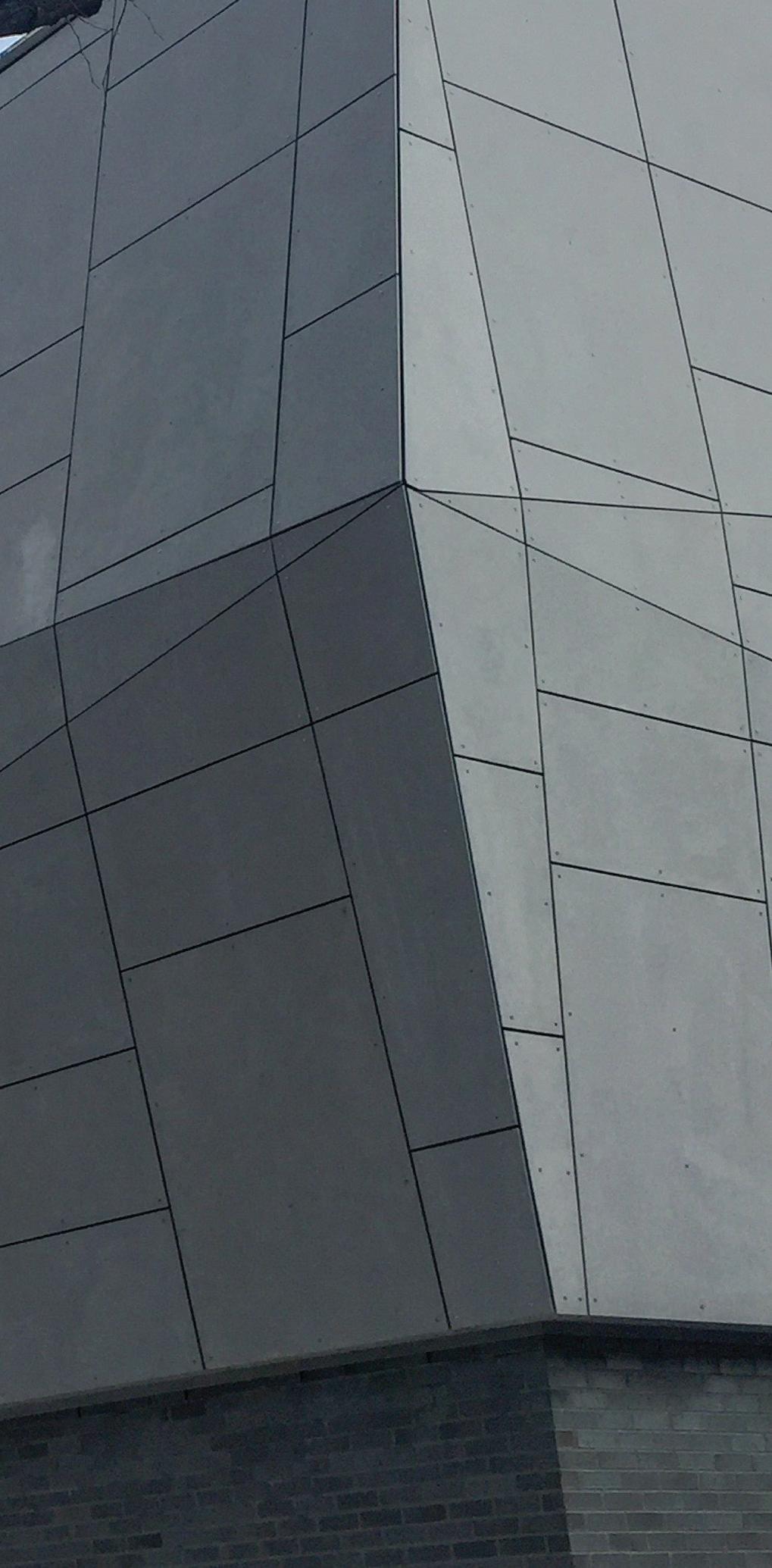
Roofing and cladding trends favour
and timeless design.
by GIOVANNA BONIFACE
Chief Commercial Officer
New collaboration supporting design leadership
The Royal Architectural Institute of Canada (RAIC) and the Ontario Association of Architects have launched a national scholarship recognizing emerging leadership in design. Beginning in 2026, the OAA Scholarship for Exceptional Leadership through Design Excellence will award $2,000 annually to an active RAIC Syllabus student whose work advances sustainability, equity, diversity and inclusion, or Truth and Reconciliation.
This initiative reflects a shared commitment to positioning architectural education as a driver of professional responsibility and public impact. It recognizes that design excellence is inseparable from the social and environmental challenges shaping contemporary practice.
WHY SCHOLARSHIPS MATTER
Scholarships play a measurable role in supporting student success. Financial support reduces barriers that can interrupt academic progress, improving persistence and completion, particularly in demanding and non-linear programs.
In architecture, these pressures are intensified by the time, materials, and production costs associated with studio-based learning. Targeted funding enables students to focus more fully on design development while recognizing their intellectual and civic contributions.
Equally important is the role of recognition. Scholarships reinforce confidence, signal belonging within the profession, and elevate work that contributes to broader disciplinary conversations. The OAA Scholarship combines financial support with national visibility, strengthening both impact and opportunity.
A FOCUS ON LEADERSHIP THROUGH DESIGN
The scholarship is open to active RAIC Syllabus students submitting a completed project that demonstrates leadership in at least one of three areas: sustainability and climate responsive design, equity, diversity and inclusion, or Truth and Reconciliation.
Applicants must provide a portfolio, a 750-word essay, a letter of recommendation, and proof of enrolment. Submissions are evaluated by the Syllabus National Advisory Committee using a structured and impartial review process.
The selected recipient’s work will be published in the RAIC Journal and shared through OAA channels, extending its reach into national architectural discourse.
SPOTLIGHT ON THE RAIC SYLLABUS
The RAIC Syllabus is Canada’s only national alternative pathway to architectural licensure, offering a rigorous, studio-based education
integrated with paid employment in practice. Since 1979, it has enabled students to earn an architectural education while gaining direct, handson experience in the profession.
This model delivers distinct value. Students graduate with both academic grounding and practical experience, strengthening their readiness for licensure and career advancement. Learning is embedded in real project environments, reinforcing accountability, applied knowledge, and professional judgment from the outset.
Supported by mentors, studio co-ordinators, and a national advisory structure, the Syllabus maintains academic rigour, while remaining closely aligned with practice. It is a compelling pathway for individuals seeking a flexible, experience-based route into architecture without sacrificing quality or depth.
By directing this scholarship to Syllabus students, RAIC and OAA highlight the strength of this model and the leadership potential of those advancing their education within it.
A STRUCTURED AND TRANSPARENT PROCESS
The scholarship follows a defined annual cycle, including application, adjudication, and public announcement. Applications open in May 2026, with the recipient announced in the fall. Beginning in 2027, it will be integrated into the broader RAIC awards program.
ALIGNING DESIGN EXCELLENCE WITH PUBLIC PURPOSE
The scholarship’s focus reflects priorities shaping the profession. Climate-responsive design, inclusion, and reconciliation are central to how architects engage with communities and address environmental and social responsibilities.
By linking recognition to these areas, the award reinforces a definition of design excellence grounded in impact, ethics, and public value.
LOOKING FORWARD
The OAA Scholarship for Exceptional Leadership through Design Excellence represents a focused investment in the next generation of architects. It affirms that leadership can be demonstrated through design work that is thoughtful, responsive, and engaged with real-world challenges. For those considering pathways into architecture, the RAIC Syllabus offers a distinctive and proven model. This scholarship further elevates that pathway, recognizing that design leadership can emerge through diverse educational routes and meaningful engagement with practice. Learn more through the RAIC website.
Clarification: CGL Architects would like to clarify that the Pickering Casino Resort and Woodbine Casino projects featured in the cover story of the March issue of Award should be credited as ‘Chris Dikeakos Architects in association with CGL Architects.’
Conversation Starters
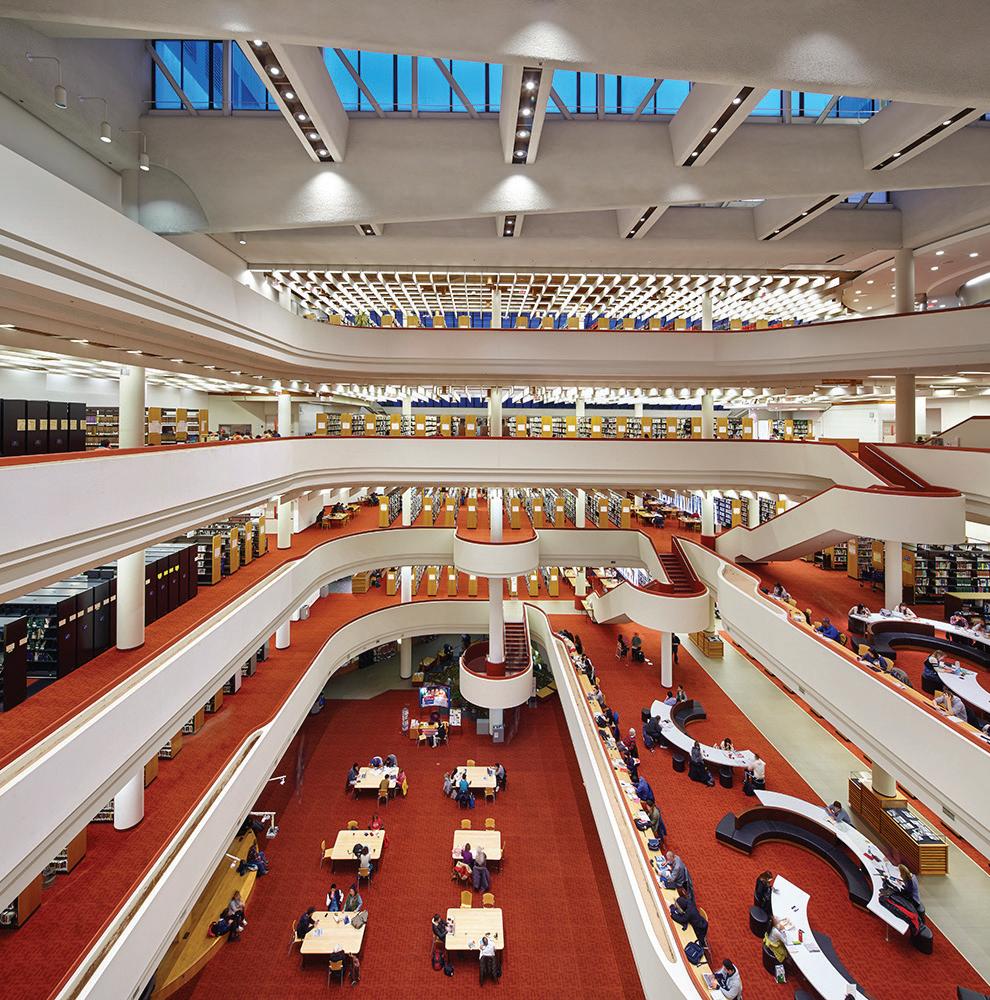
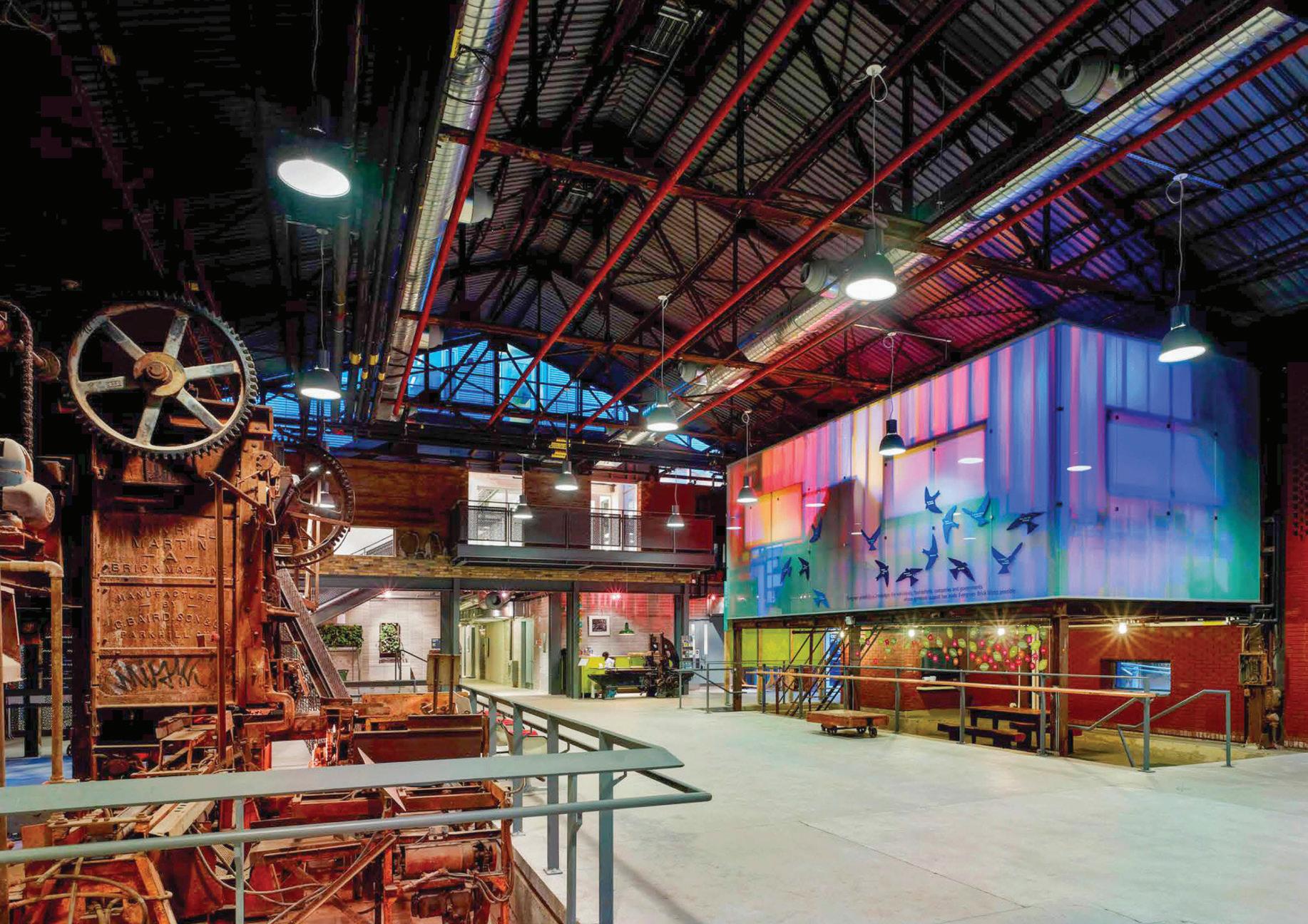
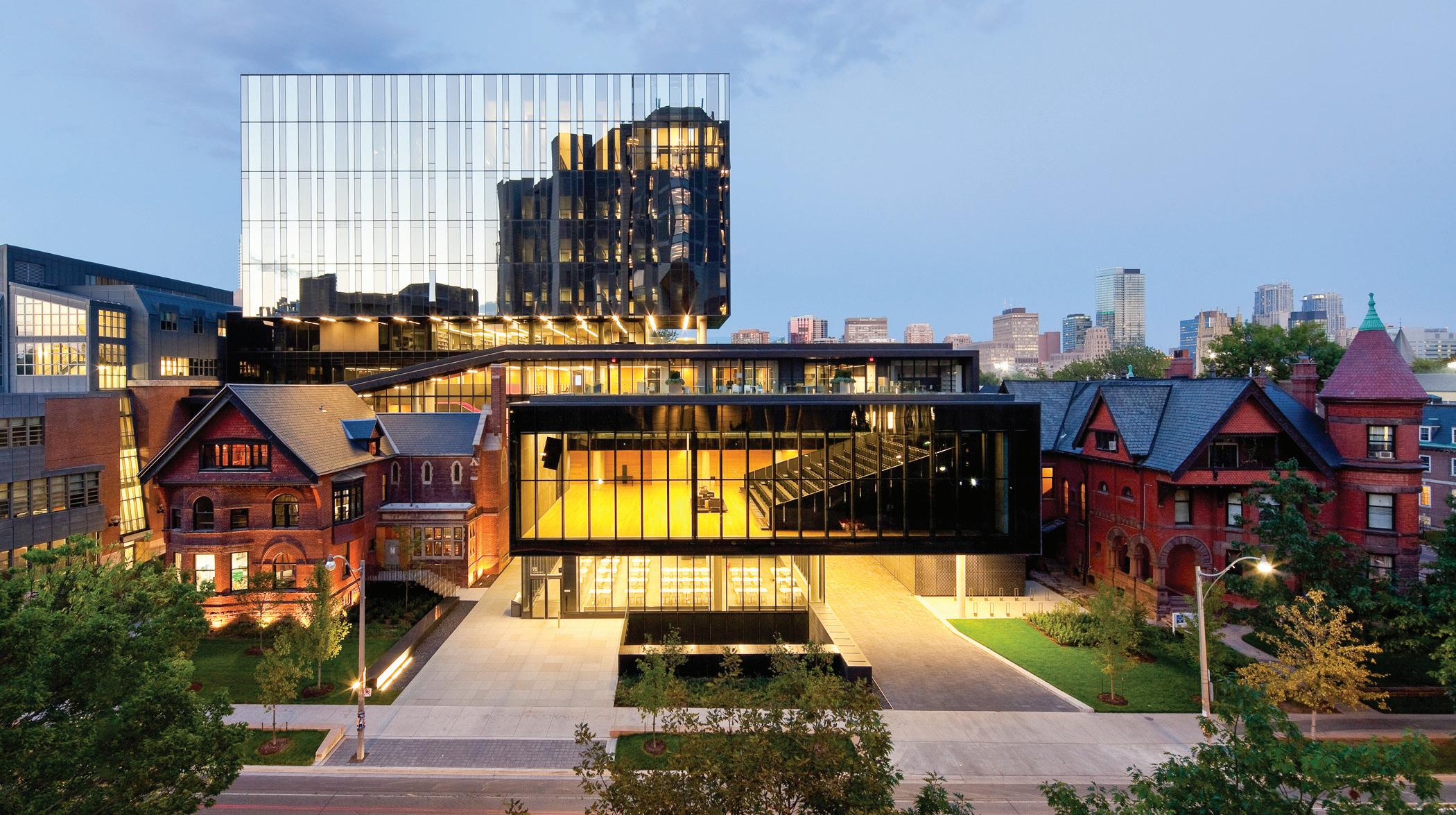
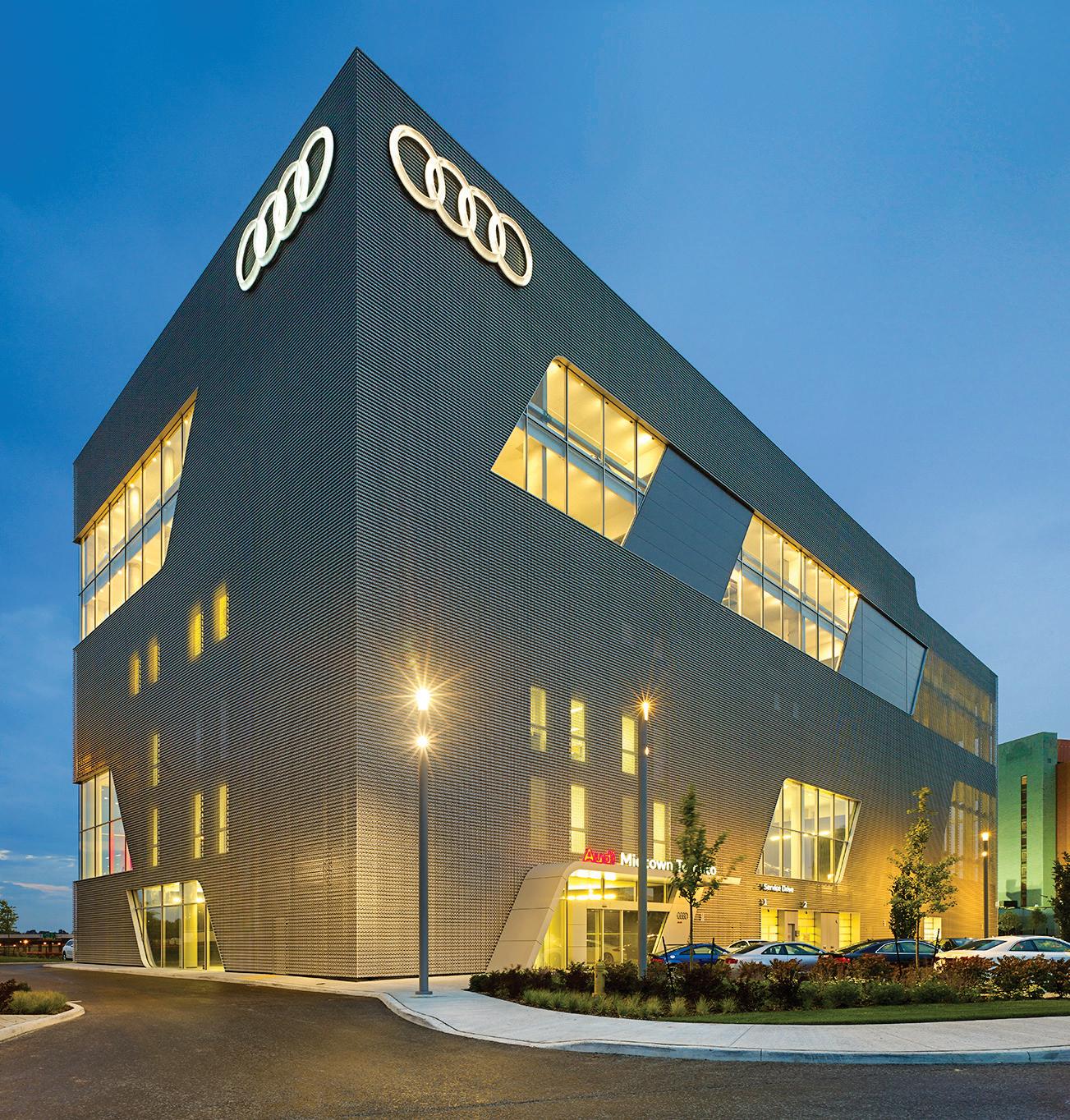
DIALOG tackles today’s challenges in ways others can’t
by NATALIE BRUCKNER | photography courtesy DIALOG
“I’ve always felt what defines our work is not the geography, the typology, or the style. Our values define our work. Every project might look different, but in each one we have sustainability at the forefront, mental health, cultural integration, and well-being in the broader sense. Everything we do is contextual; a response to the needs of a particular community and a particular moment in time,” says Antonio Gomez-Palacio, chair at Dialog.
There’s a quiet humility in the way he speaks, which mirrors how Dialog approaches its work: a belief that progress comes through collaboration rather than individual vision alone, and in many ways, that collaborative ethos has shaped the firm from its earliest days.
When asked about Dialog’s beginnings, Gomez-Palacio says: “I’m actually going to start the story in the middle, in 2010, because that’s when Dialog came together as an organization, although its roots go back to 1960. Four companies
[Cohos Evamy, Mole White Associates, HBBH, and Office for Urbanism] merged. From the start, Dialog operated as an integrated practice, combining architecture and engineering. The premise was that great projects need to be approached from multiple perspectives.”
Those early years began with a big soul-searching exercise to define what businesses commonly refer to as their ‘why’– the reason we wake up in the morning. “We drafted a vision statement that was to meaningfully improve the well-being of communities and the environment we all share. It felt inspiring, but the next morning we realized we didn’t really know what it meant,” he says. And so they spent the next 15 years exploring what that meant, and, perhaps more importantly, how it can be measured.
“We realized very quickly that we need to be able to have a greater impact on community. This focus on impact now shapes the entire practice, from the people we hire to the clients we work with and the projects we accept,” GomezPalacio explains.
This perspective has influenced Dialog’s business model: while service remains foundational, work is now centred on purpose and impact. Their understanding of impact has layers. First, individual growth: staff must develop as people and professionals. Second, share ideas and elevate understanding of complex problems. Third, design spaces that positively affect those who inhabit them. And finally, the ripple effect: “If others learn from, or are inspired by these projects, the firm raises the bar across the industry. Our research and intellectual property are shared openly to benefit others,” he says.
As a result, unexpected opportunities have emerged. Dialog is now a B Corp-certified company and was invited to become a full member of the World Economic Forum. “Attending meetings with the World Bank and UNESCO, it was clear we were seen as a small but highly purposeful player in shaping the built environment. We were described metaphorically as ‘tug boats’ helping to bring larger ships safely to port.”
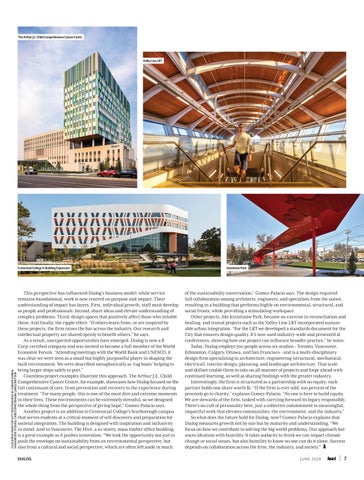
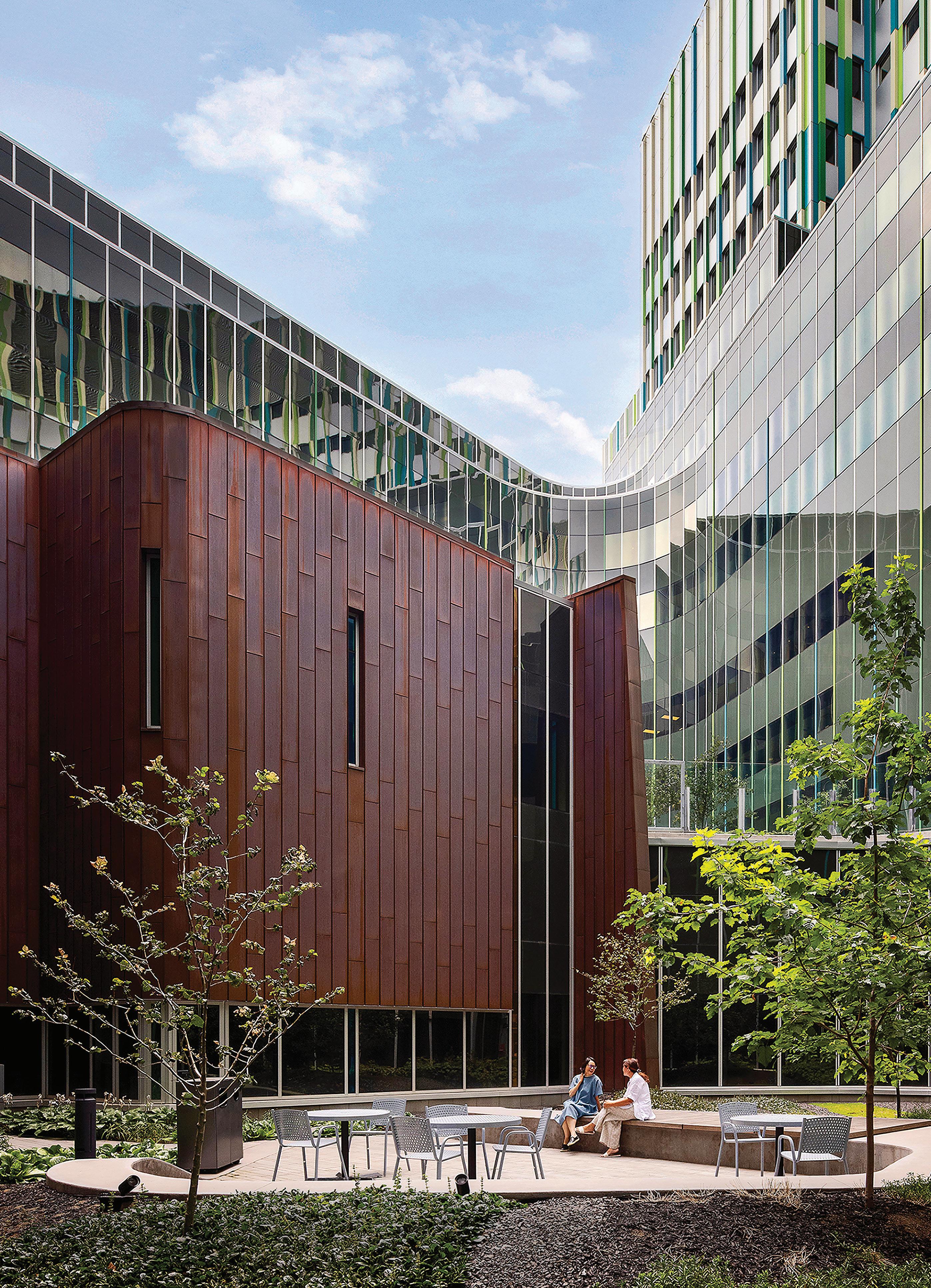
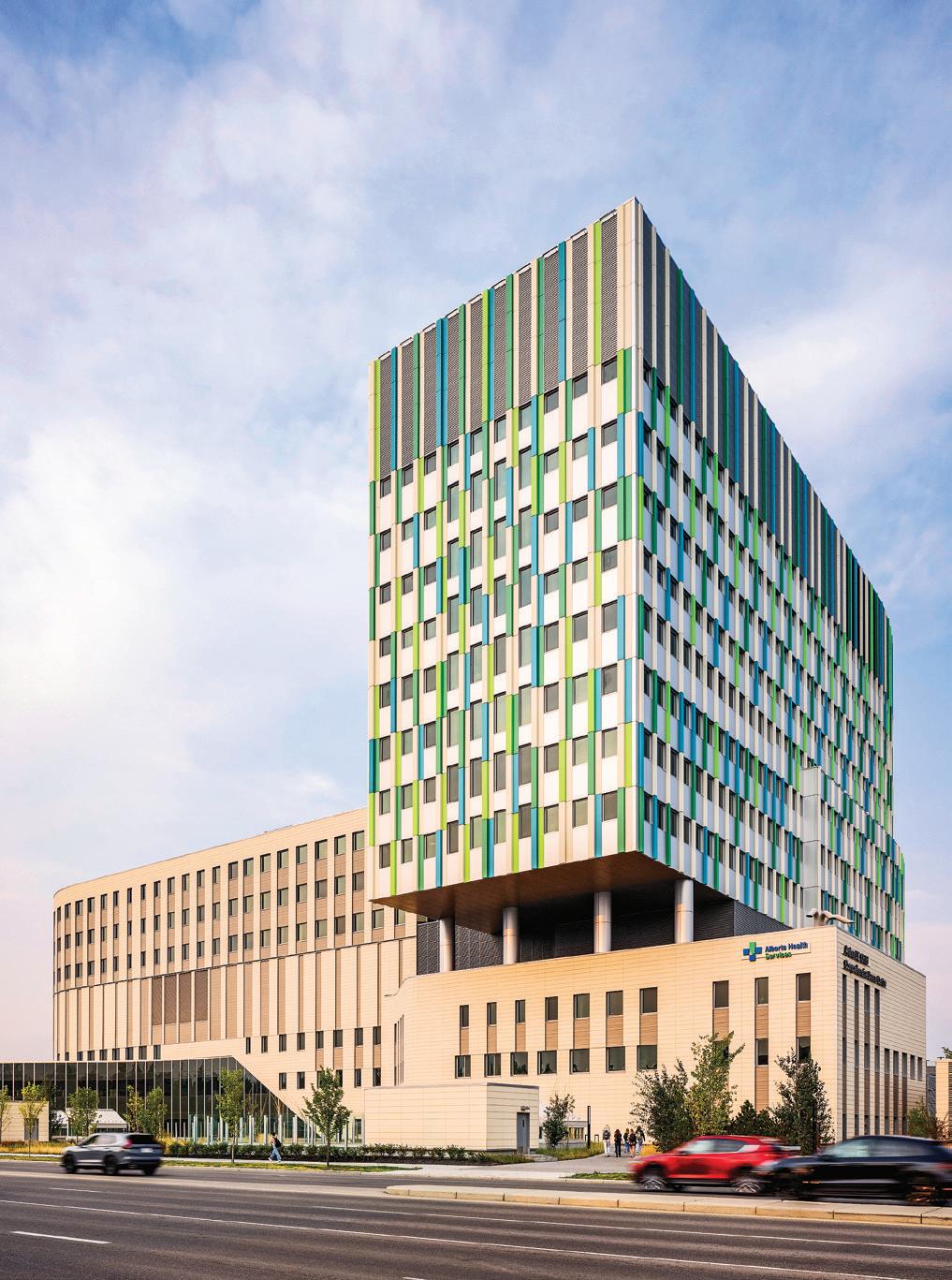
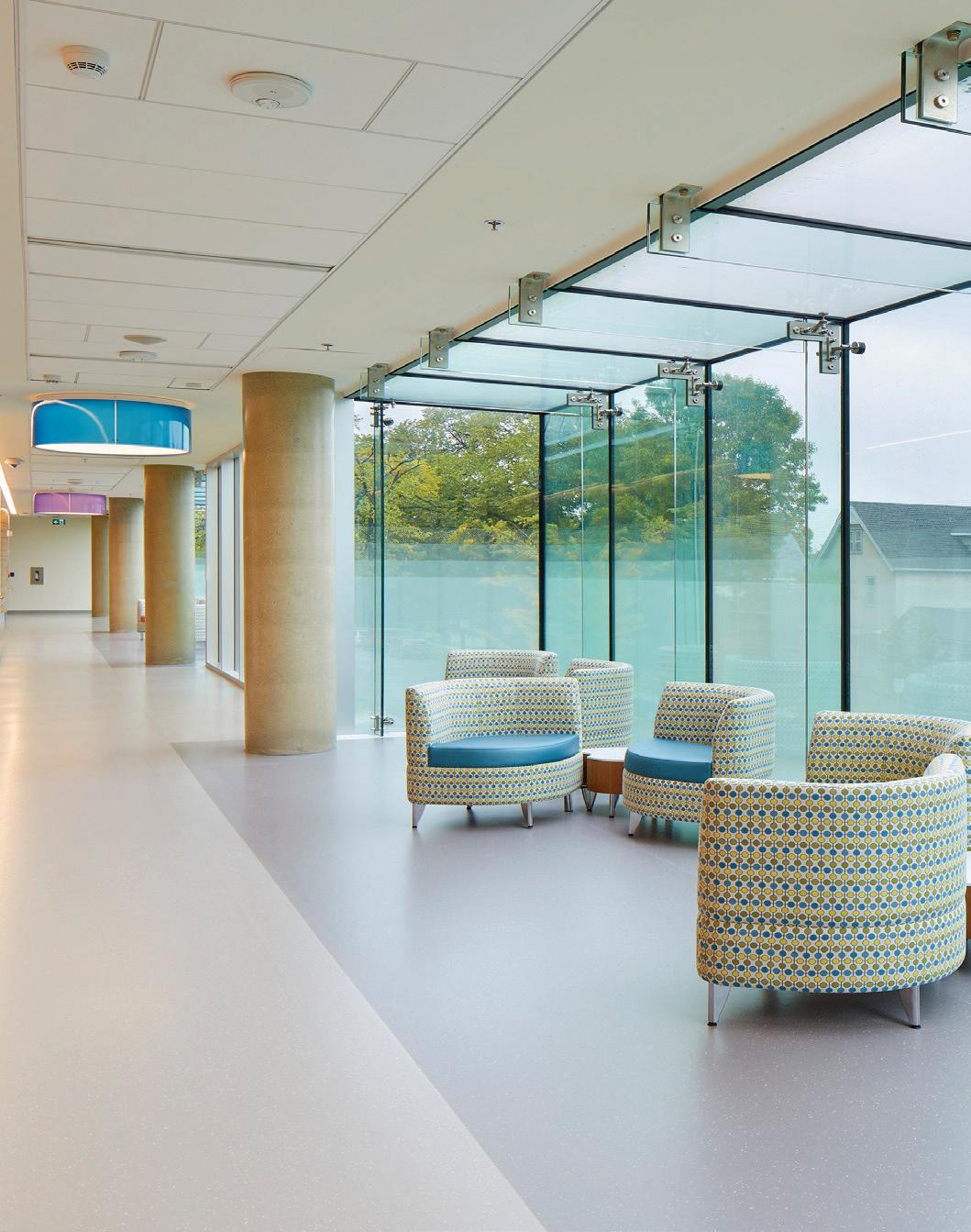
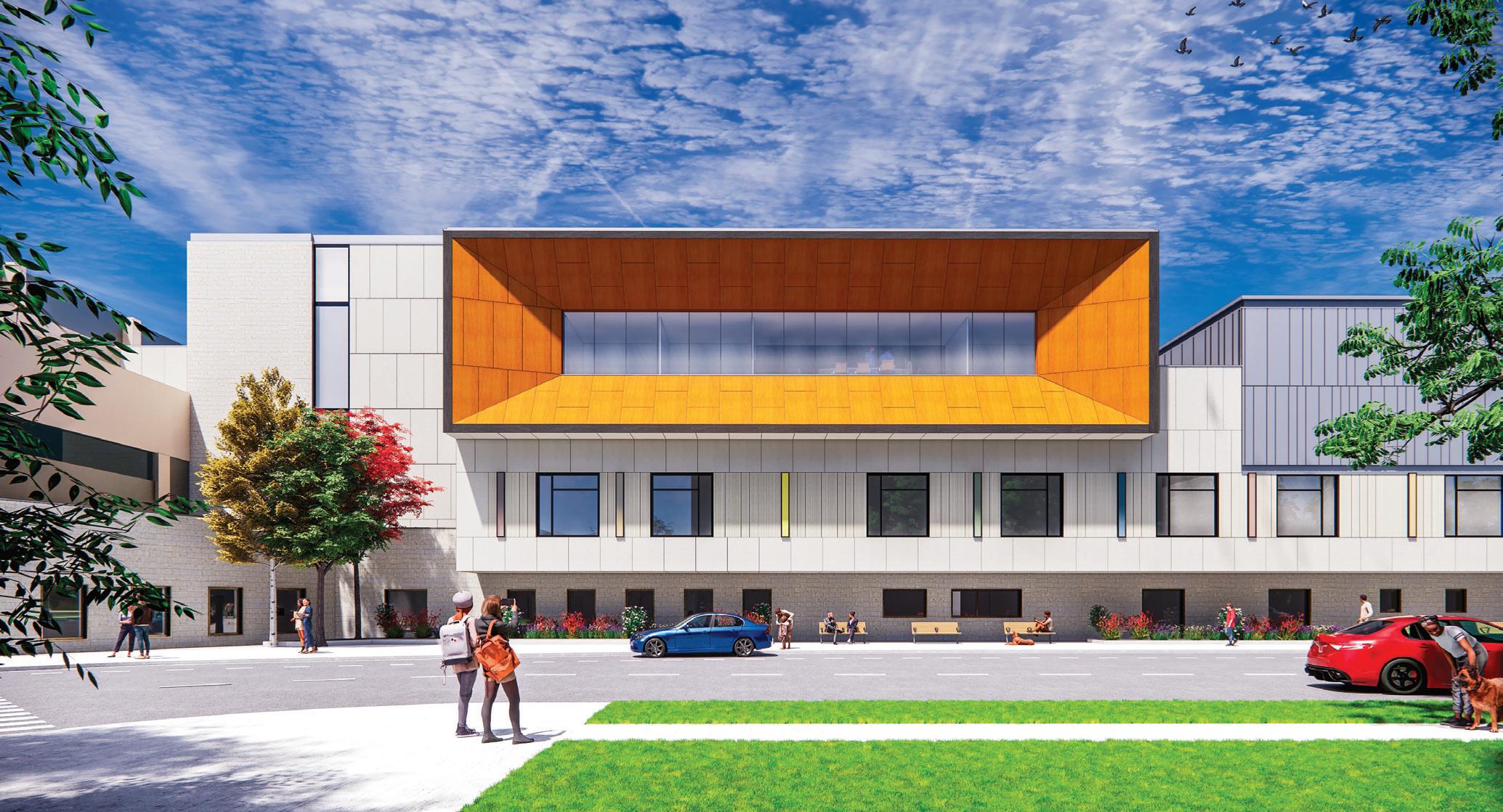
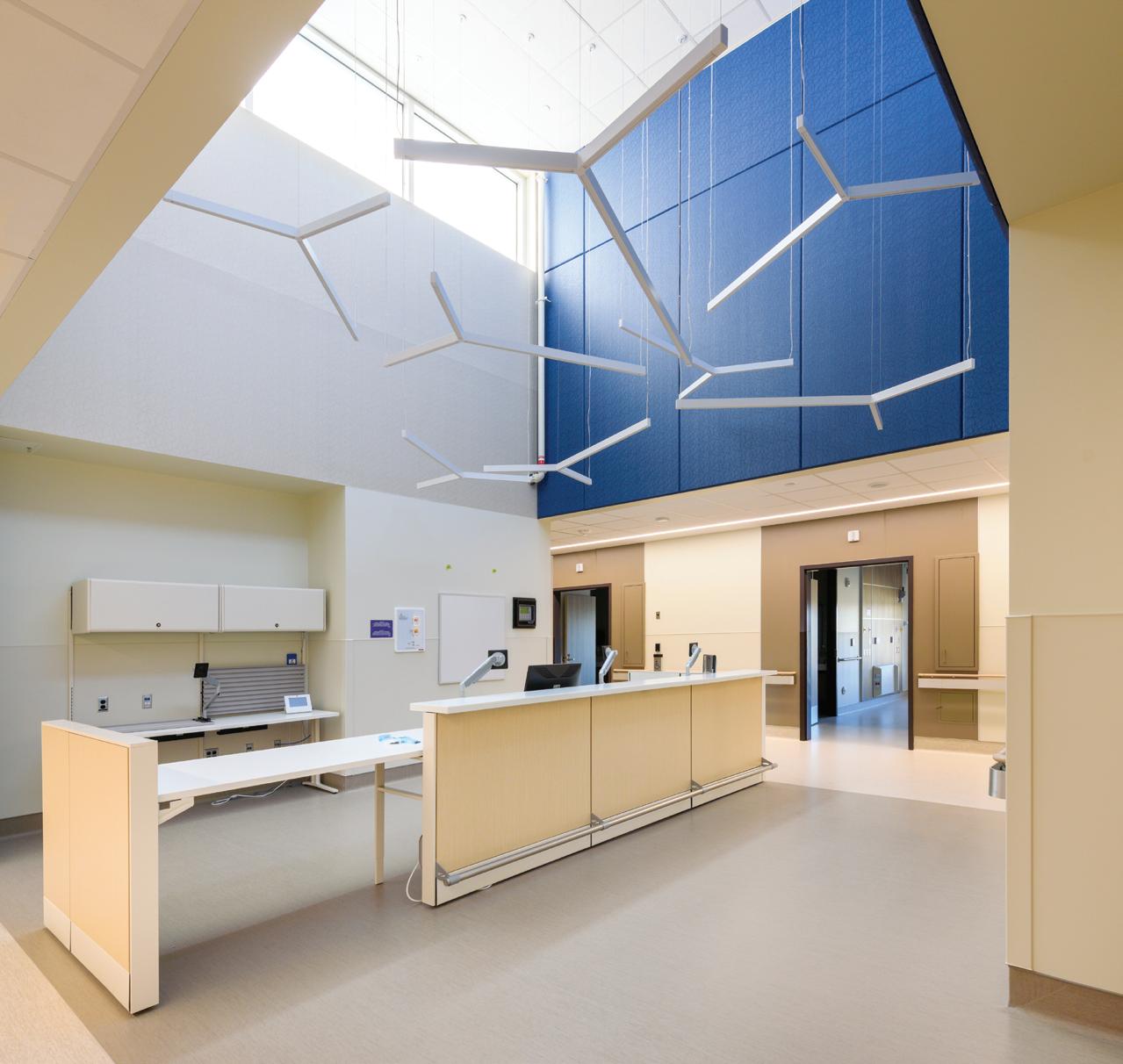
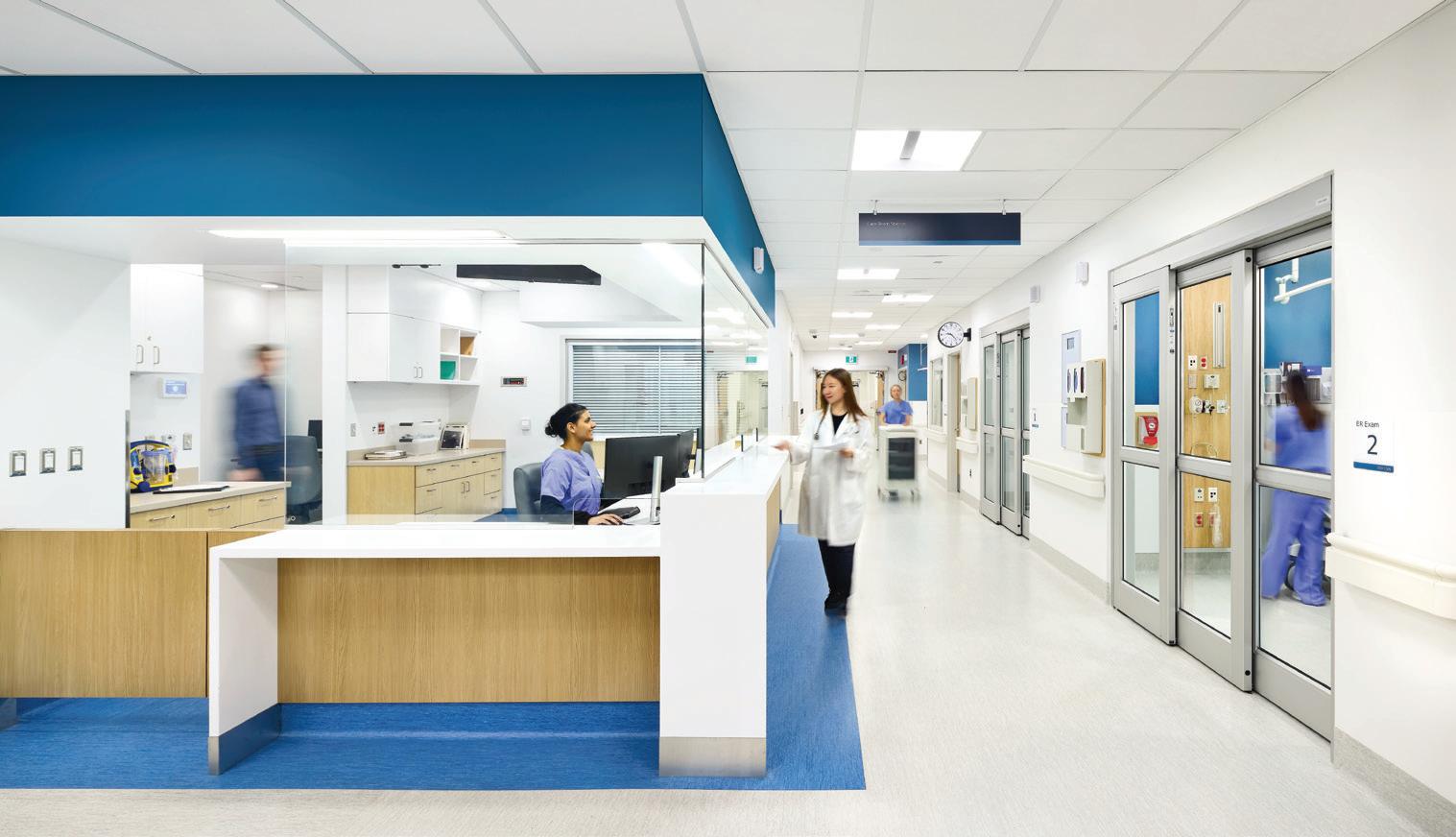
Countless project examples illustrate this approach. The Arthur J.E. Child Comprehensive Cancer Centre, for example, showcases how Dialog focused on the full continuum of care, from prevention and recovery to the experience during treatment. “For many people, this is one of the most dire and extreme moments in their lives. These environments can be extremely stressful, so we designed the whole thing from the perspective of giving hope,” Gomez-Palacio says.
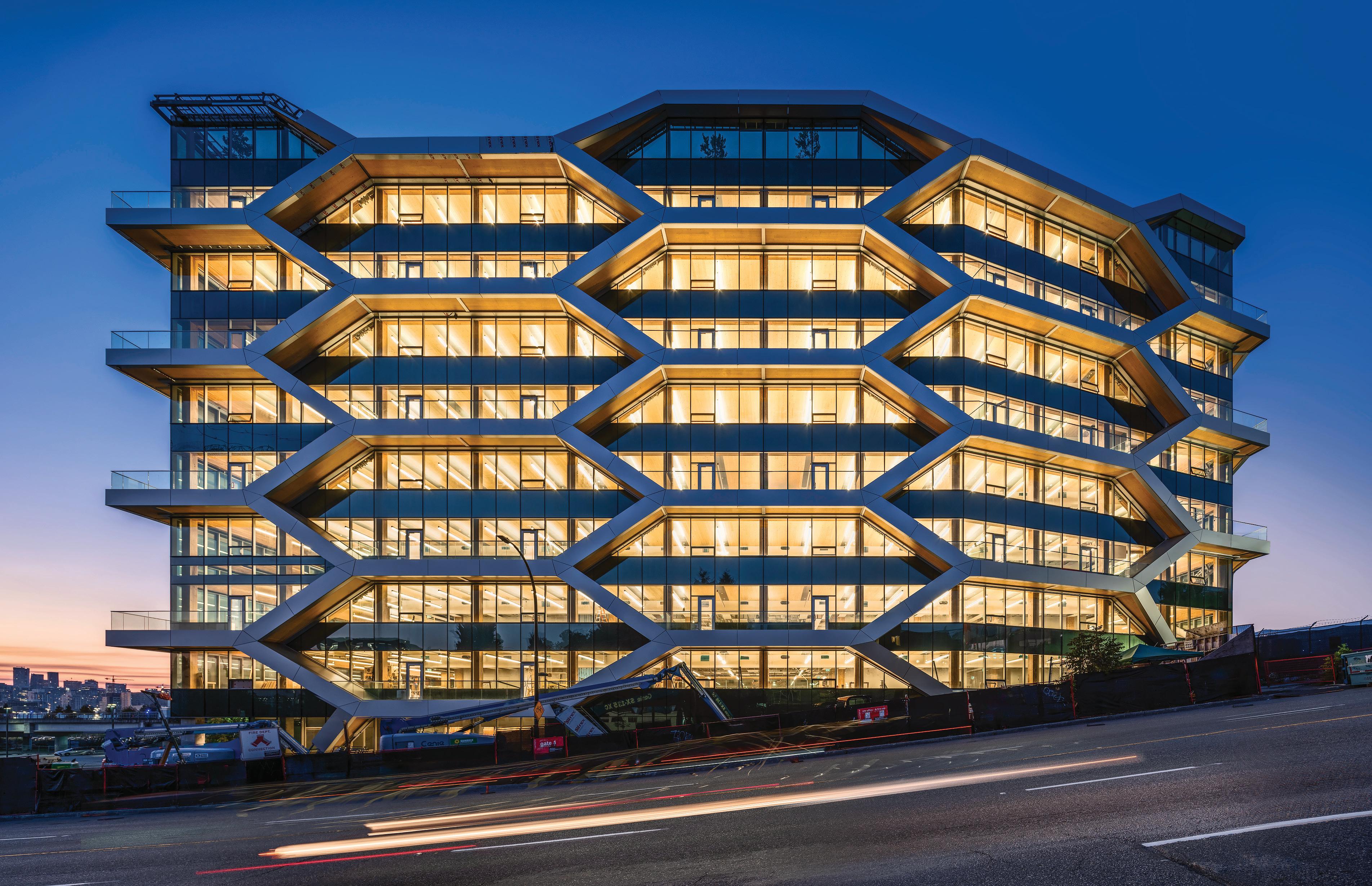
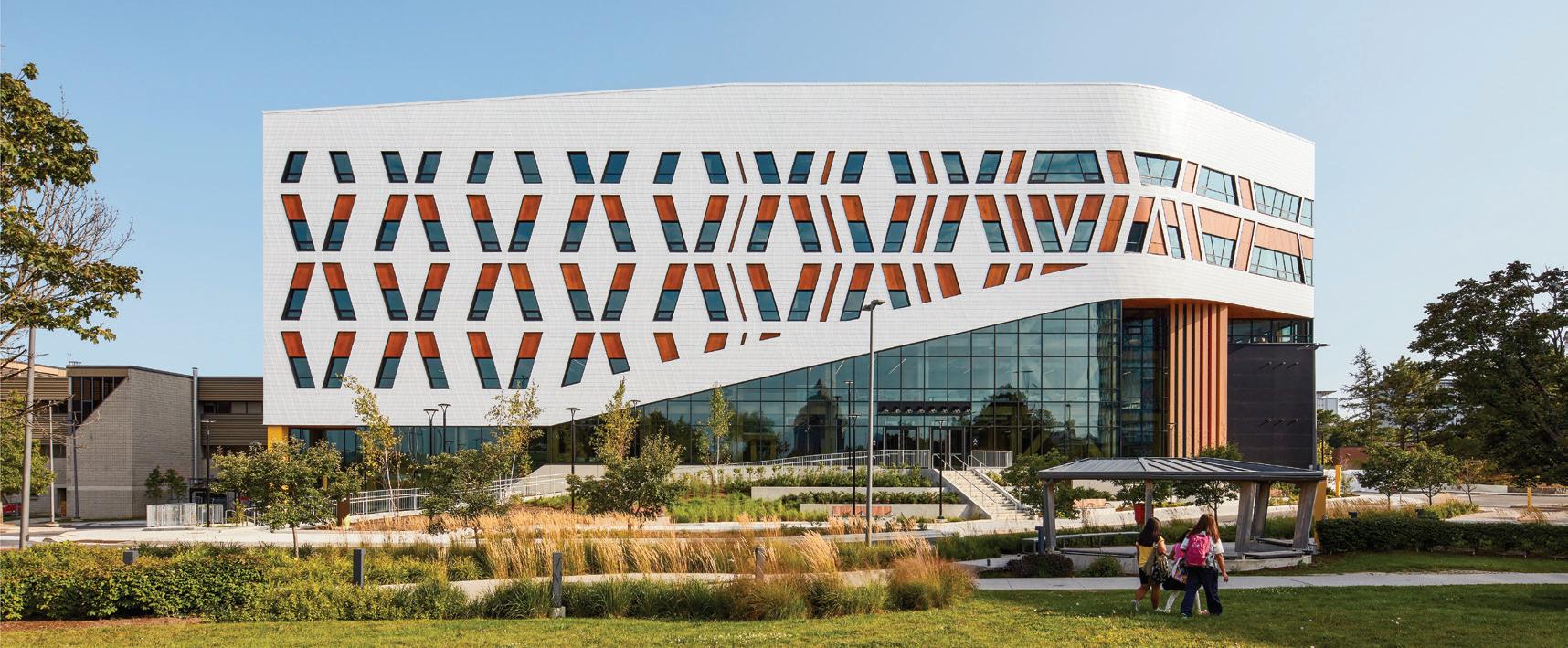
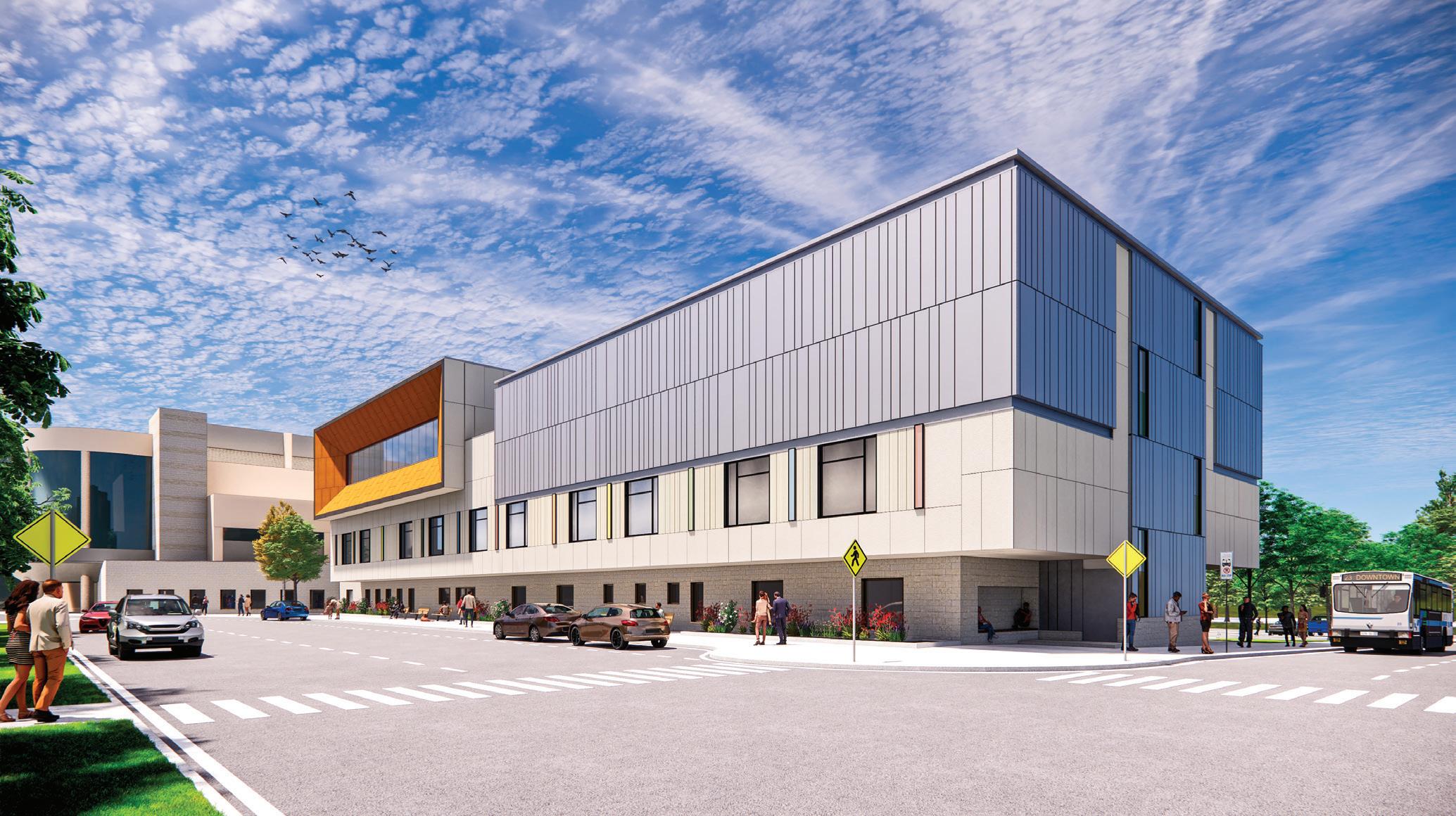
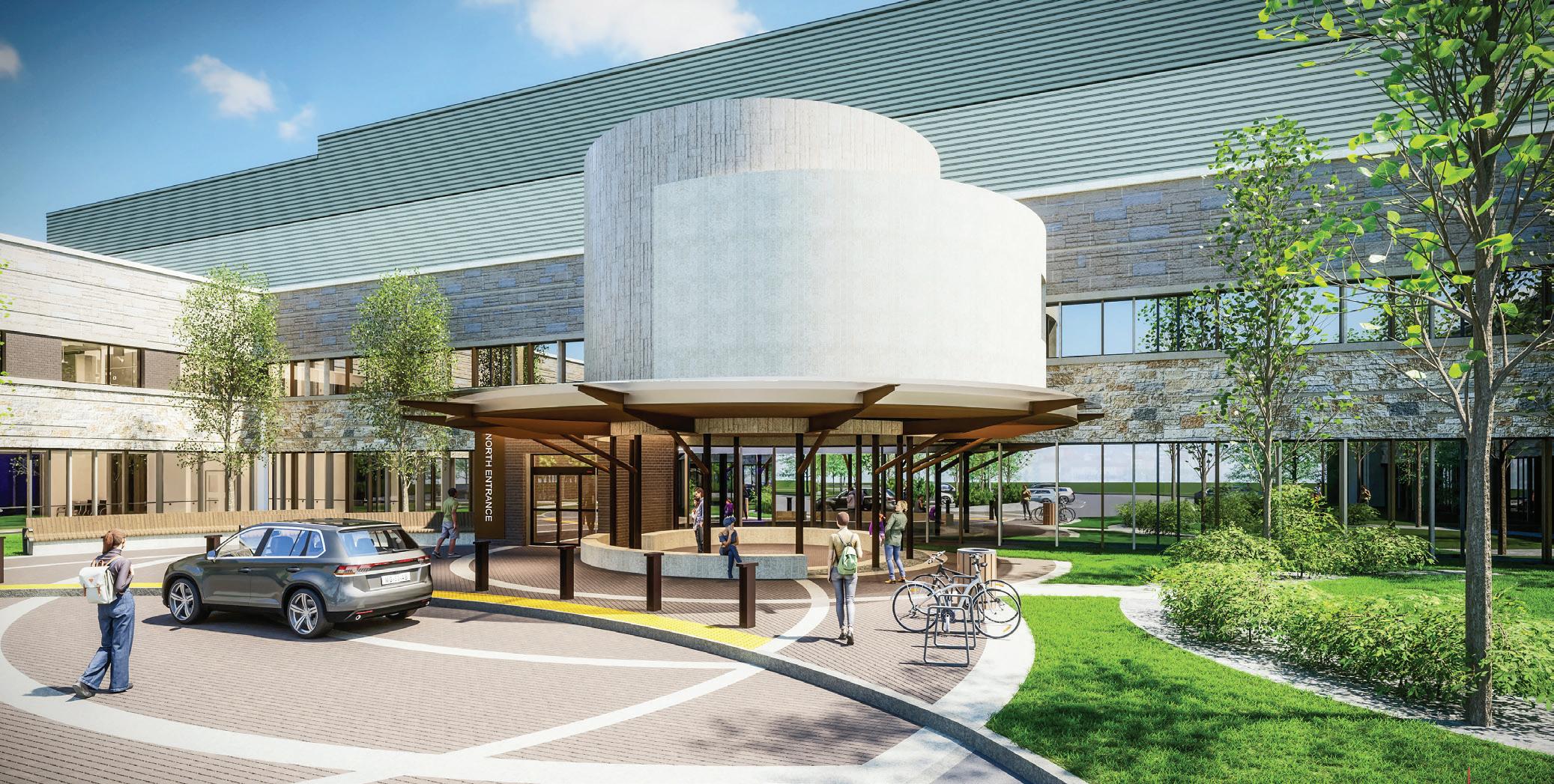
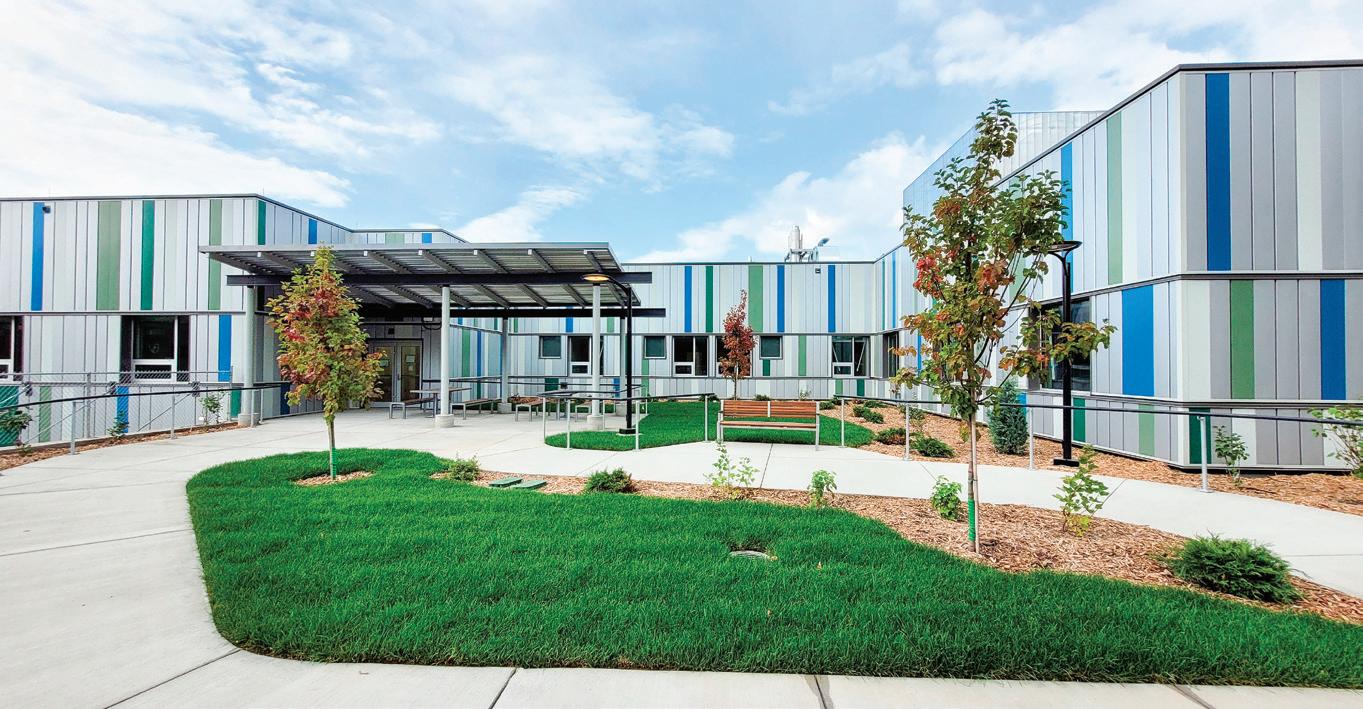
Another project is an addition to Centennial College’s Scarborough campus that serves students at a critical moment of self-discovery and preparation for societal integration. The building is designed with inspiration and inclusivity in mind. And in Vancouver, The Hive, a 10-storey, mass timber office building, is a great example as it pushes innovation. “We took the opportunity not just to push the envelope on sustainability from an environmental perspective, but also from a cultural and social perspective, which are often left aside in much
of the sustainability conversation,” Gomez-Palacio says. The design required full collaboration among architects, engineers, and specialists from the outset, resulting in a building that performs highly on environmental, structural, and social fronts, while providing a stimulating workspace.
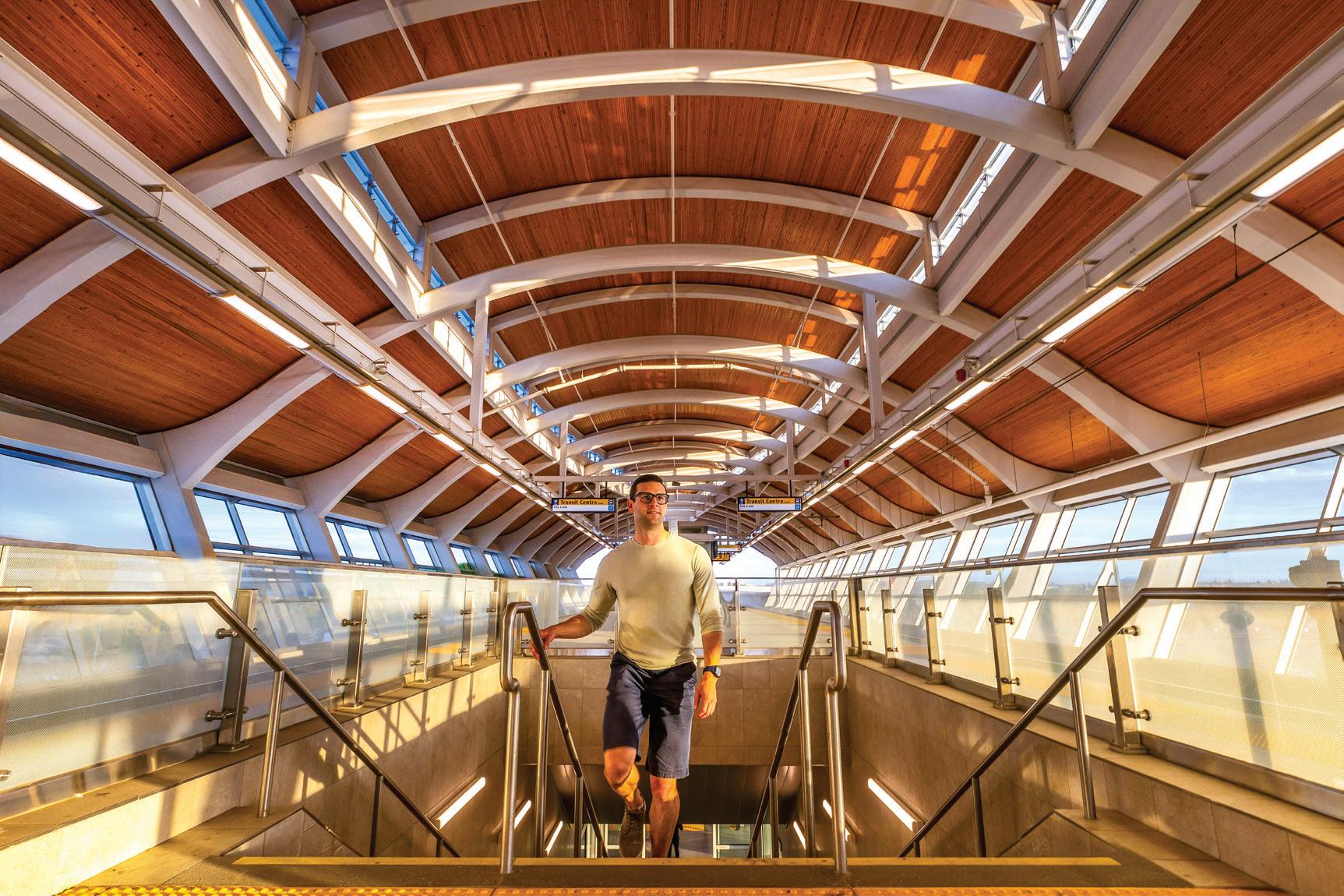
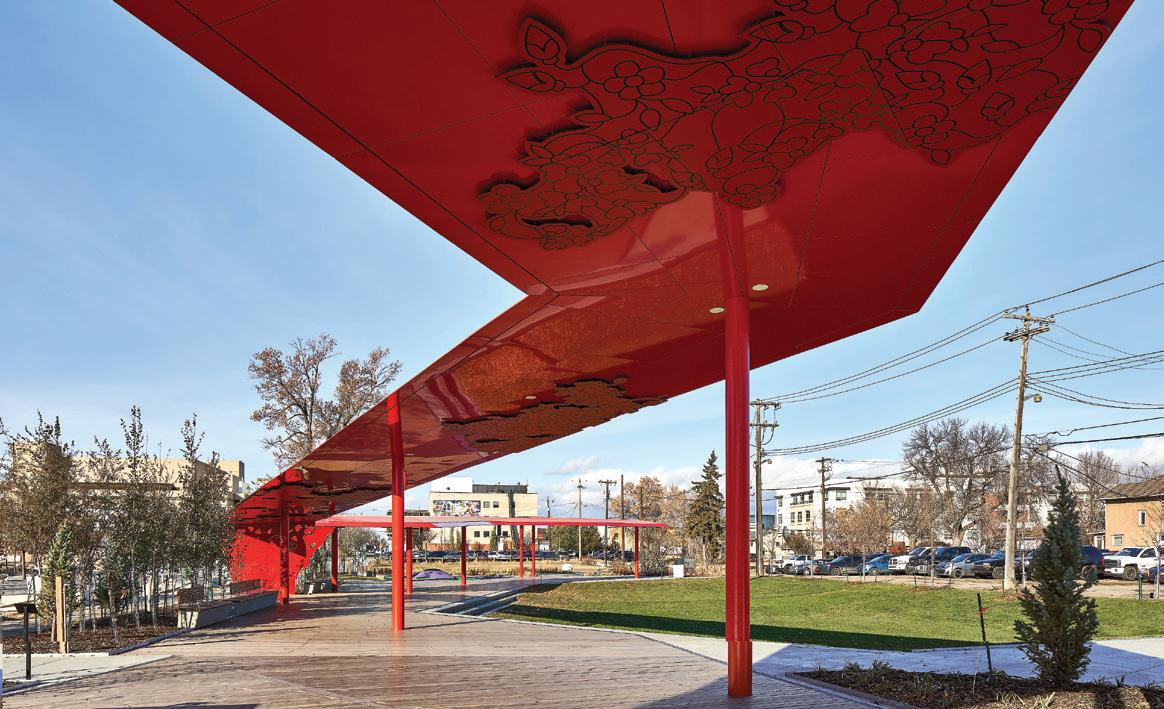
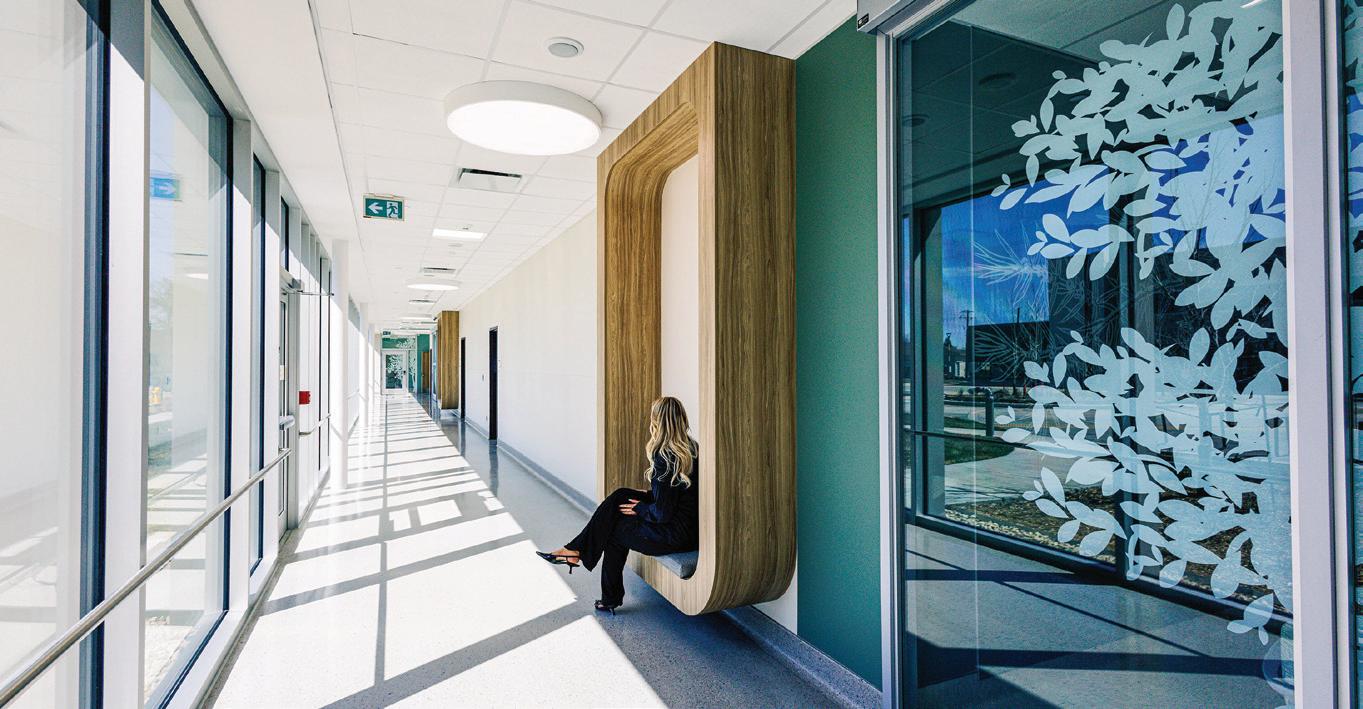
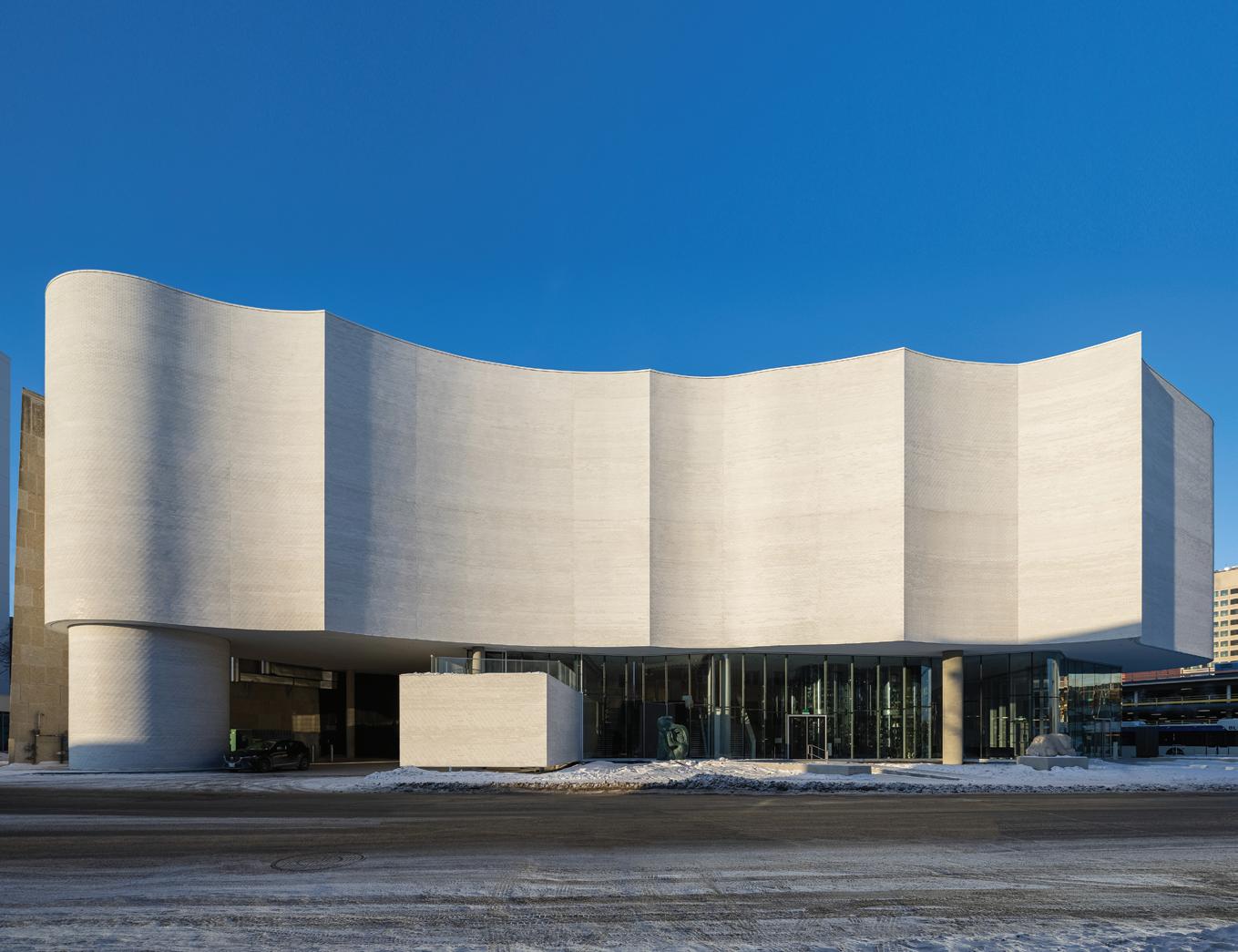
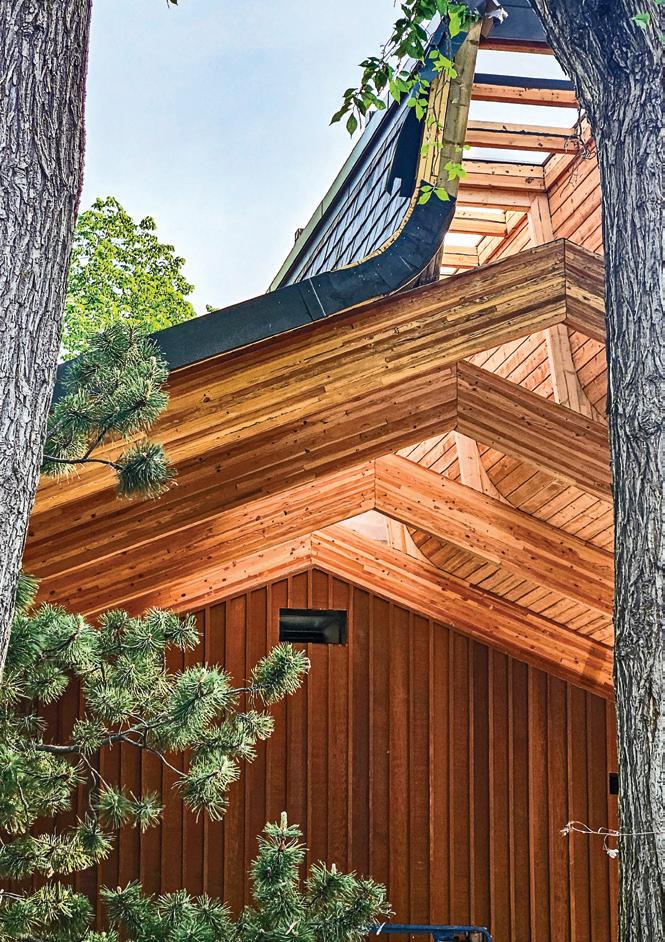
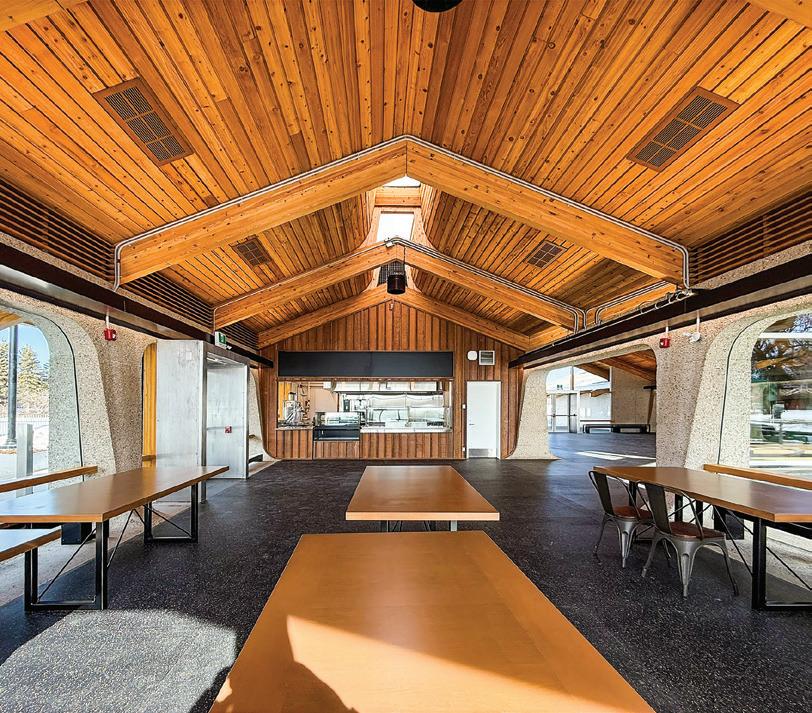
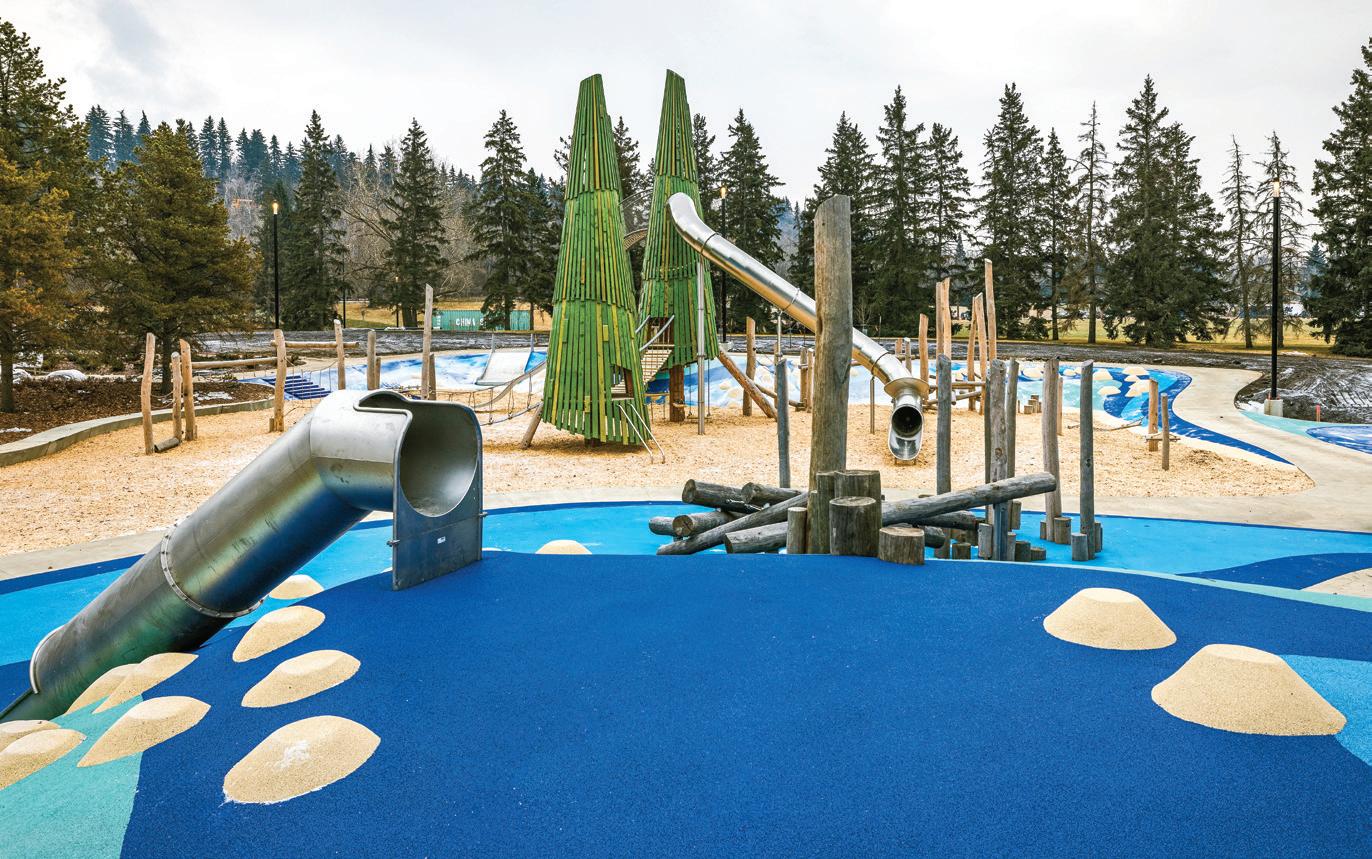
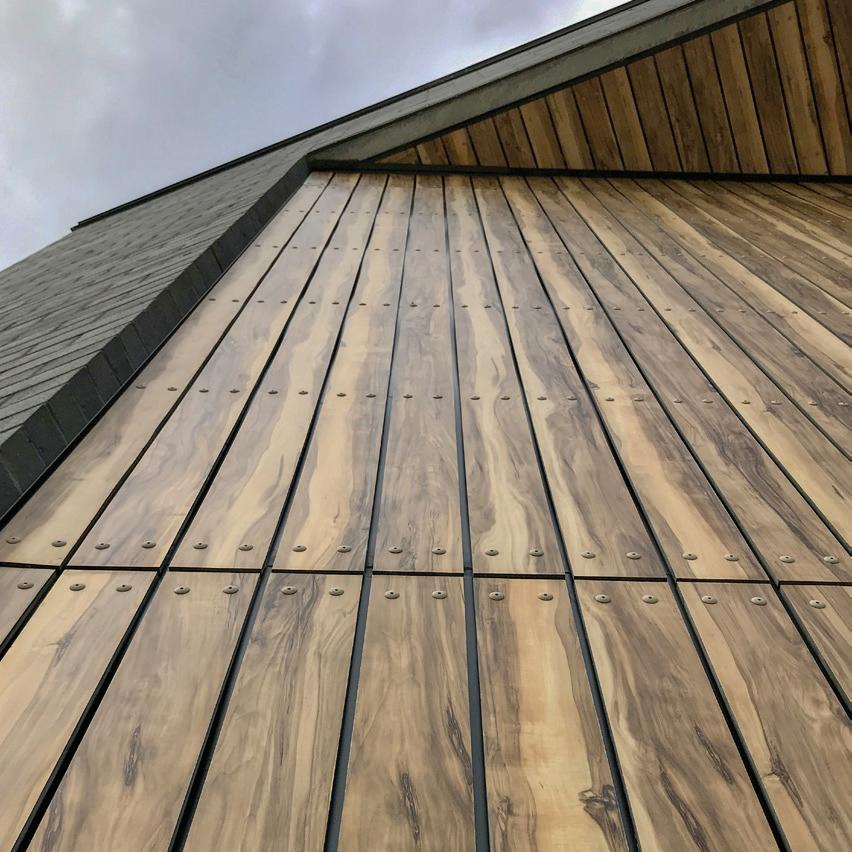
Other projects, like kinistinâw Park, became an exercise in reconciliation and healing, and transit projects such as the Valley Line LRT incorporated sustainable urban integration. “For the LRT we developed a standards document for the City that ensures design quality. It’s now used industry-wide and presented at conferences, showing how one project can influence broader practice,” he notes.
Today, Dialog employs 700 people across six studios – Toronto, Vancouver, Edmonton, Calgary, Ottawa, and San Francisco – and is a multi-disciplinary design firm specializing in architecture, engineering (structural, mechanical, electrical), interior design, planning, and landscape architecture. That scale and skillset enable them to take on all manner of projects and forge ahead with continued learning, as well as sharing findings with the greater industry.
Interestingly, the firm is structured as a partnership with no equity; each partner holds one share worth $1. “If the firm is ever sold, 100 percent of the proceeds go to charity,” explains Gomez-Palacio. “No one is here to build equity. We are stewards of the firm, tasked with carrying forward its legacy responsibly. There’s no cult of personality here, just a collective commitment to meaningful, impactful work that elevates communities, the environment, and the industry.”
So what does the future hold for Dialog, now? Gomez-Palacio explains that Dialog measures growth not by size but by maturity and understanding. “We focus on how we contribute to solving the big world problems. Our approach balances idealism with humility. It takes audacity to think we can impact climate change or social issues, but also humility to know no one can do it alone. Success depends on collaboration across the firm, the industry, and society.” A
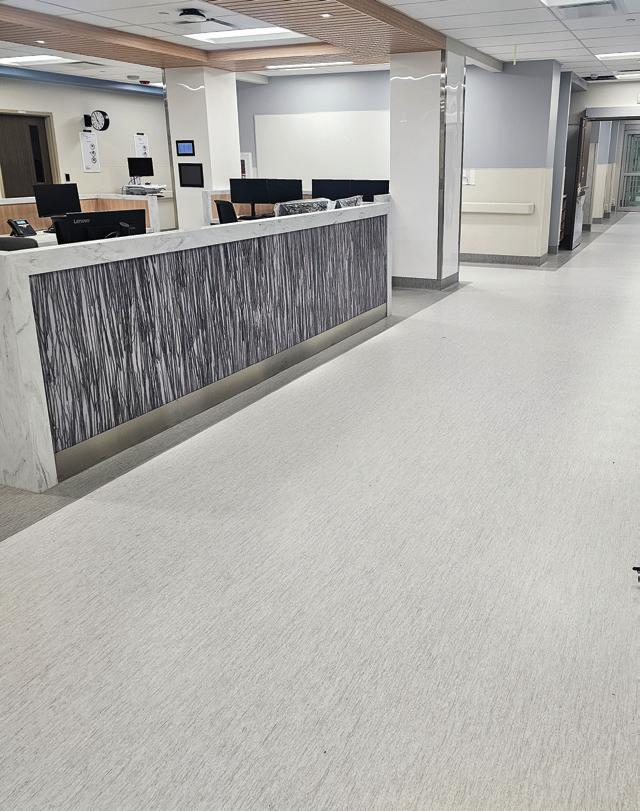
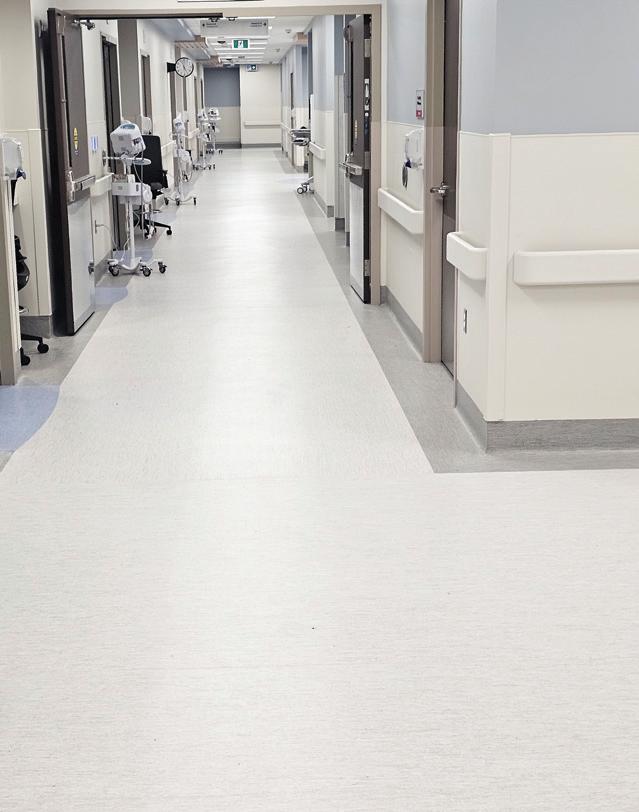
The Arthur J.E. Child Comprehensive Cancer Centre
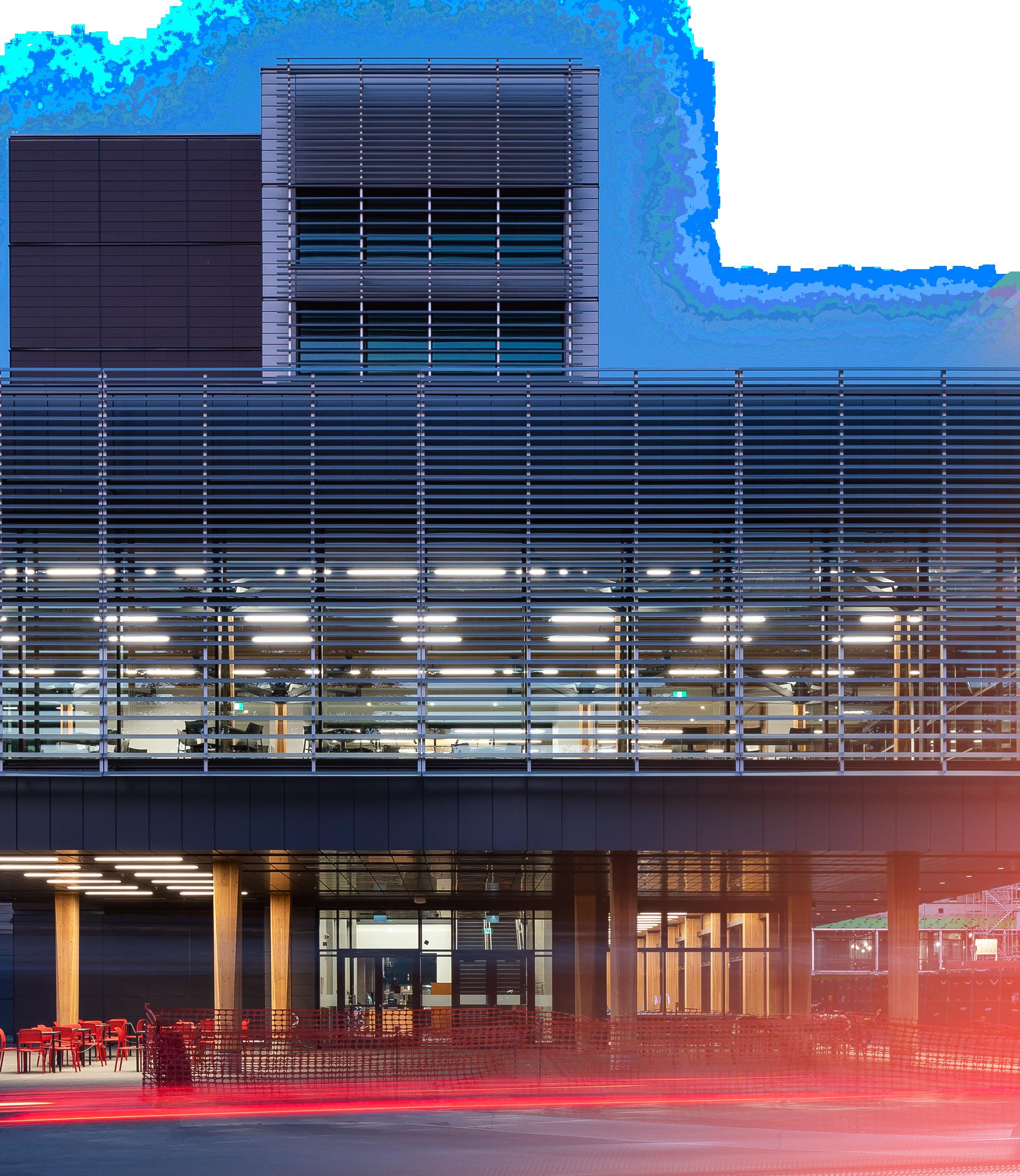
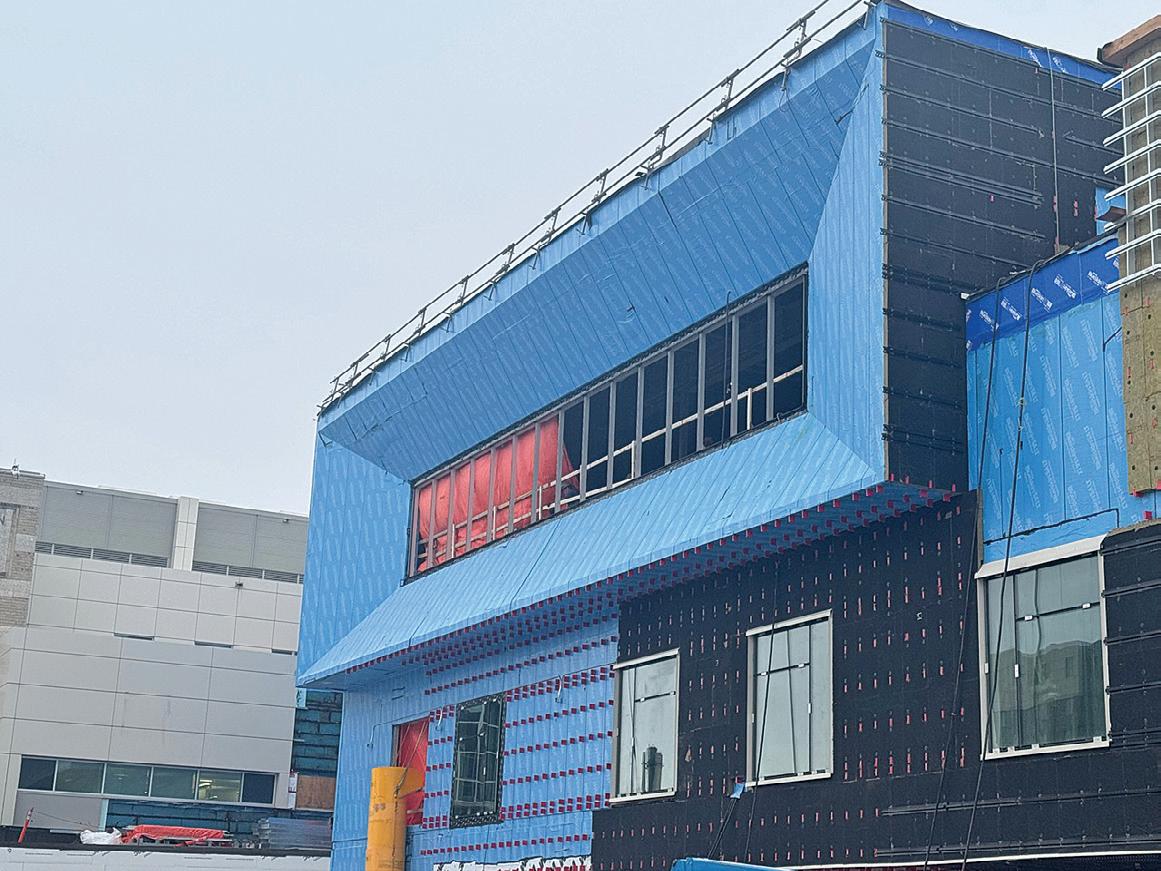
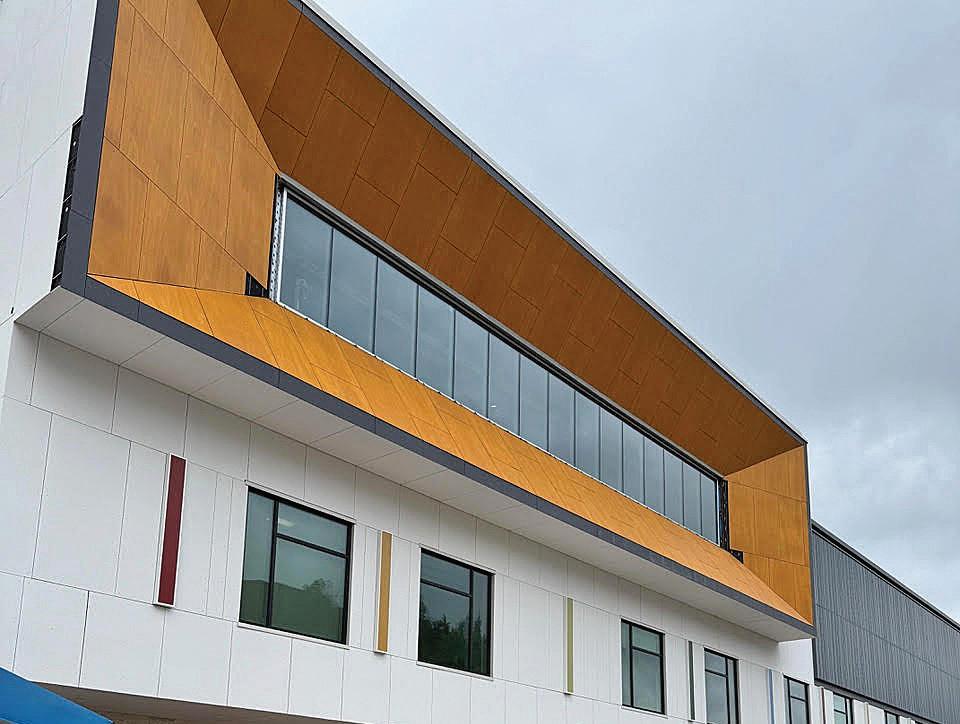
Centennial College A-Building Expansion
kinistinâw Park
Valley Line LRT
Build Faster. Build Smarter.
Build with Prefab Precast Concrete.
BUILD Faster. BUILD Smarter. BUILD with Prefab Precast Concrete.
BUILD Faster. BUILD Smarter. BUILD with Prefab Precast Concrete.
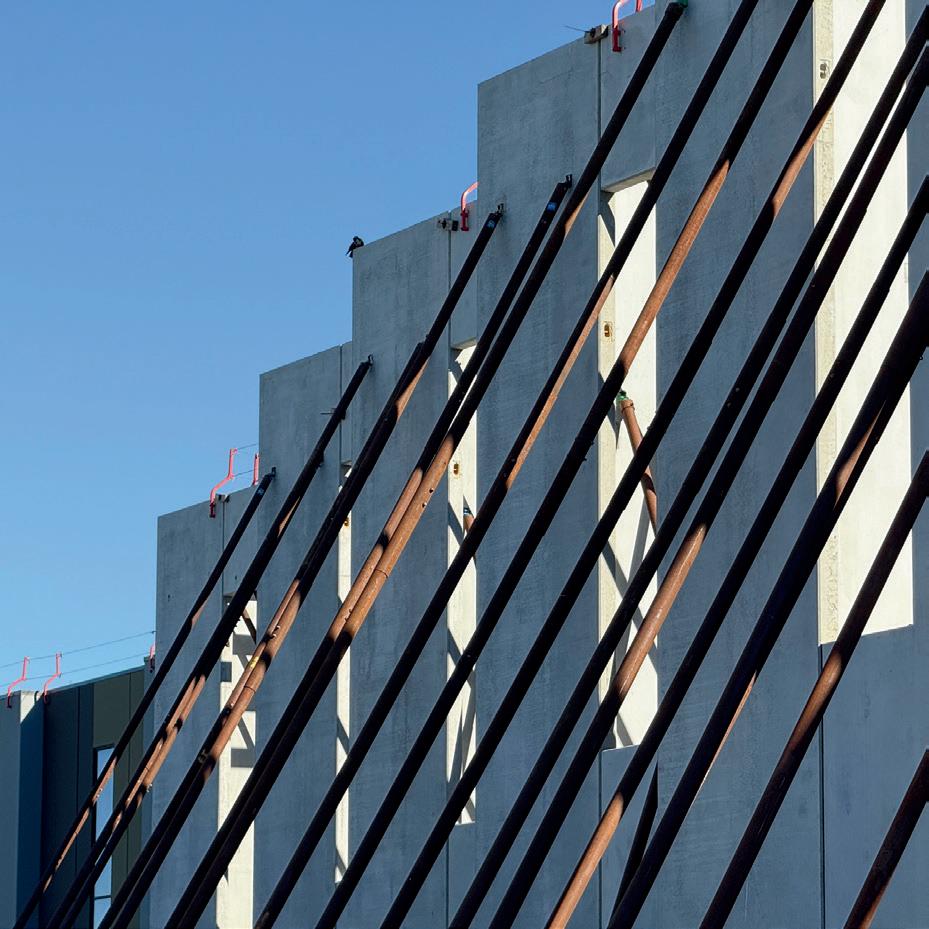
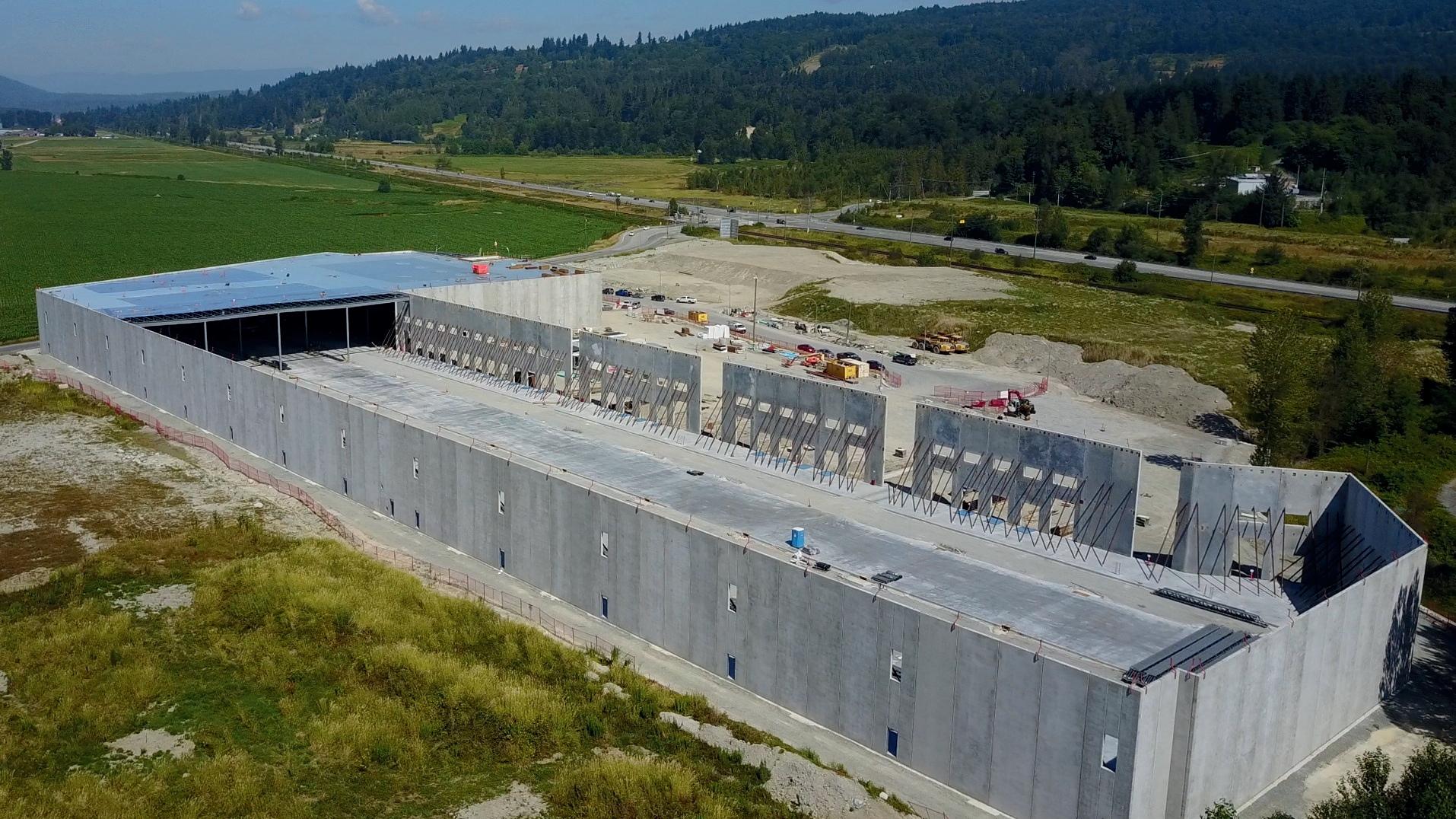
In response to Canada’s housing needs, prefab precast concrete provides a powerful solution. It is faster, durable, and cost-effective, as each component is made in a controlled environment. Prefab precast concrete offers superior quality, making it a resilient and sustainable approach to addressing Canada's mid to high–rise housing shortage.
Find out more about the benefits of using prefab precast concrete for your next project.
Precast Supplier: Eagle Builders LP | Photos courtesy of Eagle Builders LP For more information, visit: www.cpci.ca/publications or scan the QR Code.
info@cpci.ca | 877.937.2724
A Star Cast
Precast concrete cuts schedules and costs, not corners
by ROBIN BRUNET
In Canada, traditional construction, characterized by labour-intensive, on-site building, has long been the norm; but increasingly, builders are turning to offsite construction methods to deliver homes faster and at lower cost.
“Prefabricated precast concrete offers a compelling solution,” says Ariane Sabourin, communications director at the Canadian Precast/Prestressed Concrete Institute. “Its capacity to support yearround production, regardless of weather, makes it especially beneficial in Canada’s climate, where seasonal restrictions can delay traditional construction.”
Sabourin goes on to note that “by producing components in a controlled factory environment, precast systems ensure consistent quality and minimal downtime. Once associated primarily with infrastructure and below-grade construction, precast concrete is now increasingly applied in low- and mid-rise apartment buildings, hotels, long-term care and nursing homes, and institutional and mixed-use developments.”
Further, Sabourin cites a McKinsey & Company study showing that modular construction, supported by systems such as precast concrete, can cut overall construction timelines by 20 to 50 percent: “This is mainly because off-site manufacturing can occur simultaneously with on-site preparations, making the entire building process more efficient.”
Katherine Klosowski-Blatz, executive director of AltusGroup, shares her thoughts about the state of the precast concrete market in Canada and her company’s involvement in it.
She says, “AltusGroup member companies in Canada and the U.S. report continued interest from architects and the building team in CarbonCast High Performance Insulated Wall Panels with carbon fibre grid wythe connectors to provide continuous insulation required for energy savings and to meet energy codes. Sectors seeing strong interest include data centres, logistics and warehouse facilities, multifamily residential [including student housing], and government and institutional structures.”
Klosowski-Blatz adds, “Our precasters have also been working on new processes for simplifying the installation of windows into precast, which can reduce jobsite labour, improve envelope erection speed, and improve safety. We are working with leaders in the window market to create design and manufacturing efficiencies that will translate to real benefits for the building team.
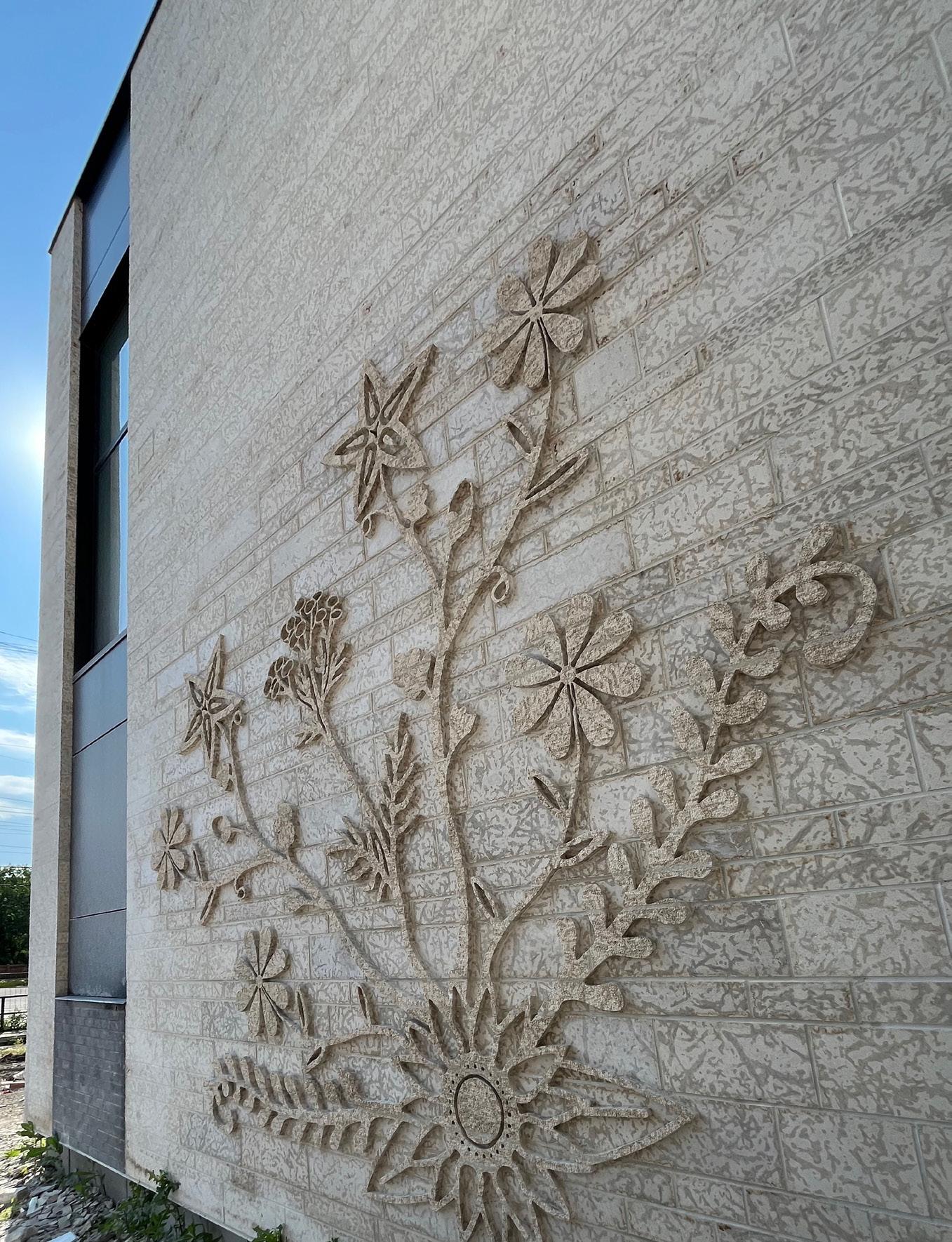
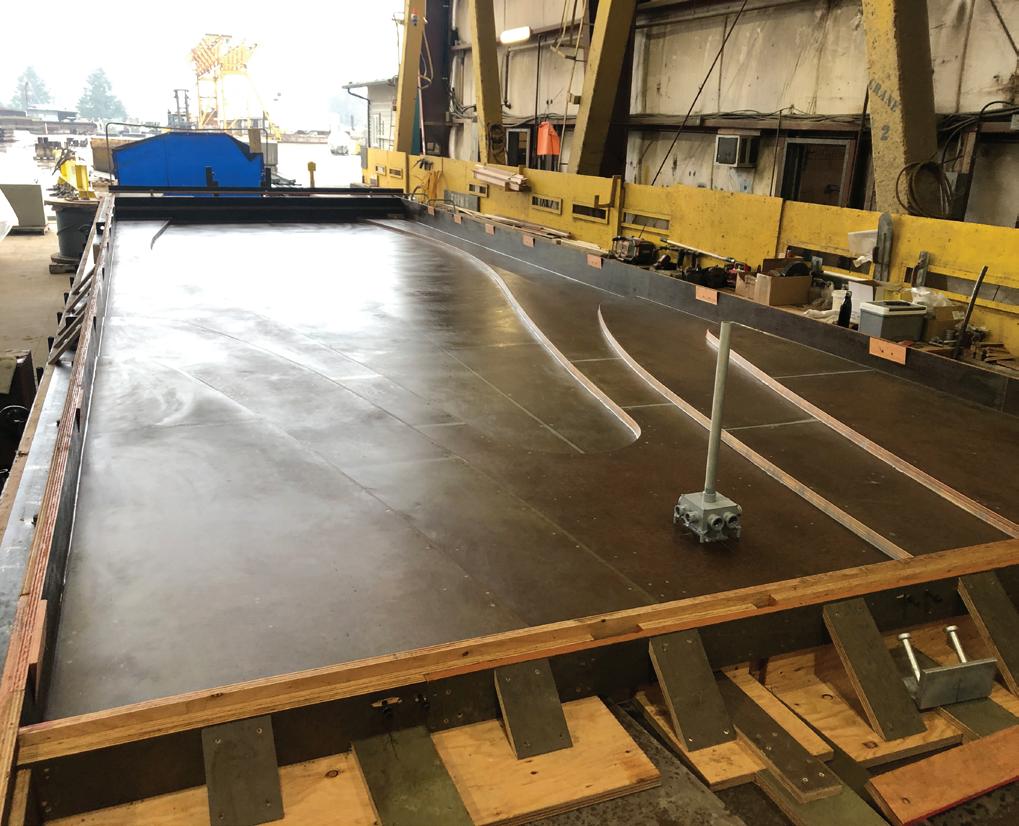
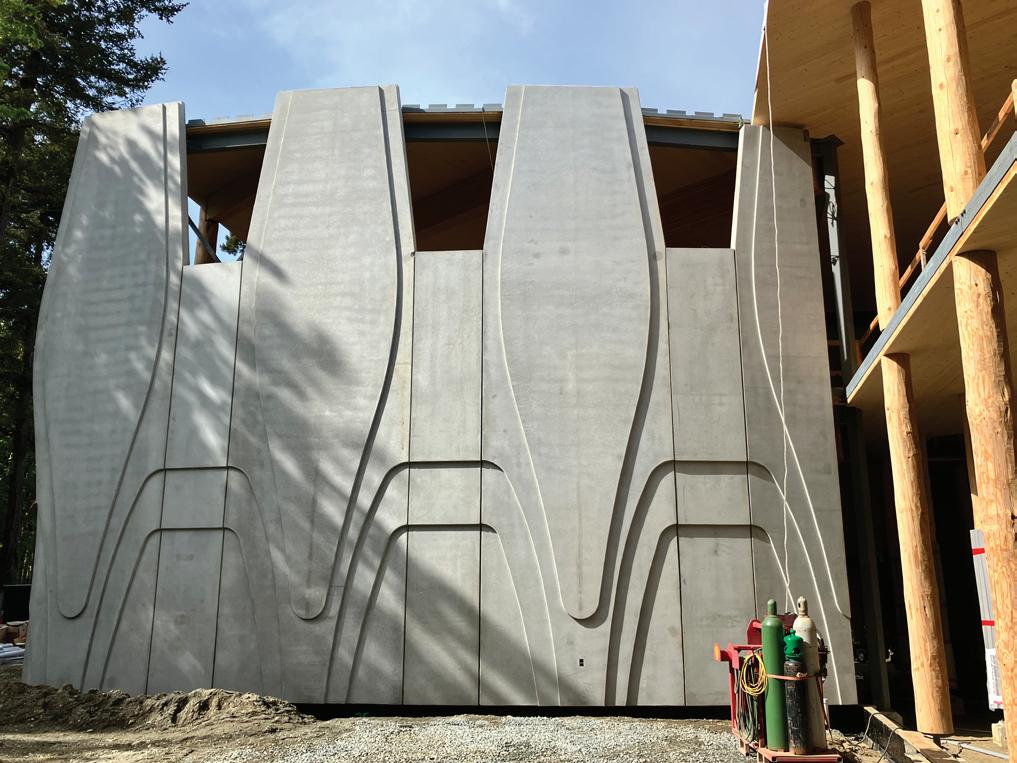
“Additionally, we are working with our partners on expanding the market availability and utility of ultra-high-performance concrete [UHPC] to reduce the weight of insulated precast wall panels, and as an alternative to other rainscreen systems. UHPC is a versatile material that combines exceptional durability with remarkable aesthetic freedom, especially with intricate designs, relief, and articulations. The North American market is open to new technologies that meet modern demands, and our precasters are collaborating to innovate.”
Lodestar Structures Inc.’s success in advancing industrialized construction methods that combine precast concrete engineering with modular
design is such that they are being adopted not just in Canada and the U.S. but as far away as Africa and Australia. “The initial intent for our modular solution was to target precast companies, but developers have since expressed interest in multiple countries,” says Phillip Searles, who oversees the international network of licensed manufacturers.
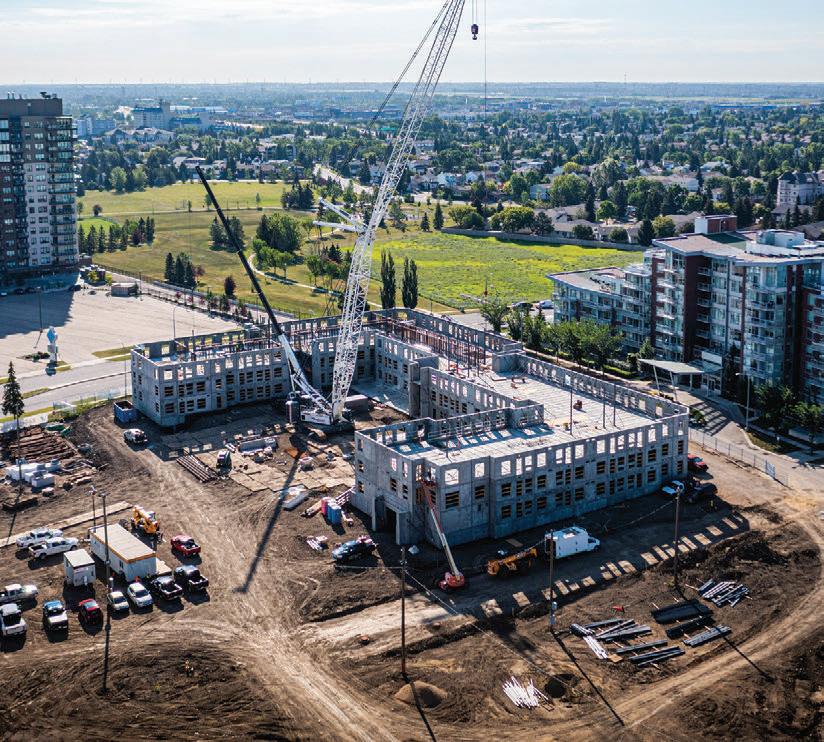
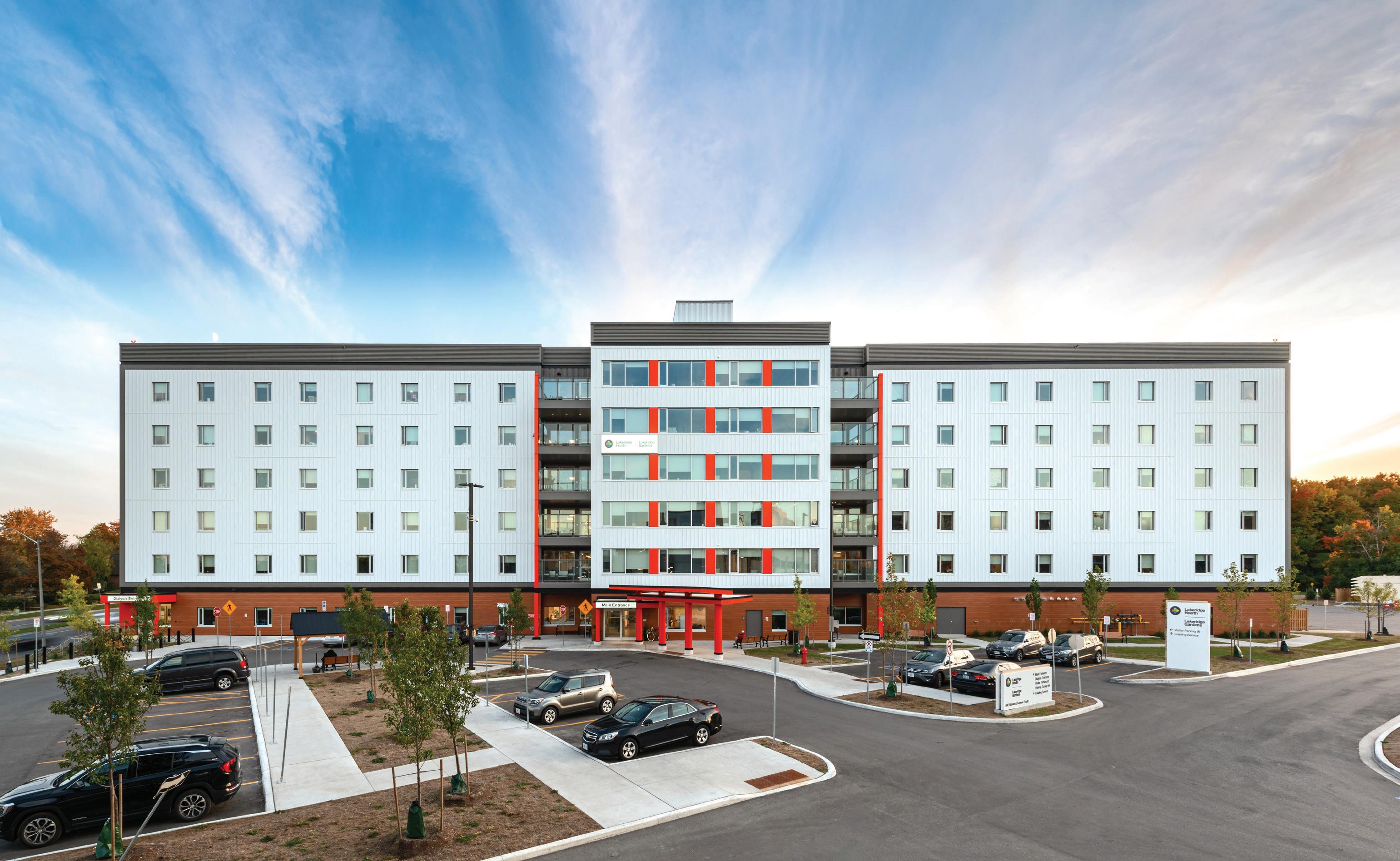
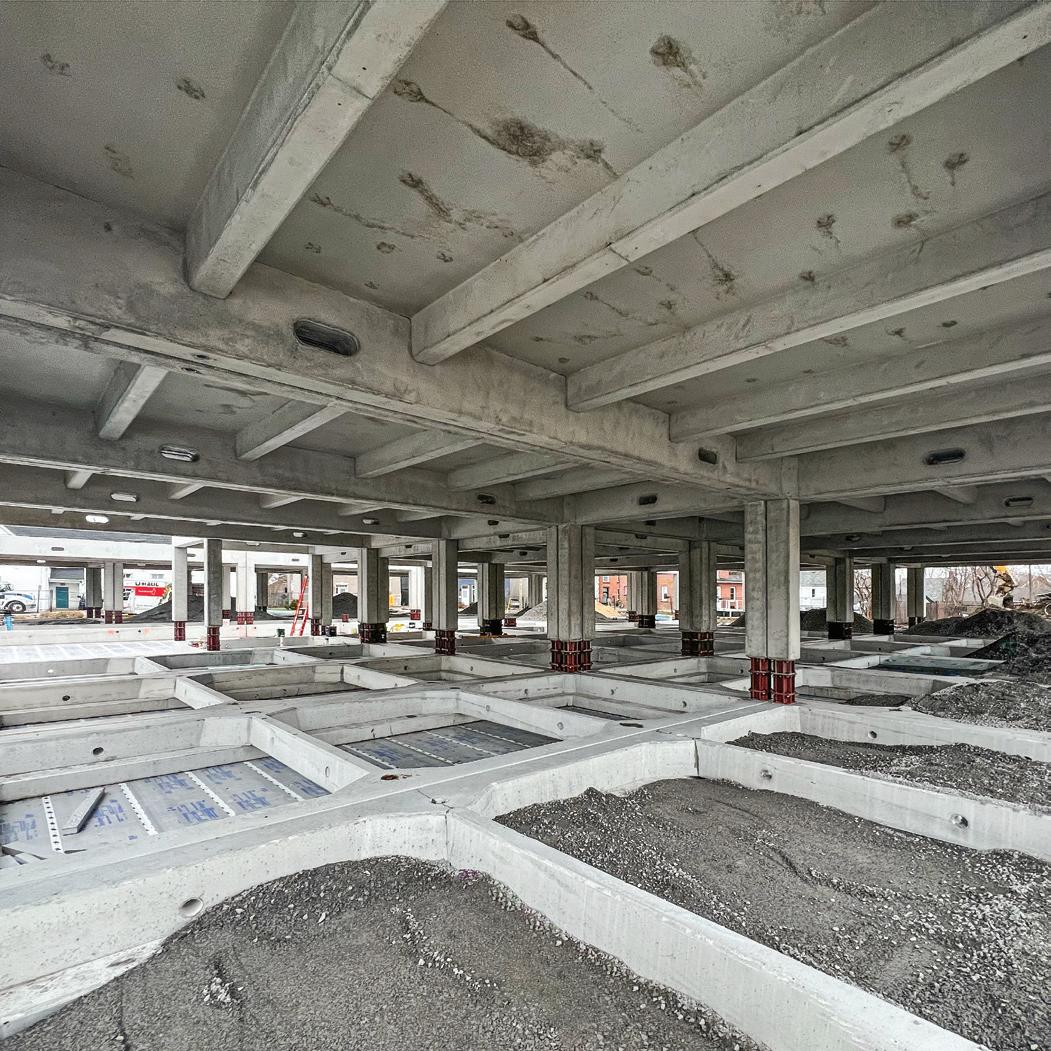
Lakeridge Gardens long-term care home in Ajax Ontario utilising precast concrete as the main structural material.
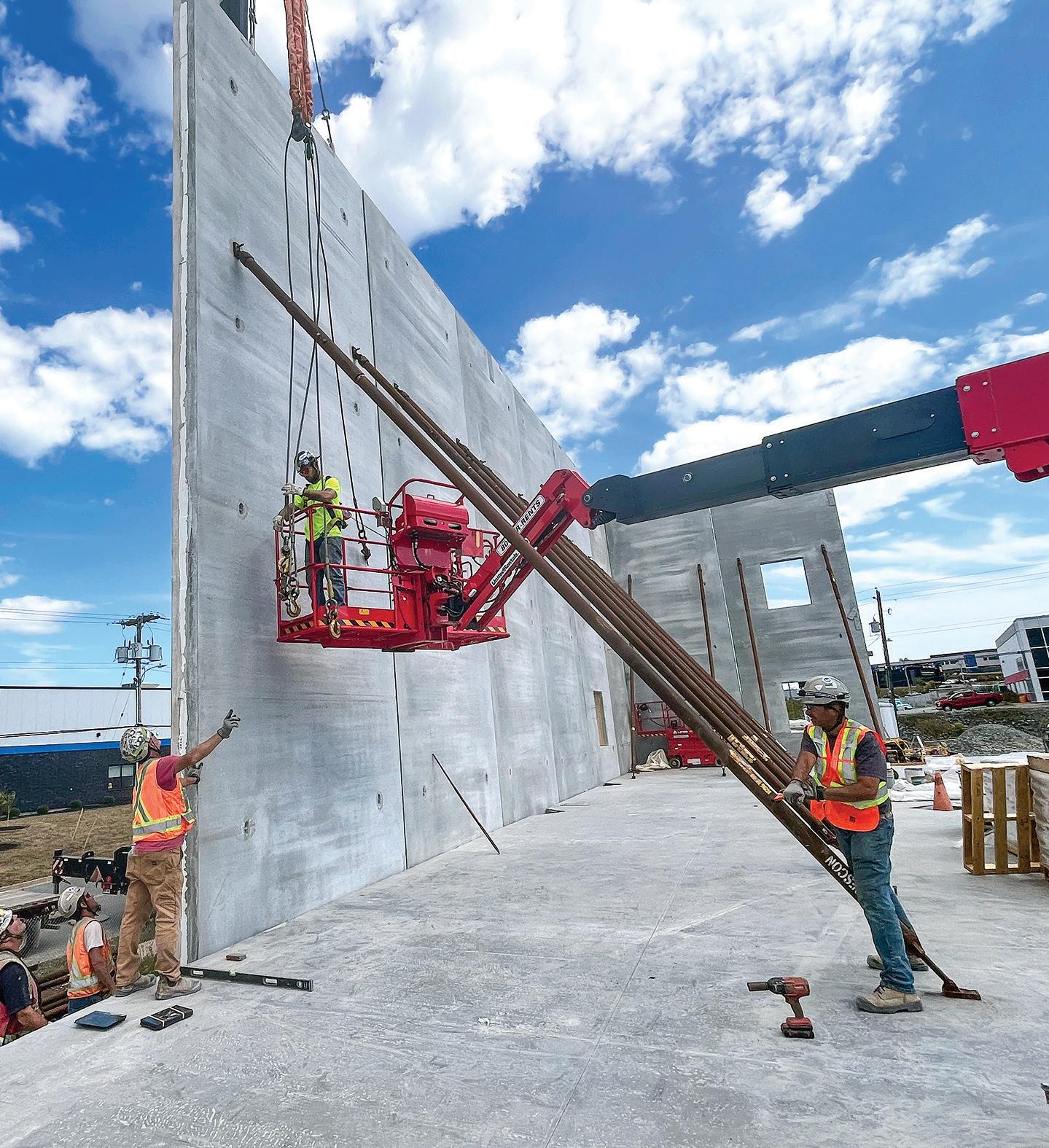
Installation of CarbonCast insulated wall panels.
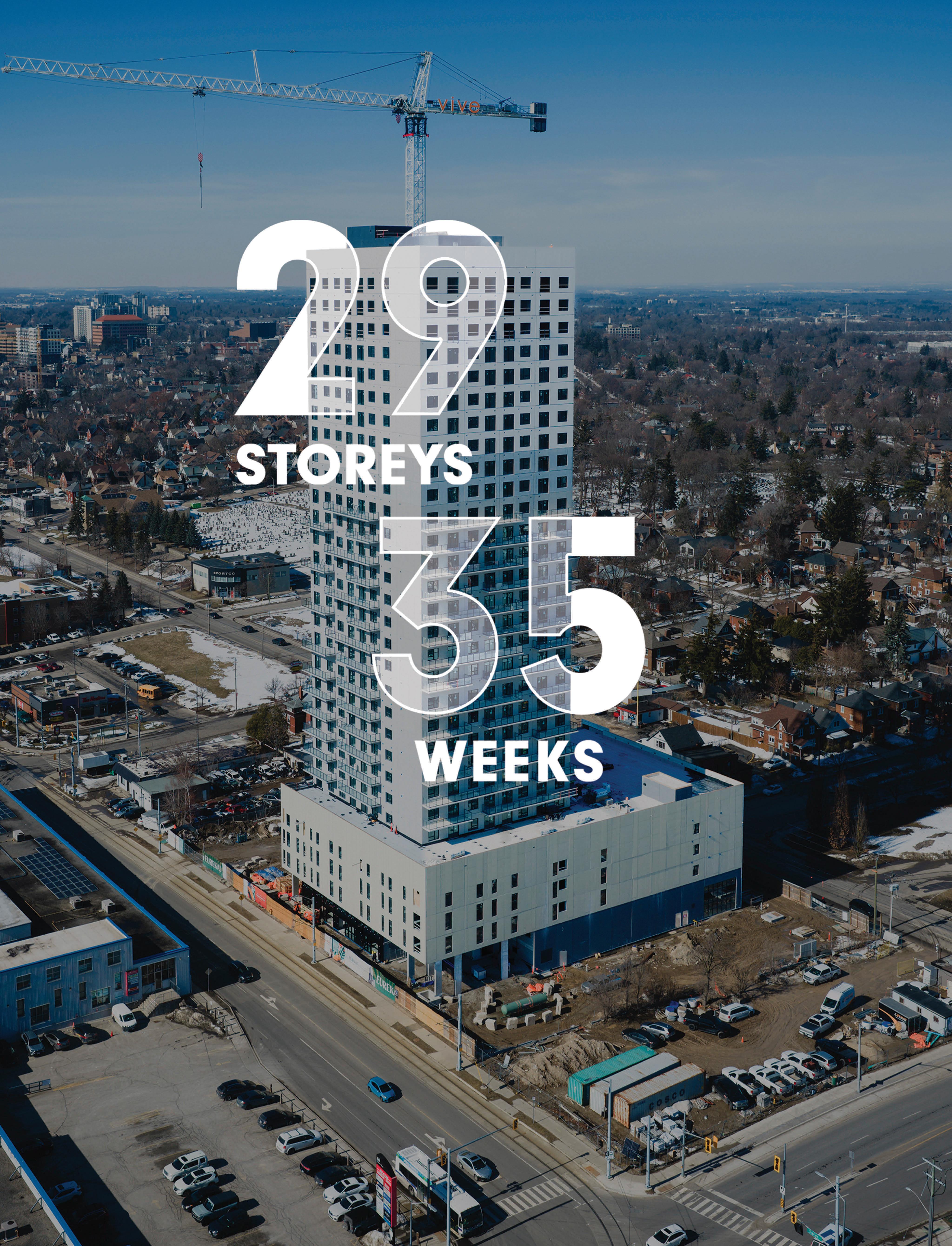
A 29-storey, 267-unit apartment build completed in just 35 weeks using our Total Precast Building Solution. Over 203,000 sq/ft installed with speed, precision, and a design ready for future expansion.
This is efficient, scalable construction.
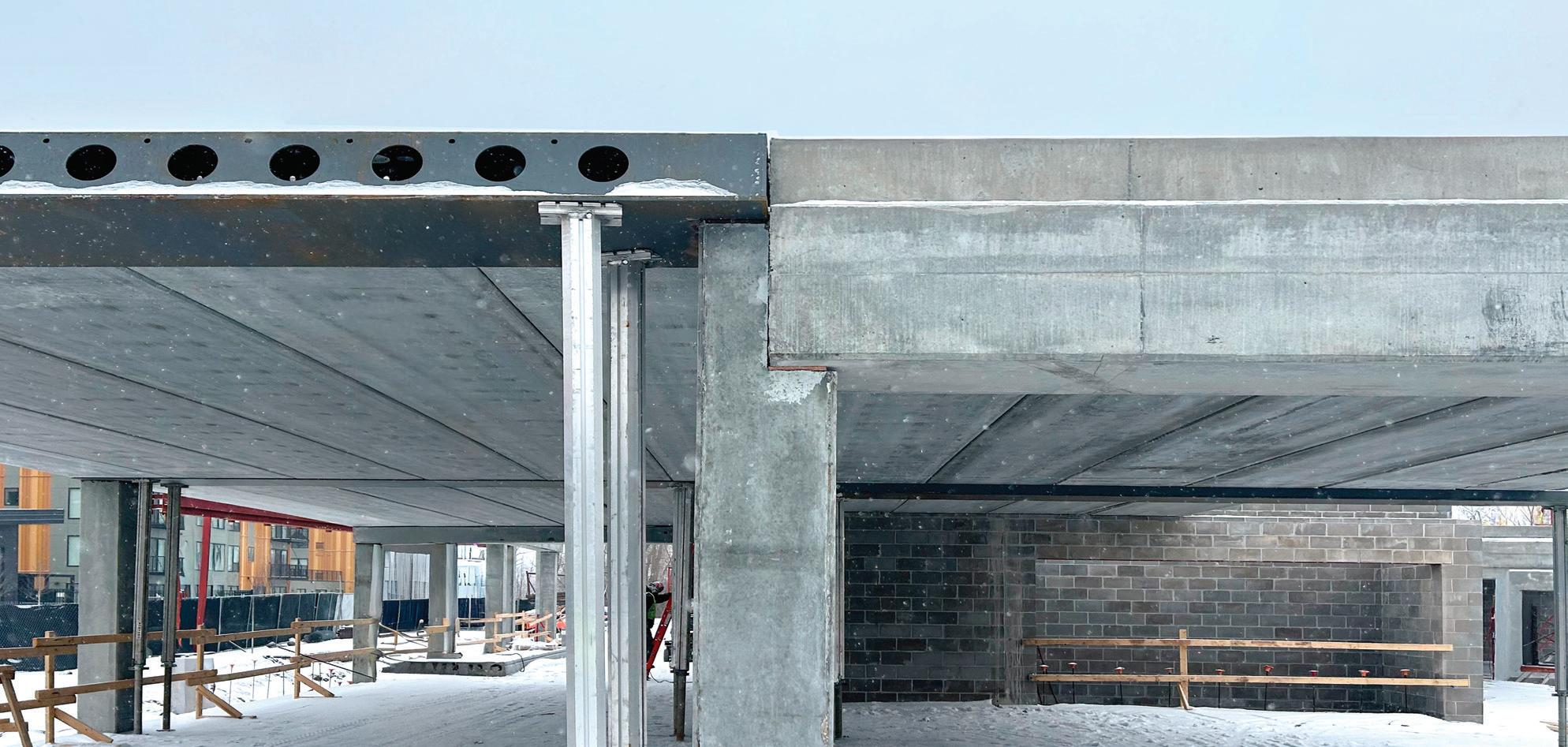
Searles explains that the primary component in the Lodestar building system is designed around a structural module that integrates precast columns, floor systems, and roof components into a single engineered structural building unit. These units are manufactured in precast facilities and transported to site, where they are assembled vertically and horizontally to create complete structures.
This approach shifts a significant portion of construction activity from the jobsite to a controlled manufacturing environment; risks associated with weather delays are nullified, quality control is improved, and installation time is significantly shortened compared with conventional building methods.
“Construction rates for projects built with our system are thousands of square feet of construction completed in hours rather than weeks,” Searles says.
Architecturally, the system supports conventional building envelopes including masonry, siding, curtain wall, or other façade systems, allowing designers to maintain aesthetic flexibility while benefiting from a modular structural core. This makes it desirable for everything from multi-unit residential housing and commercial applications to institutional and rapid-deployment infrastructure.
“One of several projects where we expect Lodestar to be chosen as the preferred building system is a nationwide housing initiative for Canada’s military. With Ottawa investing $3.7 billion to deliver 7,500 new living units across bases from Vancouver Island to Halifax, Lodestar is ideally positioned to meet the program’s demands for speed, durability, and cost certainty,” Searles says.
Stubbe’s Precast is another company dedicated to helping solve Canada’s chronic housing shortfalls. It is doing so via FastTrack, whereby the entire building structure including walls, floors, balconies, and stairs, is manufactured in Stubbe’s Ontario facility and assembled with precision on location. This integrated process shortens timelines by nearly half, reduces risk, and provides the kind of cost certainty that today’s market demands.
Because Stubbe’s designs, engineers, and produces all precast components in-house, the company controls every stage of production. Projects face fewer delays, fewer co-ordination issues, and
far less risk of cost overruns. Municipalities benefit from simplified inspections, while developers enjoy faster occupancy and quicker returns.
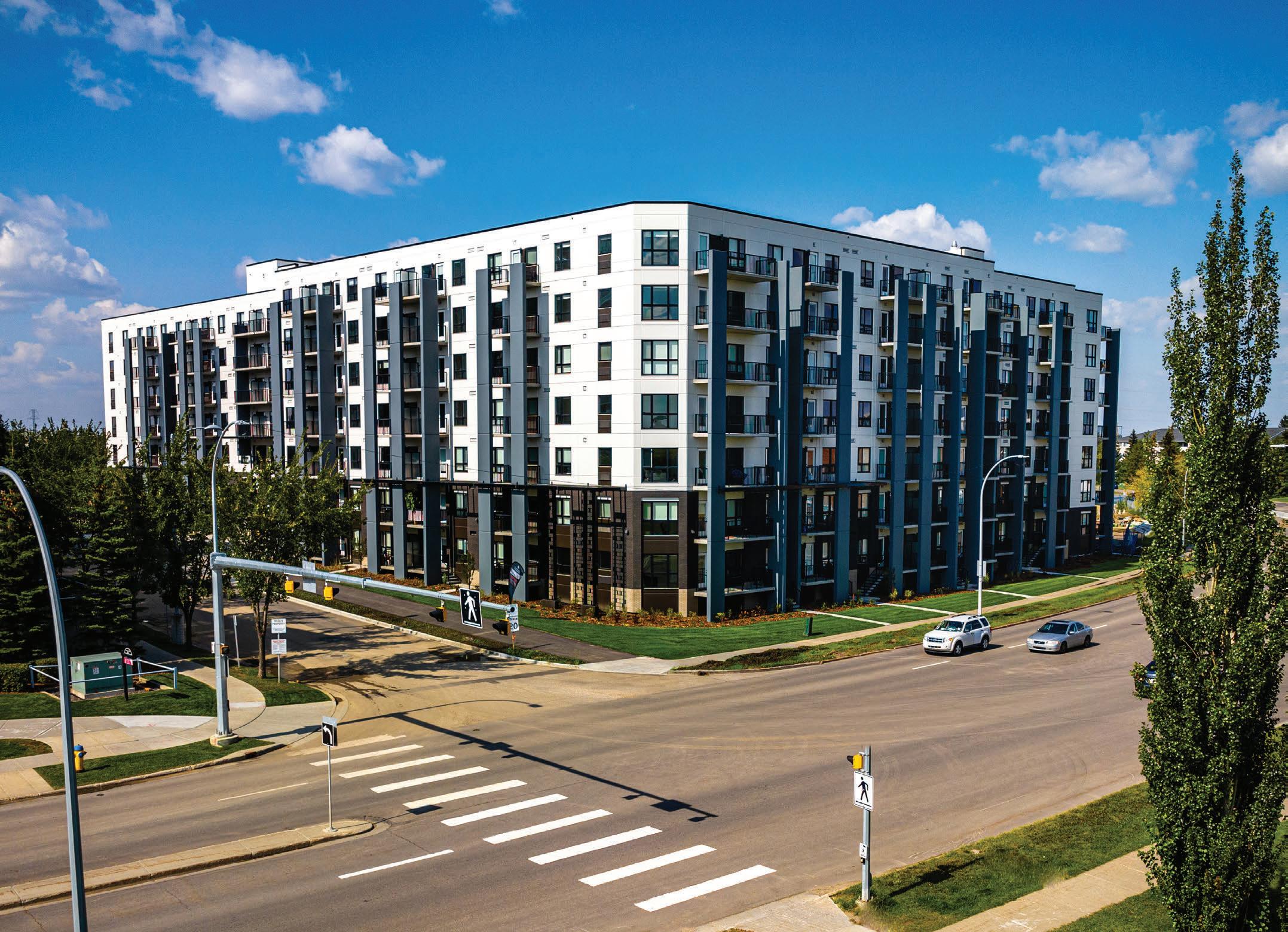
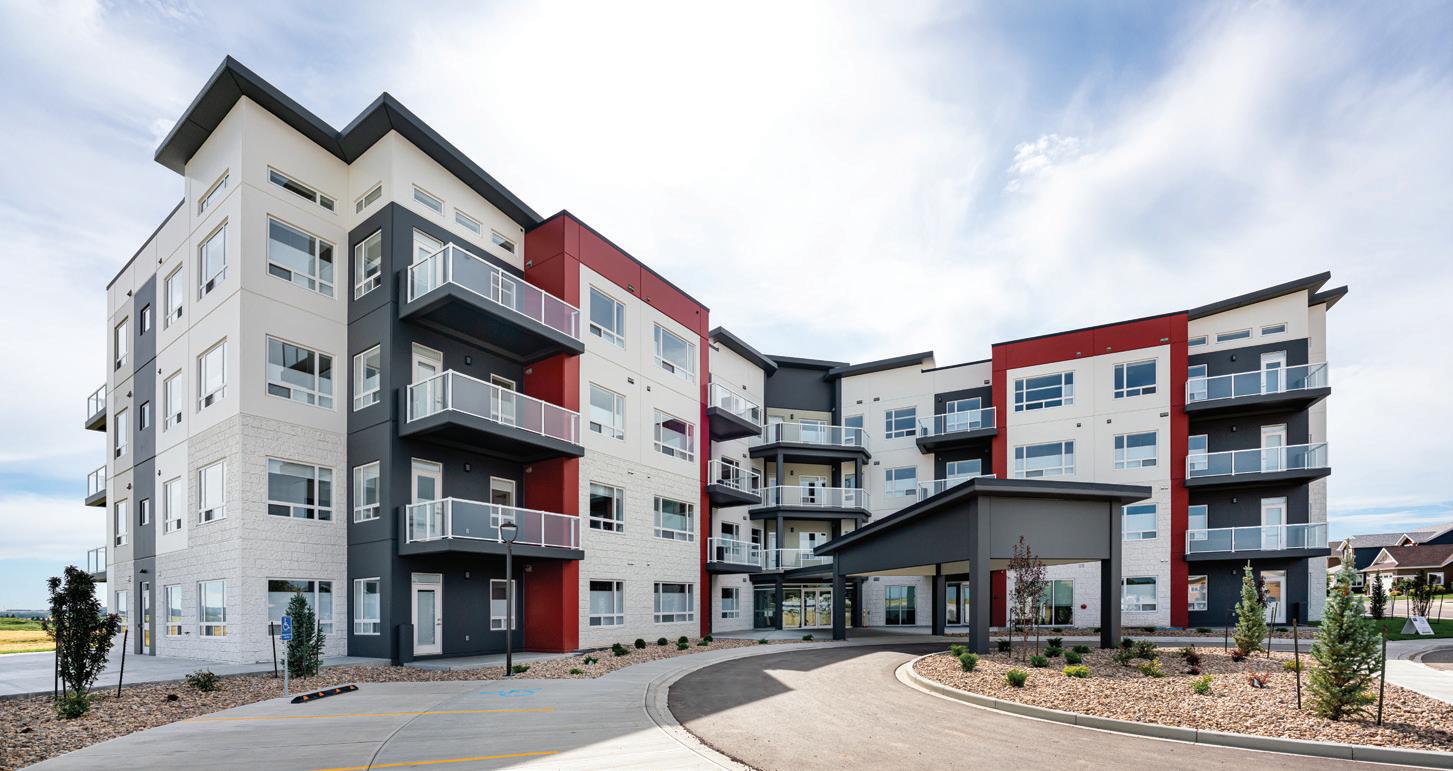
One of Stubbe’s flagship projects using this system is the Harvestview Apartments in Tillsonburg. Construction began in September 2024, model suites opened eight months later, leasing began in May 2025, and by November, the project was fully occupied.
Michael Bell, Stubbe’s total precast sales manager, estimates that his company’s current production capacity can support between 6,000 and 7,000 homes per year, and expansion plans are already underway (which, among other things, will create a townhome product line).
“Harvestview’s construction cost was $230.74 per square foot compared with standard costs that range from $275 to $350 per square foot,” Bell says. “That demonstrates just how affordable our building method is, and we’re learning from Harvestview to improve our production even further before we share it with other developers.”
Innovation of another kind defines the product offering of DreamWall, founded by Malcolm Hachborn, an Ontario-based structural engineer with 40 years of experience in the concrete and precast industry.
Hachborn spent 20 years developing a lightweight insulated precast panel in response to market demand for a lighter, more energy-efficient, and higher-performance cladding system. “It took a lot of time and effort, but by 2019 I was confident that the product I had designed would perform the way I wanted it to, and a significant amount of testing since then has borne that out,” he says.
Simply put, Hachborn’s copyrighted and patented panel system weighs 30 to 40 pounds per square foot compared to a standard double wythe insulated panel weighing 90 to 120 pounds psf. In addition, the DreamWall panel has an R-value of 35 to 40 compared to 20 for a typical panel of the same thickness.
DreamWall panels are engineered and configured for use in exterior and interior facades. “I think its greatest use will prove to be as cladding in the mid to high-rise sectors,” Hachborn says, adding that the panels’ ability to reduce the weight of cladding in turn reduces the seismic loads imposed on
a structure – a desirable outcome given Canada’s changing seismic code requirements.
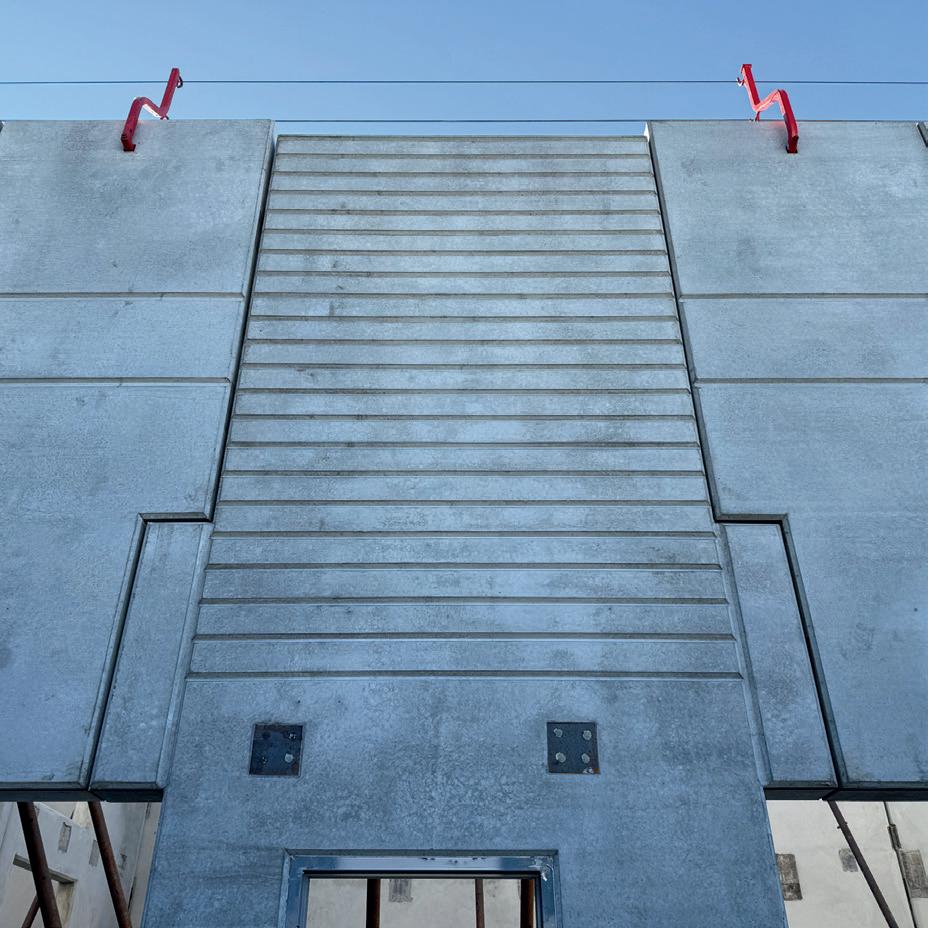
Each DreamWall panel consists of two thin wythes of high-performance concrete with a continuous layer of insulation in between. With a wide selection of standard or custom form liners available, almost any pattern or design, surface treatment, or colour can be achieved. Various natural stone and brick materials may also be incorporated into the panels to achieve a specific look (however, these will increase the weight of the panels to some degree, depending upon the material chosen).
DreamWall panels can be used in both loadbearing and non-load-bearing applications for prefabricated foundations, homes, townhouses, and commercial and industrial buildings. “The system also contributes to projects that seek to earn LEED status or other environmental designations, since about 30 percent less cement and 80 percent less aggregate is used per area of panel,” Hachborn says. “I am hoping to construct a small structure in the Niagara region this year using the panels and offer this as a demonstration of what these panels can achieve, because I think they have the potential to be a game changer.”
With projects such as Vancouver International Airport, Rogers Centre, Calgary’s 4th Avenue Flyover, Calgary’s East Village RiverWalk, and many other high-profile facilities in Western Canada under its belt, Amrize more than lives up to its ‘We Build Canada’ moniker; and as the country continues to evolve, so too does the company, having invested almost $788 million in its operations across North America in 2025 alone, with plans to invest $900 million in 2026, according to recent announcements.
One of Amrize’s most technically demanding projects, recently completed, involved designing and executing the City of Calgary’s largest Stormceptor Max (Oil and Grit Separator) to date. The site was highly congested – located between businesses and a busy road, and as such, the project became a significant test of both engineering precision and co-ordination with the installation contractor.
Due to the site’s complexity, it required over a year of collaboration between Amrize and city engineers. Amrize’s teams engaged in multiple design
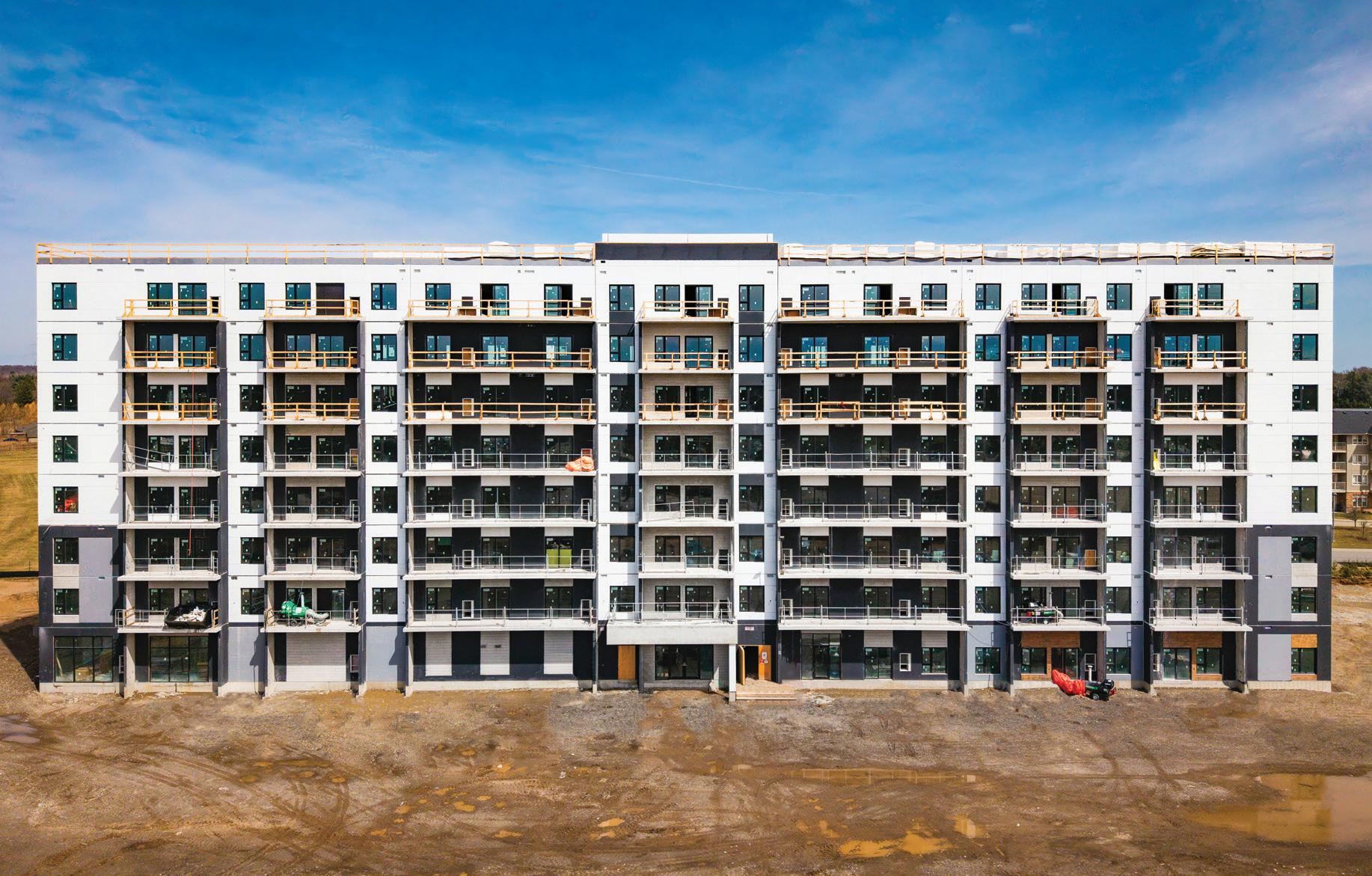
Harvestview Apartments, Tillsonburg, ON
The Lodestar building system integrates precast columns, floor systems, and roof components.
Strong, innovative, sustainable.
EvoBuildTM is the evolution of sustainable building materials designed to meet today’s sustainability targets.
With knowledgeable experts, science-backed data and sustainable product formulations, we’re able to work alongside you, offering unparalleled service from concept to completion.
EvoBuild™ Low Carbon Concrete is part of Heidelberg Materials’ Evolve™ Family of Products. Learn how these revolutionary products can help your project be part of a greener tomorrow.
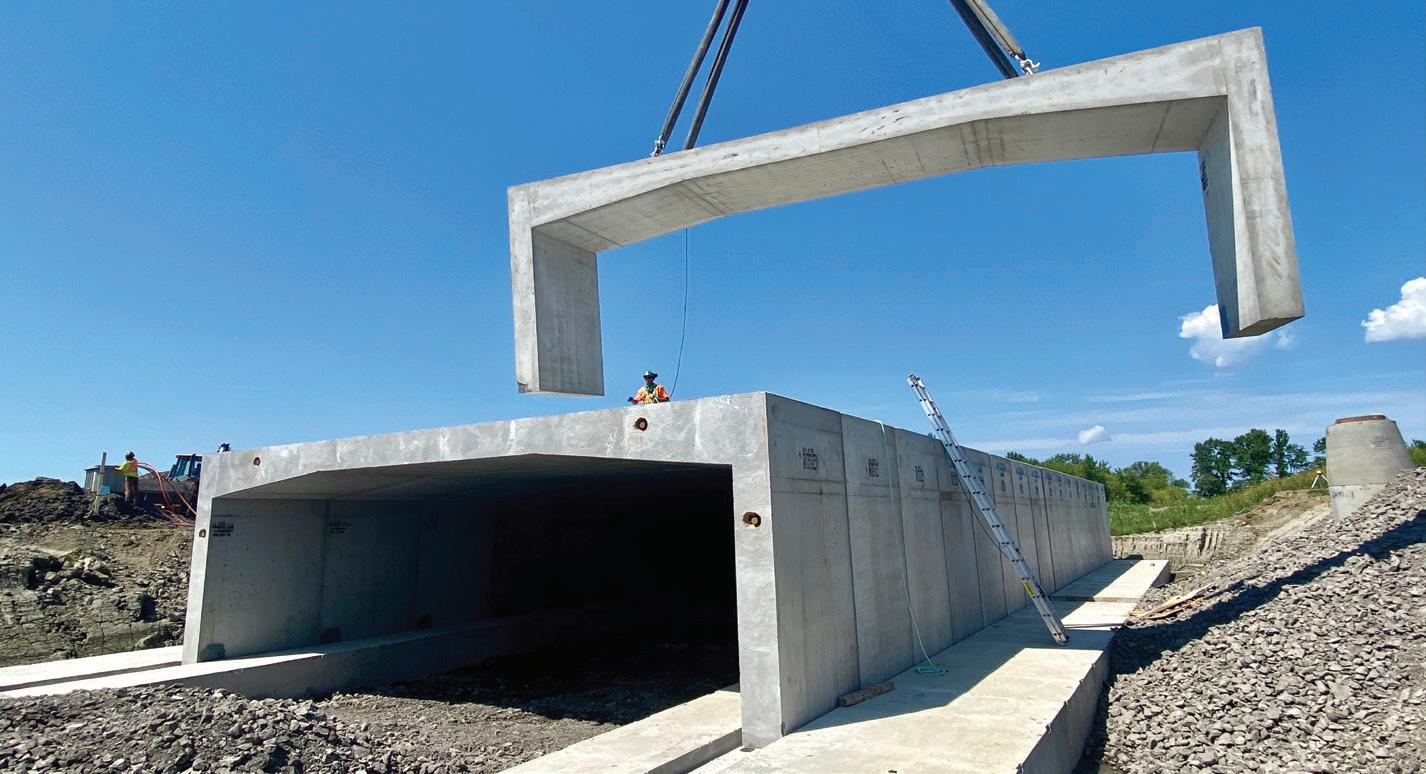
iterations to ensure it would meet strict municipal standards while navigating existing underground systems. The core of the project involved installing a massive sediment chamber consisting of 10 45-tonne precast box sections. These units had to be lowered into an 11-metre-deep excavation, where width tolerances were extremely narrow. Once again, Amrize delivered high-performance solutions with world-class technical expertise, which led to a successful project completion.
As for new product development, Amrize in March launched its new Evertect high-performance concrete range at the Conexpo-Con/AGG in Las Vegas. The range raises the standard for the building industry across Canada and the U.S., bringing together precision-engineered, fully customizable concrete mixes designed to meet the most demanding performance requirements.
Heidelberg Materials North America is another company that continues to evolve to better serve expanding markets. In its case, it recently acquired the assets and reserves of Island Aggregates, one of the last remaining permitted aggregates sites on Vancouver Island. The transaction also includes three mobile crushing plants, loaders, excavators, and related equipment.
Additionally, Heidelberg entered into a binding purchase agreement to acquire the Edmonton, Alberta, assets of Burnco, a successful fifth-generation family-owned construction materials company with locations in Canada and the U.S. The transaction includes six aggregates sites, two asphalt plants
and a bitumen storage terminal, three ready-mixed concrete plants, and one rail-served cement distribution terminal.
Peikko Canada is part of Peikko Group, a recognized leader in connection technology and slim floor structures for precast and cast-in-place construction all over the world.
In data centre construction, where speed, precision, and reliability are non-negotiable, Peikko’s connection solutions are built to perform. Designed for mission-critical environments, they help streamline installation, support heavy loads, and deliver fire-safe, code-compliant structures, while keeping tight construction schedules on track.
Christine Millar, marketing manager at Peikko North America, notes that this balance of technical
performance and practical efficiency is what makes Peikko’s solutions particularly well suited for demanding applications like data centres.
Also noteworthy from Peikko is that its Deltabeam composite beams last year received ICC Evaluation Service certification under report ELC4341P, confirming full compliance with the National Building Code of Canada.
The significance of this certification is that it translates into substantial benefits for Canadian builders, since Deltabeam is manufactured under a quality-controlled program and inspected by ICC-ES. The certification streamlines the approval processes with building officials across Canada and is backed by reliable performance data to support design decisions. A
Deltabeam composite beam installation.
All Systems GO
Sustainable design is refocusing on high-impact decisions made early through collaboration
by NATALIE BRUCKNER
Contrary to what some reports may have you believe, the emphasis on sustainable design strategies within the built environment remains resolute, albeit with a discernible shift in priorities.
The Buy Canadian movement continues to have an impact on sustainable design, and the experts at prairie architects inc. are working on a handful of public sector projects that are mandated to meet the federal government’s Buy Canadian Policy.
“As such, we’ve had to shift our typical practice and decision-making hierarchy for specifying products and materials. While it’s been challenging on many fronts, it’s also been a catalyst for deeper conversations on mass timber, prefabrication, and local sourcing and labour on projects that don’t typically make consideration for such measures,” says Lindsay Oster, architect.
With a number of the firm’s larger projects moving toward construction management project delivery, Oster says there is significant benefit of early, pre-construction collaboration between owner, consultant, and constructor. “A lot of the focus is to meet schedule and budgetary demands, but the interesting trend is how sustainable considerations are inextricably linked to these discussions,” she says. “Additionally, with an uncertain forecast of energy costs and shifting global economic alliances, we’ve seen a return to a commitment to renewable energy and feel the stage is set for more meaningful collaboration and innovation.”
Parkin’s Sustainability Team agrees, adding that regulations, client requirements, and improved material transparency are pushing project teams to consider energy, carbon, and material impacts earlier in the design process. Manufacturers and suppliers are providing clearer material performance data, allowing teams to better understand the carbon and health impacts of specification and construction decisions.
The team approaches sustainability through two priorities: environmental performance and occupant well-being. This includes reducing operational and embodied carbon through efficient building systems, electrification where feasible, and informed material selection, while also designing spaces that support daylight, comfort, and healthy indoor environments.
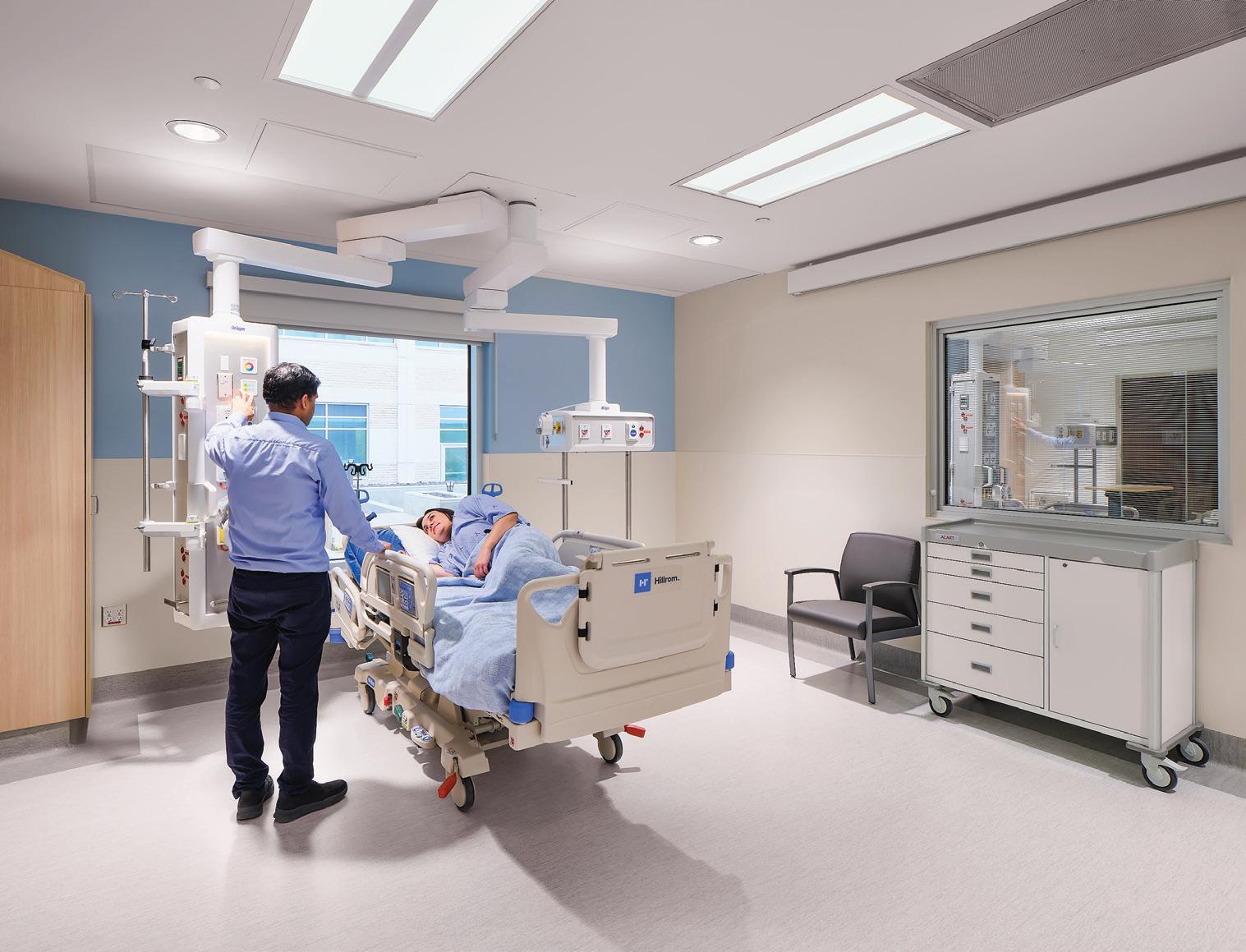
Early design tools support this approach. On recent health care work, mechanical design, energy modelling, and in-house daylight simulation were
co-ordinated to balance mechanical capital cost, energy performance, and patient and staff environments. This integrated approach helps ensure all areas are considered from the earliest stages of design.
TIGHTENING BELTS
Cost considerations continue to create pressure, and Terry Bergen, managing principal of RJC Engineers, says there’s been a shift from vision and deliverables toward real, measurable, quantifiable, sustainable initiatives.
“In B.C., the Zero Carbon Step Code is being adopted in some municipalities. That’s tangible. It’s different from something like biomimicry, which is valuable but more intent-based and performance-driven. With the Zero Carbon Step Code, some jurisdictions and organizations now require life-cycle carbon accounting. That’s quantifiable and verifiable,” says Bergen.
Advanced modelling tools continue to improve, particularly in energy modelling and lifecycle carbon accounting. “Occupant comfort analysis is increasingly required and is enhanced by AI in some cases. Energy use, daylighting, and material efficiency are data-driven rather than intuitive, because results must be quantified and submitted,” explains Bergen.
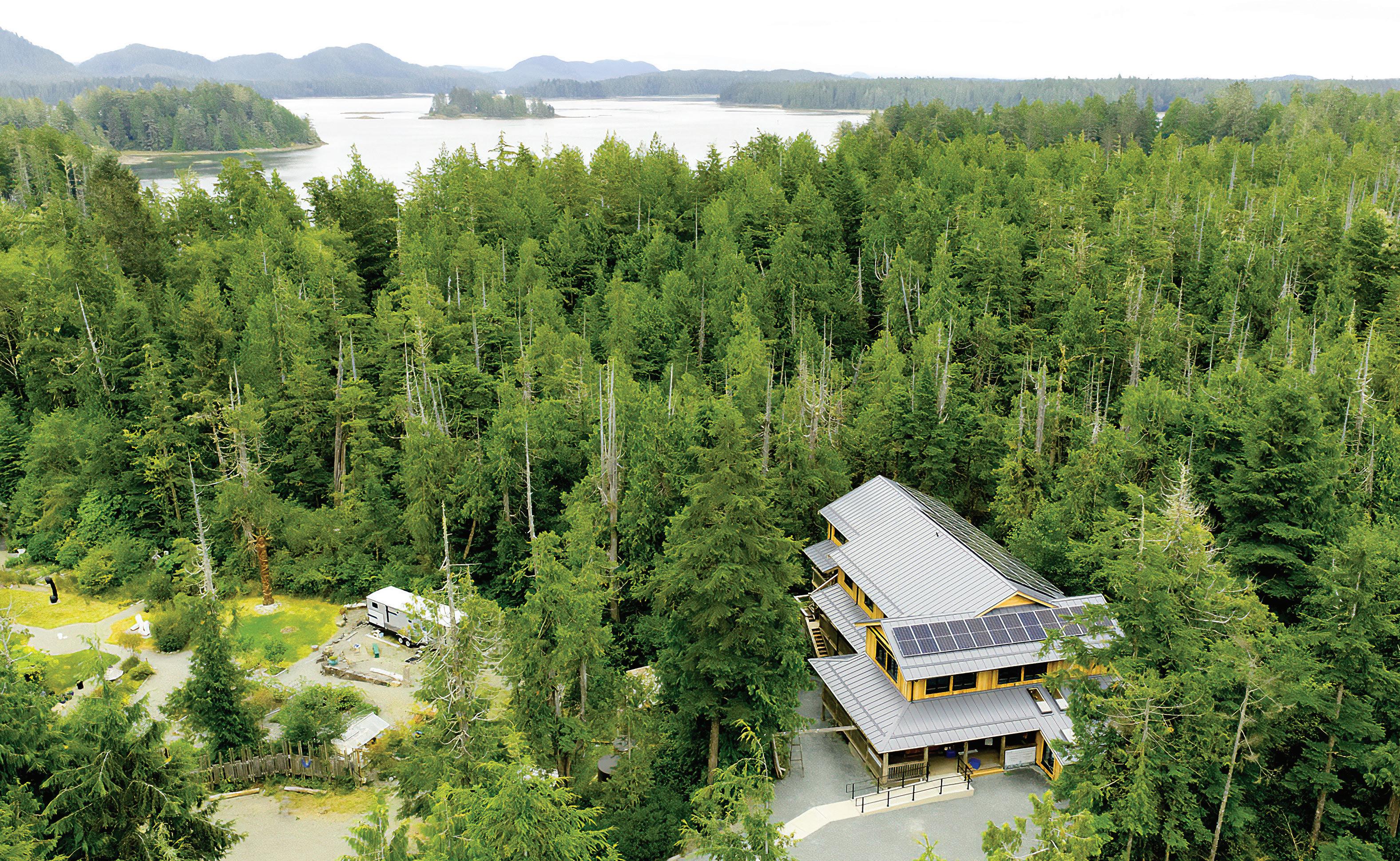
RJC was involved in the IISAAK Learning Lodge at the Pacific IPCA Innovation Centre project in Tofino, a deep energy retrofit of an existing facility. It incorporated a wide range of sustainability measures, all modelled and verified, and was supported by federal funding.
“The project also included resilience measures for its forested, oceanfront location. It integrated renewables in the form of photovoltaic arrays built into a new metal roof,” says Bergen.
SOLAR READY
For 15 years, Diamond Schmitt Architects has integrated renewable energy into its projects, designing solar-ready buildings and pioneering photovoltaic systems. Advances in PV technology have created opportunities to rethink the building envelope, leading to work that combines façade-integrated buildingintegrated photovoltaics (BIPV) with rooftop PV to expand energy-generating surfaces, while maintaining architectural intent.
Manitou a bi Bii daziigae at RRC Polytech was the firm’s first Canadian project with a façade-integrated PV cladding system and a custom photovoltaic rainscreen.
IISAAK Learning Lodge
PRECAST CONCRETE QUALITY ASSURANCE!
THE CPCQA CERTIFICATION PROGRAM
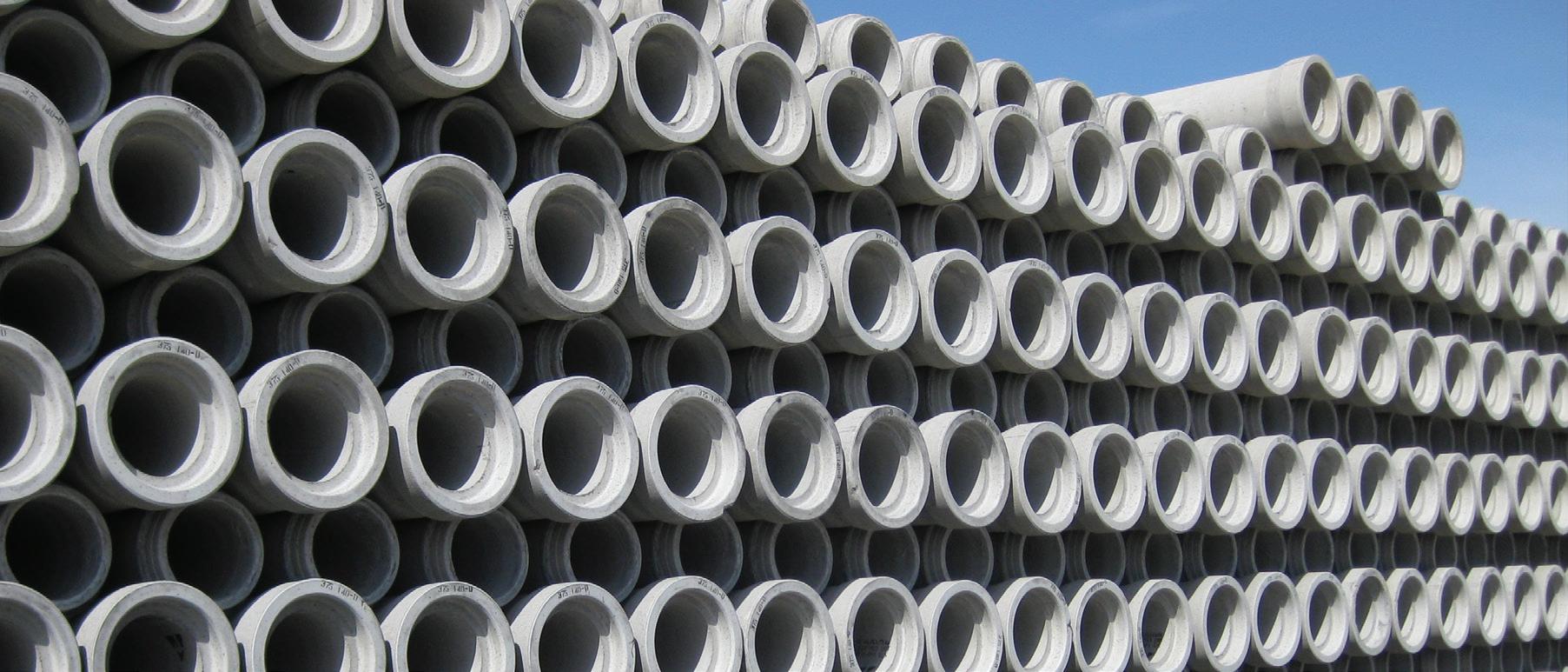
The Canadian Precast Concrete Quality Assurance (CPCQA) Certification Program prequalifies precast concrete manufacturers who fabricate structural, architectural and specialty precast concrete products, including concrete pipe and underground utility and drainage products.
Manufacturers adhere to the CPCQA certification program requirements, and to the applicable requirements of the CSA, PCI, ASTM, and Provincial Standards.
THE CPCQA CERTIFICATION PROGRAM OFFERS KEY BENEFITS TO ARCHITECTS, CONTRACTORS, ENGINEERS, GOVERNMENT AUTHORITIES AND OWNERS.
Endorsed by the Canadian Concrete Pipe and Precast Association (CCPPA) www.ccppa.ca and the Canadian Precast/Prestressed Concrete Institute (CPCI) www.cpci.ca
For more information, scan the QR Code or visit www.precastcertification.ca
Project: Champagne Quarry Park, Calgary, AB Architect: Gibbs Gage Architects
CPCQA
At Fanshawe College Innovation Village, the firm advanced this approach with photovoltaic cladding that wraps every façade. Custom active and passive panels of coated low-iron glass, generating 120W to 470W per active module, form a high-performance envelope and a distinctive architectural expression. Alternating upward-tilted PV panels with offset passive units optimize solar exposure and confirmed, through early cost-benefit analysis, a positive return on investment, even on the north elevation.
Diamond Schmitt continues this work at Ādisōke, the future joint facility for the Ottawa Public Library and Library and Archives Canada. Strategically integrated BIPV within the stone façade, combined with a 250-kW rooftop array, was developed with modelling support from the Canada Green Building Council to inform evolving net-zero standards.
Solar power’s relevance is even growing in northern climates such as Manitoba. At SMS Engineering, solar is approached as part of an integrated energy strategy tailored to local conditions, utility structures, and long-term building performance.
Unlike jurisdictions with deregulated energy markets, Manitoba’s electricity supply is centrally managed by Manitoba Hydro, a winter-peaking utility whose highest demand occurs when solar production is naturally lower. Within this context, SMS Engineering focuses on practical, high-value applications, particularly behind-the-meter systems that generate electricity for on-site use. By offsetting energy purchased from the grid, these systems provide measurable operational savings while supporting broader sustainability goals.
Financial incentives further strengthen the business case. Programs from Efficiency Manitoba, alongside federal measures such as the Clean Technology Investment Tax Credit, can significantly reduce upfront costs, allowing some commercial projects to recover more than half of installation expenses through rebates and tax credits.
DUAL FUEL
Balancing energy performance with occupant comfort has been a goal in educational design for some years now, but it has gained renewed focus of late. FortisBC’s dual fuel rebate recently supported two elementary school projects in Surrey, B.C., demonstrating the benefits of dual fuel rooftop units in achieving both energy efficiency and occupant comfort.
At Simon Cunningham Elementary and Jessie Lee Elementary, dual fuel rooftop units were installed to provide more efficient heating, helping maintain stable classroom temperatures throughout the year. Combined, the two schools are reducing energy use by approximately 1,200 gigajoules annually and cutting around 62 tonnes of carbon dioxide equivalent emissions.
These projects illustrate how integrated mechanical solutions can enhance building performance while maintaining consistent, year-round comfort, offering a model for energy-conscious upgrades in existing educational facilities.
EMBODIED CARBON
With defence sector investment remaining robust – including $32 billion allocated to Deployed Operating Base 5 Wing and northern forward operating locations – durability, Indigenous partnerships, and climate resilience are coming into sharper focus, according to experts at WSP. As a result, increasing attention is being paid to cold-climate, low–embodied carbon prefabrication solutions, along with small modular reactors as longer-term alternatives to diesel.
Cost escalation continues to outpace public-sector budgets for new builds and asset renewals, prompting owners to consider alternative delivery and financing models such as IPD, P3s for smaller-scale renewals (e.g., roofing and HVAC), and broader adoption of energy performance guarantee contracts.
“Decarbonization remains strong across both public and private sectors, supported by the adoption of the December 2025 national building codes by provincial and territorial authorities, the relaunch of the $5 billion Trade Diversification Corridors Fund, and the June 30, 2026, sunset of LEED v4/4.1 registration, which is accelerating the transition to LEED v5,” says Veronica Owens, senior advisor, national market leader, energy and sustainability.
HOT CITIES
According to experts at Architek, mitigation strategies for “hot cities” (also known as the Urban Heat Island effect) are only just coming top of mind in North America. “As more heat studies emerge, sun-shading is starting to be seen as a design feature rather than a constraint,” explains Letitia (Weatherill) Silk, national director of business development and growth at The Architek Group of Companies. “Movable systems, especially on high-heat surfaces like glass façades, can significantly reduce heat gain. Over time, the design community will recognize that these elements not only improve comfort, but also reduce operational costs, while doubling as subtle, integrated architectural statements.”
Beyond shading, Architek emphasizes a “whole building” approach by integrating strategies such as green roofs, green façades, site water management, and shading systems from the outset. Silk says that when considered together, these elements can reduce overall project costs and improve long-term performance. The firm notes that the industry often confuses cost-cutting with value engineering; the latter focuses on smarter system integration rather than eliminating full scopes of work. “It’s often the sustainable elements as they are seen as easily disregarded due to the continued but incorrect label of it being a luxury, which it is not in this capacity. When sustainable measures are fully integrated into the tendering process, they not only save money but also improve building performance,” she says.
Introba is another company seeing a change in the approach to sustainable design with more frequent extreme heat events. “The focus is shifting from energy efficiency alone to a broader consideration of comfort, resilience, and energy performance,” says Georgia Collins, engineer and sustainability advisor at Introba. “Buildings are increasingly expected to function as life safety infrastructure, maintaining safe and habitable conditions during periods of extreme heat.”
Introba is seeing this shift become evident in both policy and practice. Cities are beginning to explore maximum indoor temperature limits and cooling requirements, while project teams are addressing resilience earlier in the design process. “Decisions that shape how a building responds to heat are most effective when they are considered early and developed as part of a co-ordinated approach,” says Collins. When these decisions are scaled back during value engineering, buildings often become more reliant on mechanical cooling, which can affect both performance and long-term resilience.
Fanshawe College Innovation Village
Innovative sun-shading systems.
CONFIDENCE WITH PAINT SPECIFY
Master
On projects like BCIT’s Trades and Technology Building, Introba has demonstrated how early, integrated design can reduce energy demand while supporting comfortable indoor conditions and providing flexibility during extreme events.
INNOVATION
In terms of material development, the industry changes slowly, says Rory Roberts, director of sustainability at Glotman Simpson. That said, new systems are beginning to gain traction. “We are seeing some novel systems being introduced. BubbleDeck would be a good example,” Roberts notes, pointing to evolving approaches that reduce material use while maintaining performance.
At the same time, more established alternatives are scaling up. “Engineered timber is becoming more widely adopted, and the design codes are being developed accordingly,” he says. Broader industrial shifts are also influencing material availability. “Steel plant electrification and grid decarbonization are improving the availability of lower-carbon recycled structural steel in North America.”
Despite these developments, Roberts emphasizes that the most significant change is happening in how projects are delivered. “Owners are much more open to significant early design effort between architects, engineers, and LCA practitioners,” Roberts says, adding that he has also seen a shift toward deeper collaboration at the earliest stages of a project.
END OF LIFE
Hellen Christodoulou, president and CEO of the Canadian Galvanizing Institute, notes that two critical elements are often overlooked in the sector, and that’s durability and end-of-life planning.
“I’m noticing the discussion is beginning to move beyond just initial embodied carbon,” she explains. “The key realization is that durability and low maintenance are essential components of sustainable design. Asset owners know that if they have to frequently repair or replace infrastructure, the environmental footprint increases significantly. Every intervention adds emissions, resource consumption, and disruption.”
This shift is also encouraging the earlier collaboration seen by the other experts across the supply chain. “The fabricator can identify potential challenges,
WHERE STRUCTURE MEETS DESIGN
the galvanizer can provide input on process requirements, and the designer can incorporate that knowledge into the design,” she says.
Christodoulou also stresses end-of-life considerations. “If a structure lasts 60, 70, or even 100 years, what happens next? Do we recycle it, reuse it, repurpose it, or incinerate materials? Those decisions matter.”
Sucro Sugar Refinery is a great example. Structural steel fabricated by Benson Steel and galvanized by Corbec uses hot-dip galvanizing to withstand the corrosive marine environment. “The reason they did it is because they looked at prioritizing long-term durability, reliability, and life-cycle performance. It was one of those domestic processing projects, but also with an eye on supply-chain resilience,” she explains.
DATA DAY
As sustainability becomes a data-driven mandate, the sector is pivoting from static design to dynamic performance. “Historically ‘data rich but information poor,’ the industry is now moving away from passive monitoring and actively mining dormant telemetry,” explains Jerome Laroulandie, business development manager for Canada and the western U.S at CopperTree Analytics. “This shift is critical as LEED v5 moves the focus toward automated, measurable operational carbon reduction and verified energy-efficiency performance.”
In practice, he says, bridging the performance gap and the 20 percent energy loss through platforms such as Kaizen is proving effective. “Using Fault Detection and Diagnostics and Automated System Optimization [ASO], practitioners translate billions of data points into high-fidelity insights, consistently achieving 10 to 30 percent energy savings. These gains are now the primary mechanism for eliminating waste, extending mechanical asset lifecycles, and reducing maintenance hours.”
Laroulandie explains that we are entering the era of closed-loop control (with ASO) and Continuous Automated Commissioning. “The future belongs to those who view a building not as a finished product, but as a continuously tuned, carbon-negative engine where design intent and operational reality are permanently and automatically aligned,” he says. A
Bearing The Load
Engineered
wood products are driving Canada’s mid- and highrise boom, backed by real-world
data
by NATALIE BRUCKNER
The engineered wood products (EWP) market in Canada continues to experience strong demand, driven by sustainable construction, high-performance building codes, and prefabrication trends.
In B.C., interest in mass timber for tall and mid-rise buildings continues to grow, supported by code changes that allow encapsulated timber construction up to 18 storeys, and more exposed wood in buildings up to eight. “As part of this transition, the industry is looking to adopt more standardization and a kit-of-parts approach, embracing repeatable floorplates and standardized grids and connection details,” says Annabelle Hamilton, executive director of WoodWorks BC/ Canadian Wood Council.
“We’re also seeing project teams consider other prefabricated building components, such as facades, stairs, or cores. This approach enables teams to reduce labour costs, mitigate moisture risk, and take
full advantage of the accelerated construction timelines prefabrication affords.”
Skepticism remains around the cost of mass timber buildings, but WoodWorks is addressing this through real-world data. “Our recently published business case study compares the hard costs of mass timber versus conventional materials on three real projects and demonstrates that it can be cost-competitive. The industry will still require more data and project examples before adoption becomes mainstream,” Hamilton says.
Over in Alberta, particularly Calgary and Edmonton, a boom in five- and six-storey buildings is underway, driven by rapid project approvals and the rise of modern methods of construction (MMC).
Rory Koska, executive director of WoodWorks Alberta, highlights the surge in techniques like panelization, cassettes, volumetric modular systems, and the expanded use of engineered wood products.
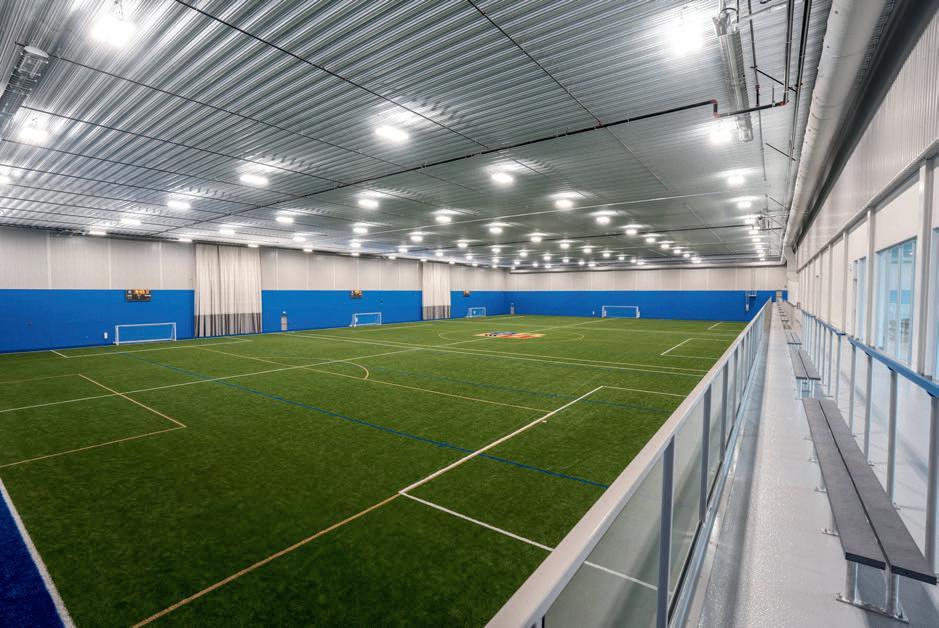
A standout example is Edmonton’s new state-ofthe-art sports and recreation centre (Coronation
Park Sports & Recreation Centre), featuring Canada’s largest installation of mass ply panels, exposed across 60,000 square feet in the roof and walls, which showcases wood’s structural and aesthetic potential.
In Saskatoon, the Central Library, a four-storey civic landmark nearing completion in late 2026, uses CLT floors and glulam columns and beams to create a sustainable, welcoming space, and the six-storey College Station Apartments incorporates CLT for durability, sound control, and eco-benefits as one of the city’s early adopters of the material. Meanwhile, the GCWOOD-supported City Centre School creatively reuses nail-laminated timber from deconstructed historic grain elevators.
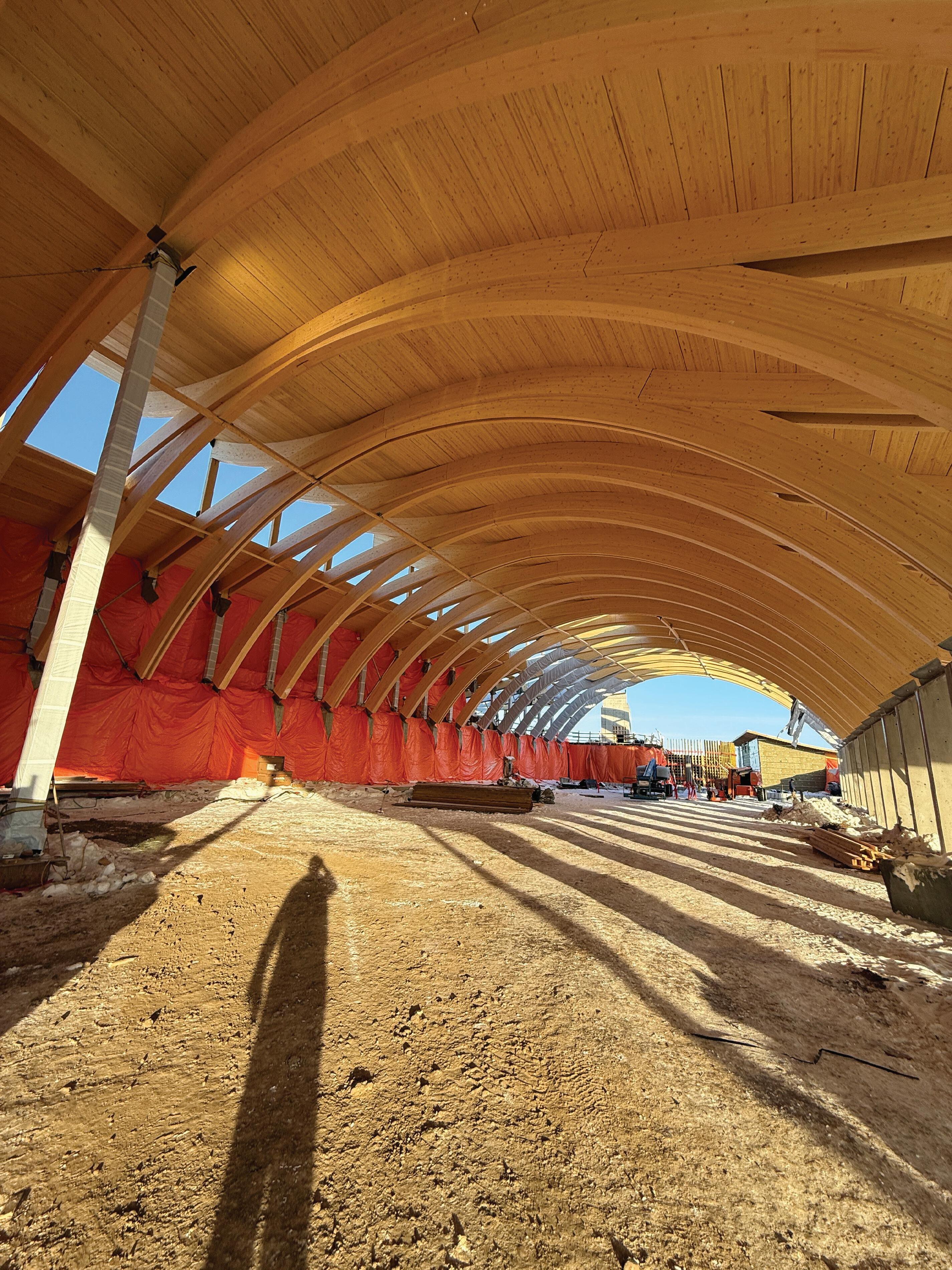
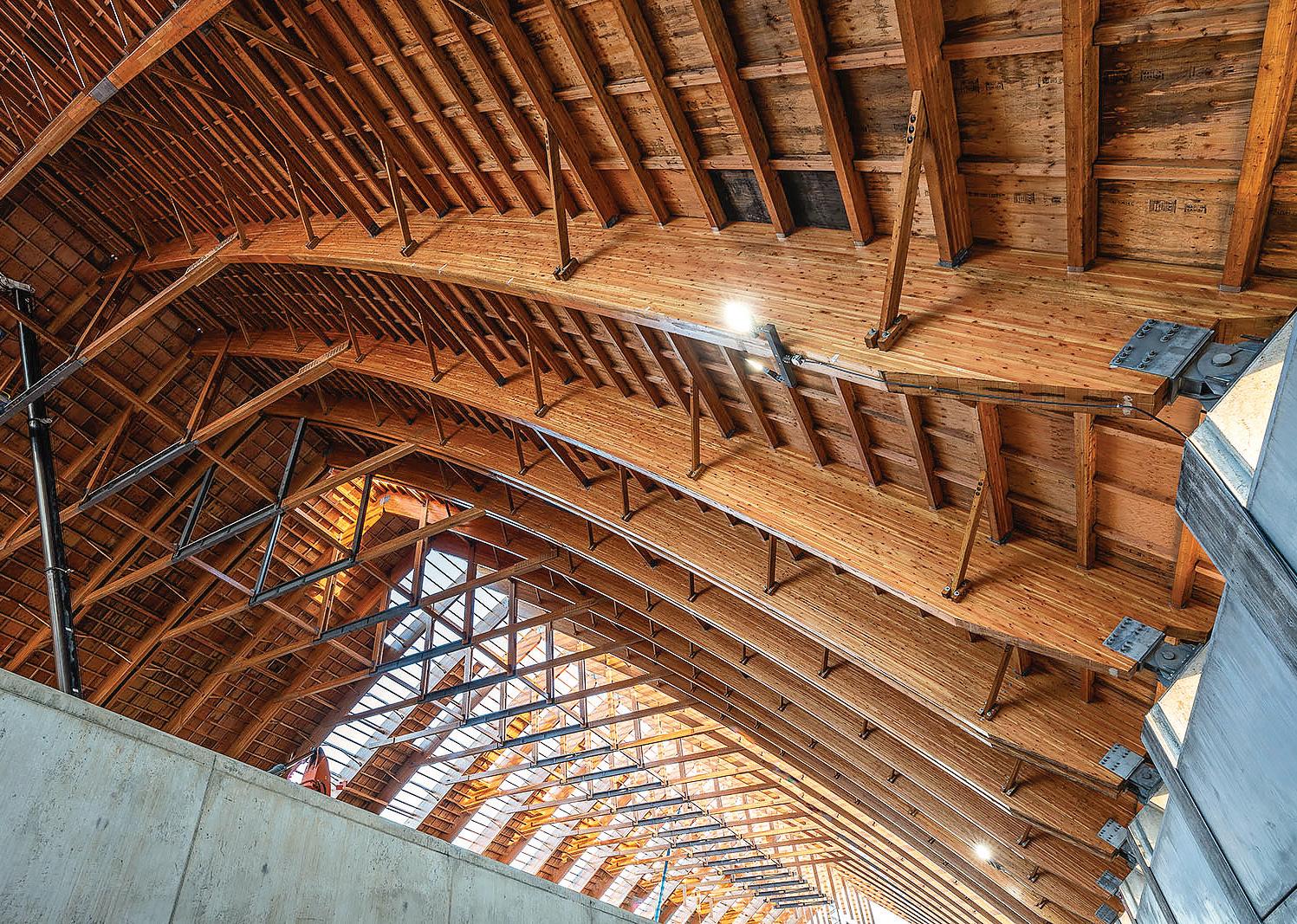
Engineered wood products are also increasingly being used in large industrial structures requiring long spans and durable materials. Western Archrib supplied the glulam structure for a large industrial storage facility designed for a corrosive environment, where wood can offer durability and cost advantages.
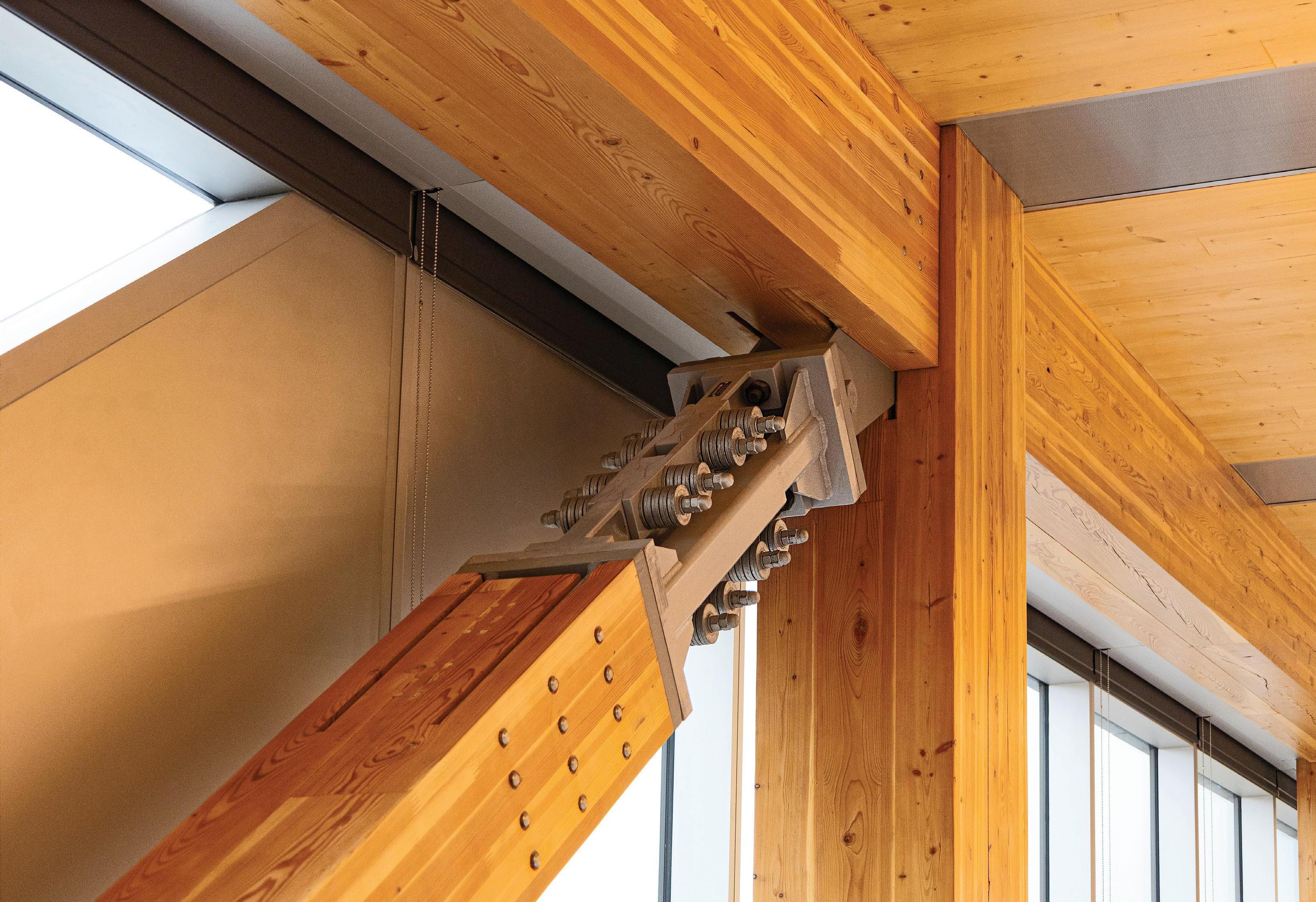
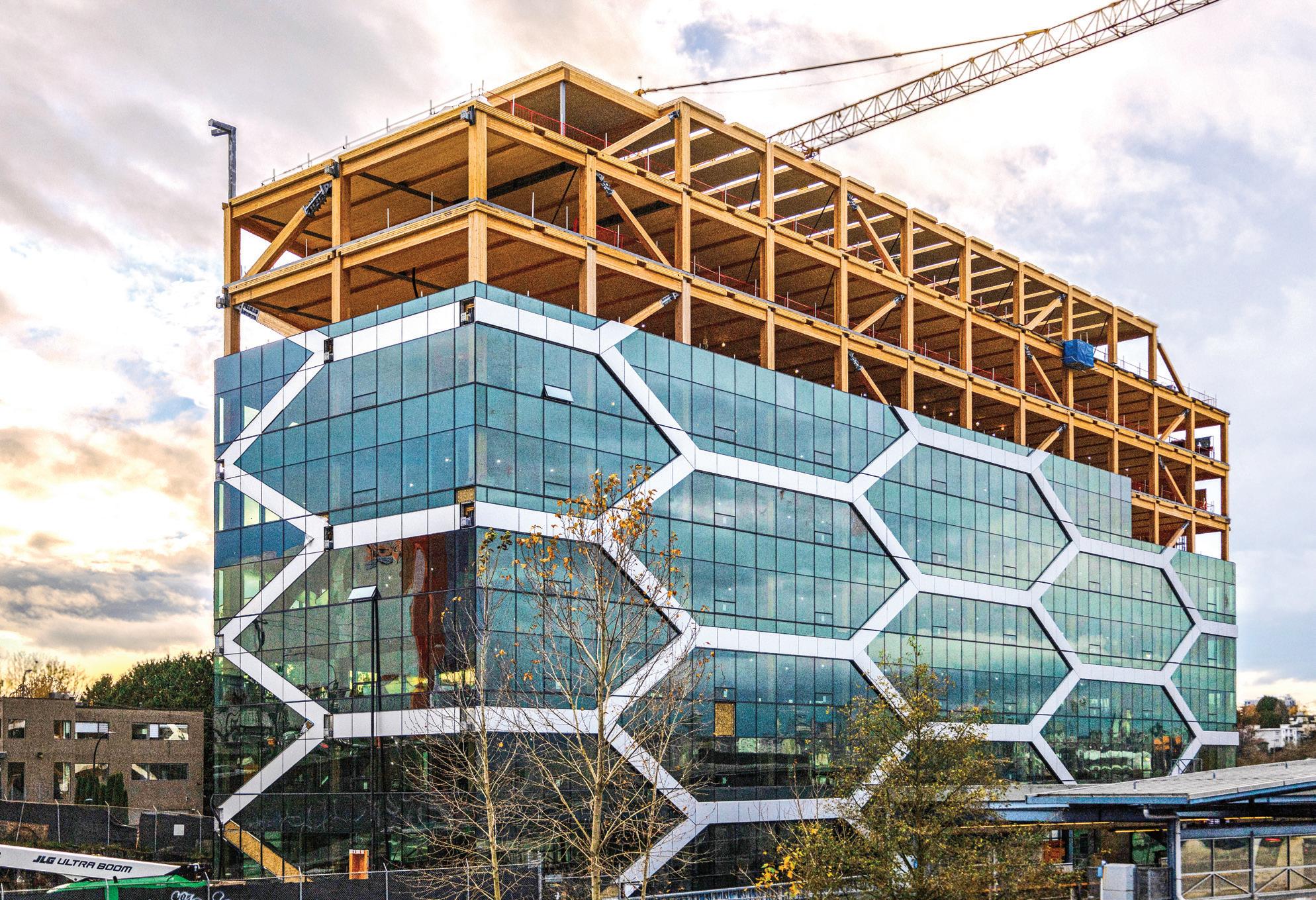
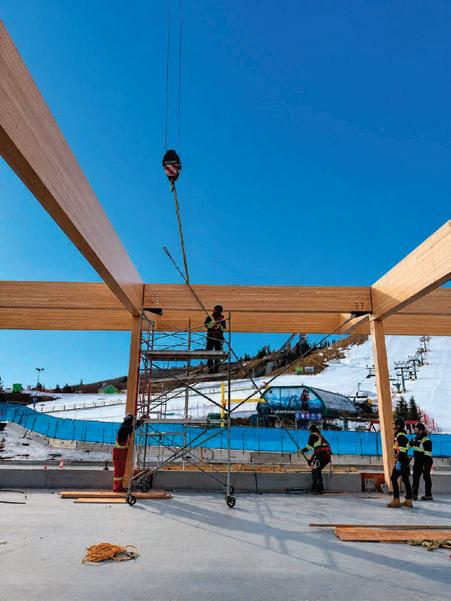
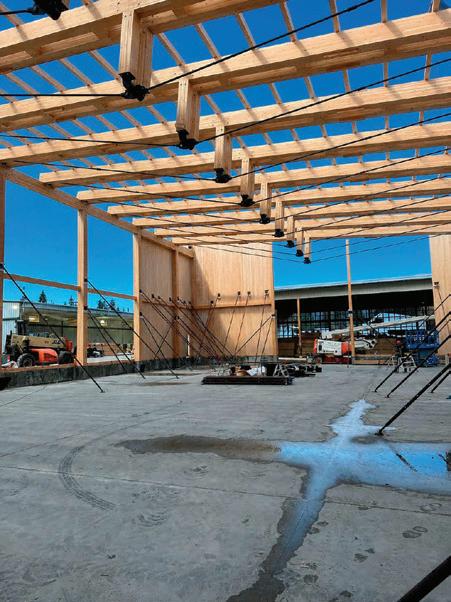
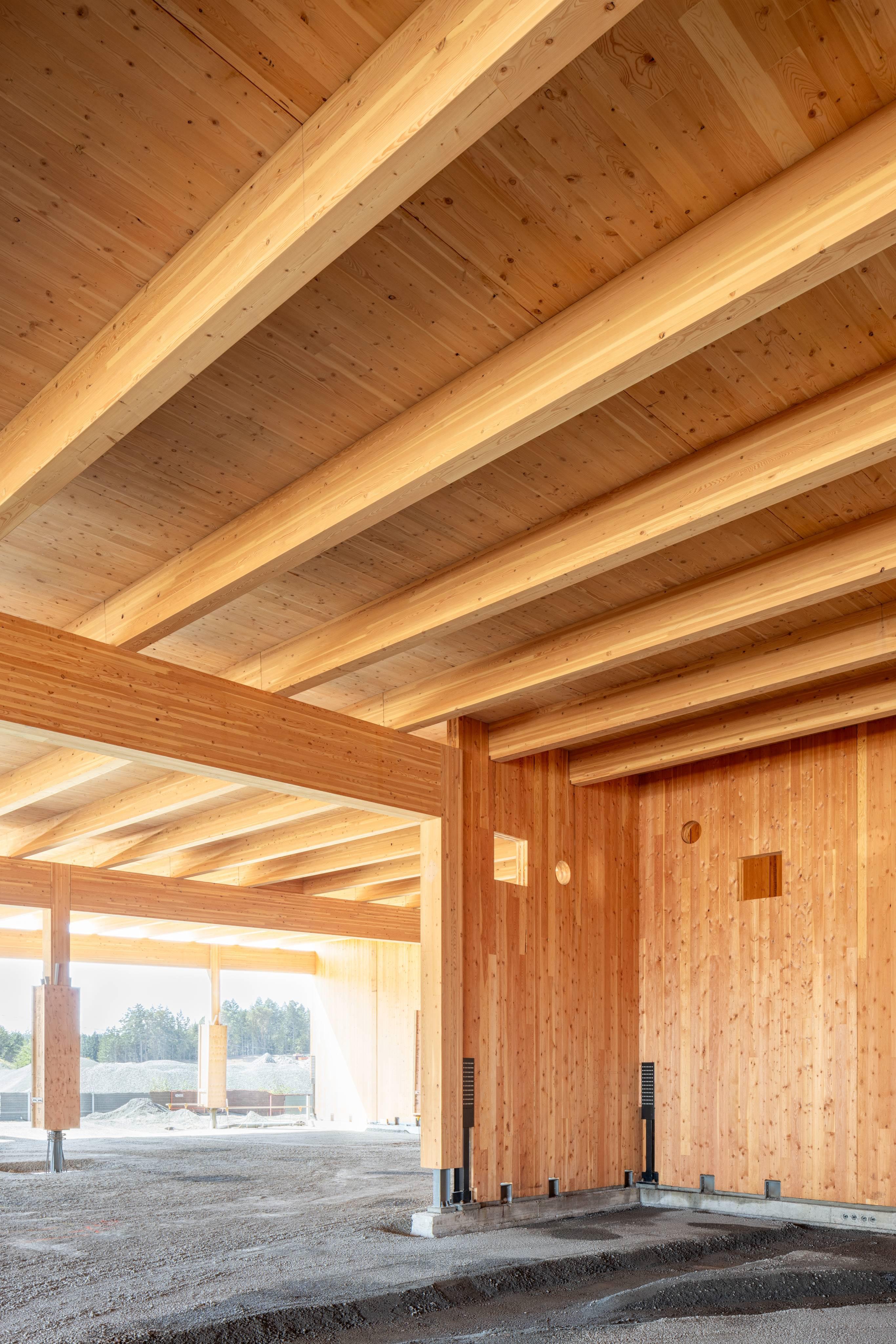
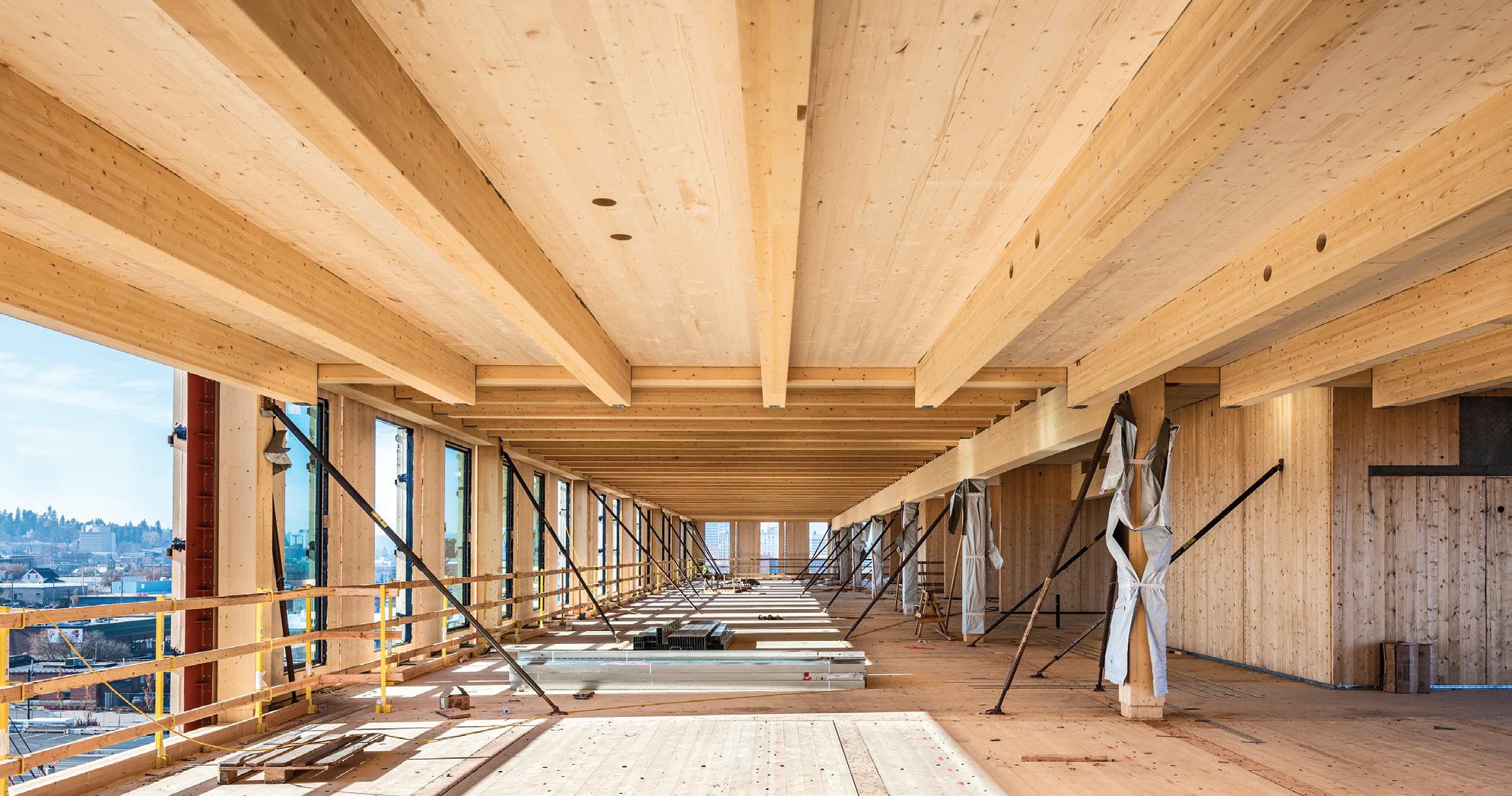
Fire-resistant glulam columns and beams installed at The Hive.
“The structure features 164-foot curved glulam arches spanning 233 feet and covering nearly seven acres,” explains Andre Lema, business development at Western Archrib. “It represents the largest volume of glulam Western Archrib has supplied to a single project – a notable milestone as the company approaches its 75th anniversary. Western Archrib has delivered hundreds of mass timber projects, including more than 50 large-span storage facilities.”
Responsible for the full design and supply of the timber structure above the foundation, Western Archrib worked closely with the project team from early design through construction. “The project demonstrates wood’s performance as a structural solution for demanding industrial environments,” says Lema.
Mercer Mass Timber’s (MMT) BuildSpec, a digital design tool developed by MMT and available in Canada, helps architects, engineers, and developers evaluate hybrid CLT and cold-formed steel systems during early project planning. The platform generates conceptual structural schemes alongside high-level cost, schedule, and embodied carbon comparisons, supporting more informed decisions before design commitments are made.
While initially focused on mid-rise residential, the platform is being expanded to cover additional typologies, including office and light industrial.
The opening of Kalesnikoff Mass Timber’s new 100,000-square-foot modular facility in Castlegar, B.C., in June 2025 came at a pivotal time. The facility expands mass timber offerings for multi-storey housing, schools, daycares, commercial buildings, and essential infrastructure. It introduces panelized wall and floor systems, prefabricated components, light-frame trusses, volumetric modular solutions, and other client-focused products designed for construction efficiency.
Chris Kalesnikoff, president and CEO, notes, “We are expanding our mass timber products and expertise to meet evolving customer and industry needs, supporting affordable, sustainable, and highquality housing, as well as classroom spaces.”
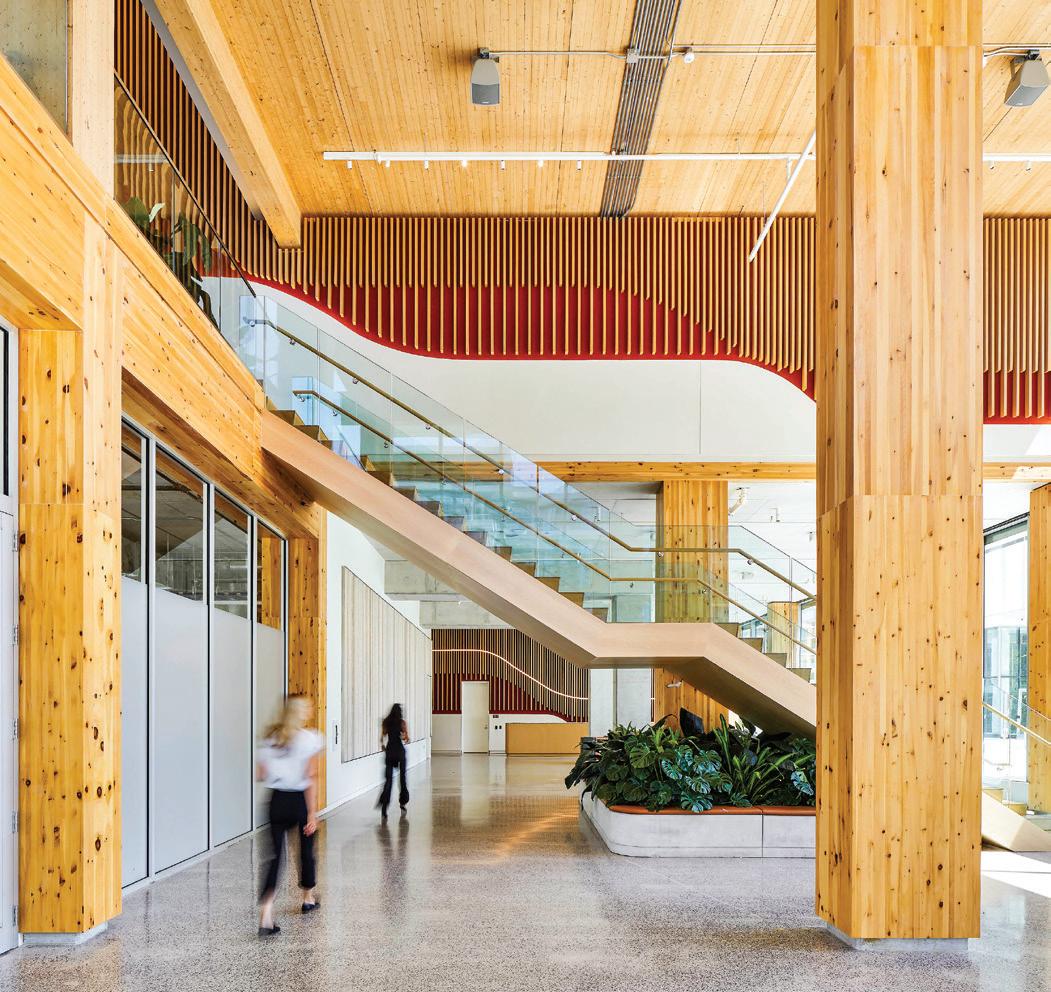
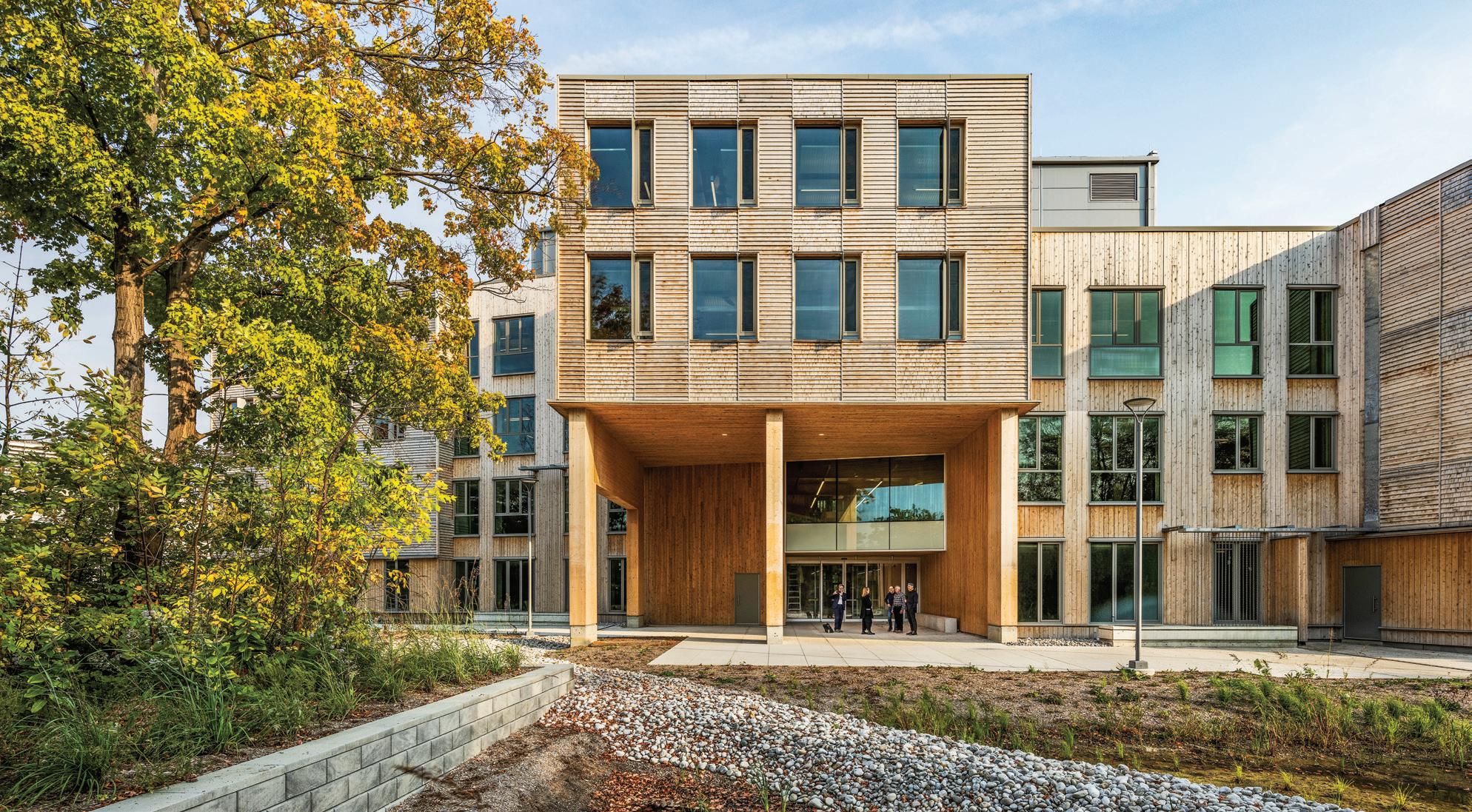
Projects like Vancouver’s Hive illustrate this versatility. Kalesnikoff supplied, fabricated, and managed logistics for this prefabricated, kit-of-parts structure, one of North America’s tallest timber-braced frame systems. Fire-resistant CLT panels, glulam columns, and beams are engineered to char predictably, protecting structural integrity and meeting two-hour fire-resistance ratings, prioritizing life safety, while enabling innovative, sustainable construction.
COMPLEX CAPABILITIES
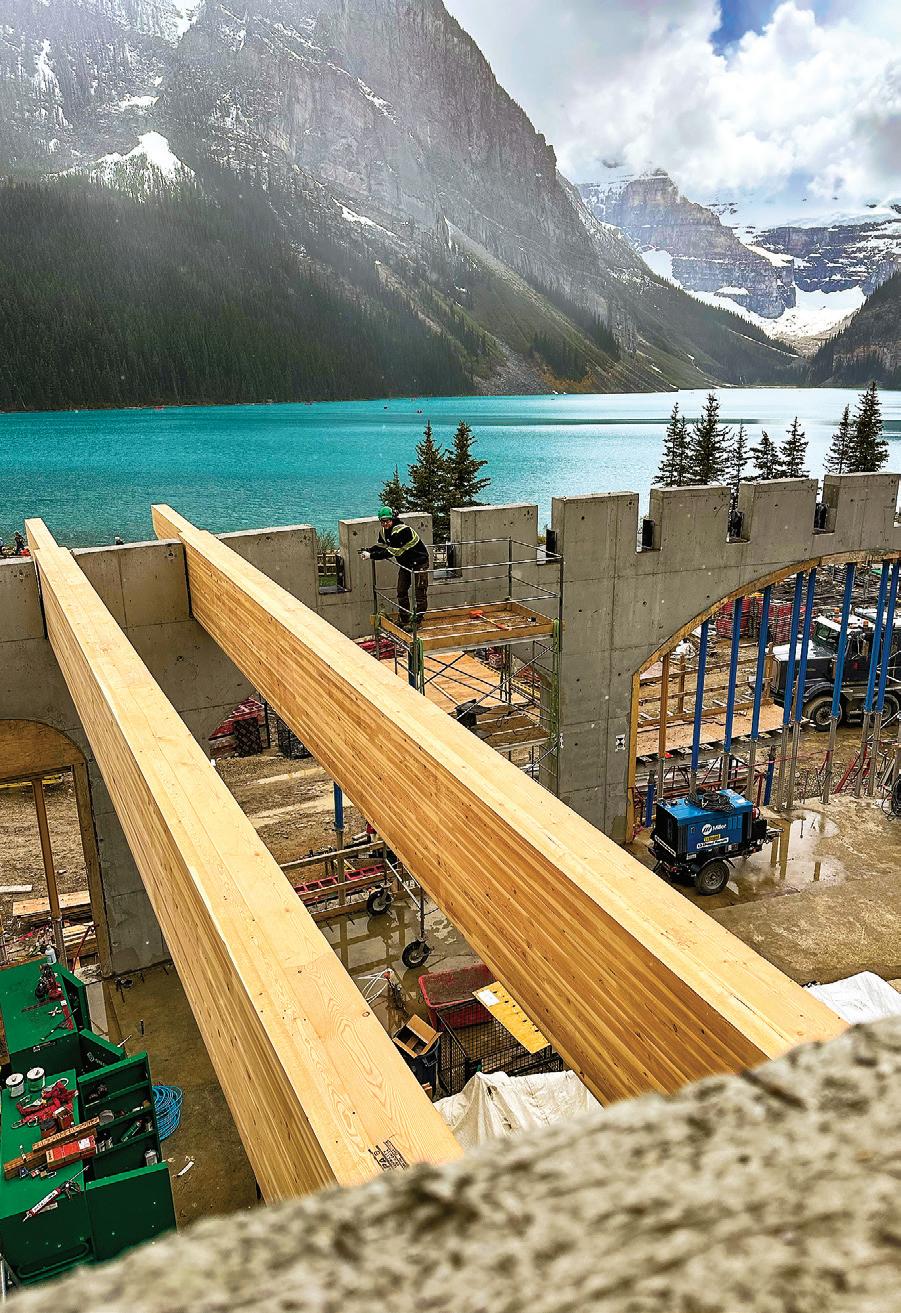
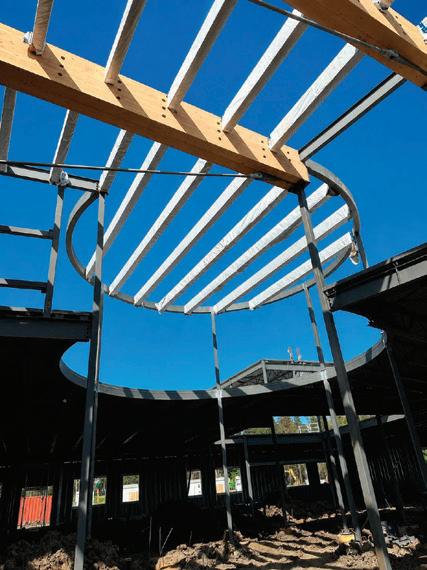
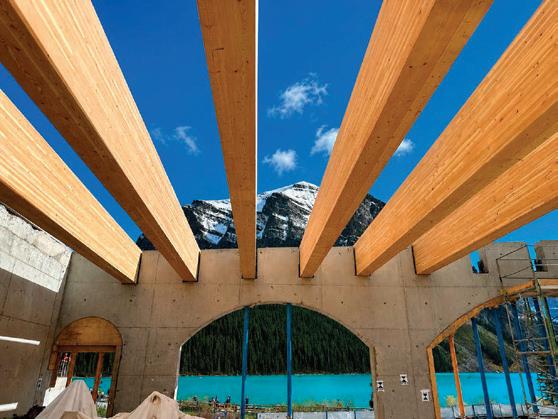
Engineered wood’s ability to deliver complex architectural forms is widely recognized, and the team at Beam Craft is no stranger to that challenge. Co-founder Jason Beamish points to the firm’s work
on the Fairmont Chateau Lake Louise as an example of how mass timber projects increasingly demand tight co-ordination between everyone involved. The project required 32 timber beams tying into two curved concrete walls, creating 64 unique bearing points along a radial geometry. Beam Craft worked closely with the manufacturer to determine what could realistically be machined. “We had to find a middle ground between the theoretical geometry and what the tooling could actually achieve,” Beamish explains. Because every connection was unique, the team combined point-cloud scans of the as-built concrete with the manufacturing model, feeding the data back into survey equipment so crews could mark exact weld locations and angles on site.
Timber beam installation on the Fairmont Chateau Lake Louise project.
Glulam structure for a large industrial storage facility.
Construction of The Hive, Vancouver, B.C.
PL AY I NG TOGETHER TO GIVE SUPPORT FOR BC’S KIDS
On behalf of the Building For Kids Charity Golf Classic organizing committee, we would like to thank all sponsors, participants, and supporters of last year’s 30th Anniversary event for the Building for Kids Golf Classic benefiting BC Children’s Hospital.
Thanks to their support, last year’s sold-out event welcomed 144 golfers from across BC’s construction and development industry and raised $240,000—bringing the tournament’s cumulative total to $4.6 million in support of the Heart Centre at BC Children’s Hospital.
Our 2025 Sponsors are recognized below in this promotion for our 2026 campaign. We are pleased to invite you to join us for our 31st Annual event on Thursday, July 16, 2026 at Morgan Creek Golf Course, and would value your continued support as a sponsor.
We also extend our thanks to Award Magazine for providing this ad each year to recognize our participant and sponsors.
For sponsorship opportunities or to confirm your participation, please contact Golf Committee Chair Gavin Yee at GYee@ventanaconstruction.com
Mass Timber Installation CLT, GLT, NLT, DLT and All Glulam Structures Heavy Timber Supply and Installation Design Modeling and Specialty Timber Engineering
(604)240 2326 - British Columbia (780)960 8979 - Alberta and Saskatchewan
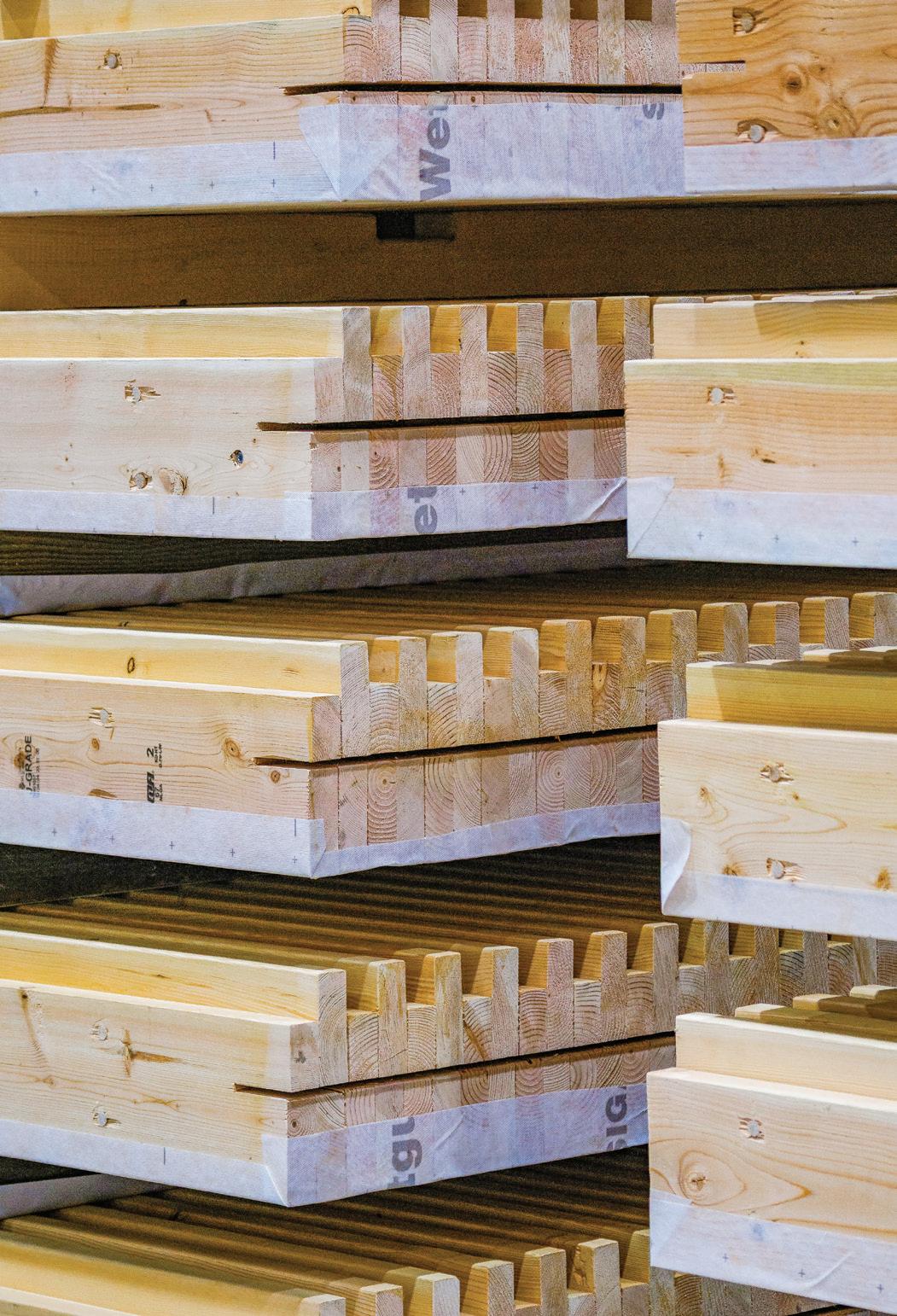
Pile of prefab dowel-laminated timber panels.
The Hive
LASTING PROTECTION
When it comes to safeguarding engineered wood, Sansin has a reputation for environmentally responsible solutions. One standout innovation is the KP-14+ Vapor-Permeable Membrane Coating, which has earned recognition for its effective approach to protecting mass timber.
Designed specifically for cross-laminated timber (CLT) panels, KP 14+ shields the wood from rain and on-site moisture during construction, while still allowing it to breathe and dry to ambient conditions. This balance helps prevent trapped moisture, water staining, delamination, and instability, ensuring the timber maintains its integrity on the building site.
When used in combination with factory prefabrication, precise connection detailing, and on-site moisture management, KP 14+ supports faster, cleaner construction.
Henkel is currently seeing particularly strong demand for its LOCTITE polyurethane (PUR) and EPI technologies in mass timber applications such as CLT, glulam, and finger-jointing as manufacturers are prioritizing total cost in use and sustainability. “Our solvent-free, formaldehyde-free solutions support these needs while meeting North American standards – ensuring structural integrity, safety, and performance,” says Ingrid Gagné, NA head of sales engineered wood at Henkel Corporation.
“Producers are balancing labour shortages, productivity demands, cost pressures, and sustainability goals. Adhesives must perform across varied wood species, moisture conditions, and fire requirements. Solutions like Loctite HB X help manufacturers meet strict fire standards, while also reducing CO2 impact,” adds Gagné.
PRODUCT PIPELINE
At the 2026 International Builders’ Show in Orlando, Weyerhaeuser offered an early look at two engineered wood products currently under development, both aimed at improving residential floor systems. The first, Trus Joist ProPanel, is a new type of engineered floor panel designed with enhanced moisture resistance and a fully sanded surface. The panel also incorporates a self-draining feature intended to help manage water exposure during construction.
The company also previewed AeroStrand Laminated Strand Lumber, a next-generation floor joist that builds on the properties of its existing laminated strand lumber products. The joist includes pre-cut openings within its structural web, allowing plumbing, electrical, and mechanical systems to pass through more easily without additional field cutting. This design is intended to simplify installation and reduce co-ordination between trades.
Both products are still in development and were presented as part of Weyerhaeuser’s ongoing effort to refine engineered wood systems that support more predictable construction timelines and consistent floor performance in residential projects. A
Cross-laminated timber panels treated with KP-14+ Vapor-Permeable Membrane Coating.
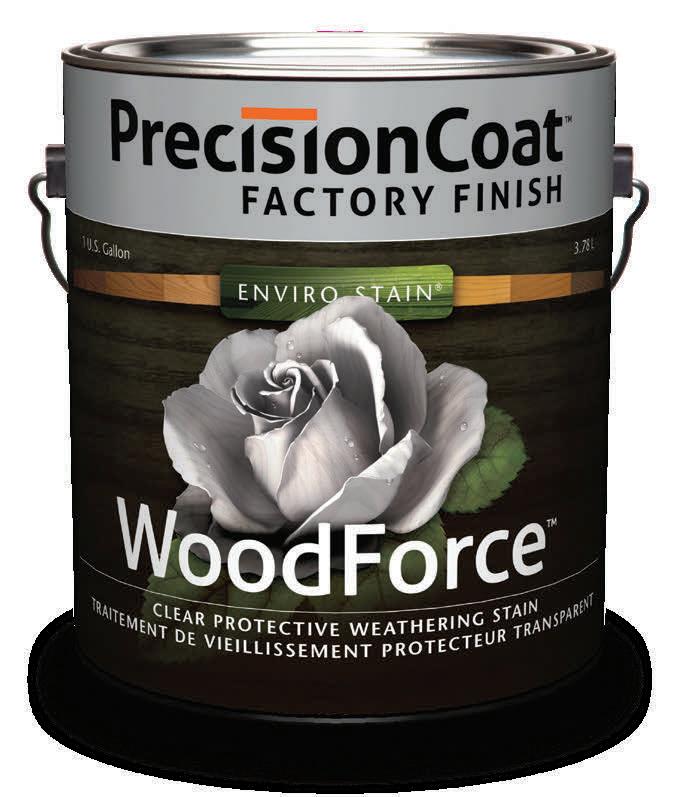
Sansin Precision Coat™. High performance wood protection for mass timber structures.
PC WoodForce has a 20-year history of performance. As a newly certified fire rated Euroclass D topcoat for “Class A” fire treated timber, conforming to ASTM E84. PC WoodForce will provide added value and beauty as it weathers naturally, making long term maintenance easy. Warrantied for up to 20 years, Precision Coat factory finishes deliver the color, transparency and performance that architects, engineers and builders can count on.
Contact us about our specification program so we can help you achieve the perfect finish and protection, every time.
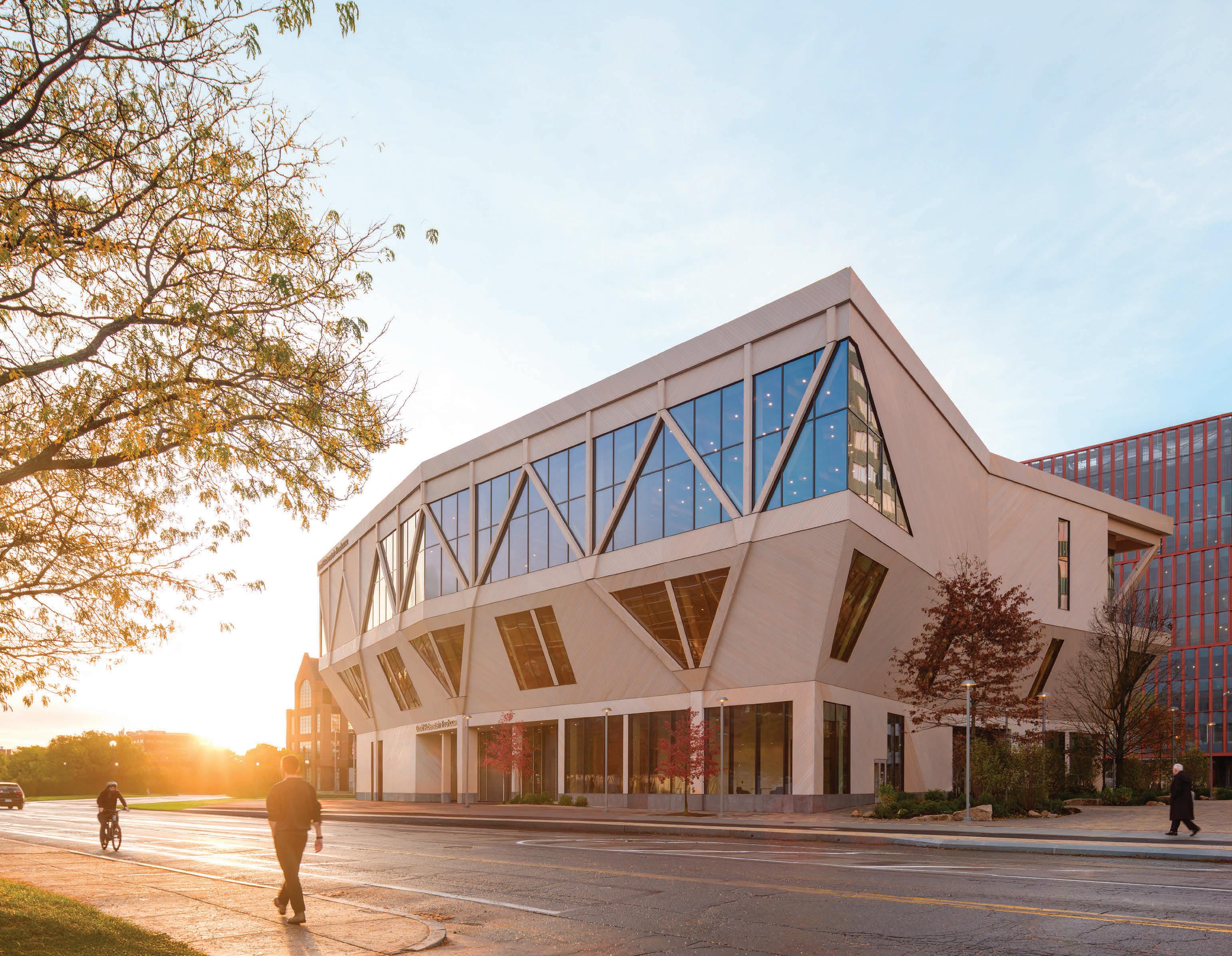
David Rubenstein Tree House at Harvard University | Boston, Massachusetts
Photo Credit: Jason O’Rear retains all copyrights.
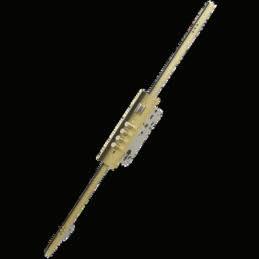
High-Security Multi-Point Locking
POINT of ENTRY
Modern entry systems integrate durability, design, technology, and accessibility
by LAURIE JONES
he options for doors and hardware components in both residential and commercial projects continue to evolve, with attention being paid to all aspects from materials to safety accessibility, and beyond. More than just function, suppliers are working closely with architects to create custom looks that
For Total Opening Consultants (TOC), the selection and specification of every opening begins with the client in mind, ensuring that robustness, aesthetics, and usability are designed in from the start. Partnering with architects and building owners across residential, institutional, health care, government, and commercial sectors, the firm specializes in hardware
and public institutions are all adopting intelligent locking solutions that integrate with building management systems and provide audit trail capabilities.
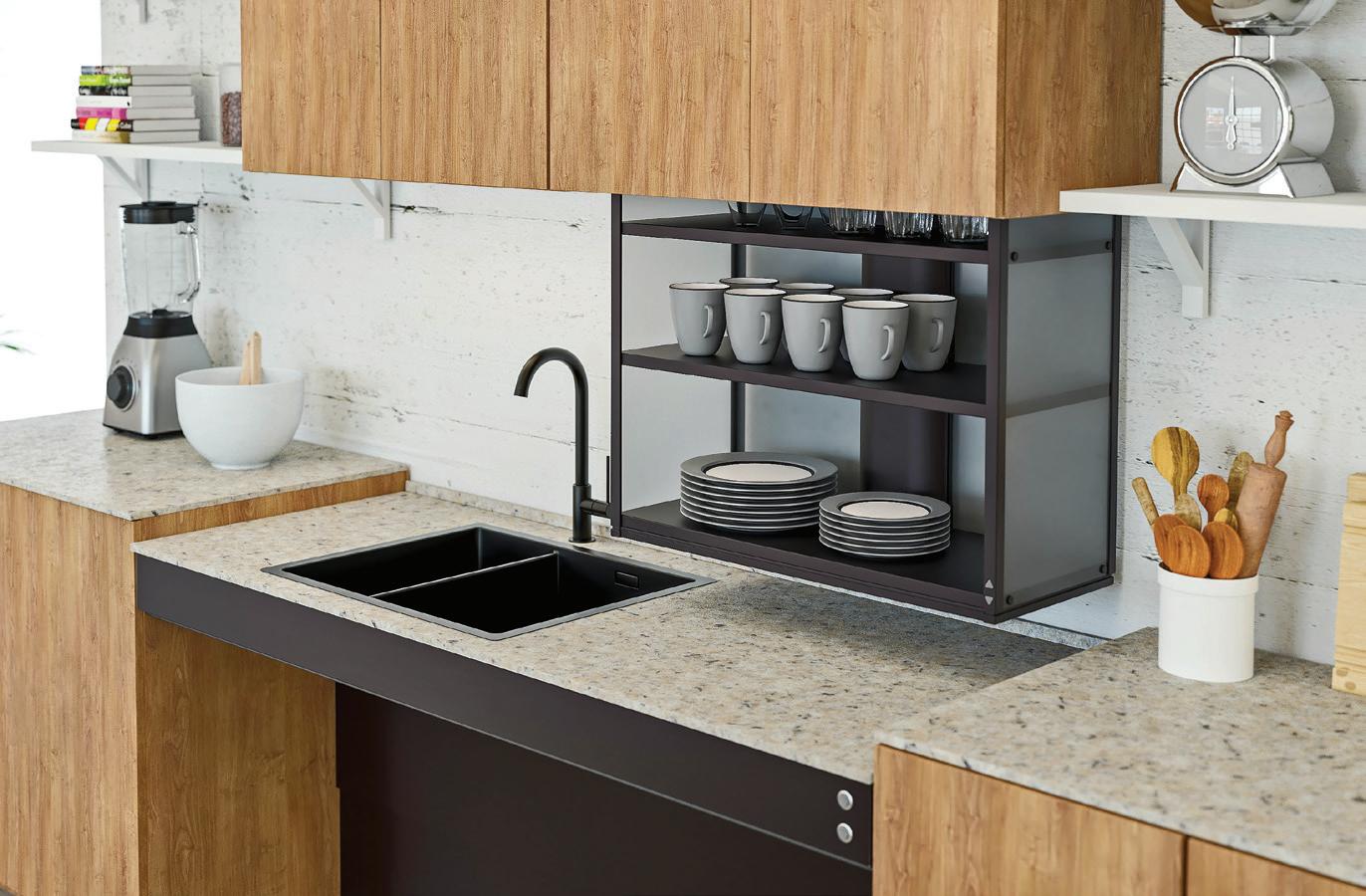
After participating in the 2026 Environments for Aging Conference + Expo, Richelieu Hardware now offers products engineered to deliver fluidity, safety, and comfort, ensuring individuals of all ages and mobility levels can navigate kitchens, bathrooms, and laundry rooms with ease. “We are pleased to announce our collaboration with Granberg, a renowned European manufacturer of accessible kitchen and living solutions,” says Nathalie Langlois, marketing manager. “This partnership represents a significant step forward in bringing inclusive, design-driven innovation to the North American market.”
A product that won Gold at The Kitchen & Bath Industry Show is the VERTI 840 motorized lift. This is designed for upper cabinets as it safely and smoothly lowers overhead storage to an accessible height, improving reach and reducing strain.
Also for the kitchen, the Baselift 6600 height-adjustable worktop system enables countertops to be raised or lowered to accommodate seated or standing users, supporting ergonomic flexibility.
Moving to the bedroom, the Butler 730 and Butler 732 pushbutton wardrobe lifts transform the closet for enhanced accessibility. “This unit allows seated users to raise and lower clothing with the push of a button, keeping your wardrobe organized and within easy reach,” says Langlois.
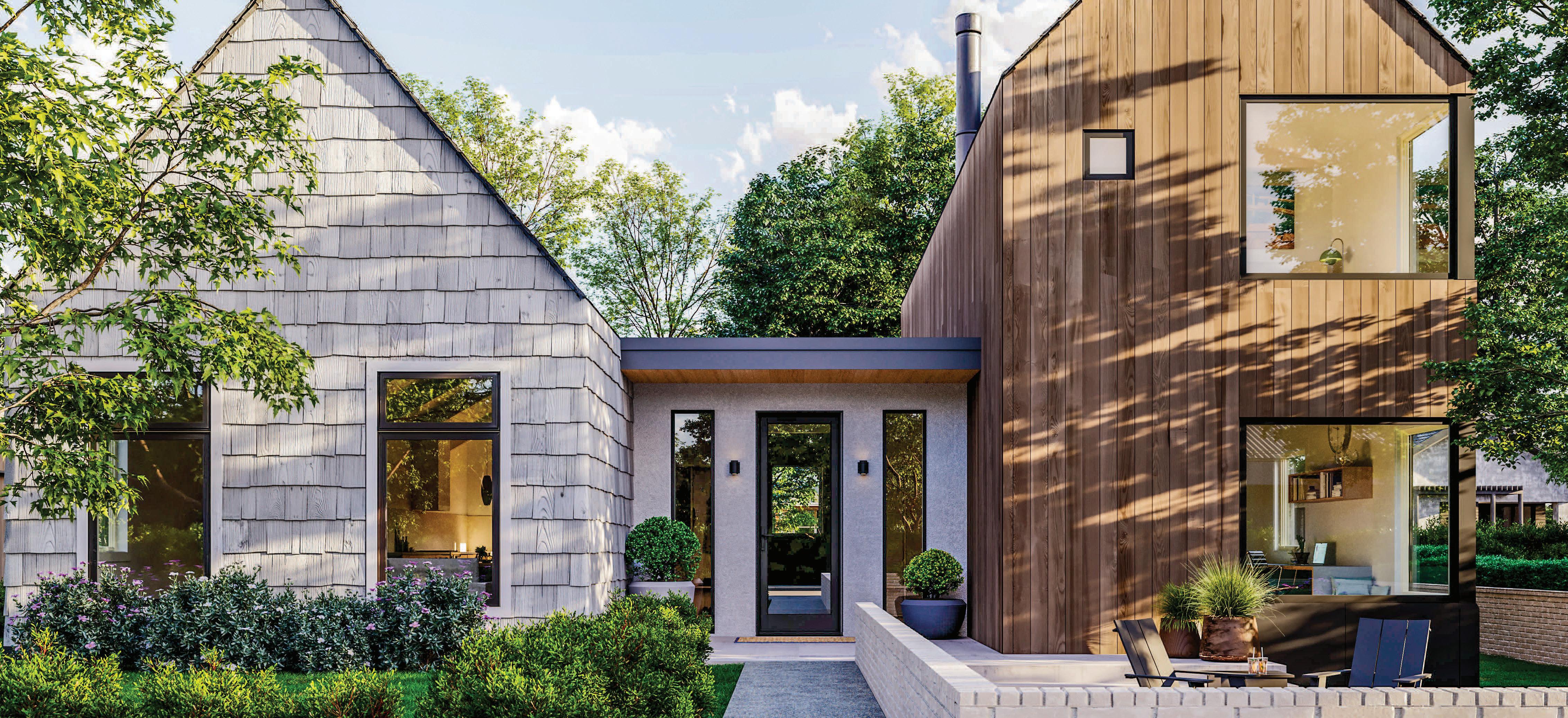
Colin Whitlock, marketing manager at Ultimate Windows, Doors & More – the largest supplier of Marvin windows and doors in Canada – says the Vivid Collection, Marvin’s newest product line, expands what’s possible with their proven Ultrex fibreglass platform, offering larger formats up to 10 feet, slimmer profiles, and a refined finish that gives builders and designers more flexibility across a wider range of projects. “The material itself is worth understanding. Ultrex fibreglass expands and contracts far less than wood or vinyl across seasonal temperature swings. In Eastern Canada, this means tighter seals, fewer maintenance calls, and windows and doors that hold up over the long term.”
He adds that innovation is also showing up in other areas. As smart home automation becomes more robust and accessible, Marvin’s Connected Home functionality stands out. “Built directly into their casement and awning windows, as well as multislide patio doors, these smart features allow homeowners to manage access, airflow, and views remotely through an app, wall panel, or voice commands, with lock monitoring and scheduling included.”
On the other end of the spectrum, their heritage replacement products address a challenge that comes up on historic properties everywhere: updating the performance of aging wood windows without changing the exterior character that preservation standards require.
Standard Metal Hardware, an important supplier to Allmar Inc., provides innovative, trendsetting door hardware. “In the past,
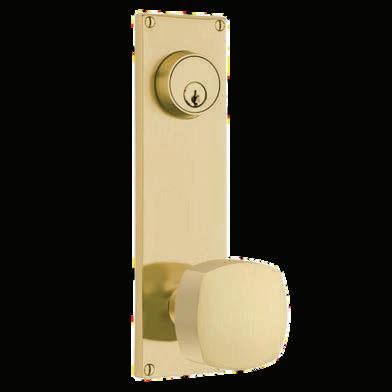
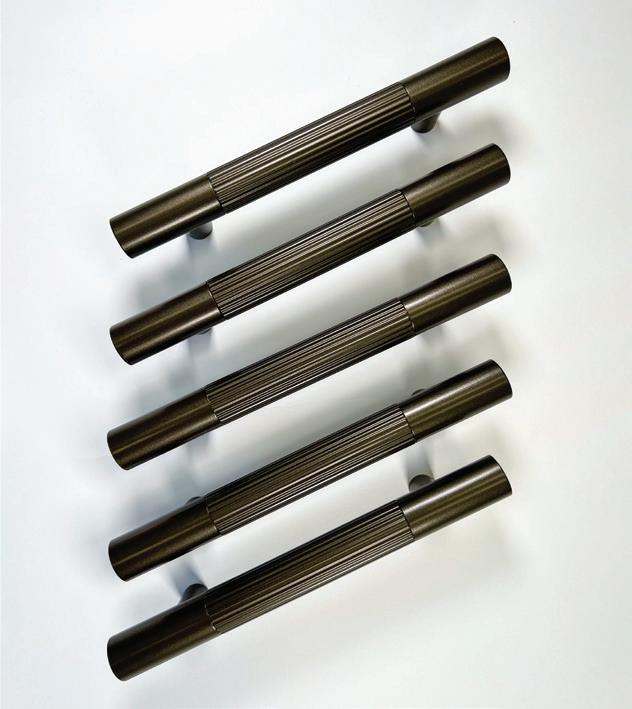
architectural hardware has been viewed as purely functional, but now we’re seeing that it’s becoming part of the architectural language of the space with products and finishes,” says Bryan Fligg, general manager. “For instance, locking door pulls are available in long, linear designs that have an architectural finish that matches, or integrates with the rest of the space, including dark bronze, warm tones, leather, or other custom options.”
Fligg adds that they are also doing glass door patch fittings, a box that is installed in the glass to blend in with the architectural design, but houses an electric strike, a locking mechanism, or digital access. “We work closely with a company in Spain called Salto that focuses on digital access with both practical and architectural hardware.”
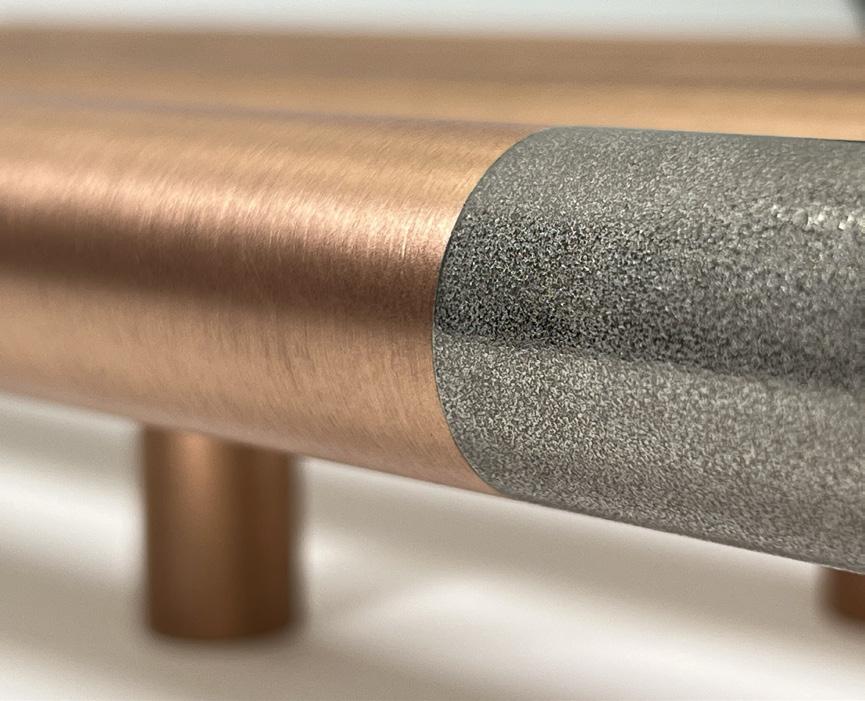
Tying the hardware and finishes together has been a major focus in the last two to three years for Fligg’s team. “We use a highly durable, UV-resistant powder coat for outdoor applications, and with a sample or colour code, we can match virtually any architectural finish.”
Heritage replacement products update the performance of aging wood windows.
Locking door pulls in long, linear designs available in various finishes.
Aluflam North America recently announced a significant advancement in its true aluminum framing system. Through the utilization of Vetrotech’s groundbreaking Contraflam One interlayer technology, Aluflam can now provide improved performance in a single intumescent chamber solution across all performance ratings.
By combining Contraflam One interlayer glass technology with Aluflam true aluminum framing, architects and designers can now incorporate much larger openings free of intermediate vertical and horizontal framing elements. This evolution of the Contraflam product has allowed an increase in the daylight sizes by more than 40 percent. This opens up new possibilities for projects to
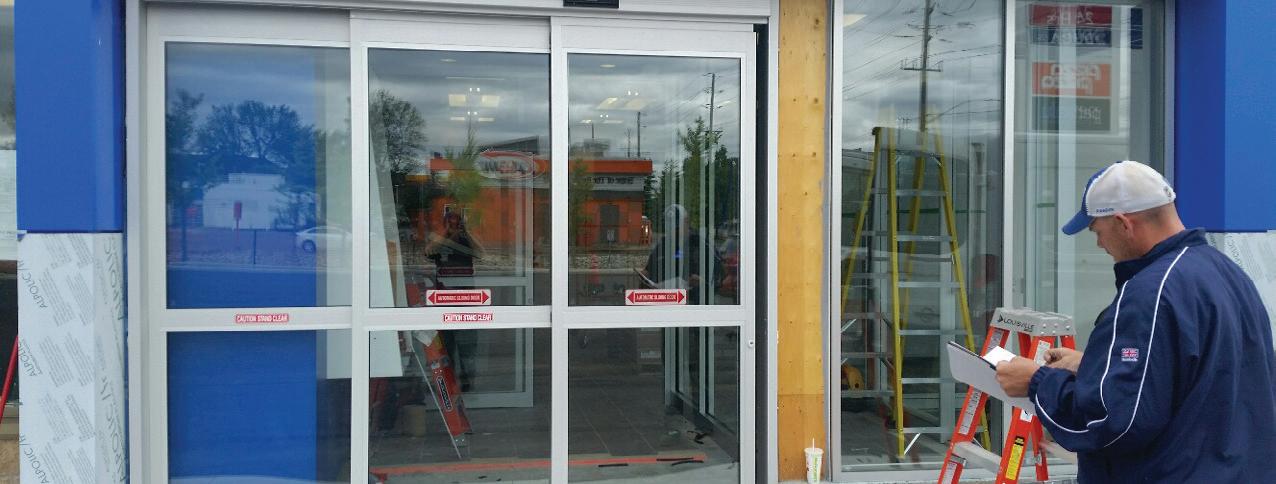
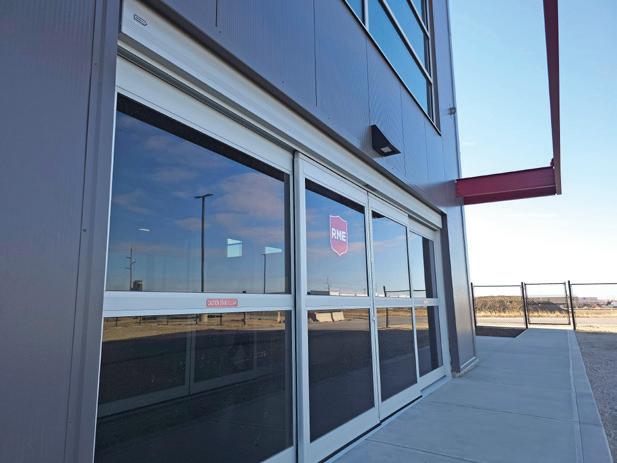
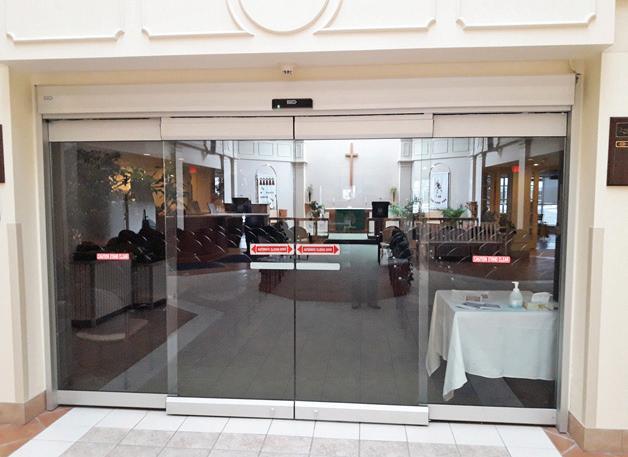
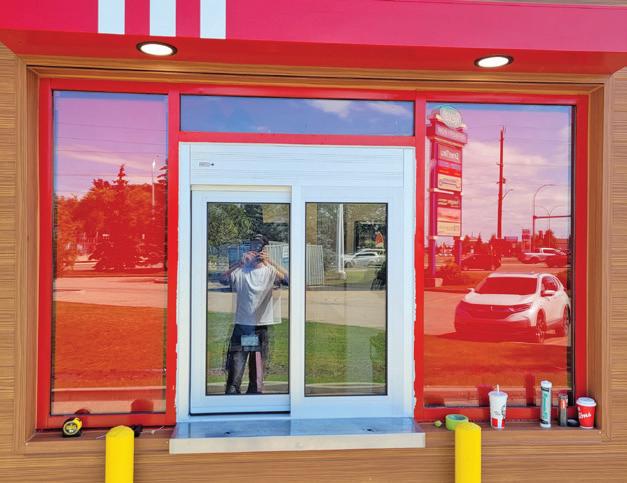
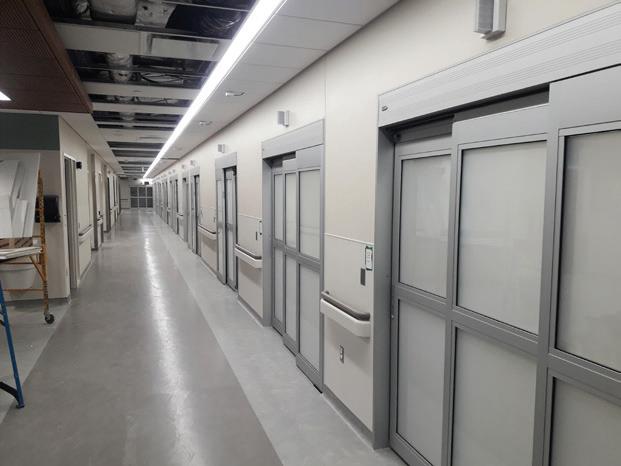
Let us help you specify the correct Automatic model tailored towards your project and door opening.
We offer Automatic swing/slide/fold type doors, ICU/ CCU specialized Auto & Manual Door systems, and Automatic & Manual pass thru window systems.
feature bigger windows and brighter, more inviting interiors. Fire-rated glazing requirements are met without sacrificing the design vision.
In addition to larger openings, by utilizing the most advanced fire-resistive glass technology, architects and designers can take advantage of the highest visible light transmittance, a broader range of temperature resistance, significant weight savings, and up to 35 percent less embedded carbon than the previous generation of Contraflam.
The Smart Garage Roll-Up-Door options offer a variety of products for both residential and commercial applications, providing security, weather protection, and stylish curb appeal. Made of structural galvanized steel, the Roll-Up-Door features a silicone modified polyester paint that helps prevent fade, and a soft, pliable seal along the bottom deters leaves and dust from slipping under the door.
On the technical side, the quiet, GDO-6V.5 opener draws approximately four amps of power, and the motorized door has an inside wall button operated by two key fob remote transmitters, while the S-ALPS (Semi-Automatic Limits Positioning System) ensures reliable limit setting and maintenance. The combination of drum and precision balanced springs ensures balance when stopping the door at any level of opening, with a lifespan of around 19 years.
AN OUNCE OF PREVENTION
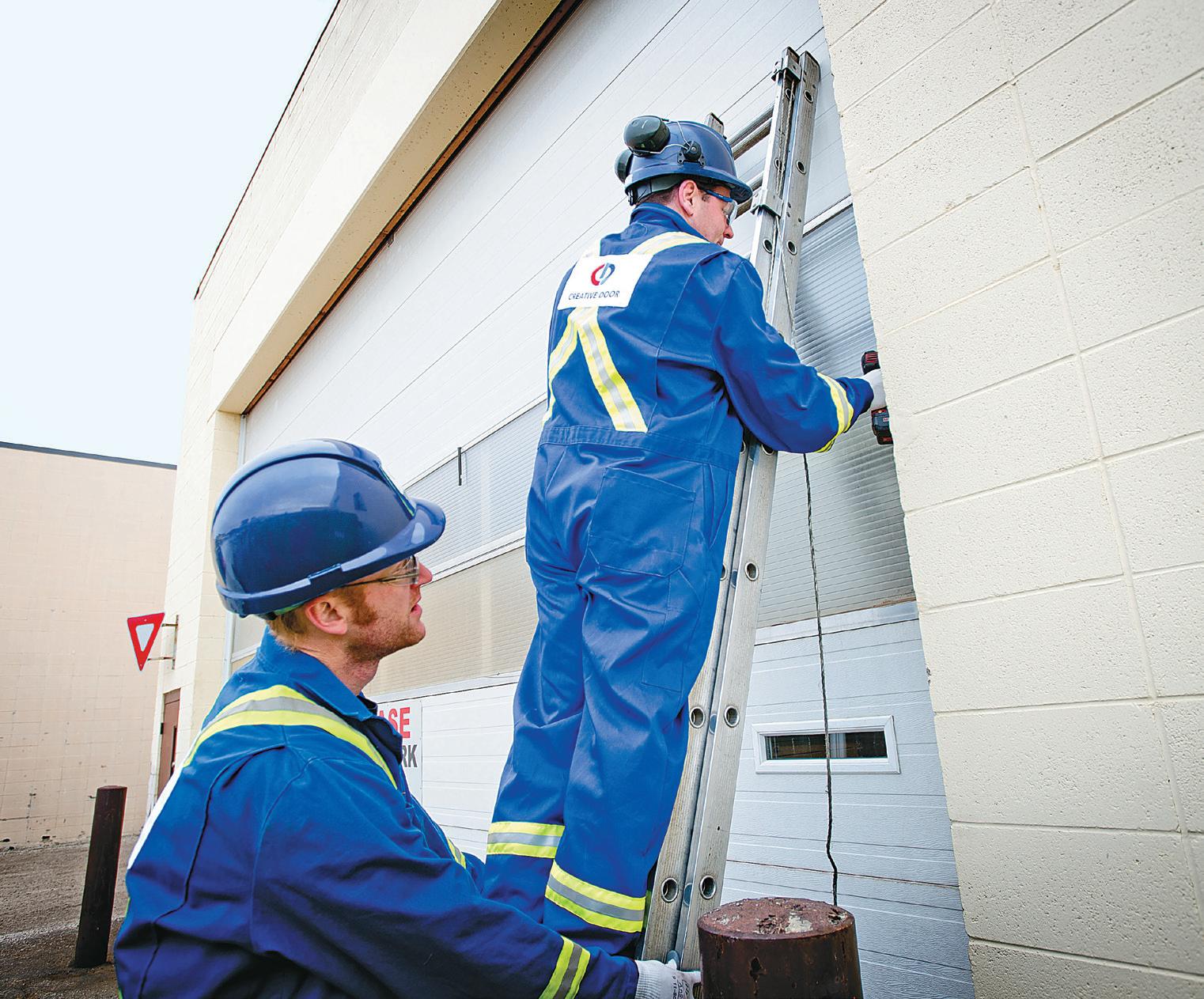
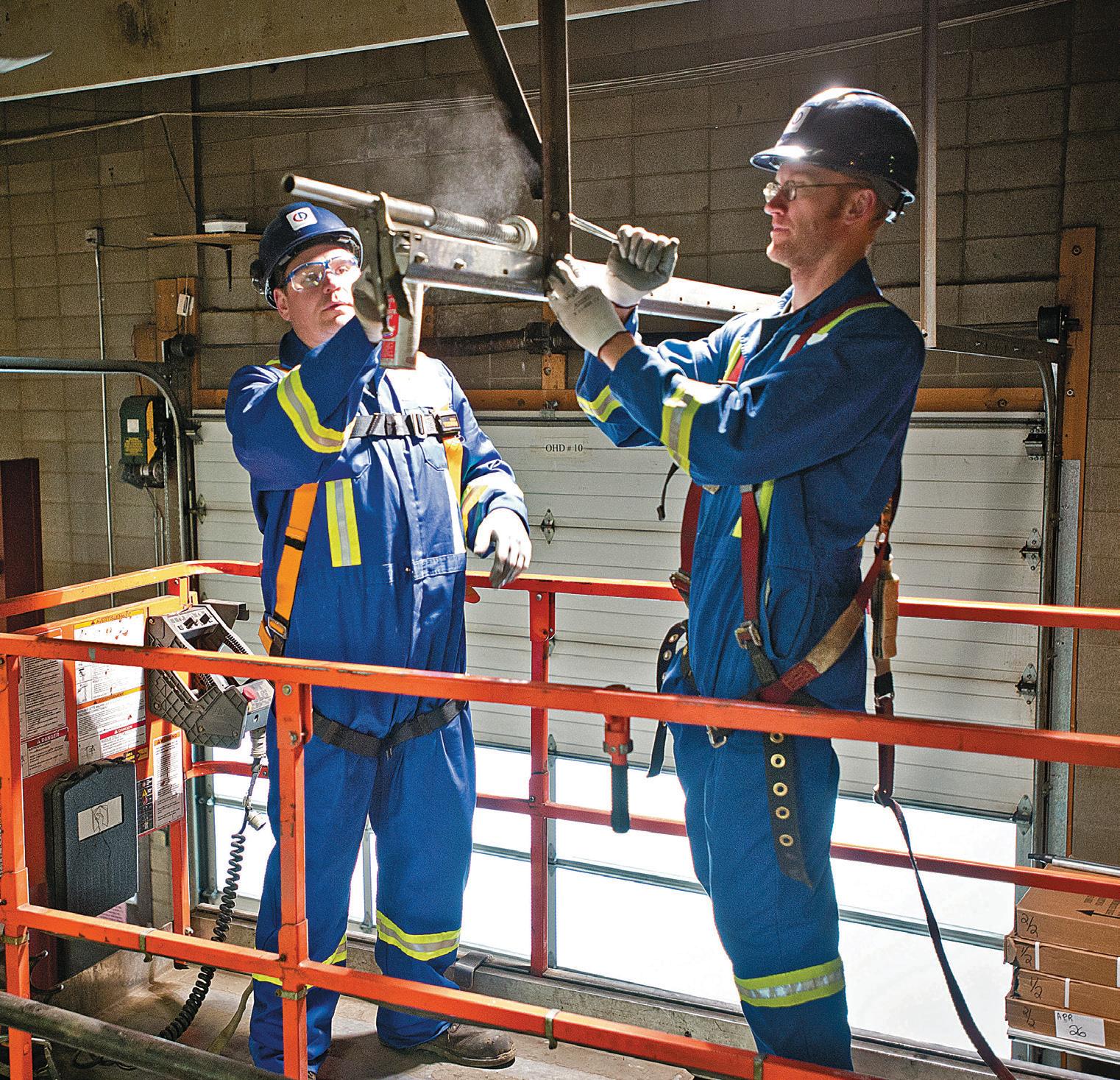
Door functionality, aesthetics, and style are important considerations when purchasing products, but beyond that, maintaining doors is an important task to keep the value in an equipment investment. “Commercial doors are subject to a lot of wear and tear on a daily basis, and an unseen issue that causes a single breakdown can have a cascading effect on the whole system, increasing costs further,” says Lana Winterfield, marketing and communications manager, Canada for Creative Door Services.
“Beyond the equipment management, worker safety is critical for any company. Rolling and sectional door springs are under significant tension, which can create serious problems if the doors are not maintained properly. Injuries to staff, customers, or others in the building can trigger everything from fines to a complete shutdown.”
Conserving energy is another component that is a benefit of regular maintenance. “Regular planned maintenance for your commercial doors and other access points can help identify vulnerable areas that will lead to a loss of energy,” says Winterfield. She cites issues such as worn weatherstripping as an example of problems like gaps creating misaligned doors.
The company’s experts can spot problem areas that lead to lessening the strain on HVAC systems, lower energy bills, and help meet sustainability goals. A
Honor Your Design. Rely on the Right Fire Safety.
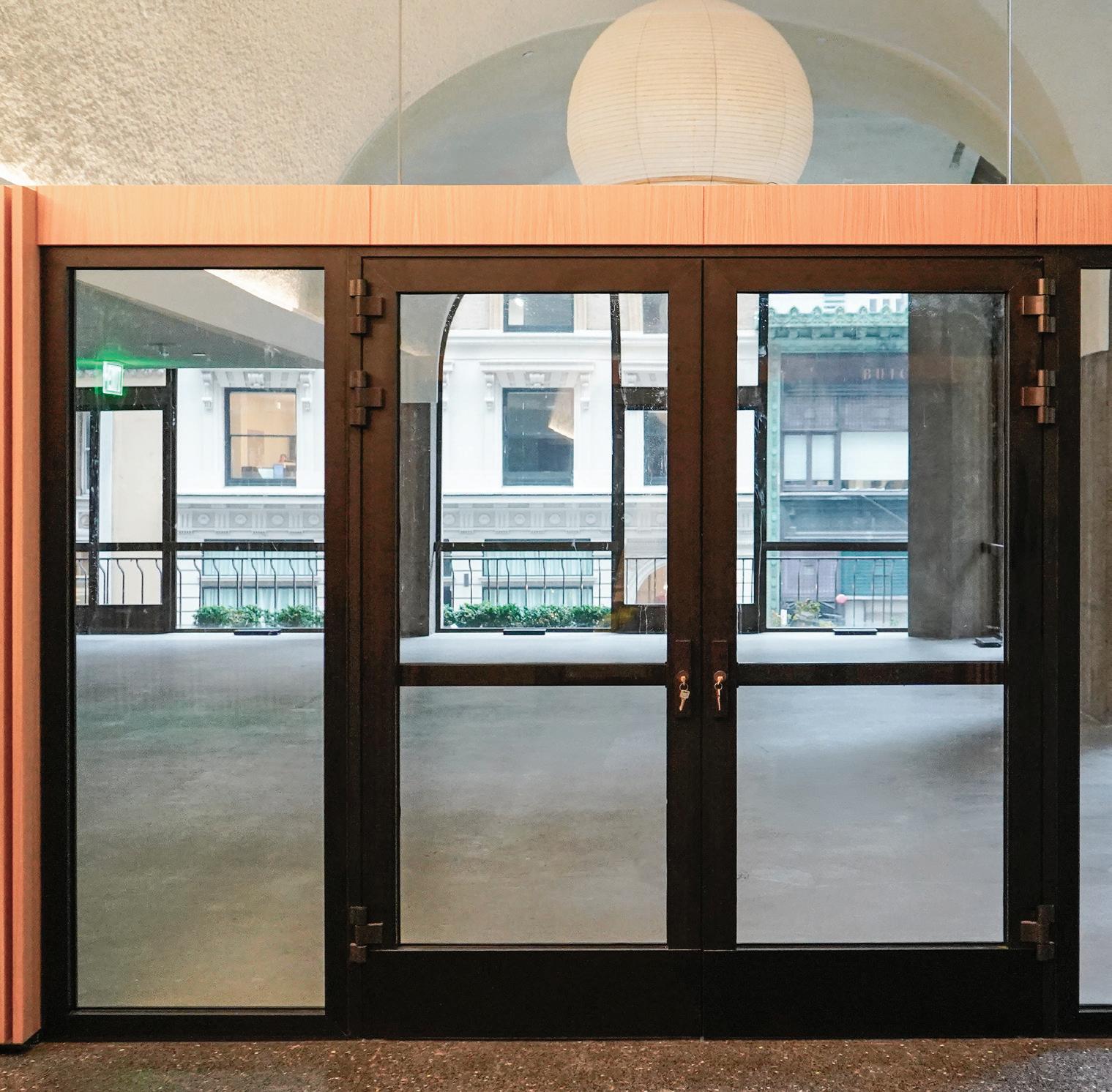
Satisfy safety regulations and reward your creativity with Aluflam, the key system featuring true extruded aluminum vision doors, windows and glazed walls, fired-rated for up to 120 minutes.
Aluflam products are indistinguishable from non-fire-rated doors and windows and are available in a wide portfolio of most architectural finishes.
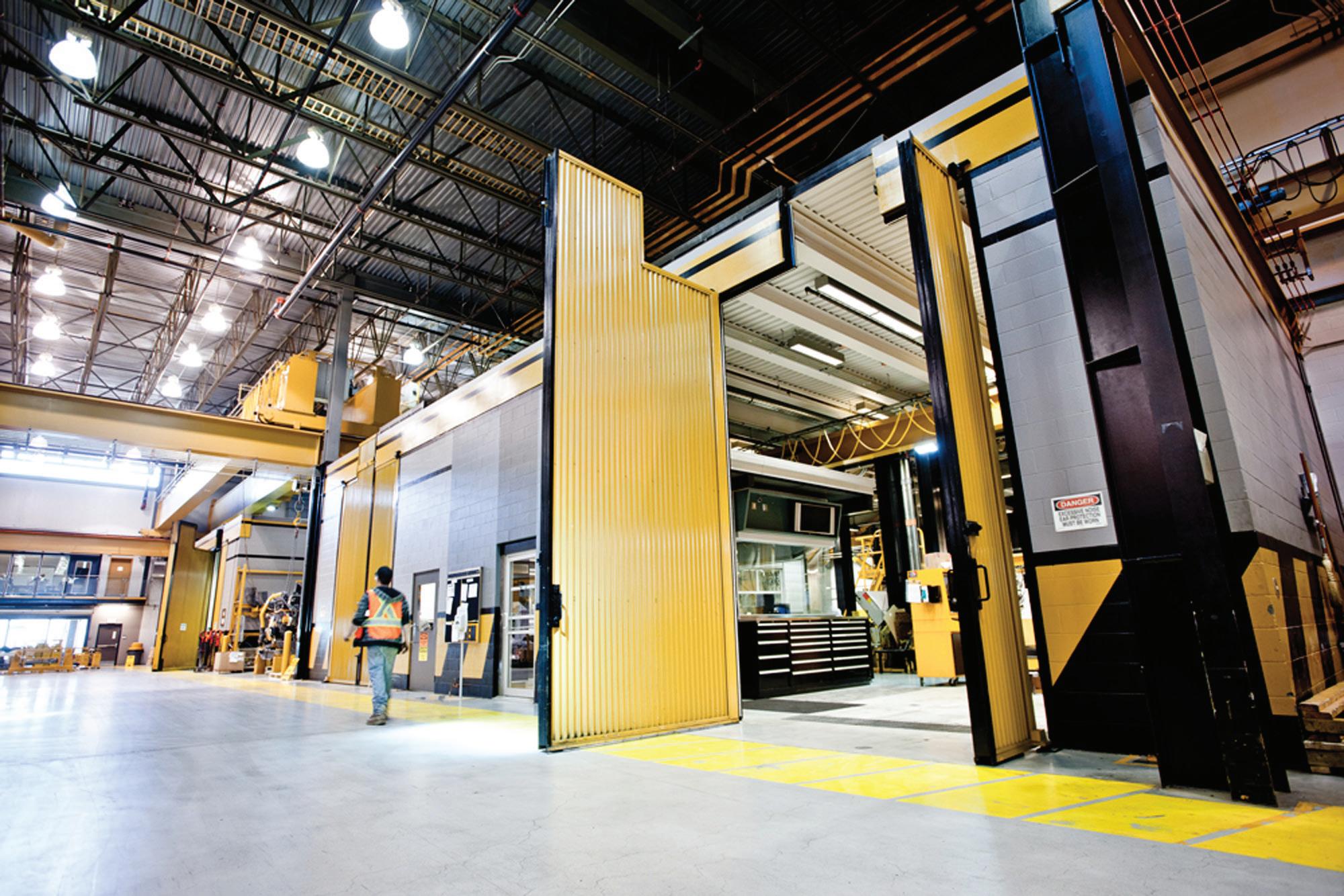
Maintaining commercial doors is an important task to keep the value in an equipment investment.
It’s Flue Season
Mechanical and HVAC demand isn’t cooling, even in uncertain times
by ROBIN BRUNET
Aqua-Tech Sales & Marketing Inc.’s president, Darryl Singleton, and vice president of sales and marketing, Grant Erickson, are bullish about business in the mechanical and HVAC sector in 2026, which speaks well of economic resiliency, considering 2025 was an extremely busy year for them, too.
“Last year was super-robust as we scrambled to catch up due to delays caused by the tariffs,” Singleton says. Erickson adds, “This year we’re right where we projected. Of course, everyone is still vulnerable to sudden political and economic developments, but there is a strong need for the products and services we provide, especially in the residential sector.”
Aqua-Tech mainly supports high-efficiency condensing boiler and water heater products, plus commercial heat pumps for the construction industry. It’s also well known for its staff’s technical knowledge, whether it is required at the design stage or in the boiler room.
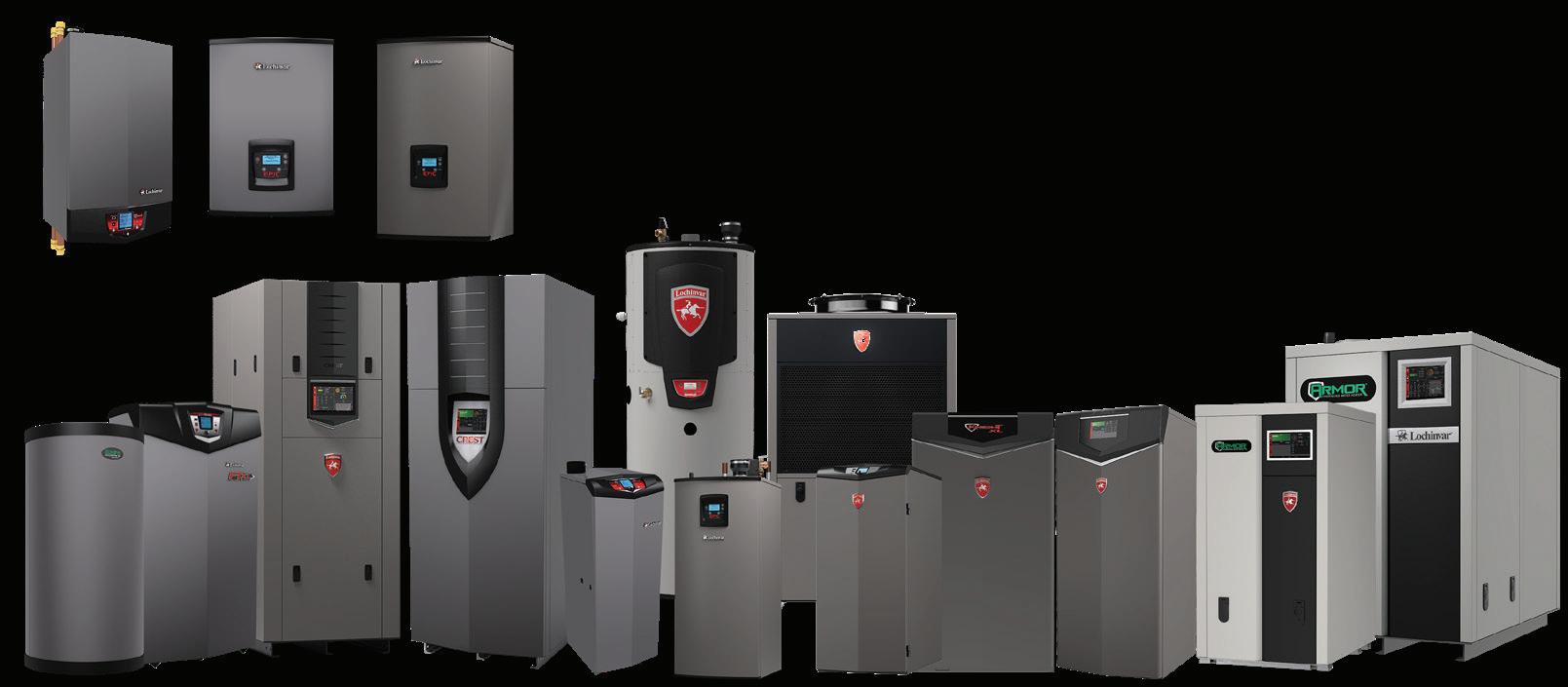
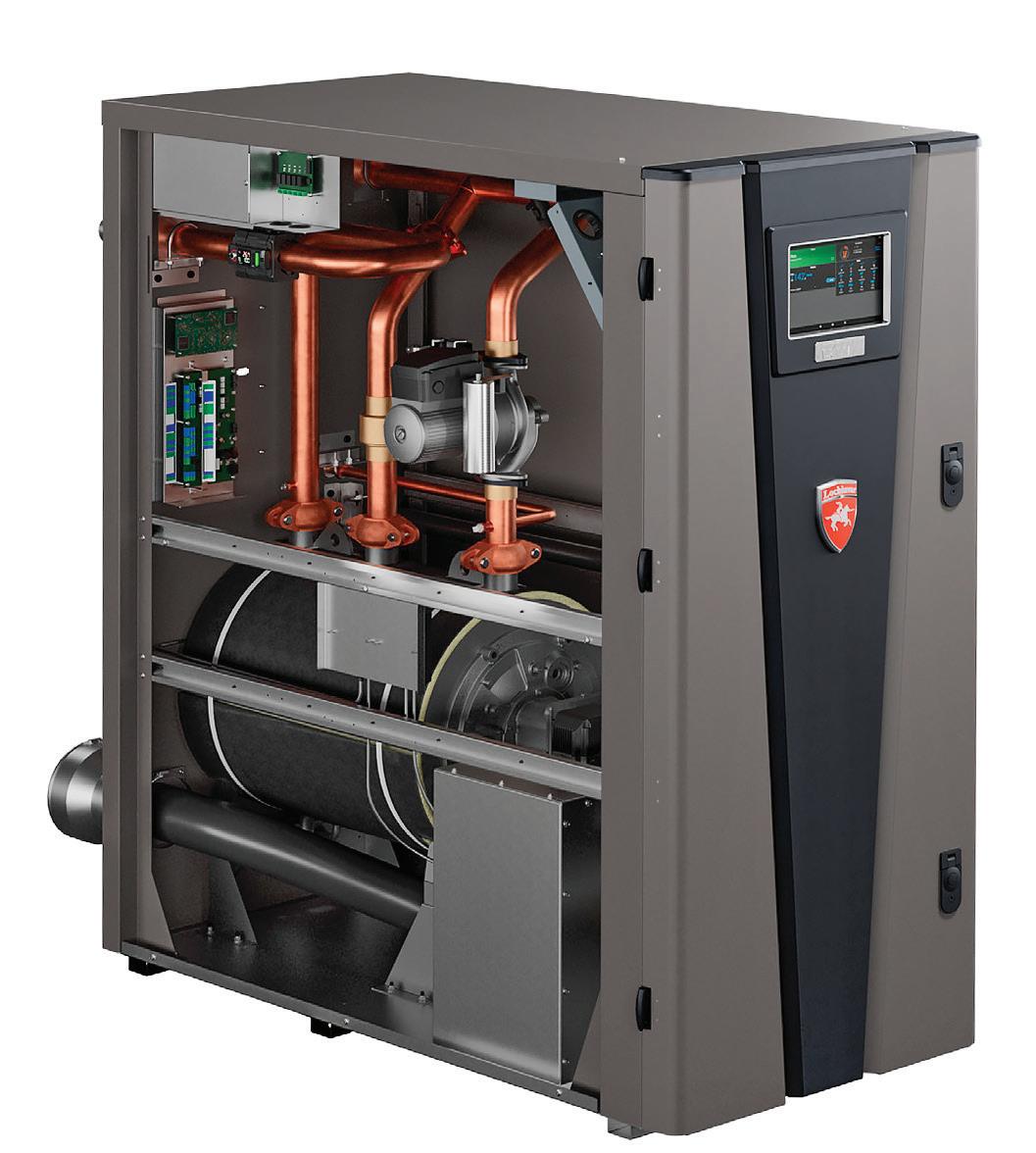
With business forging ahead in these uncertain times, Aqua-Tech, thanks to its close association with Lochinvar boilers and water heaters, can also report technological advances in 2026. “Lochinvar’s Regent commercial tankless water heater was recently unveiled and is very well suited to the condos across Canada that are getting changed out,” Singleton says. Lochinvar Regent is an
advanced stainless-steel commercial tankless domestic hot water heater capable of providing hot water on demand without the use of a storage tank. It offers scale-free operation at 96 percent efficiency with a 25:1 turndown ratio.
As part of GF, the Uponor brand provides trusted polymer solutions for domestic water, hydronic distribution, and radiant heating and cooling systems.
“Since GF acquired Uponor in November 2023, our focus has been on unlocking synergies and enabling our customers to overcome the challenges of today’s residential and commercial markets,” says sales representative Justin Van Noort. “We’re committed to providing sustainable innovations to help our customers build with confidence.”
A recent product is the Uponor ProPEX Lead-Free (LF) Brass Transition Ball Valves, available in sizes from one-half inch to three inches. The full-port valves use a stainless-steel ball and stem to improve durability, longevity, and performance. Available in press, threaded, and flanged options, they simplify transitions between materials, reduce adapters, and limit connection points.
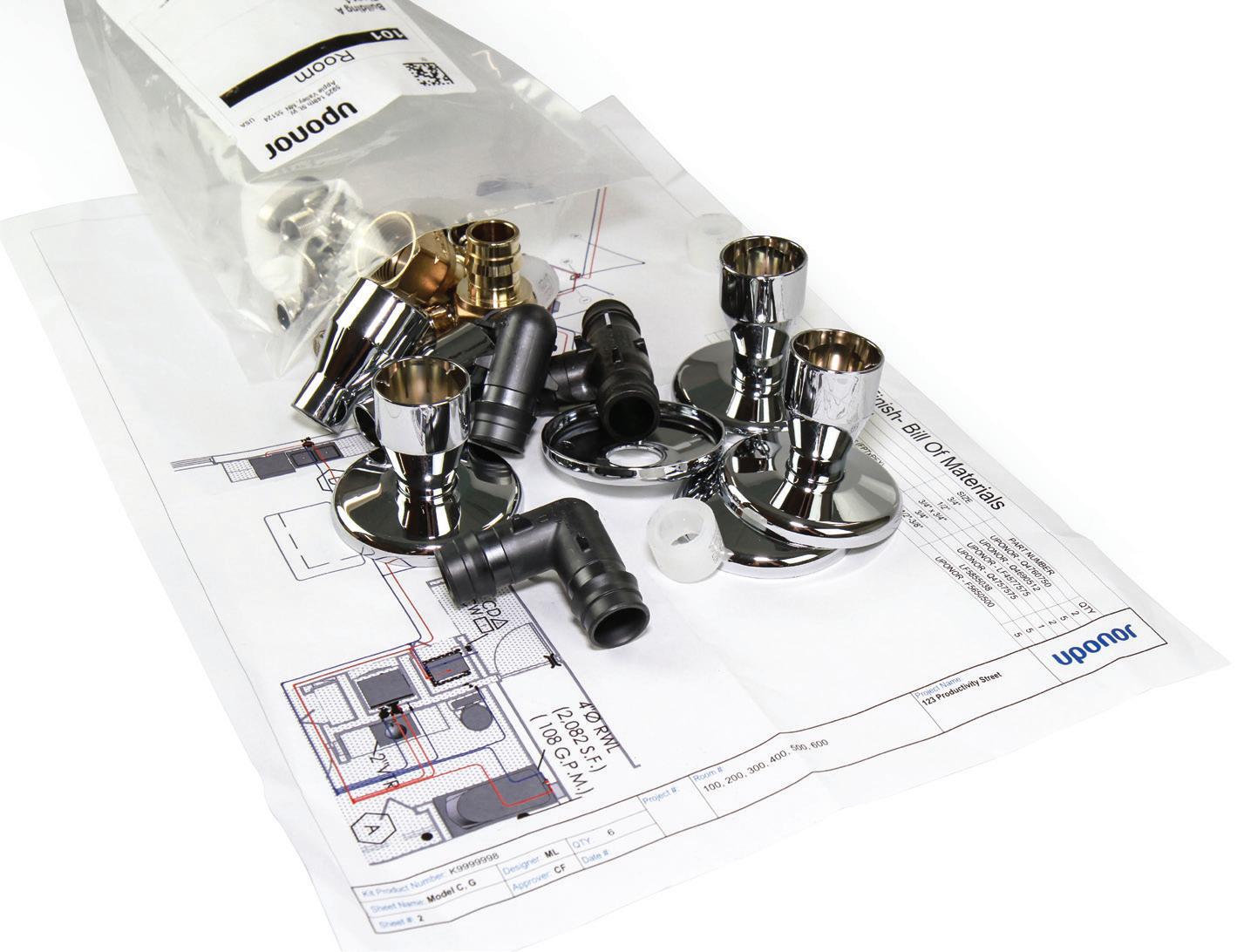
The company has also expanded its Uponor Kitting Services offering that delivers all-encompassing installation kits for repeatable units such as multifamily, long-term care, and hospitality projects. Each kit includes ProPEX fittings, rings, transitions, valves, stub-outs, supports, and related components, packaged and labelled by room. Kits also contain material lists, plan views, and 3D isometric drawings, enabling consistent installation, greater efficiency, and reduced waste. Options cover both rough-in and finishing stages, with direct-tosite shipping to minimize delays and handling.
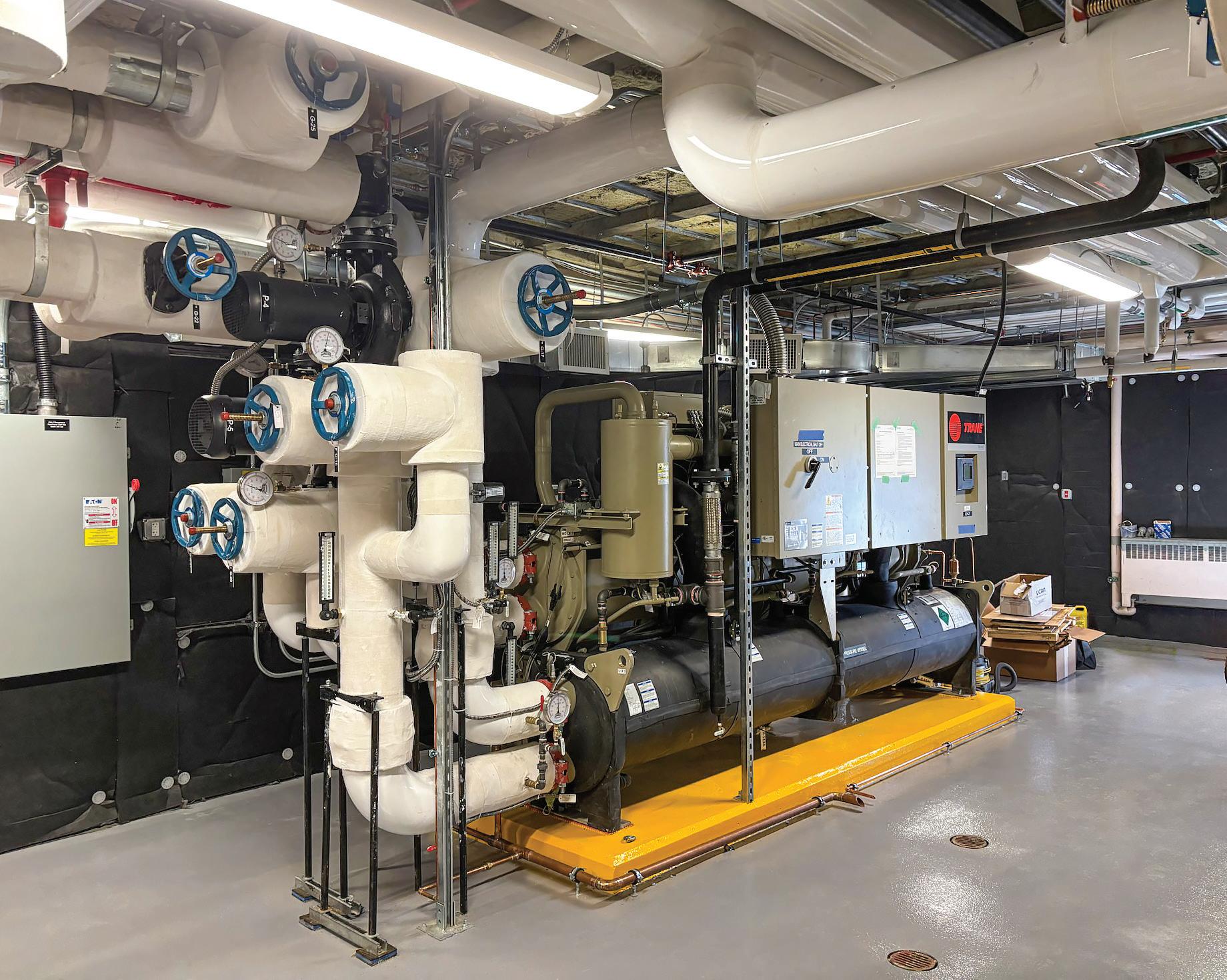
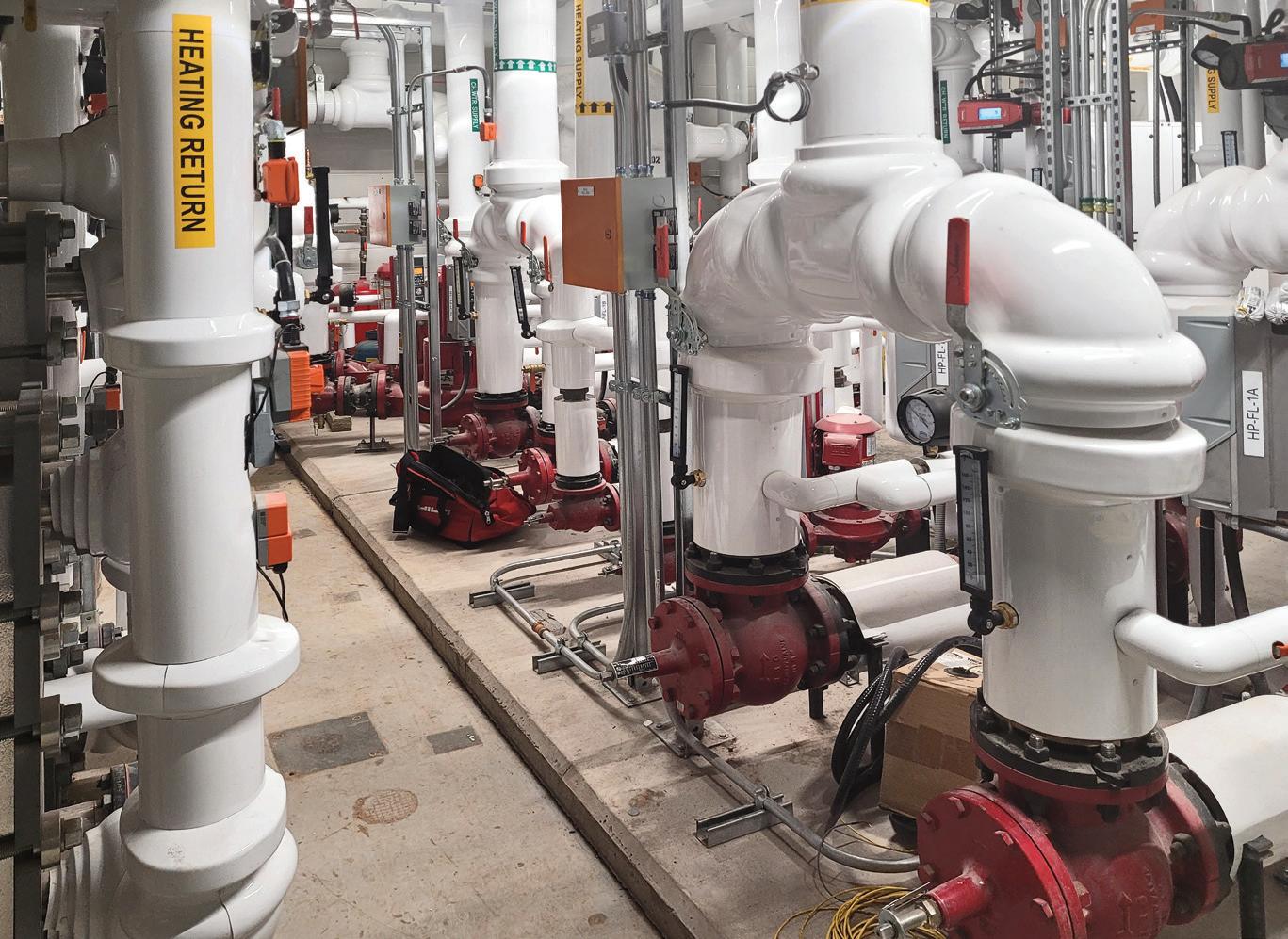
Thermenex heat reclaim chiller installation at an acute care facility.
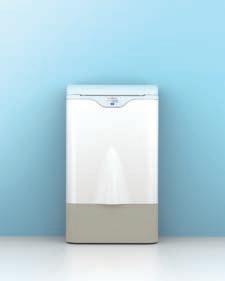
Lochinvar’s Regent commercial tankless water heater.
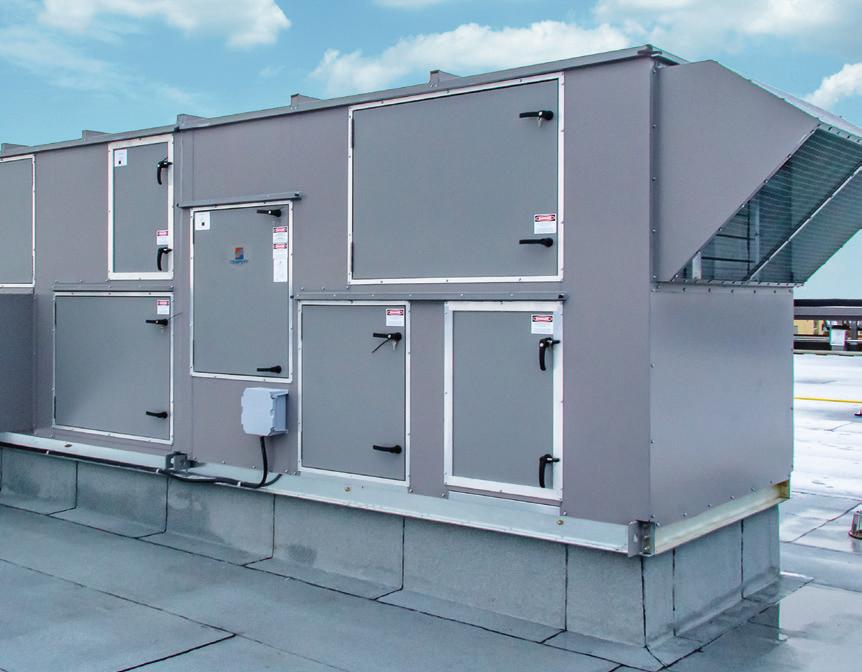
Tempeff’s Driving Innovation on Dedicated Outdoor Air Systems.
Tempeff’s Dedicated Outdoor Air Systems continue to not only stay current with industry changes, they LEED them. Orchestrating sustainability while conditioning the use of 100% outdoor air, and drastically removing outdoor contaminants improving indoor air quality. The use of Tempeff’s DOAS reduces the heavy load on other HVAC equipment to maintain longevity of all equipment, with the benefit of huge cost savings long term.
Find out more about Tempeff’s dedicated outdoor air systems at tempeff.com
Uponor also offers prefabricated PEX water risers designed to maximize labour productivity and accuracy for domestic water and hydronic distribution piping systems in commercial construction projects.
“These come assembled and ship directly to the jobsite with 75 percent of the connections already completed, including up to two feet of branch piping, along with the contractor’s choice of valve, adapter, or multiport tees. In addition to Uponor’s longstanding 25-year system warranty, Uponor Prefabricated PEX Water Risers will include a 10-year workmanship warranty on all connections done in-house,” says Van Noort.
This year is proving to be hectic for Jeff Weston, president and CEO of Thermenex, as his patented Thermal Gradient Header (TGH) continues to gain traction in the health care sector – the hope being that this technology will eventually revolutionize the way many types of buildings and facilities are heated and cooled.
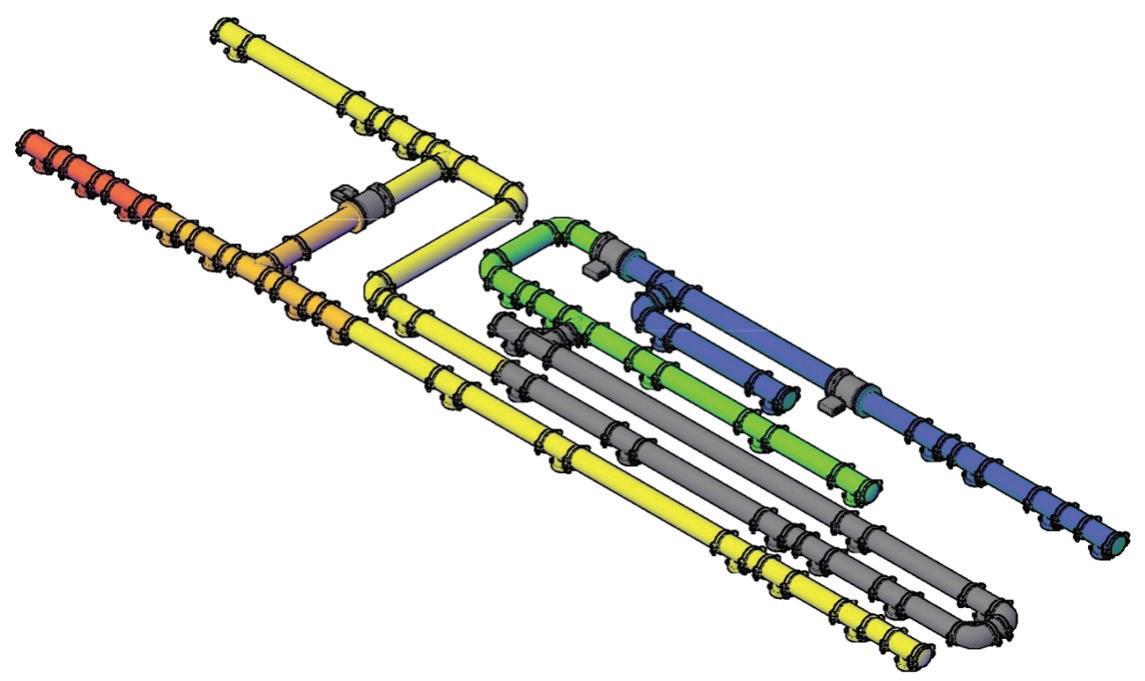
Weston says one project involving an acute care hospital on the B.C. south coast is exciting “because it will be our largest TGH yet. A lack of cooling capacity and redundancy was identified, and rather than opt for a traditional solution, which would have required cooling coil replacements and much larger pipes, TGH was selected that expands cooling capacity by using heating coils as cooling coils and using cooling coils as low temperature heating coils. The TGH is unique in its ability to cascade flow through multiple chillers to get more energy through smaller pipes.”
This project takes advantage of existing exhaust heat reclaim coils and exhaust heat rejection coils. “Both coils will now be used for both reclaim and rejection, increasing the heat rejection capability and eliminating the need to add a cooling tower,” Weston says.
TGH utilizes a patented piping framework and corresponding standardized control logic. The header is built as the core of an efficient, effective, sustainable HVAC system, and integrating a TGH framework into a holistic HVAC design allows engineers to create something that achieves high performance in both energy consumption and the lowering of carbon emissions for a lower capital cost than alternative solutions.
Elsewhere, Crossey Engineering’s merger with Salas O’Brien two years ago is a classic example of a wellestablished Canadian firm with a 60-year legacy being able to draw on the resources of a world-class engineering and technical services firm. “For example, when we worked on the Atlantic Science Enterprise Centre in Moncton, we had limited experience in the design of aquatic systems, but since Salas O’Brien is a network of over 4,000 professionals, we were quickly able to find someone who had this knowledge,” says Andrew Pratt, principal, mechanical department head.
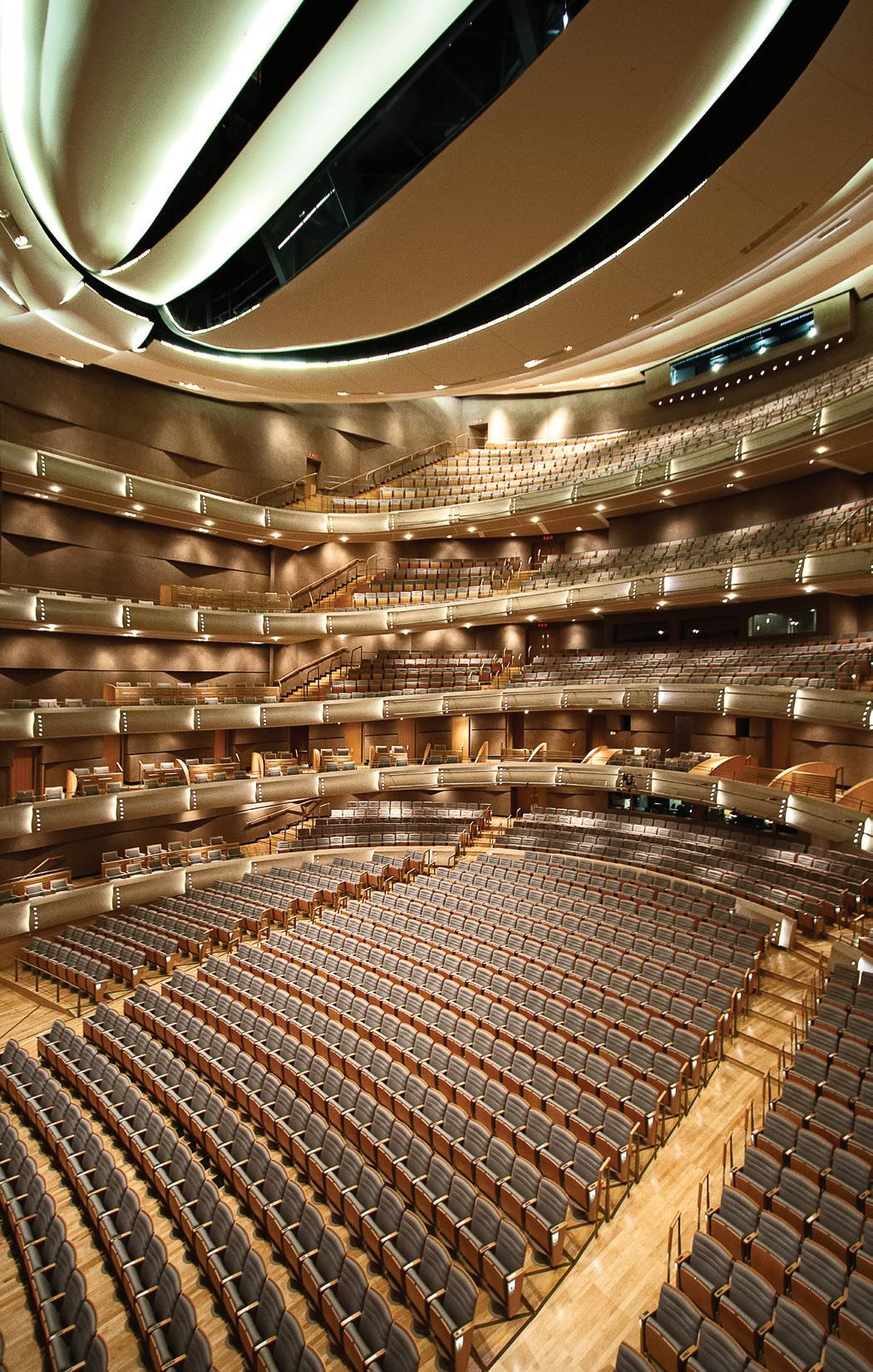
Pratt’s company is known for its specialty design work, such as the Four Seasons Centre for the Performing Arts in Toronto, and in 2026, it is designing performing arts centres in Saskatoon and in Barrie, the former for that city’s symphony orchestra. However, Salas O’Brien is also busy with hospital projects: the new tower at Royal Columbian Hospital in New Westminster, B.C., the new Surrey hospital and BC Cancer Centre; and the Ottawa Civic Hospital replacement. “I think due to British Columbia provincial budget considerations, the number of hospital projects in B.C may slow down, but in Ontario it’s picking up, and comparable projects in North York, Windsor, and other regions are coming down the turnpike,” Pratt says.
Pratt predicts that in the future, such complex design work will be aided considerably by AI automation. “We’ve spent years automating our Revit software to perform control checks and many other functions, and that work continues,” he says. “The implementation of AI will further speed along design and eliminate huge stacks of documentation that would otherwise be generated and constantly referred to during the design process, but it’s important that AI implementation be accompanied by mechanisms that check what AI is doing, in order to ensure automation produces accurate outcomes.”
Finally, the MCW Group of Companies provides innovative mechanical and electrical consulting engineering, energy management, and development services to the energy, power, and building
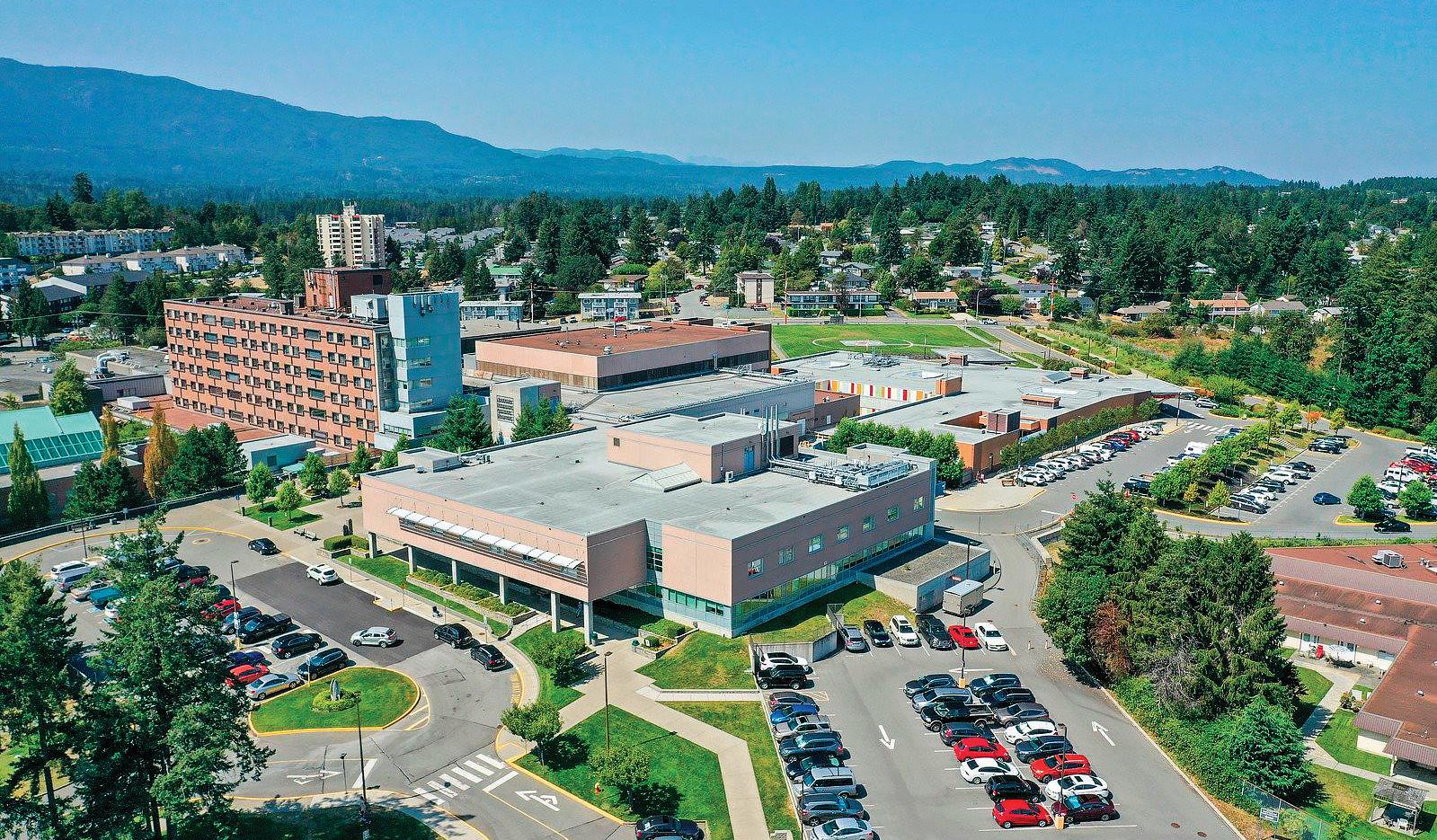
Acute care hospital on the B.C. south coast.
Four Seasons Centre for the Performing Arts
Royal Columbian Hospital
construction industries. The firm specializes in designing and modernizing building systems that integrate clean energy solutions, enhancing both performance and long-term sustainability.
In Atlantic Canada, where energy costs are generally higher than in Western Canada, these considerations are particularly pronounced. “Many owners of government facilities, hospitals, institutional buildings, and other complex structures come to us with concerns about aging HVAC systems and the need to reduce both energy costs and carbon footprint,” explains Sigourney Stott, principal out of MCW’s Moncton office. “Our teams work closely with clients to identify solutions that improve efficiency, while supporting long-term asset stewardship.”
Over the past several years, MCW’s team has delivered numerous deep energy retrofit projects across the country, many aligned with the federal government’s net-zero emissions objectives by 2050. These initiatives typically begin with comprehensive energy audits, which can range from six weeks to several months, depending on the building and complexity of the decarbonization roadmap. “Our clients are often organizations that intend to retain their facilities for decades,” Stott notes. “That makes the upfront effort worthwhile, as it allows us to fully understand where energy is being consumed or wasted, and where meaningful efficiencies can be achieved.”
Wherever possible, the MCW engineering team incorporates innovative heat recovery strategies that repurpose existing waste-heat resources for use
within building systems. This typically includes the use of traditional methods like enthalpy wheels, but can sometimes be achieved through more unique approaches, such as heat recovery chillers, where simultaneous heating and cooling exist as a byproduct of the facility’s use profile. Examples include installation of cooling coils in dirty exhaust air streams, re-use of ice plant condenser energy, and even using seawater as a continuous energy source.
“Across all of our work, the goal is to deliberately reclaim energy that would otherwise be lost, and put that energy back to work within the building heating systems,” says Stott.
One notable example of this collaborative approach involved MCW supporting the integration of advanced
One pipe.
occupancy controls, enthalpy wheel technology, and earth tubes within the fresh air delivery system of an educational institution in Atlantic Canada, while recovering waste heat from a substantial electrical vault to offset the remaining heating demand. Together, these measures enabled the institution to achieve an NECB 2020 Tier 3 designation, delivering energy performance approximately 50 percent better than the National Energy Code of Canada for Buildings baseline.
“Reaching Tier 3 is uncommon, even among highperformance facilities,” Stott explains. “In this case, success came from a combination of strong client commitment and the team’s ability to reduce overall energy needs through innovative engineering.” A
Geothermal pumps installation, Dartmouth, NS.
Digging In
On Trends
The opportunities for creative product development and enhanced services are considerable in the landscaping sector, given that it encompasses everything from site furnishings and retaining walls to pavers.
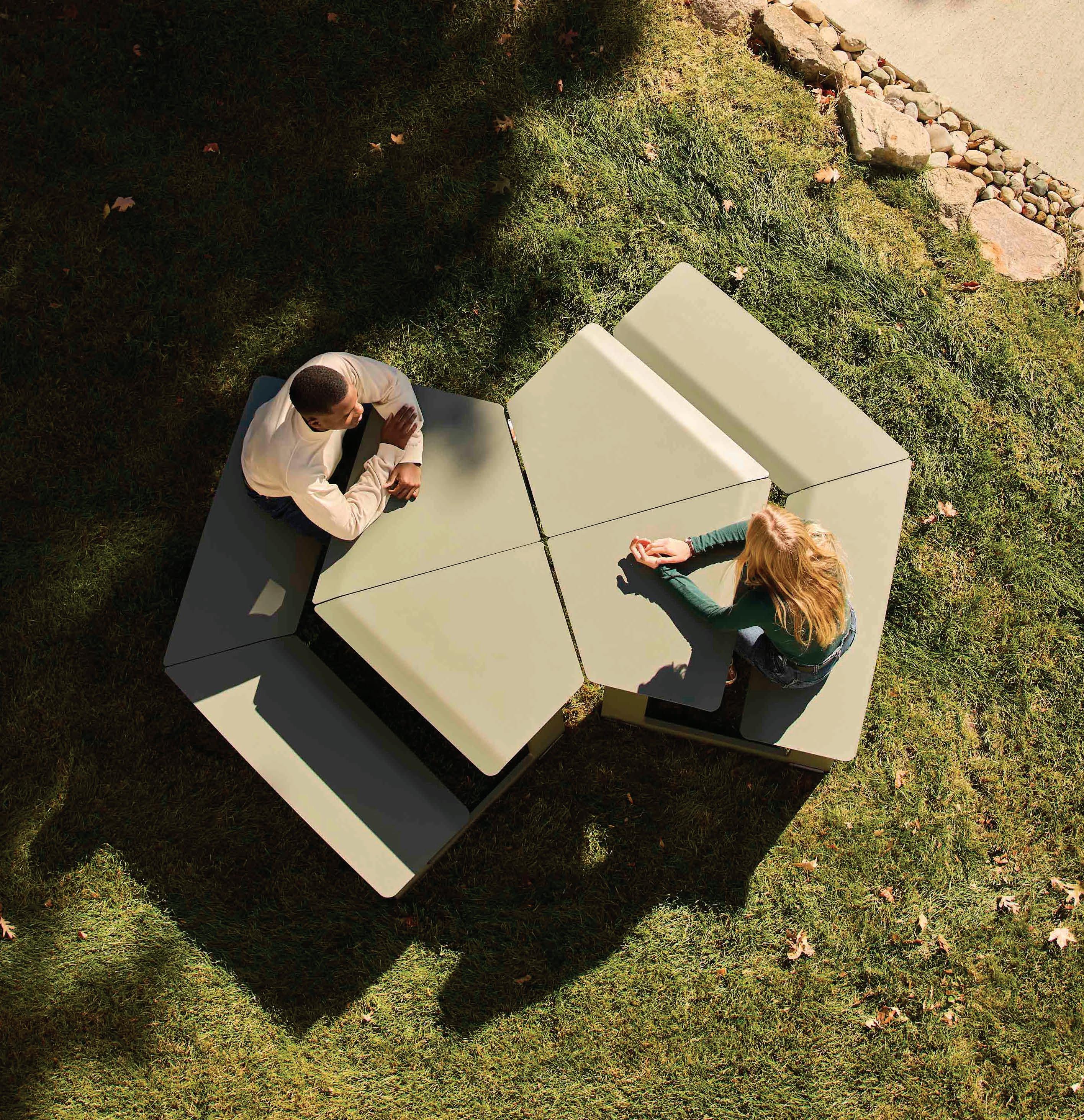
Landscape Forms’ approach to providing new site furnishings is to connect people to the outdoors and one another.
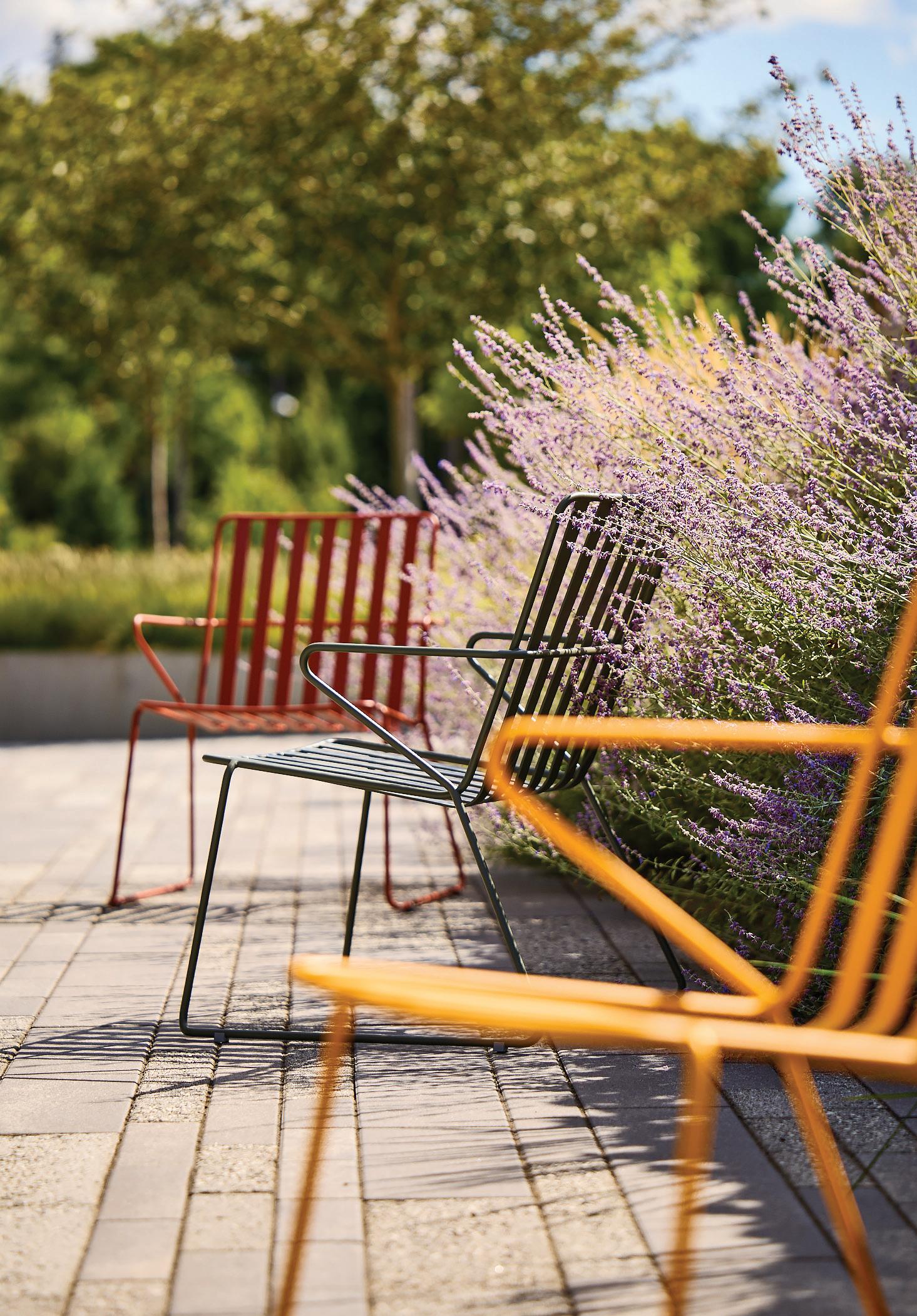
Hence, its offerings are both functional and distinctive at a glance, and this is true of its latest offerings, starting with the expansion of its popular Every Day Chair into the broader Every Day line, which includes a lounge chair and standing-height stools.
“The new pieces expand Every Day’s utility and comfort across new applications,” says Ryan Heiser, Landscape Forms’ director of design. “The lounge chair is a completely reimagined silhouette: wider, lower, and deeper for a truly relaxed posture. And the new stools, offered in high-back and low-back options, bring the same weight, breezy aesthetic to bar-height environments.”
Each piece in the Every Day seating line maintains the original’s defining elements: powder-coated steel construction, bent wire and strap design, and a light, playful personality, and all are stackable.
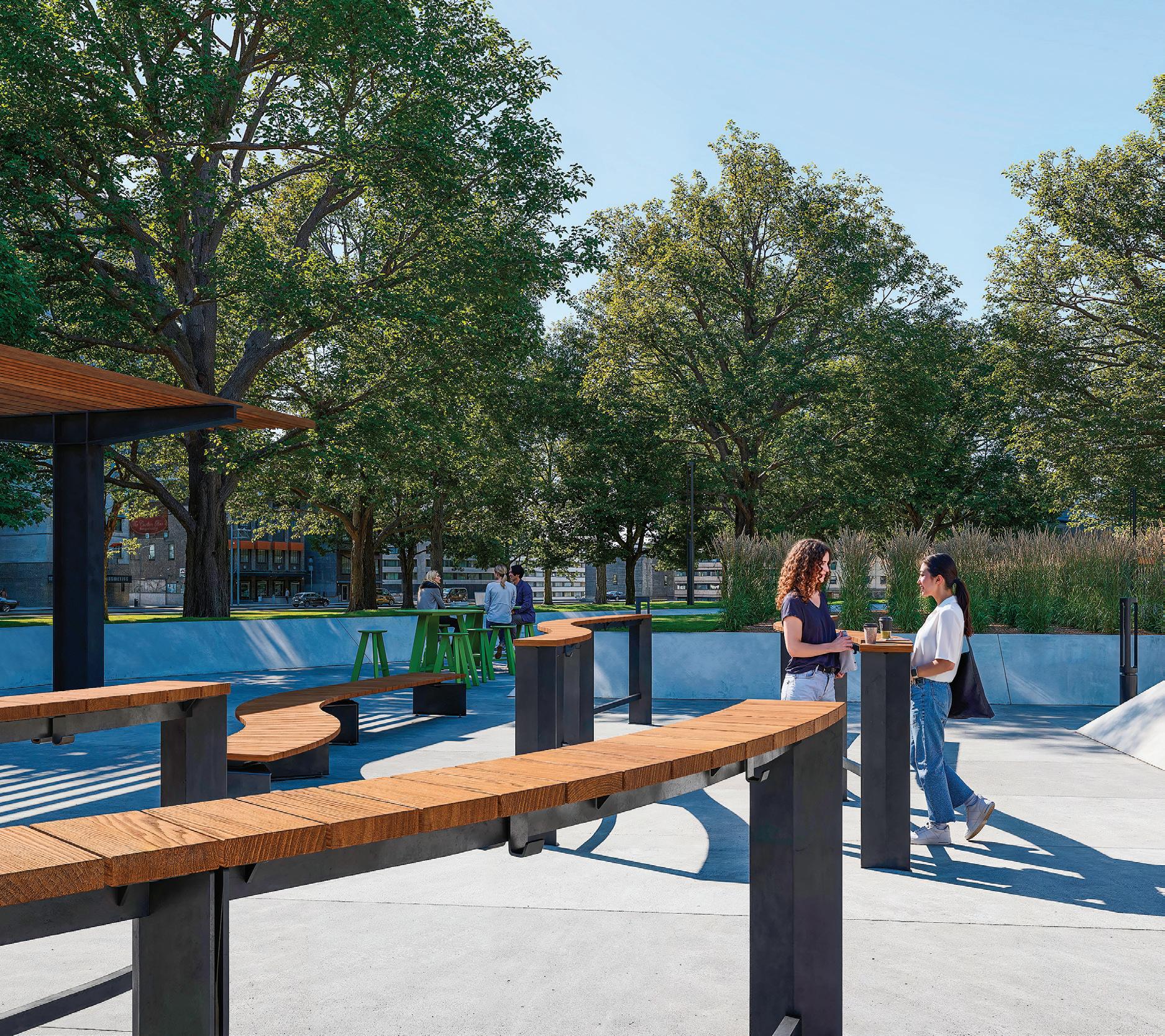
Also new from Landscape Forms is Link Rail, an expansion of the Link modular seating system. Link Rail elevates Link’s modular, “kit-of-parts” approach to bar and leaning styles, carrying forward the same angles, radii, and formal language so designers can freely define edges, sketch outdoor rooms, and invite more casual, social postures with the ease of a standardized system.
Experts are rethinking landscaping products for Canada’s unique climate
by ROBIN BRUNET
Link Rail launches as two standing-height products: a perch-friendly rail top and a hangout-ready bar top, both available with either an inline or piano key wood surface. The inline offerings support straight, mitered, staggered, and myriad other rectilinear configurations. The piano-key top supports straight, arced, circular, and even serpentine compositions. All configurations are compatible with Landscape Forms’ Illumination and Power Kit, integrating low-level LED ambiance lighting and convenient power options at the rail for laptops, tablets, and other device charging.
“Link’s popularity over the last five years made the next step obvious –raise the system,” says Heiser. “With straights, 90s, 45s, and radiused pieces, Link Rail lets you do what many would otherwise approach as fully custom, but it stays easy to configure. It can define space, act as a border, or serve as barheight tabletops.”
Also of note at Landscape Forms is that two members of the family that founded the company, Patti Chipman and Robert Chipman, were recently honoured by Michigan State University’s (MSU) College of Agriculture and Natural Resources (the former received the 2026 CANR Honorary Alumni Award, and the latter was honoured with the 2026 CANR Alumni Service Award). “Patti’s lifelong commitment to education and global learning has opened doors for countless students, while Bob’s design contributions and service to the profession have helped shape both Landscape Forms and the broader field of landscape architecture,” says Landscape Forms CEO David Jackson. “Their impact on our company, on MSU, and on the discipline itself is profound and lasting.”
Link modular seating system now includes a perch-friendly rail top.
The new Every Day lounge chair.
The Belden Brick Company of Ohio recently made a splash at the 2026 Spec Mix Bricklayer 500 event, the so-called “Super Bowl of Masonry” that not only celebrates the speed and endurance of masons, but also emphasizes craftsmanship, teamwork, and the future of the masonry industry.
In addition to celebrating competition and craftsmanship, Belden Brick showcased its new glazed and metallic brick colours at the event, with the intention of demonstrating how innovation and aesthetics continue to evolve alongside traditional masonry techniques.
The new glazed colours have been manufactured for long-term quality and resistance against fading and staining, making them a favourite among designers, architects, and homeowners. Blush Glaze, Cranberry Glaze, Dolphin Gray Glaze, and Buttercup Glaze are some of the offerings. As for the five new metallic colours, they are: Metallic Black Coarse Velour, Metallic Black Sandmold, Metallic Black Velour, Metallic Black Vertical, and Metallic Black Weather-Tex.
Romex North America is the exclusive supplier of the German-engineered Romex hardscape solutions product line and has gained a reputation over the past 35 years for supplying the world’s most resilient permeable hardscape technology. Its professionally engineered permeable jointing, bedding, and gravel binding products are supported by consultation and training services to ensure the success of any project. “It’s not uncommon for driveways built from our products to still be in good repair after more than three decades of constant use,” says James Roberts, the company’s business development representative, Western Canada.
Such longevity is possible due to products such as the Romex Trass Bed paver bedding, a frost-resistant, permeable paver base formed by mixing with ASTM #9 stone and water. Once levelled, the thin-set product is applied on the back of each paver to form a wet-on-wet, bonded connection with the Trass Bed, eliminating paver movement. This concrete mud slab replacement combines both the mortar and slab bed layer, creating a faster installation. It also contains approximately 30 percent less embodied carbon than concrete.
Romex’s permeable jointing mortars are engineered to prevent weed growth, resist pressure washing, and allow water to drain freely, making them the smarter, low-maintenance alternative to Polymeric sand.
turf as well as in other parts of the world. Three recent projects in the Denham, White Peaks, and Port Denison communities of Western Australia demonstrate what these blocks can do with careful installation and considered design.
One Denham homeowner turned his sloping front yard into a series of flowing, curving terraces ready for planting. The Terraforce L16 block’s ball and socket interlock made it possible to tackle the complex geometry of following the site’s natural contours with remarkable fidelity.
At White Peaks, a residential landscape installation was created with Terraforce L16 blocks that focuses on tiered terracing, enriched by gently curved staircases and carefully integrated planter boxes; the rock face finish of the blocks adds
Roberts says, “One of our more prominent projects in B.C. was Canada Place, where we were retained to renovate an aging paving system and provide a new visual identity for the North Point Plaza Deck.”
The full Romex paving assembly consisted of Romex Trass Bed, Adhesion Elutriant, and Romex D1 2-component resin grouting, which together solved the challenges of heavy rainfall and near-zero slope, plus huge movements of cruise ships and limited space for paving assembly. “We did that job nine years ago, and today it remains in pristine shape,” Roberts says.
Either directly or through osmosis, landscape ideas in Canada are inspired by products and design work in other countries. While South Africa’s Terraforce has yet to gain significant market share in this country for its unique block system, it continues to transform topography into functioning, valuable spaces on home
extra organic texture to the retaining walls. The L16’s smaller size and comparatively reduced weight allowed for a more intricate, nuanced installation.
The residential installation at Port Denison used Terraforce L11 blocks to create a massive, staggered retaining wall with a two-tiered, half round staircase; the robust rock face texture of the blocks impart an aesthetic that is both solid and refined, and since each blocks sits in perfect register with its neighbours, the pattern repeats without deviation, and the uniformity of the finished surface rivals that of professional commercial installations.
Tiered terracing, enriched by gently curved staircases.
Canada Place North Point Plaza Deck.
Endlessly Expressive
Take-Out: Fresh silhouettes unlock expressive new ways to shape connection outdoors
Designed in collaboration with Rodrigo Torres
Landscape Forms |
A Modern Craft Manufacturer
Of course, made-in-Canada expertise remains the driving force of landscaping design in this country. Barkman Concrete, which makes pavers, slabs, walls, outdoor fireplaces, and even pizza ovens, recognizes this, and in its most recent blog, it outlined key reasons why opting for a Canadian-owned company is important when choosing hardscape products.
Acknowledging that so many people want to support local businesses due to the current economic climate, Barkman states that clients are assured of products “designed with the unique Canadian climate and conditions in mind,” with “superior customer service, better product customization, and a more substantial commitment to building a resilient Canadian infrastructure.” Indeed, Barkman’s research and development team is committed to ensuring that all products have been developed and engineered to provide the ultimate in durability, even in the harshest of climatic conditions.
Barkman also points out that being 100 percent Canadian-owned “aligns with not only our national values but also ensures that our strategic decisions are made with the interests of Canadian communities in mind,” with earnings reinvested into those communities.
Barkman cites the benefit of being headquartered in Steinbach, Manitoba: it “serves as the central hub for our operations, decision-making, and community engagement. This location reinforces our commitment to serving Western Canada with locally tailored solutions.” The company also operates manufacturing plants across Manitoba, Alberta, and B.C.
Finally, the health of the natural environment should be of paramount importance to property owners as well as landscape designers, and that’s where companies such as Cohen & Master Tree and Shrub Services Ltd. of Ontario come in: this team of arborists provides consultation for development projects and undertakes plant health and soil care as well as general tree work.
Of special concern in 2026 for Cohen & Master’s director Tait Sala is the ongoing spread of Beech Leaf Disease, first detected in 2017, and which has since spread throughout the GTA. “It’s making its way across Southern Ontario and could easily exceed the provincial boundaries,” he says. “This disease, which is caused by a small worm, starts at the base of Beech trees and works its way up, and by the time
BUILDING THE FUTURE
the foliage dies, the death of the entire tree is unstoppable. Most troubling is the possibility that the disease could, at some point, jump to other species.”
Sala goes on to note that, “We’re still learning about the worm and the best controls to use. The Ontario government has given emergency usage status to a specific pesticide that is injected directly into a tree and has proven to be an effective safeguard.
“My message for some time now has been that although it’s extremely difficult to detect the early stages of this invasive problem, trained arborists such as those at Cohen & Master can do so. We can also recommend alternative plantings to Beech, such as London Plane or Hornbeam trees.” A
Barkman Concrete’s made-in-Canada expertise even includes pizza ovens.
BARRIER TO ENTRY
Waterproofing products master the art of impossible conditions
by ROBIN BRUNET
As anyone in the construction trades knows, effective waterproofing not only protects buildings, but also the people inside by averting the growth of mould and mildew. And while this explains the steady flow of new products that address a variety of waterproofing needs, one high-profile company continues to enjoy the success of a product that has been available for over four decades now.
Fundamental to Amrize Canada’s motto of `We Build Canada’ is its waterproofing strategies that keep its buildings resilient. Specifically, its Elevate RubberGard EPDM is considered the industry’s premium-grade EPDM roofing membrane – and this is supported by the fact that the product is 45 years old this year.
Jasmeet Deol, director of marketing and sales at Amrize Canada, says, “It speaks volumes about RubberGard that since it was introduced in 1980, its formulation remains unchanged. It’s flexible and robust and continues to perform even after decades in the elements, making this a genuinely sustainable product.”
It is estimated that over 15 billion square feet of RubberGard has been installed on everything from office buildings and warehouses to hospitals
and schools. It comes in a variety of types as well as options such as adhered RubberGard (good for new construction and re-roofing), ballasted (large roofing panels covered with pavers or smooth, washed stone), and mechanically attached (also good for re-roofing, and it can be engineered to meet many wind-uplift requirements).
Plus, RubberGard can be repaired at any point in its life, while some thermoplastic membranes lose their initial weldability and flexibility properties. It also has elongation properties of over 300 percent to absorb building movement, and requires no expensive specialized equipment such as robots, hand-welders, or generators.
Flexstone is Canada’s premier sundeck waterproofing system, and its rugged, fire-resistant, and simple-to-apply membrane is also an effective solution for sundecks, flat roofs, and garage floors. The company is renowned for its polyaspartic membranes, which are quickly becoming the most popular coating option for concrete patios on grade, garage floors, and any other floor exposed to UV light.
One reason polyaspartics are gaining traction is the extreme ease of application. Flexstone’s FSC Polyaspartic clear coat is a single-component product: no mixing, no catalyst, and no wasted materials. When the job is done, the labourer simply seals the can and uses the rest later. It has the same strength
and durability of most high-end aspartics, but the ease and simplicity of the application process set it apart. Plus, the FSC Aspartic is competitively priced and cures in two hours (48 hours for vehicular traffic).
In a recent blog, Flexstone describes polyaspartics as “a sensible middle ground between urethanes and epoxies. [They] fall somewhere between epoxies and urethanes with regard to flexibility. Aesthetically, you likely couldn’t tell a difference between an aspartic or epoxy floor, but aspartics have some flexibility, which allows small movements in concrete substrates to happen without the risk of cracking [don’t use them on plywood though, otherwise you’ll see cracks in short order].
“Sure, it is not as ‘rock solid’ as epoxy or as ‘rubbery’ as urethane – but that middle ground is ideal for your garage floor or exterior walkway. They’re incredibly strong, easy to apply, and eloquently fill the gaps between what urethanes and epoxies can do.” It’s worth noting that Flexstone’s FSC product is the first single-component polyaspartic on the market.
W.R. Meadows, which is celebrating its 100th anniversary this year, regards waterproofing as one of the most critical components in protecting the structural integrity of a building, and Jonathan Johansmeyer, the company’s architectural representative, suggests that two primary standards should be the focus of developers: ASTM C836 (for
cold fluid-applied waterproofing) and ASTM D5385 (for sheet waterproofing), with a passing result for a sheet membrane indicating it can withstand hydrostatic pressure equivalent to 231 feet of water head.
W.R. Meadows’ Vertibarrier NS has successfully passed ASTM D5385 testing. This product is a cold-applied, moisture-cured waterproofing membrane designed for vertical and select horizontal concrete surfaces. The single-component, solventfree Vertibarrier cures rapidly with the addition of water and forms a tough, flexible barrier that resists cracking, softening, and weather extremes. It’s low in VOCs, non-shrinking, and safe for use over foam insulation and green concrete, plus it strongly adheres to concrete, metal, and wood, making it ideal for foundation walls, tunnels, planters, plaza decks, and between-slab assemblies.
Moisture migration through concrete slabs is one of the leading causes of flooring failures, mould growth, and indoor environmental concerns in modern construction, and to address this, W.R. Meadows recently announced the introduction of Perminator 20 Mil, a durable underslab vapour barrier designed to help reduce the penetration of moisture and water vapour through concrete slabs into building interiors.
Engineered with advanced polyolefin-based technology, this product’s inclusion in the company’s Perminator line is for projects requiring greater puncture resistance and durability under demanding jobsite conditions. The product rolls out in 105-foot sheets over tamped and levelled soil or compacted fill, helping streamline installation and jobsite efficiency. Seams are overlapped six inches and sealed using Perminator Tape to help create a continuous vapour barrier beneath the slab.
Kryton International Inc. has reached the point where the brand is synonymous with waterproofing, thanks to the company inventing the world’s first and only permanent crystalline waterproofing admixture that reacts with water and cement to form insoluble needle-shaped crystals, which fill capillary pores and micro-cracks in the concrete (in turn blocking pathways for water and waterborne contaminants).
John Andersen, vice president, sales at Kryton, notes a trend in municipal regulations that makes his company’s range of waterproofing products more needed than ever. He says, “Up until recently, the water of underslab drainage in building construction would be diverted to storm sewers, but increasingly these sewers are operating at full capacity.
“So, simply put, dewatering after construction is turned off, and water collects against the below-grade concrete foundations. This means the concrete must be absolutely impervious to water ingress, which is where we come in.”
Andersen notes that while Richmond, B.C. is well known for disallowing drainage water into its storm sewers, North and West Vancouver municipal governments also require dewatering to be turned off during construction, “And other municipalities are following suit. Kryton products such as KIM [Krystol Internal Membrane], KAP [Krystol Assurance Program, a manufacturers 10-year warranty program that ensures the waterproofing details are correct for the site conditions and that the system is installed as designed] and other offerings are what keeps residential basements dry, and this is especially important since so many homeowners now rely on renting out their basement suites in order to afford their mortgages.”
As for extreme conditions products such as KIM are relied upon to withstand, Andersen cites construction of an office tower at the University of British Columbia’s Kelowna campus as a prime example: “The site conditions were so terrible that the foundations went four levels deep and required soil wall anchors, and the design of this substructure was so complex that membranes couldn’t be used. Hence, the application of KIM, which effectively nullified any water ingress.”
The Protecto Wrap Company of Denver has been manufacturing waterproofing membranes since 1952 for foundations, decks, window and door flashings, and roof and floor underlayments. Acknowledging the challenges posed by severe weather, the company recently introduced the new Protecto Wrap Extreme Storm Kit, an all-in-one solution for sealing and protecting one’s home or business. Everything needed to help seal openings and provide temporary roof repairs before and after atmospheric events such as floods and hurricanes is in this kit, including Extreme Protection Membrane and tape, as well as Protecto Sealant 25XL and Form Flash Max.
Also new from Protecto is the Protecto Wall VP Water Resistive Air Barrier, a primer-free selfadhering (no mechanical fasteners required), self-sealing, drainable, nonwoven, vapour permeable, microporous polyolefin laminate that provides 98.5 percent drainage efficiency.
Finally, Engineered Site Products of Enderby, B.C. is focused on new institutional, commercial, and mixed-use projects, along with tunnel work, and is adept at coping with unique site conditions. For the SSSR Building at CFB Esquimalt, those conditions consisted of metal sheet piling separating the ocean from the building site. Ultraseal XP, supplied by Engineered Site Products, was applied under slab and on vertical walls beginning at 2 a.m. (lowest tide) and completed over three consecutive tide cycles, resulting in a 10-year Hydroshield Warranty. The Ultraseal XP composite membrane features an XP technology layer integrally bonded to a highstrength geomembrane, delivering exceptional performance against a wide range of ground contaminants, including high saline conditions.
In addition to Ultraseal, Engineered Site Products offers Vintegra waterproofing membranes; four variations of Voltex membranes (for any below-grade concrete construction); Swelltite (featuring a reactive bentonite compound in the membrane that expands and acts as a seal if small punctures in the membrane occur); and Coreflex, a reinforced thermoplastic membrane bonded to a proprietary Active Polymer Core layer, with fully welded seams for superior waterproofing protection (about 50,000 square feet of Coreflex was used on the Manulife building in Calgary, with a blindside shotcrete application being employed 40 feet into the water table). A
Application of Krystol Internal Membrane during foundation construction at UBC’s Kelowna Campus.
Installation of Vintegra waterproofing membrane.
LAYERS Built To Last
Roofing claddingandtrends favour resilience and timeless design
by ROBIN BRUNET
Partnerships between industry leaders in the roofing and cladding sector not only result in effective building products, they also foster awareness within the partnership about trends and demands that smaller companies simply can’t match.
For example, since 2023, 121-year-old BP Canada has been part of the Saint-Gobain family, and this has enabled it to tap into the expertise of a global network of more than 161,000 employees across 80 countries, while continuing to innovate.
Diana Sousa, marketing director at Saint-Gobain, has considerable insight into what’s going on in the Canadian roofing and cladding market. “We’re seeing steady demand across both renovation and new construction, especially in our western provinces, with a continued emphasis on quality and long-term value,” she says. “While the environment remains cautious, the fundamentals are solid, with people investing in home improvements. Looking ahead, we expect continued interest in durable, design-forward exterior solutions and remain focused on supporting customers with dependable products and strong service.”
Sousa goes on to note that, “one of the biggest shifts we’re seeing in 2026 is toward more thoughtful, long-term renovation decisions. With continued economic uncertainty, homeowners are prioritizing durability, versatility, and timeless design over short-term trends. At the same time, personalization remains very important – people want exteriors that reflect their style while creating a warm, cohesive feel. We’re seeing growing interest in richer, multi-dimensional colour palettes, including warm browns, terra-cotta tones, deep blacks, and blended shades like Signature Soho, Signature Dublin, and Signature Toscana [available in Eastern Canada], and Edinburgh [available in Western Canada].
“We’re addressing these trends by focusing on solutions that balance performance with design flexibility. Our Signature asphalt shingles pair easily with a wide range of exterior materials, including Kaycan’s siding collections, which allow homeowners and contractors to create co-ordinated looks that evoke a timeless exterior.”
The Signature line of shingles continues to resonate strongly in the market thanks to its flexible colour palette and ability to work across a wide range of architectural styles. “From a cladding standpoint, we’re also seeing strong momentum behind our board and batten profiles in both vinyl and aluminum,” Sousa says. Composite wood has become the mainstream alternative to classic wood lumber due to its eco-friendliness and low maintenance qualities. NewTechWood excels in this realm, creating products from 95 percent recycled materials and treated with Ultrashield for remarkable stain and UV resistance. Plus, the company has the ability to duplicate, with uncanny precision, the look of a wide range of hardwoods, even exotic varieties that would otherwise be extremely difficult, if not impossible, to source in substantial quantities.
Michael Richard, head of business development at Canbec Distribution, reports that his company continues to be committed to improving its high environmental standards, and he points out that “with our new brand, Solyt, not
only do we reduce the carbon footprint of our stone cladding by 94 to 98 percent from standard solutions for mid-rise, high-rise, and commercial buildings, we also recently launched two revolutionary products with the same stone finish.”
These products, from Solyt (which, along with NewTechWood Canada, is owned by Canbec), represent a significant leap forward in building envelope technologies. One is a BIPV (building-integrated photovoltaics) panel, “meaning the stone cladding or building envelope of a building or a house is an actual solar panel generating energy for the building,” according to Richard. Solyt’s eSolarFacade primarily targets the commercial/mixed-use building market, meeting the dual demands of businesses for renewable energy and enhanced aesthetic appeal in architecture. It is suitable for the exterior walls of commercial buildings with non-glass curtain wall effects, providing renewable energy and enhancing any corporate image. Its power generation is around 70 oercent that of glass BIPV, with 54.6 percent more carbon reduction than glass BIPV, but with the aesthetic of stone or brick.
The other new product Richard refers to is an LED Display that lights up within the stone, perfect for commercial, retail, institutional applications, or even high-end backyards. The eDisplay integrates display technology with building materials, allowing for seamless switching between the natural textures of stone, wood, or brick walls and high-definition displays without the need for additional LED screens. When powered off, it restores the aesthetic beauty of the architecture.
Commercial application of eDisplay from Solyt.
The eDisplay seamlessly integrates with the eBIPV system and is powered by the eBIPV energy storage system. This innovation not only ensures the display quality of the eDisplay, but also enhances the energy efficiency of the building. The surface texture of eDisplay is formed using inorganic nanomaterials, offering excellent UV resistance and making it more durable than LED screens. Its components are recyclable, thus reducing resource extraction and minimizing waste disposal.
Elemex, renowned for its Ceramitex façade featuring exceptionally durable sintered ceramic panels, acknowledges that solar facades are increasingly becoming a smart and attractive proposition, especially as building owners look to adopt clean energy systems. However, it stresses that choosing between BIPV and Building Applied Photovoltaics (BAPV) is important: the latter provides flexibility and speed for retrofit scenarios, and the former delivers integration, longevity, and long-term value. For projects focused on architectural quality, envelope performance, and future-ready design, BIPV is a more complete solution, and Elemex’s advanced façade system specialists can help architects and developers create smart, sustainable building envelopes.
While technological advances in the roofing and cladding sector are impressive, recent projects Engineered Assemblies has contributed to are a reminder that some of the most efficient and durable materials are the oldest, with some dating back to Roman times.
Specifically, Engineered Assemblies’ provision of natural slate is slowly gaining traction, not as a resilient roofing product (slate’s traditional usage), but as a cladding material. “One of the highest profile projects out west using our Cupaclad brand from Spain is the new 204-bed Cowichan District Hospital,” says senior technical advisor Jeff Ker. “We also supplied a commercial project in B.C. with Cupaclad, and hopefully, as more architects and developers specify slate as a cladding product, the material will become as universally accepted as metal in protecting buildings.”
Ker goes on to list the formidable advantages of slate as cladding. “For starters, it fits right into aesthetic preferences for a clean, contemporary grey appearance,” he says. “Equally important, slate’s lifespan increases at least four
times when used as cladding because, unlike slate for roofing, it is subjected to much less snow load, rain, and solar heat gain fatigue, and is additionally noncombustible – which is why the Cupaclad on the Cowichan Hospital comes with a 100-year warranty.
“Plus, slate is a natural material, so it’s desirable on an environmental level; Cupaclad tiles are even cut out of slate masses by hand, with chisels. Finally, it can be attached in traditional fashion with stainless steel hooks or in a shiplap fashion with fasteners going right through the slate: in other words, it’s fairly easy to install. Frankly, there are no downsides to this material, and we firmly believe that as more people learn about these benefits, the more slate will be specified in commercial, institutional, and residential projects in Canada.”
Designed to Perform
Architecture demands more than aesthetics; it requires materials that deliver performance, consistency, and longevity. Kaycan’s Timberlake vinyl siding, paired with BP Canada’s Signature roofing shingles, offers a cohesive exterior solution engineered for modern architectural expression. Clean lines, refined profiles, and thoughtfully curated colour palettes allow greater design versatility.
Beyond form, performance is built in. These systems are designed to withstand Canada’s demanding climate, delivering durability, performance, and long‑term beauty. The result is an exterior that not only elevates architecture but reinforces it, project after project.
Cupaclad natural slate cladding.
Longboard’s products reflect the company’s ongoing goal to embrace innovation, quality, and sustainability, and Michael Russo, its North American sales director, cites one trend involving cladding that his products are increasingly helping to fulfill. “Biophilic design, whereby developers and architects bring outside elements of a property inside the home, is assuming increasing importance throughout Canada. Blurring the lines between inside and out is important for mental health, plus it makes smaller dwellings seem larger than is actually the case, which is why biophilic principles are part of so many housing designs in developments where the actual building lots are small and congested.”
Russo cites wood and stone as the key elements that architects are bringing indoors, “and we’re even seeing some of our soffit applications extending into the interior ceiling as well. However, in blurring the lines this way, it’s crucial to ensure that the products used will still be resilient and look great years down the road, and that’s where Longboard’s reputation for high quality is a distinct advantage.”
Longboard is currently offering an increased width of its tongue and groove cladding solutions (while keeping the other widths available) to eight inches to meet evolving design trends, and like all of the company’s products, they are powder-coated with AAMA 2604/2605 certified powder, making them incredibly resistant to corrosion and UV rays. “The resiliency of our products is attracting international attention, and in 2026 we’re looking at expanding into the Middle Eastern market, the latter a potential powerhouse given the mindboggling scope of some of its projects,” Russo says.
At Amrize Canada, Elevate is the premier brand coveted across the country for commercial roofing, to the degree that in February it was named the 2026 Innovative Product Showcase & Awards (IPSA) People’s Choice Winner in the Roofing Products category for Elevate MAX PVC, at the International Roofing Expo (IRE) in Las Vegas.
PVC continues to be a fast-growing single-ply roofing category, driven in part by expansion in data centres, cold storage, and other mission-critical facilities where reliability and continuous operation are essential. MAX PVC and fleece-backed MAX PVC XR were developed with those requirements in mind, including performance in cooling-intensive environments.
MAX PVC is already being specified for demanding commercial facilities, including food processing and cold storage environments. It features an exceptionally strong knitted scrim that provides industry-leading resistance to punctures, tearing, and breaking. The membrane provides inherent fire resistance and strong resistance to chemicals and grease.
Finally, the most recent case study published by Carlisle SynTec System demonstrates the superior heat-reflective performance of its Sure-Seal EPDM Cool Gray Membrane. When Nissha Eimo Technologies undertook a reroof of its 43,000-square-foot manufacturing facility in Michigan, the project demanded more than a standard replacement, considering its sensitive clean rooms and extensive conduit network were located just below the deck. Locally based Arrow Roofing & Supply, Inc. installed Carlisle SynTec’s 10 feet wide and 60 mils thick Sure-Seal EPDM Cool Gray membrane adhered to two-inch InsulBase Polyiso using Sure-Seal 90-8-30A Bonding Adhesive. The membrane was selected to minimize heat gain while maintaining compatibility with existing EPDM roofing on adjacent offices. Despite careful tear-off sequencing, dust control measures, and complex fastening requirements, the project was completed with precision, providing longterm durability, enhanced energy performance, and a clean, visually striking finish designed to protect this high-tech manufacturing facility for decades. A rcabc green roof guarantee
Installation of Elevate MAX PVC.
Eastern Construction Company Limited
75 years strong
by NATALIE BRUCKNER | photography courtesy EASTERN CONSTRUCTION COMPANY LIMITED
Those immersed in the world of construction understand it’s a people-first industry, but few companies sustain that from the inside out, and over decades. And yet, since it first opened its doors 75 years ago, that’s the approach Eastern Construction Company Limited (Eastern) has taken, both quietly, and perhaps more importantly, consistently.
Humble in approach but most definitely not in ambition, Eastern takes on projects that are anything but modest in scale and complexity. Its reputation for being able to deliver some of Canada’s most iconic and demanding builds is rooted in its focus on people, mentorship, and relationships, as well as a genuine appetite for challenging projects, all of which enable the firm to rival much larger counterparts.
“We’ve been here for a long time for a reason,” laughs Dean Walker, president and CEO. “I think that’s because we’re very intentional about our culture. Our core purpose is taking care of our people first and making sure they have projects that excite them, that they’re respected on those projects, and that they’re part of the conversations and solutions.”
As a 100 percent employee-owned organization, Eastern is ultimately accountable to its own people, not outside shareholders, allowing it to place equal emphasis on a strong culture and high performance, knowing the two go hand in hand.
At just over 120 employees, Eastern occupies what its leadership often describes as “the right size” company. Large enough to deliver complex projects, yet small enough to maintain a strong sense of connection. “We know everyone by name,” Walker says. That sense of connection is the result of decades of investment in people, and, as a result, long tenures are common here.
To better understand the company’s success, it helps to step back to where it all began. Founded in 1951 as a Windsor-based regional builder by Edmond and Bud Odette, Eastern carved out its place in a post-war Canada hungry for growth. Early work in food processing and industrial facilities helped the company establish a reputation for reliability and
National Ballet School Grand Jeté
Daniels Faculty of Architecture
skill, but even in those formative years, a focus on quality over volume set the tone for decades to come.
By the 1960s, Eastern had relocated to Toronto and expanded into retail and office construction, becoming one of the country’s most active builders of shopping centres and commercial spaces. Over the next two decades, it delivered 95 shopping centres, 71 department stores, and 67 grocery stores.
Eastern’s footprint on the built environment can be seen on virtually every street in Toronto, and beyond. Its portfolio of well over a thousand projects spans education, infrastructure, health care, mass timber, retail, residential and mixed-use developments, hospitality, industrial, and entertainment and gaming.
Eastern is also widely recognized for its heritage retention and adaptive reuse work, a particularly complex area of construction that requires careful co-ordination within existing, often historic, structures. These projects demand precision, sequencing, and a deep understanding of how to modernize spaces without disrupting their function or character. It’s a touch that Eastern has refined perfectly.
That expertise is reflected in projects such as the Governor General’s Award–winning National Ballet School Grand Jeté, the renovation of the Toronto Reference Library, the Daniels Faculty of Architecture at the University of Toronto, the City of Hamilton’s transformation of a former municipal court building previously occupied by McMaster University, and Toronto’s Evergreen Brick Works, which involved the adaptive reuse of a former brick factory within the city’s environmentally sensitive ravine system.
“A big part of our portfolio involves historical buildings,” Michael Suljak, vice president of strategic partnerships, explains. “On some projects, we’ve had to retain façades while building new structures behind them. It’s a challenge, but our team delivers, and clients are very happy with the result.”
Delivering highly complex projects has become a defining strength of Eastern. This capability is evident in projects such as Audi Midtown Toronto, Queen Richmond Centre Phases 1 and 2, the Toronto Police Services Training Facility, and the Rotman School of Management at the University of Toronto
– each demonstrating the firm’s ability to align owner and design objectives while contributing positively to surrounding communities. This proven expertise continues with the delivery of uniquely complex projects currently under construction, including the Operational Support Facility and 23 Division for Peel Regional Police.
The revitalization of Toronto’s Queens Quay is another example of this. Stretching 1.7 kilometres along the waterfront, the transformation of this key corridor into a world-class boulevard extended from Bathurst Street to Bay Street. Eastern’s scope included TTC track realignment and restoration, Toronto Hydro works, storm and sanitary upgrades, roadway reconstruction, and public realm improvements, and the result is stunning.
Over the past five years, Eastern has also developed a very strong capability in mass timber construction. “We started in that space in 2017, when it was still quite niche,” Suljak explains. “Since that time, we’ve really cemented ourselves as a contractor of choice when it comes to mass timber. It’s become more mainstream now, and while we’re no longer the only ones doing
Audi Midtown Toronto
Rotman School of Management
Evergreen Brick Works
Toronto Reference Library
it, clients tell us our approach is very detailed and thoughtful, which comes from that experience.”
Projects such as T3 Bayside on Toronto’s waterfront highlight this evolution: a distinctive office building constructed using Canadian spruce-pinefir mass timber, combining sustainability with technical expertise. Using 100 percent FSC-certified mass timber sourced from young trees to support sustainable forestry practices, the project delivered three key environmental benefits, including storing 3,886 metric tons of carbon dioxide, taking the equivalent of 2,708 cars off the road, and avoiding 6,655 metric tons of carbon dioxide emissions.
Alongside new construction methods, Eastern has also been evolving its approach through the adoption
of technology. Heather Anne Popovich, director of operations, explains that over the past several years, the company has invested in tools such as drones and advanced scanning systems to improve both efficiency and project insight, while maintaining a strong focus on the people delivering the work.
“Construction has traditionally been a conservative industry, slower to adopt new tools, but that’s really changed,” says Popovich. “We now have two drone pilots and use drones to capture a different vantage point before pouring concrete, as well as to support volume calculations. It has been a real advantage, giving us a different perspective on projects and
allowing us to review sites more effectively before construction begins. Scanning technology also helps us better visualize spaces, especially when integrating new construction with existing buildings.”
Importantly, she notes that advancing technologies and their integration are viewed as support for the team rather than replacements. “It’s about giving employees tools to enhance their work and deliver the best possible results for clients.”
After all, success at Eastern is, as mentioned, measured by its people. “The most rewarding projects aren’t necessarily the most complex,” Walker says. “They’re the ones where the team works well
Toronto and Region Conservation Authority Headquarters
GROUP
Dare to Accelerate Change
BUILDEX
Dean Walker, President and CEO
together, responds quickly to challenges, and delivers successfully.”
And those achievements, the team agrees, are only possible because of the people behind them. Popovich, herself a longtime employee who joined the company in 2005, is especially enthusiastic about what lies ahead for the organization, particularly the next generation of talent.
“The younger generation entering the industry brings new perspectives. They are very clear about their priorities and how they want to work. Our role as leaders is to keep them engaged and help them grow into long-term contributors to the company,” she says.
Mentorship, long a cornerstone of Eastern’s culture, remains central to that effort. From its earliest days, when senior leaders took new talent under
their wing, to today’s structured approach to leadership development, the company has consistently invested in its people.
“The president before me, Bryan Arnold, recently retired after 47 years with the company,” Walker says. “We’re already thinking about the next generation of leaders and preparing them to step into those leadership roles.”
There’s a warmth to the way they speak about their people and a true passion for their work, and it is this authenticity that visitors notice most when they walk through Eastern’s doors or meet members of the team. “Eastern is a special place,” Walker agrees. “We’re very intentional about our culture and about who we bring into the company. We understand that every person has an impact.”
Popovich echoes that sentiment. “At our size, we’re still able to take on complex projects while maintaining our close-knit culture,” she says.
As Eastern celebrates another major milestone, it does so with a quiet confidence that has long defined the company. Its brand has evolved in step, taking on a more modern and collaborative expression that reflects its direction of travel.
And so, 75 years after its founding, Eastern remains, at its core, what it has always been: a company built on relationships, guided by integrity, and an extremely talented and passionate group of individuals. And if the past decades are any indication, Eastern’s future will be shaped not by how loudly it speaks, but by how well it continues to listen, collaborate, and deliver together. A
Michael Suljak, Vice President of Strategic Partnerships
BRANDON REGIONAL HEALTH CENTRE EXPANSION & WESTERN MANITOBA CANCER CENTRE
by NATALIE BRUCKNER
Back in 2021, the Province of Manitoba made a major commitment to health care, announcing historic investments in facilities aimed at improving access and quality of care for Manitobans. In Brandon, that commitment is visible through two impressive projects that expand capacity and strengthen service delivery.
The expansion of the Brandon Regional Health Centre (BRHC) and the upgrades to the Western Manitoba Cancer Centre (WMCC) are two incredibly important projects, each increasing capacity for critical and specialized care, while reducing the need for patients to travel to Winnipeg for treatment.
“Brandon provides health-care services to a very large population,” explains Prairie Mountain Health CEO Treena Slate. “In reviewing the population health data and trending data, there was much evidence to support expanded services. These expansions will meet the care needs of today and into the future, providing care closer to home.”
The projects were delivered through collaboration between the Government of Manitoba, Shared Health, CancerCare Manitoba, Prairie Mountain Health, and design and construction teams. “Our most insightful partners were our patients, care providers, and Indigenous Leaders who were instrumental in the design,” Slate adds.
The WMCC expansion was completed in 2025 and focused on increasing capacity for radiation therapy, while reshaping the patient experience. The addition includes a second linear accelerator and control room, along with expanded clinical space comprising consultation rooms, teaching space, six examination rooms, and a minor procedure room. The Paul Albrechtsen Centre for Hope, supported by the Paul Albrechtsen Foundation, extends the facility’s capacity for supportive care for patients and families.
The design, led by Architecture49, prioritizes natural light and a calmer interior atmosphere, using warmer material tones and long views to soften what is typically a highly clinical environment. “Lovely soothing sky clouds are what patients see as they wait to enter the linear accelerator,” says Slate.
The BRHC expansion adds a new 16-bed intensive care unit (ICU) and 30 additional medical beds, and like the WMCC, careful planning was required to connect new clinical areas to a fully operational hospital.
“We’re building right next to a live hospital, so everything had to be carefully planned around patients, staff, and critical services,” says Jeff Penner, senior project manager at Bockstael Construction. This included maintaining access routes, sequencing, and working around sensitive clinical environments.
Interestingly, early excavation on the BRHC site revealed a major underground 911 communications duct bank running through the building footprint. As a result, Bockstael installed a temporary structural
system, installing piles and grade beams to support it during excavation.
“We basically built around it. We couldn’t take it out until the fourth floor was built, and only at that point could we relocate it,” explains Penner.
Driving piles near the operational hospital required continuous noise and vibration monitoring, particularly in relation to sensitive clinical areas such as the NICU. When thresholds could not be maintained, the NICU was temporarily relocated for two months during foundation works.
Penner adds that the initial piling program also provided the team with real-time geotechnical information that enabled them to shorten all the piles, and in turn make significant cost savings.
The site’s location directly informed the expansion’s design, which health-care principal at Stantec, Andrew Brimble, explains resulted in an L-shaped form to the north of the existing centre, with a courtyard space between.
A layered massing strategy defines the architecture. “I saw the opportunity to link the materiality of the base of the project with the existing hospital, but then do something different
above,” says design architect at Stantec, Angel Samaniego. “I thought it would be nice to have a podium at the base, with upper volumes or ‘boxes’ stacked above it that light up at night.”
Materiality shifts from concrete at the base, which anchors the building and connects it to the existing hospital, to fibre cement and phenolic panels above, introducing subtle variation, depth, and layering across the façade. “I think this design really pushes the envelope of health-care design,” says Michelle Leung, associate architect and clinical planner.
Inside, bringing light in and maintaining a strong connection to the surrounding landscape were key. “The patient rooms are single occupancy with washrooms and walk-in showers, and are very large, allowing families to be comfortable spending more time with their loved ones,” says Slate.
A key structural decision introduces an interstitial zone at the third floor, housing mechanical and electrical systems. This allows services to move between floors without disrupting clinical areas, and provides flexibility for future adaptation. The building connects at the base, first, and fourth floors to the original hospital.
Customization remains at the heart of Alpine Glass & Aluminum’s approach. Every project is designed with the understanding that glass and aluminum systems are not simply structural components — they are defining architectural features that shape the appearance, functionality, and experience of a space.
By combining technical expertise with creative design, Alpine Glass & Aluminum helps clients develop solutions that are visually striking while meeting the performance demands of commercial environments.
Alpine Glass & Aluminum has become a valued partner for commercial construction projects requiring precision workmanship, collaboration, and dependable execution.
Brandon Hospital represents another significant milestone for Alpine Glass & Aluminum. Participating in an important healthcare infrastructure project highlights the company’s ability to contribute to large-scale institutional developments where quality, precision, and reliability are essential.
Healthcare environments demand exceptional standards for safety, performance, durability, and design integration. Alpine Glass & Aluminum’s expertise in commercial glazing and aluminum systems positioned the company as a strong contributor to the success of this important project. Working closely with architects, engineers, and construction teams, Alpine Glass & Aluminum designed and fabricated high-quality glass systems tailored specifically to the project requirements. Careful coordination throughout the installation process allowed the work to be completed efficiently, safely, and with minimal disruption. The final result delivered a sophisticated and highly functional workspace that reflected the client’s vision while showcasing Alpine’s commitment to craftsmanship and detail.
The Brandon Hospital project reflects not only the company’s technical capabilities but also its continued growth and leadership within Manitoba’s commercial construction industry.
With a foundation built on experience, innovation, and strong client relationships, Alpine Glass & Aluminum continues to position itself as a leader in architectural glass and aluminum solutions.
Whether supporting healthcare infrastructure, commercial office developments, retail construction, or custom architectural projects, the company remains committed to delivering exceptional workmanship and modern solutions that stand the test of time.
As Manitoba continues to grow and evolve, Alpine Glass & Aluminum is proud to help shape the spaces where people work, heal, gather, and build community.
HVAC systems were fundamental to clinical performance and patient safety for the BRHC. Trane supplied medical-grade supply and exhaust air handling units serving clinical, isolation, administrative, and general areas, where strict environmental control is required.
As Daryn Freier, systems account manager at Trane, explains, “From an HVAC perspective, the medical-grade supply and exhaust air handling units were among the most important systems on the project. They play a central role in maintaining indoor air quality, infection control, temperature and humidity, and proper room pressurization.”
The system incorporated a glycol run-around loop for energy recovery, capturing energy from the exhaust air stream while maintaining complete separation between exhaust and supply air.
Trane’s factory pressure testing with the consultant and owner identified an access conflict early, allowing modification before shipment. Units were delivered in sections and sequenced to suit the existing building, supporting an efficient installation.
Dräger supplied and installed Ambia ceiling-mounted medical supply units in 16 intensive care rooms at the
BRHC. The systems were configured to support flexible clinical workflows and tailored room layouts within a highly co-ordinated clinical setting. Again, close collaboration was required to integrate these systems within the architectural and structural design of each ICU room. Careful co-ordination ensured appropriate positioning, accessibility, and organization of essential services,
while maintaining a clean and efficient clinical environment.
The design approach supports an ICU environment intended to reduce visual and sensory complexity, aligning with broader project goals of creating calm, patient-centred care spaces. The team at Dräger also paid close attention to infection control through cleanable surfaces and to flexibility in supporting evolving clinical requirements.
What stands out about both projects is this depth of collaboration, the clarity of vision from the project team, and the shared focus on the positive long-term community impact. “We are so proud of the entire team that worked very hard on these projects,” says Slate. “The engagement from our patients, families, healthcare staff, and Indigenous leaders was outstanding and is reflected in both projects.” A
HONORING CULTURE THROUGH CRAFT, INNOVATION, AND COLLABORATION
The National Centre for Indigenous Law is a striking blend of cultural expression and technical excellence, realized through the collaboration of Chandos Construction, Sureclad (a subsidiary of Surespan Structures), and the project’s design team.
From the outset, Surespan worked with Chandos and Teeple Architects to refine complex curved panel profiles—balancing Indigenous-inspired design with the structural demands of integrating dual reinforcement within slender 125mm sections. Prototype panels were cast early to test formwork, finishes, and staining, ensuring quality before full production.
At Surespan’s facility, innovative vibrating form tables eliminated air pockets and achieved the smooth finish required for the intricate panel designs. Given the continuous Indigenous patterns, meticulous attention was paid to every detail—from epoxy-filled joints and fiberglass reinforcement to precision routing and repeated surface finishing.
Led by Senior Precast Project Manager Harry Delange and form specialists Steve Holgate and Dale Quaale, the team developed custom vibrating form decks and preassembled reinforcement cages on tailored jigs, preserving clean concrete surfaces. Panels were carefully cured, lifted, rotated, and transported vertically to site at the University of Victoria.
Installation posed further challenges, including limited access, complex curvature, and blind lifts. The installation crews on site used precise crane operations and a strategic midpoint-out installation approach to maintain alignment across the curved façade.
The result is a seamless building envelope that reflects both cultural storytelling and engineering precision, which demonstrates how collaboration and innovation can bring meaningful, enduring spaces to life.
Further to Architectural Precast, Surespan Structures delivers a wide range of products, including prestressed bridges & buildings, marine infrastructure, structural & bridge steel, and commercial precast products — and continue to turn complex ideas into reality.
INDIGENOUS LAW WING –UNIVERSITY OF VICTORIA
by ROBIN BRUNET
The University of Victoria (UVic) describes its new Indigenous Law Wing at the Murray and Anne Fraser Building as “a new home for Indigenous legal resurgence and a place to share Indigenous legal traditions.”
The new wing provides classrooms and spaces for the Faculty of Law’s programming, including the JD/JID program – the first law program in the world to combine the study of both Indigenous and non-Indigenous laws. It also houses UVic Law initiatives like the Environmental Law Centre, the Indigenous Law Research Unit, and the Access to Justice Centre for Excellence.
Sarah Morales, UVic’s associate dean Indigenous Law, who was part of the project’s building committee, says, “The wing responds to the 2015 Truth and Reconciliation Committee Call to Action 50 to establish Indigenous law institutes.”
Morales goes on to note that the project was funded by $18 million from the provincial government, $9.1 million from Ottawa, and $11 million from the Law Foundation of BC, and “from there we sought an Indigenous architect to bring the wing to life.” Hence, Two Row Architect (an Indigenous architecture firm) developed the new wing in partnership with Teeple Architects and Low Hammond Rowe Architects.
Avery Guthrie, practice lead for Teeple in Western Canada, says,
“We and Two Row, as well as Low Hammond, enjoyed past collaborations, and on this project we partnered as codesign leads with Two Row. The work began with an intense consultation process with Elders, artists, and knowledge-keepers that lasted several years.”
Matthew Hickey, partner with Two Row, says, “The Coast Salish importance of trees, of water, and other elements were incorporated into the design, and the stories we heard from Elders even led us to change the initial location of the new wing, since it was too close to the headwaters of a nearby creek and culturally important cedar trees.”
The 2,440 square metre addition creates flow between old and new spaces, indoors and out. Hickey says, “Indigenous design emphasizes buildings as layered experiences – like an onion, multiple layers that reveal deeper meaning, function, and connection the more you move through and engage with them.”
A priority was to retain, replace, and reuse trees on the site. The new building location was chosen to preserve mature trees, while trees felled in the vicinity would be used as the columns and beams for the interior after being blessed by local Elders.
The architects developed a slender, hybrid mass timber form with sculpted precast concrete and glass elements that acted as the new face of the existing Murray and Anne Fraser
Building; a continuous circulation loop connected the existing building and the new wing. To promote sustainability and the architectural vision of the building, structural engineers Fast + Epp developed a primary gravity system consisting of a mix of point supported and beam-supported CLT panels.
The ground floor was developed to accommodate ceremonial spaces, classrooms, and gathering areas (one being a space that prioritizes acoustics rather than technology to promote oral storytelling), while the second floor houses a sky classroom with floor-to-ceiling windows. “Topography and the constellations are very much a part of Coast Salish learning, hence the transparency of this area,” Hickey says. “The sky classroom is just one example of how the entire building is made up of teaching elements.”
Hickey says that even the unique slope of the building’s roof is a teachable moment: “The rain runs off the roof, collects, and nourishes the surrounding environment before flowing into nearby Bowker Creek.”
The design team created an open atrium for improved circulation, featuring columns of peeled, double-height Douglas fir logs with a minimal finish, imparting a forest-like ambience; and an outdoor design with an Elders’ garden,
a forest extension, and a learning deck enhances the connection to nature.
Chandos Construction built the new 2,440-square metre wing to LEED Gold standards; in addition to sequestering carbon via mass timber, the wing incorporates a stormwater management system and solar energy considerations, as well as an electric boiler and air-source heat pump system. Heating and cooling are provided through underslab HVAC piping as
well as radiant heating and cooling within the concrete slabs.
Hickey says of the completed Indigenous Law wing, “Effective design happens with plenty of collaboration, listening, and support, and those elements were abundant on this project.”
Morales concludes, “This is a transformative addition to our campus – and hopefully an inspiration to the development of other similar facilities elsewhere in Canada.” A
Bullet-Resistant Sliding Door
HD-Ballistic®
Bullet-Resistant Automatic Sliding Door
Horton Automatics redefines architectural security with HD-Ballistic®, a precision-engineered automatic sliding door system that delivers bullet resistance without compromising design.
Unlike traditional swing models, HD-Ballistic combines reinforced aluminum framing, bullet-resistant infill, and ballistic glazing to meet the highest protection standards – proven to withstand .44 Magnum rounds in extreme conditions. Designed to meet demanding specs like those at Indiana University Medical Center, it’s the breakthrough solution for facilities requiring elevated security in a sleek, sliding format.
Find your door, build your spec and submit with ease. iSpecifyit.hortondoors.com
www.hortondoors.com
ST. FIDELIS CATHOLIC ELEMENTARY SCHOOL
by ROBIN BRUNET
The Toronto Catholic District School Board’s (TCDSB) new St. Fidelis Catholic Elementary School is a replacement school for 648 students augmented by a three-room childcare. It’s also a prime example of how skilled architects and builders can accommodate a fast-track schedule to produce a facility with abundant design details.
The design focuses on creating a flexible, student-centred learning environment with a range of small and large collaboration spaces, including multiple learning commons interspersed among classrooms. The main entrance leads into an atrium equipped with stepped seating designed to encourage student gatherings and project exhibitions in a double-storey space flooded with natural light.
Between the atrium and the gym is a multi-use program space that can serve as a stage for school performances, a lunchroom and servery, a student activity space or a large meeting room.
The school also features green roofs, a high-performance building envelope, heated floors and displacement ventilation, as well as high-albedo paving, urban heat-island mitigation measures, and enhanced landscaping and tree planting.
The TCDSB retained Snyder Architects for the project in 2015, and principal Avinash Garde says his firm “has been working with the Board for more than 25 years. They were concerned with programming but wanted
a school that incorporated some 21stcentury learning features, and this dovetailed with our expertise as a leader in the design of student-centred learning facilities.”
Stakeholder engagement included the St. Fidelis school community, TCDSB’s central academic staff, as well as the City of Toronto. “We commenced our work with feasibility studies analyzing options on the existing site as well as multiple other potential sites,” Garde says. “One of these – the TDSB’s then unused Nelson Boylen High School site – was eventually selected and purchased by the TCDSB as the new site for the replacement school.”
While a retrofit of the school was considered, it was ultimately decided that it needed to be replaced to accommodate a larger school with childcare.
Nelson Boylen had many drawbacks, including only 14 classrooms with windows and three interior classrooms, as well as significant interior space that could not be converted to suit the board’s vision for a bright, welcoming learning environment. Many areas of the facility were also in varying stages of disrepair.
“We subsequently embarked on the development of the new facility, focusing on a student-centred design with abundant natural light, futureproofed with flexible programming spaces so the school can easily adapt to changing pedagogy over its lifetime,” Garde says. “The design is also highly sustainable, with a durable
energy-efficient building envelope, a combination of green and cool roofs, and all-fresh air displacement ventilation with energy recovery.”
A licensed on-site childcare centre for 49 children was developed with infant, toddler, and preschool rooms, complete with dedicated indoor and outdoor play areas.
Funding for the new school was approved in April 2024, by which time the replacement facility was considered a high priority for the neighbourhood.
Garritano Bros. Ltd. was faced with delivering the new school in a 15-month period. Work began with hazardous materials abatement and demolition of the existing 50,000-square-foot school, followed by complete redevelopment of the site. Site works ultimately included new parking areas, bus lay-by, service yards, fencing, site servicing, stormwater management infrastructure, and landscaped learning grounds.
Construction consisted of incorporating non-combustible structural systems, including reinforced concrete foundations, precast and cast-in-place concrete floor assemblies, structural steel framing, masonry exterior walls, curtain wall glazing, and high-performance envelope assemblies.
Rebar from Kit Steel was used to strengthen concrete in the foundation, masonry, slabs, and sidewalks throughout the construction of the school. “Drawings provided by the architect and engineer helped
determine how the rebar would be fabricated and delivered to the school building site, and as a rebar fabricator, our role was to interpret these drawings, enabling us to cut and bend rebar in accordance with the design intent and provide accurate pieces to be placed in the concrete,” says Kit Steel project manager Myles Bristowe.
On September 3, 2025, the TCDSB posted that “Yesterday wasn’t just the first day of school – it was the first day ever inside the brand-new St. Fidelis school building. With bright classrooms, a double gym, and modern learning spaces, this new chapter is designed to inspire students, staff, and the entire community. What a way to kick start the new school year.” A
LOCATION
155 Falstaff Avenue, Toronto, Ontario
OWNER/DEVELOPER
Toronto Catholic District School Board
ARCHITECT
Snyder Architects
GENERAL CONTRACTOR
Garritano Bros. Ltd.
STRUCTURAL CONSULTANT
Kalos Engineering Inc.
MECHANICAL/ELECTRICAL CONSULTANT
WSP
LANDSCAPE ARCHITECT
SDG Landscape Architects
TOTAL SIZE
70,000 square feet
TOTAL COST
$29 million
transformative design controlled outcome s www.snyderarchitects.ca
BUILDING EXCELLENCE FROM THE GROUND UP
Kit Steel proudly congratulates Garritano Bros Ltd. on the successful completion and industry recognition of the St. Fidelis Catholic Elementary School
This outstanding project showcases innovative architectural design, quality craftsmanship, and the strength of collaboration required to bring exceptional community spaces to life. We are proud to have supplied the reinforcing steel that helped support this award-recognized build.
For reliable rebar supply, on-time deliveries, and dependable service across Southern Ontario, visit kitsteel.ca or call 905-687-0960.
LOCATION
186 Dysart Road, Winnipeg, Manitoba
OWNER/DEVELOPER
University of Manitoba
ARCHITECTS
RDHA / Number TEN Architectural Group
GENERAL CONTRACTOR
Gateway Construction & Engineering
STRUCTURAL CONSULTANT
Crosier Kilgour
MECHANICAL/ELECTRICAL CONSULTANT
Epp Siepman Engineering
TOTAL SIZE
89,000 square feet
TOTAL COST
$25 million
MACHRAY HALL – UNIVERSITY OF MANITOBA
by NATALIE BRUCKNER
It’s rare for a campus building to be granted the latitude to be reimagined entirely from the inside out, yet this is precisely what has taken place at the University of Manitoba’s Machray Hall, home to the Department of Mathematics and Statistics.
Long embedded in daily academic life, and well known to generations of students and faculty, the building occupies a central role within the campus, lending particular significance to its redevelopment. The project undertakes a comprehensive interior transformation, reshaping Machray Hall to support contemporary teaching, research, and study while responding directly to the evolving needs of the academic community.
“Several years ago, the idea to redevelop Machray Hall emerged as part of a broader assessment of the University of Manitoba’s academic buildings,” explains Raman Dhaliwal, associate vice president (administration) and chief risk officer at the University of Manitoba.
“Machray Hall is an important historic facility. It opened in 1972, named after the university’s first Chancellor, Archbishop Robert Machray, and it really was meant to be a central hub for the Faculty of Science in Math, Computer Science and Science library. But its aging infrastructure and original layout no longer aligned with contemporary academic needs, particularly when it came to teaching, and how students study and use the library.”
Rather than pursuing piecemeal repairs, the university chose a comprehensive redevelopment plan to extend the life of the building and modernize it as a fully academic space.
The significance of the transformation is felt most clearly by those who know Machray Hall from lived experience. Greg Hasiuk, architect at Number Ten Architectural Group who worked alongside design architects RDHA,
has a long personal connection to the building, having spent time there as a student before returning to it professionally. “It was actually my favourite place to study when I was in architecture school at the university, so it was an honour to be able to work on this project alongside RDHA,” Hasiuk says.
The renewed Machray Hall integrates library, research, office, and learning environments within a cohesive and clearly organized framework serving faculty, graduate, and honours thesis students. Library stacks, informal reading areas, classrooms, technology distribution, researcher workspaces, and improved meeting rooms are planned in close proximity, allowing specialized information resources, including Geographic Information Systems, to align directly with Science Faculty expertise. Together, these elements establish a state-of-the-art academic facility that supports both focused individual work and collaborative activity.
The redevelopment involves a comprehensive, floor-by-floor overhaul. “The building is being reworked throughout, with the exception of Level 100, which is essentially the basement,” says Marc Baril of Gateway Construction and Engineering.
“Everything is being redone, including new layouts, new finishes, and a strong emphasis on open design and natural light, with a lot of glass incorporated throughout.” Even Level 100, while less extensively renovated, required significant upgrades to mechanical and electrical systems, including sprinkler systems, electrical and mechanical rooms, washroom renovations, and locker areas, Baril explains.
Working within an existing building added the usual complexities, with construction dating from the 1960s through the 1980s bringing with it the usual challenges of a renovation
of this scale. “Some of the original drawings were not entirely accurate, so we encountered conflicts where existing equipment was not located where expected. That has required a lot of co-ordination, redesign, and relocation of systems to suit the new layouts,” Baril says.
At the heart of the project is the dramatic new atrium, which forms both the literal and visual centerpiece of the building. “One of the main goals was to open the building up and combine previously separate parts of the facility back together,” Hasiuk explains. “The way RDHA approached this was by opening up the centre of the building with a new atrium filled with natural light. That is the biggest intervention, cutting into the middle of the cast-in-place concrete building.” The central communicating stair, formerly enclosed by concrete on all sides, has been transformed into a sculptural feature threading through the atrium. “It is being surgically carved to create a beautiful interconnecting stair, with places to pause, stand, and reflect,” Hasiuk explains.
Portions of the roof and floors two through five were removed to create this atrium opening, visible from the main floor to the top of the building, requiring almost a year of co-ordination among structural engineers, architects, and the steel trade.
The atrium is crowned with skylights, designed to provide a completely unobstructed view of the sky. “RDHA designed three conical skylights where the drywall curves up into a cone, each with a round opening at the top. It is a single sheet of glass, so when you look up you don’t see any framing. It feels completely unobstructed,” Hasiuk says. The effect is one of openness and transparency, reinforcing the sense of connection throughout the building.
In fact, every detail of the interior has been meticulously considered. “RDHA’s attention to detail is remarkable. It’s a very bespoke design and no detail was left unconsidered,” Hasiuk says. Ceilings offer one striking example, where perforated acoustic drywall creates elegant linear patterns, combined with thin linear LED fixtures that run continuously from one end of the library to the other, visually tying together the formerly separate parts of the building and reinforcing a cohesive spatial experience.
Even the faculty and graduate student offices are designed so you still feel that sense of interconnection with the library spaces.
Moving toward completion later in the year, Hasiuk reflects on the shared vision that has guided the project. “We all know it is going to be an amazing project in the end. That belief keeps the energy up as we solve challenges. The university has been extremely supportive and has demonstrated a clear commitment to creating exceptional learning environments for its students, enabling our team to realize that vision. You don’t often get the chance to completely re-envision a building from the inside out, so it has been very exciting.”
Dhaliwal, concludes by saying:
“The goal was to create a flexible, accessible, and technology-enabled space that supports how students and faculty learn, teach, and collaborate today, and that philosophy is reflected in the building’s design. This building now has better accessibility, ease of movement, upgraded building systems, and thoughtfully designed learning and study spaces. It really means Machray Hall functions as a contemporary academic hub while still respecting its historic character. We’re pleased that this project was thoughtfully designed and responsive to long-term academic priorities.” A
We prioritize people & places, emphasizing sustainability across our project work.
Modern Steel Construction info@erasteel.ca Erecting Rigging Assembly
Modern Steel Construction info@erasteel.ca
Kilgour
PORTAGE REGIONAL HEALTH CENTRE
by ROBIN BRUNET
The new two-storey Portage Regional Health Centre in Portage la Prairie, Manitoba, offers emergency, diagnostic, inpatient, outpatient, pharmacy, dialysis, chemotherapy plus related services, and includes 114 acute care beds and 269,000 square feet of space.
As a replacement to the smaller and outdated Portage District General Hospital built in 1956, the new facility accommodates a growing regional population that “is expected to continue as new industries are anticipated over the coming years,” says Kyle MacNair, implementation lead – clinical planning at Southern Regional Health Authority (the hospital’s owner/operator).
Architecture49 and ft3 Architecture Landscape Interior Design commenced design work in 2021 after a feasibility study had been conducted in 2018. Jerald Peters, principal, ft3 Architecture Landscape Interior Design, noted that ft3 and Architecture49 joined forces on multiple health care projects in 2021. Maureen Doyle, professional interior designer at Architecture49, explains how the two companies shared the design work: “We had knowledge and expertise in some of the program areas, while ft3’s expertise was in areas we were not as strong.”
Accordingly, the prime architect ft3 presided over the main entrance, emergency department, outpatient dialysis, cancer treatment and clinics, the amenity areas and administration support. Project manager Architecture49 was responsible for the diagnostic imaging, surgical, medical device reprocessing, and inpatient units.
The hospital’s exterior with its crescent-shaped driveway and park-like setting was inspired by the shape of a lake adjacent to the building site. The design team also incorporated large windows throughout the complex, as well as large outdoor patio spaces.
Peters says taking a biophilic and nature-inspired approach to design (the antithesis of the institutional ambiance of traditional hospitals) resulted in a host of different ideas and materials usage: “To take one example, we used layered Tyndall Stone patterns on the exterior because it is reminiscent of geological formations in the region. We also wanted to embrace patients and families as they enter the building, so we designed a curved glass canopy with framework that’s reminiscent of walking under a canopy of trees.”
Yet another welcoming feature was a circular cultural room for Indigenous people, a focal point of the outpatient entry, with air handling mechanics to facilitate ceremonies such as smudging.
Colour was important and used as a wayfinding methodology. Also, the separation of public and internal pathways was carefully developed, leading to a dedicated entrance for outpatients “full of glazing for wayfinding clarity,” according to Peters.
Doyle stresses that all of this was made possible thanks to extensive input from user groups gathered over the course of several hundred meetings.
Peters cites the rapid pace as the biggest challenge of the project. “The completion date was set at December 1, 2025, so we were still designing as PCL was constructing,” he explains. “In total there were 13 different tender packages.”
Construction commenced in early 2023, with Department Led Capital Projects administering the contracts as the project’s developers. Adam Taferner, senior project manager at PCL Constructors Canada, points out
that the build required 10,500 cubic metres of concrete, enough to fill four Olympic-sized swimming pools, along with 1,700 tonnes of structural steel.
“Early on, a water table concern popped up that caused us to raise the
foundations during construction, and this added value because it provided a crawl space for piping,” he says.
Taferner adds that it was important to keep all building materials dry in order to avoid pathogen transmission, hence a massive tent was erected on site for storage, and the roof and envelope of the hospital was installed “very quickly.”
Inside, crews installed 35,000 linear feet of interior walls and 1.4 million square feet of drywall, enough to stretch 66 miles; 238 exterior punch windows, 951 interior doors, and more than 10,000
LOCATION
524 5th Street SE, Portage la Prairie, Manitoba
OWNER/DEVELOPER
Southern Health-Santé Sud / Department Led Capital Projects
pieces of hardware were also installed, and 190,000 square feet of ceiling grid was placed across the facility.
Now in the final fit-up and move-in stages, the new Portage Regional Health Centre is expected to receive patients in April of 2027. “It’s a beautiful, welcoming facility, the result of the commitment and collaborative spirit of the community of Portage la Prairie, the Portage District General Hospital Foundation, and the province,” MacNair says. “We’re extremely happy how this communityled project came to fruition.” A
RICOCHET OIL CORP. AQUATIC CENTRE
by ROBIN BRUNET
Kelsey Szlovicsak, aquatic centre manager for the Ricochet Oil Corp. Aquatic Centre in Drayton Valley, Alberta, says of the new facility, “At 29,000 square feet it’s a beautiful structure loaded with amenities that would be at home in a large urban centre, but fortunately for Drayton Valley’s immediate population of about 7,000, it’s theirs to enjoy.”
The Centre includes an eightlane, 25-metre lap pool deep enough for diving, a leisure pool with a lazy river, as well as a steam room, hot tub, waterslide, and an indoor climbing wall, plus a multi-purpose room and support spaces.
The project came about in 2019 after it was determined that the Park Valley Pool, built in 1983 to serve the Drayton Valley, had reached the end of its lifespan.
Initially, the Town of Drayton Valley retained the Integrated Project Delivery (IPD) team, including Group2 Architecture Interior Design Ltd., to determine if a new aquatic centre could be attached to an existing arena, but principal Troy Smith says, “Ultimately it was decided to locate the new centre on the other side of the arena’s parking lot, and this helped create a community campus ambiance.”
The project was developed using the IPD method, which became a major benefit. “From the beginning, all team members were in the same room working to find the best solutions for our client,” says Jensen McElheran, project manager for Chandos Construction.
Smith adds, “IPD was especially useful considering design and construction took place during the COVID lockdowns and wildly escalating prices and delivery delays. Together,
we strategized in order to mitigate the worst effects of these circumstances.”
For example, using a robust procurement schedule, the team started pre-fabrication work when there were material delays.
Smith says a priority for this project was “the control of natural light in order to avoid glare from the pools, which is a safety issue for lifeguards as it impedes their vision. So, design began by figuring out which direction the pool basins would face and where sunlight would come in.”
This resulted in “abundant glazing on the east side of the centre and a lesser amount on the south,” Smith says. “We would have loved more windows along the west side, but had to keep that clear for a possible future addition of a field house.” The sections of the facility with few or no windows became areas for the changing rooms and other amenities.
Ceiling acoustic panels minimized sound bouncing throughout the facility, and a sloped roof over the pool was a useful as well as aesthetically
LOCATION
4700 West Valley Park Road, Drayton Valley, Alberta
OWNER/DEVELOPER
Town of Drayton Valley
ARCHITECT
Group2 Architecture Interior Design Ltd.
DESIGN BUILD CONTRACTOR
Chandos Construction
STRUCTURAL CONSULTANT
RJC Engineers
MECHANICAL CONSULTANT
Arrow Engineering
ELECTRICAL CONSULTANT
WSP
TOTAL SIZE
29,000 square feet
TOTAL COST
$22.4 million
pleasing feature. “Thanks to the IPD process, we saved enough money to afford a waterslide that previously exceeded our budget,” Smith explains. “This was added under the high peak of the roof when we were halfway through construction.”
The design also featured a 304.32 kW solar PV system; the IPD team prioritized the development of the roof structure and main mechanical and electrical rooms, enabling the installation of 634 solar modules. “This was a rare project in that the system was installed early on and we were generating power during construction and selling it back to the grid, creating positive cash flow,” McElheran says.
McElheran goes on to note that such a benefit required intense collaboration and strategizing under IPD (for the record, up to 257,888 kW per year can be generated). “We also designed an automated ‘pool turndown’ system that saves on water and electricity usage to the tune of $20,000 in annual operational costs.”
Chandos Construction took on all the concrete work of the project, “to give us better control of the schedule,” according to McElheran, “and we got it done quicker than anticipated.”
Szlovicsak says that initially, “there was concern whether such a big facility would be fully used, but we’ve been pleasantly surprised by attendance: just the other day we had 76 people participating in one event alone, which is fantastic.
“We can have competitions, we can have more public swim times, and lots of new features for everyone; and because of this, we’re already drawing in people from other counties and surrounding areas. It’s a great success.” A
NATS’OOJEH HOSPITAL AND HEALTH CENTRE
by NATALIE BRUCKNER
On January 14, 2026, the new state-of-the-art Nats’oojeh Hospital and Health Centre welcomed its first patients, marking a long-awaited milestone for the community of Fort St. James. Replacing Stuart Lake General Hospital and the Fort St. James Health Centre, the project consolidates health-care services in a single, purpose-built facility.
“The redevelopment of the former Fort St. James Hospital and Health Centre started with the submission of a master plan and program to the government for their review,” explains Northern Health representative Mike Hoefer. “Once government was prepared to consider redevelopment, the Northern Health Authority was allowed to develop a business plan for the facility that defined the scope, schedule, and budget.”
The business plan centred on replacing an aging facility dating to the 1970s, with later modular longterm care additions. It focused on core services including acute care, a 24/7 emergency department, laboratory services, medical imaging, expanded long-term care, and primary care. With approvals in place, the project moved into a design-build procurement process.
Being located in a remote community brought with it the usual challenges. “Northern Health took a forward-thinking approach in bringing primary care, long-term care, and key supporting services such as laboratory and medical imaging together within a single facility,” explains Mesa Sherriff, associate principal with ZGF Architects, whose team worked closely with Graham Design Builders LP. Sherriff adds that the integrated model was especially important in a remote setting. “The business case
supported bringing these services into one functioning building rather than distributing them, allowing for more efficient staffing. For example, one nurse can monitor hospital functions while also overseeing long-term care beds in the evening.”
Kevin Clark, architectural technologist at ZGF, notes the importance of community collaboration. “Being able to come in, work with the users and operators of the services, and the community through Northern Health’s project steering committee and its Capital Advisory was something that really motivated us. In addition, Graham was able to employ people from the community.”
When it came to the design, it was important to complement and respect the landscape while serving the community long-term.
“A key influence was the idea of being of the land, informed by the verticality of the surrounding forests,” says Sherriff. “The exterior cladding uses four colours arranged in a natural pattern across the façade: blue reflects the sky, dark green and charcoal tones reference the forest and ground, and silver panels capture shifting light and shadow. Darker elements are used to visually anchor the building as it steps down the hill.”
From below, the building appears elevated. “The site slopes significantly, so we used the natural topography. What reads as below grade is actually aligned with the hill, making it efficient for loading and back-of-house functions,” Clark adds.
The design of the two-storey facility places the main entrance along the primary road, opening into a doubleheight, light-filled entry. Emergency services are positioned to the side with direct access to the ambulance bay.
The building is organized into two wings – acute care and long-term care – with shared spaces such as the laboratory and staff lounge between them. A central outdoor staff patio provides a protected break space.
The interior design is organized around the idea that healing is a journey through time, expressed through seasonal colour zones that support intuitive wayfinding for staff, patients, and long-term care residents, including those with cognitive decline. Colours were selected for their calming qualities and co-ordinated with lighting and materials to create a supportive environment.
Hoefer notes that the facility includes eight acute care beds, all single-patient rooms, along with expanded long-term care capacity to 20 beds, including a dedicated palliative suite. The redevelopment also adds a larger emergency department, enhanced laboratory and medical imaging services, and a new primary care clinic, bringing providers together on one site.
Staff well-being was a major focus, with high-quality spaces offering daylight, outdoor access, and views. Northern Health also supports remote
mentorship through digital connections, allowing staff to consult with specialists elsewhere.
“We have been operating the facility since January and have enjoyed the new building. Landscaping and final warranty issues will be completed this spring and summer as we near the end of the warranty period,” says Hoefer. “We are very excited to operate and service the community in this brand-new stateof-the-art facility in Stuart Lake.” A
LOCATION
606 Stuart Drive East, Fort St. James, B.C. OWNER/DEVELOPER Northern Health Authority
ARCHITECT/INTERIOR DESIGN
ZGF Architects Inc.
DESIGN BUILDER
Graham Design Builders LP
STRUCTURAL CONSULTANT
Bush, Bohlman & Partners LLP
MECHANICAL CONSULTANT
The AME Consulting Group Ltd.
ELECTRICAL CONSULTANT
SMP Engineering
TOTAL SIZE
76,269 square feet
TOTAL COST
$158.3 million
CHIEF LEONARD GEORGE BUILDING
by ROBIN BRUNET
The BC Indigenous Housing Society (BCIHS) develops programming for tenants that goes beyond just being a housing provider, and the new Chief Leonard George Building in Vancouver’s GrandviewWoodland neighbourhood is a perfect example: nine storeys and 81 units of social housing that integrates prefabricated cross-laminated timber floors and mass timber envelope panels.
The building’s façade was designed to evoke a woven cedar basket; it also incorporates Indigenous artworks inside and out and is augmented by an on-site daycare, community gathering areas, and spaces for children to play and for residents to grow food. “Intergenerational living is very important to our cultures, and the design and programming of this building reflects that,” says BCIHS CEO Brenda Knights.
The project was necessitated by a 2017 fire at the address the Chief Leonard George Building now occupies, which displaced the residents of a three-storey structure and caused BCIHS to plan for reconstruction. “Mass timber was gaining lots of attention, and we realized the potential of a new building code provision allowing for our construction to reach nine storeys,” Knights says, adding that the project’s eventual status as Canada’s first mixeduse tall mass timber Passive House building also made sense on a cultural level. “A lot of Passive House elements such as natural ways to heat and cool buildings are something First Nations have always embraced, in addition to building with timber.”
Thanks to input from elders and other First Nations members, GBL Architects was inspired to envision
the façade as a woven cedar basket, an artistic adaptation of the Coast Salish tradition and technique. Alternating pavers around the building further referenced basket-weaving traditions.
While the greater height of the building compared with the original structure added density and vibrancy to this urban corridor, Achim Charisius, associate principal at GBL, softened the building’s massing with landscaped setbacks on the seventh level, plus gardens.
Passive House standards were achieved via an airtight mass-timber envelope, high-efficiency heat-recovery ventilation, and strategic window placement that balances daylight and solar gain. “The south side of the building with the family units –some with four bedrooms, a rarity in Vancouver – have column-supported large balconies to take advantage of winter sun and that shield the summer sun,” Charisius says. “The north side with small units but no balconies, designed for elderly residents, contains tilt-and-glide windows. East and west have low glazing-to-wall ratios.” Triple glazing and continuous insulation maintain comfort while minimizing heating and cooling demand.
“On a project like this, every detail of the envelope has to work together to deliver exceptional airtightness, insulation, and long-term durability. Cascadia’s high-performance fibreglass windows played a critical role in helping the project achieve its Passive House targets, contributing to the building’s overall energy efficiency and comfort,” adds Mike Battistel, president at Cascadia Windows & Doors. “Paired with the Cascadia Clip system, which enables continuous
exterior insulation and minimizes thermal bridging, the envelope performs as a complete system, supporting a project that sets a new benchmark for low-carbon, culturally significant housing in Vancouver.”
The mass timber nature of the building meant it had to be enclosed as quickly as possible to protect against the elements. “So over 120 envelope panels were manufactured in Delta robotically, for accuracy, costefficiency, and consistency,” Charisius says. “This prefab approach also meant far less construction noise, waste, and duration on-site.”
Ground broke on the project in 2023, and Ken Seidel, vice president of operations for Ventana Construction Corporation, says, “A lot of components that went into this build – such as the robotically made mass timber envelope panels and aspects of Passive House –hadn’t been attempted in this particular building design before, at least in terms of our involvement, so there was a learning curve in getting everything right.
“The project required considerable pre-planning and scheduling, also taking into account that we were working on a tight site with lots of traffic, narrow roads, and power lines.”
A reinforced concrete core and parkade provided seismic and lateral stability; a grid of steel columns supported prefabricated cross-laminated timber floor panels and the exterior shell of the envelope panels. Steelto-timber connections enabled rapid on-site assembly, and overall, building time was reduced compared to conventional concrete structures.
As of April, the Chief Leonard George Building was occupied, and the childcare fitout was being
conducted. “Through a combination of deep energy efficiency and the extensive use of wood-based materials, the project achieves close to an 80 percent reduction in embodied and operational carbon compared to a conventional code-compliant residential building in Vancouver,” Charisius says. “With all the efficiencies we’ve achieved, we suspect there will be future projects using this design and construction process, perhaps even for much taller mass timber structures.”
Knights agrees. “I hope this will be a template for other developments, because the building is beautiful on so many levels in addition to its efficiency. The stars really aligned for this project, and it shows that truly great things can result from tragedy.” A
LOCATION
1766 Frances Street, Vancouver, B.C.
OWNER/DEVELOPER
BC Indigenous Housing Society
PROJECT MANAGER
Colliers Project Leaders
ARCHITECT
GBL Architects
GENERAL CONTRACTOR
Ventana Construction Corporation
STRUCTURAL CONSULTANT
Fast + Epp
MECHANICAL CONSULTANT
AME Group
ELECTRICAL CONSULTANT
WSP Canada
BUILDING SCIENCE CONSULTANT
RDH Building Science
LANDSCAPE ARCHITECT
PFS Studio
TOTAL SIZE
65,000 square feet
TOTAL COST
Undisclosed
FREEDOM MOBILE ARCH
by JESSICA KIRBY
Since the 1960s, visitors to Vancouver’s Pacific National Exhibition (PNE) have enjoyed the outdoor amphitheatre experience. Hundreds of acts have graced the stage at Hastings Park’s PNE Amphitheatre, calling fairgoers from far and wide to gather in the grass, catch a show, and make memories.
This year, the PNE will open its doors with a new open-air venue – the Freedom Mobile Arch, now among the largestcapacity venues in Metro Vancouver and the first major permanent venue built at Hastings Park since the Pacific Coliseum was completed in 1968.
“For many years the PNE had been working on a plan for a new, worldclass open-air venue that would showcase the spectacular setting and at the same time offer covered seating,” says Shelley Frost, president and CEO of the PNE. “As a non-profit organization, we also have a strong sense of community, and we recognize the need in our region for a mixed-use venue space for top-tier concerts, arts and culture programming, community events, and esports events.”
The project’s design inspiration was rooted in transforming the historic 1960s venue into a world-class, year-round cultural destination that connects community, nature, and performance. A key driver was the challenge of creating a large, covered venue while still preserving views of Vancouver’s natural surroundings, specifically the North Shore Mountains.
“We translated the client’s vision by combining site-responsive planning with culturally informed form-making,” says Venelin Kokalov, principal with Revery Architecture. “The roof
geometry draws from Coast Salish weaving patterns, using a triangular motif that references mountains, rippling waters, and Indigenous narratives. At the same time, the project emphasizes multi-functional programming, allowing the venue to shift between small-scale community use and large touring productions.”
From a technical standpoint, the project integrates solutions for meeting strict environmental goals while still ensuring durability and functionality. “This was achieved through the use of renewable, low-carbon mass timber, as well as a rainwater management system that collects, filters, and reuses water,” Kokalov says.
The project also aligns with major sustainability frameworks, including LEED Gold (New Construction), CAGBC Zero Carbon Building, Rick Hansen Foundation Accessibility Certification (RHFAC) Gold, and Salmon-Safe. It is designed as a 100 percent electric, near-zero emissions venue.
The result is a social and cultural hub that supports multi-scale ceremonies and performances while strengthening Vancouver’s cultural identity.
“We’re also integrating local Indigenous languages – hən̓q̓əmin̓əm̓ and Skwxw̱ú7mesh – into signage, place names, and land acknowledgments,” Kokalov says.
The most striking architectural feature is the landmark mass timber starburst roof, which defines the entire project. Its three-pointed hyper-curved shell spans 105 metres between buttresses and rises 25 metres high. It will be one of the longest timber arch roofs in the world, made up of 60 glulam arch beams
LOCATION
2901 East Hastings Street, Vancouver, B.C.
CLIENT City of Vancouver
OWNER
Pacific National Exhibition (PNE)
ARCHITECT
Revery Architecture
GENERAL CONTRACTOR
EllisDon
STRUCTURAL CONSULTANT
Fast+Epp
MECHANICAL CONSULTANT
Introba
ELECTRICAL CONSULTANT
AES Engineering
LANDSCAPE ARCHITECT
PFS Studio
TOTAL SIZE
133,000 square feet
TOTAL COST
$187 million
arranged in six barrel-vaulted segments, topped with a three-ply cross laminated timber deck for stability.
“We choose timber as the primary structural material,” Kokalov says. “Mass timber enhances acoustics, reduces embodied carbon, allows local material sourcing, and offers excellent resilience against weather and fire. Its prefabrication also reduces erection time and shoring, helping us stay efficient on both schedule and budget.”
The ancillary facilities include a three-storey back-of-house building that supports performers and day-today operations with green rooms and washrooms, a crew kitchen, production storage, and additional support areas. Merchandise and concession pods are thoughtfully arranged like “stones in a riverbed,” naturally guiding visitors toward the stage.
Designed to host up to 10,000 guests, the venue features flexible seating options including removable lower seating, VIP suites, and expansive lawn areas. Integrated ramps and pathways enhance accessibility while creating an immersive circulation experience.
“A clear goal for the project was to ensure that the new amphitheatre has best-in-class noise mitigation strategies and technology to ensure we are doing everything possible to reduce our impact on our neighbourhood,” Frost says.
The timber roof acts as an acoustic barrier, reducing upward sound propagation. The team also mitigated noise with a curved concrete acoustic wall at the rear lawn, natural acoustic barriers at the sides comprised of Douglas Fir trees to reduce low-frequency transmission, a state-of-the-art sound
system tested at previous concerts, and distributed sound reinforcement suspended over the audience to lower overall loudness.
“Together, these strategies ensure sound is reflected back to the audience, improving the concert experience while reducing community impact,” Kokalov says.
As the venue’s operator, the PNE’s biggest challenge was the project’s construction period, which meant the loss of a much-needed venue space for two years, as well as the overall impact on the event’s footprint.
“We overcame these challenges by working with the construction team to provide as much flexibility to site access as possible,” Frost says. “We spoke to our neighbourhood community, our attendees to Hastings Park [about two million annually], and our Fair guests to explain the greater vision for the project. Although there was a financial impact in the short term, the result was province-wide excitement for the opening of the Freedom Mobile Arch.”
During excavation, the team recovered a number of WWII military artifacts that had been buried there decades ago. “That presented a challenge in that we modified the excavation work for a period while the items were safely removed and later turned over to the Canadian Armed Forces for a museum display,” Frost says.
“We are so excited,” she adds. “The roof is breathtakingly beautiful, and the excitement for the Freedom Mobile Arch’s opening is growing by the day. We look forward to welcoming British Columbia to this important new venue starting in June.” A
LAC LA BICHE REGIONAL AQUATICS CENTRE ADDITION
by NATALIE BRUCKNER
Lac La Biche County, in the northern Alberta boreal forest, is a community shaped by an active lifestyle and a strong sense of community. At the Bold Centre, a 250,000-square-foot recreational and social hub, that identity has been further strengthened through the addition of a 38,500-square-foot aquatics facility designed to support everyday well-being and respond to the needs of a growing region.
“The County operated out of Portage Pool and was suitable for our community when it was built. In 2011, the Bold Centre was constructed and there has been a clear need to expand services to support population growth, and to invest in infrastructure that allows for more programming and opportunity,” says Mackenzie Zilinski, officer of communications and partnerships, Lac La Biche County.
Lac La Biche County Council has been highly supportive of investing in the community, particularly in recreation and social services, and a public survey was conducted to gather feedback on the need for the project and its design. “The community strongly indicated that this type of facility was absolutely needed,” Zilinski says.
EllisDon and Dialog were selected as the progressive design-build team for the multi-feature project, with Turnbull Construction Project Managers as the project manager. The scope of work included a lazy river, teaching and leisure pool, 25-metre six-lane competition pool, waterslides for different age groups, family and adult hot tubs, and an outdoor patio with hot tub, along with a range of additional amenities.
The facility’s design is informed by the Bold Centre and its surrounding landscape, expressing a dynamic aesthetic that captures the energy and excitement of learning and playing in water.
“The Bold Centre is the hub of recreation in Lac La Biche County, so the aquatic centre’s design draws heavily from that existing facility in terms of integration,” says Zilinski.
Drawing from the material palette of the Bold, including stone, metal cladding, block, and glass, the design challenges conventional aquatic facility typologies. This approach establishes a spatial experience that moves beyond the typical perimeter curtain wall glazing model.
“We strived to develop an aesthetic which is dynamic, reflective of the energy and excitement of learning and playing in water. The outside envelope’s angular façade tells the story of the rise and fall of the energy the body puts out when in the water. The façade’s windowto-wall ratio of nine percent glazing is reflective of the rigour around achieving a project on budget while meeting high energy conservation targets,” says Marion LaRue, partner at Dialog.
Constructability also played a key role in shaping decisions. One of the challenges was aligning the design with available construction resources to successfully execute the building.
“We worked closely with EllisDon in this progressive design-build procurement to align the design with what made the most sense in terms of constructability in a relatively remote part of the province,” explains LaRue. “Sourcing concrete, for example, meant using a small local plant and organizing the work to match their schedule and limited capacity for delivery.”
Sightlines to the pool from outside the building create a lively, active atmosphere from the moment visitors arrive. As guests move inside, interior finishes combine tiling, wood panelling, and specialized plaster, with natural light filtering through the space.
“We created a variety of spatial and atmospheric experiences with contrasting varied light, capitalizing on the limited but unique placement of windows in contrast to the views of nature outside,” says LaRue.
The pools and entry sequence are designed to be intuitive and easy to navigate, beginning at a newly expanded main plaza that leads directly into the aquatic area.
The pool system comprises a 25-metre six lane competition pool, approximately 50 percent larger than the Portage Pool, a leisure pool approximately 120 percent larger that includes a beach entry, teaching area, and lazy river, and a series of hot pools offering family, adult, and outdoor options.
“The new pool will be large enough to accommodate lane swimming and host competitions. That opens the door to sports tourism, which is something we’re actively trying to grow. Events like that also support economic development in the region,” says Zilinski.
A Nordic spa and wellness area extends the program beyond traditional aquatic recreation. “This was a bonus program borne out of the boreal forest in the north and the type of health attributes it can deliver to the community,” says LaRue.
Change rooms are designed to respond to both community needs and facility requirements, with a flexible layout that includes traditional gendered spaces alongside universal
design options. The approach supports accessibility and privacy while allowing for future adaptation as the needs of a diverse community evolve.
EllisDon broke ground on the $44.9 million facility in February 2024. The ceremony brought together Lac La Biche County Council, local Indigenous leaders, and project partners to mark the start of the project.
“I think what stands out most about this project is the increased opportunities for the community, especially for kids. The larger facility means more programming, more swimming lessons, and more access overall. It also supports seniors, as we’ll be able to expand programming for them as well. It supports health and wellness across all age groups, which is incredibly important,” says Zilinski.
The facility is expected to be completed in alignment with the Bold Centre’s 15th anniversary and its annual Bold Free Day in the Fall of 2026, a community celebration featuring free programming and activities. A
LOCATION
8702-91 Avenue, Lac la Biche, Alberta
OWNER/DEVELOPER Lac la Biche County
PROJECT MANAGER
Turnbull Construction Project Managers ARCHITECT/STRUCTURAL/MECHANICAL/ ELECTRICAL/LANDSCAPE/INTERIOR DESIGN/SUSTAINABILITY AND BUILDING PERFORMANCE CONSULTING DIALOG
DESIGN BUILD CONTRACTOR
EllisDon
TOTAL SIZE
38,500 square feet
TOTAL COST
$46 million
WILLIAM HAWRELAK PARK REHABILITATION PROJECT
by ROBIN BRUNET
The rehabilitation of Edmonton’s beloved William Hawrelak Park was challenging – in part, because most of the park’s supporting infrastructure was original to its opening in 1967. This infrastructure had exceeded its lifespan and required repair, replacement, or upgrading to remain operational and meet current and future demands.
The 10-year William Hawrelak Park Rehabilitation Plan, which was developed in 2018, addressed utility, transportation, open spaces, and facility infrastructure. It also modernized park amenities, improved accessibility, and enhanced connections to the River Valley, ensuring the park continues to serve as a vibrant gathering place for generations to come.
Matthew Everett, general supervisor, Facility Infrastructure Delivery, City of Edmonton, says that full closure of the park was decided, “as it resulted in the shortest construction timeline of three years and was the most efficient cost and schedule approach. It also ensured the establishment of landscaping and was the best option for the safety of park users and construction workers.”
Tim Smith, partner, MBAC (Marc Boutin Architectural Collaborative Inc.), says, “We were awarded the project in early 2020, meaning we had to seek input from consultants entirely online due to the pandemic lockdowns. The design work took three years, and the sequencing of work had to be carefully considered, since there is only one vehicular entry and exit point into the park.”
Everett says, “The project team adopted a highly collaborative approach: this involved working closely with various internal and external partners from the initial planning stages through to project
completion.” Key internal collaborators included the City’s Urban Forestry and Heritage Conservation units.
The preservation of trees was a priority. “We conducted a full site survey to identify every tree in the vicinity of the underground work, and a protective five-metre radius around each tree was established,” says Dylan Buchanan, project manager for Chandos Construction, Edmonton. “This in turn required us to shift utilities in some places and sometimes perform directional drilling instead of trenching.” During excavation, over 280 fossils plus 32 dinosaur bones were uncovered.
The lake was drained over the course of a month and dredged to support future triathlon events. “But the main goal was to eliminate an overabundance of algae blooms in the water, caused mainly by the nutrients found in goose feces,” Smith says.
Once cleaned, relined, and refilled, a vegetated buffer was installed with native species. “This was a major undertaking, as it completely encircled the lake,” Smith says. PFS Studio of Vancouver was retained to provide all of the park’s plantings and landscape designs.
Calgary-based JCAC Contracting Inc. constructed a 116-metre-long curving bench (which was installed along a new lakefront path) made from thermally modified ash and stainless steel. “We also clad the front entrance and the Heritage Amphitheatre gates with thermally modified ash, and fabricated and installed 71 stand-alone stainless steel and ash benches scattered throughout the park,” says JCAC project manager Jonathan Cummings. Thermally modified ash is wellsuited to tolerate Edmonton’s dry climate and harsh winters.
The park’s Main Pavilion, Boat House, and Picnic Shelters #1, #2, and #3 (which are Municipal Historic Resources) required restoration or preservation of existing concrete columns, roof trusses, and original wood features. “The wear to the structures was extensive, to the point where the ends of beams were falling apart, and everything under the roof of some buildings had to be stripped away and rebuilt,” Smith says. Ultimately, 96 beam ends were replaced.
Chandos Construction completed upgrades to the Main Pavilion including finishes, fixtures, skate flooring, and a commercial kitchen, in addition to a new envelope and mechanical and electrical systems (outside, the replacement and expansion of the patio was a key priority).
The Heritage Amphitheatre received new structural, mechanical, and electrical systems, as well as waterproofing and interior finishes. Accessibility improvements, including accessible seating, were also completed. “In total we worked on nine buildings and consulted closely with the City and architects to ensure that heritage standards were met,” Buchanan says.
Everett notes that “Weather conditions, including rain, heavy snowfall, smoke, and extreme heat, presented challenges throughout the project.” He adds that the City collaborated closely with project partners to monitor and
maintain the project schedule and mitigate weather-related impacts.
Williams Engineering’s work included the conversion of the park’s distribution system from 5 to 15kV, and the addition or replacement of park lighting, including in the Heritage Amphitheatre and for a new shared-use pathway.
Everett concludes, “The City of Edmonton is extremely satisfied with the outcome of the rehabilitation project. Much of the rehabilitation wasn’t flashy, but the work was important and necessary for continued service and sustainability.” A grand reopening celebration was held on May 30. A
LOCATION
9330 Groat Road NW, Edmonton, Alberta OWNER City of Edmonton ARCHITECT MBAC