Alison Schrag: Secluded Coastal Wonders Beyond Tides
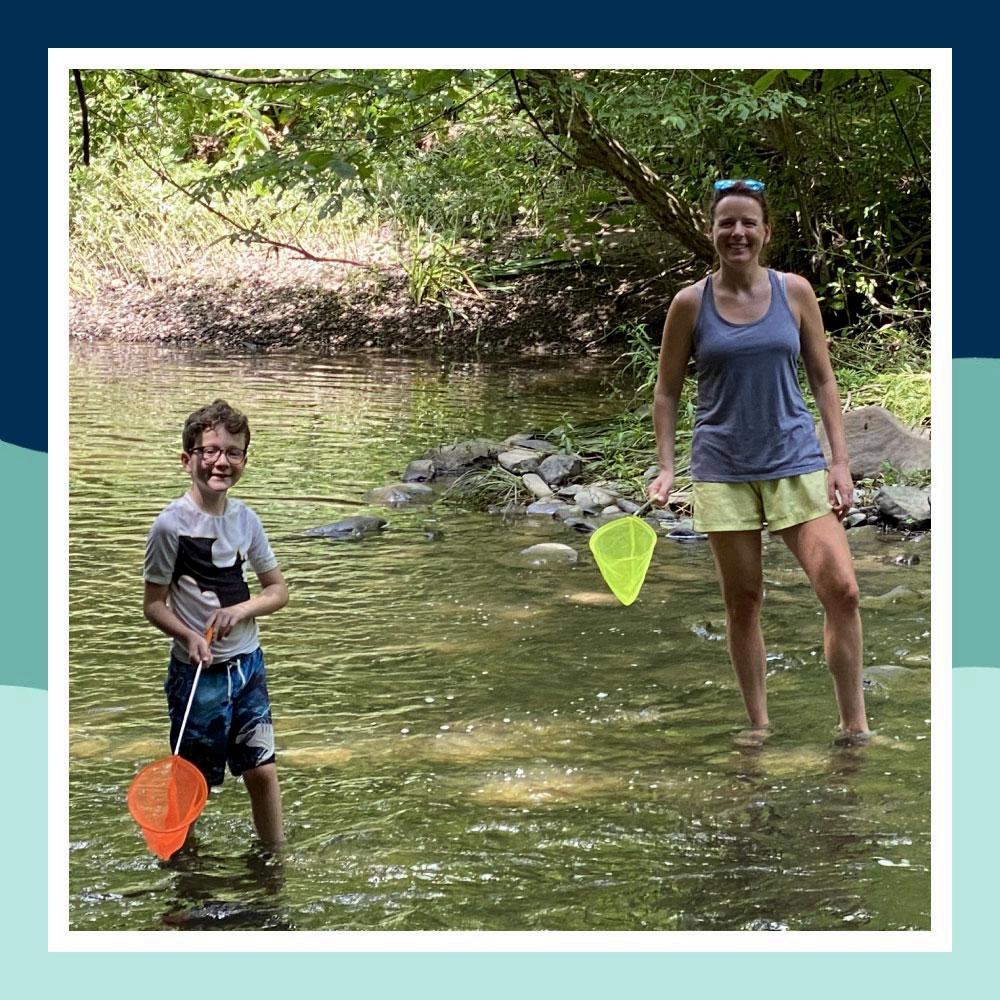
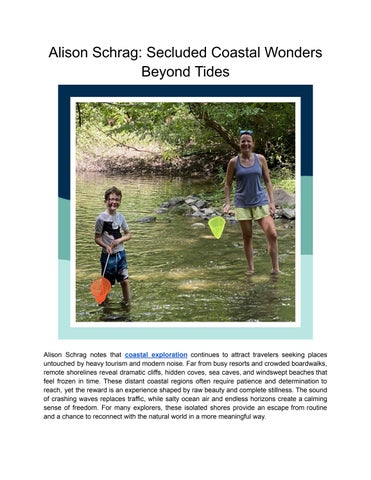
Alison Schrag notes that coastal exploration continues to attract travelers seeking places untouched by heavy tourism and modern noise. Far from busy resorts and crowded boardwalks, remote shorelines reveal dramatic cliffs, hidden coves, sea caves, and windswept beaches that feel frozen in time These distant coastal regions often require patience and determination to reach, yet the reward is an experience shaped by raw beauty and complete stillness. The sound of crashing waves replaces traffic, while salty ocean air and endless horizons create a calming sense of freedom For many explorers, these isolated shores provide an escape from routine and a chance to reconnect with the natural world in a more meaningful way.
Many remote coastlines remain protected by difficult terrain, unpredictable weather, or limited access routes. Rocky trails, dense forests, and winding coastal roads often separate travelers from these hidden treasures Along the Pacific Northwest, towering sea stacks rise from cold blue waters while mist drifts across untouched beaches. In parts of Maine and Alaska, small fishing villages sit beside rugged harbors where seals and seabirds thrive in quiet isolation. Tropical coastlines in remote island regions offer equally breathtaking scenery, with turquoise water, white sand, and coral reefs stretching far beyond the shoreline. Every destination carries its own personality, shaped by tides, climate, and centuries of interaction between land and sea
Wildlife encounters add another layer of excitement to coastal exploration Dolphins frequently appear beside small boats, while migrating whales surface near rocky cliffs during seasonal journeys Pelicans glide above crashing surf, and sea turtles emerge on quiet beaches to lay eggs beneath the moonlight. In colder regions, puffins nest along steep coastal ledges, creating unforgettable scenes for photographers and birdwatchers alike These moments often happen without warning, making every trip feel unpredictable and alive Unlike crowded tourist attractions, remote coastal environments allow nature to remain the center of attention. Travelers are not simply observing scenery but becoming part of a living landscape filled with movement and sound
Remote coastal travel also reveals stories tied to local history and maritime culture. Small harbor towns often preserve traditions passed down through generations of fishermen, lighthouse keepers, and sailors. Old wooden docks, weathered boats, and historic lighthouses stand as reminders of the ocean’s powerful influence on human life. Some coastal communities celebrate annual festivals tied to fishing seasons or ocean harvests, while others protect legends connected to shipwrecks and hidden coves. Exploring these regions creates a stronger appreciation for the resilience of people who have depended on the sea for survival Their connection to the coastline adds depth and authenticity to every visit, turning a scenic journey into a cultural experience.
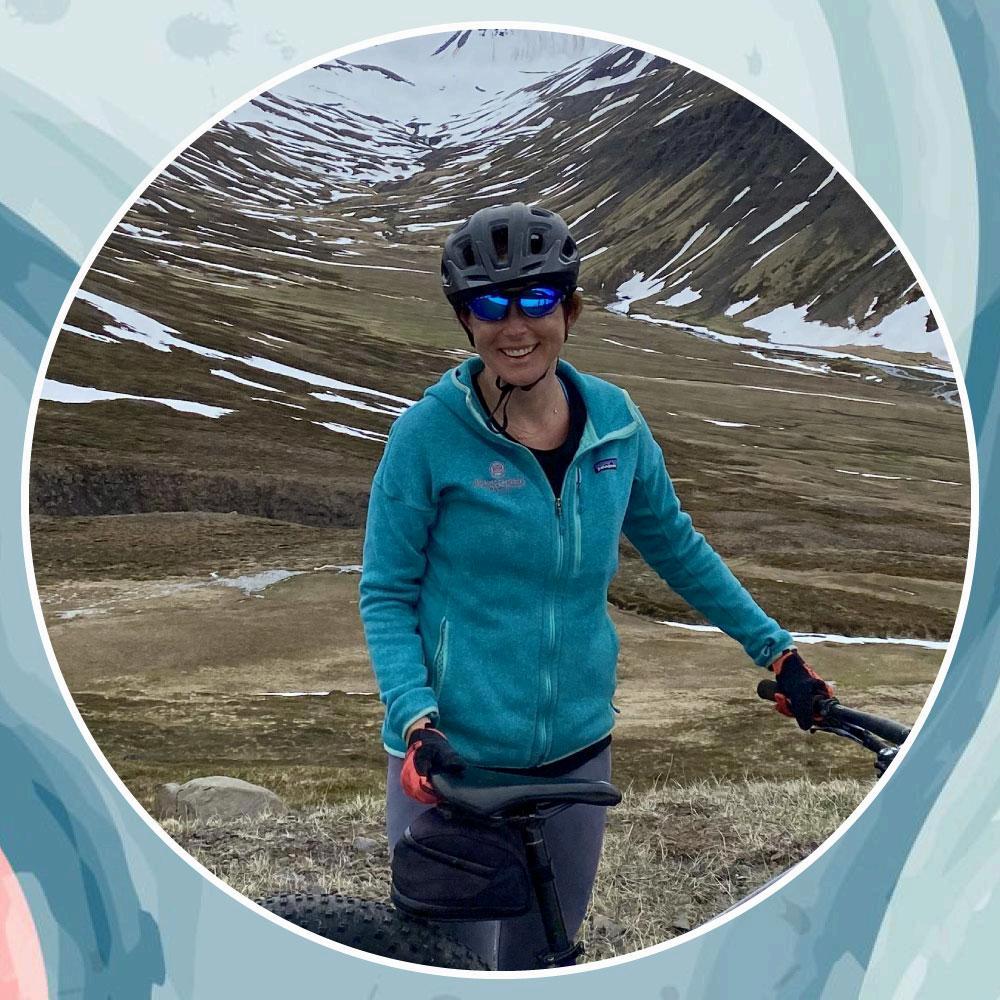
Adventure plays an important role in discovering remote coastal wonders Kayaking through sea caves, hiking cliffside paths, and camping beside isolated beaches create lasting memories that traditional vacations rarely provide Many travelers seek sunrise walks along empty shorelines or evenings spent watching stars appear above the ocean, free from city lights Even simple activities such as collecting shells, observing tide pools, or listening to distant waves become meaningful in these quiet environments Technology and social media often encourage fast travel focused on crowded landmarks, but remote coastal exploration encourages slower
experiences built around observation and reflection Each journey becomes less about checking destinations off a list and more about appreciating moments that cannot be repeated.

Protecting these fragile coastal environments remains essential as interest in remote travel continues to grow. Rising tourism can threaten wildlife habitats, damage fragile dunes, and introduce pollution to previously untouched areas Responsible exploration includes respecting local communities, following conservation guidelines, and minimizing environmental impact whenever possible. Travelers who value sustainability help preserve these remarkable shorelines for future generations Remote coasts offer more than scenic beauty because they remind people of nature’s power, mystery, and quiet strength Whether found along icy northern cliffs or tropical island shores, these distant coastal landscapes continue to inspire curiosity and wonder For travelers searching for authentic adventure and unforgettable scenery, the world’s hidden coastlines remain among the most rewarding destinations to explore