
Alison Schrag: Ancient Echoes Shaping Culture Across Time

Alison Schrag affirms that ancient civilizations continue to captivate modern audiences with their remarkable achievements and enduring mysteries. From the towering pyramids of Egypt to the intricate city planning of the Indus Valley, these early societies laid the foundation for much of today’s culture and knowledge By stepping back in time, it becomes easier to appreciate how human ingenuity and resilience shaped the course of history. These civilizations were not just collections of people but complex systems driven by innovation, belief, and survival
One heir env g to sup hed betw ade. The ped sys ains rele
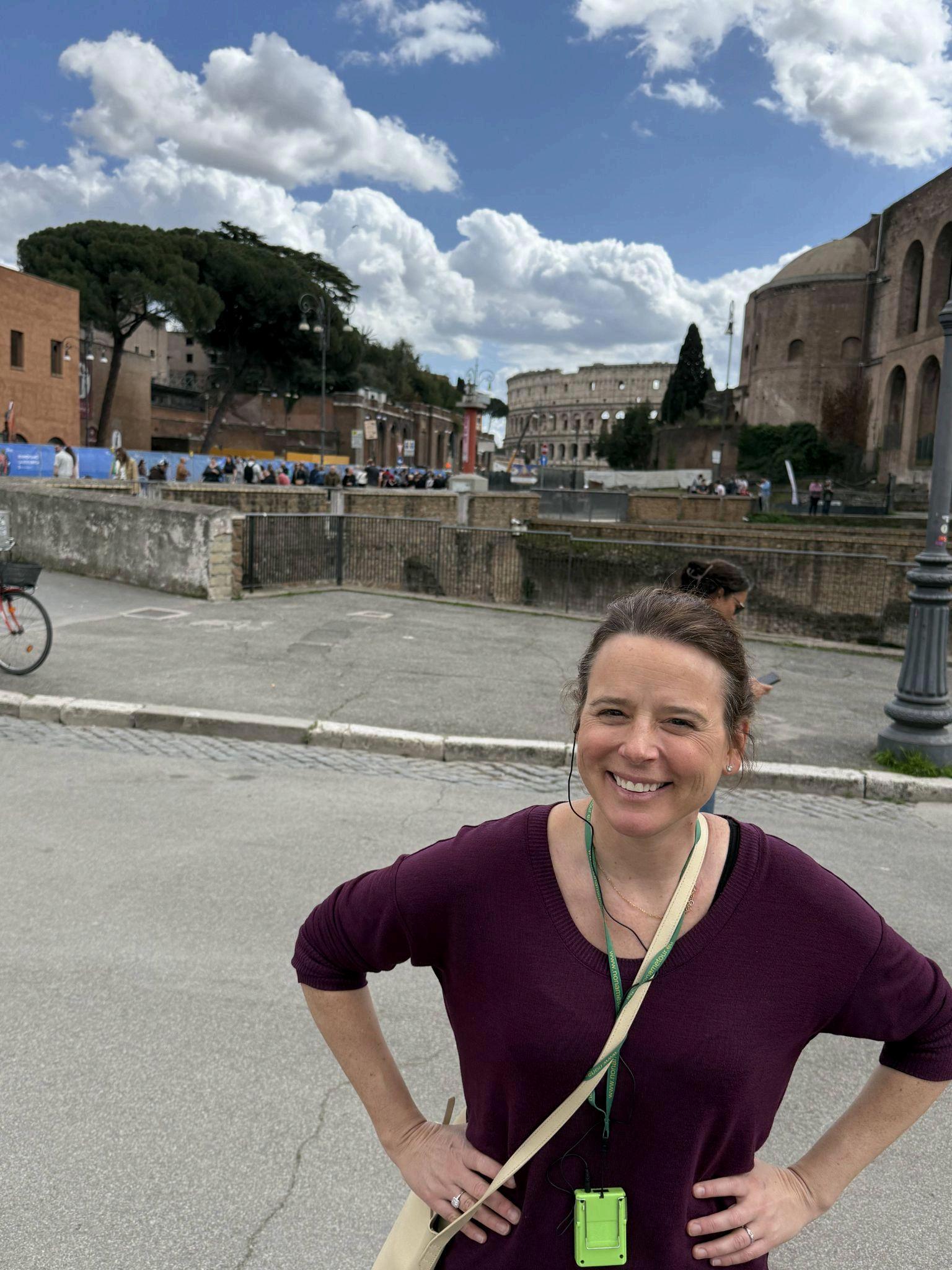
Culture played a central role in shaping the identity of ancient civilizations. Religion, art, and social structures were deeply intertwined, reflecting the values and beliefs of each society Temples, sculptures, and written texts offer glimpses into how people understood their world and their place within it. In ancient Greece, philosophy and the pursuit of knowledge became defining traits, while in China, dynasties emphasized order, harmony, and respect for tradition These cultural expressions not only defined their time but also influenced future generations across continents.
Innovatio systems develope writing in Mesopota ntroduced roads, aq structure. Even ea through observati ve these societies

Trade and interaction between civilizations also played a significant role in their development
The exchange of goods, ideas, and cultural practices helped shape diverse societies and encouraged growth The Silk Road, for example, connected East and West, allowing merchants and travelers to share knowledge and resources across vast distances These interactions fostered innovation and understanding, showing that even in ancient times, global connections were vital for progress
Despite their achievements, many ancient civilizations eventually declined due to a combination of factors, including environmental changes, internal conflicts, and external invasions. The fall of these societies serves as a reminder of the delicate balance required to sustain complex systems. Yet, their legacy did not disappear. Instead, it lived on through preserved artifacts, historical records, and the continued influence of their ideas on modern culture and governance.

Today, the study of ancient civilizations offers valuable insights into human development and the enduring nature of creativity and adaptation By examining the past, we can better understand the present and prepare for the future The echoes of these early societies can still be seen in language, architecture, and cultural traditions, reminding us that history is not distant but deeply connected to everyday life