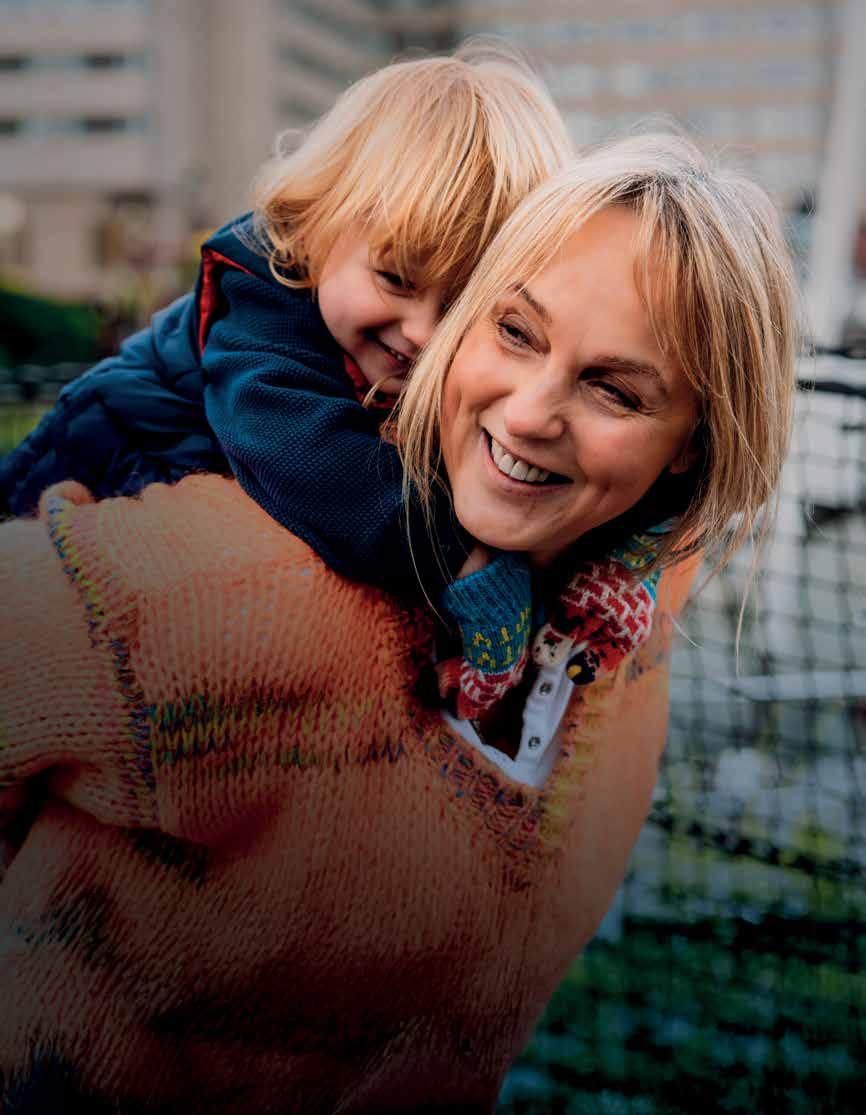
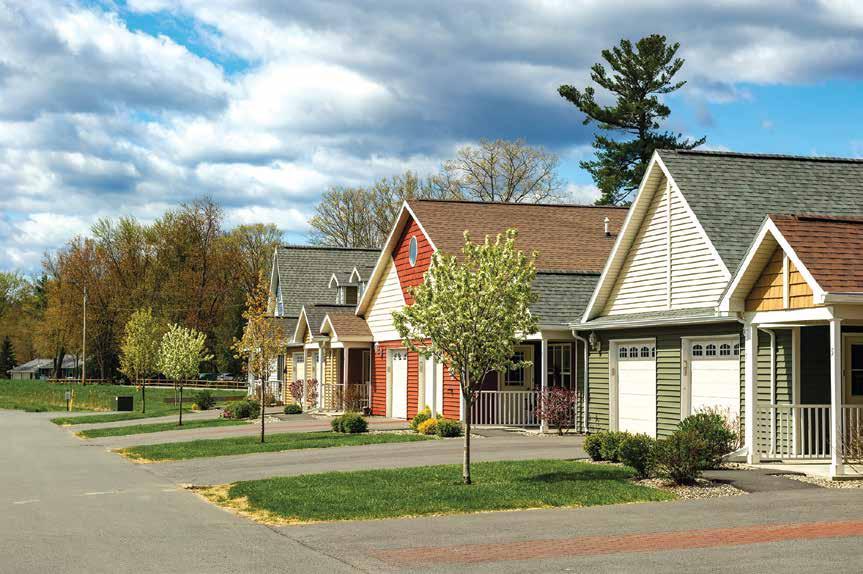
You’ve built a life full of memories; now it’s time to enjoy it, free from chores, isolation, and the upkeep of a home that no longer fits your lifestyle. Welcome to Hamilton Parc, a newly built 55+ active adult community in Guilderland, NY, designed for vibrant living. Here, you’ll find connection, support, and independence in a refreshingly modern setting where every day feels like a new opportunity.
21 Is it Menopause?
The unusual symptoms of “the change” — and what’s being done about them
24 It’s (Not) All In Your Head
Menopause, memory and the truth about brain fog
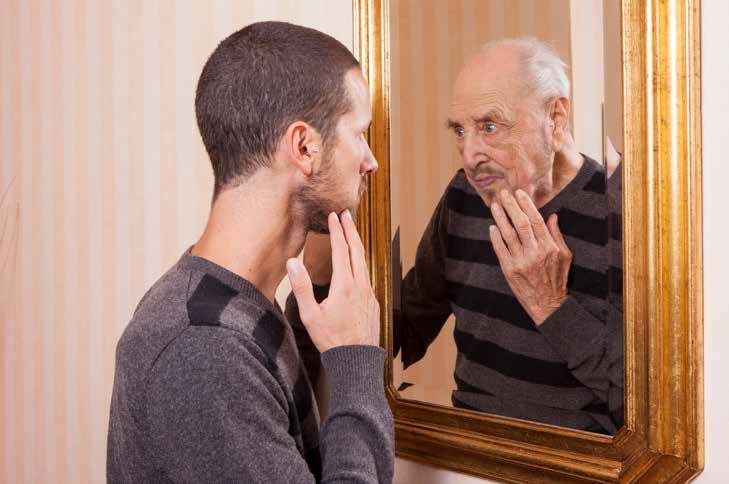
27 The Male Midlife Hormone Shift
Fatigue, low motivation and declining testosterone are fueling new conversations about “male menopause”
home & garden
47 The Medicine Cabinet Makeover Don’t forget to spring (or summer) clean your pharmaceuticals
50 Home Gardening? There’s an App for That From watering when you’re away to mowing the lawn, tech is taking root in the backyard
health & wellness
17 What’s Trending: Tetris for Trauma
Can a video game help with PTSD? Some experts say “yes,” but with a caveat
30 Learning to Fly A beginner’s guide to aerial yoga
lifestyle
42 Puzzle Me This What jigsaws taught me about life and aging
44 The Great Closet Reset As comfort leads the way, these 10 trends show what’s fading, evolving and coming back again
food & drink
33 Cooking with Intention Hudson Valley’s Nicki Sizemore brings mindfulness to the kitchen in new cookbook
37 From Garden to Jar Canning do’s, don’ts and safety tips for beginners
travel
54 More than Maple Quaint is on tap in the highlands of central Vermont
59 On the Road & Making a Difference
How to volunteer and satisfy your travel itch at the same time
columns
14 Publisher’s Note: Making Room for What’s Next Alison Michael on new experiences, new perspectives and new possibilities
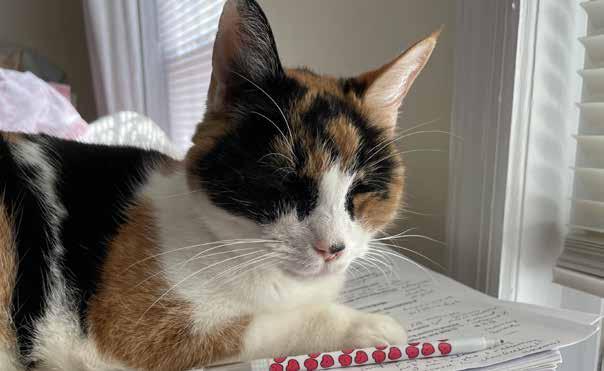
63 Laugh Lines: A New Old Pet in the Family Sharing my empty nest with a rescued senior cat and my kids’ immortal turtle
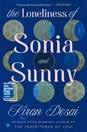
64 On Our Nightstand: Book(er) It! The best reads aren’t always the ones that take home the prize
66 The Vine: It’s About Thyme! This hardy perennial herb is prized for its flavor, fragrance and health benefits
When a Loved One Passes Away
A Thoughtful Conversation for Families: Practical Guidance, Real Questions, Compassionate Answers
Losing someone can be overwhelming, and the important decisions that follow may feel just as difficult.
Join us as we discuss:
What needs immediate attention
What legal documents are implicated
Probate, estates, and common misconceptions
Managing accounts and practical next steps
Questions families often have, but don’t know who to ask
This virtual event is free to attend. Questions submitted in advance are welcome.
Publisher & Editor-in-Chief
Alison Michael | alison@55pluslife.com
Consulting Editor
Traci Neal
Marketing Consultant
Terri Jacobsen
Consulting Art Director
Tony Pallone
Design Consultant
Barb Dunn
Consulting Online Content Producer
Caitlin Manner
Contributing Writers
Amy Barnes
Katie Navarra Bradley
Joanne Cleaver
Shelby Deering
Mary Ellen Fillo
Erik Hesselberg
Susan Brady Konig
Caitlin Manner
Rod Michael
Janet Reynolds
Brianna Snyder
Connect with us
55+ Life magazine is published four times a year. Home delivery subscriptions are available for $29 annually (nonrefundable). Sign up at 55pluslife.com.
38 Mall Way, #83, West Sand Lake, NY 12196 editor@55pluslife.com
55+ Living Guide, LLC. Copyright 2026. All rights reserved. This publication may not be reproduced in any fashion, including electronically, in part or whole, without written consent from 55+ Living Guide, LLC. Visit us at
Building Resilience and a Sense of Community
BY JANE GINSBURG, PRESIDENT & CEO, JEWISH FAMILY SERVICES OF NENY
There is a lot of talk about resilience these days and with good reason. People are dealing with hardships and stress that can feel overwhelming. Building resilience means learning to bend without breaking; it also means recognizing that you might need help to regain your footing.
Jewish Family Services (JFS), contrary to popular thought, is a community resource for people of all ages, faiths or none at all. In other words — JFS serves people of all backgrounds, ages and walks of life or identity. We offer a broad range of services from basic information and assistance to comprehensive care management for adults 60+ to the new JFS Center for Counseling & Resilience that offers individual, couples, and group therapy for all ages, in a warm, comforting environment. Whether your child needs support with social media related stress or you are coping with life’s changes, our licensed clinicians are trained in a variety of therapeutic approaches, and we participate in many insurance networks, including Medicare and Medicaid. Taking that first step to call us — for whatever the reason - can be the most difficult step. We
understand that and when you are ready; we are here for you.
A growing stressor across the country is social isolation and can be particularly detrimental to older adults. How do you combat social isolation? By building a sense of community. In 2026, we are celebrating the 20th year of the Neighborhood Naturally Occurring Retirement Community (NNORC), a community collaboration funded in part by the NYS Office for the Aging. The goal is to help adults 60+ maintain their quality of life and independence, access services, and remain connected.
Participants living in this neighborhood surrounding St. Peter’s Hospital enjoy access to home visits by a community health nurse to review medications, provide pre- and post-
Building resilience means learning to bend without breaking. ” “
• Transportation coordination SERVICES INCLUDE:
surgery support and education, and help with navigating the healthcare system. Social and wellness programs include walking groups, nutrition for healthy aging, and a variety of clubs. Care management helps navigate confusing insurance and benefits, securing home care or transportation assistance, and helping with paying bills. A weekly e-news shares upcoming programs and resources — all geared toward aging well and safely.
JFS also provides many of these services throughout the region to clients who live outside the NNORC. Additionally, we also deliver Kosher, Halal, and Seventh-Day Adventists’ meals to older adults, grocery shop for clients, and conduct safety assessments to minimize risks of falling and maximize the ability to continue living at home.
Often, we are contacted by loved ones who no longer live locally who worry about their aging parents continuing to live on their own. Our senior resource specialists provide information on long-distance caregiver support and long-term care options when remaining home alone is no longer an option.
While no one has all the answers, JFS prides ourselves in being a trusted resource for the things that keep you up at night. Visit jfsneny.org to learn more or call us at 518-482-8856.
• Counseling for all ages (individual, couples, families, and group)
• Care management and benefit navigation
• Home safety assessments and fall prevention
• Kosher, Halal, and Seventh-Day Adventists’ meal delivery
• Grocery shopping assistance
• Wellness and social programs
• Long-distance caregiver support and referrals for long-term care options
• Holocaust Survivor support
by Kammie Willett
Every summer, I seem to find myself doing the same thing: standing in front of my closet, pulling things off hangers and asking, “Why am I still keeping this?”
Some pieces no longer fit. Others are worn or out of style. And then there are those items that are perfectly fine but simply don’t feel like me anymore.
As I was reading our feature The Great Closet Reset on page 44, it struck me that the process of closet purging isn’t really about clothes. It’s about recognizing that life evolves — and so do we.
For many of us, this stage of life comes with its own reset — not because we’re starting over, but because we’re becoming more intentional. We know ourselves better. We care less about trends and more about comfort, but we still want to feel and look good. I’ve always believed that if you have a sense of style, you don’t lose it as you age. It simply evolves, just as we do. It’s less about expectations and more about authenticity.
That theme seems to weave its way
Making Room for What’s Next
through many of the stories in this issue.
For women, menopause can bring unexpected changes that challenge what we thought we knew about our bodies. For men, hormonal shifts during midlife can be just as real, even if they aren’t discussed as often or as openly. It seems everywhere I turn these days, another conversation about menopause is taking place — and that’s a good thing. For too long, women suffered in silence, wondering if what they were experiencing was normal. The more we share our stories, the more we realize we’re not alone.
Yes, our bodies change as we age. But that doesn’t mean we have to view those changes as a curse. Some of the symptoms we dismiss as “just getting older” may actually have explanations — and solutions — that we never considered.
At the same time, many of us are discovering new interests, new passions and new ways of engaging with the world. Our feature on voluntourism, On the Road & Making a Difference, page 59, explores how travel can
become even more meaningful when we combine exploration with purpose and service.
What I love most about getting older is the realization that growth doesn’t stop at a certain age. In many ways, it accelerates. We begin asking different questions. Who do I want to become that I’m not already? What changes can I make today that will make tomorrow even better? We become more willing to let go of what no longer serves us and more open to embracing what does.
Maybe that’s the real reset.
Not just clearing out a closet, but making room for new experiences, new perspectives and new possibilities.
As always, thank you for allowing us to be part of your journey.
Wishing you a wonderful summer, alison@55pluslife.com
PicturePerfectPhotosByKam
BEST JOURNEYS
At BLUE SKIES TRAVEL, we specialize in extraordinary U.S. vacations for travelers who value comfort, access, and ease. From the heartland to the coastlines, we open the door to the experiences you've always dreamed of.
THE BLUE SKIES DIFFERENCE
• Access to unique adventures with our exclusive travel partners
• Preferred accommodations with luxury perks and VIP amenities
• Personalized planning and support from experienced travel advisors before, during and after your trip. LUXURY
Explore America's historic waterways in luxury and comfort with American Cruise Lines
Our guided National Parks tours include lodging, transportation and expert guides
From charming coastal inns to iconic city stays, enjoy VIP perks and elevated experiences nationwide
Let's plan your GREAT AMERICAN ADVENTURE
U.S. ESCAPES
Providing Quality Senior Housing Communities
Since 1995!
Garry J. Kearns, Executive Director
Columbia Crest ColumbiaCrest@ahfinc.net
90 One & Two Bedroom Apartments | Min. age requirement 60 Rent: 1 Bedroom $428–$925* | 2 Bedrooms $1055-$1235* 427 Columbia St., Cohoes, NY 12047 | (518) 235-4558
Highpointe HPAM@ahfinc.net
82 One & Two Bed Apartments | Min. age requirement 55 Rent: 1 Bedroom $625–$1000* | 2 Bedrooms $1110* 30 Rockrose Way, Malta, NY 12020 | (518) 583-7977
Northern Pines NorthernPines@ahfinc.net
36 One & Two Bedroom Apartments | Min. age requirement 55 Rent: 1 Bedroom $655–$805* | 2 Bedrooms $930* 120 Northern Pines Rd., Wilton, NY 12831 | (518) 581-8959
Van Allen VanAllen@ahfinc.net
110 One & Two Bedroom Apartments | Min. age requirement 55 Rent: 1 Bedroom $605—$930* | 2 Bedrooms $726—$1260* 790 Rte. 9W, Glenmont, NY 12077 | (518) 767-0923
Whitehall Court Whitehall@ahfinc.net
72 One & Two Bedroom Apartments | Min. age requirement 62 Rent: 1 Bedroom $725—$758* | 2 Bedrooms $887* 360 Whitehall Rd., Albany, NY 12208 | (518) 446-1920
Wilton Commons WiltonCommons@ahfinc.net
36 One & Two Bedroom Apartments | Min. age requirement 55 Rent: 1 Bedroom $643—$778* | 2 Bedrooms $915* 100 Wilton Commons Dr., Wilton, NY 12831 | (518) 581-7696 *Rents are based on income guidelines determined by the area’s median income.
for trauma
Can a video game help with PTSD? Some experts say “yes,” but with a caveat
BY CAITLIN MANNER
or kids of the 1990s, Tetris wasn’t just a video game; it was an obsession, glowing from Game Boys in back seats, classrooms and living rooms across America. Decades later, those same falling blocks are finding new purpose: helping researchers and therapists explore ways to ease the grip of trauma and painful memories.
In recent years, researchers have begun exploring whether Tetris can be an effective tool as part of a structured process known as Eye Movement Desensitization and Reprocessing Therapy, or EMDR.
Developed in the late 1980s to treat post-traumatic stress disorder, EMDR is guided by the Adaptive Information Processing model, which posits that the human brain has an innate, physiological system designed to process life experiences into adaptive, healthy memories.
Typically, this processing happens during the rapid eye movement stage of sleep, according to Wen Chang-Lit, an EMDR-certified, trauma-informed creative arts therapist. “While we are in the REM state, our brain is actually very, very active, sorting out everything that happened during the day; what is important to keep and what is not,” she
explains. “But with trauma, or any kind of traumatic experience, it can be too big for the brain to process, so it gets stuck in our nervous system.”
As a result, the memory becomes like a wound your brain can’t heal. Flashbacks of the trauma are triggered by newer experiences, reopening that wound as if it were fresh.
Unlike other treatments that focus on altering the emotions and responses to traumatic experiences, EMDR focuses on the memory, changing the way it’s stored in the brain. One of the ways it does this is bilateral sensory stimulation. The rapid eye movement we experience in sleep is just one example of bilateral stimulation, which consists of alternating left-right signals to the brain, and can be auditory, visual or tactile. The traditional method is for a therapist to hold up two fingers and move them from left to right, back and forth, while the patient tracks the movement with their eyes. In her practice, Chang-Lit has also used a light bar with lights that blink at alternating ends, sound cues through headphones and physical cues like tapping.
This stimulation, under the guidance of a licensed therapist, is thought to help the brain process and digest information while we’re awake, just like it does during REM sleep.
WEN CHANG-LIT is a creative arts therapist focused on the ability of our brains to process trauma.
WHERE TETRIS FITS IN
It is thought that Tetris, as a highly visual and spatial game, can disrupt the brain’s ability to solidify traumatic memories, potentially making it a preventative tool against PTSD.
In a study conducted by researchers at Karolinska Institute with colleagues at Oxford University and elsewhere, researchers were able to demonstrate how the survivors of motor vehicle crashes had fewer flashbacks in the week following the accident if they played Tetris in the hospital within six hours of admission after also having been asked to recall their memory of the accident. The authors of the study proposed that by completing a demanding visual/spatial task soon after the trauma, “the memory trace of a traumatic event is weakened because of competition for the cognitive resources required for consolidation.”
Tetris might also be a helpful tool in reducing intrusive memories for patients who already have PTSD. A separate study, conducted at the Max Planck Institute for Human Development with the Center for Military Mental Health in Germany, tested whether playing games like Tetris could serve as a brain-training intervention, like in EMDR. They recruited patients with combat-related PTSD, and while all received EMDR therapy, half of the group was also required to play 60 minutes of Tetris each day over six weeks. The participants who played Tetris showed greater reductions in PTSD symptoms and improvements in common biomarkers for PTSD and depression.
COULD TETRIS HELP YOU?
As an early example of casual gaming (pre-smartphones!), Tetris is frequently cited as one of the greatest and most influential video games of all time. The addictive nature of easing those pixelated bricks into the right slot can be as engaging as it is soothing, but therapy it is not.
On its own, Tetris can be a helpful instrument for finding temporary relief from stress, and could mitigate anxiety for those who might normally be therapy-averse. “There are research studies that have shown it helps for men to be engaged in something else while talking about emotionally charged materials,” Chang-Lit says. “It helps provide regulation. And for teens, I would imagine this could help, too.” But regardless of the promising studies, Tetris alone cannot help people heal.
“I want to emphasize that tools like this do not replace the relational aspect of the trauma healing process,” Chang-Lit shared in a follow-up email. “Having another human being present to co-regulate, ‘undo’ the experience of aloneness, and guide the release of heightened energy stuck in the body after a traumatic event is crucial for healing.” n
50 Years Strong The Capital Region’s Largest Homebuilder
For five decades, the Belmonte family has built more than homes—we’ve built trusted communities and a reputation for quality that homeowners have come to rely on.
Today, we are proud to be recognized by the Albany Business Review as the largest builder in the Capital Region. But our greatest achievement isn’t measured in numbers. It’s measured in the families who return to build with us again, the homeowners who refer their friends and family, and the trust we’ve earned one home at a time.
From thoughtfully designed communities to a variety of floor plans tailored to the way you live, Belmonte Builders continues to help more families find a place they’re proud to call home. Every Belmonte home reflects our commitment to quality craftsmanship, thoughtful design, and personalized living. We invite you to tour our communities and experience the Belmonte difference firsthand.
Family-owned & Proudly Building in the Capital Region for 50 years
IS IT MENOPAUSE?
The unusual symptoms of “the change” — and what’s being done about them
BY MARY ELLEN FILLO
Here they come: the legendary hot flashes, irritability, low libido and sleepless nights everyone warns you about. But nobody mentions the burning mouth, itchy skin, runny nose, hair loss, restless legs, tingling arms, phantom smells, random toothaches and dozens of other symptoms that can leave women wondering if they’re losing their minds. As it turns out, it’s not all in your head — it’s perimenopause and menopause, and for most aging women, it’s practically unavoidable.
But while past generations may have quietly suffered because they were embarrassed to talk about the “change of life” or, worse yet, were simply dismissed by the medical profession with
a shrug of the shoulders, today’s women are more than ready to break the taboo. They are combating the stigma of menopause by being open and refusing to suffer in silence.
“I am not my mother or grandmother,” insists Elizabeth Connor, a New Yorker and high school teacher who began perimenopause in her 40s. “I couldn’t wait to talk to friends about what they were experiencing, share some of what I thought were crazy symptoms and read everything I could about it so I could have a discussion with my doctor and get real answers. I was not going to be quiet. I was raised in a consumer culture, and as far as I was concerned, was not going to be told to ‘deal’ with it and be sent on my way.”
The culture is indeed changing, ac-
cording to experts who point to women in their 30s and older who have made perimenopause and menopause a hot topic. It’s becoming so mainstream, in fact, that it’s the subject of a growing number of books, entertainment (like the nationally touring Menopause: The Musical), social media conversations and even prime-time TV ads featuring stars like Amy Schumer with her tongue-in-cheek Midlife Health Class for telehealth platform Midi Health. Workplaces are increasingly offering menopause benefits, and the medical attitude has shifted from minimizing symptoms to treating them individually.
“For too long, women’s health has been underserved,” writes author Mary Claire Haver, M.D. in her book, The New Perimenopause. “It left a tre-
“You shouldn’t be told that this is just your ‘new’ normal or that hormone therapy is never an option.”
“I assumed my symptoms were due to working, having a family and balancing life.”
MARY
“Find the right treatment and be prepared that it could be a matter of trial and error, but you’ll get through it.”
mendous gap in knowledge and care, resulting in women’s health issues, including perimenopause and menopause, being significantly underfunded and overlooked.”
It’s a natural stage of life, but that doesn’t mean you are required to suffer through it, says Haver, who also wrote The New Menopause, founded a menopause clinic and launched the website ThePauseLife.com. “You shouldn’t be told that this is just your ‘new’ normal or that hormone therapy is never an option.”
Haver says women are still feeling the effects of the 2002 Women’s Health Initiative study, whose early findings raised alarms about potential cancer risks associated with hormone therapy. Later research suggested the risks and benefits were more nuanced than initially understood, and that hormone therapy can be safe and effective for some women depending on their age, symptoms and medical history.
“The initial study prompted widespread fear and confusion about hormone treatment for menopausal-related symptoms, leaving some undertreated,” contends Haver, adding that women today have more awareness, clarity and personalized care options. “We’re finally moving forward and have a better understanding of metabolic health, bone loss and a wider range of hormonal and nonhormonal treatments of menopause.”
For Capital Region nurse practitioner Kristin Stalker, who began experiencing symptoms earlier than she had expected, it was all about taking charge of getting older.
“I started my fun journey of perimenopause in my 30s,” says Stalker, who works at New York Oncology Hematology, a group that partners with Akira Medical Imaging + Wellness in Albany, which treats women from peri- to postmenopause. “I assumed my symptoms were due to working, having a family and balancing life.”
Despite exercising regularly, working with a nutrition coach and eating all the right foods, Stalker says she was stumped about her symptoms until she realized it was probably perimenopause, which can start years before menopause. Stalker noted that menopause and perimenopause are linked to dozens (some say as many as 100!) possible symptoms, which is why no two women experience them exactly the same way.
“The symptoms are really a case-by-case basis,” she explains, noting that in her practice, she takes a detailed history of each patient’s symptoms and when they began. “It allows me to see the bigger picture and then work them up appropriately.”
Experts agree that like symptoms, treatments are stylized, with no one-size-fits-all fix. And that is why an honest discussion with a doctor is key to diagnosing and treating symptoms.
While hormone therapy remains one of the most common and effective treatments for menopause symptoms, some women also find relief through nonhormonal medications and lifestyle approaches. Prescription medications may help
KRISTIN STALKER Nurse Practitioner
MARY CLAIRE HAVER, M.D. Author, The New Perimenopause
MCGINNIS, M.D. McGinnis Women’s Medical Care PC
Photo:
Callie Walker
BEYOND HOT FLASHES & NIGHT SWEATS
Menopause and perimenopause can affect multiple systems in the body — neurological, sensory, musculoskeletal and cognitive, leading to symptoms that go far beyond hot flashes and night sweats. Here are 10 symptoms you may not know about:
• Electric shock sensations – brief nerve “zaps” or jolts
• Formication – feeling of insects crawling on the skin
• Burning mouth – tingling or scalding sensation in the mouth or tongue
• Tinnitus – ringing, buzzing or humming in the ears
• Dry eyes – irritation, scratchiness or light sensitivity
• Dry mouth – reduced saliva and oral discomfort
• Itchy skin – generalized itchiness without a rash
• Tingling extremities – pins-and-needles sensation in hands, arms, legs or feet
• Numbness sensations – reduced or altered skin sensitivity
• Joint pain – stiffness or aches resembling arthritis
with hot flashes and sleep disturbances, while supplements are being studied for possible benefits related to energy, muscle health and brain fog. Other approaches — including acupuncture, certain herbal supplements, cognitive behavioral therapy, hypnosis, regular exercise, anti-inflammatory diets, yoga and simple temperature-control strategies — may also help ease symptoms for some women.
But caution is key, warns Mary McGinnis, M.D., of McGinnis Women’s Medical Care PC, an Albany-based OBGYN practice specializing in menopausal disorders. She notes that symptoms shouldn’t automatically be assumed to be caused by perimenopause or meno-
• Muscle aches – widespread soreness or tension
• Heart palpitations – awareness of rapid, fluttering or skipped beats
• Dizziness or lightheadedness –balance or “floating” sensations
• Headaches – increased frequency or hormonal migraine patterns
• Sleep disruption – trouble falling or staying asleep
• Brain fog – difficulty concentrating or remembering words
• Anxiety spikes – sudden increases in nervousness or unease
• Mood swings – emotional ups and downs or irritability
• Changes in body odor – altered or intensified natural scent perception
• Crawling or crawling-like skin sensations at night – often worse when trying to sleep
— Source: “29 Perimenopause Symptoms You May Not Know About,” Cleveland Clinic
pause, since other underlying conditions may also be responsible.
“There is the fallacy that everything at that age is tied to menopause,” says McGinnis. “There is a snake-oil salesman on every corner telling women they all need hormone therapy for every problem in life, from menopause to beyond. The fallacy is that hormone therapy is going to make everything better.”
Some symptoms, she says, “are just caused by age. I always tell my patients that if there is no biological explanation for their symptoms, it is simple enough to give you a hormone trial. If your symptoms improve, there you have it. But if not, then we have to investigate further.”
As recently as the early 2000s, orga-
nizations including the World Health Organization, the National Institutes of Health and the American Medical Association have finally begun reframing menopause and perimenopause as a significant public health and medical issue, recommending more research, clearer clinical guidance and open discussion — rather than treating it as an overlooked aspect of aging.
As more and more healthcare providers expand menopause care, McGinnis advises women experiencing the change: “Don’t overstress and don’t wallow in misery. There are options to deal with it all. Find the right treatment and be prepared that it could be a matter of trial and error, but you’ll get through it.” n
IT’S (NOT) ALL IN YOUR HEAD
Menopause, memory and the truth about brain fog
BY SHELBY DEERING
It’s surprising just how many symptoms can accompany menopause. According to Medical News Today and other experts, the list includes as many as 34 different effects — some of them unusual and somewhat disturbing, such as “electric shock” sensations, “brain zaps,” a burning mouth, thinning hair and widespread itchiness (see related story on page 21).
And here’s another one you may not have expected: brain fog. That feeling that you’re less than mentally sharp, that your brain is running more slowly or that it’s “filled with cobwebs,” as Meghan Monthie, M.D., a board-certified family physician and owner of Albany’s direct primary care practice Heirloom Family Medicine, explains.
Many women go through brain fog. According to UCLA Health, it’s estimated that up to two-thirds of women experience cognitive impairment during menopause.
“This can manifest in a variety of ways, from walking into a room with a purpose and then promptly forgetting why, losing your train of thought midsentence, difficulty concentrating or multitasking, forgetting the word for something you use every day or just feeling scattered and unorganized,” Monthie says.
Other causes may be at play when it comes to brain fog: things like chronic stress, lack of sleep and nutritional deficiencies, as Desiree Mollnow, MSN, FNP-BC, founder and
CEO of Latham’s UpState of Health, details. But one cause of brain fog for menopausal women can be hormone fluctuation.
Brain fog can be frightening. In fact, you may believe that you’re in the early stages of dementia, and you wouldn’t be alone in that fear. To help clarify, reassure and explain menopausal brain fog, our experts are here to fill you in.
Monthie says that brain fog is incredibly common during perimenopause and menopause, and “these moments can be really unsettling and quietly confidence-eroding for women who are used to performing at a high level at home and in the workplace.”
She also explains the biology.
“We have estrogen receptors in many parts of our body, including our brain,” she says. “Estrogen plays a huge role in our memory, attention and how our brain cells communicate with one another.”
Since estrogen levels drastically drop after menopause, she says that our memory, executive function and focus can plummet, too. Additionally, mood changes like anxiety and depression can further worsen that brain fog. And Monthie says that juggling caring for children and aging parents doesn’t help, either.
Additionally, Mollnow, who specializes in hormone replacement therapy, says, “Progesterone affects sleep, which,
if poor, will affect our energy and clarity the following day.”
With all this forgetfulness and fogginess, you might believe that you have dementia, especially if you have a family history.
“The good news is that menopause-related brain fog and dementia look very different clinically,” Monthie reassures. “With brain fog, patients typically notice their cognitive hiccups, which bothers them. Memory issues can be inconsistent, with some days being better than others. And most importantly, the general ability to function and do your daily tasks remains intact.”
But with dementia, she says, short-term memory loss is the predominant feature, and this decline is persistent, progressive and usually recognized by loved ones first.
“There is also a significant impact on patients’ ability to safely perform their daily tasks,” she says.
To better understand brain fog, in 2025, researchers conducted a review of existing studies to examine how menopause affects brain structure and its links to cognitive, emotional and physical health, and the results were presented at the annual meeting of The Menopause Society in October.
The study found that menopause actually reshapes the structure of the brain, in which the gray matter volume of the frontal and temporal cortices and the hippocampus decreases. These areas drive memory and decision-making.
“Studies like these are exactly what we need to help show the profound effects our hormones have,” Mollnow says. “Oftentimes, women beat themselves up because they do not feel as sharp or get labeled as ‘crazy’ or ‘emotional,’ yet there
are so many physical changes occurring due to the fluctuation of our hormones.”
To be absolutely sure about the cause of your brain fog, Monthie recommends sharing a detailed health history with your primary care physician, who can complete a cognitive evaluation in the office.
TREATMENT OPTIONS
In the past, Monthie says, physicians often recommended “waiting out” the brain fog, but nowadays there’s a menu of options that can come together to create a personalized treatment plan.
While you may notice improvement with your brain fog over time, if your quality of life is being deeply affected, Monthie says that you could turn to hormone therapy that’s tailored to your unique symptoms and medical history, and also make lifestyle changes, such as optimizing sleep, managing stress, exercising regularly and sticking to a well-rounded diet.
It also can help to perform a blood or saliva test to evaluate your hormone levels. If you’re found to be deficient in certain hormones, Mollnow says, hormone replacement therapy is an option.
“Many of the women I see in my practice are used to being the ones who hold everything together, and they’re the last to get support (for) themselves,” Monthie says. “It’s okay — and I also encourage you — to prioritize your own health, as doing so facilitates your ability to show up as your best self for everyone and everything else.” n
MALE
MIDLIFE HORMONE SHIFT
Fatigue, low motivation and declining testosterone are fueling new conversations about “male menopause”
BY ERIK HESSELBERG
The quest for a youth elixir that could grant immortality or reverse aging is as old as humans.
The ancient Sumerian poem “The Epic of Gilgamesh,” written nearly 5,000 years ago, centers around a thorny plant known as sibu issahir amelu, which translates to “the old man will be made young.” The plant is not easy to obtain: It grows at the bottom of the ocean, requiring Gilgamesh to attach stones to his ankles and sink deep into the abyss.
This ancient longing for a youth potion is paralleled today by a new rejuvenation craze known as TRT, or testosterone replacement therapy — a treatment for symptoms of declining testosterone in men such as fatigue, low sex drive, loss of mus-
cle mass, mood changes, brain fog and reduced motivation.
“The effects can be transformative,” says Dr. Anita Petruzzelli, a physician who specializes in hormone replacement therapy and directs BodyLogicMD in Glastonbury, Connecticut. “We have older men who used to need a nap to get through the day who are now chasing around their grandchildren. They’re going to the gym again and participating in all sorts of activities they didn’t have the energy to do before. They say they feel young again.”
The New York Times calls it “the testosterone moment,” noting in a recent article that TRT has skyrocketed, growing to nearly 12 million prescriptions in 2025 from fewer than 1 million in 2000.
But while many men report im provements in energy, mood and libi do with TRT, experts caution that it is not risk-free and that prescribing doctors should monitor patients closely for potential side effects.
“You’ve seen the ads. You’ve heard the hype. But testosterone supplements aren’t the anti-aging cure-alls that they’re marketed as,” writes the Endocrine Society in its patient guide, “The Truth About Testosterone Treatments,” adding, “The use of doctor-prescribed testosterone replacement therapy, however, is safe and can be effective for men who are diagnosed with consistently abnormal low testosterone production and symptoms.”
Still, a Google search of “testosterone” returns dozens of online as well as brick-and-mortar clinics talking about the dreaded “low T,” each offering a fix in the form of a topical cream, pellet, patch or most popularly, injections. Then, there are celebrities, fitness and social media influencers touting testosterone as part of an anti-aging protocol.
Interestingly, today’s testosterone craze has echoes of the past. Before the advent of modern endocrinology, so-called “rejuvenists” attempted to reverse aging using animal glands and primitive electrotherapy. A bizarre fad in the 1920s, popularized by French surgeon Serge Voronoff, involved grafting thin slices of monkey testicles into wealthy older men to restore vitality. Arthur Conan Doyle took up the topic in one of his best-known Sherlock Holmes short stories, “The Adventure of the Creeping Man,” in which an aging professor about to marry a younger woman takes a rejuvenation serum derived from the glands of langurs (Himalayan monkeys). Unfortunately, the serum triggers a horrifying regression, turning him into an apelike creature.
Meanwhile, Adolf Hitler took injections containing extracts from bulls’ testicles and bull semen to boost his libido and help create a more manly figure in public. The Führer also injected testosterone, first synthesized in the 1930s by the Nazi chemist Adolf Butenandt, who won a Nobel prize
for his research. Butenandt worked with the German pharmaceutical giant Schering AG (now part of Bayer), which developed the first commercial synthetic testosterone.
Whether the steroids were given to German soldiers to increase their aggressiveness and strength is a matter of debate. However, we do know that Schering’s U.S. affiliate, the Schering Corporation, funded the work of American scientists Carl Heller and Gordon Myers, known for coining the expression “male menopause” to characterize a range of symptoms in male aging attributed to the decline in testosterone production, in some cases referred to as “hypogonadism.” Not surprisingly, Heller and Myers recommended regular testosterone injections to counteract this decline.
In the 1980s and ’90s, testosterone, an anabolic steroid, took a hit with the highly publicized doping scandals involving various athletes, notably cyclist Lance Armstrong, a multiple Tour de France winner, who was stripped of all his medals.
There was also the negative publicity from studies implying a link between testosterone and prostate cancer and cardiovascular risks, prompting the FDA in 2015 to require updated warning labels about an increased risk of heart attack and stroke and to narrow its approved use to men with medically confirmed low testosterone. More recent, larger studies have helped ease some of those concerns, and in 2025 the FDA updated the labeling again to reflect the newer evidence and soften earlier language around major cardiovascular risks.
“It’s made a real difference,” Petruzzelli said of the FDA’s removal of the stronger risk language related to major cardiovascular events.
Hypogonadism, the medical name for low testosterone, is typically diagnosed when blood testosterone level falls below 300 nanograms per deciliter. But Petruzzelli said there’s not a one-size-fits-all number. “I’ve treated men with a level of 450 ng/dl or slightly below. They might say they’re work-
ing out and just not seeing the gains they expect. Others complain of low energy and fatigue as well as a loss in muscle tone and decreased sex drive,” she said.
Injections seemed to be the most popular treatment, Petruzzelli said — usually two per day, with results showing up in two weeks to a month. TRT patients are largely men 55 and older, she said, but there are also some in their 30s.
“It’s just not something most men want to talk about with other men.”
— Nick Pappadapalous, men’s group
leader
While there’s been a lot of progress around men opening up and discussing their feelings, there still seems to be a stigma surrounding low T, as many men avoid discussing symptoms like fatigue, low libido or mood changes, fearing it brands them as weak.
Nick Pappadapalous, a Manhattan-based executive coach who’s been running men’s groups for the past 20 years, said the subject almost never comes up. “It’s not that it’s not a problem for men in our groups,” he said. “I’m sure it must be for some. They just don’t talk about it. We’ve had several men in our groups admit to porn addictions, but I can’t remember anyone ever talking about low libido or erectile dysfunction. It’s just not something most men want to talk about with other men.”
As for our hero Gilgamesh, he did manage to pluck the magical sibu plant from its watery locale. But his quest for immortality failed when a serpent stole the rejuvenating plant, leading Gilgamesh eventually to accept his own mortality, cherish the friends around him and work to leave a positive legacy behind. n
Planning your next adventure?
Our online Travel Guide is packed with inspiration, destination ideas, and smart travel advice designed for curious travelers who want to see more of the world. Check it out
stay
Sign up for our monthly newsletter Get the best of 55+ Life delivered straight to your inbox.
• Curated local experiences & events
• Expert advice on topics you care about
• Exclusive content not found in print
• Subscriber-only perks & giveaways
• First access to new issues
Learning to FLY
A beginner’s guide to aerial
yoga
BY BRIANNA SNYDER
The first thing Jessica Lubin wants you to know about aerial yoga is that it’s not a high-wire act. The second thing she wants you to know is that you can absolutely do it.
Lubin is the founder of Good Karma Studio, which opened in Albany in 2011 as the Capital Region’s first — and still only — certified aerial yoga studio. For 15 years, she has been watching first-timers walk through the door with nervous looks on their faces and walk out an hour later, practically glowing.
“That was so accessible!” they tell her. “I feel so good.”
This reaction is especially common among her students over 50, a group Lubin has been building for years. “I have a very strong group I work with weekly who are all over 50, if not in their 70s,” she says. And no, they are not doing anything you’d see in a Cirque du Soleil show (yet). They’re stretching deeply, moving gently and, by the end of class, feeling pretty fantastic.
Sally Annechino, 75, who lives in Westmere, has gotten all three of her daughters and some of her granddaughters into aerial yoga, too. She tried it for the first time in 2011 and has been going ever since.
“I go probably three times a week,” Annechino says. “It gets a little harder as you get older, but I go to the stretch classes, which continue to let me do the things I want to do.”
SO WHAT EXACTLY IS AERIAL YOGA?
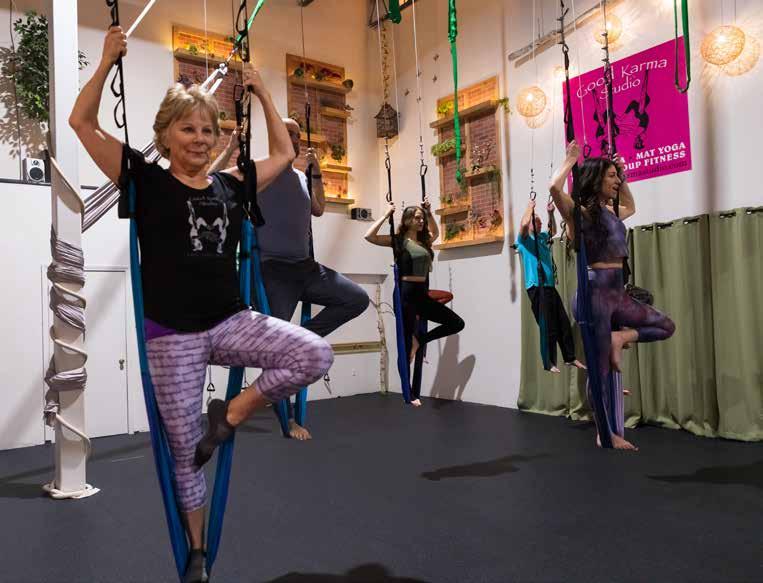
Picture a length of silky, parachute-like fabric hanging from the ceiling in a wide loop. That’s your hammock. You use it the way you’d use a prop in a regular yoga class: as support, as counterbalance, as a way to go deeper into a stretch without straining. Some poses are done standing with the fabric at your back; others involve sitting or lying in the hammock like a gentle cocoon. And yes, some involve hanging upside-down, but don’t worry, you get there slowly, with an instructor guiding every step.
Lubin came to the practice after an injury. “I had injured my back, and aerial yoga was part of my rehab and physical therapy,” she recalls. She had been living
in New York City, fell in love with what the hammock did for her spine, and eventually brought the practice home to Albany.
WHAT YOUR BODY GETS OUT OF IT
Annechino says the practice has alleviated her arthritis pain and significantly improved her mobility.
“I just went to a doctor recently,” she says, “and he found a bunch of arthritis and stenosis in my neck. He said, ‘Just keep doing what you’re doing,’ because it’s put me in good stead.”
For bodies that have logged 50-plus years of gravity, desk chairs and the occasional overdone weekend, the hammock is something of a revelation. The fabric holds part of your weight so that your joints — knees, hips, lower spine — get a break from the compression that builds up over a lifetime of standing and moving. The result is a practice that is gentler on the body than mat yoga, while actually allowing for a deeper stretch.
Lubin sees this play out in her restorative classes, where the focus is on the back, hips and core realignment. “We do a lot of deep stretching,” she says. “The way it makes [our clients] feel afterward, mentally, emotionally and confidence-wise, is amazing.”
The hammock also functions as a clever balance aid. For students with wobbly knees or compromised stability, the fabric provides feedback and support that a bare floor simply cannot. “When you’re doing standing postures, it gives you extra balance and support, which people love,” Lubin says. “It also challenges them in a whole new way and makes them feel very successful.”
Then there are the inversions. Hanging partially or fully upside-down sounds alarming, but it offers something that’s surprisingly hard to find elsewhere: gentle spinal decompression. Gravity, which spends most of our lives compressing our vertebrae, suddenly inverts in our favor. Blood flow improves, the spine lengthens, tension in the hips and shoulders releases. A 2016 study sponsored by the American Council on Exercise found that a single 50-minute aerial yoga session offered cardiovascular benefits comparable to a brisk walk, along with measurable improvements in flexibility and core strength.
Broader research on yoga and older adults backs up what
SALLY ANNECHINO, 75 (left) and other students at Good Karma
studio in Albany stretch and strengthen using fabric
suspended from the ceiling. “It’s my happy place,” says Annechino
instructors like Lubin see in their studios. A 2023 review published in the Annals of Internal Medicine analyzed 33 trials involving nearly 2,400 adults over 65, finding consistent gains in walking speed, leg strength, balance and mental well-being. And yoga’s popularity among Americans over 50 has more than tripled over the past decade, a sign that older adults are clearly discovering that this is their practice, too.
“BUT I’M NOT FLEXIBLE/YOUNG/THIN ENOUGH”
Lubin has heard every version of this sentiment. Her answer is always the same: The hammock meets you where you are.
“People think things are out of their reach or unattainable,” she says. “I think it’s so important to provide that comfort to people and let them know they can do this. It’s good for you, and it’s fun.” For students with injuries, larger bodies or limited mobility, the fabric becomes a practical tool, a way to get to the floor safely, a prop that replaces a chair, a support system that makes poses possible that a mat never could.
“I grew up in an era of exercise, exercise, exercise,” Annechino says. “It was an era of ‘no pain, no gain.’ This isn’t that.”
And as far as concerns about nausea caused by the aerial
swinging and hanging, Annechino says that while she was a little nauseated the first time she went, it quickly passed and never came back.
WHAT TO KNOW BEFORE YOU GO
Aerial yoga is remarkably accessible, but it’s worth being informed about some of its aspects. The inversions — those upside-down moments — temporarily increase pressure in the eyes and head, so people with glaucoma, uncontrolled high or low blood pressure, heart conditions or severe vertigo should check with their doctor first and inform their instructor before class.
For most people over 50, Lubin recommends starting with a deep stretch class. “Those classes are low to the ground,” she says. It is, she adds, probably the gentlest introduction to the practice you can find.
Wear fitted clothing that covers the backs of your knees and underarms (the fabric can pinch bare skin), skip the big meal beforehand and arrive a few minutes early to chat with the instructor about any concerns.
“It’s my happy place,” says Annechino. “If I could continue going until the day I die, I would be very happy.” n
aerial yoga
harnesses
of aerial yoga.
— Photo courtesy of Good Karma Studio
Cooking with Intention
Hudson Valley’s Nicki Sizemore brings mindfulness to the kitchen in new cookbook
COURTESY OF MIND, BODY, SPIRIT, FOOD BY NICKI SIZEMORE (PHOTOGRAPHY BY RIKKI SYNDER)
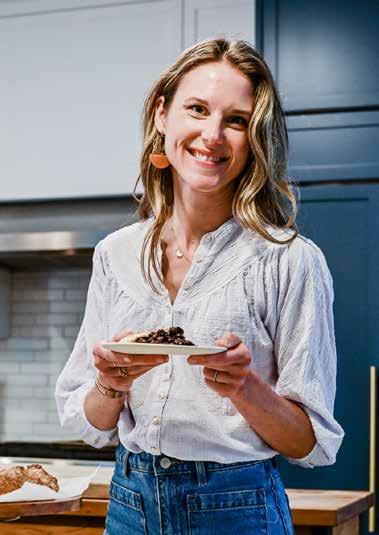
Hudson Valley-based author, chef and recipe developer Nicki Sizemore has built a career at the intersection of mindful living and simple, everyday cooking.
A trained chef with more than two decades in the food industry, Sizemore is known for her accessible, flavor-forward recipes and her popular online platform, “From Scratch Fast,” where she guides home cooks in preparing gluten-free meals with presence and purpose. She also offers virtual cooking classes and one-on-one coaching, publishes a newsletter and hosts a podcast featuring conversations with chefs, food writers, spiritual leaders and scientists exploring how food connects to culture, identity, health and spirituality.
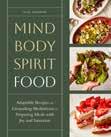
Her newest cookbook, Mind, Body, Spirit, Food: Adaptable Recipes and Grounding Meditations for Preparing Meals with Joy and Intention, was published earlier this year by Storey Publishing, an imprint of Workman Publishing and a division of Hachette Book Group. It expands on Sizemore’s philosophy, blending her gluten-free recipes with simple mindfulness practices designed to transform cooking into an act of self-care, gratefulness and love. It’s less about the stress of grocery shopping, meal planning and food prep and more about embracing the process with intention to “bring your full consciousness to the meal.”
Here, we provide Sizemore’s recipe for crispy quinoa cakes along with an “intention,” or an internal direction to yourself — a reminder of how you want to show up for the task (and for your life).
Crispy on the outside, creamy in the center and flavored in any way that sounds good to you, these versatile (vegan) quinoa cakes are the ultimate pantry meal.
• ½ cup uncooked quinoa, rinsed (or you can use 2 cups cooked quinoa)
• 1 teaspoon fine sea salt, plus more for cooking the quinoa
• 1 or 2 garlic cloves, peeled
• 1 (15.5-ounce) can unsalted beans (such as navy, cannellini or black beans), drained and rinsed
• 3 scallions, coarsely chopped
• ¼ cup fresh leafy herbs, such as basil, cilantro, mint and/or parsley
• 1 teaspoon grated lemon or lime zest
• 1 teaspoon spice mix, such as chili powder, curry powder or dried Italian seasoning
• Freshly ground black pepper and/or red pepper flakes
• ½ cup shredded beets, shredded carrots, corn kernels (fresh or frozen) or peas (fresh or frozen)
• 3 tablespoons extravirgin olive oil or ghee
• Buns, pita breads or salad greens, plus your favorite toppings for serving
Instructions
Cook the quinoa. Place the quinoa and 1 cup of water in a small saucepan and season with a pinch of salt. Bring the water to a boil,
Intention:
I Will Trust Myself
then reduce the heat to a simmer. Cover and cook until the quinoa has unfurled and the water is absorbed, 13 to 15 minutes. Remove the pan from the heat and let sit, covered, for 5 to 10 minutes to steam.
Uncover and fluff the quinoa with a fork. Let cool. You should have about 2 cups of cooked quinoa.
Do ahead. The cooked quinoa can be refrigerated for up to 5 days or frozen for up to 3 months.
Process the beans and quinoa. Drop the garlic clove (or cloves, depending on how much you love garlic) through the feed tube of a food processor with the blade running and finely chop. Add the drained beans, scallions, herbs, lemon or lime zest, spice mix and the 1 teaspoon salt. Season with black pepper and/or red pepper flakes. Process until the mixture forms a coarse purée, scraping the sides as needed. Add the quinoa and pulse, scraping down the sides once or twice, until evenly combined.
Add the veggies and form patties. Transfer the mixture to a bowl and stir in the beets, carrots, corn or peas. Form the mixture into 6 patties and place them on a piece of waxed paper or parchment paper. Do ahead. The uncooked burgers can be covered and refrigerated for up to 1 day before cooking. Bring them to room temperature before cooking.
Cook the cakes. Heat 2 tablespoons of the oil in a large nonstick or cast-iron skillet over medium-high heat. Add the cakes (you can cook them in batches, if needed) and cook until golden brown on the bottom, 4 to 5 minutes. Flip the cakes over, add the remaining 1 tablespoon oil and cook until golden on the other side, 3 to 4 minutes longer.
Serve the cakes on buns, in pita bread or over greens (or however you want!) with the toppings of your choice.
Cooking Note
Be sure to use unsalted beans (or, if using salted beans, cut back on the salt in the recipe).
Variations
• For an Italian direction, go for white beans with basil, mint and/or parsley, along with Italian seasoning and lemon zest (I like to top them with an herby aioli or with mozzarella cheese and tomato sauce).
• For a Mexican-inspired version, pair the black beans with chili powder, cilantro and lime zest (I like to serve them with smashed avocados and tomatoes or salsa).
• For a curry version, pair white beans with curry powder, cilantro and lime zest (topped with raita).
It’s often easier to follow the guidance of others than to trust ourselves (plus, that way, if something goes wrong, we have somebody to blame!). However, the price we pay is our own freedom — we rely so heavily on the voices of others that we drown out our own intuitive knowing. When we begin to trust ourselves (knowing that making mistakes is simply how we grow), we step into our sovereignty. For this recipe, connect to that deep place of calm guidance and intuition within you. Can you trust yourself? (Yes!)
Mind, Body, Spirit, Food: Adaptable Recipes and Grounding Meditations for Preparing Meals with Joy and Intention by Nicki Sizemore with images by Rikki Snyder was published earlier this year by Storey Publishing, an imprint of Workman Publishing and a division of Hachette Book Group (264 pages, $30).
Get the recipe for Creamy Green Pasta (with broccoli or kale) at 55pluslife.com
From Garden to Jar
Canning do’s, don’ts and safety tips for beginners
BY AMY BARNES
My grandmothers canned everything from fruit to farm-grown corn. During frigid Midwest winters and tornado summers in the storm shelter, I was always surrounded by jars. With those memories as a backdrop, I asked home cooks and the associate director of the National Center for Home Food Preservation about modern canning. Ninety-five-year-old home canner Hettie Reed had this to share about her canning experiences: “I will can anything I can get my hands on that is edible,”
she says. “I have arthritis in my hands, and canning helps keep them moving and going. It saves me money, and I enjoy spending my time doing it. I give green beans, tomatoes and other vegetables I’ve grown in my garden and canned to my children and grandchildren every year.”
As grocery prices skyrocket, here’s a beginner-friendly guide to home canning, so summer’s bounty of fresh, affordable produce can be preserved to use all year.
CANNING DO’s
DO CHOOSE YOUR METHOD
Tracey Brigman, EdD, MS, RDN, LD, associate director of the National Center for Home Food Preservation and a nutrition specialist with the University of Georgia, offers recommendations for getting started.
“Water bath canning is the best method of canning for beginners,” she says. “It’s the easiest and safest and uses very little equipment. The more years you can, the more cost-effective canning becomes.”
Brigman, an avid canner, recommends checking out the resources from local Cooperative Extensions, including Cornell in Albany County, to learn more about the process and the equipment needed to can at home.
For newbies, Brigman suggests starting with an easy freezer jelly — crushed fresh fruit, sugar and a no-cook pectin — as it requires no heating or special equipment.
“I love a good freezer jelly,” she says. “It is faster and easier to make, tastes fresher and is less sweet than traditional heated jelly. It does have a thinner set than a traditional heated jelly would have, so if you’re someone who likes a stronger set, you would need to choose a traditional heat-canned jelly or jam. You also need to have freezer room if you want to go this route.”
DO TRY DIFFERENT FOODS
Brigman shares some great canning options, including a perennial summer favorite, homegrown tomatoes.
“When it comes to canning,” she says, “there’s a variety of foods that can be safely canned. These foods include many fruits, vegetables, meats, soups, pickled/fermented products, jams and jellies. I have a sweet tooth, so jams and jellies are my favorite. You also can’t go wrong with canning good, homegrown tomatoes.”
DO STORE CANNED GOODS PROPERLY
My grandmothers had the right idea, storing canned produce in their storm cellar.
According to Brigman, home-canned goods should be stored in a cool, dark, dry place, with ideal temperatures ranging from 50 to 70 degrees.
“It’s important to avoid temperatures over 95 degrees, freezing temperatures and direct sunlight,” she says. “Make sure the lids and jar surfaces are washed and dried to remove food residue and prevent rust. It is recommended that the screw bands, or rings, be removed to prevent them from rusting onto the jar.”
It’s also important, she says, to ensure all jars are clearly labeled and dated, and to use the “first in, first out” principle when choosing which jar to open. You should also periodically examine your jars for broken seals, unnatural color changes and rising air bubbles.
“When done properly, canning can be a safe way to store foods for up to a year,” she says.
DO WATCH FOR CANNING TRENDS
My memories of canned vegetables like freshly picked green beans run alongside new methods and recipe approaches.
Brigman outlined upcoming trends in today’s canning.
“We are seeing the younger generation canning more frequently as a result of trends in reducing carbon footprints and increasing self-sufficiency,” she says.
Extension services are turning to social media and webinars to reach a wider audience and counteract misinformation about home canning and safe practices. There’s a high demand for reduced-salt and -sugar recipes, as well as healthier options such as ground poultry and plant-based proteins.
DO MAKE IT FUN
I’m not the only home cook who’s sentimental about canned food. Trisha Nieder, master gardener, regenerative farmer and author at Nieder Farms described her love of the generational experience.
“Canning is such a family and communal experience for us,” she says. “My aunt gifted me her old pressure canner a few years ago, and I spent a Friday night with my two young boys at my grandmother’s house, where she gave me all her tools and taught us. She enjoyed remembering spending weekends making tomato sauce as much as we enjoyed hearing the stories from decades ago.”
Nieder says her family always grows a surplus in the garden for canning and pickling.
“It’s such a fun thing to do after school or work or on a weekend,” she says. “Outside of enjoying it ourselves, we’re always sharing sauces, jams, pickles with family, friends and neighbors. My kids love giving them as gifts and feel so proud of what they’ve made.”
Whether you’re canning out of necessity, practicality or nostalgia, there’s something special about serving preserved foods from jellies to pickles, canned in your kitchen. You may be saving money or produce, but the shared experiences and memories are priceless.
Home to a New Generation
…AND SOME CANNING DON’Ts
Because there’s a potential for food contamination, Brigman offers canning safety guidance.
DON’T USE TOO MANY OR THE WRONG TOOLS
“Make sure you’re using the right canner for the food you are canning, ensure your jars and lids are in good condition, get your dial gauge on your pressure canner checked annually,” she says.
Brigman further explains that “ … while the startup costs for home canning can be expensive, it is important to note that if you purchase jars or canning equipment secondhand, they should be thoroughly checked for chips, cracks or scratches in the rims or structural damage on the body of the jar.”
Avoid jars that have etchings, she advises, and use only jars made specifically for canning. If you purchase a secondhand canner, she recommends taking it to your local extension office to have it inspected for safe use.
DON’T USE IMPROPER OR UNTESTED TECHNIQUES
You may have read horror stories about bacteria and canning. Brigman mentions the potential danger of botulism, but also ways to avoid inviting bacteria into the canning process:
“Our greatest concern in home canning is the bacteria Clostridium botulinum. There have been some cases of foodborne botulism from home canning in the news. Most recently, in June 2024, an outbreak of eight cases was caused by home canning of prickly pears. The bacteria can produce spores that generate a dangerous toxin. The risks increase when using improper techniques for home canning such as oven or open-kettle canning, using unvalidated recipes, or failing to
use a pressure canner when canning low-acid foods.”
DON’T USE UNVALIDATED RECIPES
Memories aside, it may be tempting to use family recipes or social media posts. Brigman cautions home cooks that “all recipes should be scientifically tested and up-to-date. Using family recipes or recipes found online can be risky. Validated recipes must be followed exactly, from ingredients and ingredient measurements to processing times, to proper cooling and handling of jars. Any deviation from a validated recipe can result in an increased risk for foodborne illness.”
DON’T CAN FOODS THAT WON’T NET GREAT RESULTS
While many foods can be canned with optimal results, Brigman recommends avoiding:
• Recipes that contain pasta or rice
Starch prevents heat from reaching the center of the jar, and not all bacteria will be killed.
• Recipes that have very dense purees
The density inhibits heat penetration, and not all bacteria will be killed.
• Recipes containing dairy products
They will go rancid if not refrigerated.
• Recipes containing fats and oils
Fats and oils interfere with heat penetration, allowing bacteria to survive in the jar’s cold spot. They can also interfere with proper jar sealing.
• Some vegetables, like broccoli, cabbage and squash
These are low-acid foods, and the high temperatures and long processing times required by the pressure-canning process will turn them to mush. n
Puzzle me this…
What jigsaws have taught me about aging and life
BY JANET REYNOLDS
Inever really saw the point of jigsaw puzzles. Unlike word games such as Scrabble or the New York Times crossword, sifting through a pile of random colored pieces of cardboard seemed like an exercise in frustration and delayed satisfaction. Who needs that?
Then came COVID and, like much of the world, I was in my home, wondering how I would entertain myself when I wasn’t working. I love to read, I play the cello and I also knit, so I had a bit of an edge over people without hobbies. But a month into lockdown left me picking up and putting down more books and knitting projects than I finished. Clearly, I needed another distraction.
An avid jigsawing friend suggested puzzles. Why not? I thought. Having a project like this on the dining room table could be a fun diversion from a world that, at least currently, extended only to our street and local nature preserves. It would take my mind off the frightening global mess and create order as I slowly pieced together an image.
Short version: It was an epic fail. After borrowing three puzzles from my friend (left in the garage, of course, so we didn’t actually get too close to each other), I quickly discovered I apparently had neither the patience nor the spatial awareness to sift through 1,000 pieces that looked pretty much the same. Back to my friend they went.
Fast forward a few years, when foot surgery meant that I
was not going to be hiking much during our family’s annual vacation in the Adirondacks. Maybe it was time to give jigsaw puzzles another shot. It could be a kind of communal event with people adding a few pieces periodically, I thought, and I could devote more time to it while the others were climbing the next mountain.
For whatever reason, this time puzzling stuck. Maybe it’s because I’m older and thinking differently about time and how I spend it, even compared to a few years ago. Or perhaps it’s that analog living is of more interest to me now. Whatever the reason, I did not expect that working with these cardboard pieces would actually teach me lessons about life in general and aging in particular. For instance:
• The way forward or the plan from start to finish, no matter what it is, isn’t always obvious. That’s just not how life (mostly) works. But if you keep going, eventually — and literally, in the case of jigsaw puzzles — things often do fall into place. Sometimes the only way through, really, is one step or one piece at a time.
• Putting something together that’s in pieces takes time. While we as a society are increasingly impatient with anything other than instant gratification, the reality is that creating something from whole cloth takes time.
Not everything is a mouse click away. Whatever the “it” is that you desire, it can come together if you persevere.
• Pushing — and its recalcitrant cousin, wishing — rarely work. Sure, you can try to jam a piece in and force it to be the piece that will bring your puzzle closer to completion, but we all know that rarely works. Even if we do make the piece “fit,” it’s a temporary solution that is only going to mean we come back later, admit defeat, and try to find the real solution. The same is true of life. Trying to smash your way through a problem or challenge rarely works — and often creates more chaos than it solves.
• Sometimes the best way to move forward is to stop. Stepping away from a problem or challenge can give us space to change our way of thinking precisely because we’re not thinking about this one damn thing. How many times have I tried a puzzle piece multiple times only to walk away, return later, pick it up and immediately put it in exactly the right spot? Or I’ve looked at a piece 10 different times and am sure it’s right — but only see the real answer when I come back later and it slips easily into the right place, not the place I wanted/ hoped/demanded it fit? Would that I had understood this strategy in a few different work situations.
• Perspective matters and, yes, it can change. If you’re willing to turn a piece around and try it in different spots, you’ll find where it goes. But you have to be willing to be flexible and open.
• Sometimes it takes more than one person’s view to find the right answer. I can’t tell you the number of times my granddaughter and I have done a puzzle together and each of us saw easy fixes to a section or image the other one had been struggling with. Collaborating is sometimes the only way to success.
• Fixing something that is literally in pieces takes time and requires slowing down. Full stop.
• Sometimes you just have to walk away, and that is perfectly fine. Now, this can be a tough lesson for people for whom the only answer is completion — consider my hand raised here — but sometimes the act of doing a task as far and as much as you can is not a failure. Instead, it’s enough. In fact, that might be the lesson you’re supposed to learn from that particular puzzle. Life, after all, is short, and one of its potential joys is its infinite mystery. And besides, some puzzles just aren’t meant to be solved. n
As comfort leads the way, these 10 trends show what’s fading, evolving and coming back again
BY SUSAN BRADY KONIG
Every generation embraces fashion trends that, in hindsight, raise an obvious question: Why did we agree to this? From suffocating pantyhose to oversized shoulder pads and high-maintenance beard trends, some looks may finally be fading from mainstream fashion — and not everyone is mourning the loss. We dove into a few styles that are finally done or are morphing into something new — and asked some area fashion experts to weigh in.
Buh-bye, Pantyhose
1 Great Closet Reset
Heidi West (clothing store owner): Good riddance. We still remember constantly pulling up pantyhose or getting a run that ruined our day. While they were actually quite revolutionary in the 1960s as hemlines rose and women wanted more freedom and practicality than traditional stockings offered, we’ve evolved beyond the idea that women always need to have their legs covered or perfectly polished.
2
Shoulder Pads Down, but Not Out
Sheri Radel Rosenberg (style and culture writer): The broad shoulder reliably returns whenever women want to project power during uncertain times and economic instability. Expect more of them.
Bell Bottoms Are Immortal
Heidi: What we more commonly call flares always seem to cycle back around. The modern versions aren’t quite as exaggerated as the originals, but they reflect a certain slice of Americana that never completely disappears.
3
Sheri: They just wander the earth waiting for Fleetwood Mac to trend again.
Claw Clips Adapt
Heidi: Claw clips have evolved! They’ve become playful forms of self-expression more than just functional hair accessories. We sell everything from sailboats to oysters, martinis, bows and pickle clips.
Va’Ceia Taylor (fashion designer): They’re becoming bigger and bolder, with flower clips in bright colors trending right now.
Chunky Gold Chains Swing
Sheri: Chains are coming back as a styled accent. Layered with a tee or peeking out of a buttondown, the vibe is more “inherited from grandfather” than “won at a card game.”
COVID Dressing Expires
Sheri: Comfort changed the baseline permanently. Nobody is going fully back to suffering for fashion unless there’s an extremely compelling shoe involved. The office return has reintroduced some structure, but it’s softer — a great trouser instead of a pencil skirt, a knit blazer instead of a stiff one. The era of clothes as armor is over. Now they’re more like a really well-curated second skin.
Va’Ceia: There’s a major shift in how people dress professionally, far more relaxed and comfortdriven. Athleisure, sneakers in the workplace, knit sets, wrinkle-resistant fabrics and elevated casualwear have become normalized.
Velour Tracksuits Evolve
Heidi: No [to velour], but performance fabrics have completely transformed the industry. Stretch, moisturewicking technology, comfort and movement are now built into almost everything men wear, not just gym clothing. Menswear has shifted away from traditional suiting and toward elegant casual dressing. Men want polished sweatpants, knit trousers, soft tailoring and pieces that feel comfortable while still looking refined.
9 10 8 6
7
Bushy Beard Cleans Up
Sheri: We may finally be nearing peak lumberjack and heading toward a more groomed face — a real shave, a real haircut, looking like you have a job. The slicked side part, the controlled wave, anything that suggests a man owns a comb on purpose.
Backwards Baseball Caps Flip
Va’Ceia: Men are wearing baseball caps forward and with beautiful embroideries on them, in addition to the logo/team on them.
Sheri: The John F. Kennedy Jr. reference point is doing a lot of work right now — that specific worn-in, slightly preppy and rumpled American thing. A backwards cap is worn with good tailoring and a nice watch instead of cargo shorts and a Monster Energy drink.
Baggy Pants Polish
Heidi: Some version of leggings, yoga pants or elevated sweatpants will probably always exist because they’re simply too comfortable and wearable to disappear entirely. People gravitate toward clothing that feels polished but still comfortable and easy to wear. Relaxed tailoring, softer denim, elevated comfort pieces, sneakers paired with dresses and subtle texture over loud logos all continue to resonate.
“
The era of clothes as armor is over.”
— Sheri Radel Rosenberg
Our fashion experts, left to right
Heidi West is the founder/ owner of Saratoga Springs clothing stores Lifestyles of Saratoga, Caroline + Main and Union Hall Supply Co. (also in Albany).
Sheri Radel Rosenberg is a writer, cultural commentator and founder of the newsletter Cool Best Friend.
Va’Ceia Taylor is an Albanybased custom fashion designer specializing in resort wear and couture garments. Her clothing was featured at New York Fashion Week.
Bottom Line
Sheri: Trends are useful sociologically, but style is about self-knowledge. Someone in a vintage caftan, giant glasses and red lipstick who looks fully committed will always be more interesting to me than somebody dressed like a walking TikTok algorithm.
Heidi: Fit matters, especially for a mature client. Our bodies evolve over time, and garments need to be thoughtfully designed and tested on real women with real bodies. A beautiful garment that makes someone feel confident and comfortable will outperform a trend that looks good only on a hanger or online.
Va’Ceia: For people over 50, there is more freedom in fashion, less pressure to follow trends and more emphasis on wearing what genuinely brings joy. Women are embracing bold colors, artistic prints, statement jewelry, whimsical accessories and expressive silhouettes. There’s a confidence that comes with dressing entirely for yourself, and that philosophy surfaces in style choices. Life is short — wear what makes you happy. n
AGING DONE WELL
The Medicine Cabinet Makeover
Don’t forget to spring (or summer) clean your pharmaceuticals
BY CAITLIN MANNER
You’ve probably tackled most of your spring cleaning by now: yard work, wardrobe swaps and dusting the baseboards, but health experts say there’s one area people often forget — and it could lead to dangerous mix-ups if overlooked.
The medicine cabinet.
Tucked between your econo -
my-sized aspirin bottles, old cold medicine and random face cream samples lurks the potential for a serious medication mistake.
Older adults, especially, tend to accumulate medications over time. There are prescriptions that never got finished, half-used over-the-counter remedies, expired painkillers left over from surger-
ies years ago. Many of us may even have a stockpile of caregiving meds ranging from harmless to highly potent.
Dr. Jason Dunne, chief academic officer at Arizona College of Nursing, says that now is the perfect time to check expiration dates, replace seasonal medications like allergy and cold meds, and organize prescriptions.
MEDICATION TAKEBACK MADE EASY
The FDA really prefers that people dispose of any unused or expired medications (both prescription and OTC) using a takeback option, which could mean dropping the medicine off at a take-back location, or mailing your unwanted meds using a prepaid drug mail-back envelope.
Drug take-back locations are places that are registered with the Drug Enforcement Agency to collect unused or expired medicines, and after doing a brief search (which you can do on the DEA’s website) they’re everywhere. Most retail, hospital or clinic pharmacies and law enforcement facilities are on the list, typically offering on-site medicine kiosks or drop-off boxes. If you’d prefer to mail your unwanted medications — which seems like extra hassle, for what it’s worth — you’d need to ask your pharmacist if they offer drug mail-back envelopes, or else purchase one from a retail pharmacy or online website. Then, put the medications into the envelope, seal it and mail it using the U.S. Postal Service.
Alternatively, the DEA periodically hosts National Prescription Drug Take Back events, during which temporary locations are set up in communities to encourage medicine disposal and educate people about the dangers of keeping expired or unused drugs in their home. (According to its website, 286 tons of meds were collected during the October 2025 event at 4,317 collection sites across the country. Find out when the next one will happen in your area here: dea.gov/takebackday
“Keeping expired or unused medications in your home is more dangerous than most people realize,” Dunne says. “Over time, medications break down and lose their effectiveness and in some cases, can even become harmful to take.”
WHAT TO TOSS
The Arizona College of Nursing recommends that people start their cabinet clean-out by looking for items in the medicine cabinets that have:
• passed their expiration date
• appear to have changed color
• are unlabeled or unidentifiable
At best, expired drugs may not work as well as intended. Some meds can lose potency over time and not provide the relief you expect. At worst, Dunne says, “having old bottles mixed in with current ones also increases the chances of accidentally taking the wrong medication” or incorrect dosage.
To be fair, there is some debate about drug expiration dates and what they really mean. Beginning in 1979, drug manufacturers were required to stamp an expiration date on their products. Using a drug past this date doesn’t automatically make it unsafe (it could just be less effective). Still, experts say it’s probably not worth taking that chance with your health.
The U.S. Food and Drug Administration recommends disposing of most types of unwanted medications through a drug take-back program or at an authorized collection site (see sidebar).
But, if a take-back program isn’t an option, your next step should be to read the medicine’s label and follow disposal instructions. If none are provided, check the FDA’s “flush list”
to see if they can be discarded via the porcelain throne. Generally these are meds that are so harmful if accidentally taken or have such a high abuse potential that the FDA has determined it’s safer to flush them than keep them around.
Most other medications can be disposed of in the household trash, Dunne says, by mixing them (without crushing) with “an undesirable substance such as dirt, cat litter or used coffee grounds,” placing the mixture in a sealed container or plastic bag and throwing it away.
WHAT TO KEEP
Dunne says medications may be kept if they are clearly labeled, within their expiration date and have been stored properly according to the package instructions.
Some medications require a bit of extra care when it comes to storage. For example, insulin often needs to be kept refrigerated until it’s opened, while inhalers and many liquid medications should be stored at room temperature and kept away from heat, moisture and direct sunlight.
Once you’re done culling your cabinet, make sure you have an efficient organizational system in place, he recommends. (If you’re a label-maker addict, this is your time to shine!) Keeping similar items together will make it easier to find what you need quickly.
“It’s always important to follow the storage instructions on the label, as improper storage can affect how well a medication works,” Dunne says. Keeping medications in a consistent, safe environment and checking labels regularly can help ensure they remain effective. n
— Dr. Jason Dunne Arizona College of Nursing
There’s an App for That Home Gardening?
From watering when you’re away to mowing the lawn, tech is taking root in the backyard
BY KATIE NAVARRA BRADLEY
echnology is making it easier for home gardeners to keep their plants healthy and productive. Many of today’s garden tech tools come from commercial agriculture, where growers use controlled-environment technology to monitor soil moisture and sunlight exposure, manage irrigation and track plant health.
“In greenhouse production, we have considerable use of software models that calculate the amount of sunshine on a given day and program lights to correspond to the amount of surplus or lack of light, depending on the crop’s needs,”
said Judson Reid, senior extension associate with Cornell Cooperative Extension.
Reid said he sees more technology in commercial agriculture than in backyard gardening because people usually garden to get away from technology.
“They garden because it’s something they can do in nature that depends on their efforts,” he said.
Still, there are a growing number of tools available that can help gardeners save time, conserve water and solve problems before they affect plant health. If you’re looking to use tech in your gardens, these are a few options to consider.
drop cap, bubaone; robot gardener, peepo
AUTOMATED WATERING SYSTEMS
One of the simplest technologies available to home gardeners is an automated watering system. A programmable digital timer for your indoor or outdoor gardens can make setting watering schedules simpler.
“In a garden, a small digital timer can be threaded directly onto the water source and programmed to water whenever someone wants it to, for as long as they want it to,” Reid said. “If you were to go on vacation and wanted to water your garden for 30 minutes every morning, you can set up that timer to do that,” he said. “It’s very simple and runs on a couple of AA batteries.”
Options like the Hunter Hydrawise and GARDENA line of products connect to smartphone apps and allow you to adjust watering schedules based on weather forecasts, reducing water waste while helping plants receive consistent moisture. Indoor watering devices like the RainPoint and LetPot systems offer similar benefits, but they do require a direct source of water, which may mean setting out a bowl of water alongside the pots.
It’s time to see your future.
Ophthalmic Consultants is excited to introduce the Capital Region and Hudson Valley to the first and only FDA-authorized treatment for Dry AgeRelated Macular Degeneration (AMD).
Dry AMD is a progressive disease and the leading cause of vision loss over age 65. Early treatment can make a difference. Call to schedule your appointment today.
Guidance to decide what stays, what goes, and what matters most.
Careful packing, organized setup, and a smoother move experience. DONATION COORDINATION We handle drop-offs and ensure your items go to good homes and causes.
Respectful, efficient cleanouts with compassion and discretion.
If you’ve had it with the hassles and headaches of maintaining your home, it’s time to set yourself free. Coburg Village offers maintenance-free, 55+ living in a warm, welcoming community.
• Spacious one- and two-bedroom apartments and cottages
• Chef-prepared dining
• A monthly calendar filled with social and cultural programs
• Thrive! wellness program
• Housekeeping and transportation
• 24-hour security and safety features
• An array of amenities, including a fitness center and heated indoor pool
• And, much more!
ARTIFICIAL INTELLIGENCE FOR GARDEN DESIGN
Gardeners looking for design inspiration are turning to AI. Some upload photos of a specific area while others start with a broad concept and ask for suggestions.
Michael Daly of Blue Spruce Landscape & Design in Clifton Park cautioned that while AI can be helpful, there is a difference between what the tool creates and reality. Material availability, scale and long-term goals are often missing from AI-generated concepts.
“AI can be helpful,” he said. “However, sometimes clients have shown me a great-looking AI-generated picture, but the stone is not native to the area. So, you have to be aware of that.”
He added that human-created landscape designs by professionals also consider long-term goals for garden maturity.
“When you design something, you’re not necessarily designing it for that day, you’re designing it for a five-year or 10-year look … AI can’t do that,” he said.
PLANT IDENTIFICATION AND DIAGNOSTIC APPS
Ever walk by a garden and see a plant you want at home, but aren’t sure what it is? Plant identification apps — some are free and some require subscriptions — like PictureThis, Apple’s Visual Look Up feature, and Google Lens can help you identify a plant in seconds.
Not only can the apps identify plants you want in the garden, they can also identify weeds and invasive plants. These apps can help identify diseases, as well.
“Diseases can be difficult to detect because there are many variables as to whether it’s [caused by] water, location, sunlight, a pest or a fungus,” said Michael Smith, owner of Traditional Landscaping, which operates throughout the Capital Region. “PictureThis is a helpful tool for identifying diseases.”
ROBOTIC WEED PULLERS & MOWERS
For gardeners who dread pulling weeds or cutting the
grass, robotic weeders and mowers offer a glimpse into the future of lawn and garden maintenance. Electric and solar-powered devices, similar to home robot vacuums like the Roomba, can do the job autonomously, but there’s a catch.
“If you have knee-high weeds, don’t expect technology to save you,” Reid said. “There’s still manual labor.”
Before investing in any Bluetooth- or Wi-Fi-enabled garden technology, Reid recommends evaluating whether the device will function reliably in the intended location.
“If something is Bluetooth enabled or Wi-Fi enabled, are you going to have access to a network?” he said. “Consider how far the device can be from the connection and work.”
SOIL SENSORS AND SMART PROBES
Many gardeners rely on visual clues to determine when plants need water. By the time leaves begin to wilt, however, plants may already be experiencing stress.
Soil sensors and smart probes provide a more precise approach. These devices measure soil moisture, temperature and, in some cases, sunlight exposure. The information is sent directly to a smartphone app, allowing gardeners to monitor conditions in real time.
For gardeners trying to avoid overwatering or underwatering, sensors can provide valuable insights that help maintain healthier plants while conserving water.
AUTOMATION IS INCREASING
Technology may never replace the satisfaction of digging in the dirt, but it can help gardeners spend less time troubleshooting problems and more time enjoying the results.
“Automation is probably the biggest thing in the landscape industry right now,” Daly said. “Outside of plants, everything is geared toward smartphones — from connected irrigation to lighting, fire, waterfalls, ponds and pools.” n
TODAY’S SMART GARDENING TOOLS include plant identification and diagnostic apps, sensors and probes for monitoring growing conditions, and more.
More than Maple
Quaint is on tap in the highlands of central Vermont
BY JOANNE CLEAVER
In March comes maple sugaring season on little muddy feet, tracking expectations all over Vermont for the rest of the year. Of course, go to Montpelier in springtime, hitting the sweet, steamy bull’s-eye, those two or three weekends when the days are warm, the nights are cool, the sap rises to tickle awake the leaves, and locals and visitors alike stand in the chilly maple groves dipping stick waffles in little cups of freshly boiled syrup.
But even in summer and fall, your flannel pajamas, corduroy shorts and sensible shoes are welcome in central Vermont, which never met a season it didn’t greet with a terse nod.
With its shiny knob atop its Capitol building reflecting whatever foliage decorates the surrounding mountains, Montpelier hasn’t changed much since its heyday. In the late Victorian period, Montpelier gloried in the wealth stemming from the state’s natural resources: granite mined in adjacent Barre, hardwoods from the northern forests, and, of course, all things maple. The brick Italianate facades of the office buildings and stores that line the five-block downtown still stand as a monument to the city’s prosperity.
Montpelier has seen plenty of drama since then — most recently, back-to-back “100-year floods” in 2023 and 2024, when abrupt downpours overwhelmed the Winooski River, which runs along the eastern border of the downtown area. But in true Yankee fashion, the city cleaned up and carried on.
A Walking Weekend
Montpelier is easy to navigate: State Street goes north-south and is capped at the north end by east-west Main Street. With the Capitol complex anchoring the street’s southern
end and the Winooski River marking the eastern border of the commercial district, you can quickly get your bearings. Stroll around after sunset to see 10 historic bridges glowing in a vibrant, multicolored display of LED lights that change depending on the season or holiday.
Tap a narrated guide through GPSMyCity, an app that lets you purchase walking tours of over 1,500 cities. You can listen to or read richer historical details than are offered by outdoor placards, providing on-the-spot context for sites like the city hall.
Center your visit around the Vermont History Museum, at the quintessentially Victorian Pavilion Building at 109 State St. There are no flashing LEDs here. Instead, you’ll find traditional dioramas that trace the arc of human occupation of the Green Mountain State from the Abenakis to the state’s short-lived attempt at independence to its pivotal role in the Revolutionary War to the subsequent cultivation of its greatest cultural contribution: the Yankee.
Vermont history is grounded in Ethan Allen and his famous band of Green Mountain Boys, who held the northern border in the Revolutionary War, but “there’s a lot more than that,” says Andrew Liptak, a spokesperson for the Vermont Historical Society. The society operates both the state history museum in Montpelier and, in Barre, a few miles to the east, a research library and archives with a rich trove of genealogical data and artifacts. Visitors searching for their ancestors are best served by making an appointment, so the society’s staff can provide expert guidance on its copious collections.
Technically, Vermont was never a Colony as defined by a royal charter. And, as was often the case in the Colonial frontier, competing and conflicting claims tangled property lines
CROWNED BY ITS ICONIC GOLD DOME, the Vermont State House anchors the heart of Montpelier with timeless New England charm.
and state borders. It wasn’t until a decade after the end of the Revolutionary War that the legalities were sorted out. The state was formally defined and joined the country in 1791.
The maple industry is only one chapter in a long book of industrial and political innovation, Liptak says: 19th-century orator Stephen Douglas was born in Vermont, as were presidents Chester Arthur and Calvin Coolidge and industrialist John Deere. “We’re pretty distant from huge tech or science hubs, but a lot of inventors were born here,” he adds.
Fortified with plenty of historic context, take to State and Main streets. Vermont being ground central for all things handmade, plan time to peruse locally handwoven, handstitched and handblown crafts at the Artisans Hand Craft Gallery, or gather the goods to make your own at Notion Fabric & Craft shop.
If you’re on the lookout for Bernie (Sanders) swag, you’ll find it at Capitol Stationers on Main Street. Buy a tote or sweatshirt decorated with a drawing of America’s favorite socialist, hand-knitted mittens and all. This is also the spot to load up on tourist-friendly miniature jugs of syrup and tiny boxes of maple leaf candy.
Special events abound, rolling Vermont’s recent counterculture heritage into the current century. To be sure, you’ll find maple at every turn and in nearly every form, from syrup to hand-turned hardwood bowls. It’s an apt metaphor for the city’s resilience: No matter what happens, maple ushers in spring and sets the stage for another golden fall.
Stay and Dine
Patched from adjacent historic properties, the Capitol Plaza Hilton is far from a cookie-cutter chain hotel. It dominates State Street and is the ideal centerpiece for a walking weekend around downtown Montpelier. Its on-site restaurant offers a maple-centric breakfast menu, the better to fortify yourself for a day on your feet. In the summer, dine on the sidewalk, making the most of a quiet evening and plenty of fresh mountain air to pique your appetite.
Need a palate cleanser? Two blocks north of the Hilton is Julio’s Cantina at 154 N. State St., an unexpectedly authentic Mexican restaurant. It’s a maple-free zone, but with hand-assembled burritos and fajitas, you’ll hardly miss it.
A short skip east on Main Street and you’ll arrive at No. 60, the Red Hen Baking Co., newly relocated from its longtime location on a rural highway. You’ll have to resolve for yourself the ongoing debate as to which is better — the bakery’s maple cinnamon rolls or its bacon-cheddar scones.
Designate a driver and head a half-mile north of downtown Montpelier to Barr Hill distillery and bar at 116 Gin Lane. Reservations are required for the full tour, but chances are always good you’ll find a knowledgeable staffer who can wax long about the operation’s homegrown honey and how it flavors its famous spirits.
Zoom in on festivals, special events and additional sites at the city’s tourism hub, Montpelier Alive. n
THE NATION'S SMALLEST CAPITAL CITY, Montpelier, offers historic character, scenic views and a quaint, walkable downtown.
ELEVATED LIVING
Across the Capital Region
Leasing Studio, One, and Two Bedroom Apartments
On the Road
& Making a Difference
How to volunteer and satisfy your travel itch at the same time
BY JANET REYNOLDS
Many empty nesters and retirees assume their interests in travel and volunteering are mutually exclusive, that helping others is just something they do after they unpack their carry-on luggage from
their latest trip. The reality, however, is that people can satisfy both desires at the same time through programs the travel industry calls voluntourism. As its name implies, these programs combine people’s interest in expe-
LISA CALLAWAY (right), a Road Scholar volunteer, with a teacher at a Navajo reservation school.
Photo courtesy of Lisa Callaway
riencing new cultures and worlds with the needs of these communities for assistance with everything from business expertise to conservation and teaching English.
Lisa Callaway of Illinois knows firsthand how life-changing voluntourism can be. A lawyer in transition — as she likes to call this stage of her life — she has participated in Road Scholar’s Navajo reservation volunteer program three times in the last four years, and was considering adding a fourth when we spoke.
“I’m lucky. I get to go to a lot of different places,” the 61-year-old says of her traditional travels. “What do we want when we travel? You want a lasting experience. I feel like a situation of being able to help a child or connect to somebody in some way, that’s a difficult thing to get most of the time in the traditional travel that we do.”
Callaway, who also volunteers at her local food pantry, has always been drawn to the Southwest and Native American culture. Volunteering as part of the Road Scholar program satisfied that cultural itch while also giving her the chance to make a difference. On a typical day, she can do anything from reading with children to doing art projects with them. It depends on what the teachers need, she says. “To be able to be with the people and understand their experience, you’re only going to get that if you work with them and volunteer and are helpful.”
The Road Scholar service programs also include cultural events for the volunteers. “Someone might come in and
speak about traditional jewelry making or about culture and politics,” Callaway says. “You get a good idea of what it’s like to live on the reservation.”
Callaway says the experience has changed how she thinks about travel generally. “I would like to have some other experiences. Seeing the kids when they get something because they got one-on-one help, seeing the lightbulb go off — that kind of thing is very gratifying.”
The variety of voluntourism programs available to people 50+ is vast and varied. Organizations dedicated to this demographic recognize that older people have the time, money, life experiences and skill sets that can make them valued in whatever community they visit. Options range from animal conservation to teaching English and more. Length of time is variable, too, with programs that last from one week to months at a time.
“As a not-for-profit organization with an educational mission, we believe strongly in the educational impact that service can have,” Meghan Flynn, assistant vice president of program strategy and management at Road Scholar, wrote in an email. “We’ve seen service experiences be truly life-changing for both our participants and the communities involved.”
Although interest in Road Scholar programs recently dropped off a bit, due in part to the COVID-19 pandemic, the organization remains committed to retaining a core group of offerings, she wrote. Service Learning, as they call their programs, include opportunities to maintain the USS
Missouri, teach on a Navajo reservation and practice conservation on Chincoteague Island. The organization also launched programs in Guatemala and Trinidad that blend service experiences with local learning.
But Road Scholar is just one option for seniors interested in traveling and making a difference. If you’re interested in volunteering while traveling, the list below offers some other organizations focused on helping people 50+ realize their voluntourism dreams.
GoOverseas
gooverseas.com/about
This website is a composite of various volunteering programs and a good place to start if you just want to get more information about voluntourism.
GVI
gviusa.com/over-50s-volunteering/
GVI is a Boston-based nonprofit focused on environmental and nature conservation volunteer opportunities. It has locations in the U.S. and around the world and options specifically for people 50+. Go for a week or six months.
For over 30 years, this organization has been helping people volunteer around the world. The organization has set itineraries and volunteers live with host families. Projects Abroad has plenty of projects for people 50+, including conservation work in Ecuador and rhino conservation work in Nepal.
International Volunteering HQ
volunteerhq.org/senior-volunteers/
This nonprofit has programs in over 50 locations that last anywhere from one to 40 weeks with flexible start dates. Programs are all-inclusive, including airport pickup, meals, etc. Opportunities include conservation, teaching, community support and more.
Global Volunteers
globalvolunteers.org/senior-volunteers/
This organization unites interested seniors with countries and people needing help for various community projects. Its vision is “peace through international understanding.” Lodging, meals and in-country transportation is provided.
EXPERT CARE RIGHT UP THE ROAD EXPERT CARE RIGHT UP THE ROAD
Expert skilled nursing care is closer than you think. The Pines at Glens Falls is just a short drive from leading regional hospitals— including Saratoga Hospital, Albany Medical Center, St. Peter’s Hospital, and Sunnyview Rehabilitation Hospital—and less than a mile away from Glens Falls Hospital.
Quality care for your loved ones — just a simple drive up the Northway.
PINES AT GLENS FALLS
Sharing my empty nest with a rescued senior cat and my kids’ immortal turtle
BY SUSAN BRADY KONIG
Last year, my dog died. Brixworth lived a good life until age 14, which is a long time for a golden retriever. She had a blessedly quick decline and, after a couple of months of her collapsing and being unable to pick up her 75-pound frame, it was almost a relief when the end came. We’d adopted her the same year our 13-year-old family dog Cookie crossed the rainbow bridge. Surpassing the dogs was our orange cat, Peaches. Picked out by the kids at a rescue event, Peaches prospered to the ripe old age of 21.
After Brixworth died, for the first time in decades, I was without a pet to care for. Well, except for Mr. Turtle, who is immortal and low maintenance. A neighbor gave the painted turtle to our boys when they were little. My eldest son is now pushing 30, and we have no idea how old Mr. T is. The children grew up and moved away, but Mr. Turtle didn’t. Somehow, I inherited his eternal care.
So, I had a pretty empty nest. Then I found Picklez.
I was minding my own business and resisting the urge to adopt another pet, but feeling the absence of a furry friend.
I knew I wasn’t ready to adopt another dog and entertained myself looking at tiny kittens online that were so adorable they were sure to be adopted already.
Then, I swiped across the photo of a gorgeous calico cat in a cage that caught my eye. Then I noticed her age: 12. What? How can a beautiful senior cat be stuck in a shelter? There must be a story.
There was. The family that had adopted her 12 years ago just brought her back. Well, that’s not right. I immediately filled out an application. I may have been drinking wine.
Before I knew it, I was approved and invited to a Zoom visit with her in foster care. The foster parent gushed about how cuddly, perky and sweet she was. “She likes to lie on your chest and spread her front paws straight out as if to say, ‘This human is mine,’” I was told. Picklez had FIV and a few other health issues. She has a thyroid condition, but so do I.
The little cat purred on the video call and flopped on the floor for a tummy rub. I was sold.
I arranged to pick her up, but the day before, the shelter called to tell me they had found a lump on her belly and that
Meet the New Old Pet in the Family
it was probably breast cancer. It would spread quickly and be painful and then she would die. Did I want them to operate? Or, they said, they could put her down. I’d never even gotten to pet her. Can I just have her? I asked. I went in the next day with a pet carrier and got Picklez the heck out of there.
It’s now our one-year anniversary, and the lump seems to be benign. A false alarm. She turned 13 in November and is as soft as a kitten, all seven pounds of her.
Picklez spends her days awaiting the brazen squirrel who dares to climb into the flowerpots outside my window. She watches the birds and the neighbors who come and go. She hunts down pingpong balls and chases them around the apartment. When I turn out the lights, I feel her little footsteps on the bed. She nestles into my back and we go to sleep. Did I need a cat? I thought she needed me.
And then there’s Mr. Turtle. Anyone looking for a perpetual pet that keeps on giving? He’s now included in my estate planning. n
Susan Brady Konig is the author of three books and a soon-tobe published memoir, Irish Death Cleaning in Paris. Find her on Substack at Life in the 60s.
Book It!
(er)
The best reads aren’t always the ones that take home the prize
BY JANET REYNOLDS
Award-winning books don’t necessarily sway my choice — unless it’s a Booker Prize winner. That award, which now includes an international category, goes to the best work of fiction written in English and published in the U.K. and Ireland. Only one winner is chosen each year, and it is always terrific. But limiting yourself to only considering the winner is a big mistake. The shortlist of Booker finalists always — and I mean always — includes some fabulous books. So with that in mind, this issue’s column is devoted to three recently short-listed Booker books. And when you’re done with these, just think of all the other short-listers you can consider.
The Safekeep
by Yael van der Wouden, Simon & Schuster, $25.99, short-listed 2024
This debut novel by Yael van der Wouden was nominated for numerous awards beyond being short-listed for the Booker Prize. It only takes a few pages of reading to see why the book has been garnering so much praise. The writing is simultaneously luminous and ominous. An underlying feeling of dread and unease travels beneath the storylines as you try to figure out exactly why you feel that way.
Set in the early 1960s in post-World War II Holland, the story revolves around Isabel and her two brothers, Louis and Hendrik. Isabel lives in the old house that sheltered her, her brothers and her mother during the trauma of Nazi occupation. Her brothers escaped to other lives as soon as they could, but Isabel remained behind, tied to her mother and, after her mother died in the house, to the house itself.
While the house is going to be left to Louis when their uncle dies, she feels it is hers — or at least should be — and acts accordingly.
As with many sibling relationships, this trio is challenged. Isabel is a recluse with emotional baggage that makes her reluctant to engage in any way with other people. It’s no surprise, then, that when Louis unceremoniously drops his girlfriend, Eva, at the house to stay with Isabel while he is away on an extended business trip, Isabel’s behavior initially ranges from displeased to openly hostile.
Obsessed with keeping track of objects — a clear indicator of Isabel’s inability to move beyond her very contained environment — Isabel soon begins to think that Eva is a thief. And things go on from there. And they go on in ways that are unexpected, as people drop their shields and let their true selves appear.
The writing is taut, the family’s history dropped in bits and pieces. The house is as much a character as any of the humans, and critical to understanding the relationships that ultimately unfold in this book.
Stone Yard Devotional
by Charlotte Wood, Riverhead Books, $19, short-listed 2024
This is a quiet book. The middle-aged narrator leaves her life of animal conservation and her long marriage to her husband to regroup at a Catholic retreat house in New South Wales. Written as diary entries of sorts, the devotional tracks the narrator as she initially spends her days literally
David Parry/Booker Prize Foundation
just lying on the floor. Clearly, her life outside the convent has reached an untenable place, although we don’t know why.
Eventually she joins convent life, not as a devotee but instead helping to prepare food and clean. This is not a story of religious conversion. Rather it is a story of how we cope. It is slow, just like the minutes in a day when we allow ourselves to pay attention.
Nothing much seems to happen until, of course, it does. Take the mouse plague — a metaphor for what is happening to our climate if ever there was one, and absolutely not for the faint of heart. (Insert shocked eyes emoji here.)
Then a famous environmentalist activist nun, Helen Parry, shows up at the convent with the bones of a murdered sister who had left the convent years earlier to help poor women in Thailand. Her bones were unearthed in a climate-induced flood, so Parry is bringing them home to their final resting place. The narrator, meanwhile, has a history with Parry, having been one of the kids who bullied her back in their school days. She tries to apologize for that behavior, but is rejected.
And so we are left with a narrative about the choices we make, about forgiveness and atonement, and of course the implications of our choices, both in our personal lives and in the world at large. All worthy ideas for consideration and contemplation, and the reason Stone Yard Devotional will stick with you long after you close the book.
The Loneliness of Sonia and Sunny
If you’re looking for a luxurious, lyrical read about Indian culture as well as the loneliness and separateness that is today’s emotional world for so many people, The Loneliness of Sonia and Sunny will absolutely satisfy that itch.
While I often speed-read books, I read this book in between reading other books. This is a book to luxuriate in. Desai, whose The Inheritance of Loss won the Booker Prize in 2006, writes lovingly and with great detail about two initially disparate people, weaving their tales together with aplomb and sensitivity. The two protagonists live complicated lives as they navigate trying to find their way post-college in a confusing America and a restricted India (especially for Sonia as a woman). Their families have very specific ideas of how they should live, and these demands do not always help Sonia or Sunny find their way.
It is a love story, ultimately, but one with many twists and turns. Read it languorously over the summer and you will come away with a richer understanding of today’s complicated emotional world. n
•
•
•
by Kiran Desai, Hogarth Press, $32, short-listed 2025
It’s About Thyme!
This hardy perennial herb is prized for its flavor, fragrance and health benefits
BY ROD MICHAEL
Being a longtime gardener, I can safely say one of the easiest herbs to grow is thyme. It deserves a place in every garden because it offers so much more than great flavor.
One of nature’s most versatile herbs, thyme shines in the kitchen, supports a variety of therapeutic uses, attracts pollinators and adds beauty and fragrance to the landscape. Its long history as both a culinary and medicinal plant makes it a valuable addition to any home garden.
Thyme contains thymol, a powerful antiseptic, antifungal and antibacterial compound that’s been used to treat coughs and sore throats, digestive and respiratory issues, wounds and more, and research shows it also may have sedative, anti-rheumatic and anti-cancer benefits.
Thyme has been used for thousands of years. The Romans added it to bathwater. Ancient Romans and Greeks burned thyme bunches to purify their homes and places of worship, and to evoke courage. The Egyptians used it for embalming to aid the soul in passing on. In Victorian England, wild thyme was proof that fairies had danced the night away where it was found.
Thyme is a low-growing, hardy Mediterranean herb that flourishes in dry, sunny conditions and consistently returns every year, provided you add a layer of mulch to withstand New York’s winter climate. It likes six to eight hours of sunlight and needs watering only once a month. If you are going to plant it in a pot, opt for clay or terra cotta. For the soil, think sandy or loamy instead of moist. Adding lime to your soil helps provide ideal conditions. Choose a slow-release organic fertilizer for best results. Be careful with fertilizer, though, because too much foliage can dilute its fragrant oils and flavor.
Use thyme sprigs whole throughout the summer, or cut the