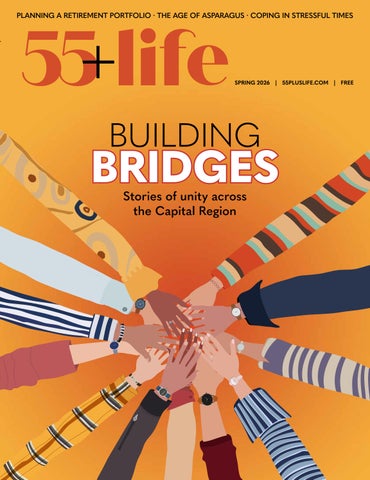

BUILDING BRIDGES


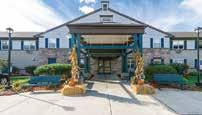
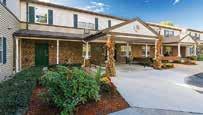
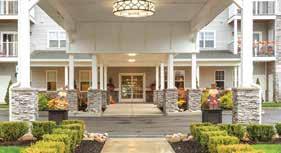
7 Thomas Cole Dr, Glenmont, NY 12077

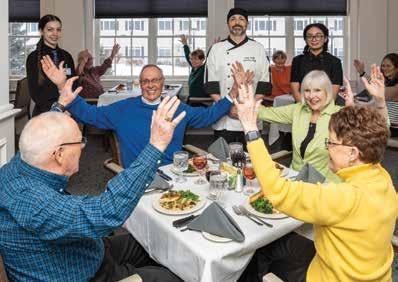
Exceptional Retirement Living for Seniors
• Life-enriching activities, wellness programs, and fitness classes
• Fully equipped wellness centers
• Delicious chef-prepared fine and casual dining
• Lifelong learning opportunities with an array of innovative programming and intellectually-stimulating activities
• Extensive calendar of social, cultural, and spiritual events & activities
• And so much more!
280-8385
Providing Quality Senior Housing Communities
Since 1995!
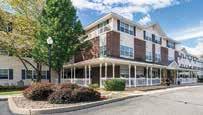
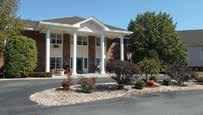
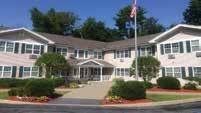
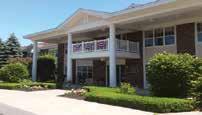
Garry J. Kearns, Executive Director
Columbia Crest ColumbiaCrest@ahfinc.net
90 One & Two Bedroom Apartments | Min. age requirement 60 Rent: 1 Bedroom $428–$925* | 2 Bedrooms $1055-$1235* 427 Columbia St., Cohoes, NY 12047 | (518) 235-4558
Highpointe HPAM@ahfinc.net
82 One & Two Bed Apartments | Min. age requirement 55 Rent: 1 Bedroom $625–$1000* | 2 Bedrooms $1110* 30 Rockrose Way, Malta, NY 12020 | (518) 583-7977
Northern Pines NorthernPines@ahfinc.net
36 One & Two Bedroom Apartments | Min. age requirement 55 Rent: 1 Bedroom $655–$805* | 2 Bedrooms $930* 120 Northern Pines Rd., Wilton, NY 12831 | (518) 581-8959
Van Allen VanAllen@ahfinc.net
110 One & Two Bedroom Apartments | Min. age requirement 55 Rent: 1 Bedroom $605—$930* | 2 Bedrooms $726—$1260* 790 Rte. 9W, Glenmont, NY 12077 | (518) 767-0923
Whitehall Court Whitehall@ahfinc.net
72 One & Two Bedroom Apartments | Min. age requirement 62 Rent: 1 Bedroom $725—$758* | 2 Bedrooms $887* 360 Whitehall Rd., Albany, NY 12208 | (518) 446-1920
Wilton Commons WiltonCommons@ahfinc.net
36 One & Two Bedroom Apartments | Min. age requirement 55 Rent: 1 Bedroom $643—$778* | 2 Bedrooms $915* 100 Wilton Commons Dr., Wilton, NY 12831 | (518) 581-7696 *Rents are based on income guidelines determined by the area’s median income.
150+ Homes Sold Since Fall 2022
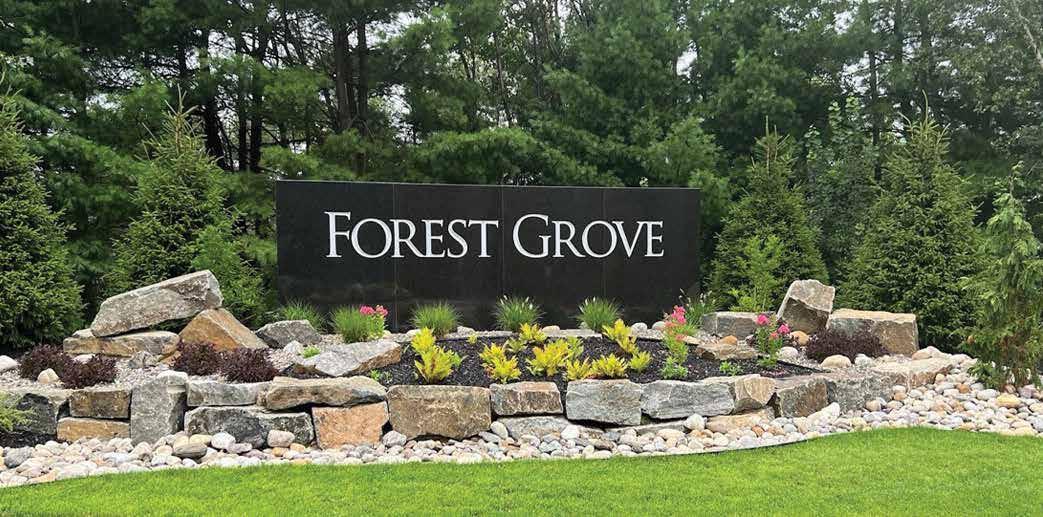
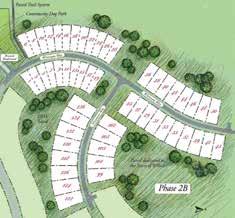
Now Taking Lot Holds in Phase 2B
Discover why so many homeowners have chosen Forest Grove and why now is the perfect time to join them.
Since opening in Fall 2022, Forest Grove has quickly become one of the Capital Region’s most sought-after new-home communities, with more than 150 homes sold in just over three years.
We’re excited to announce that Phase 2B is now open, offering new opportunities to build in this thriving neighborhood. This newest phase includes 22 twin homes and 18 single-family home sites, providing flexible options to fit today’s lifestyles.
At the same time, Forest Grove’s amenities are coming to life — including scenic walking trails now open, with additional community features underway. From charming elevations and wooded surroundings to a variety of floor plans and lifestyle-driven amenities, Forest Grove offers the perfect balance of peaceful retreat and active living.
Great Location & Options
• Single-family & twin homes
• Close to historic downtown Saratoga Springs
• Wilton taxes, Saratoga Springs address
• Saratoga Central Schools
• Pricing from the high-$500s
Model Home/Sales Center:
2 Daintree Drive, Saratoga Springs
Open Tuesday - Saturday 11am - 4pm or by appointment
Amazing Amenities
• Community center with gathering spaces, full gym and kitchen
• Large outdoor pool & pavilion
• Pickleball courts
• 7+ miles of walking trails
• 50% off a McGregor Links Country Club Golf Membership
Contact Sharon Byrne
518-527-4914
sharon@belmontebuilders.com

Bunnies are the perfect house pet! Find out why on page 37.

features
19 The Enduring Promise of “We” The unsung grassroots organizations chipping away at “us-versus-them” thinking +
Volunteer Spotlights: Better Together Meet neighbors building connection through service
28 The Healing Power of Belonging
In an anxious world, connection is an essential prescription for better health




home
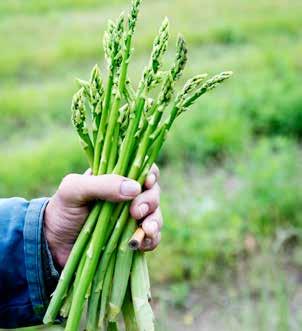
32 The Age of Asparagus Why these shoots belong in your backyard garden
37 The Bunny Life Silly rabbits aren’t just for kids — they’re the perfect house pet, too!
health & wellness
16 What’s Trending: The “Japanese Walking” Hack The science-backed, age-friendly interval technique taking social media by storm
44 The Plastic Problem You Can’t See Microplastics in our bodies: What you should know and what you can do
lifestyle
56 Your 2026 Retirement Playbook Financial experts offer practical tips to keep your investments on track
58 From Retired to Rehired Why more older adults are going back to work after retirement
food & drink
40 Upstate on a Plate Iconic dishes that shaped the flavor of New York’s North Country & beyond
travel
50 ¡Hola, Puerto Rico! A sun-soaked springtime escape to La Isla del Encanto
columns
14 Publisher’s Note: Together for Better Alison Michael on the strength of community & connection
63 Laugh Lines: Walking Mrs. Newman Home Life is just a series of small, shared journeys
64 On Our Nightstand: Books to the Rescue! Three perspective-shifting reads for living with more intention and joy
66 The Vine: Love, Lessons & the First Spears of Spring Rod Michael on the experiences that shape us

go beyond the magazine
travel guide

Planning your next adventure?
Our online Travel Guide is packed with inspiration, destination ideas, and smart travel advice designed for curious travelers who want to see more of the world. Check it out inside
stay
connected

Sign up for our monthly newsletter Get the best of 55+ Life delivered straight to your inbox.
• Curated local experiences & events
• Expert advice on topics you care about
• Exclusive content not found in print
• Subscriber-only perks & giveaways
• First access to new issues
Discover even more online at 55PlusLife.com


Tattoos for Older Adults: What to Know
Where the Happiest Seniors Live
Dog Health: Top Strategies for Longevity
Trending: Retiree Roommates
Publisher &
Alison Michael | alison@55pluslife.com
Consulting Editor
Traci Neal
Marketing Consultant
Terri Jacobsen
Consulting Art Director Tony Pallone
Design Consultant
Barb Dunn
Consulting Online Content Producer Caitlin Manner
Contributing Writers
Shelby Deering
Mary Ellen Fillo
Susan Brady Konig
Caitlin Manner
Rod Michael
Traci Neal
Janet Reynolds
Jill Robbins
Brianna Snyder
38 Mall Way, #83, West Sand Lake, NY 12196 editor@55pluslife.com 55+ Living Guide, LLC. Copyright 2026.
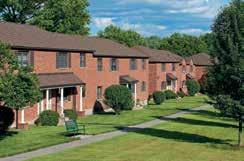
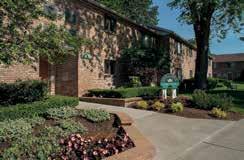
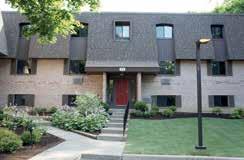
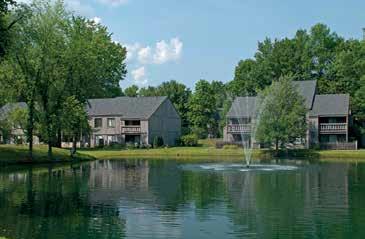
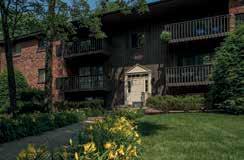
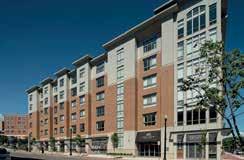
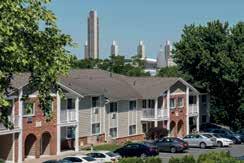
ELEVATED LIVING
Across the Capital Region
Now Leasing Studio, One, and Two Bedroom Apartments


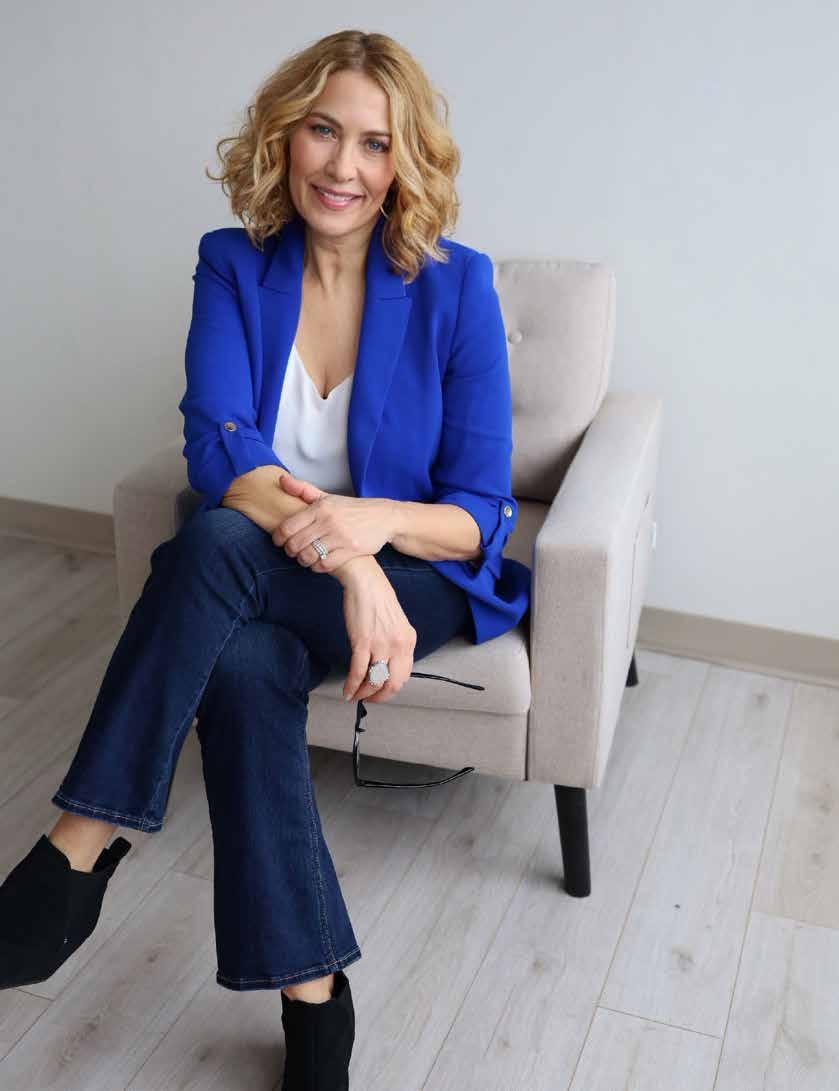
Alison Michael
photo: PicturePerfectPhotosByKam by Kammie Willett. Balloon illustration:
together for better
Never has this felt more true than it does right now. If you spend any time watching the news or scrolling through social media, it can feel as though we’re being pulled farther and farther apart. The divisions can seem overwhelming at times. I believe we are better than this. When you look back at different moments in our country’s history, one thing becomes clear: We tend to do our best when we come together.
We may not always agree on everything, and perhaps we never will, but when people choose connection over division, something powerful happens. Communities grow stronger when individuals from all walks of life feel connected, supported and seen. In this issue, the story The Enduring Promise of “We” (pg. 19) reminds us that belonging isn’t just a nice sentiment — it’s something that truly strengthens the fabric of our communities.
In many ways, the past several years have tested that sense of connection. The lingering effects of COVID left many of us feeling more isolated than we imagined we ever would be. Research continues to show that social isolation can have significant impacts on our mental and physical health. It turns out that the simple human desire to belong is more powerful than we may have thought. Feeling connected to friends, neighbors and community can actually strengthen our immune systems and improve overall well-being. While exercise and good nutrition remain important, experts now talk about the concept of a “social
prescription.” Our feature story, The Healing Power of Belonging (pg. 28), takes a closer look at how connection can be a powerful form of medicine in an increasingly anxious and lonely world.
As I approach a milestone birthday this month, my 60th, I can’t help but reflect on what this stage of life really represents.
For many of us, it’s a time of transition. Our kids are grown, friends are retiring or thinking about it. Yet interestingly, as we explain in From Retired to Rehired (pg. 58), many of them aren’t stepping away from work entirely. Instead, they’re reentering the workforce in new ways — consulting, launching small ventures, volunteering or pursuing passions that may have been put on hold during the busier years of raising families and building careers.
What’s changed isn’t necessarily the desire to contribute, but the reason behind it.
Earlier in life, careers often revolve around building something, providing for our families, climbing the professional ladder, proving ourselves. But as we move into this next chapter, the motivation begins to shift. It becomes less about the paycheck and more about staying engaged, keeping our minds active and feeling that what we do still matters.
And perhaps that, too, is another form of belonging.
Because whether it’s through work, community involvement, friendships or simply showing up for one another, we all want to feel connected to something larger than ourselves. n
The “Japanese Walking” Hack
The science-backed, age-friendly interval technique taking social media by storm

BY CAITLIN MANNER
As the weather gets warmer, you might find yourself in need of a walking workout revamp, and, perhaps for lack of a better option, you might turn to social media for inspiration. If so, you have doubtless come across the latest fitness trend flooding the internet with success stories and influ encer videos: Japanese walking. Otherwise known as interval walking training (IWT), this exercise method is simple, satisfying and surprisingly effective.
Perhaps even more appealing, Japanese walking is an exercise that was deliberately designed by an exercise physiologist to improve the health of middle-aged and older adults. You won’t need to adapt poses or moves to make them doable on creaky joints, or launch into attempting strenuous exercise when the most physi cal activity you’ve done since New Year’s was taking down the Christmas decorations. This exercise was invented to maximize health benefits without undue stress or effort; it’s at least worth a try.
WHAT IS JAPANESE WALKING?
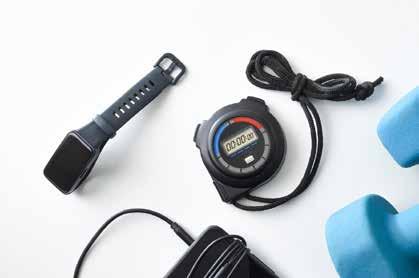
The IWT exercise method involves alternating three minutes of fast walking (at about 70% of your max heart rate) with three minutes of slower walking (at around 40% of your max heart rate) for at least 30 minutes. If you don’t want to use heart rates as a metric, this looks like walking vigorously enough that it would be difficult to hold a conversation, and alternating that with a casual stroll every three minutes.
Fitness influencers — particularly Eugene Teo, or “Coach Eugene,” a popular Australian content creator and fitness coach — came up with the nickname “Japanese walking” from a study on the technique conducted in Japan back in 2007. (Interestingly enough, the trend hasn’t really caught on in Japan, according to Yasuyuki Suzuki, a cardiac imaging specialist from Tokyo, who was interviewed on the subject.)
The study, led by Hiroshi Nose, an exercise physiologist at Shinshu University Graduate School of Medicine, looked at the effects of interval walking on the physical fitness and blood pressure of middle-aged and older adults.
Over five months, 186 women and 60 men ages 44 to 78 either did high-intensity IWT (for 30 minutes at least four days a week), moderate-intensity continuous walking (walking for 50% of their peak aerobic capacity for at least 8,000 steps, four days a week), or no walking at all. Overall, the study found that the group that did four 30-minute sessions of IWT per week de-
veloped better physical fitness, had less inflammation and saw significant improvements in blood pressure.

In a follow-up study published in 2018, Nose and his colleagues examined the effects of a 10-year continuation of IWT in older people, and found that the practice protects against age-related declines in aerobic capacity and muscle power — and even if people dropped out along the way, they still experienced “partially preserved” benefits.
IS JAPANESE WALKING WORTH THE EXTRA EFFORT?
The many health benefits of walking as an exercise have been well-documented: enhanced cardiovascular health, stronger muscles and bones, and improved mood and memory (to name just a few). After studying IWT for almost two decades, Nose and his colleague, Shizue Masuki, are convinced that this technique offers greater advantages than regularly walking at a moderate pace.
A growing body of research can back up their findings as well, including a small study published in 2025. Coach Eugene advocates for Japanese walking over regular walking, if only because it can get you to your step goals more quickly. What it all boils down to is that increasing the intensity of your walking speed, while allowing for rest at regular intervals, gives you more bang for your buck without inducing total exhaustion.
That sounds like it might be worth the annoyance of having to stick to three-minute intervals. Make a playlist, alternating fast songs with slow ones. It could be fun. n

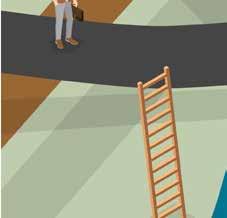




The Enduring Promise of “we”
The unsung grassroots organizations chipping away at “us-versus-them” thinking
BY TRACI NEAL VOLUNTEER SPOTLIGHTS BY MARY ELLEN FILLO
At a time when national headlines can make it feel as if our country is more divided than ever, the good news is that the Capital Region is home to a mosaic of grassroots groups working to bring people together. On neighborhood streets, inside local community centers and around kitchen tables, unlikely allies are gathering to share ideas and cultivate real solutions.
The missions of these groups may vary, but they share a common belief that communities grow stronger when people from all walks of life feel connected, supported and seen. The stories here highlight just a few of these organizations and their volunteers — and the ways they are creating a more
compassionate, cohesive Capital Region, one conversation at a time.
At Albany’s International Center of the Capital Region, for instance, the work is centered on one simple idea, says Executive Director Beth Wales: “to bridge the gap between our local community and the wider world by bringing international visitors into classrooms, connecting students with emerging global leaders, and creating spaces where neighbors can engage across cultures.”
The work, she says, helps people realize that understanding the global picture is not an abstract concept — “it’s personal, local and deeply relevant to our daily lives.” Fostering these connections, she says, means creating spaces where people from different backgrounds, generations and cultures can meet and learn from one another and form real human connections.
Those connections happen, she says, when a student speaks with an international diplomat for the first time, when neigh-
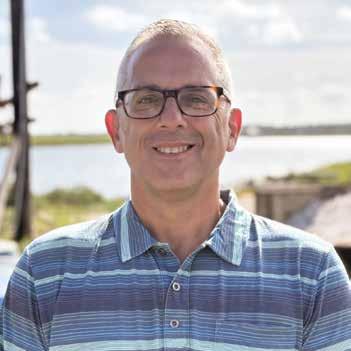
Volunteer Spotlight
Gary Govel
bors share food from another culture, when volunteers open their doors to host international visitors, or when educators, business leaders and global speakers sit down for conversation. “For us, community is not just about proximity,” Wales says. “It’s about shared curiosity, mutual respect and a sense of belonging in a diverse and interconnected world.”
While the International Center is about nourishing global connection, at Capital Roots, the work is about nourishing the community. The Troy-based nonprofit provides fresh food and green spaces for gardens, among other things.
“We work to ensure that everyone, regardless of ZIP code, age or income, has the opportunity to eat well and live healthier lives,” says Amy Klein, Capital Roots CEO. “Too many families in our region live in communities where high-quality produce is scarce or unaffordable.”
Building community means creating spaces and systems where people can grow
Trinity Alliance of the Capital Region | trinityalliancealbany.org
Gary Govel is a volunteer extraordinaire, as far as Trinity Alliance of the Capital Region is concerned.
Govel, a retired probation officer and criminal justice administrator, received the nonprofit’s 2025 Community Service Volunteer award for his work with its food, clothing and back-toschool distribution programs.
“When I was working, (there were) all kinds of people who needed services from all walks of life,” Govel, 58, explains.
“I began doing public service when I was 22 years old, and I see this as an opportunity to give back to the community.”
Founded in 1912, Trinity Alliance offers resources and support to fill the unmet needs of children, individuals and families in the Capital Region.
“People need stabilization in their lives,” says Govel, listing the services he helps provide: food, clothes, shelter. “Given recent economic situations, you could see the need,” he adds. Even though he continues to do consulting work, Govel says volunteering has become an essential part of his life. “I don’t expect to give it up until I can’t do it anymore,” says the father of two. “I think I would really miss doing this.”
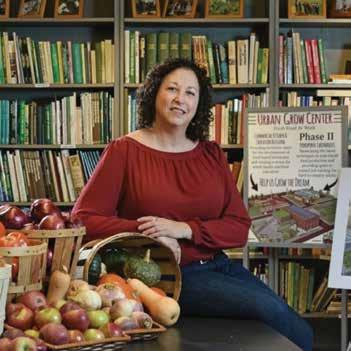
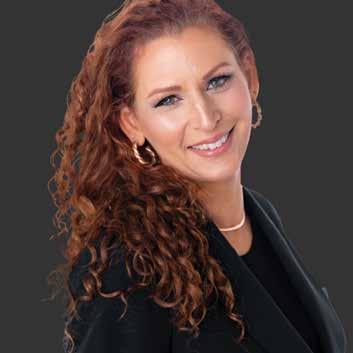
IPH CEO
Janine Robitaille, International Center of the Capital Region
Executive Director
Beth Wales, SEAT Center (Social Enterprise and Training) Founder/
CEO Jennifer Lawrence and Capital Roots
CEO Amy Klein
and share food, says Klein. The organization offers local brick-and-mortar and mobile markets, an incubator kitchen, events and resources, gardens and more. “Community is built every time someone feels seen, supported and connected through food,” she says.
Capital Roots has brought together farmers, volunteers, seniors, families, students, policymakers, donors and neighbors from every background, delivering more than
500,000 pounds of fresh food to the region’s most vulnerable residents in 2025, she adds.
“Our events, like Spring Brunch and Autumn Evening, are often an opportunity to share a table and meal with someone from a different walk of life,” she says. “Through good food, we create spaces where people who might never meet discover common purpose, shared values and respect.”
That same belief in the power of connection and shared dignity also guides the
Clockwise from top left:
Volunteer Spotlights
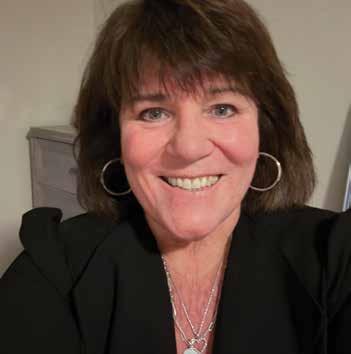
Maria Buhl
Grassroot Givers | Grassrootgivers.org
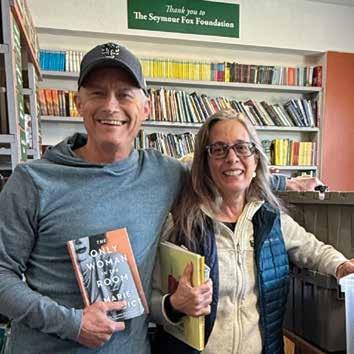
It’s often bittersweet to walk away from a career, but for librarian Maria Buhl, retirement didn’t mean giving it up. It meant paying it forward.
The 64-year-old is a volunteer with Grassroot Givers, a community nonprofit that provides access to books, clothing and essentials for people and families experiencing poverty in the Albany area. Among its services are its little free libraries and food backpack programs, both aimed at ensuring that as many children as possible own their own books. As one of the volunteers who helps collect, review, catalog and ready thousands of like-new donated books, Buhl has found her perfect volunteer niche.
“I feel like I haven’t left work,” says Buhl, pictured here with her husband, Thomas Kracker. “But this has a different feeling. While I am a huge proponent of public libraries, there is nothing like a set of books a child can call his or her own.” Each week during the school year, some 600 Albany children in the program receive a new age-appropriate book and a weekend food backpack.
“I feel lucky to be retired at an age where I have the energy and interest to volunteer,” she continues. “I am happy to stay connected with people and do something near and dear to my heart.”
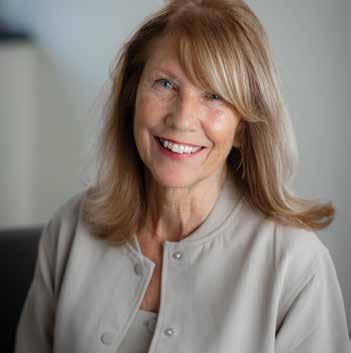
Susan Lynch
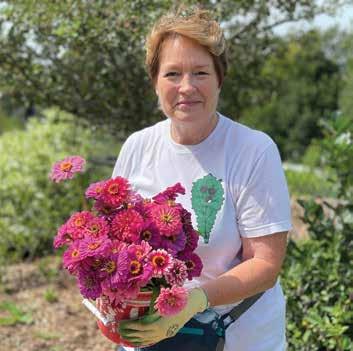
Capital Roots | capitalroots.org
When it comes to bringing skills to a nonprofit, Capital Roots lucked out when retiree Susan Lynch decided that was the place she wanted to volunteer.
The veteran alumni relations and fundraising professional knew a few things about the importance of the nonprofit arena, and she brought that expertise to the Troy-based organization that provides programs emphasizing fresh food, green spaces, community gardens and nutritional education.
“I had planned to volunteer at another food bank in New York, but they didn’t want anyone over 70 years old. I was so turned off,” explains Lynch, 76. “So I looked at where else I could volunteer and found Capital Roots.”
The organization, founded in 1975, also runs a commercial kitchen, food market and Veggie Mobile, and supports 55 urban gardens in four New York counties.
“I think my volunteer work with Capital Roots is so special because it is serving a population that is growing and growing,” says Lynch, who has contributed to the Capital Roots Food Hub, its Squash Hunger program and other initiatives like fundraising events and the annual appeal. “The need is so important.”
“
We create spaces where people who might never meet discover common purpose, shared values and respect.”
— Amy Klein, Capital Roots CEO
work of Albany-based IPH, which provides services and housing for the region’s homeless and low-income communities.
“Meeting people where they are and creating spaces where everyone is treated with dignity, can access essential resources and feels like they belong,” is at the heart of IPH’s mission, says CEO Janine Robitaille. “It’s about fostering trust and connection, because when people feel supported, they’re able to take the next step toward stability and reach their goals.
Jennifer Lawrence.
“We see countless young people come to us because they were not successful in traditional school or because they faced a life obstacle at an early age,” says Lawrence. “Often, they feel out of hope and out of options.”

“When people come to our doors, it’s often during one of the most challenging moments in their lives,” Robitaille adds. “IPH is able to offer a safe space, steady support and genuine connection that helps people reconnect with themselves, identify their goals and find permanent housing.”
That impact might look like helping a shelter guest secure a new ID so they can apply for a job or an apartment, connecting someone with a primary-care provider after years without health care, or supporting a neighbor as they move from a shelter into a home of their own.
“Sometimes it’s simply offering a listening ear on a particularly hard day,” Robitaille adds. “All of these moments matter, and together they share the tremendous difference compassionate, person-centered care can make.”
That same focus on meeting people where they are continues at the SEAT Center (Social Enterprise and Training) in Schenectady, which helps bridge the gap between young people looking for work but lacking skills, training and job experience, and companies seeking employees. SEAT provides education, hands-on training, internships, support services and leadership development that lead to good-paying jobs, long-term careers and a kind of stability participants may not have had otherwise, says founder and CEO
Within months, through the community they find at SEAT, Lawrence says their sense of hope skyrockets. They begin to dream, they gain confidence, they build a resume of skills, and they meet a network of like-minded people and community leaders who can propel them into life.
“This sort of community network creates a safety net for SEAT’s students, so that they can find success,” says Lawrence. “Our graduates are now working in industries across the Capital Region: construction, energy, hospitality and media.”
Fostering meaningful connections like these, she says, means that everyone has a seat at the table.
“It means that we need everyone to accomplish a goal bigger than any one of us. It is bringing a diverse group of supporters, leaders and volunteers together with disenfranchised young people — all who have something to give to each other. It is walking our paths alongside one another and recognizing the contributions we can make to young people and that they, in turn, have so much to give and deposit back into our lives.”
For organizations like these, the focus is on connection and recognizing the value of our differences.
“People change when they meet one another,” agrees Wales. “That is what building community truly means.” n
Turn the page for a list of local organizations that are building connections in our community, one bridge at a time.




Making a Difference
Capital Region volunteers in action
Across the Capital Region, local organizations are helping to create a stronger community — and they couldn’t do it without volunteers. This is just a sampling of ways local volunteers roll up their sleeves and make an impact:
ALLIANCE FOR REFUGEES AND IMMIGRANTS (Albany)
Supports include help with resettlement, employment, health services, education and pathways to self-sufficiency.
refugeealliance.org | info@refugeealliance.org | 518-992-2004
BIG BROTHERS BIG SISTERS OF THE CAPITAL REGION (Albany)
Mentoring organization connecting young people with trained adult volunteers to support positive development, mentor, teach and share their wisdom.
bbbscr.org | info@bbbscr.org | 518-862-1250
CAPITAL CITY RESCUE MISSION (Albany)
Provides food, shelter, clothing and recovery programs to people experiencing homelessness to help them rebuild their lives.
capitalcityrescuemission.org | givinghope@ albanymission.com | 518-462-0459
CAPITAL DISTRICT HUMANE ASSOCIATION (Albany)
A volunteer-run rescue group working to place animals in loving homes and support adoption efforts in the Capital Region.
cdha.net | cdhadogs@gmail.com | 518-664-3450
CAPITAL ROOTS (Troy)
Community food and wellness nonprofit offering urban agriculture, nutrition education, community gardens and food access programs.
capitalroots.org | info@capitalroots.org | 518-274-8685
CATHOLIC CHARITIES OF THE DIOCESE OF ALBANY (Albany)
Provides food, shelter, clothing, mental health support, housing, immigration and family assistance regardless of race, religion or background.
ccrcda.org | Catholic.Charities@ccrcda.org | 518-453-6650
CEO FOSTER GRANDPARENT PROGRAM (Troy)
Senior volunteer program placing adults in supportive roles for youth and community services through education and engagement.
ceoempowers.org | ceofgp@ceoempowers.org | 518-272-6012
GRASSROOT GIVERS (Albany)
Collects and distributes basic necessities, furniture and household items through a “free store” to support neighbors in need.
grassrootgivers.org | info@grassrootgivers.org | 518-599-5157
HABITAT FOR HUMANITY CAPITAL DISTRICT (Albany)
Builds affordable housing and offers home repair initiatives to strengthen communities and increase access to safe homes.
habitatcd.org | build@habitatcd.org | 518-462-2993
HOP ON HOME RABBIT RESCUE (Glens Falls)
Volunteer-run rabbit rescue focused on caring for, educating about and finding forever homes for abandoned or surrendered rabbits.
hoponhome.org | info@hoponhome.org | 518-248-1984
IBERO AMERICAN ACTION LEAGUE / CENTRO CIVICO (Albany)
Offers advocacy, ESL classes, health and human services, and resource navigation for Latino and underserved populations.
ibero.org/centrocivico | information@iaal.org | 518-842-3762
INTERNATIONAL CENTER OF THE CAPITAL REGION (Albany)
Supports intercultural exchange, community integration, cross-cultural programming and international understanding.
iccralbany.org | info@iccralbany.org | 518-928-4198
IPH (Albany)
Provides emergency shelter, housing support and services for the region’s homeless and low-income communities.
iphny.org | development@iphny.org | 518-432-7148
LITERACY VOLUNTEERS CAPITAL REGION (Troy/Albany)
Volunteers are trained as tutors to provide free one-on-one or small-group literacy instruction in reading, writing, math, English and other subjects to adult learners and teens.
lvcapreg.org | Volunteer coordinators: Stephanie Horton at shorton@lvcapreg.org | 518-244-4650
MOHAWK HUDSON HUMANE SOCIETY (Menands)
One of the largest and longest-running animal welfare organizations in the region; shelters and cares for dogs, cats and other animals.
mohawkhumane.org | customercare@mohawkhumane. org | 518-434-8128
Making a Difference
CONTINUED FROM 25
REFUGEE AND IMMIGRANT SUPPORT SERVICES OF EMMAUS (RISSE) (Albany)
Provides wraparound services for newcomers — including English classes, employment support, immigration assistance and youth programming.
risse-albany.org | info@risse-albany.org | 518-621-1041
REGIONAL FOOD BANK OF NORTHEASTERN NEW YORK (Latham)
Alleviates hunger by collecting and distributing donated food to pantries, soup kitchens and shelters across 20 counties.
regionalfoodbank.net | info@regionalfoodbank.net | 518-786-3691
SCHENECTADY BRIDGES (Schenectady)
Community foundation supporting local initiatives, grants and programs that enhance quality of life in Schenectady.
schenectadyfoundation.org | info@ schenectadyfoundation.org | 518-393-9500

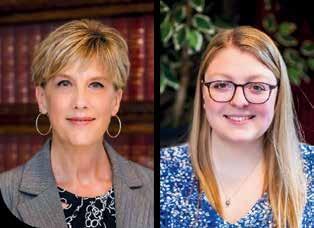
SEAT CENTER (SOCIAL ENTERPRISE AND TRAINING) (Schenectady)
Provides workforce and education training for young adults to build skills, leadership and pathways to good-paying jobs.
seatcenter.org | hello@seatcenter.org | 518-372-4100
TRINITY ALLIANCE OF THE CAPITAL REGION (Albany)
Coordinates resources and programs to support residents in the region’s most economically challenged neighborhoods.
trinityalliancealbany.org | supporttrinity@ta-cr.org | 518-449-5155
WEST HILL REFUGEE WELCOME CENTER (Albany)
Offers adult English classes, tutoring, youth programs and neighborhood support for refugees and immigrants.
rwcwesthill.com | coordinatorrwc@gmail.com | 518-937-6253
WHISKERS ANIMAL BENEVOLENT LEAGUE (Albany)
No-kill shelter focused on cats and kittens that welcomes volunteers to help with shelter care, fostering and adoption center work.
ewhiskers.com | admin@ewhiskers.com | 518-458-2287


It’s a Small World After All
BY DAVID A. KUBIKIAN, ESQ., HERZOG LAW FIRM
If you have ever gone to Disney World or Disneyland, you most certainly have taken a ride on “It’s a Small World.” The ride is full of nostalgia and whimsy. The same song plays in a loop, in different languages and with different voices, while you slowly make your way through the globe. Nearly every culture and region is depicted and the artistry is impeccable. It’s the Mount Rushmore of Disney attractions and it symbolizes, quite literally, that there is more that we have in common than we don’t. It also reflects the fact that, with the advent of the internet, the world is not as large as it used to be. The distances between different parts of the world are just a few moments away.
Sitting in a quite cold theme park on the ride with my family last month, mesmerized by the beautiful surroundings (and serenaded by the woman behind me who decided it was time to sing, nonstop and out of tune, the lyrics to the signature song), my thoughts were about the little things in life that matter. I thought about how the ride is perfect because of the details. There isn’t a paint chip or an item out of place.
DETAILS MATTER.
That is particularly true in the world of estate planning and elder law. Perhaps the fact that my thoughts shifted to work when I should have been just enjoying the ride with my family had to do with the seemingly daily conversations I have with clients about how exacting the law is and how every fact matters in these two legal areas. And it’s not just the big facts that matter. Sometimes the smallest details will determine how successful our clients are (or aren’t)
in accomplishing their goals of leaving money to the right people, avoiding probate, protecting their hard-earned assets and still keeping control of their assets.
The difference between a trust that accomplishes ALL of those goals and a trust that doesn’t could be a single phrase or even a single word. We have seen dozens upon dozens of trusts, signed elsewhere years ago, that, because of the wrong language, do not protect a family’s assets as intended. Those are the subject of some of the hardest conversations. The worst meetings we have are characterized by false senses of security and hearing from an attorney that the planning done previously was all for naught.
We have seen deeds that may help avoid probate, but do so in a way that creates tax havoc down the road — all because of the way the title was transferred. We have seen “Medicaid Asset Protection Trusts” — one of the most important ways to accomplish all of the above goals — that mistakenly name clients as their own trustee, almost certainly making them defective for their intended purposes of asset protection.
The truth is that there are ways that our clients can avoid probate and protect money and still have capital-C “Control” of their assets, but they require that you play by the rules that New York State has set forth. Using an attorney that specializes in estate planning and elder law is a good start.
DETAILS MATTER.
If and when you start kicking the tires on updating your estate plan and giving more attention to your long-term care exposure, realize that there are ground rules for how this game works. And like all games, if you don’t play by the rules, you lose.
The Healing Power of Belonging
In an anxious world, connection is an essential prescription for better health
BY JANET REYNOLDS
Feeling out of sorts? Concerned about the here and now as well as the future and what it means for you, your children and grandchildren? On any given day, the frenetic doomscrolling news cycle can make even getting out of bed feel almost impossible.
But while our topsy-turvy world can feel overwhelming and isolating, the good news is that you’re actually not alone. According to Civic Science, a consumer polling and market intelligence company, 73% of those 55 and older are concerned about the price of food and essentials, while 55% are concerned about politics. Your worries are real.
The other good news is this: Improving your mental, spir-
itual and physical health can be within your reach, and it can start with something as simple as finding community or expanding the community connections you may already have. Increasing connection is, of course, not a one-stop solution. But experts say it can play a vital role in improving emotional and physical health.
“When you have a sense of belonging, you have an improved immune system,” says Elizabeth Vasquez, an associate professor at UAlbany, where she is director of the Center for the Elimination of Health Disparities and part of the university’s Center for Healthy Aging. “It goes across the board in improving health.”
In fact, the realization that belonging — along with movement, getting out in nature, participating in the arts and service to others — can be critical to our overall health is beginning to change how medical professionals look at people who come in with various physical, emotional or mental health complaints. Rather than simply asking, “What’s the matter with you?” doctors in the United States are beginning to ask, “What matters to you?”
Flipping that question, says Julia Hotz, author of The Connection Cure: The Prescriptive Power of Movement, Nature, Art, Service and Belonging, can help medical professionals prescribe something beyond medicine alone to help a patient. It’s called social prescription, which Hotz defines in the book as “a nonmedical resource or activity that aims to improve a person’s health and strengthen their community connections.” These prescriptions can include taking up a long-forgotten hobby, learning a new language or joining a swimming group. The key is that the choice is determined by the person’s interests and desires.
Does it work? Let’s look at Frank, one of many people featured in Hotz’s book. Frank was a trucker who spent hours alone, sitting down and not eating well. This lifestyle caught up with him midlife when he was diagnosed with hypertension and Type 2 diabetes. It would have been easy, even medically required, to simply prescribe dietary changes and insulin — which, in fact, Frank’s doctors did.
But then something unusual happened. Frank moved, and his new doctor took the time to discover that in his youth Frank enjoyed riding his bike. The doctor “prescribed” a cycling safety course targeted at older adults. Before long, Frank was cycling regularly and had created a cycling group of peers who became friends. He also lost 40 pounds and, yes, came off his insulin. His social prescription helped address his physical and mental challenges.
While social prescription can take many forms, Hotz notes that building community can be an especially critical step toward better health. “When we are transitioning into a new
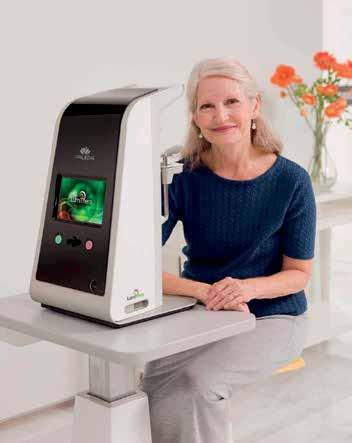
Ophthalmic Consultants is excited to introduce the Capital Region to the first and only treatment for Dry Age-Related Macular Degeneration (AMD).
Dry AMD is a progressive disease and the leading cause of vision loss over age 65. Early treatment can make a difference. Call to schedule your appointment today. (518) 438-5273

GETTING STARTED
Want to expand your community but aren’t sure where to start? Here are some tips from Elizabeth Vasquez:
• Start small and local. Consider trying a new hobby or visiting your local senior center for a program.
• Look around your neighborhood. Even if you live in an apartment building, start by waving at a neighbor and see what happens from there. “If you wave to a neighbor, the next thing you know they’re talking to you. See what’s around you.”
• Look at your skill sets and see where you might volunteer. Vasquez, 55, began volunteering as a translator two years ago at a free clinic in Albany. “It keeps me engaged, and I know as I get older, I can continue to do that,” she says.
period — maybe the kids are out of the house or we are retiring from the workplaces, that can be when we suddenly start noticing this absence of connections,” she says. “It can lead to this existential question of, ‘What do I do?’” It can also lead to changes in physical health.
Even a little connection can make a difference, Hotz says. She cites two main types of connection: companions, the people we depend on to give us our sense of self, and those perhaps less personal groups that provide us a sense of belonging. “Maybe it’s a church or at the Y or people in your neighborhood,” she says. “They might not be your BFFs, but they’re still people you can belong to — and we know we need both.”
Brigid Beckman, minister at Unity of Albany, sees the positive impact of connection regularly in her church, and not just because of attendance at a service. “What I noticed is that, especially after COVID isolation, people in this age bracket were hungry for connection,” she says. “They were happy to be back at church and all that, but they were really hungry for connection.”
Coffee hour started up again, followed by Sunday potluck lunches so people could linger and chat. Church members have also begun movie and craft nights, a book club and a writing group, Beckman says. The writing group was started by a woman who wanted to sit side by side with others who were using writing to help alleviate their frustrations and concerns. “It’s one of the things that will help keep me sane,” she told Beckman when proposing the weekly gathering. “Just being in community will build my strength and my own resistance.” The result? A community within a community, if you will.
Witnessing the positive changes that creating group opportunities beyond worship has done for church members has prompted Beckman to expand the church’s involvement
with other faith communities. “We don’t have to reinvent the wheel, and that helps me,” she says. “I don’t feel like I’m doing it alone. It helps my mental health and my spiritual health, which also helps my overall well-being.”
Longtime Unity member Diane Teutschman, 71, knows firsthand the value of community. “I have always had a strong need for connection,” she says, noting she’s moved a lot in her life. “I like to belong, so I join clubs. For me, I need to be connected. It’s a good feeling to feel at home somewhere with like-minded people. For right now, it gives me hope that there’s good in the world. It’s huge when we have so much negativity and darkness.”
At Unity of Albany, Teutschman coordinates Unity Cares, a group of 19 volunteers who help other members with challenges. Sometimes it’s a ride to a doctor’s appointment. Other times it might be a meal train for someone recuperating from an illness.
“The need to be of service is so strong,” she says. “It makes people feel useful and alive.” n
(Re)
DISCOVERING WHAT REALLY MATTERS
If you’re not sure what matters to you, The Connection Cure offers this list of questions to ask yourself as a place to start.
1 When was the last time you experienced “a small moment that made you feel more calm, joyful and grateful”?
2 When was the last time you felt “in the presence of something vast that transcended your current understanding of the world”?
3 When was the last time you felt “completely absorbed in an experience”?
4 When was the last time you felt “extremely present” in a moment?
5 If you had two more hours in your week, what would you spend them doing?
6 When you were a child, what could you spend endless amounts of time doing without getting bored?
7 What “activates” you?
8 What are you doing to look after yourself?
9 What makes you light up when you talk about it?
10 What makes you feel like the healthiest version of yourself?

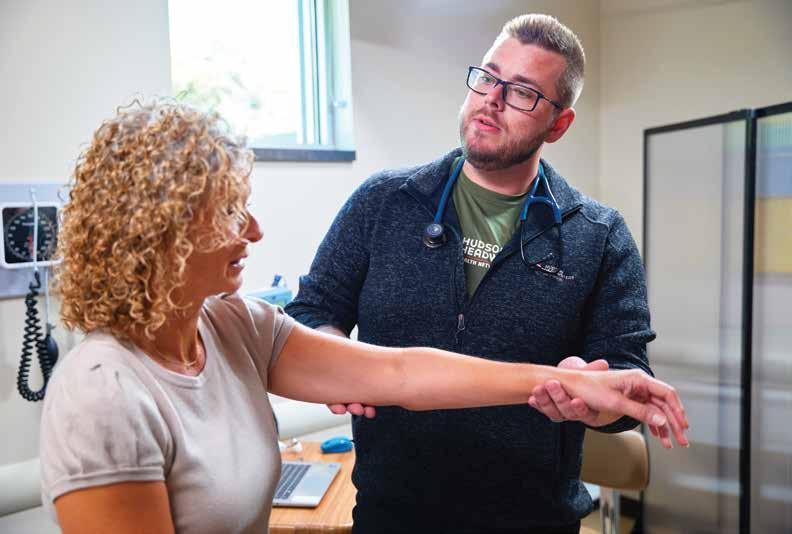
by Suzanne Hackert, LCSW-R, Behavioral Health Lead, Hudson Headwaters Health Network
Caregivers are the invisible backbone of our health system. They are often family members or loved ones who provide essential care to elderly parents, children or those with disabilities. This role is deeply meaningful, and it is also physically, mentally and emotionally taxing. Many caregivers take on this responsibility without pay, and without proper support, placing their own well-being at risk. Being a caregiver often means juggling multiple responsibilities. Some caregivers find themselves “sandwiched” between generations and raising children while also supporting aging parents.
Where Compassion Meets Quality.
Others find themselves putting their lives on hold to keep their loved ones as healthy as possible and at home. This constant pressure can lead to what’s known as Caregiver Stress Syndrome, a condition characterized by symptoms such as:
• Burnout and chronic fatigue.
• Neglect of personal needs and health concerns.
• Depression, anxiety, sleep disruptions and irritability.
• Social isolation and financial strain.
• Health issues like high blood pressure. These challenges are often intensified the longer one remains in the caregiver role, making proactive selfcare and support essential — not optional.
THE AGE OF
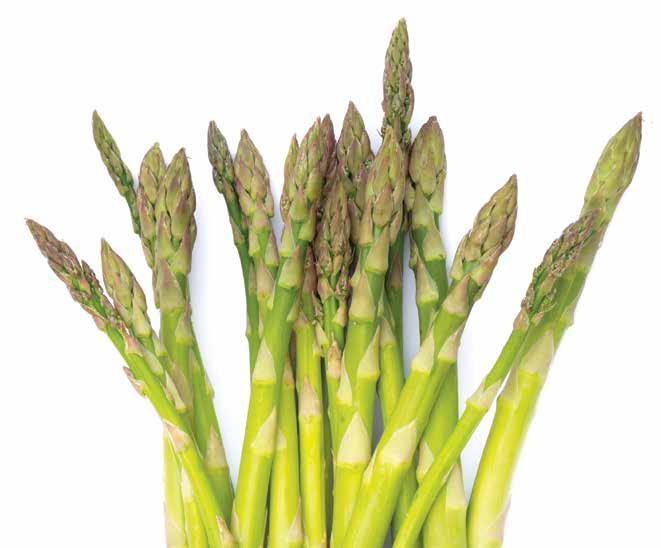
Why these shoots belong in your backyard garden
BY SHELBY DEERING
Springtime in New York is synonymous with cherry blossoms in Central Park, baseball season underway and the (now 78th annual) Albany Tulip Festival in Washington Park, but the state has another springtime claim to fame — asparagus.
Although those green shoots emerging from area gardens are one of the first harbingers of the season in the Capital Region, home gardeners may not realize just how well this perennial thrives here. In fact, asparagus has deep roots in our state’s agricultural history.
Asparagus and Colonial history are intertwined. It was brought to North America by the French in the 1600s and 1700s, and was among the early vegetables grown in Colonial New York. Native to Eurasia and parts of northern Africa, the Greeks and Romans first used asparagus medicinally, but today, we simply enjoy it as one of the first fresh vegetables available on farm stands all over the region this time of year.
If you’re willing to put in a little effort and patience, asparagus will prove to be a dependable crop for years to come.
WHY
IT BELONGS IN YOUR BACKYARD BED
Asparagus, says Matthew Schueler, chief program officer of community development at Troy’s Capital Roots, is “not closely related to any other common vegetable — nor is it a grass.” Oddly, it’s a member of the lily family.
Emerging from “underground crowns,” according to Jesse Peters, an ecologist, landscape designer and the founder of Ballston Spa’s Jessecology Eco-Landscaping, asparagus appeals to backyard gardeners because — unlike many vegetables that are replanted each year — asparagus establishes a permanent bed and returns reliably every spring.
Additionally, Peters says, asparagus in the Capital Region is considered to be “naturalized,” an extremely rare ecological category that means it’s not native, but has become a natural part of the
ecosystem. It can grow on its own with little to no intervention, even growing wild along New York roadsides.
“This plant belongs in backyard beds because it is low-maintenance once established, highly nutritious, and one of the earliest fresh vegetables of spring,” Peters says.
HOW TO GROW A GREAT CROP
The secret to growing asparagus? Patience. Peters notes that after planting crowns (you can start from seed, but most gardeners use crowns), you shouldn’t harvest in the first year, take only a light harvest in the second, and then be rewarded with a full, reliable crop by Year 3.
The wait is worth it. “Once established, a well-managed asparagus bed can stay productive for 15 to 25 years,” Peters says.
To achieve a crop that doesn’t quit, Peters recommends choosing a sunny location with welldrained soil. Be generous with compost and give the plants enough space. Schueler specifies that they should be planted about a foot apart.
Like most plants, asparagus doesn’t love weeds crowding their space, “so it’s important to have a good weed-free planting area to start,” Schueler says.
“Spring is the preferred planting time in New York, typically as soon as the soil can be worked,”
FRESH PICKS
Peters says. “Planting in early spring allows roots to establish long before winter. Fall planting is possible but riskier in colder climates and generally not recommended unless soil drainage is excellent and winters are mild.”
After planting in the spring, the summertime warmth can speed their growth — they’ll sometimes shoot up several inches in a single day.
“This rapid growth is why harvesting often needs to happen daily during peak season,” Peters says.
The following spring, you can begin harvesting — but, Schueler recommends, avoid overcutting. Once established, you can enjoy six to eight weeks of picking. The experts recommend allowing asparagus foliage to grow fully after harvest so that the plants can store energy for the following year.
“The fronds that grow up after the harvest are what give energy to the roots and make for more shoots the next year,” says Schueler. “Give them plenty of moisture and (soil rich in nutrients) during the growing season. They prefer sand over wet, heavy soils, and appreciate good fertility.”
“Asparagus is a long-term investment in the edible garden,” Peters adds. “While it requires restraint early on, the reward is one of the most reliable and satisfying spring harvests available to home gardeners.” n

— WHERE TO FIND ASPARAGUS IN THE REGION
Spring means one thing for vegetable lovers: Fresh asparagus is here. From roadside stands to local markets and pickyour-own farms, these tender, green spears are popping up across the region, ready to be picked and savored. We list a few sources here, but check websites for hours and availability.
• Capital District Regional Market, Menands, cdregionalmarket.com
• Gade Farm Farm Stand, Altamont, gadefarm.com
• Greig Farm Pick-YourOwn Asparagus, Red Hook, thegreigfarm.com
• Kelder’s Farm, Kerhonkson, keldersfarm.com
• Kristy’s Barn, Schodack, kristysbarn.com
• Saunderskill Farms Farm Market & Greenhouse, Accord, saunderskill.com

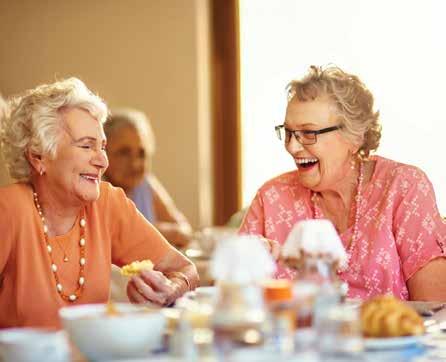
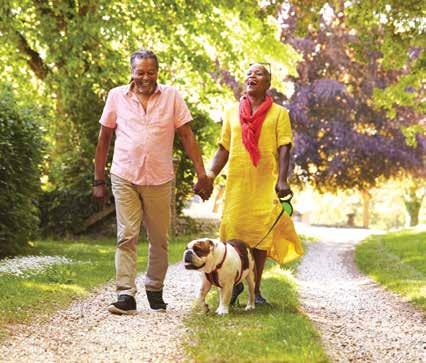
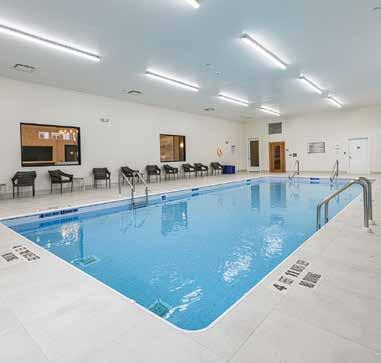
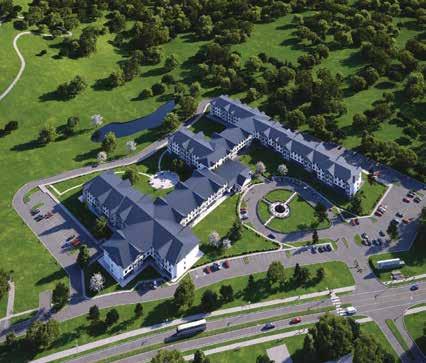
You’ve built a life full of memories; now it’s time to enjoy it, free from chores, isolation, and the upkeep of a home that no longer fits your lifestyle. Welcome to Hamilton Parc, a newly built 55+ active adult community in Guilderland, NY, designed for vibrant living. Here, you’ll find connection, support, and independence in a refreshingly modern setting where every day feels like a new opportunity.






THE
bunny LIFE
Silly rabbits aren't just for kids — they're perfect house pets, too!
BY BRIANNA SNYDER
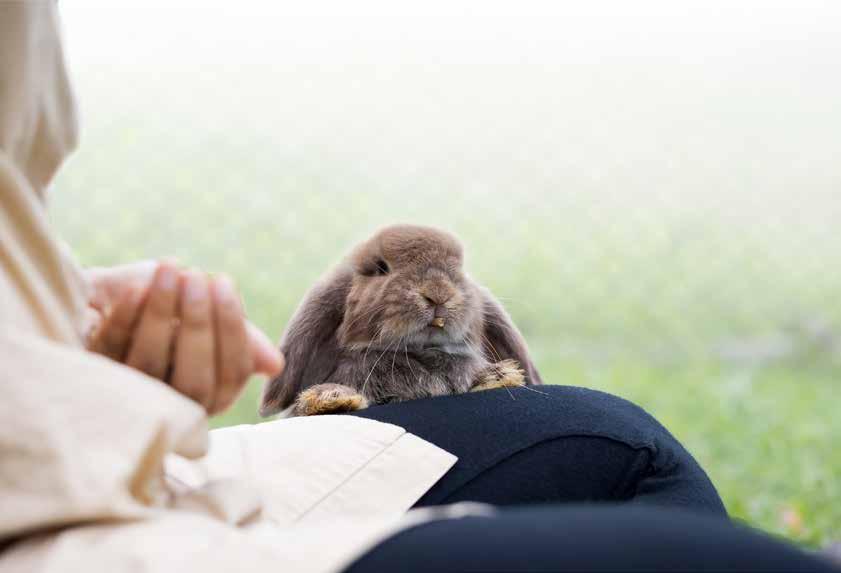
Boop the Fifth — yes, he’s the FIFTH Boop in his lineage — has a lot of grandparents. In Laura LaPalme’s 55+ community in Watervliet, residents regularly stop to stroke the soft brown rabbit, and LaPalme has witnessed the health benefits firsthand.
“They love him,” says LaPalme. “They love to stroke him, and it lowers your blood pressure! Stress hormones go down and your good hormones go up. I had one woman, she said, ‘Oh, I can feel my blood pressure going down,’” LaPalme laughs.

Her observations align with scientific research. A landmark 2001 study published in Hypertension found that pet owners showed half the blood pressure increase during times of stress compared to non-pet owners. More recently, a 2019 Washington State University study demonstrated that just 10 minutes of petting cats or dogs significantly reduced cortisol levels. While most research focuses on dogs, controlled studies confirm rabbits produce similar anxiety-reducing effects — and a 2018 Swedish nursing home study found seniors
with elevated blood pressure showed significant decreases after regular therapy animal visits.
Among the Watervliet community’s 200-plus residents, Boop has become an unofficial mascot. But for LaPalme, who adopted him in October 2021, the 4-year-old house rabbit offers something deeper than physical health benefits — he’s family. When LaPalme’s husband died shortly after Boop’s adoption, LaPalme says Boop helped get her through it. “He really helped me,” LaPalme shares quietly. “A lot.”
While rabbits might seem like an unconventional choice for older adults, people like LaPalme are discovering what rescue organizations have known for years: House rabbits offer the perfect combination of companionship and practicality for the 55+ crowd.
NO WALKS REQUIRED
Shelby Wimet-Himelrick, president and founder of Hop on Home Rabbit Sanctuary in Glens Falls, sees the value of “no walks required” pets all the time, especially in winter. “You don’t want to go out on the icy sidewalks being pulled by a big animal,” she says. “Little things like that are why older people — or anyone — would love a rabbit.”
The sanctuary, which houses 140 to 150 rabbits at any given time, reached a milestone in 2025: its 1,000th surrender and 1,000th adoption. While Wimet-Himelrick’s adopters span all ages, she notes that the demographic skews toward women and families aged 35-54 — though seniors are increasingly recognizing the appeal of house rabbits as pets.
“If you want a pet to sit on the couch with, someone to greet you at the door, they love to be with you,” Wimet-Himelrick says. “Rabbits are
the best of both worlds. They’re social like a dog, they can be litter-trained like a cat, and they groom themselves like a cat.”
THE ADOPTION ADVANTAGE
The timing couldn’t be better for prospective rabbit owners. As of December 2024, New York’s Puppy Mill Pipeline Act prohibits retail pet stores from selling dogs, cats and rabbits. The legislation aims to shut down cruel commercial breeding operations, making adoption from rescue organizations like Hop on Home the best path to pet ownership.
“Rabbits are the third-most abandoned pet after cats and dogs,” notes Wimet-Himelrick. “It’s a problem in the Capital Region.”
Many rabbits end up in rescues because families underestimate their needs. Easter bunnies given to children often arrive at shelters by August, when they’re 6 to 7 months old and entering adolescence. But a calmer temperament, established personalities and often already being litter-trained make adult rabbits ideal for older adopters.
CUDDLE PARTY
For LaPalme, Boop provides more than cuddles. “He greets me in the morning when I come down the hallway,” she says. “He comes zooming to the nearest corner. He follows me into the kitchen and he wants his morning treat — he stands up and he hugs my leg. He came up with that himself.”
LaPalme has owned five rabbits over the years — all named Boop — and says each had a distinct personality. “Cute, adorable, cuddly, smart, very curious, affectionate,” she says, listing Boop the Fifth’s qualities. “And this one is unbelievably soft.”
When we pressed her on why a bunny might be preferable to a cat, she holds the line.
“I love cats, but I think bunnies give off a much warmer, fuzzier feeling,” she says.
And the practical advantages stack up quickly. Unlike dogs, rabbits don’t need daily walks or shots — just annual checkups. “Besides yearly wellness checks,
(there are) very few vet visits throughout the years,” LaPalme says. Unlike many pets, they’re naturally quiet.
Rabbits are also surprisingly trainable. LaPalme conducts daily training sessions with Boop, teaching him tricks like begging, turning around, navigating a tunnel, and even a small jumping course.
“There’s a video online showing 30 tricks you can teach a rabbit,” she says, giggling. “There’s one that shows a rabbit pickpocketing — he can pick a wallet, open it, and take out the money.”
ACTIVE WHEN YOU ARE
Contrary to their sleepy reputation, house rabbits are crepuscular — meaning they are most active at dawn and dusk, which often aligns well with retirees’ schedules. “They’re active morning and night,” LaPalme explains. “Sunrise, sunset.”
When happy, rabbits perform an athletic move called a “binky” — a joyful leap with a midair twist.
“If they run around, out of nowhere their four legs go flying straight up like an elevator,” LaPalme says.
“Then the legs kick to the side like they’re trying to stretch them. Sometimes they’ll be on a dead run and boing! They jump. It’s so funny.”
WHAT PROSPECTIVE OWNERS SHOULD KNOW
Before adopting, older folks should understand that rabbits require specialized care. They need an exotic vet familiar with their unique digestive systems — although this is common in the
Capital Region, according to Wimet-Himelrick. Their diet is hay-based, so anyone with hay allergies should take note.
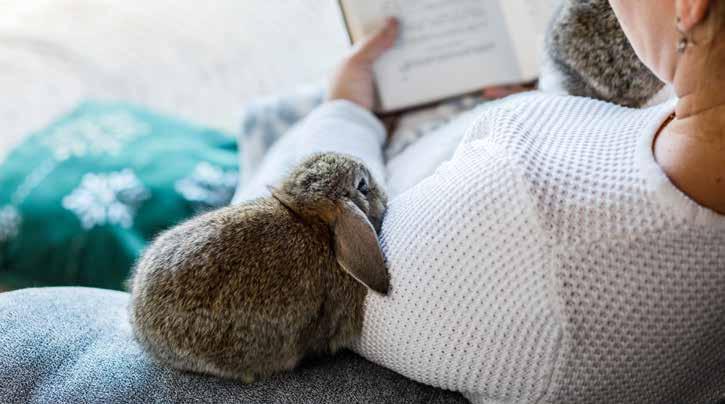
Rabbits also need space. Wimet-Himelrick recommends a 4-by-4 pen or dedicated room where they’re secure when owners are out or sleeping. But though they sleep in dedicated spaces, rabbits like to run as free as a cat or dog, following you from room to room, snuggling while you read or watch TV, and enjoying plenty of room for binkies and zoomies. Homes should also be rabbit-proofed with wire and cord protectors, as rabbits love to chew.
“They want to be near you, they’ll lie next to you,” LaPalme says. “You’re their bunny. Really.”
GETTING STARTED
For seniors interested in rabbit adoption, Hop on Home hosts fundraisers throughout the year, including a spring bowlathon, and welcomes volunteers of all ages. The sanctuary is 100% volunteer-run and is always looking for support.
As New York’s new law takes effect, rescue organizations expect increased interest in adoption. For older adults seeking companionship without the demands of a dog or the aloofness sometimes associated with cats, rabbits offer an appealing middle ground — affectionate, entertaining and perfectly suited to apartment living. n

Upstate on a
Plate
Iconic dishes that shaped the flavor of New York’s North Country and beyond
RECIPES BY JUNE HERSH FROM THE FLAVOR OF UPSTATE NEW YORK
Food is one of upstate New York’s great storytellers, and in The Flavor of Upstate New York, author June Hersh invites us to listen closely. On the surface, the region’s dishes are fun, creative and deeply comforting — the kind of food best enjoyed with cold beer and good conversation, writes Hersh. But beneath every familiar bite are layers of history, geography and culture.
Chicken riggies, salt potatoes and
beef on weck speak to the resourcefulness of Italian, Irish and German immigrants. White corn carries the legacy of the Indigenous Haudenosaunee people who first cultivated this land. Even a simple sprinkle of granola reflects the region’s long tradition of innovation.
Hersh dedicates this book to the Haudenosaunee who revered this land, to the industrious immigrants who helped it flourish, and to the Jewish families who brought humor, mahjong and
endless buffets to the Catskills when few other places welcomed them. Their stories — and their food — come together in a rich cultural and culinary mosaic that defines upstate New York. The Flavor of Upstate New York is part cookbook, certainly, but more, it’s a living history, showing how meals have long brought people together at the table across generations, cultures and communities. Here are just a few recipes that capture that shared spirit and the true taste of upstate.
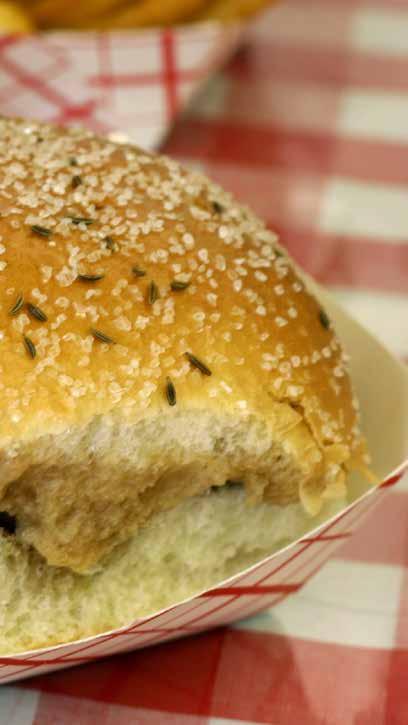
Beef on Weck
SERVES 6 PEOPLE START TO FINISH: 1½-2 HOURS
If a French dip roast beef sandwich and cozy slippers had a love child, writes Hersh, the result would be beef on weck. This staple of Western New York, most specifically Buffalo, is like slipping into a well-worn booth in your favorite tavern. Paper-thin slices of slow-roasted beef are piled high on a kümmelweck roll — a kaiser-style bun topped with caraway seeds and crunchy salt — then finished with a swipe of sharp horseradish and served with rich au jus for dipping. Born from Buffalo’s deep German roots and fueled by salty
bar culture and post-exposition crowds, beef on weck has earned devotees from neighborhood regulars to Chef Anthony Bourdain himself.
BEEF
• 1 (3-pound) eye round
• Kosher salt and fresh cracked black pepper
• 2 garlic cloves, cut into lengthwise slivers
• 1 cup beef broth
Let the beef come to room temperature 1 hour before roasting. Preheat the oven to 450 degrees and generously season the beef with kosher salt and pepper to create a flavorful crust. Cut small slits throughout the top of the roast and insert the garlic slivers.
Roast for 15 minutes at 450, then reduce temp to 350 and roast until medium rare, about 45 minutes longer. (Alternatively, use 2 pounds thinly sliced rare deli roast beef plus a packet of gravy for the jus.)
KÜMMELWECK ROLL
• 6 kaiser rolls
• 1 egg white, beaten
• ½ teaspoon caraway seeds
• 1 teaspoon kosher salt
Preheat the oven to 300 degrees. Brush the top of the rolls with the egg white and sprinkle ¼ teaspoon of caraway seeds (more if you like a pungent roll) and a scant ¼ teaspoon of salt on each. Bake for 5-8 minutes until the tops have browned slightly. Remove from the oven and slice each roll in half.
HORSERADISH CREAM
• ¼ cup mayo
• ¼ cup sour cream
• 3 tablespoons prepared horseradish
• Kosher salt and pepper to taste
Mix all ingredients in a small bowl and chill until ready to use.
ASSEMBLY
Heat the jus in a medium saucepan. Remove the horseradish cream from the fridge. Dip the sliced beef in the jus to warm up a bit, but be sure you do not overcook it; you want the beef to remain rare. Pile the beef on the roll. Dip the top half of the roll in the jus and then spread horseradish cream on top. Close the sandwich and serve with a dipping bowl of jus on the side and a dill pickle spear.

Succotash
SERVES 6-8 AS A SIDE DISH START TO FINISH: 1 HOUR 15 MINUTES
Hersh begins her book where upstate New York’s food story starts — with the Indigenous people who have lived on this land for centuries. Succotash, a simple yet meaningful vegetable medley, honors the Haudenosaunee tradition of the Three Sisters: corn, beans and squash, the foundation of Native agriculture. The beauty of this dish is its flexibility — add what you love, leave out what you don’t — but it truly shines when made in summer, with sweet fresh corn, tender climbing green beans, fresh-picked squash and sun-warmed tomatoes.
INGREDIENTS
• 1 medium spaghetti squash, seeds removed
• Olive oil
• Kosher salt
• 2 tablespoons butter
• 1 small onion, finely chopped
• 6 ounces fresh green beans, trimmed and cut into ¼-inch pieces
• 1 small red pepper, cored, seeded and cut into ¼-inch pieces
• 1 medium-sized zucchini, cut into ¼-inch pieces
• 2 garlic cloves, minced
• 3 cups corn kernels (about 3 ears)
• 1 cup small green or white lima beans, frozen or canned
• 1 cut quartered grape tomatoes
• Freshly cracked black pepper
• ¼ cup Parmesan cheese
INSTRUCTIONS
Preheat the oven to 400 degrees.
Cut the spaghetti squash in half, lengthwise, and remove the seeds. You don’t want to remove too much flesh, so a knife or kitchen shears can help you release the seeds more easily. Drizzle the squash with a touch of olive oil and a light sprinkling of kosher salt. Place them cutside down on a parchment-lined baking sheet, prick the outer skin with a fork and roast for 30 minutes. While the squash roasts, prep your vegetables.
Heat 2 tablespoons of olive oil and the butter in a skillet. Add the chopped onions and cook, over medium-high heat, for about 5 minutes. Drop in the green beans, red pepper, zucchini and garlic. Cook and stir for about 5 minutes until the vegetables begin to take on a light golden color.
Add the corn, lima beans and tomatoes. Season with about ½ teaspoon of kosher salt and ¼ teaspoon of freshly cracked black pepper. Cook an additional 5 minutes.
While the vegetables cook, use a fork to create spaghetti strands with your squash; set aside.
Spoon the vegetable mixture into a baking dish. Top with the spaghetti squash, scattering it to cover the entire dish. Drizzle with a touch of olive oil, ½ teaspoon of kosher salt, a few turns of black pepper and the Parmesan cheese. Bake for about 30 minutes or until the top is lightly browned. You can place the dish under the broiler at the end to crisp up even more.
Homemade Granola
Hersh traces the surprising origins of granola back to the 1860s, when Dr. James Caleb Jackson created a hearty baked grain cereal called “granula” at his health sanitarium in Dansville. Years later, John Harvey Kellogg (yes, that Kellogg!) developed a similar version, was forced to change the name, and reintroduced it to the world as “granola.” What began as a wellness experiment in a small upstate town ultimately became a breakfast staple nationwide.
INGREDIENTS
• 4 cups old-fashioned rolled oats
• 1 cup nuts (rough chopped pecans or slivered almonds work well)
• ½ cup seeds (pepitas, sunflower)
• ½ cup unsweetened shredded coconut
• ½ teaspoon kosher salt
• ½ teaspoon ground cinnamon
• ½ cup melted coconut oil
• ½ cup neutral vegetable oil
• ¼ cup maple syrup
• ¼ cup honey
• 1 teaspoon vanilla extract
• 1 cup dried fruit (such as raisins, dried cranberries, dried pineapple, dried mango)
INSTRUCTIONS
Preheat the oven to 350 degrees and line a large baking pan with parchment.
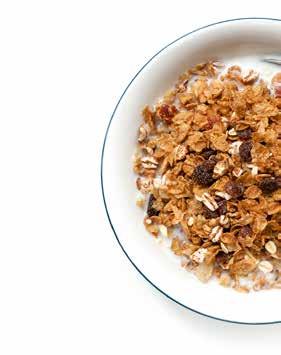
Toss together the first six ingredients, then add the oils, maple syrup, honey and vanilla. Toss thoroughly with your hands so the dry ingredients are completely coated with the wet.
Pour the mixture onto the baking pan and smooth out with a spatula. Bake for 20-30 minutes, stirring the granola every 10 minutes to prevent burning. Remove from the oven when the nutty aroma fills your kitchen and the ingredients are toasted to a medium brown. Let cool, then break up into clumps. Stir in the dried fruit and place in a sealed container.
GET THE BOOK
The Flavor of Upstate New York: Iconic Dishes, Delicious History & Reinvented Recipes by June Hersh

BY SUSAN BRADY KONIG
icroplastics are showing up everywhere — from oceans and soil to our food, water and, more alarmingly, the human body. Scientists are racing to understand what that means for our health, and the research is still evolving.
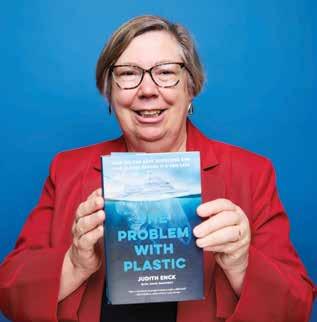
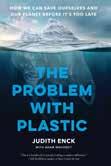
To cut through the noise, we spoke with two experts who have been studying microplastics up close: Judith Enck founded Beyond Plastics, a nationwide organization based at Bennington College that works to eliminate plastic pollution. She’s also one of the authors


The Pines at Glens Falls Center for Health & Rehabilitation has earned an impressive five-star quality rating and five-star quality measures rating by the Centers for Medicare & Medicaid Services. A regional leader in skilled nursing care and short-term rehabilitation, The Pines at Glens Falls delivers outstanding clinical care with exceptional customer service.
of The Problem with Plastic: How We Can Save Ourselves and Our Planet Before It’s Too Late and a former Obama administration appointee to the U.S. Environmental Protection Agency. She and Beyond Plastics science director, Trisha Vaidyanathan, Ph.D., broke down the research and how we can protect our bodies and the environment.
55+LIFE: Why are microplastics in our bodies a serious issue?
JE: Every month, there is a new peer-reviewed scientific report documenting the presence of microplastics in virtually every organ of our bodies. This is a growing area of research, but there is enough evidence to act.
Scientists are finding microplastics in our blood, organs, brains, breast milk, placentas and testicles. They’ve been linked to gastrointestinal problems, heart attack and stroke, as well as cognitive disorders like Alzheimer’s.
Judith Enck, co-author, The Problem with Plastic and founder of Beyond Plastics
TV: Micro- and nanoplastics enter our bodies through our mouth, nose or skin. From there, they can travel via the bloodstream to any organ in the body, including the brain. And it’s not just the physicality of the tiny piece of microplas tic in your gut or your kidney. There are 16,000 chemicals found in plastics, so some of those chemicals are hitch hiking on microplastics, cre ating a double risk.
55+LIFE: Sounds scary. What can we do?
TV: The health effects of the chemicals in plastic and their links to disease, neurological and cardiac damage are well-studied. The brain is typically protected from harmful substances in the blood by the blood-brain barrier. However, research shows that smaller nanoplastics can pass through, and the presence of certain plastics can even weaken this barrier, leaving the brain more susceptible to infiltration.
55+LIFE: What happens when microplastics enter the brain?
Early studies raise concerns that microplastics and nanoplastics may kill brain cells, disrupt the brain’s immune system, and promote the buildup of harmful proteins linked to neurodegenerative diseases like Alzheimer’s and Parkinson’s.
55+LIFE: Is plastic recycling making a difference?
JE: People should keep recycling paper, metal, glass, cardboard, compost, yard and food waste, but we need to be honest about the failure of plastic recycling. It is a failure, and it’s not a solution for us.
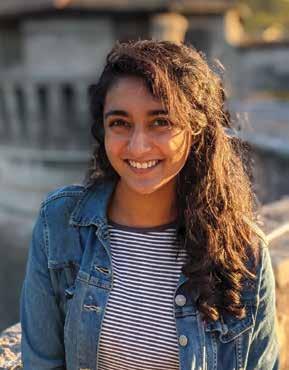
Trisha Vaidyanathan, Ph.D., Beyond Plastics science director
Research shows that microplastic levels in human brains were nearly 50% higher in 2024 compared to those found in 2016. With plastic production expected to triple by 2060, the risk to our health will continue to rise unless action is taken.
The good news is that there are solutions.
TV: The way to solve the problem is to phase it out. Think of the lead paint issue decades ago. It took time, effort and advocacy to recognize the dangers, to educate and enact change and regulations. But it got done.
JE: One major step is to avoid plastic packaging. In particular, don’t put your frozen entrée into the microwave. Many of us use prepared frozen foods and they are always in plastic, including black plastic which is made from recycled electronic waste. If it says microwave safe, all that means is it’s not going to physically melt. It doesn’t mean that you’re not going to get a dose of chemicals with your fettuccine Alfredo. Put your food on a ceramic plate or in a glass container before microwaving.








“Scientists are finding microplastics in our blood, organs, brains, breast milk, placentas and testicles.”
— Judith Enck Founder, Beyond Plastics
Here are more immediate steps that you can take to reduce microplastics in your everyday life, according to Enck and Vaidyanathan:
¡ Swap plastic cutting boards for 100% wooden or bamboo.
¡ Store food in glass, metal or ceramic containers; substitute beeswax wrap and aluminum foil for plastic wrap.
¡ Since we all breathe in a lot of microplastics, consider getting an air purifier with a HEPA filter to remove particles from the air in your home or office. Dust surfaces regularly.
¡ Use metal cookware and metal or wooden cooking utensils; avoid plastic utensils and nonstick pans and pots.
GET THE BOOK
¡ Stop drinking water and other beverages packaged in plastic bottles. Carry a reusable nonplastic bottle or choose glass-bottled beverages.
¡ Don’t put plastic items in your dishwasher; high heat causes them to leach chemicals more readily into your food and drink.
¡ Look for personal care products sold in glass, metal, ceramic and paper packaging. Switch to bar soap and solid shampoo and conditioner bars.
¡ Choose clothes made from natural fibers like cotton, wool or linen.
¡ Instead of using plastic grocery bags, switch to reusable cotton, hemp or canvas bags; use lightweight cotton for produce.
¡ Skip laundry detergent in big plastic bottles and try powdered detergent or a concentrated tablet. n
The Problem with Plastic: How We Can Save Ourselves and Our Planet Before It’s Too Late by Judith Enck, Adam Mahoney, Beyond Plastics. Published in 2025 by The New Press. 224 pages. $27.99.
BEYOND PLASTICS EVENTS
Join Beyond Plastics founder Judith Enck as she discusses “The Problem with Plastics” on April 20 with “Capital Tonight” host Susan Arbetter at the NYS Writers Institute at SUNY Albany (beyondplastics.org/book-events/nyswritersinstitute); and April 25 with Ulster County executive Jen Metzger at the Orpheum Theatre in Saugerties (beyondplastics. org/events/orpheum-theatre-4-25-26). Find more upcoming Beyond Plastics events at beyondplastics.org/events.
MORE ABOUT PLASTICS
Check out these resources for plastic-free cleaners and care products for your home: Meliora Cleaning Products (meliorameansbetter.com) and Blueland (blueland.com)
See more ideas and fact sheets at beyondplastics.org (beyondplastics.org/ fact-sheets) along with free advocacy trainings (beyondplastics.org/trainings) and Dr. Vaidyanathan’s informative column Ask a Scientist (beyondplastics.org/ ask-a-scientist).

¡Hola,Puerto Rico!
A sun-soaked springtime escape to La Isla del Encanto
BY JILL ROBBINS | PHOTOS COURTESY DISCOVER PUERTO RICO
The great Robin Williams once said, “Spring is nature’s way of saying, ‘Let’s party!’” If your response is, “Make mine a fiesta and I’m in,” you’ll be happy to know that a springtime trip to Puerto Rico checks all the boxes when it comes to fun, passport not required.
Puerto Rico is an easy flight from several U.S. mainland hubs — about four hours from JFK or Newark to San Juan — with plentiful connections available through major airports like Atlanta, Charlotte and Miami.
A spring getaway (think now through early June) has a lot going for it. Sitting between the bustling winter tourist sea-

son and the rainy summer, spring, sometimes called “shoulder season,” brings a bit of a slowdown to the island, which means fewer travelers and better deals on flights and hotels. You’ll find plenty of sunshine to enjoy beaches, rainforest trails and colorful history in spring, without feeling rushed or crowded.
U.S. TERRITORY BASICS
Puerto Rico is a U.S. territory, not a state. For U.S. travelers, that means no passport required and no customs line on the return flight. The currency is the U.S. dollar, your cell phone
Are you ready for the journey of a LIFETIME?
Explore Blue Skies Travel's 2027 curated adventures for discerning travelers. There's something for everyone — from sun-soaked Caribbean escapes and scenic train journeys to luxury ocean voyages.
NY Women's Caribbean Cruise
Virgin Voyages | January 24–30, 2027
Grab your girls (or come solo!) for a luxury, fun-in-the-sun women's getaway aboard the Resilient Lady.
• Miami, Key West, Grand Turk, Puerto Plata
• 20+ dining options & vibrant entertainment
• Attend an info session Saturday, May 2, 2026 at 10 am.
Scan the QR code to learn more
Canadian Rockies by Rail
Collette | July 11–18, 2027 | 7 Nights
Experence Canada's stunning Rockies on the Rocky Mountaineer, scenic train journey you'll never forget.
• Vancouver, Banff, Icefields Parkway, Lake Louise
• Locally inspired cuisine & storytelling
• Attend an info session Wednesday, May 20, 2026 at 6 pm.
Scan the QR code to learn more
Autumn Journey: NYC to Québec City
Explora Journeys | October 15–25, 2027 | 10 Nights
Journey along one of North America's most scenic and historic coastlines to experience the old-world charm of Québec City.
• Portland, Prince Edward Island, Québec City
• Refined travel — elegant suites & gourmet dining

• Attend an info session Thursday, April 16, 2026 at 6 pm.
Scan the QR code to learn more
2 Pittsfield Avenue, East Greenbush, NY
518-477-4700 | blueskiestravel.com/hostedtours



Previous page: Playa Negra, or Black Sand Beach, on the Island of Vieques.
Spanish colonial architecture is found throughout the streets of Old San Juan.
One of the many waterfalls in El Yunque National Forest


plan will work, and residents are U.S. citizens (though different rules apply to voting and taxes). And yet, Puerto Rico doesn’t feel like merely hopping across a state line. The culture is vibrant, distinctive and immersive, delivering that “I really went somewhere” energy without technically leaving the country, which is particularly appealing if you don’t have a passport.
PLAN YOUR VISIT
If your idea of the perfect getaway is toes in the sand, rum drink in hand, you can get by with minimal planning beyond choosing your hotel and arranging transportation. But if organized excursions are on your wish list — guided hikes, kayak tours or combo adventure days — you’ll want to book ahead, even during the slower spring season.
WHAT TO DO
Start in Old San Juan, where pastel buildings and cobblestone streets frame some of the island’s most iconic sights. Tour the historic forts El Morro and Castillo San Cristobal, then lean into one of Puerto Rico’s most beloved pastimes: rum tasting. Casa Bacardi, the world’s largest rum distillery, calls the island home.
For more active pursuits, Puerto Rico delivers. Night kayaking in a biolumines-
cent bay, where glowing microorganisms turn the water electric with every paddle stroke, is a must-do. Add waterfall hikes, zip-lining, ATV tours, snorkeling or surfing to round out the adventure. SALTours offers preprogrammed excursions, many combining top attractions, making it easier for visitors with limited time to see more.
WHERE TO STAY
The Hyatt Regency Grand Reserve in Rio Grande is a sprawling, tranquil resort ideal for multigenerational vacations and anyone wanting proximity to El Yunque National Forest. Caribe Hilton, near Old San Juan and the airport, holds bragging rights as the birthplace of the piña colada. The Royal Sonesta San Juan in Isla Verde offers a comfortable resort stay with a dedicated beach club and a convenient location for island exploration. For swankier, spendier stays, consider
Dorado Beach, a Ritz-Carlton Reserve or the St. Regis Bahia Beach Resort.
SPRING HAPPENINGS TO KEEP ON YOUR RADAR
There’s always a party or a festival to discover, but spring brings a few standout events, including the Puerto Rico Food & Wine Festival in San Juan (April 23-26). The event offers tastings, wine seminars and curated dining with Puerto Rico’s leading chefs and global culinary stars.
SUCCESSFUL TRIP TIPS
If you have four days or fewer, pick a neighborhood and explore it deeply rather than racing around the island. Puerto Rico has a way of easing you into a slower, more intentional travel rhythm — lean into it. With a longer stay, split your time between laid-back Rio Grande and lively Old San Juan for the best of both worlds.
Transportation depends on where you’re based. Old San Juan and Isla Verde are highly walkable. Rio Grande, close to El Yunque (the only tropical rainforest in the U.S. National Forest system) and several excellent beaches, is more spread out and best explored with a rental car, though tour companies do offer resort pickups if you’d rather not drive. Prepare for heat and humidity. Spring highs average in the mid-80s, so pack loose, moisture-wicking clothing, sun protection and a hat for city exploring and beach days.
And brush up on your Spanish. English is widely spoken, but the farther you get from resort areas, the more Spanish you’ll hear — and even a little effort goes a long way. If you’re inspired to plan a spring — or anytime — escape to Puerto Rico, find more information on the tourism site Discover Puerto Rico. Robin Williams would heartily approve. n

The citadel and fortress El Morro is one of the most iconic landmarks in Puerto Rico.

What If You Could Design Your Ideal Retirement—And Money Were No Object?
We’ll Show You Where in the World You Can—for Less than It Costs You to Stay Home

In one sun-soaked, beach-rimmed European escape, English is widely spoken, and a couple can live comfortably all in—housing and health insurance included—for as little as $2,500 a month

Step off an airplane and into a jet-set life in one of the bestvalue havens on the planet: Imagine a villa with a tropical garden—utilities included, maid service 3 times a week—for just $840 a month.
In our top Mediterranean escape, the pace is slow... the locals are friendly... the blue waters and stone-built villages are postcard-perfect... and you can own a place with milliondollar water views for $265,000 (or less)...

2026 RETIREMENT PLAYBOOK Y O UR
Financial experts offer practical tips to keep your investments on track
BY CAITLIN MANNER
With so many demands on our time and attention, it can be tempting to put off thinking about anxiety-inducing financial issues. But if you’re retired — or planning to retire soon — it’s important to stay informed about economic shifts and policy decisions that may affect your retirement plans.
Certified financial planners Gretchen Meyer and Louis D’Angelo agree that even after retirement, there are still ways to strengthen financial security, though patience is essential. Many retirees are asking, “Am I going to be OK?” — and planners say the answer often depends on having a plan designed to weather uncertainty.
Where you are on your retirement timeline has a lot to do with what kinds of adjustments you can make regarding your investment strategies.
IF YOU’RE STILL EMPLOYED
While you’re still working, a 401(k) or similar employer-sponsored plan is still one of the safest and most effective ways to build retirement wealth, according to financial planning website NerdWallet. These accounts allow
your money to grow tax-deferred, meaning you won’t pay taxes until you withdraw funds in retirement, and many employers offer matching contributions as well.
There are a few changes to retirement savings this year, including a new rule for catch-up contributions, the 2026 Roth Catch-up Mandate. D’Angelo of the Albany Financial Group says that if you earned more than $150,000 in 2025, any catch-up contributions to a 401(k) or other employer plan must now go into a Roth account, meaning they’re taxed upfront.
To maximize your 2026 retirement savings contributions, note that the contribution limits are a little higher. Most people can put in up to $24,500; those age 50 and older can contribute up to $32,500; and people ages 60 to 63 can contribute even more — up to $35,750 — thanks to a new “super catch-up” option.
IF YOU’RE ALREADY RETIRED
After retirement, your focus shifts from building savings to living off them, says D’Angelo. That often means adjusting your investments — what worked to grow your
PRERETIREMENT CHECKLIST
Social Security: Log onto SSA.gov to get your updated Social Security benefits estimate. (This gives you a clearer picture of your benefits and also helps protect against identity theft, D’Angelo says.)
Capital Expenses: Consider handling major home or health care expenses while you still have a salary.
Cash Reserves: D’Angelo advises that you “aim to bolster your cash or ‘safe bucket’ to cover 12 to 24 months of retirement expenses.”
Complete Estate Planning Administrative Tasks: Update your wills, trusts and health care proxies, and verify fiduciaries (those designated as executors or powers of attorney).
Consult with an Insurance Adviser: Make sure you have the right amount of coverage based on your needs.
“ The best portfolio is the one that doesn’t keep you up at night.”
— Louis D’Angelo
money may not be the right mix now, especially if you want to take on less risk going forward.
The first step, he says, is to take a close look at where your money is invested — like taxable accounts, IRAs or Roth IRAs — and how it’s divided up. You’ll also want to test your plan against “what-if” scenarios, such as a big market drop or high inflation, to see if there’s a risk of running out of money too soon. If you spot any weak spots, you can usually make adjustments to help protect your savings.
So what does balanced investing look like? Starting with 60% stocks and 40% bonds in retirement is a good baseline, he says, then adjust for your comfort with risk. “It’s almost like performing an optometry test, you know?” D’Angelo explains. “‘Better, or worse? How about now?’” Some people can handle big losses knowing recovery could take years, while others can’t. “The best portfolio,” D’Angelo says, “is the one that doesn’t keep you up at night.”
Meyer, founder of Pachira Wealth Management, agrees that getting yourself organized and checking for balanced asset allocation is just as important as having patience with the current market. “If the market goes down, but you have a plan, it’s a little bit easier to let the ups and downs roll off your back. But if you take your money out when the market is down, that’s really the only time you’ve lost money,” she says.
MANAGING SPENDING
Beyond investments, how you spend your money is the area you have the most control over in retirement. When everyday costs rise, it’s important to see if you’re spending more than usual just to cover your basic needs.
For example, if you’re pulling money out of an IRA, D’Angelo says “the old rule of thumb is a 4% withdrawal rate — which means you can take 4% out of your assets safely — that number is probably pushing about 4.5% right now, given where the markets have been, but the logic is the same,” he says.
At the same time, being aware of your spending will help you know what is and isn’t possible. “It’s the difference between knowing you can go on that vacation, or maybe now’s not the year to redo the roof,” Meyer says.
Looking ahead to 2026, retirees have several strategies to consider to help manage taxes, boost income and make the most of their savings, according to D’Angelo and Meyer:
• Roth Conversions: Move money from a Traditional IRA to a Roth for tax-free growth and inheritance.
• Tax-Loss Harvesting: Sell underperforming investments to offset gains and lower taxes.
• Gifting and Charitable Giving: Give up to $19,000 per person tax-free, or up to $105,000 from an IRA to charity if 70½+.
• Maximizing OBBB Act Benefits: Take advantage of higher SALT caps and senior deductions; Social Security may still be partially taxable.
• Annuities: Remember that these provide guaranteed income for essential expenses, independent of the market.
• Medicare Optimization: Review plans, especially Part D, which has a new $2,100 out-of-pocket prescription cap. n

LOUIS D'ANGELO of Albany Financial Group
GRETCHEN MEYER , founder of Pachira Wealth Management
From Retired to
Rehired!
Why more older adults are going back to work after retirement
BY MARY ELLEN FILLO
When Kathy Hudson’s parents retired in the late 1990s, their working days were truly over. Returning to work was never a consideration — retirement was a milestone, a badge of honor marking the start of their “golden years.”
Hudson, 71, is nothing like her parents.
The New York native is among a growing number of older adults who are “unretiring” — retired baby boomers who are going back to work.
“I guess I jumped the gun,” said Hudson, a widow who retired as an administrative assistant at 67 and now works part time as a data entry specialist. “After a couple of months, I realized I was bored, lonely and missed having something to do every day.”
The baby boomers have realized that 65 is no longer the magic retirement number, said Michael Clinton, former Hearst Magazine publishing director, businessman, photographer, speaker and author of the book Roar Into the Second Half of Your Life (Before It’s Too Late).
“The majority go back to work to augment their income for living
expenses and extras,” he explained. “It also gives someone a focus for their day or week. Staying engaged is critical for healthy aging. And there aren’t many minuses to staying involved and getting paid for it.”
Experts agree the decision to return to work is a personal one — but regardless of the reason, more retirees are opting in. According to the National Conference of State Legislatures, 20 to 25% of retirees have returned to work, with another 7% actively looking for work.
“It is a different world when it comes to retirement for the baby boomer generation,” said Kim Anderson, CEO and founder of GreySource, a recruiting firm that specializes in job placement for seniors all over the country. “People are living longer and as life expectancy is increasing, there is a need for more income. Conversely, as people live longer there is a new enthusiasm for making a third chapter of life and doing what you have dreamed of doing,” she said.
So why aren’t we ready to pack it all in at 65 or 70 and sit back and relax?
“I think this … generation is very different compared to their parents or grandparents,” said Carol Lightwood, a retired financial writer and author of Working After Retirement:
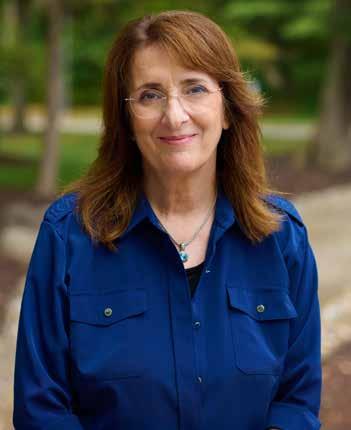

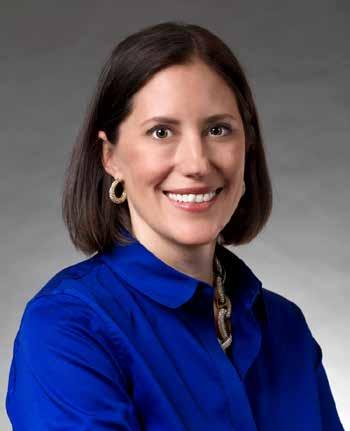

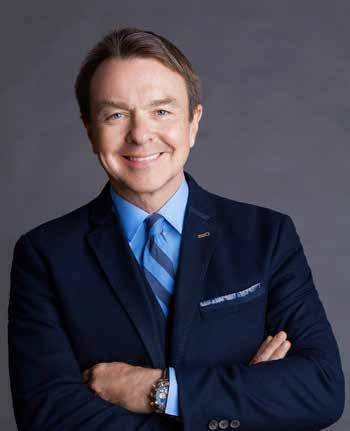

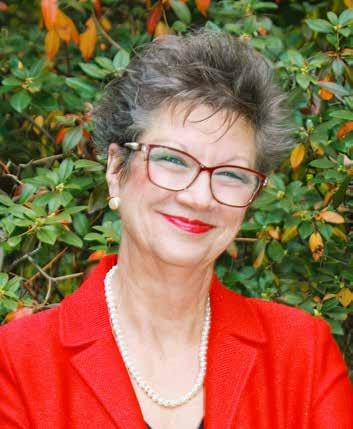
Albany Guardian Society executive director
Mary Moller
Michael Clinton Author, Roar: Into the Second Half of Your Life (Before It’s Too Late)


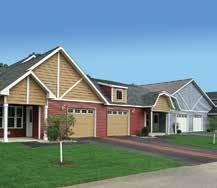

Home to a New Generation
Enjoy cottage living, designed for active, independent “55 and better” residents. Life at The Spinney is more than a great home...it’s a community of friends. Single-story, maintenance-free living with attached garages, patios and decks. Coupled with our lifestyle programming, residents are able to connect through a wellness-focused lifestyle that empowers and inspires.
69
Post-Retirement Jobs That Can Change Your Life
.
“I wrote the book in my late 60s when, after retiring, I looked around and my friends and acquaintances were all still working,” she said. “We are a generation that doesn’t want to stay home and polish furniture or watch television,” she said.
“I think our parents’ generation felt they deserved retirement, they had been loyal to a job for decades and they saw retirement as a reward,” she continued. “I think more and more baby boomers see retirement not as the end of one chapter, but rather the beginning of another.”
So are there jobs out there to go back to for those looking to “unretire”? Experts say there are, but be prepared for some challenges.
“The good news is a lot of us are very conscientious and professional in our approach to a job,” Lightwood said. “We were raised by a generation that drilled in a work ethic that is very committed.”
Older workers bring a new philosophy when it comes to working, Clinton added. “Starting a new career, launching a business, engaging in one of the new post-career work models like gig work, flex arrangements or ‘returnships’ are being created by this generation.”
Beyond availability, flexibility and skills, however, is the elephant in the room: age.
“There are still headwinds,” said Heather Tinsley-Fix, senior adviser for employer engagement at AARP. “There is a stubborn ageism and age discrimination still out there.”
“There remains the issue of being age-inclusive,” said Anderson of older individuals returning to the workforce and the willingness of employers to hire them. “Some … forward-thinking companies are beginning to realize that there
is substantial institutional knowledge, strong work ethic and career histories that have spanned and learned through many different work phases. Some are trying, but it is still a fairly new way of thinking. My advice is to be discerning of employers who claim to be age-friendly … be sure they walk the walk and not just talk the talk.”
More and more agencies are working to train or pair older workers with new employment opportunities, including the New York City Department for the Aging, which offers a variety of programs for older workers; AARP’s Senior Community Service Employment Program; and Albany Guardian Society, which hosts annual job fairs intended to match older adults with job opportunities.
“It started out as a modest endeavor,” said Mary Moller, Albany Guardian Society executive director. “It has seen success because of the partnership with the Capital Region Workforce Development Board,” an Albany-based organization that provides job readiness prep — from résumé-writing to job applications and skill development.
Experts agree that taking on any additional income-generating job can affect taxes, Social Security and Medicare coverage. They recommend working with a qualified financial adviser how working while receiving these benefits may impact your finances before making any new career decisions.
That said, for many, the “golden years” have taken on a new meaning.
“Retiring still brings a badge of honor,” Moller said. “However, retirement looks different now and adults have opportunities to change careers, reinvent themselves, become an entrepreneur and bring value to the workplace and communities. The life lessons, knowledge and work ethic make hiring older adults more attractive to fill workforce shortages and gaps.” n
CONSIDERING “UNRETIRING”?
Some tips from our experts
Make sure you are really ready to retire from your regular job. People live longer and are healthier, and maybe retirement at 65 isn’t the best professional or financial decision. Don’t stop if you like it.
Don’t wait too long to reenter the workforce. When you do retire, make sure business and work associates know you are leaving but that you would be open to contracted, remote or single-project work if flexibility and limited hours are what you are seeking. Stay in touch with those who are still working and continue to network.
Weigh carefully how much time you want to commit to a job, especially if you plan on other retirement activities like traveling, visiting family, babysitting grandchildren or pursuing hobbies or volunteer work that limit the hours you can work.
Make sure your résumé is up to date and comprehensive. Update your skills if you need to by taking computer classes or work sessions in the areas that could add to your skills. Become familiar with social media and AI. These skills are becoming increasingly important in many jobs. Be realistic about your skill levels and
research possible opportunities that best fit that criteria.
Know your health limitations. Do not pursue a job you know you physically cannot do. It won’t be worth it.
Be flexible and open to different kinds of assignments. Reimagine what a new job or profession might be.
If you are returning to work for financial reasons, choose work that will be the most respectful and least stressful. If you are going back because you want to, choose something you love and that makes you excited to do it every day.




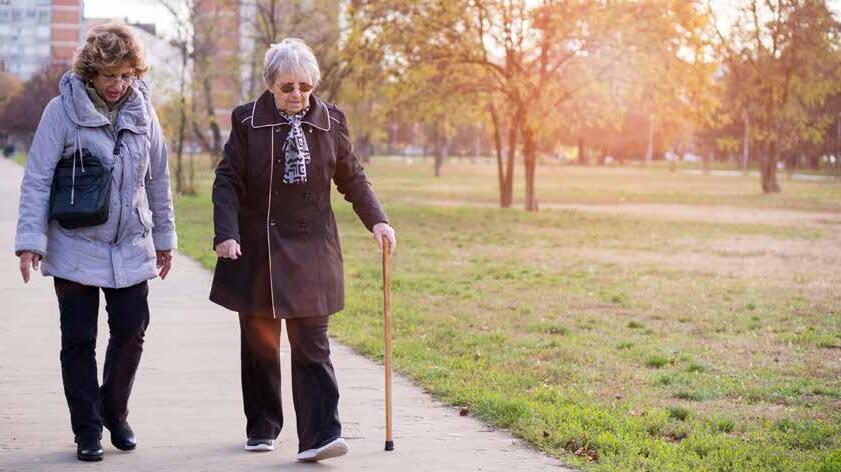
Walking Mrs. Newman Home
The cranky neighbor who reminded me that life is just a series of shared journeys
BY SUSAN BRADY KONIG
The bus driver made an announcement that the northbound No. 10 would be detouring around several stops due to emergency road work.
Realizing the bus would be skipping her stop, an elderly woman told the driver, “Turn around and go back!” She was small and quite bent, bundled in a long coat and headscarf. “I have arrhythmia!” she shouted.
It was early spring and still chilly. We were off the route in our Bronx neighborhood. Everyone on the bus was being inconvenienced.
Some passengers sought to reassure the woman, “It’s all right, we’ll all get where we are going.”
She was clearly panicked, but it manifested as entitled and bossy. “Stop the bus!” she screeched.
The driver told her he would let her off as soon as possible. But she would be five blocks from her home, she said, and she had arrhythmia!
Some passengers on the bus resented her. “Shut up, lady,” they said dismissively.
The bus stopped a few blocks from my regular corner. I hopped to the curb and the door stayed open; the woman continued on. “This isn’t my stop. You missed my stop!”
I hesitated. She reminded me of my late mom who was also often cranky and misunderstood. I felt for the driver and for the other riders. New York has a
heart, but it’s an impatient one. And this was the Bronx.
I looked at the driver. “I can walk her,” I said. “It’s near my house.”
He was relieved. “This lady is going to walk you home,” he explained.
She peeked around the doorway. She’d lost the bus battle but had a potential ally out on the sidewalk.
“Go on, dear, let the nice person walk you home,” someone said.
“I have arrhythmia!” she yelled before climbing down slowly. The doors closed and the bus peeled away.
“I guess we are neighbors,” I said.
“Do you know where I live?”
“It’s just a few blocks back this way, no? You tell me which building number and I can walk you.”
“I have arrhythmia.”
“My name is Susan. I live over there,” I said, pointing.
“I’m Mrs. Newman,” she said, “like the movie actor Paul Newman. You know him?”
“Oh, he’s handsome,” I said.
“I have arrhythmia and can’t walk very far,” she said.
“I understand. Take my arm.”
“What’s your name?”
“Susan.”
“Where do you live?”
“Over there, but I’ll walk you home first.”
“Do you know Paul Newman?”
“Of course, so talented.”
“He’s dead.” We walked in silence for a moment, then she said, “I was at the diner down the hill with my friend Miriam. The bus is supposed to stop so I can walk home.”
“There was a problem with the road. An emergency.”
“Do you know the diner down the hill?”
“Sure.”
“Do you know Miriam?”
“I don’t think so.”
When we got to her building, I asked, “Can I help you to the elevator?”
She straightened a bit, her imminent collapse less dire. “No, I’m going to check my mail.” Seeing familiar territory appeared to calm her.
I smiled and turned to go.
“Where do you live?” she asked again.
“Just a couple of blocks away. Are you sure you don’t need me?”
“No,” she said firmly.
I started toward my own building and thought about the words from Ram Dass: We are all just walking each other home. n
Susan Brady Konig, the author of three books, has just completed a memoir about identity, loss and joy at midlife.
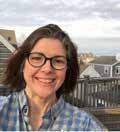
Rescue! BOOKS TO THE
Three perspective-shifting reads for living with more intention and joy

BY JANET REYNOLDS
Books serve so many purposes in our lives. Sometimes they provide much-needed escape. Other times, they explain complicated history or science or political situations, providing details and context. And, finally, they can also give us tips for how to change our lives or, sometimes, just get by.
This issue’s book column falls into the latter category, with a trio of books designed to help you see your life differently and then, potentially, act on those realizations. Best of all, two of the books can be read in snippets as you need them.
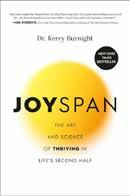
Joyspan, The Art and Science of Thriving in Life’s Second Half
by Dr. Kerry Burnight, Worthy Books, 272 pgs., $29
Dr. Kerry Burnight is a career gerontologist who realized, in part from watching her 96-year-old mother, that positive aging can have just as much, if not more, to do with attitude as genetics and luck. And so she coined
the term “joyspan,” which she defines as “the experience of well-being and satisfaction in longevity.”
People who thrive in longevity, she writes, consistently follow these four strategies:
• Grow: They continue to explore and expand
• Connect: They seek out and put time into relationships, new and existing
• Adapt: They adjust to challenging situations, such as health issues
• Give: They volunteer and give of themselves
Joy, Burnight points out, is not just seeing the world through rose-tinted glasses all the time. It’s about making choices that provide contentment and meaning — and then actively acknowledging the events that follow, living in the happiness that these choices provide.
In addition to detailing the science and data behind how joyspan can improve the quality of a life and extend its length, Burnight gives the reader concrete ways to measure their own joyspan and offers simple ways to improve it. Since aging includes so much we can’t control — illness and loss, for instance — why not embrace something we can control — our attitudes and choices — and increase our joy every day? This book makes the answer to that question easy.
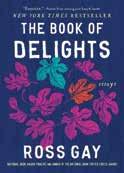
The Book of Delights
by Ross Gay, Algonquin Books, 271 pgs., $23.95
Ross Gay is a poet and essayist whose book, The Book of Delights, is just that — a delight. An English professor at Indiana University, he published the book in 2019 after deciding to write a daily — or mostly daily — “essayette,” as he calls it, about something that delighted him. He began and ended it on his birthday with the caveat that he write each essay quickly and by hand.
The collective result is a reminder that some of life’s true joys are in the small moments we often miss or register only fleetingly. We are reminded of the ways in which these small joys, and sometimes even annoyances, connect us. Whether Gay is writing about a praying mantis on an empty pint glass (August 29) or hickories (March 7) or the reaction he got when traveling with a small tomato plant on a flight (June 9), his essays remind readers to be more present, to take notice; and that is a plan that can almost always bring just a moment of joy into a day that might otherwise feel dismal.
And given the success of this first collection, there’s a sequel: The Book of (More) Delights. Perfect.
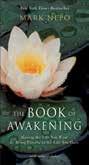
The
Book of
Awakening: Having
the Life You Want by Being Present to the Life You Have
This is an oldie but a definite goodie. This book has been by my side ever since I first discovered it in my roommate’s bathroom over 15 years ago. Why? Because almost every time I’ve opened it, it is uncannily the right message for the right time.
Like Gay’s book, The Book of Awakening is set up by days. Nepo’s book, however, begins each day with a quote that sets that day’s theme, if you will. The January 24 entry, for instance, features this from Albert Einstein: “There are two ways to live your life. One is as if nothing is a miracle. The other is as though everything is a miracle.” Nepo then tells the story of a man who was so consumed by worry that he ultimately undermined getting the help he needed. Nepo ends each missive with three or four strategies or meditations the reader can use to better understand his reflections — and shift their mindset.
Especially in these troubled times, we could do worse than starting or ending each day with one of Nepo’s readings. n
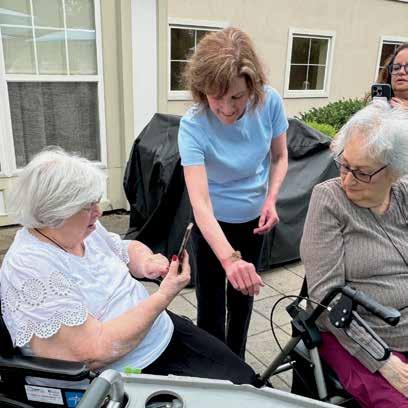
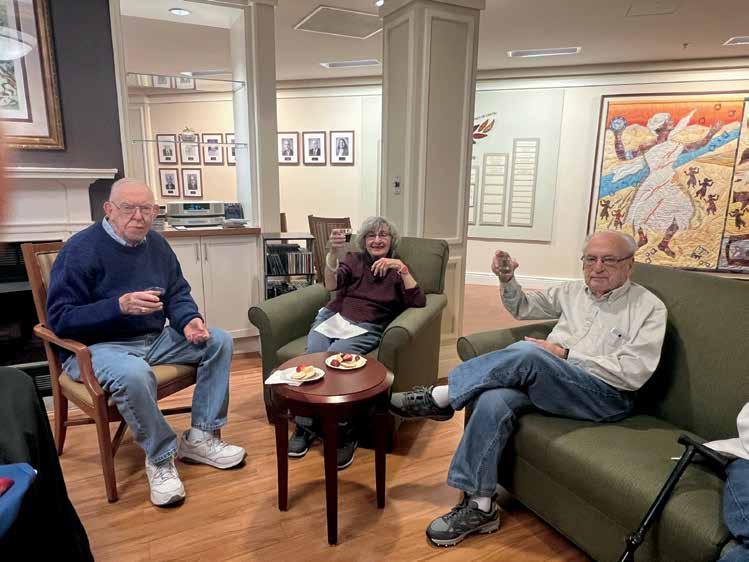

by Mark Nepo, Conari Press, 429 pgs., $18.95
Love, Lessons & the First Spears of Spring
BY ROD MICHAEL
Life is a highway. We learn through our experiences and from those who are willing to teach us.
As a child, I was very close to my maternal grandmother; I called her Nummie. Why? Because I couldn’t say “Grammy.” Rumor had it that I was her favorite. She had lost her first husband at 34 years old from heart issues that, in today’s world, could likely have been cured. She struggled raising five children and found love again at 58. She married a man a few years older, and he became my Grandpa Bill, my step-grandfather. They had both been city dwellers all their lives, and after they married they decided to move to the country to raise chickens and goats and plant a huge garden.
Grandpa Bill, let’s call him GB, knew I loved animals and the outdoors. GB gave me the nickname “Frank Buck*,” after the world-famous hunter, animal collector, film actor and producer. I really felt good when he called me Frank Buck, and we became a great team. We built chicken coops, garages and goat pens — and yes, I started my vegetable gardening hobby with GB.
GB was determined to grow asparagus. He made it his mission and mine. For those who have not grown asparagus, preparing 100-foot-long beds 12 to 18 inches wide and 6 to 12 inches deep is a labor of love. This also required keeping the weeds out, and obviously, this was Frank Buck’s job. It can take two to three years before you can harvest. As you can imagine, we planted multiple beds each year until GB thought he had enough.
Nummie made great lunches, gave me a lot of kisses and hugs, and made Frank Buck feel loved.
I will never forget those days and weeks we spent together during the spring and summer. Those memories are stuck deep inside my soul.
As time moved on, I built my own house and decided I wanted to become a gardener and grow asparagus. By luck, I met another gardener, Randy Collins, who had similar life experiences with his grandparents. We discussed the benefits of growing asparagus and realized that all that work would provide a perennial that could produce for up to 30 years! GB taught Frank Buck that hard work is essential for personal growth, success and overall well-being. He also laid the foundation for a wonderful relationship with my own grandson, Luke. Luke also had a hard time saying “Grammy,” so he calls his grandmother “DP,” and we all decided he should call me “Buck!” I guess the fruit doesn’t fall far from the tree.
As spring begins to show its beautiful face, I cannot wait to see the first spears emerging from the soil. It will have been worth every ache and pain. Those spears will be so beautiful when they are ready to harvest; I hope I can get all of them inside before trying one for a snack.
In the words of GB: Live long, do not be afraid of hard work, and please eat your asparagus slowly. n
EDITOR’S NOTE: Longtime readers may recall that Rod Michael used to write “The Vine” using the pseudonym “Frank Buck” until he revealed his true identity in our Winter 2022 issue.
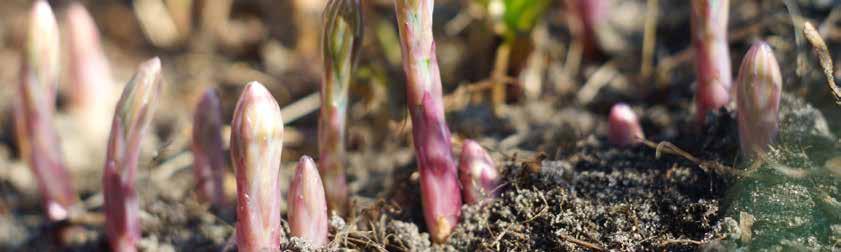
Grandparents
photo courtesy of Rod Michael; asparagus
photo:
Grandpa Bill (“GB”) and Nummie
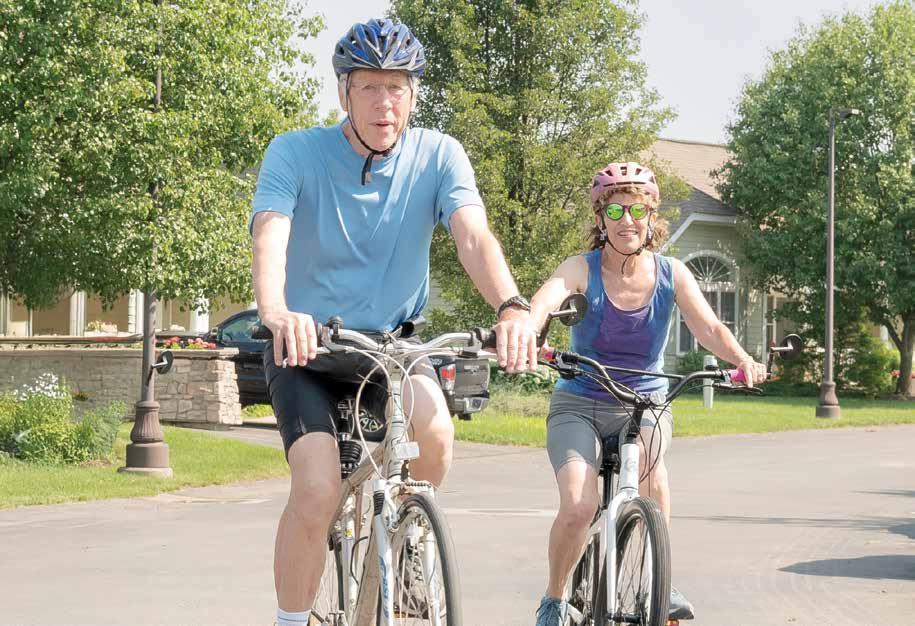
Secure Your Future at Woodland Pond
At Woodland Pond, the sprawling natural beauty of the Shawangunk Ridge provides the perfect setting for your ideal retirement lifestyle. Whether yours is an epic adventure or an exploration in arts and culture, you’ll find every opportunity to create a tale that’s all your own.
As the only not-for-profit continuing care retirement community in the Mid-Hudson Valley offering lifecare, you can rest assured and if ever needed, that you’ll have access to a full spectrum of the highest rated care options with a secure cost and plan for your future.

