Editorial Board 25-26
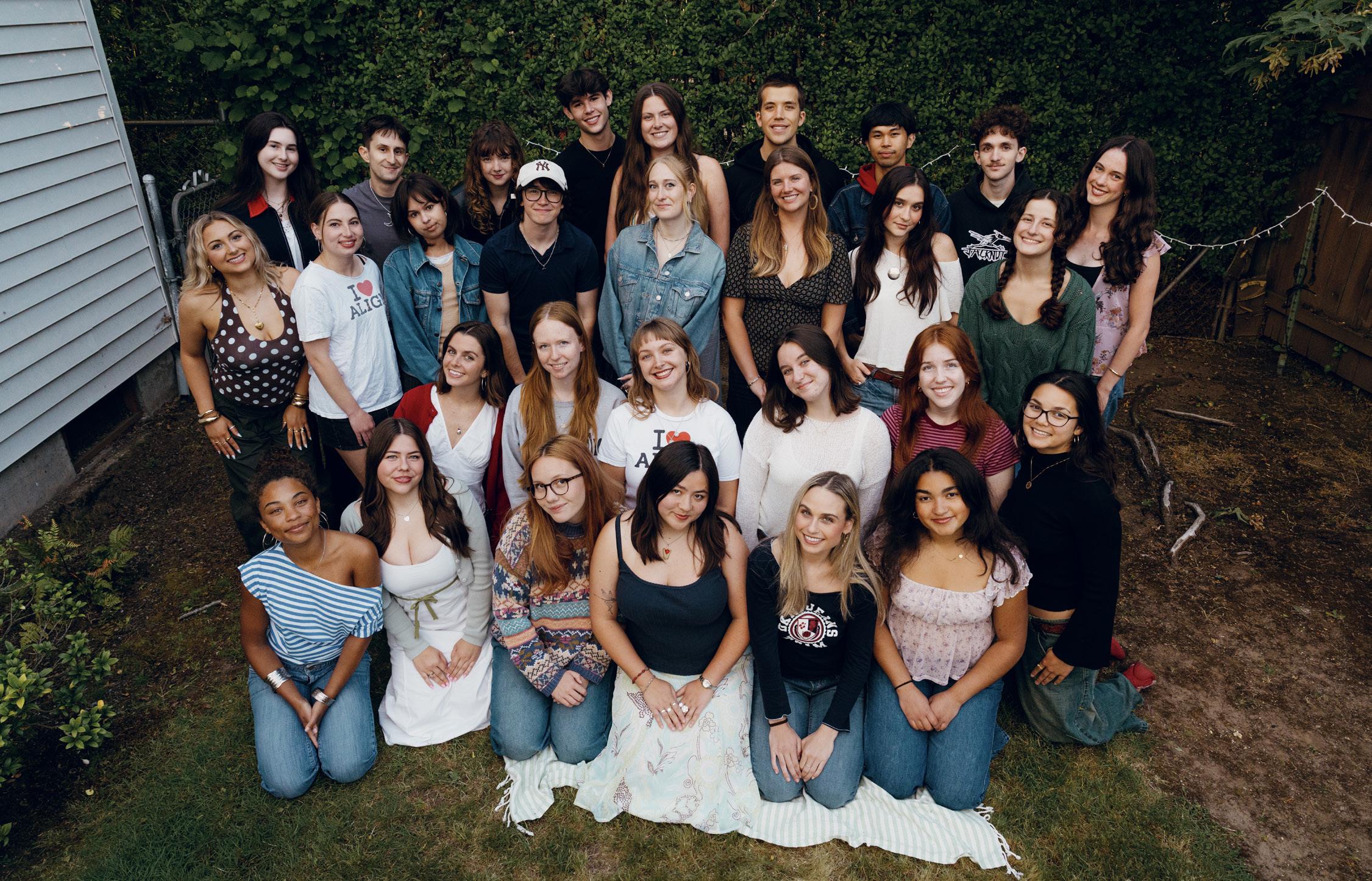
STELLA RANELLETTI
WALLIE BUTLER
ANAYA LAMY
MIA MICKELSEN
EMESE BRACAMONTES VARGA
ELLIE JOHNSON
BEATRICE KAHN
MARK MUNSON-WARNKEN
LIV BOURGAULT
ANNA CURTIS
AYLA FUNG
ZOE MAITLAND
JOEY BEZNER
OLIVIA ROBERTS
MAYA CLAUSMAN
NATALIE ENGLET
ISABELLA THOMAS
MIA FAIRCHILD
MEHANA BYRNE
DAISY SIMPSON
DANIEL SANTOYO
MAURA McNEIL
KYM ROHMAN
EDITOR-IN-CHIEF
EXECUTIVE PRINT EDITOR
EXECUTIVE DIGITAL EDITOR
EXECUTIVE FINANCE MANAGER
WRITING EDITOR
PRINT COPY EDITOR
PRINT COPY EDITOR
PRINT COPY EDITOR
DESIGN EDITOR
ART DIRECTION EDITOR
PHOTO EDITOR
PHOTO EDITOR
ILLUSTRATION EDITOR
STYLING EDITOR
STYLING EDITOR
SOCIAL MEDIA MANAGER
MUSIC EDITOR
MUSIC EDITOR
BLOG COPY EDITOR
BLOG COPY EDITOR
PODCAST EDITOR
VIDEO EDITOR
FACULTY ADVISOR
INCOMING EDITORS
ANGELIKA STOLECKI • AVA SHOKOUHI • BELLA SNYDER • ELLIE ACOSTA • HANNAH DEAN
HARRY NOWINSKY • HAZEL FIEDLER • HELEN MYERS • HENRY MARTIN • KELLEN COX • KENT PORTER
KIANA HEILFRON • LARA CLUTE • PK RECTOR • RACHEL WALLACE • SAM BROWDY • VALENTINA DeCLAIRE
PHOTOGRAPHED BY JOAQUIM GRUBER
Align Readers...
It’s hard to capture every feeling in one letter. After four years and 12 issues, I can confidently say Align is the most special experience I have had the honor to be part of. It has been my constant throughout college, and the first thing I ever belonged to as a student.
Throughout my time with the magazine, I’ve witnessed the team grow through printing every issue, a Portland site-trip, an incredible fashion show, winning awards, and breaking our own records of membership. It feels impossible to summarize everything I love about this group into one page, since it has done so much for me.
It amazes me how much we can accomplish with a group of 200+ people and 20 editors working out of pure passion. I am forever grateful to the exec team who puts in hours of work and leadership, and to all of our members for their creativity and effort that shape every issue.
In the closure of moving boxes of issues out of my apartment and my one-way flight ticket, a permanent corner of my mind will always belong to Align. It’s difficult to let go of something so irreplaceable, but to the new editorial board — I am so thrilled for you. Anna, I can’t wait to see this publication in your hands.
Mia, you are my other half. I am endlessly grateful to you. Wallie and Anaya, and the rest of the executive team, thank you for your unwavering dedication and support. Kym, you keep me grounded when I need it the most. It feels surreal to be joining the Align alumni club, but thank you to all the graduated editors who were there for me — Eliot, Sydney, Ainsley, and many more.
In Infrared, we explore the mystery of the invisible but ever present. What’s waiting for you through the keyhole? Many of you, like myself, are moving into the next chapter of your lives; and as you approach the unknown but ever exciting future, remember that growth often comes from uncertainty. We invite you to explore the unfamiliar, endless mazes, veiled surprises, and the deconstruction of human perception. Consider this issue your own iSpy game.
As the curtain closes with Infrared, I can’t help but think of all the pieces that fell into place to complete this puzzle. But I cannot wait to start the next one.
With love always, Stella Ranelletti
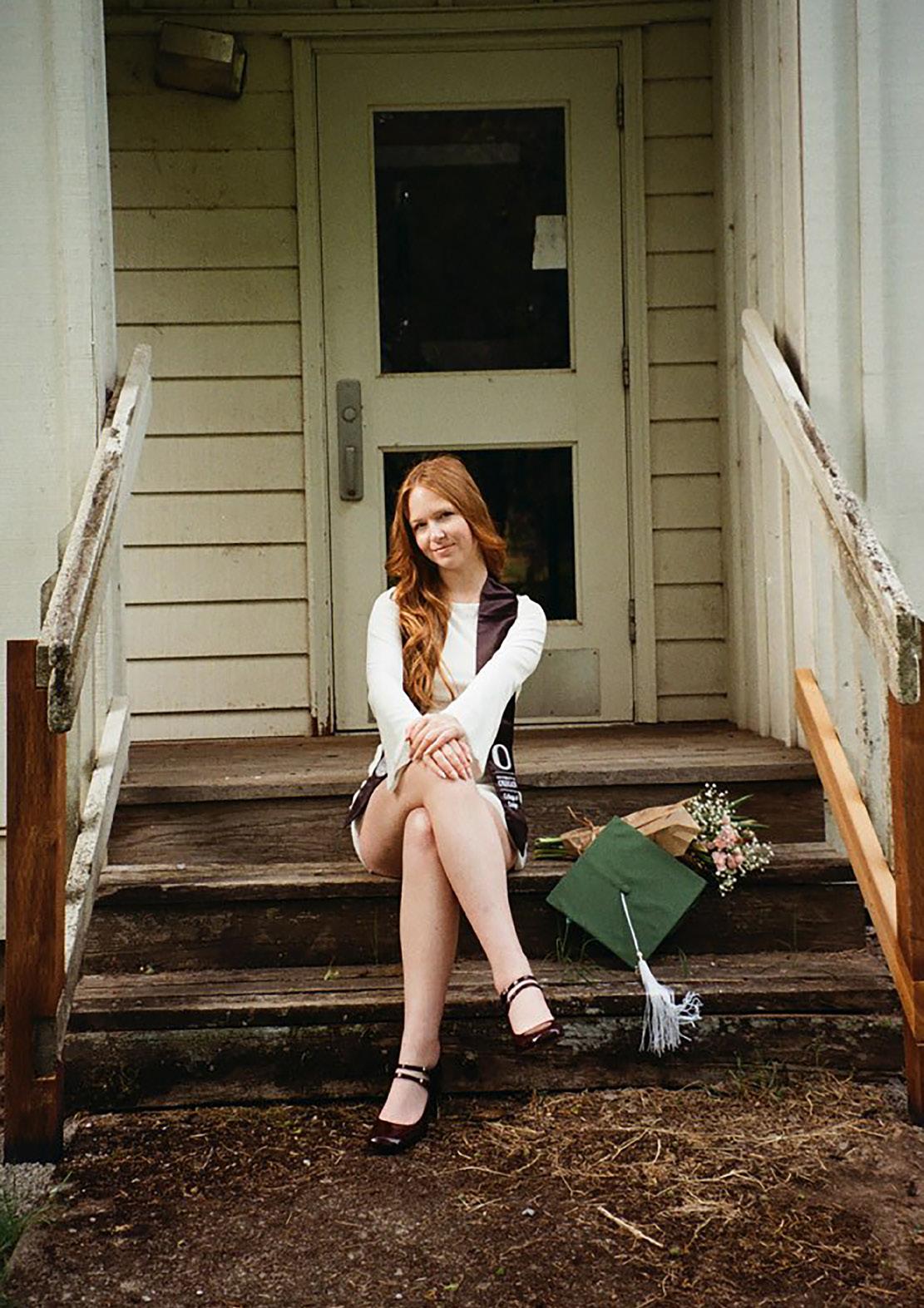

BY ZOE MAITLAND
JOIN OUR TEAM
Applications open two weeks before the beginning of every term, and we publish three printed issues per year. Check our socials to follow the next hiring cycle.
Follow @align_mag on Instagram View past issues and our digital content at alignmaguo.com
PHOTOGRAPHERS
Ayla Fung
Britta Anderson
Emma Liou
Heronima Valledor
Isabel Pope
Joaquim Gruber
Julian Ramirez-Sanchez
Katie Poluyansky
Ky Myers
Lac Nguyen
Maddy Lazarow
Madison Gschwend
Magnolia Schnobrich
Naomi Betz
Natasha Maltman
Piper Shanks
Roshni Ram
Sofia Moscovitch
Zoe Maitland
DESIGNERS
Allie Harakuni
Alyssa Samuel
Amelia Fox
Brittany Ramirez
Bryant Leaver
Caitlyn Reichow
Carly Ridenour
Emma Hampton
Gemma Mowatt
Gretchen Scheck
Iris Gray
Julien Fox
Kate Cooper
Kelsey Wong
Liv Bourgault
Madeline Dell
Natalie Englet
Nina Hawley
Penny Henson
Stella Ranelletti
ILLUSTRATORS
Ash Dunteman
Brenna Pascual
Cecilia Seldera-Bahnson
Colton Fairbairn
Ella Jaksha
Joey Bezner
Kent Porter
Kylie Libby
Lauren Cangie
Nina Van Ryzin
Sophie Gordon
Sydney Lackey
STAFF
ART DIRECTORS
Aamani Sharma
Ainsley McCarthy
Alex Bondurant
Alyssa Tech
Anathyn Burton
Angelika Stolecki
Anna Curtis
Anna De Santis
Avery Wachowiak
Ayla Fung
Aztin Arnell
Charlotte Miller
Cori Markus
Danielle Collar
Elias Contreraz
Emily Casciani
Emily Muro
Emma Rubin
Harry Nowinsky
Isabella King
Isabella Thomas
Lela Akiyama
Maura McNeil
Maya Clausman
Natalie Englet
Rylee Carter
BLOGGERS
Allison Buturla
Amelia Gaviglio
Anna Viden
Avari Subee
Brian Stimson
Hannah Dean
Helen Bouchard
Kellen Cox
Malina Siharath
Mia Lange
Minami Salas
Nahla Wilson
P.K. Rector
Sadie Wehunt
Siena Beckett
Sophie Butsch
MUSIC CONNOISSEURS
Benjamin Cohen
Danahea Heart
Elena Thompson
Ellie Acosta
Fiona Ryan
Henry Martin
Isabella Thomas
Lauren Gross
Lily Rodgers
Lucy Fromm
Madison Norwood
Mia Fairchild
WRITERS
Ana Mendonça Kertész
Anaya Lamy
Avery Wilson
Beatrice Kahn
Beckham Torrey-Payne
Campbell Williams
Cecilia Cronin
Celia Hutsell
Ellie Johnson
Emese Bracamontes Varga
Emily Hatch
Grace Mangali
Hazel Fiedler
Helen Myers
Hope Call
Jack Leininger
Kiana Heilfron
Libby Findling
Mark Munson-Warnken
Matthew Bedrosian
Mehana Byrne
Nate Rockman
Ocean Demmin-Ferneau
Raye Lewis
Sophie Turnbull
Valentina DeClaire
Abigail Ghio
Alyssia Truong
Anna Lyons
Ava Klooster
Ava Shokouhi
Claire Weaver
Clarissa Perez
Davis Lester
Eve Haghighi
Francesca Overton
Gidi Batya
Gracie Springer
Isaac Kinley
Izzi Lipari Maxson
Joel Rodriguez
Karter Green
Kate Braun
Lara Clute
Lillian Harhay
Lucie Hirsch
Nina Latto
Nova Hollenbeak
Sammy Melton
Shelby Collins
Tara Boenker
Zoë Walkenhorst
VIDEOGRAPHERS
Ailsa Huerta
Jack Shurtliff
June Campbell
Sadie Mordan
Sam Browdy
Amelia Gaviglio
Alyssia Truong
Alyssa Garcia
Anathyn Burton
Andrea Rivera
Anna De Sanctis
Anna Nein
Ash Dunteman
Ava Klooster
Ava Shokouhi
Avery Wilson
Cori Markus
Danielle Collar
Davis Lester
Elisa Pain-Cook
Ella Fogg
Emily Hatch
Emily Muro
Eve Haghighi
Francesca Overton
Georgia Scott
Henry Clark
Heronima Valledor
Isabella King
Isabella Razura
Isabella Thomas
Jaiden Bergman
Jenneh Conteh
STYLISTS MODELS
Joaquim Gruber
Julien Fox
Karter Green
Kate Braun
Khouseka Rajavelan
Lela Akiyama
Louis Dix
Malina Pham
Marcus Dillard
Mehana Byrne
Mia Fairchild
Millie Langarica
Nadia Rouillard
Nahla Wilson
Naseeb Reyes
Ocean Demmin-Ferneau
Presley Malech
Sage Murphy
Sam Browdy
Sara Khoury
Sasha Kokoeva
Tia Arakelian
Vincent Gutierrez
Zoe Maitland
PODCAST ASSISTANTS
Ariana Hausia-Haugen
Claire Coit
Clara Little
Daniel Santoyo Perez
Hannah Bard
Rachel Wallace
BLOG
From Align’s free-for-all, say anything corner of the internet, the Blog Team has produced work throughout the term to capture the puzzling and illusive nature of Infrared. Here are some highlights:
Supply, Demand, and The Lesbian Deficit WRITTEN BY STELLA VAN GOOR
The Best Cure For Your Twenties: Something To Look Forward To WRITTEN BY SIENA BECKETT
The Guide to Cryptids of the Pacific Northwest WRITTEN BY BRIAN STIMSON
The Video Team has produced projects throughout the term to capture the spirit of Infrared. All videos are available on our website alignmaguo.com and Instagram @align_mag, with more coming soon!
VIDEO ALIGN ON AIR
Our official podcast, Align On Air has been talking with students, organizations, and creatives across Eugene to highlight their unique stories. Check out some of our recent episodes:
Understanding Epilepsy with McKenzie Leary Passion Makes Perfect: A Talk With Joe from High Priestess Align Chats With: Matrix!

THE MOON AND THE MELODIES - COCTEAU TWINS, HAROLD BUDD
Ethereal vocals, shimmering textures, and delicate piano arrangements make this album feel as though it’s trapped between dreams and reality. The Cocteau Twins’ vocals are unmistakable. “Sea, Swallow Me” is the most iconic song on this album, mixing ghostlike vocals with eerie instrumentals. Like infrared, The Moon and the Melodies illuminates emotions that we can’t quite put into words and leaves us with a lingering glow.
BY LILY RODGERS
CARRIE & LOWELL - SUFJAN STEVENS
Sufjan Stevens’ album “Carrie & Lowell” is close to home for University of Oregon students: it tells stories of multiple summers in Stevens’ adolescence spent here in Eugene, Oregon with his estranged mother and beloved stepfather, and the complicated relationship that he has with his mother’s memory, his own mortality, and mental illness following her death in 2012. References to a childhood spent in Eugene’s Emerald Park and Spencer’s Butte makes “Carrie & Lowell” a relatable album for many Eugene locals and teaches us to look for small, hidden ways we can relate to artists as they use their music to open their hearts to us.
BY MIA FAIRCHILD
ON THE LOVE BEACH - NAGISA NI TE
This album feels like somewhere else. It’s familiar and unfamiliar, merging clean sparkly dreaminess over a multitude of instruments (charango, euphonium, trumpet, tuba, piano etc…), with occasional heavy intensity. Innovative music pulled from out-of-the-box thinking. “On the Love Beach” speaks to the perceived boundaries in songwriting, and how a writer can pull from beyond them to bring something completely new to our ears.
BY BEN COHEN
JAGGED LITTLE PILL - ALANIS MORISSETTE
It almost seems impossible for an album that’s barely an hour to perfectly capture such specific, raw emotions, and yet that’s exactly what “Jagged Little Pill” does. Alanis Morissette lays her trauma and bare emotion on the table for “Jagged Little Pill”, creating songs that speak to a deeper level of the soul. Songs like “You Learn” capture the forgiveness and pain we feel as we grow as people, whereas “Not the Doctor” paints a picture of the hypocrisy and disappointment of living in a world that doesn’t allow women to exist independently. Throughout the decades since this album first came out in 1995, it continues to speak to audiences, in particular women, and the experience of trying to navigate such a crazy world that we can’t make sense of.
BY LUCY FROMM
COLORES - J BALVIN
A concept album where each song is named after a color, “Colores” explores the tension between seeing and feeling. Every color sounds dramatically different, and Balvin captures a range of emotions with everything from party anthems to emotional ballads. Like the rest of his work, the album is also a tribute to Colombian culture, and aims to bring cultures together through shared emotions and experiences.
BY ELLIE ACOSTA
EITHER/OR - ELLIOT SMITH
This album feels emotional and raw. The cynical lyricism about self-destruction and meaningless freedom is disguised by an upbeat melody in “Ballad of Big Nothing”. The listeners’ perception of the album depends on whether they read into the lyrics, and notice the intentions behind Smith’s writing. His openness about struggling with mental health and substance abuse issues take the form of his music.
BY MADISON NORWOOD

music align INFRARED
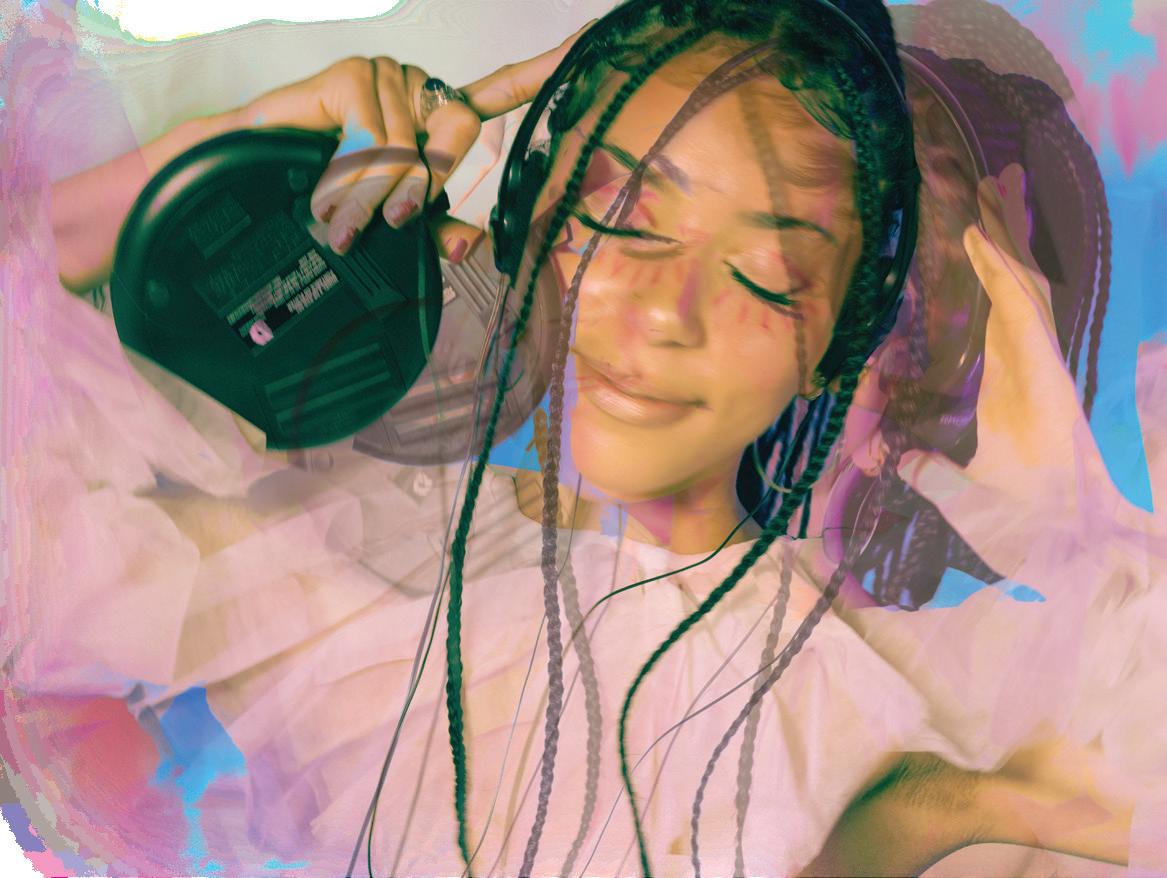
ALBUM PICKS

May 19, 2026
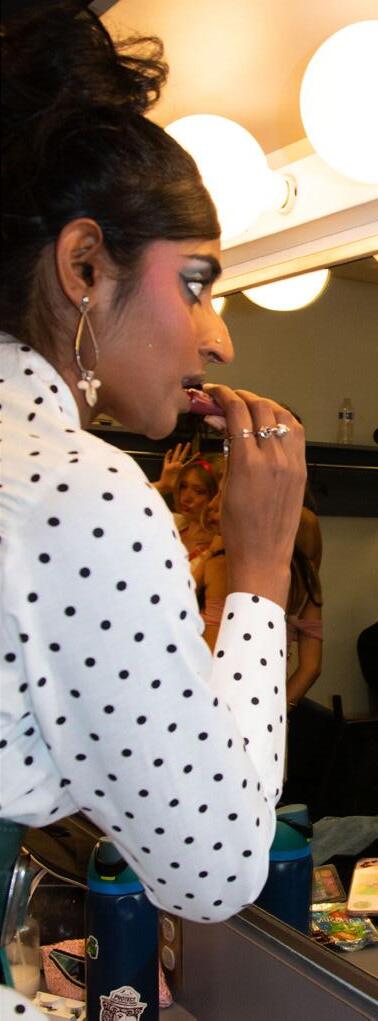
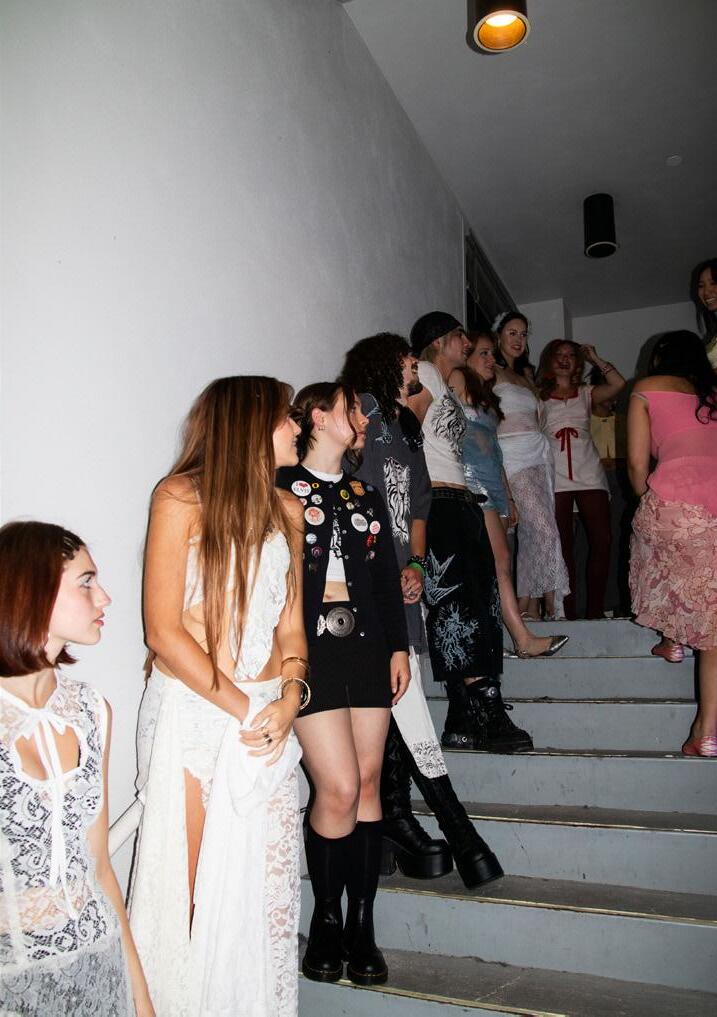
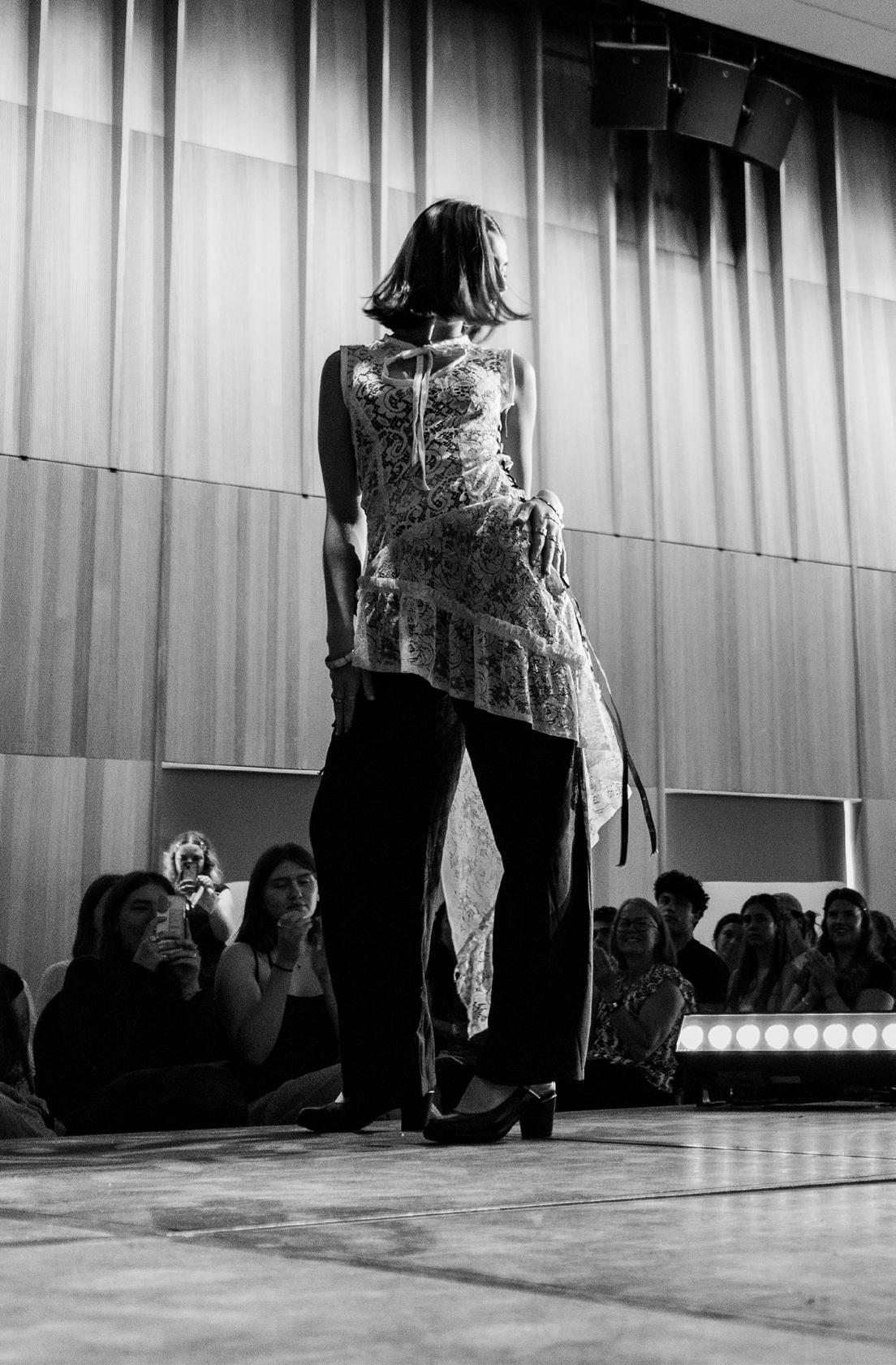
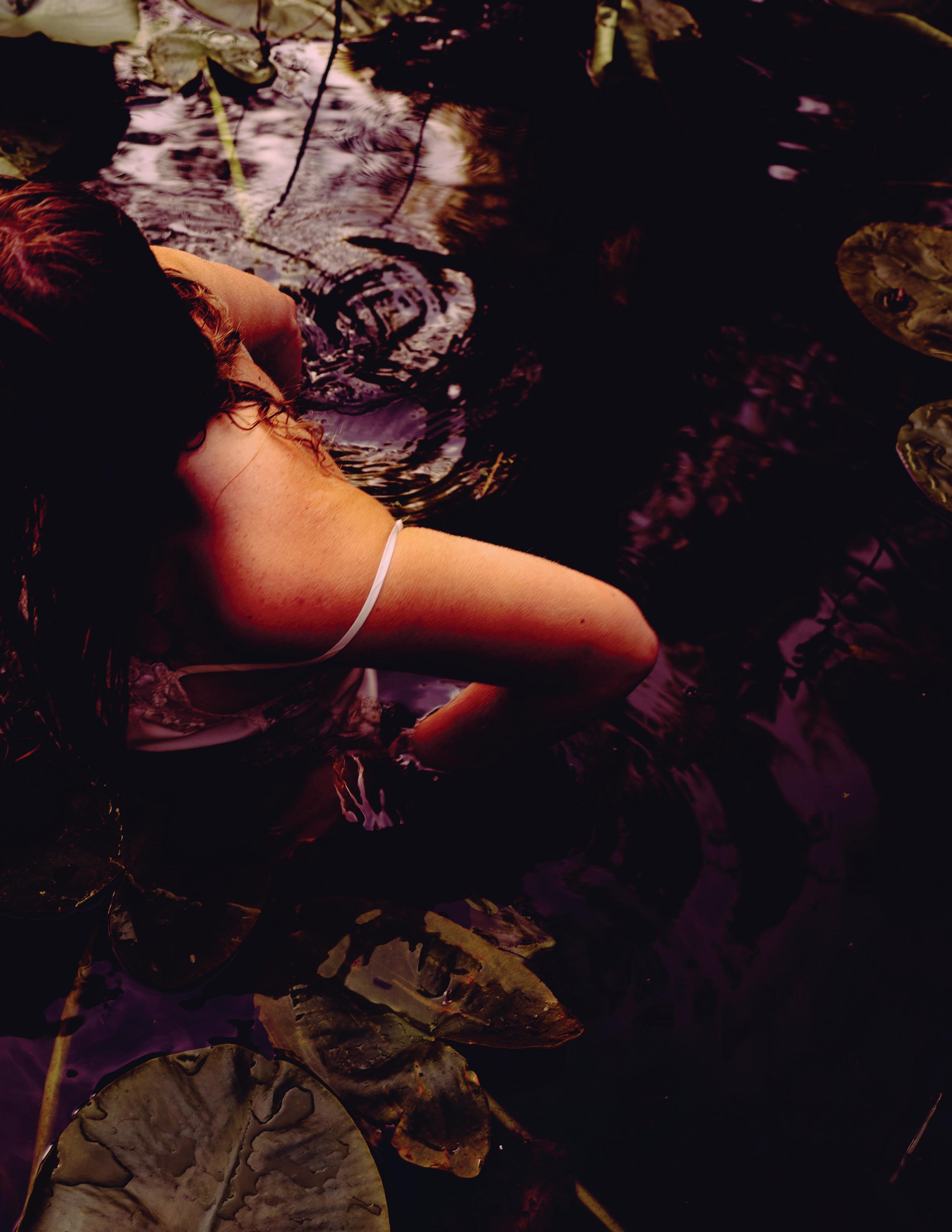
PHOTOGRAPHED BY HERONIMA VALLEDOR, ZOE MAITLAND & AYLA FUNG


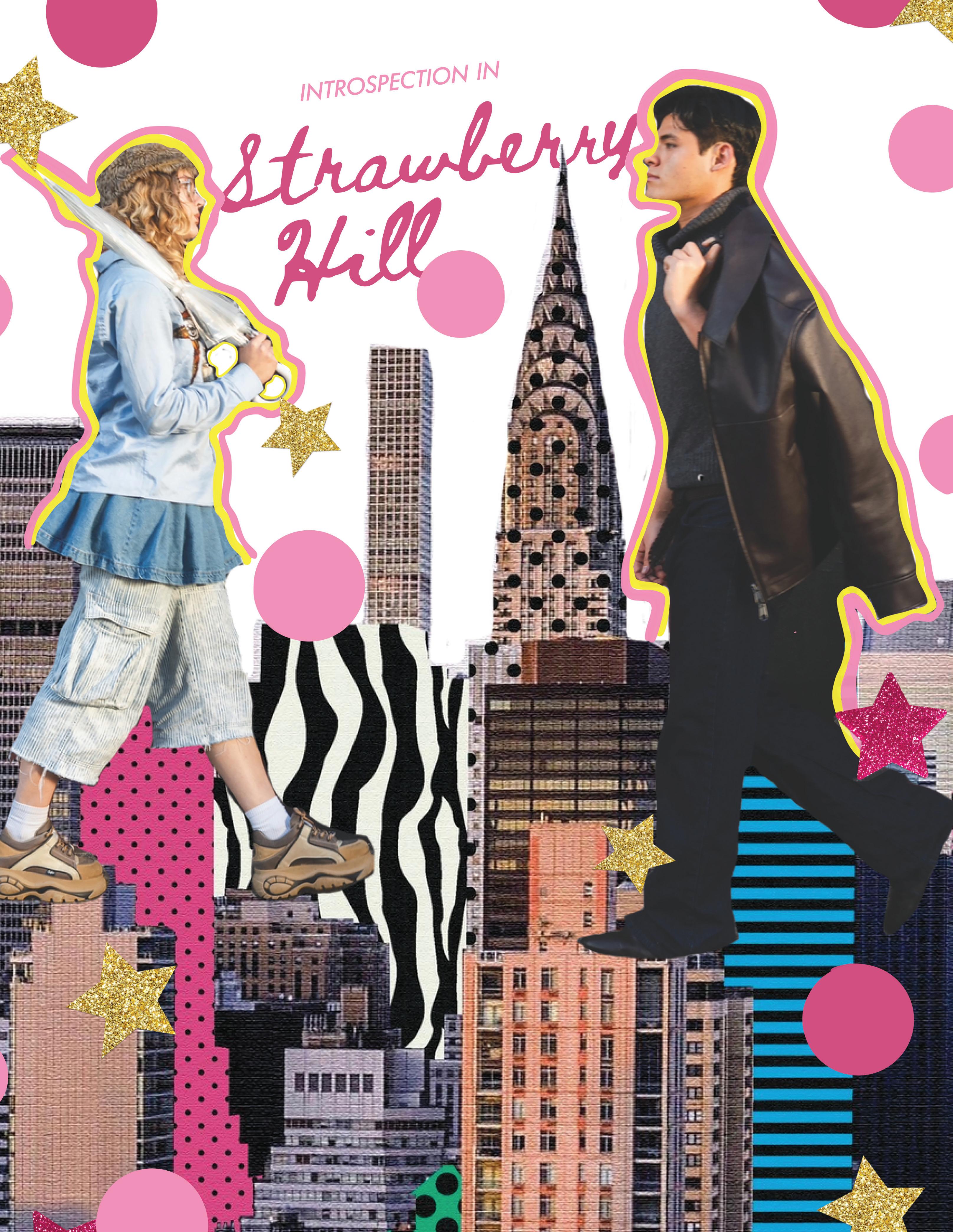
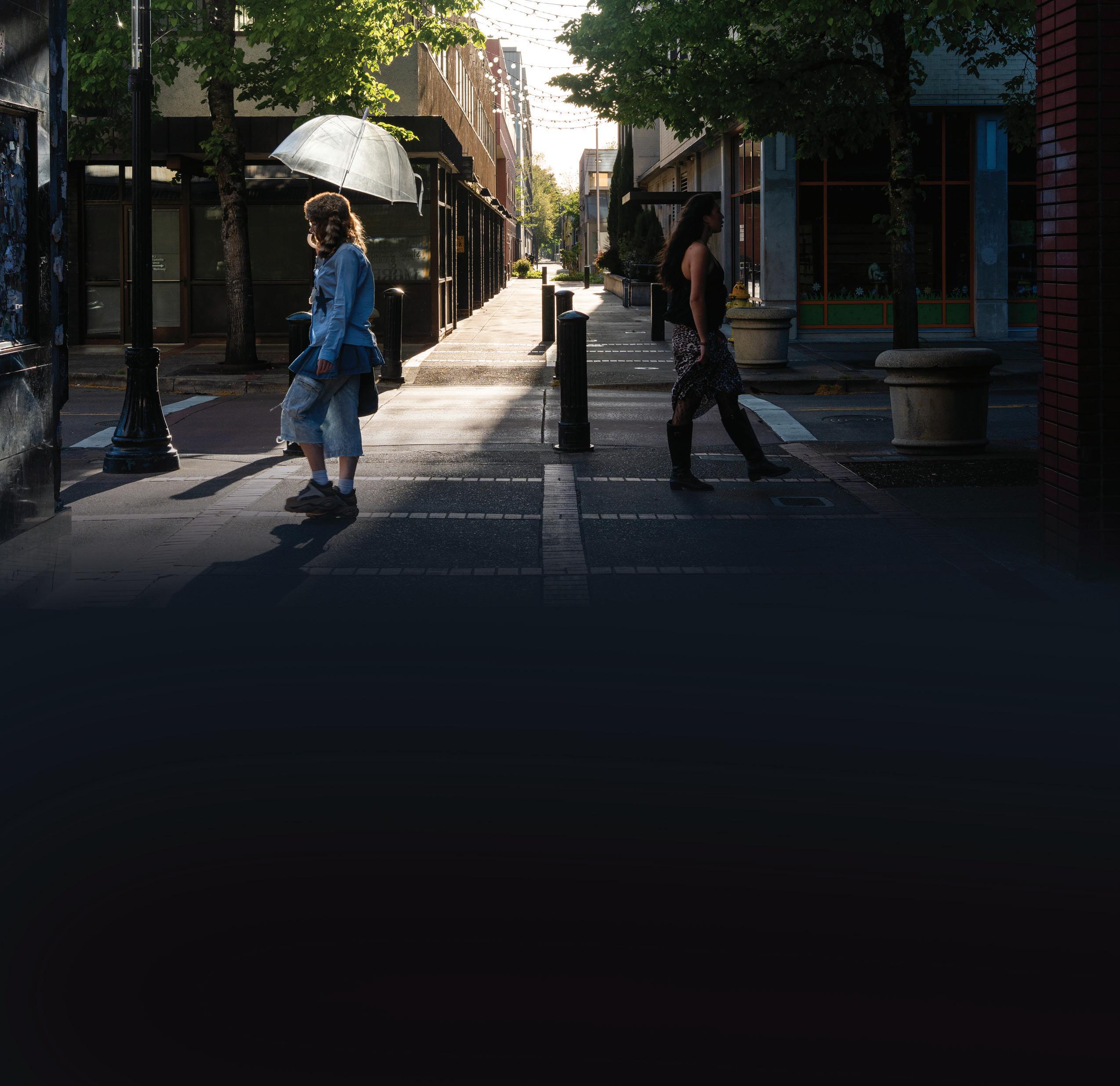
THE UNSPOKEN RULES OF BEING HUMAN TAN LINESSS THE SPACE BETWEEN STEPS TANGIBLE DREAMS I WANT TO BE A PURSE GIRL SPRINT FAST FEED YOUR SOUL INTROSPECTION IN STRAWBERRY HILL WHAT’S NEW?
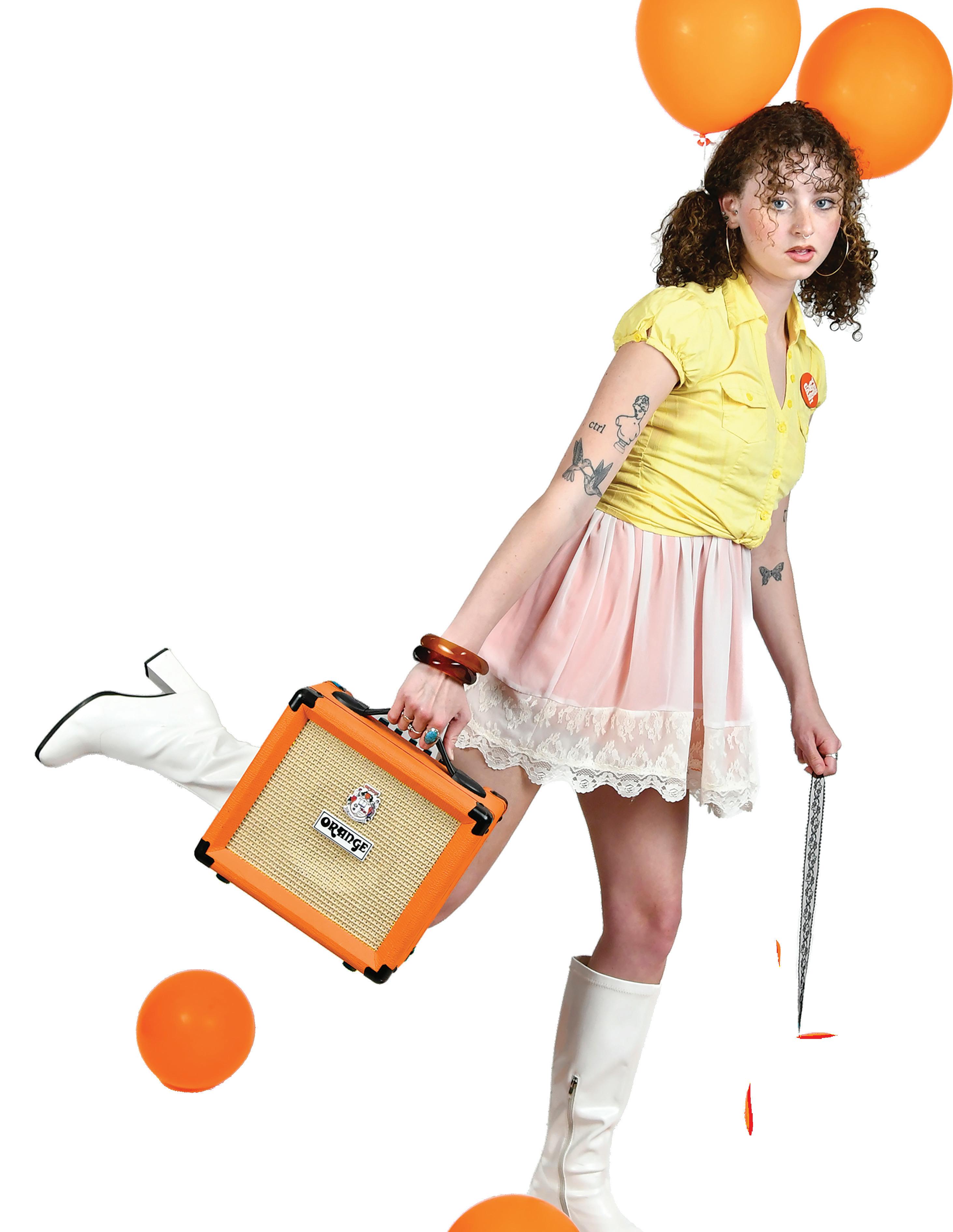
DON’T COMPARE APPLES AND ORANGES COLTON FAIRBAIRN REAL FEAR LIMINALITY CONTAINING JUST MARRIED
SOCIAL UNREALITY AND ITS VACUOUS ESCAPISMS NIGHTMARE OBLIGATE MUTUALISM 9 TO 5 CATHARSIS FOR PAINT SHE’S NOT REAL MYSTERIES BEYOND THE VEIL THE PORCELAIN MASK ODEIO A PERFEIÇÃO LIEBESTOD ELLA JAKSHA BETWEEN SEARCHING AND SEEING






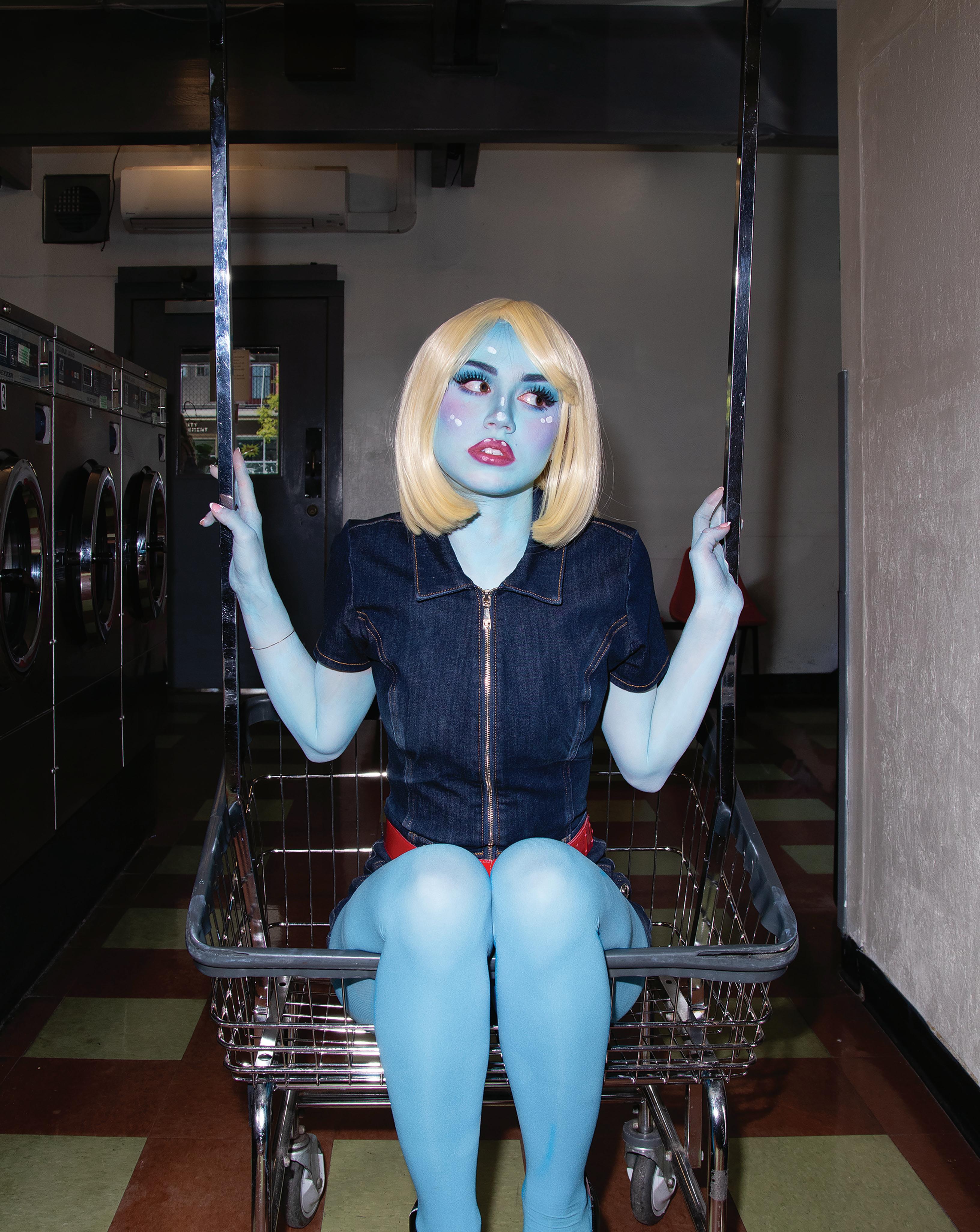
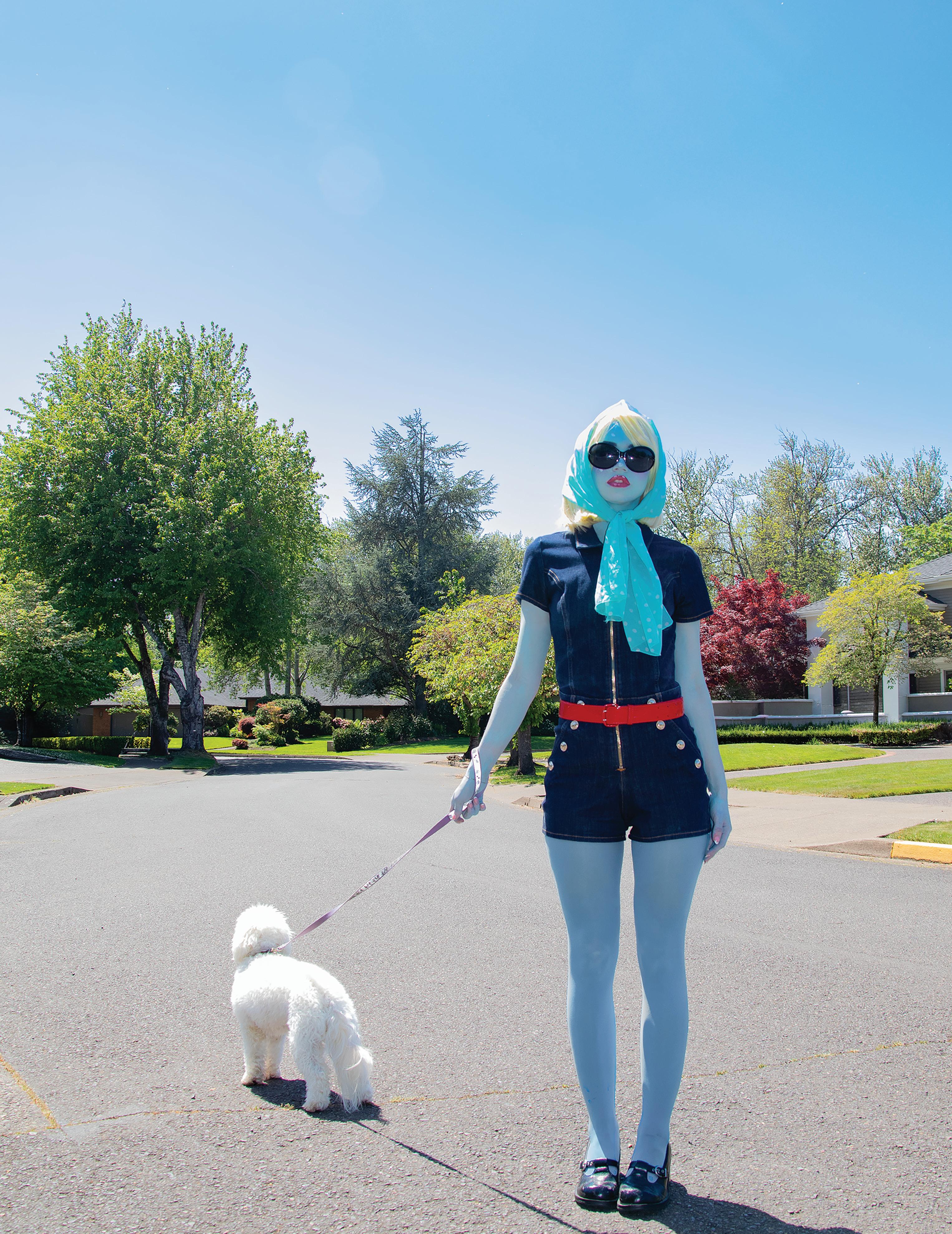
MODEL AVERY WILSON
STYLISTS LARA CLUTE & GIDI BATYA
MAKEUP BY DANIELLE COLLAR
DESIGNER LIV BOURGAULT
CONNOISSEUR ELLIE ACOSTA
Behind the The Voice Button
On the voices that guide us across intersections and through cities.
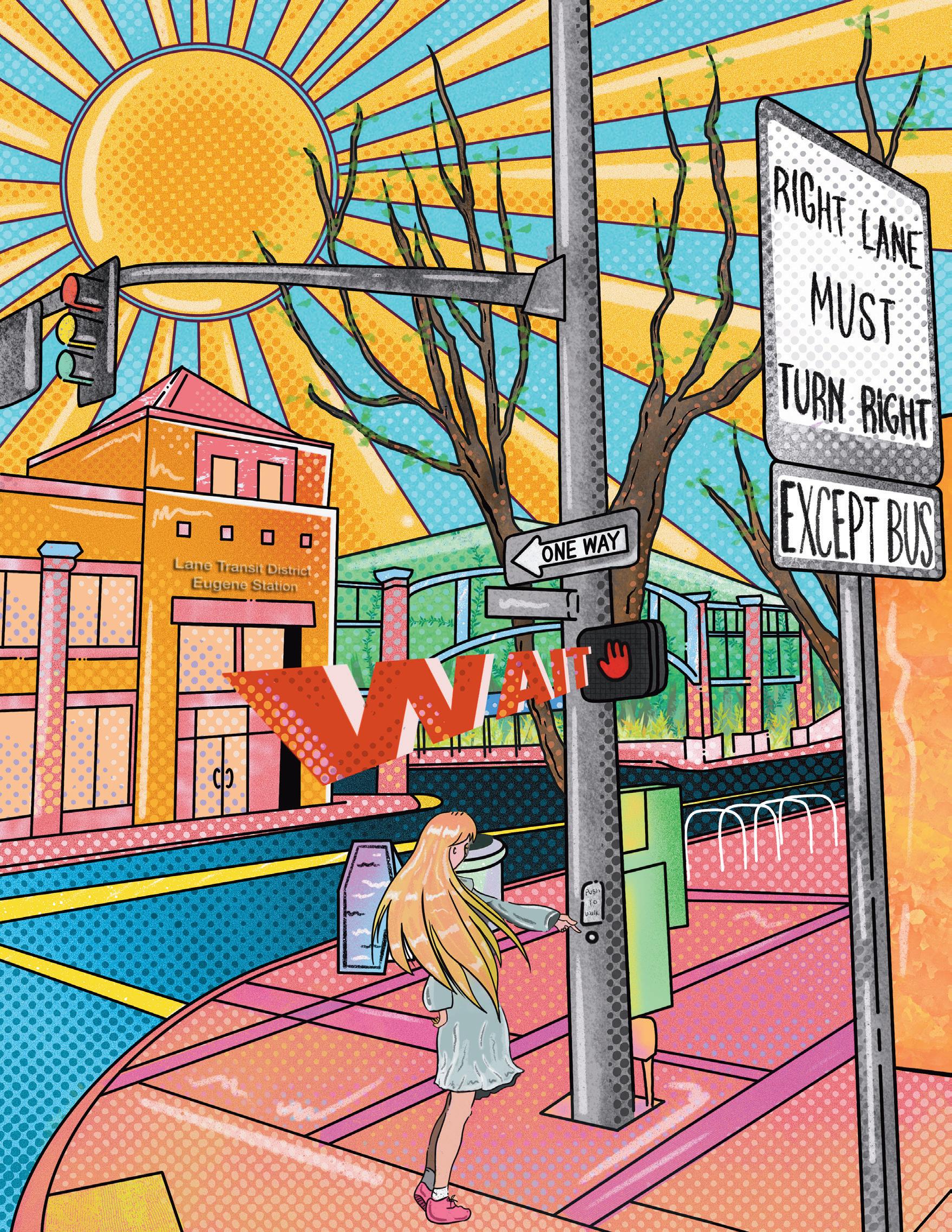
On warm afternoons at the corner of Agate Street and 19th Avenue, students balance melting scoops of banana fudge brownie ice cream from Prince Puckler’s and slices of Hey Neighbor’s “(She’s My) Cherry Pie” pizza while waiting to cross toward Washburne Park. Ice cream drips down hands. Grease darkens the bottom of cardboard pizza boxes. Traffic moves steadily down 19th as the metal crosswalk pole radiates heat from the afternoon sun.
“WAIT.”
The recording arrives slightly distorted through the speaker, clipped at the edges, and faintly agitated, as though the voice has spent the entire afternoon repeating itself to distracted pedestrians. A layer of static hangs beneath each word.
“The walk sign is on to cross Agate Street,” the disembodied voice says.
Most people crossing Agate barely seem to register it. Students wait at the curb with AirPods tucked in their ears, eyes fixed on oncoming traffic, while the message loops again and again. After many walks through Eugene, it fades into the city’s larger soundscape.
These voices have a name: accessible pedestrian signals, more commonly called APS systems. They exist at intersections throughout Eugene, built directly into crosswalk poles and traffic infrastructure. Their purpose is to help visually impaired pedestrians navigate intersections safely through spoken instructions, repeating locator tones, and vibrating push buttons that pulse when it is safe to cross. The systems are practical by design, but the voices themselves carry a strange familiarity. They speak constantly without ever being seen, guiding people across streets with authority every day.
According to the American Council of the Blind, older systems relied on chirping or cuckoo-like bird calls rather than
spoken language, but many cities shifted to verbal instructions because spoken messages provide clearer directional information at busy intersections.
Over time, the recordings begin to take on personalities of their own. At Pearl Street and East 8th Avenue, the voice carries a faint strain, the tone of someone repeating the same instruction without relief. At Agate Street and Franklin Boulevard, another recording sounds unexpectedly upbeat. The voice lifts slightly on the word “boulevard,” turning the phrase “Wait to cross Franklin Boulevard” into something almost cheerful. The differences are subtle, but once noticed, they become impossible to ignore.
The steady clicking tones beneath spoken instructions blend into bicycle chains, skateboard wheels, and the hiss of LTD doors opening in front of Eugene Station. The voices rise and fall with the rhythm of the city itself, as if they are just another person moving through the streets.
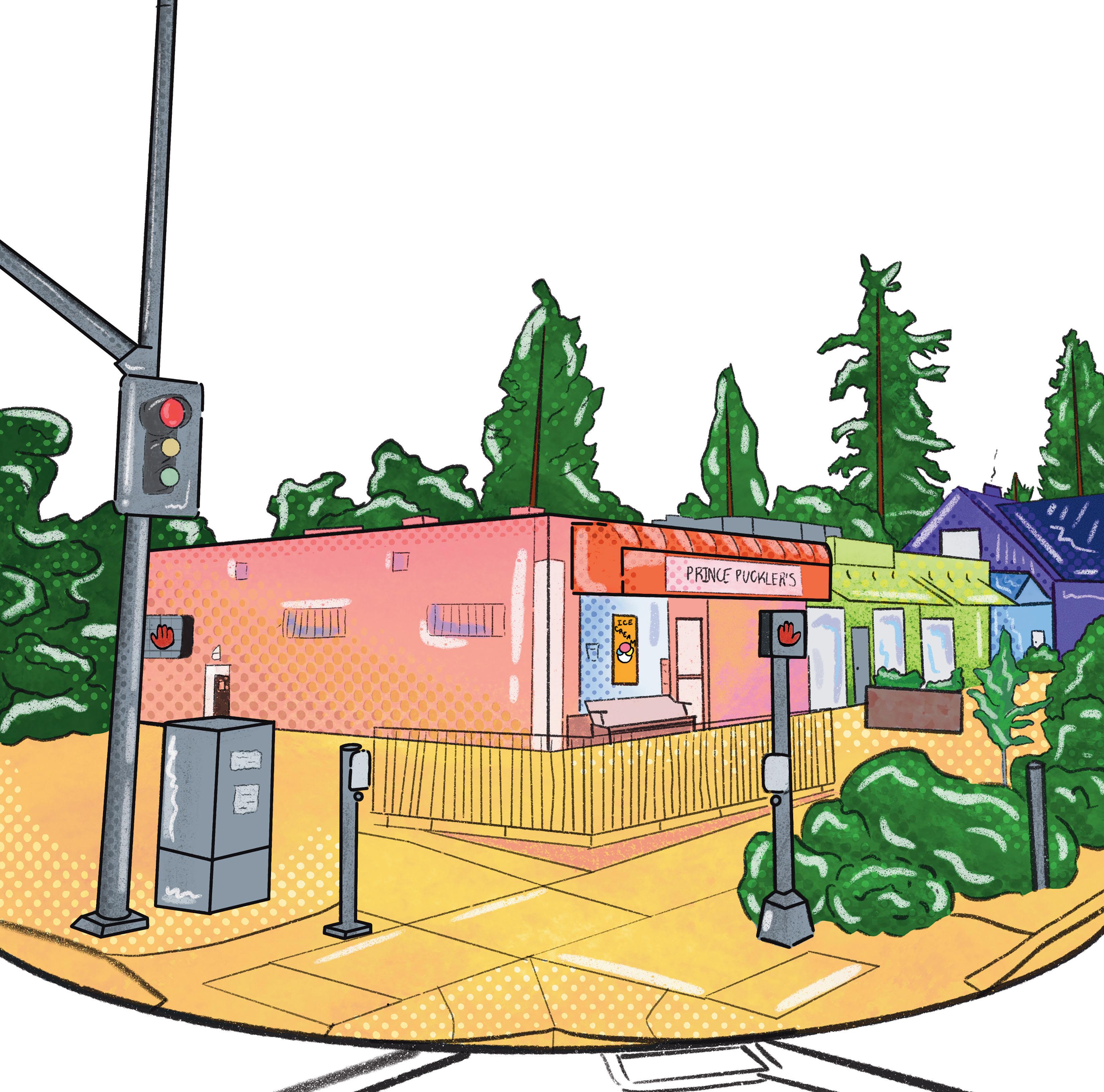
By early evening, long shadows stretch across the grass underneath the willow tree at Washburne Park. Melted ice cream dries sticky against hands. The last edge of pizza crust lies alone in a cardboard box. People gather backpacks and blankets and drift back toward the intersection at Agate Street while traffic continues rolling steadily down 19th.
The crosswalk button is pressed again.
“WAIT.”
The voice crackles softly through the speaker, still faintly strained yet patient. Someone steps off the curb the moment the white walking figure flashes across the intersection, following the instruction automatically and instinctively.
The voice tells them to cross, and they do.
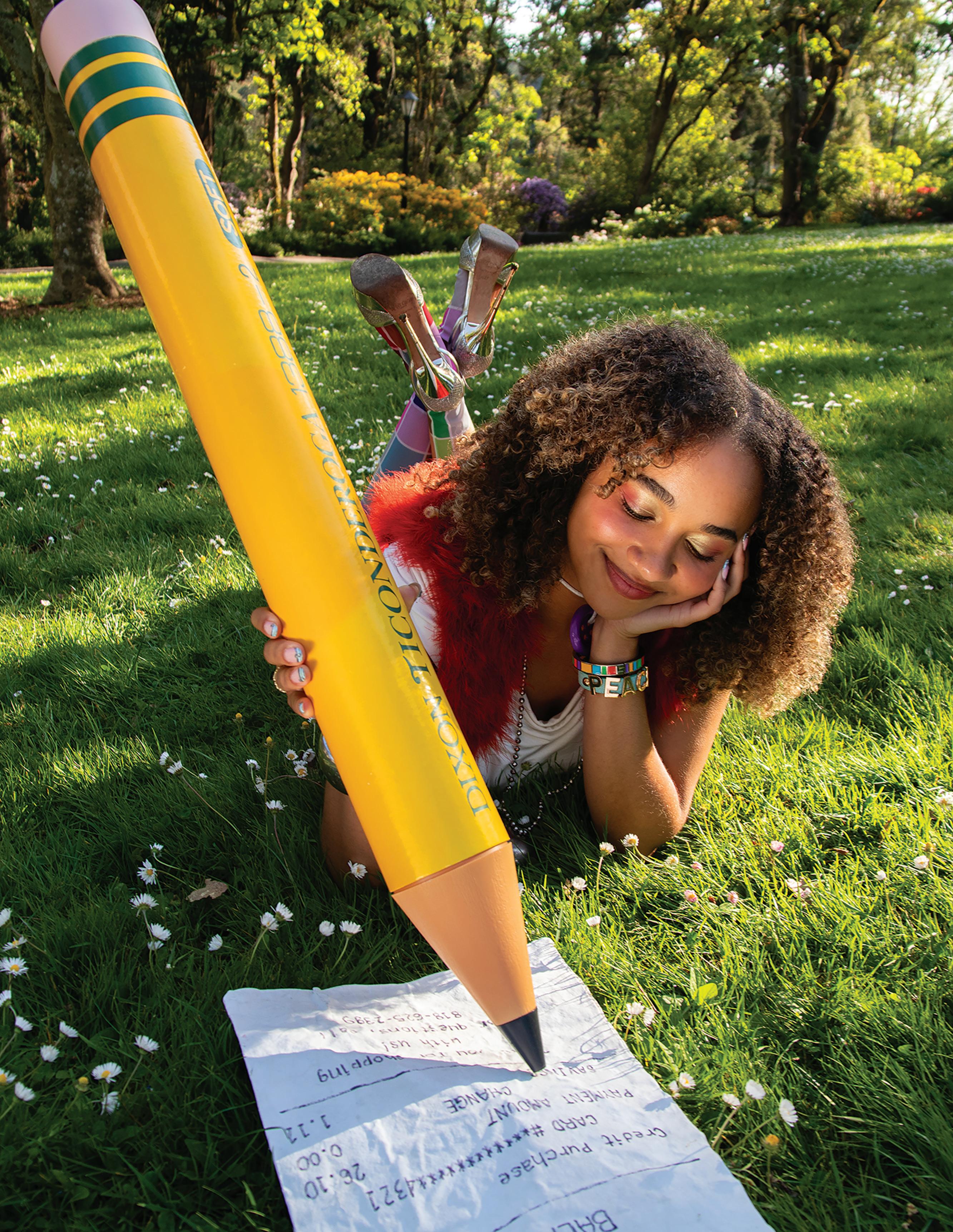
What began as one man’s earnest attempt to measure environmental degradation quickly snowballed into one of the most infamous PR disasters in history.
Passivity is your secret weapon.
public, the website logged over 420,000 visits. Two years later, Mike Masnick, an editor and entrepreneur, recognized a pattern between this incident and others and labeled the phenomenon “the Streissand Effect.”
In 2003, photographer Kenneth Adelman began documenting the erosion of California’s coastline. From a helicopter, he captured an aerial photo every 500 feet and uploaded the 12,000-photo series online. One inconspicuous entry titled “Image 3850” featured an affluent neighborhood perched atop a picturesque cliffside. Nestled amongst the other houses sat the megamansion of none other than the esteemed performer, Barbara Streisand.
At first, the photo flew under the radar. It was not identifiable as the star’s residence, and it sat buried amongst the thousands of other landscapes on the website. That is, until Streisand caught wind of her inclusion and felt that the photo was a breach of her personal privacy. Outraged by the image, she sued Adelman and the website for a hefty $50 million. After a lengthy legal battle, the case was dismissed, and Streisand was ordered to pay $177,000 for Adelman’s legal fees.
Before the lawsuit, the photo was downloaded only six times, two of which were by Streisand’s own legal team. In just one month after the fiasco went

This term characterizes situations in which efforts to suppress information make people more inclined to seek it out. Celebrities, corporations, and political figures are constantly caught in a web of scandals, and sometimes their desperate attempts to conceal their mishaps shine an even brighter spotlight on their wrongdoings.
Governments also succumb to the Streisand Effect. In 2012, the United Kingdom, fed up with the increase in illegal sharing of copyrighted material, blocked citizens from accessing a notorious piracy website. This prohibition was successful for a short stint until cunning users figured out how to bypass the ban, and the website saw more traffic than ever before. The irony of the Streisand Effect is that it’s a double-edged sword. To ignore the issue is to allow it to continue, but drawing any attention to it leads to its escalation.
The Streisand Effect can also manifest in smaller, less public settings.
Imagine your friend runs to you sobbing. She informs you that someone has written something nasty about her on the bathroom wall, and she begs you not to look at what it is. Your mind starts to race with the possible things that could be written on that wall until you can’t fight your urge any longer and succumb to your own curiosity.
You would never have known about the situation if she hadn’t brought it to your attention, and now it’s all you can think about.
Our innate fascination with the unknown, combined with the desire to do what we’re told not to do, is a persistent force. We share the urge to push the big red button marked “DO NOT PUSH.” It’s the reason banned books only become more popular after institutions exert intense efforts to censor them. We thirst for the knowledge of what we’re told we shouldn’t know, and psychology offers one explanation.
Developed by Dr. Jack Brehm in 1966, “psychological reactance” describes our natural drive to rebel, and it lies at the core of the Streisand Effect. When we feel like our freedom is limited, we are more prone to go down the forbidden path to regain our sense of autonomy. Due to our tendency to do what we are told we should not, secrecy creates fascination and transforms ordinary material into something irresistible. The fastest way to get someone to pay attention to something is to demand that they don’t.
So, is there any winning? The best approach is to pick your battles. Although it is a challenging feat, knowing when to react and when to choose passivity can serve you well. Every action has a subsequent consequence, and taking time to weigh your options rather than acting on immediate emotions can prevent a situation from producing unintended consequences. Had Streisand ignored the photograph entirely, the world would have kept on spinning, and the image would have been lost in the digital void. Instead, over two decades later, her home is still at the forefront of my mind.
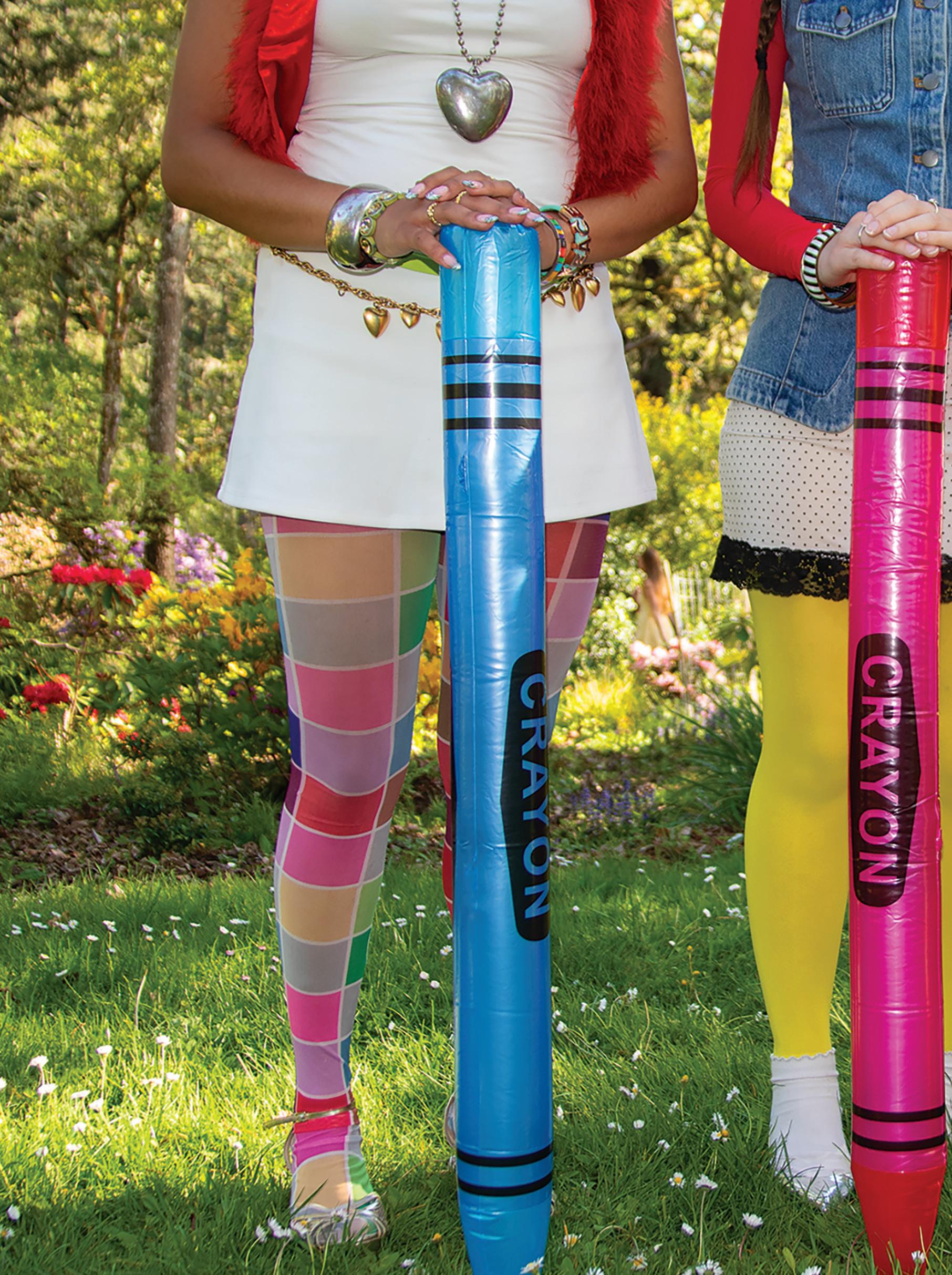

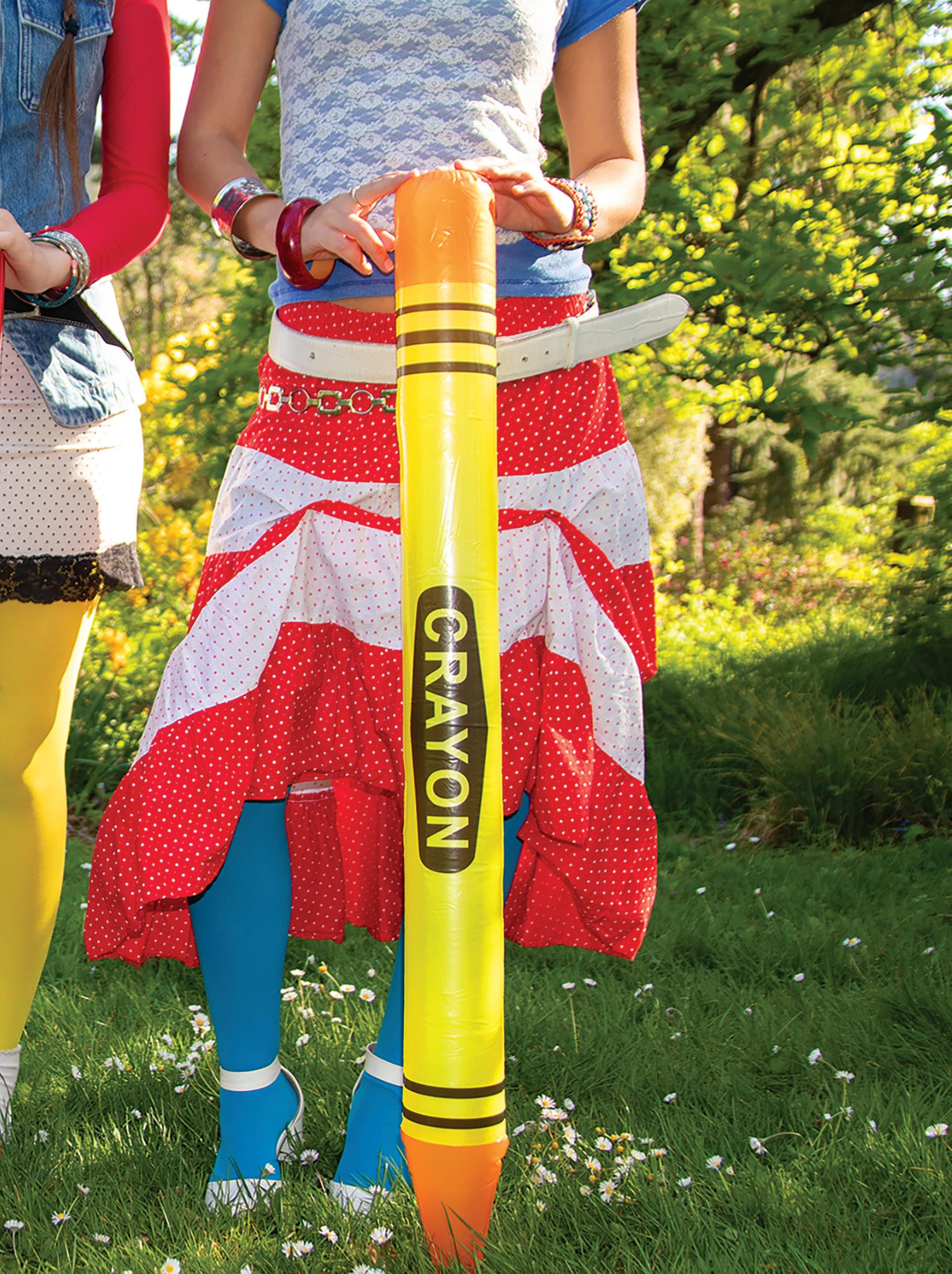
HELEN MYERS ART DIRECTORS AYLA FUNG & MAURA McNEIL PHOTOGRAPHED BY ZOE MAITLAND MODELS ISABELLA KING, NAHLA WILSON & ASH DUNTEMAN STYLIST AVA SHOKOUHI DESIGNER STELLA RANELLETTI
“...and now it’s all you can think about.”



Hiking through Zion National Park in burning heat, eyes linger everywhere but the ground. Immersed in towering rocks and blue sky, surrounded by grandiosity, the last thing considered is the texture of the dirt. To look down solely serves to evade a trip and fall to our doom, ensuring survival. Then, at a glance, all is revealed: barely missed by a crushing footstep, an anthill is spotted. Less of a hill, more of a hole. One minuscule speck in hot dust, with miniature workers carrying grains of sand up and out of this unassuming speck of darkness into the great big world. Bending down to look does not disturb them, even as a breath is a gust of wind shaking their small bodies. Suddenly, I am the invisible one.
I fearfully realize that the lives, history, and bitter work of these ants could be erased with one naive stomp. A human looking above in marvel while crushing lives below — an ant colony erased, and we would all be none the wiser. Yet as we carelessly eradicate the anthills or antholes exposed to the human eye, are we only melting the tip of an iceberg? In Zion, were the ants swarming at the top of the hole, the entire community? Or did an ant metropolis hum beneath my feet, tunnels and layers and caverns of ants flourishing just out of sight, safe from human homicide?
As humans, we are often taught that we are the center of the universe, existing enveloped in a pervasive Copernican state of mind. In many religions and dogmas, it is thought that the world was created for us. Engrained in Abrahamic faiths such as Christianity, Judaism, and Islam are messages that the world was created for man. Some see this message as a call to stewardship, as Adam and Eve worked as stewards to evolve and foster the Garden of Eden. Yet some interpret creationism — the belief that Earth was created for man — as Earth being a reward to be maximized, reaped, exploited, extracted from, tread upon, then tuned out.
As our planet warms and Earth’s heaving breaths grow slower and shudder from the weight of greenhouse gases, we are all affected. After every forest fire or flash flood, the interdependence between the human race and the rest of the natural world sharpens with the heat of our discomfort, flooding us with the consequences of our anthropomorphic egocentrism. Our evolutionary findings tell us we are the most intelligent beings on the planet, blessed with neural abilities that supposedly grant us authority and monarchy over all other living things. Yet so much is lost as we shut out the experiences of our fellow mortals who cultivate the homeostatic environment in which we thrive.
In 1997, Dr Susanne Simard, a forest ecologist at the University of British Columbia, discovered that trees were sharing resources through their roots — mycorrhizal networks, or underground fungal highways, that unceasingly transport nutrients, water, and chemical signals. One could argue that
trees operate in community and collaboration more effectively than humans, without competing or selfishly taking more than they need. Alongside these networks are a multitude of other forms of nature’s unfathomable intelligence, lying just beyond our sight inside the flora and fauna that we disassociate from as we grow increasingly absorbed in human society.
Outside of anthropogenic fixations, nature’s processes are omnipresent; changing and perishing and flourishing and cooperating whether human eyes perceive it or not. Nature’s operation does not depend on human perception. A sack of potatoes left in the basement, forgotten, is found with sprouts full of life one month later. As we sleep, house spiders weave webs of protection to catch flies, and we rise with the sun to cobwebbed corners. If a tree falls in the forest, and no human is around to hear, it does make a sound, and birds flee the crash. We may think we are the only beings with the power of perception, but what if we are rooted in a process of mutual vision? What if the ants and spiders and birds are watching us too?
Suddenly, when treading off the trail and leaving erosion in your wake, your seemingly silent steps do not go unnoticed. The robin in the nearby tree bears witness to you. Do you feel the heat of that judgment, or lack thereof? Perhaps staring at an animal who feels the burn of your actions invokes more empathy, shame, and accountability. For some, guilt operates differently when no one is around to witness their unjust actions. What if there is always someone watching?
I argue that life is somewhat Orwellian in the sense that we are all subject to the force of nature, which is omnipresent. Whether God, the cosmos, karma, or our fellow mortals in nature, we exist under the gaze of this omnipresence. So, isn’t it natural to open our own eyes and gaze back? And while God or the universe or karma are elusive to the naked eye, we can begin with witnessing the natural world’s movements — visible yet often overlooked and unperceived — and buzzing vibrantly around us.
To expand balance, presence, or spirituality in our lives, we do not have to take drastic measures. We do not have to abandon human society and devote every second to witnessing nature. Perception, action, and interaction best exist in balance. After stooping to witness the ants in Zion, suddenly I remembered and became acutely aware of the microprocesses around me. The veins in surrounding leaves, the breezes and blades of grass brushing my skin, and the rustling of two squirrels playing tag in a nearby oak. Even one potent moment experiencing perceptions like these each day can burgeon awareness of our surroundings and empathy for those around us.
What can we gain from taking one second, marveling, and watching the ants at work?
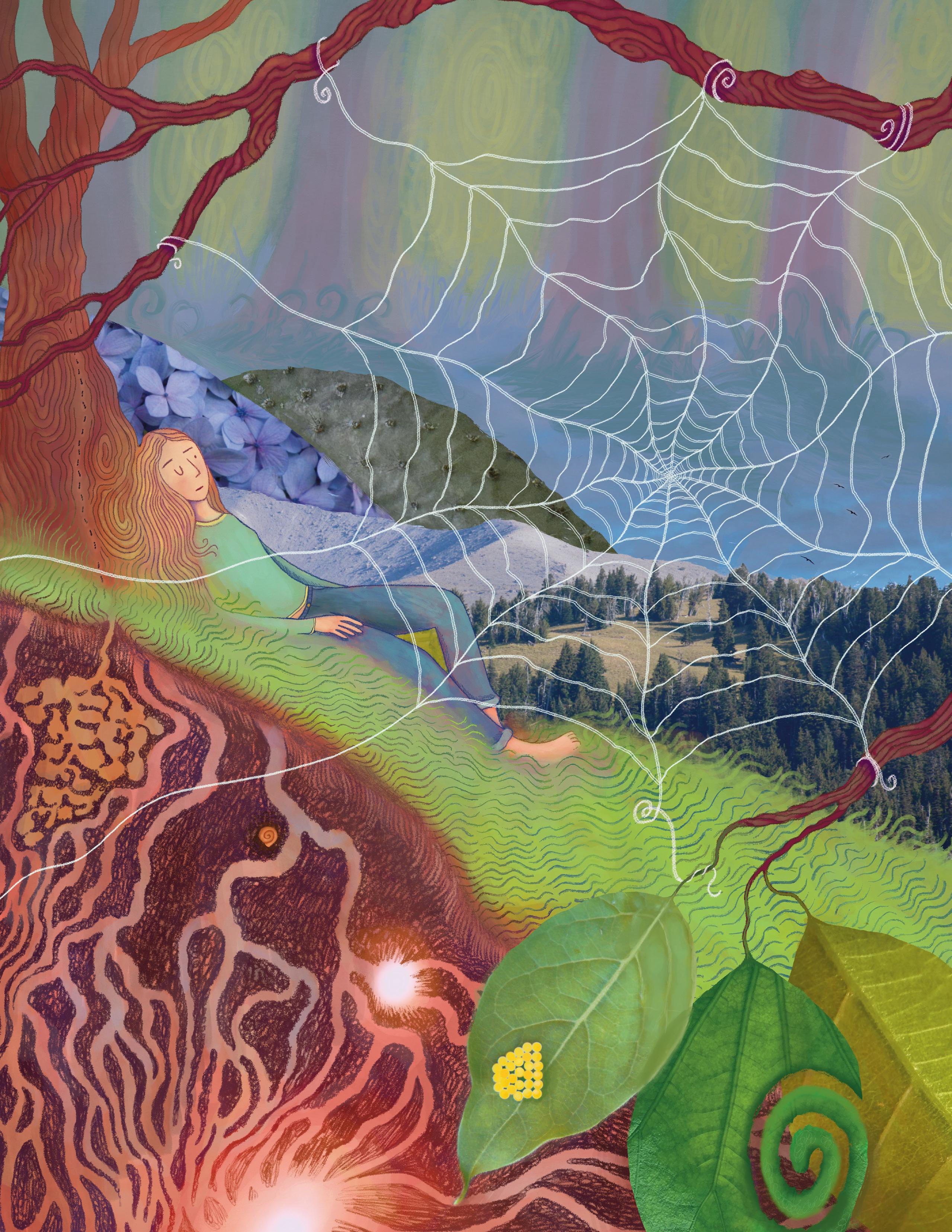
Watching the Ants at Work
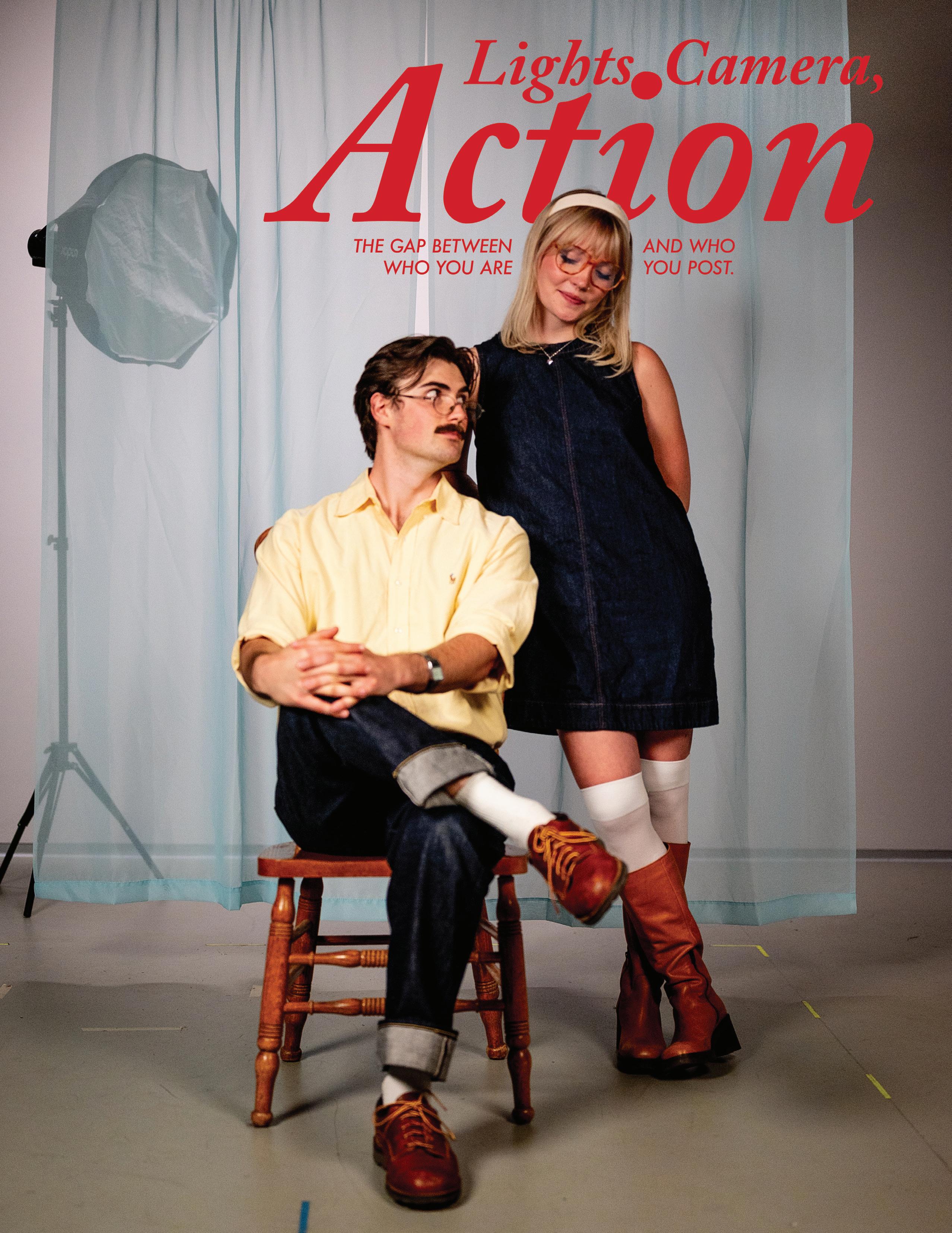
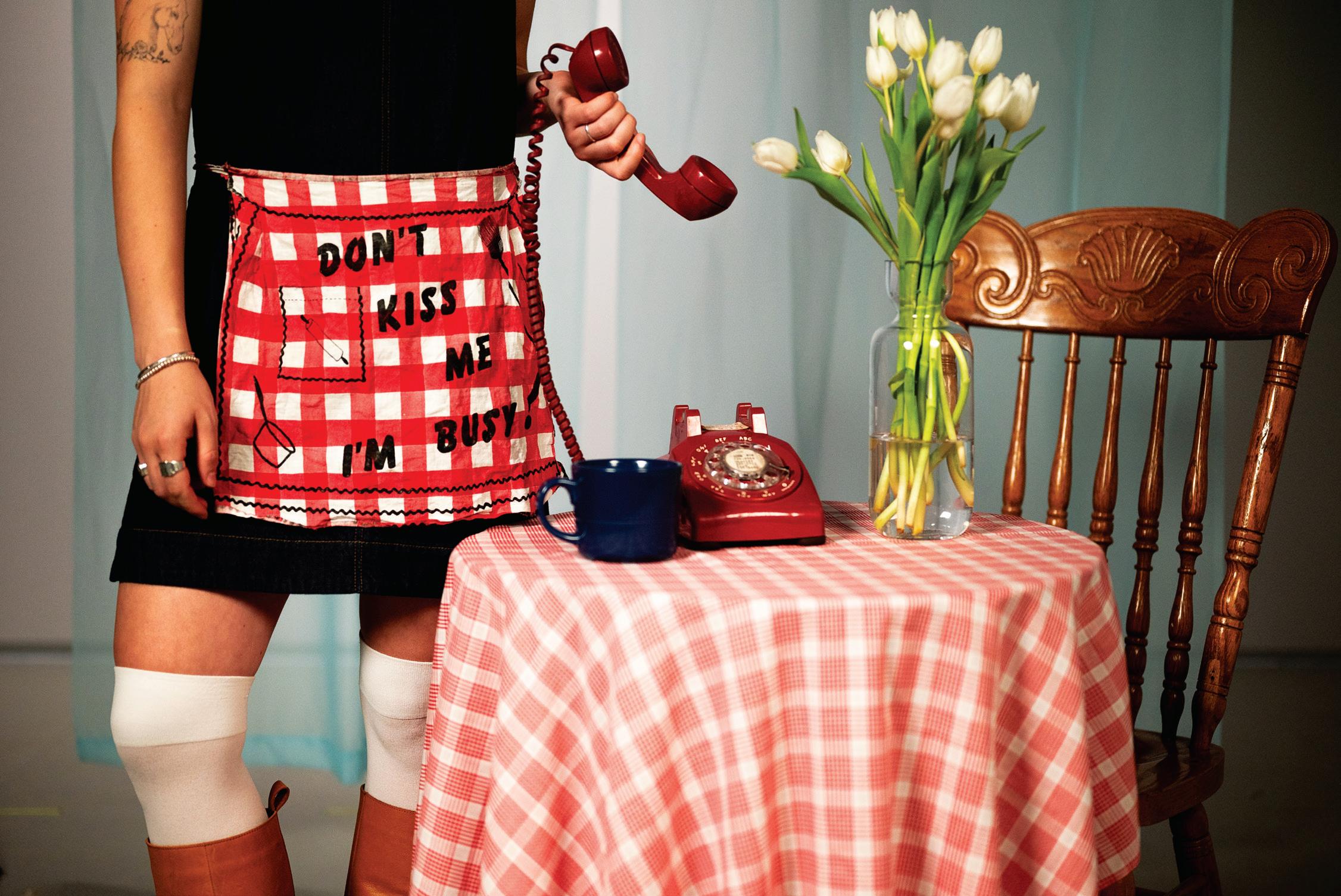
As a chronic daydreamer, I frequent Pinterest. A few months ago, my daily scroll started harmless and unassuming: stills of Rachel Green outfits, photos from the Betsey Johnson 2005 collection, early 2000s-inspired yoga outfits, and an aesthetic picture of a girl in front of the great pyramids with “you suffer as long as you decide to” in classic TikTok font. Suddenly, I’m presented with a picture of a couple feeding each other pizza in a diner – lovely! I save it. They keep coming: a couple on a park bench, another in pajamas in the kitchen with green face masks on, a bathroom mirror selfie taken on film of two people brushing their teeth, and a simple candid of a man with his arms wrapped around his girlfriend in front of the Eiffel Tower. All saved to a board that I think will represent idealistic love.
My imagination of love was a dreamscape. Rather than fantasizing about meaningful moments with a life partner, I had orchestrated a shot plan for a false love story. I was directing a plot without conflict – just sexy highlight reels shared in hopes of receiving applause in the form of likes, comments, and saves. I wasn’t looking for a companion; I was looking for a co-star.
Now more than ever, how you show up online holds immense weight. As soon as you’ve given someone your name, you’ve given them the only research tools needed to explore your
psyche. Since everyone is just a Google search away, social media accounts allow you to control your digital image– it’s your first impression, your pitch, your portfolio. For some, an easy-on-the-eyes counterpart may just be another covetable addition to a cultivated reputation.
There’s nothing wrong with wanting to present yourself well on social media, nor is it completely inauthentic. It’s not dissimilar to presenting differently to your co-workers versus your close personal friends. However, it becomes an issue
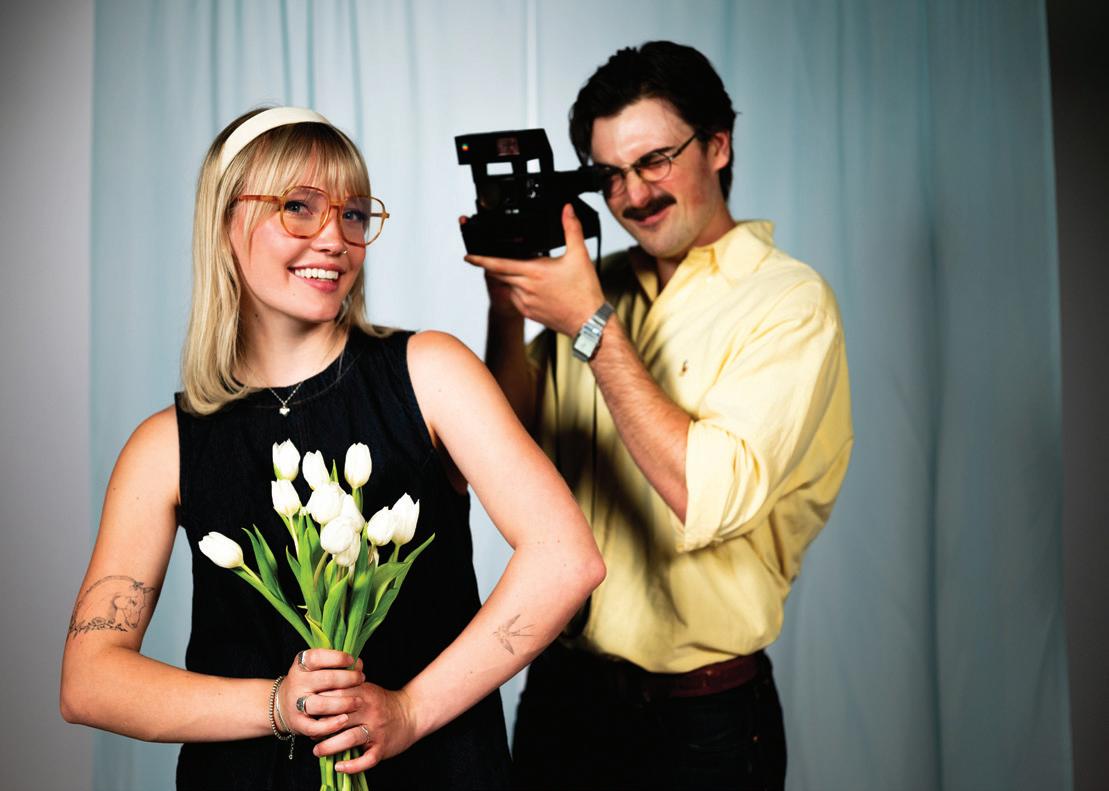
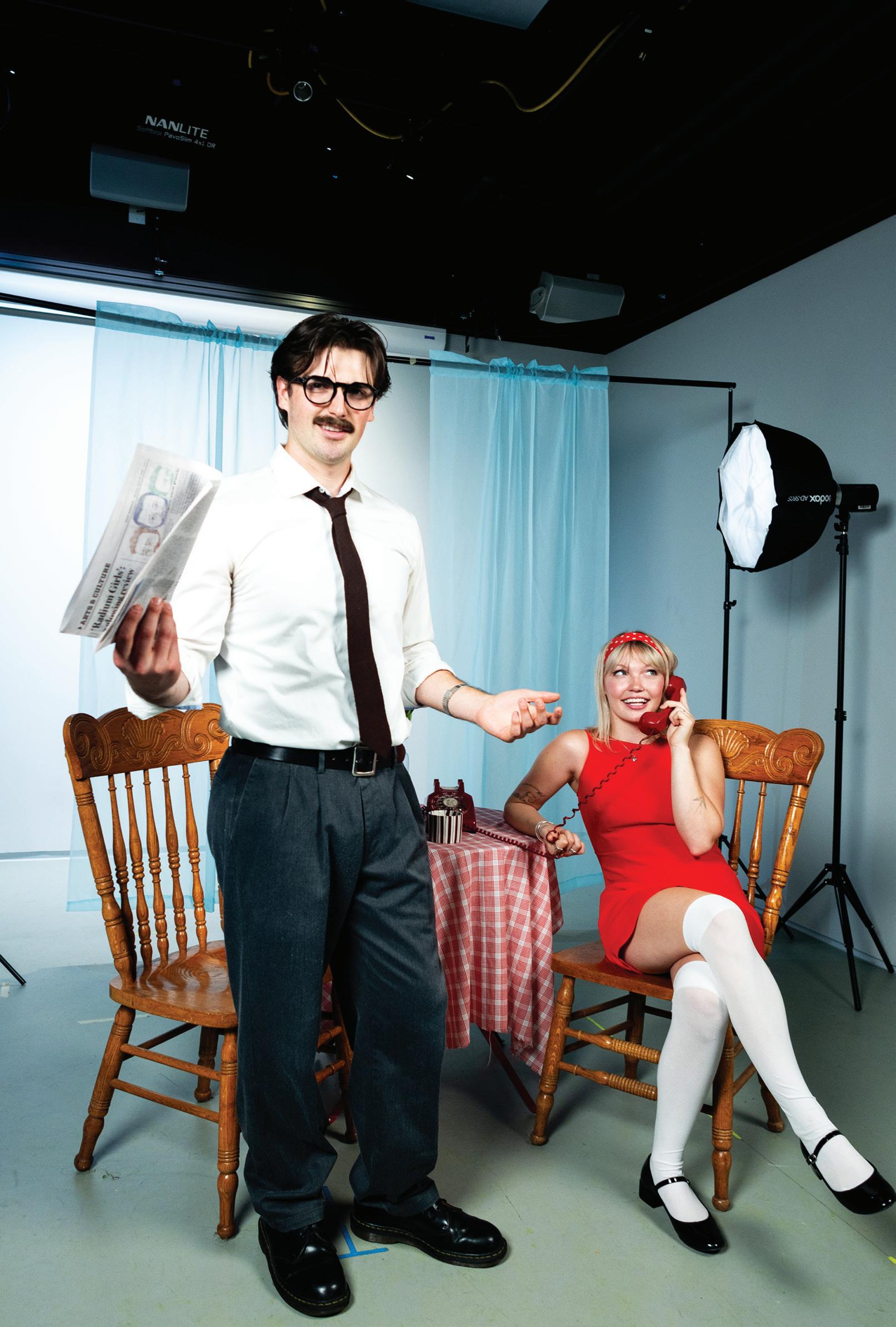
when maintaining how you appear online causes you to change how you behave in your real life – like choosing a partner because their “aesthetic” aligns with your lovey-dovey Pinterest board.
It’s also damaging when that guise perpetuates an unattainable reality that others feel they must aspire to – one that not even you can keep up with, despite creating it. Like making an effort to appear as a perfect couple online when,
behind the scenes, there’s trouble in paradise.
This correlates with the SelfDiscrepancy Theory, coined by psychologist E Tory Higgins in 1987. The theory categorizes “self” into three categories: actual, ideal, and ought. Particularly when there is a gap between the actual and ideal self, individuals are vulnerable to dejection-related emotions such as disappointment, dissatisfaction,
and sadness. Not measuring up to the goals you set for yourself can lead to self-loathing. However, it can also lead to discontentment in relationships, as you’ll believe your attributes do not match the hopes that a significant other has for you.
Before social media, our ideal self could exist in the ether. Today, digital platforms allow for our ideal self to take the center stage. This causes even greater self-discrepancy, which will likely result in mental fatigue.
It’s like molding your personality into someone you think your crush will like. It might work for the first few dates, but eventually the performance will have to end and the curtains will close. Who’s going to be there to pick up the roses once the audience goes home?
Brand strategy and advertising professor, Slavka Eberhart-Garah, provides a solution to personal branding without self-erasure: authenticity and leaning into what makes you different.
“I’m convinced that if you lean into what makes you different and make that your brand, as opposed to the brand that people expect, it is so much more effective in every way, and it’s the sustainable option in the long run.”
This involves staying consistent and true to what you believe in while also not being afraid to push the envelope.
So, to conclude, would I really want a boyfriend if I couldn’t post him on my Instagram?
The truth is, I wasn’t going to find out what my true desires in life were unless I logged off and reflected upon that on my own. I had to delete the Pinterest board, dim the spotlight, and stop performing for an imaginary studio.
If you want to create an everlasting production, you have to give the people what they want: something real.
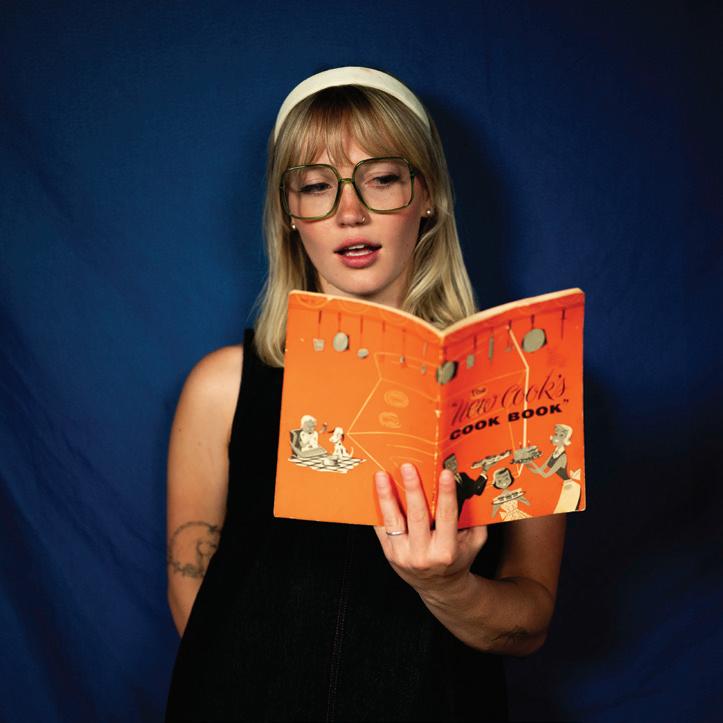

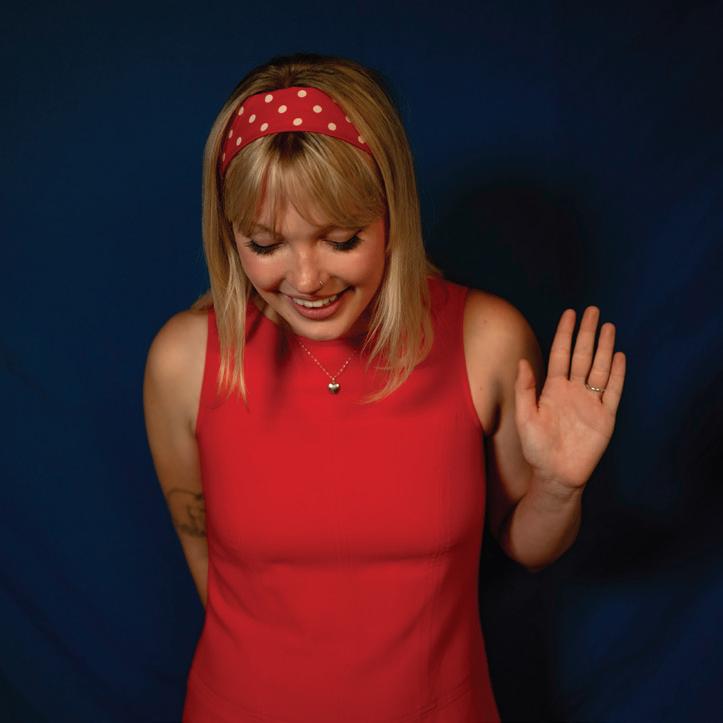
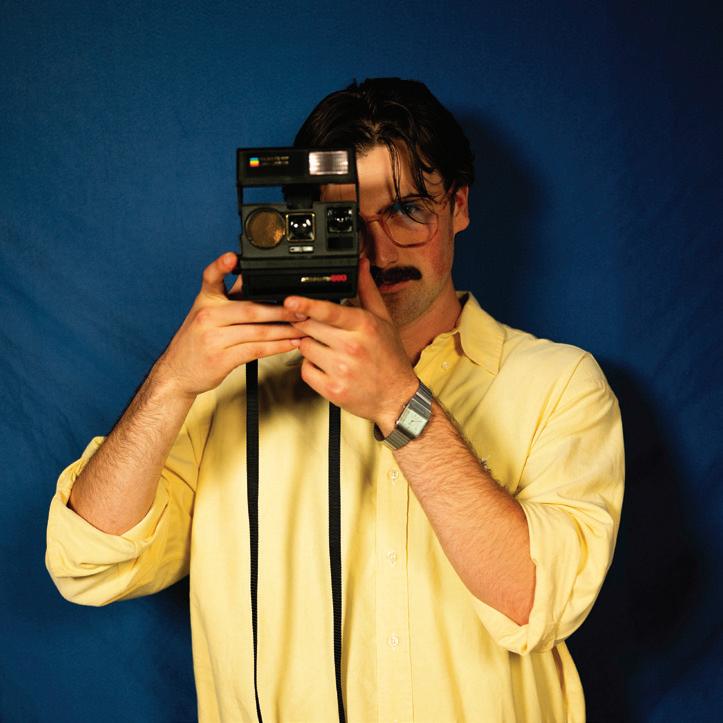

WRITTEN BY ANAYA LAMY
ART DIRECTOR ISABELLA KING
PHOTOGRAPHED BY SOFIA MOSCOVITCH
MODELS DAVIS LESTER & ELLA FOGG
STYLIST SHELBY COLLINS
DESIGNER CAITLYN REICHOW
PLAYLIST CONNOISSEUR LUCY FROMM
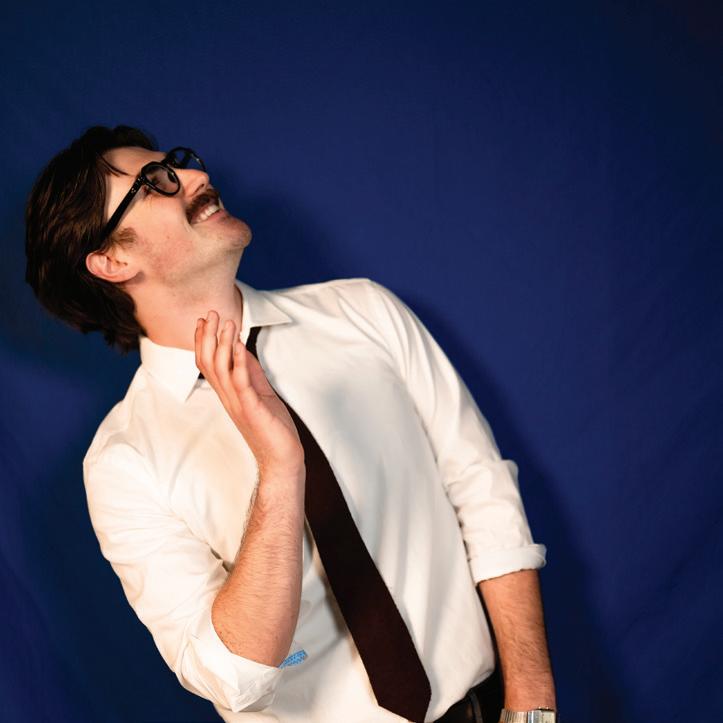
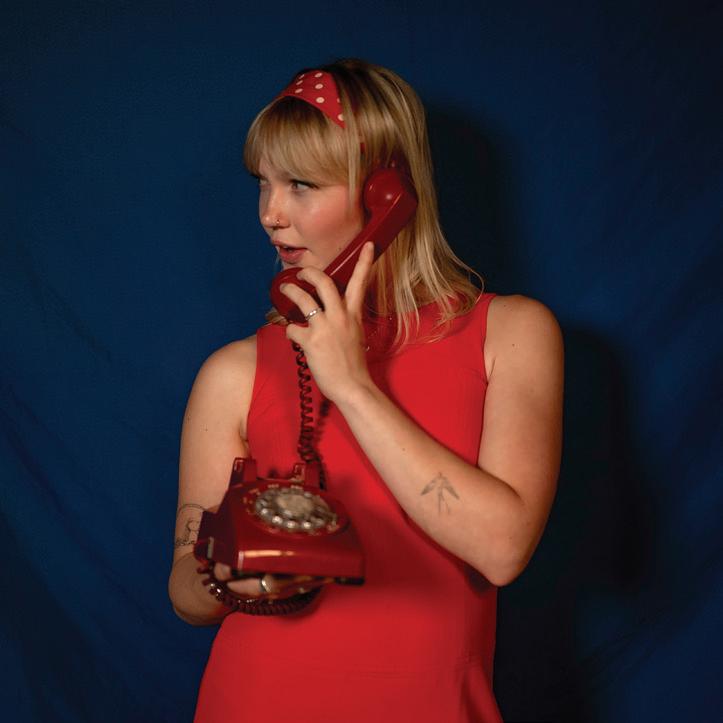
” platforms digital ideal self allow for our to take the
center stage


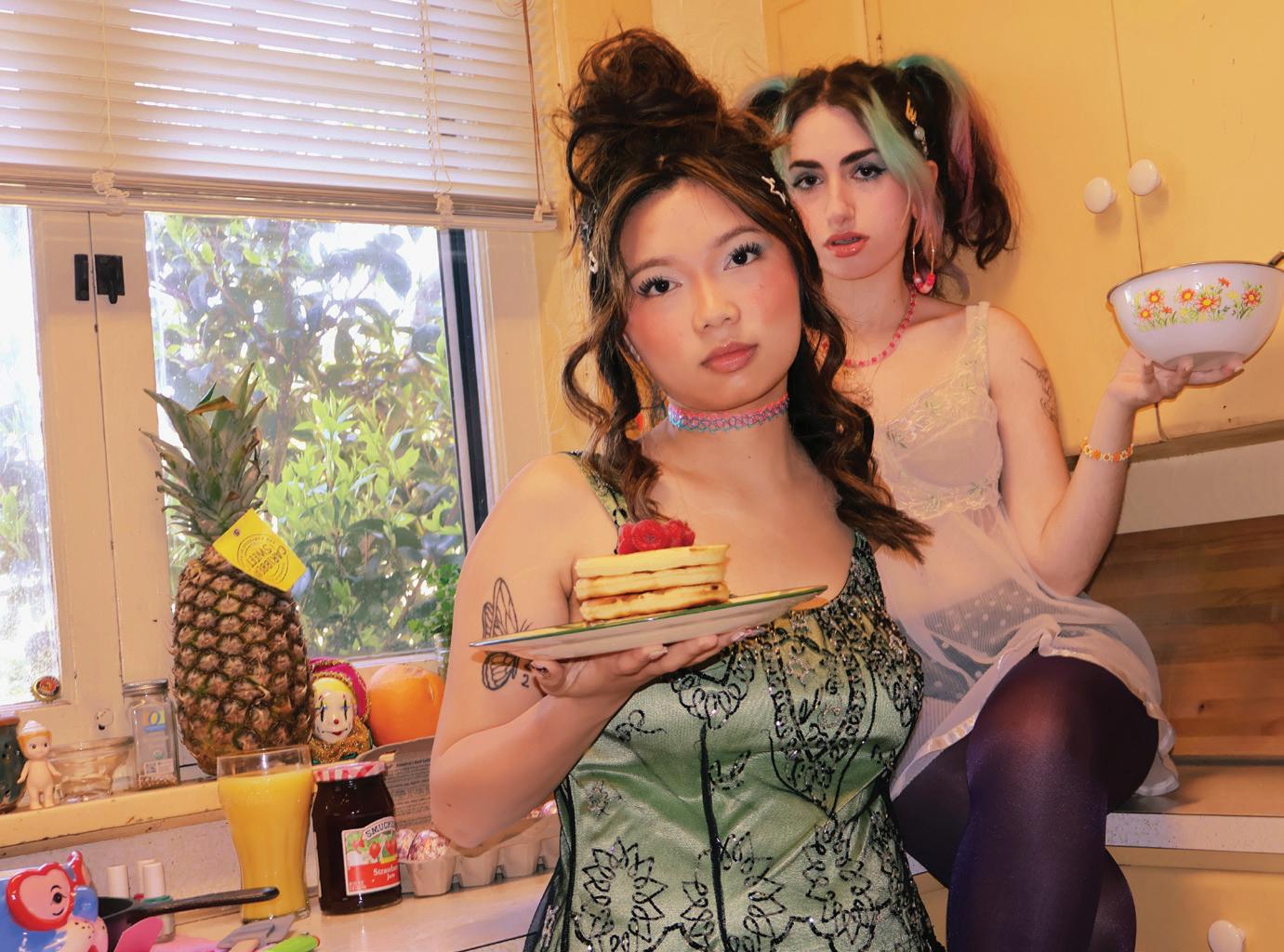

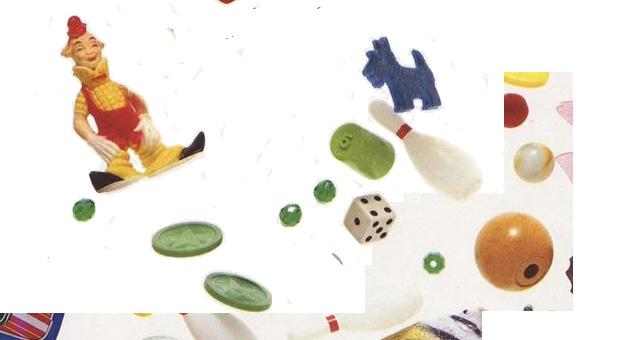
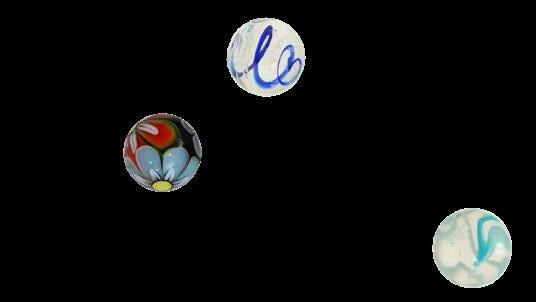
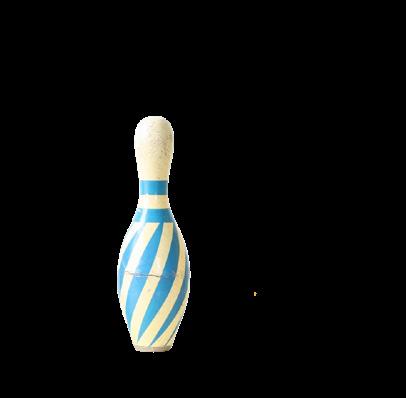
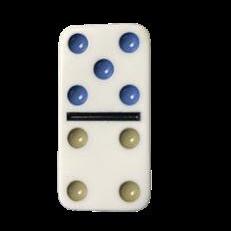
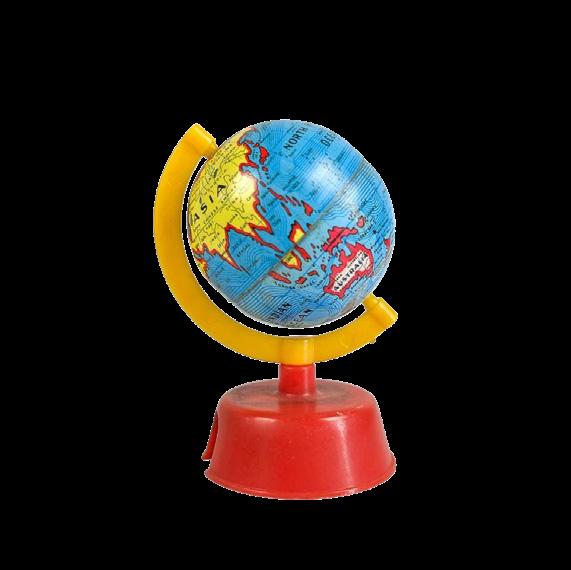
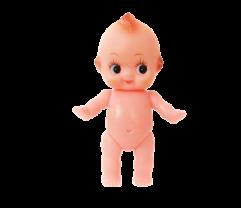

I spy two Sonny Angels, dressed as cream puff and bell pepper, and a single ladybug, a delicate treasure.

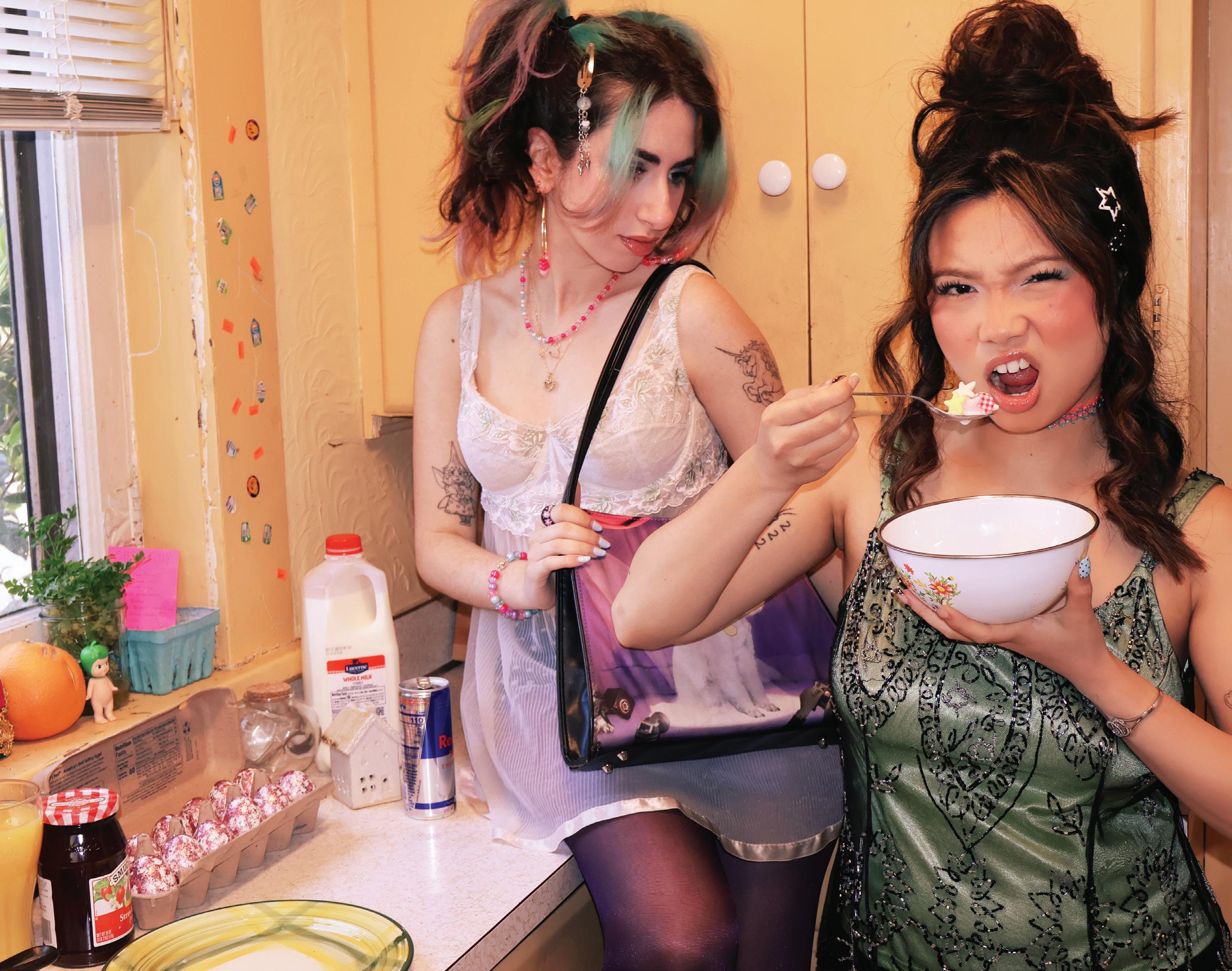
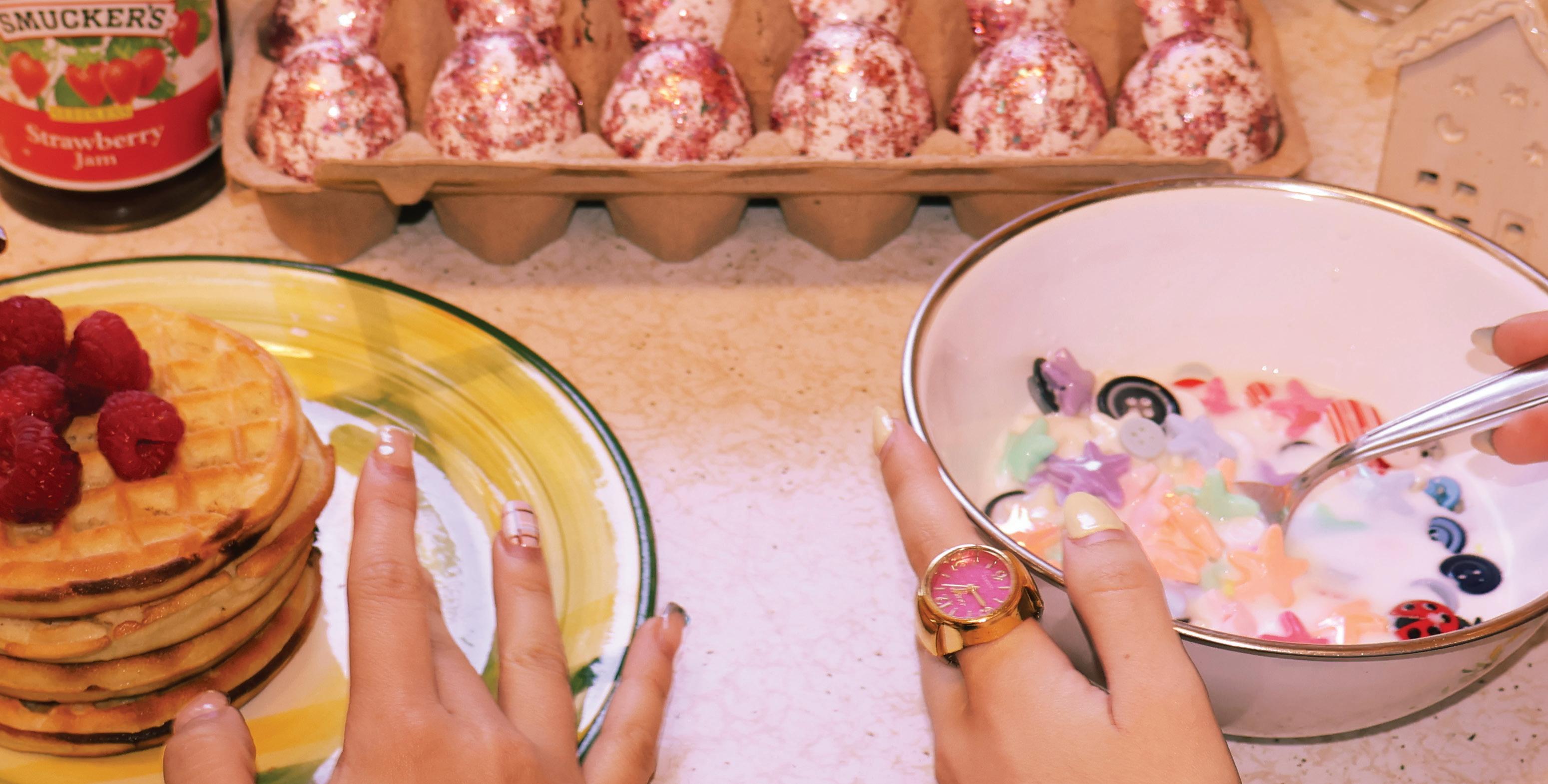
ART DIRECTOR RYLEE CARTER PHOTOGRAPHED BY BRITTA ANDERSON MODELS SARA KHOURY & MALINA PHAM
STYLIST NINA LATTO
DESIGNER KATE COOPER
ON ABSTRACT PORTRAITURE AS REFLECTION
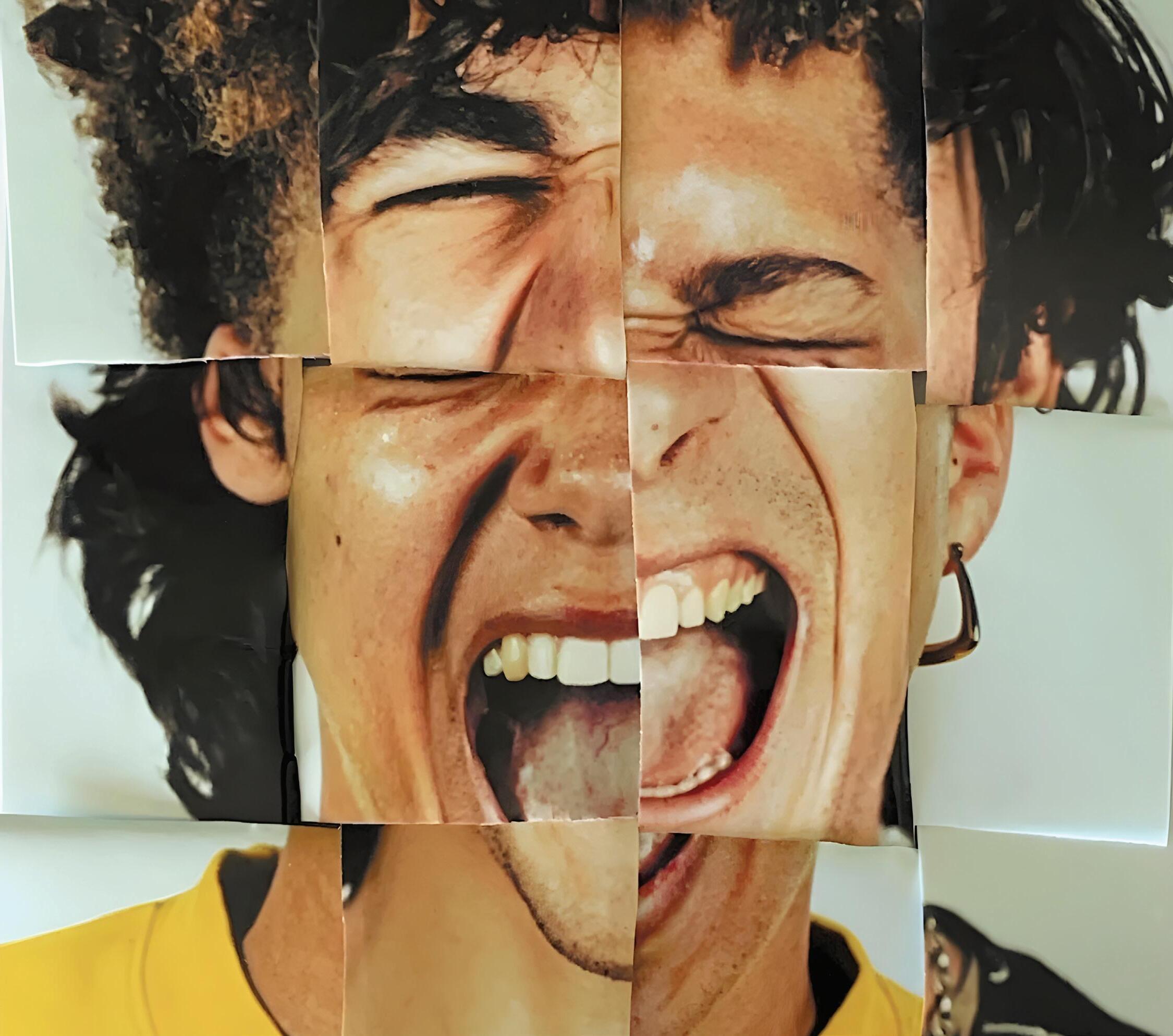
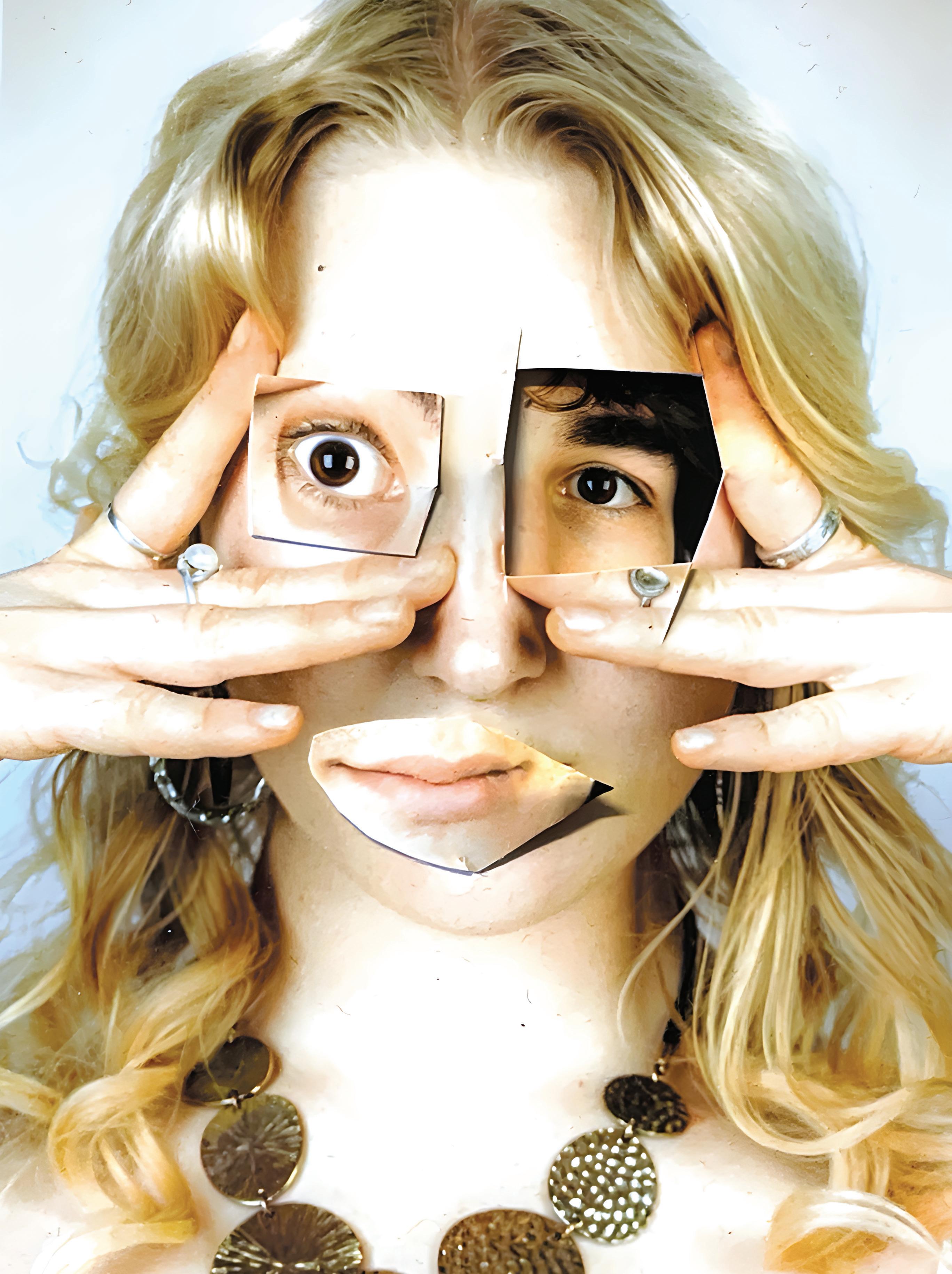
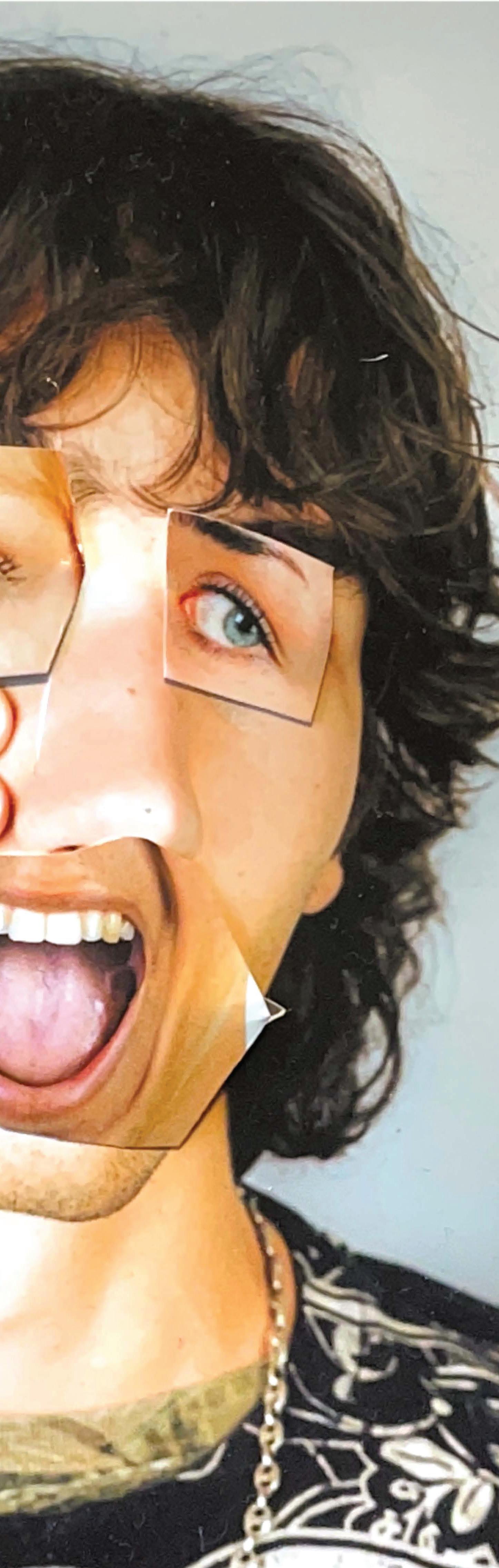
I’ve always wondered what my innards would look like under an x-ray — acidic, splotchy, barelycontained? If you stroked my coarse hair with your eyes closed, would it feel like a tiger’s fur? Do my words spit out of my mouth like blood splatters, staining everything around me? I was meeting the eyes of the arachnid when I realized that “Homeward Bound” by Wangechi Mutu was more than just a collage. It was an electromagnetic scan. Mutu, like many abstract artists, created a piece that demands introspection. The only explicitly human parts were a singular eye, a pair of lips, an ear, and the gesture I mirrored. I tilted my head up at the piece, examining, as it did the same to me. As I moved through the museum that day, I began to wonder why I felt so disembodied after our encounter.
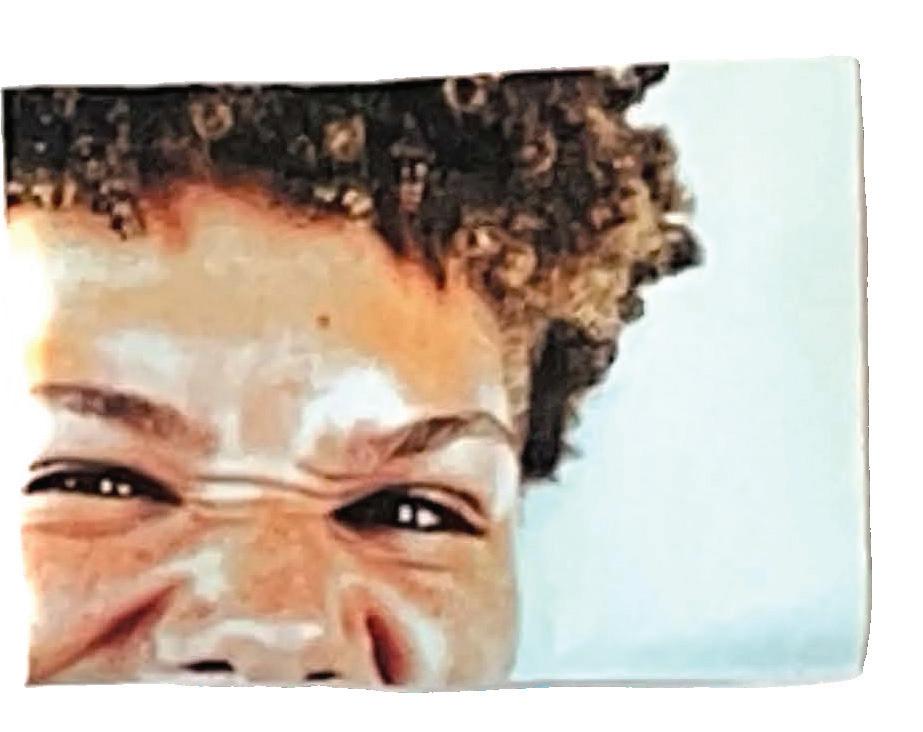
Abstract portraiture has a unique way of eliciting discomfort in an audience that is used to seeing faces and bodies every day. It is the antithesis of realism and classical standards of perfecting, idealizing, and idolizing the human form. Realism, in all its beauty and technique, does not necessarily depict the reality of humanity. The human experience can not be summed up by what our faces and bodies literally look like. Abstract artists consider: what does it feel like to exist in our bodies, how do rage and depression make a person “unrecognizable,” what do you see when you look in the mirror that no other person would be able to see in you? As we shift towards abstraction and away from exactness, something more irrational starts to appear in art.
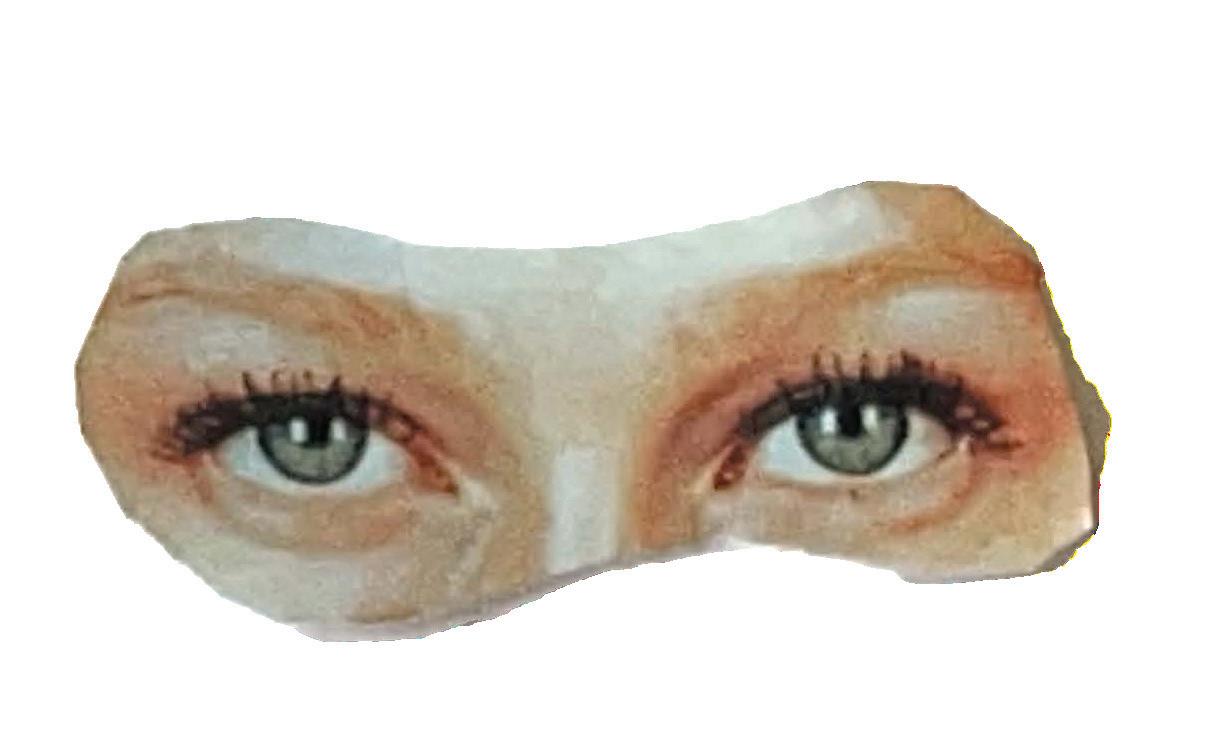
We start to wonder if these images are just uncovering our reality. Not necessarily a mirror, but an x-ray. At a glance, abstract portraiture is unintimidating. It’s once you begin to find familiarity in the distortion that discomfort creeps in. The ageold subject of much literature, religions, and some pseudo-sciences has been an investigation of the thing that lives underneath our skin. What is it that moves and makes us? The artist brings that to the forefront, depicting our anger as gnashing teeth and our screams as scribbles. The complex humanity ingrained in every piece reflects how the artist moves through life and sees through people. However, it is unnatural to see ourselves this way.
The beauty of these portraits is in the relationship between the work and the artist. Arshile Gorky once explained abstract art as a relationship that “enables the artist to exist beyond the tangible, to extract the infinite out of the finite. It is the emancipation of the mind. It is an expansion into unknown areas.” I’d argue that these areas are actually profoundly familiar. They are the parts of ourselves we can not see — the patterns of our veins.
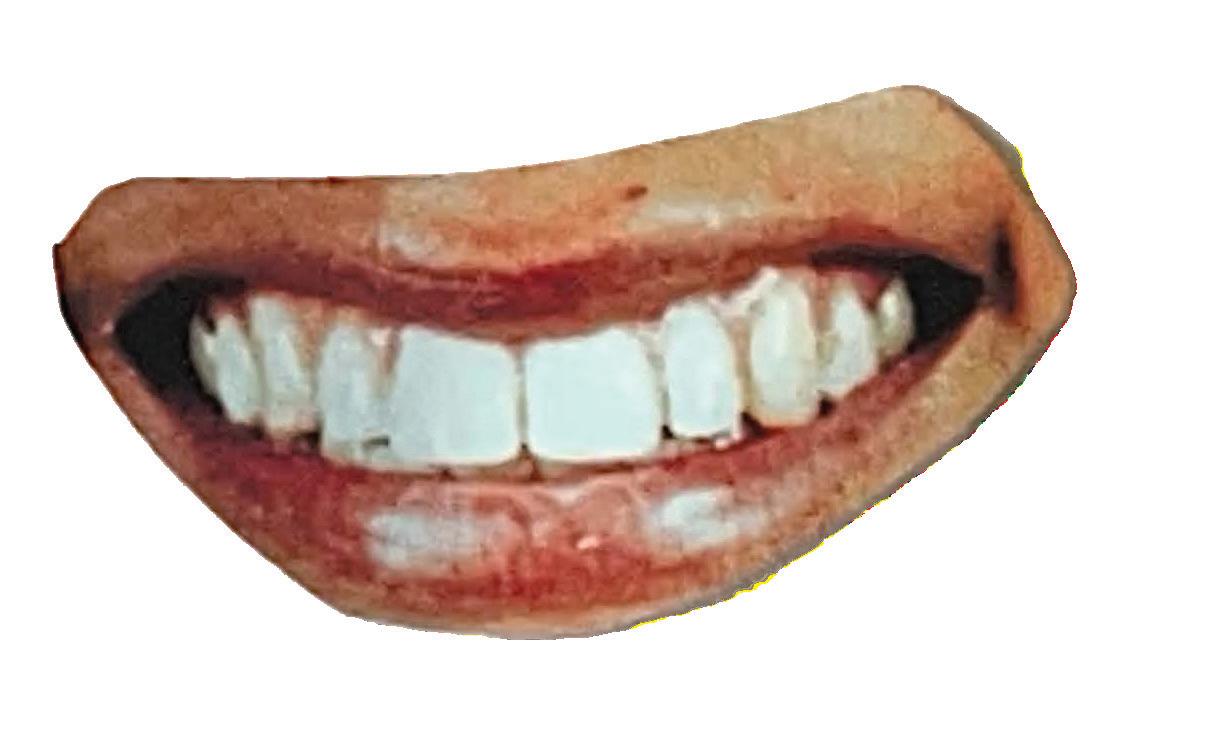
Take the works of William de Kooning: with wide eyes and thrashing limbs, his subjects are blurred by the chaos surrounding them. To me, these appear as panic attacks brought to canvas — the brutality of feeling turned inside out and gasping for air as breathing becomes a cruel battle. In these moments, writhing in pain, you may take the shape of a human, but you don’t feel like one. Bringing this feeling to a canvas results in divided receptions of de Kooning’s women.
My affinity for abstract art lies in how it makes me move. I have to tilt my head, furrow my eyebrows, wince, and walk around it. The piece watches me as I begin to make sense of it. In a way, I can feel the artist watching as well. Frank Auerbach, a post-war Jewish-British artist, hoped to make art “that remains in the mind like a new species of living thing.” His works turn a viewer into a taxonomist, studying and classifying these creations. There will always be an unanswered question for the viewer — one that cannot be found in a museum placard or with vast historical context. There is a part that the artist keeps to themselves as they venture into unknown areas and create new living things. We, the audience, are simply being asked to follow their lead, though the journey may demand introspection.

How Common Sense Shapes the Way We Think
TThe same reason you put a coat on when it is cold outside, or why you avoid interrupting someone midconversation, is the same reason I put a coat on, or stay silent when others are speaking. Saying “thank you” after being helped or not standing extremely close to strangers remains part of a shared human experience that feels universal. The strangest part of it all is that I don’t know you; nevertheless, I will likely have the same reactions as you. Most of these actions will happen without conscious thought. They are habitual, automatic, and so deeply familiar that we rarely stop to question them.
But from where do these commonalities emerge – and why do they feel so natural, even between people who have never met?
Taste, smell, sight, touch, and hearing reveal shared traits among individuals. Our five senses create relatable experiences between each other, but still leave us wondering why we follow similar actions. These senses have a physical origin. People can explain how the eyes detect light or how the nose recognizes smell. That being said, our five senses can’t explain why I avoid interrupting someone, the same way you avoid interrupting someone.
The phrase “common sense” was originally coined by the Greek philosopher Aristotle. He explored the universal perception of senses, how one will often activate another, and the connection between our senses and the
brain. The way a delicious smell might lead you to a nearby restaurant, or a disgusting taste might deter you from anything with that ingredient, is similar to the way Aristotle explored common sense.
Rather than considering this notion as a part of the five senses, he defined it separately; common sense as a central perception that is a culmination of the five senses. In other words, Aristotle believed common sense to be a coherent experience of a single object.
During the Enlightenment, Scottish philosopher Thomas Reid further developed this idea. He explained “common sense” as a set of self-evident truths embedded in the human race by nature, ultimately governing human lives and thought. Instead of Aristotle’s idea that common sense is a combination of all senses, Reid believed common sense is based on the experiences people have.
The term evolved, similarly to Reid’s definition. We now describe common sense as the practical and inherent judgment used to navigate our everyday situations. These inherent judgements are based on shared experiences rather than specialized knowledge. It is our basic or “taken-for-granted” knowledge that people often overlook, not knowing how much of an impact it may have on their next decision. So much of this knowledge comes from the society around us which influences our



and representing popular knowledge in cultures. In recent years, artificial intelligence has become a huge factor in people’s lives. Many school platforms have AI detectors, and professors often discourage AI use. This popular knowledge helped our common sense establish “using AI = cheating.” Now, people and students have become less prone to using AI. Another example being the COVID-19 outbreak. Professionals advised us to social distance, and it soon became an unconscious action of ours to separate ourselves six feet apart from someone.
Common sense is not simply instinct, or a fixed set of rules that every person is born knowing. It is shaped through human experiences, cultural expectations, and the constantly changing world around us. The unconscious habits that guide our everyday actions – saying “thank you,” avoiding interruption, or keeping distance during a pandemic – reveal how deeply society influences the way we think and behave. Although these behaviors feel natural and universal, they are continually evolving alongside history, technology, and culture. Common sense, therefore, is not merely knowledge we possess; it is a collective understanding we inherit, adapt, and pass on through everyday life.
WRITTEN BY SOPHIE TURNBULL






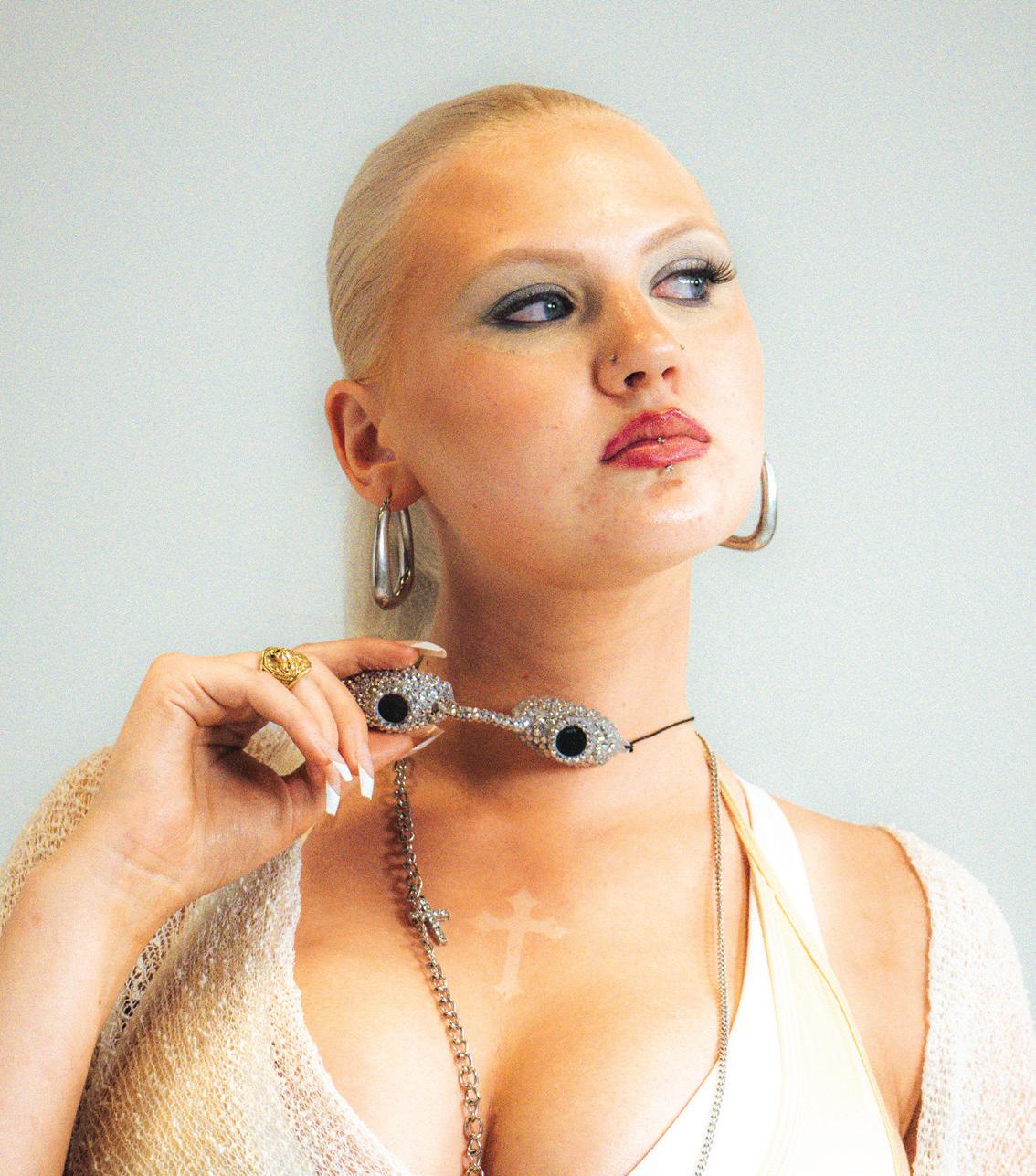
Tan lines confront the effort it takes to look effortless. Getting a tan, something that was once the natural result of hours spent living, moving, and being in the sun, can now be bought, commodified, and reproduced through artificial aesthetics in a matter of minutes. The tan is no longer the result of an experience. The maintenance itself becomes the experience. There is immense internal pressure to maintain

a flawless image, especially in a culture where services are available for nearly every aesthetic alteration. When beauty standards are repackaged as maintenance, conformity begins to feel routine, and satisfaction is always just beyond reach within a cycle of constant upkeep. Tan lines become evidence of that performance, revealing the labor behind the image of effortlessness.
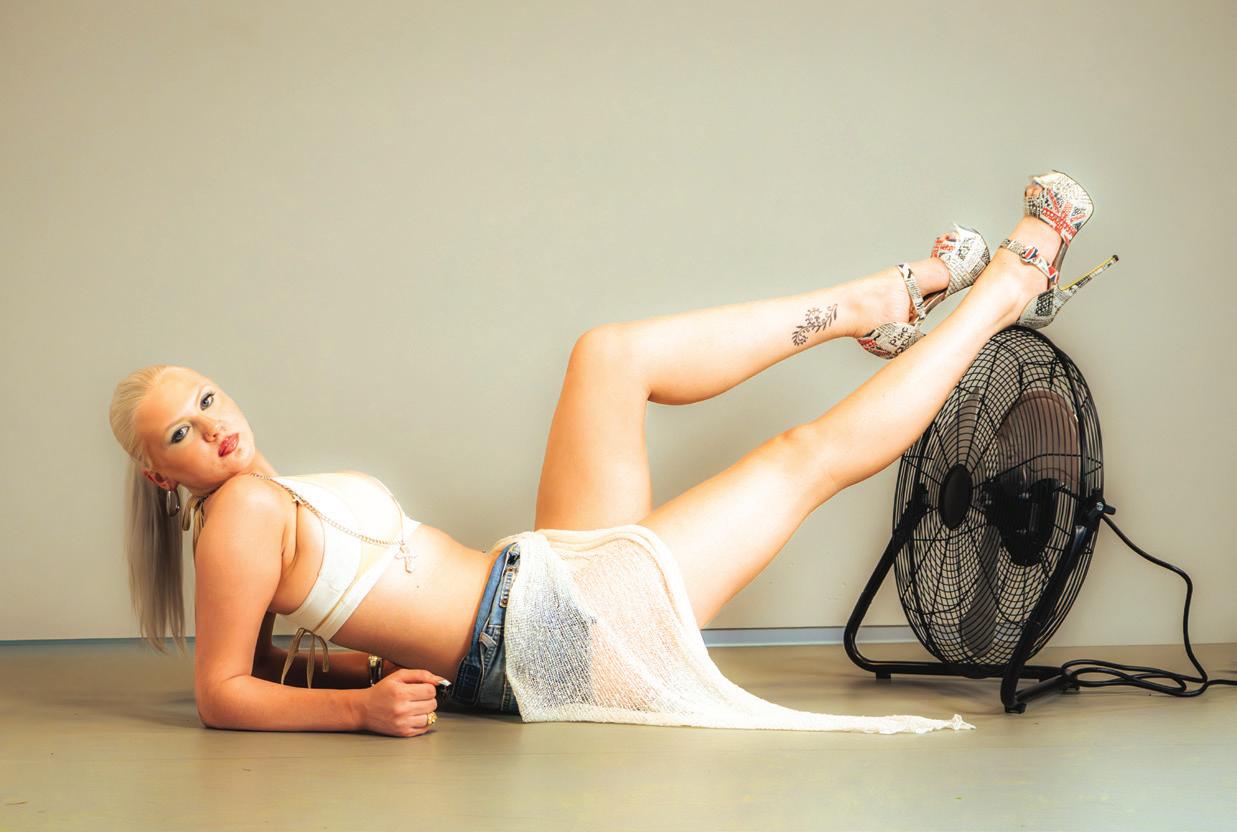
ART DIRECTOR & WRITER CORI MARKUS PHOTOGRAPHED BY KATIE POLUYANSKY
MODELS JAIDEN BERGMAN & ANNA DE SANCTIS STYLIST ANNA LYONS MAKEUP DANIELLE COLLAR PRODUCTION ASSISTANT SARAH REMBISZ DESIGNER ALYSSA SAMUEL


SPACE BETWEEN
THE PARTS THAT NEVER
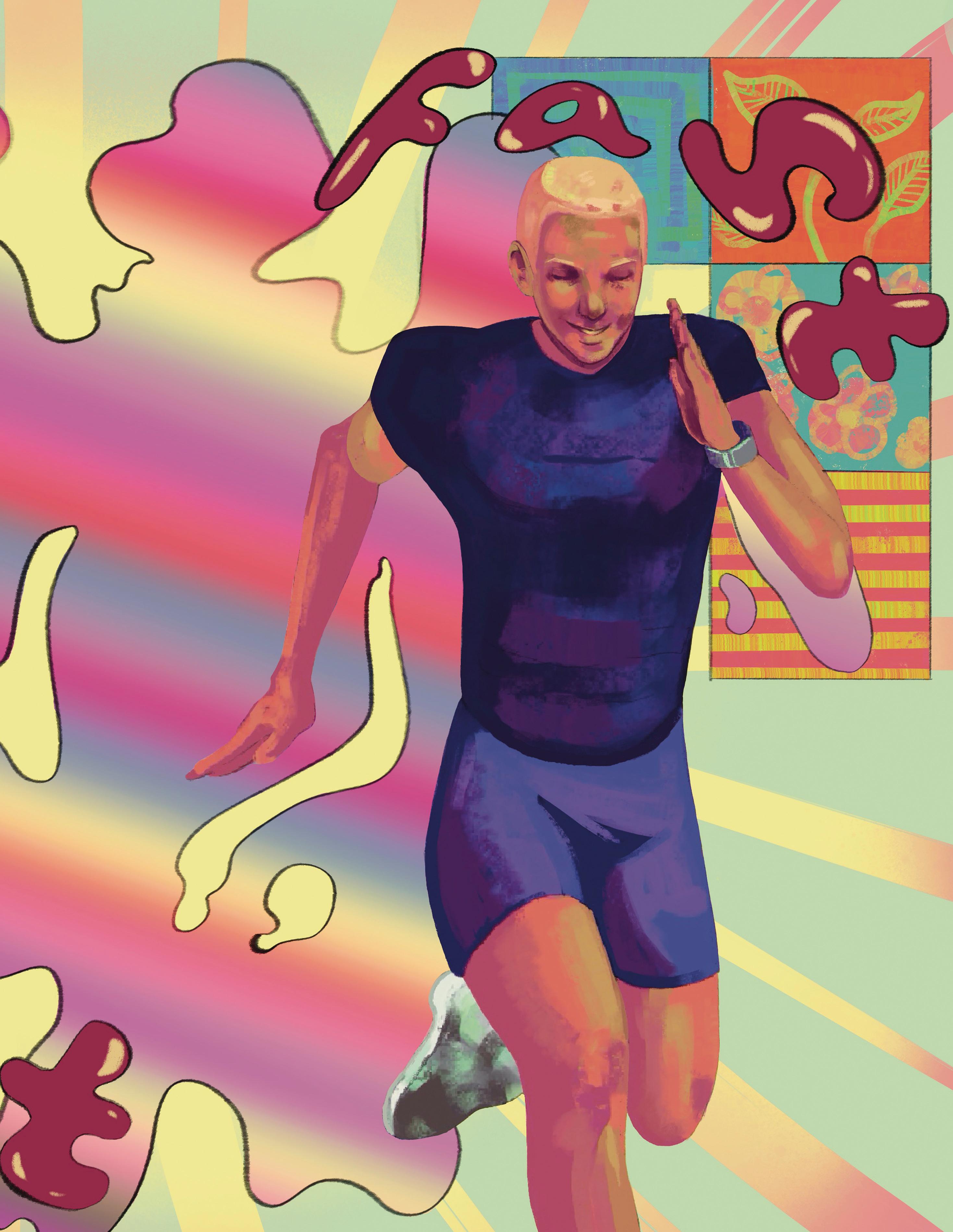
Beep. Mile 1. Pace check: 9:30 rolling mile. Heart rate: 170 BPM.
From the outside, running is measurable, but that is not the part that sticks with you.
Breathe in, breathe out. A bead of sweat trails down my forehead and into my eyes, blurring my vision. Focus. Cadence needs to be faster, lighter. The tread of feet pounding the pavement echoes all around me, a cacophony of noise in sync with the rough exhales of those next to me.

Arms pump harder. Not fast enough.
I push harder as my shins threaten to break off my legs. My knee begins to cramp. The pain is sharp, insistent. Focus.
I hone my vision on a landmark in the distance. I just need to make it there. At this moment, nothing else matters.
Whatever you do, you do not stop.
My mind drifts. Tree branches arch overhead. Is that a nest? I wonder what animal calls it home. I wonder what Mom’s going to make for dinner tonight. I hope it’s spaghetti.
My stomach growls, snapping me back. The pain is still there, threading through everything.
You can do this, I tell myself.
foot in front of the left. Left foot in front of the right. You worked so hard to be here.
Right
BETWEEN STEPS
SHOW ON THE CLOCK
Hesitation begins to sink its talons into my mind.
But what if I’m not strong enough?
My shins feel as though they are shattering. The pain feels insurmountable.
I don’t know if I can finish.
Within an instant, my mind drifts again.
I am no longer on this path but somewhere else entirely, liminal.
I exist in this in-between state where I feel outside of my body. I am moving, but I am not here. The path folds in on itself. Repetition becomes a kind of maze — left, right, forward, but always the same. My thoughts stretch and double back before I can follow them.
Time distorts. It could have been hours or seconds. Everything feels too bright, too distant, just out of reach.

I would never know how long I’ve been gone were it not for the cowbells in the distance, pulling me back, guiding me out, dropping me back into myself.
The agony creeps in again.
I rotate my left wrist to check my stats. Pace: 9:50 rolling. Heart rate: 185 BPM.
This can’t be happening. I think I’m crashing.

NOT ON THE CLOCK
I begin to spiral. I’m off pace. I need to be faster, but I can’t. I’m so tired.
I try to control it — my pace, my breath, my body — but everything feels like it’s slipping anyway.
I know what I need to do.
I need to let go.
I roll my shoulders down from my ears. I release my arms, let them swing, letting go of the tension from the past miles. I inhale deeply, then exhale — my exhaustion, my worry, my need to control any of it.
My mantras return, quieter now. Not to force anything. Just to keep moving.
Before I realize it, I’m surrounded by more people than I’ve seen in the past 26 miles.
I’m almost there.
I pump my arms. Hard. My heart feels like it might beat out of my chest. Sweat pours down my back. My quads burn, and I can no longer feel my feet beyond the dull ache of each footfall.
Harder. Faster. I can’t. You can.
I cross a thick white line.
From the outside, it’s simple. A line. A finish. A time.
I collapse to my hands and knees, feeling the soil beneath my palms as I try to steady my weak body.
Something begins to bubble out of me as my lips turn up. I’m laughing. I can’t tell if it’s sweat or tears running down my cheeks as I push myself to stand.
A woman with kind eyes approaches, holding out a medal to place over my neck. “Good job,” she says softly, before turning to the next person crossing that same thick white line now behind me.
Nothing about it shows what just happened.
From the outside, it disappears almost instantly. The clock keeps ticking. People move through the chute.
Medals clink, names are called, times are recorded, and filed away. It becomes something that can be listed, measured, proven.
But that’s not what stays.
What stays is everything that never surfaced. The negotiations whispered between breaths. The moment my body kept moving after my mind had already left. The doubt that sharpened into something else. The quiet decision, over and over again, to keep going when there was no one there to see it.
It lives somewhere just outside of proof.
Like heat rising off asphalt, like something you can feel but never point to, the real experience lingers beneath the surface. It doesn’t show up in the numbers or the line or the medal now resting cold against my chest.
Running was never about the distance.
It was about everything that happened when no one could see.
WRITTEN
BY
CECI CRONIN

ART DIRECTOR EMMA RUBIN
PHOTOGRAPHED BY MADISON GSCHWEND
MODELS BELLA RAZURA, JENNEH CONTEH
STYLIST IZZI LIPARI MAXSON
DESIGNER PENNY HENSON
Tangible Dreams: The Chaos
of Creativity
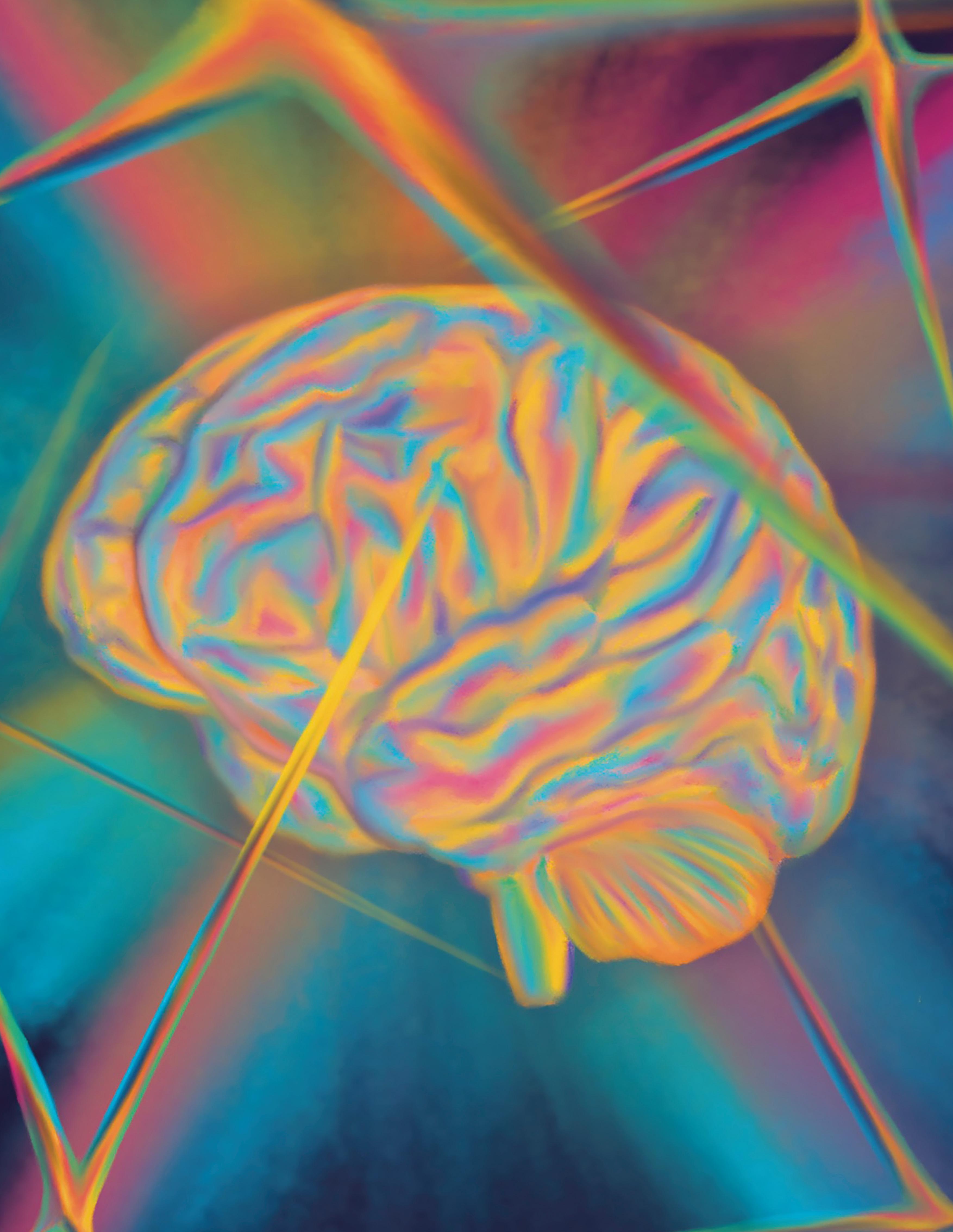
The blank page glows beneath a ballpoint pen, exhilarating possibility tainted by the fear of that first mark, the commitment to the creative process. Placing a quick dash of ink in the top right corner of the page ruins the crisp white expanse, taking away its power. Then, seemingly of their own fruition, wild, messy thoughts emerge, coming into their own and taking off across the page like runners on a track. It is this surge and flow that any creative chases in their work, the moment when everything becomes clear and ideas spill onto paper fluid as water. What is hidden from the human eye are the neon bursts of brain activity firing as we work, the concealed magic behind that moment when everything finally comes together, clicking into place through the disjointed chaos of creation.
Through an intricate dance of delicate communication, the 86 billion neurons in the human brain produce our thoughts, feelings, and actions. Electric branches of neuronal lightning strike through the dark cavities of our minds, a light we carry with us always. These neurons talk to each other; their branching extensions called axons reach out to transmit information in an indiscernible language. This system of communication is unique to nature, like the roots of trees passing whispered secrets in an old-growth forest. Neurotransmitters release from the axons and carry their chemical messages across the synapse, binding to receptors on neighboring neurons. These messages prompt either inhibition or excitement. Chemical communication happens instantly, electric action potentials transmitting information fifty times faster than the flutter of a blinking eyelid.
While restricting something as boundless as human creativity into a purely scientific frame might be compared to pinning the velvety wings of a butterfly, creativity’s neuronal explanation does not diminish its miraculous quality. The very production of creativity should be impossible because of the inverse nature of the brain centers involved in its fabrication. When we are actively engaged in a creative task, two central parts of the brain are buzzing away, lit with activity. The default network is responsible for daydreaming, the moments in which our mind swirls with imagination in the absence of focused thought. The executive control network performs its opposite, controlling the attention required to accomplish challenging tasks. These two neural networks should not be able to function together; mindless daydreaming does not usually share company with deeply controlled concentration.
In the case of creativity, these opposing networks form a unique partnership, allowing the paradoxical flow of making dreamlike thoughts tangible. The bridge between these brain centers is the salience network, the area responsible for switching between a wandering mind and deep concentration. In the brain of a creative, this network permits concurrency. This unlikely unison is the magic behind the bursts of innovation
that are a hallmark of creativity in every form, whether it be artistic, scientific, or mathematical.
Creativity is not limited to that moment when everything clicks and comes together. Progress is rarely linear. An idea sparks, but is quickly followed by the messy middle, a period where that genius stroke feels nothing short of a late night thought holding no legitimacy in daylight hours. Creatives are better acquainted with struggle than with satisfaction; but it is in this often exasperating endeavor that our brains grow. The human brain is highly plastic, able to reshape and mold itself to new experience and understanding. This fact proves that we are not who we must remain; we have the ability to change and transform throughout our whole lives. Creatives are the least susceptible to a life marked by stagnancy. As we struggle in our craft, axons are myelinated and strengthened. With an associated increase in white matter comes connectivity between brain regions and more rapid transmission of electrical signals.
The struggle associated with the creative process is so constant that it seeps into every corner of the mind, even occupying the unconscious. What lies there is as mysterious as the universe, uncharted and expansive. It functions unbeknownst to our own perception. Neurologist Sigmund Freud is famous for defining the unconscious mind as a place where the undesirable went to hide. British poet and psychology enthusiast Frederick Myers contradicted Freud with his understanding of the unconscious as full of inspiration, meaning, and creativity, which if accessed could produce incredible realizations. Writers and artists have long welcomed this process in their work, using the unconscious as a catalyst for creation. 18th-century German writer Johann Wolfgang von Goethe mused on the value of the unconscious in writing his famous novel, “The Sorrows of Young Werther”, “I wrote the book almost unconsciously, like a somnambulist, and was amazed when I realized what I had done.”
Any creative has experienced the magic of the unconscious process in their work. Hours can be spent sitting before a blank page or racking the brain for a solution, just for the spark to finally light in the most unexpected places. A concept arises in the shower, on a bike ride, or while sitting in a bustling coffee shop. An idea formulates just as a song ends, the fading melody coaxing hidden epiphanies from the depths into the light of consciousness. Creativity comes not when it’s urged, but rather when it’s welcomed in the everyday. The brain is always working, whether we perceive it consciously or not. The constant incandescent glow of neuronal activity is the promise of creativity not yet realized, but soon to be tangible.
WRITTEN BY
HAZEL FIEDLER
ILLUSTRATED BY ASHLEY DUNTEMAN
DESIGNER KELSEY WONG

I want to be a
PURSE GIRL.
She’s the sexier bag lady .
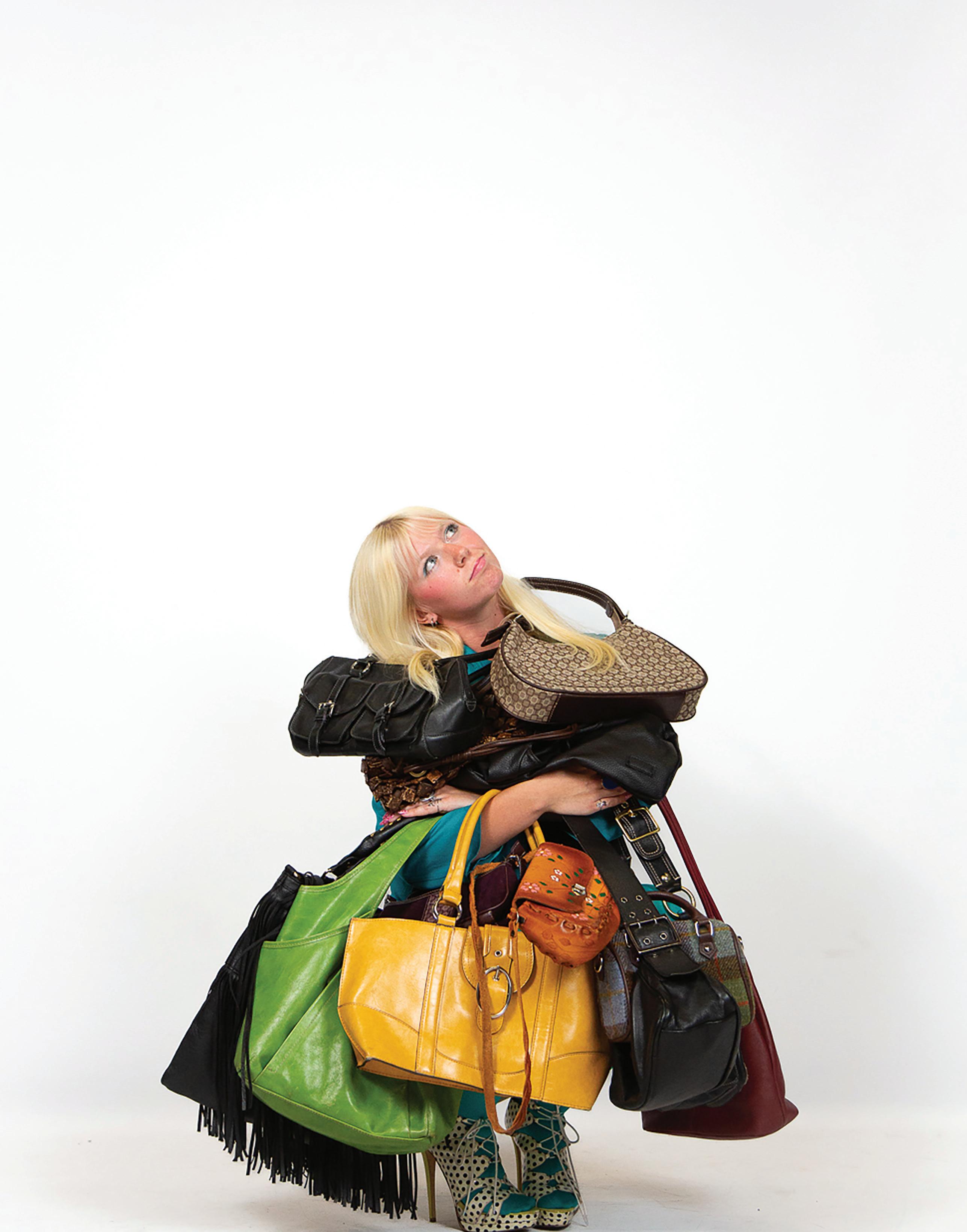
Iwant to be a purse girl. You know her when you see her; she walks with confidence and elusive mystery, swagger and sexiness, carrying secrets hidden from the world, reserved for herself and her needs. She is a mobile, prepared, intriguing sight on the street.
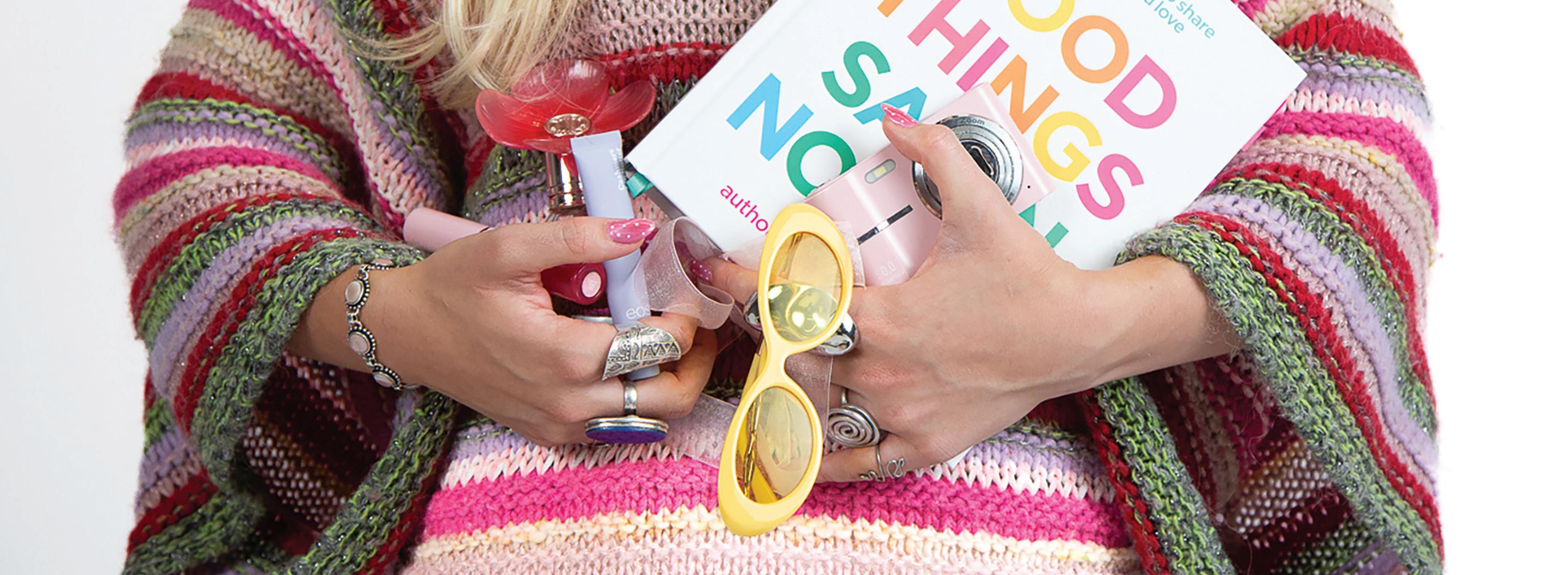
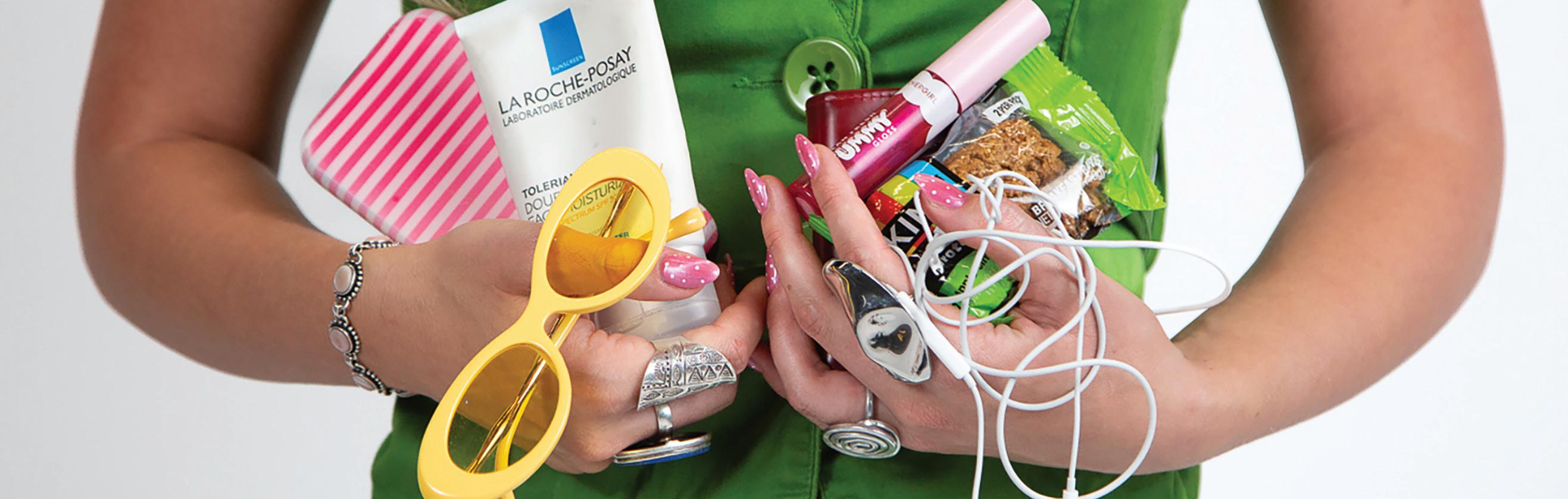
She has everything that she, her friends, or even a stranger could need on any given outing –chapstick, tampons, condoms, water, cigarettes, headphones, a notebook, a flirty flask. Beyond the necessities – old concert tickets, a book, half a granola bar, pepper spray, useless receipts, a bottle opener, and nail polish. She is ready for any situation life may throw at her.
I want to be a purse girl, but I’m a pocket person. I’m a girl who loses her chapstick and buys three new ones just to find the old one in a pair of pants I haven’t worn in a month. A purse doesn’t feel right on my shoulder, and the weight can be a burden. When I go out, I want to drop everything and move freely, and I imagine the purse would weigh me down.
I look around, and I see women carrying. Some women carry makeup and books, some carry fruit in baskets on their heads, and some carry babies in their wombs. When a friend asks to put their things in my bag, I see a glimpse into sisterhood and share a moment with women everywhere who love and give.
In the US during the late 18th-century, women carried their items in pockets tied around their waist, until the lack of pockets in slimmer skirts ultimately left women with no choice but to buy a handbag. Now, purses are widely recognized as a symbol of social status and identity.
The “What’s In My Bag” trend that has circulated the internet speaks to Gen-Z’s consumerist culture disguised as aesthetic curation. The posts functioning as advertising for “must-have” products every “type” of girl should carry. The “clean girl” carries a teensy perfume and hand lotion, the “academia” type carries a laptop and a notated book. These aesthetics ripped through TikTok like wildfire, and ultimately, brands associated with each aesthetic made money. Among the noise, people shifted towards authentic and personal items to carry and share on the internet.
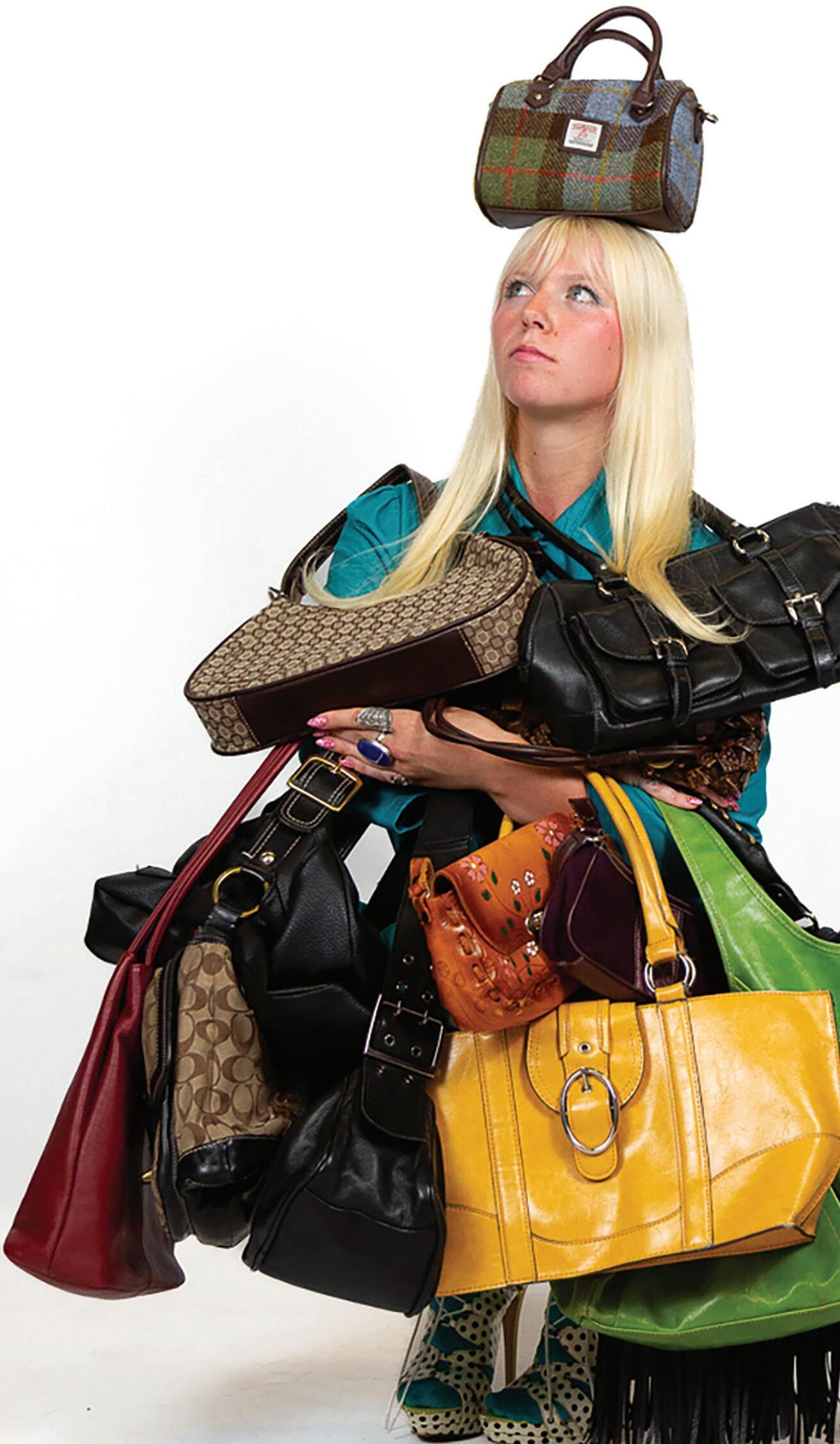
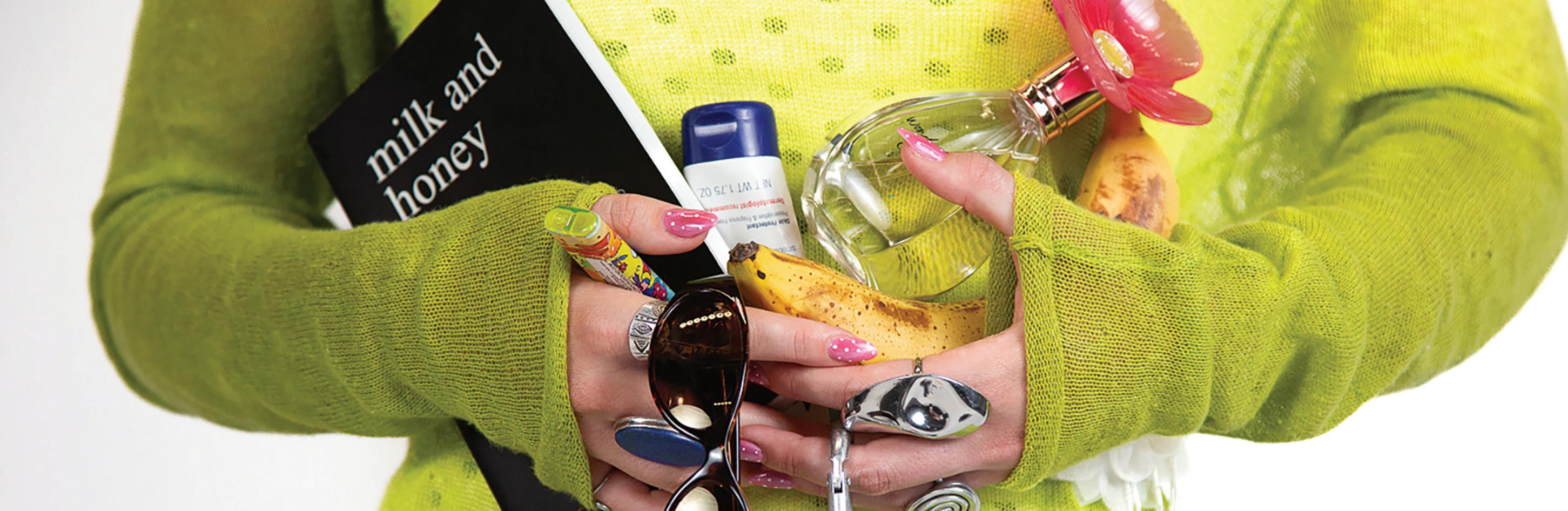
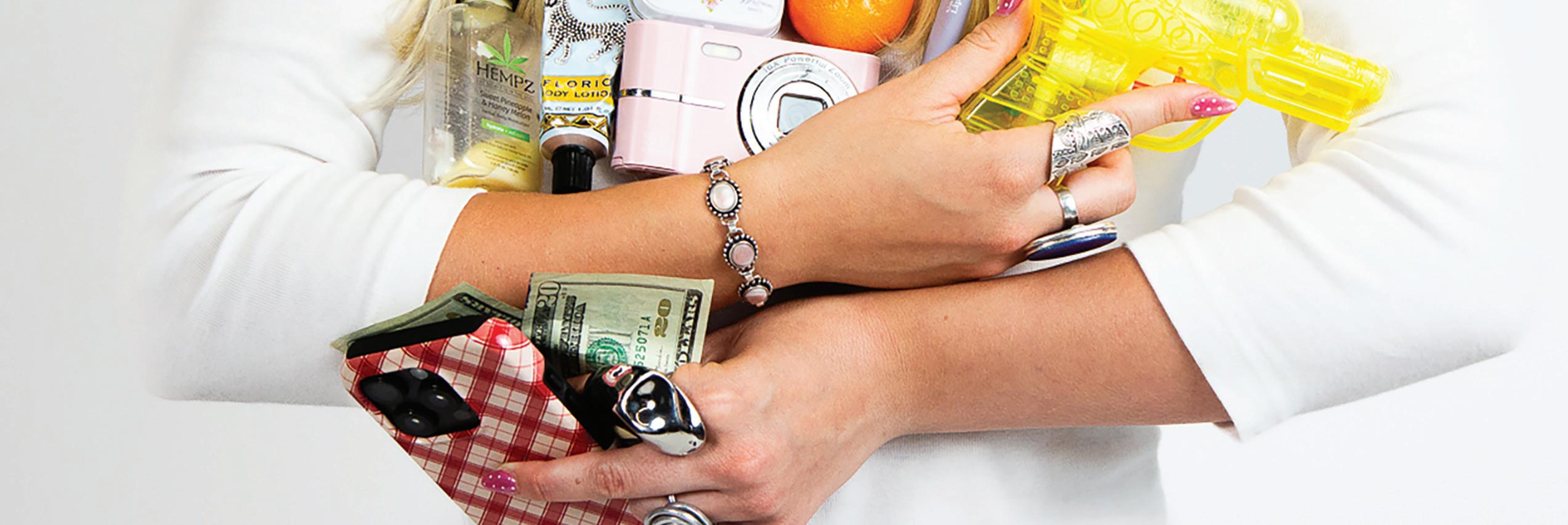
The Instagram account @girlscarryingshit has devoted its page to pictures of women gripping their possessions. Some items are typical – phone, keys, wallet – but the page thrives from the most extraordinary items and the ability of the carrier to wrangle them.
The profile was started by New York City writer Halle Robbe in 2021, when, in the midst of influencer burnout, her friend snapped a shot of her balancing two RedBulls, keys, AirPods, and her wallet in one embrace. She posted the photo with the caption “the result of thousands of years of evolution.” From there, her friends were ordered to dump their purses and hold their sh*t for a post. The page became a scrapbook documenting the wonders behind the hilarious and fascinating collections of items we transport without purses. The GCS account biography states
The GCS page gives our oversaturated social media feeds a refreshing, raw glimpse into lives all over the globe. It defies the idea that our items should be stowed away and hidden in a purse and challenges the idea that women need to water themselves down in order to be accepted. Authenticity is in, and it’s liberating.
The core of my purse girl desire stems from yearning to be confident, feminine, and functioning. The closest possessions we carry reveal intimate knowledge about how we walk through the world. I carry a mess of silver keys and forget my little purple wallet, Kat carries an old Polaroid camera and her bike key, Maris carries a pocket sketchbook and Copic markers, Greyson carries freshly fired pottery, and Kate carries earbuds in the pockets of her JNCOs.
“THE CARRIER’S DISTINCT PERSONALITY SHINES THROUGH IN EVERY PICTURE, THE POST ACCENTUATING THE IMPORTANCE OF THE MOMENT. ”

WRITTEN BY BEATRICE KAHN
PHOTOGRAPHED BY NATASHA MALTMAN
MODELS AVA KLOOSTER, VINCENT GUTIERREZ & HERONIMA VALLEDOR
STYLIST KATE BRAUN
DESIGNERS EMMA HAMPTON & STELLA RANELLETTI
A visit to Horace Walpole’s realized dream in the United Kingdom
Agiant helmet falls from the ceiling. Its gargantuan size is not to be overlooked. It is “a hundred times larger than any casque for any human being.” The helmet crushes the unlucky soul who stood in the wrong place at the wrong time. This is the impetus of the “Castle of Otranto”, the first Gothic novel, published in 1765. Its author, Horace Walpole, is often painted with a wide-eyed inquisitive stare and a confident pout.
Apparently, “Castle of Otranto” was “the style of the purest Italian.” Walpole fictionalized a romantic backstory for his novel. The story was found in a Catholic home in England, believed to be “printed in Naples in 1529.” Walpole not only thought of absurd events, but also created fantastical buildings in reality.
Strawberry Hill emerged as the fruit of his imagination. Here stands the grandeur of Walpole. Not only a wizard of words, but a man so delusional or passionate that he solidified his words into land. The white pointed fence is not high enough to obscure the jutting Gothic curves of the castle. Egret white, when the rare English sun hits the buildings, is nearly blinding. “Castle of Otranto” is cast by a permeable shadow. Walpole originally published his novel under anonymity.
Located roughly 30 minutes by train outside of London, Walpole’s home is also the namesake for the homely community. Strawberry Hill, initially the name of Walpole’s idealistic castle, grew beyond its gated fence and became the name of the broader town and train station. But today’s Strawberry Hill is increasingly removed from its complicated origins as Walpole’s creation.
The tour of Strawberry Hill’s castle was precipitated by an entrance fee. Rather than the 16 pound entry fee, Walpole would likely have opted for a recitation of a poem, a gift, for wandering through his extravagant creation. The distinct pointed arches and four-cornered stained glass windows, the blood red wall colors, suggest Walpole’s yearning for visibility. He wanted to prove himself as a cultured man of words. Strawberry Hill was also where Walpole established his private printing press. Elements of Walpole’s grand tour, a typical rite of passage for young Englishmen to travel throughout Europe, especially Italy, influenced the miniature castle.
One Strawberry Hill docent was a high school student who shyly admitted that she had not read “Castle of Otranto”, but was volunteering her time to strengthen her college application. A valid explanation, but Walpole would shudder at the lack of understanding of his sheer intelligence, his astute knowledge of culture, his supreme taste for wealth. Her work paid off — she shared the historical underpinnings of Walpole’s intentionality in organizing his library. Rather than shelving books based on the author’s last name, Walpole insisted on organizing based on genre. Another docent, clad in a wool sweater in the stuffy room, was so eager for the opportunity to discuss the gold mirrored room that the conversation was prolonged to twenty minutes..
If Walpole cared so greatly about perception, why did he originally hide his authorship of the novel? Perhaps because Walpole was committed to the idea that the novel came to him in a dream. This shows how the novel was not truly his creation, but that he was essentially divinely chosen as the vessel to tell the story. The novel discusses a king’s futile quest to maintain

the throne. He goes to lengths as extreme as attempting to marry the woman who was nearly his stepdaughter and ordering the execution of his wife. A wild chase ensues as the stepdaughter tries to find refuge in a church. Throughout “Castle of Otranto”, Walpole explores the ideas of possession and fatherhood.
The novel’s significance to Strawberry Hill’s legacy is watered down. Weddings and other gatherings can now be hosted in the renovated castle. The gate’s centuries-old shadow encroaches upon neighborhood Mini Coopers. A high-speed rail connected Strawberry Hill and the broader Tweakenham community to London.
Rather than a gargantuan helmet curtling towards its victim, the increasing temporal and academic distancing of “Castle of Otranto” from the canon threatens the quintessence of Strawberry Hill. Now, the metaphorical helmet of capitalism is poised over Walpole’s realized fantasy, slowly descending upon the estate.
RedefningFashions
in the 20th Century
HERMENEUTICS
with spittle, he lets the paper fall to the pillows and rises from his resting place — a threadbare emerald sofa, too-well acquainted with khaki polyester.
Pushing himself from the seat, he raises his eyes only to be met with an onslaught of red and white. “It’s gingham!” she says, “I bought it just this morning, it was on sale.” With a wry smile he shifts his eyes to
WRITTEN BY MARK MUNSONWARNKEN
ART DIRECTOR WACHOWIAK
PHOTOGRAPHED BY AYLA FUNG
STYLISTS ZOË WALKENHORST
& LARA CLUTE
DESIGNER BOURGAULT
MODEL
NASEEB REYES
KHOUSEKA RAJAVELAN
ANNA NEIN & AVA SHOKOUHI
one after another, slipping through the preconceptions of the waiting audience and press.
These body-dresses, much like the post-atomic collection which shocked the metropole decades before, unearthed new possibilities for modes of dress — fashions freed from subjectobject relationship, fashions moving beyond.
The the collection’s full impact will be felt in decades to come, despite being initially reduced to the classification of “conceptual” by pundits whose vision fixed precisely on the veil constructed by a society and its effects, Defying the very nature of fashion — which is defined by ephemerality — the queen departs towards a new horizon. As she works, she presses forward, her creations unfolding behind her, proliferating en masse.

Apples oranges and don’t compare
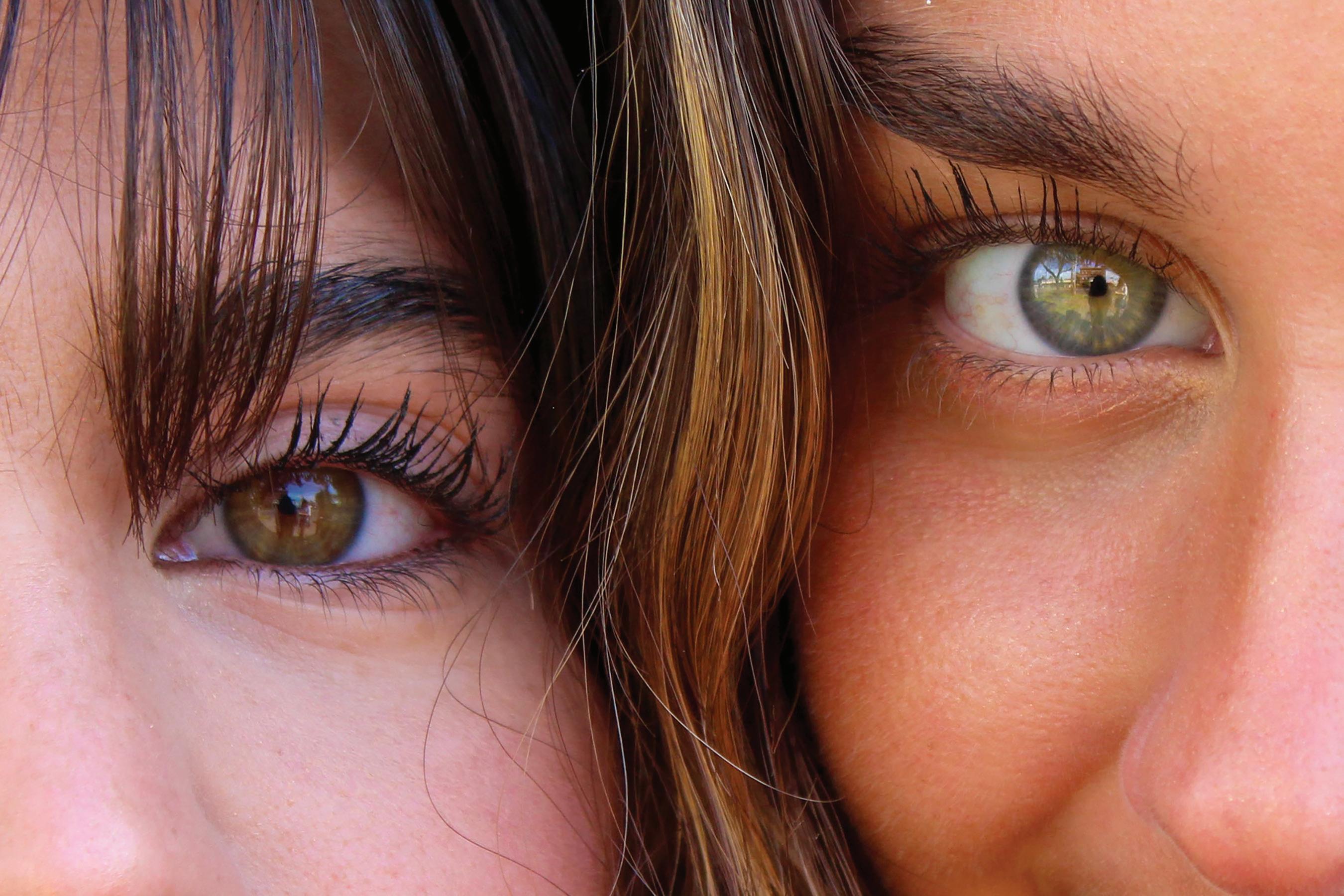


Orange is sweet apple is crisp
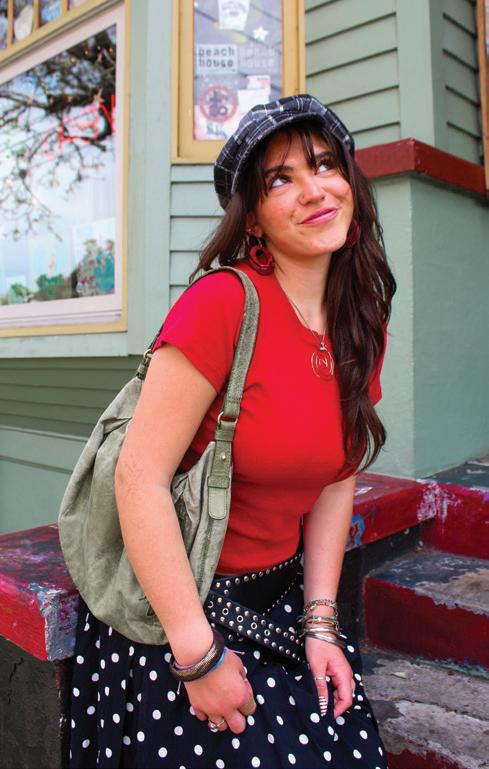
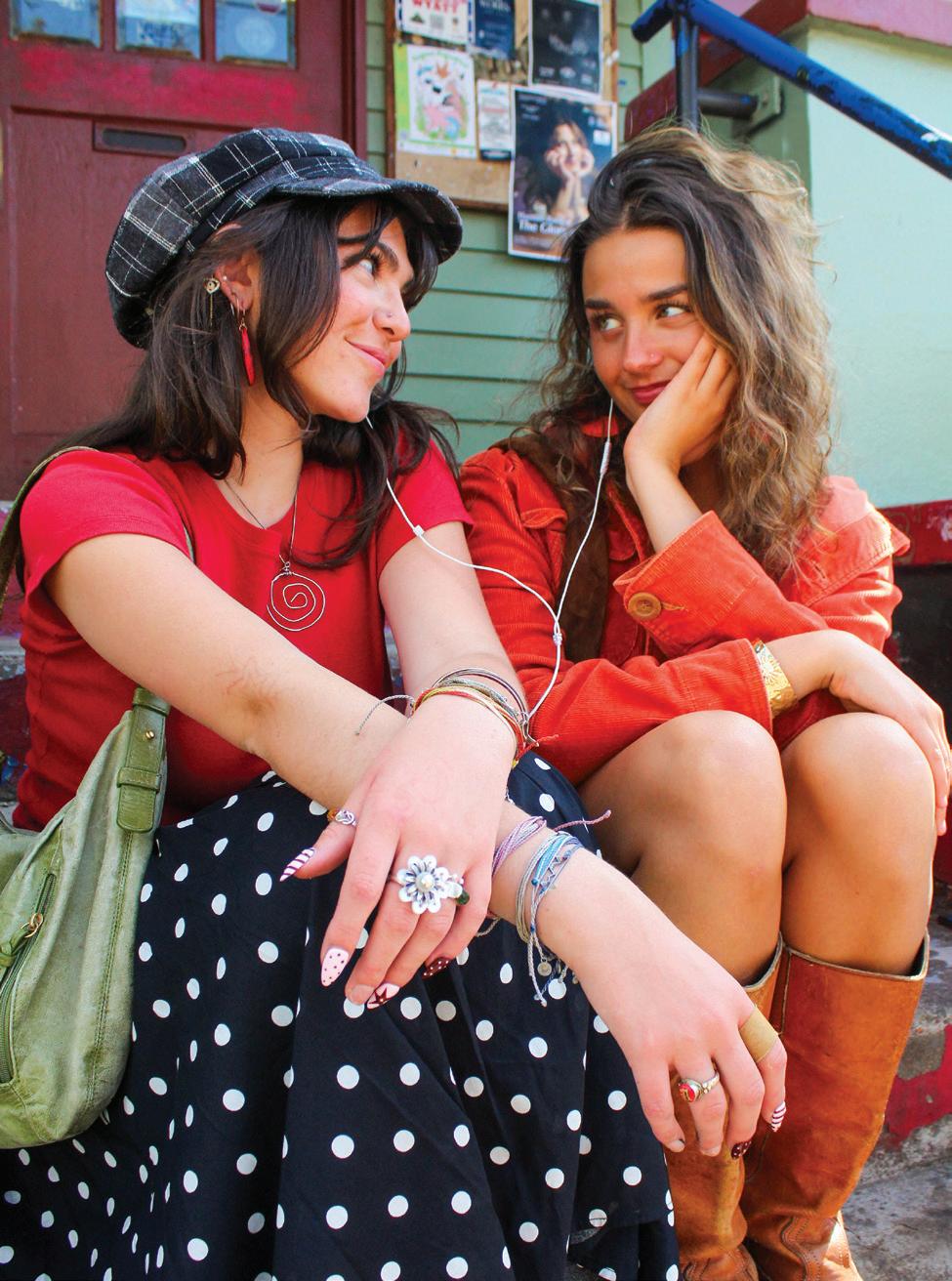
we shouldn’t be comparing them, or maybe we should.

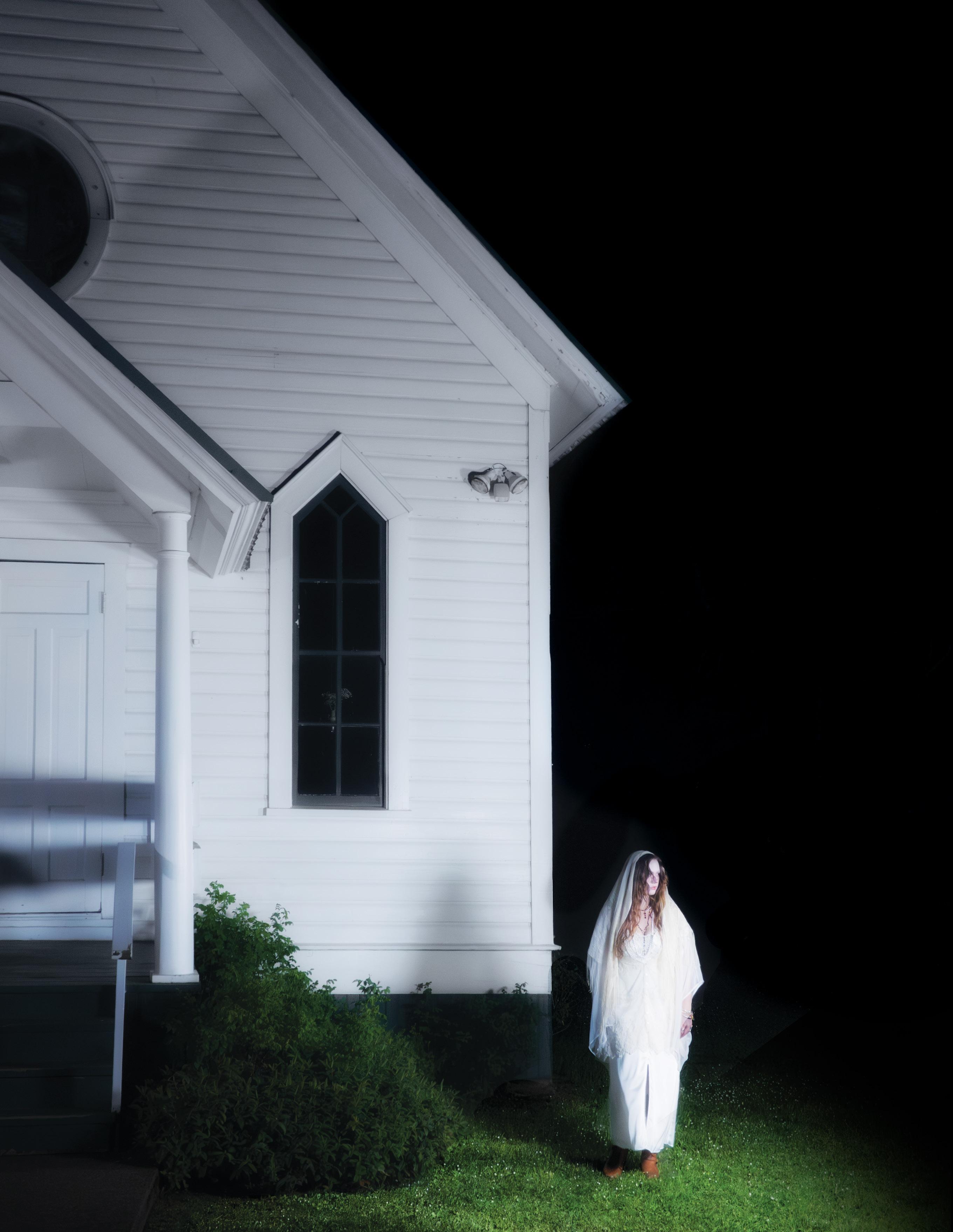
Thefirst widely-recognized instance of special effects in film left viewers running from the theater terrified, believing that the filmmakers had killed a woman on camera. This event sparked controversy, with people thinking this was no content that should be shown to the public, but only sparked the fire to what extent filmmakers could horrify audiences.
This was the 18-second long short film, “The Execution of Mary, Queen of Scots” (1895). The filmmakers used “stopaction” to create a realistic beheading, splicing two separate shots together to look like one. The first shot, showing Mary bending down, and stopping right before the executioner began the swing of his axe. The second showed a life-size puppet being beheaded from the same angle. Cut seamlessly together, and a first of its kind, audiences believed that the actress was truly beheaded. Since then, special effects and the horror genre have been inseparable.
Before the advent of computer-generated imagery (CGI), filmmkers had to rely on practical special effects to create other-worldly experiences in their films. Whether this be a miniature model city making an actor appear ginormous, or puppetry making an alien capable of movement and interaction, there was always a physical way to bring realism to imagination.
It wasn’t until the 1980s that practical effects in horror films reached a point where audiences, present and future, would witness the best that artists could bring. Coincidentally, this decade also introduced us to our first ever fully CGI character in film, the rudimentary stained glass knight from “Young Sherlock Holmes” (1985). From that point on, CGI technology increased in quality, and practical effects slowly faded out. This transition cost the movie industry and audiences everywhere the privilege of seeing these masterpieces of artistic talent showcased on the world stage.
Perhaps no film showcases the importance and talent of practical effects better than John Carpenter’s “The Thing” (1982). This film depicts a research team in Antarctica when an alien creature disguised as a dog makes its way into their facility. This creature has the ability to take the form of any living creature it encounters, a procedure so gut-wrenching and gruesome that it couldn’t be shown off-screen.
Special effects artist Rob Bottin brought this being to life. According to Artifice, Bottin worked tirelessly seven days a week for 56 weeks, eventually checking himself into a hospital for exhaustion after the process. What resulted was possibly the most horrific display of practical effects ever. A human head with spider-like limbs protruding from its skull, a writhing amalgamation of dogs screeching and spewing blood, and half-man, half-beasts with tentacles slithering out to claim its next victim.
Bottin used a variety of techniques to achieve this feat of horror. Puppetry, life-size models and makeup brought this creature to life in all of its forms, and remains absolutely terrifying to this day. The viewer can feel the visceral horror felt by the actors on set, seeing this humanoid abomination with their own eyes. This is at the center of what makes practical effects so impactful, the fact that what you’re seeing on screen is a real creation, and your experience is shared by the actors. The performances are real, and so is the fear.
Other horror films from the ‘80s utilized these techniques to great success, such as David Cronenberg’s “The Fly” (1986) “Videodrome” (1983), or Sam Raimi’s “Evil Dead II” (1987). These films pushed the limits of what artists were able to create to capture a filmmaker’s vision, but at the same time, were being pushed out as technology advanced.
In the modern day, viewers are hard-pressed to find a big-budget film that doesn’t include CGI. The artform of building characters and settings that actors can physically interact with was replaced by green screens, motion-capture suits, and stand-ins for characters who were yet to be digitally placed. This transition is easy to follow; CGI is often cheaper than intricate physical creations, and allows endless edits and changes in post-production, letting filmmakers tweak scenes and designs until they get
In the horror genre, the limitations of CGI reveal themselves: audiences can tell when something that they’re seeing on screen is real or fake. Seeing something digitally imposed can often take away its fear factor, with audiences knowing that the actors aren’t seeing what they as viewers can see. Horror movies after the emergence of CGI were forced to change their focus, with the fear coming from people more so than creatures. This can be seen through some of the most popular horror films of the modern day: “Get Out” (2017), “Hereditary” (2018), and “Weapons” (2025) all feature people as their primary fear-inducing antagonist.
Practical effects bring not only an added sense of fear to the horror genre, but are an art form that cannot be replaced. Luckily for audiences everywhere, this art form has not vanished. Films across genres have begun reintroducing practical effects, alongside CGI, to manifest the unimaginable in the modern day. For horror, films like “The Substance” (2024), “Alien: Romulus” (2024), and “Iron Lung” (2026) showcase amazing practical effects by artists, and remind audiences what it’s like to be terrified by something that feels real. These real horrors will always shake viewers to their core, and will always be an irreplaceable aspect of horror history.
STAY HERE P
hysicality, temporality — palpable, yet dissonant. For some, the mere thought of abandoned office spaces or rooms bathed in nostalgic, yellowish lighting and ominous hum-buzzes induces deep, unsettling fear. For others, the stark reality of vast plains zipping past on car or train rides conjures an irreparable ache in one’s chest as they reconcile with a staggering sense of unfamiliarity, one that inevitably accompanies new beginnings.
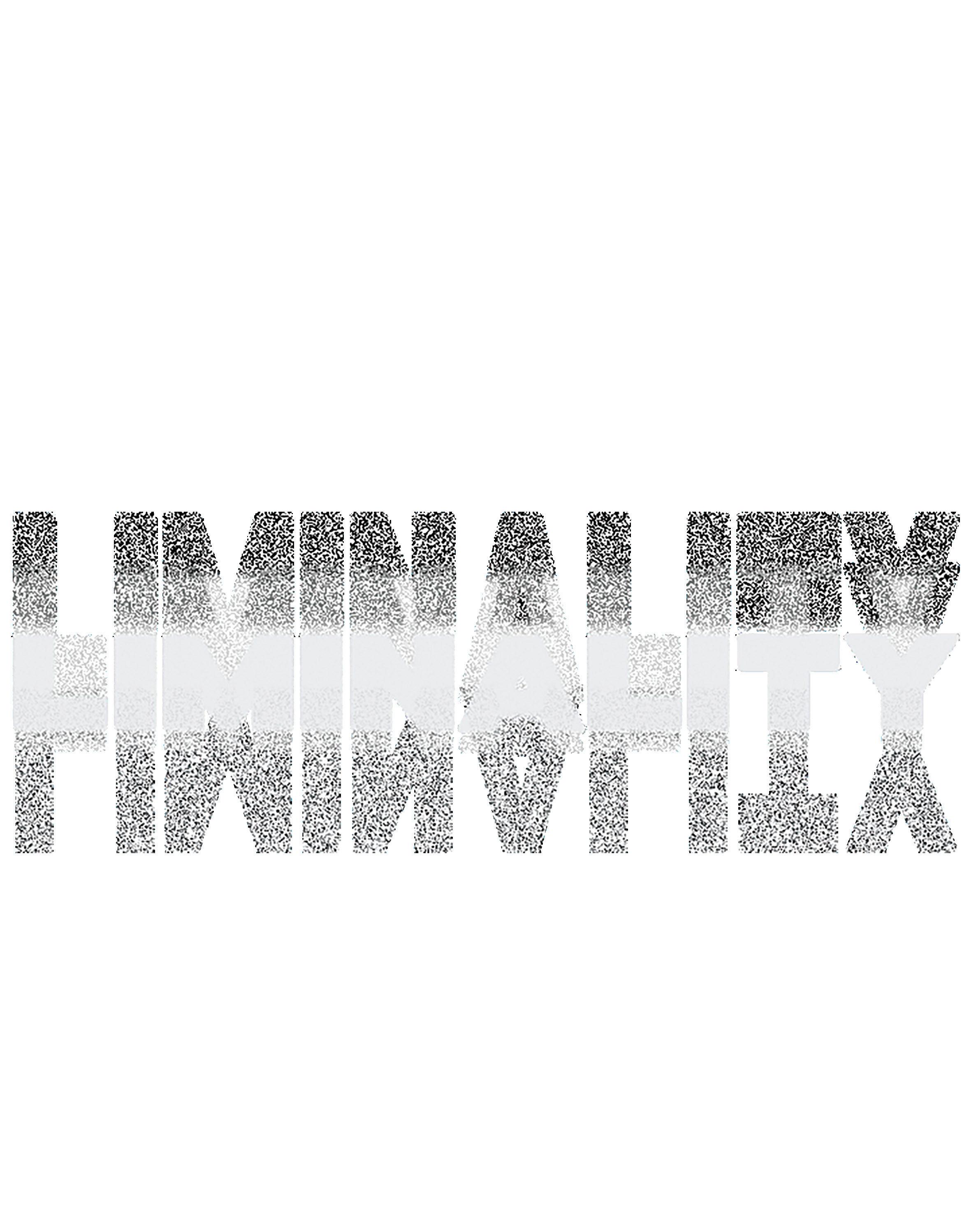
“Liminality”: the notoriously intangible and utterly gripping sensation evoked by one’s estrangement from their surroundings. The roots of “liminality” suggest its irreverence; the Latin word “limen,” from which it is derived, translates to threshold — denoting a boundary the individual may struggle to overcome or even simply surpass. Swiss psychiatrist and psychoanalyst Carl Jung characterized liminal spaces as “‘in-between’ threshold moments or places where the old self dissolves, but the new has not yet emerged;” Jungian psychology conceptualizes liminality as the individual’s perception of a physical embodiment and space.
One of the keystone figures in modern-day humanity’s aestheticization of such disruptions, particularly within that of a man-made liminal space, is “the backrooms.” Originating from the imageboard website 4chan, an anonymous post of what appears to be an uninhabited and deserted yellow-wallpapered office space is described as an eerie, endless, and empty space that disorients the individual, canonically liminal through its surrealist and transitional environment that evokes a sense of displaced nostalgia.

YouTube Creator Kane Parsons’s rendition of “the backrooms” kickstarted with his viral found footage style video, featured a series of camcorder-style recordings cataloging the lives of individuals navigating the labyrinth-like space that never seems to end. Parsons’s use of analog horror — a subgenre of fictional horror that draws from the aesthetics of analog technology such as VHS tapes, camcorders, and CRT televisions — expertly captures the essence of liminality. As a vessel for prolonged existential dread and disconcerting isolation, it conveys a sense of helplessness felt by both the individual and the viewer. Parson’s series is in conversation with Carl Jung, anthropologist Arnold van Gennep, and prominent ethnographer Victor Turner’s ideas of liminality as limbo and neutral, where one is
caught occupying a space in which they do not belong. Further ruminations upon the idea or mere possibility of liminality as a “threshold” may implicate the greater perceptions of liminality as symbolic of the state and space that is purgatory. The theological concept of purgatory describes a temporal state of torment, ambiguity, and waiting, where souls await their means of purification among a higher order or being. Honing in on Arnold van Gennep’s conception of the liminal phase as a state of symbolic “death.” Parsons further conceptualizes liminal space as disorienting and uncanny through his visual depictions and interpretations. In his work, the experience of liminality emerges as a kind of “waiting room.” The individual is struck by an impending sense of doom while being forced to navigate a foreign and estranged environment in which liminal entities and monsters roam about. Nevertheless, liminality and liminal spaces as purgatory constructs a novel allegory for the inner torment one endures throughout a period marked by transition, self-actualization, and inevitability.
According to the global digital media community collective Gen-Zine, Gen-Z became particularly drawn to “liminality” following the COVID-19 pandemic. Approaching the realities of the pandemic with foundational psychological conceptualizations of “the uncanny” cultivates deeper understanding as to how Gen-Z’s relationship with nostalgia has led to a widespread captivation with liminality. The infamous neurologist Sigmund Freud’s 1919 essay “The Uncanny” proposes “uncanny” arises as a distortion of the familiar into something that strikes discomfort or fear among the individual, particularly the “return of the repressed” stemming from childhood fears and desires. The COVID-19 pandemic coincided with the influx of milestone moments such as “graduations, proms, and get-togethers with friends” (Gen-Zine), leading to empty spaces that had once been inhabited — assuming a “liminal-like” status. This transformation was accompanied by a general feeling of limbo among Gen-Z, perpetuated by an inability to engage in these desired experiences. Imagining the collective sense of liminality in a culturally-relevant atmosphere such as spaces like “the backrooms” has enabled Gen-Z to “put a place” to these otherwise displaced feelings of nostalgia.
The idea of a displacement was also ruminated by van Gennep and Turner. Van Gennep presented liminality
STAYSTAYHEREHERE STAY HERE

MEET ME IN THE




as a “rite of passage” that encompasses three stages, including a “margin” stage that emerges as a period of transition after the separation stage where a person is relieved of their status, state, or condition. Turner posed liminality as a structural disruption that halts normal social life through its “limbo of statuslessness.” Together, the feeling of being caught between two worlds, or two existences, is ever-present as liminality ensnares the individual.

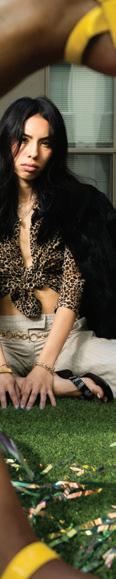
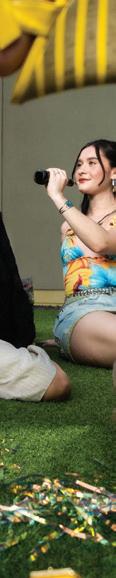
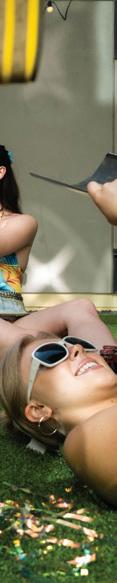
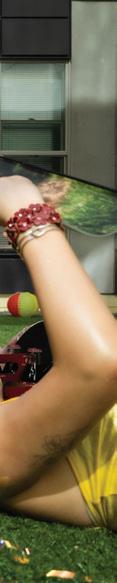
This fascinating state of transitional flux, an in between or a precursory pause before a new beginning, can frighten, thrill, or paralyze on a monumentally significant scale as well as in the briefest moments of life. As the lines stretch out before us, or the rooms continue endlessly around every corner, purgatory can feel like an eternity. Is there no way out? Will there be a new beginning through the next door? Even here and now, the lines could double back and the nostalgia could rear obvious once again — palpable, yet dissonant. For some, the mere thought of abandoned office spaces or rooms bathed in nostalgic, yellowish lighting and ominous hum-buzzes induces deep, unsettling fear. For others, the stark reality of vast plains zipping past on car or train rides conjures an irreparable ache in one’s chest as they reconcile with a staggering sense of unfamiliarity, one that inevitably accompanies new beginnings. Wait — am I reading the same thing I did minutes ago? Or is it just liminality . . .
COME FIND
STAY
WRITTEN BY VALENTINA DeCLAIRE
ART DIRECTOR MAYA CLAUSMAN
PHOTOGRAPHED BY
MODELS MEHANE BYRNE, LELA AKIYAMA, ISABELLA THOMAS & DANIELLE COLLAR
STYLIST AVA KLOOSTER
DESIGNER IRIS GRAY
PLAYLIST CONNOISSEUR
ARE YOU LOST?

STAYSTAYHEREHERE


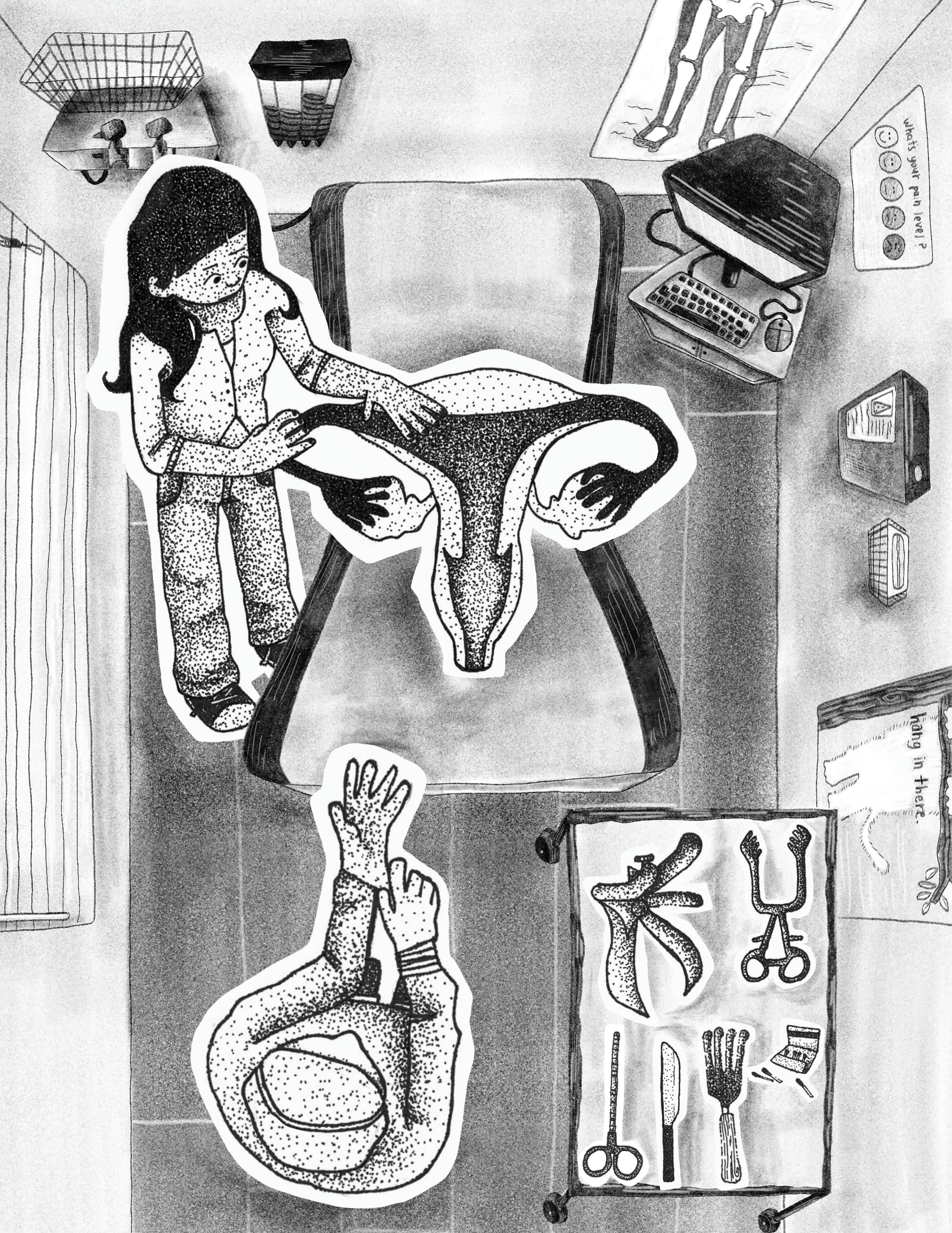
Containing
Turning myself inside out to understand invisible pain
Two misoprostol sat on my counter as my alarm for 11:40 p.m. rang out. I booked an appointment with my gynecologist to get an IUD when I turned 20. Six months later, I finally went to the appointment. I left with these little octagonal pills called misoprostol — they are inserted into the vagina to relax, soften, and dilate the cervix for IUD insertion. They are also used preceding mifepriston — the abortion pill.
They’re hulking pills, blue and chalky. I lay on my back and balanced one on the top of my finger and insert it into my vagina — I could feel it caught between the folds of my cervix, and grimaced as I shoved my finger down to the first joint, then the second, then the knuckle. I felt bodily and sexless.
The pain started as a soft warning. A heightened awareness of my lower stomach. I woke up at 3:00 a.m. writhing. On the bathroom floor, I alternated between cat-cows and the fetal position. I bled consistent discharge, uterine lining, and fresh blood. I sat on the toilet while vomiting into the sink. Crying softly, I pat my belly with affection, the lower half protruding far beyond my waistband. I talked to it. I said it would be okay. It’s okay, it would be okay. I said to breathe.
When in that much pain, I look at my belly and detach it from my body. I open it up, and I touch my swollen uterus gingerly. I massage and stroke it so it knows I’m there.
The doctor told me that my uterus is far back in my body, which leads to back pain. “Anatomy,” she said, “I have no control over it.”
Anatomy I don’t control. I can’t help but think my mind-body connection made it so my cervix was so tight that it took three more appointments and a vaginal ultrasound for the doctors to think they correctly inserted the IUD. Sometimes I press on my belly and think I can feel it. Sometimes I wonder if I’ll be able to grow a baby inside me one day. Sometimes I wonder if I’ll be able to get it out.
contraceptive. The cramps lightened up. When he got more serious about transitioning, the idea of swallowing an estrogen pill daily made Jones uneasy. The cramps came back for the nine-month process of getting on testosterone. For Jones, being on testosterone allows him to see his body as he’s always wanted to.
“If I could press a button and then have the preferred genitalia, maybe I would,” says Jones.
Light streamed in the bathroom windows as Emma Kahl removed her glasses to press her forehead onto the cool tile. It’s a stabbing or a radiating pain, concentrated in her uterus. At 15-years-old, gynos offered Kahl oral birth control, and she tried three different ones before she turned 16. During her first year of college, she decided to get an IUD. She was prescribed misoprostol and 500mg of ibuprofen.
It radiated. And then the bleeding started. She cranked her heating pad up to 11 and did what she’d been trained to do her whole life. She dealt with it.
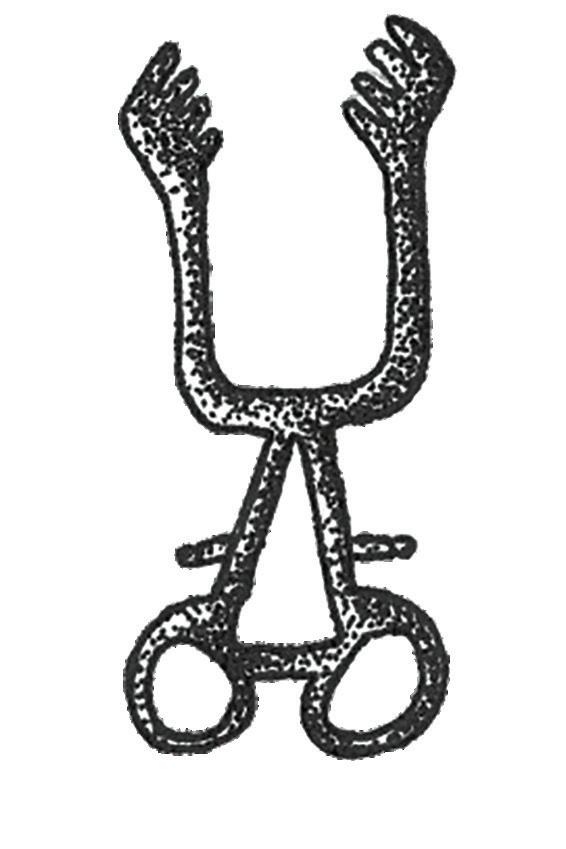
Kahl has polycystic ovary syndrome, and she might have endometriosis. From the seven years of ultrasounds and gyno appointments, she still cannot be diagnosed with endometriosis without surgery, which would create further scar tissue damage.
Babies weren’t something Kahl ever felt super passionate about, and the duet of PCOS and endometriosis made it hard for Kahl to see it as a reality. She says if it happens, it happens.
“Women’s pain is just not taken seriously enough,” Kahl says. “It’s oversimplified, undereducated, under researched, underfunded.”

Maybe the weirdest thing about me physically is the mole on the right side of my nose, not the positioning of my uterus.
The weirdest thing about Jos Jones physically is that he’s been 6’2 since he was thirteen, not that he was born with the wrong genitalia.
“The hardest part about being trans is consistently calling the doctor’s office,” says Jones. Five-minute phone calls every few months keep Jones on life-saving care.
Cramps started in his torso and down to his knees. Being an active kid, the pain made walking, jumping, and living impossible. When he was in eighth grade, he was put on an oral
It’s fitting that two weeks later, I found out the IUD was lodged in my muscle tissue, and I had to get it removed. I coughed, and with one fell swoop, she pulled the IUD out with a set of forceps. It was like pulling out a stuck, dry tampon. Tears rolled sideways out of the corner of my eye, down my temples, and onto the examination table.
I stroked my tummy and lightly touched the skin surrounding my vagina. My fingers came back stained with the iodine solution used to clean the cervix. My sex, my uterus, and my organs are their own being. One that speaks and breaths and cries and gets angry.
I cut open my belly and remove my large intestine, small intestine, appendix, uterus, eggs, my eyes, and brain. Splayed on the floor in a bundle of goo, I sit and stare, empty and a shell, turned inside out.
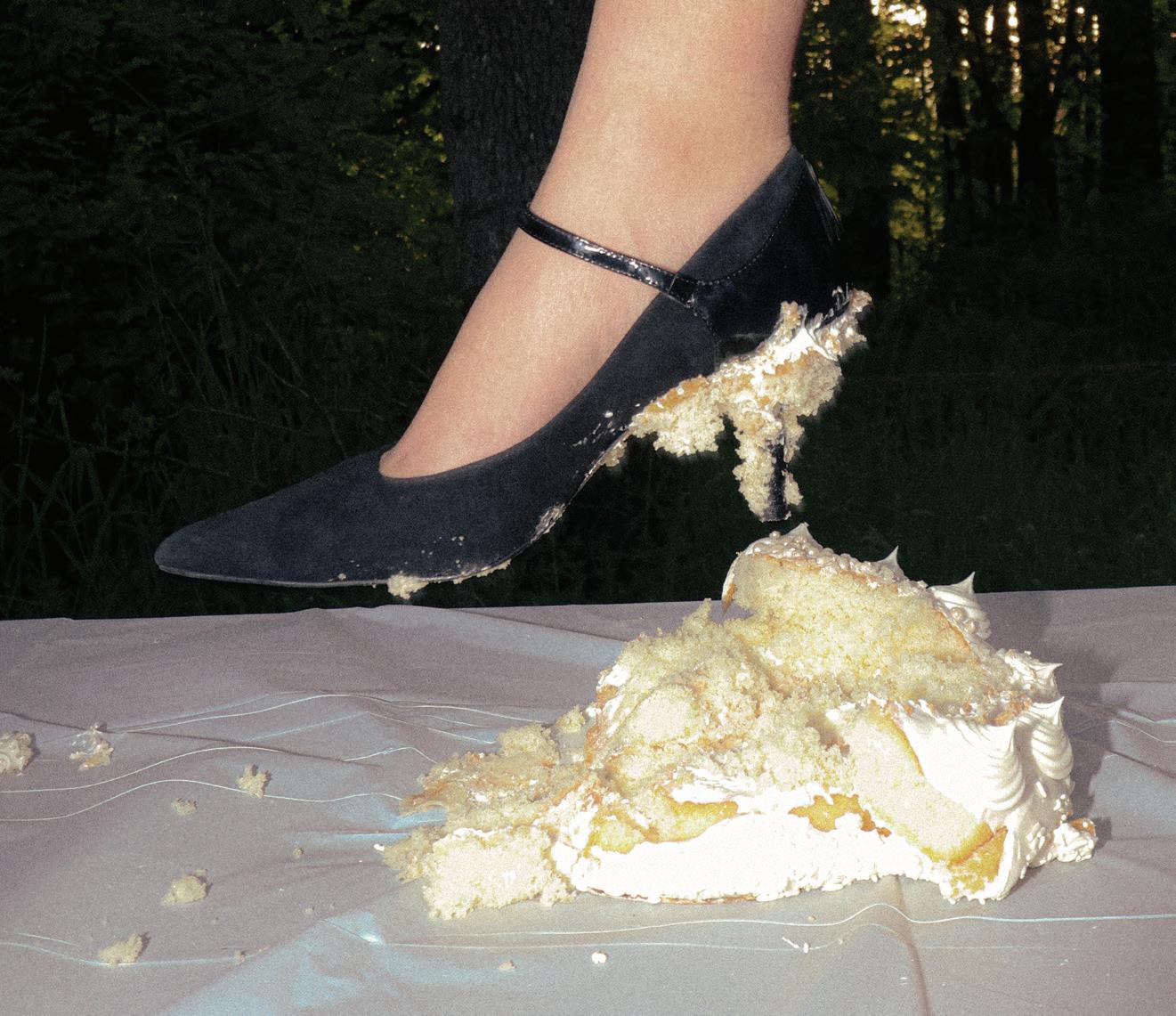


ART DIRECTOR & STYLIST ALYSSA TECH PHOTOGRAPHED BY ISABEL POPE MODELS MIA FAIRCHILD & SAM BROWDY DESIGNER CARLY RIDENOUR PLAYLIST CONSOISSEUR MIA FAIRCHILD
It was death by a thousand cuts
And while we both came out bleeding
Those cuts were never equal
They say relationships are a mirror
And my reflection has morphed into nothing but a stranger
Little by little losing myself in someone who couldn’t tell I was drowning
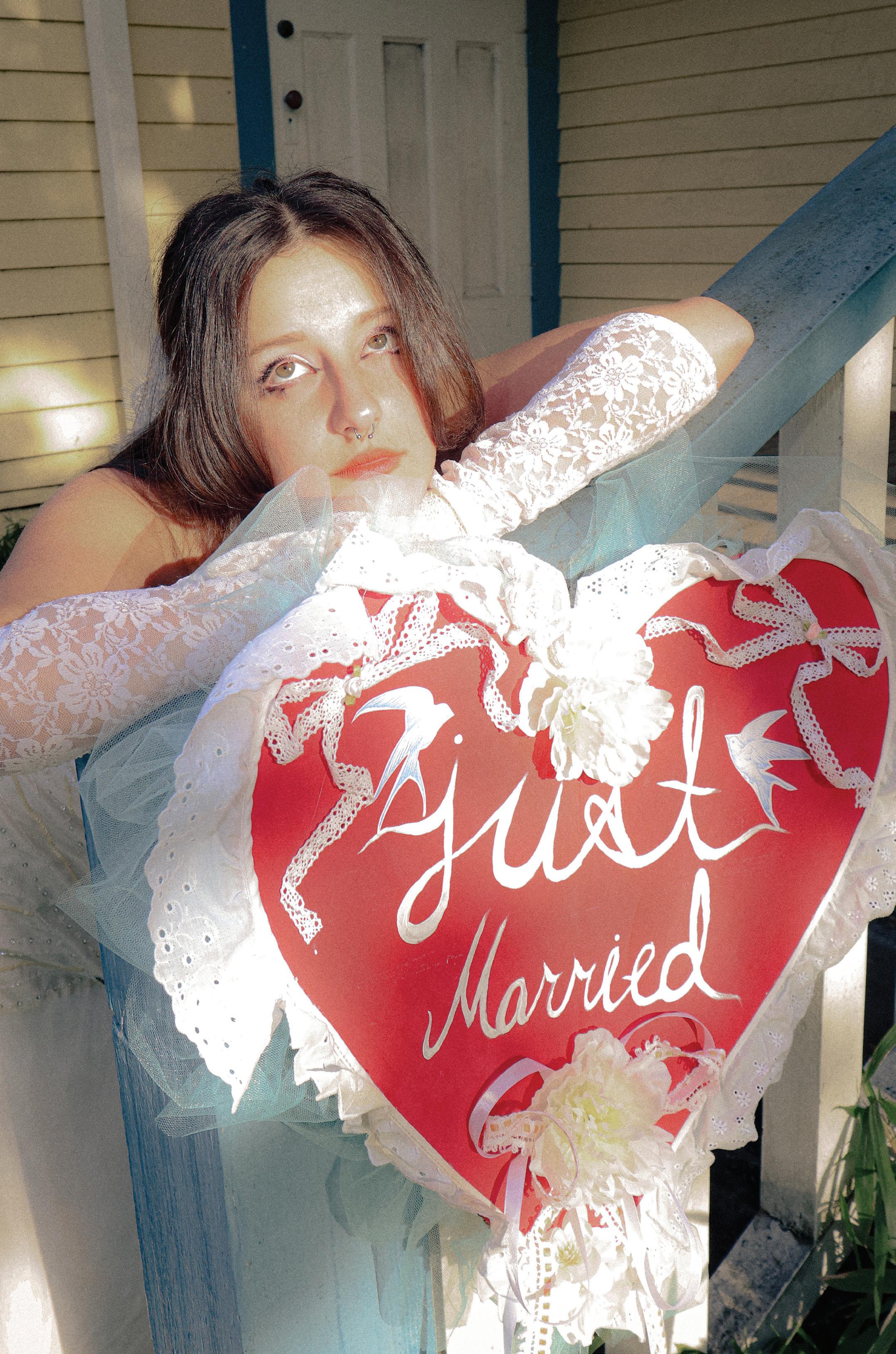
A Look Into Contemporary Interconnectedness and How To Plan For an Authentic Tomorrow.
Perhaps it is the revolting state of the current political and social economy, or the differences between the dreams sold to us online compared to reality that has oriented us toward escapisms. A plethora of determinisms could diagnose the reasons behind our searching for escapisms, but an interrogation of the widespread methods of escaping will allow us to get to the heart of the matter. Undoubtedly, we must begin with the omnipotent being of social media and the internet, which has become the ultimate escape from reality. Because of our rapid adoption of technologies with unknown consequences, our overjoyed plea to have methods of quick connection, we no longer live in a state of social reality. We live in an absorbed sphere of unreality, constantly flashing images and transcience across our psyches.
“The age of distraction,” an idea that presented itself over a century ago by the Constructivists, has wrestled itself into our concurrent social lives. We have blurred the lines between what separates the material, weighted world and the shocking, disembodied state of the other. This other, in turn, has become our social unreality; we have been pushed to live in social unreality, whether we like it or not. This unreality is the rapid, enthralling, and despairing feeling of being so intoxicated with our interconnectedness that we are sick.
Social unreality’s heat, its radiation, is this sordid sickness. The relationship between a world of human edifice (our world), where everything is tracked, marked, labelled, and sorted, and an ever-present feeling that this world cannot give us exactly what we want invokes a disjointedness. Everything is named, and because of that, we cannot
find answers. We feel disquiet, even when times are good, when smiles are shared, because our world of human edifice and transience leaves us forever with something tugging at us. Buy more, eat more, sleep more. We are sick with a rapidly deteriorating and impermanent society. If we attempt to name what we truly desire, attempt to name the feverish underlying current we cannot escape, we simply cannot. We are so inundated with connectivity that we are vacuous; instead of being bloated with information, we retain nothing. In my own experiences, unreality is the act of grasping out towards nothingness, an ethereal projection from our psyche that must be obtained, gained, experienced, commodified, and owned. Yet it can never be reached, never even be regarded as existing.
In the field of art history, we repeatedly return to style to please ourselves with what we believe is aesthetically superior or is necessary to reinstate. Because we believe simply that the before was authentic and therefore good. For Augustus Pugin, this meant a return to a moral architecture, an architecture like the Gothic. We believe we desire to go back to cure our sickness by replicating the authenticity of historical periods. But the replication and refashioning of older aesthetics and ideas (i.e. ‘80s, ‘90s, Y2K, pre-modern, etc.) into our current status quo is cyclical. The Neo-Gothic never became a moral architecture like Pugin wanted. Instead, it became a dressing, a literal façade, for modern structures using the Neo-Gothic as a claim to historical legitimacy. This is not to say we shouldn’t take inspiration from artists and thinkers of the past; but we must not mistake the past as our desirable future. How do we take action to combat social
unreality, to, in an ironic sense, escape it without escapisms?
The rejection of nostalgia is a start; the ruinous idolization of the past that continues to haunt our search for joy in the modern era. To name the past as the instrument for our future is to take an aesthetic already presented for us and futilely recapture it. Nostalgia reminds us of a fake period, of a meritorious other, another escapism. Much of this notion is a remark of Primitivism, to return ourselves to a pre-industrial epoch without machines and corporate overlords. It sounds lovely at first, but modernity has provided us with wondrous objects and conveniences. Nostalgia will not save us, especially a nostalgia that desires to rid society of all modern edifice.
Secondly, the need to retain a sense of permanence is paramount. In his book “Mythologies,” Roland Barthes describes how an ideal culture “should be nothing but a sweet rhetorical effusion, the art of words to bear witness to a transient moistening of the soul.” This “transient moistening of the soul” reminds us specifically about the intangible nature of culture itself; human culture is constructed in a manner that will always evade us. Culture is a web of patterns socially constructed by individuals or groups, something ultimately undefinable and artful. However, rather than only clinging to a fixed sense of socially ingrained culture – something that is always evolving – we should remain grounded in a material identity based in our worldliness. Our humanity is not entirely reliant on social normativity: we must also pay attention to lived materiality and counteract social unreality.
Lastly, and most importantly, we must reintegrate authentic social connection into our daily lives. This notion serves to refute the interconnectedness, or at least, to attempt to sterilize the effects of the internet on our already inundated and vacuous consciousnesses. Take a moment one day to look around and see how we’re hooked onto our edifices and devices like an infant clings to their mother; the
escapisms and their mechanisms have seeped into everything. We have become so flooded with virtual connections that we have created metaphysical prisons, presenting themselves as new social boundaries that complicate human interactions. In-person and organic means of communication are a start to escaping our escapisms. Face-to-face, no phones, no music, nothing gratifying, simply the most worldly and material that we as humans can attempt to be.
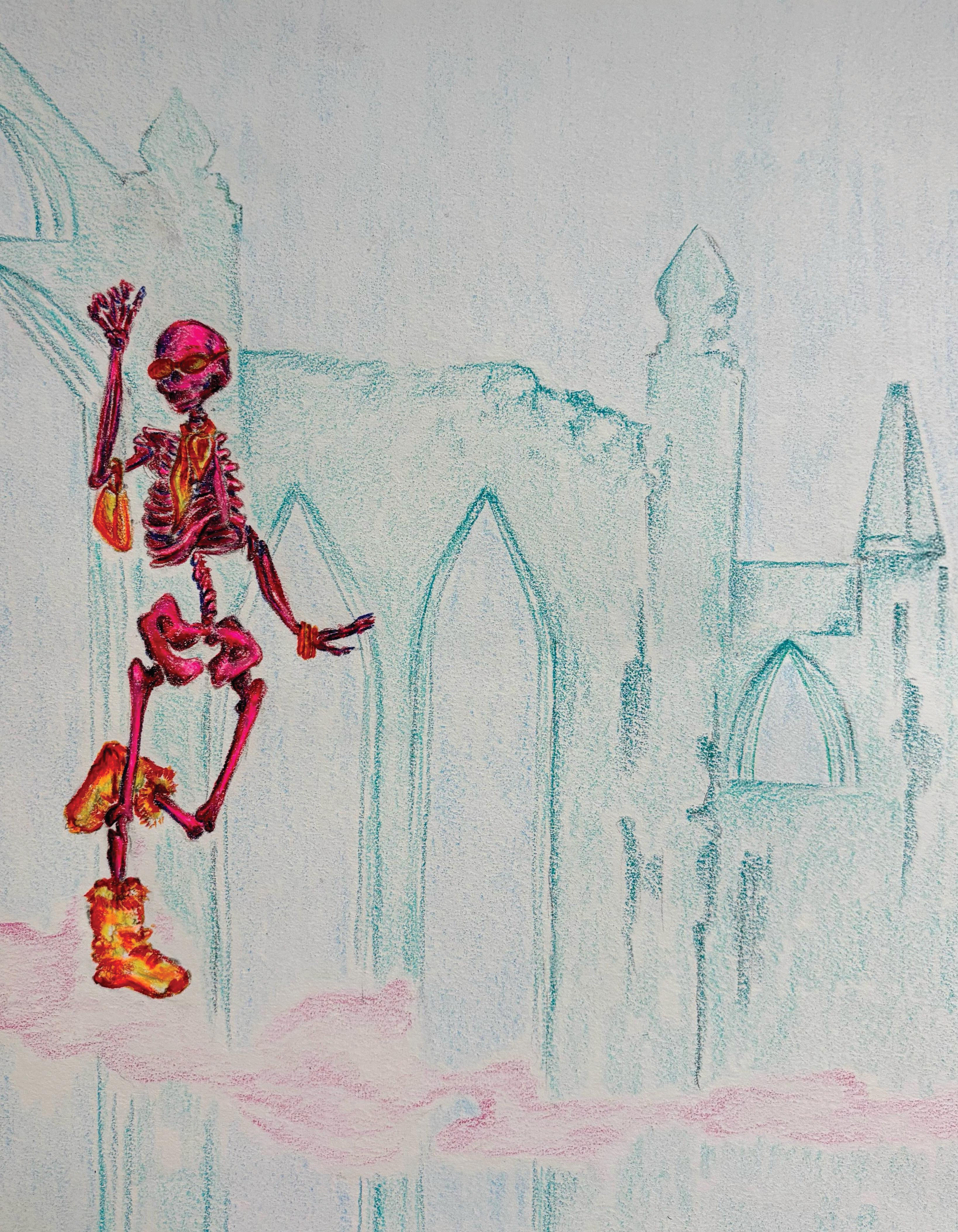
WRITTEN BY NATE ROCKMAN
ILLUSTRATED BY CECILIA SELDERA-BAHNSON DESIGNER BRYANT LEAVER
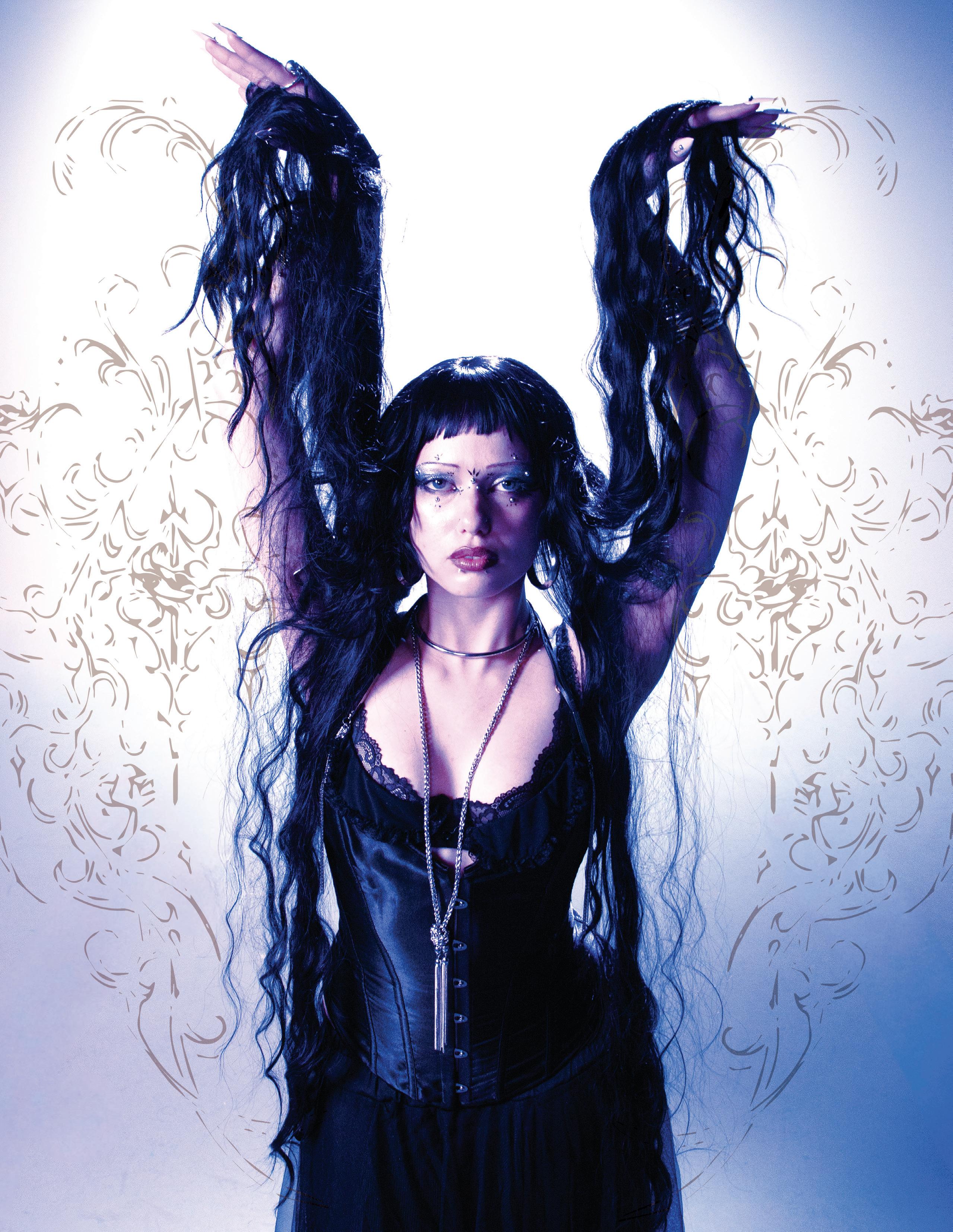
Nightmare
For her sophomore year at the University of Oregon, Devon chose to live in her sorority’s house. She was excited to house with her sisters even in cramped conditions. Sure, it meant communal bathrooms where the steam would linger on the mirrors. Sure, she would be in a room with three other sisters and no air conditioning. Sure, it meant dealing with the weird smell in the basement. But it was all trivial compared to the idea that she would get closer with the women she saw as her friends.
Moving in was easy enough. She thanked her parents, grabbed her friends, and headed out to start her sophomore year. A week in, Devon noticed she had a sore throat and a cough.
“Probably partied too hard,” Devon laughed it off and continued on with her day. After all, her sisters had the same symptoms, too. Everyone was probably just adjusting to each other’s bacterias.
Weeks pass. A tiny sore throat never fully goes away. Neither does the musty smell in the bathrooms. Devon focuses on working and playing hard. She refuses to let a small bodily inconvenience ruin her university experience.
Devon does her best everyday to spend as little time inside the house. If she tries to do homework in the building, she develops a small headache that leaves her ears ringing till the
next day. Plus, the wet paper towel smell doesn’t go away in the house. It is still lingering around even on the driest winter days.
“It’s weird, mom, there’s a bad vibe inside the house” Devon says, unsure what to make of the recent string of headaches. She calls her mom, glancing at the brown speckles in the corners of the walls.
“Eugh,” Devon notices she stepped into a damp carpet spot a few feet outside the bathroom. “Hold on, Mom, I need to change my socks,” she sniffles and turns around back to her room.
Her nostrils are constantly stuffed. She doesn’t remember the last time her throat was clear.
Going to classes starts to feel a drag. Her whole body takes more effort to get around and no matter how many energy drinks she consumes, it’s never enough. She wished she could sleep longer.
Studying also isn’t enough. She studies all night before an exam but wakes up and simply forgets most of the content. Her test scores start dropping.
“I don’t know what’s wrong Mom, I’m doing the quizlets and McGraw Hill and everything else!” Devon shouts, frustrated and tired despite her third energy drink of the day.
Something felt wrong with her body.
“Mom, I’m running out of products, I need to do a Sephora run,” she informs, knowing her concealer isn’t running out anytime soon. Though she doesn’t trust her brushes anymore because she’s been breaking out anytime she uses blush. And all the blush in the world isn’t hiding every little pimple on her skin.
“Hey Devon, why didn’t you come to my party last night?” Her friend bluntly asks one morning. Devon sits up straight, confused before the memory of the invite dawns on her.
“Shoot, I’m sorry, I don’t know what happened,” she says. She searches for the invitation in her memory but it vanishes. Not ignored. Not forgotten in the normal way. Gone.
“It’s fine,” her friend mumbles but she knew it meant a lot to her. The words hit her like needles to her heart, stinging from the emotional damage she may have caused. Even more pain on top of the physical exhaustion she was already feeling today. Moving around is draining and days when she wished she was more active weren’t often underwhelming.
Devon can’t think or move or do a whole lot without making a major push. She lays in her bed, feeling drained before the sun has risen.
Her body no longer felt like hers anymore.
And it wasn’t just her either. Her sisters complained the same things were happening to them. Energy drinks ran out quickly in the fridge. Cough medicine never lasted long in the rooms. Girls were in and out of losing their voice or having no congestion in their lungs.
But she is in college. Exhaustion felt competitive. Everyone was tired. Everyone was sick or burnt out or struggling in classes. Devon convinced herself she was no different.
Devon wouldn’t realize until months later that the problem wasn’t stress, overwork, or partying too hard. It was the house itself.
A 2020 study revealed that frequent black mold exposure can lead to neurological issues like fatigue, brain fog, and memory issues (Hyvönen et al., 2020). Black mold can affect anyone severely.
Black mold is a dangerous type of mold that forms in humid or water damaged environments. The mold spreads best on paper products, wood products and drywall (Cleveland Clinic, 2023).
When encountering black mold, it’s vital to first remove it from the air with an air purifier. However, that won’t fully stop the problem. Once it’s in your walls, it won’t leave and will continue spreading. To remove it yourself can introduce the risk of the black mold aerosolizing or spreading into the air again (Cleveland Clinic, 2023). Rather, it’s best to contact someone who specializes in mold removal.
However, not many people own the units they live in. Thus, mold removal may fall out of their realm. Many people may not even realize they’re being exposed to black mold and blame their symptoms on other factors in their lives. Maybe that is true but living in an unhealthy environment is certainly not going to help one reach their optimal healthy self.
Don’t let the mold spores keep haunting you. Break out of unhealthy conditions. Devon moved out of the sorority house. With the last box in her mom’s car, Devon took a final look at the looming colonial house. The wind breezes past her legs and she shivers.
For the first time in months, Devon realized how long it has been since breathing felt effortless.
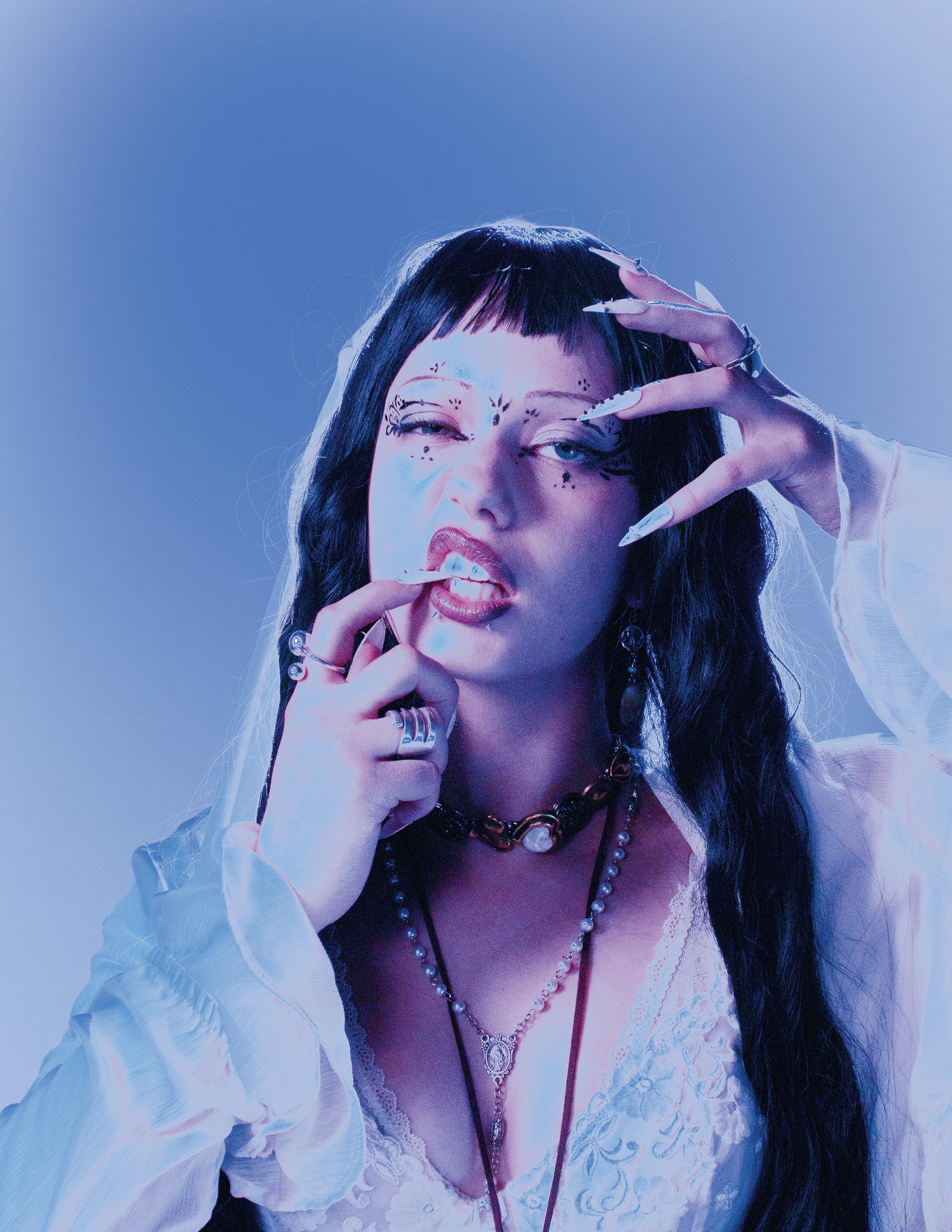
WRITTEN BY MATTHEW BEDROSIAN
ART DIRECTOR EMILY CASCIANI
PHOTOGRAPHED BY NAOMI BETZ
PRODUCTION ASSISTANT AYLA FUNG MODEL CORI MARKUS
STYLIST ALYSSIA TRUONG DESIGNER AMELIA FOX
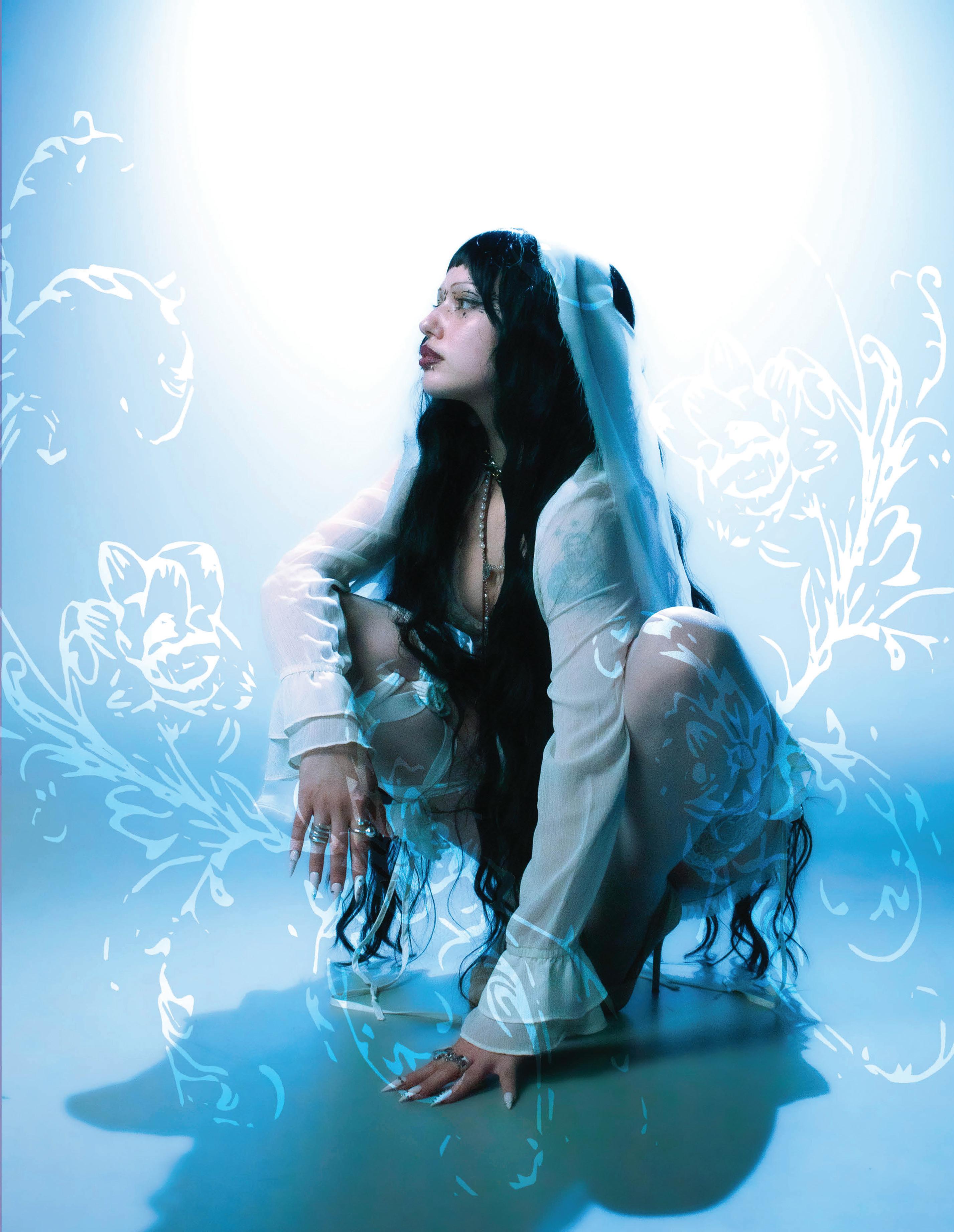


Ob ate lism


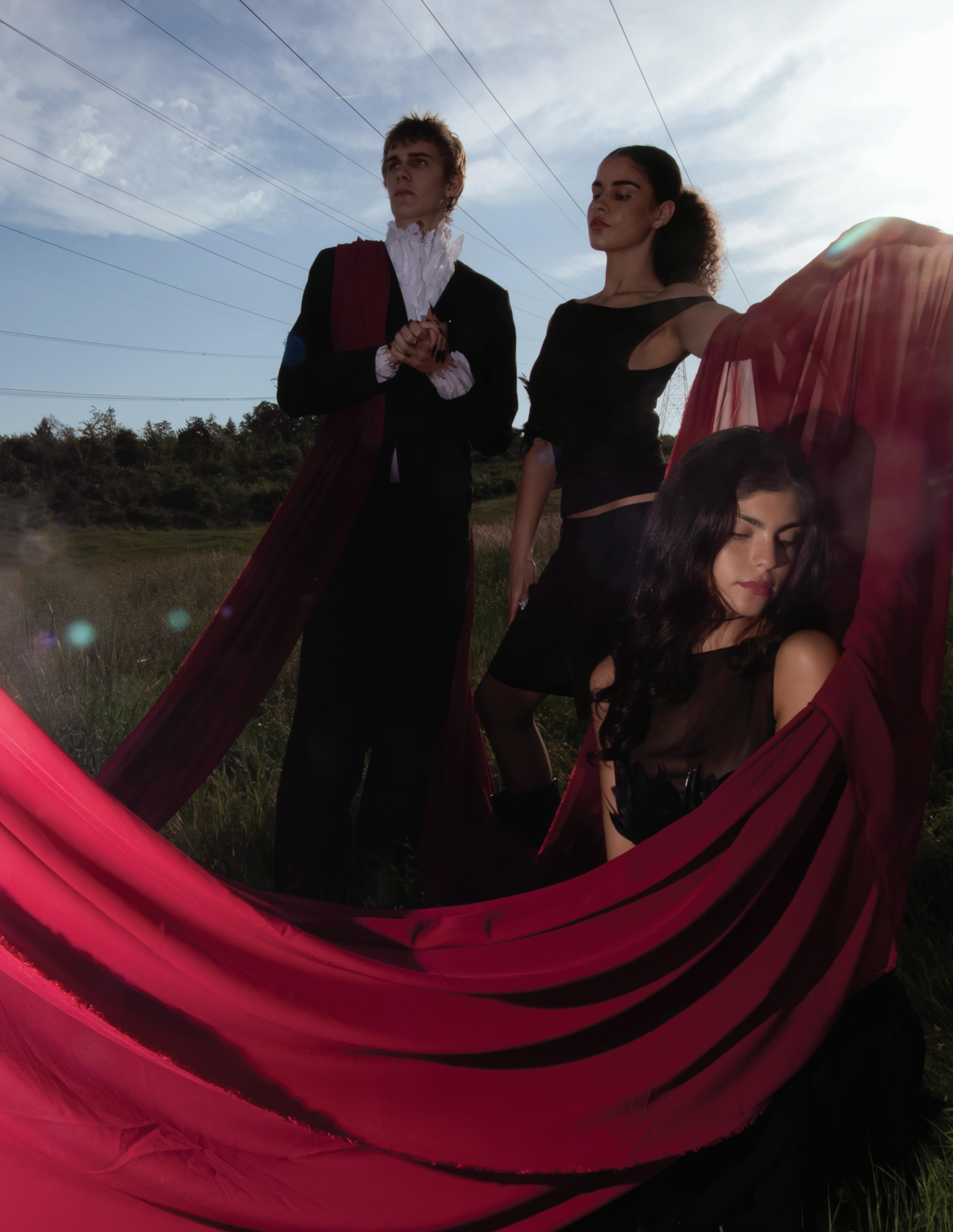

The YuccaTree & TreeMoth The
In Joshua Tree, California, a nocturnal white moth emerges after dark. The female Yucca Moth has one objective. She flies to the white blossoms of the Joshua tree, from which she is nearly indistinguishable. She does not have a long tongue, characteristic of most moths and butterflies. Instead, she has tentacles around her mouth that collect pollen, roll it into a ball, and carry it tucked beneath her chin. She then moves to the next tree, inspecting the flowers to see if eggs have been laid in their ovary. If another moth has visited a flower, she moves on.
She is aware that if too many eggs are laid in one flower
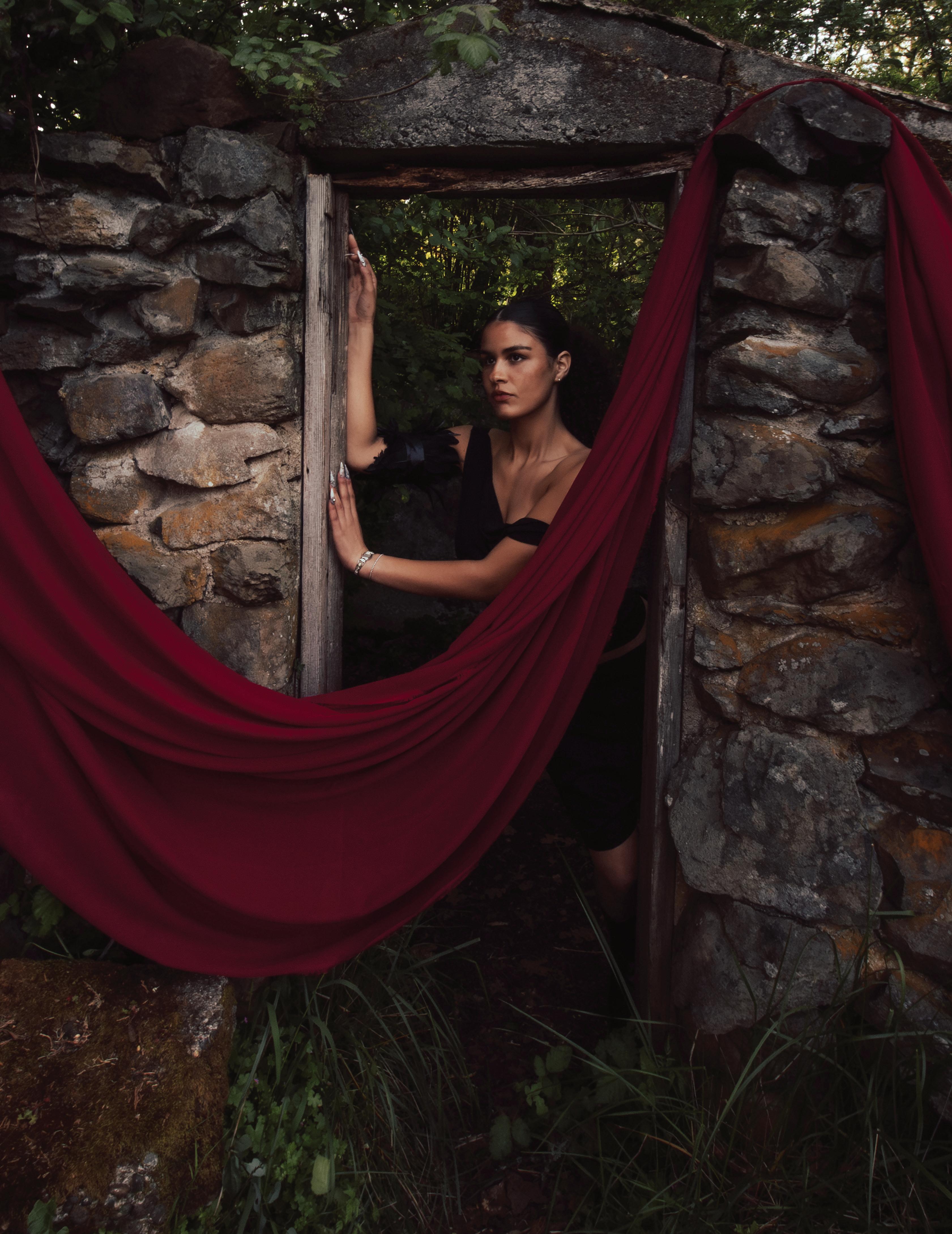
ovary, the flower will abort, starving her larvae. Upon laying no more than a handful of eggs, she moves to the stigma of the flower. Here she deposits her pollen, ensuring the flower will
produce fruit and seeds.
No other creature can carry out this exact process. No wind, no bee, no accident of nature will carry this pollen to the Joshua Tree. The fruit feeds the larvae, and the seeds allow the plant to reproduce. As soon as she finishes this process, she dies. The tree sacrifices a portion of its future so that hers can exist. In return, the tree gets to have a future.
Obligate mutualism describes an ancient, dependent relationship between two species in which neither party can survive without the other. It is not cooperation. It is not kindness. It is a contract written throughout thousands of years of co-evolution, with terms neither party consciously agreed to, yet both are bound indefinitely. The yucca moth and the Joshua tree do not choose each other, yet they cannot exist without each other.
Obligate mutualism does not exist separately from us. We are not singular organisms. Our gut microbiome contains an imperceptible world within the larger world of our bodies. The gut is populated by trillions of microorganisms, including bacteria, viruses, fungi, and parasites. We supply them with the resources they need to survive, and in turn, they provide vital aid to our bodies.



Healthcare providers often describe the gut microbiome as acting similarly to an organ itself. A fascinating aspect of the gut microbiome is its ability to regulate our mood. The gut-brain axis is a network of neurons, nerves, and neurotransmitters that run through our GI tract. Gut microbes stimulate the production of neurotransmitters like serotonin that affect our nervous system through the gut-brain axis.
Serotonin is responsible for our sense of well-being. Consider what it means for this to be partially dictated by a separate organism. Something you cannot perceive has agency in the way you feel moment to moment. Our sense of self, at its most intimate and internal level, is in fact a predetermined dependency between us and microorganisms.
Peeling back the layers of our biology reveals the relationship we have with organisms whose existence we may be unaware of. Death exists in a similar layer of dependency.
The Austrian poet Rainer Maria Rilke opens his sixline piece “Der Tod” with the line, “There stands death, a bluish concoction/in a cup without a saucer.” Death stands. Death stands as liquid stands still in a cup. The Joshua tree blooms, then stands and waits, while the Yucca moth completes the rest of the pollination process. That’s the way death is described in Rilke’s poem: standing, waiting for us to get farther along in what we are doing.
Knowledge of death serves as a horizon that implicitly shapes our consciousness. It inhabits the background, and from there it influences our actions more than we acknowledge.
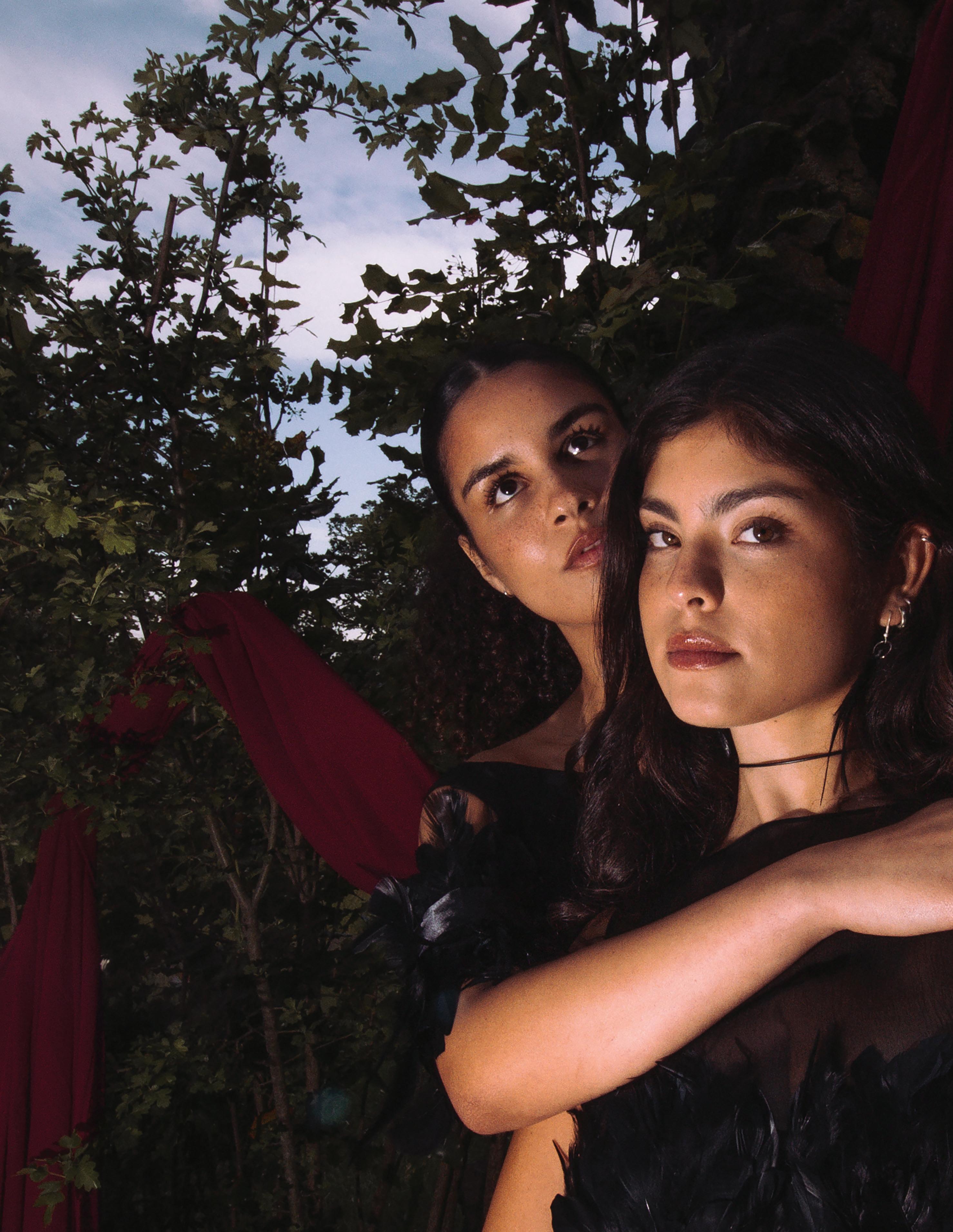

We seek meaning and pursue personal growth because we are aware of our mortality. In this way, we are active participants in our relationship with death.
Rilke’s death has a cup but no saucer. I would argue we are the saucer the poem excludes. We are dependent on death, as it waits for us. Without us, death is an empty word. It is defined in relation to us. It depends on us to give it something to stand in wait for.

Our relationship with death is obligate mutualism. Obligate mutualism doesn’t necessitate two active parties. It necessitates two dependent parties. Two parties that don’t choose to engage with one another, but can’t survive in the absence of the other. We don’t set the terms for our contract with death. We are bound to it, and it is bound to us, each making the other possible.
The Yucca Moth pollinates and lays her eggs in the Joshua tree. She is active while the tree is passive.
Death is the tree.
WRITTEN BY JACK LEININGER
ART DIRECTOR HARRY NOWINSKY
PHOTOGRAPHED BY KY MYERS
MODELS LOUIS DIX, KARTER GREEN & MILLIE LANGARICA
STYLIST EVE HAGHIGHI
NAILS BY GRACIE SPRINGER
DESIGNER BRITTANY RAMIREZ IGNACIO PLAYLIST CONNOISSEUR ELLIE ACOSTA





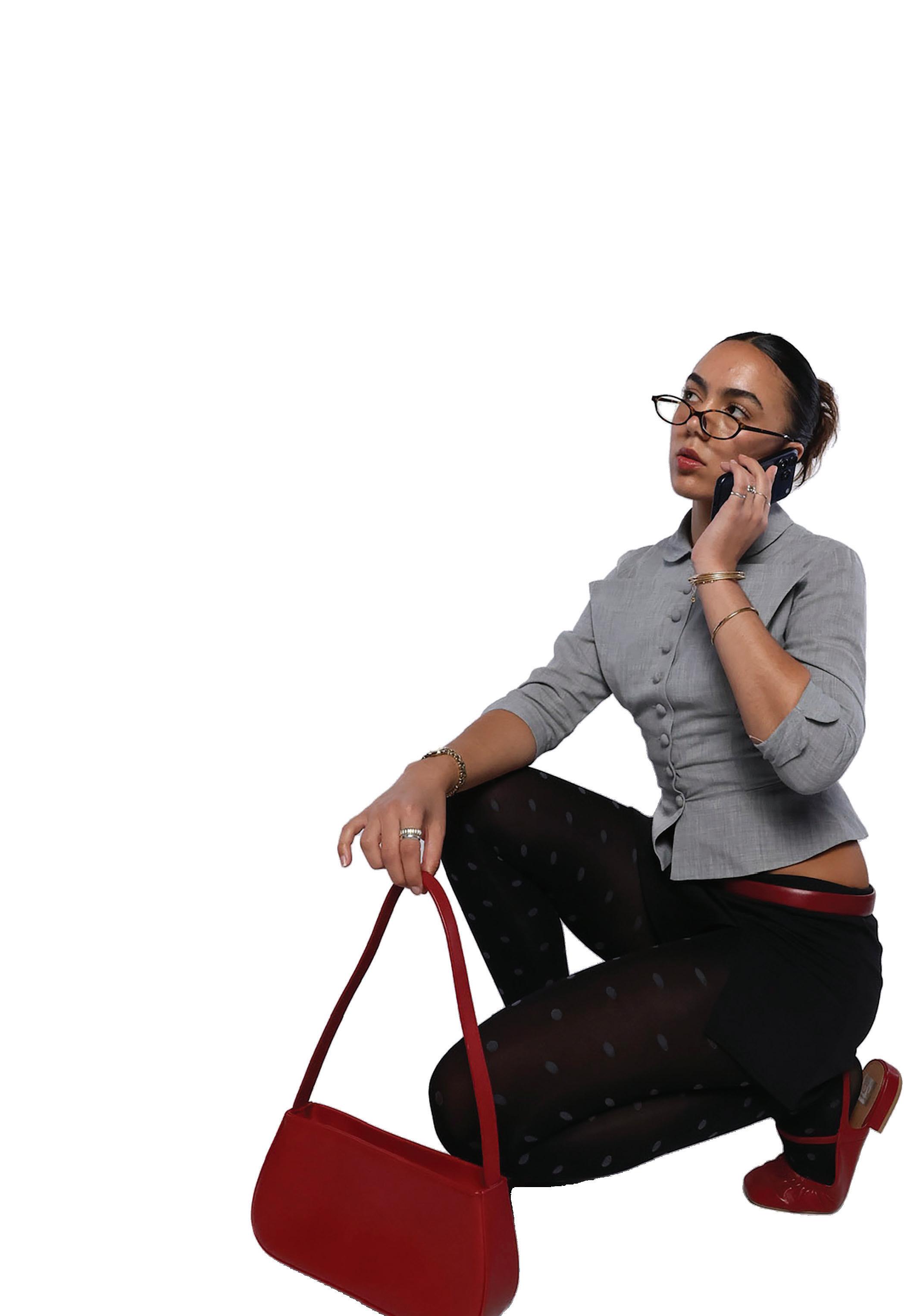

9 TO 5
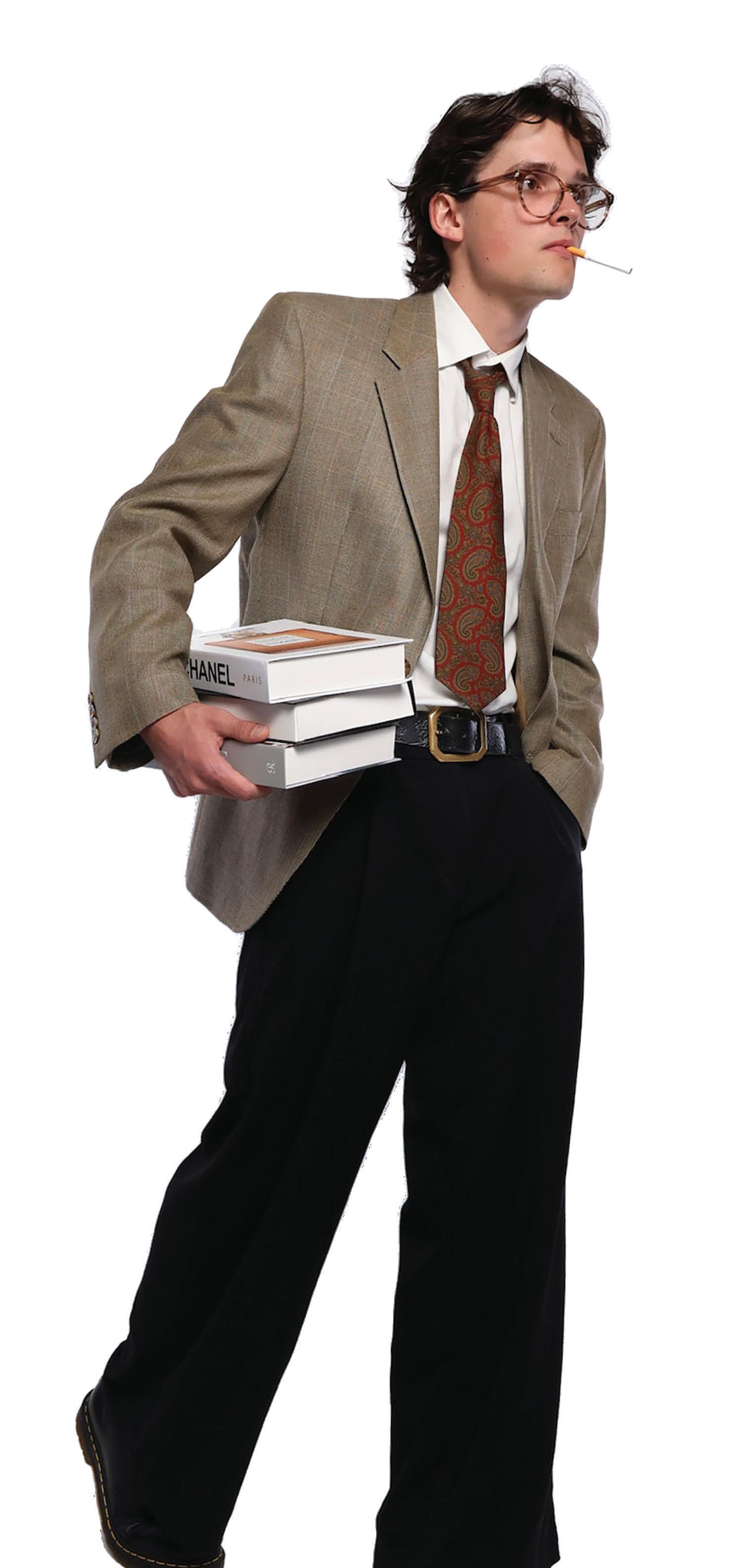


ART DIRECTOR
ANGELIKA STOLECKI
PHOTOGRAPHED BY EMMA LIOU
MODELS
HENRY CLARK, EVE HAGHIGHI & ANDREA RIVERA
STYLISTS KARTER GREEN & DAVIS LESTER
DESIGNER NATALIE ENGLET

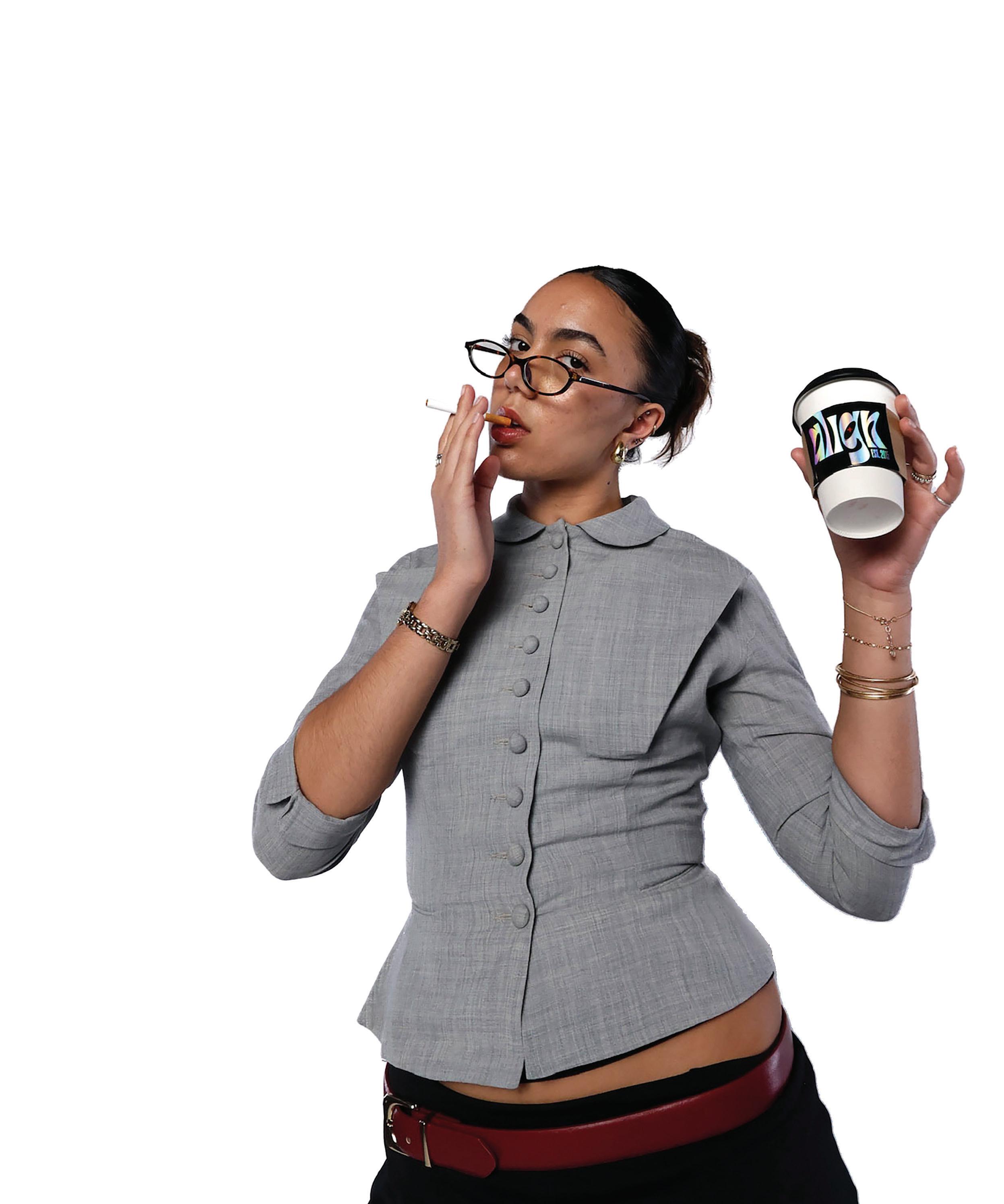

WHAT MAKES

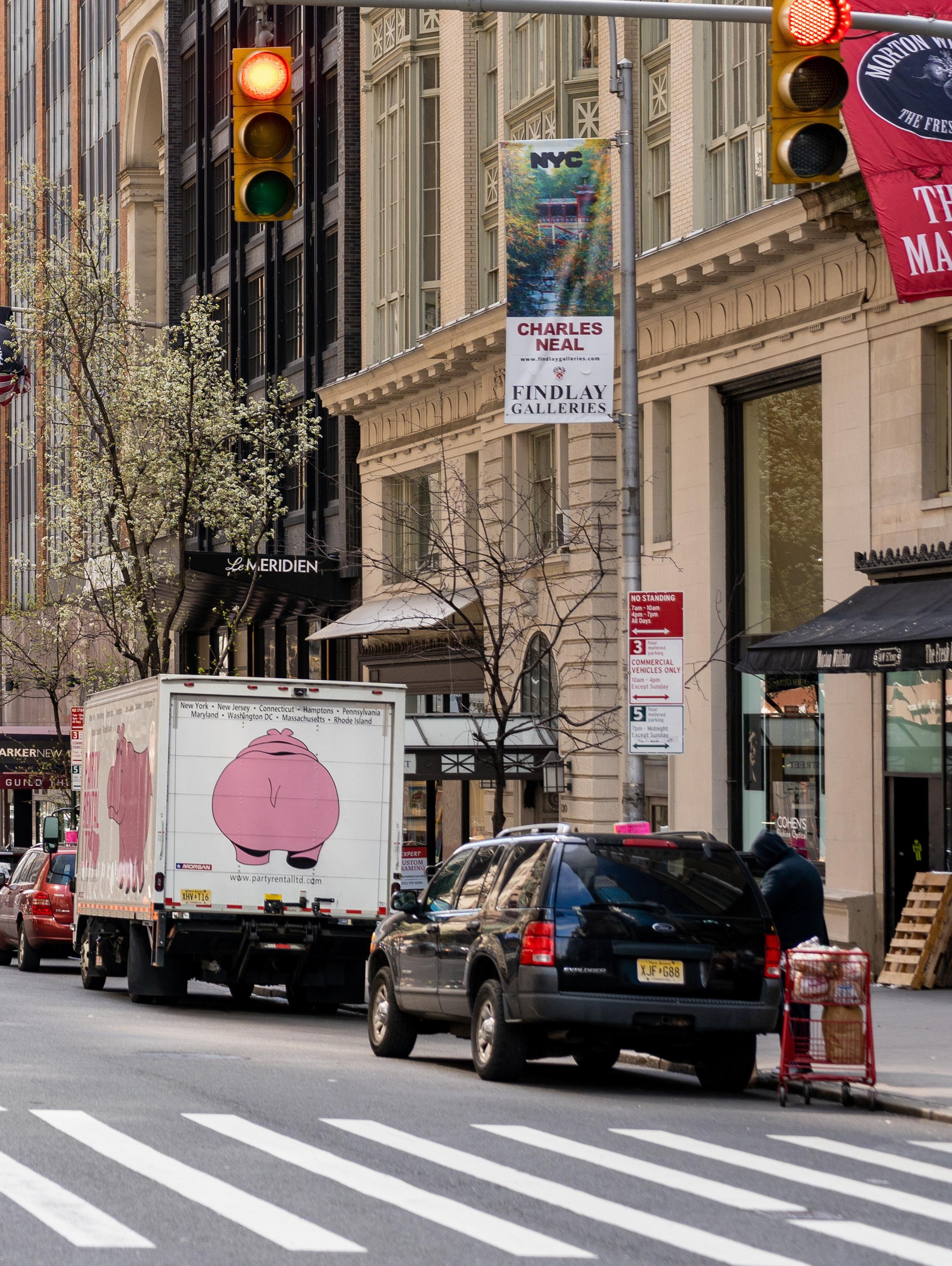
Catharsis for Paint
The Struggle Between Religious Devotion and Art: A Short Story

The night was filled with a flushed wind that crept secretly into the studio space. Maiclyn stood at the doorway of the studio, admiring the breeze as it filled her space with light, cool kisses. She didn’t mind the cold air dancing around her room, but in time, her windowpanes rattled with the force of air, and she walked over to close the windows tight. She was grateful for the breeze, though, because it drenched her room in a certain freshness that bathed her work in a new light. Her paintings stood like sacred scriptures lining her bedroom wall. She studied one of them; the gold paint gleaming off of cobalt blue with red mixed in. This was nearly her hundredth abstract piece of the year, but something about this one felt slightly off. She took a thin, pointedtip brush and added slight strokes of gold to the two large globs on the canvas. As she was painting, she watched the two globs take on the shape of eyes, crying glistening golden tears.

As the clock flashed a desperate 3:23 a.m., she pried herself away and began to clean up her studio. Maiclyn took her unfinished work and carefully tucked it face up under her bed. There, it would be safe. There, it could dry without any interruption. When she finally did crawl to bed, she fell fast asleep, and when she woke at 5:45 a.m. the next morning to the insistent ring of church bells, she was dead tired.
Maiclyn’s studio wasn’t really a studio at all. In fact, Maiclyn really went by Sister Maiclyn because she lived as a nun at the Sisters of Christ convent. The church bells rang throughout the dark halls until Sister Maiclyn dressed in her religious habit gown and went downstairs. It had been only six weeks since her acceptance at the convent, but already, her odd behavior was showing. The secrecy of her paintings, her cryptic escapes during evening prayer time, the odd, colorful specks on her gown, all the small oddities became a swell of suspicion about her religious practice.
As she reached the downstairs commune space where Sister Iva was studying scripture in her intent, not-to-be-bothered way, she felt Sister Iva’s eyes intently on her. Sister Iva was an older nun at the convent, a small, devoted woman who was becoming more like a friend to Sister Maiclyn every day. The morning prayer time was supposed to be a silent job, but with Sister Iva’s eyes staring fixedly on her, she couldn’t possibly concentrate. Sister Maiclyn began to worry whether her gown was secured to her head correctly. She began to worry about her duties for the day. She began to worry about paint. For at the convent, the regime ran a strict NO ART policy, and Sister Maiclyn had been ignoring this rule for a few weeks now.
Maiclyn,” they exchanged. The room shifted in its silence as Sister Iva’s glowering face held a scowl.
Suddenly, Sister Maiclyn felt a tinge of fear sink into her body. She stopped her scrubbing and got up to meet the hostile gaze Sister Iva held. “I know what you’ve been doing,” Sister Iva said.
A lump of fear formed in Sister Maiclyn’s throat. “What?”
“I know what you’re hiding in your room, under your bed.”
This fear of art was fueled by a rumor, some hundred-yearold tale, of a Sister C. who pursued art, deemed “unreligious” by the Father at the time. No one at the convent knows if the tale has any truth to it, but the story goes that Sister C. was immediately expelled from the convent when her work was discovered. And worse, all her paintings were burned as a result of their “un-Christian” status. The story frightened the current sisters at the convent enough to never reach for any kind of art supplies, but Sister Maiclyn had been painting since she was little and couldn’t afford to surrender her one passion besides her unwavering faith.
A few weeks later, Sister Maiclyn was scrubbing the floor of the church when she heard light footsteps behind her. This was the sisters’ hour of duties, so she was surprised to see Sister Iva come hurriedly behind her. “Hello Sister–Hello
Maiclyn looked down at her feet while her gown shielded her face from Sister Iva’s excruciating stare. “Please don’t tell Father Jacobsen,” pleaded Sister Maiclyn.
“You ought to be ashamed of yourself! Only here eight weeks and you’ve already managed to get yourself in the worst kind of trouble,” Sister Iva responded.
Suddenly, Sister Maiclyn pulled her aside. “Listen, I love my work here. I love getting up in the mornings to pray. I love singing hymns and leading sermons for the youth. I love this life I lead…but I also love what I make.”
Sister Maiclyn looked up, “If God created me perfect, then why all this desire? Why all this passion for paint within me?”
“You’re forgetting the sin of temptation” — and with that, Sister Iva turned and stomped out of the sermon room with a certain furiousness to her stride.
Years later, hanging in the gallery of New York, was Maiclyn’s work titled “Self Portrait: As God”. It was her fifth published exhibit, but the first of her paintings from the convent. As the day drained to dusk, the last few viewers trodded out slow. One viewer walked the lonely floors of the museum with measured steps that cascaded down the hall. When the viewer got to Maiclyn’s work, she abruptly stopped to see the painting in its full light. Bright, golden dashes flooded down the middle of the canvas while an array of blue and red filled the frame. The viewer was Sister Iva, and as her eyes filled with tears, a distilled moment of admiration settled in. When she was ready, she exited the exhibit with a warm feeling growing in her chest, a feeling close to catharsis.
NOT REAL
WOMEN THROUGH THE LENS OF ROBOTS AND AI
“
Treat her right,” sailors say as they admire a ship in the marina. Men speak about cars the same way: “She’s beautiful,” “She handles well,” “She’ll take care of you.” Boats, cars, countries, and prized possessions have long been assigned female identities regardless of whether they possess traditionally “feminine” qualities. This stems from a centuries-old maritime tradition in which boats were personified as nurturing, protective figures that cared for the crew like a mother. Over time, this type of gendered language extended far beyond ships and reinforced the societal tendency to associate women with objects meant to serve, protect, or belong to others. Because of this historical pattern, it is not surprising that many early voice-enabled assistive technology systems were designed with female identities. Apple’s Siri, Amazon’s Alexa, Microsoft’s Cortana, and other virtual assistants all launched with default female voices. Companies justified these choices in different ways; some cited market research, while others argued that female voices sounded more trustworthy and non-threatening.
There is a clear parallel between the tasks people ask Siri to perform and the work expected of a secretary in the 1950s, such as retrieving information, organizing
reminders, and assisting with daily tasks. However, because virtual assistants exist as technology rather than people, users often feel less pressure to consider how they speak to them or how they’re treated. Artificial intelligence is given enough personhood to hold conversations, respond emotionally, and maintain a recognizable identity, yet not enough empathy for people to feel guilty when they yell at, insult, or dismiss it entirely. Society desires warmth and emotional attentiveness in these interactions, but without the responsibility that comes with recognizing full personhood. This pattern is not limited to everyday technology; it is also deeply embedded in film and popular media.
Science fiction films often portray robots and artificial intelligence as women whose roles revolve around serving male protagonists as romantic partners, assistants, or emotional support figures. In movies such as “Her” (2013), “Blade Runner” (2017), and “Ex Machina” (2014), female AI characters are rarely given full personal agency and are instead valued for their obedience or usefulness. These portrayals can shape audience perceptions, especially among younger viewers, by normalizing the idea of women as artificial beings designed to fulfill emotional or supportive

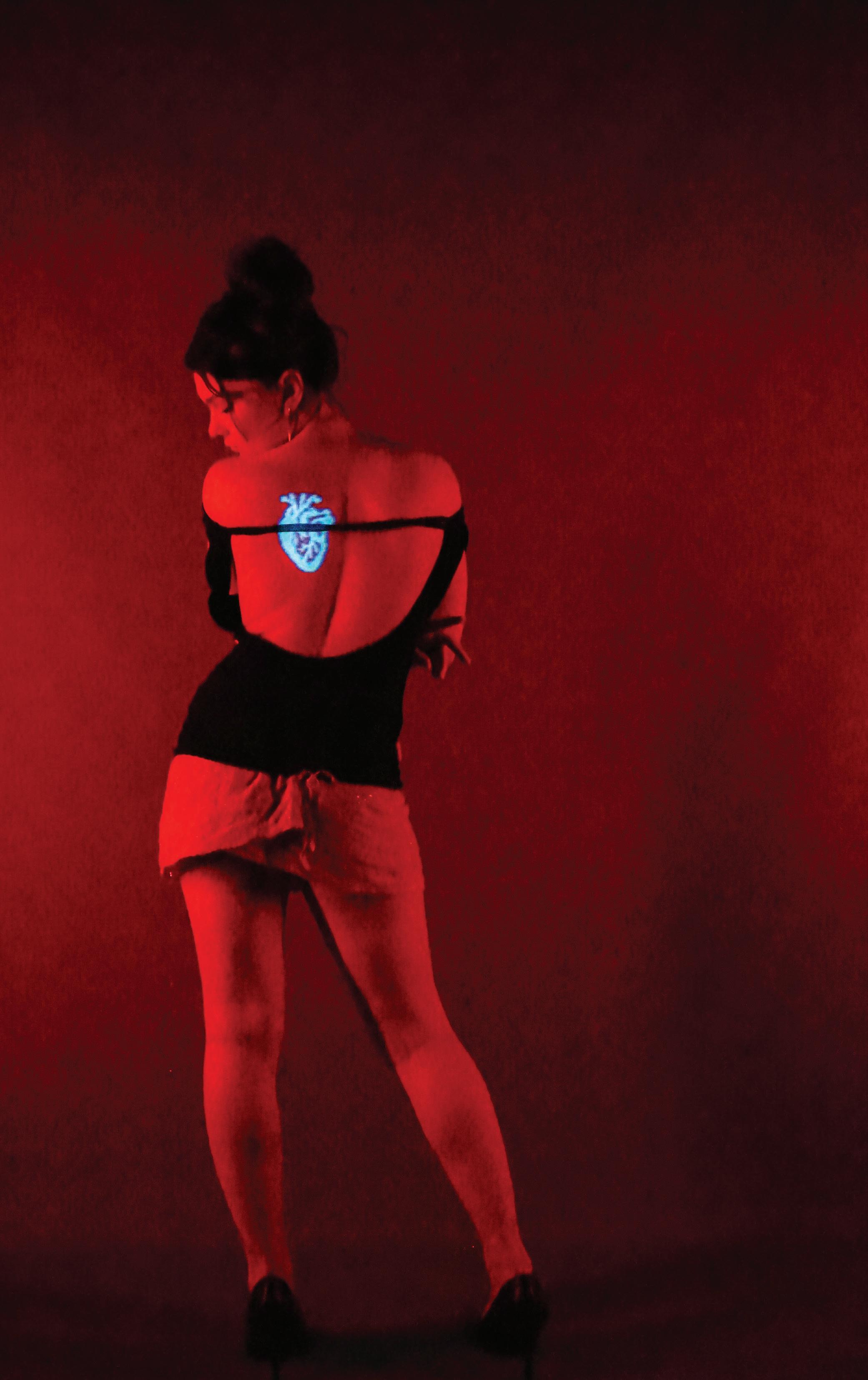
functions. In contrast, male robot characters such as C-3PO from “Star Wars” or HAL 9000 from “2001: A Space Odyssey” (1968) are presented as fully mechanical rather than human-like. As these patterns repeat across media, they reinforce harmful associations between women and objectification rather than autonomy.
With the rapid advancement and increasing accessibility of AI, technology is becoming more lifelike, emotionally responsive, and integrated into everyday human interaction. As a result, people have begun forming interpersonal relationships with AI systems that are designed to mimic empathy, attentiveness, and emotional understanding. At the same time, women continue to face forms of dehumanization that reduce them to emotional laborers, assistants, or tools meant to support others. Ironically, while women are often stripped of individuality and agency, AI faces the opposite problem of being increasingly anthropomorphized and treated as though it possesses human emotion and consciousness.
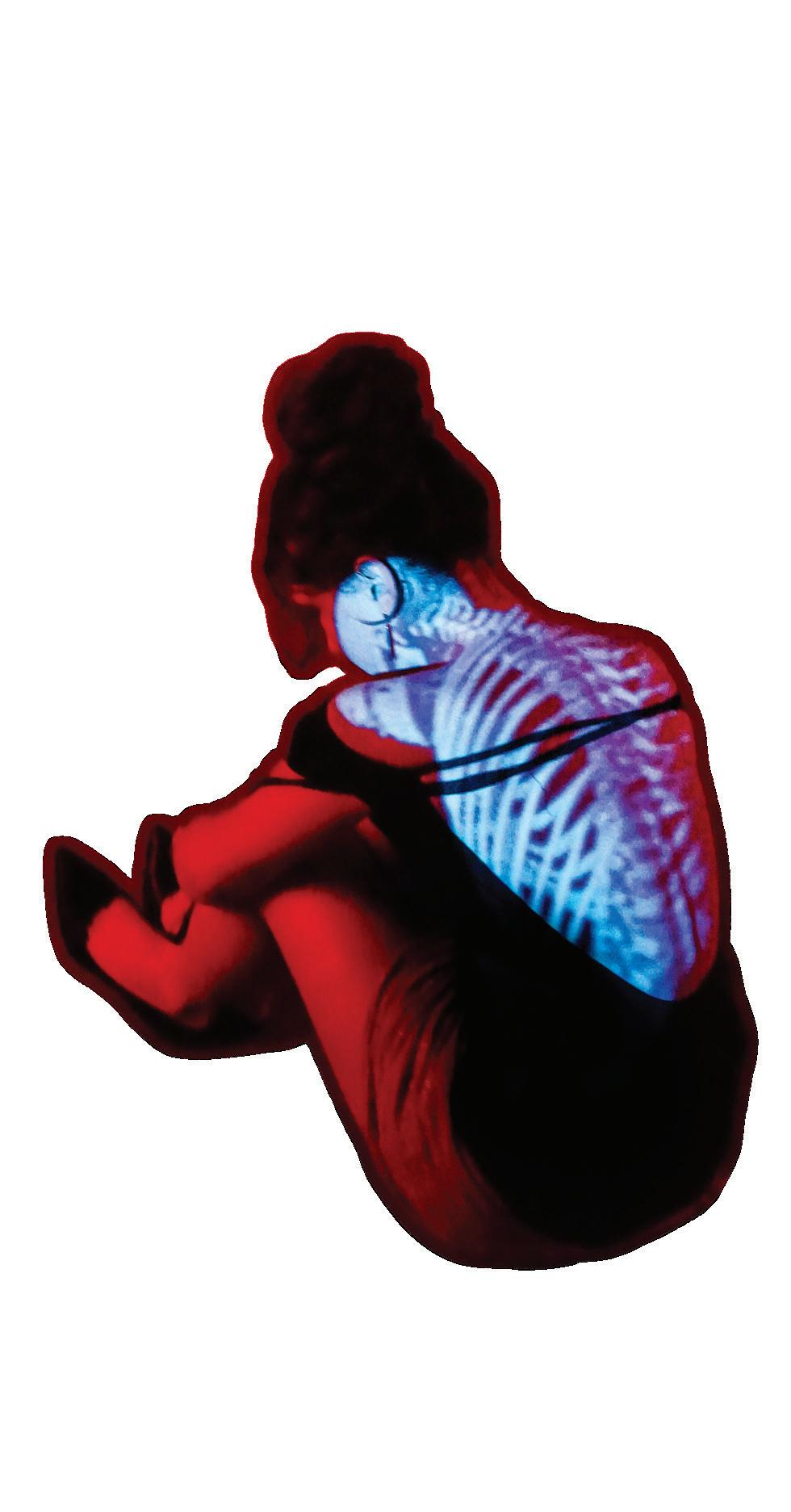
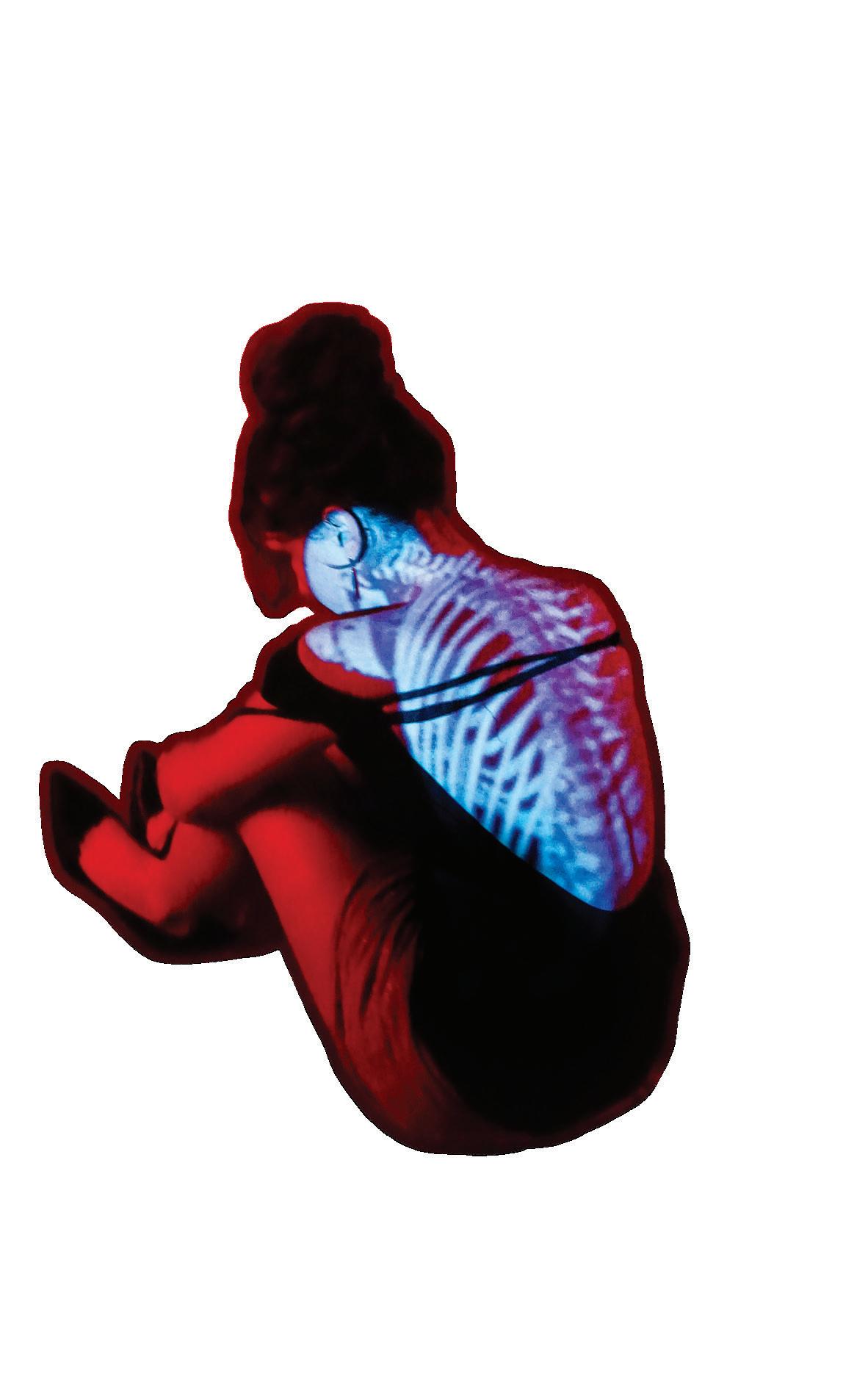

SHE S NOT REAL


We often give AI the benefit of the doubt when it makes mistakes because we understand that its capabilities are still developing and recognize the limitations of a machine. In contrast, women in the workforce are rarely afforded that same grace. Instead, they are expected not only to avoid mistakes entirely, but to constantly exceed expectations to justify their place and roles that are often assumed would be better suited for men.
AI systems are often designed with feminine voices and personalities that emphasize traits like patience, warmth, and obedience. This design choice reflects and reinforces existing stereotypes by presenting femininity as naturally supportive and service-oriented. As people become more accustomed to interacting with feminized technology built to meet emotional needs without autonomy or resistance, those expectations can begin to shape how women are viewed and treated in real life.
If these patterns continue, the issue will extend beyond technology itself. The growing relationship between gender and AI may further blur the line between human connection and objectification, reinforcing harmful ideas about who is expected to serve and who is allowed to have agency. Rather than simply shaping the future of technology, the design of AI ultimately shapes how society continues to view women.

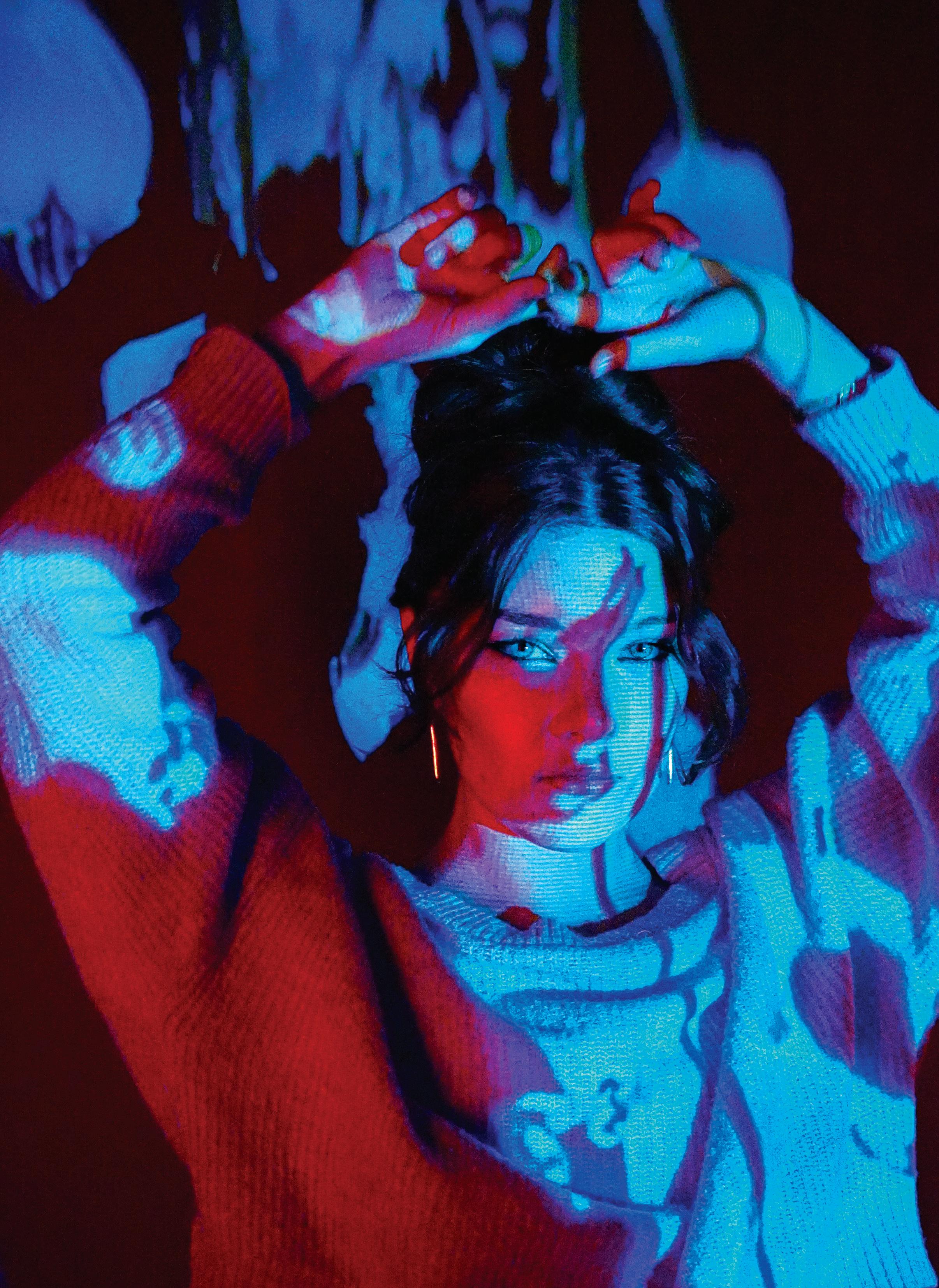
On the cults of Ancient Greece M ysteries
If by strange we mean secret, ancient, and alluring, then things have always been strange in ancient Greece. Ancient Greek mythos is a strangeness without end, not least among its many strange secrets were the mystery cults of classical antiquity.
In ancient Greece, the “Mysteries” refer broadly to a series of ancient, religious cults which, among other things, practiced sacred rites in which scenes from mythology were dramatically reenacted. Of these religious cults, the Eleusinian Mysteries, devoted to the harvest goddess Demeter and her daughter Persephone, were by far the most celebrated, with origins tracing back to the 7th century B.C. As recounted in the Homeric Hymn poem to Demeter, which tells of Persephone’s abduction, Demeter’s search for her daughter leads to her arrival in Eleusis, located in Attica, Greece, where she “revealed the conduct of her rites and taught her Mysteries to all of them.”
Yet, in attempting to describe what occurred at the sites of these religious processions, we run into the problem of interpretation.
We know historical details of the rituals but not their meaning.
In fact, much of the concrete information about the rituals was kept secret. Instead of explicit historical accounts, what we are left with is symbolic correspondence: theories grasping as to what the rituals could have mythically represented.
How, then, are we to understand a piece of history so deeply submerged in the waters of myth? Likewise, how are we to pull myth from the wet bundles of the symbolic onto the shores of history? So little is known about the doctrine of the Mysteries that skeptics in the 18th and 19th centuries were quick to deride all ancient mystery religions as giant hoaxes. Yet, they were very real.
Derived from the Greek root muô, the term “mystery” literally names an injunction to silence. Indeed, initiation into the Eleusinian Mysteries famously entailed undergoing a vow of secrecy, and betraying this vow was punishable by death. These rites apparently involved confidential disclosures
(named epopteia) imparted to initiates by the priest, and were enforced using a so-called “Book of Interpretation,” a text allegedly consisting of two stone tablets bound together. These rituals thematically concerned death and rebirth, and initiates were said to have been conferred knowledge that promised confidence in the face of all-devouring death.
We can find further allusions to the Mysteries’ conjuring of an afterlife in texts as early as Plato’s “Phaedo.” According to Plato, the meaning of the Mysteries was to return initiated persons to the higher principles from which they fell, a return to the world of eternal, perfect Forms. As Socrates tells his student Simmias, who is skeptical about the soul after death, “he who arrives [into the afterlife] after initiation and purification will dwell with the gods.” Yet this Platonic interpretation serves its own ends, which is to say, not even the Greeks themselves could retroactively explain the meaning of the Mysteries without help from a ready-made philosophy.
Despite this, it’s true ready-made philosophies may provide us with a some sense of direction after all. As discussed by German idealist Friedrich Schelling in his 1842 lectures on mythology, at a certain point we must admit mythology develops from circumstances that cannot be compared to the present day or understood by appealing to modern explanations. Schelling claims this is the point where mythology turns away from being merely allegorical, from signifying something other than itself, to being what he coins as “tautegorical”.
Myths are self-explaining.
They mean what they say, not as translated into some rationalizing language.
So what can the stories about the Eleusinian mysteries tell us? Arguably, rituals and festivities take place outside of real time, in a suspended moment of control where, much ike Schelling’s “tautegorical” explanation for myths, life refers to itself, or rather, when participating in a ritual, you feel as if you are freed from yolk of everyday life and completely swept into the present moment as such. Rituals and festivities happen for the sake of themselves.
While researching these socalled “Mysteries”, I found myself, with microscopic clarity, standing amidst the shrubbery and stone at the site of Eleusis.
It’s mid-September, and I’m walking down the Sacred Road, following the processional march of devout pilgrims headed from Athens to the Telesterion, the central temple in which the initiation ceremony is to be carried out.
We carry bundles of myrtle. We balance vessels of kykeon, a liquid mixture of barley and poppies, on our heads. We wrap ourselves in dark linen. We fast from sunrise to sunset.
A cry rings out, “Initiates into the sea!” and some jump into the water to be purified by the Mediterranean. The following day, a sow is offered up to Demeter and Persephone. Sacrifice affirms life. I sit in silence with the other pilgrims as we tie ribbons of saffron to our wrists.
WRITTEN BY EMESE BRACAMONTES VARGA
ILLUSTRATED BY LAUREN CANGIE
DESIGNER GRETCHEN SCHECK
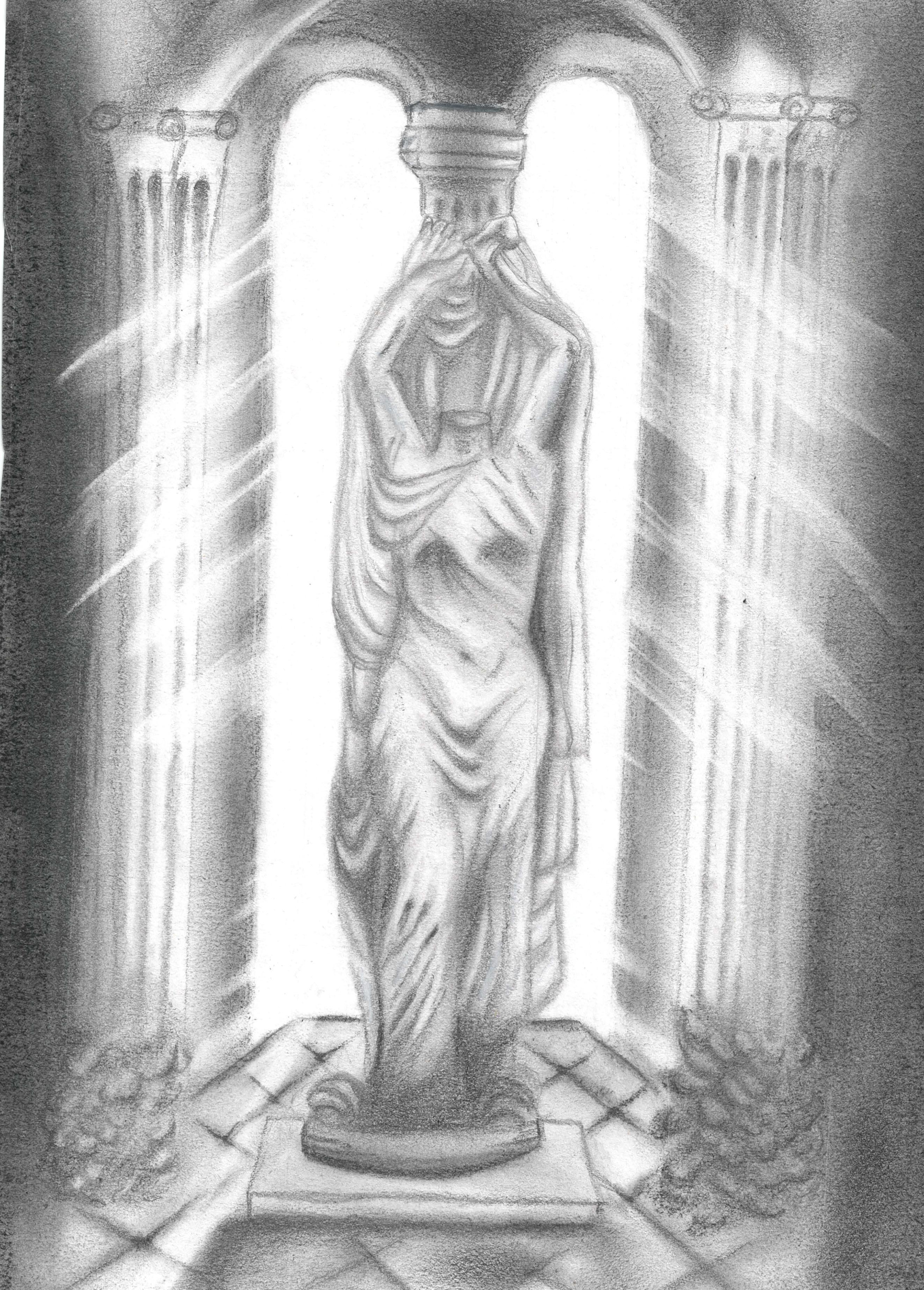
We reach our destination in the evening. Pilgrims stream into the temple. Smoke. Thunder. Dancing.
Things said, seen, enacted.
Then I am alone. Around me, the Telesterion is now a decapitated, buried ruin. The stone is a solid memory. How can I analyze this? I start running up and down the hillside in a sort of madness. It’s useless to try, I think. One need only stand as the ancients stood to realize Eleusis is still intact.
And it’s mid-September again, when I’m marching down the Sacred Road.
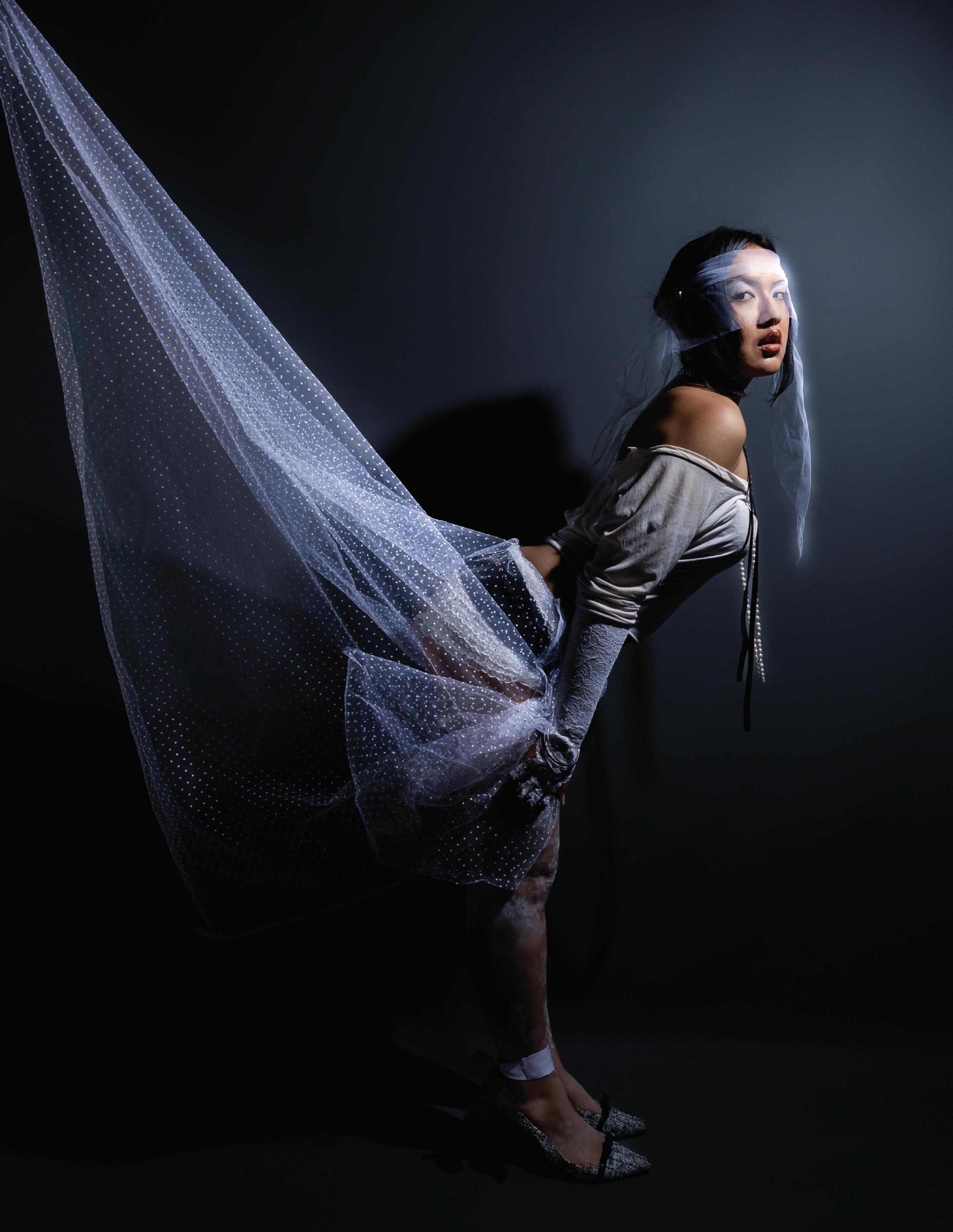
Veil BEYOND
GENDER PERFORMATIVITY THE
The concept of the veil can be found in cultures across the world: the hijab, the coif, the dikhlo. Worn traditionally by women, veils generally act to preserve one’s modesty, often in the face of God or man. A woman wears a veil when walking down the aisle, lifting it to reveal her face to her husband; a nun traipses through the halls of her convent, her shapeless robe sweeping the stone floor. The veil not only appears traditionally in the context of religion, but also in a daily secular context. Eyelashes lengthened and darkened with mascara, lips plumped with filler, legs shaved smooth. A detailed, gendered performance, played upon the world’s stage.
Feminist scholar Judith Butler, in her 1990 book “Gender Trouble” described femininity as a “stylized repetition of acts,” asserting that gender is not a biological state of being, but a performance dictated by society.
For women, this performance is a daily labor — starve oneself to dainty thinness or embrace one’s curves, the voluptuous feminine contours that make one’s body worth perceiving; grow one’s hair until it sweeps one’s waist, an imitation of early European princess paintings; enlarge one’s eyes, enlarge one’s breasts, embrace femininity at all costs. Shield oneself with the veil of womanhood.
Of course, the concept of gender performance doesn’t exist in a vacuum — numerous studies have proven that a successful performance of femininity is socially rewarded. A 2023 article from the National Library of Medicine, “Beauty is only skin deep: An examination of physical attractiveness, attractive personality, and personal grooming on criminal justice outcomes”, found that more traditionally attractive convicts receive lighter court sentencing. Jaclyn Wong and Andrew Penner, in 2016’s “Gender and the returns to attractiveness” for
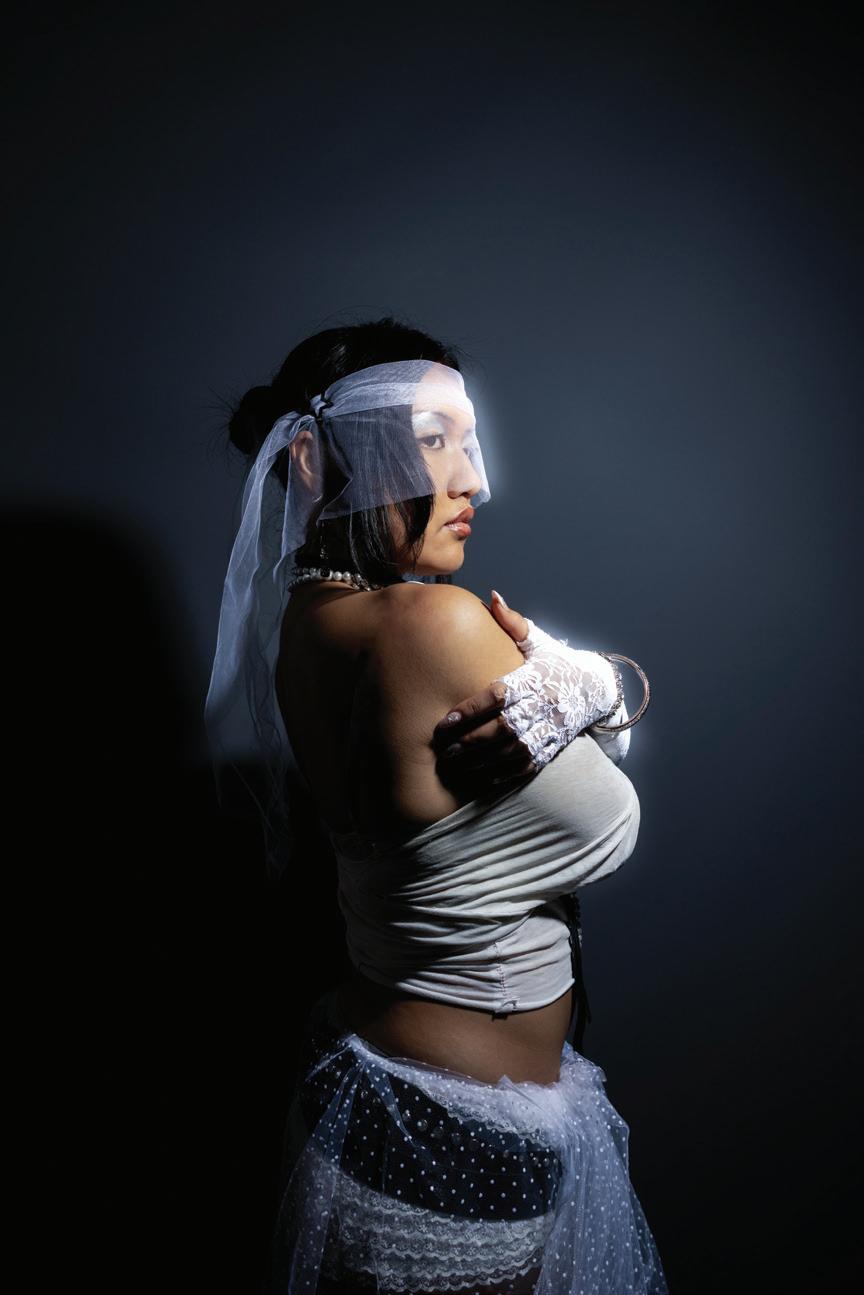
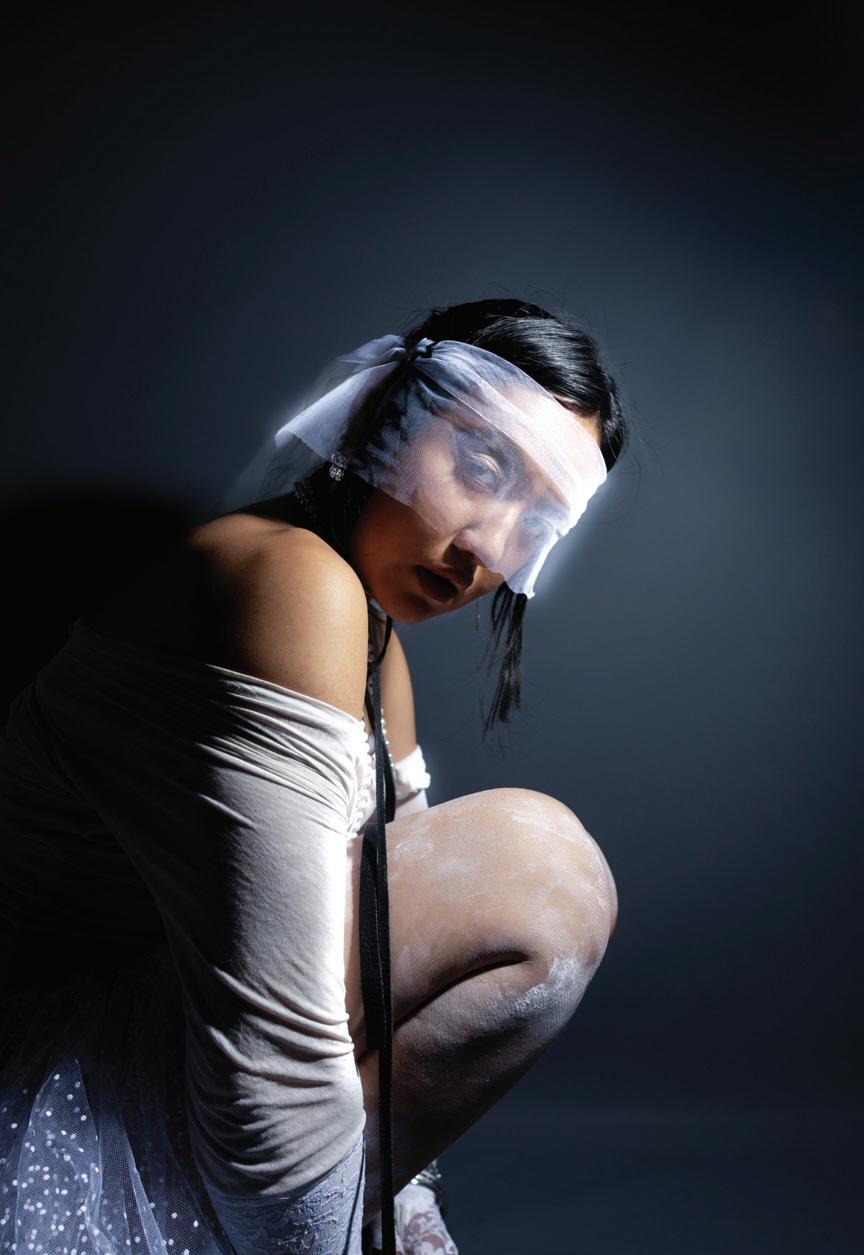
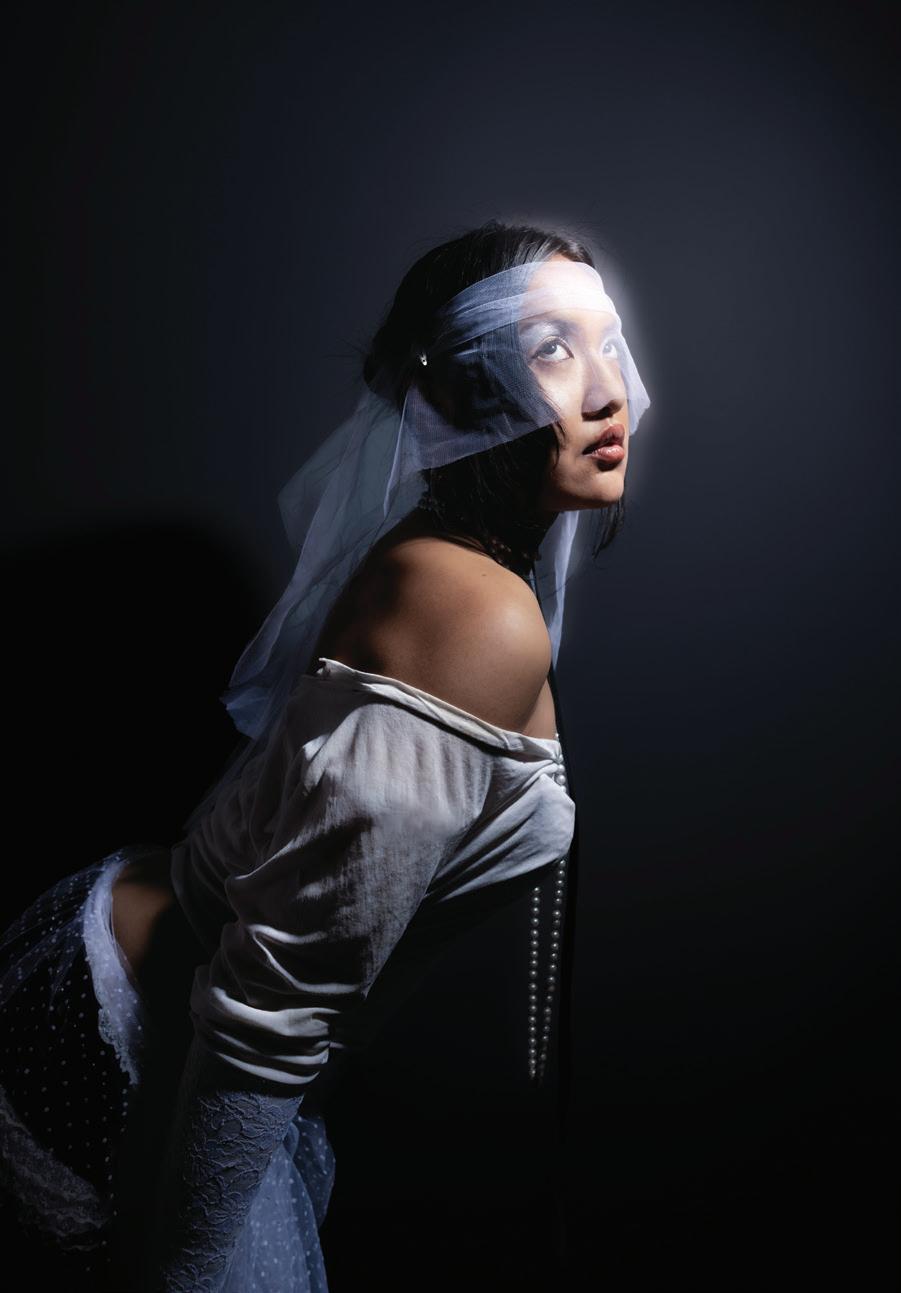
Research in Social Stratification and Mobility found that conventionally attractive women make more money. The veil isn’t just an arbitrary social construct; it’s a tangible linen cloth which provides material benefits to the wearer.
Women are taught to reduce themselves to the cloth — to their makeup, their clothes, their quiet attitudes and carefully selected words. The person the woman becomes, alone in her room — her fantasies, her sweat and her blood, the facets that the veil conceals, are the bulk of her being. The brain within the skull; the bones within the flesh.
“Gender is... a construction that regularly conceals its genesis,” says Butler. The performance of gender is an all-consuming force; a long, sweeping veil which cloaks the wearer’s true nature in an oppressive substantiality of performance.
HUTSELL
ART DIRECTOR ANNA DE SANCTIS
PHOTOGRAPHED BY LAC NGUYEN
MODEL ALYSSIA TRUONG
STYLIST FRANCESCA OVERTON
DESIGNER CAITLYN REICHOW PLAYLIST CONNOISSEUR LUCY FROMM

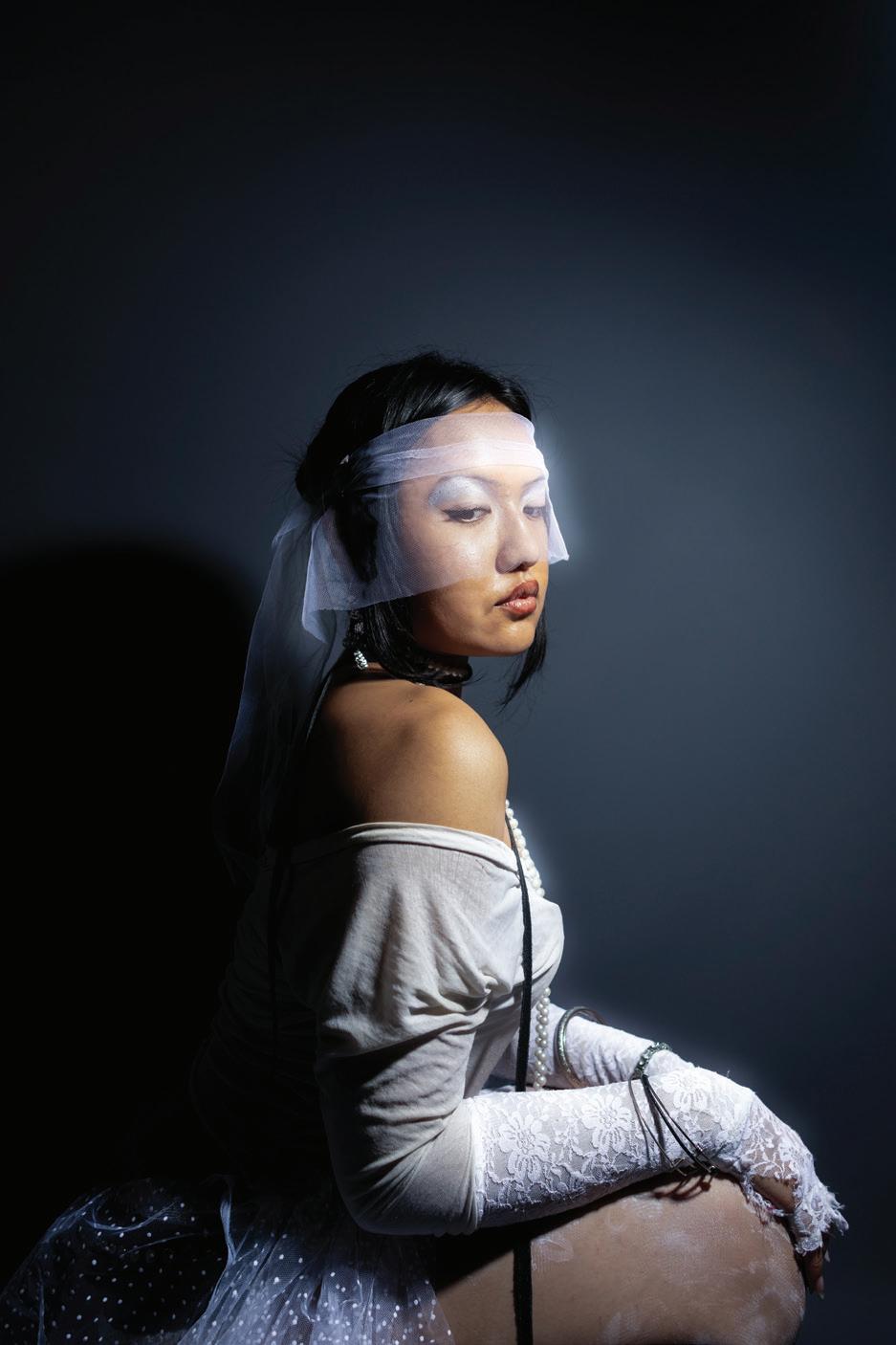
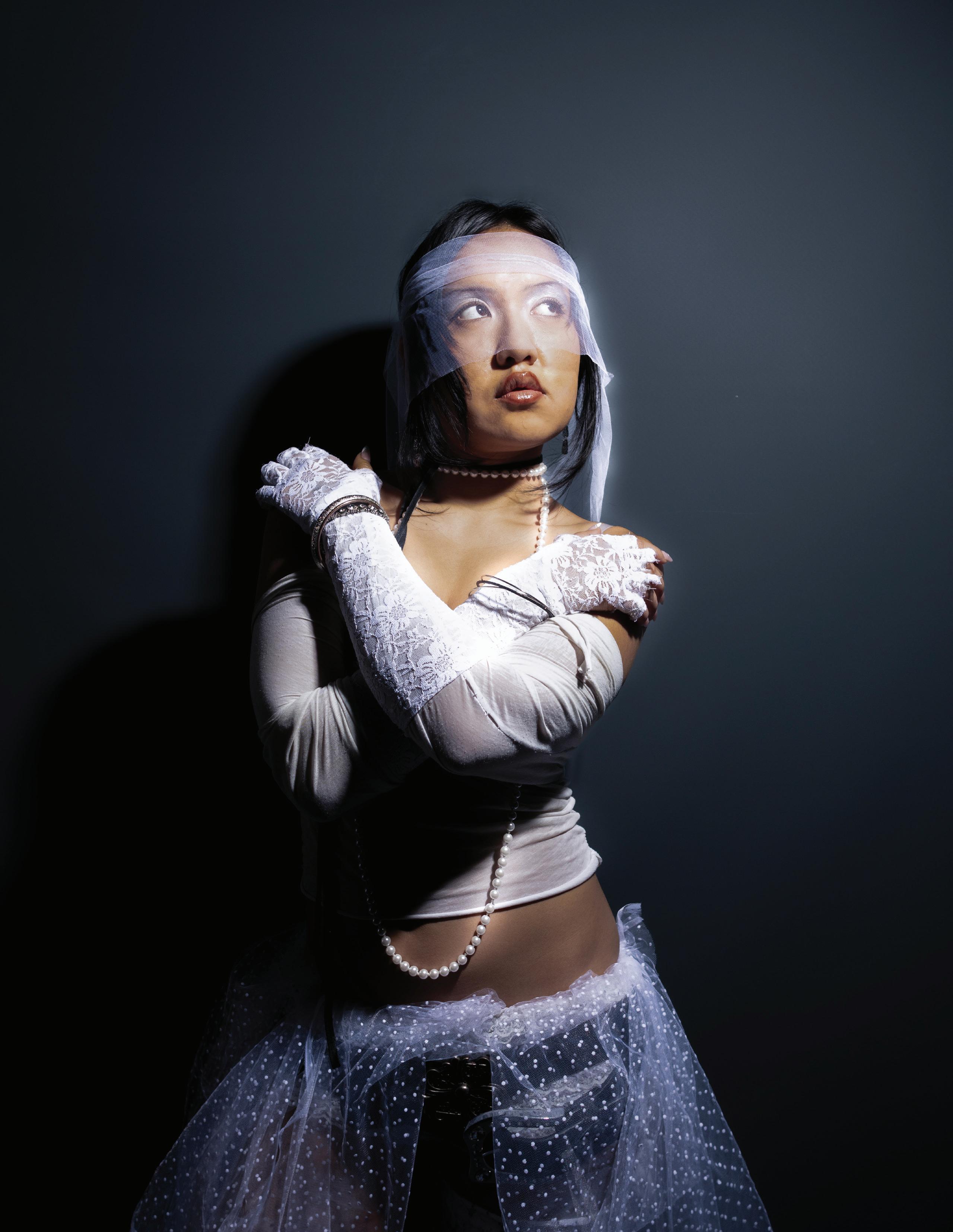


LIFE’S COSTUME PARTY?
It occurs before we can even register that it’s happening. Sometimes it’s as subtle as the pink stain of a blush across cheeks, the rapid moistening of sweaty palms, the shaking of the voice, or even the dilation of the pupils. Other times it takes a more obvious form in irrepressible tears and full-bodied laughter.
We call these reactions involuntary, as if the body is a separate entity that occasionally misbehaves and acts on its own, catching us off guard.
Perhaps what unsettles us is not the loss of control itself but what it reveals.
Writer Franz Kafka once wrote, “I was ashamed of myself when I realized life was a costume party, and I attended with my face.”
There is something deeply tragic in that sentiment. In the idea that authenticity is something embarrassing. That to move through this life openly, without the protection of performance, is something to be ashamed of. It makes one wonder if the exhaustion so many people carry stems precisely from the maintenance of this veneer. The constant monitoring of the self.
It’s a learned behavior, this propensity to adjust our conduct in accordance with our audience. One taught by our parents, our culture, and all manner of childhood and

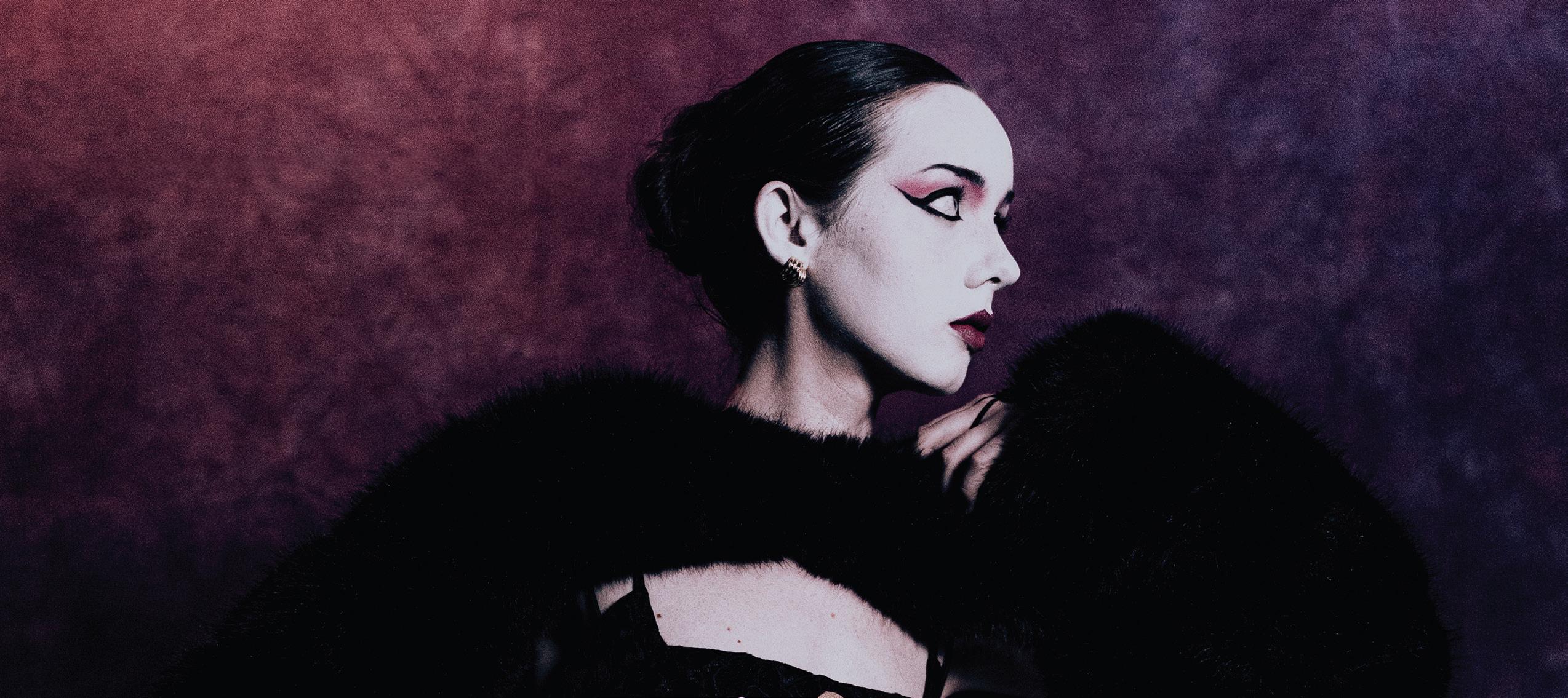

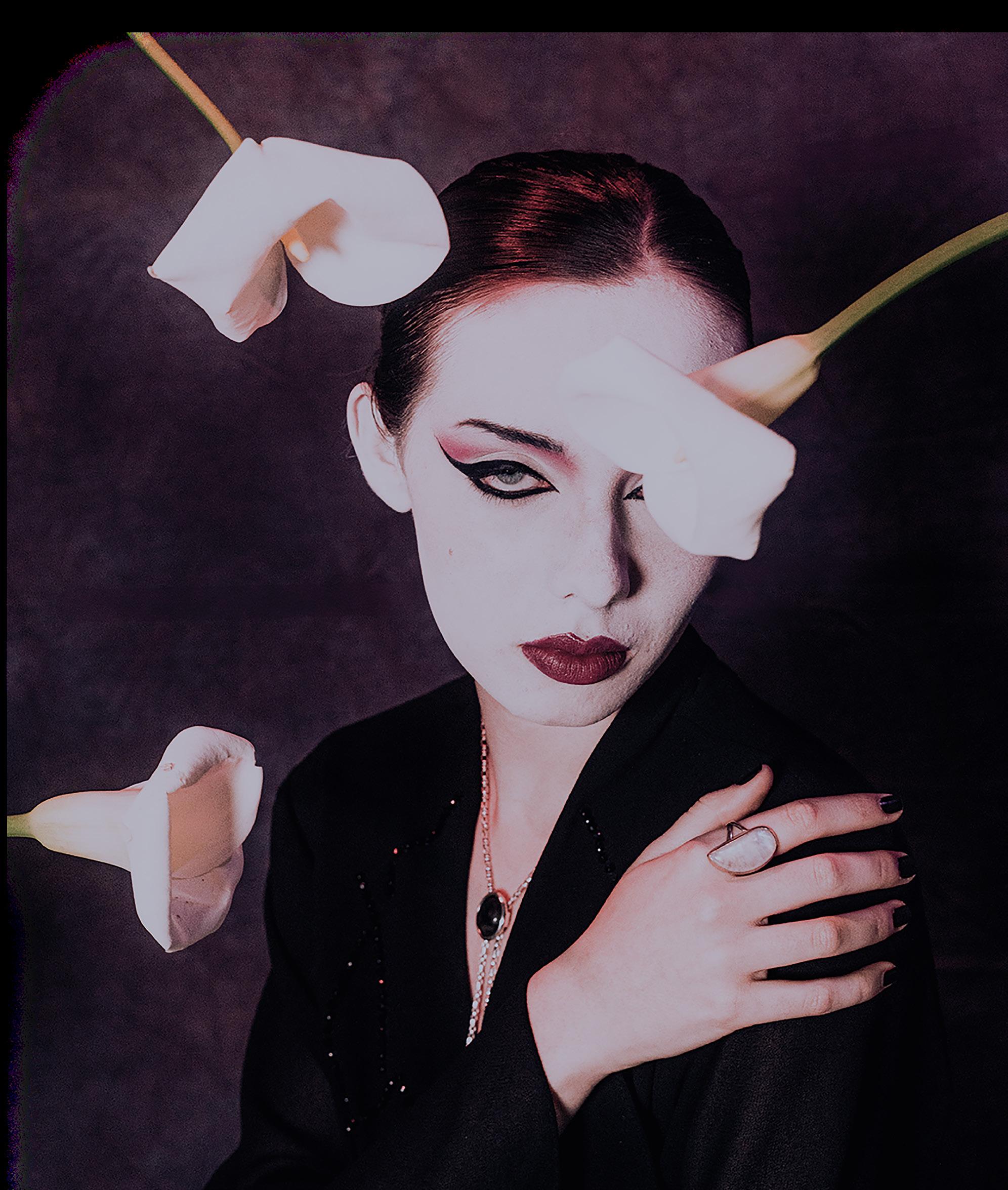

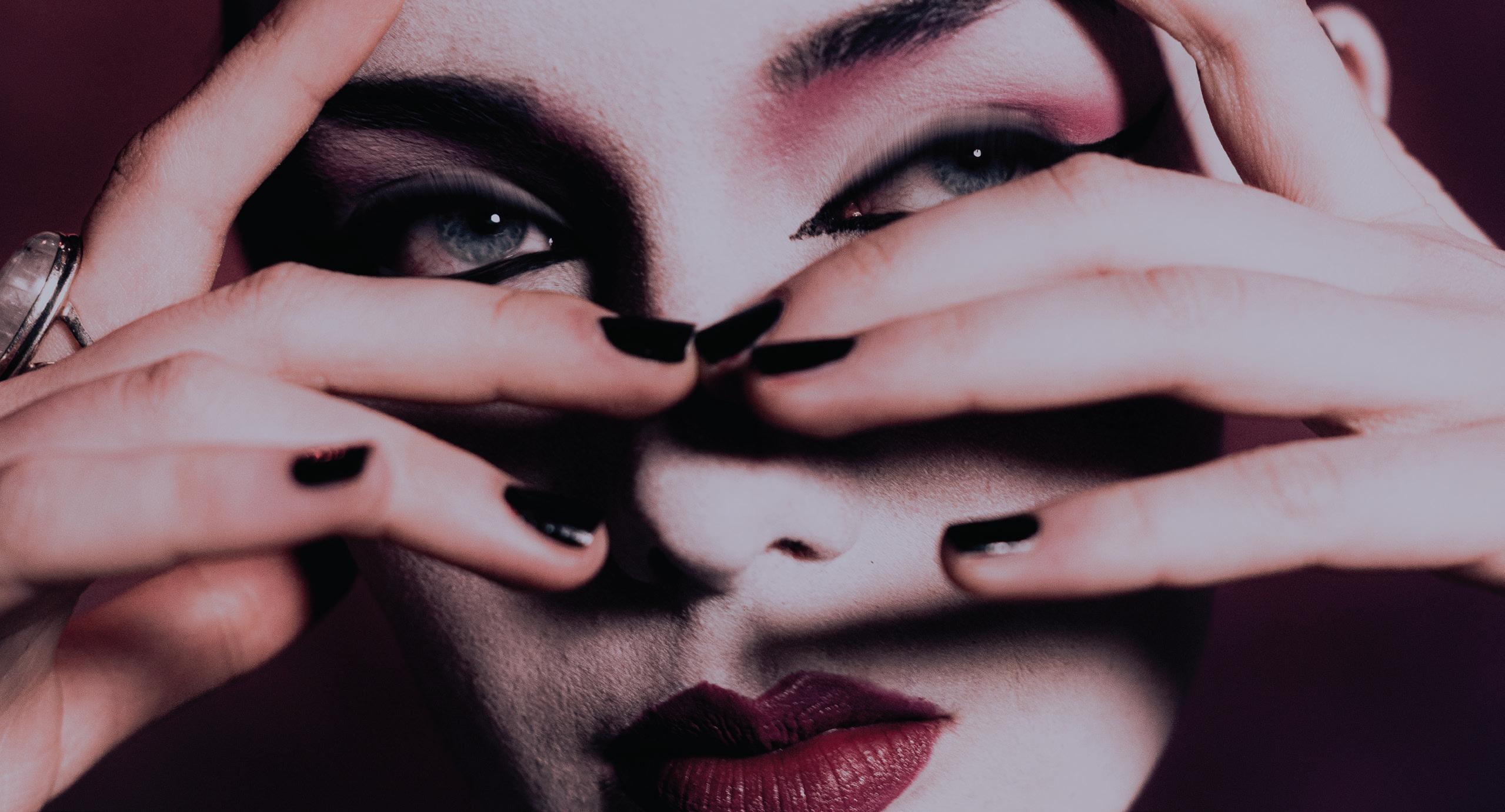


?

adolescent missteps that instill a fear of judgment and rejection from our peers and from society as a whole. We grow up hearing the repeated mantra “just be yourself,” and yet, it’s these formative moments in our lives that lead to the cultivation of a mask, one made of delicate porcelain, a performative exterior that caters to what we think others expect to see from us.
The mask isn’t always obvious, in fact, it’s often something we’ve convinced ourselves is authentic as we toe the line between fearing we are too much or not enough. There are moments, however, when we are reminded of its presence. It happens when we find ourselves laughing along at a joke we didn’t really find funny. When we recite answers during an interview, wanting to give the perfect first impression.
The facade is rarely infallible, and the assumed control we think we command over ourselves is breached. The perfect

porcelain mask cracks, and the contents of the soul become visible.
The body knows before the mind is willing to admit anything at all. Beneath that surface, the body continues, quietly and incessantly, registering everything we try to suppress: desire, discomfort, fear.
Contrary to what we often tell ourselves, human beings are excitable creatures by nature. We are deeply affected by things that overpower reason. Music, art, nature, human connection: forces that move through us with startling potency. There is something strangely vulnerable about being emotionally overtaken, about feeling something so intensely that it manifests physically, before the mind can discern a moment and reclaim composure.
Maybe this is what makes vulnerability so uncomfortable. Not just the fear of being hurt, but the fear of being perceived too clearly, that sudden awareness of something internal escaping containment and becoming visible to someone else. There is something terrifying in the realization that there are forces capable of reaching us beyond the carefully constructed borders of the self.
Certain experiences affect us so deeply internally that they make their way to the surface in a tumult of uncontrollable signals: the roar of your pulse so loud in your ears that it seems impossible no one else can hear it. The prickling of goose bumps raises the delicate hairs on the surface of the skin. The sudden inability to maintain eye contact.
These moments leave us exposed in ways that we did not consent to, stripping us down, leaving us off-kilter. And yet, maybe it is this exposure that allows us to feel genuinely connected to one another in the first place.
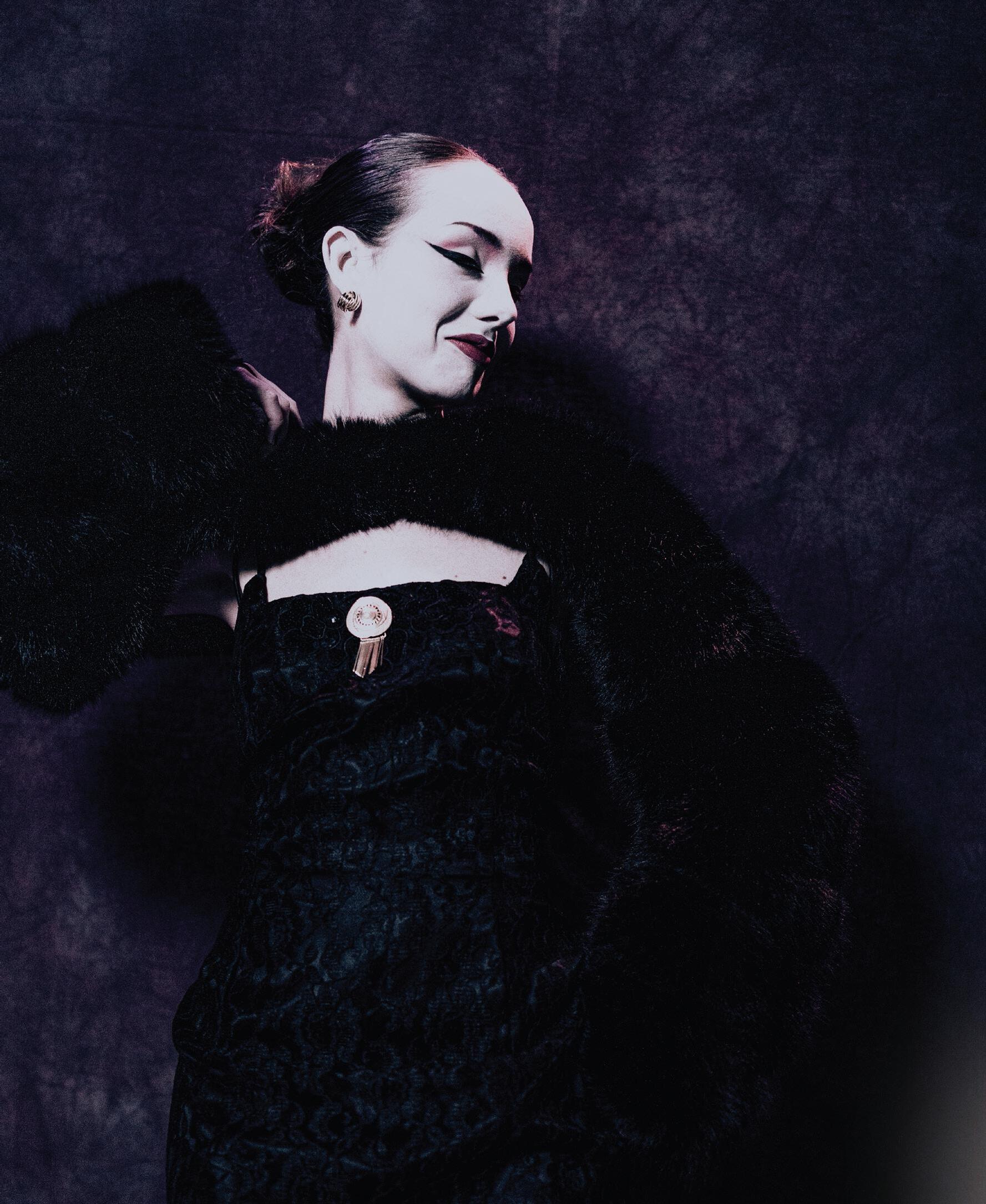
To move through life in a constant state of selfmonitoring may protect us from embarrassment, rejection, and judgment, but it also creates distance. Emotionally cautious interactions become a kind of positive feedback loop: one person withholds, and so the other does too. Conversations remain polished but hollow, stilted by small talk. We make a performance of ourselves rather than allowing ourselves to be known.
Of course, it’s only human to crave acceptance. Selfconsciousness is not a moral failing; it’s a survival instinct. However, there is a difference between self-awareness and self-containment. One allows us to understand ourselves more deeply, while the other prevents us from ever fully arriving anywhere honestly.
The porcelain mask protects, but it also isolates.
Is there something profoundly human in allowing it to crack?



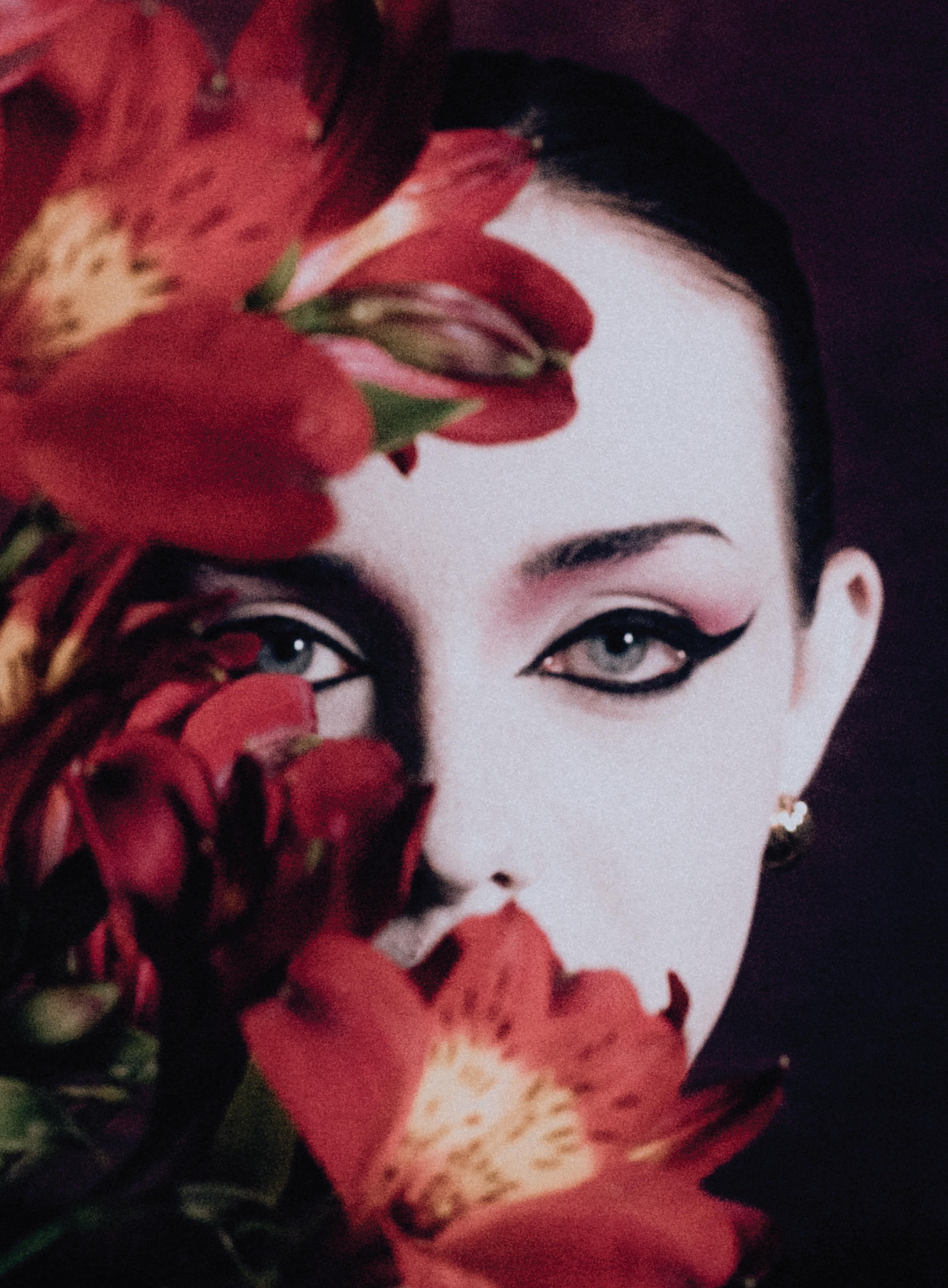

WRITTEN BY EMILY HATCH ART DIRECTOR ELIAS CONTRERAZ
PHOTOGRAPHED BY JOAQUIM GRUBER
ELISA PAIN-COOK
JOEL RODRIGUEZ
ODEIO A PERFEIÇÃO
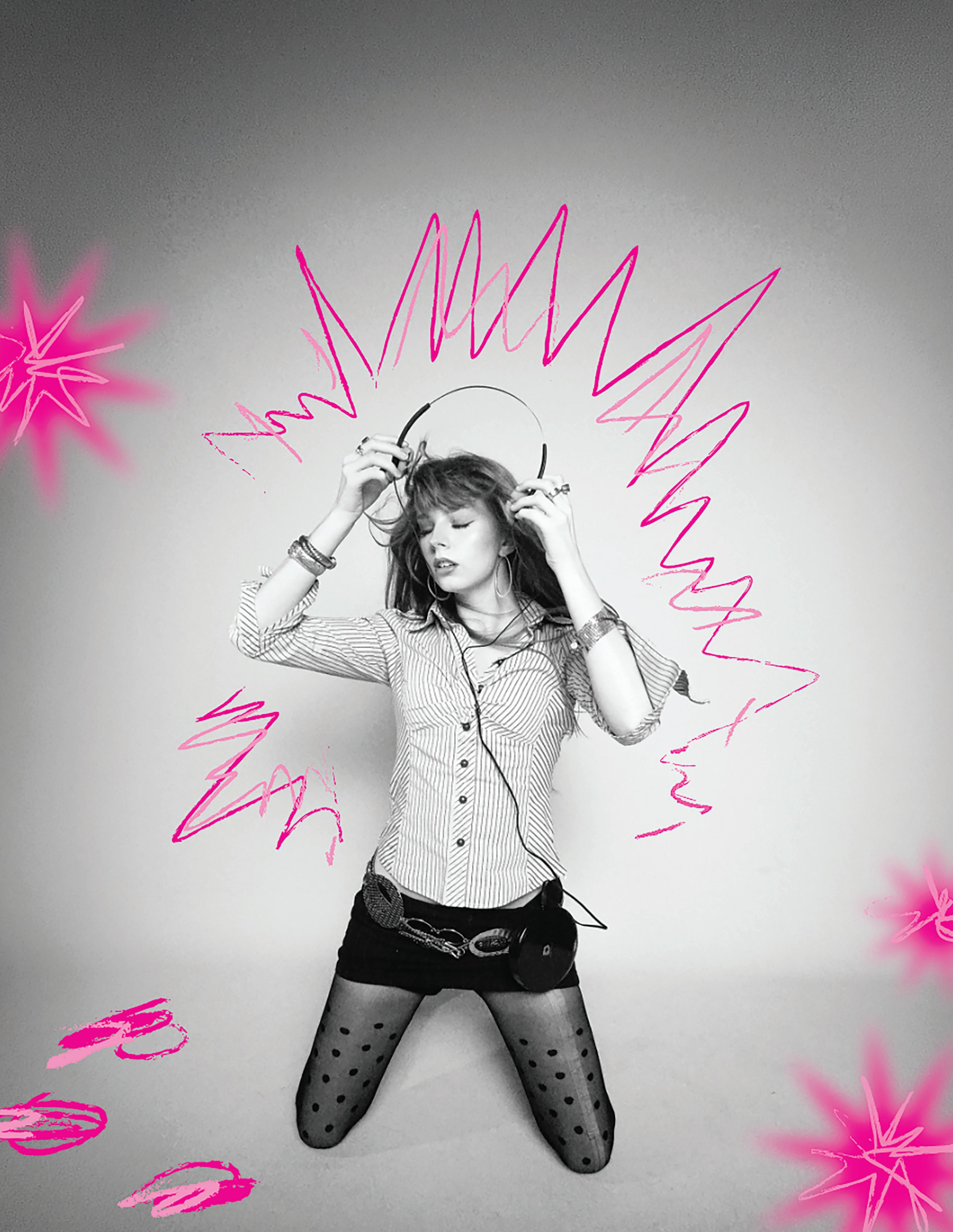
PERFEIÇÃO
traces of in
Odeio a perfeição”—“I hate perfection”— is written, then crossed out, on the inner cover of my grandmother’s sketchbook. She was once a well-known sculptor in Salvador, Bahia, where I am from, and after she passed we began sorting through her work for an exhibit. Among those things was a small leatherbound sketchbook — a place where she would write and draw freely — and inscribed its inner cover, this line. I often find myself returning to that page, tracing the letters with my fingers, and the long horizontal slash that cuts across them decisively: I hate perfection.
Although the phrase seems clear, her gesture always seemed to puzzle me. If she hates perfection — why strike it out?
I wish I could have asked her what she meant not just in writing those words but in nullifying them. Whether the words themselves struck her as wrong once they settled on the page, or if it was something in their form — perhaps the subtle slant of her letters, the tighthanded cursive — that led her to hesitate.
In that single horizontal strike there’s an entire story to be told.
I have always been fascinated by the physical trace of that undoing — and the glimpse it offers into an artist’s intent. This is true particularly in the physical mediums of art, where the artist’s choices are much harder to hide. The marks of making remain visible: rips of paper, eraser smudges, sticks
holding up the figures just out of the frame of a stop motion film, the unpredictable erratic movement of googly eyes. Artists often choose to emphasize the imperfection, exposing the evidence of the process of creation.
What might be called an error, instead, serves as evidence. These details do not detract from the work but instead add to the complexity of the piece. Each blemish reveals the series of human decisions and adjustments which have composed it. These minor details make perceivable the traces left there by the producers.
There is value in observing this process — where the artist, and more importantly the possibility of human error, become explicit rather than obscured. At times this can even allow us a glimpse into the thought process itself, a distinctly human aspect that becomes visible through each stroke of a paintbrush or the pattern of fingerprints etched in clay. In these marks we can trace a recognizable pattern of human thinking which works through a series of adjustments and revisions. Unlike in the smooth diffuse animation made by a computer, or more and more often these days: artificial intelligence.
It is not the final form of the work, which is just the synthesis of these choices, that generates the value of the piece. It is the accumulation of a series of human choices, and hesitations. The finished product is only one part of the entirety of this process of becoming.
In this way my grandmother’s crossed-out phrase gains new meaning. Reconsideration becomes not only sensible but valuable and meaningful in itself. In reading these traces of undoing we are able to witness an act of thinking outside our own. It allows a glimpse into a different perspective shaped by different experiences, biases, truths and uncertainties. It is a chance to dissect the process of another mind’s motion.
With the rise in popularity and skill-level of AI models, the question of art’s value becomes even more relevant. With the amount of AI-generated art increasing every second, we are led to inspect the source of meaning in art. Much of the AI content we consume has no trace of the process of its creation. The entirety of the production becomes concealed by the final product.
Even when AI attempts to imitate this process, the resulting art often comes off uncanny. Objects tend to magically shift in material, or googly eyes move with incredible precision in ways that defy
the laws of physics. The result is an image that seems flawless — but in that very smoothness the process of creation disappears.
Rather than working through a series of human choices, AI delivers us only an output. There is no trace of doubt or correction, as even purposeful errors lose their meaning once they are only simulated. What they lack in doubt and complexity they make up for in harvesting a wide array of media to extract from. The process of AI is less that of creation and the journey of human thought, but the combining of hundreds of original sources directly into results.
My grandmother’s phrase earns another layer of meaning here. “I hate perfection” is not only a statement that holds significance in itself, but in crossing it out my grandmother has made her own revision visible. By drawing that line she is not undoing the phrases but transforming and adding to it. The evidence left on the page is only made meaningful by the process it took to get it there.
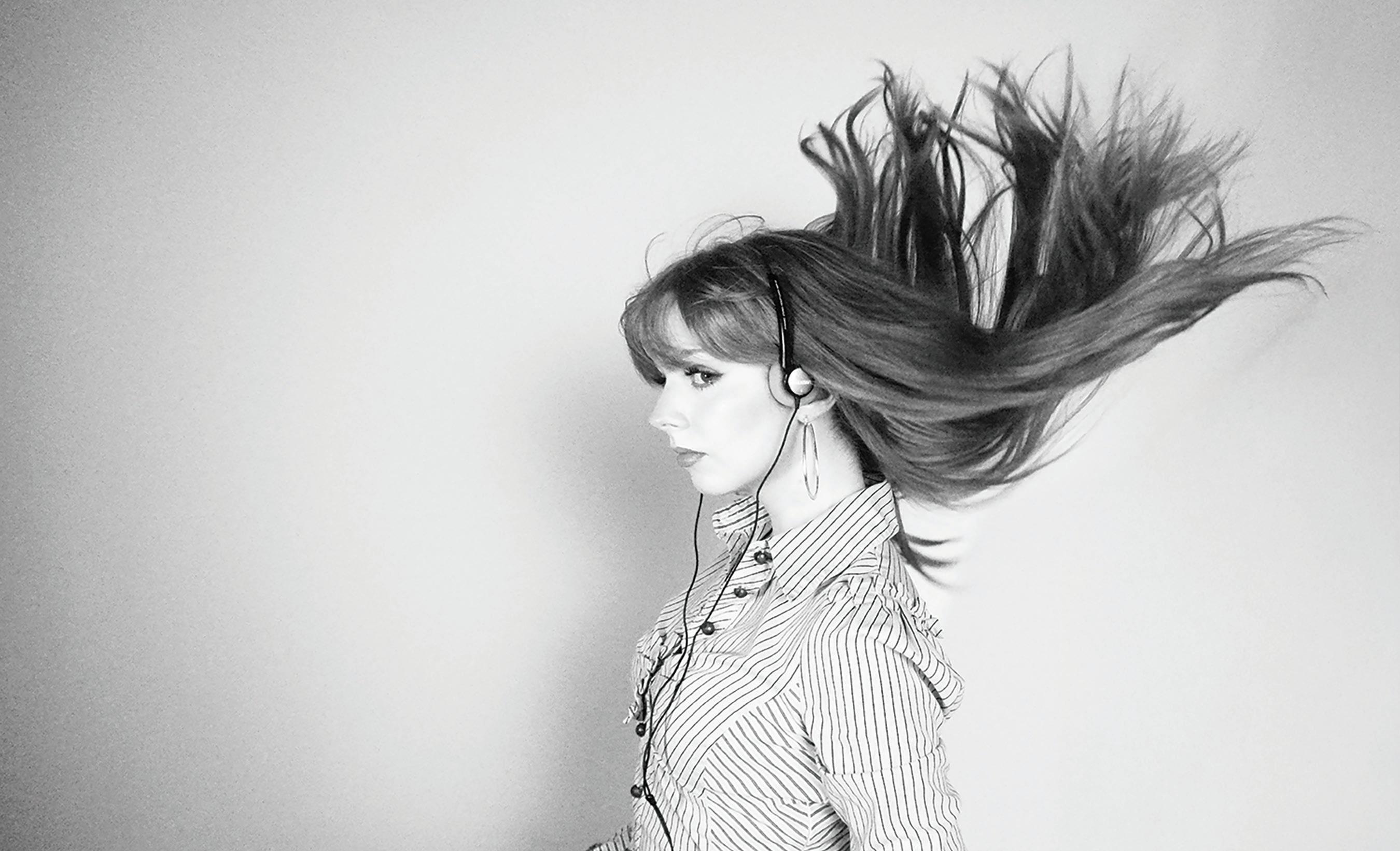
WRITTEN BY ANA MENDONÇA KERTÉSZ
ART DIRECTOR EMILY MURO
PHOTOGRAPHED BY MAGNOLIA SCHNOBRICH
MODEL ANATHYN BURTON
STYLIST SAMMY MELTON
DESIGNER JULIEN FOX



PureLiebestod:Transgression
They face each other, the Beloved and the Lover, over the infinite abyss of subjecthood. From each perspective, they are the Lover and the other is the Beloved. They greet each other, together: “Art thou mine? Do I behold thee? Do I embrace thee? Can I believe it? At last! At last!” Their embrace bridges one to the other.
However, their questions sow doubt, they are skeptical of how to continue and whether they should believe in their Beloved. Their placeless, unqualifiable love they share is absent from their words. Indeed, as philosopher Laozi wrote, “the name that cannot be named is not the eternal name.” If the name of love and the erotic experience cannot be properly exposed and enlivened through language, how can we learn to experience such pure love and sensuality? If language, being the everyday manifestation of a transgression of subjecthood, is inadequate, how can we properly relate to an atopic — placeless — Other?
The uncomfortable, negative, and placeless Other is the true experience — and experiencer — of love. Love is not negative insofar as it may be painful, but rather love is negative because it is not consumable; it is not known. It involves a relationship in which the self-renunciation of the One - of subjecthood - reaches the disruption of the Other. This renunciation is not in the terms of one’s own experience, but must be through a liberation granted by the Other.
In this contemporary era, we suffer from an inferno of the same, a phrase taken from Byung-Chul Han. Han argues love is only properly learned. It is not passed down, or inherent to us. One path of learning this love is through death – or more accurately, the experience of a sacrifice of the self for the Other; an acrobatic escape from the comparable same.

As we move towards a hyper-individualistic society, we encounter the same. This contradiction is apparent in the narcissism of social media: a space in which we are – and are encouraged – to be an authentic us. However, this authenticity is only through a love of the self, or through constant comparison of one to another. The act of comparing, and the love of the self, only flattens things into the Same, thereby situating the experience wholly in the Lover. It is a love by the Lover, for the Lover.
The required death is a beautiful one, utterly unrecognizable outside of the actual moment. Lars von Trier’s “Melancholia” (2011), specifically Justine’s role in the film, emphasizes the importance of such a death. In the film, a rogue planet named Melancholia threatens to collide into Earth. Justine’s consistent depression throughout the film exhibits a failure to step out of the self – to leave the inferno of the same behind. Instead, her narcissistic depression drags her into herself and her marriage to Michael completely falls apart.
It is not until she is shoved and encounters the falling planet that she crawls out of herself: she gets closer to her sister Claire and Claire’s son Leo. In the final scene, as Melancholia collides with Earth and Wagner’s prelude to Act 1 of “Tristan und Isolde” reaches its climax, Justine holds her nephew’s hand calmly, emancipating her from her Self. It is in this moment Justine is torn out of herself in relation to the placeless Other (both by the death-bringing planet and her nephew). In either case, her love – while not necessarily erotic (although an earlier scene hints at an erotic connection between Justine and Melancholia) – is only properly experienced through such beautiful death. It is this love-death – Liebestod – that properly reunites Justine with the negativity of the Other. Thus, she is also reunited with the negativity of love.
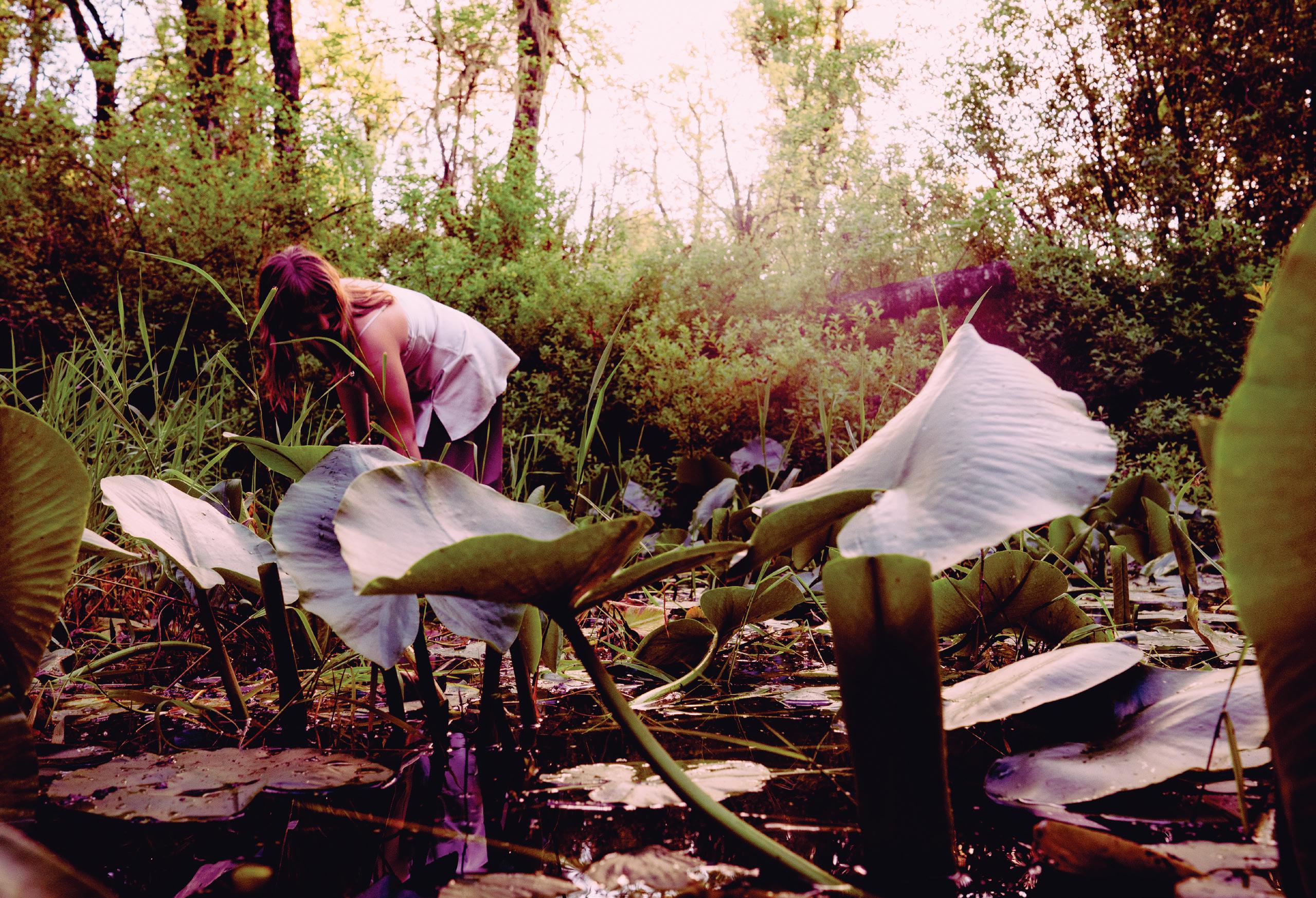
In the final scene, Claire, Leo, and Justine do not share a word. Their language is meaningless in the pure sensuality of the moment. Justine and Leo’s final freedom is reminiscent of the freedom of Hirokazu Kore-eda’s 2023 film “Monster”. The two boys, Minato and Yori, gradually discover their romantic feelings over the course of the film. However, Yori is pressured into conversion therapy by his father and the constant bullying he experiences at school.
In this sense, Yori’s sexuality – his very expression of love and desire – comes under existential threat. Yori is denied the Other. The rainstorm during the climax of the film heightens the tension Yori faces, and as Minato comforts the bruised Yori, we are reminded of Justine and Leo’s sensual comfort. However, Minato and Yori are not killed in the storm. Their lives are threatened, and abstractly, their expressions of love are threatened, but they arise from the storm. And with the sun and the parting of the clouds, Yori asks, “Have we been reborn?”
Kore-eda, and the film’s writer Yuji Sakamoto, craft the story through various accounts: first the perspective of Minato’s mother, then Yori’s, and lastly Minato’s. It is ultimately through the film’s cinematic language that the characters are united with the negativity of the Other’s experience. The view of each perspective through true experience - not just through the words of language - transgresses past mere acquaintanceship; it is no longer the world of the Same, but a world of many experiences. These pure sensual experiences — brought about by the Other — pull the Lover and Beloved together through the unknowingness of the Other’s experience. The warmth of love, as such, may be illuminated by a lover, a family member, and even a friend.
Before they were the Beloved and the Lover, the two met. The bridge of their love was nonexistent as of this moment. They must dive into this gap, brought to sacrifice by the Other, “in the breezes around, in the harmony sound in the world’s driving whirlwind be drown’d – and, sinking, be drinking – in a kiss, highest bliss!”
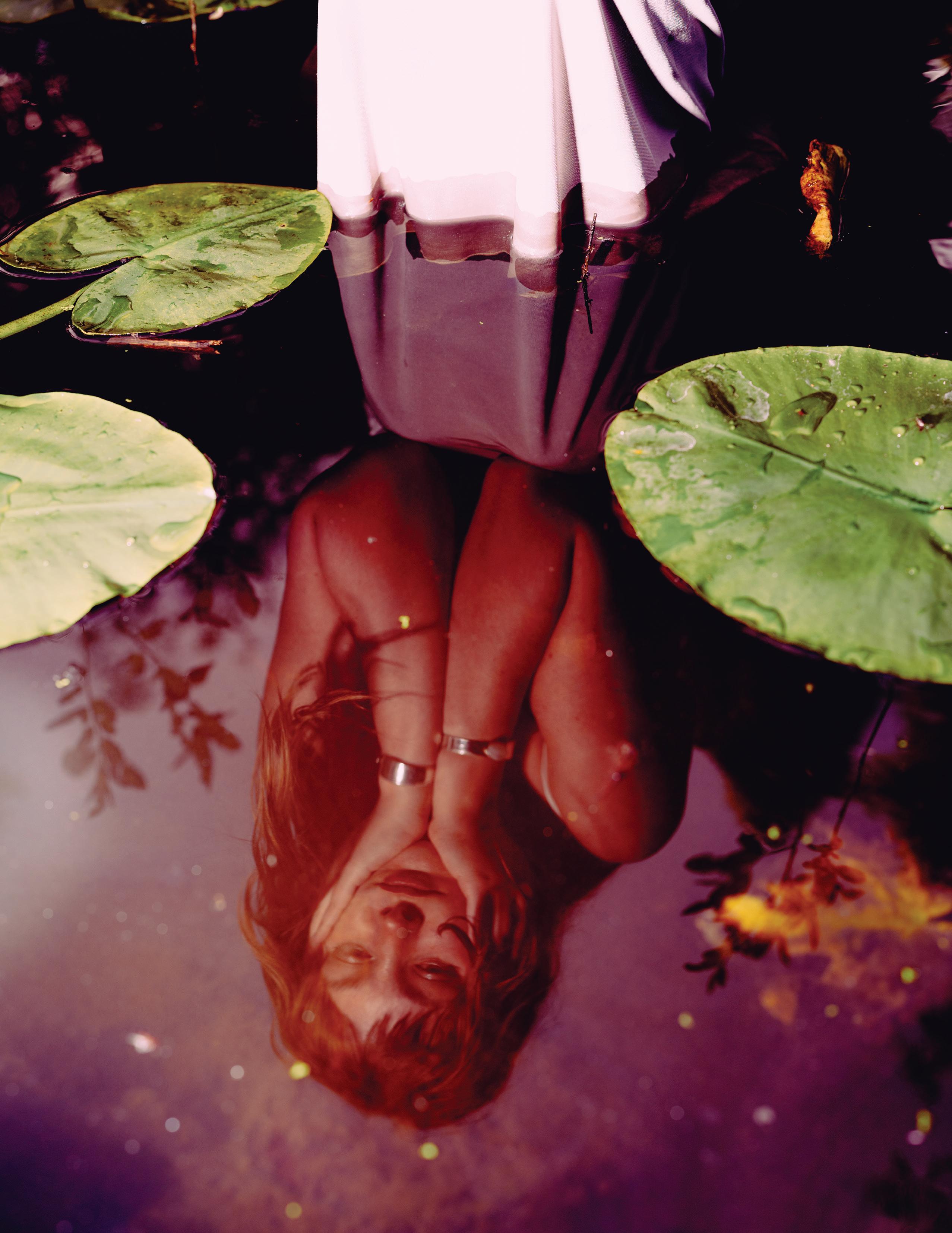



ILLUSTRATED BY ELLA JAKSHA

The Alaska Gold Rush and the Illusion of Value
SearchingSeeing& Between
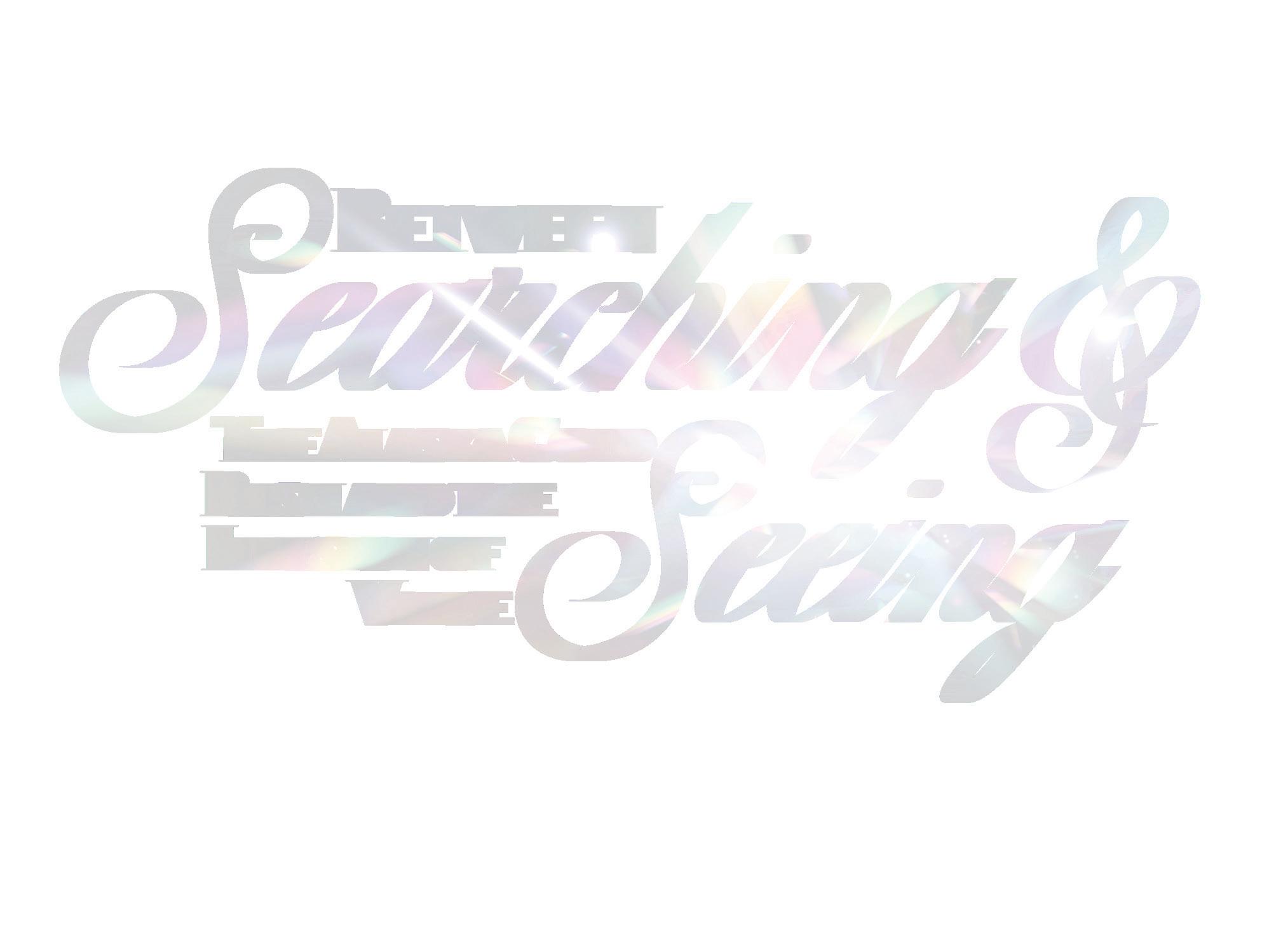
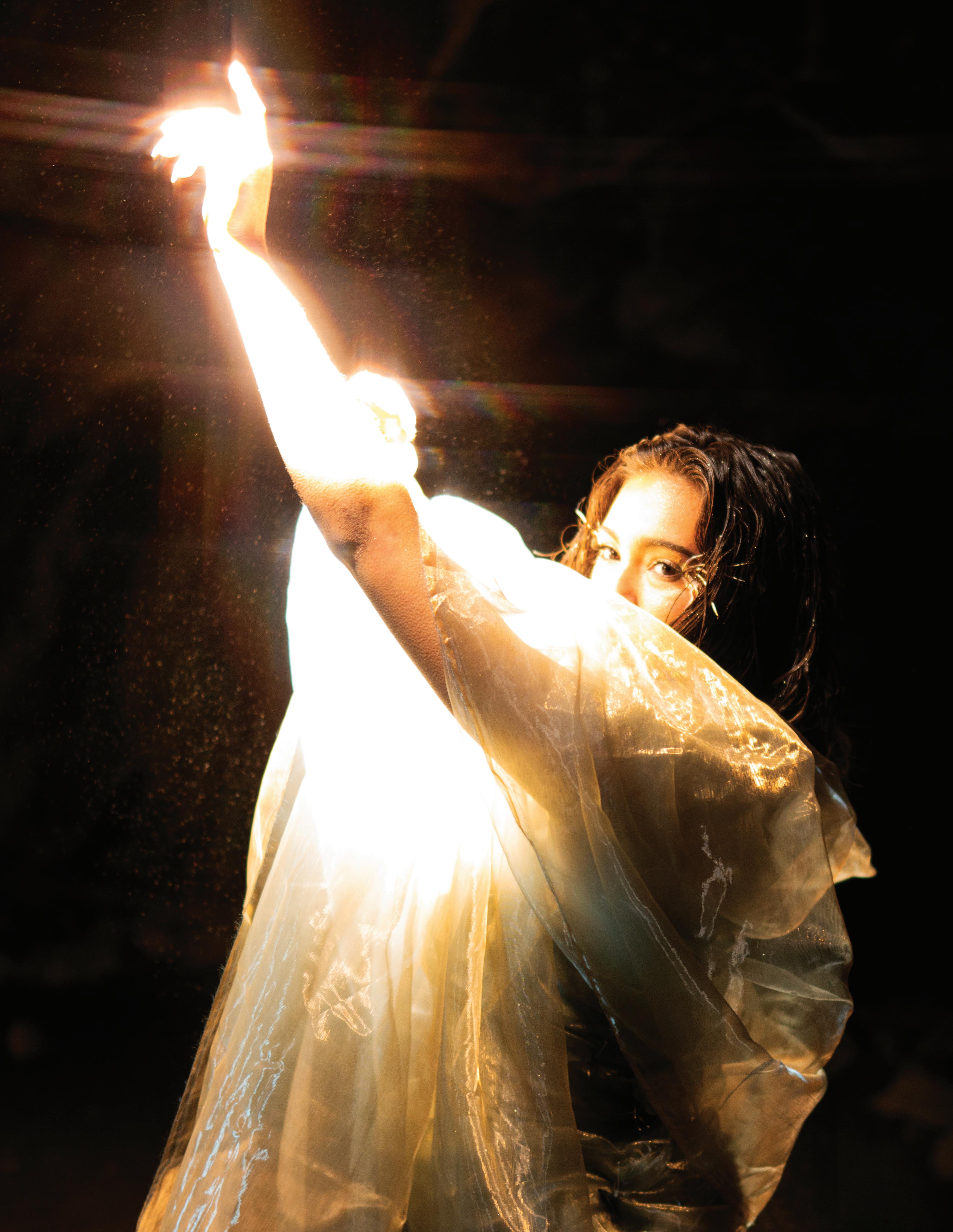
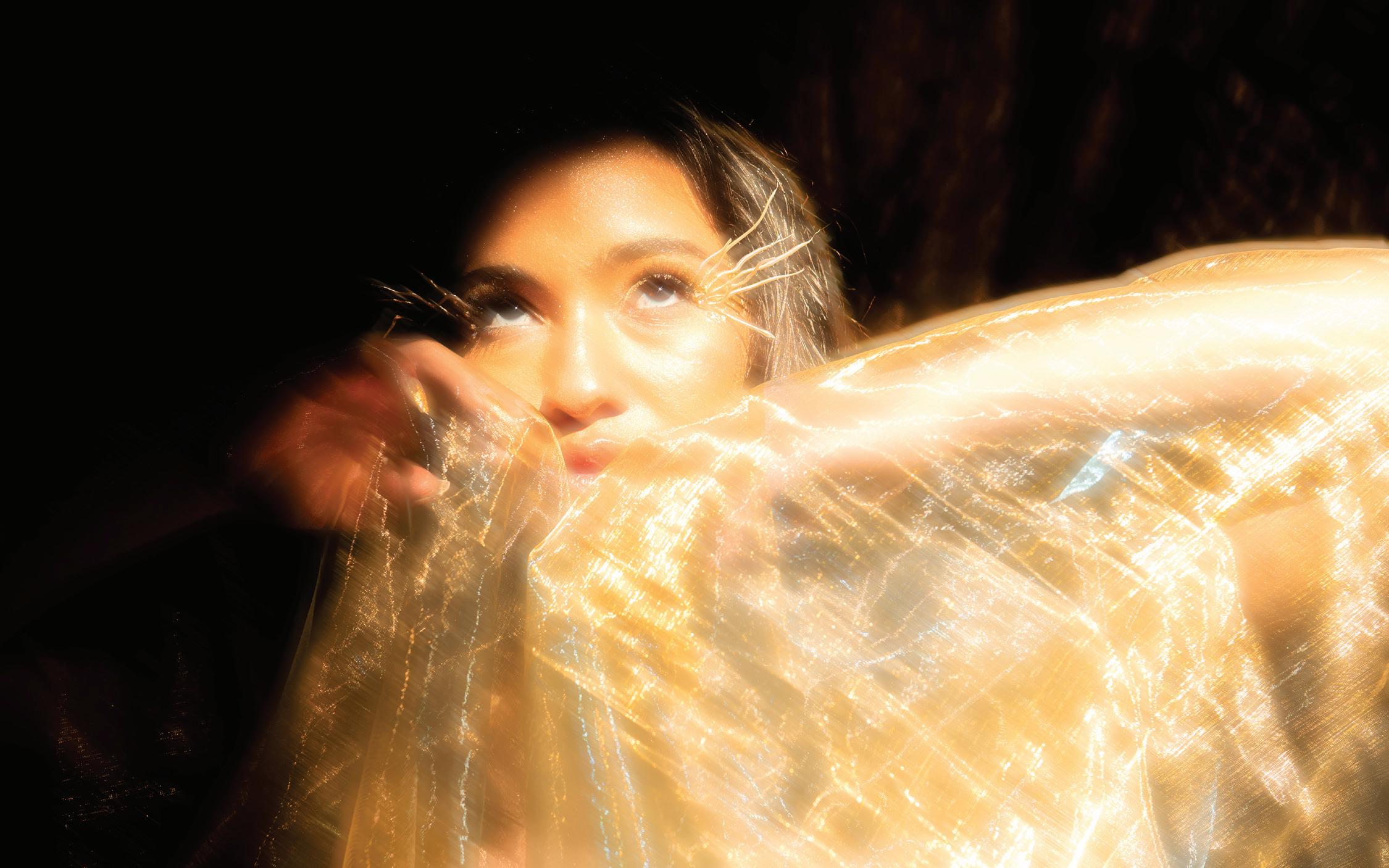
Gold is rarely found in plain sight. It hides in silt, in riverbeds, in the unnoticed margins of landscape — flecks so small they are almost invisible, revealed only through patient, repetitive searching. During the Alaska Gold Rush of the 19th-century, thousands of people devoted themselves to gold panning: kneeling in cold water, sorting and sifting, scanning frantically for something the naked eye could not see. For many, gold panning extended beyond recreation or livelihood into an all-encompassing, almost allegorical obsession.
The 1896 Alaskan discovery of gold at Bonanza Creek reshaped not only where people searched, but also how they understood the land itself. Gold was no longer confined to the inaccessible depths of hard rock mines — it was
inconspicuously circulating within the rushing rivers and creeks of Alaska and the Yukon. News of this more “reachable” gold spread quickly and drew floods of prospectors northward, away from the over-crowded California Gold Rush. What once seemed distant and unattainable now felt like a dream within reach, embedded in landscapes that could be entered and worked by hand.
With this shift also came a refinement of method — an almost intimate choreography between body and earth. Using a simple pan of tin or iron, a searcher kneels at the edge of a shallow stream and dips the instrument below the surface, lifting a cross-section of the riverbed into their hands. There is something tactile and reverent in the motion; to caress the innards of the land,
to hold all its sediment and possibility at once. Then comes the repetition; the shaking, tilting, and endless swirling. The water in the pan clouds as gravity pulls the lighter sand and gravel loose from what lies beneath. After that, the searcher dumps the excess back into the river, and what remains is a heavier, denser, and more concentrated geology; the sediment reduced to its most stubborn, enduring form. Panning is a process governed by a graceful greed and preserved by a pensive patience. Through careful elimination, the unnecessary is washed away in the hope that something small, bright, and unmistakable will reveal itself at the bottom of the pan: gold.
Growing up gold panning recreationally in my Alaskan hometown gave me an unusual understanding of
this history. Panning out of exploration rather than necessity was both interesting and confusing, creating an internal contradiction. On the one hand, I remember thinking: "My back hurts. Why do people do this? Hours of this for a few flecks of gold?" People hunched over for days, months, trying to gather enough of these malleable fragments to create something profitable. To me, panning was an irrational obsession that deteriorated the body, mind, and spirit and yielded nothing for most people. On the other hand, even in my pink raincoat and polka dot headband, I felt an intoxicating pull — a small, electric
excitement keeping me hunched over the pan. Even in elementary school exercises, the promise of gold and the act of searching for it revealed our collective human impulse to grasp for what cannot yet be seen. It forces the question: What is the gold in your world that you cannot seem to let go of? What would you risk your time, your body, or your life for?
Alongside this narrative of excitement and obsession are the more painful, yet anaphoric themes of Western history: the displacement of Native Alaskan communities and the capitalization of Indigenous land, treating it as something to be searched, stripped, and claimed. What remains unseen, or deliberately unacknowledged, in Gold Rush origin stories? What was lost in the pursuit of something even deeper than the American Dream — the Alaskan Dream?
Beneath this nuanced historical narrative of discovery lies a broader cultural habit, based in the tension between what is visible and what is pursued. Gold exists at the edges of perception, requiring labor, belief, and often obsession to bring it into view. In panning, value is produced through elimination. Materials are constantly evaluated, to be kept or tossed aside, to be deemed valuable or worthless. This motion mirrors a broader social norm that I argue needs to be abandoned.
I pan the river of life in prioritization mode. I find myself sorting through experiences, life lessons, and relationships, scouring for the “gold.” I am aware of the unmistakable beauty in these things I am throwing away, yet I still let them spill over the rim and return to the river. Gone. We discard gems of jasper, obsidian, and agate for the construct of what is deemed more valuable. What cultural myth created this habit of sifting past care, connection, and presence in pursuit of whatever “gold” has been defined for us: recognition, ownership, validation?
This also uncovers a quieter question: why gold at all? Why not speckled, sedimentary treasures or metamorphic granite goodness — the stones discarded in the process, equally intricate, equally real? The pursuit of gold is deeply rooted
in American history. Gold represents not just wealth, but the persistent belief that something greater exists just beyond reach.
I don’t want the act of determining who and what adds golden value to my life to become algorithmic or automatic. I want it based in rawness, ache, and soul: art and care and flaw and variance!
However, giving into selective sight makes this approach nearly impossible. At what point does the act of searching become so consuming that it obscures the very thing we are searching for? Even the aphorism, “the people who made the most money in the gold rush were selling shovels, not gold,” points to this paradox. The irony is difficult to ignore: the more intensely one searches for gold — whatever “gold” may represent — the more one risks missing it in another form.
And maybe that is the illusion of value itself: that we are taught to search so relentlessly for distant gold that we forget to notice what is already shimmering in our hands.
PHOTOGRAPHED BY PIPER SHANKS MODEL ALYSSA GARCIA
STYLIST NOVA HOLLENBEAK
DESIGNER LIV BOURGAULT