Our Case for Support
Where STEM Education meets Workforce Development

Where STEM Education meets Workforce Development
Energy independence, food security, and critical mineral recovery present pressing national security challenges that demand a STEM-literate workforce capable of developing innovative solutions. From 2023 to 2033, STEM employment is projected to grow by 10.5% , three times faster than non-STEM occupations, while contributing nearly 40% of the nation’s GDP . With sustained strategic investment, the United States can cultivate a workforce prepared to advance energy independence, biomanufacturing, biotechnology, food and feed security, and economic growth.
Algae offer exceptional potential as sources of food, feed, fuel, and industrial bioproducts. Realizing this promise requires a STEM-literate workforce supported by hands-on, real-world learning and targeted workforce development that equips students with transferable skills across the bioeconomy value chain.
By inspiring and preparing the next generation of professionals, both within and beyond the algae sector, we can build a resilient talent pipeline for the bioeconomy. Continued investment in STEM education, workforce development, outreach, and public engagement will ensure the workforce is ready to drive innovation, strengthen communities, and support a sustainable future.
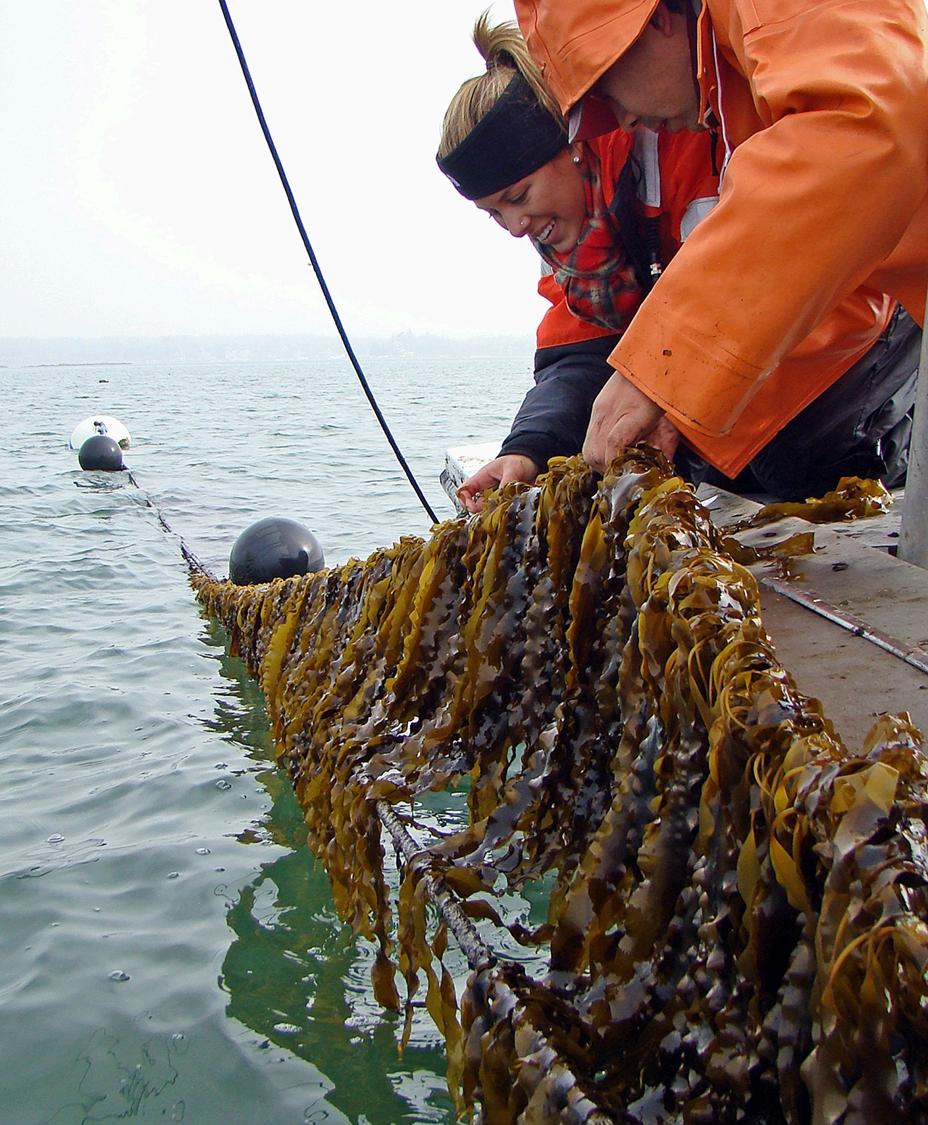
The Algae Foundation addresses these challenges through a national, scalable education and workforce development strategy that integrates K–12 STEM engagement, game-based learning, postsecondary training, applied research competitions, and industry aligned skill development.
Reaching all U.S. school districts requires investments annually exceeding $3 million. Through digital learning platforms, algal-based educational games, educator training, and national and international student competitions, the Foundation is positioned to engage 250,000–500,000 learners annually, enabling high-impact, cost-effective outreach.
Program outcomes are measured through clearly defined key performance indicators, including increased STEM interest and persistence, awareness of bioeconomy career pathways, workforce ready skill acquisition, and equitable participation across rural, urban, and underserved communities. Workforce development outcomes are tracked including credential attainment, employer aligned competencies, and job placement indicators, ensuring relevance to current and emerging labor market needs.
All Algae Foundation programs are supported by a continuous improvement and accountability framework, including standardized data collection, outcome reporting, and alignment with funder priorities. The Foundation will strengthen the national bioeconomy talent pipeline, deliver measurable educational and workforce outcomes, and generate long term economic and environmental benefits for communities across the United States and globally.

The Algae Foundation, a 501(c)(3) nonprofit, was born with a shared mission to cultivate the next generation of algae professionals. Starting with modest goals to raise algal literacy and develop curricula and workforce development platforms, the Foundation set out to inspire and train future leaders in the field. Achieving this mission requires strategic investment in STEM education and workforce development.
Over the past decade, students have engaged with Foundation programs in K–12 classrooms, community colleges, and universities, as well as through publicly accessible, asynchronous learning platforms. All educational materials are provided at no costs and designed to spark
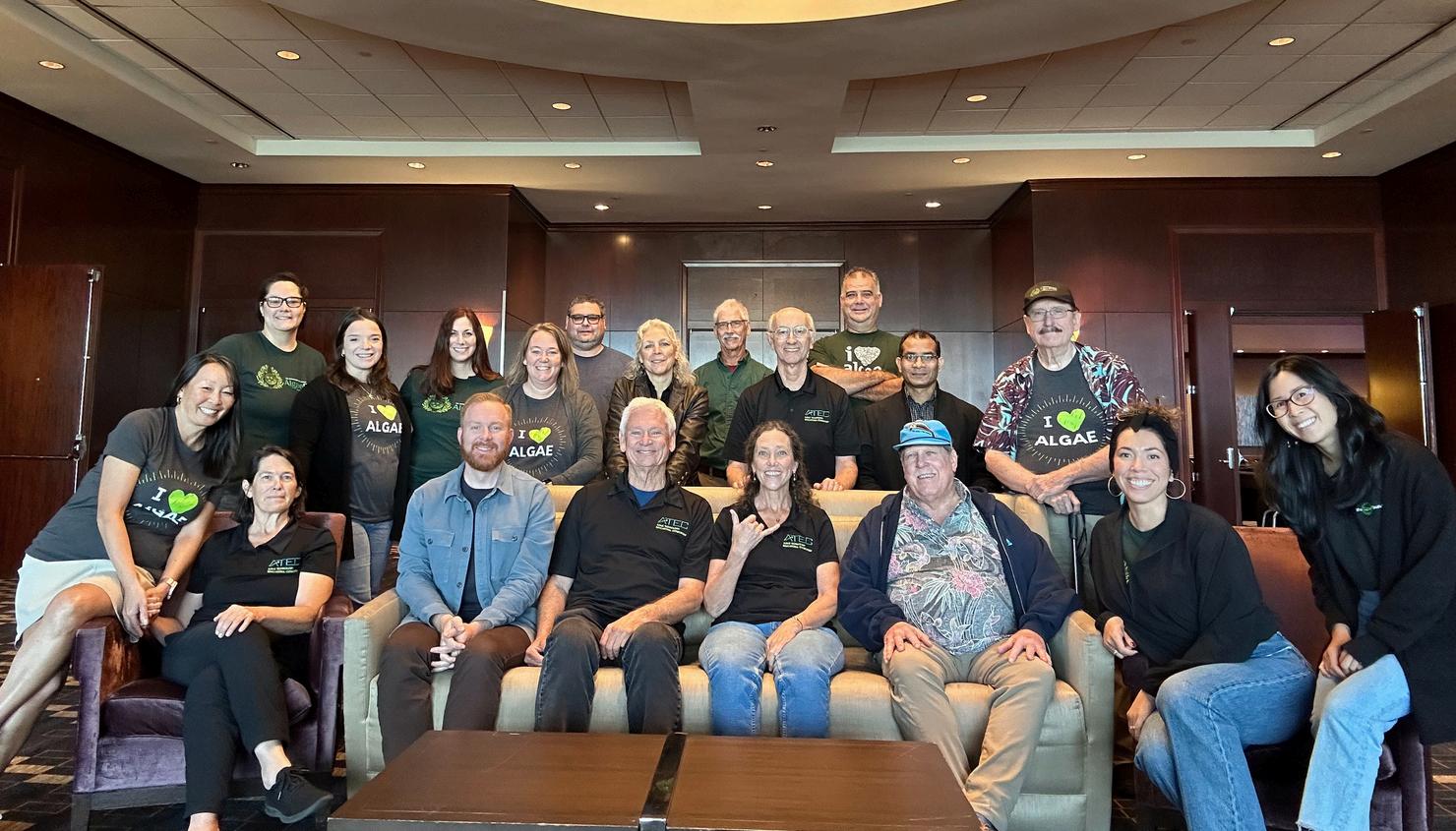
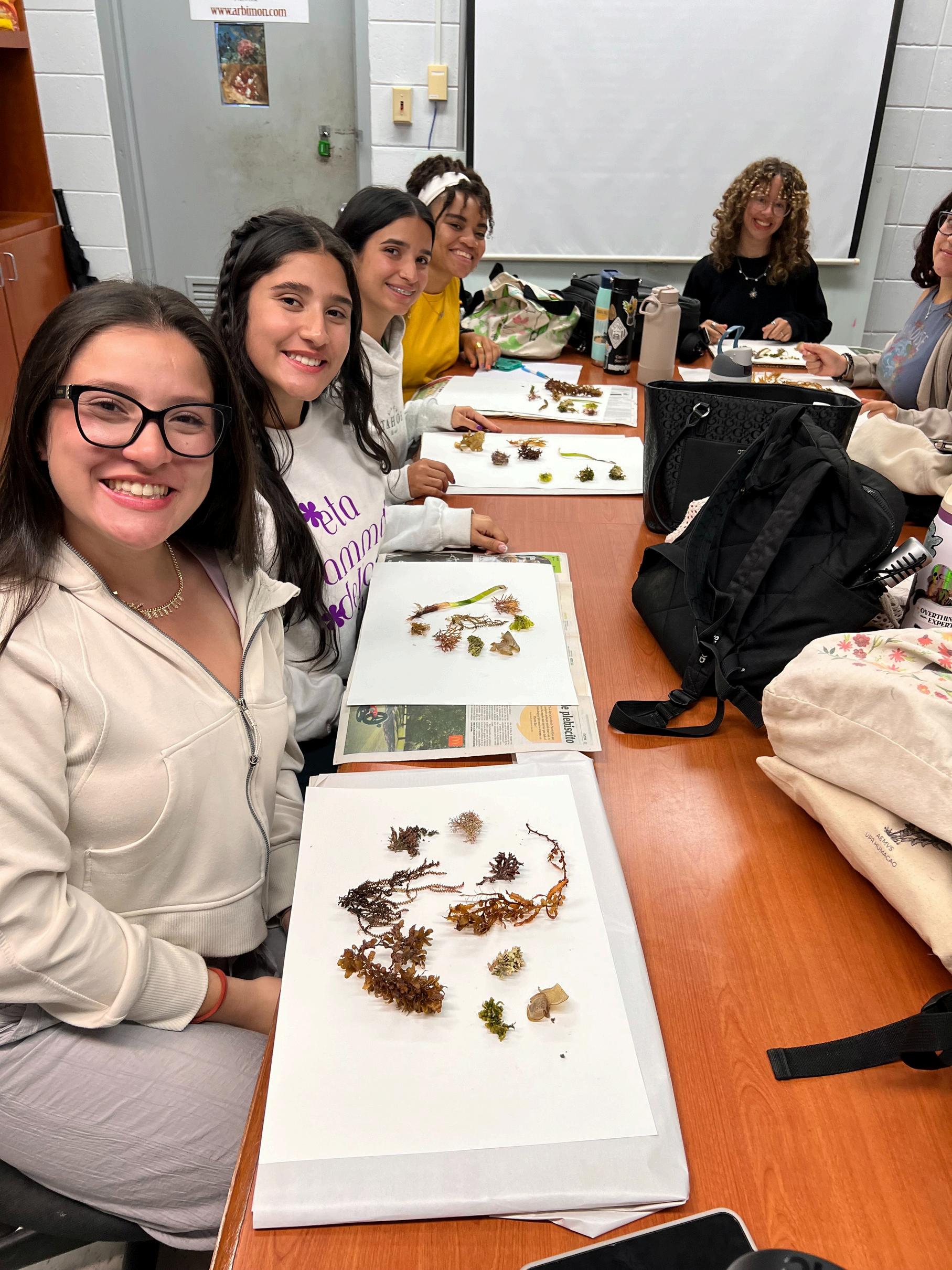
ur mission is to promote the power of algae to solve societal and environmental challenges rough education, workforce development, mentoring, and public outreach. To accomplish mission, the Algae Foundation:
Establishes novel workforce development opportunities through experiential learning, national research competitions, and coursework.
Develops STEM educational programs, including gaming, serving K12 educators and students, colleges, and working professionals.
Supports the development of future leaders throughout the algae value chain with scholarships/grants and organizational support.
Facilitates communication and outreach amongst private, academic, and public sectors to increase awareness of the benefits and opportunities of algae for humankind and the planet.
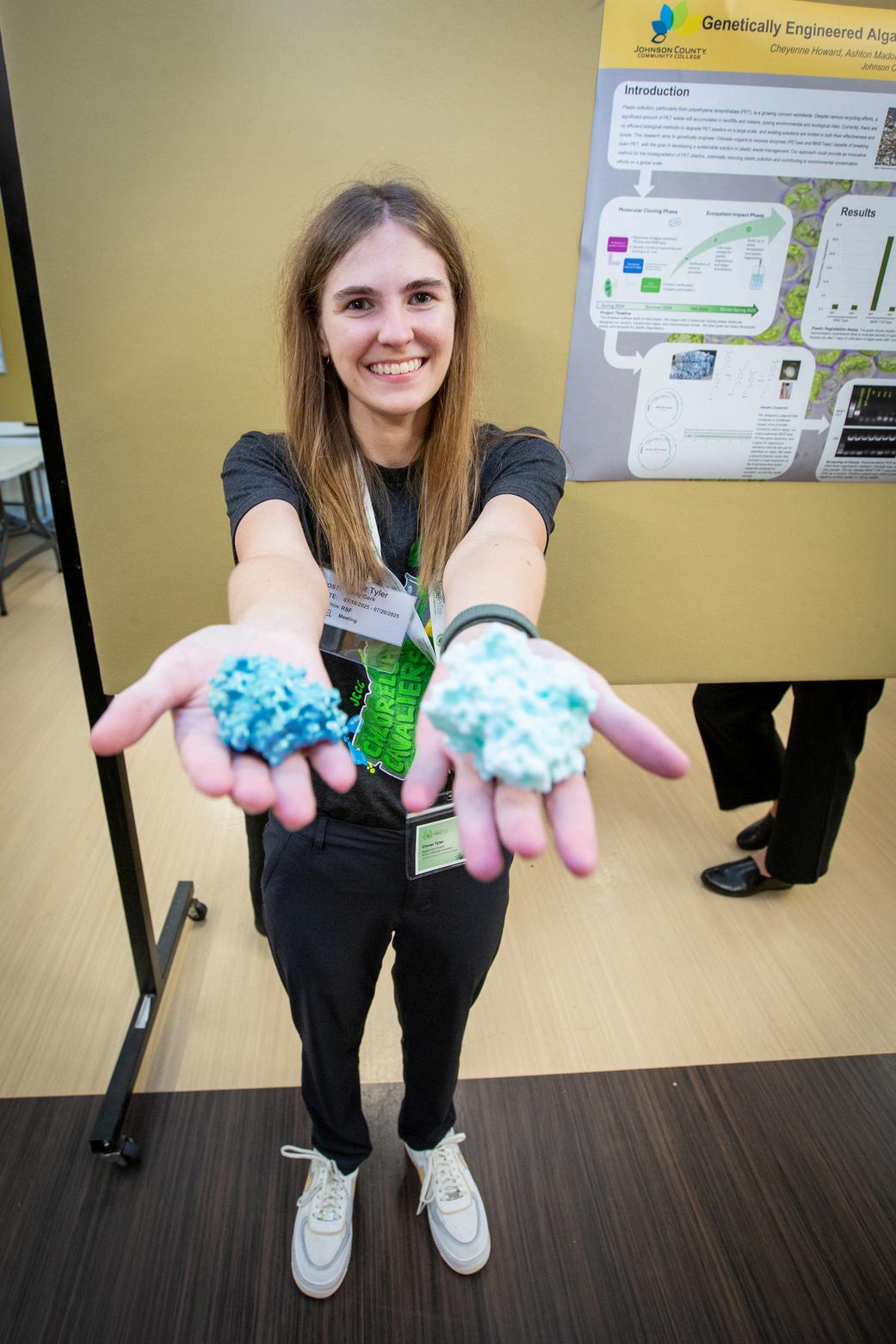
At the heart of the Foundation’s mission is the belief that education and workforce development are the foundation of a sustainable bioeconomy.
STEM based educational modules are offered at no costs to educators and students, eliminating a significant barrier to entry. The course materials are geared towards exciting students and inspiring them to pursue further STEM education, and training a nationwide workforce with a strong skillset necessary for STEM careers.
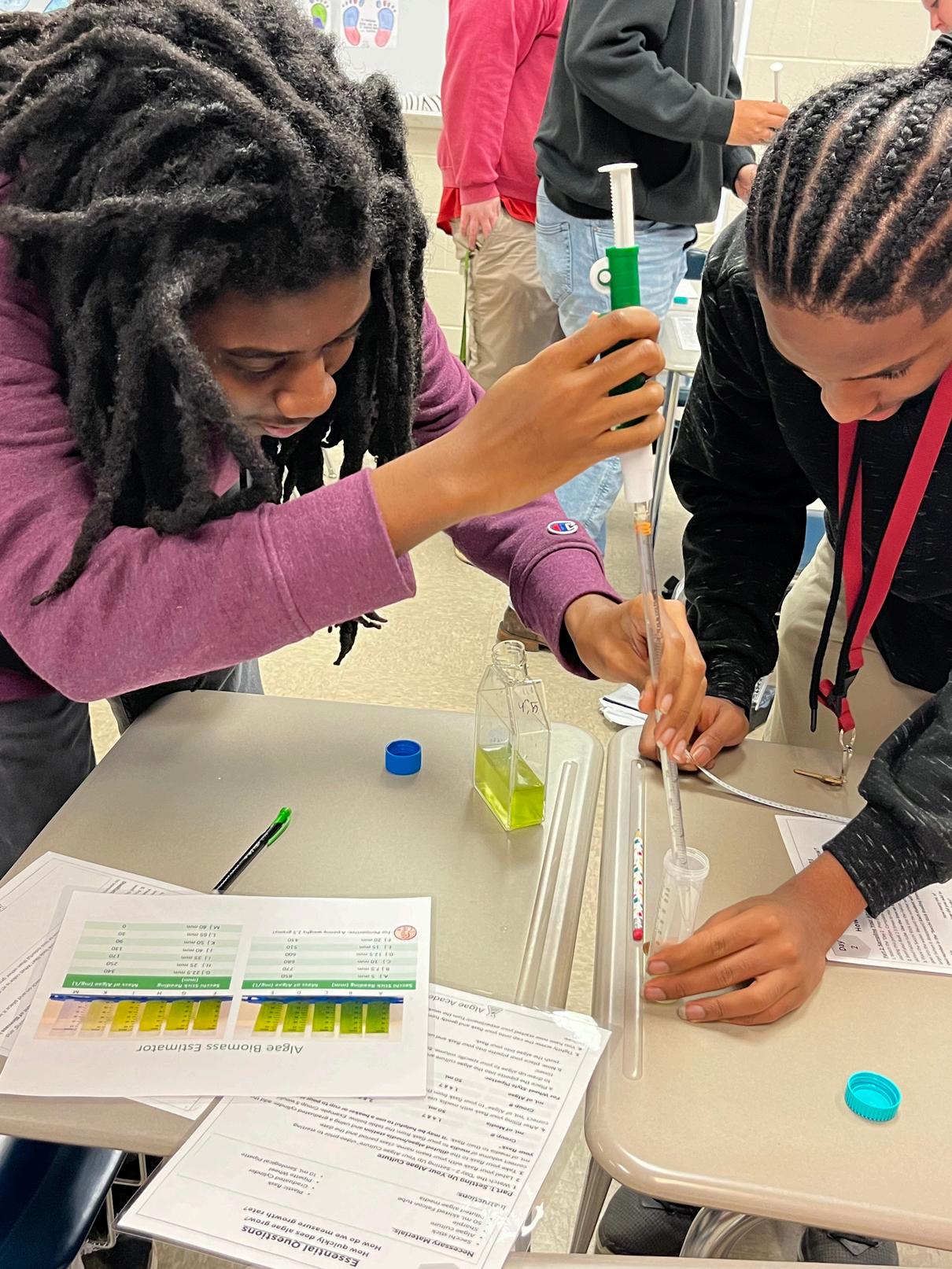
Our K–12 programs include (1) Algae Academy, a hands-on, algae based STEM kit & Next Generation Science Standards aligned curricula that helps students hone necessary STEM skills by using algae as a vehicle for exploration; (2) Summer Algae Science Institute (SASI), a hands-on professional development training that equips educators to teach Algae Academy; and (3) Cultivate, an Agriculture Food & Natural Resources-aligned algae-based course designed for high school students.
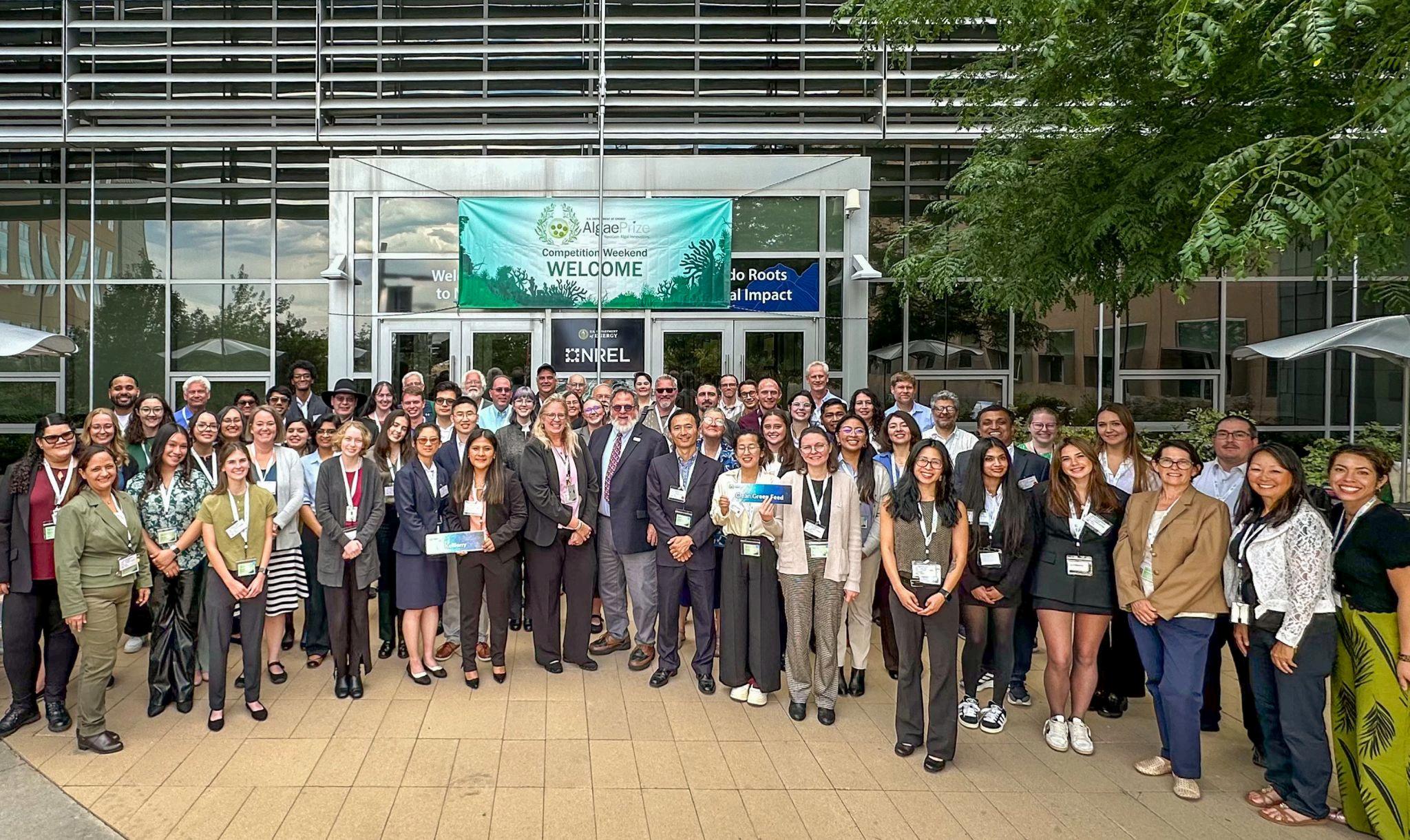
Our post-secondary education and workforce development programs include the (4) Algae Technology Educational Consortium (ATEC), (5) AlgaePrize competition, both in partnership with the U.S. Department of Energy and the National Laboratory of the Rockies (formerly NREL), and (6) student travel scholarships. ATEC offers algae cultivation and biotechnology curricula, competency-based digital badging, and free online courses to prepare students with the technical skills needed to enter the bioeconomy workforce. The AlgaePrize challenges students to compete for prize money and national recognition by developing creative solutions to real world challenges in the algae value chain
“My work with the Algae Foundation has “My work with the Algae Foundation has allowed me to continue to make a allowed me to continue to make a contribution to educating the next generation contribution to educating the next generation of STEM professionals. I am able to make of STEM professionals. I am able to make educational resources available to those I educational resources available to those I teach in my work for UMass Global School of teach in my work for Global School of Education.” Education. ”
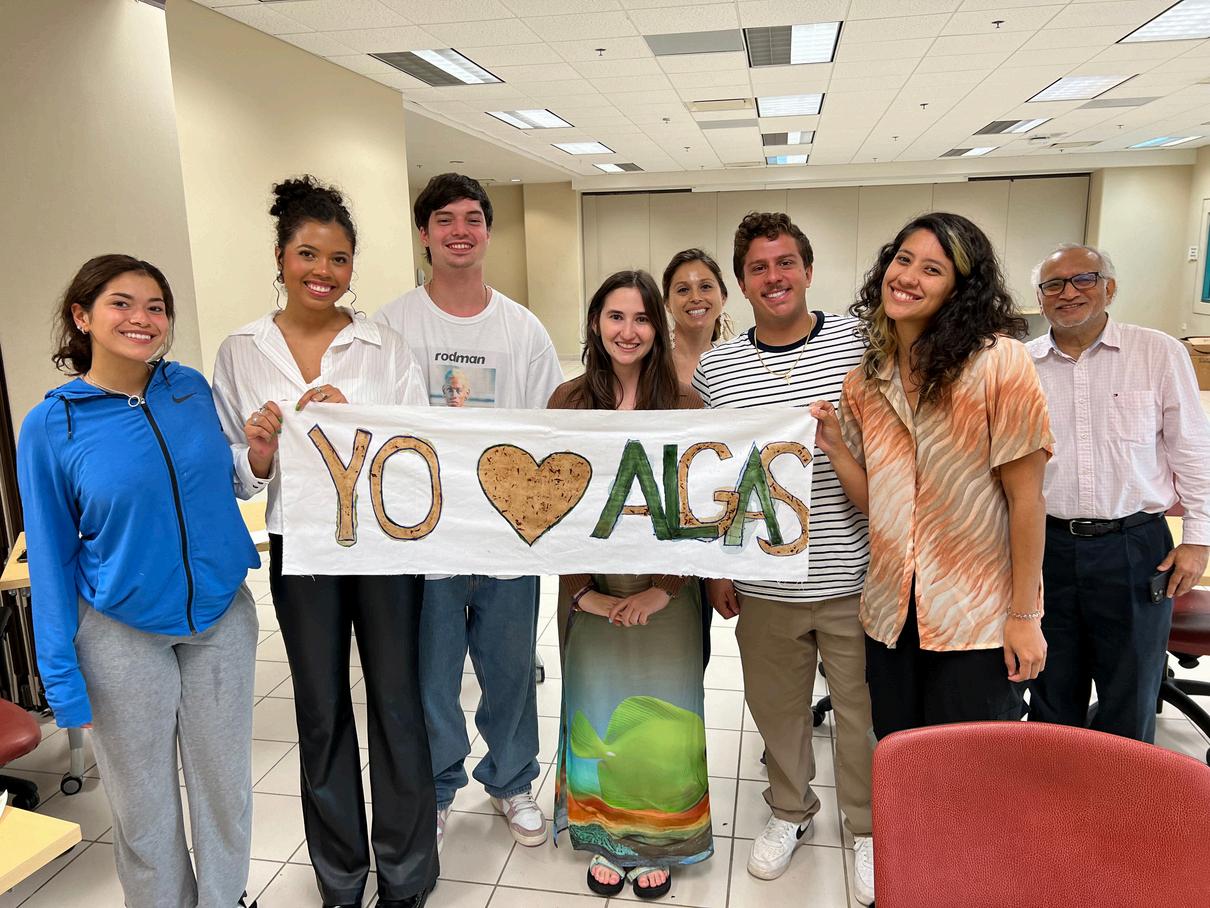
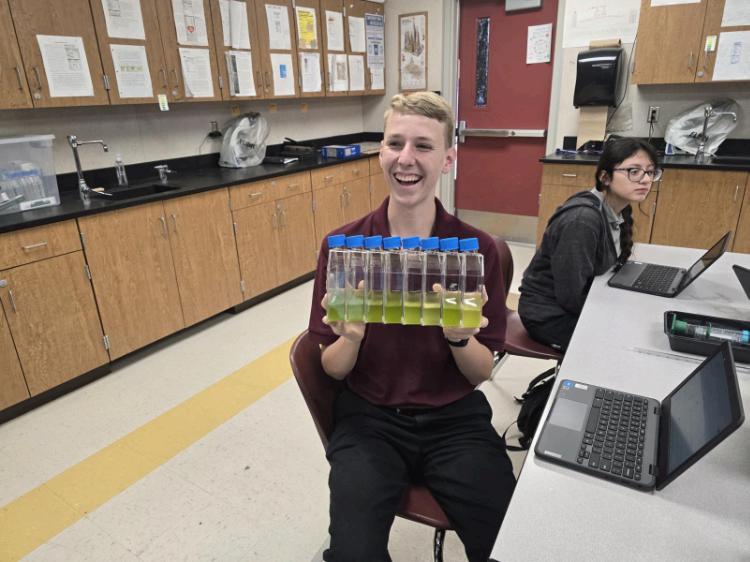
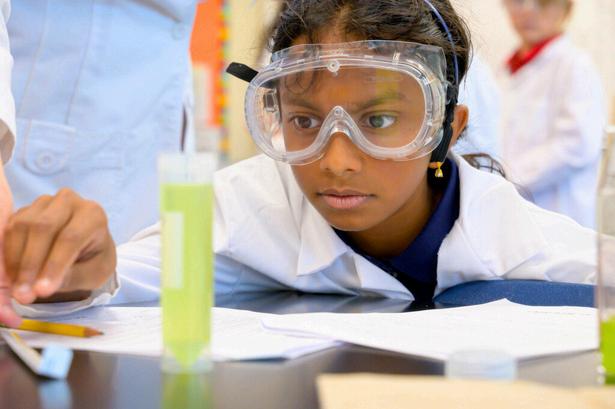
As the leading algal-based education nonprofit, the Algae Foundation plays a critical role in workforce development by delivering industry-aligned STEM education that prepares students and educators to meet the growing demands of the bioeconomy.
The Algae Foundation (AF) was established by a group of dedicated algal academics, national laboratory scientists, and algal industry leaders.
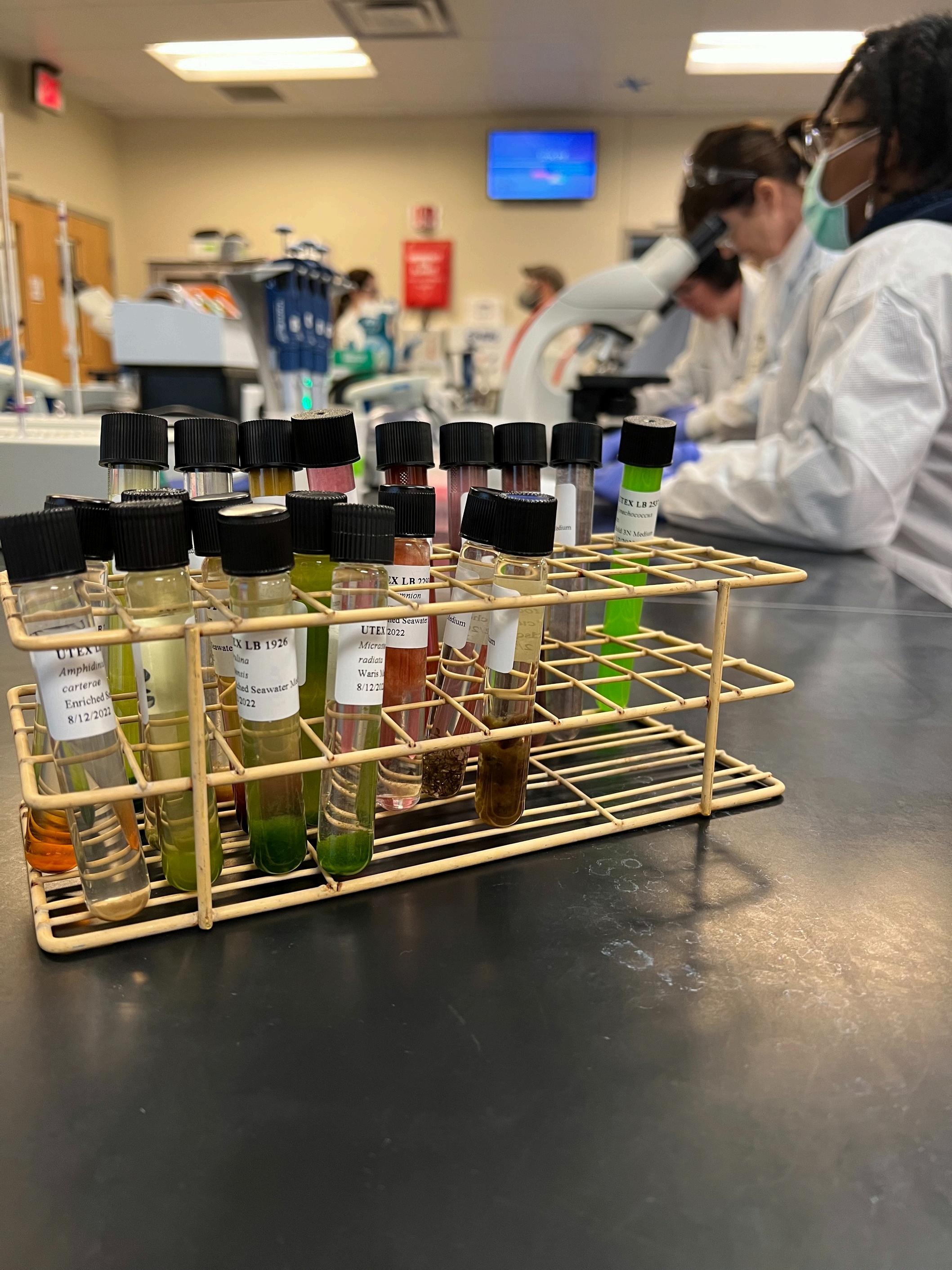
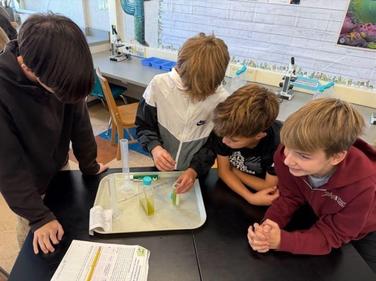
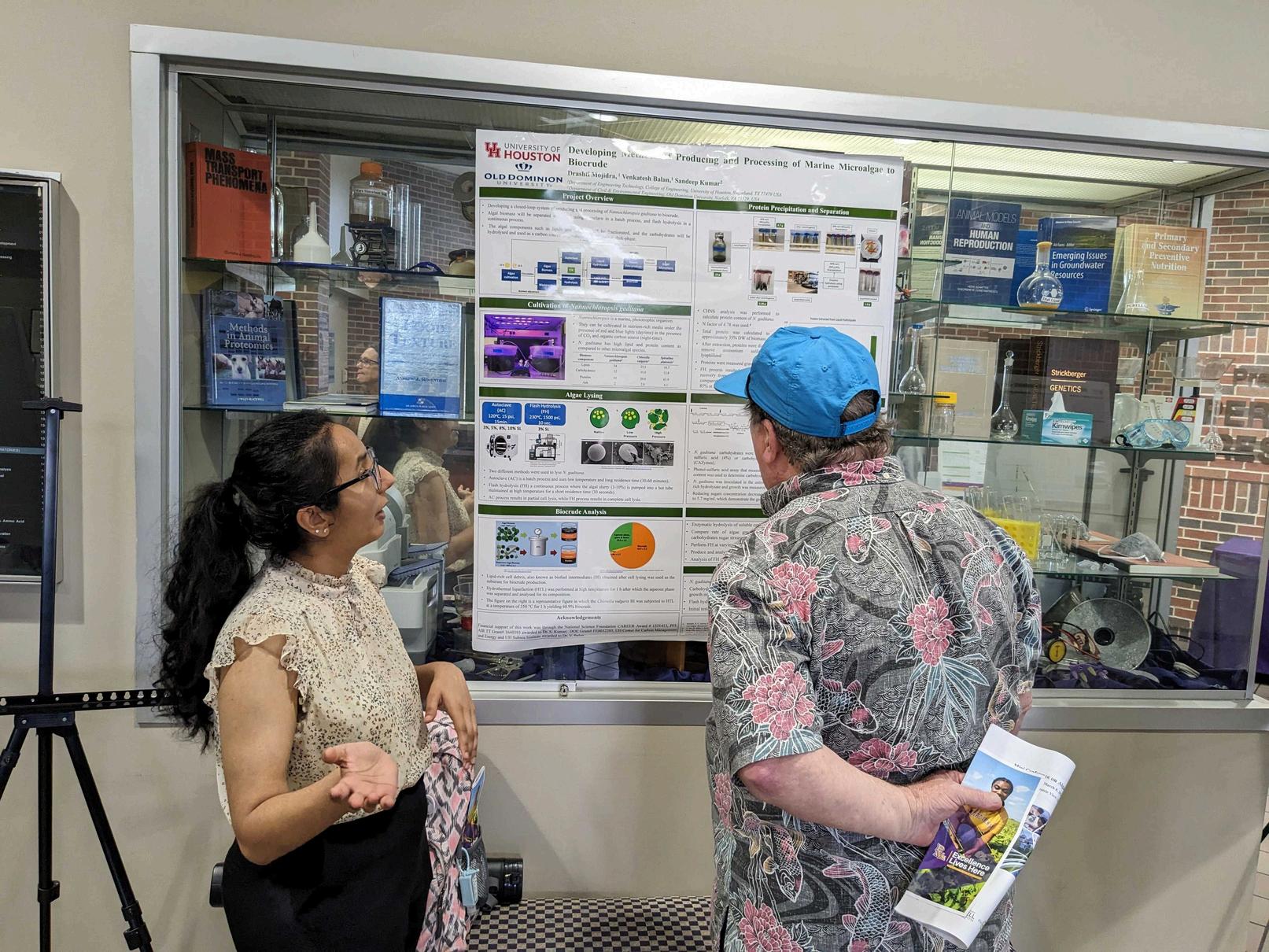
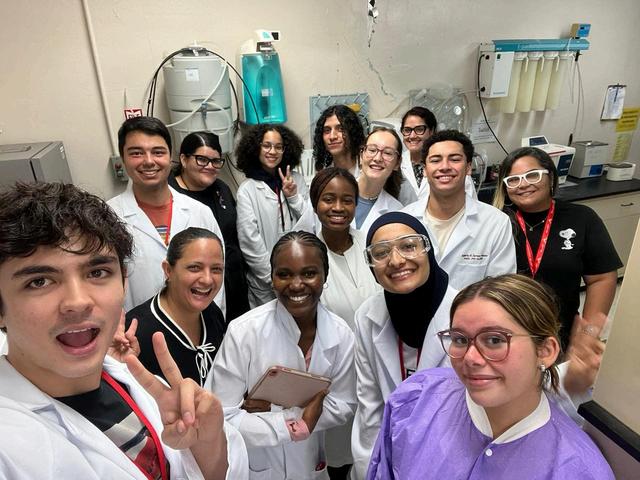
The Algae Academy and Algae Technology Educational Consortium ATEC) programs were launched, formalizing national education and workforce development efforts.
The Algae Cultivation Extension Shortcourses (ACES) program launched with Part 1: Seaweeds. AF has served: 800+ students
8 K–12 teachers
2 ATEC schools
The Summer Algae Science Institute (SASI) program and ACES Part 2 Microalgae were established. AF has served:
37,000+ students
231 K–12 teachers
7 ATEC schools
The Foundation released its first Massive Open Online Course (MOOC), Introduction to Algae. AF has served:
12,000+ students
58 K–12 teachers
5 ATEC schools
The second MOOC, Algae Biotechnology, and the Cultivate program were launched. AF has served:
127,000+ students
925 K–12 teachers
21 ATEC schools
Algae Academy creates virtual curriculum to serve students through COVID. ATEC begins Digital Badging. AF has served:
83,000+ students
541 K–12 teachers
11 ATEC schools
The third MOOC, Introduction to Seaweeds, and the second AlgaePrize (2023-2025) competition were launched. AF has served:
228,000+ students
1,863 K–12 teachers
41 ATEC schools
The new Biology of Algae Laboratory and Seaweed Biology courses were launched. AF has served:
360,000 students
3,191 K–12 teachers
48 ATEC schools
The inaugural AlgaePrize Student Competition (2022–2023) was launched. AF has served:
172,000+ students
1,365 K–12 teachers
31 ATEC schools
The fourth MOOC, Algal Blooms & Proliferations, was launched, and the educational board game Phycoverse was released. AF has served:
290,000+ students
2,489 K–12 teachers
46 ATEC schools
Upon completing the free online courses offered through our Algae Technology Educational Consortium program, 10% of participants received a pay increase or promotion, and 43% reported a tangible career benefit from the courses.
Of the graduates who earned an Associate of Applied Science (AAS) degree through ATEC courses at a community college, 38% transferred to a four-year institution, with 100% placement in either the workforce or a four-year institution following completion of their AAS degree.
A 2024 survey showed a significant increase in students’ understanding of algae and its uses after completing the Algae Academy program, with 97% of teachers reporting they would teach the program again and 100% saying they would recommend Algae Academy to other educators.
As a result of participating in our AlgaePrize student competition, two companies have already been formed by former competitors, with another currently in development. Several patent-pending technologies are in the pipeline, and the inaugural Grand Champion’s technology has been adopted by Alaskan kelp farming operations.
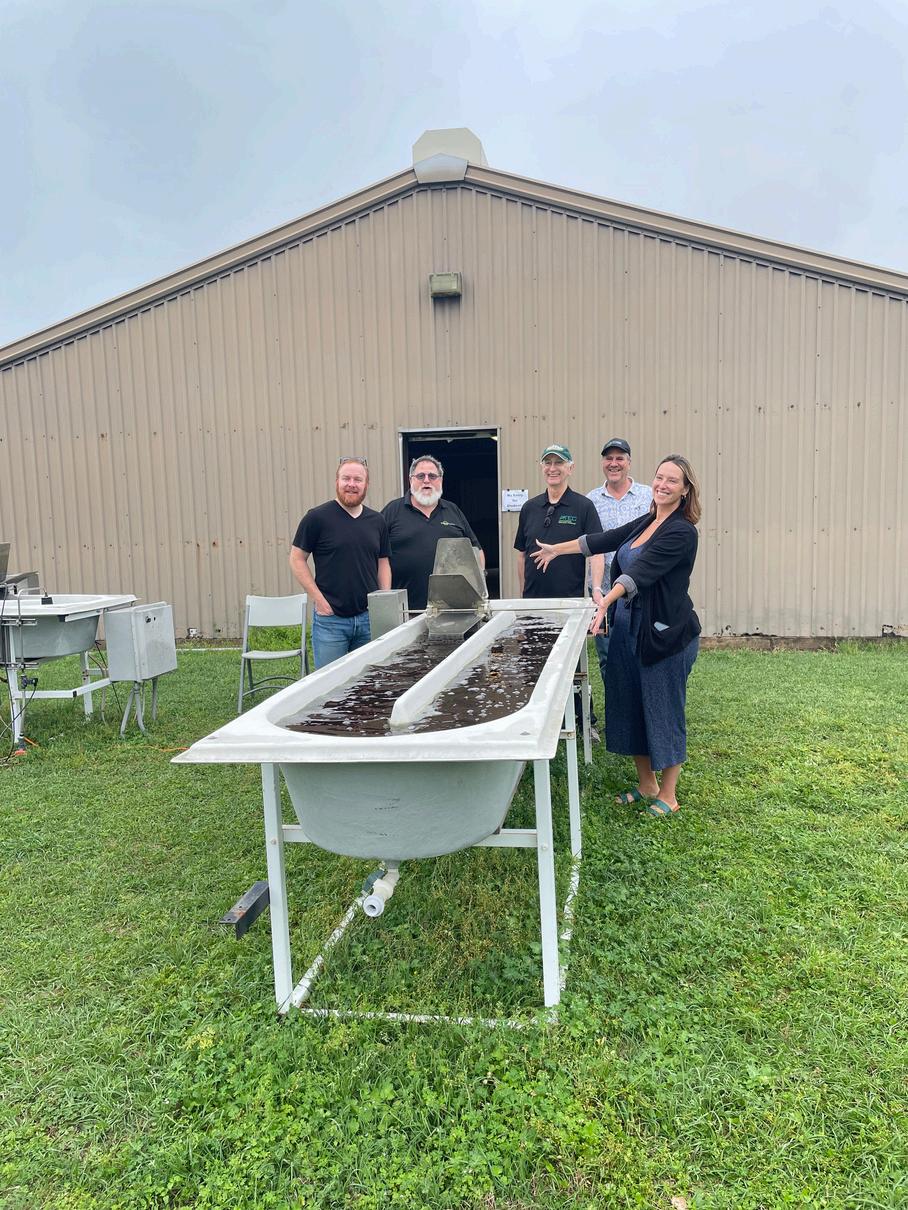
U.S. Navy veteran David Aponte discovered his passion for algae through the Algae Foundation’s Algae Technology Educational Consortium (ATEC) courses at Santa Fe Community College, where he studied with Dr. Stephen Gomez, a founding member of the ATEC program. What began as a classroom experience quickly evolved into a mission. Inspired by the ATEC program, David founded Clean Aqua Solutions, where he now serves as CEO. His company deploys an innovative attached-algae flow-way system that removes nutrients from wastewater, captures CO₂ in biomass, and produces valuable byproducts, a simple low-cost complement to existing treatments. Today, David is pioneering sustainable controlled environment agriculture and algae cultivation to tackle polluted waters and food insecurity.
“In our Introduction to Algae ATEC class, we explored the various avenues you could take, whether in lab work, wastewater treatment, or even fertilizers made from algae. The introduction to it all was fascinating. Then, at the end of the course, I was introduced to Dr. Gomez. That’s when it really hit me: wow, this is a real possibility to take what I’ve learned at community college and apply it on a larger scale to truly help communities.”
David’s story shows how our programs bridge education and industry by equipping students with real-world STEM skills, meaningful mentorship, and clear pathways from the classroom to careers.
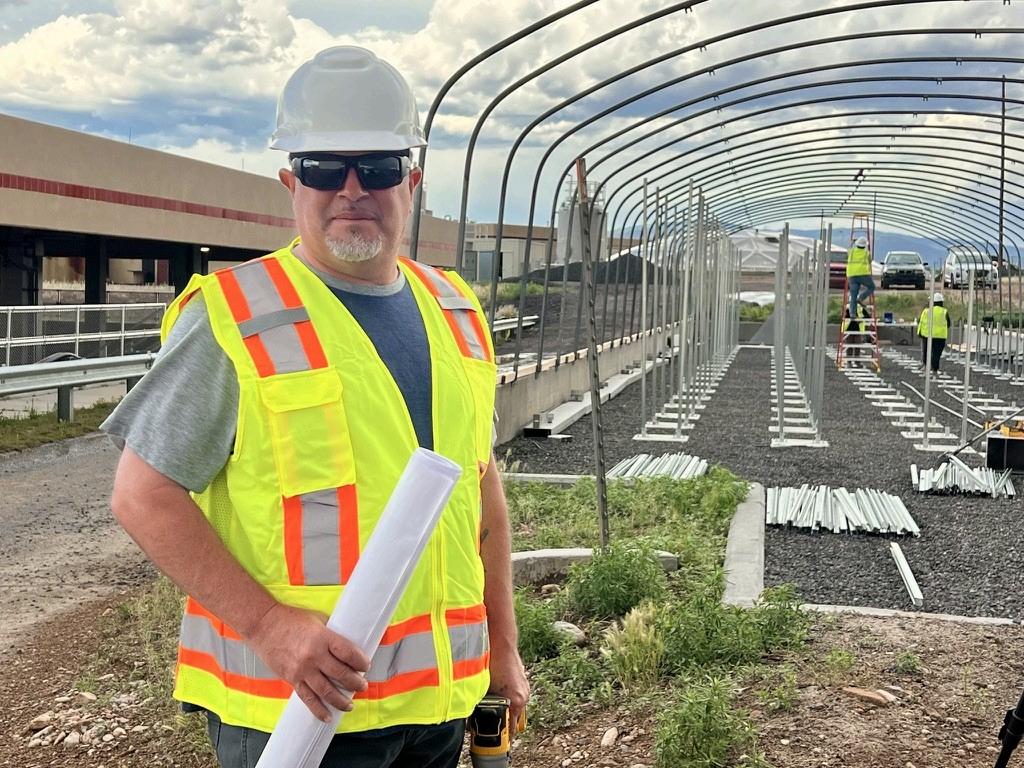
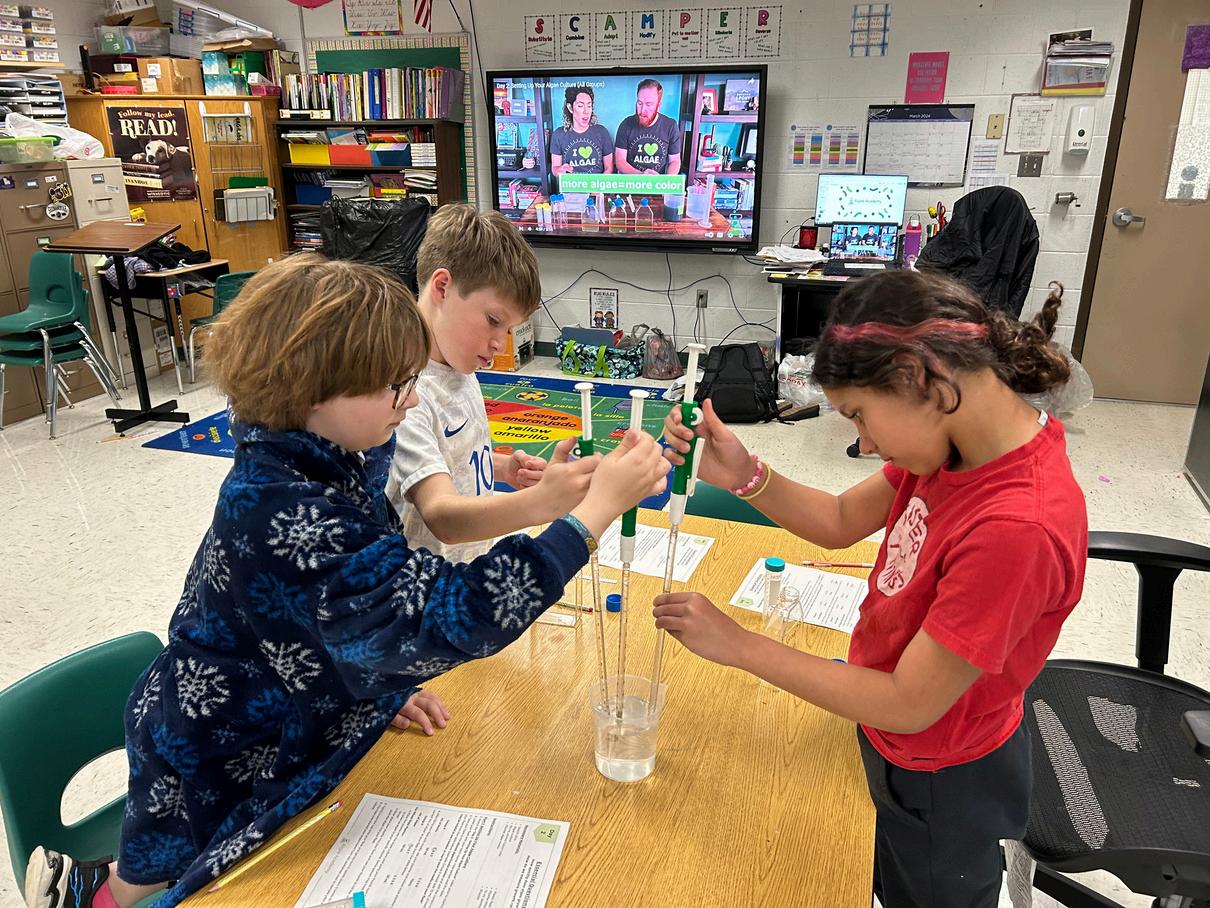
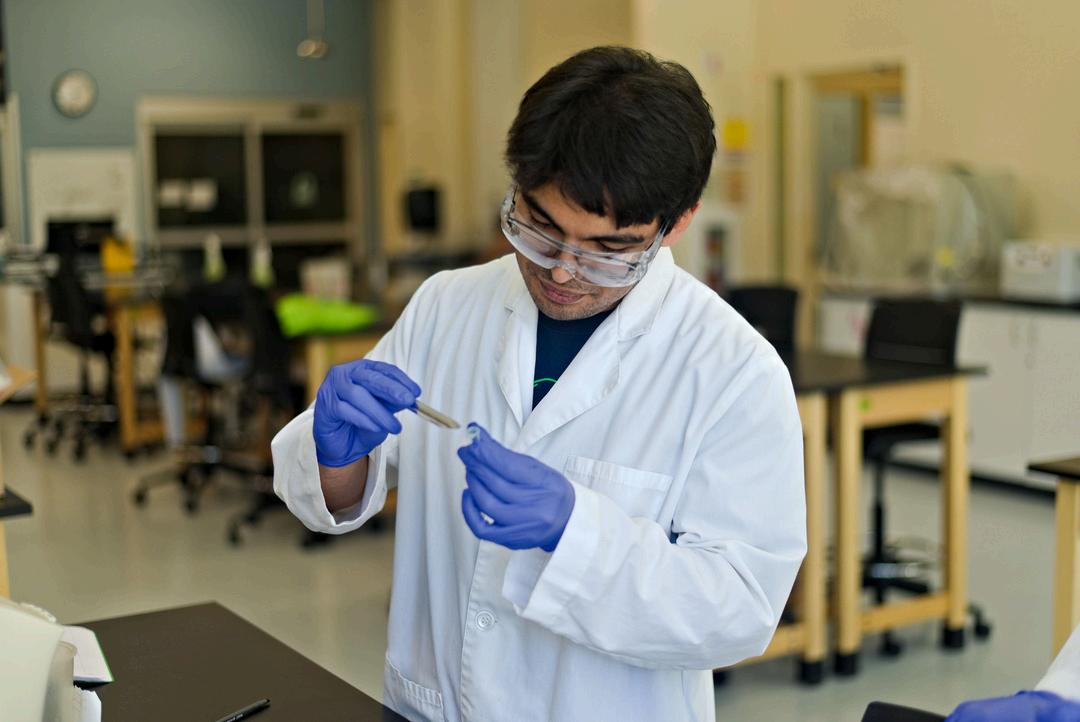
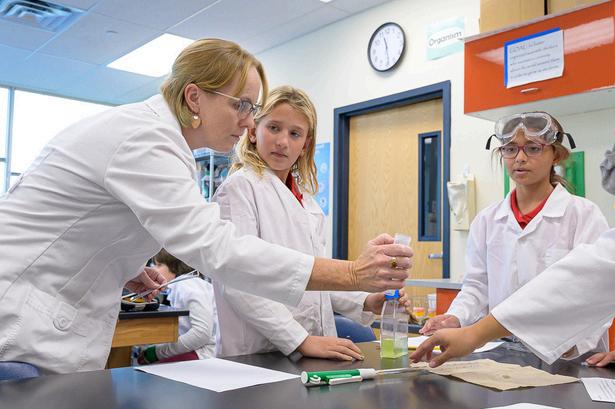
Students gain hands-on STEM experience that builds confidence and supports the development of a strong STEM identity.
Early exposure to STEM increases the likelihood that students pursue STEM coursework, majors, and careers. Free, open-access educational resources—valued at hundreds of dollars per participant remove financial barriers and expanding access to experiential STEM learning.
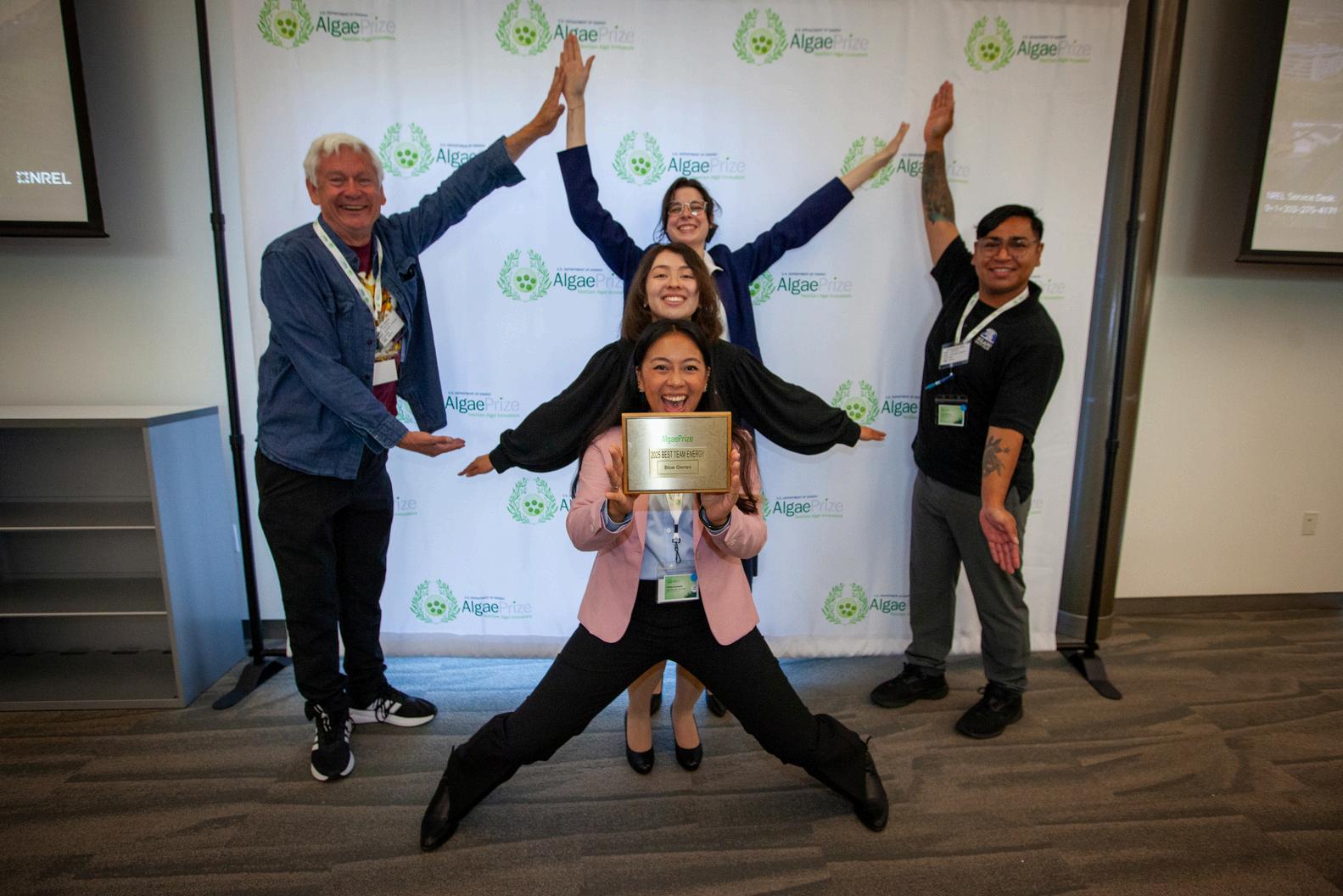
Graduates gain hands-on experience in farming and biotechnology, equipping them with industry-relevant skills to enter the workforce or launch new ventures. Participants transition more quickly into STEM careers through structured work-based learning, including internships, apprenticeships, and industry-recognized certifications.
Our programs develop technical expertise and essential workforce skills such as problem solving, communication, teamwork, and adaptability.
702
6,189
Post-secondary Students Served
48
62,426
“Through this course, I was able to learn the fundamentals algae. The lessons and presentations helped me fully understand the importance of algae, not just in the industry but also to the helped me fully understand the importance algae, not just in the industry but also to the environment... Now, I am more interested in landing a future job in bioengineering, utilizing microbes environment... Now, I am more interested in landing a job in bioengineering, utilizing microbes specifically algae for the sustainable production of energy, food, and biomedicine.” specifically algae the sustainable production energy, food, and biomedicine. ”
“Through this course, I was able to learn the fundamentals of algae. The lessons and presentations
The statistics shown on this map reflect individuals served across U.S. states in the Algae Foundation’s programs since their inception, including the Algae Academy (since 2016), AlgaePrize (since 2022), and the Algae Technology Educational Consortium (ATEC) (since 2016).
Number of individuals served since inception*:
Algae Academy: 288,579 students
AlgaePrize: 483 students and teachers
ATEC: 66 members from 48 schools
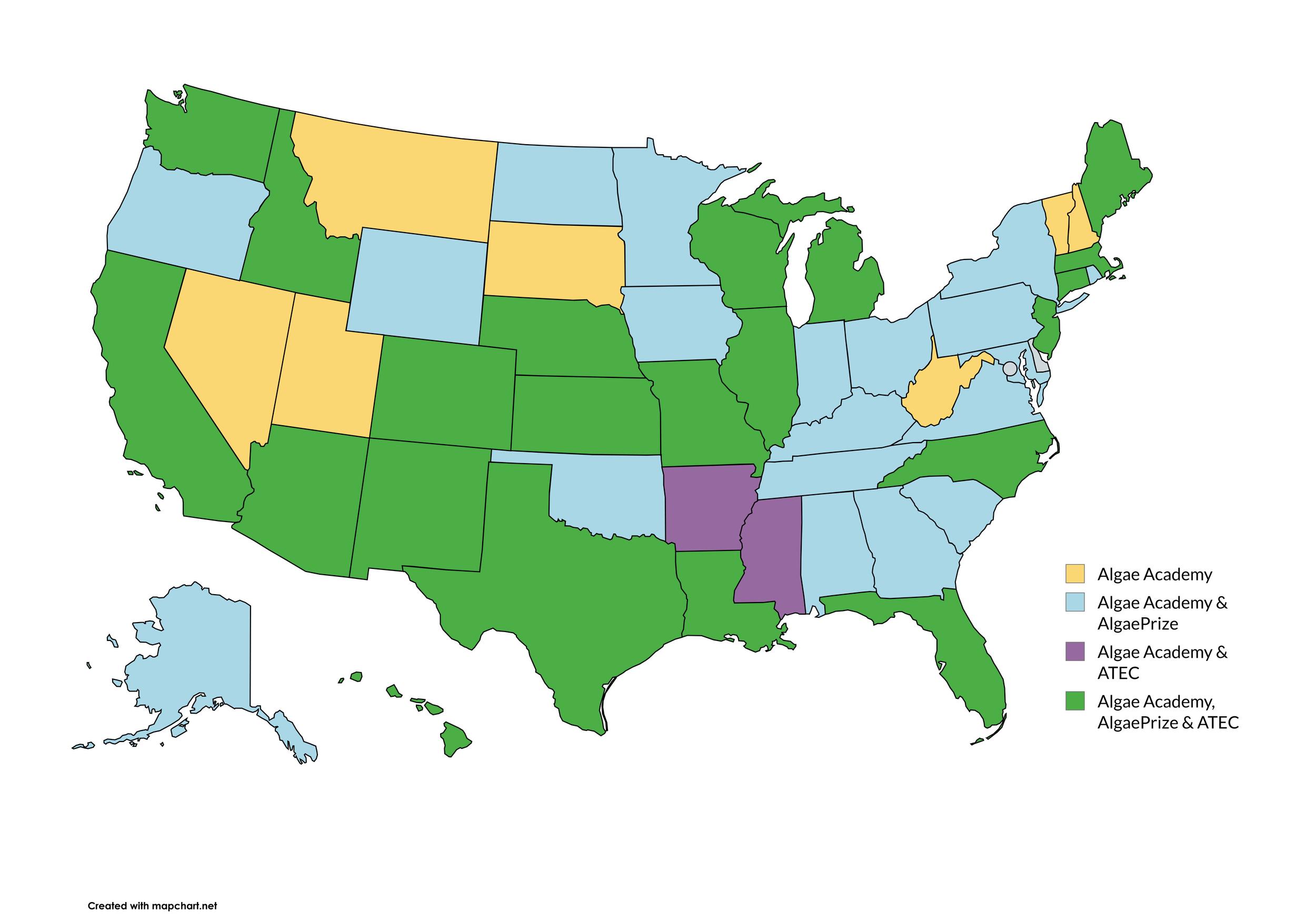
Colors indicate state participation across one or more programs.
The statistics shown on this map reflect individuals served globally through the Algae Foundation’s Algae Cultivation Short Courses (ACES), and Massive Open Online Courses (MOOCs).
Number of individuals reached since inception*:
ACES 1 Macroalgae: 1,844
ACES 2 Microalgae: 1,140
MOOC 1 Introduction to Algae: 30,494
MOOC 2 Algae Biotechnology: 20,028
MOOC 3 Introduction to Seaweeds: 4,896
MOOC 4 Algal Blooms & Proliferations: 1,040
Total numbers of countries reached: 114
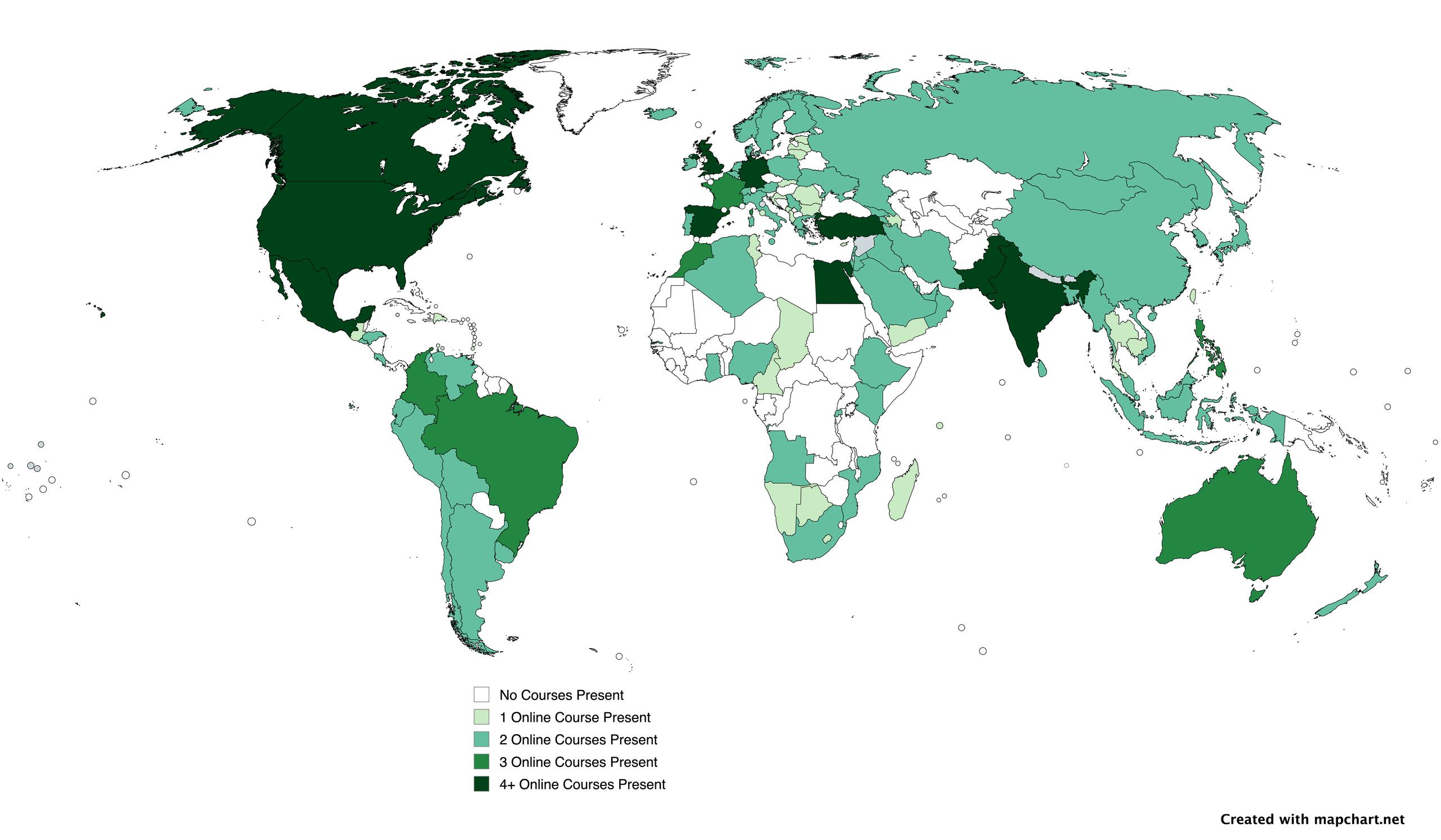
Colors indicate the total number of courses accessed in each country.
Guided by a commitment to education, innovation, and workforce development, the Algae Foundation pursues the following annual goals:
Goal 1
Develop a future-ready algal bioeconomy workforce
Goal 2
Advance STEM education and algal literacy