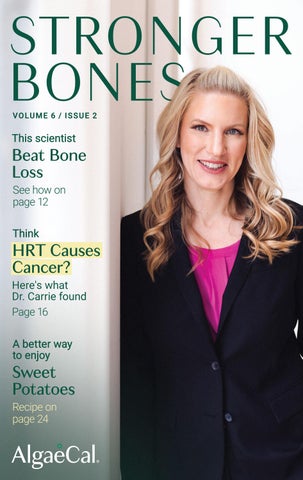
Yes, You Can Increase Bone Density*‡
May is National Osteoporosis Awareness Month. But we’re not here to make you aware of bone loss. We’d rather celebrate what becomes possible when people are finally given better information and the confidence to use it.
For a long time, people were given a narrow and unsettling story about their bones. That thinning was inevitable. That options were limited. And that questioning conventional advice was ‘risky.’ But that story is changing. Because people are changing it.
In this edition of Stronger Bones, you’ll meet a biomedical researcher from Charlottesville who refused to surrender her active life to a low bone density diagnosis. Guided by science and a willingness to challenge outdated assumptions, she reclaimed the strength she was told was gone for good.
You’ll also hear from Dr. Carrie Jones, who revisits one of the most misunderstood topics in women’s health: hormone replacement therapy. After decades of fear sparked by misinterpreted data, Dr. Jones explains why, when used appropriately, hormones can play a meaningful role in preserving bone density and easing symptoms that affect everyday life.
If questions come up as you read, or if you’d like to talk something through, we’re here. You can reach us anytime at 1-855-519-8540 (USA/Canada). It’s always your life, your health, and your path forward. We’re simply here to help when you want us.
Thanks for letting us take care of you.
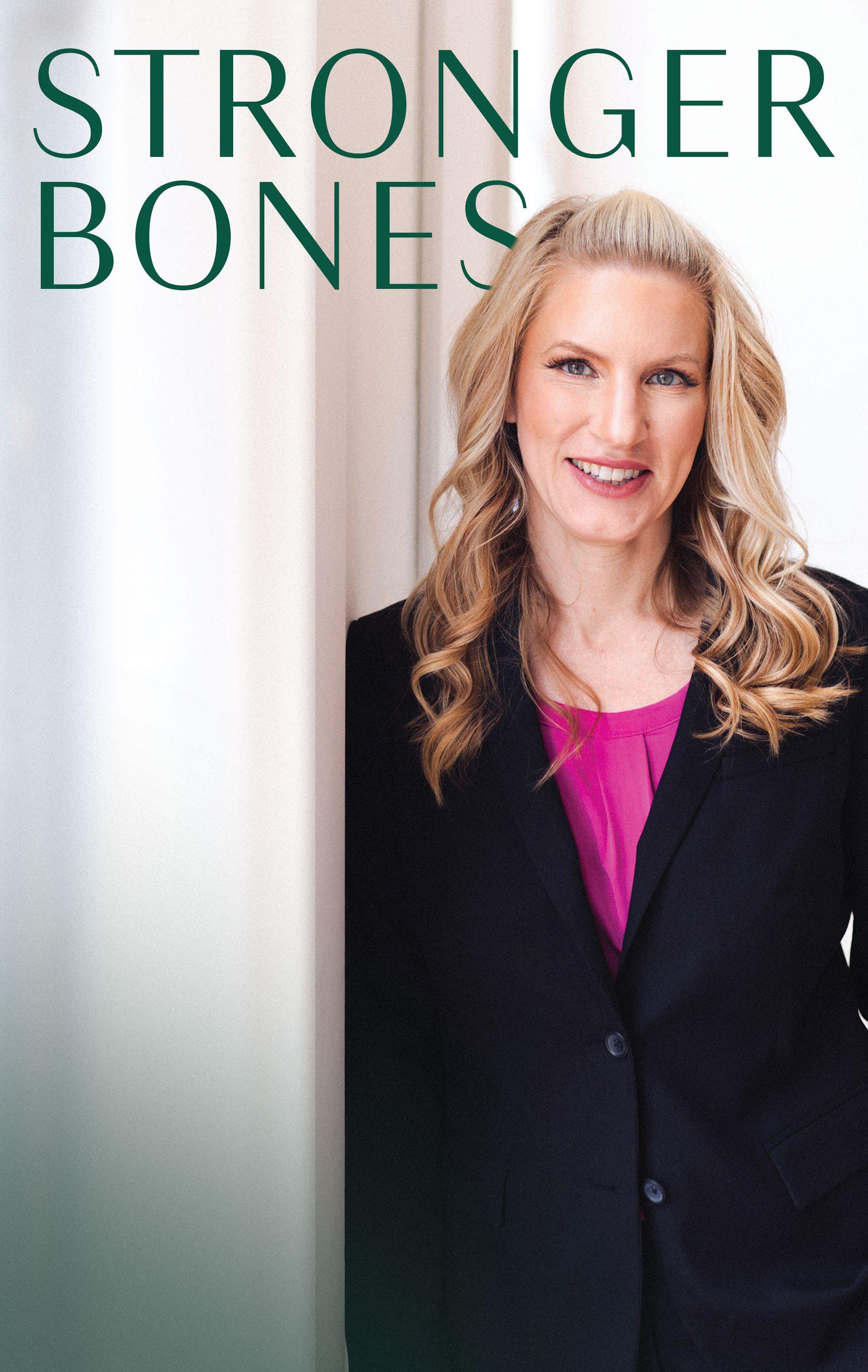
Dean Neuls | CEO & Co-Founder AlgaeCal Inc.

How to Scan the QR Codes in This Magazine
Simply open your phone’s camera, point it at any QR code in this magazine, and tap the link that pops up. You’ll get instant access to extra bone-building content and more—right at your fingertips!
* These statements have not been evaluated by the Food and Drug Administration. This product is not intended to diagnose, treat, cure, or prevent any disease.
‡ Results consistent with Clinical Trials.
What Calcium Can’t Do for Bones
How stress, bone proteins, and trace minerals shape bone strength. And why focusing on calcium alone misses the deeper biology.
Reviewed By: Lara Pizzorno
mdiv, ma, lmt
Clinical nutritionist and internationally recognized expert in bone health and integrative nutrition. She is the author of Healthy Bones, Healthy You! and has spent decades helping people understand the biology behind increasing bone density
For decades, calcium has been positioned as the cornerstone of bone health. Drink your milk. Take your supplement. Get “enough,” and your bones will take care of themselves. That message wasn’t wrong. It was incomplete.
Calcium plays a vital role in bone structure, and its introduction into public health conversations helped reduce severe deficiency-related bone diseases. But as fracture rates remained stubbornly high, particularly among postmenopausal women, a troubling question emerged in the research:1
Why do bones continue to weaken even when calcium intake appears adequate?
The answer lies not in a failure of calcium, but in a misunderstanding of how bone is actually built, maintained, and repaired.
Bone is not a static reservoir for minerals. It is a living tissue. Constantly remodeled, hormonally sensitive, and deeply influenced by stress physiology, protein availability, and micronutrient balance. When those systems are compromised, calcium alone cannot compensate.
Sources:
1. PMID: 21289325
2. PMCID: PMC6354581
Understanding this distinction marks the difference between supporting bone density and supporting bone strength.
Calcium Solved One Problem, Not All of Them
Calcium is the primary mineral stored in bone, and without sufficient calcium, the skeleton cannot maintain basic structural mass. But bone strength has never depended on calcium alone.
Clinical observations2 have long shown that fracture risk does not always track neatly with bone mineral density. Two women can have similar DEXA scores, yet very different outcomes when they fall. One fractures. The other doesn’t. The difference often lies in bone quality—not quantity.
Bone quality reflects how well minerals are organized, bound, and distributed within the bone matrix. It determines flexibility, shock absorption, and resistance to cracking under stress. Calcium contributes to this process, but it does not govern it.
That governance belongs to the biological systems that tell calcium where to go, how to bind, and when to stay.
When those systems are under strain— from chronic stress, hormonal shifts, inadequate protein, or missing trace minerals— calcium becomes a passive ingredient. Present, but poorly directed. Available, but inefficiently used.
This helps explain why calcium supplementation alone often produces inconsistent protection against fractures. It also explains why focusing narrowly on calcium can obscure more important questions:
Is the bone matrix intact? Are boneforming cells receiving the signals they need? Is the internal environment supportive of repair?
To answer those questions, we have to look beyond calcium, and toward the deeper biology of bone formation itself.
Bone Is Built on Protein First, Minerals Second
When we picture bone, we tend to imagine something solid and rock-like. But biologically, bone is better understood as a protein framework reinforced with minerals, not the other way around.
Roughly one-third of bone is made up of an organic matrix, composed primarily of collagen and specialized bone proteins. This matrix provides flexibility, tensile strength, and shock absorption. It is what allows bone to bend slightly under load rather than snap. Minerals are then deposited into this framework to provide rigidity and compressive strength.
When the protein matrix is compromised, mineralization suffers—no matter how much calcium is available.
This distinction is critical, because the earliest stages of bone weakening often begin before measurable losses in bone density appear. Changes in collagen quality, cross-linking, and protein signaling can reduce bone resilience, increasing fracture risk even when scans look reassuring.
One protein, in particular, plays an outsized role in this process.
CONTINUED ON PAGE 6
CONTINUED FROM PAGE 5
Osteocalcin & Your Bones
Osteocalcin is produced by osteoblasts— the cells responsible for building new bone. It helps anchor calcium into the collagen matrix, influencing how densely and evenly mineral crystals are arranged. When osteocalcin function is impaired, minerals may be present but poorly integrated, resulting in bone that is harder yet more brittle.
Importantly, osteocalcin production is not automatic. It is metabolically regulated, hormonally sensitive, and highly responsive to the internal environment. This means bone strength depends not only on nutrient intake, but on whether the body is in a physiological state that supports bone protein synthesis in the first place.
Protein intake itself also matters. Adequate dietary protein provides the amino acids needed to maintain collagen structure and repair microscopic damage that occurs during normal daily loading. Inadequate protein intake—which is common during periods of calorie restriction, stress, or aging—weakens the very scaffold minerals depend on.
Seen through this lens, calcium is not the starting point of bone health. It is a late-stage contributor, arriving only after the foundational work of protein synthesis and matrix maintenance has been done.
Osteocalcin does not operate in isolation. Its activity depends on the internal conditions in which bone is being formed. Among those conditions, few exert as much influence as the body’s stress response.
How Stress Weakens
Bone Formation
When stress becomes chronic, cortisol levels remain elevated for longer than biologically necessary.
Cortisol is essential for short-term survival. In acute threat situations–like when our ancestors were trying to avoid saber-toothed tigers—it sharpens focus, increases alertness, and mobilizes energy, so the body can respond quickly and effectively. But when it stays high, it suppresses osteoblast activity and shifts bone remodeling toward breakdown rather than repair. It also interferes with the production and activation of osteocalcin, reducing the body’s ability to organize minerals effectively within the bone matrix.
This matters because bone formation is not a constant process. It occurs in cycles, with rebuilding most active during periods of low cortisol, particularly during deep sleep. Chronic stress narrows these repair windows. Even when calcium and other nutrients are present, the biological conditions needed to use them efficiently are diminished.
Over time, this imbalance accumulates. Bone turnover becomes less coordinated, mineral integration becomes less precise, and strength declines gradually, often without dramatic changes in bone density.
Stress, in this context, is not a lifestyle inconvenience. It is a physiological signal that directly alters how bone is built.
When bone formation is disrupted by chronic stress, the problem is not simply that less bone is built. It is that the materials used to rebuild bone are handled differently. To understand why this matters,
we need to look more closely at what bone mineral actually consists of.
Why Mineral Diversity Matters More Than Quantity
Bone mineral is often discussed as though it were chemically simple. In reality, bone is mineralized through a complex structure that relies on more than calcium alone.
Trace minerals influence how calcium crystals form, how tightly they are packed, and how flexible the resulting bone becomes. Magnesium, manganese, boron, zinc, copper, and other trace elements help regulate crystal size and spacing. When these minerals are lacking, bone may appear adequately mineralized while becoming more brittle and fracture-prone.
This helps explain why modern diets, which rely upon highly processed foods in which essential minerals are lost, and intake has become dependent upon fortified foods or incomplete supplements that lack balance, can fall short in supporting bone strength. Quantity alone does not guarantee quality. Bone depends on coordination.
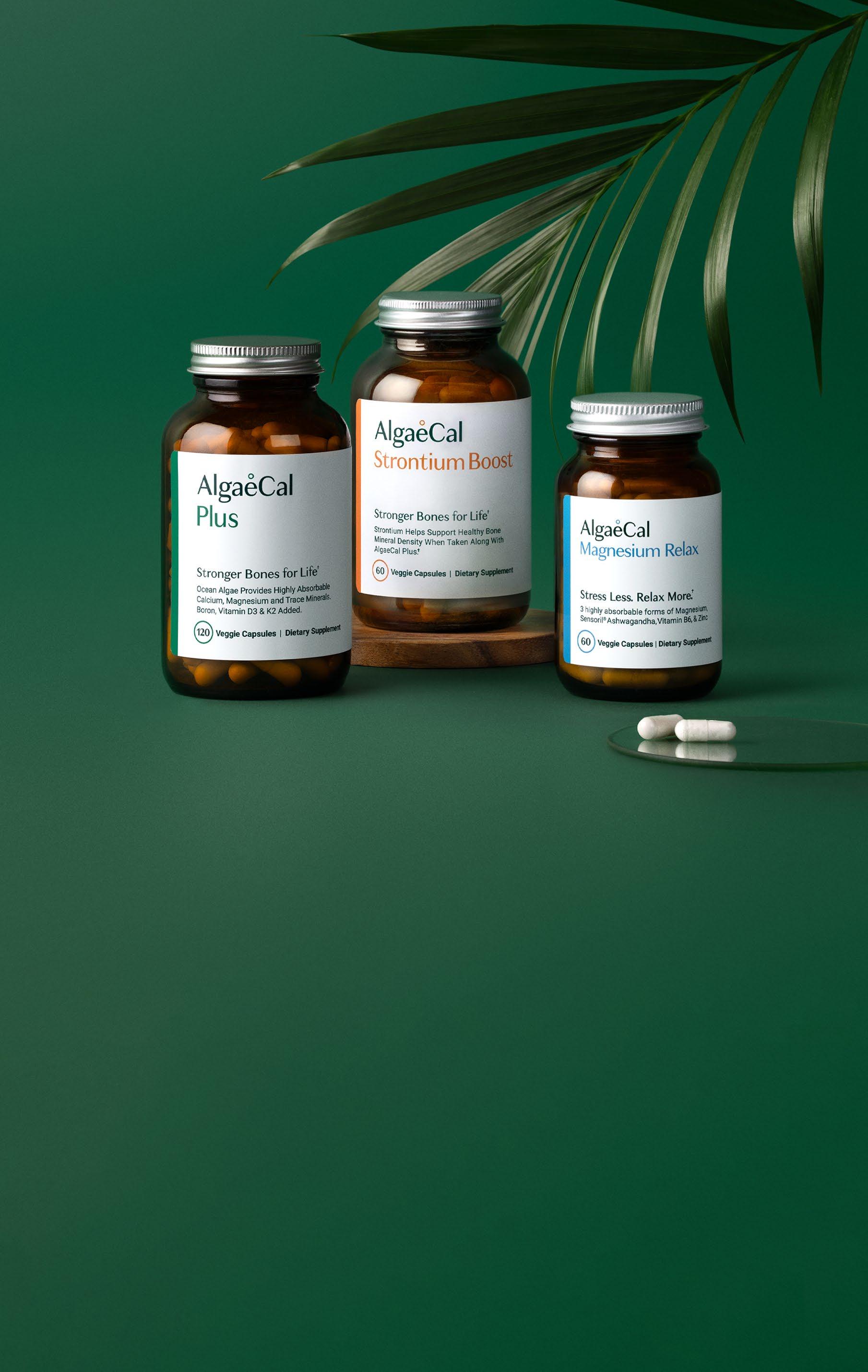
Mineral diversity supports the biological conditions under which calcium can be integrated properly, rather than simply deposited. And that is precisely why the Bone Builder Pack has demonstrated consistent increases in bone density, both in clinical trials and in real-world use. It reflects what science has shown for decades: bone responds best to a balanced, multi-nutrient approach that supports the full biological system involved in remodeling and repair.
Building Bones Means Supporting the Whole System
Bone health does not respond well to singular solutions.
Bones build best when multiple systems work together: a resilient protein matrix, diverse and balanced mineral availability, regulated stress hormones, and adequate time for repair. When these conditions are in place, bone does what it has always been designed to do. It adapts.
Focusing narrowly on calcium reduces bone to a storage problem, when in reality it is a living, responsive tissue. Bone strength is shaped by signals from nutrition, hormones, sleep, and the nervous system. When those signals are coherent, bone formation becomes efficient and coordinated.
Supporting bone strength, then, is not about adding more of one ingredient. It is about restoring the biological environment that allows bone to rebuild with integrity. When that environment is supported, strength and resilience follow naturally.
Simple Exercises for Stronger Wrists
Easy exercises you can do at home to support stronger wrists and hands.
Cat Buckley, BS, PGDip, is a certified yoga instructor specializing in osteoporosis-safe movement. She leads strength and balance classes for The AlgaeCal Community, helping people build confidence, grip strength, and stability through practical, bone-safe exercises designed for everyday life.
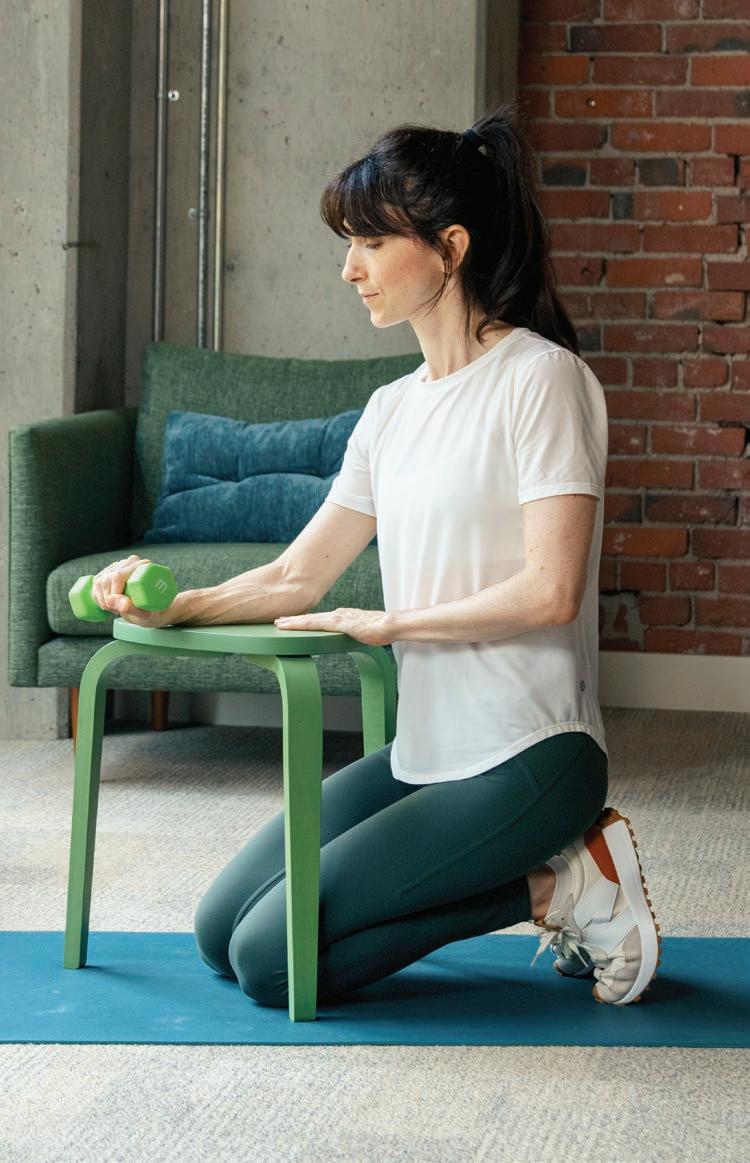
Wrist Extension
(figure 1)
Sit at a table or desk holding a light dumbbell (2–3 lbs). Rest your forearm on the tabletop with your palm facing down and your wrist and hand hanging gently over the edge. Keeping your forearm still, slowly lift your hand upward and hold for a few seconds. Lower with control. Perform two to three sets of 10 repetitions. 1
(figure 1)
2
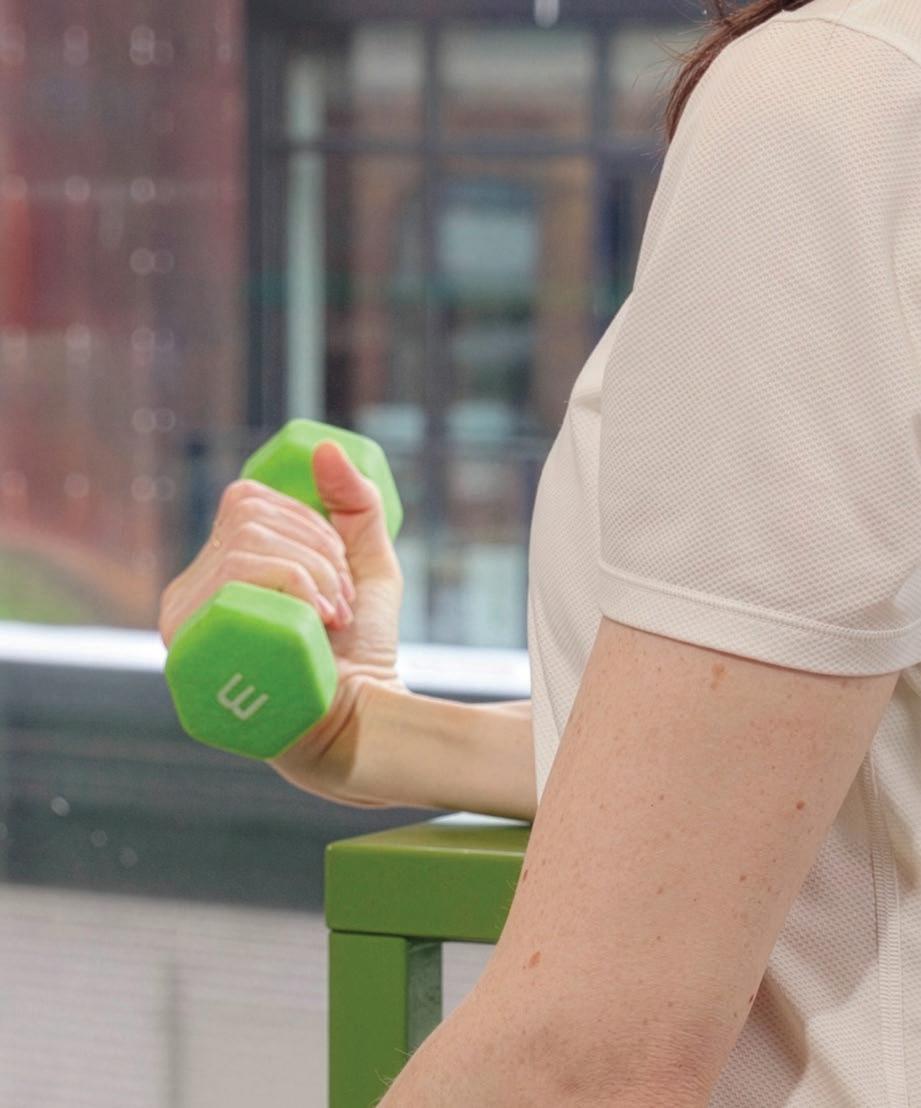
Wrist Curl
(figure 2)
Remain seated with your forearm resting on the table, palm facing up, and wrist over the edge. Holding the dumbbell, slowly curl your hand upward and pause briefly at the top. Lower your hand back down with control. Perform two to three sets of 10 repetitions, keeping your arm relaxed and supported.
2)
3
Tennis Ball Grip Strengthener
(figure 3)
Hold a tennis ball (or any similarsized ball) in one hand, sitting or standing comfortably. Slowly squeeze the ball as firmly as you can and hold for 2–3 seconds. Release slowly. Rest briefly and repeat 10 times. Switch hands and repeat. Complete three total sets on each hand.

(figure 3)
(figure

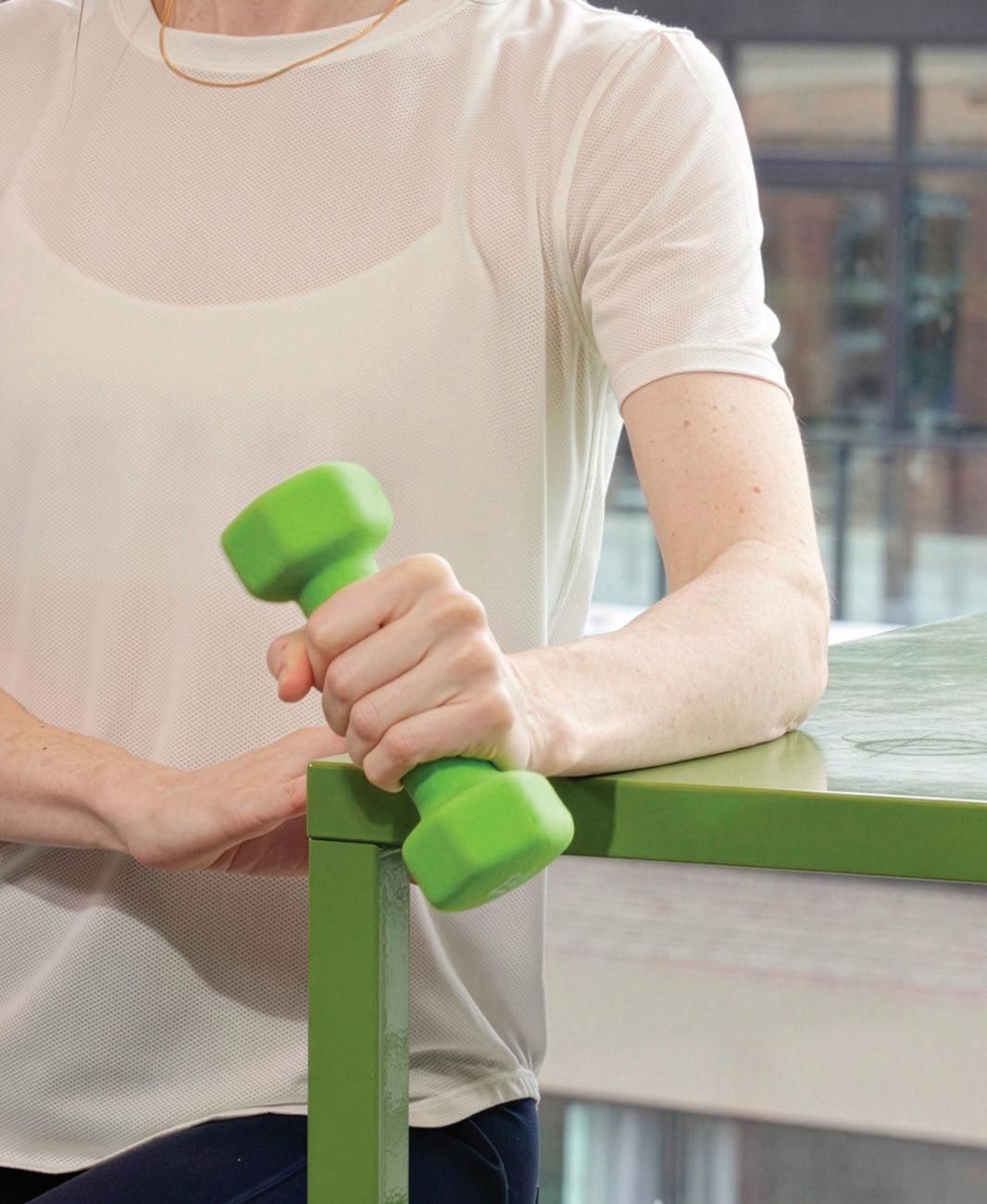
(figure 4)
Wrist Rotation
(figure 4)
Place the side of your forearm on the tabletop so your thumb points upward and your wrist and hand extend beyond the edge. Slowly rotate your hand so your palm faces up and hold for a few seconds. Return to center, then rotate your palm down and hold again. Perform two to three sets of 10 controlled repetitions.
Scan for More!
Scan here to explore gentle, bone-safe exercises that strengthen your hands, wrists, and upper body, supporting steadier movement and greater confidence at home.
“You Have Severe Bone Loss”
Her doctor’s phone call ruined her vacation.
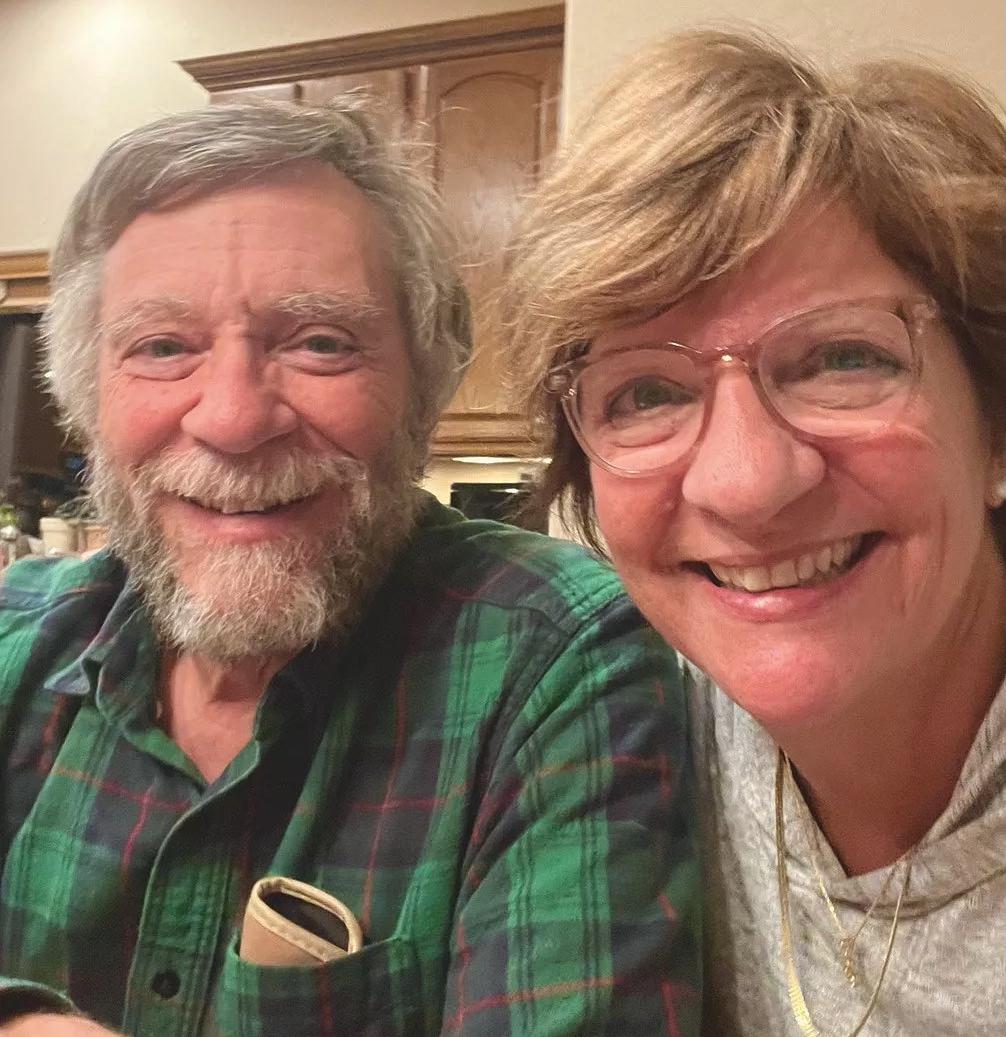
Name: JoAnne Goodnight
Location: Charlottesville, Virginia
Testimonial Date: Dec 20, 2025
JoAnne was doing exactly what a healthy 61-year-old should be doing. Relaxing on the beach, enjoying the sun, letting her mind wander.
Then her phone rang. It was her doctor, calling with the results of her latest DEXA scan. “I’m reviewing your report,” he said. “And I’m actually very surprised.” JoAnne sat up. “You have severe bone loss.”
Those words landed heavily. Bone loss ran in her family. That’s why she’d always paid attention to her health. She
ate a calcium-rich diet. She did plenty of weight-bearing exercises. She supplemented thoughtfully. She did everything you’re supposed to do!
So she didn’t expect to be sitting there at 61, hearing that her bones were fragile.
“Oh my gosh,” she remembers. “I felt sad. And honestly, a bit deflated.” As her doctor outlined the standard options, JoAnne felt uneasy. Not because she was afraid of treatment. But because none of it addressed why her bones were weakening.
“I wanted to understand all my choices...and I wanted something that dealt with the root cause, not just the symptom.”
That reaction wasn’t emotional. It was professional. JoAnne is a biomedical researcher by training. She’s spent years reading clinical studies, evaluating evidence, and questioning conclusions that don’t line up with the data.
So instead of making a quick decision, she did what she’s always done. “I dove into the scientific literature,” she says. “I Googled things like ‘natural calcium supplements for bone growth’ and read journal articles about how to rebuild bone naturally.”
She wasn’t searching for reassurance. She was searching for evidence. That’s when she came across AlgaeCal.
“At first, what intrigued me was that it’s a plant-based calcium sourced from marine algae,” she says. “And that it includes key minerals and vitamins like D3 and K2 that work together—almost like a lock and key—to rebuild bone.”
But although the nutrients in AlgaeCal, 16 in total, made sense on paper. She needed evidence that they produced real, measurable results in humans.
“What really convinced me was learning that AlgaeCal is the only calcium clinically shown
to increase bone density.”
Calcium supplements have been studied for decades, going back to the 1930s. Study after study measured the same thing: did calcium actually increase bone density in humans?
And for decades, the answer was no. Not a single human clinical trial showed a meaningful increase in bone density from calcium alone.
That’s what made the AlgaeCal studies different. They didn’t just slow bone loss. They showed bone density increasing, on real DEXA scans, in real people. “As a scientist,” JoAnne says, “that mattered.” And so did the guarantee. “Knowing the research existed, and that they stood behind it with a money-back guarantee, gave me the confidence I needed to try it.”
So in April 2021, JoAnne started the Bone Builder Pack. She paired it with consistent, weight-bearing movement: walking, lifting light weights, even doing
heel drops while brushing her teeth. Small, repeatable actions. The kind that add up over time.
“I stayed dedicated,” she says. “Because I knew bone building doesn’t happen overnight.” Still, nothing prepared her for what came next. One year later, JoAnne returned for her next DEXA scan.
“The results were phenomenal,” she says. Her lumbar spine bone mineral density increased by 26.4%, improving her T-score from -2.8 to -0.9.**
“That alone was huge,” she says. “It moved me out of the severe range.” But it didn’t stop there. Her right femoral neck bone density increased by 4.5%, with her T-score improving from -2.3 to -2.1. Her total hip bone density increased by 5.2%, with her T-score improving from -1.9 to -1.5.
“I was literally doing a happy dance in my doctor’s office,” JoAnne says, smiling. “And my endocrinologist was stunned.” She told JoAnne she had never seen increases like this. “That was such an affirming moment,” JoAnne says. “I knew I’d made the right decision.”
But what mattered just as much as the improvement was what happened next.
The following year, JoAnne had another DEXA scan. The gains had continued. Her femoral neck and total hip bone density increased another 2-3%, and her T-scores improved further.
“That’s a lot of numbers,” JoAnne says. “But here’s the simple takeaway: I’ve seen significant and sustained improvements in my bone density over several years.”
CONTINUED ON PAGE 14
CONTINUED FROM PAGE 13
Her doctor put it even more plainly. “Whatever you’re doing,” she told her, “keep it up. It’s working.”
For JoAnne, the results weren’t just clinical. “These gains changed my quality of life,” she says. “I feel stronger. More capable. More confident.”
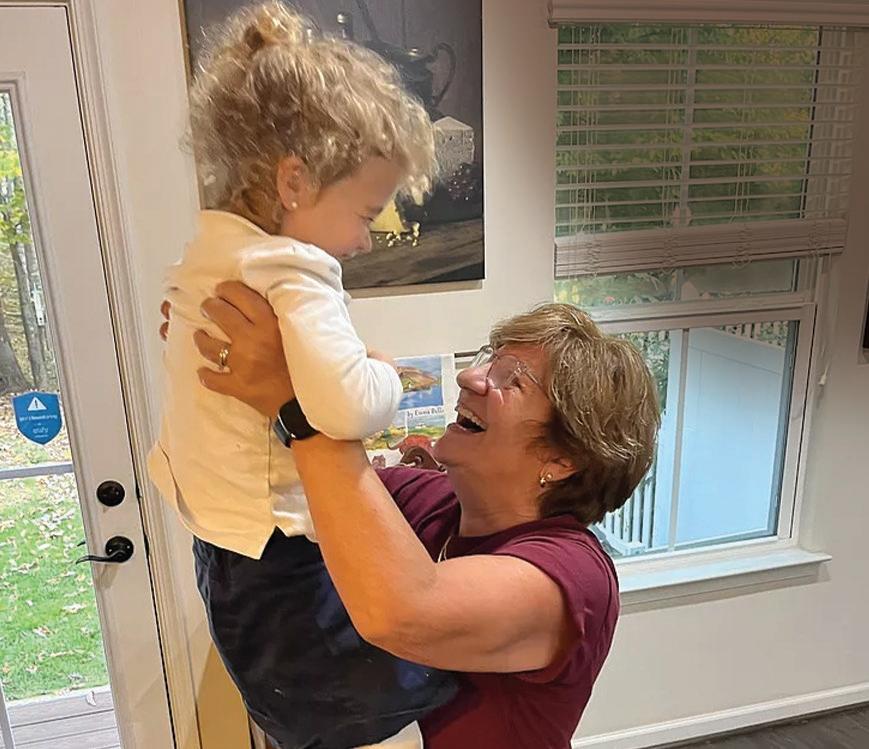
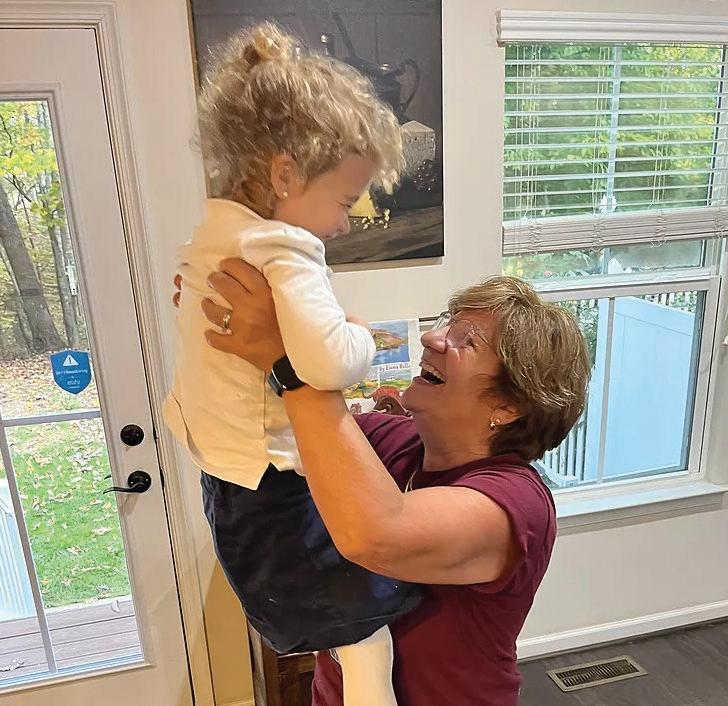
She gardens. Travels. Exercises. And most importantly, she keeps up with her six grandchildren as she approaches 65. “I don’t feel fragile,” she says. “I feel in control.”
She also noticed something else. “I’ve had no negative side effects at all,” she says. “And it’s been incredibly easy to fit into my daily routine.”
Because of that, she’s shared her story openly—with friends, family, and colleagues. Several of them have now started their own bone-health journeys.
When JoAnne reflects on where she started, that phone call on the beach, the contrast is striking. “What began as fear turned into empowerment,” she says.
Her advice to anyone considering AlgaeCal is simple. “Go for it. Stay with it. And give it time,” she says. “Bone building doesn’t happen overnight. But it does happen.”
She pauses, then adds something she knows to be true. “I’m living proof that it’s possible to rebuild bone naturally.”
**Real Customer. Verified Results. Thank you gift provided post review. Individual vs Clinical Results may vary.
Want to Learn More About How JoAnne Rebuilt Her Bone Density?
Visit algaecal.info/joanne-goodnight or scan the QR code to read her full story.
JoAnne Got These Results With the Bone Builder Pack
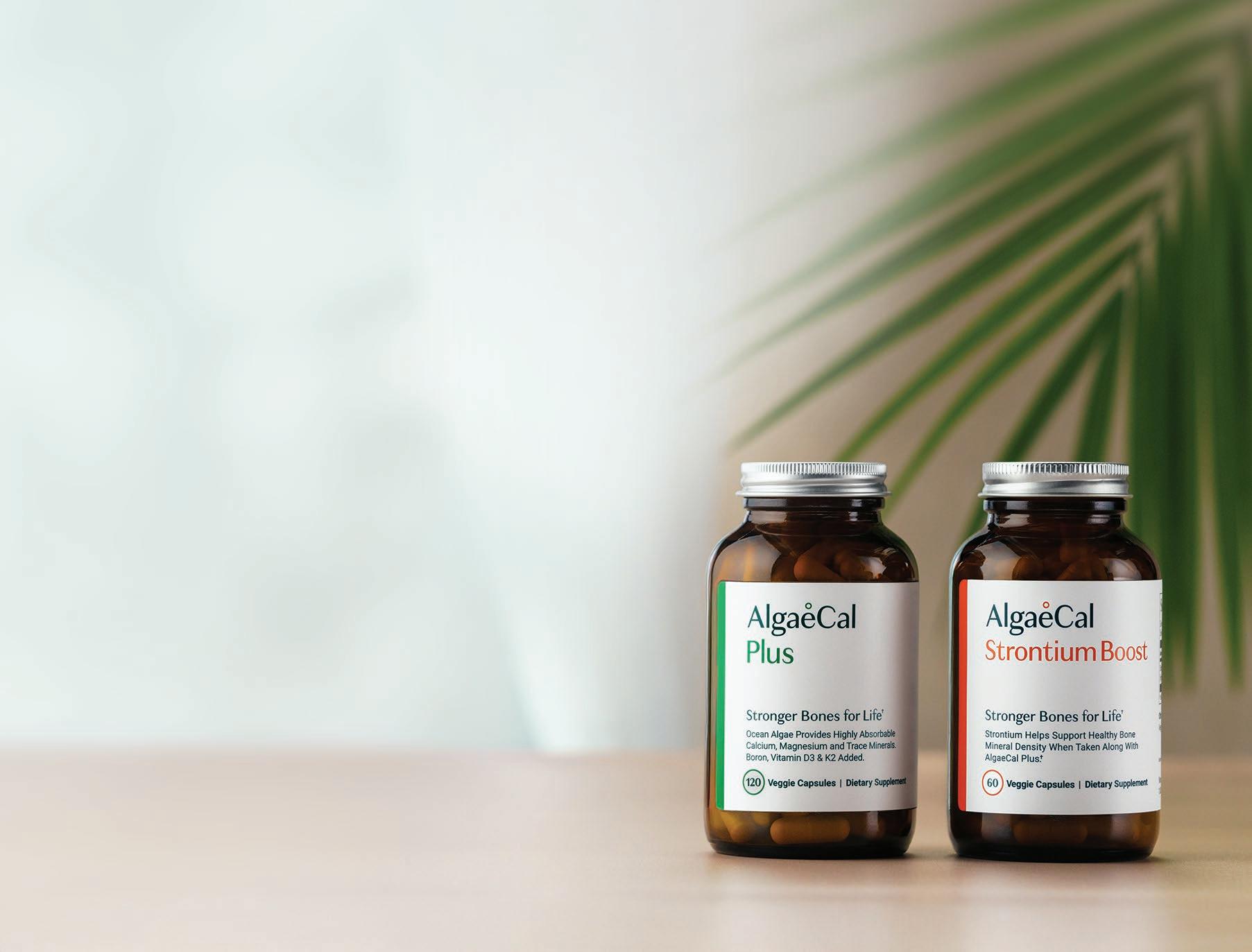
It’s our most popular option, and here’s why: It’s the ONLY supplement clinically supported to INCREASE bone density.*‡
It’s guaranteed. If your bone density doesn’t increase in 6 months, you get every cent back.*
No gimmicks, no fine print. Just stronger bones or your money back. Scan the QR code below to learn more, or visit algaecal.info/bonebuilderpack

AlgaeCal’s Bone Health Consultants provide exceptional support over the phone, offering personalized guidance to help you navigate your bone health journey. Whether you have questions about bone health, the benefits of AlgaeCal’s products, or how to incorporate them into your daily routine, our team will take the time to listen to your specific needs and provide tailored recommendations.
The Hormone Scare That Changed Menopause
Is it time for a calmer look at HRT after 20 years of fear?
Dr. Carrie Jones says "yes."
The Headline That Changed Everything
In 2002, five words altered the course of women’s health. Hormone replacement therapy causes cancer. They appeared in newspapers, echoed through television segments, and filtered into exam rooms with the weight of a verdict. Once spoken, they did not invite discussion. They closed it. Doctors stopped prescribing. Women stopped asking. A therapy once associated with relief and protection was suddenly framed as reckless. What is easy to forget now is how abrupt the shift was. In the decades leading up to that moment, hormone therapy was routine. It was prescribed to ease hot flashes, support sleep, protect bone density, and help women move through menopause with fewer disruptions. Then the Women’s Health Initiative results were released, and the message was stark. Estrogen causes cancer.
What the data actually showed was far more complicated. But complexity doesn't sell newspapers. Fear does. Within months, prescriptions collapsed. Women reporting night sweats, joint pain, fractured sleep, and bone loss were told some version of the same thing. This is just aging. Learn to live with it.
Many did. For years. More than two decades later, the shockwave from 2002 still shapes clinical decisions. Many women today are making choices based on a story that was never fully told, and rarely revisited.
The Doctor Who Never Stopped Asking Questions
When the headlines hit in 2002, most clinicians reacted the same way. They stopped prescribing hormone therapy. Some did it out of caution. Others out of fear. A few because they felt they had no choice.
Dr. Carrie Jones did something different. At the time, she was still in medical training. The Women’s Health Initiative results were fresh, confusing, and impossible
CONTINUED ON PAGE 18

Interviewed By: Monica Straith BS, BA
Moni is AlgaeCal’s Senior Partnerships Leader & Brand Ambassador. She is a former Team Canada soccer star, and a busy mom of two active boys.
CONTINUED FROM PAGE 17
to ignore. But instead of accepting the interpretation that quickly hardened into dogma, her supervising physician paused. As Jones recalls, her mentor’s reaction was simple but decisive:
“Are we sure this is the direction we are going to go...by stopping everything?”
That moment shaped her entire career. While many practitioners walked away from hormone care altogether, Jones did not.
“My entire career, when I had
a full-time
practice, I
prescribed hormones...I
never stopped
prescribing,
whereas I know a lot of doctors immediately stopped because they thought it
caused
cancer.”
Over time, she noticed a growing disconnect between women and their bodies. Patients arrived confused and discouraged, unsure whether what they were feeling was real or simply something they were expected to tolerate.
“They would say, ‘I don’t know what’s happening to me. I think I’m falling apart,” Jones recalls. Many had already been told nothing was wrong. Others had been made to feel foolish for asking.
What concerned Jones most was not just the physical symptoms. It was the erosion of trust. Women began doubting their own perceptions. Pain, fatigue, and weakness were normalized. Bone loss went unnoticed. Questions went unasked.
What the Women’s Health Initiative
Really Showed
To understand why fear took hold so quickly, it helps to understand what the Women’s Health Initiative actually was, and what it was not.
The Women’s Health Initiative was a large, long-term study designed to examine multiple outcomes at once, including heart disease, bone health, stroke, and cancer. Hormone therapy was only one part of that broader effort, but it quickly became the focus of public attention.
When the initial results were released, one figure dominated coverage. A reported 24 percent increased risk of breast cancer.
“That number hit the media,” Jones explains, “and as a result, everything came to a screeching halt.”
What most women never heard was what that figure actually represented. It described relative risk, not absolute risk. In practical terms, it translated to eight additional cases of invasive breast cancer per 10,000 women. That distinction mattered, but it was largely absent from headlines.
Jones does not dismiss concern about cancer. “Even one extra case is bad,” she says. Breast cancer remains common whether or not a woman uses hormone therapy. But the way the data was framed created the impression that hormones dramatically raised risk for all women, regardless of context.
That was not what the study showed. The study included two separate hormone
arms. Women with a uterus received a combination of synthetic estrogen and synthetic progestin. Women who had undergone a hysterectomy received estrogen alone.
“In the estrogen-only group, there was no increase in breast cancer...In fact, there was a decrease.”
The increased risk signal appeared in the combined arm, where synthetic progestin was used. That nuance was largely lost in public discussion. Estrogen was blamed broadly, and hormone therapy as a whole was treated as a single, dangerous exposure.
“What the media reported and what was actually happening in the data did not match up,” Jones says.
As researchers continued to analyze the data over time, even some of the original authors acknowledged that the early messaging had oversimplified the findings. Later analyses began to separate estrogen from progestins, and bioidentical progesterone from synthetic forms. But by then, the message had already taken hold. An entire generation of women absorbed a single takeaway. Hormones were dangerous.
The Estrogen Myth and Why It Refuses to Go Away
By the time the dust settled after 2002, a single belief had taken root. Estrogen
causes cancer. End of story. More than two decades later, that message still shapes how many women think about hormones. Jones hears it constantly. In exam rooms. In online discussions. Even among women who have read widely on menopause. Simply mentioning estrogen can trigger an alarm.
“I can’t even mention estrogen without someone saying, ‘That causes cancer. Why would you do that?’” she says. What makes that reaction so enduring is not the strength of the original evidence, but the strength of the headlines that followed it.
As researchers revisited the Women’s Health Initiative data and followed participants over time, a clearer picture emerged. Estrogen on its own did not appear to drive the increased breast cancer risk that dominated early reporting. The signal was associated with the combination of estrogen and synthetic progestins.
“That’s what we’ve continued to find,” Jones explains. Estrogen-only therapy did not show the same increase in breast cancer risk. In some analyses, it appeared neutral or even slightly protective. The increased risk that did appear was linked to the addition of synthetic progestin.
This distinction matters because estrogen is not an external drug introduced late in life. It is a hormone present in women’s bodies from puberty onward, involved in bone remodeling, muscle maintenance, brain signaling, and metabolic regulation. When estrogen levels fall
CONTINUED ON PAGE 20
CONTINUED FROM PAGE 19
sharply during the menopause transition, those systems are affected.
Jones is careful not to frame this as a reversal or a guarantee of safety. Cancer risk is real, and hormone therapy is not risk-free. But the idea that estrogen itself is a universal carcinogen does not reflect the totality of the evidence now available. Fear, once established, rarely updates itself. Headlines linger. Nuance does not. And so a simplified story continues to guide decisions long after the science has moved on.
In Jones’s view, estrogen was never the villain it was made out to be. But once fear took hold, it became far harder to tell a more accurate story.
Why This Matters for Bones, Not Just Hot Flashes
Much of the public conversation around hormone therapy has focused on symptoms that are uncomfortable but visible. Hot flashes. Night sweats. Mood changes. What receives far less attention is what happens quietly underneath. Bone loss does not announce itself.
“Women will hit their forties and fifties, and you do not feel it when your bones are getting brittle...You know when you break a bone, unfortunately, but this is one of those silent signs of perimenopause.”
Bone tissue is constantly being remodeled. Old bone is broken down by osteoclasts. New bone is built by osteoblasts. In a healthy system, those processes stay balanced. Estradiol plays a central role in keeping that balance tilted toward building.
“As estradiol declines,” Jones says, “you are no longer getting the signaling that supports bone formation.” Breakdown begins to outpace repair. Density drops. Structure weakens.
This shift accelerates during the menopause transition, often without any warning signs. Women can lose significant bone density in just a few years, particularly if they enter midlife already at a disadvantage. Jones points to common factors that stack the odds against bone health long before menopause arrives. Sedentary work. Inadequate nutrition. Chronic stress. Past smoking. Heavy athletic training earlier in life that suppressed estrogen and disrupted menstrual cycles.
“All of that background matters,” she says. “And then you move into perimenopause, and your bones are already working overtime.”
The consequences are not abstract. Bone loss increases fracture risk, especially in the spine and hip. Hip fractures, in particular, can lead to loss of independence, reduced mobility, and in some cases, shortened lifespan.
That is why Jones pushes back against the idea that hormone therapy is only about symptom relief. Bone protection is one of the few FDA-approved uses of menopausal hormone therapy. Estrogen is not the only factor in bone health. Nutrition, vitamin D, vitamin K2, magnesium,
strength training, and metabolic health all play critical roles. But estrogen is a major signal, and when it disappears, bones respond.
What concerns Jones most is how often bone health is addressed too late.
“If you are sixty-five and get your first bone scan and already have osteoporosis,” she says, “it is a hard road back.”
Bone loss may be silent, but its consequences are not. Ignoring hormones in the bone conversation leaves women vulnerable during one of the most critical transitions of their lives.
The Problem With “You’re Normal”
For many women, the most discouraging moment in midlife health care is not a bad diagnosis. It is being told that nothing is wrong.
“I asked to be tested for everything, and they told me I was normal.” Jones hears this story repeatedly. When women bring her their lab results, the pattern is familiar. A basic blood count. A metabolic panel. Maybe cholesterol. Everything marked within range. Conversation over. Except the symptoms remain.
Those tests are designed to catch acute disease, not early decline. They are useful for identifying infection or organ failure. They are not designed to explain why a woman feels exhausted, foggy, weaker than she used to be, or why her bones are thinning.
Dr. Jones sees a gap between reassurance and reality. A woman can be told she is normal while her iron stores are depleted, her vitamin D is insufficient, her
thyroid function is drifting, or her metabolic markers are shifting in ways that matter long before they trigger alarms.
Iron is a common example. Many labs still list ferritin values down to 15 as normal. Yet newer clinical guidance suggests iron stores below roughly 45 can contribute to fatigue, hair thinning, weakness, and shortness of breath. A woman with a ferritin of 13 can be reassured while her body struggles.
“You do not have to be a doctor to see that number is low,” Jones says.
The same pattern applies to vitamin B12, vitamin D, thyroid hormones, glucose, insulin, and lipid changes that often occur during menopause. These shifts are subtle. They progress quietly. And when they are dismissed, women are left to assume their symptoms are inevitable.
Dr. Jones encourages women to stay engaged rather than defer. Ask for follow-up visits, not portal messages. Review results line by line. Ask what each value means in the context of age, symptoms, and stage of life.
Lab work is not about chasing perfection. It is about understanding direction. Where the body is headed, not just where it happens to fall today.
Being told you are normal can shut down the conversation too early. For women in midlife, that silence can come at a cost.
Timing, Windows, and The Myth of “Too Late”
CONTINUED FROM PAGE 21
If there is one thread running through the last twenty years of hormone confusion, it is not bad science. It's a lost agency. Women were told not to ask. Not to push. Not to question. They were told that discomfort was normal, that bone loss was inevitable, and that wanting relief was risky. Over time, many stopped trusting their bodies and deferred entirely to a system that had already decided for them. Dr. Jones wants that to change.
“I often tell women, this is not something that is happening to you in isolation...You have control over what you learn, what questions you ask, and how you move through this.”
She is not offering a single answer or a universal prescription. What she offers instead is a framework. Understand what is happening in your body. Understand your risks. Understand your options. And then participate.
“We have so many more resources now than we did twenty years ago,” Jones says. “Women can educate themselves. They can ask better questions. They can ask their doctor, what is your comfort level with hormones? What is your approach?”
Hormone therapy, she is clear, is not right for every woman. But avoiding it is not automatically safer either. Bone loss, cardiovascular disease, cognitive decline, and loss of mobility all carry real risks of their own.
“The goal is not zero risk,” Jones says. “The goal is informed risk.” What women deserve is not reassurance without investigation, and not fear without context.
They deserve information, evaluation, and the ability to decide what makes sense for their own bodies.
Menopause is not a medical failure. It is a long biological transition that reshapes nearly every system in the body. How a woman moves through it should be guided by evidence, not headlines.
“This is the first time women are doing this differently than their mothers and grandmothers...It is not easy, but it means the women coming after us will have it easier.”
The most enduring lesson of 2002 is not that hormones are dangerous. It is that when nuance disappears, it is women who pay the price.
Reclaiming that nuance does not require certainty. It requires participation. And in Dr. Jones’s view, that is where real strength begins.
Watch the Full Interview
Visit algaecal.info/carrie-jones or scan the QR code to watch the full interview and discover how to rewrite the story of what aging can feel like.
Loaded Sweet Potatoes
Smoky spices, crisped edges, and cool creamy toppings turn humble sweet potatoes into a satisfying, bone-friendly meal that eats like comfort food but feels balanced and fresh.
PREP: 15 MIN COOK: 45 MIN
4 small sweet potatoes
1 Tbsp grass-fed butter
1 tsp chili powder
1 tsp smoked paprika
½ tsp cumin
½ tsp coriander
Salt and pepper, to taste
⅓ cup cottage cheese
1 oz feta cheese
1 jalapeño, seeded and minced
¼ cup pickled shallots
1 avocado, diced
2 scallions, sliced on the bias
1. Preheat oven to 425°F and line a baking sheet with parchment paper.
2. Pierce sweet potatoes several times to release steam.
3. Roast for 40 minutes, turning once, until tender.
4. Cool slightly, then slice in half and scoop out most of the flesh, leaving about ¼ inch for structure. Mash the scooped flesh with butter, spices, salt, and pepper.
5. Spoon mixture back into the skins. Broil until edges crisp and lightly brown. Blend cottage cheese and feta until smooth, adding a tablespoon of water if needed.
6. Serve potatoes topped with cheese sauce, jalapeño, pickled shallots, avocado, and scallions.
MAKES 4 SERVINGS
per serving Calories: 338 | Fat: 12 g | Protein: 8 g | Sugar: 11 g | Carbs: 52 g | Fiber: 11 g | Sodium: 318 mg | Cholesterol: 15 mg | Potassium: 1070 mg | Vitamin A: 32719 IU |
Vitamin C: 12 mg | Calcium: 131 mg | Iron: 2 mg |
Gluten Free

Meatballs & Marinara
Slow-simmered marinara and tender baked meatballs make this Italian classic feel grounding, nourishing, and deeply satisfying without relying on mountains of pasta.
¼ cup extra-virgin olive oil
6 garlic cloves, minced
1 (28-oz) can crushed plum tomatoes
1 cup water
¼ tsp red pepper flakes
1 tsp salt
2 basil sprigs
1 lb lean ground beef
¼ cup gluten-free breadcrumbs
¼ cup milk
½ small onion, finely diced
2 garlic cloves, minced
1 large egg
1 tsp salt
½ tsp black pepper
¼ cup Parmigiano-Reggiano
3 Tbsp fresh parsley
PREP: 30 MIN COOK: 1 HOUR
1. Heat olive oil in a skillet over medium heat. Add garlic and warm gently. Add tomatoes, water, pepper flakes, salt, and basil.
2. Reduce heat and simmer uncovered for one hour, stirring minimally. Meanwhile, preheat the oven to 400°F and line a sheet pan.
3. Combine breadcrumbs and milk to form a panade; rest five minutes. Mix in onion, garlic, egg, salt, pepper, cheese, and parsley. Gently fold in beef.
4. Roll into meatballs and bake 16–18 minutes, until the internal temperature reaches 160°F. Serve with marinara and garnish with basil and parmesan.
MAKES 4 SERVINGS
per serving Calories: 422 | Fat: 23 g | Protein: 37 g | Sugar: 8 g | Carbs: 18 g | Fiber: 3.7 g | Sodium: 1556 mg | Cholesterol: 117 mg | Potassium: 1081 mg | Vitamin A: 850 IU |
Vitamin C: 25 mg | Calcium: 196 mg | Iron: 6 mg |
Gluten Free
Gluten Free

Ask Our Experts
Have questions about your bone health? Get them answered in the AlgaeCal Community. Our bone health experts are here to support your bone building journey every step of the way.
Dr. Liz Lipski
phd, cns, facn, ifmp, bchn, ldn
Professor and Director of Academic Development, Nutrition programs in Clinical Nutrition at Maryland University of Integrative Health. Author of Digestive Wellness

Dr. Emma Gasinski
pt, dpt, ryt
Physical therapist, certified yoga teacher and CrossFit trainer with a Doctorate in Physical Therapy from Rocky Mountain University of Health Professionals.
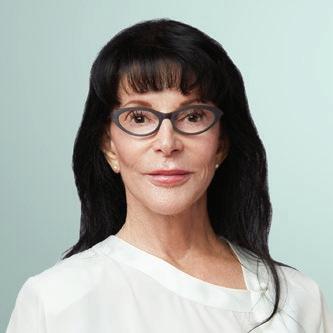
Lara Pizzorno mdiv, ma, lmt
Best-selling author of Health Bones Healthy You! And Your Bones; Editor of Longevity Medicine Review, and Senior Medical Editor for Integrative Medicine Advisors
This question is for Lara Pizzorno. My cardiologist told me calcium supplements do not cause calcium to build up in the arteries, and that calcification happens around plaque, not from what we ingest. Is that correct?
Wendy H. AlgaeCal Community Member
A:It is true that arterial calcification forms around plaque. But that does not mean calcium supplements are automatically harmless in this context. Calcium taken alone, or with only vitamin D, may contribute to calcification risk in some people. The missing piece in many of these discussions is vitamin K, especially K2. Vitamin K activates two critical proteins: osteocalcin, which helps guide calcium into bone, and matrix Gla protein, which helps keep calcium out of soft tissues like the arteries. That is why study results can seem conflicting. They often fail to account for whether vitamin K status was adequate. So yes, plaque is part of the story, but nutrient balance matters too. In my view, the real question is not simply “Are you taking calcium?” It is “Are you taking calcium with the nutrients needed to direct it properly?” That is why I always recommend a comprehensive bone-health approach, not calcium in isolation or with only vitamin D.
Lara Pizzorno
Dr. Liz, I read that collagen works best when taken at night because that’s when the body repairs and builds tissue. Is that true?
Anonymous AlgaeCal Community Member
A:There’s no strong evidence that time of day changes collagen’s effectiveness. What matters most is consistency. Pairing it with vitamin C may support collagen formation.
Dr.
Liz Lipski
Dr. Emma, my right leg is a little longer than my left. Should I be doing special exercises for that?
Deb T. AlgaeCal Community
Member
A:No. Small leg-length differences are common. Often, the issue is more about how your hips and pelvis move. The best approach is to strengthen both sides and improve balance with simple exercises like sit-to-stands, bridges, and supported one-leg standing.
Dr.
Emma Gasinski
Ask Your Question
Reach out to our experts today in the AlgaeCal Community!
The AlgaeCal Community is an exclusive Facebook group for AlgaeCal customers. It’s made up of over 45,000 women and men who are working toward renewed bone health. It’s a friendly, supportive space where you can ask questions, join live exercise classes and bone-health lectures, share frustration and successes, and make new friends. Join for free by scanning the QR code below.
Here’s what you get…
• Direct Access to Doctors, Physiotherapists, & Bone Health Experts
Get answers to your toughest questions, fast.
• Physio-Led Exercise Classes
Strengthen your bones safely with exercises designed by leading fitness experts.
• Join a Group of 45,000+
Share wins, get support, and feel the encouragement of others on the same journey.
• Exclusive Monthly Product Giveaways
Yes, you could win free products every month. ...and much more!
Upcoming Events:
Autoimmune Disease & Your Bones
On May 20, we explore how autoimmune disease affects bone health. Join Dr. Liz to learn what’s happening, why it matters, and how to better protect your bones.
Exercises For Better Balance
Stronger feet and ankles can mean better balance and fewer falls. Join Sandra on May 30 for simple moves to help you feel steadier, safer, and more confident on your feet.