Alex W. Pomeroy
About Me
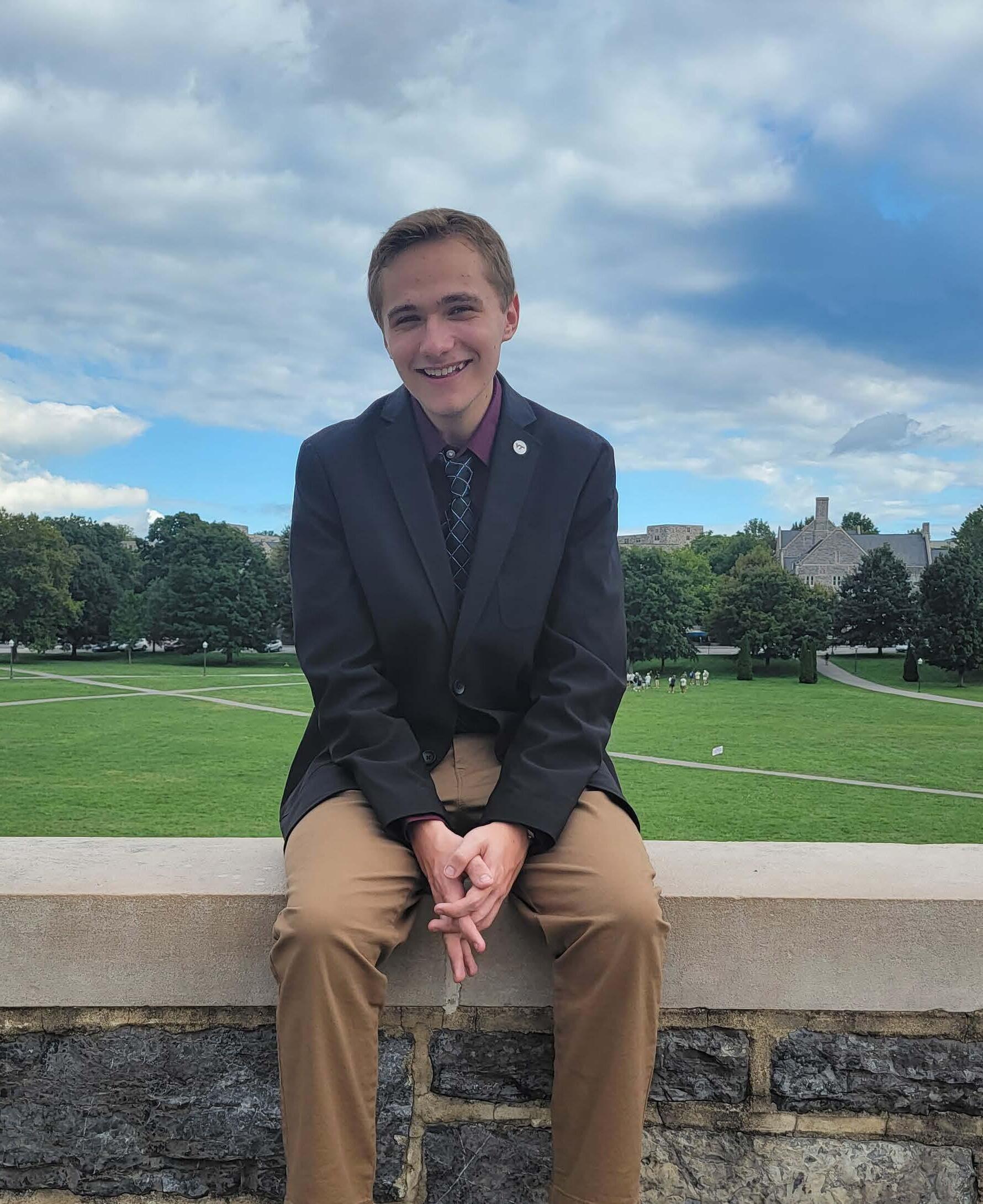
My name is Alex and I am a graduating landscape architecture major at Virginia Tech. I found my passion for landscape architecture through my childhood outdoor explorations combined with my desire to create. I grew up in rural Orange County, Virginia, and that gave me every opportunity to be outside. Little did I know as a nine-year-old boy that making trails through the woods around my house and drawing maps of them could inspire my future career. I enjoyed the art of building through both physical and virtual means, and took drafting, engineering, and architecture courses at my high school to prepare for a future in one of those fields. I discovered landscape architecture because of Virginia Tech, and after one visit, there was nowhere else I could have seen myself for the next five years. Virginia Tech has afforded me the opportunity to learn through so many additional mediums besides just the classroom. In my time here, I not only focused on developing my studio projects alongside my personal curiosities, but I diversified my education by seeking courses outside my major that furthered my understanding of important natural system concepts. I have worked on real-world projects through my experiences in the field as an intern, assistant, and consultant. I find my time as an undergraduate student coming to an end with more questions left to answer in regards to my desired specializations as a budding landscape architect. I find myself passionate about projects that utilize nature-based solutions to solve problems for all living and non-living things in the environment, especially in coastal regions. Moving forward, I am looking for any opportunity to further develop my skills, whether that be as a graduate student or an entry-level landscape designer.
Contact Information
School e-mail: alexp02@vt.edu
Personal e-mail: alex.w.pomeroy@gmail.com
Personal phone: 540-847-0273
LinkedIn: www.linkedin.com/in/alexwpomeroy
Linktree: https://linktr.ee/alexwpomeroy
Table of Contents
Project 01 - Living Edges
Adapting to the Changing Conditions of Norfolk’s Waterways
Project 02 - The Grove at Covenant Woods Designing for an Aging Community
Project 03 - Stream of Consciousness Creek Reclamation for Appalachia’s Youth
Project 04 - The Radford River District
Strengthening Connections in the New River City
01
Living Edges
Adapting to the Changing Conditions of Norfolk’s Waterways
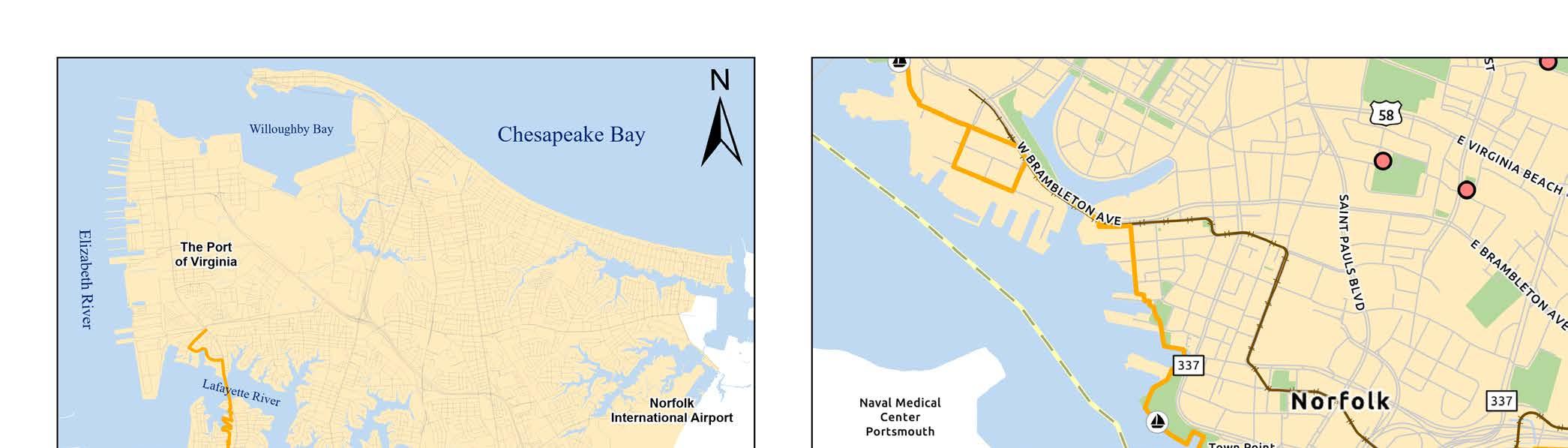
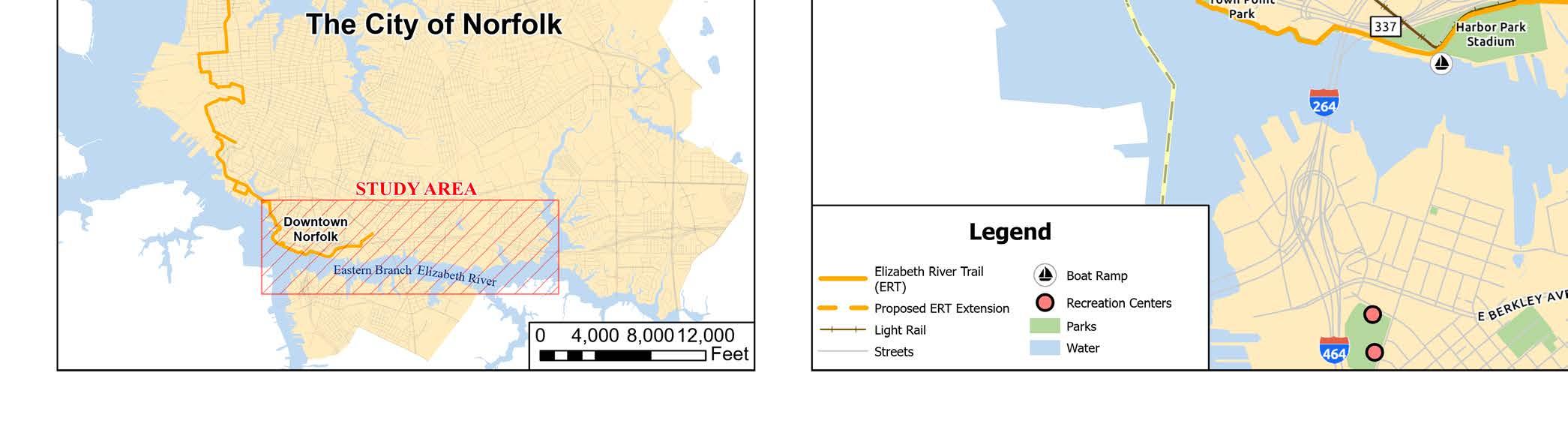
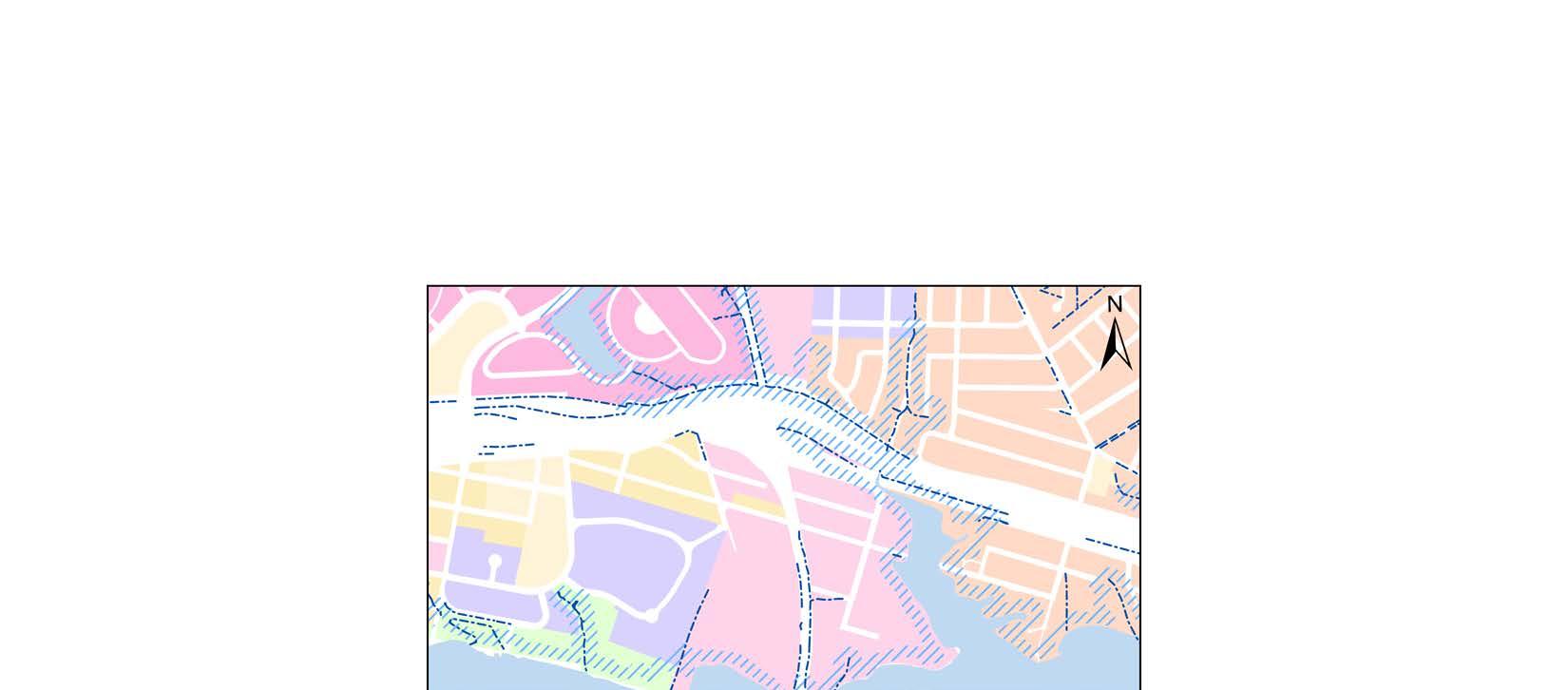
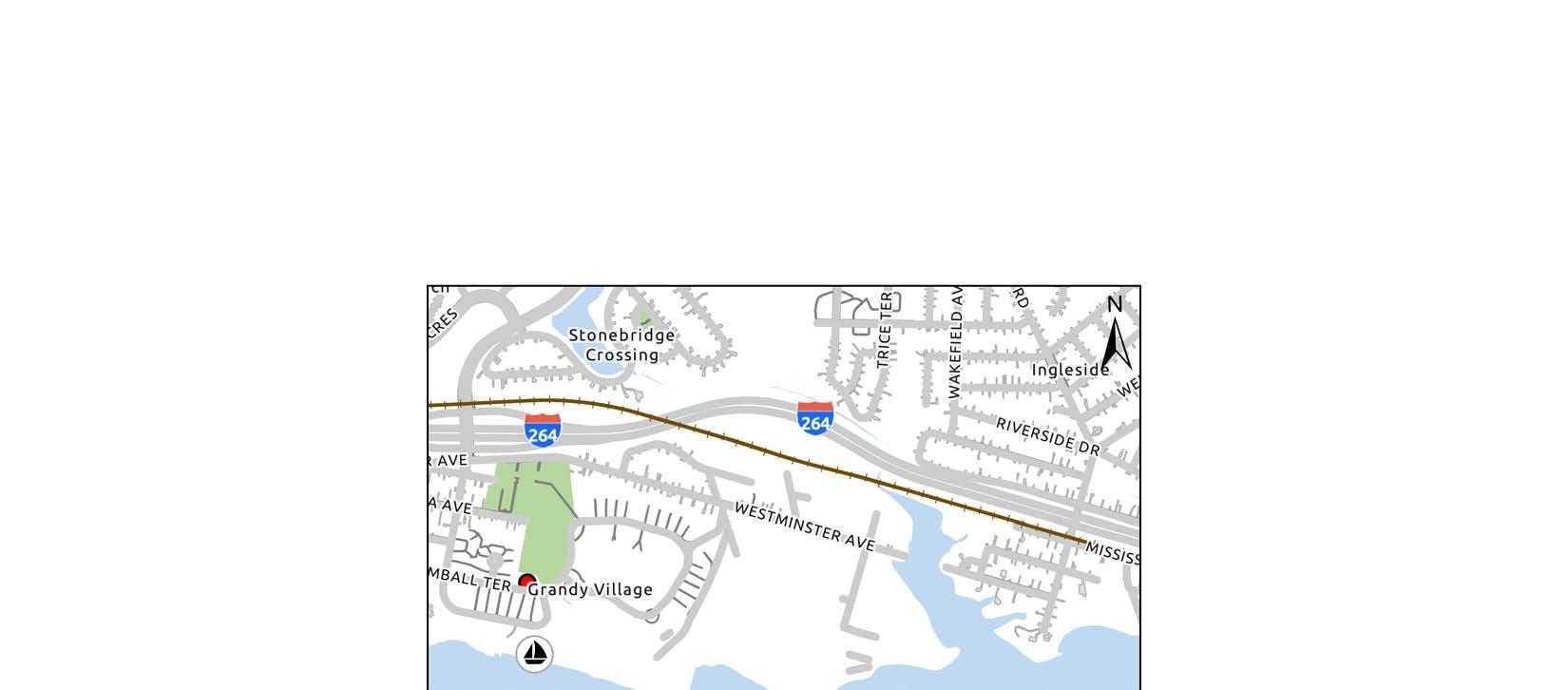
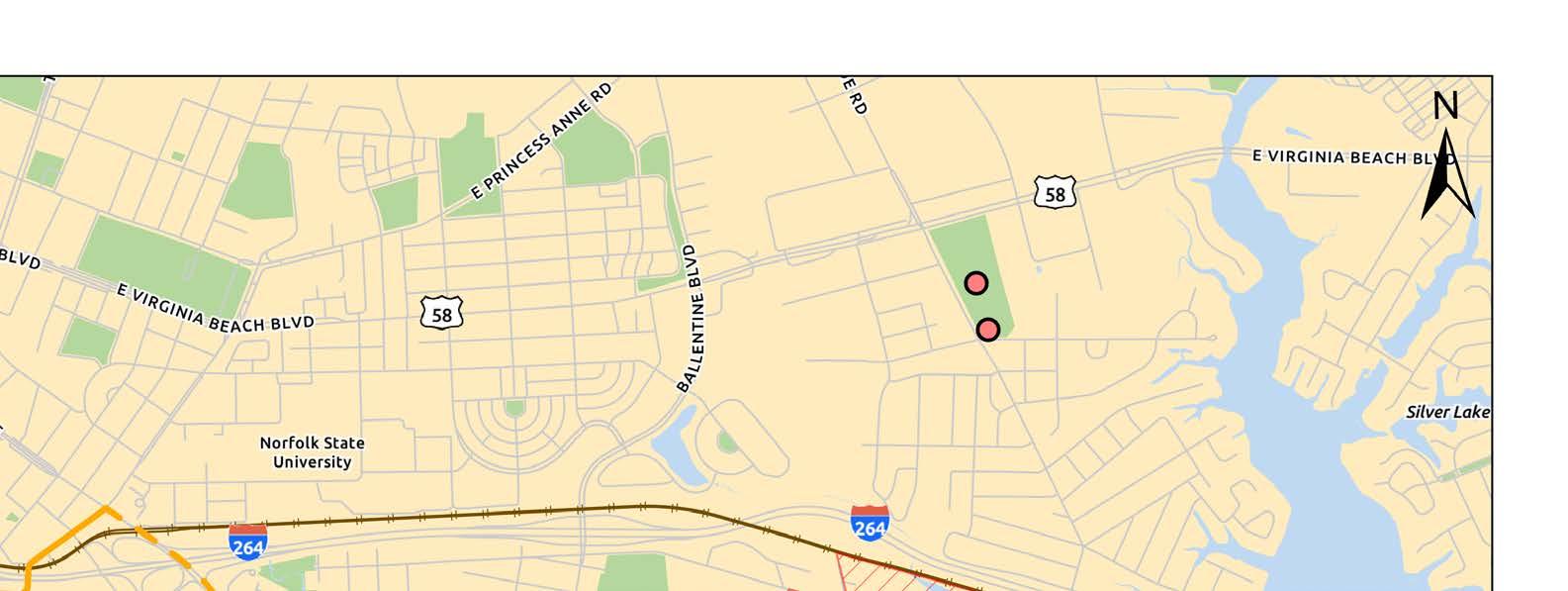
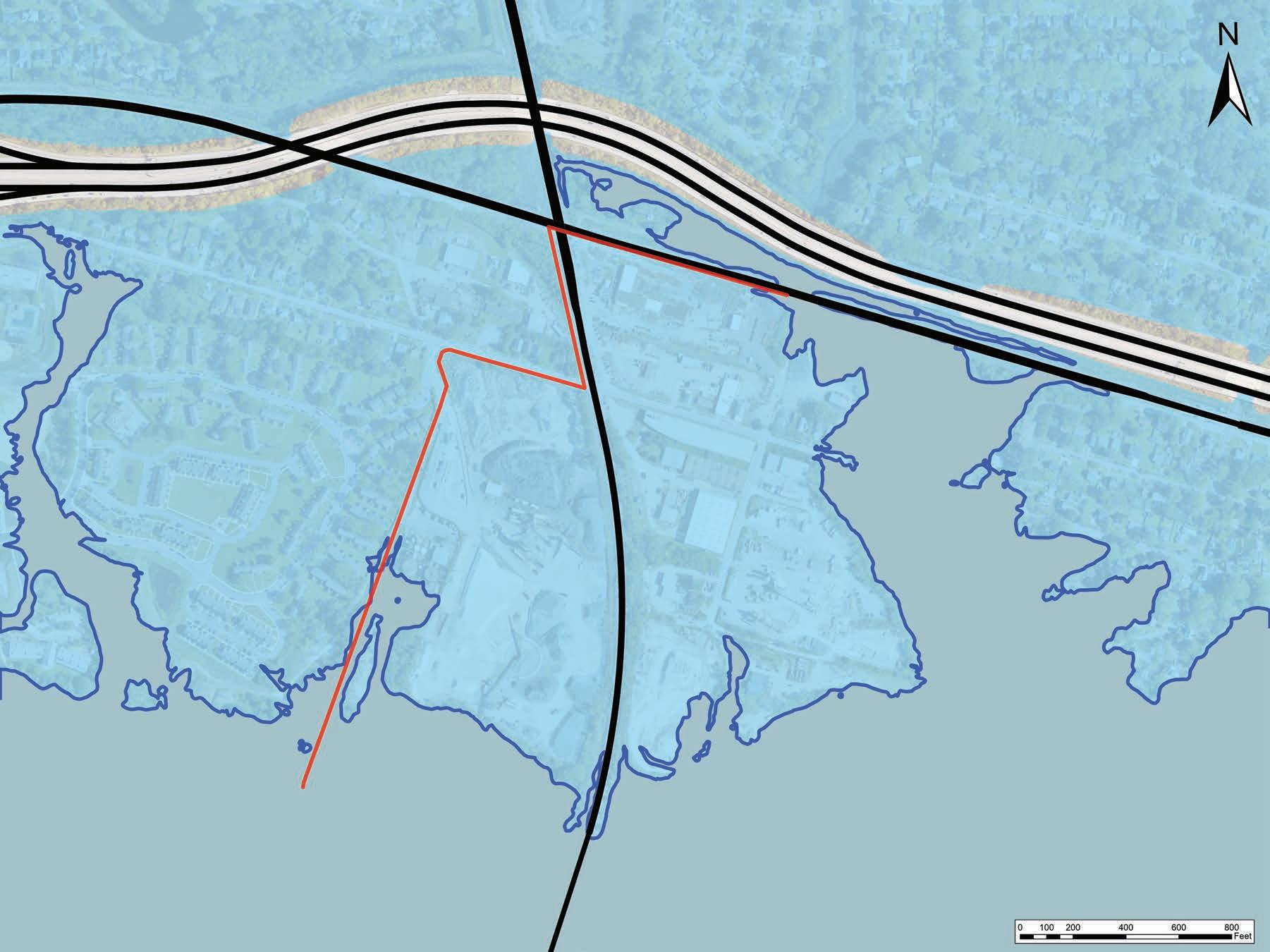
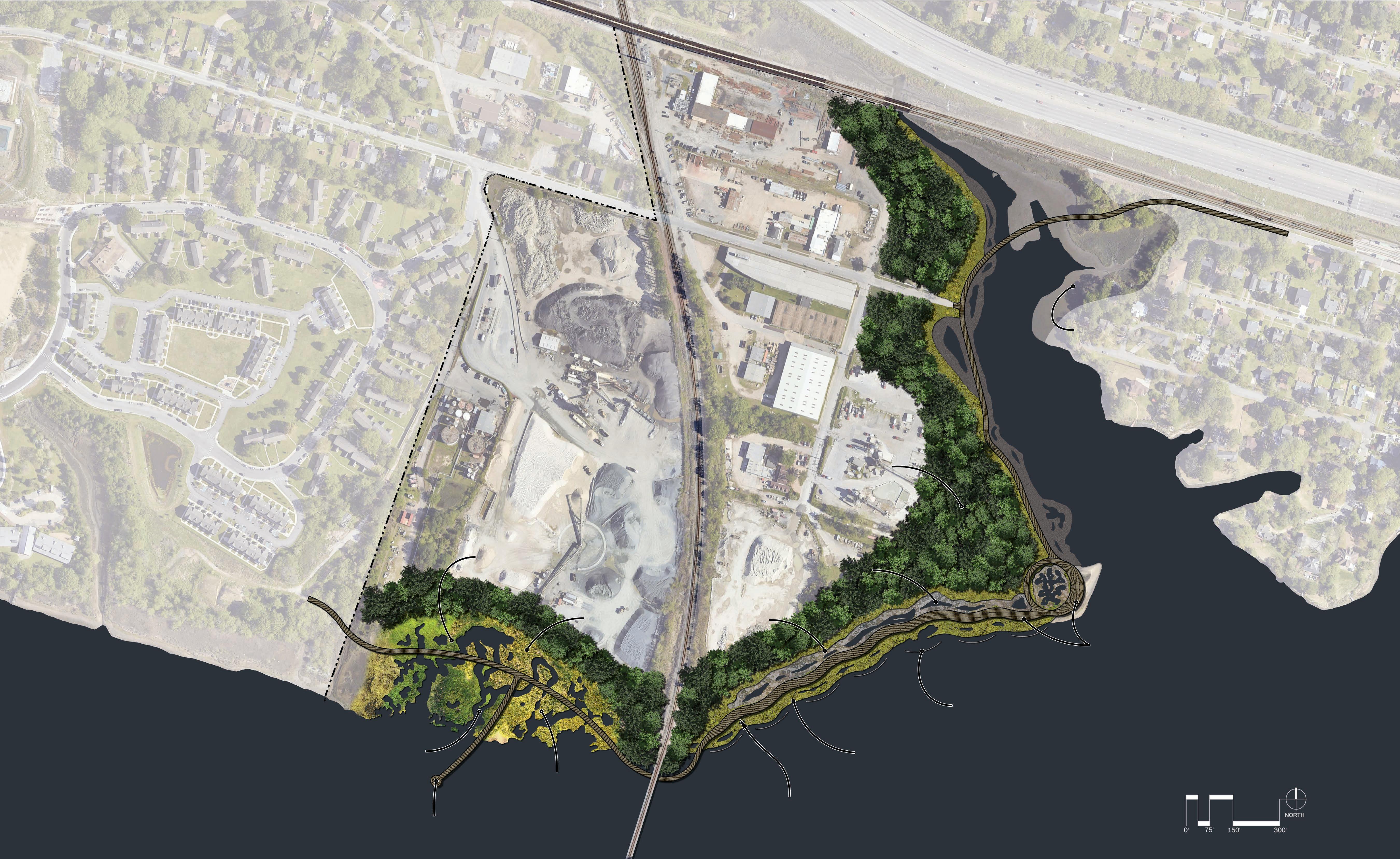
The goal of this project is to utilize edges, that currently serve as barriers, as connectors that can adapt to both rising waters and the need to link neighboring communities. Norfolk is home to the Elizabeth River Trail (ERT): a multi-use pathway that connects otherwise disconnected neighborhoods to each other and the scenic waterfont. By extending the ERT to the Moseley Creek Site, a new nexus of connectivity is established. The people of Norfolk and the waters of the Elizabeth River will have an opportunity to meet and share space.


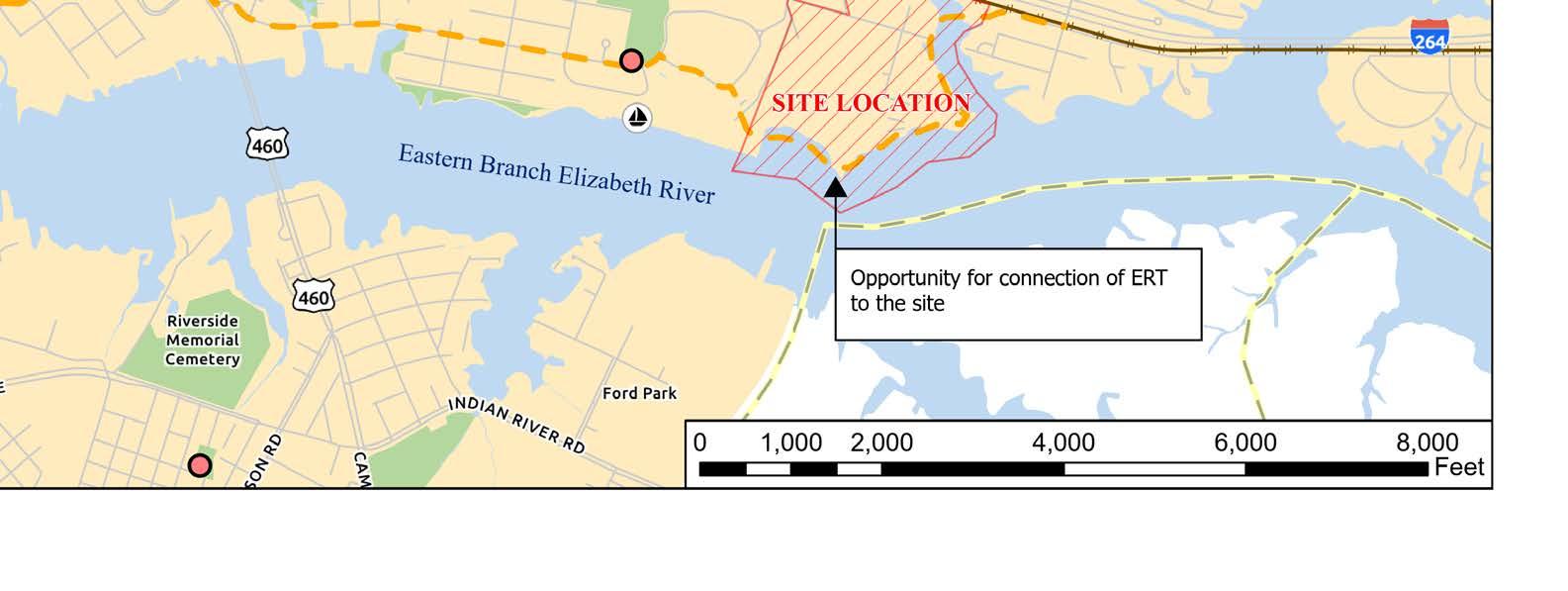








8 feet of Storm Surge (100 Year Design Storm)
Project Staging: Year 2025 (At Sea Level)
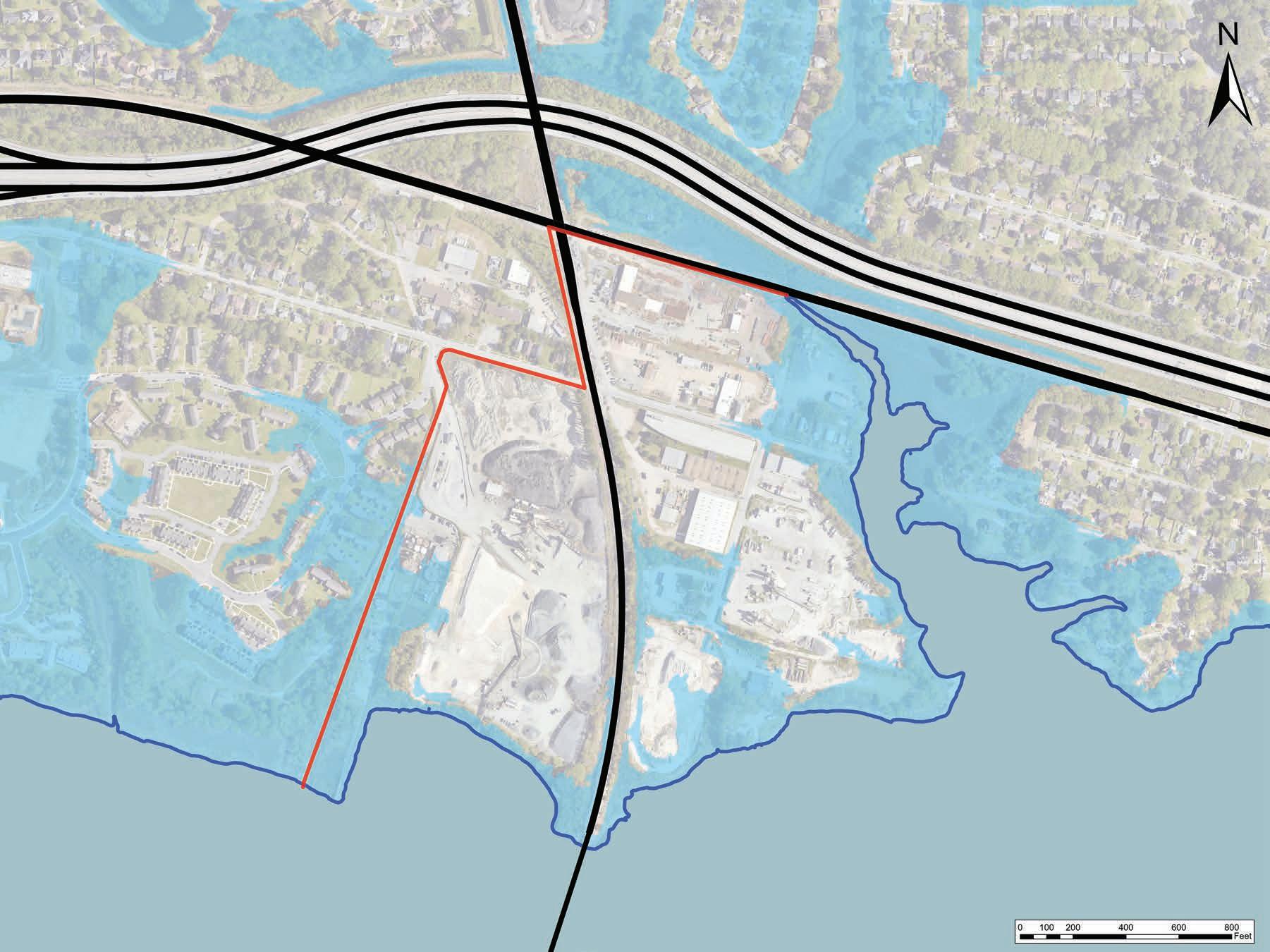

12 feet of Storm Surge (100 Year Design Storm)
Project
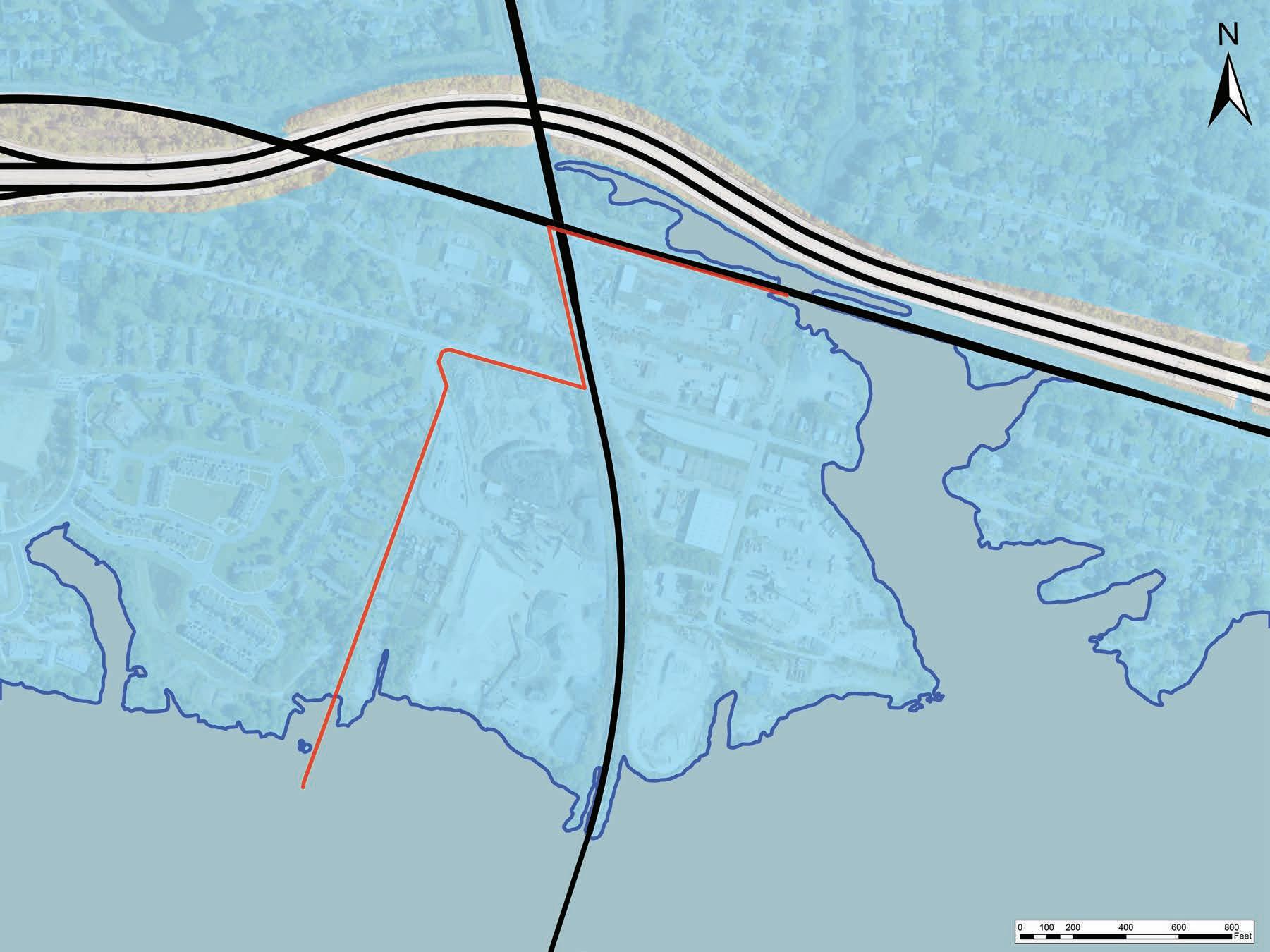
10 feet of Storm Surge (100 Year Design Storm)
Project Staging: Year 2050 (1 foot of Sea Level Rise)
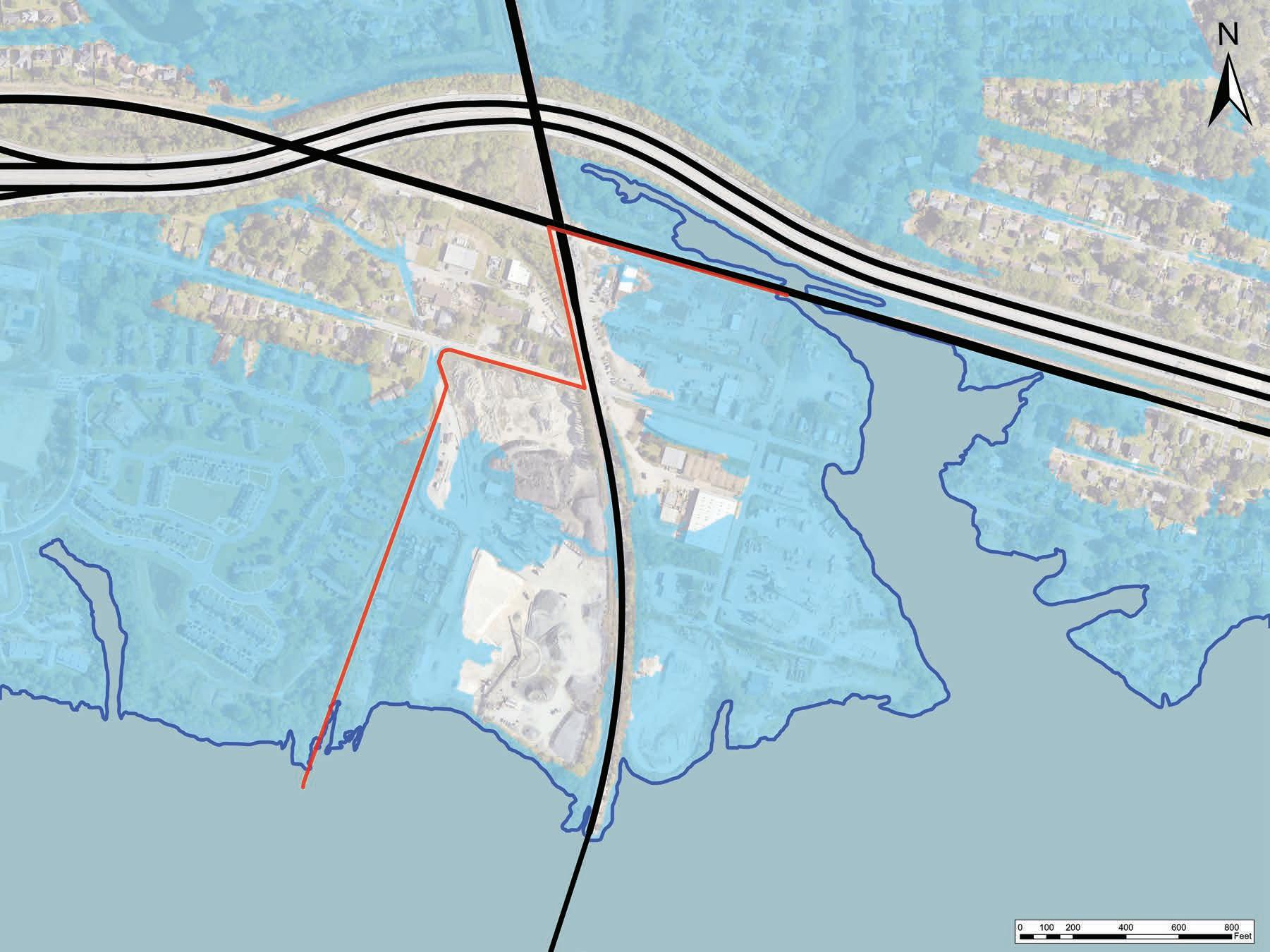

14 feet of Storm Surge (100 Year Design Storm)
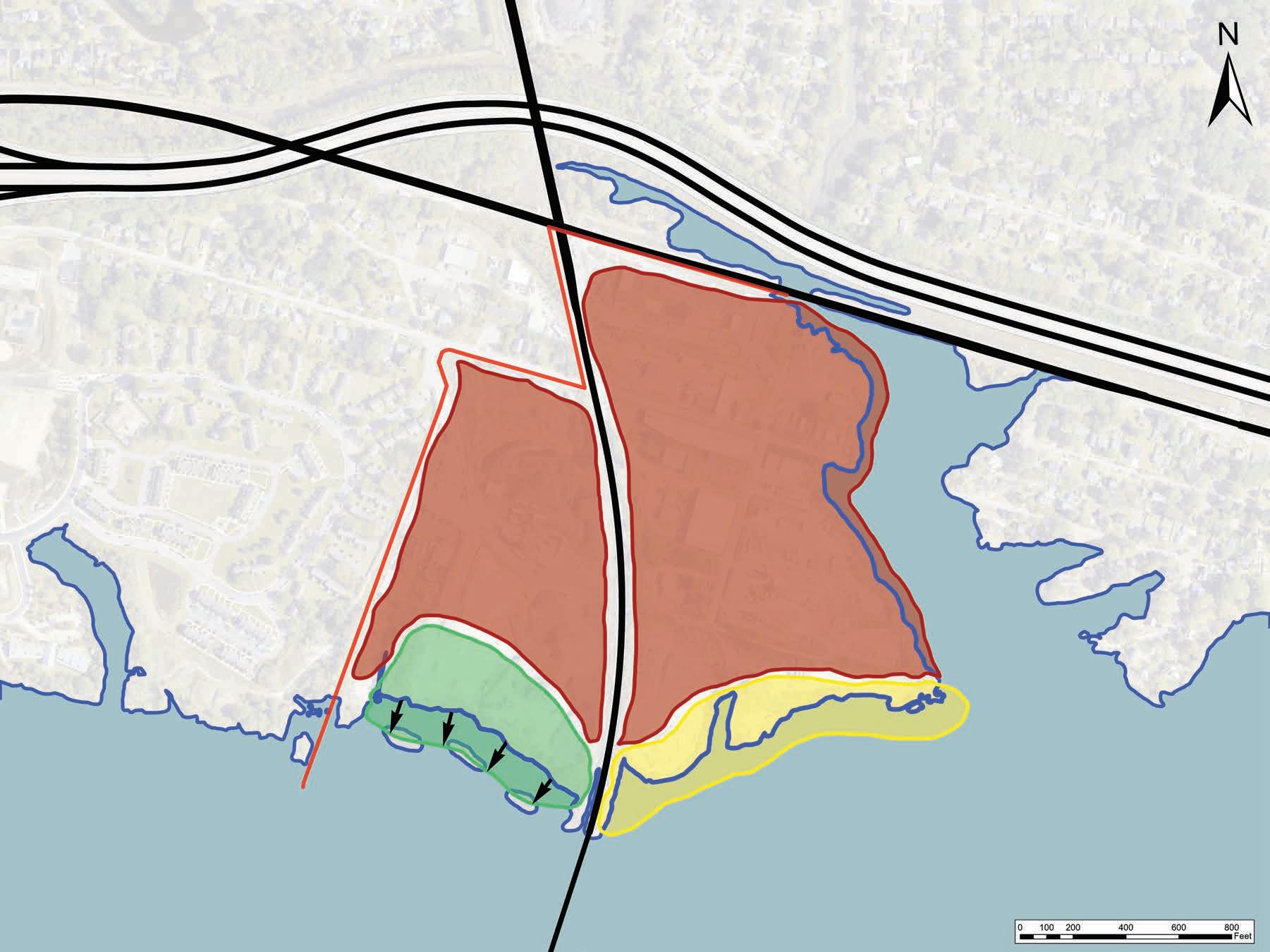
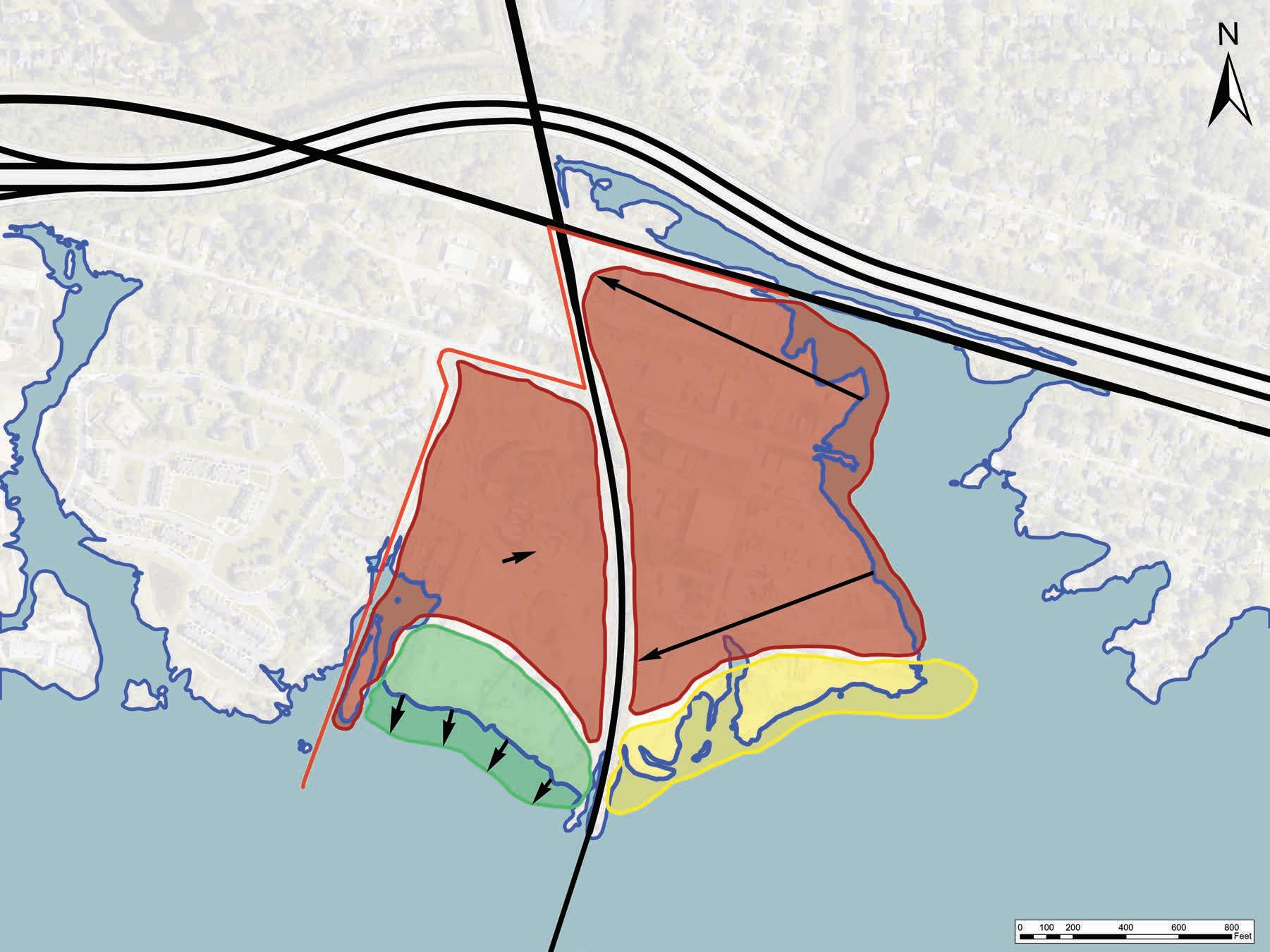

Zone C - Retreat
Zone B - Rebalance
Zone
A - Restore

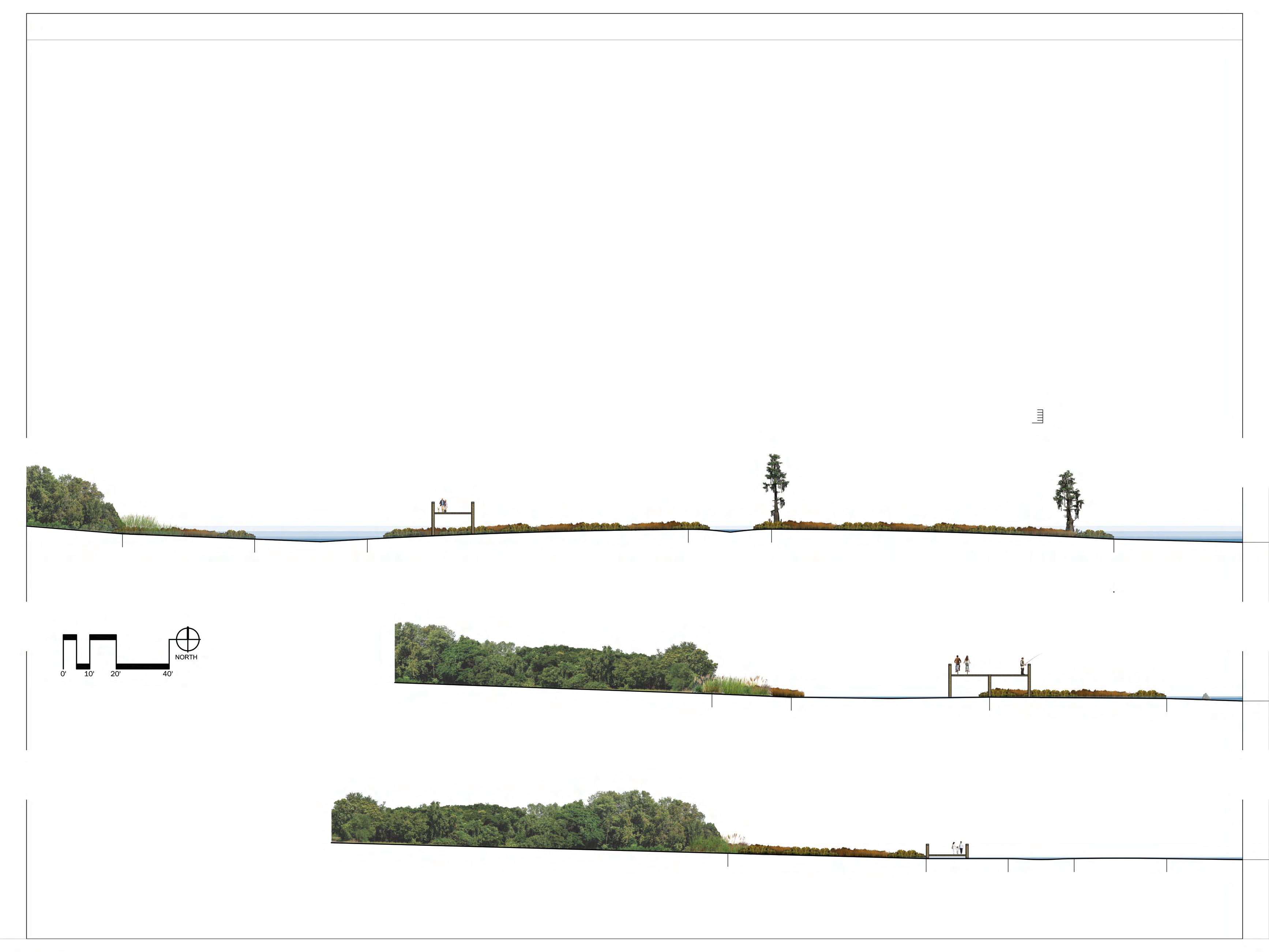

Components of the Living Edge


The Grove at Covenant Woods

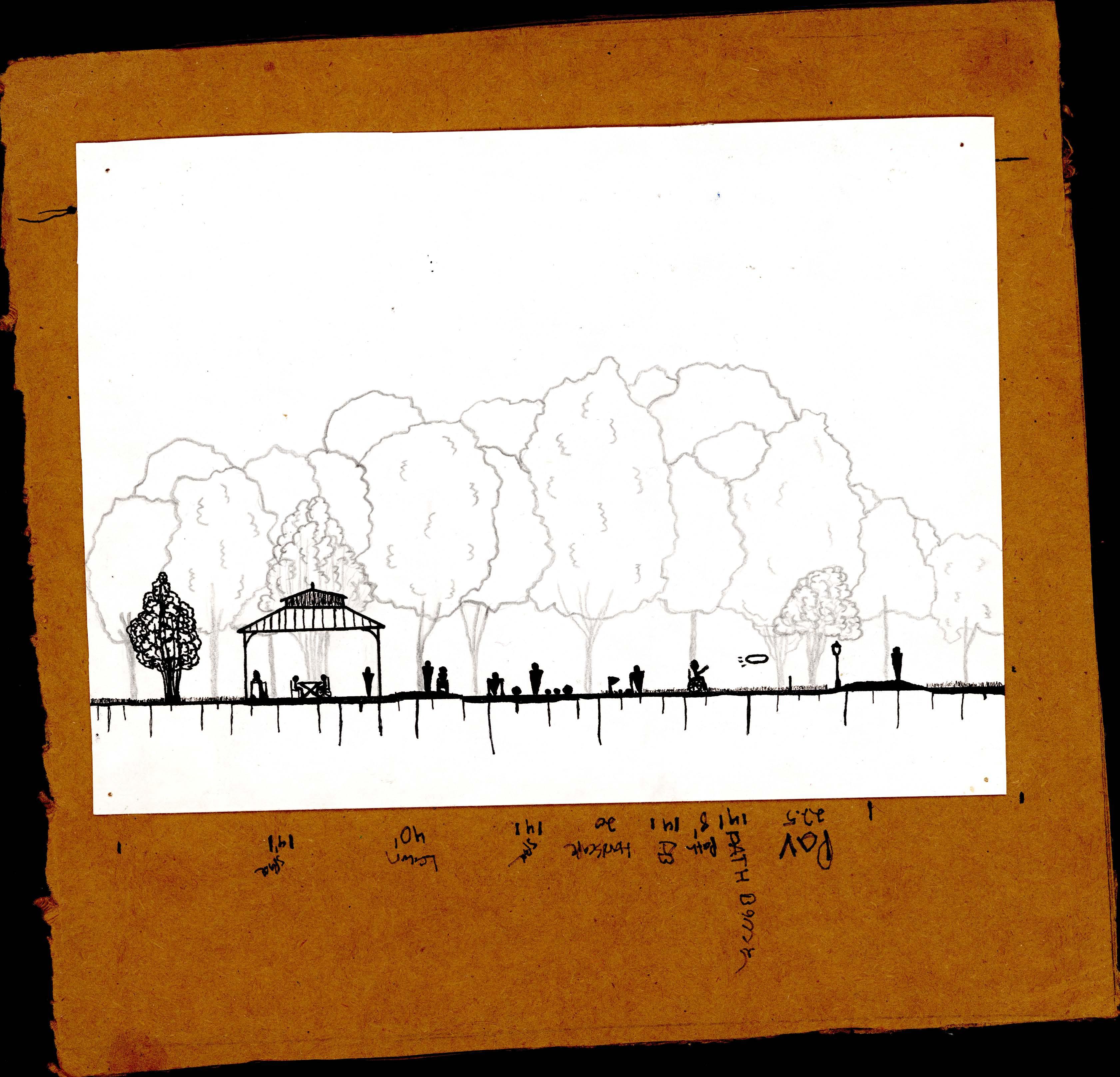
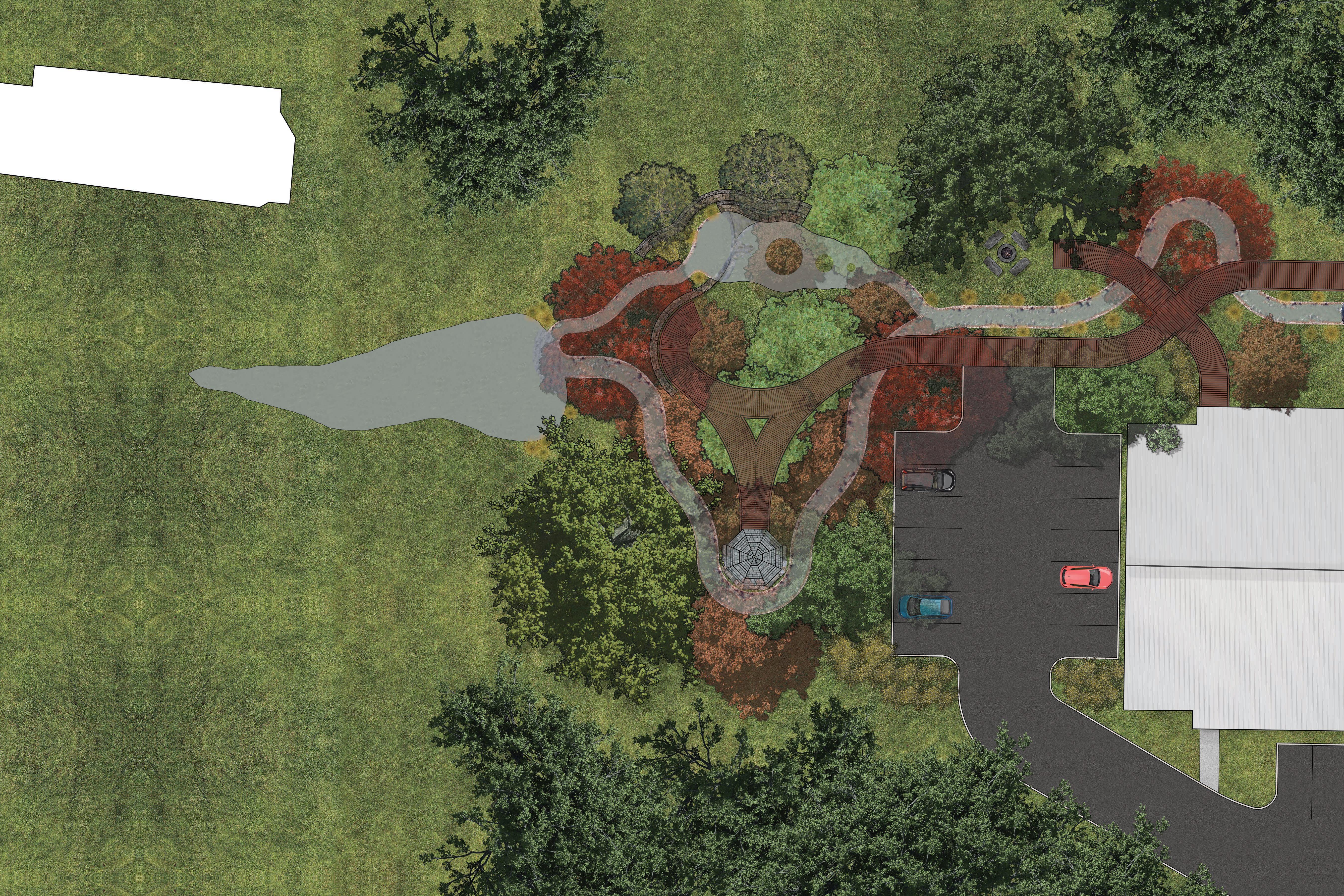
The senior living campus of Covenant Woods, located in Mechanicsville, Virginia, lacks outdoor space for its residents. This project proposes that a formerly derelict recreational space will now host a series of expeditions, explorable through seven distinct activity zones. Each zone will house numerous program items that offer more specific activities for senior living residents to engage with. The spaces are designed to be universally accessible, with a focus on fostering social and ecological interaction
Hardscape Multi-Use Court
Multi-Use Sports Lawn
Group Book Nook
Private Rocky Book Nook
Prayer Garden Seating & Lectern
Labyrinth
Private Overgrown Book Nook
Grazelands Rest Stop & Dog Station
Woods Rest Stop
Windmill
Wild Meadow Rest Stop
Squirrel Circle
Birdhouses
Koi
Rock
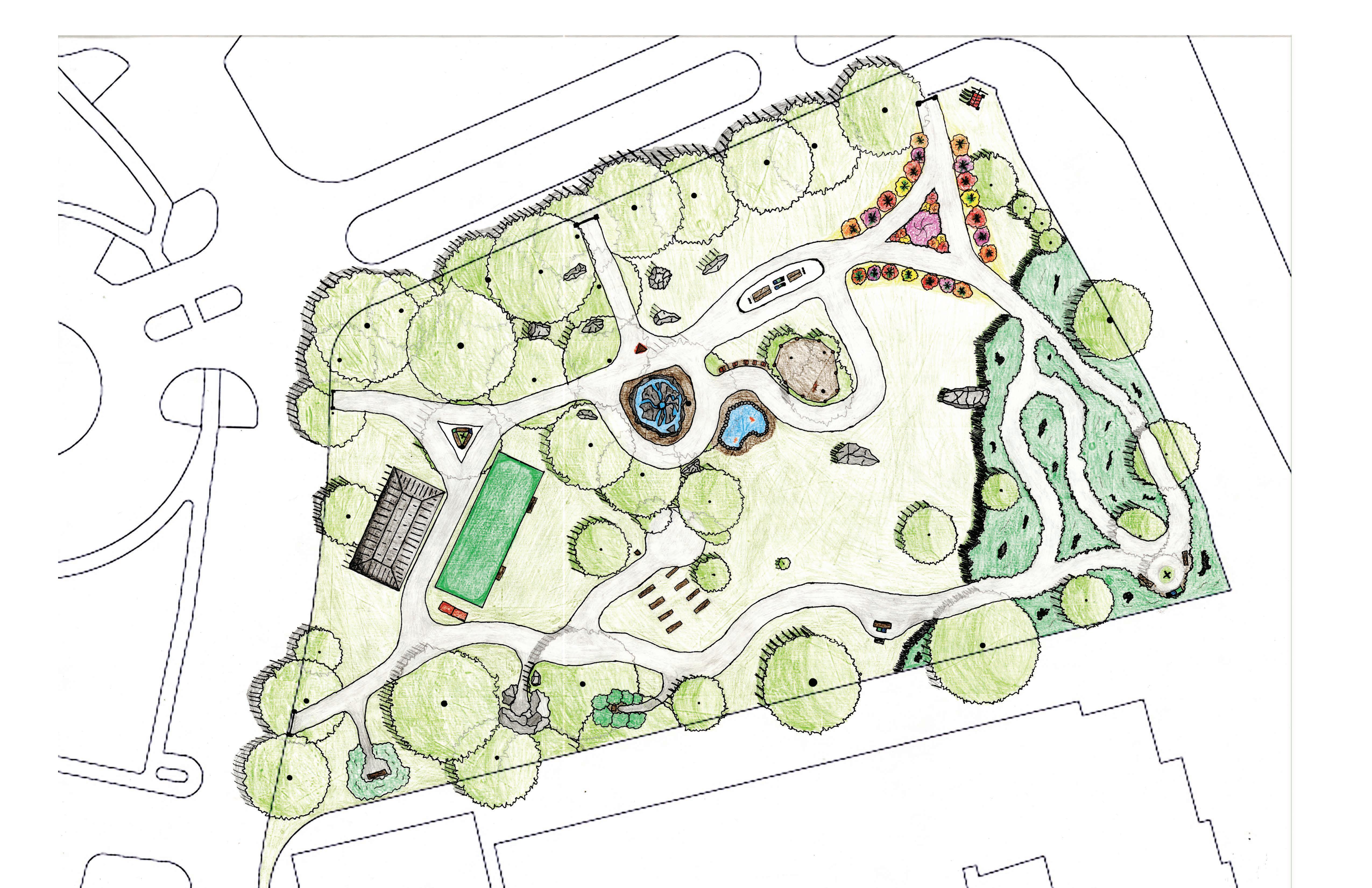
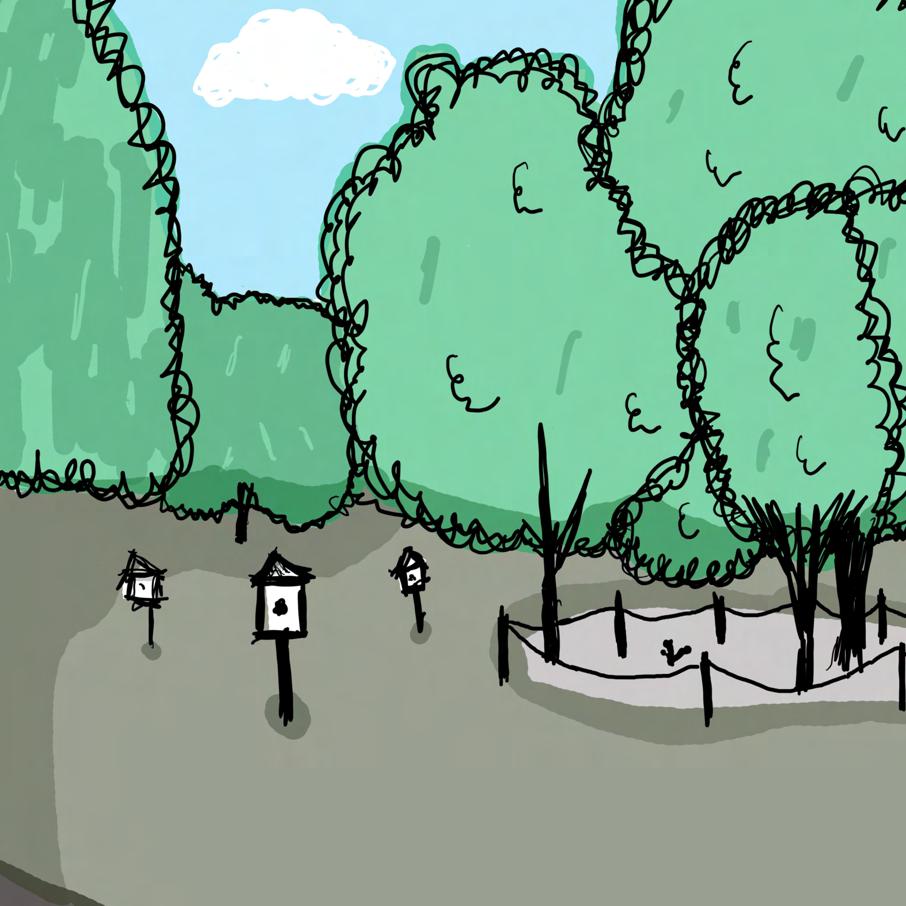
• Wildlife Walk - a collection of habitats located centrally within the Grove to attact various animals for interaction with visitors.
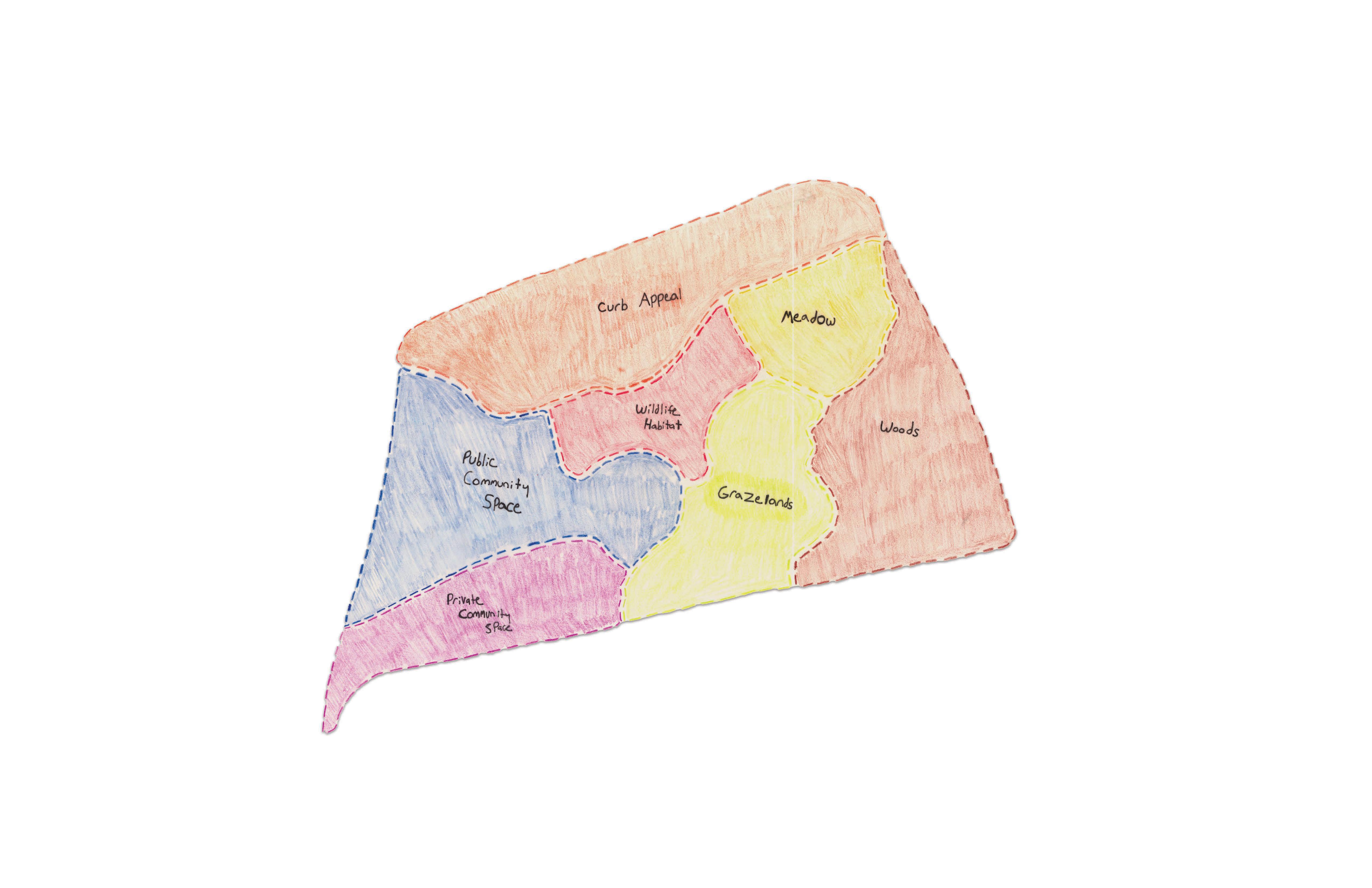
• Private Community Spacehidden spaces for more quiet activities like reading, selfreflection, and meditation.
• Curb Appeal - this section along Covenant Woods Drive serves as not only a gateway to the Grove, but to the entire campus.
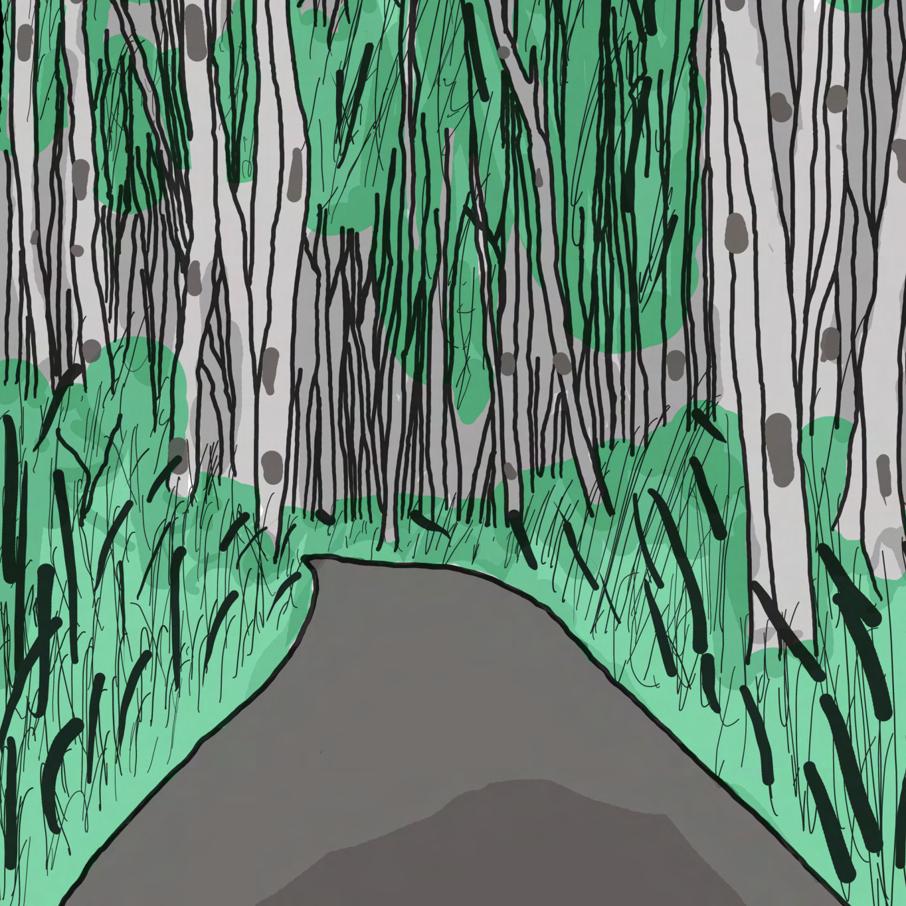
• The Woods - A dense thicket of trees takes visitors into their youth to rediscover the wilder side of outdoor space.
• The Grazelands - an open field bordered by large trees and boulders that intend to create a viewshed reminiscent of an open range.
• Public Community Space - the center of social interaction in the Grove.
• The Meadow - a colorful arrangement of pollinatorattracting vegetation, meant to set the conditions for stimulation all five human senses.
Stream of Consciousness
Creek Reclamation for Appalachia’s Youth
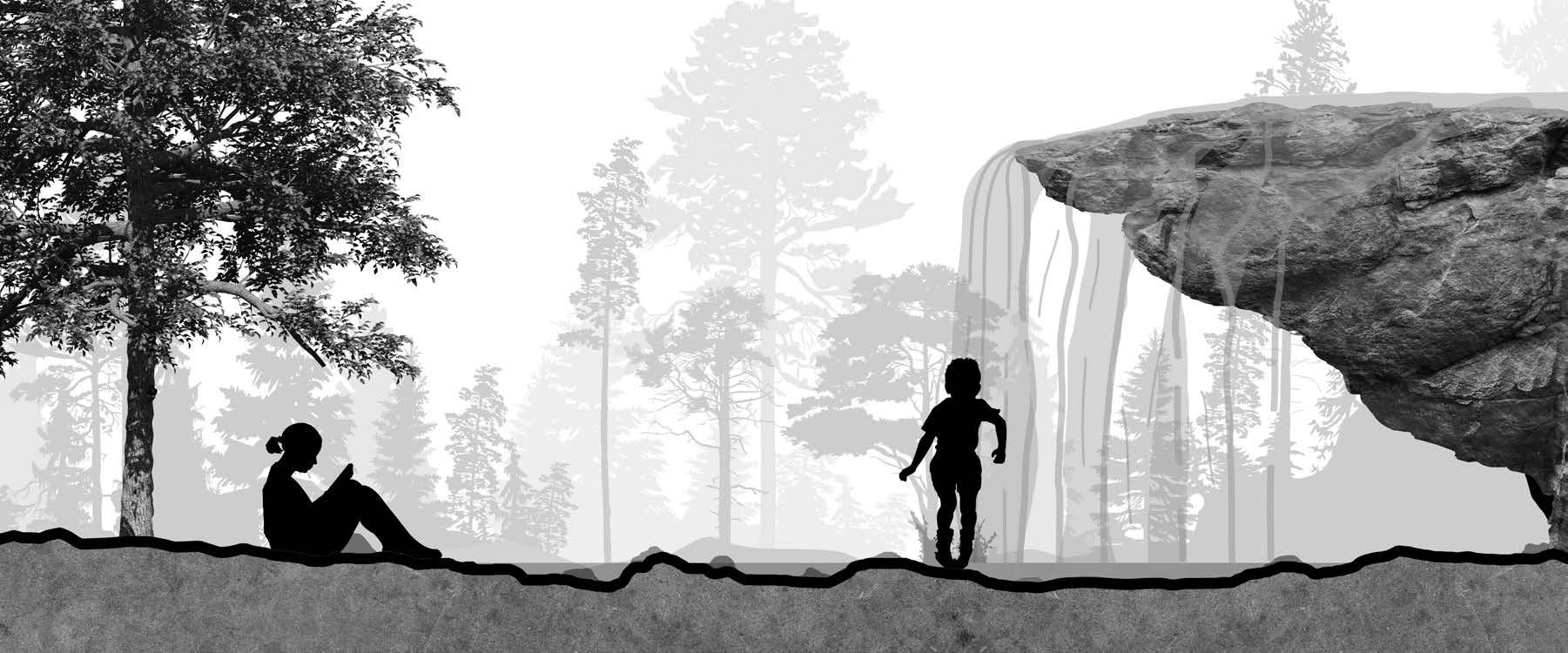
This project focuses on the daylighting, restoration, and subsequent reclamation of Dave Branch in Grundy, Virginia. The client, Mountain Mission School (MMS), is commited to providing a faith-based education to children K-12. Many students and staff live on-campus, and the leadership of MMS is looking to improve the outdoor experience for their everyday users. Dave Branch is currently buried beneath both a parking lot and the school itself. The proposed reclamation aims to reconnect the youth of MMS with Appalachia through experiential learning and safe outdoor exploration
Both illustrative site design drawings and a set of construction documents were prepared for the project.



The Radford River District Strengthening
Connections in the
New River City
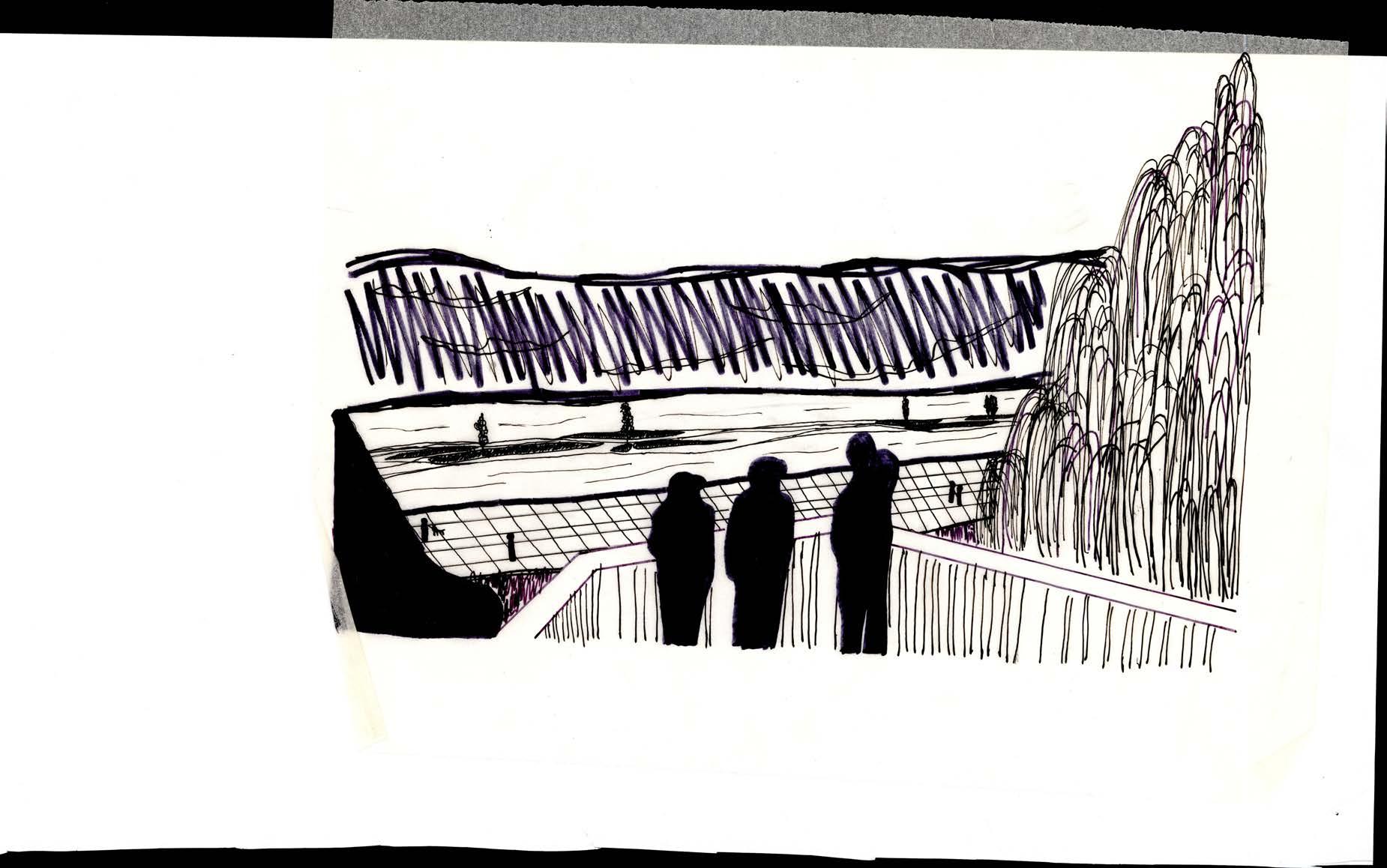
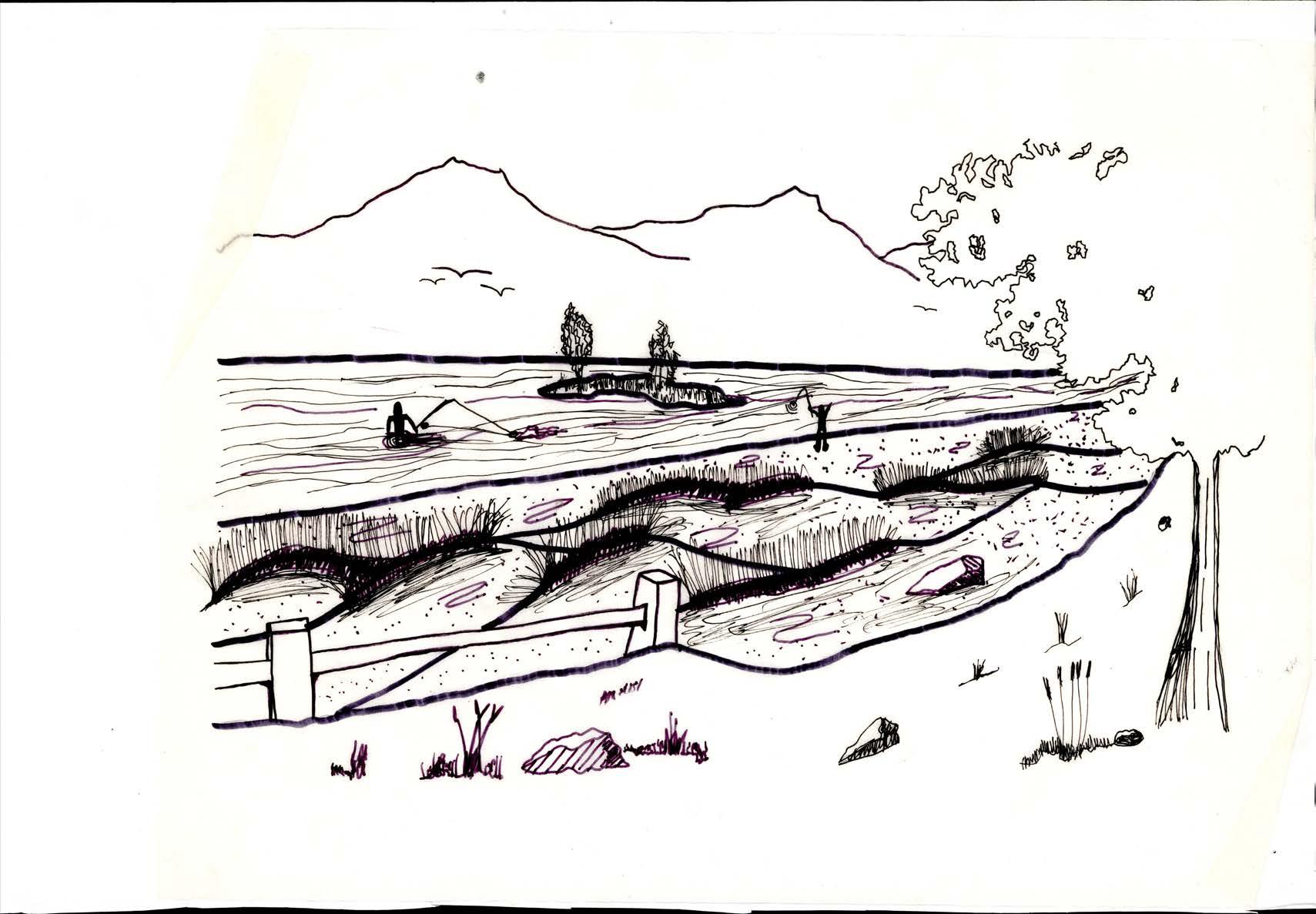
The Radford River District aims to strengthen the connection between the people of Radford and the New River; thereby, benefitting the economy, community, and natural ecosystems of the city through mixed-use development, bioremediation, expansion on educational opportunities, and the establishment of connections to create a hub within not only the city, but also the greater New River Valley region.
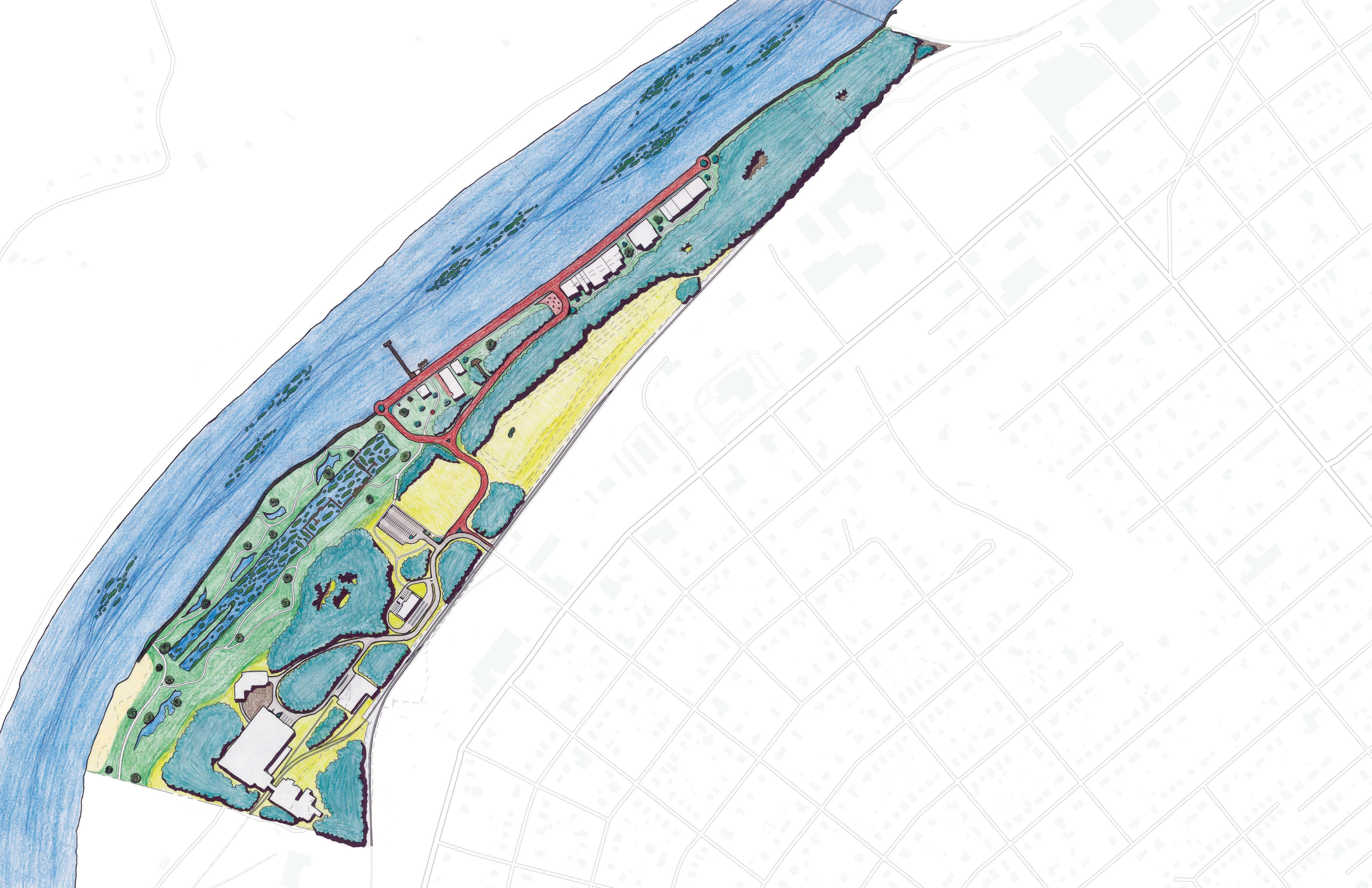
• Suststainable Product Cycling - a model of production that maintains the industrial significance of the site with a more environmentally friendly cycle of materials and consumption.
Center Radford Residents The Life Cycle of a Product
Plastic Processing Plant Fishing Supplies Factory
Use
& Tackle Shop Watercraft Rentals
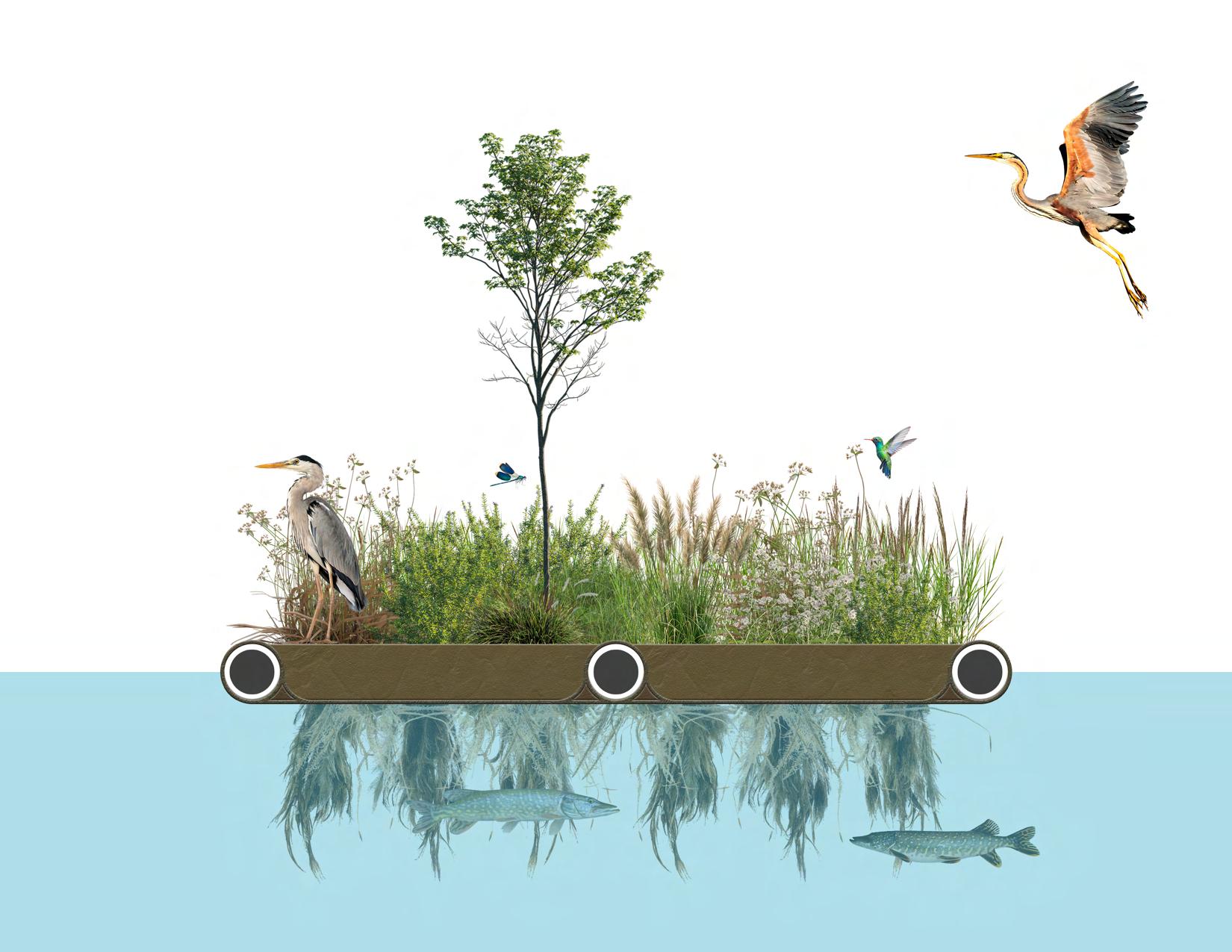
• Floating Wetlands - modules that float on the surface to provide habitat above and below the water, bioremediation of contaminants, and provide educational research opportunuties.

• Regional Hub - instead of trying to make West Radford more like East Radford, the River District will serve as a unique boon to this forgotten half of the city. An inward investment of identity will bring forward a river-centric cultural hub that provides opportunity in many different forms to the people of the New River Valley.