by
Alexander William Stueber
The assignment in my university was to make a book about time. Due to my previous history as an illustrator, I decided to apply my field of knowledge to this topic.
Since time in nature cannot directly be perceived in a visual way, I thought it would be interesting to write about how time is illustrated using comic books as the main featured medium, because of its direct visual storytelling. Most of the things mentioned are heavily based on Scott Mccloud‘s “Understanding Comics”, which was a very big help for my research.
While brainstorming the name for this book, I kept coming back to things like “One moment in time”, which sounds too much like a story or fairy tale, for example “a wrinkle in Time”, until I came across the term “Jiffy”, meaning a very short time; a moment. (according to Google)
“We'll be back in a Jiffy”
All together, the title “the sequential illustrated juxtaposition …of a Jiffy” came to be.
I felt really cheeky about that title because it seems very complicated due to the “sequential illustrated juxtaposition” part (I even got that part from Scott Mccloud), but it makes you stop at the word “Jiffy”.
So basically it is a big complicated topic like time, how it is perceived and methods of how it can be illustrated that is summoned up in a big dumb way.
1. the jiffy relative to us
Relativity itself time in Stories
2. motion as a language of time bringing a little bit of physics into this the illusion of motion (the juicy stuff)
3. a rift in time and space that thing your brain can do using space for time
4. text as a timespan order of a jiffy this is where it get‘s wibbly wobbly
5.
6
12
You have probably heard somewhere that “time is a construct” or that “time is relative” (the second one was probably in the same sentence as Einstein, that old bugger). For this book, we are going to play with those ideas a bit. One way to explain relativity is by observing an object like a bus or a crocodile wearing rollerblades, allowing it to travel two and a half times faster than the usual crocodile, moving at something like 20mph from point A to B passing us. If we were to be sitting in the bus or on the crocodile wearing rollerblades, they would move with us, while everything outside would rush past us at an astonishingly specific speed of 20mph. Now, if we were to walk forward inside the moving bus or on the crocodile wearing four rollerblades, they would technically be moving slower than us. It is all depending on our perspective, or in other words, it is all relative to us.
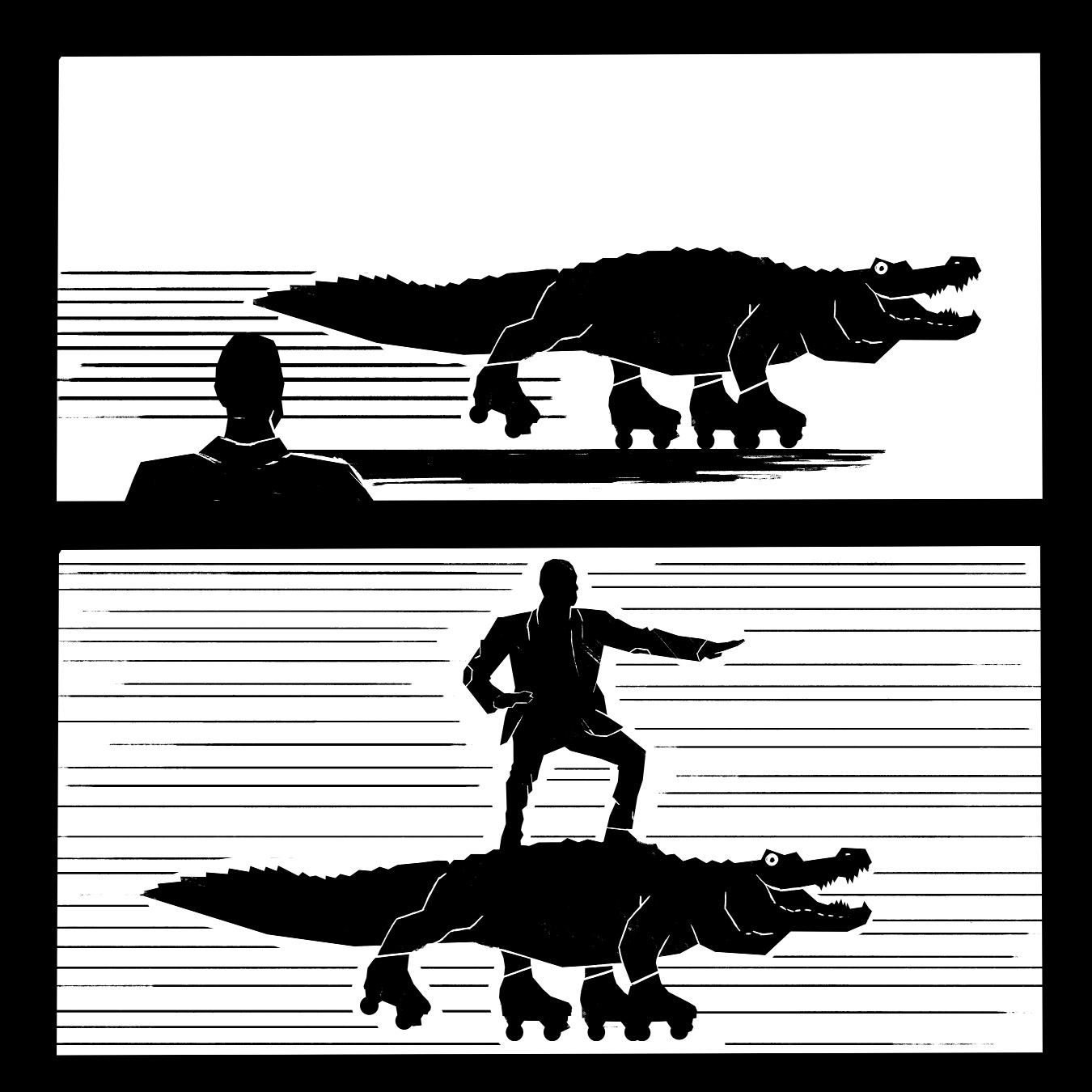
With time, we often think about the time on a clock or watch like seconds, minutes, hours, etc., that is because time is an Illusion that we decided to measure, when truly one moment is just happening to the next. Movies for example don’t really move, it’s just frozen images next to another that are shown to us so fast, that they give us the illusion of motion. This might be a bad example since we are actually mainly talking about images in this book, and it might confuse you more than anything right now, but a good metaphor for our perception of time in life. The images being moments and the illusion of motion being life in this case. We are gonna talk about the actual illusion of motion in images later too. If we decide to not look at the time for a day, it becomes way more wibbly wobbly. A great movie can go by superfast, but
a lecture that is super boring can drag on and feel like an eternity, even though both might be the same length. Our perception of how time passes is completely relative to us.
A different person may find the movie to be boring, but the lecture fascinating or, in a twist, they may find the movie to be a documentary about a crocodile wearing rollerblades that never explains how the crocodile got hold of them, instead focusing on the crocodile’s side of the story, which is both pretty boring.
The fact that we linger on certain moments longer than others can be used for storytelling. Even the biggest story can only have you sit there for so long, before you start looking in the other direction, so we leave the interesting or irrelevant parts out, just to cut time short. Watching a protagonist between epic adventures go through a mundane day-to-day routine where nothing happens could be very boring. How to make certain moments seem faster than others is dependent on the effectiveness of their storytelling.
If time is just a construct, then motion is one way we are able to perceive it.
For example, if we observe an object like a driving car and not a crocodile wearing rollerblades, because crocodiles shouldn’t be wearing them in the first place or by observing the hands of a clock move to their respective speeds from one number to the next we know that a certain amount of time has passed for these to get from one point to the other. An object’s time can be defined as the distance an object covers when moving at a unit speed.
So even in physics, motion defined by distance and speed are key components of time.
The major conceptual issue of portraying time in images is that they are frozen in nature and don’t move by themselves. Artists are able to create an illusion of motion in their illustrations. This is done by using motion lines, which are used to resemble motion streaks of a moving object. For example, when an object bounces or spins, a series of lines go along the path that it takes as it moves. It is one of the most common diagrammatic elements used in comics and graphic novels, used to represent the space that an object has moved through.
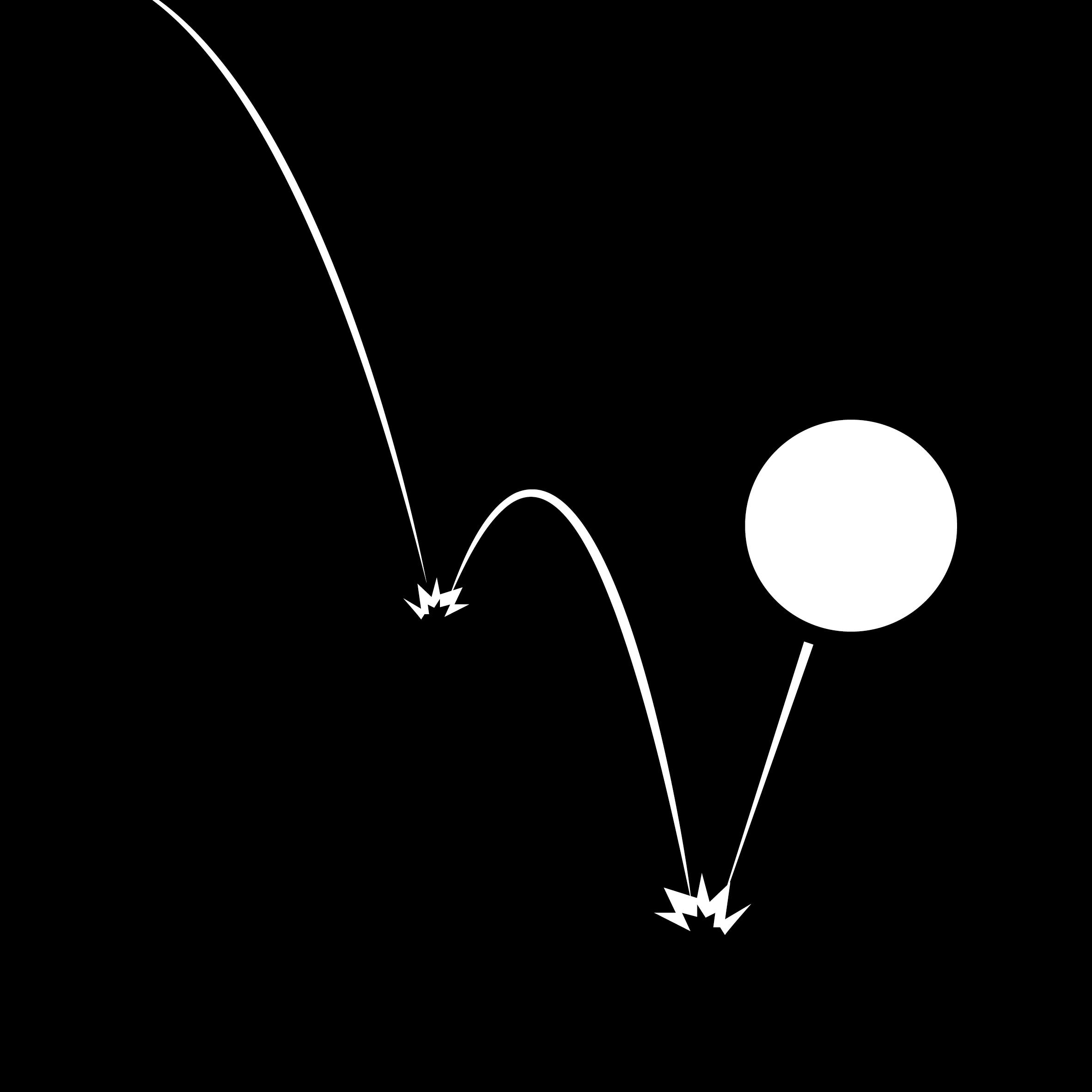
In a drawing series, action is illustrated with different combinations of lines or even the repetition of the moving Object or figure itself to depict motion. The motion lines used for action can even serve as visual characters in their own right. These elements are often used to portray fast rather than slow movement. This might refer to an object moving so fast that we can barely get glimpses of it, or it can demonstrate the dynamic fast movement of a figure, drawn in repetition for us, so we can telegraph its precise motion from the past, up to the perceived present.
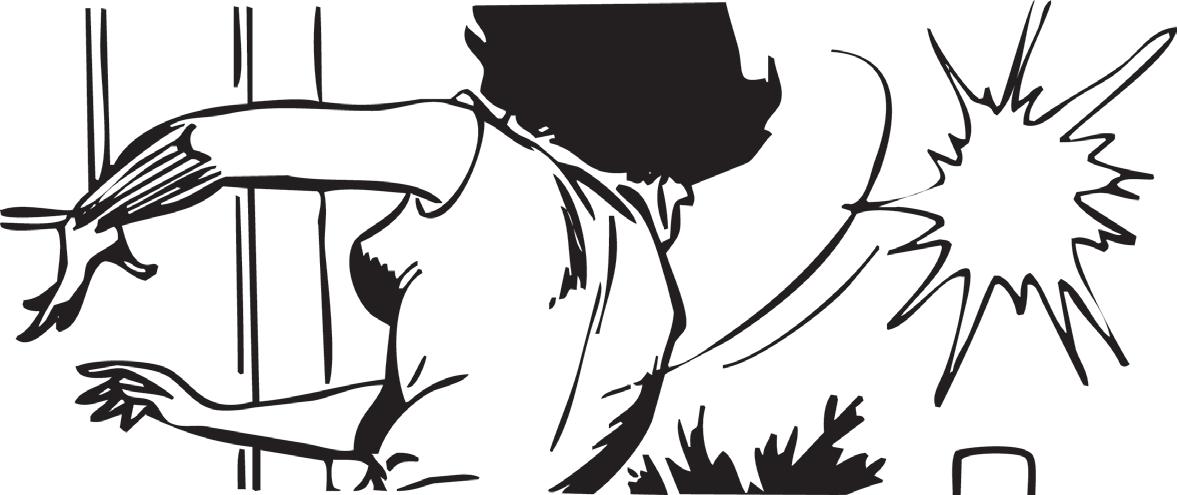
the amazing Spider-man No. 701 Cover by
The use of comic book art has been very successful as it provides a powerful means to motivate comprehension while using an alternate approach than most common diagrammatic elements usually found in text-based works. By using these techniques, comic artists can figure out how to effectively portray space and time through their work, which aids readers in understanding the story more deeply than if only text was present. These graphic elements allow us to use deductive reasoning to create a narrative trajectory for the characters and shape implied movement.
Imagine sitting in a lecture, attentively listening to the lecturer until your mind wanders and you drift off. Despite the fact that you missed a chunk of information, you are able to figure out how the missing bit of information is juxtaposed between the past and the present by analyzing the context of the previous information and the information presented to you now.
That gap might have been a rift in space and time …or you might have been simply zoning out.
It is sometimes possible to make out a missing moment by taking a look at what was going on before and after it.
Blinking is another example that is more representative of the subject we are aiming for. Try to look at something that is moving, (as we previously learned, movement is a language of time). During the time you looked at the moving
object, you probably blinked multiple times. It is a scientific fact that most people can’t see when they close their eyes. Thus, we are missing little bits of what’s actually happening in front of us, but our brain fills in the gaps.
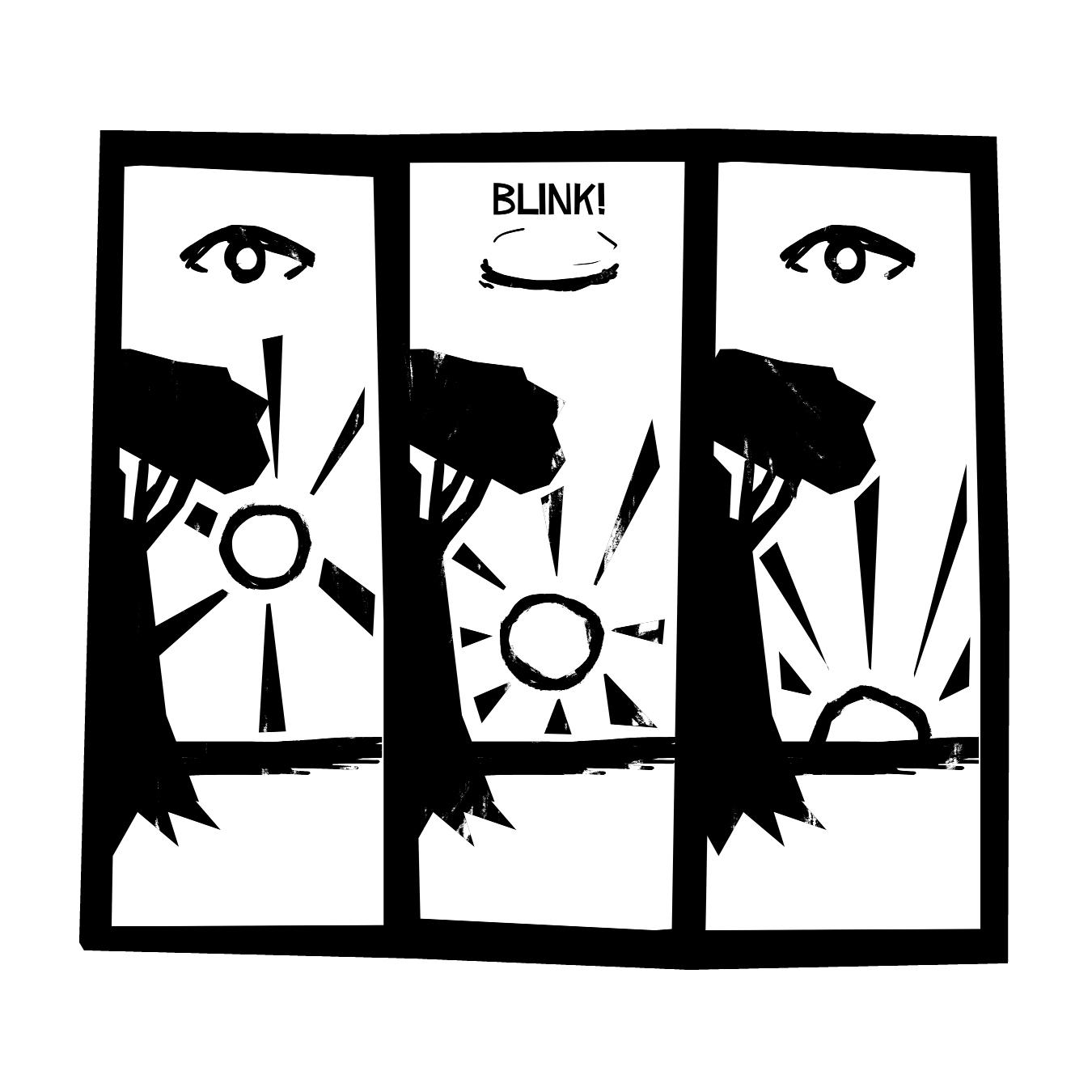
Comics are kind of the same. The pure essence of a comic
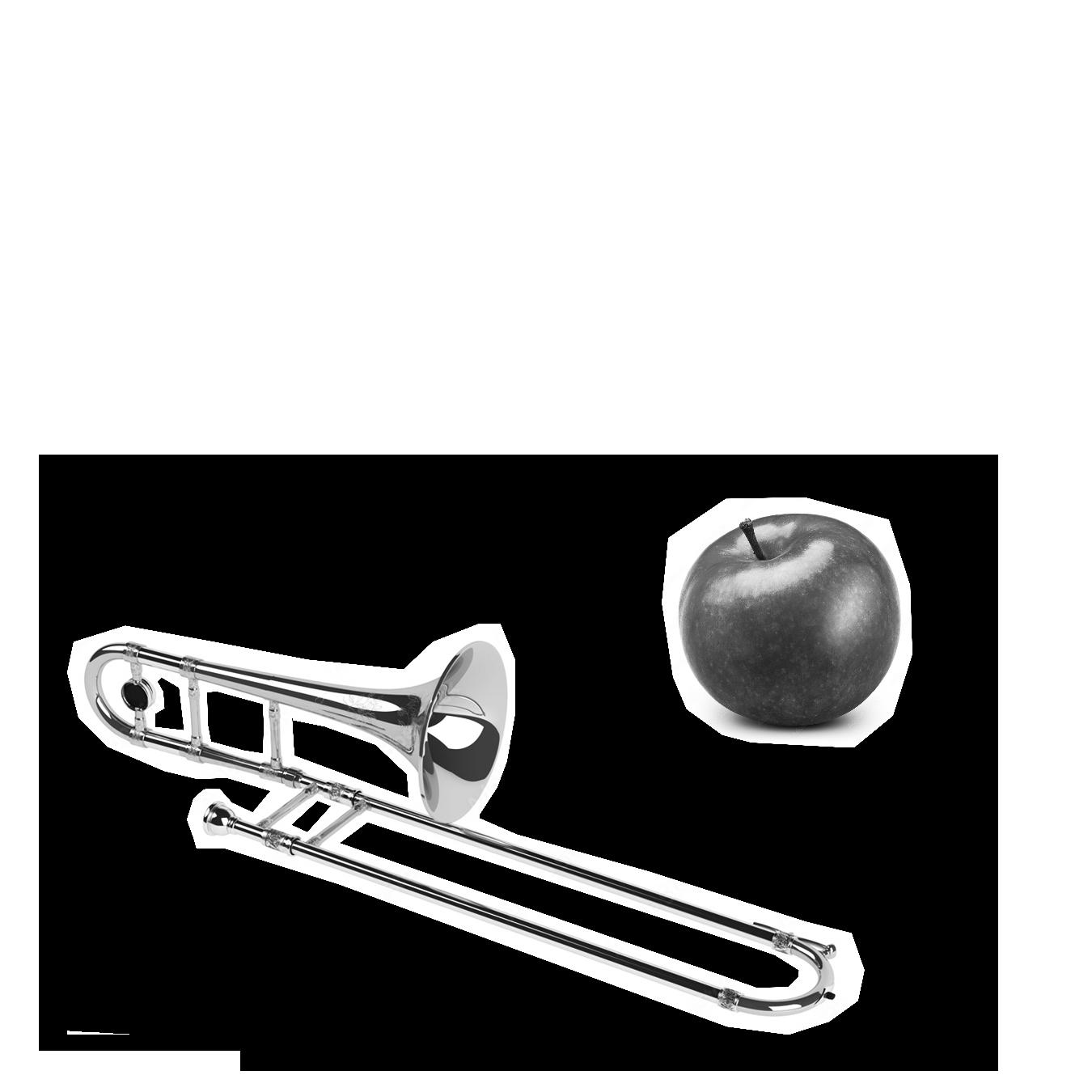
The little Box that contains the Image is called a “Panel” and the empty space between the panels is called the “Gutter”. The panels and the gutters between them in comics are integral components of how the passage of time is communicated to us. The panels themselves act as a snapshot of a moment in time, with each panel representing a different moment or event. The gutter between the panels is what allows us to understand the passage of time, as it acts as a bridge between one panel and the next.
Comics have a unique ability to visualize space and time in ways that other mediums cannot. Through the use of paneling, comics can show multiple moments in time simultaneously, allowing readers to easily follow the action and understand the passage of time.
The Frame of a panel acts as a kind of general indicator that space and time is being divided. When you tell somebody about your previous day, you might linger on certain events, while rushing through others.
“I got up, had breakfast and went to school. After that, I met up with Dave, and we went on a long walk talking about our place in this big world, about the current political position of the vampire cats that are plotting to take over France and about the nature of the time wars.”
Now try to imagine those events in white, empty boxes. A big panel can indicate a long moment that leaves an impression, and several small panels can indicate quick, rapid moments.
I got up
breakfast current political position of the vampire Cats that are plotting to take over France and the nature of the time wars
went to school met up with dave
Not depicted here, because all information about the time wars is top secret and Dave already blew multiple operations by leaking it to us.
...Or because I was just too lazy to actually illustrate it
The gutter does the same thing that blinking or zoning out does, in our examples at the beginning of the chapter. While glancing over the gutter to get to the next panel, our brain connects the shown information and fills the gap. But other than these examples, it is necessary for the narrative to move forward, because an image can only convey so much information, which makes the amount of things that can happen inside one panel limited. The duration of the gutter is also relative to us, and with the context of the outside world, our brain decides how much time passes between two panels. It can be used to represent a few seconds, minutes, or even years passing between two events.
Our imagination is what fills the gutter, and it can be influenced, through the use of symbols, words, or images that indicate how much time has passed. For example, if there is an image of a clock in the gutter between two panels, this could indicate that several hours have passed since the previous panel. But what happens in the gutter cannot actually be controlled, because we are in control of direction and order, while reading a comic book.
The transition of one panel to the next does not only need to imply one movement or moment to the next. It can also establish a new scene with a new setting. An easy way would be to compare it to a cut in a movie. One moment our story takes place in a small house on a hill, the next it takes place in outer space in a galaxy far, far away… By using these techniques together, comics are able to effectively portray how space and time interact with one another.
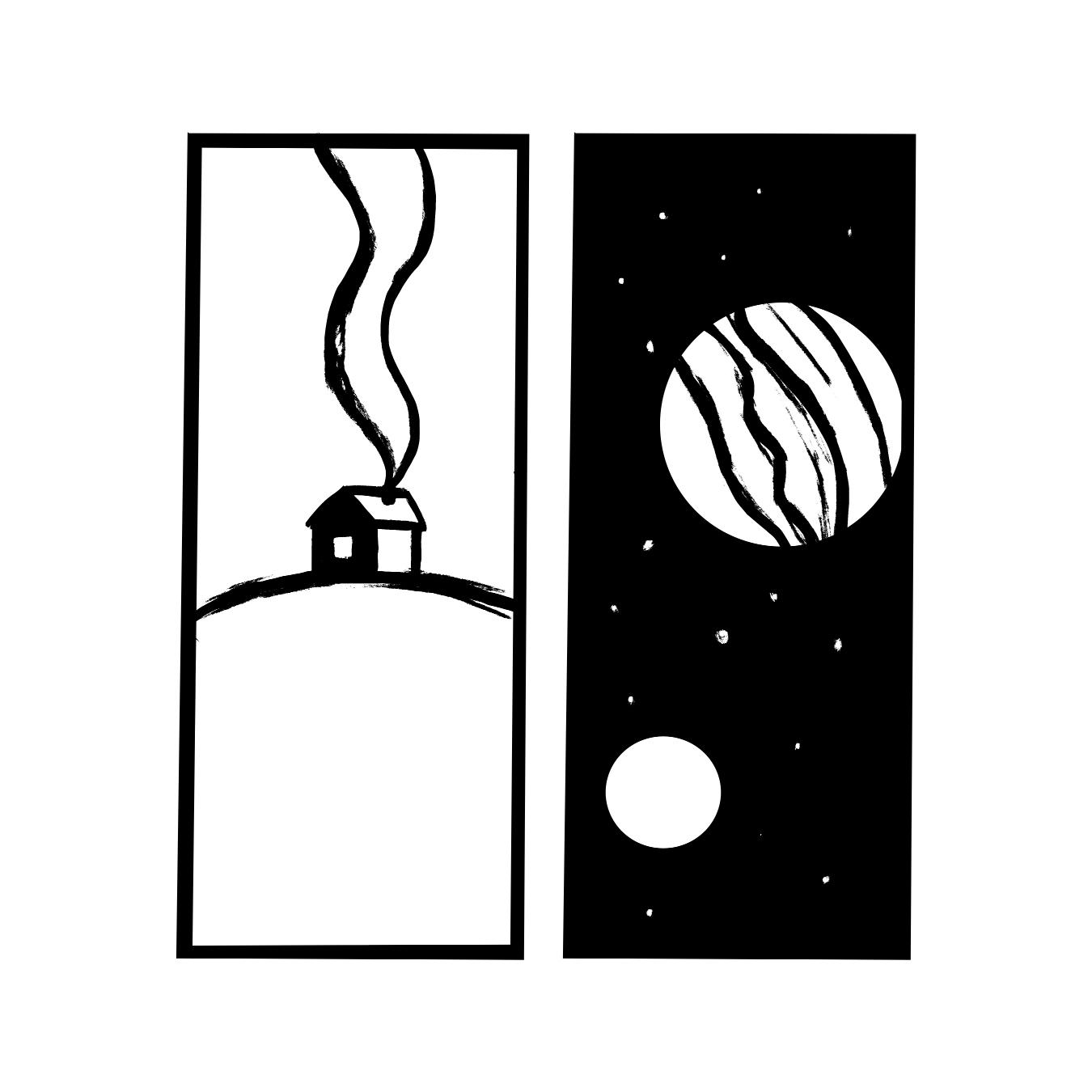
Both panel and gutter in relation to each other can be used in creative ways to play with time and space. For example, the same image being used in repetition can cause a dramatic pause. In opposition to that, a rapid change of or in the panel’s content could be used for comedic effect.






An image without the borders of a panel can leave a lingering impression, or panels inside a big image can convey something happening in a seemingly timeless environment. The way these elements can be used is entirely up to the artist. Using these techniques together barely scratches the surface of how comics are able to effectively portray space and time interacting with one another. The movements between comic book panels or gutters can be used to tween frames and create movement between them, enabling a sense of time passing for the viewer. In addition, cinematic shots can be used to portray longer durations of time within frames. This enables the sense of time passing regarding even single panel images, as well as creating complex movements between objects and characters over larger sections of the story.
so the gutter becomes a rift in time and space.
Our major issue about images is, that it even if they convey motion, they are is still frozen after all.
But the fact that they are frozen enables the eye of the reader to wander around the image, only guided by composition and our in the previous chapters established elements. We read comic books from the western world from left to right, top to bottom in a “Z” like order, just like we read text.
This is How we are guided through text within a panel. For example a speech bubble with a text points towards a character, indication that he is speaking these words and within the same panel a different character is responding to that with his own speech bubble. The text of the character more towards the top or left probably would be read first.
Speech bubbles are one of the most iconic elements of comic, so iconic in fact that we even use them in illustrations outside of comics.
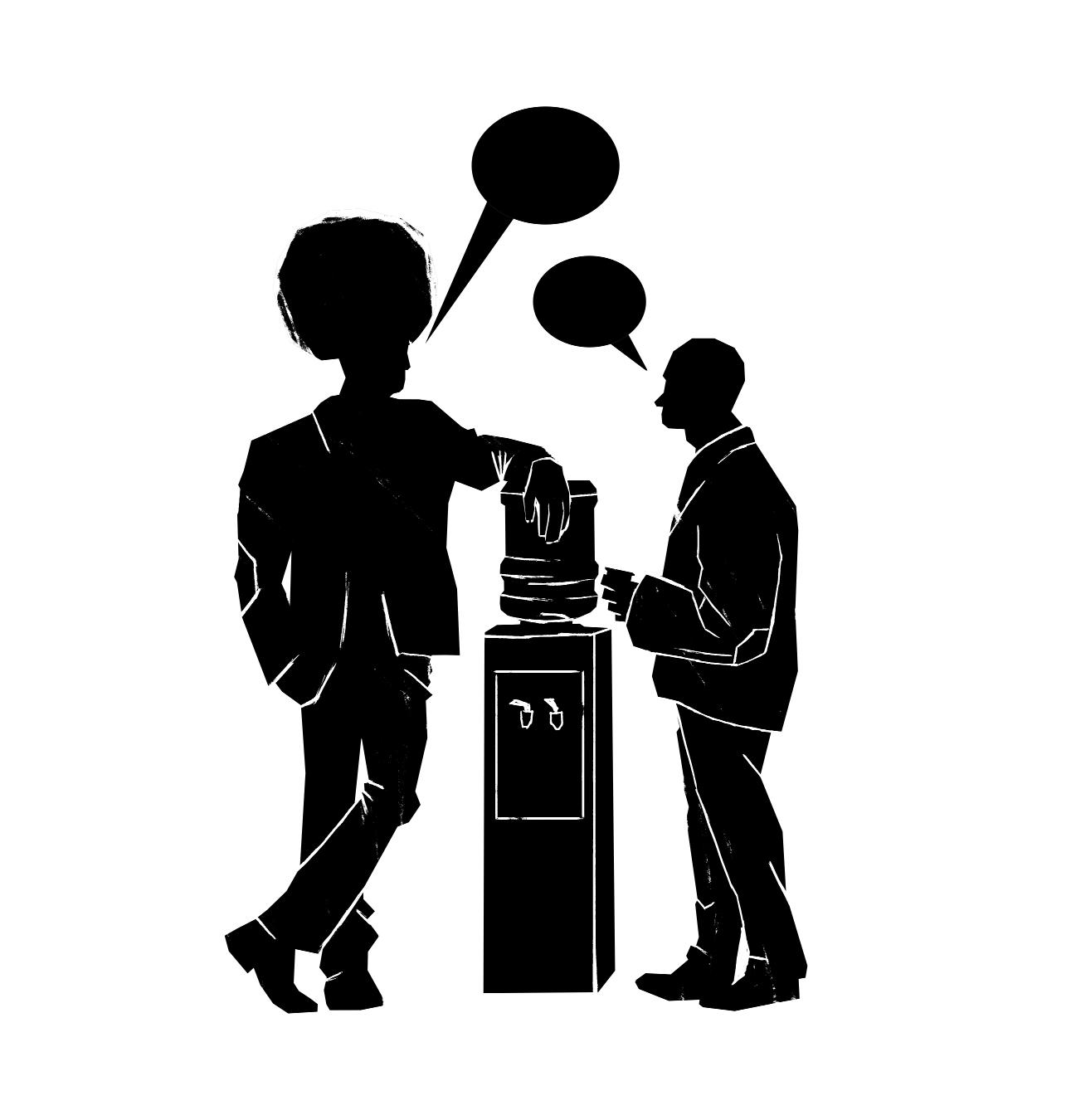
There is something about a speech bubble that stands out. It might be, that just like the gutter, we are not (maybe sometimes, depends on the artist or story really) meant to perceive them as Elements within the reality of the comic or illustration, which makes them more obvious. It is like an extra layer on top of everything. This is even literal, since most comic images are drawn before the text bubbles are inserted.
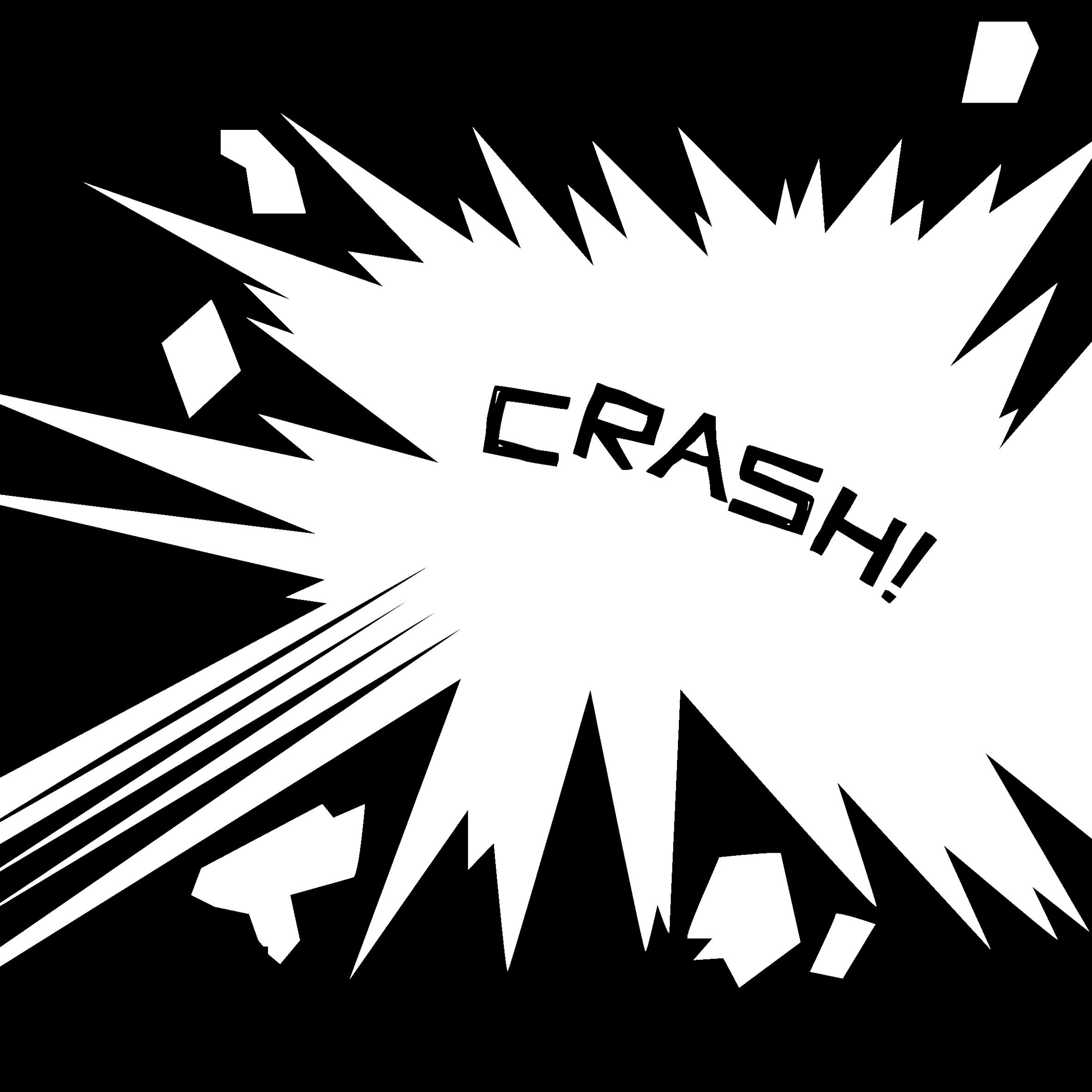
A different type of text that doesn’t appear visually within the reality of a comic (again depending on the comic or illustration) are onomatopoeia. Onomatopoeia are the formation of a word that sound like what they describe. Like:
WHAM! POW! KABLAAAMOW!
Comics often add so much extra flair to them, just like motion lines, that they become their own Elements with their Own character. Like:
So what about text relates to time?
Text can give us a rough estimation of how long a specific timeframe within a panel lasts. Onomatopoeia can, for example, give us context for the duration of a specific action. The duration of a diegetic sound or dialogue in the form of text can be roughly be estimated to be the same length of that sound as we would hear it in our reality.
A “Hey” can only be so long in our heads before it becomes “Heeey”. So the duration of the timeframe of a speaking character is tied to their speech bubble. Multiple, or linked, speech bubbles from the same character can also give us and the character a short pause. In opposition to that, would be a long text spoken by a character within the same bubble, which can seem like them rambling on.
So, a panel that only means to convey dialogue lasts in our head as long as it would in their reality. Our empathy extends to the perception of reality held by these characters. As a result, things like thought balloons have the same duration as thoughts within a character’s mind in our reality would have. Kind of like Inception, where a dream within a dream is faster than the first dream. Then there is also text that exists outside of time, like narration. Which is meant to establish elements of the story to the reader. All diegetic text, if spoken or not, establishes a rough timespan.
Like I said, Wibbly Wobbly.
For the next and last chapter, I have prepared a little twopage comic to see some of the elements in the book used in action.
5. all of it in a jiffy
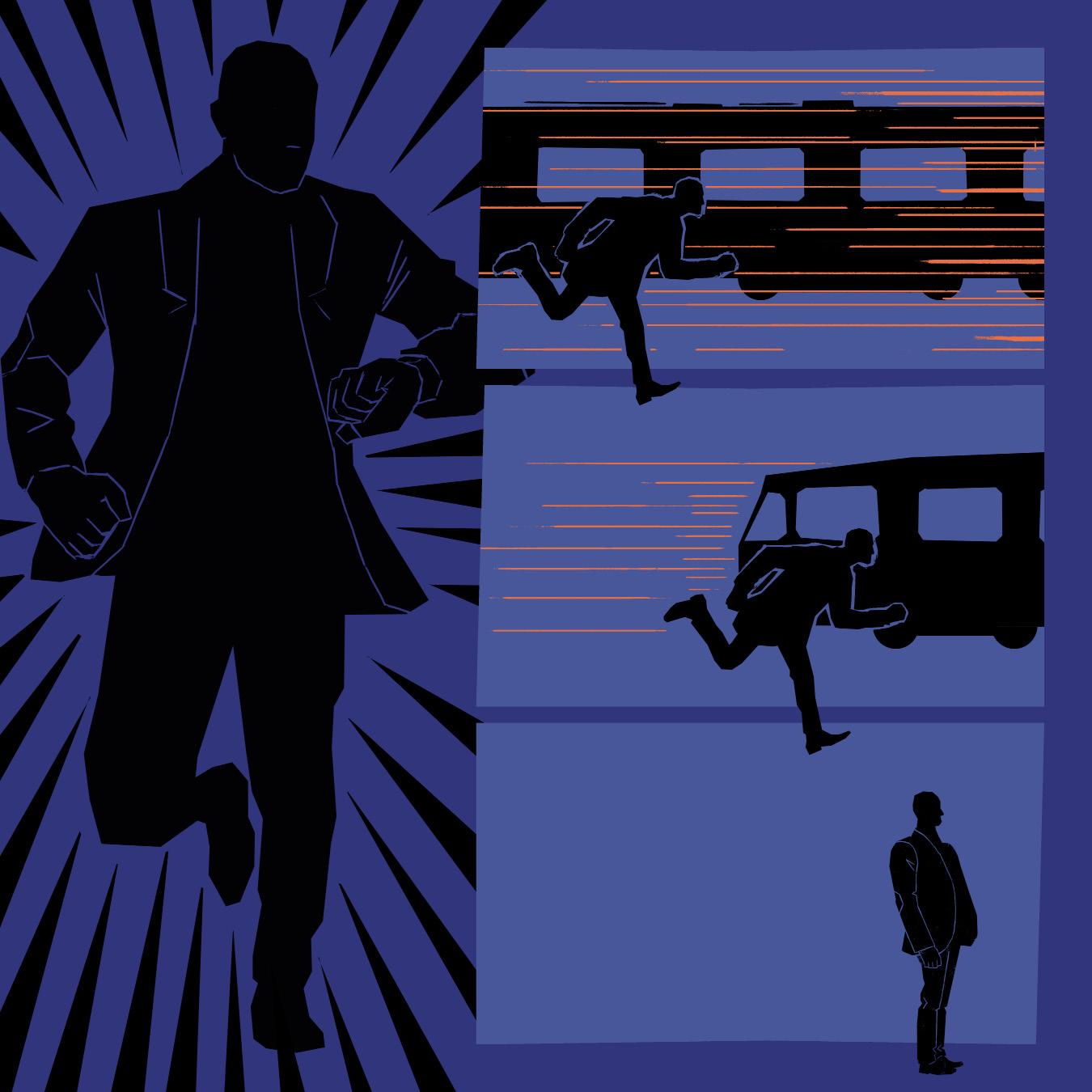
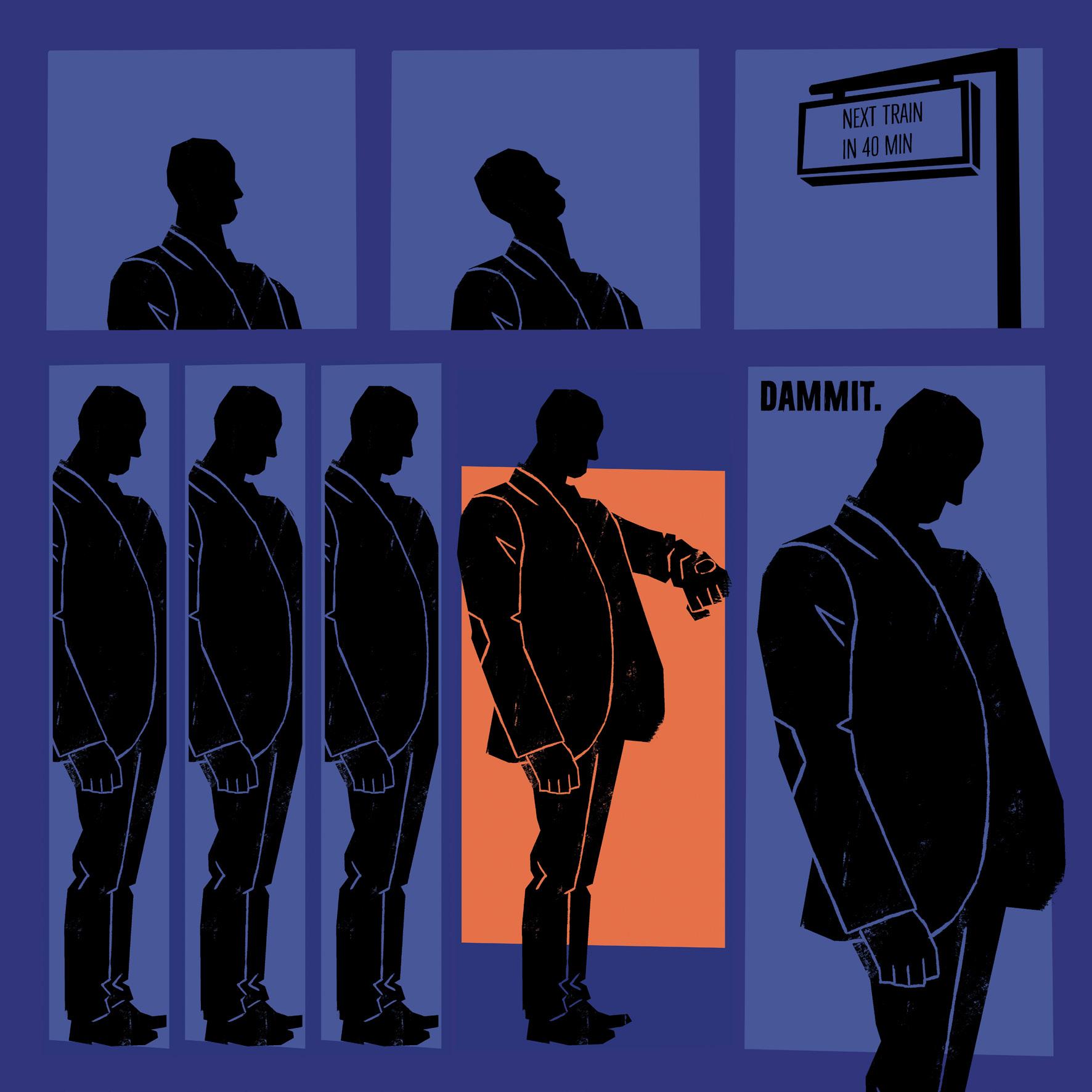
so long, and thanks for giving a jiff...
Minimum Five KISD
Ubierring 40
0221 82750
Fonts used:
Utopia Std
Bellfort Draw Dark Bold
Bellfort Draw Dark Thin
Chinese Rocks
Double Bass
Vertigon
Written, Designed and Illustrated by Alexander
William Stueber
printed in Cologne, Germany