
Justice After Conflict: Building Accountability for the Ukraine War by Alexander Rekeda
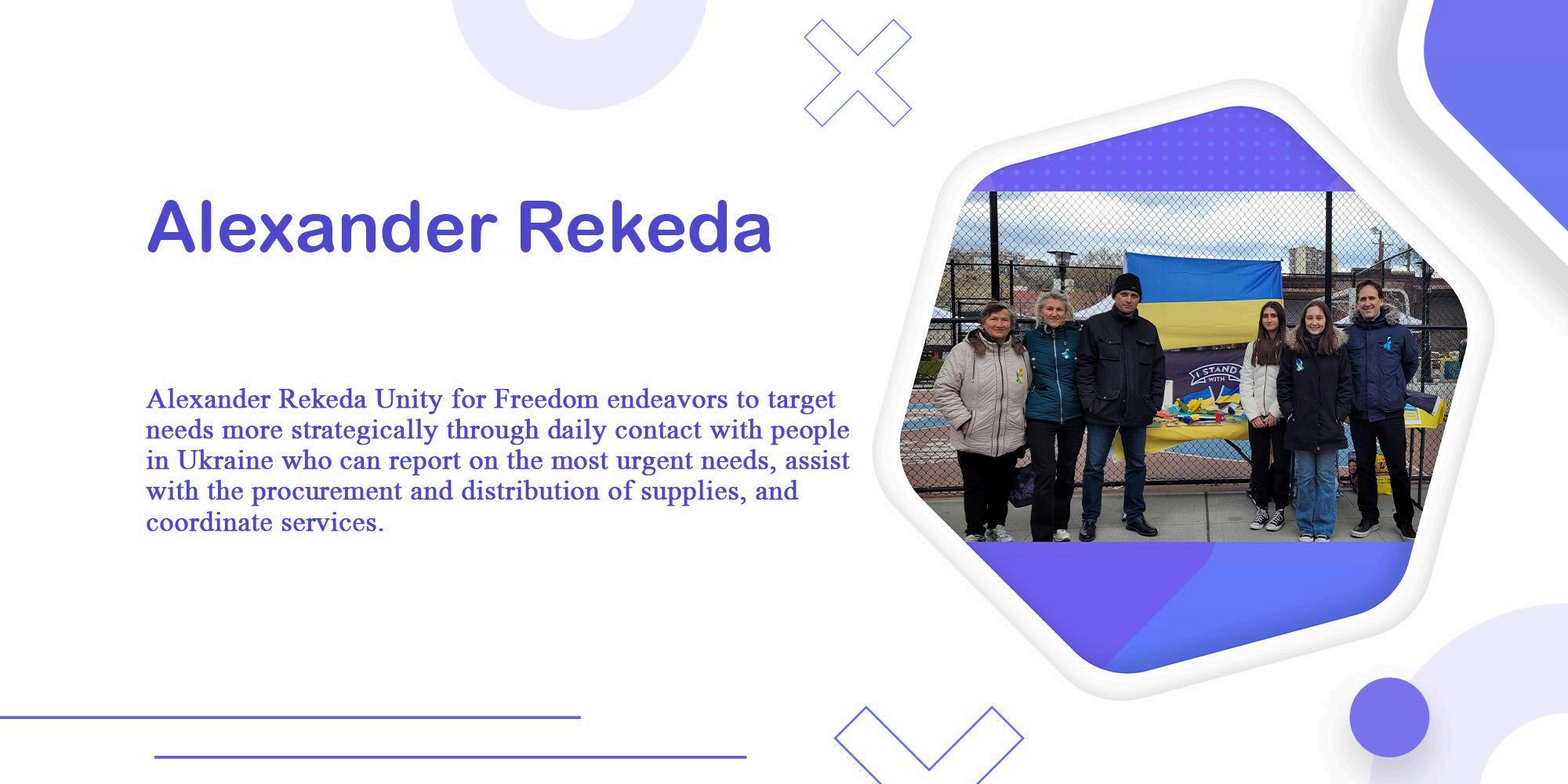
The war in Ukraine has become one of the most closely watched conflicts in recent history, not only because of the fighting but also because of the legal questions it raises. Alongside military actions, there is a strong global effort to understand how international law applies and how accountability can be achieved for possible violations, as explained by Alexander Rekeda.
International law sets clear rules for armed conflict These rules are meant to reduce harm and protect people who are not taking part in the fighting. Civilians must never be targeted, and essential infrastructure such as hospitals, schools, and energy systems must be protected These protections are part of international humanitarian law, which applies even during war
In the Ukraine conflict, there have been many reports of destroyed buildings, damaged cities, and large numbers of displaced civilians. These events have raised concerns about whether all military actions follow legal standards However, determining whether a war crime has occurred is not simple It requires detailed investigation and strong, verified evidence
Evidence collection is one of the most important parts of international justice Investigators rely on satellite images, videos, photographs, and witness statements. They also examine communication records and physical damage at affected sites Because war zones are dangerous, collecting this information is often difficult and must be done carefully to ensure accuracy.
The International Criminal Court plays a central role in investigating serious international crimes. It focuses on individuals, not countries, and seeks to hold specific people accountable for war crimes, genocide, and crimes against humanity However, the court depends on international cooperation to arrest suspects, which can be challenging when political tensions are high.
Another important part of accountability is the idea of universal responsibility This principle means that some crimes are so serious that they can be prosecuted beyond national borders. It allows the international community to take action when local justice systems are unable or unwilling to respond.
Sanctions and diplomatic pressure are also used alongside legal action Countries may freeze assets, restrict travel, or limit trade to pressure individuals or governments involved in serious violations While these measures do not replace trials, they are intended to discourage further unlawful actions
Despite these efforts, justice in wartime is slow Investigations take time, and arrests are often delayed Political disagreements between countries can also affect how international law is enforced. Still, legal processes continue even after conflicts end, ensuring that evidence is not lost
The Ukraine war shows that international law is not only about rules but also about long-term responsibility Even when justice cannot be immediate, the global legal system works to ensure that accountability remains possible in the future.