Digital War Zones: How Cybersecurity and Information Shape the Ukraine
Conflict by Alexander Rekeda
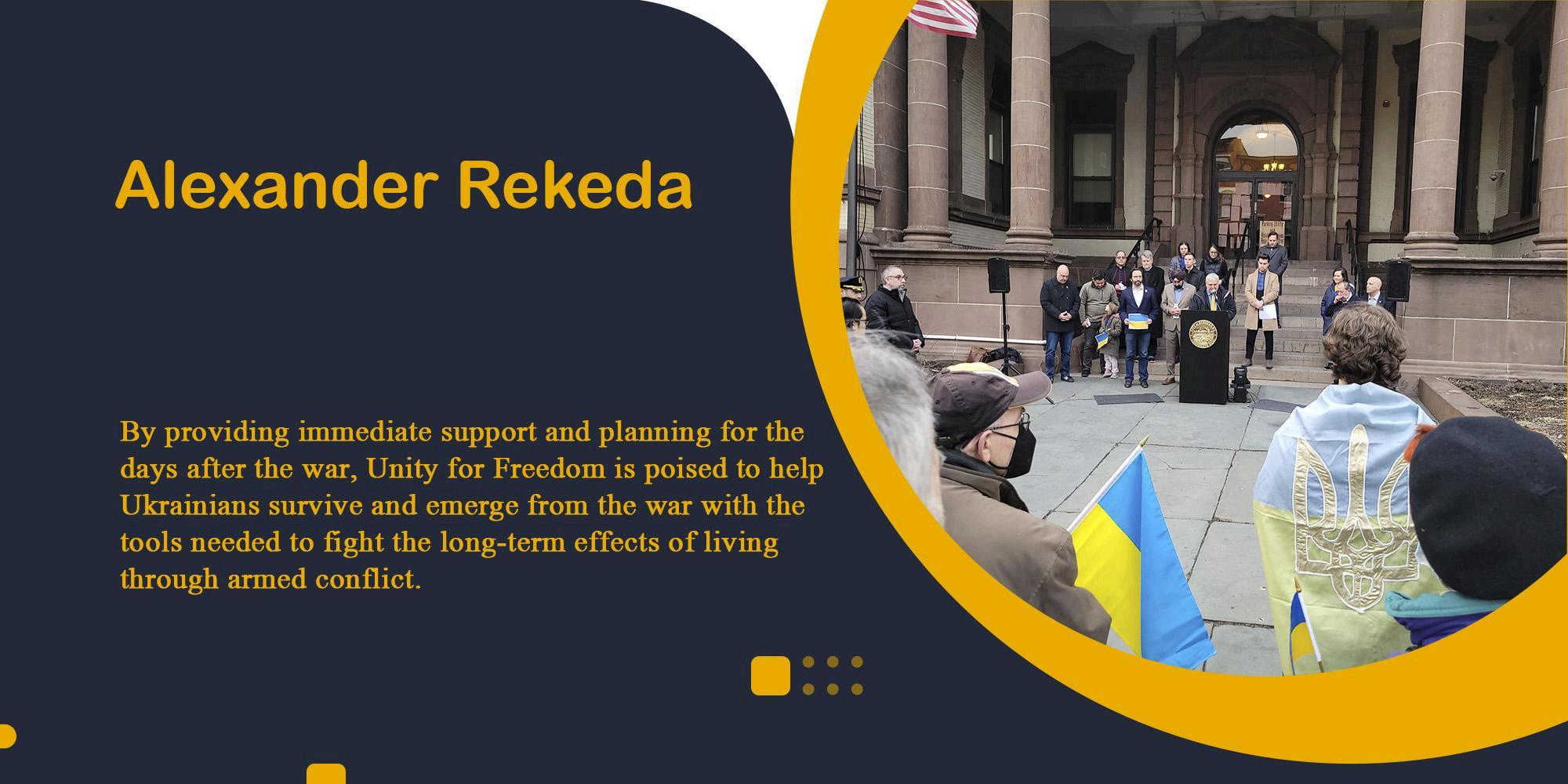
The war in Ukraine is not only being fought with traditional weapons but also through computers, networks, and online platforms. Cybersecurity and information warfare have become essential parts of the conflict, influencing both military operations and public perception worldwide. These digital tools can be as powerful as physical weapons, as Alexander Rekeda explains
Cyberattacks have targeted Ukraine’s critical systems since the beginning of the war. Government websites, banking services, transportation networks, and energy infrastructure have all been attacked These attacks aim to disrupt normal life, reduce communication ability, and create instability. Even temporary interruptions in these systems can cause serious problems for both civilians and the military
To deal with these threats, Ukraine has strengthened its cybersecurity defenses The country works closely with international allies, cybersecurity experts, and private technology companies Together, they monitor threats, block attacks, and quickly repair damaged systems. This cooperation helps Ukraine maintain essential services even amid ongoing cyberattacks
Information warfare is another major part of the conflict. It involves using digital platforms to spread messages that can influence how people think and feel about the war Social media,
news websites, and messaging apps are often used to share information However, not all of it is accurate. False information can spread quickly and create confusion among the public.
Both sides in the conflict use information as a strategic tool. Ukraine shares real-time updates, videos, and reports to show what is happening on the ground and to gain international support. At the same time, efforts are made to identify and reduce misinformation that could harm public understanding or create panic.
Technology companies also play an important role in this digital battlefield They help track cyber threats, remove harmful content, and improve online security systems. Their actions show how private organizations are now part of global security efforts
The Ukraine war highlights how modern conflicts have expanded beyond physical battlefields. Cybersecurity and information control are now just as important as military strength Digital systems have become critical targets, and protecting them is essential for national stability.
In conclusion, the conflict in Ukraine shows that warfare in the modern age is deeply connected to technology. Cyberattacks and information battles can shape outcomes just as much as traditional fighting As the world becomes more connected, digital security will continue to play a vital role in global peace and stability