E[CO]SYSTEM landscapes of connection

Alexa Jacobson
In hopes of a more thoughtful future.
E[CO]SYSTEM
landscapes of connection written, designed, and developed by Alexa
Jacobson
First Edition, 2022
California Polytechnic State University
Undergraduate Thesis 2021-2022
ThesisAdvisor: Doug Jackson
DISCOURSE
technology as an antrhopocentric framework
resourcism vs. coexistence
an aesthetic reframing of nature
STRATEGIES
introducing other non-human life forms and providing them agency
confounding the categorical distinction between the natural and built worlds
with[in]: revealing vital interconnected and supportive systems that are not initially apparent
PROPOSAL
site organization spaces details experience
BIBLIOGRAPHY
1 Haraway, Donna J. Staying with the Trouble. Duke University Press, 2016.
2 Lefebrve, Henri. The Right to the City. 1968.
3 Cary Wolfe, “Environment,” in Marianne Krough, ed., Connectedness: An Incomplete Encyclopedia of the Anthropocene (Copenhagen: Strandberg Publishing, 2020), 166-169.
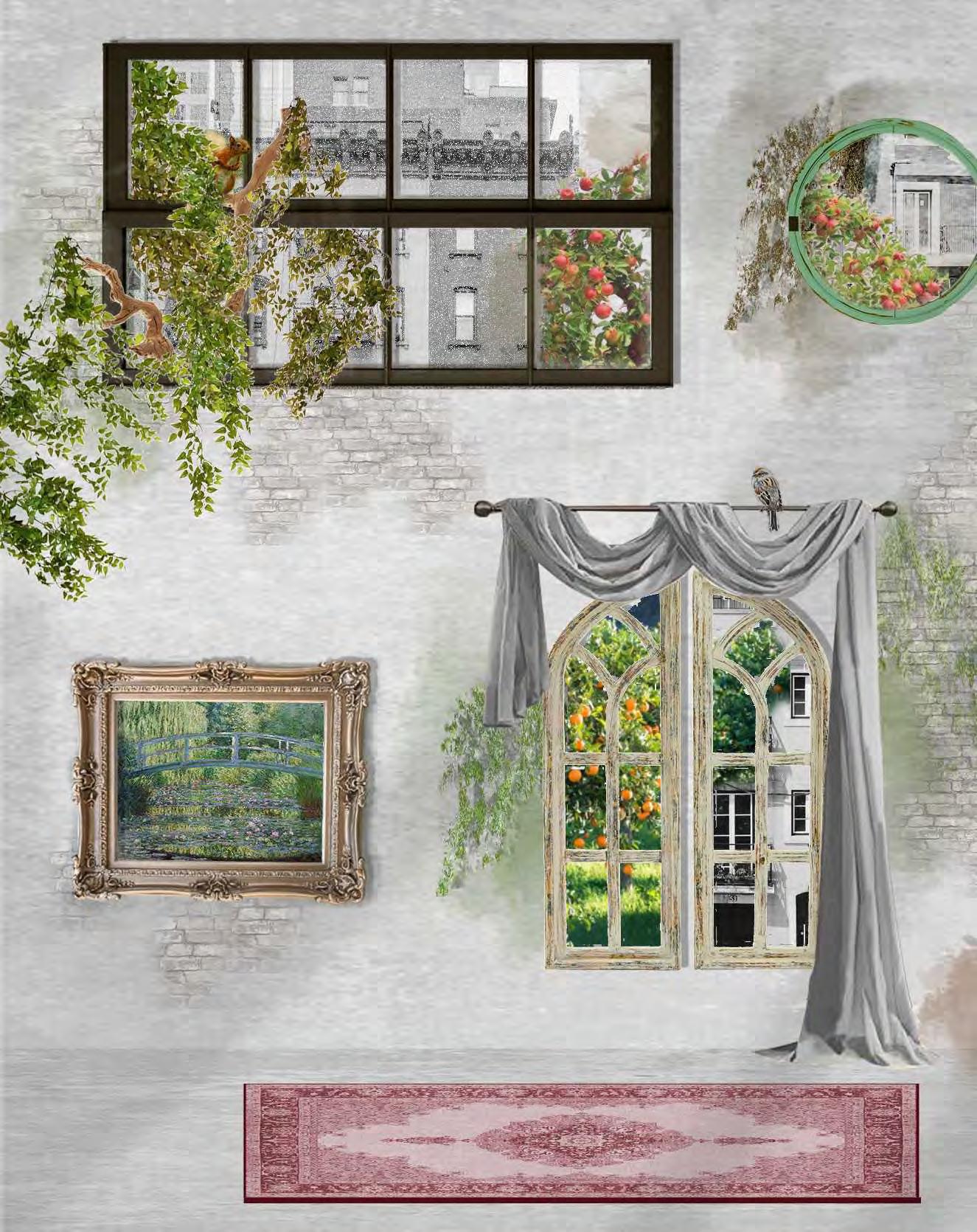
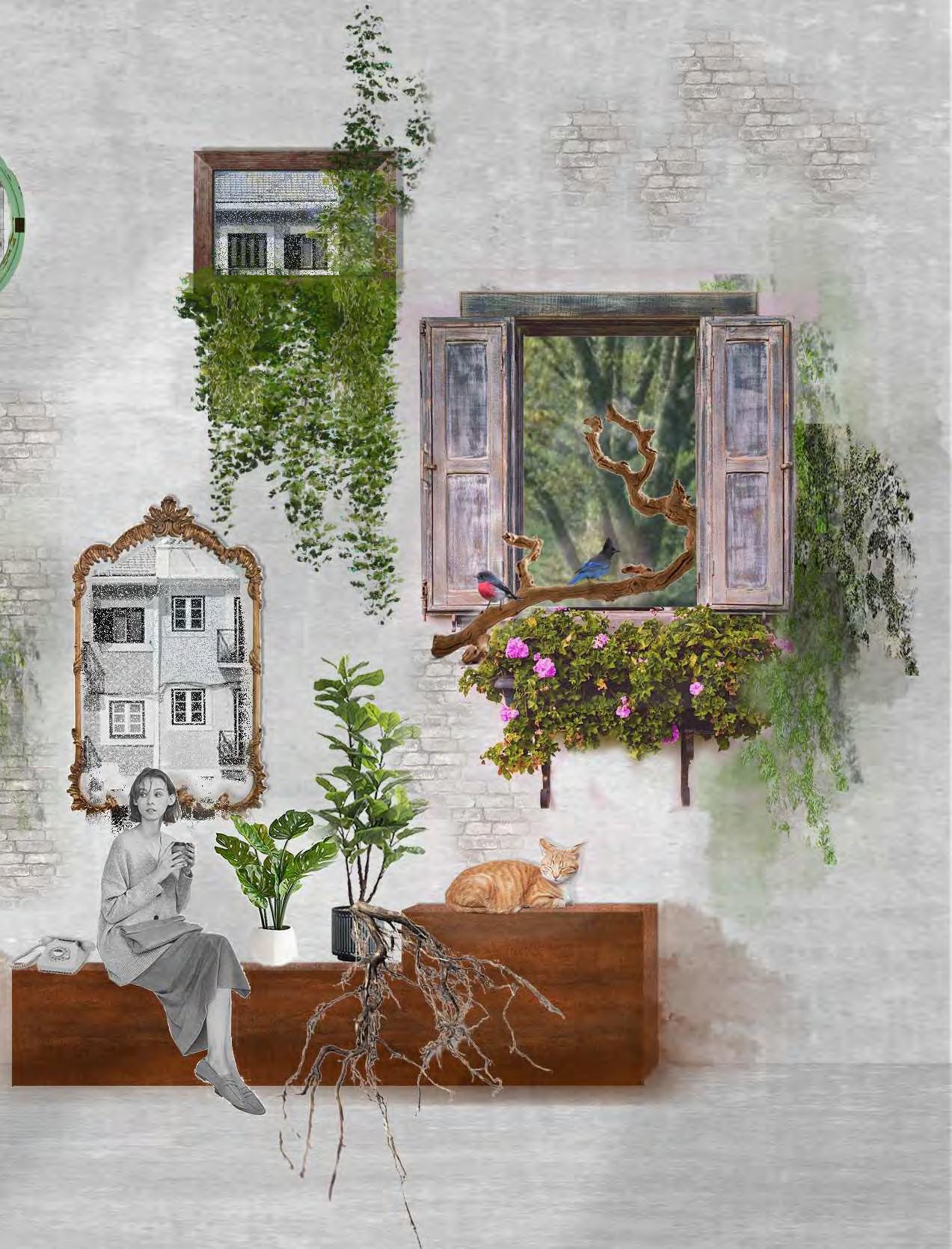
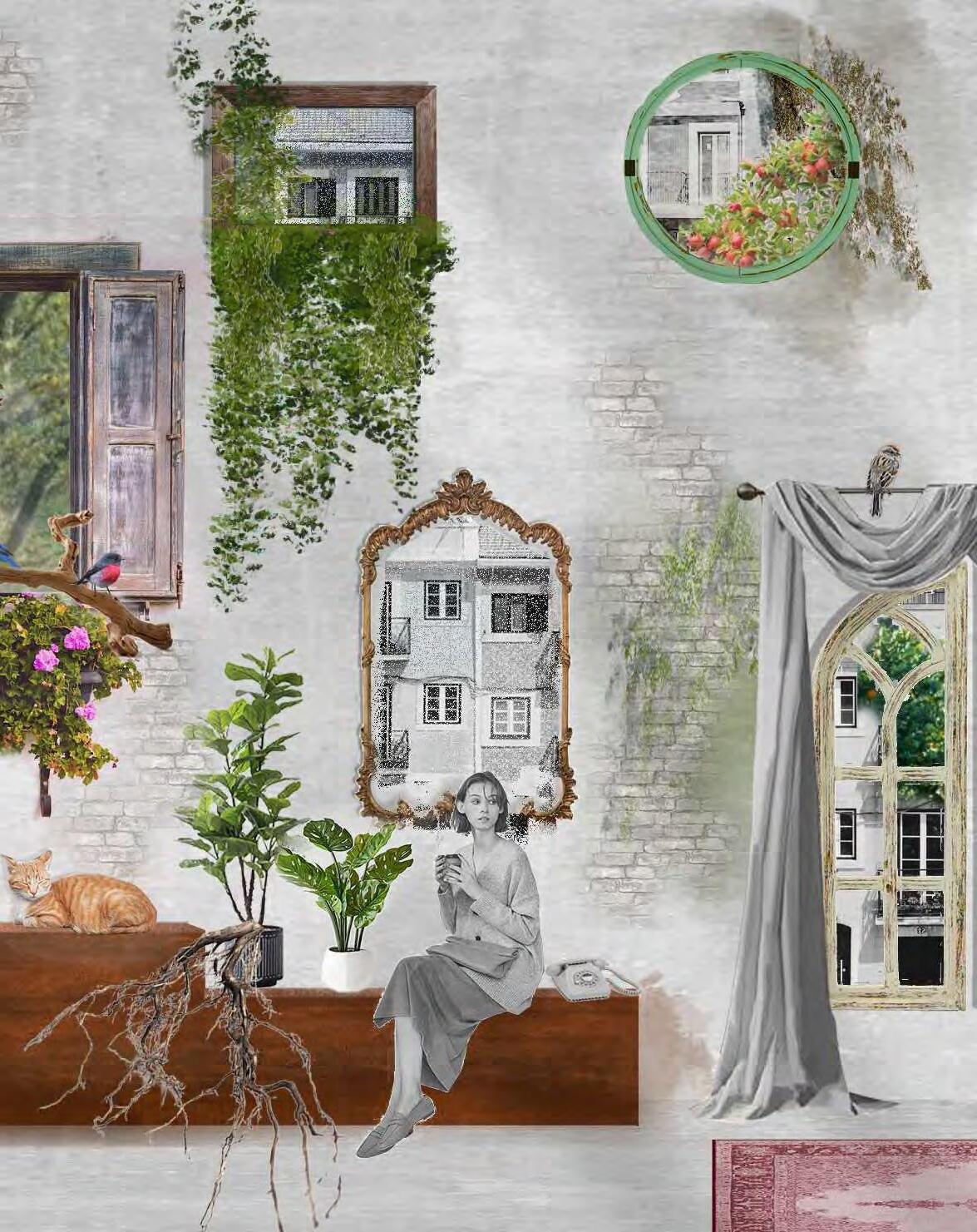
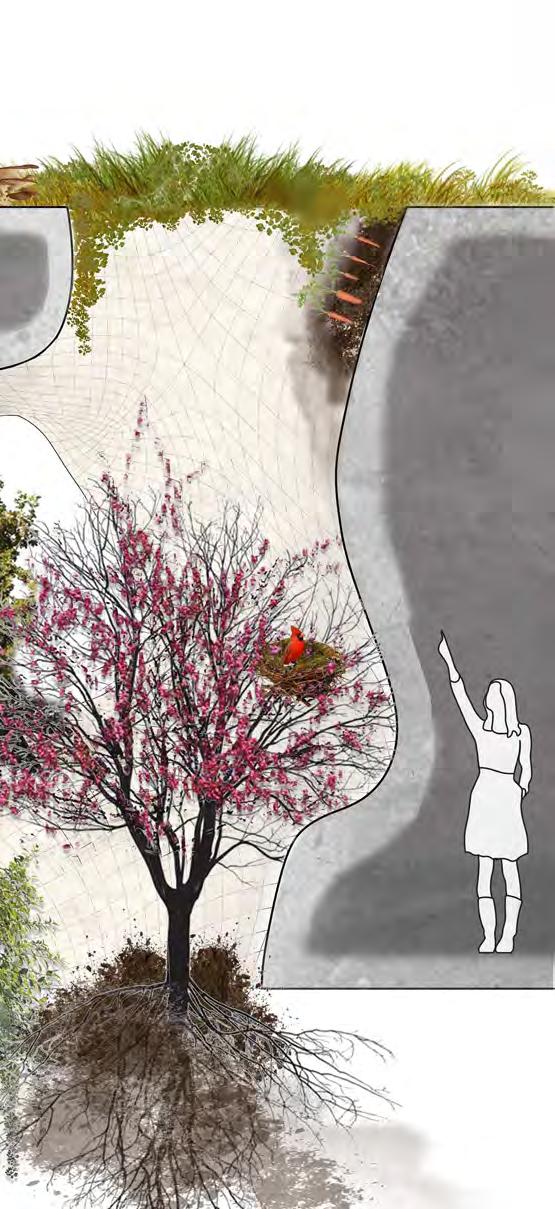
Acollage where natural elements appear “wild” as they pierce through a building
Humanity has disconnected itself from its environment, with advances in technology framing a perspective that the natural world is not integral. Humanity has lost sight of the value and the role that natural systems play in its continued existence. The anthropocentric notion of the term nature is problematic, as human language categorizes it as objects for both functional and aesthetic uses. Like language, architecture is a form of technology that distances humanity from nature, creating a divide between humans and ecological systems.
Capitalism prioritizes technological advancement over the preservation of natural balances. As expressed by Donna Haraway in Staying with the Trouble, our relationship with the natural world has transformed from one of organic integration and mutually beneicial coexistence to one of disconnection.1 Humans monetize natural resources, choosing to exploit them for anthropocentric use rather than prioritizing a more balanced ecosystem. Marxist philosopher Henri Lefebvre, among others, acknowledgesthisproblemwiththenaturalworldbeingperceived and treated as a commodity. In The Right to the City, Lefebvre discusses the exchange value humans have placed on nature.2 It is critical for humans to change their abuse of the ecological systems that all life depends on. In order to do that a response to systemic problems must be implemented, creating change that permeates human interaction with the natural world.
As articulated by philosophers like Martin Heidegger and Timothy Morton, discussion of the environment cannot occur in isolation due to it being part of a greater system-environment unity.3 True environmental impact requires systemic thinking. Architecture must be reprogrammed to act as an ampliier of ecological variation rather than dampening the diversities that provide the foundation for the variety of interconnected systems that support our existence. Architecture’s capacity to engage both functional and aesthetic concerns make it uniquely suited to being the technology capable of rectifying humanity’s relationship to the natural world.
This thesis will therefore disrupt humanity’s current structureddisconnectionthroughareprogrammingofarchitecture, demonstrating techniques involving revealing the natural systems that are not initially apparent, blurring the boundaries between humans and our environment, and integrating non-human subjects, as a way to de-center human subjectivity, cultivate curiosity, respect, and concern for these other lifeforms, and rebuild humanity’s relationship with the natural world to be more enduring and intuitive. Through this, a new perception of nature may be formed, promoting a relationship with the natural world that is conducive to a greater existence for all forms of life.
[language]
Language can be perceived as a technology which frames humanity’s understanding of the world by categorizing and objectifyingtheelementsthatformit.Theanthropocentricnotions of terms used to articulate the problems with the natural world such as ecology, nature, environment, and wilderness perform these categorizations which become problematic. Ecology is rooted in the Greek word oikos, meaning “house” or “household,” speciically in relation to the economics of the home.4 Referencing this term connotes the world as suitable for human domestication and also suitable to be subsumed within human economy. Similarly, as annotated by philosopherArnold Berleant, nature is a human construct, a term created by humanity with the technology of language categorizing it as objects for human use. “Nature, in the sense of a landscape unaffected by human agency, has long since disappeared in nearly every region of the industrialized world.”5 Humanity has modiied virtually every inch of the earth’s surfaces, warping the anthropocentric perception of its true subjectivity. As outlined by James Corner, “‘Nature,’ refers to the amorphous and unmediated lux that is the ‘actual’cosmos, that which always escapes or exceeds human understanding.”6 Berleant elaborates further in discussion of the environment. “I do not ordinarily speak of ‘the’ environment. While this is the usual locution, it embodies a hidden meaning that is the source of much of our dificulty. For ‘the’ environment objectiies environment; it turns it into an entity that we can think of and deal with as if it were outside and independent of ourselves… ‘The’ environment [is] one of the last survivors of the mind-body dualism… For there is no outside world. There is no outside… Person and environment are continuous.”7 Environmental philosophers, such as Neil Evernden, use terms like wildness to describe the natural world in a manner that attempts to escape human distortion of it as a category of objects for anthropocentric use. Evernden argues “wilderness can be regarded as a thing, and as such, is susceptible to identiication and management. Wildness, however, lies beyond the objects in question, a quality which directly confronts and confounds our designs… But perhaps wildness too is an inadequate term, for the essential core of otherness is inevitably nameless, and as such cannot be subsumed within our abstractions or made part of the domain of human willing.”8 Wildness or wild refers to an untamed, uncivilized, and unmodiied world outside of the human sector.
Terms like ecology, nature, environment, and wilderness exemplify a few of the terms ascribed to the natural world that project an understanding of autonomously existing entities, objectifying and separating them from human existence yet imply an opportunity for anthropocentric exploitation, regarding them as
4 “Ecology.” Encyclopædia Britannica. Encyclopædia Britannica, inc. https://www britannica.com/science/ ecology.
5Arnold Berleant, The aesthetics of environment. Temple University Press, 2010, 3.
6 James Corner, “Ecology and Landscapes asAgents of Creativity,” in George F. Thompson et Frederick R. Steiner (éd.), Ecological Design and Planning, New York, John Wiley & Sons, Inc (1997), 43.
7 Berlant, 3.
8 Neil Evernden, The Social Creation of Nature (Baltimore: Johns Hopkins University Press, 1992), 121.
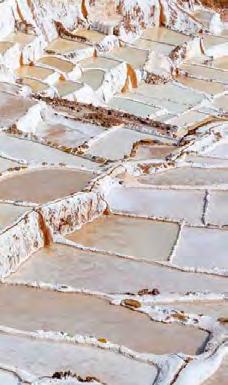
Maras Salt Mines where local communities scrape salt from the earthen surfaces.
Image credits:Akram S on Usplash.
9 Martin Heidegger, The question concerning technology, (1977), 17.
10Agrilogistics:An agricultural program that has been running without much change, only experiencing upgrades to more intense versions of itself, since around 10000BC.
11 Timothy Morton, Dark Ecology: For a Logic of Future Coexistence (New York: Columbia University Press, 2016), 37-59.
12 Heidegger, 24.
13 ilbd., 24.
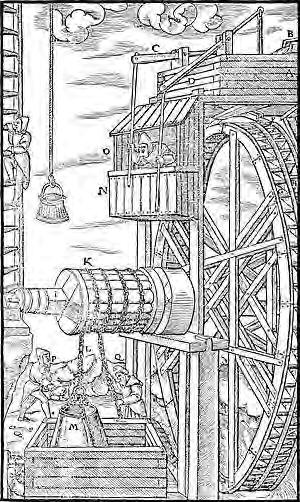
The reversible water wheel powering a mine hoist in De re metallica (Georgius Agricola, 1566)
objects to be scientiically studied and analyzed. In reality, humans are part of a greater whole that forms and inluences an environment.
Technology plays a role in humanity’s perspective of the world, as it is designed to eficiently meet human needs, contributing to anthropocentric behaviors by not only promoting exploitation through its mechanical approach, but also through its aestheticeffects. Philosophers likeMartin HeideggerandTimothy Morton outline these concepts. Heidegger annotates the issue of Enframing in The Question Concerning Technology, explaining how technology conduces a perception that natural resources are available for human exploitation and appropriation, existing as a “standing reserve,”9 preventing humanity from seeing them as they truly are. Morton elaborates on the concept ofAgrilogistics,10 rooting the origins of technology’s distorting effect on humanity’s perception of the natural world at the birth of agriculture. Morton points toAgrilogistics revealing humanity’s exploitative behavior as “common sense” as explained through a techno-capitalist perspective.11
[enframing]
Hiedegger articulates the concept of Enframing by arguing that unlike historic times when humanity simply brought-forth, where humans utilize what already exists without disruption to natural systems, modern technology is a vessel for humans to challenge-forth, where humans are manipulating a production process, often reducing the perception of something to be inferior to its true essence. Rather than seeing resources for what they truly are, humanity enframes the natural world, exploiting and appropriating its resources for its own consumption. A windmill is a demonstration of humanity utilizing technology for its beneit without harming natural systems. In opposition, coal mining or cultivating farmed soil demonstrates humanity challenging natural resources, seeking maximum yield at a minimum cost. These behaviors facilitated by technological development color humanity’s perspective, framing natural resources as a means to satisfy its needs without grasping the true essence of and relationship between itself and the resources’ existence. Enframing, or “the gathering together of the setting-upon which sets upon man, i.e. challenges him forth, to reveal the real, in the mode or ordering, as standing reserve,”12 embodies this concept. Heidegger points to the planetary environment appearing as if it were existing primarily as an indeinite resource or a “standing reserve.”13
Heidegger’s concept of Enframing captures why humanity’ssurvivalisbeingthreatenedasaresultofthedestruction of ecological systems stemming from the perception that natural resources are a commodity for human consumption, enacted by technology. Enframing persists as humanity continues to view the world as a resource for its consumption, with technological advancements promoting this. Heidegger argues, however, that if humans realize how their orientation its within the world and
their tendency to enframe the natural world, humanity can use technology to rescue themselves from the danger of enframing and reverse the damaging effects of it. “When we consider the essence of technology,” Heidegger argues, “we experience enframing as a destining of revealing.”14 While the fate of technology is inescapable, humanity must question it to develop a more transparent relationship with it, and thus a more transparent relationship with the world.
[agrilogistics]
Morton elaborates on the concept of humanity’s exploitation of naturalresourcesasbeing“commonsense”15 throughhisdiscussion ofAgrilogistics in Dark Ecology. While capitalism is contributing to overconsumption, Morton argues that Agrilogistics is the deeper cause of vast issues such as climate change. Agrilogistics is a speciic logistics (meaning that it progresses without pausing to look back and reconsider its own logic) of agriculture arising during the period of Mesopotamia—“A viral logistics, eventually requiring steam engines and industry to feed its proliferation.”16 The logistics behind this agricultural process are what have determined inventions like steam engines. “Agrilogistics promises to eliminate fear, anxiety, and contradiction—social, physical, and ontological—by establishing thin rigid boundaries between human and nonhuman worlds and by reducing existence to sheer quantity.”17 Agrilogistics is the backbone deining the Anthropocene, as it has deined the modern path of technological development, generating humanity’s disconnect from the natural world. Morton denotes Agrilogistics as “a strange loop because its very attempt to smooth out the physical world and to smooth out our anxiety doubles down on that physical world and on anxiety itself.”18 Humanity relies on technology for its ability to eficiently satisfy needs. Agrilogistics demonstrates the beginning of technology facilitating human survival, from which it is progressively improving in eficiency. It is reasonable that humanity relies on technology to advance processes and ease the struggle of meeting needs, but the system it is founded on is damaging to ecological systems and is unsustainable. In order to avoid the fate of Agrilogistics, inching us closer towards irreversible climate change, Morton argues that deeper ecological awareness is required.
Morton denotes that the type of thinking ecological awareness demands requires thinking on more than one scale at once—more than one geological, spatial, and temporal scale.19 This thinking is disorienting due to its vastness, yet validates issues that are intuitively tangible despite not being able to see them clearly at a human timescale. Bruno Latour, philosopher of technology further captures this concept as engendering or forcing “us to situate in time and space the particular enterprise of systems of production.”20 Latour articulates the value in moving away from the systems of practice undermining humanity’s current conditions and focus instead on the origin of technological framework to consider an alternative design approach.
14 ilbd., 25.
15 Timothy Morton, Dark Ecology: For a Logic of Future Coexistence (New York: Columbia University Press, 2016), 37-59.
16 ilbd., 42.
17 ilbd., 43.
18 ilbd., 59.
19 ilbd., 37-59.
20 Bruno Latour, “Production or Engendering?Architecture - e-Flux.”
September 2020. https:// www.e-lux.com/architecture/ accumulation/345107/ production-or-engendering/.
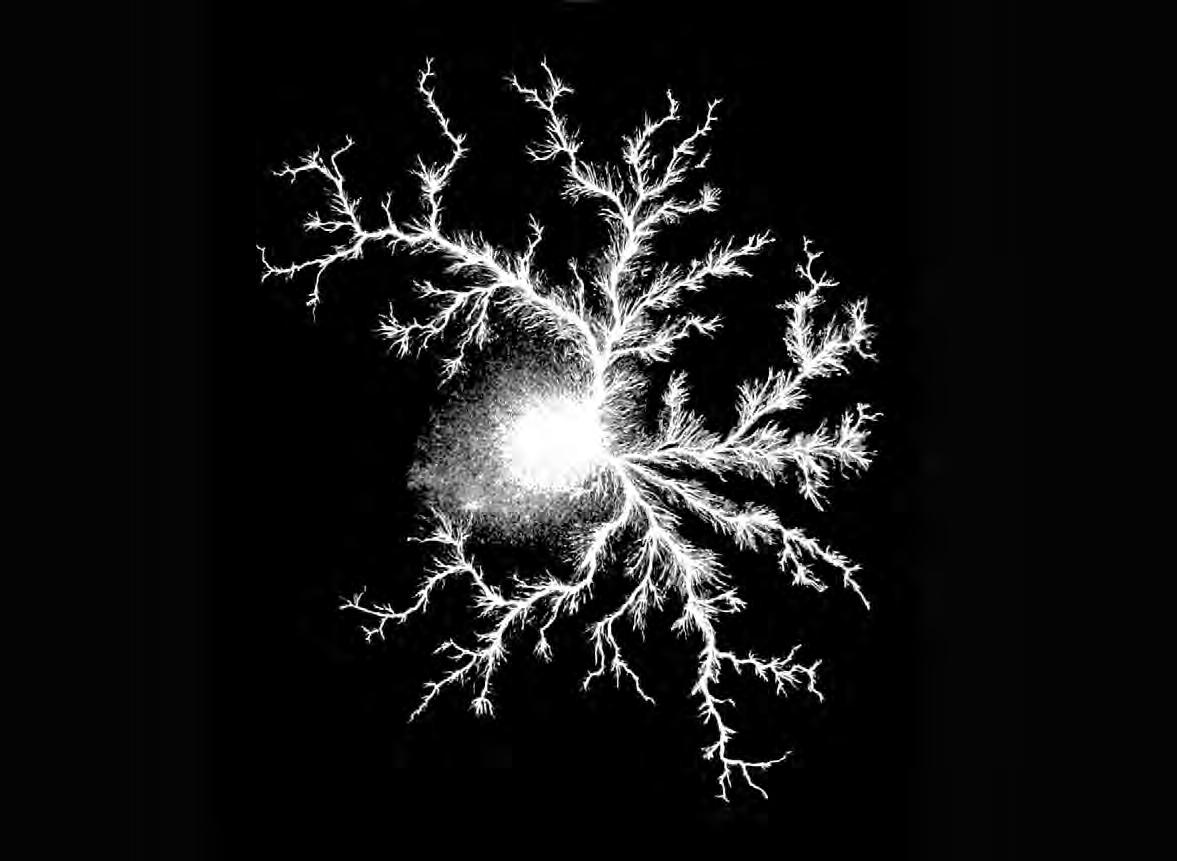
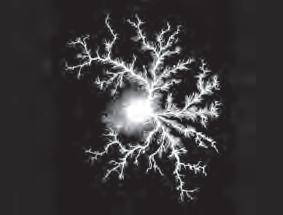
Arecord of a positive discharge of electricity, also known as a Lichtenberg igure, in the text Walter E. Woobury, “Photographing Electrical Discharges” in Popular Science Monthly, Volume 49, (July 1896).
If it is true that technology exists as both a functional and an aesthetic medium as Heidegger and Morton point to—a lens that colors humanity’s perception of the world to be seen as a resource to fulill human needs at a human timescale—then it could be reprogrammed to afford new outlooks, enabling the development of new understandings of nature as it displaces humanity’s distorted, anthropocentric perspective with a new sensibility, without sacriicing the ability to meet human needs. Technology can be reprogrammed to decouple the natural world from the anthropocentric idea that humanity is entitled to its resources and instead direct the cultivation of an understanding that human actions have rippling impacts in relation to living and non-living subjects with which humans coexist across multigenerational and geologic time.
While the damage that forward-pressing technology’s impact has on the complex systems of the world isn’t always readily visible, it will reveal itself in time through a series of rippling impacts. Glimpses of these impacts are already manifesting through the effects of climate change humanity is currently experiencing such as extreme droughts resulting in record breaking wildires and uncontrollable looding.
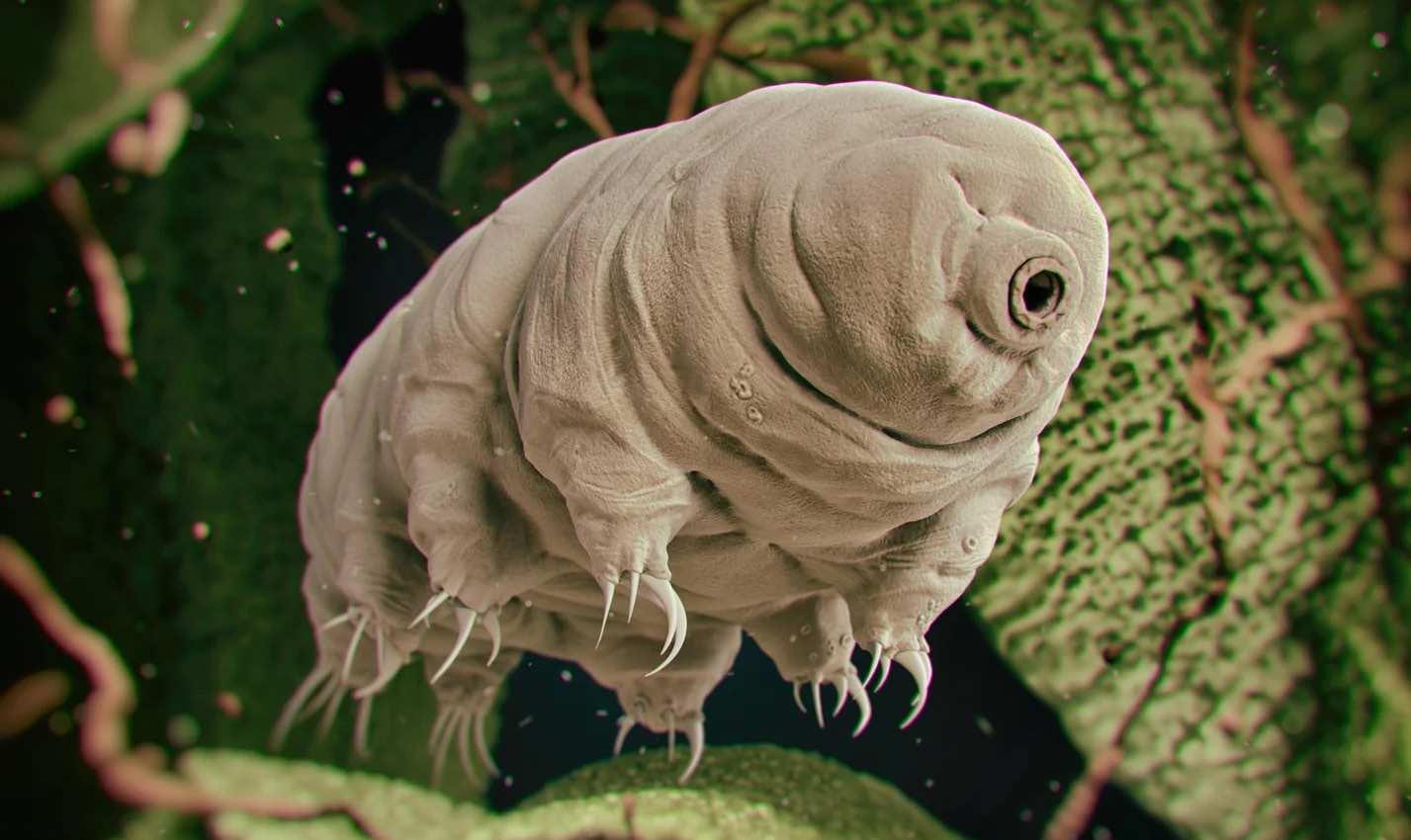
Donna Haraway coined the term Chthutlence in Staying with the trouble. Chthulucene “is a compound of two Greek roots that together name a kind of timeplace for learning to stay with the trouble of living and dying in response-ability on a damaged earth.”21 This term opposes the anthropocene, by suggesting that humanity’s response to present conditions should not be myopically focused on the human as a superior species, but rather on the complexity of the lives of and relationships between all living critters. Human actions are impacting all forms of life, with other species and life forms feeling the impacts irst. Haraway argues that it is ultimately humanity’s responsibility to respond to the persisting ecological issues it has created.
Architecture can be conceived as the technology that mediates humanity’s relationship with the planet through the construction of spaces for human life. Therefore, architecture is the technology most closely aligned with the ability to propagate the appearance of a new world that pushes aside human-centered perspectivestoreplacethemwithamoreencompassingsensibility of the operations of the world’s natural systems.
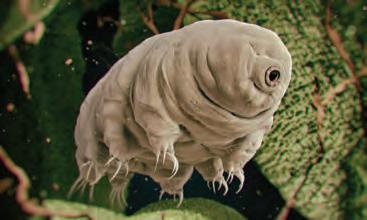
Atardigrade can withstand up to ive years dehydrated making it one of the most resilient critters presently known. Image credit: Shutterstock
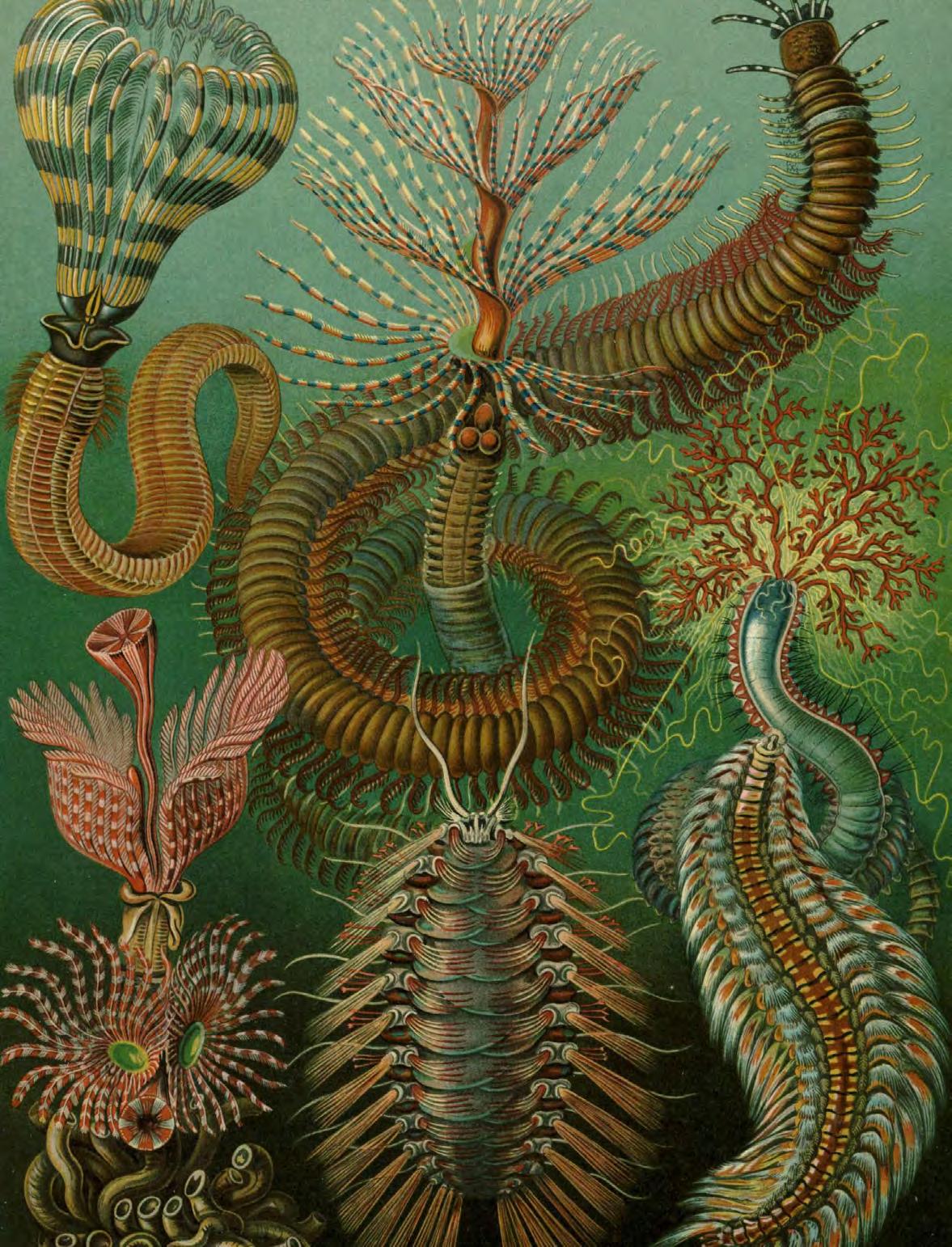
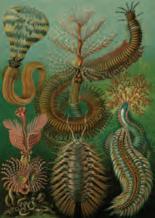
Adepiction of invertebrates by German biologist Ernst Haeckel, published in Art Forms in Nature (1899).
21 Haraway, 2.
22 Jakob von Uexküll, “An introduction to Umwelt.” (2001): 147.
23 ilbd., 148.
24 ilbd., 147.
25 Neil Evernden, The Natural Alien: Humankind and the Environment (Toronto: University of Toronto Press, 1993), 103.
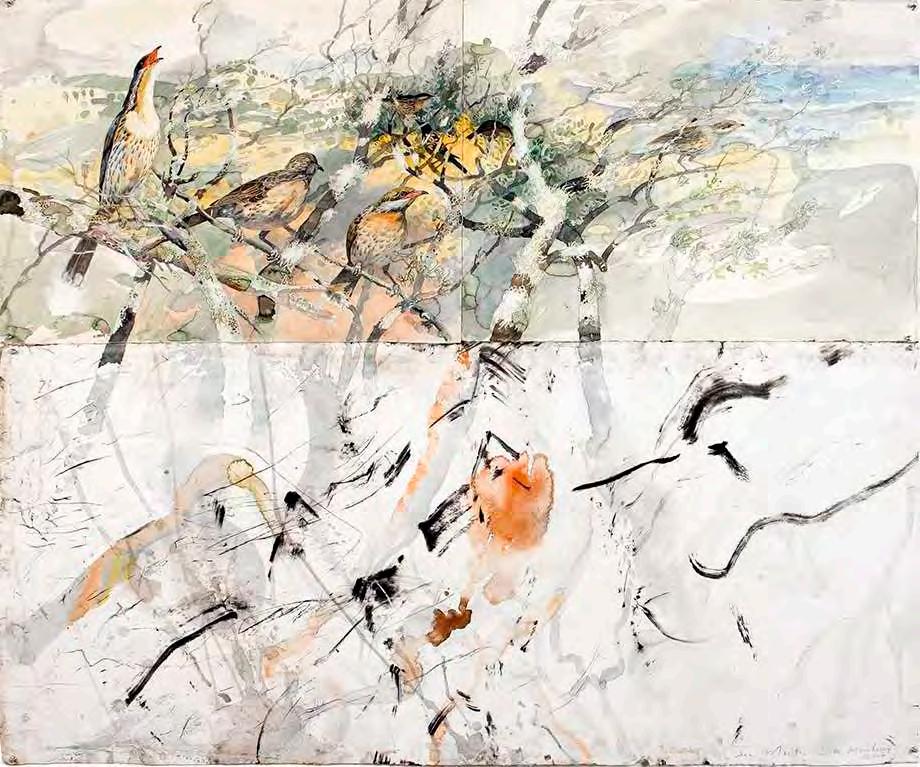
Insects and Poppies
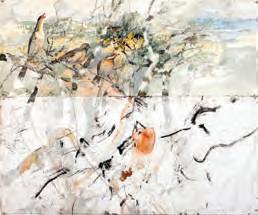
John Wolsely, Umwelt, Song of Sea, Sand and Salt, the Teredo worm, and the Giant Marbled eel.
[umwelt]
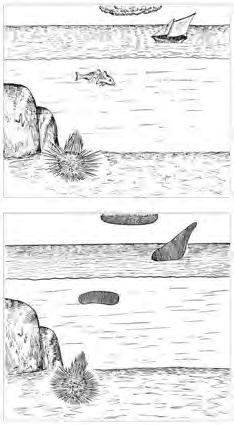
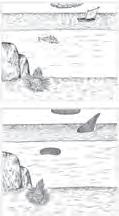
Humanity’s neglect to appreciate its role within the natural world and its broader ecological systems helps to explain why it has not only caused but is also failing to act in response to ongoing environmental issues.The understanding of an environment being formed and altered by the individual constituents that embody it opposes the overwhelming anthropocentrism that otherwise frames humanity’s perspective of the world and its relationship to it. In the early 20th century, the biosemiotician Jakob von Uexkull articulated the concept of Umwelt to explain how each living organism perceives reality in a unique way.22 Von Uexkull depicts how “every object becomes something completely different on entering a different Umwelt,”23 through analogizing a lower. A lower serves different roles for different life forms. It acts as a source of nectar for a hummingbird, a stalk for an ant to climb, and nutrients for an elephant when eaten. Within it exists its own complex, internal life supporting ecosystem, and outside of it, the lower becomes a detail in the intricacy of a larger system that contributes to the existence of various species in differing ways as the individual life forms uniquely perceive the lower’s purpose. A lower plays a unique role in the individual lives of various creatures that each contribute to a larger, functioning ecosystem. As the perception of different objects changes from one environment to the next, the overwhelming anthropocentrism that otherwise frames the human perspective of the world and relationship to it. Furthermore, “the objective universe, that embraces all living things, is undeniably very useful for ordinary life.”24 Von Uexkull annotates the convenience for humanity to objectify the natural world in order to make sense of and utilize it for its beneit. By isolating and objectifying elements of nature, humanity is removing them from the greater system-environment unity that they are a part of and thus fails to recognize the variety of roles played by the elements that form the natural world outside of an anthropocentric lens. This obscures humanity’s ability to perceive the true effect of its actions over geological, spatial, and temporalscalesoutsideofthehumanframeofreference,explaining why humanity is reaching the peak of its survival. Modern efforts to rectify environmental damage look towards technology based on the presumed ability of it to measure the quantiiable impact of human actions. This is problematic because, as outlined by recent discourses surrounding the Anthropocene, human action can produce detrimental effects that occur at spatial and temporal scales that are far too vast to perceive and predict.
Environmental philosopher Niel Evernden connotes similar ideas related to Von Uexküll’s Umwelt. “Each organism has its world, and that enables it to function and persist. Each lives within that world to which it is made.”25 An environment is something that is created, formed and continuously inluenced by systems at various scales, and is experienced uniquely by the diverse life
forms that contribute to it. Evernden seeks an understanding of a deeper ecology, cultivating a realization of the value of the elements beyond the human world. Evernden appeals to the perspective of phenomenology, meaning that the value humanity ascribes to the natural world already exists in the way the natural world appears to us.26 This is the understanding that ecological reverence requires, not merely the measured damage and data related to natural resources.
Contributing to the challenges of objectiication, Evernden introduces the idea of resourcism. “Resourcism transforms all relationships to nature into a simple subject-object or user-used one. Even something as apparently idiosyncratic as landscape beauty is now being transformed into a resource and described quantitatively.”27 Resourcism demonstrates humanity’s domination of nature through behaviors and perspectives that lead to objectiication. Objectiication of elements of the natural world demonstrates the anthropocentric tendency to seek value in natural resources for human use. Lacking the appropriate appreciation for humanity’s true dependence on nature’s life sustaining qualities has led to the exploitation of Earth’s limited resources and humanity’s failure to act in ways that support the essential diverse systems that make up our planet. Humanity excels at breaking down the systems of the natural world into objects in order to deine their utilitarian value for human use.The effects of our behaviors are impacting all forms of life in small and large ways. Evernden continues to explain how “we have lost precisely what we set out to defend,”28 a recognition of nature’s value being tied to its “independent existence and recognition of his intrinsic worth.”
29 Developing a connection with the natural world based on ecological awareness cannot sustain a resourcecentered perspective of the natural world. Instead, humanity must seek a deeper understanding of the natural world’s innate worth as itsupportsadiversityoflifeformsthatcancoexistandsupportone another. Human behaviors of exploitation and overconsumption spawned from anthropocentric objectiication tendencies directly conlictswiththeabilitytodevelopadeeperecologicalawareness. By breaking down the barriers of societal construct and meshing
26 ilbd., 57
27 Evernden, 24.
28 ilbd., 5.
29 ilbd., 5.
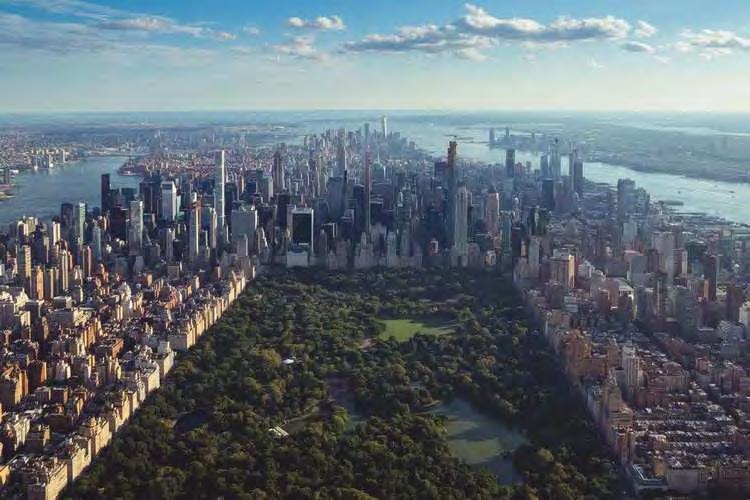
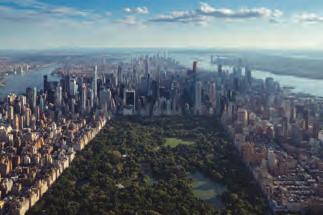
Central Park fully surrounded by New York City
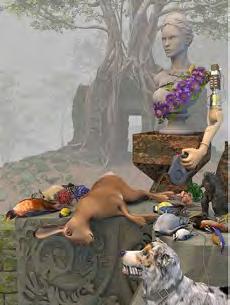
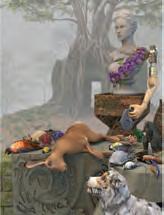
Joe Meiser, Donna Haraway (Vanitas Series), 2017, created with CAD programs, 40”x30”
30 Charles Waldheim, “Wildlife.” in Landscape as Urbanism. (Princeton University Press, 2016), 151-153.
31 ilbd., 152.
32 ilbd., 152.
33 Lefebvre, 427-436.
34 ilbd., 435.
35 ilbd., 435.
Umgebung
(“surroundings”) and Umwelt (“environment”) of the sea urchin. Image sourced from Jakob Von Uexküll, A Foray into the Worlds of Animals and Humans. (Univ Of Minnesota Press, 2010), 78.
with the natural world, it is possible that various forms of life can creatively lourish and be supported in an integrated way.
Charles Waldheim, landscape architecture theorist, shares how in 2004, a deer crossed the boundary of the O’Hare International Airport.30 Waldheimdescribeshowthedialogueofthereportersof this incident anthropomorphizes the deer as they develop excuses for the animal’s behavior, attempting to reason as to why the deer would have found interest or the need to enter the property (a large open space for aircraft with little real human presence.) The language used argues how the deer is no longer viewed as wildlife and part of the world’s natural systems, but instead is seen as an intruder among the human realm. The deer became “a biological management problem,”31 infringing on the airport’s proper functioning. Following this incident, the airport submitted and received approval for an environmental impact statement in July of 2005, declaring that “any deer afterwards found within the airport perimeter cannot be considered wildlife.”32 This instance reinforces humanity’s perception of disconnection from the natural world. Marxist philosopher Henri Lefebvre, in The Right to the City, explains the exchange value humanity has placed on nature, transforming it into a commodity that can be bought and sold.33 “The various leisure activities that are commercialized, industrialized, institutionalized, destroy the ‘natural’ which is now to be traficked in.”34 Through social constructs, humanity has drawn a line between itself and the ecologicalwilderness,turningnatureintoasourcetobetakenfrom without consideration for the impacts in doing so. Furthermore, the wilderness of the natural world has become equated to the highly curated and controlled ensemble of trees and plants that compromise familiar landscapes and park settings. Humanity’s perception of parks representative of nature reveals the degree to which the natural world has been distorted by technology, particularly the technology of architecture and the city. This distortion creates the false impression that nature is equivalent to the presence of plants, only of which are considered aesthetically and functionally useful for human activity. Lefebvre states, “what one calls ‘nature’ becomes the ghetto of leisure, a separate place of pleasure and refuge for ‘creativity.’”35 Consider parks and open spaces within an urban environment that are poorly integrated into the fabric that constitutes urbanity. The act of placing parks and other open spaces in urban settings that characteristically lack elements socially understood as nature, serves as recognition that the natural world provides beneits to humanity, but their inadequate integration within the broader urban environment limits their potential for engagement, preventing a meaningful ecological exchange and societal impact. The wildness of the naturalworldisexplicitlyabsentfromparks,anelementthatmight be most crucial to introduce into the urban environment.This fault paired with continued behaviors aimed towards designing a world disconnected from the world’s ecologies, demonstrate humanity’s failure to realize nature’s value, our dependence on it, and our effect on the surrounding environment.
[the perception of aesthetics]
Jacques Ranciere in Politics of Aesthetics discusses the “distribution of the sensible”36—an aesthetic enterprise with political implications. “Politics revolves around what is seen and what can be said about it, around who has the ability to see and the talent to speak, around the properties of spaces and the possibilities of time.”37 For Ranciere, a community is founded upon the commonality of the sensible, from which politics arise. Ranciere references German philosopher Immanuel Kant’s theory of aesthetics functioning as “the system of a priori forms determining what presents itself to sense experience.”38 People’ssenseoftheirenvironmentisinformedbytherelationship between politics and aesthetics, with political framework and class structure informing the built environment—conditioning the experience of the world while also partitioning it—forming the boundaries for which speciic individuals may occupy and speciic viewpoints may be allowed. The built environment is not created with equality in mind—it is designed to accommodate those with power and inluence.The aesthetics of the environment of cities are based on fulilling the agendas of large corporations to serve themselves, without concern for the effect that might have on broader systems.Asociety’s political standpoint inluences the development of the built environment, reinforcing existing views. Aesthetics, therefore, have the power to reframe politics and restructure perspectives of how to engage with the environment and society’s sense of environmental responsibility.
Architectureistheframeworkthatinformstherelationship between human space and the planet. As the built environment takes physical form, it exhibits aesthetic qualities, informing humanity’s perception of the world. Berleant further addresses these concepts, annotating that “this act of perception, this process of integrated experience, because it is perceived, has an aesthetic dimension.”39
Berleantexplainshowaestheticsorthearts,beingaformof manipulatedmaterials,removestheabilityofthemtobeperceived as elements encompassed within the system of an environment.40 However, aesthetic appreciation of the environment is abundant.
36 Jacques Rancière, The Politics of Aesthetics: The Distribution of the Sensible (London: Bloomsbury Academic, 2013), 12-19.
37 ilbd., 13.
38 ilbd., 13.
39Arnold Berleant, The aesthetics of environment. (Temple University Press, 2010), 10.
40 ilbd., 1-10.
41 ilbd., 2.

“We bring aesthetic appreciation to the environment when we exclaim over the fragile beauty of a yellow starlower in the spring woods, admire the rolling expanse of a broad landscape, watch the luminous progression of a sunset with silent wonder, or guide our car along a road as it curves through the hills that border a river valley.”41 This tendency, however, reinforces perspectives such as nature’s availability for human consumption or that nature should be revered.
Architecture can be used to reframe humanity’s perception of the environment through its aesthetic qualities. Rather than reinforcing a perception of beauty and opportunity for consumption,architecturecanbeusedtobetterintegratehumanity with its environment, realizing nature as an “all-inclusive, a total, integrated, continuous process.”42
[agency]
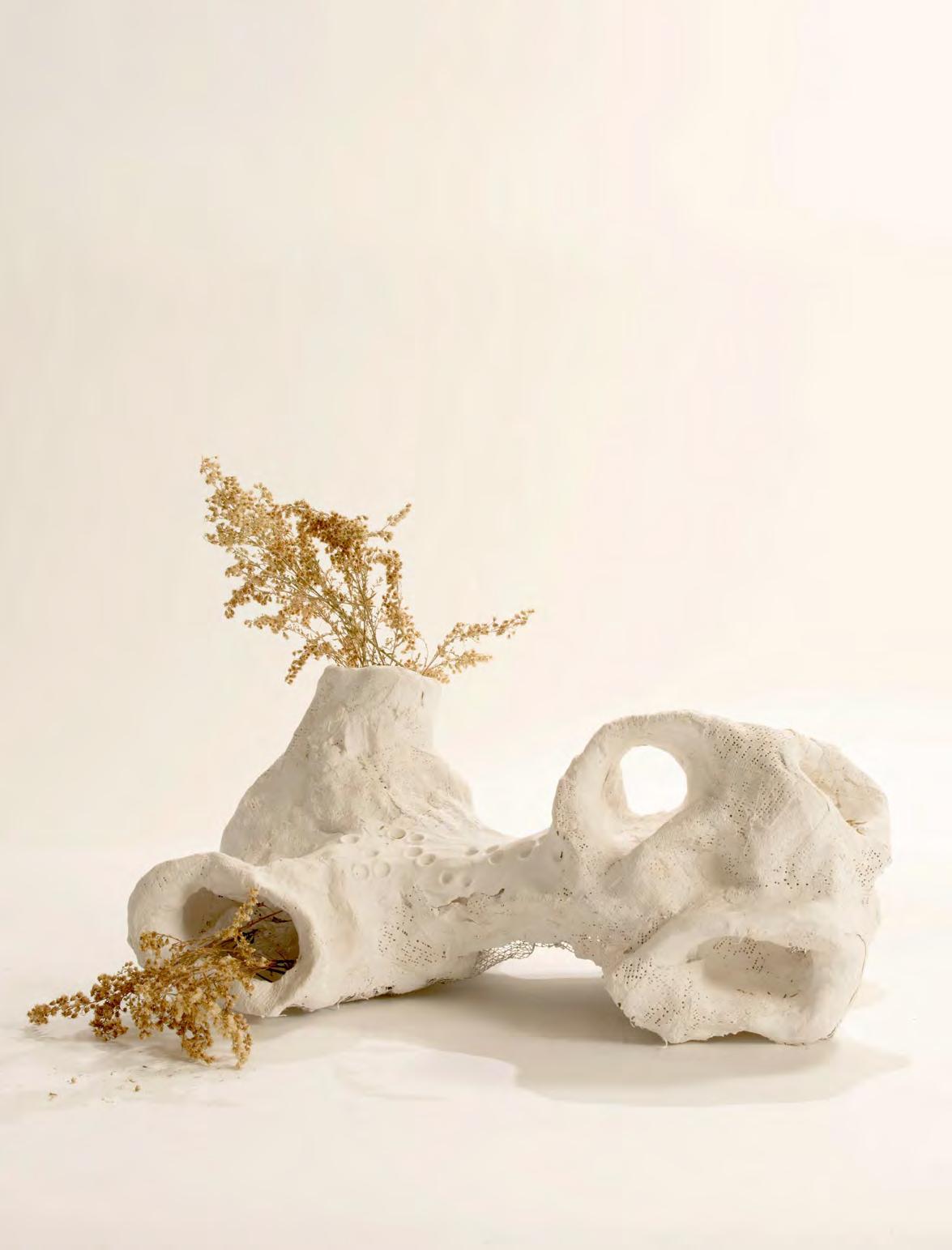
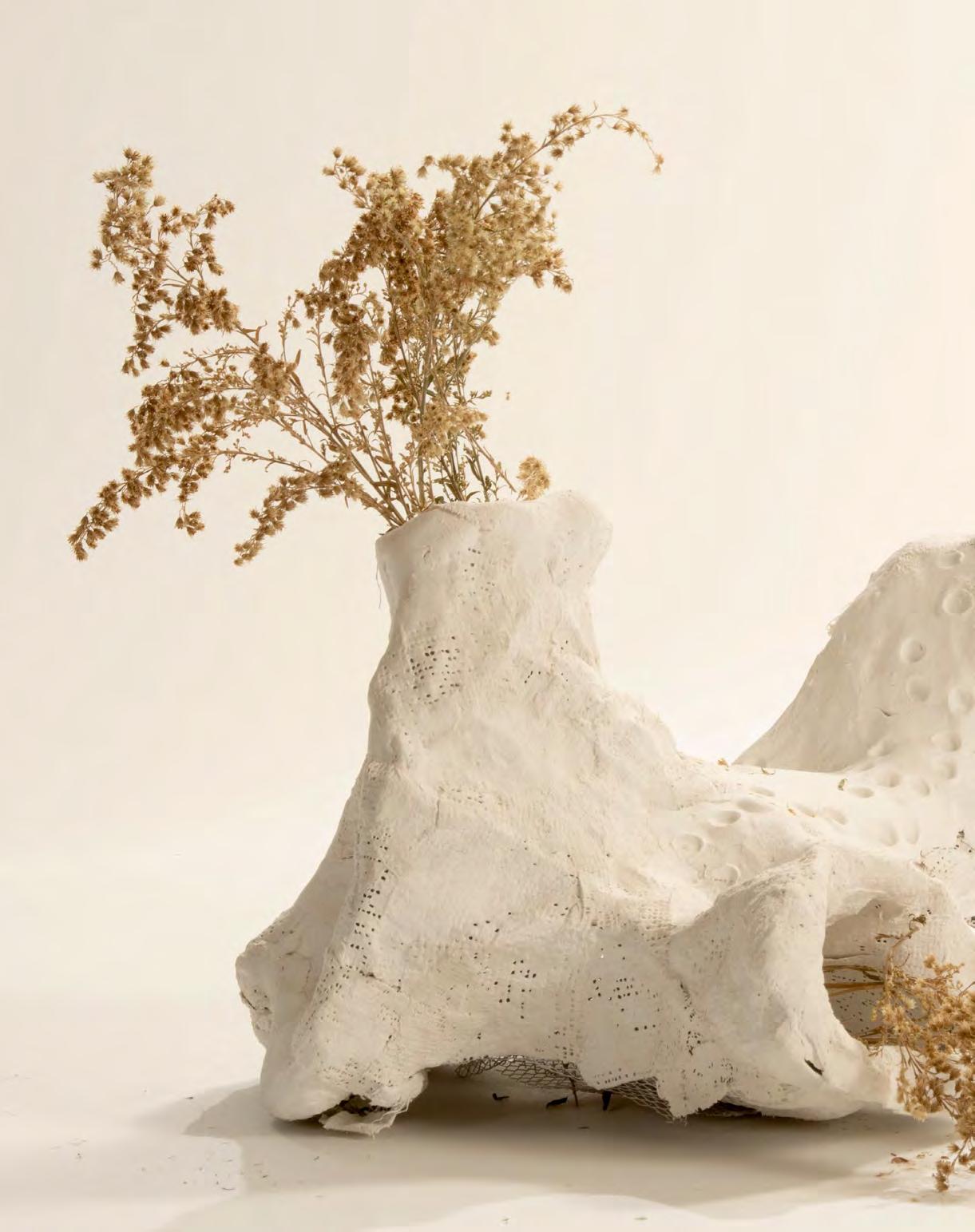
This initial design study explores the potential for a new collaboration between architecture and the natural world where the user’s individual agency can be enlisted to multiply the possible readings of an object beyond normative technofunctionalist narratives. The amorphic object does not have a deined orientation or designed purpose, rather it is lexible in response to the occupants’ interpretation, demonstrative of Von Uexkull’s Umwelt.Through this concept, the idea that various life forms may have equally valid perspectives and experiences may be embraced.
The lexibility provided through the object’s form enables the support of various types of life, encouraging exploration and the occupant’s individual creativity. In one instance, a plant could grow in the object’s crevices, absorbing water that is held in its pores. In another instance, a bird could nest within its openings, protecting itself from external elements while also gaining access to vital resources and shelter. Through variations in materiality combined with organically developed openings and pores, the object can serve as a vessel to support different forms of life— light is able to enter the object through pores in the materiality and it can capture and store water to support the life within. The object can provide shelter from wind and other elements, while simultaneously allowing those environmental components to pass through its structure. It may be used as a means to house various forms of life as it embodies spaces to be experienced in selfinterpreted ways.

43 Corner, 58.
44 Rancière, 12-19
45 “Moma Learning.” MoMA. https://www.moma. org/learn/moma_learning/ themes/surrealism/.
46 Shields, Jennifer. Collage and architecture. Routledge, 2014, 8.
47 “Max Ernst: Moma.” The Museum of Modern Art. https://www.moma.org/ artists/1752.
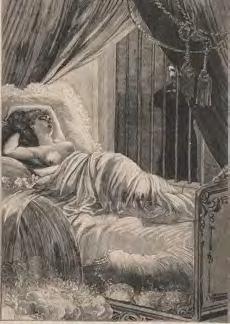
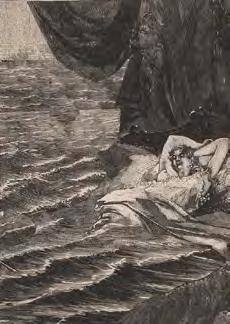
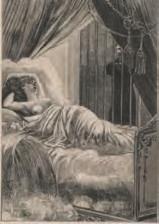
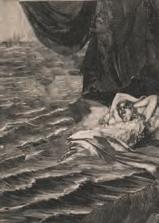
Max Ernst. Volume II: L’Eau (Volume II: Water) from Une Semaine de bonté ou les sept éléments capitaux (AWeek of Kindness or the Seven Deadly Elements). 1933–34, published 1934
[collage]
The tool of collage allows for the juxtaposition of traditionally opposing ideas. Forms and objects overlap, connect, oppose, converge, and create unity—forming novel relationships. In the essay “Ecology and Landscape as Agents for Creativity,” landscape architect James Corner discusses the “deep human desire to realize new enlightened visions—new connections and possibilities for relationships between things.”43 A critical step in evoking the urgent change required to ensure the future survival of the human species involves the realization that we are part of an interconnected system in which human decisions have rippling impacts. Through design, it may be possible to incentivize, spark curiosity, and encourage new ways of thinking where decisions take into account both short- and long-term impacts.As annotated by Ranciere, aesthetics inluences humanity’s perception of the world and has the power to reinforce old ideas or incite new understandings and beliefs.44 Collage is a method of reframing aesthetics to evoke new compositions with a variety of valid interpretations.
Surrealism—a 1920s artistic and literary movement occurring in Paris—celebrated the irrational and the freedom of the unconscious over reason and order.45 Founder Andre Breton, annotated the concept of unifying “the inner world of the imagination with the outer world of reality.”46 The lack of boundaries, luid layers, and juxtaposition of unrelated objects merges the familiar with the unfamiliar, sparking speculation between opposing realities and developing the formation for new understandings of plausible relationships, composed in a manner that pluralizes interpretations. Max Ernst, most closely associated with Surrealism, is known for his work giving form to memory and myth.47 “Water” exempliies how Ernst leverages the afinity between an image of crashing waves and rumpled bed sheets, alluding to the turbulence of the sleeper’s dream.
Ernst demonstrates the power that collage carries in promoting new forms of thought and experience by merging the familiar with the unknown and the intimate with the universal. These concepts of collage transcend into the three dimensional world. For example, a staircase or its guardrail, while familiarly interpreted as a structure for human use, may also be interpreted as a support system for plants. In this case, the user must make a conscious decision to recognize the stair as an object for human useandthroughthat,becomeawareofthepossibilitythatdoingso may cause harm to the plants it is also supporting. This displaces the absolute authority of the human subject and instead places that human subjectivity on an equal footing with the plants.
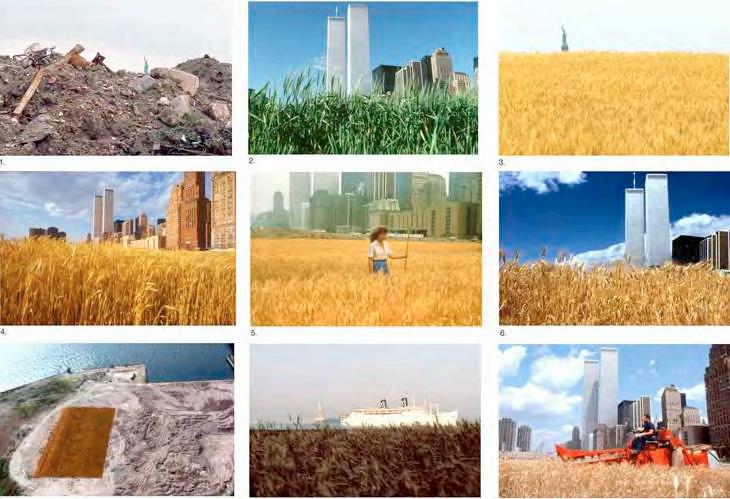
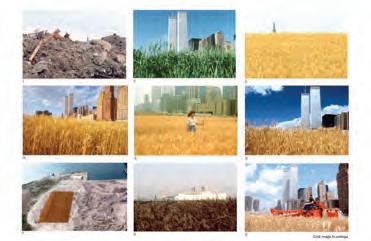
The concept-based artist Agnes Denes is a pioneer of environmental art. She has developed profound works of art that point to major societal and ecological issues of the anthropocene era. In the summer of 1982, located on top of a landill two blocks from Wall Street and the World Trade Center, and within eyeshot of the Statue of Liberty, Denes planted, maintained, and harvested a ield of golden wheat—Wheatield—A Confrontation: Battery Park Landill, Downtown Manhattan.48 This installation existed for four months on land worth $4.5 billion in the United State’s most populous city.49 Symbolic of universal concepts such as food, energy, commerce, world trade, and economics, Denes draws reference to humanity’s mismanagement of resources, excessively wasteful consumption patterns, world hunger, and ecological issues.
The juxtaposition between one of the world’s largest metropolitan areas with one of the strongest economies in the world sitting atop a landill is representative of the multitude of complex intertwined problems humanity faces as a result of its detachment from the natural world. Denes’s work demonstrates a kind of detournement—a technique adopted by the Situationist International in the 1950s.50 Simon Sadler, architectural theorist and professor of history and architecture, annotates in The Situationist City the concept of detournement as merging two opposing objects for a new form of communal development and understanding.51
ReferencingthepoetryofLautreamontastheSituationists’ inspiration, Sadler quotes “‘when two objects are brought together, no matter how far apart their original contexts may be, a relationship is always formed … The mutual interference of two worlds of feeling, or the bringing together of two independent expressions, superseeds the original elements and produces a syntheticorganizationofgreatereficiency,’”52 challengingcurrent understandings of the relationship between the built environment and the world’s ecological systems, creating the space to ponder a reality in which the detached human world entangles itself with the wild world.
Observing the wheat ield from the lens of Manhattan’s concrete jungle evokes potential feelings of shock and discomfort leading to speculation and the chance to question priorities. Work like Denes’ draws on people’s current beliefs and allows for the formation of new understandings and meanings of how relationships within the world function.
Architecture is a primary method by which humanity’s seeks to escape the brutality and unpredictability associated with the natural world. Throughout history, society has succeeded in separating humanity from the harshness of the environment, while simultaneously creating an emotional disconnect.
Acollage where natural elements appear “wild” as they pierce through a building.
Agnes Denes “Wheatield -AConfrontation: Battery Park Landill, Downtown Manhattan,”Agnes Denes, 1983.
48Agnes Denes “Wheatield -AConfrontation: Battery Park Landill, Downtown Manhattan ,”Agnes Denes, 1983. http://www. agnesdenesstudio.com/ works7.html.
49 ilbd
50 Sadler, Simon. The Situationist City. MIT press, 1999, 108.
51 ilbd., 108.
52 ilbd., 108.
[geologic time]
Design experiment Two demonstrates a way that we can look towards the natural world as a precedent for designing open systems. In nature, there is a certain level of unpredictability. Elements are not inely controlled and instead develop based on a number of constantly varying factors. There is no designated, preplannedoutlineforhownaturedevelopsinrelationtoitselfand its surroundings. Humans are focused on the persistent eminent future, resulting in continual planning and reprogramming for the anticipation of growth while also striving to meet current needs. Infrastructures become obsolete as society and human needs continuously evolve. The structure of development is unsustainable because current planning methods are limited to present needs and behaviors. Latour’s concept of “engendering” embodies the importance of humanity getting in closer touch with the systems of practice that frame its current lifestyle and relationship with the planet.53 Modern technology is founded on a relationship of disconnection between humanity and the natural world. The concept of engendering reveals this foundation which is a critical step towards not only recognizing humanity’s ability to design systems that can still beneit itself, but also how those systems can be formed to nurture and support the surrounding ecological systems.
[open systems]
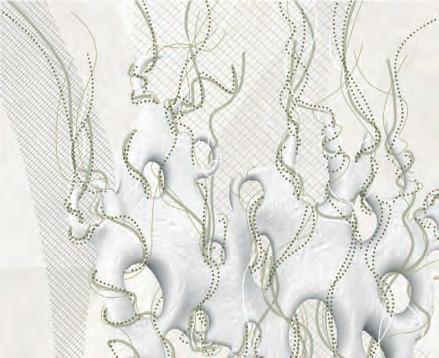
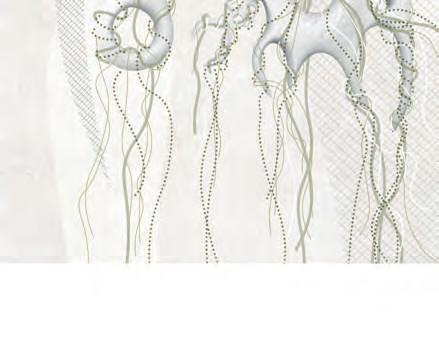
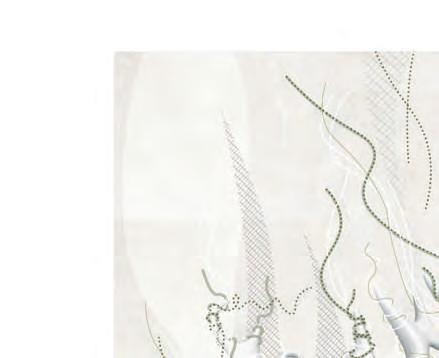
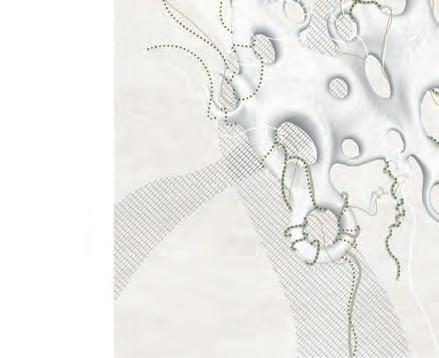
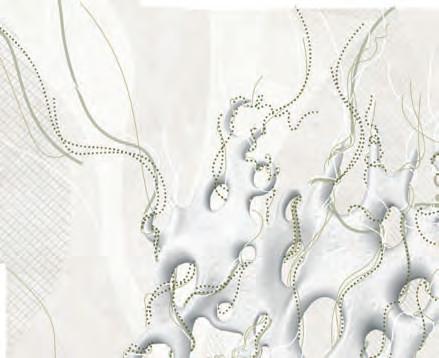
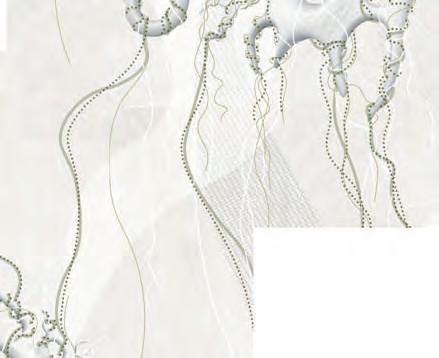
Richard Sennet discusses in Designing Disorder three distinct characteristics of an open city—passage territories, incomplete forms, and nonlinear narratives.54 The object created for the design experiment embodies these concepts as it can be viewed as a vessel with an evolving yet porous structure that will grow in response to the needs of various forms of life.The related drawing illustrates the adaptability of the form and its ability to develop organically over time, accommodating the natural patterns of the life that it is supporting. Sennet annotates how amorphic spaces eliminate deined uses, purposes, or intentions and allow for freedom in expression, new interpretations, and new discoveries.55
The growing amorphous form of the object enables the life that it supports to inluence its growth as it evolves over time.
53 Latour
54 Pablo Sendra and Richard Sennett, Designing Disorder: Experiments and Disruptions in the City (New York: Verso, 2020).
55 Sennett 22.
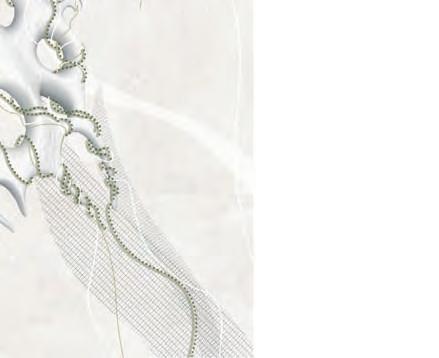
An illustration of a porous, amorphic object in different phases of growth.


[borders]
The object can be interpreted as a porous border where various forms of life may interact and exchange their unique diversities. “Both porous walls and borders create liminal space - that is, space at the limits of control, limits which permit the appearance of things, acts and persons unforeseen yet focused and sited.”56
Fracturing borders creates the opportunity to exchange various ideas and strengths, allowing for richer growth. Structuring the development of society for all forms of life to exchange the multiplicity of their valuable offerings with one another and systems are able to grow in a nonlinear way as a result of an open, ever-evolving form, allows for natural, sustainable growth.
Technology can be harnessed to design for the unplanned future and reconnect humanity with the natural world. Looking
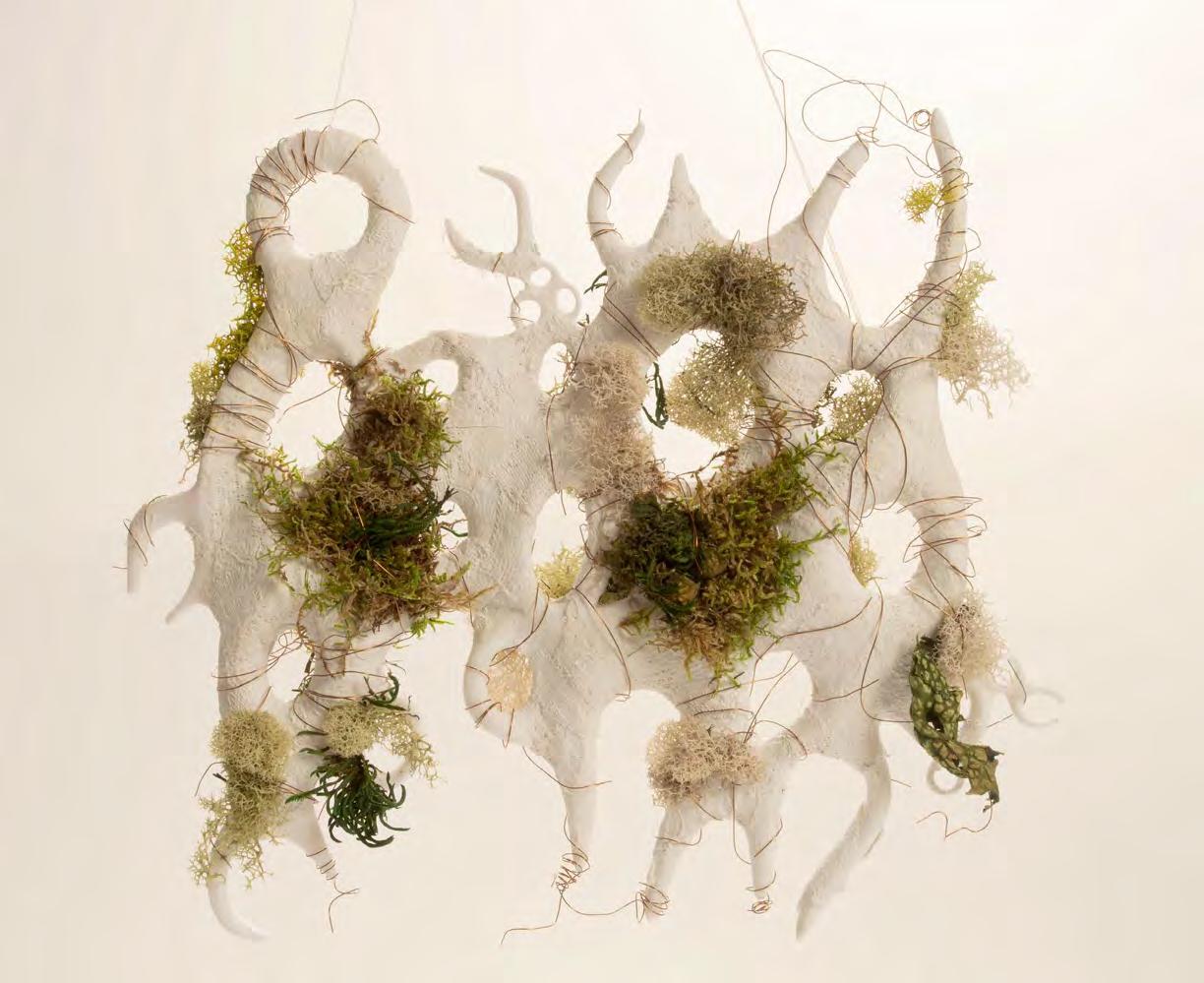
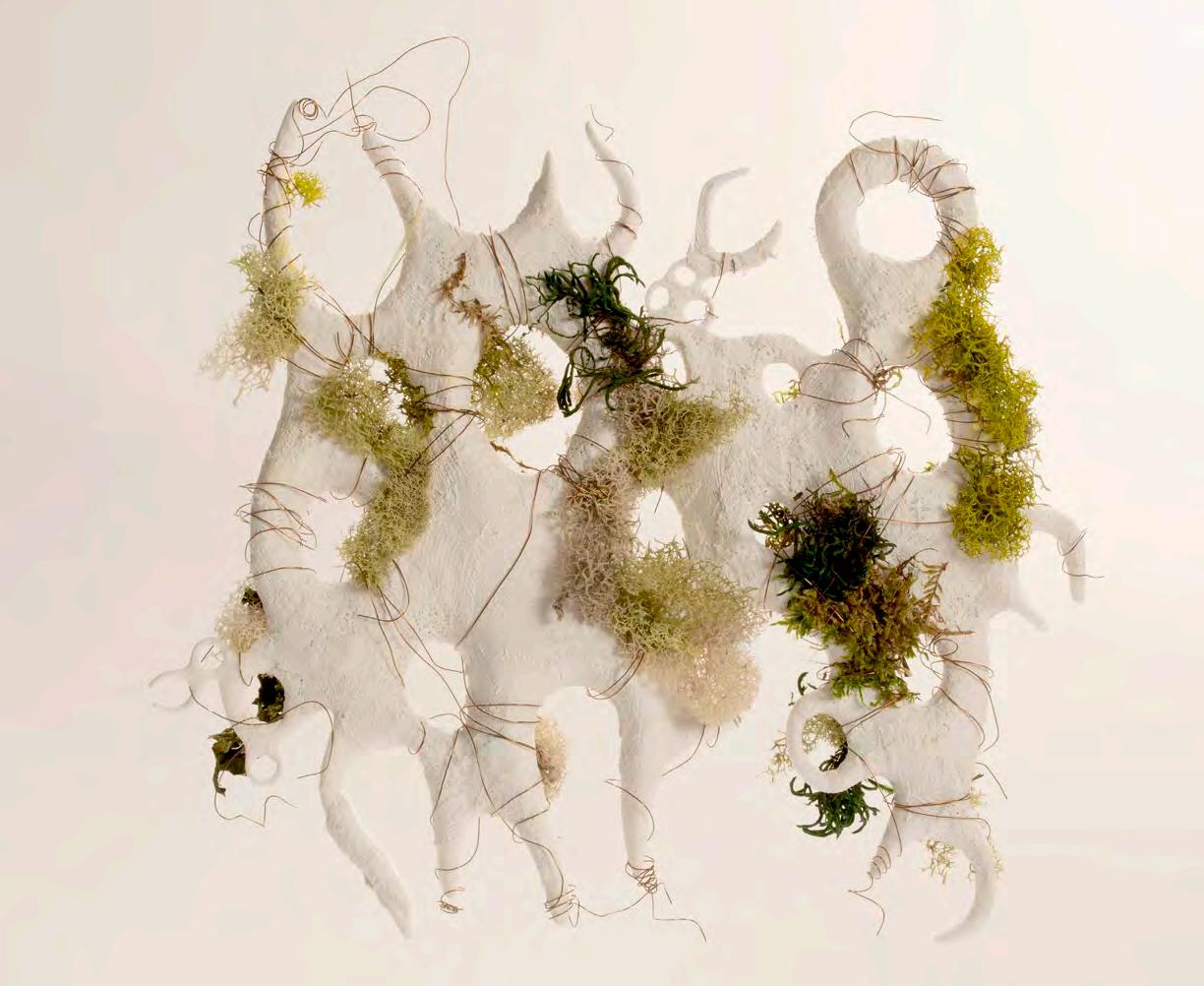
Aporous object where various subjects may exchange their diversities and grow in a self-deined manner, Fall 2021, 3D print, plaster wrap, bronze wire, dried moss, 10”x12.” 56 Sennett, 31.
towards nature as a precedent for design, the innate luctuations andvariabilityofhumansocietiesandcultures,ecologicalsystems, and the broader world may be understood. Acknowledging the unpredictability of the natural world when designing allows for the creation of systems that enable essential adjustments and adaptations of the built environment for those designs to remain useful and relevant. Developing designs that acknowledge their connection with the broader context of the world, that are anticipatory and responsive to change, requires revaluation and restructuring of current practices—a key factor in establishing an environment where all forms of life have the opportunity to lourish throughout time.
“In natural ecologies, borders are the places where organisms become more interactive, due to the meeting of different species or physical conditions.”
-Richard
Sennet, Designing Disorder
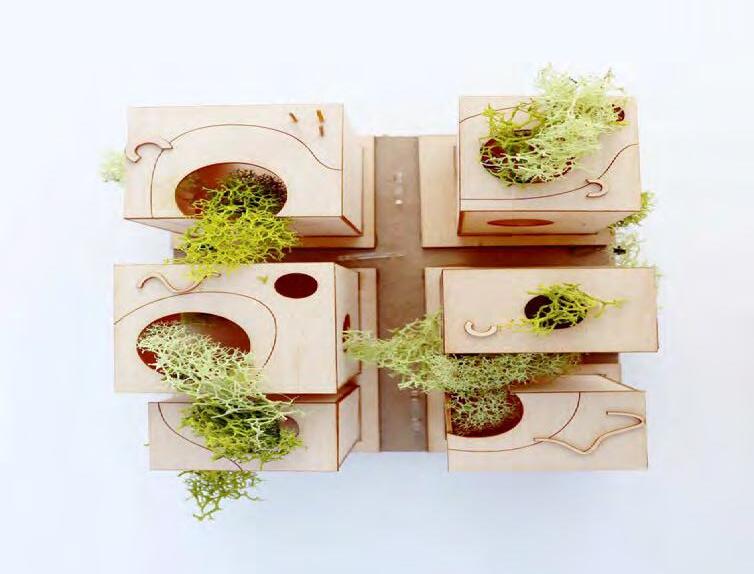
Astudy model depicting an urban environment where a living fabric travels from one building block to the next, sparking intrigue from city dwellers on the ground level.
An illustration of an object that prioritizes the growth of non-human others.
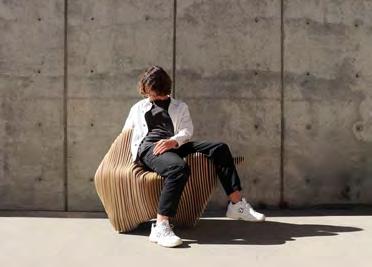
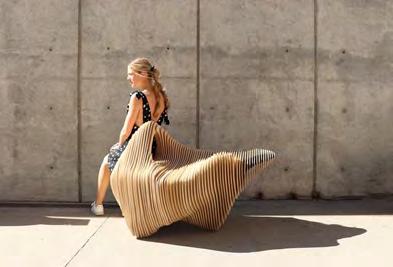
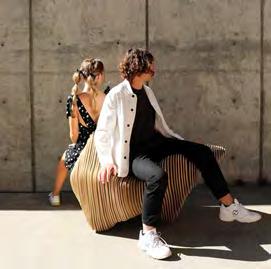
The lifeforce supporting ecology and our existence is not readily visible. We see nature as an ever present entity, but not as an evidently observable element of life essential to our existence. This furniture design study enables the utilization of technology to spark speculation about our relationship with our environment and the ecological systems that constitute it. WITH[IN] exists as a raw, wooden sculpture, composed of evenly spaced slices, each of which are unique. These individual elements unite as a whole, forming an object that is altogether solid, exposed, open, contrasting, heavy, and light.The design ofWithin represents how the structure of our world is not composed of a variety of systems that autonomously exist, but rather as unique elements that rely on and support one another to make up a dynamic, functioning whole.
The object has an internal organic form embedded within a greater external body, suggesting an interdependence that is not initially apparent, but essential to the composition and structure that provides the existence of the object. Through playing with darkness and light, the ebony stained wood constituting the internal form sharply contrasts with the rawness of the external object surrounding it, revealing itself in individual moments at different angles. The rawness of the materiality combines with the organic shape of the furniture piece, serving as a biophilic design element, enabling the human instinct to gravitate towards and connect with other living things. By drawing the user in and encouraging engagement of various senses, the object is able to reveal its inner core - demonstrative of how it may stand the test of time as the delicacy of the essential internal structure is protected by the shell of the external form.
Through form, materiality, and structure, the object intends to spark users’ curiosity, inviting the questioning of how the object may be used or occupied. Through this exploration, users may witness the inner core that is only visible from certain angles. This design strategy invites the engagement of the user, an essential action in order to experience the object for both its ability to be physically occupied as well as for it to be understood as a form existing as part of a complex, integrated system. By inciting curiosity and engagement, WITH[IN] fulills the users’ innate desire of thinking creatively, enabling the development of new connections and understandings, encouraging the formation of comprehensive conclusions as a whole.
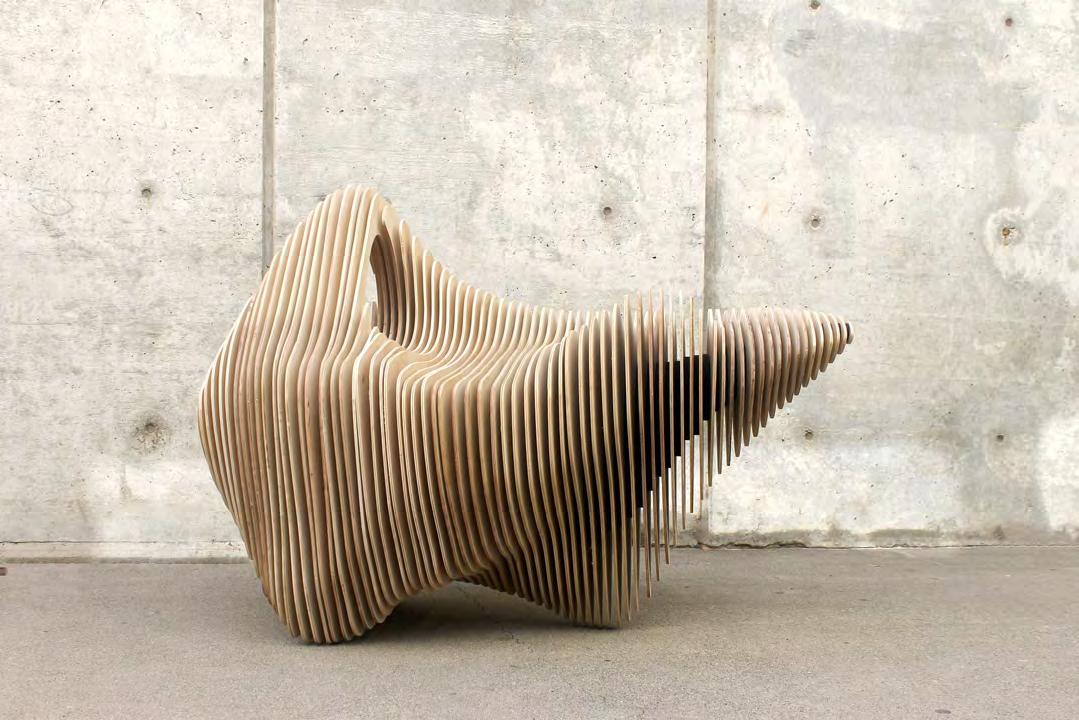
WITH[IN], Vellum furniture competition, Fall 2021.
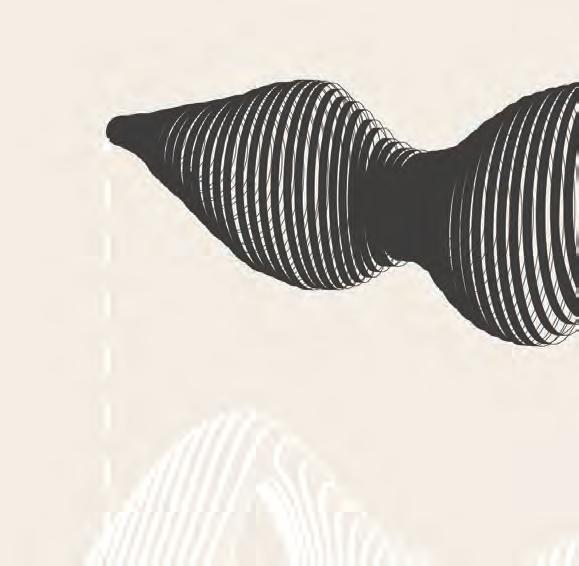
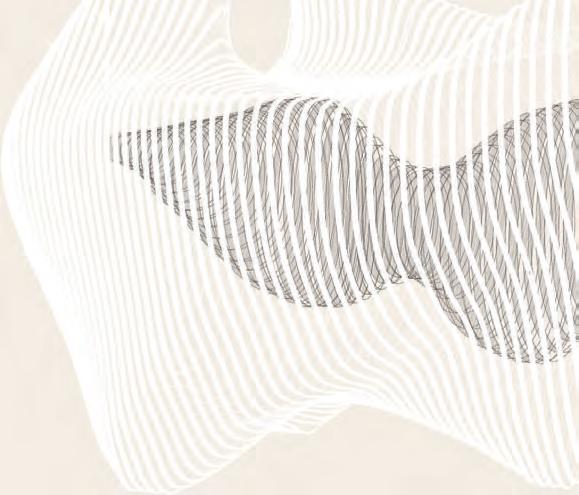
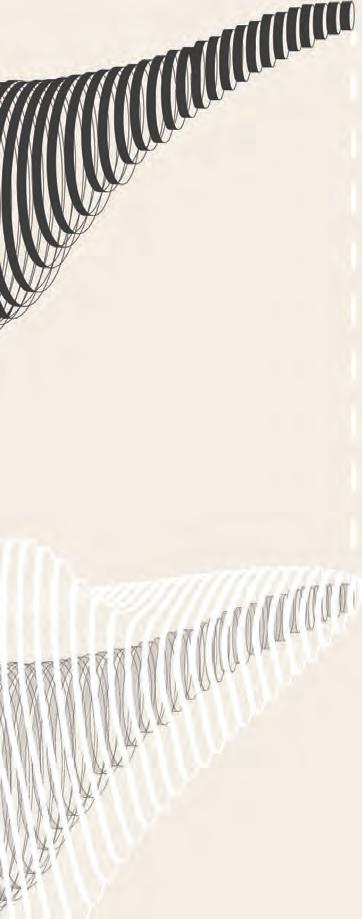

An illustration of WITH[IN] depicting the internal form that uniies the object.
The illustration reveals the hidden internal body as a whole, as it is integrated within the external, visible form. This illustration reveals the structure of the whole object that is not visible at irst glance, but can be seen in fragments from various points of view. By witnessing the inner core as a whole, rather than the perceived fragments that are visible three dimensionally, provides clarity regarding the object’s composition and structure, as well as emphasizes the individuality of the inner core, as it exists as an entity, unique from yet integral to the object as a whole.
WITH[IN] requires the user to be engaged in order to comprehend its signiicance. By engaging the user through design techniques, they are invited to practice their agency, determining both how the object may be occupied and how it may be interpreted. In nature, each individual interprets the various elements composing their environment differently. The collective diversity produced by individuals with their unique perceptions cultivate value within a highly functioning ecosystem. Similar to thevarietyexistinginnature,theobjectcanbeoccupiedinvarious ways. Through the object’s playful form, the user is invited to utilizetheircreativity andindividualexperiencetodeterminehow it may be occupied. Furthermore, the object can be experienced by morethanoneuseratonce,creatingtheopportunityforindividuals to share the space and interact with one another.
Our environment is enhanced through the individuality and uniqueness of various life forms existing in nature.WITH[IN] creates a unifying atmosphere, where individual life forms and their unique perceptions may be exchanged to cultivate a richer whole. These design decisions function to reveal the hidden forces that support our existence to cultivate more holistic understandings and build a stronger foundation for what it means to be contributors to a broader lifeforce.
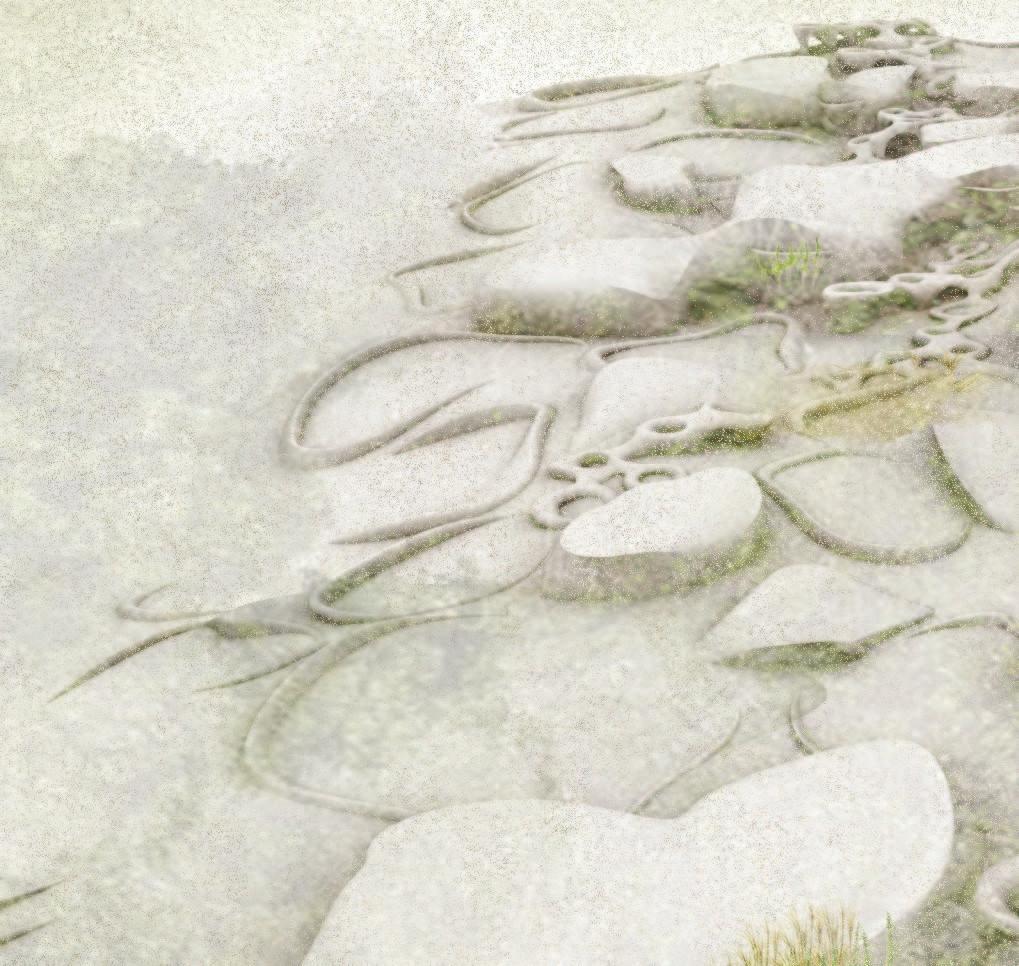
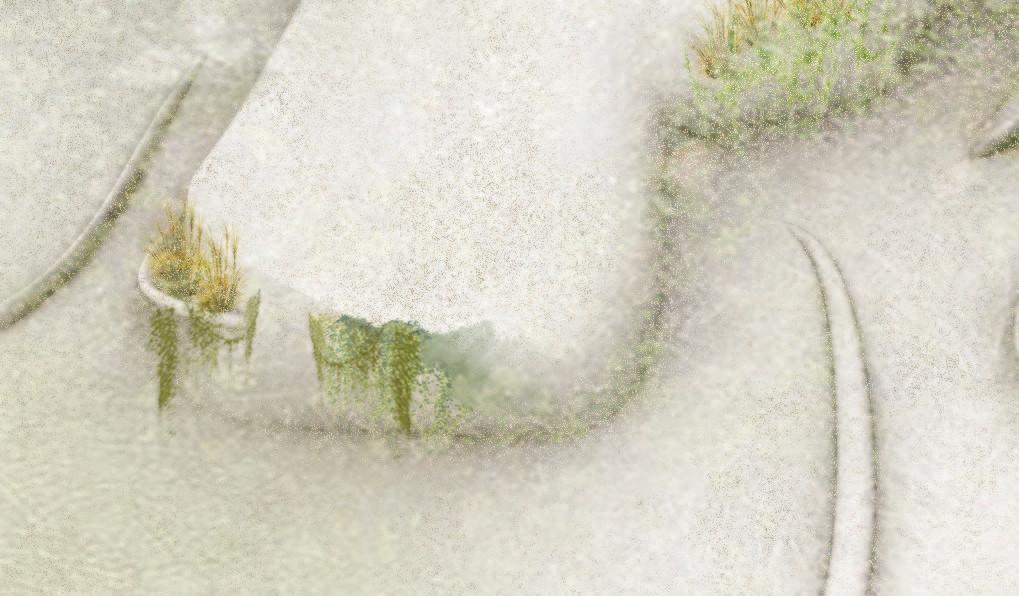

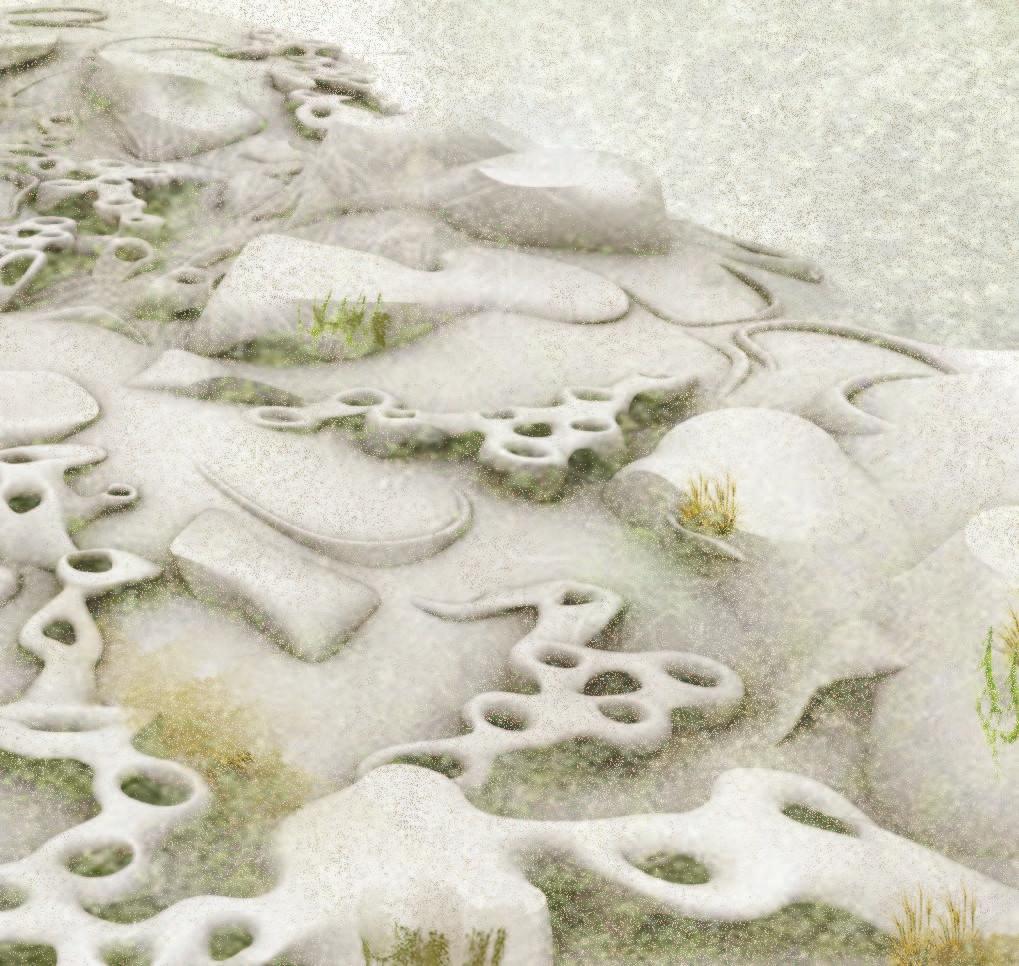


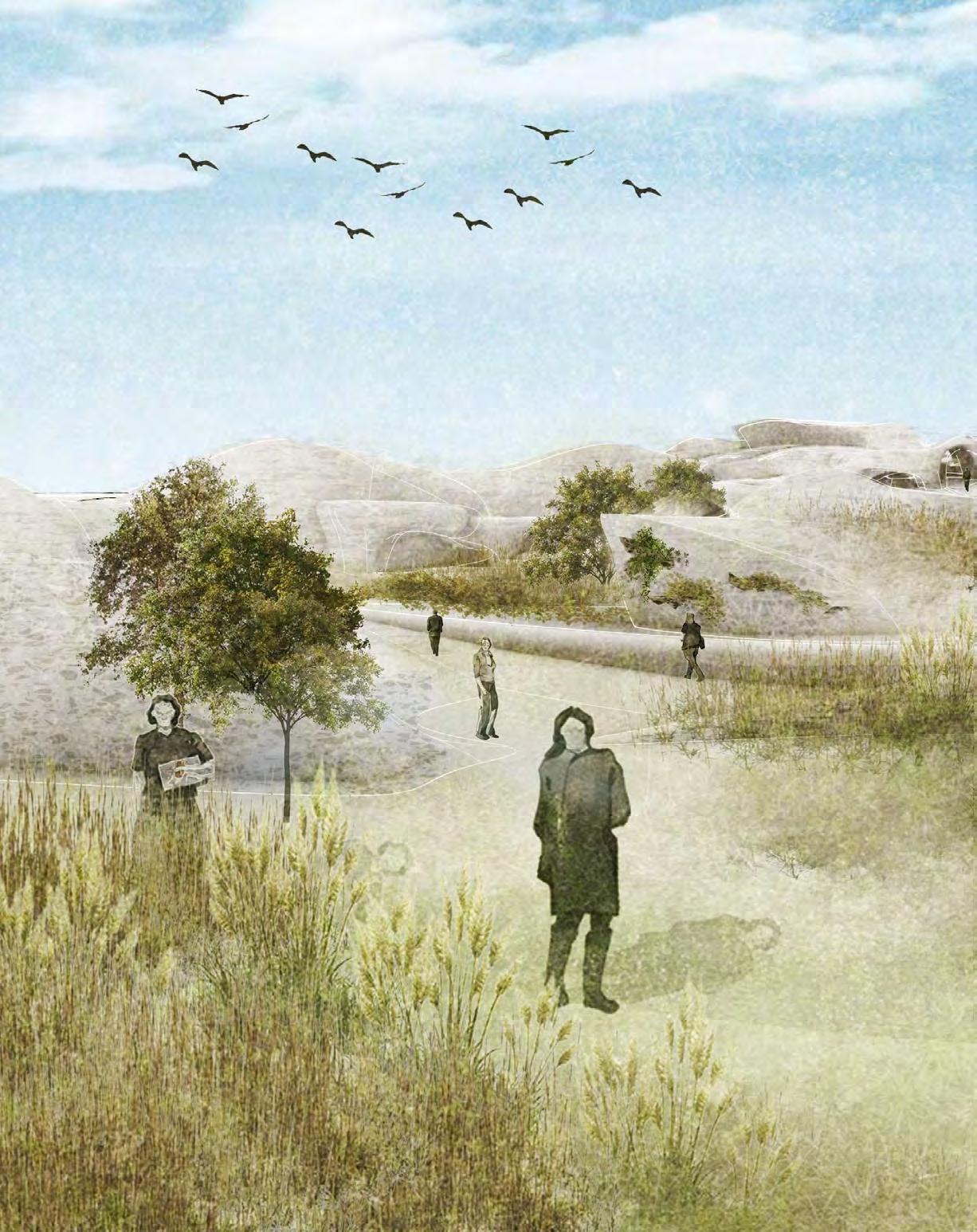
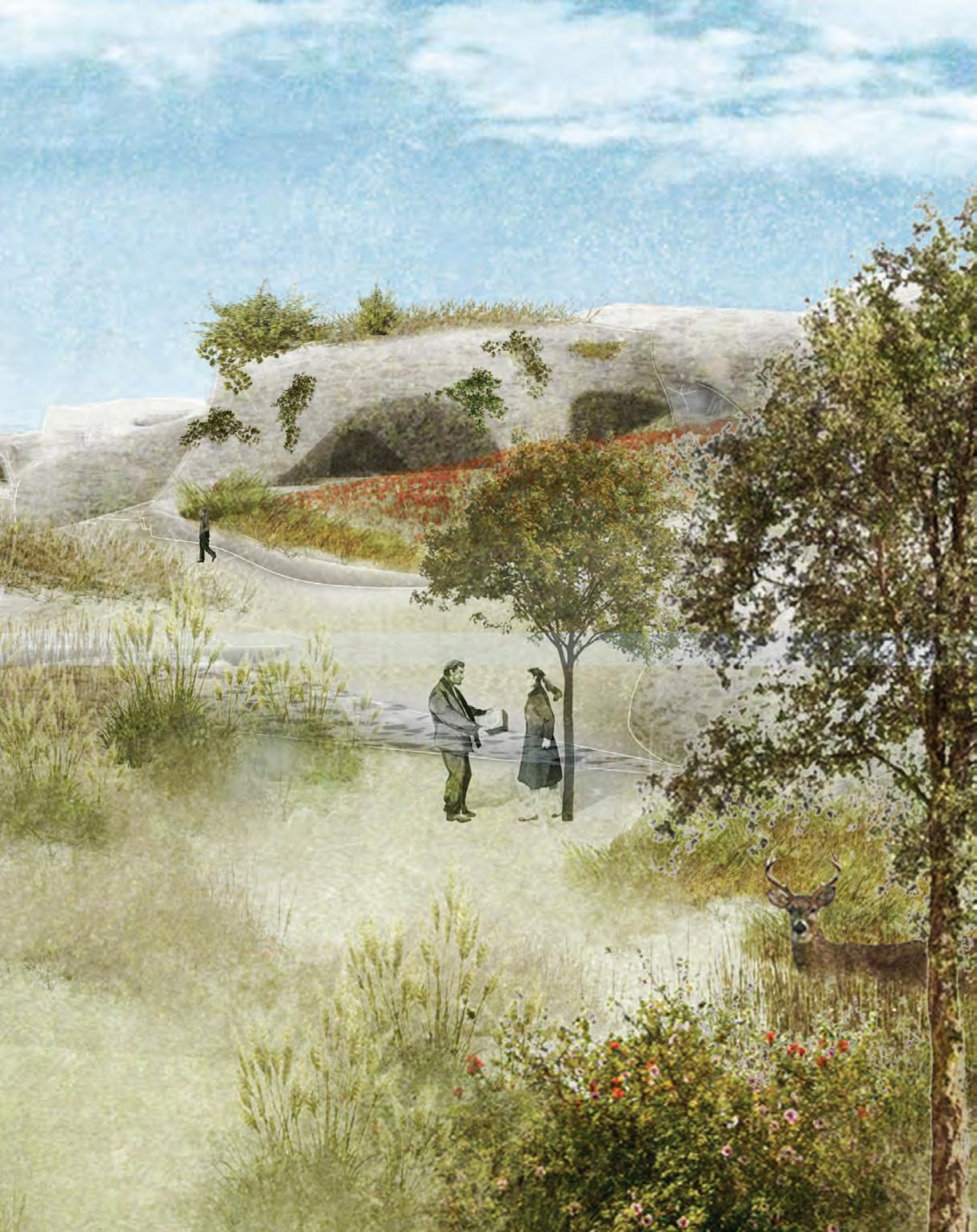
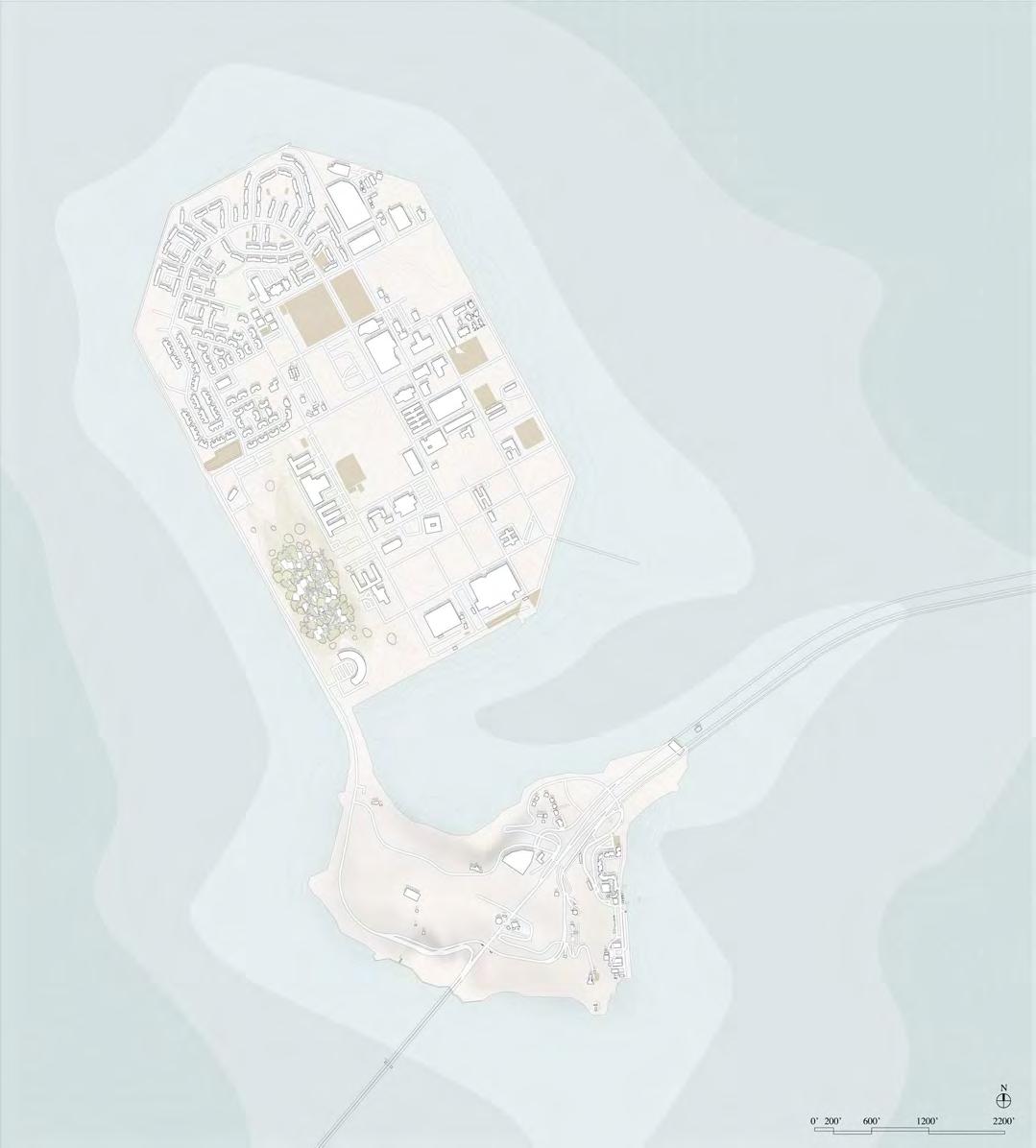
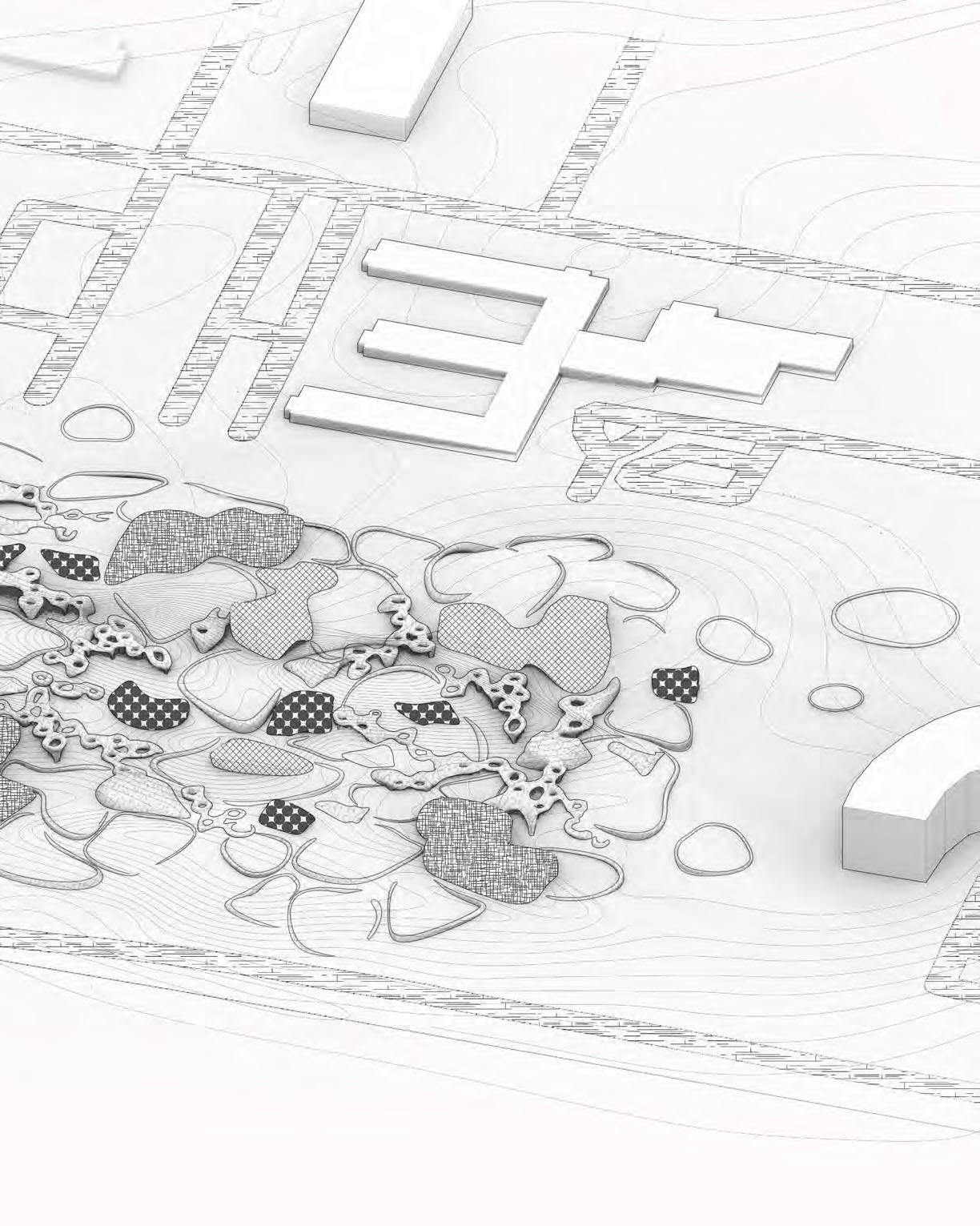
This thesis proposes a reimagined co-living development on Treasure Island, California as an opportunity to develop a new perception of, and cultivate a more enduring relationship between, humanity and the natural world.


















SITE: TREASURE ISLAND
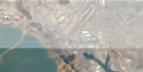
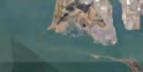






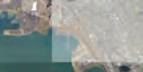
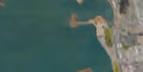


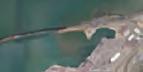

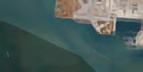


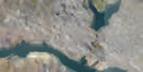
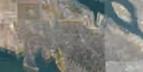




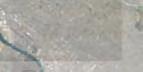

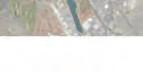



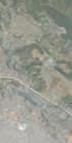

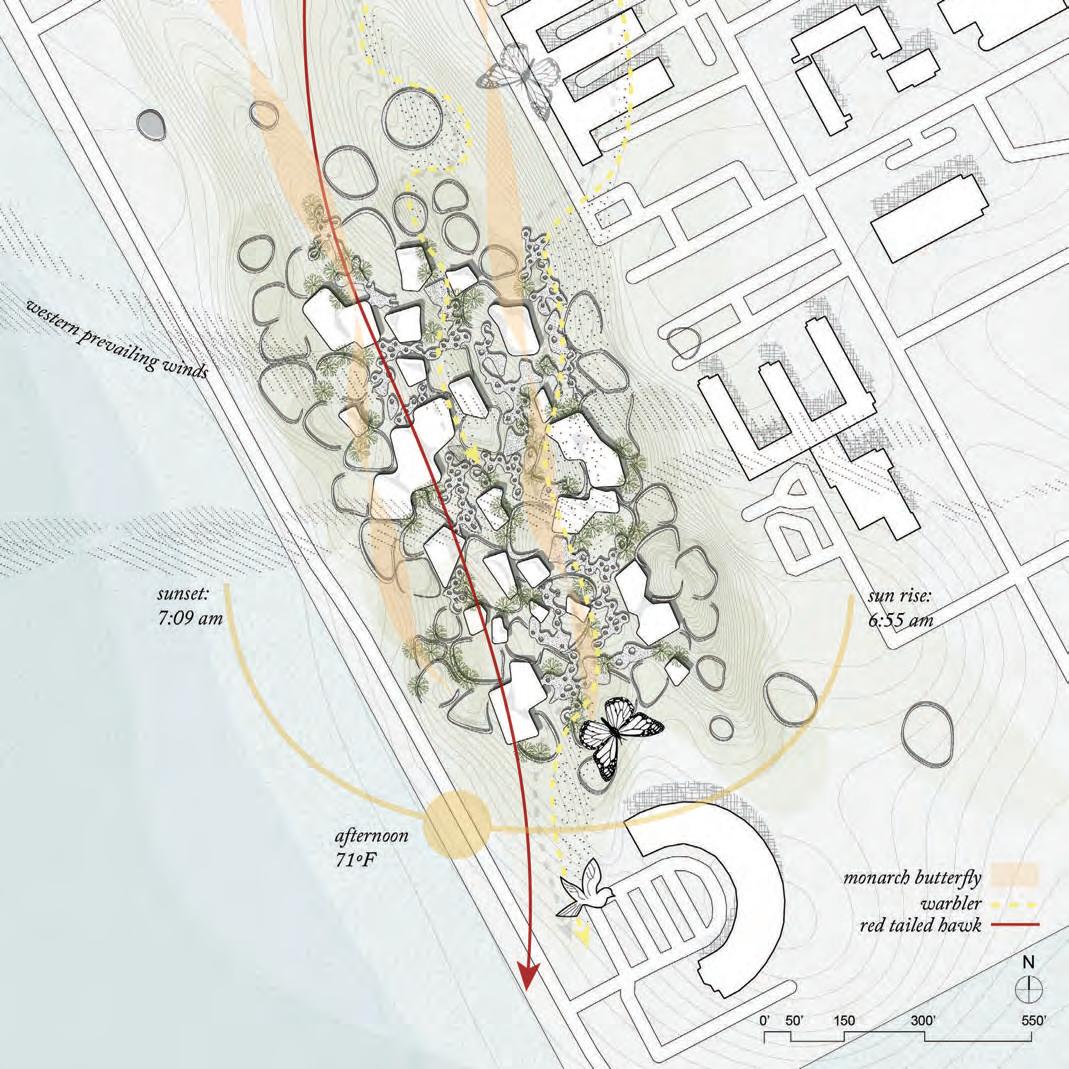
Thisco-livingcommunityissituatedonTreasureIsland,a400acre massofartiiciallandinbetweentwomajorBayAreametropolitan spaces,SanFranciscoandOakland.ItwasconstructedbytheArmy Corp in 1936, adjacent to the natural, pre-existing Yerba Buena Island and is connected to and accessible from San Francisco and Oakland via the Bay Bridge. The island currently supports 3,000 residents in townhome style buildings along with a number of scattered administrative buildings. Much of the island, however, is undeveloped or consists of land that was historically used as a dump.This vast open, undeveloped space serves as an opportunity for regeneration, as a demonstration of creating opportunities for better integration between humanity and the natural world, nearby major metropolitan areas.
Being that Treasure Island was constructed by humanity, the concern for “natural” ceases to exist, and instead expands the opportunity to understand the behaviors and evolutions of ecological systems in conjunction and in simultaneity with human behaviors.
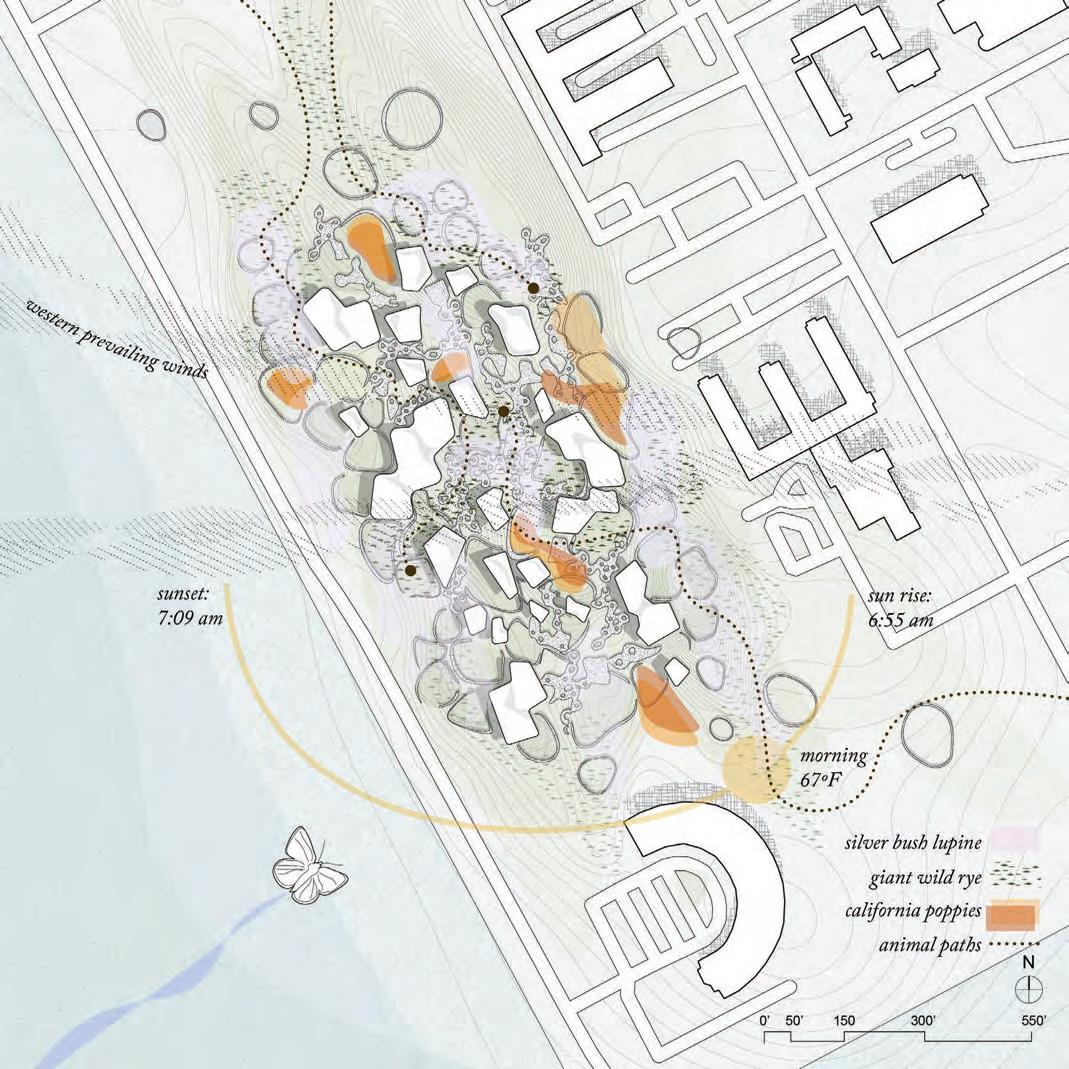



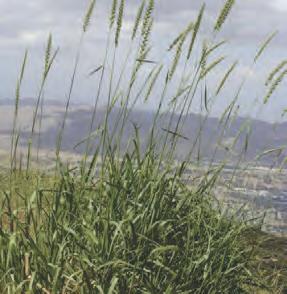
giant wild rye seeds in spring season and is consumed by deer and other mammals

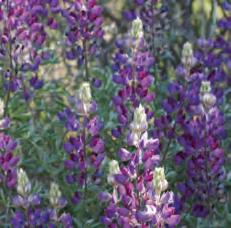
silver bush lupine
native species that grows in open ields and full sunlight is relied upon by the federally endangered blue mission blue butterly relies on this species to feed its larvae
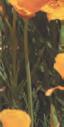
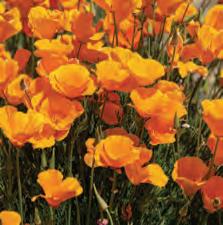
california poppies
thrive in full sunlight, as western winds propagate seeding throughout the site
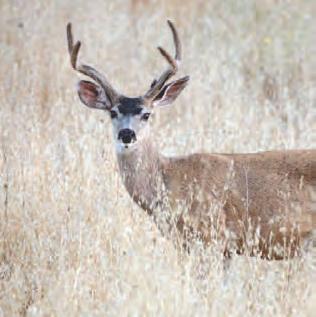
black tailed deer
species is native to the bay area and seek living conditions that have dense brush and cool weather




























california milkweed
monarch butterlies along with other insects consume this native species
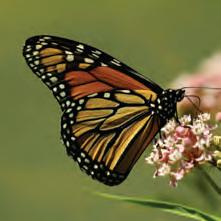
monarch butterfly
species migrates towards this region in the fall in order to exist in a warmer climate
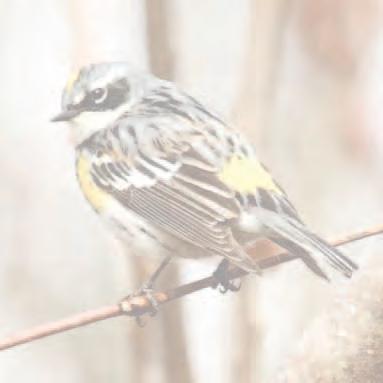
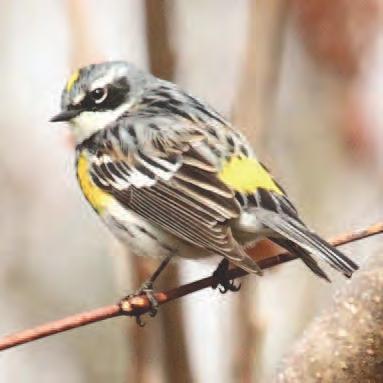
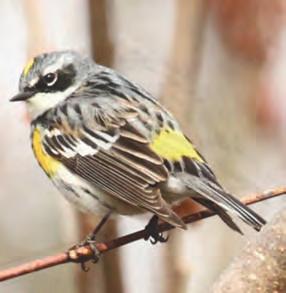
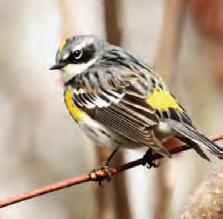
yellow warbler
migrates south through the bay area during the cooler months
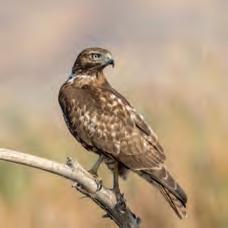
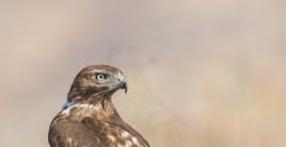
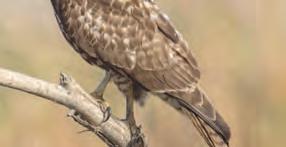
red tailed hawk
migrates south through the bay area during the cooler months hunting small mammals



















kitchen dining gardens
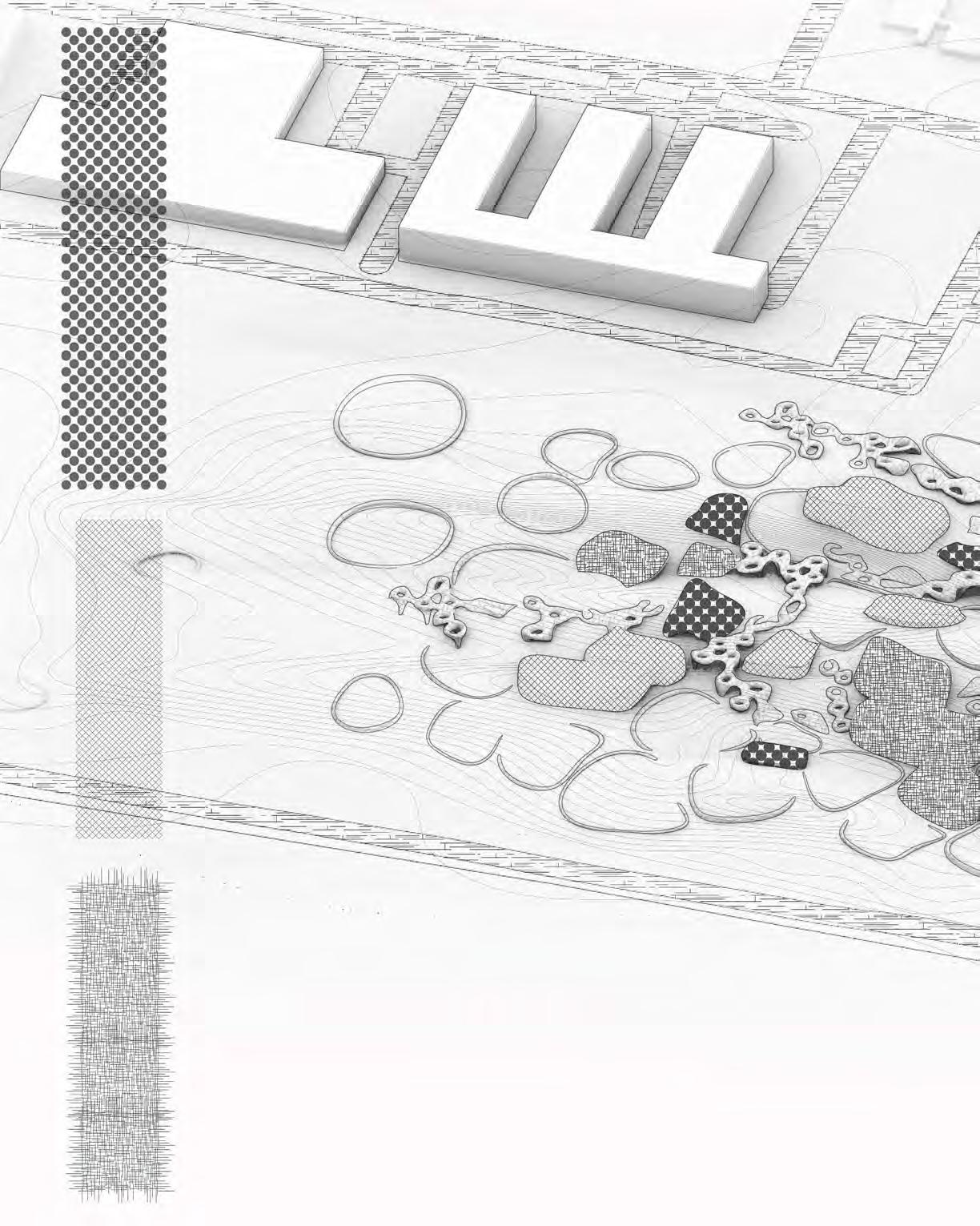
residential
private living quarters
mixed-use
education
markets
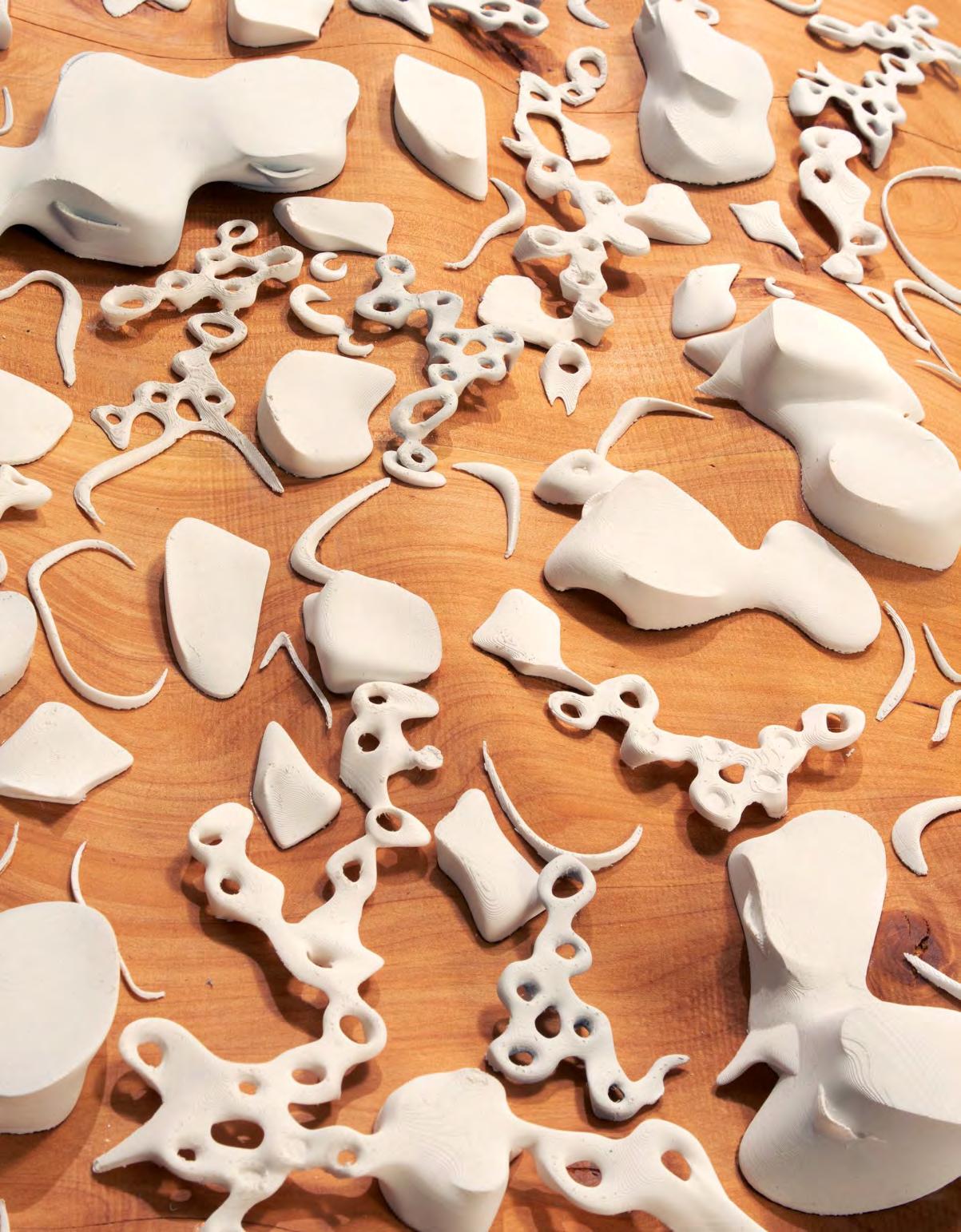
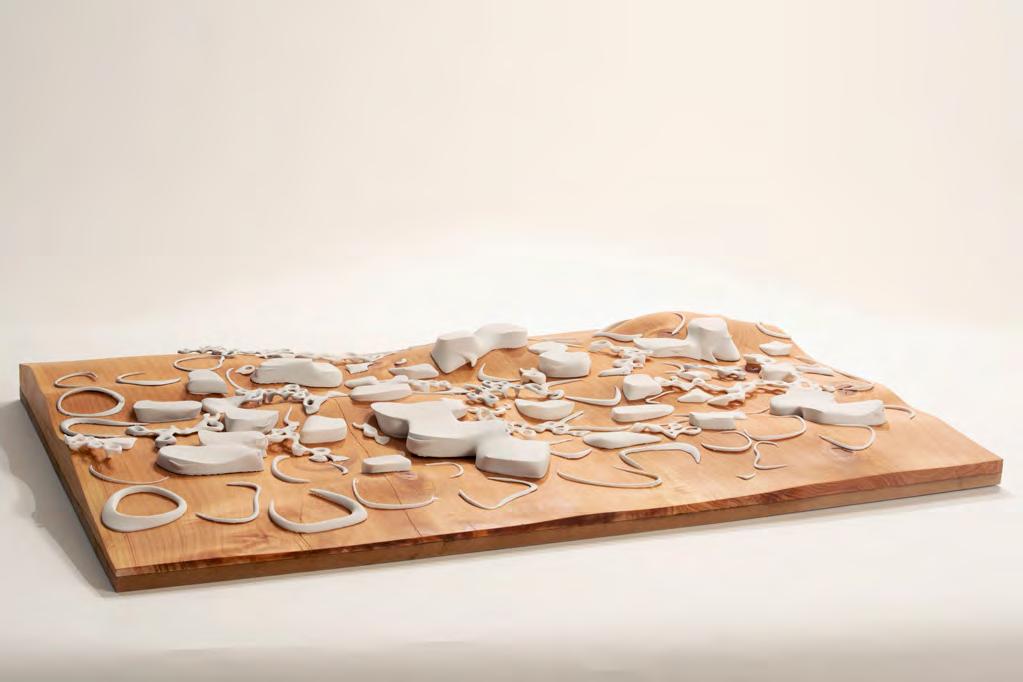
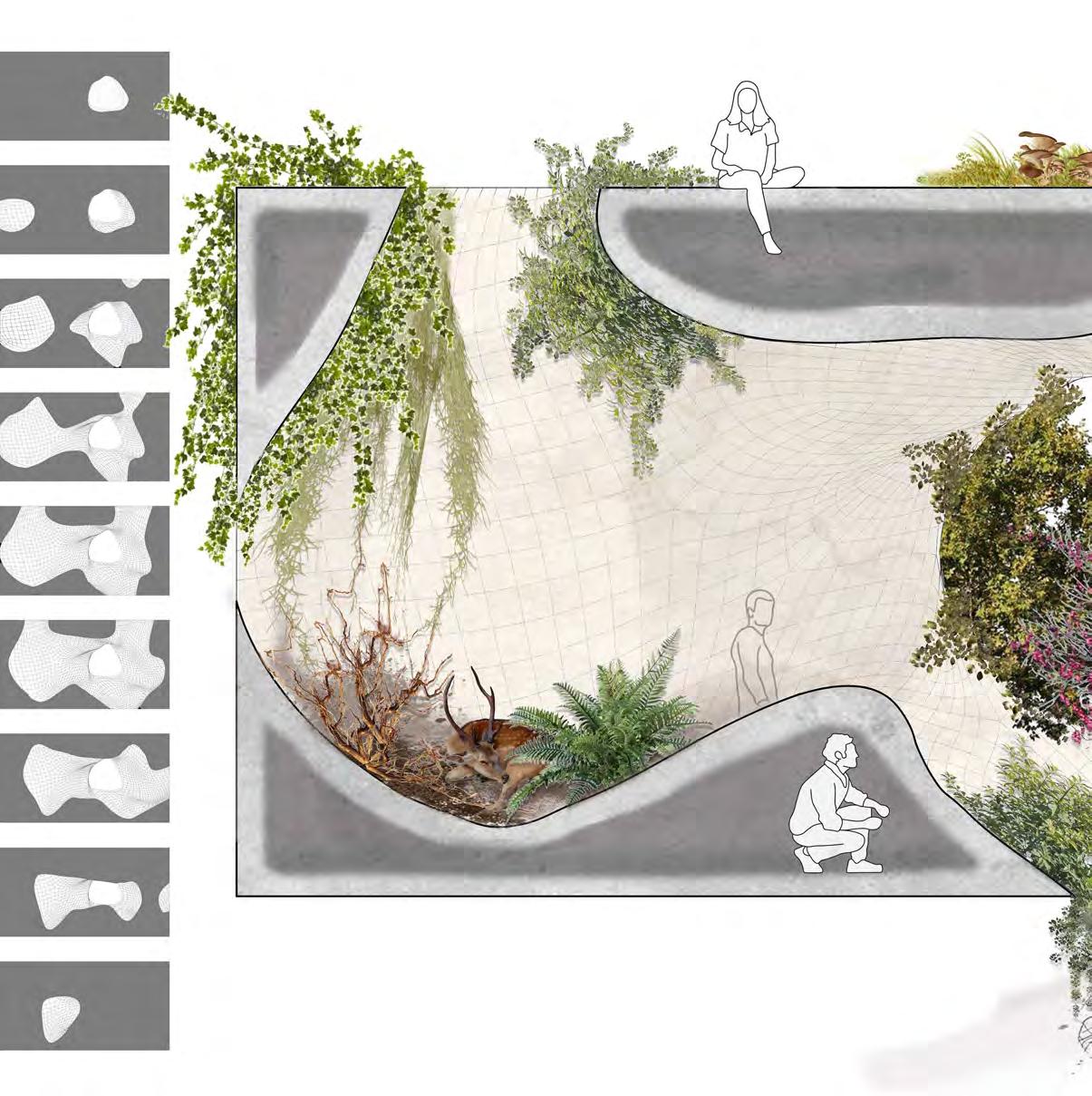
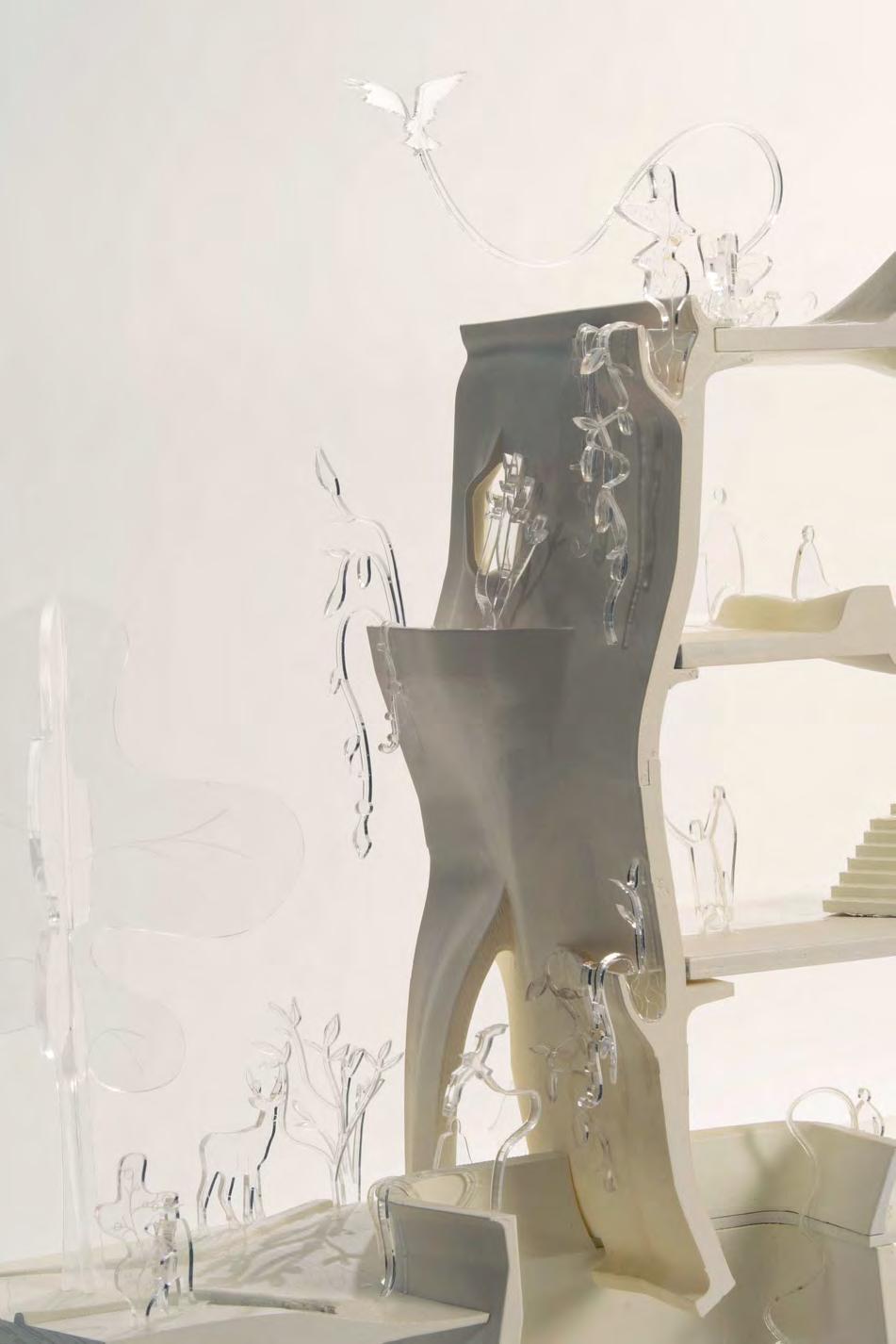
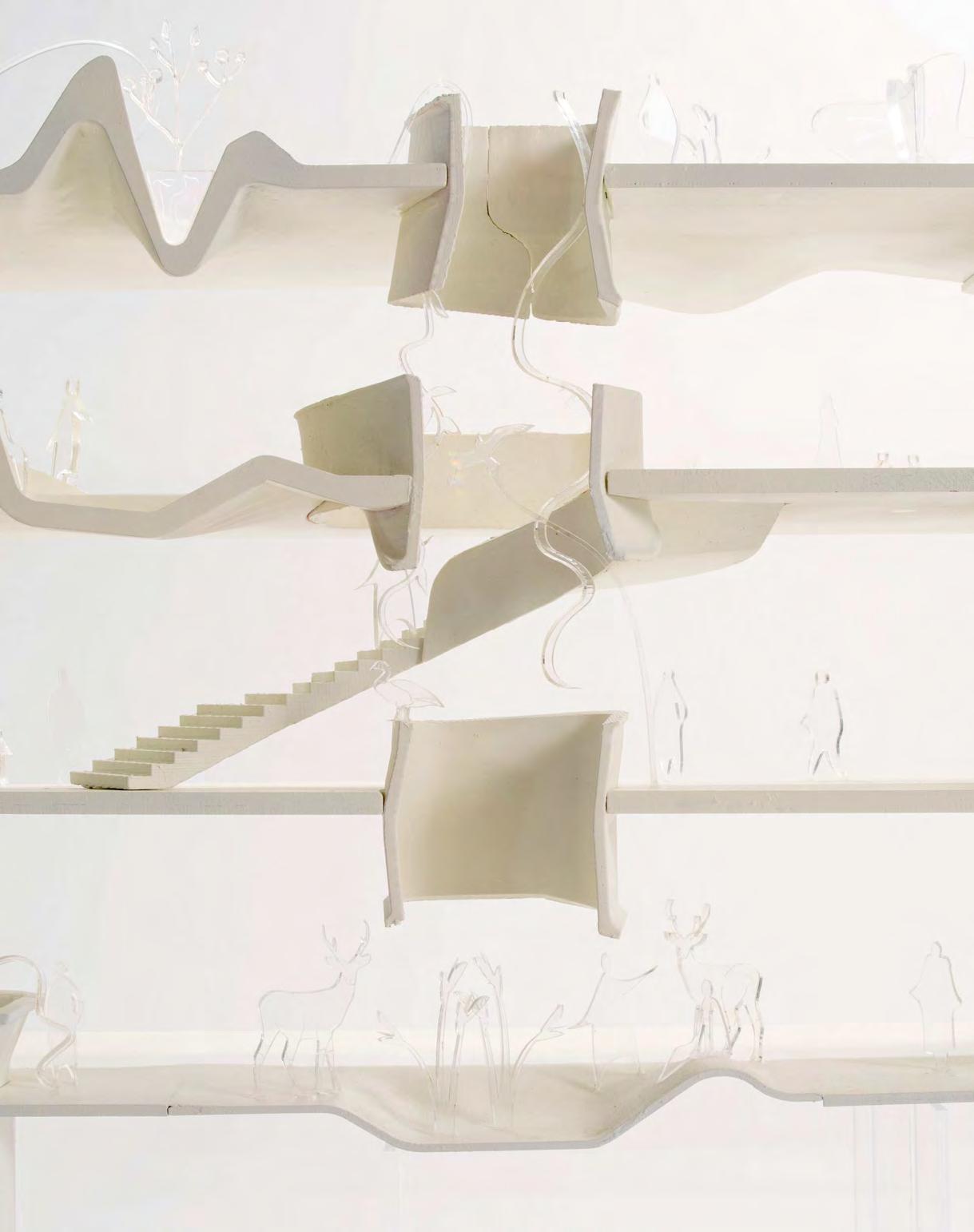
The architecture’s porosity enables the interior and exterior spaces to merge, confounding presumptions of the purposes of spaces and instead affording the varied appropriation of the architecture in response to changing constituents and other temporal factors.
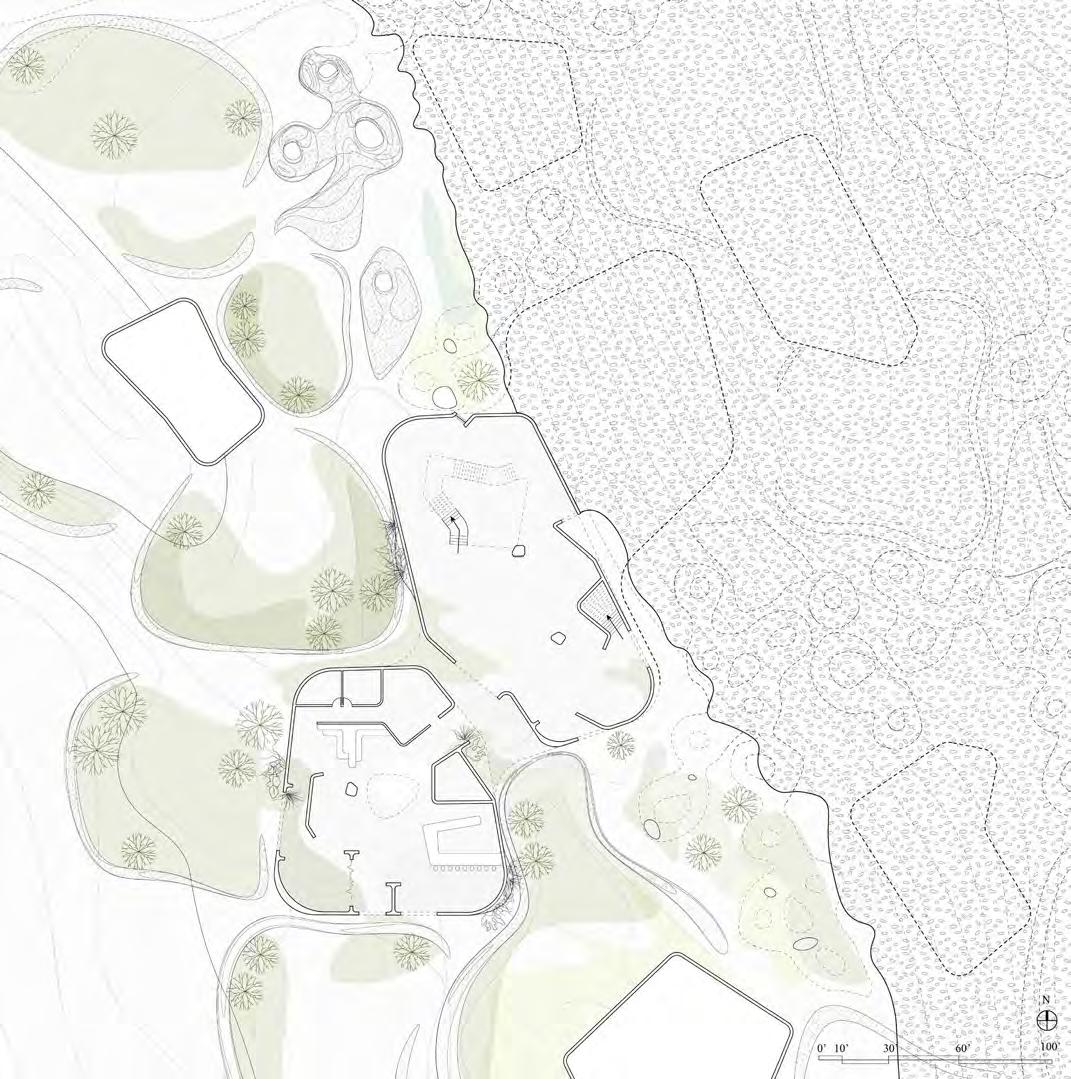
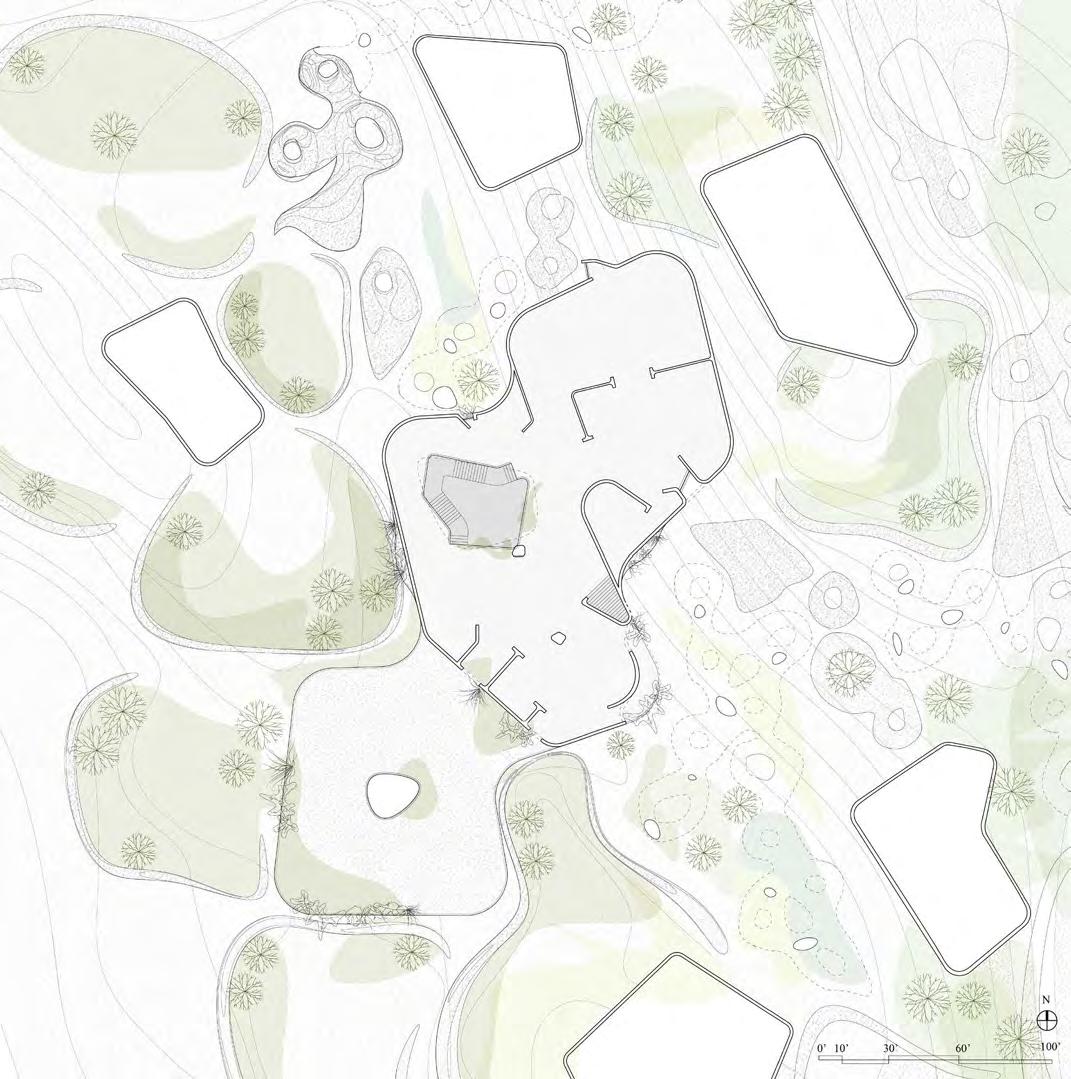
The co-kitchen’s bio-concrete loor absorbs thermal energy during the day, making it an attractive space for a colombian black tail deer to inhabit on a cold night. These conditions confound human expectations and promote unexpected encounters and opportunities for coexistence.
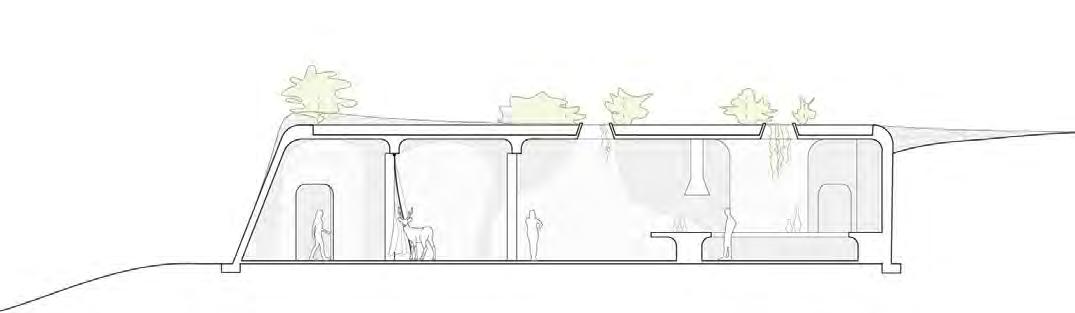
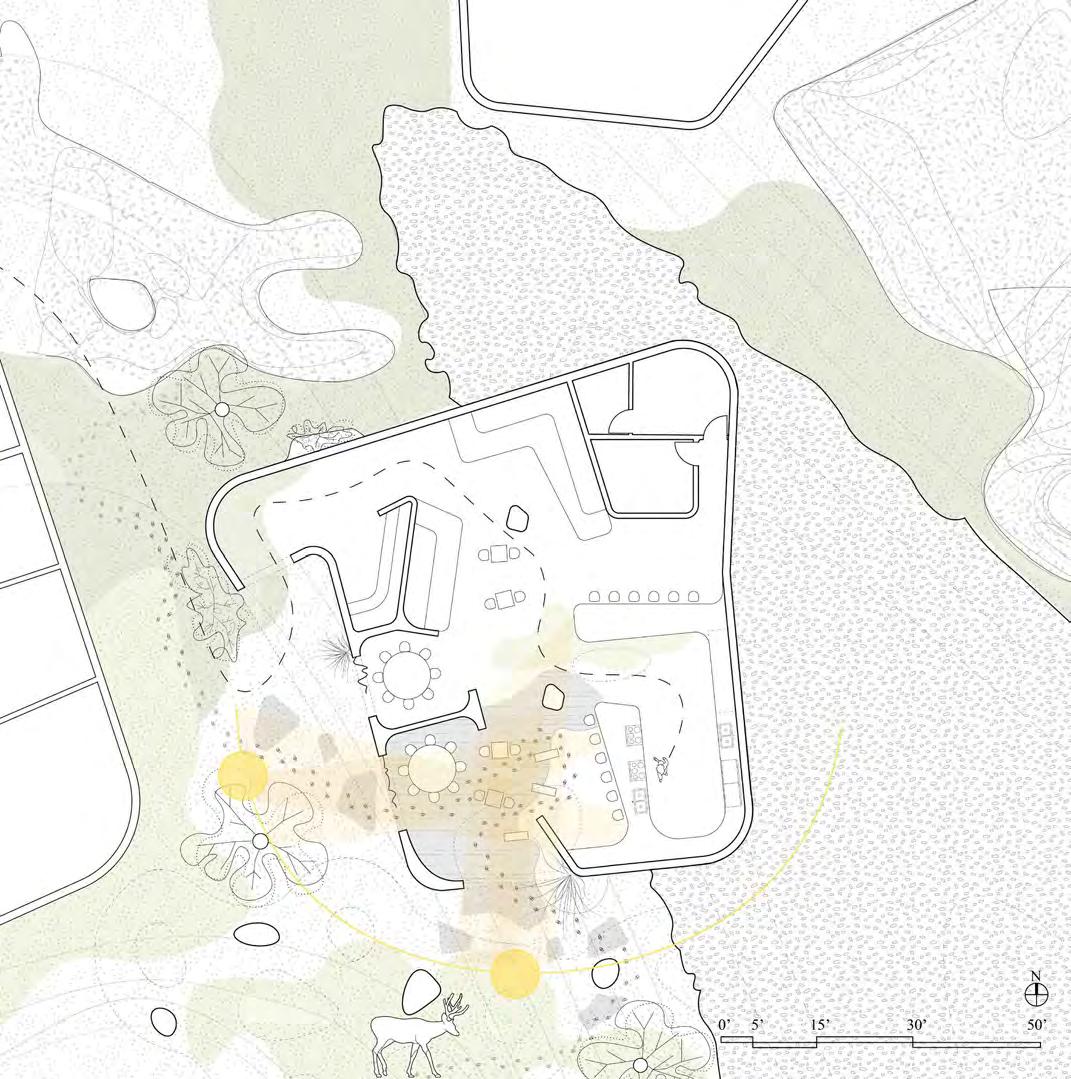
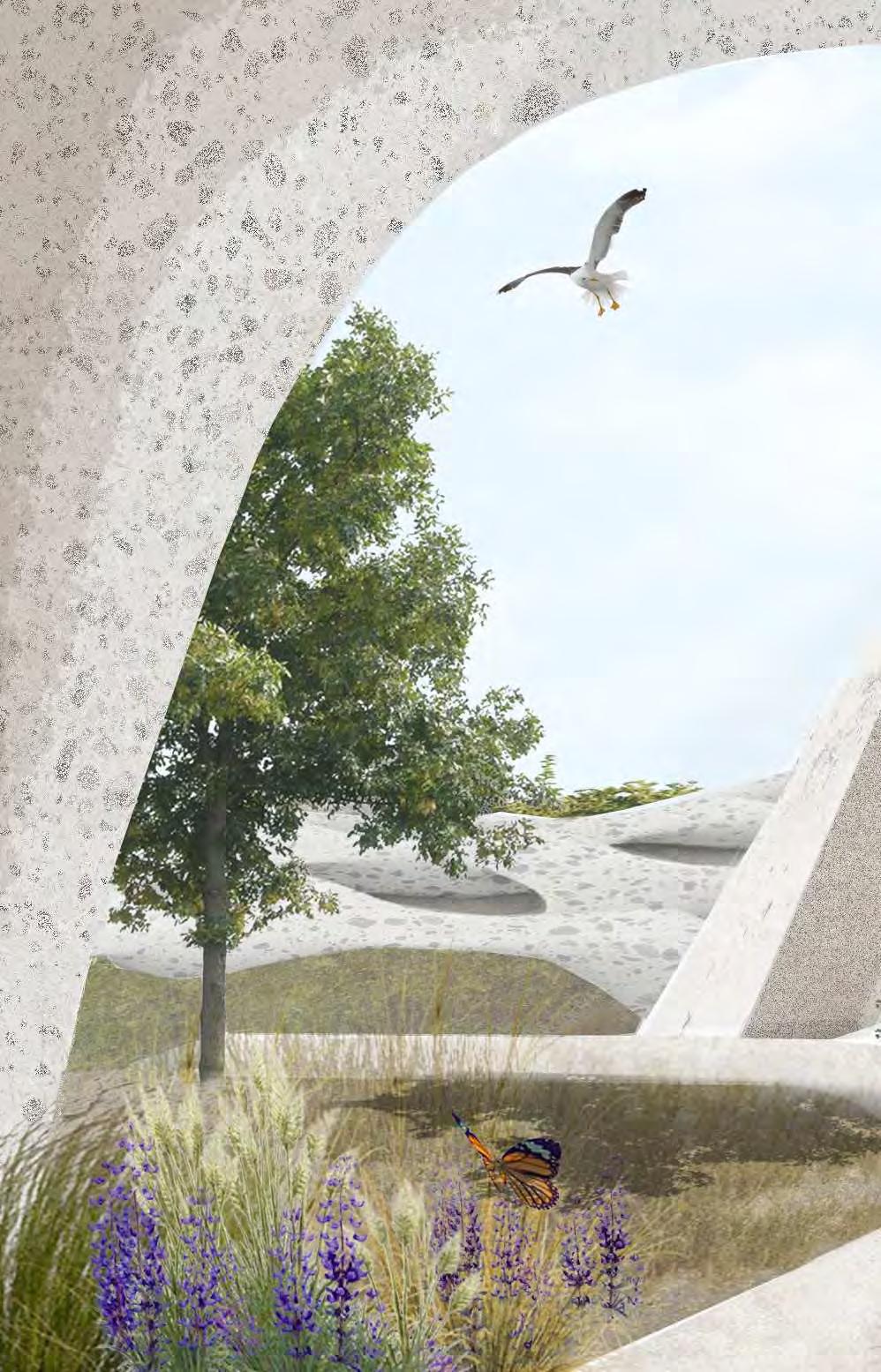
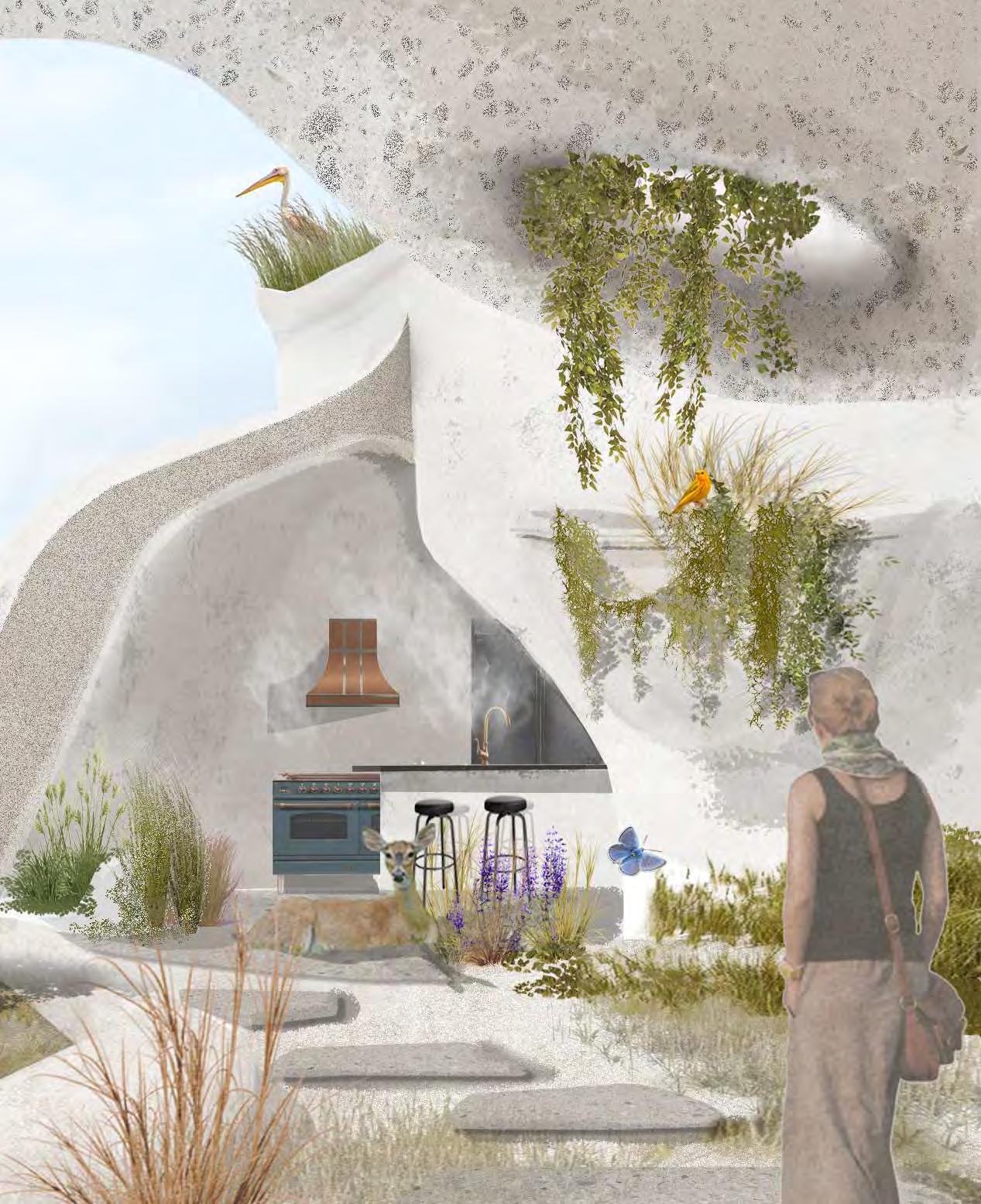
Even within the private living quarters, the architecture becomes a habitat to multiple species, reducing absolute control over spaces, creating the opportunity for interactions and exchanges between various subjects.
Additionally, architectural elements like windows and doors appear in opposition to common interpretations, further enabling the formation of new understandings and therefore new methods of living in and using these spaces.
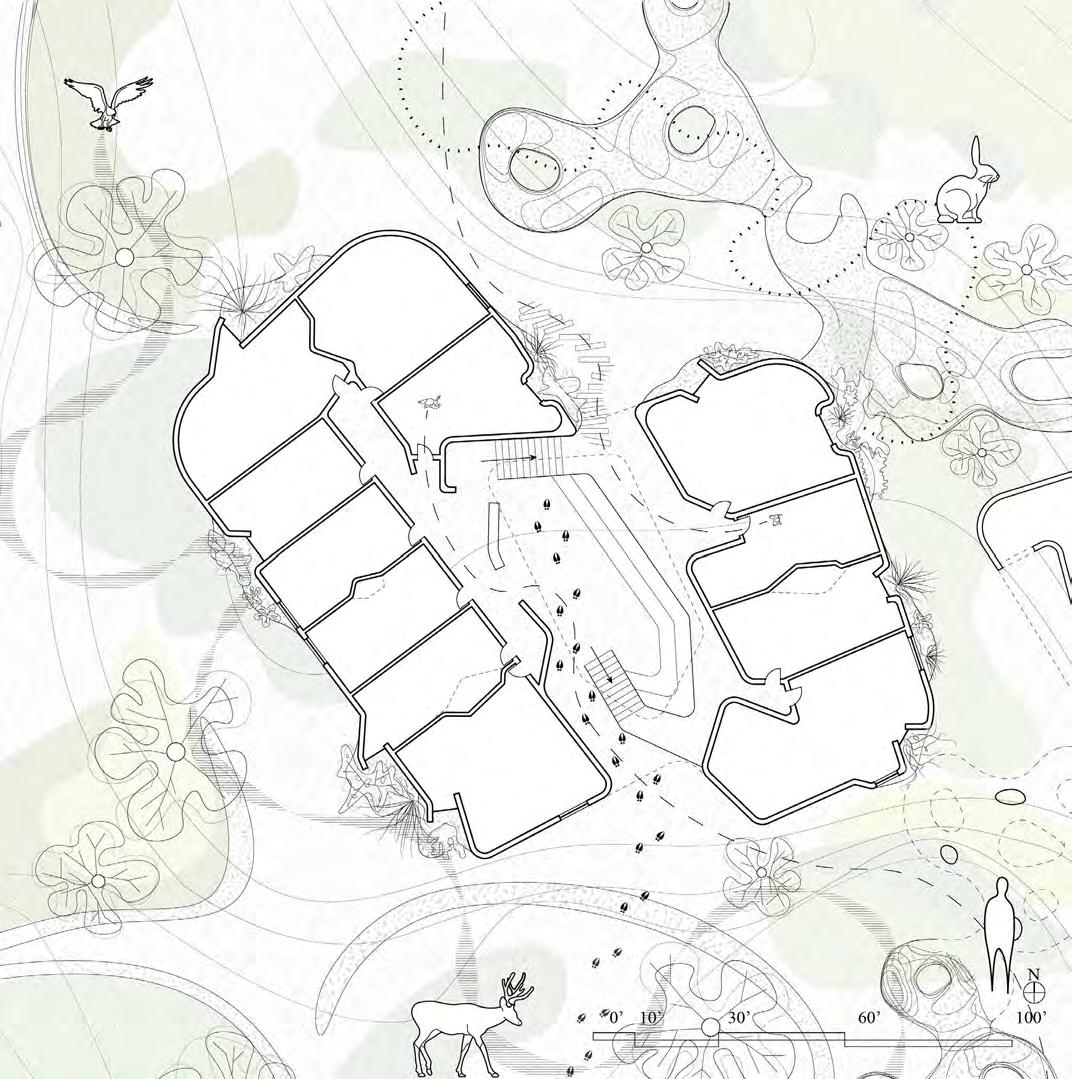
The aesthetic agenda for this new architecture seeks to confound the categorical distinction of architecture and the environment.
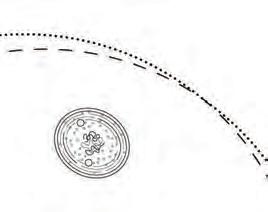
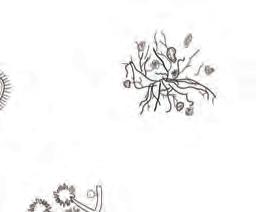
The architecture affords conditions for various lifeforms of different scales to exist. Microbial organisms that are critical to soil health and the growth of native species that contribute to the endurance of ecological systems are considered and intertwined with familiar human activities.
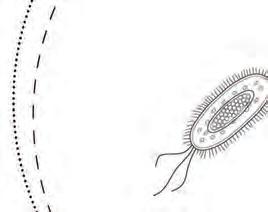
microbes
skylight details
bioconcrete
drip edge
sealant
1/4” woood shim
mullion
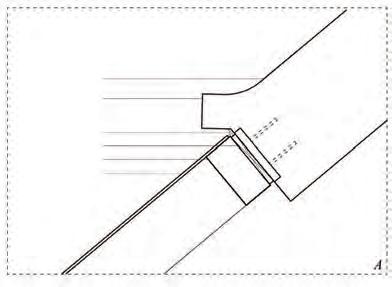
drip edge
sealant mullion
1/4” woood shim
3/8” metal plate
laminated glass bioconcrete
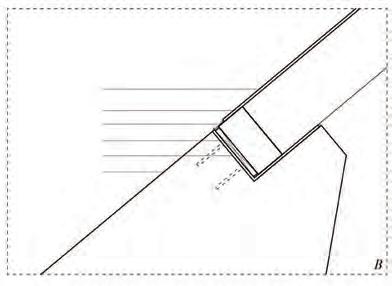
red tailed hawk
passes through San Francisco on its migration north in spring
silver bush lupine
native species
the federally endangered mission blue butterfly requires Lupinus albifrons to feed its larvae
porosity
silver bush lupine grows best in well drained conditions
flannel bush
native species full sun
attracts bees and butterflies A B
purple needle grass
native species attracts insects, birds, and small mammals
blooms purple flowers in the spring
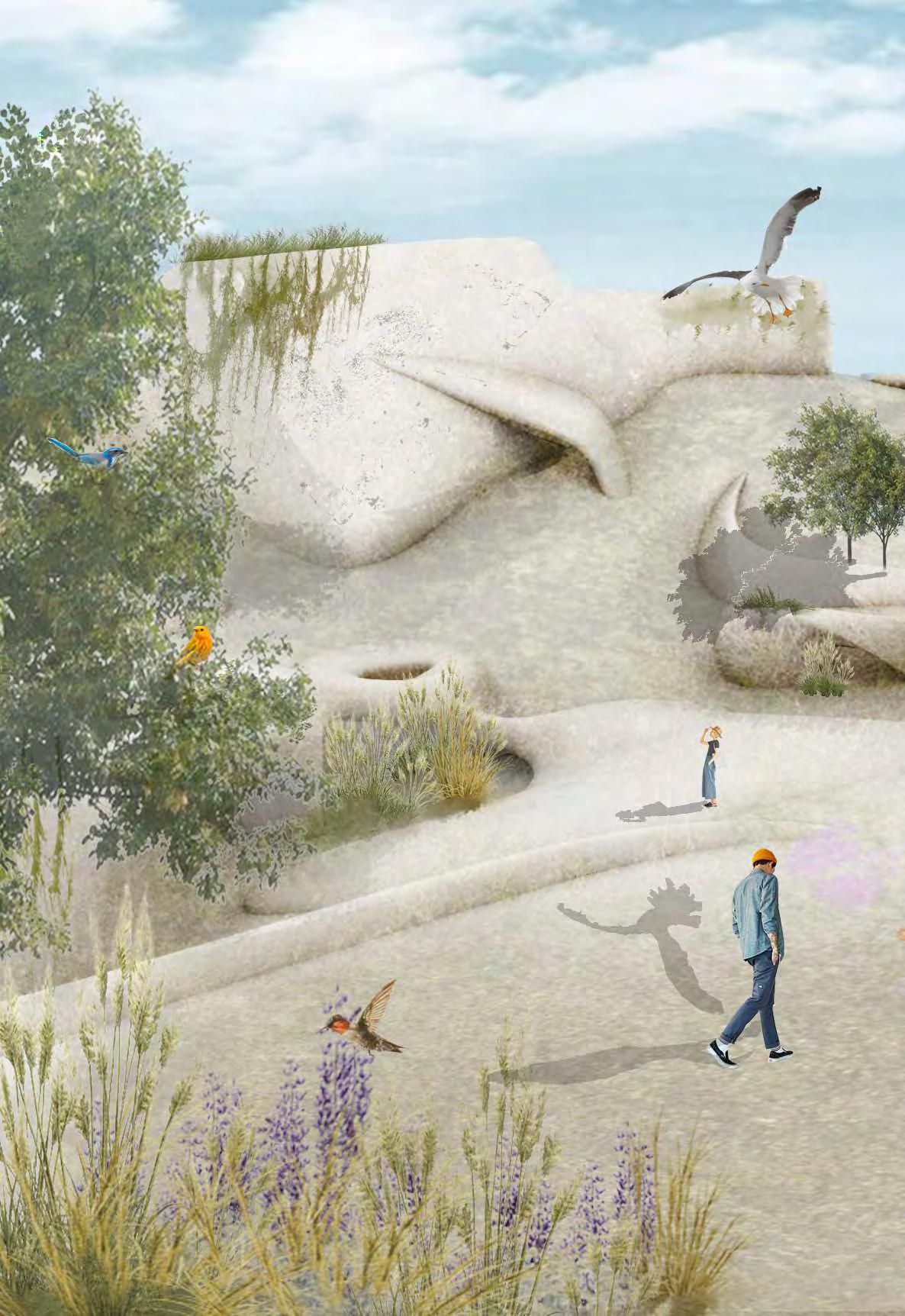
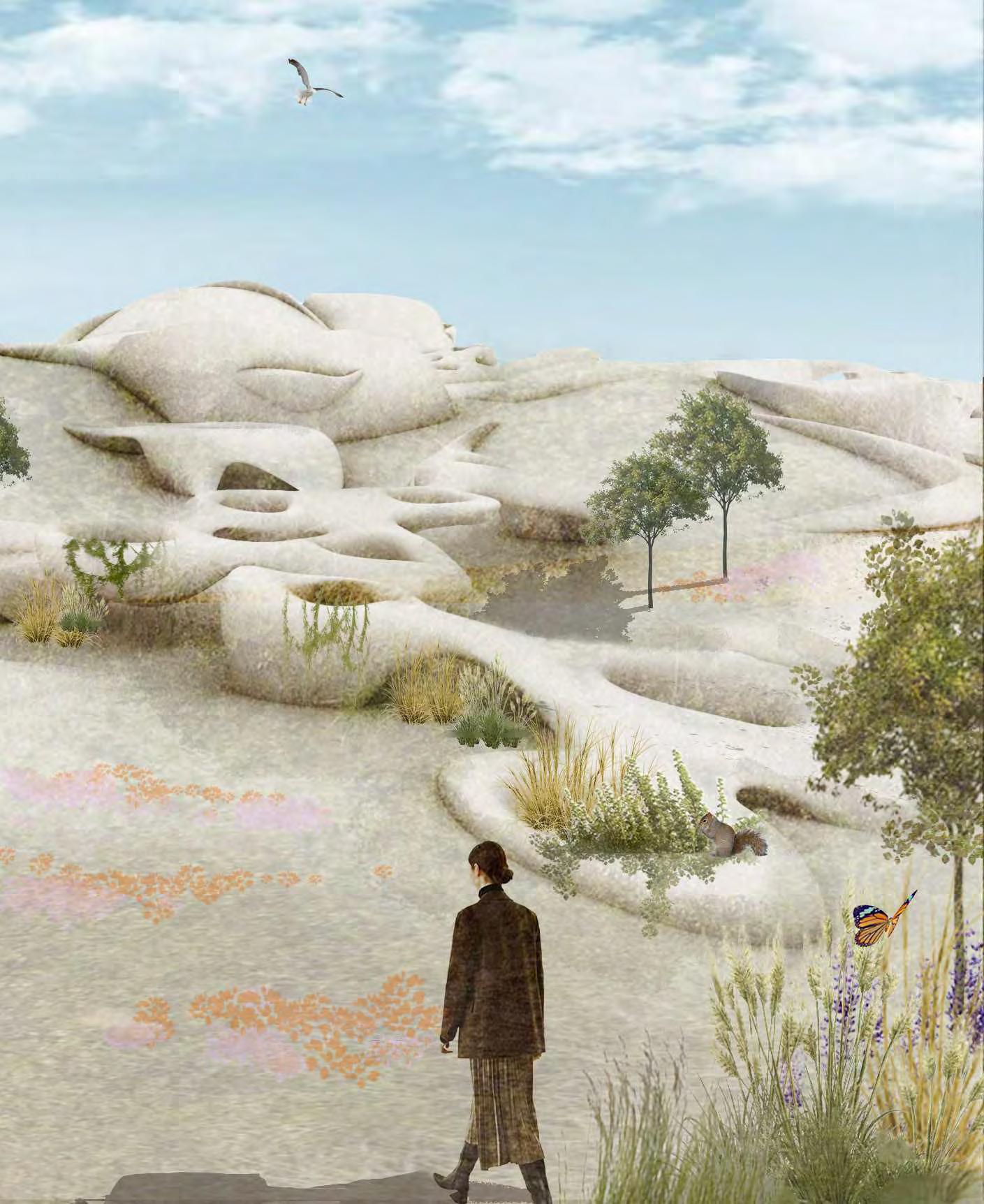
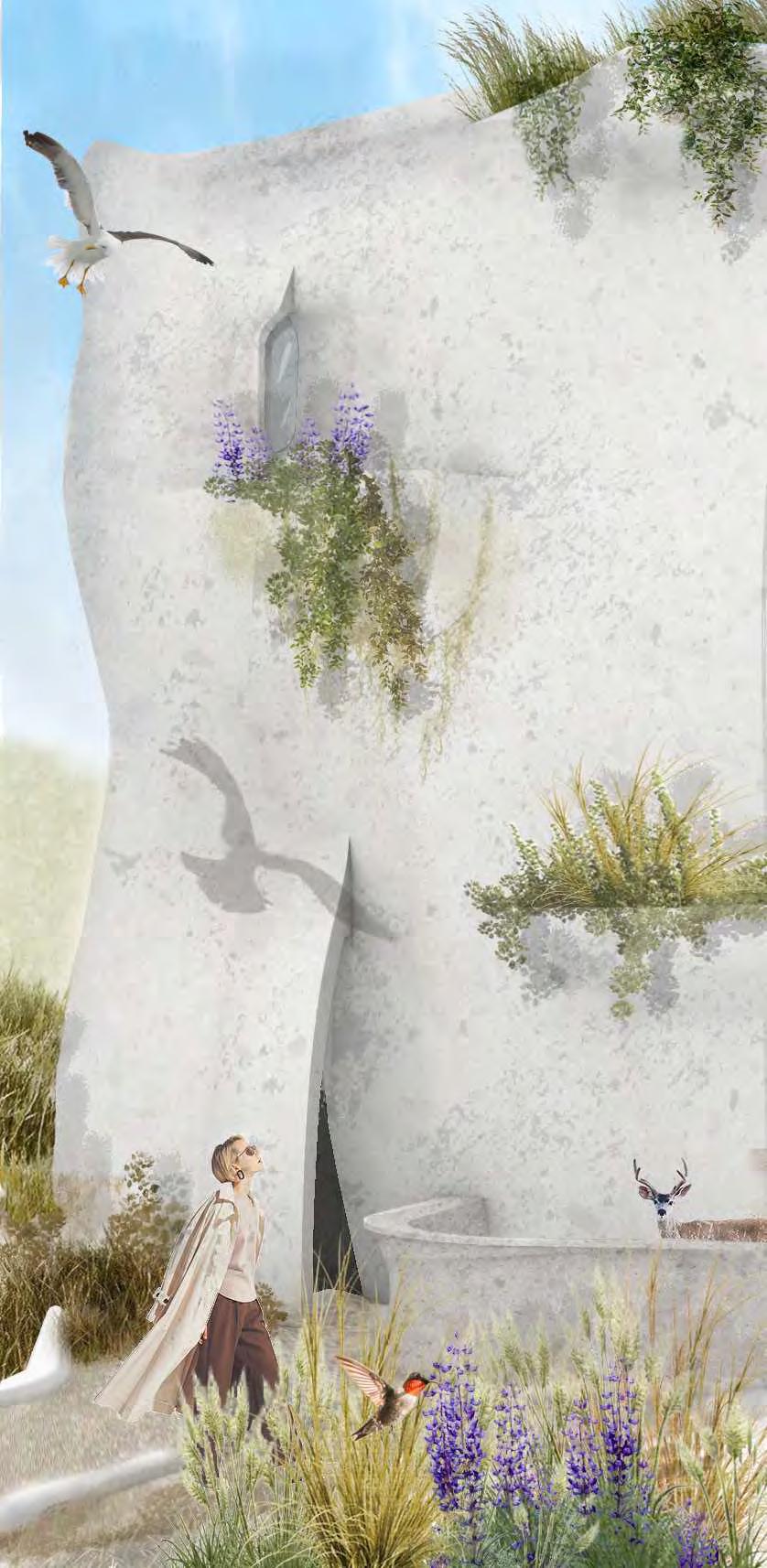
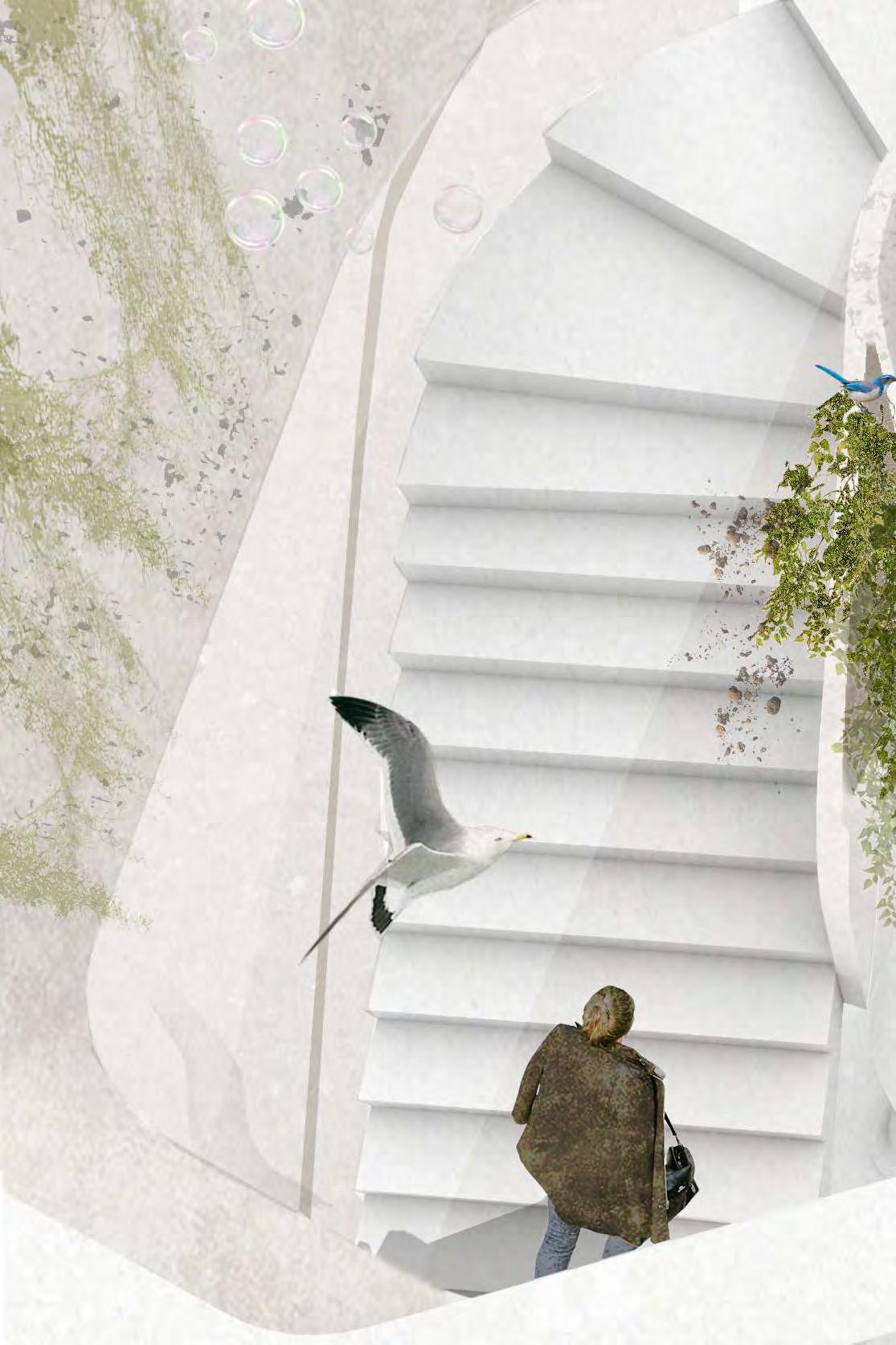
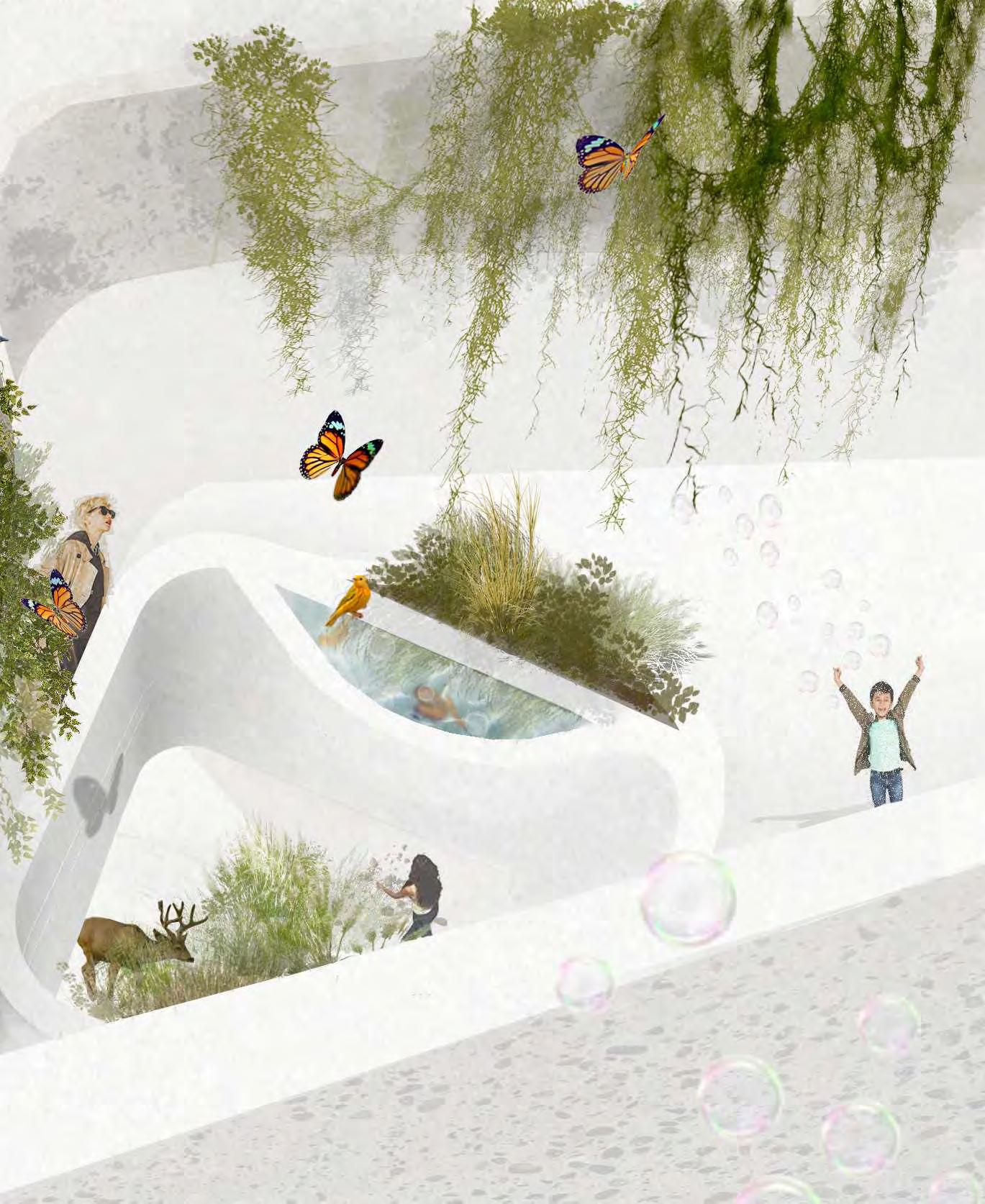
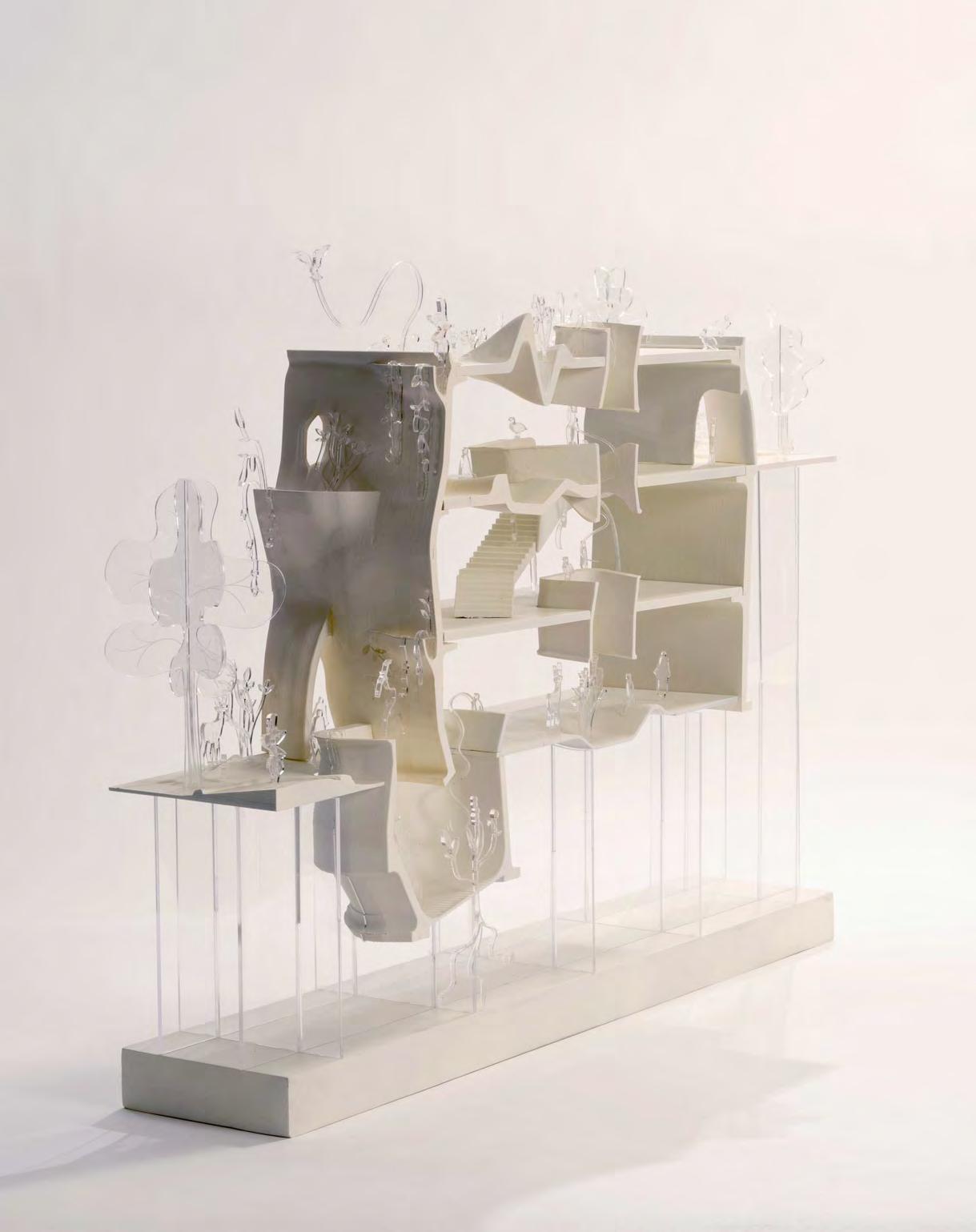
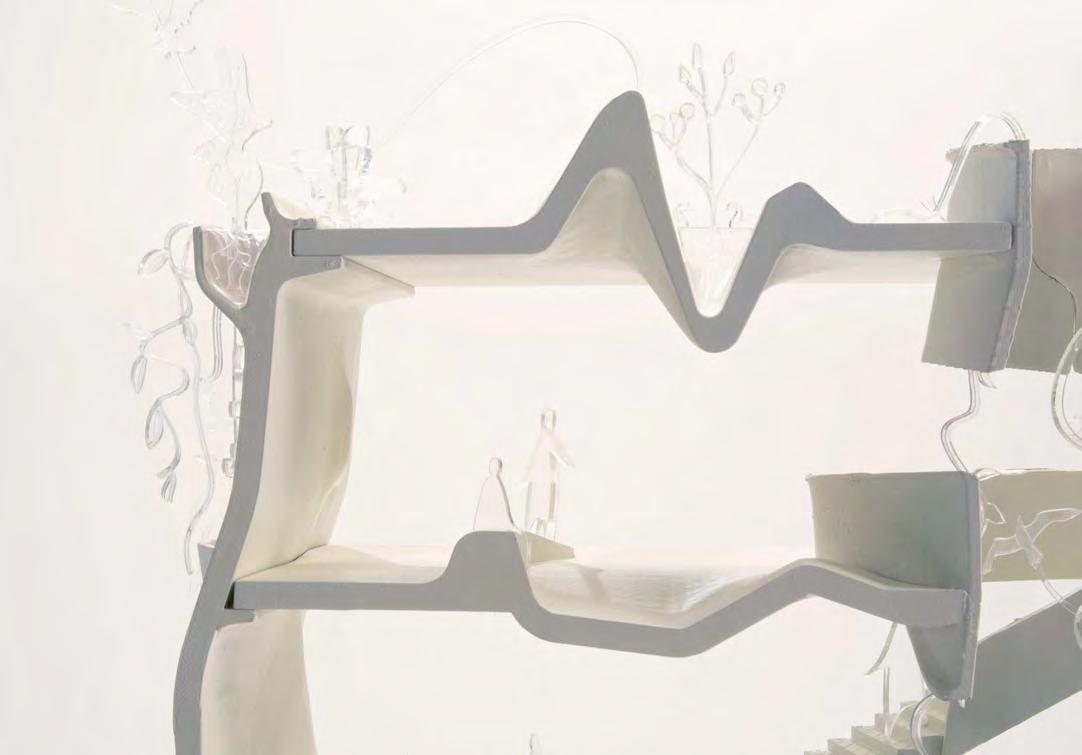
This detail model further seeks to de-center anthropocentric ideas and behaviors by introducing non-human subjects, confounding the distinction between what is prescribed and what is naturally occurring,andrevealingfoundationalecologicalsystems.Through this, the architecture may become more enduring, integrated, and intuitive, propagating a relationship between humanity and the natural world that is conducive to a greater existence for all forms of life.
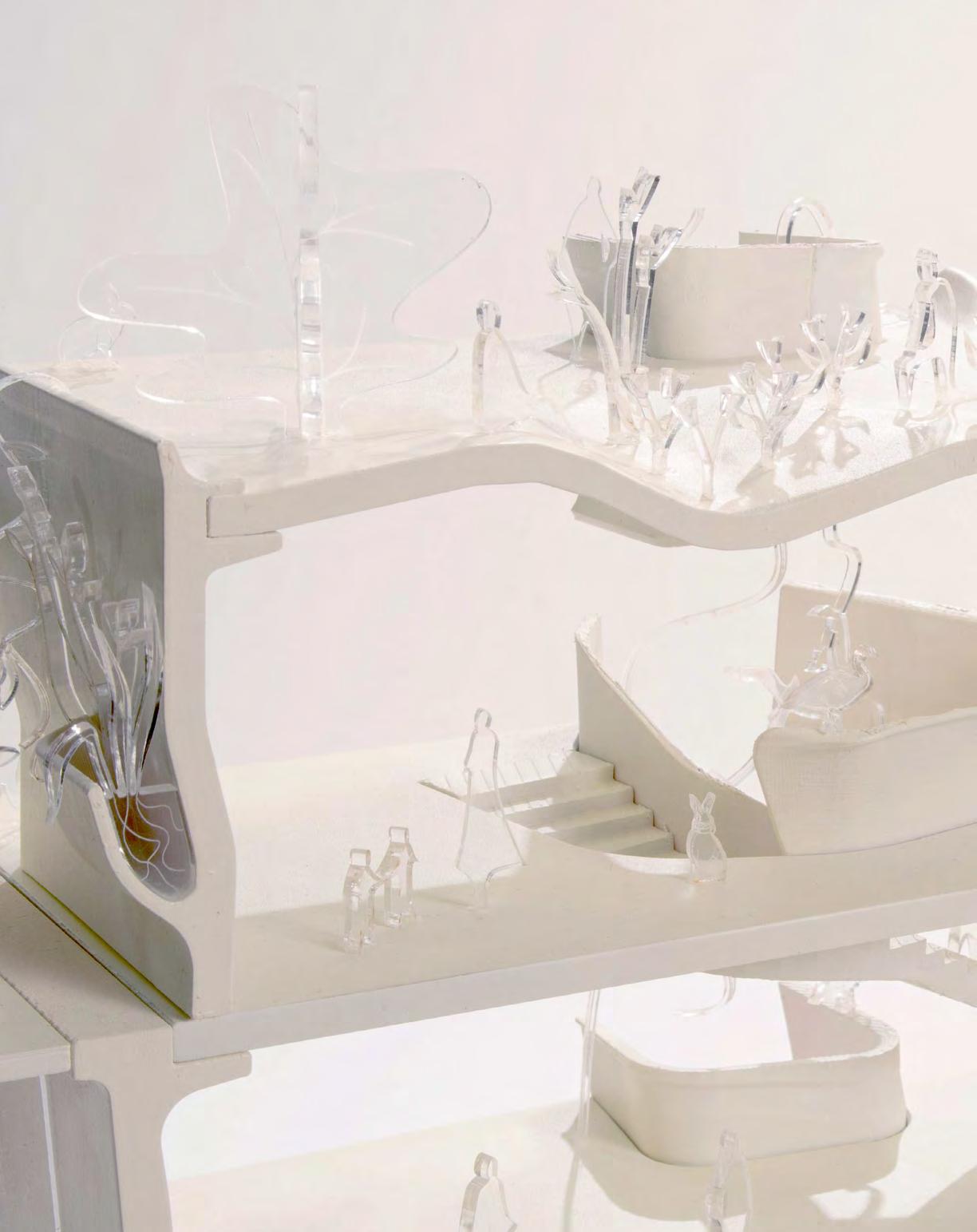
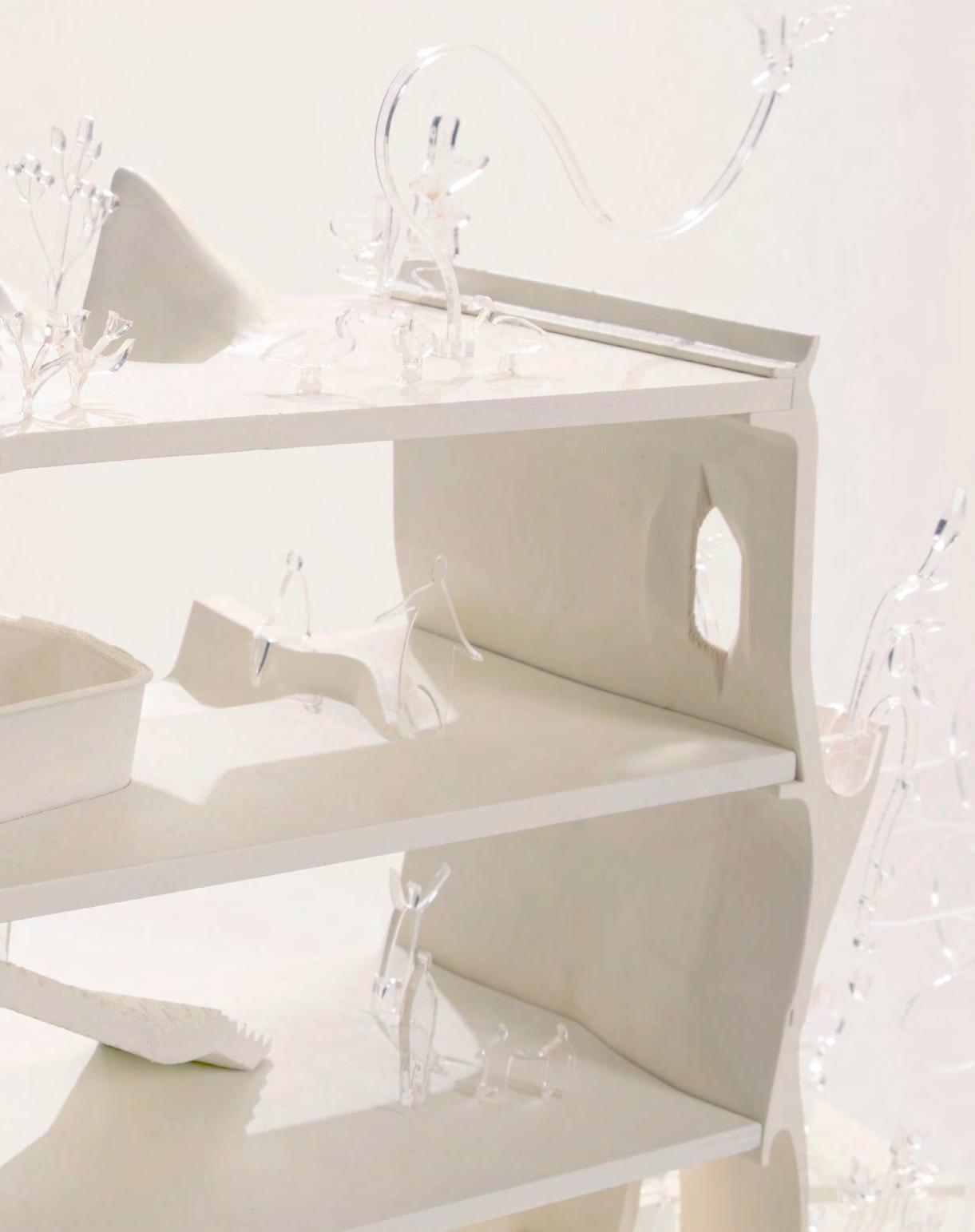
Berleant,Arnold. The aesthetics of environment. Temple University Press, 2010.
Corner, James. “Ecology and Landscapes as Agents of Creativity” in George F. Thompson et Frederick R. Steiner (éd.), Ecological Design and Planning, New York, John Wiley & Sons, Inc, 1997.
Denes,Agnes. “Wheatield -AConfrontation: Battery Park Landill, Downtown Manhattan.” Agnes Denes, 1983. http://www.agnesdenesstudio.com/works7. html
“Ecology.” Encyclopædia Britannica. Encyclopædia Britannica, inc. https:// www.britannica.com/science/ecology
Evernden, Neil. The Natural Alien: Humankind and the Environment. Toronto: University of Toronto Press, 1993.
Haraway, Donna J. “Introduction,” in Staying with the Trouble. Duke University Press, 2016, 1-8.
Heidegger, Martin. The question concerning technology. Translated by William Lovitt. New York and London: Garland Publishing, 1977.
Kallipoliti, Lydia. The Architecture of Closed Worlds: Or, What Is the Power of Shit? Lars Müller Publishers, 2018, 12-24.
Latour, Bruno, “Production or Engendering? - Architecture - e-Flux.” e. September, 2020. https://www.e-lux.com/architecture/accumulation/345107/ production-or-engendering/.
Lefebvre, Henri. The Right to the City. 1968.
“Max Ernst: Moma.” The Museum of Modern Art. https://www.moma.org/ artists/1752.
Morton, Timothy. Dark ecology. Columbia University Press, 2016.
Sennett, Richard. Designing Disorder: Experiments and Disruptions in the City. Sendra, Pablo. New York: Verso, 2020.
Rancière, Jacques, The Politics of Aesthetics: The Distribution of the Sensible London: BloomsburyAcademic, 2013.
Rolston, Holmes. “Nature for real: is nature a social construct?.” PhD diss., Colorado State University. Libraries, 1996.
Sadler, Simon. The Situationist City. MIT press, 1999.
Shields, Jennifer. “Introduction” in Collage and Architecture. Routledge, 2014, 1-15.
Uexküll, Jakob von. “An introduction to Umwelt.” 145-148. 2001.
Waldheim, Charles. “Wildlife.” in Landscape as Urbanism. Princeton University Press, 2016, 151-153.
Wolfe, Cary. “Environment,” in Marianne Krough, ed., Connectedness: An Incomplete Encyclopedia of the Anthropocene (Copenhagen: Strandberg Publishing, 2020), 166-169.

commons | 53
| 53

| 53

wikimedia commons | 55
wikimedia commons | 55
wikimedia commons | 55