premium business magazine about entrepreneurship and immigration
UKRAINIANS
AND THE WORLD MAGAZINE
Trademark Protection in the United States: Differences from Ukraine and Europe
New York Fashion Week: Style That Isn’t Afraid of Winter The End of Traditional Customer Support: Why AI Voice Agents Will Become the Default Way Businesses and Clients Interact
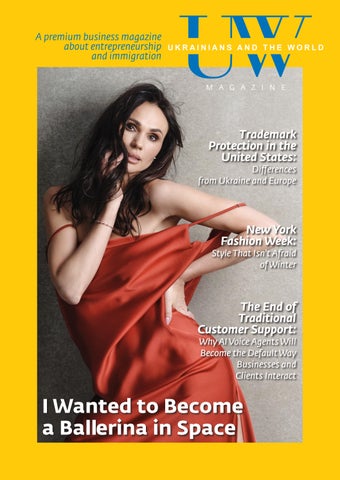
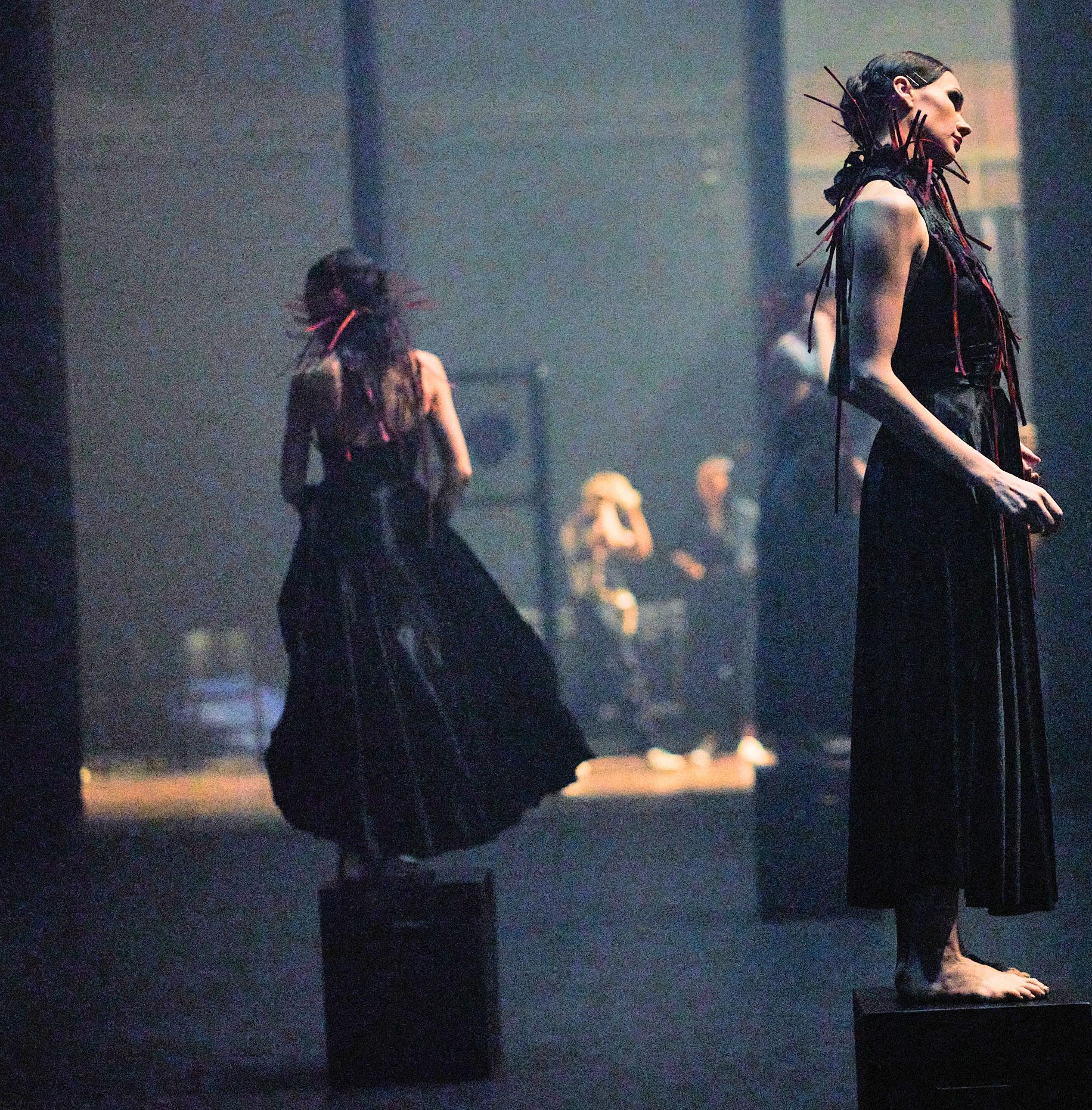
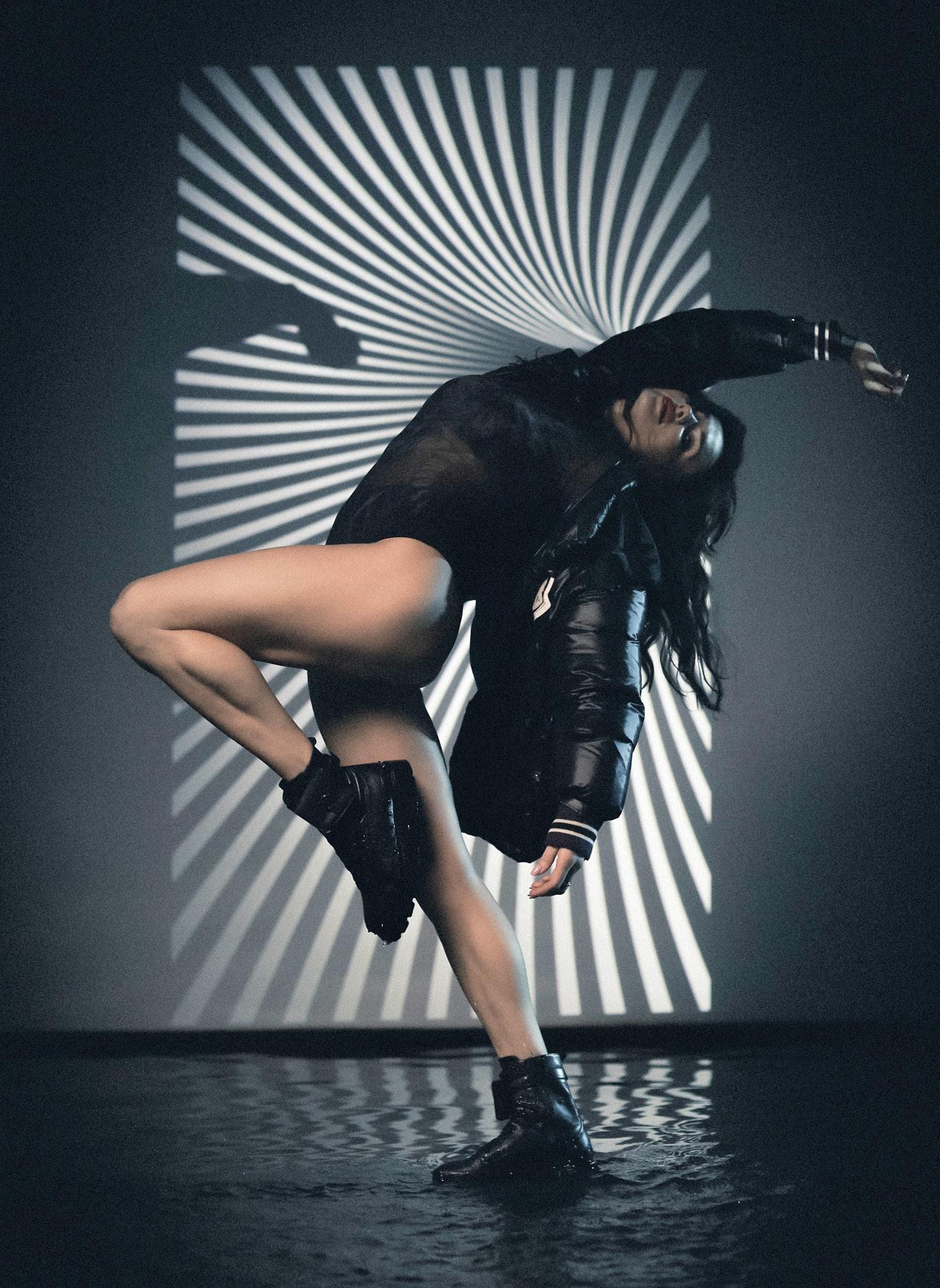
I Wanted to Become a Ballerina in Space
Ukrainians and the World Magazine
The world is changing faster than ever. Borders are becoming symbolic. Rules — flexible. Technology — decisive.
Yet some things remain unchanged.
The value of people. Knowledge. And the ability to create.
Today, Ukrainians are not just integrating into the global landscape — they are shaping it. Ukrainianfounded businesses are rapidly expanding across the United States and worldwide. And that is why a true strategic advantage lies not only in ideas, but in understanding the rules of the game.
This issue is about the intellectual power of business. About the differences between trademark systems in Ukraine, Europe, and the United States. About how knowledge transforms into assets — and assets into competitive advantage.
Artificial intelligence is already here.
It is no longer the future — it is the new normal.
And yet, at the same time, the world is returning to what is real: to art that cannot be automated, to ballet that speaks the language of emotion, to New York fashion that creates warmth of style even in the cold.
Ukrainians and the World is more than a magazine. It is a next-generation platform.
Today, voices from Canada, Portugal, New York, and Kyiv are joining us.
We bring together those who think globally and act boldly.
This is a dialogue.
At the intersection of business, culture, and technology. Spoken in the language of humanity.
And this is only the beginning.
With respect, Editor-in-Chief Ukrainians and the World Magazine
Olena Yaremchuk
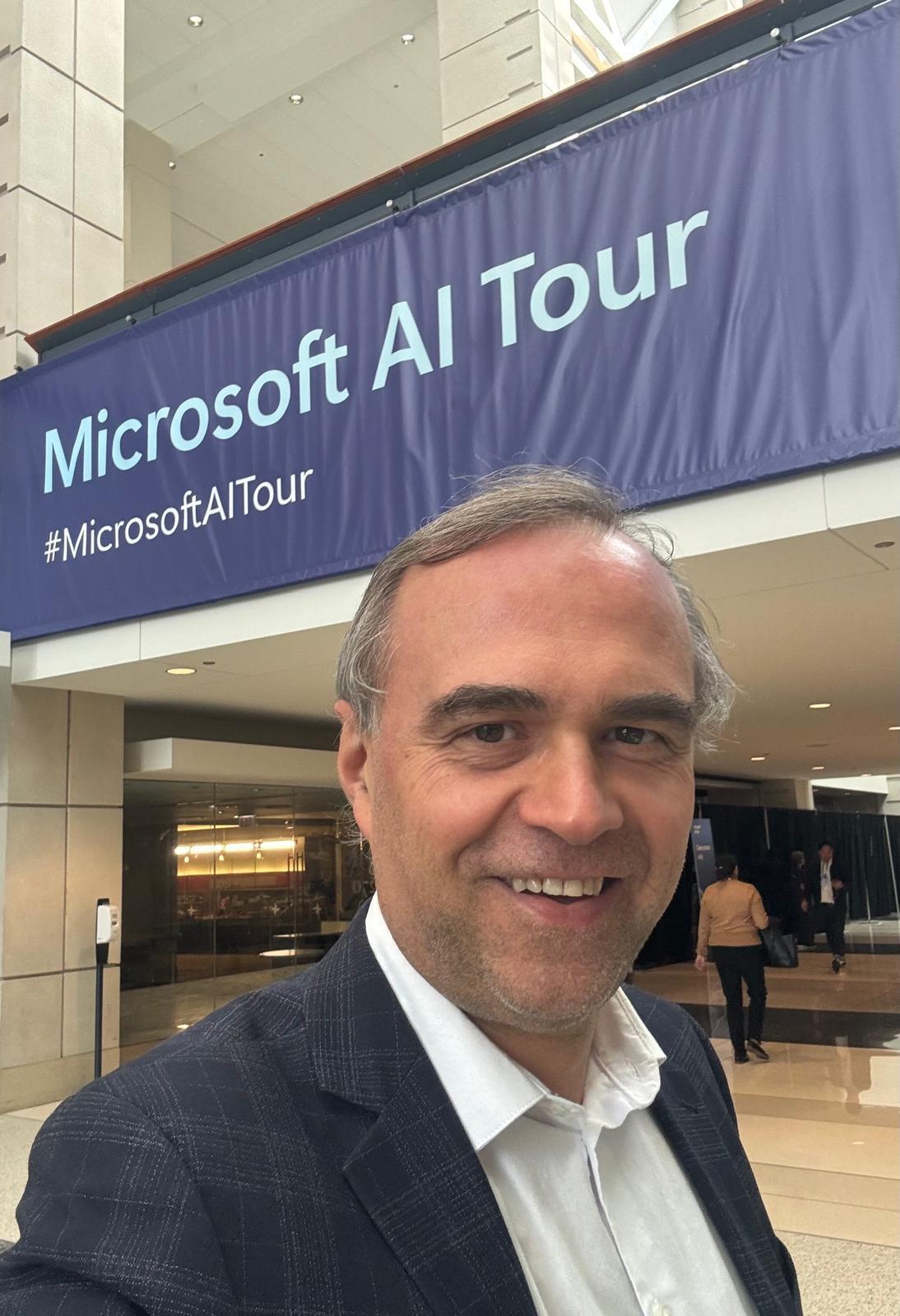
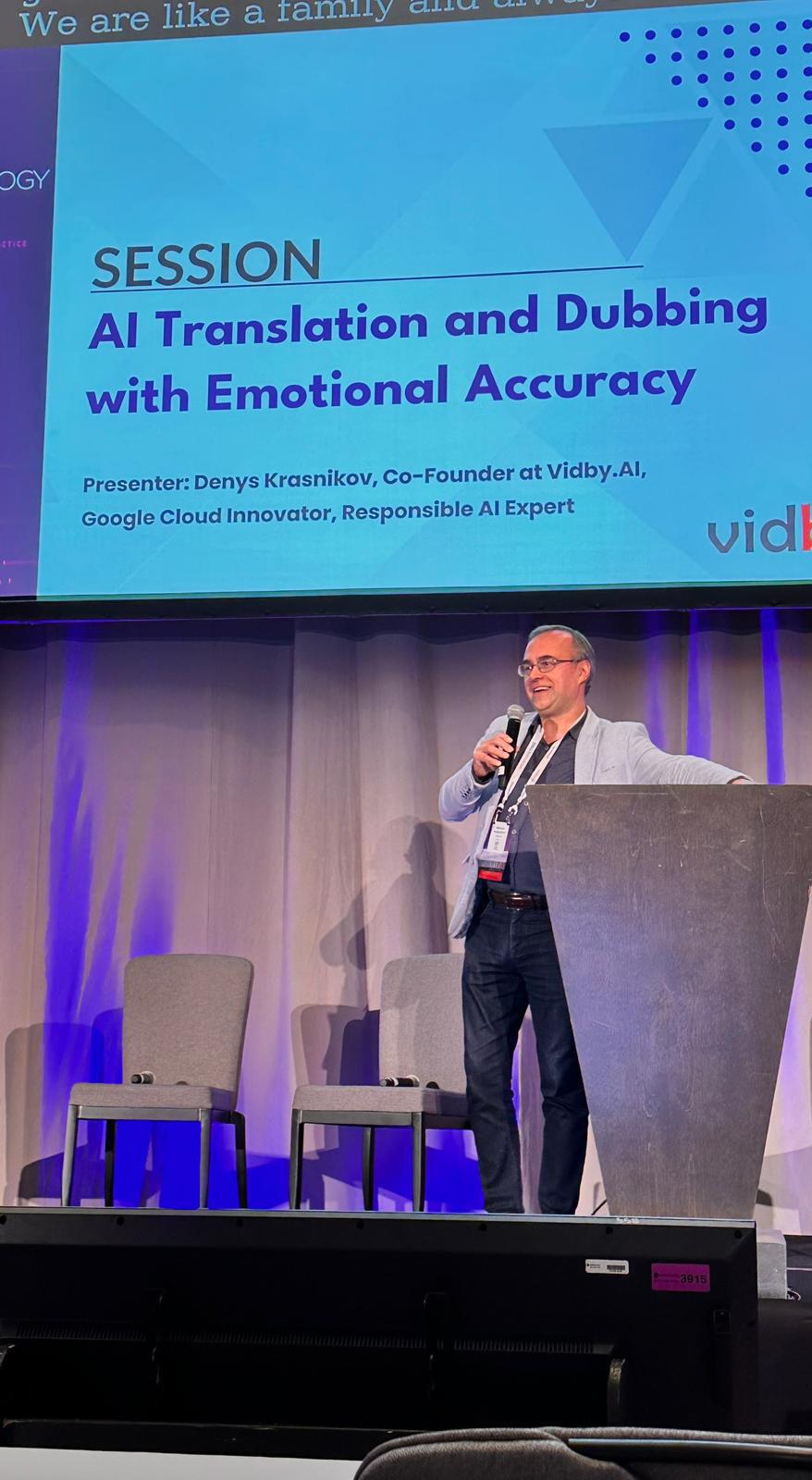
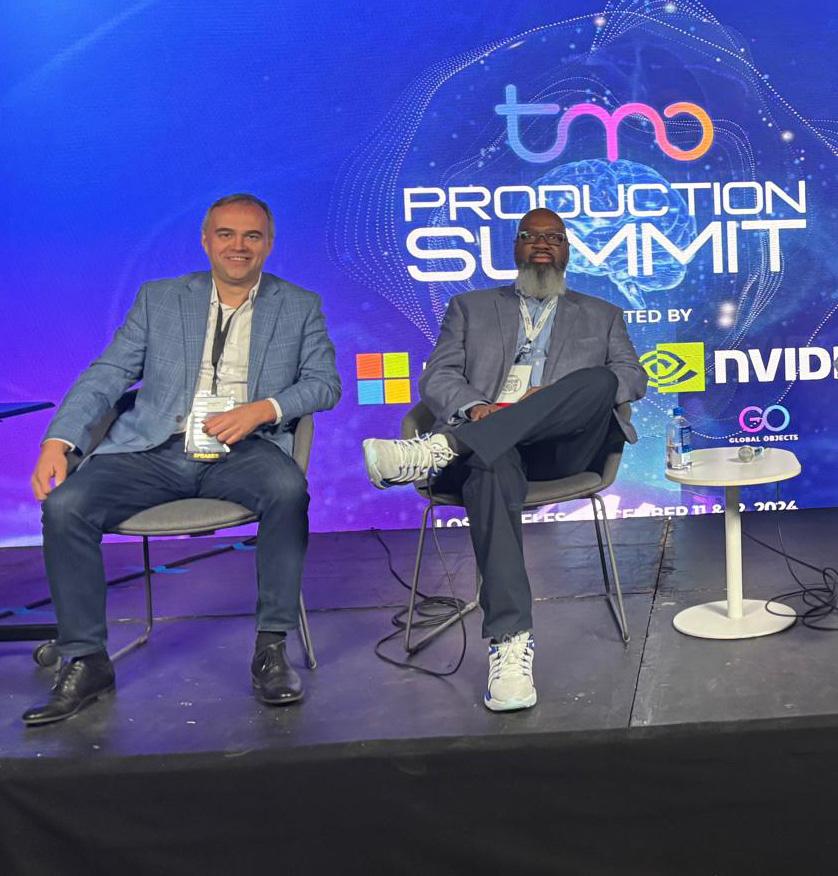
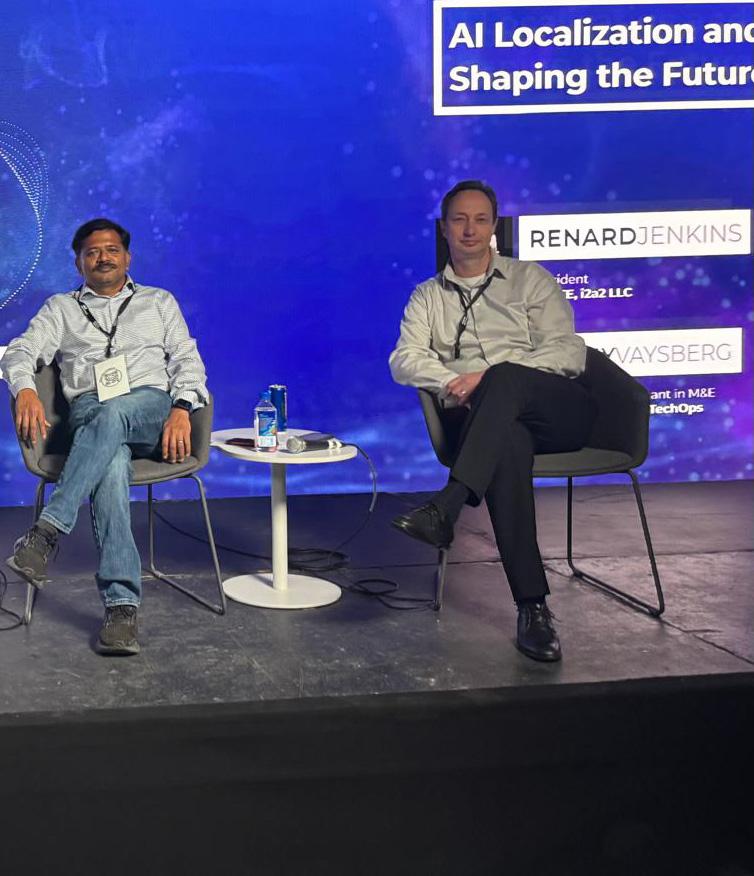
Article by Denys Krasnikov
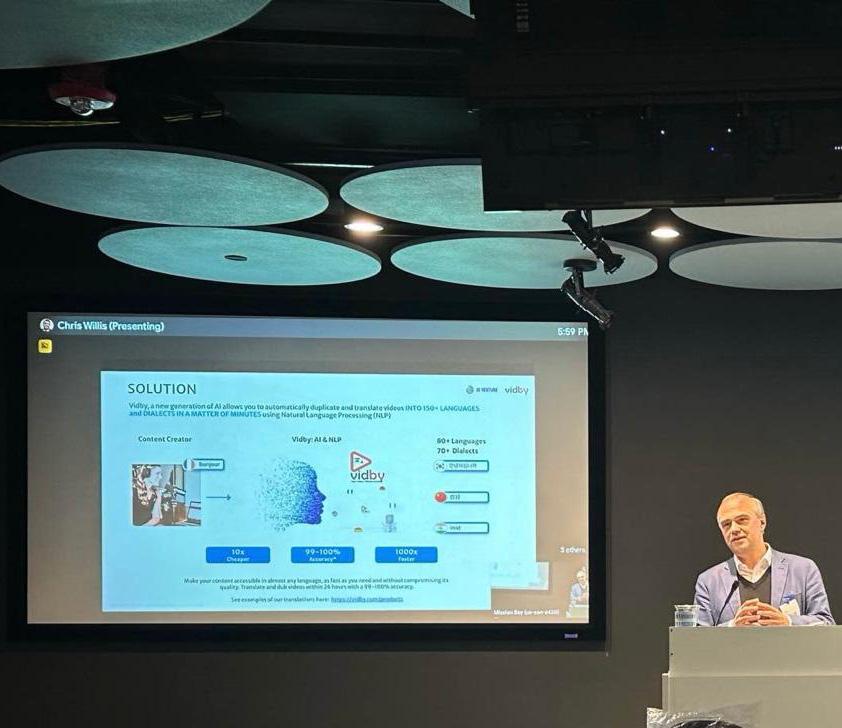
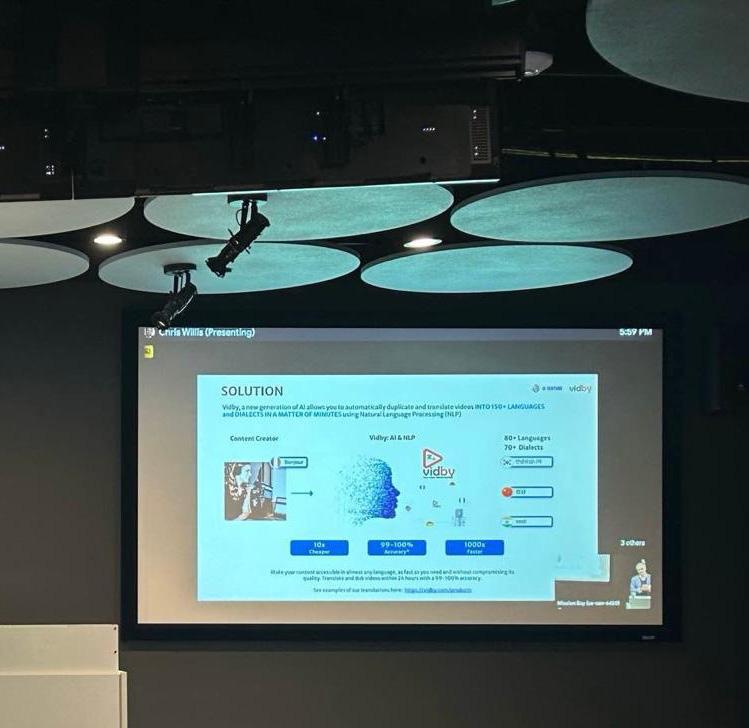
Artificial intelligence is no longer reshaping business in abstract or experimental ways. It is transforming one of the most fundamental touchpoints between companies and customers: the voice interaction.
Across restaurant business, hospitality, healthcare and beauty, real estate, retail, finance, education and other services, AI-powered voice agents are rapidly becoming the first line of communication. Not because businesses are chasing automation headlines, but because customers are quietly changing what they value most. They want answers now. They want clarity and precise information
without mistakes made by new not experienced human customer representative.
And what is the most important for some businesses, they want to communicate in their own language.
Language Is Becoming the Real Competitive Advantage
In a global, always-on economy, language accessibility is no longer a “nice to have.” It is decisive.
Customers expect to book, ask, clarify, and decide in the language they are most comfortable with, whether
they are calling a hotel from abroad, scheduling a medical appointment, or evaluating other services. Traditional call centers struggle to meet this expectation at scale.
Human-based models face hard limits: like multilingual staff are expensive and difficult to scale, coverage outside business hours is inconsistent or very expensive, peak demand overwhelms even well-staffed teams. AI voice agents remove these constraints entirely for both
big corporations and for the smallest businesses in their interactions with clients.
They can switch between languages instantly, maintain consistent quality across every interaction, and operate around the clock. A business can serve customers in 5, 15, or 30 languages, which is something operationally and financially unrealistic with humans alone. And now this is not incremental efficiency. It is a structural shift.
Why Speed Is Quietly Beating Sentiment
Human interaction still matters. Empathy, charm, and personal judgment remain critical in complex or sensitive situations.
But most customer interactions are not complex. They are repetitive just for availability checks, bookings and rescheduling, the simplest product explanations, pricing clarification, and some other fast confirmations and follow-ups.
In these moments, customers increasingly prioritize speed over sentiment, clarity over charisma, accessibility over emotional nuance. An AI voice agent that answers instantly, explains a product in depth, removes language friction, and does so during peak hours or late at night often delivers a better experience than waiting on hold, even if the eventual human interaction is warmer.
Convenience has become its own form of trust.
Always Available. Especially When Humans Are Not
Revenue is most often lost not because demand is absent, but because response is delayed. Peak hours, seasonal spikes, evenings, weekends, and holidays are precisely when human systems struggle. AI voice agents do not if to plan it with professionals who understand technical tools on high level.
Businesses who added these tools to their work never miss a call, never ask customers to wait, never scale down during busy periods which crucial for the sales results. For businesses, this translates into a critical advantage: capturing intent at the moment it appears. Missed calls
are no longer an operational inconvenience, they are a competitive liability.
AI Agents Are Becoming a Standard, Not a Feature
This shift is not theoretical. Industry leaders are increasingly explicit about where customer interaction is heading.
That framing is telling. Websites did not eliminate sales teams. Phone numbers did not replace relationships. But both became non-negotiable infrastructure. AI voice agents are following the same trajectory. My prediction is that generative AI agents will be em-
bedded into most customer-facing operations in the US during 2026-2027, handling first-line voice interactions across service-driven industries. By the end of the decade, AI-powered agents are projected to be involved in a significant share of purchasing decisions, often acting as the primary interface between customers and businesses.
What AI Replaces — and What It Doesn’t
This is not a story about removing people from business. It is about redeploying human value.
AI voice agents excel at scale, speed, consistency and deep understanding of the product, multilingual commu -
nication, continuous availability. Humans remain essential for correction and strategic decision making, new features and nuances of the products and services, relationship management, negotiation and exception handling, emotional and ethical interaction.
The winning model is hybrid. AI handles volume and repetition. Humans focus on moments that truly require on the fields that the agents have not been trained yet.
The Preference Shift Is Practical, Not Philosophical
Customers are not rejecting human interaction. They are choosing what works best in the moment. When urgency, clarity, language accessibility, and timing matter more than emotional nuance, AI voice agents become the preferred option quietly and naturally.
For businesses, the implication is clear: AI voice is no longer an efficiency tool. It is getting a revenue instrument for successful businesses. Those who adopt it early gain reach, responsiveness, and relevance. Those who delay will discover that in a voice-first world, silence and unpreparedness are costly and may ultimately lead to failure.
Trademark Protectioninthe UnitedStates: Differencesfrom Ukraineand Europe
When Ukrainian businesses enter the American market, they face a number of challenges. One of the most significant is the highly competitive and saturated environment. The U.S. market has been developing for more than three hundred years, and during this time it has formed its own business rules, legal procedures, and a strong culture of intellectual property protection.
With more than twenty-seven years of experience in intellectual property law, I have helped clients build strategies for protecting intangible assets in Ukraine and internationally. Today, continuing my professional development, I am studying at ChicagoKent College of Law, Illinois Institute of Technology, specializing in International Intellectual Property.
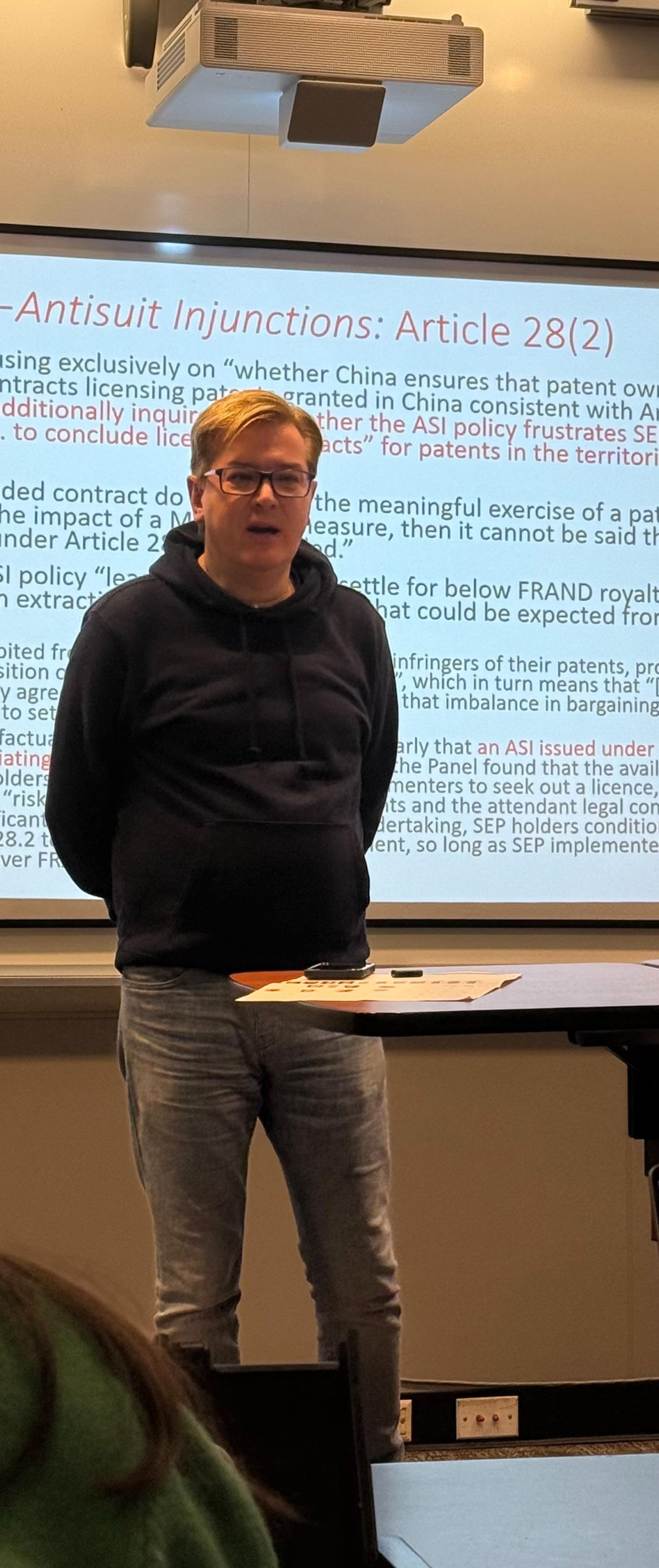
During the fall semester, I took the course American Trademark Law, taught by a well-known American scholar and attorney, Dean Woody. It was an incredibly dynamic and intellectually engaging course. Law schools in the United States frequently apply the Socratic method, which requires students to be fully prepared and actively participate in discussions. Professors constantly ask questions about legal doctrine and case law, and the entire process takes place in professional legal English.
Our LL.M. program includes practicing lawyers from more than 50 countries, which makes the discussions
particularly interesting, as participants bring perspectives from different legal systems. For me, the most fascinating aspect of the course was exploring the subtle differences between American trademark law and the systems used in Europe and Ukraine.
The Principle of Use: The Key Difference
The most important distinction between the American trademark system and those in Ukraine and Europe concerns the basis for acquiring trademark rights.
In Ukraine and most European jurisdictions, the system follows the “first-to-file” principle, meaning that
trademark rights arise from the moment a registration application is filed.
In contrast, the United States applies the “first-to-use” principle. This means that trademark rights arise from the first actual commercial use of the mark, not merely from filing an application.
This approach has certain advantages. For example, the American system rarely contains so-called “dead trademarks”—marks that are registered but never used in commerce, which are relatively common in European registries. However, for foreign entrepreneurs this creates a different legal framework that must be clearly understood before entering the market.
The Importance of Trademark Searches
Before filing a trademark application in the United States, it is essential to conduct a comprehensive trademark search.
The purpose of this search is to ensure that the proposed mark does not conflict with existing trademarks.
Particular attention is paid to:
• similarity in spelling and pronunciation,
• meaning of the word in English,
• possible translations or associations.
If a brand name originates from another language, the U.S. Patent and Trademark Office may examine its translation or semantic meaning in English. This is an important consideration for Ukrainian companies entering the U.S. market.
Restrictions on Trademark Names
The American system imposes strict limitations on descriptive trademarks.
For example, it is generally impossible to register the word “Fruits” for the sale of fruits, because such a name merely describes the goods and lacks distinctiveness.
Therefore, businesses are encouraged to develop:
• unique or invented words,
• distinctive brand combinations,
• or marks that already have a history of use.
Why Ukrainian Brands Can Have an Advantage
I often recommend that entrepreneurs preserve their Ukrainian brand names, particularly if those brands already have a history in the market.
In the United States, evidence of prior use and reputation can be very important in establishing trademark rights. A brand with a documented history may therefore have strategic advantages during the registration process.
Intangible Assets as Strategic Business Value
In the United States, intellectual property is treated as a key business asset.
A trademark can:
• be sold,
• licensed,
• used as collateral,
• or serve as the basis for obtaining financing.
For this reason, American legal practice often recommends separating intellectual property assets from operating businesses.
A common strategy is to establish a separate LLC that owns trademarks, copyrights, and other intangible assets. This structure can provide stronger legal protection and better risk management.
The Importance of Comprehensive Protection
Trademark registration is only one element of a broader intellectual property protection strategy. Equally important are:
• copyright agreements,
• non-disclosure agreements (NDAs),
• employment contracts,
• trade secret protection.
Only a comprehensive approach allows companies to effectively protect their innovations, brands, and reputations in the global marketplace.
In future articles, I will discuss additional practical aspects of intellectual property protection in the United States and share legal tools that help Ukrainian companies successfully expand into international markets.
Olena Yaremchuk Intellectual Property Lawyer Founder of the
International Legal Consulting Group Yaremchuk & Partners www.yaremchukandpartners.com
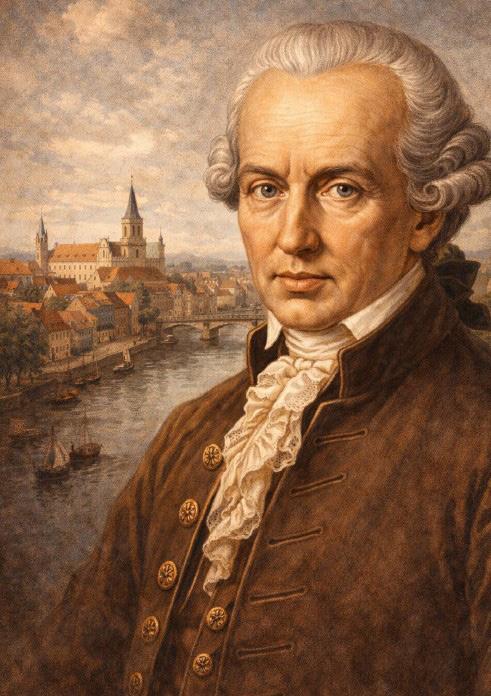
The history of human thought is, in many ways, the history of the search for truth. For thousands of years people have tried to understand how thinking works, what rules govern correct reasoning, and how truth can be distinguished from error. From this intellectual quest emerged logic — the science that studies the forms, laws, and methods of correct thinking.
Today logic forms the foundation not only of philosophy but also of law, mathematics, programming, and even artificial intelligence. Yet the path toward our modern understanding of logical reasoning has been long and intellectually fascinating.
The Eastern Origins of Logical Thought
The earliest structured systems of logic appeared in ancient India and China.
In India, the Nyāya school developed an elaborate system of inference consisting of five components, unlike the three-part syllogism later formulated by Aristotle. For Indian philosophers, logic was not merely an intellectual discipline but also a path toward spiritual liberation. The discovery of truth was seen as a means of achieving inner freedom.
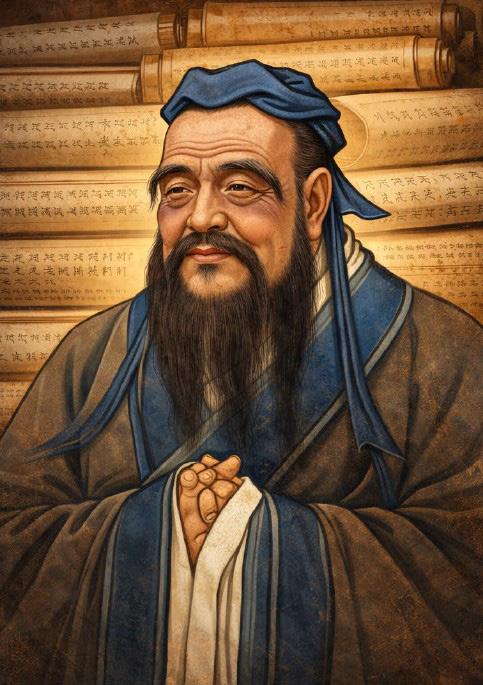
In ancient China, logical thought was closely connected with questions of social order and governance. The Mohist philosophers studied causality and analogy, while the School of Names analyzed the relationship between language and reality.
Thus, from the very beginning logic served both as a tool for understanding the world and for organizing human society.
The Birth of Formal Logic in Ancient Greece
A decisive breakthrough occurred in ancient Greece. Philosophers such as Parmenides explored the principle of identity, while Zeno of Elea famously developed paradoxes that revealed contradictions within human reasoning. Socrates introduced the method of dialectical inquiry, guiding his interlocutors toward truth through structured dialogue.
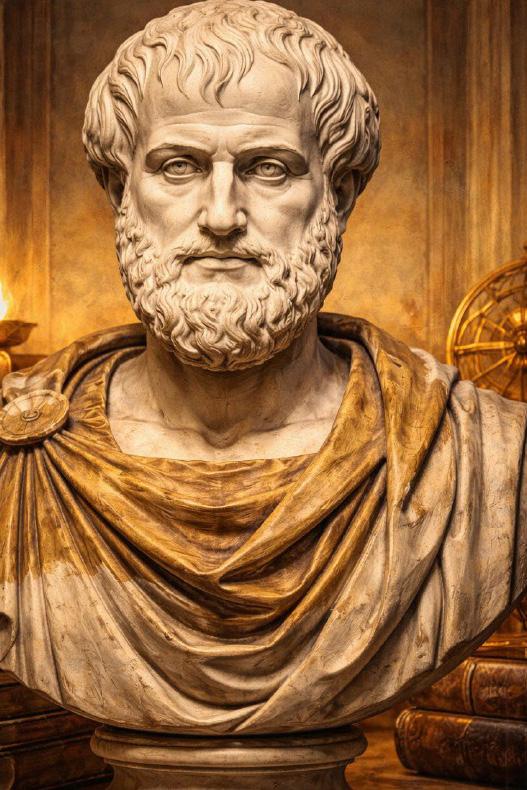
However, it was Aristotle who transformed logic into a systematic science. In his work Organon, he described the structure of correct reasoning and introduced the concept of the syllogism — a deductive method for deriving conclusions from general premises.
Aristotle also formulated three fundamental laws of logic:
• the law of identity
• the law of non-contradiction
• the law of the excluded middle
These principles shaped rational thought for centuries.
Medieval
Logic and Scholastic Thought
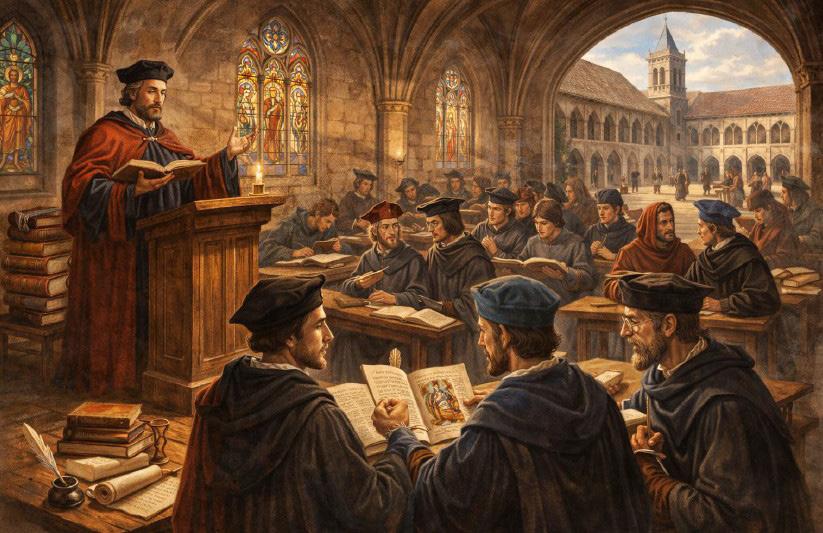
During the Middle Ages logic became a central element of education and formed part of the “trivium,” together with grammar and rhetoric.
Scholastic philosophers used logical analysis to address theological questions. One of the central debates concerned the problem of universals — whether general concepts exist independently of particular objects.
William of Ockham introduced the famous methodological principle now known as Ockham’s Razor: entities should not be multiplied beyond necessity.
This idea remains one of the fundamental guidelines of scientific reasoning.
The Rise of the Scientific Method
The Renaissance brought criticism of scholastic logic and encouraged new approaches to knowledge.
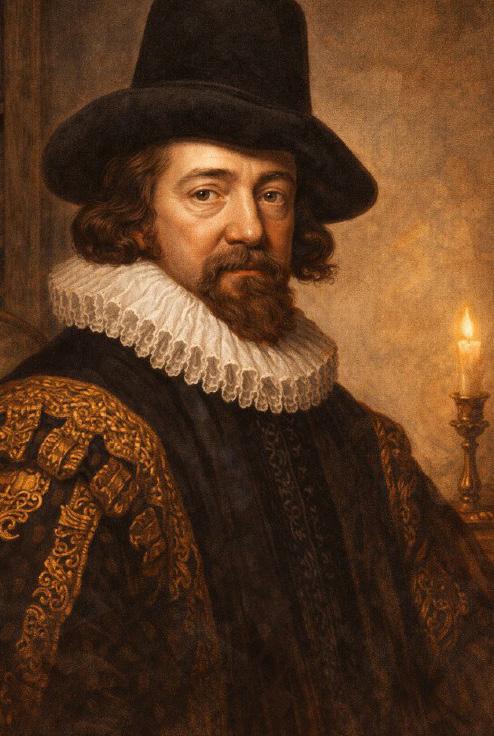
Francis Bacon emphasized the importance of induction — reasoning from particular observations toward general laws. His work Novum Organum became a manifesto for the emerging scientific method.
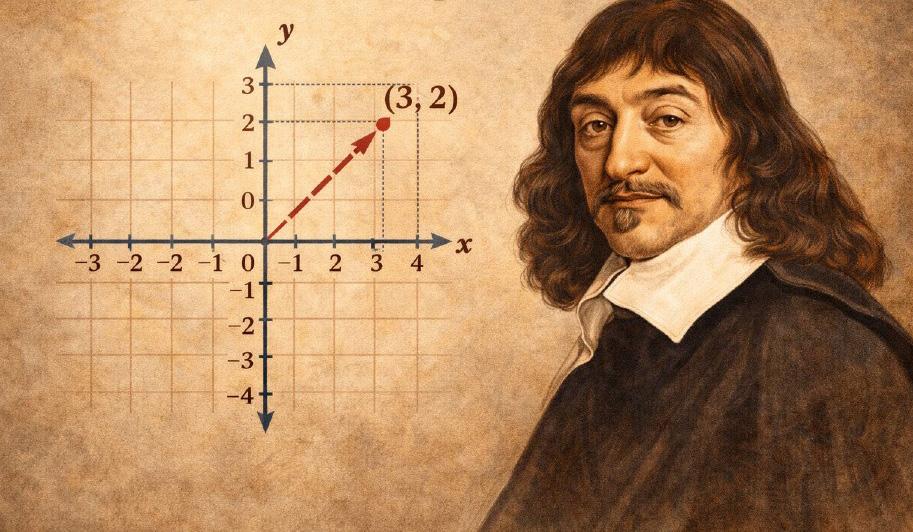
Ren Descartes, in contrast, championed deduction based on clear and self-evident principles. His famous statement “Cogito, ergo sum” symbolized the power of rational thought.
During this period logic increasingly became a universal instrument of scientific inquiry.
The Mathematical Turn in Logic
In the nineteenth century logic underwent a profound transformation.
Gottfried Wilhelm Leibniz envisioned a universal symbolic language that could resolve philosophical disputes through calculation. His famous motto was simple: Calculemus! — “Let us calculate.”
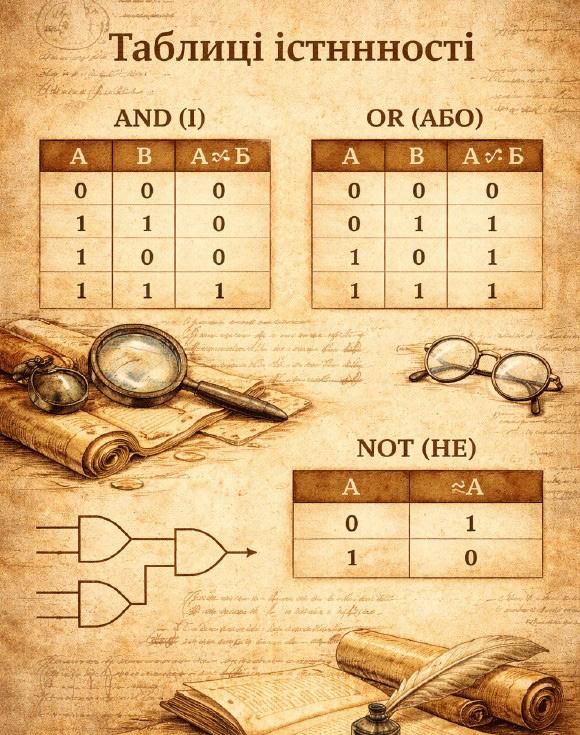
George Boole later created the algebra of logic, introducing formal operations such as AND, OR, and NOT. These principles became the foundation of modern digi-
tal computing.
Gottlob Frege further advanced logic by developing predicate calculus and a theory of meaning, laying the foundations of modern logical semantics.
Logic in the Twentieth Century
In the twentieth century logic became a central discipline of analytic philosophy.
Bertrand Russell attempted to reduce mathematics entirely to logic in his monumental work Principia Mathematica.
Ludwig Wittgenstein later argued that logic reflects the structure of reality itself. According to him, the world consists not of things but of facts.
Modern Logical Systems
Modern philosophy has developed many new logical systems, including many-valued logic, modal logic, and deontic logic.
Deontic logic, which studies concepts such as obligation, permission, and prohibition, has become especially important for legal theory.
These systems allow scholars to analyze law, language, and reasoning with greater precision.
Logic and Artificial Intelligence
Today logic forms the backbone of algorithms, programming languages, and artificial intelligence systems. Machine learning models and neural networks rely on sophisticated logical structures for analyzing data and making decisions.
In this sense, a discipline that once emerged from philosophical debate has become one of the intellectual foundations of modern technological civilization.
Conclusion
The history of logic is the history of the human mind itself. From ancient philosophical schools to modern computer algorithms, logic has remained humanity’s most powerful tool for seeking truth.
For lawyers in particular, logic is not merely an academic subject but the foundation of professional reasoning. Legal argumentation, evidence analysis, and judicial decision-making all depend on rigorous logical structure.
Perhaps logic is, ultimately, the language through which reason itself speaks.
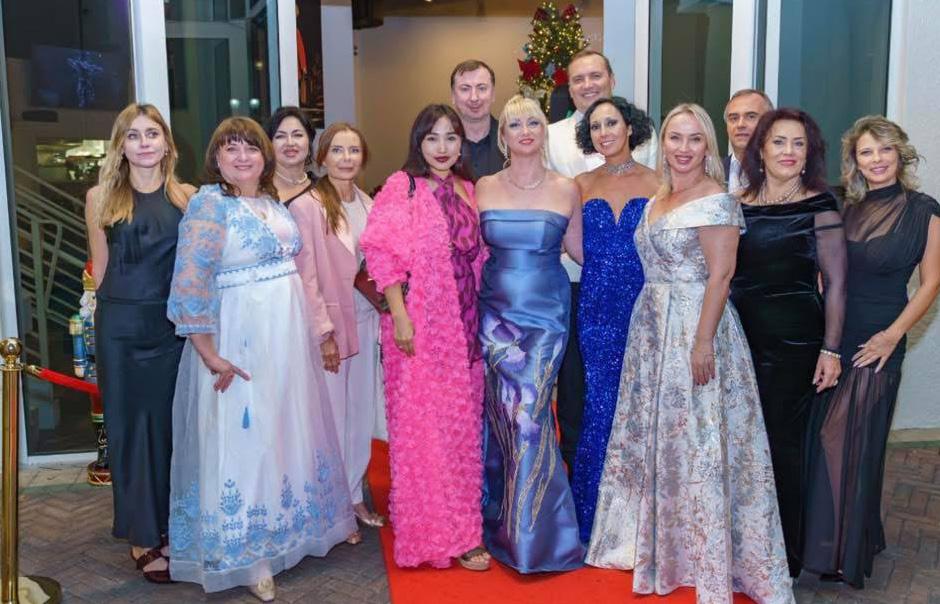
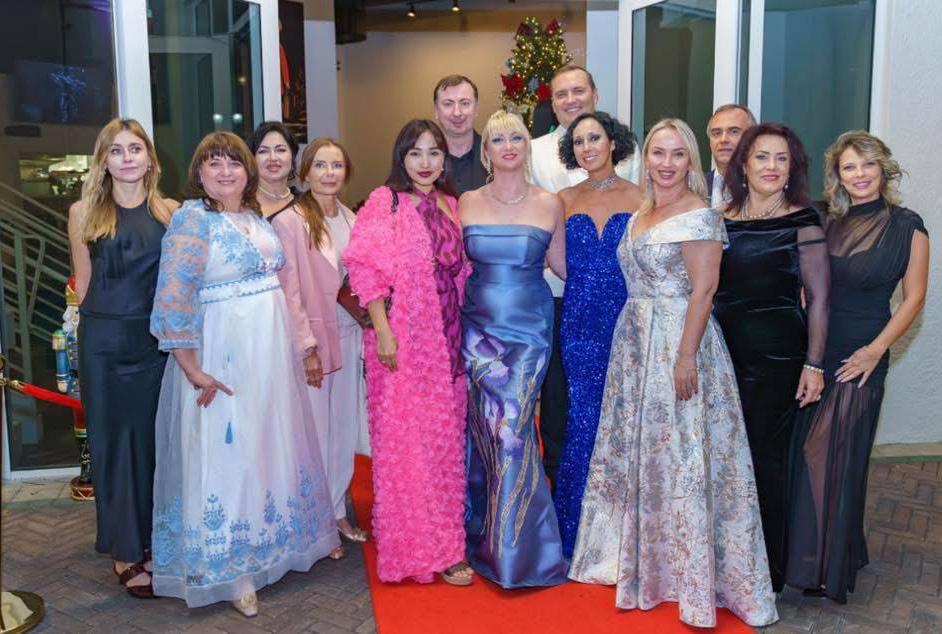
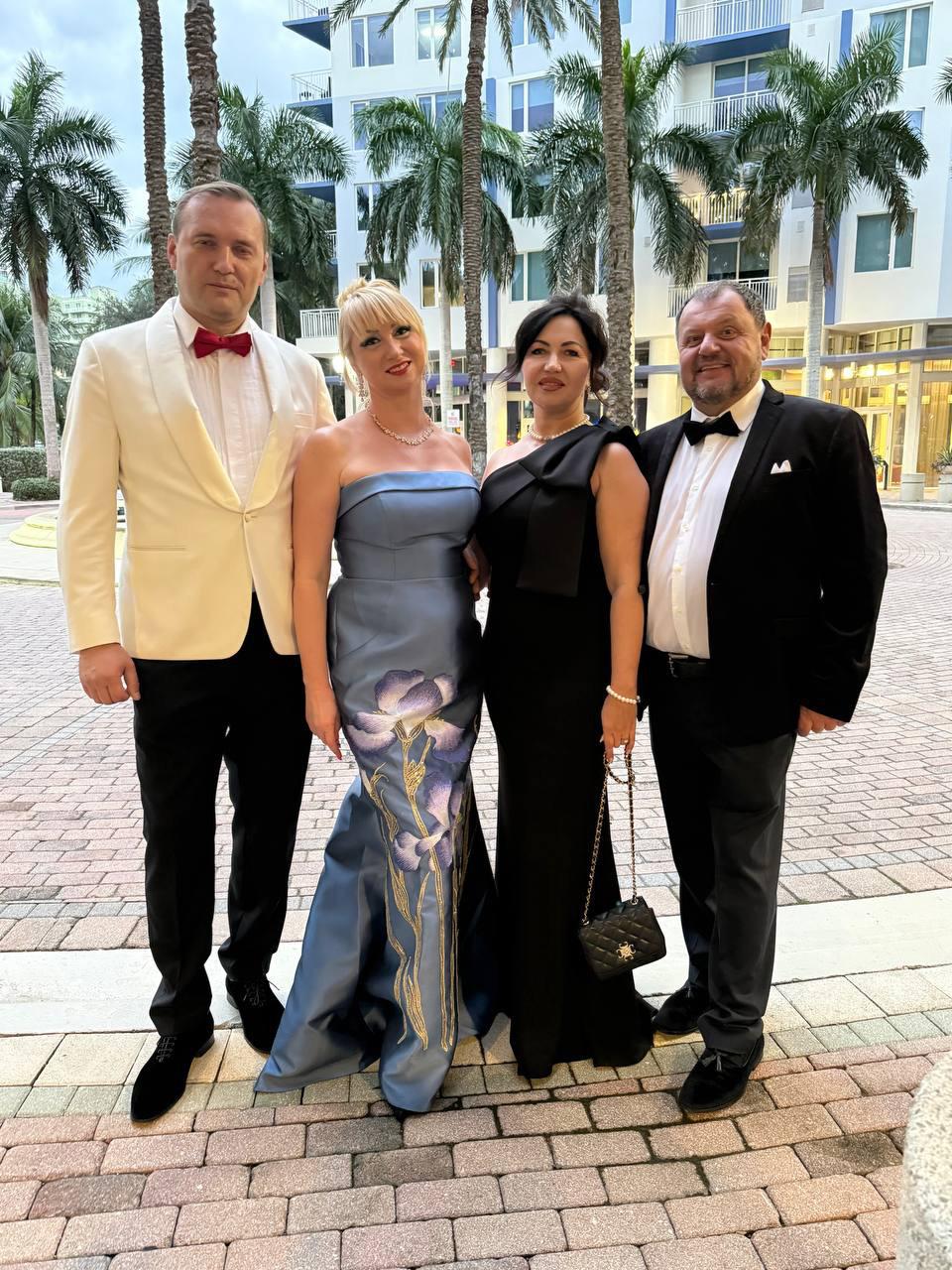
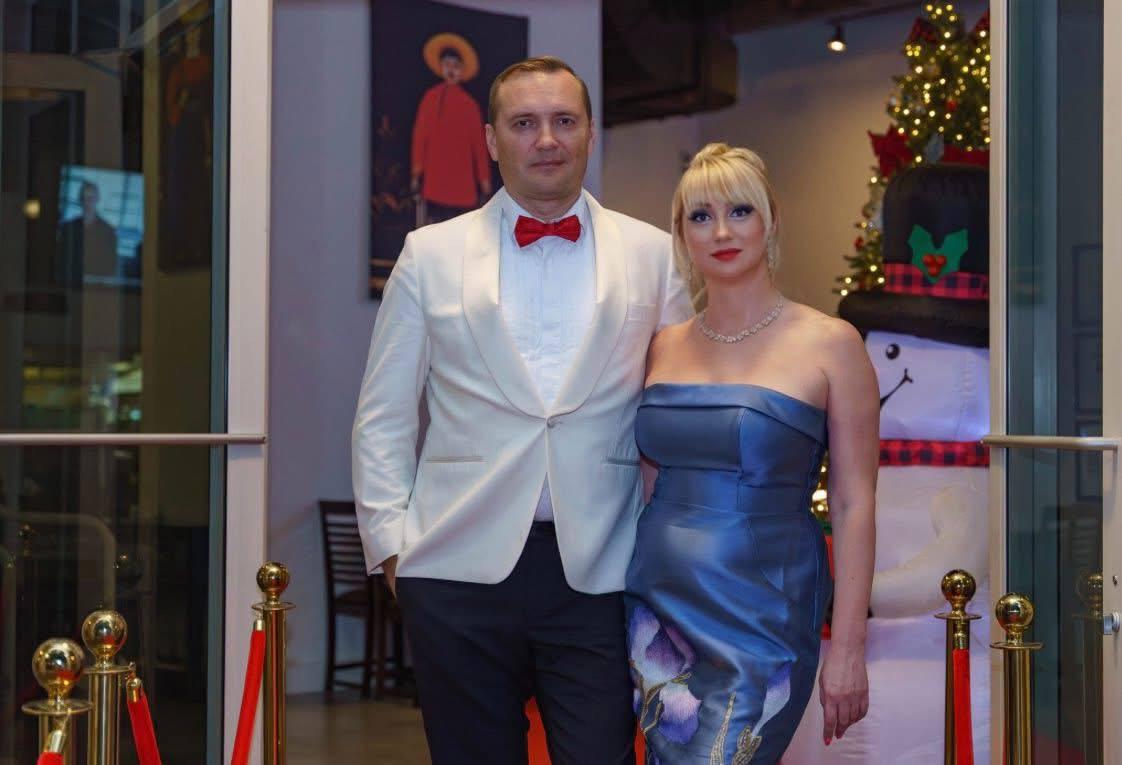
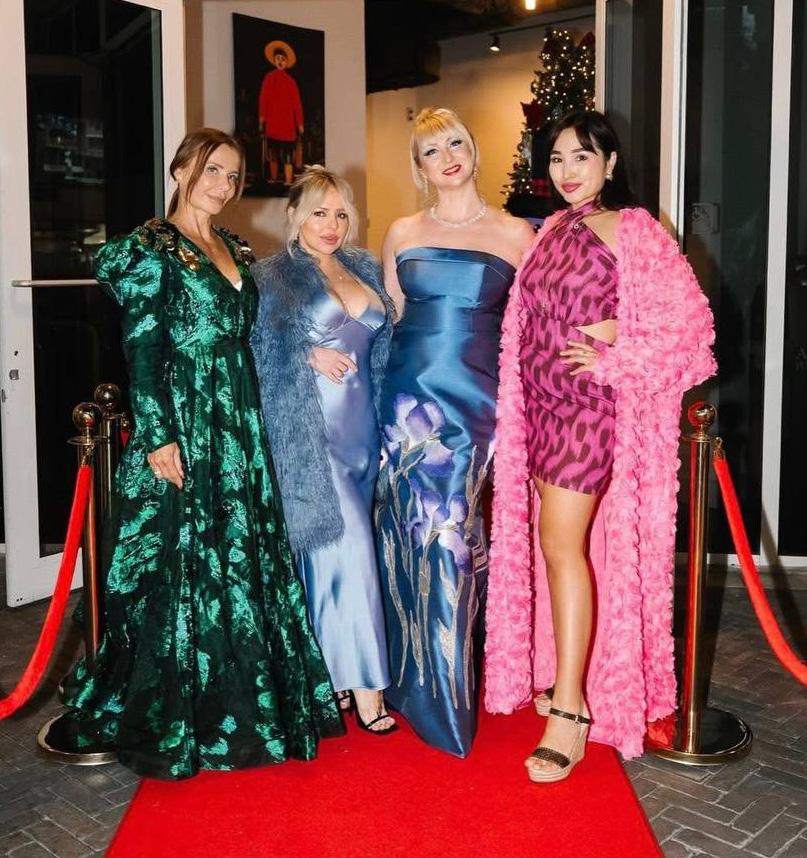
The 11th International Internet Film Festival Star Independent became one of those events that goes far beyond the usual festival format. Its Miami event, held for the fourth time at Ashkaneli restaurant in Miami, turned not only into a cinematic occasion, but also into a space of cultural memory, international dialogue, civic solidarity, and charitable action. For the Ukrainian community in the United States, this evening became a reminder that art has the power not only to move people emotionally, but also to unite, support, and inspire.
The central event of the evening was the screening of Taras Tomenko’s film “A Sentimental Journey to Parajanov’s Planet,” which resonated as the intellectual and spiritual finale of the festival program. This film became not merely the closing screening, but the inner semantic chord of the entire evening — a reflection on creative freedom, the dignity of the artist, memory, and culture as a space of inner independence. In the context of a festival where many works were devoted to war, identity, pain, and hope, this film acquired particularly symbolic power.
But Miami this year will be remembered not only for the film screening. An important mission of the event was the fundraising campaign for the opening of a chil -
dren’s theater studio in the city of Bucha — a project by Ukrainian actor and producer Andrii Karpov. This charitable component gave the festival a special human dimension. Here, art did not exist separately from life — it became its continuation, a form of support, and a means of action. In this combination of culture and responsibility, Star Independent once again proved that Ukrainian art today speaks to the world not only in the language of aesthetics, but also in the language of the heart.
Miami as a Point of Cultural Attraction
The special atmosphere of the evening was created by an artistic program in which music, style, and international presence came together. The guests were support-
ed by remarkable representatives of the creative community whose performances became an important part of the cultural image of the event.
Tetiana Melamed, a singer originally from Odesa who has performed for many years on the stages of Chicago and Miami, gifted the audience with a refined musical presence in which emotional depth, European aesthetics, and stage elegance were harmoniously combined. Frenchlanguage songs occupy a special place in her repertoire, and this sophisticated tone made her performance a true highlight of the evening.
Fazile Ibrahimova, a Crimean singer, added another dimension to the event — sincerity, spirituality, and inner strength. Her participation became a symbol of cultural unity and support for Ukrainian art at the international level.
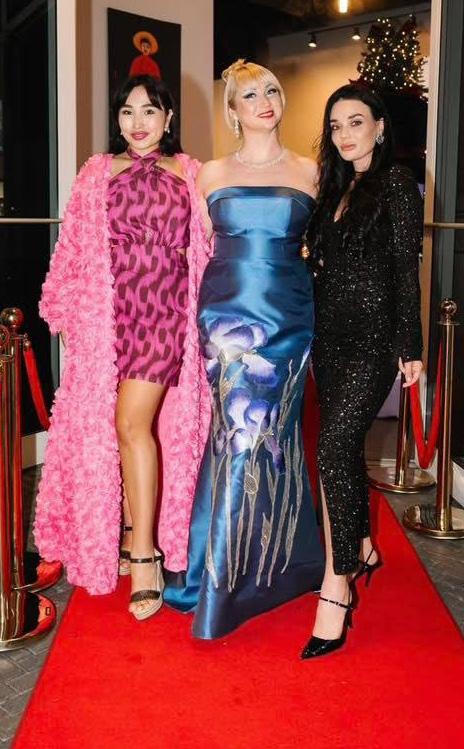
A vivid accent of the evening was also the fashion presentation by Kazakh designer Aidana Omarova, who showcased her work within the framework of the festival. Her creations, combining contemporary aesthetics, femininity, and traditional motifs, naturally complemented the overall atmosphere of the event. An additional emotional note was brought by the presentation of her new song “Business Woman,” which emphasized the fes-
tival’s open international character.
Winners of the 11th Star Independent: The Geography of Talent and the Themes of Our Time
One of the highlights of the festival was the ceremonial award presentation, which confirmed the breadth of genres and themes represented this year. The program honored works dedicated to contemporary music, social impact, children’s creativity, war, cultural memory, television, documentary filmmaking, and short films.
In the Music Videos category, the winners were: Tell It — Ivanna Melay ft. Really Doe — Best Music Video;
Forever — Andrii Pidluzhnyi — Grand Prix, Best Music Video;
Dance With Me — Malgivski — Outstanding Dance Music Video; American Ukrainian — GREMO — Best Patriotic Video in Chicago; Peace in War — Yuliia Frants — Special Jury Mention.
In the Children’s Music Videos category, the awards went to: Fly Away — MartA — Best Children’s Video in Ukraine; Gotham | Present Chronicles — Nora Polinya — Best Children’s Video in the USA; Feeling Good (cover) — Sofi Bastet — Best Children’s Video.
In the Children’s Social Videos section, “Culture Against War” by Viktoriia Zelenko received the award for Outstanding Young Reporter.
Among the Animated Films, “UFO” by Anatolii Matviichuk won the top honor.
In the Non-Traditional Art category, “Holovna” by Diana Kosheva was recognized as the Best Non-Traditional Art Video.
In Advertising, the winners were:
“We Are Soft. Happy.” — Olena Akimova & Nobel Le — Best Advertising Video; Why So Many Caregivers Choose Abcor? — Abcor — Best American Advertising Video;
WindowsWeatherGuard: When the World Got Loud — Alisa Wenger — Special Jury Mention.
In the Social Videos category, important awards were presented to: “Protez Foundation” — Yaroslav Savchak — Best Social Impact Video; “Festival of United Ukrainian Culture in Florida” — REC USA — Best Social Impact Video.
Among the Short Films, the winners included:
“The Perfect Friend” — Serhii Alyoshiechkin — Best Actress: Anzhelika Petrovska; The Cake — Flame World Production — Outstanding Social Impact Film; BURDEN — Alex Hramakovskyi — Best Actor in a Short Film;
“Berehynia” — Siia Titova — Best Ukrainian Short Film on Social Themes;
“The Tender Triumph” — Francisco Bassi ana — Best Foreign Film about Ukraine.
In the Series section, the following projects stood out:
Beat, Heart, Beat — COSMOS AGENCY, with awards for Best Director — Dasha Trehubova, Best Actor — Oleksii Horbunov, Best Actress — Daria Leheida; BEEHIVE — Best Chicago Series.
In Documentary Film, the awards went to: “The Story of Olena Yaremchuk” — IMMIMENTARY — Best Contemporary Atmosphere; “Antarctica: War Diaries” — UP UA Studio — Best Visual Mastery;
“War in Ukraine: An Inside View” — Mykhailo Hershtein — Best American-Ukrainian Film;
“A Sentimental Journey to Parajanov’s Planet” — Taras Tomenko — Best Documentary Film Director.
In the Shows and Interviews category, the winners were:
“Time for the Ukrainian Song” — Andrii Pidluzhnyi — Best Arts Program; No Filters: Alyona Alyona — URC Radio — Best Contemporary Atmosphere;
Skrypin, Halan | Radio UA Chicago — Best UkrainianAmerican Political Program.
In Feature Films, the award for Best Feature Film Director went to “BANDERAS” directed by Zaza Buadze. This list of winners demonstrates that Star Independent embraces not only the Ukrainian but also a broader international cultural space. Works from Ukraine, the United States, and other countries — including Poland, Germany, Estonia, and others — create a shared space for a great conversation about freedom, memory, war, identity, and human dignity.
Humanity as the Festival’s Main Theme
Despite the variety of genres and formats, all the works
were united by one central internal theme — humanity. It emerged in social videos, music clips, documentaries, and short films alike. These works contained much pain, but no hopelessness; many losses, but no inner defeat. Ukrainian cinema today does not turn away from truth. It speaks honestly, openly, and deeply — and that is precisely why it touches the heart.
In this context, the words of Vasyl Symonenko sound especially appropriate:
“Do you know that you are a human being?”
The festival in Miami once again proved that in times of darkness, light is seen most clearly. And today, Ukrainian cinema is exactly such a light.
The Festival Jury: People Who Shape the Level, Meaning, and Credibility of the Event
A particularly significant role in the structure of the festival belongs to the jury — a circle of professionals who determine not only the winners, but also the cultural direction of the event. It is the jury that establishes a high standard of artistic thinking, professional ethics, and international dialogue.
In times of war and global challenges, such expert evaluation becomes a form of cultural responsibility: support for those authors who speak of freedom, pain, hope, memory, and dignity.
Oksana Osher
Oksana Osher, Chair of the Jury, is a writer, screenwriter, and cultural figure working at the intersection of the Ukrainian and American cultural spaces. Her experience combines literary depth, dramaturgical thinking, and sensitivity to themes of historical memory, identity, and human experience. Her presence lends the festival intellectual rigor and spiritual depth.
Vadim Perelman
Vadim Perelman is an internationally acclaimed film director and producer whose participation on the jury underscores the festival’s high professional status. His experience in world cinema allows him to evaluate works within a broader context of directing, dramaturgy, visual language, and global cinematic thinking.
Steven Manas
Steven Manas is an actor, director, and producer known for his international creative projects. On the jury, he brings the perspective of a person who works with emotional authenticity, screen presence, and the power of the cinematic image. His professional lens is especially important in recognizing the inner truth of a film.
Valentyn Opaliev
Valentyn Opaliev is a cultural and artistic figure whose work is connected to supporting creative initiatives and international cultural cooperation. His presence adds a strategic understanding of art as a tool of cultural diplomacy and international partnership.
Oleksandra Smilianska
Oleksandra Smilianska represents the contemporary cultural environment and communication practices. Her experience makes it possible to assess not only the artistic quality of the works, but also their relevance for today’s audience, their visual language, and their new meanings.
Tetiana Lohush
Tetiana Lohush is a cultural manager, publisher, patron, and intellectual whose contribution to the development of the Ukrainian cultural environment is systemic and profound. Her participation gives the festival particular moral weight, underscoring that art is also a responsibil-
ity before society and time.
Volodymyr Filipov
Volodymyr Filipov is a producer and media manager with extensive experience in film and television. As a jury member, he brings a practical industry perspective and an ability to see in each work not only aesthetics, but also professional potential, media viability, and future cultural influence.
Andrii Karpov
Andrii Karpov is a Ukrainian actor, producer, and cultural figure who combines creative work with charitable initiatives. His presence at the festival is especially symbolic, since his project for a children’s theater studio in Bucha became the centerpiece of the charitable mission of the Miami event.
Oleksandr Berezan
Oleksandr Berezan is a representative of the creative community whose participation in the jury helps maintain a balance between professionalism, openness to the new, and respect for the deeper artistic content of each work.
Mykola Martynenko
Mykola Martynenko complements the jury with a broad social perspective and an understanding of how
context. His participation
of the festival.
Maryna Lazorenko
Maryna Lazorenko is an executive television producer with nearly twenty years of experience working on major television projects. She specializes in formatted shows and entertainment programs and has worked on such well-known productions as MasterChef, MasterChef. Children, The Boys’ School, Weighted and Happy, Goddess of Shopping, My Perfect Dress, Supermommy, Around the World for Treasure, Mystical Stories, Star Factory, People’s Star, and others. Her professional path covers the full television production cycle — from concept to broadcast realization. On the jury, she represents a high television culture, managerial precision, and a professional understanding of the contemporary screen format.
Meerim Dzhunushalieva
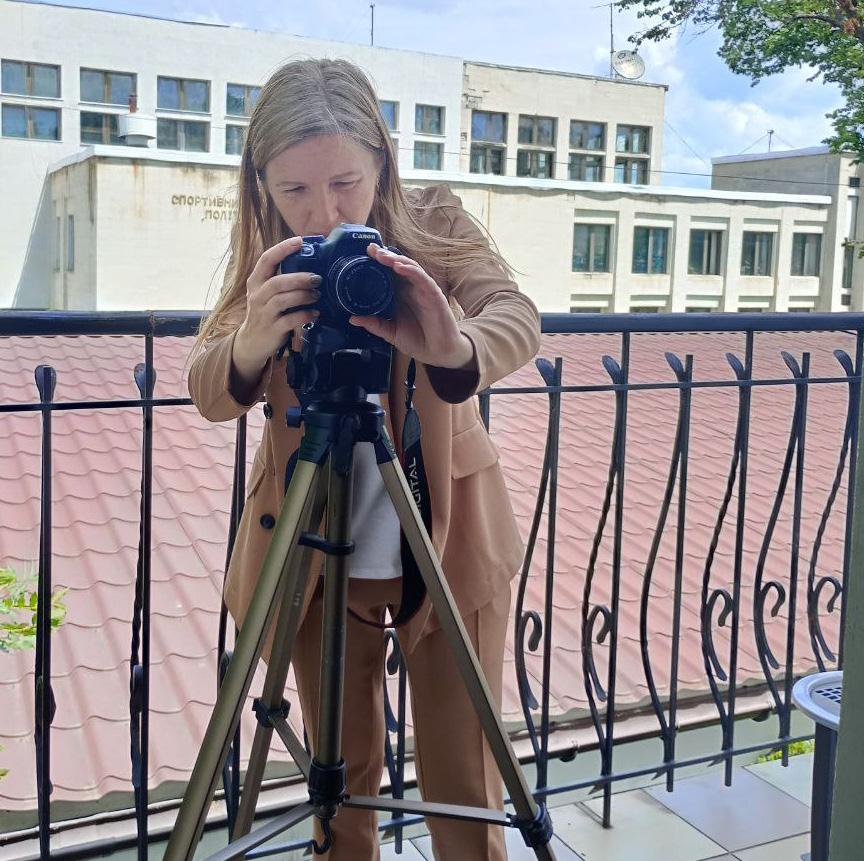
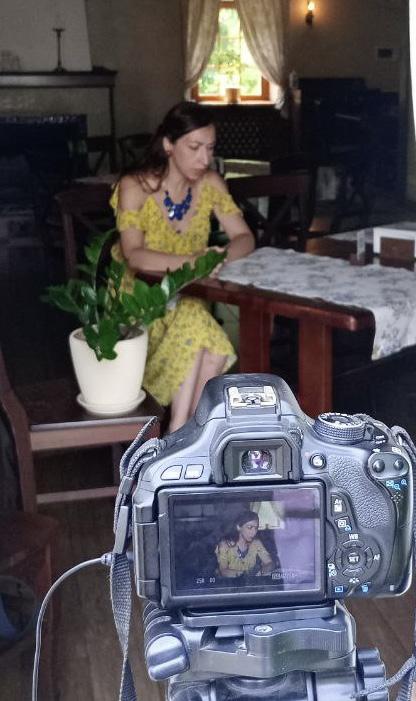
Particular attention is also drawn to Meerim Dzhunushalieva — a digital producer, producer of cultural projects, and applicant for the utility model “A Device for Dynamic Macro Shooting of Objects.” Her professional trajectory has developed at the intersection of media production, visual innovation, and cultural communication. Beginning in digital marketing and social media, she later moved into the creation of complex visual systems,
art functions within a wider national and international
expands the cultural horizon
the organization of shoots, and the launch of educational formats and cultural events. Practical work with content led her to applied technological solutions in product and macro cinematography, where she began exploring stabilization, camera synchronization, and controlled movement. This experience became the basis of her utility model application. As a jury member, Meerim represents a new generation of professionals for whom cinema, digital platforms, innovation, and cultural diplomacy are all parts of one contemporary media space.
It is precisely this diversity of the jury — from directors and producers to writers, media managers, cultural figures, and digital experts — that makes Star Independent not merely a competition, but a platform of trust. Here, evaluation becomes not a formal procedure, but a shared responsibility for the voice that the world hears from Ukraine today.
Chicago and Miami: A Unified Festival Space
Although the Miami event became a distinct and vivid occasion of its own, it organically continued the overall rhythm of the festival, which also unfolded in Chicago. During the gala event in Chicago, the audience watched the series “BEEHIVE” — a project created by Ukrainian artists now living in America. The producer of the series
is Serhii Wenger. The story tells about the lives of truck drivers, a theme especially close to the reality of Chicago and the Ukrainian diaspora. In this story one could feel everyday truth, labor, endurance, and the strength of character.
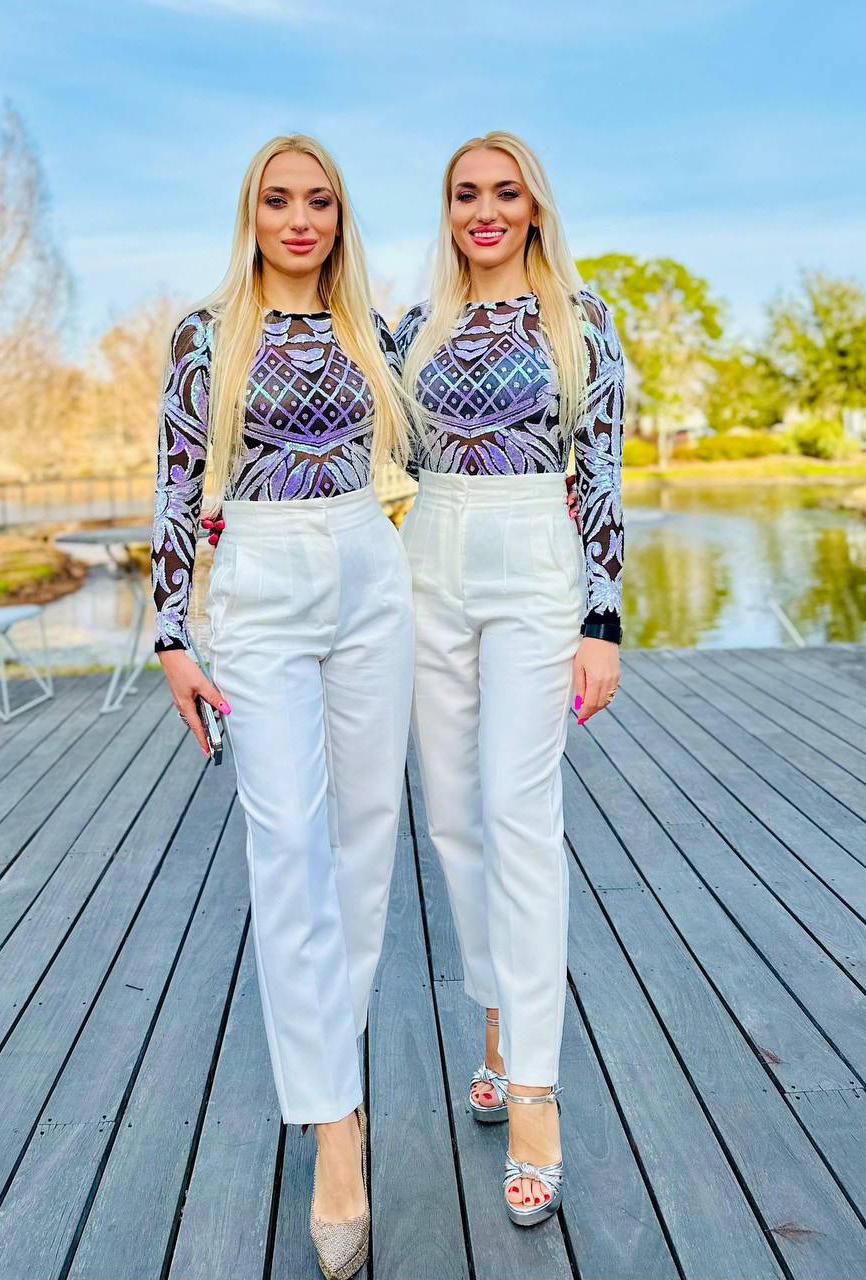
Another special part of the Chicago program included performances by the Malgivski sisters and Ivanna Melay, as well as the fashion presentation “Ukrainian Beauty” by designer Sandra and Sabrina. In this way, the festival in Chicago and Miami appeared as one cultural route — from screen to stage, from art to charity, from local community to international presence.
Charity as a Continuation of Art
The charitable dimension of the festival was especially moving this year. The charity auction featured a Ukrainian korovai, paintings by Olena Yaremchuk and Yuliia Stelmakh. The funds raised were donated to the Protez Foundation, which provides prosthetics and rehabilitation for Ukrainian soldiers, to the children’s foundation U4UA, and to the drone systems school Maestri Air Bro. Special gratitude was expressed to the benefactors, in particular Andrii Kulbachnyi.
In this context, charity was not an addition to the artis-
tic program. It became its natural continuation — proof that true culture always has a human heart.
Partners of Support
An important role in the realization of the festival was played by the support of partners and sponsors. Among the general and gold partners of the opening of the 11th IIFF Star Independent Chicago were Abcor, ChicagoKent Law, and Yaremchuk Group. The event’s partners also included International Intellectual Leadership, Notary Miami, Lotus Innovations, Planeta Group, Sergiy Wenger, Viva Express, Zingcha, and others. The support of business, legal institutions, cultural organizations, and civic communities once again proved that the festival is an event of collective action, where art is sustained by solidarity.
The organizers and guests also expressed special gratitude to Planeta and the international law firm Yaremchuk and Partners for their contribution to the development of this cultural initiative and international creative dialogue.
Final Chord
The 11th International Internet Film Festival Star Independent in Miami once again proved that Ukrainian art in America is not merely alive — it is developing, speaking to the world on equal terms, shaping a new cultural history, and creating a space of trust, memory, and action. This event contained everything that matters most today: creativity, charity, international dialogue, professional excellence, and deep human feeling.
And that is why the Miami evening of Star Independent will be remembered not as just another ceremonial event, but as a living story about the power of culture to hold a community together. About cinema that is not afraid of truth. About a jury that carries not only professional, but also cultural responsibility. About Ukraine, which even far from home continues to sound beautiful, dignified, and convincing.
I can also prepare a shorter magazine version in polished English or a more elevated editorial-style version for publication.
IWantedto Becomea Ballerinain Space
As a child, I had two dream professions: ballerina and astronaut. Then I decided there was no need to choose. In my head, there existed the perfect job title: a ballerina on a spaceship, saving the crew from boredom and homesickness for Earth.
Pic by Katia Yeletskih
Now I understand it was not really a fantasy about space. It was a premonition about a world with no support, where you still have to keep your balance. Ballet, if you strip away the tutus and myths, is exactly about that.
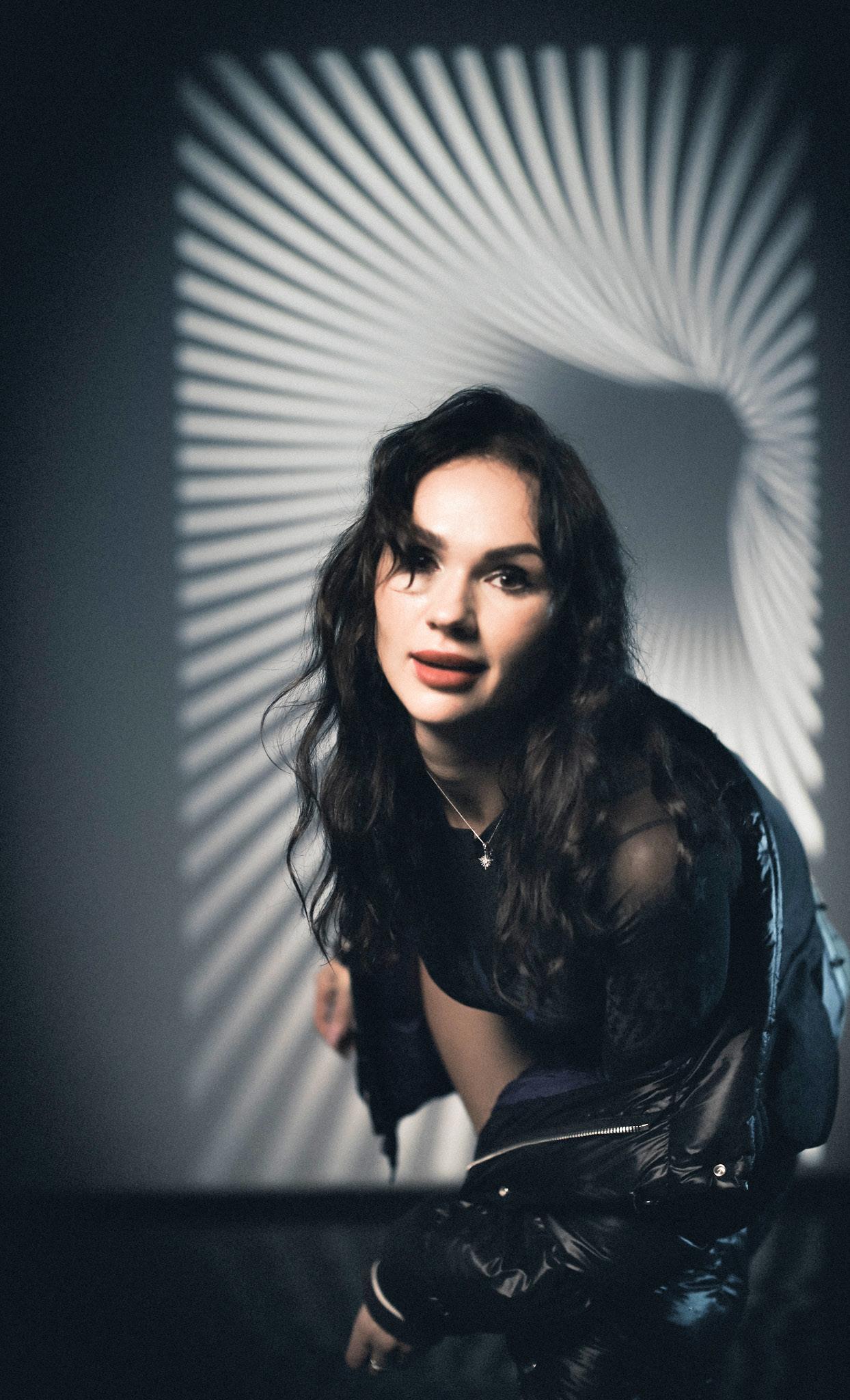
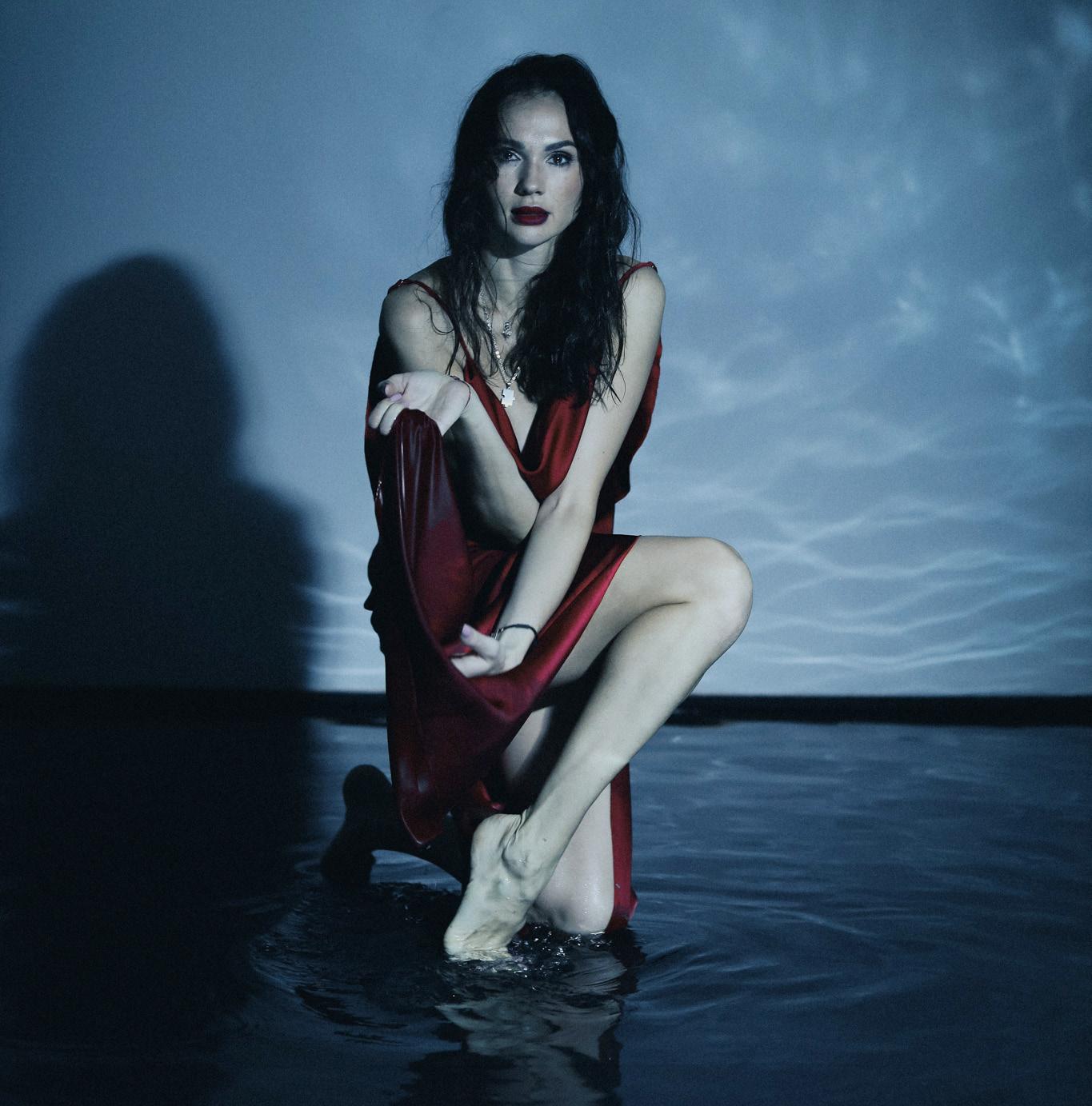
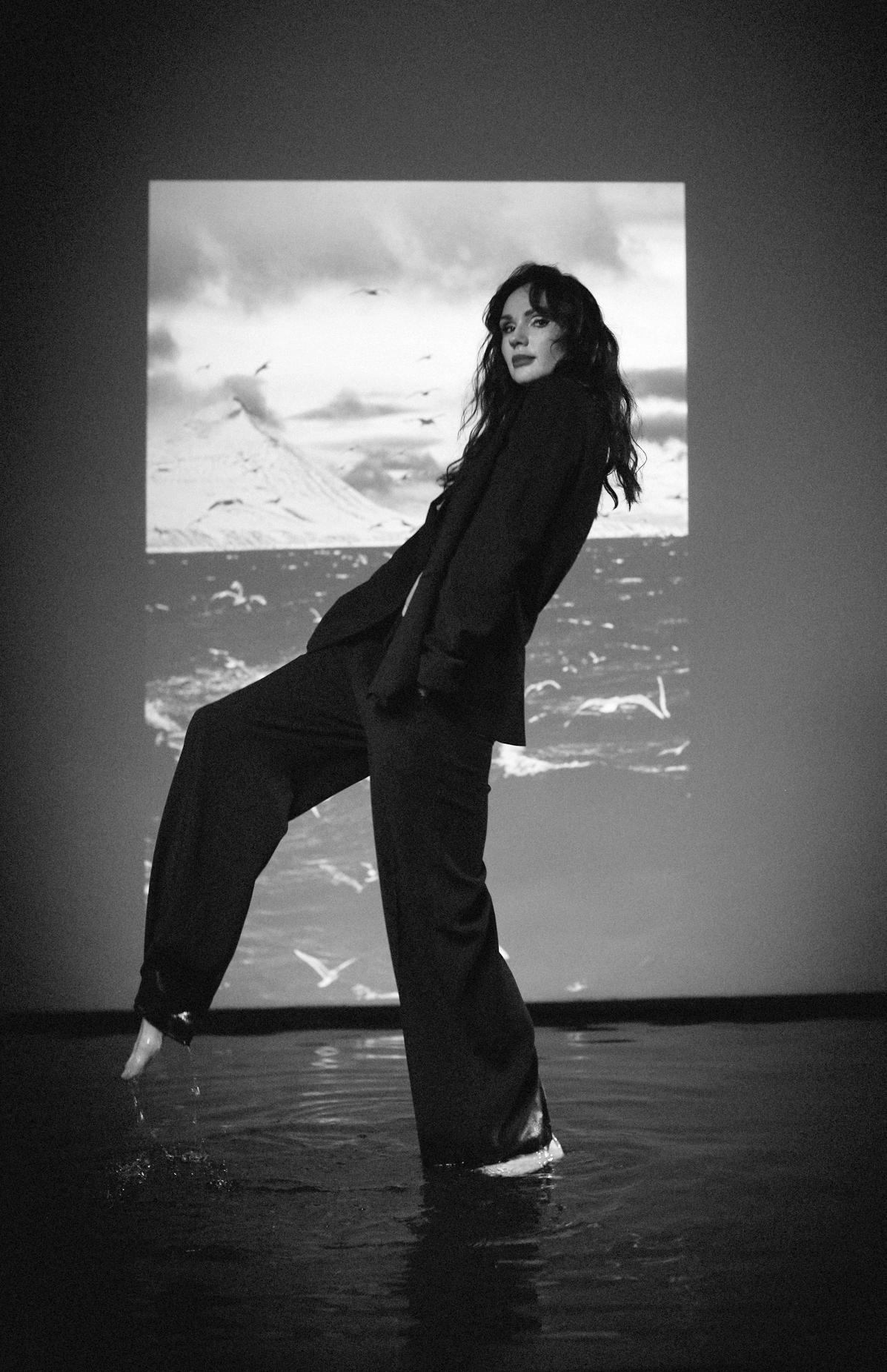
My name is Kseniya Novikova. I was born in Kharkiv, studied in Kyiv, danced at the National Opera of Ukraine, worked in Korea and in different countries across Europe, and now, together with the Ukrainian International Ballet, we are building a dialogue of cultures in the Netherlands. It sounds like a neat biographical line, but in reality it is a chain of decisions that sometimes look irrational and yet almost always feel exactly right, later turning into experience and emotion. And I truly believe life is too short to live it any other way than the way you want.
1. Kharkiv: theatre as a form of escape
My aunt was a ballerina, so part of my childhood happened not in “childhood” as such, but in the Kharkiv theatre: classes, rehearsals, corridors, waiting by doors, the smell of make-up and rosin, and the feeling that walls can remember. The theatre was a place where everything made sense: if you work, you become better; if you repeat, you grow professionally.
Home was harder. My parents are musicians, but the atmosphere in our family was often tense. Children have a strange talent for taking on what does not belong to them. When adults argue, a child can easily decide: “it’s because of me.” And then the theatre becomes not a beautiful fairy tale, but a real lifeline.
At nine, I came to study at the Kyiv State Choreographic School. Nine is an age when a suitcase feels bigger than you. But it was my desire and a conscious step. I always wanted to grow up faster, to become independent and not depend on my parents’ decisions. So the boarding school did not scare me. Quite the opposite: I walked in with impatience and by my own choice, because it felt like real life, without constant limits and with the sense that you are responsible for your own life.
2. Kyiv: discipline that knows how to love
From the outside, ballet school often looks like a strict science: the barre, rules, lines, constant remarks. But inside it there is a strange tenderness. Not the kind that “hugs” you, but the kind that says: if you endure now, tomorrow you will be able to do more, you’ll see.
I learned early not to wait for inspiration. In ballet, inspiration comes when you have repeated the same thing a hundred times and then, suddenly, you do it honestly.
At seventeen, I entered the National Opera of Ukraine. For some, that is the final point of a dream. For me, it was the beginning of an adult conversation with the profession: the stage tests not only your professional skills, but also your character. The stage shows who you are when you are tired, when you are afraid, when it does not work. It does not take revenge, it simply exposes you.
Somewhere around then, my old “space” part showed itself: I always wanted to widen my orbit.
3. Seoul: why growth sometimes requires an unserious step
A few months after I started working in the theatre, I decided to audition for the musical The Phantom of the Opera in Seoul. It sounded almost like “betrayal” of an academic career. People told me so: you got your chance, and now you’re leaving to dance in a musical?
But what mattered to me was something else: I wanted to see the world, another system, another rhythm, another kind of stage discipline. I completed the contract there (ten months) and understood a great deal about myself.
For example, that “light genres” sometimes demand even greater precision: there is less room for pathos and more responsibility for every millisecond of what is happening.
I returned to Kyiv and to my home theatre. I never viewed a career as a ladder “from bottom to top.” More like a metro map: sometimes, to get where you need to be, you have to change lines, and it looks strange only to those who do not know your final station.
At the same time, my personal life was growing. I have three children, and that is also part of my profession, paradoxical as it may sound. A dancer’s life in reality is not divided into “stage” and “everything else.” It is mixed together: rehearsals, school, logistics, exhaustion, joy, and sudden questions like, “why can’t the costume be washed like a normal T-shirt?”
And somewhere between rehearsals and “Mom, where is…?” I always had another curiosity: how the processes around me work. I love learning as a way to keep my mind alive. At some point, I began exploring AI tools, and I took a course in the basics of front-end and back-end programming simply to understand the mechanics of the
digital world, which increasingly affects art as well.
4. Tessno: hearing an orchestra inside electronic music
Almost right before the war, I had my own project, Tessno. Tessno is when ballet meets a symphony orchestra and electronic music, and nobody tries to “re-educate” anyone. I have always adored classical music: the orchestral sound, its emotionality and depth, the way it holds a vast inner volume. The very same qualities fascinated me in electronic music: incredible depth, complex textures, intensity and tenderness, only expressed through different means. And at some point I thought: how wonderful it would be if this could be combined, and if those emotions could be danced on stage.
That is how Tessno was born. We had two shows. The second was called Biom: ballet, electronic music and orchestra in one breath. For me, it was a period I still remember as the happiest. Not because “everything was perfect,” but because everything was alive and in its place: I was realizing dreams, I had a family, a profession, I was working in a prestigious theatre, and at the
Pics by Olena Dudar
same time I had my own “child,” which began to grow faster than I could even process. Proposals appeared, new venues, ideas and invitations from different corners of Ukraine and beyond. It felt like I was riding a rainbow on a golden unicorn…
On February 21, we danced until morning in one of Kyiv’s clubs, celebrating my birthday with a big group of close friends, and I caught myself thinking that, perhaps, this was one of the happiest periods of my life.
And on February 24, at 5 a.m., my usual breakfast was interrupted by the sound of explosions. The war began.
5. February 2022: when you are not there
There is something that is hard to explain to people outside the profession: when you are an artist, your “self” is tied to the regularity of the stage and of work. And when that system collapses, it feels as if someone switched you off. I remember a very clear thought: my life had disappeared. Not dramatically, not “poetically.” Simply as a fact: the theatre closed, the city became dangerous, even the most ordinary things suddenly became inaccessible.
Pics by Olena Dudar
Pics by Olena Dudar
I grabbed my family, and we managed to get to Portugal.
The contrast turned out to be unexpectedly hard: peaceful life continued around you, but inside you were still at war. I could not simply live on, I wanted to do at least something that made sense. So I returned to the border with Ukraine and drove people and belongings from the border to different parts of Europe. Almost a month and a half behind the wheel made it possible not to lose my mind and to be useful. It does not save the world. But sometimes it saves a particular person. And sometimes it saves you from the feeling of being useless.
6. The Netherlands: a big family, and the budget of a fairy tale
Later I learned that the Dutch ballerina Igone de Jong, together with other caring Dutch people, had created a company for Ukrainian dancer-refugees: the United Ukrainian Ballet. That is how I ended up in the Netherlands.
There were many of us, 65 dancers from all over Ukraine, with and without experience, very young and already mature artists. We lived and worked together like a huge family. We rehearsed in the building of a former
Pics by Tonya Sotnykova
conservatory in The Hague that was meant to be demolished, but for a year it became our home. We worked with renowned choreographers and went on tours. I can honestly call that period a “fairy tale,” but not because it was easy. Rather because, in the reality of war, an oasis of support and creativity suddenly appeared, where art regained meaning and strength.
Fairy tales, however, depend on budgets. The project closed due to a lack of funding. And that was the moment when we could have dispersed and become “each on their own” again. But we still had a community, experience, an audience, rehearsal spaces, and, most importantly, we still had a reason to continue.
That is how the Ukrainian International Ballet came to be.
7. Ukrainian International Ballet: not a project about war, but about a human being
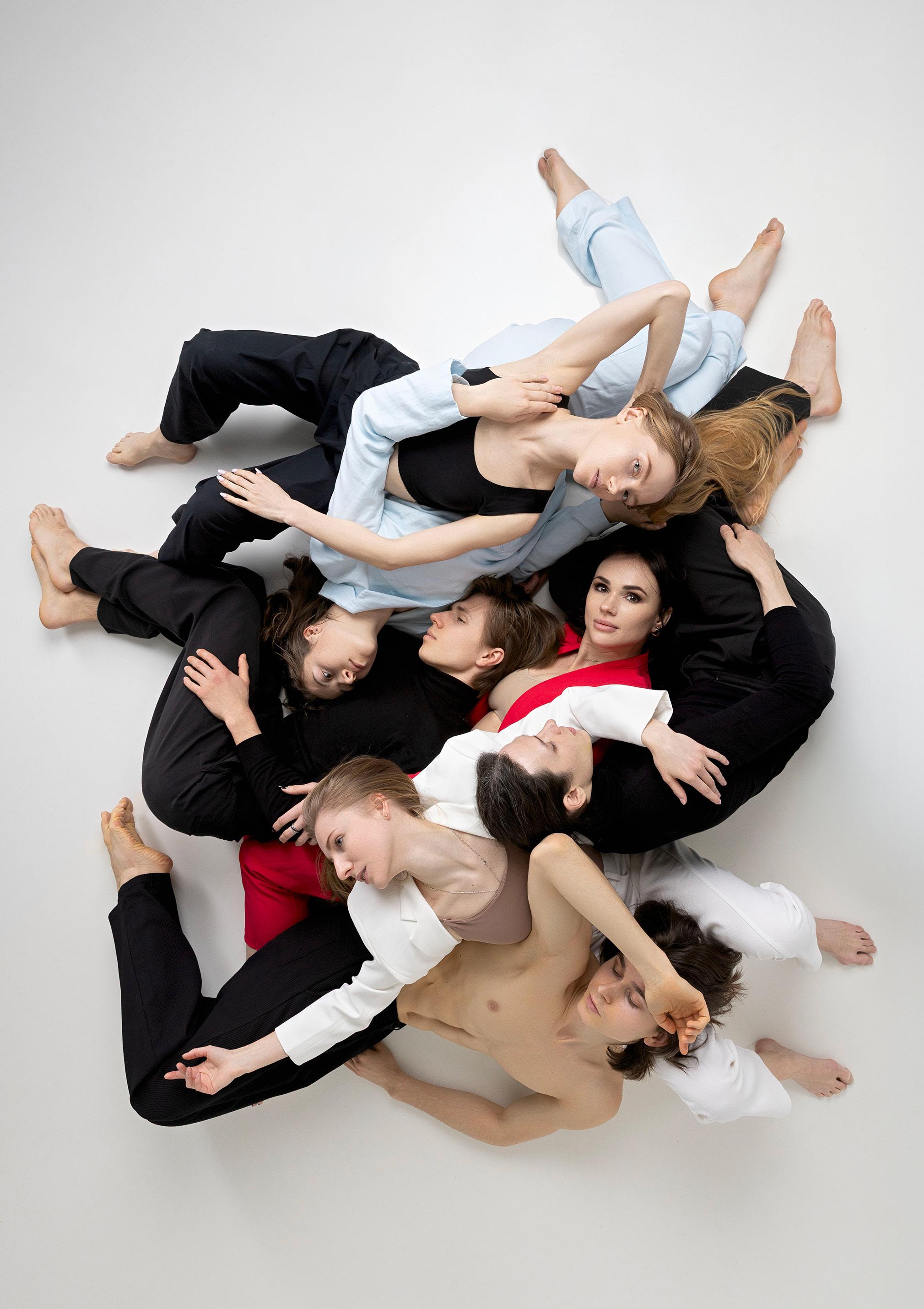
Today, UIB is about fifteen dancers. We rehearse in The Hague, perform in the Netherlands, Germany and Belgium, and we are preparing for new countries.
To survive, many of us work in very ordinary jobs alongside this: someone delivers food, someone works as
a waiter, someone teaches Pilates or dance. This is reality, without romanticising it.
But on the days when we have the chance to perform, everyday life recedes like noise behind a closed door. We step on stage and return to our natural state as artists. As people capable of speaking to an audience about the most intimate things without a single word.
It is important to me that UIB is not a “sentimental letter,” but a living dialogue. We speak to European audiences not with slogans, but with a language that needs no translation: movement, music, image. We do not lock ourselves into reflection on Ukrainian realities, and we do not aestheticise war. We invite cultures into dialogue, we collaborate with Dutch and Ukrainian choreographers, because culture can influence the physical world when it opens space for something shared.
8. INdependent 24: how gratitude sounds on stage
One of our key works is INdependent 24. It contains the theme of war, but it also contains something else, very important: gratitude to the Netherlands for its support and for the search for points of connection between cultures.
Pics by Tonya Sotnykova
Sotnykova
Pics by Tonya
MAGAZINE
In the performance there is a section created by the Dutch choreographer Rish l Wieles. And there is an episode that, for me personally, became an ethical exam: the participation of the Ukrainian veteran Andriy Siromakha, who sustained severe injuries at the front at the age of 22.
In this scene he is not a “symbol” and not “scenery.” He is the main protagonist. We, the dancers, do not “play” his story; we create a space where his presence is the central meaning. Sometimes a single movement of a raised arm says more than ten pages of text: strength, dignity, the stubborn “I am here.”
In the finale, a well-known Dutch song, Mag Ik Dan Bij Jou, is heard, with the words “when the war began…”. For the Dutch audience, this melody is their own, familiar. And in that moment I especially love the silence in the hall: not theatrical, but real. It is that rare case when two cultures do not compare themselves, but recognise and accept one another.
9. Working with veterans
Working with military people and with those who have amputations is a great honour for us, but it has also brought many challenges. And yet the inner strength and light of our soldiers, their willingness to work on themselves and expand the usual boundaries of life, helped us achieve a truly powerful result together. For our team, it is important that the stage returns agency to a person, rather than turning their pain into “material.”
I remember touring in Berlin, where we performed together with the Ukrainian soldier Yevhenii Syvolap, who has a triple amputation. At first he was very closed and shy, as if he felt uncomfortable in the dance environment. But on stage a transformation happened: he danced, he was an artist! And this is not a “beautiful image.” It is the result of colossal inner work and change. In moments like these you understand that art can be an instrument of recovery no less important than physical recovery, namely mental recovery.
10. “Past | Present | Future”: an imaginarium of artistic encounters
Our second major project is called “Past | Present | Future,” authored by our creative and artistic leader, Vladyslava Kovalenko. Here we consciously move away from direct talk about war. It is a performance about culture as a way of dialogue.
In one part we staged an onstage “meeting” between Alexandra Exter and Piet Mondrian. It is a fantasy: what if they spoke as artists. What would they argue about? Where would they agree? Where would they see a shared vector?
In parallel, we create informational exhibitions about Ukrainian artists whose names have been appropriated by Russian narratives. It matters to me that European audiences see Ukraine not as war news, but as a cultural reality that has long been, historically, a part of Europe.
11. A body that asks questions, and plans that still live
Right now I have a ligament injury and I need surgery. For a ballet artist, legs are the instrument of being yourself, and going through injury is psychologically especially difficult for any performer. I do not know whether I will be able to return to full performances as before. But I have many plans and a significant layer of organisational work.
We are developing a new project: a series of patronage concerts with the aim of bringing classical and contemporary, Ukrainian and international art together again, for one main purpose: to raise funds to help children in Ukraine. We will have to work hard, but the reason is a powerful motivation.
A ballet company does not survive on inspiration alone. In our case, it stands on an idea, shared values, on my dear team (Iryna Khutorianska, PR/SMM director; Vladyslava Kovalenko, Artistic/Creative director; Dmytro Borodai, choreographer and development manager), on human relationships and respect. And on 100,500 tasks, too :)
And sometimes, in moments of exhaustion, I remember that childhood idea about a ballerina in space. Back then, it seemed the main thing was to get onto the ship. Now I know the main thing is to find balance even in zero gravity, and to turn uncontrolled drifting into a guided, swift flight toward a dream. Because dreams become goals.
Pics by Tonya Sotnykova
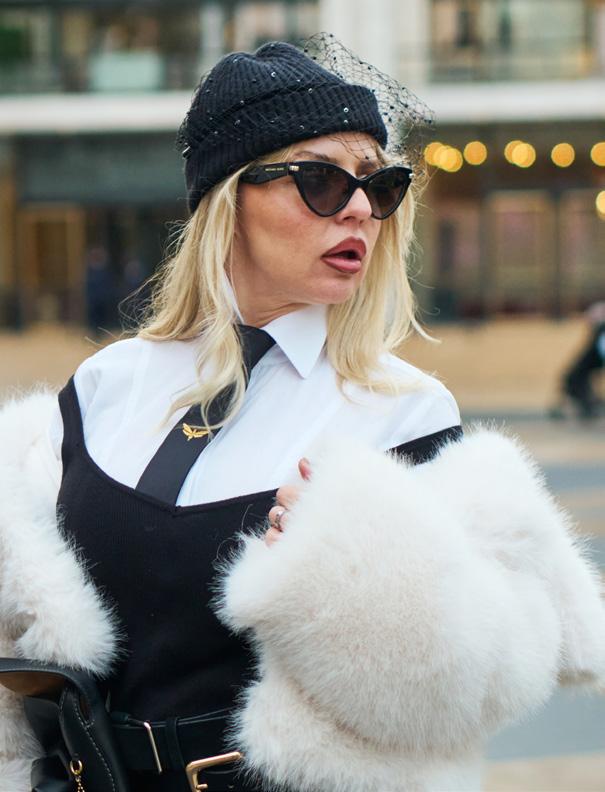
StyleThatIsn’tAfraidofWinter
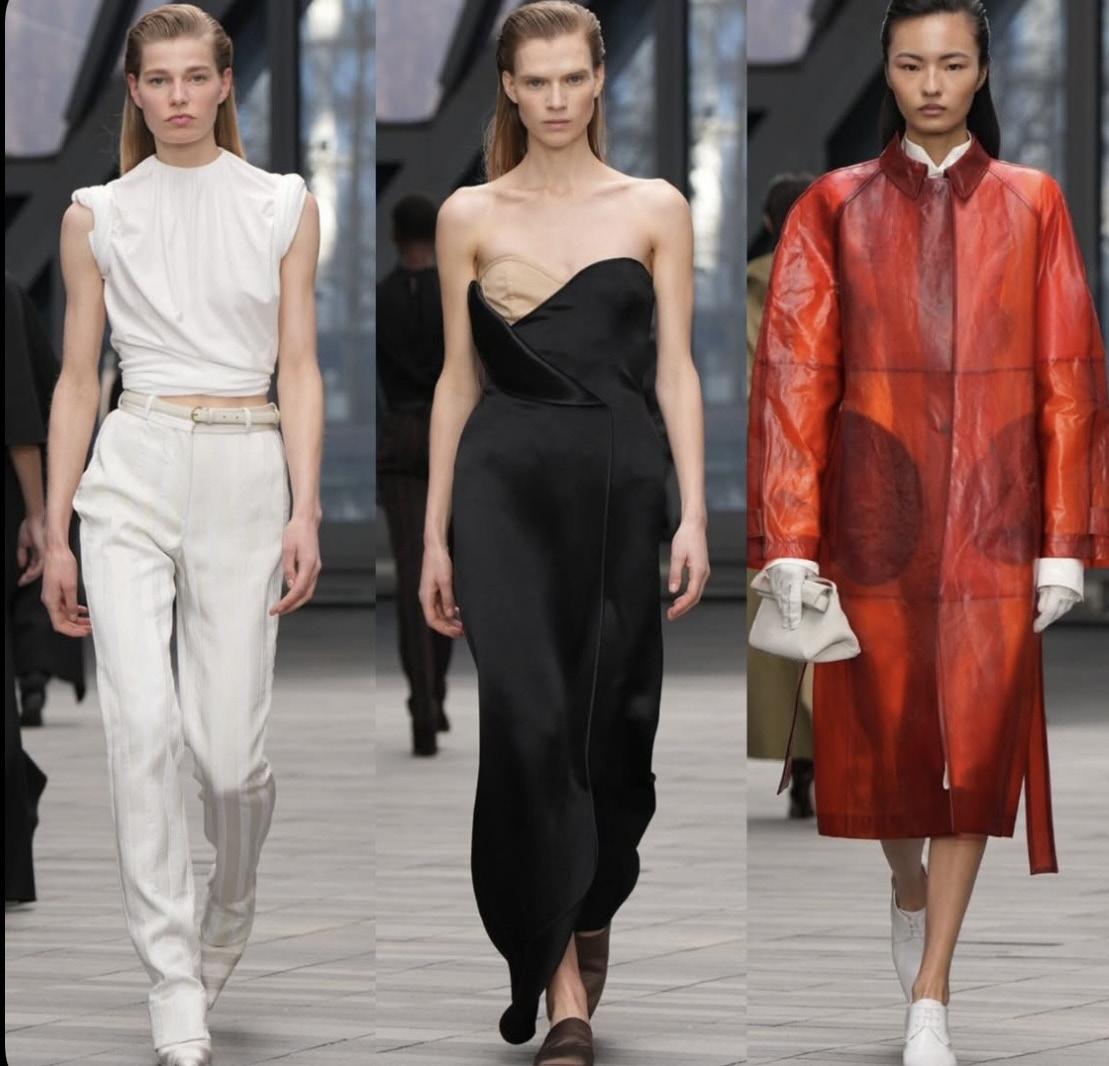
February in New York can be harsh. The wind from the Hudson cuts through the cold, the streets of Manhattan are covered with snow, and the sky often takes on a cold gray-blue tone. Yet it is exactly in this atmosphere that the city hosts one of the most anticipated events of the global fashion industry every year — New York Fashion Week.
This season was no exception. Despite snowfall and freezing temperatures, the fashion world once again proved that style does not depend on the weather. Guests, journalists, influencers, and designers moved between venues through snowy streets, while inside the show spaces a completely different temperature ruled — the energy of creativity, inspiration, and fashion experimentation.
New York Fashion Week traditionally opens the international fashion season and sets the tone for the weeks that follow in London, Milan, and Paris. It is here that the first hints of upcoming trends appear, new names emerge, and a dialogue between fashion, culture, and modern society takes place.
The Locations Where Fashion Is Born
The format of New York Fashion Week has changed noticeably in recent years. While in the past most shows took place in one central venue, today designers increasingly choose unique locations, turning their presenta-
tions into full cultural events.
One of the key spaces remains Spring Studios in Tribeca — a venue where many shows, presentations, and industry meetings take place. However, this season fashion moved far beyond its traditional spaces.
Some brands chose industrial locations, art galleries, and historic Manhattan buildings. Shows were held in former factory spaces, contemporary art venues, and creative studios, creating a unique atmosphere — a mix of fashion, architecture, and art.
These locations make the shows more intimate and at the same time more conceptual. Each designer creates not just a runway, but an entire story in which clothing becomes part of an artistic statement.
Spring Trends: Femininity and Strength
The spring-summer collections showed that fashion is gradually moving away from the strict minimalism of recent years and returning to emotion and expression.
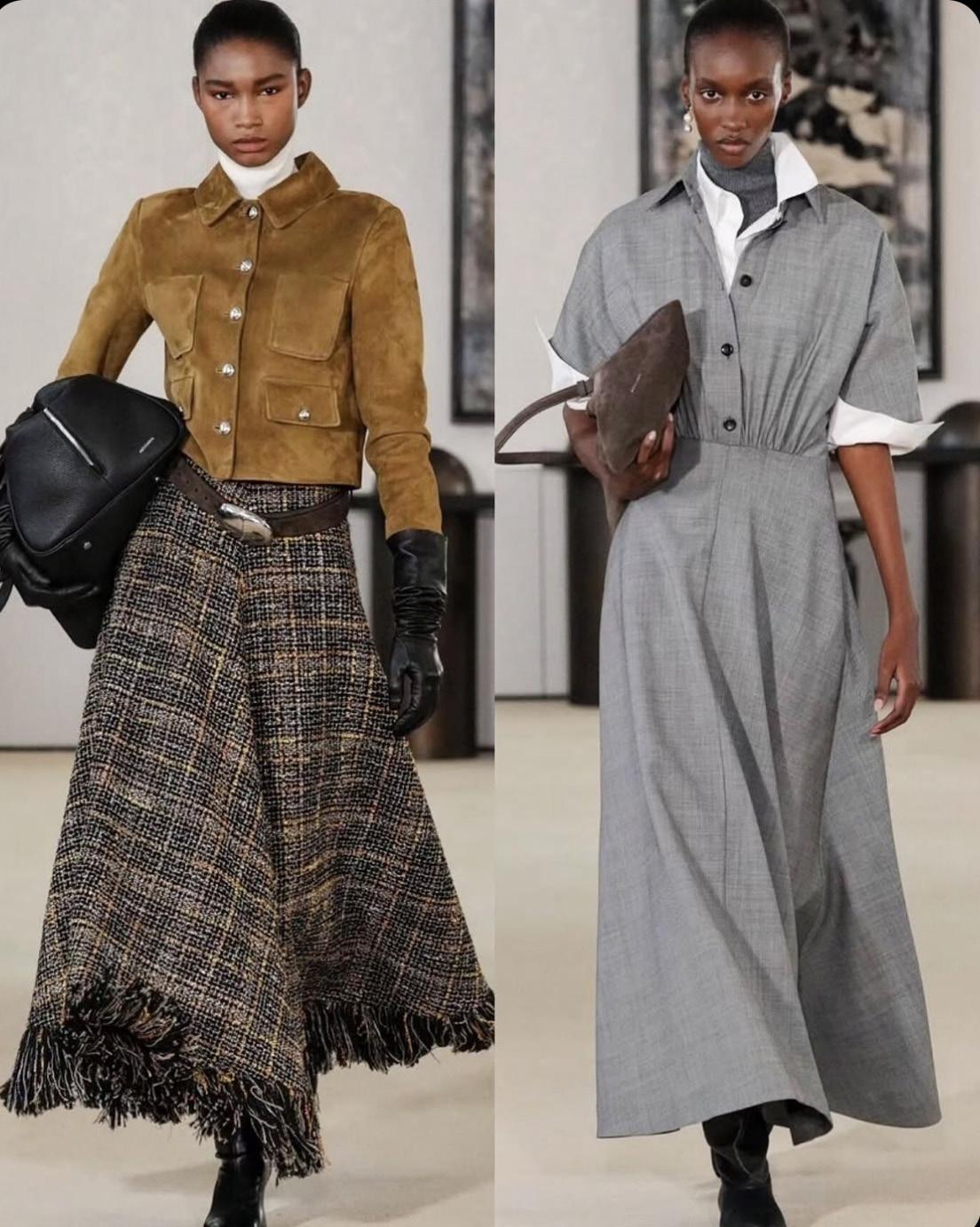
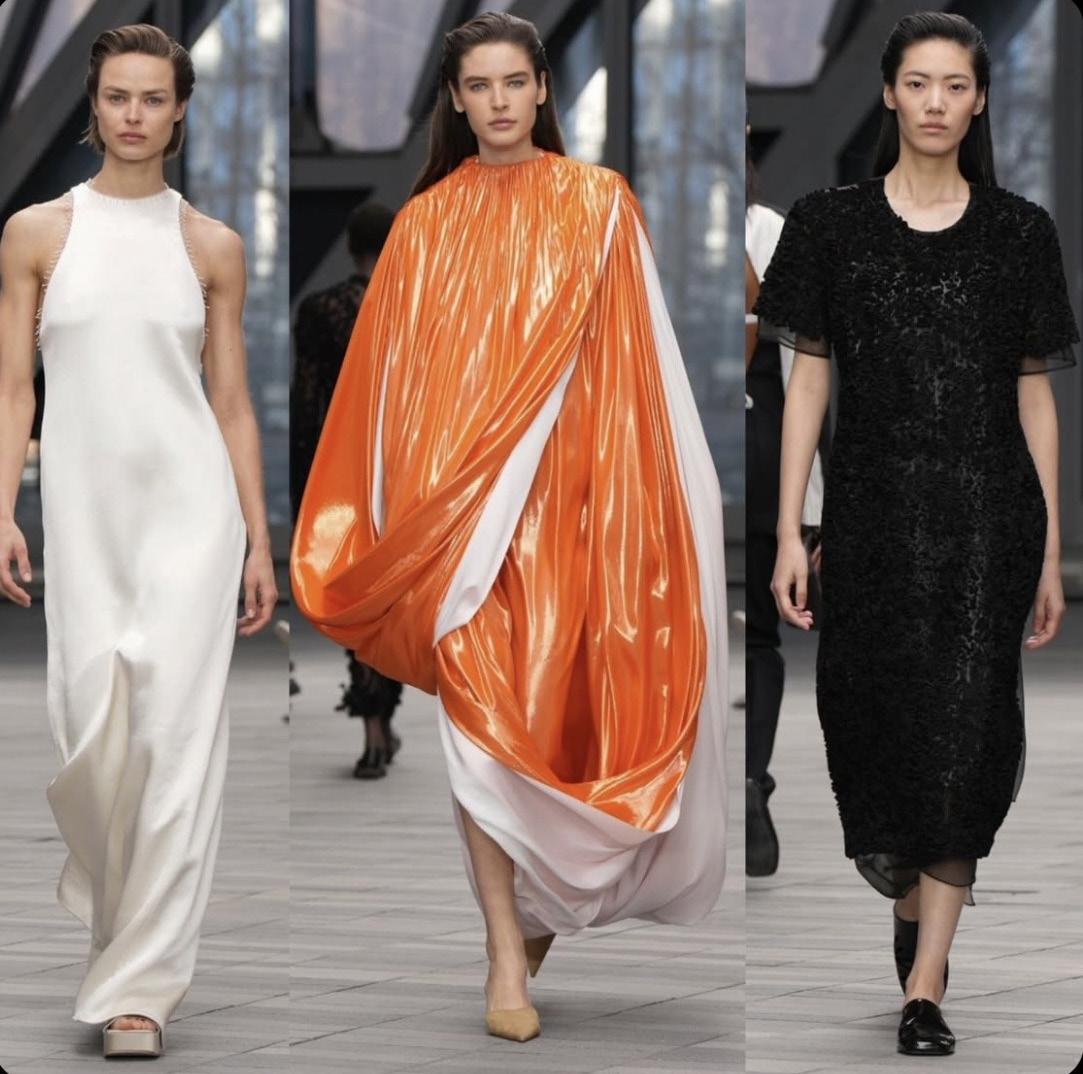
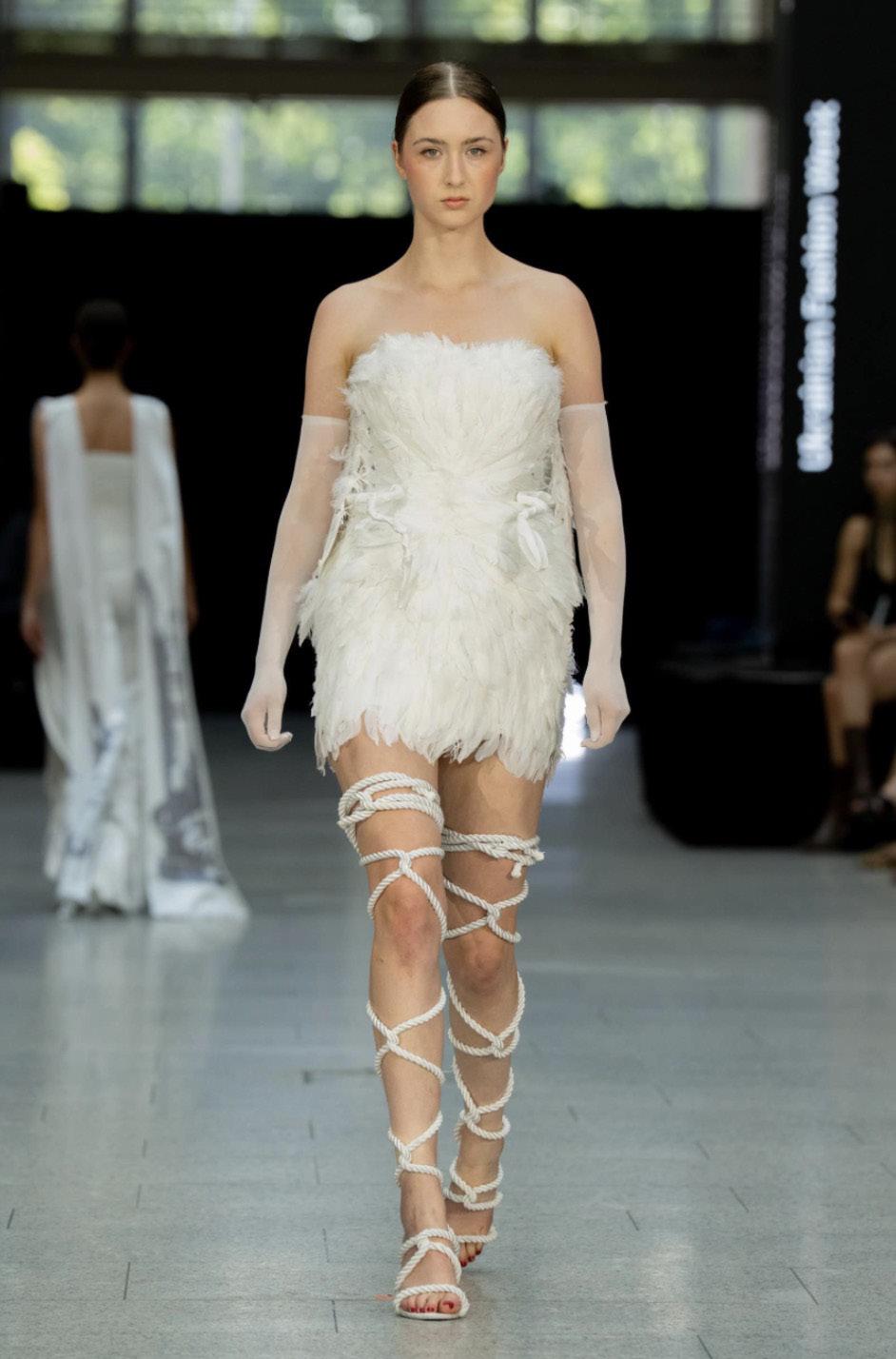
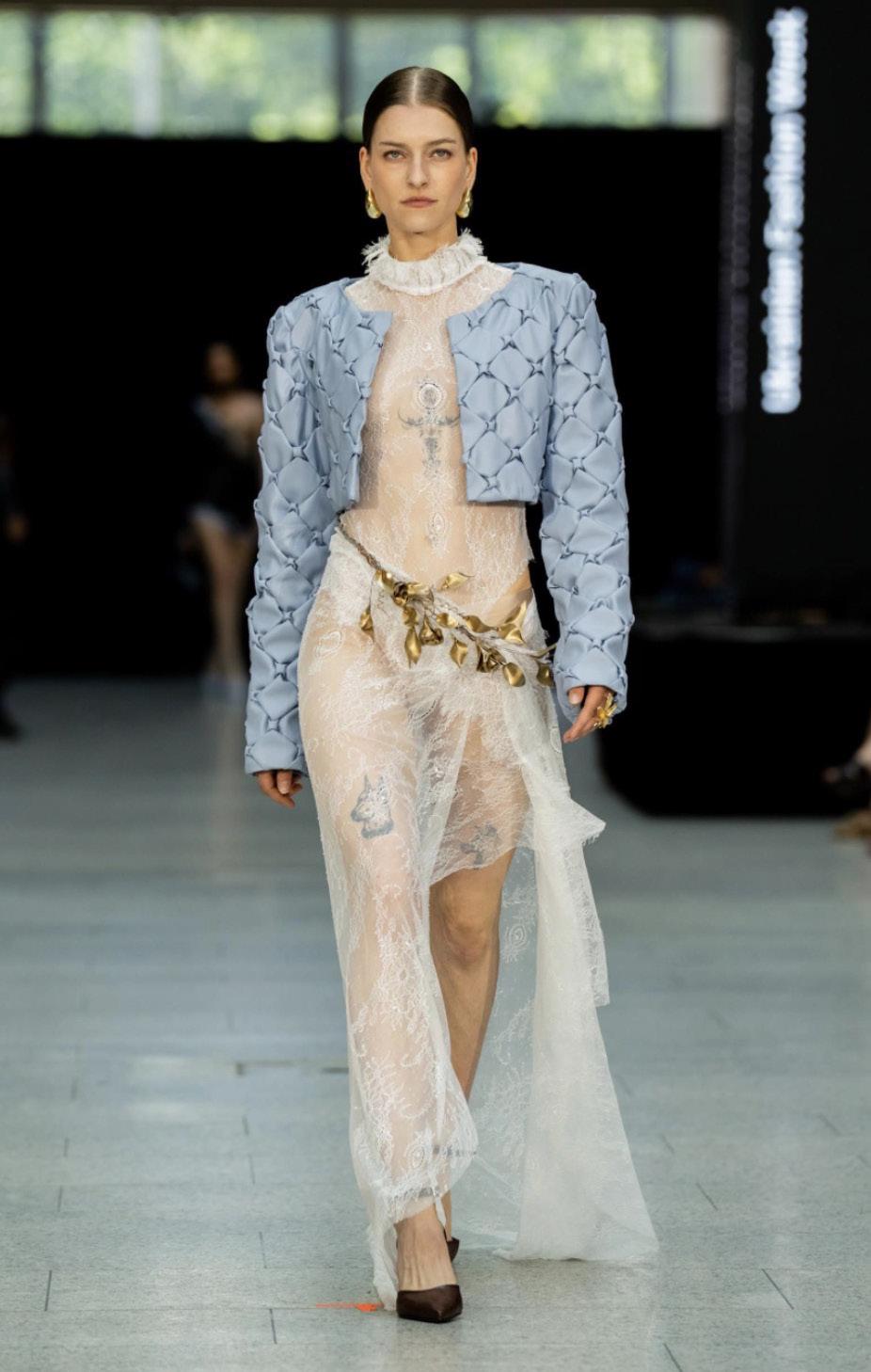
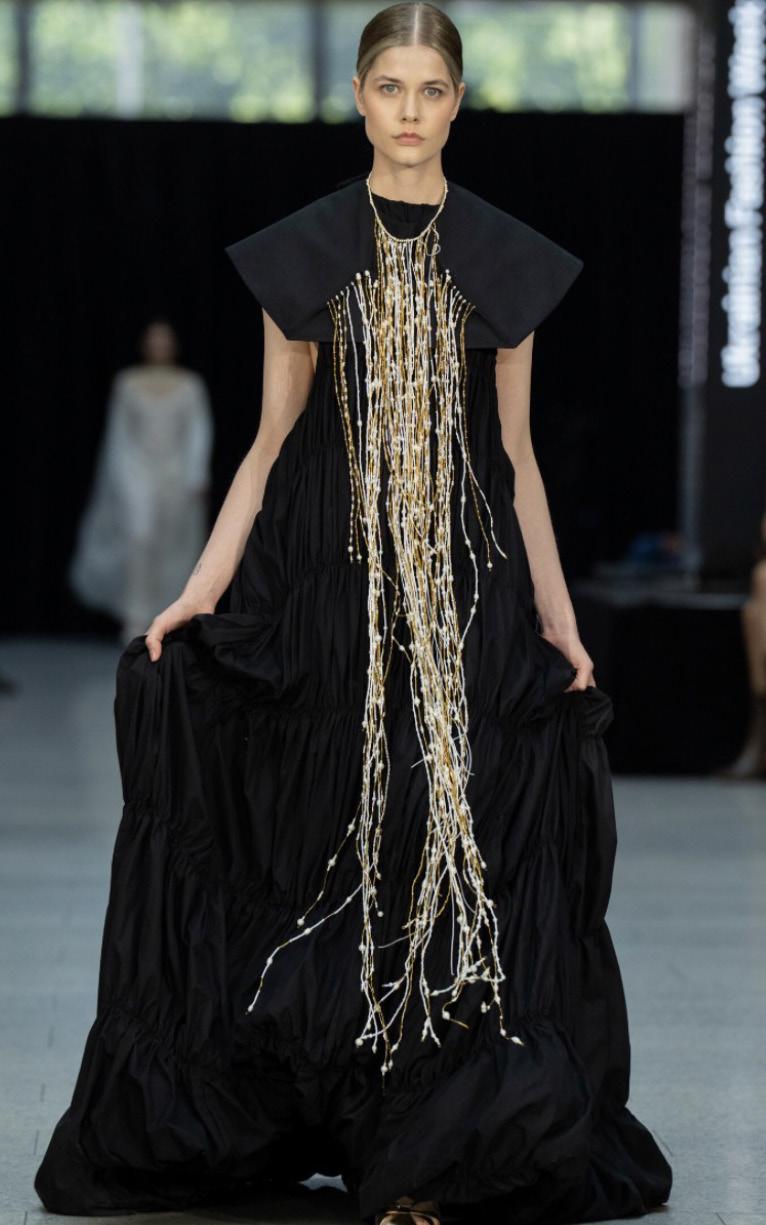
One of the main trends was romantic silhouettes. Light fabrics, sheer materials, flowing dresses, and complex draping reappeared on the runways. Fashion is becoming more poetic and sensual again.
At the same time, many designers explored the theme of female strength. This was expressed through the combination of soft fabrics and structured elements: corsets paired with airy skirts, tailored jackets with transparent materials, and business suits with more fluid and feminine shapes.
The color palette of the season also became bolder. Alongside classic black, white, and beige, designers активно used saturated tones — bright red, cobalt blue, deep pink, and metallic textures.
Another noticeable trend was the return of corset aesthetics and decorative details. Many collections reminded us that fashion is a form of art where not only lines and fabrics matter, but also the emotional impact.
Ukrainian Designers on the New York Runway
In recent years Ukrainian fashion has become increasingly visible on the international stage, and New York Fashion Week has become one of the platforms where Ukrainian designers can present themselves.
One of the events of the season was the Fashion 4 Ukraine project, which brings together designers, models, and industry professionals to introduce Ukrainian fashion to an international audience.
The project appeared as a way to support Ukrainian designers while also telling the world about Ukrainian culture through fashion. The shows gather media representatives, stylists, influencers, and industry professionals, creating a space for cultural dialogue.
One of the shows featured designers such as Mary Witch Corsets, Anna Yudaeva Couture, Ira Lysa, and Sarasvaty Lingerie. Their collections combined different aesthetics — from sensual femininity to more dramatic and conceptual looks.
For many designers, participation in such a project is not only an opportunity to present a collection but also a way to communicate a deeper meaning. In this context fashion becomes a form of cultural expression.
Fashion as a Form of Support
An important part of the project was its charitable component. During the event, funds were raised to support Ukrainian charitable initiatives.
Part of the funds helps children affected by the war,
as well as rehabilitation and educational programs. In this way the fashion show becomes not only an aesthetic event but also a social initiative.
The evening gained a special atmosphere thanks to the participation of people from different countries — stylists, makeup artists, models, and organizers who supported the project and helped bring it to life in New York.
This once again demonstrates that the modern fashion industry increasingly combines creativity with social responsibility.
Street Style Despite the Snow
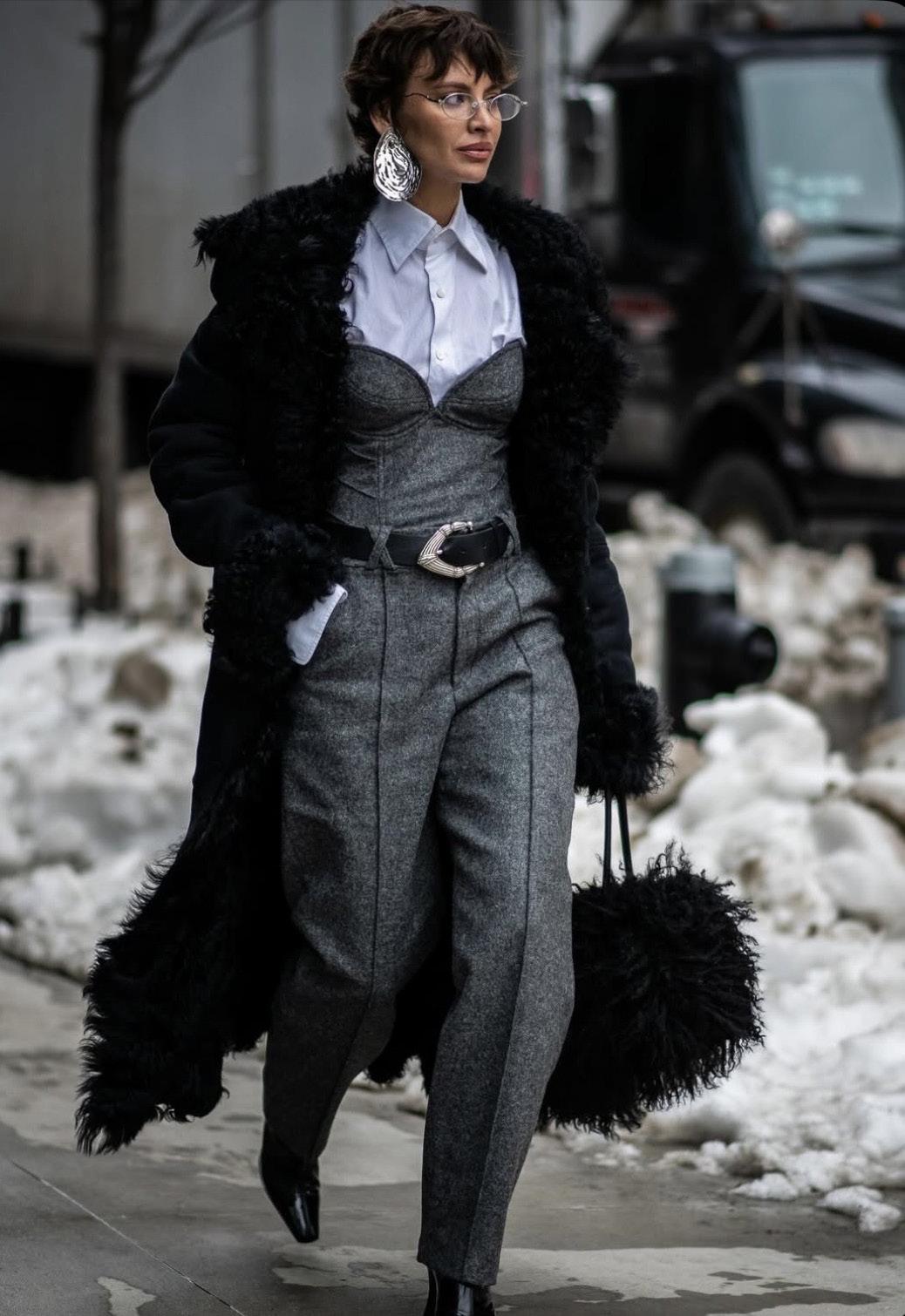
Although the weather conditions this season were far from comfortable, the streets around the shows still did not remain without fashion life. Even under snow and cold wind, guests of Fashion Week continued experimenting with style.
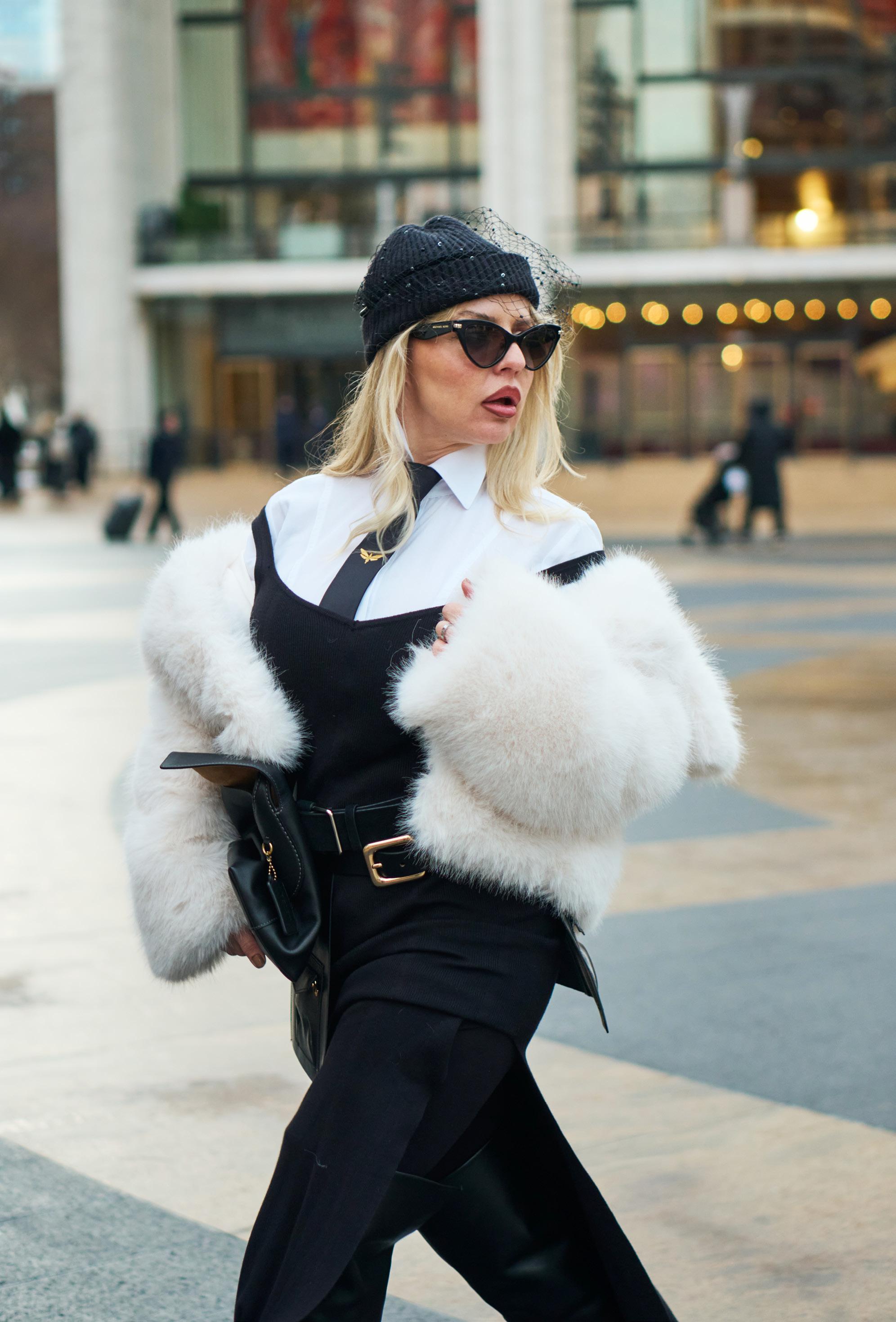
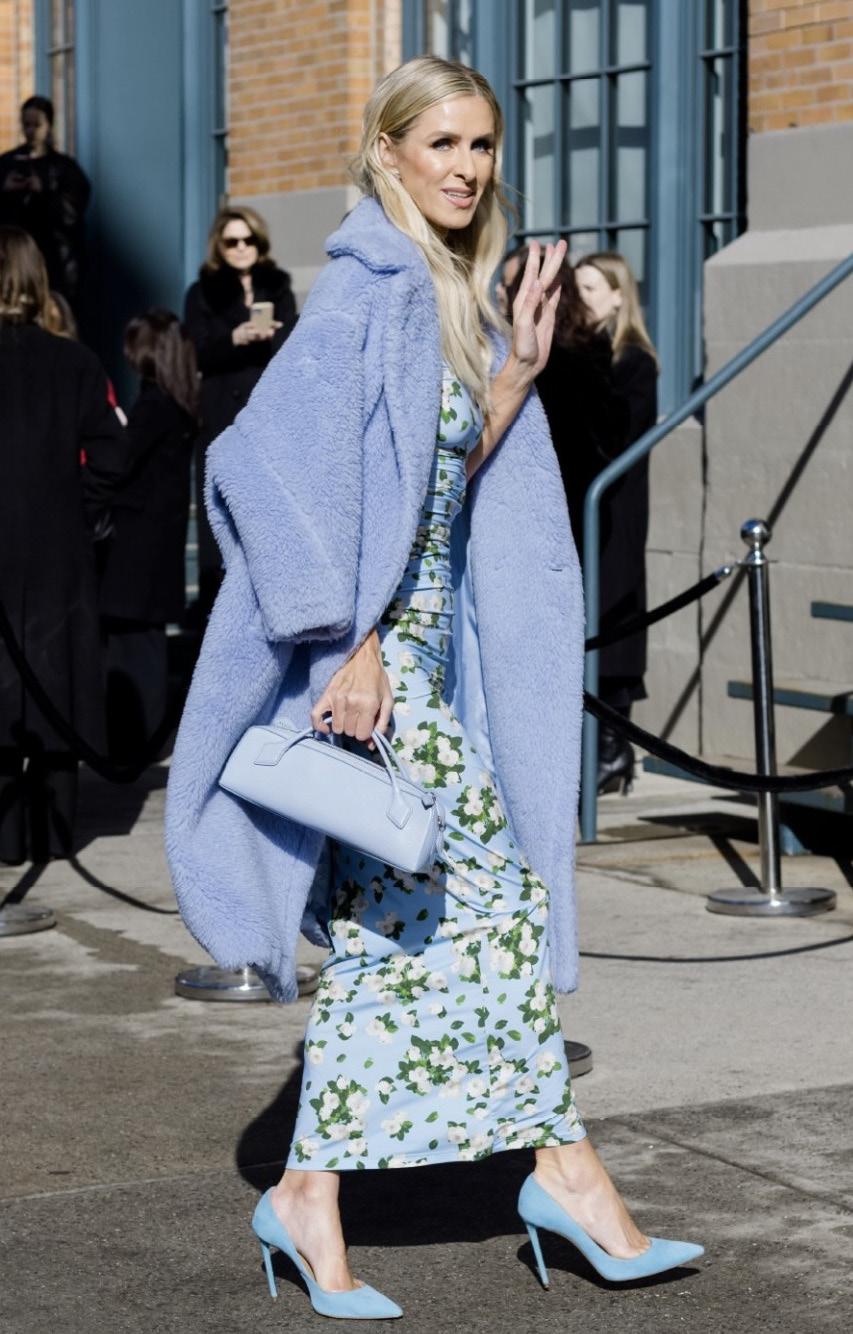
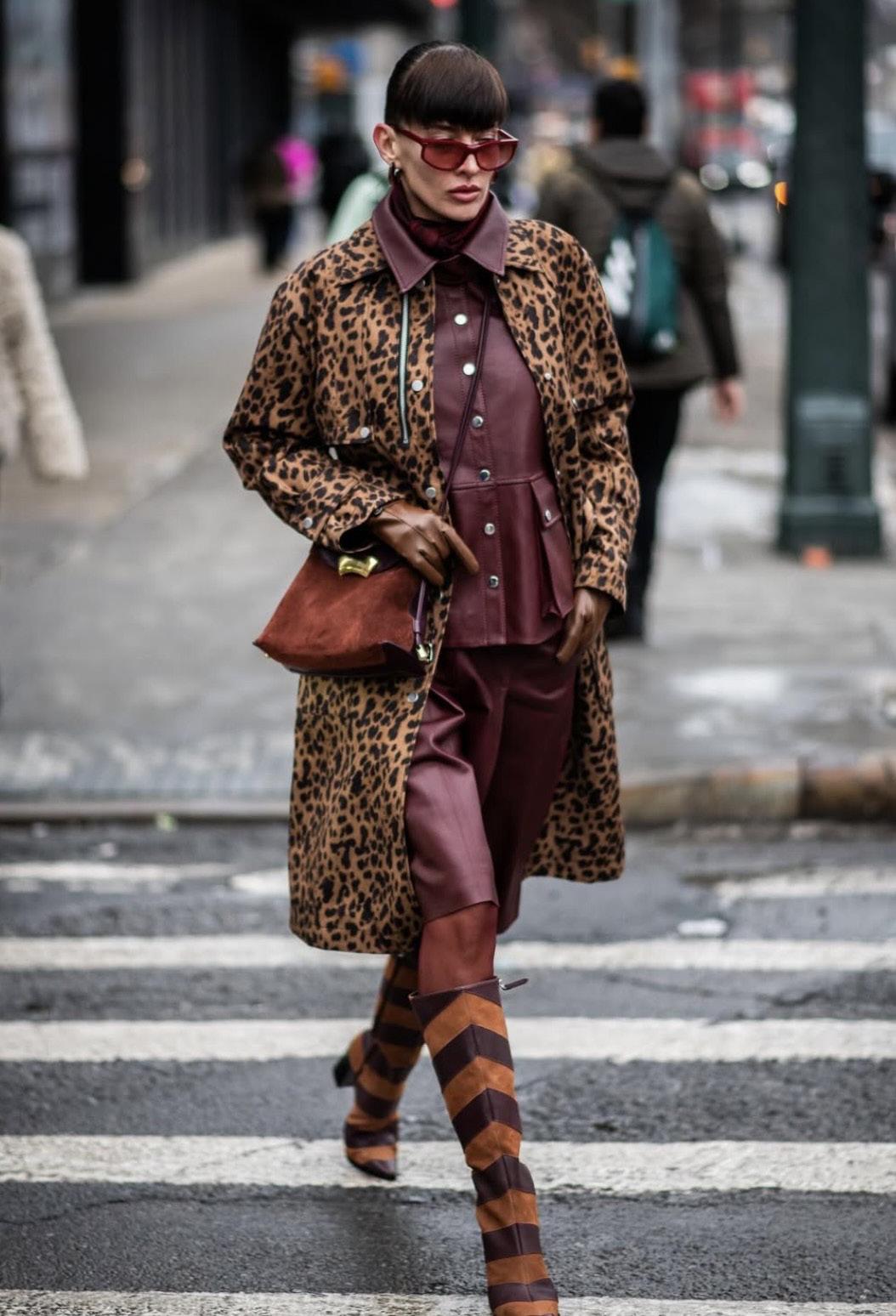
Street style this time was more intimate, but no less interesting. Warm coats, layering, expressive accessories, and bold color combinations created a special atmosphere — style adapted to a real New York winter.
Despite the weather, photographers still captured striking looks of fashion week guests. For many participants this remains an important part of the event — an opportunity to show their style beyond the runway.
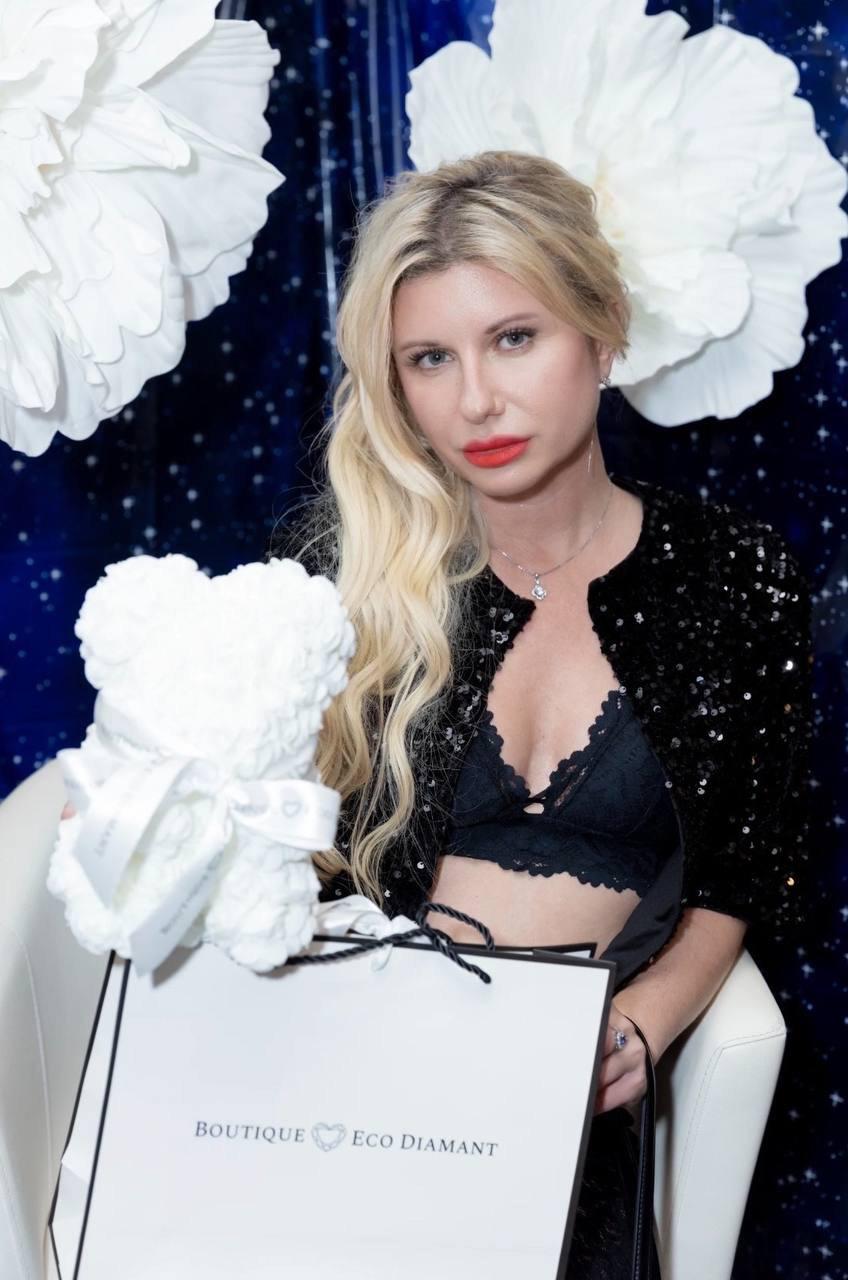
And I also became part of this small street style movement. Even in snowy New York, fashion continues to live on the streets — where it feels especially natural.
Thepathwhereaperson remembersthemselves
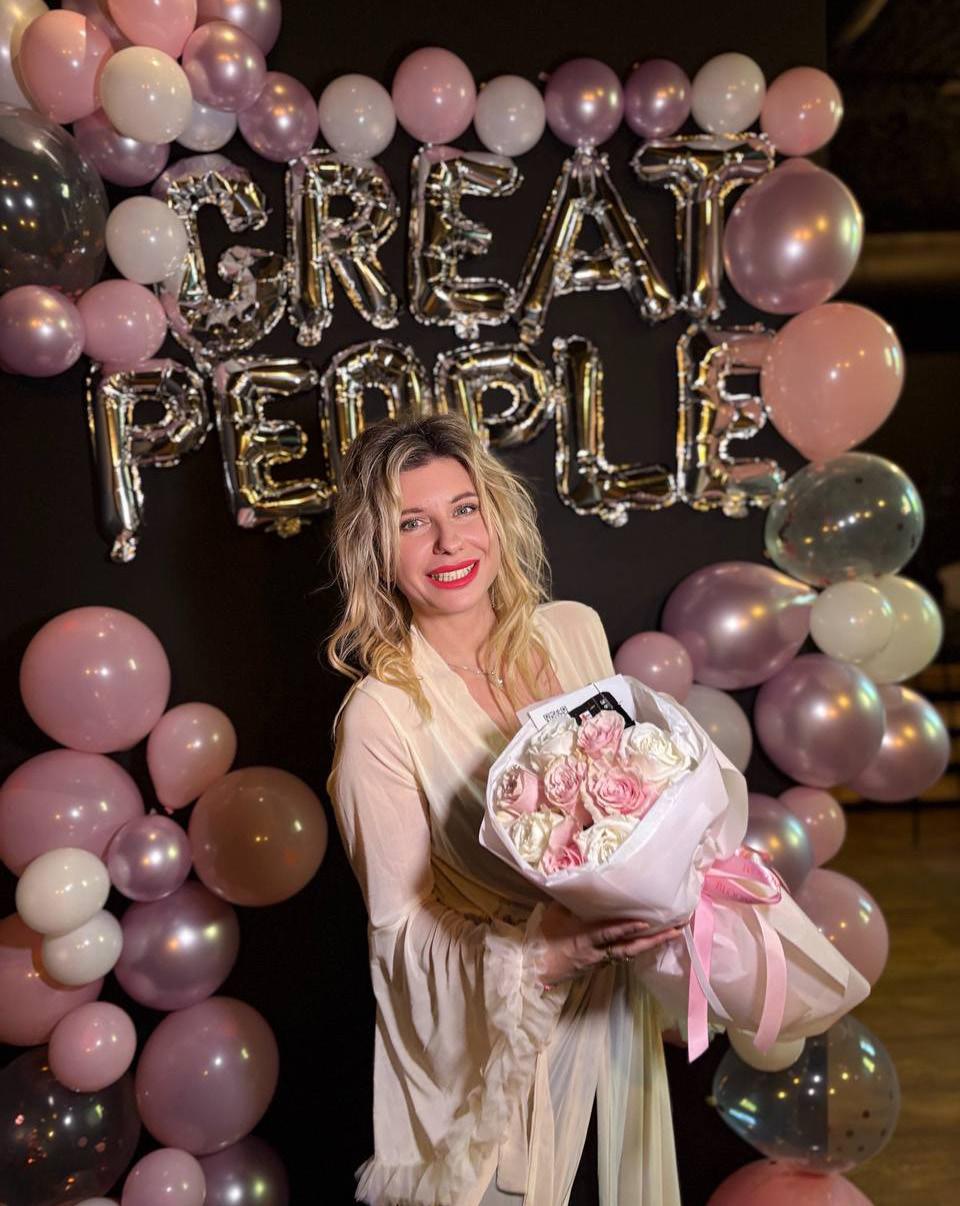
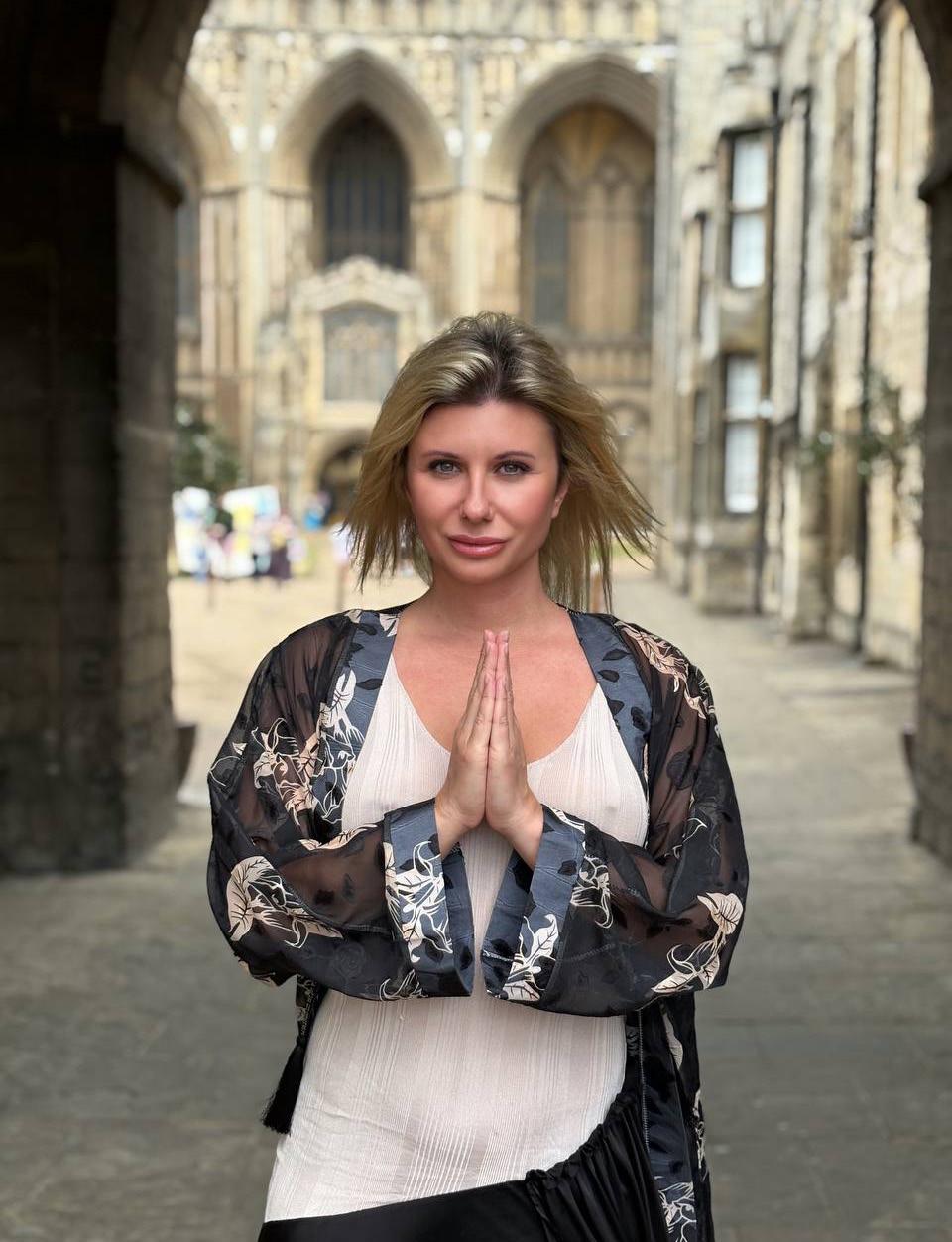
There are people around whom the space changes. Not because of loud words, but because of their state. Yuliia Kyrylenko is one of those who works precisely with state.
Her path is not about quick success or external roles. It is a path of deep sensing of life, where intuition becomes not an abstract concept, but a daily tool for choice. From childhood, she subtly felt events, people, and directions. Over the years, this sensitivity transformed into a conscious practice, which she explored through psychology, philosophy, history, and quantum physics.
Yuliia works with intuition as an inner compass. She believes that when a person knows how to hear themselves, there is no need to fight reality. Decisions come more accurately, actions become calmer, and the path
feels more natural. It is from this state that true results are born — in business, relationships, and life.
The community she founded, Great People, has become a space where entrepreneurs and experts from various fields unite strategy and depth, business and spirituality, results and meaning. It is a field for people who build projects not from anxiety, but from inner support; for those who want to scale without losing themselves. Here, networking is not an “exchange of contacts,” but living connections born from a shared frequency of values: acting honestly, thinking broader, supporting one another, and growing through co-creation. In Great People, business gains a soul, and spirituality takes the form of concrete decisions, actions, and partnerships.
A special place in her work is held by quantum events. These are not learning experiences in the classical sense, but spaces where a person’s inner state shifts. And when the state changes, reality changes as well.
Yuliia creates a world where the spiritual and the material do not oppose one another. Where business has a soul, and inner depth finds a form of action. Her work is a reminder: everything important already exists within. One only needs to learn how to hear it.
The fourth anniversary of the full-scale war in Ukraine once again brings us back to the personal stories of those who lived through the first months of the invasion at home — to the sound of sirens, explosions, and anxious news reports. Among them is filmmaker Sia Titova, who remained in Kyiv from the very beginning of the invasion and began making a film as a way to cope with fear and uncertainty. This is how the documentary «How Are You?» came into being, completed in 2023 with the support of the Ukrainian Cultural Foundation. The film is dedicated not to heroes, but to children and ordinary people whose lives changed completely in a single day.
The director’s home is located on the outskirts of the capital — between the edge of Kyiv and the direction of Bucha and Hostomel, where heavy fighting took place during the first weeks of the war. This area stood between frontline events and the constant threat of missile attacks. It was here that Sia Titova
spent the most тревожні months of the early invasion. During that time she remained in the house with her seventeen-year-old son. Together they lived through the war in a space that was at once a home and a place of danger. The camera became a way of capturing a reality that changed from day to day, while at the same time
helping to maintain a sense of inner balance.
Most of the filming took place at home. Gradually, the film took on the shape of a personal diary — an attentive observation of life during wartime. Everyday domestic scenes appear on screen: conversations, silences, and pauses between news updates and air raid sirens. The calm tone of the film creates a powerful sense of presence, as if the viewer were standing beside the characters at the very moment when history is changing before their eyes.
Sia attempts to continue teaching animation classes online, but the lessons turn into conversations with students who share their own wartime experiences. Some of these stories eventually became part of the film itself.
The title «How Are You?» echoes a simple question that after February 24, 2022 became a meaningful expres -
sion of mutual care. In the film, the question becomes a quiet leitmotif — an address to friends, strangers, and loved ones alike, to everyone living through the same wartime reality.
One of the central figures in the film is the director’s son. His presence gives the story a particular sincerity and a strong sense of time — a moment when youth unfolds alongside war. The camera captures not only tension and anxiety, but also fragments of ordinary life: conversations, waiting, and shared silences that reflect an effort to preserve normality despite constant danger.
For Sia Titova, working on the film became a way to endure a difficult period. In a situation defined by uncertainty and continuous threat, filming created a sense of forward movement and a way to reflect on personal experience. The camera became not only a documentary tool but also a source of inner support.
Part of the filming took place in Kharkiv, where the director recorded an interview with the violinist Vira, who remained in the city despite constant shelling. Her story became an important element of the film — a testimony to the resilience of artists who continued to live and work in immediate proximity to the front line.
A separate episode of the film is devoted to the stories of people who managed to escape from wartime Mariupol, which at that time stood at the epicenter of the war. Their testimonies convey the experience of a city that lived through one of the most tragic chapters of modern Ukrainian history. These accounts sound like living voices of the war — direct and powerful in their truthfulness.
How Are You? was completed in 2023 with the support of the Ukrainian Cultural Foundation. What began as a personal necessity to document events and emotions gradually evolved into a fully realized documentary project.
After completion, the film began its international festival journey. It was screened at film festivals in Sweden, the United Kingdom, and the United States, offering international audiences an opportunity to encounter the war not through news reports but through immediate human experience.
At the American Feedback Film Festival, «How Are You?» received the award for Best Social Film, marking an important moment of international recognition for the director.
Abroad, the film has often been received as an intimate testimony of life during wartime. Its камерний approach creates a strong sense of closeness to the characters and allows viewers to understand how everyday life changes
under the pressure of constant danger. You can watch the film immediately on the Ukrainian platform Megogo, for the Ukrainian viewer it’s costless.
Working on the film became an important creative milestone for Sia Titova. She made the documentary at a moment when art became a way to process traumatic experience and preserve the memory of events unfolding nearby.
«How Are You?» is a film about presence and endurance — about people who remained in their cities and homes and continued to live through the most uncertain of times. There are no grand declarations in the film — only an attentive gaze directed at life as it continues despite war.
Today, four years after the beginning of the full-scale invasion, the film is perceived as a document of its time — a testimony to the first months of the war, when Ukrainians were learning to live within a new reality and to find support in the routines of everyday life.
Director Sia Titova continues to work with themes of personal stories and human experience during wartime. In 2025 she completed a short documentary about a volunteer named Yuliana, who has been helping Ukrainian soldiers since the beginning of the full-scale invasion. This work became a natural continuation of the director’s creative path and another reflection of her attention to the human stories that shape contemporary Ukrainian reality.
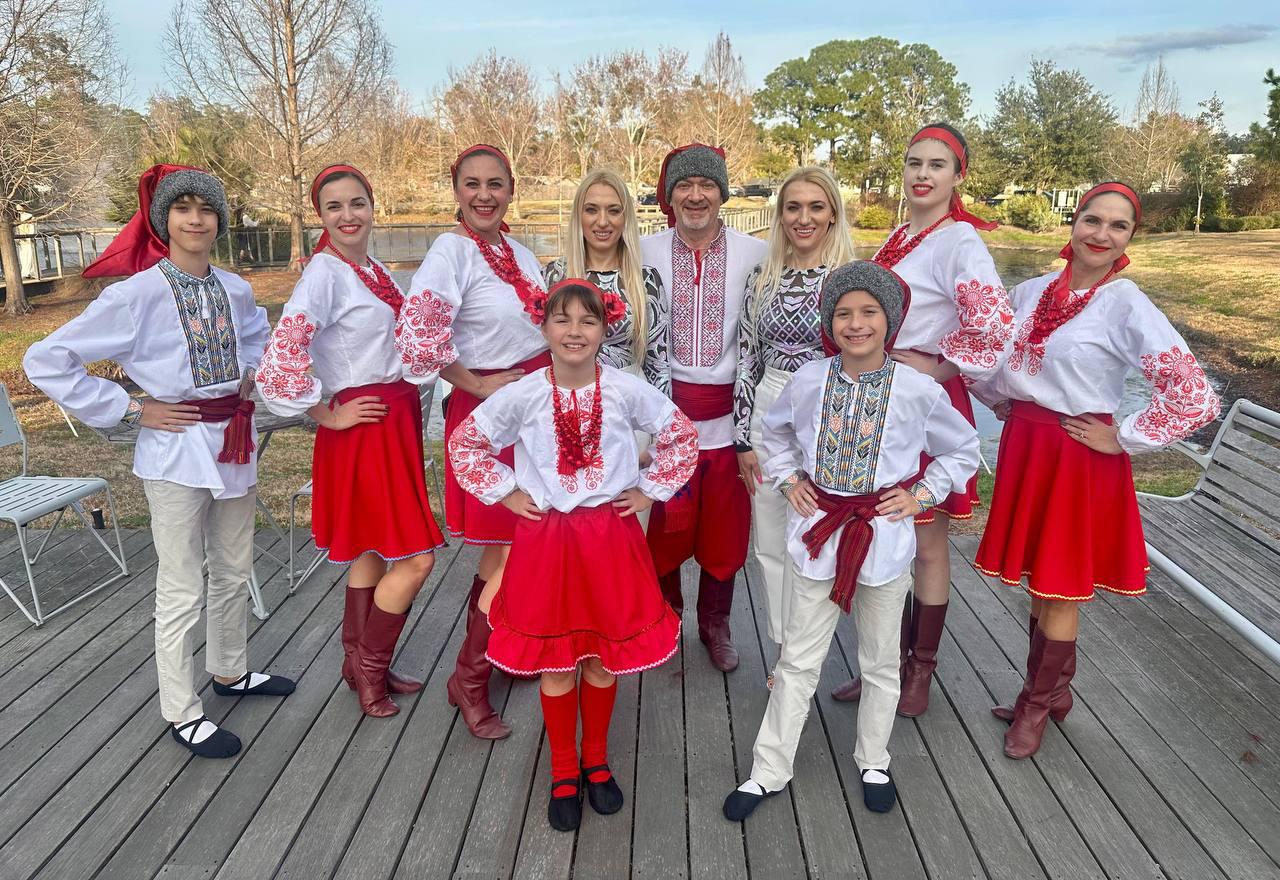
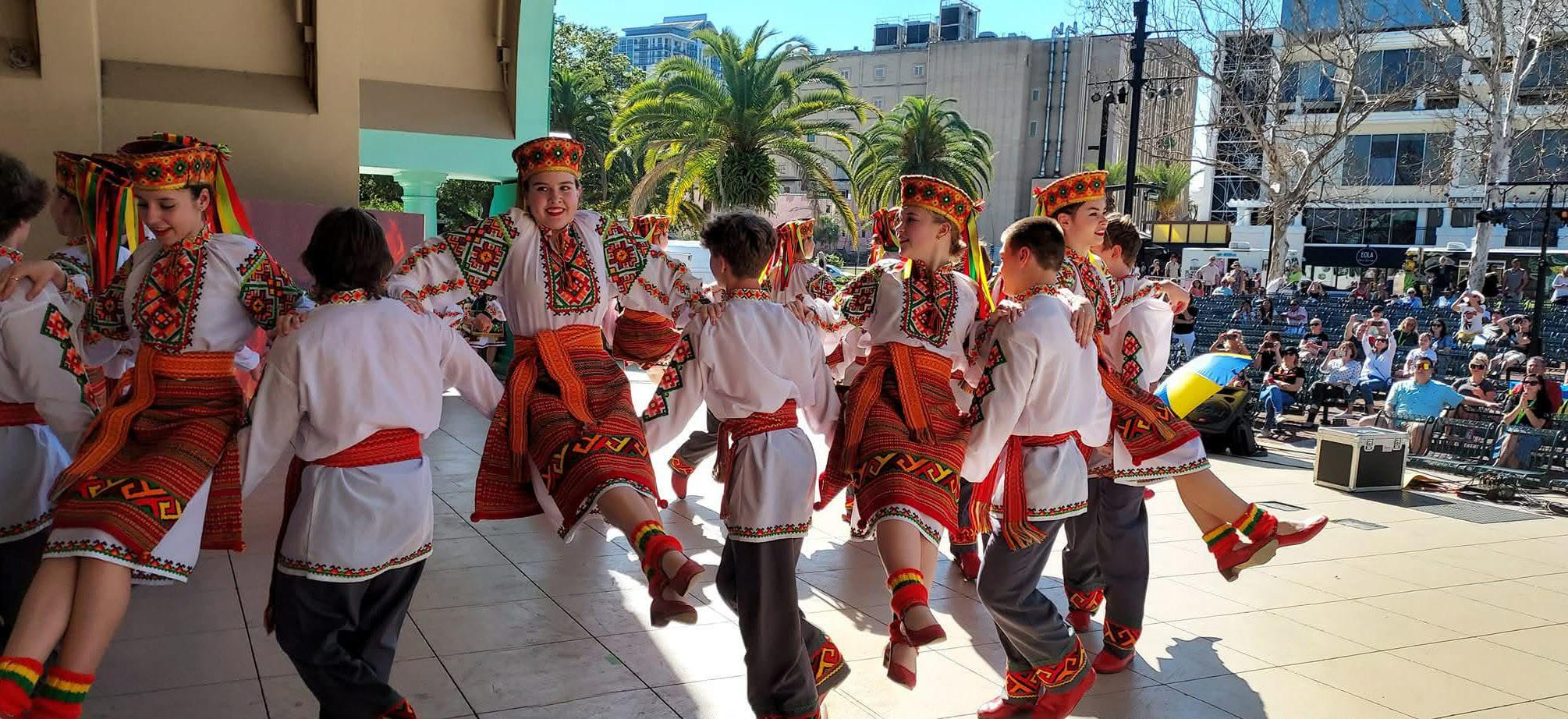
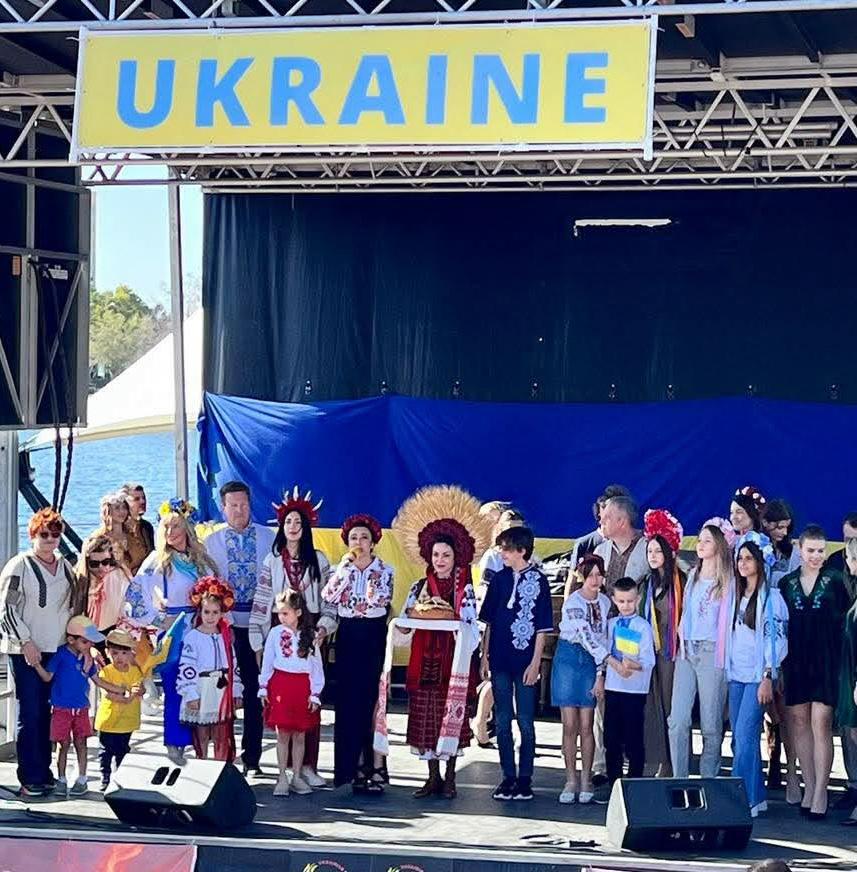
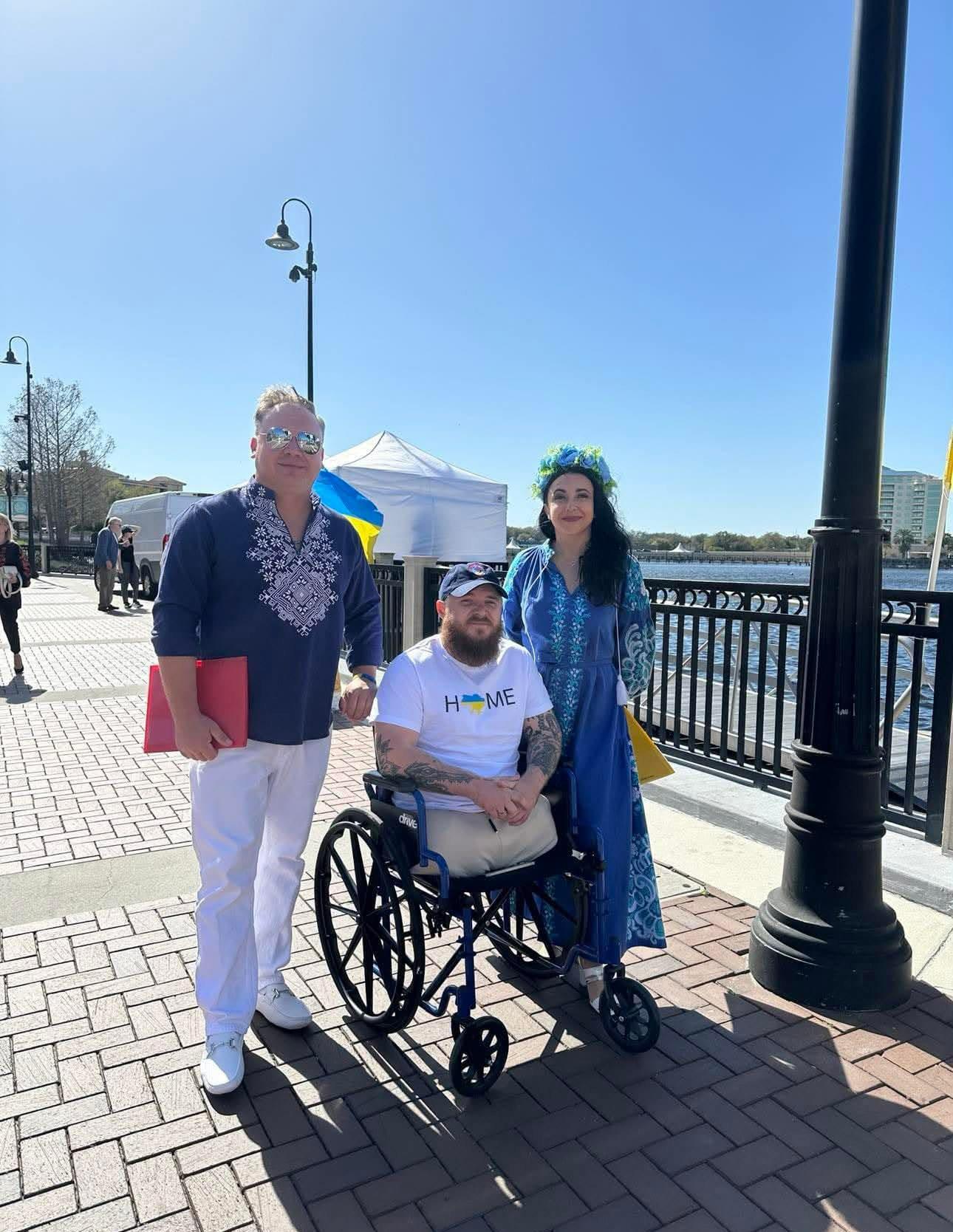
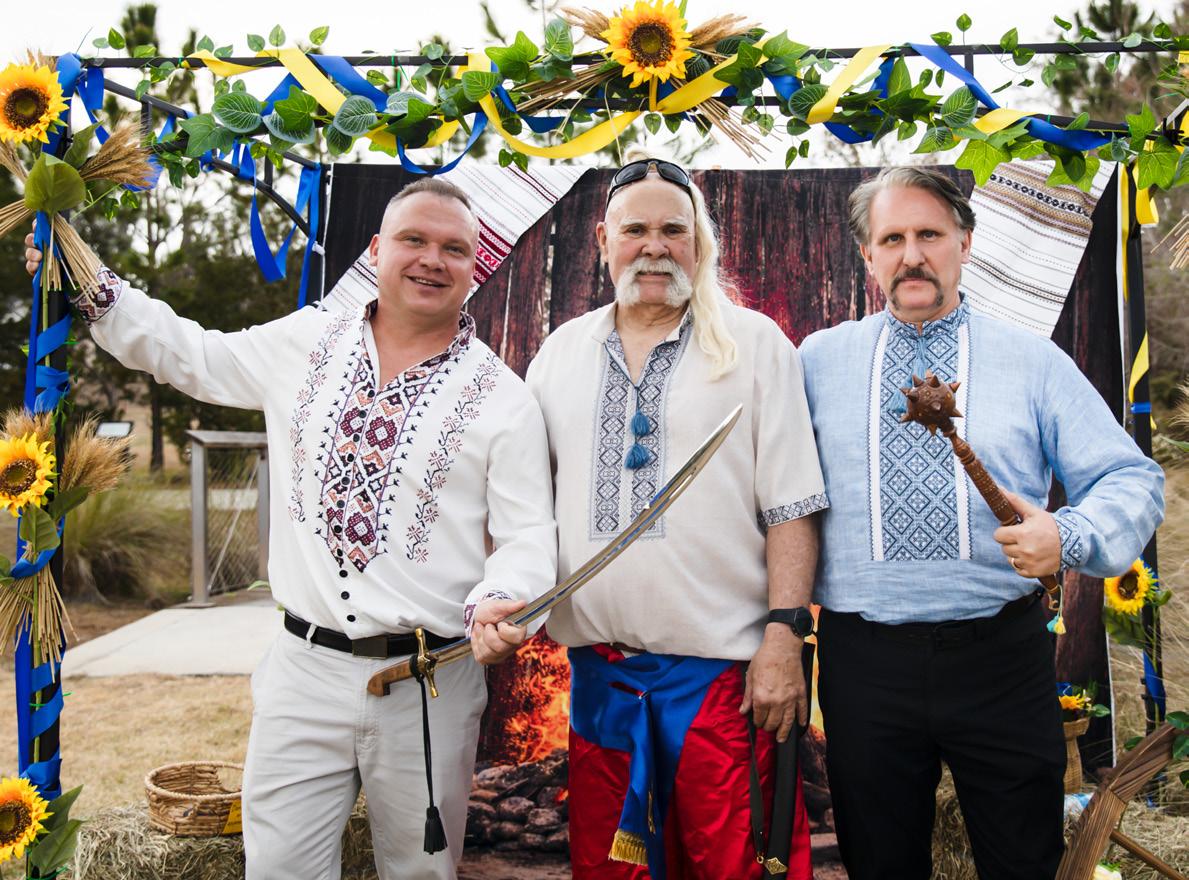
In the very heart of Central Florida, near Greater Orlando, a special fire has been burning for five years. It is not just a stage with music, nor only festival tents or traditional embroidered attire. It is Vatra — a symbol of warmth, memory, tradition, and resilience.
The festival was born from a powerful idea — to create a space where Ukrainians, even thousands of miles away from home, can feel united. The initiators of this movement were Roksolana Cisyk, Vasyl Boychuk, and Mykola Havryliuk — founders of Ukrainian Project, Inc. They were united by a shared belief: Ukrainian culture must live, grow, and be heard around the world, regardless of distance.
From a Local Initiative to a Strong Community Ukrainian Project began with small local initiatives but gradually grew into a strong nonprofit volunteer organization that today unites the Ukrainian diaspora through festivals, concerts, cultural events, educational programs, and charitable initiatives supporting Ukraine.
Vatra has become the living heart of this community — a place where the Ukrainian language is heard, traditions
ing place for generations: children learn traditional dances, young people discover modern Ukrainian music, and older generations find comfort in familiar songs and customs.
A Challenge That Made Us Stronger
The first festival took place at a turning point for the world — during the beginning of Russia’s full-scale invasion of Ukraine. What was meant to be a cultural celebration transformed into an act of solidarity, support, and unity.
Artists, volunteers, media representatives, vendors, and thousands of attendees united around one goal — to help Ukraine and demonstrate the strength of the Ukrainian spirit to the world. It became clear then: Vatra is more than a festival. It is a symbol of resilience.
Moral, humanitarian, and financial support for Ukraine became an essential part of the event. The festival not only preserves culture — it speaks about truth, freedom, and the ongoing struggle of the Ukrainian people.
A Legacy Recognized at the State Level
An important milestone in Ukrainian Project’s work extended beyond cultural events. In 2022, the Florida House of Representatives adopted Resolution 8055 (HR 8055), initiated with the participation of Ukrainian Project in cooperation with the Embassy of Ukraine in Washington and Congressman of Ukrainian descent Scott Plakon.
The document proclaims November 26 as Holodomor Remembrance Day in Florida and recognizes the Holodomor of 1932–1933 as an act of genocide committed by the Soviet regime against the Ukrainian people.
This was not merely a political step — it was an act of historical justice and international recognition of truth. It is yet another proof that the voice of a community can be heard.
Five Years of Unity
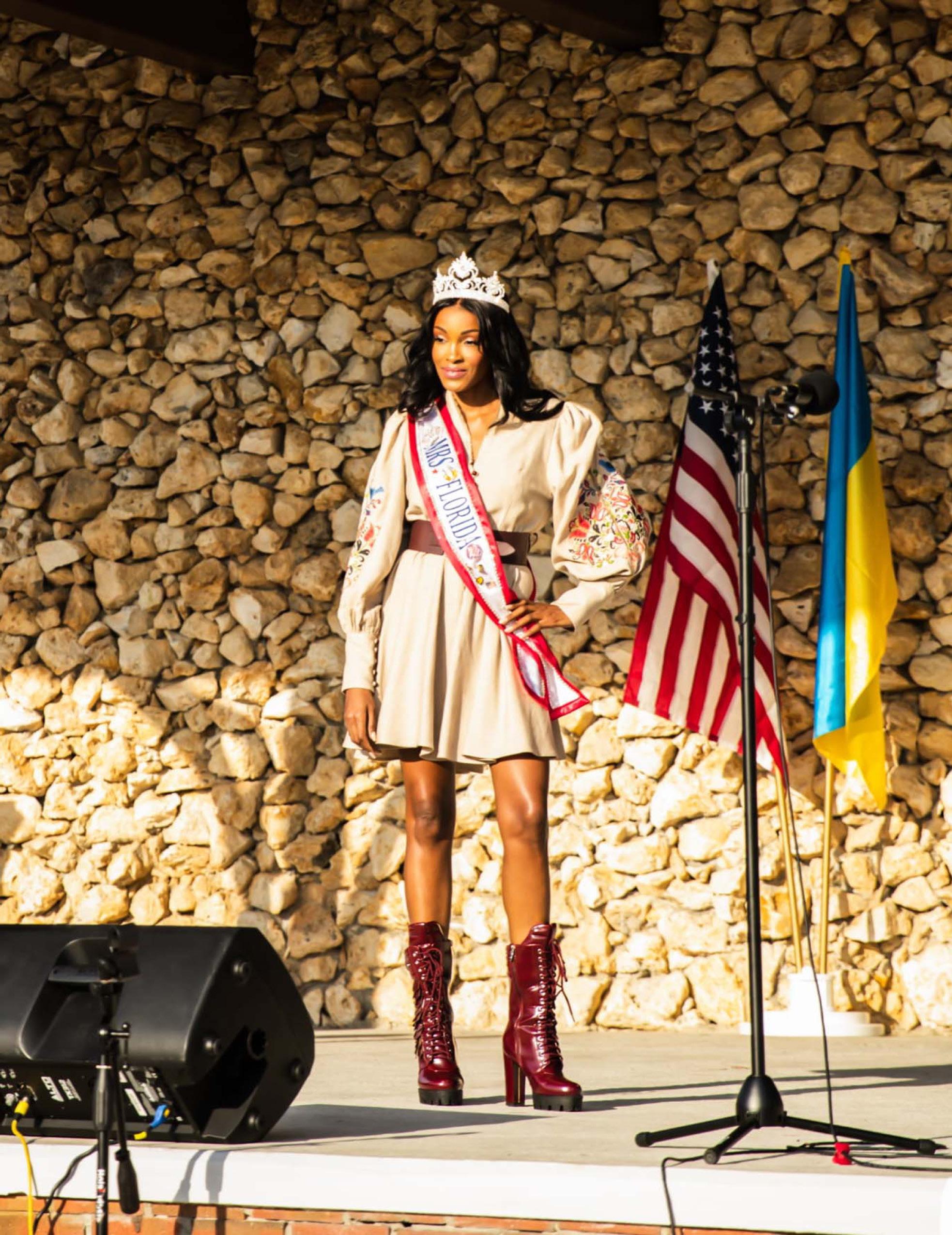
This year, the Vatra Festival celebrates its fifth anniversary. Over time, it has grown larger, stronger, and even closer to people’s hearts. It unites Ukrainians from across America, Europe, and around the world, becoming a meeting place of cultures, generations, and shared dreams. A special highlight of the anniversary festival was the participation of Mrs. Florida America 2025 and Mrs. Orlando 2025, Eddah Wanyoike, whose presence emphasized the importance of unity, culture, and international support for the Ukrainian community.
Its mottos sound like both a promise and a prayer:
“Vatra Unites Hearts”
“Together We Are Strong”
“Together Toward Victory”
Today, Ukrainian Project is an American community with a Ukrainian heart. The team of volunteers, organizers, and partners continues to grow, driven by one shared mission: to support Ukraine, preserve culture, and build the future together.
Vatra is a fire that does not fade. It is memory and hope. It is strength born from love for the Homeland.
Glory to Ukraine! Glory to the Heroes!
Author: Tatyana Vorontsova
Photo credit: Lana Dee Photography.
Wherever Ukrainians find themselves, they create their own spaces — places of gathering, support, and preservation of national memory. Even thousands of kilometers away from home, they find ways to speak their native language, sing Ukrainian songs, and pass their culture on to their children. This time, our magazine’s editorial team traveled to Spain to see how the Ukrainian community in the province of Alicante is building its own educational center and nurturing an environment where a new generation of Ukrainians can grow.
The Ukrainian school “Litachok Mriya” (Little Dream Airplane) in the province of Alicante, Spain, is a school with a history and a mission. Founded in 2022, it became a response to the challenges of its time. In September of that year, 45 Ukrainian children who had been forced to leave Ukraine because of the full-scale war joined the school. Today, the educational space has three branches — in Alicante, Elche, and Benidorm — and continues to grow.
This is not an ordinary school. It is a space for preserving the Ukrainian language, culture, and traditions, combined with creativity, innovation, and special attention to every child. Children from Ukrainian families come here to receive an education in their native language, to preserve their roots, and at the same time to spend meaningful and joyful time among their own community.
The founder of the school is Tetiana Uvarova, a lecturer at a гуманітарний університет in Odesa, who has continued her educational mission even after the outbreak of war. She firmly believes that even in forced emigration,
children have the right to remain part of the Ukrainian cultural space.
The school’s name has a special story behind it. At first glance, it may sound sweet, yet it can also surprise: who would think to name a Ukrainian school abroad “Little Dream Airplane”?
In September 2022, when the educational space had just begun operating, there was a need to choose a name. A democratic decision was made — to allow the children to decide for themselves. On small pieces of paper, they wrote or drew their ideas, and then held a real vote. The youngest pupil, who was barely two years old at the time, was entrusted with determining the final result by drawing a lot. The slip of paper she chose read: “Litachok Mriya.”
The boy who suggested the name, with tears in his eyes, spoke about the Ukrainian aircraft destroyed in the first days of the war in Hostomel — the AN-225 “Mriya,” the largest cargo airplane in the world and a symbol of Ukrainian aviation. He believed deeply that the legendary aircraft would be rebuilt and that Ukraine would win.
The adults could not help but believe with him. They could not betray this child’s dream — just as they could not abandon their own dream of supporting children, helping them adapt to a new country, and maintaining their connection to their homeland.
Today, the school proudly carries a name that has become a symbol of faith in recovery and victory. Here, they are certain that “Mriya” will be rebuilt and will once again amaze the world with Ukrainian strength. Meanwhile, another “Mriya” fulfills its mission every day — an educational one.
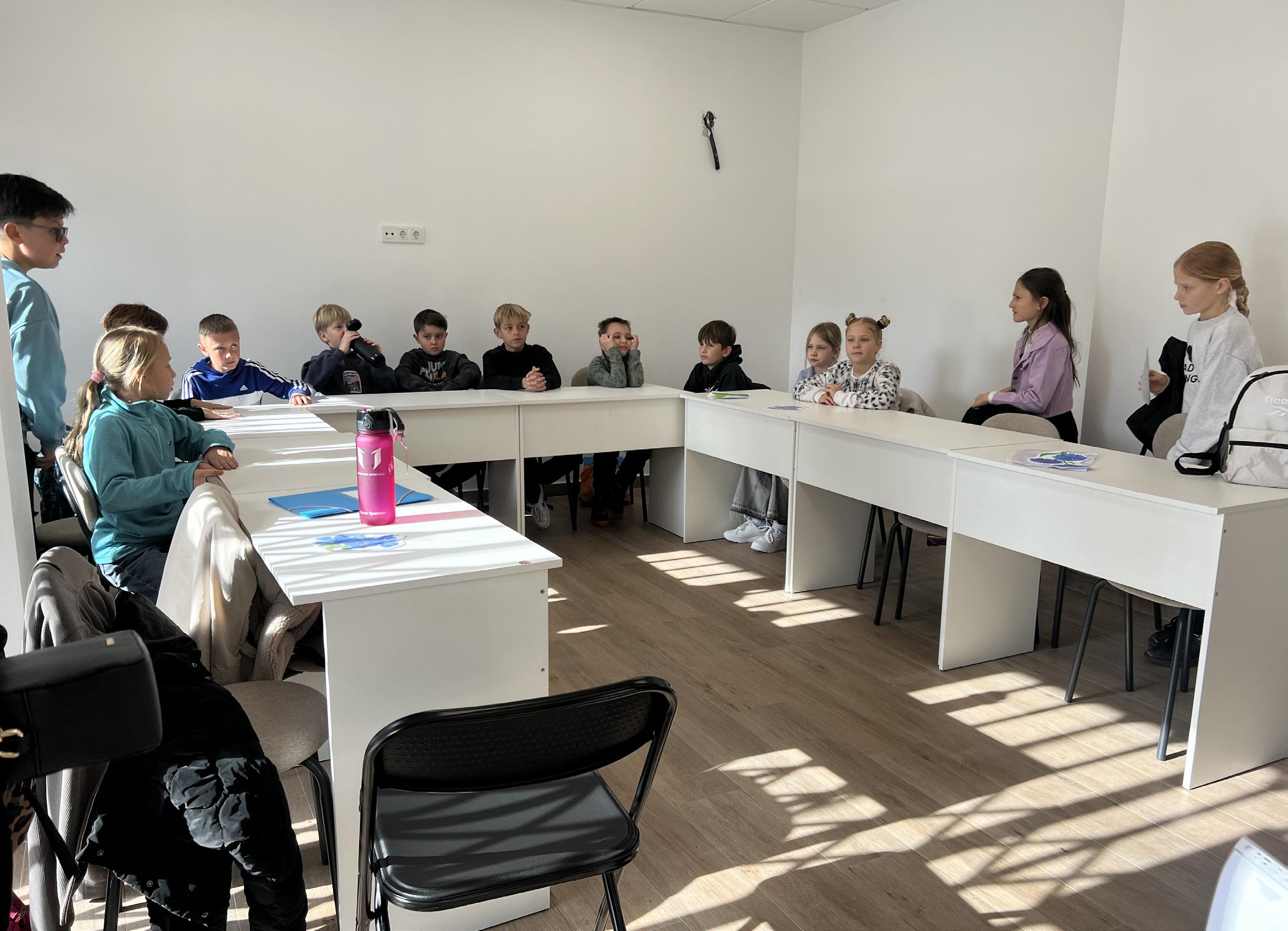
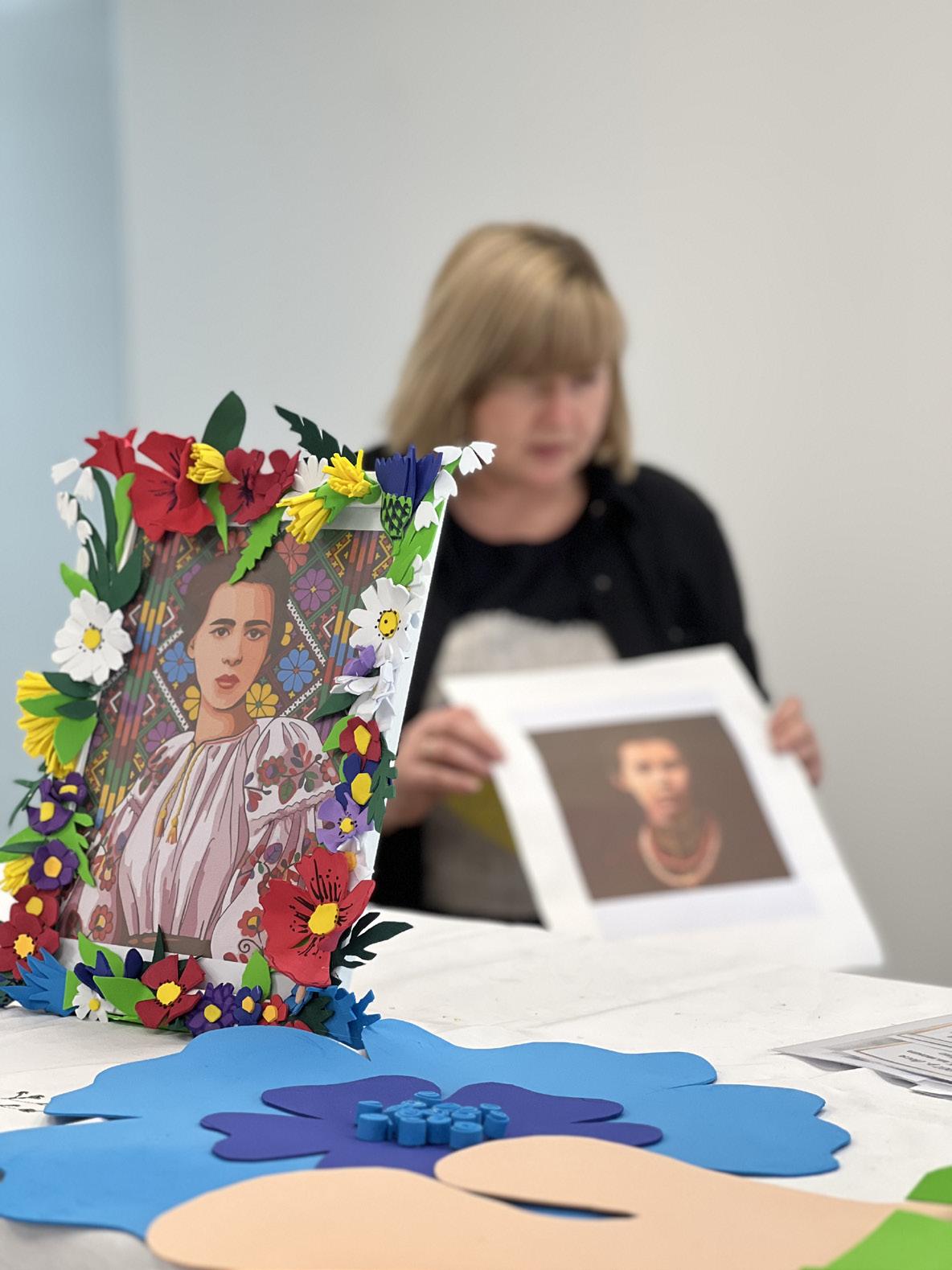
Our editorial team visited the school on a special day dedicated to honoring the memory of Lesya Ukrainka, the outstanding Ukrainian poet and writer. The classrooms were filled with a focused yet inspired atmosphere. The children recited poems, discussed her biography, and reflected on her resilience and strength of spirit. Teachers emphasized that Lesya Ukrainka’s life is an example of how love for one’s country and for the written word can help overcome even the greatest hardships.
On that day, a Ukrainian animation film director was invited to the school to conduct a master class on creating a short animated film about Lesya Ukrainka. The children learned how an animated character is born, how a storyline is developed, and how a sequence of drawings transforms into movement. They divided responsibilities: some worked on character design, others created backgrounds, while another group developed dialogue and scene order.
The most exciting part was the opportunity to “bring the poet to life” on screen — portraying her as a little girl who loved to read, and as a strong woman writing her immortal lines despite illness. Through creativity, the children gained a deeper understanding of who Lesya Ukrainka was and why her words remain relevant today.
For many of the students, this was more than just a literature lesson. It was an experience of collective creation and shared memory. Living abroad gives such events special meaning: they help children not only study history, but also feel personally connected to it.
During breaks, Ukrainian speech filled the corridors. The walls were decorated with children’s drawings of blue-and-yellow flags, the Carpathian Mountains, and the seaside landscapes of Odesa. In every detail, one could feel love for the homeland — a love that lives in hearts even far from home.
“Litachok Mriya” is more than a school. It is a place of strength for Ukrainian families in Spain. It is a space where children learn not only grammar and history, but also respect for their roots. Here, a Ukrainian identity is being shaped — one that does not depend on geography.
And while the great “Mriya” awaits its rebirth in the sky, the small “Mriya” in Spain lifts the wings of children’s hopes every single day. Because it is from such initiatives that the future begins — conscious, educated, and deeply Ukrainian.
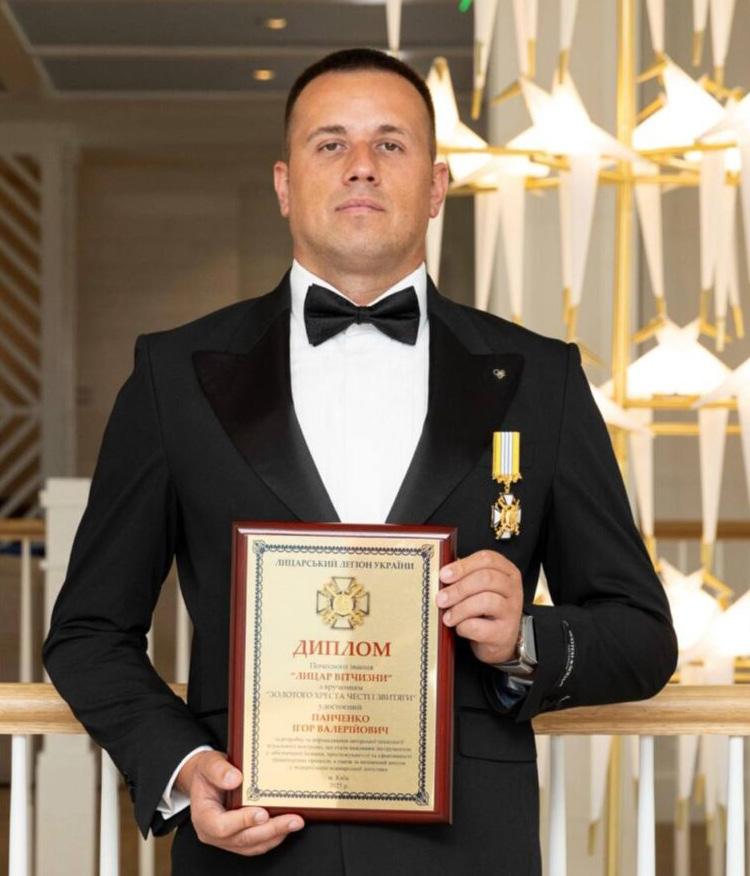
IhorValeriiovych Panchenko
Miami, USA
Ukraine
Financier, entrepreneur, and inventor. Founder of Valera Logistics LLC, a company specializing in logistics, transportation services, and innovative technical solutions for the transport industry.
Entrepreneur working in the field of logistics and transportation. Inventor of the “Front View Mirror System for Vehicles”, designed to improve road safety and driving visibility. Laureate of the international award “Leader of the 21st Century” (www.leaders-21.com/index.php/market-khaus/ad/transport-i-dorozhnoe-xozyajstvo,2/panchenko-gor-valer-jovich,525).
Vice President of the International Association of Scientists “Intellectual Leadership” www.ilysa.cc
Member of the Ukrainian Association of Engineers https://aui.org.ua/aleya-pochesnih-chleniv-aui.
Member of the Academy of Sciences of Ukraine uan. ua/chleny-akademiyi/
Vice President for Business at JCI Olimp www.jci.cc.
Why did you decide to become an ambassador of “Ukrainians and the World” magazine: I would like to support the development of the global Ukrainian community and promote the achievements of Ukrainians worldwide through innovation, entrepreneurship, and logistics.
Strategic communications, neuropsychology, political and military expert.
Political strategist, head of election campaigns in various countries. Specialist in military and clinical psychology, hypnosis. Author of health-improving methods and psychotechnologies, head and founder of Bohush Neuro Academy and the international project ” Cossack-kharakternyk” www.kh.org.ua
Over 30 years of experience in the field of classical Western medicine and traditional Eastern medicine. Member of the Royal Society of Arts (Great Britain), completed a course in psychology at Yale University, USA.
President of the Association of Political Consultants of Ukraine, speaker at many international conferences and forums. Author of over 30 books.
Phone: +380672306813
WhatsApp: +380672306813
Email: denisbohush@yahoo.com
Personally website: www.denisbohush.org
Personal blog: blogs.pravda.com.ua/authors/bogush/
Facebook: www.facebook.com/denis.bohush
Linkedin: www.linkedin.com/in/denis-bohush-34b8a014a/ You Tube: www.youtube.com/@denisbohush5564
Telegram channel: t.me/bohushlive
Instagram: www.instagram.com/denis_bohush
Okhrymenko Svitlana
Ukraine, Kyiv. I live in Vinnytsia region, Bershad city. And at the same time in Kyiv. Roughly half the time in two places. Therefore, I write Kyiv.
Theater and film actress. I collaborate with a number of Ukrainian brands.
Business owner, actress with more than 40 roles in TV series, films, and plays. I came to acting late, but it’s never too late. So, everything is on time.
Together with a team of actresses, we held 16 charity poetry performances in well-known theaters in Kyiv and raised significant funds for the Armed Forces of Ukraine.
Why did you decide to become an ambassador of “Ukrainians and the World” magazine?
The world needs to know more about Ukrainians than just stereotypes. Ukrainians have a special trait— strength and faith. That’s why I support a magazine that will promote Ukraine’s role in the world.
I am a creative professional combining fashion, meaning, and self-expression. I see style as a powerful tool for inner transformation and confidence. Through visual storytelling, content creation, and public presence, I help people express their authentic identity and personal power.
I promote Ukrainian culture internationally while developing my personal brand in the United States. I support women’s empowerment through style, self-awareness, and personal growth.
Why did you decide to become an ambassador of “Ukrainians and the World” magazine?
For me, this is an opportunity to share meaningful events, discoveries, and insights from the world of fashion, style, and personal development. I want to represent the modern Ukrainian woman globally — strong, elegant, deep, and courageous.
Phone: +1 215 980 6619
Email: nastik3013@gmail.com
Instagram: @anastasea__fame
Filipe Carrera Ivan Kroka
Portugal / Lisbon
International Speaker | Trainer | Consultant | Mentor | Connector
An international trainer and professor with three decades of experience, he has delivered high-impact sessions in over 60 countries, specialized in 21st-century leadership and digital transformation.
Active Junior Chamber International (JCI) Senator and global mentor, providing high-impact training to JCI members in over 120 countries.
Why did you decide to become an ambassador of “Ukrainians and the World” magazine?
Having mentored Ukrainian entrepreneurs worldwide, I joined Ukrainians and the World because I know that when talented, like-minded innovators unite within a global network, their collective potential is limitless.
Phone: +351 919842935
WhatsApp: +351 919842935
Email: info@filipecarrera.com
LinkedIn: www.linkedin.com/in/filipecarrera/
Facebook: www.facebook.com/filipe.carrera
Instagram: www.instagram.com/filipecarrera/
Victoria, British Columbia, Canada
E-commerce & Digital Commerce Solutions
I am an entrepreneur and the founder of Profila Tools, a company that develops and delivers global e-commerce solutions. My work is focused on innovation, digital transformation, community building, and sustainable business development.
Vice President for E-commerce, International Association of Scientists “Intellectual Leadership”.
Why did you decide to become an ambassador of “Ukrainians and the World” magazine?
I decided to become an ambassador because I genuinely share the magazine’s values. It is a platform that showcases stories of growth, resilience, and meaningful impact. I would be honored to be part of a community that inspires, connects, and empowers people around the world.
USA (Orlando, Florida) / Portugal (Cartaxo) / Ukraine
International entrepreneur, founder of a technology company, engineering researcher, and inventor specializing in transportation systems, autonomous energy generation, and automated transport safety solutions. Areas of focus include international logistics, transport safety, and the implementation of mobility innovations.
Entrepreneur with over 15 years of international experience in freight transportation across the European Union and North America. Founder of PRIMARILY LLC (USA) and developer of engineering innovations in automated transportation systems. I combine hands-on transport operations experience with technical and financial education to create practical, innovation-driven solutions for the global market.
Vice President of the International Association of Young Scientists for International Relations (Portugal) – www.ilysa.cc; Member of the Association of Engineers of Ukraine – www. aui.org.ua;
Former Vice President for Business, JCI OLIMP (Kyiv) – www. jci.cc;
Author of more than 10 scientific publications in transportation engineering and applied technologies.
Why did you decide to become an ambassador of “Ukrainians and the World” magazine?
I believe it is strategically important to build a strong and positive international image of Ukrainians as innovators, entrepreneurs, and scientists. Serving as an ambassador provides an opportunity to demonstrate the global potential of Ukrainian engineering thought and entrepreneurial culture.
Адреса: Rua Nova do Soares 37, Cartaxo 2070-110, Portugal
YuriiVasylovych Karpenko
USA, Illinois, Chicago
Artist, designer, and inventor. Founder of innovative projects in the fields of design and technical development.
I am a Ukrainian artist, designer, and inventor currently living in the United States. In the past, I served as a firefighter, which shaped my desire to create practical technical solutions, particularly in the areas of safety and rescue. In my work, I combine art, engineering, and innovation.
I support Ukrainian culture abroad by organizing creative events and art workshops.
I also work on innovative projects related to safety and firefighting.
Honorary Member of the International Association of Scientists “Intellectual Leadership”.
Honorary Member of the Association of Ukrainian Engineers.
Why did you decide to become an ambassador of “Ukrainians and the World” magazine:
I want to represent Ukraine to the world and demonstrate that Ukrainians are talented, creative, and strong people. I believe it is important to unite Ukrainians abroad and promote our culture and achievements.