
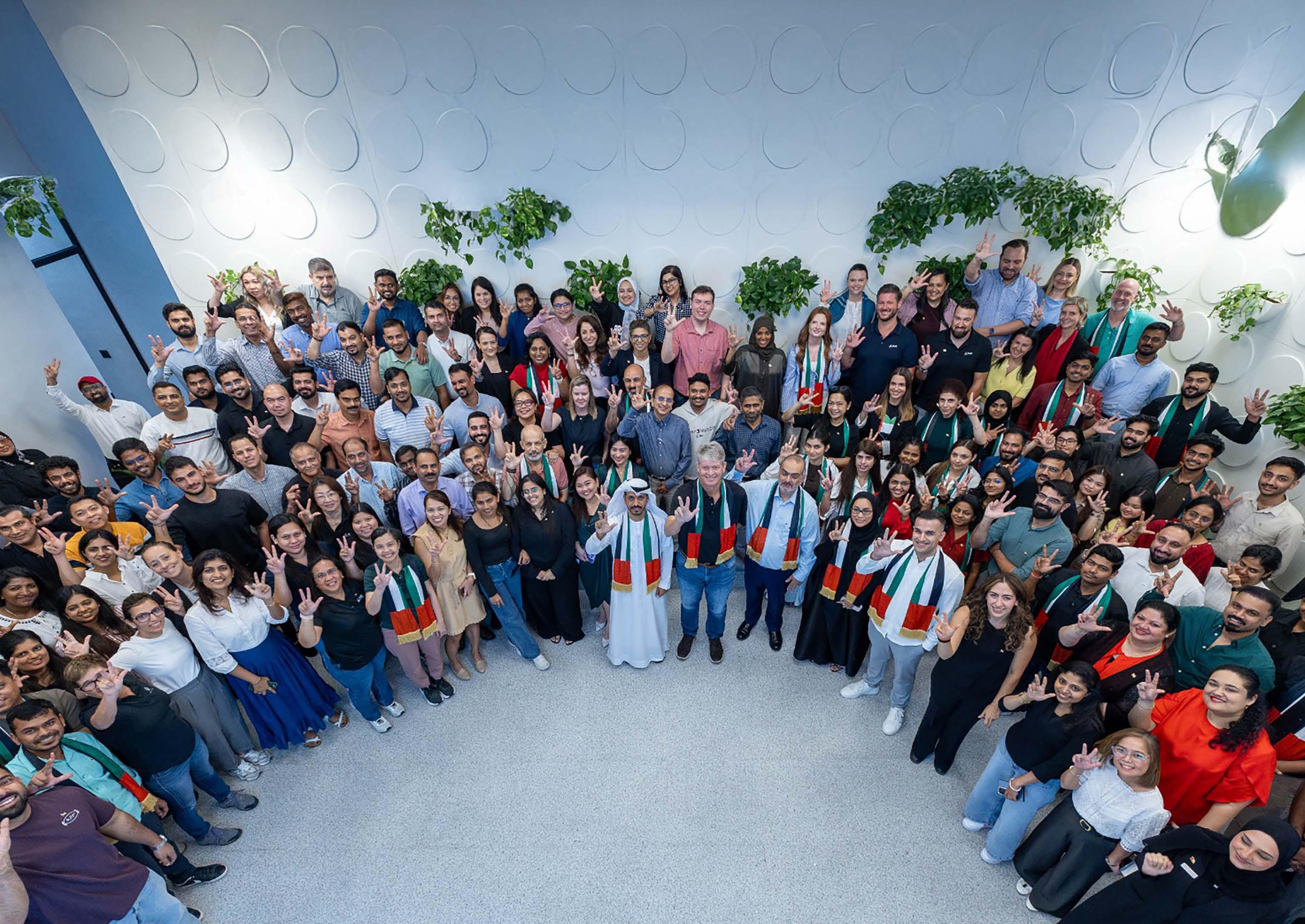
WELCOME TO OUR SUSTAINABILITY REPORT
“In 2025, we strengthened our ESG foundations by enhancing governance, initiating the digitisation of our reporting, and validating our progress through external ratings. This same year marked a major milestone for ALEC Holdings as we became a publicly listed company on the Dubai Financial Market (DFM), bringing heightened
and a powerful opportunity to further embed ESG into our
BARRY LEWIS Chief Executive Officer

ABOUT THIS REPORT
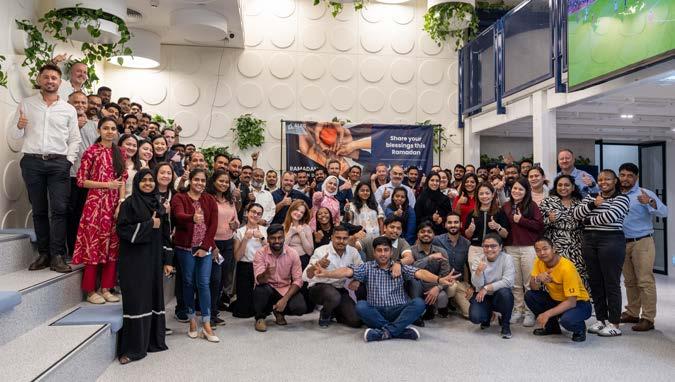
This report documents ALEC Holdings’ environmental, social, and governance (ESG) performance and commitments for 2025. It also reflects our strategy to integrate sustainability into every aspect of how we operate, from the projects we build to the people we employ and the communities we serve.
Reporting Standards, Frameworks and Alignment
This Sustainability Report presents ALEC Holdings’ environmental, social, and governance activities and performance for the period 1 January 2025 to 31 December 2025, with selective references to ongoing initiatives and data points where implementation or verification continues into early 2026.
The scope covers ALEC Holdings’ operations in the United Arab Emirates (UAE) and the Kingdom of Saudi Arabia (KSA), across offices, warehouses, factories, worker accommodation and project sites where ALEC Construction and TARGET have operational control.
Frameworks
The report is prepared with reference to leading ESG frameworks and investor expectations, including the Global Reporting Initiative (GRI) Standards, the updated Dubai Financial Market (DFM) ESG reporting guidelines issued in November 2025 and The Ten Principles of the UN Global Compact.
ALEC Holdings is also responding to the UAE Climate Responsible Companies Pledge and broader climate disclosure requirements introduced in 2025. While we have not yet set Group-wide emissions or net-zero targets, work is underway to enhance data quality, expand Scope 3 coverage and align future targets with national climate policy and sector benchmarks.
UN Global Compact Commitment
ALEC Holdings became a signatory to the United Nations Global Compact in 2023 and is committed to integrating its ten principles on human rights, labour, the environment, and anti-corruption into our strategy, culture and day-to-day operations.
We support public accountability and transparency and will continue submitting an annual Communication on Progress, describing how these principles are embedded in our business.
Data
ESG data is compiled on a quarterly basis from ALEC Holding’s ERP systems, digital dashboards, and structured Excel submissions from operational departments, with in-house enhancements under development to automate emissions calculations.
The ESG team validates environmental figures, to the extent possible, with data owners, and applies emissions factors and conversion standards aligned with DEFRA, ASHRAE and local grid emission data. Certain indicators for 2025 remain subject to further internal review, and ALEC Holdings plans to conduct environmental disclosure audits and a climate risk assessment from 2026 before formalising Group-wide ESG targets.
For further information on ALEC Holdings’ ESG reporting, strategy and related initiatives, please contact the ESG team at sustainability@alec.ae.
Cautionary statements
This report should be read in conjunction with the Cautionary statements.
The information in this ESG report is supplemented by our Integrated Annual Report on our website https://ir.alec.ae/
ON PAGE 56
2025 SUSTAINABILITY HIGHLIGHTS
SOCIAL GOVERNANCE ENVIRONMENT
LEED Platinum*
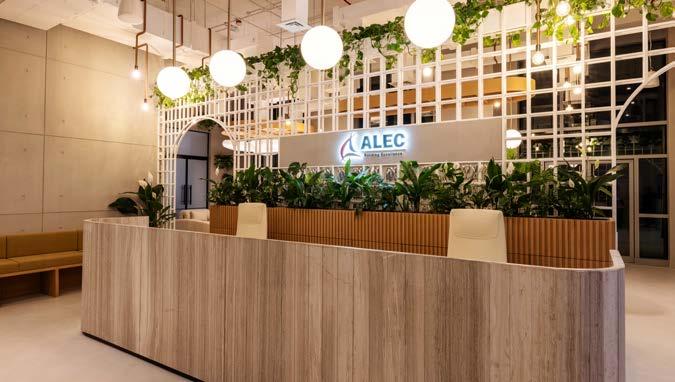
ALEC HOLDINGS CORPORATE OFFICE
LEED Gold*
ALEMCO CORPORATE OFFICE & ALEC DIC YARD
ISO 14001: 2015
COVERING 100% BUSINESS OPERATIONS
69% waste
DIVERTED FROM LANDFILL ACROSS OPERATIONS
6.421 MWp
CUMULATIVE INSTALLED SOLAR CAPACITY ACROSS ASSETS AND PROJECTS
0.097
LOST TIME INJURY FREQUENCY RATE PER MILLION MAN-HOURS IN 2025 99%
CLOSE-OUT RATE ON WORKER WELFARE ISSUES RECORDED IN 2025
ISO 45001:2018
COVERING 100% OF BUSINESSES
Over 8,000
WORKERS TRAINED
Over 250 workers
PROMOTED TO STAFF
Over 11,000
BENEFICIARIES OF COMMUNITY IMPACT PROJECTS
United Nations
GLOBAL COMPACT SIGNATORY AND PARTICIPANT SINCE 2023
ISO 9001:2015
COVERING 100% OF BUSINESSES
100%
OF CASES REPORTED THROUGH ALEC ALERT WHISTLEBLOWING PLATFORM RESOLVED 65%**
OF STAFF COMPLETED ETHICS TRAINING
3,132
VENDORS FORMALLY CERTIFIED COMPLIANCE WITH THE VENDOR CODE OF CONDUCT
EcoVadis
“COMMITTED” BADGE
* LEED ID+C (Interior Design and Construction)
** Majority of those who haven’t completed Ethics training are new hires who joined in Q4
LEADERSHIP MESSAGE
Building a Brighter, Sustainable Future.
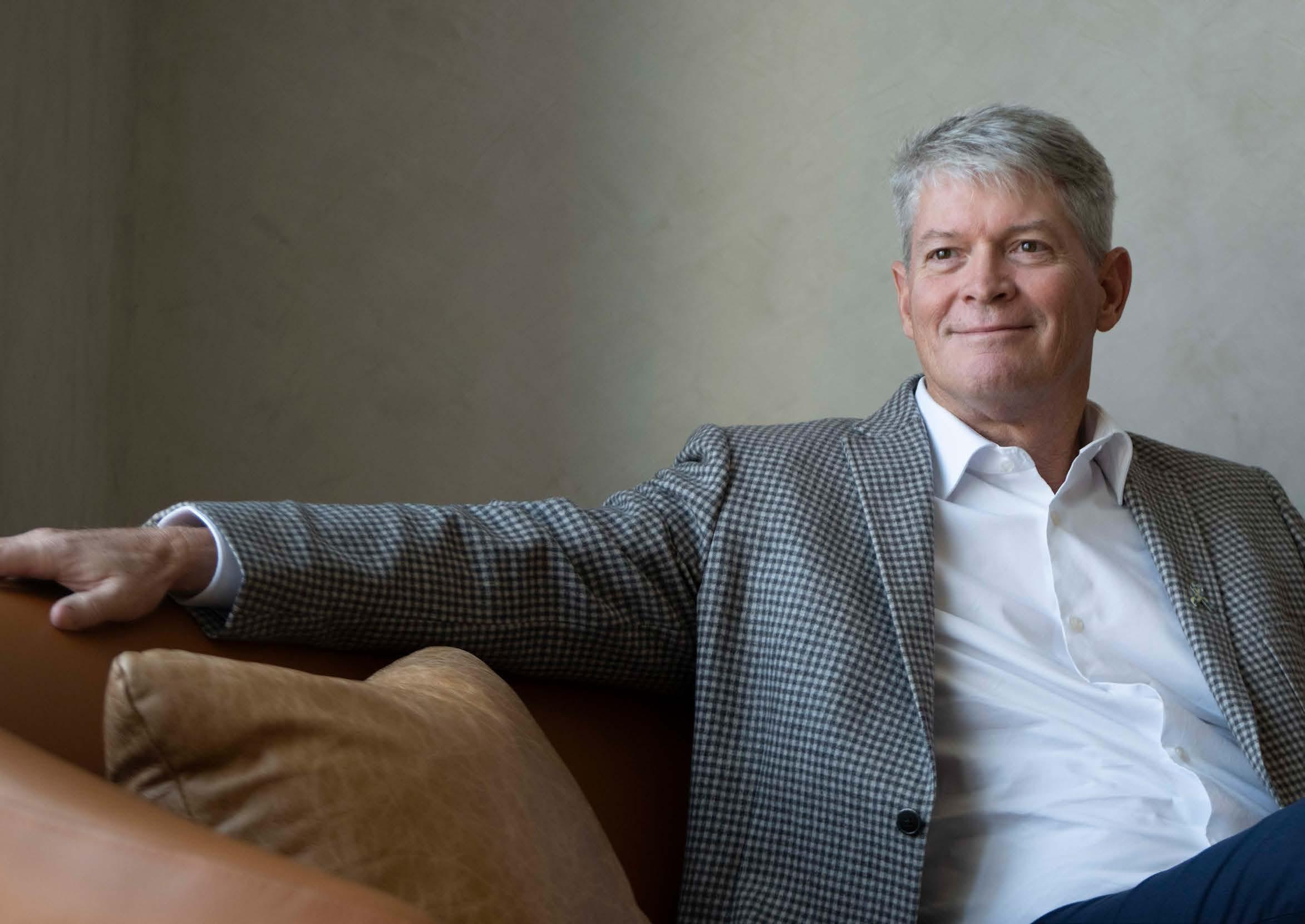
“In 2025, ALEC Holdings reached an important milestone in its sustainability journey. As a major contractor operating in high-risk sectors, our focus on sustainability enables us to meet the rising expectations of landowners, developers, regulators, and financiers, and to compete for opportunities where strong ESG performance is now a prerequisite.”
This past year, we strengthened our ESG governance by integrating sustainability risks directly into strategic decision-making.
Our Head of ESG now reports to the CEO, who is supported by an expanded Sustainability Committee, chaired by our COO and CFO, in addition to senior leaders from all major business units and operational departments.
In parallel, our Innovation and ESG teams work hand-in-hand so that new technologies, robotics, and digital tools are deployed with clear environmental and social benefits, not just efficiency gains.
We have also invested in our ESG culture, with 100% of senior executive management completing ESG 101 training, so that climate, social and ethics considerations shape how we deliver the projects we pursue and how we respond to stakeholder expectations across the UAE and KSA.
Vision for 2026 and Beyond
Emboldened by a year of historic firsts and with a robust strategy and financial position, we will double down on our innovation roadmap, scaling proven technologies that contribute to reducing emissions, enhancing safety and uplifting productivity across our portfolio.
The ambition is clear – to lead in our markets not only through the landmark projects we deliver, but by setting a new benchmark in how innovation and ESG come together to build a lasting impact for the region.
BARRY LEWIS Chief Executive Officer
MESSAGE FROM THE CHAIRMAN OF THE SUSTAINABILITY COMMITTEE
Embedding ESG in governance.
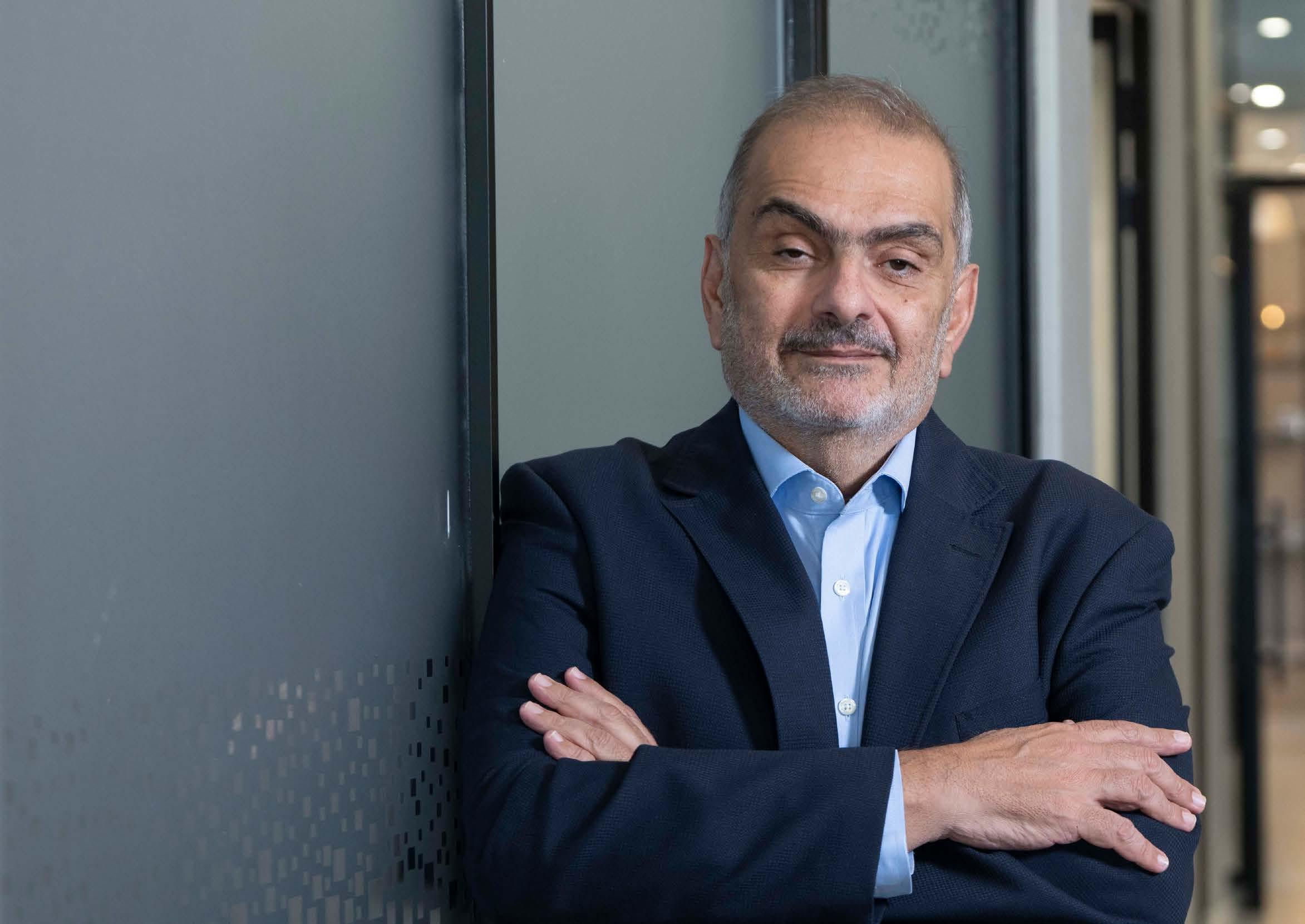
“Our listing has strengthened expectations around governance and transparency. Early in the year, we launched ALEC Alert, a confidential whistleblowing platform for employees, vendors, and subcontractors. We enhanced our Enterprise Risk Management system so that climate, supply chain, and human capital risks are integrated into strategic planning.”
MESSAGE FROM THE CHAIRMAN OF THE SUSTAINABILITY COMMITTEE CONTINUED
Managing Risk, Unlocking Opportunity
For a business delivering complex, capitalintensive projects, sustainability is both a risk shield and a growth engine. Our focus on health and safety, worker welfare, ethical conduct, and climate resilience reduces the likelihood of incidents, delays and disputes that can affect people, projects and returns.
Our ESG performance is becoming a key differentiator in competitive tenders, as landowners and public sector clients increasingly prioritise partners who demonstrate responsible practices, robust data, and technical excellence.
Through our start-up ecosystem, we have now worked with more than a dozen technology partners to pilot solutions in AI equipment management, workforce productivity analytics, and modular methods.
By opening our platform, we create a collaborative ecosystem that allows innovators, clients and subcontractors to deliver ESG impact beyond what any single company could achieve independently.
Being recognised as a regional platform for global innovation solutions enables us to bring clients and partners the latest robotics, AI and digital tools – tested on our own sites – to deliver projects that are not only iconic, but also measurably safer and more productive. This fusion of innovation and disciplined ESG is turning sustainability into a clear engine of growth and differentiation for ALEC Holdings.
Human Capital and Safety Leadership
The welfare, security and talents of our people remain a strategic priority, with Employee Health and Safety, Business Ethics and Worker Welfare identified as our top issues.
In 2025, we rolled out worker welfare training across all projects, enhanced worker accommodation and, through our trade skills facility, trained 8,283 workers while 251 workers were recognised with either skills levelling or promotions; thus creating real pathways to progression.
We advanced inclusion by extending the Mother’s Room concept to our KSA headquarters and by upskilling managers through the UN Global Compact Academy’s “How to Be a Male Ally for Gender Diversity” training. These initiatives strengthen inclusion and support talent retention in a traditionally male-dominated industry.
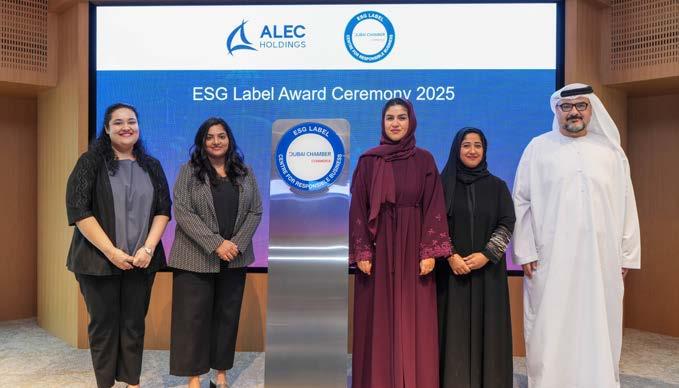
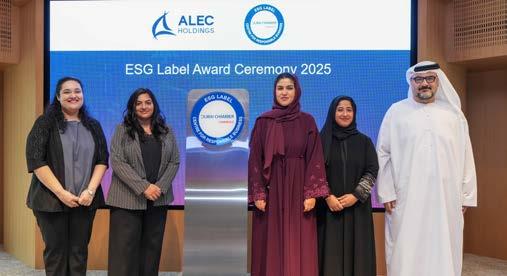
Our efforts have been recognised with the Dubai Chamber ESG Label (Advanced category), an EcoVadis “Committed” badge and an award from Dubai Holding as “best welfare company” in 2025, signalling external validation of welfare standards as well as first place for worker accommodation from the Ministry in 2025 for companies with fewer than 10,000 workers, underlining accommodation quality and compliance.
JOHN DEEB Chief Operating Officer and Chief Financial Officer Chairman, Sustainability Committee
WHO WE ARE
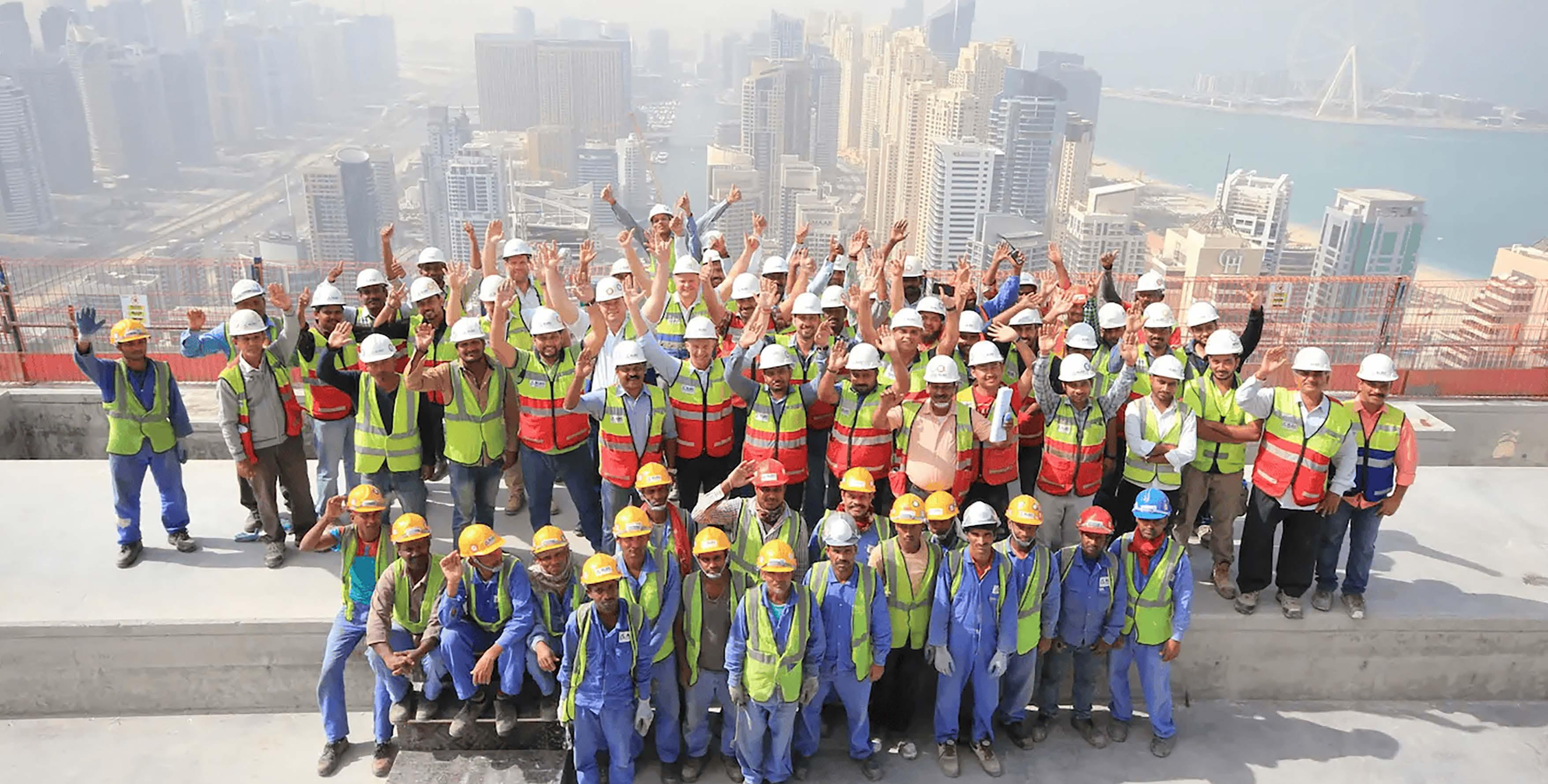
ALEC Holdings is an integrated construction and services group operating primarily in the United Arab Emirates and the Kingdom of Saudi Arabia, delivering large and complex commercial, infrastructure and specialist projects through traditional, design and build and EPC models.
The Group’s portfolio is supported by related businesses that provide mechanical, electrical, and plumbing works, modular construction, and data centre solutions, as well as professional and support services that enable fully coordinated project delivery.
The organisation’s purpose is to help transform construction towards a more efficient and sustainable future,
guided by a strategy that emphasises aligned capabilities across business units to enhance stakeholder success and longterm value creation. ALEC Holdings’ vision is to be the leading innovative construction group in its markets, combining operational excellence with a strong focus on decarbonisation, digitalisation, and workforce development.
OUR VISION
To be the leading innovative construction group.
OUR PURPOSE
Transform construction towards an efficient and sustainable future.
OUR VALUES
COURAGE – We strive forward with bold action
INTEGRITY – We are transparent and accountable in our actions
RELIABILITY – We deliver on our commitments
INNOVATION – We make ideas happen
VALUE OUR PEOPLE – We empower and invest in our people
HOW WE ORGANISE OUR BUSINESS
ALEC Holdings is an integrated construction and engineering group that combines complementary businesses on a single platform to deliver complex, large-scale projects across the UAE and KSA.
Each business operates with specialist teams and full P&L accountability, while leveraging shared systems, governance, innovation platforms, and client relationships to drive collaboration, efficiency, and disciplined value creation.
BUILDING & CONSTRUCTION
CIVIL, STRUCTURAL & SPECIALIST TRADES

ENERGY SOLUTIONS
EPC PROJECTS, ONSHORE/ OFFSHORE ENERGY
Building & Construction
From early design coordination and value engineering to construction management, commissioning, and handover, our multidisciplinary teams at ALEC Construction integrate civil, structural, and specialist trades. Using BIM, modular solutions, and strict cost control, we enhance predictability, shorten schedules, and deliver high-quality outcomes for leading public and private sector clients.
Energy Solutions
Disciplined Value Creation
Through TARGET’s dedicated mechanical, electrical, civil, and marine divisions, ALEC Holdings delivers technically demanding projects for national and international energy companies – supporting regional energy security and transition priorities while diversifying earnings.
RELATED BUSINESSES
ENGINEERING, MEP, ELV, DATA CENTRES, FITOUT, REFURBISHMENT, THEMING, FAÇADES, MODULAR, SOLAR, EQUIPMENT, ASSET MAINTENANCE
SHARED SERVICES
PEOPLE & CULTURE, FINANCE, IT, LEGAL, PROCUREMENT, HSE, WORKER WELFARE, ESG, MARKETING, INNOVATION, RISK & INTERNAL AUDIT, ERP
Related Businesses
Specialist units provide fit-out, refurbishment, theming, MEP and ELV systems, data centres, façades, modular buildings, solar solutions, and equipment rentals and maintenance. Working alongside core operations, they deepen client relationships, deliver higher margin technical capabilities, support repeat work, and enhance project economics through integrated turnkey solutions.
OUR RELATED BUSINESSES
ALEMCO, a Mechanical, Electrical and Plumbing company, provides the skill, expertise, experience and resources essential to meet the demands of today’s fast track projects.
Enter the era of seamless connectivity with ALEC Data Center Solutions. Our stateof-the-art facilities ensure unparalleled reliability, security, and performance, empowering businesses to thrive in the digital age.
ALEC Technologies specialises in integrated technology solutions for complex, large-scale projects. From commercial infrastructure to luxury residential developments, we provide tailored solutions that deliver excellence.
Revolutionise construction with LINQ Modular. Our custom modular building solutions offer flexibility, speed, and innovation, empowering you to bring your vision to life with precision and efficiency.
Our turnkey rooftop EPC solutions and solar energy solutions pave the way for sustainable development, empowering businesses to embrace clean energy and reduce their carbon footprint.
Define your skyline with ALEC Facades. Specialising in custom-made façades and building solutions, we merge aesthetics with functionality to create architectural masterpieces that captivate and endure.
ALEC FITOUT specialises in delivery of luxury hotels and resorts, museums, cultural and themed entertainment projects in the UAE and KSA.
Executes fast-track, turnkey small-scale construction and refurbishment projects across MEP, civil and architectural services, focused on small-scale new builds and refurbishments.
Unlock the potential of your projects with AJI Rentals. Offering premium and innovative access, lifting and power rental solutions, we provide the tools you need to execute with precision, efficiency, and safety.
Whether it’s corrosion control, fireproofing, specialised concrete repairs, flooring, or beyond, we are dedicated to exceeding expectations and setting new standards of quality and reliability.
OUR BUSINESS MODEL CONTINUED
OUR INTEGRATED VALUE CHAIN
CLIENT
ALEC Holdings is uniquely positioned to deliver modular construction, compliant and resilient procurement, sustainable site operations, and long-term energy optimisation – seamlessly integrated under one unified organisation rather than fragmented through subcontracting.
CONSTRUCTION
HANDOVER & USAGE
How ALEC Holdings can reduce emissions and support clients’ decarbonisation plans
Client-led scope
Shift to modular and off-site construction
• Advising clients on modularisation through early engagement
• Early modularisation and digital sequencing
• Delivering LINQ Modular volumetric units
• Delivering ALEMCO Modular and TARGET Steel prefabricated structures
Leverage supply chain to decrease embodied carbon
• Sourcing lowcarbon materials specified on projects
• Engaging top-tier suppliers
• Training subcontractors on decarbonisation
Employ low-carbon site operations
• Low-emission equipment
• On-site solar energy and hybrid power systems via ALEC Energy, AJI Rentals
• EIA guideline adherence
• Recycling and circularity partnerships
Handover reporting and as-built carbon data to client
In-use carbon reporting and asset optimisation
• Data-driven asset monitoring and optimisation through ALEC Technologies
• Solar energy through ALEC Energy
• Efficient manpower utilisation
• Faster programme delivery
• Reduced waste
• Reduced logistics
• Lower embodied carbon
• Stronger and compliant supply chain
• Reduced energy use
• Transparent reporting
For clients:
• Lower operational carbon
• Long-term energy savings
OUR APPROACH TO ESG
OUR ESG FRAMEWORK
ALEC Holdings’ ESG framework is underpinned by a Group Sustainability Policy, approved in November 2024, which sets out commitments across environmental stewardship, social responsibility and governance.
CORE OBJECTIVES
LOWER ENVIRONMENTAL FOOTPRINT
The policy applies to all business operations and is aligned with UAE and KSA national priorities, the UN Sustainable Development Goals, and The Ten Principles of the UN Global Compact.
IMPLEMENTATION
FOCUSED DECARBONISATION PROJECTS ACROSS AREAS WITHIN OPERATIONAL CONTROL LONG-TERM PARTNERSHIPS
ADVANCE WORKER WELFARE AND SOCIAL IMPACT
STRENGTHEN GOVERNANCE
CAPACITY-BUILDING AND TRAINING PROGRAMMES
ANNUAL DISCLOSURES ALIGNED TO GRI, UN GLOBAL COMPACT AND DFM GUIDELINES
BUILD DIGITAL SYSTEMS TO IMPROVE REPORTING AND TRACK PROGRESS
INTEGRATE ERP-ENABLED SUSTAINABILITY REPORTING
The framework sets out a series of core objectives, including lowering the Group’s environmental footprint, advancing worker welfare and inclusion, and strengthening ethics and governance, supported by digital systems, partnerships, and capacity building to deliver measurable value for stakeholders and contribute to the UN Sustainable Development Goals.
ACCOUNTABILITY & VALIDATION
ENVIRONMENTAL STEWARDSHIP
SOCIAL RESPONSIBILITY
GOVERNANCE


UN GLOBAL COMPACT SIGNATORY SINCE 2023
MATERIAL TOPICS IDENTIFIED VIA DOUBLE MATERIALITY ASSESSMENT
PUBLIC DISCLOSURES
EXTERNAL RECOGNITION AND RATINGS
DOUBLE
MATERIALITY AT ALEC
ALEC Holdings applies a structured double materiality approach that identifies 16 priority ESG topics, balancing what is financially significant for the Group. These topics underpin the Group’s ESG strategy, risk management and disclosures, and are refreshed through internal workshops and webbased stakeholder surveys involving employees, communities, clients and partners.
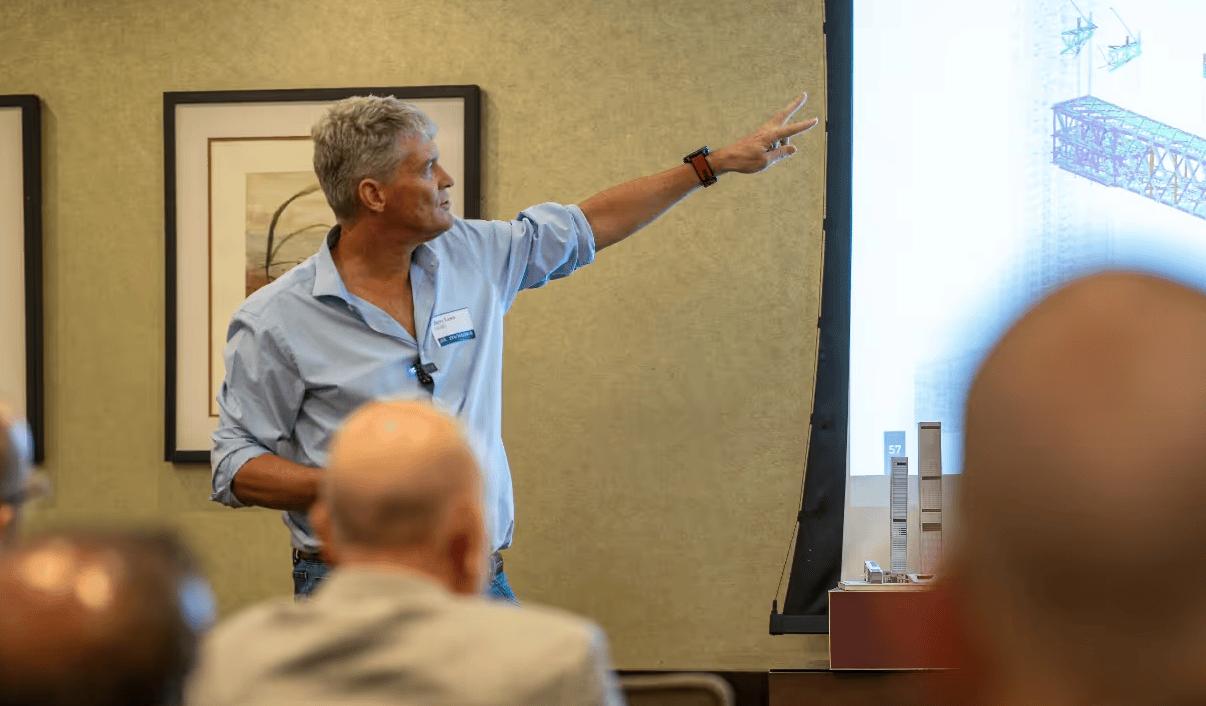
ALEC Holdings’ double materiality assessment (DMA) followed a structured four-phase methodology to identify and prioritise the environmental, social, and governance topics most significant to the Group and our stakeholders.
1.
Topic identification
We conducted deskbased research using international frameworks (GRI, SASB), regional requirements (ADX, Tadawul), ESG ratings (MSCI), and peer benchmarking. This identified 21 topics, consolidated into 16 candidate material topics with defined risks, opportunities, and impacts from both financial and impact perspectives.
2.
Management workshops
Two workshops were held with senior management across all business units. Participants evaluated each topic across regulatory, operational, financial, and strategic dimensions, assessing both business impacts and stakeholder/ environmental effects. The CEO validated the final assessments.
3.
Stakeholder engagement
4.
Prioritisation
We surveyed eight stakeholder groups including employees, clients, suppliers, and financial partners. The web-based survey reached nearly 4,000 stakeholders, achieving a 37% completion rate, over three weeks, with employees forming the largest group.
Stakeholder responses were weighted (50% management, 50% stakeholder groups) to calculate final materiality ratings. Results were visualised in materiality maps and validated by ESG leadership, identifying our top three topics: Employee Health, Safety and Wellbeing, Business Ethics, and Human Rights and Worker Welfare.
MATERIAL TOPICS
Our double materiality assessment identified 16 material ESG topics across environmental, social and governance themes for the Group. These topics reflect the issues most significant to our business performance and our impact on people and the planet, and form the foundation of our sustainability strategy.
MANAGING OUR MOST MATERIAL ISSUES
ALEC Holdings manages its 16 material ESG topics through an integrated framework of policies, management systems, governance structures, and performance indicators. Each topic is assigned to accountable departments with clear responsibilities, monitored through quarterly data collection, and reviewed by the management-level committees.
The table summarises management approaches for our top three priority topics, identified through our double materiality assessment.
7 Creating safe, healthy work environments to protect employees from injuries, fatalities, and illness, including mental health.
Business disruption from lost working days; reputational damage from incidents; regulatory penalties for non-compliance.
Increased productivity through reduced absenteeism; enhanced reputation as employer of choice; reduced insurance and incident costs.
ISO 45001:2018 certified across all business units; monthly HSE reporting to Board; behavioural safety programmes; LTIFR target tracking; welfare facilities at all labour accommodations. BUSINESS ETHICS
14 Operating with integrity, honesty and transparency while adhering to legal requirements, industry standards, and fair treatment of stakeholders.
Regulatory penalties from ethical misconduct; reputational damage from ineffective grievance mechanisms; corruption risk across the value chain.
Enhanced stakeholder loyalty; stronger supplier relationships; increased business resilience through robust policies.
9 Managing human rights and labour practices, including fair wages, working conditions, prevention of forced labour and compliance with local labour law standards.
Reputational damage from human rights violations; regulatory fines from MOHRE non-compliance; stakeholder scrutiny in high-risk sector.
Risk mitigation through enhanced assessment; stronger stakeholder relationships; improved ethical compliant recruitment and retention.
Code of Conduct and antibribery policy; ALEC Alert whistleblowing platform (launched 2025); mandatory ethics training; conflict of interest declarations; zero tolerance for bribery and corruption.
Pre-employment induction for migrant workers; worker welfare audits on all ALEC Construction projects; subcontractor onboarding audits; grievance mechanisms; annual third-party welfare assessments on client request.
OUR APPROACH TO ESG CONTINUED
SUSTAINABILITY IN ACTION
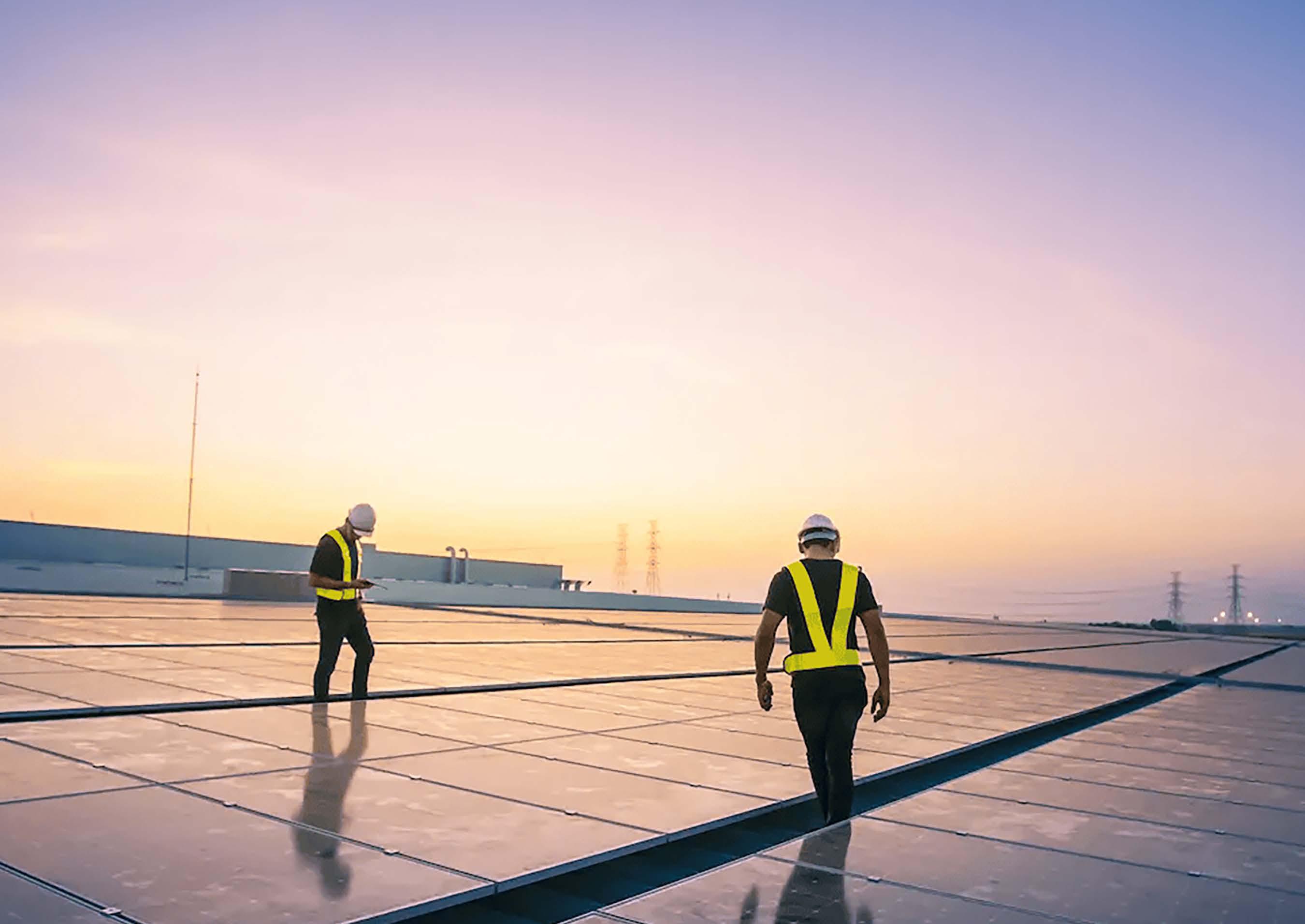
Climate is one of ALEC Holdings’ material priorities, and our decarbonisation efforts span both our owned assets and our construction operations. In 2025, we focused on areas within our direct control, improving energy and water efficiency across our headquarters and facilities, sourcing products and materials with recycled content evidenced through Environmental Product Declarations (EPDs), and expanding our solar energy capacity to 5.5 MWp across our factories and owned or long-leased worker accommodation.
We continued phasing out fossil-fuelled corporate cars, with 23 electric and hybrid vehicles within our fleet. This strategy is applied to vehicles nearing the end of their operational life, following lifecycle extensions achieved through proactive maintenance.
We are cutting diesel-related emissions through Battery Energy Storage Systems and solar diesel hybrid generators, supported by synchronised generators that power the site and our merged project site offices, which include staff of all our subcontractors and consultants on site.
Powerful High-Impact Partnerships
Our gypsum recycling programme with Saint Gobain across our assets and pilot project resulted in 158,620 kg of gypsum boards being recycled and diverted from landfill in 2025. Through Dubai Cares and SmartLife, we support long-term access to education and targeted welfare programmes for blue-collar workers, moving beyond one-off donations to sustained initiatives aligned with the UAE’s national CSR and sustainability agenda.
Looking Ahead
Our focus remains on delivering lasting positive impact for all stakeholders through continued decarbonisation of our assets and operations, higher standards of safety and workforce development, and robust ESG disclosures. We will advance Scope 3 reporting, deepen climate risk analysis, and move towards third-party assurance of ESG data, while staying aligned with UAE Vision 2031 and our clients’ sustainability goals so that ALEC Holdings remains a trusted partner for complex projects that are both iconic and responsible.
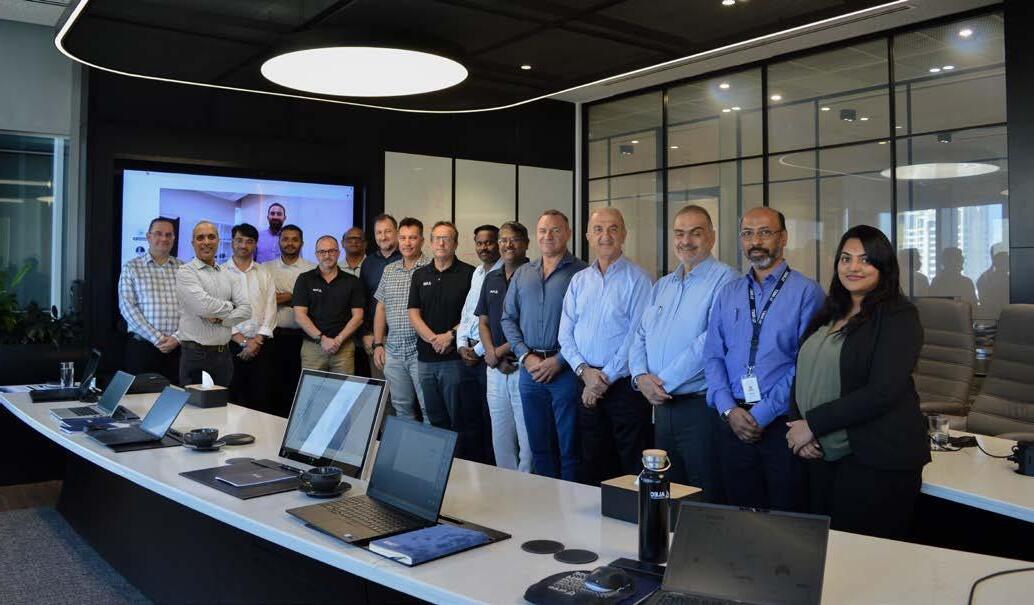
“In 2025, we continued to ‘walk the talk’ on climate resilience, one of our material priorities, resulting in our headquarters achieving LEED Platinum* certification, and the ALEMCO headquarters and ALEC DIC Yard achieving LEED Gold* certification.”
ANJALI LUKOSE Head of ESG Secretary of the Sustainability Committee


ENVIRONMENT
MEASURING OUR EMISSIONS
ALEC Holdings continues to deliver on its commitment to transparent emissions governance, transforming quarterly data reviews into management conversations while laying the groundwork for comprehensive Scope 3 disclosure and third-party audit.
We understand that business growth and emission reduction must go hand in hand. Our emissions will rise in absolute terms as we execute major onshore and offshore projects, including brownfield and greenfield scopes, across the KSA and UAE, especially on remote onshore and offshore projects where grid infrastructure does not yet exist and diesel remains essential.
Rather than deflecting this reality, we are investing strategically: deploying solar and battery storage where we control operations, standardising site practices to reduce fuel intensity, and building the data systems needed for credible, auditable reporting.
ALEC Holdings calculates greenhouse gas (GHG) emissions from fuel and electricity at assets and projects, where ALEC Construction and TARGET have operational control across the UAE and KSA. Data is sourced from ERP systems, fuel and utility invoices and internal digital dashboards, then reviewed quarterly by the ESG team and consolidated annually into public ESG disclosures.
In 2025, the focus shifted from establishing a baseline to improving completeness and governance, including preparations to expand Scope 3 coverage and commission third-party audits of selected environmental disclosures based on 2026 data.
Scope 1 Emissions
Direct Fuel Use
Scope 1 emissions cover direct fuel use from diesel and petrol across the owned fleet, generators and equipment at construction sites and worker accommodation, marine vessels at offshore projects, and LPG that is used in camps whose operations ALEC Construction or TARGET control. The nature of the project portfolio in 2025 –
Scope 2 Emissions
Purchased Electricity
Scope 2 emissions arise from purchased electricity used at project site offices, owned and long-leased offices, yards, factories, and worker accommodation across the Group. Consumption is measured using utility bills or, where direct metering is not available at multitenant assets, estimated based on floor
Scope 3 Emissions
Broadening Coverage
In 2025, the Group worked on the integration of new ERP systems to expand Scope 3 reporting to include additional categories. These include capital goods and services, employee commuting, waste-related emissions.
including remote greenfield/brownfield sites covering onshore/offshore scope for the energy sector – drives high diesel demand where grid power or alternative fuels are not yet available.
Metric Description
Main Sources Diesel generators and marine vessels, fleet petrol, LPG at worker camps
SCOPE 1 & 2 EMISSIONS
Scope 1 (Diesel, Petrol and LPG)
229,925 tCO2e
Scope 2 (Purchased Electricity) 29,352 tCO2e
area and occupancy in line with recognised standards and internal engineering assessments.
Scope 2 emissions are reported on a location-based basis using local grid emission factors. The ESG team tracks both gross electricity demand and the proportion covered by self-generated solar power to support future intensity metrics and target-setting.
Metric Status
Total Grid Electricity Consumed Monitored monthly
On-Site Solar Generation Expanding across assets, where feasible, as well as projects, where feasible and where the client agrees
Acquisitions, joint ventures, and offshore projects create complex supply chains. The priority for 2025 was to standardise how data on key materials is captured rather than publishing incomplete Scope 3 figures.
SCOPE 3 EMISSIONS
Category 2 (Capital Goods) 19,780 tCO2e
Category 5 (Waste Emissions)
Category 7 (Employee Commuting) 33,214 tCO2e
ENVIRONMENT CONTINUED
REDUCING OUR EMISSIONS
ALEC Construction typically operates under traditional contracting models, and TARGET under EPC or contracting models, mostly inheriting designs and specifications. The Group must also align with client-specified suppliers and subcontractors, while working within a regional market where the number of contractors with suitable capacity and suppliers with sufficient inventory remains limited.
Our decarbonisation framework distinguishes between assets, where the Group directly controls operations and material choices, and projects, where client specifications, local infrastructure, and regulation shape outcomes.
While ALEC Construction and TARGET satisfy material technical, quality, and green building environmental specifications, this operating model – combined with limited local availability of specified materials –constrains direct influence over embodied carbon in key materials.
The Group’s 2025 focus, therefore, remained on minimising emissions from temporary works, logistics, and site services it directly controls, and optimising indirect materials procurement. In addition, ALEC scaled practical decarbonisation levers across both assets and projects – from solar and BESS to hybrid fleet vehicles and more efficient site setups – ensuring efforts remain targeted, credible, and grounded in what the Group can genuinely deliver.
Low-Carbon Site Operations
Standard practices include unified site offices to reduce temporary structures, connecting to the utility grid as early as feasible and using solar-powered site offices and hybrid generators to cut diesel reliance where infrastructure allows. Environmental management plans at the project level also address water use, soil management, dust, and emissions controls in line with Environmental Impact Assessment requirements and client specifications. Our sites are subject to ISO 14001 recertification audits and client-mandated audits.
Cutting Diesel at Project Sites
Remote greenfield/brownfield sites covering onshore/offshore scope for the energy sector, drive high diesel demand where grid power or alternative fuels are not yet available.
To reduce diesel intensity where possible, ALEC Holdings standardises several operational practices:
Lever Status
Unified site offices to avoid multiple generator banks Implemented
Integrated offshore logistics services Implemented
Early grid connection programme (target 9 months) In progress
Solar-diesel hybrid generators and BESS deployment Deployed at selected projects
Digital load monitoring and activity scheduling
Solar Tower lights Active
Hybrid and Electric Vehicles and Fuel Efficiency
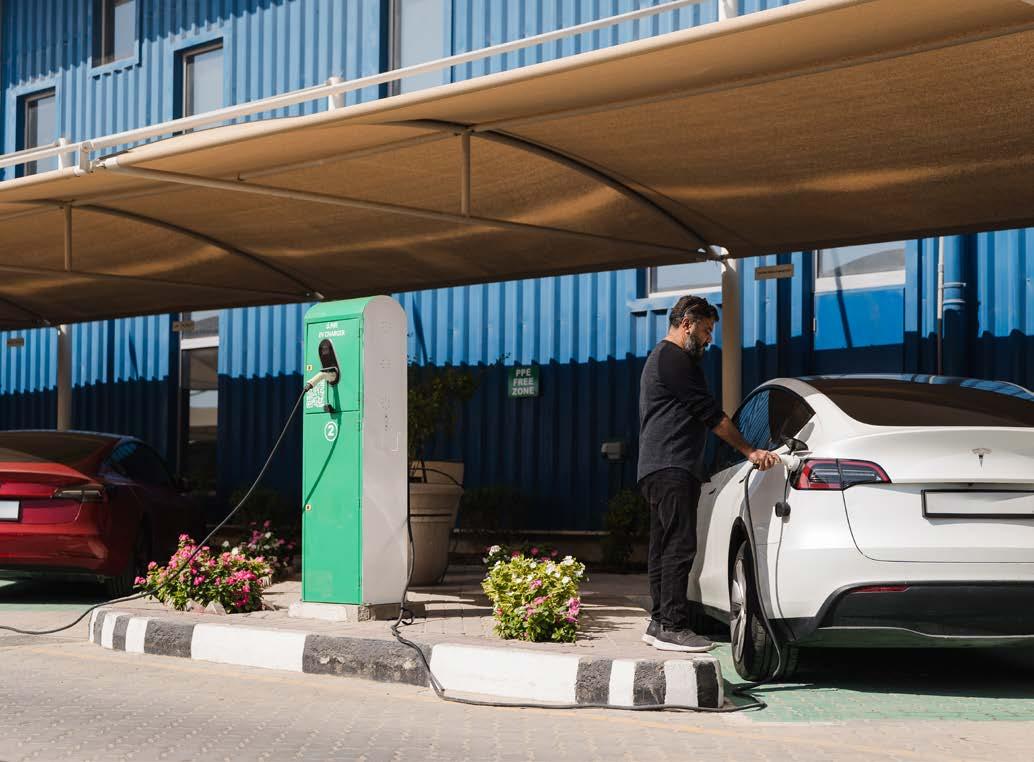
ALEC Holdings continues to transition its corporate fleet to hybrid and electric vehicles as existing cars reach the end of their life, rather than replacing assets prematurely.
TARGET complemented this transition with an in-vehicle monitoring system to track driving behaviour, idling and route optimisation for vehicles used on projects (excluding corporate cars), providing data to reduce fuel consumption without compromising safety or service.
By contrast, heavy construction equipment and marine vessels remain largely dieselpowered, reflecting technology readiness and infrastructure constraints across core markets.
ALEC Holdings, therefore, focuses its equipment strategy on ensuring high utilisation, rigorous maintenance for fuel efficiency, and future-proofing procurement decisions so that alternative-fuel models can be adopted when commercially and technically feasible.
ENVIRONMENT CONTINUED
REDUCING OUR EMISSIONS CONTINUED
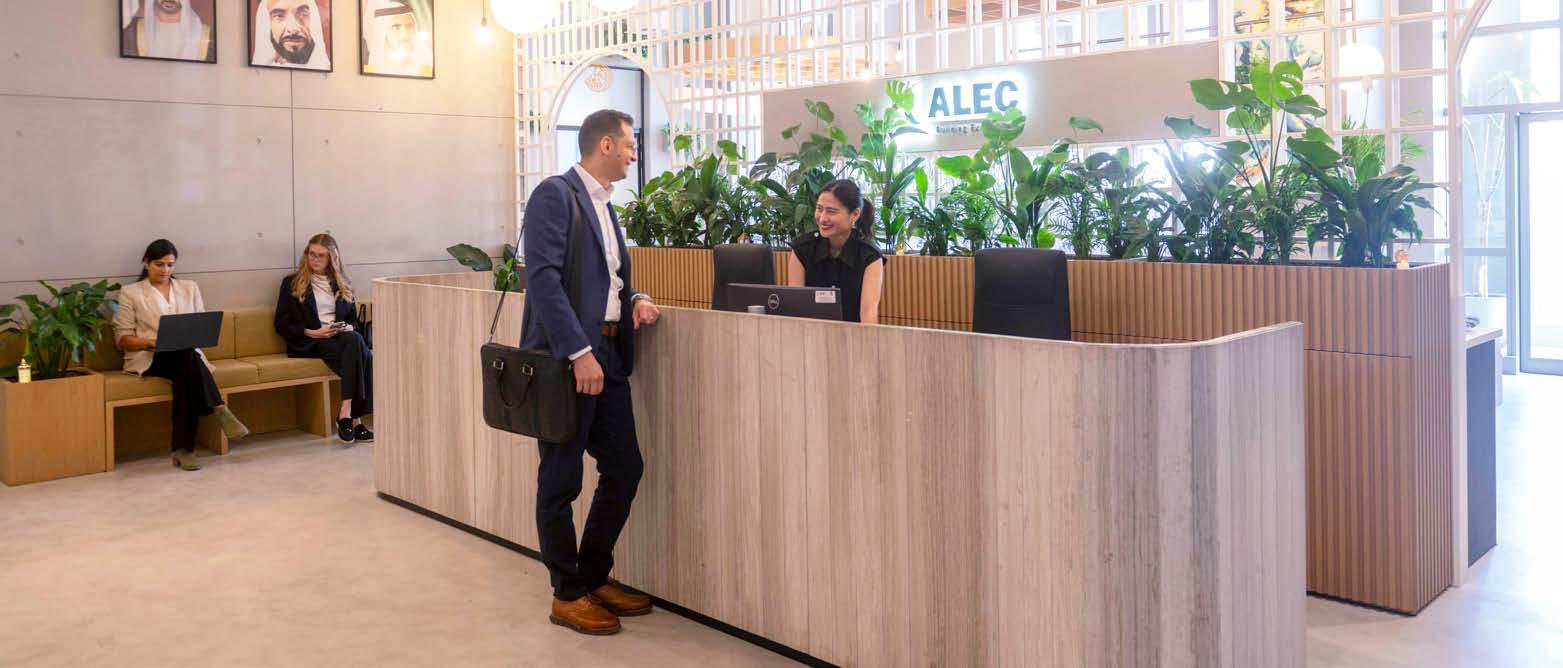
In 2025, most emissions-reduction investment focused on offices, yards, factories, and worker accommodation, supported by central ESG governance and feasibility studies for additional LEED and energyefficiency upgrades.
Key actions included implementing highefficiency lighting and water solutions, optimising operating schedules, and using building management data to detect electrical inefficiencies and highconsumption areas to reduce consumption across head offices and yards within operational control.
Certified Low-Carbon Offices and Operational Assets
Across the Group, owned and longleased offices and operational facilities continue to be refurbished and operated to high efficiency standards, with selected properties achieving LEED certifications in 2025. Two properties had received LEED Interior Design & Construction (ID+C) certifications by year-end, confirming improved performance on energy, water, materials, and indoor environmental quality relative to conventional baselines.
Feasibility studies were initiated during 2025 for additional offices, but the Group only discloses buildings where certification has been formally awarded, in line with the US Green Building Council’s communication
rules. Environmental upgrades, including low-flow water fixtures and high-efficiency lighting for most properties, are coordinated centrally through the facilities teams to ensure consistent standards across business units and geographies.
Key performance features across certified properties:
• 25% lighting energy savings from baseline (ASHRAE 90.1-2010)
• 55% water savings from baseline
• Enhanced commissioning and occupancy-based controls
• Low-VOC materials throughout (paints, coatings, sealants, carpets, gypsum boards)
“By certifying its own workplaces to LEED standards, ALEC Holdings leads by example – applying the same sustainability benchmarks it advocates for the wider construction industry.”
JOHN SAJEEV, Head of QA/QC

ENVIRONMENT CONTINUED
REDUCING OUR EMISSIONS CONTINUED
Solar-Powered Factories, Yards, and Camps
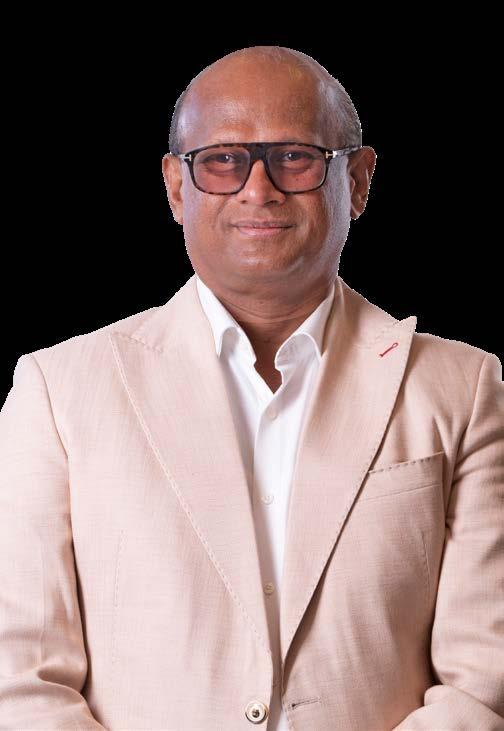
Solar PV continues to anchor ALEC Holdings’ approach to decarbonising operational assets, with projects under feasibility review for owned camps and long-term asset locations.
Impact:
• Reduced grid electricity demand across owned facilities
• Decreased reliance on temporary diesel generation at worker camps
• Measurable contribution to Scope 2 emissions reduction
• High-quality worker accommodation
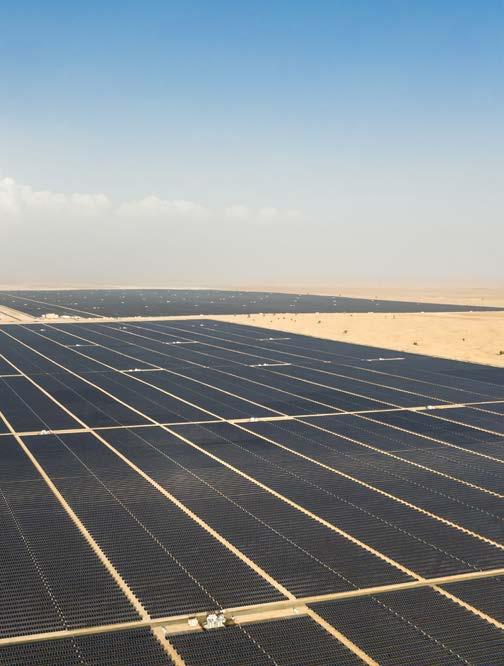
Solar energy capacity by entity and asset (cumulative)
ENVIRONMENT CONTINUED
REDUCING OUR EMISSIONS CONTINUED
CASE STUDY
ALEC PULSE – TRACKING AND REDUCING ELECTRICITY & WATER CONSUMPTION
ALEC Technologies’ Pulse platform transforms hidden building data into actionable insights. By integrating over 4,800 devices across ALEC Holdings and external client sites, Pulse enables facilities teams to monitor electricity and water consumption in real time. Through open standards, hybrid deployment, and field-driven innovation, Pulse has delivered measurable results.
Challenge
Modern buildings generate vast amounts of data, but much of it can remain siloed in closed systems. ALEC Technologies developed Pulse to unlock this hidden potential.
Built on open-source frameworks and openprotocol standards, Pulse connects HVAC, lighting, solar, water, access, and security systems into a unified intelligence layer. Its rule engine, analytics, and drag-and-drop tools allow engineers and FM teams to act quickly, ensuring operational efficiency and sustainability. A paucity of data means that gaps existed:
• Water wastage across construction and operational sites was invisible due to a lack of sub-metering.
• Electrical inefficiencies, such as phase imbalance, have drained energy without detection.
• Generators and fuel systems consumed resources without accountability.
Solution
Pulse in Action
1. Water Sub-Metering
• Implementation: Compact meters installed across sites.
• Insight: Identified high consumption areas, contractors, and processes.
• Impact: Visibility alone drove behavioural change, reducing wastage.
2. Electrical Balance and Air Quality
• Implementation: Pulse detected subtle phase imbalances at ALEC DIC Yard.
• Insight: FM teams rebalanced systems, restoring efficiency.
• Impact: Improved energy stability and introduced air quality monitoring for healthier workspaces.
3. Generator and Fuel Monitoring
• Implementation: AJI Rentals integrated generator and battery systems into Pulse dashboards.
• Insight: Real-time tracking of fuel use, voltage, and load.
Impact
• Water Savings: Reduction in leakage and mishandling-related wastage through sub-metering and visibility.
• Energy Efficiency: Detection and correction of electrical imbalances improved system stability. Across three offices, where Pulse has been set up, we observed a total reduction of 122,294 kWh of electricity consumption, against the 2023 baseline*, despite high occupancy.
• Operational Accountability: Generators and fuel systems tracked in real time, ensuring every litre and kilowatt is accounted for.
• Scalability: Pulse integrates seamlessly across hybrid deployments – on premises, cloud, or both.
* In 2024 our offices underwent refurbishment and had no occupancy-related utility consumption, which is why we compare with 2023 when employees were present for an accurate like-forlike comparison.
• Multiple subsystems across facilities operated independently, preventing holistic insight.
• Impact: Linked operational reliability with sustainability, reducing unnecessary fuel burn and energy waste.

ENVIRONMENT
CONTINUED
ENVIRONMENTAL MANAGEMENT
ALEC Holdings’ construction activities in the UAE and KSA have the potential to result in land take, habitat disturbance, particularly in desert, wadi and coastal environments, alongside soil erosion, altered drainage and groundwater impacts linked to excavation, dewatering and grading. Project delivery also creates pollution and disturbance pressures, such as dust, noise, vibration, lighting
and potential spills. These risks, if not managed throughout the lifecycle of the project, have the potential to degrade terrestrial and marine habitats and disrupt species behaviour.
Regulatory authorities and clients impose strict conditions; failure to manage risks can halt projects and damage reputation. Every site presents a different risk profile, requiring bespoke controls rather than generic approaches.
How We Manage This
We apply an ISO 14001-certified EMS and operate under the Group Sustainability Policy, in accordance with DFM E8. The Policy was approved in November 2024 and guides the Group’s approach to resource efficiency, pollution prevention, regulatory compliance, and continual improvement. The policy formalises environmental commitments, including mitigating climate change through improved energy, water and materials efficiency; preventing pollution; reducing impacts on biodiversity; and minimising disturbance, noise, air pollution and waste in compliance with project-specific environmental impact assessment requirements.
On-Site Environmental Risk Mitigation
To address environmental risks effectively, ALEC Holdings implements tailored Construction Environmental Management Plans (CEMP) for each project, guided
1. 2.
Planning and design controls: No-go/buffer zones avoid or minimise works in sensitive habitats
by Environmental Impact Assessment (EIA) reports from approved thirdparty consultants. These plans outline comprehensive strategies to mitigate environmental impacts, including air, water, noise, solid waste, and soil pollution, as well as ecological damage.
The CEMP defines clear roles and responsibilities for personnel, establishes procedures for audits, monitoring, inspections, and training, and ensures robust record-keeping and documentation. Additionally, task-specific risk assessments are conducted to identify potential hazards
Managing Our Impact on Natural Habitats
Construction activity inevitably interacts with the natural environment. ALEC Holdings recognises its responsibility to minimise harm to ecosystems across the diverse geographies where we operate – from coastal developments and island resorts to desert infrastructure and urban projects. Biodiversity is one of our 16 material ESG topics, and we apply the mitigation hierarchy to avoid, minimise and restore, where possible.
Site-level operational controls: Construction Environmental Management Plans, topsoil management, erosion and sediment controls, dust and noise suppression, dark-sky-sensitive lighting, spill prevention and waste segregation embedded in HSE procedures
3.
Water and marine protection: Dewatering management, controlled discharge, concrete washout controls and marine works method statements for coastal and island projects
4.
Supply chain and materials: ISO 14001 processes extend to supplier pre-qualification, encouraging responsibly sourced aggregates and cement, and restrictions on invasive landscaping species
and implement appropriate control measures. Regular internal and external audits are conducted to ensure compliance and continuously improve the effectiveness of our environmental management system.
5.
Restoration and monitoring: Site reinstatement, native landscaping, habitat enhancement and long-term maintenance, with monitoring of non-conformities and project-level KPIs on land disturbance, spills and waste
ENVIRONMENTAL MANAGEMENT
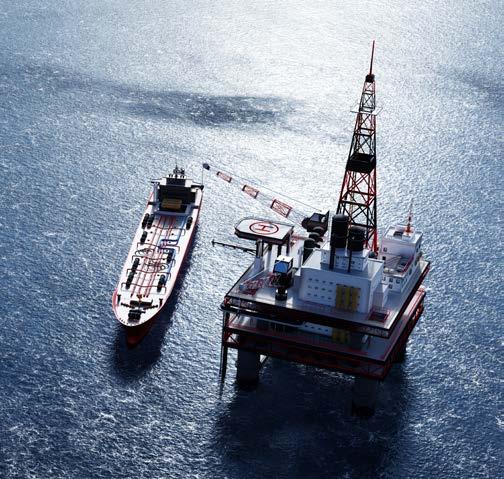
TARGET’s oil and gas construction operations present distinct biodiversity challenges, particularly in marine and coastal environments where the company delivers dredging, reclamation, pipeline installation and artificial island construction. These activities have the potential to disturb coral reefs, seagrass beds, benthic communities and fisheries.
Coastal infrastructure projects such as jetties, marinas, terminals, and intake/outfall systems can affect sediment dynamics, turbidity, water quality, and intertidal habitats. Onshore, the construction of processing facilities, pipeline corridors, access roads and temporary accommodation camps can fragment terrestrial ecosystems and disrupt native species’ habitats and movement.
How We Manage This
TARGET applies rigorous environmental controls, governed by ISO 14001 EMS and calibrated to the sensitivity of each operating environment:
• Ecological baseline surveys and exclusion zones: Preconstruction biodiversity assessments inform project planning, with no-go areas, seasonal restrictions and marine mammal/turtle exclusion zones established before works commence
• Marine protection controls: Silt curtains, in-situ and real-time turbidity monitoring, soft-start piling, optimised dredging techniques, restricted dredging during nesting season, vessel speed limits and on-board monitoring of marine fauna during dredging and reclamation
• Spill prevention and emergency response: Robust spill prevention systems, secondary containment, emergency response plans, and regular mock drills ensure preparedness for accidental releases
• Water quality and discharge management: Strict controls over hydrotest water, dewatering discharges, and sewage effluent from temporary construction facilities, ensuring compliance with client specifications and regulated discharge standards
Water Management Across Sites
ALEC Holdings operates in regions ranked among the world’s most water-stressed, making efficient water use an operational and ethical priority. Water consumption on sites serves domestic purposes (drinking, hygiene, sanitation) and construction activities, including concrete curing, hydrostatic testing, dust suppression, and soil compaction.
Water sourcing varies by location:
• Offices, factories, and yards connect to municipal utility networks, where they exist, or rely on tanker-delivered sweet water
• Remote project sites rely on tankerdelivered sweet water
• TARGET operates Reverse Osmosis (RO) desalination plants for offshore sites to supply water for domestic and construction activities, when client’s water supply is unavailable
Water-efficiency initiatives across operations:
• Sub-meters installed to monitor distribution and identify consumption hotspots
• Push taps with 8-10 second shut-off settings
• Water flow reducers on flush and shattaf systems
• Aerators fitted to washbasins and sinks
• Waterless urinals at selected site offices ENVIRONMENT CONTINUED
• Habitat restoration and reinstatement: Postconstruction reinstatement of disturbed areas, native species replanting and coral relocation as required under legal and contractual obligations
Wastewater Treatment and Reuse
ALEC Holdings operates six sewage treatment plants across worker camps with a combined capacity of 2,750 m³/day. Treated water is used for dust suppression and irrigation, reducing freshwater demand. At TARGET camps, treated sewage supports landscaping and earthworks activities.
Continued
ENVIRONMENT CONTINUED
ENVIRONMENTAL MANAGEMENT CONTINUED
Waste Management Across Sites
When it comes to waste, construction generates substantial volumes – concrete offcuts, excavated soil, packaging, timber formwork, metals, and hazardous materials. Without rigorous segregation and partnerships, most end up in landfill. ALEC Holdings operates dedicated waste management teams across projects to ensure effective segregation at source. ALEC Construction develops projectspecific waste management plans that are approved by clients and aligned with client or regulatory recycling targets, which the company has consistently achieved. Waste streams are separated into recyclables, hazardous materials, and general waste at designated collection points before transfer to licensed partners.
Key waste categories and circular approaches:
• Excavated soil reused as backfill on the same or adjacent sites
• Concrete waste repurposed into barricades, paver blocks, and anchor blocks
• Timber and wood converted into signage boards, storage boxes, welfare furniture, and safety equipment
• Metals, glass, plastic, paper, and cartons sent for recycling through certified partners
At TARGET, while onshore projects follow the same waste management processes as ALEC Construction, offshore projects require specialised arrangements, including refrigerated storage for putrescible waste when marine transport is delayed by weather. The Marine Transport Department coordinates waste transfer to port facilities for processing. TARGET Steel Industries operates an on-site garnet reprocessing facility, and scrap tyres are reused as marine vessel fenders.
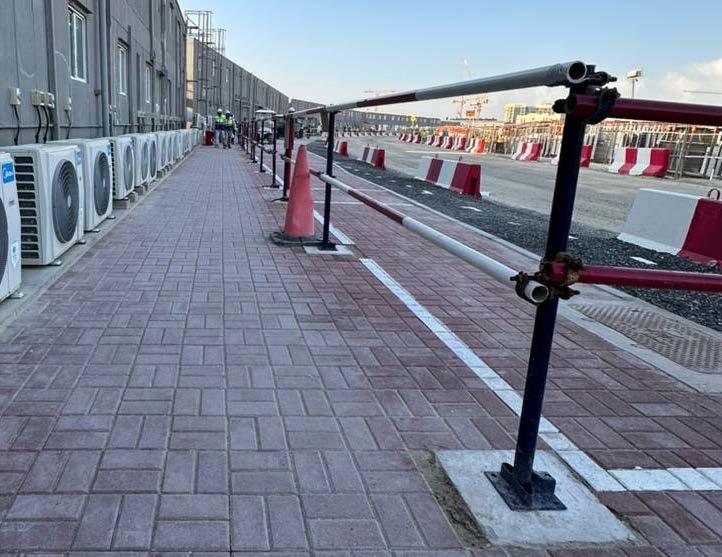
Excess or damaged paver blocks are reused for walkways around site offices, reducing use of new materials.
Spill Prevention
Preventing hydrocarbon leaks and spills is a priority for TARGET Engineering, with prevention, preparedness, reporting and response procedures aligned to client requirements and internal HSE standards. Proactive measures include impervious storage surfaces with containment trays, drip trays during refuelling, and diesel tanks fitted with basins holding 110% of tank volume. Onshore spills are managed by the Emergency Response Plan team using spill control kits; offshore incidents follow the Shipboard Oil Pollution Emergency Plan (SOPEP), executed by the marine vessel crew.
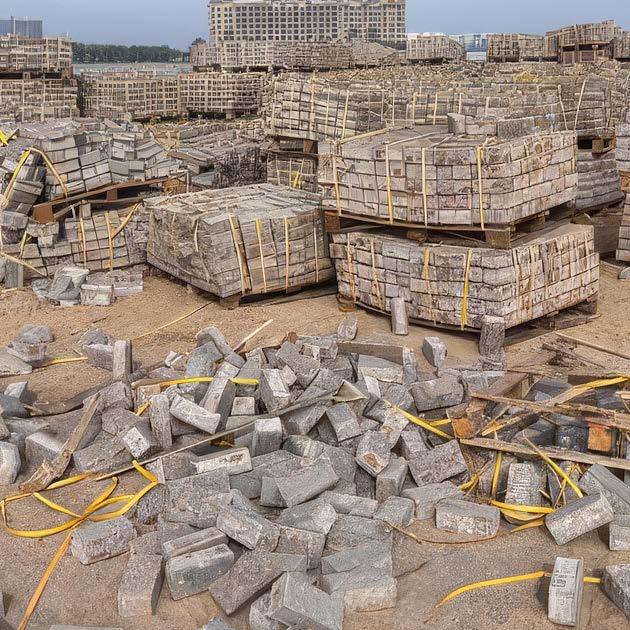
WASTE MANAGEMENT ACROSS SITES
ENVIRONMENT
CONTINUED
MODERN METHODS OF CONSTRUCTION
Modern Methods of Construction (MMC) are central to ALEC Holdings’ strategy for reducing waste and emissions while improving programme certainty. In 2025, ALEC Holdings advanced modular and off-site construction, digital planning, and circular partnerships to reduce the environmental impact of construction operations, even where clients define project design and material choices and client-driven design changes impact timelines and quantities of materials used.
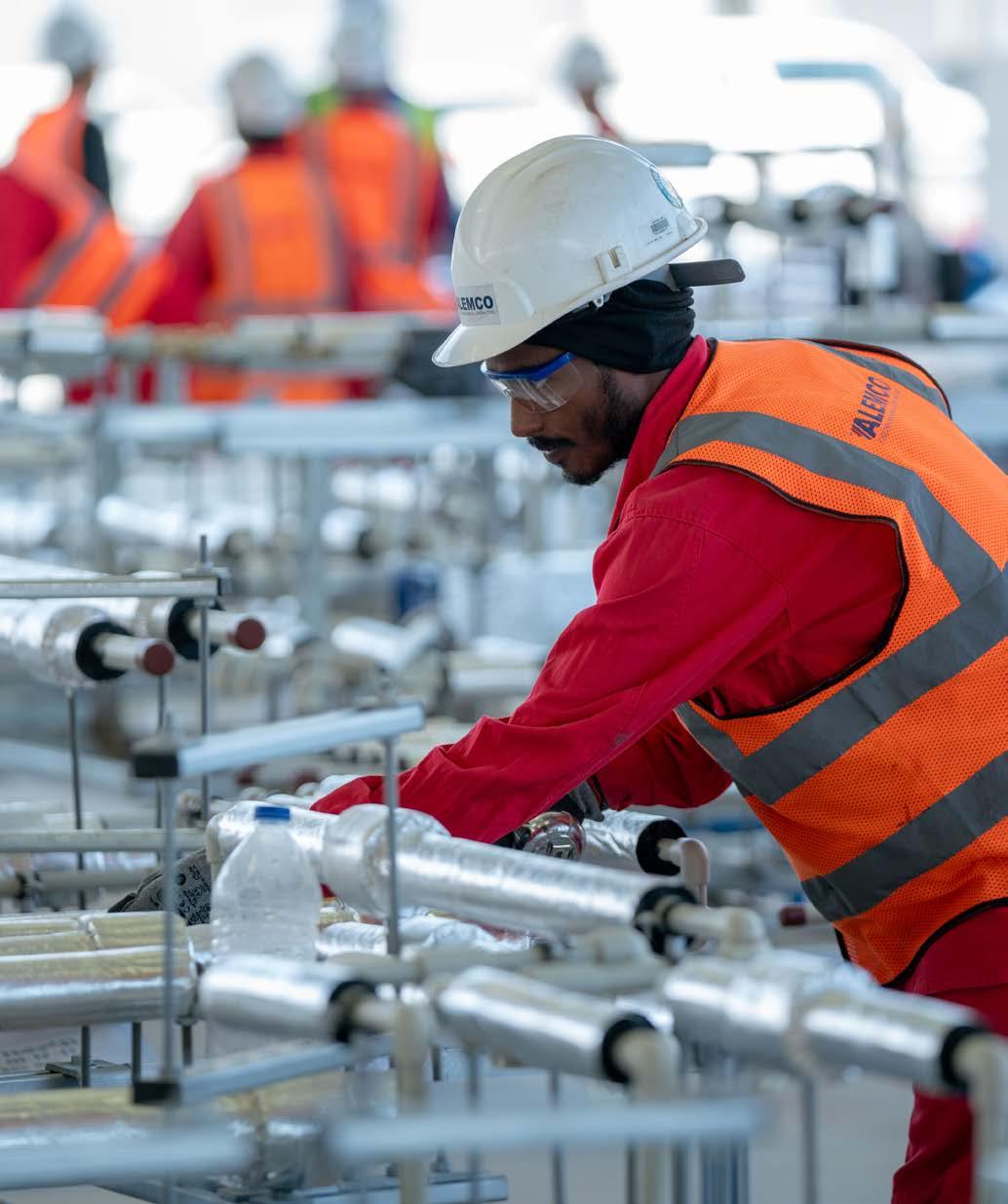
ALEMCO complements this with off-site prefabrication of mechanical, electrical, and plumbing modules, including risers and plant skids, while TARGET Steel Industries conducts off-site fabrication that can be installed quickly on site, cutting worker hours, temporary works, and site congestion.
Through LINQ, the Group offers modular volumetric construction solutions that shift significant portions of building assembly into controlled factory environments, reducing on-site waste, rework, and material losses.
These approaches shorten construction schedules, reduce the number of deliveries, and enable superior quality control, which in turn reduces waste and the lifecycle impacts associated with maintenance and rework.
Modular Off-site
Construction Benefits
Shifting of assembly work from the site to a controlled factory:
• Reduces on-site waste and rework using automation and streamlined processes
• Shortens construction schedules through parallel construction at site and off-site locations
• Lowers worker and logistics emissions
• Enables superior quality and consistency
• Improves health and safety, and worker welfare
Environmental Benefits
Material Efficiency: 20 to 25% reduction in insulation compared to onsite cutting. This was also aided using a CNC insulation cutter to nest several pieces in a manner which is humanly not possible
• Lower worker force on sites: because most of the work is done in an off-site facility, with a much higher efficiency, leading to fewer people being on a project site. This reduces aspects such as worker travel to sites or temporary locations and, in turn, lowers energy consumption and wastewater generation, as the number of sources is limited.
• Carbon reduction: Lower transport emissions due to consolidated logistics and reduced rework are offshoots of this initiative.
MODERN METHODS OF CONSTRUCTION CONTINUED
DRIVING EFFICIENCY THROUGH LEAN MANUFACTURING
Installed an electric screw compressor to replace an 875 CFM, 10-bar dieselpowered compressor previously used for painting operations. The diesel unit consumed approximately 360400 litres per day depending on operational load, totalling approximately 125,000 litres annually. The electric compressor eliminates this direct diesel consumption, reducing Scope 1 emissions from painting operations. ENVIRONMENT CONTINUED
ALEMCO has embarked on adoption of lean manufacturing principles by optimising factory layout, identifying automation opportunities across the production line, and redefining processes to maximise efficiency and minimise waste.
These improved workflows are expected to be standardised and measurable, resulting in reduced waste, optimised material utilisation, and enhanced worker productivity.
ALEMCO’s construction strategy for data centres is optimised through the extensive use of modularisation and off-site fabrication, setting it apart from its previous MEP projects. This approach is anchored in early identification of opportunities, proactive stakeholder engagement and alignment, a strong engineering focus, and detailed advance planning to fully leverage the benefits of off-site construction.
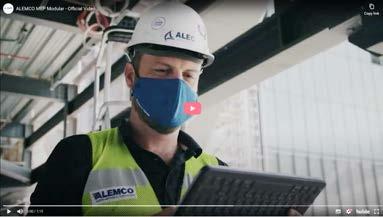
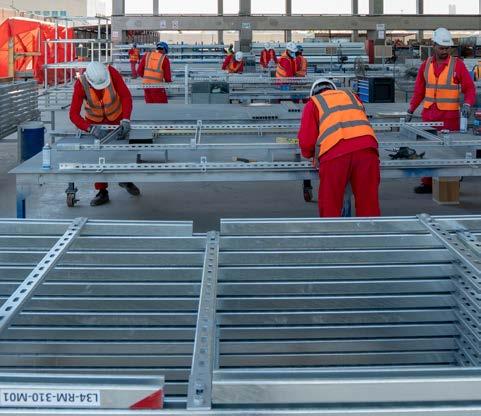
ALEMCO’s Modular Manufacturing Capabilities
• HVAC ducts, conduit modules, chilled water piping spools, steel supports, and modules, as well as electrical modules fabricated in controlled factory conditions, across four off-site facilities across Ras Al Khaimah, Abu Dhabi and Dubai.
• Around 13,000 modules for three UAEbased ALEC Construction projects.
• Fabricated around 183,000 sq.m. of insulated duct, which comprehensively includes both fire-rated and GI (galvanised iron) modules in addition to 49,000 steel and seismic supports.
• CNC conduit bending and advanced automation initiative.
• Currently operating four manufacturing facilities.
• Fossil fuel reduction:
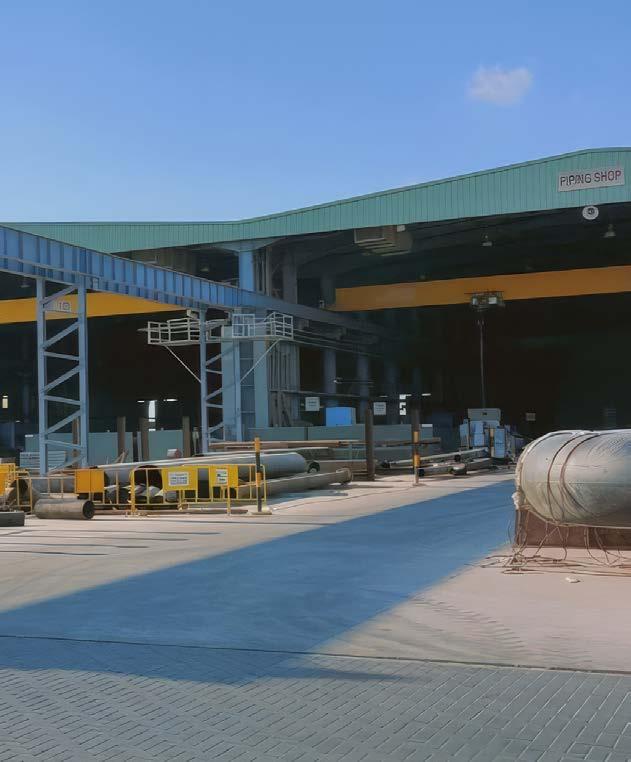
Our manufacturing facilities are a key lever for operational decarbonisation. At TARGET Steel Industries in Abu Dhabi, a series of deliberate technology transitions are eliminating fossil fuel dependencies and reducing Scope 1 emissions across our fabrication and coating operations.
• Optimised fabrication and coatings: TSI’s 104,000 sq.m. facility (13,500 sq.m. covered) has an annual fabrication capacity of approximately 360,000 inch diameter for piping and 7,500 tons for steel structures, with approximately 5,000 metric tons successfully fabricated and coated during the reporting period under strict quality and resource efficiency standards.
• Energy-efficient technology: Electric CNC cutting replaced conventional oxy-acetylene flame methods, eliminating 800 oxygen cylinders and 350 acetylene cylinders, which has reduced Scope 1 emissions and enhanced workplace safety by removing flame-based operations.
ENVIRONMENT CONTINUED
SUPPLY CHAIN ENGAGEMENT
Since many low-carbon solutions originate with manufacturers and specialist subcontractors, ALEC Holdings’ innovation, operations, and procurement teams use projects as test beds for new products and systems. The Group engages top-tier suppliers on topics such as lower-carbon concretes, high-recycled-content materials, and more efficient temporary equipment, and wherever feasible, includes them in joint projects related to decarbonisation.
These collaborations support clients’ sustainability ambitions while preparing the Group for future regulations and rating expectations. Over time, the goal is to move from one-off pilots to standard specifications, supported by local regulatory changes and clients’ approvals, so we can embed modern methods and circularity into mainstream construction delivery.
Supply chain engagement framework:
• Launch pad for testing low-carbon solutions from suppliers*
• Procurement team training on sustainable procurement and ESG risk management
• Long-term partnerships aligned with decarbonisation goals
CASE STUDY
CIRCULAR ECONOMY IN ACTION
The Challenge
Construction generates significant waste. Gypsum board offcuts and damaged boards from ALEC Holdings’ projects historically went to landfill or for recycling, depending on emirate-level regulation and recycling infrastructure.
With construction activity high across the UAE and KSA, the waste volumes are substantial. ALEC Holdings’ double materiality assessment identified Waste Management and Circular Economy as a material topic, requiring innovative solutions to reduce landfill burden and align with UAE circular economy ambitions.
The Solution
ALEC Holdings partnered with SaintGobain Gyproc Emirates Industries, a global leader in sustainable building materials, to implement a closed-loop gypsum recycling programme.
Process:
• Gypsum waste collected from multiple ALEC Holdings project sites
• Waste transported to Saint-Gobain’s in-house recycling facility
• Material fully recycled and reused in the production of new gypsum boards
• Monthly tracking and reporting for transparency and accountability
Impact
• Gypsum waste diverted from landfill between 2024 and 2025 totalled 287,300 kg
• Environmental stewardship: Reduced landfill burden; reduced embodied carbon by reintroducing gypsum into new board production
• Circular economy leadership: Demonstrated practical application of circularity in the UAE construction industry
• Partnership value: Strengthened collaboration with long-term partner and global leader in sustainable materials
• Employee engagement: Site teams actively participated in segregation and collection, reinforcing ALEC Holdings’ sustainability culture
• Data-driven reporting: Monthly tracking enabled transparency and accountability
• Scalability: Programme can be replicated across other ALEC Holdings sites with significant gypsum waste volumes, amplifying impact
“Partnerships
remain a central tenet of our sustainability strategy. Our gypsum recycling programme with Saint-Gobain resulted in 158,620 kg of gypsum boards being recycled and diverted from landfill in 2025.”
JONATHAN TEMPLE Head of Logistics
Gypsum Waste Recycled by Project (kg)
287,300
TOTAL DIVERTED FROM LANDFILL (2024–2025)

ENVIRONMENT CONTINUED
GREEN BUILDING EXPERIENCE
Certified
Performance Across Every Project Type
ALEC Holdings executes projects to the region’s most demanding green building standards, delivering LEED, Estidama Pearl, Green Globe and other certifications for clients across hospitality, cultural, aviation, retail, and mixed-use sectors.
This expertise spans design-and-build and traditional contracting models, with dedicated teams ensuring compliance from early works through to certification close-out. Green building delivery requires coordination between design consultants, specialist subcontractors, materials suppliers, and certification bodies. Our project teams manage documentation, testing, and verification throughout construction, while the Quality teams provide central oversight to ensure consistent performance across the portfolio.
Emirates Green Building Council Membership
ALEC Holdings maintains corporate membership of the Emirates Green Building Council (EmiratesGBC), an industry body dedicated to advancing sustainability across the UAE’s built environment through advocacy, education, and the promotion of high-performance buildings.
Staff from across the Group participate in EmiratesGBC workshops, technical sessions, and industry events, building internal capability and staying current with evolving green building standards and regional policy developments.
ACHIEVED
8 Projects Achieved LEED Certification
ONGOING
Green Globe
1 Ongoing Project Under Process For Green Globe
(Globe 1) Certification
• Wynn Al Marjan Island, Ras Al Khaimah
LEED
5 Ongoing Projects Under Process for LEED Certification
KSA Pavilion EXPO 2020; UAE Pavilion, EXPO 2020
ADNOC New Head Quarters City Centre Mirdif; Mobility Pavilion, EXPO 2020; One Za’abeel
and Exhibition Centre EXPO 2020
International Airport Expansion C4
LEED IDC (Interior Design + Construction) – ALEC Holdings Assets
Estidama
5 Projects Achieved Pearl Estidama Rating
• Triple Bay – Red Sea Marine Life Institute
• Triple Bay – Red Sea Six Senses Resort
• Misk Ilmi Science Discovery and Innovation Center
• Stargate UAE Phase 1
• RAK Central
Estidama Rating
6 Ongoing Projects Under Process for Pearl Estidama
Rating Projects
Pearl 2 Natural History Museum, Abu Dhabi; teamLab Phenomena, Abu Dhabi; Stargate UAE, Phase 1, Abu Dhabi; ADIA Carpark CP2 L9
Pearl 1 Waste to Energy, Abu Dhabi
BARJEEL
2 Ongoing Projects Under Process for Barjeel
• RAK Central
• Wynn Al Marjan Island, Ras Al Khaimah
HEALTH & SAFETY
In 2025, ALEC Holdings’ ISO 45001 Occupational Health & Safety Management System certification continued to anchor a Group-wide approach to risk management, safe systems of work and continual improvement across the UAE and KSA operations. Internal procedures ensured that safety responsibilities were assigned at corporate and project levels.
ALEC Holdings maintains an independent HSE Compliance Division staffed by two full-time, certified HSE auditors who provide objective assurance across all the Group’s projects. The division conducts structured audits of both ALEC Construction operations and subcontractors, assessing compliance with HSE standards, statutory requirements, and critical workplace safety controls. Formal audit reports are issued following each review, and projects are required to implement corrective action plans for all identified noncompliances. Progress is monitored through a structured close-out process to confirm timely implementation, effectiveness, and accountability.
Audit outcomes are actively leveraged to drive continuous improvement. Key findings, trends, and lessons learned are analysed and shared across the organisation and directly inform risk-based HSE training programmes. These targeted training interventions address identified high-risk activities and recurring gaps, strengthening workforce competency, reinforcing best practices, and enhancing overall HSE performance across the Group’s operations.
HSE Awareness and Leadership Training
In 2025, all construction activities remained subject to risk assessments, with training programmes aligned to each project’s risk profile for ALEC Holdings and subcontractor employees.
WORKER ENGAGEMENT ON SAFETY
Daily engagement on safety topics remained in place at ALEC Holdings sites in 2025, with Safety Advisors engaging with workers through toolbox talks, daily safety task instructions, and targeted risk campaigns. HSE Teams and senior project management also held formal and informal meetings with client representatives to discuss risks, performance, and corrective actions throughout the year.
In 2025, HSE training content was tailored to high-risk project activities such as working at height, lifting operations and confined space entry, with refreshers scheduled in line with incident trends and audit observations.
For both office-based employees and workers alike, ergonomic and manual handling risks were addressed through structured training and assessments, including manual handling assessments for high-risk tasks and office safety training that covers workstation ergonomics.
“To further strengthen employee engagement in HSE training, ALEC Construction deploys Industrial Theatre across all projects. This approach utilises members of the project workforce to deliver key HSE messages through structured, scenario-based demonstrations, presented in languages understood by the workforce, to reinforce critical safety requirements and expected behaviours.”
DENIS GREEN Group Director, HSE

HEALTH & SAFETY CONTINUED
HSE INCENTIVE PROGRAMME
The HSE Incentive Programme is a structured, company-wide initiative designed to strengthen positive safety culture by recognising and rewarding employees who demonstrate strong safety awareness and compliant behaviour. It is led by the HSE Team and supported by Senior Project and Line Management, who are responsible for fair implementation, motivation, and monitoring.
The programme centres on a “5 Star” system, where workers earn star stickers for demonstrating safe practices, understanding safety requirements such as DSTIs and MSDSs, and identifying workplace hazards and controls. These stars accumulate on hard hats and can be redeemed for tiered rewards ranging from AED 25 to AED 200. Positive Action Notices and a controlled register ensure transparency and accountability in the process.
In addition to the star system, a monthly Safety Achiever Award recognises top performers – verified by the HSE Department – for both productivity and safety, awarding them a certificate and a phone card incentive.
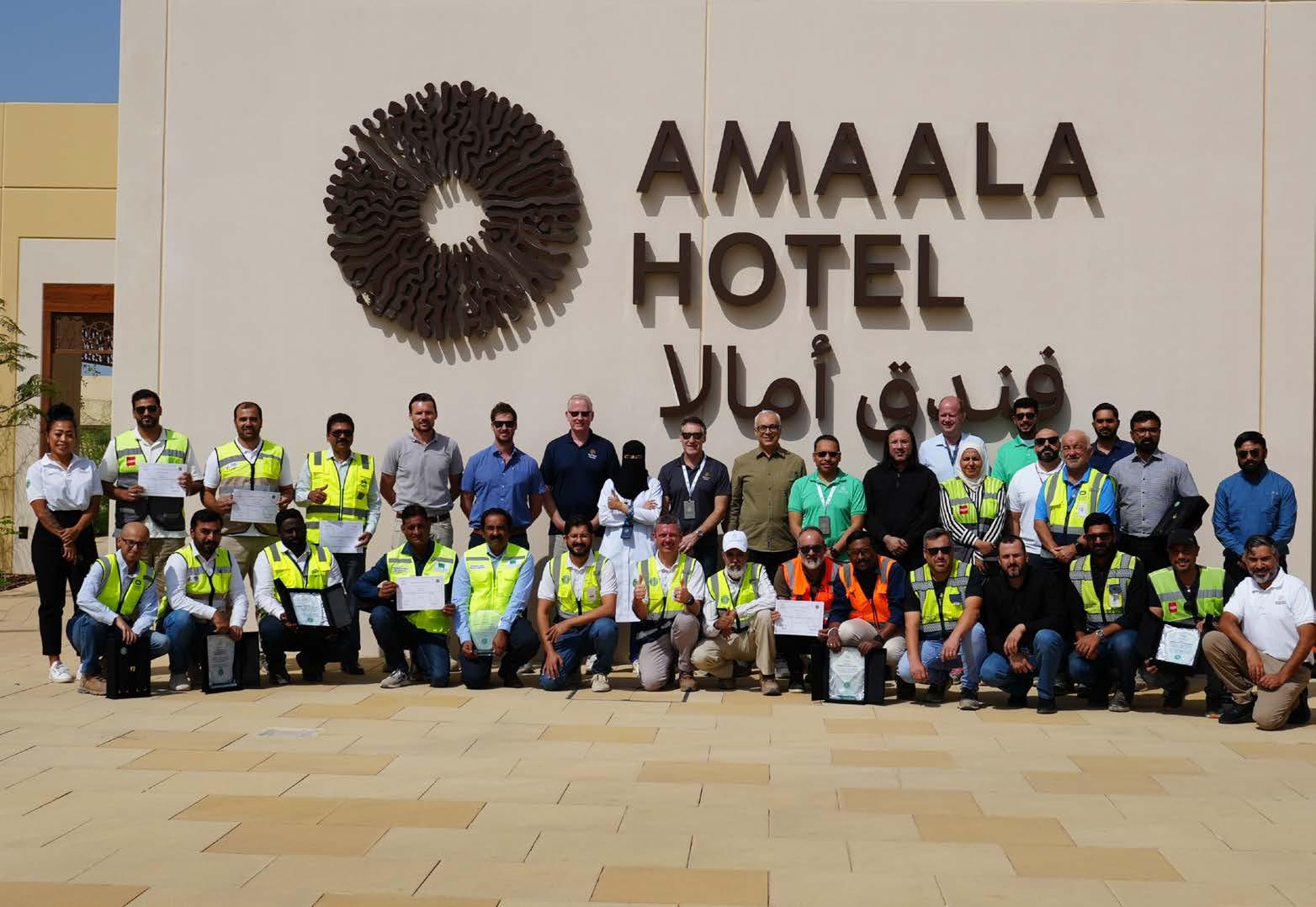
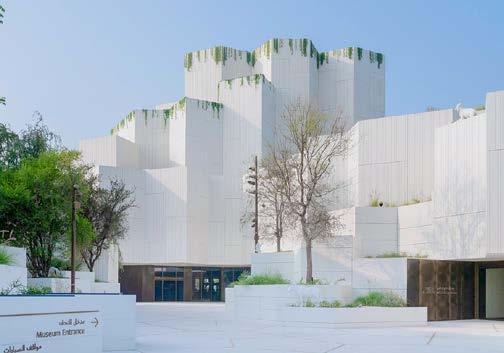
The Natural History Museum Abu Dhabi project delivered approximately 20 million LTI-free manhours and was completed without LTIs, showing that highrisk, technically complex work was executed under strong safety governance.
Projects
While our LTIFR improved by 52% and Lost Time Injuries fell from 26 to 19, we are deeply saddened to report one fatality in 2025. This loss weighs heavily on us and strengthens our commitment to continuous improvement in safety leadership, hazard identification and frontline training across every project.
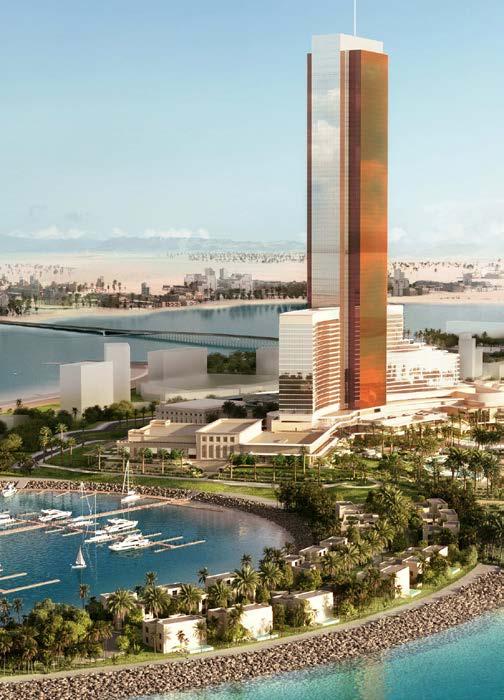
Wynn Al Marjan Island project achieved around 31.1 million manhours without a Lost Time Injury, demonstrating sustained implementation of ALEC Holdings’ HSE controls at scale.
CASE STUDY
DEVELOPING EMIRATI HSE LEADERS
The development of Emirati HSE leaders through the HSE Cadet programme has become one of ALEC Holdings’ most strategic pathways for combining nationalisation with world-class safety performance in 2025.
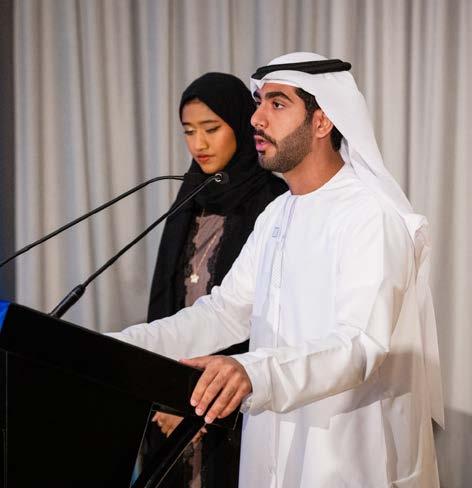
ALEC Holdings has continued to invest in its internal HSE Cadet programme for Emiratis as part of the wider Emiratisation strategy in safety-critical roles. Two of seven Emirati cadet batches had completed internal HSE training and progressed into third-party qualifications by year’s end, supported by mentoring on live construction sites.
Programme Design and Pathway
The HSE Cadet pathway combines structured in-class learning, internal HSE modules, third-party legislative and technical training, and supervised site rotations across high-risk construction projects. Cadets are mentored by experienced HSE professionals while working towards NQF Level 6-aligned qualifications, ensuring they develop both theoretical knowledge and practical risk management skills.
Strategic Value for Nationalisation
The HSE Cadet programme has directly supported nationalisation in HSE roles, providing a visible career route for Emiratis while strengthening on-site safety leadership capacity across ALEC Holdings projects.
The training programme responds to nationalisation challenges in construction by offering a clearly defined development route into HSE roles, linked to broader career development internal programmes such as Elevate training. Together, these pathways help ALEC Holdings improve placement quality and create conditions for longer-term retention of Emirati talent in technical and supervisory positions.
STAFF WELLBEING & ENGAGEMENT
Recognising the growing scale of our workforce and the dispersed nature of our projects and offices, ALEC Holdings established a Wellbeing and Engagement Committee in 2025 and appointed more than 30 Engagement and Wellbeing Champions across the organisation. These champions play a key role in driving adoption and engagement with wellbeing initiatives within their respective work locations across the business. Initiatives were delivered across the head office and project sites, reaching employees across the UAE and KSA, including both staff and worker population.
ALEC Holdings also introduced an external wellbeing and engagement app, Wellx, in 2025, which provides competitions, rewards, and access to professional mental health practitioners. Additionally, wellbeing initiatives were aligned with benefits, flexible work options, and leadership-related activities. Expanded medical coverage for mental health and specialist care was also introduced, together with wellbeing events. As part of the 2025 medical aid renewal, ALEC Holdings introduced discounted home and vehicle insurance for employees and expanded medical coverage for psychiatry, developmental delays, congenital conditions, and IVF beyond statutory baselines.
Mental health was also supported through trained mental health first aiders and digital communications on psychological wellbeing in 2025. The Wellx app and engagement challenges demonstrate how we are using digital tools to make wellbeing programmes more accessible and engaging. Tracking participation and feedback allows the Group to refine future campaigns based on what resonates with different teams, locations, and roles.
Wellbeing 2025 Outcomes
Wellx wellbeing and engagement app Rolled out as an external platform to staff Group-wide, offering points, rewards, and unlimited access to mental health practitioners
Mental health first aiders
Additional staff trained in 2025 through ten 10-hour accredited courses; the programme supports early identification and response to mental health concerns
Engagement and Wellbeing Champions A network of Champions has been established across working areas to promote initiatives and department as a voice for employees
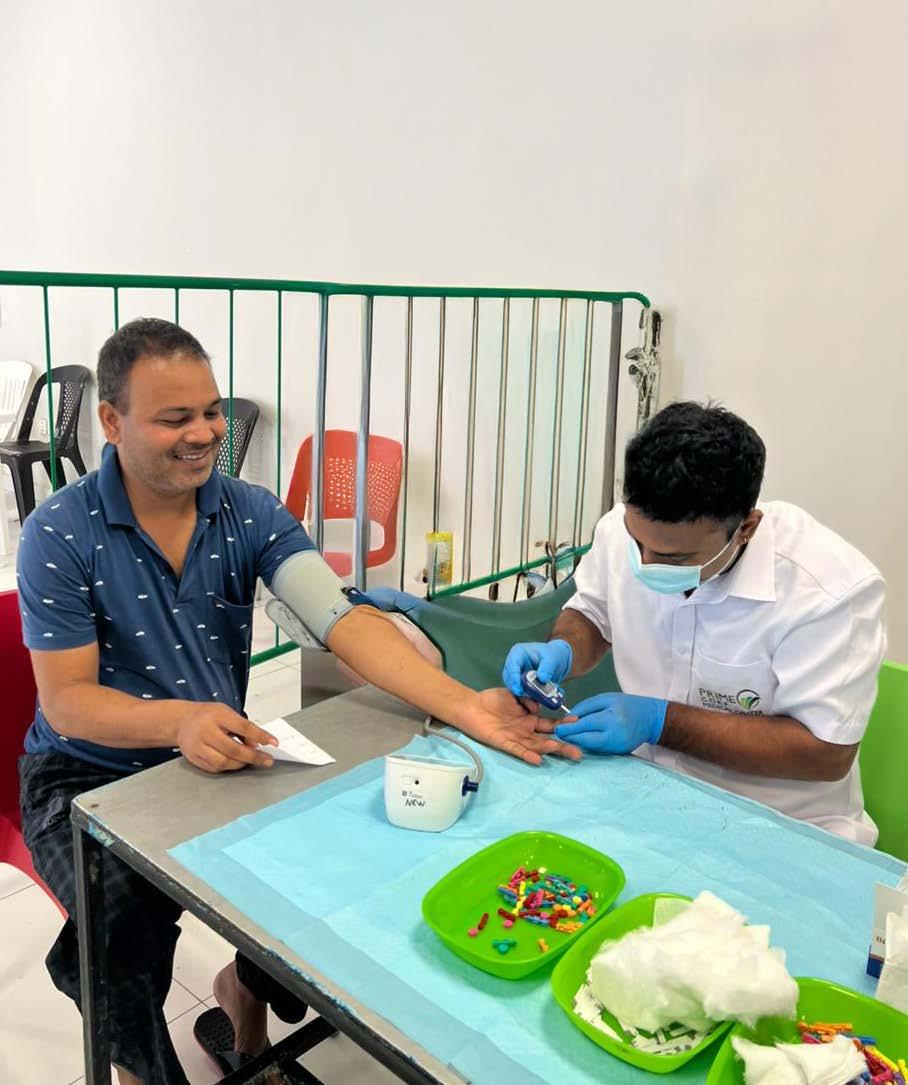
Health screening sessions
Webinars and talks
Multiple sessions covering eyesight, dental, blood pressure, BMI and heart health checks delivered during the year
A series of wellbeing sessions on topics such as cancer awareness, men’s health, gut health and depression
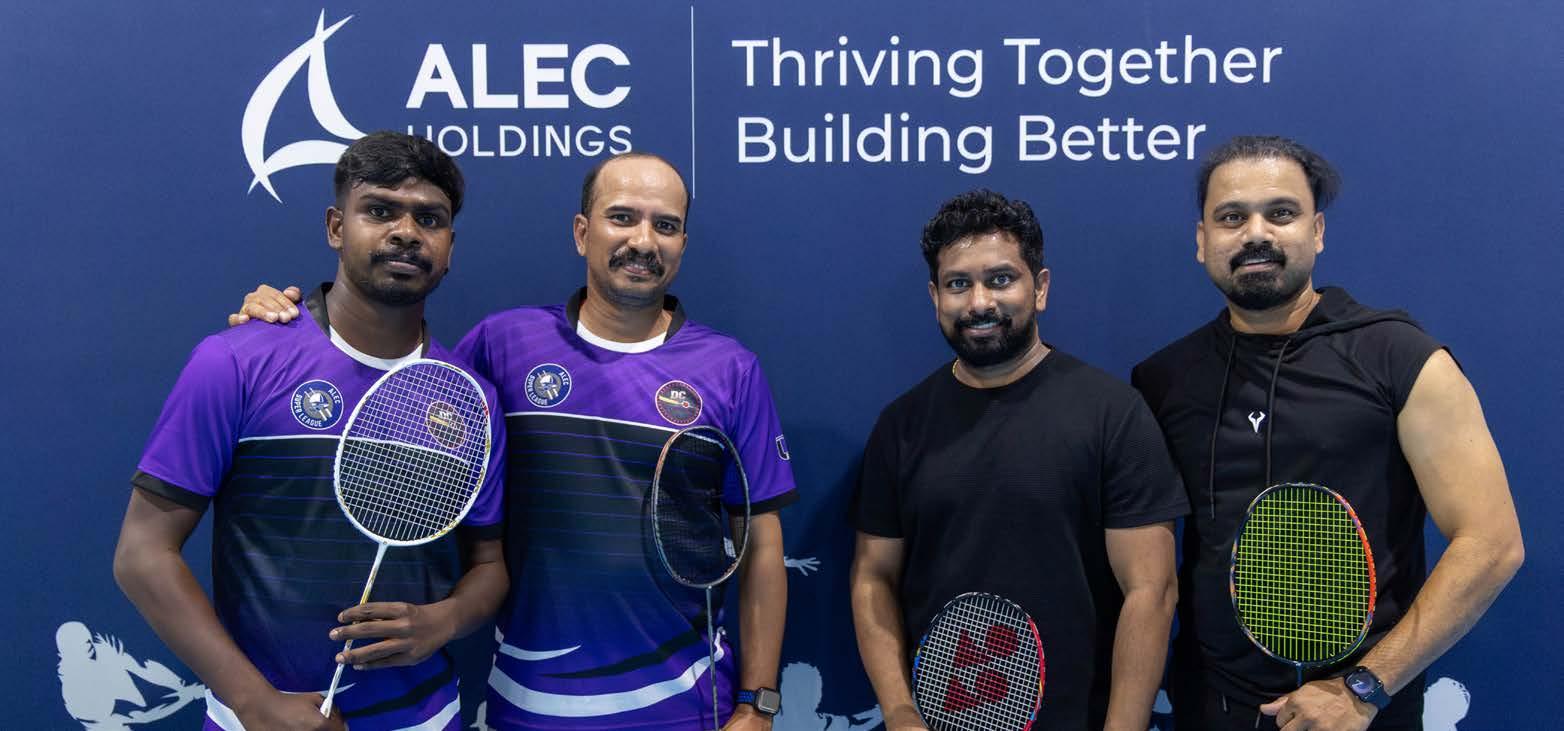
Sporting tournaments and fitness challenges Padel, ping pong, cricket, football, volleyball, Zumba, Pilates, hiking, yoga, and step challenges run through the year
SOCIAL CONTINUED
WORKER WELLBEING & ENGAGEMENT
On-site project medical clinics for bluecollar workers were facilitated in 2025, in addition to targeted health awareness and screening campaigns at the project level. ALEC Holdings engaged 22,094 workers in health awareness and medical checkup initiatives focused on preventive care, mental health, and occupational wellness.
Group-wide initiatives included medical check-ups, heat stress awareness, eye care screening, dental health, influenza vaccination drives, infectious disease awareness, and mental health sessions. These programmes supported early detection, healthier lifestyles, and safer working environments, reinforcing our commitment to a resilient and productive workforce.
External Recognition
The Group received first place for worker accommodation from the Ministry in 2025 for companies with fewer than 10,000 workers, underlining accommodation quality and compliance.
ENGAGEMENT EVENT PARTICIPATION
6,503 STAFF
63,208 WORKERS
WORKER DEVELOPMENT
In 2025, our organisation demonstrated a strong commitment to workforce development by providing technical training to 9,510 employees, equipping them with essential skills to meet evolving operational demands and industry standards. Additionally, 5,601 employees were successfully promoted after passing the technical assessment tests, reflecting a merit-based approach to career advancement and talent recognition. These initiatives contribute significantly to building a skilled, motivated, and futureready workforce, which is integral to our long-term sustainability and operational excellence goals.
WORKER TRAINING
9,510
TOTAL WORKER TRAINING ATTENDEES, EXCLUDING HSE & WORKER WELFARE TRAINING ATTENDEES
302,327
TOTAL WORKER TRAINING HOURS, EXCLUDING HSE & WORKER WELFARE TRAINING HOURS
WORKER WELFARE
ALEC Holdings has established a dedicated Worker Welfare Department and appointed worker welfare inspectors to monitor conditions across projects and camps.
Worker welfare training was rolled out across the majority of the ALEC Construction and TARGET UAE projects, with thousands of employees receiving induction on welfare standards, alongside their HSE induction. During induction, workers are informed of their rights, as well as informed that concerns could be raised confidentially and without retaliation.
Worker Welfare Audit and Subcontractor Compliance Overview
As part of the Group’s Environmental, Social, and Governance (ESG) framework, subcontractor compliance with the ALEC Worker Welfare standards is embedded across the procurement, onboarding, and mobilisation lifecycle.
All subcontractors are issued the ALEC Worker Welfare standards at the tender stage and are required to submit a selfdeclaration of compliance as part of the pre-qualification process. Shortlisted subcontractors are then subject to a formal pre-qualification audit to independently verify compliance prior to onboarding.
Pre-qualification and onboarding audits assess alignment against defined welfare criteria and identify any gaps or noncompliances, which are categorised according to risk severity (high, medium, or low). Any high-risk non-compliances must be fully mitigated or reduced to an acceptable level prior to subcontractor onboarding. Subcontractors with unresolved high-risk findings are not permitted to mobilise.
All remaining non-compliances are managed through a corrective action plan process, with clear responsibilities, timelines, and evidence-based closeout requirements. Progress against corrective actions is tracked and verified to ensure continuous improvement and sustained compliance.
76 subcontractors underwent corporate compliance audits to verify compliance to ALEC Worker Welfare standards (including reaudits).
Grievance Mechanisms
ALEC Holdings operates a Group-wide grievance framework designed to ensure workers can raise concerns confidentially, safely, and without fear of retaliation. Grievance channels are communicated through induction and refresher training.
Across operations, grievance mechanisms include:
• First-line contacts at accommodation and project sites
• Designated Welfare Officers independent of line management
• Welfare hotlines and happiness call numbers
• Suggestion boxes and workers’ welfare committees
• Face-to-face welfare interviews and regular worker engagement surveys These mechanisms allow grievances to be logged, tracked, and escalated appropriately, while maintaining worker confidentiality.
Grievance channels covering subcontractor workers’ issues such as delayed wages, passport retention, living conditions and treatment at work were looked into and action taken.
“A structured audit approach supports ALEC Holdings’ commitment to ethical worker practices, worker welfare, and responsible supply chain management, and forms a key component of the Company’s ESG governance and assurance framework.”
DENIS GREEN Group Director, HSE
External Recognition
An award from Dubai Holding recognised ALEC Holdings as “best welfare company” in 2025, signalling external validation of welfare standards.

PEOPLE MANAGEMENT AND DEVELOPMENT
Workforce Composition
ALEC Holdings employed 57,597 people across the UAE and KSA at year-end 2025, comprising 11,765 staff and 45,832 workers.
This workforce delivers some of the region’s most complex construction and infrastructure projects, supported by a management structure that balances experienced leadership with technical and operational talent.
In 2026, Talent Acquisition (TA) will focus on completing its digital transformation through the implementation of a full Applicant Tracking System (ATS), expanding the TA Hub departmentally.
People Development
In 2025, we continued to develop leadership capability through structured, strengthsbased learning. A core pillar of this work was the DRIVE Management Training Programme, designed to help leaders understand how their natural energy and strengths influence how they lead, communicate, give feedback, and manage teams in day-to-day work.
The DRIVE programme was delivered as a phased leadership journey for 1,200 targeted managers.
By year-end:
• 93% completed Module 1: Drive Awareness
• 70% completed Module 2: Feedback & Recognition
• 45% completed Module 3: Communication
The programme received an average participant feedback score of 4.78 out of 5, indicating strong relevance and practical application. Module 4, focused on Team, Task, and Individual Leadership, was designed in 2025 and scheduled for delivery in 2026.
To equip employees for evolving project environments, ALEC Holdings delivered a mix of awareness, competency, technical, and soft skills training, complementing formal performance management and leadership expectations. Structured learning pathways included leadership, soft skills, and technical programmes.
Other learning priorities included management system training aligned with the expansion of supervision, ensuring that new managers understood their accountabilities within ALEC Holdings’ operating system. In total, staff completed 63,327 hours of technical, soft skills and management system learning in 2025, with around 59,405 internal training hours and 3,922 external training hours recorded across ALEC Holdings’ businesses.
Performance Management
People & Culture refined workforce planning and talent reviews in 2025, with a focus on business-critical roles, succession pipelines, and skill gaps across the UAE and KSA. These processes were embedded into wider ESG governance, with peoplerelated risks and opportunities feeding into the Sustainability Committee and Board reviews, aligning leadership accountability with social and human capital priorities.
ALEC Holdings strengthened its approach to performance management in 2025, achieving a 79% staff performance appraisal completion rate, up from 61% in 2024. This progress reflects the standardised appraisal workflows and improved visibility for managers and People & Culture teams across business units. Regular performance conversations support career development planning, identify training needs, and ensure alignment between individual objectives and business priorities.
“In 2025, ALEC Holdings embarked on StrengthsBased Leadership practices across all management levels, using the DRIVE framework to help leaders understand and apply their natural strengths in how they think, feel, and behave at work.”
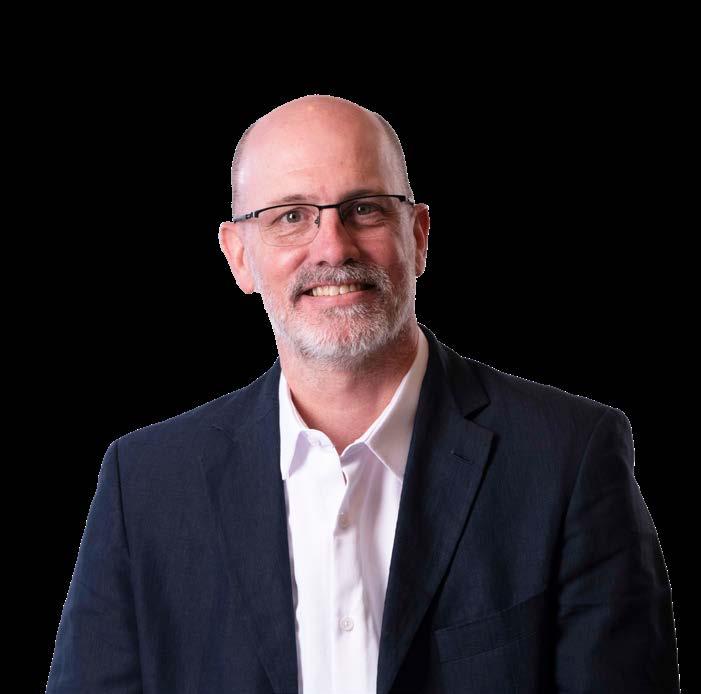
GAVIN STONE Group Director, People & Culture
NATIONALISATION
Throughout 2025, nationals worked in professional roles across departments at ALEC Holdings, including Operations, Engineering, Digital Construction, Design, QA/QC, HSE, People & Culture and Government Relations.
In 2025, nationalisation targets remained challenging due to a shortage of civil and architectural engineering graduates, while most graduates continued to come from mechanical and electrical fields.
To address these constraints, the Group expanded its partnership with the Higher Colleges of Technology (HCT) through the Elevate Program across multiple emirates.
Internally, ALEC Holdings continued building pipelines through Elevate training programmes, structured leadership development and enhanced onboarding.
The Elevate Program is ALEC Holdings’ national talent development initiative designed to attract, develop, and retain Emirati professionals.
Delivered in partnership with the Higher Colleges of Technology, the programme provides structured on-the-job exposure, learning pathways, and mentorship across core business functions.
Elevate supports sustainable nationalisation by building long-term capability, career readiness, and leadership potential within the Group.
On the talent acquisition front, specialist skills shortages, market competition, and nationalisation requirements were
managed through a unified talent acquisition policy, standardised operating guides and a single offer framework, alongside enhanced requisition workflows, workforce planning and reporting tools.
The Emirati HSE Cadet programme contributed significantly to nationalisation, combining structured learning, third-party qualifications, and on-site mentoring. The Group also examined causes of turnover among Emirati employees, including potential gaps, to monitor the retention of local employees.
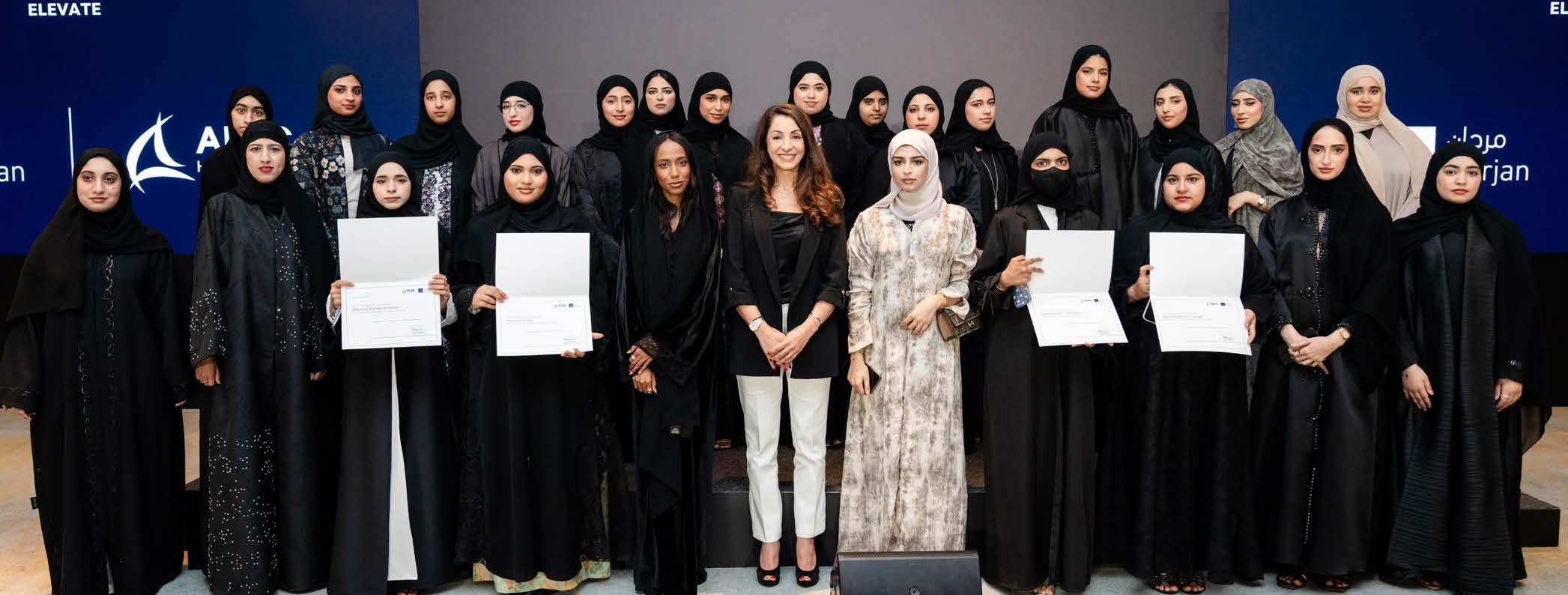
DIVERSITY & INCLUSION
The worker and human rights framework includes commitments on diversity, equity and inclusion, career management, and non-discrimination.
Awareness training on diversity and discrimination was delivered, underpinned by grievance mechanisms that allow employees to raise concerns confidentially.
The Group maintained a documented policy on fair employment practices, prohibiting discrimination based on age, race, gender, or nationality across all employee groups. Diversity indicators, including the proportion of women in the workforce and in management, are tracked through HRIS systems. By 2025, ALEC Holdings reported 81 staff nationalities, reflecting the Group’s focus on inclusion and gender diversity.
Age Diversity
ALEC Holdings benefits from a workforce that spans multiple generations, combining the energy and digital fluency of younger employees with the technical depth and institutional knowledge of experienced professionals. The largest cohort of staff (38.7%) falls within the 28-37 age band, reflecting a workforce at the peak of professional capability and career progression. Employees aged 48 and above represent 16.1% of staff, providing critical mentorship and leadership continuity across business units.
In 2025, ALEC Holdings reported diversityrelated information, including gender representation and D&I controls, to selected external ESG platforms. An EcoVadis assessment provided an external reference point on worker and human rights, including diversity and inclusion.
D&I IN ACTION
Parental Leave and the Mother’s Room Initiative
In 2024, ALEC Holdings introduced purpose-designed New Mother’s Rooms at its headquarters. In 2025, we expanded this to ALEC KSA headquarters, ALEMCO’s headquarters and Design office – at locations with the highest concentration of female staff. The role of the Mother’s Rooms within the Group’s broader inclusion approach formed part of gender diversity training for managers.
Advancing Parental Leave
In 2025, 36 women took maternity leave and 207 men and women took parental leave across ALEC Holdings, reflecting a growing uptake of family-friendly policies. Returnto-work rates remained strong at 100% for maternity leave and parental leave.
PARENTAL LEAVE RETURN RATE
MATERNITY AND PARENTAL RETENTION RATE (12 MONTHS POST RETURN)
COMMUNITY IMPACT
In 2025, ALEC Holdings deepened its commitment to supporting local communities across the UAE and KSA, focusing on initiatives that deliver tangible benefits to those beyond the boundaries of its operations.
Community Impact Performance
ALEC Holdings expanded its community reach in 2025, with initiatives benefiting over 11,000 individuals, which is a 75% increase from 2024. Employee participation more than doubled, with 2,567 staff engaging in community programmes compared to 1,190 the previous year.
2,567
STAFF ENGAGED IN COMMUNITY PROGRAMMES
While total volunteering hours decreased slightly as programmes shifted towards higher-impact, skills-based contributions, the number of active volunteers doubled to 231. Total community investment of AED 522,020 supported education, healthcare and welfare initiatives across the UAE and the home countries of our workforce.
11,000
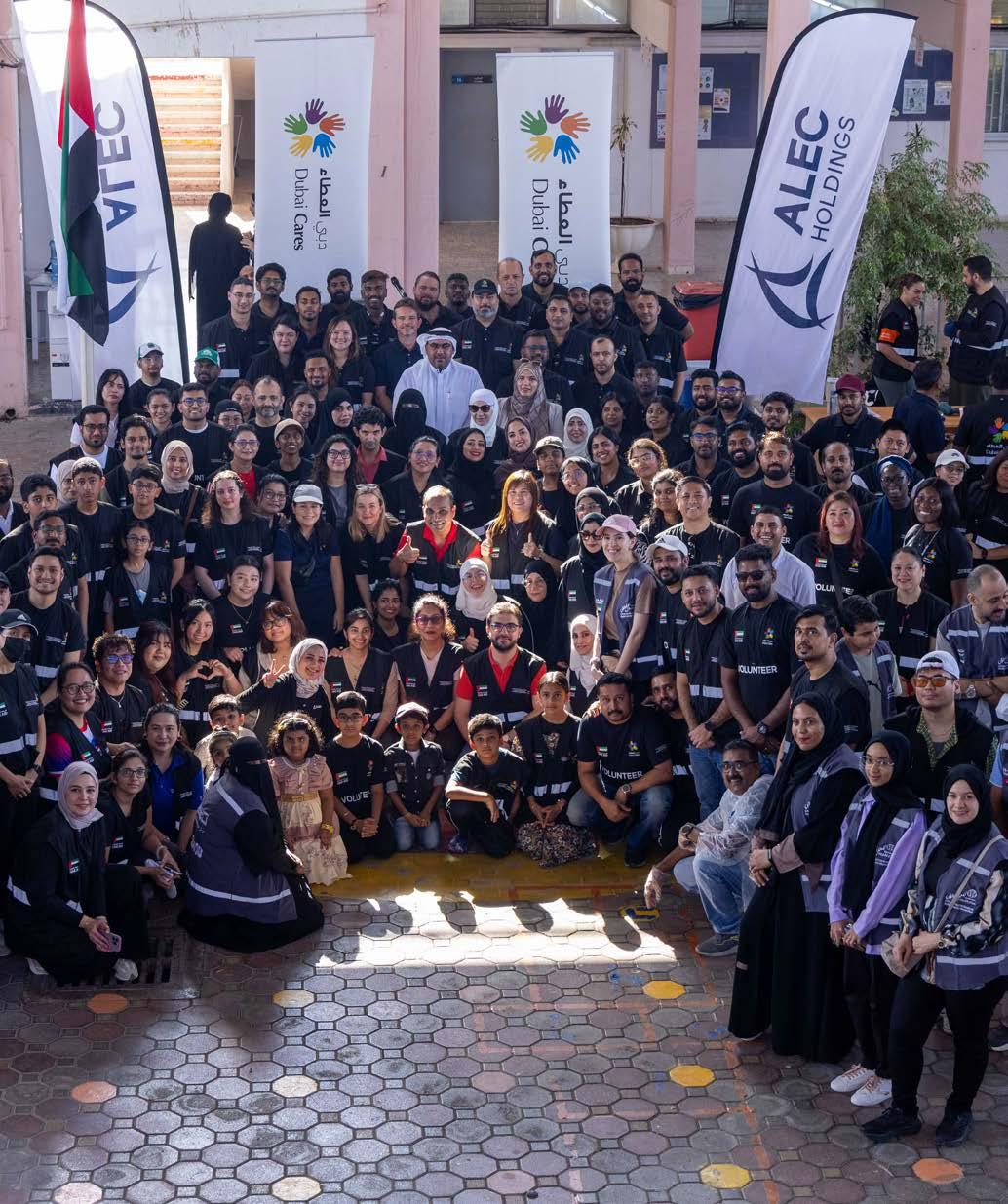
COMMUNITY IMPACT CONTINUED
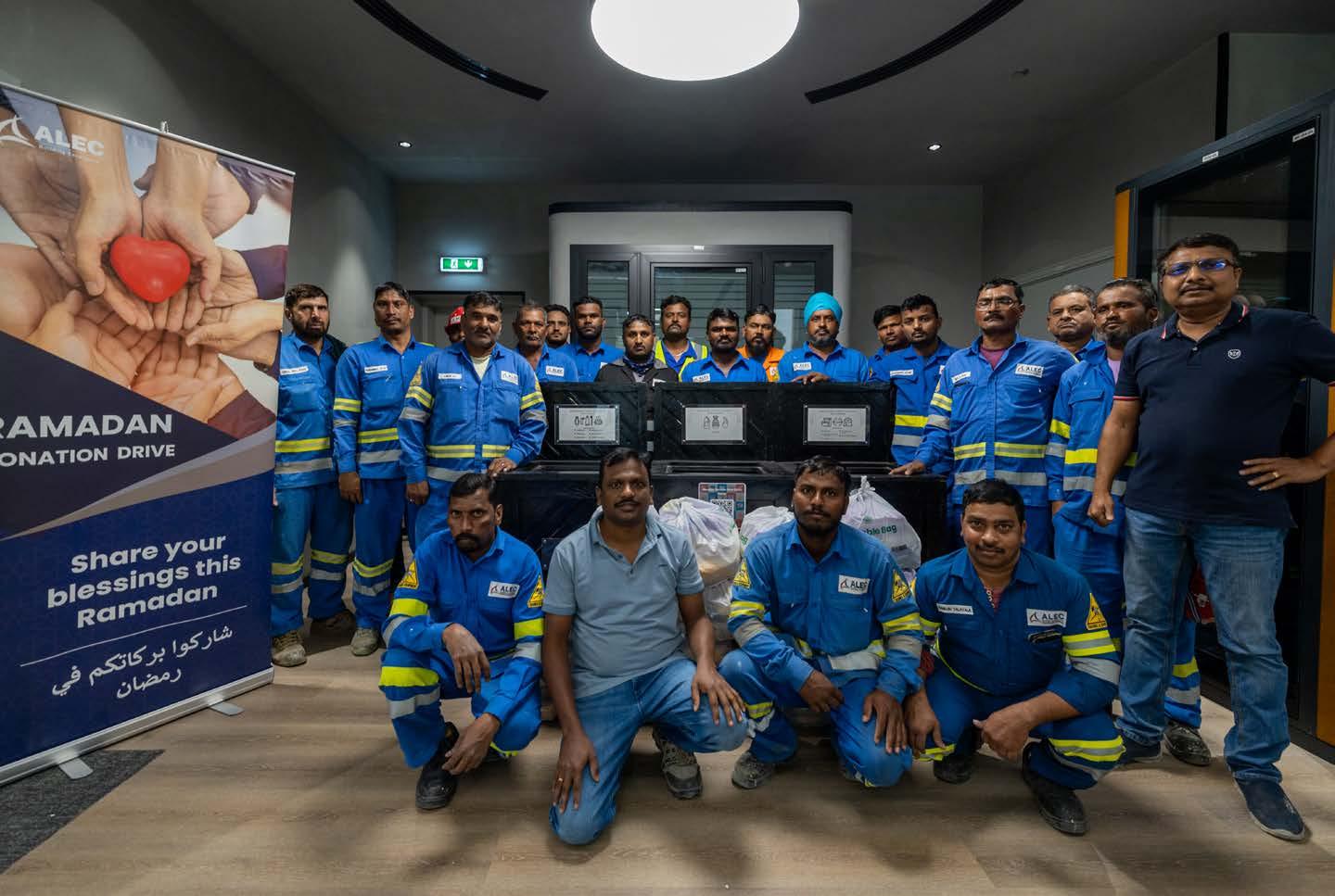
Ramadan Donation Drive
In 2025, ALEC Holdings expanded its Ramadan Donation Drive to KSA to support blue-collar workers and lowincome households during the holy month. The campaign focused on food security, hygiene, and dignity, with employees donating essentials that were consolidated into care packages for external worker camps and vulnerable families in partnership with trusted charities such as SmartLife (NPO/NGO), Emirates Red Crescent, and a Riyadhbased charity association.
Across both countries, employees and volunteers delivered 4,167 Ramadan care packages, engaging 1,830 employees and 64 volunteers.
ALEC Holdings matched this donation with AED 95,000 directed towards Emirates Red Crescent’s Tarahum – for Gaza (UAE Relief Campaign to People Affected by War in Gaza) and King Salman Humanitarian Aid & Relief Centre’s The Public Relief Campaign for Palestine People in Gaza projects.
Ramadan Donation Drive
4,167 RAMADAN CARE PACKAGES
1,830 EMPLOYEES
64 VOLUNTEERS
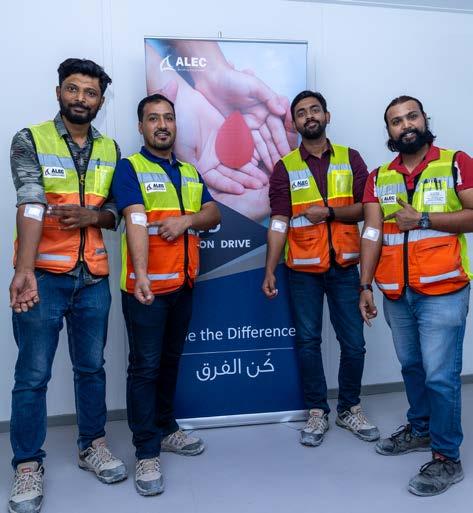
The matched AED 65,000 from the Ramadan campaign was donated to SmartLife (NPO/NGO)’s Smart Medic programme, focussed on providing critical treatments and surgeries, setting up telemedicine kiosks, and providing medicines, not covered by existing medical insurance, for workers in the UAE.
Additionally, the Group also sponsored and distributed 3,563 care packages to subcontracted workers across 15 ALEC, ALEMCO, ALEC FITOUT, ALEC Energy, LINQ, and ALEC DIC sites in the UAE.
Blood Donation Campaign
Blood donation is one of the simplest ways to give back – a single donation can save up to three lives. In 2025, ALEC Holdings’ Blood Donation Campaign expanded into the KSA. Across the UAE and KSA, the Group organised multiple drives with partners DHA, SEHA, EHS, King Faisal and Saudi German Hospital. Around 534 participants donated blood, impacting the lives of around 1,602 beneficiaries.
COMMUNITY IMPACT CONTINUED
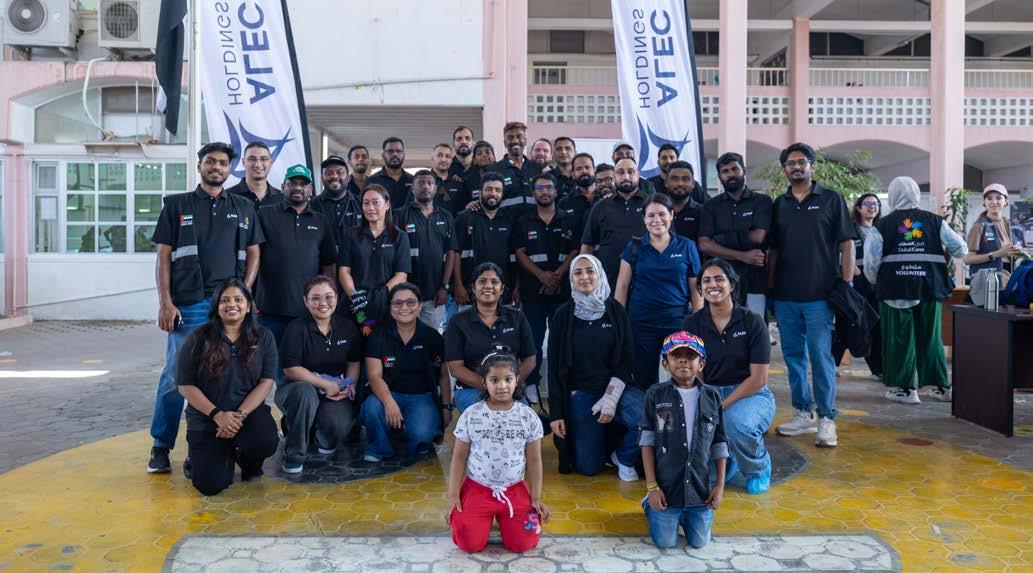
Supporting Education Infrastructure
• National Charity School Refurbishment (Sharjah): ALEC Holdings donated AED 200,000 under Dubai Cares’ Volunteer Emirates initiative to refurbish classrooms and provide new desks, chairs, and educational tools, including resources for students of determination. 38 volunteers from ALEC Holdings participated in assembling furniture and painting murals. This project improved the learning environment for 900 students, contributing to inclusive education and long-term academic success.
• Adopt a School (Nepal): ALEC Holdings’ AED 186,000 commitment made in 2024 under Dubai Cares’ Adopt a School initiative continued in 2025 as construction progressed. The project involves building a three-classroom
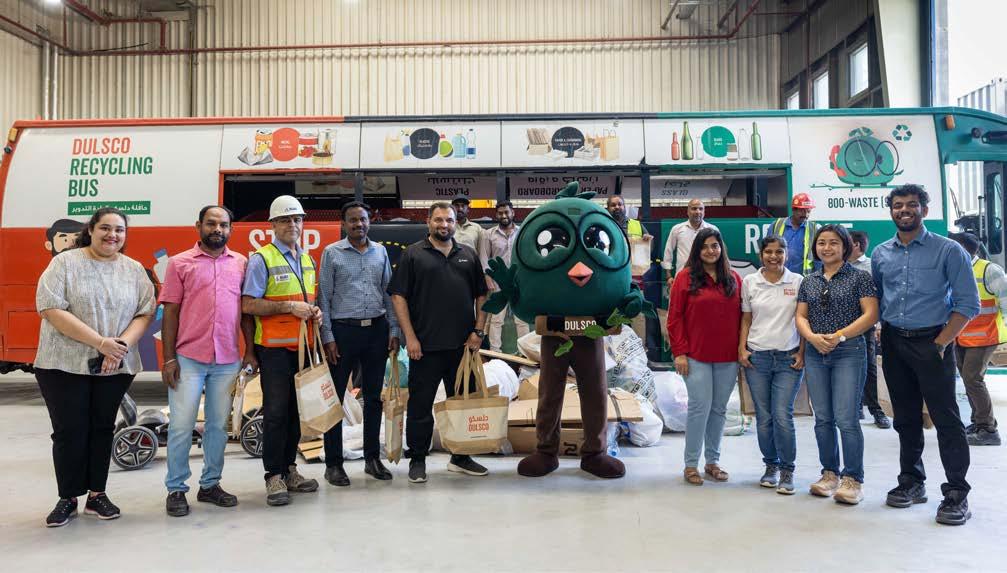
Environmental Campaigns with Local Partners
school and delivering literacy classes for 40 adults, benefiting 90 children in the Western Region of Nepal. This initiative supports long-term community development through improved access to education and adult literacy.
• Clarens Primary School (South Africa)
ALEC Holdings funded the installation of a state-of-the-art surveillance camera system to enhance safety and security at the school premises, as part of its annual support. This initiative strengthens the Group’s commitment to educational infrastructure and child protection, ensuring a secure learning environment for students.
ALEC Holdings joined hands with our client Miral and Abu Dhabi City Municipality to plant 300 trees at Al Masar Park, Khalifa City, in Abu Dhabi. The initiative brought together over 200 participants, including employees from Miral, Abu Dhabi City Municipality, and ALEC Holdings, alongside approximately 80 students from Yas American Academy and Al Yasmina British Academy. Participants planted 200 Ghaf trees, 50 Delonix Regia (Flame trees), and 50 Azadirachta Indica (Neem/Indian Lilac trees), promoting environmental awareness and sustainability. The event also educated participants on the environmental and cultural significance of Ghaf trees, which play a crucial role in enhancing the Middle East’s ecosystem and supporting conservation efforts.
ALEC Holdings also partnered with DULSCO on Global Recycling Day to promote waste segregation and recycling. Employees dropped off their recyclables at the mobile recycling unit, and the top three contributors, whose recyclables weighed the most, were recognised with reusable gift hampers. The event brought together 42 employees, and 264 kg of waste was diverted from landfill through this engagement.
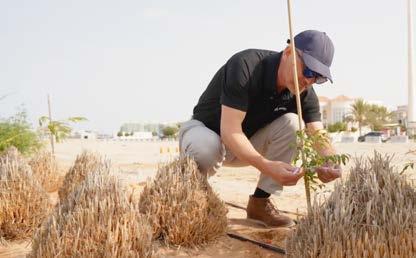
USE THIS LINK TO WATCH THE VIDEO
USE THIS LINK TO WATCH THE VIDEO
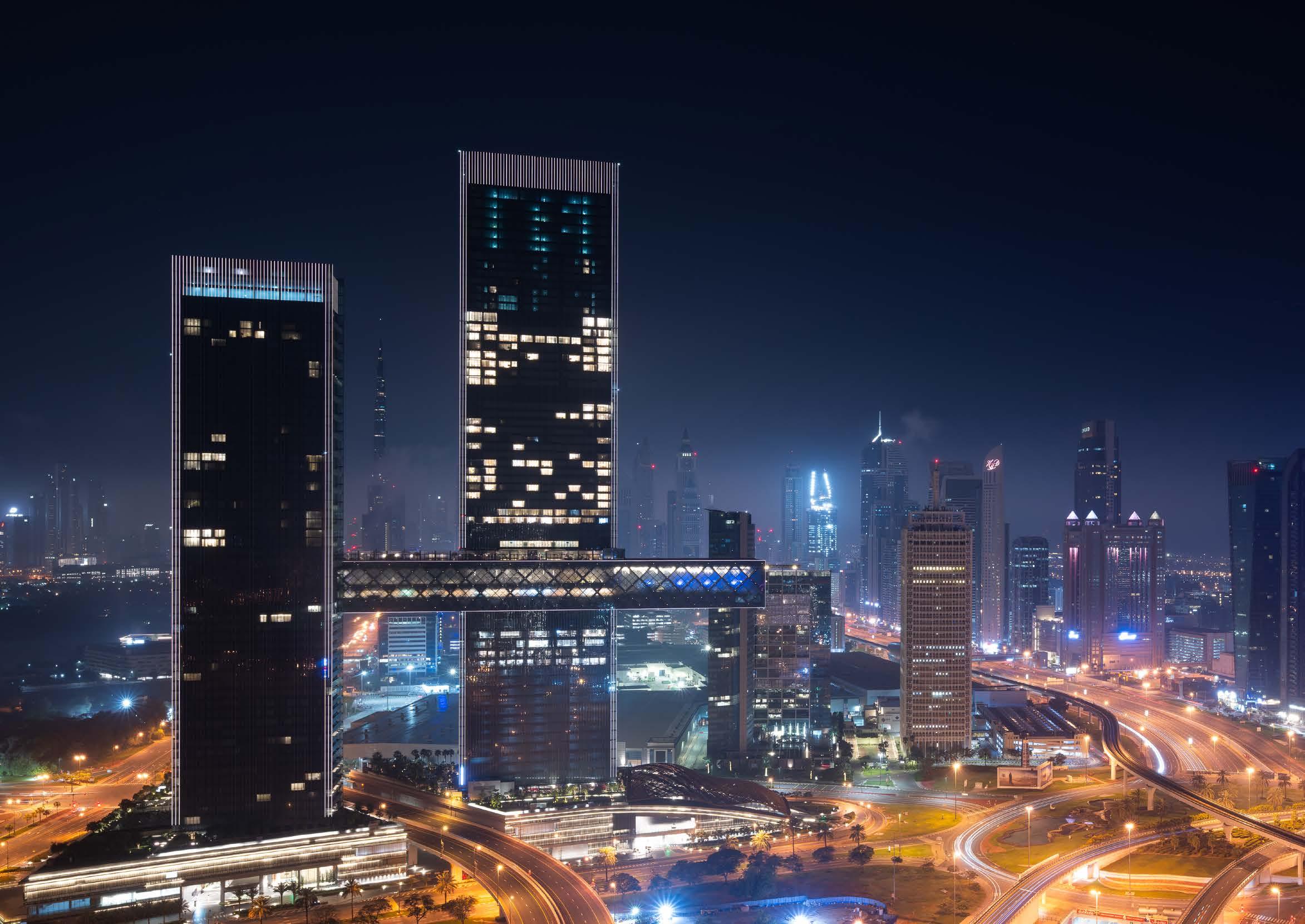
GOVERNANCE AND ESG OVERSIGHT GOVERNANCE
SUSTAINABILITY COMMITTEE
The Sustainability Committee, chaired by COO and CFO John Deeb, is the central cross-functional body overseeing ALEC Holdings’ ESG strategy, reporting, and performance. Representatives from all business units and key departments impacting environmental topics – including ESG, Health and Safety, QA/QC, Logistics, Facilities Management, Environmental, and Commercial – form the Committee, along with an operational senior-level executive from each business within ALEC Holdings.
The Committee is responsible for monitoring ESG initiative progress, overseeing sustainability reporting, approving relevant projects, and keeping the Board and Executive Committee (EXCO) informed of regulatory changes and sustainability strategy developments. There are at least three meetings per financial year, with a quorum of more than 50% or a minimum of 10 members.
The Committee’s Key Responsibilities are to:
• Oversee and review the implementation of the Group’s Sustainability Strategy
• Ensure the integrity of the Group’s sustainability report
• Monitor the implementation of ESG activities and the management of sustainability matters
• Oversee the development of environment, human rights, community impact, and other ESG policies and practices
• Update the Committee and Board on regulatory changes impacting the Group’s business and Sustainability Strategy
• Approve the ESG Framework and metrics annually
• Oversee the integration of ESG due diligence, including worker welfare, health, safety and environmental controls into subcontractor onboarding, RFPs, and long-term agreements
• Endorse annual targets for subcontractor audits, Vendor Code of Conduct adherence as well as framework agreement coverage across the Group
Board and Executive Committee Oversight
The Sustainability Committee operates under the direct oversight of the Board of Directors and the Executive Committee (EXCO), ensuring that ESG governance is fully integrated with overall corporate governance and strategic decision-making. The Board and EXCO are responsible for setting the tone at the top, reinforcing accountability, and embedding sustainability into the Group’s long-term objectives. ALEC Holdings also strengthened ESG governance by having the Head of ESG report directly to the CEO, while the CFO and COO continued to lead the Sustainability Committee, reinforcing executive-level ownership of sustainability.
Board of Directors CEO
Head of ESG
Executive Committee (EXCO)
Sustainability Committee CHAIRED BY COO & CFO
COMMITTEE COMPOSITION FACILITIES MANAGEMENT
BUSINESS ETHICS
Strengthening Existing Governance Frameworks
ALEC Holdings advanced its governance maturity in 2025, focusing on listing readiness by embedding accountability, transparency, and ethical integrity across all operations, building on governance mechanisms established in prior years to meet the enhanced transparency, oversight, and risk discipline expected of a publicly listed company.
Governance is structured around the Code of Conduct (the Code) and supporting policies, ensuring compliance with legal and regulatory requirements while aligning with strategic priorities and values. The Code defines expected behaviours for employees and subcontractors, enforced through ISO-certified management systems and procedures. Key initiatives included the formal introduction of the Ethics Framework in Q4 2025, the launch of a comprehensive whistleblowing platform in January 2025, targeted anti-corruption training, and strengthened procurement controls.
The Ethics Committee
The Ethics Committee provides governance oversight of ethical practices and compliance with the Code. It clarifies roles, escalation, investigation procedures, and corrective actions, ensuring
Member
Responsibility
consistent management of ethics matters from report to resolution and Board oversight. All matters are managed confidentially and resolved fairly with clear resolution pathways
CFO/COO (Chairman) Overall governance, Executive and Audit Committee reporting
Group Director of People & Culture Culture, training, employee relations
General Counsel Legal compliance, policy interpretation
Head of Risk and Internal Audit Investigations, monitoring, risk assessment
Board Secretary Documentation, confidentiality, governance coordination
Whistleblowing and Reporting Mechanisms
In January 2025, ALEC Holdings launched ALEC Alert, a confidential whistleblowing platform powered by Whispli. This platform allows employees and vendors to report unethical behaviour, misconduct, or policy violations without fear of retaliation, supporting UN Global Compact Principle 10 on anti-corruption and enhancing transparency.
WHISTLEBLOWER REPORTS RECEIVED THROUGH ALEC ALERT RESOLVED
“Regular risk management and internal audit reporting to the Audit Committee support timely corrective actions, with periodic policy reviews and Board oversight ensuring leadership accountability.”
AMANI MANSOUR Head of Risk & Internal Audit


Replacing the previous ethics email channel, the reporting platform ALEC Alert was designed to help employees and management address unethical, illegal, or suspicious activities, as well as any violations of ALEC Holdings’ Code of Conduct. Eight cases were reported through ALEC Alert in 2025, higher than under the previous emailbased mechanism, reflecting increased trust in the new system.
The Head of Risk and Internal Audit maintains access, investigates cases, and escalates reports in accordance with the Ethics Framework. All cases are recorded, investigated, and closed with documented outcomes. No retaliation cases were reported in relation to these submissions. The platform ensures prompt, appropriate handling of concerns relating to fraud, corruption, safety violations, or noncompliance in a confidential manner.
There was one case of discrimination reported in 2025 in the UAE. This case was also closed in 2025.
In 2025, one case of corruption was alleged, investigated internally and followed up with submissions to authorities, leading to the suspension and eventual termination of the employee involved and blacklisting of the supplier.
GOVERNANCE CONTINUED
BUSINESS ETHICS CONTINUED
Policy Updates and Frameworks
The Group updated key governance policies in 2025 to align with global best practices and publicly listed entity requirements:
• Anti-Bribery and Anti-Corruption Policy
• Code of Conduct Compliance Procedures
• Vendor Code of Conduct (ALEC and TARGET unified)
• Ethics Framework (introduced Q4 2025)
• Enhanced standard purchase order terms (HSE, anti-bribery, cybersecurity)
In 2025, ALEC Holdings also enhanced its Standard Purchase Order Terms across both UAE and KSA operations to strengthen governance, compliance, and vendor accountability.
The updated terms now ensure full alignment with UAE and KSA legal and regulatory requirements, incorporate enhanced provisions on tax compliance, HSE performance, data protection, and anti-corruption, and introduce clearer, streamlined clauses to support risk mitigation and define vendor obligations more effectively.
These improvements reinforce the Group’s commitment to transparent, responsible, and compliant procurement practices and form a critical part of the Group’s governance readiness for future listing requirements.
These updates reinforce requirements for conflict-of-interest disclosure, third-party due diligence, approval hierarchies, documentation standards, and enhanced provisions for anticorruption, worker standards, ethics, and environmental stewardship.
Training and Awareness
In 2025, ALEC Holdings prioritised education to strengthen its ethical culture. Fraud training was delivered to 84 employees in Estimation and Procurement, addressing risks such as informal agreements, material misuse, reliance on verbal approvals, and fraud awareness. Executives on the Wynn Project received FCPA anti-corruption training in collaboration with K&L Gates, ensuring compliance with US laws. A total of 41 individuals participated, including the Wynn Al Marjan Island project team, Legal, Risk and Internal Audit Departments.
Senior leadership reinforced expectations around integrity and transparency during town halls, governance briefings, and internal campaigns, embedding accountability as part of IPO readiness.
Monitoring and Compliance
Compliance with ethics and anti-corruption policies is monitored through the Ethics Committee, continuous whistleblowing monitoring via ALEC Alert, and annual employee declarations of compliance with the Code of Ethics and Conflict of Interest policy. High-risk areas are regularly reviewed, leading to corrective actions and improved documentation. All employees complete annual Conflict of Interest declarations and acknowledge the Code of Ethics, with targeted training delivered annually and during induction for new joiners.
In 2025, ethics training coverage expanded, with plans to relaunch ethics and conflict-of-interest training in 2026 via the Learning and Development department, further reinforcing an ethical culture. Compliance is maintained as a continuous process embedded throughout the employee lifecycle.
Programme Audience Attendees Topics Fraud Training
Estimation and Procurement
FCPA Anti-Corruption Training Wynn Project team, Legal, Risk and Audit
ESG Risks and Safeguards Training
Estimation and Procurement
Leadership Messaging All staff
84 Informal agreements, material misuse, verbal approvals, and operational fraud awareness
41 US anti-corruption law, third-party compliance, risk mitigation
60 in person; 120 online
Sustainable Procurement, Climate Change regulations, Scope 3 emissions reporting, green building requirements, Waste Management & Circularity, Governance & Fraud Risks, Health & Safety & Worker Welfare Risks
Group-wide Integrity culture, transparency, ethical leadership
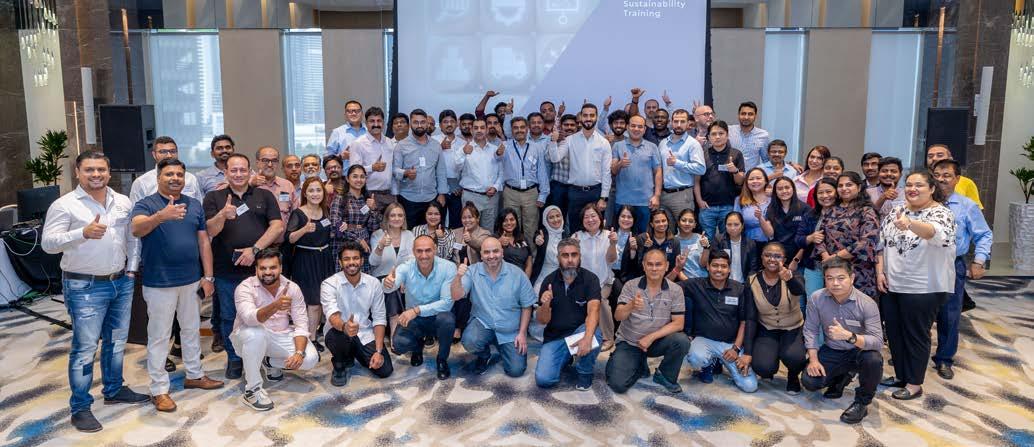
65% OF STAFF COMPLETED THE ETHICS TRAINING
** Majority of those who haven’t completed Ethics training are new hires who joined in Q4.
RISK MANAGEMENT AND INTERNAL AUDIT
In April 2024, ALEC Holdings established an Internal Audit Department to enhance operational efficiency, risk management, and oversight. Providing independent assurance over key processes, controls, and systems, the department supports strategic objectives while upholding high standards of accountability and transparency.
The department’s role was formalised through the 2024 Internal Audit Plan, initiated in September 2024. The first audit cycle focused on critical areas within TARGET: construction management, inventory-to-costing, procurement-to-pay, contract management, and compliance, to confirm alignment with leading practice and identify risk exposures and control gaps.
The Internal Audit Department reports directly to the Audit Committee, providing independent evaluation and escalation of material findings.
Enterprise Risk Management and Ethics Risk Identification
Ethics and corruption risks are identified via internal audits, risk assessments, whistleblowing, third-party due diligence, and mandatory conflict-of-interest disclosures in procurement and technical evaluation teams.
Regular Risk Management and Internal Audit reporting to the Audit Committee ensures timely corrective actions, with periodic policy reviews and Board oversight, maintaining leadership accountability.
Governance priorities are anchored in ALEC Holdings’ double materiality assessment, which identifies Business Ethics, Responsible Supply Chain, Data Privacy and Cybersecurity, Governance, and Product Safety and Quality as core governance topics.
Corrective actions encompass strengthened Delegations of Authority, enhanced procurement controls, improved due diligence, better documentation standards, reinforced ethics training, and monitoring through the Audit and Ethics Committees.
High-risk items and mitigations are reported quarterly to the CFO, CEO, Audit Committee, and Board of Directors.
Operations of business units with unique trade licenses undergo independent ISO recertification for Environmental, Occupational Health and Safety, Quality, and Building Information Modelling systems. As an Investment Corporation of Dubai (ICD) portfolio company, ALEC Holdings is subject to Financial Audit Authority audits and client-mandated project audits.
Assurance and Oversight Mechanisms
• Annual Enterprise Risk Management assessments
• Quarterly Internal Audit reviews
• Continuous supplier due diligence
• Quarterly reporting to CFO, CEO, Audit Committee, and Board
• Independent ISO recertification audits
• Financial Audit Authority audits
• Client-mandated project audits
Key Risks Identified Mitigation Measures
Insufficient documentation
Inconsistent procurement controls
Vendor onboarding gaps
Robust books and records controls; enhanced contract terms with documentation requirements
Approval workflow controls, continuous KPI monitoring, procurement governance, and SOPs updated
Pre-onboarding worker welfare compliance audits for subcontractors; formal close-out of high-risk non-compliances before mobilisation; vendor segmentation framework
Undeclared conflicts of interest
Site-level risks (informal agreements, reliance on verbal approvals)
Sanctions/PEP exposure
Mandatory conflict-of-interest disclosures; segregation of duties; annual policy reviews
Approval workflow controls; enhanced contract terms; contractual anti-corruption clauses for high-risk third parties
Automated screening during onboarding (to be implemented); regular re-screening; management escalation and debarment workflow
Vendor ESG non-compliance
Vendor Code acceptance mandatory; targeted HSE & Worker Welfare audits; corrective action plans; removal from approved list if unresolved
GOVERNANCE CONTINUED
RISK MANAGEMENT AND INTERNAL AUDIT CONTINUED
Overarching Controls (Applied Across All Risks)
These measures provide Group-wide assurance and apply across all identified supply chain risks:
• Invoice verification with three-way matching
• Quarterly Internal Audit and Risk Management reporting
• Board and Audit Committee oversight
• Collaboration with HSE, Worker Welfare and QA/QC teams for safety, welfare, and environmental compliance checks
• Supplier segmentation and prioritisation based on dependency, spend and criticality
ALEC Holdings’ Quality Management System, certified to ISO 9001:2015, underpins the consistent delivery of services that meet client expectations and regulatory requirements. The system ensures that installed products meet technical and commercial specifications, with requirements communicated clearly across the supply chain.
At project initiation, the QA/QC team defines quality and technical standards,
prepares material submittal registers and method statement schedules, and implements inspection and test plans. The team manages engineering deliverables, structural inspections, and material testing, ensuring compliance at each project stage.
• ISO 9001:2015 certification achieved for ALEC Construction, TARGET, ALEMCO, ALEC FITOUT, ALEC Facades projects, LINQ, and Inproserv.
• Target Steel Industries – Sole Proprietorship LLC (TSI) has been ASME certified for shop and field construction of boiler proper, boiler external piping,
pressure vessels, and parts in accordance with ASME Boiler & Pressure Vessel Code Section I, Section VIII Divisions 1 & 2, and ASME B31.1 (U, U2, S, A, PP – Designators) and National Board Inspection Code (NBIC) certified for field repairs (R-Stamp).
• TSI maintains API Spec Q1 American Petroleum Institute’s (API) quality management system (QMS) for the design, fabrication, painting and installation of steel structures, piping, storage tanks, pressure vessels, boilers, heat exchangers, and modular skid packages, serving the energy sector.

RISK MANAGEMENT AND INTERNAL AUDIT CONTINUED
Climate-Related Governance, Risks and Opportunities
ALEC Holdings has identified Carbon Management and Climate Resilience as a material topic through its double materiality assessment. The Group faces both transition and physical climate-related risks that could impact its operations, value chain, and financial position. Simultaneously, these challenges present significant opportunities for market leadership, innovation, and enhanced stakeholder trust.
Climate-Related Risk and Opportunity Register GOVERNANCE CONTINUED
Governance
The Board of Directors and Executive Management hold ultimate oversight of climate-related risks and opportunities. Climate topics are reviewed through the Sustainability Committee and Executive Leadership on a periodic basis. At the management level, the COO is responsible for oversight of climate-related risks and opportunities, supported by the Head of ESG and the Sustainability Committee. The Group monitors progress using KPIs, including GHG emissions (Scope 1, 2 and relevant Scope 3), energy consumption and renewable energy share, water consumption and efficiency, and waste diversion and recycling rates.
Strategy
Climate risks influence the Group’s business model and value chain in several ways. Operationally, energy waste disposal and landfill fees and water constraints drive higher costs, while extreme weather can cause project delays or disruptions. The need for continuous innovation in construction methods and access to lowcarbon materials shapes capital allocation decisions. Across the value chain, suppliers and subcontractors face increasing expectations for low-carbon materials and responsible sourcing. Clients demand climate-resilient, energy-efficient and certified green buildings. Workforce health and safety are affected by heat stress and extreme weather at project sites.
The Group does not currently use climaterelated scenario analysis; however, a formal climate risk assessment is planned for 2026.
Risk Management
The Group uses several processes and policies to identify, assess, prioritise and monitor ESG-related risks. The Double Materiality Assessment identifies ESGrelated impacts, risks and opportunities, while ERM processes include risk identification, inherent and residual scoring, control evaluation and mitigation planning. Policies covering energy management, emissions management, water stewardship, waste management and HSE provide an overall operational framework.
Policy & Regulatory Carbon pricing, taxation and regulatory tightening could increase operating costs, compliance obligations and potential penalties. Evolving climate disclosure requirements (IFRS S2, DFM ESG) demand enhanced reporting capabilities.
Short to medium term Increased compliance costs; potential penalties for non-compliance; investment in reporting systems and capabilities.
Embed ESG risks into Enterprise Risk Management framework; monitor regulatory developments; plan for climate risk assessment covering asset base and strategic projects to align with IFRS S2 and DFM ESG requirements, refurbish or build offices, assets for better water and energy efficiency and aim for LEED certifications where feasible.
Access to green financing through enhanced disclosure and climate governance; improved market positioning as early adopter of climate standards; reduced exposure to future energy price volatility.
RISK MANAGEMENT AND INTERNAL AUDIT CONTINUED
Climate-Related Risk and Opportunity Register continued
Risk/Opportunity
Market & Technology Market shifts towards low-carbon construction present competitiveness risk if the Group cannot adapt products, materials and methodologies. Client demand for climate-resilient, energy-efficient and certified green buildings continues to grow.
Reputation Stakeholder scrutiny regarding emissions performance, climate strategy and alignment with national net-zero pathways (UAE Net Zero 2050) could affect market positioning and investor confidence.
Medium term
Acute Extreme weather events - flooding, storms and heat stress - affecting construction sites, supply chains and worker safety.
Short to medium term
Potential revenue loss if unable to meet client sustainability expectations; increased investment in lowcarbon technologies and materials; R&D costs for innovation.
Reduced access to green financing; potential client loss; diminished brand value; lower investor confidence.
Invest in modular and off-site construction, circularity and low-emission technologies; strengthen innovation governance through structured processes; build capability across business units; leverage QA/QC team expertise in LEED certifications; partner with supply chain to reduce emissions through circular economy or take back scheme as well as seek EPDs from suppliers to meet project Green Building certification requirements.
Ensure 100% of business units and operations covered by ISO 14001, 45001 and 9001 certifications and 100% closure of noncompliances if any, based on third-party or client HSE audits; measure and report Scope 1, 2 and relevant Scope 3 emissions; adopt energy-efficient technologies, renewable energy and low-carbon materials where feasible; ensure transparent climate governance and performance reporting; maintain EcoVadis rating.
Revenue growth from sustainable construction solutions such as renewable energy and low-emission plant and equipment; competitive advantage through Green Building regulation expertise leading to reduced operating costs and associated appreciation of fixed assets; innovative construction methods; premium pricing potential; enhanced client retention.
Market leadership in emission reduction strategy; enhanced reputation and stakeholder trust; increased investor interest; improved ability to attract and retain talent.
Chronic Water scarcity poses disruption risk to operations and increased costs for water-intensive construction activities. Rising temperatures increase heat stress risks for workforce.
Short to long term Project delays and disruptions; increased insurance premiums; higher costs for worker safety measures and site protection; potential contractual penalties.
Medium to long term Operational disruptions; increased water procurement costs; productivity losses and longer project duration; higher health and safety expenditure.
Strengthen HSE policies and procedures; invest in safety and resilience initiatives; LEED-certified or energy and water-efficient assets, incorporate extreme weather considerations into project planning and contingency provisions, invest in off-site construction to minimise impact of extreme weather on workers, construction and schedules at external project sites.
Implement water stewardship policies; monitor water consumption and efficiency; invest in worker welfare measures for heat stress management.
Competitive advantage in climatevulnerable markets through demonstrated resilience capabilities and enhanced project delivery reliability.
Operational cost savings through water efficiency improvements; enhanced workforce safety and productivity; leadership in climate adaptation and resource stewardship.
Physical Risks
GOVERNANCE
CONTINUED
RESPONSIBLE SUPPLY CHAIN
Responsible supply chain management addresses ESG risks and opportunities across the value chain through vendor engagement, sustainable sourcing, and ethical partnerships.
Risks Opportunities
Financial, regulatory, and reputational exposure from non-compliance with sustainable sourcing standards
Revenue loss or reduced market capitalisation from poor sourcing practices
Higher costs associated with sustainable sourcing
Reputational harm from association with suppliers who violate human or worker rights
Enhanced reputation through demonstrated commitment to responsible business practices
Increased attraction of customers, investors and employees who value sustainability
Compliance with environmental, worker, and human rights regulations across geographies
Reduced environmental footprint through local sourcing
Reduced human rights risks across the value chain
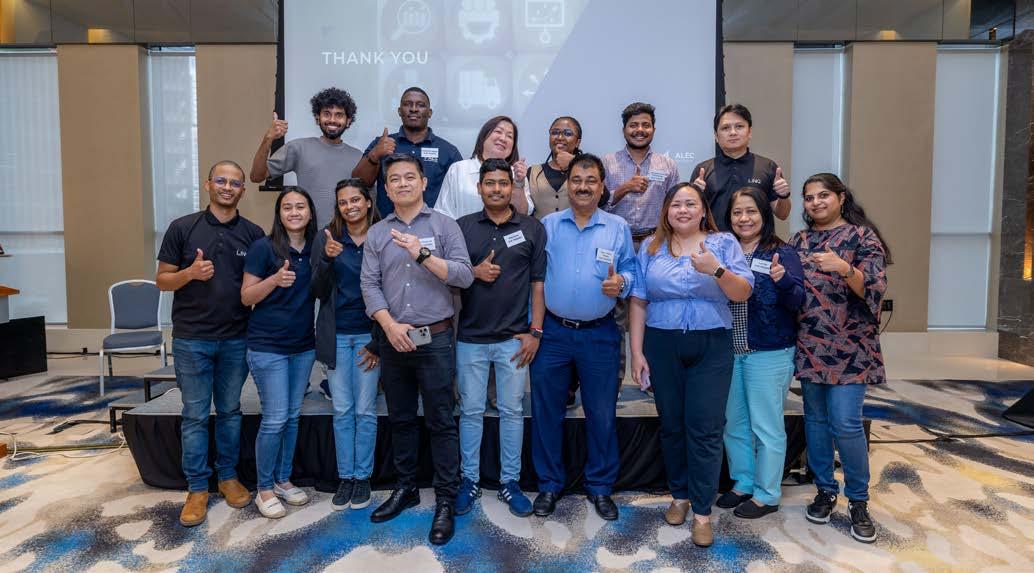
Group Strategic Procurement
The establishment of a Group Strategic Procurement function under the Group CFO strengthened procurement governance and coordination across ALEC Holdings. The function supports the identification of value-creation opportunities across the Group’s spend, focusing initially on indirect categories.
Strategic Procurement is focused on developing and integrating governance, risk management, and ESG considerations across ALEC Holdings and TARGET entities. This includes the introduction of supplier segmentation and improved visibility over supply chain dependencies, critical suppliers, and key procurement risks.
Supply chain risk management has been strengthened to address operational, environmental, and social risks across the Group’s supplier and subcontractor network. Key risks are assessed based on supplier dependency, spend exposure, and operational criticality. Mitigation actions include framework agreements, strengthened contractual terms, supplier segmentation, and closer collaboration with HSE and Worker Welfare teams. The Group is also preparing for the integration of ESG requirements into long-term supplier and subcontractor agreements.
“In 2025, ALEC Holdings began strengthening its unified and governance-led procurement approach across the Group, enhancing supplier accountability, expanding local partnerships, and progressively embedding ESG considerations into supply chain decisions.”
SOFIYA POLAND Group Director, Strategic Procurement

RESPONSIBLE SUPPLY CHAIN CONTINUED
ESG Integration and Capability Building
Supply chain governance is supported by both external commitments and internal capability building. ALEC Holdings participates in the UN Global Compact and continues to strengthen ethical procurement practices across its operations.
Procurement and commercial teams have received training on ESG risks, safeguards, and anti-fraud practices, supporting the development of responsible and sustainable procurement practices across the Group. Strategic priorities now focus on supplier accountability, transparency, and ESG risk-based prioritisation. Initial ESG questions and declarations have started to be incorporated into selected strategic procurement initiatives and major RFPs.
The Group is also exploring the introduction of ESG screening and ratings for strategic suppliers from 2027, supported by digital supplier risk-assessment tools.
While no dedicated ESG supplier workshops were held in 2025, engagement takes place through RFPs, onboarding, email, and the annual ESG report, with more structured initiatives planned as part of future policy rollouts.
From 2026, the Group will operationalise a risk-tiered supplier segmentation model and Supplier Relationship Management routines (quarterly business reviews for strategic suppliers), supported by a consolidated supplier database, ESG questionnaires, followed by ESG assessments of strategic vendors, which is planned for 2026-2027.
In-Country Value Programme (UAE & KSA)
The National In-Country Value Programme (ICV) and Local Content Certification measures value-added contribution to the UAE and KSA economies respectively, through a structured assessment based on local manufacturing, local procurement of goods and services, investment in local infrastructure and capabilities, and employment of nationals.
41.32%

RESPONSIBLE SUPPLY CHAIN CONTINUED
Subcontractor Audits and Compliance Monitoring
All vendors (subcontractors and suppliers) are expected to adhere to ALEC Holdings’ Vendor Code of Conduct. ALEC Holdings applies a structured, multi-layered audit programme to ensure subcontractor compliance across worker welfare standards, as well as health, safety and environmental (HSE) performance across sites.
Subcontractor compliance with the ALEC Worker Welfare standards is embedded across the tendering, onboarding, and mobilisation lifecycle. Shortlisted subcontractors undergo pre-qualification audits, with high-risk non-compliances required to be resolved before mobilisation. All subcontractors undergo mandatory HSE and Worker Welfare induction training as part of their onboarding process. All remaining non-compliances are managed through a corrective action plan process, with clear responsibilities, timelines, and evidence-based close-out requirements. Progress against corrective actions is tracked and verified to ensure continuous improvement and sustained compliance. In total, 76 subcontractors underwent corporate compliance audits in 2025, including re-audits (for further information refer to page 36).
Additionally, the Group’s independent HSE Compliance Division conducts structured audits of both ALEC operations and subcontractors, assessing compliance with HSE standards, statutory requirements, and critical workplace safety controls. Progress is monitored through a structured closeout process of the corrective action plans for all identified non-compliances. Audit findings directly inform risk-based training programmes across the sites (for further information refer to page 31).
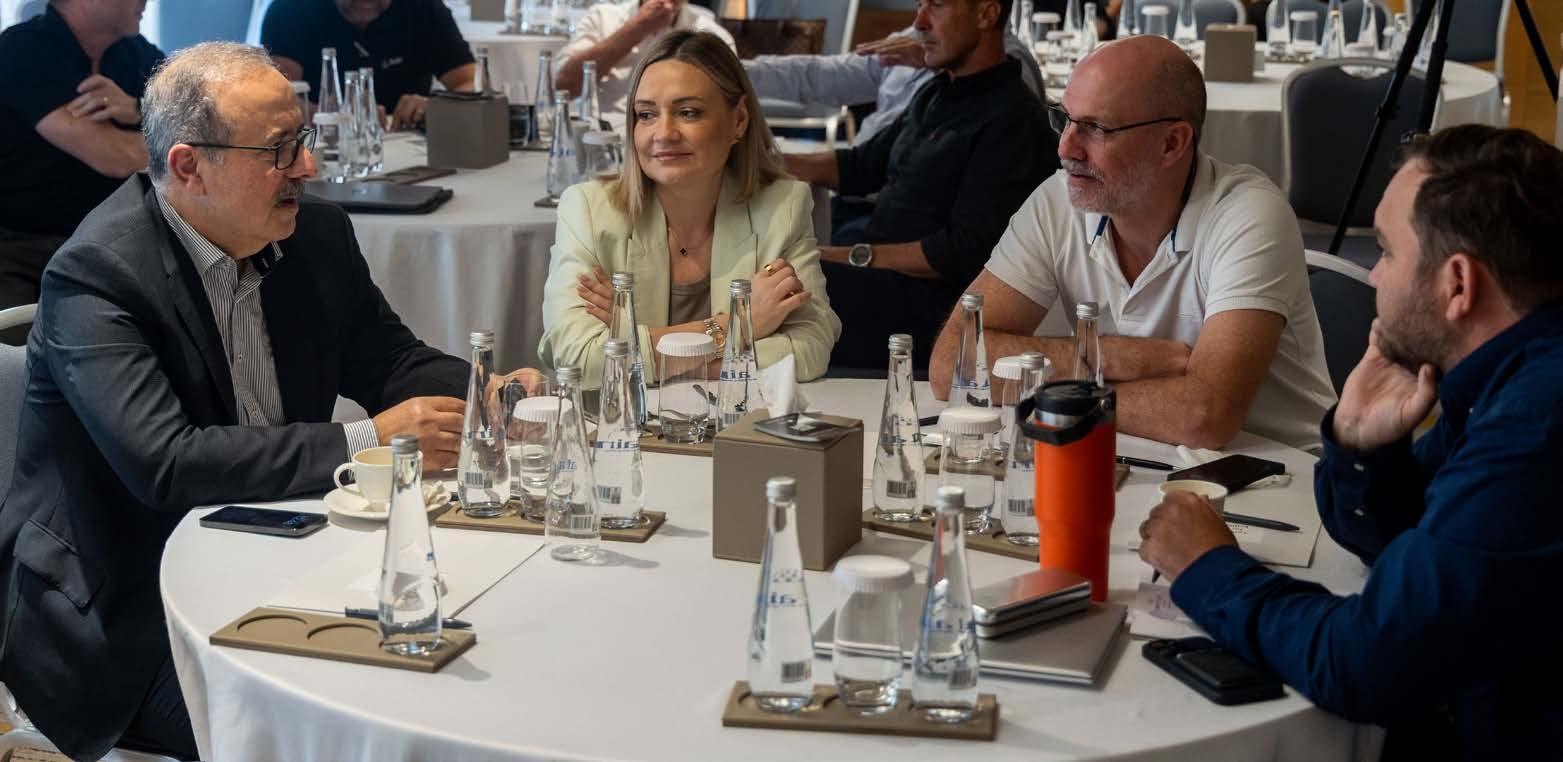
EcoVadis Sustainability Rating
ALEC Holdings achieved the Committed badge from EcoVadis, a global leader in business sustainability assessments. ALEC scored 58/100, and placing the Group in the 61st percentile globally.
The EcoVadis assessment evaluates 21 sustainability criteria across four core themes: Environment, Worker & Human Rights, Ethics and Sustainable Procurement. EcoVadis ratings are based on international sustainability standards such as The Ten Principles of the UN Global Compact, the International Worker Organisation (ILO) conventions, the Global Reporting Initiative (GRI) standards and the ISO 26000 guidance. Additionally, the EcoVadis process validates sustainability commitments, practices and performance, and offers a clear roadmap for continuous improvement.
Future priorities
Near-future priorities include launching a Sustainable Procurement and Responsible Sourcing Policy, establishing a consolidated supplier database and reporting framework, and expanding ESG awareness through training for subcontractors and suppliers. As part of this road-map, ALEC Holdings also aims to progressively encourage key supply chain partners to participate in recognised sustainability assessments, such as EcoVadis, to strengthen transparency and support the Group’s long-term Scope 3 emissions management and supply chain sustainability objectives.
GOVERNANCE CONTINUED
DATA PRIVACY AND CYBERSECURITY
Robust data privacy and cybersecurity underpin stakeholder trust and form a core component of ALEC Holdings’ ESG commitments. Significant progress was made in 2025 to strengthen digital resilience, governance and compliance frameworks – ensuring operations remain secure, transparent, and aligned with international standards.
Personal data is collected, processed, and stored only where necessary for business operations. All data handling complies with UAE Federal Law No. 45 of 2021 and respects individual privacy rights.
Cybersecurity Governance
Finance, Risk & Internal Audit, Legal and Information Technology jointly oversee cybersecurity governance. This crossdepartmental structure integrates security with enterprise risk management and ensures executive-level attention and resource allocation.
A Security Operations Centre (SOC) was deployed in 2025, providing around-theclock monitoring of all endpoint devices and critical assets. Escalation, containment, and remediation processes are now integrated with the SOC. A comprehensive Incident Response Plan has been developed in consultation with senior executives.
Policy and Framework Enhancement
Several key policies were updated in 2025:
• Supply Chain Access Management Policy
• Data Privacy Policy
• Data Classification Policy
These updates strengthened access controls, data lifecycle management, and protection of information assets. Standard operating procedures for data collection, storage, retention, and deletion are now embedded in procurement, People & Culture, and project management workflows. A robust disaster recovery framework underpins business continuity for all essential applications and data.
Proactive Defence and Zero Incidents
ALEC Holdings recorded zero critical security breaches across the entire Group in 2025. Zero substantiated data privacy violations or losses occurred. A robust vulnerability management programme and a series of cybersecurity initiatives address the evolving threat landscape and business requirements. Regular configuration reviews, security assessments, and penetration tests were conducted across internal networks, public infrastructure, web applications, and cloud environments. Vulnerabilities are identified and mitigated before they impact operations.
Training and Awareness
People remain a critical line of defence. A dedicated security awareness training programme operates across the Group. Multiple cybersecurity awareness campaigns targeted different user segments in 2025, including specialised workshops for executives and phishing simulation campaigns that were tested on new joiners, existing users and those identified as vulnerable. These measures ensure practical preparedness against social engineering threats.
Alignment with Security Standards
ALEC Holdings is targeting ISO 27001 certification in Q3 2026. Achieving this standard will provide independent validation of cybersecurity governance, risk management, incident response, and data protection practices. Work is underway to attain CMMI Maturity Level 3, further enhancing internal process maturity.
Crisis Management and Continuous Improvement
The Group conducted its first discussionbased simulation exercise in 2025, bringing together key stakeholders to walk through realistic cyber and business crisis scenarios. These tabletop exercises validate Incident Response and Business Continuity Plans and sharpen decision-making under pressure. Lessons learned from each exercise are systematically integrated into policies and procedures.

“Zero critical security breaches and zero substantiated data privacy violations across the entire Group in 2025.”
NAJIB DALANK Head of Information Technology
REPORTING SCOPE & BOUNDARIES
The following table summarises the scope, boundary and key parameters underpinning the reported ESG data.
Parameter Details
Reporting period 1 January 2025 to 31 December 2025
Reporting boundary Operational control approach. Covers ALEC Construction, TARGET, ALEMCO (MEP, ALEC Technologies, ALEC Data Centres, ALEC Lite), ALEC Fitout, ALEC Solutions (ALEC Facades, LINQ Modular, ALEC Energy), and ALEC Services (AJI Rentals, Inproserv)
Geographical scope United Arab Emirates (UAE) and Kingdom of Saudi Arabia (KSA)
Reporting frameworks GRI Standards (2021), DFM ESG Reporting Guide (2025), UNGC Principles, UN SDGs
Emission factors
Scope 1: DEFRA 2025. Scope 2: DEWA grid emission factor (2024 Sustainability Report), Scope 3: DEFRA (2025), USEEIO model (2022), applied according to category relevance.
External assurance External assurance has not been sought for ESG disclosures 2025.
Restatements No restatements of information have been made.
Report edition Fourth sustainability report, released in 2026 based on 2025 disclosures.
CAUTIONARY STATEMENTS
Forward-Looking Statements
This Sustainability Report contains certain forward-looking statements relating to ALEC Holdings’ (together with its subsidiaries, the “Group”) sustainability strategy, ambitions, plans, targets, initiatives and anticipated future performance, including statements regarding environmental, social and governance priorities, climate -related actions, innovation, and stakeholder outcomes.
Forward-looking statements are statements that are not historical facts and may be identified by the use of forward-looking terminology such as “aims”, “expects”, “intends”, “plans”, “seeks”, “targets”, “anticipates”, “believes”, “may”, “will”, “could” or similar expressions. These statements are based on the Group’s current expectations, assumptions and information available at the time of publication.
Such forward-looking statements involve known and unknown risks, uncertainties and other factors, many of which are outside the Group’s control, that may cause actual
outcomes, performance or results to differ materially from those expressed or implied. These risks and uncertainties include, among others, regulatory developments, market conditions, data availability and quality, technological change, supply chain constraints, and the evolving nature of sustainability standards, methodologies and stakeholder expectations.
Accordingly, readers are cautioned not to place undue reliance on forward-looking statements. The inclusion of such statements should not be regarded as a representation, assurance or guarantee that the plans, targets, initiatives or outcomes described will be achieved.
Forward-looking statements in this Sustainability Report speak only as at the date of publication. The Group undertakes no obligation to publicly update or revise any forward-looking statements, except as required by applicable law.
PERFORMANCE DATA
The following tables present ALEC Holdings’ consolidated ESG performance data for the 2025 reporting period, covering operations in the UAE and KSA. Data is reported in accordance with the operational control boundary. The DFM Metric column references the corresponding Dubai Financial Market ESG Reporting Guide (2025) indicator.
Integrated Report published in March 2026. These differences arise from ongoing ESG data validation and reconciliation processes that improved data completeness, classification, and calculation accuracy. The Group will formally restate the 2025 environmental disclosures in the next ESG report should any changes be identified, including those arising from independent third-party verification and/or updates to calculation methodologies and data controls planned for implementation in 2026.
Includes manhours worked by subcontractors' employees across our projects
*Total employees = Staff + Labour.
APPENDICES
CONTINUED
GRI CONTENT INDEX
Statement of use: ALEC Holdings has reported the information cited in this GRI content index for the period 1 January 2025 to 31 December 2025 with reference to the GRI Standards.
GRI 1 used: GRI 1 : Foundation 2021
This index also maps disclosures to the Dubai Financial Market (DFM) ESG Reporting Guide (2025), UN Global Compact (UNGC) Principles, and the UN Sustainable Development Goals (SDGs).
GRI 2: General Disclosures 2021
2-1 Organisational details About this Report (pg. 3); Our Business Model (pg. 9); Who we Are (pg. 8)
2-2 Entities included in sustainability reporting About this Report (pg. 3); Our Business Model (pg. 9); Who we Are (pg. 8)
2-3 Reporting period, frequency and contact point About this Report (pg. 3)
Also in Integrated Annual Report About Us (pg. 2)
Period: 1 Jan–31 Dec 2025
2-4 Restatements of information Appendices – Reporting Scope (pg. 56) No restatements
2-5
2-6 Activities, value chain and other business relationships Our Business Model (pg. 9–11)
2-12 Role of highest governance body
Also in Integrated Annual Report Business Model (pg. 37–40); Integrated Annual Report Sectors of Expertise (pg. 14–15)
8)
in Integrated Annual Report Corporate Governance Report (pg. 83–95)
and ESG Oversight (pg. 44); Risk Management (pg. 47) Also in Integrated Annual Report Board Oversight (pg. 89–94)
2-13 Delegation of responsibility Governance and ESG Oversight (pg. 44); Risk Management (pg. 47)
2-14 Role of highest governance body in sustainability Governance and ESG Oversight (pg. 44)
2-17 Collective knowledge of highest governance body
and ESG Oversight (pg. 44)
Also in Integrated Annual Report Delegation of Responsibilities (pg. 95)
2-22 Statement on sustainable development strategy Leadership Message (pg. 5) Also in Integrated Annual Report CEO Statement (pg. 31–33)
2-23 Policy commitments
Ethics & Compliance (pg. 45–46)
2-24 Embedding policy commitments Business Ethics & Compliance (pg. 45–46); Governance and ESG Oversight (pg. 44)
APPENDICES / GRI CONTENT INDEX
2-25
APPENDICES / GRI CONTENT INDEX
APPENDICES / GRI CONTENT INDEX
APPENDICES / GRI CONTENT INDEX
GRI 414: Supplier Social Assessment 2016
GRI 418: Customer Privacy 2016
ACRONYMS & ABBREVIATIONS
Abbreviation Full Term
AED United Arab Emirates Dirham
ASHRAE American Society of Heating, Refrigerating and Air-Conditioning Engineers
BESS Battery Energy Storage System
CDP Carbon Disclosure Project
COI Conflict of Interest
DEFRA Department for Environment, Food and Rural Affairs (UK)
DEWA Dubai Electricity and Water Authority
DFM Dubai Financial Market
DoE Department of Energy
ESG Environmental, Social and Governance
FTE Full-Time Equivalent
GHG Greenhouse Gas
GRI Global Reporting Initiative
HSE Health, Safety and Environment
ICV In-Country Value
IFRS International Financial Reporting Standards
Abbreviation Full Term
KSA
LEED
LINQ
Kingdom of Saudi Arabia
Leadership in Energy and Environmental Design
ALEC Holdings Modular Construction Brand
LPG Liquefied Petroleum Gas
LTI
LTIFR
MEP
MOCCAE
Lost Time Injury
Lost Time Injury Frequency Rate
Mechanical, Electrical and Plumbing
Ministry of Climate Change and Environment (UAE)
MWh Megawatt Hour
MWp Megawatt Peak
PMV Plant, Machinery and Vehicles
SDGs
Sustainable Development Goals
tCO2e Tonnes of Carbon Dioxide Equivalent
UAE
United Arab Emirates
UNGC United Nations Global Compact
www.alec.ae