

INTRODUCTION
Welcome back to our medical newsletter. So much has happened since our March addition:
SEMINARS
Thank you to everyone that came to our seminars in Bristol, Truro and Bournemouth in partnership with Stephens Scown. We had great talks and discussion about the new GP and PCN contracts, Neighbourhoods and the future landscape of general practice, vital updates on employment law changes that have already come into place and further changes over the next 12 months, and how practices are falling foul of NLW even though they are paying above the published rate.
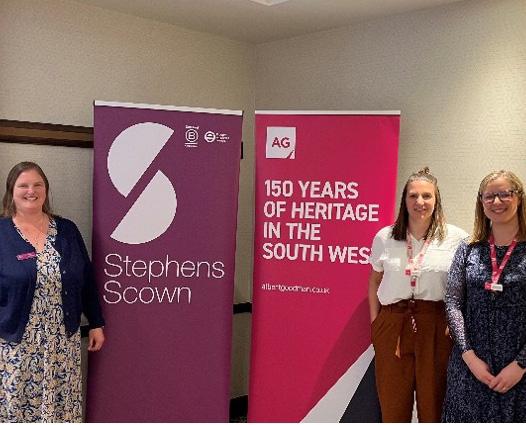
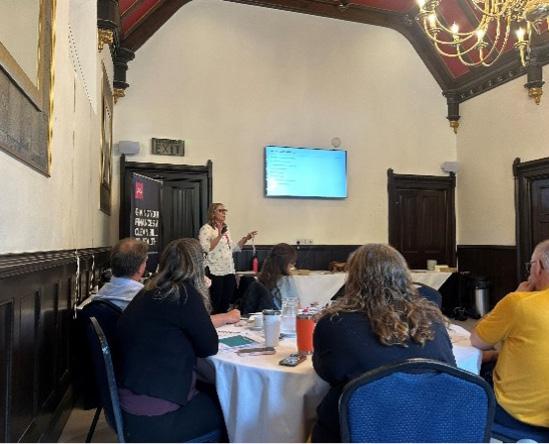
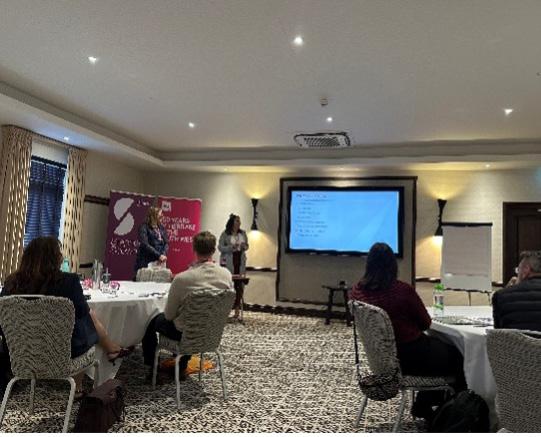
We had great feedback from the sessions:
“Excellent presentation”
“Great seminar + excellent summary of upcoming changes”
“Very worthwhile attending”
So watch out for more in the Autumn and Spring next year.
THE ONLY CERTAINTY IN THE NHS IS CHANGE
Since our last addition in March, we have a new health secretary, a new health bill, a new GP and PCN contract, the DDRB announcement, new and escalating collective action, and LMCs voting to consider a Plan B semi-private model for general practice.
In this month’s newsletter we cover the key changes in the 2026/27 GP and PCN contract and give practical suggestions about what practices need to next.
OTHER NEWS
We have had the annual AISMA conference where medical specialist accountants, solicitors, surveyors and bankers come together to share best practice. William gives his thoughts on the conference having attended for the first time.
Making Tax Digital has arrived for those with sole trade or property income above £50,000 and the first submission will be due soon. Iwona provides guidance on how to do this in Xero.
HMRC guidance on locum doctors charging VAT has been updated following a recent case ruling. Our VAT expert Richard explains what this means.
7 July is the deadline to report any taxable benefits supplied to employees. Sarah gives examples of benefits that we see in the sector that often get missed, uniform and vouchers are a couple of examples.
This week our ‘meet the team’ introduces Dawn who has been a manager in our team for many years.
SARAH EDWARDS Partner

MY AISMA CONFERENCE EXPERIENCE / WILL GOES TO AISMA
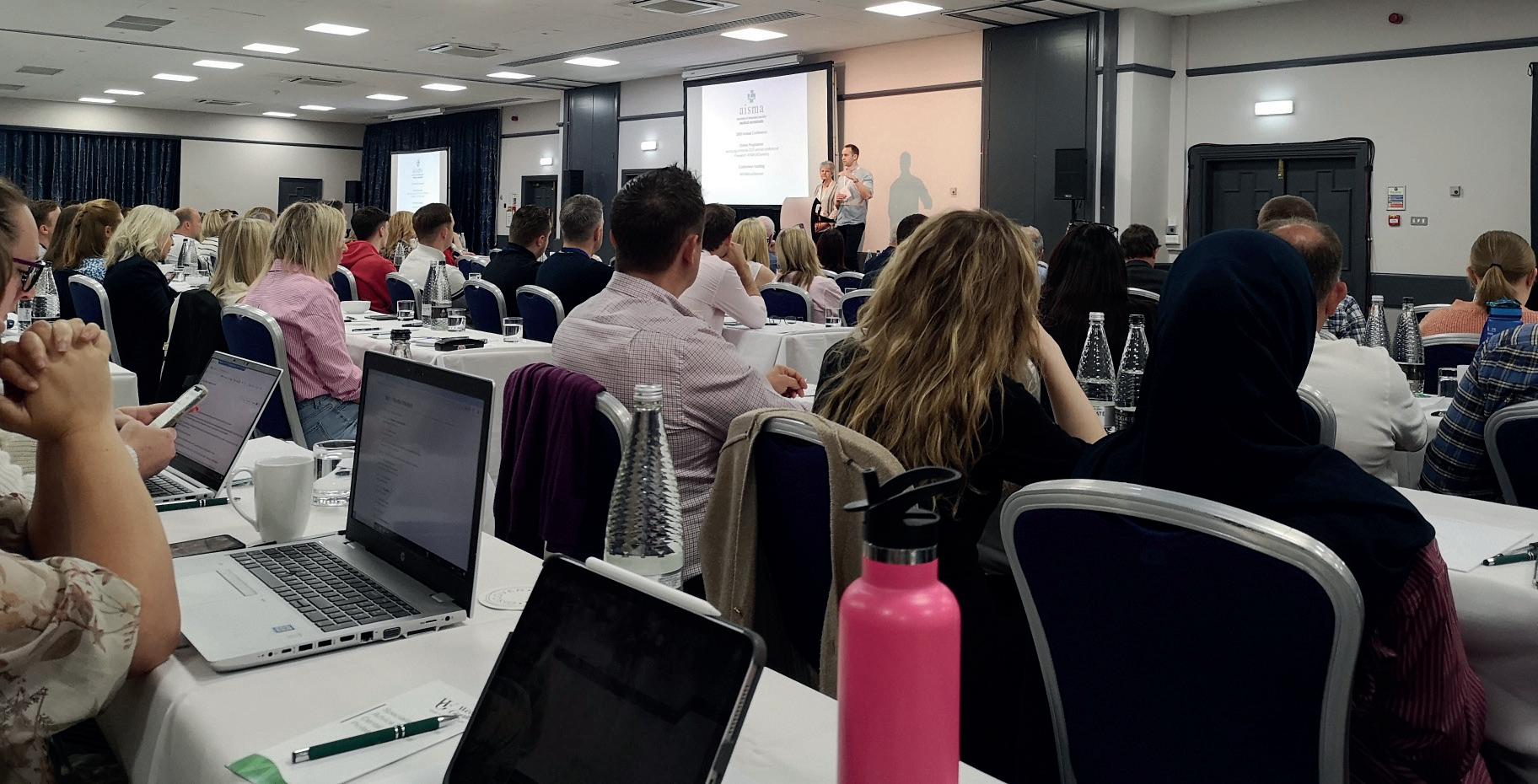
AISMA (the Association of Independent Specialist Medical Accountants) is a UK-wide network of accountancy firms specialising in advising medical professionals, particularly GPs and consultants. To us, it provides a valuable platform for collaboration and knowledge sharing within the everchanging healthcare sector. At Albert Goodman, we’re fortunate to have strong connections to the network through Jim (Vice-Chair of the Executive Board) and Sarah, who has helped to establish the Next-Gen Committee.
Attending the AISMA Conference this year was a fantastic experience for our team and a great opportunity to further develop our understanding of the medical accounting sector. For me personally, it was my first time attending, so I was keen to see what the fuss was all about!
From the outset, it was clear how well regarded the conference is. The agenda was packed with insightful speakers and a wide range of breakout sessions, covering both technical updates and broader industry trends. As a first-time attendee, I found it particularly valuable to gain exposure to topics that I wouldn’t typically encounter in my day-to-day role. These topics ranged from calculating pension growth post McCloud to NHS contract updates from Scotland and Northern Ireland.
One of the standout aspects for me was the opportunity to meet others within the AISMA network. Being surrounded by professionals from across the UK who specialise in the same field created a real collaborative feel. As someone new
to the conference, this was especially beneficial in building connections and learning from those with more experience. I left the conference with new connections I look forward to working with in the future, Harriet from Ash Lane and Will from BW Healthcare Surveyors to name just a couple.
The social side of the conference was equally enjoyable. Jim’s annual quiz was highly anticipated (for all the wrong reasons) after hearing countless warnings from the team about just how impossible it is. While it certainly lived up to its reputation in places, it was also a great way of bringing everyone together, even if only against a common enemy. The evening that followed led to some enthusiastic “networking” offering a great opportunity for us to unwind as a team while continuing those all-important conversations with others in the AISMA community.
Overall, it was an extremely worthwhile experience. A big thank you to Jim for organising such a great event. I’m already looking forward to next year, assuming I haven’t talked my way out of an invite!
WILLIAM WILLCOCKS Senior william.willcocks@albertgoodman.co.uk
GP CONTRACT AND PCN NETWORK DES Update 2026/27 by
Sarah Edwards
OVERVIEW
The 2026/27 GP contract introduces further changes to funding, workforce and delivery expectations. While the overall funding position has improved in cash terms, it is static in real terms, meaning practices will need to plan carefully to protect profitability and manage workload.
HEADLINE FUNDING
The contract delivers £485 million of additional investment across the core contract and Network DES, equating to 3.6% cash growth (1.4% real terms). At best this uplift will offset rising staff costs and inflation and but is unlikely to give practices the resources they feel they need to facilitate constant online access, uncapped advice and guidance and same day urgent care requirements.
CORE CONTRACT CHANGES
The global sum increases to £130.07 per weighted patient (5.5% uplift), and the Out of Hours opt out has reduced from 4.75% to 4.7%. While this provides a welcome boost to income, practices should note much of this increase reflects embedded pay uplifts and advice and guidance, rather than new discretionary funding.
QOF sees the addition of 18 new points with a focus on obesity and preventative care with improvement targets for childhood immunisations alongside the % population target. The value of a QOF point has increased to £227.95, however population adjustments mean there is little overall financial gain.
The Advice and Guidance enhanced service introduced in 2025/26 has been retired and moved into the core contract. Practices are expected to use it routinely where clinically appropriate using local referral pathways. This will undoubtedly increase clinical and administrative workload.
Locum reimbursements have increased inline with the DDRB uplift of 3.5%.
GP REIMBURSEMENT SCHEME

A key structural change is the introduction of the GP Reimbursement Scheme.
The purpose of the funding is to increase GP capacity to support clinically urgent same day access, but it is not new money. The scheme replaces the Capacity and Access (CAP) fund previously paid to PCNs.
Practices can claim for newly employed salaried GPs and existing salaried GPs increasing sessions up to a maximum of 9. GPs already in employment that were previously funded using CAP can continue to be claimed for under this GP reimbursement scheme.
Key considerations:
Reimbursement is capped at £4.57 per adjusted patient per practice.
The maximum claim is £152,900 for a FTE GP (FT being 9 sessions!) so allows for circa £12,500 per session after on costs.
Applies to salaried GPs only. It cannot be used for locums or absence cover.
Newly employed Salaried GPs cannot have worked for the practice in the previous 12 months, unless they came in to provide cover or have since retired.
Contractors with more than 3,500 patients per GP must get NHSE approval.
Practices can transfer their entitlement to another practice in the PCN.
The change represents a shift away from a flexible income stream that PCNs and practices were using to improve access in different ways, to a restrictive scheme that only covers salaried GP costs. Those that were using CAP to fund software, locums or other costs will need to think carefully about how to fund those costs for the year ahead.
The change continues the trend of moving to a reimbursement model. Practices now have to spend the money before being reimbursed which could have an adverse effect on practice/PCN cashflow and may increase the working capital requirement.
It is also worth noting that the scheme is not guaranteed beyond 31 March 2027, so practices need to take care when employing new GPs. Upcoming changes to employment legislation also mean that care needs to be taken with fixed term contracts, and potential redundancy liabilities need to be considered when a fixed contract comes to an end.
PCN NETWORK DES CHANGES
PCN funding remains largely static in real terms. The removal of Capacity and Access funding creates a significant gap for PCNs that previously used this to support shared services.
ARRS rules have been relaxed to allow greater flexibility in GP recruitment. From 1 April the scheme is open to all GPs, not only those that are newly qualified. The maximum reimbursement has been increased to £152,900 to reflect that. However, the overall funding envelope has not increased so this will not allow for PCNs that were already utilising their total ARRS pot to increase GP capacity.
LOCAL DES FLEXIBILITY AND NEIGHBOURHOODS
ICBs can now introduce local variations to the Network DES with approval from NHS England. Changes must be agreed by all member practices and can be applied to service requirements and funding.
This provides an opportunity to align services with population need and implement Neighbourhood services ahead of the introduction of the new Neighbourhood contracts.
The first local variation in the country has recently been approved in Kent. This example brings £10m of new funding to general practice for services to complex and frail patients to reduce hospital admissions. This came after they identified that whilst this cohort made up only 5% of the population, they accounted for 30% of the hospital admissions, often ending up in longer than average stays. PCNs need to be talking to their ICBs about Neighbourhood plans. These local variations and the new single and multi neighbourhood provider contracts (SNP and MNP) represent an opportunity for newly funded services, but also a threat that non-core services will be moved into new contracts that general practice is not in control of.
CARR-HILL REVIEW
A review of the Carr-Hill formula is underway. The
model is 25 years old and based on outdated data. It is widely recognised that it does not reflect multi morbidity, deprivation, frailty and access demand.
How the model will be changed is yet to be determined. It could involve a completely new model based on workload, or it could simply adjust the weightings with current data. Any change will bring winners and losers and could see the return of the Minimum Practice Income Guarantee (MPIG).
Whilst the new model is unknown, practices should start to consider their current weighting and population deprivation to understand the possible financial impact of any potential changes.
SUMMARY
In reality, the 2026/27 contract increases workload in general practice without a significant uplift in funding. Practices will need to compare the income uplifts against cost increases to see what impact this has on practice profitability and partner drawings.
With the changes to workforce funding, practices should consider a short and medium term workforce strategy that delivers the services needed, reduces workload and allows the practices to operate profitably.
Practices will also need to assess the cashflow impact following the change from CAP to the GP reimbursement scheme and consider if the working capital in the business is sufficient.
All of these short term changes make it very difficult for practices and PCNs to get out of the weeds and consider how they want to shape the future of their Neighbourhood. But being in the conversation about local contract variations and any new Neighbourhood contracts will be necessary to maintain some control or influence over the future.
If you need support when considering what the contract changes mean for your practice/PCN, or aren’t sure what your next steps are when it comes to Neighbourhood working, then please do get in touch.
MAKING TAX DIGITAL - UPDATE

Making Tax Digital for Income Tax was introduced from 6 April 2026 and includes sole traders and landlords with qualifying income over £50,000.
This means that if you are a locum GP, a self-employed GP, or have rental income and your taxable income is above £50,000 threshold, you might be required to register for MTD and submit quarterly updates to HM Revenue & Customs.
The first MTD phase does not include partnerships.
The first quarterly update is due by 7th August 2026 and covers period from 6th April to 5th July 2026.
Further updates are due by 7th November 2026, 7th February 2027, and 7th May 2027, with final declaration for 2026/27 due by 31st January 2028.
Before every submission, it is vital that you check that the bookkeeping is complete and up to date for the quarter and review the income and expenses recorded.
INSTRUCTIONS FOR FILING AN MTD INCOME TAX QUARTERLY UPDATE VIA XERO:
1. Log into Xero.
2. Navigate to Tax>MTD for Income Tax.
3. From here you will see a box titled To do and in that box text labelled Send Qx end update. This is the quarterly update that is due for filing.
4. Click on the View button to see the breakdown of your income and expenses for the year to date.
5. If you have multiple updates to send these are listed on the left-hand side of the screen and you can view each one individually by clicking on the name of the submission. This would usually apply if you are a landlord and have Rental income as well as Self Employment.
6. If you want to check any of the transactions in the income and expense sections of the quarterly update, click on the underlined text to view the details.
7. This will show you the income and expense codes that make up the figure shown. To see the individual transactions in each code, right click on the value stated and select Open link in new tab. This will mean that you do not lose your place in the quarterly submission and can easily click back into it.
8. If you need to amend any of the transactions, click on them and make the relevant changes. Follow the steps above to ensure they are reflected in your update and your income and expenditure is now accurate.
9. When you are happy that the figures are correct and as you expect to see them, click on the button Send update to HMRC.
PENALTIES
There are no late filing penalties for quarterly updates for the first MTD IT year 2026/27, however making submissions on time will help you keep bookkeeping up to date, identify and rectify errors sooner and develop good habits before penalties are introduced in later years.
IWONA SILVÉRIO Director
iwona.silverio@albertgoodman.co.uk

Changes to VAT treatment of Locum Doctors & other temporary Medical staff
Historical HMRC position
VAT legislation exempts the provision of a deputy for a person registered in the register of medical practitioners. HMRC have applied a narrow interpretation of the exemption saying it only applied to deputising services, like the GP out of hours service. HMRC considered supplies of temporary staff by employment businesses were subject to VAT at 20%.
What has changed?
A recent Tribunal decision, Isle of Wight NHS Trust v HMRC [2025] UKFTT 1114 (TC), decided VAT exemption applied more widely than HMRC said. It covered supplies of staff, not just the supply of medical care. It also found that the exemption applied to locum doctors, including those provided by employment businesses.
Claiming a VAT refund
HMRC have said they will accept the Tribunal decision and will consider claims for VAT overpaid on supplies of locum doctors. Importantly any claims for a refund from HMRC have to be made by the business who made the supply of staff, who charged VAT and paid this to HMRC.
While HMRC will only refund VAT to the person who paid it to them it may be possible to ask suppliers of staff, who have charged VAT on exempt supplies of locum doctors, for a refund. This may well affect medical practices who are unlikely to have been able to reclaim any VAT charged.
Whether or not customers will be able to claim refunds of VAT from their suppliers will depend on the contractual position. Considering whether VAT can be reclaimed may be worthwhile. There is a four year limit for making claims for over paid VAT from HMRC so this will be time limited.
RICHARD TAYLOR
VAT Senior Manager richard.taylor@albertgoodman.co.uk


P11D TAXABLE BENEFITS
If you provide benefits to employees, now is the time to check whether these need to be reported to HMRC.
The P11D filing deadline for the 2025/26 tax year is 6 July 2026, and employers should ensure that all taxable benefits have been reviewed, reported correctly, and communicated to affected employees.
Common taxable benefits
Company cars, pool cars and company vans.
Fuel for private use.
Private medical or dental insurance.
Living accommodation.
Staff gifts exceeding £50.
Staff entertainment above £150 per head.
Non-branded work clothing.
P11D form is required to be submitted for each employee who received a taxable benefit that was not reported through payroll.
Key Points for Employers
Keep evidence of the cost per employee, especially for trivial benefits and staff entertaining.
Be careful not to exceed the £50 limit for trivial benefit and make sure all the conditions are met, even if you purchase a card to go with a £50 voucher – the whole amount would become taxable.
For annual functions, include all related costs when calculating the £150 per head test, monitor the total cost per head carefully and ensure the event is open to all eligible employees.
Be cautious with clothing, as ordinary wear is rarely exempt even when bought for work purposes.
Remember that private health insurance is usually a taxable benefit in kind.
For uniforms, confirm that the clothing is genuinely a uniform, branded, protective, or specialist rather than ordinary everyday wear.
Keep clear records in case HMRC asks how the tax treatment was determined.
If you would like any guidance before offering a new benefit to your employees or you would to discuss any benefits in further detail, please do not hesitate to get in touch.
SARAH IRELAND Medical Semi Senior sarah.ireland@albertgoodman.co.uk

MEET… DAWN
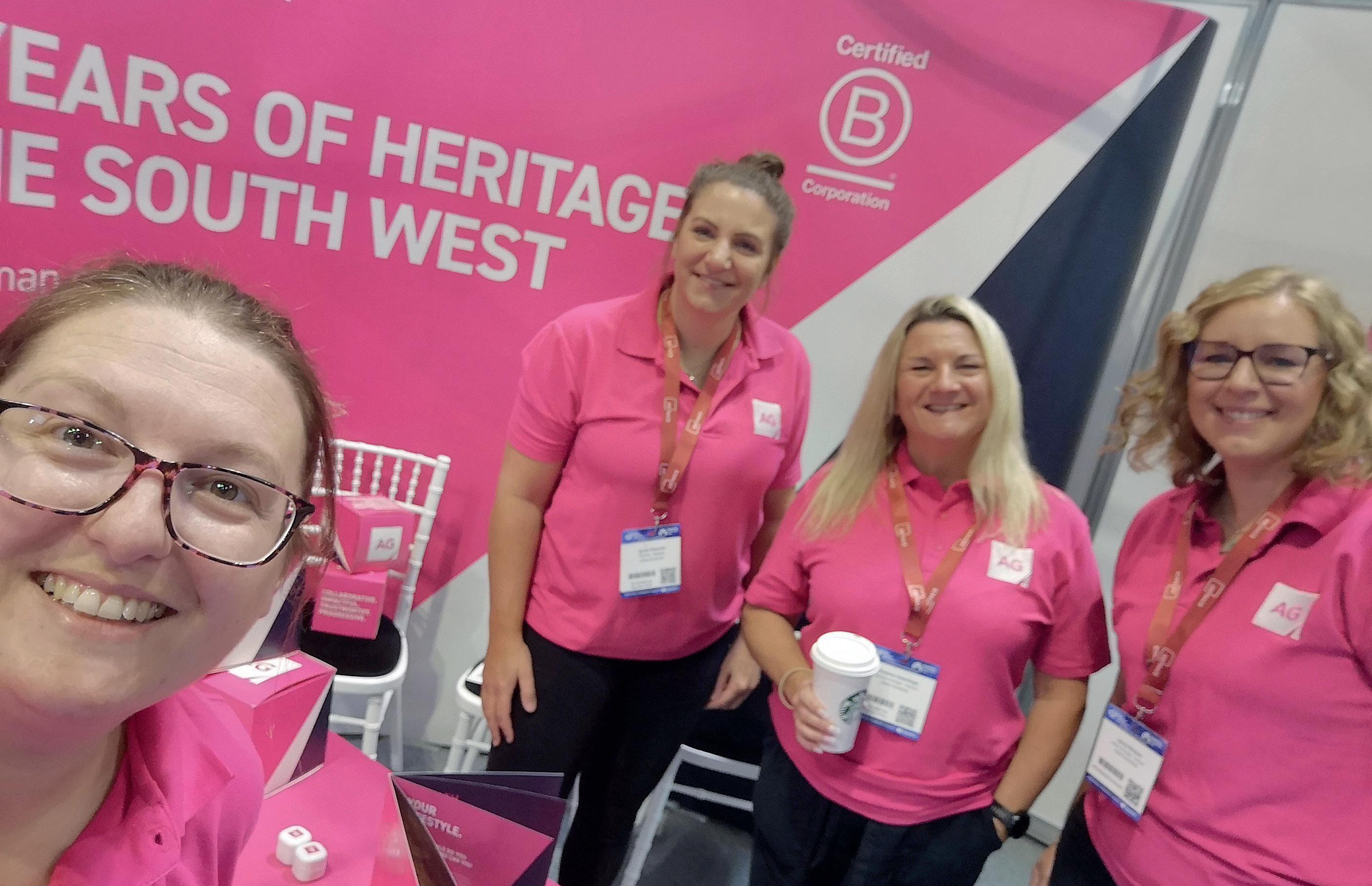
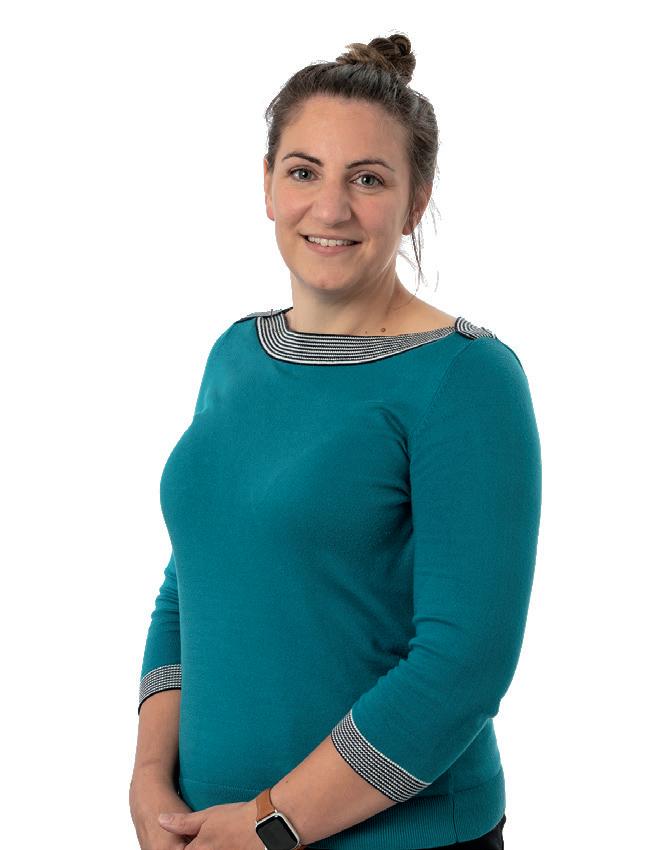
Dawn joined Albert Goodman in 2012 and qualified as a chartered accountant in 2017, having built her experience within the Business Services team in the Yeovil office. During this time, she supported a varied mix of clients, including a number of medical professionals, alongside working with owner-managed businesses and helping clients with their day-to-day bookkeeping needs.
In 2019, Dawn moved into the firm’s dedicated medical team, where she has continued to grow her expertise and develop her career, progressing to Manager level. She particularly enjoys getting to know her clients and building strong, longlasting relationships, supporting both new and established medical professionals with their accounting and tax needs.
Dawn works closely with various clients, including practices, partners, consultants and individuals.
Dawn is also incredibly passionate about the team she works with. She values the supportive and collaborative environment within the medical team, often describing it as a real “family unit,” where everyone looks out for one another and works closely together to deliver the best outcomes for their clients.
Dawn is committed to becoming a valued extension of her clients’ teams, acting as a trusted adviser and someone they can turn to for guidance. She has a keen interest in analysing figures and loves using Excel and Xero to turn data into meaningful insights and workable solutions.
Outside of work, Dawn enjoys spending quality time with her family and friends. She also has a love for live entertainment and can often be found attending music festivals and comedy shows whenever she gets the chance.
More recently, Dawn has been exploring her creative side by experimenting with funky nail designs—something she enjoys as a fun and relaxing way to unwind outside of her busy role.
Dawn previously took part in the Weston Half Marathon alongside colleagues from Albert Goodman, raising funds for Children’s Hospice Southwest—a charity that is particularly close to her heart due to the invaluable support they provide to her stepson and extended family.
Although she once said she would never run the Weston Half again, Dawn is now hoping to rebuild her fitness— injuries permitting—and take on another half marathon challenge in the future.
DAWN MILLS Manager dawn.mills@albertgoodman.co.uk

FEEDBACK
We are always very grateful for any feedback from our clients. It is a great opportunity for us to learn and improve services we provide, but also recognise that our work has been valued and made an impact.
We have recently received this feedback from Emily, a PCN Manager, who worked closely with Sam Jowitt, our Assistant Manager.
If you would like to provide any feedback in the future, please do not hesitate to contact Iwona.silverio@albertgoodman.co.uk
‘From day one Sam has been the most supportive, kind and tolerant finance support I could have possibly hoped for. Being new to finance and bookkeeping, Sam understood
my anxieties and learning needs. She was able to link me in with individualised training with another member of her team. This training was excellent and I was given a training booklet to refer back to.
I have worked closely with Sam throughout the year, and she has always been very responsive. Sam is able to explain things simply, clearly and is also able to always quickly understand any issues or queries I have. I have to say my role would have been ten times more stressful without Sam and I am just so grateful she was able to support me in my role, thank you Sam.’
EMILY M PCN Manager
THINK WE COULD HELP, PLEASE DO CONTACT ONE OF US
JADE BROOKS Executive Administrator jade.brooks@albertgoodman.co.uk
JIM DUGGAN Director jim.duggan@albertgoodman.co.uk
SARAH EDWARDS Partner sarah.edwards@albertgoodman.co.uk
RORY GRANT Manager rory.grant@albertgoodman.co.uk

KEEPING IN TOUCH

DAWN MILLS Manager dawn.mills@albertgoodman.co.uk
LISA PARK Assistant Manager lisa.park@albertgoodman.co.uk
IWONA SILVÉRIO Director iwona.silvério@albertgoodman.co.uk




If you would like this newsletter to be sent to a different address then please send your updated details to: gdpr@albertgoodman.co.uk You may also use this address to opt out of receiving this newsletter or for any other queries you may have. If you would like to see our privacy statement please log on to our website: www.albertgoodman.co.uk/privacy

