BestShrubsforWildlifeFriendlyGardensintheUK
A Practical Garden Guide for UK Homes


A Practical Garden Guide for UK Homes
Wildlife-friendly gardening has become increasingly popular across the UK as more homeowners look for practical ways to support birds, bees and pollinators while still creating attractive outdoor spaces.
Shrubs are one of the easiest ways to achieve this balance. They provide year-round structure, seasonal colour, shelter for wildlife and valuable food sources throughout the changing seasons.
Unlike short-lived bedding plants, shrubs form long-term habitats that help gardens feel healthier, more natural and more biodiverse over time.
This guide explores how to create a wildlife-friendly garden using shrubs that thrive in UK conditions, with practical inspiration from Everything Plants.
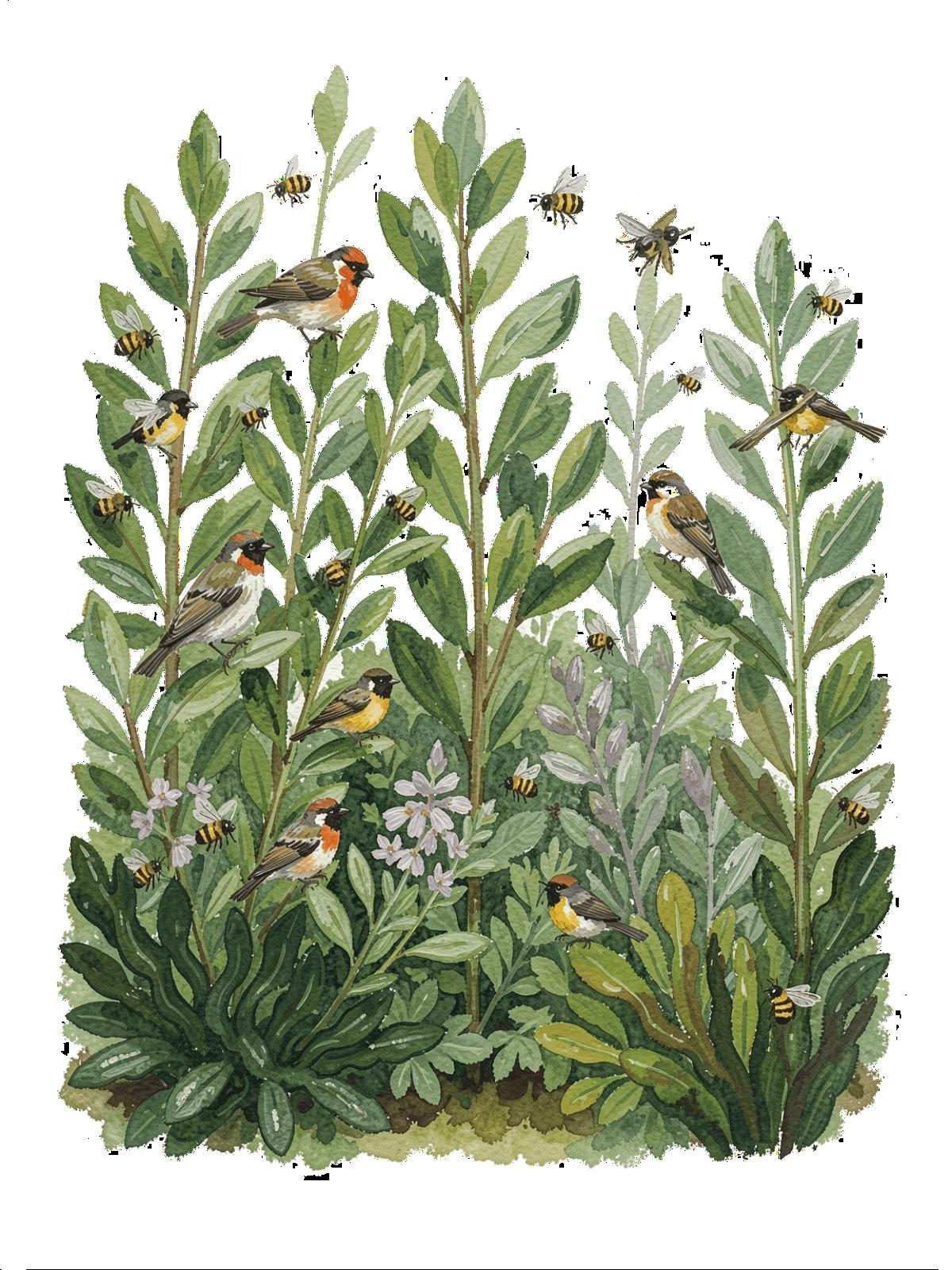
A well-planned shrub border does far more than improve appearance. Shrubs help create shelter, nesting areas and pollinator-friendly planting that supports wildlife throughout the year.
Wildlife-friendly shrubs can provide:
Evergreen shrubs are particularly valuable because they continue providing cover long after flowering plants have faded.

Shelter
Protection for birds and beneficial insects throughout the seasons
Nectar
Rich food sources for bees and pollinators
WinterCover
Protection during colder months and natural screening
Berries&Foliage
Seasonal food and yearround structure
Wildlife-friendly gardens usually feel more natural because they combine shrubs of different heights and textures rather than relying on rigid planting schemes.

UpperLayer
Taller evergreen shrubs for structure
MidLayer
Mixed flowering and evergreen varieties
GroundLayer
Compact flowering shrubs for habitat
Layered planting helps create safer shelter areas, improves biodiversity and increases feeding opportunities for wildlife throughout the seasons.
Combining compact flowering shrubs with taller evergreen varieties often produces the best balance between structure and wildlife support.
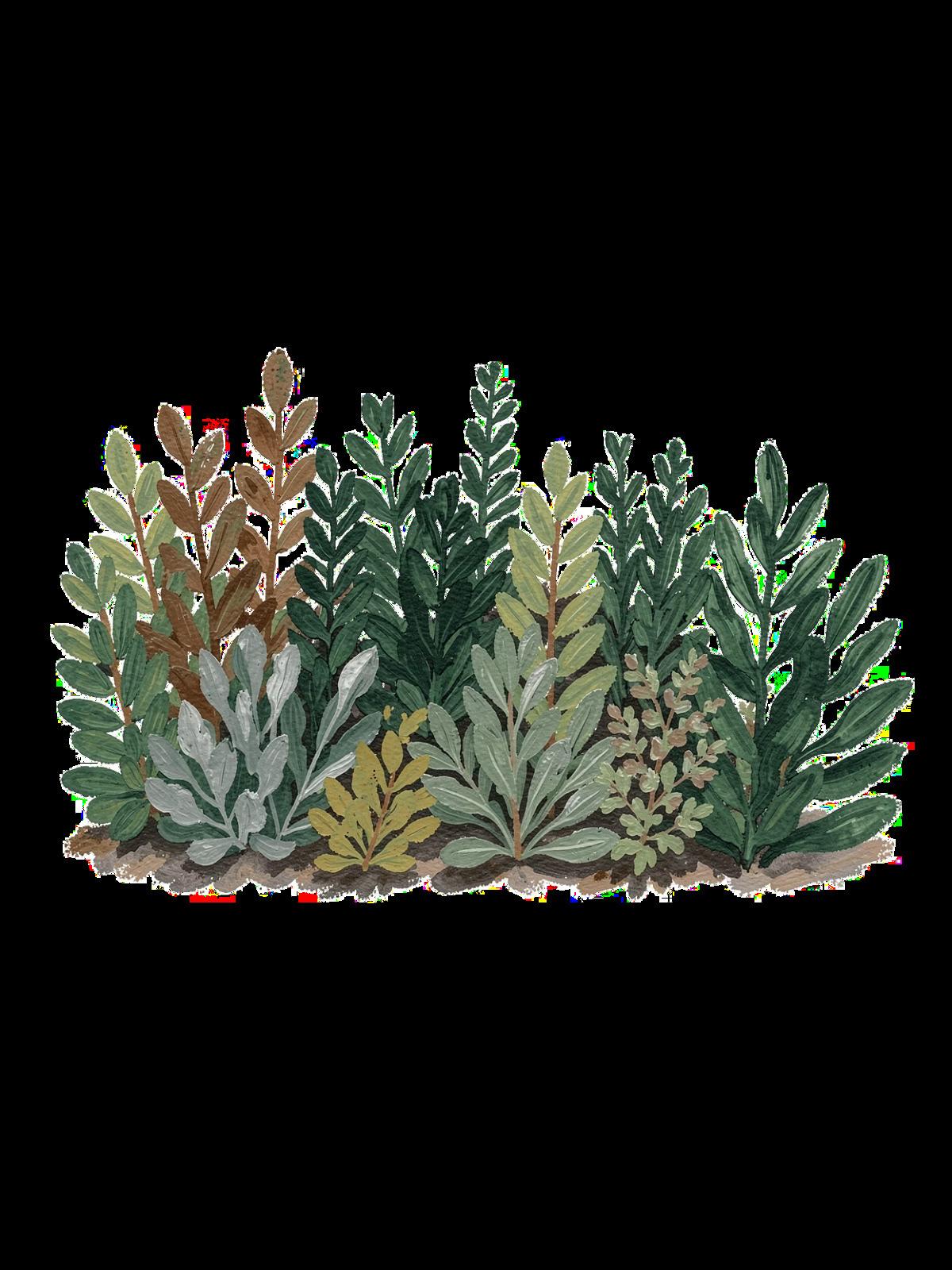
Pollinators such as bees and butterflies are essential for healthy garden ecosystems. Choosing shrubs that flower at different times of year helps provide a reliable source of nectar throughout the growing season.
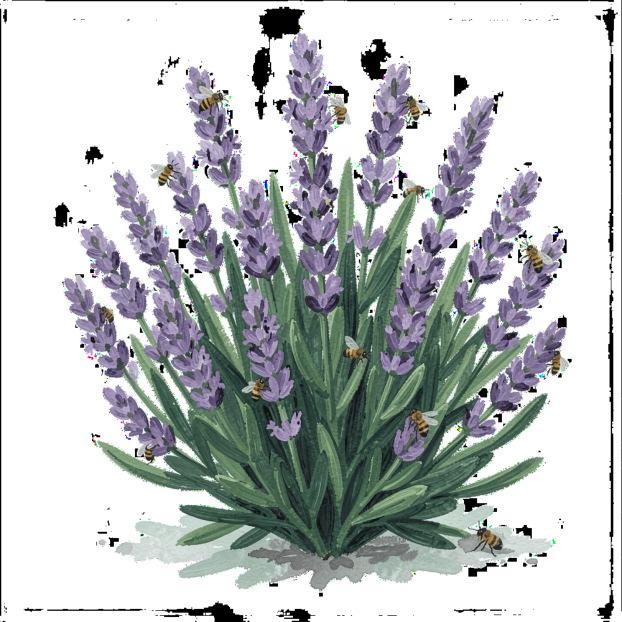
Especially popular for attracting bees during summer, lavender is a classic choice for UK pollinator gardens with its fragrant purple spikes.
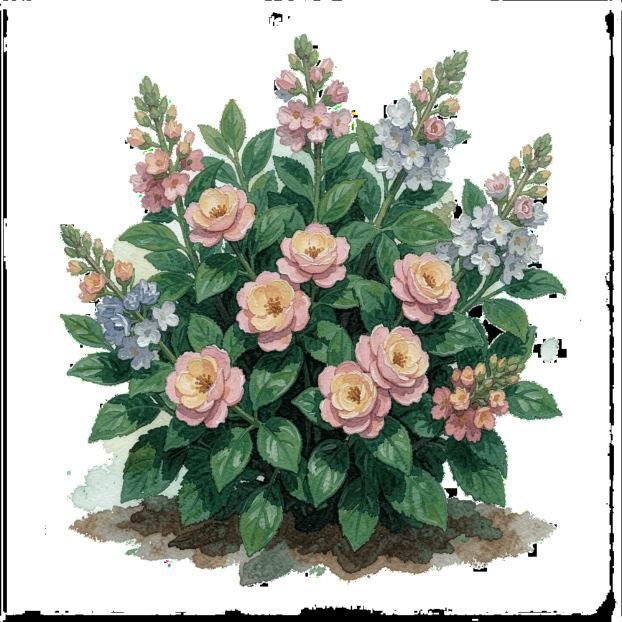
Hebe varieties can continue flowering later into the season, extending the nectar window for bees and butterflies well beyond summer.
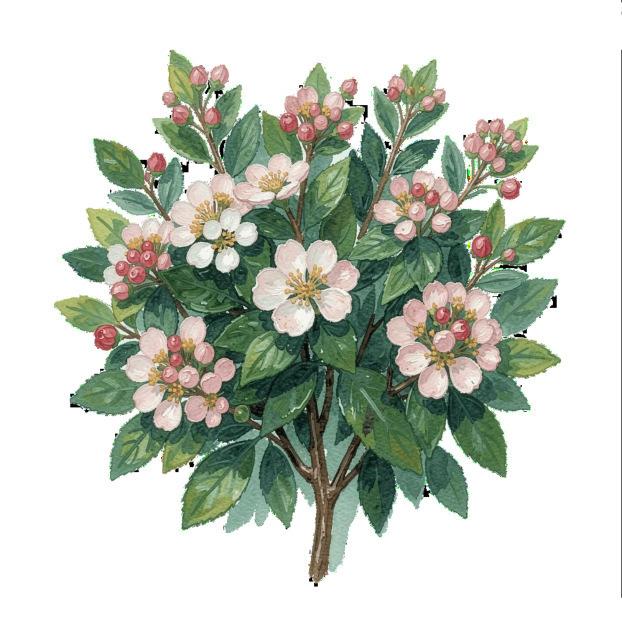
Photinia produces spring flowers that support pollinating insects while adding bold evergreen structure and vibrant red foliage to borders.

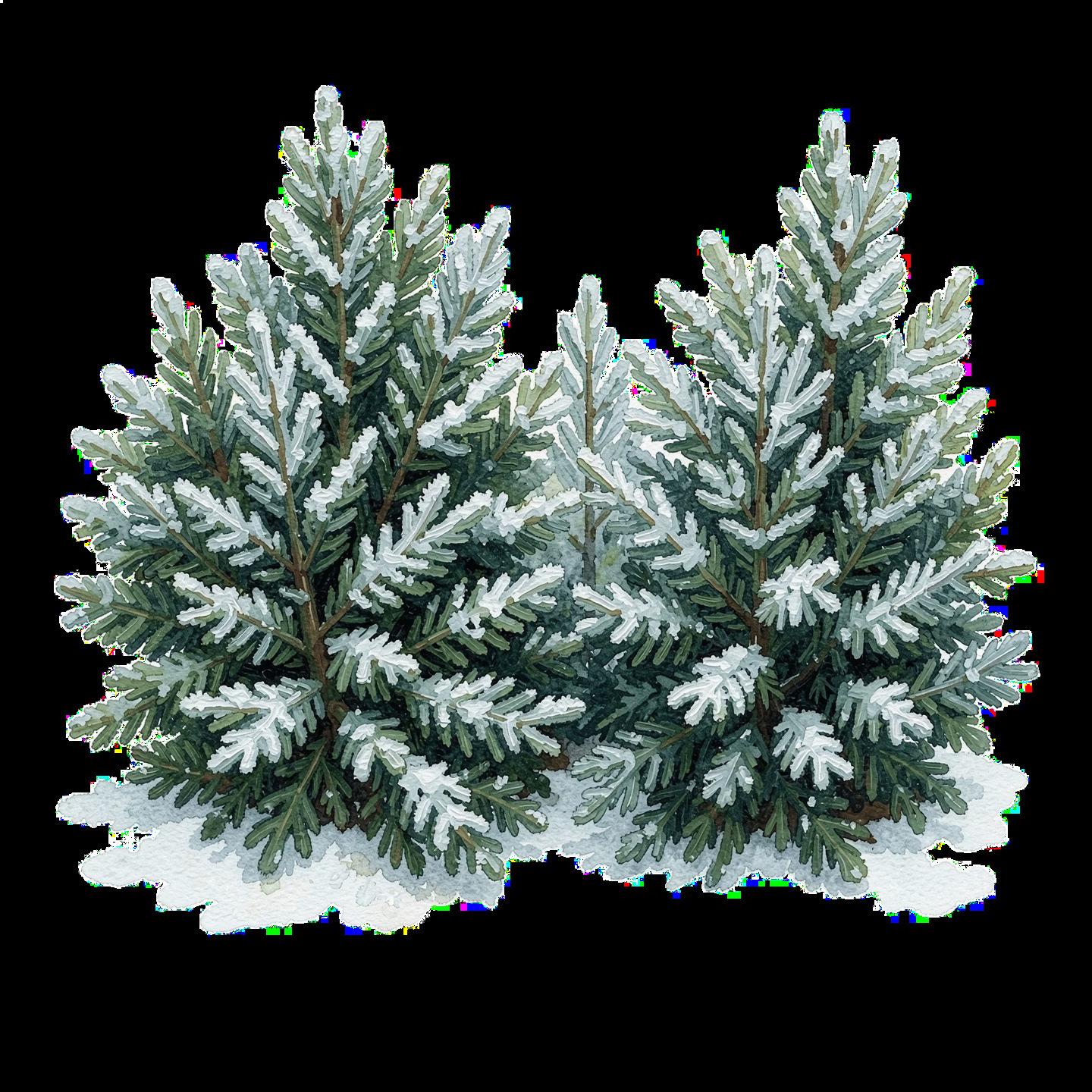
Evergreen shrubs help wildlife during colder months when natural shelter becomes harder to find. Birds often rely on dense evergreen foliage for protection from wind, nesting opportunities and winter cover.
Popular wildlife-friendly evergreen shrubs include:
These varieties also help maintain garden structure throughout autumn and winter, ensuring the garden remains both attractive and functional for wildlife.
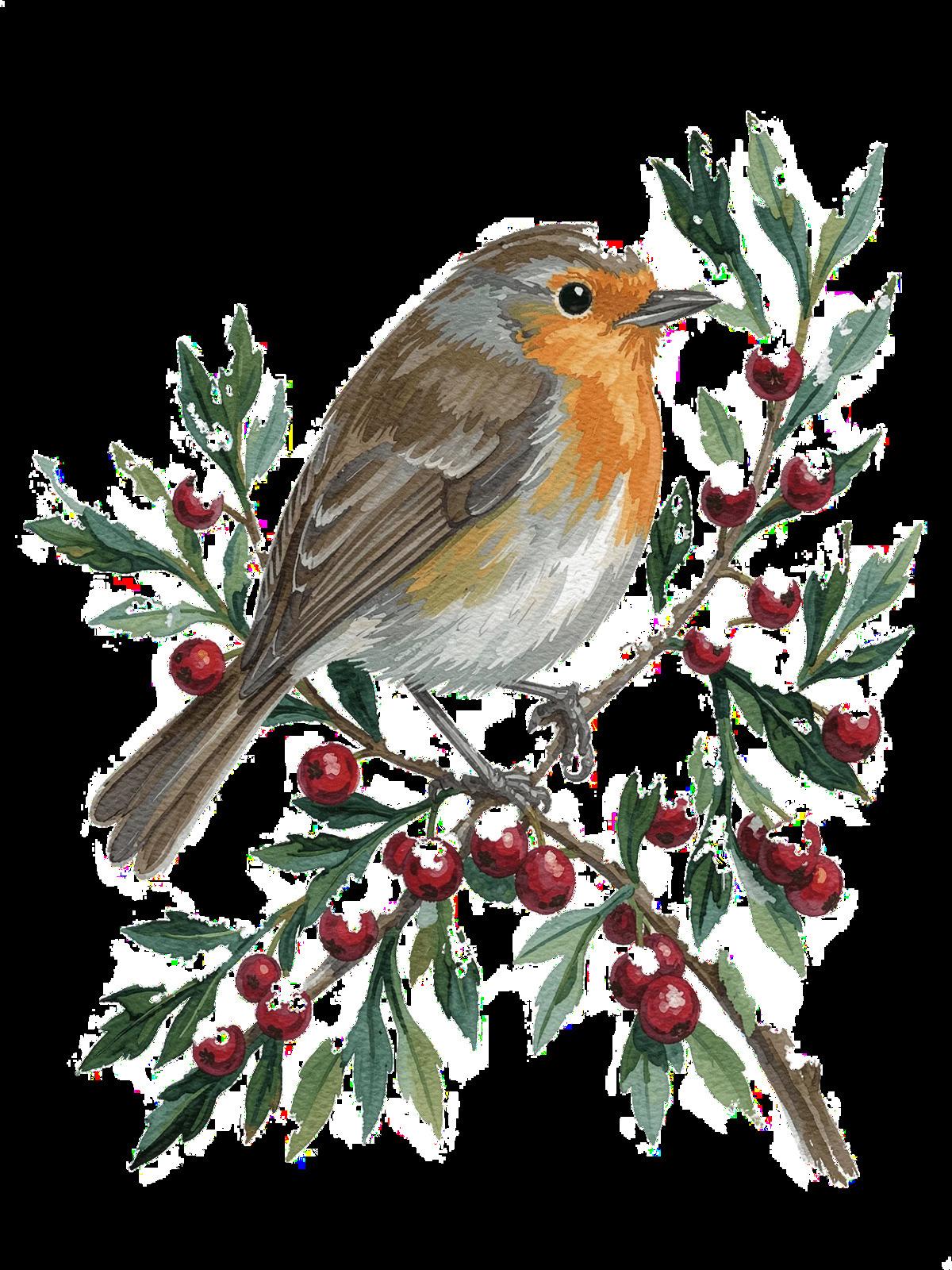

Shrubs that produce berries can help attract birds during autumn and winter when natural food sources become limited. Species such as blackbirds, robins and thrushes benefit from gardens that provide reliable shelter and seasonal food.
Rather than removing berries immediately, allowing some to remain through winter can help create a more supportive wildlife environment for visiting birds.
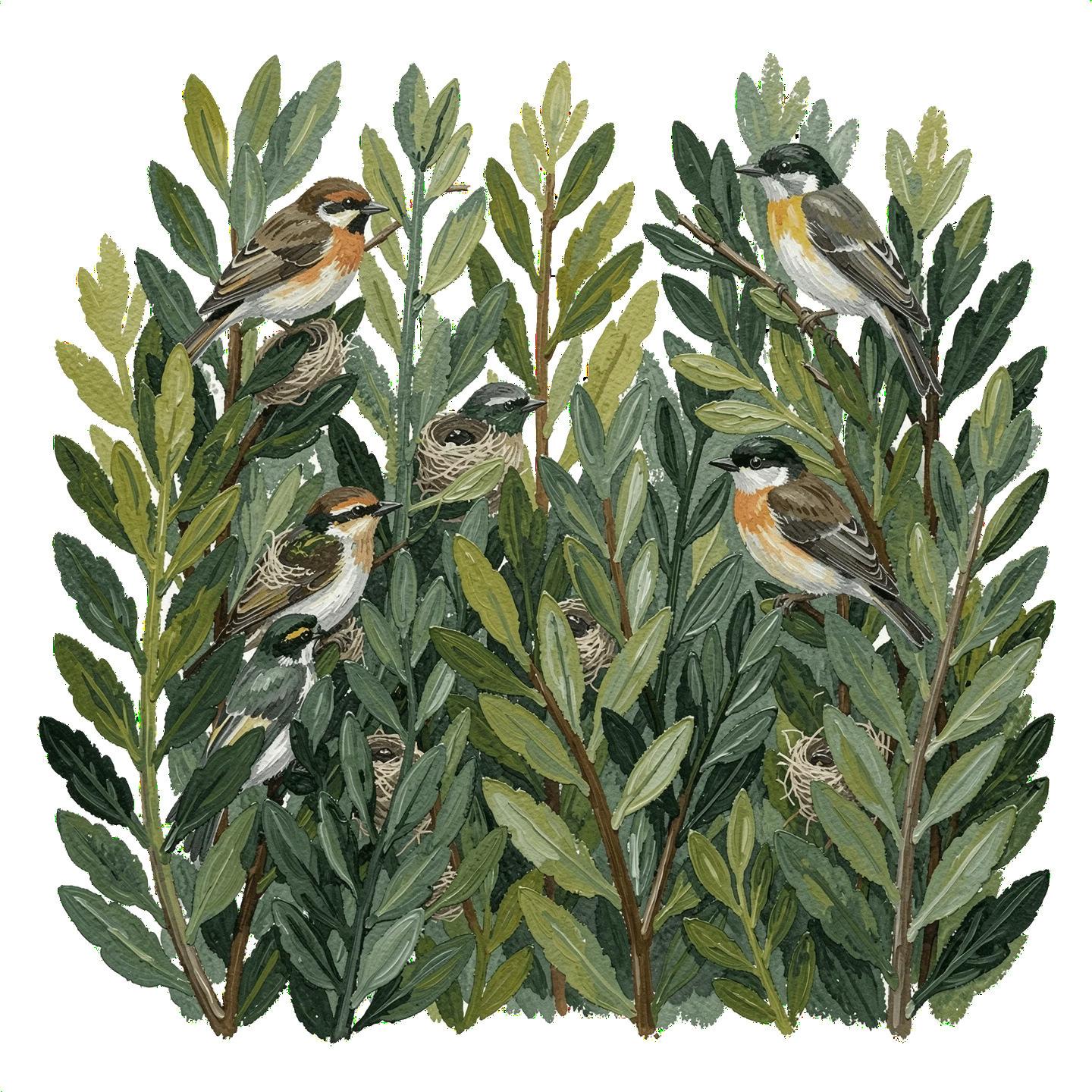
Shrubs with thick, layered growth provide ideal nesting spots for blackbirds, robins and other garden birds seeking safe shelter.
Choosing shrubs that fruit at different times ensures birds have access to food from late summer right through to early spring.
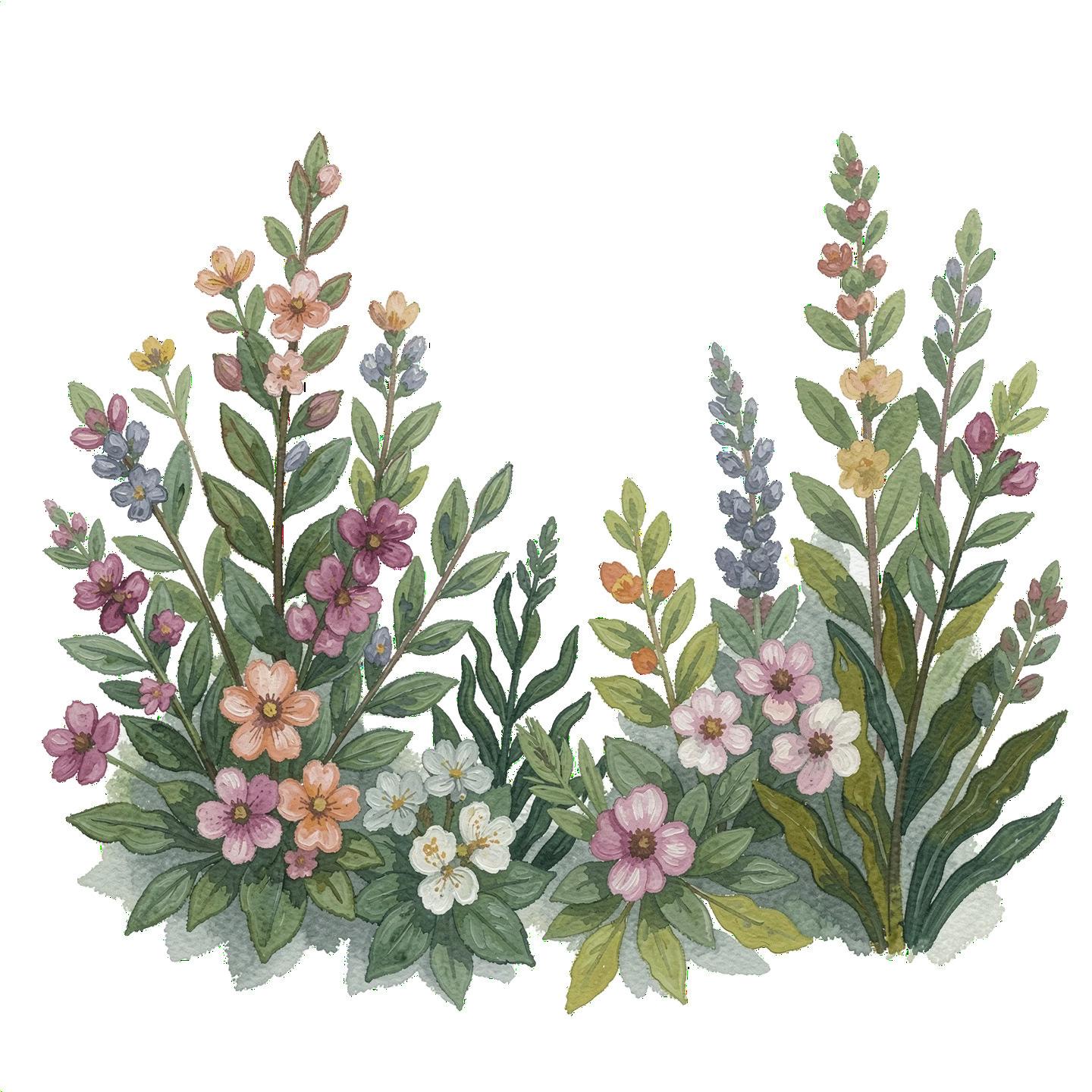
Perfectly clipped planting schemes may look tidy, but softer and more natural planting styles usually provide better habitats for insects and birds.
Allowing shrubs to develop a slightly more relaxed shape improves pollinator access and creates stronger biodiversity without making the garden feel untidy.
A balance between evergreen structure and flowering movement often creates the most visually appealing wildlife-friendly borders. The key is to embrace a degree of natural informality 4 letting shrubs breathe and grow in ways that invite wildlife in rather than keeping them at a distance.
Relaxed pruning schedules and natural growth habits are actively beneficial for garden biodiversity.
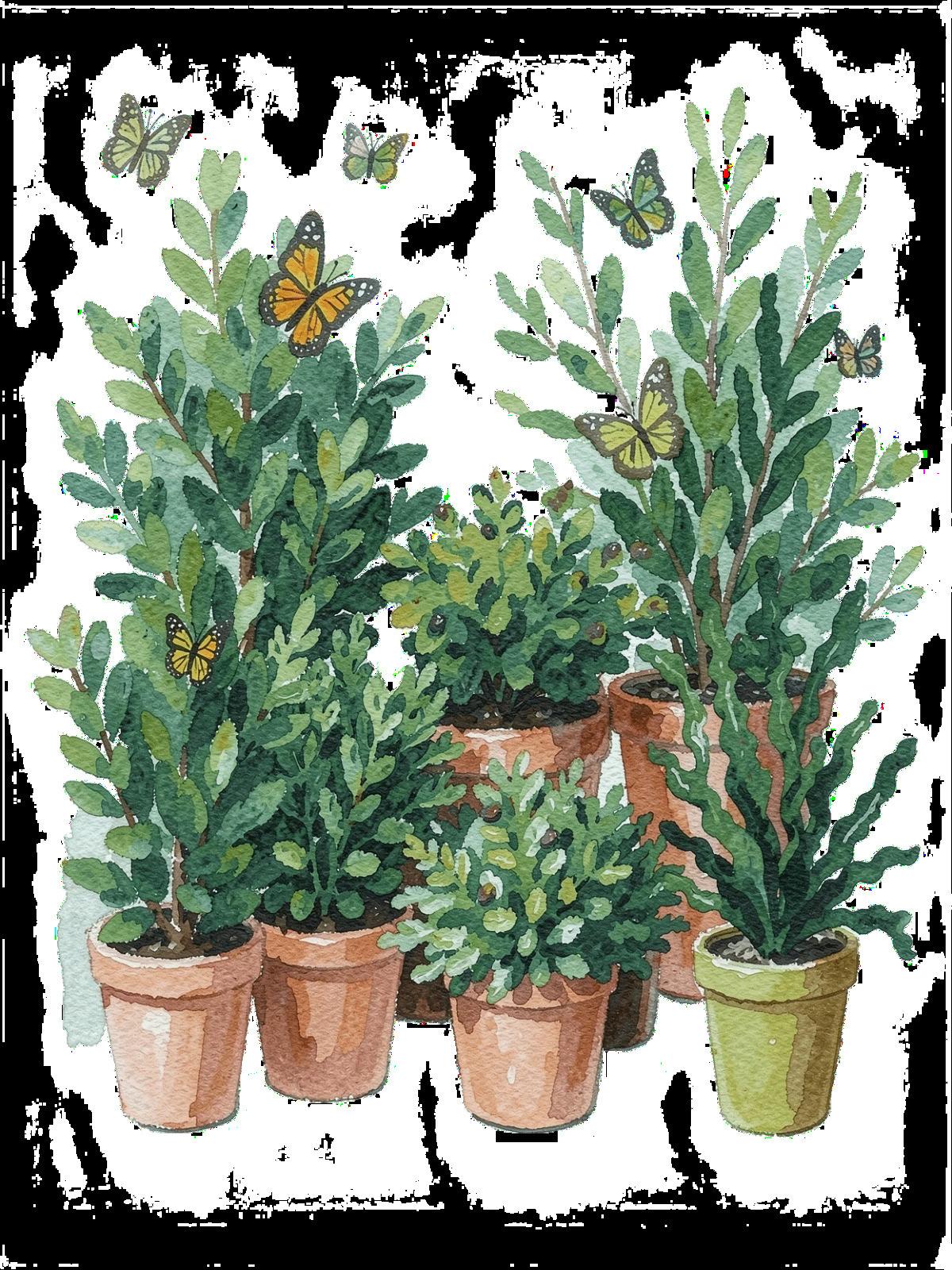
You do not need a large countryside garden to support wildlife successfully.
Even compact urban gardens, patios and courtyards can attract bees, butterflies and garden birds when planted thoughtfully.

Compact city plots can still host a surprising range of pollinators and birds with the right shrub selection.
Hard-landscaped spaces benefit enormously from wellchosen shrubs placed along boundaries or in raised beds.
Container planting can work surprisingly well where border space is limited, bringing wildlife value to even the smallest outdoor areas.
Creating a wildlife-friendly garden with shrubs is one of the most effective ways to support biodiversity while maintaining an attractive and practical outdoor space.
By combining flowering shrubs, evergreen structure and natural shelter, UK gardens can become healthier environments for pollinators, birds and beneficial insects throughout the year.
Extend the nectar season from early spring through to late autumn to support pollinators year-round.
Combine compact, mid-height and taller evergreen varieties to create richer, more natural habitats.
Allow shrubs to develop a relaxed form that invites wildlife in and supports greater biodiversity.
For evergreen, flowering and compact planting ideas suited to UK conditions, explore TheBeautifulShrubsCollections.