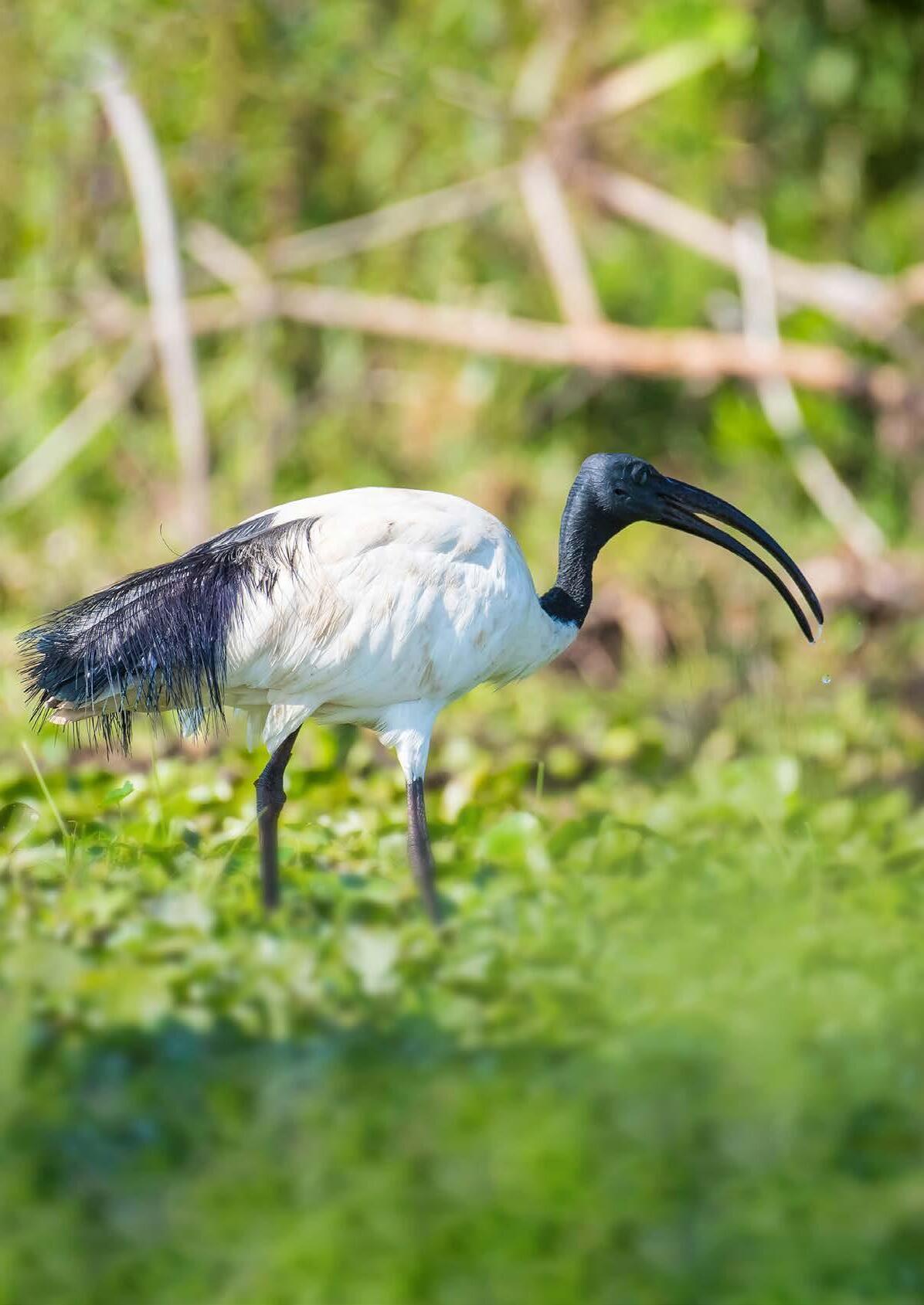
Al Ain Zoo: a warm and welcoming place for migrating birds
The Vision of the Arabian Desert
A film that reflects ancestral struggles
READ ALSO:
TROPHY HUNTING KILLS 600 LIONS EVERY YEAR
Henna, the ancient Arabian art of beauty
Free tickets to kids sharing their artwork
VISITOR LENS
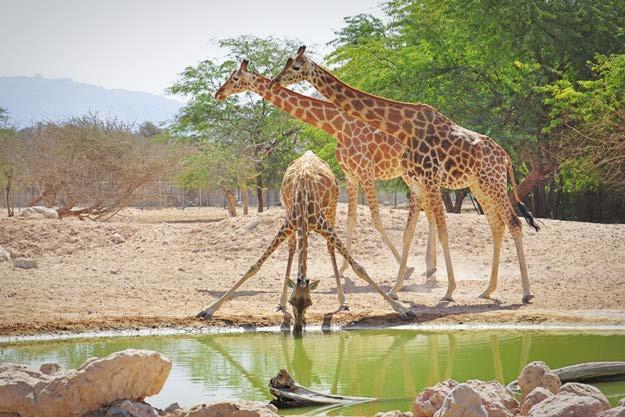
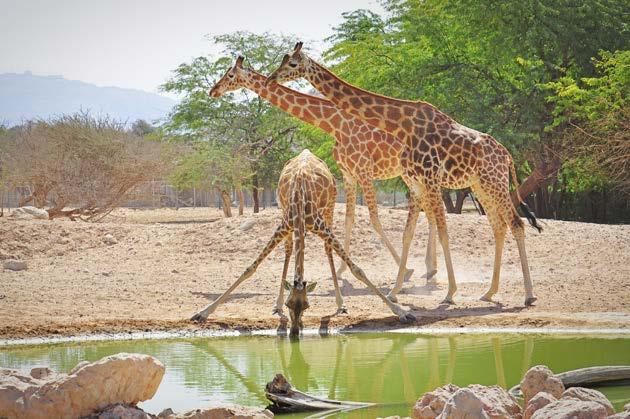
Rothschild’s Giraffe is the world’s tallest land mammal, measuring about 2 meters at birth and up to 5.5 meters as adults. Giraffes have one of the shortest sleep requirements of any mammal, sleeping for between 10 minutes and 2 hours per day. While giraffe populations in southern Africa are expanding, populations elsewhere in Africa, such as Niger, are in danger of extinction due to habitat degradation and poaching.
CONTENT
16-17
08-09
06
Photo by: Cesar Samian
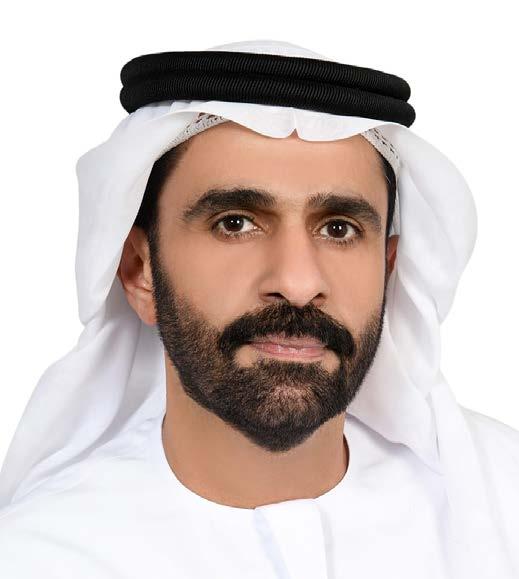
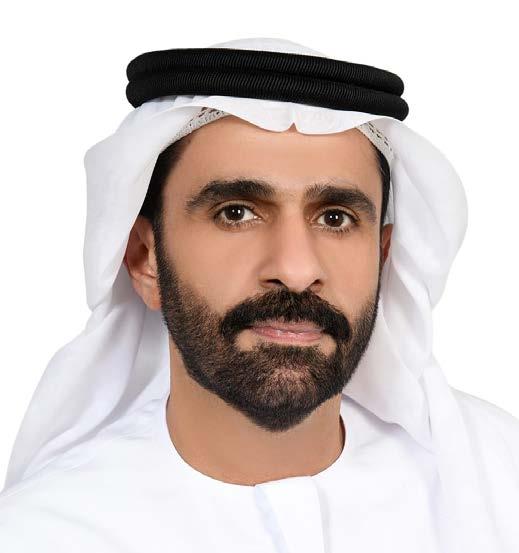
“How proud I am when I watch the African wilderness trips in the heart of Al Ain. What the human hands have created in this amazing area is one of the world’s largest man-made Safaris. This is a great step forwards in the environmental, cultural, tourist and economic sectors that demonstrates the great efforts and achievements of Al Ain Zoo and the entire Emirate of Abu Dhabi.
This astonishing match between African nature and the breath-taking adventures led by hospitable Emirati cadres is not only a wonderful blend of tourism and entertainment, but a noble message that we all share and support to preserve wildlife and nature.”
H.E. AlHallaf Abdul Rahman Nasser Al Ahbabi Board Member of Zoo & Aquarium Public Institution in Al Ain
Abu Dhabi Events
Event: Hypercars: Evolution of Uniqueness
Location: Ferrari World Abu Dhabi
Date: 10 August
Event: Theory of Arab Literature: Prospects and Limits
Location: Virtual Event
Date: Valid until October 17
Event: Abu Dhabi Festival 2021
Location: Virtual Event
Date: Valid until October 30
Event: Emotions! The New Art Adventure
Location: Louvre Abu Dhabi
Date: Valid until December 31
Event: TrainYAS Ladies
Location: Yas Marina Circuit
Date: Valid until December 31
Event: Qattara Arts Centre Workshops
Location: Al Qattara Arts Centre - Al Ain
Date: Valid until December 31
For more information, call 800555
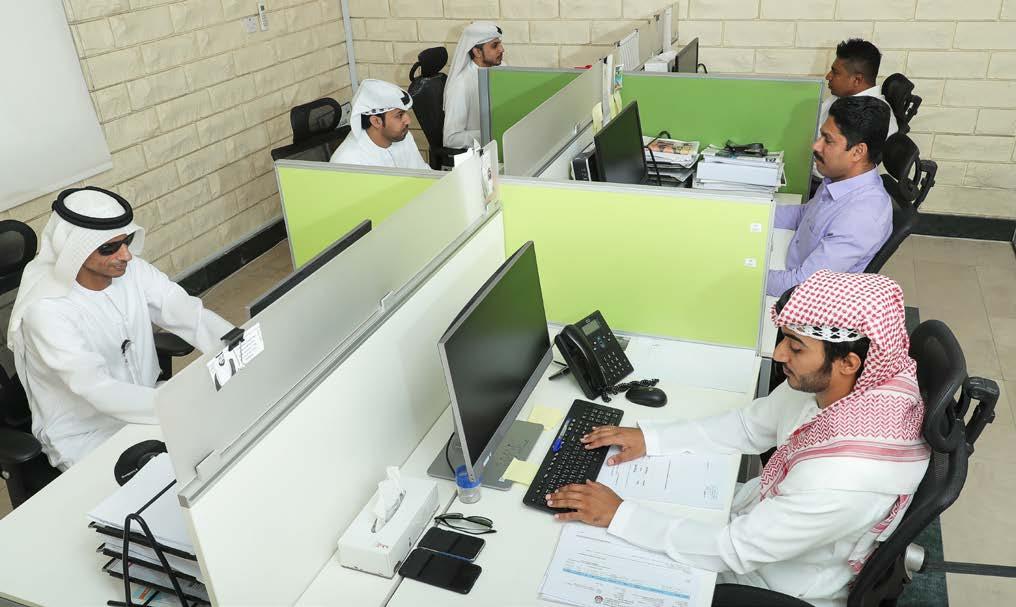
The Procurement and Contract Department
Delivers the most professional services
Al Ain Zoo consists of multiple departments, including the Procurement and Contract Department, which works on delivering the highest quality services to both internal and external stakeholders.
The Department supports the purchasing needs of the Zoo by applying the best possible standards accurately and effectively, providing innovative and high-quality services in warehouses and stores management as well as analyzing the market to provide the best services and products.
The Department is divided into three sections, depending on the area of expertise, competencies, and functions of each section: procurement, contracts, and warehouse & stores. In terms of internal and external stakeholders, all sectors and departments of the enterprise, suppliers, contractors, investors, and government entities, are regularly updated effectively.
In terms of programs, projects and initiatives, the Department has established and implemented a number of programs that achieve strategic objectives,
such as the electronic supplier registration and procurement system, contract management and performance evaluation of suppliers and contractors, the Government Procurement Coding and Electronic Technical Inspection System, along with the creation of satisfaction surveys for suppliers, contractors and partners, digital transformation and automation of services.
Through the application of best-known practices, the Procurement and Contract Department contributes positively to the development of the economy, society and the environment by applying sustainable procurement and encouraging suppliers and other stakeholders to do likewise.
The Department is updating all of its quality management systems based on the best practices there are and aiming to gain the ISO 20400:2017 Standards Accreditation, which ensures that the organization undertakes the best practices in all operational processes relevant to its role in procurement and contract management.
“The Vision of the Arabian Desert”
A film that reflects ancestral struggles
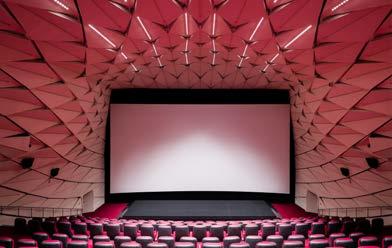
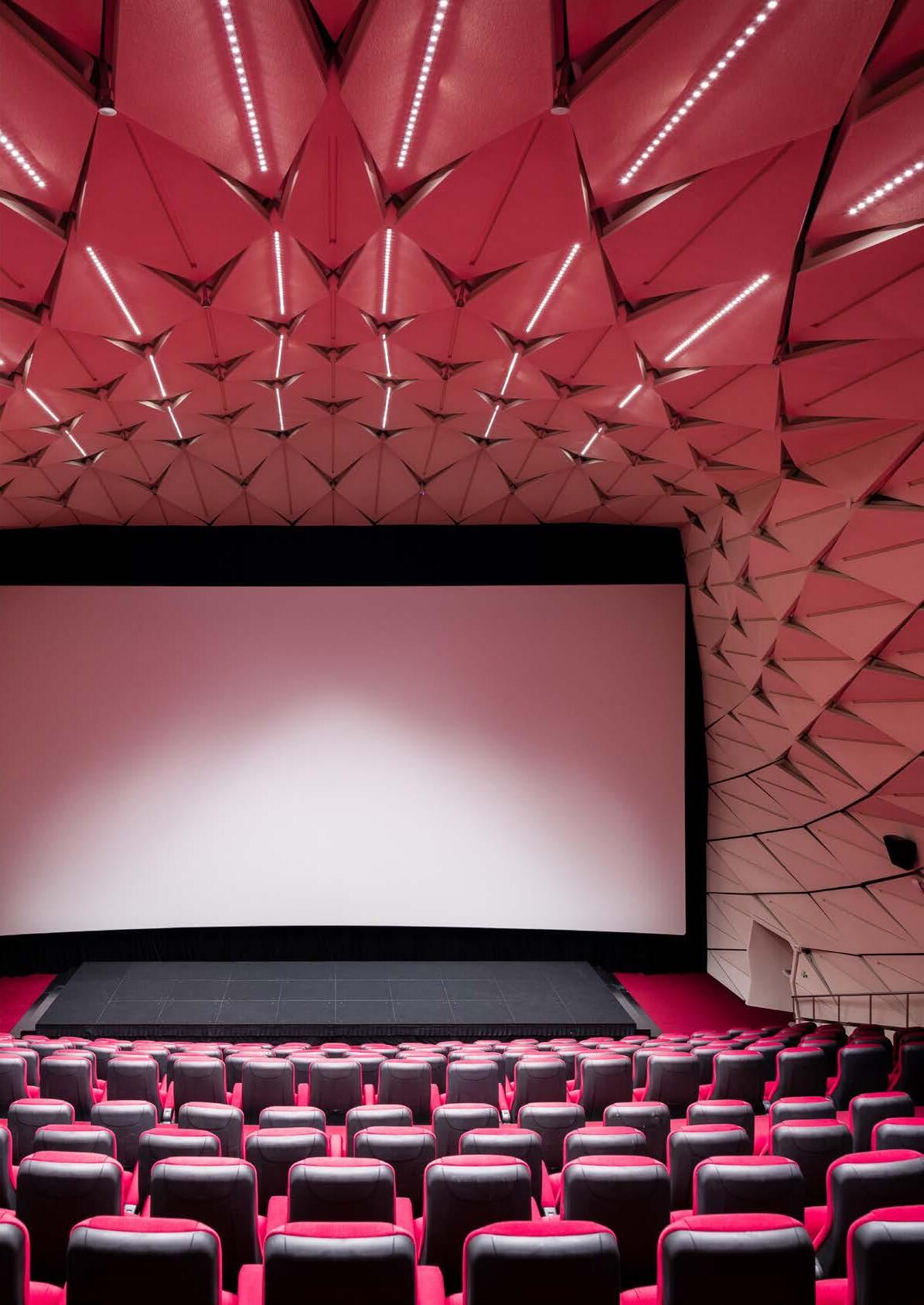
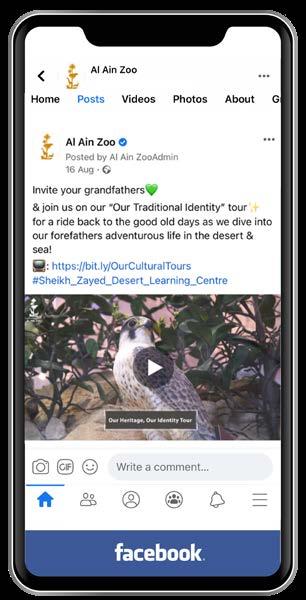
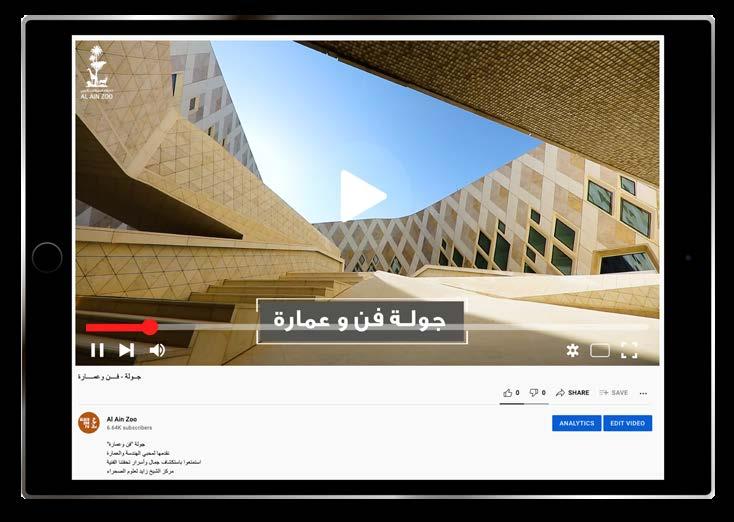
The Sheikh Zayed Desert Learning Centre welcomes visitors to the documentary movie, “The Vision of the Arabian Desert “ which depicts the harsh life and conditions of the Arabian Desert and how the Emirati’s ancestors made peace with it, featuring visual influences, natural scenes of biodiversity and the variety of wildlife that the desert environment was, and still is, home to.
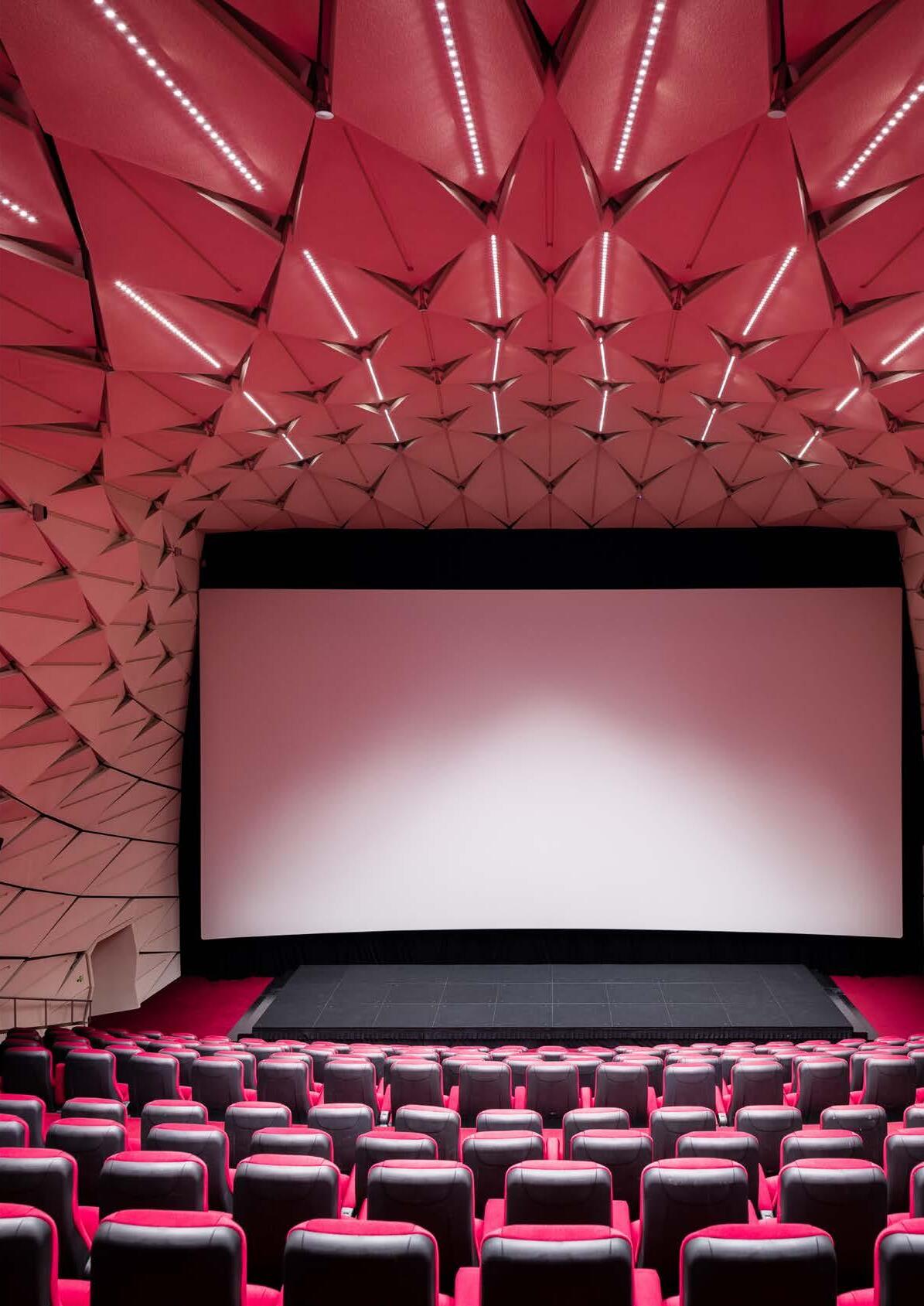
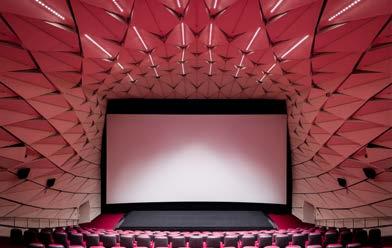
The film runs for 13 minutes and is shown on one of Abu Dhabi’s biggest movie screens. Once visitors enter the movie theatre in the Sheikh Zayed Desert Learning Centre, they get to watch a fascinating creative production that reflects the natural life, environment and biodiversity of the UAE, starting from the desert to the oasis all the way to the coast.
The film’s aesthetic is visually and audibly captivating, luring in the audience with a plethora of artistic scenes that reflect this highly relevant theme.
Visitors get the opportunity to watch the film throughout the day during opening hours when visiting the Sheikh Zayed Desert Learning Centre.
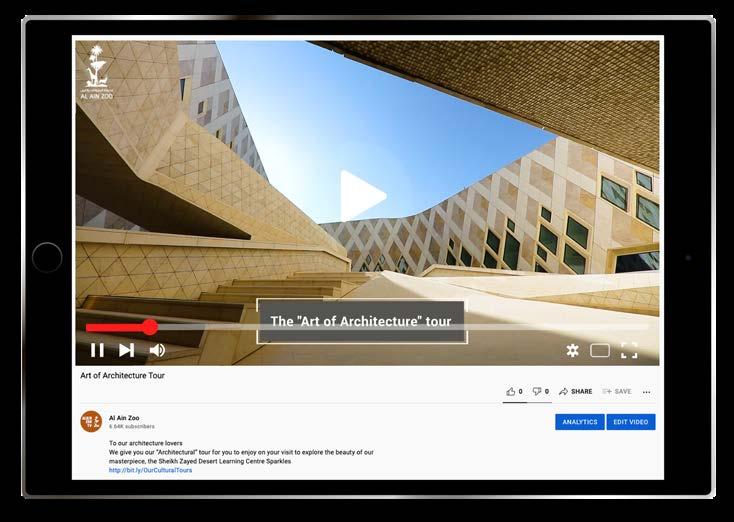
The Centre is an architectural masterpiece that is one of the UAE’s finest sustainable work of art, has achieved the five pearl rating of the Estidama Pearl Rating System in the design phase and received a LEED Platinum certification. The Centre is a 3 level construction that can house up to 258 people on each level, and includes four areas dedicated and equipped for people of determination. The film theatre has an 16x8.5-metre screen with 4K technology and currently receives 53 visitors at a time due to the application of precautionary measures for the prevention of the spread of COVID-19.
Henna
The Ancient Arabian Art of Beauty
Family: Lythraceae
Plant name: Henna
Scientific name: Lawsonia inermis
DESCRIPTION
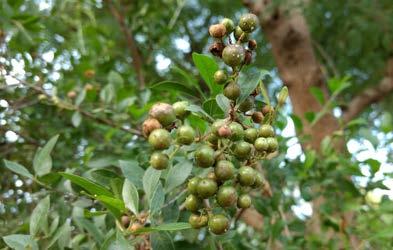
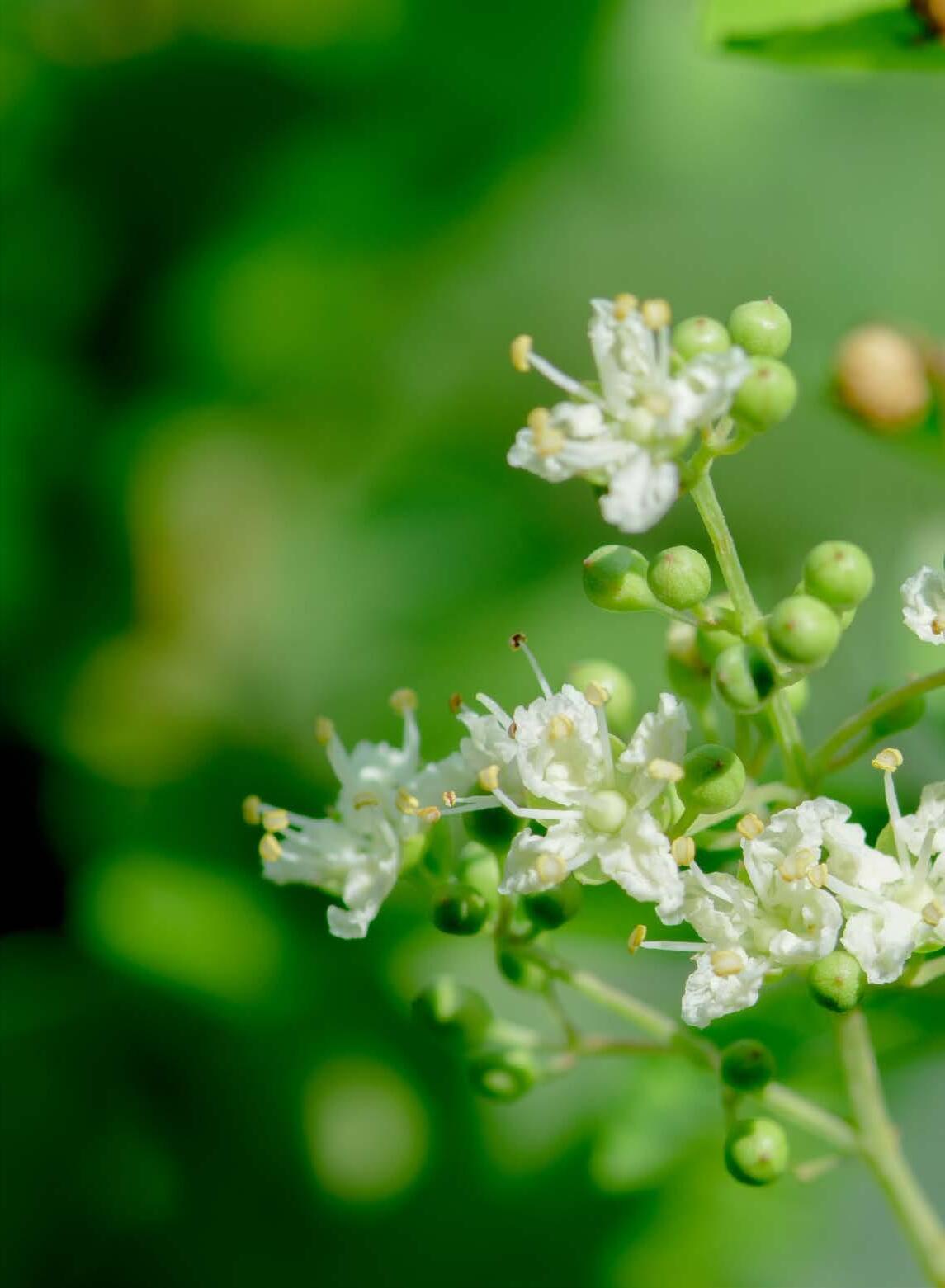
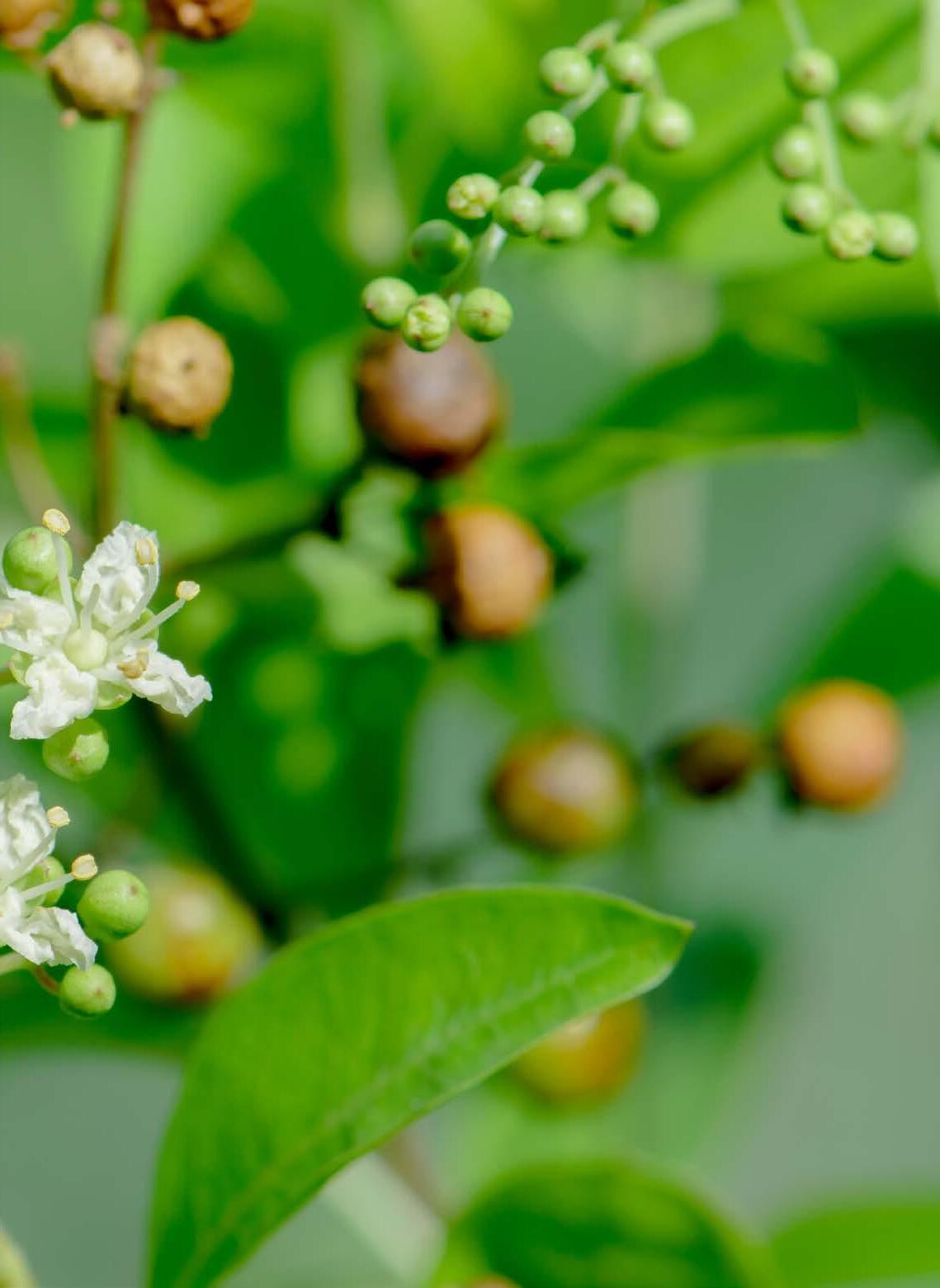
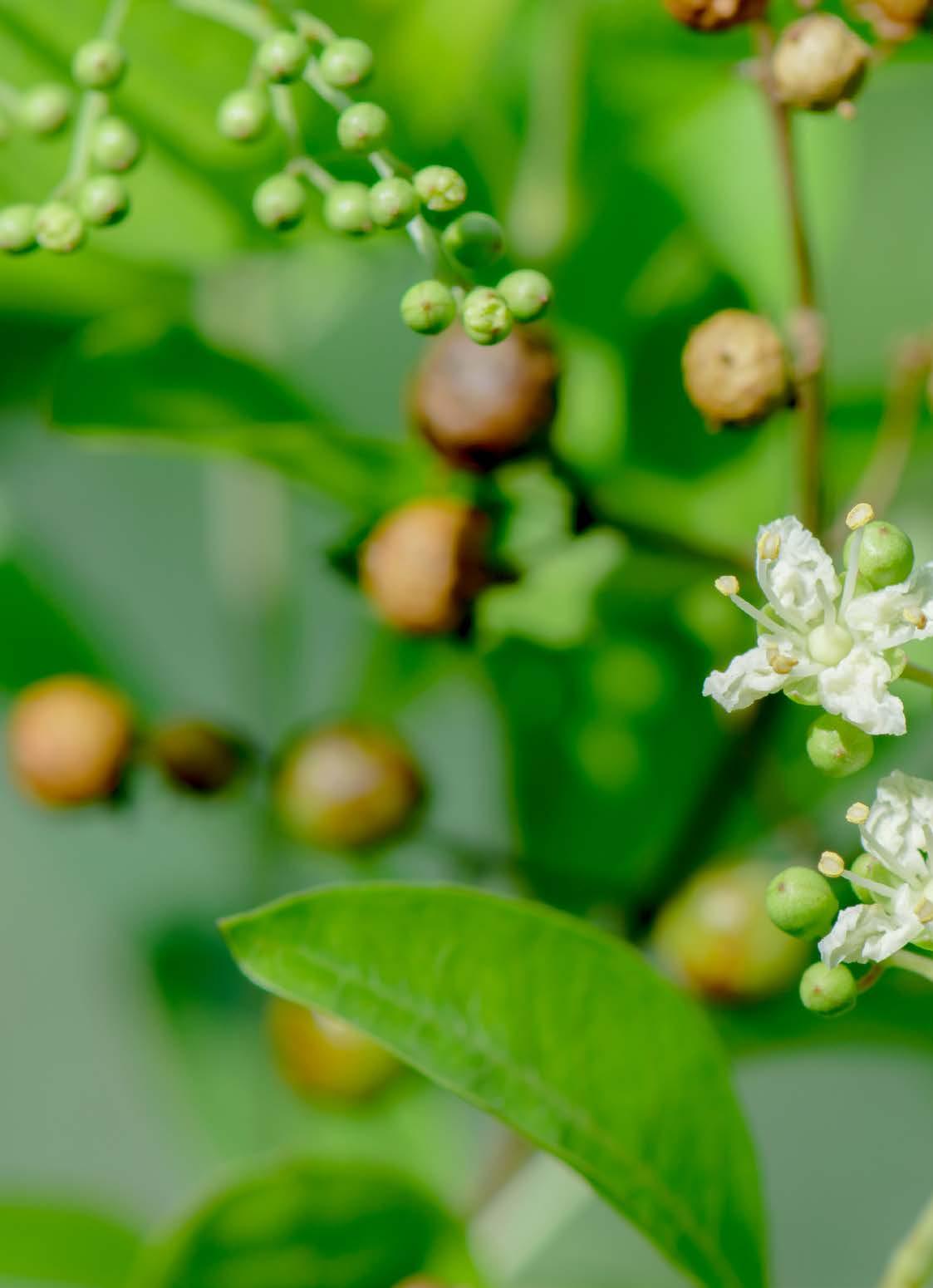
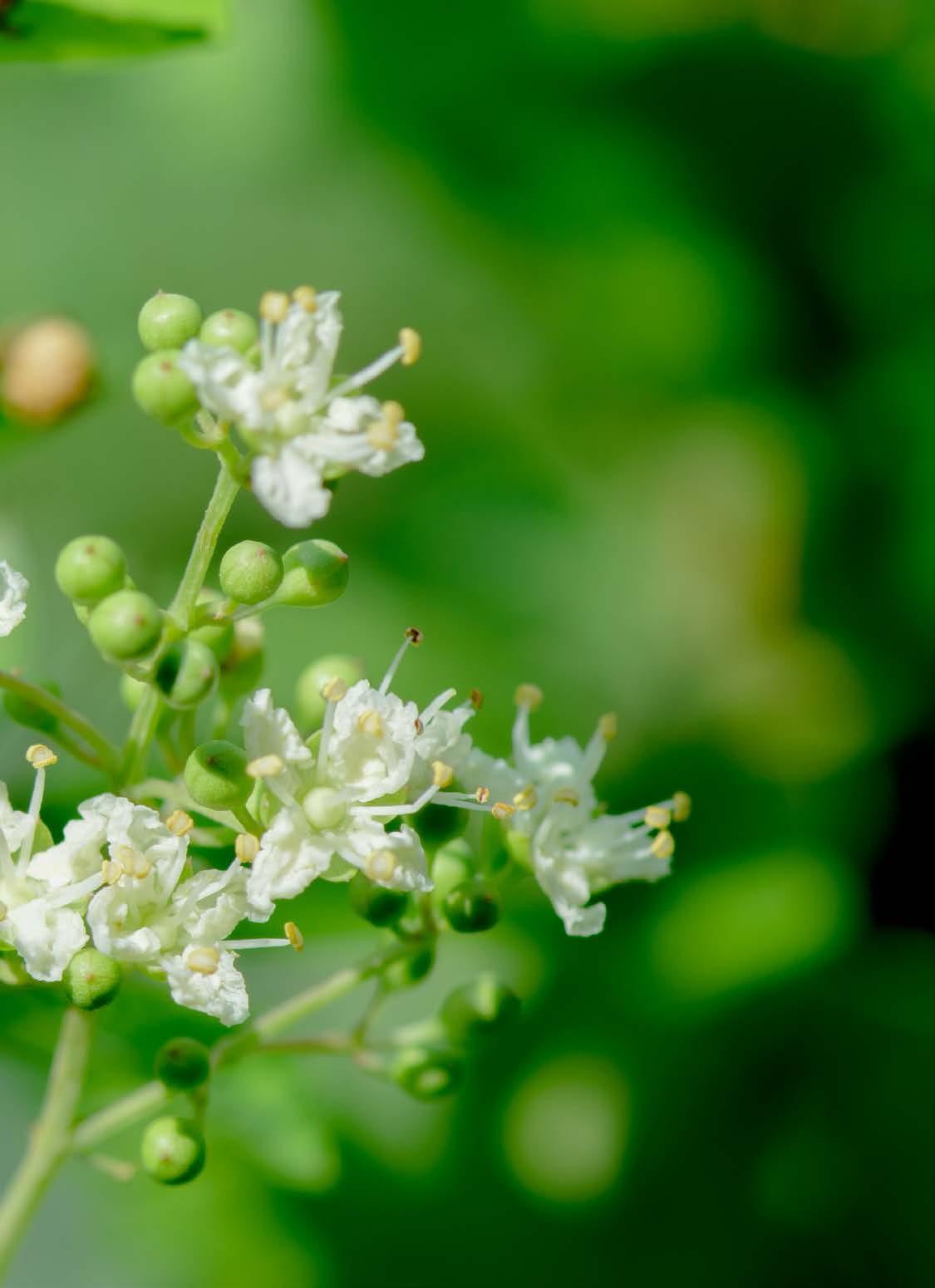
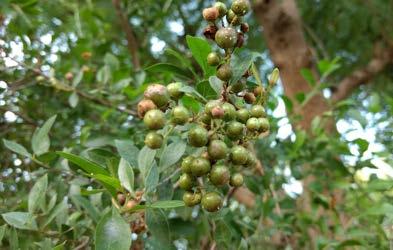
Henna is a tall shrub that can live up to 10 years. It is a glabrous, multibranched annual tree with small fragrant flowers that are usually have white or red stamens. The henna plant generally thrives in half shaded areas and warmer climates, usually going into hibernation in winter times. It can live in most soils but prefers porous sandy and low-acidity soil.
Traditional uses
Pulverized dried henna leaves are used to stain and color skin and hair. The powder is mixed with water and vinegar and can also be used to dye fabrics including silk, wool and leather. Medicinally, henna can be used as a topical antipyretic and for the treatment of skin infections. The leaves can also be chewed to treat mouth ulcers and gum inflammations. Henna is used in many countries throughout the region to stain and create ornamental designs on the hands and feet of women for certain events and celebrations, and has also become a neutral ingredient in the global modern beauty and cosmetics industry.
Habitats:
Henna plants are usually found in oases, mountains, and residential areas, and are endemic to Asia, Africa and Northern Australia. Requiring hot climates to grow, they grow heavily in tropical environments while their cultivation has spread to countries in the Mediterranean basin with the main producers being Morocco, Egypt, Sudan, China and India.
Where to find in Al Ain Zoo:
Henna shrubs are spread throughout several areas of the establishment, including the Zoo entrance, the World Deserts area, the Sheikh Zayed Desert Learning Centre building and several other places in the main Zoo. Also, it planted as a fence around the tanks and others to block the area and provide a nice view.
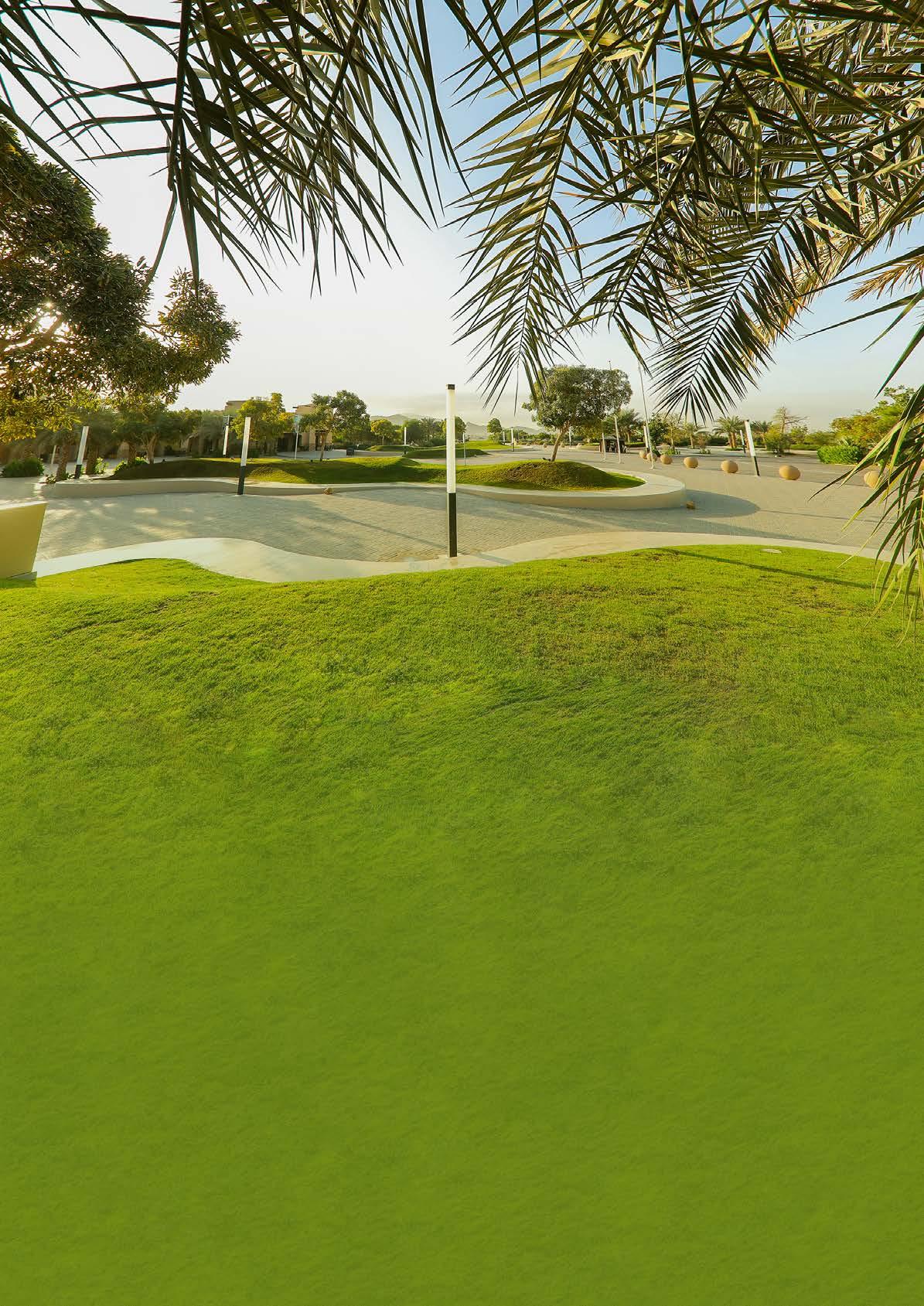
Al Ain Zoo promotes local vegetation for its green areas in pursuit of environmental protection and conservation of natural resources
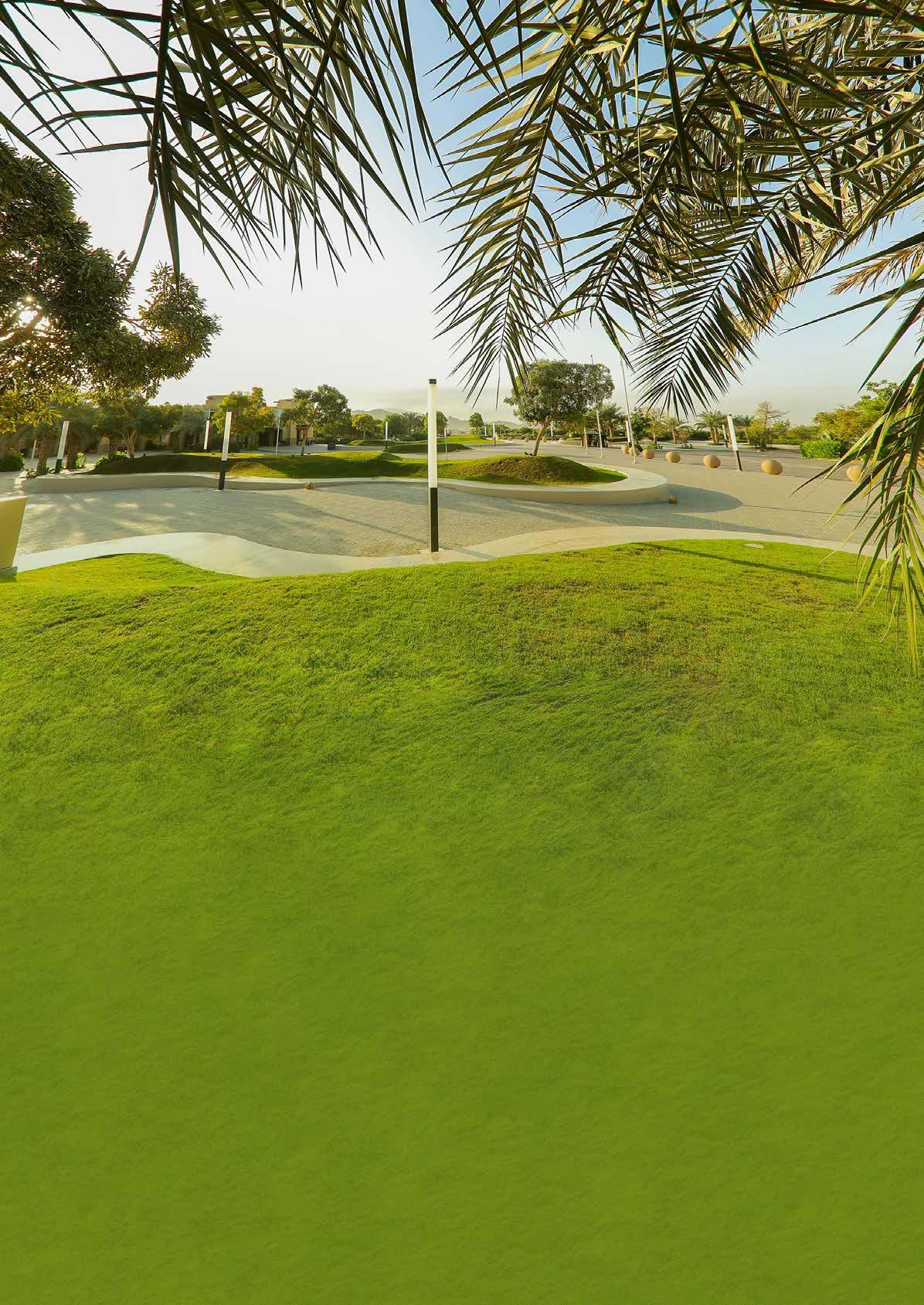
Forestation plays an important role in the efforts exerted by Al Ain Zoo to preserve nature, with over 327,145 square meters of green spaces in total, including horticulture and seed bank projects that align with the Zoo’s environmental objectives in protecting the wildlife environment and preserving natural resources, especially endangered local plants, thus achieving self-sufficiency and increasing the number of seedlings and plantation zones to enhance the expansion on the Zoo green areas.
As part of its efforts in protecting endangered plants, the Zoo has developed ZAPIA Nursery dedicated to the supply of seedlings and plants to contribute to the Zoo improvement schemes, using state-of-the-art irrigation systems to rationalize water consumption.
The Nursery includes over 19,000 plants of different species, and 40 different species of local and non-local plant seeds.
For the purpose of expanding the number of lush green spaces, the zoo planted over 270 plants that came from its own Nursery to enhance different areas like the Al Ain Safari, in addition to planting many local species throughout the zoo, such as Caralluma arabica , Nannorrhops ritchiana and Salvadora persica, in addition to multiple species of trees like Ziziphus, Prosopis, palm trees and henna, among many others.
In order to rationalize of irrigation water consumption, the Zoo reduced the need for up to 95% of its irrigation water by focusing more on local plants which naturally need less water. This revealed the great opportunity to reduce irrigation water consumption generally by using these local plants in vegetation and aesthetic agriculture projects, which also reduces the need for maintenance, and services like pruning, fertilizing, and etc. which consequently reduces operational expenses.
MY PROFESSION, MY PRIDE .. MY HAPPINESS
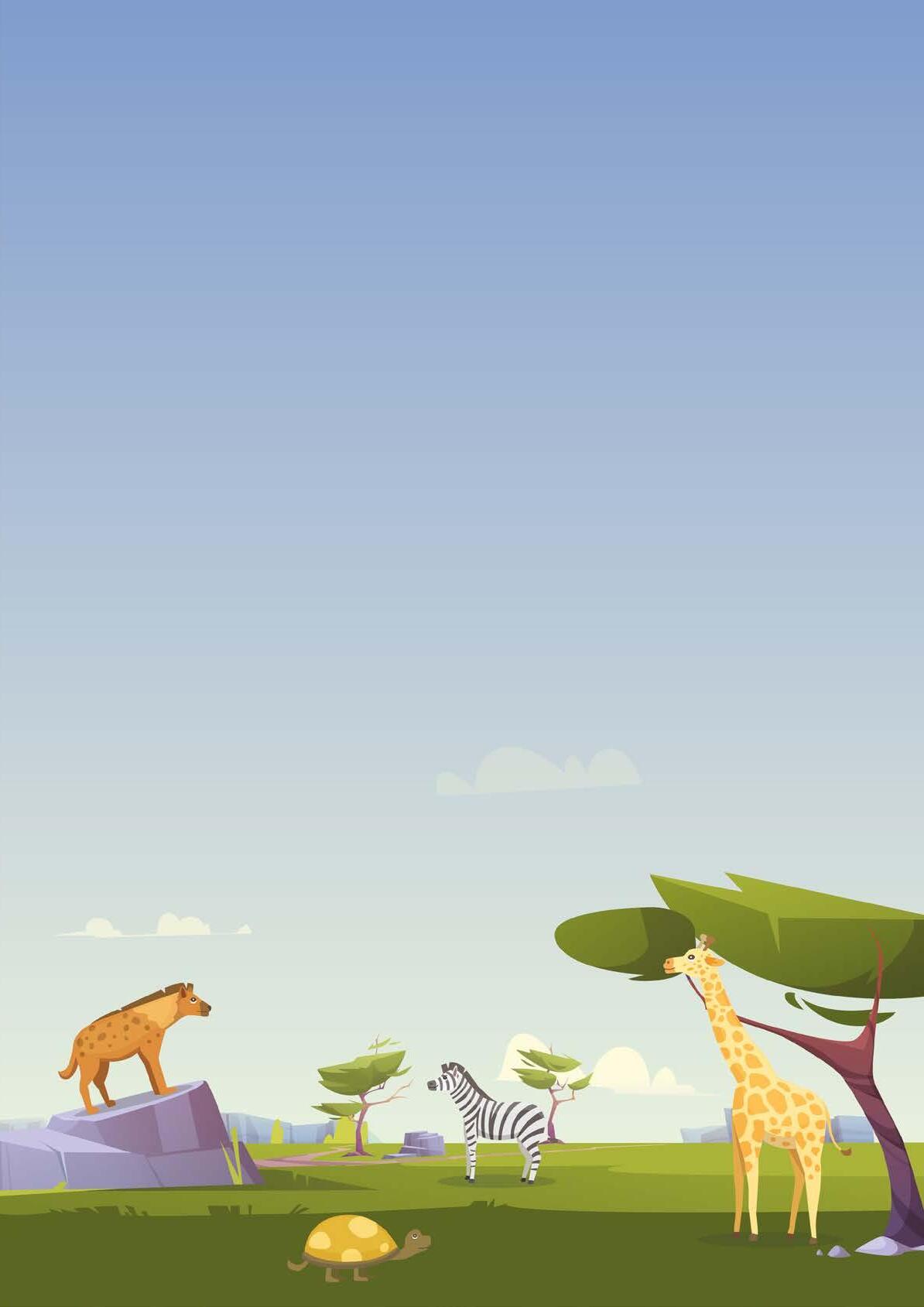
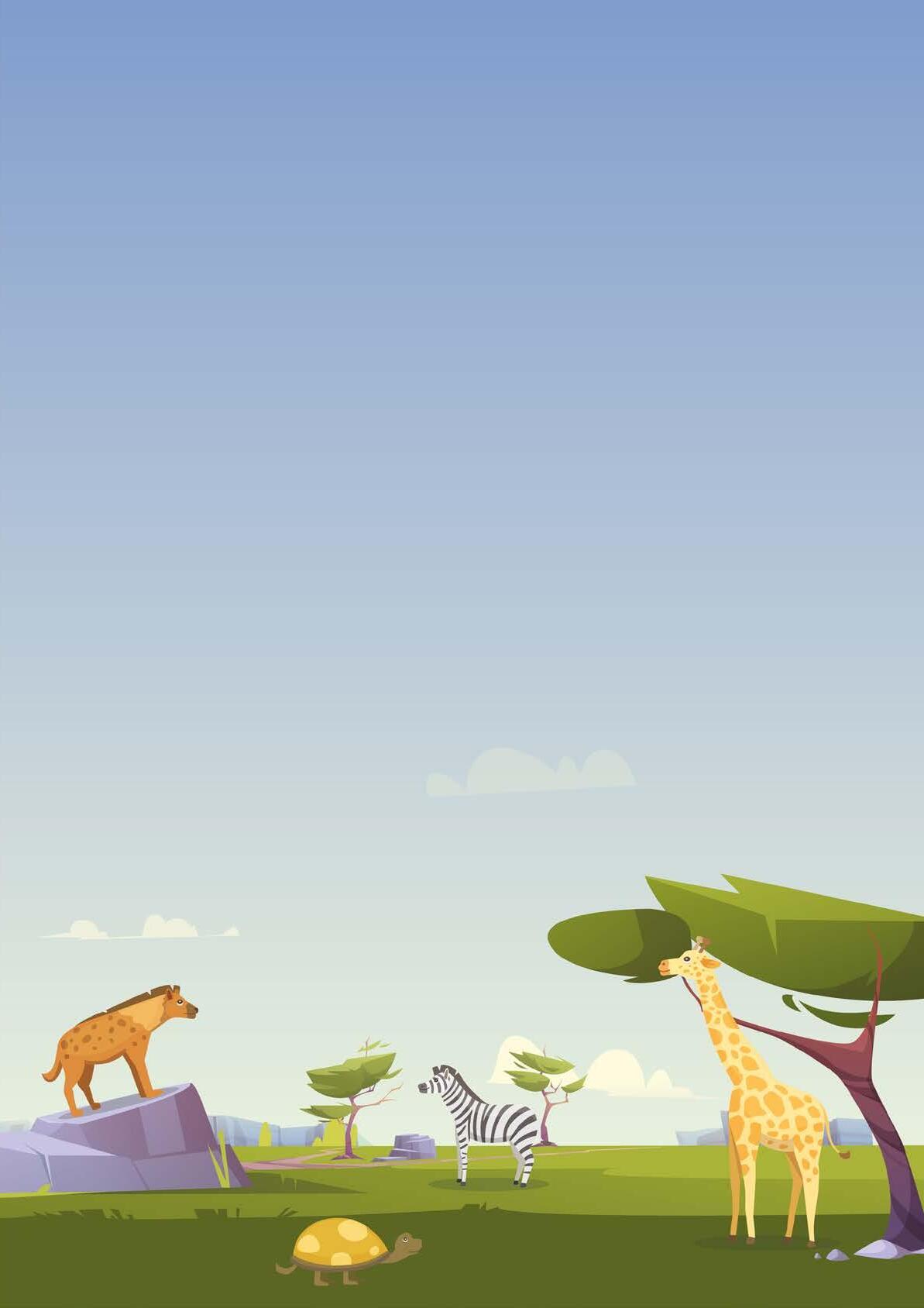
In a village called “Joy” where animals worked hard, were loyal and deliberate in their chores from the start, the giraffe daily trims all trees in sight into triangles and circles and the shape of a kite, and the horse would happily take villagers on a ride to where they wish to go with a lively stride.
Now the squirrel, you see, had a different task, he skillfully turns wood to any tool you could ask and the kangaroo, too, had a job so imperial!
He’d clean and in his pocket put recyclable material while the big old turtle was the village’s oldest, so he was the confidante, the doctor, and known as the wisest.
But we all know how quickly news of happiness travels, so pray, let me tell you how this story unravels.
A hyena came visiting from land far away, looking for somewhere to rest, sleep and stay, but surprise, surprise!
The village had a place that hosts travelers who wish to slow their pace. He walked in the lobby and rang a cute bell. Who would have thought animals could run a hotel? He stayed for three days, watching in wonder, and noticed how animals made no fuss or blunder. They all worked together, hand in hand, it was “Joy”.
The hyena remembered his old village was in disarray with animals fighting every day, they criticized him for collecting trash and cleaning streets too while in Joy everyone loves and respects kangaroo. The hyena felt jealous and decided to turn Joy bland, and started to spread hatred and disrespect first-hand.
Within a few days, animals showed contempt for the others and started to make fun of their parents, their brothers.
So the wise turtle came up with a brilliant idea asking all to switch roles and it would be clear, to walk in another’s shoes, is the way to go “We’ll find who works better and goes with the flow, denying the beauty of the roles that we fill, each has his own gifts, each has diverse skills’.
So the horse took the shears from giraffe to copy her craft, “Oh! What a mess! Like I pruned with a staff!”
The giraffe, poor thing, tried to take folks on her back, they fell off, and now spotty giraffe is under attack! The kangaroo tried carpentry and now he can sort, that woodwork is dexterous and his arms are too short!
And medicine is such a hard profession, he never went to med-school; patients hated that confession! The turtle could never collect all the trash, her back is too curved and no pockets to stash!
Now there’s tons of garbage all over the place, and angry villagers called it all a disgrace! They then realized that they were undone by the hyena’s gossip and lies he’d begun.
We all have our callings, the jobs we have done, we should all serve each other, not let him have his fun! Respect is the key when dealing with friend or foe. Because conflict can bring grief to heaven … and what’s down below.
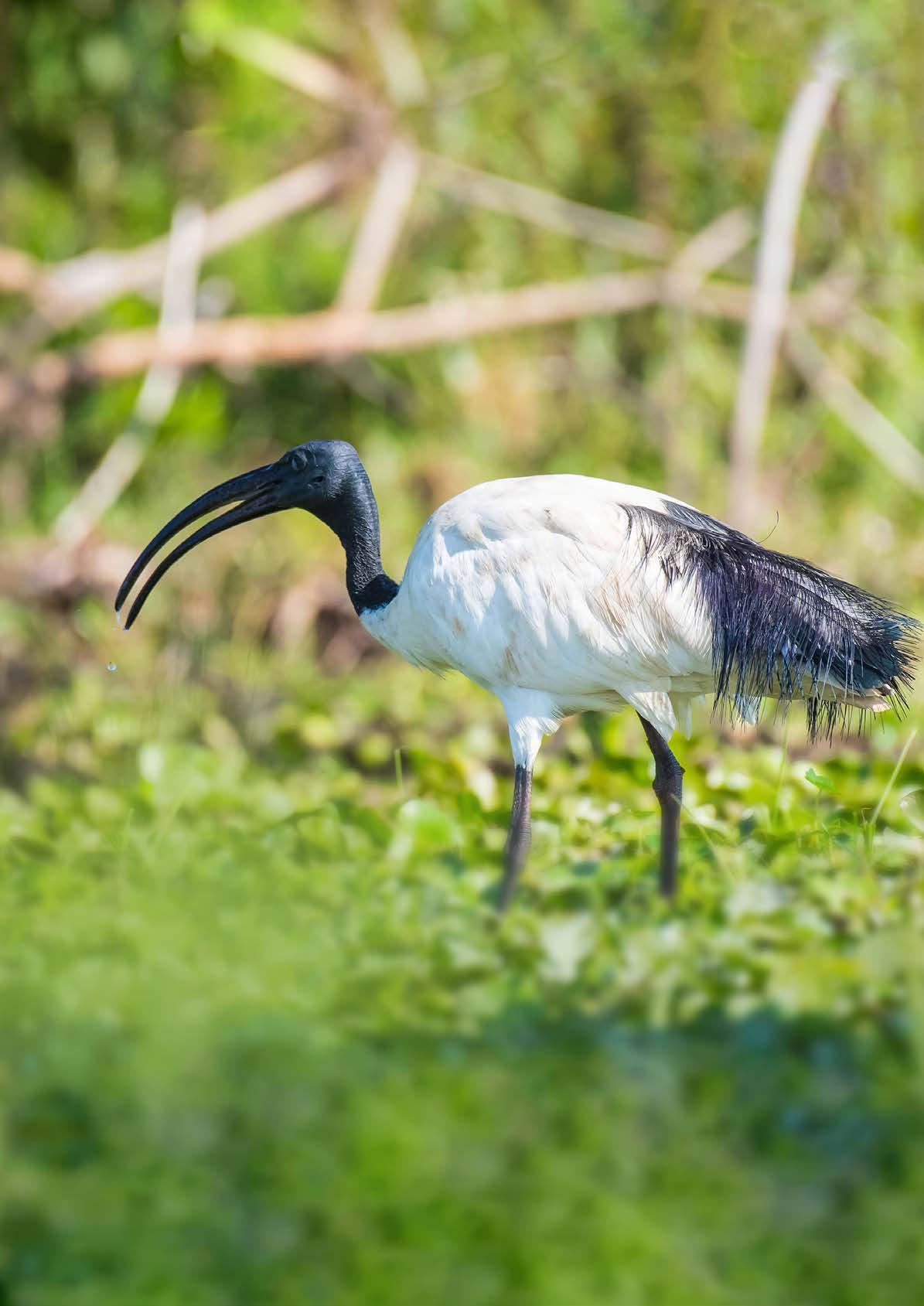
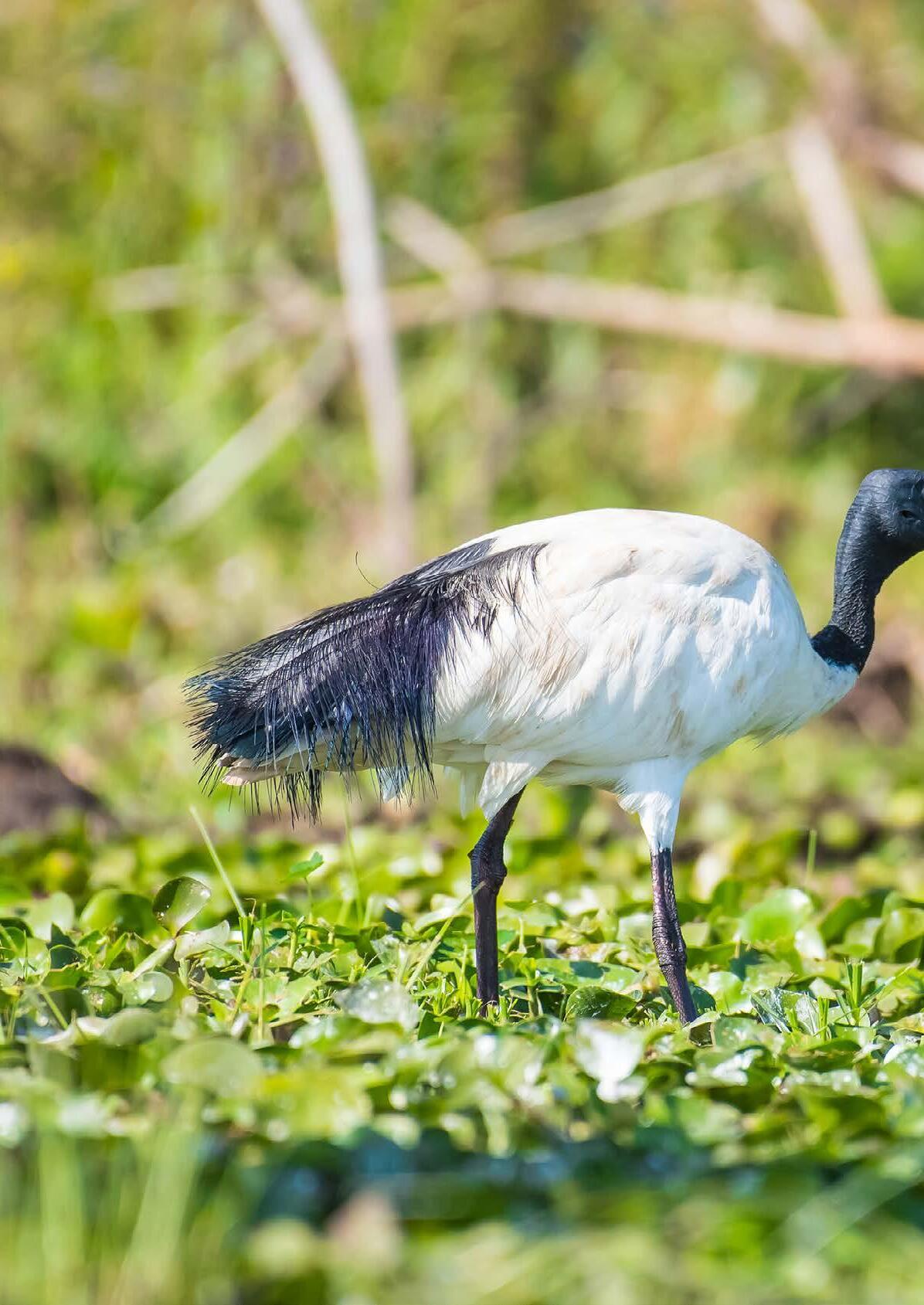
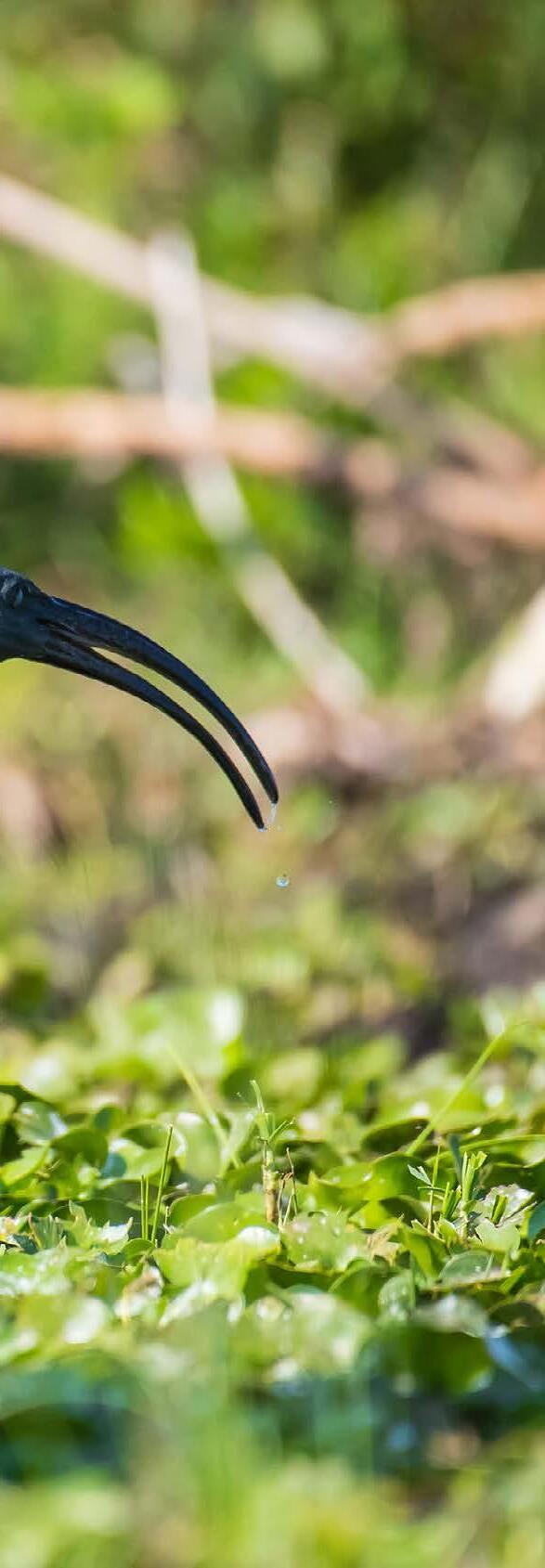
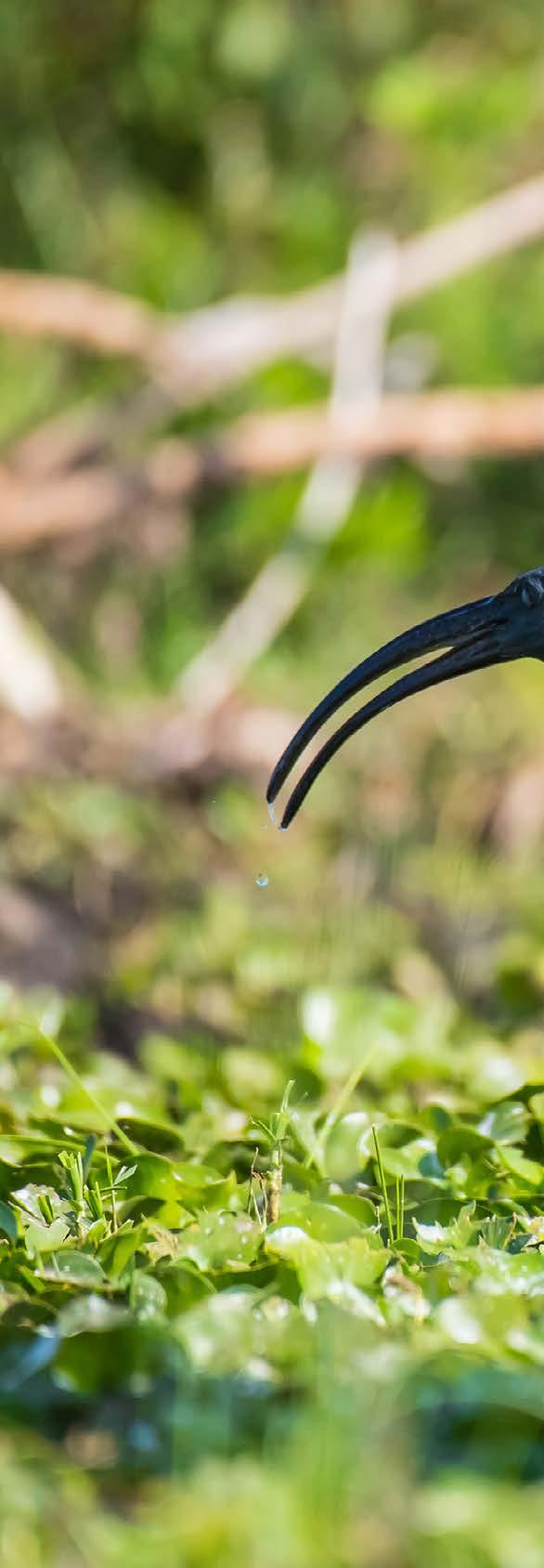
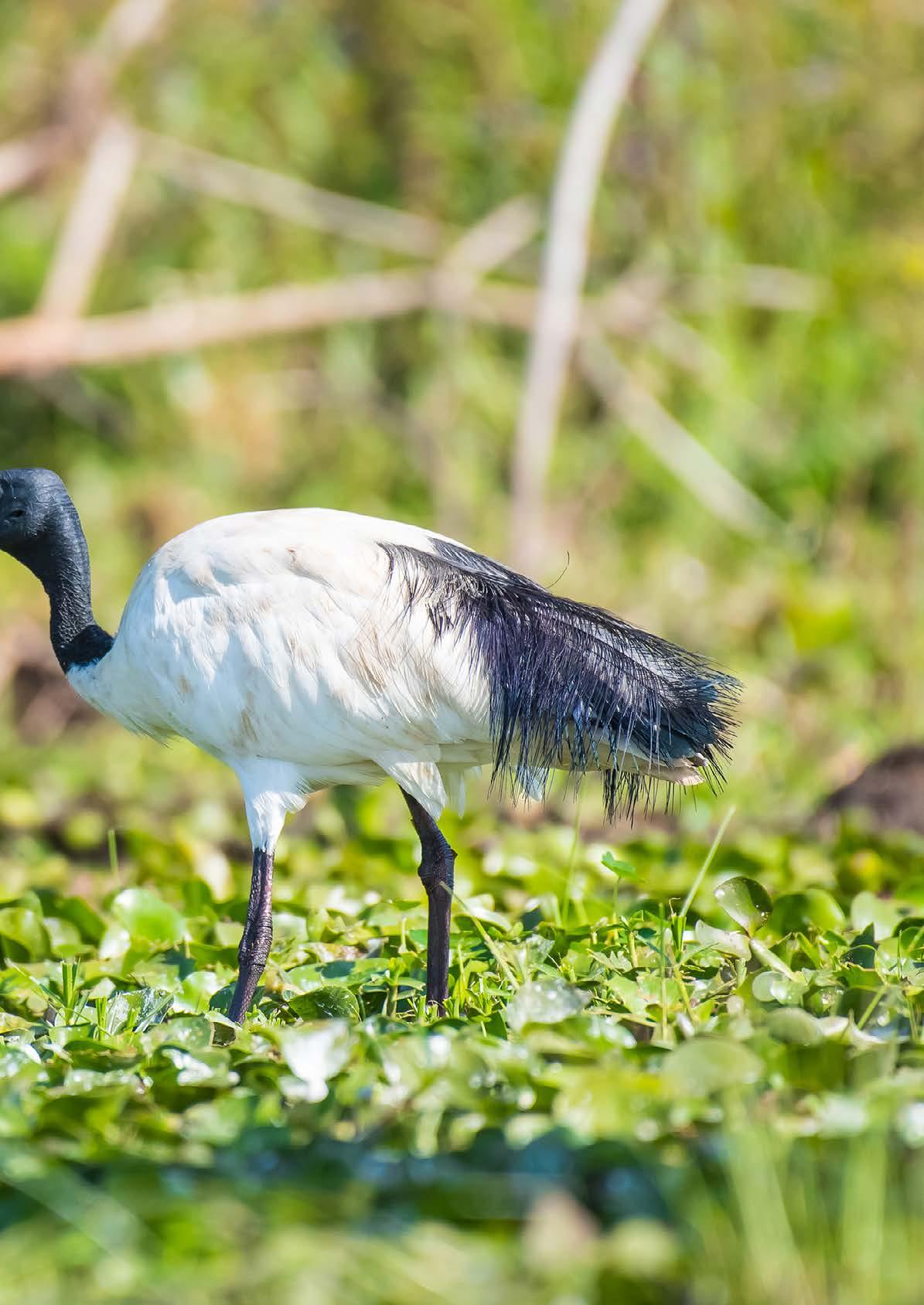
Al Ain Zoo, a warm and welcoming place for birds to migrate to
It is a beautiful sight to see when various number of birds are crossing land and sea and heading towards us freely to settle in at their last stop on their journey, Al Ain Zoo. Most of these birds migrate on seasonal long-distance journeys through rugged terrains searching for new home where they find all their basic needs of food, drink and shelter.
The launch of migratory bird studies
Al Ain Zoo started the onsite biodiversity study since 4 years ago. This research is important to the zoo as it focus on studying wild birds that are living within the zoo’s boundary which includes migratory, resident, rare and endangered birds.
The study of migratory birds
The Zoo has been conducting a periodic study of migratory birds that come in large numbers to the UAE environment and some are listed as endangered. So far, 100 different species have been recorded in the Zoo, %27 of which are resident, %60 are migratory, %3 are resident and migratory, and %10 are exotic birds. This shows that the zoo is an attractive environment for wild species that encourage their settlement and breeding.
The Zoo’s research team studies the pattern of migratory birds, recording their numbers, species and duration they stay on a monthly basis Comparing the results of periodic studies with those of other studies in the field. Some of the most important findings observed are that the most common species of birds are recorded on March until September, including White Wagtails, Wood Sandpipers, Temminck’s Stints, and others that are breeding in the area Kentish Plovers.
An environment ideal for birds
Al Ain Zoo is providing a suitable environment for the wild birds to breed and colonize. The present of a fertile environment and habitat similar to the natural environment and vegetation and artificial ponds in Al Ain Safari, has impacted on attracting the wild birds around the UAE.
Animal World with National Geographic
The Accidental Science Lesson
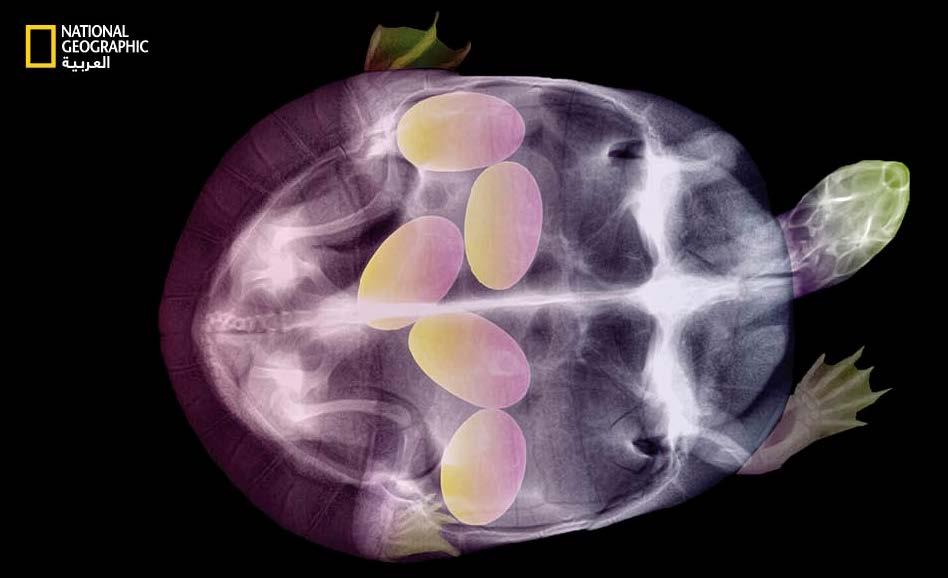
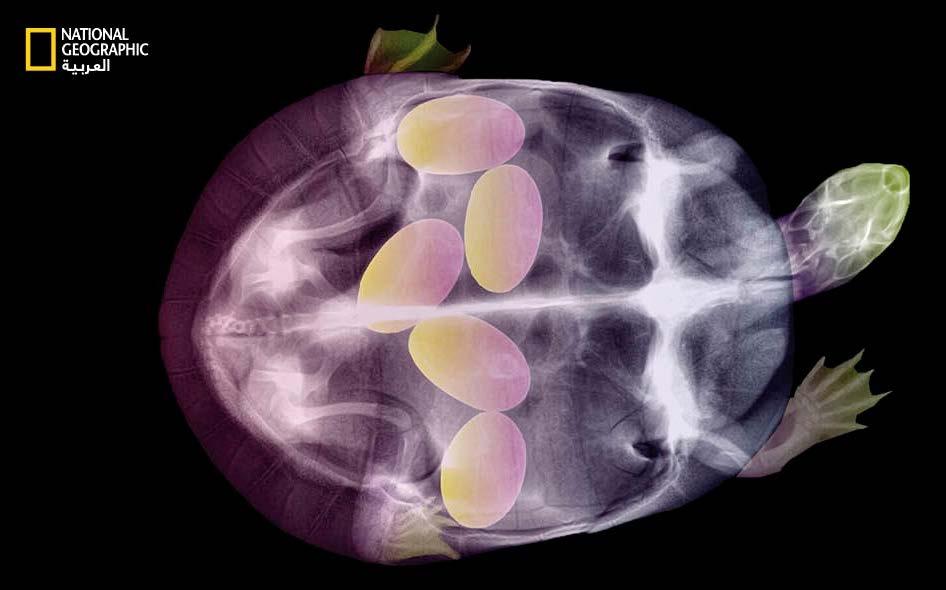
Teresa Zgoda was home from college, where she was studying science photography, when a turtle that had been hit by a car was brought to her dad’s animal hospital in New York State. The turtle had lost most of one foreleg —and an x-ray showed that it was pregnant. Though the turtle survived to lay her eggs, none hatched. But Zgoda, using editing and colorizing tools, turned the x-ray into a science lesson—illuminating details of the turtle’s anatomy and eggs—and a piece of art.
X-RAY IMAGE: OTTERKILL ANIMAL HOSPITAL, CAMPBELL HALL, NEW YORK
Pen: PATRICIA EDMONDS
EXCLUSIVE
SNEAK PEEKS ... STAY CLOSE!
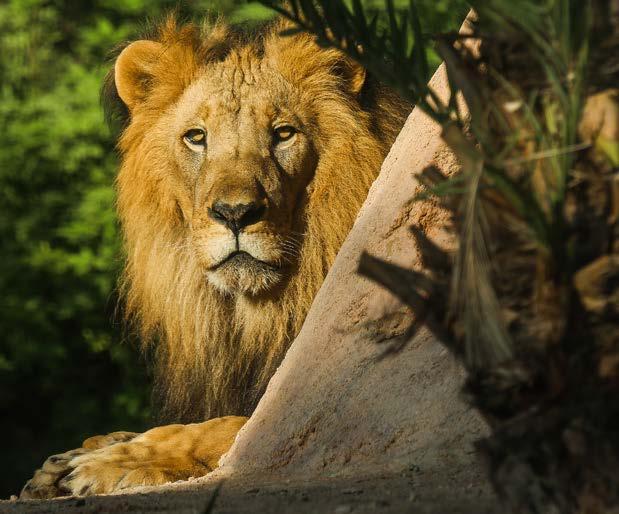
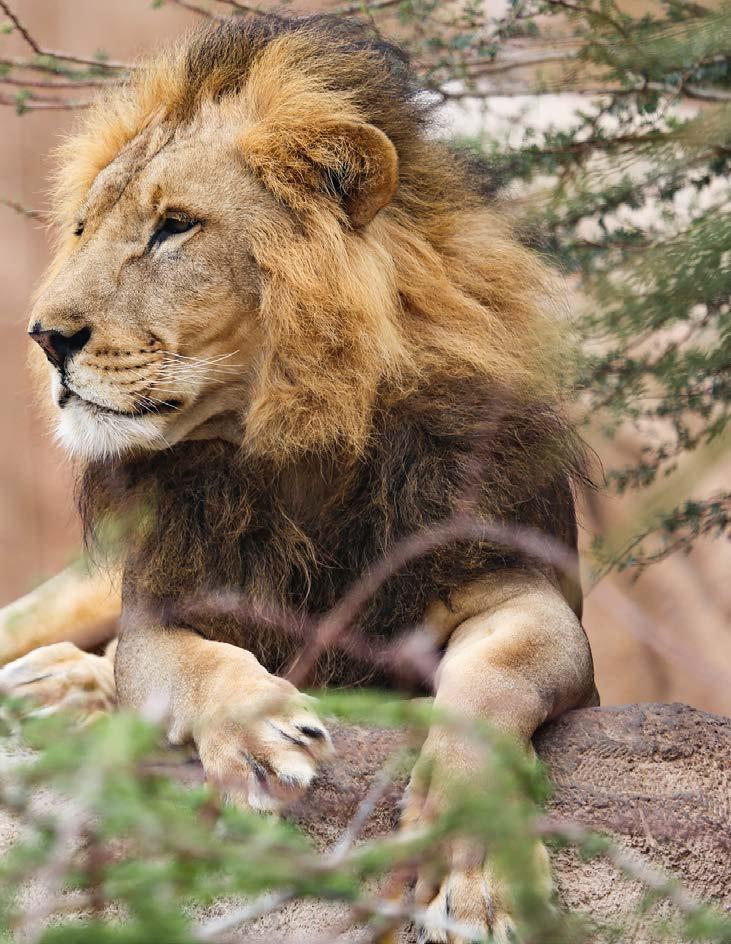
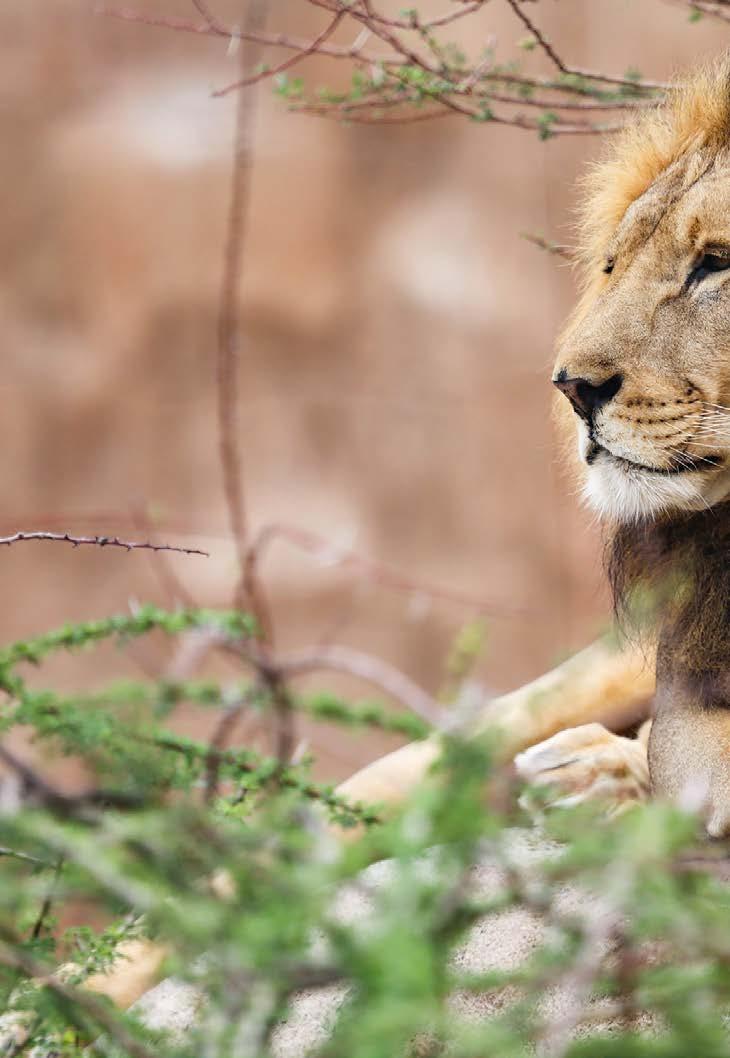
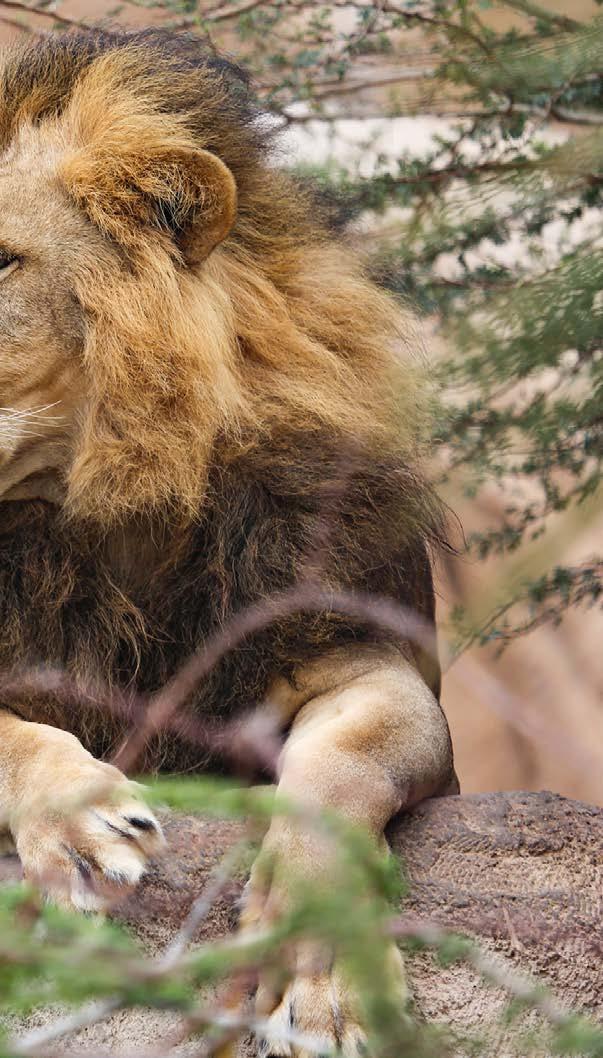
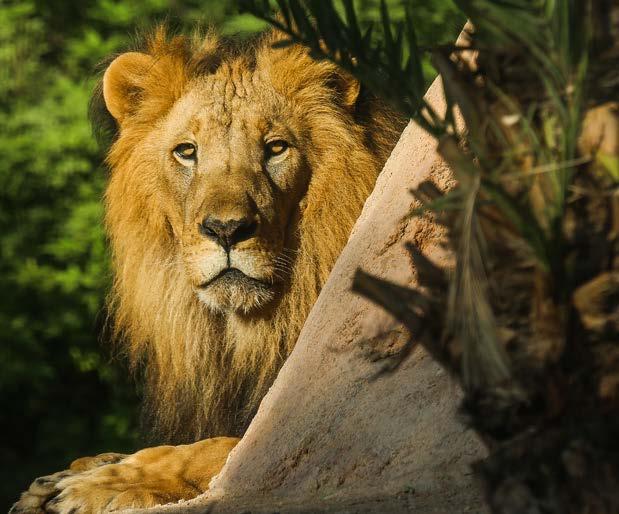
Oscar the Lion..
Zoolife: That was an amazing stately dinner we had together Oscar.
Oscar: You are most welcome my friend, I’m glad you enjoyed our “Dinner with the Lions” Royal Banquet.
Zoolife: It certainly was a lavish experience! You really impressed me my magnificent King of the Jungle.
Oscar: Then you should try some of the other exciting adventures I have prepared for you. You can come and visit the “Lion Kingdom” that reveals some of our secrets and gives you a close look onto our exciting world. You can also experience the unmatched adventure of feeding the lions during the “Al Ain Safari”, in which you safely tour around our natural habitat in a safari car with a local guide! I’d love to see you there. The memory of this experience will be with you for your whole life!
Zoolife: Just hearing your mighty roar is a fullyfledged adventure. What a booming terrifying roar!
Oscar: Naturally! What did you expect? My roar can be heard eight kilometers away from my location!
Zoolife: No kidding! I could feel it shaking my bones to the core. But you know what Your Highness? It’s not just your mighty roar, but also your appearance is breathtaking! Your looks are both beautiful and fearsome at the same time.
Oscar: Thank you for that compliment – but funnily enough, my majestic beauty is the cause of my possible demise! Some humans enjoy hunting down my kind for just that specific reason. It’s
called “trophy hunting” where they track us, shoot us and embalm our body parts to use as art pieces and status symbols for decoration. Trophy hunting causes the death of 600 of our species every single year.
Zoolife: It is indeed a sad fact my dear friend; statistics show that there are fewer than 20,000 of your magnificent kind living in the wild and that your population decreased by more than 90% in the last decade alone! That’s extremely tragic.
Oscar: Which is why we are so lucky to have organisations like Al Ain Zoo to protect our species from extinction. Al Ain Zoo is the home for 23 lions now, which is a considerable number considering the challenges our kind is facing.
Zoolife: Our beloved Zoo doesn’t just provide safe habitats, medical care, a nurturing environment and
a captive breeding program for animals, but also supplies training, behavioural and psychological rehabilitation using acclaimed and well-tested programs to help you feel as if you are living in your natural habitats.
Oscar: True. And I hear that a new center will open soon to rehabilitate and provide care for wild and confiscated animals, so that our Zoo can protect us from the wrong and abusive behavior of people who think it’s clever to own wild animals as pets.
Zoolife: You said you are a pride of 23 family members here, so who are your relatives?
Oscar: There are many, but my sister Shaqra is definitely my best friend. We are well-known for being playful, and we are the stars of the Zoo’s social media channels!
I’m really pleased to be living at Al Ain Zoo because 20,000 lions are left in the wild and 600 lions are killed every year due to
Oscar
“My sister Shaqra and I are by far the most renowned of our family members.”
Zoolife: That’s for people on social media but how about visitors to the Zoo?
Oscar: Oh, we welcome all visitors to our new big cat enclosure, our big cat oasis and the famous “Al Ain Safari”, where visitors can observe the lives of the marvelous White Lions and endangered African Lions.
Zoolife: I love your confidence dear friend. You deserve to be named the “King of the Jungle”.
Oscar: Thank you my friend. Now forgive me, but I have to go now as my public awaits and more visitors are queuing up to meet me. See you again for dinner soon!
Zoolife: Alright Oscar, thank you so much for your time, and please send our best wishes to Shaqra!
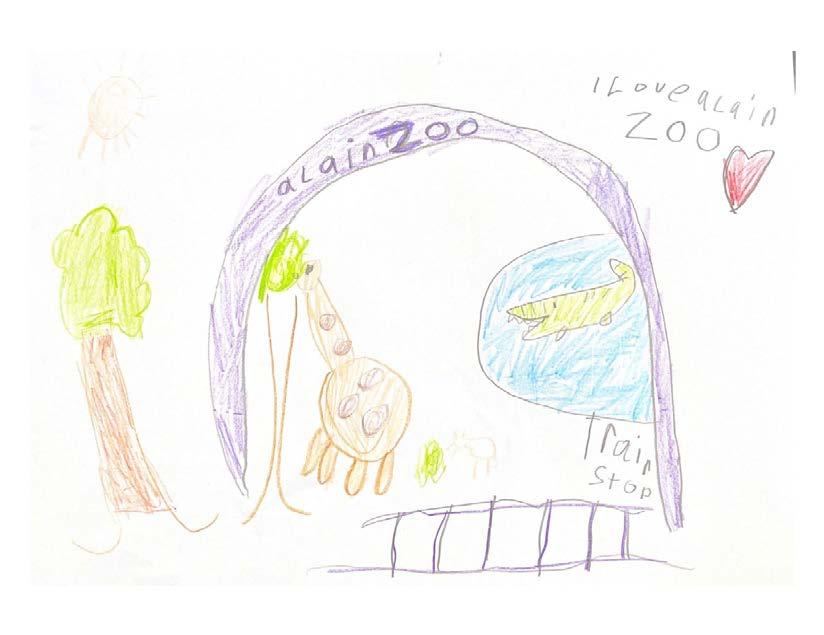
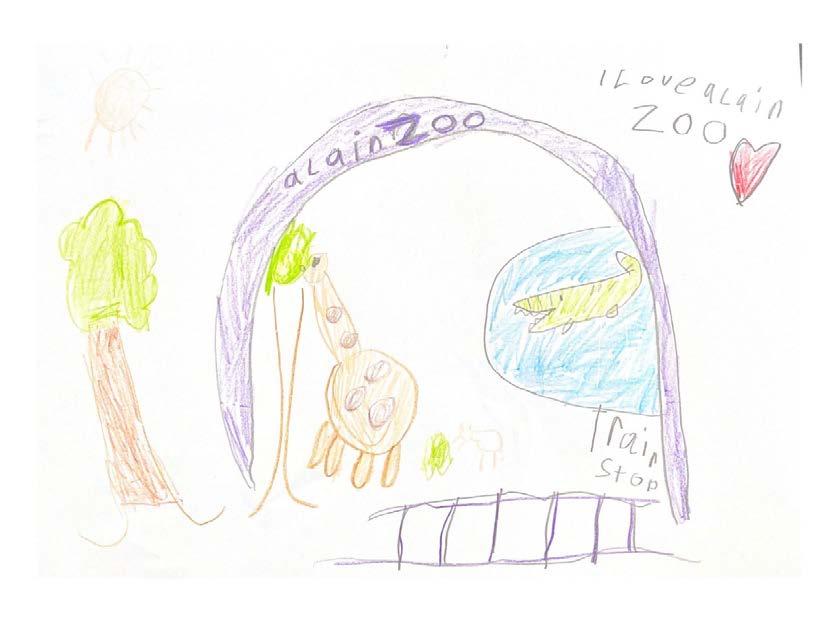
Title of the project: Al Ain Zoo
Belvedere International School - Al Ain
Grade: 3
Name: Saeed Maktoum Alkaabi
Spot 3 differences
What are the traditional uses of Henna plant?
check the opposite page to discover the answer
Can you help the Lion get his favorite food?
Henna used to stain and color skin and hair,in many countries it used to create designs on the hands and feet of women for certain events and celebrations, and become a neutral ingredient in the global modern beauty and cosmetics industry.