

In today’s compressed work environment, leaders face more decisions than ever before. Protecting clarity may be their most important responsibility.

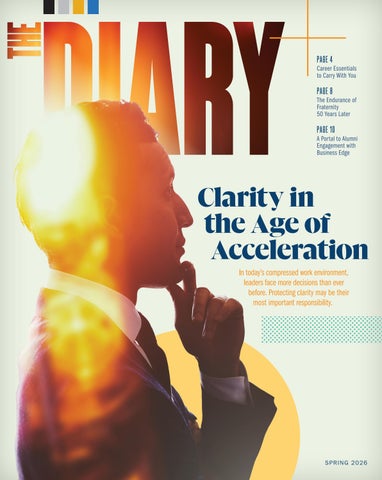
In today’s compressed work environment, leaders face more decisions than ever before. Protecting clarity may be their most important responsibility.
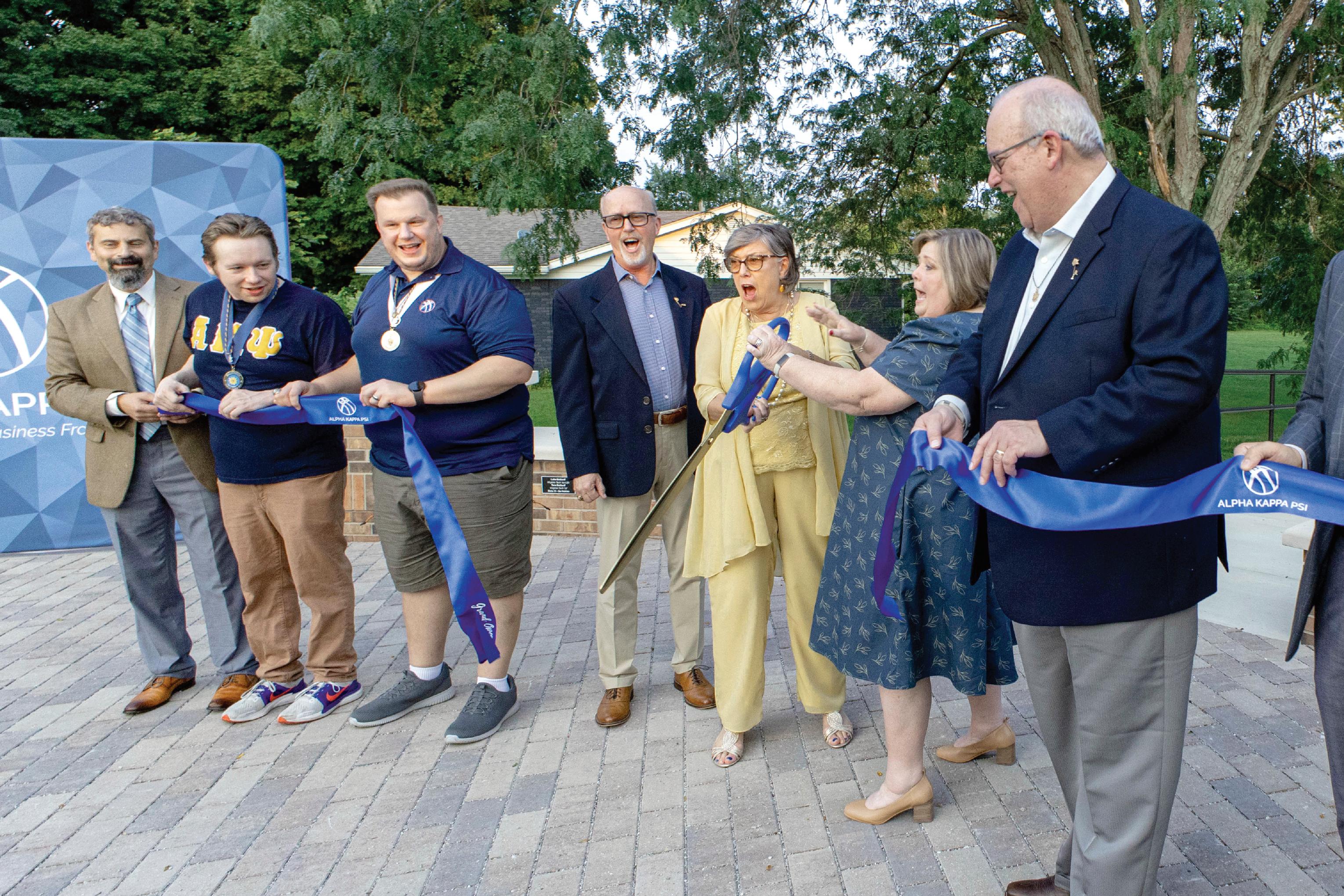


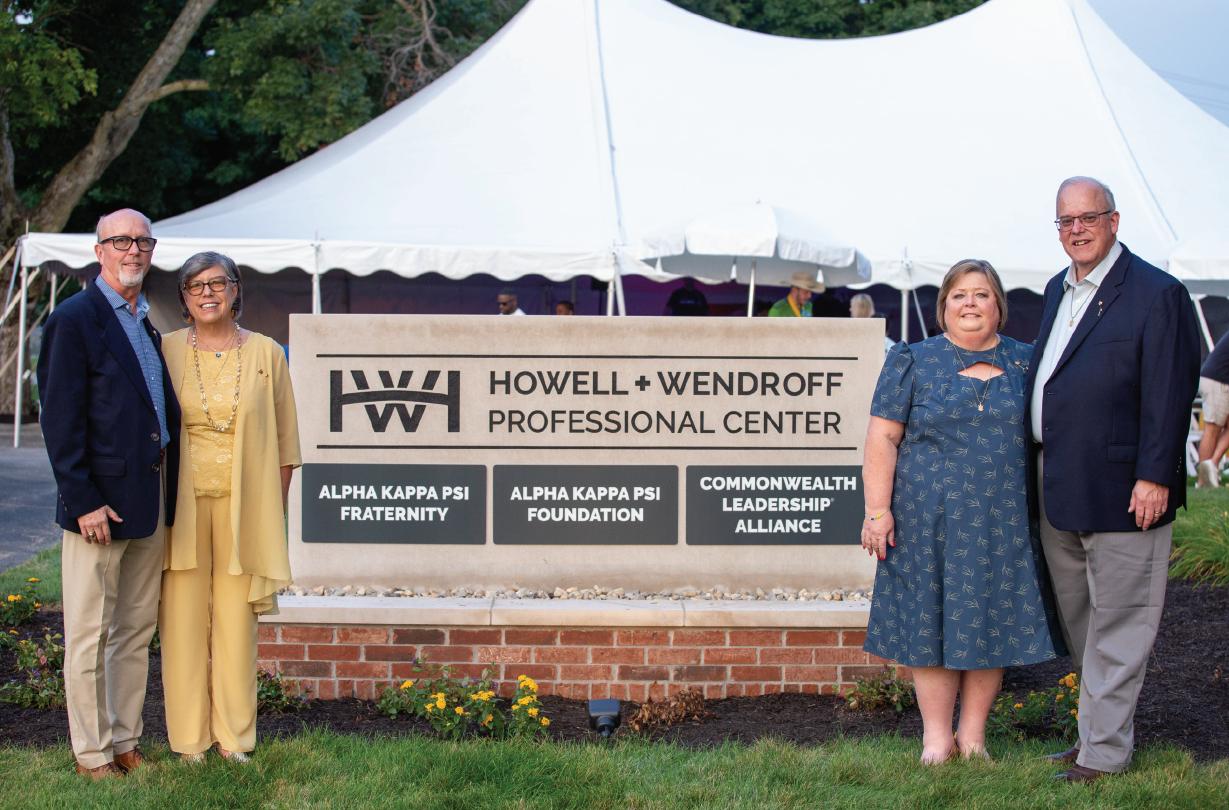
The Howells and the Wendroffs celebrate the Grand Opening of the Howell + Wendroff Professional Center in Noblesville, Ind. with more than 400 friends, family members, community leaders, and 2024 Convention attendees. This building marks the sixth home for Alpha Kappa Psi. The plans for the newly renovated center began in 2019 and was designed as the home for Alpha Kappa Psi and the Commonwealth Leadership® Alliance. Members and the community can use the space for meetings and activities.
Alpha Kappa Psi
THE PROFESSIONAL BUSINESS FRATERNITY
www.akpsi.org
mail@akpsi.org (317) 872 – 1553
JOIN THE CONVERSATION


akpsi akpsi1904 akpsi1904 akpsi1904 company/ alpha-kappa-psi
AKPsiFoundation

“The challenge is not competence. It is cognitive load.” 18
VOLUME 112 NUMBER 1
PG. 10
WELCOME TO THE BUSINESS EDGE PORTAL
A new way for AKPsi members to connect
PG. 12
MEMBERSHIP TRENDS
Strengthening the AKPsi for Sustainable Growth
PG. 14
CLARITY IN THE AGE OF ACCELERATION
In today’s compressed work environment, leaders face more decisions than ever before. Protecting clarity may be their most important responsibility.
PG. 3 ON-BOARDING
Fraternity news, notes and insights
PG. 15
LETTER TO MY YOUNGER SELF
AKPsi Trustee Phil D. May, Saint Louis ’86-Life, provides life lessons and advice to his younger self.
PG. 18
TAKEAWAYS
"If they improve it ...it’s because you did a good job to open the door.”
PG. 20
MEMBER DEEDS
The best in chapter news and member accomplishments
PG. 22
AUDIT ETERNAL
PG. 24
INTERVIEW
Get to know Heather Robinette, Kansas State ‘09, Senior Revenue Operations Manager at AppOmni
Shaping People, Shaping Business
Since 1904
Alpha Kappa Psi is recognized as the premier developer of principled business leaders.
To develop a diverse global community and courageous, principled business leaders with the capability to drive positive impact throughout their lifelong journey
In developing principled business leaders, Alpha Kappa Psi adheres to these lifetime values: Brotherhood Trust, respect, cooperation, companionship, and aid to brothers is the expected norm
Knowledge Education and experience is emphasized and shared Integrity
All actions, whether in business or in life, are guided by honesty, ethics, and fairness Service
Sharing of time, talent, and treasure with society and with our fraternity is a priority Unity
A common understanding of our vision and values that transcends chapter, is utilized to anticipate and create the future
Jane A. Azzinaro, Maryland ’10–Life, Chair
Don Sechler, Arizona State ’96-Life, Vice Chair
Lane N. Velayo, Cincinnati ’00–Life, Treasurer
Luke Bottorff, Virginia Tech '04-Life, Secretary
Michael G. Dickerson, Virginia Tech ’04–Life, Member
Tana Dippolito Heer, Buffalo ’06-Life, Member
Alison Jennings, Oakland ‘02, Chair
Howard Chang, Southern California '95, Member
Dan Roselli, Michigan State ’89Life, Vice Chair
Corey Reddy, Florida ’13, President
De’Sean Keys, Middle Tennessee State ’13, Executive Vice President
Jacob S. Drees, Toledo ’11–Life, Regional Director – Region II
Shawn J. Pelc, Edinboro ’15–Life, Regional Director – Region III
Wendy A. Wendroff Tri-State ’80–Life, Regional Director – Region IV
Tim Veigle, Central Florida ’04–Life, Atlantic Coastal Regional Director
C. Steven Hartman, CAE, Miami University ‘16, Chief Executive Officer
Brian D. Parker, CAE, Indiana ‘93–Life, Chief Operating Officer
Jason R. Pierce, CAE, CMP, Senior Director of Leadership & Development
Maggie Barrett-Schlake, Annual Fund Director
C. Steven Hartman, CAE, Miami University ’16, Editor in Chief
Liz Buttner, Stetson ‘11, Managing Editor
Alec K. Morand, Loyola Marymount ‘13, Associate Editor
Tria Designs, Design and Layout
J’Ream Lewis, NJIT ‘17, Atlantic Metro Program Manager
TaVona Davis, George Washington ‘17, Capital Ridge Program Manager
Samantha Sim, Cal Poly – SLO ‘17, Desert Southwest Program Manager
Brechey White, Alabama at Birmingham ‘16, Dos Rios Program Manager
Antonio Virella Jr., East Carolina ’11–Life, Great Lakes Program Manager
Gregory Taylor, Howard ‘11, Member
Miriam V. Tomaselli, Marist ‘97, Member
David P. Wendroff, Portland ’79–Life, Member
John LeVering, Boise State ’95-Life, Treasurer/Secretary
Mahoganie Philyaw, East Carolina ’10, Midcoastal Plains Program Manager
Morgan Parker, Stetson ’17–Life, Northern Atlantic Program Manager
Scott D. Todd, Central Washington ’02–Life, Pacific Northwest Program Manager
Nicole M. Nourvle, Tennessee Tech ‘13, Southern Delta Program Manager
Liz Buttner, Stetson ‘11, Director of Marketing & Communication
Brendon Albert, Lehigh '26, Director of Project Development
Mikeiveka Sanon, Miami ‘20, Associate Director of Marketing & Communication
Alec K. Morand, Loyola Marymount ‘13, Associate Director of Member Engagement
Je’nai Lee, North CarolinaGreensboro ‘19, Chapter Educational Resource Coordinator
Terry Fuller, Accounting Administrator
Kelly Lewis, Accounting Administrator
Aysia Lewis, Development & Chapter Operations Support
The Diary of Alpha Kappa Psi is published two times annually. Non-profit Standard postage paid at Bolingbrook, Ill., and additional offices.
Alpha Kappa Psi provides lifetime subscriptions of The Diary to Life Members (U.S. and Canadian addresses). Copies of the magazine are also distributed to donors to the Alpha Kappa Psi Foundation.
To access the fraternity archives, visit akpsi.org/diary
POSTMASTER:
Send address changes to: The Diary of Alpha Kappa Psi 8001 East 196th Street Noblesville, IN 46062 mail@akpsi.org

As rapid technological change continues to reshape how professionals connect and grow, Alpha Kappa Psi faces a defining strategic opportunity: sustaining meaningful engagement beyond graduation.
The past five years — emerging from the COVID-19 pandemic — have presented real challenges for higher education, student organizations, and alumni engagement nationwide. Yet throughout this period, Alpha Kappa Psi and its members have continued to strive and thrive. As highlighted in this edition of The Diary, we are beginning to see a rebound in collegiate membership — an encouraging signal of renewed momentum.
In many respects, this period of disruption provided an opportunity to re-tool and strengthen our programs, including enhancements to the Chapter Achievement Pathway and the development of Business Edge.
In 2024, the Board of Directors chartered a task force led by Alison Jennings, Chair of the AKPsi Foundation, to reimagine the alumni experience. Concurrently, the Professional Staff advanced the transition from the student-focused MyAKPsi platform to the Business Edge Portal — a redesigned system serving dual purposes: streamlined chapter management and a career-centered professional development hub.
Business Edge marks a pivotal shift from managing chapters to empowering members at every stage of their careers. Through professional development programs, career resources, events, alumni engagement pathways, and life-stage marketing, the platform creates structured, lifelong value.
The phased rollout began in late 2025 and will continue through 2026 (learn more on page 10).
Business Edge Portal is more than a digital upgrade. It is a strategic recommitment — ensuring members graduate with more than a degree and remain connected as principled business leaders for life.

Your first workspace probably wasn’t impressive. It could have been a dorm desk with a flickering lamp. It could have been a corner of the kitchen table after everyone else went to bed. Maybe it was a cubicle you inherited from someone who left in a hurry.
Wherever it was, it worked. If you’ve been in the workforce for more than a decade, you know that while the setting changes, the fundamentals rarely do.
Certain essentials keep popping up, regardless of your title.
A CALENDAR YOU ACTUALLY USE
Time management sounds basic, but it’s where professionalism starts. Early on, it keeps you from missing deadlines. Later, it protects your focus and keeps competing priorities from crowding out what matters. People notice when you’re prepared, and they notice when you’re not.
A PLACE TO CAPTURE YOUR THINKING
Call it a notebook, a journal, a legal pad, or a running document. The format doesn’t matter. What matters is that you don’t trust essential thoughts to memory alone — the habit of writing things down compounds over time.
AN ORGANIZATIONAL SYSTEM THAT FITS YOU
There’s no universal method for organization. Some people thrive with labeled folders and tidy desks. Others
prefer digital files and structured lists. The common denominator is consistency. When you know where things are, you make decisions faster and with more confidence.
Careers stretch longer than we expect. Industries shift. Roles evolve. The people you’ve built genuine relationships with often become the through-line. Staying connected isn’t about collecting contacts. It’s about staying engaged.
This one takes years to build and seconds to damage. Reliability. Followthrough. Doing the right thing when it’s inconvenient. Titles may open doors, but reputation keeps them open. The desk may get bigger. The technology will undoubtedly change. But these essentials — quiet, steady, often unremarkable — are what carry a career forward. They’re not flashy. They don’t trend. They work.
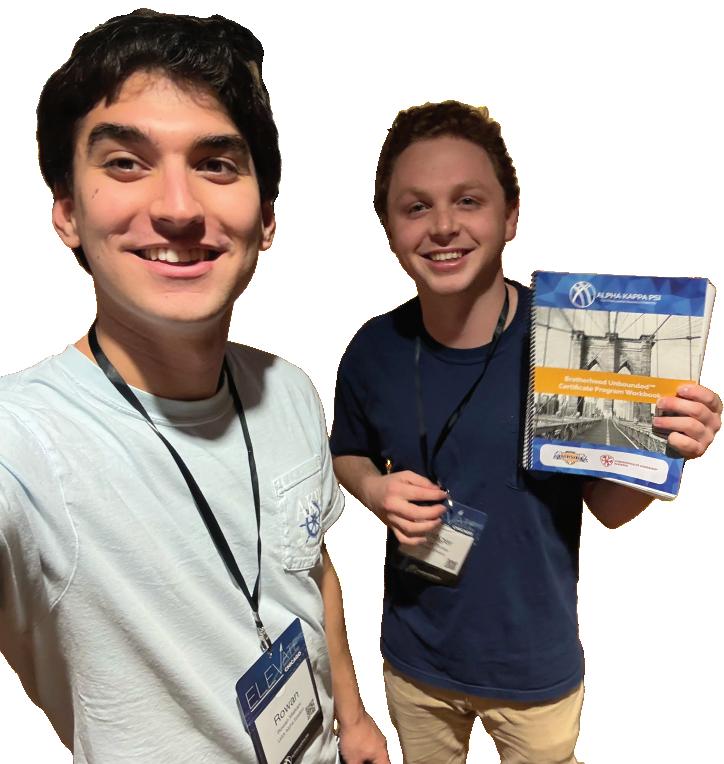
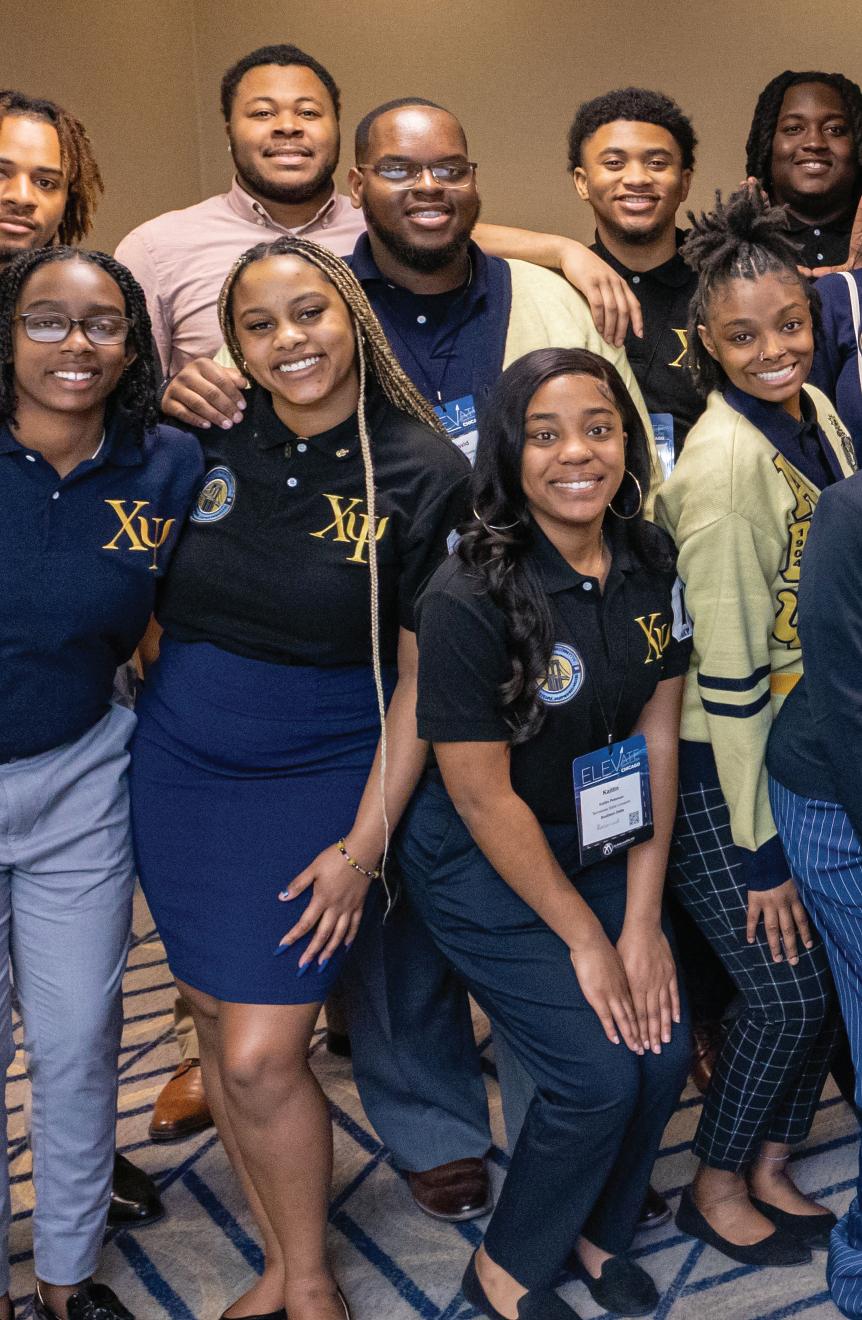
This month, I had the chance to travel to Chicago for “Elevate” with my fraternity, Alpha Kappa Psi.
It was my first official conference with my chapter, Zeta Pi at Fort Hays State University, and it turned out to be an unforgettable experience. I had the opportunity to connect with brothers from chapters across the country, share ideas, and learn from their journeys.
—Hugo Lopez, Fort Hays State ‘25
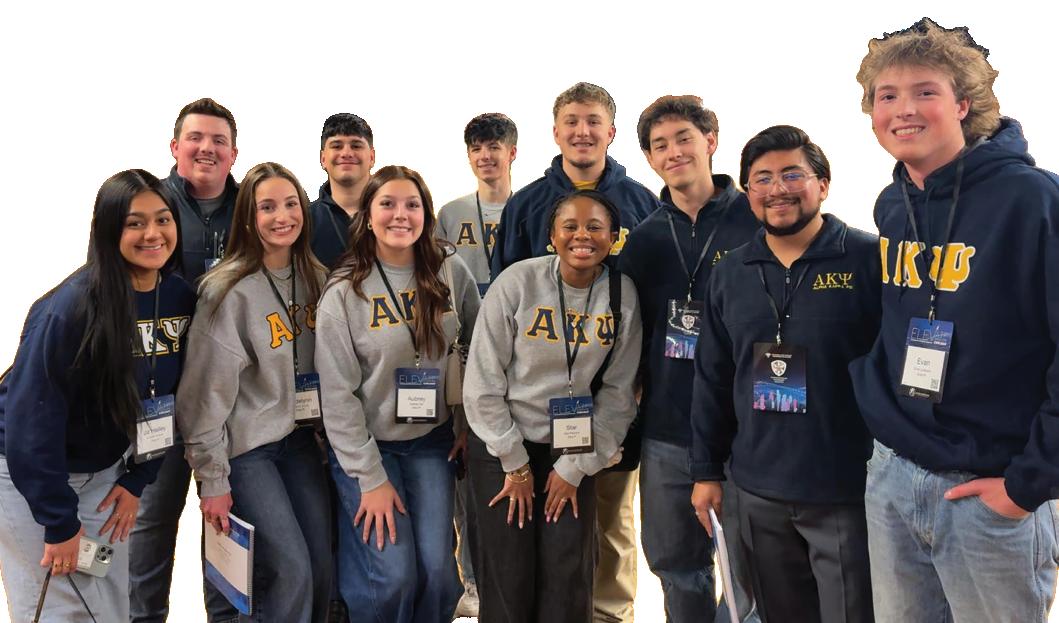
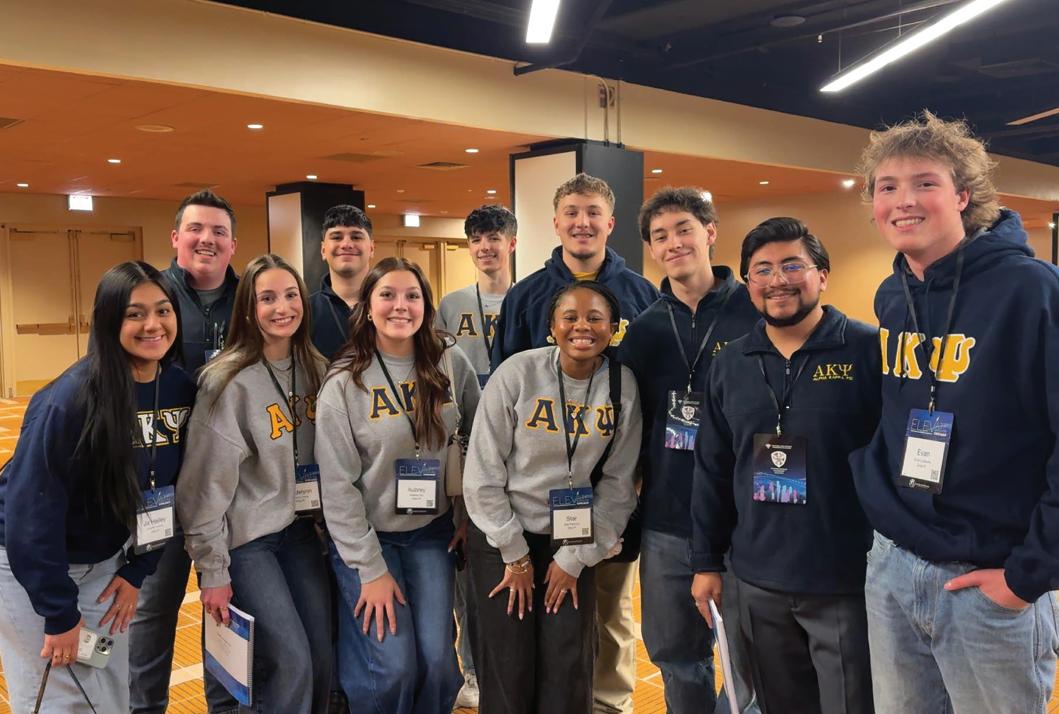
Enjoying early moments at Elevate.
—Rowan Malkani, Georgia ‘23
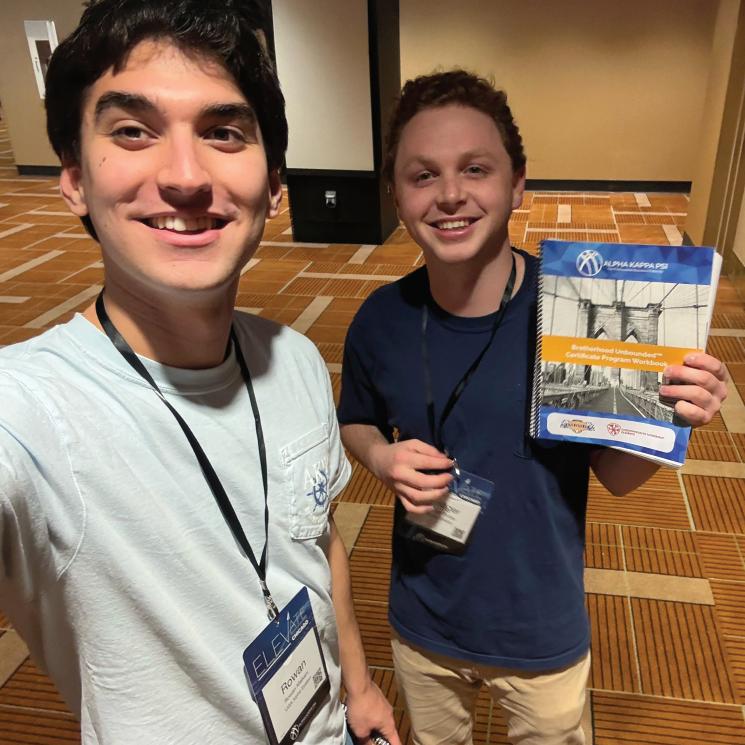

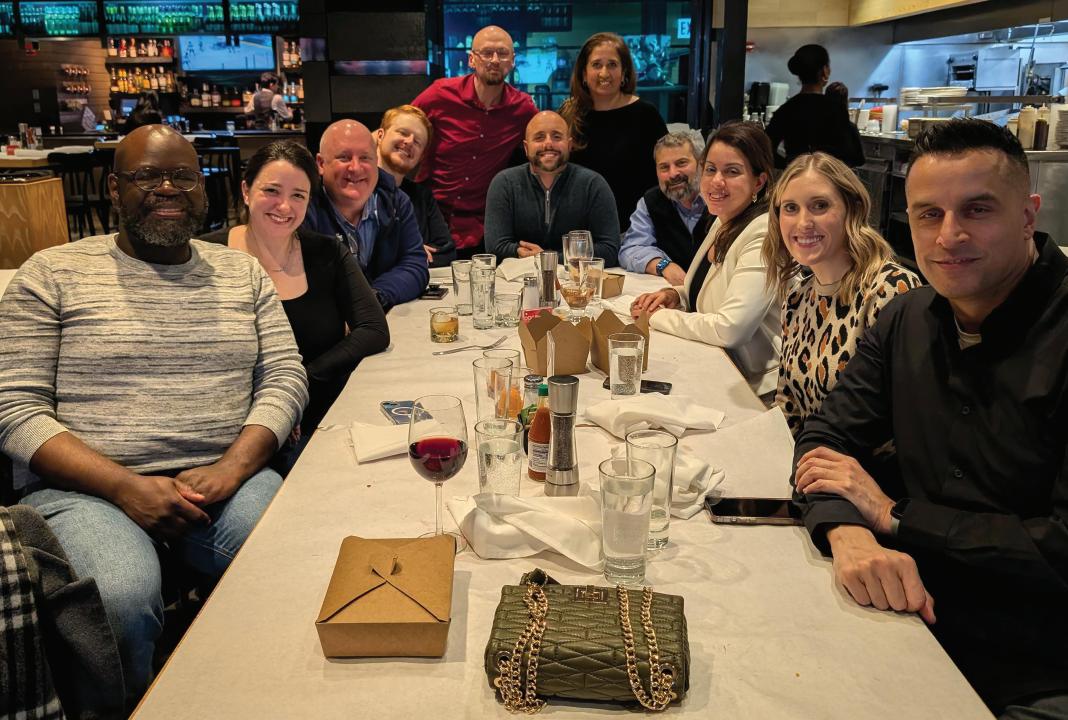
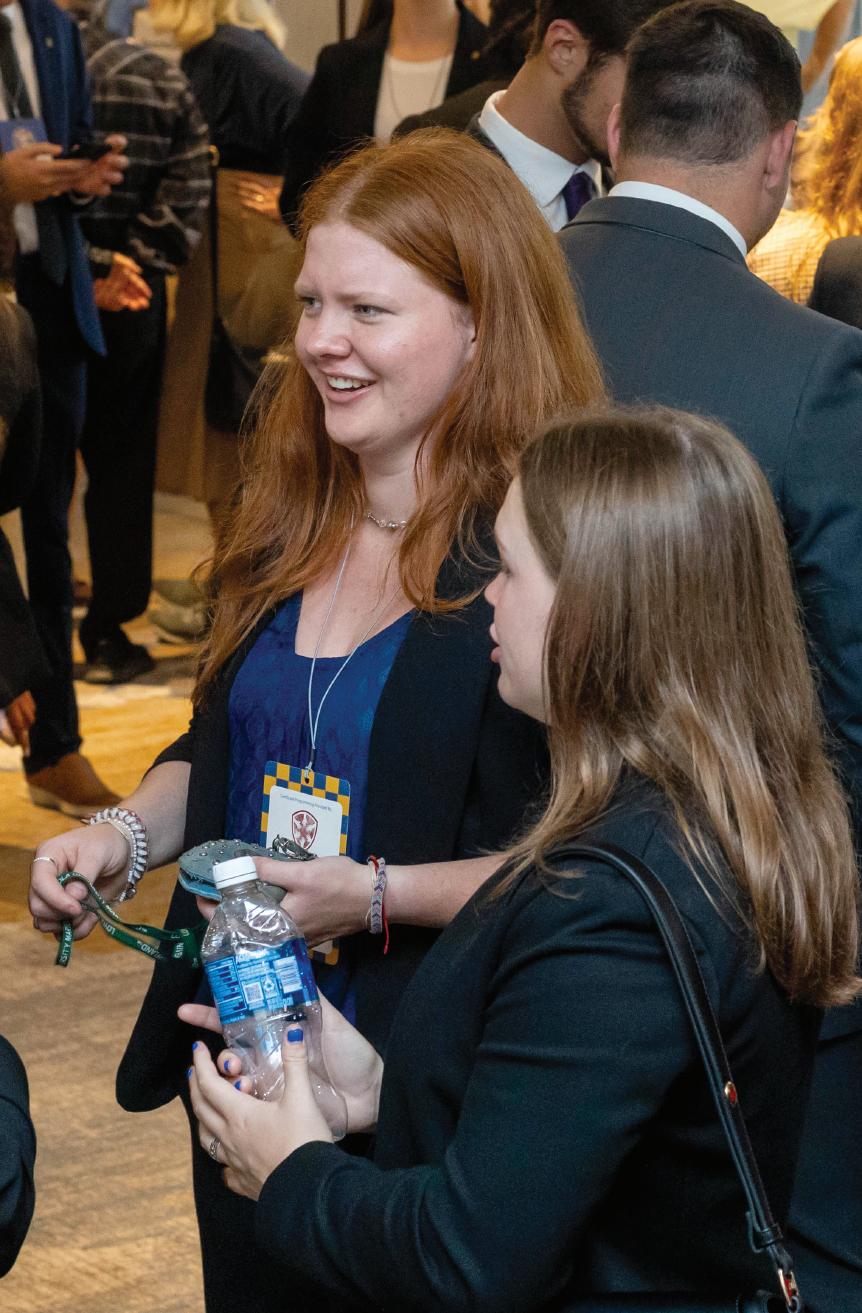
Alumni who attended Elevate enjoyed networking over dinner after the second day of programming. This year, alumni served as emcees, facilitators, Case Competition judges, and various other roles, helping to ensure a positive experience for other attendees.
We're thankful for the support our alumni showed throughout the weekend — whether it was serving as an emcee or facilitator, supporting their students, chairing the Case Competition, or serving in another important role. We couldn't do it without our alumni.
Professional growth isn’t just about what you know, it’s about how you show up. In a world where first impressions are often digital, small details can speak loudly. Some choices elevate your brand. Others … linger for the wrong reasons.
BEST:
f Neutral background. Natural lighting. Shoulders up. You look like you on your best, most prepared day. The expression says, “I’m competent, confident, and approachable.”
Your outfit fits the industry you’re pursuing. No distractions. No mystery. Just clarity. Your headshot doesn’t scream for attention. It earns it.
WORST:
f The mirror bathroom shot featuring a soap dispenser cameo.
f Or perhaps the bold choice: no photo at all — just a blurry image from 2014 that may or may not be you.

f Wedding crop. (We can still see someone’s shoulder.)
f Snapchat filter. (Recruiters prefer candidates without dog ears.)
f Car selfie with sunglasses
f Group photo where you’re circled in red like a suspect in a crime documentary.
HERE'S THE TRUTH:
Your headshot is often your first handshake. Before the résumé.
Before the interview. Before the introduction. It signals whether you understand professional norms.
A great headshot doesn’t require a studio or a celebrity photographer. It requires intention. Good lighting. A clean background. A steady camera. And a moment to ask, “Does this reflect the professional I’m becoming?”
Because while talent opens doors, presentation can impact whether someone knocks back.
THE 5 PS TO INTENTIONALLY CRAFTING YOUR PERCEPTION — ONLINE AND OFFLINE
What makes you stand out from the crowd, or a crowded feed? Your personal brand is the story you tell the world, sharing what you believe in and the value that you bring. By understanding who you are and intentionally crafting your story, you can develop a strong personal brand that’s more than just a resume.
A well-told story and distinct brand can spark emotions, create genuine connections, and leave lasting impressions as you progress through your career. Whether you’re networking, job searching, or growing a presence online, your personal brand is your secret weapon.
So, where do you begin? Use the 5 Ps created by Aaron Webber (2019) to guide the development of your personal brand:
f PERSONAL
Your brand is unique to you, separate from any companies or affiliations. Lean into your authentic characteristics.
f POINTED
Define your goals and clarify what you want to be known for.
f PURPOSEFUL
Develop a strategy to achieve your personal branding goals. If you need help, consider asking for advice from a third party for a fresh perspective.
f PRIORITIZED
Your priorities will fluctuate, and that’s OK. Focus on other aspects of life when needed. Personal branding is a marathon, not a sprint.
f PROFITABLE
Consider what value you want to deliver to others and the return on investment you seek (e.g., recognition, expertise, positive impact)
Your personal brand is your superpower. Take the time to invest in yourself and shape your brand with intention — you never know what doors it will open.
$10,000 Alpha Kappa Psi Foundation Scholarship Recipient (2025–26 )
When Eileen Chen, Maryland ’23, stepped into leadership, she didn’t wait her turn — she earned it.
As the youngest chapter president in 2024, Eileen quickly established herself as a thoughtful and strategic leader. Under her direction, her chapter not only strengthened its campus presence but also deepened its professional impact. She spearheaded an Interfraternal Case Competition that brought together more than 200 students from four business fraternities, securing sponsorship from SECU Credit Union to provide participants with real-world experience and meaningful industry exposure.
Her presidency was marked by momentum. The chapter raised more than $20,000, reintroduced corporate sponsorships by securing five new partnerships, and advanced the development of its student consulting group — completing projects for three clients and landing its first paying engagement. Recruitment reached the highest levels in chapter history, reflecting both growth and renewed energy.
Yet what distinguishes Eileen is not just scale — it is scope.
Beyond her chapter, she has consistently created spaces where others can lead. As President of the Women in Business Association, she organized the annual Future Women in Business Conference, welcoming high school students from across Maryland for a day of mentorship and hands-on problem solving. At the Center for Social Value Creation, she served as Project Management Lead for


the Sustainability in Business Conference at the World Trade Center in Washington, D.C., drawing more than 100 participants and industry leaders to engage in conversations about responsible business practices.
Her leadership extends into strategic institutional impact as well. As a board member of the Dean’s Student Advisory Council for the Robert H. Smith School of Business, Eileen helped evaluate and improve career development resources, interviewing students and stakeholders to strengthen how the school supports professional exploration.
Academically, she maintains a superior as a Finance and Information Systems major at the University of Maryland. Professionally, she has applied her leadership skills in high-stakes environments — including an internship at Northrop Grumman, where she developed standard operating procedures and process flow diagrams to improve operational clarity. She will continue building on that experience as a Summer Analyst Intern with J.P. Morgan Private Bank.
Across each role, a consistent theme emerges: Eileen builds systems that elevate others. She leads with preparation, empathy, and an ability to translate ideas into execution. The $10,000 scholarship recognizes not only what she has accomplished, but the impact she is poised to make in the years ahead.
For Eileen, leadership has never been about position. It has been about creating environments where people — and organizations — can thrive!
Congratulations to the 2025-26 Scholarship Recipients. These recipients were evaluated based on their academic records, and strong campus and chapter leadership.
AIDEN ANDERSON South Carolina ’23
DIOGO CARDOSO LOPES DE OLIVEIRA Colorado ’23
EILEEN CHEN Maryland ’23
BRIAN COHN South Carolina ’23
DANIELLE DAVIDSON Tampa ’24
KIARA FERNANDO Trinity ’22
JOSELINE GAMBOA San Francisco State ’22
ANDREW GROSSBAUER North Carolina State ’23
CONNOR HACKETT High Point ’24
KATIE HECKROTH Pittsburgh ’22
CRISTINA HERNANDEZ Trinity ’23
JOSE IGNACIO MORA Trinity ’24
COOPER JOHNSTON South Carolina ’24
SARAH LANGNESS Cincinnati ’24
ALLISON LEE Case Western Reserve ’22
ANNA LOPACINSKI Virginia Commonwealth ’24
MISHA MAZALEVSKYI Rochester ’24
JIYAH MCLAUGHLIN North Carolina at Greensboro ’24
KAVIN PARI Texas at Austin ’23
PRATHAM SHAH Texas at Dallas ’23
ASRITH SREERAM Texas at Austin ’23
MAYA TOTEV
Nova Southeastern ’23
BROOKLYN WALKER Missouri ’23
ELLE WIEDERHOLT Creighton ’23
OFFICIAL AKP si SHOP ShopAKPsi shopakpsi.org
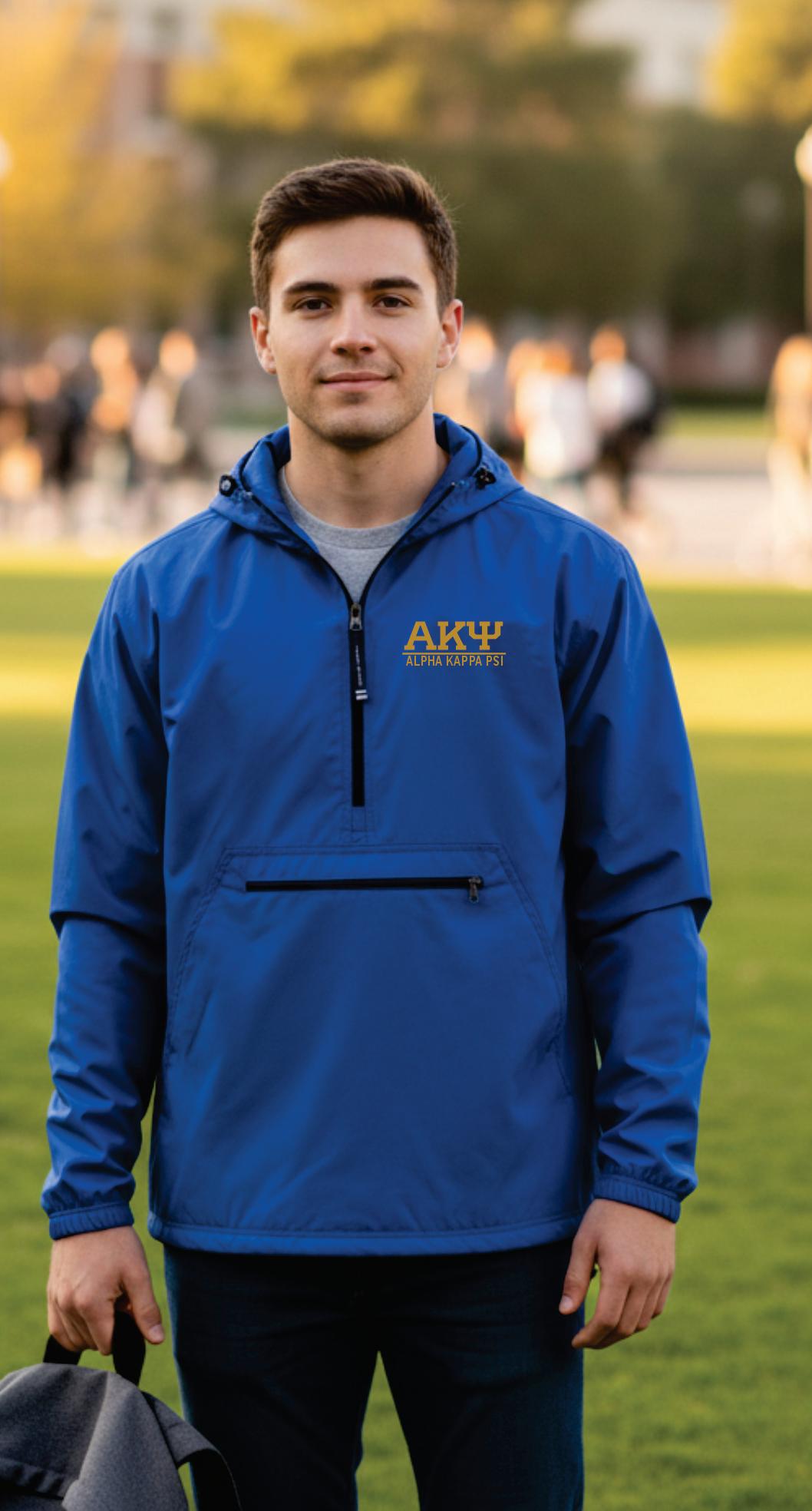
Alpha Kappa Psi has partnered with Affinity Marketplace to launch ShopAKPsi, our new online storefront featuring officially licensed merchandise.
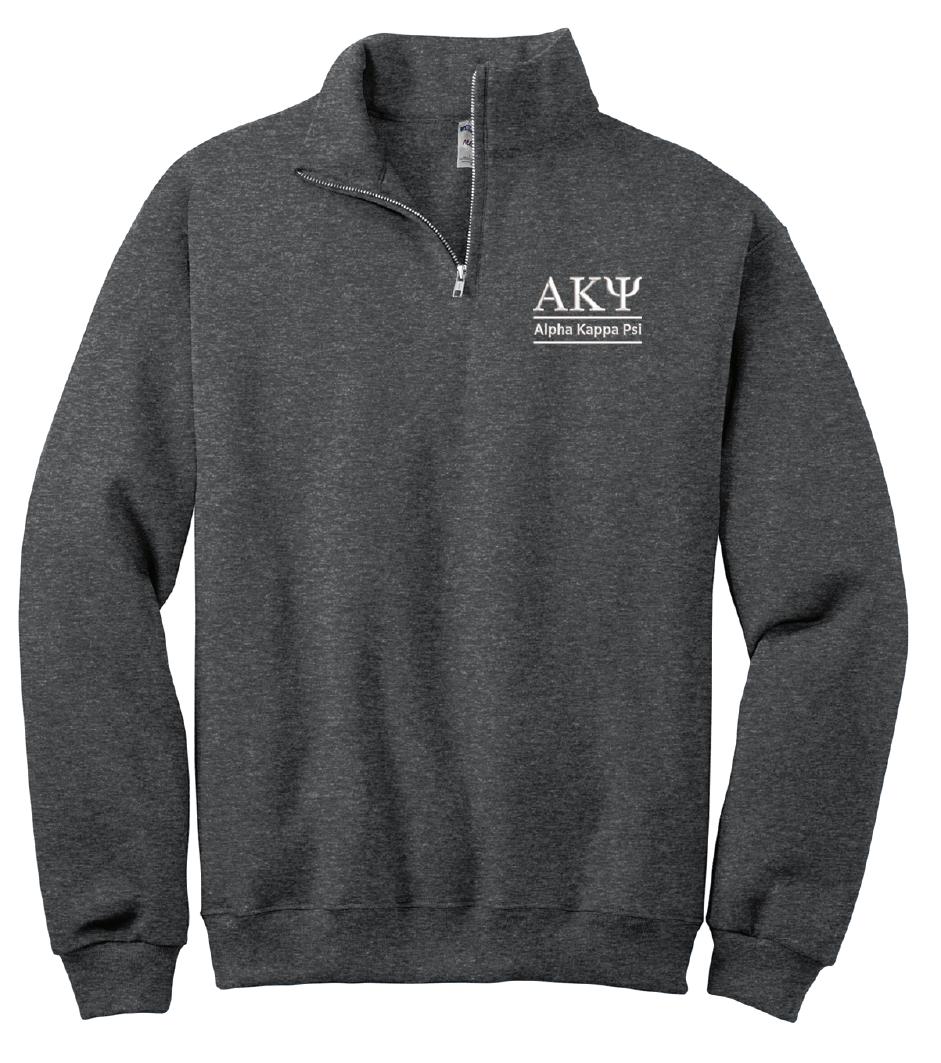
SORORITY LETTERS SHOP QUARTER ZIP SWEATSHIRT
$46.00
This pullover is an embroidered lightweight sweatshirt making it the perfect gift to wear it all year round.
From apparel and accessories to elevated gifts, the collection includes both affordable and premium options from trusted brands like Brooks Brothers, lululemon, and Comfort Colors. With new products added regularly, it’s never been easier to represent AKPsi in style. GREEKGEAR
$59.95
This sleek, stylish pullover is the ultimate companion for any fraternity event or casual day out.
SORORITY LETTERS SHOP FLANNEL PANTS
$42.00
Lounge around in these super comfy embroidered flannel pajama pants. Buy for yourself or they make a great gift.


Find these items and more here!
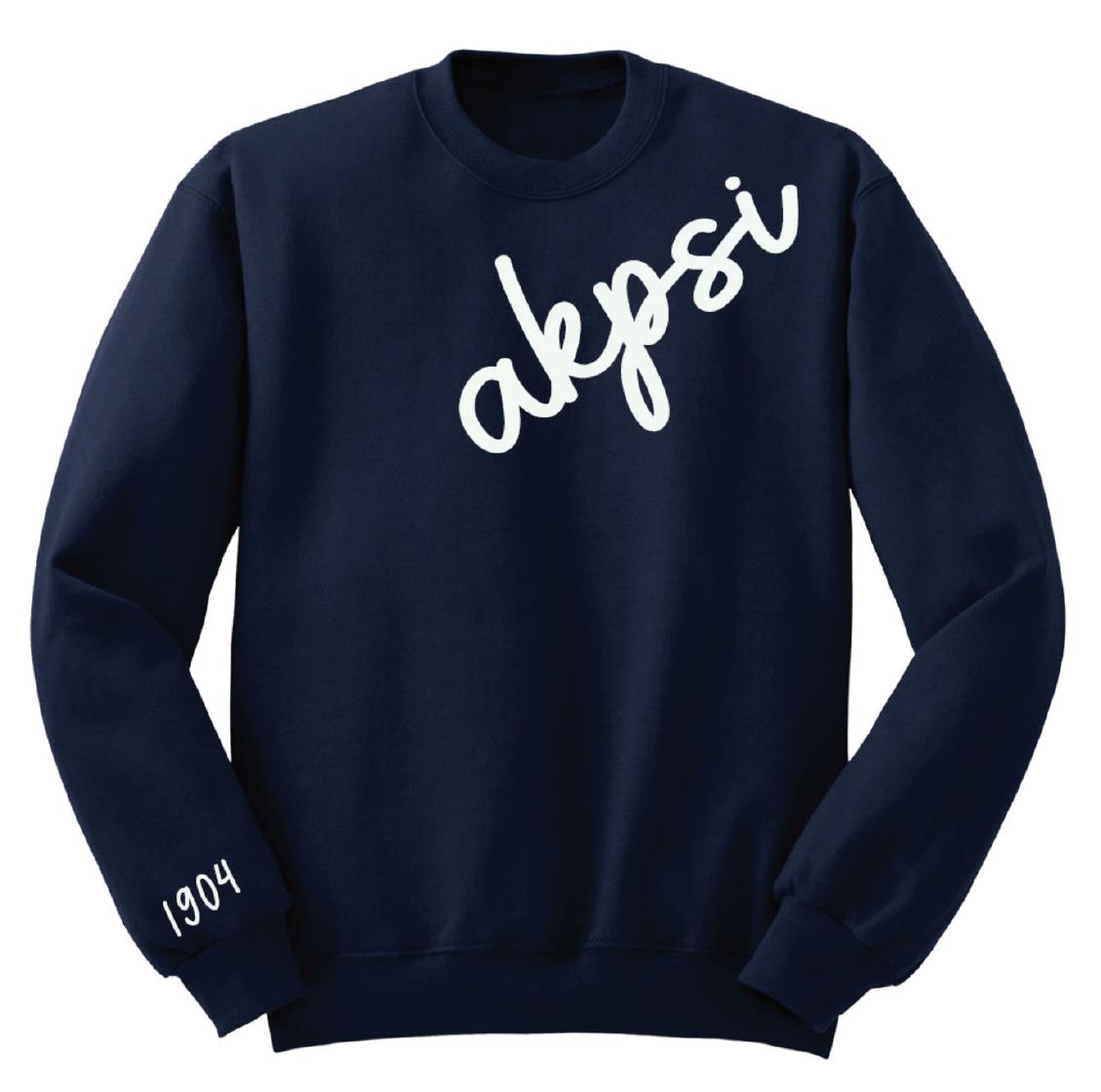
SORORITY LETTERS SHOP
$44.00 – $50.00
It’s time to update your crewneck collection! The 1904 crewneck is available in royal blue or navy with white print.
By Liz Buttner, Stetson ‘11
“Out of this turmoil has come change.”
– Jack L. Anson, 1976
When Jack L. Anson wrote “The Greek Letter Fraternity: An American College Tradition” nearly fifty years ago, America was celebrating its bicentennial. The country, and its campuses, were emerging from a decade of protest, war, and social reckoning. Anson’s tone was confident: fraternities, he said, had once again proven their resilience, adapting through cultural change and reemerging “strong and viable.”
Today, as higher education faces a new era of transformation, his words feel familiar. Once again, fraternity life is being called to adapt — not to survive, but to stay relevant.
“Founded with the nation in 1776, fraternities fell into difficult times… But with the end of strife, they sprung back bigger, bolder, and more important to student life than ever before.”
Anson’s historical sweep captured a truth still evident today: fraternities have always mirrored the times. They endured wars, depressions, and cultural revolutions. When the 1960s challenged their purpose, they reemerged with new vocabulary such as “associate membership,” “leadership development,” and “brotherhood redefined.”
In 2026, the same reinvention will be required. Colleges across the country are
approaching the “enrollment cliff” — a projected 15–20% drop in college-aged students through the 2030s, especially in the Midwest and Northeast, according to WICHE’s Knocking at the College Door (2024). The Association of Fraternity/Sorority Advisors (AFA) warns that fewer students could strain housing models and chapter budgets, much like earlier generations faced economic upheaval. But the deeper challenge isn’t numbers — it’s meaning.
“Fraternities have emerged strong and viable, as one of a number of accepted lifestyles on campus.” – Jack L. Anson, 1976
Students today join organizations for purpose, not prestige. They seek inclusion, authenticity, and outcomes. They ask: How does this make me better prepared for life after college?
This question squarely aligns with the mission of professional fraternities such as Alpha Kappa Psi, which unite the social bonds of traditional fraternity life with tangible career and leadership outcomes. Where older models emphasized belonging, today’s fraternity must also emphasize becoming — developing confident, ethical, and employable leaders.
Average
“The Greek-letter fraternity system is indeed a force in education, industry, and the nation.”
– Jack L. Anson, 1976
Modern data supports what professional fraternities have long demonstrated: structured fraternity involvement fosters measurable growth.
Gallup (2021): Greek-affiliated graduates report higher career preparedness, faster job placement, and stronger well-being.
McClain (2014): Members exhibit greater vocational identity and confidence in career decision-making.
Hevel and Bureau (2014): Affiliation correlates with higher engagement, leadership, and sense of belonging.
These findings echo Anson’s assertion that fraternity life contributes to education and industry. In 2026, that contribution is clearer, and more essential, than ever. Alpha Kappa Psi and other professional fraternities intentionally deliver
what research now validates: mentorship, skill development, and professional readiness.
“From that beginning in 1776, the Greek-letter fraternities today touch the lives of millions.”
– Jack L. Anson, 1976
Anson measured success by scale; today, we measure it by impact. Relevance is not determined by the number of members, but by the difference the experience makes. Alpha Kappa Psi remains relevant when it helps members navigate uncertainty with integrity, fosters a sense of belonging through shared purpose, and connects classroom learning to real-world applications.
Nearly 250 years after Phi Beta Kappa’s founding and half a century after Anson’s reflection, fraternity endures not because it resists change, but because it evolves through it. If 1776 gave birth to the fraternity, and 1976 reaffirmed its resilience, then 2026 must prove its relevance through purpose, inclusion, and measurable impact.
References:
Anson, Jack L. “The Greek Letter Fraternity: An American College Tradition.” The Diary of Alpha Kappa Psi, Spring 1976. Historical reflection on the origins and endurance of fraternity life in America.
WICHE (2024). Knocking at the College Door: Projections of High School Graduates. Demographic data projecting the 2025–2035 enrollment decline.
Dunlap, Cody (2025). “FSL on Edge: How the Enrollment Cliff Threatens Fraternity and Sorority Homes Nationwide.” Association of Fraternity/ Sorority Advisors. Analysis of how demographic shifts are reshaping fraternity and sorority systems.
Gallup (2021). Fraternities and Sororities: Understanding Life Outcomes. National survey linking fraternity membership to mentorship, career readiness, and post-college wellbeing.
McClain, Mary-Catherine (2014). “The Value of Greek Life Membership and Career Development Outcomes.” Career Convergence, National Career Development Association. Finds affiliation strengthens vocational identity and career confidence.
WHY “BUSINESS EDGE?”
Business Edge is the brand of business leadership and career development resources developed by the Commonwealth Leadership® Alliance.
A shared commitment unites Alpha Kappa Psi and the Commonwealth Leadership® Alliance: To equip leaders with the tools, connections, and insights needed to thrive.
Together, we expand the reach and relevance of professional development and bring together a global community of people, ideas, and opportunities.
The Business Edge brand reflects our collective mission to develop principled business leaders. “Edge” signals competitive advantage, growth, and the forward momentum our members gain through lifelong connection, resources, and engagement.
Business Edge resources include:
The Certificate Program, an assessmentbased certificate program, which builds capacity and recognition of principled business leadership skills
The Accelerate Program, virtual sessions providing insights on industry hiring trends and career transitions
The Business Edge Newsletter, a weekly curation of business and leadership news tailored to your interests, delivered by email
The Business Edge Podcast, conversations with Alpha Kappa Psi alumni and friends sharing their personal and professional development stories
When you log into the Business Edge portal, look for the Life Loyal page for more information on opportunities that are just for you.
In short, it’s us. It’s AKPsi.
The Commonwealth Leadership®Alliance was created in 2015 by Alpha Kappa Psi. At that time, the AKPsi Board of Directors assembled a group of alumni business leaders to research workplace skills and competencies.
The Business Edge Blog, a monthly article focusing on principled business leadership and applying our mission, vision, and core values to a thriving business environment
And now, the Business Edge Portal
Business Edge is built for students, alumni, and volunteers. It gives you tools to grow no matter where you are on your journey.
BUSINESS EDGE PORTAL
The Portal is your one-stop platform for leadership development, professional growth, and real-world connections.
Whether you are a student, chapter officer, volunteer, or alumnus, the Business Edge community is built to support your success.
The Business Edge Portal is Alpha Kappa Psi’s improved member website designed
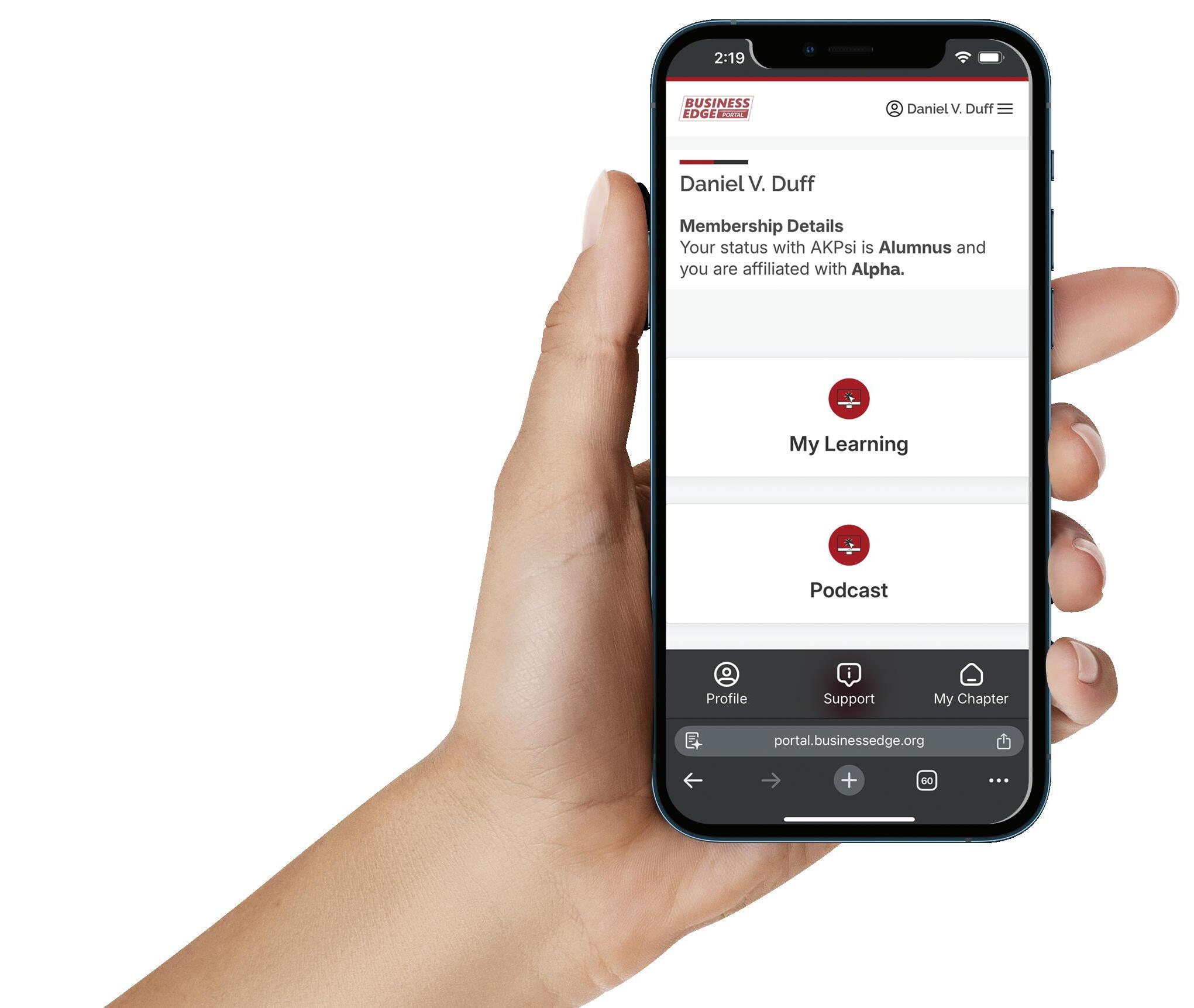
as a global community for all AKPsi members, partners, and donors. It is easy to use and full of helpful tools.
For alumni, there are ways for you to connect with other members, find member discounts on products and services, and register for AKPsi activities and events.
For student officers, there are ways to learn new in-demand skills, to manage critical chapter operations, and to stay in touch with other chapter leaders.
For student members, there are ways to learn about professional development opportunities and programs, AKPsi events, and network with alumni.
The Alpha Kappa Psi Foundation and the Commonwealth Leadership® Alliance collaborated to create the new portal. Together, our community creates opportunities for everyone to become better leaders and to have personal and professional success.
All members will get access to great features, including:
AVAILABLE TODAY:
More opportunities to build key leadership skills through the Commonwealth Leadership® Alliance Certificate Program, courses, and activities
The Business Edge Exchange for AKPsi-owned and operated businesses to connect with other companies and alumni
Member Discounts on various goods and services
Direct access to chapter and fraternity events and news
COMING SOON:
Communities of Practice with forums for sharing insight, connecting with members in a specific profession (consulting, accounting, etc.)
Member Directory – find and contact AKPsi members across chapters, geography, and generations Virtual and in-person alumni events
Easy access to manage your contact information and email preferences
Managing and paying dues and fees using BillHighway, a secure platform trusted by more than 50+ national Greek organizations
Event tracking and management features
The Business Edge Portal is here to help you learn, lead, and grow. It is more than a website. It is your launchpad for success.
Using the email address you have on file with AKPsi, you can claim your account at portal.businessedge.org
Once you’re logged in, you’ll see several icons on the main screen and a menu of items at the top.
A wide variety of resources are available through the Business Edge portal, including:
h A comprehensive library of resources and templates for each chapter officer through the Knowledge Base
h Month-by-month training videos for each chapter officer
h Reporting tools to manage chapter and officer rosters
h Forms for key items such as the Chapter Business Plan
h Chapter financial management through BillHighway
Are you and AKPsi brother who owns/operates a business? Do you have departmental or product line (profit/loss) responsibility in a larger company or organization? Do you have hiring responsibilities? Alpha Kappa Psi and the Commonwealth Leadership®Alliance has a few new opportunities for you.
The Business Edge Exchange is a clearinghouse of AKPsi member owned or operated businesses and partners. Anyone can add their business to the Exchange in order to promote their goods and services. There is no fee for adding your business or organization to the directory, and if you’re in the market for a specific item or service, you can search the directory for AKPsi members who you can patronize with your business. There are also opportunities to partner with AKPsi on boosting your business through various promotional methods, including dedicated space in AKPsi email newsletters, AKPsi websites, and publications. Further, you can sponsor a chapter, a speaker, or an event or activity through the Exchange.
Are you hiring, or are you actively looking for employment opportunities or internships? Through a new partnership with Epic Hire (EpicHire), you can do both! Again, signing up is free, and EpicHire is adding new job postings every day. It’s also free if you’re looking for great candidates, including accessing AKPsi brothers from specific chapters.
If you’re looking for expanded search features, EpicHire offers a variety of premium services with a subscription.
When you enter the Business Edge, look for the new “Member Discounts” page to find great deals on goods, services, and travel including theme parks and attractions, hotels, and more around the world.
If you own or operate a business and would like to offer members discounts, email communication@akpsi.org
By C. Steven Hartman, Miami University ‘16
Alpha Kappa Psi is the oldest and largest professional business fraternity in the world. To highlight this fact, our collegiate chapter at the University of Arkansas recently initiated our 300,000th member. Collegiate membership drives much of our Mission and Vision: It fuels programming, sustains chapters, and ensures that our values are carried forward from one generation to the next.
Over the past several years, the overall collegiate membership landscape has shifted significantly nationwide. Recruitment cycles have evolved, student expectations have changed, and campus engagement patterns have been redefined.
In response, Alpha Kappa Psi has made significant strategic strides to strengthen the foundation that drives long-term membership success.
From 2018 to 2020, membership declined gradually, reflecting broader enrollment and engagement trends across higher education. In the United States in particular, we’re in a ‘valley’ of higher education enrollment overall. There are approximately 1,000,000 fewer high school graduates entering a four-year, residential higher education institution xxx than in xxxx.
Beginning in 2020 and accelerating into 2021–2022, the global pandemic significantly disrupted recruitment pipelines, in-person programming, and campus involvement nationwide. As the chart indicates, it’s taken several years for this effect to cycle through.
Membership declined from 11,976 in 2018 to a low of 9,019 in 2023 — a contraction
of approximately 25% over five years. The sharpest year-over-year decline occurred in 2021, when membership dropped nearly 9%.*
While all collegiate chapters lost membership in that timeframe, many were able to rebound and resume normal recruitment practices in the fall of 2021. However, several chapters were not able to survive, resulting in the loss of 31 collegiate chapters from 2019-2022.
While those years were clearly challenging, they were also instructive. The disruption reinforced an important reality: sustainable membership growth and chapter stability depends on dedicated chapter
leadership, consistency in planning, and engaged overall staff and volunteer support.
Encouragingly, the most recent two cycles signal recovery and renewed momentum. Membership increased to 9,398 in 2024 and rose again to 10,030 in 2025 — returning the organization above the 10,000-member mark for the first time since 2021.
Year-over-year growth has accelerated:
2024: +4.2%
2025: +6.7%
Since reaching its low point in 2023, membership has grown nearly 11%. While the longer-term trendline still reflects the pandemic-era contraction, the most recent trajectory is clearly positive.
The question is not simply whether membership is rebounding — but why?
In addition to dedicating more financial and human resources to (re)starting new chapters on campuses, one of the most significant strategic investments in recent years has been the implementation of the Chapter Achievement Pathway (CAP) — a comprehensive, year-round leadership methodology designed to prepare and support collegiate chapter officers throughout their full leadership cycle.
CAP aligns directly with the natural annual calendar of the academic year
and of chapter operations:
Officer Elections and structured Officer Transition
Presidents Academy (“Pathways”) for presidents-elect to prepare them for their leadership role
Position-specific training through the Chapter Achievement Pathway, including month-by-month videos and emails providing guidance and planning tools
Executive Workshops for new collegiate chapter officer to build a team and plan for the year
Chapter Business Plan template to guide officers setting goals for membership, finances, and professional development.
The Knowledge Base –dozens of templates and resources for all areas of chapter operations and programming
A more structured approach to recruiting, vetting, training, and supporting chapter advisors
This is not a single event. It is a structured leadership system.
Through CAP, officers and chapter advisors utilize a Needs Assessment tool and receive role-based training and peer networking opportunities. They participate in Executive Workshops to align around shared goals. They develop a Chapter Business Plan outlining priorities for the upcoming year, reflect on outcomes at year-end, incorporate feedback from advisors and regional leadership, and communicate transparently with their membership.
Then the cycle begins again.
By design, CAP transforms officer transition — historically
one of the most vulnerable points in student organizations — into a disciplined handoff of institutional knowledge and strategic direction. It ensures that each new leadership team begins its term with clarity, support, and a defined planning framework.
Strong chapters drive strong membership outcomes.
Chapters operating within a structured annual planning cycle are better equipped to:
Execute consistent, values-driven recruitment
Deliver professional programming aligned with member needs
Maintain financial discipline and sustainability
Adapt quickly to campus changes
Engage alumni advisors and volunteers effectively
Clear goals support better retention. Thoughtful planning strengthens recruitment messaging. Leadership continuity improves member experience.
In short, CAP strengthens the systems that support membership growth.
The recent rebound in membership is not accidental. It reflects intentional investments in leadership preparation, planning discipline, and accountability across the officer year.
While recruitment remains essential, retention and lifelong engagement are equally
important. Today’s students evaluate membership through a professional lens. They may join for the friendship, but they will stay only if they see the value. They seek measurable return on investment, inclusive community, and leadership experiences that translate to real-world outcomes.
By design, CAP transforms officer transition — historically one of the most vulnerable points in student organizations — into a disciplined handoff of institutional knowledge and strategic direction.
With professional programming, our partnership with the Commonwealth Leadership® Alliance and the Business Edge brand, is creating new opportunities for students and alumni to grow their networks, seek and/or post employment opportunities, participate in activities and events that build
essential business skills, and create friends beyond their own chapter, geography, and generation. More information on this topic can be found in the Business Edge portal and on page 10 of the Diary)
The pandemic years were an important test — a test we’ve not yet completed. For us, it also clarified the fraternity’s priorities.
Our strategy moving forward centers on three commitments:
1. Equip collegiate leaders with structured planning and leadership tools.
2. Deliver measurable professional value to student members.
3. Build sustainable pathways for lifelong engagement.
The recent data shows encouraging progress. The systems now in place position the organization not just to recover, but to build sustained, long-term growth.
By strengthening chapter leadership, we strengthen membership. And by strengthening collegiate membership, we secure the ability to ultimately meet our Mission and Vision, and of course, remain the oldest and largest business fraternity in the world.
* Membership numbers were calculated each year on June 30, reflecting the presumed ‘lowest’ membership point of the year — after graduating seniors have been removed from the rosters and before fall recruitment.
By Liz Buttner, Stetson ‘11
In today’s compressed work environment, leaders face more decisions than ever before. Protecting clarity may be their most important responsibility.
By midafternoon, the workday often takes on a different weight. What felt manageable in the morning begins to press more firmly against attention and energy. The inbox continues to fill, the calendar remains crowded, and several decisions — some small, some significant — wait quietly for resolution. A budget needs approval. A staffing concern requires judgment. A policy question lingers unanswered.
None of these issues, in isolation, would seem overwhelming. Yet taken together, they create a steady mental pull.
The leader reviewing them is not inexperienced, nor lacking in skill. In fact, many seasoned professionals describe this same moment in similar terms: capable and committed, yet mentally stretched thin. The challenge is not competence. It is cognitive load.


“Leadership has always demanded discernment. What has changed is the rhythm in which that discernment must now occur.”
Thirty years ago, the structure of work moved at a different traveled more slowly, and meetings were scheduled with often face to face.
A phone call might interrupt the day, but it did not follow someone home in a pocket or vibrate through dinner. Letters and printed memos introduced natural pauses between request and response. Even disagreement carried friction that slowed the process just enough to allow reflection.
That friction created space.
Leaders still faced complex choices and carried significant responsibility. They navigated uncertainty, balanced competing interests, and made decisions that shaped organizations. Yet the tempo of work allowed for breathing room between those moments of judgment.
Today, that space is narrower. Communication flows continuously across email, messaging platforms, and mobile devices. Questions arrive in real time. Expectations for responsiveness are high. Leaders often move from meeting to meeting while processing information in between, addressing minor approvals and clarifications as they arise.
Major decisions no longer stand alone; they are layered atop dozens of smaller ones. Each individual request may seem modest, but together they demand constant evaluation. Over the course of a week, the volume becomes substantial.
Neuroscience offers helpful insight into why this matters. Decision-making draws on the prefrontal cortex, the region of the brain responsible for reasoning, impulse control, and judgment. Each decision consumes mental energy. As that energy declines, the brain shifts toward efficiency, relying more heavily on habits, shortcuts, and familiar patterns.
“Leadership has never been measured by the number of decisions made in a day. It is measured by the clarity behind the ones that matter.”


This shift is not a failure of character. It is a predictable biological response.
Research on decision fatigue has demonstrated measurable changes in judgment after repeated decision-making. In a well-known 2011 study of judicial rulings published in the Proceedings of the National Academy of Sciences, researchers found that judges were significantly more likely to grant parole earlier in the day than later, after many consecutive decisions had been made. As decision sessions progressed, favorable rulings declined sharply, only to rise again after breaks. The complexity of the cases did not change. What shifted was mental depletion.¹
The study’s implication is both simple and sobering: even experienced professionals, trained in careful reasoning, are affected by cognitive fatigue. When mental margin narrows, strategic
thinking is often the first casualty.
Over time, these patterns influence organizational culture. Teams become accustomed to rapid answers and may wait for direction rather than developing their own judgment. Long-term planning competes with immediate demands. Urgency begins to replace discernment.
In an environment that rewards speed, clarity becomes a discipline.
Many effective leaders respond by restoring structure to their thinking. Rather than reacting immediately to every request, they reintroduce a deliberate rhythm to decision-making.
Clarify. Before responding, define the true problem and determine whether executive judgment is required.
Analyze. Consider which facts matter, what assumptions may be influencing interpretation, and how the decision could
shape the organization in the long term. Act. Make the decision with intention, model potential outcomes, and communicate expectations clearly.
By widening the space between stimulus and response, leaders preserve the clarity on which principled judgment depends. Returning to the midafternoon moment, the leader surveys the remaining tasks. The instinct may be to clear them quickly. Instead, there is a pause. One message can wait until tomorrow. A complex issue deserves a scheduled conversation rather than a rushed reply. A proposal requires clarification before approval.
The inbox is not empty, and the work is not finished. Yet the approach has shifted. Leadership has never been measured by the number of decisions made in a day. It is measured by the clarity behind the ones that matter.
¹ Shai Danziger, Jonathan Levav, and Liora Avnaim-Pesso, “Extraneous Factors in Judicial Decisions,” Proceedings of the National Academy of Sciences 108, no. 17 (2011): 6889–6892. https://doi.org/10.1073/pnas.1018033108

When things feel overwhelming, talk to someone. Don’t hold it all in.
If I could tell you one thing before you step onto campus, it would be this: be more open.
all in. We’re wired for connection. Build your support system. And when stress hits, remember: putting something off only makes it heavier. Deal with it sooner. You’ll feel better.
At some point during your first year, you’re going to make a simple decision — to keep your dorm room door open. It won’t seem like a big deal at the time. But it will force you to meet people. It will push you into conversations you didn’t plan for. It will stretch you in ways you didn’t expect. Keep doing that. Stay open — to people, to ideas, to perspectives that aren’t your own.
You’re going to worry about grades more than you should. Tests don’t mean everything. In the real world, no manager is going to stop you from using a book or a tool to solve a problem. What really matters is learning how to think, how to organize yourself, and how to interact with others. College will teach you that — not just in classrooms, but in late-night conversations and group projects.
Do the internships. They’ll teach you as much about what you don’t like as what you do. You’re going to discover that cold-calling sales isn’t for you — and that’s okay. That clarity is valuable. Be flexible. You may not end up in the career you studied for, and that’s not failure. The skills you gain will still matter — just in ways you can’t yet see.
When things feel overwhelming, talk to someone. Don’t hold it
One more thing — try to understand the other person’s perspective. You won’t always get it right. I still work on that. But growth doesn’t stop at graduation. You’ve been raised to give — not just money, but time and energy. Keep that tradition alive. It will shape who you become more than any job title. Stay open. Stay flexible. Keep the door open — literally and figuratively. The rest will unfold.
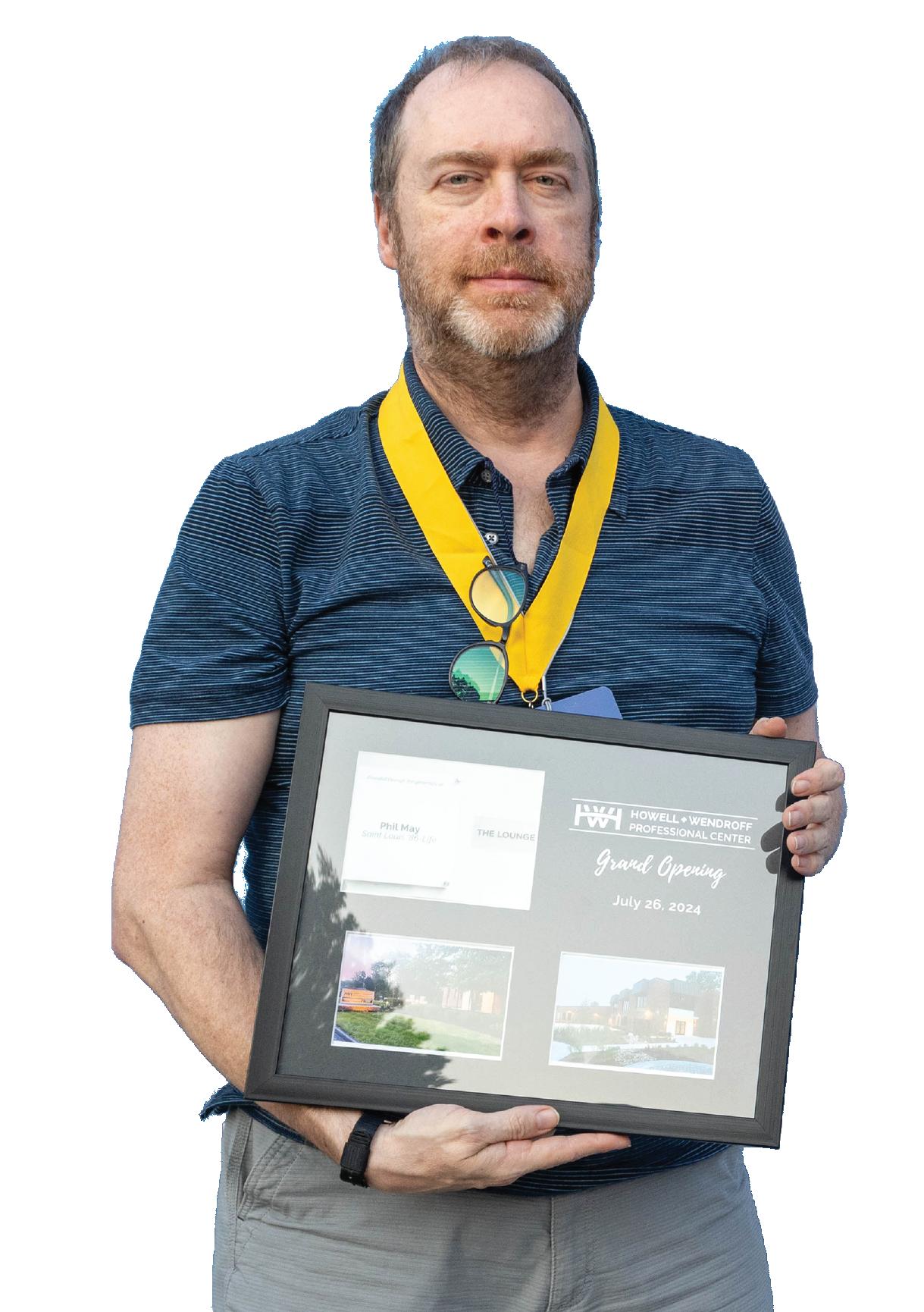
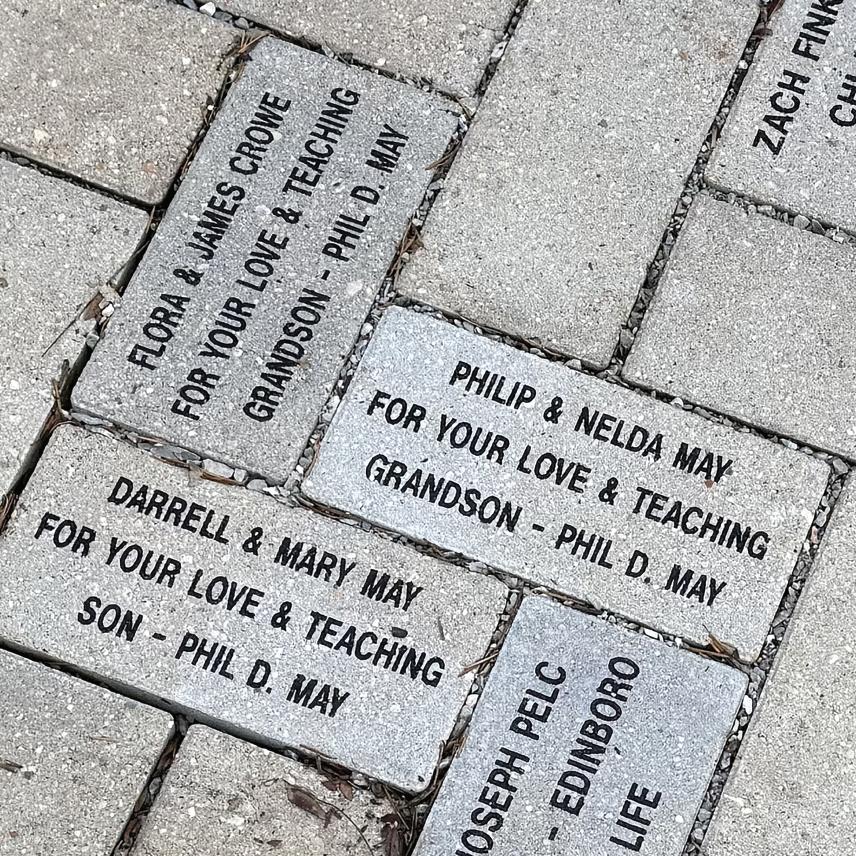
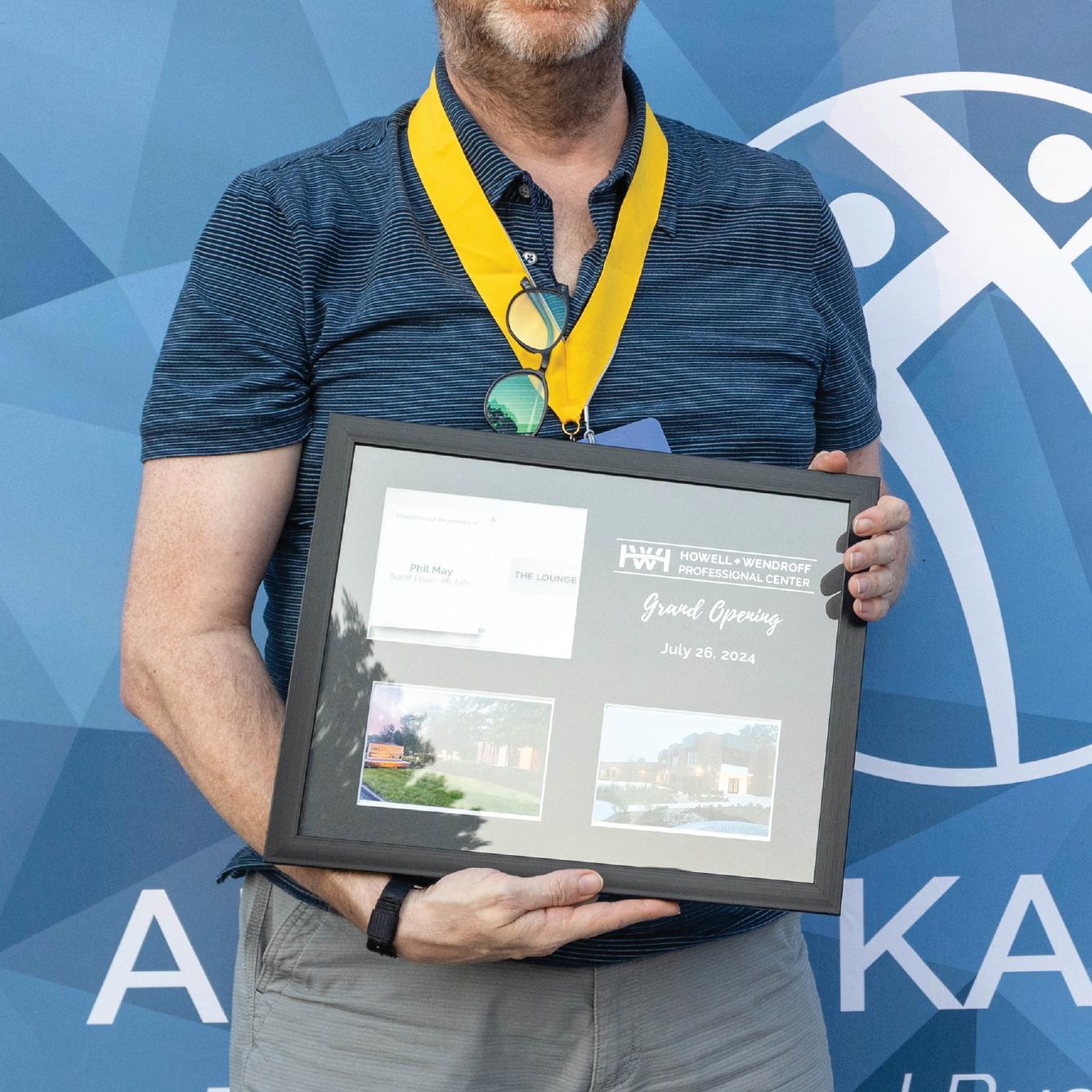
Securities analyst for UniGroup,
Secretary of the Alpha Kappa Psi board of directors 2002—2007
Trustee of the Alpha Kappa Psi Educational Foundation.
IT'S TIME TO START THE FIRST DRAFT
By Mackenzie Lauka, Toledo ’10-Life
No matter what anyone says, nobody likes getting or giving feedback. It’s awkward, uncomfortable, and feels entirely personal even when it isn’t. Despite this, feedback is essential to learning. It addresses incorrect information, but it also opens the door for collaboration when someone has a new or differing opinion. Feedback is what makes us better.
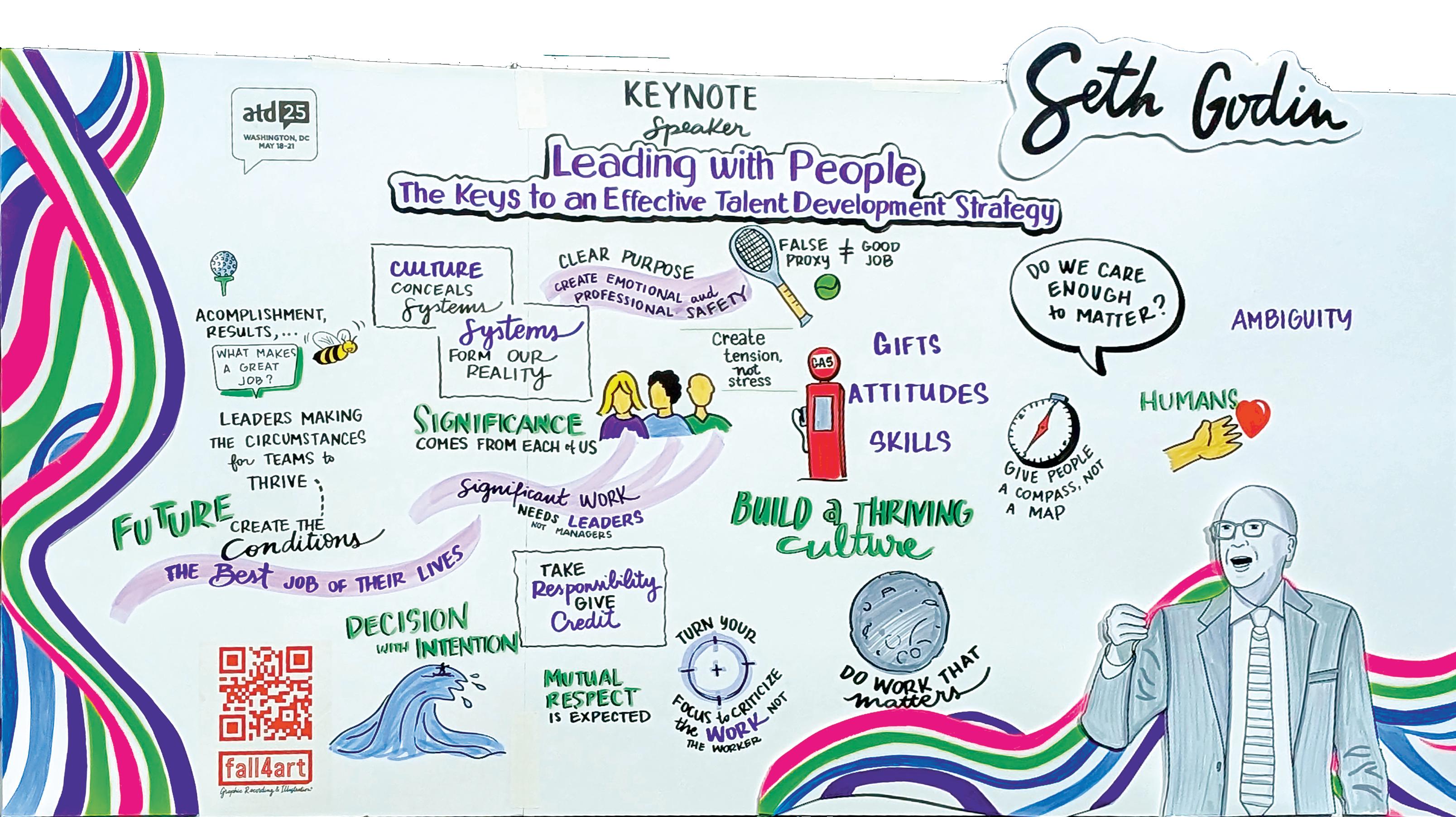
In May 2025, I attended the Association for Talent Development (ATD)’s International Conference and Exposition — the world’s largest conference for people who develop the knowledge and skills of people in the workforce. This year’s conference had several themes, the rise of AI, skills for the future, but one underrated theme was psychological safety. How do you create environments where people are comfortable embracing failure and taking risks? How do you create spaces where people are comfortable giving and receiving feedback authentically? The takeaway that hit home the most for me came in the closing keynote from Seth Godin. Seth Godin, bestselling author of over 20 marketing, leadership and strategy books set to challenge our assumptions about leading

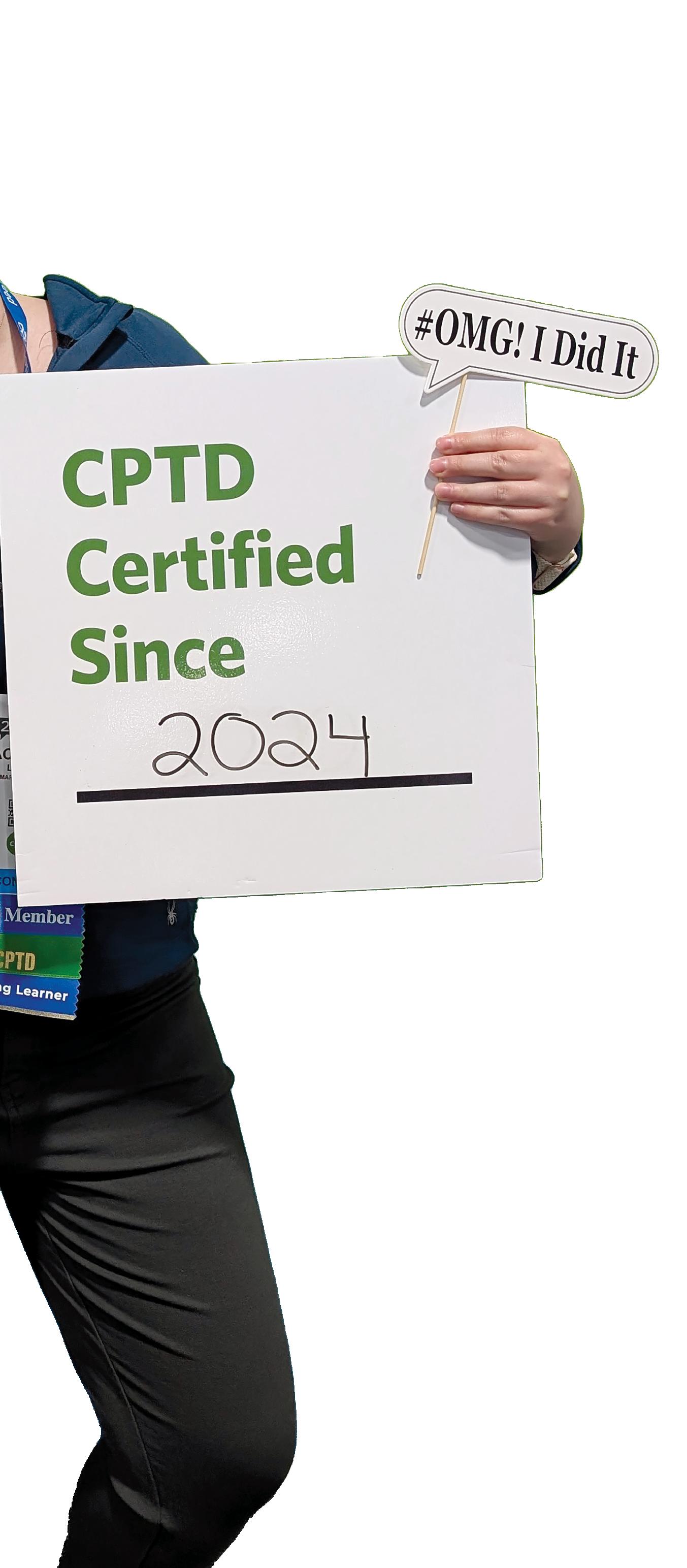
others and the way we work. One item he shared was his Page 19 theory. It was formed when he worked on The Carbon Almanac, a collective created by over 1,900 contributors across 90 countries who wanted to create change and share reliable, easily understandable knowledge on climate change. In his keynote, he repeated something he told his co-authors as they got started, “This book is going to have a page 19, and page 19 has not been written yet. Someone’s going to make the first draft of page 19, and then someone’s going to improve page 19. And if they improve it, that’s not because you did a bad job. It’s because you did a good job to open the door for someone else to improve it.”
If you ask 100 different people for advice, you’ll get 100 different answers, but I guarantee a universal commonality they’ll all include is to just start. We get tripped up doubting ourselves because we don’t know where to start, we don’t think we have the right answers, and we don’t want to fail and have to start again. But as Godin insinuates, if it’s not 100% right from the get-go doesn’t mean it’s wrong. Sure, I’d like doctors to know what they’re doing before they get into an operating room, but it’s not likely they’re the only person in the room.
Great things come from great minds coming together and learning from each other. There are no right answers. and there’s room for you to try something and then get feedback to improve it. You just need the right mindset, and the right support from those around you to get started. So whatever it is that you’re afraid to do, whatever is holding you back – think of it as your page 19. Start the first draft, get and give feedback, and together we can make great things happen.
Q: What’s a book, podcast, or resource that has deeply influenced how you approach learning and development?
A: The Year of Yes by Shonda Rhimes. As much as we have the power to say no when something isn’t right for us, we also have the power to say yes and discover what great things can come from it. Every situation is an opportunity to learn, so create welcoming spaces for other people to want to say yes, and be open when an opportunity comes along to say yes yourself.
Q: If you could give one piece of advice to someone starting a career in L&D today, what would it be?
A: You won’t always see the results of your work, but playing a role in someone’s learning and development is one of the most important things you can do. Everyone starts somewhere, and they get better by having people teach them and show them how. We are those people, we create those opportunities that make an impact.
Q: What role do you see emotional intelligence playing in the future of workplace learning?
A: The people that thrive in the workplace are going to be the ones who are open to learning new things –whether that’s new tools, new processes, or entirely
new job functions. From entry-level to C-suite, there is always something new to learn and having the emotional intelligence to recognize that someone else might have a better way of doing something, or you might need to learn a new skill to stay relevant is what is going to make you a better teammate and employee.
Q: In the last 3 years, what shift in learning behaviors or expectations has surprised you the most?
A: The skills we talked about 5-10 years as “the future of work” are the exact same ones we’re still talking about today. Yes, AI and technology will drastically change the tools we use and tasks we focus on, but nothing will ever replace the need for communication, collaboration, and creativity/ innovation — all the “human skills”. If anything, these skills are even more important to build.
Q: In your view, what is one misconception organizations still have about the role of learning and development professionals?
A: L&D isn’t just about learning, it’s about solving problems. If given the right resources, L&D professionals can work with any team to determine the root cause of their challenges and then figure a the solution, which isn’t always more training.
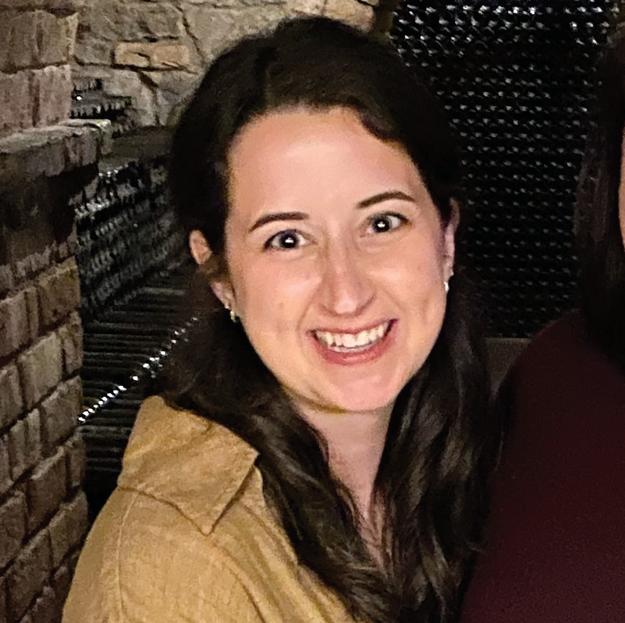
Omega Theta members Jiayi Wang, Marvi Shroff, Eileen Chen, and Meilin Yuan earned first place at the Milgard Invitational Case Competition.
Dante Ost was a member of one of the winning teams in the University of Washington’s Foster Capstone Case Competition, highlighting strong analytical and presentation performancee.
h 2025 Meeting Planner of the Year honored by the Indiana Chapter of Meeting Professionals International (MPI).
h Kortney has spent the last eight years of her career planning meetings and events for several associations and is now at Raybourn Group International.
h Kortney is a Ball State graduate and former Alpha Kappa Psi staff member. During her time on staff, she supported the Gamma Nu recharter at Babson College and helped to develop the chapter educational resource coordinator role.
When asked about her experiences as a meeting planner:
“One of the most fun conferences I’ve planned was a 2023 annual meeting in Napa Valley. The beautiful setting, combined with an especially engaged and welcoming group of members, made it so much fun to bring to life. A highlight of this meeting was an offsite evening at Castello di Amorosa, a unique Italianinspired castle that created an unforgettable backdrop for networking and celebration. Seeing attendees fully immersed in the experience and knowing our team had helped create those meaningful moments made it incredibly rewarding and remains one of my favorite meetings.
“ While that meeting was especially fun, the
conference I am most proud of was a new client program in September 2025. In just nine months, we executed a four-day scientific meeting for nearly 650 attendees, featuring a full exhibit hall with more than 50 supporting organizations and a coordinated poster hall showcasing over 200 scientific posters. The conference included an all-day scientific program across all four days, along with a large offsite event, each requiring careful logistical planning and close collaboration. Successfully delivering such a complex meeting on an accelerated timeline and helping establish a strong operational foundation for the client’s future conferences was an incredibly meaningful accomplishment.”
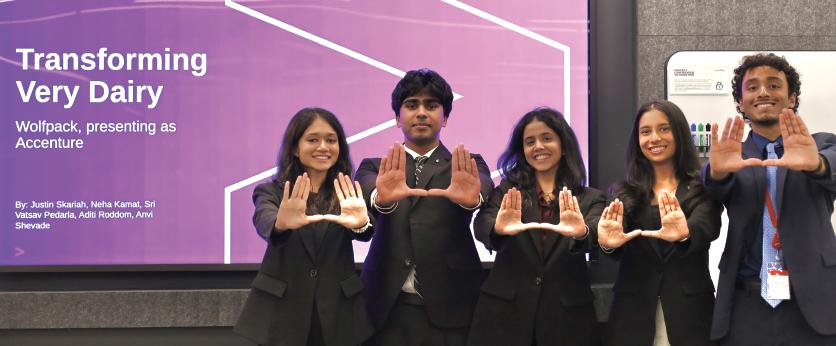
Eta Rho Chapter shared that members won the 2025 UIC x Accenture Case Competition, marking a strong corporate-facing achievement.
Beta Mu co-hosted the ninth annual Ready, Set, Grow! Career Conference on October 4, 2025, bringing together 40+ alumni professionals for panels and workshops.

Alpha Rho received the Recruitment Award, Event of the Year, and United Award, along with individual honors including Ambassador and Rising Star recognitions from the United Greek Council Awards at the University of Alabama.
Victor Louis (right), Central Florida ’20, was selected for the APTA Catherine Worthingham Fellows CSM 2026 Student Scholarship, supporting attendance at a nationally competitive professional conference.
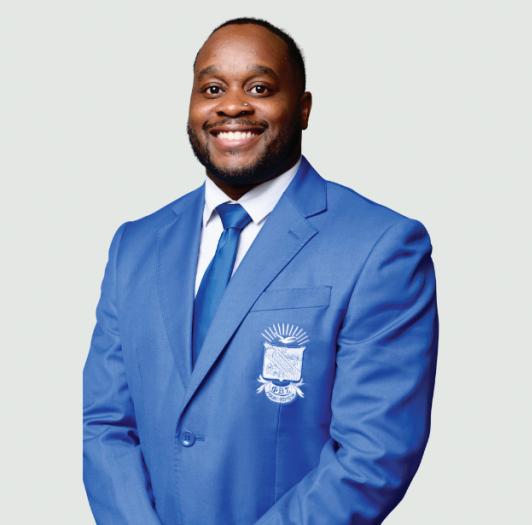
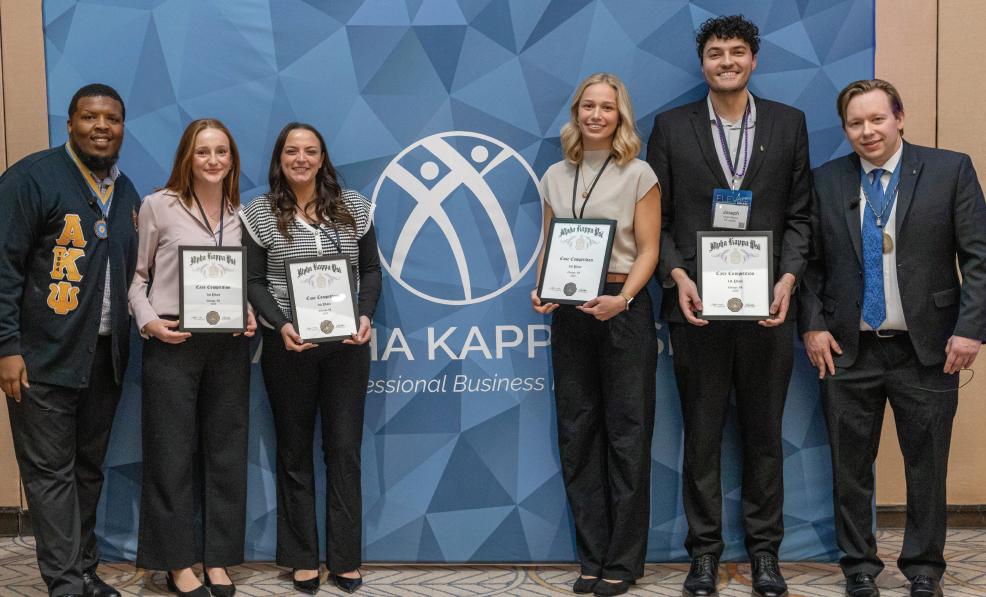
This year, Alpha Kappa Psi hosted its first GenAI competition, where participants used AI to solve an AI-generated case. This unique opportunity gave students the ability to test new skills and learn how to leverage AI for good. Each member of the second-place team won $750 and the first-place team each won $1,000.
FIRST PLACE: Snow Birds
SECOND PLACE (TIE): Escalators and Tech 3
he Alpha Kappa Psi Foundation’s All-AKPsi Academic Team recognizes students who maintain excellence in academic standing while also making positive contributions to their campus and community.
Team members have junior or senior full-time student status and a cumulative grade point average of 3.5 or higher on a 4.0 scale. The selection process measures the applicant’s ability to balance the following attributes:
degree
Development of leadership skills
Interactive extracurricular participation
Sense of social responsibility
Twelve outstanding Team Captains were selected from this year’s applicants to represent the All-AKPsi Academic Team. Congratulations to the 2024–25 Team Captains!

EILEEN CHEN Maryland ’23

KAYLA CONTI, Nebraska–Lincoln ’22
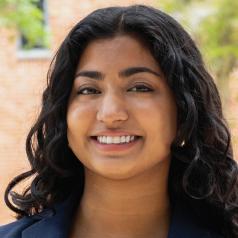
KIARA FERNANDO Trinity ’22

LILLIANA MCELROY Baylor ’23
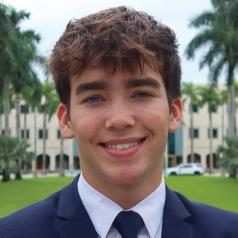
ALEXANDER MYLIN Florida International ’24
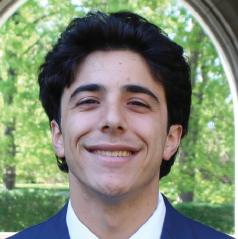
CHRISTIAN PALERMO Saint Joseph’s ’23
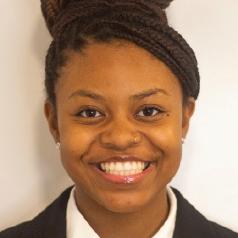
SKY POSEY Howard ’23
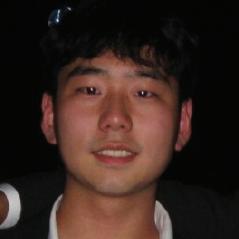
PARK Texas at Austin ’23
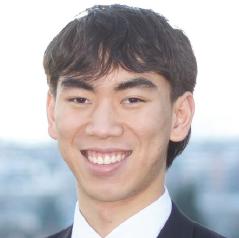
QUAN British Columbia ’23
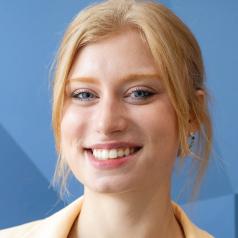
BROOKE REAGLE Slippery Rock ’21
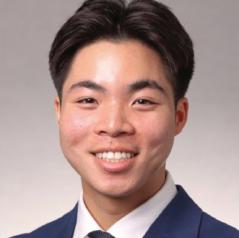
LEO WANG Washington ’23
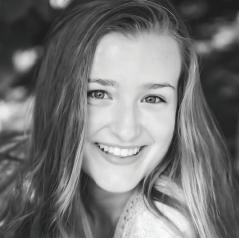
ELLE WIEDERHOLT Creighton ’23
100 YEARS
Alpha Upsilon— UCLA (First chartered 1/5/1926)
Alpha Phi— Florida (First chartered 1/22/1926)
Alpha Chi— Emory (First chartered 1/25/1926)
Alpha Omega— Kansas State (First chartered 5/10/26)
75 YEARS
Gamma Eta— Toledo (First chartered 1/13/1951)
25 YEARS
Rho Phi—UC Riverside (First chartered 1/6/2001)
Rho Psi—Johns Hopkins (First chartered 4/21/2001)
Rho Chi— Chapman (First chartered 4/21/2001)
Sigma Upsilon Phi— Manchester (First chartered 5/5/2001)
Sigma Psi Loyola-New Orleans (First chartered 5/12/2011)
Alpha Kappa Psi has been notified these Brothers have finished their course on Earth and have moved on to the Audit Eternal. The listing here represents information received by Alpha Kappa Psi between 3/1/2023 — 12/31/2025.
ADRIAN
Richard M. Gagnon, ’82–Life, (03/18/2025)
Tammy A. Miller, ’81–Life, (05/16/2025)
ALABAMA
Melvin L. Bankester, ’62, (12/6/2017)
Owen C. Leslie, ’52, (11/23/2024)
Abigail Poe, ’23, (1/29/2025)
AMERICAN
Jennifer Arnold, ’02, (3/14/2023)
ARIZONA
Masumi Ikeda, ’55, (7/1/2018)
ARKANSAS STATE
Patrick W. Clifford, ’69–Life, (12/27/2023)
AUBURN
Cole Constantino, ’24, (12/9/2024)
AUSTIN PEAY STATE
Greg Fields, ’97, (7/10/2024)
Malik C. Taylor, ’17, (8/20/2025)
BOSTON
Theodore S. Nicolosi, ’58, (2/18/2023)
BRADLEY
Douglas M. Kieft, ’51, (2/8/2024)
William V. Gibson, ’69, (7/19/2025)
CAL POLY—POMONA
Darien Lin, ’24, (2/6/2025)
CENTRAL MICHIGAN
Sean F. Hartzell, ’07, (6/23/2023)
CINCINNATI
Stanley F. Jelen, ’77–Life, (3/1/2023)
CLARKSON
Dean A. Negus, ’66, (7/8/2025)
COLLEGE OF WILLIAM AND MARY
Lana D. Fellows, ’24, (11/25/2024)
COLORADO
John E. Litz '58–Life, (12/29/2023)
Linsey W. Kasper, ’00, (9/27/2025)
COLORADO COLLEGE
John D. Emery, ’54, (4/1/2018)
Charles E. Stadler, ’49–Life, (6/23/2023)
CREIGHTON
Scott E. Billings, ’86, (6/28/2025)
CSU—FRESNO
Chris F. Weaver, ’99, (3/17/2022)
CSU—LOS ANGELES
Cliff R. Loring, ’55, (5/9/2023)
CSU—SAN BERNARDINO
Jeanne C. King, ’94, (1/1/2016)
DAYTON
Lowell T. Reidy, ’56–Life, (12/28/1921)
Bruce D. Soule, ’66, (10/23/2023)
DENVER
Jerry C. Higginson, ’61–Life, (9/9/2023)
Gerald E. Portice, ’61–Life, (3/11/2021)
Gary F. Palmer, ’58–Life, (3/18/2025)
DETROIT—DAY DIVISION
Wally T. Stacey, ’63–Life, (11/25/2023)
DETROIT—EVENING
Robert A. Murzin, ’65–Life, (9/11/2025)
DRAKE
Kelvin C. Boyle, ’60, (12/14/2024)
Jerry A. Grosenbach, ’69–Life, (2/5/2025)
O. Gene Olson, ’65–Life, (4/12/2023)
Martin W. Peterson, ’62, (10/12/2022)
EASTERN MICHIGAN
Rodney D. Amon, ’71, (9/1/2022)
Larry R. Armbruster, ’66, (6/2/2024)
FLORIDA
Thomas C. Mennitt, ’59, (2/11/2013)
FLORIDA STATE
Wayne W. Limkeman, ’55, (5/2/2022)
John L. Tate, ’82–Life, (8/8/2024)
Sam Boukerrou, ’06, (2/15/2025)
GEORGIA
Paul N. Rohrabaugh, ’51–Life, (4/18/2025)
Wilvur N. Sikes, ’67, (5/27/2024)
GEORGIA STATE
William D. Reeves, ’59–Life, (10/24/2024)
HAMLINE
George Kruse, ’59, (3/18/2024)
ILLINOIS AT CHICAGO
George G. Dornseif, ’66–Life, (10/13/2023)
ILLINOIS WESLEYAN
Lawrence F. Herbolsheimer ’72–Life, (7/4/2024)
INDIANA
Donald E. Foster, ’60–Life, (10/27/2025)
IOWA
Dion M. Markle, ’65–Life, (1/1/1991)
Donald J. Regan, ’49–Life, (11/11/2024)
Grant R. Wilken, ’67, (10/20/2024)
IOWA STATE
Jerold W. Lancelot '60–Life, (7/7/2024)
William R. Miller, ’61–Life, (11/3/2025)
JACKSONVILLE
Hansell T. Jeffers, ’62–Life, (7/11/2023)
Robert W. Sheppard, ’62, (6/26/2023)
JOHN CARROLL
John A. Mahoney, ’62, (12/27/2023)
JOHNS HOPKINS
Pava LaPere, ’15, (9/29/2023)
KANSAS
Carl E. Stallard, ’49, (2/19/2023)
MARQUETTE
Glenn R. Detrie, ’49, (6/9/2025)
MARSHALL
Larry J. Guio, ’73–Life, (7/11/2025)
Irvin M. Watts, ’74, (6/4/2025)
MEMPHIS
Bianca Russell, ’12, (5/4/2025)
MICHIGAN—DEARBORN
Michael C. Raezler, ’68, (1/31/2023)
MINNESOTA
Martin V. Chorzempa, ’56–Life, (6/1/2020)
Robert K. Jaedicke, ’57, (6/17/2023)
George W. Fox, ’48, (8/22/2024)
George T. Medvec, ’52, (7/10/2024)
James A. Lamson, ’55–Life, (11/15/2024)
MONTANA
Charles E. Flanik, ’56, (4/10/2020)
Bob Langenbach, ’49, (3/31/2023)
MOTOR CITY ALUMNI
Mary E. Spansky, ’19, (6/4/2023)
NEBRASKA – LINCOLN
Joseph F. Kase '47–Life, (8/9/2019)
NEW YORK
Arthur J. Bowers, ’63, (7/10/2023)
NORTH CAROLINA— CHAPEL HILL
Thomas J. Morgan, ’69, (9/7/2023)
NORTH CAROLINA— GREENSBORO
Brianna Boggan, ’16, (6/7/2025)
NORTHERN MICHIGAN
Robert J. Fleming, ’84, (8/12/2023)
OHIO STATE
Donald E. Fender, ’58, (7/4/2023)
Harland L. Mischler, ’53–Life, (4/25/2023)
Edward A. Moats, ’60, (2/10/2024)
Lewis R. Smoot, ’89–Life, (2/29/2024)
Merritt M. Narance, ’80, (9/6/2024)
OLD DOMINION
Mark B. Loges '92
PENN STATE
Andrew J. Dickson, ’97, (7/31/2023)
Elbert W. Simon, ’60, (5/22/2025)
PORTLAND
Archie L. Gress, ’53, (4/28/2020)
REGIS
Edwin J. Feulner, ’60–Life, (7/18/2025)
James C. Sutton, ’57, (5/12/2023)
RICHMOND
George H. Morris, ’69, (6/15/2024)
Richard E. Patteson '70, (3/7/2023)
ROCKHURST
Thomas E. Curry, ’54, (3/9/2024)
SAM HOUSTON STATE
David W. Newton, ’95, (6/23/2023)
SAN FRANCISCO STATE
Marshall S. Toro, (7/15/2025)
SEATTLE
Clarence W. Ticeson, ’55–Life, (10/12/2025)
SETON HALL
Conrad A. Thamm, ’64–Life, (4/24/2022)
William T. Conway, ’67, (5/29/2025)
SOUTHEAST MISSOURI STATE
James E. Wallen, ’74–Life, (5/19/2019)
Stephen Z. Gosche, ’66–Life, (9/15/2024)
SOUTHERN CALIFORNIA
Katherine A. Schupp, ’77, (9/19/2009)
Albert D. Shonk '52–Life, (8/26/2025)
SOUTHERN ILLINOIS
Frank L. Fleming, ’59–Life, (9/17/2021)
Shirish B. Seth, ’69, (1/1/2021)
Stephen T. Remy, ’73, (11/30/2025)
TENNESSEE
Ancel E. Rowlette, ’68–Life, (6/26/2022)
Abigail Lutz, ’20, (8/30/2025)
TENNESSEE STATE
Marvin L. Boomer, ’06–Life, (5/28/2025)
TEXAS A&M
Katherine M. Sabom, ’91, (3/31/2025)
TEXAS AT AUSTIN
Paul A. Ganter, ’53–Life, (4/10/2023)
TEXAS LUTHERAN
Nick A. Lockard, ’82, (11/7/2022)
TOLEDO
Albert W. Kleine, ’51–Life, (11/19/2023)
Allen L. Radlinski, ’70–Life, (5/17/2024)
Kary R. Sauers, ’71, (5/27/2023)
James Wojciechowski, ’67, (11/7/2025)
TULSA
John L. Lombard, ’62, (12/31/2023)
UCLA
Earl J. Barron, ’53, (9/4/2013)
UPSALA COLLEGE
Lizbeth E. Overton, ’81, (9/6/2024)
WASHINGTON
Robert A. Praechter, ’51, (2/16/2023)
WASHINGTON STATE
Richard D. Parkhill, ’58, (6/19/2024)
WAYNE STATE
William B. Lockard, ’72, (3/7/2023)
Verne G. Mepham, ’49–Life, (4/22/2020)
WEST GEORGIA
Alvia E. Brown, ’87, (7/5/2023)
WEST LIBERTY
Robert E. Makofsky, ’79, (6/2/2024)
WEST TEXAS A&M
William G. Callarman, ’62–Life, (3/2/2024)
Gary M. Sanders, ’77–Life, (8/26/2025)
WESTERN KENTUCKY
Larry R. Richey, ’67–Life, (6/14/2022)
William C. Schaefer, ’68–Life, (12/31/2023)
WESTERN MICHIGAN
Allen M. Bellware, ’64–Life, (10/19/2020)
Douglas R. Kline, ’72–Life, (7/14/2023)
WICHITA STATE
Bruce J. Myers, ’66–Life, (6/14/2022)
Jerry L. Knight, ’61–Life, (6/23/2023)
Gail D. McElroy, ’86, (3/13/2024)
Larry D. Gaston, ’58–Life, (1/28/2025)
WISCONSIN–MADISON
Richard D. Lynch '47, (5/9/2023)
James R. Price, ’48, (1/26/2024)
WISCONSIN–MILWAUKEE
William L. Zahn, ’59, (9/27/2019)
WYOMING
Raymond D. Laue, ’56, (1/14/2022)
OCTOBER 24, 2024
Bill Reeves, Gold Distinguished Service Award honoree and former Chair of the Alpha Kappa Psi Foundation, entered Audit Eternal on October 24, 2024. A devoted brother, he served the fraternity for decades through national committees and Foundation leadership.
Beyond AKPsi, Reeves was a professor of English, an entrepreneur in construction and real estate, and a passionate supporter of Georgia State University, where he and his wife Su left a legacy in athletics and student opportunities. His life reflected true servant leadership, and his impact will be remembered across the fraternity and beyond.
MARCH 2, 2024
Bill Callarman, known to many as “Dr. C,” a Gold Distinguished Service Award honoree and longtime AKPsi leader, entered audit eternal on March 2, 2024. A dedicated educator and brother, he served on the Fraternity Board of Directors and advised the Nu Chi Chapter at the University of Central Florida for 30 years.
In his professional life, Dr. C was a professor of marketing and management at the University of Central Florida, where he shaped the business curriculum and chaired UCF’s athletic committee—championing equity and women’s athletics. His warmth, mentorship, and commitment to others left a legacy in both the classroom and the brotherhood.
JULY 18, 2025
Ed Feulner, founder of The Heritage Foundation and veteran of numerous AKPsi leadership roles, entered audit eternal on July 18, 2025. He previously served the Fraternity as Mideast Regional Director, vice chair of the Foundation Board, and member of the Leadership Advisory Council.
Professionally, Dr. Feulner transformed Heritage from a small policy thinktank into a major influence in American governance. He authored nine books and was recognized with the Presidential Citizens Medal in 1989

What was your first job?
My first job was as an ER receptionist on the overnight weekend shifts from the summer of my senior year of high school through my junior year of college. No two shifts were ever the same and I never knew what to expect. It was a unique experience!
What is the best advice that you have been given?
The best advice I’d ever been given was to get 1% better every day. If you do this for 1 year, you’ll end up 37 times better by the time you’re done. The goal is consistent, small daily improvements that compound to create massive long-term growth.
What is your go to for overcoming a creative block?
To overcome a creative block, I either go on a walk or use my white board to think about it differently.
How do you like to start your morning?
FOOD: What’s your go to comfort food/ meal?
Homemade chicken and noodle
BOOK: What book are you currently reading?
The Qualified Sales Leader by John McMahon
MUSIC: What are you currently listening to?
STATE ‘09
Senior Revenue Operations Manager, AppOmni
Chapter Advisor, Kansas State
Past Executive Vice President
“The best advice I’d ever been given was to get 1% better every day. If you do this for 1 year, you’ll end up 37 times better by the time you’re done.”
I start my morning by taking my daughter to daycare, eating breakfast, and then sitting down at my desk to start my day.
If you could write a book about your life, what would the title be and why?
The book about my life would be called Still Growing because my goal is to continue to learn and grow no matter how old I am or where I’m at in life. It would also contain the many life lessons I’ve learned along the way.
What would we most likely find you doing on the weekend?
My answer has changed quite a bit in the last six months. You’ll now find me spending time with my husband, Chris, my daughter, Emma, and our two boxers, Sami and Otis. We might be doing tummy time, playing with the dogs, or watching K-State sports.
If you could only have three apps on your smartphone, which would you pick.
Remember the Milk, Google Home, and Photos
What’s a skill you’d like to improve on?
I’d like to improve on my cooking skills. I enjoy cooking and baking but am not quite as skilled at it like my sister.
What’s the top destination on your must-visit list?
I’ve love to go back to Prague, but Japan is on my must-visit list.
The Highway on XM Satellite Radio
TV: What show are you currently binging?
Paradise on Hulu
AKPSI: What is your favorite AKPsi experience?
I have a lot of great memories as a student, alumni, and volunteer but when I think about experiences, I think of the lasting friendships I’ve made both inside and outside my chapter. My life would have been very different today without AKPsi. Thank you to all of the Brothers who have been a part of my journey!
An analyst with consulting firm Alvarez & Marsal, Adway credits Alpha Kappa Psi as a defining influence in shaping both his career direction and professional mindset.
ADWAY RAJE, AN WHAT BROUGHT YOU TO ALPHA KAPPA PSI? I joined AKPsi my first semester as a freshman. A friend encouraged me to attend a recruiting event, and I almost didn’t go. But I met the people and immediately felt connected. It was one of the first spaces where I felt challenged and supported at the same time.
WHAT IMPACT HAS AKPSI HAD ON YOUR LIFE?
Looking back, AKPsi helped me discover what I enjoyed long before I realized it would shape my career. Through leadership roles and project work, I developed a love for problem-solving and working closely with people. My university wasn’t consulting-focused, so I didn’t learn about that path until late in college. But when I reflected on what energized me in AKPsi — taking initiative, structuring ideas, collaborating with others — consulting felt like a natural next step. WHAT ADVICE WOULD YOU OFFER TO SOMEONE THINKING ABOUT GETTING INVOLVED? Don’t just participate — contribute. Take initiative. Build habits early: responsiveness, discipline, prioritization. Those small behaviors compound. Wheth -
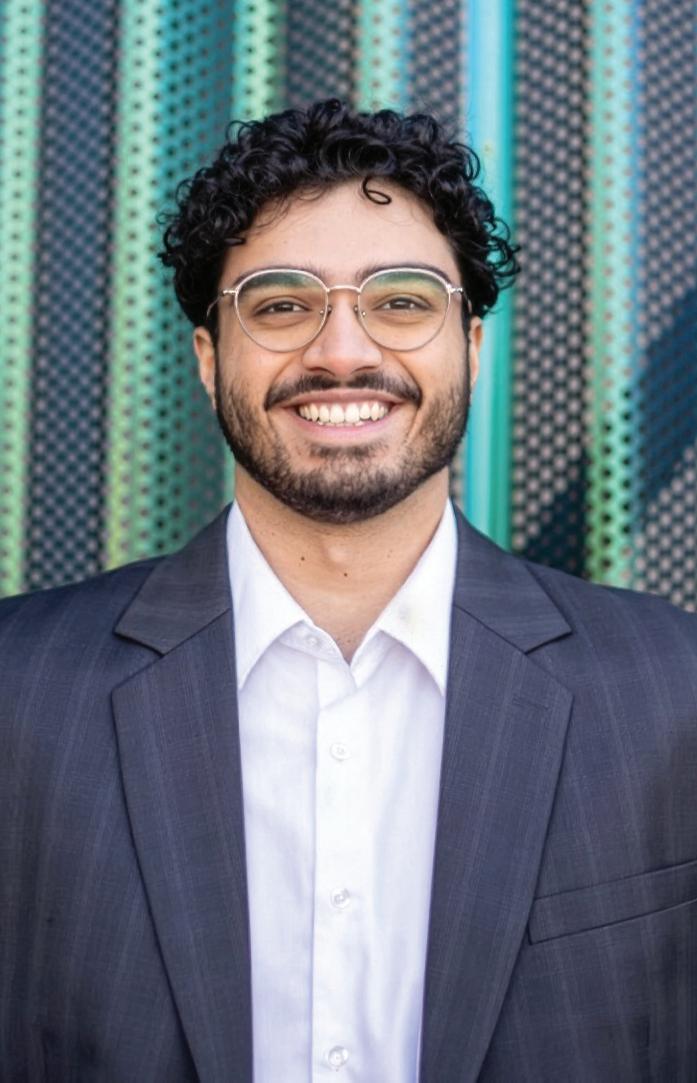
er it’s leading a project or supporting your chapter, the way you show up matters. Those habits carry forward into your career. AS A RECENT COLLEGE GRADUATE AND A RELATIVELY NEW PROFESSIONAL, WHAT’S AN IMPORTANT LESSON YOU’VE LEARNED OVER THE PAST 5 YEARS? Be intentional about the person you’re becoming. Your values are tested in small moments — when you’re tired, busy, or stressed. Choose to be someone others want to work with. Reputation and integrity matter more than you realize. ANYTHING ELSE TO ADD?
Growth doesn’t usually come from one big defining moment. It comes from small, consistent actions. If you focus on building strong habits and maintaining your character, the right opportunities tend to follow.
This spotlight includes excerpts taken from an interview with Chrissy Vasquez (Arizona State ’98) for the Business Edge podcast. To listen to the whole interview with Adway, log into the Business Edge portal to learn more about Adway and his AKPsi journey. Business Edge · Business Edge