Traci
Exercises



Traci
Exercises







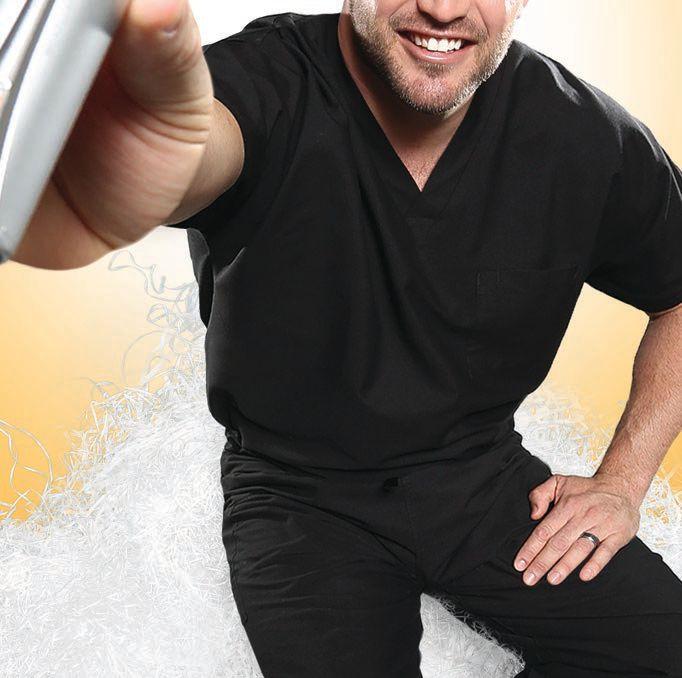

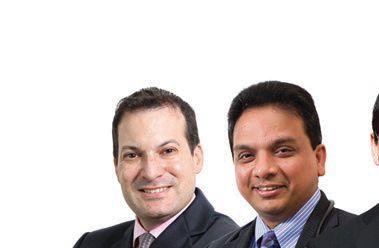
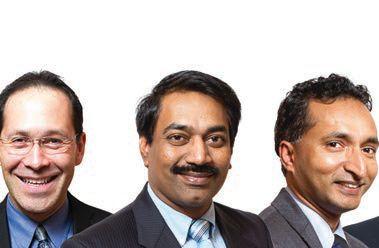
Dr. Lal. S Nagabhairu and Gastrointestinal Consultants are excited to introduce the expertise of DR. DAVID ELIJAH to the community. He is proud to be part of a practice that offers expert medical care, state-of-the-art-technology, and maintains a genuine commitment to treating each patient with respect and dignity.
“The doctors at Gastrointestinal Consultants are very supportive in doing what is right for patients,” says Dr. Elijah.
Dr. Elijah comes to the practice with stellar credentials, training, and experience. He received a Bachelor of Science degree in electrical engineering from Rice University. He then attended medical school at the University of South Florida, which is where he also completed his residency and fellowship. He is board-certified in both gastroenterology and internal medicine and has spent the past six years practicing in DeLand.

Dr. Elijah’s vast skills include endoscopic removal of large lesions and superficial cancers in the stomach and colon so that patients can avoid surgery. He is also skilled in the use of radiofrequency ablation to treat Barrett’s esophagus, as well as precancerous lesions in the esophagus. “With this technique, I use a probe to burn away unhealthy tissue,” he says. “This allows healthy tissue to grow back.” He has been involved in a national study to bring this technology into the mainstream.
cancers in the stomac skilled in the use of radi lesions in the
Outside the practice of medicine, Dr. Elijah enjoys spending time with his wife, Christina, who is a registered nurse at The Villages VA. He and Christina were married last July. His hobbies include reading science fiction books and practicing the martial art jiu-jitsu.
Gastrointestinal Consultants has offices in Tavares, The Villages, and Lady Lake. For more information, call 352.383.7703.

A ONE-ON-ONE CONSULTATION WITH ONE OF OUR SPECIALISTS





















April 2013
in allo have otherwise. Four sm
Change is often an intimidating word, but change can be good. Why? Because it allows us to grow in ways we never would have otherwise. Four local residents recently discovered that implementing just small changes into their lives has helped them effectively deal with problems and appreciate life more fully.
JAMES COMBSWRITER: 38 T m Tra
While she has spent most of her adult life obese, it was only several months ago when Traci Oliver experienced a personal revelation. For her, an embarrassing health scare in front of family members struck her like a lightning bolt and she knew something desperately needed to change. In January, the 41-year-old schoolteacher began a lifestyle change that so far has reshaped her body and life. With improved self-esteem and a more positive outlook, her newfound diet and exercise regimens have been worth their weight in gold.
For her, an embarras light In a tha self-esteem diet and exercise reg




WRITER: JAMES COMBS
SPECIAL ADVERTISING FEATURE
flossolutions




Now that he has ntist Tim Pruett hopes everyone device, local de he importance of flossing. brushes up on th
s designed an innovative flossing g

10
HEALTHYBODY SHAPE
66 I GOT YOUR BACK
Achieve a toned, sexy look with these exercises.
WRITER: TRACY DRAPER
EAT FIT/NOT FAT
70 ARBY’S
Get your healthy “good mood food” fix.
WRITER: TABATHA ARCARO-ORTIZ, M.S., R.D., L.D/N.
LOOK
72 VITAMIN COPACETIC
Vitamin C: The perfect serum for your skin to shield against the elements.
WRITER: RUTH ANN BYRD
HEALTHYMIND
SOURCE
HEALTHYSPIRIT
INNERVENTION
HEALTHYFINANCE
DISCOUNT
76 THE TRUE CAUSE OF STRESS
Could a “newly discovered virus” be the culprit?
S ARDT,
WRITER: RICHARD T. BOSSHARDT, M.D., FACS
80 MAGNIFICENT ME?!
A journey to wholeness.
86 HOW TO SAVE ON A DISNEY VACATION
WRITER: STEPHANIE VERAGHEN
WITHSTAND
82 BRING IT ON!
Don’t let life’s obstacles be your downfall.
WRITER: TRACI BROSMAN
WRIT t r downfall. your T
See Mickey and his friends without going broke.
WRITER: MARY EDWARDS
RETIREMENT
87 PROTECT YOUR RETIREMENT FROM HIGHER TAXES
87 FRO
Find the best option for the greatest possible tax efficiency.

WRITER: CHRIS BRIDGES
Find the b pos ax IS








Let’s be honest. How many of us assume that maintaining good oral health entails brushing two or three times a day followed by a swig of Listerine?
I am not trying to chew you out, but you simply cannot brush off flossing as insignificant. Fact is food particles become lodged between our teeth after each meal. Flossing is the only way to remove these particles. Unfortunately, many of us come up with every excuse imaginable to avoid flossing. Some say it hurts, others say they do not have enough time to floss, and some do not like putting their fingers inside their mouth.
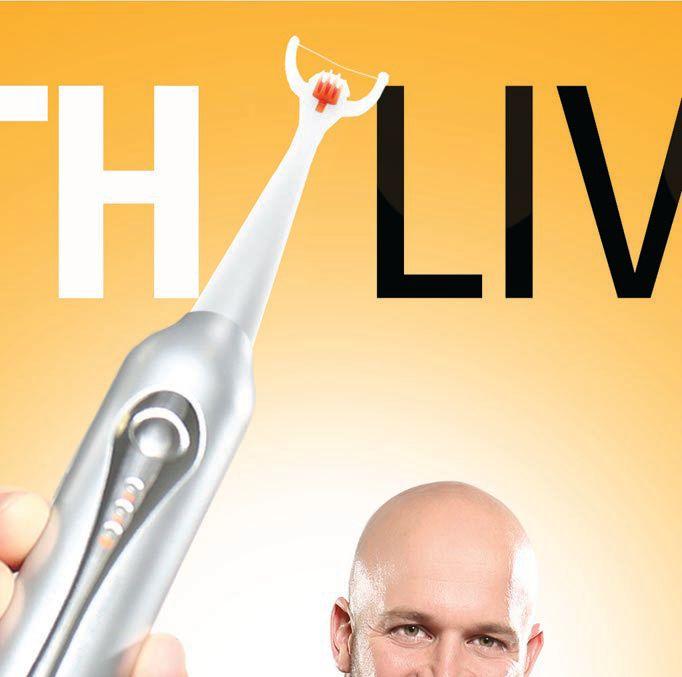
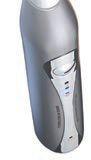
Well, one of Lake County’s bright, young dentists, Dr. Tim Pruett, has invented a marvelous device that takes the hassle out of flossing. His creation, Flossolution, uses sonic energy that effortlessly glides floss between the teeth, and it also has special “guard” that protects the teeth and gums from becoming injured.
Although he originally created the product to make flossing easier for his dental patients, he now realizes Flossolution can make a positive impact on the oral health of countless people throughout the country. With any luck, Dr. Pruett will have the dental world on a string. Since April is National Oral Health Month, I urge you to read about his invention in this month’s issue and I hope you strongly consider flossing on a daily basis. After all, who wants to deal with cavities and gingivitis down the road?
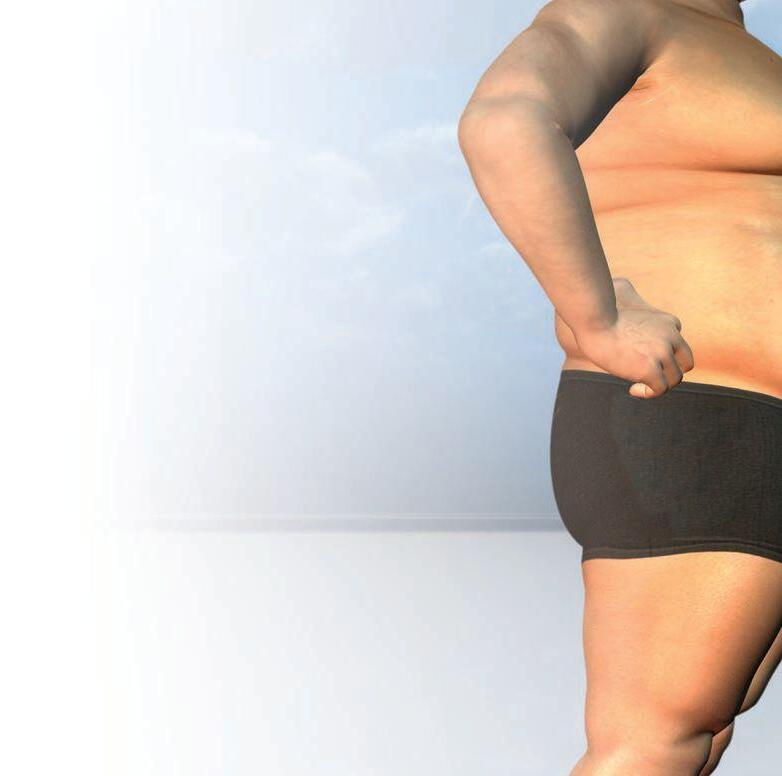
Our April issue is also highlighting another Lake County resident who is equally inspirational when it comes to health. Traci Oliver of Fruitland Park has spent her entire adult life battling obesity. After numerous failed attempts to land a spot on the television show The Biggest Loser and having no success with fad diets, Traci has come to the realization that the proper way to lose weight is through nutrition and exercise. It has taken her only ten weeks to go from 298 pounds to 265 pounds.
For Traci, embarking on a lifestyle change was critically important because weight not only affected her physical health but also her emotional health. Traci is living proof that losing weight is never an insurmountable goal. It simply takes effort, dedication, and hard work. Our readers will easily relate to Traci’s past struggles, and I think she will ultimately become a source of inspiration for others to begin their own weight-loss journey. Keep up the excellent work, Traci! We are extremely proud of you!
Here’s to health, hope, and happiness in the month of April. As always, I encourage your feedback and story ideas.
Thanks and God bless.
KENDRA AKERS publisher kendra@akersmediagroup.com
DOUG AKERS vice president doug@akersmediagroup.com
JAMIE EZRA MARK chief creative officer jamie@akersmediagroup.com
EDITORIAL // DESIGN
JIM GIBSON executive editor jim@akersmediagroup.com
TIFFANY ROACH managing editor tiffany@akersmediagroup.com
JAMES COMBS staff writer james@akersmediagroup.com
SHEMIR WILES copy editor/writer shemir@akersmediagroup.com contributing writers TABATHA ARCARO-ORTIZ
STEVEN J. CODRARO associate creative director steve@akersmediagroup.com
CIERRA CHAPPELL production manager cierra@akersmediagroup.com
JOSH CLARK senior designer/advertising josh@akersmediagroup.com
ANTHONY CASTO senior designer/editorial anthony@akersmediagroup.com
TINA MORRISON production director tina@akersmediagroup.com
RICK BOSSHARDT
CHRIS BRIDGES
TRACY BROSMAN
TRACY DRAPER
MARY EDWARDS
FRED HILTON STEPHANIE VERAGHEN
HEATHER TOOTLE office manager heather@akersmediagroup.com
CALEB WAYNE JENSEN graphic designer caleb@akersmediagroup.com
FRED LOPEZ chief photographer fred@akersmediagroup.com
contributing photographer MORGAN ELLIS ANDREW GRUNTHER
SALES // MARKETING
TIM MCRAE vice president of sales and marketing tim@akersmediagroup.com
MIKE STEGALL senior marketing representative mike@akersmediagroup.com
HEIDI RESSLER marketing representative heidi@akersmediagroup.com
DISTRIBUTION
SCOTT HEGG distribution manager scott.hegg@akersmediagroup.com
Kendra Akers publisherComments or questions for our publisher? Please email kendra@akersmediagroup.com. Our goal is to provide you with the best quality publication, so your feedback is vital.

RICK BOSSHARDT, M.D., FACS
Bosshardt and Marzek
Plastic Surgery Associates
ROSANNE BRANDEBURG, MBA
Executive Director, Lake-Sumter Community College Foundation, Inc., Chairman, Lake County School Board
Last month, I wrote about a physical miracle that occurred in my life almost thirty years ago that has withstood the test of time. I didn’t have enough room to tell about the latest one that occurred just a few months ago. I have to tell it because if the testimony of my healings can touch the faith of just one person, I believe it can change their life forever.
In 2003, I developed what doctors thought was Meniere’s disease. I had uncontrollable vertigo and was virtually bedridden for almost eight months. It was a rough patch.
My body adjusted over time and I slowly regained my balance enough to function. Every few months or so, I would have another attack and end up in bed or in my easy chair for several days. The attacks became more infrequent and by 2009 when I started working here at Akers Media, even though my balance was affected every day, the attacks of incapacitating vertigo had almost ceased.
That is until March 2012. I came down with the whooping cough. (Yes, it is still around, and yes, you can get it more than once in life.) After I recovered, all I could hear in my left ear was an unbearably loud roaring and I had several vertigo attacks that caused me to miss several days of work.
My hearing was affected profoundly and began to worsen. Sounds such as a motorcycle engine or a child laughing made me feel as if I was being stabbed in my ear with an ice pick. I had to constantly wear an earplug in my ear to block out all, sound and it began to affect my work.
I went to see an audiologist and he fitted me with a hearing aid that helped immensely. It cut out the decibel range that caused the pain and enhanced the hearing range I still had, which was only thirteen decibels in width. The hearing aid itself was a miracle of science and gave me my life back.
In November, I came down with a common cold and within a week, I ended up being hospitalized with the worst vertigo attack of my life. Once again, my hearing was affected, and I could no longer wear my hearing aid. I plugged my ear up once again and decided to have the nerve in my ear destroyed because I could no longer bear the incessant roar I heard twentyfour hours a day, seven days a week.
We visited my in-laws on Thanksgiving and as we went to leave, my father-in-law, Cortas Haire, asked me if he could pray for my ear. I told him he could, and he anointed me with oil and prayed for me. I felt no change and thought no more about it until a few days later when I suddenly noticed the roaring wasn’t as bad. Within a week, the change was amazing. I could hear sounds I hadn’t heard in a very long time.
I rescheduled a visit to my audiologist and he retested my hearing. He said he had not seen such a profound change in a patient’s hearing in thirty-five years. He said the previous testing had proved my hearing loss was profound and in his opinion irreversible. He then said that I now had the hearing of a fifteen-year-old boy and the change was nothing less than miraculous.
Once again, skeptics may say my body simply “fixed’ itself on a molecular level. Well, you are just talking to yourself because I have simply had too many miracles in my life, ones where I know God has touched me, to listen to the words of naysayers. I know what a miracle is; I have had several… and I hope to have many more. And I will because God loves me just as I am; I live my life to glorify Him, and I believe all things are possible to them that believe.
Until next month — hold fast…
Jim Gibson editorComments or questions for our editor? Please email jim@akersmediagroup.com.
PATRICIA BURGOS
Environmental Program Manager Lake County Water Authority
RUTH ANN BYRD, LA, CME
Aesthetic Skin Solutions
KATHERINE COOK
Founder of the Leesburg Center for the Arts
ISAAC DEAS
Interfaith Chaplain for Cornerstone Hospice
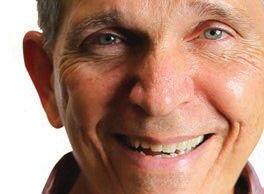
ROD ERB
Director of Marketing and Business Development, Moore Medical Group
TERRI FECHTEL
Liaison for Suncoast/ Omni Home Health
GREG FRESCOLN
Principal, First Academy-Leesburg
SHERI HUTCHINSON
Public Information Officer, Community Outreach Manager, Lake County Health Department
CAROL MILLWATER
Executive Director, Lake-Sumter Medical Society
MANDY RICHARDSON
Marketing Manager, Mid-Florida Eye Center
ERIC ROUKEY
Physicians Consulting Group
B. E. THOMPSON
Director of Development, Lifestream Behavioral Center

ELLEN WILCOX, GEPC Wilcox Wealth Management
JEFF WITTMAN
Licensed Nutritionist, Owner, Jeff’s Health and Nutrition
“I was in the banking industry for nearly forty years. A lot of constant standing led to very uncomfortable spider veins in both my legs. The pain was horrible, and I felt it looked even worse. Then I came across Comprehensive Vein Centers. PA Tran and his incredible staff were not only knowledgeable but also genuinely concerned about my well-being. I am thrilled to be able to wear shorts again and am very thankful to have found such a wonderful team with which to entrust my health.”
JANICE RYDER VILLAGES RESIDENT
The Greater Clermont Cancer Foundation is proud to present its sixth annual Bras for the Cause and Boxers Too!! event. This fun-filled fashion show and silent auction features whimsically themed and decorated bras and boxers that are designed and donated by members of the community. The event will be held April 20th at Heritage Hills Clubhouse.

Attendees can enjoy wine and hors d’oeuvres and bid for the privilege of owning one or more of these custom-decorated garments. The Greater Clermont Cancer Foundation is a local, community-based, nonprofit organization that provides financial aid and other free services to community cancer patients, their families, and caregivers.
For more information about the event, please call 352.435.3202. ■
Area residents who suffer from retinal diseases can now undergo advanced vitreoretinal surgery in a local outpatient setting thanks to Mid Florida Eye Center’s new retinal surgery system, the CONSTELLATION Vision System.
This new technology enables Dr. Ray Maizel, the practice’s retinal eye specialist, to treat macular diseases, retinal detachment, and diabetic retinopathy. The procedures are performed at Mid Florida Eye Center’s surgery center located in The Villages.
“With the CONSTELLATION Vision System, I can work closer to the retina than ever before,” says Dr. Maizel. “It’s a real breakthrough in vitreoretinal surgery and the latest in retinal disease treatment.”
He also says patients benefit from a “faster visual recovery and healing and improved patient comfort — without the need for stitches.”
The company’s surgery center in The Villages is the only outpatient surgery center in Lake and Sumter counties to offer this advanced retinal surgery system on-site. ■
Lake County-based Primary Care Alliance has been selected as one of 106 new Accountable Care Organizations (ACOs) in Medicare, ensuring as many as four million Medicare beneficiaries across the United States now have access to highquality, coordinated care.
Doctors and healthcare providers can establish Accountable Care Organizations in order to work together to provide higherquality care to their patients. Since passage of the Affordable Care Act, more than 250 Accountable Care Organizations have been established. Accountable Care Organizations share with Medicare any savings generated from lowering the growth in healthcare costs, while meeting standards for quality of care.
“Accountable Care Organizations save money for Medicare and deliver higher-quality care to people with Medicare,” says Kathleen Sebelius, secretary of health and human services. “Thanks to the Affordable Care Act, more doctors and hospitals are working together to give people with Medicare the highquality care they expect and deserve.” ■
Disobedient children. Moody spouses. Demanding bosses. Endless bills.
These are just several things that can trigger unwanted stress. And stress can take over our lives by causing everything from debilitating headaches to emotional imbalance. Since April is National Stress Month, we are sharing some tips provided by the U.S. Department of Health and Human Services to help combat stress.
• Develop a vision for personal and professional growth.
• Spend time with a friend or loved one.
• Take a walk.
• Read a book.
• Go for a run.
• Have a cup of tea.

• Play a sport.
• Meditate.
• Engage in yoga. ■
From a simple cleaning to complete full mouth reconstruction, Dr. Vaziri can use IV sedation to put his patients to sleep, thus turning a stressful or lengthy appointment into a pleasant and comfortable experience.
Implants
Conventional and Mini Implants.
Cosmetic Teeth Whitening, Cosmetic Bonding, and Veneers.
Immediate Dentures
Dentures and Partials delivered immediately after extractions.
General Dentures, Root Canals, Extractions, Same-Day Relines and Repairs, Crown and Bridge, Cleanings, and Fillings.

The wellness center at Leesburg Regional Medical Center is recognizing the unique needs of older adults by partnering with the nationally recognized Healthways’ SilverSneakers Fitness Program.

SilverSneakers is the nation’s leading exercise program designed exclusively for older adults and is available at little or no additional cost through many Medicare health plans, Medicare supplement carriers, and group retiree plans. Members of the SilverSneakers network receive access to a variety of participating locations throughout the country, including LRMC.
“Research points to the significant health benefits of regular exercise for older adults,” says John Bowers, manager of the wellness center. “In addition to helping our wellness center members stay physically healthy, SilverSneakers motivates participants to remain active by offering great opportunities for socializing and meeting new friends.” ■


Relay for Life is an eighteen-hour event that raises funds to fight cancer and create awareness about the deadly disease. Participants take turns walking around a track throughout the night. Proceeds benefit the American Cancer Society. The 2013 Relay for Life events in Lake and Sumter counties are as follows:
• The Villages of Hope (April 5th–6th)
• Leesburg (April 6th–7th)
• West Lake (April 13th–14th)
• North Lake (April 19th–20th)
• Cagan Crossings (April 20th–21st)

• Mount Dora (April 20th–21st)
• South Lake (April 26th–27th)
• Sumter County (April 26th–27th)
• Eustis/Tavares (May 4th–5th)
• Sorrento (May 18th–19th)
• Lady Lake (May 24th–25th).
For more information, please call 352.326.9599. ■
In January, New Vision for Independence launched the first local comprehensive program for visually impaired and blind high school students to prepare them for life after high school and successful entry into college or the workforce.
This pilot transition program features at least fourteen service hours per month, building skills such as money management, safe cooking techniques, self-advocacy, job readiness, and much more. The program is free to eligible students in Lake and Sumter counties.
“Due to strong community partnerships, we have been able to construct this program from the ground up,” says Chantel Buck, New Vision’s executive director. “The needs of high school students in Lake and Sumter counties are unique, and we are excited to expand our agency to offer these vital services.”
New Vision for Independence serves local residents who have low vision or blindness. ■


In December, the pediatrics department at Leesburg Regional Medical Center received thirty-one handmade quilts and quilted teddy bears from the Water Oak Quilters, a talented volunteer quilter’s group who lives in the Lady Lake-based community of Water Oak.

The group worked extra hard to ensure that the hospital’s youngest patients could enjoy a special holiday season.
“Having a sick child over the holidays can be very stressful for a family,” says Michelle Currie, clinical director of the Life Center for Women and Pediatrics at LRMC. “We are so fortunate to be the recipient of these beautiful handmade quilts and bears that will add extra comfort for the patients we serve and enable our team to help lift the spirits of patients and families when they need it most.”
The quilts and bears were handed out throughout the holiday season to pediatric patients of LRMC. ■


Inevitably, the pressure got to me and I sat down to check my email. Among the “59 unread messages” was a note from the director of our church’s boys’ choir reminding me my boys would be singing in the Sunday evening service and would need to be dressed in “dark pants, white shirts, and ties.” I made a mental note of this assignment. The next email was a birth announcement from a good friend. Like many birth announcements, she and her husband chose to include the popular birth-announcement Bible verse: “For this child I prayed, and the Lord has granted me my petition that I made to him” (1 Samuel 1:27). We mothers like to cite this verse and commemorate it on the nursery walls when we are pregnant and are staring into the sleeping faces of our newborns. Not so much when they start teething. Not so much when they smear poop on the walls.
So, I began the quest to track down the assigned choir clothing, which was actually a more complicated request than the choir director could have known. Just for starters, my boys refuse to wear any pants that aren’t shorts. As I navigated traffic to my second stop for dark pants, I began to think about the verse my friend included on the birth announcement and the story behind it.
The verse comes from the story of a woman named Hannah. The story goes that she was married to a man named Elkanah and like many women today, Hannah struggled with infertility. However, Hannah’s infertility woes were exasperated by the fact that Elkanah had another wife named Peninnah, who was a fertile myrtle and dropped babies like an AT&T wireless plan drops calls. Peninnah was not a nice person at all. Let us just say she would have most assuredly been cast as the villain on a reality television show. She did the Old Testament equivalent of cyber bullying and inundated Hannah with Facebook comments, tweets, and text messages flaunting her own fertility and teasing Hannah about her broken
ovaries. Obviously, poor Hannah couldn’t exactly “de-friend” Peninnah because it would have been poor co-wife etiquette. Plus, Facebook “blocking” hadn’t been invented yet.
Although her husband loved her deeply, between Peninnah’s harassment and the reality that she had just attended her twenty-seventh baby shower in the last month, Hannah was devastated. Then, on one particular trip to the tabernacle, Hannah began to pray. She pleaded with God for a baby and vowed that if this would be granted her, she would give the baby back to God for the rest of its life. Hannah prayed so hard and with such fervor that the priest, Eli, thought she was drunk. When Eli confronted Hannah for being drunk, she (notably) refrained from asking how and why a priest could not recognize a fervent prayer when he saw one and proceeded to explain her predicament. He believed her, blessed her, and she became pregnant.


When her child named Samuel was weaned, Hannah took him to Eli and gave him back to God — just as she promised she would.

It took two days, five stops, and an entire tank of gas for me to track down darkcolored pants, white shirts, and ties for my boys. I spent some time crying in parking lots. I would finally find pants and the store would only have one pair in stock. I spent hours trying to decipher the difference between a size 5 and a size 6 and for some reason, without my boys with me, I was completely unable to conjure up a mental image of how tall they were, their waist size — I was pretty sure their eyes were blue? Or were they green? The store with two pairs of dark pants didn’t carry shirts. I realized flipflops were not going to cut it and my boys were going to need dress shoes, too, which evidently they don’t keep in stock in this county. And when I finally staggered home with everything... nothing fit.
I had to exchange all of it — now, with four kids in tow.
However, on Sunday evening, I delivered my boys to their choir director in black pants, white shirts, ties, and even new dress shoes. I cringed inwardly when I saw their white socks (I had forgotten to buy dark socks), but at least their faces were clean and their hair was combed. I kissed their foreheads and sent them in to the church.
With Hannah’s story still fresh on mind, I realized I get her. I prayed for children and (not realizing the full significance) promised to give them back. But unlike Hannah, I can’t just drop my kids at the church nursery and say, “They’re all yours!”
Trust me.
I tried.
They gave me a little pager that vibrates when they cry and shocks me if I try to leave the church premises without them.
And so today, giving my children back means spending my sanity and time buying black pants, white shirts, and ties. Giving them back means spending hours in the car driving them to and from practices and rehearsals. Giving them back means I offer the best of them, not out of pride because they are mine but very humbly because they are not. It means I try to give them back gratefully and without complaining along the way. I give them back not to be “Mother of the Year,” but I give them back painfully aware of how imperfect my gifts are in mismatched socks. I give them back knowing their black pants, white shirts, and ties will never be seen from where they stand to sing. This is just fine with me though, because their voices are filled with promise.
creative than those who are right-handed,” by Richard Shears, Daily Mail, June 9, 2011: http://www.dailymail.co.uk/sciencetech/article-2000973/Why-left-handed-people-ARENT-creative-right-handed.html (Accessed Februa ry 26, 2013)

WRITER: FRED HILTON // PHOTOGRAPHER: FRED LOPEZ // PHOTO ILLUSTRATOR: ANTHONY CASTO
Being left-handed has a bit of a sinister past. In fact, the word “sinister” means “left” in Latin. At one time, youngsters would have their left hands tied behind their backs by teachers in an attempt to force them to write with their right hands.
Lefties struggle in a world of righthanders. Professor Julio Santiago de Torres of the University of Granada said: “A left-handed person has often the feeling of having been born in a wrong world. From scissors to computer keyboards, everything is projected for right-handers.” There are plenty of left-handers out there. Estimates range from eight percent to fifteen percent of the adult population.
A good friend of mine was a very successful college baseball coach. Like all baseball coaches, he was constantly looking for good pitchers — particularly left-handed ones. The only problem, he said, was that “all lefthanded pitchers are nuts.” That is certainly conventional baseball wisdom. On a broader scale, however, the time-honored old wives’ tale is that left-handers are not necessary nuts but are more artistic and creative than righthanded folks.
As with many old wives’ tales, you can get strong arguments on both sides. Dr. Alan Searleman from St. Lawrence University in New York made a presentation to the American Psychological Association in which he concluded that “left-handers have a high ‘fluid’ intelligence and better vocabulary than the majority of the population. This
is perhaps why there are more of them in creative professions, such as music, art, and writing.” Searleman’s research also says more left-handed people are intellectually gifted, although they don’t remember things as well as right-handers.
haps ve g.”
nded people are intellectually gh as well ht-handers. e website humanforsale.com
The website humanforsale.com agrees about left-handers and creativity: “Some studies have demonstrated a small positive correlation between left-handedness and creativity/intelligence.”
s ation vity/intelligence.”
Flinders
On the other hand, Professor Mike Nicholls from Australia’s Flinders University studied 5,000 five-year-olds and concluded, “Lefthanders tend to do worse as a group than right-handers.” No one can accuse Professor Nicholls of being biased since he is lefthanded himself.
Writing for Skeptoid Podcast, Brian Dunning says that “there is no good evidence that left-handers are especially creative or that they are less talented at analytical functions.”
So, the best we can come up with for a consensus on left-handers being more creative is maybe they are and maybe they aren’t. We will have to wait for further research.
Hopefully, the additional research will consider the even more pressing question: Are all left-handed pitchers really nuts?
rs tend to do worse as a handers.” No one can accuse Professor lls of biased since he is leftd ting ng ft-handers are especially creative or that re a nsus be ave to research pefully, er -handed
F RED HILT ON chief relations for James for s Roanoke, in The that makes her Paris
FRED HILTON spent thirty-six years as the chief public relations officer/spokesman for James Madison University in Virginia and ten years prior as a reporter and editor for The Roanoke Times in Roanoke, Virginia. He is now happily retired in The Villages with his interior designer wife, Leta, their Cadillac Escalade golf cart, and their dog, Paris. (Yes, that makes her Paris Hilton).
CENTRAL FLORIDA harbors a wide variety of environmental allergens.

ALLERGIES
EAR, AU DIOLOGY, AND HEARING AI DS
NOSE AND SINUS CON DITIONS
FACIAL COSM ETIC SURGERY AND ENHANCEMENTS
SKIN, HEAD, AND NECK CANCER
PEDIATRIC AND YOUTH SERVICES
BALANCE CONDITIONS
SLEEP DISORDERS
VOICE AND SWALLOWING DISORDERS
THYROID AND PARATHYROID DISORDERS
“Men no longer need to suffer from frequent urination because they are getting older,” says Dr. James Young, a down-toearth urologist with thirty-one years of experience in treating men with prostate problems in Lake Countyv. Although the cause of these symptoms is most likely an enlarging prostate (BPH), a normal part of the aging process in men, treatment options are more numerous and less invasive than those offered to our fathers and grandfathers.
Years ago there were two options for treating an enlarged prostate: surgical excision via an open operation (knife) or much more commonly by performing a transurethral resection of the prostate (TURP), commonly referred to as a “roto-rooter” by patients and physicians. Both required hospitalization as well as major anesthesia and could be fraught with complications such as bleeding, infection, loss of bladder control and even death.
“In my career I have performed over 3,000 TURPs; however, I no longer perform any,” says Dr. Young. “There are presently too many excellent alternatives to consider a hospital operation for the vast majority of patients with BPH.”
“When I see a new patient I perform a physical examination and properly evaluate the patient’s symptoms, thus diagnosing the underlying problem(s),” he says. “Next, I describe to the patient what’s normal and then explain what is abnormal with him. Lastly, I teach him his treatment options. If I’ve done a good job of teaching, he will select the correct option for himself.”
While prescribing medications for BPH
can be done by primary care physicians, only urologists are trained to thoroughly evaluate the bladder and prostate (including ruling out prostate cancer), as well as providing extremely effective minimally invasive, office-based therapies as alternatives to lifelong medical therapy.
One such option is Prostiva-RF Therapy, a procedure performed by Dr. Young in his office under local anesthesia that usually takes less than thirty minutes. Prostiva utilizes low level radiofrequency energy to ablate (destroy) the obstructing component of the enlarged prostate. “I am very happy with the results I have achieved for my patients using Prostiva-RF Therapy,” says Dr. Young, who has successfully treated more than 1,200 patients with this procedure. “Medtronic is a $13 billiona-year, publicly traded corporation that perfected the technology for Prostiva and produces the necessary hardware. Recently, Medtronic produced an educational DVD for international distribution to inform patients and physicians worldwide regarding the benefits of Prostiva therapy. Seven of the eight patients featured on the DVD are my patients. I am very proud Medtronic selected my practice to feature the benefits of Prostiva-RF Therapy. However it is sort of a bad news/good news thing. The bad news is neither my patients nor myself received a penny for our participation. The good news is Medtronic gave us all the DVD’s we want, so if anyone wants one all he needs to do is drop by my office at 801 Northshore Drive in Eustis, and we will give him one!”
And with an office staff with nearly as much experience as the doctor, (many have worked with Dr. Young more than twenty
years) you don’t spend a great deal of time waiting to see him. “We pride ourselves in being timely in seeing our patients. We respect our patient’s time as much as we do our own,” adds Dr. Young. “Patients appreciate this; many of our patients tell me I have the best office staff on the planet. I consider that a huge compliment.”
So if you are getting up at night and can’t get back to sleep because you are thinking about what may be wrong with you, it’s time to check in with Dr. Young and have him check you out.
“Many men accept frequent bladder urges as part of aging. And while it is part of the aging process, it’s not like death and taxes. There is something you can do about it,” he says.
Practicing in Lake County for over 31 years with extensive experience in evaluation and management of prostate problems.

For more information, contact PHYSICIANS FOR ACCOUNTABLE CARE
920 Rolling Acres Road, Suite 201 Lady Lake, FL 32159
352.751.4990
801 Northshore Drive, Eustis, FL 32726
352.357.6786
ProstateEvaluation.com



What you need to know about Iliac Artery Blockage


When I look at a patient, I look at her heart… not just the physical one beating in her chest; I look at the heart of her being because many times the physical heart mirrors the one that is the home of all this emotion. If she is sad or discouraged, then I know from my years of experience that this can affect her physical health and this can be prevented. This is why I am passionate about educating my patients and the community on staying heart-healthy. Learning to manage our emotions, eat healthy foods, get adequate exercise; these are all things that can help stop heart disease in its tracks. This month’s medical topic is iliac artery blockages, which are a form of peripheral artery disease. Blockage in the iliac arteries makes it so your legs are in pain when you are active and at rest. This creates a domino effect: when we ache, we are less likely to go for that run or walk and when we do not stay active, our fitness level declines — which, in turn, makes us feel mentally and physically worse. I encourage you to literally take strides to stay active and tune in to what your body is telling you… and do it with all of your heart.
Yours,
Asad U. Qamar, MD FACC, FCCP, FSGC, FACP, FSCAI CardiologistWho knew that weakness in the knees could literally be related to an affair of the heart? But it’s not romance we are talking about — it is a condition caused by blockages in the arteries. The leg pain is merely a clue to what it’s missing: love in the form of oxygen.
The aorta, the body’s main artery, originates in the heart. At the belly button, it branches out into two iliac arteries, which run through the pelvis and down the legs. In a healthy body, the iliac arteries deliver oxygen- and nutrientrich blood to the legs, calves, and toes, and our
legs love the oxygen that is needed to keep them strong and fit. But when plaque, made up of cholesterol and fatty acids, builds up in the walls of our arteries, blood cannot easily flow and the arteries harden. This obstruction of the iliac artery is called aortoiliac occlusive disease, a type of peripheral arterial disease (PAD). What happens when the legs do not receive enough oxygen?
When limbs don’t get the blood or oxygen they need, the tissue below the blockage dies. This is known as gangrene and in the worst cases, sufferers of iliac artery blockages could lose a limb. But before that happens, there are clear symptoms to look for including weakness in the
legs during activities and pain and cramping when at rest. If the legs seem pale and cool and a pulse is difficult to find, you should consider visiting ICE immediately for a careful examination.
Remember, blockage in any artery puts you at risk of heart attack or stroke. If you smoke, have diabetes, high cholesterol or high blood pressure, are obese, or have a family history of heart disease, you may be at risk.
Catching iliac blockages early will help when it is time to treat the problem. Surgical bypass might be necessary but stents can also be successful. Give your artery health a little love so you can be weak in the knees for all the right reasons.
Source: http://www.ehow.com/about_6698004_iliacartery-occlusion-symptoms.html#ixzz2O7YgSdSq
I was referred to Dr. Qamar when I began to experience heaviness in my legs while walking. I felt like I was carrying around bricks every day. I have also been a diabetic for the past twentyfive years. My first visit with Dr. Qamar went well and I was set up for diagnostic testing. The tests came back to show I had blockages in my legs. The blockages were a complication due, in part, to my diabetes. I could have completely lost the circulation in my legs, resulting in an amputation. The staff at ICE showed me my test results and pointed out the blockages so I could fully understand my condition and options. I have gone through a series of stents and have felt calm and cared for each time.
The ICE facility is wonderful and the nursing staff is the best. They have made my outpatient procedures and recovery as comfortable as possible. Dr. Qamar is a thorough doctor who cares and loves his patients; I put him on the top of the list. The staff is wonderful and I enjoy my appointments at ICE. I recommend Dr. Qamar to all my friends as they have seen me achieve life-changing results. Today, I feel 100 percent better. Not only is there a huge difference in my walking, I am even doing a water aerobics class three times a week! Aquasize is something I could have never considered before going to ICE. I am able to be active and I feel more energetic than I could have ever imagined!

“Notonlyistherea hugedifferenceinmy walking,Iamevendoing awater aerobics class three times aweek!”
— Vivian Herring
Vivian
Blocked iliac arteries can cause severe pain, numbness, and coldness in the lower body. If blood flow is completely restricted, lack of sensation and paralysis can occur. A significant reduction in blood flow can also cause “claudication,” a difficulty in walking characterized by muscle tiredness, cramps, and aching.
I have worked with Dr. Qamar for nine years when we only had thirty-three employees. Now I think we have tripled that number, or more. I get to see most of our patients when they leave, and there is one in particular that always brightens up my day. Mrs. Miller is 93 years old and she is always happy and energetic. One thing that stands out about her is that she wears special socks. Each time we see her, we get excited to see what pair she has on that day. Whether she thoughtfully brings cookies or flowers, or just stops by to ask me about my day, I look forward to seeing her every time.
HornI have worked with Dr. Qamar since September 2010 after retiring from twenty-five years of professional billing in New Jersey. As the billing supervisor at ICE, I work with a team of eleven people. My job is to help our patients better understand their insurance coverage and financial responsibilities for their medical care. I explain the payment options and work with patients that have fallen on hard times. The billing team works together in every way to ensure projects are on deadline and our patients receive the best customer service possible. We recognize that our patients come first, as without them, we would not have a job.
— Debbie Tiesmeyer, CPC, CCS-P, MCS-P Billing Supervisor

“I receive facials and acupuncture at The Salt Room and have very good results. The staff here genuinely care about their patients.”–

Brenda Maxwell
For David Maxwell, salt is like a breath of fresh air. Maxwell has spent several years battling leukemia, which has recently spread to his lung. Because he struggled to breathe, he was forced to quit playing the saxophone, his hobby for seventy-five years.
In August, he began undergoing treatment at the Salt Room in The Villages. Several times each week, he would lie peacefully for forty-five minutes inside a spa-like, salt-covered room while breathing in salt particles. After only five treatments, his breathing improved dramatically, and he was back to playing the saxophone.
“I play in two bands, so being able to use the saxophone is important to me,” Maxwell says. “Salt therapy has worked wonders for me. When you are inside the salt therapy room, you fall asleep in a matter of minutes and the rest of the world goes away. There are no cell phones going off or people to deal with. Most importantly, I walk out of the room breathing much better.”
The Salt Room was opened last May by Rebecca James. Inside are three separate rooms where the walls, ceilings, and floors are covered with Bahamian sea salt. Clients relax in the comfort of a zero-gravity lounge chair while soothing music plays in the background. As they breathe in salt, the salt particles act as an anti-inflammatory and anti-bacterial agent and help remove bacteria, mucus, and pollutants inside the respiratory tract. Thus, they enjoy much-improved lung function.
Rebecca has seen tremendous improvement in patients who suffer from allergies, asthma, cystic fibrosis, bronchitis, sinusitis, and chronic obstructive pulmonary disease. Salt therapy is also beneficial for skin diseases such as psoriasis and eczema. “Some of our clients with allergies no longer have to take medication,” she says. “We’ve had some people come in who could no longer smell or taste. After several salt therapy treatments, their senses came back completely.”
Rebecca has witnessed the benefits of salt therapy up close and personal. Several years ago, her 2-year-old son, Reilly, suffered from chronic bronchitis. Doctors prescribed him steroid medication and a nebulizer. Rebecca started taking him to the Salt Room in Orlando, and his condition improved immediately. Now, three years later, he is off all medication.

Rebecca was so impressed that she contacted Jerry and Ashley Lewless, owners of the Salt Room in Orlando, about opening a location in The Villages. The three are now business partners.
In addition to salt therapy, Rebecca offers yoga, massage therapy, acupuncture, skin care, and Reiki healing. “I love working in The Villages because I am able to interact with an amazing group of clients,” Rebecca says. “They are open to natural therapy and have enjoyed great results.”
The Salt Room is located in Kohl’s shopping plaza at 480 North Highway 27/441 in Lady Lake. For more information, visit www.SaltRoomVillages.com or call 352.750.9909.
480 North Highway 27/441, Lady Lake 352.750.9909 // www.SaltRoomVillages.com
As they breathe in salt, the salt particles act as an anti-inflammatory and anti-bacterial agent and help remove bacteria, mucus, and pollutants inside the respiratory tract.








While most people prefer life to remain the same, it is very rare that life simply “goes on as usual.” Change can be a very scary word. In our hearts, we know that making positive changes could possibly lead us down the road to a more fulfilling life, but most are frightened to take the plunge. Here are some positive changes that can help you grow physically, mentally, spiritually, and financially in this ever-changing world.
For 18-year-old Lauren Zika, social media was integrated into almost every aspect of her life. Each morning and every night, she would spend nearly twenty minutes sending text messages and checking her Instagram and Twitter accounts. When in class at Lake-Sumter State College, she would sometimes play on her phone. And while hanging around friends, it was imperative to capture a great photograph to post on Instagram.
“One day, one of my professors stopped me and said that he would make me leave class if he caught me using my phone again,” Lauren says. “As far as social outings, when you are worried about taking photographs to post on the Internet, you are less focused on having a good time and socializing with your friends.”
Out in Leesburg. “Take away the body language and the meaning of your message is not clear. People have become discouraged, angry, hurt, alienated, and frustrated by messages conveyed via social media. Business dealings have gone wrong because neither party picked up the telephone. I suggest stepping away from the keyboard, engaging your people skills, and talking. Communication is the giving and receiving of information with understanding.”

,
For these reasons, Lauren recently deleted all her social media accounts.
“Even if you are not physically looking at one of your social media sites, you are always talking about what someone said on Facebook or what someone posted on Twitter.”
There is nothing wrong with using Facebook to locate a long-lost friend. But wouldn’t your time be better spent strengthening relationships with close friends in person ? Moreover, you may have 600 “friends” on Facebook, but how many of them are true friends — friends who provide a listening ear, a hug, or a shoulder to lean on during difficult times?
Personal interaction helps build strong communication skills and healthy self-esteem. In addition, conversations in person are much more powerful and meaningful than those online.
additi are much more a online owner of Imag
“Typed black words cannot properly convey the meaning of your message,” says Betsy Barbieux, a professional development coach and owner of Image Inside and
Rod Erb’s health was deteriorating. The 42-year-old Clermont resident’s weight ballooned to 227 pounds, and he suffered from chronic back pain. His wife, Susan, was also out of shape. “We were eating junk food and never worked out,” Rod said. “Eventually, we became sick of feeling tired and sluggish all the time.”
In January 2013, the couple began a lifestyle change. In addition to daily workouts and attending yoga classes, they stopped eating fast food and replaced it with healthier options. To complement their newfound healthy eating habits, the Erbs started juicing. Essentially, juicing is using a blender to extract juice from fruits and vegetables. All the vitamins, minerals, antioxidants, and phytonutrients from fruit and vegetables end up in the juice and enter your bloodstream immediately.
“Juicing is an acquired taste but really grows on you,” Rod says. “It tastes clean and nutritious and feels like it really cleanses your body.”
In two months, Rod dropped twenty-four pounds and his back pain has subsided considerably.
Juicing is a healthy alternative that does not require endless hours of laboring in the kitchen. The release of the award-winning 2010 documentary film Fat, Sick, and Nearly Dead, which features two obese, unhealthy men who use juicing to achieve better health, helped skyrocket the popularity of this health craze.
“I’ve been juicing on and off for twenty-five years, and to me, this is the best way to ensure I consume three green vegetables and two to four fruits on a daily basis,” says Jeff Wittman, a licensed nutritionist and owner of Jeff’s Health and Nutrition in Leesburg. “When we juice, we absorb all the nutrients from the vegetables. The shape and chemical composition of the nutrients are not altered like they are in cooked or processed food.”
For Mandy Stewart, one of the most frustrating aspects about going on vacation was having limited options to find out if she was staying on budget.
“When I took a vacation I would never bring my laptop computer,” she says. “Also, some of the places I would go did not offer Wi-Fi. And when you are on vacation with a group of friends, the last thing you want to do is call your bank and spend fifteen or twenty minutes fooling around with an automated voice system.”
Fortunately, the 30-year-old account manager of Pinnacle Creative Group in Leesburg no longer deals with that problem. She recently downloaded an app from her financial institution on her iPhone. Now, in a matter of seconds, she can view her checking account, track her recent expenditures, pay bills, and transfer funds from her savings to checking account or vice versa.

“I feel that having quick and easy access to my checking and savings accounts helps me be more responsible with money,” she says.
Today, most people are quite proficient with cell phones. This means they can also easily learn to use their phone to make payments and manage their finances. Thanks to digital wallets, you may no longer need to carry around cash, credit cards, and debit cards.
The popularity of digital wallets is growing. In August 2012, Starbucks teamed up with Square, a San Franciscobased company, and created a way for people to pay their bill with a smartphone. And large companies such as Google and small companies such as GoPago are also becoming prominent in the mobile payment industry.
You can also use your smartphone to manage finances, which is good news for those who dislike keeping track of receipts. For better money management, consider the following apps: Ace Budget 2, Mint, Debt Snowball, DebtTracker Pro, and Pageonce.
Of course, those who manage every aspect of their finances with smartphones and apps should proceed with common sense and caution, according to Ellen Wilcox,
president and CEO of Wilcox Wealth Management in Lady Lake. “Swiping your phone for a latte is one thing, but buying the latest hot stock for your portfolio or tracking your 401(k) via smartphone may open your financial door to identity theft,” she says. “I advise that access to all account information be password-protected and the mobile device does not use a ‘remember me’ instruction. Remember also that there are simple devices available for monitoring smartphone use from afar, so even ‘secure’ apps may not be foolproof to a determined intruder.”
With his mother struggling from emphysema and chronic obstructive pulmonary disease, Don Ledbetter moved from Texas to Eustis so he could help share caregiver duties with his sister. He quickly discovered that being a caregiver is extremely challenging, both physically and mentally.
When his mother passed away, Don was overcome with depression. He needed a way to effectively cope with his problems. At the urging of a friend, the 52-year-old remotely ding to Ellen Wilcox, friend, , the e 52-yyear-old
SOURCES: Smartphone Apps to Help Manage Your Finances; http://www.kwkt.com/articles/smartphone-apps-help-manage-your-fi
nances: Keys and phone, forget the wallet; http://www.techadvisory.org/2012/10/keys-and-phone-forget-the-wallet: The Campaign to Digiti ze Your Wallet is Intensifying; http://www.nytimes.com/2012/08/10/technology/the-campaign-to-digitize-your-wallet-is-intensifying. html: 7 Health Benefi ts of Meditation; http://foodmatters.tv/articles-1/7-health-benefi ts-of-meditation; What is Meditation?; h ttp://www. project-meditation.org/what_is_meditation.html: Juicing vs. Blending Never Mind the Bus Pass; http://www.nevermindthebuspass.co m/health/juicing-and-blending/: (Accessed March 7, 2013)
operated underwater vehicle (ROV) submarine engineer began taking yoga classes at WindHorse Wellness Center in Eustis. Slowly but surely, he began noticing improvements in his overall health.

“I have lost eight pounds, and I have also experienced an increase in muscle tone and endurance,” he says. “I also feel mentally sharper and more connected to the people around me.”
In our hectic, fast-paced society, it does a world of good to slow down and meditate.
When you meditate, the mind becomes calm and allows you to enter into a state of deep inner peace. According to the website Project Meditation, meditation has numerous physical benefits, including lower blood pressure and heart rate, increased air flow to the lungs, and a decrease in chemicals that trigger stress.
Psychological benefits include improved mood and memory and decreased irritability and depression.
“When we meditate we are making a complete break with
how we normally operate,” says Mark Winwood, founder and resident teacher of the Chenrezig Project, a Tibetan Buddhist study group in Yalaha. “We enter into a mind state that is free of all cares and concerns, in which there is no competition, no desire to possess or grasp at anything, no intense and anxious struggle, and no hunger to achieve. There is no acceptance or rejection, no hope or fear. And through it all, we slowly begin to release all the judgments and emotions that have imprisoned us. It is only when we have removed the harm in ourselves that we become truly useful to others.”
AS THE WORLD OF MEDICINE changes, more healthcare professionals are feeling the push toward a stronger focus on preventive medical care, not just diagnosis and treatment. Always staying ahead of the curve and on the cutting edge, South Lake Hospital has taken the initiative to launch the rebranding of their campus as a LiveWell campus.
“We are looking for this to be a brand for all of South Lake County,” says John Moore, president of South Lake Hospital. “For years, we have been known as a health and wellness community, and we have continued to grow our campus with new services focusing on preventive care. And with South Lake Hospital being the hub of health, wellness, and sports, we wanted to create a brand where we could work with the community and businesses to provide tools for a healthy lifestyle.”
South Lake Hospital’s 180-acre campus will offer a number of health education programs, community-wide events, and fun activities for adults and families both in the community and at the LiveWell Fitness Center. In addition it will continue to offer sports training for athletes and sports tourism opportunities at the
celebrated National Training Center. “We will boost awareness in the community about the importance of living a healthy and active life. There will also be hands-on programs and resources to learn from health and fitness experts,” says Moore.
South Lake Hospital will also offer two exceptional health-focused programs. The BeWell fitness program, which has been developed by campus medical and fitness experts, is geared toward the individual seeking a healthier way of life. This eight-week program will help boost your energy levels, kick-start your metabolism, establish good nutrition, and improve your overall wellness. The WorkWell program aims to make healthy living an essential part of the workplace to benefit both employees and employers.
South Lake Hospital also continues to be a pioneer in medical treatment. In addition to embracing leadingedge technology to better serve their patients, the hospital is working toward opening a skilled nursing facility. This adds another demographic to their scope of care, which offers the best healthcare options from birth all the way to one’s later stages in life.
In response to the new LiveWell identity, Moore says the community

has been receptive and supportive of bringing preventive healthcare to the masses. “If you look at the healthcare model we are moving toward, it is about population health and keeping the population fit,” he says. “It has been a fifteen-year journey for us, and we are excited to be bringing this innovative, forward-thinking concept to South Lake County.”
For more information about the LiveWell South Lake Hospital Campus, visit livewellsouthlake.com

 — JOHN MOORE, President of South Lake Hospital
WE WILL BOOST AWARENESS IN THE COMMUNITY ABOUT THE IMPORTANCE OF LIVING A HEALTHY AND ACTIVE LIFE. THERE WILL ALSO BE HANDS-ON PROGRAMS AND RESOURCES TO LEARN FROM HEALTH AND FITNESS EXPERTS.


Traci Oliver has spent most of her adulthood vowing to slim down. Now, the “weight” is finally over for this local school teacher.
WRITER: JAMES COMBS // PHOTOGRAPHER: FRED LOPEZ
Traci Oliver thought the hit NBC television show Biggest Loser offered all the necessary ingredients to help her lose weight — hardcore trainers, expert nutritionists, teammate accountability, and a national audience.
Throughout the years, the Fruitland Park resident has flown to San Francisco and Los Angeles on two occasions to interview with the casting team of the show, and she has also met with members of the casting team in Tampa and Orlando.
Standing five feet four inches tall and weighing 298 pounds, Traci found that life can be difficult and humiliating, hence her burning desire to appear on the reality show. She had reached a point where she could no longer bend over to tie her shoes without holding her breath or becoming winded. She avoided participating in family outings, afraid that her weight would somehow embarrass her. And she felt out of place at her daughter’s dance rehearsals and competitions because she was heavier than other moms.
Despite her best efforts, she never landed a spot on Biggest Loser. However, Traci came to the realization that she could lose weight without spending several months at an isolated ranch, appearing on national television, and winning the $250,000 prize money.
All she really needed was support from family and friends. That is exactly what she has received since embarking on a weight-loss journey that began in January 2013. After ten weeks of eating healthy and walking religiously, the 41-year-old teacher has shed
thirty-three pounds.
“I have prayed hard about making a lifestyle change, and I did not want to wait until something goes wrong with my health,” she says. “I felt stuck all these years. Now, I am on the road to recovery.”
Growing up in West Orange County, Traci remembers herself as a “chunky, cute girl… never beautiful.” Despite her excess weight, she always remained active, participating in gymnastics and competing in cheerleading and swimming as a middle school and high school student. Of course, as is the case with many people, her activity level dwindled considerably after high school.
And as a young adult, life threw her some unexpected curveballs. Thirteen years ago, she divorced her high school sweetheart and was forced to raise her daughter, Bailey Gable, by herself. Then she lost her best friend, Kelly Wise Henry, to breast cancer. These sad events occurred within a five-month period, causing Traci’s life to slowly unravel.
“Because I was raising a small child all by myself, I was no longer the number one person in my life,” she says. “My life centered on my child, so I never really worried about my health and weight. And losing Kelly was hard because I knew her my whole life and always knew I could talk to her about anything. When she passed away, there was a huge void in my life, so I filled the void by having a relationship with food.”
This unhealthy relationship continued even after Traci gave
birth to a second daughter, Libbey, and then married her current husband, Chad. Several years later, she decided to pursue a career in teaching because she wanted to “be part of my children’s educational journey.” She earned a bachelor’s degree in elementary education from St. Leo University in 2006 and three years later, received a master’s degree from National University in teaching and leadership focus. She landed a teaching job in Lake County and later accepted a job at The Villages Charter School.
All that time, however, health became a mere afterthought. Her diet consisted primarily of french fries, pizza, fried food, and sweets. And snacking on chips and salsa was a nightly routine. “While I was attending school, I was a full-time student, a full-time wife, and a full-time mother. Trying to juggle those duties was hectic. I would find myself coming home from school and stopping at fastfood restaurants, or I would be studying late at night while snacking and eating. I loved anything loaded with carbs.”
As the pounds continued piling on, Traci realized that losing weight needed to become a priority. She made repeated trips to the doctor’s office in hopes of being diagnosed with an obesity-related illness. Such a diagnosis, she thought, would provide her with the proper motivation needed to shed unwanted pounds. Somehow, though, she always received a clean bill of health, and as a result, lacked the incentive to begin a diet program.
Over time, family outings became a source of embarrassment for Traci. If the

family went horseback riding, she worried about being too heavy for the horse she rode. When the family went out to eat, she wondered whether she could fit comfortably in a booth. When the family would go ice skating, Traci opted to take photographs rather than risk falling and hurting herself.
“I would basically sit on the sidelines while my husband and children were having fun,” she says. “I enjoyed watching my family have a good time, but I wanted to be right there with them.”
Several embarrassing, gutwrenching moments helped spark Traci’s desire to lose weight. One of her daughters, who had spent two years as a member of a competition dance team, had her sights set on competing for a third straight year. But in October 2011, her dance instructors pulled Traci aside and said her daughter needed to become stronger and lose weight. They also questioned whether they had a costume large enough to fit her. These damaging words broke Traci’s heart and crushed her daughter’s spirits.
“I started crying in front of her coaches,” Traci says. “I was not a healthy role model so I felt somewhat responsible. When you hear something like that as a mother you begin wondering how you can fix it. For me, the one way to fix it is to set a good example for my children.”
However, it was a December 2012 trip to the north Georgia mountains that proved to be the ultimate wake-up call. As the family attempted to take a short walk from their cabin to a
hey also e ing words broke nd s. ying ci says. “I was model so I felt sible. When like that as or et n.” cember to be ll. As ke a a














In February, Traci began competing in the Leesburg Area Chamber of Commerce’s Business Wellness Challenge that lasts through May 14th. She is serving as captain of her five-member team, which includes her pastor, Sidney Brock, and his wife, Merideth, as well as Bill Holt and his wife, Paige. Traci has been close friends with her teammates for many years.


“I thought I was going to be the one to encourage her along this journey, but instead, she has inspired me to get active and healthy,” Merideth says. “I can already see in her a level of determination to get healthy that I have not seen in the past. I am hoping her determination and enthusiasm rubs off on me!”
nearby river, she felt extreme pain in her lower back and told her family she needed to immediately walk back to the cabin. She could barely move. Her husband offered to get the car, but she refused.
“I told him I was going to walk back up the mountain if it took me all day. The thing I remember most is seeing the fear in Libbey’s eyes as she looked at me. I felt ashamed that my child had to witness me in my lowest of lows. At that moment, I promised myself that nothing like this would ever happen to me again. I was sick and tired of feeling sick and tired.”
For Traci, the days of a sedentary lifestyle and unhealthy diet were over.
Since January, Traci has been working alongside Lori Esarey, owner of Lady Lake-based Total Nutrition and Therapeutics. Lori has helped Traci make drastic changes to her eating habits. Now, breakfast usually includes Greek yogurt with almonds; lunch may entail Mahi Mahi and asparagus; and dinner often consists of shrimp, broccoli, and yogurt. She faithfully sticks to lean proteins and vegetables and occasionally allows herself to have fruit. “I have a little hand cooler with me at all times stocked with fruit, almonds, broccoli, and cauliflower,” she says. “That way food is always available, and as a result, I won’t be hungry and tempted to stop at a fast-food restaurant. After all these years, I am finally learning how to have a healthy relationship with food.”
She also wears a pedometer
to track the number of steps she takes during the week. Traci typically averages 12,000 to 16,000 steps a day and faithfully walks several miles after dinner. “I have been keeping the pavement hot every night,” she says enthusiastically. “I have given my tennis shoes the death penalty!”
Other aspects of her weight-loss regimen include logging everything she eats and visiting Total Nutrition and Therapeutics once a week for a weigh-in. Lori says Traci has faithfully stuck to the plan, and she is pleased with her progress thus far.
“The very first meeting, Traci showed up with a determined look on her face, a plan already in place, and a mission to once and for all overcome her obesity problem,” Lori says. “I couldn’t sleep for twenty-four hours because I was so excited and so ready to be a key player in her plan. Instead of her wondering what I can do to make her lose weight, she is more focused on what she can do to take control of her weight, have more energy, and be the wife and mom she wants to be.”
For Traci, the best part about the Total Nutrition and Therapeutics program is learning how to lose weight the healthy way — without fad diets, gimmicks, or surgery.
“Losing weight through proper nutrition and exercise feels so good and natural to my body. I am so glad I am saving my life now and did not wait to begin this journey when I came down with an illness. All the knowledge I have obtained along the way is so empowering and will help me
maintain a healthy lifestyle for the remainder of my life.”
Recently, Traci began working out at Infinity Fitness under the guidance of personal trainer Tyrell Rachel. The work is demanding, but she is definitely up to the challenge. That was apparent on a March afternoon when she overcame severe burning and fatigue to complete 100 bench step-ups.
“I was sweating like a dog and tears were streaming down my face. For me, it was an iconic moment because I was so angry at myself for being grossly out of shape. That anger gave me the necessary motivation to complete the task. I was exhausted at the end, but I persevered knowing I never want my body to be like this again.”
Over a nine-year period, Traci tried out for six seasons of Biggest Loser. In Season 10, she completed a group interview with casting members at Universal Studios in Orlando and several days later, was asked to return for an on-camera interview.
“Looking back, I was so nervous that I failed to open up to them the way I should have. I simply did not take advantage of the time I had on camera.”
She has no regrets, however. As a matter of fact, Traci now says that failing to make the final cut as a Biggest Loser contestant was a blessing in disguise. After all, she is making her journey toward health and happiness in the comfort of family and friends rather than complete strangers.
“For me, trying out for Biggest Loser was never about
winning money; it was about losing weight and becoming healthy. I finally realized that I wanted to accomplish those goals while being around the people I love. My husband is so supportive and has always been my angel. Also, doing this around my daughters allows them to learn what it takes to be healthy. This is an experience for the entire family.”
Indeed, her lifestyle change has forced her husband, Chad, to take a long, hard look at his overall health. “She has made me realize that my eating habits and lack of physical exercise are in need of a transformation,” he says. “I cannot sit on the sidelines and watch her put so much effort into her lifestyle change without realizing I need help, too. It is also fun for us to walk and talk at night, which brings us closer than we already are.”
More than anything, Chad hopes his wife’s hard work and effort helps boost her self-esteem and allows her to feel comfortable in social situations. “I know her choice of not participating in family functions dejects her a bit. Most people won’t peg her as an unhappy person, but there are certain aspects of her life that weight affects. She covers it with comedy. Honestly, I don’t want to continue hearing her say, ‘big girl coming through,’ so she can beat someone to the punch to what she thinks they are thinking of her and her size. She is so beautiful inside and out, and I just want her to be happy, healthy, and active… and outlive me.”
Similarly, her daughter Libbey, who is now 12, cannot wait for the day when her mom
‘lightens up’ at family outings. “I look forward to having my mom participate in the fun instead of just sitting and taking pictures at the beach!”
No doubt, the strong family bond and incredible support are instrumental in helping keep Traci’s spirits up and her weight down during this
arduous journey. This is a lifelong journey, one that Traci promises to stick with through thick and thin. She may never earn the title of Biggest Loser,
but as far as her physical and mental health are concerned, she is well on her way to becoming a big winner.
“I am excited to have the opportunity to ‘pay it forward’ by inspiring Traci as she endeavors to adopt a healthier lifestyle. She has asked me to be her accountability partner in her journey to health and wellness. I welcome the task and look forward to being part of this life-changing experience. If her start is an indicator of success, I anticipate great results!”
— B.E. Thompson, who lost more than 300 pounds and was featured on the June 2011 cover of Healthy Living Magazine.
Traci’s top five tips for anyone beginning a weight-loss journey:
1
As of January 16th, Traci’s …
Starting body fat percentage was
2
3
Come up with a plan. In other words, don’t make plans after a certain point in your day. This way, exercise will be a daily attainable goal.
Surround yourself with people who support you and your desires to live a healthy and active life. 4
Do not wait to make a change. I didn’t get “bad news” from a doctor. I simply got “sick and tired of feeling sick and tired.” Go into this lifestyle with a preventive mindset. Investing money in your body now can prevent future investments to cure your sick body.
55.4

Starting glucose level was
104
Starting cholesterol level was
is and
Fuel your body with lean proteins and vegetables. If you don’t fuel it, you won’t be willing to move it. 5
Shop the perimeter of the grocery store. Most everything on the interior part of the grocery store is processed and unhealthy.
156
Starting triglyceride level was
68

“I had been looking for a plastic surgery practice to have a facelift performed. When I found Bosshardt and Marzek, I knew I was in the right place. The entire office went out of their way to make me feel comfortable and secure. Both doctors are trustworthy, men of integrity, and I have nothing but admiration and respect for them.”
 — Cheryl Bentley
Lane,
M.D., FACSSince beginning his career in dentistry almost a decade ago, Dr. Tim Pruett has heard every reason imaginable as to why patients fail to floss.
“Flossing hurts.”
“Flossing takes too long.”
“Flossing makes my gums bleed.”
“I am not coordinated enough to floss.”
“I don’t like putting my fingers in my mouth.”
“The floss gets stuck between my teeth and it breaks.”
Fortunately, the 35-year-old dentist has invented a wonderful new product that renders every excuse null and void. Flossolution is an innovative dental flossing device he knows will become a game changer for not only his dental patients, but for people around the world. This amazing product uses sonic energy to effortlessly glide the floss between teeth and features Flossguard Technology to protect the gums from being irritated or damaged by the floss. And, for those who are time-conscious, flossing takes less than two minutes.

Thanks to Dr. Pruett, flossing has now become quick, easy, and painless.



Now that he has designed an innovative flossing device, local dentist Tim Pruett hopes everyone brushes up on the importance of flossing.




Many people neglect to floss. Either they subscribe to one or more of the reasons listed previously, or they mistakenly assume brushing their teeth several times a day is enough to maintain proper dental health.
“You can clean the chewing surfaces of your teeth thoroughly with a toothbrush; however, the difficulty lies in cleaning the spaces between your teeth,” Dr. Pruett says. “Almost every time you eat, there are little pieces of food that get stuck between your teeth where your toothbrush cannot reach. This is where bacterial plaque and tartar often build up and cause damage to your teeth and gums, leading to costly and time-consuming oral health problems such as tooth decay, gingivitis, and advanced gum disease.”
A big believer in preventive dentistry, Dr. Pruett and his staff always stress the importance of flossing to their patients. Unfortunately, he finds that even though patients understand the importance of flossing, many have a difficult time making it a priority in their regular hygiene routine.
“In our profession, we work hard to make patient education a priority,” Dr. Pruett says. “I go as far as taking pictures of ’flossing fillings’ after the decay has been removed to show patients how much tooth structure can be lost due to decay and what the fillings look like when we are done. Most of the time, it is easy to get patients motivated to floss for a week or two after their dental visit. The hard part is getting them to incorporate flossing into their hygiene routine on a long-term basis.
“As a dentist, it is difficult when you see patients at what should be considered a routine hygiene exam and you have to tell them about decay or gum disease occurring between their teeth. These patients entrust you with their oral health care, and at some level, you feel you have failed them by not building enough value or effectively motivating them to floss on a daily basis.”
This feeling is what led Dr. Pruett to take matters into his own hands. He knew it was time to move beyond the limits of education and motivation. He searched extensively for a product on the market that could effectively solve the issues people have with flossing, but he was unable to find the solution.
“I understand and agree with the reasons our patients don’t like to floss,” he says. “If you floss using regular methods, flossing can hurt sometimes; it can take too long if you are not good
the have unable to find the e stand and are
at it; you can traumatize healthy gum tissue with bad technique; no one likes to stick their fingers down their throat to reach those molars; and it does take a little coordination to do it properly. When you hear the same reasons over and over from people from all walks of life, you know without a doubt there is a real problem.”
Two-and-a-half years ago, Dr. Pruett spent the majority of a ‘stay-cation’ in the laboratory at his office. “We always take time off between Christmas and New Year’s Day. It’s a great time to reflect on the previous year and how you can improve as a practice,” he explains. “I spent a lot of that time at my office and in the lab, determined to create a new solution to flossing.”
He focused his knowledge and experience on creating a unique product that would make flossing simple and easy. “I started experimenting with different ideas and applying some basic principles to what we already use in our office for dental hygiene. I became focused on ultrasonic and sonic energy, floss diameter, and the average distance between proximal contact points of teeth and gum tissue,” he says. “It was a really cool moment when the primary concepts for what is now Flossolution hit me like a ton of bricks. I remember how exciting it was when I brought home a really rough version of the first prototype and showed it to my wife.”
Making the decision to produce a real product from a prototype can be daunting, but Dr. Pruett found support from others who have done just that. “My parents taught me the value in finding mentors in life. This began back in high school when I started spending time with Dr. Ray Smith, who helped open my eyes to the profession of dentistry,” he says. “I knew how important it would be to find guidance on this project from others who have gone down the same path. I found it from Mike Reischmann and Steve Henrikson, and I thank them for giving me the confidence to begin this journey over two years ago.”
m Mike d I thank nce fast lot energy
Since developing the first prototype, the product has undergone significant testing and numerous revisions to get to the launch point it is at today. “The last few years have been filled with a lot of hard work, fun, and excitement. It is truly amazing how fast time has gone. It takes a lot of energy and effort to develop a new product, and I am thankful for the great support and the awesome team we have developed along the way,” he says.
“… part of making flossing easy is making
You don’t need to talk with Dr. Pruett about Flossolution very long to hear about ‘Team Flossolution.’ “It really helps when you are surrounded by highly talented partners that work together as a team. My wife, Heather, has amazing creative skills and has led the effort in making Flossolution a fun and exciting product, which, to be honest, is a difficult thing to do in the dental hygiene market,” he says. “Tina Valbh, with a background in launching new products for major pharmaceutical companies and consulting for the Food and Drug Administration, is able to organize our business systems such that Flossolution customers can expect a quality buying experience from start to finish. Tina’s husband, Sandy Valbh, who is dually licensed in accounting and corporate law, provides the oversight necessary to help manage the many contractual and legal obligations we face as we build. We all share in the common goal of creating an exceptional product with real purpose without taking ourselves so seriously that we don’t have fun with each other and our customers along the way.” That was proven by their decision to film a Flossolution version of the ‘Harlem Shake’ at their launch party! Curious? Check it out at www.Flossolution.com!
Dr. Pruett designed Flossolution with the sole purpose of solving every reason why patients fail to floss. I asked him to address the most common.
Flossing hurts!
“Flossolution is designed with patent pending Flossguard technology to eliminate the pain associated with flossing. The Flossguard is a compressible rubber guard that is centered between the tips of the flosser with four fins extending from its base. The key is that the tips of the fins are positioned to touch the chewing surfaces of the teeth just before the floss touches the gums. As the Flossguard touches the tooth’s surface, it gently stops the floss before it has the opportunity to abruptly hit and traumatize the gum tissue. The Flossguard can then be compressed, protecting your gums by controlling the depth at which the floss can travel!

gy to eliminate the pa ru w t touc before it has t gums
Flossing takes too long!
“The Flossengine that drives Flossolution, produces sonic energy that is transferred through the Flossarm to the flosser
gned wi
Flossing that Floss
it convenient.”
tips, creating enough power to produce up to 30,000 vibrations a minute. By energizing the floss, it becomes very easy to move it back and forth through the contacts points between teeth. This allows you to floss much faster and with one hand!”
Flossing makes my gums bleed!
“Gums generally bleed for two reasons when flossing. 1) You have gum disease and when the floss touches the inflamed tissues it stimulates bleeding, almost like rubbing an open wound, or 2) You create wounds by flossing with improper technique. I see it every day when I ask patients to show me how they floss, and they start sawing side to side, instead of working it up and down each tooth surface. To solve #1, you need to see your dentist and address the disease, as well as improve your home hygiene by flossing nightly with good technique, after which the inflammation and bleeding will most likely stop. To solve #2, I designed Flossolution to take technique out of the equation. In addition to the benefits of the Flossguard, the floss is designed to be relaxed between the flosser tips, not under tension, which eliminates the paper cut effect that occurs with other flossers or when holding regular floss too tight. The Flossolution approach also eliminates the sawing effect because you floss with one hand and even if you tried, the flosser isn’t wide enough to make sawing movements.”
I’m not coordinated enough to floss!
“Coordination is generally an issue of working effectively with two hands in a tight space. Honestly, I floss people’s teeth everyday and on occasion, I still get tripped up. Flossolution takes one hand out of the equation, making it much easier to do. All you have to do is keep the Flossguard centered over the chewing surfaces of the teeth and let the sonic energy do the work moving the floss up and down each tooth surface!”
I don’t like putting my fingers in my mouth!
“With Flossolution, this answer is pretty self explanatory. You never have to put your fingers in your mouth agian because you
can easily control the floss while holding the handle. Also, the Flossarm is designed to allow easy access to the spaces between your teeth, especially those hard to reach molars!”
The floss gets stuck between my teeth and it breaks!
“This happens all the time, especially in cases where a patient has crowded teeth or lots of crowns and fillings. If you have a contact that is repeatedly shredding or breaking floss, I encourage you to see your dentist because that generally indicates a problem and needs to be addressed. Don’t worry, dentists have lots of cool tools to correct it. With Flossolution, we eliminate the potential for shredding and breaking floss by letting the sonic energy move the floss between teeth, keeping the floss from having tensional stress applied to it as it moves through the contact. Even with the tightest contacts, it may take a bit longer for the floss to move through, but the floss will work its way through without breaking. If you have a contact that takes too long with Flossolution, it’s definitely too tight and I would recommend that you see your dentist and have it corrected!”
Another key component to Flossolution’s approach is adding a Brusharm to their system. “It was a no brainer when putting together the components for the system,” Dr. Pruett. “It was great to have control over the type of bristles we selected for our Brusharm accessory. As dentists, we continually fight against problems with toothbrush abrasion. This is the process of traumatizing the teeth and gums through improper technique and stiff bristles to the point that it causes significant gum recession and loss of tooth structure. Everyday my staff and I recommend to patients that they use a soft bristle brush, move it in slow circular motions, and change it out at least every three months. With our system, the Brusharm only comes with soft bristles and you don’t brush with it at all, you just place the bristles on each tooth surface and let the sonic energy do the work. Again, we’ve taken technique out of the equation.”
The way the components of this system are packaged and fit together makes it easy to operate. “After one glimpse at my head, it’s pretty obvious that I use my fair share of shaving razors. They were the inspiration for the design on how to package and replace the flossers in our system,” he says “I love being able to easily change out razors and didn’t see why that couldn’t be done with the flossers in our system. The design for the ‘magazine’ of ten flossers provides for the proper alignment and retention to allow you to easily connect and disconnect flossers to the Flossarm as needed. The Flossarm and Brusharm are also designed to be easily exchanged on the Flossengine. This was mandatory since part of making flossing easy is making it convenient!”

We all share in the common goal of creating an exceptional product with real purpose thout taking ourselves so seriously that we don’t have fun along the way.”
— Dr. Pruett, with partners Heather Pruett, Tina Valbh and Sandy Valbh
“We wit

FLOSSGUARD
Safely protects your gums from flossing trauma and controls the depth at which the floss can travel.
FLOSSARM
Designed to allow easy access to the spaces between your teeth, especially those hard to reach molars.


FLOSSENGINE
Generates the sonic energy that allows the floss to glide effortlessly between your teeth.



Reaching the point of launch has been no quick or easy task for the Flossolution Team. Family and friends, as well as staff members at Dr. Pruett’s office, have played an integral role in this exciting endeavor. “Our family, friends, and co-workers have offered invaluable feedback,” says Dr. Pruett. “By utilizing their opinions and suggestions, we’ve been able to produce a product and image that we’re proud of and feel confident will be well received by our customers.”
“One of the things about dental devices is that they can be considered boring. Most products that you see in the store have an expected look and feel. We have completely moved towards a look with Flossolution that is fun, exciting, and hip. Our belief is that if flossing is fun, flossing is solved,” says Dr. Pruett. With a tagline like “Be a Smart Mouth,” it sounds like their cleverly on their way.
The Flossolution Team launched this innovative product on April 1st through their website, online marketplaces, and social media. It is available to purchase for a very affordable introductory offer of $89 at www.flossolution. com, as well as at Lakeview Comprehensive Dentistry and participating dental offices.
While the device certainly has interesting and unique features, what excites Dr. Pruett the most is having an opportunity to make a far-reaching, positive impact on the oral health of countless people. His eyes light as he excitedly explains how this product can potentially change lives. “This is more than simply eliminating or preventing disease,” he says. “Oral health also plays a significant role in how confident you feel about yourself. If we can help prevent disease and improve self-esteem, then all of our hard work will be completely worth it.”
Although Dr. Pruett can now add inventor to his list of achievements, his faithful patients need not worry; Dr. Pruett is passionate about his practice and dentistry in general. He plans on continuing his hard work and dedication toward the oral healthcare of the residents in Central Florida for many years to come.
“There are few things in life I’m more passionate about than practicing dentistry,” he says. “I’ve developed many wonderful relationships with my patients throughout the years and look forward to continuing those relationships while developing new ones. Now with Flossolution, I have the opportunity to improve the oral health care of people beyond Central Florida, and I couldn’t be happier!”
For more information, visit www.flossolution.com.
Flossolution not only provides a revolutionary way to floss, the brush attachment allows you to clean every tooth’s surface with sonic power, gently, yet effectively, cleaning your teeth and gums.


Imagine suffering from cardiovascular disease or peripheral artery disease for months or even years. You seek treatment from a renowned cardiologist in hopes of improving your quality of life, but the doctor utters those dreaded words.
“Sorry, we cannot do anything more for you. You have to learn to live with the disease.”
You may feel hopeless, but fortunately, one of the nation’s leading cardiac and thoracic surgeons is providing new hope for patients who may suffer from end-stage cardiovascular disease, cardiomyopathy, or peripheral artery disease.
Dr. Raghavendra Vijay (at right), who in 1985 performed the first heart transplant in Florida, is now offering adult stem cell therapy through his Tampa-based company, Advanced Innovative Medicine. Stem cells, which are present in various tissues and organ systems throughout the body, have been found to promote natural healing. Having spent time studying adult stem cell therapy in Tel Aviv and also after recently attending the World Stem Cell Summit, Dr. Vijay is convinced stem cells are the “medicine for the 21st Century.”
“The progress being made around the world is amazing,” he says. “Mark my words: One day, stem cells will be used to effectively treat cancer and other illnesses and diseases. Clinical studies have already shown that adult stem cell therapies can generate new blood vessels and renew blood flow.”
How does Dr. Vijay’s treatment process work? Once a patient is screened and considered an appropriate candidate for adult stem cell therapy, his or her blood is drawn and sent to the company’s state-of-the-art lab in Orlando, where technicians isolate stem cells from the plasma. Then, they use techniques to culture and acquire the necessary number of stem cells needed for therapeutic doses. In five days, the stem cells are ready to be implanted into the patient at an offshore facility in the Bahamas. Doctors cannot perform stem cell procedures in the United States because the U.S. Food and Drug Administration has not approved this form of treatment for clinical use.
“This treatment has helped our patients immensely and improved their quality of life,” he says. “I do not understand why we are not allowed to perform clinical trials of stem cell therapy here in the United States. Clinics around the world that are using this therapy are reporting amazing results, and there are even reports that stem cell therapy can help repair blindness.”
Dr. Vijay treats patients with adult stem cells that come from their own body. Thus, there is no possibility that the immune system rejects the cells, which is one of the drawbacks of embryonic stem cells. “As a heart transplant surgeon, I’ve seen people die from rejection of donor hearts,” he says. “Similarly, there is always a chance that the body will reject embryonic stem cells.”
In addition to Dr. Vijay, Advanced Innovative Medicine’s team is comprised of leading professionals in the fields of medicine and science.

People from all over the United States and countries around the world have come to Dr. Vrej Manoogian for total knee and hip replacement. He designed “The Living Hip”, a unique hip prosthesis that is unmatched in its ability to imitate the natural functions of the hip joint. The direct anterior approach, combined with “The Living Hip” prosthesis, has provided a revolutionary treatment for patients with hip arthritis. Since opening his Mount Dora-(near Orlando, Florida) based practice in 2001, Dr. Manoogian has paid meticulous attention to the proper alignment and ligament balancing for his total knee replacements, giving his patients outstanding results. Dr. Manoogian is boardcertified and fellowship-trained.


sculpt a smilehealthy and a healthy body
Major advances in dental technique, state-of-the-art equipment, and varied forms of anesthesia have made procedures that were once considered uncomfortable now virtually, and sometimes totally, painless. There is now no valid reason to avoid regular checkups and attain adequate dental care.
With a renewed focus on preventive dentistry, these regular dental visits are even more important; they can help you avoid extensive dental work that in the past was commonplace.

Remember, dental health is synonymous with overall good health. When you take good care of your teeth and gums, you are taking good care of your heart, lungs, and pancreas. Periodontal disease can easily lead to bacterial infection that can spread to other parts of your body, leading to poor health and even death.
Persons with periodontal disease are twice as more likely to develop coronary


artery disease than those with healthy gums. They are also more likely to have respiratory infections and elevated blood sugar. Your dentist can help control or even eliminate your periodontal disease with regular visits.
Also, remember that nice, straight, white teeth give you a great smile and boost your self-confidence. When you are confident, you feel better and function better. Researchers have found that the average child smiles or laughs 400 times a day; this number decreases to fourteen times a day for the average adult. This number can decrease even further if a person has crooked or broken teeth or gum disease. Regular visits to the dentist can repair damaged teeth, whiten discolored teeth, and help alleviate gum disease, giving you the smile you need to be confident and outgoing once again.
Pain from broken or decayed teeth or chronic gum infections can be more than annoying; it can be dangerous if left untreated over time.
Research has shown that longterm pain can affect your mood and health. Untreated pain can lead to depression, which can lead to a greater sensitivity to pain and possibly to a weakened immune system. Have your tooth or gum pain addressed by your dentist today, and give your mouth a new outlook on life.
Every dentist will quickly tell you to take proactive measures to assure your teeth remain as healthy as possible, for as long as possible. Anyone with bridges, crowns, or dentures will quickly tell you that nothing replaces healthy, strong, natural teeth. So how can you make sure you are doing all you can to maintain healthy teeth and gums?
Eat healthy foods rich in vitamins and minerals that will supply your body with the nutrients necessary to keep teeth strong and gums free of infection. The mineral fluoride is found in some foods, processed into many foods, and is usually added to municipal water supplies. This mineral has been found to reduce cavities by as much as sixty percent. So, eat fluoride-rich foods and avoid sugar-laden foods, which can lead to tooth decay and gum disease.
You also need to brush and floss regularly. Plaque is a thin film of bacteria that forms on the tooth’s surface between brushings. When you eat sugar-rich foods or simple carbohydrates, plaque bacteria break down the sugar into acids, which eat away tooth enamel and cause cavities. When plaque sits on the tooth surface without being removed, it forms solid mineral deposits called tartar. Tartar beneath the gum line leads to gingivitis and eventually
to periodontitis, which may lead to tooth loss or loosening. The swelling and bleeding that accompany gingivitis also create a pathway for bacteria to enter the bloodstream, possibly causing infection that may lead to heart disease and, in some pregnant women, premature birth. Several studies have also linked periodontitis to diabetes.
Remember those regular checkups. Your dentist will inspect your teeth, gums, mouth, cheeks, and tongue. The dentist will check for problems with old fillings, bridges, or crowns and use x-rays to provide an early warning of possible cavity formation. Your dental hygienist will inspect and clean your teeth, especially along the gum-line where problems can affect more than just your mouth. The hygienist will also thoroughly clean your teeth and remove all tartar buildup. And both your dentist and hygienist will make sure you are brushing and flossing correctly and will inspect your mouth for any signs of oral cancer. When you regularly visit your dentist, he or she can correct any dental problems that may arise and get you on the road to better oral and overall health.

WE GET IT. You live in a small town, so you think you need to drive to a big city to get the care you need. But did you know TriCounty Orthopaedic Center is home to some of the nation’s leading orthopaedic surgeons, including shoulder replacement specialist Dr. Isaac L. Mitchell? Dr. Mitchell is in the top 2½% of shoulder replacement surgeons nationwide. He’s the go-to shoulder surgeon for several physicians—and not just in the local area. He develops new surgical instruments and trains other surgeons for two international shoulder implant companies. Last year, he and his team performed the region’s first-ever LIVE reverse shoulder replacement for a National Medical Association video. Although his training is big-city (he completed his residency in Orthopaedic Surgery at Johns Hopkins University School of Medicine), Dr. Mitchell prefers the small-town life. Just like you. The next time you need an orthopaedic surgeon, save your gas money. Get world-class care right here at home.

Our specialties include:
You’re in good hands with Dr. Mitchell. Call today to schedule your appointment.
Center
While living in Massachusetts, Guy DiStasio battled head and neck cancer. Before moving to Florida, his doctors advised him to find a dentist with the skill to thoroughly examine him and detect a possible recurrence of cancer. Guy and his wife, Millie, discovered such a dentist in Adam J. Barr.
“He is very attentive and up-todate,” Guy says. “I have no doubt he could successfully find changes in my gums, tongue, and soft tissue. He also has a very friendly staff that is willing to answer all my questions.”
With two blocked arteries in each leg, Summerfield resident Jack Schuch was forced to give up his favorite activity, golf. He could barely walk because had had no feeling in either leg or foot. “I did not know where I was stepping,” he said. “I had to be careful not to fall.” Fortunately, Dr. Upadya and Dr. Yelamanchi of Cardiac and Vascular Consultants came to Jack’s rescue. The doctors used special devices through the leg to unblock the clogged arteries, and Jack was amazed at the results.
“My wife tickled my foot and I could feel it! Also, I could tell whether water was warm or cold when I entered the shower,” he says. “Dr. Upadya and Dr. Yelamanchi are excellent doctors, and I trust them with my life. That is how highly I think of and how much confidence I have in them.




Dr. Upadya specializes in interventional cardiology, cardiovascular disease and internal medicine. He is boardcertified in Internal Medicine, General Cardiology and Interventional Cardiology by the American Board of Internal Medicine. He is also board certified in Adult Comprehensive Echocardiography by the National Board of Echocardiography and in Nuclear Cardiology by the American Society of Nuclear Cardiology. He completed his fellowship in general cardiology at Yale University. His professional affiliations include the American Society of Echocardiography, the American Heart Association, the American College of Cardiology, the Society of Cardiovascular Computer Tomography and the Society for Cardiovascular Angiography and Interventions.
Dr. Yelamanchi specializes in interventional cardiology and cardiovascular disease. He is board-certified in Cardiology by the American Board of Internal Medicine. He is also a Fellow of the America College of Cardiology. He completed his residency in 1996 at Chicago Medical School, which is where he also underwent fellowship training as a chief cardiologist. He completed a fellowship in coronary and peripheral intervention in 2000 at the Cardiovascular Institute of the South located in Houma, La. and served as a senior research specialist in health science at the University of Chicago-Illinois. He is professionally affiliated with the American College of Cardiology.



By utilizing carotid artery stenting, Drs. Upadya and Yelamanchi helped save the life of a patient whose right carotid artery was 100 percent blocked and left carotid artery was 99 percent blocked. They possess the knowledge and expertise to help even high-risk patients with severe blockages return to a normal lifestyle.














This patient suffered from peripheral artery disease of the thigh. Drs. Upadya and Yelamanchi used atherectomy and angioplasty to successfully treat this patient. The quality of their work helped improve the patient’s circulation and decrease pain. They’ve enjoyed many successful outcomes treating peripheral artery disease.


“My first choice of surgeons is one who thinks surgery is the last choice.”
I’ve performed thousands of successful surgeries and am one of the first in the area to perform Anterior Approach hip replacement surgery, which allows entry from the front of the hip for a faster and easier recovery. But 9 out of 10 times I’m able to help people using a non-surgical approach. Because even as a surgeon, I’m not about the “pitch” - I’m about the home run.

Total Hip, Knee and Shoulder Joint Replacement (including anterior hip approach)
Sports Medicine
Regenerative Therapy/PRP
Shoulder Surgery
Cartilage Repair
Arthroscopic Surgery

Trauma & Fracture Care
Foot & Ankle Surgery
Osteoporosis Evaluation
Occupational Medicine
CARL O. OLLIVIERRE, MD, FACS


Board-Certified Orthopaedic Surgeon
Fellow: American Academy of Orthopaedic Surgeons


Fellowship: Sports Medicine
JOHN A. COWIN, MD
H. ANDREW HUNTT, MD MONIQUE GREY, MD CHAD WATKINS, DPM, FACFAS
Optetrak® Hi-Flex used at FMI to get you back to the lifestyle you deserve.


More than 3 decades of clinical results.
SOME OF THE SYSTEM’S UNIQUE FEATURES INCLUDE:
as much of your surrounding tissues, ligaments and natural bone as possible
to replicate your cartilage
options for alternative surgical approaches, such as reduced incision size, which can potentially allow for quicker recovery.
There’s nothing like the confidence that comes from the test of time. With Exactech’s Knee Systems, you have the best of both worlds—a proven design foundation, enhanced by today’s most modern surgical technologies.


Yes, a huge selection of fashion and sports sunglasses from our vast selection of famous designer eyewear is on sale, making now a golden time to refresh and enhance your style. And with summer glare around the corner, it’s good to know that our extensive line of prescription designer sunglasses comes with 100% UV protection and a 2-year warranty. Brilliant!

Whether you want one new look or a variety, our no-pressure staff is happy to help.
Come experience a stunning selection of sunglasses that will make you look so hot, the sun might get a bit envious.
During the past three years, Marie Andres realized her foot pain was becoming progressively worse. She suffered from bone spurs on both feet, as well as hallux rigidus, a condition that causes stiffness and pain in the joint of the big toe.
“I was in so much pain I couldn’t even wear shoes,” she says. “The conditions restricted me from walking and exercise.”
Marie strongly considered returning to Chicago to see a trustworthy podiatrist who performed surgery on her twenty years ago. However, she quickly put those plans on hold after visiting with Dr. Felix Esarey of Tri-County Podiatry.

“Dr. Esarey made me feel confident, and I loved his staff,” Marie says. “I left his office, and by the end of the day, I knew he would be the one doing my surgery.”
On November 27th, Dr. Esarey performed surgery on her left foot. He used titanium implants to correct her hallux rigidus and performed a bunionectomy to remove her bone spur. He performed the same surgery on her right foot two-and-a-half weeks later.
“Both surgeries went great, and I only experienced minimal pain,” she says. “I am back to exercising, walking, and doing other activities I enjoy. I have nothing but great things to say about Dr. Esarey and his staff. He was very thorough and addressed all my questions and concerns.”



Having toned back muscles not only helps you look great but has functional benefits as well: good posture that enables you to breathe better, the ability to lift objects in your activities of daily living, and more core stabilization that improves balance.
Here are some classic exercises which can be done at any fitness center that, when done properly, will give you a nice, strong — and sexy — back.
The two varieties of chin-up demos are Wide Grip Dead Hang and Assisted. Chin-ups are excellent exercises to target the entire back, shoulders, and even abs. If you are on a limited time frame for working out, this is the magical exercise to get the most bang for your buck!
The Dead Hang chin-ups involve the most strength and target the largest muscles of the back (latissimus dorsi) when done with a wide grip.
1. To begin, grasp the overhead stationary bar with palms facing away from you.
2. Inhale and then begin pulling your body upward toward the bar as you exhale. Do not hold your breath as this causes a spike in blood pressure. The goal is to get your chin over the bar.
3. Lower yourself slowly, inhale, and repeat.
4. Once form breaks, take a break.

Be sure to protect your shoulder girdle when in a hanging position. Keep some tension in it by not allowing your body to extend fully at the bottom of your start position. Elbows should keep a very slight flex to them so they are not completely straight. (Doing so could cause hyperextension or other injury.)
Keep your body as straight as possible. Legs should not kick or pump to help you up. If you cannot pull all the way up, go as high as you can and hold that position. Repeating this will build strength and eventually you will be doing full chin-ups.
Assisted chin-ups are easier as the machine can be set to counterbalance your weight so you are not lifting your entire bodyweight. One can do more repetitions on the machine, and they are safer to do, as well. Follow the same directions for the Dead Hang.

Muscle groups targeted: latissimus dorsi, posterior deltoid, and trapezius.
Protect your back. Be careful not to overdo it by arching the back and allowing the pelvis to tilt forward once you attain the finish position.
Inhale on the easy phase of any exercise; exhale when you are performing the work. This reloads your muscles with the all-important oxygen that is required for the body to do what you are asking it to do.
Proper form and setup will benefit you the most on this exercise. Major muscles targeted are latissimus dorsi, posterior deltoid, and trapezius. Legs are straight and the back remains erect to protect the spine. A very common mistake is to slouch the shoulders forward and cause curvature of the spine (unsupported forward flexion). This can lead to strained back muscles — very unwelcomed training partners!
1. In the start position, make sure your arms, back, and legs are straight.

2. Pull the handles to your torso with elbows by your sides at a ninety-degree angle.
3. Keeping the torso still, flex the back muscles by pressing the shoulders down and back.
Use slow and controlled movements to prevent injury and cause the muscles to really have to work. Perform the number of reps suggested depending on what your goals are.
Keep your elbows down by your sides to target most effectively your lats (the large muscles that lay over the ribs in your back). When the elbows leave your sides, the rear deltoids and rhomboids pick up the load.
This exercise uses free weights and several muscles of the back — latissimus dorsi and rear deltoids. One benefit of this setup is that the muscles are forced to do the work; there is no cheating on this one.
1. With ninety-degree angles at the shoulders, hips, and knees, begin with the weight directly below the shoulder and pull straight up with the hand close to the ribs.
2. Pause and hold for one count.
3. Then lower in a controlled manner without hyperextending the elbow.
Start position
Muscle groups targeted: latissimus dorsi and rear deltoids
What is your goal: are you going for size or shape? Do you want bigger muscles or more defined muscles?
1. Size matters: Higher volumes of weight at lower repetitions build bulk. 4-6 reps x 3 sets will increase your muscle size as well as sheer strength. Be careful to maintain proper form for the entire sets; if you cannot, you are lifting too much.
2. Tone terrifically: Lower the amount of weight and perform more repetitions to get the sleek, sculpted look. 3-4 sets of 12-15 reps will nicely tone and strengthen your muscles for muscular endurance and that long look you desire.

Proper form is imperative. Once the muscles fatigue, injury can occur. If you break form simply tone down your ego and stop that set immediately. Your body will thank you.
Second position
Arby’s restaurant really stands for “R.B,” after the Raffel brothers, Forest and Leroy, who opened the first restaurant in 1964 in Boardman, Ohio. Arby’s was designed to bring something different to the fast-food table by offering sliced roast beef sandwiches and other fresh sandwiches.
The most popular item on the menu is the Classic Roast Beef sandwich, and Arby’s is the ninth most popular fast-food chain in the United States. Since we are focused on health here at Healthy Living, you should know that smoking has been banned

from all 3,500 locations of Arby’s restaurants since 1994!
So it’s 5:45p.m., and I am leaving work late with my hungry boys in tow. What drive-thru can a dietitian go through without burying her badge in her purse? How many nutritional principals will be broken if I stop at Arby’s on the one-night a week I give in to my kids’ desire to “eat out?” Interestingly, Arby’s does have several items on their menu that does not plunge you into a caloric abyss. Let us take a closer look at their sandwiches.
Usually when I review a menu, the red meat options are typically the culprit of fat and calories. Well, “be aware” of the Roast Turkey, Ranch and Bacon sandwich. This sandwich, from the Market Fresh Sandwich section, will deliver:

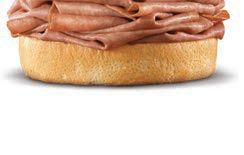


800 calories
320 calories from fat
36g total fat
9g saturated fat
105mg cholesterol
2200mg sodium
78g carbohydrate
5g fiber


18g sugar
45g protein
Note to self, the turkey is not always the better option.
A better option is actually what started the whole restaurant chain. The Classic Roast Beef sandwich is not a bad option. Its tasty popularity will cost you:

350 calories
110 calories from fat
12g total fat
4g saturated fat

45mg cholesterol
950mg sodium
39g carbohydrate
2g fiber

5g sugar
23g protein
You could easily combine this with a small piece of fruit and a veggie and make a decent meal out of it.
The best sandwich offered at Arby’s is likely the Classic Turkey Roaster. It feathers into your diet nicely with only:
290 calories
45 calories from fat
5g total fat
1g saturated fat
40mg cholesterol
1020mg sodium
38g carbohydrate
2g fiber
6g sugar
24g protein
The sodium remains high, so your sandwich complements would preferably need to be fresh fruit and a side salad.
TIP:Arby’shasanumberofmenu itemsitemsontheir“junior”menu.These aresmallerportionsand helpwithloweringoverallnutrient theexcesses.Also,notethatasexpected frenchfrieswilladdanother400to630caloriestoyourmeal.


Antioxidants are a popular buzzword in the health and beauty industry because they help prevent cellular damage caused by free radicals. We are exposed to free radicals on a daily basis from pollution, harmful chemicals, physical and mental stress, tobacco smoke, alcohol, and ultraviolet light. Just as our bodies need antioxidants to combat the harmful effects of free radicals, which can lead to disease and illness, our skin requires antioxidants for protection against cellular damage, which can cause premature aging.
Antioxidants can be found in most fruits and vegetables, as well as nutritional supplements, but it is difficult for these nutrients to reach the skin in high enough concentrations to prevent free radical damage. Luckily for us, cosmetic companies have developed antioxidant serums that can be applied to the skin to help prevent and reverse some of this cellular damage.
Knowing which antioxidants really work can be a bit confusing. When it comes to skin care products, there seems to be a never-ending list of “latest and greatest” antioxidants: coffee, berries, green tea, white tea, pomegranate, idebenone, coenzyme Q10 — not to mention the monthly release of new and trendy extracts from “rare and exotic” plants we hear about on infomercials. Through it all, vitamin C has stood the test of time and remains high on the list of dermatologists’ favorite antioxidants.
Vitamin C has been the subject of many scientific studies, proving its necessity as a vital nutrient in disease prevention. Newer studies show topically applied vitamin C to be more effective than other antioxidants in preventing and reversing signs of premature aging due to sun exposure. Other studies show topically applied vitamin C encourages collagen production in the skin. Collagen, which naturally diminishes with age, is essential for firm, tight skin. The addition of vitamin E and ferulic acid have been shown to increase vitamin C’s effectiveness as a potent antioxidant.
Vitamin C clearly plays an important role in a good skin care routine, along with adequate cleansing and exfoliation, retinols, and moisturizers. However, it does have its downfalls. Its shelf life


is short and potency can deteriorate quickly with exposure to light, heat, and air; therefore, high-quality, airtight packaging is a must. Look for a serum, not a cream or lotion, with a minimum fifteen percent concentration in the form of ascorbic acid and preferably additional ingredients vitamin E and ferulic acid. Vitamin C should be stored in a cool, dark place. Some forms require refrigeration; others have short expiration dates.
For best results, apply vitamin C each morning to clean, exfoliated, and dry skin. Follow with a high-quality moisturizer and sunscreen. You should see a visible improvement in fine lines, discoloration, and an overall healthy glow within thirty days. As always, consult a dermatologist, cosmetic surgeon, or aesthetician for more specific advice as some skin conditions may require additional treatment.






































































 WRITER: RICHARD T. BOSSHARDT, M.D., FACS


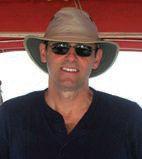

Without a doubt, I believe the most significant advance in modern medicine occurred just recently when it was discovered that stress is actually caused by a viral infection. Just think about it. For decades we have been laying some of the blame for nearly every imaginable illness on stress. Stress caused everything from ulcers to high blood pressure to headaches. It even caused a compromise in the immune system leading to an increased susceptibility to everything from heart disease to cancer. But what about the cause of stress itself?
Blaming stress on modern society is too easy. We can point to the complexity of modern society with its instant communication, myriad ways of staying in contact, sensory overload from the media, television, the Internet, and constant pressure to do more and more in a twenty-four-hour day. Environmental deterioration, including everything from food contamination to global warming, has been thought to cause stress. Not any more.
An obscure group of researchers in the Maldive Islands recently isolated viral RNA from natives suffering from a variety of maladies. Until recently, the Maldivians were regarded as the only population in the world immune to stress disorders. In large part, this was felt to be due to the
laid back lifestyle and lack of modern technology and other accoutrements of modern civilization. The Maldivian culture has been likened to turnof-the-century America in many ways, except more tropical and with fewer clothes. Unfortunately, the Maldives succumbed to that scourge of tropical paradises, very much like Florida: tourism. The influx of tourists, which included many celebrities and the paparazzi that inevitably follow, resulted in the islands rapidly acquiring Internet and cellular telephone service, a BMW dealership, traffic jams, and a casino, not to mention international hotel and restaurant chains and the first McDonald’s in the Indian Ocean, but I am digressing.
Natives began reporting to the local clinics with all the problems associated with our modern culture: high blood pressure, migraines, anxiety, hair loss (very serious since in the Maldives, luxuriant hair growth is used to rank one’s place in society), etc. Of course, in working up these complaints, blood was drawn, and when an astute group of researchers injected some of this blood into laboratory rats, they exhibited all the signs of stress without ever entering a maze, being smeared with cosmetics, or subjected to pointless, painful experimentation. Further work isolated a new virus, M. stressii (RNA strain 50210). Infection
with this virus produced all the signs of stress with an incubation period of two weeks.

The discovery of M. stressii is such a stunning development that it is presently being reported only in medical journals not available to the general public. There is heated debate among virologists about the feasibility and appropriateness of trying to develop a vaccine for M. stressii. For some, the possibility that we continue to live modern lives characterized by unhealthy diets, obesity, lack of exercise, insufficient sleep, chronic multitasking, and instant communication at all hours, but without the stress, is a dream come true. For others, the feeling is that some stress is good and we must find a way to weaken the virus but not eliminate it completely. Time will tell which side will prevail.

For those wishing to learn more about M. stressii, go to www. aprilfoolsday.com.




Demonstrations
•

• Water Demonstrations Local swim instructors





















Who says you have to go to an ashram to begin your spiritual journey? My spiritual journey began in Rhinelander, Wisconsin.
It was July 2008; I was at an emotional bottom, and I didn’t know who I was. I wanted to get away, so I hit the road to spend the weekend with family in Rhinelander.
While there, I sat chatting with my favorite aunt Nancy; she told me she was going through a divorce but had this great sense of inner peace. I thought to myself, I want that. I asked her how she was able to be so peaceful while experiencing such a difficult time.
She said, “You won’t believe it. I met this psychic named Wanda, and she changed my life. Now you know I don’t believe in any of that stuff, but she’s real.” I sat and listened as she went on to tell me all about her experiences with Wanda. I thought, Maybe she could help me. At that time, I was 27, had a successful career in the restaurant business, a beautiful home, and an amazing daughter, but I wasn’t happy.
I had a series of failed relationships and was having trouble coping with my past. When I was 9, my parents divorced. I grew up quickly since I found myself having to be responsible for the adults in my life who were not responsible. At 15, I moved out on my own. Then two months before my high school graduation, my father committed suicide. I was having some trouble sorting out how to release some of the feelings of anger, distrust, and sorrow I had about his death and my childhood. I knew what was wrong with me, but I didn’t know how to fix it. Over the years, I had been to a couple of traditional counselors, but I needed something on a deeper level.
I remembered my aunt telling me a psychic had changed her life. But to me, psychics were like Ms. Cleo, frauds and phonies. But at this point I had no choice. I made the hourlong trip north to meet Wanda. I hoped desperately she would be able to help me.
I arrived at the bookstore where Wanda greeted me with a smile and led me into her reading room. We sat down at a small circular card table
and Wanda started laying out my cards. Feeling slightly uncomfortable, I braced myself for what the cards were going to reveal.
When she was done, she looked at me and said, “You have been looking for love all your life, but what you don’t realize is that you are love.” I started to cry. Then she said, “Up until this point in your life, if you could write a book about your life and it was for sale in a bookstore, would you buy it?”
Feeling the pain of my past, I shook my head no. The funny thing was that I had always told people I could write a book about my life and it would be a best seller, but now I realized my book would be all lies.
Wanda said, “What if today you could clean the slate and start a brand new life? What would that look like?” I didn’t know exactly what that looked like, but all of a sudden I was excited. I realized I didn’t have to feel bad anymore about my past. It was all behind me now.
She told me to grieve the old me by saying to her, “I love you and all is okay.” I had to say goodbye in order to move forward. I left the bookstore that
day with a new understanding of myself and decided that the next day would be the start of a new life for me.
I continued to visit Wanda every week for the next couple of months to work through the issues of my past. I have worked with her over four years now. She has helped me learn so much about myself, others, and the world around me. This knowledge has had a tremendous impact on my life, and I have realized my life’s purpose is to share it; helping others navigate through the challenges life brings.
We have forgotten who we are. I have learned we are afraid we are not good enough, smart enough, pretty enough, don’t have enough energy, etc. We wear these lies like badges as we walk through the world.
The voice inside our head never stops. Have you ever wondered where it comes from? From the time we were born, it has told us many things about ourselves. Have you realized this voice has held us back from the very things we want to do, be, or have? Here are a couple of the lies I used to believe.
Lie #1: The concept of right and wrong. When a car accident occurs and the police interview the witnesses, each person recalls the accident from their own perspective. They saw the accident through their eyes, which presents several different truths about what occurred. Is it possible there is no absolute truth? Everything just is. The emotions we feel give meaning to the experiences we have in our lives. Therefore, each individual’s perspective is their own personal truth in the way they perceive their world. What if everyone was right?
Lie #2: The concept of should, have to, and need to. If you were to draw a line down the middle of a piece of paper and separate the things you “should,” “have to,” and “need to” do from all things you “want to” do , you would discover the things that are taking up unnecessary space in your life are causing you to feel resentment instead of joy. We are under the assumption we “have to” do things in our lives. Is it possible we can actually choose whatever we “want to” do? Notice how you feel when you say, “I have to” versus “I want to.” Can you feel the power shift?
These are things we have been thinking are true, and we have been carrying them around like extra weight for many years. What if these lies no longer had any power or meaning to us? What’s left? Nothing.
Life. Has. No. Meaning. Unless you give it one. Your life is a field of potential. That’s what happens when you take the lies away. It becomes a blank canvas; a new beginning; a possibility for anything you want to create.


You see, once we let go of the lies, we strip down to our perfect selves, allowing us to shine like never before. When this happens, we bloom into the most magnificent version of ourselves.
Knowing and living this has truly transformed my life in so many ways. Wanda and I are currently collaborating on a book to help transform others and we are launching a project called Team Awesome. Our goal is to create a whole new universe where we recognize ordinary people for doing the extraordinary, form a community where people can inspire and be inspired, and help empower others to become the most magnificent version of themselves.

In my personal life, I have met my soul mate who has helped me continue to grow and learn more about myself than ever before. Within, I now know I am a beautiful, magnificent spirit enjoying a physical adventure. Every day, I experience and witness miracles that bring great joy and peace to my heart. I gracefully accept all the love and abundance the universe has to offer. I am experiencing myself in wonderful new ways. What is the book that you are writing?
 STEPHANIE VERAGHEN is a creative strategist and brand consultant who works with companies and individuals to create innovative ideas, products, and business solutions. She is the founder of Team Awesome, Inc., a movement to “awesify” the world by connecting, inspiring, and helping others live in possibility. Please visit www.teamawesomego.com for more information.
WRITER: TRACI BROSMAN // PHOTO ILLUSTRATOR: ANTHONY CASTO
Ibelieve how we deal with challenges and adversity shows the true measure of our character. Life tends to throw us some wicked curve balls and when we are hit, it hurts. It is easy to play the blame game and blame everybody and everything for what has gone wrong. This does not get us anywhere, though. Blaming others just keeps us stuck in the pain of what we are experiencing. When we accept things the way they are, without placing blame on others, and look for ways we can move forward, this is when we find the hidden gems I believe every challenge affords us.
When we focus on the problem that is all we will see. But many times, what we need to do is look for a solution to that problem. We may be stuck in our worries and fears, yet when we focus on finding a solution, we begin to think of ideas that might work. We begin to see possibilities, and as we explore these possibilities, we might just find what we thought was a problem is actually a blessing instead.
There are other times, though, when our challenges may seem too big and we cannot see anything good coming from them. We might find ourselves completely overwhelmed with feelings such as grief, sadness, anger, and/or fear. However, over time even these challenges will bring us gifts that will enrich our lives. These gifts may be in the form of getting us to stretch further than we believed we could, or learning valuable insight about ourselves. It is often as the years pass that we look back and say if that hadn’t happened I wouldn’t be where I am today, experiencing the beauty of my life as it is.
In my TV interviews, I have met many people who have faced extremely difficult diseases, and they have shared with me that getting ill was actually one of the best things that happened to them. It changed the direction of their lives and made them re-examine their values and belief systems in a way that has brought more joy, love, and peace.
It is easy to want to protect our children from anything that may hurt them, including the challenges that come their way. We do not want them to be in pain or to feel disappointed. What we must realize, though, is that there is a balance between protecting them and preparing them to deal with life’s obstacles. Yes, we must protect them from danger. Yet as parents, we must also prepare our children to be able to handle life’s challenges.
If we shelter and protect our children from hard tasks and obstacles,
Failure is a part of life, so why do we fear it?
I believe we are taught to fear failure. We are taught we must be perfect at all times. The thing is it is almost impossible to be perfect without practice and in order to get really good at something, we must first be really bad at something. This means we must fail first.
ndicapping wil i disappointments happ ll d of of ght to fear failure. We are rfect at all times. The sible der eally f peop ents lif r par aking ca
ill be una unable to deal pen on il g ple ife they art of life, can
we are handicapping them and their future. They will be unable to deal with delays, problems, and disappointments that happen on a daily basis. They will get angry and live in fear, only looking at the problems they face instead of looking at the solutions.
It is unfortunate that the fear of failure often paralyzes people from making any decisions at all. It prevents them from living the life they dream of having. Wouldn’t it be better to look at failure as a part of life, as lessons to help us improve? It is by making mistakes that we can see the opportunities for improvement.

e uncomfortable we should omfortable t fear, and anxiety are of e situation and what is the ftentimes, the g over. It wever, he fear k
We have also been taught that when we are uncomfortable we should stop and not move forward. I believe being uncomfortable is the perfect sign to move forward. Those feelings of discomfort, fear, and anxiety are signs that the area we are moving toward holds lots of growth.
Instead of stopping and doing nothing, look at the situation and evaluate what is the best possible scenario? Then ask, what is the worst possible scenario? Is the risk worth the reward? Oftentimes, the worst possible scenario is not that bad. It may mean starting over. It may mean some discomfort or tightening of the budget. However, without some risk you will never find any reward. Do not let the fear of failure stop you from living your best life. If you do fail, just pick yourself up and try again.
T. Harv Eker says, “How we do anything in life is how we do everything.” This means that how we handle obstacles, challenges, and failures is also how we will handle the good times and the successes in our life. How do you handle anything?
TRACI BROSMAN is co-founder of World Wellness Education, which is dedicated to encouraging and inspiring others to live healthier lives. On LakeFront TV’s World Wellness Education show, Brosman interviews others who are on a journey from sickness to health. Brosman also helps health and wellness professionals through her mastermind groups and success coaching. Contact her through www.holisticmarketingmentors.com or www.worldwellnesseducation.org.




ADisney vacation can be possible even on a limited budget. If you are a Florida resident, check into the Florida resident rates on the Disney website. Living in Florida can definitely have its perks! Here are a few more tips to help you save on your vacation to the “Happiest Place on Earth”:
Eat off-site. Meals inside the park can be pricey. If you must eat inside the gates, choose to have a large breakfast or a late lunch at the park. Dinner is the most expensive meal, so try to eat your last meal off-site after you leave the park.
Pack snacks and water. Unlike many other parks, Disney does allow you to bring in your own food and drinks. Packing your own snacks and lots of water will save you quite a bit of money in the parks. There are some size restrictions on coolers and alcoholic beverages are not allowed, so be sure to check Disney’s website before heading to the parks.
Travel during off-season. Avoid the parks during peak season when the rates are the highest and the park is the busiest. During off-season, you can find hotels on Disney property for under $100 a night. Lines will be shorter, as well, which will make your trip more enjoyable.
Look for discounts. Scour the web for discounts. Besides the Florida residents’ discount, Disney also offers military discounts, AAA discounts, and more. It may be worthwhile to have a travel agent work on putting a trip together for you.
Character meals. Many families enjoy eating at least one meal with Disney characters during their vacation. These character meals can be pricey, especially with large families. Save money by choosing an early character dining experience. A character breakfast is going to be much less expensive than a lunch or dinner.
WRITER: CHRIS BRIDGES Chris Bridges is a Financial Advisor with the Global Wealth Management Division of Morgan Stanley Smith Barney in The Villages, FL. The information contained in this article is not a solicitation to purchase or sell investments. Any information presented is general in nature and not intended to provide individually tailored investment advice . The strategies and/or investments referenced may not be suitable for all investors as the appropriateness of a particular investment or strategy will depend on an investor’s individual circumstances and objectives. In vesting involves risks and there is always the potential of losing money when you invest. The views expressed herein are those of the author and may not necessarily refl ect the views of Morgan Stanley Smith Barney LLC, Me mber SIPC, or its affi liates.
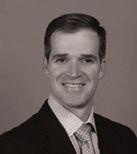



With higher taxes in 2013 and beyond a virtual certainty, now is a good time to examine whether you are doing everything in your power to make your investments as tax efficient as possible. Luckily, this year there are some increases to the contribution limits for tax deferred and tax-free accounts that should help ease the blow and ultimately increase your net return.
First, the phase out income limitation for determining whether you can make a Roth IRA contribution increased to $178,000 for married couples filing jointly. That means that you and your spouse could each contribute the new maximum amount of $5,500 after taxes to a Roth IRA this year. While you wouldn’t get a federal income tax deduction for that $11,000 like you possibly would if it were a traditional IRA, the fact that you can withdraw that money down the road in retirement with no taxes on the earnings or contributions is very appealing. I think this added certainty on taxation normally makes it the better choice for most people.
For traditional IRAs, the rules on deductible contributions are a bit more complicated because their status depends not only on income, but whether you are an active participant in your company’s qualified plan.

Tax laws are complex and subject to change. Morgan


intended or written to be used for the purpose of avoiding tax








There are some somewhat complicated rules associated with this process though, so consultation with your adviser is highly recommended.
In addition to IRAs getting a step up this year, so do qualified plans like 401(k)s and 403(b)s. You can now contribute up to $17,500 per year. Another set of great features that many employers are adopting in their plans are Roth provisions. The great thing about a Roth 401(k) is that there are no income limitations for contributing to them so regardless of how much money you make, you can benefit from the same tax-free distributions that make it so attractive in IRA accounts.

Everyone’s situation is unique, so how to best implement a tax efficient
consequences of any actions or investments described herein. SOURCE: www.IRS.gov
changing nature of tax laws, it is always prudent to discuss the options with your CPA to get a professional opinion. The important theme to keep in mind though is to defer taxes for as long as possible so that the power of compounding has time to make a real difference. In the long run, you will find that doing so may afford you a significantly better lifestyle in retirement.
Stanley Smith Barney LLC, its affiliates and Morgan Stanley Smith Barney Financial Advisors do not provide tax or legal advice. This material was not
penalties that may be imposed on the taxpayer. Individuals are urged to consult their personal tax or legal advisors to understand the tax and related


Qi is considered the life force that moves through and around bodies, essential to the smooth operation of body functions and balance of emotions. Qigong is an ancient Chinese practice that has given way to most martial arts; its literal translation means “the cultivation of life force.” This is a six-week series: $12 per class or $60 for the entire series. Classes are 6 to 7p.m. at the Vitruvian Health Center, 351 Plaza Drive, in Eustis. Contact Amber Johnson at 352.255.1969 or email her at johnsonpossibilities@ yahoo.com for additional information.
These fairs are open to women who are currently pregnant and new, first-time parents. Each program will include information, education, and presentations on healthy lifestyles, child safety, early learning, and positive parenting. The events are scheduled at the following locations: April 11th at Minneola City Hall, 800 N. U.S. 27, Minneola; April 16th at the Leesburg Community Center, 109 E. Dixie Ave., Leesburg; and April 25th at the First Baptist Church of Eustis, 3551 E. Orange Ave., Eustis. Registration will be from 5:15 to 5:45p.m.; the program will then promptly begin at 6p.m. For more information, contact Jamie Hanja at 352.255.6099.
At Cooper Memorial Library in Clermont, there will be a display of beautiful flower arrangements all based on country music songs and singers. There will also be a People’s Choice award. Free. Call Barbara Williams at 352.394.3954 or email wmsbarbara@yahoo.com for more information.
This ninth annual event will begin at 8a.m. at Harbor Hills Country Club in Lady Lake. Registration begins at 7a.m and shotgun start at 8:15a.m. There will be awards, prizes, and raffles. Cost is $75. Proceeds will benefit the Miss Leesburg Scholarship Program. For further info, call Linda Watts at 352.326.4217 or email her at Linda6571@embarqmail.com.
Here is an easy tour for the whole family... and a picnic lunch is included! Along the way, you will see a variety of wildlife and a huge concentration of osprey as they fish and call out from their nests in the tops of the trees. The ancient cypress trees standing watch in the edge of the lake is a favorite lookout for the magnificent birds of prey. Cost: $55 per person which includes kayak, gear, and a picnic lunch. Call Mary Prescott at 352.406.0904 or email mary@floridafromakayak.com.


Help keep the lakes and streams clean while enjoying a morning of camaraderie and a little paddling. Join the Lake County Water Authority on this guided paddle trip and clean up local waterways along the way. All supplies will be provided. Canoes and kayaks can be reserved in advance by calling LCWA or bring your own. Food, refreshments, and T-shirts will be provided to participants. For directions or to reserve your space or a kayak, call 352.343.3777.
The long course includes a 1.2-mile swim in Lake Minneola, 56-mile bike ride, and 13.1-mile run on South Lake Trail. They will also have a sprint course with a 440-yard swim,8-mile bike, and 3-mile run. Awards will be given to top three male/female overall, top masters, and top three in each division. The action will begin at 7:30a.m. at Waterfront Park, 330 Third St., Clermont. Visit floridachallenge.com for more info.


This tenth annual golf classic begins at 7a.m with registration and instructions. There will be an 8:30a.m. shotgun start. Lunch and awards will be at 1p.m. Proceeds will benefit the Boys & Girls Club of Lake & Sumter, South Lake Unit. Registrations must be received by April 19th. For more information, contact Chairperson Denny Blankenship at 352.242.1396 or visit the website at www. southlakerotary.com.
Celebrate Mother Earth during the seventh annual Earth Day and Sidewalk Chalk Art Contest on Montrose Street in downtown Clermont. There will be family-friendly exhibits and tons of entertainment. The sidewalk chalk contest is free to entrants and cash prizes will be awarded to the winners in each age division. Downtown merchants will be open for shopping and dining. Call Mary Prescott for further information at 352.406.0904.
Bring the entire family to a two-day longboard skateboarding event at Lake Louisa State Park sponsored by The Ian Tilmann Foundation. Saturday will host longboard distance racing sanctioned by the International Distance Skateboard Association. Races will include a 5K, 10K, and half marathon. Sunday will host a women’s longboard clinic and slalom races. There will be recreational longboard skating both days and a prize purse and product awards for competitors. Join the fun and watch Florida’s finest longboard skaters compete in what is sure to be the premier longboard distance race of the 2013 season. For additional information, call Barry Tilmann at 813.215.9950 or email iantilmannfoundation@tampabay.rr.com
Take Stock in Children’s eleventh annual Corporate Spelling Bee generated a lot of buzz. Participants may not have spelled every word correctly, but they came away winners anyway because their participation helped Take Stock in Children purchase Florida Prepaid scholarships for local students. Without question, these scholarships help ease the sting of rising college tuition costs. Local businesses and organizations formed teams to compete in the event, which was held at Lake Receptions in Mount Dora.
1. B.E. Thompson and Bill Giffing
2. Alan and Amy Holbrook


3. Kathy Magnuson, Sheri Olson, Shelly Scarbrough, and Marlene Kimball


4. Molly Soltis, Shannon Danko, and Diane Aylor
5. Jennifer Forst, Katie Poden, and Carolina Eisen

6. Shawn Janis with Ian and Susan Webb

7. Laura Lester, Pat Moreau, Pat Matthew, and Robyn Pence





Attendees of the fifteenth annual Lake County Folk Festival were enthralled with the sounds of acoustic guitars, soft melodies, pounding percussions, twangy bluegrass, and old-fashioned harmony gospel. Talented musicians throughout Florida were present to perform a variety of music genres, including Celtic, bluegrass, blues, and jazz. The two-day event also included a funniest song contest, contra dances, and arts and crafts.
1. Roger Gillies and Jimm Gillies
2. Tana Downey and Robin Austin


3. Mary Lee and Frank Sweet of “Backintyme”
4. Barb Loudon, Dani Jordan, and Bill Bygrave


5. Jessy Boylston, “Odis”, and Matthew Kierstead
6. Jeff Friberg and Kace Montgomery

7. Joe Ramirez, Sean Curran, John French, Steve Waters, and Paul “Pink” Smithson of “John French Connection” Band.


“Be Tempted” was the catchphrase for the 2012 Art of the Deal, an annual event in Mount Dora that celebrates the arts. With sexy pole dancing shows, casino tables, and an open bar, temptation was indeed prevalent at this event. Guests also enjoyed gourmet food, live entertainment, and silent and live auctions featuring items such as romantic getaways, gift baskets, and artwork donated by local artists.
1. Peggy and Jeff Herbst


2. Kirby and April Smith

3. Magdelina Willis and Aktar Hussain

4. Bryan Smith, Lynn Jones, and Krysta Smith

5. Tom and Dawn Turner, with Bob and Tobi Granger

6. Marc Vaughn and Grimm DePanicis
7. Charlene Thomas, Leanne Thomas, Nancy Panaccione, and Shawn McNalis



Date: 1/23/2013

Time: 5:53 p.m.
Exposure Program: Manual
Shutter: 1/4000
F-Stop: f/1.8
ISO: 100
Focal Length: 85mm

FRED LOPEZ
CHIEF PHOTOGRAPHER
BRANDING
Brand Evaluation
Strategic Planning
ADVERTISING

Creative Development
Copywriting
MEDIA
GRAPHIC DESIGN
Newsletters






If you are one of the millions of Americans who suffer from painful early to mid-stage osteoarthritis of the knee, total knee replacement may NOT be your optimal treatment solution. Now available at Florida Hospital Waterman, MAKOplasty® Partial Knee Resurfacing is an innovative option that spares healthy bone and surrounding tissue, resulting in rapid relief from pain, rapid recovery, and rapid return to daily activities.
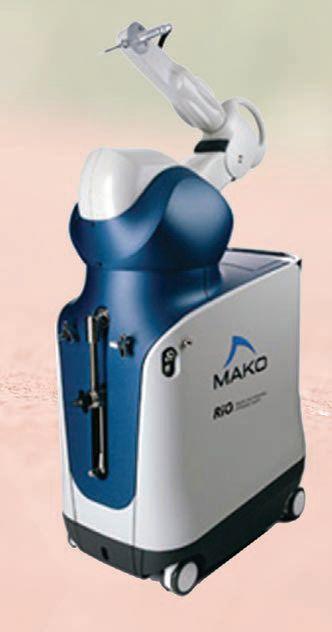

Osteoarthiritis shouldn’t slow you down. If you have knee pain or stiffness with activity and have not responded to anti-inflammatory medication or other treatments, you may be a good candidate for the MAKOplasty® procedure. Call 352.253.3388 for more information or to find a seminar near you.