First published by Henry Holt Books for Young Readers in 2011 This edition published in 2027 by Red Comet Press, Brooklyn, NY All rights reserved.
Library of Congress Control Number: 2026941497
ISBN (HB): 978-1-63655-222-4
ISBN (EBOOK): 978-1-63655-223-1
27 27 28 29 30 TLF 10 9 8 7 6 5 4 3 2 1 First Edition Printed in China
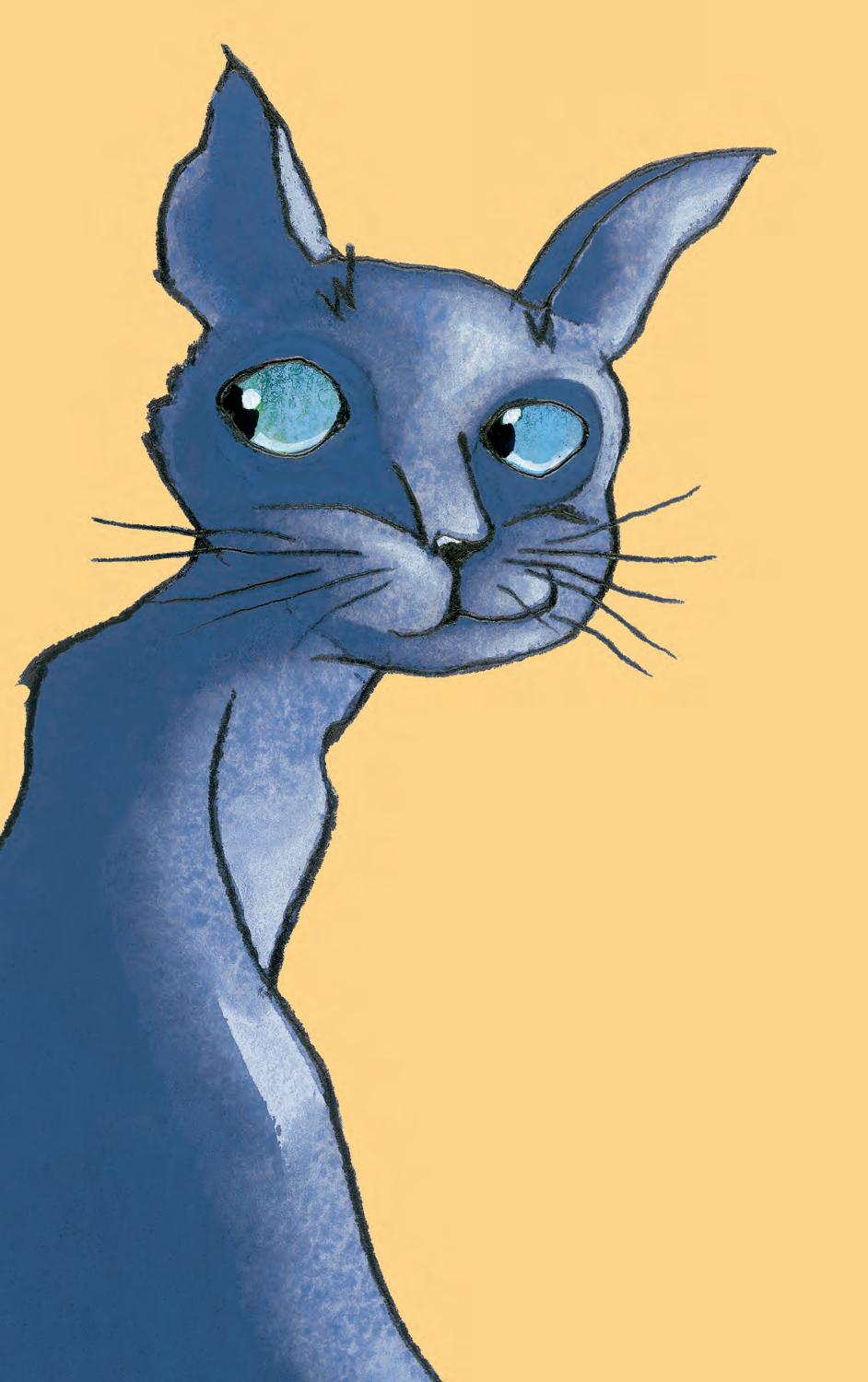
The artist used graphite and gouache on watercolor paper to create the illustrations for this book. Red Comet Press is distributed by ABRAMS, New, York RedCometPress.com
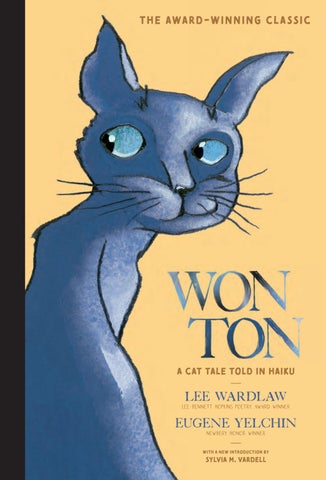
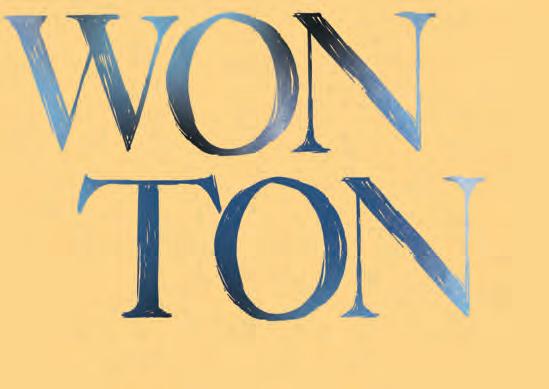
A cat tale told in haiku
LEE WARDLAW
With a new introduction by Sylvia M. Vardell
EUGENE YELCHIN -
Introduction
Anyone who has ever adopted a pet knows it takes time to get acquainted. This cat is no exception and comes with a wary attitude and plenty of opinions. Reading this book again, I am struck by what an engaging story it is, so clever, so tender, so real. I’m so happy that it’s coming back in this new edition for even more readers and listeners to enjoy. I had forgotten how fun it is to read aloud and how it even lends itself to reading together with children, alternating lines or phrases. Irresistible. But the icing on the cake is the surprise ending. Genius! Young readers will love the short lines (much like sending a text on a cell phone) and then have ready-made models for experimenting with their own poem writing. Let’s jump in!
–Sylvia M. Vardell Professor Emerita of Literature for Children and Young People Texas Woman’s University
senryu
Won Ton’s story is told in a series of senryu (SEN-reeyoo), a form of Japanese poetry developed from and similar to haiku (HI-koo). Both senryu and haiku typically feature three unrhymed lines containing a maximum of seventeen syllables (5-7-5, respectively); each form also captures the essence of a moment. In haiku, that moment focuses on nature. In senryu, however, the foibles of human nature—or in this case, cat nature— are the focus, expressed by a narrator in a humorous, playful, or ironic way.
The Shelter
Or so I’ve been told.
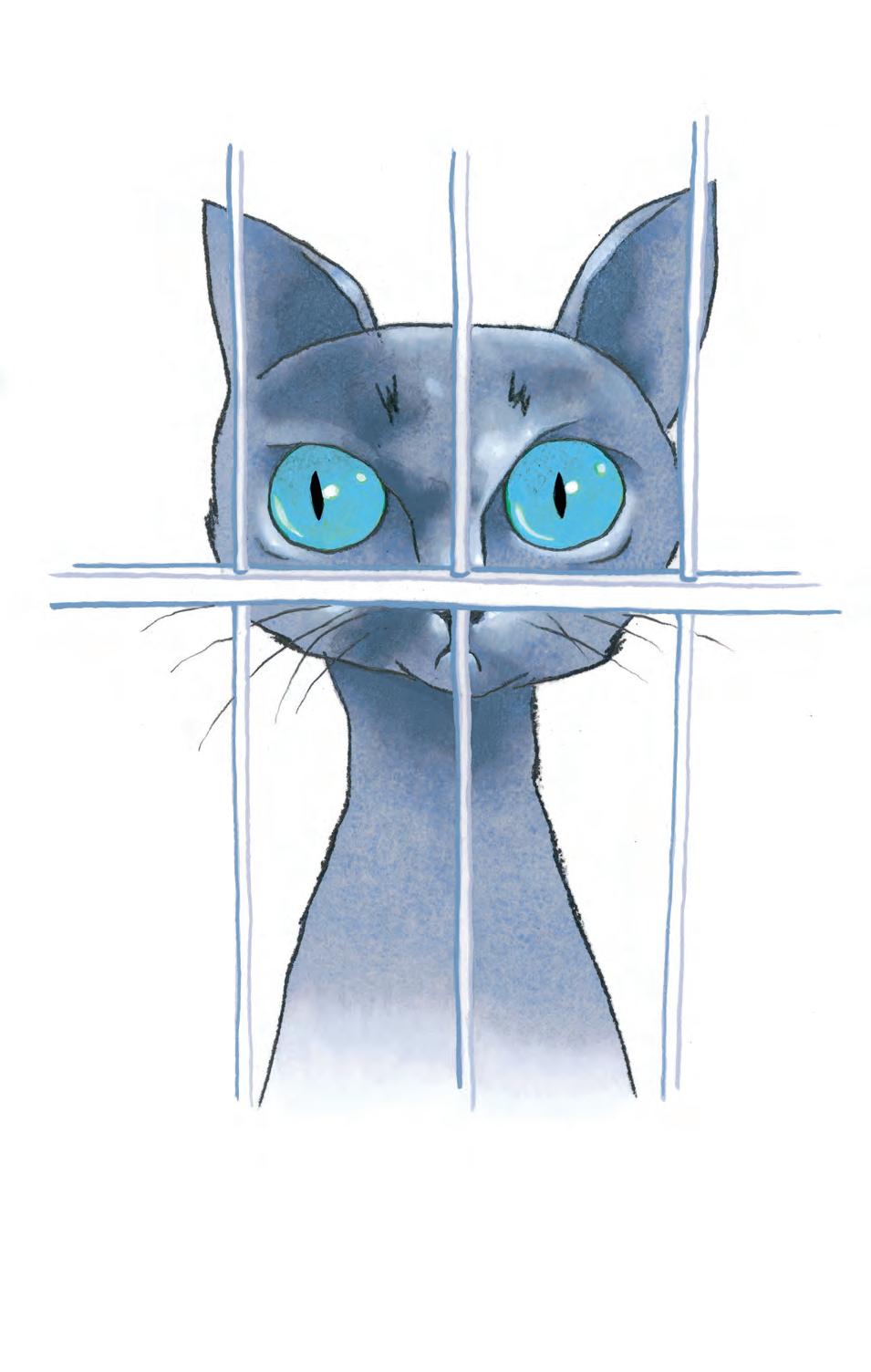
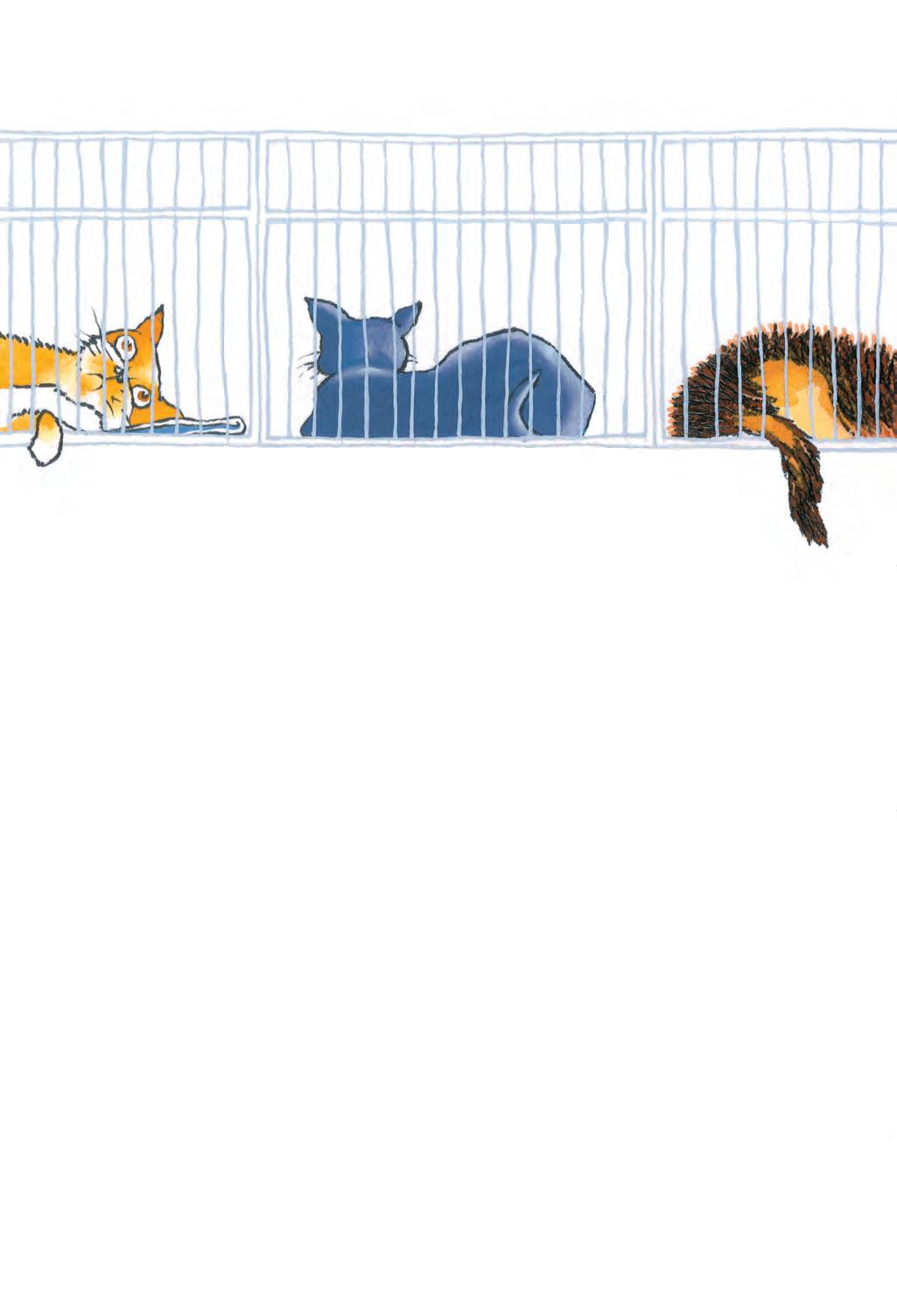
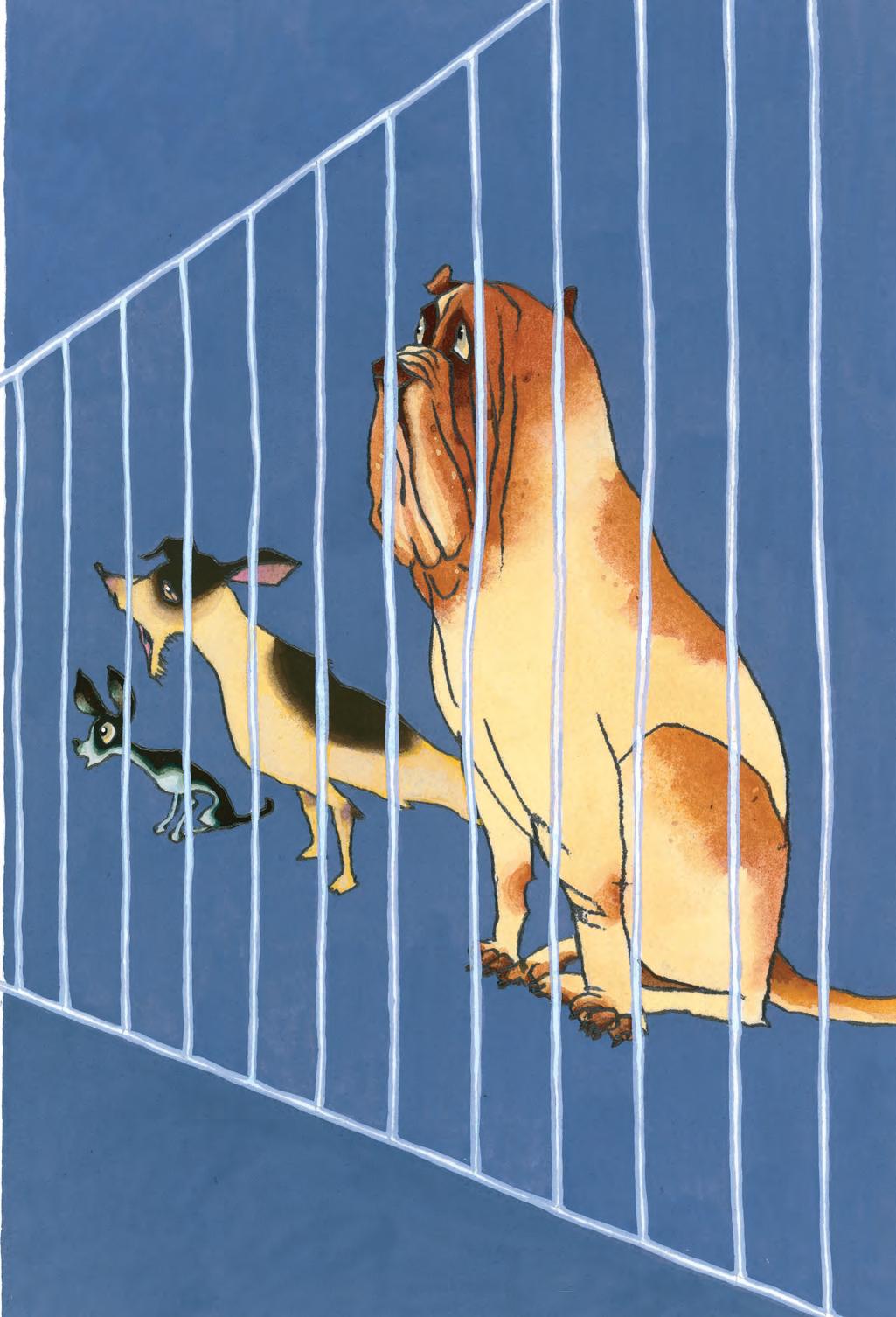
Gypsy on my left. Pumpkin, my right. Together, we are all alone.
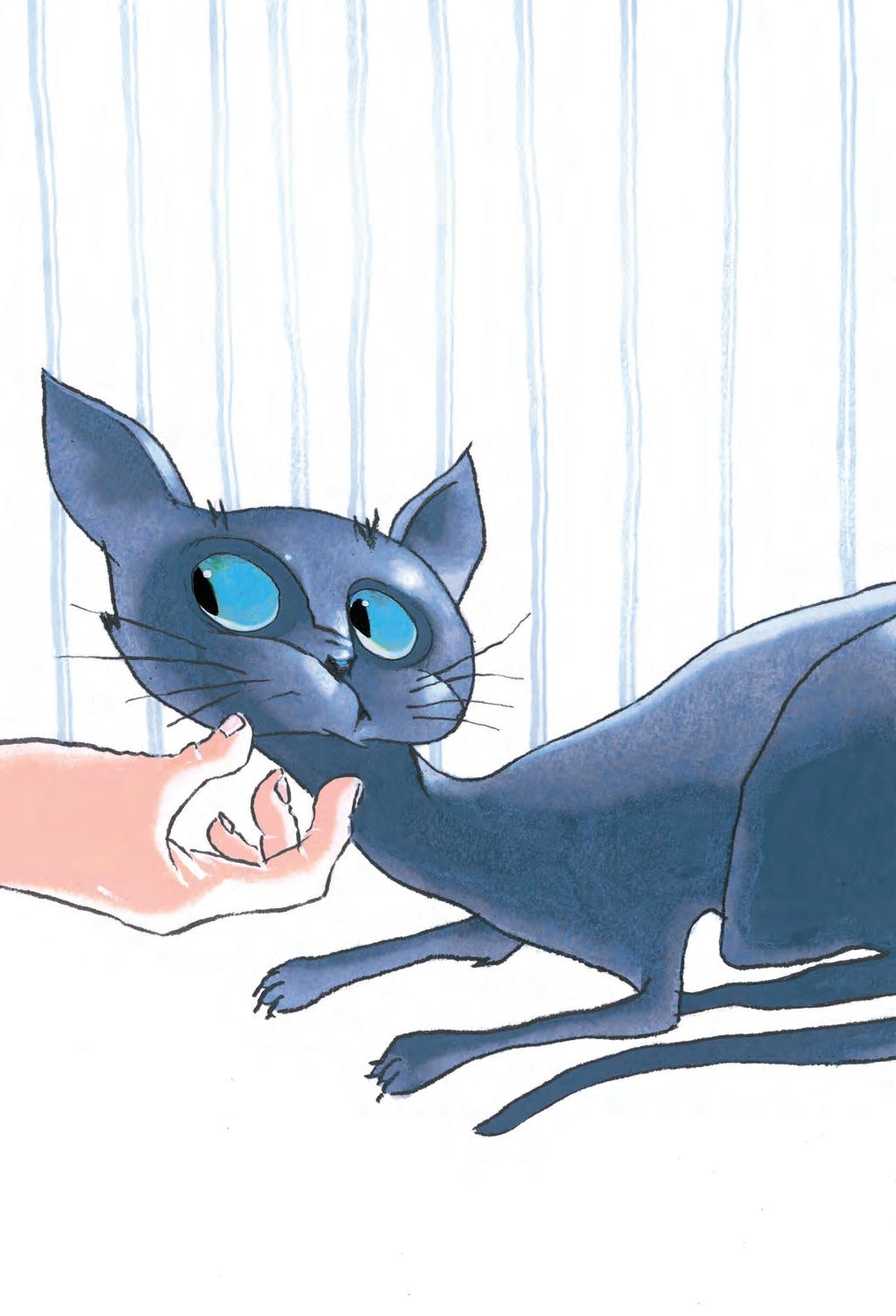
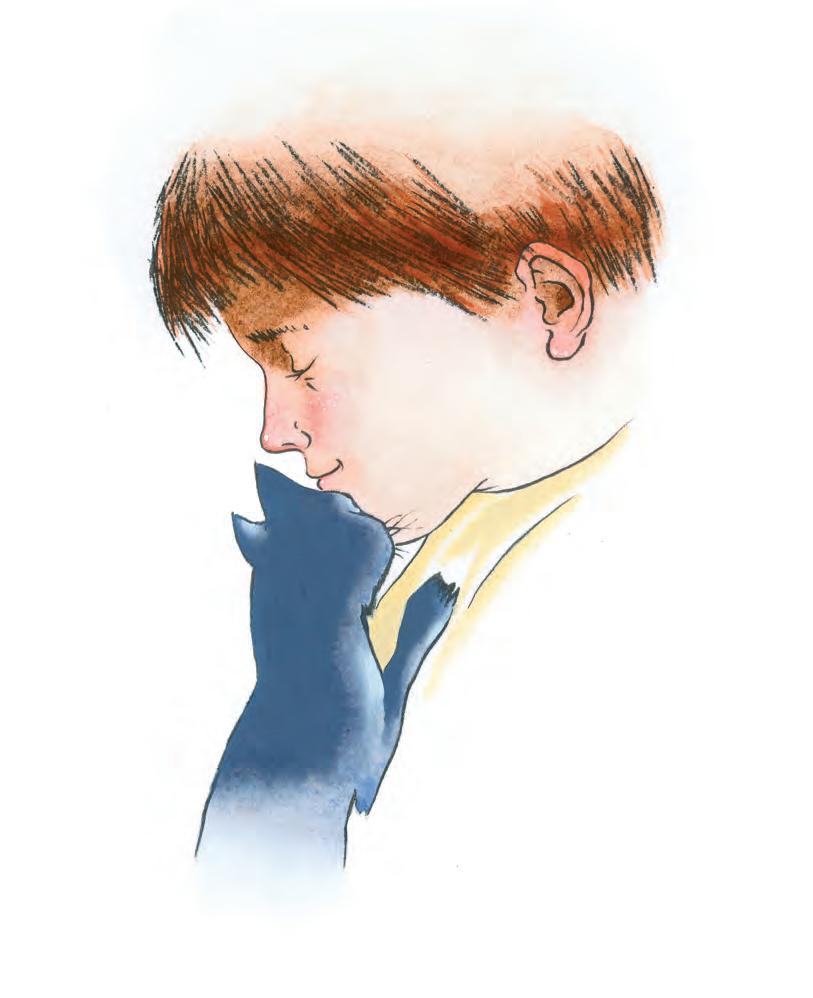
I dub her Pinchy. He’s OW!—Tail-Yanker. You, Boy, rub my chin just right.
No rush. I’ve got plans. Gnaw this paw. Nip that flea. And wish: Please, Boy, pick me.
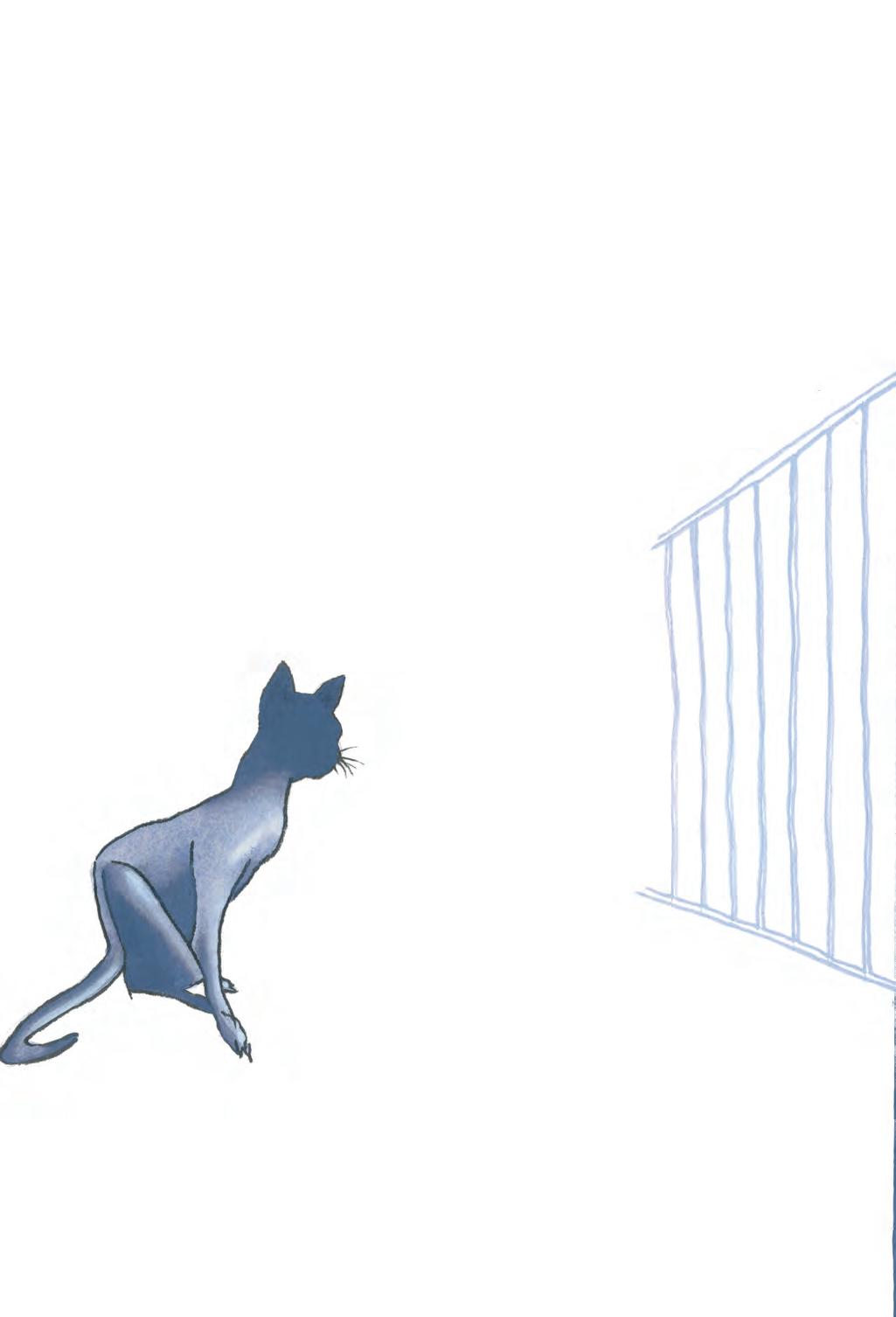
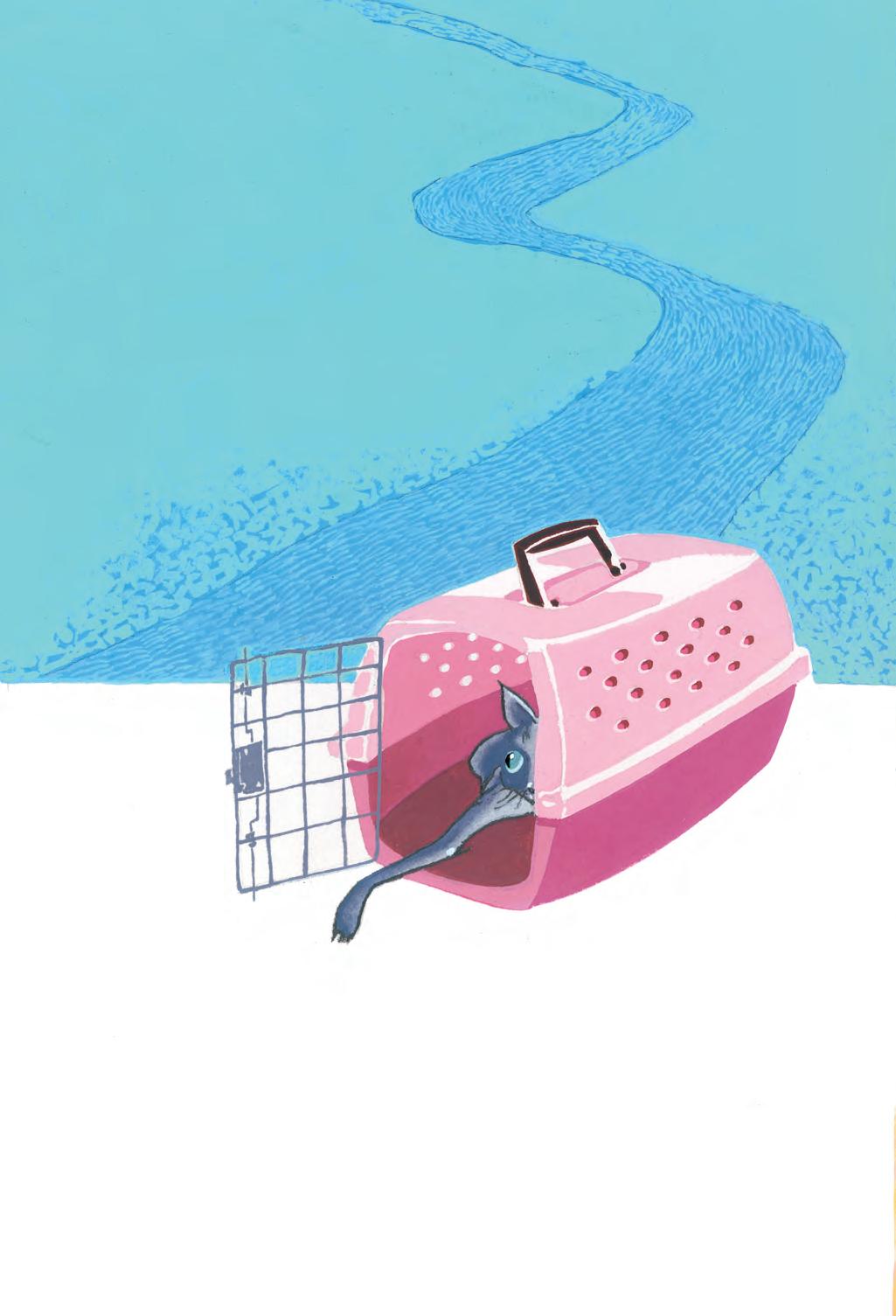
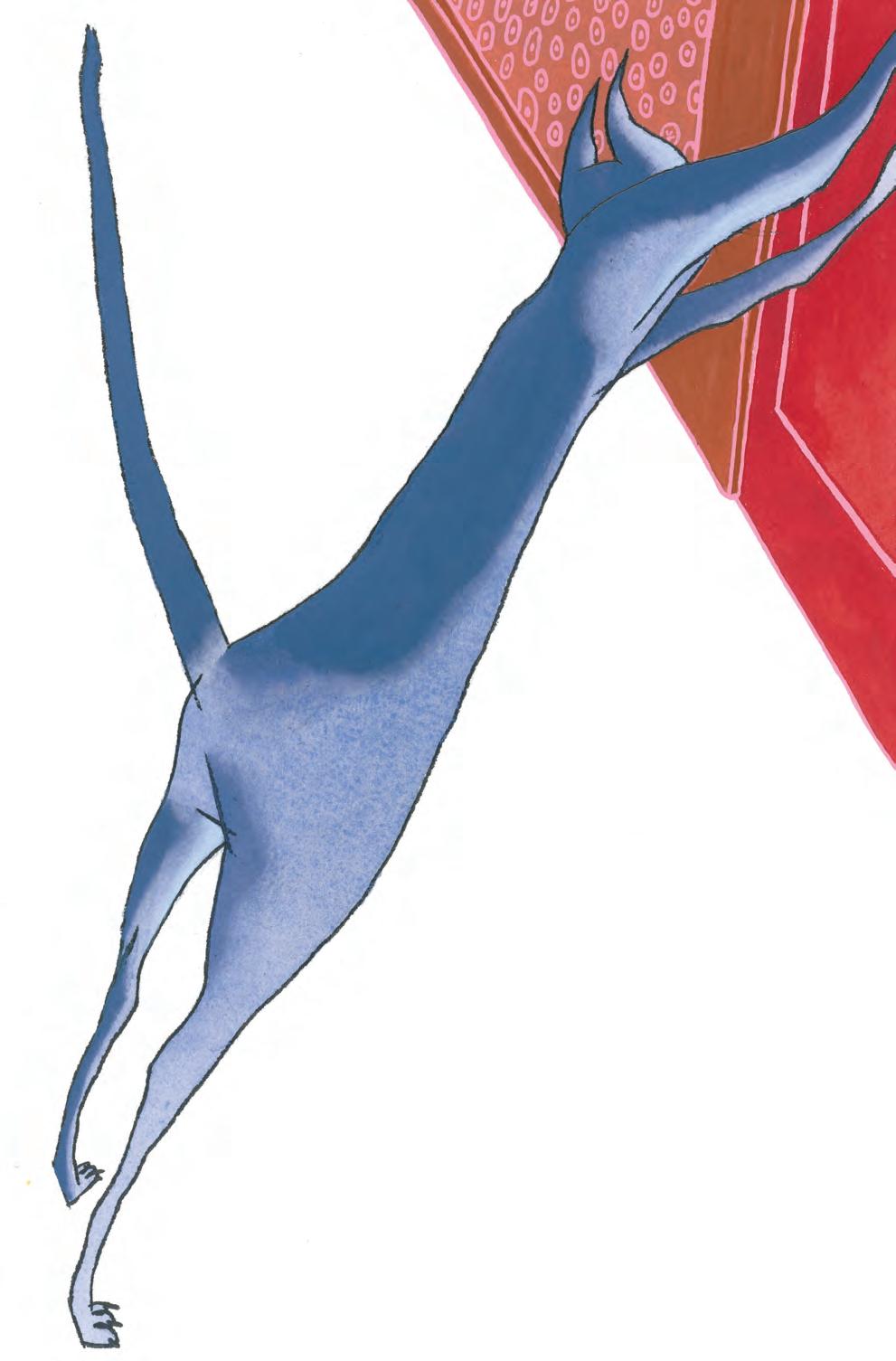
Latch squeaks. Door swings wide. Free! Free at last! Yet, one claw snags, clings to what’s known.
The Naming
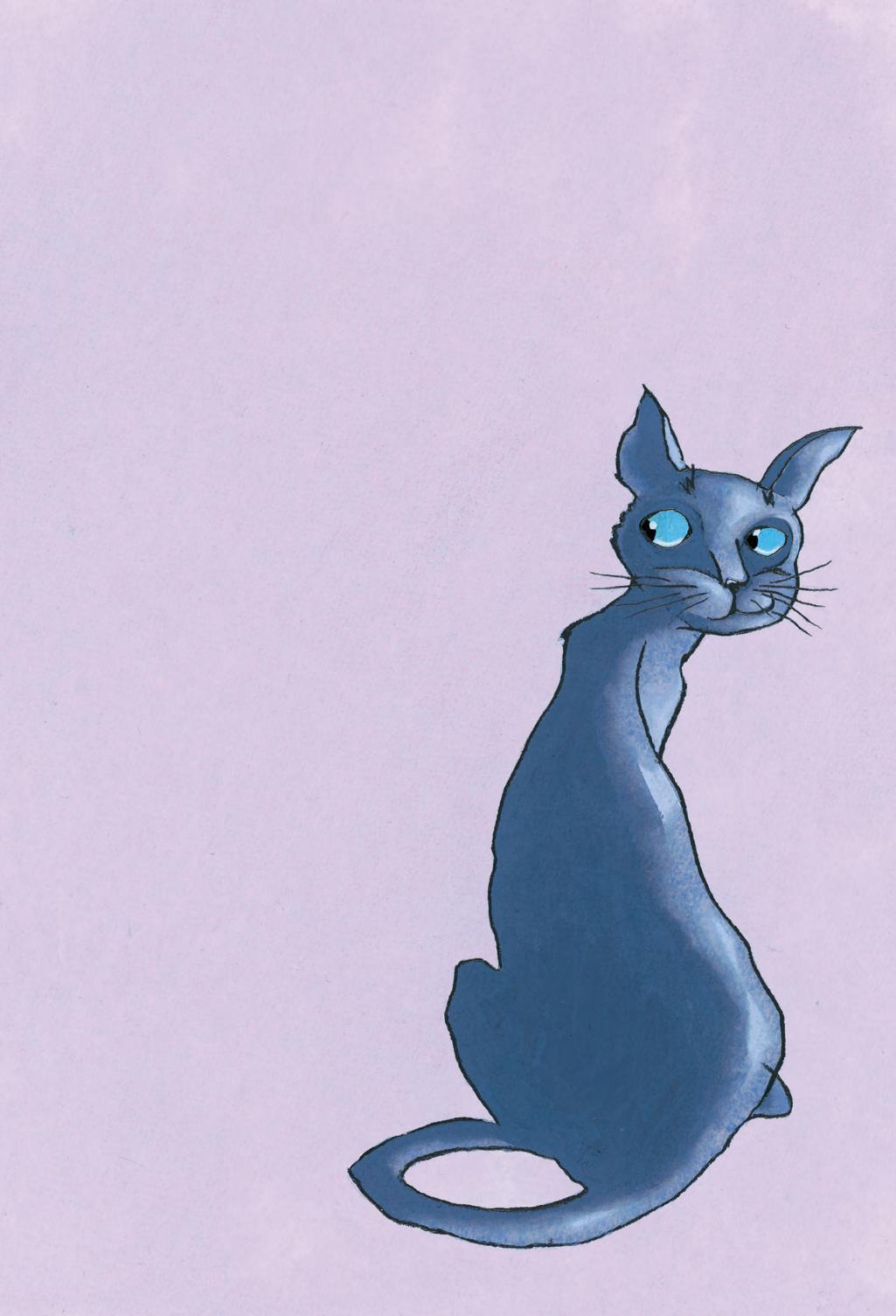
Buster? Bubba? SPIKE? Great Rats! Those hardly befit a Siamese prince.
Cleo. Leia. Belle. Got a tick in your ear? I said prince, not princess.
Won Ton? How can I be soup? Some day, I’ll tell you my real name. Maybe.
The New Place
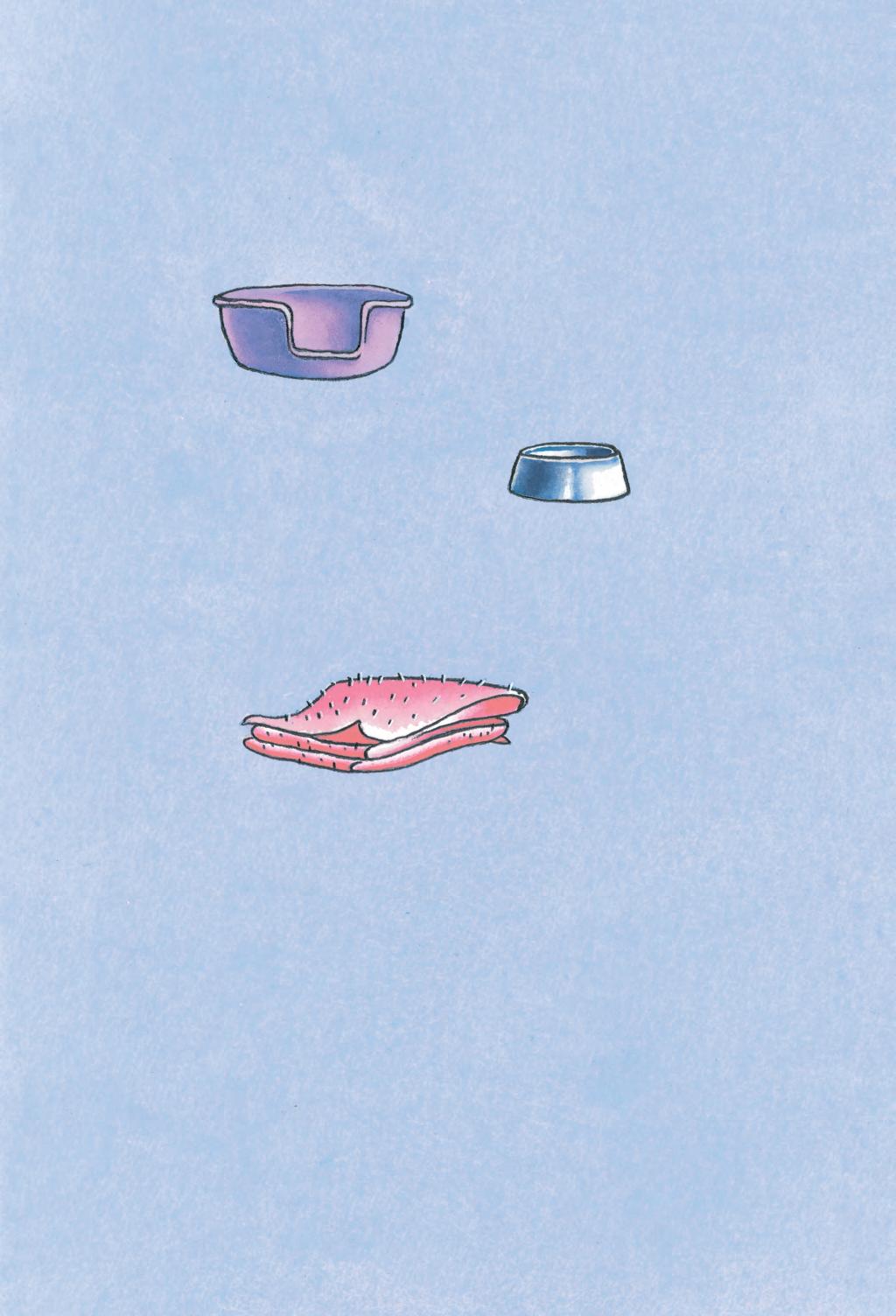
Deep, dark bed cave. Me?
Hiding? I’m no scaredy-cat!
I like dust bunnies!
“Here, kitty, kitty.”
Ha. I’ll stay put till I know: Are they friend . . . or foe?
The Feeding
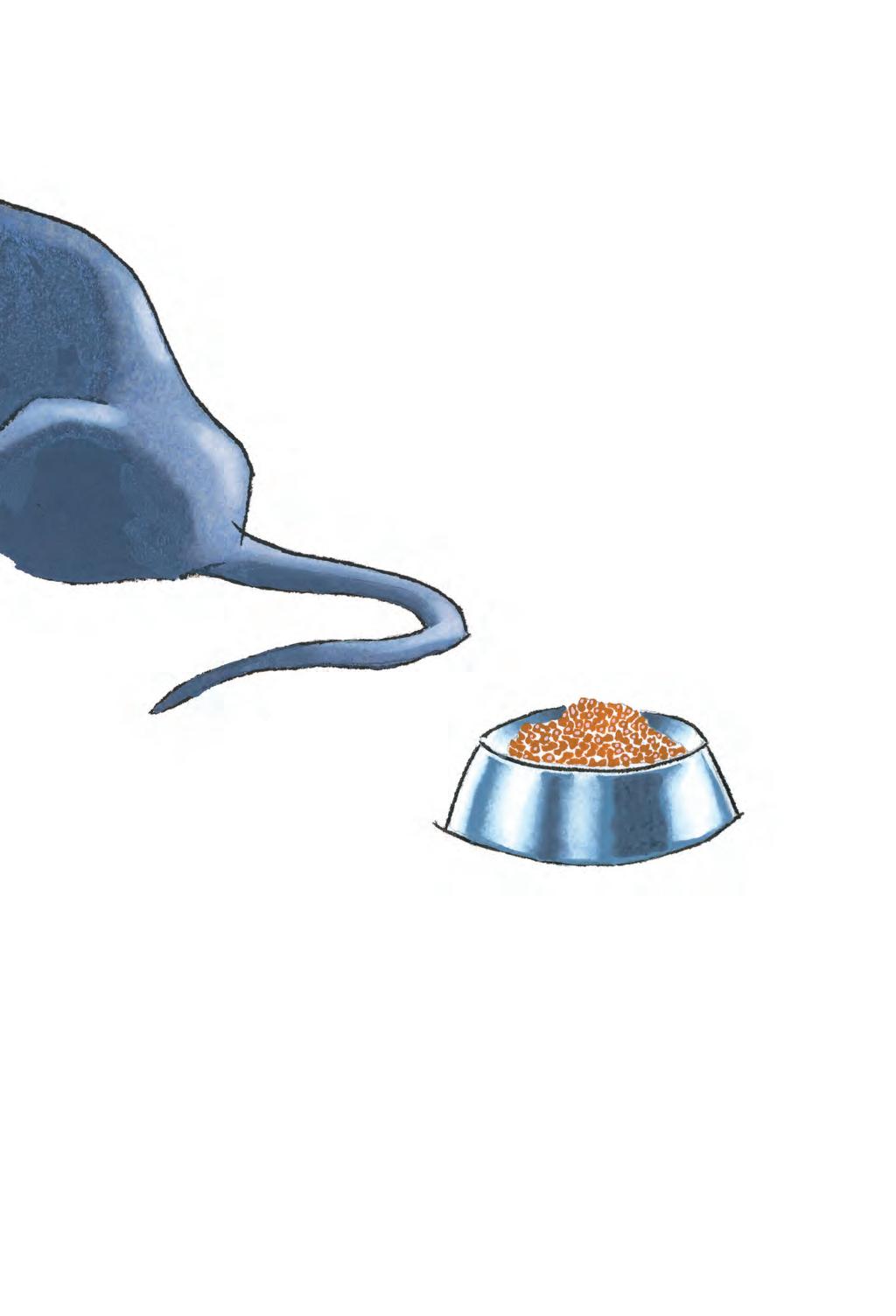
Sniff. Snub. What is this stuff? True, I liked it once. That was then, this is now.
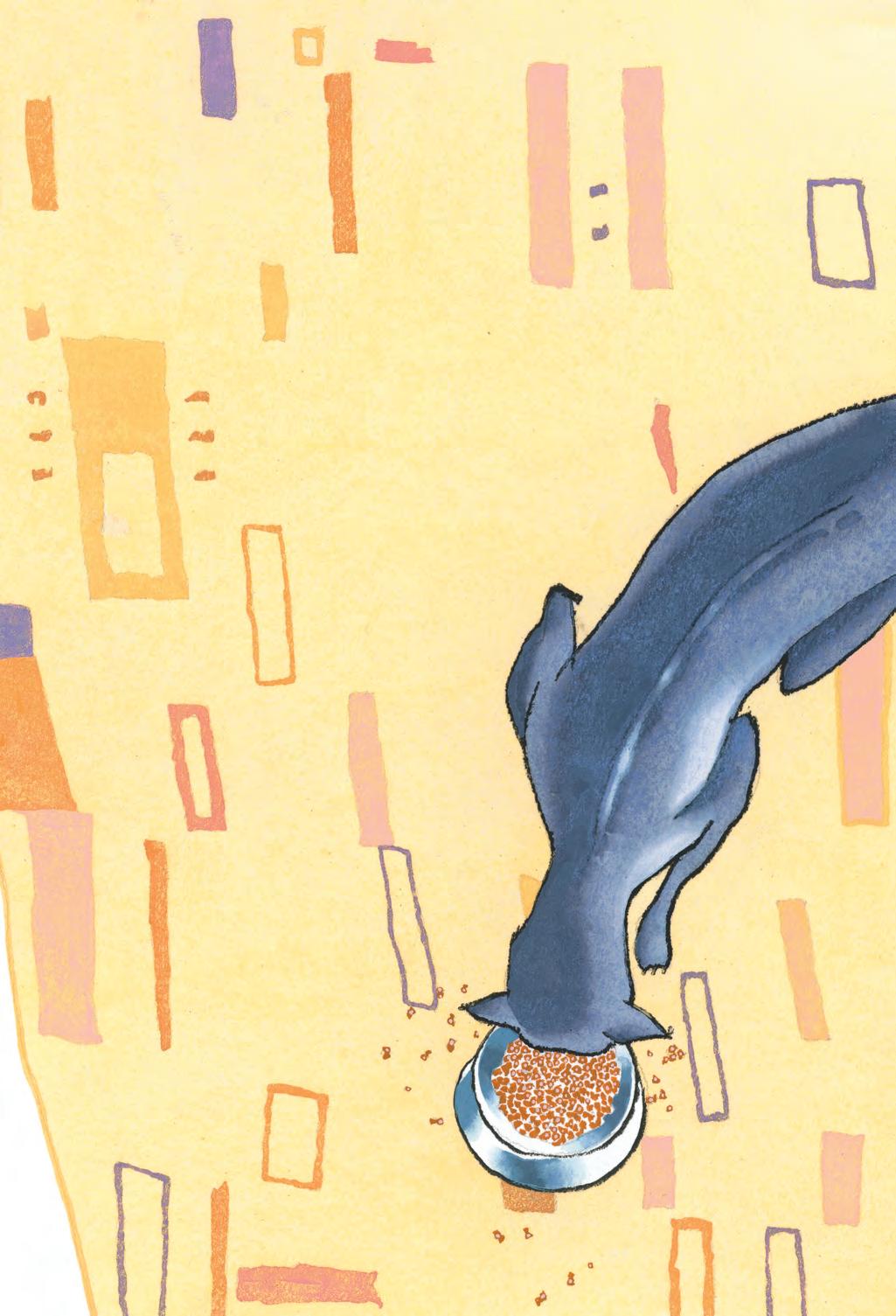
Fine. If you insist.
I’ll try Just.One.Nibble. But— I won’t enjoy it.
What do you mean “Ewww”? How is my tuna breath worse than peanut butter?
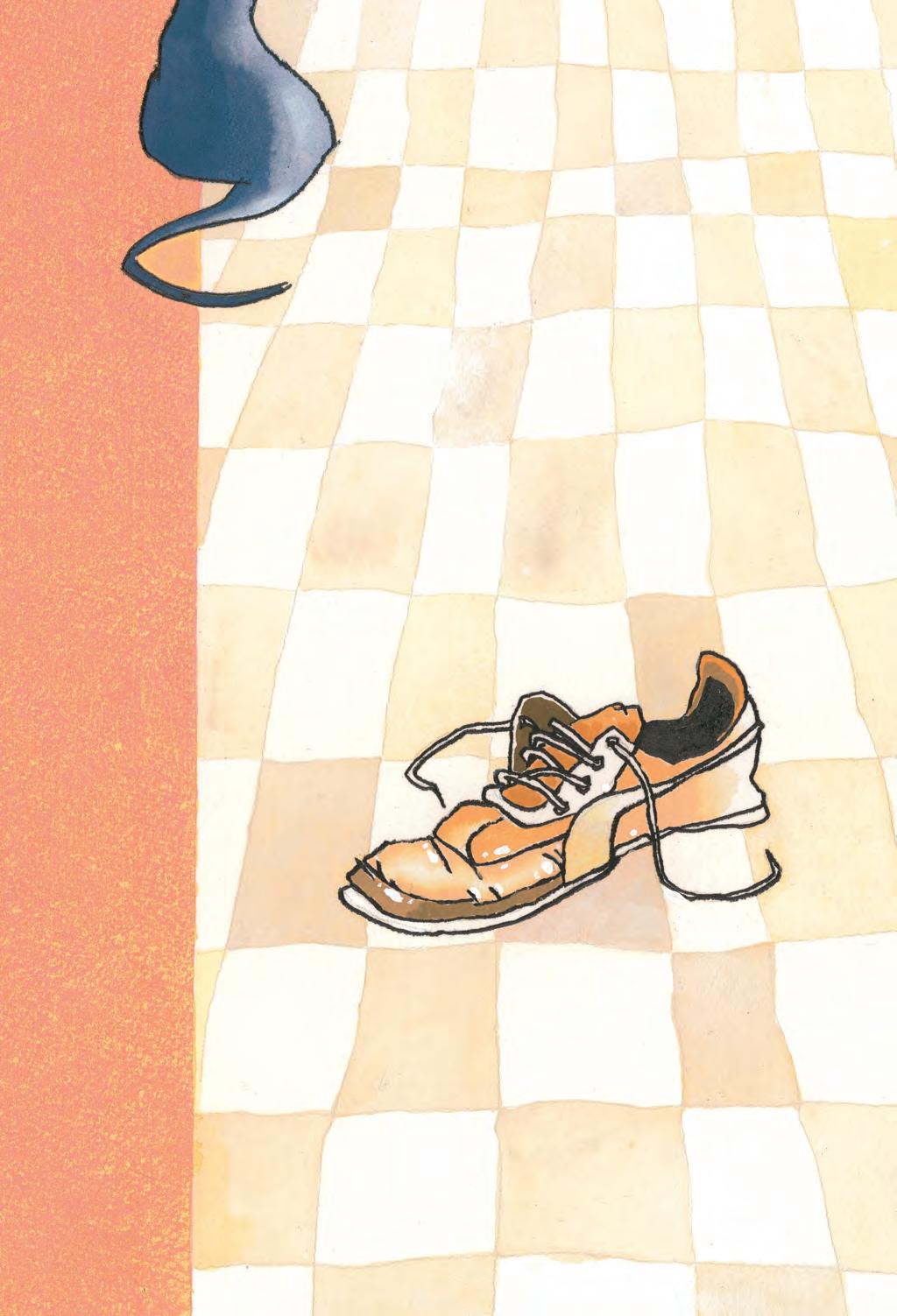
Sorry about the squishy in your shoe. Must’ve been something I ate.
The Adjustment
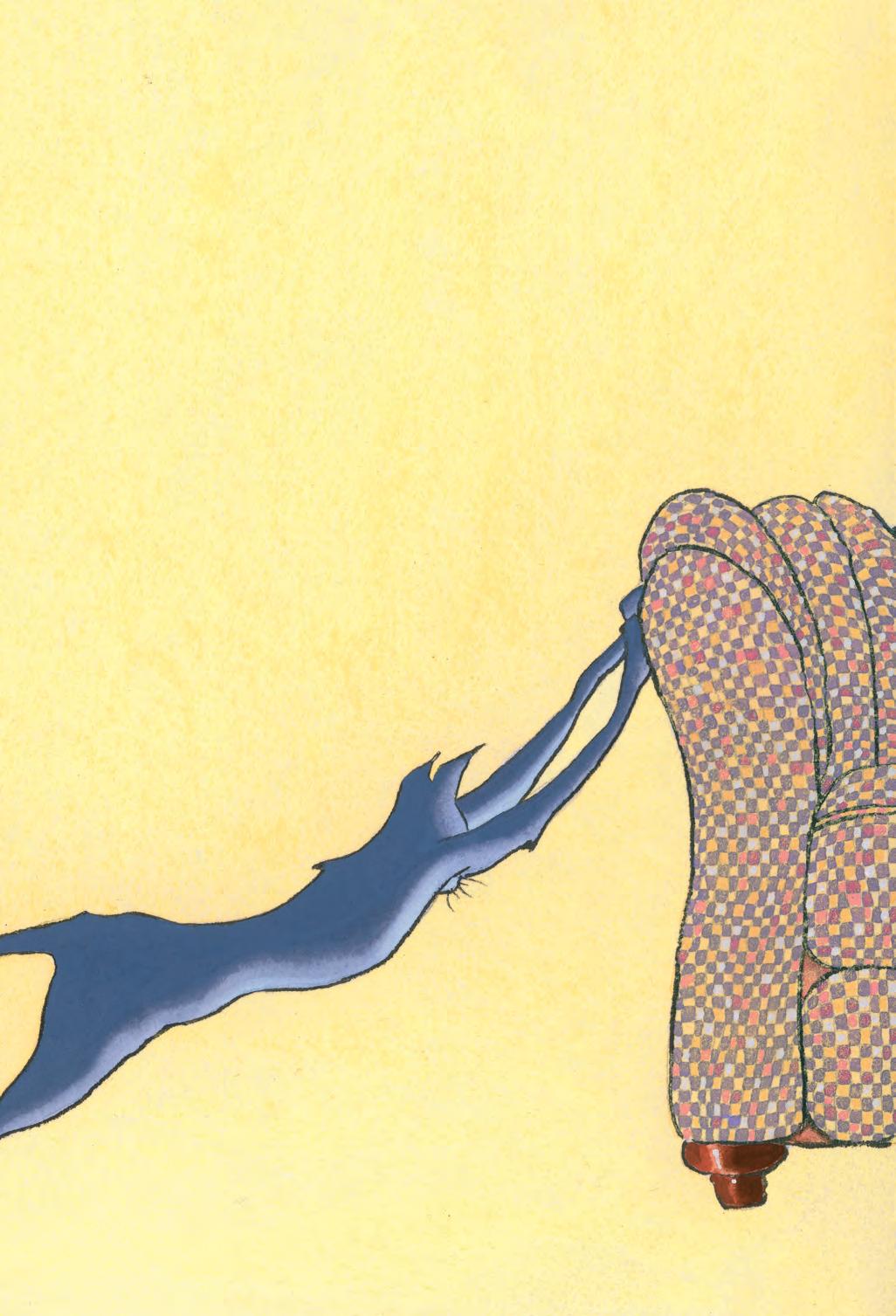
Scrat-ching-post? Haven’t heard of it. Besides, the couch is so much closer.
Pesky fly! Allow me to muzzle his buzzle.
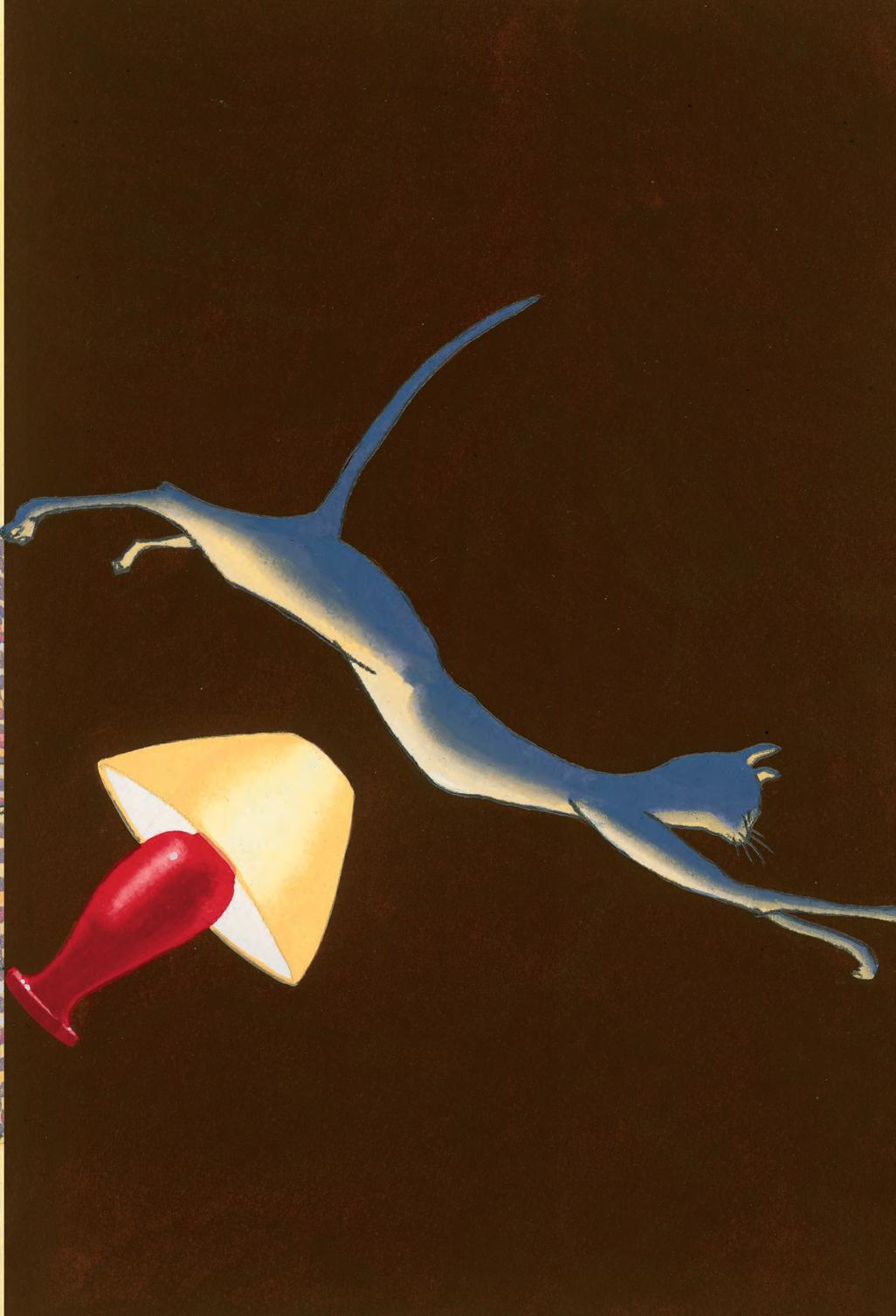
Never mind the lamp.
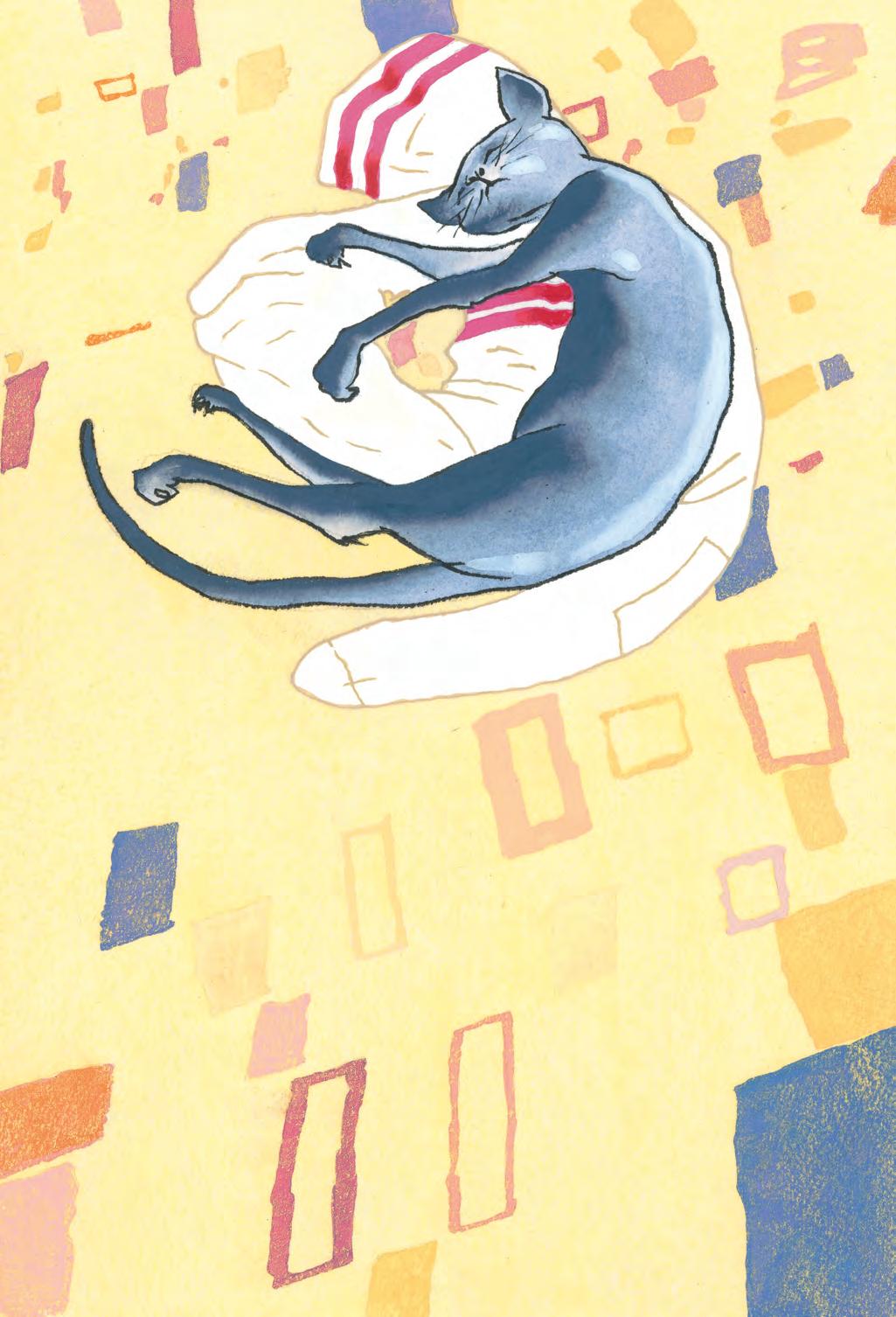
Naptime! Begone, oh fancy pad. I prefer these socks. They smell of you.
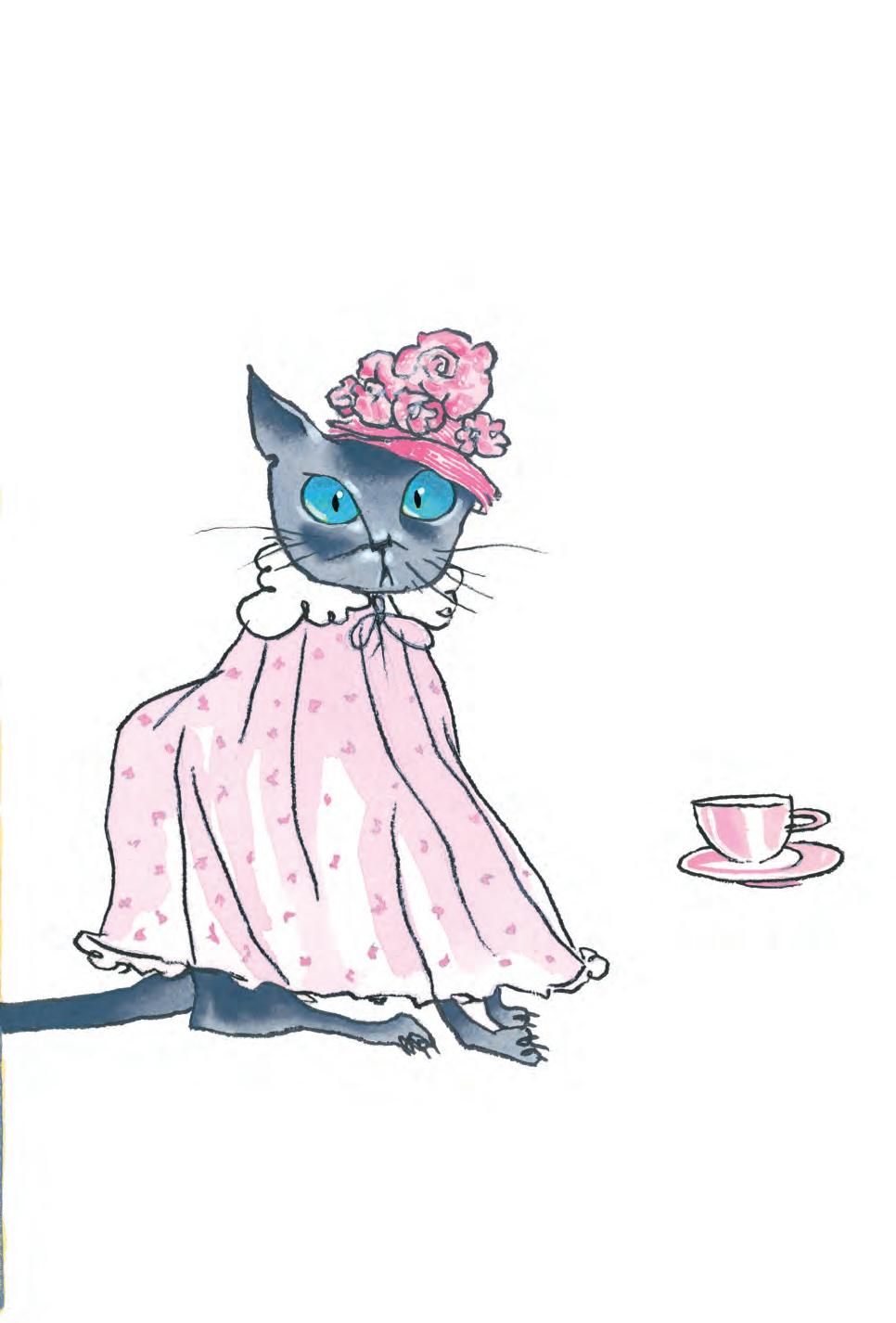
Help! I’ve been catnapped, dressed in frillies, forced to lap tea with your sister.
Letmeoutletme outletmeoutletmeout. Wait—let me back in!
The Yard
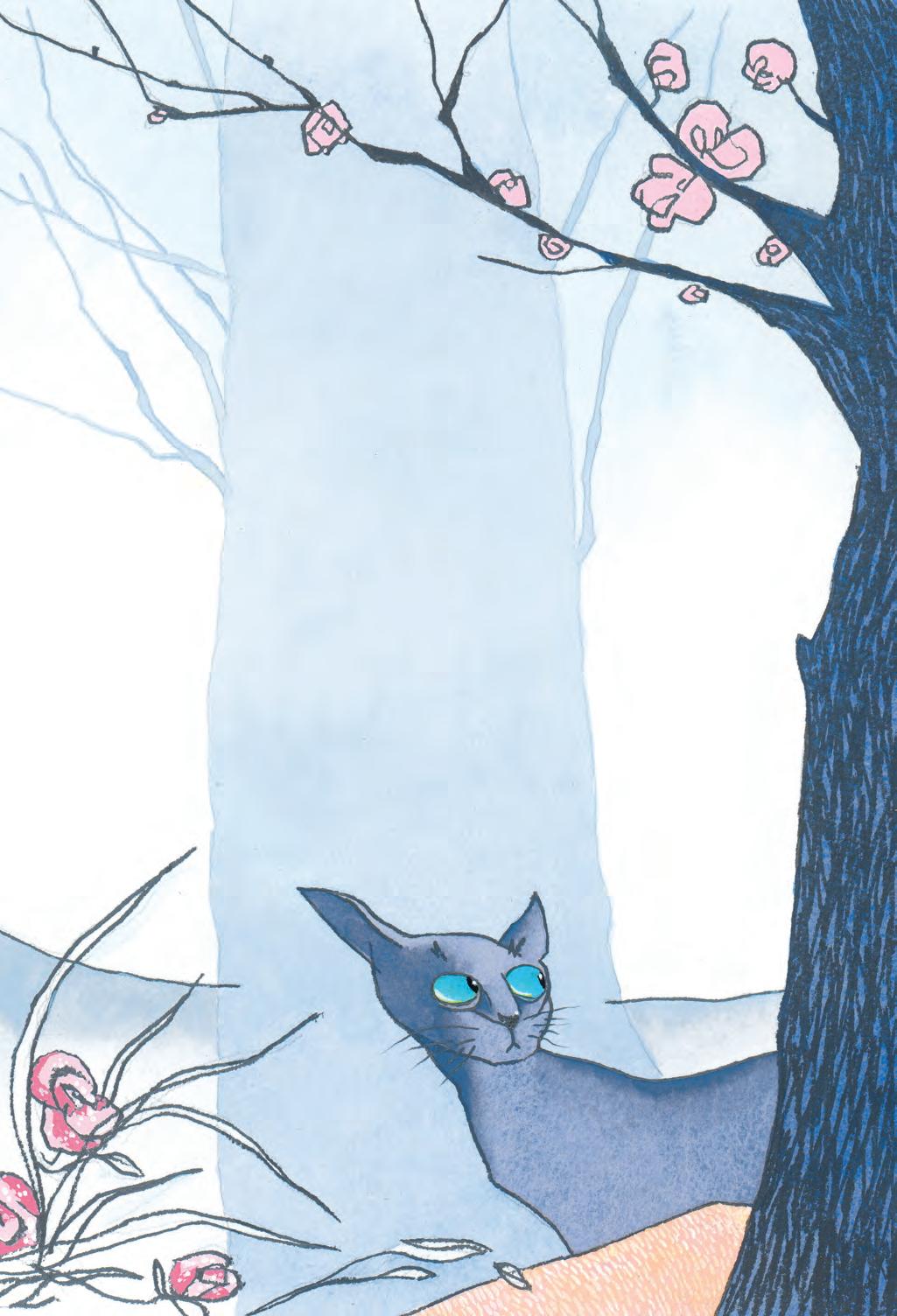
A dog stopped here once. And here. There. And here again. Oh, a cat’s nose knows!
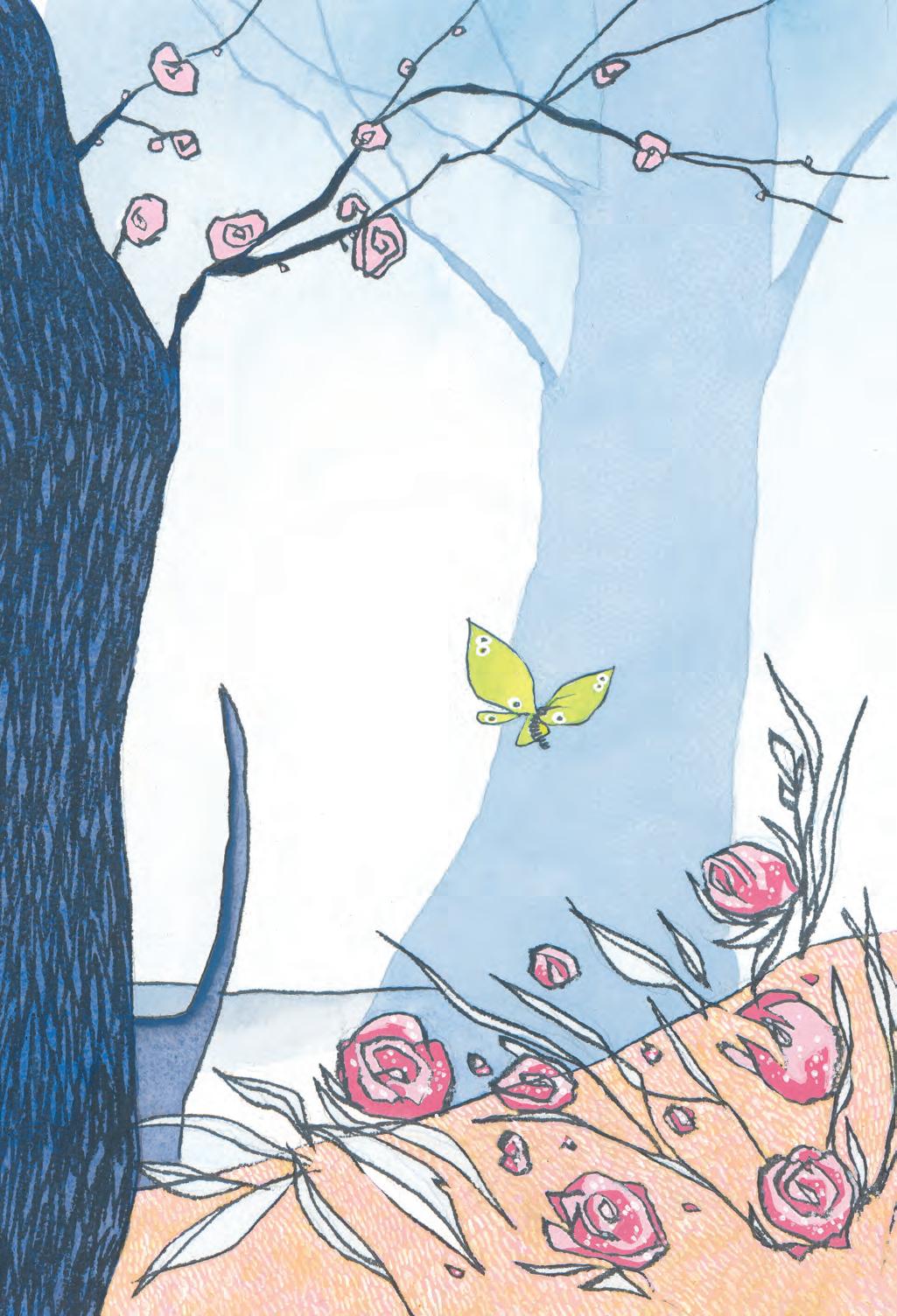
Crickets crunch. Mice snap. Wing thing makes a dusty snack: No meat on a moth.
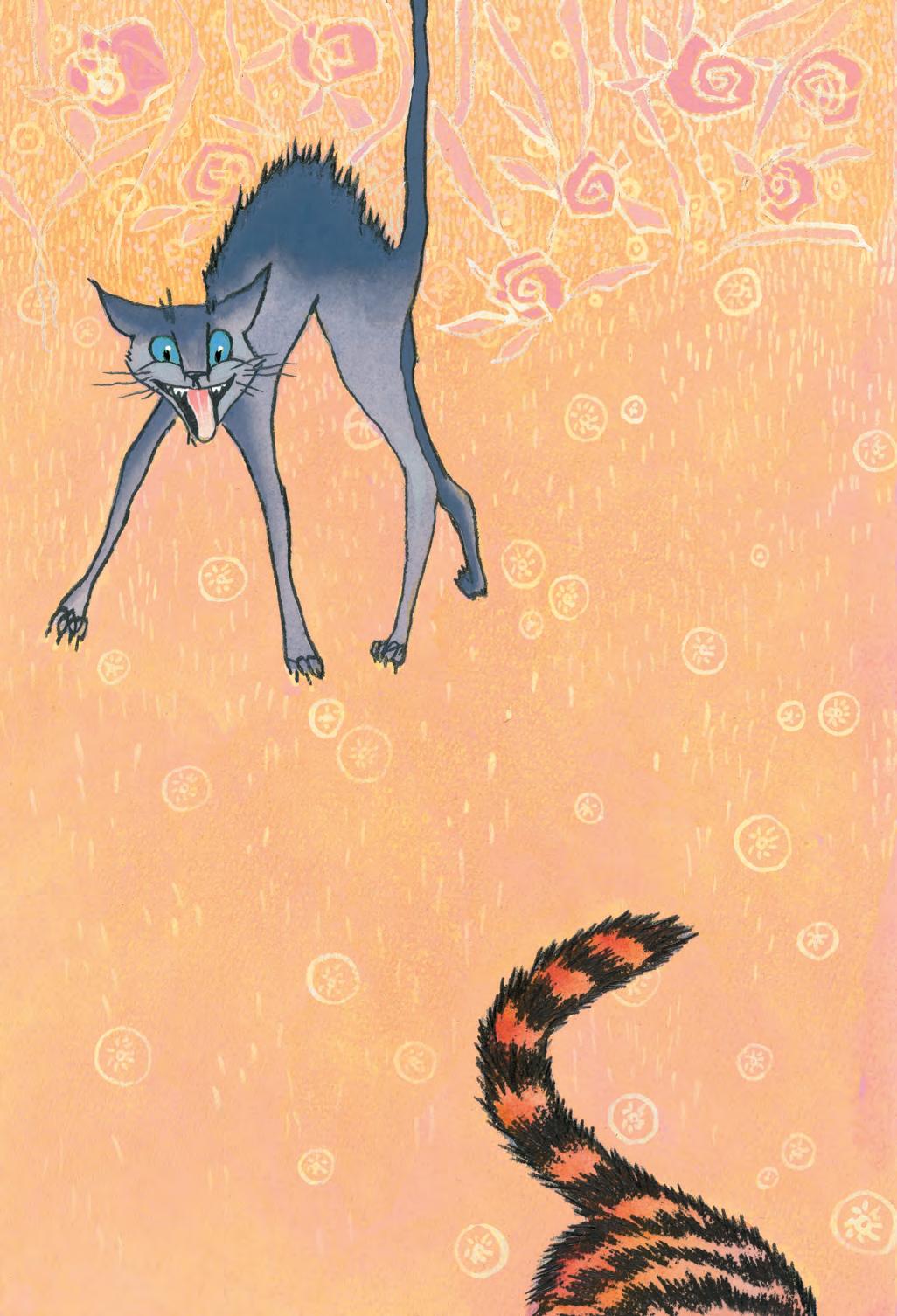
Prickle-puffed, I hiss: Ssscat! This yard ain’t big enough for the both of us.
Letmeinletme inletmeinletmein.
Wait—let me back out!
Home
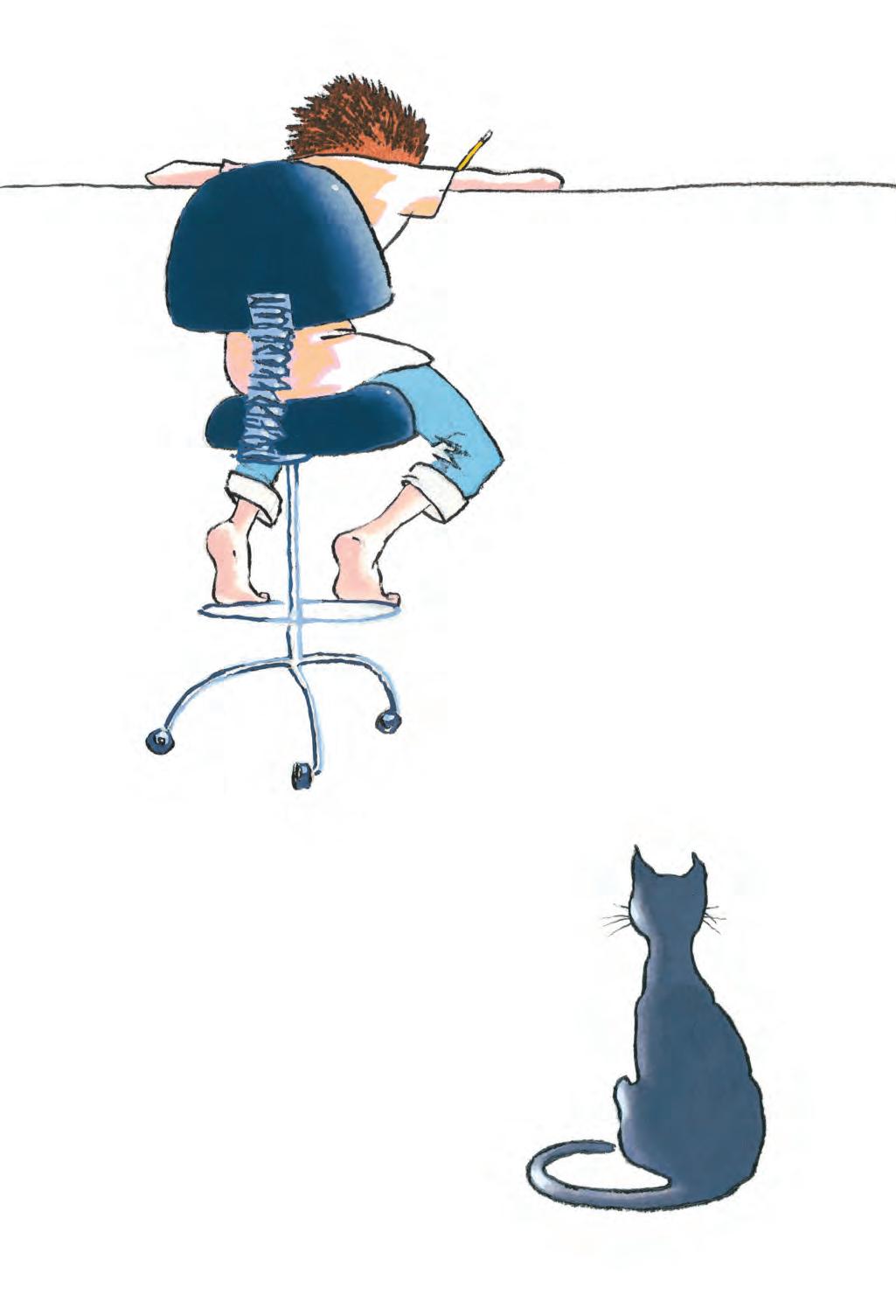
Hel-looo. I’m waiting. Put down that pesky pencil and fetch the catnip.
I explained it loud and clear. What part of “meow” don’t you understand?
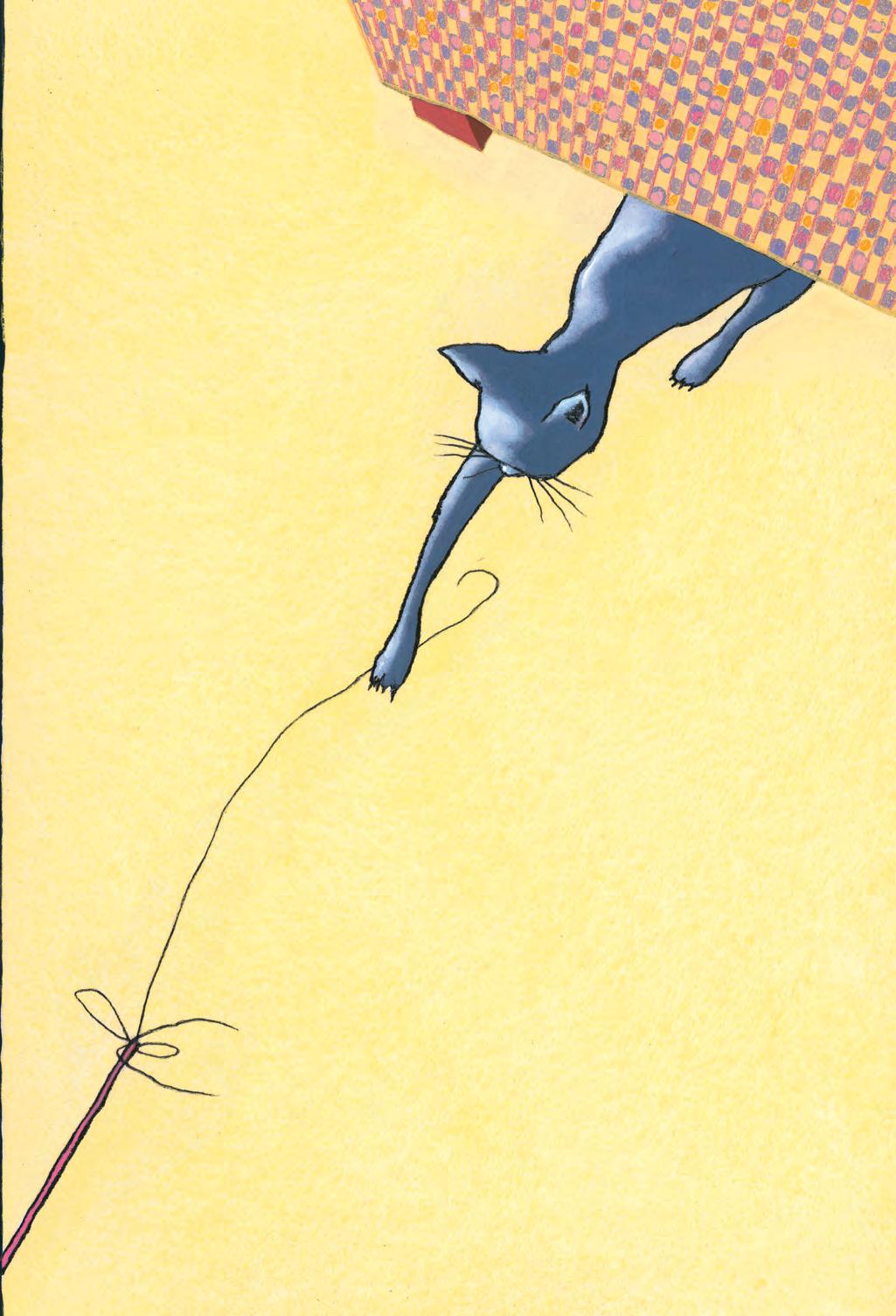
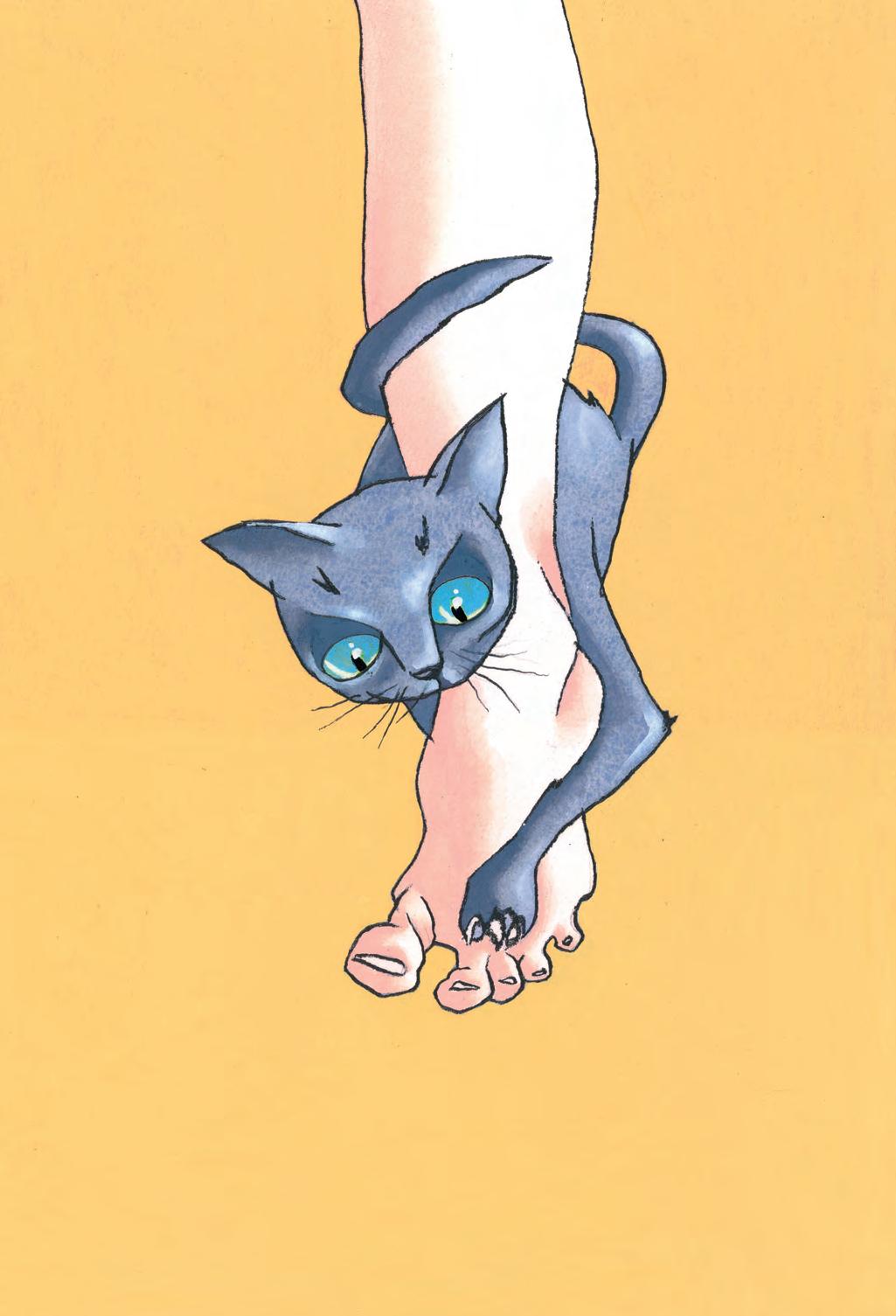
Oops! I mistook these for wiggly worms. I didn’t know they were your toes.
“My
Eavesdropping, I hear:
cat.” Great Rats! Don’t you know yet that you’re My Boy?
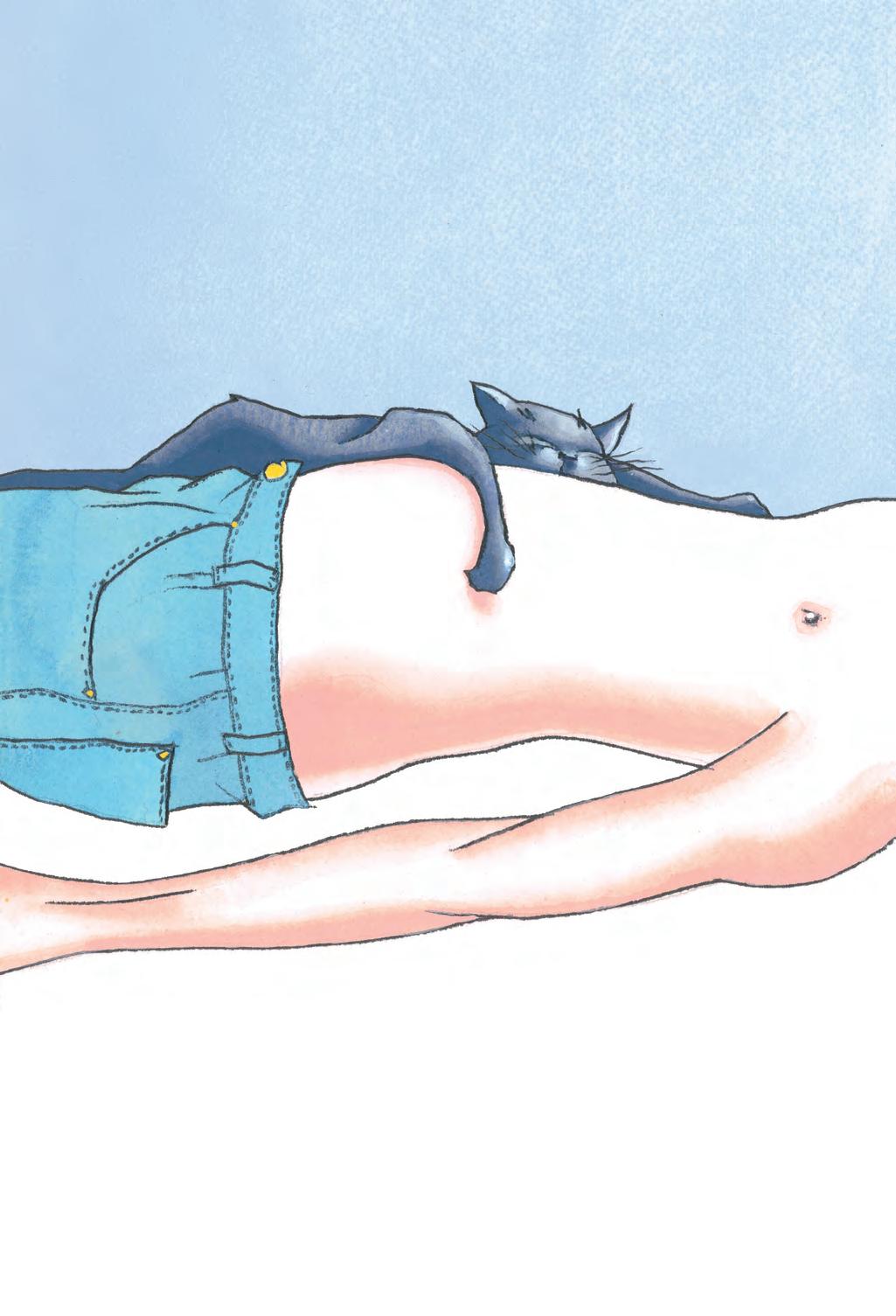
Your tummy, soft as warm dough. I knead and knead, then bake it with a nap.
“Good night, Won Ton,” you whisper. Boy, it’s time you knew: My name is Haiku.
LEE WARDLAW ’s first spoken word was “kitty.”
Since then, she’s shared her life with thirty-one cats (not all at the same time!) and published thirtyone books for young readers, including the poetry collection My Book of Firsts, also published by Red Comet Press. Lee lives in Santa Barbara, California, with her husband and two former shelter cats.
EUGENE YELCHIN has written and illustrated many award-winning books including the Newbery Honor book Breaking Stalin’s Nose, the National Book Award finalist The Assassination of Brangwain Spurge (co-authored with M. T. Anderson), and the National Jewish Book Award–winning graphic memoir I Wish I Didn’t Have To Tell You This. Born in Leningrad, Russia, Eugene Yelchin now lives in Topanga, California, with his family.
“THIS
NAMELESS SHELTER CAT STEALS THE SHOW.”
–Chicago Tribune
–Kirkus Reviews
“A celebration of the child-pet bond.”
–Booklist
“Will steal the hearts of readers young and old.”
–School Library Journal
A WASHINGTON POST BEST BOOK OF THE YEAR
MYRA COHN LIVINGSTON AWARD FOR POETRY
AN NYPL BEST BOOK OF THE YEAR AN SLJ BEST BOOK OF THE YEAR
LEE BENNETT HOPKINS POETRY
A CCBC BEST CHILDREN’S BOOK OF THE YEAR
AN NCTE/CLA NOTABLE CHILDREN’S BOOK AN ALSC NOTABLE CHILDREN’S BOOK