































































































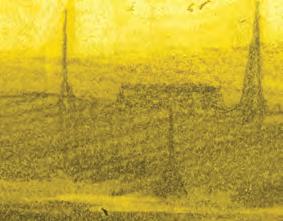

For my family —Shirin
“Whoever among you sees evil, let him change it with his hand. If he cannot do so, then with his tongue. If he cannot do so, then with his heart.” —Hadith
SHIRIN SHAMSI writes stories for young readers that honor bravery, compassion, and the power of gentle voices. Inspired by history and real lives, her work invites children to see how even quiet acts can shape the world. Born and raised in the United Kingdom, she now lives in Chicago, Illinois. Visit her at shirinshamsi.com.
TARA ANAND is an illustrator whose evocative, atmospheric art brings historical stories to life with emotional nuance. Tara was born in India and now lives in New York City. Visit her at taraanandart.com.
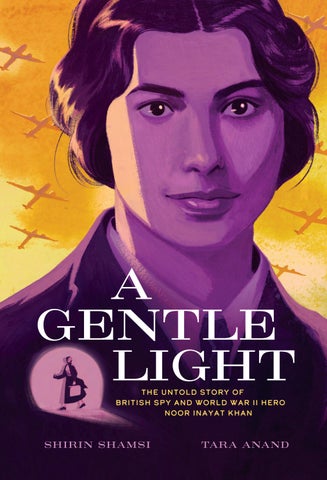
A Gentle Light
Text copyright © 2027 Shirin Shamsi
Illustrations copyright © 2027 Tara Anand
Published in 2027 by Red Comet Press, LLC, Brooklyn, NY
All rights reserved. No part of this book may be used or reproduced in any manner whatsoever without written permission except in the case of brief quotations embodied in critical articles and reviews.
Library of Congress Control Number: 2026934588
ISBN (HB): 978-1-63655-212-5
ISBN (EBOOK): 978-1-63655-213-2
26 27 28 29 30 TLF 10 9 8 7 6 5 4 3 2 1
First Edition
Manufactured in China
Red Comet Press is distributed by ABRAMS, New, York RedCometPress.com






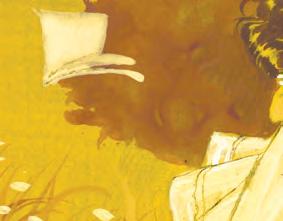
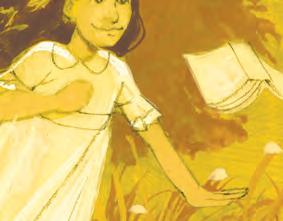
Noor’s eyes twinkled and her heart danced as she listened to Abba’s stories. Sitting snug with her siblings, she drank in each word, wide-eyed with wonder. She especially loved to hear the stories of courage of her great-great-greatgrandfather, the Indian king, Tipu Sultan.























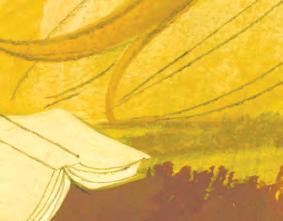





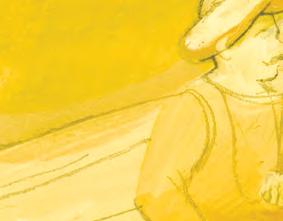





















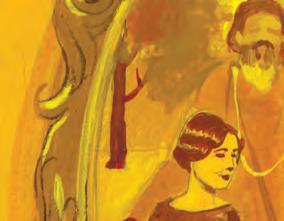








Born January 1, 1914, in Moscow, to an Indian father and American mother, Noor was a child of the world, a sensitive girl who cared deeply about all living creatures. When the First World War broke out seven months later, Noor’s family fled to Great Britain.

















Six years later, the family moved to France. Noor was now six and an elder sister to three siblings. At school, children teased Noor because she looked different and did not speak French. But Noor spread kindness where she did not see it—like a warm, gentle light.






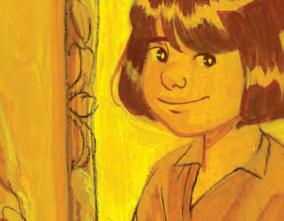














Abba was a Sufi teacher and spoke of love and harmony. Crowds of people, hungry for peace, flocked to Fazal Manzil, their “House of Blessings,” to learn from him. Noor also learned and absorbed Abba’s teachings—words that became her guiding light.




















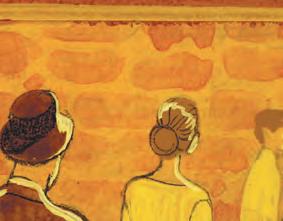




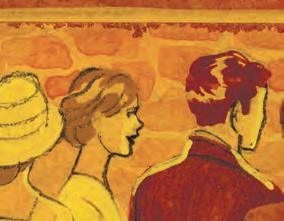




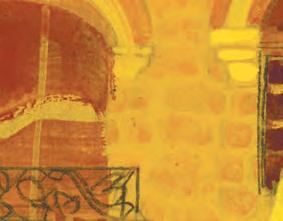
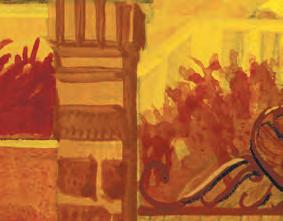
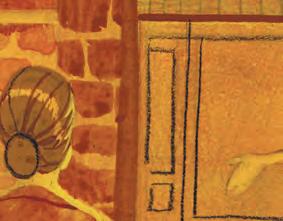
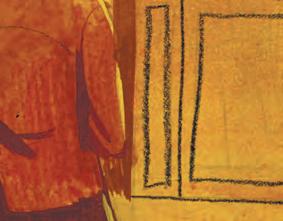




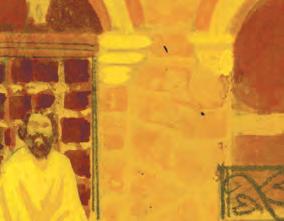
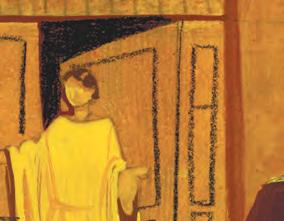





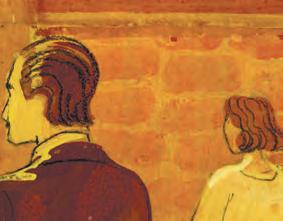



Noor worried about the world’s troubles. Determined to make a difference, she wrote poems for her friends and family to spread light and joy.























But Noor’s carefree days were not to last. Abba died from an illness while visiting India, and at age thirteen, Noor’s world crumbled.




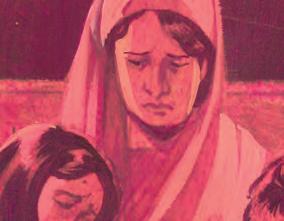





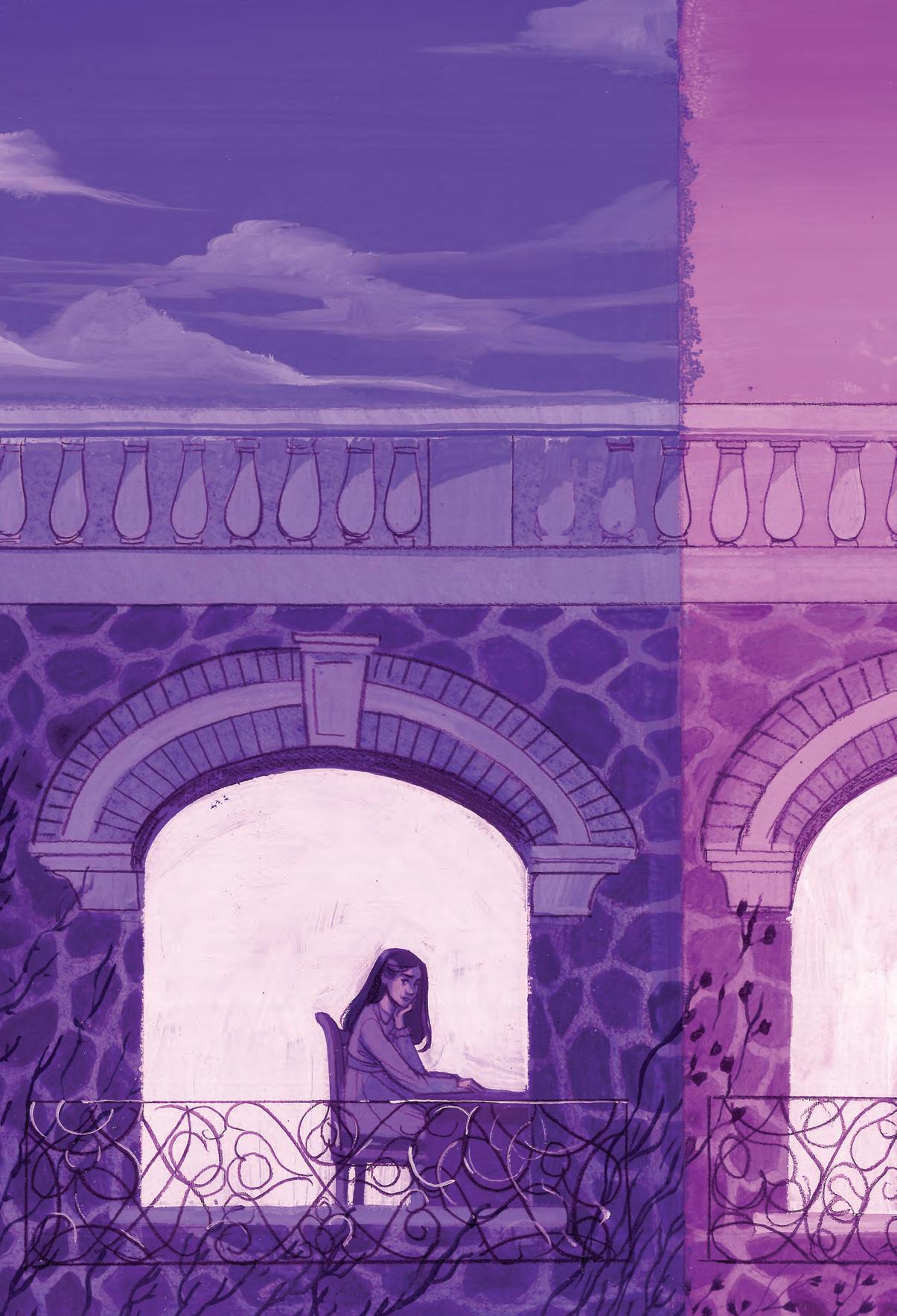
Through her sorrow, Noor held tight to Abba’s teachings. She mothered her siblings, making sure they had clean socks to wear and went to school on time. Every morning, Noor sat at her desk with pen and paper. How could she help make the world better? How could she inspire courage in children?
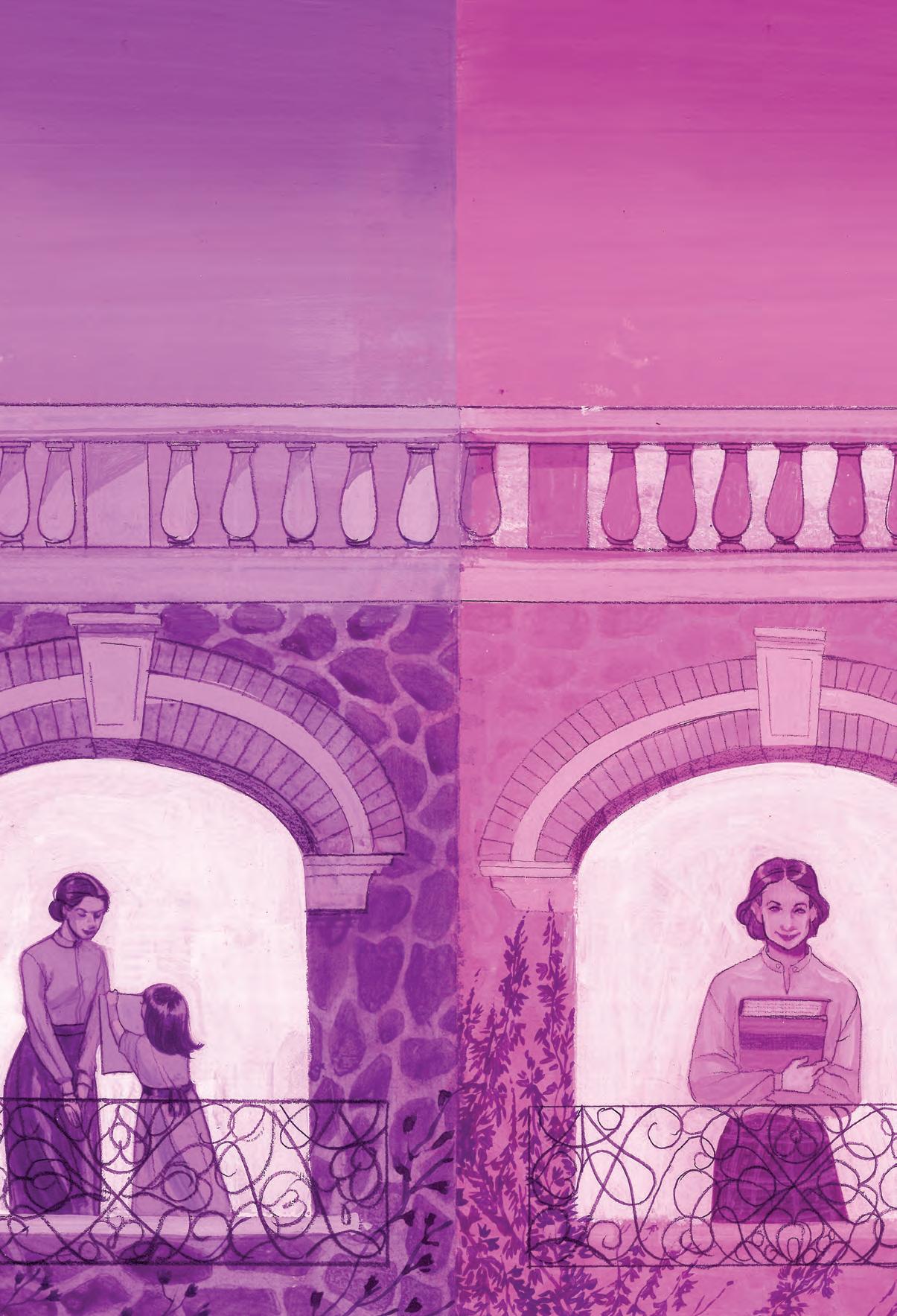
Stories flowed from her pen. Noor’s first book, Twenty Jataka Tales, was published in 1939. At twenty-five, Noor’s dreams blossomed and her world brightened. But ominous clouds of war gathered across Europe.









































World War II changed everything. Bomber planes roared across Europe. German troops marched into France and toward Paris. War would soon be on Noor’s doorstep. Noor would not sit back and allow hate to grow unhindered across the world. She knew what she must do.























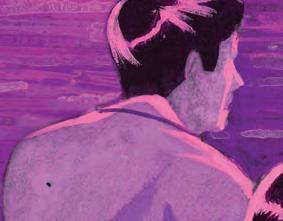









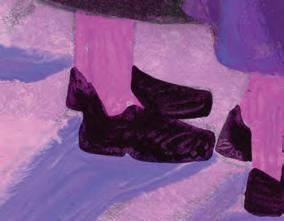



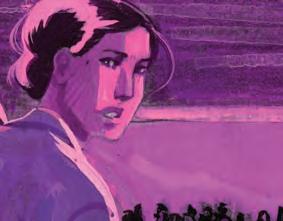
























First she had to get her family to safety. They hurried to catch the last ferry leaving France. Water lapped and sloshed against their boat, carrying Noor and her family across the channel to Great Britain. She promised herself she would one day return.





























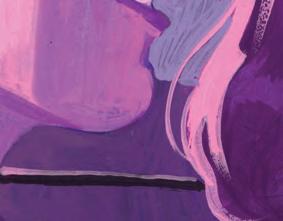







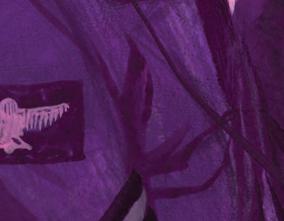










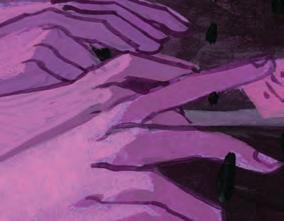
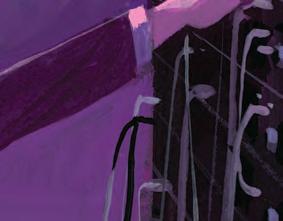
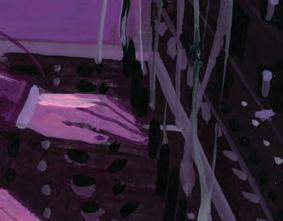
In Britain, Noor joined the Women’s Auxiliary Air Force and became a wireless operator. TAPTAP-CLACKETY-CLACK. Her fingers moved fast. Used to plucking strings on a harp, Noor was quick to send and receive messages. DOT-DOT-BEEPBEEP. Electrical pulses became words—and words became important messages. One mistake and lives could be lost! Noor was a fast learner. But she was restless. She wanted to do more.



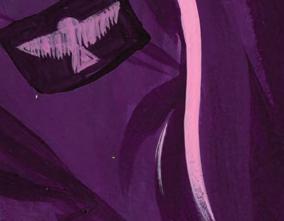



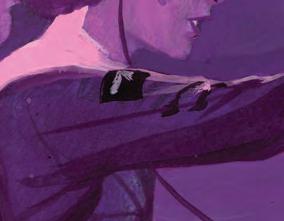
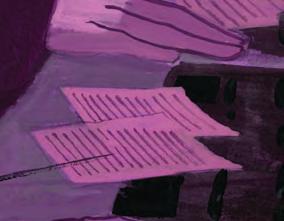





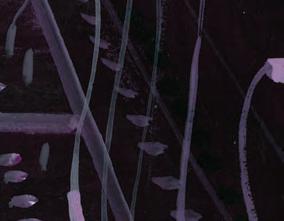





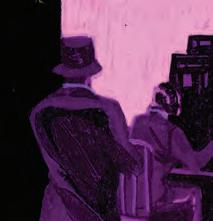
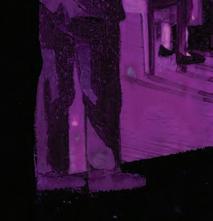




Little did she know that she was being closely watched by government agents.














A new spy network was formed by the British prime minister, Winston Churchill.

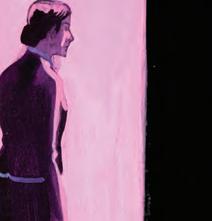



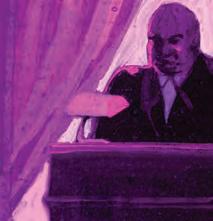




The Special Operations Executive (SOE) was top secret. Noor had captured their attention because she was fluent in both English and French. She was called for an interview at a small office in London.










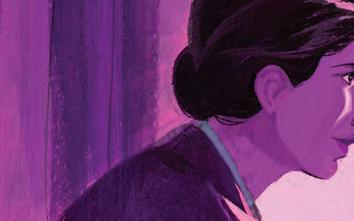






When Noor learned how dangerous the job was, her calmness surprised the interviewer.

Though she had never done anything so secretive, where lives would be at stake, she knew this role could make a difference.







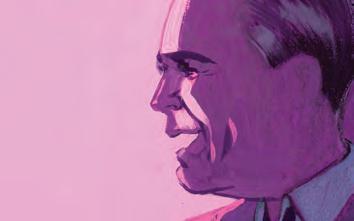



















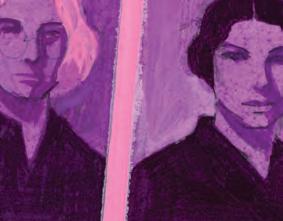

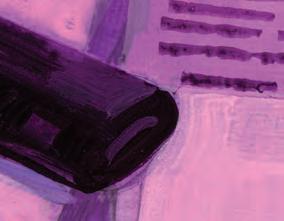

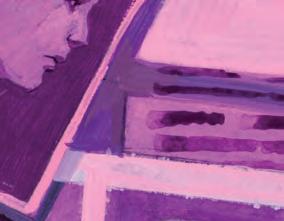
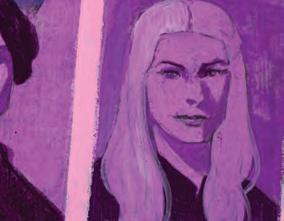






While other candidates had many interviews, Noor was hired after only one. But did she have what it would take to be a spy?
Training began immediately—setting up a false identity, learning how to shoot a pistol—and she quickly figured out how to crack secret codes. She passed every test. France urgently needed radio operators, and Noor was the best they had, and she was ready. Her code name was MADELEINE. At last she would keep her promise and return to France.

























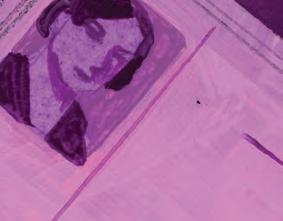















Noor could not tell anyone where she was going. She hugged her mother extra tight as she left, but could not tell her she was returning to her French homeland to face the enemy.

On a summer’s night in June, by the glow of a full moon, Noor boarded a plane. She was the first woman radio operator to be sent to join the French Resistance.






























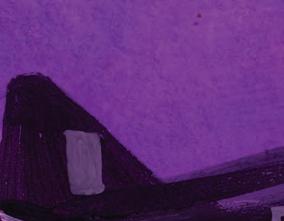








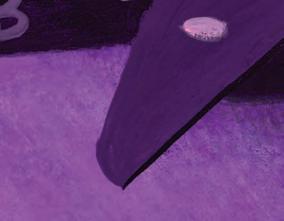














The Lysander plane whirred quietly as it landed in a field. Noor’s heartbeat quickened. She was home, and she knew she had made the right decision.






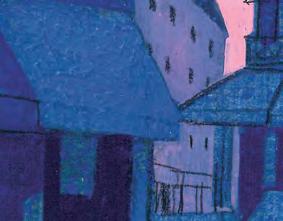







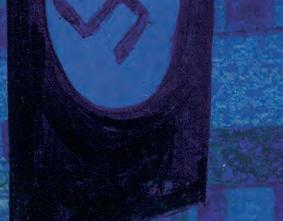
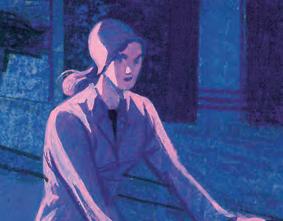









Noor was shocked to see her Paris so changed. German police—the Gestapo—crawled the streets. Storefront signs were now written in German. Her eyes stung with angry tears, but she had work to do.











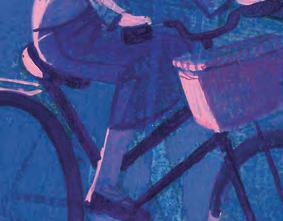
Noor cycled to the location of a secret box. Hidden from view, she carefully took out the coded message. She had to get it to London. Urgently! But first she had to find a place that was safe from the enemy’s watch.






Noor peddled fast on her bike—there was no time to lose. Paris was bustling with people, so no one noticed Noor with a suitcase of spy equipment as she cycled to the address she was given—a place from where she could safely send messages.













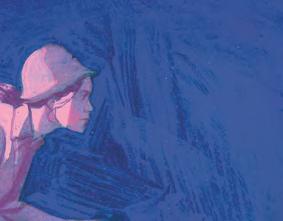
















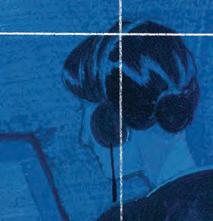







Once in the safe house, she opened a window and unrolled a seventy-foot-long aerial wire. Noor looked around cautiously, making sure no one saw. She stretched out the window and hung one end up on a branch.


















































She then clicked open the case and began deciphering the code. TAP-TAP-CLICKETY-TAP went her fingers as she transmitted the message and it flew from Paris to London.







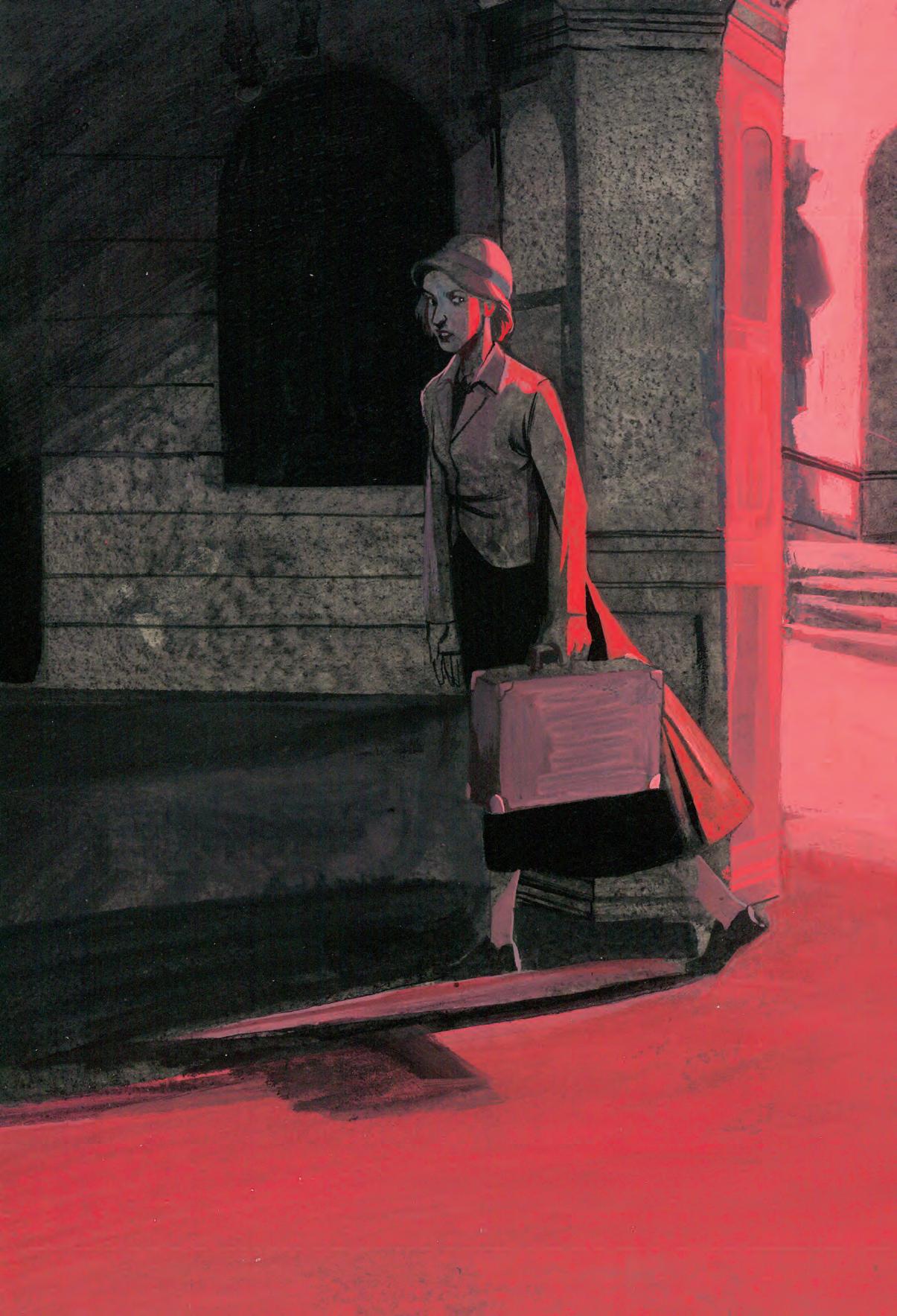
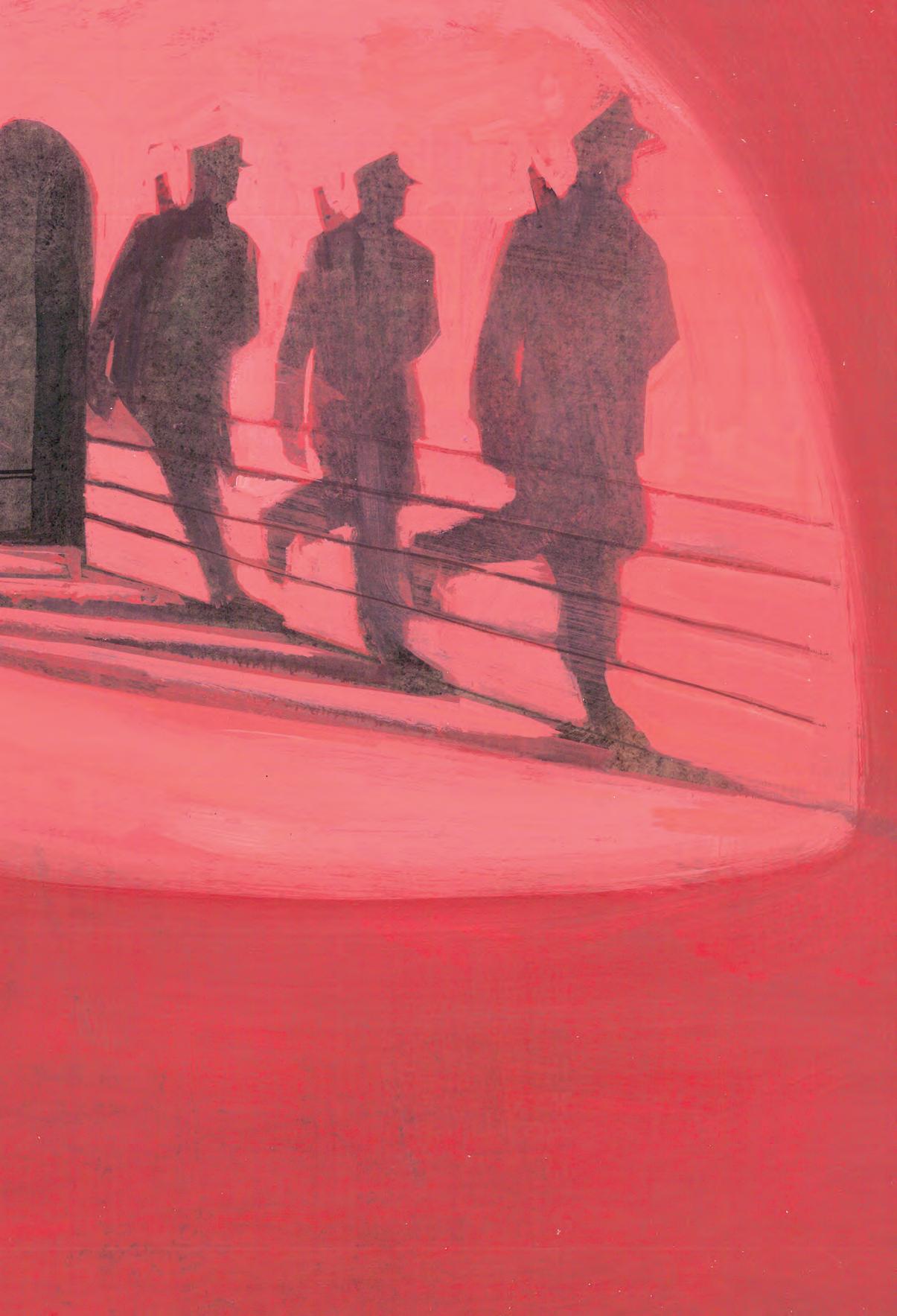
Danger lurked in every corner. Gestapo vans roamed the streets. With their special equipment, they could detect a radio signal within thirty minutes. But Noor was quick. She sent off the message, packed her case, and was off to another safe house.





















One day, two men in uniform stopped Noor on the street. She held her breath. Her heart pounded. They asked her to open the suitcase. Hiding her fear, Noor calmly opened it. There it was. Her radio, in plain sight.
Now what would she do?


















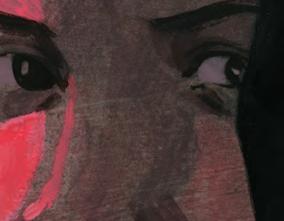
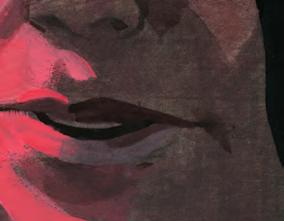









































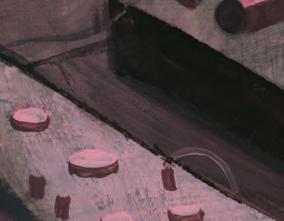


















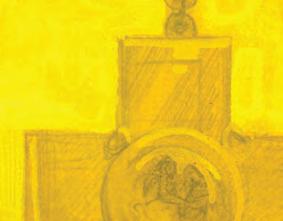
Noor told them it was a photographic apparatus. The officers had no idea what it was, and were too proud to admit it, so they believed her. They could not imagine that a small woman like Noor, with a voice as soft as a bird’s, could possibly be a spy!



Noor smiled with relief and hurried on to the next task.





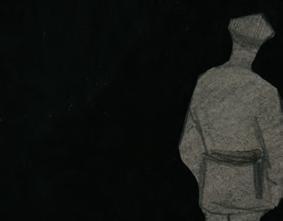
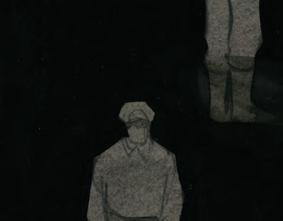
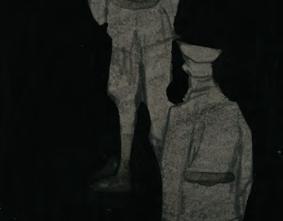
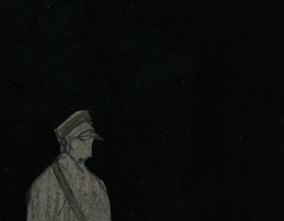
Day after day, Noor continued her work, cleverly changing into many disguises. Paris was becoming more dangerous. The Gestapo was closing in on the network of spies, and one by one, they captured all the undercover agents in Noor’s network, except her.




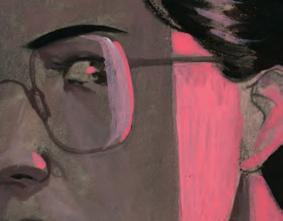

















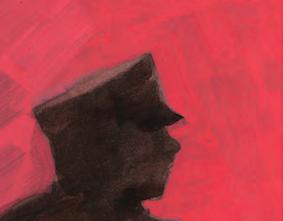



















With all of Noor’s team imprisoned, London’s head office asked her to return. They feared for her safety. Noor was the only operator left and more determined than ever to stay and do the work of six people. Most agents were arrested and many were executed within six weeks. But Noor was able to evade capture for three months. The Gestapo searched far and wide for “Madeleine,” now the most wanted spy in Paris.









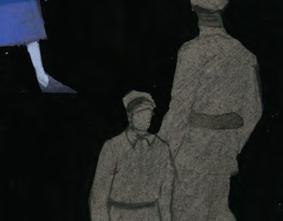
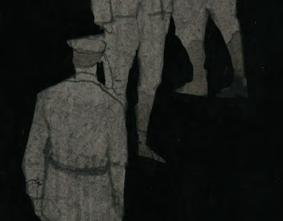













But time was running out.






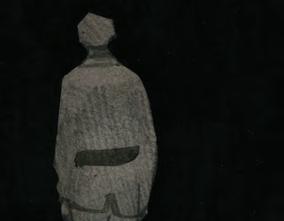


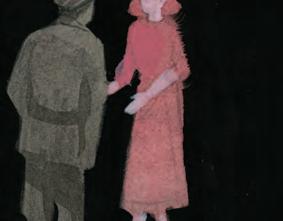


















One evening, about three months after she had arrived in Paris, Noor found the Gestapo waiting for her at her residence. She had been betrayed! Out of jealousy, the sister of a colleague had sold her address to the Gestapo.
















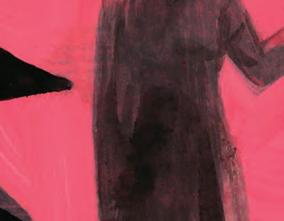
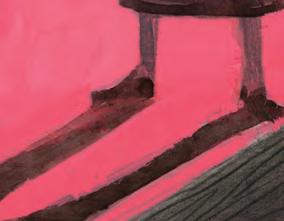






















Noor held on to her faith. Her calm and quiet courage even earned her the respect of her enemies. She tried to escape but was captured and sent to a concentration camp at Dachau, Germany, where she was executed, just days after France’s liberation. She was thirty years old.


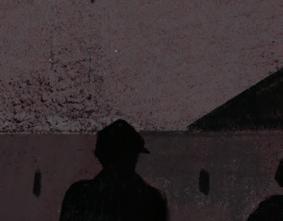









































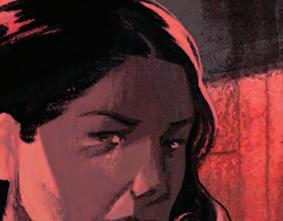





Noor’s important work prepared the way for the Allied invasion that would eventually end the war. She was posthumously awarded the highest civilian awards from both France and the United Kingdom for her sacrifice.
















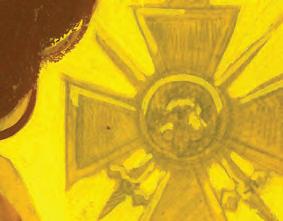








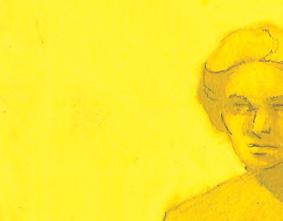






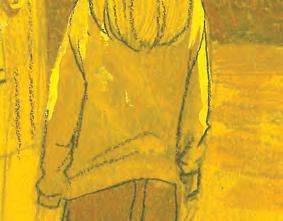



Noor lived the words of her faith. She sacrificed all she had with a fierce love for her family and her home. Just like the stories of courage she once listened to as a child, Noor’s story of resilience and determination will inspire generations of children around the world.



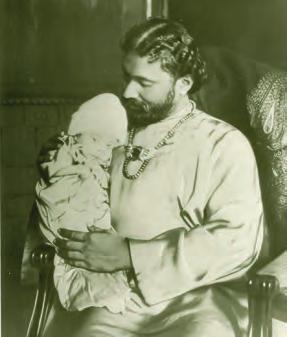
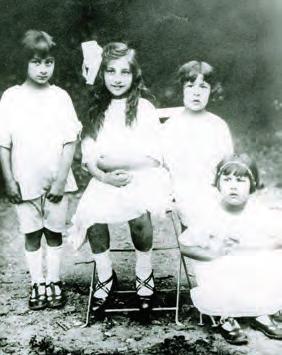
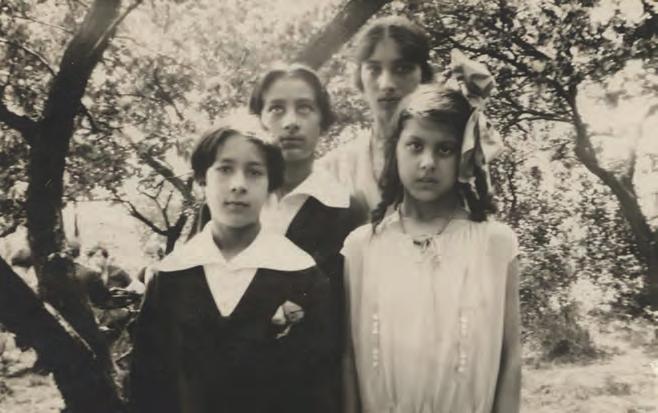
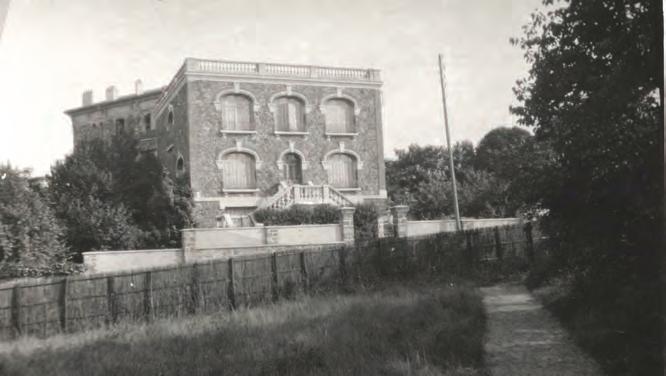
January 1, Noor Inayat Khan is born in Moscow. World War I breaks out and Noor’s family moves to England.
Noor’s family moves to France after her Indian father is treated with suspicion due to the Indian struggle for independence from British rule.
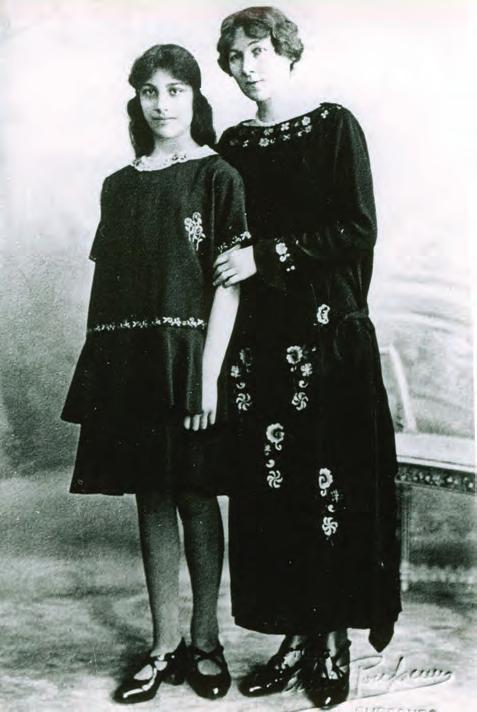
Noor’s Abba returns to India where he is taken ill and dies.
Noor’s book Twenty Jataka Tales is published. Noor begins a radio show for children. World War II begins.
Germans occupy France. Noor’s family escapes to England.
Noor and her brother join the war effort.
Noor joins the Special Operations Executive (SOE). Noor returns to France on a top-secret mission for the SOE. She begins her undercover job as the first woman radio operator. She is imprisoned, escapes, is caught and sent to a German concentration camp and labeled as “very dangerous.”
Noor is executed at Dachau concentration camp in Germany. Her last word is “Liberté!”
France’s President de Gaulle posthumously awards Noor the Croix de Guerre.
Noor posthumously receives the George Cross in Great Britain. Her mother dies shortly after.
Princess Anne unveils a memorial honoring Noor that is located in the London park where she played as a child before moving to France.
Noor Inayat Khan was honored with a blue plaque at her wartime London home at 4 Taviton Street in Bloomsbury—the house she left on her final and fatal mission and the address she had etched into her bowl while in prison so she could be identified. Noor was the first woman of South Asian descent to have a blue plaque honoring her in London.
A lot of work goes into making a book, especially a nonfiction biography. I am indebted to Shrabani Basu for introducing me to Noor through her biography Spy Princess: The Story of Noor Inayat Khan. Without Basu’s book, Noor’s story would have remained relatively unknown.
Upon reading it, I could not stop thinking of Noor. I felt a kinship to her, and not just because she was an author of children’s stories and had South Asian heritage. I grieved for her life that was sandwiched between two world wars. It deeply disturbed me that her story was not known before. I thought of myself when I was eight years old. I thought of how her story would have inspired me. I feel Noor’s story is an inspiration, one that should be remembered.
The more I thought about Noor, the more compelled I felt to share her story with children across the world, that they may be inspired by how she lived. That they may know Noor and the resilient, brave, and courageous woman that she was.
Noor grew up hearing stories of her brave ancestor Tipu Sultan. Perhaps it was her Sufi upbringing that deepened her inner strength and resilience. She
believed in nonviolence and could not tell a lie, yet she selflessly took on one of the most dangerous jobs to save the world from fascism and hate.
One example of Noor’s extraordinary empathy and compassion was when she was only four years old. She was so concerned about children starving due to war that she saved up all her chocolates to send to them.
At the Victoria and Albert Museum there is an exhibit titled Tipu’s Tiger. It was taken from India at the end of the nineteenth century. As I stood and viewed the exhibit, I could not help but wonder if Noor visited it as a child when she lived in London. I imagine her looking through the glass and thinking of the courage of her great-great-great-grandfather.
Noor was a gentle and sensitive child. She was a poet, a musician, an author of children’s books—all this resonated with me.
Noor’s story highlights that strength and resilience lies within us. What matters is that we each have an inner strength, an inner light that we must share with the world. I hope Noor’s story inspires you, dear reader, and that her gentle light continues to shine across the ages.
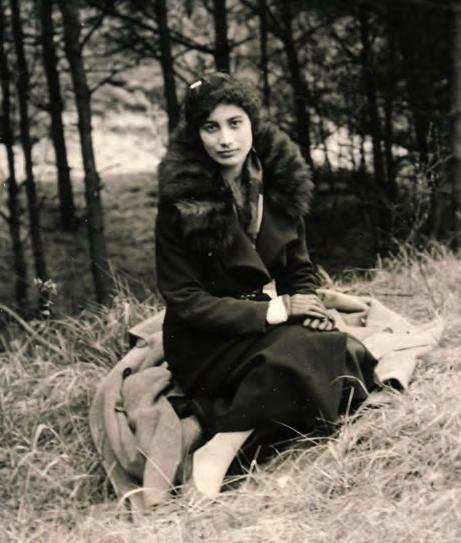
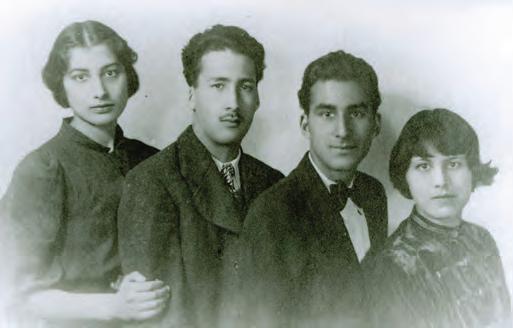
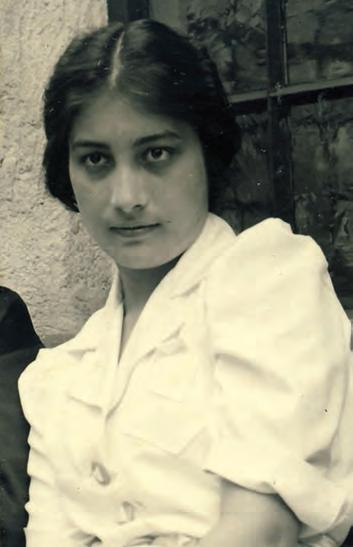

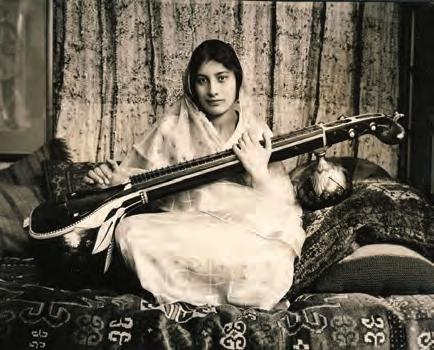
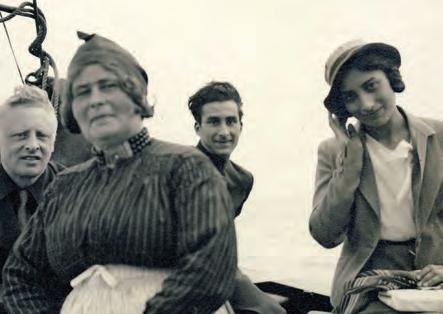

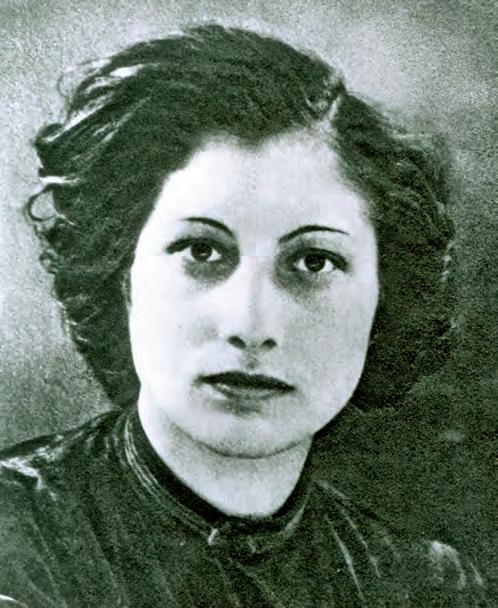
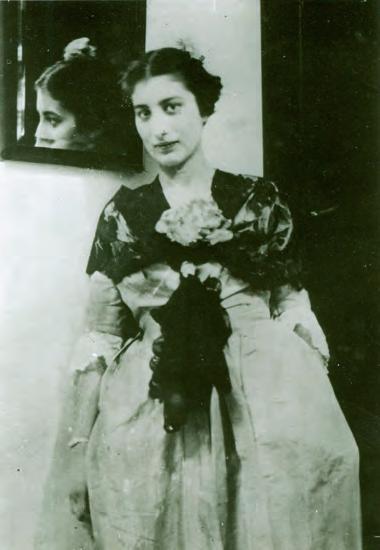
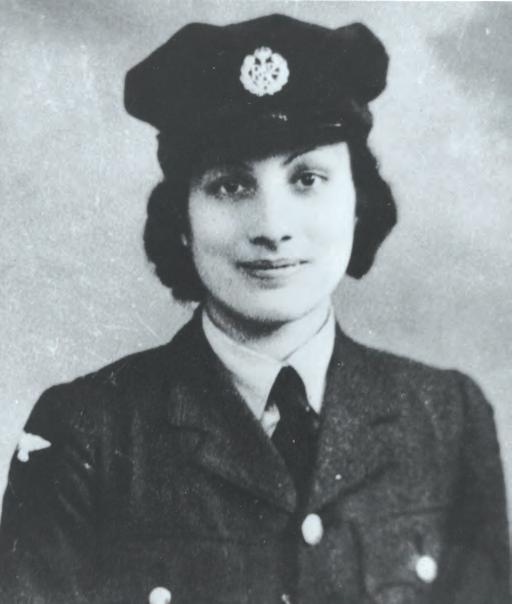
Abba: Means “father” in Urdu.
Fazal Manzil: The “House of Blessings” that Hazrat Inayat Khan established in 1922 in Suresnes, France, that followers still flock to today.
Gestapo: Short for Geheime Staatspolizei (Secret State Police) was the brutal police force established in 1933 by Hermann Göring for Nazi Germany.
Special Operations Executive (SOE): A secret British World War II organization (1940–1946) established by Winston Churchill focusing on espionage, sabotage, and reconnaissance in enemyoccupied territories.
Sufism: A dimension of Islam that consists of complete dedication to the worship of God, focusing on inner spiritual transformation and a disregard for material possessions and worldly pleasures.
Tipu Sultan: An 18th-century Indian ruler of the Kingdom of Mysore.
Women’s Auxiliary Air Force: The female auxiliary branch of the British Royal Air Force (RAF) during World War II, established on June 28, 1939. At its peak in 1943, over 181,000 women served in vital roles, including radar operators, mechanics, intelligence, and transport.
Ahmed, Sufiya. Noor-un-Nissa Inayat Khan , Scholastic UK, 2020. Basu, Shrabani. The Spy Princess: The Life of Noor Inayat Khan, Omega Publications, 2007. Helm, Sarah. A Life in Secrets: Vera Atkins and the Missing Agents of WWII, Random House Audio, 2018. Inayat Khan, Noor. King Akbar’s Daughter: Stories for Everyone, Omega Publications, 2013. Inayat Khan, Noor. Twenty Jataka Tales, Inner Traditions, 1985. Inayat Khan, Noor. Aede of the Ocean and Land: A Play in Seven Acts, Omega Publications, 2018. Magida, Arthur J. Code Name Madeleine: A Sufi spy in Nazi-occupied Paris, W. W. Norton and Company, 2020. Overton Fuller, Jean. Born For Sacrifice: The true story of Madeleine Heroic British Secret Agent in Paris, Pan Books, 1957. Ray Harper, Claire and David Ray Harper. We Rubies Four: The Memoirs of Claire Ray Harper (Khairunisa Inayat Khan), Omega Publications, 2011. Stevenson, William. Spymistress: The True Story of the Greatest Female Secret Agent of World War II, Audible Studios, 2014. Walters, Anne-Marie. Moondrop to Gascony, Moho Books, 1946.
OTHER RESOURCES
BBC, Timewatch , “The Princess Spy,” documentary Imperial War Museum Archives: www.iwm.org.uk
The National Archives: www.nationalarchives.gov.uk/about/visit-us/ Nekbakht Foundation: www.nekbakhtfoundation.org
Victoria and Albert Museum: www.vam.ac.uk/articles/tipus-tiger?srsltid=AfmBOop6SIj58
“Spy Princess: The Life of Noor Inayat Khan,” Shrabani Basu, presentation: www.youtube.com/watch?v=mUZX2iZpYTg
All photos used with permission from the Nekbakht Foundation www.nekbakhtfoundation.org