
GLP-1 Program Implementation: Compliance Framework for Weight Loss Clinics

Page 1


GLP-1 Progra ation: A

Compliance First Framework

How to build a GLP-1 weight loss program the right way, covering protocol design, informed consent, and monitoring

GLP-1 Program Implementation, A Framework Built for Compliance First

Every clinic wants in on GLP-1 right now Fewer are asking the harder question, which is whether they've actually built the infrastructure to run this kind of program safely

GLP-1 medications have become one of the fastest growing revenue lines in outpatient medicine They've also become one of the fastest growing sources of regulatory scrutiny, malpractice exposure, and supply related complications. A clinic that treats this as a simple add on service, rather than a full clinical program, is taking on more risk than the revenue usually justifies
Building the Protocol

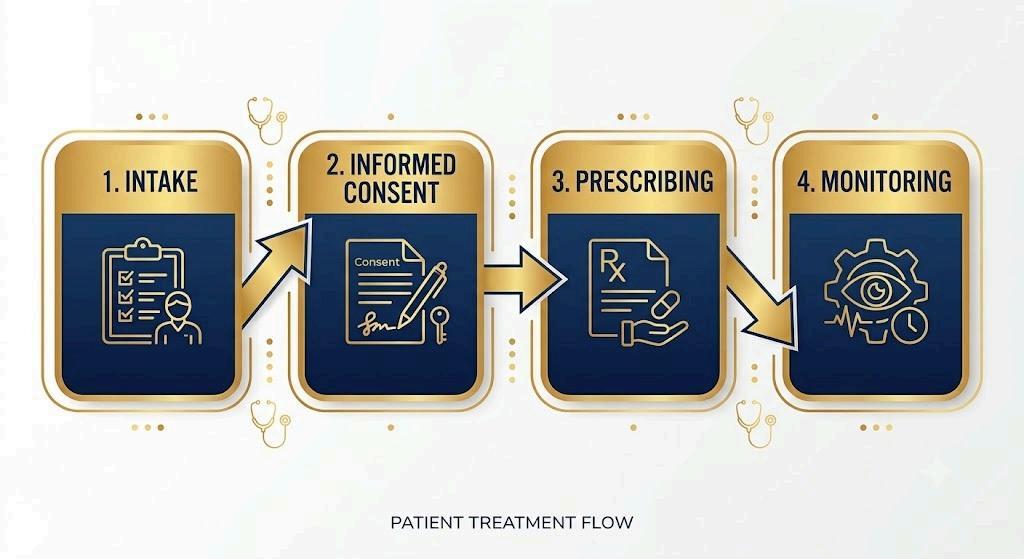
A real GLP-1 program starts with a written clinical protocol, not a verbal understanding among staff. That protocol should define eligibility criteria, contraindications, starting dose guidelines, titration schedules, and clear escalation paths for adverse reactions It should be reviewed and signed by the clinic's medical director, not just drafted by an administrator and left unsigned in a shared drive.

The FDA has published specific guidance on GLP-1 medications covering approved indications and known risk factors, and any clinic protocol should be built to align with that guidance rather than drift from it based on marketing pressure

Informed Consent, Done Properly

Patients need to understand realistic outcomes, common side effects, and the commitment involved before starting treatment A rushed consent process signed on a tablet in under a minute isn't informed consent in any meaningful sense, even if it technically satisfies a checkbox requirement. Clinics that slow down here tend to see better patient retention and fewer complaints down the line, which is a business benefit as much as a compliance one

Sourcing and Supply C

The compounding pharmacy landscape around GLP-1 medications has shifted repeatedly over the past two years, and clinics relying on compounded versions need to stay current on which formulations remain permitted as brand name supply stabilizes A clinic that builds its entire program around a compounding relationship that disappears in six months hasn't built a program at all. It's built a temporary offer.

Monitoring That Actually Happens

Ongoing monitoring means scheduled follow ups, weight and symptom tracking, and a clear process for adjusting or discontinuing treatment when something isn't working. Clinics running high volume GLP-1 programs sometimes let this slip once the initial excitement of launch wears off That's exactly the point where risk starts to accumulate quietly

Where Physician Oversight Fits In

None of this works without a medical director genuinely engaged in the program, not a name attached after the fact Doctor Staffers places physicians specifically experienced with GLP-1 and weight management protocols, which matters more here than in almost any other service line given how fast the regulatory landscape keeps shifting. Explore medical director placement built for GLP-1 programs

What This Means for Clinics Building From Scratch

Start with the protocol, not the marketing plan Get medical director sign off before the first patient is scheduled, not after the first complaint arrives. Build monitoring into the workflow from day one rather than treating it as optional once volume picks up

The Bottom Line

GLP-1 revenue is real, but so is the exposure that comes with running the program loosely. The clinics still standing in three years will likely be the ones that built compliance into the foundation instead of bolting it on after regulators started asking questions

Turn static files into dynamic content formats.

Create a flipbook